Library
Browse and search books
2,982 novels found
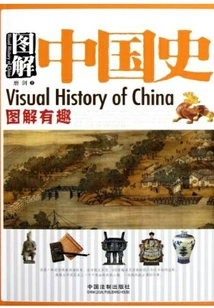
Illustrated Chinese History
History图解中国史
Sharpen Sword
When Huang Di fought against Chi You, what plan did Chi You use? Why did Qin and Jin become enemies after being so good? Why is Lu Buwei said to be a venture capital master? What does the death of Qin Bichu mean? What are the stories about the Chu-Han conflict after the Hongmen Banquet? What happened to Wang Mang's usurpation of the Han Dynasty? The Southern Dynasties were in chaos and the Northern Dynasties were crazy. What was the specific situation? How much secret history does Empress Wu Zetian have? Did Huang Taiji use counterintuitive tactics or infernal affairs to kill Yuan Chonghuan? Should Wu Sangui become a beauty in anger or should he not?
When Huang Di fought against Chi You, what plan did Chi You use? Why did Qin and Jin become enemies after being so good? Why is Lu Buwei said to be a venture capital master? What does the death of Qin Bichu mean? What are the stories about the Chu-Han conflict after the Hongmen Banquet? What happened to Wang Mang's usurpation of the Han Dynasty? The Southern Dynasties were in chaos and the Northern Dynasties were crazy. What was the specific situation? How much secret history does Empress Wu Zetian have? Did Huang Taiji use counterintuitive tactics or infernal affairs to kill Yuan Chonghuan? Should Wu Sangui become a beauty in anger or should he not?
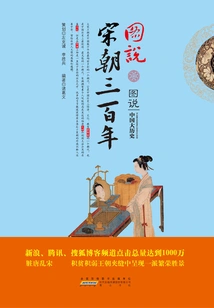
图说宋朝三百年
Edited By Zhuge Wen
The Song Dynasty lasted for more than three hundred years, but it became one of the most controversial dynasties in history. Politically, it is sluggish and has been repeatedly attacked by ethnic minorities in the north; economically, it is prosperous and has created a splendid culture. This book provides a comprehensive introduction to the Song Dynasty from the aspects of politics, economy, military and social life: What was the purpose of Song Taizu's "cup of wine to release military power"? How did Song Huizong "play away" the country? Is "a civet cat for a prince" true or false? Who is the prototype of the "Eight Wise Kings" among the Yang family generals? Is the tattoo on Yue Fei's back "Serving the Country with Loyalty"? What is the relationship between the weakened combat effectiveness of the Song Army and the breed of military horses? Why did Li Qingzhao get divorced again after remarrying? Why did men in the Song Dynasty like to wear a flower on their head? ... Illustrations illustrate a three-hundred-year history of the Song Dynasty, explaining all the truth and tasting the true flavor.
The Song Dynasty lasted for more than three hundred years, but it became one of the most controversial dynasties in history. Politically, it is sluggish and has been repeatedly attacked by ethnic minorities in the north; economically, it is prosperous and has created a splendid culture. This book provides a comprehensive introduction to the Song Dynasty from the aspects of politics, economy, military and social life: What was the purpose of Song Taizu's "cup of wine to release military power"? How did Song Huizong "play away" the country? Is "a civet cat for a prince" true or false? Who is the prototype of the "Eight Wise Kings" among the Yang family generals? Is the tattoo on Yue Fei's back "Serving the Country with Loyalty"? What is the relationship between the weakened combat effectiveness of the Song Army and the breed of military horses? Why did Li Qingzhao get divorced again after remarrying? Why did men in the Song Dynasty like to wear a flower on their head? ... Illustrations illustrate a three-hundred-year history of the Song Dynasty, explaining all the truth and tasting the true flavor.
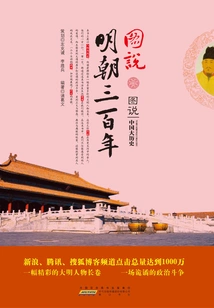
图说明朝三百年
Edited By Zhuge Wen
"Illustrated Three Hundred Years of the Ming Dynasty" mainly uses characters as clues to depict a rich and colorful scroll of Ming Dynasty figures to readers. These ancient people who have disappeared in the long river of history, their every word, deed, and smile are all vividly reappeared in front of us through this book. In this book, we can not only feel the touching love, but also see the ruthless massacre and treacherous political struggles, the battle between justice and evil, integrity and corruption, and appreciate the romantic literary talents of celebrities. Each vivid story truly shows the original appearance of history.
"Illustrated Three Hundred Years of the Ming Dynasty" mainly uses characters as clues to depict a rich and colorful scroll of Ming Dynasty figures to readers. These ancient people who have disappeared in the long river of history, their every word, deed, and smile are all vividly reappeared in front of us through this book. In this book, we can not only feel the touching love, but also see the ruthless massacre and treacherous political struggles, the battle between justice and evil, integrity and corruption, and appreciate the romantic literary talents of celebrities. Each vivid story truly shows the original appearance of history.
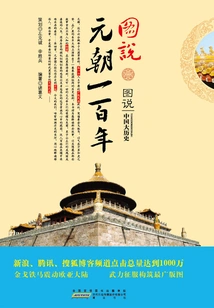
图说元朝一百年
Edited By Zhuge Wen
This book will interpret those stories for you, as well as the unknown secrets and dazzling flesh-and-blood lives hidden behind those stories. In this book, you will see the instant glory and setbacks suffered by the arrogant Yuan emperors. Every succession of the throne seems to be accompanied by bloody family fratricide, and family ties once became a tool to be exploited - Yuan Wuzong died mysteriously in less than four years after he reigned. After his younger brother Aiyuli Balibada inherited the throne, he followed in his brother's footsteps in less than nine years. In this book, you will see the generous tragedies of heroes and legends through the ages, as well as many incredible anecdotes and mysteries. Why could Pasiba become Kublai Khan's imperial master? Why were the Hama brothers killed with a stick at the same time? How sweet is the taste of power that makes family ties fall into pieces? When blood with a fishy and sweet smell spurts out from the seven orifices, will those souls who once fought fiercely for power have some insights? ...
This book will interpret those stories for you, as well as the unknown secrets and dazzling flesh-and-blood lives hidden behind those stories. In this book, you will see the instant glory and setbacks suffered by the arrogant Yuan emperors. Every succession of the throne seems to be accompanied by bloody family fratricide, and family ties once became a tool to be exploited - Yuan Wuzong died mysteriously in less than four years after he reigned. After his younger brother Aiyuli Balibada inherited the throne, he followed in his brother's footsteps in less than nine years. In this book, you will see the generous tragedies of heroes and legends through the ages, as well as many incredible anecdotes and mysteries. Why could Pasiba become Kublai Khan's imperial master? Why were the Hama brothers killed with a stick at the same time? How sweet is the taste of power that makes family ties fall into pieces? When blood with a fishy and sweet smell spurts out from the seven orifices, will those souls who once fought fiercely for power have some insights? ...
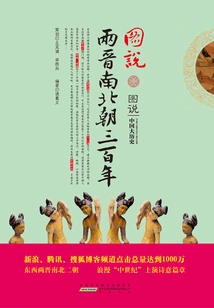
图说两晋南北朝三百年
Edited By Zhuge Wen
Sandwiched between the two glorious and prosperous times, the Jin and Southern and Northern Dynasties were the most romantic "Middle Ages" in China! Here is the exciting history of the Sixteen Kingdoms, the Northern Dynasties that established great martial arts, and even the aristocratic families of the Southern Dynasties. This era seems a bit "atypical", but it is this "atypical" that creates the future appearance of China! Who knows the unknown world imagined by Chinese people before the Qin and Han Dynasties? Buddhism and Taoism gave China a colorful picture. Who can appreciate literary works from the pre-Qin era? After the development and changes in the Jin and Southern and Northern Dynasties, poetry, poetry, and novels gradually adapted to the tastes of modern people.
Sandwiched between the two glorious and prosperous times, the Jin and Southern and Northern Dynasties were the most romantic "Middle Ages" in China! Here is the exciting history of the Sixteen Kingdoms, the Northern Dynasties that established great martial arts, and even the aristocratic families of the Southern Dynasties. This era seems a bit "atypical", but it is this "atypical" that creates the future appearance of China! Who knows the unknown world imagined by Chinese people before the Qin and Han Dynasties? Buddhism and Taoism gave China a colorful picture. Who can appreciate literary works from the pre-Qin era? After the development and changes in the Jin and Southern and Northern Dynasties, poetry, poetry, and novels gradually adapted to the tastes of modern people.
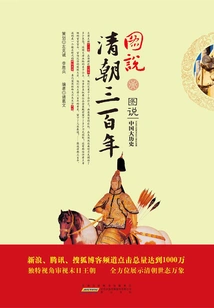
图说清朝三百年
Edited By Zhuge Wen
The three hundred years of Qing Dynasty history have left us with many confusing mysteries: Why was Nurhaci's eldest son Chu Ying killed? Is the married Qing princess happy? How did Xuan Ye become emperor? Will the palace maid stay in the palace for the rest of her life? Can a eunuch and a palace maid "get married"? How did Andhay die? How did Li Lianying die? How was beauty pageant conducted in the Qing Dynasty? Is it true that Manchus and Han cannot intermarry? How did Obai die? Is Zeng Guofan really the reincarnation of the leprous? How did Yuan Shikai die? Did Xiaozhuang marry her brother-in-law Dorgon? Why didn't she enter the Qing imperial mausoleum after her death? Why is Daoguang's mausoleum in the west? There are so many mysteries that attract future generations to uncover the mysterious veil and see its true face!
The three hundred years of Qing Dynasty history have left us with many confusing mysteries: Why was Nurhaci's eldest son Chu Ying killed? Is the married Qing princess happy? How did Xuan Ye become emperor? Will the palace maid stay in the palace for the rest of her life? Can a eunuch and a palace maid "get married"? How did Andhay die? How did Li Lianying die? How was beauty pageant conducted in the Qing Dynasty? Is it true that Manchus and Han cannot intermarry? How did Obai die? Is Zeng Guofan really the reincarnation of the leprous? How did Yuan Shikai die? Did Xiaozhuang marry her brother-in-law Dorgon? Why didn't she enter the Qing imperial mausoleum after her death? Why is Daoguang's mausoleum in the west? There are so many mysteries that attract future generations to uncover the mysterious veil and see its true face!
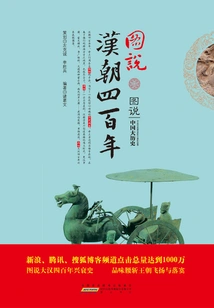
图说汉朝四百年
Edited By Zhuge Wen
On the 400-year-old stage of the Han Dynasty, the stars twinkled, emperors and concubines, famous ministers and generals, eunuchs and maids performed thrilling historical scenes: Did Liu Bang's son become a son to Empress Lu's daughter? Why did a game of chess by Emperor Jing of the Han Dynasty trigger the "Rebellion of the Seven Kingdoms"? Who was the virgin queen known as the Flower Goddess? Why did Wang Mang kill his biological son? Why is it said that Han Xin is "a confidant in success or failure, and a woman in life and death"? Why was it popular for women in the Han Dynasty to wear crotchless pants? Why did the emperor of the Western Han Dynasty like Chu Ge so much? Are the silk paintings in Mawangdui used to summon spirits? ... History is actually such a thing. It doesn't have to be bloody, it doesn't have to praise right and wrong, it doesn't have to punish the evil and praise the good, and it doesn't have to praise the good. It can completely create another feeling, which is humorous, allowing people to understand the profound meaning in a relaxed way, and feel that the business is still unfinished.
On the 400-year-old stage of the Han Dynasty, the stars twinkled, emperors and concubines, famous ministers and generals, eunuchs and maids performed thrilling historical scenes: Did Liu Bang's son become a son to Empress Lu's daughter? Why did a game of chess by Emperor Jing of the Han Dynasty trigger the "Rebellion of the Seven Kingdoms"? Who was the virgin queen known as the Flower Goddess? Why did Wang Mang kill his biological son? Why is it said that Han Xin is "a confidant in success or failure, and a woman in life and death"? Why was it popular for women in the Han Dynasty to wear crotchless pants? Why did the emperor of the Western Han Dynasty like Chu Ge so much? Are the silk paintings in Mawangdui used to summon spirits? ... History is actually such a thing. It doesn't have to be bloody, it doesn't have to praise right and wrong, it doesn't have to punish the evil and praise the good, and it doesn't have to praise the good. It can completely create another feeling, which is humorous, allowing people to understand the profound meaning in a relaxed way, and feel that the business is still unfinished.
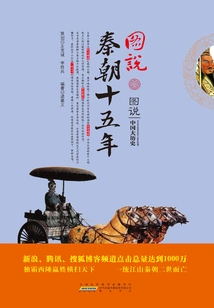
图说秦朝十五年
Edited By Zhuge Wen
Through detailed analysis of each historical event and in-depth and simple interpretation of each historical figure, this book helps readers understand the Qin Dynasty, an era when the war had just been extinguished and the smoke was about to be ignited again. Those who showed off their power and majesty on the battlefield What are the differences between Lin's famous generals and ordinary people? What are the unknown secrets of those civil servants who made suggestions in the court and stabilized the country? What are the magical anecdotes and poignant experiences of the leaders of the peasant uprising army...
Through detailed analysis of each historical event and in-depth and simple interpretation of each historical figure, this book helps readers understand the Qin Dynasty, an era when the war had just been extinguished and the smoke was about to be ignited again. Those who showed off their power and majesty on the battlefield What are the differences between Lin's famous generals and ordinary people? What are the unknown secrets of those civil servants who made suggestions in the court and stabilized the country? What are the magical anecdotes and poignant experiences of the leaders of the peasant uprising army...
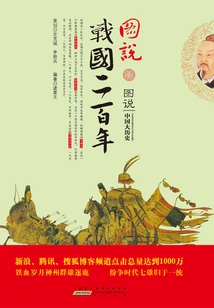
图说战国二百年
Edited By Zhuge Wen
This book strives to clear up the fog of palace secrets of the "Seven Heroes of the Warring States Period" - Qi, Chu, Yan, Han, Zhao, Wei, Qin and other countries. There is a wonderful introduction to the hero King Zhao Wuling who "mounted and shot in Hufu", and there is also a sigh of regret at his tragic death in the Sand Dune Palace; there is endless praise for the ugly but kind-hearted, virtuous queen Zhong Wuyan and the tumor girl; there is also ruthless satire on the concubine Zheng Xiu, who looks like a fairy, is delicious but has a heart like a snake and a scorpion, and is extremely vicious. Readers can also see the true face of the fourth son of the Warring States Period as a royal noble and a nobleman of Tianhuang: Why did Lord Xinling want to "steal the talisman to save Zhao"? Is Mr. Mengchang a "cock-crowding-dog-robber" kind of person? How did Lord Chun Shen "die in the Thorny Gate"? Did Mr. Pingyuan kill his concubine as a sincere apology or a public relations crisis? This book also provides detailed analysis of each historical event and an in-depth and simple interpretation of each historical figure to help you understand the famous generals who showed off their power and majesty on the battlefield in the war-torn era of the Warring States Period. What are the things that are different from ordinary people; what are the unknown secrets of those civil servants who make suggestions in the court and stabilize the country; what are the unique features of those lobbyists who rely on their "sharp teeth and sharp tongue" to preach the art of combining vertical and horizontal lines... Finally, this book also interprets one by one the large number of influential thinkers who emerged in the Warring States period, an era when thought and culture were very prosperous, so that they are no longer indifferent spiritual tablets and idols enshrined in temples, nor cold classics stained with the dust of time and shelved in high cabinets, but wise men and sages with flesh and blood, thoughts and souls.
This book strives to clear up the fog of palace secrets of the "Seven Heroes of the Warring States Period" - Qi, Chu, Yan, Han, Zhao, Wei, Qin and other countries. There is a wonderful introduction to the hero King Zhao Wuling who "mounted and shot in Hufu", and there is also a sigh of regret at his tragic death in the Sand Dune Palace; there is endless praise for the ugly but kind-hearted, virtuous queen Zhong Wuyan and the tumor girl; there is also ruthless satire on the concubine Zheng Xiu, who looks like a fairy, is delicious but has a heart like a snake and a scorpion, and is extremely vicious. Readers can also see the true face of the fourth son of the Warring States Period as a royal noble and a nobleman of Tianhuang: Why did Lord Xinling want to "steal the talisman to save Zhao"? Is Mr. Mengchang a "cock-crowding-dog-robber" kind of person? How did Lord Chun Shen "die in the Thorny Gate"? Did Mr. Pingyuan kill his concubine as a sincere apology or a public relations crisis? This book also provides detailed analysis of each historical event and an in-depth and simple interpretation of each historical figure to help you understand the famous generals who showed off their power and majesty on the battlefield in the war-torn era of the Warring States Period. What are the things that are different from ordinary people; what are the unknown secrets of those civil servants who make suggestions in the court and stabilize the country; what are the unique features of those lobbyists who rely on their "sharp teeth and sharp tongue" to preach the art of combining vertical and horizontal lines... Finally, this book also interprets one by one the large number of influential thinkers who emerged in the Warring States period, an era when thought and culture were very prosperous, so that they are no longer indifferent spiritual tablets and idols enshrined in temples, nor cold classics stained with the dust of time and shelved in high cabinets, but wise men and sages with flesh and blood, thoughts and souls.
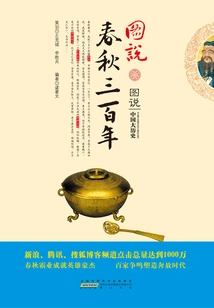
图说春秋三百年
Edited By Zhuge Wen
The Spring and Autumn Period was the most prosperous and colorful period in Chinese history. Here, from the tolerance of Duke Zhuang of Zheng to the perseverance of King Gou Jian of Yue, you can see the preciousness of imperial style; from Bo Ji's death in the sea of fire to Xia Ji's youthfulness, you can see the virtuousness and charm of women in the Spring and Autumn Period; from Guan Zhong assisting Duke Huan of Qi to dominate to Fan Li helping Yue When the country destroyed Wu, you can see the governance skills of our ancestors; from Laozi's "Tao Te Ching" to Confucius's "Four Books and Five Classics", you can see how brilliant the ancients' attitude towards life and scholarship was; from Sun Tzu's Art of War to Shang Yang's reforms, you can also see the different paths of national prosperity. You can also see how complicated the intrigues between countries were during the Spring and Autumn Period. The annexation of princes by the weak and the strong was full of shamelessness and violence. The treachery behind the good relationship between Qin and Jin. The magnificent war scenes when Jin and Chu fought for hegemony in the Central Plains were no less than any other era since then.
The Spring and Autumn Period was the most prosperous and colorful period in Chinese history. Here, from the tolerance of Duke Zhuang of Zheng to the perseverance of King Gou Jian of Yue, you can see the preciousness of imperial style; from Bo Ji's death in the sea of fire to Xia Ji's youthfulness, you can see the virtuousness and charm of women in the Spring and Autumn Period; from Guan Zhong assisting Duke Huan of Qi to dominate to Fan Li helping Yue When the country destroyed Wu, you can see the governance skills of our ancestors; from Laozi's "Tao Te Ching" to Confucius's "Four Books and Five Classics", you can see how brilliant the ancients' attitude towards life and scholarship was; from Sun Tzu's Art of War to Shang Yang's reforms, you can also see the different paths of national prosperity. You can also see how complicated the intrigues between countries were during the Spring and Autumn Period. The annexation of princes by the weak and the strong was full of shamelessness and violence. The treachery behind the good relationship between Qin and Jin. The magnificent war scenes when Jin and Chu fought for hegemony in the Central Plains were no less than any other era since then.
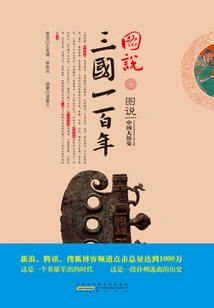
图说三国一百年
Edited By Zhuge Wen
During the Three Kingdoms period, heroes competed with each other and wars broke out frequently. The charisma of the heroes is vivid and vivid. Military generals are good at conquering and fighting, and all of them are outstanding; counselors have unparalleled strategies and can calculate inexhaustible strategies. There are also heroes who are both civil and military. Cao Cao, Liu Bei, and Sun Quan were all heroes, capable of both literary and military skills. The Three Kingdoms was an era of turmoil, great changes, and heroes emerged in large numbers. It was a fascinating era. Countless heroes showed their talents there and dominated the situation. It can be said that the country is picturesque and there are so many heroes at one time. "A Hundred Years of the Three Kingdoms in Illustration" gives a relatively comprehensive and detailed description of this special historical era of the Three Kingdoms from the perspective of exploring and revealing secrets, from the aspects of feudal lords' struggle for hegemony, civil servants and generals, politics and military, ideological and cultural, folk anecdotes, and the missing imperial tombs.
During the Three Kingdoms period, heroes competed with each other and wars broke out frequently. The charisma of the heroes is vivid and vivid. Military generals are good at conquering and fighting, and all of them are outstanding; counselors have unparalleled strategies and can calculate inexhaustible strategies. There are also heroes who are both civil and military. Cao Cao, Liu Bei, and Sun Quan were all heroes, capable of both literary and military skills. The Three Kingdoms was an era of turmoil, great changes, and heroes emerged in large numbers. It was a fascinating era. Countless heroes showed their talents there and dominated the situation. It can be said that the country is picturesque and there are so many heroes at one time. "A Hundred Years of the Three Kingdoms in Illustration" gives a relatively comprehensive and detailed description of this special historical era of the Three Kingdoms from the perspective of exploring and revealing secrets, from the aspects of feudal lords' struggle for hegemony, civil servants and generals, politics and military, ideological and cultural, folk anecdotes, and the missing imperial tombs.
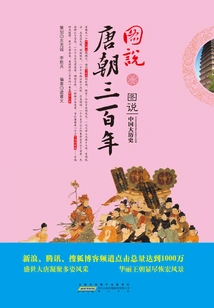
图说唐朝三百年
Edited By Zhuge Wen
During the dirty Tang Dynasty and the Song Dynasty, while the Tang Empire created a magnificent era, it also handed down a wealth of palace anecdotes: Why was Emperor Taizong of the Tang Dynasty so extravagant and corrupt in his later years? Why did Emperor Gaozong of the Tang Dynasty marry his queen with her limbs amputated? Why did the princesses of the Tang Dynasty become Taoist priests? What happened to the Tang Dynasty palace woman who became a queen? What is the "Shang Fang Sword" that Wei Zheng committed repeatedly? Are Li Bai and Yang Guifei involved in a relationship? The inside story of the Qianling Mausoleum, which has remained intact for thousands of years... The legendary glorious temple has long been covered with cobwebs and knee-deep in weeds, leaving us with both pride and regret. Sweeping away the dust of history and discarding the distant noise, let us travel through the mists of time, unfold the scrolls of the Tang Dynasty, and relive those historical stories.
During the dirty Tang Dynasty and the Song Dynasty, while the Tang Empire created a magnificent era, it also handed down a wealth of palace anecdotes: Why was Emperor Taizong of the Tang Dynasty so extravagant and corrupt in his later years? Why did Emperor Gaozong of the Tang Dynasty marry his queen with her limbs amputated? Why did the princesses of the Tang Dynasty become Taoist priests? What happened to the Tang Dynasty palace woman who became a queen? What is the "Shang Fang Sword" that Wei Zheng committed repeatedly? Are Li Bai and Yang Guifei involved in a relationship? The inside story of the Qianling Mausoleum, which has remained intact for thousands of years... The legendary glorious temple has long been covered with cobwebs and knee-deep in weeds, leaving us with both pride and regret. Sweeping away the dust of history and discarding the distant noise, let us travel through the mists of time, unfold the scrolls of the Tang Dynasty, and relive those historical stories.
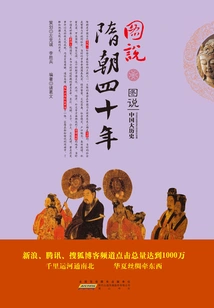
图说隋朝四十年
Edited By Zhuge Wen
The Sui Dynasty was also one of the short-lived dynasties under the unification situation in ancient China. The prosperous age of the Sui Dynasty was unprecedented in the history of China and the world. The society at that time was a prosperous and open society. The Chinese Empire at that time had a peaceful country and a peaceful people, a prosperous economy, a prosperous culture, a stable society, a long and sharp army, a rapid increase in cultivated land, abundant savings, strong armor and soldiers, and a vast territory. This period was a golden period when Chinese culture, politics, economy, and diplomacy reached their peak. At that time, China was the most powerful country in the world. "Forty Years of the Sui Dynasty in Pictures" tells the story of the Sui Dynasty's famous emperors, queens, concubines, princes, princesses, civil servants and generals, famous historical events, and technological and cultural achievements. The content of this book is concise and easy to understand. It integrates knowledge and storytelling, allowing you to understand and grasp the history of the Sui Dynasty in a relaxed and enjoyable reading.
The Sui Dynasty was also one of the short-lived dynasties under the unification situation in ancient China. The prosperous age of the Sui Dynasty was unprecedented in the history of China and the world. The society at that time was a prosperous and open society. The Chinese Empire at that time had a peaceful country and a peaceful people, a prosperous economy, a prosperous culture, a stable society, a long and sharp army, a rapid increase in cultivated land, abundant savings, strong armor and soldiers, and a vast territory. This period was a golden period when Chinese culture, politics, economy, and diplomacy reached their peak. At that time, China was the most powerful country in the world. "Forty Years of the Sui Dynasty in Pictures" tells the story of the Sui Dynasty's famous emperors, queens, concubines, princes, princesses, civil servants and generals, famous historical events, and technological and cultural achievements. The content of this book is concise and easy to understand. It integrates knowledge and storytelling, allowing you to understand and grasp the history of the Sui Dynasty in a relaxed and enjoyable reading.
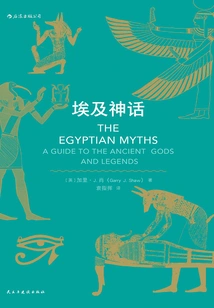
Egyptian Mythology
History埃及神话
(uk) Gary J. Shaw
How did the residents of the ancient Nile region view the world around them? This simple little book in hand attempts to outline the answer for us. The book consists of three parts. "The Age of the Gods" tells the birth and evolution of the world, as well as the rule of the Egyptian god-kings; "The World of the Living" tells us how the Egyptian gods manifested themselves in nature, and how the Egyptians dealt with the invisible forces around them; "The Myth of Death" tells the ancient Egyptians' belief in the afterlife (i. E. Duat), as well as the hardships they will experience in it and their final fate.
How did the residents of the ancient Nile region view the world around them? This simple little book in hand attempts to outline the answer for us. The book consists of three parts. "The Age of the Gods" tells the birth and evolution of the world, as well as the rule of the Egyptian god-kings; "The World of the Living" tells us how the Egyptian gods manifested themselves in nature, and how the Egyptians dealt with the invisible forces around them; "The Myth of Death" tells the ancient Egyptians' belief in the afterlife (i. E. Duat), as well as the hardships they will experience in it and their final fate.
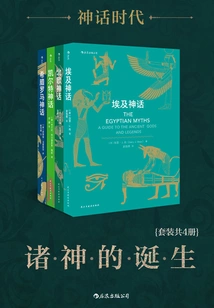
神话时代:诸神的诞生(套装共4册)
(uk) Gary J. Shaw, Caroline Larrington, Etc.
"Egyptian Mythology" How did the residents of the ancient Nile River region view the world around them? This simple little book in hand attempts to outline the answer for us. The book consists of three parts. "The Age of the Gods" tells the birth and evolution of the world, as well as the rule of the Egyptian god-kings; "The World of the Living" tells us how the Egyptian gods manifested themselves in nature, and how the Egyptians dealt with the invisible forces around them; "The Myth of Death" tells the ancient Egyptians' belief in the afterlife (i. E. Duat), as well as the hardships they will experience in it and their final fate. This short book "Norse Mythology" will introduce the irritable and quarrelsome Nordic gods-the Asa headed by Odin, the mysterious Vanir, and the mythical world in which they live. The text contains a large number of chapters translated from ancient Norse, which more truly present the appearance of this mythical world and describe for us the events that occurred from the creation of the world to Ragnarok, including the lasting conflicts between gods and giants, the legends or misfortunes experienced by male and female heroes, the disputes, revenge, marriages and murders that occurred between their families, as well as the interactions between gods and mortals, etc. "Celtic Mythology" is a book that comprehensively introduces to the public readers the concept of ancient Western European civilization that we call "Celtic" today, the geographical intervals it includes, the legend system and its core texts. It includes fascinating heroic legends, war epics, legends of magic, transformation and gods from other worlds, as well as rigorous archaeological research and text analysis evidence. In this book, readers will also find and gain an understanding of many familiar faces who appear frequently in movies, games, pop culture, and contemporary novels. "Greek and Roman Mythology" is a book written by professional scholars for the public. It introduces the mythological system of ancient Greece and Rome to the public readers in a rigorous and popular way. Ancient Greek myths are not only colorful and fascinating stories in their own right, but also the source of many of our cultural elements today - from philosophical concepts to artistic works to games and technology. Therefore, this book allows readers to realize the inextricable connections between these myths and today's world.
"Egyptian Mythology" How did the residents of the ancient Nile River region view the world around them? This simple little book in hand attempts to outline the answer for us. The book consists of three parts. "The Age of the Gods" tells the birth and evolution of the world, as well as the rule of the Egyptian god-kings; "The World of the Living" tells us how the Egyptian gods manifested themselves in nature, and how the Egyptians dealt with the invisible forces around them; "The Myth of Death" tells the ancient Egyptians' belief in the afterlife (i. E. Duat), as well as the hardships they will experience in it and their final fate. This short book "Norse Mythology" will introduce the irritable and quarrelsome Nordic gods-the Asa headed by Odin, the mysterious Vanir, and the mythical world in which they live. The text contains a large number of chapters translated from ancient Norse, which more truly present the appearance of this mythical world and describe for us the events that occurred from the creation of the world to Ragnarok, including the lasting conflicts between gods and giants, the legends or misfortunes experienced by male and female heroes, the disputes, revenge, marriages and murders that occurred between their families, as well as the interactions between gods and mortals, etc. "Celtic Mythology" is a book that comprehensively introduces to the public readers the concept of ancient Western European civilization that we call "Celtic" today, the geographical intervals it includes, the legend system and its core texts. It includes fascinating heroic legends, war epics, legends of magic, transformation and gods from other worlds, as well as rigorous archaeological research and text analysis evidence. In this book, readers will also find and gain an understanding of many familiar faces who appear frequently in movies, games, pop culture, and contemporary novels. "Greek and Roman Mythology" is a book written by professional scholars for the public. It introduces the mythological system of ancient Greece and Rome to the public readers in a rigorous and popular way. Ancient Greek myths are not only colorful and fascinating stories in their own right, but also the source of many of our cultural elements today - from philosophical concepts to artistic works to games and technology. Therefore, this book allows readers to realize the inextricable connections between these myths and today's world.
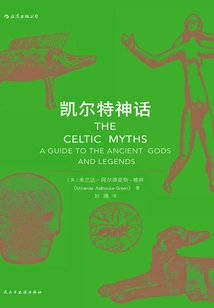
Celtic Mythology
History凯尔特神话
(uk)miranda Aldhouse Green
This book comprehensively introduces to the public readers the concept of ancient Western European civilization that we call "Celtic" today, the geographical intervals it includes, the legend system and its core texts. It includes fascinating heroic legends, war epics, legends of magic, transformation and otherworldly gods, as well as rigorous archaeological research and text analysis evidence. In this book, readers will also find and gain an understanding of many familiar faces who appear frequently in movies, games, pop culture, and contemporary novels.
This book comprehensively introduces to the public readers the concept of ancient Western European civilization that we call "Celtic" today, the geographical intervals it includes, the legend system and its core texts. It includes fascinating heroic legends, war epics, legends of magic, transformation and otherworldly gods, as well as rigorous archaeological research and text analysis evidence. In this book, readers will also find and gain an understanding of many familiar faces who appear frequently in movies, games, pop culture, and contemporary novels.
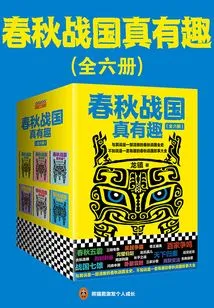
春秋战国真有趣(全6册)
Longzhen
It is not so much a clear history of the Spring and Autumn Period and the Warring States Period as it is an interesting collection of stories of the Spring and Autumn Period and the Warring States Period. The Spring and Autumn Period and the Warring States Period laid the foundation for the entire Chinese civilization and shaped the traditional values of the Chinese people that have lasted for more than 2,000 years. Many key historical figures in this book all appear, interpreting interesting stories one after another. The Five Hegemons of the Spring and Autumn Period, the Seven Heroes of the Warring States Period, Wu Yue's struggle for hegemony, lying down on fuel to taste courage, Shang Yang's reform, besieging Wei to rescue Zhao, aspired to the Central Plains, a hundred schools of thought contend, returning the perfect jade to Zhao, bearing a thorn to plead guilty, Jing Ke assassinating Qin, Zhao's orphan... Each character appears in turn! One good show after another! Using stories one by one, it clearly outlines the 500-year history of the Spring and Autumn and Warring States periods from Zheng Zhuanggong to the end of the Qin Dynasty. It makes readers feel as if they are personally involved in the process of history, understanding the ins and outs of complex events and the success or failure of characters' decisions. The Spring and Autumn Period and the Warring States Period were so chaotic, you will understand after reading this story! Open this book and read the entire history of the Spring and Autumn and Warring States periods in a fun and interesting way!
It is not so much a clear history of the Spring and Autumn Period and the Warring States Period as it is an interesting collection of stories of the Spring and Autumn Period and the Warring States Period. The Spring and Autumn Period and the Warring States Period laid the foundation for the entire Chinese civilization and shaped the traditional values of the Chinese people that have lasted for more than 2,000 years. Many key historical figures in this book all appear, interpreting interesting stories one after another. The Five Hegemons of the Spring and Autumn Period, the Seven Heroes of the Warring States Period, Wu Yue's struggle for hegemony, lying down on fuel to taste courage, Shang Yang's reform, besieging Wei to rescue Zhao, aspired to the Central Plains, a hundred schools of thought contend, returning the perfect jade to Zhao, bearing a thorn to plead guilty, Jing Ke assassinating Qin, Zhao's orphan... Each character appears in turn! One good show after another! Using stories one by one, it clearly outlines the 500-year history of the Spring and Autumn and Warring States periods from Zheng Zhuanggong to the end of the Qin Dynasty. It makes readers feel as if they are personally involved in the process of history, understanding the ins and outs of complex events and the success or failure of characters' decisions. The Spring and Autumn Period and the Warring States Period were so chaotic, you will understand after reading this story! Open this book and read the entire history of the Spring and Autumn and Warring States periods in a fun and interesting way!
Human History
History人类大历史
Ling Li
A large-scale historical work with a broad pattern, background and generous writing. From ancient Greek civilization to the history of the Middle Ages, from the Second Industrial Revolution to the First World War, the author uses powerful and wise writing to describe the history of human history spanning thousands of years. He tells it and presents it wonderfully. , Picking up gold from the sand, sorting out the context, and showing a magnificent picture of human history. The book selects key moments in human history to show the origin, occurrence and development of historical events, from military to religion, from politics to economy, from culture to customs... It is told one by one, covering everything. The scenes are majestic and colorful, making you immersed in the scene. It strongly resonates with the thrilling events and shocking moments... Taking you back to the eternal moments in human history.
A large-scale historical work with a broad pattern, background and generous writing. From ancient Greek civilization to the history of the Middle Ages, from the Second Industrial Revolution to the First World War, the author uses powerful and wise writing to describe the history of human history spanning thousands of years. He tells it and presents it wonderfully. , Picking up gold from the sand, sorting out the context, and showing a magnificent picture of human history. The book selects key moments in human history to show the origin, occurrence and development of historical events, from military to religion, from politics to economy, from culture to customs... It is told one by one, covering everything. The scenes are majestic and colorful, making you immersed in the scene. It strongly resonates with the thrilling events and shocking moments... Taking you back to the eternal moments in human history.
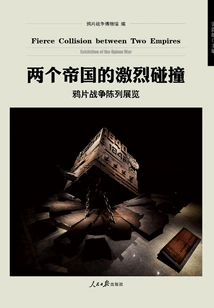
两个帝国的激烈碰撞:鸦片战争陈列展览
Opium War Museum
This manuscript was compiled by the War Museum, using its collection of cultural relics to panoramically display the economic and social comparison between China and the West before the war, the entire process of the two wars, and the impact of the war on Chinese society. It aims to allow readers to experience this period of history up close by reproducing cultural relics exhibitions, thereby enhancing readers' understanding of history, reflection on war, love for peace, and desire for national rejuvenation. At the same time, this book is also a professional book on "display and exhibition". By reading this book, readers can more easily know, understand, and love museums.
This manuscript was compiled by the War Museum, using its collection of cultural relics to panoramically display the economic and social comparison between China and the West before the war, the entire process of the two wars, and the impact of the war on Chinese society. It aims to allow readers to experience this period of history up close by reproducing cultural relics exhibitions, thereby enhancing readers' understanding of history, reflection on war, love for peace, and desire for national rejuvenation. At the same time, this book is also a professional book on "display and exhibition". By reading this book, readers can more easily know, understand, and love museums.
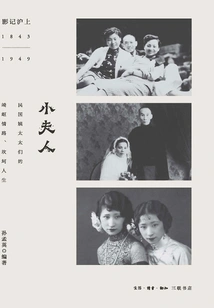
小夫人(影记沪上:1843-1949)
Sun Mengying
This book is compiled by Sun Mengying, the former general manager of Wangkai Photography Co., Ltd., And is one of the series of books "Photography: Shanghai 1843-1949". This book mainly describes the marriage and love status of women during the Republic of China, but the selected characters are relatively unique. In the marriage and love relationship, these women all played the role of concubines and had a humble status. The Republic of China was an era of alternation between the old and the new, and this alternation between the old and the new is particularly evident in the women focused on in this book. On the one hand, they are new women in the new era, from movie stars Hu Ping and Zhang Zhiyun to swimmer Yang Xiuqiong, and Yunji's hairdresser. They have become very successful in their careers, showing their independent and self-reliant side. However, on the other hand, in their marriage and love life, due to various circumstances, their family identities are not as independent as they appear in social life. The identities of an independent woman and an old concubine are concentrated in one woman at the same time. Such a contrast creates a story-like ups and downs in her life.
This book is compiled by Sun Mengying, the former general manager of Wangkai Photography Co., Ltd., And is one of the series of books "Photography: Shanghai 1843-1949". This book mainly describes the marriage and love status of women during the Republic of China, but the selected characters are relatively unique. In the marriage and love relationship, these women all played the role of concubines and had a humble status. The Republic of China was an era of alternation between the old and the new, and this alternation between the old and the new is particularly evident in the women focused on in this book. On the one hand, they are new women in the new era, from movie stars Hu Ping and Zhang Zhiyun to swimmer Yang Xiuqiong, and Yunji's hairdresser. They have become very successful in their careers, showing their independent and self-reliant side. However, on the other hand, in their marriage and love life, due to various circumstances, their family identities are not as independent as they appear in social life. The identities of an independent woman and an old concubine are concentrated in one woman at the same time. Such a contrast creates a story-like ups and downs in her life.
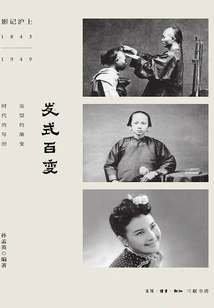
发式百变(影记沪上:1843-1949)
Sun Mengying
The book "Various Hair Styles" records the development history of Shanghai's hairdressing industry over a century, and is also a condensed portrayal of Shanghai's development history. From the book, you can learn about the origin of the barber industry, the formation and battles of barber gangs, the large-scale anti-Qing braid-cutting movement that broke out in Shanghai, and the situation of foreign barber shops and Chinese barber shops seizing the market.
The book "Various Hair Styles" records the development history of Shanghai's hairdressing industry over a century, and is also a condensed portrayal of Shanghai's development history. From the book, you can learn about the origin of the barber industry, the formation and battles of barber gangs, the large-scale anti-Qing braid-cutting movement that broke out in Shanghai, and the situation of foreign barber shops and Chinese barber shops seizing the market.
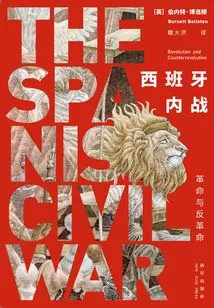
西班牙内战:革命与反革命(全三册)
(uk) Burnett Bolloten
In this work, which has been the work of the author Bolloten for more than half a century, he shows us a comprehensive picture of the Republican camp during the Spanish Civil War, subverting the general understanding of this war. The author develops two major themes using primary sources collected extensively over the years. First, he provides an in-depth and detailed description of the mass revolution triggered by the military rebellion of July 1936, allowing people to see that this revolution dramatically changed the political structure of the Republican-controlled areas, although some parties in the Republican camp took pains to downplay its significance; revolutionary committees suddenly appeared in countless towns and villages, forming a new economic structure and political power that was mainly controlled and managed by workers' organizations.
In this work, which has been the work of the author Bolloten for more than half a century, he shows us a comprehensive picture of the Republican camp during the Spanish Civil War, subverting the general understanding of this war. The author develops two major themes using primary sources collected extensively over the years. First, he provides an in-depth and detailed description of the mass revolution triggered by the military rebellion of July 1936, allowing people to see that this revolution dramatically changed the political structure of the Republican-controlled areas, although some parties in the Republican camp took pains to downplay its significance; revolutionary committees suddenly appeared in countless towns and villages, forming a new economic structure and political power that was mainly controlled and managed by workers' organizations.
简明中国近代史
Chen Zhenjiang
"A Concise Modern History of China" is written by Chen Zhenjiang. The book has nine chapters in total, including: the beginning of China's semi-colonial and semi-feudal society; the rise and fall of the Taiping Revolutionary Movement; the gradual deepening of semi-colonialization of Chinese society; the basic establishment of China's semi-colonial and semi-feudal society; the 1898 Reform and the Boxer Rebellion; the social conditions of the early 20th century and the Revolution of 1911; the opposition to warlord rule and the brewing of the new democratic revolution, etc.
"A Concise Modern History of China" is written by Chen Zhenjiang. The book has nine chapters in total, including: the beginning of China's semi-colonial and semi-feudal society; the rise and fall of the Taiping Revolutionary Movement; the gradual deepening of semi-colonialization of Chinese society; the basic establishment of China's semi-colonial and semi-feudal society; the 1898 Reform and the Boxer Rebellion; the social conditions of the early 20th century and the Revolution of 1911; the opposition to warlord rule and the brewing of the new democratic revolution, etc.
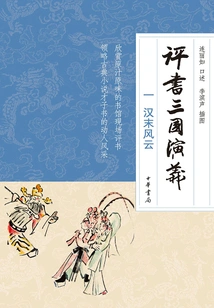
评书三国演义(一)汉末风云
Narrated By Lian Liru And Illustrated By Li Binsheng
This is a collection of 30 episodes in total of the first part of "The Romance of the Three Kingdoms" that Lian Liru, a famous storytelling expert who is over seventy years old, comments on the first part of "The Romance of the Three Kingdoms" live every Saturday afternoon at Beijing Pingshu Xuannan Library. This episode of "The Storms of the Late Han Dynasty" begins with Shi Changshi's rebellion and ends with Liu Bei taking control of Xuzhou. It includes the Taoyuan sworn alliance, the angry whip to supervise the postal service, Dong Zhuo's entry into the capital, Meng De's sword presentation, the capture and release of Cao Cao, the warm wine and beheading of Hua Xiong, the three heroes' battle with Lu Bu, the cross-river attack on Liu Biao, Diao Chan worshiping the moon, the serial plan, and the three concessions to Xuzhou.
This is a collection of 30 episodes in total of the first part of "The Romance of the Three Kingdoms" that Lian Liru, a famous storytelling expert who is over seventy years old, comments on the first part of "The Romance of the Three Kingdoms" live every Saturday afternoon at Beijing Pingshu Xuannan Library. This episode of "The Storms of the Late Han Dynasty" begins with Shi Changshi's rebellion and ends with Liu Bei taking control of Xuzhou. It includes the Taoyuan sworn alliance, the angry whip to supervise the postal service, Dong Zhuo's entry into the capital, Meng De's sword presentation, the capture and release of Cao Cao, the warm wine and beheading of Hua Xiong, the three heroes' battle with Lu Bu, the cross-river attack on Liu Biao, Diao Chan worshiping the moon, the serial plan, and the three concessions to Xuzhou.
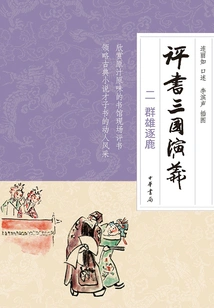
评书三国演义(二)群雄逐鹿
Narrated By Lian Liru And Illustrated By Li Binsheng
This is a collection of 30 episodes in total of the second part of "The Romance of the Three Kingdoms" that Lian Liru, a famous storytelling expert who is over seventy years old, comments on the second part of "The Romance of the Three Kingdoms" live every Saturday afternoon at Beijing Pingshu Xuannan Library. The collection has thirty chapters in total, starting from Cao Mengde's defeat of Lu Bu to Dong Guojiu secretly accepting the imperial edict. During the period, it includes many classic scenes such as threatening the emperor to order the princes, Sun Ce creating Jiangdong, shooting halberds at Yuanmen, fighting Wancheng, horses riding on green seedlings, pulling arrows to eat eyes, Baimen Tower, Xu Tian shooting and hunting, etc., Vividly restoring the magnificent history of the Three Kingdoms to the audience.
This is a collection of 30 episodes in total of the second part of "The Romance of the Three Kingdoms" that Lian Liru, a famous storytelling expert who is over seventy years old, comments on the second part of "The Romance of the Three Kingdoms" live every Saturday afternoon at Beijing Pingshu Xuannan Library. The collection has thirty chapters in total, starting from Cao Mengde's defeat of Lu Bu to Dong Guojiu secretly accepting the imperial edict. During the period, it includes many classic scenes such as threatening the emperor to order the princes, Sun Ce creating Jiangdong, shooting halberds at Yuanmen, fighting Wancheng, horses riding on green seedlings, pulling arrows to eat eyes, Baimen Tower, Xu Tian shooting and hunting, etc., Vividly restoring the magnificent history of the Three Kingdoms to the audience.
盘古至唐虞传
Zhong Bojing
This book is full of ancient myths and legends. It begins with the creation of the world by Pangu and ends with Hou Yi shooting the sun on Emperor Yao's order. It introduces several important figures and their great deeds in ancient China, such as Pangu, Youchao, Fuxi, Gonggong, Shennong Huangdi, Youxiong, etc. The book contains famous stories such as Pangu's creation of heaven and earth, Cangjie's invention of Chinese characters, Gonggong's anger at Mount Buzhou, etc. The book has fluent language and rich content and is worth reading.
This book is full of ancient myths and legends. It begins with the creation of the world by Pangu and ends with Hou Yi shooting the sun on Emperor Yao's order. It introduces several important figures and their great deeds in ancient China, such as Pangu, Youchao, Fuxi, Gonggong, Shennong Huangdi, Youxiong, etc. The book contains famous stories such as Pangu's creation of heaven and earth, Cangjie's invention of Chinese characters, Gonggong's anger at Mount Buzhou, etc. The book has fluent language and rich content and is worth reading.
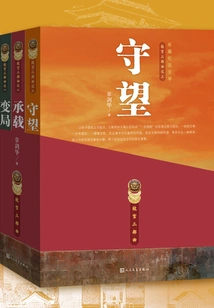
故宫三部曲:变局 承载 守望
Zhang Jianhua
The first part, "Changes," tells the story of how the Imperial Palace became the Forbidden City, and how Li Shizeng and others turned the Forbidden City into a Palace Museum for the public to visit during the historical turmoil and the mutiny in the capital. The second part "Carrying" tells the story of the difficult experience of the Forbidden City's cultural relics in the war during the Anti-Japanese War. A group of outstanding Chinese intellectuals led by Ma Heng and Yi Peiji completed the largest relocation of cultural relics in the history of world wars. The third part "Watching" tells the story of the turmoil and stability of the Palace Museum in Beijing and the Taipei Museum under New China. Through the ups and downs of the cultural relics, it presents the cultural complex of the elderly in the Palace Museum on both sides of the Taiwan Strait.
The first part, "Changes," tells the story of how the Imperial Palace became the Forbidden City, and how Li Shizeng and others turned the Forbidden City into a Palace Museum for the public to visit during the historical turmoil and the mutiny in the capital. The second part "Carrying" tells the story of the difficult experience of the Forbidden City's cultural relics in the war during the Anti-Japanese War. A group of outstanding Chinese intellectuals led by Ma Heng and Yi Peiji completed the largest relocation of cultural relics in the history of world wars. The third part "Watching" tells the story of the turmoil and stability of the Palace Museum in Beijing and the Taipei Museum under New China. Through the ups and downs of the cultural relics, it presents the cultural complex of the elderly in the Palace Museum on both sides of the Taiwan Strait.
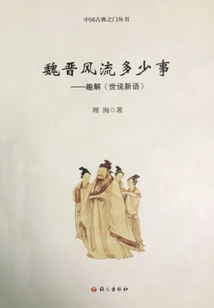
魏晋风流多少事:趣解《世说新语》
Li Xun
Reading is a pleasurable thing, and occasionally you can be enlightened by reading it. Reading "Shishuoxinyu" can make people feel the joy of reading, because it is really a very interesting read. In the process of reading, everyone will have a different reading experience. The words included in the book are the sparks of ideological collision between a reader and "Shishuoxinyu". There are so many romantic events in the Wei and Jin Dynasties, and who should be told about them.
Reading is a pleasurable thing, and occasionally you can be enlightened by reading it. Reading "Shishuoxinyu" can make people feel the joy of reading, because it is really a very interesting read. In the process of reading, everyone will have a different reading experience. The words included in the book are the sparks of ideological collision between a reader and "Shishuoxinyu". There are so many romantic events in the Wei and Jin Dynasties, and who should be told about them.
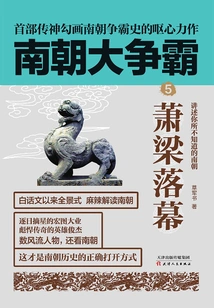
南朝大争霸5:萧梁落幕
Caojunshu
The Southern Dynasties was an important era in Chinese history that connected the past and the future. Although this period was short-lived, it had an extremely positive impact on the subsequent unification of the Sui and Tang Dynasties. Understanding this period of history is the need of the times and readers. This series of books tells the colorful history of the Song, Qi, Liang, and Chen dynasties in the Southern Dynasties in depth in a relaxed and humorous style. It also details the major historical events and important historical figures during the Southern and Northern Dynasties, as well as the scenes of wars, treacherous palace conspiracies, and the separation and destruction of the country. There are comprehensive descriptions and comments on the broken imperial family ties, boundless erotic desires, etc. The rise and fall of the empire is narrated in a relaxed and humorous narrative. This book is the fifth volume in the series and tells the story of the Southern Dynasties regime - Xiao Liang, from prosperity to decline.
The Southern Dynasties was an important era in Chinese history that connected the past and the future. Although this period was short-lived, it had an extremely positive impact on the subsequent unification of the Sui and Tang Dynasties. Understanding this period of history is the need of the times and readers. This series of books tells the colorful history of the Song, Qi, Liang, and Chen dynasties in the Southern Dynasties in depth in a relaxed and humorous style. It also details the major historical events and important historical figures during the Southern and Northern Dynasties, as well as the scenes of wars, treacherous palace conspiracies, and the separation and destruction of the country. There are comprehensive descriptions and comments on the broken imperial family ties, boundless erotic desires, etc. The rise and fall of the empire is narrated in a relaxed and humorous narrative. This book is the fifth volume in the series and tells the story of the Southern Dynasties regime - Xiao Liang, from prosperity to decline.
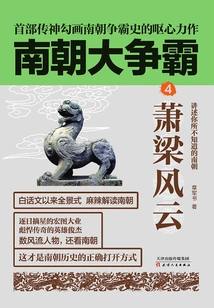
南朝大争霸4:萧梁风云
Caojunshu
The Southern Dynasties was an important era in Chinese history that connected the past and the future. Although this period was short-lived, it had an extremely positive impact on the subsequent unification of the Sui and Tang Dynasties. Understanding this period of history is the need of the times and readers. This series of books tells the colorful history of the Song, Qi, Liang, and Chen dynasties in the Southern Dynasties in depth in a relaxed and humorous style. It also details the major historical events and important historical figures during the Southern and Northern Dynasties, as well as the scenes of wars, treacherous palace conspiracies, and the separation and destruction of the country. There are comprehensive descriptions and comments on the broken imperial family ties, boundless erotic desires, etc. The rise and fall of the empire is narrated in a relaxed and humorous narrative. This book is the fourth volume in the series and tells the story of the Southern Dynasties regime - Xiao Liang, from prosperity to decline.
The Southern Dynasties was an important era in Chinese history that connected the past and the future. Although this period was short-lived, it had an extremely positive impact on the subsequent unification of the Sui and Tang Dynasties. Understanding this period of history is the need of the times and readers. This series of books tells the colorful history of the Song, Qi, Liang, and Chen dynasties in the Southern Dynasties in depth in a relaxed and humorous style. It also details the major historical events and important historical figures during the Southern and Northern Dynasties, as well as the scenes of wars, treacherous palace conspiracies, and the separation and destruction of the country. There are comprehensive descriptions and comments on the broken imperial family ties, boundless erotic desires, etc. The rise and fall of the empire is narrated in a relaxed and humorous narrative. This book is the fourth volume in the series and tells the story of the Southern Dynasties regime - Xiao Liang, from prosperity to decline.
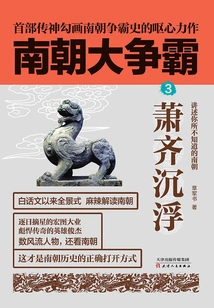
南朝大争霸3:萧齐沉浮
Caojunshu
The Southern Dynasties was an important era in Chinese history that connected the past and the future. Although this period was short-lived, it had an extremely positive impact on the subsequent unification of the Sui and Tang Dynasties. Understanding this period of history is the need of the times and readers. This series of books tells the colorful history of the Song, Qi, Liang, and Chen dynasties in the Southern Dynasties in depth in a relaxed and humorous style. It also details the major historical events and important historical figures during the Southern and Northern Dynasties, as well as the scenes of wars, treacherous palace conspiracies, and the separation and destruction of the country. This book is the third volume in the series, and tells the story of the Southern Dynasties regime - Xiao Qi, from prosperity to decline.
The Southern Dynasties was an important era in Chinese history that connected the past and the future. Although this period was short-lived, it had an extremely positive impact on the subsequent unification of the Sui and Tang Dynasties. Understanding this period of history is the need of the times and readers. This series of books tells the colorful history of the Song, Qi, Liang, and Chen dynasties in the Southern Dynasties in depth in a relaxed and humorous style. It also details the major historical events and important historical figures during the Southern and Northern Dynasties, as well as the scenes of wars, treacherous palace conspiracies, and the separation and destruction of the country. This book is the third volume in the series, and tells the story of the Southern Dynasties regime - Xiao Qi, from prosperity to decline.
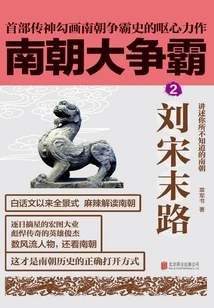
南朝大争霸2:刘宋末路
Caojunshu
The Southern Dynasties was an important era in Chinese history that connected the past and the future. Although this period was short-lived, it had an extremely positive impact on the subsequent unification of the Sui and Tang Dynasties. Understanding this period of history is the need of the times and readers. This series of books tells the colorful history of the Song, Qi, Liang, and Chen dynasties in the Southern Dynasties in depth in a relaxed and humorous style. It also details the major historical events and important historical figures during the Southern and Northern Dynasties, as well as the scenes of wars, treacherous palace conspiracies, and the separation and destruction of the country. There are comprehensive descriptions and comments on the broken imperial family ties, boundless erotic desires, etc. The rise and fall of the empire is narrated in a relaxed and humorous narrative. This book is the second volume in the series and tells the story of the Southern Dynasties regime - Liu Song, from prosperity to decline.
The Southern Dynasties was an important era in Chinese history that connected the past and the future. Although this period was short-lived, it had an extremely positive impact on the subsequent unification of the Sui and Tang Dynasties. Understanding this period of history is the need of the times and readers. This series of books tells the colorful history of the Song, Qi, Liang, and Chen dynasties in the Southern Dynasties in depth in a relaxed and humorous style. It also details the major historical events and important historical figures during the Southern and Northern Dynasties, as well as the scenes of wars, treacherous palace conspiracies, and the separation and destruction of the country. There are comprehensive descriptions and comments on the broken imperial family ties, boundless erotic desires, etc. The rise and fall of the empire is narrated in a relaxed and humorous narrative. This book is the second volume in the series and tells the story of the Southern Dynasties regime - Liu Song, from prosperity to decline.
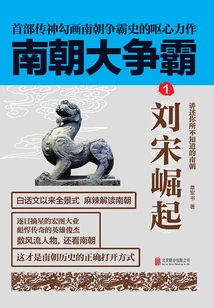
南朝大争霸1:刘宋崛起
Caojunshu
The Southern Dynasties was an important era in Chinese history that connected the past and the future. Although this period was short-lived, it had an extremely positive impact on the subsequent unification of the Sui and Tang Dynasties. Understanding this period of history is the need of the times and readers. This series of books tells the colorful history of the Song, Qi, Liang, and Chen dynasties in the Southern Dynasties in depth in a relaxed and humorous style. It also details the major historical events and important historical figures during the Southern and Northern Dynasties, as well as the scenes of wars, treacherous palace conspiracies, and the separation and destruction of the country. There are comprehensive descriptions and comments on the broken imperial family ties, boundless erotic desires, etc. The rise and fall of the empire is narrated in a relaxed and humorous narrative. This book is the first volume in the series and tells the story of the Southern Dynasties regime - Liu Song, from prosperity to decline.
The Southern Dynasties was an important era in Chinese history that connected the past and the future. Although this period was short-lived, it had an extremely positive impact on the subsequent unification of the Sui and Tang Dynasties. Understanding this period of history is the need of the times and readers. This series of books tells the colorful history of the Song, Qi, Liang, and Chen dynasties in the Southern Dynasties in depth in a relaxed and humorous style. It also details the major historical events and important historical figures during the Southern and Northern Dynasties, as well as the scenes of wars, treacherous palace conspiracies, and the separation and destruction of the country. There are comprehensive descriptions and comments on the broken imperial family ties, boundless erotic desires, etc. The rise and fall of the empire is narrated in a relaxed and humorous narrative. This book is the first volume in the series and tells the story of the Southern Dynasties regime - Liu Song, from prosperity to decline.
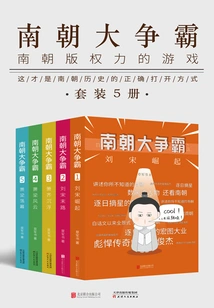
南朝大争霸(全集)
Caojunshu
The Southern Dynasties was an important era in Chinese history that connected the past and the future. Although this period was short-lived, it had an extremely positive impact on the subsequent unification of the Sui and Tang Dynasties. Understanding this period of history is the need of the times and readers. This series of books tells the colorful history of the four dynasties of the Southern Dynasties, Song, Qi, Liang, and Chen, in a relaxed and humorous style. It also details the major historical events and important historical figures during the Southern and Northern Dynasties, as well as the scenes of wars, treacherous palace conspiracies, and separation. There are comprehensive descriptions and comments on broken imperial family ties, boundless erotic desires, etc. The rise and fall of empires is narrated in a relaxed and humorous narrative. This set of five volumes tells the story of the Southern Dynasties regime - Liu Song, from prosperity to decline.
The Southern Dynasties was an important era in Chinese history that connected the past and the future. Although this period was short-lived, it had an extremely positive impact on the subsequent unification of the Sui and Tang Dynasties. Understanding this period of history is the need of the times and readers. This series of books tells the colorful history of the four dynasties of the Southern Dynasties, Song, Qi, Liang, and Chen, in a relaxed and humorous style. It also details the major historical events and important historical figures during the Southern and Northern Dynasties, as well as the scenes of wars, treacherous palace conspiracies, and separation. There are comprehensive descriptions and comments on broken imperial family ties, boundless erotic desires, etc. The rise and fall of empires is narrated in a relaxed and humorous narrative. This set of five volumes tells the story of the Southern Dynasties regime - Liu Song, from prosperity to decline.
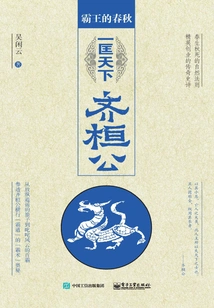
霸王春秋1:一匡天下齐桓公
Wu Xianyun
The first tyrant in the Spring and Autumn Period was Duke Huan of Qi. When he ascended the throne amidst internal and external troubles, he did not remember to take revenge. He appointed Guan Zhong as prime minister, adopted extraordinary means, and implemented extraordinary reforms, which gradually made Qi strong and prosperous. Gathering the princes, honoring the king and fighting off the barbarians, attacking the mountain warriors in the north, and the Chu barbarians in the south, he finally became the first overlord of the Central Plains, on an equal footing with the emperor, and was named Qi Tianqi. In the generation of Duke Huan, he pioneered the secret of "dominance", rampantly "tyrannized" the world, and finally achieved the great cause of "overlord"! How can a good-for-nothing person achieve great success? This book takes you back to the Spring and Autumn Period and reveals the secrets of "hegemony".
The first tyrant in the Spring and Autumn Period was Duke Huan of Qi. When he ascended the throne amidst internal and external troubles, he did not remember to take revenge. He appointed Guan Zhong as prime minister, adopted extraordinary means, and implemented extraordinary reforms, which gradually made Qi strong and prosperous. Gathering the princes, honoring the king and fighting off the barbarians, attacking the mountain warriors in the north, and the Chu barbarians in the south, he finally became the first overlord of the Central Plains, on an equal footing with the emperor, and was named Qi Tianqi. In the generation of Duke Huan, he pioneered the secret of "dominance", rampantly "tyrannized" the world, and finally achieved the great cause of "overlord"! How can a good-for-nothing person achieve great success? This book takes you back to the Spring and Autumn Period and reveals the secrets of "hegemony".
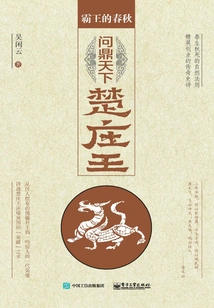
霸王的春秋3:问鼎天下楚庄王
Wu Xianyun
The third hegemon of the Spring and Autumn Period was King Zhuang of Chu. When he succeeded to the throne at a young age, he was hampered by powerful ministers. No matter how ambitious you are, you have to bow your head. If you vow not to fly for three years, you will soar into the sky; if you do not sing for three years, you will become a blockbuster! Finally, he swept across Jianghan, expanded his territory thousands of miles, watched the troops in China, and aspired to the Central Plains. Why did the mysterious Chu State become the birthplace of Taoism? Why use "Chu" as the country's name? And why do you repeatedly disrespect and offend the emperor? He was pushed to the throne at a very young age. As soon as he ascended the throne, he was held hostage. After being rescued, he became a puppet controlled by others. He could not control everything. From then on, he buried his ambition deeply in his heart. How did the dangerous whirlpool of history push him to the pinnacle of success step by step? How can an emerging country break through the siege and establish its status as a great power? This book takes you back to the Spring and Autumn Period and teaches you how to break through adversity and "break through" a new way out when there is no way out.
The third hegemon of the Spring and Autumn Period was King Zhuang of Chu. When he succeeded to the throne at a young age, he was hampered by powerful ministers. No matter how ambitious you are, you have to bow your head. If you vow not to fly for three years, you will soar into the sky; if you do not sing for three years, you will become a blockbuster! Finally, he swept across Jianghan, expanded his territory thousands of miles, watched the troops in China, and aspired to the Central Plains. Why did the mysterious Chu State become the birthplace of Taoism? Why use "Chu" as the country's name? And why do you repeatedly disrespect and offend the emperor? He was pushed to the throne at a very young age. As soon as he ascended the throne, he was held hostage. After being rescued, he became a puppet controlled by others. He could not control everything. From then on, he buried his ambition deeply in his heart. How did the dangerous whirlpool of history push him to the pinnacle of success step by step? How can an emerging country break through the siege and establish its status as a great power? This book takes you back to the Spring and Autumn Period and teaches you how to break through adversity and "break through" a new way out when there is no way out.
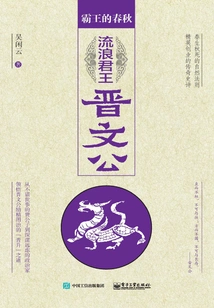
霸王春秋2:流浪君王晋文公
Wu Xianyun
The second hegemon of the Spring and Autumn Period was Duke Wen of Jin. He was once hunted by his own father and his own brothers. When he was desperate, he even became a beggar and was forced to wander outside for nineteen years. He was over fifty years old and had not made any achievements yet. He was already disheartened. However, Duke Wen of Jin, who had no intention of making progress in the first place, firmly grasped the opportunities left to him by history because of his long-term wandering and making good connections, making him a late bloomer. In just a few years, he became another overlord after Duke Huan of Qi. How can a weak person become bigger and stronger quickly? This book takes you back to the Spring and Autumn Period and reveals\
The second hegemon of the Spring and Autumn Period was Duke Wen of Jin. He was once hunted by his own father and his own brothers. When he was desperate, he even became a beggar and was forced to wander outside for nineteen years. He was over fifty years old and had not made any achievements yet. He was already disheartened. However, Duke Wen of Jin, who had no intention of making progress in the first place, firmly grasped the opportunities left to him by history because of his long-term wandering and making good connections, making him a late bloomer. In just a few years, he became another overlord after Duke Huan of Qi. How can a weak person become bigger and stronger quickly? This book takes you back to the Spring and Autumn Period and reveals\
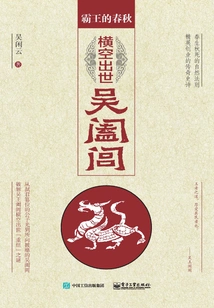
霸王春秋4:横空出世吴阖闾
Wu Xianyun
The fourth hegemon of the Spring and Autumn Period was King Helu of Wu. A little-known foreign country, far away from the Central Plains and unknown, suddenly emerged in the southeast and prospered. For a time, celebrities and talents gathered together, and within a few years, it became a powerful country in the world at an incredible speed! Then he commanded the Central Plains, dominated the world, was invincible, and destroyed the overlord. From now on, no one dares to dominate! This book takes you back to the Spring and Autumn Period and reveals\
The fourth hegemon of the Spring and Autumn Period was King Helu of Wu. A little-known foreign country, far away from the Central Plains and unknown, suddenly emerged in the southeast and prospered. For a time, celebrities and talents gathered together, and within a few years, it became a powerful country in the world at an incredible speed! Then he commanded the Central Plains, dominated the world, was invincible, and destroyed the overlord. From now on, no one dares to dominate! This book takes you back to the Spring and Autumn Period and reveals\
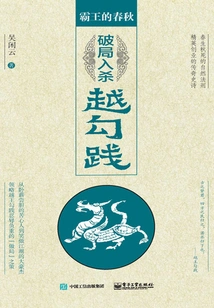
霸王春秋5:破局入杀越勾践
Wu Xianyun
The fifth hegemon of the Spring and Autumn Period was Gou Jian, King of Yue. No one wants to be eliminated, this is a very cruel battle. As a descendant of Dayu, when the country was about to be destroyed, he endured the humiliation and surrendered. Never forget the shame of Kuaiji, lie down on the firewood and taste the courage, waiting for the opportunity. Those who play the game set up a trap to surround and kill, and those who join the game break the game and counterattack. Everyone lives in their own game. Who is someone else's tool? Who is someone else's chess piece? Being kept in the dark, you will die without knowing the truth! How did the weak Yue country survive? Why did you deceive Fu Chai's trust? Why should he travel across the Yangtze and Huaihe Rivers, watch the troops of China, respect the Zhou Dynasty, and claim to be the overlord? Is Yue really that weak? This book takes you back to the Spring and Autumn Period and reveals the secret of "making a game".
The fifth hegemon of the Spring and Autumn Period was Gou Jian, King of Yue. No one wants to be eliminated, this is a very cruel battle. As a descendant of Dayu, when the country was about to be destroyed, he endured the humiliation and surrendered. Never forget the shame of Kuaiji, lie down on the firewood and taste the courage, waiting for the opportunity. Those who play the game set up a trap to surround and kill, and those who join the game break the game and counterattack. Everyone lives in their own game. Who is someone else's tool? Who is someone else's chess piece? Being kept in the dark, you will die without knowing the truth! How did the weak Yue country survive? Why did you deceive Fu Chai's trust? Why should he travel across the Yangtze and Huaihe Rivers, watch the troops of China, respect the Zhou Dynasty, and claim to be the overlord? Is Yue really that weak? This book takes you back to the Spring and Autumn Period and reveals the secret of "making a game".
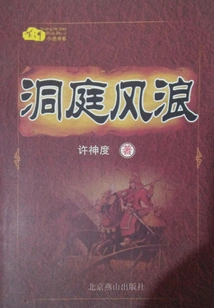
Dongting Storm
History洞庭风浪
Xu Shendu
Dongting Lake was originally the first of the five lakes. It belongs to the Yunmeng Plain, a land of Yin and Wufu, with outstanding people. In ancient times, Huangdi, Shun, Erfei, Yu, Shande, Fan Li, Qu Yuan, Song Yu, Liu Bei, Huang Xie, Liu Ba, Guan Yu, Zhou Yu, Xiao Qiao, Lu Su and Gan Ning all lived in Bi. Many celebrities were born in the lake area, such as Liao Li, Pan Rong, Che Jun, Che Yin, Pan Jing, Gong Hui, Yin Keng, Li Qunyu, Zhang Shangzu, Liu Bao, etc. In the Ming Dynasty, there were Fang Rui, Yang Yiqing, Yan Yishou, Liu Yingchen, Deng Tingzan, Liu Daxia, Li Chun, Xiao Shu, Meng Shan, Xie Denzhi, Yang Yipeng, Yang Sichang, Long Ying, Yang He, Yang Hong, Fu Zuolin, Xia Yuanji, etc. In the Qing Dynasty, there were Zuo Zongtang, Guo Songtao, Li Xingyuan, Hu Dayuan, Hu Linyi, Tang Peng, Xu Bozheng, Fang Gonghui, He Jinyun, Wu Minshu, Fang Xian, Liu Ao, Zhong Qianjun, Hu Tongyu, Hu Qiheng, Yang Chaozeng, Yang Pishu, etc. In modern times, talents emerge in large numbers.
Dongting Lake was originally the first of the five lakes. It belongs to the Yunmeng Plain, a land of Yin and Wufu, with outstanding people. In ancient times, Huangdi, Shun, Erfei, Yu, Shande, Fan Li, Qu Yuan, Song Yu, Liu Bei, Huang Xie, Liu Ba, Guan Yu, Zhou Yu, Xiao Qiao, Lu Su and Gan Ning all lived in Bi. Many celebrities were born in the lake area, such as Liao Li, Pan Rong, Che Jun, Che Yin, Pan Jing, Gong Hui, Yin Keng, Li Qunyu, Zhang Shangzu, Liu Bao, etc. In the Ming Dynasty, there were Fang Rui, Yang Yiqing, Yan Yishou, Liu Yingchen, Deng Tingzan, Liu Daxia, Li Chun, Xiao Shu, Meng Shan, Xie Denzhi, Yang Yipeng, Yang Sichang, Long Ying, Yang He, Yang Hong, Fu Zuolin, Xia Yuanji, etc. In the Qing Dynasty, there were Zuo Zongtang, Guo Songtao, Li Xingyuan, Hu Dayuan, Hu Linyi, Tang Peng, Xu Bozheng, Fang Gonghui, He Jinyun, Wu Minshu, Fang Xian, Liu Ao, Zhong Qianjun, Hu Tongyu, Hu Qiheng, Yang Chaozeng, Yang Pishu, etc. In modern times, talents emerge in large numbers.
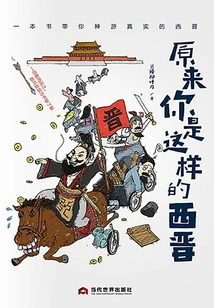
原来你是这样的西晋
Lanling Lancet
With a sincere heart, the author gives the most faithful account of the Western Jin Dynasty, which has been in the dust for countless years, and tells you about the Western Jin Dynasty in his own eyes - an era that may not be as bad as you think. This is a special era: it has both light and darkness; it is both magnificent and unknown; there are countless celebrities and high-ranking people, but there are villains and butchers everywhere; it is complicated and confusing, but people can't help but want to find out.
With a sincere heart, the author gives the most faithful account of the Western Jin Dynasty, which has been in the dust for countless years, and tells you about the Western Jin Dynasty in his own eyes - an era that may not be as bad as you think. This is a special era: it has both light and darkness; it is both magnificent and unknown; there are countless celebrities and high-ranking people, but there are villains and butchers everywhere; it is complicated and confusing, but people can't help but want to find out.
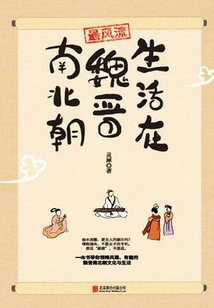
最风流:生活在魏晋南北朝
Lingxi
This book introduces the current customs of the Wei, Jin, Southern and Northern Dynasties in terms of seasons, food, clothing, housing and transportation, entertainment, weddings and funerals, medicine and education, and people in the market. It is rigorously researched yet relaxed and humorous. This book takes you through the most exciting Wei, Jin, Southern and Northern Dynasties. In addition, the author quotes extensively and is not limited to the current customs of this period. In the extended reading sections within chapters and after chapters, try to "connect" with other dynasties in order to enhance the thickness of historical prose works. Readers will not only gain systematic and rich historical and cultural knowledge while reading, but also gain a better aesthetic experience
This book introduces the current customs of the Wei, Jin, Southern and Northern Dynasties in terms of seasons, food, clothing, housing and transportation, entertainment, weddings and funerals, medicine and education, and people in the market. It is rigorously researched yet relaxed and humorous. This book takes you through the most exciting Wei, Jin, Southern and Northern Dynasties. In addition, the author quotes extensively and is not limited to the current customs of this period. In the extended reading sections within chapters and after chapters, try to "connect" with other dynasties in order to enhance the thickness of historical prose works. Readers will not only gain systematic and rich historical and cultural knowledge while reading, but also gain a better aesthetic experience
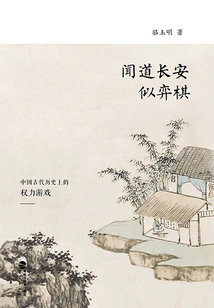
闻道长安似弈棋
Luo Yuming
This book captures eleven major events in ancient Chinese history. Through vivid interpretations and wonderful interpretations of the characters and events listed in it, such as Lu Buwei, Liu Bang, Wang Mang, Wu Zetian, the Xuanwumen Incident, and the Chenqiao Mutiny, it travels through the bloody historical time and space and restores the magnificent historical picture. Some of them you originally knew, and some of them were unexpected. Readers can vividly see the battle of wits and courage of various historical figures, and also realize how human nature, which combines courage and wisdom, wanders between good, evil, beauty and ugliness under the influence of various interests.
This book captures eleven major events in ancient Chinese history. Through vivid interpretations and wonderful interpretations of the characters and events listed in it, such as Lu Buwei, Liu Bang, Wang Mang, Wu Zetian, the Xuanwumen Incident, and the Chenqiao Mutiny, it travels through the bloody historical time and space and restores the magnificent historical picture. Some of them you originally knew, and some of them were unexpected. Readers can vividly see the battle of wits and courage of various historical figures, and also realize how human nature, which combines courage and wisdom, wanders between good, evil, beauty and ugliness under the influence of various interests.
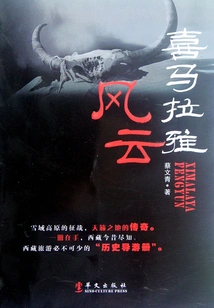
Himalayas
History喜马拉雅风云
Cai Wenqing
This book reflects the long history and glorious patriotic tradition of the Tibetan nation, and objectively records the entire process of wars, major and minor, that occurred in Tibet during the more than three hundred years from the Kangxi period of the Qing Dynasty in the 17th century to 1961. Based on citing a large amount of information, the author conducted a very detailed analysis of the cause of the incident, the course of the war, and the consequences. It focuses on describing the glorious history of the Communist Party of China leading the People's Liberation Army and local personnel in Tibet, uniting and leading the Tibetan people, peacefully liberating Tibet, safeguarding national unity and building Tibet.
This book reflects the long history and glorious patriotic tradition of the Tibetan nation, and objectively records the entire process of wars, major and minor, that occurred in Tibet during the more than three hundred years from the Kangxi period of the Qing Dynasty in the 17th century to 1961. Based on citing a large amount of information, the author conducted a very detailed analysis of the cause of the incident, the course of the war, and the consequences. It focuses on describing the glorious history of the Communist Party of China leading the People's Liberation Army and local personnel in Tibet, uniting and leading the Tibetan people, peacefully liberating Tibet, safeguarding national unity and building Tibet.
一看就停不下来的中国史
Favorite You
Jin Shengtan's madness, Lu You's suffering, Li Zhi's embarrassment, Gu Hongming's strangeness, the Buddhist Wang Wei's difficulties... What we read is history, but what we understand is actually the human heart. The present mind and the future mind are not accessible, but we can look back at history to explore the long-lost humanity and mysteries. Everyone is a mirror of the times. A tough scholar, a dramatist politician, a frustrated general, a businessman seeking survival, and new solutions to mysteries. In this book, we will meet those characters whose names have been passed down through the ages, but what we read is no longer the pursuit of novelties, or the empty laws divorced from human nature, but the inner driving force that lies deep under the words and is ready to come out.
Jin Shengtan's madness, Lu You's suffering, Li Zhi's embarrassment, Gu Hongming's strangeness, the Buddhist Wang Wei's difficulties... What we read is history, but what we understand is actually the human heart. The present mind and the future mind are not accessible, but we can look back at history to explore the long-lost humanity and mysteries. Everyone is a mirror of the times. A tough scholar, a dramatist politician, a frustrated general, a businessman seeking survival, and new solutions to mysteries. In this book, we will meet those characters whose names have been passed down through the ages, but what we read is no longer the pursuit of novelties, or the empty laws divorced from human nature, but the inner driving force that lies deep under the words and is ready to come out.
历史的温度3:时代扑面而来,转瞬即成历史
Zhang Wei
Why did Ye Mingchen, who insisted on his integrity and called himself "Su Wu of the Sea", end up with "eternal infamy"? Why did Yan Fu's life finally take a turn? Did Leonardo da Vinci really travel back in time from modern times? Churchill, who won the Nobel Prize for Literature, what kind of other side did he have? Ye Mingchen, Ding Ruchang, Shen Xin, Zhang Zuolin, Li Yuanhong, Yan Fu, Rabe, Churchill, Leonardo da Vinci, Guevara... What kind of life is behind these names that may be familiar or unfamiliar? What kind of era do their stories reflect? In Zhang Wei's abstract description, every name and event in the history books can present a vivid and vivid picture, changing history in its own way, or being changed by history. History is no longer just cold years and numbers, but stories with warmth and real people of flesh and blood. The author uses a dialectical vision as much as possible to restore those historical events and historical figures, so that the seemingly boring history can show its true warmth with its flesh and blood, its hesitation, its flash, and its belief.
Why did Ye Mingchen, who insisted on his integrity and called himself "Su Wu of the Sea", end up with "eternal infamy"? Why did Yan Fu's life finally take a turn? Did Leonardo da Vinci really travel back in time from modern times? Churchill, who won the Nobel Prize for Literature, what kind of other side did he have? Ye Mingchen, Ding Ruchang, Shen Xin, Zhang Zuolin, Li Yuanhong, Yan Fu, Rabe, Churchill, Leonardo da Vinci, Guevara... What kind of life is behind these names that may be familiar or unfamiliar? What kind of era do their stories reflect? In Zhang Wei's abstract description, every name and event in the history books can present a vivid and vivid picture, changing history in its own way, or being changed by history. History is no longer just cold years and numbers, but stories with warmth and real people of flesh and blood. The author uses a dialectical vision as much as possible to restore those historical events and historical figures, so that the seemingly boring history can show its true warmth with its flesh and blood, its hesitation, its flash, and its belief.
文明的崩塌:公元前1177年的地中海世界
(us) Eric H. Klein
The Greek economy collapsed, civil strife broke out in Libya, Syria and Egypt, and foreigners and foreign fighters added fuel to the fire. Turkey was afraid of being involved in this crisis, as was Israel. Jordan was crowded with refugees, Iran was sharpening its knives, and Iraq was in turmoil... Is this the international situation in the 21st century? That's right. But this is also what the Mediterranean world experienced more than 3,000 years ago, around 1177 BC. In 1177 BC, barbarians known as the "Sea Peoples" invaded Egypt in large numbers. The Pharaoh gathered an army to repel it, but Egypt's national power also plummeted from then on, leading to decline. Not only ancient Egypt, but also Greece, Hittite, Assyria, Babylonia... Those great kingdoms and city-states that dominated the world were like a string of pearls surrounding the ancient Mediterranean. They ruled the vast land from Greece and Italy in the west to the Tigris River in the east, creating glory that lasted for centuries. However, in just a few decades at the end of the 12th century BC, many civilizations collapsed one after another like dominoes. Ancient writing and technological civilization disappeared, leaving only magnificent historical relics such as the pyramids and the epic story of the Trojan War.
The Greek economy collapsed, civil strife broke out in Libya, Syria and Egypt, and foreigners and foreign fighters added fuel to the fire. Turkey was afraid of being involved in this crisis, as was Israel. Jordan was crowded with refugees, Iran was sharpening its knives, and Iraq was in turmoil... Is this the international situation in the 21st century? That's right. But this is also what the Mediterranean world experienced more than 3,000 years ago, around 1177 BC. In 1177 BC, barbarians known as the "Sea Peoples" invaded Egypt in large numbers. The Pharaoh gathered an army to repel it, but Egypt's national power also plummeted from then on, leading to decline. Not only ancient Egypt, but also Greece, Hittite, Assyria, Babylonia... Those great kingdoms and city-states that dominated the world were like a string of pearls surrounding the ancient Mediterranean. They ruled the vast land from Greece and Italy in the west to the Tigris River in the east, creating glory that lasted for centuries. However, in just a few decades at the end of the 12th century BC, many civilizations collapsed one after another like dominoes. Ancient writing and technological civilization disappeared, leaving only magnificent historical relics such as the pyramids and the epic story of the Trojan War.
希腊人的故事(全三册)
G
"The Story of the Greeks" is the final work of Shiono Shiono, and it is a popular series of historical works after "The Story of the Romans". In this "Story of the Greeks", the author takes us back to that legendary era when humans and gods coexisted in the same world. He calmly and thoroughly focuses his perspective on how multiple civilizations coexist. The scenes reenact the story of how heroes with different personalities lead the country to the top in the decisions that changed the world structure time and time again. From birth to rise, from collapse to rebirth, in the layer-by-layer analysis of many problems, the confusion faced by the ancient Greeks has become a resource that we can learn from today.
"The Story of the Greeks" is the final work of Shiono Shiono, and it is a popular series of historical works after "The Story of the Romans". In this "Story of the Greeks", the author takes us back to that legendary era when humans and gods coexisted in the same world. He calmly and thoroughly focuses his perspective on how multiple civilizations coexist. The scenes reenact the story of how heroes with different personalities lead the country to the top in the decisions that changed the world structure time and time again. From birth to rise, from collapse to rebirth, in the layer-by-layer analysis of many problems, the confusion faced by the ancient Greeks has become a resource that we can learn from today.
Neanderthal
History尼安德特人
(sweden) Svante Paabo
In 1856, three years before Darwin published "The Origin of Species," workers cleaning a quarry in the Neander Valley, about 10 kilometers east of Dusseldorf, Germany, discovered a skull and some bones. A few years later, the remains were identified as belonging to an extinct ancient human species called Neanderthals. Who are they? Did they, who disappeared about 30,000 years ago, mix with modern humans? Do we still have ancient Neanderthal genes in our bodies? The author of this book, Svante Paabo, boldly and rigorously explores the above issues through ancient DNA technology. "Neanderthal" is not only his first-hand industry record of the field of ancient DNA from its rise to its increasing maturity, but it is also intertwined with a scientific researcher's sincere experience of confusion, failure, doubt, success and more unknowns. From ancient Egyptian mummies to obtaining the first Neanderthal mitochondrial DNA sequence, to publishing the first Neanderthal genome draft; from conducting experiments without telling the mentor, to traveling to the Democratic Republic of Germany to obtain samples during the Cold War, to anecdotes of exchanges in the context of global scientific research collaboration - Paabo More than 30 years of exploration in the field of ancient DNA, between the debates between the "Out of Africa" and "Multiple Origins" theories, kicked off the study of how ancient genetic variation affects the physiology of modern humans. It also witnessed the growth of a medical student curious about ancient Egyptology to the organizer of a scientific research project on human evolution. Please follow this book to trace our origins and discover how we became human beings and what makes us human.
In 1856, three years before Darwin published "The Origin of Species," workers cleaning a quarry in the Neander Valley, about 10 kilometers east of Dusseldorf, Germany, discovered a skull and some bones. A few years later, the remains were identified as belonging to an extinct ancient human species called Neanderthals. Who are they? Did they, who disappeared about 30,000 years ago, mix with modern humans? Do we still have ancient Neanderthal genes in our bodies? The author of this book, Svante Paabo, boldly and rigorously explores the above issues through ancient DNA technology. "Neanderthal" is not only his first-hand industry record of the field of ancient DNA from its rise to its increasing maturity, but it is also intertwined with a scientific researcher's sincere experience of confusion, failure, doubt, success and more unknowns. From ancient Egyptian mummies to obtaining the first Neanderthal mitochondrial DNA sequence, to publishing the first Neanderthal genome draft; from conducting experiments without telling the mentor, to traveling to the Democratic Republic of Germany to obtain samples during the Cold War, to anecdotes of exchanges in the context of global scientific research collaboration - Paabo More than 30 years of exploration in the field of ancient DNA, between the debates between the "Out of Africa" and "Multiple Origins" theories, kicked off the study of how ancient genetic variation affects the physiology of modern humans. It also witnessed the growth of a medical student curious about ancient Egyptology to the organizer of a scientific research project on human evolution. Please follow this book to trace our origins and discover how we became human beings and what makes us human.