Library
Browse and search books
2,982 novels found
白话资治通鉴(4)
Sima Guang
The purpose of Sima Guang's compilation of "Zi Zhi Tong Jian" is to "Zi Zhi". All important events and figures related to the rise and fall of the country and the stakes of the people are described in detail. However, matters and people that have nothing to do with the national economy and people's livelihood, such as numerous literati and high officials, are not mentioned. It records people and events with clear principles, and has been enjoyed by emperors, ministers and scholars of all ages. Sima Guang lived in an era that was more than 900 years ago. The classical Chinese at that time was far different from the vernacular used today. Therefore, many modern people give up reading it because they find it difficult. In view of this, in the early 1980s, Taiwanese scholar Mr. Huang Jinhong took the lead and gathered the efforts of 27 famous professors from Taiwan universities. It took three years to translate this great work into vernacular, which is deeply loved by readers in the Chinese world.
The purpose of Sima Guang's compilation of "Zi Zhi Tong Jian" is to "Zi Zhi". All important events and figures related to the rise and fall of the country and the stakes of the people are described in detail. However, matters and people that have nothing to do with the national economy and people's livelihood, such as numerous literati and high officials, are not mentioned. It records people and events with clear principles, and has been enjoyed by emperors, ministers and scholars of all ages. Sima Guang lived in an era that was more than 900 years ago. The classical Chinese at that time was far different from the vernacular used today. Therefore, many modern people give up reading it because they find it difficult. In view of this, in the early 1980s, Taiwanese scholar Mr. Huang Jinhong took the lead and gathered the efforts of 27 famous professors from Taiwan universities. It took three years to translate this great work into vernacular, which is deeply loved by readers in the Chinese world.
L
Historyl
H
"Meditations" is one of the most touching great masterpieces in Western history. It has shouldered a proud burden with its solemn and unyielding spirit, helping countless ordinary men and women who read it to have a better life. The author of this book, Mark, was an ancient Roman emperor and one of the representatives of the Stoic school. Although the book was written little by little during the war, it is permeated with profound calm and tolerance. In this book, Marco tells us his understanding of life and his contemplation of the nature of the universe, nature and human beings in his melancholy and noble writing style. In his view, the universe is an orderly whole, and everything in the world is interconnected and shares a common God or truth that pervades everything. As rational beings, the essence of human beings is to exist for each other. Mark also believes that many forces in reality are irresistible to humans, so we should readily accept them. In addition, we should also learn patience and tolerance, and learn to endure everything.
"Meditations" is one of the most touching great masterpieces in Western history. It has shouldered a proud burden with its solemn and unyielding spirit, helping countless ordinary men and women who read it to have a better life. The author of this book, Mark, was an ancient Roman emperor and one of the representatives of the Stoic school. Although the book was written little by little during the war, it is permeated with profound calm and tolerance. In this book, Marco tells us his understanding of life and his contemplation of the nature of the universe, nature and human beings in his melancholy and noble writing style. In his view, the universe is an orderly whole, and everything in the world is interconnected and shares a common God or truth that pervades everything. As rational beings, the essence of human beings is to exist for each other. Mark also believes that many forces in reality are irresistible to humans, so we should readily accept them. In addition, we should also learn patience and tolerance, and learn to endure everything.
白话资治通鉴(7)
Sima Guang
The purpose of Sima Guang's compilation of "Zi Zhi Tong Jian" is to "Zi Zhi". All important events and figures related to the rise and fall of the country and the stakes of the people are described in detail. However, matters and people that have nothing to do with the national economy and people's livelihood, such as numerous literati and high officials, are not mentioned. It records people and events with clear principles, and has been enjoyed by emperors, ministers and scholars of all ages. Sima Guang lived in an era that was more than 900 years ago. The classical Chinese at that time was far different from the vernacular used today. Therefore, many modern people give up reading it because they find it difficult. In view of this, in the early 1980s, Taiwanese scholar Mr. Huang Jinhong took the lead and gathered the efforts of 27 famous professors from Taiwan universities. It took three years to translate this great work into vernacular, which is deeply loved by readers in the Chinese world.
The purpose of Sima Guang's compilation of "Zi Zhi Tong Jian" is to "Zi Zhi". All important events and figures related to the rise and fall of the country and the stakes of the people are described in detail. However, matters and people that have nothing to do with the national economy and people's livelihood, such as numerous literati and high officials, are not mentioned. It records people and events with clear principles, and has been enjoyed by emperors, ministers and scholars of all ages. Sima Guang lived in an era that was more than 900 years ago. The classical Chinese at that time was far different from the vernacular used today. Therefore, many modern people give up reading it because they find it difficult. In view of this, in the early 1980s, Taiwanese scholar Mr. Huang Jinhong took the lead and gathered the efforts of 27 famous professors from Taiwan universities. It took three years to translate this great work into vernacular, which is deeply loved by readers in the Chinese world.
白话资治通鉴(8)
Sima Guang
The purpose of Sima Guang's compilation of "Zi Zhi Tong Jian" is to "Zi Zhi". All important events and figures related to the rise and fall of the country and the stakes of the people are described in detail. However, matters and people that have nothing to do with the national economy and people's livelihood, such as numerous literati and high officials, are not mentioned. It records people and events with clear principles, and has been enjoyed by emperors, ministers and scholars of all ages. Sima Guang lived in an era that was more than 900 years ago. The classical Chinese at that time was far different from the vernacular used today. Therefore, many modern people give up reading it because they find it difficult. In view of this, in the early 1980s, Taiwanese scholar Mr. Huang Jinhong took the lead and gathered the efforts of 27 famous professors from Taiwan universities. It took three years to translate this great work into vernacular, which is deeply loved by readers in the Chinese world.
The purpose of Sima Guang's compilation of "Zi Zhi Tong Jian" is to "Zi Zhi". All important events and figures related to the rise and fall of the country and the stakes of the people are described in detail. However, matters and people that have nothing to do with the national economy and people's livelihood, such as numerous literati and high officials, are not mentioned. It records people and events with clear principles, and has been enjoyed by emperors, ministers and scholars of all ages. Sima Guang lived in an era that was more than 900 years ago. The classical Chinese at that time was far different from the vernacular used today. Therefore, many modern people give up reading it because they find it difficult. In view of this, in the early 1980s, Taiwanese scholar Mr. Huang Jinhong took the lead and gathered the efforts of 27 famous professors from Taiwan universities. It took three years to translate this great work into vernacular, which is deeply loved by readers in the Chinese world.
白话资治通鉴(5)
Sima Guang
The purpose of Sima Guang's compilation of "Zi Zhi Tong Jian" is to "Zi Zhi". All important events and figures related to the rise and fall of the country and the stakes of the people are described in detail. However, matters and people that have nothing to do with the national economy and people's livelihood, such as numerous literati and high officials, are not mentioned. It records people and events with clear principles, and has been enjoyed by emperors, ministers and scholars of all ages. Sima Guang lived in an era that was more than 900 years ago. The classical Chinese at that time was far different from the vernacular used today. Therefore, many modern people give up reading it because they find it difficult. In view of this, in the early 1980s, Taiwanese scholar Mr. Huang Jinhong took the lead and gathered the efforts of 27 famous professors from Taiwan universities. It took three years to translate this great work into vernacular, which is deeply loved by readers in the Chinese world.
The purpose of Sima Guang's compilation of "Zi Zhi Tong Jian" is to "Zi Zhi". All important events and figures related to the rise and fall of the country and the stakes of the people are described in detail. However, matters and people that have nothing to do with the national economy and people's livelihood, such as numerous literati and high officials, are not mentioned. It records people and events with clear principles, and has been enjoyed by emperors, ministers and scholars of all ages. Sima Guang lived in an era that was more than 900 years ago. The classical Chinese at that time was far different from the vernacular used today. Therefore, many modern people give up reading it because they find it difficult. In view of this, in the early 1980s, Taiwanese scholar Mr. Huang Jinhong took the lead and gathered the efforts of 27 famous professors from Taiwan universities. It took three years to translate this great work into vernacular, which is deeply loved by readers in the Chinese world.
白话资治通鉴(2)
Sima Guang
The purpose of Sima Guang's compilation of "Zi Zhi Tong Jian" is to "Zi Zhi". All important events and figures related to the rise and fall of the country and the stakes of the people are described in detail. However, matters and people that have nothing to do with the national economy and people's livelihood, such as numerous literati and high officials, are not mentioned. It records people and events with clear principles, and has been enjoyed by emperors, ministers and scholars of all ages. Sima Guang lived in an era that was more than 900 years ago. The classical Chinese at that time was far different from the vernacular used today. Therefore, many modern people give up reading it because they find it difficult. In view of this, in the early 1980s, Taiwanese scholar Mr. Huang Jinhong took the lead and gathered the efforts of 27 famous professors from Taiwan universities. It took three years to translate this great work into vernacular, which is deeply loved by readers in the Chinese world.
The purpose of Sima Guang's compilation of "Zi Zhi Tong Jian" is to "Zi Zhi". All important events and figures related to the rise and fall of the country and the stakes of the people are described in detail. However, matters and people that have nothing to do with the national economy and people's livelihood, such as numerous literati and high officials, are not mentioned. It records people and events with clear principles, and has been enjoyed by emperors, ministers and scholars of all ages. Sima Guang lived in an era that was more than 900 years ago. The classical Chinese at that time was far different from the vernacular used today. Therefore, many modern people give up reading it because they find it difficult. In view of this, in the early 1980s, Taiwanese scholar Mr. Huang Jinhong took the lead and gathered the efforts of 27 famous professors from Taiwan universities. It took three years to translate this great work into vernacular, which is deeply loved by readers in the Chinese world.
Three Kingdoms
History三国志
X
"Three Kingdoms" is a historical masterpiece written by the famous Chinese historian Chen Shou. It records the history of the three kingdoms of Wei, Shu and Wu from the first year of Huangchu (220) of Emperor Wen of Wei to the first year of Taikang (280) of Emperor Wu of Jin. , Including thirty volumes of "Book of Wei", twenty volumes of "Book of Wu", and fifteen volumes of "Book of Shu", a total of sixty-five volumes. Together with "Historical Records", "Han Shu" and "Hou Han Shu", they are called the first four histories and are must-read works for those who study history. "Three Kingdoms" is a biographical history of each country, recording the 60-year history of the Three Kingdoms in detail. The whole book consists of 65 volumes, including 30 volumes of "Book of Wei", 15 volumes of "Book of Shu", and 20 volumes of "Book of Wu". When Chen Shou was writing "Three Kingdoms", he was serving in Western Shu, and Jin inherited Wei, so "Three Kingdoms" respects Wei as the orthodox one. The punctuation in this book is based on the Zhonghua Book Company edition, and refers to the "Vernacular Three Kingdoms" (our edition) translated by Wang Jingzhi of Taiwan. For the convenience of reading, the book is equipped with a number of illustrations related to the content.
"Three Kingdoms" is a historical masterpiece written by the famous Chinese historian Chen Shou. It records the history of the three kingdoms of Wei, Shu and Wu from the first year of Huangchu (220) of Emperor Wen of Wei to the first year of Taikang (280) of Emperor Wu of Jin. , Including thirty volumes of "Book of Wei", twenty volumes of "Book of Wu", and fifteen volumes of "Book of Shu", a total of sixty-five volumes. Together with "Historical Records", "Han Shu" and "Hou Han Shu", they are called the first four histories and are must-read works for those who study history. "Three Kingdoms" is a biographical history of each country, recording the 60-year history of the Three Kingdoms in detail. The whole book consists of 65 volumes, including 30 volumes of "Book of Wei", 15 volumes of "Book of Shu", and 20 volumes of "Book of Wu". When Chen Shou was writing "Three Kingdoms", he was serving in Western Shu, and Jin inherited Wei, so "Three Kingdoms" respects Wei as the orthodox one. The punctuation in this book is based on the Zhonghua Book Company edition, and refers to the "Vernacular Three Kingdoms" (our edition) translated by Wang Jingzhi of Taiwan. For the convenience of reading, the book is equipped with a number of illustrations related to the content.
白话资治通鉴(3)
Sima Guang
The purpose of Sima Guang's compilation of "Zi Zhi Tong Jian" is to "Zi Zhi". All important events and figures related to the rise and fall of the country and the stakes of the people are described in detail. However, matters and people that have nothing to do with the national economy and people's livelihood, such as numerous literati and high officials, are not mentioned. It records people and events with clear principles, and has been enjoyed by emperors, ministers and scholars of all ages. Sima Guang lived in an era that was more than 900 years ago. The classical Chinese at that time was far different from the vernacular used today. Therefore, many modern people give up reading it because they find it difficult. In view of this, in the early 1980s, Taiwanese scholar Mr. Huang Jinhong took the lead and gathered the efforts of 27 famous professors from Taiwan universities. It took three years to translate this great work into vernacular, which is deeply loved by readers in the Chinese world.
The purpose of Sima Guang's compilation of "Zi Zhi Tong Jian" is to "Zi Zhi". All important events and figures related to the rise and fall of the country and the stakes of the people are described in detail. However, matters and people that have nothing to do with the national economy and people's livelihood, such as numerous literati and high officials, are not mentioned. It records people and events with clear principles, and has been enjoyed by emperors, ministers and scholars of all ages. Sima Guang lived in an era that was more than 900 years ago. The classical Chinese at that time was far different from the vernacular used today. Therefore, many modern people give up reading it because they find it difficult. In view of this, in the early 1980s, Taiwanese scholar Mr. Huang Jinhong took the lead and gathered the efforts of 27 famous professors from Taiwan universities. It took three years to translate this great work into vernacular, which is deeply loved by readers in the Chinese world.
白话资治通鉴(1)
Sima Guang
The purpose of Sima Guang's compilation of "Zi Zhi Tong Jian" is to "Zi Zhi". All important events and figures related to the rise and fall of the country and the stakes of the people are described in detail. However, matters and people that have nothing to do with the national economy and people's livelihood, such as numerous literati and high officials, are not mentioned. It records people and events with clear principles, and has been enjoyed by emperors, ministers and scholars of all ages. Sima Guang lived in an era that was more than 900 years ago. The classical Chinese at that time was far different from the vernacular used today. Therefore, many modern people give up reading it because they find it difficult. In view of this, in the early 1980s, Taiwanese scholar Mr. Huang Jinhong took the lead and gathered the efforts of 27 famous professors from Taiwan universities. It took three years to translate this great work into vernacular, which is deeply loved by readers in the Chinese world.
The purpose of Sima Guang's compilation of "Zi Zhi Tong Jian" is to "Zi Zhi". All important events and figures related to the rise and fall of the country and the stakes of the people are described in detail. However, matters and people that have nothing to do with the national economy and people's livelihood, such as numerous literati and high officials, are not mentioned. It records people and events with clear principles, and has been enjoyed by emperors, ministers and scholars of all ages. Sima Guang lived in an era that was more than 900 years ago. The classical Chinese at that time was far different from the vernacular used today. Therefore, many modern people give up reading it because they find it difficult. In view of this, in the early 1980s, Taiwanese scholar Mr. Huang Jinhong took the lead and gathered the efforts of 27 famous professors from Taiwan universities. It took three years to translate this great work into vernacular, which is deeply loved by readers in the Chinese world.
白话资治通鉴(9)
Sima Guang
The purpose of Sima Guang's compilation of "Zi Zhi Tong Jian" is to "Zi Zhi". All important events and figures related to the rise and fall of the country and the stakes of the people are described in detail. However, matters and people that have nothing to do with the national economy and people's livelihood, such as numerous literati and high officials, are not mentioned. It records people and events with clear principles, and has been enjoyed by emperors, ministers and scholars of all ages. Sima Guang lived in an era that was more than 900 years ago. The classical Chinese at that time was far different from the vernacular used today. Therefore, many modern people give up reading it because they find it difficult. In view of this, in the early 1980s, Taiwanese scholar Mr. Huang Jinhong took the lead and gathered the efforts of 27 famous professors from Taiwan universities. It took three years to translate this great work into vernacular, which is deeply loved by readers in the Chinese world.
The purpose of Sima Guang's compilation of "Zi Zhi Tong Jian" is to "Zi Zhi". All important events and figures related to the rise and fall of the country and the stakes of the people are described in detail. However, matters and people that have nothing to do with the national economy and people's livelihood, such as numerous literati and high officials, are not mentioned. It records people and events with clear principles, and has been enjoyed by emperors, ministers and scholars of all ages. Sima Guang lived in an era that was more than 900 years ago. The classical Chinese at that time was far different from the vernacular used today. Therefore, many modern people give up reading it because they find it difficult. In view of this, in the early 1980s, Taiwanese scholar Mr. Huang Jinhong took the lead and gathered the efforts of 27 famous professors from Taiwan universities. It took three years to translate this great work into vernacular, which is deeply loved by readers in the Chinese world.
白话资治通鉴(6)
Sima Guang
The purpose of Sima Guang's compilation of "Zi Zhi Tong Jian" is to "Zi Zhi". All important events and figures related to the rise and fall of the country and the stakes of the people are described in detail. However, matters and people that have nothing to do with the national economy and people's livelihood, such as numerous literati and high officials, are not mentioned. It records people and events with clear principles, and has been enjoyed by emperors, ministers and scholars of all ages. Sima Guang lived in an era that was more than 900 years ago. The classical Chinese at that time was far different from the vernacular used today. Therefore, many modern people give up reading it because they find it difficult. In view of this, in the early 1980s, Taiwanese scholar Mr. Huang Jinhong took the lead and gathered the efforts of 27 famous professors from Taiwan universities. It took three years to translate this great work into vernacular, which is deeply loved by readers in the Chinese world.
The purpose of Sima Guang's compilation of "Zi Zhi Tong Jian" is to "Zi Zhi". All important events and figures related to the rise and fall of the country and the stakes of the people are described in detail. However, matters and people that have nothing to do with the national economy and people's livelihood, such as numerous literati and high officials, are not mentioned. It records people and events with clear principles, and has been enjoyed by emperors, ministers and scholars of all ages. Sima Guang lived in an era that was more than 900 years ago. The classical Chinese at that time was far different from the vernacular used today. Therefore, many modern people give up reading it because they find it difficult. In view of this, in the early 1980s, Taiwanese scholar Mr. Huang Jinhong took the lead and gathered the efforts of 27 famous professors from Taiwan universities. It took three years to translate this great work into vernacular, which is deeply loved by readers in the Chinese world.
白话资治通鉴(10)
Sima Guang
The purpose of Sima Guang's compilation of "Zi Zhi Tong Jian" is to "Zi Zhi". All important events and figures related to the rise and fall of the country and the stakes of the people are described in detail. However, matters and people that have nothing to do with the national economy and people's livelihood, such as numerous literati and high officials, are not mentioned. It records people and events with clear principles, and has been enjoyed by emperors, ministers and scholars of all ages. Sima Guang lived in an era that was more than 900 years ago. The classical Chinese at that time was far different from the vernacular used today. Therefore, many modern people give up reading it because they find it difficult. In view of this, in the early 1980s, Taiwanese scholar Mr. Huang Jinhong took the lead and gathered the efforts of 27 famous professors from Taiwan universities. It took three years to translate this great work into vernacular, which is deeply loved by readers in the Chinese world.
The purpose of Sima Guang's compilation of "Zi Zhi Tong Jian" is to "Zi Zhi". All important events and figures related to the rise and fall of the country and the stakes of the people are described in detail. However, matters and people that have nothing to do with the national economy and people's livelihood, such as numerous literati and high officials, are not mentioned. It records people and events with clear principles, and has been enjoyed by emperors, ministers and scholars of all ages. Sima Guang lived in an era that was more than 900 years ago. The classical Chinese at that time was far different from the vernacular used today. Therefore, many modern people give up reading it because they find it difficult. In view of this, in the early 1980s, Taiwanese scholar Mr. Huang Jinhong took the lead and gathered the efforts of 27 famous professors from Taiwan universities. It took three years to translate this great work into vernacular, which is deeply loved by readers in the Chinese world.
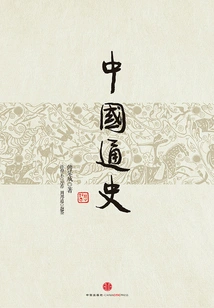
中国通史(上下册)
Fu Lecheng
"General History of China" (Volume 1 and 2) explores the Paleolithic Age and ends with the abdication of the Qing Emperor in 1912, with more than 600,000 words. The text is simple and easy to understand, without tedious quotations, the narrative is clear, and the opinions are upright. The important nodes, causes and consequences of thousands of years of Chinese history are all present. It is intended to give readers a clearer and objective concept of Chinese history. The book focuses on four aspects: political and social changes; foreign relations; the evolution of various systems; and the origins of academic thought. There are three sources of information: the old history of past dynasties; the research results of modern scholars; and the author's experience in reading history. We strive to be faithful and prudent in the organization and description of the data we base on. We will not use any opinions that lack empirical evidence or are overly subjective. Hundreds of illustrations, focusing on war maps, facilitate readers to have an in-depth understanding.
"General History of China" (Volume 1 and 2) explores the Paleolithic Age and ends with the abdication of the Qing Emperor in 1912, with more than 600,000 words. The text is simple and easy to understand, without tedious quotations, the narrative is clear, and the opinions are upright. The important nodes, causes and consequences of thousands of years of Chinese history are all present. It is intended to give readers a clearer and objective concept of Chinese history. The book focuses on four aspects: political and social changes; foreign relations; the evolution of various systems; and the origins of academic thought. There are three sources of information: the old history of past dynasties; the research results of modern scholars; and the author's experience in reading history. We strive to be faithful and prudent in the organization and description of the data we base on. We will not use any opinions that lack empirical evidence or are overly subjective. Hundreds of illustrations, focusing on war maps, facilitate readers to have an in-depth understanding.
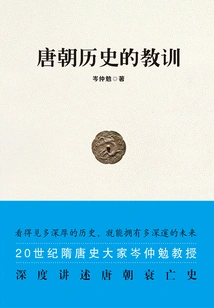
唐朝历史的教训
Cen Zhongmian
The Tang Dynasty was the heyday in the history of my country's feudal dynasty. It had a developed economy, a vast territory, and world-leading science and technology. It was the leading power in the world at that time. It created a prosperous scene in which "all foreigners came to serve and all nations came to court". However, such a splendid Tang Dynasty gradually declined with an irreversible trend after the prosperous Kaiyuan Dynasty. What was the reason that caused such a prosperous dynasty to decline step by step? As a master in the field of Tang history research, the author of this book has made a strong argument for the process and important historical facts of the Tang Dynasty's transition from prosperity to decline, conducted a profound analysis of major historical issues, deeply restored the neglected historical truth, and left valuable experience and lessons for future generations.
The Tang Dynasty was the heyday in the history of my country's feudal dynasty. It had a developed economy, a vast territory, and world-leading science and technology. It was the leading power in the world at that time. It created a prosperous scene in which "all foreigners came to serve and all nations came to court". However, such a splendid Tang Dynasty gradually declined with an irreversible trend after the prosperous Kaiyuan Dynasty. What was the reason that caused such a prosperous dynasty to decline step by step? As a master in the field of Tang history research, the author of this book has made a strong argument for the process and important historical facts of the Tang Dynasty's transition from prosperity to decline, conducted a profound analysis of major historical issues, deeply restored the neglected historical truth, and left valuable experience and lessons for future generations.
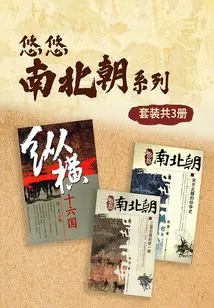
悠悠南北朝系列(套装共3册)
Chen Xian
The long history of China is filled with countless romantic figures. This series of books includes "Across the Sixteen Kingdoms (The history of the heroic disputes between the Sixteen Kingdoms in the one and a half centuries after the Three Kingdoms) (New History Reading Series)", "The History of the Conflicts between the Song, Qi and Northern Wei in the Southern and Northern Dynasties", and "The Unification Road of the Three Kingdoms to the Sui Dynasty in the Southern and Northern Dynasties", which easily tells the troubled times of the Southern and Northern Dynasties.
The long history of China is filled with countless romantic figures. This series of books includes "Across the Sixteen Kingdoms (The history of the heroic disputes between the Sixteen Kingdoms in the one and a half centuries after the Three Kingdoms) (New History Reading Series)", "The History of the Conflicts between the Song, Qi and Northern Wei in the Southern and Northern Dynasties", and "The Unification Road of the Three Kingdoms to the Sui Dynasty in the Southern and Northern Dynasties", which easily tells the troubled times of the Southern and Northern Dynasties.
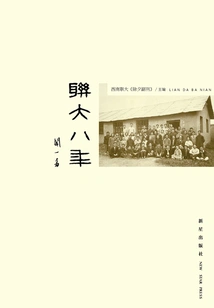
联大八年
Southwest Associated University's "new Year's Eve Supplement"
In 1937, the Japanese army invaded China and Pingjin fell. Peking University, Tsinghua University, and Nankai University were ordered to move to Hunan and merged into the National Changsha Temporary University. In 1938, the three universities moved south to Kunming and were renamed National Southwest Associated University. In 1946, the mountains and rivers were restored, the sun and the moon were shining again, and the mission of the United University War was accomplished and ended on May 4th. The eighth year of the Union University was the eighth year of China's War of Resistance. "The mission of the Union University ended with the War of Resistance." This book was first published in July 1946. It was drafted, compiled and published by the students of Southwest Associated University at that time, and was published with their own funds. It is recognized by the academic circles as the most precious and valuable information about Southwest Associated University.
In 1937, the Japanese army invaded China and Pingjin fell. Peking University, Tsinghua University, and Nankai University were ordered to move to Hunan and merged into the National Changsha Temporary University. In 1938, the three universities moved south to Kunming and were renamed National Southwest Associated University. In 1946, the mountains and rivers were restored, the sun and the moon were shining again, and the mission of the United University War was accomplished and ended on May 4th. The eighth year of the Union University was the eighth year of China's War of Resistance. "The mission of the Union University ended with the War of Resistance." This book was first published in July 1946. It was drafted, compiled and published by the students of Southwest Associated University at that time, and was published with their own funds. It is recognized by the academic circles as the most precious and valuable information about Southwest Associated University.
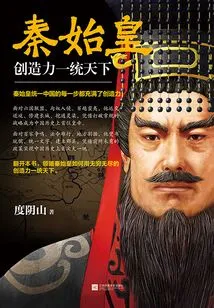
秦始皇:创造力一统天下
Duyin Mountain
The new biography of Du Yinshan, the author of the million-selling book "The Unity of Knowledge and Action" by Wang Yangming. Every step Qin Shihuang took to unify the world was full of creativity. In the face of the Six-Nation Alliance, the invasion of the Huns, and the barbarians of Baiyue, he made close contacts with distant enemies, built the Great Wall, and dug spiritual canals. He relied on unconventional strategies to become the first emperor in Chinese history. Faced with the contention of hundreds of schools of thought, the difficulty of enforcing laws, and local separatism, he burned books and harassed Confucian scholars, unified writing, established counties and counties, and achieved the first great unification in Chinese history with policies that no one before him had thought of. Open this book and appreciate the core secret of Qin Shihuang's unification of the world - creativity. In order to build a great Qin Empire that would last forever, Qin Shihuang formulated a series of systems and policies that his predecessors could not even imagine. Although his empire only lasted for 14 years, his systems became the objects of reference and imitation by all subsequent emperors, influencing ancient Chinese politics for 2,000 years. He is the founder of the unified dynasty; he is the founder of the title of emperor; he is the founder of centralization; he is the builder of the world's miracle, the Great Wall...
The new biography of Du Yinshan, the author of the million-selling book "The Unity of Knowledge and Action" by Wang Yangming. Every step Qin Shihuang took to unify the world was full of creativity. In the face of the Six-Nation Alliance, the invasion of the Huns, and the barbarians of Baiyue, he made close contacts with distant enemies, built the Great Wall, and dug spiritual canals. He relied on unconventional strategies to become the first emperor in Chinese history. Faced with the contention of hundreds of schools of thought, the difficulty of enforcing laws, and local separatism, he burned books and harassed Confucian scholars, unified writing, established counties and counties, and achieved the first great unification in Chinese history with policies that no one before him had thought of. Open this book and appreciate the core secret of Qin Shihuang's unification of the world - creativity. In order to build a great Qin Empire that would last forever, Qin Shihuang formulated a series of systems and policies that his predecessors could not even imagine. Although his empire only lasted for 14 years, his systems became the objects of reference and imitation by all subsequent emperors, influencing ancient Chinese politics for 2,000 years. He is the founder of the unified dynasty; he is the founder of the title of emperor; he is the founder of centralization; he is the builder of the world's miracle, the Great Wall...
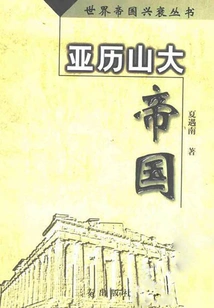
Alexander's Empire
History亚历山大帝国
Xia Yunan
This book gives a relatively in-depth narration of the historical background of the rise of Alexander's empire, and shows Alexander's true image as a great commander through a series of specific and vivid battle scenes.
This book gives a relatively in-depth narration of the historical background of the rise of Alexander's empire, and shows Alexander's true image as a great commander through a series of specific and vivid battle scenes.
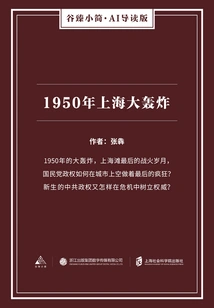
1950年上海大轰炸(谷臻小简·AI导读版)
Zhang Ben
During the 1950 bombing and the final years of war in Shanghai, how did the Kuomintang regime commit its last act of madness over the city? ! How can the new Chinese Communist regime establish its authority in a crisis?
During the 1950 bombing and the final years of war in Shanghai, how did the Kuomintang regime commit its last act of madness over the city? ! How can the new Chinese Communist regime establish its authority in a crisis?
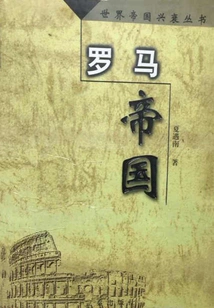
Roman Empire
History罗马帝国
Xia Yunan
This book is a history of the rise and fall of the Roman Empire. The main content is divided into four parts, including: the initial rise of the Roman Empire, the expansion of the Roman Empire, the heyday of the Roman Empire, and the decline and fall of the Roman Empire.
This book is a history of the rise and fall of the Roman Empire. The main content is divided into four parts, including: the initial rise of the Roman Empire, the expansion of the Roman Empire, the heyday of the Roman Empire, and the decline and fall of the Roman Empire.
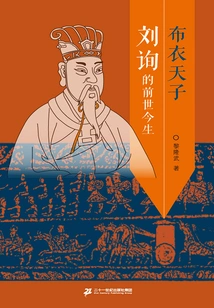
布衣天子:刘询的前世今生
Le Long Vu
The late period of Emperor Wu of Han's reign. The prince Liu Ju was involved in the "Witch Salt Disaster" and his family was almost wiped out. Only his grandson Liu Xun was left to grow up through ups and downs. Many years later, Emperor Zhao of Han, the son of Emperor Wu, passed away. Liu He, the deposed Emperor of Han, was deposed after being emperor for twenty-seven days. The clouds of political struggle surged again. As a civilian, Liu Xun was selected as the heir to the throne by the powerful minister Huo Guang. However, there are still endless fights within the imperial court, and the powerful officials are still in power; foreign tribes in the border areas are intruding, and hidden dangers are endless. Liu Xun relied on sufficient endurance, extraordinary political ability and extraordinary courage. These political difficulties were solved one by one, creating the famous "Xiaoxuan Zhongxing", which brought the national power of the Western Han Dynasty to its peak again. "The Past and Present Life of the Commoner Emperor Liu Xun" is the final chapter of the "Haihun Hou Trilogy". It starts from the youth of Han Xuan Emperor Liu Xun, who is closely related to the fate of Haihun Hou Liu He. It tells how Liu Xun, driven by the gears of fate, fell from the noble great-grandson of the emperor to a gangster, and how he lived among the people and was later elected as the emperor. It reproduces the magnificent life of Han Xuan Emperor Liu Xun. The book is rich in stories and allusions. Under the author's combing, they are integrated into one, depicting the political landscape and social picture of the Western Han Dynasty at that time, and outlining the context of the power struggle in the Western Han Dynasty for more than forty years. It is both amazing and thought-provoking to read.
The late period of Emperor Wu of Han's reign. The prince Liu Ju was involved in the "Witch Salt Disaster" and his family was almost wiped out. Only his grandson Liu Xun was left to grow up through ups and downs. Many years later, Emperor Zhao of Han, the son of Emperor Wu, passed away. Liu He, the deposed Emperor of Han, was deposed after being emperor for twenty-seven days. The clouds of political struggle surged again. As a civilian, Liu Xun was selected as the heir to the throne by the powerful minister Huo Guang. However, there are still endless fights within the imperial court, and the powerful officials are still in power; foreign tribes in the border areas are intruding, and hidden dangers are endless. Liu Xun relied on sufficient endurance, extraordinary political ability and extraordinary courage. These political difficulties were solved one by one, creating the famous "Xiaoxuan Zhongxing", which brought the national power of the Western Han Dynasty to its peak again. "The Past and Present Life of the Commoner Emperor Liu Xun" is the final chapter of the "Haihun Hou Trilogy". It starts from the youth of Han Xuan Emperor Liu Xun, who is closely related to the fate of Haihun Hou Liu He. It tells how Liu Xun, driven by the gears of fate, fell from the noble great-grandson of the emperor to a gangster, and how he lived among the people and was later elected as the emperor. It reproduces the magnificent life of Han Xuan Emperor Liu Xun. The book is rich in stories and allusions. Under the author's combing, they are integrated into one, depicting the political landscape and social picture of the Western Han Dynasty at that time, and outlining the context of the power struggle in the Western Han Dynasty for more than forty years. It is both amazing and thought-provoking to read.
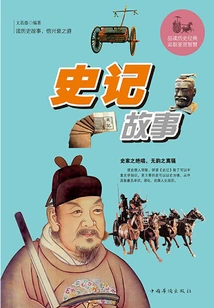
Historical Records Stories
History史记故事
Compiled By Wen Ruoyu
"Historical Records" was written by Sima Qian, the great historian and writer of the Han Dynasty in my country. It records the historical changes of more than 3,000 years from Xuanyuan to the Taichu period of Emperor Wu of the Han Dynasty. It is large in scale and has a complete system. It involves philosophy, politics, economics, literature, aesthetics, astronomy, geography and even medical divination. It covers almost all the contents of human thought activities at that time. It is a mammoth encyclopedia-style work.
"Historical Records" was written by Sima Qian, the great historian and writer of the Han Dynasty in my country. It records the historical changes of more than 3,000 years from Xuanyuan to the Taichu period of Emperor Wu of the Han Dynasty. It is large in scale and has a complete system. It involves philosophy, politics, economics, literature, aesthetics, astronomy, geography and even medical divination. It covers almost all the contents of human thought activities at that time. It is a mammoth encyclopedia-style work.
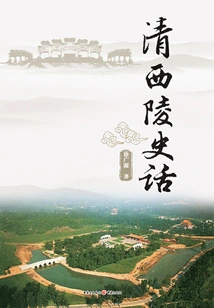
清西陵史话
Xu Guangyuan
The Qingxi Mausoleum is another large-scale royal cemetery built by the Qing Dynasty in the pass. This book is another masterpiece of the author's more than 40 years of research on the tombs of the Qing Dynasty. The Western Mausoleums of the Qing Dynasty include four emperor's mausoleums, three empress' mausoleums, three concubine's gardens, and a large number of accompanying tombs. The mountains and rivers there are beautiful, and the scenery is beautiful. "The nine-light clouds are lush and green, and the hair is green for thousands of years." It can be called a rare geomantic treasure land. The author conducts a comprehensive and in-depth discussion and interpretation of each mausoleum in the Western Tombs of the Qing Dynasty, corrects the misleading impressions of many film and television dramas, and discloses many little-known historical materials. At the same time, the palace, Yongfu Temple and the eight scenic spots of Xiling of the Qing Dynasty were also introduced. This book combines academic, intellectual and interesting aspects, explains the profound things in a simple way, is easy to understand, and is equipped with a large number of precious photos. It is a must-read book for understanding and studying the Western Tombs of the Qing Dynasty.
The Qingxi Mausoleum is another large-scale royal cemetery built by the Qing Dynasty in the pass. This book is another masterpiece of the author's more than 40 years of research on the tombs of the Qing Dynasty. The Western Mausoleums of the Qing Dynasty include four emperor's mausoleums, three empress' mausoleums, three concubine's gardens, and a large number of accompanying tombs. The mountains and rivers there are beautiful, and the scenery is beautiful. "The nine-light clouds are lush and green, and the hair is green for thousands of years." It can be called a rare geomantic treasure land. The author conducts a comprehensive and in-depth discussion and interpretation of each mausoleum in the Western Tombs of the Qing Dynasty, corrects the misleading impressions of many film and television dramas, and discloses many little-known historical materials. At the same time, the palace, Yongfu Temple and the eight scenic spots of Xiling of the Qing Dynasty were also introduced. This book combines academic, intellectual and interesting aspects, explains the profound things in a simple way, is easy to understand, and is equipped with a large number of precious photos. It is a must-read book for understanding and studying the Western Tombs of the Qing Dynasty.
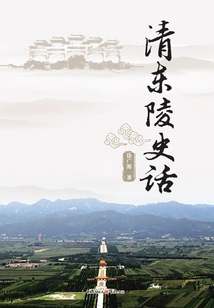
清东陵史话
Xu Guangyuan
The Eastern Tombs of the Qing Dynasty is an ancient royal cemetery with the largest scale, the most complete system, and the burial of many people in my country. It is a successful example of organically combining the humanistic beauty of ancient architecture with the natural beauty of mountains and rivers under the guidance of Feng Shui theory. The author is a well-known expert on Qing Dynasty tombs. He has written this book with more than 40 years of research skills. This book is based on the official history books of the Qing Dynasty and a large number of Qing palace archives, combined with decades of field research on the mausoleums, and provides a comprehensive and true introduction to the fourteen imperial concubine mausoleums and their accompanying tombs in the Eastern Tombs of the Qing Dynasty, from the aspects of the mausoleum sites, construction of the mausoleums, regulations of the mausoleums, buried figures, management and protection, sacrificial etiquette, the theft of the Eastern Tombs, scientific cleaning of the underground palace and many other aspects. This book is easy to understand, with rich pictures and texts. It is not only a must-read for beginners to understand the Qing Tombs, but also a rare reference book for studying the Qing Tombs.
The Eastern Tombs of the Qing Dynasty is an ancient royal cemetery with the largest scale, the most complete system, and the burial of many people in my country. It is a successful example of organically combining the humanistic beauty of ancient architecture with the natural beauty of mountains and rivers under the guidance of Feng Shui theory. The author is a well-known expert on Qing Dynasty tombs. He has written this book with more than 40 years of research skills. This book is based on the official history books of the Qing Dynasty and a large number of Qing palace archives, combined with decades of field research on the mausoleums, and provides a comprehensive and true introduction to the fourteen imperial concubine mausoleums and their accompanying tombs in the Eastern Tombs of the Qing Dynasty, from the aspects of the mausoleum sites, construction of the mausoleums, regulations of the mausoleums, buried figures, management and protection, sacrificial etiquette, the theft of the Eastern Tombs, scientific cleaning of the underground palace and many other aspects. This book is easy to understand, with rich pictures and texts. It is not only a must-read for beginners to understand the Qing Tombs, but also a rare reference book for studying the Qing Tombs.
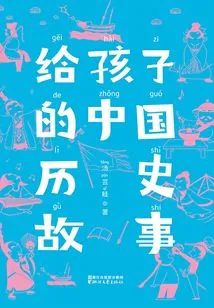
给孩子的中国历史故事
Tang Yunqi
This 70-year-old best-selling classic must-read for historical enlightenment allows children to easily understand the five thousand years of Chinese history! With 70 years of word-of-mouth and 40 splendid articles, Tang Yunqi, the legendary scholar of the Republic of China, uses characters and events as the main line to tell Chinese history to children in a story-telling way, perfectly combining knowledge and fun, allowing children to unknowingly broaden their horizons. From the era of Yao and Shun to the Spring and Autumn Period and the Warring States Period, from the Qin Dynasty to the Three Kingdoms' struggle for hegemony, from the Wei, Jin, Southern and Northern Dynasties to the Sui, Tang and Song Dynasties, from the Yuan, Ming and Qing Dynasties to the Northern Expedition of the Republic of China, the ins and outs of thousands of historical events have become easy to understand, lively and interesting, allowing children to fully understand historical events from ancient times to modern times through interesting reading, and lay a lifelong foundation of historical knowledge!
This 70-year-old best-selling classic must-read for historical enlightenment allows children to easily understand the five thousand years of Chinese history! With 70 years of word-of-mouth and 40 splendid articles, Tang Yunqi, the legendary scholar of the Republic of China, uses characters and events as the main line to tell Chinese history to children in a story-telling way, perfectly combining knowledge and fun, allowing children to unknowingly broaden their horizons. From the era of Yao and Shun to the Spring and Autumn Period and the Warring States Period, from the Qin Dynasty to the Three Kingdoms' struggle for hegemony, from the Wei, Jin, Southern and Northern Dynasties to the Sui, Tang and Song Dynasties, from the Yuan, Ming and Qing Dynasties to the Northern Expedition of the Republic of China, the ins and outs of thousands of historical events have become easy to understand, lively and interesting, allowing children to fully understand historical events from ancient times to modern times through interesting reading, and lay a lifelong foundation of historical knowledge!
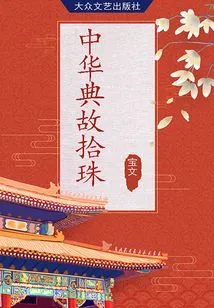
Chinese Allusions and Pearls
History中华典故拾珠
Baowen
This book mainly selects stories such as comfort zone, defeat, cramming, idly watching, and impatience. Each story is memorable.
This book mainly selects stories such as comfort zone, defeat, cramming, idly watching, and impatience. Each story is memorable.
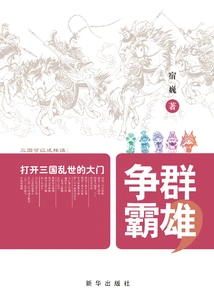
群雄争霸:打开三国乱世的大门
Su Wei
This book tells people's favorite history of the Three Kingdoms in a popular and relaxed language. This book is basically based on official history, turning obscure classical Chinese texts into modern texts that are easy to read. In the process of writing history, the author of this book combines the complex political relationships of the Three Kingdoms with historical rigor and at the same time the writing style is in line with modern people's reading habits.
This book tells people's favorite history of the Three Kingdoms in a popular and relaxed language. This book is basically based on official history, turning obscure classical Chinese texts into modern texts that are easy to read. In the process of writing history, the author of this book combines the complex political relationships of the Three Kingdoms with historical rigor and at the same time the writing style is in line with modern people's reading habits.
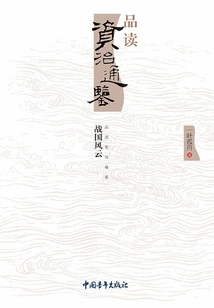
品读《资治通鉴》:战国风云
A Lonely Boat
As far as history is concerned, the author is just a fan, and fans can understand and appreciate the classics from different perspectives, making it easier for non-professional history buffs to understand. This is also the original intention and purpose of this book. "Zizhi Tongjian" is not only a historical work, but more importantly, it is full of management wisdom. It contains a lot of knowledge about being a human being, understanding people, being a minister, and being a king. It is very real and practical, and is worthy of reference by modern people. Reading the book "Zi Zhi Tong Jian" is definitely not a simple vernacular translation of the content of "Zi Zhi Tong Jian". Instead, it adds a lot of basic knowledge and introductions to basic characters, interpreting the wisdom of the ancients from a modern perspective, so as to facilitate readers to understand and learn more deeply.
As far as history is concerned, the author is just a fan, and fans can understand and appreciate the classics from different perspectives, making it easier for non-professional history buffs to understand. This is also the original intention and purpose of this book. "Zizhi Tongjian" is not only a historical work, but more importantly, it is full of management wisdom. It contains a lot of knowledge about being a human being, understanding people, being a minister, and being a king. It is very real and practical, and is worthy of reference by modern people. Reading the book "Zi Zhi Tong Jian" is definitely not a simple vernacular translation of the content of "Zi Zhi Tong Jian". Instead, it adds a lot of basic knowledge and introductions to basic characters, interpreting the wisdom of the ancients from a modern perspective, so as to facilitate readers to understand and learn more deeply.
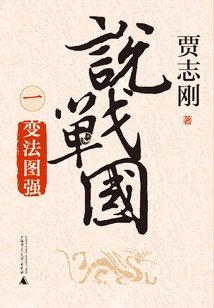
说战国1:变法图强
Jia Zhigang
"The Warring States Period: Reform and Strengthening" is broadcast in seasons, and the show is continuous. The curtain of the Warring States Period begins with the duel between two people: Zhiyao VS Zhao Wuxie. During the brutal siege of Jinyang, Zhiyao almost forced Zhao Wuxie into a desperate situation. However, a counselor directed a reversal of victory, and finally the three families were promoted, and the world seemed to have returned to peace. In this short period of calm, a class was surging like magma underground, and that was the "shi". Scholars, the entire class is dying. They have gone from a life guaranteed by the state to one that is precarious, with life and death uncertain. Some of them sadly accept their fate, while others want to fight back. As a result, Li Kui, Wu Qi, and Shang Yang stepped onto the historical stage one after another, leading the three-season drama of reform and strengthening. The three reforms had different endings, some were successful and some failed. However, what is chilling is that the perverted reform actually succeeded...
"The Warring States Period: Reform and Strengthening" is broadcast in seasons, and the show is continuous. The curtain of the Warring States Period begins with the duel between two people: Zhiyao VS Zhao Wuxie. During the brutal siege of Jinyang, Zhiyao almost forced Zhao Wuxie into a desperate situation. However, a counselor directed a reversal of victory, and finally the three families were promoted, and the world seemed to have returned to peace. In this short period of calm, a class was surging like magma underground, and that was the "shi". Scholars, the entire class is dying. They have gone from a life guaranteed by the state to one that is precarious, with life and death uncertain. Some of them sadly accept their fate, while others want to fight back. As a result, Li Kui, Wu Qi, and Shang Yang stepped onto the historical stage one after another, leading the three-season drama of reform and strengthening. The three reforms had different endings, some were successful and some failed. However, what is chilling is that the perverted reform actually succeeded...
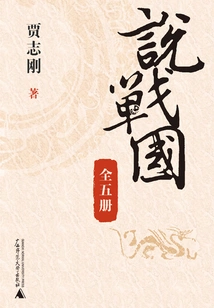
贾志刚说战国(全集)
Jia Zhigang
Countries compete for supremacy, hundreds of schools of thought contend, and Taoism divides the world. "The Warring States Period" is full of great dramas, and history has never been so exciting! Following the best-selling series "Spring and Autumn", Jia Zhigang once again opens the curtain on the Warring States Period, peeking into the changes in human nature from the turbulent history, letting the gods and men of the Warring States Period take turns to perform an addictive historical drama. Jia Zhigang's "The Warring States Period" recounts a period of history like a dramatic drama, recreating a golden age in which outstanding people emerged in large numbers!
Countries compete for supremacy, hundreds of schools of thought contend, and Taoism divides the world. "The Warring States Period" is full of great dramas, and history has never been so exciting! Following the best-selling series "Spring and Autumn", Jia Zhigang once again opens the curtain on the Warring States Period, peeking into the changes in human nature from the turbulent history, letting the gods and men of the Warring States Period take turns to perform an addictive historical drama. Jia Zhigang's "The Warring States Period" recounts a period of history like a dramatic drama, recreating a golden age in which outstanding people emerged in large numbers!
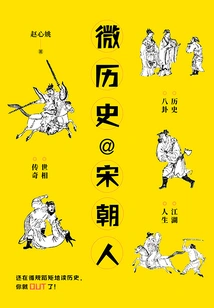
微历史@宋朝人
Zhao Xinyao
This is a book that starts a new trend in reading history. It writes about the people of the Song Dynasty in a "microblogging style" and explores the origins of modern life through the history of the Song Dynasty: commercial credit, commodity streets, exhibitions and trade fairs, night markets, 24-hour nightclub chain restaurants, commercial advertisements, professional agents... It uses historical materials written by Song people to show the real living conditions of Chinese people in the 11th century. It explores the inner connection between ancient and modern secular life, and makes many amazing discoveries.
This is a book that starts a new trend in reading history. It writes about the people of the Song Dynasty in a "microblogging style" and explores the origins of modern life through the history of the Song Dynasty: commercial credit, commodity streets, exhibitions and trade fairs, night markets, 24-hour nightclub chain restaurants, commercial advertisements, professional agents... It uses historical materials written by Song people to show the real living conditions of Chinese people in the 11th century. It explores the inner connection between ancient and modern secular life, and makes many amazing discoveries.
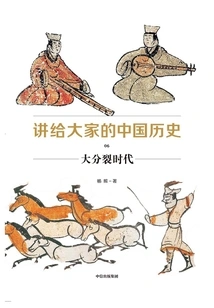
讲给大家的中国历史06:大分裂时代
Yang Zhao
The "Chinese History for Everyone" series is a brand-new general history of China. It does not introduce readers to dry historical events and knowledge points, but explores the deep logic behind Chinese history and provides a new set of cognitive methods for understanding Chinese history. The series consists of 4 volumes and 13 volumes, presenting a panoramic view of the evolution of "China", a unique and tenacious life entity. The sixth volume, "The Great Schism Era", focuses on the "cultural vitality of the era of classification" to help everyone re-understand the so-called "Wei, Jin, Southern and Northern Dynasties" as a period of division. You will see: The widely circulated statement in Chinese history that "the Five Husties disrupted China" cannot withstand scrutiny; "Characters" and "Shishuo Xinyu" are two wonderful books that brilliantly present the custom of evaluating characters in the Six Dynasties; the literature of the Southern and Northern Dynasties has outstanding achievements in poetic innovation and rhyme structure, paving the way for Tang poetry; The Northern Wei Dynasty was the key to connecting the two empires of the Qin and Han Dynasties and the Sui and Tang Dynasties. To understand the Sui and Tang Dynasties, one must first understand the institutional innovations of the Northern Wei Dynasty; Emperor Wu of the Liang Dynasty worked hard to gain the power of monasteries in order to compete with the family estates, but failed...
The "Chinese History for Everyone" series is a brand-new general history of China. It does not introduce readers to dry historical events and knowledge points, but explores the deep logic behind Chinese history and provides a new set of cognitive methods for understanding Chinese history. The series consists of 4 volumes and 13 volumes, presenting a panoramic view of the evolution of "China", a unique and tenacious life entity. The sixth volume, "The Great Schism Era", focuses on the "cultural vitality of the era of classification" to help everyone re-understand the so-called "Wei, Jin, Southern and Northern Dynasties" as a period of division. You will see: The widely circulated statement in Chinese history that "the Five Husties disrupted China" cannot withstand scrutiny; "Characters" and "Shishuo Xinyu" are two wonderful books that brilliantly present the custom of evaluating characters in the Six Dynasties; the literature of the Southern and Northern Dynasties has outstanding achievements in poetic innovation and rhyme structure, paving the way for Tang poetry; The Northern Wei Dynasty was the key to connecting the two empires of the Qin and Han Dynasties and the Sui and Tang Dynasties. To understand the Sui and Tang Dynasties, one must first understand the institutional innovations of the Northern Wei Dynasty; Emperor Wu of the Liang Dynasty worked hard to gain the power of monasteries in order to compete with the family estates, but failed...
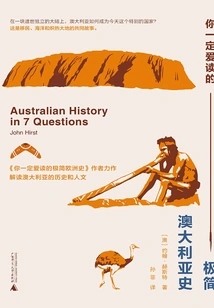
你一定爱读的极简澳大利亚史
(australia) John Hurst
The whole book consists of 7 questions, each question is a chapter, and there are 7 chapters in total. These seven questions are not only the most significant features of Australian history, but also the most interesting and confusing questions for readers, including: why the Aboriginal people did not become farmers, how the prisoner penal colony transitioned into a democratic republic, why Australia became wealthy very early, why the Australian colonies formed a federation, the impact of the initial trial of prisoners on Australia's national characteristics, why the post-war immigration program was successful, and why Australia is not a republic. This book can be regarded as a companion volume to "A Minimalist European History You Will Love to Read". It retains the concise and humorous history-telling style and is a concise book for quickly understanding Australian society and history.
The whole book consists of 7 questions, each question is a chapter, and there are 7 chapters in total. These seven questions are not only the most significant features of Australian history, but also the most interesting and confusing questions for readers, including: why the Aboriginal people did not become farmers, how the prisoner penal colony transitioned into a democratic republic, why Australia became wealthy very early, why the Australian colonies formed a federation, the impact of the initial trial of prisoners on Australia's national characteristics, why the post-war immigration program was successful, and why Australia is not a republic. This book can be regarded as a companion volume to "A Minimalist European History You Will Love to Read". It retains the concise and humorous history-telling style and is a concise book for quickly understanding Australian society and history.
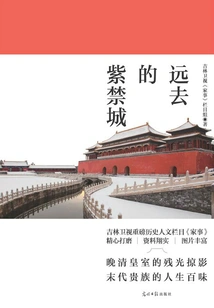
远去的紫禁城
Jilin Satellite Tv's "family Affairs" Column Team
Why did Pu Wei, who wanted to be the emperor, lose to the three-year-old Pu Yi and miss out on the throne? Why did Shanqi, the father of the great traitor Kawashima Yoshiko, give his children to the Japanese Kawashima Hayami? Even though his family was in decline, he wanted to restore his family? Why was the body of Concubine Zhen, who had been buried for 20 or 30 years during the theft of "Concubine Zhen's Tomb", so intact? Why did the owners of Emperor Qianlong's Nine-Dragon Sword stolen by Sun Dianying all die? How did the fate of the last emperor's uncle Zaitao, the regent Zaifeng, Puyi's younger brother Pujie, etc. Change after the fall of the Qing Dynasty? The blockbuster historical and humanities column "Family Affair" helps you solve the mysteries of history and restore the family affairs of the last royal family.
Why did Pu Wei, who wanted to be the emperor, lose to the three-year-old Pu Yi and miss out on the throne? Why did Shanqi, the father of the great traitor Kawashima Yoshiko, give his children to the Japanese Kawashima Hayami? Even though his family was in decline, he wanted to restore his family? Why was the body of Concubine Zhen, who had been buried for 20 or 30 years during the theft of "Concubine Zhen's Tomb", so intact? Why did the owners of Emperor Qianlong's Nine-Dragon Sword stolen by Sun Dianying all die? How did the fate of the last emperor's uncle Zaitao, the regent Zaifeng, Puyi's younger brother Pujie, etc. Change after the fall of the Qing Dynasty? The blockbuster historical and humanities column "Family Affair" helps you solve the mysteries of history and restore the family affairs of the last royal family.
Search History
History搜历史
Yi Xiaohe Qu Fei
What are the lessons from the failures of Sima Guang and Wang Anshi? Did Yongzheng really kill his son? Why did super spy Yu Wenxuzhong end up at the end of his rope? How to correctly evaluate Wei Zhongxian? ... The truth of history is not on paper, but in the logic behind it. History is not a bunch of lively stories, but a chain of stories with clear logic. As Li Ao said, Wang Anshi is indeed a man, but why did Wang Anshi's reform, which was full of a sense of justice, fail? Wei Zhongxian Eunuch Wei is a notorious eunuch. Why does he attract the worship of many people in today's world? ... History is warm and interesting. It has a certain facet, it is tragic and exciting, it is forced and even more unexpected. This book selects a large number of quality, interesting, and informative historical aspects, hoping to bring fresh content, different thinking perspectives, and a new reading experience to readers.
What are the lessons from the failures of Sima Guang and Wang Anshi? Did Yongzheng really kill his son? Why did super spy Yu Wenxuzhong end up at the end of his rope? How to correctly evaluate Wei Zhongxian? ... The truth of history is not on paper, but in the logic behind it. History is not a bunch of lively stories, but a chain of stories with clear logic. As Li Ao said, Wang Anshi is indeed a man, but why did Wang Anshi's reform, which was full of a sense of justice, fail? Wei Zhongxian Eunuch Wei is a notorious eunuch. Why does he attract the worship of many people in today's world? ... History is warm and interesting. It has a certain facet, it is tragic and exciting, it is forced and even more unexpected. This book selects a large number of quality, interesting, and informative historical aspects, hoping to bring fresh content, different thinking perspectives, and a new reading experience to readers.
重读抗战家书
Propaganda And Education Bureau Of The Central Propaganda Department
This book was compiled by the Propaganda and Education Bureau of the Propaganda Department of the Central Committee of the Communist Party of China, editing and sorting out 32 family letters of anti-Japanese war heroes collected by the National Museum of China, the Chinese People's Revolutionary Military Museum, the Chinese People's Anti-Japanese War Memorial Hall, the Renmin University of China Museum, the Yuhuatai Martyrs Memorial Hall, the Maoshan New Fourth Army Memorial Hall, and the Liaocheng Fu Sinian Exhibition Hall. These family letters of the heroes of the Anti-Japanese War span from 1934 to 1945, and are sorted according to the time when the family letters were written. The authors of the letters home include both officers and soldiers of the Eighth Route Army and the New Fourth Army, as well as generals of the National Army; senior officers and ordinary soldiers, showing the great historical picture of the whole nation's resistance to the war and the defense of the country.
This book was compiled by the Propaganda and Education Bureau of the Propaganda Department of the Central Committee of the Communist Party of China, editing and sorting out 32 family letters of anti-Japanese war heroes collected by the National Museum of China, the Chinese People's Revolutionary Military Museum, the Chinese People's Anti-Japanese War Memorial Hall, the Renmin University of China Museum, the Yuhuatai Martyrs Memorial Hall, the Maoshan New Fourth Army Memorial Hall, and the Liaocheng Fu Sinian Exhibition Hall. These family letters of the heroes of the Anti-Japanese War span from 1934 to 1945, and are sorted according to the time when the family letters were written. The authors of the letters home include both officers and soldiers of the Eighth Route Army and the New Fourth Army, as well as generals of the National Army; senior officers and ordinary soldiers, showing the great historical picture of the whole nation's resistance to the war and the defense of the country.
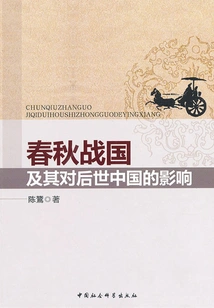
The Spring and Autumn Period and the Warring States Period and Their Influence on Later China
History春秋战国及其对后世中国的影响
Chen Juan
The Spring and Autumn Period and the Warring States Period were a period of pain and choice before the Chinese nation entered adulthood, leaving a rich legacy for future generations of China and even the world. However, due to the large time span and numerous clues, this history always seems to exist in people's minds and legends in the form of countless fragments. The book begins with "the collapse of rituals and the collapse of music", unfolds in "the emergence of heroes", and ends with "the Qin ruled the Han Dynasty", from chaos to governance. It shows this magnificent historical picture relatively completely and logically. At the same time, its profound impact on later generations of China was discussed. This enables readers to clearly and comprehensively grasp this history that they must understand.
The Spring and Autumn Period and the Warring States Period were a period of pain and choice before the Chinese nation entered adulthood, leaving a rich legacy for future generations of China and even the world. However, due to the large time span and numerous clues, this history always seems to exist in people's minds and legends in the form of countless fragments. The book begins with "the collapse of rituals and the collapse of music", unfolds in "the emergence of heroes", and ends with "the Qin ruled the Han Dynasty", from chaos to governance. It shows this magnificent historical picture relatively completely and logically. At the same time, its profound impact on later generations of China was discussed. This enables readers to clearly and comprehensively grasp this history that they must understand.
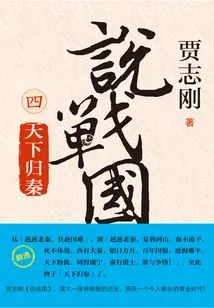
说战国4:天下归秦
Jia Zhigang
From Duke Xiao of Qin to King Zhao of Qin, from Shang Yang to Wei Ran, they never thought about unifying the world, grabbing people, money, and territory, that's all. However, things developed far beyond their imagination. Inadvertently, Wei, Han, Qi, and Chu all entered a state of "mourning". Who? Who can fight against Qin? Zhao State. The unexpected rise of Zhao State. However, at this time, a person was born in the Qin State. This person would completely destroy the self-esteem and self-confidence of the Central Plains countries and put the Qin State on the road to unifying the world. He is Bai Qi. This demonic existence set off the bloody storm in the ninth season. Fortunately, there are still good generals and ministers such as Lian Po, Lin Xiangru, and Xin Lingjun supporting the overall situation of the Six Kingdoms resisting Qin. However, in the tenth season, the Terminator will finally come. In fact, when Qin attacked Handan for the first time, this Terminator had been quietly born in Handan...
From Duke Xiao of Qin to King Zhao of Qin, from Shang Yang to Wei Ran, they never thought about unifying the world, grabbing people, money, and territory, that's all. However, things developed far beyond their imagination. Inadvertently, Wei, Han, Qi, and Chu all entered a state of "mourning". Who? Who can fight against Qin? Zhao State. The unexpected rise of Zhao State. However, at this time, a person was born in the Qin State. This person would completely destroy the self-esteem and self-confidence of the Central Plains countries and put the Qin State on the road to unifying the world. He is Bai Qi. This demonic existence set off the bloody storm in the ninth season. Fortunately, there are still good generals and ministers such as Lian Po, Lin Xiangru, and Xin Lingjun supporting the overall situation of the Six Kingdoms resisting Qin. However, in the tenth season, the Terminator will finally come. In fact, when Qin attacked Handan for the first time, this Terminator had been quietly born in Handan...
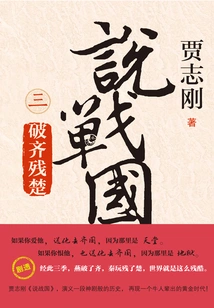
说战国3:破齐残楚
Jia Zhigang
Season 6: Three Kings and One Drama. King Wu of Qin was brave and good at fighting, but he became a bad example of seeking death through tricks; King Huai of Chu was greedy for petty gains and made one wrong step, and ended up dying in a foreign country; King Wuling of Zhao implemented the most far-sighted reforms during the Warring States Period, but unfortunately his soft-hearted personality made all his previous efforts wasted. Season 7: Qi Prime Minister Mengchang Jun Tianwen vs. Qin Prime Minister Wei Ran. In the political arena, Lord Mengchang rose and fell three times, and Wei Ran rose and fell four times. The two had surprisingly similar political experiences, and they were rivals in diplomacy, demonstrating their political wisdom behind the surface of "roosters crow, dogs robbers" and "soft rice". Season 8: Le Yi vs. Tian Dan. Le Yi led the remote and weak Yan State and conquered more than 70 cities of Qi State, almost destroying Qi State; Tian Dan led the Qi people to fight back and successfully restored Qi State. However, both of them could not escape the fate of being jealous, ostracized, and eventually fled to other countries. The unparalleled achievements were gone, and the two old men drank wine and talked freely under the sunset, fishing for the rest of their lives. After three seasons, Yan defeated Qi and Qin Wan defeated Chu. The world is so cruel.
Season 6: Three Kings and One Drama. King Wu of Qin was brave and good at fighting, but he became a bad example of seeking death through tricks; King Huai of Chu was greedy for petty gains and made one wrong step, and ended up dying in a foreign country; King Wuling of Zhao implemented the most far-sighted reforms during the Warring States Period, but unfortunately his soft-hearted personality made all his previous efforts wasted. Season 7: Qi Prime Minister Mengchang Jun Tianwen vs. Qin Prime Minister Wei Ran. In the political arena, Lord Mengchang rose and fell three times, and Wei Ran rose and fell four times. The two had surprisingly similar political experiences, and they were rivals in diplomacy, demonstrating their political wisdom behind the surface of "roosters crow, dogs robbers" and "soft rice". Season 8: Le Yi vs. Tian Dan. Le Yi led the remote and weak Yan State and conquered more than 70 cities of Qi State, almost destroying Qi State; Tian Dan led the Qi people to fight back and successfully restored Qi State. However, both of them could not escape the fate of being jealous, ostracized, and eventually fled to other countries. The unparalleled achievements were gone, and the two old men drank wine and talked freely under the sunset, fishing for the rest of their lives. After three seasons, Yan defeated Qi and Qin Wan defeated Chu. The world is so cruel.
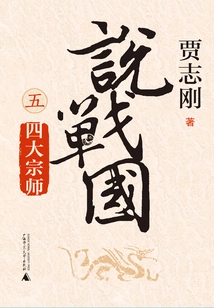
说战国5:四大宗师
Jia Zhigang
The Warring States Period was an era when rituals collapsed and wars were frequent, but it was also an era in the history of Chinese thought when hundreds of schools of thought contended and stars shone brightly. What would happen if Mozi, Zhuangzi, Mencius and Xunzi gathered in a small city? Perhaps the intensity of the ideological war here is no less intense than the troubled times outside. In "Talking about Spring and Autumn", I once traveled to the chaos of Confucius's era, and then to the Warring States Period. Not just random ones, all the masters and disciples of the schools from the Warring States Period have traveled through time. In Lanling City, the four great masters each occupy their own area, including Confucians, Taoists, Mohists, famous masters, Legalists, Yin-Yangists, novelists, peasants, etc. The founders of sects or their disciples and descendants are all here. They lived, thought, and argued freely. In this "time-travel drama" starring the scholars of the Warring States Period, the spiritual legacy left to future generations by the Warring States Period appears in its original form.
The Warring States Period was an era when rituals collapsed and wars were frequent, but it was also an era in the history of Chinese thought when hundreds of schools of thought contended and stars shone brightly. What would happen if Mozi, Zhuangzi, Mencius and Xunzi gathered in a small city? Perhaps the intensity of the ideological war here is no less intense than the troubled times outside. In "Talking about Spring and Autumn", I once traveled to the chaos of Confucius's era, and then to the Warring States Period. Not just random ones, all the masters and disciples of the schools from the Warring States Period have traveled through time. In Lanling City, the four great masters each occupy their own area, including Confucians, Taoists, Mohists, famous masters, Legalists, Yin-Yangists, novelists, peasants, etc. The founders of sects or their disciples and descendants are all here. They lived, thought, and argued freely. In this "time-travel drama" starring the scholars of the Warring States Period, the spiritual legacy left to future generations by the Warring States Period appears in its original form.
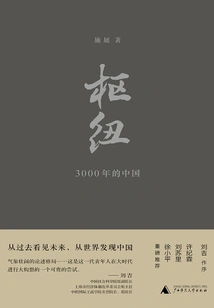
Hub: China 3000 Years
History枢纽:3000年的中国
Cast
This book can help you understand: the logic of China's historical evolution, the reasons why China's miracle continues, and how to understand our role in the world. At this critical juncture, everyone is thinking about the future. When we think about the future, the most important thing is to set goals. How to set goals depends on how you understand yourself, China, and the world. Everyone should think about it - how does a person understand the environment in the ups and downs of the tide? Why has China risen rapidly in the past 40 years? Can the Chinese miracle last? What will the world be like in the future? What role should you play in the general environment?
This book can help you understand: the logic of China's historical evolution, the reasons why China's miracle continues, and how to understand our role in the world. At this critical juncture, everyone is thinking about the future. When we think about the future, the most important thing is to set goals. How to set goals depends on how you understand yourself, China, and the world. Everyone should think about it - how does a person understand the environment in the ups and downs of the tide? Why has China risen rapidly in the past 40 years? Can the Chinese miracle last? What will the world be like in the future? What role should you play in the general environment?
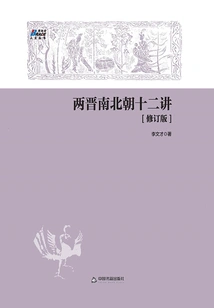
两晋南北朝十二讲(修订版)
Li Wencai
"Chaos" is the biggest characteristic of the Wei, Jin, Southern and Northern Dynasties. As a popular reading book, the author respects historical facts and uses the narrative method of "historical psychology" to explain the history of the Jin and Southern and Northern Dynasties in 12 topics, including the clan politics of the Eastern Jin Dynasty, Sinicization and the true reform of ethnic minorities, "Hou Jing's Rebellion", Buddhism, economic differences, the Battle of Feishui, the "Eight Kings Rebellion", etc. The author not only reviews and introduces relevant representative research results in the academic world, but also adds supplements. I also expressed some personal opinions or raised questions about things that I thought were not adequately explained or inappropriate content. For example, the author believes that the instigator of the "Eight Kings Rebellion" should be King Zhao Sima Lun, and that Jia should not be held responsible later. For example, the author believes that it is neither accurate nor fair to say that "plain talk" is being beaten to death with a stick. Fundamentally speaking, "talking harms the country" is due to the ruling class's hiring errors. National power should not be handed over to people who evade social responsibilities by talking.
"Chaos" is the biggest characteristic of the Wei, Jin, Southern and Northern Dynasties. As a popular reading book, the author respects historical facts and uses the narrative method of "historical psychology" to explain the history of the Jin and Southern and Northern Dynasties in 12 topics, including the clan politics of the Eastern Jin Dynasty, Sinicization and the true reform of ethnic minorities, "Hou Jing's Rebellion", Buddhism, economic differences, the Battle of Feishui, the "Eight Kings Rebellion", etc. The author not only reviews and introduces relevant representative research results in the academic world, but also adds supplements. I also expressed some personal opinions or raised questions about things that I thought were not adequately explained or inappropriate content. For example, the author believes that the instigator of the "Eight Kings Rebellion" should be King Zhao Sima Lun, and that Jia should not be held responsible later. For example, the author believes that it is neither accurate nor fair to say that "plain talk" is being beaten to death with a stick. Fundamentally speaking, "talking harms the country" is due to the ruling class's hiring errors. National power should not be handed over to people who evade social responsibilities by talking.
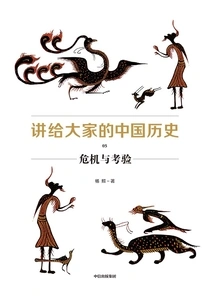
讲给大家的中国历史05:危机与考验
Yang Zhao
The "Chinese History for Everyone" series is a brand-new general history of China. It does not introduce readers to dry historical events and knowledge points, but explores the deep logic behind Chinese history and provides a new set of cognitive methods for understanding Chinese history. The series consists of 4 volumes and 13 volumes, presenting a panoramic view of the evolution of "China", a unique and tenacious life entity. Volume 5 "Crisis and Test" focuses on the unique operating methods of the Eastern Han Empire, helping us understand that China's transition from Qin and Han to Sui and Tang Dynasties has an interesting historical evolution model. You will see: Although the Eastern Han and Western Han are both "Han", the basis of the Eastern Han Dynasty's regime is the co-governance of the emperor and aristocratic families; the three forces of relatives, eunuchs and noble families repeatedly fought in the court, and finally disintegrated the Han Empire; The source of the split between the Wei, Jin, Southern and Northern Dynasties can be found in the Eastern Han Dynasty, which was the land policy that did not suppress annexation; Cao Cao's rise was not due to "holding the emperor to order the princes", but the strong power that came from the implementation of farming; Wang Chong was a very special thinker, and inadvertently became a key figure in the transformation of Confucianism in the Han Dynasty to metaphysics in the Wei and Jin Dynasties...
The "Chinese History for Everyone" series is a brand-new general history of China. It does not introduce readers to dry historical events and knowledge points, but explores the deep logic behind Chinese history and provides a new set of cognitive methods for understanding Chinese history. The series consists of 4 volumes and 13 volumes, presenting a panoramic view of the evolution of "China", a unique and tenacious life entity. Volume 5 "Crisis and Test" focuses on the unique operating methods of the Eastern Han Empire, helping us understand that China's transition from Qin and Han to Sui and Tang Dynasties has an interesting historical evolution model. You will see: Although the Eastern Han and Western Han are both "Han", the basis of the Eastern Han Dynasty's regime is the co-governance of the emperor and aristocratic families; the three forces of relatives, eunuchs and noble families repeatedly fought in the court, and finally disintegrated the Han Empire; The source of the split between the Wei, Jin, Southern and Northern Dynasties can be found in the Eastern Han Dynasty, which was the land policy that did not suppress annexation; Cao Cao's rise was not due to "holding the emperor to order the princes", but the strong power that came from the implementation of farming; Wang Chong was a very special thinker, and inadvertently became a key figure in the transformation of Confucianism in the Han Dynasty to metaphysics in the Wei and Jin Dynasties...
Gallic Wars
History高卢战记
(ancient Rome) Gaius Julius Caesar
"Gaul Wars" records Caesar's battles in Gaul from 58 BC to 51 BC. Caesar's masterpiece handed down from generation to generation, a classic work in Latin, is rich in connotation: military fans watch battles, historians discuss events, folklorists explore European humanities, strategists understand the way of kings and hegemons, and Caesar fans watch Caesar. By conquering Gaul, Caesar gained important political capital. Behind the simple and objective text of "The Gallic War" is a deliberate defense to fight back against Pompey, deceive the Senate, and create a personal image of a heroic and benevolent hero. The book is filled with pride in the Roman spirit, respect for the bravery and simplicity of the barbarians, and reflections on civilization.
"Gaul Wars" records Caesar's battles in Gaul from 58 BC to 51 BC. Caesar's masterpiece handed down from generation to generation, a classic work in Latin, is rich in connotation: military fans watch battles, historians discuss events, folklorists explore European humanities, strategists understand the way of kings and hegemons, and Caesar fans watch Caesar. By conquering Gaul, Caesar gained important political capital. Behind the simple and objective text of "The Gallic War" is a deliberate defense to fight back against Pompey, deceive the Senate, and create a personal image of a heroic and benevolent hero. The book is filled with pride in the Roman spirit, respect for the bravery and simplicity of the barbarians, and reflections on civilization.
Civil War Chronicles
History内战记
T
"The Civil War" records the decisive war between Caesar and his old enemy Pompey from 49 BC to 48 BC. Pompey had the upper hand and was arrogant, pressing forward step by step. Caesar insisted on peace talks first and won public opinion and popular support. The plain and simple words in this book are very persuasive, and the seemingly long-winded sentences contain infinite meaning. Pompey had been a powerful figure in the battlefield since his youth, and he was shining in the political arena, while Caesar was steady and forbearing. Civil war was imminent. Caesar acted unethically and sent troops unreasonably. His lightning attack disrupted all Pompey's plans. The decisive moment of the two heroes' struggle for hegemony was a fierce collision of the strategic thinking of the two military geniuses, leaving future generations with endless emotions of success and failure.
"The Civil War" records the decisive war between Caesar and his old enemy Pompey from 49 BC to 48 BC. Pompey had the upper hand and was arrogant, pressing forward step by step. Caesar insisted on peace talks first and won public opinion and popular support. The plain and simple words in this book are very persuasive, and the seemingly long-winded sentences contain infinite meaning. Pompey had been a powerful figure in the battlefield since his youth, and he was shining in the political arena, while Caesar was steady and forbearing. Civil war was imminent. Caesar acted unethically and sent troops unreasonably. His lightning attack disrupted all Pompey's plans. The decisive moment of the two heroes' struggle for hegemony was a fierce collision of the strategic thinking of the two military geniuses, leaving future generations with endless emotions of success and failure.
沈腰潘鬓:中国古代文人的风仪与襟抱
Guo Yan
This is a very special aesthetic history of poetry with taste as a guidepost. It discusses the aesthetics of poetry from the circumstances and life attitudes of each poet, and analyzes the life history of three thousand poets from an interesting perspective.
This is a very special aesthetic history of poetry with taste as a guidepost. It discusses the aesthetics of poetry from the circumstances and life attitudes of each poet, and analyzes the life history of three thousand poets from an interesting perspective.
吴晗讲历史:中国人的生存规矩
Wu Han
This book selects historian Wu Han's narrative and commentary chapters on ancient Chinese politics, characters, society, culture, military and other aspects. In this book, Wu Han not only has a wonderful discussion of the monarchy, gentry, and gentry class in ancient China, but also explores the unique social phenomena in ancient Chinese history, as well as the cultural customs and commercial development of ancient my country. In addition, Wu Han also objectively comments on historical figures such as Cao Cao, Zhou Yu, Zhuge Liang, Wu Zetian, and Wen Tianxiang. Regarding history, Wu Han put forward many new views and provided evidence and evidence.
This book selects historian Wu Han's narrative and commentary chapters on ancient Chinese politics, characters, society, culture, military and other aspects. In this book, Wu Han not only has a wonderful discussion of the monarchy, gentry, and gentry class in ancient China, but also explores the unique social phenomena in ancient Chinese history, as well as the cultural customs and commercial development of ancient my country. In addition, Wu Han also objectively comments on historical figures such as Cao Cao, Zhou Yu, Zhuge Liang, Wu Zetian, and Wen Tianxiang. Regarding history, Wu Han put forward many new views and provided evidence and evidence.
简明中国近代史读本
Zhang Haipeng Zhai Jinyi
China's modern history is not only a history of humiliation, but also a history of the Chinese people's unrelenting struggle for national independence and national prosperity. The so-called humiliation is mainly reflected in the "sinking" period of history, and the so-called struggle is mainly reflected in the "rising" period of history. This is not to say that there was no struggle during the "sinking" period of history. The Chinese people had many struggles during that period. However, due to insufficient awakening, insufficient material strength, and insufficient struggle experience, the Chinese people's struggles at that time were not enough to stop the "sinking" of Chinese society; during the "rising" period of history, it was not without humiliation. The Japanese imperialist aggression against China caused even more serious damage than previous imperialist aggressions. However, due to the unprecedented national awakening and unprecedented arduous struggle of the Chinese people, Chinese society not only avoided further "sinking", but also won a complete victory in the anti-aggression war, laying the foundation for China's modernization.
China's modern history is not only a history of humiliation, but also a history of the Chinese people's unrelenting struggle for national independence and national prosperity. The so-called humiliation is mainly reflected in the "sinking" period of history, and the so-called struggle is mainly reflected in the "rising" period of history. This is not to say that there was no struggle during the "sinking" period of history. The Chinese people had many struggles during that period. However, due to insufficient awakening, insufficient material strength, and insufficient struggle experience, the Chinese people's struggles at that time were not enough to stop the "sinking" of Chinese society; during the "rising" period of history, it was not without humiliation. The Japanese imperialist aggression against China caused even more serious damage than previous imperialist aggressions. However, due to the unprecedented national awakening and unprecedented arduous struggle of the Chinese people, Chinese society not only avoided further "sinking", but also won a complete victory in the anti-aggression war, laying the foundation for China's modernization.
简明世界历史读本
Editor-in-chief Wu Yin
The main content of "Concise World History Reader" includes the establishment of a unified country and the formation of an autocratic dynasty, the rise and fall of the Egyptian Empire, ancient Egyptian culture, natural environment and early residents, the emergence of early city states and unified kingdoms, the ancient Babylonian Kingdom, the Assyrian Empire and the Neo-Babylonian Kingdom, the ancient Mesopotamia culture, etc.
The main content of "Concise World History Reader" includes the establishment of a unified country and the formation of an autocratic dynasty, the rise and fall of the Egyptian Empire, ancient Egyptian culture, natural environment and early residents, the emergence of early city states and unified kingdoms, the ancient Babylonian Kingdom, the Assyrian Empire and the Neo-Babylonian Kingdom, the ancient Mesopotamia culture, etc.