Library
Browse and search books
3,417 novels found
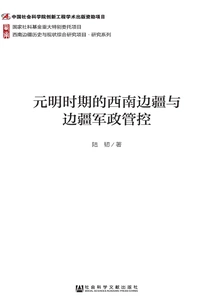
The Southwest Frontier and Frontier Military and Political Control in the Yuan and Ming Dynasties
History元明时期的西南边疆与边疆军政管控
Lu Ren
With the starting point of safeguarding national interests and territorial sovereignty, this book uses empirical methods of historical geography to mainly study the complex geopolitics, ethnic relations and major border events in the southwestern frontier during the Yuan and Ming Dynasties, the special military and political control of the southwestern frontier by the Yuan and Ming Dynasties, the establishment, adjustment and evolution history of the southwestern frontier administrative regions during the Yuan and Ming Dynasties, and explores the types of border administrative regions, their differences and development rules.
With the starting point of safeguarding national interests and territorial sovereignty, this book uses empirical methods of historical geography to mainly study the complex geopolitics, ethnic relations and major border events in the southwestern frontier during the Yuan and Ming Dynasties, the special military and political control of the southwestern frontier by the Yuan and Ming Dynasties, the establishment, adjustment and evolution history of the southwestern frontier administrative regions during the Yuan and Ming Dynasties, and explores the types of border administrative regions, their differences and development rules.
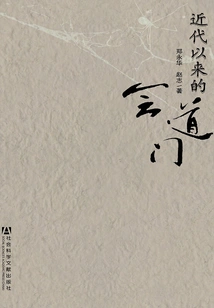
Huidaomen in Modern Times
History近代以来的会道门
Zheng Yonghua Zhao Zhi
This book provides an objective and realistic discussion of the policies of various political forces towards Huidaomen during the Republic of China. It also provides a clear combing and detailed analysis of the evolution of the Communist Party of China's policies on Huidaomen after the founding of the People's Republic of China. This book can not only meet the needs of academic circles, but also serve as a work reference for religious affairs management departments and public security and political and legal departments.
This book provides an objective and realistic discussion of the policies of various political forces towards Huidaomen during the Republic of China. It also provides a clear combing and detailed analysis of the evolution of the Communist Party of China's policies on Huidaomen after the founding of the People's Republic of China. This book can not only meet the needs of academic circles, but also serve as a work reference for religious affairs management departments and public security and political and legal departments.
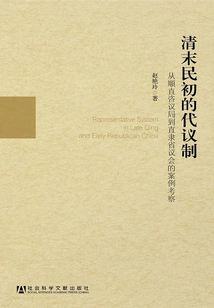
清末民初的代议制:从顺直咨议局到直隶省议会的案例考察
Zhao Yanling
This book takes the Shunzhi Consultative Bureau and the Provincial Council, which have received relatively little attention from academic circles, as the research object. It systematically combs the historical change process from the Shunzhi Consultative Bureau in the late Qing Dynasty to the Zhili Provincial Council in the early Republic of China. It uses this as a window to see through the representative system, local autonomy, and local politics in modern China. It can be called an important historical document research work. This book has a broad vision, unique methods, and detailed documentation. It plays an important role in deepening the study of the representative system and political system transformation in modern China. It also has outstanding practical application value in revealing the basic laws of democratic political construction in post-development countries and guiding the construction of democratic politics in contemporary China.
This book takes the Shunzhi Consultative Bureau and the Provincial Council, which have received relatively little attention from academic circles, as the research object. It systematically combs the historical change process from the Shunzhi Consultative Bureau in the late Qing Dynasty to the Zhili Provincial Council in the early Republic of China. It uses this as a window to see through the representative system, local autonomy, and local politics in modern China. It can be called an important historical document research work. This book has a broad vision, unique methods, and detailed documentation. It plays an important role in deepening the study of the representative system and political system transformation in modern China. It also has outstanding practical application value in revealing the basic laws of democratic political construction in post-development countries and guiding the construction of democratic politics in contemporary China.
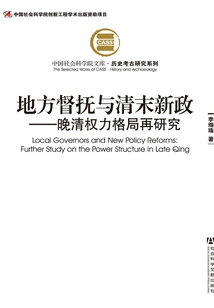
地方督抚与清末新政:晚清权力格局再研究
Li Xizhu
The governor system originated in the Ming Dynasty and was formed in the Qing Dynasty. As provincial chief executives, local governors were the intermediate link between the Qing court and the grassroots political power of prefectures and counties, and had the operational function of connecting the previous and the next. During the New Deal in the late Qing Dynasty, local governors could not only participate in and influence the New Deal decision-making of the central government of the Qing Dynasty to a certain extent, but also were the actual leaders in promoting the specific implementation of the New Deal in each province. This shows that they played a vital role in the New Deal process. At the same time, as the Qing court worked to strengthen centralization through the New Deal, the power of local governors and their influence on the central decision-making of the Qing court gradually evolved, resulting in obvious changes in the power structure of the late Qing Dynasty. During the Revolution of 1911, the power relationship between the central and local governments became a power structure in which "both internal and external parties were underemphasized." The overall manifestation was that the authority of the central and local governments was lost together. The central government was unable to control local governments, and local governments were unable to be loyal to the central government. The direct consequence of the formation of a power structure of "both internal and external" was that neither the central or local governments of the Qing court could effectively respond to the revolution, leading the Qing Dynasty to its downfall. Another serious consequence was the rise of military forces who controlled the military, especially the New Army, and military interference in government, which led to warlord politics in the early years of the Republic of China.
The governor system originated in the Ming Dynasty and was formed in the Qing Dynasty. As provincial chief executives, local governors were the intermediate link between the Qing court and the grassroots political power of prefectures and counties, and had the operational function of connecting the previous and the next. During the New Deal in the late Qing Dynasty, local governors could not only participate in and influence the New Deal decision-making of the central government of the Qing Dynasty to a certain extent, but also were the actual leaders in promoting the specific implementation of the New Deal in each province. This shows that they played a vital role in the New Deal process. At the same time, as the Qing court worked to strengthen centralization through the New Deal, the power of local governors and their influence on the central decision-making of the Qing court gradually evolved, resulting in obvious changes in the power structure of the late Qing Dynasty. During the Revolution of 1911, the power relationship between the central and local governments became a power structure in which "both internal and external parties were underemphasized." The overall manifestation was that the authority of the central and local governments was lost together. The central government was unable to control local governments, and local governments were unable to be loyal to the central government. The direct consequence of the formation of a power structure of "both internal and external" was that neither the central or local governments of the Qing court could effectively respond to the revolution, leading the Qing Dynasty to its downfall. Another serious consequence was the rise of military forces who controlled the military, especially the New Army, and military interference in government, which led to warlord politics in the early years of the Republic of China.
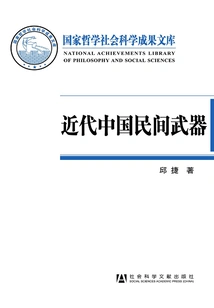
Modern Chinese Folk Weapons
History近代中国民间武器
Qiu Jie
Based on a large number of historical materials, the author describes the overview of Chinese folk weapons from the 1870s to the 1920s. The whole book mainly focuses on three aspects of research: first, reconstructing the basic historical facts about folk weapons in the late Qing Dynasty and the early Republic of China, including the types, sources, scale and distribution of folk weapons; second, exploring the society reflected by the phenomenon of modern folk weapons. Background, including its relationship with the development and changes of modern society, economy, politics, and culture; third, examine the social impact caused by the issue of civilian weapons, including issues of civilian self-defense, social banditry, local social order and social control issues, government laws, regulations, and management of civilian weapons, and the impact of civilian weapons on revolutionary movements, political changes, and social changes, etc. By examining the process of civilian weapons proliferation, the author interprets the relationship between the state and society, and the government and the private sector. The image is concrete, the vision is novel, and the viewpoint is quite innovative.
Based on a large number of historical materials, the author describes the overview of Chinese folk weapons from the 1870s to the 1920s. The whole book mainly focuses on three aspects of research: first, reconstructing the basic historical facts about folk weapons in the late Qing Dynasty and the early Republic of China, including the types, sources, scale and distribution of folk weapons; second, exploring the society reflected by the phenomenon of modern folk weapons. Background, including its relationship with the development and changes of modern society, economy, politics, and culture; third, examine the social impact caused by the issue of civilian weapons, including issues of civilian self-defense, social banditry, local social order and social control issues, government laws, regulations, and management of civilian weapons, and the impact of civilian weapons on revolutionary movements, political changes, and social changes, etc. By examining the process of civilian weapons proliferation, the author interprets the relationship between the state and society, and the government and the private sector. The image is concrete, the vision is novel, and the viewpoint is quite innovative.
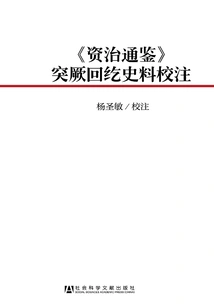
《资治通鉴》突厥回纥史料校注
Annotated By Yang Shengmin
The history of Turks and Uighurs in the Middle Ages is very important to the study of Turkic-speaking peoples today. The history of Tiele, Turks, and Uighurs recorded in "Zizhi Tongjian" is clear and coherent, with extensive materials and detailed records. This book deals with this part of historical data in two ways. The first is revision, that is, referring to other historical materials, including historical materials in Turkic language, to correct the errors and to raise doubts on doubtful areas to facilitate future research. The second is the annotation, which is to briefly note my own reading experience and the relevant research results at home and abroad after the historical materials to facilitate readers' in-depth understanding of the historical materials. This book is the oldest compilation of ancient books among the works on the study of Turkic and Uighur historical materials, filling a gap in this field.
The history of Turks and Uighurs in the Middle Ages is very important to the study of Turkic-speaking peoples today. The history of Tiele, Turks, and Uighurs recorded in "Zizhi Tongjian" is clear and coherent, with extensive materials and detailed records. This book deals with this part of historical data in two ways. The first is revision, that is, referring to other historical materials, including historical materials in Turkic language, to correct the errors and to raise doubts on doubtful areas to facilitate future research. The second is the annotation, which is to briefly note my own reading experience and the relevant research results at home and abroad after the historical materials to facilitate readers' in-depth understanding of the historical materials. This book is the oldest compilation of ancient books among the works on the study of Turkic and Uighur historical materials, filling a gap in this field.
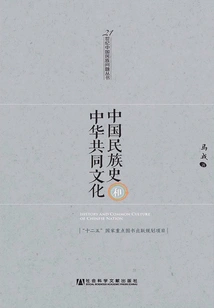
中国民族史和中华共同文化
Ma Rong
After thousands of years of population migration and inter-ethnic marriage, the various ethnic groups in China have become "I am in you and you are in me". The blood and cultural integration between each other are inseparable and should not be separated. When studying and analyzing ethnic issues in China today, we cannot cut off the long history of interaction and integration of various ethnic groups in China for thousands of years, nor can we ignore the concept of "ethnicity" that has been inherited from thousands of years of Chinese cultural tradition. There is a difference between China's traditional "ethnic view" and the "nation-state", "nation" and "ethnic" concepts that emerged in European civilization. This is the main reason why Europe has established many side-by-side small countries while China has been a unified multi-ethnic country for thousands of years. We must insist on using the basic idea of "the pluralistic unity of the Chinese nation" to understand the history, current situation and future development of China's ethnic relations, and cannot return to the narrow Han nationalist idea of "driving out the Tartars and restoring China" in the late Qing Dynasty. Only in this way can we closely unite the people of all ethnic groups in the country to build a harmonious society and realize the great rejuvenation of the Chinese nation in the new century on the basis of mutual recognition and common prosperity of all ethnic groups.
After thousands of years of population migration and inter-ethnic marriage, the various ethnic groups in China have become "I am in you and you are in me". The blood and cultural integration between each other are inseparable and should not be separated. When studying and analyzing ethnic issues in China today, we cannot cut off the long history of interaction and integration of various ethnic groups in China for thousands of years, nor can we ignore the concept of "ethnicity" that has been inherited from thousands of years of Chinese cultural tradition. There is a difference between China's traditional "ethnic view" and the "nation-state", "nation" and "ethnic" concepts that emerged in European civilization. This is the main reason why Europe has established many side-by-side small countries while China has been a unified multi-ethnic country for thousands of years. We must insist on using the basic idea of "the pluralistic unity of the Chinese nation" to understand the history, current situation and future development of China's ethnic relations, and cannot return to the narrow Han nationalist idea of "driving out the Tartars and restoring China" in the late Qing Dynasty. Only in this way can we closely unite the people of all ethnic groups in the country to build a harmonious society and realize the great rejuvenation of the Chinese nation in the new century on the basis of mutual recognition and common prosperity of all ethnic groups.
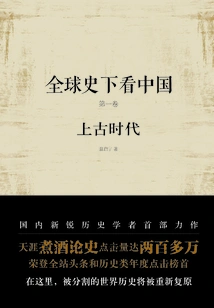
全球史下看中国 第一卷:上古时代
Weng Qiyu
This is a historical work that records a distant ancient civilization and reveals the most fundamental issues of mankind: survival and development. In the ancient era of natural selection, how could humans survive the competition among all things and gradually become the masters of the earth? How does human beings gradually move from barbarism to civilization? When the four ancient kingdoms rise one after another, has human civilization reached its peak or has it just begun? Under the ever-expanding desires of human beings, where will civilization go? The evolution of ancient humans, the origin of civilization, the development of primitive society, and the rise and fall of the four ancient civilizations. Where should we start from the magnificent historical picture? The replacement of ancient regimes, the economic and trade of ancient humans, the exchange and spread of culture, the miracles created by ancient craftsmen... This book takes a new approach, taking time as the axis and using parallel narratives to deduce world history and Chinese history layer by layer, comb through the details of history, clarify the historical context of human survival and development, reproduce the trend of Chinese civilization from a global perspective, re-examine the history of human civilization and Chinese civilization, and think about the direction of human civilization.
This is a historical work that records a distant ancient civilization and reveals the most fundamental issues of mankind: survival and development. In the ancient era of natural selection, how could humans survive the competition among all things and gradually become the masters of the earth? How does human beings gradually move from barbarism to civilization? When the four ancient kingdoms rise one after another, has human civilization reached its peak or has it just begun? Under the ever-expanding desires of human beings, where will civilization go? The evolution of ancient humans, the origin of civilization, the development of primitive society, and the rise and fall of the four ancient civilizations. Where should we start from the magnificent historical picture? The replacement of ancient regimes, the economic and trade of ancient humans, the exchange and spread of culture, the miracles created by ancient craftsmen... This book takes a new approach, taking time as the axis and using parallel narratives to deduce world history and Chinese history layer by layer, comb through the details of history, clarify the historical context of human survival and development, reproduce the trend of Chinese civilization from a global perspective, re-examine the history of human civilization and Chinese civilization, and think about the direction of human civilization.
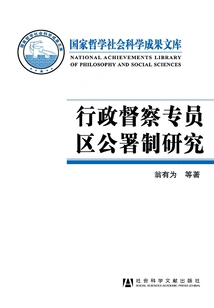
行政督察专员区公署制研究
Weng Youwei And Others
The Republic of China period was a period of social transformation that witnessed rapid changes in modern Chinese society. Not only did the central government establish a modern government system that was completely different from the traditional one, but the local government system also presented unprecedented new changes and many complex new problems. This book takes the commissioner district office system, which is located between the provincial system and the county system, as the research theme. It is a more appropriate perspective to see the changes in local government and social transformation during this period. The author systematically combs the historical context of the establishment, development, and evolution of the administrative inspectorate office system during the Republic of China, deeply explores the internal organizational structure, daily operations, and the interrelationships between administrative levels of the administrative inspectorate office system, studies the interactive relationship between the commissionerate office system and local administrative theories and concepts, and then reveals the laws and characteristics of the change and transformation of the local government system, and summarizes the experience and lessons learned in the process of modern and contemporary local government reform and modernization transformation.
The Republic of China period was a period of social transformation that witnessed rapid changes in modern Chinese society. Not only did the central government establish a modern government system that was completely different from the traditional one, but the local government system also presented unprecedented new changes and many complex new problems. This book takes the commissioner district office system, which is located between the provincial system and the county system, as the research theme. It is a more appropriate perspective to see the changes in local government and social transformation during this period. The author systematically combs the historical context of the establishment, development, and evolution of the administrative inspectorate office system during the Republic of China, deeply explores the internal organizational structure, daily operations, and the interrelationships between administrative levels of the administrative inspectorate office system, studies the interactive relationship between the commissionerate office system and local administrative theories and concepts, and then reveals the laws and characteristics of the change and transformation of the local government system, and summarizes the experience and lessons learned in the process of modern and contemporary local government reform and modernization transformation.
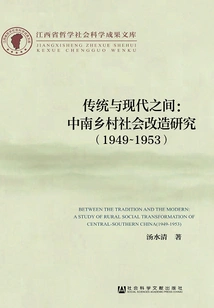
传统与现代之间:中南乡村社会改造研究(1949~1953)
Clear Soup
This book takes the social transformation of rural areas in Central and South China, which was fully affirmed by the Central Committee of the Communist Party of China and Mao Zedong in the early days of New China, as the research object. It places rural social transformation in the dual perspectives of tradition and modernity, country and society, and examines the revolution and social relations of rural economic relations including politics, economy, culture, and social customs. The reconstruction of social order, the process of transformation of people's ideas and concepts, as well as the nature of rural social transformation and its characteristics, status and significance in the social transformation of modern and contemporary China were deeply investigated, deepening people's understanding of the nature, significance and social transformation trends determined by rural social transformation.
This book takes the social transformation of rural areas in Central and South China, which was fully affirmed by the Central Committee of the Communist Party of China and Mao Zedong in the early days of New China, as the research object. It places rural social transformation in the dual perspectives of tradition and modernity, country and society, and examines the revolution and social relations of rural economic relations including politics, economy, culture, and social customs. The reconstruction of social order, the process of transformation of people's ideas and concepts, as well as the nature of rural social transformation and its characteristics, status and significance in the social transformation of modern and contemporary China were deeply investigated, deepening people's understanding of the nature, significance and social transformation trends determined by rural social transformation.
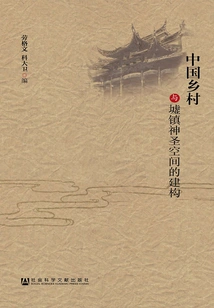
中国乡村与墟镇神圣空间的建构
(french) Laugvin (english) Codavid
This book is a selection of papers from the symposium "Constructing Spaces in Chinese Rural Areas and Market Towns - The Role of the Sacred" held in November 2011. The content covers Shandong, Shanxi, Jiangxi, Anhui, Guangdong, Guangxi and Hunan. The ceremonial spaces in different regions shown in the articles have great similarities, that is, local religious Each tribe has its own rhetoric as a reason for controlling local shrines and temples; although not every article describes religious rituals, it can be seen from them that villages have religious rituals that are entrusted to ritual experts; Buddhist temples play an important role in the ritual space, and they are one-third of the world with ancestral halls and temples.
This book is a selection of papers from the symposium "Constructing Spaces in Chinese Rural Areas and Market Towns - The Role of the Sacred" held in November 2011. The content covers Shandong, Shanxi, Jiangxi, Anhui, Guangdong, Guangxi and Hunan. The ceremonial spaces in different regions shown in the articles have great similarities, that is, local religious Each tribe has its own rhetoric as a reason for controlling local shrines and temples; although not every article describes religious rituals, it can be seen from them that villages have religious rituals that are entrusted to ritual experts; Buddhist temples play an important role in the ritual space, and they are one-third of the world with ancestral halls and temples.
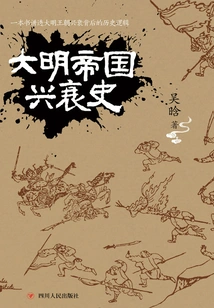
大明帝国兴衰史
Wu Han
This book tells the relationship between the rise and fall of the Ming Dynasty and the rise and fall of its bureaucracy and army. In the history of the Ming Dynasty, Zhu Yuanzhang, a rogue and bandit, established the dynasty with a strong army and was recorded in history books as Emperor Taizu Gao. However, the failed Li Zicheng became a thief, thief, bandit, and bandit. Although he was also an emperor, old historians were snobbish. However, force can be used to seize political power, but it cannot be used to govern a country. To govern a country, you must establish a bureaucracy that is easy to use and can be used by the emperor, and bureaucracy must use literati. The interests of the scholar-bureaucrats were consistent with the imperial power. They served the imperial power and helped the emperor govern the country. Once this institution was completely corrupted, the empire would inevitably fall. The famous historian Wu Han uses a fair and rigorous attitude, real and interesting historical materials, and reveals the historical logic behind the rise and fall of the Ming Empire from the two main perspectives of bureaucracy and the army.
This book tells the relationship between the rise and fall of the Ming Dynasty and the rise and fall of its bureaucracy and army. In the history of the Ming Dynasty, Zhu Yuanzhang, a rogue and bandit, established the dynasty with a strong army and was recorded in history books as Emperor Taizu Gao. However, the failed Li Zicheng became a thief, thief, bandit, and bandit. Although he was also an emperor, old historians were snobbish. However, force can be used to seize political power, but it cannot be used to govern a country. To govern a country, you must establish a bureaucracy that is easy to use and can be used by the emperor, and bureaucracy must use literati. The interests of the scholar-bureaucrats were consistent with the imperial power. They served the imperial power and helped the emperor govern the country. Once this institution was completely corrupted, the empire would inevitably fall. The famous historian Wu Han uses a fair and rigorous attitude, real and interesting historical materials, and reveals the historical logic behind the rise and fall of the Ming Empire from the two main perspectives of bureaucracy and the army.
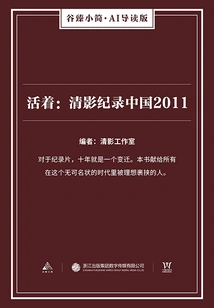
活着:清影纪录中国2011
Qingying Studio Wan Moxuan Book Planning Editor
For documentaries, ten years is a time of change. This book is dedicated to all those who are trapped by ideals in this indescribable era. Documentaries are made for people who understand him, and the true face of the world is also seen with heart. Only when you understand the hardships of others can you stop complaining.
For documentaries, ten years is a time of change. This book is dedicated to all those who are trapped by ideals in this indescribable era. Documentaries are made for people who understand him, and the true face of the world is also seen with heart. Only when you understand the hardships of others can you stop complaining.
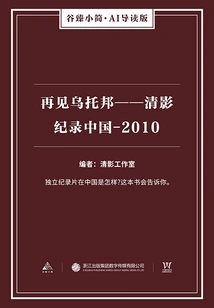
再见乌托邦:清影纪录中国2010
Qingying Studio Wan Moxuan Book Planning Editor
What is independent documentary like in China? This book will tell you. There is a sentence on the title page, said by Shinsuke Ogawa: If you feel that your documentary is not good enough, it must be that you are not close enough. \
What is independent documentary like in China? This book will tell you. There is a sentence on the title page, said by Shinsuke Ogawa: If you feel that your documentary is not good enough, it must be that you are not close enough. \
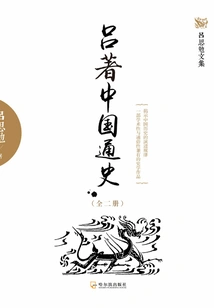
吕著中国通史(全二册)
Lu Simian
Mr. Lu Simian devoted his life to the research and education of ancient Chinese history. He was a famous historian in the 20th century and made great contributions to the study of ancient Chinese history. This book is of high value for historical research and is a must-read for history lovers and historical researchers.
Mr. Lu Simian devoted his life to the research and education of ancient Chinese history. He was a famous historian in the 20th century and made great contributions to the study of ancient Chinese history. This book is of high value for historical research and is a must-read for history lovers and historical researchers.
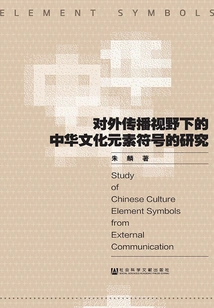
小说,小说网,最新热门小说-QQ阅读_阅文集团旗下网站
Zhu Lin
This book is an introduction to Chinese cultural symbols for domestic and overseas readers. It includes theoretical introductions to cultural communication and case studies of cultural communication. This book not only provides readers with a simple and easy-to-understand basic reading of Chinese cultural symbols, but also expresses the author's understanding of contemporary cultural element symbols. Chinese cultural symbols are invented and created by the entire Chinese nation. They have Chinese characteristics and are important spirits that still have an impact on modern and contemporary China. The book emphasizes the important role of Chinese cultural elements and symbols in the process of inheritance and dissemination as an important part of my country's foreign cultural communication.
This book is an introduction to Chinese cultural symbols for domestic and overseas readers. It includes theoretical introductions to cultural communication and case studies of cultural communication. This book not only provides readers with a simple and easy-to-understand basic reading of Chinese cultural symbols, but also expresses the author's understanding of contemporary cultural element symbols. Chinese cultural symbols are invented and created by the entire Chinese nation. They have Chinese characteristics and are important spirits that still have an impact on modern and contemporary China. The book emphasizes the important role of Chinese cultural elements and symbols in the process of inheritance and dissemination as an important part of my country's foreign cultural communication.
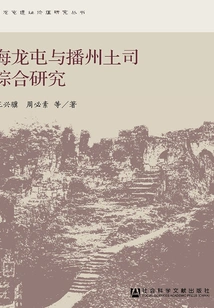
海龙屯与播州土司综合研究
Wang Xingji Zhou Bisu Et Al.
This book is a project of "Research on the Value of Hailongtun" hosted by the Guizhou Academy of Social Sciences, with participation from Southwest Normal University, Guizhou Normal University, Zunyi Normal University, and Guizhou Institute of Cultural Relics and Archeology. Since the participating research units have a large amount of research accumulation, the research results were completed and submitted in a short period of time. The book conducts research on the national attributes of Bozhou Tusi, Bozhou national culture, Bozhou regional geography, the history of Bozhou Tusi, Hailongdun ruins and related remains, Hailongdun military defense system, etc., And draws persuasive conclusions.
This book is a project of "Research on the Value of Hailongtun" hosted by the Guizhou Academy of Social Sciences, with participation from Southwest Normal University, Guizhou Normal University, Zunyi Normal University, and Guizhou Institute of Cultural Relics and Archeology. Since the participating research units have a large amount of research accumulation, the research results were completed and submitted in a short period of time. The book conducts research on the national attributes of Bozhou Tusi, Bozhou national culture, Bozhou regional geography, the history of Bozhou Tusi, Hailongdun ruins and related remains, Hailongdun military defense system, etc., And draws persuasive conclusions.
东亚视野下的东北史地研究
Wang Yulang
The study of the history and geography of Northeast China has the characteristics of trans-region and cross-border. To study the history and geography of Northeast China, one must engage in long-term field visits, analysis, sorting and research from the perspective of East Asia in order to explore its connotation and significance. The author of this book has been engaged in field archaeological surveys in the vast area of Northeast China for many years. On this basis, combined with historical documents and previous research results, he has made a relatively systematic textual research and research on the ancient ethnic titles, distribution of ancient cities, mountain and place names, rock paintings and inscriptions, Bohai Liao and Jin fortifications in Northeast China, etc., Which has distinct originality and reference value.
The study of the history and geography of Northeast China has the characteristics of trans-region and cross-border. To study the history and geography of Northeast China, one must engage in long-term field visits, analysis, sorting and research from the perspective of East Asia in order to explore its connotation and significance. The author of this book has been engaged in field archaeological surveys in the vast area of Northeast China for many years. On this basis, combined with historical documents and previous research results, he has made a relatively systematic textual research and research on the ancient ethnic titles, distribution of ancient cities, mountain and place names, rock paintings and inscriptions, Bohai Liao and Jin fortifications in Northeast China, etc., Which has distinct originality and reference value.
中国近代社会生活史
Li Changli Et Al.
This book is the final result of the key project of the Chinese Academy of Social Sciences (2004-2008) collectively undertaken by the Cultural Office of the Institute of Modern History, Chinese Academy of Social Sciences (the project leader is Li Changli). The six writers are all researchers with many years of academic accumulation in related research fields and previous research results. For example, they have published the final three-volume chronicle "Records of Social and Cultural Changes in Modern China" [Zhejiang People's Publishing House, 1998]), etc. This book is positioned as an academic masterpiece, an authoritative and excellent work in the field of modern social life history. Summary of content: From the late Ming Dynasty and the late Qing Dynasty to 1949, this book describes the changes in people's clothing, food, housing, transportation, social life, customs, culture and entertainment, and other aspects along with the modernization of Chinese society. It not only examines the overall change trajectory of social life in more than a hundred years of modern times, but also focuses on the prominent social life phenomena in each period. It also uses cultural analysis, narrative and discussion, and combination of discussions to reveal the social and cultural significance of the changes in modern social life during the modern transformation of Chinese society.
This book is the final result of the key project of the Chinese Academy of Social Sciences (2004-2008) collectively undertaken by the Cultural Office of the Institute of Modern History, Chinese Academy of Social Sciences (the project leader is Li Changli). The six writers are all researchers with many years of academic accumulation in related research fields and previous research results. For example, they have published the final three-volume chronicle "Records of Social and Cultural Changes in Modern China" [Zhejiang People's Publishing House, 1998]), etc. This book is positioned as an academic masterpiece, an authoritative and excellent work in the field of modern social life history. Summary of content: From the late Ming Dynasty and the late Qing Dynasty to 1949, this book describes the changes in people's clothing, food, housing, transportation, social life, customs, culture and entertainment, and other aspects along with the modernization of Chinese society. It not only examines the overall change trajectory of social life in more than a hundred years of modern times, but also focuses on the prominent social life phenomena in each period. It also uses cultural analysis, narrative and discussion, and combination of discussions to reveal the social and cultural significance of the changes in modern social life during the modern transformation of Chinese society.
Contemporary Historiography
History当代史学平议
Li Zhenhong
Over the past sixty years, the ideological process of research on ancient Chinese history has gone through a dull, exciting, difficult and tortuous process, and finally embarked on a process full of hope. There are so many lessons to be learned here. The 24 papers included in this book are the author's deep reflection and summary of the ideological process of research on ancient Chinese history over the past sixty years, showing his self-perception, independent thinking, and personalized academic research.
Over the past sixty years, the ideological process of research on ancient Chinese history has gone through a dull, exciting, difficult and tortuous process, and finally embarked on a process full of hope. There are so many lessons to be learned here. The 24 papers included in this book are the author's deep reflection and summary of the ideological process of research on ancient Chinese history over the past sixty years, showing his self-perception, independent thinking, and personalized academic research.
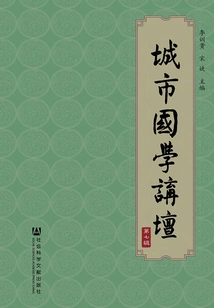
城市国学讲坛(第七辑)
Li Xungui Editor-in-chief Song Jie
"Urban Chinese Studies Forum" is a platform built by Guangzhou City Vocational College to implement the "culture-shaped school" school running philosophy, promote Chinese studies, and cultivate local cultural awareness among teachers and students. It takes the wisdom of life conveyed by Chinese studies as the main line, and also pays attention to the combination with the actual situation of higher vocational colleges, insists on the unity of theory and popularization, and hopes to be beneficial to the popularization and promotion of China's excellent traditional culture. This book is compiled from the contents of his series of lectures and is divided into three parts: general introduction, philosophy, and history.
"Urban Chinese Studies Forum" is a platform built by Guangzhou City Vocational College to implement the "culture-shaped school" school running philosophy, promote Chinese studies, and cultivate local cultural awareness among teachers and students. It takes the wisdom of life conveyed by Chinese studies as the main line, and also pays attention to the combination with the actual situation of higher vocational colleges, insists on the unity of theory and popularization, and hopes to be beneficial to the popularization and promotion of China's excellent traditional culture. This book is compiled from the contents of his series of lectures and is divided into three parts: general introduction, philosophy, and history.
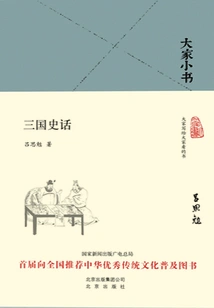
大家小书:三国史话
Lu Simian
This book helps people clarify the misunderstanding of history in "The Romance of the Three Kingdoms" and tells everyone a real Three Kingdoms. The author analyzes the issues between literature and history, and believes that literature requires stimulation and emotional satisfaction, and it is inevitable to speculate on rumors and shadows, while history must rely on factual evidence, be cautious, and not be careless in the slightest. The historical data in the book are solid and accurate, the ins and outs of history, causes and consequences are clearly described, and the insights are unique and insightful.
This book helps people clarify the misunderstanding of history in "The Romance of the Three Kingdoms" and tells everyone a real Three Kingdoms. The author analyzes the issues between literature and history, and believes that literature requires stimulation and emotional satisfaction, and it is inevitable to speculate on rumors and shadows, while history must rely on factual evidence, be cautious, and not be careless in the slightest. The historical data in the book are solid and accurate, the ins and outs of history, causes and consequences are clearly described, and the insights are unique and insightful.
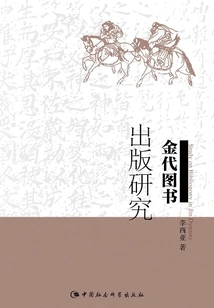
金代图书出版研究
Licia
The Liao, Song, Xia and Jin eras were the golden age of my country's publishing industry. The Jin regime established by the Jurchens inherited the existing publishing achievements of the Liao and Northern Song Dynasties and continued to develop on this basis. It made important contributions to promoting the development of publishing in northern my country and had an important impact on the publishing industry of the Yuan Dynasty. However, there are still many weaknesses in the current academic research on book publishing in the Jin Dynasty, and it is impossible to fully understand the book publishing in the Jin Dynasty. Moreover, the existing research results are more focused on the printing of Jin Dynasty books. Issues such as the compilation of Jin Dynasty books, the location of Jin Dynasty book engravings, and the circulation of Jin Dynasty books need to be further discussed. Based on actively drawing on relevant research results in the academic community and extensively collecting first-hand information, this manuscript conducts an overall in-depth study of book publishing in the Jin Dynasty from various publishing processes for the first time.
The Liao, Song, Xia and Jin eras were the golden age of my country's publishing industry. The Jin regime established by the Jurchens inherited the existing publishing achievements of the Liao and Northern Song Dynasties and continued to develop on this basis. It made important contributions to promoting the development of publishing in northern my country and had an important impact on the publishing industry of the Yuan Dynasty. However, there are still many weaknesses in the current academic research on book publishing in the Jin Dynasty, and it is impossible to fully understand the book publishing in the Jin Dynasty. Moreover, the existing research results are more focused on the printing of Jin Dynasty books. Issues such as the compilation of Jin Dynasty books, the location of Jin Dynasty book engravings, and the circulation of Jin Dynasty books need to be further discussed. Based on actively drawing on relevant research results in the academic community and extensively collecting first-hand information, this manuscript conducts an overall in-depth study of book publishing in the Jin Dynasty from various publishing processes for the first time.
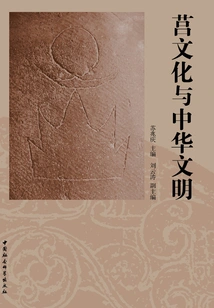
莒文化与中华文明
Editor-in-chief Su Zhaoqing And Deputy Editor-in-chief Liu Yuntao
It has been 50 years since the pottery inscriptions were unearthed at the Lingyang River site. Over the past half century, the study of pottery inscriptions has attracted great attention at home and abroad. As a result, in the 1980s there was an upsurge in discussing Chinese civilization, which had a great influence. Subsequently, the study of Ju culture was also put on the agenda. When the new Juzhou Museum was opened in 2009, the China Pre-Qin History Society and the Ju County People's Government jointly held the third "Ju Culture High-Level Forum" and received 23 papers from experts and scholars, which were compiled into a volume. Now, dozens of articles on Ju culture published in newspapers and periodicals by Yu Shengwu, Tang Lan, Qiu Xigui, Gao Ming, Li Xueqin, Shao Wangping, Gao Guangren and other well-known domestic experts in history, ancient characters, archaeology, art, astronomy and other academic circles have been compiled into the book "Ju Culture and Chinese Civilization" for publication, to increase the popularity of Ju County and promote the faster economic development of Ju County.
It has been 50 years since the pottery inscriptions were unearthed at the Lingyang River site. Over the past half century, the study of pottery inscriptions has attracted great attention at home and abroad. As a result, in the 1980s there was an upsurge in discussing Chinese civilization, which had a great influence. Subsequently, the study of Ju culture was also put on the agenda. When the new Juzhou Museum was opened in 2009, the China Pre-Qin History Society and the Ju County People's Government jointly held the third "Ju Culture High-Level Forum" and received 23 papers from experts and scholars, which were compiled into a volume. Now, dozens of articles on Ju culture published in newspapers and periodicals by Yu Shengwu, Tang Lan, Qiu Xigui, Gao Ming, Li Xueqin, Shao Wangping, Gao Guangren and other well-known domestic experts in history, ancient characters, archaeology, art, astronomy and other academic circles have been compiled into the book "Ju Culture and Chinese Civilization" for publication, to increase the popularity of Ju County and promote the faster economic development of Ju County.
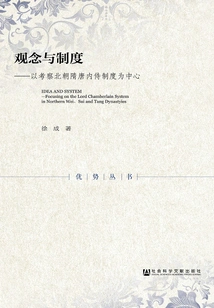
观念与制度:以考察北朝隋唐内侍制度为中心
Xu Cheng
This book examines the evolution of the chamberlain system from the Northern Dynasties to the Sui and Tang Dynasties, highlighting the close relationship between concepts and systems. In the early Northern Wei Dynasty, there was no distinction between internal and external dynasties. The Sui Dynasty unified the north and the south, established the Ministry of Internal Affairs, and positioned the internal affairs department as a subordinate agency of Nanya. In the early Li and Tang Dynasties, the internal servant system inherited the establishment model of the early Sui Dynasty, and internal servants could still serve as officials of the external court. By the time of the rise of the Anshi army, the practice of eunuchs serving as officials at foreign courts reached its final peak. Since the death of Yu Chao En in the Tang Dynasty, eunuchs no longer served as external court officials in principle, but the internal dynasty institutions and functions controlled by eunuchs expanded. During the turmoil in the late Tang Dynasty, eunuchs broke through the political participation model of the inner dynasty system. However, with the subsequent death of the Tang Dynasty, the system of internal servants participating in politics in the Middle Ages came to an end.
This book examines the evolution of the chamberlain system from the Northern Dynasties to the Sui and Tang Dynasties, highlighting the close relationship between concepts and systems. In the early Northern Wei Dynasty, there was no distinction between internal and external dynasties. The Sui Dynasty unified the north and the south, established the Ministry of Internal Affairs, and positioned the internal affairs department as a subordinate agency of Nanya. In the early Li and Tang Dynasties, the internal servant system inherited the establishment model of the early Sui Dynasty, and internal servants could still serve as officials of the external court. By the time of the rise of the Anshi army, the practice of eunuchs serving as officials at foreign courts reached its final peak. Since the death of Yu Chao En in the Tang Dynasty, eunuchs no longer served as external court officials in principle, but the internal dynasty institutions and functions controlled by eunuchs expanded. During the turmoil in the late Tang Dynasty, eunuchs broke through the political participation model of the inner dynasty system. However, with the subsequent death of the Tang Dynasty, the system of internal servants participating in politics in the Middle Ages came to an end.
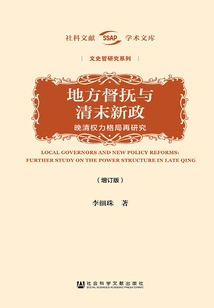
地方督抚与清末新政:晚清权力格局再研究(增订版)
Li Xizhu
From the perspective of the thoughts and activities of local governors in the New Deal, this book specifically examines the participation and impact of local governors on the Qing government's New Deal decision-making, as well as the interactive relationship between local governors and social changes in the New Deal process, in order to observe the evolution of the central and local power structure in the late Qing Dynasty.
From the perspective of the thoughts and activities of local governors in the New Deal, this book specifically examines the participation and impact of local governors on the Qing government's New Deal decision-making, as well as the interactive relationship between local governors and social changes in the New Deal process, in order to observe the evolution of the central and local power structure in the late Qing Dynasty.
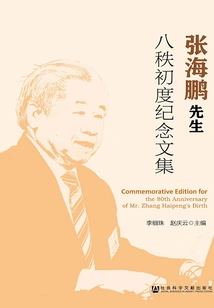
张海鹏先生八秩初度纪念文集
Li Xizhu Editor-in-chief Zhao Qingyun
Zhang Haipeng is one of the representative scholars in contemporary China who adheres to Marxist historical materialism and has important influence in guiding the study of modern Chinese history. This book is a collection of essays published to celebrate the first eighth rank of Mr. Zhang Haipeng. It contains 25 of Mr. Zhang Haipeng's student essays, covering multiple fields such as Qing history, modern Chinese history, contemporary Chinese history, history of Sino-foreign relations, history of historiography, and Taiwan history. It reflects Mr. Zhang Haipeng's broad academic vision. This book also includes Mr. Zhang Haipeng's academic life narrative, interviews and a self-written chronology, all of which help to understand Mr. Zhang Haipeng's life conditions, academic spirit and ideal pursuit in the past 80 years.
Zhang Haipeng is one of the representative scholars in contemporary China who adheres to Marxist historical materialism and has important influence in guiding the study of modern Chinese history. This book is a collection of essays published to celebrate the first eighth rank of Mr. Zhang Haipeng. It contains 25 of Mr. Zhang Haipeng's student essays, covering multiple fields such as Qing history, modern Chinese history, contemporary Chinese history, history of Sino-foreign relations, history of historiography, and Taiwan history. It reflects Mr. Zhang Haipeng's broad academic vision. This book also includes Mr. Zhang Haipeng's academic life narrative, interviews and a self-written chronology, all of which help to understand Mr. Zhang Haipeng's life conditions, academic spirit and ideal pursuit in the past 80 years.
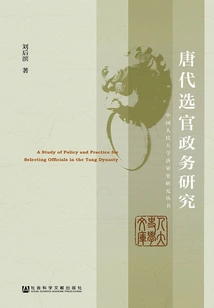
唐代选官政务研究
Liu Houbin
This book is a monograph that studies the official selection system of the Tang Dynasty from the perspective of government operations. The related system of origin and selection of officials in the Tang Dynasty, as well as the system and mechanism issues surrounding the selection of officials and government affairs, are important issues in the study of the bureaucracy of the Tang Dynasty. The book starts from the basic process and main principles of the official selection and appointment system, and runs through the macro perspective of the transition from a clan society to a bureaucratic society and the separation of official positions and dispatches. It specifically analyzes each link of official selection and the specific form of the government documents produced, as well as the adjudication mechanism based on government documents, and puts forward the basic clues to the changes in the official selection system between the Tang and Song Dynasties.
This book is a monograph that studies the official selection system of the Tang Dynasty from the perspective of government operations. The related system of origin and selection of officials in the Tang Dynasty, as well as the system and mechanism issues surrounding the selection of officials and government affairs, are important issues in the study of the bureaucracy of the Tang Dynasty. The book starts from the basic process and main principles of the official selection and appointment system, and runs through the macro perspective of the transition from a clan society to a bureaucratic society and the separation of official positions and dispatches. It specifically analyzes each link of official selection and the specific form of the government documents produced, as well as the adjudication mechanism based on government documents, and puts forward the basic clues to the changes in the official selection system between the Tang and Song Dynasties.
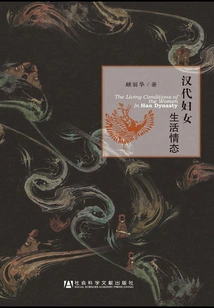
汉代妇女生活情态
Gu Lihua
This book attempts to explore the lives of women in the Han Dynasty at three levels. First, from the level of national institutional norms in the Han Dynasty, we examine the ideal women's roles that the national system strives to construct, the living space created by laws and regulations for women, and the care of certain women by national policies; secondly, based on the real life of women in the Han Dynasty, we analyze the significance of the work performed by women in the Han Dynasty to individuals, families and even society, and the impact of childbirth customs on The influence of women's lives, and shows the real life of women from different family backgrounds; finally, this book separates the special group of women from the "servants" class, explores the overall status of the group of maids and the differences within the maid group from the institutional and realistic levels, and even roughly outlines the living conditions of the maids under gender characteristics.
This book attempts to explore the lives of women in the Han Dynasty at three levels. First, from the level of national institutional norms in the Han Dynasty, we examine the ideal women's roles that the national system strives to construct, the living space created by laws and regulations for women, and the care of certain women by national policies; secondly, based on the real life of women in the Han Dynasty, we analyze the significance of the work performed by women in the Han Dynasty to individuals, families and even society, and the impact of childbirth customs on The influence of women's lives, and shows the real life of women from different family backgrounds; finally, this book separates the special group of women from the "servants" class, explores the overall status of the group of maids and the differences within the maid group from the institutional and realistic levels, and even roughly outlines the living conditions of the maids under gender characteristics.
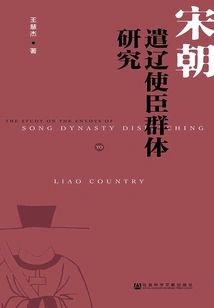
宋朝遣辽使臣群体研究
Wang Huijie
During the period of confrontation between the Northern Song Dynasty and the Liao Dynasty, envoys were sent to the Liao Kingdom every year. These envoys sent by the Song Dynasty to the Liao Kingdom were not only a diplomatic group, but also a medium for spreading the culture of the Central Plains. This book conducts multi-faceted research on the group of envoys of the Song Dynasty during the more than 100 years of diplomatic activities between the Song Dynasty and Liao Dynasty, including the identity and characteristics of the envoys of the Song Dynasty, the court's management of envoys, and the role of envoys in the relations between Song Dynasty and Liao Dynasty. In terms of content, this book includes diplomatic history, political history, official history of the Song Dynasty, and even ecological and environmental history, social life history, etc. The historical materials are very rich, which not only enables people to understand the history of that time, but also provides some enlightenment for today's diplomats.
During the period of confrontation between the Northern Song Dynasty and the Liao Dynasty, envoys were sent to the Liao Kingdom every year. These envoys sent by the Song Dynasty to the Liao Kingdom were not only a diplomatic group, but also a medium for spreading the culture of the Central Plains. This book conducts multi-faceted research on the group of envoys of the Song Dynasty during the more than 100 years of diplomatic activities between the Song Dynasty and Liao Dynasty, including the identity and characteristics of the envoys of the Song Dynasty, the court's management of envoys, and the role of envoys in the relations between Song Dynasty and Liao Dynasty. In terms of content, this book includes diplomatic history, political history, official history of the Song Dynasty, and even ecological and environmental history, social life history, etc. The historical materials are very rich, which not only enables people to understand the history of that time, but also provides some enlightenment for today's diplomats.
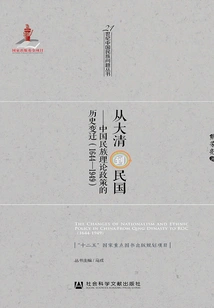
从大清到民国:中国民族理论政策的历史变迁(1644~1949)
Xiong Fangliang
The theme of this book is not "where China's ethnic theory and policy are going", but "where does China's ethnic theory and policy come from", and how it guided and influenced the "Five Nationalities Republic", "Kuomintang's First Declaration", "National Self-determination", "Nationalism", "Nation and Clan Theory" and "Chinese Nation is One" during the Republic of China. The main theoretical policies and major historical events of the basic trend of ethnic politics have been deeply and systematically interpreted and elaborated. There have been a series of breakthroughs and innovations in theory and historical facts, which have enlightenment and reference significance for a more objective, accurate and comprehensive understanding of the historical background and theoretical origins of the formation of the ethnic theory and policy of New China.
The theme of this book is not "where China's ethnic theory and policy are going", but "where does China's ethnic theory and policy come from", and how it guided and influenced the "Five Nationalities Republic", "Kuomintang's First Declaration", "National Self-determination", "Nationalism", "Nation and Clan Theory" and "Chinese Nation is One" during the Republic of China. The main theoretical policies and major historical events of the basic trend of ethnic politics have been deeply and systematically interpreted and elaborated. There have been a series of breakthroughs and innovations in theory and historical facts, which have enlightenment and reference significance for a more objective, accurate and comprehensive understanding of the historical background and theoretical origins of the formation of the ethnic theory and policy of New China.
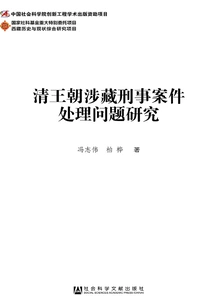
清王朝涉藏刑事案件处理问题研究
Feng Zhiwei Bai Hua
This book is based on the political and legal historical materials of the Qing Dynasty, combined with the ethnic and border policies of the time, starting from the social and historical background of the Qing Dynasty, and focusing on official cases. It objectively analyzes the handling of Tibetan criminal cases and principles in the Qing Dynasty, reveals the political ideas behind the handling of cases from the legal and political levels, and hopes to provide historical enlightenment for the harmonious integration of modern ethnic relations.
This book is based on the political and legal historical materials of the Qing Dynasty, combined with the ethnic and border policies of the time, starting from the social and historical background of the Qing Dynasty, and focusing on official cases. It objectively analyzes the handling of Tibetan criminal cases and principles in the Qing Dynasty, reveals the political ideas behind the handling of cases from the legal and political levels, and hopes to provide historical enlightenment for the harmonious integration of modern ethnic relations.
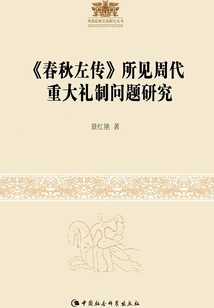
《春秋左传》所见周代重大礼制问题研究
Jing Hongyan
The ritual and music system of the Zhou Dynasty laid the foundation for the ritual and music system of China's later feudal society. However, there are only a few records of many important ritual systems of the Zhou Dynasty in the documents handed down from ancient times. Studying the major ritual systems of the Zhou Dynasty will not only help us fully and deeply understand the content of the ritual and music system of the Zhou Dynasty, but will also be of great benefit to our study and understanding of the social and political conditions of this period. This book mainly studies the major ritual issues of the Zhou Dynasty that are found in the Chunqiu Zuozhuan and are closely related to the social and political life at that time. The research content is mainly divided into five parts, involving the study of the five important etiquettes found in "Zuo Zhuan of Spring and Autumn Period": auspicious etiquette, unlucky etiquette, military etiquette, guest etiquette, and Jiali etiquette. It mainly organizes and studies the content, characteristics, historical functions and evolution of the five rituals involved in later generations.
The ritual and music system of the Zhou Dynasty laid the foundation for the ritual and music system of China's later feudal society. However, there are only a few records of many important ritual systems of the Zhou Dynasty in the documents handed down from ancient times. Studying the major ritual systems of the Zhou Dynasty will not only help us fully and deeply understand the content of the ritual and music system of the Zhou Dynasty, but will also be of great benefit to our study and understanding of the social and political conditions of this period. This book mainly studies the major ritual issues of the Zhou Dynasty that are found in the Chunqiu Zuozhuan and are closely related to the social and political life at that time. The research content is mainly divided into five parts, involving the study of the five important etiquettes found in "Zuo Zhuan of Spring and Autumn Period": auspicious etiquette, unlucky etiquette, military etiquette, guest etiquette, and Jiali etiquette. It mainly organizes and studies the content, characteristics, historical functions and evolution of the five rituals involved in later generations.
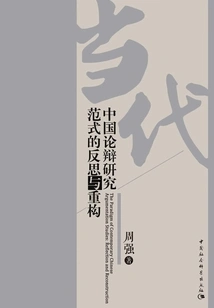
当代中国论辩研究范式的反思与重构
Zhou Qiang
"Reflection and Reconstruction of the Research Paradigm of Debate in Contemporary China" tells the story of debate, as a non-violent verbal means, which can mediate conflicting interests, clarify and resolve differences of opinion, and coordinate each other's actions. Compared with using administrative, high-pressure, economic and other means to deal with conflicts and contradictions, it is the best means to resolve social conflicts. In addition, the generation and development of academic knowledge also need to be certified and driven by debate. However, this debate research, which has great social and academic significance, has not yet been fully carried out in our country. The research scale and investment are small, and theoretical exploration has problems such as outdated concepts and being divorced from reality. This current situation is not only completely different from the rich meaning and lofty research status that this concept was endowed with in the axial era of Chinese civilization - the pre-Qin period of contention of a hundred schools of thought - but also forms a clear contrast with its circulation and application in contemporary Western discourse. "Reflection and Reconstruction of the Paradigm of Debate Research in Contemporary China" addresses the above issues and compares and interprets some concepts formed in the research on debate in contemporary China from the diachronic and cross-cultural perspectives in both vertical and horizontal dimensions, with a view to outlining a more constructive conceptual system and theoretical framework for the healthy development of this important field on this basis.
"Reflection and Reconstruction of the Research Paradigm of Debate in Contemporary China" tells the story of debate, as a non-violent verbal means, which can mediate conflicting interests, clarify and resolve differences of opinion, and coordinate each other's actions. Compared with using administrative, high-pressure, economic and other means to deal with conflicts and contradictions, it is the best means to resolve social conflicts. In addition, the generation and development of academic knowledge also need to be certified and driven by debate. However, this debate research, which has great social and academic significance, has not yet been fully carried out in our country. The research scale and investment are small, and theoretical exploration has problems such as outdated concepts and being divorced from reality. This current situation is not only completely different from the rich meaning and lofty research status that this concept was endowed with in the axial era of Chinese civilization - the pre-Qin period of contention of a hundred schools of thought - but also forms a clear contrast with its circulation and application in contemporary Western discourse. "Reflection and Reconstruction of the Paradigm of Debate Research in Contemporary China" addresses the above issues and compares and interprets some concepts formed in the research on debate in contemporary China from the diachronic and cross-cultural perspectives in both vertical and horizontal dimensions, with a view to outlining a more constructive conceptual system and theoretical framework for the healthy development of this important field on this basis.
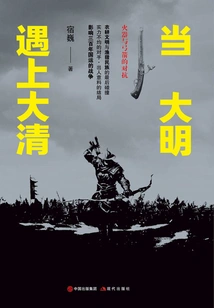
当大明遇上大清
Su Wei
This book comprehensively reproduces the war between the Ming Dynasty and the Qing Dynasty (Later Jin Dynasty) from 1618 to 1644, taking you back to the time of the Ming and Qing Dynasties, telling the little-known historical details, and revealing the truth of the war that has been deliberately hidden. The war started with a sneak attack on Fushun. Nurhachi was as cunning as a fox and as ferocious as a wolf. He likes to fight undeclared, cooperate inside and outside, and can often concentrate his forces to defeat the smaller ones with more troops. The Ming Dynasty did not pay attention to the rapid rise of Hou Jin at first, and they obviously underestimated their opponents. From Fushun to Sarhu, from Shenyang, Liaoyang and then to Guangning, Nurhachi won again and again. The lessons from the Battle of Saarhu also allowed the Ming Dynasty to re-understand the enemy, switching from strategic offense to strategic defense, from the Ningyuan victory to the Ningjin battle, and successfully suppressed the Houjin Iron Cavalry with strong city artillery. The Guan-Ning-Jin defense line, with Jinzhou, Ningyuan and Shanhaiguan as its supporting points, became an insurmountable fortress for Nurhaci and Huang Taiji and his son. After more than ten years of confrontation between the Ming and Qing armies, the moment of decisive battle finally arrived. The Ming Dynasty sent its strongest lineup, with Hong Chengchou as the commander. The Ming army's main force in Liaodong, Guan Ning cavalry, and all the elites from the nine-border towns went into battle. The Qing army also mobilized all its troops, and Huang Taiji, who was seriously ill, even went to the front line to command in person. This is a decisive battle that no one can afford to lose. Both sides tried their best. Although the Ming army was seriously injured, it still had the strength to counterattack. However, the peasant army from within the Ming Dynasty destroyed the empire. The war between Ming and Qing Dynasties ended in an unexpected way. Although the war between the Ming Dynasty and the Qing Dynasty did not officially end until 1662, the outcome of this war still profoundly changed the direction of Chinese history. When the Ming Dynasty met the Qing Dynasty, it was a confrontation between firearms and bows and arrows, and a collision between farming civilization and fishing and hunting peoples. Between the decline and the rise, what are the unknown secrets? History is not that simple.
This book comprehensively reproduces the war between the Ming Dynasty and the Qing Dynasty (Later Jin Dynasty) from 1618 to 1644, taking you back to the time of the Ming and Qing Dynasties, telling the little-known historical details, and revealing the truth of the war that has been deliberately hidden. The war started with a sneak attack on Fushun. Nurhachi was as cunning as a fox and as ferocious as a wolf. He likes to fight undeclared, cooperate inside and outside, and can often concentrate his forces to defeat the smaller ones with more troops. The Ming Dynasty did not pay attention to the rapid rise of Hou Jin at first, and they obviously underestimated their opponents. From Fushun to Sarhu, from Shenyang, Liaoyang and then to Guangning, Nurhachi won again and again. The lessons from the Battle of Saarhu also allowed the Ming Dynasty to re-understand the enemy, switching from strategic offense to strategic defense, from the Ningyuan victory to the Ningjin battle, and successfully suppressed the Houjin Iron Cavalry with strong city artillery. The Guan-Ning-Jin defense line, with Jinzhou, Ningyuan and Shanhaiguan as its supporting points, became an insurmountable fortress for Nurhaci and Huang Taiji and his son. After more than ten years of confrontation between the Ming and Qing armies, the moment of decisive battle finally arrived. The Ming Dynasty sent its strongest lineup, with Hong Chengchou as the commander. The Ming army's main force in Liaodong, Guan Ning cavalry, and all the elites from the nine-border towns went into battle. The Qing army also mobilized all its troops, and Huang Taiji, who was seriously ill, even went to the front line to command in person. This is a decisive battle that no one can afford to lose. Both sides tried their best. Although the Ming army was seriously injured, it still had the strength to counterattack. However, the peasant army from within the Ming Dynasty destroyed the empire. The war between Ming and Qing Dynasties ended in an unexpected way. Although the war between the Ming Dynasty and the Qing Dynasty did not officially end until 1662, the outcome of this war still profoundly changed the direction of Chinese history. When the Ming Dynasty met the Qing Dynasty, it was a confrontation between firearms and bows and arrows, and a collision between farming civilization and fishing and hunting peoples. Between the decline and the rise, what are the unknown secrets? History is not that simple.
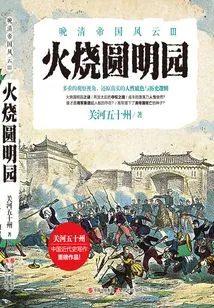
火烧圆明园(晚清帝国风云系列)
Guanhe Fifty States
The Empire of the Late Qing Dynasty series is a blockbuster work of modern historical writing in the fifty states of Guanhe. This series refers to rich historical materials at home and abroad, using multiple observation perspectives to deeply understand the positions of all parties at the historical scene, as well as their true human background and cognitive logic. It attempts to reorganize the development of modern history, reproduce a real and perceptible past, and interpret the diverse possibilities of history. The burning of the Old Summer Palace, as a landmark event of the Second Opium War, caused great trauma to the hearts of all Chinese people. In the south of the Qing Empire, the decisive battle between the Hunan Army led by Zeng Guofan and the Taiping Army was imminent. How did the Qing Empire survive this most difficult time? Can history give it another chance? This book takes the burning of the Old Summer Palace as the starting point, slowly unfolds the turbulent historical scene of the late Qing Empire, and deeply depicts and describes many historical figures such as Emperor Xianfeng, Zeng Guofan, Hu Linyi, Li Hongzhang, Hong Xiuquan, Li Xiucheng, Park Li, and Wall... ; Here are the growth and failure of influential figures, the treacherous ups and downs of court politics, the blood on the battlefield, the Qing government's dilemma in the external game, the flash, cowardice and complexity of human nature, and the identification and reflection of many historical misunderstandings such as the mystery of the burning of the Old Summer Palace.
The Empire of the Late Qing Dynasty series is a blockbuster work of modern historical writing in the fifty states of Guanhe. This series refers to rich historical materials at home and abroad, using multiple observation perspectives to deeply understand the positions of all parties at the historical scene, as well as their true human background and cognitive logic. It attempts to reorganize the development of modern history, reproduce a real and perceptible past, and interpret the diverse possibilities of history. The burning of the Old Summer Palace, as a landmark event of the Second Opium War, caused great trauma to the hearts of all Chinese people. In the south of the Qing Empire, the decisive battle between the Hunan Army led by Zeng Guofan and the Taiping Army was imminent. How did the Qing Empire survive this most difficult time? Can history give it another chance? This book takes the burning of the Old Summer Palace as the starting point, slowly unfolds the turbulent historical scene of the late Qing Empire, and deeply depicts and describes many historical figures such as Emperor Xianfeng, Zeng Guofan, Hu Linyi, Li Hongzhang, Hong Xiuquan, Li Xiucheng, Park Li, and Wall... ; Here are the growth and failure of influential figures, the treacherous ups and downs of court politics, the blood on the battlefield, the Qing government's dilemma in the external game, the flash, cowardice and complexity of human nature, and the identification and reflection of many historical misunderstandings such as the mystery of the burning of the Old Summer Palace.
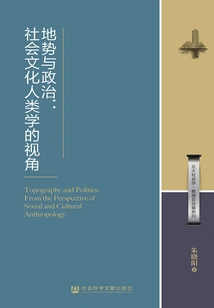
地势与政治:社会文化人类学的视角
Zhu Xiaoyang
This book contains some of the research papers written by Zhu Xiaoyang, a professor in the Department of Sociology at Peking University, since he began his academic research. The theme of these papers focused on defining topography and "thorough explanation". The political topography theory proposed in this book, as well as the "anthropological ontological turn" behind the theory, have become important research contents in the international anthropology community and even the entire social science field. However, there is currently not enough discussion on this in domestic academic circles. The publication of this book is expected to promote domestic academic circles to pay attention to and study this emerging theory and its related empirical research.
This book contains some of the research papers written by Zhu Xiaoyang, a professor in the Department of Sociology at Peking University, since he began his academic research. The theme of these papers focused on defining topography and "thorough explanation". The political topography theory proposed in this book, as well as the "anthropological ontological turn" behind the theory, have become important research contents in the international anthropology community and even the entire social science field. However, there is currently not enough discussion on this in domestic academic circles. The publication of this book is expected to promote domestic academic circles to pay attention to and study this emerging theory and its related empirical research.
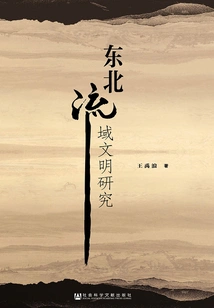
东北流域文明研究
Wang Yulang
This book is a special study on the civilization of the Northeast River Basin. It discusses the history and culture of the Heilongjiang River Basin and its components such as the Nenjiang River Basin, Mudanjiang River Basin, Ussuli River Basin, Liaohe River Basin, and the Xiaoling River Basin, Tumen River Basin and Yalu River Basin. It also introduces the geographical environment, ancient tribes, ancient cities, ancient countries and various cultural relics of each river basin. Through the introduction and discussion of various relics and relics, the author strives to present the evolution and development of the civilizations in the Northeast river basins, so that readers can have a deeper understanding of the various civilizations in the Northeast river basins.
This book is a special study on the civilization of the Northeast River Basin. It discusses the history and culture of the Heilongjiang River Basin and its components such as the Nenjiang River Basin, Mudanjiang River Basin, Ussuli River Basin, Liaohe River Basin, and the Xiaoling River Basin, Tumen River Basin and Yalu River Basin. It also introduces the geographical environment, ancient tribes, ancient cities, ancient countries and various cultural relics of each river basin. Through the introduction and discussion of various relics and relics, the author strives to present the evolution and development of the civilizations in the Northeast river basins, so that readers can have a deeper understanding of the various civilizations in the Northeast river basins.
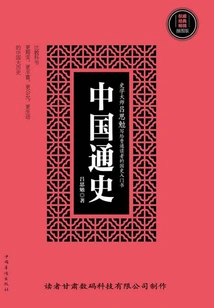
General History of China
History中国通史
Lu Simian
This book is divided into two parts. The first part is political history, which is connected in historical order. It not only sorts out the rise and fall of history, but also organizes historical knowledge more systematically. The second part focuses on cultural phenomena. Mr. Lu wrote this book during the Anti-Japanese War, and it was written to meet the needs of university teaching at that time. Now it seems that this special style is still very helpful for beginners to systematically grasp all aspects of history. The book has been continuously reprinted since its publication, which is enough to show people's recognition of Mr. Lu and his writing of general history in vernacular. There is no need to go into details about the advantages of such a classic work, but here we still need to emphasize the characteristics of this book: There are many excellent historical classics in the history of our country, but the writing and ink are grand and too profound, which blocks out the entry of junior readers who do not have deep knowledge of classical Chinese. However, Mr. Lu's book is concise and simple in writing, which is relatively simple.
This book is divided into two parts. The first part is political history, which is connected in historical order. It not only sorts out the rise and fall of history, but also organizes historical knowledge more systematically. The second part focuses on cultural phenomena. Mr. Lu wrote this book during the Anti-Japanese War, and it was written to meet the needs of university teaching at that time. Now it seems that this special style is still very helpful for beginners to systematically grasp all aspects of history. The book has been continuously reprinted since its publication, which is enough to show people's recognition of Mr. Lu and his writing of general history in vernacular. There is no need to go into details about the advantages of such a classic work, but here we still need to emphasize the characteristics of this book: There are many excellent historical classics in the history of our country, but the writing and ink are grand and too profound, which blocks out the entry of junior readers who do not have deep knowledge of classical Chinese. However, Mr. Lu's book is concise and simple in writing, which is relatively simple.
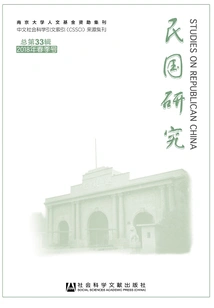
民国研究(2018年春季号\u002F总第33辑)
Editor-in-chief Zhu Qingbao
"Republic of China Studies" is an academic special issue sponsored by the Research Center for the History of the Republic of China at Nanjing University, a key research base in the humanities and social sciences of the Ministry of Education. It mainly publishes research articles on relevant historical facts and theories about the Republic of China period (1912-1949). It is now a CSSCI source publication. The "Politics of the Republic of China", "Research on Japan's Invasion of China", "Research on the History of Education", "Economy and Society", "Academic Review" and "Historical Data Window" in this volume (the 33rd volume) are more distinctive. The relevant papers can be used as reference for academic circles, and other articles are also of considerable academic value.
"Republic of China Studies" is an academic special issue sponsored by the Research Center for the History of the Republic of China at Nanjing University, a key research base in the humanities and social sciences of the Ministry of Education. It mainly publishes research articles on relevant historical facts and theories about the Republic of China period (1912-1949). It is now a CSSCI source publication. The "Politics of the Republic of China", "Research on Japan's Invasion of China", "Research on the History of Education", "Economy and Society", "Academic Review" and "Historical Data Window" in this volume (the 33rd volume) are more distinctive. The relevant papers can be used as reference for academic circles, and other articles are also of considerable academic value.
挥云而去:十张画里看中国
Han Jianming
This book cuts into ten hot topics from ten classic ancient Chinese paintings, integrating tradition and reality, the world and China, art and life, and providing insight into the real, palpable, majestic and majestic spiritual world of the Chinese people. The text is concise, fresh and interesting. It traces and connects various topics that are constantly spoken or written in today's daily life, and paints a vivid and visible picture of the world of ancient Chinese culture.
This book cuts into ten hot topics from ten classic ancient Chinese paintings, integrating tradition and reality, the world and China, art and life, and providing insight into the real, palpable, majestic and majestic spiritual world of the Chinese people. The text is concise, fresh and interesting. It traces and connects various topics that are constantly spoken or written in today's daily life, and paints a vivid and visible picture of the world of ancient Chinese culture.
春秋笔法论
Li Zhouliang
Spring and Autumn brushwork is one of the most important theoretical categories in ancient China. From classics to history, from history to literature, it has had a profound impact on Chinese culture. This article is the first research monograph on Spring and Autumn calligraphy in mainland China in recent years. On the basis of grasping the current situation of the study of Spring and Autumn calligraphy, the author starts from the weak links in the study of Spring and Autumn calligraphy, and successively discusses the origin and evolution of Spring and Autumn calligraphy, the connotation, denotation and essential characteristics of Spring and Autumn calligraphy, the relationship between Spring and Autumn calligraphy and the history of poetry, Spring and Autumn calligraphy and modern classics, the inheritance and development of Spring and Autumn calligraphy by Shi Qian's calligraphy, and the role of Spring and Autumn calligraphy in the narrative of ancient Chinese novels and the implicit character construction of Chinese culture. It puts forward many viewpoints that have not been put forward by predecessors, and appropriately draws on modern Western hermeneutics and other theories and methods for analysis and demonstration, so that the study of Spring and Autumn calligraphy can be further deepened and expanded.
Spring and Autumn brushwork is one of the most important theoretical categories in ancient China. From classics to history, from history to literature, it has had a profound impact on Chinese culture. This article is the first research monograph on Spring and Autumn calligraphy in mainland China in recent years. On the basis of grasping the current situation of the study of Spring and Autumn calligraphy, the author starts from the weak links in the study of Spring and Autumn calligraphy, and successively discusses the origin and evolution of Spring and Autumn calligraphy, the connotation, denotation and essential characteristics of Spring and Autumn calligraphy, the relationship between Spring and Autumn calligraphy and the history of poetry, Spring and Autumn calligraphy and modern classics, the inheritance and development of Spring and Autumn calligraphy by Shi Qian's calligraphy, and the role of Spring and Autumn calligraphy in the narrative of ancient Chinese novels and the implicit character construction of Chinese culture. It puts forward many viewpoints that have not been put forward by predecessors, and appropriately draws on modern Western hermeneutics and other theories and methods for analysis and demonstration, so that the study of Spring and Autumn calligraphy can be further deepened and expanded.
汉唐关中自然灾害的政府应对策略研究
Pan Mingjuan
During the Han and Tang Dynasties, the Guanzhong region, as the seat of the capital, was the area with the highest level of social development at that time. Natural disasters in the Guanzhong region during the Han and Tang dynasties had a crucial impact on national development, and the government's disaster response strategy was even more crucial to success or failure. This book takes the government's response strategies to natural disasters in the Guanzhong region of the Han and Tang Dynasties as the research object. It discusses the general situation of natural disasters in Guanzhong during the Han and Tang Dynasties, the government's response to natural disasters in the Han and Tang Dynasties, the interactive relationship between natural disasters and government response strategies, and the development of absurd policies in the Han and Tang Dynasties.
During the Han and Tang Dynasties, the Guanzhong region, as the seat of the capital, was the area with the highest level of social development at that time. Natural disasters in the Guanzhong region during the Han and Tang dynasties had a crucial impact on national development, and the government's disaster response strategy was even more crucial to success or failure. This book takes the government's response strategies to natural disasters in the Guanzhong region of the Han and Tang Dynasties as the research object. It discusses the general situation of natural disasters in Guanzhong during the Han and Tang Dynasties, the government's response to natural disasters in the Han and Tang Dynasties, the interactive relationship between natural disasters and government response strategies, and the development of absurd policies in the Han and Tang Dynasties.
盛唐士人求仕活动与文学:以关陇地区为中心
Huo Zhijun An Tao
This book focuses on the Guanlong area and makes an in-depth and detailed analysis of the relationship between the official activities of scholars in Guanlong and literature in the flourishing Tang Dynasty. The academic value of this book lies in: first, the book's overall study of the relationship between scholars' career-seeking activities and literature in the prosperous Tang Dynasty fills the gap in the study of Tang Dynasty literature in a certain sense. Secondly, this book deeply explores the relationship between the activities of seeking official positions and the construction of personality and aesthetic ideals of poets in the prosperous Tang Dynasty. Taking the activities of scholars seeking official positions as an entry point, we can observe some of the original state of the development of literature in the Tang Dynasty. Thirdly, this book combs the basic aspects of literary creation during the activities of scholars in the prosperous Tang Dynasty seeking official positions, summarizes their aesthetic ideals and cultural connotations, and explores the deep implications and internal basis of this literary phenomenon. It is of great value for studying the creation of poets in the prosperous Tang Dynasty, the formation of Tang poetry style, and its inheritance, development and changes in the history of Chinese literature.
This book focuses on the Guanlong area and makes an in-depth and detailed analysis of the relationship between the official activities of scholars in Guanlong and literature in the flourishing Tang Dynasty. The academic value of this book lies in: first, the book's overall study of the relationship between scholars' career-seeking activities and literature in the prosperous Tang Dynasty fills the gap in the study of Tang Dynasty literature in a certain sense. Secondly, this book deeply explores the relationship between the activities of seeking official positions and the construction of personality and aesthetic ideals of poets in the prosperous Tang Dynasty. Taking the activities of scholars seeking official positions as an entry point, we can observe some of the original state of the development of literature in the Tang Dynasty. Thirdly, this book combs the basic aspects of literary creation during the activities of scholars in the prosperous Tang Dynasty seeking official positions, summarizes their aesthetic ideals and cultural connotations, and explores the deep implications and internal basis of this literary phenomenon. It is of great value for studying the creation of poets in the prosperous Tang Dynasty, the formation of Tang poetry style, and its inheritance, development and changes in the history of Chinese literature.
明朝宫廷与佛教关系研究
Du Changshun
Based on an extensive collection of historical materials, this book examines in detail the relationship between the Ming Dynasty court, with the royal family as the main body, and Buddhism, as well as the historical process of the growth and decline of Buddhism's influence in the Ming Dynasty palace. It focuses on the various manifestations, causes and effects of the Ming Dynasty emperors' advocating, worshiping and indulging in Buddhism. It also conducts a more in-depth analysis of the Buddhist beliefs of the eunuchs in the palace and the relationship between the eunuchs, Buddhist temples and monks. The book also uses some newly excavated historical materials to sort out the relationship between the Ming Dynasty court and Tibetan Buddhism, especially the "Xitian Sect", which was rarely understood in the past.
Based on an extensive collection of historical materials, this book examines in detail the relationship between the Ming Dynasty court, with the royal family as the main body, and Buddhism, as well as the historical process of the growth and decline of Buddhism's influence in the Ming Dynasty palace. It focuses on the various manifestations, causes and effects of the Ming Dynasty emperors' advocating, worshiping and indulging in Buddhism. It also conducts a more in-depth analysis of the Buddhist beliefs of the eunuchs in the palace and the relationship between the eunuchs, Buddhist temples and monks. The book also uses some newly excavated historical materials to sort out the relationship between the Ming Dynasty court and Tibetan Buddhism, especially the "Xitian Sect", which was rarely understood in the past.
世家的天下:魏晋豪门与皇帝的争权之路(全册)
Pan Yanming
There was a force in Chinese history that made it difficult for the emperor to sleep or eat well. Their inheritance is longer than a dynasty; they control the change of dynasties and change the direction of history; they have occupied the pinnacle of power in China for thousands of years. They are called scholar-bureaucrats, and they are also called members of aristocratic families. The Sima family in Hanoi, the Wang family in Langye, the Yu family in Yingchuan, the Xie family in Chenjun, the Pei family in Hedong... Almost all the people who left their mark on history were from these wealthy families. The emperor and the scholar-bureaucrats sharing the world is not just an idea or a slogan, but a real political reality in Chinese history. Behind the game between the emperor and the aristocratic families are the pages of history soaked in intrigue and blood. This book describes the history of the rise, power and decline of the scholar-bureaucrat families who occupied the pinnacle of power during the three dynasties of Wei, Western Jin and Eastern Jin for two hundred years. The scholar-bureaucrats in the aristocratic family, some were talented, some were noble, and some were full of conspiracy. For the prosperity of the family, for freedom and ideals, and for power and throne, they created the magic of history and left for future generations such wonderful chapters as Sima's usurpation of the throne, the return of the Three Kingdoms to Jin, the Rebellion of the Eight Kings, the resurrection of the Eastern Jin Dynasty, and the dynasty of kings and horses. This book is narrated in a literary style, but all events are strictly taken from historical materials. Peel away the layers of history layer by layer to find out the hidden stories behind it, and dig out the inner world of the characters, as well as the intricate entanglements of interests and emotional ties within and between aristocratic families. This is also a book that describes how people create history and how time changes people's hearts. You can read strategies, political insider stories, historical truth, time, people's hearts, blood and tears, tolerance and struggle, and even philosophy and religion from this book.
There was a force in Chinese history that made it difficult for the emperor to sleep or eat well. Their inheritance is longer than a dynasty; they control the change of dynasties and change the direction of history; they have occupied the pinnacle of power in China for thousands of years. They are called scholar-bureaucrats, and they are also called members of aristocratic families. The Sima family in Hanoi, the Wang family in Langye, the Yu family in Yingchuan, the Xie family in Chenjun, the Pei family in Hedong... Almost all the people who left their mark on history were from these wealthy families. The emperor and the scholar-bureaucrats sharing the world is not just an idea or a slogan, but a real political reality in Chinese history. Behind the game between the emperor and the aristocratic families are the pages of history soaked in intrigue and blood. This book describes the history of the rise, power and decline of the scholar-bureaucrat families who occupied the pinnacle of power during the three dynasties of Wei, Western Jin and Eastern Jin for two hundred years. The scholar-bureaucrats in the aristocratic family, some were talented, some were noble, and some were full of conspiracy. For the prosperity of the family, for freedom and ideals, and for power and throne, they created the magic of history and left for future generations such wonderful chapters as Sima's usurpation of the throne, the return of the Three Kingdoms to Jin, the Rebellion of the Eight Kings, the resurrection of the Eastern Jin Dynasty, and the dynasty of kings and horses. This book is narrated in a literary style, but all events are strictly taken from historical materials. Peel away the layers of history layer by layer to find out the hidden stories behind it, and dig out the inner world of the characters, as well as the intricate entanglements of interests and emotional ties within and between aristocratic families. This is also a book that describes how people create history and how time changes people's hearts. You can read strategies, political insider stories, historical truth, time, people's hearts, blood and tears, tolerance and struggle, and even philosophy and religion from this book.
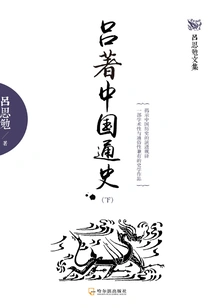
吕著中国通史(下)
Lu Simian
"Lü's General History of China (Part 2)" is prefaced by the times and briefly narrates the rise and fall of the Chinese nation over thousands of years, taking both sides into account.
"Lü's General History of China (Part 2)" is prefaced by the times and briefly narrates the rise and fall of the Chinese nation over thousands of years, taking both sides into account.
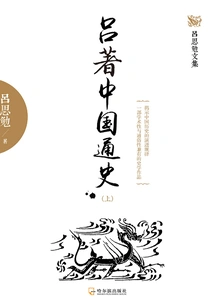
吕著中国通史(上)
Lu Simian
"Lü's General History of China (Part 1)" systematically describes the development of social and economic systems, political systems, and cultural and academic systems in categories. This style of general history of China is of certain use to beginners. It is of great benefit in helping readers initially grasp all aspects of Chinese history, especially systematic historical knowledge such as social economy, political system, and academic culture.
"Lü's General History of China (Part 1)" systematically describes the development of social and economic systems, political systems, and cultural and academic systems in categories. This style of general history of China is of certain use to beginners. It is of great benefit in helping readers initially grasp all aspects of Chinese history, especially systematic historical knowledge such as social economy, political system, and academic culture.
淞沪抗战史料丛书续编2:第六辑(谷臻小简·AI导读版)
Haiyan Heqin Wu Xiangxiang Salvation Publishing House
"The Sequel to the Songhu Anti-Japanese War Historical Materials Series, Part Two" makes full use of the National Library's collection resources to publish in the form of photocopies the historical materials about the Songhu Anti-Japanese War that have been seen or not seen before. The content covers the two Songhu Anti-Japanese War, and strives to reflect the full picture of the Songhu Anti-Japanese War in a more comprehensive, informative and vivid way. It is part of a major project of philosophy and social sciences in Shanghai.
"The Sequel to the Songhu Anti-Japanese War Historical Materials Series, Part Two" makes full use of the National Library's collection resources to publish in the form of photocopies the historical materials about the Songhu Anti-Japanese War that have been seen or not seen before. The content covers the two Songhu Anti-Japanese War, and strives to reflect the full picture of the Songhu Anti-Japanese War in a more comprehensive, informative and vivid way. It is part of a major project of philosophy and social sciences in Shanghai.