Library
Browse and search books
2,982 novels found
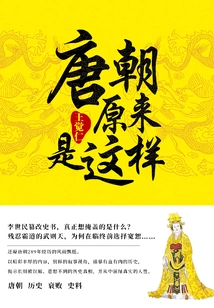
唐朝原来是这样
Wang Jueren
When people talk about the Tang Dynasty, they are always associated with one word: "prosperous age". Indeed, this dynasty's literary talent, illustrious martial arts, and the presence of thousands of nations coming to court impressed the entire world. The martial, open-minded, and enlightened ethos of the Tang Dynasty people has attracted the admiration of future generations of Chinese people. But this is not all of history. Behind the prosperity lies darkness and bloodshed, and after the prosperity there is war and devastation. This book restores the 289 years of ups and downs experienced by the Tang Dynasty, excavates the historical facts and characters we are familiar with, and attempts to clarify the secrets of the rise and fall of the Tang Dynasty from the clues of historical evolution and the fate of the characters, and grasp the fundamental dynastic temperament of the Tang Dynasty. The series "The Bloody Tang Dynasty" by the author Wang Jueren is very popular, and this book is the essence of the author's years of research on Tang history. The author is good at revealing the gloomy background of historical reality from superficial historical materials, such as what Li Shimin really wanted to conceal when he tampered with history books, and why the cruel and domineering Wu Zetian chose to forgive before she died... It brings everyone an addictive reading experience.
When people talk about the Tang Dynasty, they are always associated with one word: "prosperous age". Indeed, this dynasty's literary talent, illustrious martial arts, and the presence of thousands of nations coming to court impressed the entire world. The martial, open-minded, and enlightened ethos of the Tang Dynasty people has attracted the admiration of future generations of Chinese people. But this is not all of history. Behind the prosperity lies darkness and bloodshed, and after the prosperity there is war and devastation. This book restores the 289 years of ups and downs experienced by the Tang Dynasty, excavates the historical facts and characters we are familiar with, and attempts to clarify the secrets of the rise and fall of the Tang Dynasty from the clues of historical evolution and the fate of the characters, and grasp the fundamental dynastic temperament of the Tang Dynasty. The series "The Bloody Tang Dynasty" by the author Wang Jueren is very popular, and this book is the essence of the author's years of research on Tang history. The author is good at revealing the gloomy background of historical reality from superficial historical materials, such as what Li Shimin really wanted to conceal when he tampered with history books, and why the cruel and domineering Wu Zetian chose to forgive before she died... It brings everyone an addictive reading experience.
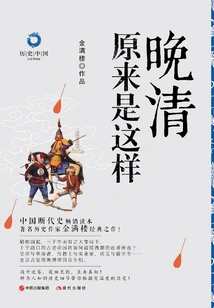
晚清原来是这样
Jinmanlou
"Historical China" (Platinum Upgraded Edition), a best-selling book on the chronological history of China, an encyclopedia-style popular history book, written by Wang Jueren, Zuiba Junshan, Jin Manlou, Jiang Lang, Zhang Cheng... Classic masterpieces by many famous writers in today's history writing world! Wonderful and rich content, a different narrative perspective, unexpected truths, and true human nature. Everything that happens today has happened before in history! From the ban on opium in Humen to the abdication of the Qing emperor, from young children studying in the United States to revolutionary scholars, from cutting braids and banning smoking to mining and road construction, this book is based on rich real historical materials and cites from multiple perspectives to restore many little-known details of late Qing history. It panoramically presents the appearances of all living beings in all strata of society in the late Qing empire as well as the magnificent world historical picture. With the smoke rising and the great changes unseen in three thousand years, how will the rigid late Qing court face the powerful ships and artillery of the great powers? How do the sleeping citizens welcome the successive impacts of the Western Wave? Where will the ancient empire at the crossroads go, and how will it break out of its cocoon and be reborn? It clears away the fog, gets to the truth directly, sees the subtle details, and makes a profound analysis of the people and events of a hundred years ago, tracing the true mysteries of modern history from the smallest details, and makes in-depth discussions and insightful reflections on the reasons for the fall of the late Qing Dynasty.
"Historical China" (Platinum Upgraded Edition), a best-selling book on the chronological history of China, an encyclopedia-style popular history book, written by Wang Jueren, Zuiba Junshan, Jin Manlou, Jiang Lang, Zhang Cheng... Classic masterpieces by many famous writers in today's history writing world! Wonderful and rich content, a different narrative perspective, unexpected truths, and true human nature. Everything that happens today has happened before in history! From the ban on opium in Humen to the abdication of the Qing emperor, from young children studying in the United States to revolutionary scholars, from cutting braids and banning smoking to mining and road construction, this book is based on rich real historical materials and cites from multiple perspectives to restore many little-known details of late Qing history. It panoramically presents the appearances of all living beings in all strata of society in the late Qing empire as well as the magnificent world historical picture. With the smoke rising and the great changes unseen in three thousand years, how will the rigid late Qing court face the powerful ships and artillery of the great powers? How do the sleeping citizens welcome the successive impacts of the Western Wave? Where will the ancient empire at the crossroads go, and how will it break out of its cocoon and be reborn? It clears away the fog, gets to the truth directly, sees the subtle details, and makes a profound analysis of the people and events of a hundred years ago, tracing the true mysteries of modern history from the smallest details, and makes in-depth discussions and insightful reflections on the reasons for the fall of the late Qing Dynasty.
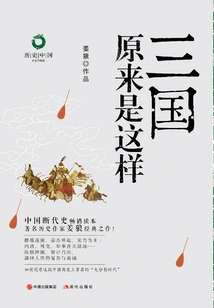
三国原来是这样
Ginger Wolf
"Historical China" (Platinum Upgraded Edition), a best-selling book on the chronological history of China, an encyclopedia-style popular history book, written by Wang Jueren, Zuiba Junshan, Jin Manlou, Jiang Lang, Zhang Cheng... Classic masterpieces by many famous writers in today's history writing world! Wonderful and rich content, a different narrative perspective, unexpected truths, and true human nature. Everything that happens today has happened before in history! The Three Kingdoms era was a time of great changes and great talents emerged in large numbers. This era actually began with the Yellow Turban Uprising at the end of the Eastern Han Dynasty. After that, various warlords divided states and counties and supported their own troops. Cao Cao threatened the emperor to disobey his ministers, Sun Quan separatized Jiangdong, Liu Bei took control of Yizhou, and after the Battle of Chibi, a three-legged situation was formed. In this era, talents in all aspects can be described as a "blowout". In the troubled times, not only people like Cao Cao, Liu Bei, and Sun Quan emerged, Politicians and military strategists such as Quan, Zhou Yu, and Zhuge Liang, and outstanding talents such as Zhao Yun, Zhang Liao, Le Jin, Jiang Wei, and Deng Ai emerged; in science and technology, there were Ma Jun, Liu Wei, Hua Tuo, and Zhang Zhongjing; in literature and art, there were the "Three Cao" and the "Seven Sons of Jian'an" and so on.
"Historical China" (Platinum Upgraded Edition), a best-selling book on the chronological history of China, an encyclopedia-style popular history book, written by Wang Jueren, Zuiba Junshan, Jin Manlou, Jiang Lang, Zhang Cheng... Classic masterpieces by many famous writers in today's history writing world! Wonderful and rich content, a different narrative perspective, unexpected truths, and true human nature. Everything that happens today has happened before in history! The Three Kingdoms era was a time of great changes and great talents emerged in large numbers. This era actually began with the Yellow Turban Uprising at the end of the Eastern Han Dynasty. After that, various warlords divided states and counties and supported their own troops. Cao Cao threatened the emperor to disobey his ministers, Sun Quan separatized Jiangdong, Liu Bei took control of Yizhou, and after the Battle of Chibi, a three-legged situation was formed. In this era, talents in all aspects can be described as a "blowout". In the troubled times, not only people like Cao Cao, Liu Bei, and Sun Quan emerged, Politicians and military strategists such as Quan, Zhou Yu, and Zhuge Liang, and outstanding talents such as Zhao Yun, Zhang Liao, Le Jin, Jiang Wei, and Deng Ai emerged; in science and technology, there were Ma Jun, Liu Wei, Hua Tuo, and Zhang Zhongjing; in literature and art, there were the "Three Cao" and the "Seven Sons of Jian'an" and so on.
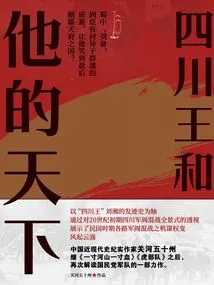
四川王和他的天下
Guanhe Fifty States
This book is a masterpiece by Guan Hewuzhou, a famous documentary writer of modern Chinese history, who once again interprets the Kuomintang army after "An Inch of Rivers and Mountains, An Inch of Blood" and "Tiger Troops". As the saying goes, "There is no army without Sichuan." During the Anti-Japanese War, the Sichuan Army ranked first in the country in terms of the number of participants and the tragic sacrifices, accounting for one-fifth of the total number of anti-Japanese troops in the country! This book reveals the past and present life of the Kuomintang's Military and Sichuan Military Department. It takes the rise and rise of the "King of Sichuan" Liu Xiang as the axis. Through a panoramic perspective on the warlords' melee in Sichuan in the early 20th century, it shows the contingency and ups and downs of the warlords' melee in the Republic of China. The hero Xiong Kewu, the fierce hero Yin Changheng, the traitor Hu Jingyi, Lu Bu Yang Sen in Sichuan, and Liu Wenhui, the Sichuan version of Cao Cao... All the heroes have joined forces to conquer endlessly. Although Liu Xiang, known as "Liu Mangzi", came from a humble background, he was full of energy and determined to conquer the world. What qualities did this "Liu Bei" of Shu have that was different from other heroes, so that he had the last laugh and dominated the Kingdom of Heaven? When the dust cleared, Liu Xiang "held the world to command the princes" and used Chiang Kai-shek's sword to command the heroes and became a veritable king of Sichuan. However, this battle for the world was far from over. The power struggle between him and Chiang Kai-shek had just begun. On the other hand, the Japanese army was eyeing China...
This book is a masterpiece by Guan Hewuzhou, a famous documentary writer of modern Chinese history, who once again interprets the Kuomintang army after "An Inch of Rivers and Mountains, An Inch of Blood" and "Tiger Troops". As the saying goes, "There is no army without Sichuan." During the Anti-Japanese War, the Sichuan Army ranked first in the country in terms of the number of participants and the tragic sacrifices, accounting for one-fifth of the total number of anti-Japanese troops in the country! This book reveals the past and present life of the Kuomintang's Military and Sichuan Military Department. It takes the rise and rise of the "King of Sichuan" Liu Xiang as the axis. Through a panoramic perspective on the warlords' melee in Sichuan in the early 20th century, it shows the contingency and ups and downs of the warlords' melee in the Republic of China. The hero Xiong Kewu, the fierce hero Yin Changheng, the traitor Hu Jingyi, Lu Bu Yang Sen in Sichuan, and Liu Wenhui, the Sichuan version of Cao Cao... All the heroes have joined forces to conquer endlessly. Although Liu Xiang, known as "Liu Mangzi", came from a humble background, he was full of energy and determined to conquer the world. What qualities did this "Liu Bei" of Shu have that was different from other heroes, so that he had the last laugh and dominated the Kingdom of Heaven? When the dust cleared, Liu Xiang "held the world to command the princes" and used Chiang Kai-shek's sword to command the heroes and became a veritable king of Sichuan. However, this battle for the world was far from over. The power struggle between him and Chiang Kai-shek had just begun. On the other hand, the Japanese army was eyeing China...
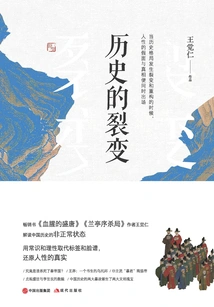
Fission of History
History历史的裂变
Wang Jueren
How did the Qin Empire collapse so quickly? As an idealist with extreme self-discipline, how did Wang Mang disrupt the world? The typical tyranny of Emperor Sui Yang in ancient history gave rise to the cultural treasures of the Chinese nation; why did the "Manna Revolution" and the death struggle between the emperor and the eunuchs break out in the late Tang Dynasty... It tells the story of 13 coups in Chinese history from a fresh perspective, tells the change of power in abnormal conditions, restores the reality of human nature, and interprets the paradoxes of history.
How did the Qin Empire collapse so quickly? As an idealist with extreme self-discipline, how did Wang Mang disrupt the world? The typical tyranny of Emperor Sui Yang in ancient history gave rise to the cultural treasures of the Chinese nation; why did the "Manna Revolution" and the death struggle between the emperor and the eunuchs break out in the late Tang Dynasty... It tells the story of 13 coups in Chinese history from a fresh perspective, tells the change of power in abnormal conditions, restores the reality of human nature, and interprets the paradoxes of history.
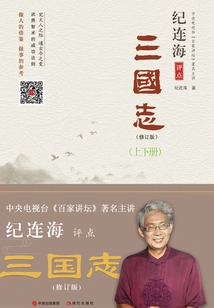
纪连海评点三国志(上下册)
Ji Lianhai
The Three Kingdoms was a fascinating era of turbulent times, vast seas, and numerous heroes. Countless heroes showed their talents there and dominated the situation. It can be said that the country is picturesque and there are so many heroes at one time. "Three Kingdoms" is a historical masterpiece written by the famous Chinese historian Chen Shou. It records the history of the three kingdoms of Wei, Shu and Wu from the first year of Emperor Wen of Wei (220) to the first year of Emperor Wu of Jin (280). It is called the "First Four Histories" together with "Historical Records", "Hanshu" and "Later Hanshu". From Cao Cao, Liu Bei, Sun Quan, to Zhuge Liang, Guan Yu, Zhou Yu, from the chronicles of the emperors to the biographies of the ministers, there is the legend of the young prodigal Cao Cao who became a hero in troubled times, the fateful journey of the genius Cao Zhi, the loyalty of the dedicated man, and the success of the treacherous changer... There are 48 chapters in total, which not only tell the characters of nearly 100 figures in the Three Kingdoms, but also the rules of success, the art of being a person and the way of doing things.
The Three Kingdoms was a fascinating era of turbulent times, vast seas, and numerous heroes. Countless heroes showed their talents there and dominated the situation. It can be said that the country is picturesque and there are so many heroes at one time. "Three Kingdoms" is a historical masterpiece written by the famous Chinese historian Chen Shou. It records the history of the three kingdoms of Wei, Shu and Wu from the first year of Emperor Wen of Wei (220) to the first year of Emperor Wu of Jin (280). It is called the "First Four Histories" together with "Historical Records", "Hanshu" and "Later Hanshu". From Cao Cao, Liu Bei, Sun Quan, to Zhuge Liang, Guan Yu, Zhou Yu, from the chronicles of the emperors to the biographies of the ministers, there is the legend of the young prodigal Cao Cao who became a hero in troubled times, the fateful journey of the genius Cao Zhi, the loyalty of the dedicated man, and the success of the treacherous changer... There are 48 chapters in total, which not only tell the characters of nearly 100 figures in the Three Kingdoms, but also the rules of success, the art of being a person and the way of doing things.
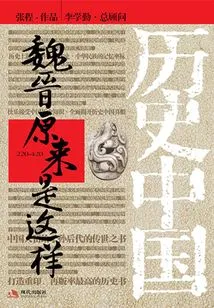
魏晋原来是这样
Zhang Cheng
"Historical China" is the most comprehensive chronological history of China in history. Each volume examines this period of history from 50 angles. It uses 50 special articles to explain historical knowledge in depth and restore the true face of history. It also integrates the results of current history, archaeology, anthropology, and sociology research. It tells the history from ancient times to before the founding of the People's Republic of China in the form of narratives and discussions. A detailed chronology of the time period is appended at the end of each volume. It is an encyclopedia-style popular history reading with a huge amount of information. "Historical China" is a masterpiece of Chinese history and "an encyclopedia of Chinese history that all Chinese can understand."
"Historical China" is the most comprehensive chronological history of China in history. Each volume examines this period of history from 50 angles. It uses 50 special articles to explain historical knowledge in depth and restore the true face of history. It also integrates the results of current history, archaeology, anthropology, and sociology research. It tells the history from ancient times to before the founding of the People's Republic of China in the form of narratives and discussions. A detailed chronology of the time period is appended at the end of each volume. It is an encyclopedia-style popular history reading with a huge amount of information. "Historical China" is a masterpiece of Chinese history and "an encyclopedia of Chinese history that all Chinese can understand."
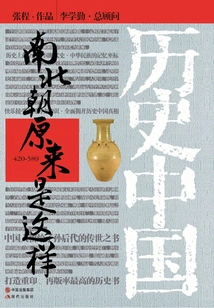
南北朝原来是这样
Zhang Cheng
The rise of heroes, social turmoil, the emergence of talented people, constant weirdos, national fusion, and cultural collision... The Southern and Northern Dynasties were a chaotic era of great destruction, but also a prosperous era of great integration; it was an iron-blooded era that had been divided for two hundred years, and it was also a glorious time when heroes appeared in large numbers. This book reproduces the history of China from the confrontation between the north and the south, the division between the east and the west, and finally the unification of China in the 5th and 6th centuries. The book contains the rise, decline and demise of the grassland nation Tuoba Xianbei, the metamorphosis of the emperors of the Southern Dynasties who were defeated by power for generations, the hard struggle and frustration of Gao Huan, a soldier at the border, the tenderness of the misty rain in the south of the Yangtze River and the death of his soul in the gentle countryside, and the struggle, confusion and transformation of a nation. This is a tragic song during a critical period of the formation of the Chinese nation, and it is worth revisiting and remembering by every Chinese.
The rise of heroes, social turmoil, the emergence of talented people, constant weirdos, national fusion, and cultural collision... The Southern and Northern Dynasties were a chaotic era of great destruction, but also a prosperous era of great integration; it was an iron-blooded era that had been divided for two hundred years, and it was also a glorious time when heroes appeared in large numbers. This book reproduces the history of China from the confrontation between the north and the south, the division between the east and the west, and finally the unification of China in the 5th and 6th centuries. The book contains the rise, decline and demise of the grassland nation Tuoba Xianbei, the metamorphosis of the emperors of the Southern Dynasties who were defeated by power for generations, the hard struggle and frustration of Gao Huan, a soldier at the border, the tenderness of the misty rain in the south of the Yangtze River and the death of his soul in the gentle countryside, and the struggle, confusion and transformation of a nation. This is a tragic song during a critical period of the formation of the Chinese nation, and it is worth revisiting and remembering by every Chinese.
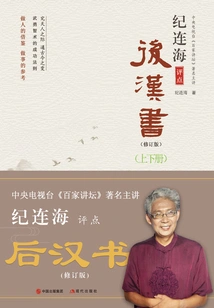
纪连海评点后汉书(上下册)
Ji Lianhai
"Book of the Later Han" was compiled by Fan Ye, a famous historian during the Liu and Song Dynasties in the Southern Dynasty. It is also known as the "First Four Histories" along with "Historical Records", "Han Shu" and "Three Kingdoms". The historical events recorded in it begin with Liu Xiu's rebellion and end with Emperor Xian of the Han Dynasty ascending to the Zen throne, covering the 195-year history of the rise and fall of the Eastern Han Dynasty. This book contains 10 volumes of this chronicle, commenting on more than 20 figures including Emperor Guangwu, Emperor Xiaoming, Emperor Xiaozhang, Empress Dou, Empress Yin, and Empress Liang. There are 53 volumes of biographies, commenting on more than 90 figures including Liu Xuan, Lu Fang, Wei Qi, Gongsun Shu, Dou Rong, Ma Yuan, Ban Chao, Ban Gu, Zhang Heng, Dong Zhuo, Hua Tuo, etc.
"Book of the Later Han" was compiled by Fan Ye, a famous historian during the Liu and Song Dynasties in the Southern Dynasty. It is also known as the "First Four Histories" along with "Historical Records", "Han Shu" and "Three Kingdoms". The historical events recorded in it begin with Liu Xiu's rebellion and end with Emperor Xian of the Han Dynasty ascending to the Zen throne, covering the 195-year history of the rise and fall of the Eastern Han Dynasty. This book contains 10 volumes of this chronicle, commenting on more than 20 figures including Emperor Guangwu, Emperor Xiaoming, Emperor Xiaozhang, Empress Dou, Empress Yin, and Empress Liang. There are 53 volumes of biographies, commenting on more than 90 figures including Liu Xuan, Lu Fang, Wei Qi, Gongsun Shu, Dou Rong, Ma Yuan, Ban Chao, Ban Gu, Zhang Heng, Dong Zhuo, Hua Tuo, etc.
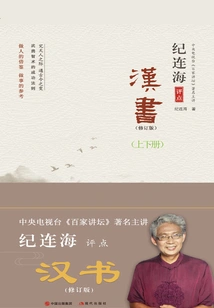
纪连海评点汉书(上下册)
Ji Lianhai
"Hanshu" was compiled by Ban Gu, a historian from the Eastern Han Dynasty in my country. It records the historical events of 230 years from the first year of Emperor Gaozu of the Han Dynasty (206 BC) in the Western Han Dynasty to the fourth year of Emperor Wangmang of the New Dynasty (23 AD). "Hanshu", "Three Kingdoms", "Historical Records" and "Houhanshu" are collectively called the "First Four Histories". This book selects 10 "Ji" chapters from the 120 volumes of "Hanshu" and comments on Liu Bang, Liu Ying, Lu Pheasant, Liu Gong, Liu Hong, Liu Heng, Liu Qi, Liu Che, Liu Fuling, Liu Xun, Liu Xi, and Liu Ao, a total of 1 2 characters; selected 41 "biographies" and commented on a total of 131 characters including Chen Sheng, Han Xin, Ji Bu, Xiao He, Zhang Liang, Jia Yi, Li Guang, Sima Xiangru, Sima Qian, Dongfang Shuo, Yang Xiong, Wang Mang, etc.
"Hanshu" was compiled by Ban Gu, a historian from the Eastern Han Dynasty in my country. It records the historical events of 230 years from the first year of Emperor Gaozu of the Han Dynasty (206 BC) in the Western Han Dynasty to the fourth year of Emperor Wangmang of the New Dynasty (23 AD). "Hanshu", "Three Kingdoms", "Historical Records" and "Houhanshu" are collectively called the "First Four Histories". This book selects 10 "Ji" chapters from the 120 volumes of "Hanshu" and comments on Liu Bang, Liu Ying, Lu Pheasant, Liu Gong, Liu Hong, Liu Heng, Liu Qi, Liu Che, Liu Fuling, Liu Xun, Liu Xi, and Liu Ao, a total of 1 2 characters; selected 41 "biographies" and commented on a total of 131 characters including Chen Sheng, Han Xin, Ji Bu, Xiao He, Zhang Liang, Jia Yi, Li Guang, Sima Xiangru, Sima Qian, Dongfang Shuo, Yang Xiong, Wang Mang, etc.
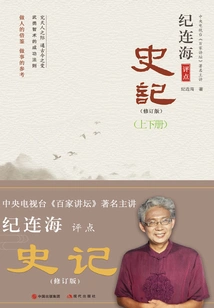
纪连海评点史记(上下册)
Ji Lianhai
"Historical Records" is a biographical general history of China. It took 18 years to write by Sima Qian during the reign of Emperor Wu of the Western Han Dynasty. It is also called the "First Four Histories" along with "Hanshu", "Later Hanshu" and "Three Kingdoms". This book contains 4 chapters of this book, commenting on the Five Emperors, Qin Shihuang, Han Gaozu, and Empress Dowager Lu. Chapter 7 of the Family, commenting on Qi Taigong, Chu Family, Yue Wang Goujian, Fan Li, Chen She, Xiao Xiangguo, and Liuhou Zhang Liang. Chapter 21 of biographies reviews more than 20 figures including Han Feizi, Waiqi, Wu Zixu, Lord Mengchang, Lord Pingyuan, Lian Po Lin Xiangru, Qu Yuan, Lu Buwei, and Huaiyin Hou Han Xin.
"Historical Records" is a biographical general history of China. It took 18 years to write by Sima Qian during the reign of Emperor Wu of the Western Han Dynasty. It is also called the "First Four Histories" along with "Hanshu", "Later Hanshu" and "Three Kingdoms". This book contains 4 chapters of this book, commenting on the Five Emperors, Qin Shihuang, Han Gaozu, and Empress Dowager Lu. Chapter 7 of the Family, commenting on Qi Taigong, Chu Family, Yue Wang Goujian, Fan Li, Chen She, Xiao Xiangguo, and Liuhou Zhang Liang. Chapter 21 of biographies reviews more than 20 figures including Han Feizi, Waiqi, Wu Zixu, Lord Mengchang, Lord Pingyuan, Lian Po Lin Xiangru, Qu Yuan, Lu Buwei, and Huaiyin Hou Han Xin.
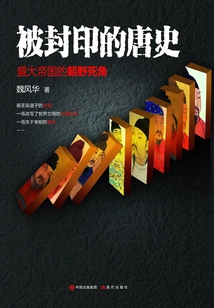
被封印的唐史:盛大帝国的朝野死角
Wei Fenghua
Wei Fenghua was good at writing history, especially the history of the Tang Dynasty. He quoted from many sources and wrote brilliantly. He could outline the magnificent empire in just a few strokes. Pursue the truth from the historical details and peel off the cocoons, paving a shortcut for readers to understand the history of the Tang Dynasty. From the Secret Records of Jinluan to the Tang Expeditionary Army, from the Niu-Li party struggle to the last noble clan, from Duan Chengshi's labyrinth to the golden peaches of Samarkand, Wei Fenghua used his unique perspective to explore the wonders and narrate the unknown anecdotes and strange things, presenting this secret and grand historical picture in a panoramic manner.
Wei Fenghua was good at writing history, especially the history of the Tang Dynasty. He quoted from many sources and wrote brilliantly. He could outline the magnificent empire in just a few strokes. Pursue the truth from the historical details and peel off the cocoons, paving a shortcut for readers to understand the history of the Tang Dynasty. From the Secret Records of Jinluan to the Tang Expeditionary Army, from the Niu-Li party struggle to the last noble clan, from Duan Chengshi's labyrinth to the golden peaches of Samarkand, Wei Fenghua used his unique perspective to explore the wonders and narrate the unknown anecdotes and strange things, presenting this secret and grand historical picture in a panoramic manner.
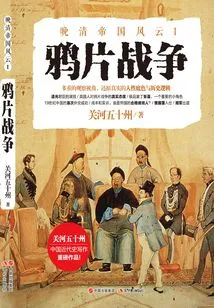
鸦片战争(晚清帝国风云系列)
Guanhe Fifty States
The Empire of the Late Qing Dynasty series is a blockbuster work of modern historical writing in the fifty states of Guanhe. This series refers to rich historical materials at home and abroad, using multiple observation perspectives to deeply understand the positions of all parties at the historical scene at that time, as well as their true human background and cognitive logic. It attempts to reorganize the development of modern history, reproduce a real and perceptible past, and interpret the diverse possibilities of history. During the late Qing Dynasty, Emperor Daoguang, who had a long history of being conservative, encountered a challenge that traditional Chinese emperors had never faced - the Opium War. It cracked the solid shell of traditional Chinese society. This crisis made the entire Qing Empire unable to cope with the crisis. Just when the Opium War came to an end, bad news came again - something happened in Guangxi... This book uses the "Lin-Qing Incident" in the Jiaqing Dynasty as an introduction, starting from the accession of Emperor Daoguang to the throne, through the interpretation of the many shortcomings of the declining Qing Empire, and the stories of various characters. The multi-perspective display of personality collisions and conflicts reveals the secrets behind the historical scene of the Opium War, interpreting the reasons for the outbreak of the Opium War and China's failure from multiple aspects, as well as many historical details of the collision, temptation, conflict and game with the external British Empire.
The Empire of the Late Qing Dynasty series is a blockbuster work of modern historical writing in the fifty states of Guanhe. This series refers to rich historical materials at home and abroad, using multiple observation perspectives to deeply understand the positions of all parties at the historical scene at that time, as well as their true human background and cognitive logic. It attempts to reorganize the development of modern history, reproduce a real and perceptible past, and interpret the diverse possibilities of history. During the late Qing Dynasty, Emperor Daoguang, who had a long history of being conservative, encountered a challenge that traditional Chinese emperors had never faced - the Opium War. It cracked the solid shell of traditional Chinese society. This crisis made the entire Qing Empire unable to cope with the crisis. Just when the Opium War came to an end, bad news came again - something happened in Guangxi... This book uses the "Lin-Qing Incident" in the Jiaqing Dynasty as an introduction, starting from the accession of Emperor Daoguang to the throne, through the interpretation of the many shortcomings of the declining Qing Empire, and the stories of various characters. The multi-perspective display of personality collisions and conflicts reveals the secrets behind the historical scene of the Opium War, interpreting the reasons for the outbreak of the Opium War and China's failure from multiple aspects, as well as many historical details of the collision, temptation, conflict and game with the external British Empire.
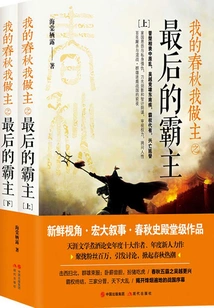
我的春秋我做主之最后的霸主(合集)
Begonia Qilu
The "My Spring and Autumn Period, I Make the Decision" series presents a panoramic view of the feudal kingdoms competing for hegemony in the "Spring and Autumn Era" from a brand-new perspective. In the first half of the Eastern Zhou Dynasty, the vassal states competed for hegemony. The states of Lu, Qi, Song, Jin, Chu, Zheng, Cao, Chen, Wei, Yan, Qin, Cai, Wu, Yue, etc. Entangled, collided, contained, and formed alliances with each other, jointly interpreting an era that was bloody and turbulent, but also full of the vitality of Chinese culture. Based on historical materials, the author takes the feudal princes' struggle for hegemony as the main line, with the "Five Hegemons" as the center, and uses popular and friendly words and rich writing styles to examine, narrate and evaluate the geographical pattern, cultural landscape and political evolution of the "Spring and Autumn Period" from multiple angles. This book is the fourth volume, "The Last Overlord", which mainly describes the process of Wu and Yue's struggle for hegemony against the background of the decline of the old hegemony of Jin and Chu. As the traditional ethics further collapsed, the dictatorship of the great officials seized power, and civil strife broke out among the princes of the Central Plains. The hegemony gradually disappeared, and the Wu and Yue countries in the southeast rose one after another. King Helu of Wu reused Sun Wu and his military officials to rectify the military and political affairs, build waterways to boost the military, and the country's strength advanced rapidly. In the Battle of Baiju, the Wu army directly attacked the capital of Ying, and its soldiers dug up graves and whipped corpses. In the Battle of Xiali, Helu fell into the hands of the Yue army because he underestimated the enemy. His son, King Fucha of Wu, was determined to take revenge. After defeating the Vietnamese army in the Battle of Fujiao, Helu counterattacked Kuaiji. He could have killed the Yue King Gou Jian, but instead allowed the tiger to cause trouble. After Gou Jian was lucky enough to escape, he worked hard on the firewood and relied heavily on Fan Li and Wenzhong. After ten years of gathering together and ten years of lessons, the Yue Kingdom became prosperous. Fu Chai was so pleased with his achievements that he went to Xian and Ren. After attacking Chu and invading Vietnam, he continued to repair rivers and canals. He sent his troops north, surrendered to Lu and attacked Qi. He competed with Huangchi of Jin for hegemony. While spreading the country's prestige to the four realms, it also caused serious internal diseases that were difficult to resolve. Gou Jian took advantage of the situation and took advantage of the opportunity of Fucha Kong's expedition to stay in Huangchi to raid the capital of Wu. In one fell swoop, he reversed Wu's weakening situation and finally put Wu to death through constant attacks. Taking advantage of the power of Wu, Gou Jian took control of Jiangdong, and found his own way to give full play to Yue's advantage in controlling the sea. He took advantage of the convenient coastal areas and abandoned the inland areas of Jianghuai. He used kindness and power to win the final honor of overlord in the Spring and Autumn Period. However, the Qing clan of Jin State was in power and attacked and killed each other. After the three clans of Zhao, Wei and Han were wiped out, their intentions were still unfinished. Eventually, the three clans were divided into Jin and the world was in disorder. Chinese history entered the Warring States Period.
The "My Spring and Autumn Period, I Make the Decision" series presents a panoramic view of the feudal kingdoms competing for hegemony in the "Spring and Autumn Era" from a brand-new perspective. In the first half of the Eastern Zhou Dynasty, the vassal states competed for hegemony. The states of Lu, Qi, Song, Jin, Chu, Zheng, Cao, Chen, Wei, Yan, Qin, Cai, Wu, Yue, etc. Entangled, collided, contained, and formed alliances with each other, jointly interpreting an era that was bloody and turbulent, but also full of the vitality of Chinese culture. Based on historical materials, the author takes the feudal princes' struggle for hegemony as the main line, with the "Five Hegemons" as the center, and uses popular and friendly words and rich writing styles to examine, narrate and evaluate the geographical pattern, cultural landscape and political evolution of the "Spring and Autumn Period" from multiple angles. This book is the fourth volume, "The Last Overlord", which mainly describes the process of Wu and Yue's struggle for hegemony against the background of the decline of the old hegemony of Jin and Chu. As the traditional ethics further collapsed, the dictatorship of the great officials seized power, and civil strife broke out among the princes of the Central Plains. The hegemony gradually disappeared, and the Wu and Yue countries in the southeast rose one after another. King Helu of Wu reused Sun Wu and his military officials to rectify the military and political affairs, build waterways to boost the military, and the country's strength advanced rapidly. In the Battle of Baiju, the Wu army directly attacked the capital of Ying, and its soldiers dug up graves and whipped corpses. In the Battle of Xiali, Helu fell into the hands of the Yue army because he underestimated the enemy. His son, King Fucha of Wu, was determined to take revenge. After defeating the Vietnamese army in the Battle of Fujiao, Helu counterattacked Kuaiji. He could have killed the Yue King Gou Jian, but instead allowed the tiger to cause trouble. After Gou Jian was lucky enough to escape, he worked hard on the firewood and relied heavily on Fan Li and Wenzhong. After ten years of gathering together and ten years of lessons, the Yue Kingdom became prosperous. Fu Chai was so pleased with his achievements that he went to Xian and Ren. After attacking Chu and invading Vietnam, he continued to repair rivers and canals. He sent his troops north, surrendered to Lu and attacked Qi. He competed with Huangchi of Jin for hegemony. While spreading the country's prestige to the four realms, it also caused serious internal diseases that were difficult to resolve. Gou Jian took advantage of the situation and took advantage of the opportunity of Fucha Kong's expedition to stay in Huangchi to raid the capital of Wu. In one fell swoop, he reversed Wu's weakening situation and finally put Wu to death through constant attacks. Taking advantage of the power of Wu, Gou Jian took control of Jiangdong, and found his own way to give full play to Yue's advantage in controlling the sea. He took advantage of the convenient coastal areas and abandoned the inland areas of Jianghuai. He used kindness and power to win the final honor of overlord in the Spring and Autumn Period. However, the Qing clan of Jin State was in power and attacked and killed each other. After the three clans of Zhao, Wei and Han were wiped out, their intentions were still unfinished. Eventually, the three clans were divided into Jin and the world was in disorder. Chinese history entered the Warring States Period.
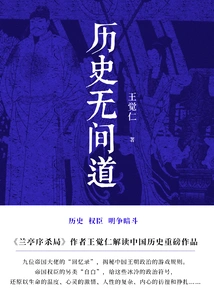
History Infernal Affairs
History历史无间道
Wang Jueren
Lu Buwei, Huo Guang, Er Zhurong, Yan Song... These are a few people who once changed the color of the world and history. Their existence eclipsed the original supreme imperial power. Over the years, the historical truth about them has been obscured by various labels and masks that are either black or white, good or evil. This book truly and delicately reproduces the life course of these nine powerful officials who are deeply imprinted with the political characteristics of the Chinese dynasty, and vividly interprets their struggle, rise, human struggle and disillusionment. Through the interpretation of an alternative perspective, we can observe his complicated inner world, and deeply explore the unspoken rules of ancient Chinese politics, as well as the cultural genes and human code hidden behind them, to restore the paradoxical and fickle true face of history.
Lu Buwei, Huo Guang, Er Zhurong, Yan Song... These are a few people who once changed the color of the world and history. Their existence eclipsed the original supreme imperial power. Over the years, the historical truth about them has been obscured by various labels and masks that are either black or white, good or evil. This book truly and delicately reproduces the life course of these nine powerful officials who are deeply imprinted with the political characteristics of the Chinese dynasty, and vividly interprets their struggle, rise, human struggle and disillusionment. Through the interpretation of an alternative perspective, we can observe his complicated inner world, and deeply explore the unspoken rules of ancient Chinese politics, as well as the cultural genes and human code hidden behind them, to restore the paradoxical and fickle true face of history.
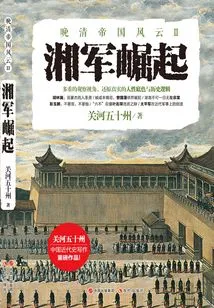
湘军崛起(晚清帝国风云系列)
Guanhe Fifty States
The Empire of the Late Qing Dynasty series is a blockbuster work of modern historical writing in the fifty states of Guanhe. This series refers to rich historical materials at home and abroad, using multiple observation perspectives to deeply understand the positions of all parties at the historical scene at that time, as well as their true human background and cognitive logic. It attempts to reorganize the development of modern history, reproduce a real and perceptible past, and interpret the diverse possibilities of history. In the troubled times of the late Qing Dynasty, when China's destiny was in the sunset and the Qing government was almost unsustainable, the Hunan Army Group emerged from nowhere and became almost the only force the Qing government could rely on. The late Qing court was able to survive as a result. The Hunan Army Group also included almost the top talents of the Qing Empire at that time - Hu Linyi, Zeng Guofan, Zuo Zongtang, Li Hongzhang... All of them were capable saviors who could take charge of the overall situation. Based on rich historical materials, this book tells the history of the rise of the Hunan Army from a new perspective. It uses vivid language to reveal the Hunan Army's heroic life of "increasing courage with every setback and repeated defeats." It also has a very vivid evaluation of the Hunan Army Group's unique organizational structure, the army's brave fighting style, unique training methods, recruitment system, as well as the personal character, talents and relationships of the leaders of the Hunan Army. "History has made the Hunan Army, and the Hunan Army has changed history." While the battle between the Hunan Army and the Taiping Army was raging, Britain and France, with the support of the United States and Russia, jointly launched a new war of aggression against China...
The Empire of the Late Qing Dynasty series is a blockbuster work of modern historical writing in the fifty states of Guanhe. This series refers to rich historical materials at home and abroad, using multiple observation perspectives to deeply understand the positions of all parties at the historical scene at that time, as well as their true human background and cognitive logic. It attempts to reorganize the development of modern history, reproduce a real and perceptible past, and interpret the diverse possibilities of history. In the troubled times of the late Qing Dynasty, when China's destiny was in the sunset and the Qing government was almost unsustainable, the Hunan Army Group emerged from nowhere and became almost the only force the Qing government could rely on. The late Qing court was able to survive as a result. The Hunan Army Group also included almost the top talents of the Qing Empire at that time - Hu Linyi, Zeng Guofan, Zuo Zongtang, Li Hongzhang... All of them were capable saviors who could take charge of the overall situation. Based on rich historical materials, this book tells the history of the rise of the Hunan Army from a new perspective. It uses vivid language to reveal the Hunan Army's heroic life of "increasing courage with every setback and repeated defeats." It also has a very vivid evaluation of the Hunan Army Group's unique organizational structure, the army's brave fighting style, unique training methods, recruitment system, as well as the personal character, talents and relationships of the leaders of the Hunan Army. "History has made the Hunan Army, and the Hunan Army has changed history." While the battle between the Hunan Army and the Taiping Army was raging, Britain and France, with the support of the United States and Russia, jointly launched a new war of aggression against China...
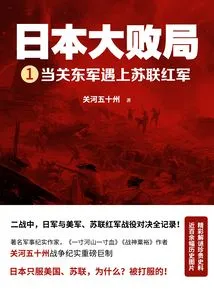
日本大败局1:当关东军遇上苏联红军
Guanhe Fifty States
The "Japanese Defeat" series restores the entire battle between the Japanese army and the Soviet army and the US military in World War II. It records the life-and-death struggles that profoundly affected the fate of World War II! Kwantung Army, a notorious name. During the "September 18th" adventurous military operation, this unit reaped all the benefits, and was thus regarded as the elite of the Japanese Army, the so-called "Flower of the Imperial Army." However, on the eve of World War II, the Kwantung Army exposed its serious flaws in the battle with the Soviet Red Army, and was even completely defeated by the Soviet Red Army in the late stages of World War II. The showdown between the Soviet Red Army and the Kwantung Army also profoundly affected the course of World War II. For the first time, this book provides a panoramic description of the previous battles between the Kwantung Army and the Soviet Red Army. It provides an in-depth interpretation and comparison of the battle command, quality of commanders and soldiers, intelligence use, weapon configuration and national-level strategic deployment of both sides. It is accompanied by nearly a hundred precious historical pictures, bringing people into the smoke-filled battlefield of World War II.
The "Japanese Defeat" series restores the entire battle between the Japanese army and the Soviet army and the US military in World War II. It records the life-and-death struggles that profoundly affected the fate of World War II! Kwantung Army, a notorious name. During the "September 18th" adventurous military operation, this unit reaped all the benefits, and was thus regarded as the elite of the Japanese Army, the so-called "Flower of the Imperial Army." However, on the eve of World War II, the Kwantung Army exposed its serious flaws in the battle with the Soviet Red Army, and was even completely defeated by the Soviet Red Army in the late stages of World War II. The showdown between the Soviet Red Army and the Kwantung Army also profoundly affected the course of World War II. For the first time, this book provides a panoramic description of the previous battles between the Kwantung Army and the Soviet Red Army. It provides an in-depth interpretation and comparison of the battle command, quality of commanders and soldiers, intelligence use, weapon configuration and national-level strategic deployment of both sides. It is accompanied by nearly a hundred precious historical pictures, bringing people into the smoke-filled battlefield of World War II.
盛世:康乾
Hou Yangfang
"The Golden Age: Kangxi and Qianlong" During the reign of Kangxi, he first put down the rebellion of the Three Feudatories and established the Qing Dynasty's rule over China. Later, Tsarist Russia sent troops to force a peace with war, and signed the Treaty of Nerchinsk, establishing the sovereignty of the Heilongjiang River Basin. At the same time, he sent troops many times to defeat Junggar. Then further troops were sent to Qinghai and Tibet to control the Dalai Lama and bring Qinghai and Tibet into their territory. "Although it is said to be a success, it is actually a creation", which truly created the unified Huayi empire of the Qing Dynasty.
"The Golden Age: Kangxi and Qianlong" During the reign of Kangxi, he first put down the rebellion of the Three Feudatories and established the Qing Dynasty's rule over China. Later, Tsarist Russia sent troops to force a peace with war, and signed the Treaty of Nerchinsk, establishing the sovereignty of the Heilongjiang River Basin. At the same time, he sent troops many times to defeat Junggar. Then further troops were sent to Qinghai and Tibet to control the Dalai Lama and bring Qinghai and Tibet into their territory. "Although it is said to be a success, it is actually a creation", which truly created the unified Huayi empire of the Qing Dynasty.
Heyday: Western Han Dynasty
History盛世:西汉
Hou Yangfang
"Prosperity: Western Han Dynasty" The Western Han Dynasty was a unified and powerful empire in our country. Through a series of political and economic reforms, the country became strong and the people were happy, presenting a scene of peace and prosperity. The whole book provides a comprehensive and in-depth analysis of the rise and fall of the Western Han Dynasty.
"Prosperity: Western Han Dynasty" The Western Han Dynasty was a unified and powerful empire in our country. Through a series of political and economic reforms, the country became strong and the people were happy, presenting a scene of peace and prosperity. The whole book provides a comprehensive and in-depth analysis of the rise and fall of the Western Han Dynasty.
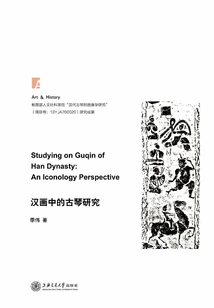
汉画中的古琴研究
Ji Wei
This book starts from the perspective of iconography, combines musicology, archaeology, philology, cultural studies and other disciplines, and uses the portraits unearthed in Han Dynasty tombs in modern times as important research materials. It takes the plucked instrument that frequently appears in Han portraits - the guqin as the research object. It is based on previous research and multi-disciplinary research to conduct a comprehensive and three-dimensional investigation of the guqin in the images of the Han Dynasty. By sorting out, classifying, analyzing and studying the various artistic expressions of the guqin in Han portraits, and corroborating each other with literature, we reveal the characteristics of the times and the rules of evolution of the guqin in the development of the musical society of the Han Dynasty. This book can be used as a study reference book for readers in the field of art history research and those interested in Chinese traditional culture.
This book starts from the perspective of iconography, combines musicology, archaeology, philology, cultural studies and other disciplines, and uses the portraits unearthed in Han Dynasty tombs in modern times as important research materials. It takes the plucked instrument that frequently appears in Han portraits - the guqin as the research object. It is based on previous research and multi-disciplinary research to conduct a comprehensive and three-dimensional investigation of the guqin in the images of the Han Dynasty. By sorting out, classifying, analyzing and studying the various artistic expressions of the guqin in Han portraits, and corroborating each other with literature, we reveal the characteristics of the times and the rules of evolution of the guqin in the development of the musical society of the Han Dynasty. This book can be used as a study reference book for readers in the field of art history research and those interested in Chinese traditional culture.
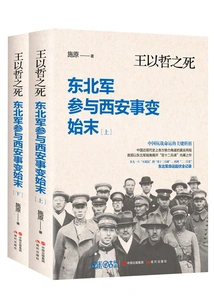
王以哲之死:东北军参与西安事变始末(全集)
Shi Yuan
In a documentary style, delicate writing style, and based on detailed historical materials, this book describes in detail the entire evolution and development of the Xi'an Incident that occurred on December 12, 1936, and the "Second Second Mutiny" that occurred on February 2, 1937. Wang Yizhe, commander of the 67th Army of the Northeast Army, was involved in the entire process of the two incidents and became an important target and victim of the bloody "Second Second" mutiny. The Xi'an Incident was the pivotal point in China's transition from a long-term civil war to a national war of resistance, and played an important role in the process of China's modern history. In the long process of fighting to get rid of the national crisis, the Chinese Communist Party, the Northeastern Army, the Northwest Army, the Kuomintang and other political and military forces allied, cooperated, clashed, and fought with each other, and heroes from all sides stepped onto the historical stage one after another. This book depicts important historical figures such as Mao Zedong, Zhou Enlai, Zhang Xueliang, Yang Hucheng, Chiang Kai-shek, and Song Meiling, as well as Wang Yizhe, Sun Mingjiu, Ying Detian, Miao Jianqiu, Bai Fengxiang, Liu Guiwu and other figures who played an important role in the Xi'an Incident. They have their own distinct personalities and have chosen different paths. Under the background of the Anti-Japanese War and in the turbulent political and military struggles, they have performed ups and downs of fate. This book is a unique interpretation and review of the Xi'an Incident and the entire history of the Anti-Japanese War.
In a documentary style, delicate writing style, and based on detailed historical materials, this book describes in detail the entire evolution and development of the Xi'an Incident that occurred on December 12, 1936, and the "Second Second Mutiny" that occurred on February 2, 1937. Wang Yizhe, commander of the 67th Army of the Northeast Army, was involved in the entire process of the two incidents and became an important target and victim of the bloody "Second Second" mutiny. The Xi'an Incident was the pivotal point in China's transition from a long-term civil war to a national war of resistance, and played an important role in the process of China's modern history. In the long process of fighting to get rid of the national crisis, the Chinese Communist Party, the Northeastern Army, the Northwest Army, the Kuomintang and other political and military forces allied, cooperated, clashed, and fought with each other, and heroes from all sides stepped onto the historical stage one after another. This book depicts important historical figures such as Mao Zedong, Zhou Enlai, Zhang Xueliang, Yang Hucheng, Chiang Kai-shek, and Song Meiling, as well as Wang Yizhe, Sun Mingjiu, Ying Detian, Miao Jianqiu, Bai Fengxiang, Liu Guiwu and other figures who played an important role in the Xi'an Incident. They have their own distinct personalities and have chosen different paths. Under the background of the Anti-Japanese War and in the turbulent political and military struggles, they have performed ups and downs of fate. This book is a unique interpretation and review of the Xi'an Incident and the entire history of the Anti-Japanese War.
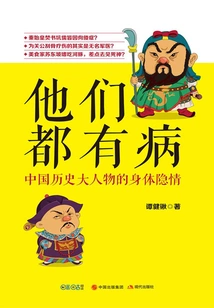
他们都有病:中国历史大人物的身体隐情
Tan Jiancui
When powerful emperors, heroes, celebrities and wealthy businessmen encountered illness, what unimaginable things happened? The well-read Dr. Tan Jianzhu once again used his rich history, literature and medical expertise to comb out a large number of historical materials and classics to comb out observations that are different from ordinary historical research. He also used rigorous Chinese and Western medicine to discuss various strange disease symptoms and bizarre medical scenes in history. This book covers discussions on the doctor-patient relationship, psychological analysis, and difficult and complicated diseases in history. From the principle of puffer fish poisoning, it talks about a generation of gluttonous Su Dongpo; "Four Heroes of the Early Tang Dynasty" Lu Zhaolin was chronically ill and world-weary, and compared ancient and modern hospice care institutions; from the excavation of the tomb of Emperor Yang of the Sui Dynasty, we saw the remains of only two teeth, and then by the hardness and softness of the teeth, we associate it with the short-lived dynasty that died in the second generation...
When powerful emperors, heroes, celebrities and wealthy businessmen encountered illness, what unimaginable things happened? The well-read Dr. Tan Jianzhu once again used his rich history, literature and medical expertise to comb out a large number of historical materials and classics to comb out observations that are different from ordinary historical research. He also used rigorous Chinese and Western medicine to discuss various strange disease symptoms and bizarre medical scenes in history. This book covers discussions on the doctor-patient relationship, psychological analysis, and difficult and complicated diseases in history. From the principle of puffer fish poisoning, it talks about a generation of gluttonous Su Dongpo; "Four Heroes of the Early Tang Dynasty" Lu Zhaolin was chronically ill and world-weary, and compared ancient and modern hospice care institutions; from the excavation of the tomb of Emperor Yang of the Sui Dynasty, we saw the remains of only two teeth, and then by the hardness and softness of the teeth, we associate it with the short-lived dynasty that died in the second generation...
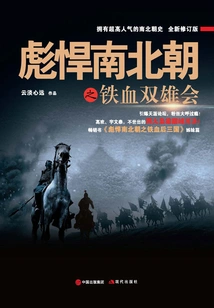
彪悍南北朝之铁血双雄会
The Clouds Are Calm And The Heart Is Far Away
The sixth century AD was the most exciting era, an era from great chaos to great governance, an era of rebirth from the ashes. It is a bridge that connects the Wei, Jin, Southern and Northern Dynasties that were divided and in chaos at one end, and the Sui and Tang Dynasties that were unified, prosperous, and prosperous at the other end. This is an era where heroes emerge in large numbers, where heroes compete for the throne and everything is turbulent. The military genius Er Zhurong rose in troubled times, defeated Nanliang and leveled Guanlong, and once dominated the government and the public; the white-robed general Chen Qingzhi led seven thousand warriors to march thousands of miles and directly captured the enemy's capital; in the east, there was Gao Huan, a talented man who started from humble beginnings and conquered the world, and finally became a hegemon; in the west, there was Yuwen Tai's farsightedness, who conquered Bashu in the south of Qing Dynasty and Han in the west, laying the foundation for the Northern Zhou Dynasty. As the two most outstanding heroes of this era, Gao Huan and Yu Wentai have played against each other four times, with two wins and two losses. It can be said that they have met their opponents and will encounter talents, and they can be called the two heroes of the world. The prosperous age of the Sui and Tang Dynasties was conceived at this time, the century-old division ended at this time, and the Chinese nation was reborn at this time.
The sixth century AD was the most exciting era, an era from great chaos to great governance, an era of rebirth from the ashes. It is a bridge that connects the Wei, Jin, Southern and Northern Dynasties that were divided and in chaos at one end, and the Sui and Tang Dynasties that were unified, prosperous, and prosperous at the other end. This is an era where heroes emerge in large numbers, where heroes compete for the throne and everything is turbulent. The military genius Er Zhurong rose in troubled times, defeated Nanliang and leveled Guanlong, and once dominated the government and the public; the white-robed general Chen Qingzhi led seven thousand warriors to march thousands of miles and directly captured the enemy's capital; in the east, there was Gao Huan, a talented man who started from humble beginnings and conquered the world, and finally became a hegemon; in the west, there was Yuwen Tai's farsightedness, who conquered Bashu in the south of Qing Dynasty and Han in the west, laying the foundation for the Northern Zhou Dynasty. As the two most outstanding heroes of this era, Gao Huan and Yu Wentai have played against each other four times, with two wins and two losses. It can be said that they have met their opponents and will encounter talents, and they can be called the two heroes of the world. The prosperous age of the Sui and Tang Dynasties was conceived at this time, the century-old division ended at this time, and the Chinese nation was reborn at this time.
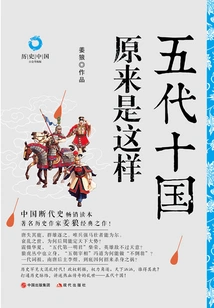
五代十国原来是这样(白金升级版)
Ginger Wolf
The Tang Dynasty lost its deer, and the heroes chased it away. The prosperous Tang Dynasty has been reduced to a pile of ruins and ashes in the fire of history, and the romance of Nizhang Yuyi has long since become a pain that cannot be looked back on. The world is in turmoil, who can get the deer? Only those with strong soldiers and horses can do it for you. The Five Dynasties and Ten Kingdoms are often considered to be the aftermath of the Tang Dynasty, boring and far inferior to the Three Kingdoms with the same historical trajectory. Every historical era is tragic and has its own unique charm. Love and hate, swords and fire, and the cry of despair are all shared by the Five Dynasties and Ten Kingdoms. This book strives to analyze and refute the messy historical materials such as "Old Book of Tang", "New Book of Tang", "Old History of Five Dynasties", "New History of Five Dynasties", "History of Song", "History of Liao" and "Zi Zhi Tong Jian" involving the Five Dynasties and Ten Kingdoms, etc., To find and unearth the historical truth closest to the times. There are three outstanding romantic figures in the Five Dynasties and Ten Kingdoms: Chai Rong among the emperors, Feng Dao among the ministers, and Li Yu among the poets. Chai Rong is the most critical figure in ending the wars since the end of the Tang Dynasty. As long as the sky is right, he will become an emperor like Emperor Taizong of the Tang Dynasty. In troubled times, Feng Dao held the dynasty's support and entered the prime minister's position, and the world respected him. His way of life is of great benefit to people's survival today. Li Yu's life tragedy, and the words filled with blood and tears, touch every soft heart. Chai Rong, Feng Dao, and Li Yu wrote the most gorgeous chapter of the Five Dynasties and Ten Kingdoms, but there were more than thousands of romantic figures in the Five Dynasties and Ten Kingdoms. The iron-blooded Zhu Wen, the romantic Li Cunxu, the benevolent Guo Wei, the cunning Wang Jian, the crazy Liu Yan, the ambitious and talented Li Jing, and countless famous ministers and generals, they used their own tragedies and comedies in life to jointly create the beautiful historical drama of the Five Dynasties and Ten Kingdoms. The Five Dynasties and Ten Kingdoms are wonderful, exciting, and passionate, from which people of later generations can taste the true nature of human nature.
The Tang Dynasty lost its deer, and the heroes chased it away. The prosperous Tang Dynasty has been reduced to a pile of ruins and ashes in the fire of history, and the romance of Nizhang Yuyi has long since become a pain that cannot be looked back on. The world is in turmoil, who can get the deer? Only those with strong soldiers and horses can do it for you. The Five Dynasties and Ten Kingdoms are often considered to be the aftermath of the Tang Dynasty, boring and far inferior to the Three Kingdoms with the same historical trajectory. Every historical era is tragic and has its own unique charm. Love and hate, swords and fire, and the cry of despair are all shared by the Five Dynasties and Ten Kingdoms. This book strives to analyze and refute the messy historical materials such as "Old Book of Tang", "New Book of Tang", "Old History of Five Dynasties", "New History of Five Dynasties", "History of Song", "History of Liao" and "Zi Zhi Tong Jian" involving the Five Dynasties and Ten Kingdoms, etc., To find and unearth the historical truth closest to the times. There are three outstanding romantic figures in the Five Dynasties and Ten Kingdoms: Chai Rong among the emperors, Feng Dao among the ministers, and Li Yu among the poets. Chai Rong is the most critical figure in ending the wars since the end of the Tang Dynasty. As long as the sky is right, he will become an emperor like Emperor Taizong of the Tang Dynasty. In troubled times, Feng Dao held the dynasty's support and entered the prime minister's position, and the world respected him. His way of life is of great benefit to people's survival today. Li Yu's life tragedy, and the words filled with blood and tears, touch every soft heart. Chai Rong, Feng Dao, and Li Yu wrote the most gorgeous chapter of the Five Dynasties and Ten Kingdoms, but there were more than thousands of romantic figures in the Five Dynasties and Ten Kingdoms. The iron-blooded Zhu Wen, the romantic Li Cunxu, the benevolent Guo Wei, the cunning Wang Jian, the crazy Liu Yan, the ambitious and talented Li Jing, and countless famous ministers and generals, they used their own tragedies and comedies in life to jointly create the beautiful historical drama of the Five Dynasties and Ten Kingdoms. The Five Dynasties and Ten Kingdoms are wonderful, exciting, and passionate, from which people of later generations can taste the true nature of human nature.
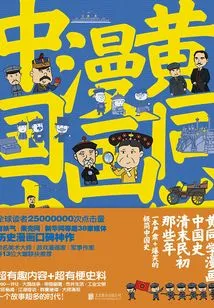
黄同学漫画中国史:清末民初那些年
That Classmate Huang
This is the first work in China that tells the story of the late Qing Dynasty and the early Republic of China - the colorful beginning of China's modern history - in the form of comics. With a relaxed and humorous painting style, according to the timeline of historical occurrences, and through vivid and interesting stories, the grand history of the late Qing Dynasty and the early Republic of China is slowly unfolded in the eyes of readers like a picture scroll. It allows readers to easily remember the history of the late Qing Dynasty and the early Republic of China, understand the causes of the war, and know some special stories that happened in the process.
This is the first work in China that tells the story of the late Qing Dynasty and the early Republic of China - the colorful beginning of China's modern history - in the form of comics. With a relaxed and humorous painting style, according to the timeline of historical occurrences, and through vivid and interesting stories, the grand history of the late Qing Dynasty and the early Republic of China is slowly unfolded in the eyes of readers like a picture scroll. It allows readers to easily remember the history of the late Qing Dynasty and the early Republic of China, understand the causes of the war, and know some special stories that happened in the process.
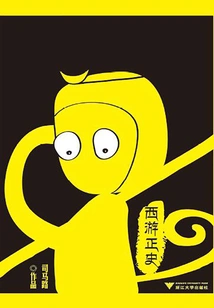
西游正史
Sima Road
"Journey to the West" is the most well-known legendary story in China, and the characters in it are also the most well-known story characters in hundreds of years. But since it is a story and a legend, people always do not take it as true and think that the entire "Journey to the West" is just a fictional novel. The author of this book consulted a large amount of historical materials and analyzed "Journey to the West" layer by layer like a cook dissecting a cow. Starting from every detail, he corroborated it with official historical data to construct a true Journey to the West story. This book tells readers whether it existed in real history, and which of the familiar plots and powerful characters are true and which are false. This book not only shows the unprecedented style of "Journey to the West", but also presents an incredible and real journey to the West.
"Journey to the West" is the most well-known legendary story in China, and the characters in it are also the most well-known story characters in hundreds of years. But since it is a story and a legend, people always do not take it as true and think that the entire "Journey to the West" is just a fictional novel. The author of this book consulted a large amount of historical materials and analyzed "Journey to the West" layer by layer like a cook dissecting a cow. Starting from every detail, he corroborated it with official historical data to construct a true Journey to the West story. This book tells readers whether it existed in real history, and which of the familiar plots and powerful characters are true and which are false. This book not only shows the unprecedented style of "Journey to the West", but also presents an incredible and real journey to the West.
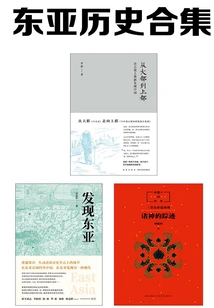
东亚历史合集
Song Nianshen Shen Fuyu Luo Xin
The East Asian History Collection includes: "Discovering East Asia" Understanding history helps to understand the present: History is never about what happened in the past, but about today's interpretation of the past. Japanese historian and Sinologist Hamashita Takeshi, Peking University professors Li Bozhong, Lu Yang, Luo Xin, researcher Sun Ge of the Chinese Academy of Social Sciences, and Yang Nianqun, a professor of the Institute of Qing History of the Renmin University of China, and other well-known scholars at home and abroad unanimously praised and recommended it. "From Dadu to Xanadu" is a historical prose from multiple perspectives, vividly restoring the true appearance of the chariot route between the two capitals in the Yuan Dynasty eight hundred years ago. Works on the Phoenix Good Books List, Sina Good Books List, Tencent Chinese Good Books List, and Guangming Book List! "The History of the Chinese People: Traces of the Gods" is the first book in the "History of the Chinese People" series. The world was created, Nuwa mended the sky, Yu controlled the floods, Hou Yi shot the sun... For five thousand years, where is the source of Chinese culture? Sorting out the origins of Chinese culture established a complete coordinate of the Chinese soul.
The East Asian History Collection includes: "Discovering East Asia" Understanding history helps to understand the present: History is never about what happened in the past, but about today's interpretation of the past. Japanese historian and Sinologist Hamashita Takeshi, Peking University professors Li Bozhong, Lu Yang, Luo Xin, researcher Sun Ge of the Chinese Academy of Social Sciences, and Yang Nianqun, a professor of the Institute of Qing History of the Renmin University of China, and other well-known scholars at home and abroad unanimously praised and recommended it. "From Dadu to Xanadu" is a historical prose from multiple perspectives, vividly restoring the true appearance of the chariot route between the two capitals in the Yuan Dynasty eight hundred years ago. Works on the Phoenix Good Books List, Sina Good Books List, Tencent Chinese Good Books List, and Guangming Book List! "The History of the Chinese People: Traces of the Gods" is the first book in the "History of the Chinese People" series. The world was created, Nuwa mended the sky, Yu controlled the floods, Hou Yi shot the sun... For five thousand years, where is the source of Chinese culture? Sorting out the origins of Chinese culture established a complete coordinate of the Chinese soul.
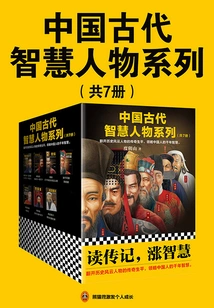
中国古代智慧人物系列(共7册)
Duyin Mountain
Qin Shihuang, Cao Cao, Genghis Khan, Liu Bowen, Wang Yangming, Zhang Juzheng, and Zeng Guofan learn from the lives of seven legendary figures to learn the wisdom of the Chinese people in life. Read biographies and gain wisdom! Uncover the legendary lives of historical figures and appreciate the thousand-year wisdom of the Chinese people. This set of books is a biography of ancient Chinese legendary figures written by the millionaire best-selling author Du Yinshan. These figures are either invincible military strategists on the battlefield, politicians who dominate the world, or thinkers who are famous throughout the ages. Without exception, they are all great figures who changed Chinese history and influenced an era. From them, we can learn the timeless wisdom of the ancients. We can learn the creativity that breaks the rules from the process of Qin Shihuang unifying the world and creating a thousand-year monarchy; we can learn the optimistic spirit from Cao Cao's experience of encouraging his men with a smile even if he was defeated miserably; we can learn strong willpower from Genghis Khan's determination to fight to the death in the face of despair; we can learn from Liu Bowen's setting for the Ming Dynasty's century-old foundation We can learn the strategic vision from Wang Yangming's blueprint; we can learn the wisdom of integrating knowledge and action from Wang Yangming's life of suffering and achievement; we can learn the great wisdom of not taking shortcuts and defeating skill with clumsiness from Zeng Guofan's "strengthening the stronghold and fighting the war"; we can learn the great courage of the leader from Zhang Juzheng's reform and reform despite the scorn of thousands of people.
Qin Shihuang, Cao Cao, Genghis Khan, Liu Bowen, Wang Yangming, Zhang Juzheng, and Zeng Guofan learn from the lives of seven legendary figures to learn the wisdom of the Chinese people in life. Read biographies and gain wisdom! Uncover the legendary lives of historical figures and appreciate the thousand-year wisdom of the Chinese people. This set of books is a biography of ancient Chinese legendary figures written by the millionaire best-selling author Du Yinshan. These figures are either invincible military strategists on the battlefield, politicians who dominate the world, or thinkers who are famous throughout the ages. Without exception, they are all great figures who changed Chinese history and influenced an era. From them, we can learn the timeless wisdom of the ancients. We can learn the creativity that breaks the rules from the process of Qin Shihuang unifying the world and creating a thousand-year monarchy; we can learn the optimistic spirit from Cao Cao's experience of encouraging his men with a smile even if he was defeated miserably; we can learn strong willpower from Genghis Khan's determination to fight to the death in the face of despair; we can learn from Liu Bowen's setting for the Ming Dynasty's century-old foundation We can learn the strategic vision from Wang Yangming's blueprint; we can learn the wisdom of integrating knowledge and action from Wang Yangming's life of suffering and achievement; we can learn the great wisdom of not taking shortcuts and defeating skill with clumsiness from Zeng Guofan's "strengthening the stronghold and fighting the war"; we can learn the great courage of the leader from Zhang Juzheng's reform and reform despite the scorn of thousands of people.
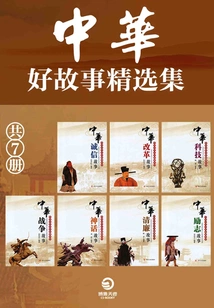
中华好故事精选集(共7册)
Zhang Yunfeng
This set of books has a total of 7 volumes, namely "Chinese Integrity Stories", "Chinese Reform Stories", "Chinese Science and Technology Stories", "Chinese Inspiring Stories", "Chinese Integrity Stories", "Chinese Myth Stories" and "Chinese War Stories".
This set of books has a total of 7 volumes, namely "Chinese Integrity Stories", "Chinese Reform Stories", "Chinese Science and Technology Stories", "Chinese Inspiring Stories", "Chinese Integrity Stories", "Chinese Myth Stories" and "Chinese War Stories".
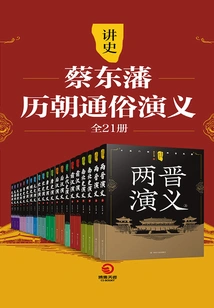
讲史:蔡东藩历朝通俗演义(全21册)
Cai Dongfan
This set of 21 volumes covers popular romances in 11 historical stages: the Early Han Dynasty, the Later Han Dynasty, the Two Jin Dynasties, Northern and Southern History, the Five Dynasties, Tang, Song, Yuan, Ming, Qing, and the Republic of China. Starting from the first emperor of Qin to the Republic of China, totaling 2166 years, the emperor has written more than six million words. The system is complete, the content is rich, and the priorities are clear. According to the official history, all words have their own origins, and miscellaneous histories are not false accusations. The language is elegant and clean, self-note and self-evaluation, and both rational and interesting. Because he is known as "a historian of a generation, a magic pen for thousands of years", Xun is a model of popular history and a must-read for beginners of history.
This set of 21 volumes covers popular romances in 11 historical stages: the Early Han Dynasty, the Later Han Dynasty, the Two Jin Dynasties, Northern and Southern History, the Five Dynasties, Tang, Song, Yuan, Ming, Qing, and the Republic of China. Starting from the first emperor of Qin to the Republic of China, totaling 2166 years, the emperor has written more than six million words. The system is complete, the content is rich, and the priorities are clear. According to the official history, all words have their own origins, and miscellaneous histories are not false accusations. The language is elegant and clean, self-note and self-evaluation, and both rational and interesting. Because he is known as "a historian of a generation, a magic pen for thousands of years", Xun is a model of popular history and a must-read for beginners of history.
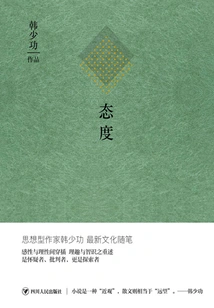
Manner
History态度
Han Shaogong
This book is a collection of essays by the writer Han Shaogong. It contains a total of fifteen ideological and cultural essays and speeches written by Han Shaogong in recent years. Two cultural essays about the Czech Republic and Latin America respectively; nine ideological essays focusing on class, artificial intelligence, morality, democracy, human relationships, the multi-faceted nature of the self, nature, religion, and sexuality; four speeches discussing topics such as rural China and literature; and another essay sharing a dozen letters with old friends. These articles may be about knowledge, speculative discussion, or analysis of the state of the world, and are full of quotations. They are profoundly rational yet interesting, which shows the author's rich knowledge and rigorous and profound thoughts. It can be said to be a "nutritious" collection of essays.
This book is a collection of essays by the writer Han Shaogong. It contains a total of fifteen ideological and cultural essays and speeches written by Han Shaogong in recent years. Two cultural essays about the Czech Republic and Latin America respectively; nine ideological essays focusing on class, artificial intelligence, morality, democracy, human relationships, the multi-faceted nature of the self, nature, religion, and sexuality; four speeches discussing topics such as rural China and literature; and another essay sharing a dozen letters with old friends. These articles may be about knowledge, speculative discussion, or analysis of the state of the world, and are full of quotations. They are profoundly rational yet interesting, which shows the author's rich knowledge and rigorous and profound thoughts. It can be said to be a "nutritious" collection of essays.
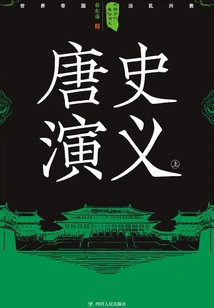
中国历代通俗演义:唐史演义(上)
Cai Dongfan
This set of 21 volumes covers popular romances in 11 historical stages: the Early Han Dynasty, the Later Han Dynasty, the Two Jin Dynasties, Northern and Southern History, the Five Dynasties, Tang, Song, Yuan, Ming, Qing, and the Republic of China. Starting from the first emperor of Qin to the Republic of China, totaling 2166 years, the emperor has written more than six million words. The system is complete, the content is rich, and the priorities are clear. According to the official history, all words have their own origins, and miscellaneous histories are not false accusations. The language is elegant and clean, self-note and self-evaluation, and both rational and interesting. Because he is known as "a historian of a generation, a magic pen for thousands of years", Xun is a model of popular history and a must-read for beginners of history. This book narrates the historical facts of the 290 years of the Tang Dynasty, from prosperity to decline, and experienced the disasters of women, eunuchs, and feudal lords. It has plain views, rich content, methodical exposition, elegant language, self-evaluation and self-annotation, and is both rational and interesting. It is regarded as a classic of popular history. The book is careful in selecting materials, mainly focusing on authentic history and side by side with unofficial history, allowing people to get started with the history of the nation.
This set of 21 volumes covers popular romances in 11 historical stages: the Early Han Dynasty, the Later Han Dynasty, the Two Jin Dynasties, Northern and Southern History, the Five Dynasties, Tang, Song, Yuan, Ming, Qing, and the Republic of China. Starting from the first emperor of Qin to the Republic of China, totaling 2166 years, the emperor has written more than six million words. The system is complete, the content is rich, and the priorities are clear. According to the official history, all words have their own origins, and miscellaneous histories are not false accusations. The language is elegant and clean, self-note and self-evaluation, and both rational and interesting. Because he is known as "a historian of a generation, a magic pen for thousands of years", Xun is a model of popular history and a must-read for beginners of history. This book narrates the historical facts of the 290 years of the Tang Dynasty, from prosperity to decline, and experienced the disasters of women, eunuchs, and feudal lords. It has plain views, rich content, methodical exposition, elegant language, self-evaluation and self-annotation, and is both rational and interesting. It is regarded as a classic of popular history. The book is careful in selecting materials, mainly focusing on authentic history and side by side with unofficial history, allowing people to get started with the history of the nation.
中国历代通俗演义:前汉演义(上)
Cai Dongfan
This set of 21 volumes covers popular romances in 11 historical stages: the Early Han Dynasty, the Later Han Dynasty, the Two Jin Dynasties, Northern and Southern History, the Five Dynasties, Tang, Song, Yuan, Ming, Qing, and the Republic of China. Starting from the first emperor of Qin to the Republic of China, totaling 2166 years, the emperor has written more than six million words. The system is complete, the content is rich, and the priorities are clear. According to the official history, all words have their own origins, and miscellaneous histories are not false accusations. The language is elegant and clean, self-note and self-evaluation, and both rational and interesting. Because he is known as "a historian of a generation, a magic pen for thousands of years", Xun is a model of popular history and a must-read for beginners of history. This book is the Western Han Dynasty part.
This set of 21 volumes covers popular romances in 11 historical stages: the Early Han Dynasty, the Later Han Dynasty, the Two Jin Dynasties, Northern and Southern History, the Five Dynasties, Tang, Song, Yuan, Ming, Qing, and the Republic of China. Starting from the first emperor of Qin to the Republic of China, totaling 2166 years, the emperor has written more than six million words. The system is complete, the content is rich, and the priorities are clear. According to the official history, all words have their own origins, and miscellaneous histories are not false accusations. The language is elegant and clean, self-note and self-evaluation, and both rational and interesting. Because he is known as "a historian of a generation, a magic pen for thousands of years", Xun is a model of popular history and a must-read for beginners of history. This book is the Western Han Dynasty part.
中国历代通俗演义:两晋演义(下)
Cai Dongfan
This set of 21 volumes covers popular romances in 11 historical stages: the Early Han Dynasty, the Later Han Dynasty, the Two Jin Dynasties, Northern and Southern History, the Five Dynasties, Tang, Song, Yuan, Ming, Qing, and the Republic of China. Starting from the first emperor of Qin to the Republic of China, totaling 2166 years, the emperor has written more than six million words. The system is complete, the content is rich, and the priorities are clear. According to the official history, all words have their own origins, and miscellaneous histories are not false accusations. The language is elegant and clean, self-note and self-evaluation, and both rational and interesting. Because he is known as "a historian of a generation, a magic pen for thousands of years", Xun is a model of popular history and a must-read for beginners of history. This book is the Jin Dynasty part.
This set of 21 volumes covers popular romances in 11 historical stages: the Early Han Dynasty, the Later Han Dynasty, the Two Jin Dynasties, Northern and Southern History, the Five Dynasties, Tang, Song, Yuan, Ming, Qing, and the Republic of China. Starting from the first emperor of Qin to the Republic of China, totaling 2166 years, the emperor has written more than six million words. The system is complete, the content is rich, and the priorities are clear. According to the official history, all words have their own origins, and miscellaneous histories are not false accusations. The language is elegant and clean, self-note and self-evaluation, and both rational and interesting. Because he is known as "a historian of a generation, a magic pen for thousands of years", Xun is a model of popular history and a must-read for beginners of history. This book is the Jin Dynasty part.
中国历代通俗演义:宋史演义(下)
Cai Dongfan
This set of 21 volumes covers popular romances in 11 historical stages: the Early Han Dynasty, the Later Han Dynasty, the Two Jin Dynasties, Northern and Southern History, the Five Dynasties, Tang, Song, Yuan, Ming, Qing, and the Republic of China. Starting from the first emperor of Qin to the Republic of China, totaling 2166 years, the emperor has written more than six million words. The system is complete, the content is rich, and the priorities are clear. According to the official history, all words have their own origins, and miscellaneous histories are not false accusations. The language is elegant and clean, self-note and self-evaluation, and both rational and interesting. Because he is known as "a historian of a generation, a magic pen for thousands of years", Xun is a model of popular history and a must-read for beginners of history. This book is the part of the pilgrimage.
This set of 21 volumes covers popular romances in 11 historical stages: the Early Han Dynasty, the Later Han Dynasty, the Two Jin Dynasties, Northern and Southern History, the Five Dynasties, Tang, Song, Yuan, Ming, Qing, and the Republic of China. Starting from the first emperor of Qin to the Republic of China, totaling 2166 years, the emperor has written more than six million words. The system is complete, the content is rich, and the priorities are clear. According to the official history, all words have their own origins, and miscellaneous histories are not false accusations. The language is elegant and clean, self-note and self-evaluation, and both rational and interesting. Because he is known as "a historian of a generation, a magic pen for thousands of years", Xun is a model of popular history and a must-read for beginners of history. This book is the part of the pilgrimage.
中国历代通俗演义:唐史演义(下)
Cai Dongfan
This set of 21 volumes covers popular romances in 11 historical stages: the Early Han Dynasty, the Later Han Dynasty, the Two Jin Dynasties, Northern and Southern History, the Five Dynasties, Tang, Song, Yuan, Ming, Qing, and the Republic of China. Starting from the first emperor of Qin to the Republic of China, totaling 2166 years, the emperor has written more than six million words. The system is complete, the content is rich, and the priorities are clear. According to the official history, all words have their own origins, and miscellaneous histories are not false accusations. The language is elegant and clean, self-note and self-evaluation, and both rational and interesting. Because he is known as "a historian of a generation, a magic pen for thousands of years", Xun is a model of popular history and a must-read for beginners of history. This book narrates the historical facts of the 290 years of the Tang Dynasty, from prosperity to decline, and experienced the disasters of women, eunuchs, and feudal lords. It has plain views, rich content, methodical exposition, elegant language, self-evaluation and self-annotation, and is both rational and interesting. It is regarded as a classic of popular history. The book is careful in selecting materials, mainly focusing on authentic history and side by side with unofficial history, allowing people to get started with the history of the nation.
This set of 21 volumes covers popular romances in 11 historical stages: the Early Han Dynasty, the Later Han Dynasty, the Two Jin Dynasties, Northern and Southern History, the Five Dynasties, Tang, Song, Yuan, Ming, Qing, and the Republic of China. Starting from the first emperor of Qin to the Republic of China, totaling 2166 years, the emperor has written more than six million words. The system is complete, the content is rich, and the priorities are clear. According to the official history, all words have their own origins, and miscellaneous histories are not false accusations. The language is elegant and clean, self-note and self-evaluation, and both rational and interesting. Because he is known as "a historian of a generation, a magic pen for thousands of years", Xun is a model of popular history and a must-read for beginners of history. This book narrates the historical facts of the 290 years of the Tang Dynasty, from prosperity to decline, and experienced the disasters of women, eunuchs, and feudal lords. It has plain views, rich content, methodical exposition, elegant language, self-evaluation and self-annotation, and is both rational and interesting. It is regarded as a classic of popular history. The book is careful in selecting materials, mainly focusing on authentic history and side by side with unofficial history, allowing people to get started with the history of the nation.
中国历代通俗演义:宋史演义(上)
Cai Dongfan
This set of 21 volumes covers popular romances in 11 historical stages: the Early Han Dynasty, the Later Han Dynasty, the Two Jin Dynasties, Northern and Southern History, the Five Dynasties, Tang, Song, Yuan, Ming, Qing, and the Republic of China. Starting from the first emperor of Qin to the Republic of China, totaling 2166 years, the emperor has written more than six million words. The system is complete, the content is rich, and the priorities are clear. According to the official history, all words have their own origins, and miscellaneous histories are not false accusations. The language is elegant and clean, self-note and self-evaluation, and both rational and interesting. Because he is known as "a historian of a generation, a magic pen for thousands of years", Xun is a model of popular history and a must-read for beginners of history. This book is the part of the pilgrimage.
This set of 21 volumes covers popular romances in 11 historical stages: the Early Han Dynasty, the Later Han Dynasty, the Two Jin Dynasties, Northern and Southern History, the Five Dynasties, Tang, Song, Yuan, Ming, Qing, and the Republic of China. Starting from the first emperor of Qin to the Republic of China, totaling 2166 years, the emperor has written more than six million words. The system is complete, the content is rich, and the priorities are clear. According to the official history, all words have their own origins, and miscellaneous histories are not false accusations. The language is elegant and clean, self-note and self-evaluation, and both rational and interesting. Because he is known as "a historian of a generation, a magic pen for thousands of years", Xun is a model of popular history and a must-read for beginners of history. This book is the part of the pilgrimage.
中国历代通俗演义:明史演义(下)
Cai Dongfan
This set of 21 volumes covers popular romances in 11 historical stages: the Early Han Dynasty, the Later Han Dynasty, the Two Jin Dynasties, Northern and Southern History, the Five Dynasties, Tang, Song, Yuan, Ming, Qing, and the Republic of China. Starting from the first emperor of Qin to the Republic of China, totaling 2166 years, the emperor has written more than six million words. The system is complete, the content is rich, and the priorities are clear. According to the official history, all words have their own origins, and miscellaneous histories are not false accusations. The language is elegant and clean, self-note and self-evaluation, and both rational and interesting. Because he is known as "a historian of a generation, a magic pen for thousands of years", Xun is a model of popular history and a must-read for beginners of history. This book is the Ming Dynasty part.
This set of 21 volumes covers popular romances in 11 historical stages: the Early Han Dynasty, the Later Han Dynasty, the Two Jin Dynasties, Northern and Southern History, the Five Dynasties, Tang, Song, Yuan, Ming, Qing, and the Republic of China. Starting from the first emperor of Qin to the Republic of China, totaling 2166 years, the emperor has written more than six million words. The system is complete, the content is rich, and the priorities are clear. According to the official history, all words have their own origins, and miscellaneous histories are not false accusations. The language is elegant and clean, self-note and self-evaluation, and both rational and interesting. Because he is known as "a historian of a generation, a magic pen for thousands of years", Xun is a model of popular history and a must-read for beginners of history. This book is the Ming Dynasty part.
中国历代通俗演义:明史演义(上)
Cai Dongfan
This set of 21 volumes covers popular romances in 11 historical stages: the Early Han Dynasty, the Later Han Dynasty, the Two Jin Dynasties, Northern and Southern History, the Five Dynasties, Tang, Song, Yuan, Ming, Qing, and the Republic of China. Starting from the first emperor of Qin to the Republic of China, totaling 2166 years, the emperor has written more than six million words. The system is complete, the content is rich, and the priorities are clear. According to the official history, all words have their own origins, and miscellaneous histories are not false accusations. The language is elegant and clean, self-note and self-evaluation, and both rational and interesting. Because he is known as "a historian of a generation, a magic pen for thousands of years", Xun is a model of popular history and a must-read for beginners of history. This book is the Ming Dynasty part.
This set of 21 volumes covers popular romances in 11 historical stages: the Early Han Dynasty, the Later Han Dynasty, the Two Jin Dynasties, Northern and Southern History, the Five Dynasties, Tang, Song, Yuan, Ming, Qing, and the Republic of China. Starting from the first emperor of Qin to the Republic of China, totaling 2166 years, the emperor has written more than six million words. The system is complete, the content is rich, and the priorities are clear. According to the official history, all words have their own origins, and miscellaneous histories are not false accusations. The language is elegant and clean, self-note and self-evaluation, and both rational and interesting. Because he is known as "a historian of a generation, a magic pen for thousands of years", Xun is a model of popular history and a must-read for beginners of history. This book is the Ming Dynasty part.
中国历代通俗演义:五代史演义
Cai Dongfan
This set of 21 volumes covers popular romances in 11 historical stages: the Early Han Dynasty, the Later Han Dynasty, the Two Jin Dynasties, Northern and Southern History, the Five Dynasties, Tang, Song, Yuan, Ming, Qing, and the Republic of China. Starting from the first emperor of Qin to the Republic of China, totaling 2166 years, the emperor has written more than six million words. The system is complete, the content is rich, and the priorities are clear. According to the official history, all words have their own origins, and miscellaneous histories are not false accusations. The language is elegant and clean, self-note and self-evaluation, and both rational and interesting. Because he is known as "a historian of a generation, a magic pen for thousands of years", Xun is a model of popular history and a must-read for beginners of history. This book is part of the Five Dynasties and Ten Kingdoms.
This set of 21 volumes covers popular romances in 11 historical stages: the Early Han Dynasty, the Later Han Dynasty, the Two Jin Dynasties, Northern and Southern History, the Five Dynasties, Tang, Song, Yuan, Ming, Qing, and the Republic of China. Starting from the first emperor of Qin to the Republic of China, totaling 2166 years, the emperor has written more than six million words. The system is complete, the content is rich, and the priorities are clear. According to the official history, all words have their own origins, and miscellaneous histories are not false accusations. The language is elegant and clean, self-note and self-evaluation, and both rational and interesting. Because he is known as "a historian of a generation, a magic pen for thousands of years", Xun is a model of popular history and a must-read for beginners of history. This book is part of the Five Dynasties and Ten Kingdoms.
Chinese Living Rules
History中国人的生存规矩
Wu Han
If a person wants to survive in society, he must abide by the society's rules of survival. In the past dynasties of China, the emperor had his own rules for living, officials had their own rules for officials, and the common people had their own rules for living. Everyone struggled and lived within the rules of the game set by the society at that time. In the feudal society, the emperor came from all over the world and was worshiped by thousands of people. In order to maintain the ancestral foundation, he also had to compete with everyone; the officials were superior to others and had infinite glory in appearance, but they also accompanied the emperor like a tiger and were on tenterhooks all day long; the people always thought that it was good to be ordinary and stick to their duties, but they did not want to be exploited at all levels. The famous historian Wu Han interprets the survival rules of ancient Chinese people from a historical perspective, summarizes their survival wisdom and experiences and lessons, and uses history to draw lessons from the present.
If a person wants to survive in society, he must abide by the society's rules of survival. In the past dynasties of China, the emperor had his own rules for living, officials had their own rules for officials, and the common people had their own rules for living. Everyone struggled and lived within the rules of the game set by the society at that time. In the feudal society, the emperor came from all over the world and was worshiped by thousands of people. In order to maintain the ancestral foundation, he also had to compete with everyone; the officials were superior to others and had infinite glory in appearance, but they also accompanied the emperor like a tiger and were on tenterhooks all day long; the people always thought that it was good to be ordinary and stick to their duties, but they did not want to be exploited at all levels. The famous historian Wu Han interprets the survival rules of ancient Chinese people from a historical perspective, summarizes their survival wisdom and experiences and lessons, and uses history to draw lessons from the present.
明代的锦衣卫和东西厂
Wu Han
With the emperor's acquiescence and connivance, these spy organizations such as Jin Yiwei and Dongxi Factory grew wildly in the Ming Dynasty. Coupled with the development of centralization at its peak during the Ming Dynasty, it became a period with the most numerous and powerful spy agencies in Chinese history. Under the old political system, compared with the ruled people, the emperor's status was not isolated, but was always on the edge of danger. Under the sacred throne of dignity, a volcano was always brewing to erupt. In order to maintain their rule, they had to use every means of suppression. Open criminal laws, military schools, and courts were not enough and inconvenient to use. They also needed special organizations, special prisons, and special detectives that created an atmosphere of terror to monitor every suspicious person. In the Ming Dynasty, the special organizations that performed these special tasks were the Jinyiwei and the Dongxi Factory. As the spokesperson of the "secret politics" of the Ming Dynasty, people have had a vague understanding of the history and functions of these three agencies for a long time. This book adopts a rigorous and fair attitude towards history and is based on real historical materials. It introduces the development and evolution of these three major spy agencies in detail, digs into the truth hidden under the surface of the terrifying politics of Jinyiwei and Dongxi Factory in the Ming Dynasty, and profoundly reveals the various contradictions and drawbacks of the Ming Dynasty and the reasons for its rise and fall.
With the emperor's acquiescence and connivance, these spy organizations such as Jin Yiwei and Dongxi Factory grew wildly in the Ming Dynasty. Coupled with the development of centralization at its peak during the Ming Dynasty, it became a period with the most numerous and powerful spy agencies in Chinese history. Under the old political system, compared with the ruled people, the emperor's status was not isolated, but was always on the edge of danger. Under the sacred throne of dignity, a volcano was always brewing to erupt. In order to maintain their rule, they had to use every means of suppression. Open criminal laws, military schools, and courts were not enough and inconvenient to use. They also needed special organizations, special prisons, and special detectives that created an atmosphere of terror to monitor every suspicious person. In the Ming Dynasty, the special organizations that performed these special tasks were the Jinyiwei and the Dongxi Factory. As the spokesperson of the "secret politics" of the Ming Dynasty, people have had a vague understanding of the history and functions of these three agencies for a long time. This book adopts a rigorous and fair attitude towards history and is based on real historical materials. It introduces the development and evolution of these three major spy agencies in detail, digs into the truth hidden under the surface of the terrifying politics of Jinyiwei and Dongxi Factory in the Ming Dynasty, and profoundly reveals the various contradictions and drawbacks of the Ming Dynasty and the reasons for its rise and fall.
曹操:打不死的乐观主义者
Duyin Mountain
The new biography of Du Yinshan, the author of the million-selling book "The Unity of Knowledge and Action" by Wang Yangming. Cao Cao experienced more than sixty battles in his life, escaped death ten times, suffered mutinies three times, and was almost assassinated twice. But no matter what kind of adversity he faced, Cao Cao could always maintain an optimistic and positive attitude, infect his subordinates with an open-minded smile, and lead them to defeat the heroes and establish hegemony. The more adversity you face, the more optimistic you must be! Open this book and learn how Cao Cao used his optimism to reverse adversity. This is a history of the hero Cao Cao's struggle for hegemony and defeating all the heroes. It is also an inspirational history of an optimist who fought against repeated defeats and reversed adversity. When people read "The Romance of the Three Kingdoms", they always think that Cao Cao was a military genius who was full of tricks and victorious in every battle. However, if we look at Cao Cao's life, we will find that there are many experiences of annihilation of the entire army and narrow escape from death. Any of these experiences could easily push most people into the abyss of despair, but Cao Cao was able to regain his strength every time, face all adversities with an optimistic smile, and lead his men to defeat the heroes and establish his hegemony.
The new biography of Du Yinshan, the author of the million-selling book "The Unity of Knowledge and Action" by Wang Yangming. Cao Cao experienced more than sixty battles in his life, escaped death ten times, suffered mutinies three times, and was almost assassinated twice. But no matter what kind of adversity he faced, Cao Cao could always maintain an optimistic and positive attitude, infect his subordinates with an open-minded smile, and lead them to defeat the heroes and establish hegemony. The more adversity you face, the more optimistic you must be! Open this book and learn how Cao Cao used his optimism to reverse adversity. This is a history of the hero Cao Cao's struggle for hegemony and defeating all the heroes. It is also an inspirational history of an optimist who fought against repeated defeats and reversed adversity. When people read "The Romance of the Three Kingdoms", they always think that Cao Cao was a military genius who was full of tricks and victorious in every battle. However, if we look at Cao Cao's life, we will find that there are many experiences of annihilation of the entire army and narrow escape from death. Any of these experiences could easily push most people into the abyss of despair, but Cao Cao was able to regain his strength every time, face all adversities with an optimistic smile, and lead his men to defeat the heroes and establish his hegemony.
春秋战国故事
Editor-in-chief Han Zhen
The complete set of books includes more than 500 vivid and classic historical stories and more than 600 exquisite hand-painted illustrations. Excellent creative teams from all over the country gathered together and spent more than a year to carefully create this collection of historical stories. We hope that young readers can share happiness and knowledge with their reading colleagues. The complete set of books includes more than 500 vivid and classic historical stories and more than 600 exquisite hand-painted illustrations. Excellent creative teams from all over the country gathered together and spent more than a year to carefully create this collection of historical stories. We hope that young readers can share happiness and knowledge with their reading colleagues.
The complete set of books includes more than 500 vivid and classic historical stories and more than 600 exquisite hand-painted illustrations. Excellent creative teams from all over the country gathered together and spent more than a year to carefully create this collection of historical stories. We hope that young readers can share happiness and knowledge with their reading colleagues. The complete set of books includes more than 500 vivid and classic historical stories and more than 600 exquisite hand-painted illustrations. Excellent creative teams from all over the country gathered together and spent more than a year to carefully create this collection of historical stories. We hope that young readers can share happiness and knowledge with their reading colleagues.
上古西周故事
Editor-in-chief Han Zhen
This book includes more than 500 vivid and classic historical stories and more than 600 exquisite hand-drawn illustrations. It gathered outstanding creative teams from all over the country and spent more than a year carefully creating this collection of Chinese history. I hope that young readers can share happiness and knowledge while reading.
This book includes more than 500 vivid and classic historical stories and more than 600 exquisite hand-drawn illustrations. It gathered outstanding creative teams from all over the country and spent more than a year carefully creating this collection of Chinese history. I hope that young readers can share happiness and knowledge while reading.
明清故事
Editor-in-chief Han Zhen
The complete set of books includes more than 500 vivid and classic historical stories and more than 600 exquisite hand-painted illustrations. Excellent creative teams from all over the country gathered together and spent more than a year to carefully create this collection of historical stories. We hope that young readers can share happiness and knowledge with their reading colleagues. The complete set of books includes more than 500 vivid and classic historical stories and more than 600 exquisite hand-painted illustrations. Excellent creative teams from all over the country gathered together and spent more than a year to carefully create this collection of historical stories. We hope that young readers can share happiness and knowledge with their reading colleagues.
The complete set of books includes more than 500 vivid and classic historical stories and more than 600 exquisite hand-painted illustrations. Excellent creative teams from all over the country gathered together and spent more than a year to carefully create this collection of historical stories. We hope that young readers can share happiness and knowledge with their reading colleagues. The complete set of books includes more than 500 vivid and classic historical stories and more than 600 exquisite hand-painted illustrations. Excellent creative teams from all over the country gathered together and spent more than a year to carefully create this collection of historical stories. We hope that young readers can share happiness and knowledge with their reading colleagues.
Warring States Daily
History战国日报
Zhu Yichou
This book is a popular historical book. It uses modern media expressions on the basis of adhering to tradition. Through news language and magazine layout, it vividly displays all aspects of the history, culture and folk customs of the Warring States Period. From the separation of the three Jin families to the unification of China by Qin Shihuang, it records the current affairs and humanities of the Warring States Period in the form of newsletters. This book hopes to open a new door for modern people to view history from a unique perspective.
This book is a popular historical book. It uses modern media expressions on the basis of adhering to tradition. Through news language and magazine layout, it vividly displays all aspects of the history, culture and folk customs of the Warring States Period. From the separation of the three Jin families to the unification of China by Qin Shihuang, it records the current affairs and humanities of the Warring States Period in the form of newsletters. This book hopes to open a new door for modern people to view history from a unique perspective.
Dasong Daily
History大宋日报
Mao Jianjie
This book is a popular historical reading, which mainly collects the "Dibao" from the Song Dynasty, also known as Dichao, Chaobao, Zhuangbao and Chumu. This book adheres to tradition and uses modern media expressions. Through news language and magazine layout, it vividly displays the history, culture, folk customs and other aspects of the Song Dynasty. From the first day of the Southern Song Dynasty, it records the current affairs and humanities of the Southern Song Dynasty in the form of newsletters. This book hopes to open a new door for modern people to view history from a unique perspective.
This book is a popular historical reading, which mainly collects the "Dibao" from the Song Dynasty, also known as Dichao, Chaobao, Zhuangbao and Chumu. This book adheres to tradition and uses modern media expressions. Through news language and magazine layout, it vividly displays the history, culture, folk customs and other aspects of the Song Dynasty. From the first day of the Southern Song Dynasty, it records the current affairs and humanities of the Southern Song Dynasty in the form of newsletters. This book hopes to open a new door for modern people to view history from a unique perspective.
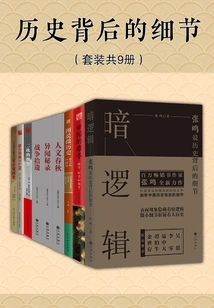
历史背后的细节(套装共9册)
Zhang Ming Dongxue's State Of Mind, Etc.
The surface phenomenon hides a dark logic, and the tiny details reflect the big history. "History is the best teacher!" Every history book is a school. Shocking details hidden deep in history! This set includes: "Dark Logic: The Details Behind Zhang Ming's Talk of History", "The Winter of the Empire: Silver, Braid and Face", "Illustrated Micro History: Chinese History in Details", "Humanistic Spring and Autumn Period", "Secret Records of Anecdotes", "War Supplements", "Details of World War II", "The Rise and Fall of the Mongol Empire", "Live to Conquer the World: History of the Mongol Empire"
The surface phenomenon hides a dark logic, and the tiny details reflect the big history. "History is the best teacher!" Every history book is a school. Shocking details hidden deep in history! This set includes: "Dark Logic: The Details Behind Zhang Ming's Talk of History", "The Winter of the Empire: Silver, Braid and Face", "Illustrated Micro History: Chinese History in Details", "Humanistic Spring and Autumn Period", "Secret Records of Anecdotes", "War Supplements", "Details of World War II", "The Rise and Fall of the Mongol Empire", "Live to Conquer the World: History of the Mongol Empire"