Library
Browse and search novels
8,194 novels found

A Tale of Two Cities
General Fiction双城记
(uk) Charles Dickens
The story took place during the turbulent French Revolution. French doctor Manette was imprisoned in the Bastille for reporting the evil deeds of the nobles, and was never heard from again. His wife was struck down by pain, and his orphan daughter Lucy was taken to London to be raised. Eighteen years later, Dr. Manette was released. After the grown-up Lucy learned about her father, she rushed from London to Paris, hoping to take her father to live in London with her. During the journey, they met the young man Dana and received his careful care. Darnay and Lucy accompany each other all the way, and their love gradually grows. However, Dardenne turned out to be the son of the powerful man who framed Manette. He hated his family's sins, so he gave up his family property and became a French teacher in London. For the sake of his daughter's happiness, Manat forgave the Dardenne family for what they had done and agreed to their marriage. At this time, the arrival of a revolutionary storm disrupted everything...
The story took place during the turbulent French Revolution. French doctor Manette was imprisoned in the Bastille for reporting the evil deeds of the nobles, and was never heard from again. His wife was struck down by pain, and his orphan daughter Lucy was taken to London to be raised. Eighteen years later, Dr. Manette was released. After the grown-up Lucy learned about her father, she rushed from London to Paris, hoping to take her father to live in London with her. During the journey, they met the young man Dana and received his careful care. Darnay and Lucy accompany each other all the way, and their love gradually grows. However, Dardenne turned out to be the son of the powerful man who framed Manette. He hated his family's sins, so he gave up his family property and became a French teacher in London. For the sake of his daughter's happiness, Manat forgave the Dardenne family for what they had done and agreed to their marriage. At this time, the arrival of a revolutionary storm disrupted everything...
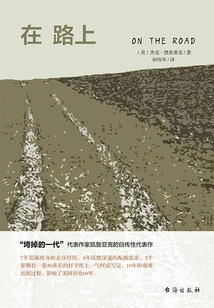
On the Road
General Fiction在路上
Jack Kerouac
"On the Road" is Kerouac's autobiographical masterpiece. The writer spent three weeks writing it in one go on a 30-meter-long roll of typing paper. In pursuit of individuality, the novel's protagonist, Sal, hitches or drives along the way with Dean, Marylou and other young men and women, crosses the continental United States several times, and finally reaches Mexico. Along the way, they drink excessively, smoke marijuana, play with women, talk about Eastern Zen Buddhism, block traffic when tired, stay overnight in villages, wander from New York to San Francisco, and finally disperse. At the same time, the book embodies the author's impromptu and spontaneous writing techniques - the natural flow of thoughts, anti-plot, extensive use of slang, colloquialisms, long sentences that do not conform to grammatical standards, and extensively touches on American social and cultural customs. On the other hand, the book also shows the mountains, rivers, plains, deserts, and towns on the vast land of the United States... Like a picture scroll displayed in front of the reader.
"On the Road" is Kerouac's autobiographical masterpiece. The writer spent three weeks writing it in one go on a 30-meter-long roll of typing paper. In pursuit of individuality, the novel's protagonist, Sal, hitches or drives along the way with Dean, Marylou and other young men and women, crosses the continental United States several times, and finally reaches Mexico. Along the way, they drink excessively, smoke marijuana, play with women, talk about Eastern Zen Buddhism, block traffic when tired, stay overnight in villages, wander from New York to San Francisco, and finally disperse. At the same time, the book embodies the author's impromptu and spontaneous writing techniques - the natural flow of thoughts, anti-plot, extensive use of slang, colloquialisms, long sentences that do not conform to grammatical standards, and extensively touches on American social and cultural customs. On the other hand, the book also shows the mountains, rivers, plains, deserts, and towns on the vast land of the United States... Like a picture scroll displayed in front of the reader.

Youth Love
General Fiction青春恋
Shen Shilin
This book describes the difficult and tortuous growth process of the protagonist Qiushi as a clue. Through the description of the social environment in the stages of youth tribulation, emerging talent, military training, and the ups and downs of teaching, it reflects the extreme importance of the trinity education of family, school, and society in the formation of a correct outlook on life and world. It also reveals the tenacious and indomitable fighting spirit of our country's teenagers in the mid-to-late twentieth century in pursuit of firm ideals and beliefs.
This book describes the difficult and tortuous growth process of the protagonist Qiushi as a clue. Through the description of the social environment in the stages of youth tribulation, emerging talent, military training, and the ups and downs of teaching, it reflects the extreme importance of the trinity education of family, school, and society in the formation of a correct outlook on life and world. It also reveals the tenacious and indomitable fighting spirit of our country's teenagers in the mid-to-late twentieth century in pursuit of firm ideals and beliefs.
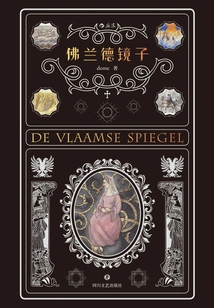
Flemish Mirror
General Fiction佛兰德镜子
Dome
On May 10, 1940, Nazi Germany invaded Belgium, and on August 31, the night train from Liege to Ostend started. On the train, a passenger carrying a medieval oil painting met a historian. The conversation between the two gradually broke away from the real time and opened up distant stories one after another: Don Diego's expedition to the New World, the monastery named "Red", a heart with nowhere to rest, love in the period when the Creed was formed, the Flemish painter who could not distinguish between dreams and reality... The story unfolds in the dialogue, and is layered in the dialogue, like an infinite mirror, reflecting the abyss of history and the core of love. "Friendship is not only born between familiar people. People can build solid passion based on their admiration for distant people; there is no need to distinguish between friendship and love, because friendship is derived from the word love..."
On May 10, 1940, Nazi Germany invaded Belgium, and on August 31, the night train from Liege to Ostend started. On the train, a passenger carrying a medieval oil painting met a historian. The conversation between the two gradually broke away from the real time and opened up distant stories one after another: Don Diego's expedition to the New World, the monastery named "Red", a heart with nowhere to rest, love in the period when the Creed was formed, the Flemish painter who could not distinguish between dreams and reality... The story unfolds in the dialogue, and is layered in the dialogue, like an infinite mirror, reflecting the abyss of history and the core of love. "Friendship is not only born between familiar people. People can build solid passion based on their admiration for distant people; there is no need to distinguish between friendship and love, because friendship is derived from the word love..."
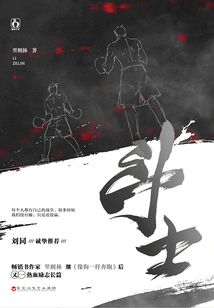
Fighter
General Fiction斗士
Li Zelin
The arrogant rich second generation is tragically bankrupt and abandoned; a down-and-out old boxer returns to the thrilling ring; the path of growth about family ties and ideals; the war in life never ends.
The arrogant rich second generation is tragically bankrupt and abandoned; a down-and-out old boxer returns to the thrilling ring; the path of growth about family ties and ideals; the war in life never ends.
T
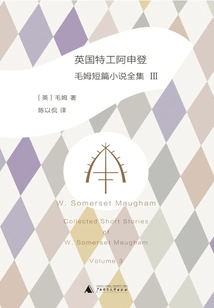
英国特工阿申登(毛姆短篇小说全集3)
(british) Maugham
During the First World War, Maugham, who was already a well-known writer, was dispatched by the British MI6 to engage in secret intelligence work in Europe. Later, he used this personal experience and knowledge as material to create a series of independent short stories, which were collected into a volume, "The British Agent Ashenden". This work is hailed as one of the greatest British spy novels, setting the tone for a new generation of spy literature and influencing many writers including the father of "007", Ian Fleming, Graham Greene, John le Carré, etc. Maugham used the agent Ashenden as the character who connects the stories. Through a narrative that is both literary and realistic, and a humorous and sharp style, he created an impressive group of characters. In these stories full of thrills, deceit and absurdity, Maugham was still most interested in human nature appearing in extraordinary situations, and he never lost his calm eye for paying attention to the things around him.
During the First World War, Maugham, who was already a well-known writer, was dispatched by the British MI6 to engage in secret intelligence work in Europe. Later, he used this personal experience and knowledge as material to create a series of independent short stories, which were collected into a volume, "The British Agent Ashenden". This work is hailed as one of the greatest British spy novels, setting the tone for a new generation of spy literature and influencing many writers including the father of "007", Ian Fleming, Graham Greene, John le Carré, etc. Maugham used the agent Ashenden as the character who connects the stories. Through a narrative that is both literary and realistic, and a humorous and sharp style, he created an impressive group of characters. In these stories full of thrills, deceit and absurdity, Maugham was still most interested in human nature appearing in extraordinary situations, and he never lost his calm eye for paying attention to the things around him.
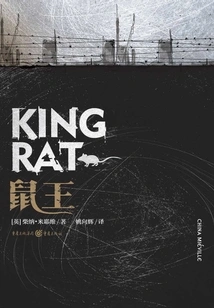
Rat King
General Fiction鼠王
I
This is an underground jungle full of musical rhythm; this is a dark, dirty underground London; this is a kingdom that has lost its master, and the "Rat King" opened the door to this underground world... A sudden murder incident made Sauer the number one suspect of killing his father and was arrested and imprisoned. But he was unexpectedly rescued by a stranger who called himself "Rat King" and exuded a foul smell. They escaped from the cell together, but had to travel through the night to escape the Piper's hunt, seeking a way to survive and seek revenge. The "Rat King" learned about the way of survival of Sauer's rat pack. Unexpectedly, as time went by in exile, the mystery of Sauer's life experience surfaced, and the conspiracy behind the murders was revealed... The flames of anger, fear and revenge enveloped Sauer and drove him forward. The scattered and tired creatures are waiting for the new king!
This is an underground jungle full of musical rhythm; this is a dark, dirty underground London; this is a kingdom that has lost its master, and the "Rat King" opened the door to this underground world... A sudden murder incident made Sauer the number one suspect of killing his father and was arrested and imprisoned. But he was unexpectedly rescued by a stranger who called himself "Rat King" and exuded a foul smell. They escaped from the cell together, but had to travel through the night to escape the Piper's hunt, seeking a way to survive and seek revenge. The "Rat King" learned about the way of survival of Sauer's rat pack. Unexpectedly, as time went by in exile, the mystery of Sauer's life experience surfaced, and the conspiracy behind the murders was revealed... The flames of anger, fear and revenge enveloped Sauer and drove him forward. The scattered and tired creatures are waiting for the new king!
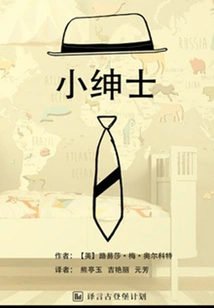
Little Gentleman
General Fiction小绅士
(usa) Louisa May Alcott
This book is dedicated to the story of boys' growth and education, and is full of tenacious, brave, and open-minded masculinity. In "Little Gentlemen", Joe and her husband, Professor Barr, run a school at home. The main students are a dozen energetic boys with different personalities. The oldest is 16 years old, the youngest is only four or five years old, and most are around ten years old. Among them are children of the Barrs themselves and relatives, some wandering orphans, some particularly naughty children, some with physical disabilities and low self-esteem, and children sent by their parents because they cannot discipline them. These children live and study together. Jo and her husband arranged classes, designed games, and built their character. The Barrs never suppress the boys' individuality, but at the same time they subtly educate these children to develop sound characters. The boys grew up healthily and happily in the Qiao family, and many strange, touching or hilarious things happened in the process. As the days passed, the little men gradually grew up. Similar to the quality education we advocate today, the Barrs believe that although knowledge such as Latin and mathematics is very useful, it is more important to cultivate good qualities such as self-study, self-reliance, and self-control, and to cultivate excellent moral conduct. They teach children to be honest, loyal to their duties, and good people, and encourage them to help each other and get close to nature. Children can keep pets, grow plants, and "do business" here, but speculation in business operations is prohibited, etc. Every boy is unwilling to be ordinary. The way Qiao and her husband raise them is to let boys express their individuality and let their dreams fly without losing their principles. Alcott is good at describing simple emotions. Her novels are warm, touching, simple and innocent, conveying life insights and beliefs. She uses her stories to help readers learn to face the increasingly competitive world with a beautiful and peaceful mentality.
This book is dedicated to the story of boys' growth and education, and is full of tenacious, brave, and open-minded masculinity. In "Little Gentlemen", Joe and her husband, Professor Barr, run a school at home. The main students are a dozen energetic boys with different personalities. The oldest is 16 years old, the youngest is only four or five years old, and most are around ten years old. Among them are children of the Barrs themselves and relatives, some wandering orphans, some particularly naughty children, some with physical disabilities and low self-esteem, and children sent by their parents because they cannot discipline them. These children live and study together. Jo and her husband arranged classes, designed games, and built their character. The Barrs never suppress the boys' individuality, but at the same time they subtly educate these children to develop sound characters. The boys grew up healthily and happily in the Qiao family, and many strange, touching or hilarious things happened in the process. As the days passed, the little men gradually grew up. Similar to the quality education we advocate today, the Barrs believe that although knowledge such as Latin and mathematics is very useful, it is more important to cultivate good qualities such as self-study, self-reliance, and self-control, and to cultivate excellent moral conduct. They teach children to be honest, loyal to their duties, and good people, and encourage them to help each other and get close to nature. Children can keep pets, grow plants, and "do business" here, but speculation in business operations is prohibited, etc. Every boy is unwilling to be ordinary. The way Qiao and her husband raise them is to let boys express their individuality and let their dreams fly without losing their principles. Alcott is good at describing simple emotions. Her novels are warm, touching, simple and innocent, conveying life insights and beliefs. She uses her stories to help readers learn to face the increasingly competitive world with a beautiful and peaceful mentality.
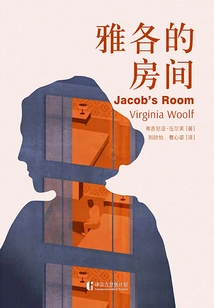
Jacob's Room
General Fiction雅各的房间
J
Jacob's Room was published in Woolf's home press in 1922. The main plot of the book tells the story of a young man's short life. Childhood at the seaside, studying in Cambridge, growing up independently, relationships with different women, studying in France and Greece, and finally losing his life in the First World War. This book is generally considered to be Woolf's first large-scale exploration and experiment in literary innovation. It was a turning point in her creative process and the beginning of her attempt to create using the stream of consciousness technique. The novel is set in England and begins with Jacob's childhood.
Jacob's Room was published in Woolf's home press in 1922. The main plot of the book tells the story of a young man's short life. Childhood at the seaside, studying in Cambridge, growing up independently, relationships with different women, studying in France and Greece, and finally losing his life in the First World War. This book is generally considered to be Woolf's first large-scale exploration and experiment in literary innovation. It was a turning point in her creative process and the beginning of her attempt to create using the stream of consciousness technique. The novel is set in England and begins with Jacob's childhood.
R
General Fictionr
J
A book of odes that describes the consequences of dystopia, a virtual future where collectivism has triumphed. "Carol" found no publisher willing to publish it in the United States, so it was first published in England.
A book of odes that describes the consequences of dystopia, a virtual future where collectivism has triumphed. "Carol" found no publisher willing to publish it in the United States, so it was first published in England.
Intermission
General Fiction幕间
J
"Interlude" is Virginia Woolf's final work, which is unique in both language and form. The author is good at using the writing technique of stream of consciousness, and depicts a large number of people's inner illusions and subconsciousness in the novel; he is very skillful in the use of rhetorical techniques, including alliteration, end rhyme, homophony, etc.; And he quotes a large number of words and allusions from classic literature in the book, which shows his extraordinary language skills and superb artistic skills. The characters depicted in the book behave differently, and each has their own misfortunes flowing in their hearts. However, all misfortunes and pains ultimately originate from the common weakness of human nature-the inner desires cannot be satisfied, and there is not much difference between people after all. So when the director of the play, Ms. Latrube, introduced "reality" into the play, all the audiences were confused and unable to bear the weight of this "reality". I can calmly watch the lives of others being performed on the stage, but I cannot look directly at myself in public. Perhaps Woolf also lost faith in this reality, seeing through the cowardice of human nature but unable to change anything, so she chose to end her struggle with this contradictory world and chose "peace" among the three realms of life.
"Interlude" is Virginia Woolf's final work, which is unique in both language and form. The author is good at using the writing technique of stream of consciousness, and depicts a large number of people's inner illusions and subconsciousness in the novel; he is very skillful in the use of rhetorical techniques, including alliteration, end rhyme, homophony, etc.; And he quotes a large number of words and allusions from classic literature in the book, which shows his extraordinary language skills and superb artistic skills. The characters depicted in the book behave differently, and each has their own misfortunes flowing in their hearts. However, all misfortunes and pains ultimately originate from the common weakness of human nature-the inner desires cannot be satisfied, and there is not much difference between people after all. So when the director of the play, Ms. Latrube, introduced "reality" into the play, all the audiences were confused and unable to bear the weight of this "reality". I can calmly watch the lives of others being performed on the stage, but I cannot look directly at myself in public. Perhaps Woolf also lost faith in this reality, seeing through the cowardice of human nature but unable to change anything, so she chose to end her struggle with this contradictory world and chose "peace" among the three realms of life.
Real Life Original Stories
General Fiction真实生活的原创故事
(uk)mary Wollstonecraft
In "An Original Story of True Life" (1788), she advocated education to equip children with the traits of the emerging middle class: self-discipline, honesty, thrift, and contentment. Influenced by the ideas of John Locke, an important educational philosopher in the 17th century, Wollstonecraft also specifically emphasized the importance of children receiving rational education in two books. However, the emphasis on religious belief and innate sensibility distinguishes their work and connects her work to discussions of sensibility that were popular at the end of the 18th century. The book also promoted women's education - a controversial topic at the time: a topic that would continue throughout her writing career and culminated in A Vindication of the Rights of Woman. Wollstonecraft believed that well-educated women would be able to make good wives and mothers and ultimately contribute to their country. Mary Wollstonecraft (1759-1797), the founder of modern feminism. Mary was born at a time when the Enlightenment was shining, the Romantic movement followed, and the American Revolution and the French Revolution echoed each other. This is an era of turmoil, active thinking, the spirit of humanism continues to flourish, individual rights are increasingly respected, and the consciousness of the subject is increasingly awakened. These ideas that were compatible with the rise of capitalism were widely spread in European and American societies, and the concepts of "liberty, equality, and fraternity" became everyone's common pursuit, at least in words. It was under the influence and influence of the atmosphere of this era that Mary gradually grew into a feminist.
In "An Original Story of True Life" (1788), she advocated education to equip children with the traits of the emerging middle class: self-discipline, honesty, thrift, and contentment. Influenced by the ideas of John Locke, an important educational philosopher in the 17th century, Wollstonecraft also specifically emphasized the importance of children receiving rational education in two books. However, the emphasis on religious belief and innate sensibility distinguishes their work and connects her work to discussions of sensibility that were popular at the end of the 18th century. The book also promoted women's education - a controversial topic at the time: a topic that would continue throughout her writing career and culminated in A Vindication of the Rights of Woman. Wollstonecraft believed that well-educated women would be able to make good wives and mothers and ultimately contribute to their country. Mary Wollstonecraft (1759-1797), the founder of modern feminism. Mary was born at a time when the Enlightenment was shining, the Romantic movement followed, and the American Revolution and the French Revolution echoed each other. This is an era of turmoil, active thinking, the spirit of humanism continues to flourish, individual rights are increasingly respected, and the consciousness of the subject is increasingly awakened. These ideas that were compatible with the rise of capitalism were widely spread in European and American societies, and the concepts of "liberty, equality, and fraternity" became everyone's common pursuit, at least in words. It was under the influence and influence of the atmosphere of this era that Mary gradually grew into a feminist.
Mrs Susan
General Fiction苏珊夫人
H
Lady Susan is a short epistolary novel by Jane Austen, probably written in 1794 but not published until 1871. This epistolary novel was Jane Austen's early completed work, but she never submitted it for publication. It describes the widow Lady Susan's plan to find a new husband for herself and her decision to marry off her daughter as well. The Watsons is an unfinished novel written by Jane Austen. She began writing the work around 1804 and probably abandoned it after her father's death in January 1805. The work has 5 chapters. The Watsons is the story of a widowed pastor and his four daughters. Sanditon, also known as Sandand Sandition, is a work that Jane Austen began writing in 1817, but the author did not complete it, and the full text of the book was not published until 1925. It is said that Austen's original intention was to tell the story of a series of profound social changes taking place on the southern coast of Sussex, England, through the eyes of the heroine Charlotte Heywood.
Lady Susan is a short epistolary novel by Jane Austen, probably written in 1794 but not published until 1871. This epistolary novel was Jane Austen's early completed work, but she never submitted it for publication. It describes the widow Lady Susan's plan to find a new husband for herself and her decision to marry off her daughter as well. The Watsons is an unfinished novel written by Jane Austen. She began writing the work around 1804 and probably abandoned it after her father's death in January 1805. The work has 5 chapters. The Watsons is the story of a widowed pastor and his four daughters. Sanditon, also known as Sandand Sandition, is a work that Jane Austen began writing in 1817, but the author did not complete it, and the full text of the book was not published until 1925. It is said that Austen's original intention was to tell the story of a series of profound social changes taking place on the southern coast of Sussex, England, through the eyes of the heroine Charlotte Heywood.
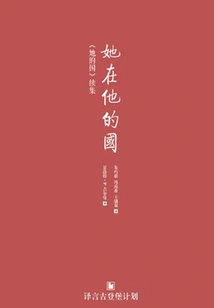
She is in His Country
General Fiction她在他的国
(us)charlotte Perkins Gilman
This book is the sequel to Herland. In the sequel, the couple begins traveling around the world outside "her country", interviewing people, taking photos and taking notes, discussing history, religion, war, raising children, the role of women, how to treat immigrants, women's suffrage and more. Charlotte P. Gilman, a pioneering American feminist writer and social reformer, described an isolated female utopia in "Her Country". There, they reproduce through parthenogenesis. Their society is stable, free from wars and disputes, and free from domination and being ruled. In the story, three young male scientists found this place during an expedition. After experiencing various adventures, two of them were expelled, and the wife of one of them, a member of "Her Country", chose to follow him out. The three returned to the outside world.
This book is the sequel to Herland. In the sequel, the couple begins traveling around the world outside "her country", interviewing people, taking photos and taking notes, discussing history, religion, war, raising children, the role of women, how to treat immigrants, women's suffrage and more. Charlotte P. Gilman, a pioneering American feminist writer and social reformer, described an isolated female utopia in "Her Country". There, they reproduce through parthenogenesis. Their society is stable, free from wars and disputes, and free from domination and being ruled. In the story, three young male scientists found this place during an expedition. After experiencing various adventures, two of them were expelled, and the wife of one of them, a member of "Her Country", chose to follow him out. The three returned to the outside world.
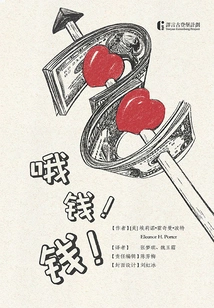
Oh, Money! Money!
General Fiction哦,钱!钱!
(us) Eleanor Hodgman Porter
Stanley Fulton is a rich man with a net worth of tens of millions, no wife and no children. In order to choose heirs among distant relatives he had never met, he decided to give each of them one hundred thousand dollars and disguised himself as another person to observe them and see how this windfall would affect their lives. This book was written in 1918, but it is still of enlightening significance today more than a hundred years later: money does not necessarily only bring happiness. The way you treat money determines how it affects you.
Stanley Fulton is a rich man with a net worth of tens of millions, no wife and no children. In order to choose heirs among distant relatives he had never met, he decided to give each of them one hundred thousand dollars and disguised himself as another person to observe them and see how this windfall would affect their lives. This book was written in 1918, but it is still of enlightening significance today more than a hundred years later: money does not necessarily only bring happiness. The way you treat money determines how it affects you.
Her Country
General Fiction她的国
(us)charlotte Perkins Gilman
The author constructs a female-only utopia in "Her Country". From escape to freedom, from madness to self-realization, the painfully struggling Gilman in "The Yellow Wallpaper" has transformed into a mature and confident feminist writer, using words to construct a female utopia that makes men fear, disdain, or admire. Through the constant interaction between the three men who accidentally broke into another country and the women from other countries, the social norms and ideologies that we are accustomed to and turn a blind eye to in the real society are gradually questioned, subverted, and eventually completely collapsed. The representative short work "The Yellow Wallpaper" adopts the first-person "I" narration and uses many female Gothic elements to reveal the confinement of women in patriarchal society. More importantly, any woman who tries to resist faces the danger of being judged as crazy. This work had a profound influence on future feminist literature.
The author constructs a female-only utopia in "Her Country". From escape to freedom, from madness to self-realization, the painfully struggling Gilman in "The Yellow Wallpaper" has transformed into a mature and confident feminist writer, using words to construct a female utopia that makes men fear, disdain, or admire. Through the constant interaction between the three men who accidentally broke into another country and the women from other countries, the social norms and ideologies that we are accustomed to and turn a blind eye to in the real society are gradually questioned, subverted, and eventually completely collapsed. The representative short work "The Yellow Wallpaper" adopts the first-person "I" narration and uses many female Gothic elements to reveal the confinement of women in patriarchal society. More importantly, any woman who tries to resist faces the danger of being judged as crazy. This work had a profound influence on future feminist literature.
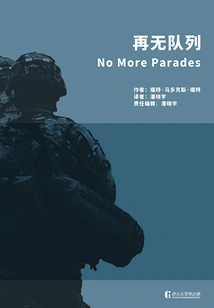
End of the Queue: No More Queues
General Fiction队列之末:再无队列
L
This book is the second book in the End of the Line series. As a link between the past and the next, it not only details the appearance of Christopher, who adheres to traditional morals in the rear troops, but also details his personal emotional struggles and life dilemmas in the context of the First World War. Personal awakening, emotional collision, and the interweaving of fate are all clearly reflected in "The End of the Queue II: No Longer Queue". What is beyond words is a reflection on traditional morality and the old order. This is not only a literary work, but also a picture of the times, which is of great help to us in understanding the world and ourselves. The classic works of the founders of British modernism, Auden, Graham Greene, Julian Barnes, Anthony Gibbs, and Tom Stoppard are highly praised for their excellent works and were selected into the "Top 100 Best English Novels of the 20th Century".
This book is the second book in the End of the Line series. As a link between the past and the next, it not only details the appearance of Christopher, who adheres to traditional morals in the rear troops, but also details his personal emotional struggles and life dilemmas in the context of the First World War. Personal awakening, emotional collision, and the interweaving of fate are all clearly reflected in "The End of the Queue II: No Longer Queue". What is beyond words is a reflection on traditional morality and the old order. This is not only a literary work, but also a picture of the times, which is of great help to us in understanding the world and ourselves. The classic works of the founders of British modernism, Auden, Graham Greene, Julian Barnes, Anthony Gibbs, and Tom Stoppard are highly praised for their excellent works and were selected into the "Top 100 Best English Novels of the 20th Century".
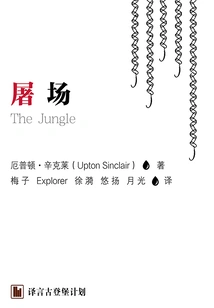
P
General Fictionp
J
In 1904, Upton Sinclair spent seven weeks undercover in a Chicago meatpacking plant; in 1906, "The Slaughterhouse," which was serialized in newspapers, was published. As a journalist and writer who leans toward socialism, the starting point for writing this book is the "human-eating capitalist machine" and is aimed at the readers' minds and hearts. But perhaps accidentally or accidentally, the book hit the target a foot too low, "hitting the reader hard in the stomach" with its description of a meat processing plant. The protagonist of the book is Jurgis, a tall, strong and naive Lithuanian immigrant. He and his family came to the New World with great hopes and wanted to start over in this land of equality. But his life and hopes are slowly being torn to pieces. Unemployment, wife raped, jailed, child drowned, wife lost, all relatives and friends have fallen to the bottom of society step by step. Jurgis has struggled, fallen, and been disappointed, but in the end he still saw the glimmer of hope.
In 1904, Upton Sinclair spent seven weeks undercover in a Chicago meatpacking plant; in 1906, "The Slaughterhouse," which was serialized in newspapers, was published. As a journalist and writer who leans toward socialism, the starting point for writing this book is the "human-eating capitalist machine" and is aimed at the readers' minds and hearts. But perhaps accidentally or accidentally, the book hit the target a foot too low, "hitting the reader hard in the stomach" with its description of a meat processing plant. The protagonist of the book is Jurgis, a tall, strong and naive Lithuanian immigrant. He and his family came to the New World with great hopes and wanted to start over in this land of equality. But his life and hopes are slowly being torn to pieces. Unemployment, wife raped, jailed, child drowned, wife lost, all relatives and friends have fallen to the bottom of society step by step. Jurgis has struggled, fallen, and been disappointed, but in the end he still saw the glimmer of hope.
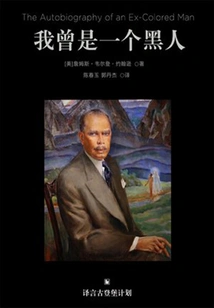
I Was a Black Man
General Fiction我曾是一个黑人
(us) James Weldon Johnson
This novel tells the story of a mixed-race young man living in New York during the postwar Reconstruction era in the late 19th and early 20th centuries. He was forced to make a choice, either to express his black heritage and culture through African-American music, or to be a mediocre middle-class white man.
This novel tells the story of a mixed-race young man living in New York during the postwar Reconstruction era in the late 19th and early 20th centuries. He was forced to make a choice, either to express his black heritage and culture through African-American music, or to be a mediocre middle-class white man.
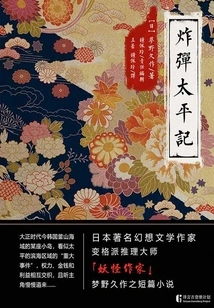
Bomb Peace Story
General Fiction炸弹太平记
J
The story takes place on a small island off the coast of Busan, South Korea during the Taisho era. A "major incident" occurred in the seemingly peaceful coastal area. The protagonist Todoroki revealed the truth of the incident to his old friend Saiki who came to visit him. Power and financial interests are intertwined, let's listen to the protagonist slowly... Yumeno Kusaku (January 1889-February 1936), a famous Japanese fantasy literature writer and a master of change-style reasoning, is known as the "monster writer". His representative work "Hell in the Brain" (1935) is called one of the four wonders of Japanese mystery novels.
The story takes place on a small island off the coast of Busan, South Korea during the Taisho era. A "major incident" occurred in the seemingly peaceful coastal area. The protagonist Todoroki revealed the truth of the incident to his old friend Saiki who came to visit him. Power and financial interests are intertwined, let's listen to the protagonist slowly... Yumeno Kusaku (January 1889-February 1936), a famous Japanese fantasy literature writer and a master of change-style reasoning, is known as the "monster writer". His representative work "Hell in the Brain" (1935) is called one of the four wonders of Japanese mystery novels.
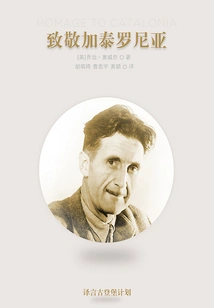
Tribute to Catalonia
General Fiction致敬加泰罗尼亚
(uk) George Orwell
George Orwell is a British writer who is world-famous for "Animal Farm" and "1984". In 1936, after the Spanish Civil War broke out, Orwell joined the Republican Army led by the Spanish Communist Party as an international volunteer to support the anti-Franco Spanish Civil War. He stayed on the Aragon front for nearly six months until he was shot through the throat by an enemy sniper at Huesca and had to return home to recuperate. Later, Orwell wrote this experience into a novel to pay tribute to Catalonia. This novel can be called his "memoir of the Spanish Civil War." As a witness of the war, he exposed some of the Comintern's lies about the Spanish Civil War. This is also one of Orwell's famous works.
George Orwell is a British writer who is world-famous for "Animal Farm" and "1984". In 1936, after the Spanish Civil War broke out, Orwell joined the Republican Army led by the Spanish Communist Party as an international volunteer to support the anti-Franco Spanish Civil War. He stayed on the Aragon front for nearly six months until he was shot through the throat by an enemy sniper at Huesca and had to return home to recuperate. Later, Orwell wrote this experience into a novel to pay tribute to Catalonia. This novel can be called his "memoir of the Spanish Civil War." As a witness of the war, he exposed some of the Comintern's lies about the Spanish Civil War. This is also one of Orwell's famous works.
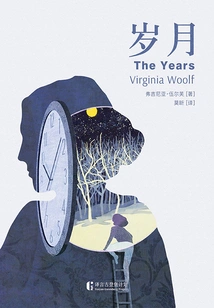
Years
General Fiction岁月
J
"The Years" is Woolf's last novel published during her lifetime and her best-selling novel. It spans more than 50 years from 1880 to the mid-1930s and tells the history of three generations of the Padgett family. Although it covers such a long period, the book focuses on some aspect of each character's personal life. Except for the first chapter, each chapter tells what happened on a certain day that year from the perspective of a different character. Historical events loom as the background, and the stories of three generations of the Padgett family become a microcosm of the external world, running through the author's thoughts on survival and the meaning of life.
"The Years" is Woolf's last novel published during her lifetime and her best-selling novel. It spans more than 50 years from 1880 to the mid-1930s and tells the history of three generations of the Padgett family. Although it covers such a long period, the book focuses on some aspect of each character's personal life. Except for the first chapter, each chapter tells what happened on a certain day that year from the perspective of a different character. Historical events loom as the background, and the stories of three generations of the Padgett family become a microcosm of the external world, running through the author's thoughts on survival and the meaning of life.
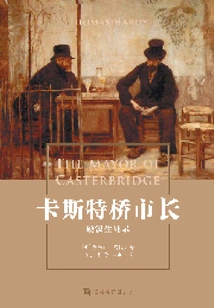
C
General FictionC
I
"The Mayor of Casterbridge" is one of Hardy's masterpieces. This is his only novel not set in a rural setting. It tells the story of Henchard, an unemployed haymaker who sold his wife and daughter after being drunk. He woke up with regrets and became angry from then on, becoming a grain merchant and mayor. The wife returns with her daughter. Soon after, Henchard had a quarrel with his partners, his wife died, the scandal of selling his wife was revealed, his career failed, his daughter was taken away by her biological father, and he died alone in a hut in the wilderness. The author uses the story's various mishaps and dramatic conflicts to express the sentiment that "character is destiny" and "happiness is just an accidental episode." Among Hardy's fourteen novels, "The Mayor of Casterbridge" not only embodies Hardy's consistent creative style, but also creates unique artistic features, which also shows the essential difference between a great artist and a mediocre prolific writer. As for the content of this novel, whether it is in terms of history or current social cognition, it still has vivid significance. Thomas Hardy (1840-1928) is a monument in the history of British literature. His creations established his immortal status in world literature, making him as famous as Shakespeare, Dickens and other world-famous writers. He is a writer spanning two centuries. His early and middle creations were mainly novels, inheriting and carrying forward the literary tradition of the Victorian era. In his later years, he pioneered 20th-century British literature with his outstanding poetry.
"The Mayor of Casterbridge" is one of Hardy's masterpieces. This is his only novel not set in a rural setting. It tells the story of Henchard, an unemployed haymaker who sold his wife and daughter after being drunk. He woke up with regrets and became angry from then on, becoming a grain merchant and mayor. The wife returns with her daughter. Soon after, Henchard had a quarrel with his partners, his wife died, the scandal of selling his wife was revealed, his career failed, his daughter was taken away by her biological father, and he died alone in a hut in the wilderness. The author uses the story's various mishaps and dramatic conflicts to express the sentiment that "character is destiny" and "happiness is just an accidental episode." Among Hardy's fourteen novels, "The Mayor of Casterbridge" not only embodies Hardy's consistent creative style, but also creates unique artistic features, which also shows the essential difference between a great artist and a mediocre prolific writer. As for the content of this novel, whether it is in terms of history or current social cognition, it still has vivid significance. Thomas Hardy (1840-1928) is a monument in the history of British literature. His creations established his immortal status in world literature, making him as famous as Shakespeare, Dickens and other world-famous writers. He is a writer spanning two centuries. His early and middle creations were mainly novels, inheriting and carrying forward the literary tradition of the Victorian era. In his later years, he pioneered 20th-century British literature with his outstanding poetry.

Burmese Years
General Fiction缅甸岁月
J
"Burmese Days" was published in 1934 and is George Orwell's first novel. The British India described in the novel is such a picture: the white master spends his time drinking and having fun, and is corrupt; the white lady is uneducated and greedy for vanity; the natives are intrigues and flattery; but there is such a white master, Sabu (master) - Flory, who hates imperialism and can't stand his people being kings and dominators in other people's land; but the cowardice in his bones makes him cower and dare not stand up to resist. Because he was afraid of "losing the whole world in order to redeem his soul," he could only "watch his life wasted and corrupted in this shameful and terrible futility."
"Burmese Days" was published in 1934 and is George Orwell's first novel. The British India described in the novel is such a picture: the white master spends his time drinking and having fun, and is corrupt; the white lady is uneducated and greedy for vanity; the natives are intrigues and flattery; but there is such a white master, Sabu (master) - Flory, who hates imperialism and can't stand his people being kings and dominators in other people's land; but the cowardice in his bones makes him cower and dare not stand up to resist. Because he was afraid of "losing the whole world in order to redeem his soul," he could only "watch his life wasted and corrupted in this shameful and terrible futility."
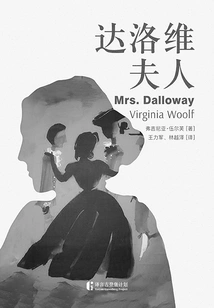
Mrs. Dalloway
General Fiction达洛维夫人
I
The work details Mrs. Dalloway's actions in order to hold a party for a day, thus unfolding her love-hate entanglement, her youth, and how she was influenced by her surroundings to grow from a girl to a lady. And Walsh's visit, Septimus's death, reunion with old friends and endless greetings triggered her deep thinking...
The work details Mrs. Dalloway's actions in order to hold a party for a day, thus unfolding her love-hate entanglement, her youth, and how she was influenced by her surroundings to grow from a girl to a lady. And Walsh's visit, Septimus's death, reunion with old friends and endless greetings triggered her deep thinking...

Go to the Lighthouse
General Fiction到灯塔去
(uk) Virginia Woolf
"To the Lighthouse" is a novel written by Virginia Woolf in 1927. It is a quasi-autobiographical stream of consciousness novel. The novel uses "To the Lighthouse" as the central clue throughout the book, recording the life experiences of the Ramsay family and several of their guests before and after the First World War. "To the Lighthouse" is Woolf's most perfect work, and its contribution to the history of literature is outstanding and far-reaching. The novel is highly artistic in terms of creative perspective, psychological description, or stream-of-consciousness techniques. Woolf's understanding of femininity and gender consciousness became the ideological core of this book.
"To the Lighthouse" is a novel written by Virginia Woolf in 1927. It is a quasi-autobiographical stream of consciousness novel. The novel uses "To the Lighthouse" as the central clue throughout the book, recording the life experiences of the Ramsay family and several of their guests before and after the First World War. "To the Lighthouse" is Woolf's most perfect work, and its contribution to the history of literature is outstanding and far-reaching. The novel is highly artistic in terms of creative perspective, psychological description, or stream-of-consciousness techniques. Woolf's understanding of femininity and gender consciousness became the ideological core of this book.
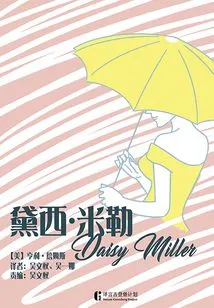
Daisy Miller
General Fiction黛西·米勒
H
You may have read the novel "The Master" by the famous Irish writer Colm Tóibín (this novel won him the 2006 Dublin International Literary Award), and you may have also read "The Author, the Author" by David Lodge, known as the British money writer, but you have probably not really appreciated the true style of the works of Henry James, the subject of these two novels, a master of novels. You can start with this book "Daisy Miller" - the beginning of a perfect journey.
You may have read the novel "The Master" by the famous Irish writer Colm Tóibín (this novel won him the 2006 Dublin International Literary Award), and you may have also read "The Author, the Author" by David Lodge, known as the British money writer, but you have probably not really appreciated the true style of the works of Henry James, the subject of these two novels, a master of novels. You can start with this book "Daisy Miller" - the beginning of a perfect journey.

Nojima Boy's Notebook
General Fiction野岛少年记事薄
Mono
"Nojima Boy's Notebook" is a collection of short stories, with twelve stories named after twelve protagonists. The work uses a first-person perspective to tell the growth story of oneself or what one sees around oneself. The tone of the whole story is sad and melancholy, full of regrets about not being able to love as a teenager, and the sudden realization of looking back as an adult. When Liang Biti was 16 years old, he met his love rival - a handsome young man. Liang Bit once secretly felt inferior and jealous because the other person was superior to him. Until one day, he unexpectedly learned of the young man's tragic life experience. Before he could experience this inexplicable feeling of victory, Liang Bit's sister died suddenly, his parents divorced, his life fell into chaos, and the young man suddenly disappeared. It wasn't until many years later that Liang Bitian met the boy from the past again, but everything had changed...
"Nojima Boy's Notebook" is a collection of short stories, with twelve stories named after twelve protagonists. The work uses a first-person perspective to tell the growth story of oneself or what one sees around oneself. The tone of the whole story is sad and melancholy, full of regrets about not being able to love as a teenager, and the sudden realization of looking back as an adult. When Liang Biti was 16 years old, he met his love rival - a handsome young man. Liang Bit once secretly felt inferior and jealous because the other person was superior to him. Until one day, he unexpectedly learned of the young man's tragic life experience. Before he could experience this inexplicable feeling of victory, Liang Bit's sister died suddenly, his parents divorced, his life fell into chaos, and the young man suddenly disappeared. It wasn't until many years later that Liang Bitian met the boy from the past again, but everything had changed...
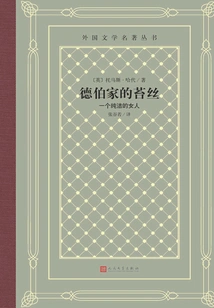
Tess of the D'urbervilles: a Pure Woman
General Fiction德伯家的苔丝:一个纯洁的女人
H
"Tess of the D'Urbervilles" is Hardy's masterpiece and one of the "Wessex Series". It describes the tragic fate of a rural girl. Hardy called the heroine "a pure woman" in the novel's subtitle, openly challenging the hypocritical social morals of the Victorian era. Zhang Guyuo is famous for his successful translation of three of Hardy's novels: "The Return of the Native", "Tess of the d'Urbervilles", and "Jude the Obscure". Among them, the translation of "Tess of the d'Urbervilles" is the most popular among readers.
"Tess of the D'Urbervilles" is Hardy's masterpiece and one of the "Wessex Series". It describes the tragic fate of a rural girl. Hardy called the heroine "a pure woman" in the novel's subtitle, openly challenging the hypocritical social morals of the Victorian era. Zhang Guyuo is famous for his successful translation of three of Hardy's novels: "The Return of the Native", "Tess of the d'Urbervilles", and "Jude the Obscure". Among them, the translation of "Tess of the d'Urbervilles" is the most popular among readers.
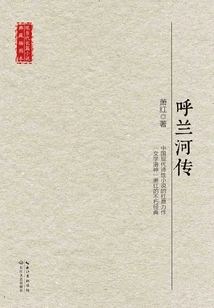
The Story of Hulan River (an Illustrated Collection of Modern and Contemporary Novels)
General Fiction呼兰河传(现当代长篇小说典藏插图本)
Xiao Hong
In the 1920s, in a small county town by the Hulan River in Northeast China, life was like a river flowing with tranquility and ease, but also with ignorance and hardship. Life in Hulan River may be a bit dull, but Xiao Hong uses her skillful writing skills, lyrical artistic conception, and heavy yet light writing style to outline scenes full of childlike images, and contributes an immortal classic to Chinese literature. "The Story of the Hulan River" is a sad but yet sad elegy by Xiao Hong, a genre painting on the banks of the Hulan River.
In the 1920s, in a small county town by the Hulan River in Northeast China, life was like a river flowing with tranquility and ease, but also with ignorance and hardship. Life in Hulan River may be a bit dull, but Xiao Hong uses her skillful writing skills, lyrical artistic conception, and heavy yet light writing style to outline scenes full of childlike images, and contributes an immortal classic to Chinese literature. "The Story of the Hulan River" is a sad but yet sad elegy by Xiao Hong, a genre painting on the banks of the Hulan River.
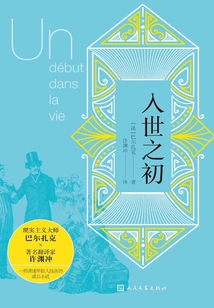
At the Beginning of Joining the Wto
General Fiction入世之初
(french) Balzac
Oscar graduated from high school and went to the suburban areas to look for job opportunities. Because of his vanity, Oscar boasted about his close relationship with the count on the public carriage, thus causing great trouble. His mother begged relatives and friends, which gave him the opportunity to go to Paris to study law and become an assistant in a notary office. But he couldn't resist the temptation, lost public funds in gambling, and was fired by his boss. Desperate, Oscar had no choice but to join the army, lost an arm in the war, received awards for meritorious service, and became a modern middle-class figure. The novel describes two common mistakes made by young people who have just entered society: talking nonsense and spending money randomly. It is still of educational significance today.
Oscar graduated from high school and went to the suburban areas to look for job opportunities. Because of his vanity, Oscar boasted about his close relationship with the count on the public carriage, thus causing great trouble. His mother begged relatives and friends, which gave him the opportunity to go to Paris to study law and become an assistant in a notary office. But he couldn't resist the temptation, lost public funds in gambling, and was fired by his boss. Desperate, Oscar had no choice but to join the army, lost an arm in the war, received awards for meritorious service, and became a modern middle-class figure. The novel describes two common mistakes made by young people who have just entered society: talking nonsense and spending money randomly. It is still of educational significance today.
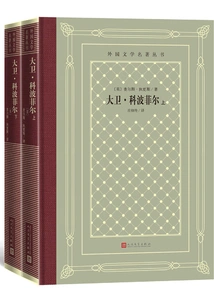
David Copperfield: up and Down
General Fiction大卫·科波菲尔:上下
(uk) Charles Dickens
David Copperfield (1850) is a semi-autobiographical novel that surpasses all other Dickens works. Through the unfortunate experience of an orphan, it paints a broad and colorful social picture, exposing the exploitation of working people by the bourgeoisie, the dark corruption of the judiciary, and the oppression of the people by the parliament. The novel still ends with everything being successful, showing the author's consistent thoughts.
David Copperfield (1850) is a semi-autobiographical novel that surpasses all other Dickens works. Through the unfortunate experience of an orphan, it paints a broad and colorful social picture, exposing the exploitation of working people by the bourgeoisie, the dark corruption of the judiciary, and the oppression of the people by the parliament. The novel still ends with everything being successful, showing the author's consistent thoughts.
Castle
General Fiction城堡
Kafka
"The Castle" is a novel by Franz Kafka. The protagonist K applied for a job as a land surveyor in the castle. After a long journey, he arrived at a village under the jurisdiction of the castle. The exhausted K met all kinds of people, they were all civilians struggling at the bottom. The castle is close at hand though. But despite all his efforts, he couldn't get in. K was exhausted from running around and could not enter the castle until his death. Kafka narrates a desperate struggle in a cold tone, thereby revealing the absurdity, alienation and indifference of the world.
"The Castle" is a novel by Franz Kafka. The protagonist K applied for a job as a land surveyor in the castle. After a long journey, he arrived at a village under the jurisdiction of the castle. The exhausted K met all kinds of people, they were all civilians struggling at the bottom. The castle is close at hand though. But despite all his efforts, he couldn't get in. K was exhausted from running around and could not enter the castle until his death. Kafka narrates a desperate struggle in a cold tone, thereby revealing the absurdity, alienation and indifference of the world.
寒夜(现当代长篇小说典藏插图本)
Ba Jin
"Cold Night" writes about life in Chongqing, the so-called "wartime capital" from 1944 to 1945. In this novel, the author writes about a poor clerk's family. The gap between the mother and his wife and the economic oppression caused the family tragedy. The wife left and the husband died of lung disease. By the time the wife returned to Chongqing, her mother-in-law had already moved away with her grandson to an unknown location. When the hero died, the streets were filled with gongs and drums, and people were celebrating victory and burning dragon lanterns with fireworks...
"Cold Night" writes about life in Chongqing, the so-called "wartime capital" from 1944 to 1945. In this novel, the author writes about a poor clerk's family. The gap between the mother and his wife and the economic oppression caused the family tragedy. The wife left and the husband died of lung disease. By the time the wife returned to Chongqing, her mother-in-law had already moved away with her grandson to an unknown location. When the hero died, the streets were filled with gongs and drums, and people were celebrating victory and burning dragon lanterns with fireworks...
骆驼祥子(现当代长篇小说典藏插图本)
Lao She
"Camel Xiangzi" is based on the life of Beijing citizens in the late 1920s, and takes the bumpy and tragic life experience of rickshaw driver Xiangzi as the main line, showing readers a picture of the poor citizens at the bottom trying to change their destiny but running into obstacles everywhere. The work uses Beijing dialect extensively, deeply exposes the darkness of old China, accuses the ruling class of the exploitation and oppression of the working people at the bottom, and expresses the author's deep sympathy for the working people. This work is Lao She's masterpiece and an important harvest in the history of modern Chinese literature.
"Camel Xiangzi" is based on the life of Beijing citizens in the late 1920s, and takes the bumpy and tragic life experience of rickshaw driver Xiangzi as the main line, showing readers a picture of the poor citizens at the bottom trying to change their destiny but running into obstacles everywhere. The work uses Beijing dialect extensively, deeply exposes the darkness of old China, accuses the ruling class of the exploitation and oppression of the working people at the bottom, and expresses the author's deep sympathy for the working people. This work is Lao She's masterpiece and an important harvest in the history of modern Chinese literature.
Red and Black
General Fiction红与黑
(french) Stendhal
The novel focuses on the protagonist Julien's personal struggle and description of his two love experiences, revealing the magnificent class struggle during the Restoration Dynasty and reflecting the broad life picture of political darkness, church corruption, aristocratic reaction and the bourgeoisie's greed for profit. Julien's two love motives are all based on love and possession as the starting point, and ultimately achieve his own political goals. The structure of the novel is rigorous and well-proportioned, the language is concise and fluent, the characters and their personalities are closely connected with the environment, and it is good at revealing the characters' inner conflicts and instant changes in thoughts and feelings, so as to highlight people's personality characteristics. This is the greatest artistic feature of this book.
The novel focuses on the protagonist Julien's personal struggle and description of his two love experiences, revealing the magnificent class struggle during the Restoration Dynasty and reflecting the broad life picture of political darkness, church corruption, aristocratic reaction and the bourgeoisie's greed for profit. Julien's two love motives are all based on love and possession as the starting point, and ultimately achieve his own political goals. The structure of the novel is rigorous and well-proportioned, the language is concise and fluent, the characters and their personalities are closely connected with the environment, and it is good at revealing the characters' inner conflicts and instant changes in thoughts and feelings, so as to highlight people's personality characteristics. This is the greatest artistic feature of this book.
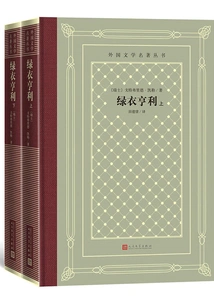
Henry in Green: up and Down
General Fiction绿衣亨利:上下
(switzerland) Gottfried Keller
"Henry in Green" is a representative work of bildungsroman or educational novel in European literature. The protagonist Henry Ray is the son of a stonemason in the Swiss countryside. His father died young and his mother raised him. The novel focuses on the relationship between individuals and society, describing the social environment in which Henry grew up, and how he used various conditions to develop and educate himself.
"Henry in Green" is a representative work of bildungsroman or educational novel in European literature. The protagonist Henry Ray is the son of a stonemason in the Swiss countryside. His father died young and his mother raised him. The novel focuses on the relationship between individuals and society, describing the social environment in which Henry grew up, and how he used various conditions to develop and educate himself.
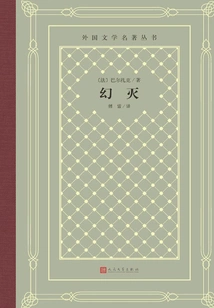
J
General FictionJ
I
It reveals the inside story of the literary and journalistic circles, and concentrates the author's most important life experiences and deep feelings about life. It is one of the most valuable works in "Human Comedy". The novel tells the story of two talented and ambitious young people who failed in their struggles and had their ideals shattered. The work reflects the social situation and mental state of an entire generation of young people after the French Revolution.
It reveals the inside story of the literary and journalistic circles, and concentrates the author's most important life experiences and deep feelings about life. It is one of the most valuable works in "Human Comedy". The novel tells the story of two talented and ambitious young people who failed in their struggles and had their ideals shattered. The work reflects the social situation and mental state of an entire generation of young people after the French Revolution.
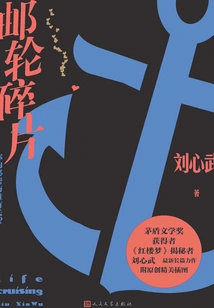
Cruise Ship Debris
General Fiction邮轮碎片
Liu Xinwu
A cruise trip in the Mediterranean turned the world of eight families upside down, a group of ordinary people with unique personalities. Standing overseas, you can see more clearly the hot spots and pain points of society, as well as the joys and sorrows of the world. The writing knife chops with the axe, and the fragments are used to reach the heart. The angle of the work is exquisite, using the form of fragments to filter out a lot of descriptive descriptions, tightly grasping the inner world of the characters, and vividly portraying a group of urban trendsetters. It highlights the characteristics of the "Beijing hipster circle", allowing readers to see the love, hate and hatred of a generation of hipsters whose fortunes have been the most ups and downs, and to feel the dreams and reality of a generation of Beijingers. Inheriting the language taste of "A Dream of Red Mansions" and Lao She, it is a new height for Beijing-style novels in the new era.
A cruise trip in the Mediterranean turned the world of eight families upside down, a group of ordinary people with unique personalities. Standing overseas, you can see more clearly the hot spots and pain points of society, as well as the joys and sorrows of the world. The writing knife chops with the axe, and the fragments are used to reach the heart. The angle of the work is exquisite, using the form of fragments to filter out a lot of descriptive descriptions, tightly grasping the inner world of the characters, and vividly portraying a group of urban trendsetters. It highlights the characteristics of the "Beijing hipster circle", allowing readers to see the love, hate and hatred of a generation of hipsters whose fortunes have been the most ups and downs, and to feel the dreams and reality of a generation of Beijingers. Inheriting the language taste of "A Dream of Red Mansions" and Lao She, it is a new height for Beijing-style novels in the new era.
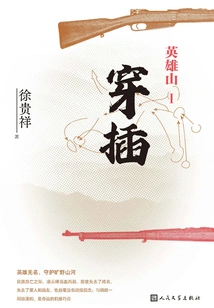
Hero Mountain I: Interspersed
General Fiction英雄山Ⅰ:穿插
Xu Guixiang
Ling Yunfeng, the Red Army's reconnaissance staff officer, has outstanding combat capabilities and is good at fighting maneuverable and flexible penetration battles. He accepted the task and led his team to Zhongping, a market town, where he met Annan, the president of the chamber of commerce in the market town, Annan's daughter Anping, Kuomintang officer Xie Gu and others. The love between Ling Yunfeng and Anping also sprouted from then on. Later, after a fierce battle, Ling Yunfeng's army was almost wiped out. Ling Yunfeng himself was unfortunately separated from the main force. He and his comrade Zhang Youtian were on their way to northern Shaanxi to search for their troops. The Anti-Japanese War broke out. They could not find their troops, but accidentally entered the troops of their former enemy, the Kuomintang officer Xie Gu. Xie Gu is also a Chinese soldier who understands national justice. In the context of the cooperation between the Kuomintang and the Communist Party, Ling Yunfeng followed Xie Gu's suggestion and replaced the national army company commander Chu Dachu who died in the battle. He changed his identity and led the army to fight against the Japanese invaders. Although "Chu Dachu", who transformed into an officer of the Kuomintang, eagerly hoped to return to the army, he was forced by reality and could not reveal his identity. Although he was in pain and tangled in his heart, he always cared about supporting his original organization and troops and thwarting the Kuomintang's conspiracy to create friction. In the last battle against Japan, Ling Yunfeng tried his best to protect He Zifei's troops, but unfortunately died heroically. His identity was finally revealed and he was posthumously recognized as a revolutionary martyr.
Ling Yunfeng, the Red Army's reconnaissance staff officer, has outstanding combat capabilities and is good at fighting maneuverable and flexible penetration battles. He accepted the task and led his team to Zhongping, a market town, where he met Annan, the president of the chamber of commerce in the market town, Annan's daughter Anping, Kuomintang officer Xie Gu and others. The love between Ling Yunfeng and Anping also sprouted from then on. Later, after a fierce battle, Ling Yunfeng's army was almost wiped out. Ling Yunfeng himself was unfortunately separated from the main force. He and his comrade Zhang Youtian were on their way to northern Shaanxi to search for their troops. The Anti-Japanese War broke out. They could not find their troops, but accidentally entered the troops of their former enemy, the Kuomintang officer Xie Gu. Xie Gu is also a Chinese soldier who understands national justice. In the context of the cooperation between the Kuomintang and the Communist Party, Ling Yunfeng followed Xie Gu's suggestion and replaced the national army company commander Chu Dachu who died in the battle. He changed his identity and led the army to fight against the Japanese invaders. Although "Chu Dachu", who transformed into an officer of the Kuomintang, eagerly hoped to return to the army, he was forced by reality and could not reveal his identity. Although he was in pain and tangled in his heart, he always cared about supporting his original organization and troops and thwarting the Kuomintang's conspiracy to create friction. In the last battle against Japan, Ling Yunfeng tried his best to protect He Zifei's troops, but unfortunately died heroically. His identity was finally revealed and he was posthumously recognized as a revolutionary martyr.
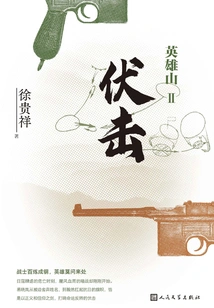
Hero Mountain 2: Ambush
General Fiction英雄山2:伏击
Xu Guixiang
"Hero Mountain Ambush" reveals the truth about the "resurrection" of the anti-war hero Ling Yunfeng from the perspectives of Yi Xiaolan and Chu Dachu, graduates of the Kuomintang Military Academy, and solves many mysteries left by "Interspersed". After receiving the training of "special talents", Yi Xiaolan changed her name and surname, pretended to be the commander of the Red Army Ling Yunfeng, and sneaked into the Red Army to perform a secret mission in an attempt to assassinate senior Red Army generals. Yi Xiaolan fully understood Ling Yunfeng's personal history and even his inner world, and he gradually began to admire the person he was pretending to be. After gaining a deeper understanding of the ideological and policies of the Red Army and the Communist Party, Yi Xiaolan's trust in the Kuomintang gradually wavered, and she also recognized and supported the Red Army's revolutionary ideas. At several critical moments involving major military and security issues, he made an inner decision to stand with the Red Army. In fact, the party organization has already grasped his situation and given him trust and the opportunity to reform. Yi Xiaolan commanded the battle as "Ling Yunfeng" and gradually grew into a truly outstanding commander with firm beliefs. During the War of Resistance Against Japan, "Ling Yunfeng" repeatedly performed extraordinary feats, and also cooperated closely with the real Ling Yunfeng, whose pseudonym was "Chu Dachu". After the victory of the Anti-Japanese War, Yi Xiaolan continued to lead the army to fight against the Kuomintang troops, and his real name was eventually restored.
"Hero Mountain Ambush" reveals the truth about the "resurrection" of the anti-war hero Ling Yunfeng from the perspectives of Yi Xiaolan and Chu Dachu, graduates of the Kuomintang Military Academy, and solves many mysteries left by "Interspersed". After receiving the training of "special talents", Yi Xiaolan changed her name and surname, pretended to be the commander of the Red Army Ling Yunfeng, and sneaked into the Red Army to perform a secret mission in an attempt to assassinate senior Red Army generals. Yi Xiaolan fully understood Ling Yunfeng's personal history and even his inner world, and he gradually began to admire the person he was pretending to be. After gaining a deeper understanding of the ideological and policies of the Red Army and the Communist Party, Yi Xiaolan's trust in the Kuomintang gradually wavered, and she also recognized and supported the Red Army's revolutionary ideas. At several critical moments involving major military and security issues, he made an inner decision to stand with the Red Army. In fact, the party organization has already grasped his situation and given him trust and the opportunity to reform. Yi Xiaolan commanded the battle as "Ling Yunfeng" and gradually grew into a truly outstanding commander with firm beliefs. During the War of Resistance Against Japan, "Ling Yunfeng" repeatedly performed extraordinary feats, and also cooperated closely with the real Ling Yunfeng, whose pseudonym was "Chu Dachu". After the victory of the Anti-Japanese War, Yi Xiaolan continued to lead the army to fight against the Kuomintang troops, and his real name was eventually restored.
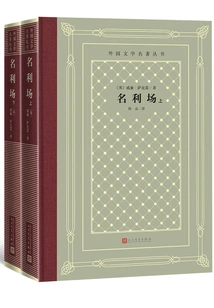
Vanity Fair: up and Down
General Fiction名利场:上下
J
In "Vanity Fair", the author mainly portrays a typical female adventurer in British capitalist society in the early 19th century. This character is neither evil nor kind, but very humane and completely a product of the times. In the novel, the author frequently communicates with readers, and the narrative is mixed with discussions, sometimes sarcastic, sometimes serious and sometimes wry, with a strong comedic effect. When readers participate in the thinking process, they can not only understand the author's intentions, but also learn a lot from it.
In "Vanity Fair", the author mainly portrays a typical female adventurer in British capitalist society in the early 19th century. This character is neither evil nor kind, but very humane and completely a product of the times. In the novel, the author frequently communicates with readers, and the narrative is mixed with discussions, sometimes sarcastic, sometimes serious and sometimes wry, with a strong comedic effect. When readers participate in the thinking process, they can not only understand the author's intentions, but also learn a lot from it.
X
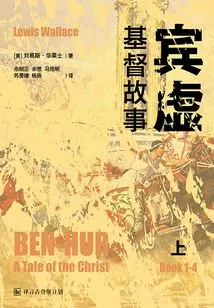
Ben-hur (part 1): a Christian Story
General Fiction宾虚(上):基督故事
(us) Lewis Wallace
The story begins in the 1st century AD, when the ancient Roman army invaded the country of Israel. Gratus, the new governor of Jerusalem, is about to arrive in Israel. The proud Roman aristocrat Messala returns to his hometown after studying and meets his old childhood friend Judah Ben-Hur again. Mesela hoped to win over Ben-Hur, a Jewish prince, but was severely rejected, and the former friends broke up. After Gratus took office, he led a crowd to patrol the city and was almost injured by a tile falling from the roof. Methra took the opportunity to punish Ben-Hur's family for treason. Ben-Hur was sentenced to life-long exile on a naval vessel, and his mother and sister were sentenced to hard labor. After enduring hardships, Ben-Hur became a brave and capable warrior and returned to Jerusalem. A journey of revenge quietly began... The novel was adapted into movies three times in 1907, 1925, and 1959, and was remade into a TV series in 2010. It has also been adapted into cartoons and stage plays many times. The 1959 version of the film Ben-Hur was directed by William Wyler and starred Charlton Heston. The film lasts for more than 4 hours. It won 11 awards at the 32nd Oscars, including Best Picture and Best Director, setting a record in Oscar history. It was also the first remake to win Best Picture, making it a classic in film history. Currently, Metro-Goldwyn-Mayer, which funded the film, is planning to remake the film. This book is divided into two volumes, the first volume is from BOOK1-4, and the second volume is from Book5-8.
The story begins in the 1st century AD, when the ancient Roman army invaded the country of Israel. Gratus, the new governor of Jerusalem, is about to arrive in Israel. The proud Roman aristocrat Messala returns to his hometown after studying and meets his old childhood friend Judah Ben-Hur again. Mesela hoped to win over Ben-Hur, a Jewish prince, but was severely rejected, and the former friends broke up. After Gratus took office, he led a crowd to patrol the city and was almost injured by a tile falling from the roof. Methra took the opportunity to punish Ben-Hur's family for treason. Ben-Hur was sentenced to life-long exile on a naval vessel, and his mother and sister were sentenced to hard labor. After enduring hardships, Ben-Hur became a brave and capable warrior and returned to Jerusalem. A journey of revenge quietly began... The novel was adapted into movies three times in 1907, 1925, and 1959, and was remade into a TV series in 2010. It has also been adapted into cartoons and stage plays many times. The 1959 version of the film Ben-Hur was directed by William Wyler and starred Charlton Heston. The film lasts for more than 4 hours. It won 11 awards at the 32nd Oscars, including Best Picture and Best Director, setting a record in Oscar history. It was also the first remake to win Best Picture, making it a classic in film history. Currently, Metro-Goldwyn-Mayer, which funded the film, is planning to remake the film. This book is divided into two volumes, the first volume is from BOOK1-4, and the second volume is from Book5-8.
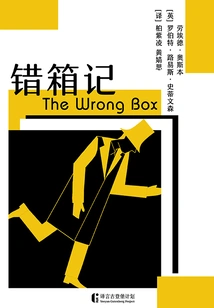
Wrong Box Record
General Fiction错箱记
(uk) Robert Louis Stevenson Lloyd Osborne
This book is a black comedy novel co-written by Robert Louis Stevenson and Lloyd Osborne. It tells the bizarre story of a wooden box containing a corpse that was exchanged and delivered to the wrong person. It was first published in 1889. In order to get their second uncle Joseph's Donte pension insurance, Morris and John took care of him and hoped that he would live long. However, the second uncle Joseph couldn't stand this restrictive life and took advantage of a train accident to escape. The Morris brothers mistakenly identified a corpse and thought that the second uncle was dead, so they put the body in a large barrel and transported it home in an attempt to block the news and create the illusion that the second uncle was not dead. Unexpectedly, the body was exchanged during transportation and pushed around by different people. In addition, Morris's cousin Michael was involved, and staged scenes of shocking comedies, leading to an unexpected ending...
This book is a black comedy novel co-written by Robert Louis Stevenson and Lloyd Osborne. It tells the bizarre story of a wooden box containing a corpse that was exchanged and delivered to the wrong person. It was first published in 1889. In order to get their second uncle Joseph's Donte pension insurance, Morris and John took care of him and hoped that he would live long. However, the second uncle Joseph couldn't stand this restrictive life and took advantage of a train accident to escape. The Morris brothers mistakenly identified a corpse and thought that the second uncle was dead, so they put the body in a large barrel and transported it home in an attempt to block the news and create the illusion that the second uncle was not dead. Unexpectedly, the body was exchanged during transportation and pushed around by different people. In addition, Morris's cousin Michael was involved, and staged scenes of shocking comedies, leading to an unexpected ending...
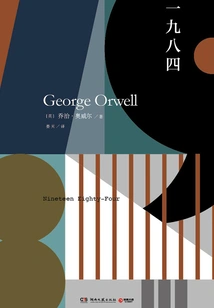
1984
General Fiction一九八四
J
"1984" is the last novel written by the British writer George Orwell during his lifetime, and it is also a uniquely influential literary work in the 20th century. Since the book was first published in 1949, it has been adapted into movies many times. It has been included in the "Top 100 English Novels of the 20th Century" and was named "one of the 100 best English novels since 1923" by the American "Time" magazine. The story of this book takes place in the future world, that is, Oceania in 1984. The protagonist Winston sticks to his beliefs in that dark social environment and strives to get rid of various shackles, but he does not expect that his fate has already been doomed... The author uses rich imagination and strict logical reasoning to show a future world that is devoid of human nature, and warns the world not to fall into such a tragedy.
"1984" is the last novel written by the British writer George Orwell during his lifetime, and it is also a uniquely influential literary work in the 20th century. Since the book was first published in 1949, it has been adapted into movies many times. It has been included in the "Top 100 English Novels of the 20th Century" and was named "one of the 100 best English novels since 1923" by the American "Time" magazine. The story of this book takes place in the future world, that is, Oceania in 1984. The protagonist Winston sticks to his beliefs in that dark social environment and strives to get rid of various shackles, but he does not expect that his fate has already been doomed... The author uses rich imagination and strict logical reasoning to show a future world that is devoid of human nature, and warns the world not to fall into such a tragedy.
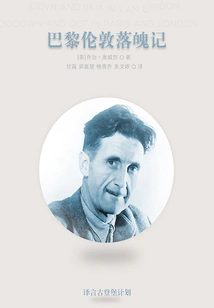
Down and Out in Paris and London
General Fiction巴黎伦敦落魄记
(uk) George Orwell
In 1927, the 24-year-old George Orwell resigned from his post as a colonial policeman in Burma and began to travel between the British mainland and the European continent, wandering around and trying various careers. He worked as a hotel dishwasher, a teacher, a bookstore clerk, and a longshoreman. Although he was poor, he was born in the middle class and experienced the life of the lower class firsthand. Orwell himself once said that "a life of poverty and a sense of failure strengthened my natural hatred of authority and made me aware of the existence of the working class for the first time." In 1933, Orwell wrote the novel "Down and Out in Paris and London" based on this experience. The book is divided into two parts. The first half describes the miserable life of a British literati living at the bottom of society by doing odd jobs in Paris. The second half describes the literati's experiences when he returned to London from Paris, where his living conditions further deteriorated, and he became a jobless vagrant and moved around. The book is interspersed with the protagonist's thoughts and comments, providing an in-depth analysis of the true meaning of poverty. But at the same time, there is still dark humor in the suffering. For example, when writing about the hard and tiring life of a dishwasher, one still never forgets to make fun of the classic line "Roughly speaking, the more you pay for a dish, the more sweat and spit you will eat."
In 1927, the 24-year-old George Orwell resigned from his post as a colonial policeman in Burma and began to travel between the British mainland and the European continent, wandering around and trying various careers. He worked as a hotel dishwasher, a teacher, a bookstore clerk, and a longshoreman. Although he was poor, he was born in the middle class and experienced the life of the lower class firsthand. Orwell himself once said that "a life of poverty and a sense of failure strengthened my natural hatred of authority and made me aware of the existence of the working class for the first time." In 1933, Orwell wrote the novel "Down and Out in Paris and London" based on this experience. The book is divided into two parts. The first half describes the miserable life of a British literati living at the bottom of society by doing odd jobs in Paris. The second half describes the literati's experiences when he returned to London from Paris, where his living conditions further deteriorated, and he became a jobless vagrant and moved around. The book is interspersed with the protagonist's thoughts and comments, providing an in-depth analysis of the true meaning of poverty. But at the same time, there is still dark humor in the suffering. For example, when writing about the hard and tiring life of a dishwasher, one still never forgets to make fun of the classic line "Roughly speaking, the more you pay for a dish, the more sweat and spit you will eat."

1984
General Fiction一九八四
(uk) George Orwell
"1984" is a political novel published in 1949 by the British left-wing writer George Orwell. The novel depicts a suffocating and terrifying imaginary totalitarian society with the ultimate goal of pursuing power. This novel, together with "Brave New World" by British writer Huxley and "Us" by Russian writer Zamyatin, is called the three masterpieces of dystopia. This novel has been translated into 62 languages and has sold more than 30 million copies worldwide. It is one of the most influential English novels in the 20th century.
"1984" is a political novel published in 1949 by the British left-wing writer George Orwell. The novel depicts a suffocating and terrifying imaginary totalitarian society with the ultimate goal of pursuing power. This novel, together with "Brave New World" by British writer Huxley and "Us" by Russian writer Zamyatin, is called the three masterpieces of dystopia. This novel has been translated into 62 languages and has sold more than 30 million copies worldwide. It is one of the most influential English novels in the 20th century.

Big Data Era (complete Collection)
General Fiction大数据时代(大全集)
Xia Yuchuan
If "Big River" talks about our past, then "Big Data Era" talks about our present and future. It is the first novel in the "big data" era in China to tell readers everything about the big data era and show the risks and opportunities of the Internet big data industry. Comprehensively presents the pros and cons of technology and the good and evil of human nature in the era of big data. "Prevent sneak shots": Li Ling is determined to find the hidden camera in the hotel room. Curtains, sheets, carpets, ceilings, socket holes, gaps in wallpaper, hidden compartments in furniture, casings of electronic devices... He rummaged through every suspicious corner and even removed two pillows and the cover of the fire alarm on the ceiling, but still found nothing. "Protecting privacy": In the era of Internet intelligence, Zhou Yinru's sudden fall from a victim to a victim did not happen overnight or by an accident. She flipped through the "Code of Conduct Against Big Data Surveillance", exchanging personal privacy for convenience, and the most common habits in daily life emerged one by one. "Identifying Authenticity and Falsehood": There are four oil paintings placed side by side on the long desk, and the content of two of them is exactly the same as the other two. Du Mianfeng stared at them with an earthy expression. These are not clumsy and mediocre reproductions, but four "authentic works" that cannot be distinguished from the fake after being authenticated by various experts, data institutions, and even himself. "Character collapse": On the other side of the screen, data is currency and code is weapon. Lu Haochuan had never been in contact with that world, but he still became a bargaining chip in transactions and a target for anyone to shoot at. From a tough guy star with many fans to a despised object, all it takes is a set of private data and a simple program code...
If "Big River" talks about our past, then "Big Data Era" talks about our present and future. It is the first novel in the "big data" era in China to tell readers everything about the big data era and show the risks and opportunities of the Internet big data industry. Comprehensively presents the pros and cons of technology and the good and evil of human nature in the era of big data. "Prevent sneak shots": Li Ling is determined to find the hidden camera in the hotel room. Curtains, sheets, carpets, ceilings, socket holes, gaps in wallpaper, hidden compartments in furniture, casings of electronic devices... He rummaged through every suspicious corner and even removed two pillows and the cover of the fire alarm on the ceiling, but still found nothing. "Protecting privacy": In the era of Internet intelligence, Zhou Yinru's sudden fall from a victim to a victim did not happen overnight or by an accident. She flipped through the "Code of Conduct Against Big Data Surveillance", exchanging personal privacy for convenience, and the most common habits in daily life emerged one by one. "Identifying Authenticity and Falsehood": There are four oil paintings placed side by side on the long desk, and the content of two of them is exactly the same as the other two. Du Mianfeng stared at them with an earthy expression. These are not clumsy and mediocre reproductions, but four "authentic works" that cannot be distinguished from the fake after being authenticated by various experts, data institutions, and even himself. "Character collapse": On the other side of the screen, data is currency and code is weapon. Lu Haochuan had never been in contact with that world, but he still became a bargaining chip in transactions and a target for anyone to shoot at. From a tough guy star with many fans to a despised object, all it takes is a set of private data and a simple program code...