Library
Browse and search books
2,982 novels found
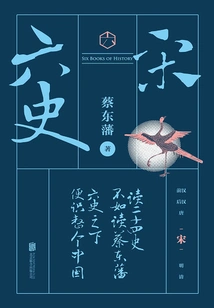
六史:宋史演义
Cai Dongfan
"Six Histories" records the panoramic views and secret details of the six most representative turning dynasties in Chinese history, from their rise to their decline. The system is complete, the content is rich, and the priorities are clear. It combines the majestic spirit of history with the interest of grass and snakes. It respects historical facts and has sophisticated diction. It has many but lifelike characters. In the midst of laughter and curses, it writes the breadth and splendor of history. It is recognized as a masterpiece of epic history.
"Six Histories" records the panoramic views and secret details of the six most representative turning dynasties in Chinese history, from their rise to their decline. The system is complete, the content is rich, and the priorities are clear. It combines the majestic spirit of history with the interest of grass and snakes. It respects historical facts and has sophisticated diction. It has many but lifelike characters. In the midst of laughter and curses, it writes the breadth and splendor of history. It is recognized as a masterpiece of epic history.
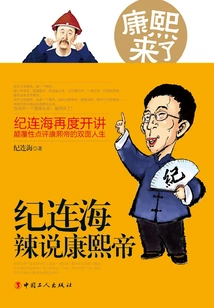
康熙来了:纪连海辣说康熙帝
Ji Lianhai
Emperor Kangxi was the longest reigning emperor among all the emperors and created the famous prosperous age of Kangxi and Qianlong in history. This book is based on historical facts. The author uses humorous language to elaborate on Emperor Kangxi's growth experience, great achievements, daily life, regrets and shortcomings, etc., Presenting readers with a full image of a thousand-year-old emperor with distinctive personality, great wisdom, courage, literary skills and military strategies. The content of the book is accurate, the writing is fluent, it is suitable for both refined and popular tastes, and it is highly readable.
Emperor Kangxi was the longest reigning emperor among all the emperors and created the famous prosperous age of Kangxi and Qianlong in history. This book is based on historical facts. The author uses humorous language to elaborate on Emperor Kangxi's growth experience, great achievements, daily life, regrets and shortcomings, etc., Presenting readers with a full image of a thousand-year-old emperor with distinctive personality, great wisdom, courage, literary skills and military strategies. The content of the book is accurate, the writing is fluent, it is suitable for both refined and popular tastes, and it is highly readable.
The Puppy Also Barks
History小狗也要叫
Zhang Ming
This book is the latest work by Zhang Ming, author of the best-selling book "Xinhai: Shaking China". It continues his consistent writing style of criticizing current ills and accurately analyzes current China! The author simplifies the complex, uses sophisticated writing style, uses popular and smooth language, abandons boring academic vocabulary, and uses vivid cases to explain the professional content in a simple and profound way. It is a current affairs book that ordinary people can understand!
This book is the latest work by Zhang Ming, author of the best-selling book "Xinhai: Shaking China". It continues his consistent writing style of criticizing current ills and accurately analyzes current China! The author simplifies the complex, uses sophisticated writing style, uses popular and smooth language, abandons boring academic vocabulary, and uses vivid cases to explain the professional content in a simple and profound way. It is a current affairs book that ordinary people can understand!
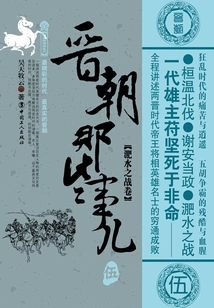
晋朝那些事儿·伍:淝水之战卷
Haotian Muyun
This volume is the fifth volume, with six chapters in total, starting from Huan Wen's Northern Expedition to the Battle of Feishui. Huan Wen made several Northern Expeditions, all of which were successful in the first battle and victory was in sight. However, he misjudged the situation and failed. When the external war failed, they turned to seize power inward, eliminate dissidents, and tried to force the Sima family to abdicate, but Xie An was defeated. At the same time, Fu Jian launched a coup and ascended to the throne of the former Qin emperor. With the assistance of Wang Meng, he unified the north and set his sights on the south of the Yangtze River. After Wang Meng died, Fu Jian launched a campaign to attack Jin. Xie Shi and Xie Xuan led their troops to confront Fu Jian in Fei. They took advantage of the internal conflicts of the former Qin Dynasty and seized the opportunity to defeat the former Qin army with a small number of enemies. They won the Battle of Feishui and saved the crumbling Eastern Jin Dynasty. After Fu Jian was routed thousands of miles away, he was taken advantage of by Yao Chang, a great leader of his generation, and died an unexpected death. The Xianbei swallows made a comeback, and the north was once again divided.
This volume is the fifth volume, with six chapters in total, starting from Huan Wen's Northern Expedition to the Battle of Feishui. Huan Wen made several Northern Expeditions, all of which were successful in the first battle and victory was in sight. However, he misjudged the situation and failed. When the external war failed, they turned to seize power inward, eliminate dissidents, and tried to force the Sima family to abdicate, but Xie An was defeated. At the same time, Fu Jian launched a coup and ascended to the throne of the former Qin emperor. With the assistance of Wang Meng, he unified the north and set his sights on the south of the Yangtze River. After Wang Meng died, Fu Jian launched a campaign to attack Jin. Xie Shi and Xie Xuan led their troops to confront Fu Jian in Fei. They took advantage of the internal conflicts of the former Qin Dynasty and seized the opportunity to defeat the former Qin army with a small number of enemies. They won the Battle of Feishui and saved the crumbling Eastern Jin Dynasty. After Fu Jian was routed thousands of miles away, he was taken advantage of by Yao Chang, a great leader of his generation, and died an unexpected death. The Xianbei swallows made a comeback, and the north was once again divided.
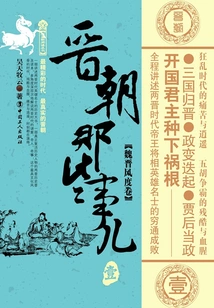
晋朝那些事儿·壹:魏晋风度卷
Haotian Muyun
This book is the first volume with a total of six chapters. It starts from Sima Yi's early political career and ends with the death of Emperor Wu of Jin Sima Yan. It comprehensively describes Sima's entrepreneurial process and describes the experiences of three generations of Sima's ancestors one by one: Sima Yi was forced to join Cao's camp and helped Cao overcome difficulties at critical moments many times. Assisting Cao Pi, he narrowly defeated Cao Zhi in the battle to seize the throne, and stabilized the situation for Cao Pi, who had just ascended the throne. However, he had strong enemies outside. He quickly gained the trust of Cao Pi and Cao Rui, and became the trusted minister of the two dynasties. Later, when Cao Shuang came to power, Sima Yi and his son launched the Gaoping Ling Incident in order to gain power from Cao Shuang. The brothers Sima Shi and Sima Zhao inherited their father's political legacy and took full control of the Wei Dynasty. They abolished Cao Fang, quelled the Huainan rebellion, and sent troops to destroy Shu. This not only stabilized the situation in Wei, but also consolidated the Sima family's power base. Under the planning of his advisers, Sima Yan successfully seized the throne and became the founding king of Jin. He worked hard to govern and finally destroyed Soochow and unified China. However, the founding kings of the country ended up being ignorant and corrupt, sowing the seeds of the country's ruin. The characters of the three generations of the Sima family are also vividly and meticulously described: Sima Yi is far-sighted and able to stretch freely. He can win by surprise and is better at hiding the enemy. In the life-and-death struggle with the enemy, he will always be invincible; Although Sima Yan had the capital to be a heroic leader of the generation, his playboy nature lost all his vigor after the destruction of Wu, and he became short-sighted and appointed inhumane people. In the end, he was cut off constantly, which paved the way for the subsequent chaos.
This book is the first volume with a total of six chapters. It starts from Sima Yi's early political career and ends with the death of Emperor Wu of Jin Sima Yan. It comprehensively describes Sima's entrepreneurial process and describes the experiences of three generations of Sima's ancestors one by one: Sima Yi was forced to join Cao's camp and helped Cao overcome difficulties at critical moments many times. Assisting Cao Pi, he narrowly defeated Cao Zhi in the battle to seize the throne, and stabilized the situation for Cao Pi, who had just ascended the throne. However, he had strong enemies outside. He quickly gained the trust of Cao Pi and Cao Rui, and became the trusted minister of the two dynasties. Later, when Cao Shuang came to power, Sima Yi and his son launched the Gaoping Ling Incident in order to gain power from Cao Shuang. The brothers Sima Shi and Sima Zhao inherited their father's political legacy and took full control of the Wei Dynasty. They abolished Cao Fang, quelled the Huainan rebellion, and sent troops to destroy Shu. This not only stabilized the situation in Wei, but also consolidated the Sima family's power base. Under the planning of his advisers, Sima Yan successfully seized the throne and became the founding king of Jin. He worked hard to govern and finally destroyed Soochow and unified China. However, the founding kings of the country ended up being ignorant and corrupt, sowing the seeds of the country's ruin. The characters of the three generations of the Sima family are also vividly and meticulously described: Sima Yi is far-sighted and able to stretch freely. He can win by surprise and is better at hiding the enemy. In the life-and-death struggle with the enemy, he will always be invincible; Although Sima Yan had the capital to be a heroic leader of the generation, his playboy nature lost all his vigor after the destruction of Wu, and he became short-sighted and appointed inhumane people. In the end, he was cut off constantly, which paved the way for the subsequent chaos.
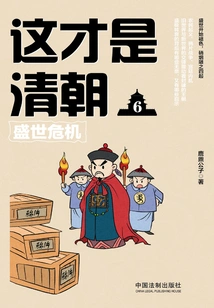
这才是清朝6:盛世危机
Mr. Lu Ding
The political code of the Qing Dynasty's transition from prosperity to decline, the turning point of the decline of China's last feudal dynasty, uprisings and quelling chaos. The heyday of Kangxi and Qianlong was only a hundred years old. Peasant uprisings, Yao people uprisings, and Zhanggeer's Xinjiang rebellion had gradually emptied the Qing Dynasty's treasury; repeated assassinations made Jiaqing feel helpless after reflection; how could Daoguang, who had experienced the loss of power and humiliating the country's alliance, be regarded as a relatively blessed emperor... The Qing Empire, which was in the stage of disintegration from its prosperous age, was doomed.
The political code of the Qing Dynasty's transition from prosperity to decline, the turning point of the decline of China's last feudal dynasty, uprisings and quelling chaos. The heyday of Kangxi and Qianlong was only a hundred years old. Peasant uprisings, Yao people uprisings, and Zhanggeer's Xinjiang rebellion had gradually emptied the Qing Dynasty's treasury; repeated assassinations made Jiaqing feel helpless after reflection; how could Daoguang, who had experienced the loss of power and humiliating the country's alliance, be regarded as a relatively blessed emperor... The Qing Empire, which was in the stage of disintegration from its prosperous age, was doomed.
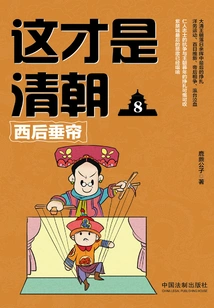
这才是清朝8:西后垂帘
Mr. Lu Ding
The last gasp of the Eastern dynasty under the great changes in the world, and the struggle of the declining empire in the midst of devastation are lamentable. The emperors who desperately seek change, the people with lofty ideals who are not afraid of bloodshed, and the people who no longer bow to the invaders jointly compose the last magnificent elegiac song in the afterglow of the feudal empire. Guangxu, who sought change alone, the "Six Gentlemen of 1898" who died generously, and Sun Yat-sen, who overthrew the imperial system, all used their own methods to save the land of China that was already riddled with holes.
The last gasp of the Eastern dynasty under the great changes in the world, and the struggle of the declining empire in the midst of devastation are lamentable. The emperors who desperately seek change, the people with lofty ideals who are not afraid of bloodshed, and the people who no longer bow to the invaders jointly compose the last magnificent elegiac song in the afterglow of the feudal empire. Guangxu, who sought change alone, the "Six Gentlemen of 1898" who died generously, and Sun Yat-sen, who overthrew the imperial system, all used their own methods to save the land of China that was already riddled with holes.
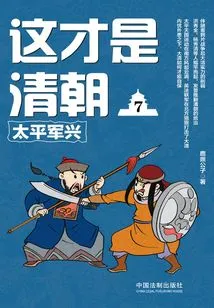
这才是清朝7:太平军兴
Mr. Lu Ding
Emperor Xianfeng took over the power of the Qing Dynasty in the turmoil, and he wanted to make a difference. But unfortunately, on one side, the Taiping Rebellion gained momentum in the south, and on the other side, the British and French forces entered Beijing. This time, the invaders burned the Old Summer Palace, which was regarded as a treasure by Xianfeng. Facing the situation of internal and external troubles, Emperor Xianfeng wanted to cheer up, but he found that the harder he tried, the less effective he was, and he gradually indulged.
Emperor Xianfeng took over the power of the Qing Dynasty in the turmoil, and he wanted to make a difference. But unfortunately, on one side, the Taiping Rebellion gained momentum in the south, and on the other side, the British and French forces entered Beijing. This time, the invaders burned the Old Summer Palace, which was regarded as a treasure by Xianfeng. Facing the situation of internal and external troubles, Emperor Xianfeng wanted to cheer up, but he found that the harder he tried, the less effective he was, and he gradually indulged.
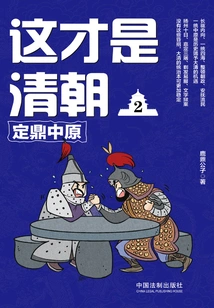
这才是清朝2:定鼎中原
Mr. Lu Ding
Li Zicheng invaded Beijing, Emperor Chongzhen committed suicide, and the Ming Dynasty fell. Although Li Zicheng occupied Beijing, he obviously had no idea how to run such a large country. At this time, Wu Sangui, who was far away in Shanhaiguan, "turned his crown into a beauty in anger" and lured the Qing army into the pass. Dorgon led the Qing army into the pass and became the regent of the emperor's father, holding the military and political power of the country in his hands. Mother and son Xiaozhuang and Shunzhi lived under the threat of Dorgon, and their lives were threatened at any time. Thanks to Xiaozhuang's observation of words and expressions, dangers were resolved time and time again while talking and laughing. It's a pity that Shunzhi was still too young. After taking office, he had trouble with his mother Xiaozhuang. In the end, both himself and his beloved Concubine Dong E died early.
Li Zicheng invaded Beijing, Emperor Chongzhen committed suicide, and the Ming Dynasty fell. Although Li Zicheng occupied Beijing, he obviously had no idea how to run such a large country. At this time, Wu Sangui, who was far away in Shanhaiguan, "turned his crown into a beauty in anger" and lured the Qing army into the pass. Dorgon led the Qing army into the pass and became the regent of the emperor's father, holding the military and political power of the country in his hands. Mother and son Xiaozhuang and Shunzhi lived under the threat of Dorgon, and their lives were threatened at any time. Thanks to Xiaozhuang's observation of words and expressions, dangers were resolved time and time again while talking and laughing. It's a pity that Shunzhi was still too young. After taking office, he had trouble with his mother Xiaozhuang. In the end, both himself and his beloved Concubine Dong E died early.
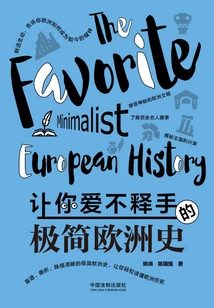
让你爱不释手的极简欧洲史
Chen Guoqiang Yao Yao
How did the Peloponnesian War, between Sparta and Athens, change the trajectory of human civilization? How did Rome, a city founded by twin brothers who were raised by a she-wolf, become a large empire spanning Europe, Asia and Africa? What kind of disease is the "Black Death" that once made the whole of Europe tremble? By whom did the Thousand-Year Empire of Byzantium fall? What kind of bloody storm did the European Religious Reformation experience?
How did the Peloponnesian War, between Sparta and Athens, change the trajectory of human civilization? How did Rome, a city founded by twin brothers who were raised by a she-wolf, become a large empire spanning Europe, Asia and Africa? What kind of disease is the "Black Death" that once made the whole of Europe tremble? By whom did the Thousand-Year Empire of Byzantium fall? What kind of bloody storm did the European Religious Reformation experience?
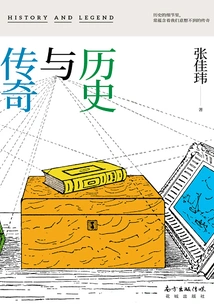
History and Legend
History历史与传奇
Zhang Jiawei
Xiang Yu's bravery, Zhang Liang's wisdom, Xiao He's planning, and Liu Bang's employment were all extraordinary talents at the end of the Qin Dynasty and the beginning of the Han Dynasty. But why did Liu Bang become emperor and why did Xiang Yu fail? "Three Kingdoms" said that Zhuge Liang's ingenuity was short-term, so he continued his northern expedition without success. Is it really so? Why were the three most important women in Emperor Wu of the Han Dynasty so favored? Did Yue Fei die because he was too upright and didn't know how to behave? There is also Lu Zhonglian, who is kind to others without asking for anything in return, and Ji Wei, who is neither humble nor overbearing, but affectionate and affectionate... Zhang Jiawei is based on historical data and talks to you about the unknown legends in the details of history. In addition to emperors, generals, harem beauties, and legendary figures, let's talk about anecdotes and customs at home and abroad, both ancient and modern. How do knights, nobles, and painters live their lives? How to fight corruption in European history? Is shipping in the Song Dynasty more developed than in Europe? The author uses more than 50 historical stories to sort out and analyze the subtleties of Chinese and foreign historical anecdotes and the unique temperaments of talented people and beautiful ladies in a simple and easy-to-understand way. They are like talking about everyday things, which are concise, vivid, humorous and witty, enriching readers' understanding of history.
Xiang Yu's bravery, Zhang Liang's wisdom, Xiao He's planning, and Liu Bang's employment were all extraordinary talents at the end of the Qin Dynasty and the beginning of the Han Dynasty. But why did Liu Bang become emperor and why did Xiang Yu fail? "Three Kingdoms" said that Zhuge Liang's ingenuity was short-term, so he continued his northern expedition without success. Is it really so? Why were the three most important women in Emperor Wu of the Han Dynasty so favored? Did Yue Fei die because he was too upright and didn't know how to behave? There is also Lu Zhonglian, who is kind to others without asking for anything in return, and Ji Wei, who is neither humble nor overbearing, but affectionate and affectionate... Zhang Jiawei is based on historical data and talks to you about the unknown legends in the details of history. In addition to emperors, generals, harem beauties, and legendary figures, let's talk about anecdotes and customs at home and abroad, both ancient and modern. How do knights, nobles, and painters live their lives? How to fight corruption in European history? Is shipping in the Song Dynasty more developed than in Europe? The author uses more than 50 historical stories to sort out and analyze the subtleties of Chinese and foreign historical anecdotes and the unique temperaments of talented people and beautiful ladies in a simple and easy-to-understand way. They are like talking about everyday things, which are concise, vivid, humorous and witty, enriching readers' understanding of history.
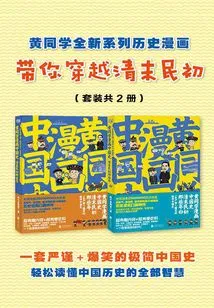
黄同学全新系列历史漫画:带你穿越清末民初(套装全册)
That Classmate Huang
The invasion of China by the Eight-Power Allied Forces? The Russo-Japanese War? The establishment of the Constitution of the Qing Dynasty? Cixi's luxurious life? Cixi and her foreign gadgets? Li Hongzhang's visit to Europe and the United States? The little-known flag and national anthem of the late Qing Dynasty? Military training at small stations? The century-old famous gun "Made in Hanyang"? Puyi's ascension to the throne? The shortest-lived paper currency? One The great master Huang Feihong? The Wuchang Uprising? Li Yuanhong, the governor of the Hubei Army? An old fisherman returns to the world? The abdication of the Qing emperor from 1916 to 1928? The war between the great powers? The competition between heroes? The warlords' separatism? The emergence of tycoons? Life in the market? Industrial civilization? Palace secrets? Strange stories in the world. An era with the most stories! This is the first work in China that tells the story of the late Qing Dynasty and the early Republic of China - the colorful beginning of China's modern history - in the form of comics. With a relaxed and humorous painting style, according to the timeline of historical occurrences, and through vivid and interesting stories, the grand history of the late Qing Dynasty and the early Republic of China is slowly unfolded in the eyes of readers like a picture scroll. It allows readers to easily remember the history of the late Qing Dynasty and the early Republic of China, understand the causes of the war, and know some special stories that happened in the process.
The invasion of China by the Eight-Power Allied Forces? The Russo-Japanese War? The establishment of the Constitution of the Qing Dynasty? Cixi's luxurious life? Cixi and her foreign gadgets? Li Hongzhang's visit to Europe and the United States? The little-known flag and national anthem of the late Qing Dynasty? Military training at small stations? The century-old famous gun "Made in Hanyang"? Puyi's ascension to the throne? The shortest-lived paper currency? One The great master Huang Feihong? The Wuchang Uprising? Li Yuanhong, the governor of the Hubei Army? An old fisherman returns to the world? The abdication of the Qing emperor from 1916 to 1928? The war between the great powers? The competition between heroes? The warlords' separatism? The emergence of tycoons? Life in the market? Industrial civilization? Palace secrets? Strange stories in the world. An era with the most stories! This is the first work in China that tells the story of the late Qing Dynasty and the early Republic of China - the colorful beginning of China's modern history - in the form of comics. With a relaxed and humorous painting style, according to the timeline of historical occurrences, and through vivid and interesting stories, the grand history of the late Qing Dynasty and the early Republic of China is slowly unfolded in the eyes of readers like a picture scroll. It allows readers to easily remember the history of the late Qing Dynasty and the early Republic of China, understand the causes of the war, and know some special stories that happened in the process.
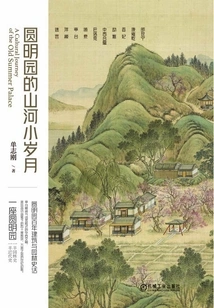
圆明园的山河小岁月
Shan Zhigang
"The Mountains and Rivers of the Old Summer Palace" can be said to be a treasure book about the Old Summer Palace. The author is well versed in the garden's meaning and has been immersed in it for many years. Using historical facts and culture as the boat, and aesthetics and ideas as the oars, he elaborates on the past, present and prosperous dreams of the Old Summer Palace. The whole book is like a journey through time. The story of the royal construction, the admiration of poems and songs, the lifestyle of the emperors and empresses, the art of gardening that combines Chinese and Western styles, and even the allusions of each local landscape are carefully written and narrated. Exquisite layout design, elegant text, savor it carefully, and leave a fragrance on your lips and teeth.
"The Mountains and Rivers of the Old Summer Palace" can be said to be a treasure book about the Old Summer Palace. The author is well versed in the garden's meaning and has been immersed in it for many years. Using historical facts and culture as the boat, and aesthetics and ideas as the oars, he elaborates on the past, present and prosperous dreams of the Old Summer Palace. The whole book is like a journey through time. The story of the royal construction, the admiration of poems and songs, the lifestyle of the emperors and empresses, the art of gardening that combines Chinese and Western styles, and even the allusions of each local landscape are carefully written and narrated. Exquisite layout design, elegant text, savor it carefully, and leave a fragrance on your lips and teeth.
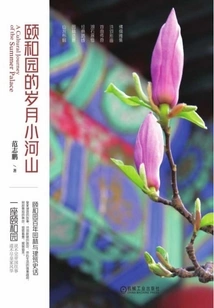
颐和园的岁月小河山
Fan Zhipeng
"Times of the Summer Palace, Rivers and Mountains" can be said to be a treasure book about the Summer Palace. The author is well versed in the meaning of gardens and has been immersed in them for many years. Using historical facts and culture as the boat, and aesthetics and ideas as the oars, he elaborates on the meaning of the name of the Summer Palace and the traditional ideas in the garden, garden elements, traditional literature, opera, longevity, utensils, symbols of high ideals, and landscaping techniques. He will take you under the Six Bridges on the West Causeway and in the water of Kunming Lake. The entire book is like a journey through time in the Summer Palace. The story of the royal construction, the admiration of poems and songs, the lifestyle of the emperors and empresses, and even the allusions to each local landscape are all carefully written and narrated. Exquisite layout design, elegant text, savor it carefully, and leave a fragrance on your lips and teeth. This book is rich in content and rich in pictures and texts. It is a comprehensive discussion of the Summer Palace culture, which is especially convenient for readers to understand the true meaning of the Summer Palace culture in a short period of time. This book is suitable for people who love traditional Chinese culture, professional scholars who study garden culture, tour guides, teachers, students and practitioners in general university architecture, garden and other related majors.
"Times of the Summer Palace, Rivers and Mountains" can be said to be a treasure book about the Summer Palace. The author is well versed in the meaning of gardens and has been immersed in them for many years. Using historical facts and culture as the boat, and aesthetics and ideas as the oars, he elaborates on the meaning of the name of the Summer Palace and the traditional ideas in the garden, garden elements, traditional literature, opera, longevity, utensils, symbols of high ideals, and landscaping techniques. He will take you under the Six Bridges on the West Causeway and in the water of Kunming Lake. The entire book is like a journey through time in the Summer Palace. The story of the royal construction, the admiration of poems and songs, the lifestyle of the emperors and empresses, and even the allusions to each local landscape are all carefully written and narrated. Exquisite layout design, elegant text, savor it carefully, and leave a fragrance on your lips and teeth. This book is rich in content and rich in pictures and texts. It is a comprehensive discussion of the Summer Palace culture, which is especially convenient for readers to understand the true meaning of the Summer Palace culture in a short period of time. This book is suitable for people who love traditional Chinese culture, professional scholars who study garden culture, tour guides, teachers, students and practitioners in general university architecture, garden and other related majors.
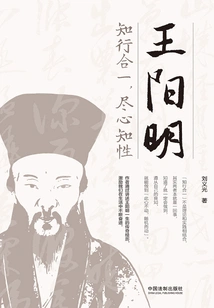
王阳明:知行合一,尽心知性
Liu Yiguang
This book selects Wang Yangming, a great man in the history of my country's Ming Dynasty who had outstanding attainments in both arts and martial arts, as the entry point, and introduces his life and deeds in detail, such as his mental journey, philosophical thoughts, and military strategies. Tell us how he grew from a commoner to a saint respected by everyone in the Ming Dynasty. In addition to revealing the many factors behind his success, he also puts forward his own insights and interpretations of the psychology that Wang Yangming has studied painstakingly throughout his life, and summarizes his experience in managing his own mood.
This book selects Wang Yangming, a great man in the history of my country's Ming Dynasty who had outstanding attainments in both arts and martial arts, as the entry point, and introduces his life and deeds in detail, such as his mental journey, philosophical thoughts, and military strategies. Tell us how he grew from a commoner to a saint respected by everyone in the Ming Dynasty. In addition to revealing the many factors behind his success, he also puts forward his own insights and interpretations of the psychology that Wang Yangming has studied painstakingly throughout his life, and summarizes his experience in managing his own mood.
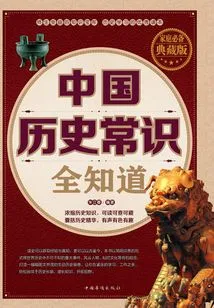
中国历史常识全知道
Zhu Lichun
China is a country with a long history. Five thousand years of ups and downs have created a splendid history of Chinese civilization. This is a huge wealth left by our ancestors to future generations. It not only contains endless experience and true knowledge, but can also illuminate the unknown road ahead. Many celebrities at home and abroad have discussed the importance of studying history. Bacon said that "reading history can make you wise", and Mr. Cai Yuanpei's following words are even more precise: "When we read history, we obtain the knowledge of the ancients. We use it as a basis and continue to study it. This is the reason why human knowledge progresses. When we read history, we know the behavior of the ancients, distinguish their right from wrong, and examine their success or failure. The law is with the successful ones, and avoid the wrong ones with the losers. This is why human morality and career progress, and it is the benefit of history."
China is a country with a long history. Five thousand years of ups and downs have created a splendid history of Chinese civilization. This is a huge wealth left by our ancestors to future generations. It not only contains endless experience and true knowledge, but can also illuminate the unknown road ahead. Many celebrities at home and abroad have discussed the importance of studying history. Bacon said that "reading history can make you wise", and Mr. Cai Yuanpei's following words are even more precise: "When we read history, we obtain the knowledge of the ancients. We use it as a basis and continue to study it. This is the reason why human knowledge progresses. When we read history, we know the behavior of the ancients, distinguish their right from wrong, and examine their success or failure. The law is with the successful ones, and avoid the wrong ones with the losers. This is why human morality and career progress, and it is the benefit of history."
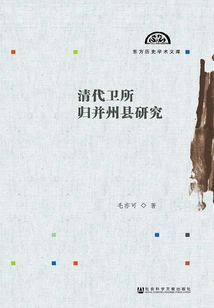
清代卫所归并州县研究(东方历史学术文库)
Hair Can Also Be Used
This book studies the process of the Qing Dynasty when the health offices and their subordinate villages and villages were transferred back to the local management of prefectures and counties. After the establishment of the Qing Dynasty, in the face of the huge health system established by the Ming Dynasty, on the one hand, it quickly eliminated its military functions, and on the other hand, it slowly promoted the internal transformation of the health system. It gradually eliminated the particularity of the health system in terms of management institutions, land ownership, household establishment methods, and the allocation of land tax and grain, and incorporated it into the local civil administration system of prefectures and counties. In the Qing Dynasty, the merging of the imperial guards into prefectures and counties was not only an important government affair in the history of the early Qing Dynasty, but also a typical example of the integration of the military and civilian systems that occurred repeatedly in Chinese history.
This book studies the process of the Qing Dynasty when the health offices and their subordinate villages and villages were transferred back to the local management of prefectures and counties. After the establishment of the Qing Dynasty, in the face of the huge health system established by the Ming Dynasty, on the one hand, it quickly eliminated its military functions, and on the other hand, it slowly promoted the internal transformation of the health system. It gradually eliminated the particularity of the health system in terms of management institutions, land ownership, household establishment methods, and the allocation of land tax and grain, and incorporated it into the local civil administration system of prefectures and counties. In the Qing Dynasty, the merging of the imperial guards into prefectures and counties was not only an important government affair in the history of the early Qing Dynasty, but also a typical example of the integration of the military and civilian systems that occurred repeatedly in Chinese history.
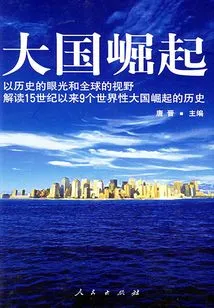
Rise of Great Powers
History大国崛起
Tang And Jin
From a historical perspective and a global perspective, interpret the history of the rise of nine world powers since the 15th century. "The Rise of the Great Powers" uses the form of historical stories and speculative language on the basis of respecting historical facts to describe the process of nine countries, namely Portugal, Spain, the Netherlands, the United Kingdom, France, Germany, Japan, Russia, and the United States, competing to ascend to the center of the world stage since the 15th century. The book stands at the height of the entire world civilization, uses a global perspective and a historical perspective, and comprehensively and in-depth analyzes the successes and failures of the rise and fall of great powers from multiple perspectives such as politics, economy, thought, religion, art, military, and diplomacy.
From a historical perspective and a global perspective, interpret the history of the rise of nine world powers since the 15th century. "The Rise of the Great Powers" uses the form of historical stories and speculative language on the basis of respecting historical facts to describe the process of nine countries, namely Portugal, Spain, the Netherlands, the United Kingdom, France, Germany, Japan, Russia, and the United States, competing to ascend to the center of the world stage since the 15th century. The book stands at the height of the entire world civilization, uses a global perspective and a historical perspective, and comprehensively and in-depth analyzes the successes and failures of the rise and fall of great powers from multiple perspectives such as politics, economy, thought, religion, art, military, and diplomacy.
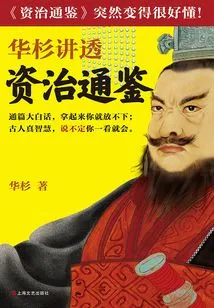
华杉讲透《资治通鉴》
Huashan
"Zi Zhi Tong Jian" suddenly became very easy to understand! The whole article is written in plain language, and you won't be able to put it down once you pick it up. The ancients were so wise that you might understand it as soon as you read it. "Zizhi Tongjian" is written from the Warring States Period to the Five Dynasties and Ten Kingdoms, vividly showing the living people and stories in the 1362-year history of 16 dynasties. It can be said to be the "big data" and "super case collection" of China's political and cultural heritage. Open this book and read "Zi Zhi Tong Jian" with gusto like a novel! Explain thoroughly the wisdom in "Zi Zhi Tong Jian" that is really useful to ordinary people in the 21st century - people will know it after reading it once, and they will be able to use it after reading it. A new masterpiece from best-selling author Hua Shan.
"Zi Zhi Tong Jian" suddenly became very easy to understand! The whole article is written in plain language, and you won't be able to put it down once you pick it up. The ancients were so wise that you might understand it as soon as you read it. "Zizhi Tongjian" is written from the Warring States Period to the Five Dynasties and Ten Kingdoms, vividly showing the living people and stories in the 1362-year history of 16 dynasties. It can be said to be the "big data" and "super case collection" of China's political and cultural heritage. Open this book and read "Zi Zhi Tong Jian" with gusto like a novel! Explain thoroughly the wisdom in "Zi Zhi Tong Jian" that is really useful to ordinary people in the 21st century - people will know it after reading it once, and they will be able to use it after reading it. A new masterpiece from best-selling author Hua Shan.
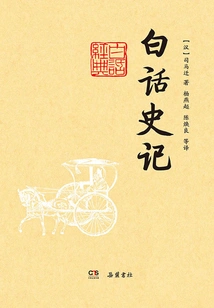
白话史记
H
Sima Qian's "Historical Records" is a famous work in ancient my country with both historical and literary value. This masterpiece has become a model for scholars' composition and a reference for studying history for thousands of years. It is known as "the historian's swan song and the rhymeless lissao". Our translation of "Historical Records in Vernacular Chinese" follows the principles of "faithfulness, expressiveness and elegance", with particular emphasis on being faithful to the original text. When choosing the translation language, we try to take into account the objective historical conditions when using documents in "Historical Records"; we strive to implement the original text word for word and sentence by sentence on the premise of accurately understanding the meaning of the text and coordinating grammatical phenomena: in order to make the translation accessible and credible, so that readers can understand and read the original text of "Historical Records" well when reading this book. Since its publication in 1994, Yuelu Publishing House's "Vernacular Historical Records" has been very popular among readers. It has been reprinted many times, with a cumulative print run of more than 100,000 copies.
Sima Qian's "Historical Records" is a famous work in ancient my country with both historical and literary value. This masterpiece has become a model for scholars' composition and a reference for studying history for thousands of years. It is known as "the historian's swan song and the rhymeless lissao". Our translation of "Historical Records in Vernacular Chinese" follows the principles of "faithfulness, expressiveness and elegance", with particular emphasis on being faithful to the original text. When choosing the translation language, we try to take into account the objective historical conditions when using documents in "Historical Records"; we strive to implement the original text word for word and sentence by sentence on the premise of accurately understanding the meaning of the text and coordinating grammatical phenomena: in order to make the translation accessible and credible, so that readers can understand and read the original text of "Historical Records" well when reading this book. Since its publication in 1994, Yuelu Publishing House's "Vernacular Historical Records" has been very popular among readers. It has been reprinted many times, with a cumulative print run of more than 100,000 copies.
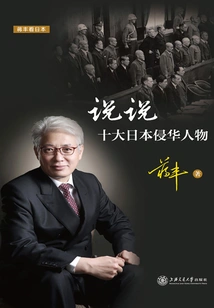
蒋丰说十大日本侵华人物
Jiang Feng
For the first time, this book comprehensively lifts the veil on the growth of Class-A war criminals such as Hideki Tojo and other figures who invaded China during World War II, revealing the top-down efforts of Japanese militarism to suppress Japan and its people from all aspects of ideology, politics, military, and economy, as well as the huge harm it caused to Japan and its people and its historical legacy. It also reveals the root cause of why these important figures in Japan's invasion of China were so vicious to China and even the Chinese people. This book avoids emotional language and judgments, combines historical facts with Japanese reality, and clears away the fog of history to get to the bottom of things. This is the characteristic of this book. Mr. Jiang Feng used his extensive first-hand information on Japan and his observations, insights and gains from his on-the-spot visits to the former residences of Japanese Class-A war criminals and other Japanese invaders, allowing Chinese readers to understand the ideological and historical roots of the right-leaning trend in Japan today. This book is very suitable for those who are engaged in history, especially the history of the Anti-Japanese War, and for military fans.
For the first time, this book comprehensively lifts the veil on the growth of Class-A war criminals such as Hideki Tojo and other figures who invaded China during World War II, revealing the top-down efforts of Japanese militarism to suppress Japan and its people from all aspects of ideology, politics, military, and economy, as well as the huge harm it caused to Japan and its people and its historical legacy. It also reveals the root cause of why these important figures in Japan's invasion of China were so vicious to China and even the Chinese people. This book avoids emotional language and judgments, combines historical facts with Japanese reality, and clears away the fog of history to get to the bottom of things. This is the characteristic of this book. Mr. Jiang Feng used his extensive first-hand information on Japan and his observations, insights and gains from his on-the-spot visits to the former residences of Japanese Class-A war criminals and other Japanese invaders, allowing Chinese readers to understand the ideological and historical roots of the right-leaning trend in Japan today. This book is very suitable for those who are engaged in history, especially the history of the Anti-Japanese War, and for military fans.
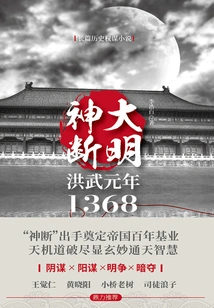
大明神断:洪武元年1368
Li Haobai
"The Legend of the Ming Dynasty: 1368, the First Year of Hongwu" tells this story: In the spring of the first year of Hongwu, Zhu Yuanzhang personally led an army to conquer Wang Baobao, the powerful general of the Yuan Dynasty. Prime Minister Li Shanchang and Yushi Zhongcheng Liu Bowen stayed in Yingtian Mansion as two ministers of supervision and auxiliary government, assisting Prince Zhu Biao in governing the country. When the three major problems of expelling the barbarians, eliminating natural disasters, and clearing up the rule of law suddenly hit him, Liu Bowen cleverly planned it within two or three months, used the theory of Yili, and deeply understood the ways of heaven and humanity. Wang Baobao's great worries relieved the constraints of the Huaixi clique on Li Bin's case, and the difficulties faced by the common people in Jiangnan due to lack of manpower to fight disasters. It promoted the concept of respecting the law and abiding by the law in the hearts of the people, and firmly safeguarded judicial fairness and the integrity of officials.
"The Legend of the Ming Dynasty: 1368, the First Year of Hongwu" tells this story: In the spring of the first year of Hongwu, Zhu Yuanzhang personally led an army to conquer Wang Baobao, the powerful general of the Yuan Dynasty. Prime Minister Li Shanchang and Yushi Zhongcheng Liu Bowen stayed in Yingtian Mansion as two ministers of supervision and auxiliary government, assisting Prince Zhu Biao in governing the country. When the three major problems of expelling the barbarians, eliminating natural disasters, and clearing up the rule of law suddenly hit him, Liu Bowen cleverly planned it within two or three months, used the theory of Yili, and deeply understood the ways of heaven and humanity. Wang Baobao's great worries relieved the constraints of the Huaixi clique on Li Bin's case, and the difficulties faced by the common people in Jiangnan due to lack of manpower to fight disasters. It promoted the concept of respecting the law and abiding by the law in the hearts of the people, and firmly safeguarded judicial fairness and the integrity of officials.
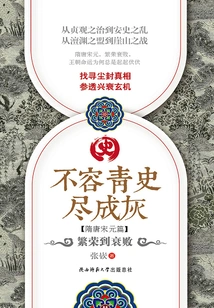
不容青史尽成灰:繁荣到衰败
Zhang Xin
"Let History Not Become Ashes: Prosperity to Decline" takes us into the most intensive dynastic change in Chinese history. Where is the short-lived Sui Chao Niu? Who were the Turks who threatened the prosperous Tang Dynasty? How did the criminals of the Xuanwu Gate Incident spend the rest of their lives? How did the first female emperor in history come into being? Who should get the credit for the prosperous Kaiyuan era? Why is the Anshi Rebellion said to be avoidable? Who finally destroyed the Tang Dynasty? How was the Song Dynasty established? Why couldn't the Song army rush through Youzhou? Where did Wang Anshi's reform fail? How was the Yue Family Army made? Why did the powerful Yuan Dynasty perish? All these prosperity and decline are waiting for you to discover.
"Let History Not Become Ashes: Prosperity to Decline" takes us into the most intensive dynastic change in Chinese history. Where is the short-lived Sui Chao Niu? Who were the Turks who threatened the prosperous Tang Dynasty? How did the criminals of the Xuanwu Gate Incident spend the rest of their lives? How did the first female emperor in history come into being? Who should get the credit for the prosperous Kaiyuan era? Why is the Anshi Rebellion said to be avoidable? Who finally destroyed the Tang Dynasty? How was the Song Dynasty established? Why couldn't the Song army rush through Youzhou? Where did Wang Anshi's reform fail? How was the Yue Family Army made? Why did the powerful Yuan Dynasty perish? All these prosperity and decline are waiting for you to discover.
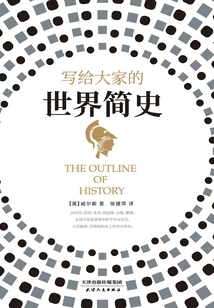
写给大家的世界简史
I
"A Brief History of the World for Everyone" is a popular history book that discusses the history of the world across five continents from the formation of the earth, the origin of living things and human beings to the modern World War I. It does not have the academic spirit of a serious historical work, and it got rid of the intolerance of nationalism and even Eurocentrism earlier than many works of that era. The book focuses on what is truly valuable in the history of human civilization, showing in a straightforward manner how the political, social, and economic organizations will develop if civilization is to continue, to people of average intelligence.
"A Brief History of the World for Everyone" is a popular history book that discusses the history of the world across five continents from the formation of the earth, the origin of living things and human beings to the modern World War I. It does not have the academic spirit of a serious historical work, and it got rid of the intolerance of nationalism and even Eurocentrism earlier than many works of that era. The book focuses on what is truly valuable in the history of human civilization, showing in a straightforward manner how the political, social, and economic organizations will develop if civilization is to continue, to people of average intelligence.
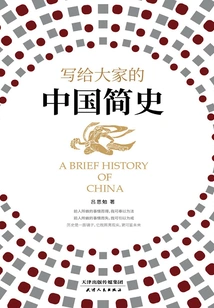
写给大家的中国简史
Lu Simian
"A Brief History of China for Everyone" comprehensively interprets five thousand years of Chinese history from a unique perspective. The book is divided into six chapters: introduction, ancient history, medieval history, modern history, modern history, and conclusion. It uses concise and smooth text to describe China's historical trends, institutional evolution, and cultural development from ancient times to the 1930s. The final chapter is based on the great rejuvenation of the Chinese nation. This book can be said to be a large encyclopedia of Chinese history. It runs through the Three Sovereigns and Five Emperors, Xia, Shang and Zhou, Spring and Autumn and Warring States, Qin and Han Dynasties to the Republic of China. It covers various fields such as politics, economy, system, culture, society, ethnicity, religion, etc. It involves specialized knowledge in history, geography and other aspects that are not easily found in general reference books. In addition, the form has changed from long sermons. The articles are short and concise, easy to read and understand, and not boring at all. The content is even more clear and coherent, and the insights are extremely original and novel. It can be said to be Lu Simian's most popular general history of China.
"A Brief History of China for Everyone" comprehensively interprets five thousand years of Chinese history from a unique perspective. The book is divided into six chapters: introduction, ancient history, medieval history, modern history, modern history, and conclusion. It uses concise and smooth text to describe China's historical trends, institutional evolution, and cultural development from ancient times to the 1930s. The final chapter is based on the great rejuvenation of the Chinese nation. This book can be said to be a large encyclopedia of Chinese history. It runs through the Three Sovereigns and Five Emperors, Xia, Shang and Zhou, Spring and Autumn and Warring States, Qin and Han Dynasties to the Republic of China. It covers various fields such as politics, economy, system, culture, society, ethnicity, religion, etc. It involves specialized knowledge in history, geography and other aspects that are not easily found in general reference books. In addition, the form has changed from long sermons. The articles are short and concise, easy to read and understand, and not boring at all. The content is even more clear and coherent, and the insights are extremely original and novel. It can be said to be Lu Simian's most popular general history of China.
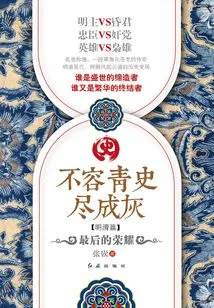
不容青史尽成灰:最后的荣耀
Zhang Xin
This book shows the alternative mystery of Zhu Yuanzhang's takeover of the world, how the Japanese pirates who harassed the entire Ming Dynasty were formed, who opened up the Western Regions for the Ming Dynasty, what happened to the Ming Dynasty's "college entrance examination zoning", where did the Ming Dynasty's "Vietnam War" come from, the 16th century How the Chinese maritime merchants managed the world in the 19th century, how the undefeated "Qi Family Army" was formed, there are different opinions on who destroyed the Ming Dynasty, what was the real situation in Taiwan under Zheng Chenggong's rule, and who was Galdan who fought against Kangxi, and who actually deserves the title of the first person in China's firearms. The entire feudal dynasty gained its final glory here, but was soon obliterated by the torrent of history.
This book shows the alternative mystery of Zhu Yuanzhang's takeover of the world, how the Japanese pirates who harassed the entire Ming Dynasty were formed, who opened up the Western Regions for the Ming Dynasty, what happened to the Ming Dynasty's "college entrance examination zoning", where did the Ming Dynasty's "Vietnam War" come from, the 16th century How the Chinese maritime merchants managed the world in the 19th century, how the undefeated "Qi Family Army" was formed, there are different opinions on who destroyed the Ming Dynasty, what was the real situation in Taiwan under Zheng Chenggong's rule, and who was Galdan who fought against Kangxi, and who actually deserves the title of the first person in China's firearms. The entire feudal dynasty gained its final glory here, but was soon obliterated by the torrent of history.
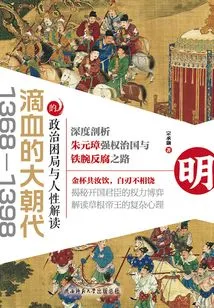
滴血的大朝代:1368-1398的政治困局与人性解读
Zong Chenghao
Thirty years after the founding of Hongwu, who is causing trouble for the empire? This is a historical proposition that has clues but remains unsolved. The book adheres to the author Zong Chenghao's consistent smooth and smooth writing style, from shallow to deep, and tells the story of Zhu Yuanzhang's power dilemma after the founding of the People's Republic of China, the political struggle on the eve of the Jingnan Incident, as well as major historical events such as the internal power struggles of the civil servant group and the eunuchs' chaos in the country. The author narrates each of the landmark events that had a huge impact on the politics of the Ming Dynasty, deeply revealing the causal relationship between historical events and the underlying operating rules. In the author's writing, the power game between emperors, generals and eunuchs has a more humane interpretation.
Thirty years after the founding of Hongwu, who is causing trouble for the empire? This is a historical proposition that has clues but remains unsolved. The book adheres to the author Zong Chenghao's consistent smooth and smooth writing style, from shallow to deep, and tells the story of Zhu Yuanzhang's power dilemma after the founding of the People's Republic of China, the political struggle on the eve of the Jingnan Incident, as well as major historical events such as the internal power struggles of the civil servant group and the eunuchs' chaos in the country. The author narrates each of the landmark events that had a huge impact on the politics of the Ming Dynasty, deeply revealing the causal relationship between historical events and the underlying operating rules. In the author's writing, the power game between emperors, generals and eunuchs has a more humane interpretation.
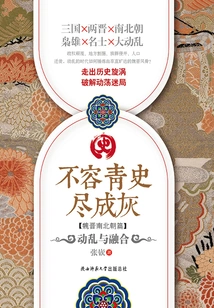
不容青史尽成灰:动乱与融合
Zhang Xin
The demeanor of the Wei and Jin Dynasties led to the popularity of celebrities. Who started the three-part world, and who laid the foundation for unifying the world? What did the Chinese doctors that Europeans most admired do, and what caused the lowest population ebb in Chinese history? Why did the Eight Kings Rebellion happen that should not have happened? What efforts did the Eastern Jin Dynasty and the Northern Expedition Shuangbi make to look north to Chang'an? What kind of person is not remembered in history, but also remains infamy for thousands of years? Who brought an end to the Western Jin Dynasty? How did the artificial printing press come into being in the Southern and Northern Dynasties, and why did the World Silk War break out during the reign of Emperor Wu of Liang Dynasty? Why did the "Hundred Schools Forum" appear during the Northern and Southern Dynasties? How did Chen, the weakest of the Southern Dynasties, establish the country? "Don't Let History Become Ashes: Turmoil and Integration" will bring you up close to the historical truth of the Wei, Jin, Southern and Northern Dynasties.
The demeanor of the Wei and Jin Dynasties led to the popularity of celebrities. Who started the three-part world, and who laid the foundation for unifying the world? What did the Chinese doctors that Europeans most admired do, and what caused the lowest population ebb in Chinese history? Why did the Eight Kings Rebellion happen that should not have happened? What efforts did the Eastern Jin Dynasty and the Northern Expedition Shuangbi make to look north to Chang'an? What kind of person is not remembered in history, but also remains infamy for thousands of years? Who brought an end to the Western Jin Dynasty? How did the artificial printing press come into being in the Southern and Northern Dynasties, and why did the World Silk War break out during the reign of Emperor Wu of Liang Dynasty? Why did the "Hundred Schools Forum" appear during the Northern and Southern Dynasties? How did Chen, the weakest of the Southern Dynasties, establish the country? "Don't Let History Become Ashes: Turmoil and Integration" will bring you up close to the historical truth of the Wei, Jin, Southern and Northern Dynasties.
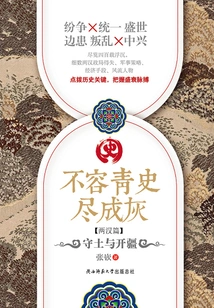
不容青史尽成灰:守土与开疆
Zhang Xin
There were so many things in the two Han Dynasties, but now we know how many things happened. Liu Bang and Xiang Yu, what is the real reason why Liu Bang was the winner in the end? Where is the sad place for the powerful man? How did Emperor Wen of the Han Dynasty come to the stage of history? How did Chao Cuo lose his life in order to reduce the vassal state? Where was the man behind the scenes who only respected Confucianism? Who is Wang Mang? Is Liu Xiu underestimated by history? Do you still remember the child who counted stars? How did Ban Chao open up the Western Regions, and who brought the powerful Huns to Europe. Why the powerful Han Dynasty perished, and who was risking their lives to save the powerful dynasty, all of this is in the book "Unable to Turn History into Ashes: Defending the Territory and Opening Up the Frontier", waiting for your discovery.
There were so many things in the two Han Dynasties, but now we know how many things happened. Liu Bang and Xiang Yu, what is the real reason why Liu Bang was the winner in the end? Where is the sad place for the powerful man? How did Emperor Wen of the Han Dynasty come to the stage of history? How did Chao Cuo lose his life in order to reduce the vassal state? Where was the man behind the scenes who only respected Confucianism? Who is Wang Mang? Is Liu Xiu underestimated by history? Do you still remember the child who counted stars? How did Ban Chao open up the Western Regions, and who brought the powerful Huns to Europe. Why the powerful Han Dynasty perished, and who was risking their lives to save the powerful dynasty, all of this is in the book "Unable to Turn History into Ashes: Defending the Territory and Opening Up the Frontier", waiting for your discovery.
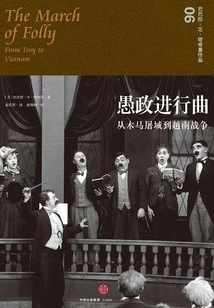
愚政进行曲:从木马屠城到越南战争
O
If the politicians in historical tragedies were not so stupid, would the world that has disappeared have another look? In this work, two-time Pulitzer Prize winner Barbara W. Tuchman argues that insisting on policies that are contrary to one's own interests while ignoring viable alternatives is folly. From this, she examines four famous and classic examples of government folly in history: the Trojan War, the schism caused by the Renaissance popes, the unrealistic policies of George III of England in the American colonies, and America's self-deception in Vietnam. In this book, Tuchman reproduces the characters, scenes and events that are either tragic or absurd with his consistently detailed narration and words with tension and liveness.
If the politicians in historical tragedies were not so stupid, would the world that has disappeared have another look? In this work, two-time Pulitzer Prize winner Barbara W. Tuchman argues that insisting on policies that are contrary to one's own interests while ignoring viable alternatives is folly. From this, she examines four famous and classic examples of government folly in history: the Trojan War, the schism caused by the Renaissance popes, the unrealistic policies of George III of England in the American colonies, and America's self-deception in Vietnam. In this book, Tuchman reproduces the characters, scenes and events that are either tragic or absurd with his consistently detailed narration and words with tension and liveness.
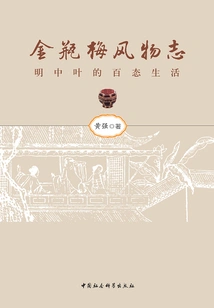
金瓶梅风物志:明中叶的百态生活
Huang Qiang
This book is a book that interprets "Jin Ping Mei" from an alternative perspective and perspective. This book comprehensively explores the clothing trends, official corruption, foundations of marriage, health care, entertainment, home purchase and other social life in the mid-Ming Dynasty reflected in "Jin Ping Mei" from multiple perspectives such as historical perspective, clothing description, dietary customs, folk customs, and economic life.
This book is a book that interprets "Jin Ping Mei" from an alternative perspective and perspective. This book comprehensively explores the clothing trends, official corruption, foundations of marriage, health care, entertainment, home purchase and other social life in the mid-Ming Dynasty reflected in "Jin Ping Mei" from multiple perspectives such as historical perspective, clothing description, dietary customs, folk customs, and economic life.
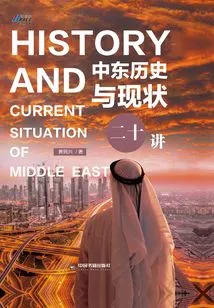
中东历史与现状二十讲
Huang Minxing
The Middle East is the cradle of world civilization and the birthplace of the world's three major monotheistic religions (Judaism, Christianity, and Islam). This book provides a brief description of the thousands of years of history and turbulent current situation in the Middle East. It is also a summary of the author's nearly 40 years of research on the Middle East. The book first uses two lectures to comprehensively review the entire history of the Middle East, and then introduces eighteen important issues regarding the history and current situation of the Middle East, trying to combine academic and popularization. The specific content of this book includes: the characteristics of the development of religions in the ancient Middle East, the influence of ancient Mesopotamia civilization on ancient Greek culture, the evolution of Islamic political and religious relations in medieval times, the role of Islam in the formation of modern Arab nation-states, the characteristics and evolution of Arab nationalism since the 20th century, the origin and early evolution of the Arab-Israeli conflict, the difficult and tortuous Middle East peace process, the characteristics of labor Zionism, and the Afghan issue. The historical roots of Iran, the White Revolution and the Islamic Revolution in Iran, the origin of the Iraq issue, the Iraq War and post-war reconstruction of Iraq, the rise of the oil economy in the Middle East and the economic development of oil-producing countries, the social changes in the oil-producing countries in the Middle East after World War II, the characteristics of Middle East modernization, the nation-building issues of Middle Eastern countries in the 20th century, the development stages and main characteristics of the drastic changes in the Middle East, "Islamic order" and "Chinese-Barbarian order." This book is suitable for reference reading by researchers, teachers, students and general readers engaged in related research and teaching.
The Middle East is the cradle of world civilization and the birthplace of the world's three major monotheistic religions (Judaism, Christianity, and Islam). This book provides a brief description of the thousands of years of history and turbulent current situation in the Middle East. It is also a summary of the author's nearly 40 years of research on the Middle East. The book first uses two lectures to comprehensively review the entire history of the Middle East, and then introduces eighteen important issues regarding the history and current situation of the Middle East, trying to combine academic and popularization. The specific content of this book includes: the characteristics of the development of religions in the ancient Middle East, the influence of ancient Mesopotamia civilization on ancient Greek culture, the evolution of Islamic political and religious relations in medieval times, the role of Islam in the formation of modern Arab nation-states, the characteristics and evolution of Arab nationalism since the 20th century, the origin and early evolution of the Arab-Israeli conflict, the difficult and tortuous Middle East peace process, the characteristics of labor Zionism, and the Afghan issue. The historical roots of Iran, the White Revolution and the Islamic Revolution in Iran, the origin of the Iraq issue, the Iraq War and post-war reconstruction of Iraq, the rise of the oil economy in the Middle East and the economic development of oil-producing countries, the social changes in the oil-producing countries in the Middle East after World War II, the characteristics of Middle East modernization, the nation-building issues of Middle Eastern countries in the 20th century, the development stages and main characteristics of the drastic changes in the Middle East, "Islamic order" and "Chinese-Barbarian order." This book is suitable for reference reading by researchers, teachers, students and general readers engaged in related research and teaching.
Heavenly Itch
History天国之痒
Li Jiefei
The Taiping Heavenly Kingdom (1850-1864) was a great drama on the Chinese historical stage after the Opium War. In just over ten years, China was shaken and all living beings were depressed. It is the end point of the history of peasant uprisings in China, but it goes beyond the consistent characteristics of peasant uprisings and combines various modern factors. The form it presents is particularly worthy of study and understanding. The roots of many problems in modern times can be found in it. As an important event that occurred in the context of ancient and modern historical transformation, it contains rich and profound content.
The Taiping Heavenly Kingdom (1850-1864) was a great drama on the Chinese historical stage after the Opium War. In just over ten years, China was shaken and all living beings were depressed. It is the end point of the history of peasant uprisings in China, but it goes beyond the consistent characteristics of peasant uprisings and combines various modern factors. The form it presents is particularly worthy of study and understanding. The roots of many problems in modern times can be found in it. As an important event that occurred in the context of ancient and modern historical transformation, it contains rich and profound content.
宫廷幕后争斗
Compiled By Xiao Feng
China is a great country with a splendid history of five thousand years and full of vitality and vitality. The Chinese nation has long been standing in the east of the world, and has continued for hundreds of generations. Chinese history has influenced generations of great men and heroes.
China is a great country with a splendid history of five thousand years and full of vitality and vitality. The Chinese nation has long been standing in the east of the world, and has continued for hundreds of generations. Chinese history has influenced generations of great men and heroes.
五代史演义
Cai Dongfan
If there is long-term rule, there will be chaos; if there is long-term unity, there will be division. As time went by, the legacy of the ancestors gradually depleted, and the chaos became increasingly fierce. Three or five heroes took advantage of the chaos to cause trouble, either claiming the title of emperor or claiming the land as king. In this chaotic and divided situation, there were various states during the Eastern Zhou Dynasty, the Three Kingdoms during the Later Han Dynasty, the Southern and Northern Dynasties after the Eastern Jin Dynasty, and the Five Dynasties after the Late Tang Dynasty. The Five Dynasties lasted for fifty-three years, with eight surnames and thirteen emperors, and the country's name was changed five times, namely Liang, Tang, Jin, Han, and Zhou. Because these kingdoms had already been named by previous dynasties, historians added a later character to each, calling them Later Liang, Later Tang, Later Jin, Later Han, and Later Zhou. In addition, there were countries that were either combined or separated from the Five Dynasties, but were not affiliated with each other. They were called the Ten Kingdoms, namely Wu, Chu, Fujian, Southern Tang, Former Shu, Later Shu, Southern Han, Northern Han, Wuyue, and Jingnan. The current situation of the Five Dynasties and Ten Kingdoms was simply that the king was not the king, the ministers were not the ministers, the father was not the father, and the son was not the son. They were fighting for each other, the superiors and the inferiors were replacing each other, usurpers and murderers were seeking each other, and the greed was endless. Therefore, each generation can only pass on the inheritance for more than ten years at most, and only three or four years at least. Before our eyes, China is in chaos, the sea is fishy, and the surrounding areas are restless...
If there is long-term rule, there will be chaos; if there is long-term unity, there will be division. As time went by, the legacy of the ancestors gradually depleted, and the chaos became increasingly fierce. Three or five heroes took advantage of the chaos to cause trouble, either claiming the title of emperor or claiming the land as king. In this chaotic and divided situation, there were various states during the Eastern Zhou Dynasty, the Three Kingdoms during the Later Han Dynasty, the Southern and Northern Dynasties after the Eastern Jin Dynasty, and the Five Dynasties after the Late Tang Dynasty. The Five Dynasties lasted for fifty-three years, with eight surnames and thirteen emperors, and the country's name was changed five times, namely Liang, Tang, Jin, Han, and Zhou. Because these kingdoms had already been named by previous dynasties, historians added a later character to each, calling them Later Liang, Later Tang, Later Jin, Later Han, and Later Zhou. In addition, there were countries that were either combined or separated from the Five Dynasties, but were not affiliated with each other. They were called the Ten Kingdoms, namely Wu, Chu, Fujian, Southern Tang, Former Shu, Later Shu, Southern Han, Northern Han, Wuyue, and Jingnan. The current situation of the Five Dynasties and Ten Kingdoms was simply that the king was not the king, the ministers were not the ministers, the father was not the father, and the son was not the son. They were fighting for each other, the superiors and the inferiors were replacing each other, usurpers and murderers were seeking each other, and the greed was endless. Therefore, each generation can only pass on the inheritance for more than ten years at most, and only three or four years at least. Before our eyes, China is in chaos, the sea is fishy, and the surrounding areas are restless...
南北史演义
Cai Dongfan
After the Han and Jin Dynasties, foreigners gradually came to China and lived in the interior. Subsequently, the Five Hus and Sixteen Kingdoms rose and fell one after another. Later, the weak preyed on the strong, swallowed each other up, moved around, and combined the sixteen kingdoms into one big country, called the Northern Wei Dynasty. Later, internal strife broke out again in the Northern Wei Dynasty. The east was divided and the west was divided, and there was no time to take care of Jiangnan, so Jiangnan was still preserved. When the Eastern Wei Dynasty was changed to the Northern Qi Dynasty, the Western Wei Dynasty was changed to the Northern Zhou Dynasty, and the Western Territory was divided into three parts. The Zhou Dynasty was the strongest, Qi was the second, and Jiangnan was the weakest. The tripartite war lasted for several years. Qi was merged with the Zhou Dynasty, but only two-tenths of Jiangnan remained, almost all belonging to the Northern Zhou Dynasty. A great prime minister, Yang Jian, was chosen. He usurped the Zhou Dynasty and re-annexed the south of the Yangtze River. He accepted Zhou Chan and destroyed the Chen family, and actually unified the Central Plains and merged the north and the south. Li Yanshou of the Tang Dynasty wrote a history of the north and south respectively. Song, Qi, Liang, and Chen belong to the south, and Wei, Qi, Zhou, and Sui belong to the north. The meaning is very strict. Not only is the Yang family's business, it evolved from the cicada of the Northern Zhou Dynasty, it can belong to the history of the north. Even the friendship between the Yang family and his son does not look like a real person who governs the world. The boy performed the story according to the example, imitated the genre of the story, and compiled a "Romance of the History of the North and the South".
After the Han and Jin Dynasties, foreigners gradually came to China and lived in the interior. Subsequently, the Five Hus and Sixteen Kingdoms rose and fell one after another. Later, the weak preyed on the strong, swallowed each other up, moved around, and combined the sixteen kingdoms into one big country, called the Northern Wei Dynasty. Later, internal strife broke out again in the Northern Wei Dynasty. The east was divided and the west was divided, and there was no time to take care of Jiangnan, so Jiangnan was still preserved. When the Eastern Wei Dynasty was changed to the Northern Qi Dynasty, the Western Wei Dynasty was changed to the Northern Zhou Dynasty, and the Western Territory was divided into three parts. The Zhou Dynasty was the strongest, Qi was the second, and Jiangnan was the weakest. The tripartite war lasted for several years. Qi was merged with the Zhou Dynasty, but only two-tenths of Jiangnan remained, almost all belonging to the Northern Zhou Dynasty. A great prime minister, Yang Jian, was chosen. He usurped the Zhou Dynasty and re-annexed the south of the Yangtze River. He accepted Zhou Chan and destroyed the Chen family, and actually unified the Central Plains and merged the north and the south. Li Yanshou of the Tang Dynasty wrote a history of the north and south respectively. Song, Qi, Liang, and Chen belong to the south, and Wei, Qi, Zhou, and Sui belong to the north. The meaning is very strict. Not only is the Yang family's business, it evolved from the cicada of the Northern Zhou Dynasty, it can belong to the history of the north. Even the friendship between the Yang family and his son does not look like a real person who governs the world. The boy performed the story according to the example, imitated the genre of the story, and compiled a "Romance of the History of the North and the South".
Romance of Qing History
History清史演义
Cai Dongfan
As far back as the Zhao and Song Dynasties, after the Jin State was destroyed, the surviving Jurchen clan fled to the northeast and hid on the seashore. Taking the meaning of "residents under Changbai Mountain", they named themselves the "Aixinjueluo Clan" and established the Manchukuo Kingdom, so the whole family was renamed "Manchu". After hundreds of years and several generations, a man of outstanding wisdom and courage appeared in the clan, and another 268 years of Qing Dynasty history was rehearsed. The Qing Dynasty unified the Central Plains, and the general path is eternal and endless, and it can rest with the sky. Unexpectedly, the foreign ships had strong guns and powerful guns, and they repeatedly invaded the country. The great country ceded territory today and paid compensation tomorrow. Tired to the Qing Dynasty, the monarchs and ministers were distracted by one thing and lost the other, and the country's power gradually declined. Unexpectedly, before the external troubles were over, internal worries arose again. Wuchang launched an attack, and the provinces responded, overthrowing the Qing Dynasty. Later generations often said that the Qing Dynasty had bad politics and was abusive in all kinds of ways. It seems that the emperors of the Qing Dynasty were all obscene and tyrannical, and the ministers of the Qing Dynasty were all despicable and dirty. In fact, a careful study of the history of the Qing Dynasty shows that there are disadvantages and advantages; there are lewdness and violence, and there are also benevolence. However, in the last dynasty, the rulers were weak and the ministers were mediocre, the government was chaotic, and the world situation had already changed greatly, so the people and the army collapsed together. This is no surprise.
As far back as the Zhao and Song Dynasties, after the Jin State was destroyed, the surviving Jurchen clan fled to the northeast and hid on the seashore. Taking the meaning of "residents under Changbai Mountain", they named themselves the "Aixinjueluo Clan" and established the Manchukuo Kingdom, so the whole family was renamed "Manchu". After hundreds of years and several generations, a man of outstanding wisdom and courage appeared in the clan, and another 268 years of Qing Dynasty history was rehearsed. The Qing Dynasty unified the Central Plains, and the general path is eternal and endless, and it can rest with the sky. Unexpectedly, the foreign ships had strong guns and powerful guns, and they repeatedly invaded the country. The great country ceded territory today and paid compensation tomorrow. Tired to the Qing Dynasty, the monarchs and ministers were distracted by one thing and lost the other, and the country's power gradually declined. Unexpectedly, before the external troubles were over, internal worries arose again. Wuchang launched an attack, and the provinces responded, overthrowing the Qing Dynasty. Later generations often said that the Qing Dynasty had bad politics and was abusive in all kinds of ways. It seems that the emperors of the Qing Dynasty were all obscene and tyrannical, and the ministers of the Qing Dynasty were all despicable and dirty. In fact, a careful study of the history of the Qing Dynasty shows that there are disadvantages and advantages; there are lewdness and violence, and there are also benevolence. However, in the last dynasty, the rulers were weak and the ministers were mediocre, the government was chaotic, and the world situation had already changed greatly, so the people and the army collapsed together. This is no surprise.
Song History Romance
History宋史演义
Cai Dongfan
Chen Qiao changed and wore a yellow robe. Zhao Kuangyin, who was guarding the whole palace, actually took over the throne of Zhou Dynasty and became the emperor himself. However, the emperor had an eye for it, which caused the three kingdoms of Liao, Jin, and Yuan to rise up in the north one after another and cause frequent border troubles. The Northern Song Dynasty suppressed its troops too much and lacked good generals. The main idea was to recover the sixteen states of Yan and Yun. Who knew that even the two emperors were captured by others. In the Southern Song Dynasty, there was a lack of expertise in appointing talents and a lack of good prime ministers. A few generals appeared, but they were framed by the traitorous ministers in many ways. On the Fengbo Pavilion, a prison of injustice was formed, and on the bank of the West Lake, riding a donkey back, everyone was disheartened and sat listening to defeat. Later, even the last piece of the Zhao family's bones and blood was left alone overseas, and the cliffs were destroyed, and the emperor's son perished. There was no choice but to put an end to the 320 years of Zhao and Song Dynasty. In fact, there were several types of good governance in the Song Dynasty: the first one was to clean up the palace, so there would be no trouble with women; the second kind was to suppress the eunuchs, so there would be no trouble with castration; the third kind was to harmonize relatives, and there would be no trouble with clans; the fourth kind was to prevent idle relatives, so there would be no trouble from foreign relatives; the fifth kind was to ban the troops and force the vassal to have no trouble. Not only are the Han and Tang dynasties incomparable, but the Xia, Shang and Zhou dynasties are probably even inferior. This is also the reason why Zhao and Song maintained people's hearts and enjoyed the country for many years.
Chen Qiao changed and wore a yellow robe. Zhao Kuangyin, who was guarding the whole palace, actually took over the throne of Zhou Dynasty and became the emperor himself. However, the emperor had an eye for it, which caused the three kingdoms of Liao, Jin, and Yuan to rise up in the north one after another and cause frequent border troubles. The Northern Song Dynasty suppressed its troops too much and lacked good generals. The main idea was to recover the sixteen states of Yan and Yun. Who knew that even the two emperors were captured by others. In the Southern Song Dynasty, there was a lack of expertise in appointing talents and a lack of good prime ministers. A few generals appeared, but they were framed by the traitorous ministers in many ways. On the Fengbo Pavilion, a prison of injustice was formed, and on the bank of the West Lake, riding a donkey back, everyone was disheartened and sat listening to defeat. Later, even the last piece of the Zhao family's bones and blood was left alone overseas, and the cliffs were destroyed, and the emperor's son perished. There was no choice but to put an end to the 320 years of Zhao and Song Dynasty. In fact, there were several types of good governance in the Song Dynasty: the first one was to clean up the palace, so there would be no trouble with women; the second kind was to suppress the eunuchs, so there would be no trouble with castration; the third kind was to harmonize relatives, and there would be no trouble with clans; the fourth kind was to prevent idle relatives, so there would be no trouble from foreign relatives; the fifth kind was to ban the troops and force the vassal to have no trouble. Not only are the Han and Tang dynasties incomparable, but the Xia, Shang and Zhou dynasties are probably even inferior. This is also the reason why Zhao and Song maintained people's hearts and enjoyed the country for many years.
中华二千年史(二)
Deng Zhicheng
In the middle of the 20th century, Gu Jiegang commented on the historiography at that time and believed that the general history writing in the past hundred years "rarely reached the ideal state." "Among them, the more recent ideals include Lu Simian's "History of the Country in Vernacular" and "General History of China", Deng Zhicheng's "Two Thousand Years of History of China", Chen Gonglu's "History of China", Miao Fenglin's "Outline of General History of China", Zhang Yinlin's "Outline of Chinese History", and Qian Mu's "Outline of National History". "Two Thousand Years of History of China" has a total of 4 volumes, and this volume is the second.
In the middle of the 20th century, Gu Jiegang commented on the historiography at that time and believed that the general history writing in the past hundred years "rarely reached the ideal state." "Among them, the more recent ideals include Lu Simian's "History of the Country in Vernacular" and "General History of China", Deng Zhicheng's "Two Thousand Years of History of China", Chen Gonglu's "History of China", Miao Fenglin's "Outline of General History of China", Zhang Yinlin's "Outline of Chinese History", and Qian Mu's "Outline of National History". "Two Thousand Years of History of China" has a total of 4 volumes, and this volume is the second.
日本侵华细菌战
Chen Zhiyuan
This book is currently the latest, most systematic and comprehensive work in China that studies the history of Japan's bacteriological warfare against China. This book studies and pursues the history of Japan's bacteriological warfare against China from the perspective of "taking history as a mirror, lashing out historical evils, guarding against the recurrence of historical tragedies, and safeguarding world peace." This book uses extremely rich domestic and foreign historical materials to construct a new system for studying and understanding the history of Japanese germ warfare, and establishes this system on a rigorous and standardized academic basis, making breakthrough progress in this field of research. This book has nearly a thousand illustrations, with both pictures and text, and the language is vivid and easy to understand, making it highly readable and interesting.
This book is currently the latest, most systematic and comprehensive work in China that studies the history of Japan's bacteriological warfare against China. This book studies and pursues the history of Japan's bacteriological warfare against China from the perspective of "taking history as a mirror, lashing out historical evils, guarding against the recurrence of historical tragedies, and safeguarding world peace." This book uses extremely rich domestic and foreign historical materials to construct a new system for studying and understanding the history of Japanese germ warfare, and establishes this system on a rigorous and standardized academic basis, making breakthrough progress in this field of research. This book has nearly a thousand illustrations, with both pictures and text, and the language is vivid and easy to understand, making it highly readable and interesting.
中华二千年史(一)
Deng Zhicheng
In the middle of the 20th century, Gu Jiegang commented on the historiography at that time and believed that the general history writing in the past hundred years "rarely reached the ideal state." "Among them, the more recent ideals include Lu Simian's "History of the Country in Vernacular" and "General History of China", Deng Zhicheng's "Two Thousand Years of History of China", Chen Gonglu's "History of China", Miao Fenglin's "Outline of General History of China", Zhang Yinlin's "Outline of Chinese History", and Qian Mu's "Outline of National History".
In the middle of the 20th century, Gu Jiegang commented on the historiography at that time and believed that the general history writing in the past hundred years "rarely reached the ideal state." "Among them, the more recent ideals include Lu Simian's "History of the Country in Vernacular" and "General History of China", Deng Zhicheng's "Two Thousand Years of History of China", Chen Gonglu's "History of China", Miao Fenglin's "Outline of General History of China", Zhang Yinlin's "Outline of Chinese History", and Qian Mu's "Outline of National History".
重读摄政王载沣
Liu Dasheng
In a sense, Regent Zaifeng can be said to be the "send-off man" of the Qing Dynasty. Therefore, it is very meaningful to see his life through perspective. Later generations often say that the Qing Dynasty prospered with regents and died with regents. However, the demise of the Qing Dynasty was different from the demise of most dynasties in China. There was no bloody vendetta, and there was no desperate resistance from the previous royal family. Most of the princes, nobles, and dignitaries silently accepted the change of power. This was an extremely rare compromise in modern Chinese history. All of this was related to Zaifeng. This book uses careful research by historians and popular literary style to show Zaifeng's ordinary and extraordinary life.
In a sense, Regent Zaifeng can be said to be the "send-off man" of the Qing Dynasty. Therefore, it is very meaningful to see his life through perspective. Later generations often say that the Qing Dynasty prospered with regents and died with regents. However, the demise of the Qing Dynasty was different from the demise of most dynasties in China. There was no bloody vendetta, and there was no desperate resistance from the previous royal family. Most of the princes, nobles, and dignitaries silently accepted the change of power. This was an extremely rare compromise in modern Chinese history. All of this was related to Zaifeng. This book uses careful research by historians and popular literary style to show Zaifeng's ordinary and extraordinary life.
“凯叔讲历史”系列·第二辑·18清(下)
Uncle Kai
"Uncle Kai Tells History" originated from the audio program "Uncle Kai Tells History" which has sold over 100,000 yuan on the "Uncle Kai Storytelling" app listened to by millions of users. The complete set of books is divided into two volumes. This is the second volume of "Uncle Kai Tells History", which contains 114 historical stories from 7 dynasties from the Southern and Northern Dynasties to the late Qing Dynasty. It is intended to express the traditional Chinese wisdom of governing the country and dealing with people through historical stories, that is, "read the taste of history and gain energy for life."
"Uncle Kai Tells History" originated from the audio program "Uncle Kai Tells History" which has sold over 100,000 yuan on the "Uncle Kai Storytelling" app listened to by millions of users. The complete set of books is divided into two volumes. This is the second volume of "Uncle Kai Tells History", which contains 114 historical stories from 7 dynasties from the Southern and Northern Dynasties to the late Qing Dynasty. It is intended to express the traditional Chinese wisdom of governing the country and dealing with people through historical stories, that is, "read the taste of history and gain energy for life."
“凯叔讲历史”系列·第二辑·9南北朝
Uncle Kai
"Uncle Kai Tells History" originated from the audio program "Uncle Kai Tells History" which has sold over 100,000 yuan on the "Uncle Kai Storytelling" app listened to by millions of users. The complete set of books is divided into two volumes. This is the second volume of "Uncle Kai Tells History", which contains 114 historical stories from 7 dynasties from the Southern and Northern Dynasties to the late Qing Dynasty. It is intended to express the traditional Chinese wisdom of governing the country and dealing with people through historical stories, that is, "read the taste of history and gain energy for life."
"Uncle Kai Tells History" originated from the audio program "Uncle Kai Tells History" which has sold over 100,000 yuan on the "Uncle Kai Storytelling" app listened to by millions of users. The complete set of books is divided into two volumes. This is the second volume of "Uncle Kai Tells History", which contains 114 historical stories from 7 dynasties from the Southern and Northern Dynasties to the late Qing Dynasty. It is intended to express the traditional Chinese wisdom of governing the country and dealing with people through historical stories, that is, "read the taste of history and gain energy for life."
“凯叔讲历史”系列·第二辑·17清(上)
Uncle Kai
"Uncle Kai Tells History" originated from the audio program "Uncle Kai Tells History" which has sold over 100,000 yuan on the "Uncle Kai Storytelling" app listened to by millions of users. The complete set of books is divided into two volumes. This is the second volume of "Uncle Kai Tells History", which contains 114 historical stories from 7 dynasties from the Southern and Northern Dynasties to the late Qing Dynasty. It is intended to express the traditional Chinese wisdom of governing the country and dealing with people through historical stories, that is, "read the taste of history and gain energy for life."
"Uncle Kai Tells History" originated from the audio program "Uncle Kai Tells History" which has sold over 100,000 yuan on the "Uncle Kai Storytelling" app listened to by millions of users. The complete set of books is divided into two volumes. This is the second volume of "Uncle Kai Tells History", which contains 114 historical stories from 7 dynasties from the Southern and Northern Dynasties to the late Qing Dynasty. It is intended to express the traditional Chinese wisdom of governing the country and dealing with people through historical stories, that is, "read the taste of history and gain energy for life."
“凯叔讲历史”系列·第二辑·14元
Uncle Kai
"Uncle Kai Tells History" originated from the audio program "Uncle Kai Tells History" which has sold over 100,000 yuan on the "Uncle Kai Storytelling" app listened to by millions of users. The complete set of books is divided into two volumes. This is the second volume of "Uncle Kai Tells History", which contains 114 historical stories from 7 dynasties from the Southern and Northern Dynasties to the late Qing Dynasty. It is intended to express the traditional Chinese wisdom of governing the country and dealing with people through historical stories, that is, "read the taste of history and gain energy for life."
"Uncle Kai Tells History" originated from the audio program "Uncle Kai Tells History" which has sold over 100,000 yuan on the "Uncle Kai Storytelling" app listened to by millions of users. The complete set of books is divided into two volumes. This is the second volume of "Uncle Kai Tells History", which contains 114 historical stories from 7 dynasties from the Southern and Northern Dynasties to the late Qing Dynasty. It is intended to express the traditional Chinese wisdom of governing the country and dealing with people through historical stories, that is, "read the taste of history and gain energy for life."
“凯叔讲历史”系列·第二辑·10隋唐
Uncle Kai
"Uncle Kai Tells History" originated from the audio program "Uncle Kai Tells History" which has sold over 100,000 yuan on the "Uncle Kai Storytelling" app listened to by millions of users. The complete set of books is divided into two volumes. This is the second volume of "Uncle Kai Tells History", which contains 114 historical stories from 7 dynasties from the Southern and Northern Dynasties to the late Qing Dynasty. It is intended to express the traditional Chinese wisdom of governing the country and dealing with people through historical stories, that is, "read the taste of history and gain energy for life."
"Uncle Kai Tells History" originated from the audio program "Uncle Kai Tells History" which has sold over 100,000 yuan on the "Uncle Kai Storytelling" app listened to by millions of users. The complete set of books is divided into two volumes. This is the second volume of "Uncle Kai Tells History", which contains 114 historical stories from 7 dynasties from the Southern and Northern Dynasties to the late Qing Dynasty. It is intended to express the traditional Chinese wisdom of governing the country and dealing with people through historical stories, that is, "read the taste of history and gain energy for life."
“凯叔讲历史”系列·第二辑·13宋辽金(下)
Uncle Kai
"Uncle Kai Tells History" originated from the audio program "Uncle Kai Tells History" which has sold over 100,000 yuan on the "Uncle Kai Storytelling" app listened to by millions of users. The complete set of books is divided into two volumes. This is the second volume of "Uncle Kai Tells History", which contains 114 historical stories from 7 dynasties from the Southern and Northern Dynasties to the late Qing Dynasty. It is intended to express the traditional Chinese wisdom of governing the country and dealing with people through historical stories, that is, "read the taste of history and gain energy for life."
"Uncle Kai Tells History" originated from the audio program "Uncle Kai Tells History" which has sold over 100,000 yuan on the "Uncle Kai Storytelling" app listened to by millions of users. The complete set of books is divided into two volumes. This is the second volume of "Uncle Kai Tells History", which contains 114 historical stories from 7 dynasties from the Southern and Northern Dynasties to the late Qing Dynasty. It is intended to express the traditional Chinese wisdom of governing the country and dealing with people through historical stories, that is, "read the taste of history and gain energy for life."
uncle Kai Tells History" Series·second Volume·11 Tang Dynasty·five Dynasties and Ten Kingdoms
History“凯叔讲历史”系列·第二辑·11唐·五代十国
Uncle Kai
"Uncle Kai Tells History" originated from the audio program "Uncle Kai Tells History" which has sold over 100,000 yuan on the "Uncle Kai Storytelling" app listened to by millions of users. The complete set of books is divided into two volumes. This is the second volume of "Uncle Kai Tells History", which contains 114 historical stories from 7 dynasties from the Southern and Northern Dynasties to the late Qing Dynasty. It is intended to express the traditional Chinese wisdom of governing the country and dealing with people through historical stories, that is, "read the taste of history and gain energy for life."
"Uncle Kai Tells History" originated from the audio program "Uncle Kai Tells History" which has sold over 100,000 yuan on the "Uncle Kai Storytelling" app listened to by millions of users. The complete set of books is divided into two volumes. This is the second volume of "Uncle Kai Tells History", which contains 114 historical stories from 7 dynasties from the Southern and Northern Dynasties to the late Qing Dynasty. It is intended to express the traditional Chinese wisdom of governing the country and dealing with people through historical stories, that is, "read the taste of history and gain energy for life."