Library
Browse and search books
3,417 novels found
危机与重构:唐帝国及其地方诸侯
Li Biyan
This book combines the relevant methods of traditional elite intellectual history and "new cultural history" to provide a systematic and in-depth overall investigation and interpretation of the gestation, formation, development and connotation of the modern Chinese national concept. It not only pays attention to the careful disclosure of historical context, the excavation and interpretation of typical texts, and the perspective analysis of important concepts, but also pays attention to the impact and significance analysis of the national system, party policies, key figures and major events, and strives to present the many historical aspects of the socialization of this concept. The book emphasizes that the modern Chinese national concept has always been accompanied by the encounter of Chinese and Western thoughts and the intersection of ancient and modern concepts, showing the entanglement and interaction between the nation and the country; for the cognitive subject, it always contains the conflict and integration of emotion and reason, witnessing the contradiction and adjustment between ideal and reality. Its spread and recognition in modern China can be said to have profoundly reflected the political and cultural spirit of China and the destiny of the nation and country in that era. It is an extremely important phenomenon in the history of political thought and social and cultural history.
This book combines the relevant methods of traditional elite intellectual history and "new cultural history" to provide a systematic and in-depth overall investigation and interpretation of the gestation, formation, development and connotation of the modern Chinese national concept. It not only pays attention to the careful disclosure of historical context, the excavation and interpretation of typical texts, and the perspective analysis of important concepts, but also pays attention to the impact and significance analysis of the national system, party policies, key figures and major events, and strives to present the many historical aspects of the socialization of this concept. The book emphasizes that the modern Chinese national concept has always been accompanied by the encounter of Chinese and Western thoughts and the intersection of ancient and modern concepts, showing the entanglement and interaction between the nation and the country; for the cognitive subject, it always contains the conflict and integration of emotion and reason, witnessing the contradiction and adjustment between ideal and reality. Its spread and recognition in modern China can be said to have profoundly reflected the political and cultural spirit of China and the destiny of the nation and country in that era. It is an extremely important phenomenon in the history of political thought and social and cultural history.
走进共和:日记所见政权更替时期亲历者的心路历程(1911-1913)
Sang Bing
This book is one of the author's four parts about the era of great transition. It focuses on the mentality of those who experienced it before and after the Revolution of 1911, and their observations on the drastic changes in the political system, state system, and social nature. The author returns to his old aspiration, and with the help of the eyes and ears of the diary owners who have vastly different temperaments and political opinions, he re-experiences the changes of the times along the course of history, and deeply understands how all kinds of people faced the great changes, adapted to the situation, and adjusted themselves under the turbulent times of the revolutionary era. Trying to gain a foothold in the process of the new era so that it can be used to some extent can, on the one hand, supplement the vision of big history and enrich the images of history. More importantly, it can help change the way of understanding history and restore the difference and activity of human beings as historical subjects.
This book is one of the author's four parts about the era of great transition. It focuses on the mentality of those who experienced it before and after the Revolution of 1911, and their observations on the drastic changes in the political system, state system, and social nature. The author returns to his old aspiration, and with the help of the eyes and ears of the diary owners who have vastly different temperaments and political opinions, he re-experiences the changes of the times along the course of history, and deeply understands how all kinds of people faced the great changes, adapted to the situation, and adjusted themselves under the turbulent times of the revolutionary era. Trying to gain a foothold in the process of the new era so that it can be used to some extent can, on the one hand, supplement the vision of big history and enrich the images of history. More importantly, it can help change the way of understanding history and restore the difference and activity of human beings as historical subjects.
脉延的人文:历史中的问题和意义
Yang Guoqiang
Modern China has witnessed great changes, and political and social changes have undergone tremendous changes, which are worthy of re-examination. The author believes that understanding history begins with historical facts, and therefore we must start by seeing the individual parts and fragments before understanding the whole. Therefore, the fragmentation and disintegration known as fragments today are a necessary and necessary part of this process. However, the ultimate goal of recognizing history is to understand and explain history. Therefore, this kind of historical facts that exist in individual and fragmentary forms have no cause and effect, no upward and downward connections, and no origin and trace, so they become isolated facts that can neither explain themselves nor others. Therefore, fragments of historical facts need to be connected with each other to reproduce the cause and effect, up and down connections, and origins between them. Only then can the facts in history become meaningful facts. This book is the author's research on the social changes in modern China based on this research path. It is of great academic value and readability.
Modern China has witnessed great changes, and political and social changes have undergone tremendous changes, which are worthy of re-examination. The author believes that understanding history begins with historical facts, and therefore we must start by seeing the individual parts and fragments before understanding the whole. Therefore, the fragmentation and disintegration known as fragments today are a necessary and necessary part of this process. However, the ultimate goal of recognizing history is to understand and explain history. Therefore, this kind of historical facts that exist in individual and fragmentary forms have no cause and effect, no upward and downward connections, and no origin and trace, so they become isolated facts that can neither explain themselves nor others. Therefore, fragments of historical facts need to be connected with each other to reproduce the cause and effect, up and down connections, and origins between them. Only then can the facts in history become meaningful facts. This book is the author's research on the social changes in modern China based on this research path. It is of great academic value and readability.
重塑中华:近代中国的「中华民族」观念研究
Huang Xingtao
This book combines the relevant methods of traditional elite intellectual history and "new cultural history" to provide a systematic and in-depth overall investigation and interpretation of the gestation, formation, development and connotation of the modern Chinese national concept. It not only pays attention to the careful disclosure of historical context, the excavation and interpretation of typical texts, and the perspective analysis of important concepts, but also pays attention to the impact and significance analysis of the national system, party policies, key figures and major events, and strives to present the many historical aspects of the socialization of this concept. The book emphasizes that the modern Chinese national concept has always been accompanied by the encounter of Chinese and Western thoughts and the intersection of ancient and modern concepts, showing the entanglement and interaction between the nation and the country; for the cognitive subject, it always contains the conflict and integration of emotion and reason, witnessing the contradiction and adjustment between ideal and reality. Its spread and recognition in modern China can be said to have profoundly reflected the political and cultural spirit of China and the destiny of the nation and country in that era. It is an extremely important phenomenon in the history of political thought and social and cultural history.
This book combines the relevant methods of traditional elite intellectual history and "new cultural history" to provide a systematic and in-depth overall investigation and interpretation of the gestation, formation, development and connotation of the modern Chinese national concept. It not only pays attention to the careful disclosure of historical context, the excavation and interpretation of typical texts, and the perspective analysis of important concepts, but also pays attention to the impact and significance analysis of the national system, party policies, key figures and major events, and strives to present the many historical aspects of the socialization of this concept. The book emphasizes that the modern Chinese national concept has always been accompanied by the encounter of Chinese and Western thoughts and the intersection of ancient and modern concepts, showing the entanglement and interaction between the nation and the country; for the cognitive subject, it always contains the conflict and integration of emotion and reason, witnessing the contradiction and adjustment between ideal and reality. Its spread and recognition in modern China can be said to have profoundly reflected the political and cultural spirit of China and the destiny of the nation and country in that era. It is an extremely important phenomenon in the history of political thought and social and cultural history.
皇权不下县?:清代县辖政区与基层社会治理
Hu Heng
The rise of regional studies is one of the distinctive features of the shift in historical research since the 1980s. The academic community has abandoned the past grand narratives that were limited to political history, and instead tried to find a path to present "overall history" through case studies or regional studies, and to construct its own interpretation model of Chinese history. How to define "region" has become one of the priority issues that researchers need to deal with. Based on the systematic and comprehensive collection of Qing Dynasty archives, records, and political documents, this book will focus on exploring the formation and development process of county administrative districts in the Qing Dynasty. That is, as a national-level institutional design, its institutional origins, what kind of institutional changes it experienced in the Qing Dynasty, and its disappearance during the Republic of China. The spatial distribution of county administrative districts in the Qing Dynasty, and the relationship between the establishment of county administrative districts in the Qing Dynasty and local governance have important academic significance.
The rise of regional studies is one of the distinctive features of the shift in historical research since the 1980s. The academic community has abandoned the past grand narratives that were limited to political history, and instead tried to find a path to present "overall history" through case studies or regional studies, and to construct its own interpretation model of Chinese history. How to define "region" has become one of the priority issues that researchers need to deal with. Based on the systematic and comprehensive collection of Qing Dynasty archives, records, and political documents, this book will focus on exploring the formation and development process of county administrative districts in the Qing Dynasty. That is, as a national-level institutional design, its institutional origins, what kind of institutional changes it experienced in the Qing Dynasty, and its disappearance during the Republic of China. The spatial distribution of county administrative districts in the Qing Dynasty, and the relationship between the establishment of county administrative districts in the Qing Dynasty and local governance have important academic significance.
档案中的历史:清代政治与社会
Liu Zhengyun
The Qing Dynasty was the last dynasty of ancient Chinese society. Its political power was governed by a coalition of Manchu and Han bureaucracies, with Manchu nobles as the main body, and authoritarian centralization reached a very high level. The political system of the Qing Dynasty still centered on imperial power. Its system had both the common features of the traditional dynasties of the Central Plains and the characteristics of the Manchu nationality, allowing its rule to be maintained for nearly three hundred years. While previous research was based more on official history, the author of this book has conducted in-depth research on the politics and society of the Qing Dynasty, especially grassroots society, secret societies, and population mobility based on archival materials, and has made great achievements. This book is the culmination of the author's nearly thirty years of academic research and has important academic value.
The Qing Dynasty was the last dynasty of ancient Chinese society. Its political power was governed by a coalition of Manchu and Han bureaucracies, with Manchu nobles as the main body, and authoritarian centralization reached a very high level. The political system of the Qing Dynasty still centered on imperial power. Its system had both the common features of the traditional dynasties of the Central Plains and the characteristics of the Manchu nationality, allowing its rule to be maintained for nearly three hundred years. While previous research was based more on official history, the author of this book has conducted in-depth research on the politics and society of the Qing Dynasty, especially grassroots society, secret societies, and population mobility based on archival materials, and has made great achievements. This book is the culmination of the author's nearly thirty years of academic research and has important academic value.
晚清人物与史事
Ma Zhongwen
Nearly 120 years have passed since the Hundred Days Reform. Is the research on the history of the Reform Movement of 1898 no longer meaningful? How did Kang Youwei quickly win the trust of Emperor Guangxu from being unknown? Why did Zhang Yinhuan and Weng Tong, important ministers of the late Qing Dynasty, fail to recover before and after the Reform Movement of 1898? When the "Six Gentlemen of 1898" were arrested, how did Wang Zhao, a fugitive after the coup, survive and surrender? The late Qing Dynasty inherits the remnants of dynastic politics since the Qin and Han dynasties, and initiates major changes that have not been seen in thousands of years. It can be said to be a key turning point in the history of the country. The author started by combing through archives, diaries, letters, newspapers and periodicals, focusing on Zhang Yinhuan and involved in the historical research of the Reform Movement of 1898, involving the intricate personnel disputes around Kang Youwei, as well as the affairs of Wang Zhao, Gao Xiezeng, Li Shengduo, Wang Kangnian, and the "Military Aircraft Four Chapters in Beijing" in the Year of 1898 activities, and then conducts a detailed analysis of the most secret parts such as whether Li Hongzhang and Zhang Yinhuan accepted bribes in the negotiations at Luda University and Kang Youwei's bribery strategy in political planning, as well as the deaths of Cixi and Guangxu, and the deeds of Yuan Shikai and Yu Youren before and after the Xinhai Revolution. The writing is smart and the textual research is precise. It will undoubtedly overturn many past stereotypes and open up a new realm for the history of the Reform Movement of 1898 and even the history of the late Qing Dynasty.
Nearly 120 years have passed since the Hundred Days Reform. Is the research on the history of the Reform Movement of 1898 no longer meaningful? How did Kang Youwei quickly win the trust of Emperor Guangxu from being unknown? Why did Zhang Yinhuan and Weng Tong, important ministers of the late Qing Dynasty, fail to recover before and after the Reform Movement of 1898? When the "Six Gentlemen of 1898" were arrested, how did Wang Zhao, a fugitive after the coup, survive and surrender? The late Qing Dynasty inherits the remnants of dynastic politics since the Qin and Han dynasties, and initiates major changes that have not been seen in thousands of years. It can be said to be a key turning point in the history of the country. The author started by combing through archives, diaries, letters, newspapers and periodicals, focusing on Zhang Yinhuan and involved in the historical research of the Reform Movement of 1898, involving the intricate personnel disputes around Kang Youwei, as well as the affairs of Wang Zhao, Gao Xiezeng, Li Shengduo, Wang Kangnian, and the "Military Aircraft Four Chapters in Beijing" in the Year of 1898 activities, and then conducts a detailed analysis of the most secret parts such as whether Li Hongzhang and Zhang Yinhuan accepted bribes in the negotiations at Luda University and Kang Youwei's bribery strategy in political planning, as well as the deaths of Cixi and Guangxu, and the deeds of Yuan Shikai and Yu Youren before and after the Xinhai Revolution. The writing is smart and the textual research is precise. It will undoubtedly overturn many past stereotypes and open up a new realm for the history of the Reform Movement of 1898 and even the history of the late Qing Dynasty.
阳明学的乡里实践:以明中晚期江西吉水、安福两县为例
Zhang Yixi
This book mainly focuses on Jishui and Anfu counties in Jiangxi Province to discuss the process of the grassrootsization of Yangming Studies in the two places, including how academics develop locally, the mobilization ability of academic groups, and how Yangming Studies scholars manage their relationships with local townships. Many social undertakings accomplished under the leadership of Yangming scholars helped establish their local authority, especially the continuous tax and labor reforms in Jishui and Anfu counties in the 100 years from Jiajing to Wanli. Local Yangming scholars were the heroes behind this achievement, which made some Yangming scholars tend to be regarded as saints by local scholars and people. The cooperative and symbiotic relationship and method between Ji'an Yangming School and local families can be said to have realized to a large extent the ideal of "transforming the countryside" of the scholars of the Song and Ming Dynasties.
This book mainly focuses on Jishui and Anfu counties in Jiangxi Province to discuss the process of the grassrootsization of Yangming Studies in the two places, including how academics develop locally, the mobilization ability of academic groups, and how Yangming Studies scholars manage their relationships with local townships. Many social undertakings accomplished under the leadership of Yangming scholars helped establish their local authority, especially the continuous tax and labor reforms in Jishui and Anfu counties in the 100 years from Jiajing to Wanli. Local Yangming scholars were the heroes behind this achievement, which made some Yangming scholars tend to be regarded as saints by local scholars and people. The cooperative and symbiotic relationship and method between Ji'an Yangming School and local families can be said to have realized to a large extent the ideal of "transforming the countryside" of the scholars of the Song and Ming Dynasties.
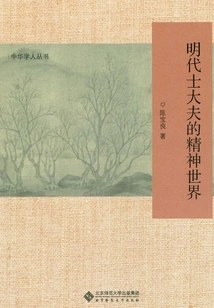
明代士大夫的精神世界
Chen Baoliang
"Ming Xue", as the successor of "Song Xue", is also called "Song Ming Neo-Confucianism". The local officials of the Ming Dynasty should belong to the new type of scholar-officials after the Sui and Tang Dynasties. However, in terms of the scholar-officials of the Ming Dynasty who extremely pursued "pure discussion" and had the characteristics of personal liberation, their spiritual world was the direct successor of the scholar-officials of the Six Dynasties. This book explains the knowledge and actions of scholar-bureaucrats in the Ming Dynasty through the research method of interaction between thought and society, that is, the context of history and society, from multiple perspectives such as the distinction between a gentleman and a villain, the confusion of origin and official seclusion, the dilemma of loyalty, filial piety and justice, the choice between life and death, the distinction between elegance and secularity and their interaction. This is undoubtedly different from previous research that was too biased towards "ideational history", but hopes to reinterpret the actual dynamics of the intellectual history of the Ming Dynasty based on the interrelationships in political history, educational history, regional studies and other fields. This is a study of spiritual history, and its purpose is to examine the relationship between the spirit of native officials and politics and society.
"Ming Xue", as the successor of "Song Xue", is also called "Song Ming Neo-Confucianism". The local officials of the Ming Dynasty should belong to the new type of scholar-officials after the Sui and Tang Dynasties. However, in terms of the scholar-officials of the Ming Dynasty who extremely pursued "pure discussion" and had the characteristics of personal liberation, their spiritual world was the direct successor of the scholar-officials of the Six Dynasties. This book explains the knowledge and actions of scholar-bureaucrats in the Ming Dynasty through the research method of interaction between thought and society, that is, the context of history and society, from multiple perspectives such as the distinction between a gentleman and a villain, the confusion of origin and official seclusion, the dilemma of loyalty, filial piety and justice, the choice between life and death, the distinction between elegance and secularity and their interaction. This is undoubtedly different from previous research that was too biased towards "ideational history", but hopes to reinterpret the actual dynamics of the intellectual history of the Ming Dynasty based on the interrelationships in political history, educational history, regional studies and other fields. This is a study of spiritual history, and its purpose is to examine the relationship between the spirit of native officials and politics and society.
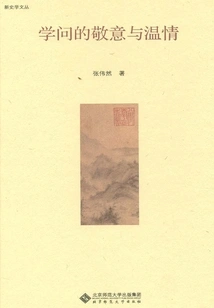
Learned Respect and Warmth
History学问的敬意与温情
Zhang Weiran
The author of this book studied under Tan Qixiang and other academic masters, made unique academic contributions in historical geography and Chinese cultural history, and achieved world-renowned academic achievements. This book narrates the knowledge and personal experiences of academic masters such as Tan Qixiang. It contains interesting stories and unique academic pursuits, with pictures and texts. It is a good guide for readers to understand the history of modern academic culture and education.
The author of this book studied under Tan Qixiang and other academic masters, made unique academic contributions in historical geography and Chinese cultural history, and achieved world-renowned academic achievements. This book narrates the knowledge and personal experiences of academic masters such as Tan Qixiang. It contains interesting stories and unique academic pursuits, with pictures and texts. It is a good guide for readers to understand the history of modern academic culture and education.
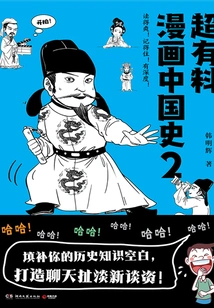
超有料漫画中国史2
Han Minghui
This book slowly opens the curtain of Chinese history for you through hilarious jokes and vivid hand-drawn cartoons. Behind the turbulent historical process, there are emperors, princes, civil servants and military generals with character, temperament and means. Their every move has shaped the wonderful five thousand years of history. I hope that after reading this book you will laugh out loud and have a preliminary understanding of the general context of Chinese history. This volume is the second in this series of books, telling the history from the Western Jin Dynasty to the end of the Tang Dynasty.
This book slowly opens the curtain of Chinese history for you through hilarious jokes and vivid hand-drawn cartoons. Behind the turbulent historical process, there are emperors, princes, civil servants and military generals with character, temperament and means. Their every move has shaped the wonderful five thousand years of history. I hope that after reading this book you will laugh out loud and have a preliminary understanding of the general context of Chinese history. This volume is the second in this series of books, telling the history from the Western Jin Dynasty to the end of the Tang Dynasty.
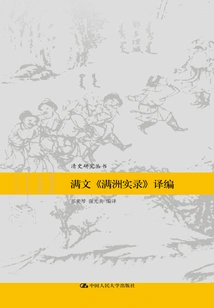
Translation and Compilation of the Manchu "records of Manchuria" (qing History Research Series)
History满文《满洲实录》译编(清史研究丛书)
Qi Meiqin Qiang Guangmei
"Records of Manchuria" was written during the Tiancong period. It is an important official history book in the Qing Dynasty that records the rise of the Manchus and the historical events of the Nurhaqi period. Among the existing Manchu, Han and Mongolian texts of "Manchu Records", the contents in Manchu and Chinese do not completely correspond, indicating that the Chinese text is not a direct translation of Manchu. Academic circles generally believe that the Manchu "Manchu Records" is of higher historical value. This translation and publication is based on the re-translation of the Manchu part, and the comparative printing of the Manchu (transliteration), the original Chinese, and the newly translated Chinese, so that the academic community can better understand the similarities and differences between the three, and fully explore and utilize the historical value of "Manchu Records".
"Records of Manchuria" was written during the Tiancong period. It is an important official history book in the Qing Dynasty that records the rise of the Manchus and the historical events of the Nurhaqi period. Among the existing Manchu, Han and Mongolian texts of "Manchu Records", the contents in Manchu and Chinese do not completely correspond, indicating that the Chinese text is not a direct translation of Manchu. Academic circles generally believe that the Manchu "Manchu Records" is of higher historical value. This translation and publication is based on the re-translation of the Manchu part, and the comparative printing of the Manchu (transliteration), the original Chinese, and the newly translated Chinese, so that the academic community can better understand the similarities and differences between the three, and fully explore and utilize the historical value of "Manchu Records".
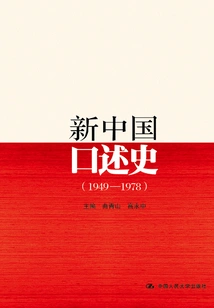
新中国口述史(1949—1978)
Qu Qingshan Gao Yongzhong
This book is based on rich historical materials and uses the form of oral history and memoirs to show the whole story of major decisions and major events in the nearly thirty years since the founding of New China. In the form of oral history, old leaders and old comrades who have personally experienced and witnessed the history of New China can recall the details and reproduce history truly, vividly and concretely. This book is edited by Qu Qingshan, director of the Party History Research Office of the Central Committee, and contains the memoirs and oral histories of more than 50 veteran leaders and comrades, including Chen Jinhua, Wang Licheng, Yan Mingfu, Deng Liqun, Su Weimin, and Li Xuefeng. It is important information and valuable wealth for studying this period of history.
This book is based on rich historical materials and uses the form of oral history and memoirs to show the whole story of major decisions and major events in the nearly thirty years since the founding of New China. In the form of oral history, old leaders and old comrades who have personally experienced and witnessed the history of New China can recall the details and reproduce history truly, vividly and concretely. This book is edited by Qu Qingshan, director of the Party History Research Office of the Central Committee, and contains the memoirs and oral histories of more than 50 veteran leaders and comrades, including Chen Jinhua, Wang Licheng, Yan Mingfu, Deng Liqun, Su Weimin, and Li Xuefeng. It is important information and valuable wealth for studying this period of history.
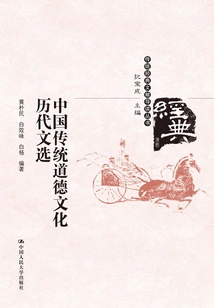
中国传统道德文化历代文选
Huang Pumin Bai Xiaoyong Bai Yang
This book is one of the series of "Selected Documents on Contemporary Values of Traditional Chinese Culture". The book is divided into eight chapters: Fortitude and Righteousness, Loyalty, Filial Piety, Martyrdom, Benevolence and Righteousness, Prosperity and Integrity, Modesty and Enterprising, Forgiveness and Tolerance, Wisdom, Courage and Integrity, and Moral Development. It selects the essence of ethics and morals in traditional Chinese classics, explains them, and adds annotations to achieve the purpose of promoting the universal value of Chinese traditional culture.
This book is one of the series of "Selected Documents on Contemporary Values of Traditional Chinese Culture". The book is divided into eight chapters: Fortitude and Righteousness, Loyalty, Filial Piety, Martyrdom, Benevolence and Righteousness, Prosperity and Integrity, Modesty and Enterprising, Forgiveness and Tolerance, Wisdom, Courage and Integrity, and Moral Development. It selects the essence of ethics and morals in traditional Chinese classics, explains them, and adds annotations to achieve the purpose of promoting the universal value of Chinese traditional culture.
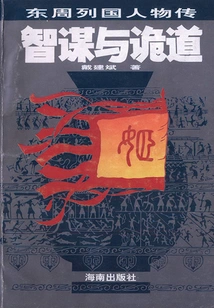
Wisdom and Deceit
History智谋与诡道
Dai Jianbin
Looking back at the wisdom of three thousand years, there is a grand strategy to stabilize the country; in the overview, the back of the dynasty, the crow of chickens and the small plots of dogs and thieves. In the countries of the Eastern Zhou Dynasty, heroes competed with each other. Those who gained wisdom prospered, while those who rebelled against wisdom perished. Between the sky and the ground, a great battle of wisdom unfolded: the "Lian Heng" plan was launched, and the violent Qin surrendered: the "He Zong" plan was devised. The world was professed to be ministers, and he made friends with people far away and attacked those close to him, and finally became the emperor of Qin. One plan makes the world prosper, one plan makes a country fall. The charm of wisdom and the power of courage are displayed here. The wise man is the teacher of the king, and the brave man is the first in the world. His power and momentum swallow up mountains and rivers, and his emotions shock the ages. This heroic freehand brushwork will last forever in the vast world.
Looking back at the wisdom of three thousand years, there is a grand strategy to stabilize the country; in the overview, the back of the dynasty, the crow of chickens and the small plots of dogs and thieves. In the countries of the Eastern Zhou Dynasty, heroes competed with each other. Those who gained wisdom prospered, while those who rebelled against wisdom perished. Between the sky and the ground, a great battle of wisdom unfolded: the "Lian Heng" plan was launched, and the violent Qin surrendered: the "He Zong" plan was devised. The world was professed to be ministers, and he made friends with people far away and attacked those close to him, and finally became the emperor of Qin. One plan makes the world prosper, one plan makes a country fall. The charm of wisdom and the power of courage are displayed here. The wise man is the teacher of the king, and the brave man is the first in the world. His power and momentum swallow up mountains and rivers, and his emotions shock the ages. This heroic freehand brushwork will last forever in the vast world.
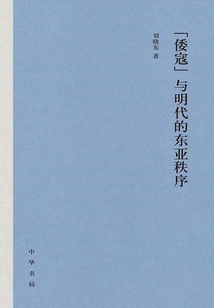
“倭寇”与明代的东亚秩序
Liu Xiaodong
Mainly from the perspective of East Asian regional society, this book draws on previous research results, and through comparison and identification of relevant historical materials from China, Japan, and South Korea, attempts to more objectively restore the ins and outs of the "Japanese pirates" issue around the 16th century, and its potential impact on the East Asian regional order in modern times. It further expands the research field of the "Japanese pirates" issue, and puts forward the Wanli turning theory of the Ming-Japanese relationship.
Mainly from the perspective of East Asian regional society, this book draws on previous research results, and through comparison and identification of relevant historical materials from China, Japan, and South Korea, attempts to more objectively restore the ins and outs of the "Japanese pirates" issue around the 16th century, and its potential impact on the East Asian regional order in modern times. It further expands the research field of the "Japanese pirates" issue, and puts forward the Wanli turning theory of the Ming-Japanese relationship.
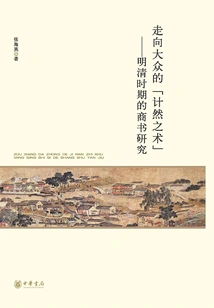
走向大众的“计然之术”:明清时期的商书研究
Zhang Haiying
The Ming and Qing Dynasties were a historical stage of comprehensive transformation of traditional Chinese society. Business not only developed highly, but also became increasingly professional. Not only did various business groups and business associations and chambers of commerce appear, but books on business methods and business guidance (referred to as "business books" in the manuscript) also began to get rid of the form of secret manuscripts and turned into public publications. Moreover, these business books not only appeared on the market openly as "public readings", but were also widely popular. This phenomenon reflected the impact of the development of the social commodity economy and the increasing prosperity of commerce on social concepts at that time. This article is divided into three parts to introduce the development and spread of business books during the Ming and Qing Dynasties, which will promote the in-depth study of the development of Ming and Qing society.
The Ming and Qing Dynasties were a historical stage of comprehensive transformation of traditional Chinese society. Business not only developed highly, but also became increasingly professional. Not only did various business groups and business associations and chambers of commerce appear, but books on business methods and business guidance (referred to as "business books" in the manuscript) also began to get rid of the form of secret manuscripts and turned into public publications. Moreover, these business books not only appeared on the market openly as "public readings", but were also widely popular. This phenomenon reflected the impact of the development of the social commodity economy and the increasing prosperity of commerce on social concepts at that time. This article is divided into three parts to introduce the development and spread of business books during the Ming and Qing Dynasties, which will promote the in-depth study of the development of Ming and Qing society.
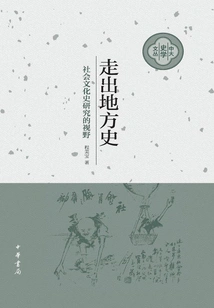
走出地方史:社会文化史研究的视野(中大史学文丛)
Cheng Meibao
This book contains a number of essays by the author, which explore how historical research can start from specific places but go beyond the "local" to review historical narratives within the framework of the country and nation from aspects such as regional culture, ethnic identity, and Hong Kong's position in Sino-British and Southern China. Another significance of "going out of place" is also reflected in the author's use and thinking of old and new historical materials. Many articles explore how to read physical materials such as songbooks, dictionaries, drawings, and museum collections in a broader context, and discuss how, at the turn of the 20th and 21st centuries, digital historical materials in the Internet age have changed the objects and methods of historical research.
This book contains a number of essays by the author, which explore how historical research can start from specific places but go beyond the "local" to review historical narratives within the framework of the country and nation from aspects such as regional culture, ethnic identity, and Hong Kong's position in Sino-British and Southern China. Another significance of "going out of place" is also reflected in the author's use and thinking of old and new historical materials. Many articles explore how to read physical materials such as songbooks, dictionaries, drawings, and museum collections in a broader context, and discuss how, at the turn of the 20th and 21st centuries, digital historical materials in the Internet age have changed the objects and methods of historical research.
墓志所见唐朝的胡汉关系与文化认同问题
Li Hongbin
This manuscript is the final result of the National Social Science Foundation project "Ethnic Relations and Cultural Identity Issues in the Tang Dynasty as Seen in Epitaphs" (Grant No.: 09BZS038; completed in June 2015). This book selects the cases of the three ethnic groups of Gaoche, Tuoba, Tuguhun and Sogdiana as examples, combines epitaph materials with handed down documents, and fully refers to the existing research results of Chinese and foreign counterparts. It is divided into three chapters to conduct a relatively in-depth research on the activities of foreign ethnic groups in the Central Plains and the Han Dynasty during the Tang Dynasty and the Hu-Han relations they reflected. It aims to explain the various appearances and causal connections of the multi-ethnic development trend in the Tang Dynasty, and then reflect the main theme of the society of that era.
This manuscript is the final result of the National Social Science Foundation project "Ethnic Relations and Cultural Identity Issues in the Tang Dynasty as Seen in Epitaphs" (Grant No.: 09BZS038; completed in June 2015). This book selects the cases of the three ethnic groups of Gaoche, Tuoba, Tuguhun and Sogdiana as examples, combines epitaph materials with handed down documents, and fully refers to the existing research results of Chinese and foreign counterparts. It is divided into three chapters to conduct a relatively in-depth research on the activities of foreign ethnic groups in the Central Plains and the Han Dynasty during the Tang Dynasty and the Hu-Han relations they reflected. It aims to explain the various appearances and causal connections of the multi-ethnic development trend in the Tang Dynasty, and then reflect the main theme of the society of that era.
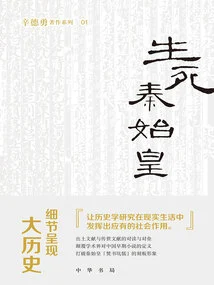
生死秦始皇
Xin Deyong
"Zhao Zhengshu", a bamboo book of the Western Han Dynasty, begins with the death of Qin Shihuang and tells the story of Hu Hai's disobedience to Ziying and Li Si's advice, which led to his own death and the country's demise. It has received widespread attention because of its content involving the arrangements for the succession of Emperor Qin Shihuang when he was dying, the legitimacy of the second Emperor Qin's accession to the throne, and even the direct reasons for the overthrow of the Qin Empire. When Professor Xin Deyong read this bamboo book, he took the rise and fall of the Qin Dynasty as the general background and raised a series of questions that ordinary people are not aware of. Does the "Zhao Zheng" in "Zhao Zhengshu" refer to Qin Shihuang? "Zhao Zheng", "Zhao Zheng", "Qin Zheng", "Qin Zheng", "Ying Zheng", "First Emperor"... Which one was the name he used when he was alive? Why is it said that the title of the book "Zhao Zhengshu" (or the title of the chapter) is somewhat unrealistic? What is its origin and what are its characteristics? Although they clearly record the same historical event, why is it different between "Zhao Zhengshu" and "Historical Records"? Which of the two is more trustworthy? Did Qin Shihuang, who was infamous for his "burning books and entrapping Confucianism" throughout the ages, really hate all Confucian scholars and Confucianism in the world? And to some extent, the famous eunuch Zhao Gao, who determined the fate of the Qin Dynasty, was a "castrated person"?
"Zhao Zhengshu", a bamboo book of the Western Han Dynasty, begins with the death of Qin Shihuang and tells the story of Hu Hai's disobedience to Ziying and Li Si's advice, which led to his own death and the country's demise. It has received widespread attention because of its content involving the arrangements for the succession of Emperor Qin Shihuang when he was dying, the legitimacy of the second Emperor Qin's accession to the throne, and even the direct reasons for the overthrow of the Qin Empire. When Professor Xin Deyong read this bamboo book, he took the rise and fall of the Qin Dynasty as the general background and raised a series of questions that ordinary people are not aware of. Does the "Zhao Zheng" in "Zhao Zhengshu" refer to Qin Shihuang? "Zhao Zheng", "Zhao Zheng", "Qin Zheng", "Qin Zheng", "Ying Zheng", "First Emperor"... Which one was the name he used when he was alive? Why is it said that the title of the book "Zhao Zhengshu" (or the title of the chapter) is somewhat unrealistic? What is its origin and what are its characteristics? Although they clearly record the same historical event, why is it different between "Zhao Zhengshu" and "Historical Records"? Which of the two is more trustworthy? Did Qin Shihuang, who was infamous for his "burning books and entrapping Confucianism" throughout the ages, really hate all Confucian scholars and Confucianism in the world? And to some extent, the famous eunuch Zhao Gao, who determined the fate of the Qin Dynasty, was a "castrated person"?
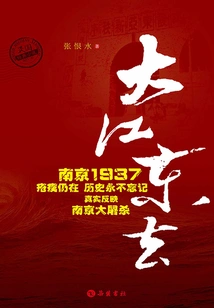
Go Eastward
History大江东去
Zhang Henshui
This book is adapted from real people and true stories. It details the bloody atrocities of the battle to defend China Gate and the massacre of soldiers and civilians in Nanjing by the Japanese army. It is a vivid record of the bloodthirsty crimes of the invaders. The description of the love, marriage and righteousness of young soldiers is a true portrayal of the author's mentality of persisting in resisting Japan and serving the country to the death.
This book is adapted from real people and true stories. It details the bloody atrocities of the battle to defend China Gate and the massacre of soldiers and civilians in Nanjing by the Japanese army. It is a vivid record of the bloodthirsty crimes of the invaders. The description of the love, marriage and righteousness of young soldiers is a true portrayal of the author's mentality of persisting in resisting Japan and serving the country to the death.
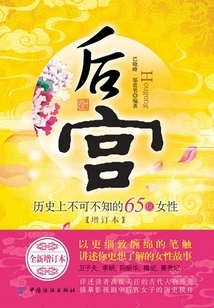
后宫:历史上不可不知的65位女性(增订本)
Compiled By Ba Xiaofeng And Wu Zhennan
This book selects a total of 65 women who are closely related to the throne in the long history, from Xia Empress Meixi to Wanrong, the last empress of the Qing Dynasty. It interprets their sad and sad lives, or their happy and prosperous lives, and displays their good and evil beauty and ugliness as well as the rights and wrongs related to them in front of readers. The whole book starts from a female perspective and re-analyzes the fate of women in a patriarchal society from a modern perspective. At the same time, major historical events related to these women are interspersed with narratives, striving to witness the historical process of each dynasty from the side.
This book selects a total of 65 women who are closely related to the throne in the long history, from Xia Empress Meixi to Wanrong, the last empress of the Qing Dynasty. It interprets their sad and sad lives, or their happy and prosperous lives, and displays their good and evil beauty and ugliness as well as the rights and wrongs related to them in front of readers. The whole book starts from a female perspective and re-analyzes the fate of women in a patriarchal society from a modern perspective. At the same time, major historical events related to these women are interspersed with narratives, striving to witness the historical process of each dynasty from the side.
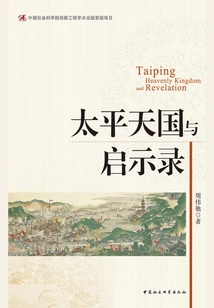
太平天国与启示录
Zhou Weichi
This book re-explores the Christian origins of the Taiping ideology from the perspective of the history of global missionary work of modern Western Christianity, revealing the close relationship between the Taiping Rebellion and millenarianism and eschatology, especially the relationship between Hong Xiuquan and apocalyptic theology, and Hong Rengan and the "Christian civilization view" of the Protestant missionaries. The book is divided into five chapters: "Religious Wars Caused by Religious Revolutions", "A Different Kind of Christianity", "The Taiping Rebellion and the Apocalypse", "Millennialism and Its Interpretation", and "A Modernization Plan for a Christian Country". Based on a large number of text contrasts, comparisons and analyses, this book refutes many popular views and puts forward new perspectives.
This book re-explores the Christian origins of the Taiping ideology from the perspective of the history of global missionary work of modern Western Christianity, revealing the close relationship between the Taiping Rebellion and millenarianism and eschatology, especially the relationship between Hong Xiuquan and apocalyptic theology, and Hong Rengan and the "Christian civilization view" of the Protestant missionaries. The book is divided into five chapters: "Religious Wars Caused by Religious Revolutions", "A Different Kind of Christianity", "The Taiping Rebellion and the Apocalypse", "Millennialism and Its Interpretation", and "A Modernization Plan for a Christian Country". Based on a large number of text contrasts, comparisons and analyses, this book refutes many popular views and puts forward new perspectives.
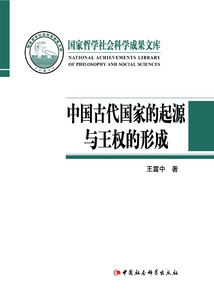
中国古代国家的起源与王权的形成
Wang Zhenzhong
The issue of the origin of the Chinese state discussed in this book is the core link of exploring the origin of Chinese civilization, a major academic topic, and is of very important significance. China has a history of civilization of more than 5,000 years. However, when, where, and what process did the splendid Chinese civilization come into being? Many academic predecessors and masters of Chinese studies have discussed this issue. The author of this book adopts a multidisciplinary research method, extensively uses the theories of archeology, history, and anthropology, systematically organizes and analyzes archaeological discovery materials, attempts to integrate explanations of various ancient history legends handed down from ancient times, and proposes a series of innovative theoretical viewpoints, constructing a brand new ancient history research system. This masterpiece is a systematic display, further deepening and improvement of the academic systems proposed by the author in recent years, such as the "three-form evolution of settlements in the origin path of civilization and countries" theory, the "state-kingdom-empire" theory after entering the national society, and the theory of "the composite state structure in the Xia, Shang and Zhou dynasties".
The issue of the origin of the Chinese state discussed in this book is the core link of exploring the origin of Chinese civilization, a major academic topic, and is of very important significance. China has a history of civilization of more than 5,000 years. However, when, where, and what process did the splendid Chinese civilization come into being? Many academic predecessors and masters of Chinese studies have discussed this issue. The author of this book adopts a multidisciplinary research method, extensively uses the theories of archeology, history, and anthropology, systematically organizes and analyzes archaeological discovery materials, attempts to integrate explanations of various ancient history legends handed down from ancient times, and proposes a series of innovative theoretical viewpoints, constructing a brand new ancient history research system. This masterpiece is a systematic display, further deepening and improvement of the academic systems proposed by the author in recent years, such as the "three-form evolution of settlements in the origin path of civilization and countries" theory, the "state-kingdom-empire" theory after entering the national society, and the theory of "the composite state structure in the Xia, Shang and Zhou dynasties".
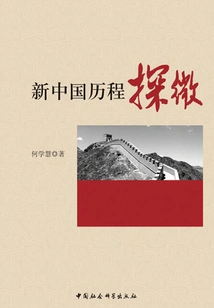
新中国历程探微
He Xuehui
The whole book closely focuses on the main themes of how to explore China's socialist road and build socialism with Chinese characteristics; how to develop socialist productive forces and strive to realize China's industrialization and modernization as soon as possible. Based on the "Resolution on Certain Historical Issues of the Party since the Founding of the People's Republic of China", it conducts an in-depth study of the more than 60 years of the People's Republic of China from its founding in 1949 to today, and explores its theory and practice, experience and lessons in socialist construction. The book reviews and summarizes the tortuous development of New China from a new perspective, and strives to describe important typical events as concretely as possible, so that readers can understand the glorious footprints of continuous exploration and innovation left by the Communist Party of China through "small windows".
The whole book closely focuses on the main themes of how to explore China's socialist road and build socialism with Chinese characteristics; how to develop socialist productive forces and strive to realize China's industrialization and modernization as soon as possible. Based on the "Resolution on Certain Historical Issues of the Party since the Founding of the People's Republic of China", it conducts an in-depth study of the more than 60 years of the People's Republic of China from its founding in 1949 to today, and explores its theory and practice, experience and lessons in socialist construction. The book reviews and summarizes the tortuous development of New China from a new perspective, and strives to describe important typical events as concretely as possible, so that readers can understand the glorious footprints of continuous exploration and innovation left by the Communist Party of China through "small windows".
唐代文史研究丛稿
Chen Tiemin
This book is one of the collections of special articles by members of the Chinese Academy of Social Sciences. The collection includes 18 articles, divided into three groups. The first group contains four articles, which is a study of some important issues in the literary history of the Tang Dynasty; the second group contains 10 articles, which is a textual research on the lives of poets and writers in the prosperous Tang Dynasty such as Gao Shi, Qin Shen, and Du Fu. It puts forward its own opinions on some controversial issues. The third group contains four papers, which discuss certain issues related to the imperial examination system and the official selection system in the Tang Dynasty. The earliest of these articles was published in 1963, and the latest was published in 2012, 49 years apart. This may reveal the author's journey in the field of literary and historical research.
This book is one of the collections of special articles by members of the Chinese Academy of Social Sciences. The collection includes 18 articles, divided into three groups. The first group contains four articles, which is a study of some important issues in the literary history of the Tang Dynasty; the second group contains 10 articles, which is a textual research on the lives of poets and writers in the prosperous Tang Dynasty such as Gao Shi, Qin Shen, and Du Fu. It puts forward its own opinions on some controversial issues. The third group contains four papers, which discuss certain issues related to the imperial examination system and the official selection system in the Tang Dynasty. The earliest of these articles was published in 1963, and the latest was published in 2012, 49 years apart. This may reveal the author's journey in the field of literary and historical research.
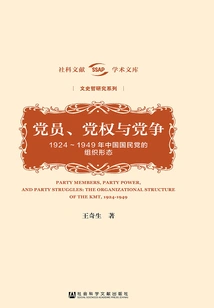
党员、党权与党争(社科文献学术文库·文史哲研究系列)
Wang Qisheng
This book examines the organizational form of the Kuomintang, explores its institutional structure and operating mechanism from within the Kuomintang, and conducts detailed discussions on the factional conflicts within the Kuomintang, the local operation of party affairs and party power, and the relationship between the party, the government, and the military. The core of the book is that the Kuomintang is a "weak authoritarian party" and the disorganized nature of its organization prevents it from realizing the one-party dictatorship of the Russian Communist Party, that is, it has the will to be authoritarian but not the power to authorize. The author points out that the Kuomintang has never been able to establish a party organizational system with tight permeability and strong cohesion, which is the main reason why it eventually lost power.
This book examines the organizational form of the Kuomintang, explores its institutional structure and operating mechanism from within the Kuomintang, and conducts detailed discussions on the factional conflicts within the Kuomintang, the local operation of party affairs and party power, and the relationship between the party, the government, and the military. The core of the book is that the Kuomintang is a "weak authoritarian party" and the disorganized nature of its organization prevents it from realizing the one-party dictatorship of the Russian Communist Party, that is, it has the will to be authoritarian but not the power to authorize. The author points out that the Kuomintang has never been able to establish a party organizational system with tight permeability and strong cohesion, which is the main reason why it eventually lost power.
国学论衡(第7辑)
Editor-in-chief Wang Xiaoxing
"Guoxue Lunheng" is an academic journal of the Gansu Chinese Traditional Culture Research Association. It aims to provide an academic exchange platform for scholars engaged in Chinese traditional culture and Chinese studies, enhance the understanding and interpretation of Chinese traditional culture and Chinese studies through academic research; promote dialogue between Chinese traditional culture, Chinese studies and world cultures and civilizations; and shape future Chinese culture and academic thinking with rational considerations. This journal is now an annual journal that adopts an anonymous review system. It publishes academic papers on Chinese studies and traditional Chinese culture studies, book reviews, notes, and academic trends.
"Guoxue Lunheng" is an academic journal of the Gansu Chinese Traditional Culture Research Association. It aims to provide an academic exchange platform for scholars engaged in Chinese traditional culture and Chinese studies, enhance the understanding and interpretation of Chinese traditional culture and Chinese studies through academic research; promote dialogue between Chinese traditional culture, Chinese studies and world cultures and civilizations; and shape future Chinese culture and academic thinking with rational considerations. This journal is now an annual journal that adopts an anonymous review system. It publishes academic papers on Chinese studies and traditional Chinese culture studies, book reviews, notes, and academic trends.
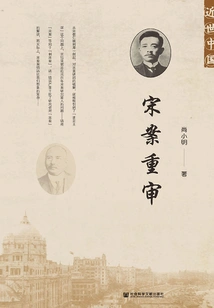
宋案重审(近世中国)
Shang Xiaoming
The biggest problem in the study of the century-old Song Dynasty case is that researchers mistakenly equate "Song Dynasty case" with "Assassination of Song Dynasty case". This book completely corrects this deviation and clearly reveals that the "Song Case" is actually a complicated case caused by the sequential evolution and interweaving of multiple plots such as the appeasement of the Communist Party, the investigation of the welcoming Congress group, the manipulation of the drafting of the constitution, the frame-up of "Sun Huang Song", the "Anonymous" attack, the purchase of public bonds at low prices, and the assassination of Song Jiaoren. It uses extremely delicate research to thoroughly reveal the inner relationship between the seemingly unrelated plots, and finally convincingly unveils a series of mysteries of the Song case. About 90% of the materials in the book have not been used by previous researchers of Song Dynasty cases, and a considerable part of them have been made public for the first time.
The biggest problem in the study of the century-old Song Dynasty case is that researchers mistakenly equate "Song Dynasty case" with "Assassination of Song Dynasty case". This book completely corrects this deviation and clearly reveals that the "Song Case" is actually a complicated case caused by the sequential evolution and interweaving of multiple plots such as the appeasement of the Communist Party, the investigation of the welcoming Congress group, the manipulation of the drafting of the constitution, the frame-up of "Sun Huang Song", the "Anonymous" attack, the purchase of public bonds at low prices, and the assassination of Song Jiaoren. It uses extremely delicate research to thoroughly reveal the inner relationship between the seemingly unrelated plots, and finally convincingly unveils a series of mysteries of the Song case. About 90% of the materials in the book have not been used by previous researchers of Song Dynasty cases, and a considerable part of them have been made public for the first time.
清末新政与边疆新政(全2册)(中国社会科学院重点学科·晚清史学科·晚清史论丛(第6辑))
Political History Research Office, Institute Of Modern History, Chinese Academy Of Social Sciences, Etc.
The New Deal in the late Qing Dynasty was the third and final reform movement launched by the late Qing government after the Westernization Movement and the Reform Movement of 1898. Its intensity was far greater than the previous two reforms, covering politics, economy, military, culture, education, social life, and reforms in border areas. This book is a collection of papers from the Sixth International Academic Symposium on Late Qing History, held in Lanzhou from July 17 to 18, 2014. It covers the various reforms of the New Deal, the late Qing's border affairs thoughts, border defense policies, the New Deal in the frontier, and the frontier New Deal and modernization. It is of academic value in promoting the study of late Qing history, late Qing New Deal history, and late Qing border history.
The New Deal in the late Qing Dynasty was the third and final reform movement launched by the late Qing government after the Westernization Movement and the Reform Movement of 1898. Its intensity was far greater than the previous two reforms, covering politics, economy, military, culture, education, social life, and reforms in border areas. This book is a collection of papers from the Sixth International Academic Symposium on Late Qing History, held in Lanzhou from July 17 to 18, 2014. It covers the various reforms of the New Deal, the late Qing's border affairs thoughts, border defense policies, the New Deal in the frontier, and the frontier New Deal and modernization. It is of academic value in promoting the study of late Qing history, late Qing New Deal history, and late Qing border history.
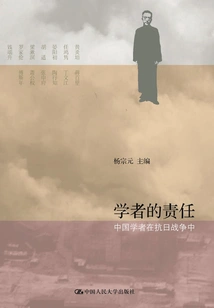
学者的责任:中国学者在抗日战争中
Yang Zongyuan
This book selects letters, telegrams, speeches and articles from well-known modern scholars and thinkers, such as Liang Shuming, Hu Shi, Qian Duansheng, Ma Xiangbo, etc. During the Anti-Japanese War. It vividly reflects the Chinese scholars' shared hatred of the enemy at a time of national crisis, opposing the war, striving for peace, and advocating for national rejuvenation. It reflects the sense of mission and responsibility of Chinese scholars. There is an introduction at the beginning of the book. The selected characters are sorted by birth year, and the selected articles are arranged in chronological order, indicating the writing time or corresponding background, and giving a brief introduction to the author.
This book selects letters, telegrams, speeches and articles from well-known modern scholars and thinkers, such as Liang Shuming, Hu Shi, Qian Duansheng, Ma Xiangbo, etc. During the Anti-Japanese War. It vividly reflects the Chinese scholars' shared hatred of the enemy at a time of national crisis, opposing the war, striving for peace, and advocating for national rejuvenation. It reflects the sense of mission and responsibility of Chinese scholars. There is an introduction at the beginning of the book. The selected characters are sorted by birth year, and the selected articles are arranged in chronological order, indicating the writing time or corresponding background, and giving a brief introduction to the author.
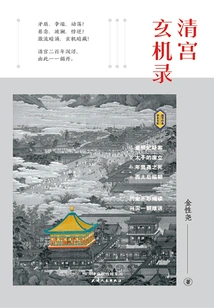
Secrets of the Qing Palace
History清宫玄机录
Jin Xingyao
The Qing Dynasty ruled China for more than two hundred years, during which time there were almost constant battles both inside and outside the palace. Among the royal family, the establishment of the crown prince and the succession to the throne caused great ups and downs; among the courtiers, there was a great deal of competition for seeking superiority and personal gain; and there were also many intrigues among concubines and eunuch groups. All these constitute scenes of human tragedy and comedy. The fierceness of court battles in the Qing Dynasty, coupled with the mystery of alien races, added a strong and strange flavor to the palace coup. Historically, there have been only a few research monographs on this topic. The author of this book uses in-depth research, detailed analysis, and layer-by-layer presentation to show readers the strange cases, legends and changes in the Qing palace.
The Qing Dynasty ruled China for more than two hundred years, during which time there were almost constant battles both inside and outside the palace. Among the royal family, the establishment of the crown prince and the succession to the throne caused great ups and downs; among the courtiers, there was a great deal of competition for seeking superiority and personal gain; and there were also many intrigues among concubines and eunuch groups. All these constitute scenes of human tragedy and comedy. The fierceness of court battles in the Qing Dynasty, coupled with the mystery of alien races, added a strong and strange flavor to the palace coup. Historically, there have been only a few research monographs on this topic. The author of this book uses in-depth research, detailed analysis, and layer-by-layer presentation to show readers the strange cases, legends and changes in the Qing palace.
清史满学暨京剧艺术研究:关嘉禄文集(辽宁社会科学院学者文库)
Guan Jialu
It brings together the eight outstanding contributions of Mr. Guan Jialu, a famous expert on Qing history and Manchu studies, in Qing history, Manchu studies and Peking Opera. It is a summary of Mr. Guan Jialu's important academic achievements in his half-life. It conducts an in-depth examination of the ethnic issues in the northeastern frontier of the Qing Dynasty, the relationship between Manchu archives and Qing history, the Manchu language and writing, and the translation of Manchu archives, which are important issues of long-term concern in the study of Qing history and Manchu studies. It distinctively combines the study of Manchu studies with the art of Peking Opera, and is highly innovative.
It brings together the eight outstanding contributions of Mr. Guan Jialu, a famous expert on Qing history and Manchu studies, in Qing history, Manchu studies and Peking Opera. It is a summary of Mr. Guan Jialu's important academic achievements in his half-life. It conducts an in-depth examination of the ethnic issues in the northeastern frontier of the Qing Dynasty, the relationship between Manchu archives and Qing history, the Manchu language and writing, and the translation of Manchu archives, which are important issues of long-term concern in the study of Qing history and Manchu studies. It distinctively combines the study of Manchu studies with the art of Peking Opera, and is highly innovative.
张力与限界:中央苏区的革命(1933-1934)(近世中国)
Huang Daoxuan
Revolution changes the political landscape of the world, changing countries, societies, families, and individuals. The tension of revolution, especially the communist revolution, gives this change an energy far beyond that of other political movements. This is the reason why revolution was once hailed like a pilgrim. However, whether it is a revolutionary event in a specific historical situation or a revolutionary movement in the overall scope, it is still subject to the constraints of historical and realistic circumstances. Revolution is a powerful tool for people to change their destiny under certain circumstances, but it is not a panacea that can cure all diseases. In the process of human civilization, revolution is even abnormal. Revolutions often come at the expense of breaking existing rules, and rules are an indispensable cornerstone for the formation, survival, and progress of human society. The conflicts displayed during them always remind people that behind the dazzling tension of revolution, there should and must be its own limits. Through the form of special research, this book explores a specific period with turning significance, cuts into the political, military, and social core of the Central Soviet Area, deepens the understanding of the history of the Soviet Area, and draws lessons from it.
Revolution changes the political landscape of the world, changing countries, societies, families, and individuals. The tension of revolution, especially the communist revolution, gives this change an energy far beyond that of other political movements. This is the reason why revolution was once hailed like a pilgrim. However, whether it is a revolutionary event in a specific historical situation or a revolutionary movement in the overall scope, it is still subject to the constraints of historical and realistic circumstances. Revolution is a powerful tool for people to change their destiny under certain circumstances, but it is not a panacea that can cure all diseases. In the process of human civilization, revolution is even abnormal. Revolutions often come at the expense of breaking existing rules, and rules are an indispensable cornerstone for the formation, survival, and progress of human society. The conflicts displayed during them always remind people that behind the dazzling tension of revolution, there should and must be its own limits. Through the form of special research, this book explores a specific period with turning significance, cuts into the political, military, and social core of the Central Soviet Area, deepens the understanding of the history of the Soviet Area, and draws lessons from it.
非物质文化遗产保护干部必读(江西省哲学社会科学成果文库)
Yuan Li Gu Jun
Since the beginning of the 21st century, the Chinese government and relevant organizations have launched the "China Intangible Cultural Heritage Protection Project" and the "Chinese National Folk Cultural Heritage Rescue Project" respectively. The protection of intangible cultural heritage has become a major event in the history of China in the 21st century. However, due to the lag in theoretical research, many problems have arisen in our protection work, some of which have even seriously affected the quality and process of intangible cultural heritage protection. To this end, we have specially written a theoretical book on intangible cultural heritage in the form of questions and answers for cadres on the front line of intangible cultural heritage protection - "A Must-Read for Cadres in the Protection of Intangible Cultural Heritage". This book attempts to use the most popular form to tell stories about intangible cultural heritage. The most basic academic theories and knowledge, principles and concepts of cultural heritage, as well as the problems and countermeasures that arise in the process of declaration, inheritance and protection of intangible cultural heritage, are told to every intangible cultural heritage protection worker, so as to make our contribution to the protection of intangible cultural heritage in China.
Since the beginning of the 21st century, the Chinese government and relevant organizations have launched the "China Intangible Cultural Heritage Protection Project" and the "Chinese National Folk Cultural Heritage Rescue Project" respectively. The protection of intangible cultural heritage has become a major event in the history of China in the 21st century. However, due to the lag in theoretical research, many problems have arisen in our protection work, some of which have even seriously affected the quality and process of intangible cultural heritage protection. To this end, we have specially written a theoretical book on intangible cultural heritage in the form of questions and answers for cadres on the front line of intangible cultural heritage protection - "A Must-Read for Cadres in the Protection of Intangible Cultural Heritage". This book attempts to use the most popular form to tell stories about intangible cultural heritage. The most basic academic theories and knowledge, principles and concepts of cultural heritage, as well as the problems and countermeasures that arise in the process of declaration, inheritance and protection of intangible cultural heritage, are told to every intangible cultural heritage protection worker, so as to make our contribution to the protection of intangible cultural heritage in China.
太平天国与晚清社会
Xia Chuntao
The study of the history of the Taiping Rebellion has achieved fruitful results, but now every step forward requires great efforts. This book attempts to examine the Taiping Rebellion in the context of the entire modern Chinese society from the perspective of multi-party interactions. It not only traces the political, military, and economic conditions of the Taiping Heavenly Kingdom period from a social perspective; it also focuses on the social dynamics at that time and the ideological characteristics of Hong Xiuquan and others, covering issues that are confusing and controversial in the history of the Taiping Heavenly Kingdom; it also examines the countermeasures of the Qing court as its opponent, the ups and downs of officialdom and people's livelihood conditions, and its impact on late Qing society. New writing on old topics, well-founded remarks, and new ideas will undoubtedly vigorously promote the study of the history of the late Qing Dynasty and the Taiping Rebellion.
The study of the history of the Taiping Rebellion has achieved fruitful results, but now every step forward requires great efforts. This book attempts to examine the Taiping Rebellion in the context of the entire modern Chinese society from the perspective of multi-party interactions. It not only traces the political, military, and economic conditions of the Taiping Heavenly Kingdom period from a social perspective; it also focuses on the social dynamics at that time and the ideological characteristics of Hong Xiuquan and others, covering issues that are confusing and controversial in the history of the Taiping Heavenly Kingdom; it also examines the countermeasures of the Qing court as its opponent, the ups and downs of officialdom and people's livelihood conditions, and its impact on late Qing society. New writing on old topics, well-founded remarks, and new ideas will undoubtedly vigorously promote the study of the history of the late Qing Dynasty and the Taiping Rebellion.
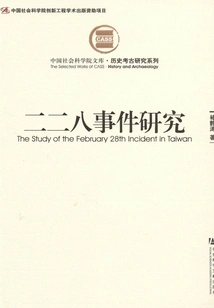
二二八事件研究(中国社会科学院文库·历史考古研究系列)
Chu Jingtao
The February 28th Incident was a movement by the Taiwanese people to pursue provincial political reform in the early days of independence. Influenced by the rising democratic movement in the mainland, the main demands were to implement local autonomy in Taiwan at an early date, directly elect county mayors, change the chief executive's office into a provincial government, abolish the monopoly bureau and trade bureau, share political power and economic interests, and build their own hometown. The methods of struggle include peaceful negotiations, requiring the authorities to accept reform demands, and the military police and citizens working together to maintain local security. Armed resistance has emerged in some areas of central and southern China. From a nationwide perspective, it is an integral part of the postwar national democratic movement; from a perspective of Taiwan's unique development history, it is a continuation of the Taiwanese elite's demand for autonomy during the Japanese occupation. The February 28 Incident was a spontaneous movement of love for the land and hometown of the Taiwanese people. It was a conflict between the government and the people and class opposition, rather than a provincial conflict or ethnic conflict. This book uses rich and detailed information to reproduce the historical scene of February 28th.
The February 28th Incident was a movement by the Taiwanese people to pursue provincial political reform in the early days of independence. Influenced by the rising democratic movement in the mainland, the main demands were to implement local autonomy in Taiwan at an early date, directly elect county mayors, change the chief executive's office into a provincial government, abolish the monopoly bureau and trade bureau, share political power and economic interests, and build their own hometown. The methods of struggle include peaceful negotiations, requiring the authorities to accept reform demands, and the military police and citizens working together to maintain local security. Armed resistance has emerged in some areas of central and southern China. From a nationwide perspective, it is an integral part of the postwar national democratic movement; from a perspective of Taiwan's unique development history, it is a continuation of the Taiwanese elite's demand for autonomy during the Japanese occupation. The February 28 Incident was a spontaneous movement of love for the land and hometown of the Taiwanese people. It was a conflict between the government and the people and class opposition, rather than a provincial conflict or ethnic conflict. This book uses rich and detailed information to reproduce the historical scene of February 28th.
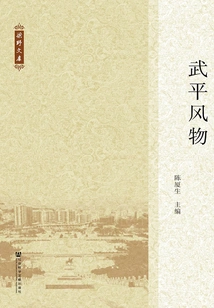
武平风物(梁野文库)
Editor-in-chief Chen Xiasheng
In order to systematically organize and display the unique customs and profound heritage of "Wuping, a thousand-year ancient city and culture", and promote historical and cultural excavation, research, publicity, interpretation, and inheritance, the Wuping County Committee of the Communist Party of China and the Propaganda Department of the County Committee organized and compiled the "Liangye Library" series of cultural books. "Wu Ping Scenery" is one of them. This book mainly uses an encyclopedic-style objective writing method to collect Wuping's geographical environment, natural resources, social economy, customs, historical evolution and other knowledge into one volume, so that readers, especially teenagers, can scientifically understand and understand Wuping in an all-round and multi-angle manner.
In order to systematically organize and display the unique customs and profound heritage of "Wuping, a thousand-year ancient city and culture", and promote historical and cultural excavation, research, publicity, interpretation, and inheritance, the Wuping County Committee of the Communist Party of China and the Propaganda Department of the County Committee organized and compiled the "Liangye Library" series of cultural books. "Wu Ping Scenery" is one of them. This book mainly uses an encyclopedic-style objective writing method to collect Wuping's geographical environment, natural resources, social economy, customs, historical evolution and other knowledge into one volume, so that readers, especially teenagers, can scientifically understand and understand Wuping in an all-round and multi-angle manner.
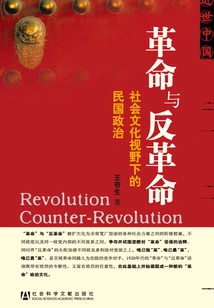
革命与反革命:社会文化视野下的民国政治(近世中国)
Wang Qisheng
In the decades after 1949, the writing of modern Chinese history by domestic historians was basically equivalent to the writing of the history of the Chinese revolution. This is largely due to the fact that revolution is indeed the main theme of modern Chinese history and an important code that dominates the development of the entire modern Chinese history. Today, when we have bid farewell to revolution, as historical researchers, we cannot simply give up, forget or deny those concepts that we have been obsessed with for a long time. We must ask, how were those revolutionary discourses and revolutionary political culture that have long been molded into our ideological values constructed? How did it evolve? This is where the thinking in this book begins.
In the decades after 1949, the writing of modern Chinese history by domestic historians was basically equivalent to the writing of the history of the Chinese revolution. This is largely due to the fact that revolution is indeed the main theme of modern Chinese history and an important code that dominates the development of the entire modern Chinese history. Today, when we have bid farewell to revolution, as historical researchers, we cannot simply give up, forget or deny those concepts that we have been obsessed with for a long time. We must ask, how were those revolutionary discourses and revolutionary political culture that have long been molded into our ideological values constructed? How did it evolve? This is where the thinking in this book begins.
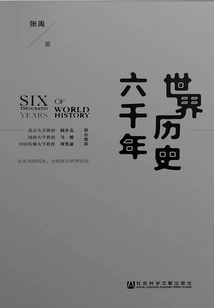
世界历史六千年
Zhang Yu
This book looks at the development of world history from the perspective of an ordinary Chinese person, describing world history from 3300 BC to the beginning of the 20th century. Starting from Chinese history, it horizontally covers the historical development of various world civilizations during the same period and the intersection of China, the Eastern civilization. It allows ordinary readers to not only understand Chinese history, but also have a clearer understanding of what happened in the world at the same time.
This book looks at the development of world history from the perspective of an ordinary Chinese person, describing world history from 3300 BC to the beginning of the 20th century. Starting from Chinese history, it horizontally covers the historical development of various world civilizations during the same period and the intersection of China, the Eastern civilization. It allows ordinary readers to not only understand Chinese history, but also have a clearer understanding of what happened in the world at the same time.
How the Market Was Formed: Starting from the Empirical Facts of Salt Smuggling in the Qing Dynasty
History市场如何形成:从清代食盐走私的经验事实出发
Huang Guoxin
In economics, as a social science, all empirical facts, especially living people and events, are abstracted and turned into disembodied facts or even figures, leaving a large number of topics that need to be implemented and enriched in historical scenes. History deals with living people and events. This book attempts to dialogue with classical economics and new institutional economics through vivid people and events, and deeply discusses the specific behaviors and activities of people required for the market to move from abstract logical formation to concrete operation, such as how to obtain market information, how groups or organizations operate, how potential markets can be developed into actual markets under the price mechanism, how to reduce transaction costs, and other factors, thereby substantially enriching and adjusting some conclusions of economic market formation theory.
In economics, as a social science, all empirical facts, especially living people and events, are abstracted and turned into disembodied facts or even figures, leaving a large number of topics that need to be implemented and enriched in historical scenes. History deals with living people and events. This book attempts to dialogue with classical economics and new institutional economics through vivid people and events, and deeply discusses the specific behaviors and activities of people required for the market to move from abstract logical formation to concrete operation, such as how to obtain market information, how groups or organizations operate, how potential markets can be developed into actual markets under the price mechanism, how to reduce transaction costs, and other factors, thereby substantially enriching and adjusting some conclusions of economic market formation theory.
清末国会请愿风云
Hou Yijie
The National Assembly, or the House of Representatives, is the main embodiment of democratic politics in the organizational form of political power. In the late Qing Dynasty, with the efforts of the government and the opposition, a comprehensive reform plan was basically formed to prepare for the establishment of a constitution. The nature, authority, and relationship between the National Assembly and the responsible cabinet were also clearly defined in order to move towards this goal and embody the basic spirit of the constitution. This book objectively describes this major historical process with rich historical materials, and is of high readability and historical value.
The National Assembly, or the House of Representatives, is the main embodiment of democratic politics in the organizational form of political power. In the late Qing Dynasty, with the efforts of the government and the opposition, a comprehensive reform plan was basically formed to prepare for the establishment of a constitution. The nature, authority, and relationship between the National Assembly and the responsible cabinet were also clearly defined in order to move towards this goal and embody the basic spirit of the constitution. This book objectively describes this major historical process with rich historical materials, and is of high readability and historical value.
End of Empire
History帝制的终结
Yang Tianshi
This book gives a panoramic account of the history from the Sino-Japanese War of 1894 to the fall of the Qing Dynasty. The author uses fresh language and solid historical materials to explain the ins and outs of the Revolution of 1911 concisely and yet importantly. The book is full of moving details of historical events and characters, restoring the historical scenes at that time, giving people a strong sense of being on the scene. This book uses many new materials that have not yet been used by the academic community, and there is no shortage of new perspectives. The book is also equipped with more than one hundred illustrations, including photos of people, photos of major events, photos of military operations, images of documents and newspapers, current affairs cartoons, propaganda posters, etc., Many of which are rare pictures. These pictures intuitively and vividly explain the historical process, confirm historical facts, and improve readers' perceptual understanding of history.
This book gives a panoramic account of the history from the Sino-Japanese War of 1894 to the fall of the Qing Dynasty. The author uses fresh language and solid historical materials to explain the ins and outs of the Revolution of 1911 concisely and yet importantly. The book is full of moving details of historical events and characters, restoring the historical scenes at that time, giving people a strong sense of being on the scene. This book uses many new materials that have not yet been used by the academic community, and there is no shortage of new perspectives. The book is also equipped with more than one hundred illustrations, including photos of people, photos of major events, photos of military operations, images of documents and newspapers, current affairs cartoons, propaganda posters, etc., Many of which are rare pictures. These pictures intuitively and vividly explain the historical process, confirm historical facts, and improve readers' perceptual understanding of history.
武汉会战亲历记
Cppcc National Committee On Culture, History And Study
This book is a personal record of the Wuhan Battle of the Anti-Japanese War by a former Kuomintang general. The original title of this book is "Battle of Wuhan", and the book series is called "Front Battlefield: The Personal Experience of the Former Kuomintang Generals in the Anti-Japanese War". It was published by our publishing house in January 2013 with the original ISBN978-7-5034-3712-0. Now, at the request of the National Committee on Literature, History and Study of the Chinese People's Political Consultative Conference, the book has been included in the "Hundred Classic Library of Literary and Historical Materials" series and has been republished. The format is only redesigned, and the content remains unchanged. Hereby explain. After the fall of Shanghai and the abandonment of Nanjing, Wuhan was actually the political, economic, and military center of the country at that time. The Chinese people wanted to defend Wuhan and persist in the war of resistance. The Japanese invaders wanted to seize Wuhan and end the war. This constituted a decisive strategic battle between China and Japan at that time. As a personal record, this book reproduces the bravery and heroism of the Wuhan Battle.
This book is a personal record of the Wuhan Battle of the Anti-Japanese War by a former Kuomintang general. The original title of this book is "Battle of Wuhan", and the book series is called "Front Battlefield: The Personal Experience of the Former Kuomintang Generals in the Anti-Japanese War". It was published by our publishing house in January 2013 with the original ISBN978-7-5034-3712-0. Now, at the request of the National Committee on Literature, History and Study of the Chinese People's Political Consultative Conference, the book has been included in the "Hundred Classic Library of Literary and Historical Materials" series and has been republished. The format is only redesigned, and the content remains unchanged. Hereby explain. After the fall of Shanghai and the abandonment of Nanjing, Wuhan was actually the political, economic, and military center of the country at that time. The Chinese people wanted to defend Wuhan and persist in the war of resistance. The Japanese invaders wanted to seize Wuhan and end the war. This constituted a decisive strategic battle between China and Japan at that time. As a personal record, this book reproduces the bravery and heroism of the Wuhan Battle.
徐州会战亲历记
Cppcc National Committee On Culture, History And Study
This book is a personal record of the Xuzhou Battle of the Anti-Japanese War by a former Kuomintang general. The original title of this book is "The Battle of Xuzhou", and the series title is "Front Battlefield: The Personal Experience of the Former Kuomintang Generals in the Anti-Japanese War". It was published by our publishing house in January 2013 with the original ISBN978-7-5034-3704-5. Now, at the request of the National Committee on Literature, History and Study of the Chinese People's Political Consultative Conference, the book has been included in the "Hundred Classics Library of Literary and Historical Materials" series and has been republished, with only a redesign of the format and no changes to the content. Hereby explain. Xuzhou has been a battleground for military strategists since ancient times and has an important strategic position. The Japanese invaders attempted to capture Xuzhou and open up the Jinpu Line to unite the northern and southern Japanese armies and peek into the Central Plains. So following the Songhu Anti-Japanese War, the Nanjing Defense War and several battles in North China, a large-scale national self-defense war - the Battle of Xuzhou - was launched in the vast areas of northern Jiangsu, southern Shandong, northern Anhui and eastern Henan. This book, as a personal experience record, reproduces the heroic battle of Xuzhou.
This book is a personal record of the Xuzhou Battle of the Anti-Japanese War by a former Kuomintang general. The original title of this book is "The Battle of Xuzhou", and the series title is "Front Battlefield: The Personal Experience of the Former Kuomintang Generals in the Anti-Japanese War". It was published by our publishing house in January 2013 with the original ISBN978-7-5034-3704-5. Now, at the request of the National Committee on Literature, History and Study of the Chinese People's Political Consultative Conference, the book has been included in the "Hundred Classics Library of Literary and Historical Materials" series and has been republished, with only a redesign of the format and no changes to the content. Hereby explain. Xuzhou has been a battleground for military strategists since ancient times and has an important strategic position. The Japanese invaders attempted to capture Xuzhou and open up the Jinpu Line to unite the northern and southern Japanese armies and peek into the Central Plains. So following the Songhu Anti-Japanese War, the Nanjing Defense War and several battles in North China, a large-scale national self-defense war - the Battle of Xuzhou - was launched in the vast areas of northern Jiangsu, southern Shandong, northern Anhui and eastern Henan. This book, as a personal experience record, reproduces the heroic battle of Xuzhou.
Remembering Mazhanshan
History回忆马占山
Cppcc Cultural And Historical Materials Research Committee
This book contains mostly memories of General Ma Zhanshan's old friends, subordinates, relatives and friends, and also includes some literature and translation materials as supporting evidence. According to the different periods of Ma Zhanshan's life, the articles and materials are divided into six parts: "Early Years and Family", "Jiangqiao Anti-Japanese War", "Forty Days in the Puppet Mansion", "Raising the Anti-Japanese War Flag Again", "Leaving Eurasia and the Northwest Anti-Japanese War" and "Welcoming Liberation". It also includes historical photos such as "Chronology of Ma Zhanshan's Life" and a schematic diagram of the Jiangqiao Anti-Japanese War.
This book contains mostly memories of General Ma Zhanshan's old friends, subordinates, relatives and friends, and also includes some literature and translation materials as supporting evidence. According to the different periods of Ma Zhanshan's life, the articles and materials are divided into six parts: "Early Years and Family", "Jiangqiao Anti-Japanese War", "Forty Days in the Puppet Mansion", "Raising the Anti-Japanese War Flag Again", "Leaving Eurasia and the Northwest Anti-Japanese War" and "Welcoming Liberation". It also includes historical photos such as "Chronology of Ma Zhanshan's Life" and a schematic diagram of the Jiangqiao Anti-Japanese War.
回忆济南“五三”惨案
Cppcc National Committee On Culture, History And Study
This book contains more than thirty retrospective articles by different authors, recreating this major historical event through the personal experiences, sightings and hearings of the parties involved. In order to enable readers to review history, bear in mind the profound disasters, carry forward the spirit of patriotism, strive to revitalize China, work hard to govern, and be grateful for peace, our society has decided to include this book in our "100 Classic Library of Literary and Historical Materials" for repackaging, revision and reprinting. It is not only a reminder to the Chinese people not to forget the national humiliation, but also a restoration of the historical truth, which has extraordinary social benefits.
This book contains more than thirty retrospective articles by different authors, recreating this major historical event through the personal experiences, sightings and hearings of the parties involved. In order to enable readers to review history, bear in mind the profound disasters, carry forward the spirit of patriotism, strive to revitalize China, work hard to govern, and be grateful for peace, our society has decided to include this book in our "100 Classic Library of Literary and Historical Materials" for repackaging, revision and reprinting. It is not only a reminder to the Chinese people not to forget the national humiliation, but also a restoration of the historical truth, which has extraordinary social benefits.
中原抗战亲历记
Cppcc National Committee On Culture, History And Study
This book is a personal record of the former Kuomintang general's experience of the Anti-Japanese War in the Central Plains. The original title of this book is "Central Plains Anti-Japanese War", and the series title is "Front Battlefield: The Personal Experience of Former Kuomintang Generals in the Anti-Japanese War". It was published by our publishing house in January 2013 with the original ISBN978-7-5034-3695-6. Now, at the request of the National Committee on Literature, History and Study of the Chinese People's Political Consultative Conference, the book has been included in the "Hundred Classic Library of Literary and Historical Materials" series and has been republished. Only the layout has been redesigned, and the content has not been changed. Hereby explain. In mid-October 1937, the Japanese invaded south along both sides of the Ping-Han Railway and reached the north bank of the Zhang River. The Chinese army launched a fierce battle with the enemy, which opened an important part of the Chinese people's great anti-Japanese war - the prelude to the Central Plains Anti-Japanese War. This book truly records important battles such as the Battle of Northern Henan, the Battle of Eastern Henan, the Battle of Southern Henan, the Battle of Zhengzhou, and the Battle of Central Henan.
This book is a personal record of the former Kuomintang general's experience of the Anti-Japanese War in the Central Plains. The original title of this book is "Central Plains Anti-Japanese War", and the series title is "Front Battlefield: The Personal Experience of Former Kuomintang Generals in the Anti-Japanese War". It was published by our publishing house in January 2013 with the original ISBN978-7-5034-3695-6. Now, at the request of the National Committee on Literature, History and Study of the Chinese People's Political Consultative Conference, the book has been included in the "Hundred Classic Library of Literary and Historical Materials" series and has been republished. Only the layout has been redesigned, and the content has not been changed. Hereby explain. In mid-October 1937, the Japanese invaded south along both sides of the Ping-Han Railway and reached the north bank of the Zhang River. The Chinese army launched a fierce battle with the enemy, which opened an important part of the Chinese people's great anti-Japanese war - the prelude to the Central Plains Anti-Japanese War. This book truly records important battles such as the Battle of Northern Henan, the Battle of Eastern Henan, the Battle of Southern Henan, the Battle of Zhengzhou, and the Battle of Central Henan.
八一三淞沪抗战亲历记
Cppcc National Committee On Culture, History And Study
This book is a personal record of the Songhu Battle of the Anti-Japanese War by a former Kuomintang general. The original title of this book is "Battle of Songhu", and the book series is called "Front Battlefield: The Personal Experience of Former Kuomintang Generals in the Anti-Japanese War". It was published by our publishing house in January 2013 with the original ISBN978-7-5034-3702-1. Now, in response to the request of the National Committee on Literature, History and Study of the Chinese People's Political Consultative Conference, the book has been included in the "Hundred Classic Library of Literary and Historical Materials" series and has been republished. Only the format has been redesigned, and the content has not been changed. Hereby explain. After the July 7th Incident in 1937, the Japanese invaders gathered a large number of troops and launched an attack on Shanghai. With inferior equipment and flesh and blood, the Chinese army killed and wounded more than 40,000 Japanese troops and held on to Shanghai for three months, shattering the Japanese militarists' dream of a quick victory and annexation of China. This book is divided into five chapters, recreating the brutality of the Battle of Songhu.
This book is a personal record of the Songhu Battle of the Anti-Japanese War by a former Kuomintang general. The original title of this book is "Battle of Songhu", and the book series is called "Front Battlefield: The Personal Experience of Former Kuomintang Generals in the Anti-Japanese War". It was published by our publishing house in January 2013 with the original ISBN978-7-5034-3702-1. Now, in response to the request of the National Committee on Literature, History and Study of the Chinese People's Political Consultative Conference, the book has been included in the "Hundred Classic Library of Literary and Historical Materials" series and has been republished. Only the format has been redesigned, and the content has not been changed. Hereby explain. After the July 7th Incident in 1937, the Japanese invaders gathered a large number of troops and launched an attack on Shanghai. With inferior equipment and flesh and blood, the Chinese army killed and wounded more than 40,000 Japanese troops and held on to Shanghai for three months, shattering the Japanese militarists' dream of a quick victory and annexation of China. This book is divided into five chapters, recreating the brutality of the Battle of Songhu.