Library
Browse and search books
204 novels found
P
HistoryP
H
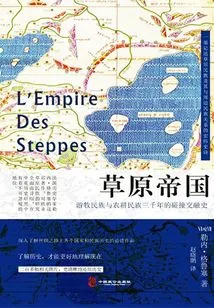
"Grassland Empire" not only records the magnificent history of the Xiongnu, Turks, Mongols and other grassland peoples, but also describes the bravery and talents of grassland people such as Attila, Genghis Khan, Timur and other children. They broke into developed historical and civilized areas, clashed with farming peoples, destroyed farming civilization, and gradually formed their own rich and diverse culture. Of course, there is also their impact on the entire world civilization, pattern, order and historical process.
"Grassland Empire" not only records the magnificent history of the Xiongnu, Turks, Mongols and other grassland peoples, but also describes the bravery and talents of grassland people such as Attila, Genghis Khan, Timur and other children. They broke into developed historical and civilized areas, clashed with farming peoples, destroyed farming civilization, and gradually formed their own rich and diverse culture. Of course, there is also their impact on the entire world civilization, pattern, order and historical process.
Iron-blooded Pacific
History铁血太平洋
Xu Yan
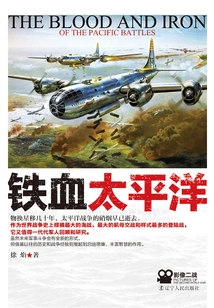
This book is the masterpiece of military history expert Xu Yan*. It collects more than a hundred rare photos in one book. It comprehensively and in detail introduces the beginning and end of the Pacific War, mainly fought by the United States and Japan, from political, military, economic and other aspects. Through the iron and blood fighting in the war, readers can see the important process of the strategic evolution of the United States and Japan and the changes in the world structure, understand the laws of war, and gain enlightenment for today's people.
This book is the masterpiece of military history expert Xu Yan*. It collects more than a hundred rare photos in one book. It comprehensively and in detail introduces the beginning and end of the Pacific War, mainly fought by the United States and Japan, from political, military, economic and other aspects. Through the iron and blood fighting in the war, readers can see the important process of the strategic evolution of the United States and Japan and the changes in the world structure, understand the laws of war, and gain enlightenment for today's people.
Chinese Dream My Dream
History中国梦我的梦
"chinese Dream My Dream" Editorial Board
Dreams are the beacon for a country and nation to move forward. Dreams are the beacon for a country and nation to move forward. Dreams are the beacon for a country and nation to move forward.
Dreams are the beacon for a country and nation to move forward. Dreams are the beacon for a country and nation to move forward. Dreams are the beacon for a country and nation to move forward.
北京少数民族文化资源研究
Editor-in-chief Su Faxiang
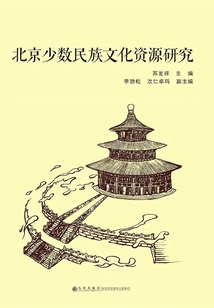
This book was funded by the National Ethnic Affairs Commission's 2015 Leading Talent Support Project as part of the Beijing Municipal Education Reform Project "Construction of a Harmonious Capital and Construction of the Ethnology Major Curriculum Group of the University for Nationalities of China". The content covers Beijing's minority population and distribution, culture and customs, architecture and food, tourism and handicrafts, etc. It has important documentary and reference value for understanding and researching Beijing's minority culture.
This book was funded by the National Ethnic Affairs Commission's 2015 Leading Talent Support Project as part of the Beijing Municipal Education Reform Project "Construction of a Harmonious Capital and Construction of the Ethnology Major Curriculum Group of the University for Nationalities of China". The content covers Beijing's minority population and distribution, culture and customs, architecture and food, tourism and handicrafts, etc. It has important documentary and reference value for understanding and researching Beijing's minority culture.
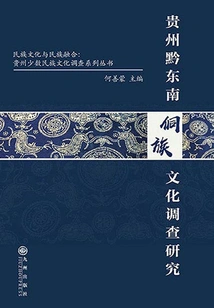
贵州黔东南侗族文化调查研究
Editor-in-chief He Shanmeng
Because Guizhou is an area inhabited by ethnic minorities, it has produced an extremely unique phenomenon of ethnic integration that is not found in other regions. This integration not only retains the characteristics of each ethnic group, but also prevents Guizhou from being called the stronghold of a certain ethnic group. It also makes each culture highly acceptable and valuable. Whether looking at a single ethnic group or observing multiple ethnic groups; whether comparing vertically from a single ethnic group or horizontally comparing multiple ethnic groups, it is not difficult to find that integration is widespread. There are integrations with consistent expressions, such as a day's work and rest habits; there are also integrations with consistent connotations, such as the same spiritual pursuit in different rituals. These all play an important role in the understanding and protection of minority cultures. Therefore, how to deeply understand the characteristics of Guizhou's ethnic cultural integration is of particularly important theoretical and practical significance at present. Against this background, Zhejiang University and Guiyang Confucianism jointly launched the "Series of Surveys on National Culture and National Integration", which aims to explore the integration experience of Guizhou's ethnic minorities through an in-depth investigation of the cultural traditions of ethnic minorities in Guizhou and on the basis of reflecting the current status of cultural traditions of ethnic minorities as much as possible. It also attempts to provide a possible paradigm for thinking about ethnic integration on this basis. This kind of understanding is extremely important for the sorting out and modern transformation of ethnic minority cultural traditions; it also has a very critical impact on the great rejuvenation of Chinese national culture. This series of surveys is planned to take about five years to include as many representative ethnic minorities as possible in Guizhou, conduct field surveys in areas where ethnic minorities live, and ultimately form a series of books that can reflect the integration characteristics of ethnic minorities in Guizhou.
Because Guizhou is an area inhabited by ethnic minorities, it has produced an extremely unique phenomenon of ethnic integration that is not found in other regions. This integration not only retains the characteristics of each ethnic group, but also prevents Guizhou from being called the stronghold of a certain ethnic group. It also makes each culture highly acceptable and valuable. Whether looking at a single ethnic group or observing multiple ethnic groups; whether comparing vertically from a single ethnic group or horizontally comparing multiple ethnic groups, it is not difficult to find that integration is widespread. There are integrations with consistent expressions, such as a day's work and rest habits; there are also integrations with consistent connotations, such as the same spiritual pursuit in different rituals. These all play an important role in the understanding and protection of minority cultures. Therefore, how to deeply understand the characteristics of Guizhou's ethnic cultural integration is of particularly important theoretical and practical significance at present. Against this background, Zhejiang University and Guiyang Confucianism jointly launched the "Series of Surveys on National Culture and National Integration", which aims to explore the integration experience of Guizhou's ethnic minorities through an in-depth investigation of the cultural traditions of ethnic minorities in Guizhou and on the basis of reflecting the current status of cultural traditions of ethnic minorities as much as possible. It also attempts to provide a possible paradigm for thinking about ethnic integration on this basis. This kind of understanding is extremely important for the sorting out and modern transformation of ethnic minority cultural traditions; it also has a very critical impact on the great rejuvenation of Chinese national culture. This series of surveys is planned to take about five years to include as many representative ethnic minorities as possible in Guizhou, conduct field surveys in areas where ethnic minorities live, and ultimately form a series of books that can reflect the integration characteristics of ethnic minorities in Guizhou.
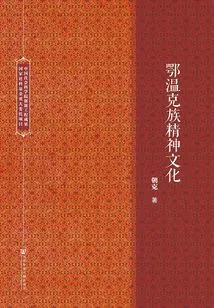
小说,小说网,最新热门小说-QQ阅读_阅文集团旗下网站
Dural Sir Chaok
This book is a sub-project of the National Social Science Fund's major project "Rescue Research on the Endangered Language and Culture of the Ewenki". The author conducted an objective exploratory study of the spiritual and cultural world of the Ewenki based on actual survey data, historical documents, etc. The book is divided into eight chapters: Ewenki ideological culture, literary culture, folk songs and dances, proverb culture, festival culture, belief culture, taboo culture, and the precious spiritual wealth of the Ewenki language. It analyzes the world view, outlook on life, and religious beliefs of the Ewenki people.
This book is a sub-project of the National Social Science Fund's major project "Rescue Research on the Endangered Language and Culture of the Ewenki". The author conducted an objective exploratory study of the spiritual and cultural world of the Ewenki based on actual survey data, historical documents, etc. The book is divided into eight chapters: Ewenki ideological culture, literary culture, folk songs and dances, proverb culture, festival culture, belief culture, taboo culture, and the precious spiritual wealth of the Ewenki language. It analyzes the world view, outlook on life, and religious beliefs of the Ewenki people.
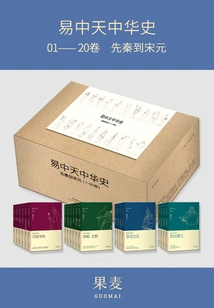
Yi Zhongtian's History of China: Pre-qin to Song and Yuan Dynasties (set of 20 Volumes in Total)
History易中天中华史:先秦到宋元(套装共20册)
Yi Zhongtian
The set version of "Yi Zhongtian Chinese History: Pre-Qin to Song and Yuan" contains a total of 20 volumes from "Ancestors" to "Iron-Blooded Mongolian Yuan".
The set version of "Yi Zhongtian Chinese History: Pre-Qin to Song and Yuan" contains a total of 20 volumes from "Ancestors" to "Iron-Blooded Mongolian Yuan".
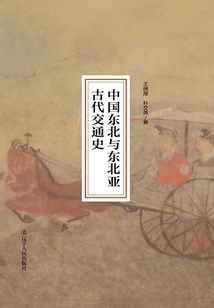
中国东北与东北亚古代交通史
Wang Mianhou Pu Wenying
The characteristics of this book are rigorous style, rigorous argumentation, and rich pictures and texts. The book is divided into 11 chapters in chronological order, reflecting the historical development and evolution sequence of ancient transportation in this region, from "natural transportation" to "tribal transportation" and then to "social transportation". The chapters after the third chapter, that is, the social transportation after Qin and Han Dynasties, are undoubtedly the focus of the author's research and discussion, and the essence of the whole book is also in these chapters. As the author said, "Each section can become an independent topic on the history of ancient transportation in Northeast Asia" and can be read as an independent academic paper. At the back of the important chapters, there are beautifully drawn traffic route maps, so that readers can compare pictures and texts to understand at a glance. In the chapters that discuss the main land and sea transportation routes in each period, they are analyzed step by step and organized in a strict manner.
The characteristics of this book are rigorous style, rigorous argumentation, and rich pictures and texts. The book is divided into 11 chapters in chronological order, reflecting the historical development and evolution sequence of ancient transportation in this region, from "natural transportation" to "tribal transportation" and then to "social transportation". The chapters after the third chapter, that is, the social transportation after Qin and Han Dynasties, are undoubtedly the focus of the author's research and discussion, and the essence of the whole book is also in these chapters. As the author said, "Each section can become an independent topic on the history of ancient transportation in Northeast Asia" and can be read as an independent academic paper. At the back of the important chapters, there are beautifully drawn traffic route maps, so that readers can compare pictures and texts to understand at a glance. In the chapters that discuss the main land and sea transportation routes in each period, they are analyzed step by step and organized in a strict manner.
追寻“我们”的根源:中国历史上的民族与国家意识(文史新论)
Yao Dali
This is a collection of essays, a selection of the author's long-term theoretical thinking and research results combined with relevant historical materials. It is a rare masterpiece in the study of Chinese national history in recent years. The content is divided into four groups: The first group contains seven articles, which generally discuss ethnic identity, national identity and the relationship between the two in Chinese history. The second group of five articles mainly focuses on how to understand the positive contributions of various ethnic minorities to Chinese history and culture. The third group consists of five articles, discussing the Mongol Empire, the Yuan Dynasty, and the relationship between them. The four papers included in the last group respectively examine the role of ethnic identity in the formation of the Hui and Manchu nationalities and the writing of the early history of the Xianbei Tuoba tribe.
This is a collection of essays, a selection of the author's long-term theoretical thinking and research results combined with relevant historical materials. It is a rare masterpiece in the study of Chinese national history in recent years. The content is divided into four groups: The first group contains seven articles, which generally discuss ethnic identity, national identity and the relationship between the two in Chinese history. The second group of five articles mainly focuses on how to understand the positive contributions of various ethnic minorities to Chinese history and culture. The third group consists of five articles, discussing the Mongol Empire, the Yuan Dynasty, and the relationship between them. The four papers included in the last group respectively examine the role of ethnic identity in the formation of the Hui and Manchu nationalities and the writing of the early history of the Xianbei Tuoba tribe.
易中天中华史·第四部:宋元(套装共4册)
Yi Zhongtian
"Yi Zhongtian History of China (Part 4, Song and Yuan Dynasties, 4 volumes in total)" written by Yi Zhongtian is a set of the fourth volume of "Yi Zhongtian History of China", "Song and Yuan Dynasties", including "Revolution of the Song Dynasty", "Wang Anshi's Reform", "Romantic Southern Song Dynasty" and "Iron-Blooded Mongolian Yuan". The wheel of Chinese civilization has entered a new era. A new Song Dynasty, a new social life, a new situation and strategy. From the Rebellion of the Five Dynasties to the Qingming Festival, what changes have the historical situation experienced? The Mongols rose rapidly under the leadership of Genghis Khan. What impact will this have on Chinese civilization?
"Yi Zhongtian History of China (Part 4, Song and Yuan Dynasties, 4 volumes in total)" written by Yi Zhongtian is a set of the fourth volume of "Yi Zhongtian History of China", "Song and Yuan Dynasties", including "Revolution of the Song Dynasty", "Wang Anshi's Reform", "Romantic Southern Song Dynasty" and "Iron-Blooded Mongolian Yuan". The wheel of Chinese civilization has entered a new era. A new Song Dynasty, a new social life, a new situation and strategy. From the Rebellion of the Five Dynasties to the Qingming Festival, what changes have the historical situation experienced? The Mongols rose rapidly under the leadership of Genghis Khan. What impact will this have on Chinese civilization?
易中天中华史:风流南宋
Yi Zhongtian
Following "Yi Zhongtian's History of China", we will go on a journey of historical roots, experience the simplicity of the Xia, the splendor of the Shang, the elegance of the Zhou, the strength of the Han, the cosmopolitanism of the Tang, the delicacy of the Song, the etherealness of the Yuan, the secularity of the Ming, and the official accent of the Qing. This solves many historical doubts: Were Xia, Shang and Zhou dynasties? Who are the scholars of the pre-Qin period? What does the style of Wei and Jin look like? Have you heard the sound of the prosperous Tang Dynasty? When the journey ends, we may understand: what are Chinese roots, Chinese dreams, and Chinese souls.
Following "Yi Zhongtian's History of China", we will go on a journey of historical roots, experience the simplicity of the Xia, the splendor of the Shang, the elegance of the Zhou, the strength of the Han, the cosmopolitanism of the Tang, the delicacy of the Song, the etherealness of the Yuan, the secularity of the Ming, and the official accent of the Qing. This solves many historical doubts: Were Xia, Shang and Zhou dynasties? Who are the scholars of the pre-Qin period? What does the style of Wei and Jin look like? Have you heard the sound of the prosperous Tang Dynasty? When the journey ends, we may understand: what are Chinese roots, Chinese dreams, and Chinese souls.
游牧者的抉择:面对汉帝国的北亚游牧部族
Wang Mingke
Wang Mingke, director of the Institute of History and Linguistics of Academia Sinica in Taiwan and a well-known anthropologist, spent more than ten years in field research and carefully wrote this book. Xu Zhuoyun, Wang Mingming, Yao Dali, etc. Enthusiastically recommended it. It is a classic that spans history and anthropology. Based on the research results and thinking approaches of anthropology on nomadic societies, and combining the research methods of history, philology, geography and other disciplines, Professor Wang Mingke investigated the early nomadic societies in northern China - the Xiongnu, Xiqiang, Xianbei and Wuhuan in the Han Dynasty. It mainly explores the environmental ecology, animal ecology and breeding, economic activities, social organization, relationship between nomadic and settled groups of the three nomadic tribes, and on this basis their interactions with the Han Empire. The seemingly "free" choice of the nomads is a "last resort" survival choice in a living situation.
Wang Mingke, director of the Institute of History and Linguistics of Academia Sinica in Taiwan and a well-known anthropologist, spent more than ten years in field research and carefully wrote this book. Xu Zhuoyun, Wang Mingming, Yao Dali, etc. Enthusiastically recommended it. It is a classic that spans history and anthropology. Based on the research results and thinking approaches of anthropology on nomadic societies, and combining the research methods of history, philology, geography and other disciplines, Professor Wang Mingke investigated the early nomadic societies in northern China - the Xiongnu, Xiqiang, Xianbei and Wuhuan in the Han Dynasty. It mainly explores the environmental ecology, animal ecology and breeding, economic activities, social organization, relationship between nomadic and settled groups of the three nomadic tribes, and on this basis their interactions with the Han Empire. The seemingly "free" choice of the nomads is a "last resort" survival choice in a living situation.
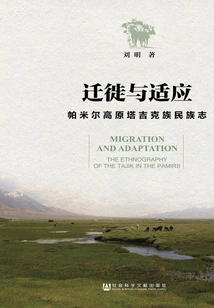
迁徙与适应:帕米尔高原塔吉克族民族志
Liu Ming
This book aims to study the migration and cultural adaptation of the Tajik people in the Pamir Plateau due to environmental changes. The author uses cultural anthropology fieldwork methods to obtain detailed ethnography on the ground. On this basis, he focuses on comparing the similarities and differences in the ecological environment, production environment, living environment and community environment of the Tajik people before and after their relocation, and analyzes the cultural adaptability formed after the relocation, in order to trigger more research and discussion on academic issues such as immigrant relocation and cultural adaptation.
This book aims to study the migration and cultural adaptation of the Tajik people in the Pamir Plateau due to environmental changes. The author uses cultural anthropology fieldwork methods to obtain detailed ethnography on the ground. On this basis, he focuses on comparing the similarities and differences in the ecological environment, production environment, living environment and community environment of the Tajik people before and after their relocation, and analyzes the cultural adaptability formed after the relocation, in order to trigger more research and discussion on academic issues such as immigrant relocation and cultural adaptation.
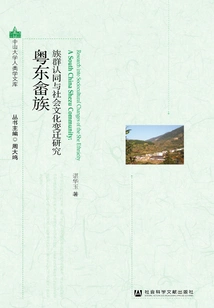
She Nationality in Eastern Guangdong: Research on Ethnic Identity and Social and Cultural Changes
History粤东畲族:族群认同与社会文化变迁研究
Chen Huayu
This book combines contemporary ethnographic field research methods and perspectives that emphasize both diachrony and synchrony, and both emic and etic aspects. Through a large number of specific and vivid documentary materials and field interview records, this book systematically explains the ethnic identity and social and cultural change experience of three She villages in southeastern China. It also uses extensive and in-depth emic experience to show the daily life status of "She cultural memory and Han cultural reality" in contemporary South China She villages.
This book combines contemporary ethnographic field research methods and perspectives that emphasize both diachrony and synchrony, and both emic and etic aspects. Through a large number of specific and vivid documentary materials and field interview records, this book systematically explains the ethnic identity and social and cultural change experience of three She villages in southeastern China. It also uses extensive and in-depth emic experience to show the daily life status of "She cultural memory and Han cultural reality" in contemporary South China She villages.
历史再现与身份认同:以新时期以来的“蒙古历史叙事”为中心
Wang Rong
Since the new era, "retelling history" has been an important literary phenomenon that has appeared simultaneously in contemporary literature and minority literature, among which "Mongolian historical narrative" is the most typical. "Mongolian historical narrative" is a cross-ethnic historical writing, in which both Mongolian and Han writers participate. Due to the similarity in subject matter and content, "Mongolian historical narrative" has formed its own text sequence and literary historical context. From the perspective of multi-ethnic comparative poetics and through the use of interdisciplinary methods, this book conducts an in-depth analysis of the "Mongol Empire Narrative" and highlights the close connection between "historical representation" and "identity."
Since the new era, "retelling history" has been an important literary phenomenon that has appeared simultaneously in contemporary literature and minority literature, among which "Mongolian historical narrative" is the most typical. "Mongolian historical narrative" is a cross-ethnic historical writing, in which both Mongolian and Han writers participate. Due to the similarity in subject matter and content, "Mongolian historical narrative" has formed its own text sequence and literary historical context. From the perspective of multi-ethnic comparative poetics and through the use of interdisciplinary methods, this book conducts an in-depth analysis of the "Mongol Empire Narrative" and highlights the close connection between "historical representation" and "identity."
民族关系与人地关系的适应性问题研究:以广西壮族为例
Jiang Manyuan
This book takes the relationship between man and land as the starting point, takes the ethnic formation of the Zhuang people as the main narrative subject, and studies the adaptability of ethnic relations and the relationship between man and land. The author believes that due to the influence and constraints of geographical environmental factors, the Zhuang people have not only experienced complex changes in the spatial pattern of geographical distribution, but also in different time and space scopes, due to changes in the natural and human environment, the Zhuang people have also taken different adaptation measures in the fields of agricultural production, animal husbandry, hunting, and culture. These adaptation measures interact with the environment, forming a very complex interactive relationship between ethnic changes and the relationship between man and land in the history of the Zhuang people, and ultimately promote the progress, unity, and development of the ethnic groups.
This book takes the relationship between man and land as the starting point, takes the ethnic formation of the Zhuang people as the main narrative subject, and studies the adaptability of ethnic relations and the relationship between man and land. The author believes that due to the influence and constraints of geographical environmental factors, the Zhuang people have not only experienced complex changes in the spatial pattern of geographical distribution, but also in different time and space scopes, due to changes in the natural and human environment, the Zhuang people have also taken different adaptation measures in the fields of agricultural production, animal husbandry, hunting, and culture. These adaptation measures interact with the environment, forming a very complex interactive relationship between ethnic changes and the relationship between man and land in the history of the Zhuang people, and ultimately promote the progress, unity, and development of the ethnic groups.
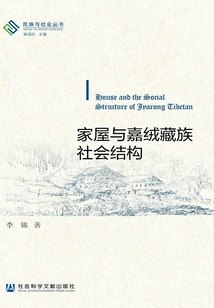
家屋与嘉绒藏族社会结构
Li Jin
This book is an ethnography of the social structure of the Jiarong Tibetan people, based on the field investigation data of Qi Qi Tibetan Township, Baoxing County, Ya'an City, Sichuan Province, China. It uses the study of the name of the house "fangming" as the starting point to discuss the social structure of the Jiarong Tibetan people. The author hopes to use this to show the particularity of Jiarong Tibetan social structure as a society in a different culture.
This book is an ethnography of the social structure of the Jiarong Tibetan people, based on the field investigation data of Qi Qi Tibetan Township, Baoxing County, Ya'an City, Sichuan Province, China. It uses the study of the name of the house "fangming" as the starting point to discuss the social structure of the Jiarong Tibetan people. The author hopes to use this to show the particularity of Jiarong Tibetan social structure as a society in a different culture.
神与诗:布岱族群交流的想象与重建
He Qingqing
Through an in-depth description of the phenomenon of the Butai ethnic group rebuilding their traditional way of ethnic communication, this book focuses on exploring the poetic wisdom of ethnic communication demonstrated by this ethnic group in rituals and daily life, aiming to find the possibility of ethnic communication in the context of modernity. The focus of the case observation is to explain the ethnic communication behaviors of three rituals: the bridge ceremony, the Nong'a ceremony and the Gepo activity. In the author's opinion, the extent to which the Butai people can reconstruct the form and content of ethnic communication depends on how they seek their own poetic wisdom in the face of modernity. When divinity and poetry converge to become a driving force for awe-inspiring communication and desire for communication, awe-filled divine blessings and poetic expressions of deep comfort form the basis for the imagination and reconstruction of ethnic communication.
Through an in-depth description of the phenomenon of the Butai ethnic group rebuilding their traditional way of ethnic communication, this book focuses on exploring the poetic wisdom of ethnic communication demonstrated by this ethnic group in rituals and daily life, aiming to find the possibility of ethnic communication in the context of modernity. The focus of the case observation is to explain the ethnic communication behaviors of three rituals: the bridge ceremony, the Nong'a ceremony and the Gepo activity. In the author's opinion, the extent to which the Butai people can reconstruct the form and content of ethnic communication depends on how they seek their own poetic wisdom in the face of modernity. When divinity and poetry converge to become a driving force for awe-inspiring communication and desire for communication, awe-filled divine blessings and poetic expressions of deep comfort form the basis for the imagination and reconstruction of ethnic communication.
Self-identity and Social Definition of Ethnic Affiliation: a Special Study on the Baoan Ethnic Group
History族群归属的自我认同与社会定义:关于保安族的一项专题研究
Suga Zhixiang
This book is based on the National Ethnic Affairs Commission's "Investigation and Research on the Economic and Social Development of Ethnic Groups with Small Population in China". It uses empirical research methods to describe the historical evolution and current situation of the ethnic consciousness of the Baoan ethnic group, analyzes the impact of the country's ethnic theory and ethnic policies on people's ethnic consciousness, and discusses specific issues. The determinants of belonging consciousness in the context of ethnic relations, changes in group boundaries and people's interactions at the level of group relations reveal the social mechanism of "why the Bao'an people became the Bao'an people", and explore theoretical issues such as the relationship between "ethnic group" and "nation" and the evolution of ethnic consciousness in the context of the modern nation-state.
This book is based on the National Ethnic Affairs Commission's "Investigation and Research on the Economic and Social Development of Ethnic Groups with Small Population in China". It uses empirical research methods to describe the historical evolution and current situation of the ethnic consciousness of the Baoan ethnic group, analyzes the impact of the country's ethnic theory and ethnic policies on people's ethnic consciousness, and discusses specific issues. The determinants of belonging consciousness in the context of ethnic relations, changes in group boundaries and people's interactions at the level of group relations reveal the social mechanism of "why the Bao'an people became the Bao'an people", and explore theoretical issues such as the relationship between "ethnic group" and "nation" and the evolution of ethnic consciousness in the context of the modern nation-state.
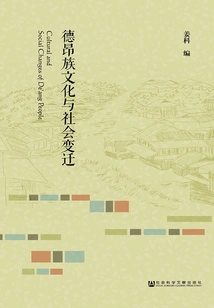
德昂族文化与社会变迁
Zingiberaceae
As one of the ethnic minorities with a small population in my country, the De'ang ethnic group's cultural inheritance and social and historical changes have always been the focus of academic circles. Through a comprehensive introduction to the De'ang people, this book presents readers with a full picture of the De'ang people's religious beliefs, customs and habits, marriage and family, educational development, socio-economic development and cultural inheritance. By analyzing first-hand information on the De'ang people's targeted poverty alleviation, this book attempts to summarize the current poverty situation of the De'ang people, sort out the existing targeted poverty alleviation policies for the De'ang people, find out the current difficulties and crux of the De'ang people's poverty alleviation, put forward relevant policy suggestions, and improve the De'ang people's poverty alleviation research.
As one of the ethnic minorities with a small population in my country, the De'ang ethnic group's cultural inheritance and social and historical changes have always been the focus of academic circles. Through a comprehensive introduction to the De'ang people, this book presents readers with a full picture of the De'ang people's religious beliefs, customs and habits, marriage and family, educational development, socio-economic development and cultural inheritance. By analyzing first-hand information on the De'ang people's targeted poverty alleviation, this book attempts to summarize the current poverty situation of the De'ang people, sort out the existing targeted poverty alleviation policies for the De'ang people, find out the current difficulties and crux of the De'ang people's poverty alleviation, put forward relevant policy suggestions, and improve the De'ang people's poverty alleviation research.
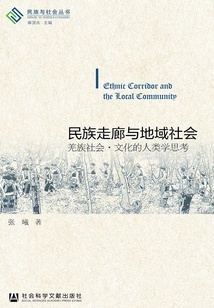
民族走廊与地域社会:羌族社会·文化的人类学思考
Zhang Xi
This book is a collection of essays. The author starts from multiple perspectives such as regional research, applied research, disaster research, cognitive research, religious research, etc., And attempts to construct a detailed ethnic corridor and a comprehensive regional and social research paradigm of Qiang society and culture in the corridor, so as to display the social and cultural essence of the Qiang area in the upper reaches of the Minjiang River. At the same time, it also gives certain thoughts on the development of the Qiang area after the Wenchuan earthquake.
This book is a collection of essays. The author starts from multiple perspectives such as regional research, applied research, disaster research, cognitive research, religious research, etc., And attempts to construct a detailed ethnic corridor and a comprehensive regional and social research paradigm of Qiang society and culture in the corridor, so as to display the social and cultural essence of the Qiang area in the upper reaches of the Minjiang River. At the same time, it also gives certain thoughts on the development of the Qiang area after the Wenchuan earthquake.
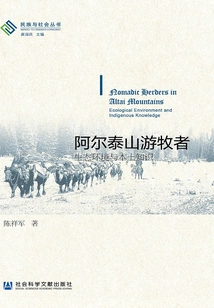
阿尔泰山游牧者:生态环境与本土知识
Chen Xiangjun
This book is an ethnographic report completed by the author based on four years of fieldwork in Fuyun County, Altai Mountains. The book is based on the Kazakh nomadic society in the Altai Mountains, with the changes in grassland ecology as the background, and systematically studies "nomadic knowledge" around "nomads, grasslands, and livestock". It mainly explores the interactive relationship between this "indigenous knowledge" system and the grassland ecology in the process of generation, development, and change.
This book is an ethnographic report completed by the author based on four years of fieldwork in Fuyun County, Altai Mountains. The book is based on the Kazakh nomadic society in the Altai Mountains, with the changes in grassland ecology as the background, and systematically studies "nomadic knowledge" around "nomads, grasslands, and livestock". It mainly explores the interactive relationship between this "indigenous knowledge" system and the grassland ecology in the process of generation, development, and change.
西北民族论丛(第15辑)
Zhou Weizhou
"Northwestern Ethnic Studies Series" is an academic collection focusing on the fields of the history of ethnic groups in northwest China, the history of economic and cultural exchanges between ethnic groups in northwest China and neighboring countries, and the natural environment of ethnic minority areas in northwest China. This issue features the "First Column for Young Scholars of Chinese Tibetan Studies", which compiles several articles on the latest research results of Chinese Tibetology, reflecting the academic frontiers in this field. It also discusses the Qing Dynasty's ethnic policies and other issues. It also includes several articles that discuss China's ethnic integration, cultural types, the nature of Guangming Temple in Chang'an, the place names of the Subimo clan and Meixiang County, etc., Which is of great help in clarifying related research in the field of ethnic history research.
"Northwestern Ethnic Studies Series" is an academic collection focusing on the fields of the history of ethnic groups in northwest China, the history of economic and cultural exchanges between ethnic groups in northwest China and neighboring countries, and the natural environment of ethnic minority areas in northwest China. This issue features the "First Column for Young Scholars of Chinese Tibetan Studies", which compiles several articles on the latest research results of Chinese Tibetology, reflecting the academic frontiers in this field. It also discusses the Qing Dynasty's ethnic policies and other issues. It also includes several articles that discuss China's ethnic integration, cultural types, the nature of Guangming Temple in Chang'an, the place names of the Subimo clan and Meixiang County, etc., Which is of great help in clarifying related research in the field of ethnic history research.
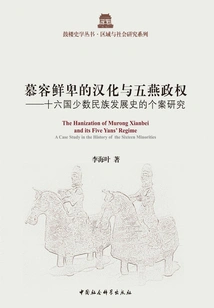
慕容鲜卑的汉化与五燕政权:十六国少数民族发展史的个案研究
Li Haiye
Murong Xianbei and the Yan people he founded were important ethnic minorities and political powers during the Wei, Jin, Southern and Northern Dynasties. They served as a link between the past and the next and had a profound impact on the subsequent history of the Northern Dynasties. The book is divided into five parts. It examines the establishment and development of the Murong nation-state over a long period of time, its integration with Xianbei in the east and other northern tribes, and finally its integration into the Han society in the Central Plains. This book examines issues such as the eastern Xianbei issue, the structure and changes of the Yan regime, and the development and integration of Murong Xianbei's descendants in the Northern Dynasties, Sui and Tang Dynasties, which have been less covered in previous studies. It is of great significance in promoting the study of Murong Xianbei.
Murong Xianbei and the Yan people he founded were important ethnic minorities and political powers during the Wei, Jin, Southern and Northern Dynasties. They served as a link between the past and the next and had a profound impact on the subsequent history of the Northern Dynasties. The book is divided into five parts. It examines the establishment and development of the Murong nation-state over a long period of time, its integration with Xianbei in the east and other northern tribes, and finally its integration into the Han society in the Central Plains. This book examines issues such as the eastern Xianbei issue, the structure and changes of the Yan regime, and the development and integration of Murong Xianbei's descendants in the Northern Dynasties, Sui and Tang Dynasties, which have been less covered in previous studies. It is of great significance in promoting the study of Murong Xianbei.
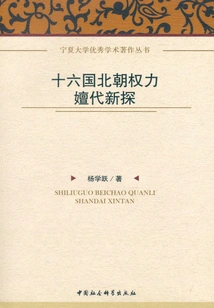
十六国北朝权力嬗代新探
Yang Xueyue
The pursuit of survival resources by the northern nomadic people is the main thread running through their activities in the grassland, inland migration, and even in the Central Plains. The close integration and changes of the acquisition and control of survival resources and the power structure of nomadic organizations are the dominant factors that determine the rise and fall of the "Five Hu". After the "Eight Kings Rebellion" in the Western Jin Dynasty, the Hu-Han ethnic group went from fierce competition to the difficult, long-lasting and concrete process of forming common interests in the process of obtaining resources in agricultural society. This was the decisive factor in China's three hundred years of transformation from division to reunification, from chaos to governance, and also the decisive factor in the integration of the Hu-Han ethnic groups.
The pursuit of survival resources by the northern nomadic people is the main thread running through their activities in the grassland, inland migration, and even in the Central Plains. The close integration and changes of the acquisition and control of survival resources and the power structure of nomadic organizations are the dominant factors that determine the rise and fall of the "Five Hu". After the "Eight Kings Rebellion" in the Western Jin Dynasty, the Hu-Han ethnic group went from fierce competition to the difficult, long-lasting and concrete process of forming common interests in the process of obtaining resources in agricultural society. This was the decisive factor in China's three hundred years of transformation from division to reunification, from chaos to governance, and also the decisive factor in the integration of the Hu-Han ethnic groups.
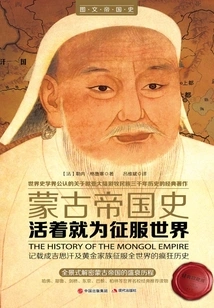
活着就为征服世界:蒙古帝国史
(us) Rene Grusset
This book is a classic work about the three thousand years of history of nomadic peoples in Eurasia. How did Temujin, who lost his father at a young age, lead the weak nomads to defeat all the heroes and unify Mongolia? How did he and his successors continue their western expeditions to create the largest land empire in history? In this work, the author uses the rise and development of the nation as a clue to outline the history of the Mongolian army led by Genghis Khan in the vast Eurasian continent. In addition to the history of the Mongolian conquests throughout the book, the book also contains the intertwined human nature of cunning and helplessness, cruelty and coldness, friendship and betrayal, presenting readers with a thrilling and gripping historical picture.
This book is a classic work about the three thousand years of history of nomadic peoples in Eurasia. How did Temujin, who lost his father at a young age, lead the weak nomads to defeat all the heroes and unify Mongolia? How did he and his successors continue their western expeditions to create the largest land empire in history? In this work, the author uses the rise and development of the nation as a clue to outline the history of the Mongolian army led by Genghis Khan in the vast Eurasian continent. In addition to the history of the Mongolian conquests throughout the book, the book also contains the intertwined human nature of cunning and helplessness, cruelty and coldness, friendship and betrayal, presenting readers with a thrilling and gripping historical picture.
蒙古帝国中亚征服史
(india) G. D. Gulati
Gulati starts from the origin of the Mongolian people, records the historical materials of the early rise of the Mongolian people, and uses a broad perspective to outline the ecological environment in which the Mongolian people live and their significant influence on the special region of Central Asia and on the history of Central Asia. It is permeated with the vast spirit of hunting and nomadic culture. During the expedition, the Mongol Khan's army ruled different countries and towns and affected people's lives, which brought great impetus to Central Asia and the entire world. After the Mongols conquered the Central Plains and Central Asia, trade routes became safer and more orderly, and cross-regional commercial activities showed a prosperity that was unprecedented and unprecedented.
Gulati starts from the origin of the Mongolian people, records the historical materials of the early rise of the Mongolian people, and uses a broad perspective to outline the ecological environment in which the Mongolian people live and their significant influence on the special region of Central Asia and on the history of Central Asia. It is permeated with the vast spirit of hunting and nomadic culture. During the expedition, the Mongol Khan's army ruled different countries and towns and affected people's lives, which brought great impetus to Central Asia and the entire world. After the Mongols conquered the Central Plains and Central Asia, trade routes became safer and more orderly, and cross-regional commercial activities showed a prosperity that was unprecedented and unprecedented.
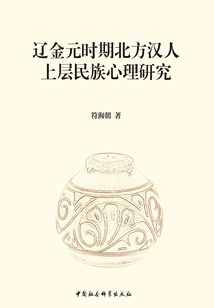
辽金元时期北方汉人上层民族心理研究
Fu Haichao
This book mainly uses the research method of psychological history to explore the national psychology of the upper class of the northern Han people in the Liao, Jin and Yuan Dynasties. The reason why we use the national psychology of the upper class of the northern Han people as a research perspective is that during the period of dynasty change, "the reason why the people's hearts are for Chu and Han, they all rely on it." In particular, some of them are very influential bureaucrats, religious leaders and scholars. Their mentality and choices during critical periods in history often play a huge leading role in society, because in an agricultural society, the collective unconscious mentality of blindly following the trend is very marketable. Moreover, in dynasties established under the leadership of ethnic minorities, those who have substantial contact opportunities with ethnic minority emperors and powerful figures at all levels, that is, these upper-class Han figures who come forward as bureaucrats, religious leaders, and scholars, although their feelings cannot represent the feelings of all Han people, they are still very representative. During the Liao, Jin, and Yuan dynasties, the national psychology of the upper class Han people in the north went through a complex process of change during the nearly five hundred years when ethnic minorities held the core power of the country. During this process, the Liao Kingdom once expanded its power to the Yellow River Basin; the Jin Kingdom pursued the Southern Song Dynasty regime after the demise of the Northern Song Dynasty. During the period of King Hailing, it even attempted to use war to unify China; while the Mongols eventually led a new and larger-scale unification of the country, but after the unification, the time to maintain unity was relatively short. If we analyze the national psychology of the upper class of the northern Han people during this period from the perspective of the formation process of a common social psychology required to unify the country, it will be very beneficial to the overall study of this period of history.
This book mainly uses the research method of psychological history to explore the national psychology of the upper class of the northern Han people in the Liao, Jin and Yuan Dynasties. The reason why we use the national psychology of the upper class of the northern Han people as a research perspective is that during the period of dynasty change, "the reason why the people's hearts are for Chu and Han, they all rely on it." In particular, some of them are very influential bureaucrats, religious leaders and scholars. Their mentality and choices during critical periods in history often play a huge leading role in society, because in an agricultural society, the collective unconscious mentality of blindly following the trend is very marketable. Moreover, in dynasties established under the leadership of ethnic minorities, those who have substantial contact opportunities with ethnic minority emperors and powerful figures at all levels, that is, these upper-class Han figures who come forward as bureaucrats, religious leaders, and scholars, although their feelings cannot represent the feelings of all Han people, they are still very representative. During the Liao, Jin, and Yuan dynasties, the national psychology of the upper class Han people in the north went through a complex process of change during the nearly five hundred years when ethnic minorities held the core power of the country. During this process, the Liao Kingdom once expanded its power to the Yellow River Basin; the Jin Kingdom pursued the Southern Song Dynasty regime after the demise of the Northern Song Dynasty. During the period of King Hailing, it even attempted to use war to unify China; while the Mongols eventually led a new and larger-scale unification of the country, but after the unification, the time to maintain unity was relatively short. If we analyze the national psychology of the upper class of the northern Han people during this period from the perspective of the formation process of a common social psychology required to unify the country, it will be very beneficial to the overall study of this period of history.
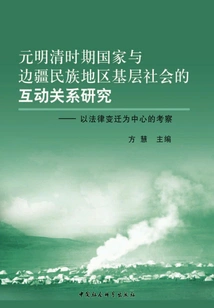
元明清时期国家与边疆民族地区基层社会的互动关系研究:以法律变迁为中心的考察
Fang Hui
This topic attempts to use historical materials to explain the specific process of mutual influence, mutual restriction, and mutual growth and decline between national laws, local laws, and inherent laws in grassroots societies in specific border ethnic areas during this period. This process is undergoing dynamic changes as the central government strengthens its rule over local grassroots society and the border minority areas develop themselves. This change reflects the interactive relationship between the central government and the grassroots society in border minority areas.
This topic attempts to use historical materials to explain the specific process of mutual influence, mutual restriction, and mutual growth and decline between national laws, local laws, and inherent laws in grassroots societies in specific border ethnic areas during this period. This process is undergoing dynamic changes as the central government strengthens its rule over local grassroots society and the border minority areas develop themselves. This change reflects the interactive relationship between the central government and the grassroots society in border minority areas.
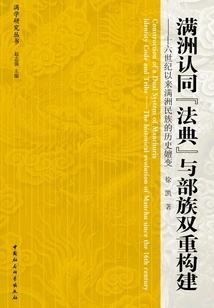
满洲认同“法典”与部族双重构建:十六世纪以来满洲民族的历史嬗变
Xu Kai
The Manchus (now known as the Manchus) are one of the oldest ethnic groups in the Chinese nation. In the early 16th century, on the basis of Jurchen Jianzhou, some ethnic groups such as Jurchen tribes, Mongols, Koreans, and Nikan (Han people) were absorbed to form a new Manchu national community. The "Eight Banners Genealogy of Manchu Clan" is an "imperial" code of organization, culture, and psychological identity of Manchu tribes. It demonstrates that Manchuria "is the foundation of the country" and provides the basis for "the first worship of Manchuria." The Manchu aristocrats not only adhered to the characteristics of their own nation and implemented "Manchuization" for new members; at the same time, they promoted "Han culture" and continued the unity of Chinese civilization, achieving the dual construction of their tribe. The major adjustment of cultural strategy was the key to the Qing Dynasty's ability to maintain its rule for more than two and a half centuries.
The Manchus (now known as the Manchus) are one of the oldest ethnic groups in the Chinese nation. In the early 16th century, on the basis of Jurchen Jianzhou, some ethnic groups such as Jurchen tribes, Mongols, Koreans, and Nikan (Han people) were absorbed to form a new Manchu national community. The "Eight Banners Genealogy of Manchu Clan" is an "imperial" code of organization, culture, and psychological identity of Manchu tribes. It demonstrates that Manchuria "is the foundation of the country" and provides the basis for "the first worship of Manchuria." The Manchu aristocrats not only adhered to the characteristics of their own nation and implemented "Manchuization" for new members; at the same time, they promoted "Han culture" and continued the unity of Chinese civilization, achieving the dual construction of their tribe. The major adjustment of cultural strategy was the key to the Qing Dynasty's ability to maintain its rule for more than two and a half centuries.
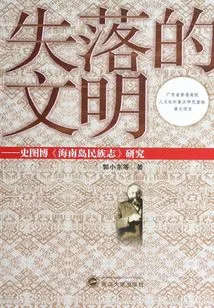
失落的文明:史图博《海南岛民族志》研究
Guo Xiaodong
Criticism is choice. Selection itself is a process of criticism, criticism and selection, which affirms, advocates and constructs in the process of sublation. Therefore, its focus is not on destruction or subversion but on finding its value and meaning and facing it head-on to introduce and build upon. Ancient Chinese literary theory stops at the most important points and does not extend in form, leaving enough space for understanding and imagination. This must be the boundary set by the established goal and method of "criticism as selection". It also reflects criticism's respect for its object and its limited reservations. This spirit, in a sense, is closely related to the special laws of literary creation and thinking, including the basic attitude and judgment made by literature based on its in-depth understanding of the uniqueness and non-replicability of the human mind's operating methods. Compared with the binary opposition in traditional philosophy, this basic stance contains sharp confrontations, hierarchical relationships, and basic patterns such as the basic grasp of good\u002Fevil, affirmation\u002Fnegation, and essence\u002Faccidentity of the world, highlighting a conscious escape. This self-conscious spirit in ancient Chinese literary theory contains a strong meaning of modernity. Similar to current deconstructionist criticism.
Criticism is choice. Selection itself is a process of criticism, criticism and selection, which affirms, advocates and constructs in the process of sublation. Therefore, its focus is not on destruction or subversion but on finding its value and meaning and facing it head-on to introduce and build upon. Ancient Chinese literary theory stops at the most important points and does not extend in form, leaving enough space for understanding and imagination. This must be the boundary set by the established goal and method of "criticism as selection". It also reflects criticism's respect for its object and its limited reservations. This spirit, in a sense, is closely related to the special laws of literary creation and thinking, including the basic attitude and judgment made by literature based on its in-depth understanding of the uniqueness and non-replicability of the human mind's operating methods. Compared with the binary opposition in traditional philosophy, this basic stance contains sharp confrontations, hierarchical relationships, and basic patterns such as the basic grasp of good\u002Fevil, affirmation\u002Fnegation, and essence\u002Faccidentity of the world, highlighting a conscious escape. This self-conscious spirit in ancient Chinese literary theory contains a strong meaning of modernity. Similar to current deconstructionist criticism.
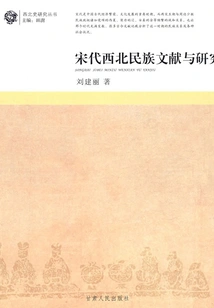
宋代西北民族文献与研究
Liu Jianli
This book systematically elaborates on the political and economic system of ethnic minorities in the northwest region of the Song Dynasty and the historical documents left behind. It is an academic monograph with strong theoretical basis and rich information.
This book systematically elaborates on the political and economic system of ethnic minorities in the northwest region of the Song Dynasty and the historical documents left behind. It is an academic monograph with strong theoretical basis and rich information.
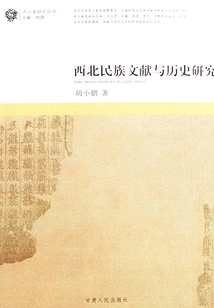
西北民族文献与历史研究
Hu Xiaopeng
The northwest has always been a gathering area for ethnic minorities. A large number of northwest ethnic literature materials have detailed records of the political, economic, and cultural achievements, contributions, and influence of ethnic minorities who lived in the northwest in ancient times, such as the Di, Tuyuhun, Tubo, Dangxiang, Khitan, and Uighurs. This book mainly introduces the Jincheng vassal state and the Qiang guardians in the Han Dynasty, the relationship between Tuyuhun and the Southern and Northern Dynasties, the examination of the kings of the Yuan Dynasty Nian Bulie, the examination of the non-Wang clan of the Wang family in Gongchang of the Yuan Dynasty, the examination of the post roads in Gansu Province of the Yuan Dynasty, the tea and horse trade in ancient Gansu, etc.
The northwest has always been a gathering area for ethnic minorities. A large number of northwest ethnic literature materials have detailed records of the political, economic, and cultural achievements, contributions, and influence of ethnic minorities who lived in the northwest in ancient times, such as the Di, Tuyuhun, Tubo, Dangxiang, Khitan, and Uighurs. This book mainly introduces the Jincheng vassal state and the Qiang guardians in the Han Dynasty, the relationship between Tuyuhun and the Southern and Northern Dynasties, the examination of the kings of the Yuan Dynasty Nian Bulie, the examination of the non-Wang clan of the Wang family in Gongchang of the Yuan Dynasty, the examination of the post roads in Gansu Province of the Yuan Dynasty, the tea and horse trade in ancient Gansu, etc.
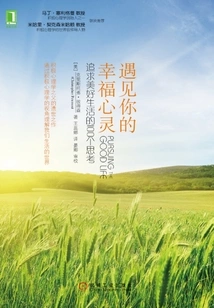
遇见你的幸福心灵:追求美好生活的100个思考
(us) Peterson (peterson C.)
In this book, Christopher Peterson, one of the founders of positive psychology, brings us his many explorations in this field and 100 short and concise thoughts on life. This master who combines humor, enthusiasm and wisdom vividly introduces the positive side of psychology to readers. What role do positive emotions and well-being, strength of character, optimism, and good relationships with others play in our lives? How can we pursue good lives at home, at work, at school, and on the sports field, no matter who we are or where we are?
In this book, Christopher Peterson, one of the founders of positive psychology, brings us his many explorations in this field and 100 short and concise thoughts on life. This master who combines humor, enthusiasm and wisdom vividly introduces the positive side of psychology to readers. What role do positive emotions and well-being, strength of character, optimism, and good relationships with others play in our lives? How can we pursue good lives at home, at work, at school, and on the sports field, no matter who we are or where we are?
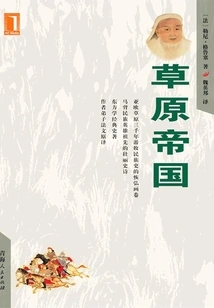
Prairie Empire
History草原帝国
(france) Rene Gruset
The book is divided into three chapters, which are very unevenly proportioned. The first chapter explains the Asian Plateau before the 13th century, from about 1000 BC to the 12th century AD. The history of more than 2,000 years only occupies 212 pages of the original book. The second chapter is about the Genghis Khan Mongols, commonly known as the history of the Mongol Empire. It occupies 303 pages of the original book, about half of the whole book, but the history it narrates is only three to four hundred years, from the mid-12th century to the end of the 15th century. The third chapter is about history from the early 16th century to 1759, occupying only 85 pages of the original book. Therefore, the history of the Mongol Empire occupies an important position in the whole book. This is not surprising, because the Mongol Empire, which once threatened the two continents of Eurasia, is still regarded as a relatively special object in today's history circles, and its scope is wider than any empire in history.
The book is divided into three chapters, which are very unevenly proportioned. The first chapter explains the Asian Plateau before the 13th century, from about 1000 BC to the 12th century AD. The history of more than 2,000 years only occupies 212 pages of the original book. The second chapter is about the Genghis Khan Mongols, commonly known as the history of the Mongol Empire. It occupies 303 pages of the original book, about half of the whole book, but the history it narrates is only three to four hundred years, from the mid-12th century to the end of the 15th century. The third chapter is about history from the early 16th century to 1759, occupying only 85 pages of the original book. Therefore, the history of the Mongol Empire occupies an important position in the whole book. This is not surprising, because the Mongol Empire, which once threatened the two continents of Eurasia, is still regarded as a relatively special object in today's history circles, and its scope is wider than any empire in history.
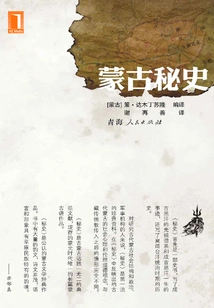
Secret History of Mongolia
History蒙古秘史
(mongolia) Ce Damudinsulong
"Secret History of Mongolia" is also called "Secret History of the Yuan Dynasty". It records the genealogy, legends and deeds of Genghis Khan's ancestors, as well as the deeds of Genghis Khan and Ogedai Khan (Taizong of the Yuan Dynasty) in relatively detail. It is an early Mongolian written work, originally named "Tuobu Chiyan". The book has twelve chapters and 282 verses. "Secret History of Mongolia" was written during the Ogedai period of the Mongolian Khanate, and the author is unknown.
"Secret History of Mongolia" is also called "Secret History of the Yuan Dynasty". It records the genealogy, legends and deeds of Genghis Khan's ancestors, as well as the deeds of Genghis Khan and Ogedai Khan (Taizong of the Yuan Dynasty) in relatively detail. It is an early Mongolian written work, originally named "Tuobu Chiyan". The book has twelve chapters and 282 verses. "Secret History of Mongolia" was written during the Ogedai period of the Mongolian Khanate, and the author is unknown.
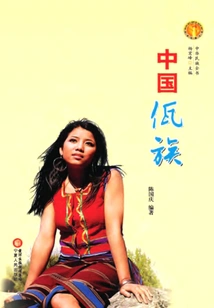
China's Wa Ethnic Group
History中国佤族
Chen Guoqing
This book is one of the "Complete Books of the Chinese Nation". The book provides a detailed and complete introduction to the material culture, folk culture, social culture, belief culture, contribution to the great motherland, spiritual temperament, cultural inheritance, interethnic interactions, etc. Of the Wa people. It is an authoritative reading for other ethnic groups to understand the Wa people. Advantages of the manuscript: The book has detailed content, beautiful text, excellent pictures, and is highly readable.
This book is one of the "Complete Books of the Chinese Nation". The book provides a detailed and complete introduction to the material culture, folk culture, social culture, belief culture, contribution to the great motherland, spiritual temperament, cultural inheritance, interethnic interactions, etc. Of the Wa people. It is an authoritative reading for other ethnic groups to understand the Wa people. Advantages of the manuscript: The book has detailed content, beautiful text, excellent pictures, and is highly readable.
中古墓志胡汉问题研究
Li Hongbin
This book studies the activities of groups other than the Han people described in epitaphs from the medieval period (centered on the Tang Dynasty). The author has long been committed to the study of Tang history. This manuscript is a specific result of the "985 Project" construction project of the Chinese Ethnic History Department of the School of History and Culture, Minzu University of China. Some of the articles have been published in core publications.
This book studies the activities of groups other than the Han people described in epitaphs from the medieval period (centered on the Tang Dynasty). The author has long been committed to the study of Tang history. This manuscript is a specific result of the "985 Project" construction project of the Chinese Ethnic History Department of the School of History and Culture, Minzu University of China. Some of the articles have been published in core publications.
Social Animal
History社会动物
(us) Brooks
A story of love, character, and achievement that will soon become the happiest success story you've ever read.
A story of love, character, and achievement that will soon become the happiest success story you've ever read.
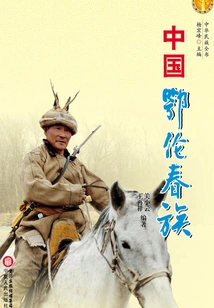
Oroqen Ethnic Group in China
History中国鄂伦春族
Guan Xiaoyun Wang Zaixiang
"The Oroqen Tribe of China" is divided into twelve chapters. The first chapter briefly summarizes the name, origin, population status, historical evolution, language, ecological environment, and regional ethnic autonomy of the Oroqen ethnic group. Chapter 2 introduces the material culture of the Oroqen people through production, food, clothing, living, transportation and other customs. The Oroqen people are a typical hunting culture. During their long safari life, the Oroqen people have lived in harmony with nature for a long time, creating and condensing a profound national culture in many areas such as food, daily life, language, clothing, transportation, etc. Whether it is material culture or spiritual culture, almost all are related to hunting, which is reflected in the material culture: food and clothing are all produced from wild animals; houses are "slanting pillars" that are easy to dismantle and build for daily needs; transportation is skis for walking in the mountains and forests, self-invented and used water boats "birch bark boats" and Oroqen special horses. Chapter 3 focuses on the Oroqen folk culture, covering education, technology, medicine, literature, crafts, sports, games, plastic arts, singing and dancing arts, and intangible heritage.
"The Oroqen Tribe of China" is divided into twelve chapters. The first chapter briefly summarizes the name, origin, population status, historical evolution, language, ecological environment, and regional ethnic autonomy of the Oroqen ethnic group. Chapter 2 introduces the material culture of the Oroqen people through production, food, clothing, living, transportation and other customs. The Oroqen people are a typical hunting culture. During their long safari life, the Oroqen people have lived in harmony with nature for a long time, creating and condensing a profound national culture in many areas such as food, daily life, language, clothing, transportation, etc. Whether it is material culture or spiritual culture, almost all are related to hunting, which is reflected in the material culture: food and clothing are all produced from wild animals; houses are "slanting pillars" that are easy to dismantle and build for daily needs; transportation is skis for walking in the mountains and forests, self-invented and used water boats "birch bark boats" and Oroqen special horses. Chapter 3 focuses on the Oroqen folk culture, covering education, technology, medicine, literature, crafts, sports, games, plastic arts, singing and dancing arts, and intangible heritage.
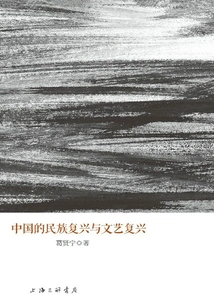
中国的民族复兴与文艺复兴
Ge Xianning
"China's National Revival and Renaissance" is China's inherent literature, music, dance, painting, architecture and sculpture. It is the expression of China's inherent cultural spirit and forms a series of its own. Today's Chinese culture is undergoing a rebirth, and today's Chinese art is also undergoing a rebirth. Putting aside shortcomings and taking advantage of strengths is the attitude that Chinese artists today should have. This is true for Chinese art, and it is also true for Western art. It is the renaissance of Chinese literature and art that combines the strengths of the two and restores them into a harmonious whole without losing the national spirit.
"China's National Revival and Renaissance" is China's inherent literature, music, dance, painting, architecture and sculpture. It is the expression of China's inherent cultural spirit and forms a series of its own. Today's Chinese culture is undergoing a rebirth, and today's Chinese art is also undergoing a rebirth. Putting aside shortcomings and taking advantage of strengths is the attitude that Chinese artists today should have. This is true for Chinese art, and it is also true for Western art. It is the renaissance of Chinese literature and art that combines the strengths of the two and restores them into a harmonious whole without losing the national spirit.
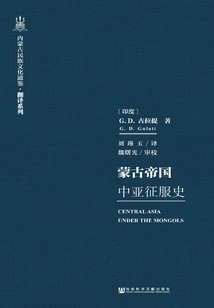
蒙古帝国中亚征服史
(india) G. D. Gulati
This book is a new work in the international Mongolian academic circle that systematically discusses the history of Mongolia. The author traces in detail the rise and prosperity of the Mongol Empire under Genghis Khan and his successors. The research focus of this book is the more than 350 years of rule of the Chagatai Khanate (1227-1580) in Central Asia and its relationship with neighboring regimes India and the Central Plains (the Yuan and Ming dynasties at that time). The author reveals for the first time the political, economic, and commercial activities of Central Asia during this period of rule, especially the impact that the development of animal husbandry and commerce had on Central Asia and the entire world. These research results and statistics are the parts that lacked detailed discussion in previous studies by Mongolian historians.
This book is a new work in the international Mongolian academic circle that systematically discusses the history of Mongolia. The author traces in detail the rise and prosperity of the Mongol Empire under Genghis Khan and his successors. The research focus of this book is the more than 350 years of rule of the Chagatai Khanate (1227-1580) in Central Asia and its relationship with neighboring regimes India and the Central Plains (the Yuan and Ming dynasties at that time). The author reveals for the first time the political, economic, and commercial activities of Central Asia during this period of rule, especially the impact that the development of animal husbandry and commerce had on Central Asia and the entire world. These research results and statistics are the parts that lacked detailed discussion in previous studies by Mongolian historians.
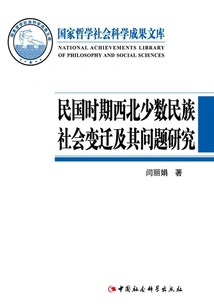
民国时期西北少数民族社会变迁及其问题研究
Yan Lijuan
The northwest referred to in this topic is limited to the four provinces of Gansu, Ningxia (including Alxa and Ejina Banners, now part of Inner Mongolia), Qinghai, and Xinjiang during the Republic of China. The research subjects include the Hui, Dongxiang, Salar, Baoan, Tibetan, Tu, and Mongolian ethnic groups that mainly live in the Gansu, Ningxia, and Qinghai regions, and the Uyghur, Kazakh, Kirgiz, Tajik, Uzbek, Tatar, Russian, and Xibe ethnic groups that mainly live in the Xinjiang region. Since this area is the famous Northwest Plateau, it actually consists of most of the Mongolia-Xinjiang Plateau, the Qinghai-Tibet Plateau and part of the Loess Plateau. According to the characteristics of the natural ecological environment and ethnic distribution, it can be divided into two parts: the Gansu, Ningxia, and Qinghai regions and the Xinjiang region. Therefore, in this research, the discussion is often carried out from the two parts of the Gansu, Ningxia, and Xinjiang regions.
The northwest referred to in this topic is limited to the four provinces of Gansu, Ningxia (including Alxa and Ejina Banners, now part of Inner Mongolia), Qinghai, and Xinjiang during the Republic of China. The research subjects include the Hui, Dongxiang, Salar, Baoan, Tibetan, Tu, and Mongolian ethnic groups that mainly live in the Gansu, Ningxia, and Qinghai regions, and the Uyghur, Kazakh, Kirgiz, Tajik, Uzbek, Tatar, Russian, and Xibe ethnic groups that mainly live in the Xinjiang region. Since this area is the famous Northwest Plateau, it actually consists of most of the Mongolia-Xinjiang Plateau, the Qinghai-Tibet Plateau and part of the Loess Plateau. According to the characteristics of the natural ecological environment and ethnic distribution, it can be divided into two parts: the Gansu, Ningxia, and Qinghai regions and the Xinjiang region. Therefore, in this research, the discussion is often carried out from the two parts of the Gansu, Ningxia, and Xinjiang regions.
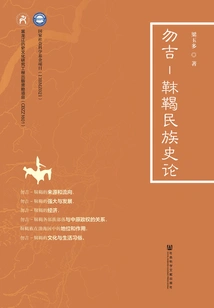
勿吉—靺鞨民族史论
Liang Yuduo
This book explores the entire history of the Wuji-Mohe nation or clan from its emergence to its disappearance. The focus is on the role of the Wuji-Mohe in the development of the Sushen clan and the historical development of the Chinese nation with multiple origins; the social, political, economic, living customs, religious thoughts and other aspects of the Wuji-Mohe itself, as well as the relationship between the Wuji-Mohe and the Central Plains Dynasty.
This book explores the entire history of the Wuji-Mohe nation or clan from its emergence to its disappearance. The focus is on the role of the Wuji-Mohe in the development of the Sushen clan and the historical development of the Chinese nation with multiple origins; the social, political, economic, living customs, religious thoughts and other aspects of the Wuji-Mohe itself, as well as the relationship between the Wuji-Mohe and the Central Plains Dynasty.
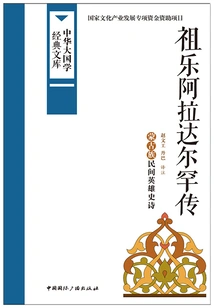
祖乐阿拉达尔罕传:蒙古族民间英雄史诗(中华大国学经典文库)
Translated And Annotated By Zhao Wengong Danba
"Zule Aladarhan Biography" is an excellent medium-length epic of the Mongolian Oirat tribe. It tells the story of two main heroes, Bo Rihan and Mang Nai, who shouldered the heavy responsibility of opposing invasion and defending the tribe since they were born. In the war of expansion and plunder launched by the Pythons due to their ambitions, they have always aimed to conquer evil and safeguard the survival rights of the tribe. They rely on their "wisdom, courage and strength" to fight to the death against their opponent Pythons, who represents the evil forces of society and destructive natural forces. In the end, he successfully saved the people, regained his homeland, and regained his beloved wife from Python Gus. This epic gives a very true, vivid and vivid description of the socio-economic formation, ideology, moral concepts, religious beliefs, humanities and customs in the historical period from the disintegration of the Mongolian clan commune to the emergence of class society. It can be called an "encyclopedia" of the early history and culture of the Mongolian nation.
"Zule Aladarhan Biography" is an excellent medium-length epic of the Mongolian Oirat tribe. It tells the story of two main heroes, Bo Rihan and Mang Nai, who shouldered the heavy responsibility of opposing invasion and defending the tribe since they were born. In the war of expansion and plunder launched by the Pythons due to their ambitions, they have always aimed to conquer evil and safeguard the survival rights of the tribe. They rely on their "wisdom, courage and strength" to fight to the death against their opponent Pythons, who represents the evil forces of society and destructive natural forces. In the end, he successfully saved the people, regained his homeland, and regained his beloved wife from Python Gus. This epic gives a very true, vivid and vivid description of the socio-economic formation, ideology, moral concepts, religious beliefs, humanities and customs in the historical period from the disintegration of the Mongolian clan commune to the emergence of class society. It can be called an "encyclopedia" of the early history and culture of the Mongolian nation.
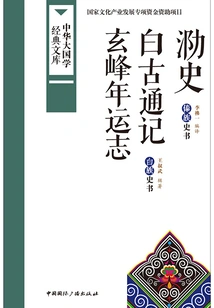
泐史·白古通记·玄峰年运志:傣族史书 白族史书(中华大国学经典文库)
Wang Shuwu
"History of Lu" is a chronological history book of the Dai people in Xishuangbanna, Yunnan. The record begins in the 542nd year of the Dai calendar (the seventh year of Chunxi in the Song Dynasty, 1180 AD) and ends in the 1226th year of the Dai calendar (the third year of Tongzhi in the Qing Dynasty, 1864 AD). The time span is nearly 700 years, and it is described in detail. The names, birth and death dates, reign times, spouses, children, fiefdoms, salaries, etc. Of various Dai lords in Xishuangbanna are also involved in the system, historical events, and relations with neighboring countries such as Thailand, Laos, and Myanmar. They are important historical materials for studying the local history of China's southwest frontier and the history of the Dai people. "Baigu Tongji" (known as "Bai History") and "Xuanfeng Nian Lun Zhi" are ancient historical books of the Bai people in Yunnan. The original books are both written in Bai languages, the author is unknown, and both have been lost long ago. The "Baigu Tongji" and "Xuanfeng Nianyunzhi" published this time were compiled by Wang Shuwu based on the group book index. They are important documents for studying the history of Nanzhao and Dali.
"History of Lu" is a chronological history book of the Dai people in Xishuangbanna, Yunnan. The record begins in the 542nd year of the Dai calendar (the seventh year of Chunxi in the Song Dynasty, 1180 AD) and ends in the 1226th year of the Dai calendar (the third year of Tongzhi in the Qing Dynasty, 1864 AD). The time span is nearly 700 years, and it is described in detail. The names, birth and death dates, reign times, spouses, children, fiefdoms, salaries, etc. Of various Dai lords in Xishuangbanna are also involved in the system, historical events, and relations with neighboring countries such as Thailand, Laos, and Myanmar. They are important historical materials for studying the local history of China's southwest frontier and the history of the Dai people. "Baigu Tongji" (known as "Bai History") and "Xuanfeng Nian Lun Zhi" are ancient historical books of the Bai people in Yunnan. The original books are both written in Bai languages, the author is unknown, and both have been lost long ago. The "Baigu Tongji" and "Xuanfeng Nianyunzhi" published this time were compiled by Wang Shuwu based on the group book index. They are important documents for studying the history of Nanzhao and Dali.
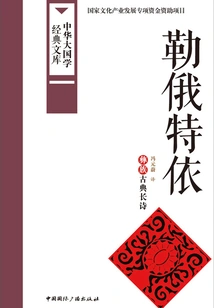
勒俄特依:彝族古典长诗(中华大国学经典文库)
Feng Yuanwei
"Leotei" is the creation epic of the Yi people. It is popular in the Yi ethnic area of Liangshan, Sichuan Province. "Leoteyi" is a transliteration of Yi, which means "legendary history book". "Leotei" includes more than a dozen parts, including the history of the evolution of heaven and earth, the creation of the world, the deployment of A'o, calling the sun and the moon, Zhige A'long, Shi'er'ot, floods filling the sky and earth, and the changes of Hehusai. It describes the changes in the universe, the growth of all things, the origin of human beings, the migration of the Yi people, etc. With a simple materialistic perspective and rich imagination. It also reflects some scenes of the Yi people in primitive society and the early slave society. The first part of the epic creates artistic images such as the gods Enti Guzi and Zhige Along, describing their miraculous achievements in the creation of heaven and earth and all things, and their imagination is strange.
"Leotei" is the creation epic of the Yi people. It is popular in the Yi ethnic area of Liangshan, Sichuan Province. "Leoteyi" is a transliteration of Yi, which means "legendary history book". "Leotei" includes more than a dozen parts, including the history of the evolution of heaven and earth, the creation of the world, the deployment of A'o, calling the sun and the moon, Zhige A'long, Shi'er'ot, floods filling the sky and earth, and the changes of Hehusai. It describes the changes in the universe, the growth of all things, the origin of human beings, the migration of the Yi people, etc. With a simple materialistic perspective and rich imagination. It also reflects some scenes of the Yi people in primitive society and the early slave society. The first part of the epic creates artistic images such as the gods Enti Guzi and Zhige Along, describing their miraculous achievements in the creation of heaven and earth and all things, and their imagination is strange.
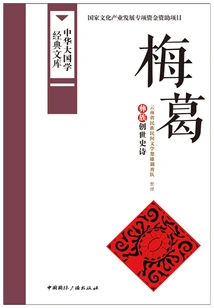
梅葛:彝族创世史诗(中华大国学经典文库)
Yunnan Provincial Ethnic Folk Literature Chuxiong Investigation Team
"Mei Ge" is a long epic of the Yi ethnic group, which is popular in Yao'an, Dayao and other Yi areas of Chuxiong Prefecture, Yunnan Province. The local Yi people chant "Mei Ge" for three days every New Year's Eve, and regard "Mei Ge" as the "root genealogy" and pass it down orally from generation to generation. "Mei Ge" is originally the name of a song tune of the Yi people. Because this tune is used to sing the creation history of the Yi people, people call this creation epic "Mei Ge". The whole poem is divided into four parts: "Creation", "Creation", "Weddings and Love Songs", and "Funeral". "Mei Ge" tune is divided into two categories: "Red Mei Ge" and "Fuxing Mei Ge". The tune of "Red Plum Ge" is more sad, melancholy and low-pitched, and this tune is used in the fourth part of the epic "Funeral"; the tune of "Fumeige" is more gentle and lyrical, and this tune is used in other parts of the epic.
"Mei Ge" is a long epic of the Yi ethnic group, which is popular in Yao'an, Dayao and other Yi areas of Chuxiong Prefecture, Yunnan Province. The local Yi people chant "Mei Ge" for three days every New Year's Eve, and regard "Mei Ge" as the "root genealogy" and pass it down orally from generation to generation. "Mei Ge" is originally the name of a song tune of the Yi people. Because this tune is used to sing the creation history of the Yi people, people call this creation epic "Mei Ge". The whole poem is divided into four parts: "Creation", "Creation", "Weddings and Love Songs", and "Funeral". "Mei Ge" tune is divided into two categories: "Red Mei Ge" and "Fuxing Mei Ge". The tune of "Red Plum Ge" is more sad, melancholy and low-pitched, and this tune is used in the fourth part of the epic "Funeral"; the tune of "Fumeige" is more gentle and lyrical, and this tune is used in other parts of the epic.
中国民族简史
Lu Zhenyu
This book is written by the famous historian Mr. Lu Zhenyu from the perspective of historical materialism and can be regarded as a summary of China's major ethnic groups and their systems. Based on the materials he obtained from many years of fieldwork, combined with the oral information of people in various ethnic minority areas and relevant reference books, Mr. Lu started from the origin of the Chinese race and made a comprehensive discussion of the origin and formation, historical contributions and struggles, current situation and future development direction of the Han, Manchu, Mongolian, Hui, Tibetan and other ethnic groups.
This book is written by the famous historian Mr. Lu Zhenyu from the perspective of historical materialism and can be regarded as a summary of China's major ethnic groups and their systems. Based on the materials he obtained from many years of fieldwork, combined with the oral information of people in various ethnic minority areas and relevant reference books, Mr. Lu started from the origin of the Chinese race and made a comprehensive discussion of the origin and formation, historical contributions and struggles, current situation and future development direction of the Han, Manchu, Mongolian, Hui, Tibetan and other ethnic groups.