Library
Browse and search books
499 novels found
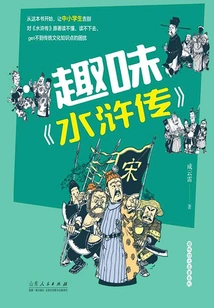
Interesting "water Margin
Literature趣味《水浒传》
Cheng Yunlei
The Jianghu is the original officialdom, and the officialdom is the upgraded version of the Jianghu. This book explains the social rules in the Water Margin world, interestingly talks about the human relations between heroes, analyzes the leadership wisdom in the copycat rankings, and interprets the unique and wonderful life of the little people. It can be called the "Encyclopedia of "Water Margin"". After reading this book, children's inability to read and unwillingness to read "Water Margin" will become a thing of the past.
The Jianghu is the original officialdom, and the officialdom is the upgraded version of the Jianghu. This book explains the social rules in the Water Margin world, interestingly talks about the human relations between heroes, analyzes the leadership wisdom in the copycat rankings, and interprets the unique and wonderful life of the little people. It can be called the "Encyclopedia of "Water Margin"". After reading this book, children's inability to read and unwillingness to read "Water Margin" will become a thing of the past.
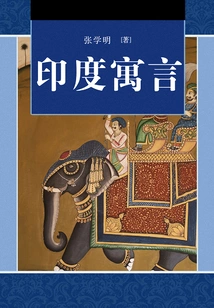
Indian Fable
Literature印度寓言
Zhang Xueming
Extracurricular readings during the Republic of China period. This book is a collection of Indian fables. Each fable is short, concise, philosophical and educational.
Extracurricular readings during the Republic of China period. This book is a collection of Indian fables. Each fable is short, concise, philosophical and educational.
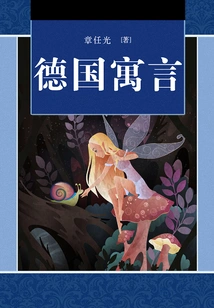
German Fable
Literature德国寓言
Zhang Renguang
Extracurricular readings during the Republic of China period. This book is a collection of German fables. Each fable is short and concise, rich in philosophy and has educational significance.
Extracurricular readings during the Republic of China period. This book is a collection of German fables. Each fable is short and concise, rich in philosophy and has educational significance.
Folklore
Literature民间传说
Yan Shuyan
Folklore can be found all over the country, and many of them contain tearful, tragic and passionate deeds, or contain inherent Chinese virtues such as loyalty, filial piety and benevolence. The folklore collected in this book are all meaningful works. Some of them are indeed based on history, such as "Throwing into the River to Search for Father", "Tomb of Five People", "The River God Marries a Wife", etc.; Some are based on history, but are close to myths in nature, such as: "Ma Yuan's Arrow", "The Fierce Huang Chao", "Meng Jiangnu Transformed into a Hairtail Fish", "Guan Gong Asks for Tofu Money", "Zhu Yuanzhang's Pills", etc., Which can only be regarded as Qidong Yeyu. He has two works, such as "Qiu Liyu Suffering from Leprosy" and "The Wrongful Accusation of Sheltering from the Rain". The former is the Cantonese opera "The Leper Girl" and the latter is the Chinese opera "The Royal Stele Pavilion". They are both touching and pathos and popular folk legends, which are worthy of special mention.
Folklore can be found all over the country, and many of them contain tearful, tragic and passionate deeds, or contain inherent Chinese virtues such as loyalty, filial piety and benevolence. The folklore collected in this book are all meaningful works. Some of them are indeed based on history, such as "Throwing into the River to Search for Father", "Tomb of Five People", "The River God Marries a Wife", etc.; Some are based on history, but are close to myths in nature, such as: "Ma Yuan's Arrow", "The Fierce Huang Chao", "Meng Jiangnu Transformed into a Hairtail Fish", "Guan Gong Asks for Tofu Money", "Zhu Yuanzhang's Pills", etc., Which can only be regarded as Qidong Yeyu. He has two works, such as "Qiu Liyu Suffering from Leprosy" and "The Wrongful Accusation of Sheltering from the Rain". The former is the Cantonese opera "The Leper Girl" and the latter is the Chinese opera "The Royal Stele Pavilion". They are both touching and pathos and popular folk legends, which are worthy of special mention.
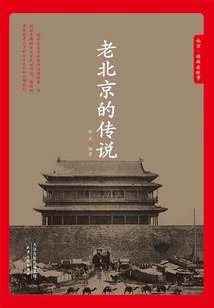
The Legend of Old Beijing
Literature老北京的传说
Compiled By Xu Jie
Beijing, an ancient cultural capital with a history of more than 3,000 years as a city and more than 800 years as a capital, has a long history and culture. Here, there are numerous cultural relics, beautiful scenery, wonderful historical allusions, and bizarre anecdotes... It is all of these that make Beijing a humanistic treasure house with profound connotations, and also create Beijing's splendid civilization. Beijing is a city with endless old stories that are worth exploring, digging, interpreting and savoring. Did the city of Beijing really come here by "floating"? Why is Beijing City also called the "Eight-Armed Nezha City"? What happened to "Beheading at Meridian Gate"? Why is the Forbidden City "nine hundred and ninety-nine and a half rooms"? Why is it said that "there was Tanzhe Temple first, and then Beijing City"? What are the customs in old Beijing? What are the snacks in old Beijing?
Beijing, an ancient cultural capital with a history of more than 3,000 years as a city and more than 800 years as a capital, has a long history and culture. Here, there are numerous cultural relics, beautiful scenery, wonderful historical allusions, and bizarre anecdotes... It is all of these that make Beijing a humanistic treasure house with profound connotations, and also create Beijing's splendid civilization. Beijing is a city with endless old stories that are worth exploring, digging, interpreting and savoring. Did the city of Beijing really come here by "floating"? Why is Beijing City also called the "Eight-Armed Nezha City"? What happened to "Beheading at Meridian Gate"? Why is the Forbidden City "nine hundred and ninety-nine and a half rooms"? Why is it said that "there was Tanzhe Temple first, and then Beijing City"? What are the customs in old Beijing? What are the snacks in old Beijing?
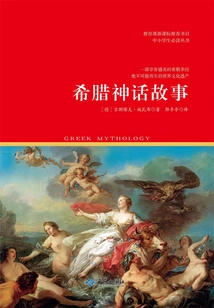
Greek Mythology
Literature希腊神话故事
(germany) Gustav Schwab
This book opens a window for readers to observe and understand ancient Greek and even European culture. It has experienced rich changes of the times and historical events, and has become the basic material for almost all literary and artistic activities in Greece and even Europe. It moved from legends to songs, from songs to stories, from stories to dramas, and finally to epic poems that were popular throughout Greece, and also took root in Roman culture.
This book opens a window for readers to observe and understand ancient Greek and even European culture. It has experienced rich changes of the times and historical events, and has become the basic material for almost all literary and artistic activities in Greece and even Europe. It moved from legends to songs, from songs to stories, from stories to dramas, and finally to epic poems that were popular throughout Greece, and also took root in Roman culture.
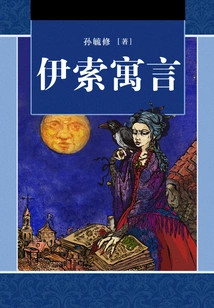
Aesop's Fables (translated by Sun Yuxiu)
Literature伊索寓言(孙毓修译本)
(borrowed From Ancient Greece) Aesop
Extracurricular readings during the Republic of China period. "Aesop's Fables" is said to be a collection of fables written by Aesop, an ancient Greek slave who was freed in the sixth century BC. It also added Indian, Arabic and Christian stories, with a total of 357 fables.
Extracurricular readings during the Republic of China period. "Aesop's Fables" is said to be a collection of fables written by Aesop, an ancient Greek slave who was freed in the sixth century BC. It also added Indian, Arabic and Christian stories, with a total of 357 fables.
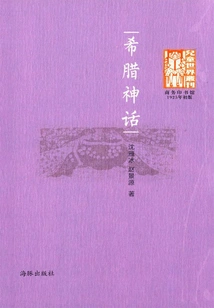
Greek Mythology
Literature希腊神话
Shen Yanbing Zhao Jingyuan
Extracurricular readings during the Republic of China period. It contains ten stories in total: "The Story of Prometheus Stealing Fire", "Why is there Trouble in the World", "The Flood", "The Return of Spring", "The Pine and the Chariot of the Sun God", "The Long Ears of Midas", "Cartmus and the Dragon", "Brerophon and His Horse", "How the Proud Arachna was Punished" and "Jeson and the Golden Fleece".
Extracurricular readings during the Republic of China period. It contains ten stories in total: "The Story of Prometheus Stealing Fire", "Why is there Trouble in the World", "The Flood", "The Return of Spring", "The Pine and the Chariot of the Sun God", "The Long Ears of Midas", "Cartmus and the Dragon", "Brerophon and His Horse", "How the Proud Arachna was Punished" and "Jeson and the Golden Fleece".
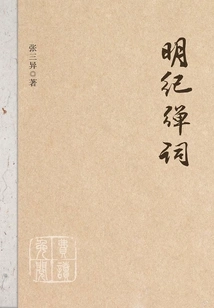
Ming Dynasty Tanci
Literature明纪弹词
Zhang Sanyi
Tanci written by Zhang Sanyi, a Jinshi of the Qing Dynasty. Zhang Sanyi regards "Twenty-One Historical Tanci" as a foundation for reading history. Because it was written in the Ming Dynasty, it only lacks the history of the Ming Dynasty. This work was once collectively known as "Twenty-Two Histories Tanci Annotations" together with "Twenty-One Histories Tanci Annotations". Nineteen years after the death of the author Zhang Sanyi, it was published and handed down to the world by his son Zhang Zhonghuang.
Tanci written by Zhang Sanyi, a Jinshi of the Qing Dynasty. Zhang Sanyi regards "Twenty-One Historical Tanci" as a foundation for reading history. Because it was written in the Ming Dynasty, it only lacks the history of the Ming Dynasty. This work was once collectively known as "Twenty-Two Histories Tanci Annotations" together with "Twenty-One Histories Tanci Annotations". Nineteen years after the death of the author Zhang Sanyi, it was published and handed down to the world by his son Zhang Zhonghuang.
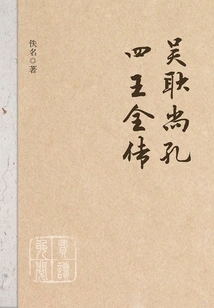
吴耿尚孔四王全传
Anonymous
It includes the biographies of four people: Wu Sangui, the Western King of the Qing Dynasty (and his grandson Shifan), Geng Zhongming, the Jingnan King (and his sons Jimao and Sun Jingzhong), Shang Kexi, the Pingnan King (and his son Zhixin, Zhixiao, etc.), And Kong Youde, the Dingnan King (and his daughter Sizhen, and his son-in-law Yanling). At the beginning of each biography, the process of people's surrender to the Qing Dynasty was recorded, and at the end, the story of how each person or their descendants initiated or responded to the Three Feudal Revolution was detailed.
It includes the biographies of four people: Wu Sangui, the Western King of the Qing Dynasty (and his grandson Shifan), Geng Zhongming, the Jingnan King (and his sons Jimao and Sun Jingzhong), Shang Kexi, the Pingnan King (and his son Zhixin, Zhixiao, etc.), And Kong Youde, the Dingnan King (and his daughter Sizhen, and his son-in-law Yanling). At the beginning of each biography, the process of people's surrender to the Qing Dynasty was recorded, and at the end, the story of how each person or their descendants initiated or responded to the Three Feudal Revolution was detailed.
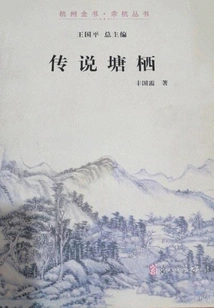
Legend Tangqi
Literature传说塘栖
Abundant National Needs
Legend is a kind of rumor with a certain story about people and events. It is a category in folk literature and an intangible cultural heritage passed down orally among the people. Tangqi, as an ancient town in the south of the Yangtze River with deep historical and cultural accumulation on the Grand Canal of China, also has many legends and stories like other ancient towns. Some of these legends explain the origins of various features and products in the ancient town, some tell stories about various characters related to the ancient town, and some tell the origins of some minor place names. It can be said that these legends are the precious cultural wealth of an ancient town and a commendable talking point for an ancient town. At the same time, they are also a precious business card that enhances the popularity of an ancient town...
Legend is a kind of rumor with a certain story about people and events. It is a category in folk literature and an intangible cultural heritage passed down orally among the people. Tangqi, as an ancient town in the south of the Yangtze River with deep historical and cultural accumulation on the Grand Canal of China, also has many legends and stories like other ancient towns. Some of these legends explain the origins of various features and products in the ancient town, some tell stories about various characters related to the ancient town, and some tell the origins of some minor place names. It can be said that these legends are the precious cultural wealth of an ancient town and a commendable talking point for an ancient town. At the same time, they are also a precious business card that enhances the popularity of an ancient town...
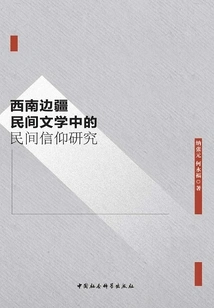
西南边疆民间文学中的民间信仰研究
Na Zhang Yuan He Yongfu
Folk literature is the accumulation of national collective consciousness, which carries and contains rich folk belief elements. It is a specimen of the national spirit and the spiritual memory of a nation. This book starts from the folk beliefs contained in the voluminous folk literature that has a huge social integration function in the southwest border minority areas, and examines the inheritance and modern significance of folk beliefs in border folk literature. From the perspective of research, the organic combination of folk literature and folk beliefs highlights the integration of the two. For the minority people in the southwest frontier, folk belief is not a profound knowledge, but a straightforward emotion that is part of their daily life. The folk beliefs presented in folk literature have integration, control, cohesion, communication, cultural consensus, spiritual comfort, psychological adjustment, and moral standard functions for the southwest frontier society. Literature is a carving knife that shapes the soul. The folk beliefs contained in folk literature have a positive and constructive effect on human ethics and social order and good customs.
Folk literature is the accumulation of national collective consciousness, which carries and contains rich folk belief elements. It is a specimen of the national spirit and the spiritual memory of a nation. This book starts from the folk beliefs contained in the voluminous folk literature that has a huge social integration function in the southwest border minority areas, and examines the inheritance and modern significance of folk beliefs in border folk literature. From the perspective of research, the organic combination of folk literature and folk beliefs highlights the integration of the two. For the minority people in the southwest frontier, folk belief is not a profound knowledge, but a straightforward emotion that is part of their daily life. The folk beliefs presented in folk literature have integration, control, cohesion, communication, cultural consensus, spiritual comfort, psychological adjustment, and moral standard functions for the southwest frontier society. Literature is a carving knife that shapes the soul. The folk beliefs contained in folk literature have a positive and constructive effect on human ethics and social order and good customs.
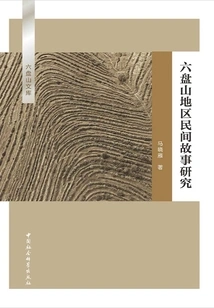
六盘山地区民间故事研究
Ma Xiaoyan
This book takes folktales in the Liupanshan area as the research object, explains the social and cultural background of the folktales in the Liupanshan area; outlines the content of the folktales in the Liupanshan area; analyzes the characteristics and value of the folktales in the Liupanshan area, and explores the "Shelang type" stories and "abandoning the old type" in the folktales in the Liupanshan area. " Story, "Ask the Buddha in the West" type story's cultural code, text origin and story form; investigate and write the typical variations of the representative folk tale "White Duck and Pigeon Lingling" in the Liupan Mountain area and analyze the differences in the storytelling art of each variation; analyze the influence of folk tales in the Liupan Mountain area on the literature of writers in the region. The research on the folk titles of folk tales in the Liupan Mountain area and the exploration of the storytelling art of the "Mongolian Moon General's Book" in the Liupan Mountain area's folk tale "White Duck and Pigeon Lingling" are of first significance in domestic storytelling research. This study is of great significance to fill the gaps in the research on folktales in Ningxia in the Liupan Mountain area, which have many collections and no monographs. In terms of research methods, the author comprehensively applies various research methods of story studies, and intentionally breaks some barriers between story studies and literary research.
This book takes folktales in the Liupanshan area as the research object, explains the social and cultural background of the folktales in the Liupanshan area; outlines the content of the folktales in the Liupanshan area; analyzes the characteristics and value of the folktales in the Liupanshan area, and explores the "Shelang type" stories and "abandoning the old type" in the folktales in the Liupanshan area. " Story, "Ask the Buddha in the West" type story's cultural code, text origin and story form; investigate and write the typical variations of the representative folk tale "White Duck and Pigeon Lingling" in the Liupan Mountain area and analyze the differences in the storytelling art of each variation; analyze the influence of folk tales in the Liupan Mountain area on the literature of writers in the region. The research on the folk titles of folk tales in the Liupan Mountain area and the exploration of the storytelling art of the "Mongolian Moon General's Book" in the Liupan Mountain area's folk tale "White Duck and Pigeon Lingling" are of first significance in domestic storytelling research. This study is of great significance to fill the gaps in the research on folktales in Ningxia in the Liupan Mountain area, which have many collections and no monographs. In terms of research methods, the author comprehensively applies various research methods of story studies, and intentionally breaks some barriers between story studies and literary research.
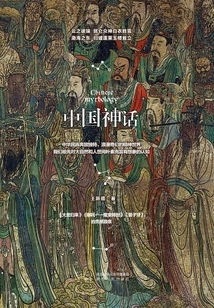
Chinese Mythology
Literature中国神话
Wang Xinxi
Chinese mythology has its own unique personality and charm. Many myths and legends have been passed down from generation to generation among the people, and some have become allusions and idioms. The rich materials they provide have opened the door to classical mythological novels, giving Chinese mythology a stronger vitality. Since the 21st century, the rise of fantasy literature and the popularity of fantasy movies have given Chinese mythology new vitality and attracted more and more attention. This book combs through ancient books, folklore, novels and other materials to sort out the gods in Chinese mythology, from the ancient creation god to the gods of wealth, food and love that are popular among the people. The author uses vivid language to tell the stories and sort out their sources. It presents readers with a magnificent, romantic, vast and profound world of Chinese mythology.
Chinese mythology has its own unique personality and charm. Many myths and legends have been passed down from generation to generation among the people, and some have become allusions and idioms. The rich materials they provide have opened the door to classical mythological novels, giving Chinese mythology a stronger vitality. Since the 21st century, the rise of fantasy literature and the popularity of fantasy movies have given Chinese mythology new vitality and attracted more and more attention. This book combs through ancient books, folklore, novels and other materials to sort out the gods in Chinese mythology, from the ancient creation god to the gods of wealth, food and love that are popular among the people. The author uses vivid language to tell the stories and sort out their sources. It presents readers with a magnificent, romantic, vast and profound world of Chinese mythology.
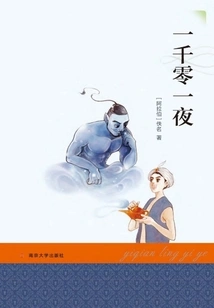
One Thousand and One Nights
Literature一千零一夜
Anonymous Rewritten By Chen Dongmei
"Must-Read Classic Books Series of the Ministry's Edition" is a newly revised series of books in the "New Curriculum Standard Classics·Student Edition". Based on the original series, the varieties are selected, added or deleted based on the requirements of the latest Chinese textbooks compiled by the Ministry and early market feedback. "Arabian Nights" is an outstanding collection of large-scale folk tales in the Middle Ages in Arabia. It represents the highest achievement of ancient Arabic literature with its weird fantasy volumes. It contains a rich and eclectic collection of fairy tales, myths, fables, jokes, historical stories, anecdotes, etc., Attracting generations of Eastern and Western readers.
"Must-Read Classic Books Series of the Ministry's Edition" is a newly revised series of books in the "New Curriculum Standard Classics·Student Edition". Based on the original series, the varieties are selected, added or deleted based on the requirements of the latest Chinese textbooks compiled by the Ministry and early market feedback. "Arabian Nights" is an outstanding collection of large-scale folk tales in the Middle Ages in Arabia. It represents the highest achievement of ancient Arabic literature with its weird fantasy volumes. It contains a rich and eclectic collection of fairy tales, myths, fables, jokes, historical stories, anecdotes, etc., Attracting generations of Eastern and Western readers.
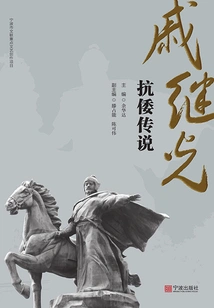
戚继光抗倭传说
Editor-in-chief Yu Huada
This book collects a large number of local folklore in Cixi, combined with relevant local chronicles and other historical materials, and compiles dozens of legends about Qi Jiguang's fight against the Japanese. Qi Jiguang was a famous anti-Japanese general during the Jiajing period of the Ming Dynasty. He made outstanding contributions in the anti-Japanese war. He was a great national hero and an outstanding military strategist. During the Jiajing period of the Ming Dynasty, Japanese pirates rampantly invaded the southeastern coast of my country, burning, killing, looting, and committing all kinds of evil. The rule of the Ming Empire was threatened. Under this critical situation, 28-year-old Qi Jianguang went to the southeast coast of Longshan, Zhejiang, to station troops to fight against the Japanese. The next year, he was appointed as the general of Ning, Shao, and Taifu, and took on the important task of fighting against the Japanese. This book shows General Qi Jiguang's 24 years of fighting against the Japanese on the southeastern coast, clearing the sea territory and wiping out the Japanese pirates. It shows that he is both wise and courageous, resourceful and decisive, has good military training, loves his soldiers like a son, and uses his troops like a god. He is known as "one of the rare victorious generals in ancient times" in our country.
This book collects a large number of local folklore in Cixi, combined with relevant local chronicles and other historical materials, and compiles dozens of legends about Qi Jiguang's fight against the Japanese. Qi Jiguang was a famous anti-Japanese general during the Jiajing period of the Ming Dynasty. He made outstanding contributions in the anti-Japanese war. He was a great national hero and an outstanding military strategist. During the Jiajing period of the Ming Dynasty, Japanese pirates rampantly invaded the southeastern coast of my country, burning, killing, looting, and committing all kinds of evil. The rule of the Ming Empire was threatened. Under this critical situation, 28-year-old Qi Jianguang went to the southeast coast of Longshan, Zhejiang, to station troops to fight against the Japanese. The next year, he was appointed as the general of Ning, Shao, and Taifu, and took on the important task of fighting against the Japanese. This book shows General Qi Jiguang's 24 years of fighting against the Japanese on the southeastern coast, clearing the sea territory and wiping out the Japanese pirates. It shows that he is both wise and courageous, resourceful and decisive, has good military training, loves his soldiers like a son, and uses his troops like a god. He is known as "one of the rare victorious generals in ancient times" in our country.
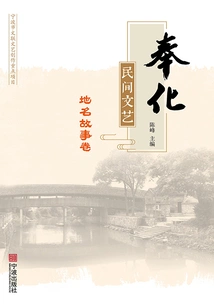
奉化民间文艺(地名故事卷)
Editor-in-chief Chen Feng
This book originates from Fenghua folk literature. It is a folk literature with strong local characteristics created collectively by the working people in Fenghua area.
This book originates from Fenghua folk literature. It is a folk literature with strong local characteristics created collectively by the working people in Fenghua area.
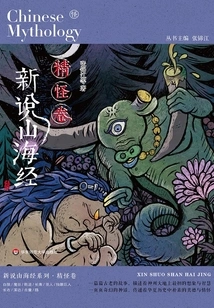
新说山海经:精怪卷
Zhang Jinjiang Et Al.
The "New Theory of Classics of Mountains and Seas" series is created in a spirit of textual research that respects the original records in "The Classic of Mountains and Seas". The authors of this series combine the scattered story materials in "The Classic of Mountains and Seas" and use their reasonable and rich imagination to create wonderful stories with ups and downs. Professor Zhang Jinjiang once pointed out that "The Classic of Mountains and Seas" was written in the pre-Qin period. It covers the geography of mountains and seas, ancient wars, heroic fantasy, encyclopedias of gods and monsters, etc. It can be called a strange book. Although the mythological stories in "The Classic of Mountains and Seas" are not complete, they provide themes for mythological novels about gods, immortals, demons, beasts, and strange people, things, and objects in the mythical realm. It can be said that what is presented in "The Classic of Mountains and Seas" is the backbone of the story, and the authors of "New Theory of the Classic of Mountains and Seas" added branches and leaves to these backbones of the story, and contained modern values and concepts, writing a coherent story with twists and turns, creating three-dimensional and full-bodied characters, making traditional culture more vital, and sowing the seeds of truth, goodness and beauty in the hearts of children.
The "New Theory of Classics of Mountains and Seas" series is created in a spirit of textual research that respects the original records in "The Classic of Mountains and Seas". The authors of this series combine the scattered story materials in "The Classic of Mountains and Seas" and use their reasonable and rich imagination to create wonderful stories with ups and downs. Professor Zhang Jinjiang once pointed out that "The Classic of Mountains and Seas" was written in the pre-Qin period. It covers the geography of mountains and seas, ancient wars, heroic fantasy, encyclopedias of gods and monsters, etc. It can be called a strange book. Although the mythological stories in "The Classic of Mountains and Seas" are not complete, they provide themes for mythological novels about gods, immortals, demons, beasts, and strange people, things, and objects in the mythical realm. It can be said that what is presented in "The Classic of Mountains and Seas" is the backbone of the story, and the authors of "New Theory of the Classic of Mountains and Seas" added branches and leaves to these backbones of the story, and contained modern values and concepts, writing a coherent story with twists and turns, creating three-dimensional and full-bodied characters, making traditional culture more vital, and sowing the seeds of truth, goodness and beauty in the hearts of children.
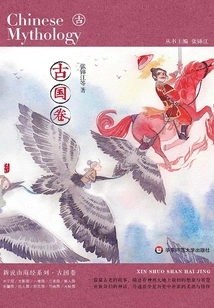
新说山海经:古国卷
Zhang Jinjiang Et Al.
The "New Theory of Classics of Mountains and Seas" series is created in a spirit of textual research that respects the original records in "The Classic of Mountains and Seas". The authors of this series combine the scattered story materials in "The Classic of Mountains and Seas" and use their reasonable and rich imagination to create wonderful stories with ups and downs. Professor Zhang Jinjiang once pointed out that "The Classic of Mountains and Seas" was written in the pre-Qin period. It covers the geography of mountains and seas, ancient wars, heroic fantasy, encyclopedias of gods and monsters, etc. It can be called a strange book. Although the mythological stories in "The Classic of Mountains and Seas" are not complete, they provide themes for mythological novels about gods, immortals, demons, beasts, and strange people, things, and objects in the mythical realm. It can be said that what is presented in "The Classic of Mountains and Seas" is the backbone of the story, and the authors of "New Theory of the Classic of Mountains and Seas" added branches and leaves to these backbones of the story, and contained modern values and concepts, writing a coherent story with twists and turns, creating three-dimensional and full-bodied characters, making traditional culture more vital, and sowing the seeds of truth, goodness and beauty in the hearts of children.
The "New Theory of Classics of Mountains and Seas" series is created in a spirit of textual research that respects the original records in "The Classic of Mountains and Seas". The authors of this series combine the scattered story materials in "The Classic of Mountains and Seas" and use their reasonable and rich imagination to create wonderful stories with ups and downs. Professor Zhang Jinjiang once pointed out that "The Classic of Mountains and Seas" was written in the pre-Qin period. It covers the geography of mountains and seas, ancient wars, heroic fantasy, encyclopedias of gods and monsters, etc. It can be called a strange book. Although the mythological stories in "The Classic of Mountains and Seas" are not complete, they provide themes for mythological novels about gods, immortals, demons, beasts, and strange people, things, and objects in the mythical realm. It can be said that what is presented in "The Classic of Mountains and Seas" is the backbone of the story, and the authors of "New Theory of the Classic of Mountains and Seas" added branches and leaves to these backbones of the story, and contained modern values and concepts, writing a coherent story with twists and turns, creating three-dimensional and full-bodied characters, making traditional culture more vital, and sowing the seeds of truth, goodness and beauty in the hearts of children.
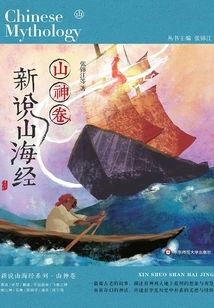
新说山海经:山神卷
Zhang Jinjiang Et Al.
The "New Theory of Classics of Mountains and Seas" series is created in a spirit of textual research that respects the original records in "The Classic of Mountains and Seas". The authors of this series combine the scattered story materials in "The Classic of Mountains and Seas" and use their reasonable and rich imagination to create wonderful stories with ups and downs. Professor Zhang Jinjiang once pointed out that "The Classic of Mountains and Seas" was written in the pre-Qin period. It covers the geography of mountains and seas, ancient wars, heroic fantasy, encyclopedias of gods and monsters, etc. It can be called a strange book. Although the mythological stories in "The Classic of Mountains and Seas" are not complete, they provide themes for mythological novels about gods, immortals, demons, beasts, and strange people, things, and objects in the mythical realm. It can be said that what is presented in "The Classic of Mountains and Seas" is the backbone of the story, and the authors of "New Theory of the Classic of Mountains and Seas" added branches and leaves to these backbones of the story, and contained modern values and concepts, writing a coherent story with twists and turns, creating three-dimensional and full-bodied characters, making traditional culture more vital, and sowing the seeds of truth, goodness and beauty in the hearts of children.
The "New Theory of Classics of Mountains and Seas" series is created in a spirit of textual research that respects the original records in "The Classic of Mountains and Seas". The authors of this series combine the scattered story materials in "The Classic of Mountains and Seas" and use their reasonable and rich imagination to create wonderful stories with ups and downs. Professor Zhang Jinjiang once pointed out that "The Classic of Mountains and Seas" was written in the pre-Qin period. It covers the geography of mountains and seas, ancient wars, heroic fantasy, encyclopedias of gods and monsters, etc. It can be called a strange book. Although the mythological stories in "The Classic of Mountains and Seas" are not complete, they provide themes for mythological novels about gods, immortals, demons, beasts, and strange people, things, and objects in the mythical realm. It can be said that what is presented in "The Classic of Mountains and Seas" is the backbone of the story, and the authors of "New Theory of the Classic of Mountains and Seas" added branches and leaves to these backbones of the story, and contained modern values and concepts, writing a coherent story with twists and turns, creating three-dimensional and full-bodied characters, making traditional culture more vital, and sowing the seeds of truth, goodness and beauty in the hearts of children.
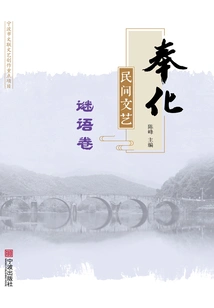
奉化民间文艺·谜语卷
Editor-in-chief Chen Feng
This set of books is divided into three volumes: a volume of riddles, a volume of ballads, and a volume of place-name stories. They all come from Fenghua folk. They are folk literature with strong local characteristics created collectively by the working people in Fenghua area. The whole book is clearly organized: the riddle volume is divided into five parts according to the answers: nature, human body, life, culture, word puzzles, etc.; The place name story volume is divided into five parts: rural place names, caves, ponds and weirs, mountain bridges, temples and nunneries, pavilions and pavilions; the song volume is divided into children's songs, moon songs, life songs, ritual songs, etc. Folk language is lively, humorous, philosophical, contains the beauty of human nature, and shines with the collective wisdom of the working people of Fenghua.
This set of books is divided into three volumes: a volume of riddles, a volume of ballads, and a volume of place-name stories. They all come from Fenghua folk. They are folk literature with strong local characteristics created collectively by the working people in Fenghua area. The whole book is clearly organized: the riddle volume is divided into five parts according to the answers: nature, human body, life, culture, word puzzles, etc.; The place name story volume is divided into five parts: rural place names, caves, ponds and weirs, mountain bridges, temples and nunneries, pavilions and pavilions; the song volume is divided into children's songs, moon songs, life songs, ritual songs, etc. Folk language is lively, humorous, philosophical, contains the beauty of human nature, and shines with the collective wisdom of the working people of Fenghua.
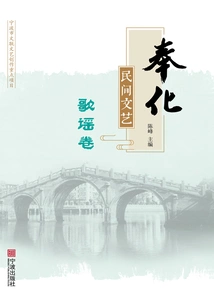
奉化民间文艺·歌谣卷
Editor-in-chief Chen Feng
This set of books is divided into three volumes: a volume of riddles, a volume of ballads, and a volume of place-name stories. They all come from Fenghua folk. They are folk literature with strong local characteristics created collectively by the working people in Fenghua area. The whole book is clearly organized: the riddle volume is divided into five parts according to the answers: nature, human body, life, culture, word puzzles, etc.; The place name story volume is divided into five parts: rural place names, caves, ponds and weirs, mountain bridges, temples and nunneries, pavilions and pavilions; the song volume is divided into children's songs, moon songs, life songs, ritual songs, etc. Folk language is lively, humorous, philosophical, contains the beauty of human nature, and shines with the collective wisdom of the working people of Fenghua.
This set of books is divided into three volumes: a volume of riddles, a volume of ballads, and a volume of place-name stories. They all come from Fenghua folk. They are folk literature with strong local characteristics created collectively by the working people in Fenghua area. The whole book is clearly organized: the riddle volume is divided into five parts according to the answers: nature, human body, life, culture, word puzzles, etc.; The place name story volume is divided into five parts: rural place names, caves, ponds and weirs, mountain bridges, temples and nunneries, pavilions and pavilions; the song volume is divided into children's songs, moon songs, life songs, ritual songs, etc. Folk language is lively, humorous, philosophical, contains the beauty of human nature, and shines with the collective wisdom of the working people of Fenghua.
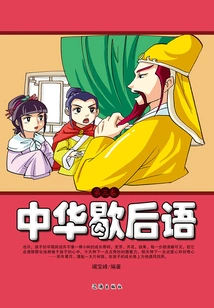
Chinese Sayings (volume 3)
Literature中华歇后语(第三卷)
Compiled By Jie Baofeng
Xiehouyu is a kind of idiom. It is a special language form created by the working people of our country in their daily life practice since ancient times. It is a short, funny and vivid sentence. It consists of two parts: the former part plays the role of "introduction", like the face of a riddle; the latter part plays the role of "backing", like the answer to a riddle, which is very natural and appropriate. In a certain language environment, usually by saying the first half and "resting" the second half, you can understand and guess its original meaning, so it is called "Xiehouyu".
Xiehouyu is a kind of idiom. It is a special language form created by the working people of our country in their daily life practice since ancient times. It is a short, funny and vivid sentence. It consists of two parts: the former part plays the role of "introduction", like the face of a riddle; the latter part plays the role of "backing", like the answer to a riddle, which is very natural and appropriate. In a certain language environment, usually by saying the first half and "resting" the second half, you can understand and guess its original meaning, so it is called "Xiehouyu".
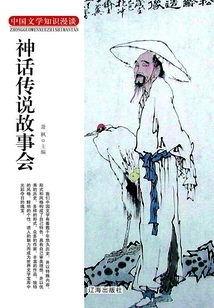
神话传说故事会(中国文学知识漫谈)
Editor-in-chief Xiao Feng
This book mainly includes the development history of Chinese literature, ethnic and folk literature, Hong Kong and Taiwan literature, myths and legends, poetry and prose, sanqu and lyrics, novels and essays, fables and sketches, notes and travel notes, couplets and inscriptions, etc. It is highly literary, readable and informative. It is a good reading for our readers to understand Chinese literary works and improve their literary quality. It is also the best version for libraries at all levels to collect.
This book mainly includes the development history of Chinese literature, ethnic and folk literature, Hong Kong and Taiwan literature, myths and legends, poetry and prose, sanqu and lyrics, novels and essays, fables and sketches, notes and travel notes, couplets and inscriptions, etc. It is highly literary, readable and informative. It is a good reading for our readers to understand Chinese literary works and improve their literary quality. It is also the best version for libraries at all levels to collect.
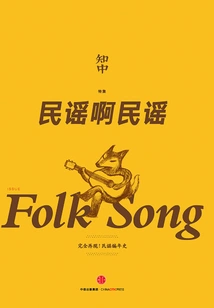
Zhizhong · Ballads, Ballads
Literature知中·民谣啊民谣
Editor-in-chief Su Jing
The special collection of "ZHICHINA·Folks, Folks" is the fourth paper publication of the "ZHICHINA" brand. It completely combs the historical development of Chinese folk songs over the millennium, and exclusively interviews many famous folk musicians, including Lao Lang, Zhou Yunpeng, Zhang Quan, Cheng Bi, etc., And provides in-depth analysis of Chinese folk songs from different perspectives - completely reproduced! Folk Chronicle.
The special collection of "ZHICHINA·Folks, Folks" is the fourth paper publication of the "ZHICHINA" brand. It completely combs the historical development of Chinese folk songs over the millennium, and exclusively interviews many famous folk musicians, including Lao Lang, Zhou Yunpeng, Zhang Quan, Cheng Bi, etc., And provides in-depth analysis of Chinese folk songs from different perspectives - completely reproduced! Folk Chronicle.
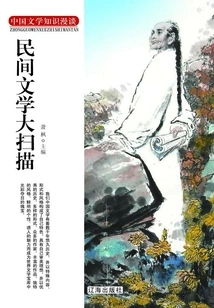
民间文学大扫描(中国文学知识漫谈)
Editor-in-chief Xiao Feng
The content of this book includes mythology and primitive religion, the content and classification of mythology, animal stories, magical stories, folk jokes, creation epics, heroic epics, types and ideological content of folklore, an overview of folk songs, song customs, song festivals and singers, etc.
The content of this book includes mythology and primitive religion, the content and classification of mythology, animal stories, magical stories, folk jokes, creation epics, heroic epics, types and ideological content of folklore, an overview of folk songs, song customs, song festivals and singers, etc.
一千零一夜(全集)·9
Feng Huaping
"One Thousand and One Nights" is mainly based on romanticism and organically combines elements of reality and fantasy. It embodies the artistic characteristics of folk literature. It has brilliant colors, wonderful imagination, tortuous plots, bold exaggerations, and a tightly linked structure, making the story full of eternal vitality. The story adopts the spoken language of the people, and is interspersed with a large number of poems and proverbs, making it very suitable for reading and telling.
"One Thousand and One Nights" is mainly based on romanticism and organically combines elements of reality and fantasy. It embodies the artistic characteristics of folk literature. It has brilliant colors, wonderful imagination, tortuous plots, bold exaggerations, and a tightly linked structure, making the story full of eternal vitality. The story adopts the spoken language of the people, and is interspersed with a large number of poems and proverbs, making it very suitable for reading and telling.
一千零一夜(全集)·2
Feng Huaping
"One Thousand and One Nights" is mainly based on romanticism and organically combines elements of reality and fantasy. It embodies the artistic characteristics of folk literature. It has brilliant colors, wonderful imagination, tortuous plots, bold exaggerations, and a tightly linked structure, making the story full of eternal vitality. The story adopts the spoken language of the people, and is interspersed with a large number of poems and proverbs, making it very suitable for reading and telling.
"One Thousand and One Nights" is mainly based on romanticism and organically combines elements of reality and fantasy. It embodies the artistic characteristics of folk literature. It has brilliant colors, wonderful imagination, tortuous plots, bold exaggerations, and a tightly linked structure, making the story full of eternal vitality. The story adopts the spoken language of the people, and is interspersed with a large number of poems and proverbs, making it very suitable for reading and telling.
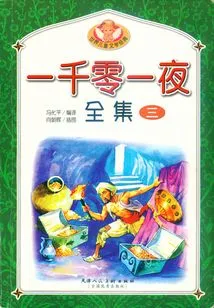
一千零一夜(全集)·3
Feng Huaping
"One Thousand and One Nights" is mainly based on romanticism and organically combines elements of reality and fantasy. It embodies the artistic characteristics of folk literature. It has brilliant colors, wonderful imagination, tortuous plots, bold exaggerations, and a tightly linked structure, making the story full of eternal vitality. The story adopts the spoken language of the people, and is interspersed with a large number of poems and proverbs, making it very suitable for reading and telling.
"One Thousand and One Nights" is mainly based on romanticism and organically combines elements of reality and fantasy. It embodies the artistic characteristics of folk literature. It has brilliant colors, wonderful imagination, tortuous plots, bold exaggerations, and a tightly linked structure, making the story full of eternal vitality. The story adopts the spoken language of the people, and is interspersed with a large number of poems and proverbs, making it very suitable for reading and telling.
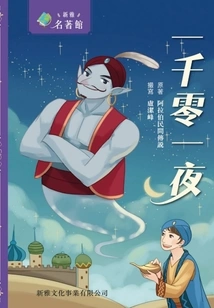
新雅·名著馆:一千零一夜
Arabic Folklore
This book selects three traditional Arabian folk tales. The story is full of magical imagination, and the whimsical plot is combined with the real life of the local people, which is impressive: Aladdin was trapped in a cave and could not escape; the bandit leader vowed to put Alibaba to death, and Alibaba's life was in danger; Sinboda witnessed his companions being swallowed by a boa constrictor, and saw that he himself would become food for the boa constrictor... Can the three of them escape from danger? Don't think too much, just open this book and read it.
This book selects three traditional Arabian folk tales. The story is full of magical imagination, and the whimsical plot is combined with the real life of the local people, which is impressive: Aladdin was trapped in a cave and could not escape; the bandit leader vowed to put Alibaba to death, and Alibaba's life was in danger; Sinboda witnessed his companions being swallowed by a boa constrictor, and saw that he himself would become food for the boa constrictor... Can the three of them escape from danger? Don't think too much, just open this book and read it.
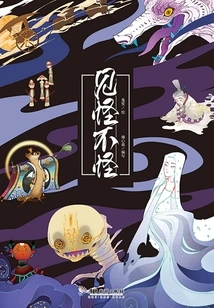
Not Surprised
Literature见怪不怪
Painted By Gui Sheng And Written By Buddha Heart Gu
Comprehensive and fun, the encyclopedia of unpopular Chinese gods and monsters is newly released! Guhuotiao, Tamamozamae, Rinnerdo... Do these Japanese monsters in "Onmyoji" all have ancestors from the Celestial Dynasty? Suckling cats can heal people's souls, but what is the most nourishing thing for a cat owner who wants to become a spirit? Owls flying in the sky, Jia Yu walking on the ground, and Wang Xiang swimming in the water, which kind of monsters were the most delicious among the ancients? What, you haven't even heard their names? Please open "Not Weird", a selection of 100 unpopular gods and monsters, covering nearly a hundred ancient books from all dynasties, accompanied by exquisite drawings, interesting explanations and excerpts from the original texts of ancient books, to help you easily understand the answers to these questions...
Comprehensive and fun, the encyclopedia of unpopular Chinese gods and monsters is newly released! Guhuotiao, Tamamozamae, Rinnerdo... Do these Japanese monsters in "Onmyoji" all have ancestors from the Celestial Dynasty? Suckling cats can heal people's souls, but what is the most nourishing thing for a cat owner who wants to become a spirit? Owls flying in the sky, Jia Yu walking on the ground, and Wang Xiang swimming in the water, which kind of monsters were the most delicious among the ancients? What, you haven't even heard their names? Please open "Not Weird", a selection of 100 unpopular gods and monsters, covering nearly a hundred ancient books from all dynasties, accompanied by exquisite drawings, interesting explanations and excerpts from the original texts of ancient books, to help you easily understand the answers to these questions...
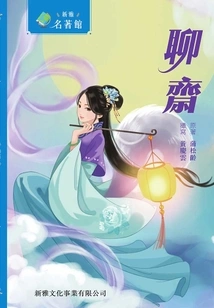
Xinya·masterpiece Library: Liaozhai
Literature新雅·名著馆:聊斋
I
How could a beautiful girl appear in an abandoned temple in the wilderness? What does the woman rescued on the road secretly draw in her study every day? What will happen if you go to a strange country where the concept of beauty and ugliness is completely reversed? This book collects 14 wonderful "Liao Zhai" stories. The author uses his rich imagination to create stories with gods and monsters as the theme. The plots are twists and turns, and the characters are vivid and vivid. The stories also reflect the current ills, criticize evil and promote good, and contain profound truths.
How could a beautiful girl appear in an abandoned temple in the wilderness? What does the woman rescued on the road secretly draw in her study every day? What will happen if you go to a strange country where the concept of beauty and ugliness is completely reversed? This book collects 14 wonderful "Liao Zhai" stories. The author uses his rich imagination to create stories with gods and monsters as the theme. The plots are twists and turns, and the characters are vivid and vivid. The stories also reflect the current ills, criticize evil and promote good, and contain profound truths.
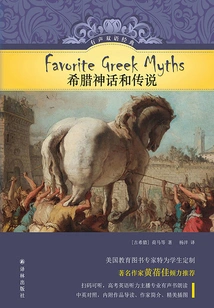
希腊神话和传说(有声双语经典)
(ancient Greece) Homer, Etc.
Greek mythology that has been passed down for three thousand years is the crystallization of the wisdom of the ancient Greek people and one of the immortal sources of Western civilization. It tells familiar mythological stories such as Prometheus stealing fire, the Trojan War, and the Odyssey, and creates a number of legendary images with distinctive personalities such as the almighty Zeus, the heroic Heracles, and the tragic Oedipus. In this book, the real life of ancient Greek society and the romantic and unrestrained fantasy are intertwined into a vivid and moving picture, opening a window for us to explore the treasures of human culture.
Greek mythology that has been passed down for three thousand years is the crystallization of the wisdom of the ancient Greek people and one of the immortal sources of Western civilization. It tells familiar mythological stories such as Prometheus stealing fire, the Trojan War, and the Odyssey, and creates a number of legendary images with distinctive personalities such as the almighty Zeus, the heroic Heracles, and the tragic Oedipus. In this book, the real life of ancient Greek society and the romantic and unrestrained fantasy are intertwined into a vivid and moving picture, opening a window for us to explore the treasures of human culture.
尺素江湖:袁世凯家书
Yuan Shikai
Yuan Shikai played a decisive role in China's modern history and was a very controversial figure. As a politician and military strategist, some people say that he is the father of China's modern army, the first person in the late Qing Dynasty, the number one supporter of constitutional monarchy, a pioneer of reform, a national treasure, and promoted the process of China's modernization; others say that he is a sinner of China, a traitor in troubled times, and a thief of the country. This book selects more than 60 handwritten letters between Yuan Shikai and his relatives, friends, and colleagues to objectively show the life course of Yuan Shikai, a double-faced hero.
Yuan Shikai played a decisive role in China's modern history and was a very controversial figure. As a politician and military strategist, some people say that he is the father of China's modern army, the first person in the late Qing Dynasty, the number one supporter of constitutional monarchy, a pioneer of reform, a national treasure, and promoted the process of China's modernization; others say that he is a sinner of China, a traitor in troubled times, and a thief of the country. This book selects more than 60 handwritten letters between Yuan Shikai and his relatives, friends, and colleagues to objectively show the life course of Yuan Shikai, a double-faced hero.
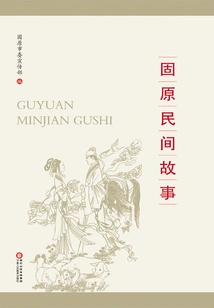
Guyuan Folk Tales
Literature固原民间故事
Guyuan Municipal Party Committee Propaganda Department
This book mainly includes: myths and legends, historical stories, place name stories, folklore stories, specifically including: the legend of Rouge Flower, Wei Zhengmeng beheading the Dragon King of Jinghe River, Liu Yi's biography, King Wen eating rice, etc.
This book mainly includes: myths and legends, historical stories, place name stories, folklore stories, specifically including: the legend of Rouge Flower, Wei Zhengmeng beheading the Dragon King of Jinghe River, Liu Yi's biography, King Wen eating rice, etc.
A Thousand Folk Songs of Qingyang
Literature庆阳民谣一千首
Compiled By Zhong Caiyin
The publication of "A Thousand Folk Songs of Qingyang" has unusual significance, and its most obvious features are reflected in three aspects. The first is the stance and principles of folk culture. Literary and artistic works are true records of an era, and they are also people's basic recognition of history and reality. Their likes, dislikes, and likes determine the value of language. The second is the non-fictional presentation of original ecological life. Folk songs are the most down-to-earth culture in folk life, the most direct feeling people get in their working life, and the most authentic thinking about life. The third is simple and clear rural philosophy. The reason why Confucius summed up the value of "The Book of Songs" in four words: "Xing Guan Qun Yu" is because it contains many good and universal principles. The seemingly simple and superficial ballads actually contain ways of being a person and ways of cultivating moral character and talents.
The publication of "A Thousand Folk Songs of Qingyang" has unusual significance, and its most obvious features are reflected in three aspects. The first is the stance and principles of folk culture. Literary and artistic works are true records of an era, and they are also people's basic recognition of history and reality. Their likes, dislikes, and likes determine the value of language. The second is the non-fictional presentation of original ecological life. Folk songs are the most down-to-earth culture in folk life, the most direct feeling people get in their working life, and the most authentic thinking about life. The third is simple and clear rural philosophy. The reason why Confucius summed up the value of "The Book of Songs" in four words: "Xing Guan Qun Yu" is because it contains many good and universal principles. The seemingly simple and superficial ballads actually contain ways of being a person and ways of cultivating moral character and talents.
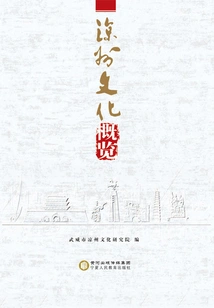
Liangzhou Culture Overview
Literature凉州文化概览
Wuwei Liangzhou Cultural Research Institute
"An Overview of Liangzhou Culture" integrates historical data, knowledge, popularization and interest, with an emphasis on popularity and readability. It strives to be close to reality, life and the masses, with pictures and texts, and is easy to understand. It strives to become a popular book that tells the story of Wuwei and spreads the voice of Wuwei, so that the general public can understand Liangzhou culture, feel Liangzhou culture, enhance the sense of cultural acquisition, participation and happiness, and create a good atmosphere for promoting Liangzhou culture.
"An Overview of Liangzhou Culture" integrates historical data, knowledge, popularization and interest, with an emphasis on popularity and readability. It strives to be close to reality, life and the masses, with pictures and texts, and is easy to understand. It strives to become a popular book that tells the story of Wuwei and spreads the voice of Wuwei, so that the general public can understand Liangzhou culture, feel Liangzhou culture, enhance the sense of cultural acquisition, participation and happiness, and create a good atmosphere for promoting Liangzhou culture.
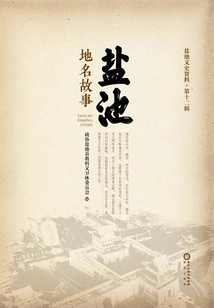
The Story of Yanchi Place Name
Literature盐池地名故事
Cppcc Yanchi County Education, Science, Culture, Health And Sports Committee
This manuscript mainly tells the origin of place names, administrative divisions, geographical locations and major events that have occurred in Yanchi County of more than 50 villages located in the eastern part of the Ningxia Hui Autonomous Region, the famous Ningxia Tan sheep production area, and historically the border area between Chinese farming people and nomadic peoples. It mainly focuses on textual research, narration, and description, integrating history and reality, highlighting cultural inheritance, and letting more people understand and love Yanchi. The cover must be marked "Yanchi Cultural and Historical Materials Volume 12".
This manuscript mainly tells the origin of place names, administrative divisions, geographical locations and major events that have occurred in Yanchi County of more than 50 villages located in the eastern part of the Ningxia Hui Autonomous Region, the famous Ningxia Tan sheep production area, and historically the border area between Chinese farming people and nomadic peoples. It mainly focuses on textual research, narration, and description, integrating history and reality, highlighting cultural inheritance, and letting more people understand and love Yanchi. The cover must be marked "Yanchi Cultural and Historical Materials Volume 12".
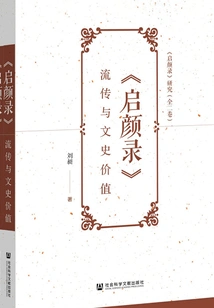
《启颜录》研究(全2卷)
Liu Chang
This book is divided into two volumes. "Qi Yan Lu's Spread and Literary and Historical Value" studies "Qi Yan Lu" from its creation, author and circulation, analyzes the joke types, joke characters and the joke world it constructs in "Qi Yan Lu". It takes "Qi Yan Lu"'s joke themes, joke structure patterns and other aspects as the starting point to discuss the role, value and influence of "Qi Yan Lu" in the inheritance of jokes. "Analysis of the Version Origin and Type of Each Content of "Qi Yan Lu"" combs through the collection and version origin of each content of "Qi Yan Lu", sorting out all 141 contents, clearly comparing the differences between the various versions in the form of a table, and providing annotations and interpretations of the reasons. From this, we can clearly see the preference of literati in various dynasties for language and writing.
This book is divided into two volumes. "Qi Yan Lu's Spread and Literary and Historical Value" studies "Qi Yan Lu" from its creation, author and circulation, analyzes the joke types, joke characters and the joke world it constructs in "Qi Yan Lu". It takes "Qi Yan Lu"'s joke themes, joke structure patterns and other aspects as the starting point to discuss the role, value and influence of "Qi Yan Lu" in the inheritance of jokes. "Analysis of the Version Origin and Type of Each Content of "Qi Yan Lu"" combs through the collection and version origin of each content of "Qi Yan Lu", sorting out all 141 contents, clearly comparing the differences between the various versions in the form of a table, and providing annotations and interpretations of the reasons. From this, we can clearly see the preference of literati in various dynasties for language and writing.
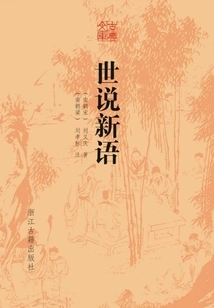
Shishuoxinyu (classical Library)
Literature世说新语(古典文库)
(southern Song Dynasty) Liu Yiqing (southern Dynasty Liang) Liu Xiaobiao
This book is a representative work of "novel about aspirants" during the Wei, Jin, Southern and Northern Dynasties in my country. It is a short story in the form of talks and anecdotes. It was compiled by Liu Yiqing of the Song Dynasty in the Southern Dynasty. It reflects the thoughts, words and deeds of the literati in the Wei and Jin Dynasties and the life of the upper class. It was called "a textbook of celebrities" by Mr. Lu Xun. The records in this book are quite rich and true, which helps readers understand the conditions of the times and the political and social environment of the scholars at that time, and also allows future generations to clearly see the style of the so-called "Wei and Jin Qing Tan".
This book is a representative work of "novel about aspirants" during the Wei, Jin, Southern and Northern Dynasties in my country. It is a short story in the form of talks and anecdotes. It was compiled by Liu Yiqing of the Song Dynasty in the Southern Dynasty. It reflects the thoughts, words and deeds of the literati in the Wei and Jin Dynasties and the life of the upper class. It was called "a textbook of celebrities" by Mr. Lu Xun. The records in this book are quite rich and true, which helps readers understand the conditions of the times and the political and social environment of the scholars at that time, and also allows future generations to clearly see the style of the so-called "Wei and Jin Qing Tan".
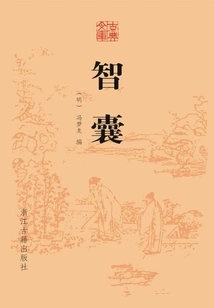
Think Tank (classical Library)
Literature智囊(古典文库)
G
This book contains a total of more than 1,200 wisdom stories from the pre-Qin Dynasty to the Ming Dynasty. The book contains not only grand strategies in politics, military affairs, and diplomacy, but also miraculous wisdom in the daily lives of soldiers, drifters, servants, monks, farmers, painters and other small figures. The classics involved in the book cover almost all official history before the Ming Dynasty and a large number of notes and unofficial histories. Therefore, this book about wisdom and strategy has important data and collation value. In addition, the general narration and sub-narration before each section in the book, the comments after each chapter, and the comments in the text are all written by Feng Menglong. They express Feng Menglong's political attitude, life values, love and hate in the most direct and concentrated manner, and are first-hand materials for studying Feng Menglong's thoughts.
This book contains a total of more than 1,200 wisdom stories from the pre-Qin Dynasty to the Ming Dynasty. The book contains not only grand strategies in politics, military affairs, and diplomacy, but also miraculous wisdom in the daily lives of soldiers, drifters, servants, monks, farmers, painters and other small figures. The classics involved in the book cover almost all official history before the Ming Dynasty and a large number of notes and unofficial histories. Therefore, this book about wisdom and strategy has important data and collation value. In addition, the general narration and sub-narration before each section in the book, the comments after each chapter, and the comments in the text are all written by Feng Menglong. They express Feng Menglong's political attitude, life values, love and hate in the most direct and concentrated manner, and are first-hand materials for studying Feng Menglong's thoughts.
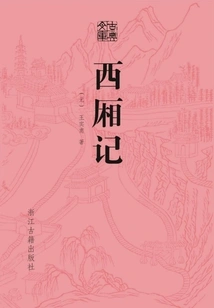
西厢记(古典文库)
P
This book is a classic opera masterpiece based on the love story of Cui Yingying and Zhang Junrui. There are five books in total with 20% off. Wang Shifu's "The Romance of the West Chamber" was re-created on the basis of absorbing nutrients from previous literary and artistic works, especially "Dong Xixiang". In terms of the theme, characters, and plot of the story, it basically follows "Dong Xixiang". However, the theme of praising the love-based union of Zhang Sheng and Cui Yingying and praising their rebellious spirit that impacted the feudal ethics and feudal marriage system is more focused and prominent. The characters are more vivid and full, the plot structure is more compact and unified, and the details are meticulously described. In particular, its lyrics are gorgeous and colorful, so it surpasses the former in terms of artistic achievements.
This book is a classic opera masterpiece based on the love story of Cui Yingying and Zhang Junrui. There are five books in total with 20% off. Wang Shifu's "The Romance of the West Chamber" was re-created on the basis of absorbing nutrients from previous literary and artistic works, especially "Dong Xixiang". In terms of the theme, characters, and plot of the story, it basically follows "Dong Xixiang". However, the theme of praising the love-based union of Zhang Sheng and Cui Yingying and praising their rebellious spirit that impacted the feudal ethics and feudal marriage system is more focused and prominent. The characters are more vivid and full, the plot structure is more compact and unified, and the details are meticulously described. In particular, its lyrics are gorgeous and colorful, so it surpasses the former in terms of artistic achievements.
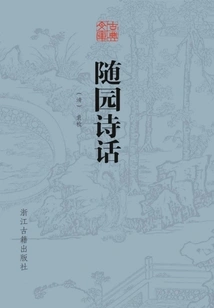
Suiyuan Poems (classical Library)
Literature随园诗话(古典文库)
G
"Suiyuan Poetry Talk" is Yuan Mei's main work on poetry, which embodies Yuan Mei's idea of emphasizing spirituality in poetry. The "spiritual nature" he advocates is that poetry should express one's feelings and speak naturally, without paying too much attention to the size of the realm and the level of style.
"Suiyuan Poetry Talk" is Yuan Mei's main work on poetry, which embodies Yuan Mei's idea of emphasizing spirituality in poetry. The "spiritual nature" he advocates is that poetry should express one's feelings and speak naturally, without paying too much attention to the size of the realm and the level of style.
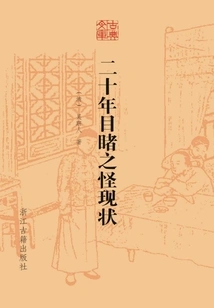
二十年目睹之怪现状(古典文库)
H
"The Strange Current Situation Witnessed in Twenty Years" is one of the four major condemnation novels of the late Qing Dynasty. The work observes the world from the eyes of a fledgling simple scholar, understands real life from his interactions with the world, and peels off the truth hidden under the disguise layer by layer. The author focuses on moral criticism and attacks the shortcomings of officialdom. His purpose is to touch people's souls and analyze the root causes of mental breakdown and its morbid status.
"The Strange Current Situation Witnessed in Twenty Years" is one of the four major condemnation novels of the late Qing Dynasty. The work observes the world from the eyes of a fledgling simple scholar, understands real life from his interactions with the world, and peels off the truth hidden under the disguise layer by layer. The author focuses on moral criticism and attacks the shortcomings of officialdom. His purpose is to touch people's souls and analyze the root causes of mental breakdown and its morbid status.
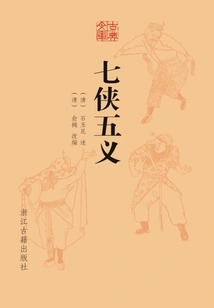
七侠五义(古典文库)
(qing Dynasty) Shi Yukunshu, Adapted By Yu Yue
Adapted from the Qing Dynasty classic "Three Heroes and Five Righteousness". Yu Yue, a modern scholar, believed that the story of "the civet cat exchanged for the prince" in the first chapter of "Three Heroes and Five Righteousnesses" was "unexpected", so he rewrote the first chapter "according to historical biographies and revising popular theories". The three heroes, namely, the Southern Hero Yumao Zhan Zhaozhan Xiong Fei, the Northern Hero Purple Beard Bo Ouyang Chun, and the Double Hero Ding Zhaolan and Ding Zhaohui were combined into one knight, which was actually the Four Heroes; the Xiaoxia Ai Hu, the Black Demon Fox Zhihua, and the Xiao Zhuge Shen Zhongyuan were added to form the Seven Heroes; the original five heroes The rats are Lu Fang, the rat that penetrates the sky, Han Zhang, the rat that penetrates the earth, Xu Qing, the rat that travels through the mountains, Jiang Ping, the rat that climbs the river, and Bai Yutang, the golden-haired rat. They are still the five righteous men. The book was renamed "Seven Heroes and Five Righteousnesses". The book has 120 chapters and was published with a preface in the 15th year of Guangxu. It is one of the many versions of the classic "Three Heroes and Five Righteousnesses".
Adapted from the Qing Dynasty classic "Three Heroes and Five Righteousness". Yu Yue, a modern scholar, believed that the story of "the civet cat exchanged for the prince" in the first chapter of "Three Heroes and Five Righteousnesses" was "unexpected", so he rewrote the first chapter "according to historical biographies and revising popular theories". The three heroes, namely, the Southern Hero Yumao Zhan Zhaozhan Xiong Fei, the Northern Hero Purple Beard Bo Ouyang Chun, and the Double Hero Ding Zhaolan and Ding Zhaohui were combined into one knight, which was actually the Four Heroes; the Xiaoxia Ai Hu, the Black Demon Fox Zhihua, and the Xiao Zhuge Shen Zhongyuan were added to form the Seven Heroes; the original five heroes The rats are Lu Fang, the rat that penetrates the sky, Han Zhang, the rat that penetrates the earth, Xu Qing, the rat that travels through the mountains, Jiang Ping, the rat that climbs the river, and Bai Yutang, the golden-haired rat. They are still the five righteous men. The book was renamed "Seven Heroes and Five Righteousnesses". The book has 120 chapters and was published with a preface in the 15th year of Guangxu. It is one of the many versions of the classic "Three Heroes and Five Righteousnesses".
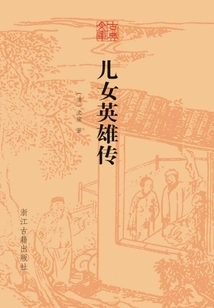
儿女英雄传(古典文库)
Wenkang
"The Legend of Heroes of Sons and Daughters" was originally called "Golden Jade Fate" and was written by Wen Kang in the Qing Dynasty. Later, people made up for the shortcomings and renamed "The Legend of Heroes of Sons and Daughters". It describes the story of the Qing Dynasty deputy general He Qi who was framed by Ji Xiantang and died in prison. His daughter He Yufeng changed her name to Thirteenth Sister and traveled around the world, determined to avenge her father. An Xuehai, the magistrate of Huaiyin County, was convicted, and his son An Ji raised a thousand taels of silver to go to the rescue. An Ji and Zhang Jinfeng, a civilian girl, were in danger at Nengren Temple. Fortunately, Yufeng rescued them in time and escaped from danger. Afterwards, Yufeng acted as a matchmaker and betrothed Zhang Jinfeng to An Ji. She donated money and borrowed bows to fight off the bandits, so that An Ji and his party arrived in Huaiyin safely. Later, Ji Xiantang was killed by the imperial court. Seeing that his revenge had been avenged, Yufeng planned to become a monk, but was dissuaded and married An Ji. Golden Phoenix and Yufeng get along as close as sisters. This is the reason why it was originally named "Golden Jade Fate".
"The Legend of Heroes of Sons and Daughters" was originally called "Golden Jade Fate" and was written by Wen Kang in the Qing Dynasty. Later, people made up for the shortcomings and renamed "The Legend of Heroes of Sons and Daughters". It describes the story of the Qing Dynasty deputy general He Qi who was framed by Ji Xiantang and died in prison. His daughter He Yufeng changed her name to Thirteenth Sister and traveled around the world, determined to avenge her father. An Xuehai, the magistrate of Huaiyin County, was convicted, and his son An Ji raised a thousand taels of silver to go to the rescue. An Ji and Zhang Jinfeng, a civilian girl, were in danger at Nengren Temple. Fortunately, Yufeng rescued them in time and escaped from danger. Afterwards, Yufeng acted as a matchmaker and betrothed Zhang Jinfeng to An Ji. She donated money and borrowed bows to fight off the bandits, so that An Ji and his party arrived in Huaiyin safely. Later, Ji Xiantang was killed by the imperial court. Seeing that his revenge had been avenged, Yufeng planned to become a monk, but was dissuaded and married An Ji. Golden Phoenix and Yufeng get along as close as sisters. This is the reason why it was originally named "Golden Jade Fate".
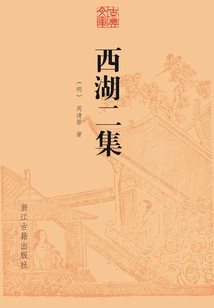
West Lake Episode 2 (classical Library)
Literature西湖二集(古典文库)
Zhou Qingyuan
This book is a collection of Huaben novels written in the late Ming Dynasty. There are thirty-four volumes in total, each volume is a story related to West Lake. Princes, generals, talents, beauties, monks, Taoists and merchants gathered together in the West Lake. They not only performed their respective lives, but also added a bit of charm to the beautiful West Lake. These thirty-four stories broadly reflect the society of the late Ming Dynasty and the living conditions of people at that time. The author even borrowed someone else's wine glass to pour his own shame into it, expressing his grief and anger at not being able to meet his talents.
This book is a collection of Huaben novels written in the late Ming Dynasty. There are thirty-four volumes in total, each volume is a story related to West Lake. Princes, generals, talents, beauties, monks, Taoists and merchants gathered together in the West Lake. They not only performed their respective lives, but also added a bit of charm to the beautiful West Lake. These thirty-four stories broadly reflect the society of the late Ming Dynasty and the living conditions of people at that time. The author even borrowed someone else's wine glass to pour his own shame into it, expressing his grief and anger at not being able to meet his talents.
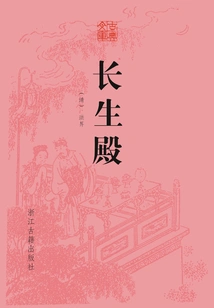
长生殿(古典文库)
Hong Sheng
This book is a classic opera masterpiece based on the love story between Tang Ming Emperor Li Longji and his concubine Yang Yuhuan. He has high achievements in art. The first is the organic unity of historical reality and artistic reality. It is described based on historical records; some details are tailored according to the needs of the theme and made artistic fiction. Secondly, the structure is rigorous, compact and dramatic. The whole play has three clues: one is the love development of Li and Yang; one is the intrigue between Yang Guozhong and An Lushan; one is the conflicts between Guo Ziyi and An Lushan, Chen Yuanli and Li Longji, Yang Yuhuan, and Yang Guozhong. The whole play focuses on the love between Li and Yang as the main line, and the other two sub-lines are interspersed with the development of the main line. In addition, because the author is proficient in musical rhythm and has received corrections from opera music expert Xu Lingzhao, the rhythm of the script is very strict.
This book is a classic opera masterpiece based on the love story between Tang Ming Emperor Li Longji and his concubine Yang Yuhuan. He has high achievements in art. The first is the organic unity of historical reality and artistic reality. It is described based on historical records; some details are tailored according to the needs of the theme and made artistic fiction. Secondly, the structure is rigorous, compact and dramatic. The whole play has three clues: one is the love development of Li and Yang; one is the intrigue between Yang Guozhong and An Lushan; one is the conflicts between Guo Ziyi and An Lushan, Chen Yuanli and Li Longji, Yang Yuhuan, and Yang Guozhong. The whole play focuses on the love between Li and Yang as the main line, and the other two sub-lines are interspersed with the development of the main line. In addition, because the author is proficient in musical rhythm and has received corrections from opera music expert Xu Lingzhao, the rhythm of the script is very strict.
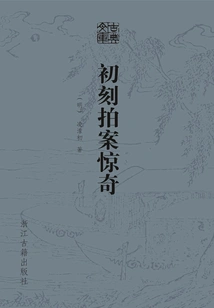
初刻拍案惊奇(古典文库)
H
This book is a collection of short vernacular novels compiled by Ling Shuchu in the late Ming Dynasty. Together with another collection of short vernacular novels he compiled, "The Surprise at the Second Moment", they are collectively referred to as "Er Pai". Later generations often refer to it together with "Three Words" ("Yu Shi Ming Yan", "Awakening Words", and "Warning Words") compiled by Feng Menglong. They are both the most famous collection of short vernacular novels in ancient my country. The forty chapters of "The Surprise at the First Moment" show a diverse and colorful society. Here, traditional scholars, dignitaries, and heroes have been relegated to a relatively secondary position, while ordinary people such as businessmen, craftsmen, prostitutes, monks, nuns, squires, subordinates, bandits, and swindlers have occupied the main stage of literature. Driven by various desires, they have performed scenes of surprising tragedies and comedies of life.
This book is a collection of short vernacular novels compiled by Ling Shuchu in the late Ming Dynasty. Together with another collection of short vernacular novels he compiled, "The Surprise at the Second Moment", they are collectively referred to as "Er Pai". Later generations often refer to it together with "Three Words" ("Yu Shi Ming Yan", "Awakening Words", and "Warning Words") compiled by Feng Menglong. They are both the most famous collection of short vernacular novels in ancient my country. The forty chapters of "The Surprise at the First Moment" show a diverse and colorful society. Here, traditional scholars, dignitaries, and heroes have been relegated to a relatively secondary position, while ordinary people such as businessmen, craftsmen, prostitutes, monks, nuns, squires, subordinates, bandits, and swindlers have occupied the main stage of literature. Driven by various desires, they have performed scenes of surprising tragedies and comedies of life.