Library
Browse and search books
255 novels found
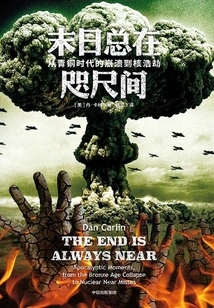
末日总在咫尺间:从青铜时代的崩溃到核浩劫
(us) Dan Carlin
The gold-medal podcast "Hardcore History" that has been downloaded over 100 million times around the world has been gathered for the first time. Since its English version was published in October 2019, it has been firmly on the New York Times bestseller list. If you only choose one book about the end of the world on your bookshelf, this is it! Will we become stronger in difficult times? Does the way we raise our children affect society as a whole? Can we wield powerful weapons without destroying ourselves? Will human abilities, knowledge, and technology continue to advance and never regress? What stories involving people happened when a civilization was collapsing? How will civilization end, how will we respond, and who might we become? This book reviews important events that have occurred in history, such as the collapse of great powers, outbreaks of plague, nuclear war crises, environmental disasters, and the end of civilization. It analyzes the possibility that such history will repeat itself in today's seemingly stable era, and explores the impact of historical drastic changes on reality and the future world. Author Dan Carlin uses counter-intuitive writing techniques to dramatically show the key changes in human history and open up a new way of telling history. He truly starts from a human perspective, making the past immediately relevant to the present, deviant yet profound, and the beauty of speculation can be seen everywhere. He uses solid historical materials and rich details to open the door to imagination and exploration for readers, and promote cognitive upgrades. Dan Carlin tells us: History does not always move forward; for many things in the past and present, the end is always close at hand.
The gold-medal podcast "Hardcore History" that has been downloaded over 100 million times around the world has been gathered for the first time. Since its English version was published in October 2019, it has been firmly on the New York Times bestseller list. If you only choose one book about the end of the world on your bookshelf, this is it! Will we become stronger in difficult times? Does the way we raise our children affect society as a whole? Can we wield powerful weapons without destroying ourselves? Will human abilities, knowledge, and technology continue to advance and never regress? What stories involving people happened when a civilization was collapsing? How will civilization end, how will we respond, and who might we become? This book reviews important events that have occurred in history, such as the collapse of great powers, outbreaks of plague, nuclear war crises, environmental disasters, and the end of civilization. It analyzes the possibility that such history will repeat itself in today's seemingly stable era, and explores the impact of historical drastic changes on reality and the future world. Author Dan Carlin uses counter-intuitive writing techniques to dramatically show the key changes in human history and open up a new way of telling history. He truly starts from a human perspective, making the past immediately relevant to the present, deviant yet profound, and the beauty of speculation can be seen everywhere. He uses solid historical materials and rich details to open the door to imagination and exploration for readers, and promote cognitive upgrades. Dan Carlin tells us: History does not always move forward; for many things in the past and present, the end is always close at hand.
中国的魏晋
Absalom
In Chinese history, the Wei and Jin Dynasties were a special era. Although it is still a part of China's history, rooted in the depths of Chinese history, and influencing subsequent eras, at that time, the unified empire was overturned, the imperial power faded, and those who really held the power were hundreds of big families. As large families were squeezed out, China entered a bureaucratic era. People of that era also had extremely flamboyant personalities, with their own world and their own worries. Unlike those rule-abiding dynasties in Chinese history, the Wei and Jin dynasties have unique characteristics, but they are also an unreliable part of Chinese history. Unlike the literati and Confucian scholars who cultivated Qi Zhiping in other dynasties, people in the Wei and Jin dynasties pursued themselves and returned to the depths of themselves. This book examines this period of history from a modern perspective, with accurate historical facts and clear presentation.
In Chinese history, the Wei and Jin Dynasties were a special era. Although it is still a part of China's history, rooted in the depths of Chinese history, and influencing subsequent eras, at that time, the unified empire was overturned, the imperial power faded, and those who really held the power were hundreds of big families. As large families were squeezed out, China entered a bureaucratic era. People of that era also had extremely flamboyant personalities, with their own world and their own worries. Unlike those rule-abiding dynasties in Chinese history, the Wei and Jin dynasties have unique characteristics, but they are also an unreliable part of Chinese history. Unlike the literati and Confucian scholars who cultivated Qi Zhiping in other dynasties, people in the Wei and Jin dynasties pursued themselves and returned to the depths of themselves. This book examines this period of history from a modern perspective, with accurate historical facts and clear presentation.
吐谷浑资料辑录(增订本)
Zhou Weizhou
This book is a multi-faceted collection, arrangement and interpretation of Tuyuhun materials contained in relevant historical records in Chinese and Tibetan. The editor compiled this book based on his best efforts to collect and organize information about Tuyuhun. The data compiled in this book basically start from the Western Jin Dynasty and end in the Northern Song Dynasty. It is mainly based on relevant materials in the Twenty-Four Histories, and also includes historical treatises, anthologies, cultural relics and archaeological data, as well as Sino-Tibetan documents and slips discovered in Dunhuang and Xinjiang. The recorded materials are divided into five volumes according to their nature, namely biographies, personal biographies, chronicles of scattered materials, ancient Tibetan manuscripts, slips and other scattered data discovered in Dunhuang and Xinjiang. This book was published by Qinghai People's Publishing House in 1992. This updated publication adds some new information and corrects some errors in the original version; the appendix also includes the author's article "Tuyuhun's Activities and Settlement in the Western Regions".
This book is a multi-faceted collection, arrangement and interpretation of Tuyuhun materials contained in relevant historical records in Chinese and Tibetan. The editor compiled this book based on his best efforts to collect and organize information about Tuyuhun. The data compiled in this book basically start from the Western Jin Dynasty and end in the Northern Song Dynasty. It is mainly based on relevant materials in the Twenty-Four Histories, and also includes historical treatises, anthologies, cultural relics and archaeological data, as well as Sino-Tibetan documents and slips discovered in Dunhuang and Xinjiang. The recorded materials are divided into five volumes according to their nature, namely biographies, personal biographies, chronicles of scattered materials, ancient Tibetan manuscripts, slips and other scattered data discovered in Dunhuang and Xinjiang. This book was published by Qinghai People's Publishing House in 1992. This updated publication adds some new information and corrects some errors in the original version; the appendix also includes the author's article "Tuyuhun's Activities and Settlement in the Western Regions".
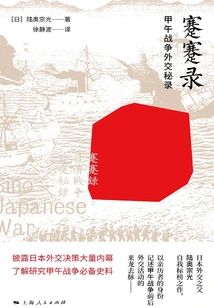
蹇蹇录:甲午战争外交密录
(japan) Mutsu Munemitsu
"Jianjianlu: Diplomatic Secrets of the Sino-Japanese War of 1894-1894" is a diplomatic memoir of Mutsu Munemitsu, a statesman and diplomat in Japan's modern history, about the Sino-Japanese War of 1894-1894. The book records the entire historical process after the Donghak Party incident in Korea, Japan's war of aggression against Korea and China, and the signing of the Treaty of Shimonoseki, as well as the attitudes of European and American countries toward the war, and the detailed process of the intervention of Russia, Germany, and France in the return of Liaoning. It includes content such as the competing interests of European and American countries around the China and North Korea issues, as well as the inside story of various decisions made by the Japanese government. It is an important reference material for studying the history of the Sino-Japanese Sino-Japanese War and the history of Sino-Japanese relations.
"Jianjianlu: Diplomatic Secrets of the Sino-Japanese War of 1894-1894" is a diplomatic memoir of Mutsu Munemitsu, a statesman and diplomat in Japan's modern history, about the Sino-Japanese War of 1894-1894. The book records the entire historical process after the Donghak Party incident in Korea, Japan's war of aggression against Korea and China, and the signing of the Treaty of Shimonoseki, as well as the attitudes of European and American countries toward the war, and the detailed process of the intervention of Russia, Germany, and France in the return of Liaoning. It includes content such as the competing interests of European and American countries around the China and North Korea issues, as well as the inside story of various decisions made by the Japanese government. It is an important reference material for studying the history of the Sino-Japanese Sino-Japanese War and the history of Sino-Japanese relations.
郑逸梅友朋书札手迹
Zheng Youhui
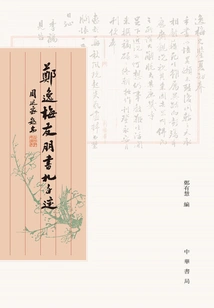
Mr. Zheng Yimei (1895-1992), a native of Wuxian County, Jiangsu Province (now Suzhou, Jiangsu Province), is a well-known writer of literary and historical anecdotes at home and abroad. He has been writing non-stop throughout his life and has a wide range of friends. This book contains more than 200 letters, poems, calligraphy and paintings by celebrities from all walks of life, such as famous modern scholars Jin Songcen, Hu Pu'an, Rong Geng, Xia Chengtao, Xie Guozhen, Gu Tinglong, Yu Pingbo, Pan Jingzheng, Mao Xiaolu, Chen Congzhou, etc., As well as the old literary leaders of the Republic of China Li Hanqiu, Bao Tianxiao, Xu Zhenya, Cheng Xiaoqing, Zhang Henshui, Fan Yan Qiao, Ping Jinya, Zhou Shojuan, etc.; Representative new literature writers Ye Shengtao, Zhao Jingshen, Sun Dayu, Shi Zhecun, Ke Ling, Duanmu Hongliang, Tang Tao, etc.; Famous calligraphers, painters and collectors such as Ma Gongyu, Zhang Boju, Wang Zuchang, Sha Menghai, Fang Jiekan, Chen Julai, Lu Yanshao, Xie Zhiliu, Xu Bangda, Yang Renkai, Fang Quji, etc. Also attached are fourteen pieces of letters, poems and notes collected by Mr. Zheng Yimei from recent Ming and Qing dynasties such as Dong Qichang, Zhao Zhiqian, Weng Tonghe, Wu Dacheng, Ye Changchi, Chen Sanli and others as an appendix. This is a history of women compiled by Zheng Youhui, the eldest granddaughter of Mr. Zheng Yimei, and experts have been invited to interpret the text. It has been published in four-color photocopies. A brief biography of the characters is also attached to facilitate readers' use and reading. 2015 Coincides with the 120th anniversary of the birth of Mr. Zheng Yimei. The publication of this book has special commemorative significance. At the same time, the publication of these letters provides valuable historical materials for the study of modern cultural history and literary history. The letters of famous writers are pleasing to the eye and have rare artistic appreciation value.
Mr. Zheng Yimei (1895-1992), a native of Wuxian County, Jiangsu Province (now Suzhou, Jiangsu Province), is a well-known writer of literary and historical anecdotes at home and abroad. He has been writing non-stop throughout his life and has a wide range of friends. This book contains more than 200 letters, poems, calligraphy and paintings by celebrities from all walks of life, such as famous modern scholars Jin Songcen, Hu Pu'an, Rong Geng, Xia Chengtao, Xie Guozhen, Gu Tinglong, Yu Pingbo, Pan Jingzheng, Mao Xiaolu, Chen Congzhou, etc., As well as the old literary leaders of the Republic of China Li Hanqiu, Bao Tianxiao, Xu Zhenya, Cheng Xiaoqing, Zhang Henshui, Fan Yan Qiao, Ping Jinya, Zhou Shojuan, etc.; Representative new literature writers Ye Shengtao, Zhao Jingshen, Sun Dayu, Shi Zhecun, Ke Ling, Duanmu Hongliang, Tang Tao, etc.; Famous calligraphers, painters and collectors such as Ma Gongyu, Zhang Boju, Wang Zuchang, Sha Menghai, Fang Jiekan, Chen Julai, Lu Yanshao, Xie Zhiliu, Xu Bangda, Yang Renkai, Fang Quji, etc. Also attached are fourteen pieces of letters, poems and notes collected by Mr. Zheng Yimei from recent Ming and Qing dynasties such as Dong Qichang, Zhao Zhiqian, Weng Tonghe, Wu Dacheng, Ye Changchi, Chen Sanli and others as an appendix. This is a history of women compiled by Zheng Youhui, the eldest granddaughter of Mr. Zheng Yimei, and experts have been invited to interpret the text. It has been published in four-color photocopies. A brief biography of the characters is also attached to facilitate readers' use and reading. 2015 Coincides with the 120th anniversary of the birth of Mr. Zheng Yimei. The publication of this book has special commemorative significance. At the same time, the publication of these letters provides valuable historical materials for the study of modern cultural history and literary history. The letters of famous writers are pleasing to the eye and have rare artistic appreciation value.
史记·本纪(国学大书院)
H
"Historical Records: Benji" mainly writes about emperors, and almost every emperor has its own chapter. Even Xiang Yu, the overlord of Western Chu, although he did not officially proclaim himself emperor, Sima Qian also gave a comprehensive outline and narration of it, which was brilliant and touching. These representative character stories or historical events, as well as the emperor's courage and strategy, reflect the historical development and evolution of China's feudal society and the trajectory of the rise and fall of dynasties.
"Historical Records: Benji" mainly writes about emperors, and almost every emperor has its own chapter. Even Xiang Yu, the overlord of Western Chu, although he did not officially proclaim himself emperor, Sima Qian also gave a comprehensive outline and narration of it, which was brilliant and touching. These representative character stories or historical events, as well as the emperor's courage and strategy, reflect the historical development and evolution of China's feudal society and the trajectory of the rise and fall of dynasties.
礼记(国学大书院)
(chinese) Dai Sheng
The "Book of Rites" was said to have more than 100 chapters at the beginning, but was later simplified to 85 chapters by Dai De, a scholar of the Han Dynasty, and the world called it the "Book of Rites". During the compilation process, we selected 28 chapters from the authoritative version that are extremely classic, practical, and of literary value and compiled them into a volume. Each article is divided into many subsections, and each subsection is divided into three parts: original text, notes and translation. The whole book has a rigorous structure, concise and concise words, and profound implications.
The "Book of Rites" was said to have more than 100 chapters at the beginning, but was later simplified to 85 chapters by Dai De, a scholar of the Han Dynasty, and the world called it the "Book of Rites". During the compilation process, we selected 28 chapters from the authoritative version that are extremely classic, practical, and of literary value and compiled them into a volume. Each article is divided into many subsections, and each subsection is divided into three parts: original text, notes and translation. The whole book has a rigorous structure, concise and concise words, and profound implications.
史记·列传(国学大书院)
H
"Historical Records: Biographies" are the life stories of representatives of various aspects besides emperors and princes, as well as biographies of ethnic minorities. The more than seventy "Biographies" have concise and concise language and strong logic, making historical figures flesh and blood and lifelike, and historical events vivid, interesting and exciting.
"Historical Records: Biographies" are the life stories of representatives of various aspects besides emperors and princes, as well as biographies of ethnic minorities. The more than seventy "Biographies" have concise and concise language and strong logic, making historical figures flesh and blood and lifelike, and historical events vivid, interesting and exciting.
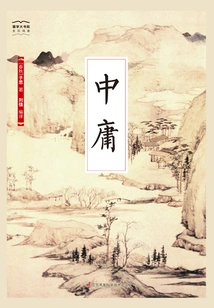
中庸(国学大书院)
(spring And Autumn) Zisi
"The Doctrine of the Mean" is one of the Confucian classics. It is a book about the philosophy of life, the highest moral standard for self-cultivation and the world, and a theoretical textbook to guide people in their life. The core of "The Doctrine of the Mean" is the Doctrine of the Mean, that is, the way of loyalty and forgiveness. Its code of conduct is: "The king is loyal and his ministers are loyal", "The father is kind and the son is filial", "The husband is righteous and the wife is obedient", "Brothers, friends and brothers are respectful", "Friends are trustworthy", so as to achieve the harmonious state of "the Golden Mean".
"The Doctrine of the Mean" is one of the Confucian classics. It is a book about the philosophy of life, the highest moral standard for self-cultivation and the world, and a theoretical textbook to guide people in their life. The core of "The Doctrine of the Mean" is the Doctrine of the Mean, that is, the way of loyalty and forgiveness. Its code of conduct is: "The king is loyal and his ministers are loyal", "The father is kind and the son is filial", "The husband is righteous and the wife is obedient", "Brothers, friends and brothers are respectful", "Friends are trustworthy", so as to achieve the harmonious state of "the Golden Mean".
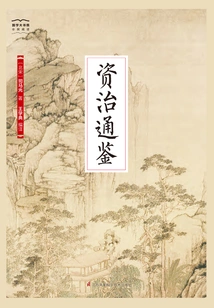
资治通鉴(国学大书院)
Sima Guang
"Zizhi Tongjian" is my country's first chronological general history, recording 1,362 years of history year by year. The book depicts the historical development from the Warring States Period to the Five Dynasties, explores the rise and fall of dozens of regimes, and vividly depicts the way the emperors, generals, and ministers governed the country and treated people, as well as their joys and sorrows of life and death in the whirlpool of history. This book is based on the original text of "Zizhi Tongjian", extracts its essence, and interprets its essence, in order to allow readers to gain something while reading history.
"Zizhi Tongjian" is my country's first chronological general history, recording 1,362 years of history year by year. The book depicts the historical development from the Warring States Period to the Five Dynasties, explores the rise and fall of dozens of regimes, and vividly depicts the way the emperors, generals, and ministers governed the country and treated people, as well as their joys and sorrows of life and death in the whirlpool of history. This book is based on the original text of "Zizhi Tongjian", extracts its essence, and interprets its essence, in order to allow readers to gain something while reading history.
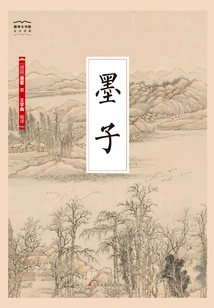
墨子(国学大书院)
Mo Zhai
"Mozi" is a classic of Mohism among the Hundreds of Warring States Periods. Mozi advocated universal love, non-aggression, advocating the wise, advocating unity, heaven's will, knowing ghosts, non-fate, non-joy, frugal burial, and frugal use. He made research and contributions to philosophy and logic. In addition, he made considerable research and contributions in military science, engineering, mechanics, geometry, and optics. Most of the scientific and technological achievements of the pre-Qin Dynasty relied on "Mozi".
"Mozi" is a classic of Mohism among the Hundreds of Warring States Periods. Mozi advocated universal love, non-aggression, advocating the wise, advocating unity, heaven's will, knowing ghosts, non-fate, non-joy, frugal burial, and frugal use. He made research and contributions to philosophy and logic. In addition, he made considerable research and contributions in military science, engineering, mechanics, geometry, and optics. Most of the scientific and technological achievements of the pre-Qin Dynasty relied on "Mozi".
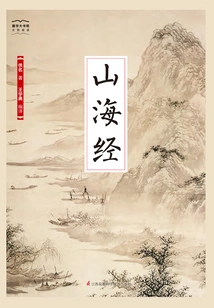
山海经(国学大书院)
Anonymous
The explanation is simple, the annotations are concise, the translation is accurate and vivid, "The Classic of Mountains and Seas" is an ancient book compiled by many people from the Warring States Period to the early Han Dynasty. The records in the book are mainly myths, and the scope is huge. In addition to preserving a large amount of mythological materials, it also touches on all aspects of the academic field, such as religion, philosophy, history, ethnicity, astronomy, geography, animals, plants, medicine and other subjects. The content is all-encompassing and can be called an encyclopedia of daily life at that time.
The explanation is simple, the annotations are concise, the translation is accurate and vivid, "The Classic of Mountains and Seas" is an ancient book compiled by many people from the Warring States Period to the early Han Dynasty. The records in the book are mainly myths, and the scope is huge. In addition to preserving a large amount of mythological materials, it also touches on all aspects of the academic field, such as religion, philosophy, history, ethnicity, astronomy, geography, animals, plants, medicine and other subjects. The content is all-encompassing and can be called an encyclopedia of daily life at that time.
吕氏春秋(国学大书院)
H
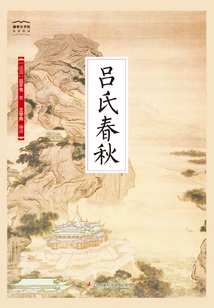
"Lu's Spring and Autumn Annals" collects the mixed and unmixed words of hundreds of schools of thought, covering the principles of heaven and earth, all things and all living beings in ancient and modern times! The content of the whole book is based on the theories of Confucianism and Taoism, integrating the theories of various schools into one. It is an excellent summary of China's political, military, philosophical, and strategic thoughts before the great unification of the Han Dynasty.
"Lu's Spring and Autumn Annals" collects the mixed and unmixed words of hundreds of schools of thought, covering the principles of heaven and earth, all things and all living beings in ancient and modern times! The content of the whole book is based on the theories of Confucianism and Taoism, integrating the theories of various schools into one. It is an excellent summary of China's political, military, philosophical, and strategic thoughts before the great unification of the Han Dynasty.
茶经(国学大书院)
P
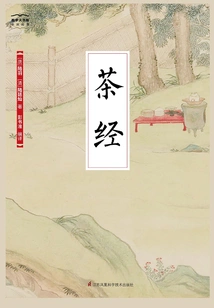
The classic inheritance of tea culture and the quality interpretation of new life "The Classic of Tea" is the world's first tea monograph. The content includes ten chapters including the origin of tea, tea-making utensils, tea picking and processing, tea-making methods, tea affairs of the past dynasties, and the origin of tea. It provides a detailed introduction to the development and evolution of my country's ancient tea industry, which is of great historical value. The "Continued Tea Classic" is also a completely independent classic work. This book collects a lot of tea information after the Tang Dynasty and conducts a textual research. The "Sikuquanshu General Catalog" calls this book "a complete supplement one by one, which is quite practical and complicated to cite." The two works are collectively called the "Tea Classic", which basically covers the Chinese people's understanding of tea and the evolution of tea ceremony before the Tang Dynasty and the Qing Dynasty. It is a good summary and summary of tea culture. It is a classic of Chinese studies worth reading!
The classic inheritance of tea culture and the quality interpretation of new life "The Classic of Tea" is the world's first tea monograph. The content includes ten chapters including the origin of tea, tea-making utensils, tea picking and processing, tea-making methods, tea affairs of the past dynasties, and the origin of tea. It provides a detailed introduction to the development and evolution of my country's ancient tea industry, which is of great historical value. The "Continued Tea Classic" is also a completely independent classic work. This book collects a lot of tea information after the Tang Dynasty and conducts a textual research. The "Sikuquanshu General Catalog" calls this book "a complete supplement one by one, which is quite practical and complicated to cite." The two works are collectively called the "Tea Classic", which basically covers the Chinese people's understanding of tea and the evolution of tea ceremony before the Tang Dynasty and the Qing Dynasty. It is a good summary and summary of tea culture. It is a classic of Chinese studies worth reading!
张宗和日记(第一卷):1930—1936
Zhang Zonghe
Zhang Zonghe, the eldest brother of the four Hefei sisters, graduated from Tsinghua University in 1935. In his early years, he participated in the Kunqu Opera Society of Tsinghua Guyin Society organized by Yu Pingbo. He is a famous opera friend and is known as the "Seven Friends of Tsinghua" together with Tao Guang, Hua Cuishen, Xu Shiying, Zhao Jingshen, etc. Before the Anti-Japanese War, I followed my fourth sister Zhang Chonghe to make music everywhere. During the Anti-Japanese War, I followed my second brother-in-law Shen Congwen around the country, and finally went to Kunming to teach. During the escape, I became very familiar with Ba Jin, Mei Yiqi, Bian Zhilin, etc. Later, I had contacts with Ye Shengtao, Xiao Shan, Zhu Ziqing, Wang Zengqi, etc. After the Anti-Japanese War, she reopened Leyi Girls' High School in Suzhou, and later taught at Guizhou University, where she trained a group of historians, Kunqu opera researchers and enthusiasts. A large number of diaries, letters, calligraphy works, handwritten music scores, etc. Were left with the four sisters and a group of cultural celebrities of the Republic of China.
Zhang Zonghe, the eldest brother of the four Hefei sisters, graduated from Tsinghua University in 1935. In his early years, he participated in the Kunqu Opera Society of Tsinghua Guyin Society organized by Yu Pingbo. He is a famous opera friend and is known as the "Seven Friends of Tsinghua" together with Tao Guang, Hua Cuishen, Xu Shiying, Zhao Jingshen, etc. Before the Anti-Japanese War, I followed my fourth sister Zhang Chonghe to make music everywhere. During the Anti-Japanese War, I followed my second brother-in-law Shen Congwen around the country, and finally went to Kunming to teach. During the escape, I became very familiar with Ba Jin, Mei Yiqi, Bian Zhilin, etc. Later, I had contacts with Ye Shengtao, Xiao Shan, Zhu Ziqing, Wang Zengqi, etc. After the Anti-Japanese War, she reopened Leyi Girls' High School in Suzhou, and later taught at Guizhou University, where she trained a group of historians, Kunqu opera researchers and enthusiasts. A large number of diaries, letters, calligraphy works, handwritten music scores, etc. Were left with the four sisters and a group of cultural celebrities of the Republic of China.
西方古代的天下观
Editor-in-chief Liu Xiaofeng
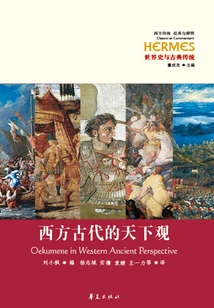
This collection of translations collects some basic documents used by Western academic circles to study the early historical stories of "world history": from the Hellenistic period, through the Roman Empire to the late Middle Ages. It is equivalent to continuing the book "From Universal History to Historicism" just published in December last year, continuing to trace the historical story of the concept of "universal history". The book is divided into two units. The first unit starts with two original texts from the Hellenistic period, followed by papers on ancient Western history books by two authoritative contemporary scholars of ancient Western history, which helps us understand the style and nature of ancient Western history writing. The following five papers focus on the following questions: What is the historical relationship between the emergence of "common history" (also called "universal history" or "world history" today) and the empire dreamed of Alexander the Great and the subsequent rise of the Roman Empire? What kind of "common history" view did the Western intellectuals and emperors at that time reflect on the "world"? From the perspective of Latin Christianity, the "world" view of ancient Greek and Roman intellectuals took on a new meaning. The second unit starts with Eusebius during the establishment of the Second Roman Empire, the Christian Empire, and ends with Joachim in the 12th century, just before the imperial power of the Holy See was about to reach its peak. According to Spengler and Voegelin, the masters of historical philosophy in the 20th century, Joachim decisively influenced the "universal history" view of modern Europeans. In recent years, Mr. Liu Xiaofeng, driven by his awareness of China's problems, has devoted himself to studying world history and the history of its formation.
This collection of translations collects some basic documents used by Western academic circles to study the early historical stories of "world history": from the Hellenistic period, through the Roman Empire to the late Middle Ages. It is equivalent to continuing the book "From Universal History to Historicism" just published in December last year, continuing to trace the historical story of the concept of "universal history". The book is divided into two units. The first unit starts with two original texts from the Hellenistic period, followed by papers on ancient Western history books by two authoritative contemporary scholars of ancient Western history, which helps us understand the style and nature of ancient Western history writing. The following five papers focus on the following questions: What is the historical relationship between the emergence of "common history" (also called "universal history" or "world history" today) and the empire dreamed of Alexander the Great and the subsequent rise of the Roman Empire? What kind of "common history" view did the Western intellectuals and emperors at that time reflect on the "world"? From the perspective of Latin Christianity, the "world" view of ancient Greek and Roman intellectuals took on a new meaning. The second unit starts with Eusebius during the establishment of the Second Roman Empire, the Christian Empire, and ends with Joachim in the 12th century, just before the imperial power of the Holy See was about to reach its peak. According to Spengler and Voegelin, the masters of historical philosophy in the 20th century, Joachim decisively influenced the "universal history" view of modern Europeans. In recent years, Mr. Liu Xiaofeng, driven by his awareness of China's problems, has devoted himself to studying world history and the history of its formation.
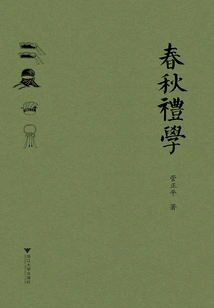
Spring and Autumn Etiquette
History春秋礼学
Guan Zhengping
In recent years, rituals have gradually become a research hotspot in the field of ancient literature. In addition to focusing on the study of the three rituals, scholars are paying more and more attention to the study of other pre-Qin and Han classics that carry the thoughts and spirit of rituals. This book is based on the documents that record the historical events of the Spring and Autumn Period. It discusses and comments on the content and influence of "rituals" at the core of traditional culture. It mainly studies the value principles and operating rules of etiquette. It is of great value for understanding the development of etiquette thoughts and understanding traditional etiquette.
In recent years, rituals have gradually become a research hotspot in the field of ancient literature. In addition to focusing on the study of the three rituals, scholars are paying more and more attention to the study of other pre-Qin and Han classics that carry the thoughts and spirit of rituals. This book is based on the documents that record the historical events of the Spring and Autumn Period. It discusses and comments on the content and influence of "rituals" at the core of traditional culture. It mainly studies the value principles and operating rules of etiquette. It is of great value for understanding the development of etiquette thoughts and understanding traditional etiquette.
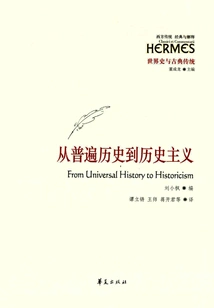
从普遍历史到历史主义
Liu Xiaofeng
In our historical theoretical circles, "universal history" is often translated as "world history", which is obviously inappropriate, but the meanings of the two do overlap. The concept of "universal history" appeared in the late Middle Ages in the West, and it can be said to express the Christian understanding of the world; the concept of "world history" first appeared in the late 17th century, but was not gradually adopted until the 19th century, against the background of the formation of territorial nation-states in Europe. The term "historicism" first appeared in Germany at the end of the 18th century. By the mid-19th century, it gradually became a striking historical and philosophical orientation. It was related to the formation of the historical philosophy of Enlightenment thought and the emergence of historiography as a formal discipline in the 19th century. Its background was still the formation of territorial nation-states in Europe. Both the concept of "universal history" and the concept of "historicism" have become important and thorny issues in philosophy and intellectual history in the 20th century. As my country's strategic position in today's world political landscape continues to rise, how to understand world history from the standpoint and perspective of Chinese civilization has increasingly become an urgent theoretical issue and attracted the attention of Chinese academic circles. We not only need to understand the history of the formation of the modern world, but also the history of the West's understanding of world history. In view of some weak links in our understanding of the history of world history, this collection is first committed to selecting important original texts that have not yet been translated into Chinese, while also focusing on relevant research documents of the 20th century.
In our historical theoretical circles, "universal history" is often translated as "world history", which is obviously inappropriate, but the meanings of the two do overlap. The concept of "universal history" appeared in the late Middle Ages in the West, and it can be said to express the Christian understanding of the world; the concept of "world history" first appeared in the late 17th century, but was not gradually adopted until the 19th century, against the background of the formation of territorial nation-states in Europe. The term "historicism" first appeared in Germany at the end of the 18th century. By the mid-19th century, it gradually became a striking historical and philosophical orientation. It was related to the formation of the historical philosophy of Enlightenment thought and the emergence of historiography as a formal discipline in the 19th century. Its background was still the formation of territorial nation-states in Europe. Both the concept of "universal history" and the concept of "historicism" have become important and thorny issues in philosophy and intellectual history in the 20th century. As my country's strategic position in today's world political landscape continues to rise, how to understand world history from the standpoint and perspective of Chinese civilization has increasingly become an urgent theoretical issue and attracted the attention of Chinese academic circles. We not only need to understand the history of the formation of the modern world, but also the history of the West's understanding of world history. In view of some weak links in our understanding of the history of world history, this collection is first committed to selecting important original texts that have not yet been translated into Chinese, while also focusing on relevant research documents of the 20th century.
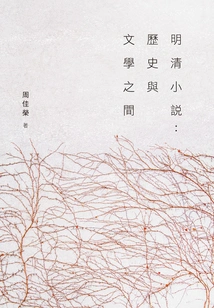
明清小说历史与文学之间
Zhou Jiarong
Chinese classical novels are mostly based on historical events from past dynasties, and then adapted with literary techniques, affecting the world and people's hearts and reflecting social changes. The book combines literature and history, and combines the charts organized by the author to analyze the relationship between historical turning points and the transformation of novel forms in the Ming and Qing Dynasties, and how to use the novel itself as a reference material for historical research. It is an indispensable introductory book for understanding the novels of the Ming and Qing Dynasties and their development history.
Chinese classical novels are mostly based on historical events from past dynasties, and then adapted with literary techniques, affecting the world and people's hearts and reflecting social changes. The book combines literature and history, and combines the charts organized by the author to analyze the relationship between historical turning points and the transformation of novel forms in the Ming and Qing Dynasties, and how to use the novel itself as a reference material for historical research. It is an indispensable introductory book for understanding the novels of the Ming and Qing Dynasties and their development history.
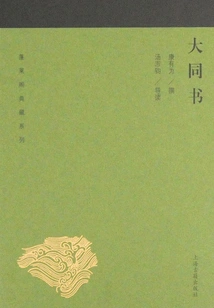
Datong Book
History大同书
Kang Youwei, Introduced By Tang Zhijun
"Book of Datong" is a famous work by Kang Youwei, a modern Chinese thinker. In the book, Kang Youwei advocated the humanitarian principle of "breaking the nine realms" and criticized the real world; he designed the paradigm of "Prospering the World" and planned social transformation plans; and then looked forward to the realm of "Great Harmony" and designed an ideal society. Mr. Tang Zhijun's "Introduction" analyzes the process of Kang's Datong Thought from its conception, development to finalization, and sorts out the process of "The Book of Datong" from its creation, additions and revisions to its publication.
"Book of Datong" is a famous work by Kang Youwei, a modern Chinese thinker. In the book, Kang Youwei advocated the humanitarian principle of "breaking the nine realms" and criticized the real world; he designed the paradigm of "Prospering the World" and planned social transformation plans; and then looked forward to the realm of "Great Harmony" and designed an ideal society. Mr. Tang Zhijun's "Introduction" analyzes the process of Kang's Datong Thought from its conception, development to finalization, and sorts out the process of "The Book of Datong" from its creation, additions and revisions to its publication.
Zizhi Tongjian
History资治通鉴
Sima Guang
This book is a multi-volume chronological history edited by Sima Guang of the Northern Song Dynasty. It mainly uses time as the outline and events as the headings. It was written from the 23rd year of King Weilie of Zhou Dynasty (403 BC) to the sixth year of Zhou Shizong's expedition to Huainan (959 AD) after the Five Dynasties, covering 1362 years of history in 16 dynasties. The editor summarizes many experiences and lessons for rulers to learn from, and uses historical gains and losses as warnings to strengthen their rule. Narrating historical events in chronological order, often using retrospective and concluding remarks to explain the causes and consequences of historical events, can easily give people a systematic and clear impression. Its content is mainly based on political and military historical facts, in order to show the history of monarchs and ministers in the past dynasties in managing chaos, successes and failures, and safety, as a reference for history. Describes the lives and struggles of people of all ethnic groups.
This book is a multi-volume chronological history edited by Sima Guang of the Northern Song Dynasty. It mainly uses time as the outline and events as the headings. It was written from the 23rd year of King Weilie of Zhou Dynasty (403 BC) to the sixth year of Zhou Shizong's expedition to Huainan (959 AD) after the Five Dynasties, covering 1362 years of history in 16 dynasties. The editor summarizes many experiences and lessons for rulers to learn from, and uses historical gains and losses as warnings to strengthen their rule. Narrating historical events in chronological order, often using retrospective and concluding remarks to explain the causes and consequences of historical events, can easily give people a systematic and clear impression. Its content is mainly based on political and military historical facts, in order to show the history of monarchs and ministers in the past dynasties in managing chaos, successes and failures, and safety, as a reference for history. Describes the lives and struggles of people of all ethnic groups.
Tokyo Dreams
History东京梦华录
(song Dynasty) Written By Meng Yuanlao Annotated By Li Xiuping
"Tokyo Menghualu" mostly records the situation of Kaifeng, the capital of the Northern Song Dynasty, from the reign of Emperor Huizong of the Song Dynasty to the reign of Emperor Xuanhe. It roughly includes the following aspects: the outer city of the capital, the inner city and river bridges, the distribution and location of the government offices inside and outside the palace, the streets and alleys in the city, shops and restaurants, court meetings, suburban festivals, Tokyo's folk customs, seasonal festivals, the food and daily life, songs and dances, operas, etc., Almost everything. Like "Along the River During the Qingming Festival" by the contemporary painter Zhang Zeduan, it depicts the daily life of the princes, nobles, and common people living in Tokyo during this historical period. It is an extremely important historical document for studying the urban social life, economy and culture of the Northern Song Dynasty.
"Tokyo Menghualu" mostly records the situation of Kaifeng, the capital of the Northern Song Dynasty, from the reign of Emperor Huizong of the Song Dynasty to the reign of Emperor Xuanhe. It roughly includes the following aspects: the outer city of the capital, the inner city and river bridges, the distribution and location of the government offices inside and outside the palace, the streets and alleys in the city, shops and restaurants, court meetings, suburban festivals, Tokyo's folk customs, seasonal festivals, the food and daily life, songs and dances, operas, etc., Almost everything. Like "Along the River During the Qingming Festival" by the contemporary painter Zhang Zeduan, it depicts the daily life of the princes, nobles, and common people living in Tokyo during this historical period. It is an extremely important historical document for studying the urban social life, economy and culture of the Northern Song Dynasty.
中国中古的族群凝聚
Wang Xiaofu
This book studies the cohesion process of neighboring ethnic groups such as Turks, Tubo, Uighurs, Khitans and Mongols in China's medieval period. It analyzes the process of the rise of these ethnic groups. The introduction of Zoroastrianism, Bonism, Manichaeism and other folk religions has become an important resource for constructing the historical memory of this ethnic group and promoted national identity and ethnic cohesion.
This book studies the cohesion process of neighboring ethnic groups such as Turks, Tubo, Uighurs, Khitans and Mongols in China's medieval period. It analyzes the process of the rise of these ethnic groups. The introduction of Zoroastrianism, Bonism, Manichaeism and other folk religions has become an important resource for constructing the historical memory of this ethnic group and promoted national identity and ethnic cohesion.
思接千载(复旦文史讲堂第四辑)
Fudan University Institute Of Literature And History Zhonghua Book Company Editorial Department
This book is the fourth volume of Fudan Literature and History Lectures, which contains the speeches of eleven well-known scholars invited by the Institute of Literature and History of Fudan University to give lectures at Fudan University from June 2008 to June 2009. These eleven scholars are Elman, Bo Wenli, Lin Liyue, Kamaya Takeshi, Tian Hao, Sang Bing, Luo Zhitian, Chen Qinghao, Xia Bojia, Ni Haoshi, and Zhang Longxi. They respectively talked about their latest research experiences from various aspects such as women, culture, customs, Chinese and foreign exchanges, etc., Presented academic vision to young students, emphasized professionalism, and demonstrated research methods.
This book is the fourth volume of Fudan Literature and History Lectures, which contains the speeches of eleven well-known scholars invited by the Institute of Literature and History of Fudan University to give lectures at Fudan University from June 2008 to June 2009. These eleven scholars are Elman, Bo Wenli, Lin Liyue, Kamaya Takeshi, Tian Hao, Sang Bing, Luo Zhitian, Chen Qinghao, Xia Bojia, Ni Haoshi, and Zhang Longxi. They respectively talked about their latest research experiences from various aspects such as women, culture, customs, Chinese and foreign exchanges, etc., Presented academic vision to young students, emphasized professionalism, and demonstrated research methods.
Shuangqingji
History双清集
Wang Nengxian Dong Xiping Cheng Sudong
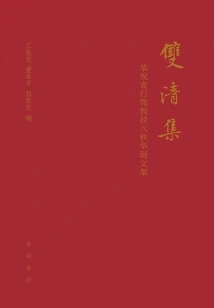
"Shuangqing Collection" is a memoir to commemorate Mr. Yuan Xingpei's 80th birthday. The author includes Mr. Yuan Xingpei's disciples, colleagues and friends. It contains more than 30 articles. "Shuangqing" is taken from the famous line in Du's poem "Two Poems on the Screen": "The white head of the staff is white, and the heart is happy and clear." "Shuangqing" is not only a beautiful image that Mr. Yuan Xingpei attaches great importance to in his poetry art research, but also places his deep expectations on his disciples and friends.
"Shuangqing Collection" is a memoir to commemorate Mr. Yuan Xingpei's 80th birthday. The author includes Mr. Yuan Xingpei's disciples, colleagues and friends. It contains more than 30 articles. "Shuangqing" is taken from the famous line in Du's poem "Two Poems on the Screen": "The white head of the staff is white, and the heart is happy and clear." "Shuangqing" is not only a beautiful image that Mr. Yuan Xingpei attaches great importance to in his poetry art research, but also places his deep expectations on his disciples and friends.
大晟乐府年谱汇考
Zhang Chunyi
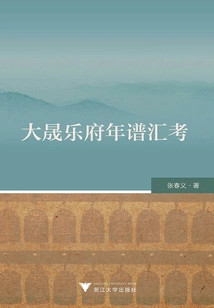
From a chronological perspective, this book displays relevant historical facts such as the organizational history of the Dasheng Yuefu, the nature of its work, the appointment and removal of officials, the production and promotion of Dasheng music, the compilation of music books, the creation of music lyrics, and the activities of poets. It also reveals important phenomena in the history of Ci poetry in the Song Dynasty and the deep musical and political background of individual cases, and explains the process and form of the development of Dasheng Yuefu and literature and the "literature-culture" relationship in the frame of reference of cultural history.
From a chronological perspective, this book displays relevant historical facts such as the organizational history of the Dasheng Yuefu, the nature of its work, the appointment and removal of officials, the production and promotion of Dasheng music, the compilation of music books, the creation of music lyrics, and the activities of poets. It also reveals important phenomena in the history of Ci poetry in the Song Dynasty and the deep musical and political background of individual cases, and explains the process and form of the development of Dasheng Yuefu and literature and the "literature-culture" relationship in the frame of reference of cultural history.
我的京张铁路 奔向口外(北京学丛书.留影系列)
Wang Wei
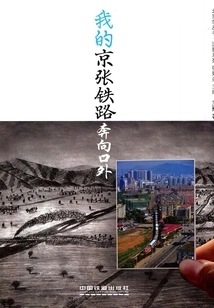
Wang Wei spent more than ten years using fieldwork, oral histories from veteran workers and residents along the line, comparison of old and new pictures from the same location, hand-painted restoration based on old materials and pictures, and a survey of cultural relics across the entire line to show the changes, historical remains, and current status of cultural relics in the Kangzhuang-Zhangjiakou section of the Beijing-Zhangjiakou Railway. Among them, the focus is on the rerouting near Huailai, Jimingshan Coal Mine Branch Line, Zhangjiakou Big Bend, etc.
Wang Wei spent more than ten years using fieldwork, oral histories from veteran workers and residents along the line, comparison of old and new pictures from the same location, hand-painted restoration based on old materials and pictures, and a survey of cultural relics across the entire line to show the changes, historical remains, and current status of cultural relics in the Kangzhuang-Zhangjiakou section of the Beijing-Zhangjiakou Railway. Among them, the focus is on the rerouting near Huailai, Jimingshan Coal Mine Branch Line, Zhangjiakou Big Bend, etc.
我的京张铁路(全三册)
Wang Wei
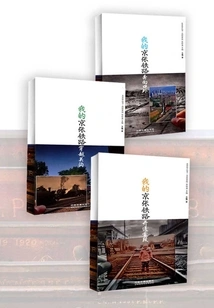
The "My Beijing-Zhangjiakou Railway" series of books is divided into three volumes. In the form of spatial lines, it comprehensively displays the historical changes, historical remains, and current status of cultural relics of the Beijing-Zhangjiakou Railway through field trips across the line, oral histories of old workers and residents along the line, comparisons of old and new pictures from the same location, and hand-painted restorations of vanished scenes. In order to make it more interesting, the author uses the pinyin of Waitoma from a hundred years ago in each chapter, condensing the detailed and profound railway history.
The "My Beijing-Zhangjiakou Railway" series of books is divided into three volumes. In the form of spatial lines, it comprehensively displays the historical changes, historical remains, and current status of cultural relics of the Beijing-Zhangjiakou Railway through field trips across the line, oral histories of old workers and residents along the line, comparisons of old and new pictures from the same location, and hand-painted restorations of vanished scenes. In order to make it more interesting, the author uses the pinyin of Waitoma from a hundred years ago in each chapter, condensing the detailed and profound railway history.
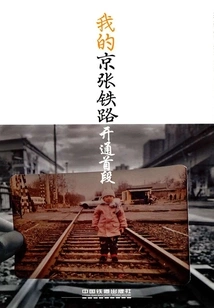
我的京张铁路 开通首段(北京学丛书.留影系列)
Wang Wei
Wang Wei spent more than ten years using fieldwork, oral histories from veteran workers and residents along the line, comparison of new and old pictures from the same location, hand-painted restoration based on old materials and pictures, and a census of cultural relics along the entire line to show the changes, historical remains, and current status of cultural relics in the Fengtai-Nankou section of the Beijing-Zhangjiakou Railway. It focuses on the long-demolished Guang'anmen-Xizhimen section and the historical changes of Xizhimen Station.
Wang Wei spent more than ten years using fieldwork, oral histories from veteran workers and residents along the line, comparison of new and old pictures from the same location, hand-painted restoration based on old materials and pictures, and a census of cultural relics along the entire line to show the changes, historical remains, and current status of cultural relics in the Fengtai-Nankou section of the Beijing-Zhangjiakou Railway. It focuses on the long-demolished Guang'anmen-Xizhimen section and the historical changes of Xizhimen Station.
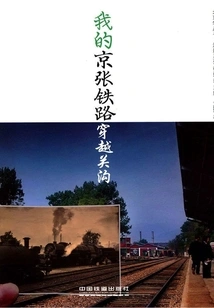
我的京张铁路 穿越关沟(北京学丛书.留影系列)
Wang Wei
Wang Wei spent more than ten years using fieldwork, oral histories from veteran workers and residents along the line, comparison of old and new pictures from the same location, hand-painted restoration based on old materials and pictures, and a census of cultural relics along the entire line to show the changes, historical remains, and current status of cultural relics in the south entrance-Kangzhuang section of the Beijing-Zhangjiakou Railway. It focuses on the oral history of the old train driver, the operation of the steam locomotive in the Guangou section, etc.
Wang Wei spent more than ten years using fieldwork, oral histories from veteran workers and residents along the line, comparison of old and new pictures from the same location, hand-painted restoration based on old materials and pictures, and a census of cultural relics along the entire line to show the changes, historical remains, and current status of cultural relics in the south entrance-Kangzhuang section of the Beijing-Zhangjiakou Railway. It focuses on the oral history of the old train driver, the operation of the steam locomotive in the Guangou section, etc.
How to Study World History
History如何学习研究世界史
Zhu Xiaoyuan
"How to Learn and Research World History" is based on the author's long-term experience in teaching and researching world history, and discusses the problems that students who are new to world history research may encounter one by one. It strengthens students' abilities in data collection, problem analysis, independent thinking and rational research, and then masters the abilities required for independent research and the basic methods for writing academic papers, laying the foundation for further becoming innovative talents in historical research. It is a must-have book for students studying world history.
"How to Learn and Research World History" is based on the author's long-term experience in teaching and researching world history, and discusses the problems that students who are new to world history research may encounter one by one. It strengthens students' abilities in data collection, problem analysis, independent thinking and rational research, and then masters the abilities required for independent research and the basic methods for writing academic papers, laying the foundation for further becoming innovative talents in historical research. It is a must-have book for students studying world history.
Historian's Meridian
History历史学家的经线
(us) Sun Longji
In this book, Mr. Sun Longji uses his own unique way to re-elaborate on topics such as the Revolution of 1911, the May 4th Movement, the Lu Xun issue, and nationalism that are the core of China's modern political and ideological history. He also sorts out and criticizes the "textual network" of historians' writing of modern history, and creatively proposes the analytical approach of "end-of-century trends of thought", which expands the horizons of the entire modern history study. The articles in the book embody two major characteristics of Mr. Sun Longji's academic writing: First, he is good at using the history and ideological trends in other parts of the world as the background and reference for discussing China's history, and highlighting the essence and characteristics of historical events and figures in comparison.
In this book, Mr. Sun Longji uses his own unique way to re-elaborate on topics such as the Revolution of 1911, the May 4th Movement, the Lu Xun issue, and nationalism that are the core of China's modern political and ideological history. He also sorts out and criticizes the "textual network" of historians' writing of modern history, and creatively proposes the analytical approach of "end-of-century trends of thought", which expands the horizons of the entire modern history study. The articles in the book embody two major characteristics of Mr. Sun Longji's academic writing: First, he is good at using the history and ideological trends in other parts of the world as the background and reference for discussing China's history, and highlighting the essence and characteristics of historical events and figures in comparison.
Meditations on World History
History世界历史沉思录
(switzerland) Burckhardt
This book is a lecture notes by the famous cultural historian Burckhardt in the 19th century. Under the concept of "world history", the author examines several aspects of historical understanding and historical research at that time. Quite representatively reflects Burckhardt's historical thoughts.
This book is a lecture notes by the famous cultural historian Burckhardt in the 19th century. Under the concept of "world history", the author examines several aspects of historical understanding and historical research at that time. Quite representatively reflects Burckhardt's historical thoughts.
阅读变迁与知识转型:晚清科举考试用书研究
Cao Nanping
This book takes the imperial examination books of the late Qing Dynasty as its research object, and attempts to reveal how the imperial examination system in modern China responded to the same "great changes unseen in three thousand years" in knowledge. During the late Qing Dynasty, the introduction and impact of Western learning prompted the imperial examination system to respond. The publication and circulation of imperial examination books were not only affected by the adjustment of the intellectual orientation of elite scholars and the reform of the imperial examination system, but also deeply involved in the practice of imperial examinations. Taking the books used for imperial examinations as the entry point for research will help deepen our understanding of the reading world and knowledge world of Chinese scholars in the late Qing Dynasty.
This book takes the imperial examination books of the late Qing Dynasty as its research object, and attempts to reveal how the imperial examination system in modern China responded to the same "great changes unseen in three thousand years" in knowledge. During the late Qing Dynasty, the introduction and impact of Western learning prompted the imperial examination system to respond. The publication and circulation of imperial examination books were not only affected by the adjustment of the intellectual orientation of elite scholars and the reform of the imperial examination system, but also deeply involved in the practice of imperial examinations. Taking the books used for imperial examinations as the entry point for research will help deepen our understanding of the reading world and knowledge world of Chinese scholars in the late Qing Dynasty.
曾国藩全集(第十卷·杂著、求阙斋读书录、求阙斋日记类钞)
Zeng Guofan
The "Qiuquezhai Reading Record" in this volume is Zeng Guofan's reading notes over the years. "Qiuque Zhai" is the name of his study. The word "Qiuque" originated from his insights from reading the "Book of Changes". He realized the natural principle of "yin and yang coexistence, one loses and the other gains", and then realized the nature of "things are born with desires, and they are eager to gain and forget Que". At that time His "fame gradually became apparent, and his family in Chongqing was at its peak". "Every time he took it as a warning, he named his library 'Qiuque Zhai'." The Book of Readings is divided into four parts: Jing, Shi, Zi, and Ji. It records his study experience, textual research, and collation, many of which contain original and penetrating insights. "Qiuquezhai Diary Notes" collects Zeng Guofan's diary from the eighth year of Xianfeng to the time of his death in February of the eleventh year of Tongzhi. It was classified and edited by Zeng Guofan's fellow countryman Wang Qiyuan. It is mainly divided into ten categories: learning, provincial discipline, governance, military strategy, ethics, literature and art, appreciation, maintenance, algae tasting, and sightseeing. It is "the outline of self-cultivation, management of people, and the Tao". The lines contain rich philosophy of life and are of high historical value.
The "Qiuquezhai Reading Record" in this volume is Zeng Guofan's reading notes over the years. "Qiuque Zhai" is the name of his study. The word "Qiuque" originated from his insights from reading the "Book of Changes". He realized the natural principle of "yin and yang coexistence, one loses and the other gains", and then realized the nature of "things are born with desires, and they are eager to gain and forget Que". At that time His "fame gradually became apparent, and his family in Chongqing was at its peak". "Every time he took it as a warning, he named his library 'Qiuque Zhai'." The Book of Readings is divided into four parts: Jing, Shi, Zi, and Ji. It records his study experience, textual research, and collation, many of which contain original and penetrating insights. "Qiuquezhai Diary Notes" collects Zeng Guofan's diary from the eighth year of Xianfeng to the time of his death in February of the eleventh year of Tongzhi. It was classified and edited by Zeng Guofan's fellow countryman Wang Qiyuan. It is mainly divided into ten categories: learning, provincial discipline, governance, military strategy, ethics, literature and art, appreciation, maintenance, algae tasting, and sightseeing. It is "the outline of self-cultivation, management of people, and the Tao". The lines contain rich philosophy of life and are of high historical value.
Chen Naiqian's Diary
History陈乃乾日记
Written By Chen Naigan And Compiled By Yu Kunlin
Chen Naiqian has a respected position in both the publishing and academic circles. He has organized the publication of a variety of important documents and has extensive contacts. Throughout his career, he has experienced and seen things that are almost unparalleled by his contemporaries. His diary begins in 1922 and ends in 1966, spanning more than 40 years. The content is rich as you can imagine. Modern people often use pen and ink to express their feelings when they are sad, often in the form of diaries, which are endless and endless. Chen Naiqian's diary is quite different from this. It is concise and concise, with no more than a few hundred words per day, but is full of value: such as the experience of visiting books, anecdotes, edition review, compilation work, personal interactions... And even the price of goods, or even the occasional prescription. Each of the pen and ink is written one by one, which is straightforward and easy for scholars to read. In view of the important historical value of Chen Naiqian's diary, it is published now for the benefit of readers. Chen Naiqian has a respected position in both the publishing and academic circles. He has organized the publication of a variety of important documents and has extensive contacts. Throughout his career, he has experienced and seen things that are almost unparalleled by his contemporaries. His diary begins in 1922 and ends in 1966, spanning more than 40 years. The content is rich as you can imagine. Modern people often use pen and ink to express their feelings when they are sad, often in the form of diaries, which are endless and endless. Chen Naiqian's diary is quite different from this. It is concise and concise, with no more than a few hundred words per day, but is full of value: such as the experience of visiting books, anecdotes, edition review, compilation work, personal interactions... And even the price of goods, or even the occasional prescription. Each of the pen and ink is written one by one, which is straightforward and easy for scholars to read. In view of the important historical value of Chen Naiqian's diary, it is published now for the benefit of readers.
Chen Naiqian has a respected position in both the publishing and academic circles. He has organized the publication of a variety of important documents and has extensive contacts. Throughout his career, he has experienced and seen things that are almost unparalleled by his contemporaries. His diary begins in 1922 and ends in 1966, spanning more than 40 years. The content is rich as you can imagine. Modern people often use pen and ink to express their feelings when they are sad, often in the form of diaries, which are endless and endless. Chen Naiqian's diary is quite different from this. It is concise and concise, with no more than a few hundred words per day, but is full of value: such as the experience of visiting books, anecdotes, edition review, compilation work, personal interactions... And even the price of goods, or even the occasional prescription. Each of the pen and ink is written one by one, which is straightforward and easy for scholars to read. In view of the important historical value of Chen Naiqian's diary, it is published now for the benefit of readers. Chen Naiqian has a respected position in both the publishing and academic circles. He has organized the publication of a variety of important documents and has extensive contacts. Throughout his career, he has experienced and seen things that are almost unparalleled by his contemporaries. His diary begins in 1922 and ends in 1966, spanning more than 40 years. The content is rich as you can imagine. Modern people often use pen and ink to express their feelings when they are sad, often in the form of diaries, which are endless and endless. Chen Naiqian's diary is quite different from this. It is concise and concise, with no more than a few hundred words per day, but is full of value: such as the experience of visiting books, anecdotes, edition review, compilation work, personal interactions... And even the price of goods, or even the occasional prescription. Each of the pen and ink is written one by one, which is straightforward and easy for scholars to read. In view of the important historical value of Chen Naiqian's diary, it is published now for the benefit of readers.
曾国藩全集(第四卷·十八家诗钞二)
Zeng Guofan
This volume of "Eighteen Poetry Notes" is the first part of an anthology of ancient poetry edited by Zeng Guofan. Select Cao Zhi, Ruan Ji, Tao Yuanming, Xie Lingyun, Bao Zhao, and Xie Tiao from the Wei, Jin, Southern and Northern Dynasties, and Wang Wei, Meng Haoran, Li Bai, Du Fu, Han Yu, Bai Juyi, Li Shangyin, and Du Mu from the Tang Dynasty. Eight schools, including Su Shi, Huang Tingjian and Lu You in the Song Dynasty, and Yuan Haowen in the Jin Dynasty, a total of eighteen schools, collected 6,599 ancient and modern poems, and made punctuation annotations on some poems.
This volume of "Eighteen Poetry Notes" is the first part of an anthology of ancient poetry edited by Zeng Guofan. Select Cao Zhi, Ruan Ji, Tao Yuanming, Xie Lingyun, Bao Zhao, and Xie Tiao from the Wei, Jin, Southern and Northern Dynasties, and Wang Wei, Meng Haoran, Li Bai, Du Fu, Han Yu, Bai Juyi, Li Shangyin, and Du Mu from the Tang Dynasty. Eight schools, including Su Shi, Huang Tingjian and Lu You in the Song Dynasty, and Yuan Haowen in the Jin Dynasty, a total of eighteen schools, collected 6,599 ancient and modern poems, and made punctuation annotations on some poems.
曾国藩全集(第三卷·十八家诗钞一)
Zeng Guofan
The "Eighteen Poems" in this volume is an anthology of ancient poems edited by Zeng Guofan. Select Cao Zhi, Ruan Ji, Tao Yuanming, Xie Lingyun, Bao Zhao, and Xie Tiao from the Wei, Jin, Southern and Northern Dynasties, and Wang Wei, Meng Haoran, Li Bai, Du Fu, Han Yu, Bai Juyi, Li Shangyin, and Du Mu from the Tang Dynasty. Eight schools, including Su Shi, Huang Tingjian and Lu You in the Song Dynasty, and Yuan Haowen in the Jin Dynasty, a total of eighteen schools, collected 6,599 ancient and modern poems, and made punctuation annotations on some poems.
The "Eighteen Poems" in this volume is an anthology of ancient poems edited by Zeng Guofan. Select Cao Zhi, Ruan Ji, Tao Yuanming, Xie Lingyun, Bao Zhao, and Xie Tiao from the Wei, Jin, Southern and Northern Dynasties, and Wang Wei, Meng Haoran, Li Bai, Du Fu, Han Yu, Bai Juyi, Li Shangyin, and Du Mu from the Tang Dynasty. Eight schools, including Su Shi, Huang Tingjian and Lu You in the Song Dynasty, and Yuan Haowen in the Jin Dynasty, a total of eighteen schools, collected 6,599 ancient and modern poems, and made punctuation annotations on some poems.
敦煌本数术文献辑校(全三册)
Edited By Guan Changlong
This book collects, compiles, collates, determines and combines all the Dunhuang Shu Shu documents that have been seen so far, and divides them into ten categories: Yin-Yang House Classics, Five-surname House Classics, Yin-Yang Five-surname House Classics, Sanyuan House Classics, Xuannv House Classics, Eight Houses Classics, Burial Scriptures, Mountains and Ground Lines, Divination and Burial Books, Appendix "Yin-Yang Book", etc. He also further studied and textual research based on the previous collation results, and made great achievements in the collection of papers, collation, naming, concatenation, and examination of the meaning of words, especially in the proofreading and correction of pictures and texts. This book can be called a masterpiece that reflects the cutting-edge level of Dunhuang studies.
This book collects, compiles, collates, determines and combines all the Dunhuang Shu Shu documents that have been seen so far, and divides them into ten categories: Yin-Yang House Classics, Five-surname House Classics, Yin-Yang Five-surname House Classics, Sanyuan House Classics, Xuannv House Classics, Eight Houses Classics, Burial Scriptures, Mountains and Ground Lines, Divination and Burial Books, Appendix "Yin-Yang Book", etc. He also further studied and textual research based on the previous collation results, and made great achievements in the collection of papers, collation, naming, concatenation, and examination of the meaning of words, especially in the proofreading and correction of pictures and texts. This book can be called a masterpiece that reflects the cutting-edge level of Dunhuang studies.
蒙学浅注
Editor's Note By Feng Shiyi
"A Brief Note on Mengxue" is divided into four parts: "Three Character Classic", "Thousand Character Essay", "Hundred Family Surnames" and "Disciple Regulations". The author was born in a literati family in the 1930s. He attended a private school and memorized scriptures. After many years of repeated revisions, he developed the four-character rhyme into a seven-character verse and a catchy style, and finally became this small book.
"A Brief Note on Mengxue" is divided into four parts: "Three Character Classic", "Thousand Character Essay", "Hundred Family Surnames" and "Disciple Regulations". The author was born in a literati family in the 1930s. He attended a private school and memorized scriptures. After many years of repeated revisions, he developed the four-character rhyme into a seven-character verse and a catchy style, and finally became this small book.
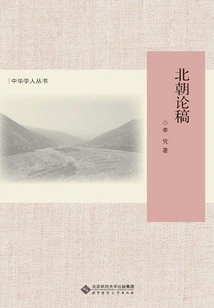
Papers on Northern Dynasties
History北朝论稿
Li Ping
The Northern Dynasties included several dynasties such as the Northern Wei, Eastern Wei, Western Wei, Northern Qi, and Northern Zhou, and ended the nearly 150 years of melee in the Central Plains since the Rebellion of the Eight Kings in our country. Later Sui and Tang dynasties inherited the Northern Dynasty, and the ancestors of their founding emperors were all nobles from the Northern Dynasty. They also inherited the Northern Dynasty in various fields such as military and political systems and made better developments and innovations. This book provides an in-depth discussion on the politics and society of the Northern Dynasties and is of great academic value.
The Northern Dynasties included several dynasties such as the Northern Wei, Eastern Wei, Western Wei, Northern Qi, and Northern Zhou, and ended the nearly 150 years of melee in the Central Plains since the Rebellion of the Eight Kings in our country. Later Sui and Tang dynasties inherited the Northern Dynasty, and the ancestors of their founding emperors were all nobles from the Northern Dynasty. They also inherited the Northern Dynasty in various fields such as military and political systems and made better developments and innovations. This book provides an in-depth discussion on the politics and society of the Northern Dynasties and is of great academic value.
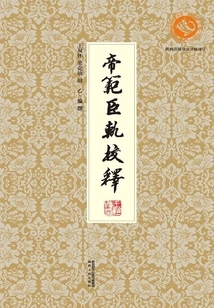
Di Fanchengui's Commentary
History帝范臣轨校释
Wang Shuanghuai Liang Kemin Tian Yi
This book is a re-proofreading, translation and interpretation of two books, Emperor Taizong's work on the way to be a king, "Emperor Fan", and Wu Zetian's work on the way to be a minister, "Chen Gui". It absorbs the latest research results from Japan and China. It is a popular and enlightening book for readers, especially party and government cadres. This topic belongs to the 2014 Shaanxi Publishing Fund project.
This book is a re-proofreading, translation and interpretation of two books, Emperor Taizong's work on the way to be a king, "Emperor Fan", and Wu Zetian's work on the way to be a minister, "Chen Gui". It absorbs the latest research results from Japan and China. It is a popular and enlightening book for readers, especially party and government cadres. This topic belongs to the 2014 Shaanxi Publishing Fund project.
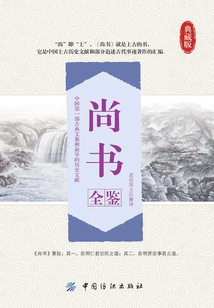
Shangshuquanjian
History尚书全鉴
Interpretation By Taoist Laymen
"Wen Xin Diao Long" is China's first systematic masterpiece of literary theory and a work of theoretical criticism. It was completed during the Southern and Northern Dynasties. "Shang Shu" is also known as "Book" and "Book of Books". It is a collection of multi-genre documents and has long been considered to be the earliest existing history book in China. However, the Tsinghua bamboo slips prove that the handed down part of "Shang Shu" (the pseudo "Old Wen Shangshu" part) is a forgery. The book is divided into "Yu Shu", "Xia Shu", "Shang Shu" and "Zhou Shu". During the Warring States period, it was generally called "Book", and in the Han Dynasty it was renamed "Shang Shu", which is the "book of ancient times". Because it is one of the Five Classics of Confucianism, it is also called the Book of Books. The content is mainly the decrees issued by the king when appointing officials or rewarding princes. The text in "Shang Shu" is very ancient and extremely difficult to read. To this end, we have carefully compiled the "Quanjian of Shangshu" and translated the full text into easy-to-understand vernacular to help readers understand the meaning of "Shangshu" and grasp the thoughts in "Shangshu".
"Wen Xin Diao Long" is China's first systematic masterpiece of literary theory and a work of theoretical criticism. It was completed during the Southern and Northern Dynasties. "Shang Shu" is also known as "Book" and "Book of Books". It is a collection of multi-genre documents and has long been considered to be the earliest existing history book in China. However, the Tsinghua bamboo slips prove that the handed down part of "Shang Shu" (the pseudo "Old Wen Shangshu" part) is a forgery. The book is divided into "Yu Shu", "Xia Shu", "Shang Shu" and "Zhou Shu". During the Warring States period, it was generally called "Book", and in the Han Dynasty it was renamed "Shang Shu", which is the "book of ancient times". Because it is one of the Five Classics of Confucianism, it is also called the Book of Books. The content is mainly the decrees issued by the king when appointing officials or rewarding princes. The text in "Shang Shu" is very ancient and extremely difficult to read. To this end, we have carefully compiled the "Quanjian of Shangshu" and translated the full text into easy-to-understand vernacular to help readers understand the meaning of "Shangshu" and grasp the thoughts in "Shangshu".
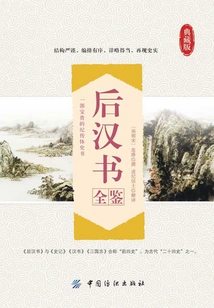
后汉书全鉴
(southern Dynasties·song Dynasty) Fan Ye
"Book of the Later Han" is a biographical history book that records the history of the Eastern Han Dynasty. It was written by Fan Ye during the Liu and Song Dynasties in the Southern Dynasty. The book is divided into 120 volumes, including 10 volumes of chronicles, 80 volumes of biographies and 30 volumes of chronicles. It records about 200 years of history from the last years of Wang Mang to Emperor Xian of the Han Dynasty. The characters in the book have distinct images, outstanding personalities, and are somewhat typical. For example, Li Ying and Fan Pang, who sacrificed their lives for righteousness, are of extremely high literary and historical value. As Zhang Taiyan said: "After "History" and "Han", the "Book of the Later Han" is the first to be recommended." Chen Yinke also said: "Weizong (named by Fan Ye) is the "Book of the Later Han". It is a grand and thoughtful book, and it is believed to be a good history." The "Quanjian of the Book of the Later Han" provides a wonderful and comprehensive interpretation of the Book of the Later Han.
"Book of the Later Han" is a biographical history book that records the history of the Eastern Han Dynasty. It was written by Fan Ye during the Liu and Song Dynasties in the Southern Dynasty. The book is divided into 120 volumes, including 10 volumes of chronicles, 80 volumes of biographies and 30 volumes of chronicles. It records about 200 years of history from the last years of Wang Mang to Emperor Xian of the Han Dynasty. The characters in the book have distinct images, outstanding personalities, and are somewhat typical. For example, Li Ying and Fan Pang, who sacrificed their lives for righteousness, are of extremely high literary and historical value. As Zhang Taiyan said: "After "History" and "Han", the "Book of the Later Han" is the first to be recommended." Chen Yinke also said: "Weizong (named by Fan Ye) is the "Book of the Later Han". It is a grand and thoughtful book, and it is believed to be a good history." The "Quanjian of the Book of the Later Han" provides a wonderful and comprehensive interpretation of the Book of the Later Han.
千年帝国史
C
Krishan Kumar, a well-known American scholar, painted a panoramic view of empires spanning a thousand years in "A History of Empires". He started with the Roman Empire and analyzed the five empires of the Ottoman Empire, the Habsburg Dynasty, the Russian Empire, the British Empire and the French Empire. These empires all believed that they shouldered the mission of universal civilization, and struggled and struggled for it. Kumar attempts to interpret the rulers and people of the empire from a new perspective, how they sought legitimacy for imperial rule, how they understood themselves, and how in the process of establishing a universal world order, the imperial rulers left a diverse political legacy that is closely related to today's world. Unlike most works that describe the development of empires, this book focuses on the relationship between rulers and people. The empire is not only a common cause pursued by the two, but also a community formed by the entangled interests of all parties. Kumar also specifically discussed the difference between empires and nation-states, mentioning that rulers will deliberately suppress their own national identity in order to protect the country's long-term destiny. However, this also brings confusion to the identity of major ethnic groups and a series of problems that this confusion ultimately causes. The difficulties that these empires once encountered, including how to deal with differences between different countries, multicultural coordination within countries, harmonious coexistence of multiple ethnic groups, and international talent flows, still exist today. It can be said that empire holds a mirror to reflect on today's pressing political issues, even the pain before the birth of a new world order. Especially for multi-ethnic China, we can use this to examine the relationship between nations and countries, international exchanges, and the mission of a great power.
Krishan Kumar, a well-known American scholar, painted a panoramic view of empires spanning a thousand years in "A History of Empires". He started with the Roman Empire and analyzed the five empires of the Ottoman Empire, the Habsburg Dynasty, the Russian Empire, the British Empire and the French Empire. These empires all believed that they shouldered the mission of universal civilization, and struggled and struggled for it. Kumar attempts to interpret the rulers and people of the empire from a new perspective, how they sought legitimacy for imperial rule, how they understood themselves, and how in the process of establishing a universal world order, the imperial rulers left a diverse political legacy that is closely related to today's world. Unlike most works that describe the development of empires, this book focuses on the relationship between rulers and people. The empire is not only a common cause pursued by the two, but also a community formed by the entangled interests of all parties. Kumar also specifically discussed the difference between empires and nation-states, mentioning that rulers will deliberately suppress their own national identity in order to protect the country's long-term destiny. However, this also brings confusion to the identity of major ethnic groups and a series of problems that this confusion ultimately causes. The difficulties that these empires once encountered, including how to deal with differences between different countries, multicultural coordination within countries, harmonious coexistence of multiple ethnic groups, and international talent flows, still exist today. It can be said that empire holds a mirror to reflect on today's pressing political issues, even the pain before the birth of a new world order. Especially for multi-ethnic China, we can use this to examine the relationship between nations and countries, international exchanges, and the mission of a great power.
朱熹训诂研究
Jia Lu
This book uses Zhu Xi's "Collected Poems", "Collected Commentary on Four Books", "Commentary on Chu Ci" and "Original Meaning of the Book of Changes" as the main research materials. It comprehensively uses the theories of exegesis, phonology, philology, lexicology, grammar, rhetoric, collation and other disciplines to deeply explore Zhu Xi's exegetical principles and methods, and summarizes Zhu Xi's exegetical achievements and shortcomings. The article not only studies the content and methods of Zhu Xi's exegesis on a synchronic plane, but also puts Zhu Xi into the background of the history of exegesis to examine the gains and losses of his exegesis. Regarding Zhu Xi's exegetical materials, we not only summarize his exegetical principles from a macro perspective, but also investigate and analyze individual cases from a micro perspective. In terms of theoretical summary, it not only pays attention to Zhu Xi's own understanding and understanding of exegesis, but also combines Zhu Xi's exegetical practice to mutually confirm these views, and comprehensively expounds Zhu Xi's exegetical thoughts.
This book uses Zhu Xi's "Collected Poems", "Collected Commentary on Four Books", "Commentary on Chu Ci" and "Original Meaning of the Book of Changes" as the main research materials. It comprehensively uses the theories of exegesis, phonology, philology, lexicology, grammar, rhetoric, collation and other disciplines to deeply explore Zhu Xi's exegetical principles and methods, and summarizes Zhu Xi's exegetical achievements and shortcomings. The article not only studies the content and methods of Zhu Xi's exegesis on a synchronic plane, but also puts Zhu Xi into the background of the history of exegesis to examine the gains and losses of his exegesis. Regarding Zhu Xi's exegetical materials, we not only summarize his exegetical principles from a macro perspective, but also investigate and analyze individual cases from a micro perspective. In terms of theoretical summary, it not only pays attention to Zhu Xi's own understanding and understanding of exegesis, but also combines Zhu Xi's exegetical practice to mutually confirm these views, and comprehensively expounds Zhu Xi's exegetical thoughts.
大历史与人类的未来(修订版)
(dutch) Fred Speer
Big history can provide a framework for us to understand all history from the Big Bang to the present. Usually, in schools, science and history are taught separately - there are special physics classes, and there are special courses about the origins of civilization - but big history breaks this boundary. It places the past of mankind in the history of life, the earth and the universe. It has become a wonderful way to explain the formation of ourselves and everything around us. Any problem in today's world can be explained in big history. It can be said that big history provides an ideological framework that connects and integrates nature and humanity, history and the present. From cosmology to geology, from biology to human history, "Big History and the Future of Humanity (Revised Edition)" connects the core concepts and paradigms of many disciplines, traces the rise and demise of all major forms of complexity, including human behavior, value systems, and the operation of the universe. It proposes an energy flow model, builds a big history framework, explains the principles of big history operation, and provides new insights into the future of mankind. In addition, this book also contains various "small histories" and explanations of scientific concepts, allowing us to realize how grand concepts are connected with daily life, and explaining a kind of big history that everyone can understand.
Big history can provide a framework for us to understand all history from the Big Bang to the present. Usually, in schools, science and history are taught separately - there are special physics classes, and there are special courses about the origins of civilization - but big history breaks this boundary. It places the past of mankind in the history of life, the earth and the universe. It has become a wonderful way to explain the formation of ourselves and everything around us. Any problem in today's world can be explained in big history. It can be said that big history provides an ideological framework that connects and integrates nature and humanity, history and the present. From cosmology to geology, from biology to human history, "Big History and the Future of Humanity (Revised Edition)" connects the core concepts and paradigms of many disciplines, traces the rise and demise of all major forms of complexity, including human behavior, value systems, and the operation of the universe. It proposes an energy flow model, builds a big history framework, explains the principles of big history operation, and provides new insights into the future of mankind. In addition, this book also contains various "small histories" and explanations of scientific concepts, allowing us to realize how grand concepts are connected with daily life, and explaining a kind of big history that everyone can understand.
侵华日军罪行图录:九十位幸存慰安妇实录(谷臻小简·AI导读版)
Li Xiaofang
A historical narrative about the comfort women system of the Japanese invaders during World War II and the blood and tears of 90 victim survivors. It records in a panoramic manner almost all surviving victims of sexual violence by the Japanese military found throughout China, as well as some survivors in South Korea and North Korea.
A historical narrative about the comfort women system of the Japanese invaders during World War II and the blood and tears of 90 victim survivors. It records in a panoramic manner almost all surviving victims of sexual violence by the Japanese military found throughout China, as well as some survivors in South Korea and North Korea.
运书日记(附《胶海逭暑日记》)
Written By Chen Xunci And Compiled By Zhou Zhenhe And Zhou Yanggu
In 1937, the Japanese invaders' war spread across China. In order to preserve Wenlan Pavilion's "Sikuquanshu" and the rare ancient books in the Zhejiang Provincial Library, Chen Xunci, then director of the Zhejiang Library, rushed between the Zhejiang Provincial Government, which had moved south to Yongkang to avoid the war, and the provincial offices that had moved to Fangyan. "Book Transport Diary" records what he did and what he encountered during the two months from January 1, 1938 to February 28, 1938, when transporting and preserving rare books in the library. It shows a generation of intellectuals' concern for the fate of their home and country and their cherishment of national culture. It is moving to read. "Jiaohai Summer Diary" is the diary of Chen Xunci who went north to Qingdao in July and August 1936 to attend the annual meeting of the Chinese Library Association and to escape the summer heat in Jiaohai. The diary records his itinerary and daily life in the month before and after his trip. It records much of his encounters and conversations with his professional teacher Liu Yizheng and other colleagues in the cultural and book circles who attended the meeting, ranging from academic gossip, current discussions in the cultural circles to current discussions in the military and political circles. It not only shows Chen Xunci's friendships, knowledge, thoughts and understandings, but also reflects a cultural man's concern for national culture and national education in the flames of war, as well as a series of his personal attitudes and views on state affairs, public service, and family affairs.
In 1937, the Japanese invaders' war spread across China. In order to preserve Wenlan Pavilion's "Sikuquanshu" and the rare ancient books in the Zhejiang Provincial Library, Chen Xunci, then director of the Zhejiang Library, rushed between the Zhejiang Provincial Government, which had moved south to Yongkang to avoid the war, and the provincial offices that had moved to Fangyan. "Book Transport Diary" records what he did and what he encountered during the two months from January 1, 1938 to February 28, 1938, when transporting and preserving rare books in the library. It shows a generation of intellectuals' concern for the fate of their home and country and their cherishment of national culture. It is moving to read. "Jiaohai Summer Diary" is the diary of Chen Xunci who went north to Qingdao in July and August 1936 to attend the annual meeting of the Chinese Library Association and to escape the summer heat in Jiaohai. The diary records his itinerary and daily life in the month before and after his trip. It records much of his encounters and conversations with his professional teacher Liu Yizheng and other colleagues in the cultural and book circles who attended the meeting, ranging from academic gossip, current discussions in the cultural circles to current discussions in the military and political circles. It not only shows Chen Xunci's friendships, knowledge, thoughts and understandings, but also reflects a cultural man's concern for national culture and national education in the flames of war, as well as a series of his personal attitudes and views on state affairs, public service, and family affairs.