Library
Browse and search books
2,823 novels found
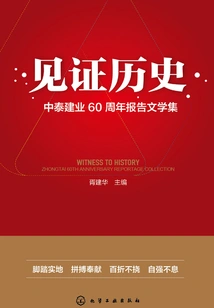
Witnessing History: Collection of Reportage on the 60th Anniversary of China-thailand Construction
Literature见证历史:中泰建业60周年报告文学集
Editor-in-chief Xu Jianhua
Divided into ten chapters, this book tells the story of Xinjiang Zhongtai Group's 60 years of ups and downs and perseverance since its establishment as a school-run factory in 1958. It eulogizes the tremendous changes brought about by reform and opening up to the enterprise, and demonstrates the outstanding results achieved in the past 20 years.
Divided into ten chapters, this book tells the story of Xinjiang Zhongtai Group's 60 years of ups and downs and perseverance since its establishment as a school-run factory in 1958. It eulogizes the tremendous changes brought about by reform and opening up to the enterprise, and demonstrates the outstanding results achieved in the past 20 years.
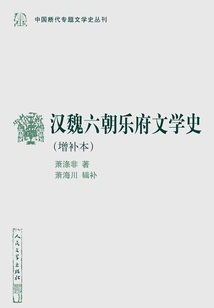
汉魏六朝乐府文学史(增补本)
Written By Xiao Difei And Edited By Xiao Haichuan
This book is one of a series of special literary histories on Chinese chronology. Chinese literary styles, schools, theories, and ideological trends throughout the ages have emerged in endlessly and brilliantly. A literary history that takes dynasty style or topic as its content is conducive to in-depth discussion and detailed description, and plays a great role in promoting academic development and subject maturity. To this end, representative works from the academic community on the rise and fall of a certain period of ancient Chinese literature and a certain style of literature since the 20th century have been specially selected, carefully edited, compiled into a series, and presented to readers in a concentrated manner. This book mainly tells the relatively independent process of emergence, evolution, maturity and decline of Yuefu literature in the Han, Wei and Six Dynasties.
This book is one of a series of special literary histories on Chinese chronology. Chinese literary styles, schools, theories, and ideological trends throughout the ages have emerged in endlessly and brilliantly. A literary history that takes dynasty style or topic as its content is conducive to in-depth discussion and detailed description, and plays a great role in promoting academic development and subject maturity. To this end, representative works from the academic community on the rise and fall of a certain period of ancient Chinese literature and a certain style of literature since the 20th century have been specially selected, carefully edited, compiled into a series, and presented to readers in a concentrated manner. This book mainly tells the relatively independent process of emergence, evolution, maturity and decline of Yuefu literature in the Han, Wei and Six Dynasties.
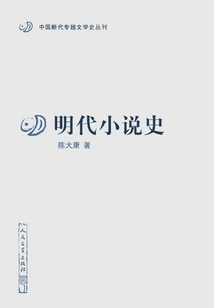
History of Ming Dynasty Novels
Literature明代小说史
Chen Dakang
This book completely describes and analyzes the development process of novel creation in the Ming Dynasty, deeply explores its characteristics and laws, and has creative research and wonderful discussions on many phenomena and issues. The book consciously attempts various research methods, such as fuzzy mathematics, catastrophe theory and even mathematical statistics, etc., And conducts a comprehensive study on the impact of the five intersecting and mutually restricting factors of author, publishing, novel theory, official cultural policy and readers on the development of novels. This makes the history of novels truly a dynamic history of novel development and creates a new paradigm for the study of novel history.
This book completely describes and analyzes the development process of novel creation in the Ming Dynasty, deeply explores its characteristics and laws, and has creative research and wonderful discussions on many phenomena and issues. The book consciously attempts various research methods, such as fuzzy mathematics, catastrophe theory and even mathematical statistics, etc., And conducts a comprehensive study on the impact of the five intersecting and mutually restricting factors of author, publishing, novel theory, official cultural policy and readers on the development of novels. This makes the history of novels truly a dynamic history of novel development and creates a new paradigm for the study of novel history.
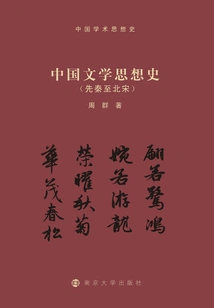
中国文学思想史(先秦至北宋)
Zhou Qun
This book takes history as a clue and divides it into the pre-Qin and Han dynasties, the Wei, Jin and Northern and Southern dynasties, and the Sui, Tang, and Five Dynasties periods. It narrates the budding of Chinese literary thought to the literary thought of the late Tang and Five Dynasties. It analyzes the characteristics and significance of literary thought in each period in detail, and sort out the clues of the inheritance and transfer of literary thought at each stage, striving to observe and clarify the true process of the emergence, development, and change of literary thought from a macro perspective.
This book takes history as a clue and divides it into the pre-Qin and Han dynasties, the Wei, Jin and Northern and Southern dynasties, and the Sui, Tang, and Five Dynasties periods. It narrates the budding of Chinese literary thought to the literary thought of the late Tang and Five Dynasties. It analyzes the characteristics and significance of literary thought in each period in detail, and sort out the clues of the inheritance and transfer of literary thought at each stage, striving to observe and clarify the true process of the emergence, development, and change of literary thought from a macro perspective.
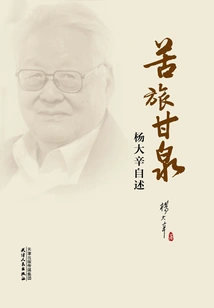
苦旅甘泉:杨大辛自述
Yang Daxin
"A Bitter Journey in Sweet Spring: Yang Daxin's Autobiography" is a memoir, which includes three parts: the first is an autobiography, the second is an oral history, and the third is a memory article. There are more than 100 long and short articles, and more than 70 photos, book shadows, and woodcuts. The whole book truly describes the author's extraordinary life journey. Although the times have changed and my career has changed several times, I have always kept writing. Over the years, I have written articles about my personal understanding and reflections on national affairs, people's livelihood, social conditions, and writing style in different historical periods.
"A Bitter Journey in Sweet Spring: Yang Daxin's Autobiography" is a memoir, which includes three parts: the first is an autobiography, the second is an oral history, and the third is a memory article. There are more than 100 long and short articles, and more than 70 photos, book shadows, and woodcuts. The whole book truly describes the author's extraordinary life journey. Although the times have changed and my career has changed several times, I have always kept writing. Over the years, I have written articles about my personal understanding and reflections on national affairs, people's livelihood, social conditions, and writing style in different historical periods.
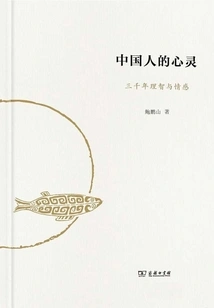
Chinese Soul
Literature中国人的心灵
Bao Pengshan
This is a very emotional literary history. Bao Pengshan believes that literature is the refuge of the human spirit. This book attempts to penetrate into the inner soul and thoughts of the Chinese nation through novel interpretations and poetic reflections on the three thousand years of Chinese literary masters and masterpieces from the Book of Songs to The Dream of Red Mansions, and to show the nation's three thousand years of reason and emotion. In the book, we see that Bao Pengshan, who has passionate feelings and sharp thoughts, uses his highly personalized words to lead readers to find those souls who take refuge in literature, to get infinitely close to the true feelings of the ancients, and to feel the great beauty, great kindness, great sadness, great pain, great joy and great sorrow of ancient literature.
This is a very emotional literary history. Bao Pengshan believes that literature is the refuge of the human spirit. This book attempts to penetrate into the inner soul and thoughts of the Chinese nation through novel interpretations and poetic reflections on the three thousand years of Chinese literary masters and masterpieces from the Book of Songs to The Dream of Red Mansions, and to show the nation's three thousand years of reason and emotion. In the book, we see that Bao Pengshan, who has passionate feelings and sharp thoughts, uses his highly personalized words to lead readers to find those souls who take refuge in literature, to get infinitely close to the true feelings of the ancients, and to feel the great beauty, great kindness, great sadness, great pain, great joy and great sorrow of ancient literature.
Seven Skills of Composition
Literature作文七巧
Wang Dingjun
Young friends are not afraid of having technology without temperament, but they are afraid of having temperament without technology. People who are interested in writing should really pay attention to technical training as soon as possible and prepare a "container" for their temperament as soon as possible.
Young friends are not afraid of having technology without temperament, but they are afraid of having temperament without technology. People who are interested in writing should really pay attention to technical training as soon as possible and prepare a "container" for their temperament as soon as possible.
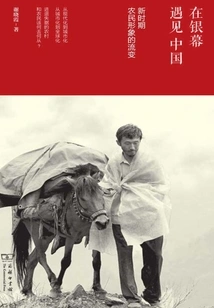
在银幕遇见中国:新时期农民形象的流变
Xie Xiaoxia
This book draws on the background of history, sociology, culture and other disciplines, uses modernity as the main theoretical tool, and cuts in from three perspectives: enlightenment, ideology, and consumerism; vertically, it systematically and comprehensively analyzes the evolution of the image of farmers in movies in the new era; horizontally, it analyzes how social, cultural and other macro factors form the microscopic image of farmers in movies through the intermediary of the creative team; it reappears the golden age of rural-themed movies in the minds of readers in a different way. For the current impetuous and high-profile commercial movies, it also strives to return creation to the people and kiss the earth.
This book draws on the background of history, sociology, culture and other disciplines, uses modernity as the main theoretical tool, and cuts in from three perspectives: enlightenment, ideology, and consumerism; vertically, it systematically and comprehensively analyzes the evolution of the image of farmers in movies in the new era; horizontally, it analyzes how social, cultural and other macro factors form the microscopic image of farmers in movies through the intermediary of the creative team; it reappears the golden age of rural-themed movies in the minds of readers in a different way. For the current impetuous and high-profile commercial movies, it also strives to return creation to the people and kiss the earth.
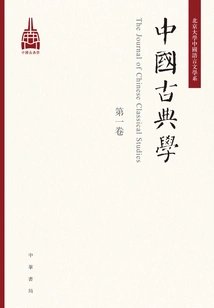
Chinese Classics (volume 1)
Literature中国古典学(第一卷)
Editor-in-chief Du Xiaoqin
"Chinese Classics" emphasizes starting from classical Chinese and taking text examination as the core. Its research content includes three aspects: First, Chinese classical philology, which carries out basic training and systematic research on the characters, phonology, exegesis, grammar, meter and other aspects of ancient Chinese humanities classics; second, Chinese classical philology, including research on editions, catalogues, collations, and forgeries of ancient Chinese humanities classics; third, Chinese classical literature research, which mainly conducts artistic analysis and ideological interpretation of classical literary classics. "Chinese Classics" focuses on the above three aspects, aiming to promote the classical humanistic spirit and promote the development of Chinese classics. This book is the first volume of "Chinese Classics", with the theme of "Concepts and Methods".
"Chinese Classics" emphasizes starting from classical Chinese and taking text examination as the core. Its research content includes three aspects: First, Chinese classical philology, which carries out basic training and systematic research on the characters, phonology, exegesis, grammar, meter and other aspects of ancient Chinese humanities classics; second, Chinese classical philology, including research on editions, catalogues, collations, and forgeries of ancient Chinese humanities classics; third, Chinese classical literature research, which mainly conducts artistic analysis and ideological interpretation of classical literary classics. "Chinese Classics" focuses on the above three aspects, aiming to promote the classical humanistic spirit and promote the development of Chinese classics. This book is the first volume of "Chinese Classics", with the theme of "Concepts and Methods".
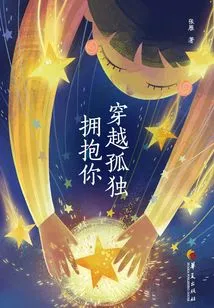
Hug You Through Loneliness
Literature穿越孤独拥抱你
Zhang Yan
More than ten years ago, "Snails Never Give Up: Life Stories of China's Autistic Community" was published and became a must-read for parents, teachers, social workers, and volunteers in the field of autism. The story of seven children and their families has touched tens of thousands of readers. More than ten years have passed, and autism has gradually entered the public eye, and the grown-up children have also brought their new stories. How do children change adults? How do children change children? How do fish change the flow of water? How does life affect life? The answer lies in "Crossing Loneliness and Embracing You".
More than ten years ago, "Snails Never Give Up: Life Stories of China's Autistic Community" was published and became a must-read for parents, teachers, social workers, and volunteers in the field of autism. The story of seven children and their families has touched tens of thousands of readers. More than ten years have passed, and autism has gradually entered the public eye, and the grown-up children have also brought their new stories. How do children change adults? How do children change children? How do fish change the flow of water? How does life affect life? The answer lies in "Crossing Loneliness and Embracing You".
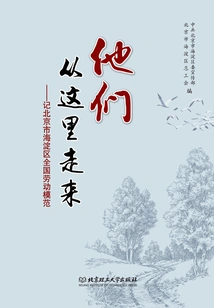
他们从这里走来:记北京市海淀区全国劳动模范
Propaganda Department Of Beijing Haidian District Committee Of The Communist Party Of China Beijing Haidian District Federation Of Trade Unions
The reportage "They Came From Here" is a collection of advanced representatives that have emerged in the Haidian District trade union system over the years. This book selects 16 national model workers from the trade union system in Haidian District, introduces their deeds in the form of reportage, promotes their contributions to society, and spreads positive energy to society.
The reportage "They Came From Here" is a collection of advanced representatives that have emerged in the Haidian District trade union system over the years. This book selects 16 national model workers from the trade union system in Haidian District, introduces their deeds in the form of reportage, promotes their contributions to society, and spreads positive energy to society.
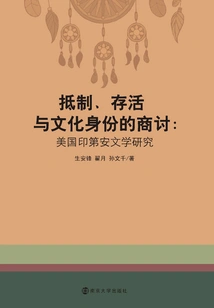
Resistance, Survival, and Negotiations of Cultural Identity: Studies in American Indian Literature
Literature抵制、存活与文化身份的商讨:美国印第安文学研究
Sheng Anfeng Zhai Yue Sun Wenqian
The final result is mainly divided into six chapters, with the core part being the middle four chapters, which are: Chapter 2: The glorious history of literature; Chapter 3: The loss and negotiation of identity; Chapter 4: The search for identity and the rise of Aboriginal literature and art; Chapter 5: Negotiation and reconstruction of Indian identity. The first chapter of the results is "Introduction", which mainly demonstrates the significance, research value and necessity of this research; introduces the development process and main achievements of Indian literature; outlines the main research content and main research methods of this topic.
The final result is mainly divided into six chapters, with the core part being the middle four chapters, which are: Chapter 2: The glorious history of literature; Chapter 3: The loss and negotiation of identity; Chapter 4: The search for identity and the rise of Aboriginal literature and art; Chapter 5: Negotiation and reconstruction of Indian identity. The first chapter of the results is "Introduction", which mainly demonstrates the significance, research value and necessity of this research; introduces the development process and main achievements of Indian literature; outlines the main research content and main research methods of this topic.
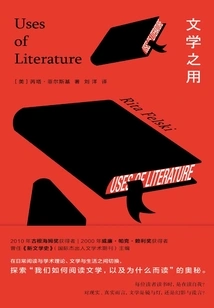
For Literary Purposes
Literature文学之用
(us) Rita Felski
People are moved by a novel, a play, and a poem. This is the source of the existence and importance of literature. And how did this happen? The author talks about the role of literature in an easy-to-understand, readable, and convincing way, and communicates the "role of literature" in the theoretical sense of literature and the "role of literature" in the daily reading experience of ordinary readers. Therefore, this book is of high value both in terms of literary theory and in terms of the practice of literary reading itself.
People are moved by a novel, a play, and a poem. This is the source of the existence and importance of literature. And how did this happen? The author talks about the role of literature in an easy-to-understand, readable, and convincing way, and communicates the "role of literature" in the theoretical sense of literature and the "role of literature" in the daily reading experience of ordinary readers. Therefore, this book is of high value both in terms of literary theory and in terms of the practice of literary reading itself.
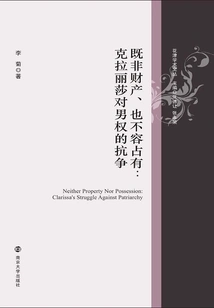
既非财产、也不容占有:克拉丽莎对男权的抗争
Li Ju
"Clarissa" is the masterpiece of the 18th-century British novelist Samuel Richardson and the longest novel in the history of British literature. At present, there is only one monograph on "Clarissa" in China, and there are only a few monographs on Richardson. This book extensively refers to the relevant research results of British and American scholars, defines the characteristics of the tragic novel "Clarissa", and reveals that the fundamental cause of the tragedy is the Harlow family's view of property and marriage. This book responds to the controversy surrounding "Clarissa" in critics, especially providing its own unique insights into the heroine's character weaknesses and the complexity of Lovelace's character.
"Clarissa" is the masterpiece of the 18th-century British novelist Samuel Richardson and the longest novel in the history of British literature. At present, there is only one monograph on "Clarissa" in China, and there are only a few monographs on Richardson. This book extensively refers to the relevant research results of British and American scholars, defines the characteristics of the tragic novel "Clarissa", and reveals that the fundamental cause of the tragedy is the Harlow family's view of property and marriage. This book responds to the controversy surrounding "Clarissa" in critics, especially providing its own unique insights into the heroine's character weaknesses and the complexity of Lovelace's character.
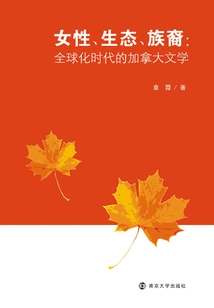
女性、生态、族裔:全球化时代的加拿大文学
Yuan Xia
Beginning in the late 1960s, Canadian literature began to receive widespread attention at home and abroad. Some female writers are active on the literary stage and have written countless touching chapters with their pens. The author focuses on the works and influence of international literary masters such as Margaret Laurence, Margaret Atwood, Alice Munro and Carol Shields.
Beginning in the late 1960s, Canadian literature began to receive widespread attention at home and abroad. Some female writers are active on the literary stage and have written countless touching chapters with their pens. The author focuses on the works and influence of international literary masters such as Margaret Laurence, Margaret Atwood, Alice Munro and Carol Shields.
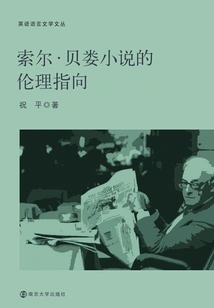
索尔·贝娄小说的伦理指向
Zhu Ping Nanjing University Press
This book summarizes the "affirmative" ethics and "pro-social" ethical orientation and social significance of American writer Saul Bellow's novels. Bellow's works reflect a "pro-social" ethical orientation. Bellow opposed extreme individualism, isolation and inaction. He allows his protagonists to transcend self-created or "ideal structures" designed by various so-called "reality mentors", accept the real reality, get out of a state of isolation and indifference, abandon irresponsible egocentric behavior, and assume responsibility for themselves, their families, life and society.
This book summarizes the "affirmative" ethics and "pro-social" ethical orientation and social significance of American writer Saul Bellow's novels. Bellow's works reflect a "pro-social" ethical orientation. Bellow opposed extreme individualism, isolation and inaction. He allows his protagonists to transcend self-created or "ideal structures" designed by various so-called "reality mentors", accept the real reality, get out of a state of isolation and indifference, abandon irresponsible egocentric behavior, and assume responsibility for themselves, their families, life and society.
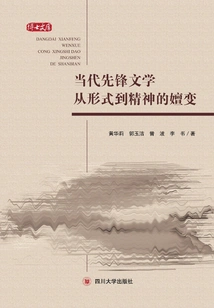
当代先锋文学从形式到精神的嬗变
Huang Huali Guo Yujie Zeng Bo Li Shu
The style of a work is a unique personality characteristic of a writer that has been accumulated in long-term creative practice. It is the artistic style presented in the work, and it is also a reflection of the writer's experience, experience and aesthetic value. Looking at contemporary avant-garde writers, they have always insisted on and practiced the avant-garde spirit. This book takes the four pioneer writers Yu Hua, Mo Yan, Can Xue, and Su Tong as representatives, and uses their works as the research object. It uses interdisciplinary theories such as comparative literature, philosophy, and psychology, focusing on language characteristics, time and space structure, and character images, and uses text reading and analysis methods to explore the creative style and causes, so as to explore the value pursuit of the evolution of novel style.
The style of a work is a unique personality characteristic of a writer that has been accumulated in long-term creative practice. It is the artistic style presented in the work, and it is also a reflection of the writer's experience, experience and aesthetic value. Looking at contemporary avant-garde writers, they have always insisted on and practiced the avant-garde spirit. This book takes the four pioneer writers Yu Hua, Mo Yan, Can Xue, and Su Tong as representatives, and uses their works as the research object. It uses interdisciplinary theories such as comparative literature, philosophy, and psychology, focusing on language characteristics, time and space structure, and character images, and uses text reading and analysis methods to explore the creative style and causes, so as to explore the value pursuit of the evolution of novel style.
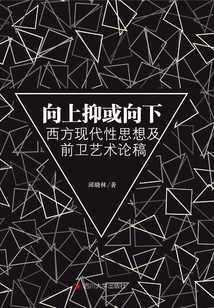
向上抑或向下:西方现代性思想及前卫艺术论稿
Qiu Xiaolin
This book is an academic monograph in the field of literature and art. Based on the two orientations of humanistic values and the theoretical literature on modernity criticism, this book cleans up and discusses the two approaches to modernity criticism, and on this basis considers the crux of the modernity crisis and possible response strategies. Certain thoughts related to avant-garde art (the shift in interpretive vision from "world connection" to "foreign sense") are also developed within this framework, thereby providing a case-by-case analysis.
This book is an academic monograph in the field of literature and art. Based on the two orientations of humanistic values and the theoretical literature on modernity criticism, this book cleans up and discusses the two approaches to modernity criticism, and on this basis considers the crux of the modernity crisis and possible response strategies. Certain thoughts related to avant-garde art (the shift in interpretive vision from "world connection" to "foreign sense") are also developed within this framework, thereby providing a case-by-case analysis.
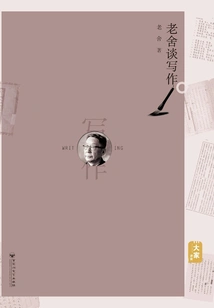
Lao She Talks About Writing
Literature老舍谈写作
Lao She
Lao She is a famous modern Chinese writer and language master. He is the author of "Camel Xiangzi", "Four Generations Under One Roof", "Tea House" and other important classic works that are suitable for both refined and popular tastes. He also left a wealth of popular reading materials on literary theory, such as "Talking about Writing with Comrade Workers", "Lao Niu Breaks the Car", "Writing and Reading", etc. "Lao She Talks about Writing" selects Lao She's discussion on writing, and explains the theme of "how to write" in simple terms from the basic principles of writing, the relationship between writing and reading, the use of language, description techniques, structural methods, etc. It is very instructive and operable for readers who are just learning to write or want to make progress in writing.
Lao She is a famous modern Chinese writer and language master. He is the author of "Camel Xiangzi", "Four Generations Under One Roof", "Tea House" and other important classic works that are suitable for both refined and popular tastes. He also left a wealth of popular reading materials on literary theory, such as "Talking about Writing with Comrade Workers", "Lao Niu Breaks the Car", "Writing and Reading", etc. "Lao She Talks about Writing" selects Lao She's discussion on writing, and explains the theme of "how to write" in simple terms from the basic principles of writing, the relationship between writing and reading, the use of language, description techniques, structural methods, etc. It is very instructive and operable for readers who are just learning to write or want to make progress in writing.
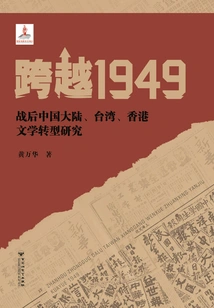
Beyond 1949: Research on the Literary Transformation of Postwar China, Taiwan, and Hong Kong
Literature跨越1949:战后中国大陆、台湾、香港文学转型研究
Huang Wanhua
This book was included in the "Thirteenth Five-Year Plan" national key publication planning project. "Post-war" refers to the period after China's victory in the Anti-Japanese War and the end of World War II. This book roughly refers to the important transformation period of Chinese society from 1945 to the 1950s and 1960s (focusing on the 1950s). Against the background of the tortuous development of East Asian modernity and the mutual reference of literature from mainland China, Taiwan, and Hong Kong, this book launches a historical investigation of postwar Chinese literature, and deeply analyzes the influencing factors, substantive content, and significance of the transformation of Chinese literature during this period.
This book was included in the "Thirteenth Five-Year Plan" national key publication planning project. "Post-war" refers to the period after China's victory in the Anti-Japanese War and the end of World War II. This book roughly refers to the important transformation period of Chinese society from 1945 to the 1950s and 1960s (focusing on the 1950s). Against the background of the tortuous development of East Asian modernity and the mutual reference of literature from mainland China, Taiwan, and Hong Kong, this book launches a historical investigation of postwar Chinese literature, and deeply analyzes the influencing factors, substantive content, and significance of the transformation of Chinese literature during this period.
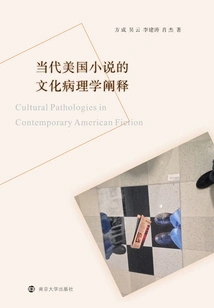
当代美国小说的文化病理学阐释
Fang Cheng Et Al.
This book draws on Nietzsche, Marx, Freud and many modern and postmodern critical theories, especially the political and social analysis of imperialism by classic Marxism, and combines the cultural analysis of capitalism and late capitalism with contemporary critical discourse. It studies social mechanisms, psychological mechanisms, cultural representations and cultural pathology treatment methods, revealing the pathological nature of American culture itself and showing the profound perspective of cultural pathology criticism.
This book draws on Nietzsche, Marx, Freud and many modern and postmodern critical theories, especially the political and social analysis of imperialism by classic Marxism, and combines the cultural analysis of capitalism and late capitalism with contemporary critical discourse. It studies social mechanisms, psychological mechanisms, cultural representations and cultural pathology treatment methods, revealing the pathological nature of American culture itself and showing the profound perspective of cultural pathology criticism.
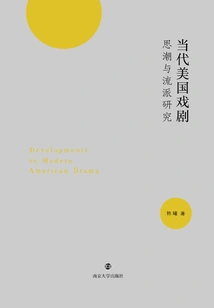
当代美国戏剧思潮与流派研究
Han Xi
This manuscript is the result of the National Social Science Foundation's general project "Research on Contemporary American Dramatic Thoughts." The manuscript provides a relatively comprehensive and systematic introduction to contemporary American drama trends and schools, including O'Neill and American realist drama trends, left-wing drama and social issue drama, American regional culture and local drama schools, Shepard and the legend of the Ministry of Information, etc.
This manuscript is the result of the National Social Science Foundation's general project "Research on Contemporary American Dramatic Thoughts." The manuscript provides a relatively comprehensive and systematic introduction to contemporary American drama trends and schools, including O'Neill and American realist drama trends, left-wing drama and social issue drama, American regional culture and local drama schools, Shepard and the legend of the Ministry of Information, etc.
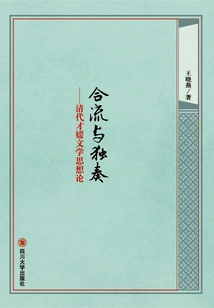
合流与独奏:清代才媛文学思想论
Wang Xiaoyan
This book focuses on the literary thought and evolution of Jiangnan Caiyuan in the Qing Dynasty, focusing on analyzing its formation, characteristics, evolution process, differences and influence. Among them, the subjects of research in the late Ming and early Qing Dynasties included boudoirs, wealthy ladies and famous prostitutes. After the Kangxi Dynasty, the focus of research was on boudoirs. This article examines the historical origins, historical opportunities, and basic cultural characteristics of the formation of female literary thought in the Qing Dynasty, and analyzes the uniqueness, multiplicity, and variability of boudoir literary thought that distinguishes it from literati. Using multi-dimensional analysis methods and focusing on typical cases, it strives to provide a more comprehensive explanation of the uniqueness of the literary thought of talented women in the Qing Dynasty.
This book focuses on the literary thought and evolution of Jiangnan Caiyuan in the Qing Dynasty, focusing on analyzing its formation, characteristics, evolution process, differences and influence. Among them, the subjects of research in the late Ming and early Qing Dynasties included boudoirs, wealthy ladies and famous prostitutes. After the Kangxi Dynasty, the focus of research was on boudoirs. This article examines the historical origins, historical opportunities, and basic cultural characteristics of the formation of female literary thought in the Qing Dynasty, and analyzes the uniqueness, multiplicity, and variability of boudoir literary thought that distinguishes it from literati. Using multi-dimensional analysis methods and focusing on typical cases, it strives to provide a more comprehensive explanation of the uniqueness of the literary thought of talented women in the Qing Dynasty.
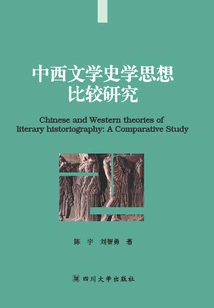
中西文学史学思想比较研究
Chen Yu Liu Zhiyong
This book uses several conceptual categories such as "the connotation of literature", "the direction of literary development", "the driving force of literary development" and "the role of literature (literary history)" in literary history as the starting point, systematically combs the relevant discussions in Chinese and Western literary theories, and uses the academic perspective of comparative research to preliminarily organize and explain the connections and characteristics between them. Whether in the fields of comparative literature or literary history, this book is highly pioneering and innovative.
This book uses several conceptual categories such as "the connotation of literature", "the direction of literary development", "the driving force of literary development" and "the role of literature (literary history)" in literary history as the starting point, systematically combs the relevant discussions in Chinese and Western literary theories, and uses the academic perspective of comparative research to preliminarily organize and explain the connections and characteristics between them. Whether in the fields of comparative literature or literary history, this book is highly pioneering and innovative.
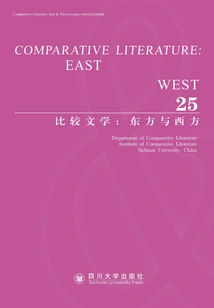
比较文学:东方与西方(25)
Cao Shunqing
This book is a collection of English academic research papers in the field of comparative literature theory. It mainly discusses Western literary phenomena and literary theoretical issues. It contains nearly 20 papers covering areas such as feminist criticism, translation theory and translation techniques, and hermeneutics. The authors of the included papers include well-known scholars at home and abroad, as well as emerging young scholars such as domestic doctoral candidates in related fields. The articles have rigorous argumentation, rich materials, broad vision, and have high academic value.
This book is a collection of English academic research papers in the field of comparative literature theory. It mainly discusses Western literary phenomena and literary theoretical issues. It contains nearly 20 papers covering areas such as feminist criticism, translation theory and translation techniques, and hermeneutics. The authors of the included papers include well-known scholars at home and abroad, as well as emerging young scholars such as domestic doctoral candidates in related fields. The articles have rigorous argumentation, rich materials, broad vision, and have high academic value.
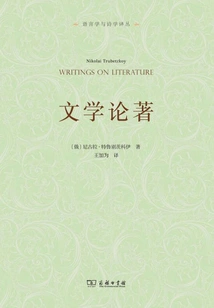
Literary Treatises
Literature文学论著
(russia) Nikolai Trubetskoy
This book is the concentrated result of Trubetzko's literary research from a linguistic perspective, including his discussion of ancient Russian literature, 19th-century Russian poetry, and 20th-century Dostoevsky novels, etc. The appendix contains not only his thoughts on ethnography and folklore, but also his correspondence with Jacobson, discussing important issues such as formalist methods, form and content in poetry, the reception of literary works, literary and cultural evolution, and poetry typology.
This book is the concentrated result of Trubetzko's literary research from a linguistic perspective, including his discussion of ancient Russian literature, 19th-century Russian poetry, and 20th-century Dostoevsky novels, etc. The appendix contains not only his thoughts on ethnography and folklore, but also his correspondence with Jacobson, discussing important issues such as formalist methods, form and content in poetry, the reception of literary works, literary and cultural evolution, and poetry typology.
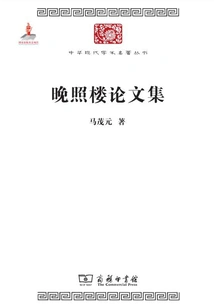
Wanzhaolou Essay Collection
Literature晚照楼论文集
Ma Maoyuan
"Wanzhaolou Essays" was first published in 1981. It is a collection of Mr. Ma Maoyuan's literary essays and is a representative work of Mr. Ma Maoyuan's classical literature research. The book brings together 18 representative papers written by Mr. Ma in his heyday, including research results in Chu Ci, Tang poetry, ancient prose and other fields. The content is quite incisive and the analysis is detailed and in-depth.
"Wanzhaolou Essays" was first published in 1981. It is a collection of Mr. Ma Maoyuan's literary essays and is a representative work of Mr. Ma Maoyuan's classical literature research. The book brings together 18 representative papers written by Mr. Ma in his heyday, including research results in Chu Ci, Tang poetry, ancient prose and other fields. The content is quite incisive and the analysis is detailed and in-depth.
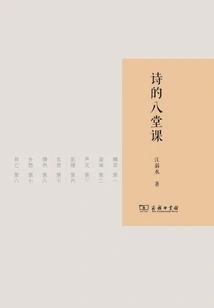
Eight Lessons in Poetry
Literature诗的八堂课
Jiang Ruoshui
What do poets write about when they write poems? How is it written? How to read it? In the form of a series of lectures, this book cites poetry and poetic theory from ancient and modern times, both at home and abroad, to launch meaningful and interesting discussions on topics such as games, taste, voice, texture, speculation, erotica, nostalgia, and death. Each lecture uses unique charming works and unique analysis to give readers both emotional and intellectual satisfaction. It can be used as an introduction to poetry, or as an advanced level in poetry.
What do poets write about when they write poems? How is it written? How to read it? In the form of a series of lectures, this book cites poetry and poetic theory from ancient and modern times, both at home and abroad, to launch meaningful and interesting discussions on topics such as games, taste, voice, texture, speculation, erotica, nostalgia, and death. Each lecture uses unique charming works and unique analysis to give readers both emotional and intellectual satisfaction. It can be used as an introduction to poetry, or as an advanced level in poetry.
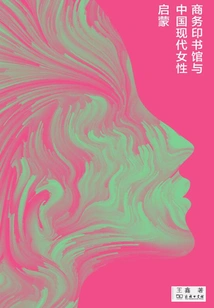
商务印书馆与中国现代女性启蒙
Wang Xin
"Women's Magazine" was an early magazine published by the Commercial Press. As an important female media throughout the seventeen-year history of the Republic of China, it clearly presented the multiple forms of women during this period and provided a historical scene of the restructuring of modern women and even gender relations. This book takes "Women's Magazine" as the object of microscopic examination, taking the distinctive characteristics of different periods as the "warp" and taking women's discourse in each period as the "weft" to reproduce the construction of female identity and the evolution of female images in the media field of the Republic of China.
"Women's Magazine" was an early magazine published by the Commercial Press. As an important female media throughout the seventeen-year history of the Republic of China, it clearly presented the multiple forms of women during this period and provided a historical scene of the restructuring of modern women and even gender relations. This book takes "Women's Magazine" as the object of microscopic examination, taking the distinctive characteristics of different periods as the "warp" and taking women's discourse in each period as the "weft" to reproduce the construction of female identity and the evolution of female images in the media field of the Republic of China.
中华诗词研究第五辑
Chinese Poetry Research Institute
"Chinese Poetry Research" is compiled by the Chinese Poetry Research Institute and the Chinese Department of Fudan University. It consists of five columns: "Frontier Express", "Poetic Construction", "Poetry History Scanning", "Poetry Education" and "Chinese and Foreign Exchanges". There are 23 articles in total, covering ancient and modern times from the two perspectives of research and creation, involving China and foreign countries. It provides an overall review of Chinese poetry, explores the inheritance and innovation of Chinese poetry, and has an obvious positive effect in guiding and promoting the healthy development of contemporary poetry creation and criticism.
"Chinese Poetry Research" is compiled by the Chinese Poetry Research Institute and the Chinese Department of Fudan University. It consists of five columns: "Frontier Express", "Poetic Construction", "Poetry History Scanning", "Poetry Education" and "Chinese and Foreign Exchanges". There are 23 articles in total, covering ancient and modern times from the two perspectives of research and creation, involving China and foreign countries. It provides an overall review of Chinese poetry, explores the inheritance and innovation of Chinese poetry, and has an obvious positive effect in guiding and promoting the healthy development of contemporary poetry creation and criticism.
Literary Principles
Literature文学原理
Wang Yuanxiang
This book is a systematic discussion of literary theory by Professor Wang Yuanxiang of Zhejiang University. It has a high influence in the academic world. It is one of his representative works and a foundational work in this field in modern times. Including introduction, the nature and characteristics of literature, the sociality and history of literature, literary creative activities, literary styles and genres, the creative personality of writers and the artistic style of works, the content and form of literary works, the types of literary genres, the reading, appreciation and criticism of literature, the social function of literature, etc.
This book is a systematic discussion of literary theory by Professor Wang Yuanxiang of Zhejiang University. It has a high influence in the academic world. It is one of his representative works and a foundational work in this field in modern times. Including introduction, the nature and characteristics of literature, the sociality and history of literature, literary creative activities, literary styles and genres, the creative personality of writers and the artistic style of works, the content and form of literary works, the types of literary genres, the reading, appreciation and criticism of literature, the social function of literature, etc.
杨家将故事考论
Chen Xiaolin
Results of the National Social Science Late-stage Funding Project. This book focuses on examining the versions and production issues of two modern novels about Yang family generals - "Zhi Zhuan of the Northern Song Dynasty" and "The Romance of Yang Family Mansion". At the same time, the connection between the stories of the Yang family, represented by the novels of the Yang family, and the stories of the Three Kingdoms, Sui and Tang Dynasties, Five Dynasties, Di Qing, Water Margin, Yue Fei, Gods and Demons, as well as the influence and spread of the stories of the Yang family in later generations. By examining these issues, we hope to understand the story of the Yang family generals. It clearly describes the evolution of the story and the actual interaction between the Yang family's story and other stories, reveals the typicality and uniqueness of the Yang family's evolution of the story and the Yang family's novel into a book, and fully illustrates the complexity of the generation-accumulating novel writing process.
Results of the National Social Science Late-stage Funding Project. This book focuses on examining the versions and production issues of two modern novels about Yang family generals - "Zhi Zhuan of the Northern Song Dynasty" and "The Romance of Yang Family Mansion". At the same time, the connection between the stories of the Yang family, represented by the novels of the Yang family, and the stories of the Three Kingdoms, Sui and Tang Dynasties, Five Dynasties, Di Qing, Water Margin, Yue Fei, Gods and Demons, as well as the influence and spread of the stories of the Yang family in later generations. By examining these issues, we hope to understand the story of the Yang family generals. It clearly describes the evolution of the story and the actual interaction between the Yang family's story and other stories, reveals the typicality and uniqueness of the Yang family's evolution of the story and the Yang family's novel into a book, and fully illustrates the complexity of the generation-accumulating novel writing process.
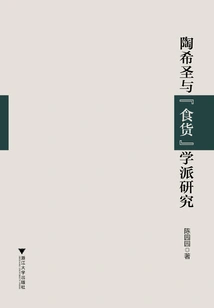
陶希圣与“食货”学派研究
Chen Yuanyuan
This book is the author's doctoral thesis. The "Shihuo" school was born in the 1930s and is a historical school whose purpose is to study the social and economic history of China. This book takes Tao Xisheng, the founder of the school, and the "Shihuo" school as the object of investigation. Based on an extensive collection of historical materials, on the one hand, it focuses on the academic relationship between Tao Xisheng and the "Shihuo" school, and examines the rise, fall, and evolution of the school; on the other hand, it places the academic research of the "Shihuo" school within the development context of the entire modern Chinese history, and examines the impact of its academic thoughts, academic achievements, and social and political factors on academic research. Finally, the historical value of the "Shihuo" school is discussed and its historical status is commented.
This book is the author's doctoral thesis. The "Shihuo" school was born in the 1930s and is a historical school whose purpose is to study the social and economic history of China. This book takes Tao Xisheng, the founder of the school, and the "Shihuo" school as the object of investigation. Based on an extensive collection of historical materials, on the one hand, it focuses on the academic relationship between Tao Xisheng and the "Shihuo" school, and examines the rise, fall, and evolution of the school; on the other hand, it places the academic research of the "Shihuo" school within the development context of the entire modern Chinese history, and examines the impact of its academic thoughts, academic achievements, and social and political factors on academic research. Finally, the historical value of the "Shihuo" school is discussed and its historical status is commented.
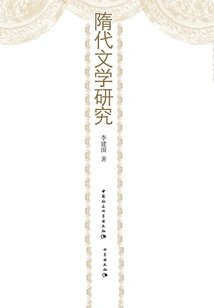
Research on Sui Dynasty Literature
Literature隋代文学研究
Li Jianguo
"Research on Sui Dynasty Literature" is based on the three major regions of Shandong, Guanlong, and Jiangzuo, and conducts a comprehensive study of the literature of the Sui Dynasty. It focuses on the new literary environment created by the unified empire, the political ecology of Sui Dynasty literature, and the temporal and spatial patterns and gains and losses of literature in the Wen and Yang dynasties. It also reviews in detail the Shandong and Guanlong lines in the origins of Sui Dynasty literature. The book analyzes the literary creations of representative writers and groups in each region; uses classic critical documents as examples to explore the similarities and differences in literary concepts in the three regions; and reveals through statistics the degree of rhythmicization of poetry in the Sui Dynasty and the imbalance between regions.
"Research on Sui Dynasty Literature" is based on the three major regions of Shandong, Guanlong, and Jiangzuo, and conducts a comprehensive study of the literature of the Sui Dynasty. It focuses on the new literary environment created by the unified empire, the political ecology of Sui Dynasty literature, and the temporal and spatial patterns and gains and losses of literature in the Wen and Yang dynasties. It also reviews in detail the Shandong and Guanlong lines in the origins of Sui Dynasty literature. The book analyzes the literary creations of representative writers and groups in each region; uses classic critical documents as examples to explore the similarities and differences in literary concepts in the three regions; and reveals through statistics the degree of rhythmicization of poetry in the Sui Dynasty and the imbalance between regions.
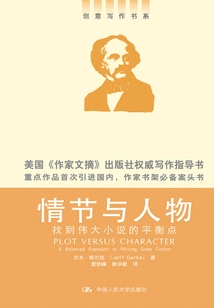
情节与人物:找到伟大小说的平衡点
(us) Jeff Gehrke
What's more important to a story: an engaging plot or distinct characters? Literary-oriented novelists emphasize character-based writing, while commercial-oriented novelists emphasize plot-based writing. In fact, the best novels are strong on both counts. "Plot and Character" is a desk guide to help you perfectly combine these key elements when creating. Through this book, you will learn to: Create layered characters with individual characteristics, natural characteristics, and identity backgrounds; Develop the characters' emotional experiences and connect them with passionate events; Uncover the stories behind the characters to speed up the plot; Seamlessly connect the plot and the characters to create a work that attracts readers to keep turning the pages.
What's more important to a story: an engaging plot or distinct characters? Literary-oriented novelists emphasize character-based writing, while commercial-oriented novelists emphasize plot-based writing. In fact, the best novels are strong on both counts. "Plot and Character" is a desk guide to help you perfectly combine these key elements when creating. Through this book, you will learn to: Create layered characters with individual characteristics, natural characteristics, and identity backgrounds; Develop the characters' emotional experiences and connect them with passionate events; Uncover the stories behind the characters to speed up the plot; Seamlessly connect the plot and the characters to create a work that attracts readers to keep turning the pages.
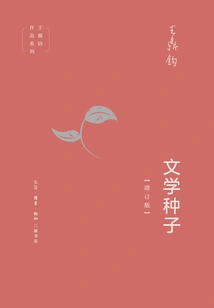
Literary Seeds (enhanced Edition)
Literature文学种子(增订版)
Wang Dingjun
In those years, I often missed my middle school life and wanted to write something for young people in middle school. When I wrote, I felt that I was with them. I wrote five books one after another to discuss composition with them, and how to go beyond composition into literary writing. These five books became a series in the eyes of publishers. Now, I re-examine this set of books. I have corrected what should be corrected and added what should be supplemented. I have launched a new version and written a new preface for the new version.
In those years, I often missed my middle school life and wanted to write something for young people in middle school. When I wrote, I felt that I was with them. I wrote five books one after another to discuss composition with them, and how to go beyond composition into literary writing. These five books became a series in the eyes of publishers. Now, I re-examine this set of books. I have corrected what should be corrected and added what should be supplemented. I have launched a new version and written a new preface for the new version.
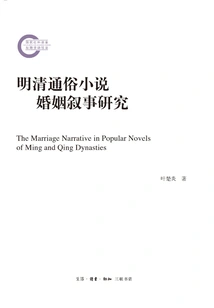
明清通俗小说婚姻叙事研究
Ye Chuyan
Marriage occupies an important position in ancient Chinese novels and has greatly influenced novel creation, but there is still no systematic research on it. This book takes marriage narratives in popular novels as the research object and explores the impact of ancient marriage on novel texts. The topic selection has important academic value and fills this research gap. The author has a clear understanding and grasp of his research object and research goals. He divides the marriage in the novel into three levels, and focuses on the third level of marriage in the novel. That is, based on the actual situation of the integration of marriage and the narrative of the novel, he carefully analyzes the role of these marriages in plot, characters, structure, situation, author, audience, style, intention, etc.
Marriage occupies an important position in ancient Chinese novels and has greatly influenced novel creation, but there is still no systematic research on it. This book takes marriage narratives in popular novels as the research object and explores the impact of ancient marriage on novel texts. The topic selection has important academic value and fills this research gap. The author has a clear understanding and grasp of his research object and research goals. He divides the marriage in the novel into three levels, and focuses on the third level of marriage in the novel. That is, based on the actual situation of the integration of marriage and the narrative of the novel, he carefully analyzes the role of these marriages in plot, characters, structure, situation, author, audience, style, intention, etc.
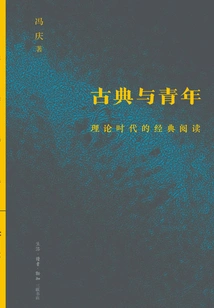
古典与青年:理论时代的经典阅读
Feng Qing
The temperament of young people needs to be controlled and harmonized by classical thoughts and works, and the classical ideals need to be practiced and passed on by young people who strengthen their bodies. Based on the cultural life experience of an academic youth born in the 1980s, the author uses a classical perspective to pick out the flashes of thought from contemporary Chinese and Western literature, film and television, aesthetics and culture, showing the ruptures and conflicts between ancient and modern times and the rich interweaving of meanings. "Returning to classics" is precisely to "face the future", to present history while injecting vitality into current life, and to allow the soul to endlessly explore "friendship" between ancient and modern times. Recommended by teacher Liu Xiaofeng. An integration of a series of observations and writing practices by Feng Qing, a young scholar born in the 1980s. Most of these articles try to break away from systematic academic writing and use different styles and styles to show the conflicts and rich meanings between ancient and modern times from different levels. The book is divided into three series: "The Changes of Reading Culture in Ancient and Modern Times", "Lyric Life and Spiritual Return" and "Old Wisdom, New Knowledge", covering interesting topics such as Liu Cixin, Nie Yinniang, and Borges.
The temperament of young people needs to be controlled and harmonized by classical thoughts and works, and the classical ideals need to be practiced and passed on by young people who strengthen their bodies. Based on the cultural life experience of an academic youth born in the 1980s, the author uses a classical perspective to pick out the flashes of thought from contemporary Chinese and Western literature, film and television, aesthetics and culture, showing the ruptures and conflicts between ancient and modern times and the rich interweaving of meanings. "Returning to classics" is precisely to "face the future", to present history while injecting vitality into current life, and to allow the soul to endlessly explore "friendship" between ancient and modern times. Recommended by teacher Liu Xiaofeng. An integration of a series of observations and writing practices by Feng Qing, a young scholar born in the 1980s. Most of these articles try to break away from systematic academic writing and use different styles and styles to show the conflicts and rich meanings between ancient and modern times from different levels. The book is divided into three series: "The Changes of Reading Culture in Ancient and Modern Times", "Lyric Life and Spiritual Return" and "Old Wisdom, New Knowledge", covering interesting topics such as Liu Cixin, Nie Yinniang, and Borges.
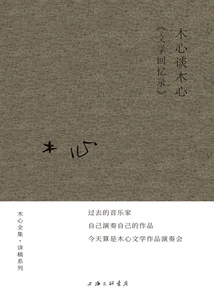
Literary Memoirs: 1989-1994
Literature文学回忆录:1989-1994
Narrated By Mu Xin And Recorded By Chen Danqing
Literature is lovely. Life is fun. Art requires sacrifice. In the late 1980s, when Mu Xin was living in New York, and since he resumed writing and continued to publish books, his mainland Chinese and Taiwanese colleagues in New York were looking for a living in foreign countries, which actually led to Mu Xin's lecture on "History of World Literature". This was a "literary expedition" that lasted five years. From the beginning of the class on January 15, 1989, to the last class on January 9, 1994, each lecturer took turns providing his own living room. There were painters, dancers, historians, sculptors, etc. Present. Today, student Chen Danqing has compiled five volumes of lecture notes from those five years, totaling 85 lectures and more than 400,000 words. When he compiled this big book, he no longer regarded it as just a "lecture on the history of world literature." Just as Mu Xin originally envisioned, this is his own "literary memoir" and an "absurd novel" that "overcomes this era in his own body." This is also Mu Xin's gift to the world, the gospel of literature.
Literature is lovely. Life is fun. Art requires sacrifice. In the late 1980s, when Mu Xin was living in New York, and since he resumed writing and continued to publish books, his mainland Chinese and Taiwanese colleagues in New York were looking for a living in foreign countries, which actually led to Mu Xin's lecture on "History of World Literature". This was a "literary expedition" that lasted five years. From the beginning of the class on January 15, 1989, to the last class on January 9, 1994, each lecturer took turns providing his own living room. There were painters, dancers, historians, sculptors, etc. Present. Today, student Chen Danqing has compiled five volumes of lecture notes from those five years, totaling 85 lectures and more than 400,000 words. When he compiled this big book, he no longer regarded it as just a "lecture on the history of world literature." Just as Mu Xin originally envisioned, this is his own "literary memoir" and an "absurd novel" that "overcomes this era in his own body." This is also Mu Xin's gift to the world, the gospel of literature.
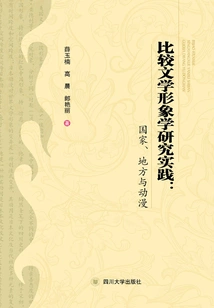
比较文学形象学研究实践:国家、地方与动漫
Xue Yunan Gao Chen Lang Yanli
This book uses the theory of comparative literature to explore the image of China in American literature, the image of Sichuan history written by missionary Tao Ranshi, and the variation of the image of world literature in Japanese animation. The shaping of the image of China in American literature, using Pearl Buck, the Three Ss (Edgar Snow, Agnes Smedley, Anna Louise Strong), Herbert O. Yeardley and others as research objects, analyzes the completely different image of China written by American writers living in China during the same period (1927-1945): the friendly attitude of Tian The image of Garden China, the image of red China with a fanatical attitude, and the image of the "other" China with a "hateful" attitude; Tao Ranshi's historical image of Sichuan began in the Wei and Jin Dynasties and ended in the early Sui Dynasty, with a span of time and space; the variation of Japanese animation to the image of world literature is a creative variation, and its motivation is the composite effect of various elements of Japanese culture and contemporary society.
This book uses the theory of comparative literature to explore the image of China in American literature, the image of Sichuan history written by missionary Tao Ranshi, and the variation of the image of world literature in Japanese animation. The shaping of the image of China in American literature, using Pearl Buck, the Three Ss (Edgar Snow, Agnes Smedley, Anna Louise Strong), Herbert O. Yeardley and others as research objects, analyzes the completely different image of China written by American writers living in China during the same period (1927-1945): the friendly attitude of Tian The image of Garden China, the image of red China with a fanatical attitude, and the image of the "other" China with a "hateful" attitude; Tao Ranshi's historical image of Sichuan began in the Wei and Jin Dynasties and ended in the early Sui Dynasty, with a span of time and space; the variation of Japanese animation to the image of world literature is a creative variation, and its motivation is the composite effect of various elements of Japanese culture and contemporary society.
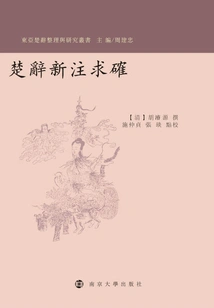
楚辞新注求确
(qing Dynasty) Hu Junyuan
Hu Junyuan (1748?-1824?), Courtesy name Fuyuan and alias Yideng, was born in Daixi, Wuxiang (now Daixi Township, Tonggu County, Jiangxi Province). Juren once served as magistrate in Shangshui and other counties in Henan. The book contains many criticisms of the annotations of previous scholars. The annotations are easy to understand and are good at tracing the context of the article. It also takes great pains to find the source of the school.
Hu Junyuan (1748?-1824?), Courtesy name Fuyuan and alias Yideng, was born in Daixi, Wuxiang (now Daixi Township, Tonggu County, Jiangxi Province). Juren once served as magistrate in Shangshui and other counties in Henan. The book contains many criticisms of the annotations of previous scholars. The annotations are easy to understand and are good at tracing the context of the article. It also takes great pains to find the source of the school.
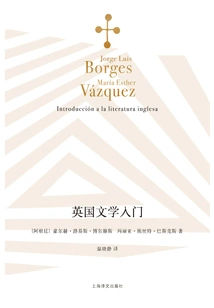
Introduction to English Literature
Literature英国文学入门
L
Private English literature lessons from literary master Borges. This book, co-authored by Jorge Luis Borges and María Esther Vázquez, provides a chronological overview of British literature. British literature is one of the most colorful national literatures in the world. It is not composed of numerous schools but of independent individuals. Considering this characteristic of British literature, the author starts from the Anglo-Saxon period and focuses on introducing the most representative writers of each period. He also devotes a special space to discussing British drama, romantic movement, etc. The purpose is to arouse readers' interest in British literature and encourage readers to conduct more in-depth research on it. It can be said to be an introductory book for understanding British literature.
Private English literature lessons from literary master Borges. This book, co-authored by Jorge Luis Borges and María Esther Vázquez, provides a chronological overview of British literature. British literature is one of the most colorful national literatures in the world. It is not composed of numerous schools but of independent individuals. Considering this characteristic of British literature, the author starts from the Anglo-Saxon period and focuses on introducing the most representative writers of each period. He also devotes a special space to discussing British drama, romantic movement, etc. The purpose is to arouse readers' interest in British literature and encourage readers to conduct more in-depth research on it. It can be said to be an introductory book for understanding British literature.
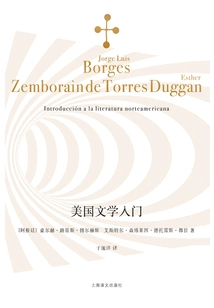
Introduction to American Literature
Literature美国文学入门
(argentina) Jorge Luis Borges Estelle Semberlein De Torres Dugan
Borges's introductory course on literature, a map of the evolution of American literature. "An Introduction to American Literature" is a work co-written by Borges and Estelle Semberlein de Torres Dugan. It starts from the morning when the Puritans on the "Mayflower" landed on the East Coast, sorting out the history of American literature in three centuries. This book does not stop at psychoanalysis, social history and other organizing clues. Instead, it obeys the call of the work and intersperses topics not covered in other large works, such as detective novels, science fiction novels, western literature and the unique poetry of red-skinned aborigines, "outlining a trajectory of the evolution of American literature."
Borges's introductory course on literature, a map of the evolution of American literature. "An Introduction to American Literature" is a work co-written by Borges and Estelle Semberlein de Torres Dugan. It starts from the morning when the Puritans on the "Mayflower" landed on the East Coast, sorting out the history of American literature in three centuries. This book does not stop at psychoanalysis, social history and other organizing clues. Instead, it obeys the call of the work and intersperses topics not covered in other large works, such as detective novels, science fiction novels, western literature and the unique poetry of red-skinned aborigines, "outlining a trajectory of the evolution of American literature."
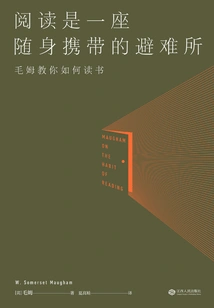
Reading is a Portable Refuge
Literature阅读是一座随身携带的避难所
H
Regarding Maugham's style, readers may first think of his venomous tongue, humor, absurdity and even meanness, but they ignore his sincerity and frankness underneath it all, as well as his intentional or unintentional emphasis on fun or interest. In this book, whether the topic discussed is the art of novels or thoughts on philosophy, art and the value of life, Maugham's insistence on fun can be seen everywhere. His language is clever, sophisticated, fluent and concise, but he neither pretends to be sophisticated nor self-congratulatory. Reading is like sitting across from you, listening to him talk with his genius sense of humor, teaching you how to read, the joy of reading, gossips about famous people, complaints about famous works, and his own feelings and thoughts caught between disgust and love for people and things.
Regarding Maugham's style, readers may first think of his venomous tongue, humor, absurdity and even meanness, but they ignore his sincerity and frankness underneath it all, as well as his intentional or unintentional emphasis on fun or interest. In this book, whether the topic discussed is the art of novels or thoughts on philosophy, art and the value of life, Maugham's insistence on fun can be seen everywhere. His language is clever, sophisticated, fluent and concise, but he neither pretends to be sophisticated nor self-congratulatory. Reading is like sitting across from you, listening to him talk with his genius sense of humor, teaching you how to read, the joy of reading, gossips about famous people, complaints about famous works, and his own feelings and thoughts caught between disgust and love for people and things.
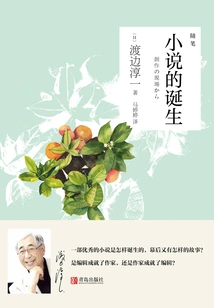
The Birth of the Novel
Literature小说的诞生
H
Writer Junichi Watanabe, based on his own literary creation process, dedicated his decades of precious experience in novel creation to write an empirical work on how to create a novel and how to create a best-selling novel.
Writer Junichi Watanabe, based on his own literary creation process, dedicated his decades of precious experience in novel creation to write an empirical work on how to create a novel and how to create a best-selling novel.
相似论的文学实证及研究
Li Baojun
This book is an academic work in the field of literature and art. The study of the relationship between similarity thinking and literature and art is a new topic in literature and art research. This book takes Qian Xuesen's scientific theory of thinking as its guidance and research object. It uses literary theories and works to demonstrate the role and significance of similarity thinking in literary theory and literary creation. It explores and studies the characteristics, rules and applications of similarity theory in literary creation. It has an independent stance and perspective on literary research and similarity thinking, and is pioneering, innovative and academic.
This book is an academic work in the field of literature and art. The study of the relationship between similarity thinking and literature and art is a new topic in literature and art research. This book takes Qian Xuesen's scientific theory of thinking as its guidance and research object. It uses literary theories and works to demonstrate the role and significance of similarity thinking in literary theory and literary creation. It explores and studies the characteristics, rules and applications of similarity theory in literary creation. It has an independent stance and perspective on literary research and similarity thinking, and is pioneering, innovative and academic.
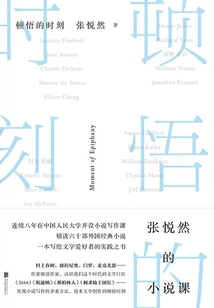
Epiphany Moment
Literature顿悟的时刻
Zhang Yueran
"The Moment of Enlightenment" is a novel lesson carefully written by Zhang Yueran for all readers and creators. Various questions involving reading and writing: What motivates a writer to write a novel? What makes readers embark on a journey of thought in limited time and space? Why can popular novels touch more people? Why should secondary characters also be fleshed out? The book disassembles 60 novel texts, sorts out writing methods and techniques, establishes an order belonging to the writer, uses limited stories to help us understand the world and others, and overcome the roadblocks set up in the journey of life. At the same time, it comprehensively analyzes and interprets the works of five contemporary writers, including Haruki Murakami, Bolaño, and Munro, and looks at the love and pain, coldness and compassion written by contemporary novelists, helping us find the coordinates of where we are in time and space, so as to better understand ourselves. In this noisy era, reading and writing have become more personal, returning to a need, an instinct. Therefore, we all have equal opportunities. Everyone can follow the light emitted by the novel, discover their own lost things, and give them life again through reading and writing.
"The Moment of Enlightenment" is a novel lesson carefully written by Zhang Yueran for all readers and creators. Various questions involving reading and writing: What motivates a writer to write a novel? What makes readers embark on a journey of thought in limited time and space? Why can popular novels touch more people? Why should secondary characters also be fleshed out? The book disassembles 60 novel texts, sorts out writing methods and techniques, establishes an order belonging to the writer, uses limited stories to help us understand the world and others, and overcome the roadblocks set up in the journey of life. At the same time, it comprehensively analyzes and interprets the works of five contemporary writers, including Haruki Murakami, Bolaño, and Munro, and looks at the love and pain, coldness and compassion written by contemporary novelists, helping us find the coordinates of where we are in time and space, so as to better understand ourselves. In this noisy era, reading and writing have become more personal, returning to a need, an instinct. Therefore, we all have equal opportunities. Everyone can follow the light emitted by the novel, discover their own lost things, and give them life again through reading and writing.
韩国古代楚辞资料汇编
Xu Yi Jia Jie Chen Hui
This book is part of the "Compilation of East Asian Chu Ci Materials", which collects relevant materials on quotations, comments, and research on Qu Yuan and Chu Ci in the Korean Peninsula's historical documents, as well as related imitating Sao works. This compilation of materials is divided into two volumes, in order to comprehensively display Jinyu's acceptance and transformation of Chu Ci and Chu culture.
This book is part of the "Compilation of East Asian Chu Ci Materials", which collects relevant materials on quotations, comments, and research on Qu Yuan and Chu Ci in the Korean Peninsula's historical documents, as well as related imitating Sao works. This compilation of materials is divided into two volumes, in order to comprehensively display Jinyu's acceptance and transformation of Chu Ci and Chu culture.
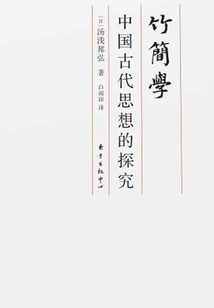
竹简学:中国古代思想的探究
Yuasa Kunihiro
This book is a collection of the author's essays on bamboo slips in the past ten years. The book is divided into three parts as a whole: The first part is titled "Confucian Thought and the Inheritance of Ancient Sage Kings", focusing on Shangbo Chu Bamboo Slips and Tsinghua Slips, to examine the formation history of Confucianism and the inheritance of ancient sage kings such as Yao, Shun Yu, and King Wen of Zhou. The second part, titled "Records and Admonitions of Kings - Research on the Stories of the King of Chu", focuses on the six distinctive stories of the King of Chu in the above Bochu slips, and analyzes their characteristics and documentary nature. The third part, titled "The History of Thought in New Qin and Han Bamboo Bamboos", mainly analyzes Yuelu Qin Bamboo Bamboo Bamboo Bamboo Bamboo Bamboo Bamboo Bamboo Bamboo Bamboo Bamboo Bamboo Bamboo Bamboo Bamboo Bamboo Bamboo Bamboo Slips, Yinqueshan Han Bamboo Bamboo Bamboo Bamboo Bamboo Bamboo Slips and Peking University Bamboo Bamboo Bamboo Bamboo Bamboo Bamboo Bamboo Bamboo Bamboo Slips).
This book is a collection of the author's essays on bamboo slips in the past ten years. The book is divided into three parts as a whole: The first part is titled "Confucian Thought and the Inheritance of Ancient Sage Kings", focusing on Shangbo Chu Bamboo Slips and Tsinghua Slips, to examine the formation history of Confucianism and the inheritance of ancient sage kings such as Yao, Shun Yu, and King Wen of Zhou. The second part, titled "Records and Admonitions of Kings - Research on the Stories of the King of Chu", focuses on the six distinctive stories of the King of Chu in the above Bochu slips, and analyzes their characteristics and documentary nature. The third part, titled "The History of Thought in New Qin and Han Bamboo Bamboos", mainly analyzes Yuelu Qin Bamboo Bamboo Bamboo Bamboo Bamboo Bamboo Bamboo Bamboo Bamboo Bamboo Bamboo Bamboo Bamboo Bamboo Bamboo Bamboo Bamboo Bamboo Slips, Yinqueshan Han Bamboo Bamboo Bamboo Bamboo Bamboo Bamboo Slips and Peking University Bamboo Bamboo Bamboo Bamboo Bamboo Bamboo Bamboo Bamboo Bamboo Slips).