Library
Browse and search books
2,982 novels found
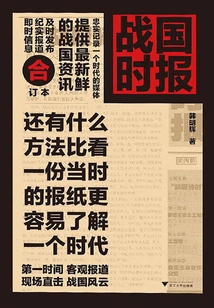
Warring States Times
History战国时报
Han Minghui
This book is one of the "Historical Times" series. It gives a new interpretation and packaging of the history of the Warring States Period in the form of an unprecedented, unique and novel "Times". In this book, this period of history is strung together in the form of "news", sorted by time, and arranged into a compilation of "Warring States Times". It uses various news report genres (including editorials, newsletters, columns, digests, editorial correspondence, etc.) With humorous and relaxing illustrations, which greatly enhances readability and allows people to easily grasp the history of the Warring States Period.
This book is one of the "Historical Times" series. It gives a new interpretation and packaging of the history of the Warring States Period in the form of an unprecedented, unique and novel "Times". In this book, this period of history is strung together in the form of "news", sorted by time, and arranged into a compilation of "Warring States Times". It uses various news report genres (including editorials, newsletters, columns, digests, editorial correspondence, etc.) With humorous and relaxing illustrations, which greatly enhances readability and allows people to easily grasp the history of the Warring States Period.
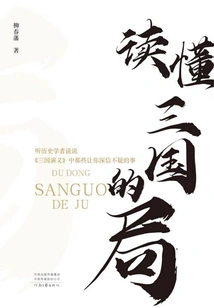
读懂三国的局
Liu Chunfan
Focusing on the four main characters in "The Romance of the Three Kingdoms": Cao Cao, Zhuge Liang, Guan Yu, and Liu Bei, based on reliable historical data and analysis and judgment, the historical fictions in the "Romance of the Three Kingdoms" are sorted out, and the historical fictions in the typical characters created in the "Romance of the Three Kingdoms" are revealed.
Focusing on the four main characters in "The Romance of the Three Kingdoms": Cao Cao, Zhuge Liang, Guan Yu, and Liu Bei, based on reliable historical data and analysis and judgment, the historical fictions in the "Romance of the Three Kingdoms" are sorted out, and the historical fictions in the typical characters created in the "Romance of the Three Kingdoms" are revealed.
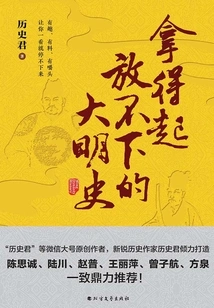
拿得起放不下的大明史
History King
This book is divided into three parts: the early Ming Dynasty, the middle Ming Dynasty, and the late Ming Dynasty. It is based on historical facts and depicts little-known or interesting history through relaxed and humorous writing: Wasn't it Zhu Yuanzhang who really laid the foundation for the Ming Dynasty? Why did Zhu Di listen to a monk about everything? Who is the most wanted criminal with the highest bounty in history? Tang Bohu actually defrauded the salt transport envoy? What kind of international joke did the weird emperor make? ...
This book is divided into three parts: the early Ming Dynasty, the middle Ming Dynasty, and the late Ming Dynasty. It is based on historical facts and depicts little-known or interesting history through relaxed and humorous writing: Wasn't it Zhu Yuanzhang who really laid the foundation for the Ming Dynasty? Why did Zhu Di listen to a monk about everything? Who is the most wanted criminal with the highest bounty in history? Tang Bohu actually defrauded the salt transport envoy? What kind of international joke did the weird emperor make? ...
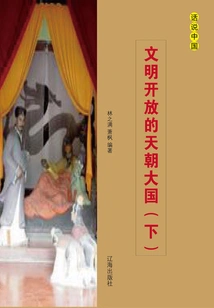
文明开放的天朝大国(下)
Compiled By Lin Zhiman And Xiao Feng
China is a huge country with a splendid civilization history of five thousand years and full of vitality and vitality. The Chinese nation has long been standing in the east of the world, succeeding one another for a hundred generations. The famous historian of science Bernard once said: "China has been one of the great centers of human civilization and science for many centuries." In the long history of the Chinese nation, it has created countless miracles of civilization.
China is a huge country with a splendid civilization history of five thousand years and full of vitality and vitality. The Chinese nation has long been standing in the east of the world, succeeding one another for a hundred generations. The famous historian of science Bernard once said: "China has been one of the great centers of human civilization and science for many centuries." In the long history of the Chinese nation, it has created countless miracles of civilization.
历史悠久的文明古国(下)
Compiled By Lin Zhiman And Xiao Feng
China is a huge country with a splendid civilization history of five thousand years and full of vitality and vitality. The Chinese nation has long been standing in the east of the world, succeeding one another for a hundred generations. The famous historian of science Bernard once said: "China has been one of the great centers of human civilization and science for many centuries." In the long history of the Chinese nation, it has created countless miracles of civilization.
China is a huge country with a splendid civilization history of five thousand years and full of vitality and vitality. The Chinese nation has long been standing in the east of the world, succeeding one another for a hundred generations. The famous historian of science Bernard once said: "China has been one of the great centers of human civilization and science for many centuries." In the long history of the Chinese nation, it has created countless miracles of civilization.
日趋活跃的商业贸易(下)
Compiled By Lin Zhiman And Xiao Feng
China is a huge country with a splendid civilization history of five thousand years and full of vitality and vitality. The Chinese nation has long been standing in the east of the world, succeeding one another for a hundred generations. The famous historian of science Bernard once said: "China has been one of the great centers of human civilization and science for many centuries." In the long history of the Chinese nation, it has created countless miracles of civilization.
China is a huge country with a splendid civilization history of five thousand years and full of vitality and vitality. The Chinese nation has long been standing in the east of the world, succeeding one another for a hundred generations. The famous historian of science Bernard once said: "China has been one of the great centers of human civilization and science for many centuries." In the long history of the Chinese nation, it has created countless miracles of civilization.
稳步发展的社会经济(上)
Compiled By Lin Zhiman And Xiao Feng
China is a huge country with a splendid civilization history of five thousand years and full of vitality and vitality. The Chinese nation has long been standing in the east of the world, succeeding one another for a hundred generations. The famous historian of science Bernard once said: "China has been one of the great centers of human civilization and science for many centuries." In the long history of the Chinese nation, it has created countless miracles of civilization.
China is a huge country with a splendid civilization history of five thousand years and full of vitality and vitality. The Chinese nation has long been standing in the east of the world, succeeding one another for a hundred generations. The famous historian of science Bernard once said: "China has been one of the great centers of human civilization and science for many centuries." In the long history of the Chinese nation, it has created countless miracles of civilization.
文明开放的天朝大国(上)
Compiled By Lin Zhiman And Xiao Feng
China is a huge country with a splendid civilization history of five thousand years and full of vitality and vitality. The Chinese nation has long been standing in the east of the world, succeeding one another for a hundred generations. The famous historian of science Bernard once said: "China has been one of the great centers of human civilization and science for many centuries." In the long history of the Chinese nation, it has created countless miracles of civilization.
China is a huge country with a splendid civilization history of five thousand years and full of vitality and vitality. The Chinese nation has long been standing in the east of the world, succeeding one another for a hundred generations. The famous historian of science Bernard once said: "China has been one of the great centers of human civilization and science for many centuries." In the long history of the Chinese nation, it has created countless miracles of civilization.
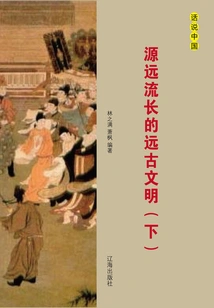
源远流长的远古文明(下)
Compiled By Lin Zhiman And Xiao Feng
China is a huge country with a splendid civilization history of five thousand years and full of vitality and vitality. The Chinese nation has long been standing in the east of the world, succeeding one another for a hundred generations. The famous historian of science Bernard once said: "China has been one of the great centers of human civilization and science for many centuries." In the long history of the Chinese nation, it has created countless miracles of civilization.
China is a huge country with a splendid civilization history of five thousand years and full of vitality and vitality. The Chinese nation has long been standing in the east of the world, succeeding one another for a hundred generations. The famous historian of science Bernard once said: "China has been one of the great centers of human civilization and science for many centuries." In the long history of the Chinese nation, it has created countless miracles of civilization.
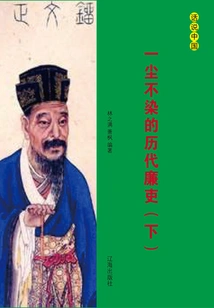
一尘不染的历代廉吏(下)
Compiled By Lin Zhiman And Xiao Feng
China is a huge country with a splendid civilization history of five thousand years and full of vitality and vitality. The Chinese nation has long been standing in the east of the world, succeeding one another for a hundred generations. The famous historian of science Bernard once said: "China has been one of the great centers of human civilization and science for many centuries." In the long history of the Chinese nation, it has created countless miracles of civilization.
China is a huge country with a splendid civilization history of five thousand years and full of vitality and vitality. The Chinese nation has long been standing in the east of the world, succeeding one another for a hundred generations. The famous historian of science Bernard once said: "China has been one of the great centers of human civilization and science for many centuries." In the long history of the Chinese nation, it has created countless miracles of civilization.
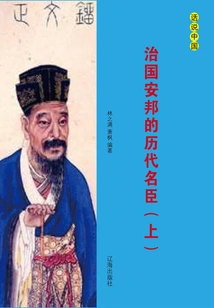
治国安邦的历代名臣(上)
Compiled By Lin Zhiman And Xiao Feng
China is a huge country with a splendid civilization history of five thousand years and full of vitality and vitality. The Chinese nation has long been standing in the east of the world, succeeding one another for a hundred generations. The famous historian of science Bernard once said: "China has been one of the great centers of human civilization and science for many centuries." In the long history of the Chinese nation, it has created countless miracles of civilization.
China is a huge country with a splendid civilization history of five thousand years and full of vitality and vitality. The Chinese nation has long been standing in the east of the world, succeeding one another for a hundred generations. The famous historian of science Bernard once said: "China has been one of the great centers of human civilization and science for many centuries." In the long history of the Chinese nation, it has created countless miracles of civilization.
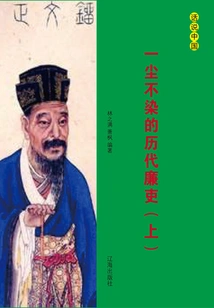
一尘不染的历代廉吏(上)
Compiled By Lin Zhiman And Xiao Feng
China is a huge country with a splendid civilization history of five thousand years and full of vitality and vitality. The Chinese nation has long been standing in the east of the world, succeeding one another for a hundred generations. The famous historian of science Bernard once said: "China has been one of the great centers of human civilization and science for many centuries." In the long history of the Chinese nation, it has created countless miracles of civilization.
China is a huge country with a splendid civilization history of five thousand years and full of vitality and vitality. The Chinese nation has long been standing in the east of the world, succeeding one another for a hundred generations. The famous historian of science Bernard once said: "China has been one of the great centers of human civilization and science for many centuries." In the long history of the Chinese nation, it has created countless miracles of civilization.
历史悠久的文明古国(上)
Compiled By Lin Zhiman And Xiao Feng
China is a huge country with a splendid civilization history of five thousand years and full of vitality and vitality. The Chinese nation has long been standing in the east of the world, succeeding one another for a hundred generations. The famous historian of science Bernard once said: "China has been one of the great centers of human civilization and science for many centuries." In the long history of the Chinese nation, it has created countless miracles of civilization.
China is a huge country with a splendid civilization history of five thousand years and full of vitality and vitality. The Chinese nation has long been standing in the east of the world, succeeding one another for a hundred generations. The famous historian of science Bernard once said: "China has been one of the great centers of human civilization and science for many centuries." In the long history of the Chinese nation, it has created countless miracles of civilization.
灿烂辉煌的中国文学(上)
Compiled By Lin Zhiman And Xiao Feng
China is a huge country with a splendid civilization history of five thousand years and full of vitality and vitality. The Chinese nation has long been standing in the east of the world, succeeding one another for a hundred generations. The famous historian of science Bernard once said: "China has been one of the great centers of human civilization and science for many centuries." In the long history of the Chinese nation, it has created countless miracles of civilization.
China is a huge country with a splendid civilization history of five thousand years and full of vitality and vitality. The Chinese nation has long been standing in the east of the world, succeeding one another for a hundred generations. The famous historian of science Bernard once said: "China has been one of the great centers of human civilization and science for many centuries." In the long history of the Chinese nation, it has created countless miracles of civilization.
治国安邦的历代名臣(下)
Compiled By Lin Zhiman And Xiao Feng
China is a huge country with a splendid civilization history of five thousand years and full of vitality and vitality. The Chinese nation has long been standing in the east of the world, succeeding one another for a hundred generations. The famous historian of science Bernard once said: "China has been one of the great centers of human civilization and science for many centuries." In the long history of the Chinese nation, it has created countless miracles of civilization.
China is a huge country with a splendid civilization history of five thousand years and full of vitality and vitality. The Chinese nation has long been standing in the east of the world, succeeding one another for a hundred generations. The famous historian of science Bernard once said: "China has been one of the great centers of human civilization and science for many centuries." In the long history of the Chinese nation, it has created countless miracles of civilization.
日趋活跃的商业贸易(上)
Compiled By Lin Zhiman And Xiao Feng
China is a huge country with a splendid civilization history of five thousand years and full of vitality and vitality. The Chinese nation has long been standing in the east of the world, succeeding one another for a hundred generations. The famous historian of science Bernard once said: "China has been one of the great centers of human civilization and science for many centuries." In the long history of the Chinese nation, it has created countless miracles of civilization.
China is a huge country with a splendid civilization history of five thousand years and full of vitality and vitality. The Chinese nation has long been standing in the east of the world, succeeding one another for a hundred generations. The famous historian of science Bernard once said: "China has been one of the great centers of human civilization and science for many centuries." In the long history of the Chinese nation, it has created countless miracles of civilization.
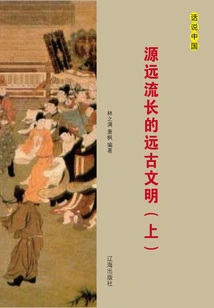
源远流长的远古文明(上)
Compiled By Lin Zhiman And Xiao Feng
China is a huge country with a splendid civilization history of five thousand years and full of vitality and vitality. The Chinese nation has long been standing in the east of the world, succeeding one another for a hundred generations. The famous historian of science Bernard once said: "China has been one of the great centers of human civilization and science for many centuries." In the long history of the Chinese nation, it has created countless miracles of civilization.
China is a huge country with a splendid civilization history of five thousand years and full of vitality and vitality. The Chinese nation has long been standing in the east of the world, succeeding one another for a hundred generations. The famous historian of science Bernard once said: "China has been one of the great centers of human civilization and science for many centuries." In the long history of the Chinese nation, it has created countless miracles of civilization.
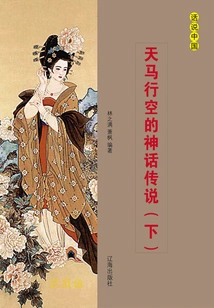
天马行空的神话传说(下)
Compiled By Lin Zhiman And Xiao Feng
China is a huge country with a splendid civilization history of five thousand years and full of vitality and vitality. The Chinese nation has long been standing in the east of the world, succeeding one another for a hundred generations. The famous historian of science Bernard once said: "China has been one of the great centers of human civilization and science for many centuries." In the long history of the Chinese nation, it has created countless miracles of civilization.
China is a huge country with a splendid civilization history of five thousand years and full of vitality and vitality. The Chinese nation has long been standing in the east of the world, succeeding one another for a hundred generations. The famous historian of science Bernard once said: "China has been one of the great centers of human civilization and science for many centuries." In the long history of the Chinese nation, it has created countless miracles of civilization.
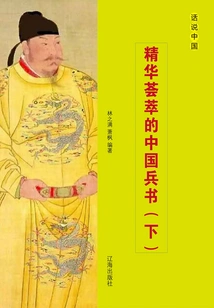
精华荟萃的中国兵书(下)
Compiled By Lin Zhiman And Xiao Feng
China is a huge country with a splendid civilization history of five thousand years and full of vitality and vitality. The Chinese nation has long been standing in the east of the world, succeeding one another for a hundred generations. The famous historian of science Bernard once said: "China has been one of the great centers of human civilization and science for many centuries." In the long history of the Chinese nation, it has created countless miracles of civilization.
China is a huge country with a splendid civilization history of five thousand years and full of vitality and vitality. The Chinese nation has long been standing in the east of the world, succeeding one another for a hundred generations. The famous historian of science Bernard once said: "China has been one of the great centers of human civilization and science for many centuries." In the long history of the Chinese nation, it has created countless miracles of civilization.
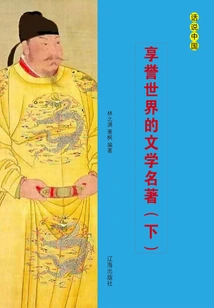
享誉世界的文学名著(下)
Compiled By Lin Zhiman And Xiao Feng
China is a huge country with a splendid civilization history of five thousand years and full of vitality and vitality. The Chinese nation has long been standing in the east of the world, succeeding one another for a hundred generations. The famous historian of science Bernard once said: "China has been one of the great centers of human civilization and science for many centuries." In the long history of the Chinese nation, it has created countless miracles of civilization.
China is a huge country with a splendid civilization history of five thousand years and full of vitality and vitality. The Chinese nation has long been standing in the east of the world, succeeding one another for a hundred generations. The famous historian of science Bernard once said: "China has been one of the great centers of human civilization and science for many centuries." In the long history of the Chinese nation, it has created countless miracles of civilization.
严密精深的军事制度(上)
Compiled By Lin Zhiman And Xiao Feng
China is a huge country with a splendid civilization history of five thousand years and full of vitality and vitality. The Chinese nation has long been standing in the east of the world, succeeding one another for a hundred generations. The famous historian of science Bernard once said: "China has been one of the great centers of human civilization and science for many centuries." In the long history of the Chinese nation, it has created countless miracles of civilization.
China is a huge country with a splendid civilization history of five thousand years and full of vitality and vitality. The Chinese nation has long been standing in the east of the world, succeeding one another for a hundred generations. The famous historian of science Bernard once said: "China has been one of the great centers of human civilization and science for many centuries." In the long history of the Chinese nation, it has created countless miracles of civilization.
绝唱天宇的中国诗歌(上)
Compiled By Lin Zhiman And Xiao Feng
China is a huge country with a splendid civilization history of five thousand years and full of vitality and vitality. The Chinese nation has long been standing in the east of the world, succeeding one another for a hundred generations. The famous historian of science Bernard once said: "China has been one of the great centers of human civilization and science for many centuries." In the long history of the Chinese nation, it has created countless miracles of civilization.
China is a huge country with a splendid civilization history of five thousand years and full of vitality and vitality. The Chinese nation has long been standing in the east of the world, succeeding one another for a hundred generations. The famous historian of science Bernard once said: "China has been one of the great centers of human civilization and science for many centuries." In the long history of the Chinese nation, it has created countless miracles of civilization.
天马行空的神话传说(上)
Compiled By Lin Zhiman And Xiao Feng
China is a huge country with a splendid civilization history of five thousand years and full of vitality and vitality. The Chinese nation has long been standing in the east of the world, succeeding one another for a hundred generations. The famous historian of science Bernard once said: "China has been one of the great centers of human civilization and science for many centuries." In the long history of the Chinese nation, it has created countless miracles of civilization.
China is a huge country with a splendid civilization history of five thousand years and full of vitality and vitality. The Chinese nation has long been standing in the east of the world, succeeding one another for a hundred generations. The famous historian of science Bernard once said: "China has been one of the great centers of human civilization and science for many centuries." In the long history of the Chinese nation, it has created countless miracles of civilization.
智虑谋深的军事名家(下)
Compiled By Lin Zhiman And Xiao Feng
China is a huge country with a splendid civilization history of five thousand years and full of vitality and vitality. The Chinese nation has long been standing in the east of the world, succeeding one another for a hundred generations. The famous historian of science Bernard once said: "China has been one of the great centers of human civilization and science for many centuries." In the long history of the Chinese nation, it has created countless miracles of civilization.
China is a huge country with a splendid civilization history of five thousand years and full of vitality and vitality. The Chinese nation has long been standing in the east of the world, succeeding one another for a hundred generations. The famous historian of science Bernard once said: "China has been one of the great centers of human civilization and science for many centuries." In the long history of the Chinese nation, it has created countless miracles of civilization.
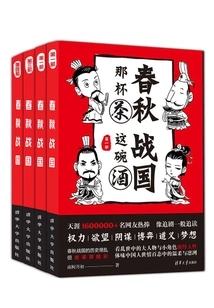
春秋那杯茶,战国这碗酒(套装共4册)
The First Month Of Nanke
The "Cup of Tea in the Spring and Autumn Period, Bowl of Wine in the Warring States Period" series of books is divided into four parts, telling the wonderful historical stories of the Spring and Autumn Period and the Warring States Period in chronological order. The historical materials in the book are all derived from official history, supplemented by poetry, historical knowledge, and the author's romance. It uses hilarious language to describe the people and events of the Spring and Autumn Period and the Warring States Period. Whether they are the emperor's nobles or unknown people, every character shows the style of the Spring and Autumn Period and the Warring States Period. Readers can feel the social scene and human emotions at that time, and can also taste the warmth and warmth of the world and the way of life from the games between people and countries. The language of this book is very cinematic, and reading it gives you the feeling of "chasing a drama", which makes readers unable to put down the book and marveling at it. It is a leisure read suitable for all ages.
The "Cup of Tea in the Spring and Autumn Period, Bowl of Wine in the Warring States Period" series of books is divided into four parts, telling the wonderful historical stories of the Spring and Autumn Period and the Warring States Period in chronological order. The historical materials in the book are all derived from official history, supplemented by poetry, historical knowledge, and the author's romance. It uses hilarious language to describe the people and events of the Spring and Autumn Period and the Warring States Period. Whether they are the emperor's nobles or unknown people, every character shows the style of the Spring and Autumn Period and the Warring States Period. Readers can feel the social scene and human emotions at that time, and can also taste the warmth and warmth of the world and the way of life from the games between people and countries. The language of this book is very cinematic, and reading it gives you the feeling of "chasing a drama", which makes readers unable to put down the book and marveling at it. It is a leisure read suitable for all ages.
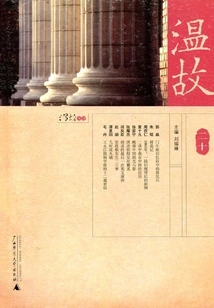
Review the Past (20)
History温故(二十)
Editor-in-chief Liu Ruilin
"Reviewing the Past" is a kind of historical and cultural reading material published one after another. Reminiscing and examining the past from today's perspective, and providing a reference for current survival and future development, is the so-called "reviewing the past to learn the new." The content generally includes the following three aspects: recalling the past living conditions of mankind, examining and reflecting on history, and reviewing historical and cultural relics and legacy texts.
"Reviewing the Past" is a kind of historical and cultural reading material published one after another. Reminiscing and examining the past from today's perspective, and providing a reference for current survival and future development, is the so-called "reviewing the past to learn the new." The content generally includes the following three aspects: recalling the past living conditions of mankind, examining and reflecting on history, and reviewing historical and cultural relics and legacy texts.
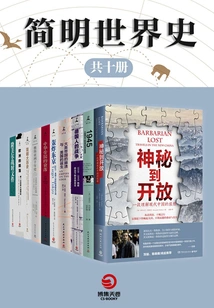
简明世界史(共10册)
Michael Nyberg, Alexander Trudeau, Liddell Hart, Etc.
The set contains 10 volumes, namely "1945: The New Pattern of World Order under the Game of Great Powers", "Mysterious to Open: A Journey to Understanding Modern China", "The Germans' War", "The Collapse of the British Empire and the Birth of the United States", "Bombing Tokyo: 1942, the American Revenge of Pearl Harbor", "The Decline of the Chinese Empire", "A Minimalist Millennium History of Asia", "The Fall of Europe: A Brief History of the First World War", "A Concise History" and "Rommel's Wartime Documents". It introduces important historical facts of the two world wars, historical overviews of some countries in Europe, America and Asia, and Western memoirs of China. "1945: The New Pattern of World Order Under the Game of Great Powers": In July 1945, as the "World War II" was coming to an end, Harry Truman, Winston Churchill, and Joseph Stalin gathered in Potsdam, a suburb of Berlin, Germany, to hold a meeting to negotiate permanent world peace. The delegates attending the meeting were determined to learn lessons and avoid the mistakes made by their predecessors in the 1919 Treaty of Versailles. However, fierce debates and back-room games on how to end the current war, how to deal with the defeated countries, the European reconstruction plan, and the division of interests among various countries after the war, torn apart the representatives' aspirations and made them realize that the new world order shaped by this negotiation was destined to dominate the direction of the post-war world for a hundred years. This book focuses on a historical detail in the late period of World War II - the Potsdam Conference. It uses precise and concise writing to describe the conflicting interests and demands of the Soviet Union, the United States and Britain. It also makes vivid sketches of political figures such as Stalin, Truman, Churchill and Attlee. It is a rare masterpiece in terms of changes in the world pattern and geopolitical divisions. "Mysterious to Open: A Journey to Understanding Modern China": A detailed account of what Alexander Trudeau has seen, heard, thought and felt in China in recent years, including visits to cities and villages, visits to companies and factories, interviews with scholars, lawyers, media people, artists and urban and rural residents from the north and south. He enthusiastically and rigorously explores the intertwined imprints of the mysterious China that only exists in his reading and memory and the real China after its rapid rise, and explores how the people on this land make China increasingly powerful. Along the way, the secrets revealed by every interviewee the author meets are detailed and true, and it is these gripping truths that surprise and shock people, making them cry for the sincere and unguarded emotions. "The Germans' War": In this book, the famous historian Nicholas Stargardt uses a large number of first-hand materials such as private diaries, court records, and military letters to depict an unprecedented wartime Germany, including infantry and tank commanders on the Eastern Front battlefield, as well as civilians on the home front. From the perspective of ordinary soldiers, commanders and civilians, it reproduces their enthusiasm for war under the bewitchment and control of the Nazis during the war, as well as their frustration, helplessness and resistance after defeat. This book is rich in content and full of humanistic spirit, providing readers with first-hand information about life on the German front and rear during World War II. "The Collapse of the British Empire and the Birth of the United States": In the early 1770s, in order to save the East India Company from bankruptcy, the British authorities passed the Tea Act, which gave the East India Company the patent right to sell overstocked tea to the North American colonies, exempted it from paying high import duties, and explicitly prohibited the colonies from selling "private tea." This was a great harm to the commercial interests of the people of the North American colonies, and therefore directly led to the occurrence of the "Boston Tea Party". Hawks in the British Parliament called for punitive retaliation, a move that sparked a revolt among the colonial people. By the end of the summer of 1774, the local rebels had armed themselves, and the War of Independence was unstoppable... This book tells the origins of the American Revolution from a new perspective. The author carefully researches first-hand information from the United Kingdom and the United States, and reproduces the American Revolution in a fair tone. It also analyzes the sharp conflicts between the British authorities and North American expatriates in the three years before the outbreak of the war (1772-1775), and analyzes the roles played by famous figures in British politics and economics, such as Benjamin Franklin, John Hancock and Thomas Hutchinson, during this period. "The Bombing of Tokyo: 1942, the Americans' Revenge at Pearl Harbor": This book is a thrilling account of America's famous and controversial military operation: the Doolittle Raid. In December 1941, as the U. S. Military was still counting the dead at Pearl Harbor, U. S. President Franklin Roosevelt and his top military advisers gathered together to formulate an ambitious counterattack plan-to bomb Tokyo, the heart of the Japanese Empire. Four months later, on April 18, 1942, 16 US bombers took off from the deck of the USS Hornet. Under the command of the brave captain Jimmy Doolittle, they flew one-way to the Japanese mainland to bomb enemy factories, refineries and shipyards, and then fled to non-Japanese-occupied areas of China. For Roosevelt, the raid was an inspiring piece of victory propaganda, a powerful balm that healed a wounded nation. This book brings together many never-before-published materials from archives on four continents around the world, plus new interviews with survivors. "Bombing Tokyo" tells this period of World War II history from a commanding height: a tragic adventure story, and it also re-examines this bold military operation in American history, which is of great significance. ...
The set contains 10 volumes, namely "1945: The New Pattern of World Order under the Game of Great Powers", "Mysterious to Open: A Journey to Understanding Modern China", "The Germans' War", "The Collapse of the British Empire and the Birth of the United States", "Bombing Tokyo: 1942, the American Revenge of Pearl Harbor", "The Decline of the Chinese Empire", "A Minimalist Millennium History of Asia", "The Fall of Europe: A Brief History of the First World War", "A Concise History" and "Rommel's Wartime Documents". It introduces important historical facts of the two world wars, historical overviews of some countries in Europe, America and Asia, and Western memoirs of China. "1945: The New Pattern of World Order Under the Game of Great Powers": In July 1945, as the "World War II" was coming to an end, Harry Truman, Winston Churchill, and Joseph Stalin gathered in Potsdam, a suburb of Berlin, Germany, to hold a meeting to negotiate permanent world peace. The delegates attending the meeting were determined to learn lessons and avoid the mistakes made by their predecessors in the 1919 Treaty of Versailles. However, fierce debates and back-room games on how to end the current war, how to deal with the defeated countries, the European reconstruction plan, and the division of interests among various countries after the war, torn apart the representatives' aspirations and made them realize that the new world order shaped by this negotiation was destined to dominate the direction of the post-war world for a hundred years. This book focuses on a historical detail in the late period of World War II - the Potsdam Conference. It uses precise and concise writing to describe the conflicting interests and demands of the Soviet Union, the United States and Britain. It also makes vivid sketches of political figures such as Stalin, Truman, Churchill and Attlee. It is a rare masterpiece in terms of changes in the world pattern and geopolitical divisions. "Mysterious to Open: A Journey to Understanding Modern China": A detailed account of what Alexander Trudeau has seen, heard, thought and felt in China in recent years, including visits to cities and villages, visits to companies and factories, interviews with scholars, lawyers, media people, artists and urban and rural residents from the north and south. He enthusiastically and rigorously explores the intertwined imprints of the mysterious China that only exists in his reading and memory and the real China after its rapid rise, and explores how the people on this land make China increasingly powerful. Along the way, the secrets revealed by every interviewee the author meets are detailed and true, and it is these gripping truths that surprise and shock people, making them cry for the sincere and unguarded emotions. "The Germans' War": In this book, the famous historian Nicholas Stargardt uses a large number of first-hand materials such as private diaries, court records, and military letters to depict an unprecedented wartime Germany, including infantry and tank commanders on the Eastern Front battlefield, as well as civilians on the home front. From the perspective of ordinary soldiers, commanders and civilians, it reproduces their enthusiasm for war under the bewitchment and control of the Nazis during the war, as well as their frustration, helplessness and resistance after defeat. This book is rich in content and full of humanistic spirit, providing readers with first-hand information about life on the German front and rear during World War II. "The Collapse of the British Empire and the Birth of the United States": In the early 1770s, in order to save the East India Company from bankruptcy, the British authorities passed the Tea Act, which gave the East India Company the patent right to sell overstocked tea to the North American colonies, exempted it from paying high import duties, and explicitly prohibited the colonies from selling "private tea." This was a great harm to the commercial interests of the people of the North American colonies, and therefore directly led to the occurrence of the "Boston Tea Party". Hawks in the British Parliament called for punitive retaliation, a move that sparked a revolt among the colonial people. By the end of the summer of 1774, the local rebels had armed themselves, and the War of Independence was unstoppable... This book tells the origins of the American Revolution from a new perspective. The author carefully researches first-hand information from the United Kingdom and the United States, and reproduces the American Revolution in a fair tone. It also analyzes the sharp conflicts between the British authorities and North American expatriates in the three years before the outbreak of the war (1772-1775), and analyzes the roles played by famous figures in British politics and economics, such as Benjamin Franklin, John Hancock and Thomas Hutchinson, during this period. "The Bombing of Tokyo: 1942, the Americans' Revenge at Pearl Harbor": This book is a thrilling account of America's famous and controversial military operation: the Doolittle Raid. In December 1941, as the U. S. Military was still counting the dead at Pearl Harbor, U. S. President Franklin Roosevelt and his top military advisers gathered together to formulate an ambitious counterattack plan-to bomb Tokyo, the heart of the Japanese Empire. Four months later, on April 18, 1942, 16 US bombers took off from the deck of the USS Hornet. Under the command of the brave captain Jimmy Doolittle, they flew one-way to the Japanese mainland to bomb enemy factories, refineries and shipyards, and then fled to non-Japanese-occupied areas of China. For Roosevelt, the raid was an inspiring piece of victory propaganda, a powerful balm that healed a wounded nation. This book brings together many never-before-published materials from archives on four continents around the world, plus new interviews with survivors. "Bombing Tokyo" tells this period of World War II history from a commanding height: a tragic adventure story, and it also re-examines this bold military operation in American history, which is of great significance. ...
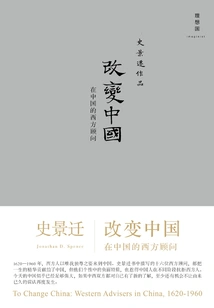
改变中国:在中国的西方顾问
I
This book is about Western consultants in China. For more than three hundred years from the 1620s to the 1950s, these people contributed excellent skills to the Chinese people. At the beginning, it introduced the theory of celestial body movement, and finally allowed the Chinese to see the magical skills of air combat tactics and atomic science. Shi Jingqian selected 16 representatives from hundreds of foreign consultants working in China. These sixteen people each have their own specialties - astronomers, soldiers, doctors, administrative experts, translators, engineers, and a professional revolutionary. Although their careers spanned three centuries, the life course they accumulated has an amazing continuity. They experienced similar excitement and danger, embraced similar feelings, and endured similar setbacks. Their actions reflected their times and highlighted China's inherent basic values.
This book is about Western consultants in China. For more than three hundred years from the 1620s to the 1950s, these people contributed excellent skills to the Chinese people. At the beginning, it introduced the theory of celestial body movement, and finally allowed the Chinese to see the magical skills of air combat tactics and atomic science. Shi Jingqian selected 16 representatives from hundreds of foreign consultants working in China. These sixteen people each have their own specialties - astronomers, soldiers, doctors, administrative experts, translators, engineers, and a professional revolutionary. Although their careers spanned three centuries, the life course they accumulated has an amazing continuity. They experienced similar excitement and danger, embraced similar feelings, and endured similar setbacks. Their actions reflected their times and highlighted China's inherent basic values.
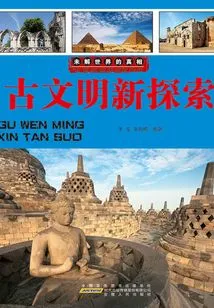
古文明新探索(未解世界的真相)
Wang Long Wen Haimo
This set of books has concise content and concise language. It is simple to explain, easy to understand, with pictures and texts, and vivid images. It is very suitable for young students to read and collect. Its purpose is to enable young students to appreciate the mysterious phenomena of the universe with interest, and at the same time, they can deepen their thinking, enlighten their wisdom, broaden their horizons, increase their knowledge, correctly understand and understand various unsolved phenomena, arouse the enthusiasm for loving science and exploring science, and grasp the golden key to open the scientific world, so that we can truly become the masters of the world and the masters of science.
This set of books has concise content and concise language. It is simple to explain, easy to understand, with pictures and texts, and vivid images. It is very suitable for young students to read and collect. Its purpose is to enable young students to appreciate the mysterious phenomena of the universe with interest, and at the same time, they can deepen their thinking, enlighten their wisdom, broaden their horizons, increase their knowledge, correctly understand and understand various unsolved phenomena, arouse the enthusiasm for loving science and exploring science, and grasp the golden key to open the scientific world, so that we can truly become the masters of the world and the masters of science.
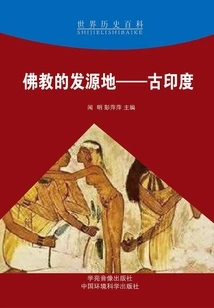
佛教的发源地:古印度
Wen Ming Peng Pingping
This book comprehensively reflects the major events, important figures, and important achievements in science and technology and culture in world history in the order of historical evolution. It is divided into several parts: the origin, development process and dynasty changes of ancient Indian civilization, and the fall of ancient Indian civilization.
This book comprehensively reflects the major events, important figures, and important achievements in science and technology and culture in world history in the order of historical evolution. It is divided into several parts: the origin, development process and dynasty changes of ancient Indian civilization, and the fall of ancient Indian civilization.
中间商与中国近代交易制度的变迁:近代行栈与行栈
Zhuang Weimin
This book takes the middlemen in modern economic activities as the research object. Through in-depth research on the Xingzhan and the Xingzhan system, this book summarizes the modern market transaction system, transaction order and its evolution with middlemen as the link, thereby exploring the relationship between tradition and modernity in market trade, and the trajectory and characteristics of the changes in modern transaction systems.
This book takes the middlemen in modern economic activities as the research object. Through in-depth research on the Xingzhan and the Xingzhan system, this book summarizes the modern market transaction system, transaction order and its evolution with middlemen as the link, thereby exploring the relationship between tradition and modernity in market trade, and the trajectory and characteristics of the changes in modern transaction systems.
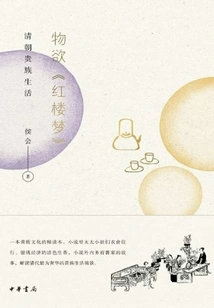
物欲《红楼梦》:清朝贵族生活
Hou Hui
Those who have always analyzed "A Dream of Red Mansions" mostly start from the perspectives of love, ethics, politics, philosophy, etc. "A Dream of Red Mansions: Revealing the Secrets of Noble Life" takes a unique approach and tries to interpret "A Dream of Red Mansions" from the perspective of material life and money economy. "A Dream of Red Mansions: Revealing the Secrets of Noble Life" has fifty sections and is divided into three series. The first volume, "Essential Clothing, Food, Housing and Transportation", attempts to explore the theme of the novel and the author's interests through the material life of Jia's family. The basic necessities, food, housing and transportation described in "A Dream of Red Mansions" represented the most luxurious level of material enjoyment of that era, and had the potential to surpass the royal family. While this volume discusses basic necessities, food, housing and transportation, there are also many unique interpretations and interesting discoveries. The second volume "Money Economy" further focuses on works from an economic perspective. From the gold and silver prices at that time to the price level, the financial situation of the Jia family was also analyzed. The third volume, "The Truth About the Cao Family," leads readers to move their gaze from inside the book to outside the book, paying attention to the economic and material life history of the Cao family, which is the source of material for the novel. So we saw the shabby "payslips" of Cao Xi and Cao Yin's father and son; we learned about the huge deficit caused by the Cao family's taking over. The answers behind many of the puzzles in the novel are revealed for the first time in "A Dream of Red Mansions: Noble Life Revealed".
Those who have always analyzed "A Dream of Red Mansions" mostly start from the perspectives of love, ethics, politics, philosophy, etc. "A Dream of Red Mansions: Revealing the Secrets of Noble Life" takes a unique approach and tries to interpret "A Dream of Red Mansions" from the perspective of material life and money economy. "A Dream of Red Mansions: Revealing the Secrets of Noble Life" has fifty sections and is divided into three series. The first volume, "Essential Clothing, Food, Housing and Transportation", attempts to explore the theme of the novel and the author's interests through the material life of Jia's family. The basic necessities, food, housing and transportation described in "A Dream of Red Mansions" represented the most luxurious level of material enjoyment of that era, and had the potential to surpass the royal family. While this volume discusses basic necessities, food, housing and transportation, there are also many unique interpretations and interesting discoveries. The second volume "Money Economy" further focuses on works from an economic perspective. From the gold and silver prices at that time to the price level, the financial situation of the Jia family was also analyzed. The third volume, "The Truth About the Cao Family," leads readers to move their gaze from inside the book to outside the book, paying attention to the economic and material life history of the Cao family, which is the source of material for the novel. So we saw the shabby "payslips" of Cao Xi and Cao Yin's father and son; we learned about the huge deficit caused by the Cao family's taking over. The answers behind many of the puzzles in the novel are revealed for the first time in "A Dream of Red Mansions: Noble Life Revealed".
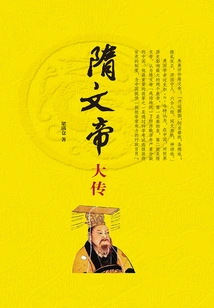
隋文帝大传
Liang Mancang
"The Biography of Emperor Wen of the Sui Dynasty" comprehensively and systematically describes the process of Emperor Wen of the Sui Dynasty establishing the Sui Dynasty and unifying the country. It analyzes in detail his various policies and achievements in governing the country, and on this basis makes an in-depth discussion of his historical role. The book is rich in content, reliable in data, concise in text, and highly readable. It is currently an important work in the study of Emperor Wen of the Sui Dynasty and the history of the Sui Dynasty.
"The Biography of Emperor Wen of the Sui Dynasty" comprehensively and systematically describes the process of Emperor Wen of the Sui Dynasty establishing the Sui Dynasty and unifying the country. It analyzes in detail his various policies and achievements in governing the country, and on this basis makes an in-depth discussion of his historical role. The book is rich in content, reliable in data, concise in text, and highly readable. It is currently an important work in the study of Emperor Wen of the Sui Dynasty and the history of the Sui Dynasty.
Emperor Qianlong's Purse
History乾隆皇帝的荷包
Lai Huimin
"Emperor Qianlong's Purse" is the academic result of Professor Lai Huimin's decades of painstaking research on the financial history of the Qing Dynasty. This book focuses on the Qianlong Emperor's purse, the income and expenses of the royal family's "little treasury." The author believes that the difference between royal finance and national finance is that land tax is the main source of income for the country. Although the Qing imperial family owned more than one million acres of land, its important income came from commercial aspects, such as land rent, tariffs, pawn shops, interest income from merchants, and additional expenditures from salt merchants. The income of the Ministry of Internal Affairs of the Qianlong Dynasty was astonishing, and Emperor Qianlong used this to build a large number of Tibetan temples in Beijing, Rehe and other places, driving economic activities in the temples. At the same time, Tibetan Buddhism was cleverly used to achieve the purpose of ordering all Mongolian and Tibetan tribes, integrating Mongolian and Tibetan society, and maintaining rule. However, while the Qing Dynasty's foreign aggression problems were alleviated, internal problems caused by the royal family's accumulation of wealth continued to emerge, which laid the foundation for the future decline of the Qing Dynasty.
"Emperor Qianlong's Purse" is the academic result of Professor Lai Huimin's decades of painstaking research on the financial history of the Qing Dynasty. This book focuses on the Qianlong Emperor's purse, the income and expenses of the royal family's "little treasury." The author believes that the difference between royal finance and national finance is that land tax is the main source of income for the country. Although the Qing imperial family owned more than one million acres of land, its important income came from commercial aspects, such as land rent, tariffs, pawn shops, interest income from merchants, and additional expenditures from salt merchants. The income of the Ministry of Internal Affairs of the Qianlong Dynasty was astonishing, and Emperor Qianlong used this to build a large number of Tibetan temples in Beijing, Rehe and other places, driving economic activities in the temples. At the same time, Tibetan Buddhism was cleverly used to achieve the purpose of ordering all Mongolian and Tibetan tribes, integrating Mongolian and Tibetan society, and maintaining rule. However, while the Qing Dynasty's foreign aggression problems were alleviated, internal problems caused by the royal family's accumulation of wealth continued to emerge, which laid the foundation for the future decline of the Qing Dynasty.
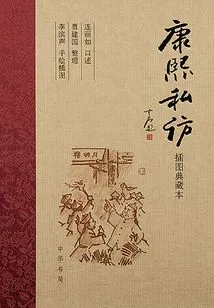
康熙私访(插图典藏本)
Oral Narration By Lian Liru, Compiled By Jia Jianguo, And Hand-drawn Illustrations By Li Binsheng
The book includes wonderful chapters such as "Yue Ming Tower", "Suo Xian Tun", "Five Dragons Holding the Saint", etc. Through Kangxi's private visits in private, caring about people's sentiments, cherishing talents and loving talents, punishing evil and eradicating corruption, etc., It creates the image of a generation of heroes who are enlightened, promising, individual and full of humaneness. The storytelling language is vivid and expressive, the plot has twists and turns, and it is highly readable. It is one of Mr. Lian Liru's masterpieces of storytelling.
The book includes wonderful chapters such as "Yue Ming Tower", "Suo Xian Tun", "Five Dragons Holding the Saint", etc. Through Kangxi's private visits in private, caring about people's sentiments, cherishing talents and loving talents, punishing evil and eradicating corruption, etc., It creates the image of a generation of heroes who are enlightened, promising, individual and full of humaneness. The storytelling language is vivid and expressive, the plot has twists and turns, and it is highly readable. It is one of Mr. Lian Liru's masterpieces of storytelling.
拜占庭一千年:一部帝国兴衰史
(uk) Dionysius Stackopoulos
Dionysius Stackopoulos broke with the traditional research model and gave a popular interpretation of the political, economic, cultural and other salient features of the Byzantine Empire in different historical stages. The first eight chapters introduce the political changes and territorial changes of the Byzantine Empire by describing the main events and characters in each period, and discuss the economic foundation and cultural creation of the empire. Chapter 9 tells the end after the fall of Constantinople in 1453 AD. The thousand-year history of the Byzantine Empire is full of twists and turns, but also has strong continuity. It has important reference value for both the past and the present.
Dionysius Stackopoulos broke with the traditional research model and gave a popular interpretation of the political, economic, cultural and other salient features of the Byzantine Empire in different historical stages. The first eight chapters introduce the political changes and territorial changes of the Byzantine Empire by describing the main events and characters in each period, and discuss the economic foundation and cultural creation of the empire. Chapter 9 tells the end after the fall of Constantinople in 1453 AD. The thousand-year history of the Byzantine Empire is full of twists and turns, but also has strong continuity. It has important reference value for both the past and the present.
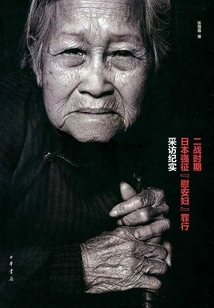
二战时期日本强征“慰安妇”罪行采访纪实
Zhang Guotong
This book records the author's many interviews with those who witnessed the war and researchers on the "comfort women" issue around the world, supplemented by a large number of unpublished pictures and materials. It exposes the crime of forcibly recruiting "comfort women" by the Japanese invaders with irrefutable evidence. It uses real footage to record the physical and mental torture suffered by the victimized women during the war and their tragic lives afterwards. It is shocking to read. In recent years, Japan has been clamoring for covering up the crimes of the "comfort women" system during World War II and overturning the verdict of its history of aggression. This book aims to expose the evil deeds of the Japanese invaders and use facts to counter the lies of Japan's right-wing forces that distort history.
This book records the author's many interviews with those who witnessed the war and researchers on the "comfort women" issue around the world, supplemented by a large number of unpublished pictures and materials. It exposes the crime of forcibly recruiting "comfort women" by the Japanese invaders with irrefutable evidence. It uses real footage to record the physical and mental torture suffered by the victimized women during the war and their tragic lives afterwards. It is shocking to read. In recent years, Japan has been clamoring for covering up the crimes of the "comfort women" system during World War II and overturning the verdict of its history of aggression. This book aims to expose the evil deeds of the Japanese invaders and use facts to counter the lies of Japan's right-wing forces that distort history.
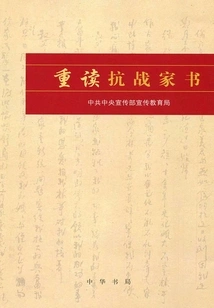
重读抗战家书(抄写)
Propaganda And Education Bureau Of The Propaganda Department Of The Cpc Central Committee
This book is organized by the Propaganda and Education Bureau of the Propaganda Department of the Central Committee of the Communist Party of China. It will include the originals in the Zhonghua Book Company edition of "Rereading Family Letters during the Anti-Japanese War" and invites famous writers from the China Calligraphers Association to re-copy them in small regular script. The basic content of the book is the same as the original book, but only the calligraphy version and the explanatory text of the original text are retained. Its main purpose is to better preserve the family letters of heroes and martyrs and carry forward the spirit of the Anti-Japanese War. After the book is published, it will be presented by the Propaganda Department of the CPC Central Committee to the Chinese Anti-Japanese War Memorial Hall, Military Museum, National Museum, etc. The main content of the original book is: In order to consolidate and expand the achievements of the 70th anniversary commemoration of the victory of the Chinese People's War of Resistance Against Japanese Aggression and the World Anti-Fascist War, and to vigorously promote the great national spirit and the spirit of the Anti-Japanese War, we selected the letters from the families of the heroes of the Anti-Japanese War and compiled "Rereading the Letters from the Homes of the Anti-Japanese War". These letters from home during the Anti-Japanese War demonstrate the revolutionary heroes' firm ideals and beliefs and deep feelings for their family and country. They are deeply touching and thought-provoking. They are the most vivid and convincing teaching materials for the education of ideals and beliefs.
This book is organized by the Propaganda and Education Bureau of the Propaganda Department of the Central Committee of the Communist Party of China. It will include the originals in the Zhonghua Book Company edition of "Rereading Family Letters during the Anti-Japanese War" and invites famous writers from the China Calligraphers Association to re-copy them in small regular script. The basic content of the book is the same as the original book, but only the calligraphy version and the explanatory text of the original text are retained. Its main purpose is to better preserve the family letters of heroes and martyrs and carry forward the spirit of the Anti-Japanese War. After the book is published, it will be presented by the Propaganda Department of the CPC Central Committee to the Chinese Anti-Japanese War Memorial Hall, Military Museum, National Museum, etc. The main content of the original book is: In order to consolidate and expand the achievements of the 70th anniversary commemoration of the victory of the Chinese People's War of Resistance Against Japanese Aggression and the World Anti-Fascist War, and to vigorously promote the great national spirit and the spirit of the Anti-Japanese War, we selected the letters from the families of the heroes of the Anti-Japanese War and compiled "Rereading the Letters from the Homes of the Anti-Japanese War". These letters from home during the Anti-Japanese War demonstrate the revolutionary heroes' firm ideals and beliefs and deep feelings for their family and country. They are deeply touching and thought-provoking. They are the most vivid and convincing teaching materials for the education of ideals and beliefs.
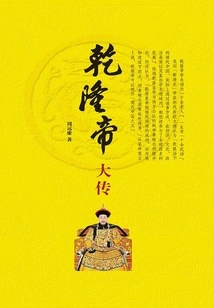
乾隆帝大传
Zhou Yuanlian
Emperor Qianlong was the sixth emperor of the Qing Dynasty and the fourth emperor after entering the Pass. He ascended the throne at the age of twenty-five and reigned for sixty years. After the throne, he served as the Supreme Emperor for three years and four months. He actually exercised the highest power of the country for sixty-three years and four months. He was the emperor who actually held the highest power of the country for the longest time in Chinese history and was also the longest-lived emperor in Chinese history. During his reign, the Qing Dynasty reached its highest peak since the heyday of Kangxi and Qianlong. On the basis of the cultural and military achievements of the Kangxi and Yongzheng dynasties, he further completed the unification of the multi-ethnic country, and further developed the social economy and culture. He attached great importance to social stability and cared about the people affected by disasters. During his reign, he exempted the world's money and grain five times, and exempted eight provinces' canal grain three times, which reduced the burden on farmers. He also attached great importance to water conservancy construction, which played a role in protecting agricultural production and enriched the Qing Dynasty's treasury. He was prosperous in martial arts and made great achievements in quelling rebellions in border areas. He maintained the country's unity and expanded its territory. He also improved his rule over Tibet and formally incorporated Xinjiang into China's territory. This maximized the territory of the Qing Dynasty. During his reign, folk art developed greatly, such as Peking Opera, which was formed during the Qianlong period. However, in the later period of his reign, he was extravagant, his administration was corrupt, and uprisings broke out in many places. Moreover, the policy of isolation from the country has reached its highest level, widening the gap with the West and causing a crisis in the rule of the Qing Dynasty. The literary prison was even more severe than during the Kangxi and Yongzheng periods. The book is divided into fifteen chapters, which objectively and fairly evaluates the merits and demerits of Emperor Qianlong's life. It is a work with relatively good academic standards among related works.
Emperor Qianlong was the sixth emperor of the Qing Dynasty and the fourth emperor after entering the Pass. He ascended the throne at the age of twenty-five and reigned for sixty years. After the throne, he served as the Supreme Emperor for three years and four months. He actually exercised the highest power of the country for sixty-three years and four months. He was the emperor who actually held the highest power of the country for the longest time in Chinese history and was also the longest-lived emperor in Chinese history. During his reign, the Qing Dynasty reached its highest peak since the heyday of Kangxi and Qianlong. On the basis of the cultural and military achievements of the Kangxi and Yongzheng dynasties, he further completed the unification of the multi-ethnic country, and further developed the social economy and culture. He attached great importance to social stability and cared about the people affected by disasters. During his reign, he exempted the world's money and grain five times, and exempted eight provinces' canal grain three times, which reduced the burden on farmers. He also attached great importance to water conservancy construction, which played a role in protecting agricultural production and enriched the Qing Dynasty's treasury. He was prosperous in martial arts and made great achievements in quelling rebellions in border areas. He maintained the country's unity and expanded its territory. He also improved his rule over Tibet and formally incorporated Xinjiang into China's territory. This maximized the territory of the Qing Dynasty. During his reign, folk art developed greatly, such as Peking Opera, which was formed during the Qianlong period. However, in the later period of his reign, he was extravagant, his administration was corrupt, and uprisings broke out in many places. Moreover, the policy of isolation from the country has reached its highest level, widening the gap with the West and causing a crisis in the rule of the Qing Dynasty. The literary prison was even more severe than during the Kangxi and Yongzheng periods. The book is divided into fifteen chapters, which objectively and fairly evaluates the merits and demerits of Emperor Qianlong's life. It is a work with relatively good academic standards among related works.
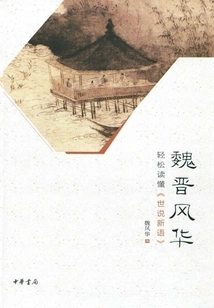
魏晋风华:轻松读懂《世说新语》
Wei Fenghua
This is an extremely attractive and charming book about the Wei and Jin Dynasties and their demeanor; this is the most unique journey in the history of Chinese spirituality, from the Seven Sages in the Bamboo Grove to the celebrities in Orchid Pavilion. The book takes the classic "Shishuo Xinyu" as a clue, integrates historical background and character context, and gives a comprehensive description and interpretation of the unique Wei and Jin Dynasties. It tells the various words and deeds of celebrities in the Wei and Jin Dynasties with nostalgic affectionate and meaningful writing styles, showing their uninhibited style and sentiments of self-cherishing and freedom pursuit. It makes the distant golden age gloriously reborn, and also brings deep inspiration to current life.
This is an extremely attractive and charming book about the Wei and Jin Dynasties and their demeanor; this is the most unique journey in the history of Chinese spirituality, from the Seven Sages in the Bamboo Grove to the celebrities in Orchid Pavilion. The book takes the classic "Shishuo Xinyu" as a clue, integrates historical background and character context, and gives a comprehensive description and interpretation of the unique Wei and Jin Dynasties. It tells the various words and deeds of celebrities in the Wei and Jin Dynasties with nostalgic affectionate and meaningful writing styles, showing their uninhibited style and sentiments of self-cherishing and freedom pursuit. It makes the distant golden age gloriously reborn, and also brings deep inspiration to current life.
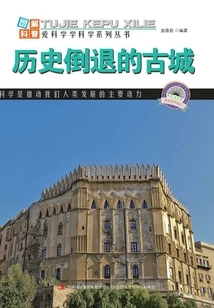
历史倒退的古城(图解世界地理)
Zhao Xichen
This article mainly introduces what remaining ancient cities in the world are, when they were built, and the significance of their construction at that time. This book uses easy-to-understand language, concisely introduces the historical origin of the ancient city, and uses a large number of pictures to show the appearance of the ancient city. This book also tells us how to protect the remaining ancient cities.
This article mainly introduces what remaining ancient cities in the world are, when they were built, and the significance of their construction at that time. This book uses easy-to-understand language, concisely introduces the historical origin of the ancient city, and uses a large number of pictures to show the appearance of the ancient city. This book also tells us how to protect the remaining ancient cities.
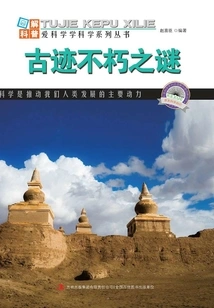
古迹不朽之谜(图解世界地理)
Zhao Xichen
This book mainly talks about the knowledge of ancient monuments in the world. How the monuments were formed, how many monuments are left, when the monuments were formed, etc. This book can also enrich our views and thinking and reveal some more profound issues. This book also tells us how we should protect monuments.
This book mainly talks about the knowledge of ancient monuments in the world. How the monuments were formed, how many monuments are left, when the monuments were formed, etc. This book can also enrich our views and thinking and reveal some more profound issues. This book also tells us how we should protect monuments.
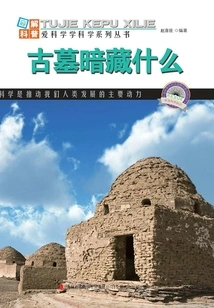
古墓暗藏什么(图解世界地理)
Zhao Xichen
An ancient tomb with unique charm, it brings an infinite sense of mystery to people. While people are sightseeing and admiring, they can't help but wonder how such a large-scale ancient tomb was built, for whom it was built, what mysteries are inside it, and in what era it was built. These mysteries have not yet been solved and we need to continue to work hard to explore them.
An ancient tomb with unique charm, it brings an infinite sense of mystery to people. While people are sightseeing and admiring, they can't help but wonder how such a large-scale ancient tomb was built, for whom it was built, what mysteries are inside it, and in what era it was built. These mysteries have not yet been solved and we need to continue to work hard to explore them.
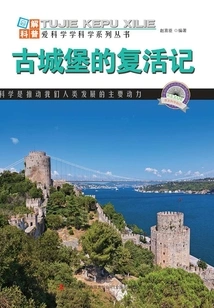
古城堡的复活记(图解世界地理)
Zhao Xichen
Foreign ancient cities and castles with unique charm, and Chinese ancient cities and castles with simple architectural styles and rich cultural heritage. While people are sightseeing and admiring them, they can't help but wonder why such a large ancient city disappeared, how could there be ancient city ruins under the sea, how did the ancients build these ancient cities... These mysteries have not yet been solved, and we need to continue to work hard to explore.
Foreign ancient cities and castles with unique charm, and Chinese ancient cities and castles with simple architectural styles and rich cultural heritage. While people are sightseeing and admiring them, they can't help but wonder why such a large ancient city disappeared, how could there be ancient city ruins under the sea, how did the ancients build these ancient cities... These mysteries have not yet been solved, and we need to continue to work hard to explore.
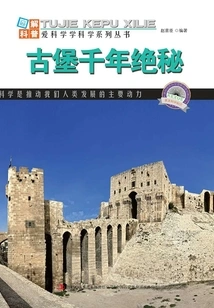
古堡千年绝秘(图解世界地理)
Zhao Xichen
This book mainly covers the excavation, exploration, beautiful scenery, history and other knowledge of the world-famous ancient cities.
This book mainly covers the excavation, exploration, beautiful scenery, history and other knowledge of the world-famous ancient cities.
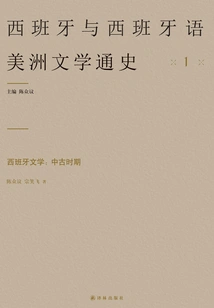
西班牙文学:中古时期
Chen Zhongyi
"General History of Spanish and Spanish American Literature" is the first true general history of Spanish literature, and it is not limited to Spanish, because it started from Spain as a relatively independent kingdom - the Visigoths, and has lasted for more than 1,500 years, spanning the two continents of Europe and the United States, involving twenty countries, plus the heritage of the ancient Mayan, Inca and Aztec civilizations. The five-volume general history consists of "Spanish Literature: The Medieval Period", "Spanish Literature: The Golden Century", "Spanish Literature: Modern Times", "Spanish American Literature: The Classical Period" and "Spanish American Literature: Modern Times". The first volume, "Spanish Literature: The Medieval Period," is composed of three parts: Visigothic Latin literature, Arabic Al-Andalus literature, and early Spanish literature. From the religious literature in the embryonic period of the Kingdom of Spain, to the secular tendency during the Muslim occupation period and even the late "War of Restoration", extending to the eve of the "Golden Century", it collided and combined with ancient Indian literature, giving birth to a more splendid landscape.
"General History of Spanish and Spanish American Literature" is the first true general history of Spanish literature, and it is not limited to Spanish, because it started from Spain as a relatively independent kingdom - the Visigoths, and has lasted for more than 1,500 years, spanning the two continents of Europe and the United States, involving twenty countries, plus the heritage of the ancient Mayan, Inca and Aztec civilizations. The five-volume general history consists of "Spanish Literature: The Medieval Period", "Spanish Literature: The Golden Century", "Spanish Literature: Modern Times", "Spanish American Literature: The Classical Period" and "Spanish American Literature: Modern Times". The first volume, "Spanish Literature: The Medieval Period," is composed of three parts: Visigothic Latin literature, Arabic Al-Andalus literature, and early Spanish literature. From the religious literature in the embryonic period of the Kingdom of Spain, to the secular tendency during the Muslim occupation period and even the late "War of Restoration", extending to the eve of the "Golden Century", it collided and combined with ancient Indian literature, giving birth to a more splendid landscape.
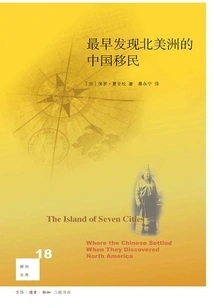
最早发现北美洲的中国移民
(canada) Paul Chiasson
In the midsummer of 2002, Paul Chiasson discovered a wide and smooth ancient road on Cape Breton Island in Canada. So he searched through historical archives and classics, trying to find records about this ancient road. Combining field investigation with documentary research, he deduced the surprising conclusion that long before the European explorer Cabot arrived on the island, the Chinese had established a large-scale immigration area there. In this unique book, the author explains the reasons for the obscurity of this area, and uses convincing research to point out the origin of the culture of the Mi'kmaw people, the indigenous people of North America, and Chinese culture.
In the midsummer of 2002, Paul Chiasson discovered a wide and smooth ancient road on Cape Breton Island in Canada. So he searched through historical archives and classics, trying to find records about this ancient road. Combining field investigation with documentary research, he deduced the surprising conclusion that long before the European explorer Cabot arrived on the island, the Chinese had established a large-scale immigration area there. In this unique book, the author explains the reasons for the obscurity of this area, and uses convincing research to point out the origin of the culture of the Mi'kmaw people, the indigenous people of North America, and Chinese culture.
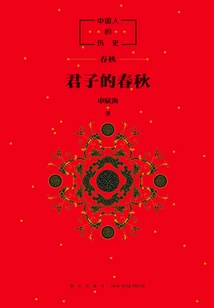
中国人的历史:君子的春秋
Shen Fuyu
"The History of the Chinese People" Part Two. The Spring and Autumn Period was the age of overlords and the age of gentlemen. While pursuing hegemony, the princes from all over the world also paid attention to morality and etiquette. Welcoming and farewelling guests, offering sacrifices to alliances, celebrating ceremonies, and even lining up for battle must follow etiquette. Building meritorious service depends not only on strength, but also on etiquette and justice, which contains the source of the strength of Chinese culture that has lasted for thousands of years. "The History of the Chinese: The Spring and Autumn Period of the Gentlemen" selected ten people as the coordinate system of the "Spring and Autumn Period". Their lives are a meandering line of time, connecting more than three hundred years of history in the Spring and Autumn Period. And each of their lives is intertwined with hundreds of people, forming a complicated picture, forming the turbulent "Spring and Autumn Era".
"The History of the Chinese People" Part Two. The Spring and Autumn Period was the age of overlords and the age of gentlemen. While pursuing hegemony, the princes from all over the world also paid attention to morality and etiquette. Welcoming and farewelling guests, offering sacrifices to alliances, celebrating ceremonies, and even lining up for battle must follow etiquette. Building meritorious service depends not only on strength, but also on etiquette and justice, which contains the source of the strength of Chinese culture that has lasted for thousands of years. "The History of the Chinese: The Spring and Autumn Period of the Gentlemen" selected ten people as the coordinate system of the "Spring and Autumn Period". Their lives are a meandering line of time, connecting more than three hundred years of history in the Spring and Autumn Period. And each of their lives is intertwined with hundreds of people, forming a complicated picture, forming the turbulent "Spring and Autumn Era".
中国人的历史:战国的星空
Shen Fuyu
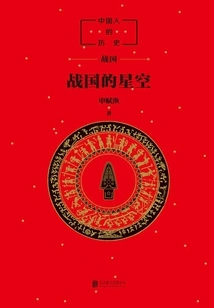
"The History of the Chinese People" Part Three. A history of the Warring States Period is history when viewed vertically and philosophy when viewed horizontally. And what supports it all is people. He is an ordinary person, but he is a great person. Mo Zhai, Sun Bin, Shang Yang, Meng Ke, Zhuang Zhou, Qu Yuan, Lin Xiangru, Jing Ke, etc. Are individuals whose destinies are linked to each other and subtly affect the direction of history. Hundreds of schools of thought, including Mohists, military strategists, legalists, Confucians, Taoists, strategists, and miscellaneous schools, took turns to appear on the stage, transferring energy to each other, and finally, 2,200 years ago, they lit up the starry sky of the Warring States Period. "The Starry Sky of the Warring States Period" is just a star map, it is a reflection of the starry sky. True civilization and wisdom are above our heads. If you look up in the sky and search carefully, you will find one of your own among the stars in the sky. It will travel through time and space and shine into your heart.
"The History of the Chinese People" Part Three. A history of the Warring States Period is history when viewed vertically and philosophy when viewed horizontally. And what supports it all is people. He is an ordinary person, but he is a great person. Mo Zhai, Sun Bin, Shang Yang, Meng Ke, Zhuang Zhou, Qu Yuan, Lin Xiangru, Jing Ke, etc. Are individuals whose destinies are linked to each other and subtly affect the direction of history. Hundreds of schools of thought, including Mohists, military strategists, legalists, Confucians, Taoists, strategists, and miscellaneous schools, took turns to appear on the stage, transferring energy to each other, and finally, 2,200 years ago, they lit up the starry sky of the Warring States Period. "The Starry Sky of the Warring States Period" is just a star map, it is a reflection of the starry sky. True civilization and wisdom are above our heads. If you look up in the sky and search carefully, you will find one of your own among the stars in the sky. It will travel through time and space and shine into your heart.