Library
Browse and search books
2,037 novels found
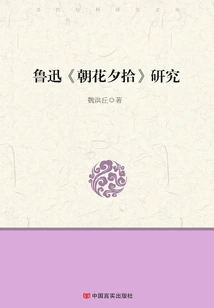
鲁迅《朝花夕拾》研究
Wei Hongqiu
Lu Xun's "Morning Blossoms Plucked at Dusk" is a collection of essays with far-reaching influence in Lu Xun's life. It is a collection of retrospective essays originally published in "Wangyuan" magazine, with the old title "Revisiting Old Things". It not only truly and meticulously records Lu Xun's life trajectory as a teenager, but also records several important turning points in his life path: studying in Nanjing (choosing the theory of evolution), studying in Japan (abandoning medicine to pursue literature), etc., And has become an important material for studying Lu Xun's life and ideological development. From a literary perspective, it is the essence and model of modern prose creation. Therefore, "Morning Blossoms Plucked at Dusk" is an important object of Lu Xun research and modern literature research. This book constructs an academic framework for research from three perspectives: "ontology", "interpretation" and "thematic theory". It conducts objective and scientific analysis and research on Lu Xun and "Morning Blossoms Gathered at Evening" from macro to micro, from life thoughts to artistic personality. It is representative in the field of Lu Xun research and "Morning Blossoms Gathered at Evening" research.
Lu Xun's "Morning Blossoms Plucked at Dusk" is a collection of essays with far-reaching influence in Lu Xun's life. It is a collection of retrospective essays originally published in "Wangyuan" magazine, with the old title "Revisiting Old Things". It not only truly and meticulously records Lu Xun's life trajectory as a teenager, but also records several important turning points in his life path: studying in Nanjing (choosing the theory of evolution), studying in Japan (abandoning medicine to pursue literature), etc., And has become an important material for studying Lu Xun's life and ideological development. From a literary perspective, it is the essence and model of modern prose creation. Therefore, "Morning Blossoms Plucked at Dusk" is an important object of Lu Xun research and modern literature research. This book constructs an academic framework for research from three perspectives: "ontology", "interpretation" and "thematic theory". It conducts objective and scientific analysis and research on Lu Xun and "Morning Blossoms Gathered at Evening" from macro to micro, from life thoughts to artistic personality. It is representative in the field of Lu Xun research and "Morning Blossoms Gathered at Evening" research.
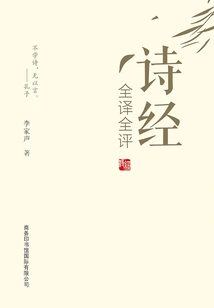
诗经全译全评
Li Jiasheng
The Book of Songs was compiled in the Spring and Autumn Period, and contains a total of 305 poems from the beginning of the Western Zhou Dynasty to the middle of the Spring and Autumn Period over about 500 years. The problem solving, annotation, and analysis of this book mainly include "Preface to Poems" by Wei Hong of the Eastern Han Dynasty, "Biography of the Collection of Poems" by Zhu Xi of the Song Dynasty, and "General Theory of the Book of Songs" by Yao Jiheng of the Qing Dynasty.
The Book of Songs was compiled in the Spring and Autumn Period, and contains a total of 305 poems from the beginning of the Western Zhou Dynasty to the middle of the Spring and Autumn Period over about 500 years. The problem solving, annotation, and analysis of this book mainly include "Preface to Poems" by Wei Hong of the Eastern Han Dynasty, "Biography of the Collection of Poems" by Zhu Xi of the Song Dynasty, and "General Theory of the Book of Songs" by Yao Jiheng of the Qing Dynasty.
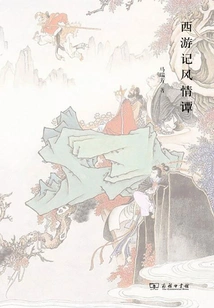
Journey to the West
Literature西游记风情谭
Ma Ruifang
The study of "Journey to the West" contains more ideological and argumentative character analysis, but less reference to the unique style of the novel about gods and demons; there are many long and grand essays, but few short and clear points. How to guide modern readers, especially teenagers, to appreciate "Journey to the West"? "Journey to the West" is positioned as "the most magical novel". It starts with details and uses smart and simple prose to appreciate the unparalleled charm of "Journey to the West". Analyzing it piece by piece, the spirit can be seen in the subtleties, using the plot development of the novel as a clue to explore how "Journey to the West" became the master of the charming style of ancient novels about gods and demons.
The study of "Journey to the West" contains more ideological and argumentative character analysis, but less reference to the unique style of the novel about gods and demons; there are many long and grand essays, but few short and clear points. How to guide modern readers, especially teenagers, to appreciate "Journey to the West"? "Journey to the West" is positioned as "the most magical novel". It starts with details and uses smart and simple prose to appreciate the unparalleled charm of "Journey to the West". Analyzing it piece by piece, the spirit can be seen in the subtleties, using the plot development of the novel as a clue to explore how "Journey to the West" became the master of the charming style of ancient novels about gods and demons.
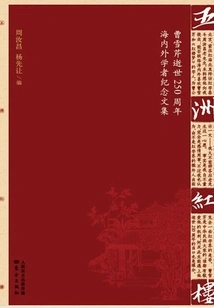
Wuzhou Red Mansion
Literature五洲红楼
Zhou Ruchang Yang Xianrang
"Five Continents Red Mansion" brings together a number of scholars at home and abroad who are fond of Cao Xueqin and "Dream of Red Mansions". Each of them expressed their own opinions and jointly interpreted the dream of "Red Mansions" to commemorate the 250th anniversary of Cao Xueqin's death. Due to differences in majors and preferences, the articles in this book have their own styles and angles. The content is rich and exciting.
"Five Continents Red Mansion" brings together a number of scholars at home and abroad who are fond of Cao Xueqin and "Dream of Red Mansions". Each of them expressed their own opinions and jointly interpreted the dream of "Red Mansions" to commemorate the 250th anniversary of Cao Xueqin's death. Due to differences in majors and preferences, the articles in this book have their own styles and angles. The content is rich and exciting.
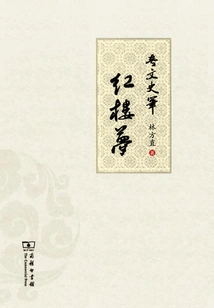
A Dream of Red Mansions
Literature奇文史笔红楼梦
Lin Fangzhi
This book analyzes the deep meaning hidden in "A Dream of Red Mansions" from two aspects: "wonderful writing" and "historical writing". The author believes that "wonderful articles" are "real things" and "true flavors" that are cleverly "hidden" in words, such as: the illusion of mending the sky and discarded stones through the ages, "jade belts hanging in the forest, gold hairpins buried in the snow", "tiger and rabbit meet and return with big dreams", phoenix imagery, Nuanxiangwu Spring Lantern Riddles ... They are all images with profound connotations, and what the author does is to dig out the amazing meanings, decipher the unexpected secrets from their wonderful artistic coding, and display the great ideological significance and unique artistic value of the book.
This book analyzes the deep meaning hidden in "A Dream of Red Mansions" from two aspects: "wonderful writing" and "historical writing". The author believes that "wonderful articles" are "real things" and "true flavors" that are cleverly "hidden" in words, such as: the illusion of mending the sky and discarded stones through the ages, "jade belts hanging in the forest, gold hairpins buried in the snow", "tiger and rabbit meet and return with big dreams", phoenix imagery, Nuanxiangwu Spring Lantern Riddles ... They are all images with profound connotations, and what the author does is to dig out the amazing meanings, decipher the unexpected secrets from their wonderful artistic coding, and display the great ideological significance and unique artistic value of the book.
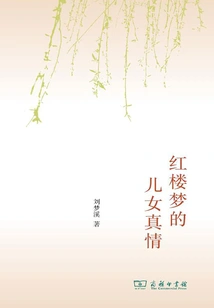
红楼梦的儿女真情
Liu Mengxi
Liu Mengxi has devoted more efforts to the study of Dream of Red Mansions and has published many influential works on Red Mansions. "The True Love of Children in a Dream of Red Mansions" positions "A Dream of Red Mansions" as a "Chinese love book". It analyzes the emotions of Bao Dai and related characters in 35 sections from the perspective of love, explains the eternal theme of "love", and is also enlightening to today's men and women.
Liu Mengxi has devoted more efforts to the study of Dream of Red Mansions and has published many influential works on Red Mansions. "The True Love of Children in a Dream of Red Mansions" positions "A Dream of Red Mansions" as a "Chinese love book". It analyzes the emotions of Bao Dai and related characters in 35 sections from the perspective of love, explains the eternal theme of "love", and is also enlightening to today's men and women.
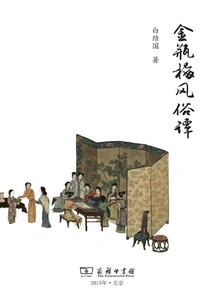
The Customs of Jin Ping Mei
Literature金瓶梅风俗谭
Bai Weiguo
"The Customs of the Plum Blossom in the Jin Ping" is a good book that can be said to be a perfect complement to "The Customs of the Red Mansion" by cultural master Deng Yunxiang. Mr. Bai Weiguo is an expert in the study of vernacular novels of the Ming and Qing Dynasties, especially the study of "Jin Ping Mei". In the form of essays, this book tells the various customs involved in "Jin Ping Mei", including festivals, entertainment, folk arts, clothing, food and other aspects at that time. In addition to quoting the original text from "Jin Ping Mei", each custom is quoted from classics, describing the origin and origin of the custom in detail, showing readers a picture of customs in the late Ming Dynasty. The whole book explains the profound things in simple terms and can be enjoyed by both refined and popular people.
"The Customs of the Plum Blossom in the Jin Ping" is a good book that can be said to be a perfect complement to "The Customs of the Red Mansion" by cultural master Deng Yunxiang. Mr. Bai Weiguo is an expert in the study of vernacular novels of the Ming and Qing Dynasties, especially the study of "Jin Ping Mei". In the form of essays, this book tells the various customs involved in "Jin Ping Mei", including festivals, entertainment, folk arts, clothing, food and other aspects at that time. In addition to quoting the original text from "Jin Ping Mei", each custom is quoted from classics, describing the origin and origin of the custom in detail, showing readers a picture of customs in the late Ming Dynasty. The whole book explains the profound things in simple terms and can be enjoyed by both refined and popular people.
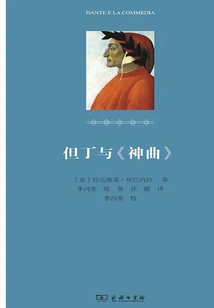
Dante and the Divine Comedy
Literature但丁与《神曲》
(italian) Raffaele Campanella
"Dante and the Divine Comedy" is a popular reading to understand Dante and his works. It outlines the general outline of the "Divine Comedy" and elaborates on metaphors, symbols and numbers, comprehensive themes, and some parts that are difficult for students whose native language is Italian to understand. The author of "Dante and the Divine Comedy" introduces and analyzes the two main partners in the poet's journey to "Hell, Purgatory and Paradise" - the woman Beatrice and the mentor Virgil. He describes the rings of hell, the layers of purgatory and the sky of heaven in the "Divine Comedy", as well as the characters in them, and explains the social background of the writing of the "Divine Comedy" - the power of the church and the pope.
"Dante and the Divine Comedy" is a popular reading to understand Dante and his works. It outlines the general outline of the "Divine Comedy" and elaborates on metaphors, symbols and numbers, comprehensive themes, and some parts that are difficult for students whose native language is Italian to understand. The author of "Dante and the Divine Comedy" introduces and analyzes the two main partners in the poet's journey to "Hell, Purgatory and Paradise" - the woman Beatrice and the mentor Virgil. He describes the rings of hell, the layers of purgatory and the sky of heaven in the "Divine Comedy", as well as the characters in them, and explains the social background of the writing of the "Divine Comedy" - the power of the church and the pope.
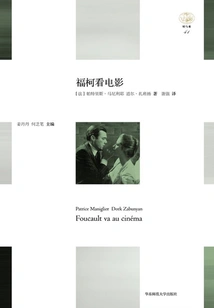
Foucault Watching Movies
Literature福柯看电影
(france) Manilier Zabanyan
Foucault at the Cinema is the first attempt to provide an overview of Foucault's as-yet-unknown encounter with cinema. People can see from this that film can form a new concept of "event", film can explore a body stripped of its organic nature, and film can capture a history without victims or heroes. We are not really aware of these microscopic processes, but they determine profound changes in our understanding of ourselves. Only different kinds of thinking can lead to different kinds of viewing, and different kinds of viewing can lead to different kinds of thinking.
Foucault at the Cinema is the first attempt to provide an overview of Foucault's as-yet-unknown encounter with cinema. People can see from this that film can form a new concept of "event", film can explore a body stripped of its organic nature, and film can capture a history without victims or heroes. We are not really aware of these microscopic processes, but they determine profound changes in our understanding of ourselves. Only different kinds of thinking can lead to different kinds of viewing, and different kinds of viewing can lead to different kinds of thinking.
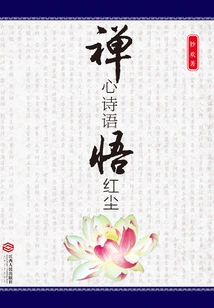
禅心诗语悟红尘
Miao Huan
Poets use Zen to teach poetry, and Zen masters use poetry to express Zen. However, throughout the ages, poets have put in more and come out with less, while Zen masters have put in less and come out with more. Therefore, this book will be divided into two volumes to appreciate Zen poetry and express Zen through poetry. The first volume "Incorporating Zen into poetry" refers to incorporating Zen ideas into poetry, and was mostly written by lay people or scholar-bureaucrats. The second volume, "Referring to Zen through poetry," refers to using the form of poetry to express the meaning of Zen as the first priority, mostly written by Zen masters. Borrowing the form of general poetry appreciation books, adding appropriate koans or Buddhist stories and using poems as the basis for dividing chapters, you can enjoy both poems and Zen.
Poets use Zen to teach poetry, and Zen masters use poetry to express Zen. However, throughout the ages, poets have put in more and come out with less, while Zen masters have put in less and come out with more. Therefore, this book will be divided into two volumes to appreciate Zen poetry and express Zen through poetry. The first volume "Incorporating Zen into poetry" refers to incorporating Zen ideas into poetry, and was mostly written by lay people or scholar-bureaucrats. The second volume, "Referring to Zen through poetry," refers to using the form of poetry to express the meaning of Zen as the first priority, mostly written by Zen masters. Borrowing the form of general poetry appreciation books, adding appropriate koans or Buddhist stories and using poems as the basis for dividing chapters, you can enjoy both poems and Zen.
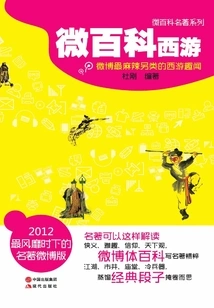
Microencyclopedia·journey to the West
Literature微百科·西游
Du Gang
In this book, the lion spirit also caused havoc in the Heavenly Palace, and there was also a rare animal, General Yin. The scorpion spirit was actually quite gentle at heart. Why did the nine-tailed fox not even have a chance to show off its abilities, but was instantly killed by Sun Wukong and became the fastest monster? Who is your favorite immortal in Journey to the West who has trouble with Sun Wukong? The White Bone Demon is actually very pitiful. Micro Encyclopedia·Journey to the West uses the most humorous and interesting writing style and the most popular writing method to tell you the most spicy and funny anecdotes about Journey to the West, as well as monsters and monsters.
In this book, the lion spirit also caused havoc in the Heavenly Palace, and there was also a rare animal, General Yin. The scorpion spirit was actually quite gentle at heart. Why did the nine-tailed fox not even have a chance to show off its abilities, but was instantly killed by Sun Wukong and became the fastest monster? Who is your favorite immortal in Journey to the West who has trouble with Sun Wukong? The White Bone Demon is actually very pitiful. Micro Encyclopedia·Journey to the West uses the most humorous and interesting writing style and the most popular writing method to tell you the most spicy and funny anecdotes about Journey to the West, as well as monsters and monsters.
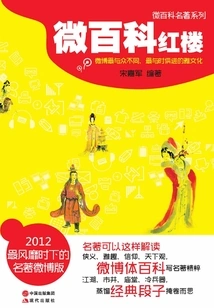
Micro Encyclopedia·red Mansion
Literature微百科·红楼
Compiled By Song Jiajun
How many dreams are there in the Red Mansion? How many characters did you write about? How many poems have you written? How many servants are needed for a funeral? What kind of banquets are there? What kind of snacks does Jia Mansion have? Who is the most bourgeois? Who is most frustrated? How many gifts are there in "gifts to everyone"? Among the sisters, Daiyu is considered the happiest, and Yuanchun may not have died of illness. The concept of Jia Mu is secretly changed, Baochai is hidden, and choosing the second mistress is choosing the future successor. Wei Encyclopedia Red Mansion uses the most unique perspective, the most up-to-date Weibo style, and the most unique way of expression to tell the classics about the elegant culture, customs and etiquette, everyone's style, management wisdom, food and entertainment, poetry, poetry, etc.
How many dreams are there in the Red Mansion? How many characters did you write about? How many poems have you written? How many servants are needed for a funeral? What kind of banquets are there? What kind of snacks does Jia Mansion have? Who is the most bourgeois? Who is most frustrated? How many gifts are there in "gifts to everyone"? Among the sisters, Daiyu is considered the happiest, and Yuanchun may not have died of illness. The concept of Jia Mu is secretly changed, Baochai is hidden, and choosing the second mistress is choosing the future successor. Wei Encyclopedia Red Mansion uses the most unique perspective, the most up-to-date Weibo style, and the most unique way of expression to tell the classics about the elegant culture, customs and etiquette, everyone's style, management wisdom, food and entertainment, poetry, poetry, etc.
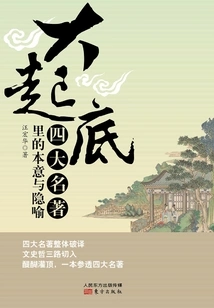
大起底:四大名著里的本意与隐喻
Wang Honghua
This book uses a structural interpretation method to systematically reason and deconstruct the four major classics from three aspects: literature, history, and philosophy. This book believes that although the four major masterpieces all have obscure aspects, they all retain complete philosophical themes and structural forms. If the Da Vinci Code can be found, the author's original intention and metaphor can be restored. Through analysis, it was found that the first eighty chapters of "A Dream of Red Mansions" have formed their own system. Based on the first eighty chapters, it is enough to deduce the endings of the main characters and events such as the Twelve Hairpins of Jinling; there is the relationship of "Three Kingdoms and Five Parties" in "The Romance of the Three Kingdoms", and the personality traits and mental journeys of the main characters determine their final endings...
This book uses a structural interpretation method to systematically reason and deconstruct the four major classics from three aspects: literature, history, and philosophy. This book believes that although the four major masterpieces all have obscure aspects, they all retain complete philosophical themes and structural forms. If the Da Vinci Code can be found, the author's original intention and metaphor can be restored. Through analysis, it was found that the first eighty chapters of "A Dream of Red Mansions" have formed their own system. Based on the first eighty chapters, it is enough to deduce the endings of the main characters and events such as the Twelve Hairpins of Jinling; there is the relationship of "Three Kingdoms and Five Parties" in "The Romance of the Three Kingdoms", and the personality traits and mental journeys of the main characters determine their final endings...
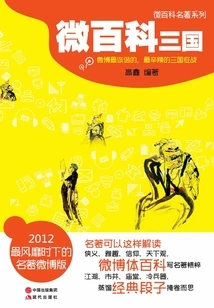
Micro Encyclopedia·three Kingdoms
Literature微百科·三国
Gao Xin
The Three Kingdoms were not "Wei, Shu, and Wu". What was Cao Cao's biggest regret in his life? Kong Rong is a master who never suffers losses. Who is the emperor with the worst name? How can carelessness achieve great success? What was the most successful defensive battle among many? Who holds the most loyal sword? What's going on in the mourning hall with "the sound of donkeys everywhere"? "Micro Encyclopedia·Three Kingdoms" uses the most humorous language, the most pungent satire, and the most relaxed and enjoyable Weibo style to tell you all about it. As a reporter who reports objectively, Gao Xin talks about the heroic spirit of "The Romance of the Three Kingdoms" in "Micro Encyclopedia Three Kingdoms" and then talks about the calmness and sophistication of "The Romance of the Three Kingdoms". In this harmonious process, discover more valuable news about the Three Kingdoms.
The Three Kingdoms were not "Wei, Shu, and Wu". What was Cao Cao's biggest regret in his life? Kong Rong is a master who never suffers losses. Who is the emperor with the worst name? How can carelessness achieve great success? What was the most successful defensive battle among many? Who holds the most loyal sword? What's going on in the mourning hall with "the sound of donkeys everywhere"? "Micro Encyclopedia·Three Kingdoms" uses the most humorous language, the most pungent satire, and the most relaxed and enjoyable Weibo style to tell you all about it. As a reporter who reports objectively, Gao Xin talks about the heroic spirit of "The Romance of the Three Kingdoms" in "Micro Encyclopedia Three Kingdoms" and then talks about the calmness and sophistication of "The Romance of the Three Kingdoms". In this harmonious process, discover more valuable news about the Three Kingdoms.
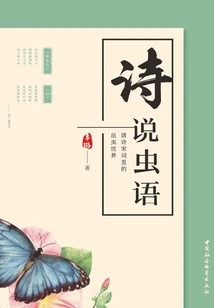
诗说虫语:唐诗宋词里的昆虫世界
Li Lu
This book is a microscopic history of the development of insect literature in the Tang and Song Dynasties. It mainly discusses the historical development of insect themes in poetry during the Tang and Song Dynasties. Through the aesthetic selection of various insect images, it explores their inherent cultural implications.
This book is a microscopic history of the development of insect literature in the Tang and Song Dynasties. It mainly discusses the historical development of insect themes in poetry during the Tang and Song Dynasties. Through the aesthetic selection of various insect images, it explores their inherent cultural implications.
Poetry is Especially Zen (2017)
Literature诗里特别有禅(2017)
Luo Yuming
Many people think that Zen is so profound and mysterious that they cannot explain it. In fact, it is waiting for you to discover it in the poems. The meaning of this book is profound and far-reaching, and the writing is beautiful, concise and approachable, allowing readers to gain true tranquility from reading and sublimate their own souls. Professor Luo Yuming, from the Chinese Department of Fudan University and chief editor of "History of Chinese Literature", has combined more than thirty years of research on Chinese classical literature and exploration of traditional culture. He has conducted an incisive appreciation and analysis of nearly a hundred ancient Chinese poems, allowing readers to understand the breadth and depth of Chinese Zen culture. 2017 New hardcover revised edition, with exquisite illustrations by Mr. Qi Baishi in the text, taking you into the unique artistic conception of poetry and Zen.
Many people think that Zen is so profound and mysterious that they cannot explain it. In fact, it is waiting for you to discover it in the poems. The meaning of this book is profound and far-reaching, and the writing is beautiful, concise and approachable, allowing readers to gain true tranquility from reading and sublimate their own souls. Professor Luo Yuming, from the Chinese Department of Fudan University and chief editor of "History of Chinese Literature", has combined more than thirty years of research on Chinese classical literature and exploration of traditional culture. He has conducted an incisive appreciation and analysis of nearly a hundred ancient Chinese poems, allowing readers to understand the breadth and depth of Chinese Zen culture. 2017 New hardcover revised edition, with exquisite illustrations by Mr. Qi Baishi in the text, taking you into the unique artistic conception of poetry and Zen.
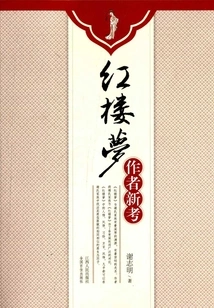
红楼梦作者新考
Xie Zhiming
"A New Examination of the Author of A Dream of Red Mansions" is divided into ten chapters. The main contents include: errors in Mr. Hu Shi's textual research methods, deviations in applicable evidence in Cao's theoretical system, a brief analysis of the Zhi version, and a comparative analysis of the comments between "A Dream of Brothels" and the Jiaxu version, etc.
"A New Examination of the Author of A Dream of Red Mansions" is divided into ten chapters. The main contents include: errors in Mr. Hu Shi's textual research methods, deviations in applicable evidence in Cao's theoretical system, a brief analysis of the Zhi version, and a comparative analysis of the comments between "A Dream of Brothels" and the Jiaxu version, etc.
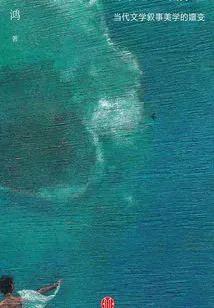
The Disappearance of "aura": the Evolution of Narrative Aesthetics in Contemporary Literature
Literature“灵光”的消逝:当代文学叙事美学的嬗变
Liang Hong
This book is a collection of contemporary literary criticism by the famous writer Liang Hong. It reviews contemporary Chinese literature from different perspectives such as family novels, female identity, and local literature. When Benjamin discussed the value of traditional art, he used a very emotional theoretical term - "aura". "What is aura? The strange entanglement of time and space, the unique appearance of distant things, which although far away, seems to be right in front of you." Resting quietly at noon in summer, following the arc of the mountain on the horizon, or following a branch projected on the viewer, until the 'now' becomes part of the image - this is breathing the aura of the distant mountains and branches." Needless to say, In Hardy's English countryside, Faulkner's southern towns, Marquez's Macondo village, in Lu Xun's Shaoxing, Shen Congwen's Xiangxi, Mo Yan's Gaomi Northeast Township, Yan Lianke's Raked Mountains, Bi Feiyu's Wangjiazhuang, Wang Anyi's Shanghai Hutong The existence of this "aura" can be felt everywhere. It is reflected from the dust, sunshine and wilderness of the countryside, from life, myths and history. It passes through the soul and condenses into a spiritual homeland, stimulating the deepest emotional throbbing of mankind.
This book is a collection of contemporary literary criticism by the famous writer Liang Hong. It reviews contemporary Chinese literature from different perspectives such as family novels, female identity, and local literature. When Benjamin discussed the value of traditional art, he used a very emotional theoretical term - "aura". "What is aura? The strange entanglement of time and space, the unique appearance of distant things, which although far away, seems to be right in front of you." Resting quietly at noon in summer, following the arc of the mountain on the horizon, or following a branch projected on the viewer, until the 'now' becomes part of the image - this is breathing the aura of the distant mountains and branches." Needless to say, In Hardy's English countryside, Faulkner's southern towns, Marquez's Macondo village, in Lu Xun's Shaoxing, Shen Congwen's Xiangxi, Mo Yan's Gaomi Northeast Township, Yan Lianke's Raked Mountains, Bi Feiyu's Wangjiazhuang, Wang Anyi's Shanghai Hutong The existence of this "aura" can be felt everywhere. It is reflected from the dust, sunshine and wilderness of the countryside, from life, myths and history. It passes through the soul and condenses into a spiritual homeland, stimulating the deepest emotional throbbing of mankind.
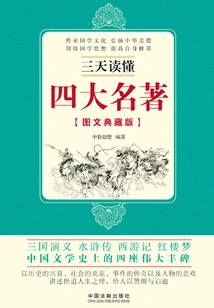
三天读懂四大名著(图文典藏版)
Compiled By Chinese Education Hanmeng
China's four major masterpieces include "Romance of the Three Kingdoms", "Water Margin", "Journey to the West" and "A Dream of Red Mansions". During the Ming and Qing dynasties, the creation of Chinese classical literature gradually entered its heyday, producing four great monuments in the history of Chinese literature.
China's four major masterpieces include "Romance of the Three Kingdoms", "Water Margin", "Journey to the West" and "A Dream of Red Mansions". During the Ming and Qing dynasties, the creation of Chinese classical literature gradually entered its heyday, producing four great monuments in the history of Chinese literature.
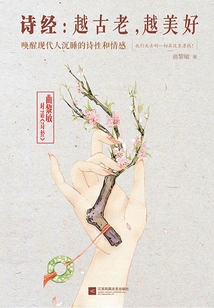
Book of Songs 1: the Older, the Better
Literature诗经1:越古老,越美好
Qu Limin
"The Book of Songs: The Older, the Better" is the latest masterpiece of the million-selling author Qu Limin who is once again launching a craze in Chinese studies. The book explains the mysteries of life hidden in the "Book of Songs"! Qu Limin had a conversation with the Book of Songs, the earliest collection of poems in China, interpreting the origin and significance of the Book of Songs, appreciating the eight benefits of reading poetry, and deeply thinking and poetically expressing many life themes such as love, marriage, men and women, marriage, peace, leftover women, resentful wives, loneliness, destiny, etc., Leading people to once again feel the simple and sincere spiritual power of the Book of Songs, and find a good way to solve the pain of the soul in the Book of Songs.
"The Book of Songs: The Older, the Better" is the latest masterpiece of the million-selling author Qu Limin who is once again launching a craze in Chinese studies. The book explains the mysteries of life hidden in the "Book of Songs"! Qu Limin had a conversation with the Book of Songs, the earliest collection of poems in China, interpreting the origin and significance of the Book of Songs, appreciating the eight benefits of reading poetry, and deeply thinking and poetically expressing many life themes such as love, marriage, men and women, marriage, peace, leftover women, resentful wives, loneliness, destiny, etc., Leading people to once again feel the simple and sincere spiritual power of the Book of Songs, and find a good way to solve the pain of the soul in the Book of Songs.
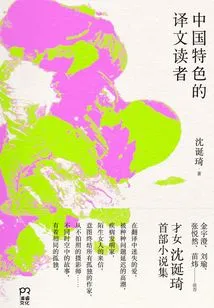
中国特色的译文读者
Shen Danqi
"Translation Readers with Chinese Characteristics" is a series of short stories written by Shen Danqi. This series includes stories about Chinese people and stories about foreigners; there are completely fictional stories and there are also semi-fictional stories that are consistent with real people and events in history. These stories are related to each other. In this series of novels, there are writers who spend their whole lives just trying to finish a final work but are frustrated; there is a coffin maker in a small American town who uses his skills to help the deceased summarize the life story; there are precocious children and their puberty that seems to arrive early; there is a letter from a strange woman that disrupts the entire life; there is also a disease inventor who specializes in inventing the names of various rare and weird diseases... These stories are interrelated and influence each other, taking place in different time and space, but with the same loneliness.
"Translation Readers with Chinese Characteristics" is a series of short stories written by Shen Danqi. This series includes stories about Chinese people and stories about foreigners; there are completely fictional stories and there are also semi-fictional stories that are consistent with real people and events in history. These stories are related to each other. In this series of novels, there are writers who spend their whole lives just trying to finish a final work but are frustrated; there is a coffin maker in a small American town who uses his skills to help the deceased summarize the life story; there are precocious children and their puberty that seems to arrive early; there is a letter from a strange woman that disrupts the entire life; there is also a disease inventor who specializes in inventing the names of various rare and weird diseases... These stories are interrelated and influence each other, taking place in different time and space, but with the same loneliness.
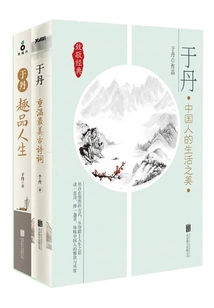
于丹:中国人的生活之美(全集)
Yu Dan
"Yu Dan: The Beauty of Chinese Life" contains two volumes: "Revisiting the Most Beautiful Ancient Poems" and "Interesting Life". Yu Dan uses the representative chess, calligraphy, painting, poetry, wine and tea as clues, combined with the current living conditions and spiritual world of contemporary Chinese people, to tell us that life is actually very interesting. We might as well learn from the tastes of the ancients and appreciate the beauty of life while reading poetry, playing the harp, tasting wine and drinking tea. We need poetry and painting, because poetry is not only in the distance, it is also in our current life. Our days include poetry, tea, wine, and harp, as well as the inexhaustible bright moon in the mountains and the cool breeze on the river. All these are the aesthetic taste of Chinese people's life.
"Yu Dan: The Beauty of Chinese Life" contains two volumes: "Revisiting the Most Beautiful Ancient Poems" and "Interesting Life". Yu Dan uses the representative chess, calligraphy, painting, poetry, wine and tea as clues, combined with the current living conditions and spiritual world of contemporary Chinese people, to tell us that life is actually very interesting. We might as well learn from the tastes of the ancients and appreciate the beauty of life while reading poetry, playing the harp, tasting wine and drinking tea. We need poetry and painting, because poetry is not only in the distance, it is also in our current life. Our days include poetry, tea, wine, and harp, as well as the inexhaustible bright moon in the mountains and the cool breeze on the river. All these are the aesthetic taste of Chinese people's life.
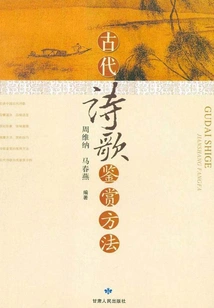
How to Appreciate Ancient Poetry
Literature古代诗歌鉴赏方法
Zhou Weina Ma Chunyan
Poetry appreciation is our understanding and appreciation of poetic works. It is a special spiritual activity that takes poetic works as the aesthetic object. It includes two aspects: identification and appreciation, and is always carried out in the process of image thinking with emotion as the medium. Mr. Lu Xun said: "Literature and art should not only be appreciated by a few outstanding people, but something that only a few innate imbeciles cannot appreciate. ... But readers should also have a certain level. The first is to be literate, and the second is to have ordinary general knowledge, and thoughts and emotions must also reach a certain level. Otherwise, there will be no relationship with literature and art." ("Popularization of Literature and Art") It can be seen that poetry appreciation is not only affected by the formal characteristics, content and meaning of the poetic works themselves. And the constraints of thoughts and emotions. At the same time, the appreciator must have the necessary aesthetic cultivation and appreciation ability. This kind of cultivation and ability requires long-term accumulation and continuous practice to gradually develop. It cannot be achieved overnight or achieve results in the short term, but it can be gradually achieved through hard study. This book will introduce some basic appreciation methods of poetry, hoping to help us appreciate poetry.
Poetry appreciation is our understanding and appreciation of poetic works. It is a special spiritual activity that takes poetic works as the aesthetic object. It includes two aspects: identification and appreciation, and is always carried out in the process of image thinking with emotion as the medium. Mr. Lu Xun said: "Literature and art should not only be appreciated by a few outstanding people, but something that only a few innate imbeciles cannot appreciate. ... But readers should also have a certain level. The first is to be literate, and the second is to have ordinary general knowledge, and thoughts and emotions must also reach a certain level. Otherwise, there will be no relationship with literature and art." ("Popularization of Literature and Art") It can be seen that poetry appreciation is not only affected by the formal characteristics, content and meaning of the poetic works themselves. And the constraints of thoughts and emotions. At the same time, the appreciator must have the necessary aesthetic cultivation and appreciation ability. This kind of cultivation and ability requires long-term accumulation and continuous practice to gradually develop. It cannot be achieved overnight or achieve results in the short term, but it can be gradually achieved through hard study. This book will introduce some basic appreciation methods of poetry, hoping to help us appreciate poetry.
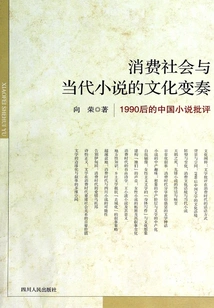
消费社会与当代小说的文化变奏:1990后的中国小说批评
Xiang Rong
The main content discussed and analyzed in this book is the aesthetic and cultural relevance of Chinese consumerist culture and contemporary novels since the 1990s. Its research scope is basically locked within the scope of the context of consumer culture and the development and evolution of contemporary novels. It uses the analytical paradigm of cultural criticism to enter the core area of contemporary Chinese novels from the special category of cultural relevance, and analyzes at a macro level how the cultural power structure dominated by the hegemony of consumer culture affects and creates the historical marginalization of literature.
The main content discussed and analyzed in this book is the aesthetic and cultural relevance of Chinese consumerist culture and contemporary novels since the 1990s. Its research scope is basically locked within the scope of the context of consumer culture and the development and evolution of contemporary novels. It uses the analytical paradigm of cultural criticism to enter the core area of contemporary Chinese novels from the special category of cultural relevance, and analyzes at a macro level how the cultural power structure dominated by the hegemony of consumer culture affects and creates the historical marginalization of literature.
Yangliu Yiyi
Literature杨柳依依
Du Xiaoming
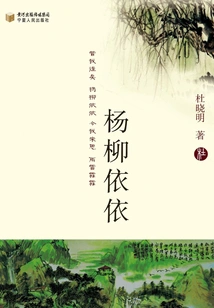
This book is a collection of ancient poetry by the author. The content mainly includes frontier poems written by the author when he came to Ningxia, poems about travel, poems about history and nostalgia, etc. It covers the past and present, is rich in content, and is full of strong nostalgia and modern human charm. It also includes some calligraphy and painting works related to today's people, making the manuscript appear antique and profound in cultural connotation. In addition, the book is of great significance in promoting Ningxia's human geography, history and present.
This book is a collection of ancient poetry by the author. The content mainly includes frontier poems written by the author when he came to Ningxia, poems about travel, poems about history and nostalgia, etc. It covers the past and present, is rich in content, and is full of strong nostalgia and modern human charm. It also includes some calligraphy and painting works related to today's people, making the manuscript appear antique and profound in cultural connotation. In addition, the book is of great significance in promoting Ningxia's human geography, history and present.
六小龄童品西游
Six-year-old Boy
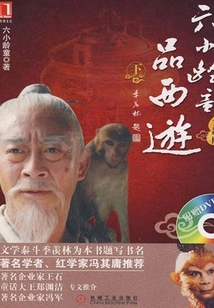
The image of Sun Wukong in the TV series "Journey to the West" is well known to women and children in China. Liu Xiaolingtong, who has played the role for 17 years, has deep feelings and understanding of "Journey to the West", one of China's four great masterpieces. This book has revised the content of "Journey to the West for Six-year-olds" (first edition) and added a large number of stills and photos of six-year-old children from the TV series "Journey to the West". By telling the story of Wu Chengen and "Journey to the West", China's monkey culture and the enlightenment brought to us by "Journey to the West", it expands the artistic image and sublimates the culture of Journey to the West.
The image of Sun Wukong in the TV series "Journey to the West" is well known to women and children in China. Liu Xiaolingtong, who has played the role for 17 years, has deep feelings and understanding of "Journey to the West", one of China's four great masterpieces. This book has revised the content of "Journey to the West for Six-year-olds" (first edition) and added a large number of stills and photos of six-year-old children from the TV series "Journey to the West". By telling the story of Wu Chengen and "Journey to the West", China's monkey culture and the enlightenment brought to us by "Journey to the West", it expands the artistic image and sublimates the culture of Journey to the West.
What is Capitalism?
Literature什么是资本主义?
Nie Yang Xu Yirong
"What is Capitalism" is one of the knowledge books on Marxism-Leninism. Starting from the background of the times when capital and capitalism emerged, this book comprehensively explains the relationship between capital and capitalism, the nature of capitalism, the various stages of capitalist production, how to divide surplus value, the highest stage of capitalist development, the essence and new characteristics of capitalist economic crises, and how to scientifically analyze capitalism.
"What is Capitalism" is one of the knowledge books on Marxism-Leninism. Starting from the background of the times when capital and capitalism emerged, this book comprehensively explains the relationship between capital and capitalism, the nature of capitalism, the various stages of capitalist production, how to divide surplus value, the highest stage of capitalist development, the essence and new characteristics of capitalist economic crises, and how to scientifically analyze capitalism.
What is Socialism?
Literature什么是社会主义?
Hu Jiaxi Wang Yanjing
This book clearly explains the basic question of "what is socialism" for readers, and describes in detail the progress of socialism from utopia to science, from theory to practice, from one country to many countries, as well as the practice and development process of scientific socialism thought in China. This book not only contains vivid and objective descriptions of major historical events, but also vividly depicts important historical figures. It strives to be novel and vivid in form and concise and smooth in writing.
This book clearly explains the basic question of "what is socialism" for readers, and describes in detail the progress of socialism from utopia to science, from theory to practice, from one country to many countries, as well as the practice and development process of scientific socialism thought in China. This book not only contains vivid and objective descriptions of major historical events, but also vividly depicts important historical figures. It strives to be novel and vivid in form and concise and smooth in writing.
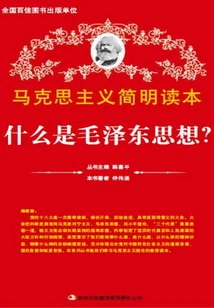
What is Mao Zedong Thought?
Literature什么是毛泽东思想?
Zhong Weitong
Starting from understanding the spiritual essence, rich content and scientific system of thought, this book explains the historical status of thought, as well as the formation and development process of thought. It focuses on the modern significance and value of thought, reveals its continuity with the theoretical system of socialism with Chinese characteristics, and provides useful inspiration for contemporary theoretical innovation and practical development.
Starting from understanding the spiritual essence, rich content and scientific system of thought, this book explains the historical status of thought, as well as the formation and development process of thought. It focuses on the modern significance and value of thought, reveals its continuity with the theoretical system of socialism with Chinese characteristics, and provides useful inspiration for contemporary theoretical innovation and practical development.
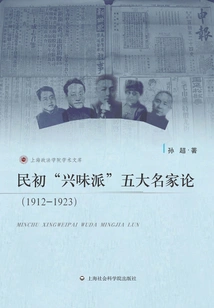
The Five Famous Discourses of the "xingwei School" in the Early Republic of China (1912-1923)
Literature民初“兴味派”五大名家论(1912-1923)
Sun Chao
Sun Chao's "On the Five Famous Writers of the Xingwei School in the Early Republic of China (1912-1923)" named the mainstream novelists in the ten years after 1911 as the "Old School", "Mandarin Duck and Butterfly School", "Saturday School" and "Shady School" , "modern popular novelists", through a comprehensive and systematic study of their novel criticism and novel works, breaking through the various obscurations they have encountered over the past century, restoring their true nature, and renaming them "Xingwei Pai".
Sun Chao's "On the Five Famous Writers of the Xingwei School in the Early Republic of China (1912-1923)" named the mainstream novelists in the ten years after 1911 as the "Old School", "Mandarin Duck and Butterfly School", "Saturday School" and "Shady School" , "modern popular novelists", through a comprehensive and systematic study of their novel criticism and novel works, breaking through the various obscurations they have encountered over the past century, restoring their true nature, and renaming them "Xingwei Pai".
Qu Fu's Language World
Literature屈赋的语言世界
Liang Wenqin
This book is an academic monograph that studies the Chu Ci represented by Qu Yuan's works. It adopts a linguistic perspective, method, and framework to isolate Qu Fu as a poetic style from the prose corpus from the four aspects of Qu Yuan's function words, rhythm, syntax, and rhetoric. It pays full attention to the uniqueness of Qu Fu's language as a "poetic constitution", thereby showing the wonderful language world of Qu Fu.
This book is an academic monograph that studies the Chu Ci represented by Qu Yuan's works. It adopts a linguistic perspective, method, and framework to isolate Qu Fu as a poetic style from the prose corpus from the four aspects of Qu Yuan's function words, rhythm, syntax, and rhetoric. It pays full attention to the uniqueness of Qu Fu's language as a "poetic constitution", thereby showing the wonderful language world of Qu Fu.
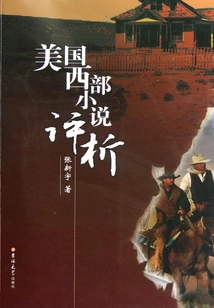
Commentary on American Western Novels
Literature美国西部小说评析
By Zhang Xinyu
This book analyzes and elaborates on the origin, interpretation and prevalence, tendencies, storylines, characters, theme selection, language style, cultural factors and historical factors of traditional American western novels. The analytical perspective takes the famous writer Cormac McCartney and his "Border Trilogy" in the 1990s as a contemporary extension of traditional western novels. Their green ecological ideas that are different from traditional western novels make these novels unique.
This book analyzes and elaborates on the origin, interpretation and prevalence, tendencies, storylines, characters, theme selection, language style, cultural factors and historical factors of traditional American western novels. The analytical perspective takes the famous writer Cormac McCartney and his "Border Trilogy" in the 1990s as a contemporary extension of traditional western novels. Their green ecological ideas that are different from traditional western novels make these novels unique.
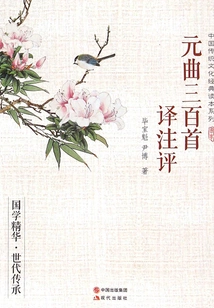
元曲三百首译注评
Bi Baokui Yin Bo
"Annotations and Translations of Three Hundred Yuan Songs" is the third book in the series of Chinese traditional culture classics. "Three Hundred Yuan Operas" is a translation and annotation of the book "Three Hundred Yuan Operas". It was finally written after decades of research on Yuan Operas by the authors Bi Baokui and Yin Bo. In terms of style, "Three Hundred Songs of the Yuan Dynasty" is divided into several parts: biographies of poets, original poems, translations, annotations, and editorial comments. It strives to be accurate, complete and precise. "Three Hundred Yuan Operas with Translation and Commentary" can be used as a textbook for elective courses in colleges and universities, and can also be used as a reference for general Yuan Opera lovers.
"Annotations and Translations of Three Hundred Yuan Songs" is the third book in the series of Chinese traditional culture classics. "Three Hundred Yuan Operas" is a translation and annotation of the book "Three Hundred Yuan Operas". It was finally written after decades of research on Yuan Operas by the authors Bi Baokui and Yin Bo. In terms of style, "Three Hundred Songs of the Yuan Dynasty" is divided into several parts: biographies of poets, original poems, translations, annotations, and editorial comments. It strives to be accurate, complete and precise. "Three Hundred Yuan Operas with Translation and Commentary" can be used as a textbook for elective courses in colleges and universities, and can also be used as a reference for general Yuan Opera lovers.
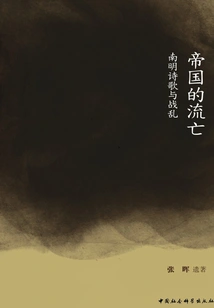
帝国的流亡:南明诗歌与战乱
Zhang Hui
The Southern Ming Dynasty (1644-1661) experienced four small dynasties, during which scholars wrote a large number of poems. "The Exile of the Empire: Poetry and War in the Southern Ming Dynasty" carefully examines the poetry of the Southern Ming Dynasty, and it can be seen that the unearthed people unanimously talked about the same theme, that is, "The Exile of the Empire." "Exile from the Empire: Poetry and War in the Southern Ming Dynasty" is composed of "Exile in Poetry" and describes the state of large-scale exile of the imperial court. The territory was gradually lost and people's hearts were scattered, so that the scholars were ultimately left with nothing to rely on spiritually. They could only actively or passively choose to die, return to their hometown, and convert to Buddhism. The second part, "Poetry in Exile," returns to the theme of poetics. What is its significance? Divided into desperate poems. Special topics such as poems about martyrdom for the country and the poetics of grief.
The Southern Ming Dynasty (1644-1661) experienced four small dynasties, during which scholars wrote a large number of poems. "The Exile of the Empire: Poetry and War in the Southern Ming Dynasty" carefully examines the poetry of the Southern Ming Dynasty, and it can be seen that the unearthed people unanimously talked about the same theme, that is, "The Exile of the Empire." "Exile from the Empire: Poetry and War in the Southern Ming Dynasty" is composed of "Exile in Poetry" and describes the state of large-scale exile of the imperial court. The territory was gradually lost and people's hearts were scattered, so that the scholars were ultimately left with nothing to rely on spiritually. They could only actively or passively choose to die, return to their hometown, and convert to Buddhism. The second part, "Poetry in Exile," returns to the theme of poetics. What is its significance? Divided into desperate poems. Special topics such as poems about martyrdom for the country and the poetics of grief.
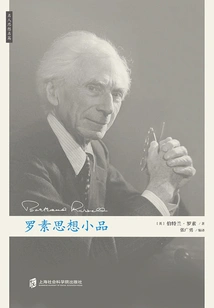
Russell Thoughts
Literature罗素思想小品
Russell
This book is the translation, selection and explanation of Russell's most thoughtful and readable works by Professor Zhang Guangyong of the Shanghai Academy of Social Sciences. The content involves Russell's thoughts and views on various aspects of life, growth, morality, cultivation, travel, family, marriage, education, culture, philosophy, history, society and politics.
This book is the translation, selection and explanation of Russell's most thoughtful and readable works by Professor Zhang Guangyong of the Shanghai Academy of Social Sciences. The content involves Russell's thoughts and views on various aspects of life, growth, morality, cultivation, travel, family, marriage, education, culture, philosophy, history, society and politics.
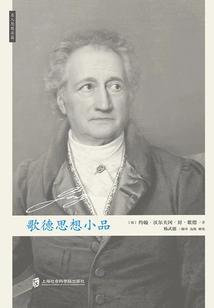
Goethe's Thoughts
Literature歌德思想小品
(germany) Johann Wolfgang Von Goethe
This book is the translation, selection and explanation of Goethe's most thoughtful and readable works by Mr. Yang Wuneng, a famous Goethe researcher in my country. The content involves Goethe's thoughts and views on various aspects of life, morality, cultivation, travel, family, marriage, education, culture, philosophy, history, society and politics.
This book is the translation, selection and explanation of Goethe's most thoughtful and readable works by Mr. Yang Wuneng, a famous Goethe researcher in my country. The content involves Goethe's thoughts and views on various aspects of life, morality, cultivation, travel, family, marriage, education, culture, philosophy, history, society and politics.
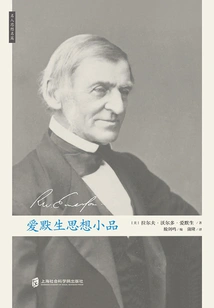
Emerson Thoughts Sketch
Literature爱默生思想小品
(us)ralph Waldo Emerson
This book is the translation, selection and explanation of Emerson's most thoughtful and readable works by Mr. Pu Long, a famous translator and researcher of Emerson's works in my country. The content involves Emerson's thoughts and views on various aspects of life, morality, cultivation, travel, family, marriage, education, culture, philosophy, history, society and politics.
This book is the translation, selection and explanation of Emerson's most thoughtful and readable works by Mr. Pu Long, a famous translator and researcher of Emerson's works in my country. The content involves Emerson's thoughts and views on various aspects of life, morality, cultivation, travel, family, marriage, education, culture, philosophy, history, society and politics.
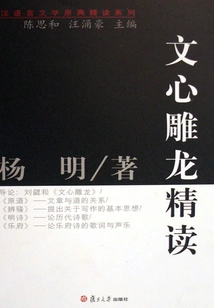
文心雕龙精读
Yang Ming
This book is divided into eighteen chapters, and provides a detailed and systematic interpretation of "The Literary Mind and the Carving of Dragons", a masterpiece in the history of Chinese literary theory and criticism.
This book is divided into eighteen chapters, and provides a detailed and systematic interpretation of "The Literary Mind and the Carving of Dragons", a masterpiece in the history of Chinese literary theory and criticism.
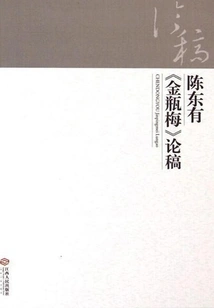
Chen Dongyou's Essay on "jin Ping Mei
Literature陈东有《金瓶梅》论稿
Chen Dongyou
"Chen Dongyou\u003CJin Ping Mei\u003E Essays" is a special collection of the main results of the author Chen Dongyou's research on "Jin Ping Mei" in the past thirty years. From this, we can see how the author's research trajectory has gradually evolved from the study of literature and theory to the study of economic (cultural) history and social history. The author's research contribution mainly lies in: demonstrating that the production of "Jin Ping Mei" is closely related to the Beijing-Hangzhou Grand Canal and is a product of the canal economy; the book "Jin Ping Mei" not only has characters, stories, and backgrounds such as Ximen Qing and Pan Jinlian interdependent with the social and economic development of eastern China's cities and towns driven by the canal economy, but also truly, vividly and vividly demonstrates the status, characteristics, and changes of urban areas, social life, and ideological concepts of the citizen class along the Grand Canal (middle section) in the mid-Ming Dynasty. A profound grasp of literature and strong evidence from historical materials will help people better understand and understand "The Plum in the Golden Ping", a masterpiece that has been banned for nearly four hundred years.
"Chen Dongyou\u003CJin Ping Mei\u003E Essays" is a special collection of the main results of the author Chen Dongyou's research on "Jin Ping Mei" in the past thirty years. From this, we can see how the author's research trajectory has gradually evolved from the study of literature and theory to the study of economic (cultural) history and social history. The author's research contribution mainly lies in: demonstrating that the production of "Jin Ping Mei" is closely related to the Beijing-Hangzhou Grand Canal and is a product of the canal economy; the book "Jin Ping Mei" not only has characters, stories, and backgrounds such as Ximen Qing and Pan Jinlian interdependent with the social and economic development of eastern China's cities and towns driven by the canal economy, but also truly, vividly and vividly demonstrates the status, characteristics, and changes of urban areas, social life, and ideological concepts of the citizen class along the Grand Canal (middle section) in the mid-Ming Dynasty. A profound grasp of literature and strong evidence from historical materials will help people better understand and understand "The Plum in the Golden Ping", a masterpiece that has been banned for nearly four hundred years.
Fear, Sacrifice and Rescue
Literature恐惧,牺牲与拯救
Zhao Lihong
Pavel Sosnovsky committed suicide after returning to Russia, but Tarkovsky stayed in a foreign country forever. Gorchakov's sudden death in "Nostalgia" is like a prophecy. Tarkovsky once said naively: As long as I finish filming for three years, I will return to Moscow. He was buried in a foreign country at the age of only 55 before he had time to film "Hamlet", "The Temptation of Saint Anthony", or "The Tales of Hoffmann" or "Leo Tolstoy's Escape" that he loved so much. Initially, he was buried in the Russian Emigrants Cemetery in Saint-Genivoye de Boua, a small town fifty kilometers away from Paris. There was a small metal plate above a tombstone with someone else's name, and small Latin letters read: "Andrei Tarkovsky, 1932-1987." There is no description of his life and no inscription. Tombstone number: 7583.
Pavel Sosnovsky committed suicide after returning to Russia, but Tarkovsky stayed in a foreign country forever. Gorchakov's sudden death in "Nostalgia" is like a prophecy. Tarkovsky once said naively: As long as I finish filming for three years, I will return to Moscow. He was buried in a foreign country at the age of only 55 before he had time to film "Hamlet", "The Temptation of Saint Anthony", or "The Tales of Hoffmann" or "Leo Tolstoy's Escape" that he loved so much. Initially, he was buried in the Russian Emigrants Cemetery in Saint-Genivoye de Boua, a small town fifty kilometers away from Paris. There was a small metal plate above a tombstone with someone else's name, and small Latin letters read: "Andrei Tarkovsky, 1932-1987." There is no description of his life and no inscription. Tombstone number: 7583.
Emptiness and Rewriting
Literature空午与重写
Huang Jinshu
This article discusses some contemporary novelists of the Sirius Poetry Society, such as Chen Ruixian, Ju Fan, Song Ziheng, Wen Xiangying, Xiao Hei, Hong Quan, Zhang Ruixing, etc., As well as late comers such as He Shufang, focusing on the differences between their earlier and later writings. Some stopped writing, while some continued the existing modern path and explored more deeply; some "transformed to reality" and had already abandoned their early experiments; some became more mature, and some became duller. After decades of life, these authors can still let the modern clock face continue, even if the literary trend has been updated several times. From these different cases, this article attempts to revise Wen Renping's theory of modernism and consider some basic questions about Malaysian Chinese modernist novels: What kind of projection does the continuous modern time have on the novel itself? Does the paradox of time enter literature itself? What are the manifestations of departures and "latecomers"?
This article discusses some contemporary novelists of the Sirius Poetry Society, such as Chen Ruixian, Ju Fan, Song Ziheng, Wen Xiangying, Xiao Hei, Hong Quan, Zhang Ruixing, etc., As well as late comers such as He Shufang, focusing on the differences between their earlier and later writings. Some stopped writing, while some continued the existing modern path and explored more deeply; some "transformed to reality" and had already abandoned their early experiments; some became more mature, and some became duller. After decades of life, these authors can still let the modern clock face continue, even if the literary trend has been updated several times. From these different cases, this article attempts to revise Wen Renping's theory of modernism and consider some basic questions about Malaysian Chinese modernist novels: What kind of projection does the continuous modern time have on the novel itself? Does the paradox of time enter literature itself? What are the manifestations of departures and "latecomers"?
Realization of the Human Heart
Literature人心的省悟
Xie Youshun
The intervention of consumer culture has greatly changed the inherent communication method of literature and the way it affects readers, which will inevitably bring about some new problems. The world is becoming more and more impetuous, and the myth of profit is becoming more and more exciting. These will definitely affect the writing of some writers. It is impossible not to have an impact. If you compare the writing of famous writers before and after they become famous, you will find that even some quite accomplished writers have begun to lose their composure in this noisy environment. Looking at their new works, you will know that they have not accumulated much in these years. The strength of the book is also weakening. It is obvious that the writing heart is beginning to panic, and it has unknowingly merged with the current consumer culture. Readers will write about whatever subject they like to be stimulated, without asking whether such subject matter is what they are good at or what they are concerned about.
The intervention of consumer culture has greatly changed the inherent communication method of literature and the way it affects readers, which will inevitably bring about some new problems. The world is becoming more and more impetuous, and the myth of profit is becoming more and more exciting. These will definitely affect the writing of some writers. It is impossible not to have an impact. If you compare the writing of famous writers before and after they become famous, you will find that even some quite accomplished writers have begun to lose their composure in this noisy environment. Looking at their new works, you will know that they have not accumulated much in these years. The strength of the book is also weakening. It is obvious that the writing heart is beginning to panic, and it has unknowingly merged with the current consumer culture. Readers will write about whatever subject they like to be stimulated, without asking whether such subject matter is what they are good at or what they are concerned about.
Establishing the Opposite of Criticism
Literature批评对立面的确立
Cheng Guangwei
Poetry criticism may exist in the process of establishing the "opposite" of criticism. This is a common understanding of the "uniqueness" of poetry criticism. Sun Shaozhen realized the "seriousness" of this problem at that time: "Without the courage to challenge authority and tradition or even blaspheme, ideological emancipation is just a luxurious empty talk. When the trend of artistic innovation begins, tradition, the masses and innovators often have a stage of friction and even torture with each other."
Poetry criticism may exist in the process of establishing the "opposite" of criticism. This is a common understanding of the "uniqueness" of poetry criticism. Sun Shaozhen realized the "seriousness" of this problem at that time: "Without the courage to challenge authority and tradition or even blaspheme, ideological emancipation is just a luxurious empty talk. When the trend of artistic innovation begins, tradition, the masses and innovators often have a stage of friction and even torture with each other."
人不好绝望,但也不可乱希望
Zhao Gang
"A Green Migratory Bird" is a highly difficult piece of Chen Yingzhen's novels. It contains political and ideological criticism in the form of an obscure allegory. "One green migratory bird" is not just a general hope, but has a more historical referent. The three main characters in the novel represent the three possible subject states and ways of facing the "future" of Taiwanese intellectuals in the 1960s. The outline of Zhao Gong hides the criticism of the Kuomintang's rule and the lamentation of the mental and personality state of intellectuals; the young teacher Chen lacks subjectivity and only wants to live in a distant future, which is the object of the author's criticism; the low-key Ji Gong is the core character of the novel, carrying the author's exploration of a way out.
"A Green Migratory Bird" is a highly difficult piece of Chen Yingzhen's novels. It contains political and ideological criticism in the form of an obscure allegory. "One green migratory bird" is not just a general hope, but has a more historical referent. The three main characters in the novel represent the three possible subject states and ways of facing the "future" of Taiwanese intellectuals in the 1960s. The outline of Zhao Gong hides the criticism of the Kuomintang's rule and the lamentation of the mental and personality state of intellectuals; the young teacher Chen lacks subjectivity and only wants to live in a distant future, which is the object of the author's criticism; the low-key Ji Gong is the core character of the novel, carrying the author's exploration of a way out.
Let the Spirit Return Home
Literature让精神还乡
Wang Gang
In essence, she is no different from Liu Qiaozhen in "Life", but they are different in terms of identity. Tian Xiaoxia is an intellectual, while Liu Qiaozhen is an "illiterate" farmer. Liu Qiaozhen was forever tied to the land and became a burial object of the land. Tian Xiaoxia became a follower of the intellectual and gave her life for it. Tian Xiaoxia is a beautiful illusion created by Lu Yao in his creation. Lu Yao let Tian Xiaoxia die, which meant the destruction of the only glimmer of hope. When Lu Yao was writing the book "The Ordinary World", after writing about Tian Xiaoxia's death, he cried bitterly and murmured to himself: "Tian Xiaoxia is dead, Tian Xiaoxia is dead!" Unable to restrain his inner sadness, he called He called his younger brother Wang Tianle, who was far away from home, just to tell him: "Tian Xiaoxia is dead, Tian Xiaoxia is dead!" It is precisely because of the shattering of this dream that all Sun Shaoping's dreams were shattered, which gave the novel its artistic tension.
In essence, she is no different from Liu Qiaozhen in "Life", but they are different in terms of identity. Tian Xiaoxia is an intellectual, while Liu Qiaozhen is an "illiterate" farmer. Liu Qiaozhen was forever tied to the land and became a burial object of the land. Tian Xiaoxia became a follower of the intellectual and gave her life for it. Tian Xiaoxia is a beautiful illusion created by Lu Yao in his creation. Lu Yao let Tian Xiaoxia die, which meant the destruction of the only glimmer of hope. When Lu Yao was writing the book "The Ordinary World", after writing about Tian Xiaoxia's death, he cried bitterly and murmured to himself: "Tian Xiaoxia is dead, Tian Xiaoxia is dead!" Unable to restrain his inner sadness, he called He called his younger brother Wang Tianle, who was far away from home, just to tell him: "Tian Xiaoxia is dead, Tian Xiaoxia is dead!" It is precisely because of the shattering of this dream that all Sun Shaoping's dreams were shattered, which gave the novel its artistic tension.
Life is Like a Dream
Literature人生如一梦
Zhou Limin
How lucky it is for a young person to have such teachers who care and support him, even if they scold him, on his way of growing up. No wonder people like Li Liewen, Xiao Jun, Xiao Hong, and Huang Yuan will never forget Lu Xun in their lives. Of course, there is Ba Jin. Ba Jin and Li Liewen also had a direct relationship with Lu Xun from their acquaintance to each other. The first time they met was in 1933, when Li Liewen asked Ba Jin to write for "Declaration·Free Talk", and the two gradually became friends. Ba Jin published "journey essays" such as "Xue Juexian", "Traveling to the Buddhist Country", "Third-Class Car" and other "journey essays" in "Shenbao·Free Talk". Later, Li edited "Zhongliu", and many of Ba Jin's self-narrative articles included in "Brief" were published in this publication, such as "My Childhood", "My Sirs", "My Road", "Answer to a Young Friend from the North", "Answer to a "Strange Child"", etc. However, what really brought this group of young writers together was Lu Xun's huge spiritual appeal: "At that time, several acquaintances were editing literary magazines. After Writers (edited by Meng Shihuan), Translation (edited by Huang Yuan), and Wenji Monthly (edited by Jin Yi), the bimonthly magazine Zhongliu, edited by Lie Wen, was also launched.
How lucky it is for a young person to have such teachers who care and support him, even if they scold him, on his way of growing up. No wonder people like Li Liewen, Xiao Jun, Xiao Hong, and Huang Yuan will never forget Lu Xun in their lives. Of course, there is Ba Jin. Ba Jin and Li Liewen also had a direct relationship with Lu Xun from their acquaintance to each other. The first time they met was in 1933, when Li Liewen asked Ba Jin to write for "Declaration·Free Talk", and the two gradually became friends. Ba Jin published "journey essays" such as "Xue Juexian", "Traveling to the Buddhist Country", "Third-Class Car" and other "journey essays" in "Shenbao·Free Talk". Later, Li edited "Zhongliu", and many of Ba Jin's self-narrative articles included in "Brief" were published in this publication, such as "My Childhood", "My Sirs", "My Road", "Answer to a Young Friend from the North", "Answer to a "Strange Child"", etc. However, what really brought this group of young writers together was Lu Xun's huge spiritual appeal: "At that time, several acquaintances were editing literary magazines. After Writers (edited by Meng Shihuan), Translation (edited by Huang Yuan), and Wenji Monthly (edited by Jin Yi), the bimonthly magazine Zhongliu, edited by Lie Wen, was also launched.
Literature of the 1990s
Literature九十年代文学
Anonymous
When the "3rd Today's Critics Forum" was held in Guilin last time, I discussed with Teacher Cheng Guangwei to do a joint seminar with Renmin University. The "Return to the 1980s" research project chaired by Teacher Cheng has a great influence on universities and academia, providing a methodology for the study of literary history. Teacher Cheng will recently switch to the study of literature in the 1990s, and he proposed that "Research on Literature in the Nineties" be the topic of our discussion. In fact, one of my wishes is for Mr. Cheng to take time to chat with our visiting researchers and give us guidance. Another idea I have is that when you were in school, you were relatively familiar with the history of contemporary literature in the 1980s and before the 1980s, but you may not necessarily be familiar with the history of literature in the 1990s.
When the "3rd Today's Critics Forum" was held in Guilin last time, I discussed with Teacher Cheng Guangwei to do a joint seminar with Renmin University. The "Return to the 1980s" research project chaired by Teacher Cheng has a great influence on universities and academia, providing a methodology for the study of literary history. Teacher Cheng will recently switch to the study of literature in the 1990s, and he proposed that "Research on Literature in the Nineties" be the topic of our discussion. In fact, one of my wishes is for Mr. Cheng to take time to chat with our visiting researchers and give us guidance. Another idea I have is that when you were in school, you were relatively familiar with the history of contemporary literature in the 1980s and before the 1980s, but you may not necessarily be familiar with the history of literature in the 1990s.
Very Cruel Rules
Literature很残酷的规则
Amao
On July 19, 2008, a seminar on the issue of "Criteria for Good Poetry" was held before the "First Biennial Top Ten Chinese Poetry" award ceremony. Experts and scholars from other places and locals had a lively and in-depth discussion on the "criteria of good poetry". The speeches from the seminar are now organized as follows (the records have not been reviewed by the speakers). Amao (professional writer from the Wuhan Federation of Literary and Art Circles, deputy editor-in-chief of the literary magazine "Fragrant Grass"): The magazine's editor-in-chief Liu Xinglong has not yet returned from giving lectures in Foshan, Guangdong. As entrusted by him, I will preside over today's meeting. Since the new century, especially in recent years, the poetry community has been discussing the issue of "poetry standards" one after another, but no consensus has been reached.
On July 19, 2008, a seminar on the issue of "Criteria for Good Poetry" was held before the "First Biennial Top Ten Chinese Poetry" award ceremony. Experts and scholars from other places and locals had a lively and in-depth discussion on the "criteria of good poetry". The speeches from the seminar are now organized as follows (the records have not been reviewed by the speakers). Amao (professional writer from the Wuhan Federation of Literary and Art Circles, deputy editor-in-chief of the literary magazine "Fragrant Grass"): The magazine's editor-in-chief Liu Xinglong has not yet returned from giving lectures in Foshan, Guangdong. As entrusted by him, I will preside over today's meeting. Since the new century, especially in recent years, the poetry community has been discussing the issue of "poetry standards" one after another, but no consensus has been reached.
高晓声的鱼水情
Wang Binbin
The so-called "fish-water love" here refers to Gao Xiaosheng's feelings for fish and water. Gao Xiaosheng's hometown is Wujin, Changzhou, Jiangsu. This is a typical water town. Rivers crisscross the rivers. Gao Xiaosheng has been obsessed with water and fish since childhood. He has extraordinary feelings for the water in his hometown and the fish in the water. Among new literature writers, Shen Congwen has long been praised for his descriptions of water. Wang Zengqi, who also grew up in a water town, has unique and exquisite expressions of water in his works. And Gao Xiaosheng's performance with water is definitely not inferior to anyone else's. As for writing about fish, among Chinese writers, I have not seen anyone comparable to Gao Xiaosheng. It can be said that Gao Xiaosheng is one of the Chinese writers who writes best about water, but he is also the Chinese writer who writes best about fish. There is no "one". Gao Xiaosheng's essay "The Place I'm Most Familiar with" has introduced his hometown.
The so-called "fish-water love" here refers to Gao Xiaosheng's feelings for fish and water. Gao Xiaosheng's hometown is Wujin, Changzhou, Jiangsu. This is a typical water town. Rivers crisscross the rivers. Gao Xiaosheng has been obsessed with water and fish since childhood. He has extraordinary feelings for the water in his hometown and the fish in the water. Among new literature writers, Shen Congwen has long been praised for his descriptions of water. Wang Zengqi, who also grew up in a water town, has unique and exquisite expressions of water in his works. And Gao Xiaosheng's performance with water is definitely not inferior to anyone else's. As for writing about fish, among Chinese writers, I have not seen anyone comparable to Gao Xiaosheng. It can be said that Gao Xiaosheng is one of the Chinese writers who writes best about water, but he is also the Chinese writer who writes best about fish. There is no "one". Gao Xiaosheng's essay "The Place I'm Most Familiar with" has introduced his hometown.