Library
Browse and search books
3,417 novels found
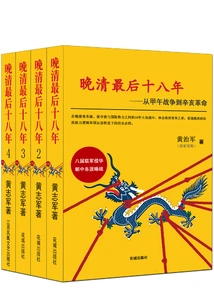
晚清最后十八年:从甲午战争到辛亥革命(全四册)
Huang Zhijun
Reform is a consensus, the biggest benefit cake of the late Qing Dynasty, and it is also a duel ground for factional politics. Whether it is the Empress Dowager Cixi, the royalists, the Manchu dignitaries, or the pro-Western forces and the Boxer Rebellion, everyone is involved in it and takes turns to appear. In the end, the Eight-Power Allied Forces came to Beijing under the guise of protecting the embassy. The turbulent and chaotic situation of the Qing Dynasty was finally reshuffled, with some people being eliminated and others taking over. When the reform finally had to be pushed onto the fast track, the Manchu royal family and the powerful Yuan Shikai launched a desperate struggle for the leadership of the reform. With a gunshot in Wuchang City, the revolutionaries shouted exciting slogans and stepped into the center of power. A new round of intricate overt and covert struggles between Yuan Shikai, Song Jiaoren and Sun Yat-sen kicked off... Behind the seemingly absurd and strange historical events, there is an extremely clear choice of interests and power game.
Reform is a consensus, the biggest benefit cake of the late Qing Dynasty, and it is also a duel ground for factional politics. Whether it is the Empress Dowager Cixi, the royalists, the Manchu dignitaries, or the pro-Western forces and the Boxer Rebellion, everyone is involved in it and takes turns to appear. In the end, the Eight-Power Allied Forces came to Beijing under the guise of protecting the embassy. The turbulent and chaotic situation of the Qing Dynasty was finally reshuffled, with some people being eliminated and others taking over. When the reform finally had to be pushed onto the fast track, the Manchu royal family and the powerful Yuan Shikai launched a desperate struggle for the leadership of the reform. With a gunshot in Wuchang City, the revolutionaries shouted exciting slogans and stepped into the center of power. A new round of intricate overt and covert struggles between Yuan Shikai, Song Jiaoren and Sun Yat-sen kicked off... Behind the seemingly absurd and strange historical events, there is an extremely clear choice of interests and power game.
中国故事的文化软实力
Wang Yichuan Et Al.
This book focuses on the "Chinese stories" in contemporary Chinese art works and explores the cultural and political implications contained in them. The telling of "Chinese stories" in various contemporary art works is not only based on the formal characteristics and communication characteristics of each art, but also a concentrated display of the current Chinese cultural psychology. Different forms of "Chinese stories" construct a diverse and rich "image" of China through the mutual integration of six elements. These "images" echo the tension and reconciliation between traditional China and modern China, and also reveal the struggle and compromise between local characteristics and global trends in contemporary culture.
This book focuses on the "Chinese stories" in contemporary Chinese art works and explores the cultural and political implications contained in them. The telling of "Chinese stories" in various contemporary art works is not only based on the formal characteristics and communication characteristics of each art, but also a concentrated display of the current Chinese cultural psychology. Different forms of "Chinese stories" construct a diverse and rich "image" of China through the mutual integration of six elements. These "images" echo the tension and reconciliation between traditional China and modern China, and also reveal the struggle and compromise between local characteristics and global trends in contemporary culture.
清代学术概论
Introduction By Liang Qichao And Zhu Weizheng
Liang Qichao's pamphlet adopted the then-new chapter style, and introduced ideas and research methods such as exploring causes and cultural geography to write academic history; ideologically, it deliberately highlighted the two main lines of advocating academic freedom and praising cultural integration. The book covers the entire history and is divided into chapters and sections. It has a clear outline and mutual support of historical theories. It is divided but not scattered, combined but not chaotic. It is full of new ideas and fascinating.
Liang Qichao's pamphlet adopted the then-new chapter style, and introduced ideas and research methods such as exploring causes and cultural geography to write academic history; ideologically, it deliberately highlighted the two main lines of advocating academic freedom and praising cultural integration. The book covers the entire history and is divided into chapters and sections. It has a clear outline and mutual support of historical theories. It is divided but not scattered, combined but not chaotic. It is full of new ideas and fascinating.
魏晋风度及其他
Lu Xun Introduction By Wu Zhongjie
This book collects some of Lu Xun's essays, prefaces and postscripts, and translation explanatory notes that, although not in the form of academic articles, actually contain profound theoretical insights and indeed played an important role in reality. The author of the introduction sorted out its theoretical framework and refined its essential meanings. He also focused on revealing his academic origins, historical and cultural background, and Lu Xun's specific situation and mentality at the time, to help readers accurately understand the original work.
This book collects some of Lu Xun's essays, prefaces and postscripts, and translation explanatory notes that, although not in the form of academic articles, actually contain profound theoretical insights and indeed played an important role in reality. The author of the introduction sorted out its theoretical framework and refined its essential meanings. He also focused on revealing his academic origins, historical and cultural background, and Lu Xun's specific situation and mentality at the time, to help readers accurately understand the original work.
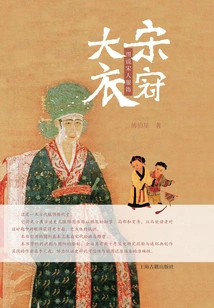
大宋衣冠:图说宋人服饰
Fu Boxing
Compared with previous general history-style clothing books that describe the clothing of the Song Dynasty in detail, Mr. Fu Boxing's "History of Costumes of the Song Dynasty", as Mr. Zheng Chao, consultant of the Zhejiang Provincial Literary Critics Association, commented in the preface to this book, can be described as "a chronological history of clothing narrated by a painter." After reading a large number of records of the Song Dynasty, the author of this book collected image data for more than thirty years, starting from art, using the skill of a painter to enter history with paintings, and telling history with pictures. He used a large number of detailed and image art data to conduct a unique graphic research on the history of clothing in the history of Song Dynasty.
Compared with previous general history-style clothing books that describe the clothing of the Song Dynasty in detail, Mr. Fu Boxing's "History of Costumes of the Song Dynasty", as Mr. Zheng Chao, consultant of the Zhejiang Provincial Literary Critics Association, commented in the preface to this book, can be described as "a chronological history of clothing narrated by a painter." After reading a large number of records of the Song Dynasty, the author of this book collected image data for more than thirty years, starting from art, using the skill of a painter to enter history with paintings, and telling history with pictures. He used a large number of detailed and image art data to conduct a unique graphic research on the history of clothing in the history of Song Dynasty.
中国近三百年学术史论
Zhang Taiyan Liu Shipei Et Al. Introduction By Luo Zhitian Edited By Xu Lianggong
This book is mainly a selection of articles by Zhang Taiyan and Liu Shipei, and the content revolves around the academic history of the past three hundred years. There is an introduction by Luo Zhitian at the front of the book, and three articles by Deng Shi and Fan Shaoquan at the end of the book. Liang Qichao and Qian Mu each have monographs on the topic of "Academic History in the Past Three Hundred Years". The two books have always been authoritative reference books on the academic history of the Qing Dynasty. In fact, the two of them have obvious tendencies, and their discussion may not be fair. The publication of this book can help researchers examine this academic history from different perspectives.
This book is mainly a selection of articles by Zhang Taiyan and Liu Shipei, and the content revolves around the academic history of the past three hundred years. There is an introduction by Luo Zhitian at the front of the book, and three articles by Deng Shi and Fan Shaoquan at the end of the book. Liang Qichao and Qian Mu each have monographs on the topic of "Academic History in the Past Three Hundred Years". The two books have always been authoritative reference books on the academic history of the Qing Dynasty. In fact, the two of them have obvious tendencies, and their discussion may not be fair. The publication of this book can help researchers examine this academic history from different perspectives.
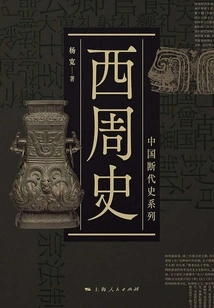
西周史
Yang Kuan
The Western Zhou Dynasty refers to the period of about 280 years from the end of the 11th century BC, when King Wu of Zhou conquered the Shang Dynasty, established the Zhou Dynasty, and established its capital in Hao, until King Zhou You was killed in 771 BC and King Ping moved the capital to Luoyi. The Western Zhou Dynasty was a dynasty established after the Xia and Shang dynasties. The political culture of the Western Zhou Dynasty developed brilliantly on the basis of the two generations, and had a profound impact on the development of the entire Chinese history and culture. This book is a comprehensive introduction to the history of the Western Zhou Dynasty by the famous historian Yang Kuan. It is the most important work for understanding and studying the history of the Western Zhou Dynasty. "History of the Western Zhou Dynasty" is one of Mr. Yang Kuan's masterpieces. It began to be written in the 1950s and lasted for more than 40 years. The book is divided into seven parts, which respectively discuss the founding of the Western Zhou Dynasty, the land system, agricultural production and handicraft production in the Western Zhou Dynasty, the political institutions, social structures and important systems of the Western Zhou Dynasty, the military and political events of the Western Zhou Dynasty, the Chu and Zeng States in the Western Zhou Dynasty, the cultural education and etiquette of the Western Zhou Dynasty, and the decline and eastward migration of the Western Zhou Dynasty. The book is rich in information, with mutual corroboration of epigraphic inscriptions and documentary records, precise research and detailed and reliable conclusions, and has very high academic value.
The Western Zhou Dynasty refers to the period of about 280 years from the end of the 11th century BC, when King Wu of Zhou conquered the Shang Dynasty, established the Zhou Dynasty, and established its capital in Hao, until King Zhou You was killed in 771 BC and King Ping moved the capital to Luoyi. The Western Zhou Dynasty was a dynasty established after the Xia and Shang dynasties. The political culture of the Western Zhou Dynasty developed brilliantly on the basis of the two generations, and had a profound impact on the development of the entire Chinese history and culture. This book is a comprehensive introduction to the history of the Western Zhou Dynasty by the famous historian Yang Kuan. It is the most important work for understanding and studying the history of the Western Zhou Dynasty. "History of the Western Zhou Dynasty" is one of Mr. Yang Kuan's masterpieces. It began to be written in the 1950s and lasted for more than 40 years. The book is divided into seven parts, which respectively discuss the founding of the Western Zhou Dynasty, the land system, agricultural production and handicraft production in the Western Zhou Dynasty, the political institutions, social structures and important systems of the Western Zhou Dynasty, the military and political events of the Western Zhou Dynasty, the Chu and Zeng States in the Western Zhou Dynasty, the cultural education and etiquette of the Western Zhou Dynasty, and the decline and eastward migration of the Western Zhou Dynasty. The book is rich in information, with mutual corroboration of epigraphic inscriptions and documentary records, precise research and detailed and reliable conclusions, and has very high academic value.
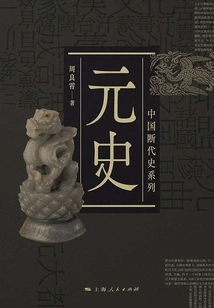
Yuan History
History元史
Zhou Liangxiao
Zhou Liangxiao's "History of the Yuan Dynasty" is one of the series of books "Chinese Dating History Series". "History of the Yuan Dynasty" not only traces the development history of the Mongolian people and comprehensively displays the history of the Yuan Dynasty and the development history of the Mongolian people before the Yuan Dynasty, but also provides a comprehensive and detailed discussion of the Yuan Dynasty through the reform of various systems in the Yuan Dynasty, the political history of the mid-Yuan Dynasty, the various ethnic groups in the border areas, as well as the economy, military, culture, and ethnicity. It is a must-have book for professional workers and literature and history enthusiasts.
Zhou Liangxiao's "History of the Yuan Dynasty" is one of the series of books "Chinese Dating History Series". "History of the Yuan Dynasty" not only traces the development history of the Mongolian people and comprehensively displays the history of the Yuan Dynasty and the development history of the Mongolian people before the Yuan Dynasty, but also provides a comprehensive and detailed discussion of the Yuan Dynasty through the reform of various systems in the Yuan Dynasty, the political history of the mid-Yuan Dynasty, the various ethnic groups in the border areas, as well as the economy, military, culture, and ethnicity. It is a must-have book for professional workers and literature and history enthusiasts.
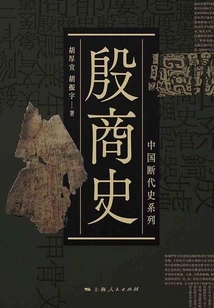
殷商史
Hu Houxuan Hu Zhenyu
"History of the Yin and Shang Dynasties" fully embodies the research results of Mr. Hu Houxuan, a famous expert in oracle bones and paleography, and provides a systematic, detailed and in-depth examination and explanation of the social, political, economic and cultural life of the Yin and Shang era in ancient Chinese history. In 1995, Mr. Hu unfortunately passed away. His son, Mr. Hu Zhenyu, inherited his father's business. After several years of continuous improvement, he finally completed Mr. Hu's unfinished work.
"History of the Yin and Shang Dynasties" fully embodies the research results of Mr. Hu Houxuan, a famous expert in oracle bones and paleography, and provides a systematic, detailed and in-depth examination and explanation of the social, political, economic and cultural life of the Yin and Shang era in ancient Chinese history. In 1995, Mr. Hu unfortunately passed away. His son, Mr. Hu Zhenyu, inherited his father's business. After several years of continuous improvement, he finally completed Mr. Hu's unfinished work.
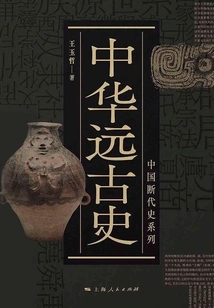
Ancient Chinese History
History中华远古史
Wang Yuzhe
"Ancient Chinese History" begins with the prologue of Chinese history and continues to the end of the Western Zhou Dynasty. It discusses in detail the evolution and development process of ancient Chinese history from prehistoric civilization to primitive society to slave society and then to feudal society. It especially has unique insights into issues such as the origin, location, lineage, patriarchal system, inheritance system, political power form, social economy and social nature of the Xia, Shang and Zhou dynasties. It is still a classic in this field.
"Ancient Chinese History" begins with the prologue of Chinese history and continues to the end of the Western Zhou Dynasty. It discusses in detail the evolution and development process of ancient Chinese history from prehistoric civilization to primitive society to slave society and then to feudal society. It especially has unique insights into issues such as the origin, location, lineage, patriarchal system, inheritance system, political power form, social economy and social nature of the Xia, Shang and Zhou dynasties. It is still a classic in this field.
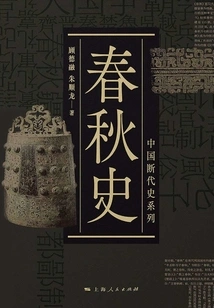
Spring and Autumn History
History春秋史
Gu Derong Zhu Shunlong
"History of the Spring and Autumn Period" combs through literary and archaeological materials. By analyzing a large number of historical materials and cutting out the redundant, it comprehensively and systematically discusses the political, military, economic, ideological, cultural, social class and other conditions of the Spring and Autumn Period. Through the analysis of this seemingly chaotic history, it clearly reflects the profound impact of changes in all aspects of society in the Spring and Autumn Period on the development of Chinese history.
"History of the Spring and Autumn Period" combs through literary and archaeological materials. By analyzing a large number of historical materials and cutting out the redundant, it comprehensively and systematically discusses the political, military, economic, ideological, cultural, social class and other conditions of the Spring and Autumn Period. Through the analysis of this seemingly chaotic history, it clearly reflects the profound impact of changes in all aspects of society in the Spring and Autumn Period on the development of Chinese history.
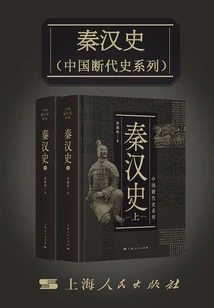
秦汉史
Lin Jianming
"History of Qin and Han" brings together the academic essence of Lin Jianming's life, and discusses in detail the formation and development of social, political, economic, cultural and other systems in the Qin and Han dynasties in the early development stage of China's cover society, the development of science and technology, and the situation of major exchanges between China and foreign countries. It contains many of the author's unique insights. It is an important achievement in the study of Qin and Han history and has extremely high academic value. It is one of the "Chinese Dynasty History Series" of Shanghai People's Publishing House.
"History of Qin and Han" brings together the academic essence of Lin Jianming's life, and discusses in detail the formation and development of social, political, economic, cultural and other systems in the Qin and Han dynasties in the early development stage of China's cover society, the development of science and technology, and the situation of major exchanges between China and foreign countries. It contains many of the author's unique insights. It is an important achievement in the study of Qin and Han history and has extremely high academic value. It is one of the "Chinese Dynasty History Series" of Shanghai People's Publishing House.
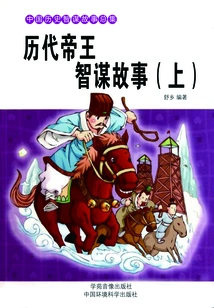
历代帝王智谋故事(上)
Compiled By Shu Xiang
"Stories of the Wisdom of Emperors Through the Ages" is not only a legendary history of stories of resourcefulness, but also a history of the activities of resourceful characters. Opening the vast and profound historical books, we feel as if we are on a huge and glorious stage, communicating face-to-face with emperors, generals, ministers, and people of all dynasties. Here it is "the chaos, you sing and I will appear on the stage", and there is "the bloody loser becomes the victor, the king". Every time the dynasty changes, there is always a strategy that makes great achievements, which makes people admire and admire; every time the era changes, there is always wisdom that shines in it, which is amazing. When the world is in chaos and the heroes are quarreling, there will always be wise kings and wise emperors who follow the destiny and aspire to the throne; and when society is in turmoil and internal and external changes occur, there will always be wise advisers who rise to the occasion and turn the tide.
"Stories of the Wisdom of Emperors Through the Ages" is not only a legendary history of stories of resourcefulness, but also a history of the activities of resourceful characters. Opening the vast and profound historical books, we feel as if we are on a huge and glorious stage, communicating face-to-face with emperors, generals, ministers, and people of all dynasties. Here it is "the chaos, you sing and I will appear on the stage", and there is "the bloody loser becomes the victor, the king". Every time the dynasty changes, there is always a strategy that makes great achievements, which makes people admire and admire; every time the era changes, there is always wisdom that shines in it, which is amazing. When the world is in chaos and the heroes are quarreling, there will always be wise kings and wise emperors who follow the destiny and aspire to the throne; and when society is in turmoil and internal and external changes occur, there will always be wise advisers who rise to the occasion and turn the tide.
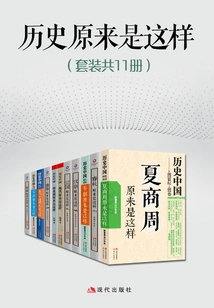
历史原来是这样(套装共11册)
Zuiba Junshan Jiang Lang Zhang Cheng Wang Jueren Jin Manlou
Every Chinese should know the history of their country! It includes "This is how it turned out to be in the Xia, Shang and Zhou dynasties", "This is how it turned out in the Spring and Autumn Period", "It turned out to be like this in the Qin Dynasty", "It turned out to be like this in the Han Dynasty", "It turned out to be like this in the Three Kingdoms", "This is how it turned out in the Wei, Jin, Southern and Northern Dynasties" , "The Tang Dynasty was like this", "The Five Dynasties and Ten Kingdoms were like this", "The Song Dynasty was like this", "The Late Qing Dynasty was like this"... Every Chinese should know the history of their own country! Every Chinese should be proud of being Chinese! Whether a nation can be respected by other nations in the world depends to a certain extent on the overall level of cultural accomplishment of the nation. Among them, it is particularly important to expand the knowledge of the whole people, especially the understanding and understanding of the history of their own nation. Knowledge is power. Knowledge strengthens a country and culture rejuvenates the country. Reading historical knowledge can broaden horizons, cultivate national self-esteem, national pride and patriotic enthusiasm, and increase the driving force for this generation to better participate in international competition and cooperation.
Every Chinese should know the history of their country! It includes "This is how it turned out to be in the Xia, Shang and Zhou dynasties", "This is how it turned out in the Spring and Autumn Period", "It turned out to be like this in the Qin Dynasty", "It turned out to be like this in the Han Dynasty", "It turned out to be like this in the Three Kingdoms", "This is how it turned out in the Wei, Jin, Southern and Northern Dynasties" , "The Tang Dynasty was like this", "The Five Dynasties and Ten Kingdoms were like this", "The Song Dynasty was like this", "The Late Qing Dynasty was like this"... Every Chinese should know the history of their own country! Every Chinese should be proud of being Chinese! Whether a nation can be respected by other nations in the world depends to a certain extent on the overall level of cultural accomplishment of the nation. Among them, it is particularly important to expand the knowledge of the whole people, especially the understanding and understanding of the history of their own nation. Knowledge is power. Knowledge strengthens a country and culture rejuvenates the country. Reading historical knowledge can broaden horizons, cultivate national self-esteem, national pride and patriotic enthusiasm, and increase the driving force for this generation to better participate in international competition and cooperation.
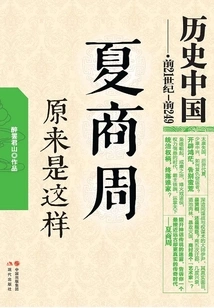
夏商周原来是这样
Get Drunk In Junshan
The Xia, Shang and Zhou dynasties laid the foundation of Chinese civilization. However, the history of the three dynasties is complicated and confusing. The historical materials are originally limited. In addition, the Qin Dynasty burned books, which only makes future generations sigh at the sight of flowers in the fog. This book strives to dig out the truth of that glorious historical era from limited clues with a rigorous and realistic attitude. By comparing "Historical Records", "The Year of the Bamboo Secretary", "Shangshu", and the documents of pre-Qin scholars, it eliminates falsehoods and retains true ones, and questions many traditional conclusions in history. For example, how can Shaokang and ZTE avenge the country's thieves? Are Xia Jie and Shang Zhou really the most tyrannical monarchs in history? Is the Machiavellian master Yi Yin a virtuous prime minister or a traitor? This book integrates stories scattered in various historical materials into a relatively complete story, with clear chronological order, coherent historical events, and orderly context. It combines knowledge and storytelling, and is highly readable, which shows the author's hard work.
The Xia, Shang and Zhou dynasties laid the foundation of Chinese civilization. However, the history of the three dynasties is complicated and confusing. The historical materials are originally limited. In addition, the Qin Dynasty burned books, which only makes future generations sigh at the sight of flowers in the fog. This book strives to dig out the truth of that glorious historical era from limited clues with a rigorous and realistic attitude. By comparing "Historical Records", "The Year of the Bamboo Secretary", "Shangshu", and the documents of pre-Qin scholars, it eliminates falsehoods and retains true ones, and questions many traditional conclusions in history. For example, how can Shaokang and ZTE avenge the country's thieves? Are Xia Jie and Shang Zhou really the most tyrannical monarchs in history? Is the Machiavellian master Yi Yin a virtuous prime minister or a traitor? This book integrates stories scattered in various historical materials into a relatively complete story, with clear chronological order, coherent historical events, and orderly context. It combines knowledge and storytelling, and is highly readable, which shows the author's hard work.
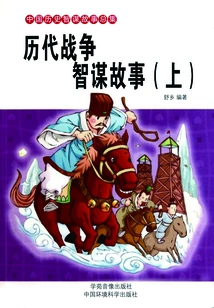
历代战争智谋故事(上)
Compiled By Shu Xiang
"War Wisdom Stories of Past Dynasties" is one of the series of "A Collection of Wisdom Stories in Chinese History": "A Collection of Wisdom Stories in Chinese History" includes twenty volumes, namely, the story of the wisdom of emperors in past dynasties (Part 1 and Part 2), the story of wisdom of powerful officials in past dynasties (Part 1 and part 2), the story of counselors in past dynasties (Part 1 and part 2), the story of traitorous officials in past dynasties (Part 1 and part 2), the story of wisdom of princes of past dynasties (Part 1 and part 2), etc.
"War Wisdom Stories of Past Dynasties" is one of the series of "A Collection of Wisdom Stories in Chinese History": "A Collection of Wisdom Stories in Chinese History" includes twenty volumes, namely, the story of the wisdom of emperors in past dynasties (Part 1 and Part 2), the story of wisdom of powerful officials in past dynasties (Part 1 and part 2), the story of counselors in past dynasties (Part 1 and part 2), the story of traitorous officials in past dynasties (Part 1 and part 2), the story of wisdom of princes of past dynasties (Part 1 and part 2), etc.
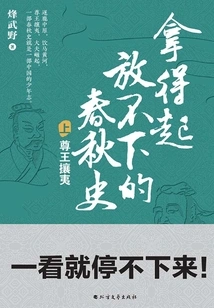
拿得起放不下的春秋史(上册)
Fengwuye
This book tells the story of the troubled times of more than three hundred years in the Spring and Autumn Period from multiple dimensions: politics, military, geography, economy, and culture. It overturns the explanations of some major historical events and reinterprets the historical truth. The first volume tells the story of the early Spring and Autumn Period. The story clues are mainly based on the Five Hegemons of the Spring and Autumn Period. The time span starts from 771 BC when the Dog Rong attacked Haojing, the capital of the Western Zhou Dynasty, and ends with the death of King Chuzhuang in 591 BC.
This book tells the story of the troubled times of more than three hundred years in the Spring and Autumn Period from multiple dimensions: politics, military, geography, economy, and culture. It overturns the explanations of some major historical events and reinterprets the historical truth. The first volume tells the story of the early Spring and Autumn Period. The story clues are mainly based on the Five Hegemons of the Spring and Autumn Period. The time span starts from 771 BC when the Dog Rong attacked Haojing, the capital of the Western Zhou Dynasty, and ends with the death of King Chuzhuang in 591 BC.
历代帝王智谋故事(下)
Compiled By Shu Xiang
"Stories of the Wisdom of Emperors Through the Ages" is not only a legendary history of stories of resourcefulness, but also a history of the activities of resourceful characters. Opening the vast and profound historical books, we feel as if we are on a huge and glorious stage, communicating face-to-face with emperors, generals, ministers, and people of all dynasties. Here it is "the chaos, you sing and I will appear on the stage", and there is "the bloody loser becomes the victor, the king". Every time the dynasty changes, there is always a strategy that makes great achievements, which makes people admire and admire; every time the era changes, there is always wisdom that shines in it, which is amazing. When the world is in chaos and the heroes are quarreling, there will always be wise kings and wise emperors who follow the destiny and aspire to the throne; and when society is in turmoil and internal and external changes occur, there will always be wise advisers who rise to the occasion and turn the tide.
"Stories of the Wisdom of Emperors Through the Ages" is not only a legendary history of stories of resourcefulness, but also a history of the activities of resourceful characters. Opening the vast and profound historical books, we feel as if we are on a huge and glorious stage, communicating face-to-face with emperors, generals, ministers, and people of all dynasties. Here it is "the chaos, you sing and I will appear on the stage", and there is "the bloody loser becomes the victor, the king". Every time the dynasty changes, there is always a strategy that makes great achievements, which makes people admire and admire; every time the era changes, there is always wisdom that shines in it, which is amazing. When the world is in chaos and the heroes are quarreling, there will always be wise kings and wise emperors who follow the destiny and aspire to the throne; and when society is in turmoil and internal and external changes occur, there will always be wise advisers who rise to the occasion and turn the tide.
历代军事家谋略故事(下)
Compiled By Shu Xiang
"Strategy Stories of Military Strategists of Past Dynasties" is one of the series of "A Collection of Stratagem Stories in Chinese History": "A Collection of Stratagem Stories in Chinese History" includes twenty volumes, namely, Strategies of Emperors of Past Dynasties (Part 1 and Part 2), Stories of Strategies of Powerful Ministers of Past Dynasties (Part 1 and Part 2), Stories of Counselors of Past Dynasties (Part 1 and Volume 2), Stories of Traitors of Past Dynasties (Part 1 and Part 2), Stories of Strategies of Princes of Past Dynasties (Part 1 and Part 2), etc.
"Strategy Stories of Military Strategists of Past Dynasties" is one of the series of "A Collection of Stratagem Stories in Chinese History": "A Collection of Stratagem Stories in Chinese History" includes twenty volumes, namely, Strategies of Emperors of Past Dynasties (Part 1 and Part 2), Stories of Strategies of Powerful Ministers of Past Dynasties (Part 1 and Part 2), Stories of Counselors of Past Dynasties (Part 1 and Volume 2), Stories of Traitors of Past Dynasties (Part 1 and Part 2), Stories of Strategies of Princes of Past Dynasties (Part 1 and Part 2), etc.
历代宫廷阴谋故事(上)
Compiled By Shu Xiang
Looking through the vast and profound historical books, the five thousand years of Chinese history is not only a legendary history of resourceful stories, but also a history of the activities of resourceful characters. Here it is "In chaos, you sing and I will appear on stage", and there is "The bloody loser becomes the victor, the king is the victor".
Looking through the vast and profound historical books, the five thousand years of Chinese history is not only a legendary history of resourceful stories, but also a history of the activities of resourceful characters. Here it is "In chaos, you sing and I will appear on stage", and there is "The bloody loser becomes the victor, the king is the victor".
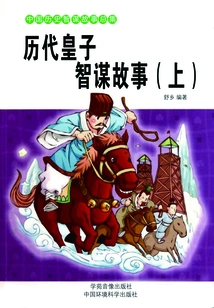
历代皇子智谋故事(上)
Compiled By Shu Xiang
"The Strategy Stories of Princes in Past Dynasties" is one of the series of "The Collection of Strategy Stories in Chinese History": "The Collection of Strategy Stories in Chinese History" includes twenty volumes, namely, the story of the strategy of emperors in history, Part 1 and Part 2, the story of strategy of powerful ministers in history, Part 1 and part , the story of counselors in history, Part 1 and part , the story of traitorous ministers in history, Part 1 and part , the story of strategy of princes in history, Part 1 and part , etc.
"The Strategy Stories of Princes in Past Dynasties" is one of the series of "The Collection of Strategy Stories in Chinese History": "The Collection of Strategy Stories in Chinese History" includes twenty volumes, namely, the story of the strategy of emperors in history, Part 1 and Part 2, the story of strategy of powerful ministers in history, Part 1 and part , the story of counselors in history, Part 1 and part , the story of traitorous ministers in history, Part 1 and part , the story of strategy of princes in history, Part 1 and part , etc.
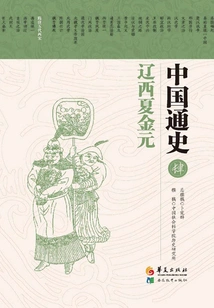
中国通史4·辽西夏金元
Written By Bu Xianqun
This volume tells the history of Liao, Western Xia, Jin and Yuan Dynasties, mainly including the rise of Khitan, the founding of Western Liao, Wanyan Aguda, the rise and fall of Jin Dynasty, Liao and Jin culture, the rise and fall of Western Xia, the rise of Mongolia, Kublai Khan, the tour of the two capitals, the Maritime Silk Road, etc. It is the fourth volume of "General History of China". "General History of China" is a large-scale general history historical work compiled on the basis of one hundred episodes of "General History of China", a large-scale historical and political commentary. The 100-episode "General History of China" is a large-scale historical and political commentary produced by the Chinese Academy of Social Sciences, written by the Institute of History of the Chinese Academy of Social Sciences, and filmed by the CCTV Film and Television Channel. This set of books expands and improves the text version of the political commentary based on the original works of each author. It has about 1 million words and 8 volumes. The authors and interviewed guests include almost all important scholars in the field of Chinese history, with a strong lineup. This set of books is the latest original work, containing the latest archaeological and historical scientific research results, and provides the most authoritative interpretation of Chinese history with the most scientific and rigorous attitude.
This volume tells the history of Liao, Western Xia, Jin and Yuan Dynasties, mainly including the rise of Khitan, the founding of Western Liao, Wanyan Aguda, the rise and fall of Jin Dynasty, Liao and Jin culture, the rise and fall of Western Xia, the rise of Mongolia, Kublai Khan, the tour of the two capitals, the Maritime Silk Road, etc. It is the fourth volume of "General History of China". "General History of China" is a large-scale general history historical work compiled on the basis of one hundred episodes of "General History of China", a large-scale historical and political commentary. The 100-episode "General History of China" is a large-scale historical and political commentary produced by the Chinese Academy of Social Sciences, written by the Institute of History of the Chinese Academy of Social Sciences, and filmed by the CCTV Film and Television Channel. This set of books expands and improves the text version of the political commentary based on the original works of each author. It has about 1 million words and 8 volumes. The authors and interviewed guests include almost all important scholars in the field of Chinese history, with a strong lineup. This set of books is the latest original work, containing the latest archaeological and historical scientific research results, and provides the most authoritative interpretation of Chinese history with the most scientific and rigorous attitude.
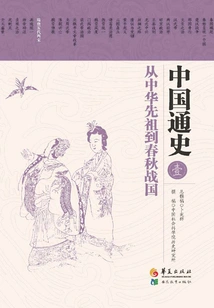
中国通史1·从中华先祖到春秋战国
Written By Bu Xianqun
This volume mainly tells the history from the Chinese ancestors to the Spring and Autumn Period and the Warring States Period, including the Chinese ancestors, the origin of agriculture, the origin of civilization, the era of states, ancient history and legends, the search for the Xia Dynasty, the rise and fall of the Yin and Shang Dynasties, the civilization of the Shang Dynasty, King Wu's defeat of Shang, the regency of Zhou Gong, the decline of the Zhou royal family, the struggle for hegemony in the Spring and Autumn Period, Confucius, the reforms of various countries, the Seven Heroes of the Warring States Period, and the Hundred Schools of Scholars. It is the first volume of "General History of China". "General History of China" is a large-scale general history historical work compiled on the basis of one hundred episodes of "General History of China", a large-scale historical and political commentary. The 100-episode "General History of China" is a large-scale historical and political commentary produced by the Chinese Academy of Social Sciences, written by the Institute of History of the Chinese Academy of Social Sciences, and filmed by the CCTV Film and Television Channel. This set of books expands and improves the text version of the political commentary based on the original works of each author. It has about 1 million words and 8 volumes. The authors and interviewed guests include almost all important scholars in the field of Chinese history, with a strong lineup. This set of books is the latest original work, containing the latest archaeological and historical scientific research results, and provides the most authoritative interpretation of Chinese history with the most scientific and rigorous attitude.
This volume mainly tells the history from the Chinese ancestors to the Spring and Autumn Period and the Warring States Period, including the Chinese ancestors, the origin of agriculture, the origin of civilization, the era of states, ancient history and legends, the search for the Xia Dynasty, the rise and fall of the Yin and Shang Dynasties, the civilization of the Shang Dynasty, King Wu's defeat of Shang, the regency of Zhou Gong, the decline of the Zhou royal family, the struggle for hegemony in the Spring and Autumn Period, Confucius, the reforms of various countries, the Seven Heroes of the Warring States Period, and the Hundred Schools of Scholars. It is the first volume of "General History of China". "General History of China" is a large-scale general history historical work compiled on the basis of one hundred episodes of "General History of China", a large-scale historical and political commentary. The 100-episode "General History of China" is a large-scale historical and political commentary produced by the Chinese Academy of Social Sciences, written by the Institute of History of the Chinese Academy of Social Sciences, and filmed by the CCTV Film and Television Channel. This set of books expands and improves the text version of the political commentary based on the original works of each author. It has about 1 million words and 8 volumes. The authors and interviewed guests include almost all important scholars in the field of Chinese history, with a strong lineup. This set of books is the latest original work, containing the latest archaeological and historical scientific research results, and provides the most authoritative interpretation of Chinese history with the most scientific and rigorous attitude.
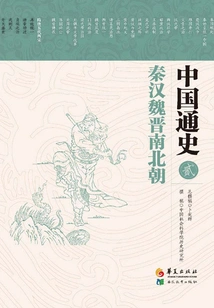
中国通史2·秦汉魏晋南北朝
Written By Bu Xianqun
This volume mainly tells the history of the Qin, Han, Wei, Jin, Southern and Northern Dynasties, including the rise of Qin, Qin Shihuang, the Chu-Han War, the Silk Road, the Qing Dynasty and the Party's rule, the Three Kingdoms, Zhuge Liang's rule of Shu, the unification of the Western Jin Dynasty, the style of the Wei and Jin Dynasties, etc. It is the second volume of "General History of China". "General History of China" is a large-scale general history historical work compiled on the basis of one hundred episodes of "General History of China", a large-scale historical and political commentary. The 100-episode "General History of China" is a large-scale historical and political commentary produced by the Chinese Academy of Social Sciences, written by the Institute of History of the Chinese Academy of Social Sciences, and filmed by the CCTV Film and Television Channel. This set of books expands and improves the text version of the political commentary based on the original works of each author. It has about 1 million words and 8 volumes. The authors and interviewed guests include almost all important scholars in the field of Chinese history, with a strong lineup. This set of books is the latest original work, containing the latest archaeological and historical scientific research results, and provides the most authoritative interpretation of Chinese history with the most scientific and rigorous attitude.
This volume mainly tells the history of the Qin, Han, Wei, Jin, Southern and Northern Dynasties, including the rise of Qin, Qin Shihuang, the Chu-Han War, the Silk Road, the Qing Dynasty and the Party's rule, the Three Kingdoms, Zhuge Liang's rule of Shu, the unification of the Western Jin Dynasty, the style of the Wei and Jin Dynasties, etc. It is the second volume of "General History of China". "General History of China" is a large-scale general history historical work compiled on the basis of one hundred episodes of "General History of China", a large-scale historical and political commentary. The 100-episode "General History of China" is a large-scale historical and political commentary produced by the Chinese Academy of Social Sciences, written by the Institute of History of the Chinese Academy of Social Sciences, and filmed by the CCTV Film and Television Channel. This set of books expands and improves the text version of the political commentary based on the original works of each author. It has about 1 million words and 8 volumes. The authors and interviewed guests include almost all important scholars in the field of Chinese history, with a strong lineup. This set of books is the latest original work, containing the latest archaeological and historical scientific research results, and provides the most authoritative interpretation of Chinese history with the most scientific and rigorous attitude.
中国通史3·隋唐五代两宋
Written By Bu Xianqun
This volume mainly tells the history of the Sui, Tang, Five Dynasties and Song Dynasties. The main content includes the reunification, the merits and demerits of Emperor Yang, the rule of Zhenguan, Wu Zetian, the prosperous age of Kaitian, the Five Dynasties and Ten Kingdoms, Song Taizu, the Chanyuan Alliance, Wang Anshi's Reform, the Jingkang Difficulty, the New Confucianism of the Song Dynasty, the culture of the Song Dynasty, etc. It is the third volume of "General History of China". "General History of China" is a large-scale general history historical work compiled on the basis of one hundred episodes of "General History of China", a large-scale historical and political commentary. The 100-episode "General History of China" is a large-scale historical and political commentary produced by the Chinese Academy of Social Sciences, written by the Institute of History of the Chinese Academy of Social Sciences, and filmed by the CCTV Film and Television Channel. This set of books expands and improves the text version of the political commentary based on the original works of each author. It has about 1 million words and 8 volumes. The authors and interviewed guests include almost all important scholars in the field of Chinese history, with a strong lineup. This set of books is the latest original work, containing the latest archaeological and historical scientific research results, and provides the most authoritative interpretation of Chinese history with the most scientific and rigorous attitude.
This volume mainly tells the history of the Sui, Tang, Five Dynasties and Song Dynasties. The main content includes the reunification, the merits and demerits of Emperor Yang, the rule of Zhenguan, Wu Zetian, the prosperous age of Kaitian, the Five Dynasties and Ten Kingdoms, Song Taizu, the Chanyuan Alliance, Wang Anshi's Reform, the Jingkang Difficulty, the New Confucianism of the Song Dynasty, the culture of the Song Dynasty, etc. It is the third volume of "General History of China". "General History of China" is a large-scale general history historical work compiled on the basis of one hundred episodes of "General History of China", a large-scale historical and political commentary. The 100-episode "General History of China" is a large-scale historical and political commentary produced by the Chinese Academy of Social Sciences, written by the Institute of History of the Chinese Academy of Social Sciences, and filmed by the CCTV Film and Television Channel. This set of books expands and improves the text version of the political commentary based on the original works of each author. It has about 1 million words and 8 volumes. The authors and interviewed guests include almost all important scholars in the field of Chinese history, with a strong lineup. This set of books is the latest original work, containing the latest archaeological and historical scientific research results, and provides the most authoritative interpretation of Chinese history with the most scientific and rigorous attitude.
中国通史5·明清
Written By Bu Xianqun
This volume is the fourth volume of "General History of China". It mainly tells the history of the Ming Dynasty and the Qing Dynasty. The main contents include Ming Taizu Zhu Yuanzhang, Yongle's move to the capital, Zheng He's voyages to the West, the cabinet system, Zhang Juzheng's reforms, the Opium War, the Taiping Heavenly Kingdom, the Sino-Japanese War of 1894-1894, the Restoration and Revolution, the Elegy of the Empire, etc. "General History of China" is a large-scale general history historical work compiled on the basis of one hundred episodes of "General History of China", a large-scale historical and political commentary. The 100-episode "General History of China" is a large-scale historical and political commentary produced by the Chinese Academy of Social Sciences, written by the Institute of History of the Chinese Academy of Social Sciences, and filmed by the CCTV Film and Television Channel. This set of books expands and improves the text version of the political commentary based on the original works of each author. It has about 1 million words and 8 volumes. The authors and interviewed guests include almost all important scholars in the field of Chinese history, with a strong lineup. This set of books is the latest original work, containing the latest archaeological and historical scientific research results, and provides the most authoritative interpretation of Chinese history with the most scientific and rigorous attitude.
This volume is the fourth volume of "General History of China". It mainly tells the history of the Ming Dynasty and the Qing Dynasty. The main contents include Ming Taizu Zhu Yuanzhang, Yongle's move to the capital, Zheng He's voyages to the West, the cabinet system, Zhang Juzheng's reforms, the Opium War, the Taiping Heavenly Kingdom, the Sino-Japanese War of 1894-1894, the Restoration and Revolution, the Elegy of the Empire, etc. "General History of China" is a large-scale general history historical work compiled on the basis of one hundred episodes of "General History of China", a large-scale historical and political commentary. The 100-episode "General History of China" is a large-scale historical and political commentary produced by the Chinese Academy of Social Sciences, written by the Institute of History of the Chinese Academy of Social Sciences, and filmed by the CCTV Film and Television Channel. This set of books expands and improves the text version of the political commentary based on the original works of each author. It has about 1 million words and 8 volumes. The authors and interviewed guests include almost all important scholars in the field of Chinese history, with a strong lineup. This set of books is the latest original work, containing the latest archaeological and historical scientific research results, and provides the most authoritative interpretation of Chinese history with the most scientific and rigorous attitude.
中国经济立法史
Guo Jian
"The History of Chinese Economic Legislation" explores the emergence, development and laws of China's economic legislation. Combining the historical background of ancient and modern China's economic legal reforms, the book analyzes the historical context of China's economic legislative activities in the past dynasties, integrates politics, society, economy and the legal system, and objectively evaluates the role and influence of China's economic legislation in the history of China's legal system. As an important thematic history of legal history and a branch of law, the history of Chinese economic legislation focuses on studying the formulation, main content, status and implementation of the economic legal system in the entire legal system, and tries to summarize historical experience as much as possible and explore its successes and failures.
"The History of Chinese Economic Legislation" explores the emergence, development and laws of China's economic legislation. Combining the historical background of ancient and modern China's economic legal reforms, the book analyzes the historical context of China's economic legislative activities in the past dynasties, integrates politics, society, economy and the legal system, and objectively evaluates the role and influence of China's economic legislation in the history of China's legal system. As an important thematic history of legal history and a branch of law, the history of Chinese economic legislation focuses on studying the formulation, main content, status and implementation of the economic legal system in the entire legal system, and tries to summarize historical experience as much as possible and explore its successes and failures.
Historical Records
History史记
(western Han Dynasty) Sima Qian
"Historical Records" is a biographical history book written by Sima Qian, a historian of the Western Han Dynasty. It is the first biographical general history in Chinese history. It records a history of more than 3,000 years from the legendary Huangdi era to the fourth year of Emperor Wu of the Han Dynasty. "Historical Records" is listed as the first of the "Twenty-Four Histories", and together with the later "Hanshu", "Later Hanshu" and "Three Kingdoms", they are collectively known as the "First Four Histories". It has had a profound impact on the development of later historiography and literature. His pioneering method of chronicling historiography was passed down by the "official histories" of subsequent dynasties. "Historical Records" is also considered an excellent literary work, playing an important role in the history of Chinese literature. It was praised by Lu Xun as "the swan song of historians, the unrhymed "Li Sao"" and has high literary value. Liu Xiang and others believe that this book is "good at explaining things, argumentative but not flashy, and qualitative but not slangy".
"Historical Records" is a biographical history book written by Sima Qian, a historian of the Western Han Dynasty. It is the first biographical general history in Chinese history. It records a history of more than 3,000 years from the legendary Huangdi era to the fourth year of Emperor Wu of the Han Dynasty. "Historical Records" is listed as the first of the "Twenty-Four Histories", and together with the later "Hanshu", "Later Hanshu" and "Three Kingdoms", they are collectively known as the "First Four Histories". It has had a profound impact on the development of later historiography and literature. His pioneering method of chronicling historiography was passed down by the "official histories" of subsequent dynasties. "Historical Records" is also considered an excellent literary work, playing an important role in the history of Chinese literature. It was praised by Lu Xun as "the swan song of historians, the unrhymed "Li Sao"" and has high literary value. Liu Xiang and others believe that this book is "good at explaining things, argumentative but not flashy, and qualitative but not slangy".
你一定爱读的中国近代史
Chen Gonglu
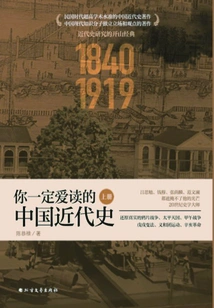
"Modern History of China You Will Love to Read" completed in 1934 is one of the most influential monographs among Chen Gonglu's works. It was once selected as the modern history of China that represents the best academic level in the Republic of China era. The book contains a total of 19 chapters, about 600,000 words, starting from the Opium War in the late Qing Dynasty and ending in the early 1930s. It spans a long time, covers rich content, and makes fair conclusions. It covers a wide range of areas, including geography, ethnicity, politics, economy, transportation, etc. This book is the most influential of Chen Gonglu's works. To this day, it is still recognized as a work on modern Chinese history that represents the highest academic level in the Republic of China era. It is a work that represents the independent stance and views of liberal intellectuals in that period. This book has 19 chapters and nearly 700,000 words, mainly narrative, supplemented by analysis. Based on the major events that have occurred in modern times, this book is divided into several major themes such as the Opium War, the Taiping Heavenly Kingdom, the Sino-Japanese War of 1888, the Reform Movement of 1898, the Boxer Rebellion, the Revolution of 1911, and the situation since the Republic of China. It provides a basic narrative outline for modern Chinese history. What is particularly commendable is Chen Gonglu's attempt to treat history with a fair attitude. He believes that "the author of this book does not slander or defend the people of the time, but just explains his position in a fair manner." For example, when discussing issues such as Sino-foreign conflicts and Sino-foreign relations, "the crime of aggression will never be concealed." But it must be based on facts and cannot blindly slander. Because the book is fair in its argumentation, informative and detailed, it became the most complete textbook on modern Chinese history at that time.
"Modern History of China You Will Love to Read" completed in 1934 is one of the most influential monographs among Chen Gonglu's works. It was once selected as the modern history of China that represents the best academic level in the Republic of China era. The book contains a total of 19 chapters, about 600,000 words, starting from the Opium War in the late Qing Dynasty and ending in the early 1930s. It spans a long time, covers rich content, and makes fair conclusions. It covers a wide range of areas, including geography, ethnicity, politics, economy, transportation, etc. This book is the most influential of Chen Gonglu's works. To this day, it is still recognized as a work on modern Chinese history that represents the highest academic level in the Republic of China era. It is a work that represents the independent stance and views of liberal intellectuals in that period. This book has 19 chapters and nearly 700,000 words, mainly narrative, supplemented by analysis. Based on the major events that have occurred in modern times, this book is divided into several major themes such as the Opium War, the Taiping Heavenly Kingdom, the Sino-Japanese War of 1888, the Reform Movement of 1898, the Boxer Rebellion, the Revolution of 1911, and the situation since the Republic of China. It provides a basic narrative outline for modern Chinese history. What is particularly commendable is Chen Gonglu's attempt to treat history with a fair attitude. He believes that "the author of this book does not slander or defend the people of the time, but just explains his position in a fair manner." For example, when discussing issues such as Sino-foreign conflicts and Sino-foreign relations, "the crime of aggression will never be concealed." But it must be based on facts and cannot blindly slander. Because the book is fair in its argumentation, informative and detailed, it became the most complete textbook on modern Chinese history at that time.
历史文献与传统文化(第二十三辑)
Editor-in-chief Liu Zhenggang
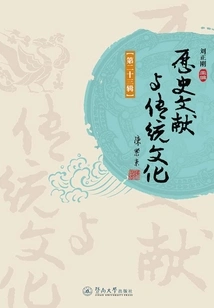
This book is edited by the Institute of Chinese Cultural History and Records at Jinan University. It contains 17 articles in total and covers a wide range of topics, including collation and annotation of historical records, such as the explanatory notes on the Nanhua version of "Historical Records", the identification of forgeries of stone carvings in the Southern Dynasties, and the ancient urban document "Two Capitals". There are also historical factual research categories, such as research on the issue of constant litigation in the Dunhuang tune "Resentful Spring Girl", research on the restoration of literati societies in various places in the Ming Dynasty, and exposition of the relevant deeds of Guo Shili, a missionary in China in the late Qing Dynasty, and Ho Kunshan, a Hong Kong Chinese businessman, etc. There are also articles on historical chronology and character chronology based on time. Each paper is cited extensively, showing a relatively profound academic foundation and having certain academic value.
This book is edited by the Institute of Chinese Cultural History and Records at Jinan University. It contains 17 articles in total and covers a wide range of topics, including collation and annotation of historical records, such as the explanatory notes on the Nanhua version of "Historical Records", the identification of forgeries of stone carvings in the Southern Dynasties, and the ancient urban document "Two Capitals". There are also historical factual research categories, such as research on the issue of constant litigation in the Dunhuang tune "Resentful Spring Girl", research on the restoration of literati societies in various places in the Ming Dynasty, and exposition of the relevant deeds of Guo Shili, a missionary in China in the late Qing Dynasty, and Ho Kunshan, a Hong Kong Chinese businessman, etc. There are also articles on historical chronology and character chronology based on time. Each paper is cited extensively, showing a relatively profound academic foundation and having certain academic value.
北宋文化史述论(精装)
Chen Zhi'e
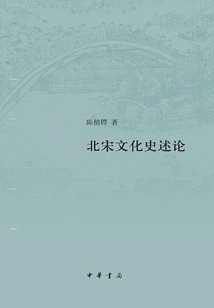
With "Song Studies" as the core, this book deeply explores the background of the times and various stages of development of Song Studies, reveals several major themes of Song Studies and the basic spirit of Song Studies, which is dominated by the spirit of discussion, discusses the interrelationship between Song Studies and religious philosophy, literature and art, science and technology, etc., And other aspects of Northern Song culture, and demonstrates the ubiquitous Song Studies and the spirit of the times in the social culture of the Northern Song Dynasty. The author has extensive knowledge of literature and history, and has read numerous books. Under the grand framework of cultural history, meticulous and readable textual research can be seen everywhere. It is not only a model work for the study of Song history, but also an introductory book for understanding the culture of the Song Dynasty.
With "Song Studies" as the core, this book deeply explores the background of the times and various stages of development of Song Studies, reveals several major themes of Song Studies and the basic spirit of Song Studies, which is dominated by the spirit of discussion, discusses the interrelationship between Song Studies and religious philosophy, literature and art, science and technology, etc., And other aspects of Northern Song culture, and demonstrates the ubiquitous Song Studies and the spirit of the times in the social culture of the Northern Song Dynasty. The author has extensive knowledge of literature and history, and has read numerous books. Under the grand framework of cultural history, meticulous and readable textual research can be seen everywhere. It is not only a model work for the study of Song history, but also an introductory book for understanding the culture of the Song Dynasty.
秦力山集·外二种(中国近代人物文集丛书)
Edited By The Editorial Department Of Zhonghua Book Company And Edited By Liu Yangyang
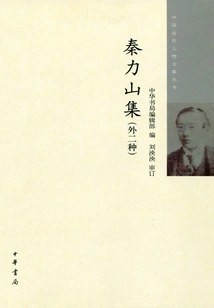
Qin Lishan (1877-1906) was originally named Dingyi, with the courtesy name Lishan. Originally from Wuxian County, Jiangsu Province, he was a native of Shanhua (now part of Changsha). In 1897, he entered the Changsha Current Affairs School and joined the Nanxue Society the following year. After the 1898 Coup, he went into exile in Japan and served as the chief writer of "Qing Yi Bao". In 1900, he went to Wuhan and Tang Caichang organized an independent army and served as the commander of the former army. After the incident failed, he fled to Japan again. In 1901, he founded the National Daily, which was the first newspaper to promote the revolution among students studying in Japan. Later, he founded the monthly magazine "Mainland" and tried his best to refute Kang and Liang's royalist remarks. In 1905, he entered Yunnan to engage in anti-Qing activities. He became ill from overwork and died of illness the next year. This book collects all the extant writings of Qin's family. It is completely collected and reasonably arranged. It focuses on showing the important role of this revolutionary who died young in modern history and has considerable historical value.
Qin Lishan (1877-1906) was originally named Dingyi, with the courtesy name Lishan. Originally from Wuxian County, Jiangsu Province, he was a native of Shanhua (now part of Changsha). In 1897, he entered the Changsha Current Affairs School and joined the Nanxue Society the following year. After the 1898 Coup, he went into exile in Japan and served as the chief writer of "Qing Yi Bao". In 1900, he went to Wuhan and Tang Caichang organized an independent army and served as the commander of the former army. After the incident failed, he fled to Japan again. In 1901, he founded the National Daily, which was the first newspaper to promote the revolution among students studying in Japan. Later, he founded the monthly magazine "Mainland" and tried his best to refute Kang and Liang's royalist remarks. In 1905, he entered Yunnan to engage in anti-Qing activities. He became ill from overwork and died of illness the next year. This book collects all the extant writings of Qin's family. It is completely collected and reasonably arranged. It focuses on showing the important role of this revolutionary who died young in modern history and has considerable historical value.
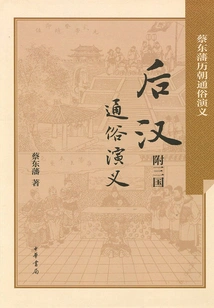
后汉通俗演义·附三国(蔡东藩历朝通俗演义)
Cai Dongfan
Cai Dongfan's "Popular Romance of the Past Dynasties" takes official history as the classic and anecdotes as the weft. A set of books covers all aspects of China's history of more than two thousand years. This series uses the 1935 Shanghai Huiwentang Xinji Bookstore's printed version as the authoritative original, and also collects all The illustrations in the lithographed and thread-bound edition retain the preface, lineage diagrams, and notes written by Mr. Cai Dongfan himself, advocating the original reading experience and maximizing the appearance of the original book. "Attached to the Three Kingdoms" is one of the series of books "Popular Romance of Cai Dongfan Dynasties". It narrates the history of more than 250 years from Wang Mang's usurpation of the Han Dynasty to the founding of the Western Jin Dynasty. It has plain views, rich content, legal discussion, connotations of praise and blame, elegant language, clear and clear language, self-evaluation and annotation, and interesting reasoning. It has both aspects and can be regarded as a classic of popular history. The book is careful in its material selection, focusing on historical facts and supplementing it with unofficial histories and notes. The Three Kingdoms part is different from Luo Guanzhong's "The Romance of the Three Kingdoms" which is divided into seven parts facts and three parts fiction.
Cai Dongfan's "Popular Romance of the Past Dynasties" takes official history as the classic and anecdotes as the weft. A set of books covers all aspects of China's history of more than two thousand years. This series uses the 1935 Shanghai Huiwentang Xinji Bookstore's printed version as the authoritative original, and also collects all The illustrations in the lithographed and thread-bound edition retain the preface, lineage diagrams, and notes written by Mr. Cai Dongfan himself, advocating the original reading experience and maximizing the appearance of the original book. "Attached to the Three Kingdoms" is one of the series of books "Popular Romance of Cai Dongfan Dynasties". It narrates the history of more than 250 years from Wang Mang's usurpation of the Han Dynasty to the founding of the Western Jin Dynasty. It has plain views, rich content, legal discussion, connotations of praise and blame, elegant language, clear and clear language, self-evaluation and annotation, and interesting reasoning. It has both aspects and can be regarded as a classic of popular history. The book is careful in its material selection, focusing on historical facts and supplementing it with unofficial histories and notes. The Three Kingdoms part is different from Luo Guanzhong's "The Romance of the Three Kingdoms" which is divided into seven parts facts and three parts fiction.
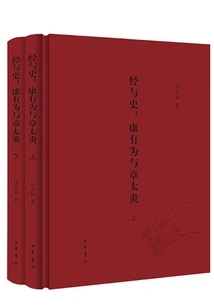
经与史:康有为与章太炎(全二册)
Tang Zhijun
This book is titled "Classics and History: Kang Youwei and Zhang Taiyan". It is a collection of research papers on Kang Youwei and Zhang Taiyan by the famous modern historian Tang Zhijun. It includes a total of 69 papers written in different periods. According to different research angles, it is divided into eight groups: the first group of seven articles discusses the rise and development of modern and ancient literature, the second group of nine articles discusses the inheritance and development of the Confucian school of Confucianism in the Qing Dynasty, the third group of seven articles examines many details of the interactions between Zhang Taiyan, Liu Shipei and others, the fourth group of eight articles takes the theme of the enlightenment of the Reform Movement of 1898 as the theme, and the fifth group of fifteen articles The first chapter examines the role and status of Kang Youwei and others in the Reform Movement of 1898. The sixth group of seven articles examines the relationship between Kang Youwei, Sun Yat-sen and others before and after the Self-Reliance Army Uprising. The seventh group of ten articles analyzes Zhang Taiyan's revolutionary thoughts and the historical significance of the "Soviet Reporting Case". The eighth group of six articles explores Zhang Taiyan's activities before and after 1911 and his relationship with the Guangfuhui.
This book is titled "Classics and History: Kang Youwei and Zhang Taiyan". It is a collection of research papers on Kang Youwei and Zhang Taiyan by the famous modern historian Tang Zhijun. It includes a total of 69 papers written in different periods. According to different research angles, it is divided into eight groups: the first group of seven articles discusses the rise and development of modern and ancient literature, the second group of nine articles discusses the inheritance and development of the Confucian school of Confucianism in the Qing Dynasty, the third group of seven articles examines many details of the interactions between Zhang Taiyan, Liu Shipei and others, the fourth group of eight articles takes the theme of the enlightenment of the Reform Movement of 1898 as the theme, and the fifth group of fifteen articles The first chapter examines the role and status of Kang Youwei and others in the Reform Movement of 1898. The sixth group of seven articles examines the relationship between Kang Youwei, Sun Yat-sen and others before and after the Self-Reliance Army Uprising. The seventh group of ten articles analyzes Zhang Taiyan's revolutionary thoughts and the historical significance of the "Soviet Reporting Case". The eighth group of six articles explores Zhang Taiyan's activities before and after 1911 and his relationship with the Guangfuhui.
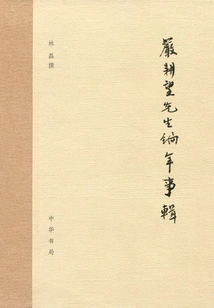
严耕望先生编年事辑
Lin Lei
Mr. Yan Gengwang is an outstanding modern historian. The main text of this book is divided into six volumes according to several important transitions in Yan's life: 1916 to 1936, his early life and study period; 1937 to 1944, the period from university studies to before entering the Institute of History and Philology; 1945 to 1964, full-time conversation at the Institute of History and Philology; 19 The period from 1965 to 1981 was the period of teaching in Hong Kong; the period from 1982 to 1996 was the period from retirement to the last years of his death; from 1997 to the present, it mainly describes his "posthumous affairs"; the appendix includes the chronology of Yan's life and works and the selection of Yan's book collection, which may be the latest update or the first disclosure. It can be used brick by brick by those who manage "Guitian Historiography", and it can also provide a vivid case for the study of Chinese academic history and social and cultural history in the 20th century.
Mr. Yan Gengwang is an outstanding modern historian. The main text of this book is divided into six volumes according to several important transitions in Yan's life: 1916 to 1936, his early life and study period; 1937 to 1944, the period from university studies to before entering the Institute of History and Philology; 1945 to 1964, full-time conversation at the Institute of History and Philology; 19 The period from 1965 to 1981 was the period of teaching in Hong Kong; the period from 1982 to 1996 was the period from retirement to the last years of his death; from 1997 to the present, it mainly describes his "posthumous affairs"; the appendix includes the chronology of Yan's life and works and the selection of Yan's book collection, which may be the latest update or the first disclosure. It can be used brick by brick by those who manage "Guitian Historiography", and it can also provide a vivid case for the study of Chinese academic history and social and cultural history in the 20th century.
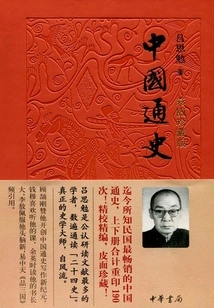
中国通史(彩图珍藏版)
Lu Simian
This is a general history of China carefully written by Lu Simian for high school students in the 1930s. The author uses concise and smooth words to give a comprehensive description of China's politics, geography, society, culture, etc. From ancient times to modern times. The book is full of citations, vivid in form, clear in organization, and unique in insights. It is an excellent popular reading on the general history of China.
This is a general history of China carefully written by Lu Simian for high school students in the 1930s. The author uses concise and smooth words to give a comprehensive description of China's politics, geography, society, culture, etc. From ancient times to modern times. The book is full of citations, vivid in form, clear in organization, and unique in insights. It is an excellent popular reading on the general history of China.
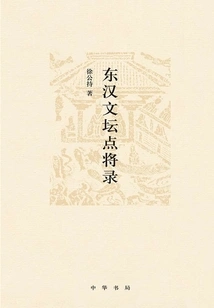
东汉文坛点将录
Xu Gongchi
This book is a critical biography of the main figures in the literary world of the Eastern Han Dynasty. These writers include: Huan Tan, Feng Yan, Banmen Qunying (Ban Biao, Ban Gu, Ban Zhao), Cui family (Cui Zhuan, Cui Xiang, Cui Yuan, Cui Qi, Cui Shi), Du Du, Jia Kui, Wang Chong, Fu Yi, Huang Xiang, Liang Hong, Zhang Heng, Wang Yi, Zhu Mu, Ma Rong, Wang Fu, Qin Jia, Xu Shu, Li Yan, Gao Biao, Yan Du, Zhao Yi, Cai Yong, Ying Shao, Zheng Xuan, Xun Shuang, Kong Rong, Mi Heng, and nineteen ancient poems. Many of these writers have rarely been discussed specifically except for brief mentions in specialized literary history. Therefore, this book has the significance of popularizing and filling the gap. In terms of style, there is a wonderful comment before each chapter, which can help readers more comprehensively, three-dimensionally and concisely grasp the uniqueness of each biography and its contribution to literature and style. Moreover, through this book, you can not only understand the author's life and experience, especially the progress and retreat between politics and literature, but also have a deeper understanding of their representative works. It is a very good popular reading about the literature and history of the Eastern Han Dynasty.
This book is a critical biography of the main figures in the literary world of the Eastern Han Dynasty. These writers include: Huan Tan, Feng Yan, Banmen Qunying (Ban Biao, Ban Gu, Ban Zhao), Cui family (Cui Zhuan, Cui Xiang, Cui Yuan, Cui Qi, Cui Shi), Du Du, Jia Kui, Wang Chong, Fu Yi, Huang Xiang, Liang Hong, Zhang Heng, Wang Yi, Zhu Mu, Ma Rong, Wang Fu, Qin Jia, Xu Shu, Li Yan, Gao Biao, Yan Du, Zhao Yi, Cai Yong, Ying Shao, Zheng Xuan, Xun Shuang, Kong Rong, Mi Heng, and nineteen ancient poems. Many of these writers have rarely been discussed specifically except for brief mentions in specialized literary history. Therefore, this book has the significance of popularizing and filling the gap. In terms of style, there is a wonderful comment before each chapter, which can help readers more comprehensively, three-dimensionally and concisely grasp the uniqueness of each biography and its contribution to literature and style. Moreover, through this book, you can not only understand the author's life and experience, especially the progress and retreat between politics and literature, but also have a deeper understanding of their representative works. It is a very good popular reading about the literature and history of the Eastern Han Dynasty.
中华民国史·人物传(第八卷)
Chief Editor Li Xin Research Office Of The History Of The Republic Of China, Institute Of Modern History, Chinese Academy Of Social Sciences
"Biographies of Figures in the History of the Republic of China", written by the Research Office of the History of the Republic of China at the Institute of Modern History, Chinese Academy of Social Sciences, is a companion piece to "History of the Republic of China" and has been renamed "History of the Republic of China - Biographies of Figures". This book selects and compiles biographies of more than a thousand representatives in the fields of politics, economy, military, culture, science and technology from the founding of the Tongmenghui in 1905 to the end of the Republic of China in 1949. This department aims at people and collects extensive information on the life of the biographer. The deeds of the biographer are mainly objectively narrated, striving for accurate historical facts, fair judgment, concise writing, authenticity and credibility, enough to be passed down to future generations.
"Biographies of Figures in the History of the Republic of China", written by the Research Office of the History of the Republic of China at the Institute of Modern History, Chinese Academy of Social Sciences, is a companion piece to "History of the Republic of China" and has been renamed "History of the Republic of China - Biographies of Figures". This book selects and compiles biographies of more than a thousand representatives in the fields of politics, economy, military, culture, science and technology from the founding of the Tongmenghui in 1905 to the end of the Republic of China in 1949. This department aims at people and collects extensive information on the life of the biographer. The deeds of the biographer are mainly objectively narrated, striving for accurate historical facts, fair judgment, concise writing, authenticity and credibility, enough to be passed down to future generations.
传统中国研究集刊(第二十辑)
Editorial Committee Of "traditional Chinese Studies" Of Shanghai Academy Of Social Sciences
The Traditional China Studies Collection mainly collects the latest research results of Chinese history research at home and abroad, including monographs, book reviews, prefaces and postscripts, etc. This journal is compiled by the Institute of History of the Shanghai Academy of Social Sciences. It is an irregular academic journal with high academic quality and has gained a good reputation in the academic community. This collection contains recent papers by many scholars at home and abroad on traditional Chinese politics, economy, society and other aspects. It is profound and innovative.
The Traditional China Studies Collection mainly collects the latest research results of Chinese history research at home and abroad, including monographs, book reviews, prefaces and postscripts, etc. This journal is compiled by the Institute of History of the Shanghai Academy of Social Sciences. It is an irregular academic journal with high academic quality and has gained a good reputation in the academic community. This collection contains recent papers by many scholars at home and abroad on traditional Chinese politics, economy, society and other aspects. It is profound and innovative.
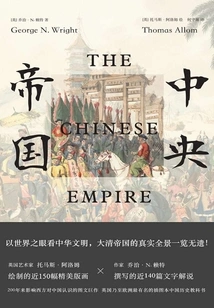
Central Empire
History中央帝国
(uk) George N. Wright Thomas Allom
In the eyes of Europeans and Americans in the 19th century, the "Central Empire" named "Qing" was the largest country in the world, and it was also a mysterious and distant country. People of insight are eager to understand China's ancient civilization, etiquette, literature, art, science and technology, and to uncover the mystery of this great Eastern country. This book is a historical masterpiece that looks at China through the eyes of the world. It is the "perspective" and scientific record of China in the Western world. This book focuses on the sketches of the Qing Empire by Thomas Allom, a British architect and painting master, and shows the full picture of this great oriental country from the natural landscape, humanistic architecture, and social customs of the Chinese Empire. One after another, the delicate and vivid paintings outline the urban ukiyo-e of the late Qing Dynasty, and the panoramic view of the Chinese Empire slowly unfolds before our eyes. British writer George N. Wright wrote an explanation, which reflects China's history, society, folk customs, culture and cultural exchanges between the East and the West from a unique perspective.
In the eyes of Europeans and Americans in the 19th century, the "Central Empire" named "Qing" was the largest country in the world, and it was also a mysterious and distant country. People of insight are eager to understand China's ancient civilization, etiquette, literature, art, science and technology, and to uncover the mystery of this great Eastern country. This book is a historical masterpiece that looks at China through the eyes of the world. It is the "perspective" and scientific record of China in the Western world. This book focuses on the sketches of the Qing Empire by Thomas Allom, a British architect and painting master, and shows the full picture of this great oriental country from the natural landscape, humanistic architecture, and social customs of the Chinese Empire. One after another, the delicate and vivid paintings outline the urban ukiyo-e of the late Qing Dynasty, and the panoramic view of the Chinese Empire slowly unfolds before our eyes. British writer George N. Wright wrote an explanation, which reflects China's history, society, folk customs, culture and cultural exchanges between the East and the West from a unique perspective.
60 Years of Empire
History帝国60年
Crane Lanshan
In these 60 years, a group of "scheming" elites used their "bad ideas" to stabilize the country day by day; many young people with no qualifications and experience used their enthusiasm to make suggestions for the court, even at the expense of their lives; a young emperor abandoned love and "ancestral rules" and "went his own way" to practice his own; this once poor and weak country actually created shocking wealth and strong national power, and went global.
In these 60 years, a group of "scheming" elites used their "bad ideas" to stabilize the country day by day; many young people with no qualifications and experience used their enthusiasm to make suggestions for the court, even at the expense of their lives; a young emperor abandoned love and "ancestral rules" and "went his own way" to practice his own; this once poor and weak country actually created shocking wealth and strong national power, and went global.
甲午五十年:1895-1945:媾和·书愤·明耻
Chen Zhanbiao
Through the ages, Ma Guan was heartbroken and could not bear to live with it. The whole people were at war with each other and Taiwan was finally restored to unification. Every word of the Shimonoseki negotiations is heart-wrenching! The arrogance of the self-satisfied Ito Hirobumi and the fear of the heroic and short-tempered Li Hongzhang came from their every word and every expression on the Chunfan Tower. Chinese people with even a little bit of conscience and blood can't help but feel heartbroken and burst into flames. "Old shame is wiped out, and old soil can be enjoyed again." During the half century from the cession of Taiwan in 1895 to the restoration of Taiwan in 1945, our loyal and courageous Chinese descendants, especially our compatriots in Taiwan, fought one after another and died generously to resist Japanese colonial rule. Taiwan's recovery is an excellent historical footnote that "the motherland must be reunified and will be reunified." This set of documents collected in this book mainly includes the details of the Sino-Japanese Shimonoseki peace talks after the defeat of the Sino-Japanese War of 1894-1894, the stimulation and great impact of the Treaty of Shimonoseki on our national spirit, and the struggle of our nation to finally wash away the shame of Shimonoseki and regain Taiwan with blood and strength. The book begins with "Declaration of War between China and Japan", proceeds with "Peace Agreement", proceeds with "Hiroshima Refusal of Envoys", proceeds with "Shimonoseki Peace Talks", proceeds with "Book of Indignation", "Returns to Taiwan in Disgrace", and ends with "Wanli Peace Negotiations". Revisiting this nation's history of humiliation and struggle is of practical significance today.
Through the ages, Ma Guan was heartbroken and could not bear to live with it. The whole people were at war with each other and Taiwan was finally restored to unification. Every word of the Shimonoseki negotiations is heart-wrenching! The arrogance of the self-satisfied Ito Hirobumi and the fear of the heroic and short-tempered Li Hongzhang came from their every word and every expression on the Chunfan Tower. Chinese people with even a little bit of conscience and blood can't help but feel heartbroken and burst into flames. "Old shame is wiped out, and old soil can be enjoyed again." During the half century from the cession of Taiwan in 1895 to the restoration of Taiwan in 1945, our loyal and courageous Chinese descendants, especially our compatriots in Taiwan, fought one after another and died generously to resist Japanese colonial rule. Taiwan's recovery is an excellent historical footnote that "the motherland must be reunified and will be reunified." This set of documents collected in this book mainly includes the details of the Sino-Japanese Shimonoseki peace talks after the defeat of the Sino-Japanese War of 1894-1894, the stimulation and great impact of the Treaty of Shimonoseki on our national spirit, and the struggle of our nation to finally wash away the shame of Shimonoseki and regain Taiwan with blood and strength. The book begins with "Declaration of War between China and Japan", proceeds with "Peace Agreement", proceeds with "Hiroshima Refusal of Envoys", proceeds with "Shimonoseki Peace Talks", proceeds with "Book of Indignation", "Returns to Taiwan in Disgrace", and ends with "Wanli Peace Negotiations". Revisiting this nation's history of humiliation and struggle is of practical significance today.
知三国:披露大家漏读、误读、没读懂的真相
Sun Zhengyu
"Knowing the Three Kingdoms" pays attention to both details and the overall situation; it not only interprets characters and analyzes history, but also pays attention to the era and social background of the Three Kingdoms. On the detailed cover, "Knowing the Three Kingdoms" introduces the different currencies of the three countries, which one is more livable, and other interesting and rare historical facts; in terms of the overall situation of the times, "Knowing the Three Kingdoms" also pays attention to the impact of the gentry on the society at that time, the demographic crisis caused by the sharp decline in population due to war, and how different regimes dealt with ethnic relations and solved people's livelihood issues.
"Knowing the Three Kingdoms" pays attention to both details and the overall situation; it not only interprets characters and analyzes history, but also pays attention to the era and social background of the Three Kingdoms. On the detailed cover, "Knowing the Three Kingdoms" introduces the different currencies of the three countries, which one is more livable, and other interesting and rare historical facts; in terms of the overall situation of the times, "Knowing the Three Kingdoms" also pays attention to the impact of the gentry on the society at that time, the demographic crisis caused by the sharp decline in population due to war, and how different regimes dealt with ethnic relations and solved people's livelihood issues.
大宋帝国三百年(第二部)
Moon Run Jiangnan
This series of books is divided into 10 books, which tells the wonderful historical stories of the two Song Dynasties according to the timeline. The language is usually calm yet humorous, using history to reflect reality and life.
This series of books is divided into 10 books, which tells the wonderful historical stories of the two Song Dynasties according to the timeline. The language is usually calm yet humorous, using history to reflect reality and life.
中国近代史新编(跟大师学国学)
Jiang Tingfu
Jiang Tingfu's "Modern History of China" was written in 1938 at the critical juncture of the Anti-Japanese War. It was written for the people and young people who were concerned about the future of the country. Starting from taking history as a mirror and starting from the relationship between diplomacy and domestic affairs, the author focuses on China's various plans to reform its internal affairs since the Opium War in order to resist the invasion of foreign enemies, expressing its sense of mission to seek a way to save the nation. The whole book has a clear narrative line with no branches and ramifications. The writing is touching and easy to read. It is fascinating and makes people want to put it down. This compilation and publication also includes four articles including "China and the Great Changes in the Modern World" and "The History of Foreign Aggression in Northeast China in the Last Three Hundred Years", which will help readers gain a deeper understanding of China's modern history. Therefore, the title of the book was changed to "New Collection of Modern Chinese History".
Jiang Tingfu's "Modern History of China" was written in 1938 at the critical juncture of the Anti-Japanese War. It was written for the people and young people who were concerned about the future of the country. Starting from taking history as a mirror and starting from the relationship between diplomacy and domestic affairs, the author focuses on China's various plans to reform its internal affairs since the Opium War in order to resist the invasion of foreign enemies, expressing its sense of mission to seek a way to save the nation. The whole book has a clear narrative line with no branches and ramifications. The writing is touching and easy to read. It is fascinating and makes people want to put it down. This compilation and publication also includes four articles including "China and the Great Changes in the Modern World" and "The History of Foreign Aggression in Northeast China in the Last Three Hundred Years", which will help readers gain a deeper understanding of China's modern history. Therefore, the title of the book was changed to "New Collection of Modern Chinese History".
从思想发现历史:重寻“五四”以后的中国
Zhang Taiyuan
In modern China, which is full of problems, there is often real history behind various complicated ideological statements. Intellectuals in modern China are full of contradictions, hesitations, confusions, changes, repetitions and confusion. The power of ideas often leads to rapid changes in times. However, this also implies a historical paradox: behind various "radical changes" there is often "unchangedness" lurking. Those who are old-fashioned are not necessarily backward, and those who are new are not necessarily progressive. Thoughts drive history, and history filters thoughts. History is often unreasonable and willful. In many cases, it is not profound thoughts but superficial sensibility or some kind of fanaticism that drives history forward.
In modern China, which is full of problems, there is often real history behind various complicated ideological statements. Intellectuals in modern China are full of contradictions, hesitations, confusions, changes, repetitions and confusion. The power of ideas often leads to rapid changes in times. However, this also implies a historical paradox: behind various "radical changes" there is often "unchangedness" lurking. Those who are old-fashioned are not necessarily backward, and those who are new are not necessarily progressive. Thoughts drive history, and history filters thoughts. History is often unreasonable and willful. In many cases, it is not profound thoughts but superficial sensibility or some kind of fanaticism that drives history forward.
中国历史故事(彩色插图本)
Tang Yunqi
Focusing on characters and events, this book selects forty topics and uses storytelling to briefly introduce the history of China from the ancient legend era to the Northern Expedition of the National Revolutionary Army to unify the country in the author's time. It can be called a story version of "General History of China" suitable for ordinary readers. The book specially collects 28 color historical illustrations for readers' reference.
Focusing on characters and events, this book selects forty topics and uses storytelling to briefly introduce the history of China from the ancient legend era to the Northern Expedition of the National Revolutionary Army to unify the country in the author's time. It can be called a story version of "General History of China" suitable for ordinary readers. The book specially collects 28 color historical illustrations for readers' reference.
秦汉魏晋史探微(重订本)
Tian Yuqing
This book discusses the development of personal dependence in the Qin, Han, Wei, Jin, Southern and Northern Dynasties, several issues about Cao Cao, the history of the Three Eastern Counties and the Shu and Wei Dynasties, Sun Wu's path to founding the country, the beginning and end of the Beifu Army, etc.
This book discusses the development of personal dependence in the Qin, Han, Wei, Jin, Southern and Northern Dynasties, several issues about Cao Cao, the history of the Three Eastern Counties and the Shu and Wei Dynasties, Sun Wu's path to founding the country, the beginning and end of the Beifu Army, etc.
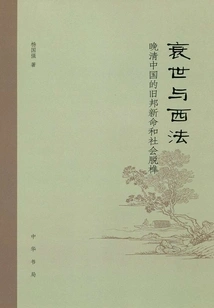
衰世与西法:晚清中国的旧邦新命和社会脱榫
Yang Guoqiang
This book is a new topic that the author has researched in recent years, covering fourteen special topics. That is: the extension of the study of world management and the historical starting point of China's modernization, the historical experience of the Chinese people and the world outside of historical experience. The gentry and gentry power in China in the late 19th century, donations, recommendations, and official irregularities in the late Qing Dynasty, "Ding Wu Qi Huang": natural disasters and relief in China in the late 19th century, transportation between China and the West, and foreigners who entered Chinese history. The treaty system: the transformation and being transformed between the Western world and China in the late Qing Dynasty, the conflict between China and the West: missionary work and lesson plans in China in the late Qing Dynasty, the beginning and dilemma of the military industry in the late Qing Dynasty, the period of the First World War and the Second World War: the resurgence and drastic changes of the Qing Dynasty. The Western Tide and the Return: A history of thought in the late Qing Dynasty and the early Republic of China, two concepts in modern China and their historical causes and effects throughout the century, Confucianism in history, historical reflections on the imperial examination system, attached: Chinese society and politics before and after the Revolution of 1911---an interview with "Oriental Morning Post".
This book is a new topic that the author has researched in recent years, covering fourteen special topics. That is: the extension of the study of world management and the historical starting point of China's modernization, the historical experience of the Chinese people and the world outside of historical experience. The gentry and gentry power in China in the late 19th century, donations, recommendations, and official irregularities in the late Qing Dynasty, "Ding Wu Qi Huang": natural disasters and relief in China in the late 19th century, transportation between China and the West, and foreigners who entered Chinese history. The treaty system: the transformation and being transformed between the Western world and China in the late Qing Dynasty, the conflict between China and the West: missionary work and lesson plans in China in the late Qing Dynasty, the beginning and dilemma of the military industry in the late Qing Dynasty, the period of the First World War and the Second World War: the resurgence and drastic changes of the Qing Dynasty. The Western Tide and the Return: A history of thought in the late Qing Dynasty and the early Republic of China, two concepts in modern China and their historical causes and effects throughout the century, Confucianism in history, historical reflections on the imperial examination system, attached: Chinese society and politics before and after the Revolution of 1911---an interview with "Oriental Morning Post".