Library
Browse and search books
2,823 novels found
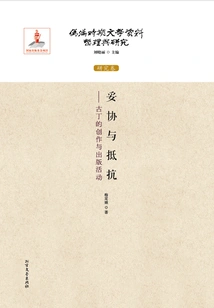
妥协与抵抗——古宁的创作与出版活动(伪满时期文学资料整理与研究:研究卷)
Mei Ding'e
This book is the first large-scale book at home and abroad that comprehensively combs and details the literature and research results of the Puppet Manchukuo period. It aims to reflect the literary history of the Puppet Manchukuo period systematically, comprehensively and accurately. The book is divided into three parts: works volume, historical materials volume and research volume. It comprehensively and clearly presents the literary appearance and context of this special historical period, as well as the most representative and influential research results in this field at home and abroad. (The book has 34 episodes in total)
This book is the first large-scale book at home and abroad that comprehensively combs and details the literature and research results of the Puppet Manchukuo period. It aims to reflect the literary history of the Puppet Manchukuo period systematically, comprehensively and accurately. The book is divided into three parts: works volume, historical materials volume and research volume. It comprehensively and clearly presents the literary appearance and context of this special historical period, as well as the most representative and influential research results in this field at home and abroad. (The book has 34 episodes in total)
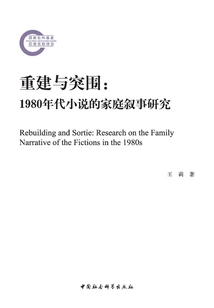
重建与突围:1980年代小说的家庭叙事研究
Wang Li
Family is a pervasive writing object in Chinese literature in the 20th century. This book takes the construction of family in Chinese literature in the 20th century as a clue, takes the relationship between the nation-state, individuals, and families in the process of China's modernization as a starting point, takes the novels of the 1980s as the research object, selects representative texts, and explores how nation-state discourse and personal discourse construct the representation of family in the novels of the 1980s. On the one hand, there is a "going home" direction and complex in the novels of the 1980s. The humanitarian trend of thought has re-endowed family ethics with the positive value of "humanity". The family has become a carrier of reflection and a home for the return of "humanity", saving individuals who have experienced disasters. On the other hand, the humble and trivial appearance of family shows the alienation of daily life under the perspective of enlightenment, and individuals seek the path to self-realization beyond the family.
Family is a pervasive writing object in Chinese literature in the 20th century. This book takes the construction of family in Chinese literature in the 20th century as a clue, takes the relationship between the nation-state, individuals, and families in the process of China's modernization as a starting point, takes the novels of the 1980s as the research object, selects representative texts, and explores how nation-state discourse and personal discourse construct the representation of family in the novels of the 1980s. On the one hand, there is a "going home" direction and complex in the novels of the 1980s. The humanitarian trend of thought has re-endowed family ethics with the positive value of "humanity". The family has become a carrier of reflection and a home for the return of "humanity", saving individuals who have experienced disasters. On the other hand, the humble and trivial appearance of family shows the alienation of daily life under the perspective of enlightenment, and individuals seek the path to self-realization beyond the family.
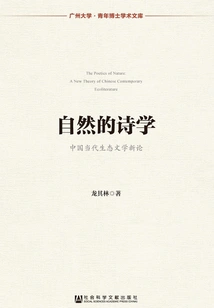
自然的诗学:中国当代生态文学新论
Long Qilin
Based on the aesthetic attributes and cultural attributes of ecological literary works, this book provides an innovative analysis of contemporary Chinese ecological literature from aspects such as the life dimension of Chinese contemporary ecological literature writing, the discourse practice of Chinese contemporary ecological literary creation, "Walden" and Chinese contemporary ecological prose, European and American poetry and Chinese contemporary ecological poetry, and the re-examination of Chinese contemporary ecological novel creation. It provides new research ideas and analytical methods for the topic of how Chinese contemporary ecological literature research returns to its literary roots and how to expand a broader research horizon.
Based on the aesthetic attributes and cultural attributes of ecological literary works, this book provides an innovative analysis of contemporary Chinese ecological literature from aspects such as the life dimension of Chinese contemporary ecological literature writing, the discourse practice of Chinese contemporary ecological literary creation, "Walden" and Chinese contemporary ecological prose, European and American poetry and Chinese contemporary ecological poetry, and the re-examination of Chinese contemporary ecological novel creation. It provides new research ideas and analytical methods for the topic of how Chinese contemporary ecological literature research returns to its literary roots and how to expand a broader research horizon.
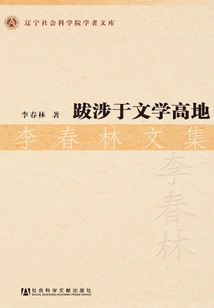
跋涉于文学高地(李春林文集)
Li Chunlin
The author of this book is regarded by academic circles as one of the three representative figures in the comparative study of Lu Xun and foreign cultures in the new era. This book is a collection of the author's many years of research on Lu Xun and modern and contemporary Chinese literature. It is divided into three parts: research on Lu Xun, research on modern Chinese literature, and research on contemporary Chinese literature.
The author of this book is regarded by academic circles as one of the three representative figures in the comparative study of Lu Xun and foreign cultures in the new era. This book is a collection of the author's many years of research on Lu Xun and modern and contemporary Chinese literature. It is divided into three parts: research on Lu Xun, research on modern Chinese literature, and research on contemporary Chinese literature.
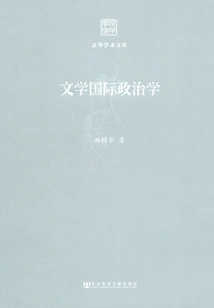
Literary International Politics
Literature文学国际政治学
Lin Jingjing
This article is a collection of important papers published by the author in recent years in academic journals such as "Foreign Literature Review", "Russian Studies", "Russian Eastern European and Central Asian Studies", "Social Science Front" and "21st Century". The content includes: The first part studies the development and change process of Soviet Russian literature and international politics. The complex relationship between scholarship, the second part analyzes the direct or indirect relationship between some major topics in Russian humanities academic research in the past two hundred years and international politics, and the third part explores the relationship between the crises implicit in some of China's grand theoretical constructions and social trends of thought and China's own shortcomings in the vision of international politics.
This article is a collection of important papers published by the author in recent years in academic journals such as "Foreign Literature Review", "Russian Studies", "Russian Eastern European and Central Asian Studies", "Social Science Front" and "21st Century". The content includes: The first part studies the development and change process of Soviet Russian literature and international politics. The complex relationship between scholarship, the second part analyzes the direct or indirect relationship between some major topics in Russian humanities academic research in the past two hundred years and international politics, and the third part explores the relationship between the crises implicit in some of China's grand theoretical constructions and social trends of thought and China's own shortcomings in the vision of international politics.
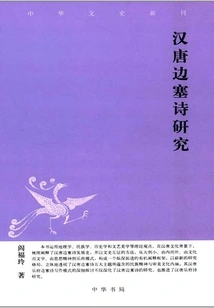
Research on Frontier Poems of Han and Tang Dynasties (New Journal of Chinese Literature and History)
Literature汉唐边塞诗研究(中华文史新刊)
Yan Fuling
This book has about 370,000 words and is revised based on the 2005 doctoral thesis. With an in-depth exploration of the cultural background of the Han and Tang Dynasties, the author uses the method of mutual verification of literature and history to conduct a comprehensive and systematic study of the five major themes of the Han and Tang frontier fortress poems, including bitter cold, martial arts, nostalgia, war, and customs, as well as their creative modes. He strives to innovate in traditional topics, which is of great academic value.
This book has about 370,000 words and is revised based on the 2005 doctoral thesis. With an in-depth exploration of the cultural background of the Han and Tang Dynasties, the author uses the method of mutual verification of literature and history to conduct a comprehensive and systematic study of the five major themes of the Han and Tang frontier fortress poems, including bitter cold, martial arts, nostalgia, war, and customs, as well as their creative modes. He strives to innovate in traditional topics, which is of great academic value.
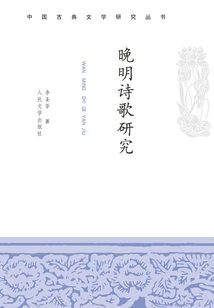
Research on Late Ming Poetry
Literature晚明诗歌研究
Li Shenghua
This book takes the nearly seventy years of poetry creation from Wanli to the end of Chongzhen in the Ming Dynasty as the research object, and explores in depth and detail the social composition of late Ming poets, the geographical distribution of poet communities, the creative pursuits of each school, and the historical evolution of the overall poetic style. The author has abundant information, rigorous reasoning, concise writing, and clear discussion, which makes the book have high theoretical depth and academic credibility.
This book takes the nearly seventy years of poetry creation from Wanli to the end of Chongzhen in the Ming Dynasty as the research object, and explores in depth and detail the social composition of late Ming poets, the geographical distribution of poet communities, the creative pursuits of each school, and the historical evolution of the overall poetic style. The author has abundant information, rigorous reasoning, concise writing, and clear discussion, which makes the book have high theoretical depth and academic credibility.
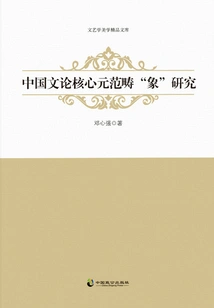
中国文论核心元范畴“象”研究
Deng Xinqiang
From an etymological perspective, the book traces the emergence of the core meta-category "Xiang" in Chinese literary theory and its preliminary development in the pre-Qin Dynasty, analyzes the influence of Confucianism, Taoism, and "The Book of Changes" on the development of the connotation of "Xiang" and the early use of "Xiang" in a general sense; and then clarifies the evolutionary trajectory and continuous generalization of "Xiang" from a philosophical category to a literary theory category, from the theorists' elucidation and Qin and Han creative practices At two major levels, it analyzes the final establishment of "Xiang" as a meta-category of literary theory; combines Buddhism, metaphysics, and characters and objects to explore the internal and external motivations for the maturity and continuous development of the "Xiang" category, and examines the series of sub-categories derived from it at the levels of the universe, creation, text, and reception. Through penetration, intersection, and integration, category communities and classic propositions involving different dimensions are formed. In this way, we can glimpse the pervasiveness, unification and transcendence of the meta-category "xiang", see the national characteristics, aesthetic style and academic construction of Chinese literary theory, and trace the national characteristics of Chinese literary theory categories from the aspects of thinking mode, appreciation tradition and other aspects.
From an etymological perspective, the book traces the emergence of the core meta-category "Xiang" in Chinese literary theory and its preliminary development in the pre-Qin Dynasty, analyzes the influence of Confucianism, Taoism, and "The Book of Changes" on the development of the connotation of "Xiang" and the early use of "Xiang" in a general sense; and then clarifies the evolutionary trajectory and continuous generalization of "Xiang" from a philosophical category to a literary theory category, from the theorists' elucidation and Qin and Han creative practices At two major levels, it analyzes the final establishment of "Xiang" as a meta-category of literary theory; combines Buddhism, metaphysics, and characters and objects to explore the internal and external motivations for the maturity and continuous development of the "Xiang" category, and examines the series of sub-categories derived from it at the levels of the universe, creation, text, and reception. Through penetration, intersection, and integration, category communities and classic propositions involving different dimensions are formed. In this way, we can glimpse the pervasiveness, unification and transcendence of the meta-category "xiang", see the national characteristics, aesthetic style and academic construction of Chinese literary theory, and trace the national characteristics of Chinese literary theory categories from the aspects of thinking mode, appreciation tradition and other aspects.
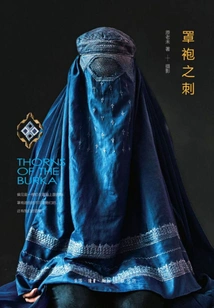
The Thorn of the Burqa
Literature罩袍之刺
Yuan Laowei
The burqa, called burqa by the British and chadari by the Afghans, is a long, ankle-length veiled robe made of mesh fabric on the face. It is also the outside world's inherent impression of Afghan women. Truth is a kind of dignity. This is true for those who explore the truth and face the truth. It is even more true for those who can finally show their true appearance to others. People's impression of Afghanistan seems to be only war, child marriage and abuse of women. After traveling to Afghanistan several times, the author deeply felt that people's prejudices are like a thorn firmly nailed to the burqa. The burqa blocks not only their lives, but also our eyes. The author ate and lived with six Afghan women in the book. The six women ranged from a 16-year-old disabled painter girl to a cake-making woman in her late fifties; the six stories ranged from the daughter of the former Kandahar mayor to an ordinary female college student; the six perspectives ranged from unspeakable love to the deep affection of family. They were born in different provinces, come from different ethnic groups, work in different jobs, have different colors and personalities. Afghan women are just like us, neither nobler nor humbler.
The burqa, called burqa by the British and chadari by the Afghans, is a long, ankle-length veiled robe made of mesh fabric on the face. It is also the outside world's inherent impression of Afghan women. Truth is a kind of dignity. This is true for those who explore the truth and face the truth. It is even more true for those who can finally show their true appearance to others. People's impression of Afghanistan seems to be only war, child marriage and abuse of women. After traveling to Afghanistan several times, the author deeply felt that people's prejudices are like a thorn firmly nailed to the burqa. The burqa blocks not only their lives, but also our eyes. The author ate and lived with six Afghan women in the book. The six women ranged from a 16-year-old disabled painter girl to a cake-making woman in her late fifties; the six stories ranged from the daughter of the former Kandahar mayor to an ordinary female college student; the six perspectives ranged from unspeakable love to the deep affection of family. They were born in different provinces, come from different ethnic groups, work in different jobs, have different colors and personalities. Afghan women are just like us, neither nobler nor humbler.
唐代民歌考释及变文考论(东北师范大学文学院学术史文库)
Yang Gongji
This book will select twenty-eight poems from the "Five-Character Vernacular Poems" in "Dunhuang Susuo" and call them "Folk Songs of the Tang Dynasty". It will use all Tang Dynasty documents to make textual research and annotations for these folk songs, thereby outlining the life images of various people such as government soldiers, poor peasants and farm laborers, runaways, landlords, officials, monks, Taoist priests, businessmen, craftsmen, stepmothers, male and female second-rates, etc. This book also conducts textual research on the "bianwen" involved, and believes that "bianwen" is pictures and texts, which are explanatory texts explaining the plot or scenery in the "bian" (pictures). The reason why "Bianwen" uses a combination of prose and verse is that it inherits the combined style of "Zhuan" (prose) and "Zan" (rhyme) in ancient my country. The Tang Dynasty folk songs and Bianwen selected in this book have high literary value, historical value and folklore value. Mr. Yang's exegesis and discussion have opened up a new field of ancient literature research.
This book will select twenty-eight poems from the "Five-Character Vernacular Poems" in "Dunhuang Susuo" and call them "Folk Songs of the Tang Dynasty". It will use all Tang Dynasty documents to make textual research and annotations for these folk songs, thereby outlining the life images of various people such as government soldiers, poor peasants and farm laborers, runaways, landlords, officials, monks, Taoist priests, businessmen, craftsmen, stepmothers, male and female second-rates, etc. This book also conducts textual research on the "bianwen" involved, and believes that "bianwen" is pictures and texts, which are explanatory texts explaining the plot or scenery in the "bian" (pictures). The reason why "Bianwen" uses a combination of prose and verse is that it inherits the combined style of "Zhuan" (prose) and "Zan" (rhyme) in ancient my country. The Tang Dynasty folk songs and Bianwen selected in this book have high literary value, historical value and folklore value. Mr. Yang's exegesis and discussion have opened up a new field of ancient literature research.
Poetry in China (issue 1)
Literature诗词中国(第一期)
Poetry China Series Editorial Department
The "Poetry China" series is co-sponsored by Zhonghua Book Company and the Chinese Poetry Research Institute. It is published and distributed to the whole society, with four issues published every year. The purpose of this magazine is to "collect the most moving contemporary poems, include the most authoritative poetic methods, and share the most interesting poetic words." In terms of content, it mainly focuses on discussing writing skills, exchanging writing experiences, and appreciating pictures, texts, and poems, and strives to become a spiritual home for masters to communicate. The target audience of this magazine is young and middle-aged traditional poetry lovers. While collecting the outstanding works of the "Poetry China" traditional poetry creation competition, it will also select and publish the outstanding works selected by major poetry magazines and websites across the country (the name of the published poetry magazine will be published when published).
The "Poetry China" series is co-sponsored by Zhonghua Book Company and the Chinese Poetry Research Institute. It is published and distributed to the whole society, with four issues published every year. The purpose of this magazine is to "collect the most moving contemporary poems, include the most authoritative poetic methods, and share the most interesting poetic words." In terms of content, it mainly focuses on discussing writing skills, exchanging writing experiences, and appreciating pictures, texts, and poems, and strives to become a spiritual home for masters to communicate. The target audience of this magazine is young and middle-aged traditional poetry lovers. While collecting the outstanding works of the "Poetry China" traditional poetry creation competition, it will also select and publish the outstanding works selected by major poetry magazines and websites across the country (the name of the published poetry magazine will be published when published).
A Brief History of Ancient Opera Novels
Literature古代戏曲小说史略
Nie Shiqiao
This book writes the history of opera novels from the Yuan Dynasty to the 20th Opium War of Daoguang in the Qing Dynasty. The so-called historical summary omits some works with low literary value or no literary value at all.
This book writes the history of opera novels from the Yuan Dynasty to the 20th Opium War of Daoguang in the Qing Dynasty. The so-called historical summary omits some works with low literary value or no literary value at all.
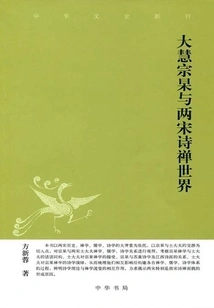
大慧宗杲与两宋诗禅世界
Fang Xinrong
Based on the general background of the history, Confucianism, Zen, and poetics of the two Song Dynasties, this book begins with a microscopic analysis of the interactions between scholar-bureaucrats and Zonggao and the discourse system they shared. It examines the relationship between Zen and poetics between Zonggao and the scholar-bureaucrats of the two Song Dynasties, explores the process of their mutual influence in constructing their respective systems of Zen, Confucianism, and poetics, and identifies the interaction between poetic theory and the evolution of Zen.
Based on the general background of the history, Confucianism, Zen, and poetics of the two Song Dynasties, this book begins with a microscopic analysis of the interactions between scholar-bureaucrats and Zonggao and the discourse system they shared. It examines the relationship between Zen and poetics between Zonggao and the scholar-bureaucrats of the two Song Dynasties, explores the process of their mutual influence in constructing their respective systems of Zen, Confucianism, and poetics, and identifies the interaction between poetic theory and the evolution of Zen.
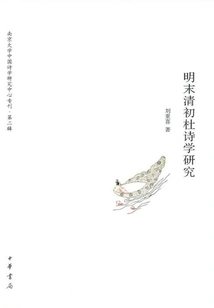
明末清初杜诗学研究(南京大学中国诗学研究中心专刊·第二辑)
Liu Chongxi
This book is based on a large number of documents on Du's poetry in the late Ming and early Qing dynasties, and discusses in detail the five aspects of Du's poetry during this period: collation, chronology and chronology, notes, techniques, and interpretation. These five aspects almost cover the main content of the study of Du's poetry, and are a comprehensive reflection of the academic achievements of Du's poetry in the late Ming and early Qing dynasties.
This book is based on a large number of documents on Du's poetry in the late Ming and early Qing dynasties, and discusses in detail the five aspects of Du's poetry during this period: collation, chronology and chronology, notes, techniques, and interpretation. These five aspects almost cover the main content of the study of Du's poetry, and are a comprehensive reflection of the academic achievements of Du's poetry in the late Ming and early Qing dynasties.
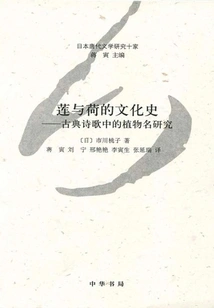
莲与荷的文化史:古典诗歌中的植物名研究(日本唐代文学研究十家)
(japan) Ichikawa Momoko
This book explains the relationship between the words used in poetry - "poetic language" and the poet's spirit through the analysis of plant descriptions in classical Chinese poetry.
This book explains the relationship between the words used in poetry - "poetic language" and the poet's spirit through the analysis of plant descriptions in classical Chinese poetry.
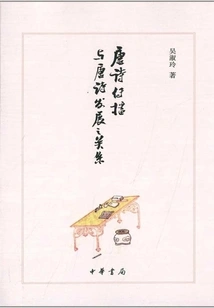
唐诗传播与唐诗发展之关系
Wu Shuling
This book pays attention to the communication of Tang poetry at that time from multiple angles, and discusses it from seven aspects: communication conditions, communication format, communication channels, communication awareness, communication interests, communication scope, and communication effects. It comprehensively reveals the relationship between the communication of Tang poetry and the development of Tang poetry.
This book pays attention to the communication of Tang poetry at that time from multiple angles, and discusses it from seven aspects: communication conditions, communication format, communication channels, communication awareness, communication interests, communication scope, and communication effects. It comprehensively reveals the relationship between the communication of Tang poetry and the development of Tang poetry.
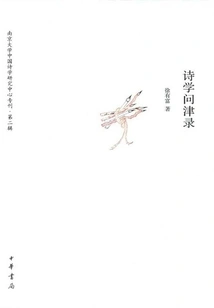
诗学问津录(南京大学中国诗学研究中心专刊·第二辑)
Xu You
This book is a collection of articles published by the author over the years. The contents include: the chapter structure of "The Book of Songs", the author and age of "Preface to Poems", the origin of the collection of poetry in the early Tang Dynasty, Qin Jia and his wife's poetry creation in Beijing, Tao Yuanming's political tendency, Du Fu's study of Tao's poetry style, etc. Some articles have relatively novel academic perspectives.
This book is a collection of articles published by the author over the years. The contents include: the chapter structure of "The Book of Songs", the author and age of "Preface to Poems", the origin of the collection of poetry in the early Tang Dynasty, Qin Jia and his wife's poetry creation in Beijing, Tao Yuanming's political tendency, Du Fu's study of Tao's poetry style, etc. Some articles have relatively novel academic perspectives.
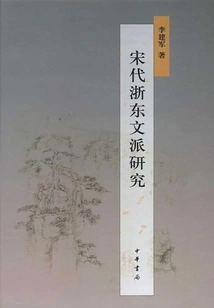
宋代浙东文派研究
Li Jianjun
The Eastern Zhejiang literary school of the Song Dynasty was a prose school that spread in the eastern Zhejiang region from the middle of the Northern Song Dynasty to the Song and Yuan Dynasties. It was rooted in the Zhejiang meritorious school, and gradually evolved from a school that conveyed principles to a literary school that focused on rhetoric. As the most important prose school in the Southern Song Dynasty, this school is the keeper of the fine tradition of Song prose and the most meritorious argumentative school in the literary world. It has an important position in the history of Chinese prose. At the same time, this literary school built a theoretical system of article criticism, which promoted the maturity of article studies; created a comment-based selection criticism method, enriched the criticism style of article studies; and compiled classic selections of articles, which influenced later literary anthology activities. The Literary School made important contributions to the development of Chinese literary studies from three dimensions: theoretical establishment, critical style, and literary selection activities.
The Eastern Zhejiang literary school of the Song Dynasty was a prose school that spread in the eastern Zhejiang region from the middle of the Northern Song Dynasty to the Song and Yuan Dynasties. It was rooted in the Zhejiang meritorious school, and gradually evolved from a school that conveyed principles to a literary school that focused on rhetoric. As the most important prose school in the Southern Song Dynasty, this school is the keeper of the fine tradition of Song prose and the most meritorious argumentative school in the literary world. It has an important position in the history of Chinese prose. At the same time, this literary school built a theoretical system of article criticism, which promoted the maturity of article studies; created a comment-based selection criticism method, enriched the criticism style of article studies; and compiled classic selections of articles, which influenced later literary anthology activities. The Literary School made important contributions to the development of Chinese literary studies from three dimensions: theoretical establishment, critical style, and literary selection activities.
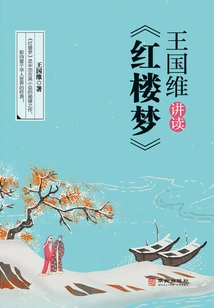
王国维讲读《红楼梦》
Wang Guowei
This book is the first literary paper published by the master of Chinese studies Wang Guowei in 1904. It is also the first paper in the history of Chinese literature research that uses Western literary theory to comment on the pearl of Chinese classical literature. It has always been highly praised. In addition to the full text of "Commentary on a Dream of Red Mansions" with detailed annotations, this book also selects several other articles written by Wang Guowei on Schopenhauer's philosophy and aesthetics, including "Schopenhauer's Philosophy and His Educational Theory", "On Schopenhauer and Nietzsche", "The Place of Elegance in Art", "Autograph" and "Autograph" "" Preface 2", and appendices include the preface to "Mr. Wang Jing'an's Suicide Notes", "Mr. Wang Jing'an and the Thoughts of the Late Qing Dynasty", "Mr. Wang Jing'an's Literary Criticism" and Wang Guowei's Chronicle to help readers further understand Wang Guowei's research on "Dream of Red Mansions" and literary and artistic theoretical thoughts, as well as Wang Guowei's person and his studies.
This book is the first literary paper published by the master of Chinese studies Wang Guowei in 1904. It is also the first paper in the history of Chinese literature research that uses Western literary theory to comment on the pearl of Chinese classical literature. It has always been highly praised. In addition to the full text of "Commentary on a Dream of Red Mansions" with detailed annotations, this book also selects several other articles written by Wang Guowei on Schopenhauer's philosophy and aesthetics, including "Schopenhauer's Philosophy and His Educational Theory", "On Schopenhauer and Nietzsche", "The Place of Elegance in Art", "Autograph" and "Autograph" "" Preface 2", and appendices include the preface to "Mr. Wang Jing'an's Suicide Notes", "Mr. Wang Jing'an and the Thoughts of the Late Qing Dynasty", "Mr. Wang Jing'an's Literary Criticism" and Wang Guowei's Chronicle to help readers further understand Wang Guowei's research on "Dream of Red Mansions" and literary and artistic theoretical thoughts, as well as Wang Guowei's person and his studies.
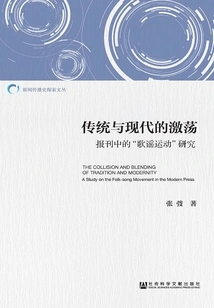
传统与现代的激荡:报刊中的“歌谣运动”研究
Zhang Tao
Through the study of the Ballad Movement, this book reveals that the intellectuals who advocated the New Culture Movement paid attention to the traditional side in addition to "anti-blockade and old-fashioned", so that their image is more consistent with historical reality; starting from the lack of music in the Ballad Movement, it thinks about the regrets in cultural inheritance, and the methods and ways to make up for this regret; it pays attention to the positive and negative energy of government power in cultural communication, and thinks about how to scientifically use government power to transmit positive energy, hoping to help today's intangible cultural heritage protection work.
Through the study of the Ballad Movement, this book reveals that the intellectuals who advocated the New Culture Movement paid attention to the traditional side in addition to "anti-blockade and old-fashioned", so that their image is more consistent with historical reality; starting from the lack of music in the Ballad Movement, it thinks about the regrets in cultural inheritance, and the methods and ways to make up for this regret; it pays attention to the positive and negative energy of government power in cultural communication, and thinks about how to scientifically use government power to transmit positive energy, hoping to help today's intangible cultural heritage protection work.
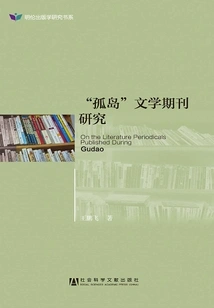
“孤岛”文学期刊研究
Wang Pengfei
The historical materials are rich and the narrative is peaceful. It enriches people's knowledge and understanding of modern Chinese literature from the perspective of literary journal research. --Yang Yang, professor and doctoral supervisor of the Chinese Department of East China Normal University, painted a profound picture of a special area in the history of modern publishing through careful investigation. --Zhang Zhiqiang, professor and doctoral supervisor at the Department of Publishing Science, Nanjing University
The historical materials are rich and the narrative is peaceful. It enriches people's knowledge and understanding of modern Chinese literature from the perspective of literary journal research. --Yang Yang, professor and doctoral supervisor of the Chinese Department of East China Normal University, painted a profound picture of a special area in the history of modern publishing through careful investigation. --Zhang Zhiqiang, professor and doctoral supervisor at the Department of Publishing Science, Nanjing University
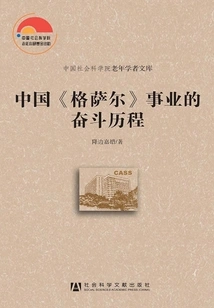
The Struggle of China's "gesar" Cause
Literature中国《格萨尔》事业的奋斗历程
Jiangbian Gyatso
Hegel once asserted in "Aesthetics": "There is no epic in China." This sentence once made some people feel angry and criticized. However, if you think about it carefully, this cannot be blamed on Hegel. The responsibility lies with us. It is we who did not discover such a great epic as "Gesar" and introduce it to the whole of China and the world in a perfect form, so that it can become the common spiritual wealth of the Chinese nation and all mankind. This made Hegel, a great scholar and wise man hailed by Engels as the "Giant on Mount Olympus", say such words. After the founding of the People's Republic of China, the profound significance of our country's great achievements in the "Gesar" cause is that it allows the world to re-examine this nation surrounded by snow-capped mountains, its history, and its culture with reverence. It has also completely changed the cultural landscape of world epics. In the history of the development of world epics, it has firmly established the lofty and unshakable status of "Gesar" and is known as the "Iliad of the East." "Gesar" and Homer's epic, one representing ancient Eastern civilization and the other representing ancient Western civilization, complement each other. They can be called two brilliant pearls in the history of human civilization and have won honors for the great motherland in the academic and cultural fields. This book comprehensively reflects the struggles of several generations of "Gesar" people in New China, with a high sense of responsibility and mission, with the "tenacity" fighting spirit advocated by Lu Xun, with the persistence of not letting go, perseverance, perseverance, and passing on the fire from generation to generation. This is the development of an epic. This is the development process of a national culture.
Hegel once asserted in "Aesthetics": "There is no epic in China." This sentence once made some people feel angry and criticized. However, if you think about it carefully, this cannot be blamed on Hegel. The responsibility lies with us. It is we who did not discover such a great epic as "Gesar" and introduce it to the whole of China and the world in a perfect form, so that it can become the common spiritual wealth of the Chinese nation and all mankind. This made Hegel, a great scholar and wise man hailed by Engels as the "Giant on Mount Olympus", say such words. After the founding of the People's Republic of China, the profound significance of our country's great achievements in the "Gesar" cause is that it allows the world to re-examine this nation surrounded by snow-capped mountains, its history, and its culture with reverence. It has also completely changed the cultural landscape of world epics. In the history of the development of world epics, it has firmly established the lofty and unshakable status of "Gesar" and is known as the "Iliad of the East." "Gesar" and Homer's epic, one representing ancient Eastern civilization and the other representing ancient Western civilization, complement each other. They can be called two brilliant pearls in the history of human civilization and have won honors for the great motherland in the academic and cultural fields. This book comprehensively reflects the struggles of several generations of "Gesar" people in New China, with a high sense of responsibility and mission, with the "tenacity" fighting spirit advocated by Lu Xun, with the persistence of not letting go, perseverance, perseverance, and passing on the fire from generation to generation. This is the development of an epic. This is the development process of a national culture.
文化视阈中的近古文学研究
Feng Baoshan
This collection takes the Song Dynasty, which ended in 1894, as the modern period of ancient Chinese literature. It focuses on the study of popular novels and also discusses Shanren poets, a weak link in the study of Ming and Qing literature. On the basis of attaching great importance to data research and excavation, the author places relevant literary phenomena and creations in recent times within the framework of the development of Chinese cultural history, explains their connotations, and evaluates their gains and losses. Specifically, it includes three major topics: first, comprehensive research on the history of novels from a cultural perspective; second, case studies of novel writers and works from a cultural perspective; third, research on mountain poets of the Ming and Qing Dynasties and others.
This collection takes the Song Dynasty, which ended in 1894, as the modern period of ancient Chinese literature. It focuses on the study of popular novels and also discusses Shanren poets, a weak link in the study of Ming and Qing literature. On the basis of attaching great importance to data research and excavation, the author places relevant literary phenomena and creations in recent times within the framework of the development of Chinese cultural history, explains their connotations, and evaluates their gains and losses. Specifically, it includes three major topics: first, comprehensive research on the history of novels from a cultural perspective; second, case studies of novel writers and works from a cultural perspective; third, research on mountain poets of the Ming and Qing Dynasties and others.
唐代岭南文学与石刻考:日本唐代文学研究十家
(japan) Tetsuhiko Tozaki
The main topic discussed in this book is the connection between Lingnan literature and stone carvings in the Tang Dynasty, including Guilin stone carvings, Rudong rock carvings in Xing'an County, Guangxi, and the Tang Dynasty stone carvings "Weijing Benzhicheng Stele" in Shanglin County, Guangxi.
The main topic discussed in this book is the connection between Lingnan literature and stone carvings in the Tang Dynasty, including Guilin stone carvings, Rudong rock carvings in Xing'an County, Guangxi, and the Tang Dynasty stone carvings "Weijing Benzhicheng Stele" in Shanglin County, Guangxi.
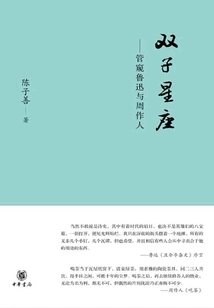
双子星座:管窥鲁迅与周作人
Chen Zishan
The author Chen Zishan has been engaged in the study of modern Chinese literary history for a long time and is committed to the research and teaching of Chinese literary historical materials in the 20th century. He once participated in the annotation work of "The Complete Works of Lu Xun" and later made important contributions to the excavation, arrangement and research of the works of important modern writers such as Zhou Zuoren, Yu Dafu, Liang Shiqiu, Tai Jinnong, Ye Lingfeng, Zhang Ailing and Chen Zhifan. This manuscript is a collection of research papers on Lu Xun and Zhou Zuoren that Chen Zishan has published over the years, and has certain academic value.
The author Chen Zishan has been engaged in the study of modern Chinese literary history for a long time and is committed to the research and teaching of Chinese literary historical materials in the 20th century. He once participated in the annotation work of "The Complete Works of Lu Xun" and later made important contributions to the excavation, arrangement and research of the works of important modern writers such as Zhou Zuoren, Yu Dafu, Liang Shiqiu, Tai Jinnong, Ye Lingfeng, Zhang Ailing and Chen Zhifan. This manuscript is a collection of research papers on Lu Xun and Zhou Zuoren that Chen Zishan has published over the years, and has certain academic value.
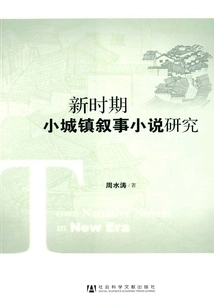
新时期小城镇叙事小说研究
Zhou Shuitao
This book outlines the linear trajectory of the evolution of small town narratives in the new era, describes the narrative characteristics of different periods, reveals the overall changes and expansion of small town narratives in the new era on a diachronic basis, determines the representative works and representative writers of small town narratives in the new era, interprets some key works, points out the creative personalities of some writers, and examines the stylistic characteristics and formation process of small town narrative novels in the new era.
This book outlines the linear trajectory of the evolution of small town narratives in the new era, describes the narrative characteristics of different periods, reveals the overall changes and expansion of small town narratives in the new era on a diachronic basis, determines the representative works and representative writers of small town narratives in the new era, interprets some key works, points out the creative personalities of some writers, and examines the stylistic characteristics and formation process of small town narrative novels in the new era.
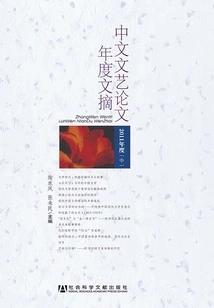
中文文艺论文年度文摘(全3册)
Tao Dongfeng Zhang Weimin
"Annual Digest of Chinese Literary and Art Papers" (hereinafter referred to as "Digest") is a serial publication edited by the Literature, Art and Aesthetics Research Center of Capital Normal University. Four volumes have been published continuously since 2007. The digest selects more than one million words of articles every year, covering various disciplines such as literary theory, literary history, literary criticism, art, etc. It is comprehensive and rich in information and is highly praised and positively recognized by peers in literary research and art research. In order to ensure the authority and fairness of the editing and selection process, the selection adopts the form of hiring "editing and selection consulting experts" for recommendations in each relevant field. This is the first large-scale serial publication in China that combines annual selection and abstraction, and can help experts and amateurs in the field of literature and art understand the essence of academic research in a year. The 2011 "Digest" continues the practice of previous years and is a large-scale publication that combines annual anthology and abstract. "Digest" covers five parts: literature and art, ancient and modern Chinese literary history, modern and contemporary Chinese literary history, literary criticism, and art. Each part selects 10 full texts of outstanding academic papers in 2011, 20 summary of opinions, and 100 indexes of main papers. It is an important document in the field of literature and art research and has important reference value for experts in related fields and literature and art enthusiasts.
"Annual Digest of Chinese Literary and Art Papers" (hereinafter referred to as "Digest") is a serial publication edited by the Literature, Art and Aesthetics Research Center of Capital Normal University. Four volumes have been published continuously since 2007. The digest selects more than one million words of articles every year, covering various disciplines such as literary theory, literary history, literary criticism, art, etc. It is comprehensive and rich in information and is highly praised and positively recognized by peers in literary research and art research. In order to ensure the authority and fairness of the editing and selection process, the selection adopts the form of hiring "editing and selection consulting experts" for recommendations in each relevant field. This is the first large-scale serial publication in China that combines annual selection and abstraction, and can help experts and amateurs in the field of literature and art understand the essence of academic research in a year. The 2011 "Digest" continues the practice of previous years and is a large-scale publication that combines annual anthology and abstract. "Digest" covers five parts: literature and art, ancient and modern Chinese literary history, modern and contemporary Chinese literary history, literary criticism, and art. Each part selects 10 full texts of outstanding academic papers in 2011, 20 summary of opinions, and 100 indexes of main papers. It is an important document in the field of literature and art research and has important reference value for experts in related fields and literature and art enthusiasts.
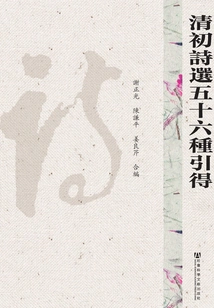
清初诗选五十六种引得
Xie Zhengguang Chen Qianping Jiang Liangqin
Due to the large time span, anthologies of poems from the early Qing Dynasty usually have many volumes, many of which are rare. It is not easy for readers to understand the characters in them and search for the works. To this end, Xie Zhengguang, Chen Qianping, and Jiang Liangqin collaborated to compile a comprehensive index of poets' poems in 56 anthologies, which provides convenience for the use of these anthologies. Although this is just a tool book that provides search functions, it can tell us a lot. First of all, we know from the index that 56 poetry anthologies include more than 10,000 poets from the late Ming and early Qing dynasties. This alone is enough to make us think a lot about the popularity and prosperity of poetry in the Qing Dynasty. Secondly, the birthplaces and majors of these more than 10,000 poets, their distribution in the anthology, and the inclusion of their works allow us to try some quantitative analysis and obtain some overall impressions of early Qing poetry. In short, as long as you use this index well, its value will far exceed its search function.
Due to the large time span, anthologies of poems from the early Qing Dynasty usually have many volumes, many of which are rare. It is not easy for readers to understand the characters in them and search for the works. To this end, Xie Zhengguang, Chen Qianping, and Jiang Liangqin collaborated to compile a comprehensive index of poets' poems in 56 anthologies, which provides convenience for the use of these anthologies. Although this is just a tool book that provides search functions, it can tell us a lot. First of all, we know from the index that 56 poetry anthologies include more than 10,000 poets from the late Ming and early Qing dynasties. This alone is enough to make us think a lot about the popularity and prosperity of poetry in the Qing Dynasty. Secondly, the birthplaces and majors of these more than 10,000 poets, their distribution in the anthology, and the inclusion of their works allow us to try some quantitative analysis and obtain some overall impressions of early Qing poetry. In short, as long as you use this index well, its value will far exceed its search function.
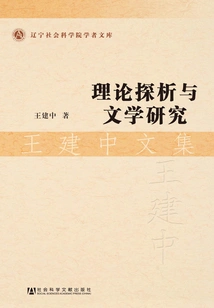
理论探析与文学研究:王建中文集
Wang Jianzhong
This book is a collection of academic papers that combines theoretical criticism with research on the writer's works. The manuscript mainly takes Lu Xun, Guo Moruo, Mao Dun, Ba Jin, Lao She, Cao Yu, Ding Ling, Feng Xuefeng, Qian Zhongshu, Ba Ren, Ye Zi, Zhu Ziqing, Shen Congwen and other modern literary figures as the starting point to study the writers' creative ideas and their works, and their value and significance in the history of modern literature. Pay attention to the combination of macro and micro, put forward your own unique views and insights, include a review of thoughts and creations, and an analysis of specific works to meet the research or reading needs of different readers. As a local researcher at the Liaoning Academy of Social Sciences, I cannot help but pay attention to the literature of the Northeast Liberated Areas and even the Northeastern occupied areas. Therefore, a considerable proportion of the articles collected in the book are the results of research on several representative Northeastern writers such as Xiao Hong, Xiao Jun, Zhou Libo, Liang Shanding, Luo Mai, and Tian Bi. In particular, it will provide an objective and fair evaluation of the works of writers during the period of the occupation of Northeast China, provide evidence for some past erroneous views, and restore their true colors in literary history. This not only fills some gaps in this research field, but also reflects the local characteristics of the manuscript. These results can play a supporting role in university liberal arts teaching, especially the teaching and learning of teachers and students in the Chinese Department. As academic exchanges, they are also beneficial to literature researchers' mutual reference, enlightenment or debate.
This book is a collection of academic papers that combines theoretical criticism with research on the writer's works. The manuscript mainly takes Lu Xun, Guo Moruo, Mao Dun, Ba Jin, Lao She, Cao Yu, Ding Ling, Feng Xuefeng, Qian Zhongshu, Ba Ren, Ye Zi, Zhu Ziqing, Shen Congwen and other modern literary figures as the starting point to study the writers' creative ideas and their works, and their value and significance in the history of modern literature. Pay attention to the combination of macro and micro, put forward your own unique views and insights, include a review of thoughts and creations, and an analysis of specific works to meet the research or reading needs of different readers. As a local researcher at the Liaoning Academy of Social Sciences, I cannot help but pay attention to the literature of the Northeast Liberated Areas and even the Northeastern occupied areas. Therefore, a considerable proportion of the articles collected in the book are the results of research on several representative Northeastern writers such as Xiao Hong, Xiao Jun, Zhou Libo, Liang Shanding, Luo Mai, and Tian Bi. In particular, it will provide an objective and fair evaluation of the works of writers during the period of the occupation of Northeast China, provide evidence for some past erroneous views, and restore their true colors in literary history. This not only fills some gaps in this research field, but also reflects the local characteristics of the manuscript. These results can play a supporting role in university liberal arts teaching, especially the teaching and learning of teachers and students in the Chinese Department. As academic exchanges, they are also beneficial to literature researchers' mutual reference, enlightenment or debate.
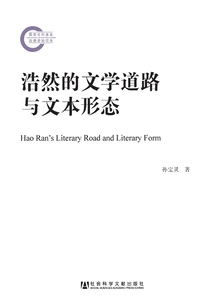
Haoran's Literary Path and Text Form
Literature浩然的文学道路与文本形态
Sun Baoling
The study of Haoran in this book basically completes the staged thinking on two issues: First, there are different opinions on how the seemingly troubled Haoran formed and changed. The author believes that there are changing political factors, as well as his personal life experience and emotional experience; second, the much criticized "Golden Avenue" is a representative of the seventeen-year cooperative novels. Although it has such and such shortcomings, its literary quality cannot be denied. Haoran is an open discourse field. The important thing is not to condense conclusions, but to generate thinking. Open research on each specific issue of Haoran's creation will deepen people's understanding and thinking of literary theory.
The study of Haoran in this book basically completes the staged thinking on two issues: First, there are different opinions on how the seemingly troubled Haoran formed and changed. The author believes that there are changing political factors, as well as his personal life experience and emotional experience; second, the much criticized "Golden Avenue" is a representative of the seventeen-year cooperative novels. Although it has such and such shortcomings, its literary quality cannot be denied. Haoran is an open discourse field. The important thing is not to condense conclusions, but to generate thinking. Open research on each specific issue of Haoran's creation will deepen people's understanding and thinking of literary theory.
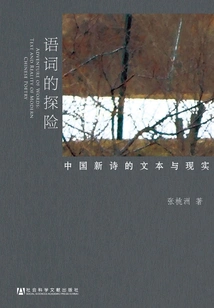
语词的探险:中国新诗的文本与现实
Zhang Taozhou
This book selects more than 30 papers in which the author analyzes and interprets the phenomena, poets and works of modern and contemporary Chinese poetry. According to the topics, it is divided into three series: "History and Issues of New Poetry", "Study on Poets", and "Close Reading of Texts" to explore the tradition of new poetry. , Poetry and society, "Young China" magazine, middle generation poets and other topics. Among them, the articles discussing the works of pioneer poets such as Song Lin, Wang Yin, Zang Di, Zhu Zhu, Huang Fan and Lei Pingyang are particularly eye-catching, full of dialectics and symphony of poetry and thought.
This book selects more than 30 papers in which the author analyzes and interprets the phenomena, poets and works of modern and contemporary Chinese poetry. According to the topics, it is divided into three series: "History and Issues of New Poetry", "Study on Poets", and "Close Reading of Texts" to explore the tradition of new poetry. , Poetry and society, "Young China" magazine, middle generation poets and other topics. Among them, the articles discussing the works of pioneer poets such as Song Lin, Wang Yin, Zang Di, Zhu Zhu, Huang Fan and Lei Pingyang are particularly eye-catching, full of dialectics and symphony of poetry and thought.
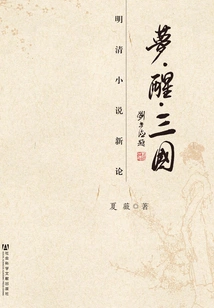
梦·醒·三国:明清小说新论
Xia Wei
This book is written by Xia Wei from the Institute of Literature, Chinese Academy of Social Sciences. The author attempts to discuss "Dream of Red Mansions", "The Story of Awakening Marriage" and "The Romance of the Three Kingdoms" together. The whole book is divided into eleven chapters. Among them, the discussion of "Dream of Red Mansions" is relatively large, and it mainly discusses the issue of whether the last forty chapters of "Dream of Red Mansions" are continuations.
This book is written by Xia Wei from the Institute of Literature, Chinese Academy of Social Sciences. The author attempts to discuss "Dream of Red Mansions", "The Story of Awakening Marriage" and "The Romance of the Three Kingdoms" together. The whole book is divided into eleven chapters. Among them, the discussion of "Dream of Red Mansions" is relatively large, and it mainly discusses the issue of whether the last forty chapters of "Dream of Red Mansions" are continuations.
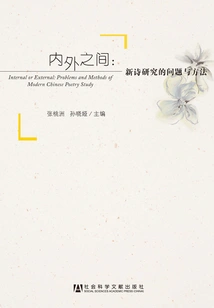
内外之间:新诗研究的问题与方法
Zhang Taozhou Sun Xiaoya
This book is one of the results of the major project "Research on the Core Propositions of Chinese New Poetry in the Context of Modernity" of the Humanities and Social Sciences Key Research Base of the Ministry of Education. Divided into two parts, the first and second parts, it gathers papers by a group of cutting-edge researchers focusing on the dilemma of poetic spirit, the origin of new poetry, issues and methods of new poetry research, the vitality and effectiveness of new poetry criticism, the social nature of text and its possibilities, rewriting literary history, middle school poetry education and other issues.
This book is one of the results of the major project "Research on the Core Propositions of Chinese New Poetry in the Context of Modernity" of the Humanities and Social Sciences Key Research Base of the Ministry of Education. Divided into two parts, the first and second parts, it gathers papers by a group of cutting-edge researchers focusing on the dilemma of poetic spirit, the origin of new poetry, issues and methods of new poetry research, the vitality and effectiveness of new poetry criticism, the social nature of text and its possibilities, rewriting literary history, middle school poetry education and other issues.
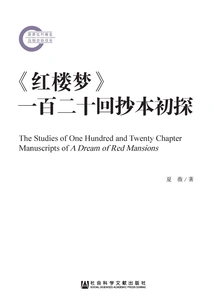
《红楼梦》一百二十回抄本初探
Xia Wei
This is a groundbreaking work on red studies. This book believes that there is a neglected version system in the version system of "Dream of Red Mansions": the 120-chapter manuscript system, and makes a systematic and detailed study and introduction. Because this system is closely related to the issue of authorship of the last forty chapters of "Dream of Red Mansions", the author, based on the many achievements of previous scholars, has made a comprehensive and in-depth refutation of the main arguments and arguments of the representatives of the new Redology, Hu Shi and Yu Pingbo, who proposed, adhered to and solidified the "Gao E continuation theory", as well as the later Tan Yi School, and fundamentally solved the problem of "Gao E's continuation theory". This may become a foundational new development for the further development of red science.
This is a groundbreaking work on red studies. This book believes that there is a neglected version system in the version system of "Dream of Red Mansions": the 120-chapter manuscript system, and makes a systematic and detailed study and introduction. Because this system is closely related to the issue of authorship of the last forty chapters of "Dream of Red Mansions", the author, based on the many achievements of previous scholars, has made a comprehensive and in-depth refutation of the main arguments and arguments of the representatives of the new Redology, Hu Shi and Yu Pingbo, who proposed, adhered to and solidified the "Gao E continuation theory", as well as the later Tan Yi School, and fundamentally solved the problem of "Gao E's continuation theory". This may become a foundational new development for the further development of red science.
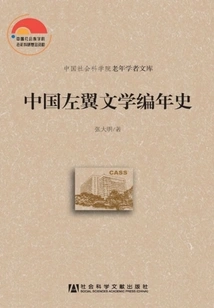
中国左翼文学编年史
Zhang Daming
Left-wing literature in the history of modern Chinese literature refers to revolutionary literature led by the Communist Party. This book uses rich, comprehensive, systematic, accurate and vivid historical materials to outline the entire process of the development of Chinese left-wing literature, from its inception to its maturity to its dominance in the literary world. Writers' works, theoretical criticism, ideological trends, publications, translations and introductions are all dazzling. History is divided into stages and development is hierarchical. There are various writers, rich and colorful works, colorful theoretical criticisms, literary publications come and go, and there is an overwhelming number of high-quality translations. Most of the books on the left published in the past focused on the movement, but this book mainly uses the works of writers as the entry point, allowing readers to see the strength of the muscles and bones and taste the taste of flesh and blood.
Left-wing literature in the history of modern Chinese literature refers to revolutionary literature led by the Communist Party. This book uses rich, comprehensive, systematic, accurate and vivid historical materials to outline the entire process of the development of Chinese left-wing literature, from its inception to its maturity to its dominance in the literary world. Writers' works, theoretical criticism, ideological trends, publications, translations and introductions are all dazzling. History is divided into stages and development is hierarchical. There are various writers, rich and colorful works, colorful theoretical criticisms, literary publications come and go, and there is an overwhelming number of high-quality translations. Most of the books on the left published in the past focused on the movement, but this book mainly uses the works of writers as the entry point, allowing readers to see the strength of the muscles and bones and taste the taste of flesh and blood.
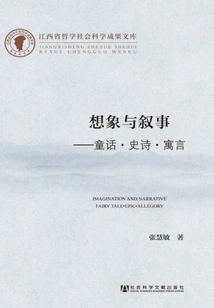
想象与叙事:童话·史诗·寓言
Zhang Huimin
Narrative is inseparable from imagination, but existing narrative theories mostly focus on research techniques and ignore the imaginative function of the essence of narrative. This study starts from fairy tales, epics, and fables, focuses on analyzing the pivotal role of imagination in narrative, and analyzes the two-way interaction between theory and practice. If the penetration of fairy tales into people's childhood is the alienation of narrative time (or the unreality of the present), then epics trace the narrative time back to ancient times, explore the origins of history, and explore the setting of narrative plots in the explicit and implicit dual mechanisms of the narrative process; while fables use the immortal throbbing of the soul to transform the future. Drawing on the similarities between fairy tale thinking and myth, we explore the "perceptual" picture of narrative images and the metaphorical language structure that constructs this image picture; we reveal the symbolic order and allegorical effect of the interaction, mismatch, and harmonic resonance between the conceptual world and the sensory world.
Narrative is inseparable from imagination, but existing narrative theories mostly focus on research techniques and ignore the imaginative function of the essence of narrative. This study starts from fairy tales, epics, and fables, focuses on analyzing the pivotal role of imagination in narrative, and analyzes the two-way interaction between theory and practice. If the penetration of fairy tales into people's childhood is the alienation of narrative time (or the unreality of the present), then epics trace the narrative time back to ancient times, explore the origins of history, and explore the setting of narrative plots in the explicit and implicit dual mechanisms of the narrative process; while fables use the immortal throbbing of the soul to transform the future. Drawing on the similarities between fairy tale thinking and myth, we explore the "perceptual" picture of narrative images and the metaphorical language structure that constructs this image picture; we reveal the symbolic order and allegorical effect of the interaction, mismatch, and harmonic resonance between the conceptual world and the sensory world.
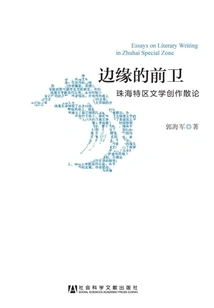
The Avant-garde on the Margins: Essays on Literary Creation in Zhuhai Special Administrative Region
Literature边缘的前卫:珠海特区文学创作散论
Guo Haijun
This book closely focuses on the three aspects of Zhuhai literary creation subject, content, and overall style. It conducts a systematic and detailed analysis and dissection of Zhuhai literature that few people pay attention to, and puts forward its own unique insights. The author believes that: in terms of creative content, Zhuhai literature reflects the transformation from rural experience to modern urban life; in terms of creative subjects, immigrant writers have become the protagonists of Zhuhai literature; in terms of the overall creative style, Zhuhai literature is light and calm.
This book closely focuses on the three aspects of Zhuhai literary creation subject, content, and overall style. It conducts a systematic and detailed analysis and dissection of Zhuhai literature that few people pay attention to, and puts forward its own unique insights. The author believes that: in terms of creative content, Zhuhai literature reflects the transformation from rural experience to modern urban life; in terms of creative subjects, immigrant writers have become the protagonists of Zhuhai literature; in terms of the overall creative style, Zhuhai literature is light and calm.
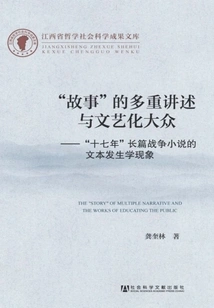
“故事”的多重讲述与文艺化大众:“十七年”长篇战争小说的文本发生学现象
Gong Kuilin
This book takes "Railway Guerrilla", "Defense of Yan'an", "Red Sun", "Bitter Cauliflower" and other long war novels as case studies, and conducts synchronic text genetic phenomena exploration on the rhetorical strategies, main text modifications, paratext changes, artistic adaptation strategies and other dimensions of the "Seventeen Years" long war novels, looking for this The reasons, motivations and meanings behind the flowing narratives are summarized, and the rules of text occurrence are summarized, so as to search for the polyphonic dialogue and inter-textuality of different artistic versions, unearth the history of friction and interaction between different discourses and different cultures, as well as the writer's psychological writing and spiritual slippage, and then reinterpret the text and enrich the reconstruction of literary history.
This book takes "Railway Guerrilla", "Defense of Yan'an", "Red Sun", "Bitter Cauliflower" and other long war novels as case studies, and conducts synchronic text genetic phenomena exploration on the rhetorical strategies, main text modifications, paratext changes, artistic adaptation strategies and other dimensions of the "Seventeen Years" long war novels, looking for this The reasons, motivations and meanings behind the flowing narratives are summarized, and the rules of text occurrence are summarized, so as to search for the polyphonic dialogue and inter-textuality of different artistic versions, unearth the history of friction and interaction between different discourses and different cultures, as well as the writer's psychological writing and spiritual slippage, and then reinterpret the text and enrich the reconstruction of literary history.
《管子》与《国富论》的经济思想比较
Yang Huiyan Zhao Tuo Zhao Yu
In recent years, China's economy has developed rapidly. Its high-speed rails, highways, port facilities and overall manufacturing scale have left the United States, the world's largest economic power, behind. This has puzzled many Westerners, who are looking for reasons. In fact, the answer is very simple. "Guanzi" written by Guan Zhong and his followers during the Spring and Autumn Period in China more than 2,000 years ago already contains various economic thoughts in "The Wealth of Nations" written by the Western thinker Adam Smith. Although the economic thoughts in "Guanzi" are not as systematic and scientific as the economic thoughts in "The Wealth of Nations", it was written in China more than 2,000 years ago and originated in China's Spring and Autumn Period. Comparing the two books, people found that the two books have almost the same ideological outline. Adam Smith's "The Wealth of Nations" quickly moved Britain towards the first capitalist society. But "Guanzi" was formed in the early days of feudal society. After more than two thousand years of feudal society, when China entered the market economy, the commodity economic concept of "Guanzi" immediately erupted like a volcano. The ancient commodity economic culture of the Chinese nation fully demonstrated the creativity of the people. This is why Westerners and many Chinese themselves are puzzled by the rapid development of China's economy. If you read this book, it may help you and me find the answer.
In recent years, China's economy has developed rapidly. Its high-speed rails, highways, port facilities and overall manufacturing scale have left the United States, the world's largest economic power, behind. This has puzzled many Westerners, who are looking for reasons. In fact, the answer is very simple. "Guanzi" written by Guan Zhong and his followers during the Spring and Autumn Period in China more than 2,000 years ago already contains various economic thoughts in "The Wealth of Nations" written by the Western thinker Adam Smith. Although the economic thoughts in "Guanzi" are not as systematic and scientific as the economic thoughts in "The Wealth of Nations", it was written in China more than 2,000 years ago and originated in China's Spring and Autumn Period. Comparing the two books, people found that the two books have almost the same ideological outline. Adam Smith's "The Wealth of Nations" quickly moved Britain towards the first capitalist society. But "Guanzi" was formed in the early days of feudal society. After more than two thousand years of feudal society, when China entered the market economy, the commodity economic concept of "Guanzi" immediately erupted like a volcano. The ancient commodity economic culture of the Chinese nation fully demonstrated the creativity of the people. This is why Westerners and many Chinese themselves are puzzled by the rapid development of China's economy. If you read this book, it may help you and me find the answer.
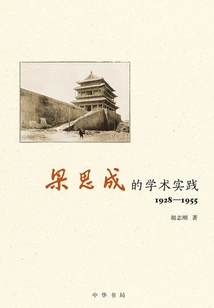
梁思成的学术实践(1928—1955)
Hu Zhigang
Liang Sicheng is one of the most famous architects in modern China and an outstanding representative of China's first generation of architects. His academic activities involve architectural history research, cultural relics and building protection, architectural education, architectural design, urban planning, art history research and other fields, and have achieved extremely fruitful results. This book is a special study on Liang Sicheng's academic practice, comprehensively covering his academic activities in various periods from 1928 to 1955, including: the establishment of the Department of Architecture of Northeastern University and its early architectural design and investigation of ancient buildings (1928-1931); joining the China Architecture Society and conducting investigations and research on ancient buildings (1931-1946); the founding of the Qing Dynasty Department of Architecture of Hua University and its educational practice (after 1946); participated in the construction of the new political power (1949-1950); participated in the planning of the capital and proposed the "Liang-Chen Plan" (1949-1955); protected Beijing's cultural relics and buildings (after 1949); actively explored the path to realize the national form of architecture (1949-1955). The author extensively collected Liang Sicheng's writings, relevant memoirs, historical archives, newspapers and periodicals, research works and other documents. Based on in-depth excavation of historical materials and from the perspective of modern social and cultural history, the author made an objective observation and analysis of Liang Sicheng's academic practice activities and his life, and put forward many unique and original viewpoints.
Liang Sicheng is one of the most famous architects in modern China and an outstanding representative of China's first generation of architects. His academic activities involve architectural history research, cultural relics and building protection, architectural education, architectural design, urban planning, art history research and other fields, and have achieved extremely fruitful results. This book is a special study on Liang Sicheng's academic practice, comprehensively covering his academic activities in various periods from 1928 to 1955, including: the establishment of the Department of Architecture of Northeastern University and its early architectural design and investigation of ancient buildings (1928-1931); joining the China Architecture Society and conducting investigations and research on ancient buildings (1931-1946); the founding of the Qing Dynasty Department of Architecture of Hua University and its educational practice (after 1946); participated in the construction of the new political power (1949-1950); participated in the planning of the capital and proposed the "Liang-Chen Plan" (1949-1955); protected Beijing's cultural relics and buildings (after 1949); actively explored the path to realize the national form of architecture (1949-1955). The author extensively collected Liang Sicheng's writings, relevant memoirs, historical archives, newspapers and periodicals, research works and other documents. Based on in-depth excavation of historical materials and from the perspective of modern social and cultural history, the author made an objective observation and analysis of Liang Sicheng's academic practice activities and his life, and put forward many unique and original viewpoints.
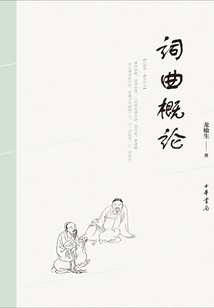
Introduction to Lyrics and Music
Literature词曲概论
Long Yusheng
This book is a companion volume to "Ten Lectures on Poetry" and is also a textbook written by Mr. Long when he was teaching at the university. It is a rare classic work that comprehensively covers poetry and music, discusses its development rules based on the nature of verse, and provides instructions for creation and appreciation methods. This book discusses the origins of poetry, first of all summarizes the characteristics of lyrics and music, and their similarities and differences, and then introduces in turn the representative verse genres from the Tang to the Ming and Qing Dynasties, from small orders to slow tunes, from palace tunes to Sanqu, Zaju, and legends. It combines famous works with famous works to enable readers to gain a comprehensive understanding of the relationship between lyrics and music and its various aspects. The following section discusses French patterns and analyzes the application of flat and oblique tones, rhyme density, etc. In the creation of lyrics and music. This is extremely detailed and practical teaching. Based on his own profound knowledge, the author quotes from many sources, explains the profound things in simple terms, and explains in a fascinating way.
This book is a companion volume to "Ten Lectures on Poetry" and is also a textbook written by Mr. Long when he was teaching at the university. It is a rare classic work that comprehensively covers poetry and music, discusses its development rules based on the nature of verse, and provides instructions for creation and appreciation methods. This book discusses the origins of poetry, first of all summarizes the characteristics of lyrics and music, and their similarities and differences, and then introduces in turn the representative verse genres from the Tang to the Ming and Qing Dynasties, from small orders to slow tunes, from palace tunes to Sanqu, Zaju, and legends. It combines famous works with famous works to enable readers to gain a comprehensive understanding of the relationship between lyrics and music and its various aspects. The following section discusses French patterns and analyzes the application of flat and oblique tones, rhyme density, etc. In the creation of lyrics and music. This is extremely detailed and practical teaching. Based on his own profound knowledge, the author quotes from many sources, explains the profound things in simple terms, and explains in a fascinating way.
文体新变与南朝学术文化
Li Xiaohong
The book "New Changes in Style and Academic Culture of the Southern Dynasties" systematically explores the new changes in representative literary styles such as Song Ci, Yongming style, quatrain style, and seven-character poetry in the Southern Dynasties. The whole book cross-uses the research methods of literature, history, and philology, and through the investigation of the academic style and gentry culture of the Southern Dynasties, it examines Yuefu's stylistic innovation of "making words with numbers" and the rise of nine-character poetry, Yongming's aesthetics of sound and rhythm, and the establishment of quatrain poetry. The cultural context, the establishment of the status of "Bai Liang Poetry" as the first chapter of the seven-character poem, and the self-literacy of the emerging scribes in the Southern Dynasties are innovatively discussed, showing the inner context of the Chinese literary style from the style of the Han and Wei Dynasties to the style of the prosperous Tang Dynasty.
The book "New Changes in Style and Academic Culture of the Southern Dynasties" systematically explores the new changes in representative literary styles such as Song Ci, Yongming style, quatrain style, and seven-character poetry in the Southern Dynasties. The whole book cross-uses the research methods of literature, history, and philology, and through the investigation of the academic style and gentry culture of the Southern Dynasties, it examines Yuefu's stylistic innovation of "making words with numbers" and the rise of nine-character poetry, Yongming's aesthetics of sound and rhythm, and the establishment of quatrain poetry. The cultural context, the establishment of the status of "Bai Liang Poetry" as the first chapter of the seven-character poem, and the self-literacy of the emerging scribes in the Southern Dynasties are innovatively discussed, showing the inner context of the Chinese literary style from the style of the Han and Wei Dynasties to the style of the prosperous Tang Dynasty.
Chinese Classical Poetry Writing
Literature中国古典诗歌写作
Jing Benzhi
Poetry, generally called old poetry, refers to poetry written in classical Chinese and traditional rhymes. In the broad sense, ancient Chinese poetry can include various ancient Chinese rhymes such as rhymes, lyrics, and songs. In the narrow sense, it only includes ancient poetry and modern poetry. This book mainly discusses the writing theory and writing techniques of regular verse and ancient poetry in Chinese classical poetry, providing a reference for those who practice, appreciate and study classical poetry.
Poetry, generally called old poetry, refers to poetry written in classical Chinese and traditional rhymes. In the broad sense, ancient Chinese poetry can include various ancient Chinese rhymes such as rhymes, lyrics, and songs. In the narrow sense, it only includes ancient poetry and modern poetry. This book mainly discusses the writing theory and writing techniques of regular verse and ancient poetry in Chinese classical poetry, providing a reference for those who practice, appreciate and study classical poetry.
Ancient Chinese Technological Culture
Literature中国古代技术文化
Jiang Xiaoyuan
"Ancient Chinese Technical Culture" is a systematic reflection and exposition on ancient Chinese technical culture from the aspects of engineering technology, astronomy, geography, and medical culture based on decades of in-depth research on the history of science and technology at home and abroad by Mr. Jiang Xiaoyuan, a professor at Shanghai Jiao Tong University and a master of history of science and technology. Through systematic research, Professor Jiang Xiaoyuan not only proposed that "Joseph Needham's question is a false proposition", but also discussed with readers what "technical culture in ancient China" is with a dialectical attitude of seeking truth from facts and a truth-seeking spirit of using one piece of evidence to speak one word. This book uses a perspective that connects China and the West, blends ancient and modern knowledge, and starts from various interesting events in history - Why does the "Zhou Bi Suan Jing" contain amazing cosmological theories? Who told the Chinese people about the five zones of cold and heat? Who blew up the knight class to pieces? Did ancient China have a round earth theory? What exactly is Chinese medicine? --Reflect on the great achievements of ancient China, analyze them carefully, eliminate falsehoods and retain the truth, and enlighten readers on what is the proper attitude towards traditional culture. \U003Cdiv\u003E\u003C\u002Fdiv\u003E
"Ancient Chinese Technical Culture" is a systematic reflection and exposition on ancient Chinese technical culture from the aspects of engineering technology, astronomy, geography, and medical culture based on decades of in-depth research on the history of science and technology at home and abroad by Mr. Jiang Xiaoyuan, a professor at Shanghai Jiao Tong University and a master of history of science and technology. Through systematic research, Professor Jiang Xiaoyuan not only proposed that "Joseph Needham's question is a false proposition", but also discussed with readers what "technical culture in ancient China" is with a dialectical attitude of seeking truth from facts and a truth-seeking spirit of using one piece of evidence to speak one word. This book uses a perspective that connects China and the West, blends ancient and modern knowledge, and starts from various interesting events in history - Why does the "Zhou Bi Suan Jing" contain amazing cosmological theories? Who told the Chinese people about the five zones of cold and heat? Who blew up the knight class to pieces? Did ancient China have a round earth theory? What exactly is Chinese medicine? --Reflect on the great achievements of ancient China, analyze them carefully, eliminate falsehoods and retain the truth, and enlighten readers on what is the proper attitude towards traditional culture. \U003Cdiv\u003E\u003C\u002Fdiv\u003E
俄汉文学翻译中的文化认同研究:基于对契诃夫戏剧文本的多元分析
Yang Li Sheng Haitao Cai Shuhua
The content of this book is divided into five chapters. The first chapter is a review of translation theories, which briefly introduces Western translation theory, Soviet-Russian translation theory, international translation theory, and international drama translation theory. Chapter 2: The reception of Chekhov's drama in the Chinese context, mainly includes the preliminary translation and research of Chekhov's drama in China, the systematic reception of Chekhov's drama in China, the political interpretation of Chekhov's drama in China and the in-depth study of Chekhov's drama in China. Chapter 3: The interpretation of the author's image in the translation of Chekhov's plays. Taking "The Seagull" as an example, it explains the role of narrative structure in the interpretation of the author's image; taking "The Cherry Orchard" as an example, it explains the reappearance of the author's image presentation in translation; taking "Uncle Vanya" and "Three Sisters" as examples, it explains the display of intellectual spirit in translation. Chapter 4 discusses the cultural identity of the textual level in the translation of Chekhov's plays. It takes "The Proposal" as an example to analyze the presentation of expression style in translation; takes "The Cherry Orchard" as an example to analyze the reconstruction of the character's personalized language in translation; and takes "Uncle Vanya" as an example to analyze the transmission of the cultural connotation of idioms in translation. Chapter 5 discusses the translator's subject position in the translation of Chekhov's plays and its impact on cultural identity. Taking "The Cherry Orchard" as an example, it explores the translator's "Chinese" interpretation of social issues; taking "Uncle Vanya" as an example, it explores the translator's "Chinese" interpretation of the mother-child relationship; taking "The Bear" and "Uncle Vanya" as examples, it explores the translator's "equivalent" reconstruction of cultural images.
The content of this book is divided into five chapters. The first chapter is a review of translation theories, which briefly introduces Western translation theory, Soviet-Russian translation theory, international translation theory, and international drama translation theory. Chapter 2: The reception of Chekhov's drama in the Chinese context, mainly includes the preliminary translation and research of Chekhov's drama in China, the systematic reception of Chekhov's drama in China, the political interpretation of Chekhov's drama in China and the in-depth study of Chekhov's drama in China. Chapter 3: The interpretation of the author's image in the translation of Chekhov's plays. Taking "The Seagull" as an example, it explains the role of narrative structure in the interpretation of the author's image; taking "The Cherry Orchard" as an example, it explains the reappearance of the author's image presentation in translation; taking "Uncle Vanya" and "Three Sisters" as examples, it explains the display of intellectual spirit in translation. Chapter 4 discusses the cultural identity of the textual level in the translation of Chekhov's plays. It takes "The Proposal" as an example to analyze the presentation of expression style in translation; takes "The Cherry Orchard" as an example to analyze the reconstruction of the character's personalized language in translation; and takes "Uncle Vanya" as an example to analyze the transmission of the cultural connotation of idioms in translation. Chapter 5 discusses the translator's subject position in the translation of Chekhov's plays and its impact on cultural identity. Taking "The Cherry Orchard" as an example, it explores the translator's "Chinese" interpretation of social issues; taking "Uncle Vanya" as an example, it explores the translator's "Chinese" interpretation of the mother-child relationship; taking "The Bear" and "Uncle Vanya" as examples, it explores the translator's "equivalent" reconstruction of cultural images.
焦灼与反思:新都市小说的审美研究(1990年代)
Qiu Yue
In the late 1980s and early 1990s, Chinese society embarked on a new path of exploring a market economic system, and Chinese society as a whole began to enter a new period of comprehensive transformation. One of the important cultural phenomena during this period was the rise of urban culture and the prosperity of urban novels. In the process of urbanization, Chinese society in the 1990s gradually formed an urban consciousness centered on commodity concepts. This consciousness was not only different from the aesthetic value orientation under the rural cultural heritage, but also different from the ideology under the planned economic system. In such an urban cultural context, a new value concept exclusive to urban living space was formed, and an aesthetic psychology under the urban cultural background also began to be established. Literature reflects the changes of the times, and literature reflects human life. Urbanization is an inevitable stage of historical development and progress. Urban society, as a way of human existence and the stage of human life, its meaning and characteristics must be reflected in literature, that is, the generation of urban novels. In the new urban cultural atmosphere, urban novels have become a way for humans to observe their living environment and think about their own living conditions. Especially since the 1990s, the pace of urbanization has become faster and faster. Novels that reflect the changes in living space, life concepts, communication styles, thinking styles, values and aesthetic psychology brought about by urbanization have also become more and more large-scale. At the same time, the expression of understanding, feelings and experiences of urban society has become more and more profound. The increase of urban writers and the richness of urban novel texts have attracted widespread attention from researchers, and the study of urban novels has thus entered a prosperous period. As a literary phenomenon that emerges with the times, urban novels have attracted much attention from researchers regarding their status and value in literary history. Various research methods and research perspectives, such as comparative literature, cultural studies, narrative science, psychoanalysis, new historicism, feminism, etc., Have been introduced into the field of urban novel research, which has deepened the research on urban novels since the late 1980s, especially in the 1990s.
In the late 1980s and early 1990s, Chinese society embarked on a new path of exploring a market economic system, and Chinese society as a whole began to enter a new period of comprehensive transformation. One of the important cultural phenomena during this period was the rise of urban culture and the prosperity of urban novels. In the process of urbanization, Chinese society in the 1990s gradually formed an urban consciousness centered on commodity concepts. This consciousness was not only different from the aesthetic value orientation under the rural cultural heritage, but also different from the ideology under the planned economic system. In such an urban cultural context, a new value concept exclusive to urban living space was formed, and an aesthetic psychology under the urban cultural background also began to be established. Literature reflects the changes of the times, and literature reflects human life. Urbanization is an inevitable stage of historical development and progress. Urban society, as a way of human existence and the stage of human life, its meaning and characteristics must be reflected in literature, that is, the generation of urban novels. In the new urban cultural atmosphere, urban novels have become a way for humans to observe their living environment and think about their own living conditions. Especially since the 1990s, the pace of urbanization has become faster and faster. Novels that reflect the changes in living space, life concepts, communication styles, thinking styles, values and aesthetic psychology brought about by urbanization have also become more and more large-scale. At the same time, the expression of understanding, feelings and experiences of urban society has become more and more profound. The increase of urban writers and the richness of urban novel texts have attracted widespread attention from researchers, and the study of urban novels has thus entered a prosperous period. As a literary phenomenon that emerges with the times, urban novels have attracted much attention from researchers regarding their status and value in literary history. Various research methods and research perspectives, such as comparative literature, cultural studies, narrative science, psychoanalysis, new historicism, feminism, etc., Have been introduced into the field of urban novel research, which has deepened the research on urban novels since the late 1980s, especially in the 1990s.
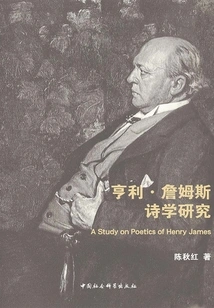
Study on the Poetry of Henry James
Literature亨利·詹姆斯诗学研究
Chen Qiuhong
Henry James is the founder of modern novels and modern novel theory. This book systematically explores the metaphorical thinking and metaphorical rhetoric characteristics of Henry James' plays and novels; analyzes James's introverted cognitive habits and the intellectual biological characteristics of the object of inquiry; and proposes that "Jamesian" is a "pre-affirmative mode" of literature, which has futuristic characteristics in style and language, calling for more understanding readers and critics to recognize it.
Henry James is the founder of modern novels and modern novel theory. This book systematically explores the metaphorical thinking and metaphorical rhetoric characteristics of Henry James' plays and novels; analyzes James's introverted cognitive habits and the intellectual biological characteristics of the object of inquiry; and proposes that "Jamesian" is a "pre-affirmative mode" of literature, which has futuristic characteristics in style and language, calling for more understanding readers and critics to recognize it.
文学团体“谢拉皮翁兄弟”研究
Zhang Xu
The 1920s was another large-scale "cultural renaissance" in the history of Russian literature after the Silver Age. At the center of this powerful hurricane of literary experiments was the literary group "Serapion Brothers". Their exploration and practice in the field of novels reflected various complex phenomena in the literary process at that time and had very important research value. This book mainly focuses on the theme of "inheritance and innovation". Starting from the historical context of inheritance, the literary code of inheritance, the theoretical preparation for innovation, and the artistic practice of innovation, this book makes a relatively complete and in-depth analysis of the literary exploration of the literary group "Serapion Brothers" in the 1920s, revealing the intricate origin relationships behind literary experiments and the fruitful results brought about by literary experiments.
The 1920s was another large-scale "cultural renaissance" in the history of Russian literature after the Silver Age. At the center of this powerful hurricane of literary experiments was the literary group "Serapion Brothers". Their exploration and practice in the field of novels reflected various complex phenomena in the literary process at that time and had very important research value. This book mainly focuses on the theme of "inheritance and innovation". Starting from the historical context of inheritance, the literary code of inheritance, the theoretical preparation for innovation, and the artistic practice of innovation, this book makes a relatively complete and in-depth analysis of the literary exploration of the literary group "Serapion Brothers" in the 1920s, revealing the intricate origin relationships behind literary experiments and the fruitful results brought about by literary experiments.
冯雪峰与俄国马克思主义文论关系研究
Cai Chaohui
This book places the study of Feng Xuefeng's relationship with Russian Marxist literary theory in the overall context of the relationship between foreign literature theory in the 20th century, historically examining the process of Feng Xuefeng's translation, acceptance, transformation and innovation of Marxist literary theory, while using case studies , comparative research and other research methods, systematically clarify the influence of Russian Marxist literary theory on Feng Xuefeng's literary criticism thoughts, comprehensively and in-depth grasp of Feng Xuefeng's literary thoughts, and objectively evaluate Feng Xuefeng's position in the nationalization process of Marxist literary criticism.
This book places the study of Feng Xuefeng's relationship with Russian Marxist literary theory in the overall context of the relationship between foreign literature theory in the 20th century, historically examining the process of Feng Xuefeng's translation, acceptance, transformation and innovation of Marxist literary theory, while using case studies , comparative research and other research methods, systematically clarify the influence of Russian Marxist literary theory on Feng Xuefeng's literary criticism thoughts, comprehensively and in-depth grasp of Feng Xuefeng's literary thoughts, and objectively evaluate Feng Xuefeng's position in the nationalization process of Marxist literary criticism.