Library
Browse and search books
2,037 novels found
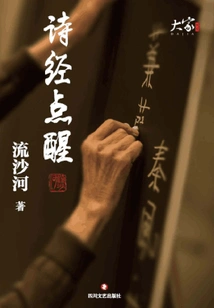
The Book of Songs Awakens
Literature诗经点醒
Liusha River
This book originates from the lectures given by the famous poet Mr. Liushahe at the "Tencent · Everyone Culture Lecture Hall". It is divided into ten lectures and selects thirteen poems from the "Book of Songs" for in-depth interpretation. It makes a reasonable restoration of the scenes in the poems and related social and historical customs, subverting previous interpretations and refreshing. The lecture has been viewed over ten million times and received rave reviews. The editorial department of Tencent Everyone has specially compiled the lectures into a text for this book.
This book originates from the lectures given by the famous poet Mr. Liushahe at the "Tencent · Everyone Culture Lecture Hall". It is divided into ten lectures and selects thirteen poems from the "Book of Songs" for in-depth interpretation. It makes a reasonable restoration of the scenes in the poems and related social and historical customs, subverting previous interpretations and refreshing. The lecture has been viewed over ten million times and received rave reviews. The editorial department of Tencent Everyone has specially compiled the lectures into a text for this book.
万万没想到:《西游记》可以这样读(下册)
Li Tianfei
This book is a collection of articles in the series "Li Tianfei's Great Talk about Journey to the West". The book not only contains the latest research results in the academic world, for example, the author of "Journey to the West" may not be Wu Cheng'en, and it was not written by one person at one time; it also clarifies the popular "conspiracy theory" and "thick black theory", such as why the Red Boy and the Bull Demon King don't look alike? Did Sun Wukong die on the way to obtain Buddhist scriptures? What exactly is a six-eared macaque? Under Li Tianfei's interpretation, "Journey to the West" is no longer one of the "four great classics" for fighting monsters throughout, but a timeless spiritual nourishment. The online series on Toutiao, Sina Weibo and WeChat has accumulated over 100 million reads in 100 days, and was rated by netizens as "the most reliable among the articles interpreting "Journey to the West", and the most down-to-earth among the reliable articles." The book not only revised and adjusted the content of the online serialization, but also added a large number of illustrations related to Journey to the West or the contents of this book from handed down documents. Each lecture is accompanied by a reading manual so that readers can quickly understand the relevant background knowledge.
This book is a collection of articles in the series "Li Tianfei's Great Talk about Journey to the West". The book not only contains the latest research results in the academic world, for example, the author of "Journey to the West" may not be Wu Cheng'en, and it was not written by one person at one time; it also clarifies the popular "conspiracy theory" and "thick black theory", such as why the Red Boy and the Bull Demon King don't look alike? Did Sun Wukong die on the way to obtain Buddhist scriptures? What exactly is a six-eared macaque? Under Li Tianfei's interpretation, "Journey to the West" is no longer one of the "four great classics" for fighting monsters throughout, but a timeless spiritual nourishment. The online series on Toutiao, Sina Weibo and WeChat has accumulated over 100 million reads in 100 days, and was rated by netizens as "the most reliable among the articles interpreting "Journey to the West", and the most down-to-earth among the reliable articles." The book not only revised and adjusted the content of the online serialization, but also added a large number of illustrations related to Journey to the West or the contents of this book from handed down documents. Each lecture is accompanied by a reading manual so that readers can quickly understand the relevant background knowledge.
万万没想到:《西游记》可以这样读(上册)
Li Tianfei
This book is a collection of articles in the series "Li Tianfei's Great Talk about Journey to the West". The book not only contains the latest research results in the academic world, for example, the author of "Journey to the West" may not be Wu Cheng'en, and it was not written by one person at one time; it also clarifies the popular "conspiracy theory" and "thick black theory", such as why the Red Boy and the Bull Demon King don't look alike? Did Sun Wukong die on the way to obtain Buddhist scriptures? What exactly is a six-eared macaque? Under Li Tianfei's interpretation, "Journey to the West" is no longer one of the "four great classics" for fighting monsters throughout, but a timeless spiritual nourishment. The online series on Toutiao, Sina Weibo and WeChat has accumulated over 100 million reads in 100 days, and was rated by netizens as "the most reliable among the articles interpreting "Journey to the West", and the most down-to-earth among the reliable articles." The book not only revised and adjusted the content of the online serialization, but also added a large number of illustrations related to Journey to the West or the contents of this book from handed down documents. Each lecture is accompanied by a reading manual so that readers can quickly understand the relevant background knowledge.
This book is a collection of articles in the series "Li Tianfei's Great Talk about Journey to the West". The book not only contains the latest research results in the academic world, for example, the author of "Journey to the West" may not be Wu Cheng'en, and it was not written by one person at one time; it also clarifies the popular "conspiracy theory" and "thick black theory", such as why the Red Boy and the Bull Demon King don't look alike? Did Sun Wukong die on the way to obtain Buddhist scriptures? What exactly is a six-eared macaque? Under Li Tianfei's interpretation, "Journey to the West" is no longer one of the "four great classics" for fighting monsters throughout, but a timeless spiritual nourishment. The online series on Toutiao, Sina Weibo and WeChat has accumulated over 100 million reads in 100 days, and was rated by netizens as "the most reliable among the articles interpreting "Journey to the West", and the most down-to-earth among the reliable articles." The book not only revised and adjusted the content of the online serialization, but also added a large number of illustrations related to Journey to the West or the contents of this book from handed down documents. Each lecture is accompanied by a reading manual so that readers can quickly understand the relevant background knowledge.
万万没想到:《西游记》可以这样读(全集)
Li Tianfei
This book is a collection of articles in the series "Li Tianfei's Great Talk about Journey to the West". The book not only contains the latest research results in the academic world, for example, the author of "Journey to the West" may not be Wu Cheng'en, and it was not written by one person at one time; it also clarifies the popular "conspiracy theory" and "thick black theory", such as why the Red Boy and the Bull Demon King don't look alike? Did Sun Wukong die on the way to obtain Buddhist scriptures? What exactly is a six-eared macaque? Under Li Tianfei's interpretation, "Journey to the West" is no longer one of the "four great classics" for fighting monsters throughout, but a timeless spiritual nourishment. The online series on Toutiao, Sina Weibo and WeChat has accumulated over 100 million reads in 100 days, and was rated by netizens as "the most reliable among the articles interpreting "Journey to the West", and the most down-to-earth among the reliable articles." The book not only revised and adjusted the content of the online serialization, but also added a large number of illustrations related to Journey to the West or the contents of this book from handed down documents. Each lecture is accompanied by a reading manual so that readers can quickly understand the relevant background knowledge.
This book is a collection of articles in the series "Li Tianfei's Great Talk about Journey to the West". The book not only contains the latest research results in the academic world, for example, the author of "Journey to the West" may not be Wu Cheng'en, and it was not written by one person at one time; it also clarifies the popular "conspiracy theory" and "thick black theory", such as why the Red Boy and the Bull Demon King don't look alike? Did Sun Wukong die on the way to obtain Buddhist scriptures? What exactly is a six-eared macaque? Under Li Tianfei's interpretation, "Journey to the West" is no longer one of the "four great classics" for fighting monsters throughout, but a timeless spiritual nourishment. The online series on Toutiao, Sina Weibo and WeChat has accumulated over 100 million reads in 100 days, and was rated by netizens as "the most reliable among the articles interpreting "Journey to the West", and the most down-to-earth among the reliable articles." The book not only revised and adjusted the content of the online serialization, but also added a large number of illustrations related to Journey to the West or the contents of this book from handed down documents. Each lecture is accompanied by a reading manual so that readers can quickly understand the relevant background knowledge.
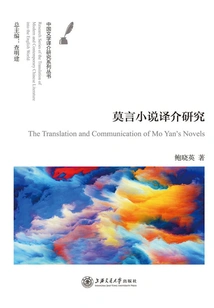
莫言小说译介研究
Bao Xiaoying
The study on the translation and introduction of Mo Yan's novels systematically sorts out and studies the international promotion and translation of Mo Yan's novels in recent years, as well as the translation skills and theoretical support behind them. In the dynamic system of literature, the system seeks the greatest possibility of literary communication. The translations of Mo Yan show differences due to the different identities and nationalities of the translators, as well as different times and regions. This book examines Mo Yan's translations and finds that translation is one of the means to realize that "Chinese literature is part of world literature" and has an important role and significance in the formation of world literature. At the same time, it is clear that the existential cognition of translation is the strategy and method to realize his desires.
The study on the translation and introduction of Mo Yan's novels systematically sorts out and studies the international promotion and translation of Mo Yan's novels in recent years, as well as the translation skills and theoretical support behind them. In the dynamic system of literature, the system seeks the greatest possibility of literary communication. The translations of Mo Yan show differences due to the different identities and nationalities of the translators, as well as different times and regions. This book examines Mo Yan's translations and finds that translation is one of the means to realize that "Chinese literature is part of world literature" and has an important role and significance in the formation of world literature. At the same time, it is clear that the existential cognition of translation is the strategy and method to realize his desires.
白先勇细说红楼梦(下)
Bai Xianyong
When the 80-year-old Bai Xianyong meets the 300-year-old Cao Xueqin, listen to how everyone in the Chinese world of novels interprets "The No. 1 Book in the World" and see the spiritual connection between the two eras of literary geniuses across time and space. This book is compiled from the lecture notes of Bai Xianyong's introductory general course (2014-2015) on "A Dream of Red Mansions" at National Taiwan University. "A Dream of Red Mansions" is a heavenly book with endless mysteries to explain and endless secrets to explore, but most importantly, it is a great novel after all. Bai Xianyong rectifies the source and introduces this literary classic as a novel, focusing on analyzing the "modernity" of the novel art of "A Dream of Red Mansions": mythological structure, character creation, text style, narrative techniques, use of point of view, dialogue skills, symbolic metaphors, parallel comparisons, and foreshadowing. He examines how Cao Xueqin maximizes the various elements that constitute the novel, far beyond its era, and even earlier and more avant-garde than Western modernist literature. With the artistic sensitivity of a novelist, he wiped away the dust of the classics, and restored the characters that had been neglected and misunderstood to their original personalities one by one, allowing them to bloom on the stage. In the process of reading and contemplating the art of words, it interprets the wonderful true meaning of Chinese philosophy of life and the cultural code of human society. It also extends from a great novel to talk about literature, aesthetics, philosophy, and the branches and branches of Kunqu Opera, constructing a dreamlike red mansion. Bai Xianyong took this opportunity to read carefully, carefully compared the differences between the "Gengchen version" and the "Cheng Yi version", weighed the weight and subtle meaning of every word, and was able to rediscover the long-lost beauty of the "Cheng Yi version" and "Dream of Red Mansions".
When the 80-year-old Bai Xianyong meets the 300-year-old Cao Xueqin, listen to how everyone in the Chinese world of novels interprets "The No. 1 Book in the World" and see the spiritual connection between the two eras of literary geniuses across time and space. This book is compiled from the lecture notes of Bai Xianyong's introductory general course (2014-2015) on "A Dream of Red Mansions" at National Taiwan University. "A Dream of Red Mansions" is a heavenly book with endless mysteries to explain and endless secrets to explore, but most importantly, it is a great novel after all. Bai Xianyong rectifies the source and introduces this literary classic as a novel, focusing on analyzing the "modernity" of the novel art of "A Dream of Red Mansions": mythological structure, character creation, text style, narrative techniques, use of point of view, dialogue skills, symbolic metaphors, parallel comparisons, and foreshadowing. He examines how Cao Xueqin maximizes the various elements that constitute the novel, far beyond its era, and even earlier and more avant-garde than Western modernist literature. With the artistic sensitivity of a novelist, he wiped away the dust of the classics, and restored the characters that had been neglected and misunderstood to their original personalities one by one, allowing them to bloom on the stage. In the process of reading and contemplating the art of words, it interprets the wonderful true meaning of Chinese philosophy of life and the cultural code of human society. It also extends from a great novel to talk about literature, aesthetics, philosophy, and the branches and branches of Kunqu Opera, constructing a dreamlike red mansion. Bai Xianyong took this opportunity to read carefully, carefully compared the differences between the "Gengchen version" and the "Cheng Yi version", weighed the weight and subtle meaning of every word, and was able to rediscover the long-lost beauty of the "Cheng Yi version" and "Dream of Red Mansions".
白先勇细说红楼梦(上)
Bai Xianyong
When the 80-year-old Bai Xianyong meets the 300-year-old Cao Xueqin, listen to how everyone in the Chinese world of novels interprets "The No. 1 Book in the World" and see the spiritual connection between the two eras of literary geniuses across time and space. This book is compiled from the lecture notes of Bai Xianyong's introductory general course (2014-2015) on "A Dream of Red Mansions" at National Taiwan University. "A Dream of Red Mansions" is a heavenly book with endless mysteries to explain and endless secrets to explore, but most importantly, it is a great novel after all. Bai Xianyong rectifies the source and introduces this literary classic as a novel, focusing on analyzing the "modernity" of the novel art of "A Dream of Red Mansions": mythological structure, character creation, text style, narrative techniques, use of point of view, dialogue skills, symbolic metaphors, parallel comparisons, and foreshadowing. He examines how Cao Xueqin maximizes the various elements that constitute the novel, far beyond its era, and even earlier and more avant-garde than Western modernist literature. With the artistic sensitivity of a novelist, he wiped away the dust of the classics, and restored the characters that had been neglected and misunderstood to their original personalities one by one, allowing them to bloom on the stage. In the process of reading and contemplating the art of words, it interprets the wonderful true meaning of Chinese philosophy of life and the cultural code of human society. It also extends from a great novel to talk about literature, aesthetics, philosophy, and the branches and branches of Kunqu Opera, constructing a dreamlike red mansion. Bai Xianyong took this opportunity to read carefully, carefully compared the differences between the "Gengchen version" and the "Cheng Yi version", weighed the weight and subtle meaning of every word, and was able to rediscover the long-lost beauty of the "Cheng Yi version" and "Dream of Red Mansions".
When the 80-year-old Bai Xianyong meets the 300-year-old Cao Xueqin, listen to how everyone in the Chinese world of novels interprets "The No. 1 Book in the World" and see the spiritual connection between the two eras of literary geniuses across time and space. This book is compiled from the lecture notes of Bai Xianyong's introductory general course (2014-2015) on "A Dream of Red Mansions" at National Taiwan University. "A Dream of Red Mansions" is a heavenly book with endless mysteries to explain and endless secrets to explore, but most importantly, it is a great novel after all. Bai Xianyong rectifies the source and introduces this literary classic as a novel, focusing on analyzing the "modernity" of the novel art of "A Dream of Red Mansions": mythological structure, character creation, text style, narrative techniques, use of point of view, dialogue skills, symbolic metaphors, parallel comparisons, and foreshadowing. He examines how Cao Xueqin maximizes the various elements that constitute the novel, far beyond its era, and even earlier and more avant-garde than Western modernist literature. With the artistic sensitivity of a novelist, he wiped away the dust of the classics, and restored the characters that had been neglected and misunderstood to their original personalities one by one, allowing them to bloom on the stage. In the process of reading and contemplating the art of words, it interprets the wonderful true meaning of Chinese philosophy of life and the cultural code of human society. It also extends from a great novel to talk about literature, aesthetics, philosophy, and the branches and branches of Kunqu Opera, constructing a dreamlike red mansion. Bai Xianyong took this opportunity to read carefully, carefully compared the differences between the "Gengchen version" and the "Cheng Yi version", weighed the weight and subtle meaning of every word, and was able to rediscover the long-lost beauty of the "Cheng Yi version" and "Dream of Red Mansions".
白先勇细说红楼梦(全集)
Bai Xianyong
When the 80-year-old Bai Xianyong meets the 300-year-old Cao Xueqin, listen to how everyone in the Chinese world of novels interprets "The No. 1 Book in the World" and see the spiritual connection between the two eras of literary geniuses across time and space. This book is compiled from the lecture notes of Bai Xianyong's introductory general course (2014-2015) on "A Dream of Red Mansions" at National Taiwan University. "A Dream of Red Mansions" is a heavenly book with endless mysteries to explain and endless secrets to explore, but most importantly, it is a great novel after all. Bai Xianyong rectifies the source and introduces this literary classic as a novel, focusing on analyzing the "modernity" of the novel art of "A Dream of Red Mansions": mythological structure, character creation, text style, narrative techniques, use of point of view, dialogue skills, symbolic metaphors, parallel comparisons, and foreshadowing. He examines how Cao Xueqin maximizes the various elements that constitute the novel, far beyond its era, and even earlier and more avant-garde than Western modernist literature. With the artistic sensitivity of a novelist, he wiped away the dust of the classics, and restored the characters that had been neglected and misunderstood to their original personalities one by one, allowing them to bloom on the stage. In the process of reading and contemplating the art of words, it interprets the wonderful true meaning of Chinese philosophy of life and the cultural code of human society. It also extends from a great novel to talk about literature, aesthetics, philosophy, and the branches and branches of Kunqu Opera, constructing a dreamlike red mansion. Bai Xianyong took this opportunity to read carefully, carefully compared the differences between the "Gengchen version" and the "Cheng Yi version", weighed the weight and subtle meaning of every word, and was able to rediscover the long-lost beauty of the "Cheng Yi version" and "Dream of Red Mansions".
When the 80-year-old Bai Xianyong meets the 300-year-old Cao Xueqin, listen to how everyone in the Chinese world of novels interprets "The No. 1 Book in the World" and see the spiritual connection between the two eras of literary geniuses across time and space. This book is compiled from the lecture notes of Bai Xianyong's introductory general course (2014-2015) on "A Dream of Red Mansions" at National Taiwan University. "A Dream of Red Mansions" is a heavenly book with endless mysteries to explain and endless secrets to explore, but most importantly, it is a great novel after all. Bai Xianyong rectifies the source and introduces this literary classic as a novel, focusing on analyzing the "modernity" of the novel art of "A Dream of Red Mansions": mythological structure, character creation, text style, narrative techniques, use of point of view, dialogue skills, symbolic metaphors, parallel comparisons, and foreshadowing. He examines how Cao Xueqin maximizes the various elements that constitute the novel, far beyond its era, and even earlier and more avant-garde than Western modernist literature. With the artistic sensitivity of a novelist, he wiped away the dust of the classics, and restored the characters that had been neglected and misunderstood to their original personalities one by one, allowing them to bloom on the stage. In the process of reading and contemplating the art of words, it interprets the wonderful true meaning of Chinese philosophy of life and the cultural code of human society. It also extends from a great novel to talk about literature, aesthetics, philosophy, and the branches and branches of Kunqu Opera, constructing a dreamlike red mansion. Bai Xianyong took this opportunity to read carefully, carefully compared the differences between the "Gengchen version" and the "Cheng Yi version", weighed the weight and subtle meaning of every word, and was able to rediscover the long-lost beauty of the "Cheng Yi version" and "Dream of Red Mansions".
二十世纪德国象征主义与批判现实主义文学思想史
Zhang Gong
Different from the traditional way of writing the history of German literature, this book highlights the combing of the history of two major literary thoughts, focusing on the two most important literary trends of the 20th century: symbolism and critical realism.
Different from the traditional way of writing the history of German literature, this book highlights the combing of the history of two major literary thoughts, focusing on the two most important literary trends of the 20th century: symbolism and critical realism.
文学在思考什么?(名家文学讲坛)
(france) Pierre Macheret
In addition to providing pleasure to readers, can literature also provide some philosophical teachings? This book draws on the works of Sade, Madame de Stael, George Sand, Hugo, Flaubert, Bataille, Roussel, Céline and Queneau from the literary field, and actively answers this question with the help of philosophical analysis of literary works. In the author's view, literature is also a speculative operator and a real thinking machine. Regarding the widely circulated concept of "philosophy of science", the author proposes that it should give way to the concept of some kind of "philosophy of literature", which will create the effect of truth in its own way.
In addition to providing pleasure to readers, can literature also provide some philosophical teachings? This book draws on the works of Sade, Madame de Stael, George Sand, Hugo, Flaubert, Bataille, Roussel, Céline and Queneau from the literary field, and actively answers this question with the help of philosophical analysis of literary works. In the author's view, literature is also a speculative operator and a real thinking machine. Regarding the widely circulated concept of "philosophy of science", the author proposes that it should give way to the concept of some kind of "philosophy of literature", which will create the effect of truth in its own way.
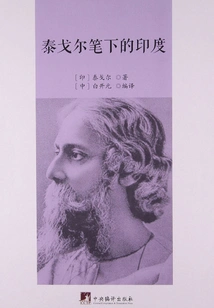
Tagore's India
Literature泰戈尔笔下的印度
(india) Rabindranath Tagore
In "Tagore's India", Tagore outlines the simple trajectory of India from ancient times to the present, explores the profound connotation of ancient Indian classics; shows the true historical pictures of modern India; analyzes major social issues with sharp strokes; expresses his profound insights into India's marriage system, social ills, customs and rituals and celebrations. By reading his poetic discussion, you can not only understand the unique behavior and customs of the Indian people, but also enjoy the beauty. This book is compiled by Bai Kaiyuan.
In "Tagore's India", Tagore outlines the simple trajectory of India from ancient times to the present, explores the profound connotation of ancient Indian classics; shows the true historical pictures of modern India; analyzes major social issues with sharp strokes; expresses his profound insights into India's marriage system, social ills, customs and rituals and celebrations. By reading his poetic discussion, you can not only understand the unique behavior and customs of the Indian people, but also enjoy the beauty. This book is compiled by Bai Kaiyuan.
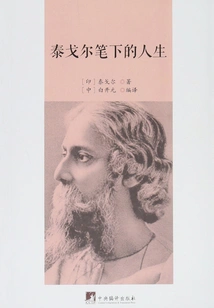
Tagore's Life
Literature泰戈尔笔下的人生
H
Tagore vividly explained his outlook on life in the language of poetry, pointing out that love is the driving force for progress on the road of life. He highly summarized his extraordinary life in nine words: "I have loved others, and I have also been loved by others." He analyzes complex social phenomena, denounces falsehood, ugliness and evil, and praises truth, goodness and beauty, giving people profound inspiration. His insights on life help readers decipher the profound book of life. Bai Kaiyuan's compilation of "Life in the Works of Rabindranath Tagore" can inspire young readers to understand life.
Tagore vividly explained his outlook on life in the language of poetry, pointing out that love is the driving force for progress on the road of life. He highly summarized his extraordinary life in nine words: "I have loved others, and I have also been loved by others." He analyzes complex social phenomena, denounces falsehood, ugliness and evil, and praises truth, goodness and beauty, giving people profound inspiration. His insights on life help readers decipher the profound book of life. Bai Kaiyuan's compilation of "Life in the Works of Rabindranath Tagore" can inspire young readers to understand life.
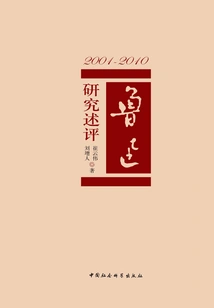
2001-2010: Review of Lu Xun Studies
Literature2001-2010:鲁迅研究述评
Cui Yunwei Liu Zengren
This book is a systematic review of Lu Xun research in the first decade of the 21st century. On the basis of fully possessing first-hand information, the actual status of Lu Xun research in each year is described and an accurate evaluation is made. The book consists of ten chapters. That is: the 2001 Lu Xun research review, the 2002 Lu Xun research review, and the 2010 Lu Xun research review. In each annual Lu Xun research review, the following subsections are specifically set up: research on Lu Xun's works, research on Lu Xun's thoughts, research on Lu Xun's life, research on Lu Xun and translation, research on Lu Xun and academic research, research on Lu Xun and art, research on Lu Xun and teaching, research on the publication of Lu Xun's works, research on Lu Xun's materials, research on Lu Xun, etc. According to the actual situation of Lu Xun research each year, there are increases and decreases. This book belongs to the study of Lu Xun as a whole, and is also an important topic in the discipline of "Lu Xun Studies". This book is mainly for Lu Xun researchers. It is highly academic and professional and provides a good reference resource and a good research platform for many Lu Xun researchers.
This book is a systematic review of Lu Xun research in the first decade of the 21st century. On the basis of fully possessing first-hand information, the actual status of Lu Xun research in each year is described and an accurate evaluation is made. The book consists of ten chapters. That is: the 2001 Lu Xun research review, the 2002 Lu Xun research review, and the 2010 Lu Xun research review. In each annual Lu Xun research review, the following subsections are specifically set up: research on Lu Xun's works, research on Lu Xun's thoughts, research on Lu Xun's life, research on Lu Xun and translation, research on Lu Xun and academic research, research on Lu Xun and art, research on Lu Xun and teaching, research on the publication of Lu Xun's works, research on Lu Xun's materials, research on Lu Xun, etc. According to the actual situation of Lu Xun research each year, there are increases and decreases. This book belongs to the study of Lu Xun as a whole, and is also an important topic in the discipline of "Lu Xun Studies". This book is mainly for Lu Xun researchers. It is highly academic and professional and provides a good reference resource and a good research platform for many Lu Xun researchers.
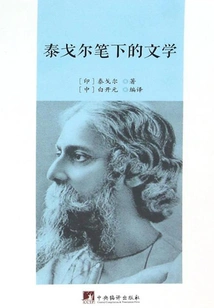
Tagore's Literature
Literature泰戈尔笔下的文学
H
While engaged in literary creation, Tagore wrote a large number of literary reviews, covering epics, poems, novels, dramas, essays and comparative literature. These essays not only elaborate on the aesthetic theories he followed in literary creation, express his wise insights on various works, but also summarize his deep understanding and aesthetic experience. Tagore's literary theory will help Chinese readers and foreign literature researchers understand and study his works in depth. "Literature under Rabindranath Tagore" was compiled by Bai Kaiyuan.
While engaged in literary creation, Tagore wrote a large number of literary reviews, covering epics, poems, novels, dramas, essays and comparative literature. These essays not only elaborate on the aesthetic theories he followed in literary creation, express his wise insights on various works, but also summarize his deep understanding and aesthetic experience. Tagore's literary theory will help Chinese readers and foreign literature researchers understand and study his works in depth. "Literature under Rabindranath Tagore" was compiled by Bai Kaiyuan.
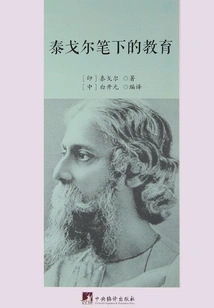
Education in Rabindranath Tagore
Literature泰戈尔笔下的教育
H
Tagore regarded the development of national education as an important way to save the country. He emphasized that schools should be a pure land and strived to establish a new teacher-student relationship that transcended money in the school he founded. In decades of educational practice, he attaches great importance to cultivating students' imagination and image thinking abilities, and has created unique educational methods. His incisive discussion of education still has practical significance. "Education in Rabindranath Tagore" edited by Bai Kaiyuan is helpful to our country's educational circles in studying Tagore's educational thoughts, and has some enlightenment for our country's educational reform.
Tagore regarded the development of national education as an important way to save the country. He emphasized that schools should be a pure land and strived to establish a new teacher-student relationship that transcended money in the school he founded. In decades of educational practice, he attaches great importance to cultivating students' imagination and image thinking abilities, and has created unique educational methods. His incisive discussion of education still has practical significance. "Education in Rabindranath Tagore" edited by Bai Kaiyuan is helpful to our country's educational circles in studying Tagore's educational thoughts, and has some enlightenment for our country's educational reform.
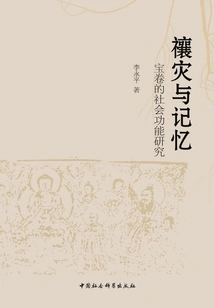
禳灾与记忆:宝卷的社会功能研究
Li Yongping
Baojuan is an oral tradition after the Middle Ages, which used popular rhymes, poems, gathas, Qupai, cross Buddhas, etc. To compile a text to explain certain religious doctrines in order to encourage good deeds and prevent disasters. People's fear of plagues, natural disasters, and wars, their desire for good fortune and happiness, and their conscious responsibility have created a moral religion of self-cultivation. Correcting "pollution" and resolving "disasters" are the mythological and conceptual foundations of disaster relief narratives and "meeting" rituals. As a spiritual representation and collective memory of the nation's past, Baojuan constructs our living conditions and the starting point of our morality. The key link in the formation of social group memory lies in the canonization of texts and rituals. The media of cultural memory include oral announcements, text copying, printing, blessings, and exorcism rituals, etc. Baojuan is an "ethnography" with these memory types, and it constructs an "imagined community."
Baojuan is an oral tradition after the Middle Ages, which used popular rhymes, poems, gathas, Qupai, cross Buddhas, etc. To compile a text to explain certain religious doctrines in order to encourage good deeds and prevent disasters. People's fear of plagues, natural disasters, and wars, their desire for good fortune and happiness, and their conscious responsibility have created a moral religion of self-cultivation. Correcting "pollution" and resolving "disasters" are the mythological and conceptual foundations of disaster relief narratives and "meeting" rituals. As a spiritual representation and collective memory of the nation's past, Baojuan constructs our living conditions and the starting point of our morality. The key link in the formation of social group memory lies in the canonization of texts and rituals. The media of cultural memory include oral announcements, text copying, printing, blessings, and exorcism rituals, etc. Baojuan is an "ethnography" with these memory types, and it constructs an "imagined community."
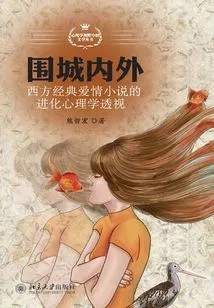
围城内外:西方经典爱情小说的进化心理学透视
Xiong Zhehong
"Inside and Out of the Siege: An Evolutionary Psychology Perspective on Classic Western Romance Novels" combines culture and psychology, and is both graphic, interesting and of academic value. It is a very tasteful set of popular academic and cultural books with good market prospects. "Literature is the study of human nature", and Western classic love novels can be said to be the "encyclopedia" of love psychology. The love psychology cases provided in literary classics are not only derived from real life, but also rich, intense and colorful that love in real life often does not have. "Inside and Outside the Siege: An Evolutionary Psychology Perspective on Classic Western Romance Novels" interprets classic love cases in Western literary masterpieces from a psychological perspective, showing the depth and breadth of the psychological meaning achieved by classic Western love novels.
"Inside and Out of the Siege: An Evolutionary Psychology Perspective on Classic Western Romance Novels" combines culture and psychology, and is both graphic, interesting and of academic value. It is a very tasteful set of popular academic and cultural books with good market prospects. "Literature is the study of human nature", and Western classic love novels can be said to be the "encyclopedia" of love psychology. The love psychology cases provided in literary classics are not only derived from real life, but also rich, intense and colorful that love in real life often does not have. "Inside and Outside the Siege: An Evolutionary Psychology Perspective on Classic Western Romance Novels" interprets classic love cases in Western literary masterpieces from a psychological perspective, showing the depth and breadth of the psychological meaning achieved by classic Western love novels.
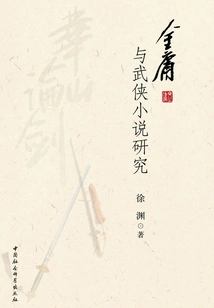
金庸与武侠小说研究
Xu Yuan
Jin Yong relied on the writing of martial arts novels and editorials to constantly save himself and realize himself, and finally achieved success. Jin Yong's clear understanding and successful practice of the ontology, creation and appreciation of martial arts novels made his novels a masterpiece of martial arts novels. Fascinating plots, rich and varied love, imaginative martial arts, humor and a successful life are undoubtedly important entertainment elements that attract readers in Jin Yong's novels. Whether it is the portrayal of the Huashan sect, characters, martial arts, or the description of the "Huashan Sword" martial arts competition and the promotion of the cultural spirit of "Swordsman", they all reflect Jin Yong's deliberate choice of "Huashan" and his respect for the Huashan regional culture. Due to the difficulty of adapting Jin Yong's novels, the understanding of different readers, the substantial changes made by film and television creators, and the continuous development of film and television technology, although there are many versions of Jin Yong's film and television dramas, few are recognized as satisfactory. The profound cultural heritage of martial arts, the innovative tradition of martial arts novels themselves, and the needs of realistic culture and other cultural ecology will inevitably enable martial arts novels represented by Jin Yong's novels to continue to survive and develop in the contemporary era.
Jin Yong relied on the writing of martial arts novels and editorials to constantly save himself and realize himself, and finally achieved success. Jin Yong's clear understanding and successful practice of the ontology, creation and appreciation of martial arts novels made his novels a masterpiece of martial arts novels. Fascinating plots, rich and varied love, imaginative martial arts, humor and a successful life are undoubtedly important entertainment elements that attract readers in Jin Yong's novels. Whether it is the portrayal of the Huashan sect, characters, martial arts, or the description of the "Huashan Sword" martial arts competition and the promotion of the cultural spirit of "Swordsman", they all reflect Jin Yong's deliberate choice of "Huashan" and his respect for the Huashan regional culture. Due to the difficulty of adapting Jin Yong's novels, the understanding of different readers, the substantial changes made by film and television creators, and the continuous development of film and television technology, although there are many versions of Jin Yong's film and television dramas, few are recognized as satisfactory. The profound cultural heritage of martial arts, the innovative tradition of martial arts novels themselves, and the needs of realistic culture and other cultural ecology will inevitably enable martial arts novels represented by Jin Yong's novels to continue to survive and develop in the contemporary era.
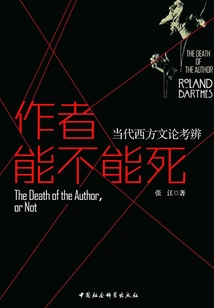
作者能不能死:当代西方文论考辨
Zhangjiang
"Can the Author Die - An Examination of Contemporary Western Literary Theory" is a collection of Professor Zhang Jiang's personal essays. The book manuscript is divided into three parts (evolution and trends of contemporary Western literary theory, contemporary Western interpretation: coercion and dogmatism, collision and controversy), showing the author's thinking on contemporary Western literary theory. The manuscript first points out the overall shortcomings and problems of Western literary theory as a whole; then, through the analysis of several issues of "forced interpretation theory", it points out in detail the problem of "forced interpretation" in the acceptance of Western literary theory by Chinese academic circles. This kind of interpretation is arbitrary and paranoid. These shortcomings require more participation and reflection from the academic community. The third part is a dialogue between the author and several famous contemporary Western scholars.
"Can the Author Die - An Examination of Contemporary Western Literary Theory" is a collection of Professor Zhang Jiang's personal essays. The book manuscript is divided into three parts (evolution and trends of contemporary Western literary theory, contemporary Western interpretation: coercion and dogmatism, collision and controversy), showing the author's thinking on contemporary Western literary theory. The manuscript first points out the overall shortcomings and problems of Western literary theory as a whole; then, through the analysis of several issues of "forced interpretation theory", it points out in detail the problem of "forced interpretation" in the acceptance of Western literary theory by Chinese academic circles. This kind of interpretation is arbitrary and paranoid. These shortcomings require more participation and reflection from the academic community. The third part is a dialogue between the author and several famous contemporary Western scholars.
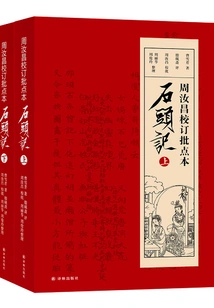
周汝昌校订批点本石头记(全集)
Written By Cao Xueqin And Reviewed By Zhiyanzhai. Edited By Zhou Ruchang And Edited By Zhou Liling And Zhou Lunling.
The 100th anniversary commemorative edition of "The Story of the Stone" by red scholar Zhou Ruchang is a must-have for collections and the first choice for reading. "The Story of the Stone, Edited and Reviewed by Zhou Ruchang" is the proofreading, revision and review of "The Story of the Stone" by Mr. Zhou Ruchang, a master of Red Mansions. It contains the results of his research on Red Mansions and is one of the necessary reference books for understanding and appreciating "A Dream of Red Mansions". This book compiles and collates more than ten ancient manuscripts in order to present the original version of "Dream of Red Mansions". The content is the first eighty chapters of the book "Dream of Red Mansions". The edition edited and revised by Zhou Ruchang is the culmination of a huge project of one million words that Mr. Zhou Ruchang spent nearly sixty years honing and finally completed at the age of ninety. The content includes three parts. First, a comprehensive proofreading was conducted among more than ten kinds of ancient manuscripts, and the original text written by Cao Xueqin was restored. This is the most reliable authentic version of "Dream of Red Mansions" so far. Second, Zhi Yanzhai's ink-brush comments number in the thousands, which are an important part of "A Dream of Red Mansions". His comments are disordered, erroneous, and missing. After a comprehensive review by the author, the meaning of the text is clear, which has great reference value for understanding the ideological, artistic, creative psychology and other issues of "Dream of Red Mansions". The third is the author's lifelong study of "Dream of Red Mansions", which covers Cao Xueqin's thoughts and feelings, execution purpose, and artistic techniques, and is of high academic value. The school reviewer, Mr. Zhou Ruchang, is a representative figure who inherits the old and new red studies. He is a famous classical literature researcher, calligrapher and poet. Mr. Zhou Ruchang has learned both Chinese and Western knowledge and has published more than a dozen monographs on red studies, covering all aspects of the field, attracting the attention of academic circles at home and abroad.
The 100th anniversary commemorative edition of "The Story of the Stone" by red scholar Zhou Ruchang is a must-have for collections and the first choice for reading. "The Story of the Stone, Edited and Reviewed by Zhou Ruchang" is the proofreading, revision and review of "The Story of the Stone" by Mr. Zhou Ruchang, a master of Red Mansions. It contains the results of his research on Red Mansions and is one of the necessary reference books for understanding and appreciating "A Dream of Red Mansions". This book compiles and collates more than ten ancient manuscripts in order to present the original version of "Dream of Red Mansions". The content is the first eighty chapters of the book "Dream of Red Mansions". The edition edited and revised by Zhou Ruchang is the culmination of a huge project of one million words that Mr. Zhou Ruchang spent nearly sixty years honing and finally completed at the age of ninety. The content includes three parts. First, a comprehensive proofreading was conducted among more than ten kinds of ancient manuscripts, and the original text written by Cao Xueqin was restored. This is the most reliable authentic version of "Dream of Red Mansions" so far. Second, Zhi Yanzhai's ink-brush comments number in the thousands, which are an important part of "A Dream of Red Mansions". His comments are disordered, erroneous, and missing. After a comprehensive review by the author, the meaning of the text is clear, which has great reference value for understanding the ideological, artistic, creative psychology and other issues of "Dream of Red Mansions". The third is the author's lifelong study of "Dream of Red Mansions", which covers Cao Xueqin's thoughts and feelings, execution purpose, and artistic techniques, and is of high academic value. The school reviewer, Mr. Zhou Ruchang, is a representative figure who inherits the old and new red studies. He is a famous classical literature researcher, calligrapher and poet. Mr. Zhou Ruchang has learned both Chinese and Western knowledge and has published more than a dozen monographs on red studies, covering all aspects of the field, attracting the attention of academic circles at home and abroad.
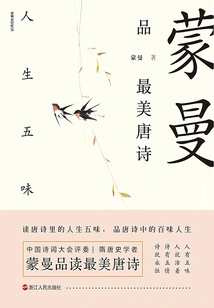
蒙曼品最美唐诗:人生五味
Monman
Poems are written by people, and they are also written for people. A person's life, viewed vertically, is the four seasons, and viewed horizontally, it is the five emotions. What are the four seasons? Spring, summer, autumn and winter. Corresponding to life, it is boyhood, youth, middle age and old age. What are the five emotions? Joy, anger, sorrow and resentment. Corresponding to the human heart, it is those moods that go back and forth, ups and downs. This book takes the five life emotions of joy, anger, sadness, joy, and resentment as the entry point, leading readers to experience the five emotions and flavors in Tang poetry from a unique perspective of the five flavors of life. Through the interpretation of more than 30 Tang poems carefully collected, it connects the spiritual emotions of Tang poems with modern people, and shows readers the enduring charm of Tang poems that will never go out of style despite being thousands of years old. If a person has five emotions, he will live. Poetry has five emotions, and poetry is eternal.
Poems are written by people, and they are also written for people. A person's life, viewed vertically, is the four seasons, and viewed horizontally, it is the five emotions. What are the four seasons? Spring, summer, autumn and winter. Corresponding to life, it is boyhood, youth, middle age and old age. What are the five emotions? Joy, anger, sorrow and resentment. Corresponding to the human heart, it is those moods that go back and forth, ups and downs. This book takes the five life emotions of joy, anger, sadness, joy, and resentment as the entry point, leading readers to experience the five emotions and flavors in Tang poetry from a unique perspective of the five flavors of life. Through the interpretation of more than 30 Tang poems carefully collected, it connects the spiritual emotions of Tang poems with modern people, and shows readers the enduring charm of Tang poems that will never go out of style despite being thousands of years old. If a person has five emotions, he will live. Poetry has five emotions, and poetry is eternal.
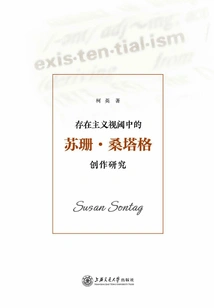
存在主义视阈中的苏珊·桑塔格创作研究
Keying
The creations of American female writer and literary critic Susan Sontag are based on philosophical speculation and rooted in the spiritual soil of existentialism. With the United States as the main writing background, she has made profound observations and analyzes of people, events, and objects in American society, and criticized them either euphemistically or sharply. The influence of existentialism runs through Sontag's works. This book uses existentialism as the main line to interpret Sontag's fictional works, trying to restore Sontag's image that has gradually become blurred amidst the divergent opinions. This book includes Sontag's novels, plays, and short stories into the scope of research, and combs through the specific elucidations of several core concepts of existentialism - existence, freedom, "others", and transcendence - in these works. It points out that in her literary works, Sontag thinks about existence, explores freedom, writes about "others", talks about transcendence, insists on the social function of literature and the social responsibility of writers, and is a worldly intellectual who regards "intervention" as her own responsibility. This book can be used as a reference bibliography for scholars, teachers and students engaged in foreign literature research and teaching, and is also suitable for ordinary readers who love foreign literature.
The creations of American female writer and literary critic Susan Sontag are based on philosophical speculation and rooted in the spiritual soil of existentialism. With the United States as the main writing background, she has made profound observations and analyzes of people, events, and objects in American society, and criticized them either euphemistically or sharply. The influence of existentialism runs through Sontag's works. This book uses existentialism as the main line to interpret Sontag's fictional works, trying to restore Sontag's image that has gradually become blurred amidst the divergent opinions. This book includes Sontag's novels, plays, and short stories into the scope of research, and combs through the specific elucidations of several core concepts of existentialism - existence, freedom, "others", and transcendence - in these works. It points out that in her literary works, Sontag thinks about existence, explores freedom, writes about "others", talks about transcendence, insists on the social function of literature and the social responsibility of writers, and is a worldly intellectual who regards "intervention" as her own responsibility. This book can be used as a reference bibliography for scholars, teachers and students engaged in foreign literature research and teaching, and is also suitable for ordinary readers who love foreign literature.
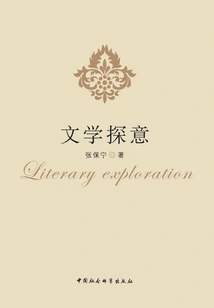
Literary Exploration
Literature文学探意
Zhang Baoning
This book is a collection of the author's academic research results in recent years. The book is divided into three parts: the first part is literature and cultural criticism, which is the author's rational thinking and exploration in the era of globalization in the face of Chinese society, cultural transformation and various ideological trends that have emerged in the literary world; the second part is the study of the works of Chinese and foreign writers, which is the author's research experience on literary issues involved in teaching literature courses; the third part is book reviews and film and television reviews. The whole book is permeated with the author's exploration and pursuit of literary connotations and the spirit of the literary times.
This book is a collection of the author's academic research results in recent years. The book is divided into three parts: the first part is literature and cultural criticism, which is the author's rational thinking and exploration in the era of globalization in the face of Chinese society, cultural transformation and various ideological trends that have emerged in the literary world; the second part is the study of the works of Chinese and foreign writers, which is the author's research experience on literary issues involved in teaching literature courses; the third part is book reviews and film and television reviews. The whole book is permeated with the author's exploration and pursuit of literary connotations and the spirit of the literary times.
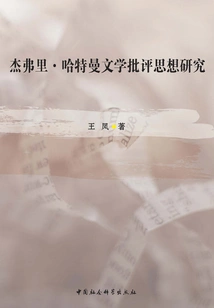
杰弗里·哈特曼文学批评思想研究
Wang Feng
Jeffrey Hartman always adheres to the theoretical stance of conciliatory criticism and plays the role of a moderator. First, adjust between European philosophy and Anglo-American criticism, advocating that British and American criticism break away from the practical criticism paradigm to form a more speculative critical discourse; second, adjust between the Jewish biblical interpretation tradition and modern interpretive experience, and find an effective way out of the contemporary formalism debate from the unique interpretation model of midrash; third, , mediating between literature and criticism, advocating the literary nature and creativity of criticism, and expressing it in the form of essays; fourth, mediating between the dual identities of literary self and cultural self, connecting cultural issues such as the Holocaust, memory, and trauma with literary issues through testimony videos, and clarifying the responsibilities of the times that literary critics should bear. In this kind of conciliatory criticism, Hartmann gained a broader vision, and his critical thinking therefore has great potential for transcendence.
Jeffrey Hartman always adheres to the theoretical stance of conciliatory criticism and plays the role of a moderator. First, adjust between European philosophy and Anglo-American criticism, advocating that British and American criticism break away from the practical criticism paradigm to form a more speculative critical discourse; second, adjust between the Jewish biblical interpretation tradition and modern interpretive experience, and find an effective way out of the contemporary formalism debate from the unique interpretation model of midrash; third, , mediating between literature and criticism, advocating the literary nature and creativity of criticism, and expressing it in the form of essays; fourth, mediating between the dual identities of literary self and cultural self, connecting cultural issues such as the Holocaust, memory, and trauma with literary issues through testimony videos, and clarifying the responsibilities of the times that literary critics should bear. In this kind of conciliatory criticism, Hartmann gained a broader vision, and his critical thinking therefore has great potential for transcendence.
环境与焦虑:生态视野中的罗斯金
He Chang
From the perspective of ecocriticism, this book discusses in detail the environmental thoughts of the Victorian cultural critic John Ruskin. It is undeniable that in the history of ecocriticism, Ruskin is an unavoidable figure. His sensitivity to the environment and his contribution to environmental protection cannot be ignored. Ruskin's environmental awareness runs through his art criticism and social criticism, and has many points of convergence with the ecocriticism that emerged in the 20th century. To be precise, his environmental awareness stems from the worries and reflections on the relationship between "civilization" and "nature" that were common in the Victorian period. Like Thomas Carlyle and William Morris's discussions on the environment, his environmental thoughts added a dimension of ecological thinking to the tradition of cultural criticism in the Victorian period. On the one hand, this dimension responds to the "anxiety" prevalent in the Victorian period, and on the other hand, the word "culture" adds thinking about the harmonious relationship between man and the environment in the dynamic evolution. Therefore, the voice of environmental criticism represented by Ruskin was essentially part of the "cultural anxiety" experienced by Victorian society in the period of social transformation. Taking the environmental concerns of the Victorian period as a mirror, we find that China, in the process of modernization, is also facing environmental "anxiety." Perhaps, by understanding the "British situation" in the Victorian period, it is possible to help us reflect on the situation in China here and now, which is the significance of this book.
From the perspective of ecocriticism, this book discusses in detail the environmental thoughts of the Victorian cultural critic John Ruskin. It is undeniable that in the history of ecocriticism, Ruskin is an unavoidable figure. His sensitivity to the environment and his contribution to environmental protection cannot be ignored. Ruskin's environmental awareness runs through his art criticism and social criticism, and has many points of convergence with the ecocriticism that emerged in the 20th century. To be precise, his environmental awareness stems from the worries and reflections on the relationship between "civilization" and "nature" that were common in the Victorian period. Like Thomas Carlyle and William Morris's discussions on the environment, his environmental thoughts added a dimension of ecological thinking to the tradition of cultural criticism in the Victorian period. On the one hand, this dimension responds to the "anxiety" prevalent in the Victorian period, and on the other hand, the word "culture" adds thinking about the harmonious relationship between man and the environment in the dynamic evolution. Therefore, the voice of environmental criticism represented by Ruskin was essentially part of the "cultural anxiety" experienced by Victorian society in the period of social transformation. Taking the environmental concerns of the Victorian period as a mirror, we find that China, in the process of modernization, is also facing environmental "anxiety." Perhaps, by understanding the "British situation" in the Victorian period, it is possible to help us reflect on the situation in China here and now, which is the significance of this book.
影响中的创造:贾平凹小说的独异生成
Fan Juan
In the context of world literature, the study of the influence of Chinese case writers includes an examination of the uniqueness of writing of the writer's ontology, which is proposed based on the comprehensiveness, effectiveness, limitation and ambiguity of influence. The influence and creation reflected in the works by the writer belong to the unique category of novels, including four levels of influence structure, three levels of influence logic, and two aspects of influence dimensions. This book conducts an in-depth study of the influencing resources and paths of Jia Pingwa's novels, examines the sources of his influence from traditional resources, folk resources, and modern resources, and depicts the acceptance map and the logical line of unique generation embodied by the writer in the novel's language, narrative, imagery, and spirit. In describing the inner influence of his novels, that is, the source of influence, acceptance and transformation, combination and originality, the inner rationale why Jia Pingwa's novels become a unique literary form is clarified.
In the context of world literature, the study of the influence of Chinese case writers includes an examination of the uniqueness of writing of the writer's ontology, which is proposed based on the comprehensiveness, effectiveness, limitation and ambiguity of influence. The influence and creation reflected in the works by the writer belong to the unique category of novels, including four levels of influence structure, three levels of influence logic, and two aspects of influence dimensions. This book conducts an in-depth study of the influencing resources and paths of Jia Pingwa's novels, examines the sources of his influence from traditional resources, folk resources, and modern resources, and depicts the acceptance map and the logical line of unique generation embodied by the writer in the novel's language, narrative, imagery, and spirit. In describing the inner influence of his novels, that is, the source of influence, acceptance and transformation, combination and originality, the inner rationale why Jia Pingwa's novels become a unique literary form is clarified.
World Literature Review (volume 5)
Literature世界文学评论(第5辑)
Editorial Department Of "world Literature Review"
This book focuses on the latest trends in the development of world literature and literary research, attaches great importance to the study of the works of literary award winners around the world, and the study of writers and works from other countries in the world besides Britain and the United States. The contents of the book mainly include: interviews with Chinese and foreign writers and scholars, re-reading of Western literary geography classics, research on the art of sonnets, British literature research, American literature research, European literature research, Oriental literature research, literary translation research, comparative literature research, research reviews and book reviews, etc.
This book focuses on the latest trends in the development of world literature and literary research, attaches great importance to the study of the works of literary award winners around the world, and the study of writers and works from other countries in the world besides Britain and the United States. The contents of the book mainly include: interviews with Chinese and foreign writers and scholars, re-reading of Western literary geography classics, research on the art of sonnets, British literature research, American literature research, European literature research, Oriental literature research, literary translation research, comparative literature research, research reviews and book reviews, etc.
A Study of Horace's Poetry
Literature贺拉斯诗艺研究
Li Yongyi
This book is the first academic monograph in China on the study of the ancient Roman poet Horace. The first chapter discusses the relationship between art and politics in Horace's works. Octavian tried to integrate literature into the imperial order, but Horace tried his best to maintain the independence of art. The second chapter examines the patronage system and literary circulation methods in the Augustan period, specifically the support of Macenas and the influence of literary colleagues such as Virgil on Horace's poetry creation. The third chapter focuses on the poetics of Horace. He inherited the concepts of the Alexandrian poetic school in the Pan-Hellenic era. At the same time, he greatly admired ancient Greek poetry and fully absorbed the Roman tradition represented by Virgil. Chapter 4 explores Horace's artistic techniques, especially the impersonal tendency of lyric poetry, the dramatic device of satirical poetry, the dialogic nature of the work's structure, and the art of displacement and fusion. Chapter 5 mainly interprets Horace's poems with philosophical themes, analyzing the Golden Middle Way thoughts and main philosophical themes.
This book is the first academic monograph in China on the study of the ancient Roman poet Horace. The first chapter discusses the relationship between art and politics in Horace's works. Octavian tried to integrate literature into the imperial order, but Horace tried his best to maintain the independence of art. The second chapter examines the patronage system and literary circulation methods in the Augustan period, specifically the support of Macenas and the influence of literary colleagues such as Virgil on Horace's poetry creation. The third chapter focuses on the poetics of Horace. He inherited the concepts of the Alexandrian poetic school in the Pan-Hellenic era. At the same time, he greatly admired ancient Greek poetry and fully absorbed the Roman tradition represented by Virgil. Chapter 4 explores Horace's artistic techniques, especially the impersonal tendency of lyric poetry, the dramatic device of satirical poetry, the dialogic nature of the work's structure, and the art of displacement and fusion. Chapter 5 mainly interprets Horace's poems with philosophical themes, analyzing the Golden Middle Way thoughts and main philosophical themes.
一年好景君须记 古典诗词中的季节之美
Yang Jinzhi
This book takes the alternation of spring, summer, autumn and winter as the timeline, and selects ten themes for each season. It mainly selects popular ancient poems since the "Book of Songs", and vividly interprets them based on modern people's lifestyle and emotional touch. It vividly and interestingly connects the spirituality of heaven and earth and the beauty of seasonal solar terms in classical poems into beautiful and touching pictures. It makes people feel as if they have entered the "Poetry Hall of Fame", allowing us to easily learn the breadth and depth of Chinese poetry culture. Every classic ancient poem contains strong cultural vitality. Even though history has changed, these poems still echo in your ears and heart. Maybe it is the "spring bustle on the branches of red apricots" in spring, "the lotus flowers are unusually red in the sun" in summer, "frost leaves are as red as February flowers" in autumn, or "the small red clay stove on a snowy night" in winter. There is always a poem that breaks into your heart the first time you recite it, touching some of your feelings, and from then on it accompanies you to witness the beauty of the changing seasons.
This book takes the alternation of spring, summer, autumn and winter as the timeline, and selects ten themes for each season. It mainly selects popular ancient poems since the "Book of Songs", and vividly interprets them based on modern people's lifestyle and emotional touch. It vividly and interestingly connects the spirituality of heaven and earth and the beauty of seasonal solar terms in classical poems into beautiful and touching pictures. It makes people feel as if they have entered the "Poetry Hall of Fame", allowing us to easily learn the breadth and depth of Chinese poetry culture. Every classic ancient poem contains strong cultural vitality. Even though history has changed, these poems still echo in your ears and heart. Maybe it is the "spring bustle on the branches of red apricots" in spring, "the lotus flowers are unusually red in the sun" in summer, "frost leaves are as red as February flowers" in autumn, or "the small red clay stove on a snowy night" in winter. There is always a poem that breaks into your heart the first time you recite it, touching some of your feelings, and from then on it accompanies you to witness the beauty of the changing seasons.
The Art of Piano
Literature钢琴的艺术
(us) David Duba
"The Art of the Piano" was introduced from the United States and has been revised and republished many times in the United States. The author, David Dubai, is a world-renowned pianist, educator, and senior FM music station host. His "The Golden Age of Piano" won an Emmy Award. This book is an irresistible feast for students and music lovers alike. David Dubai's narration covers the important events of pianists and piano works. The author arranges the composers in alphabetical order, providing insight and commentary on outstanding musical works, solos, and concertos. It is the only classic book to date that introduces all major pianists and their important repertoire. To borrow the words of Vladimir Horowitz: Everyone who loves music should read this book.
"The Art of the Piano" was introduced from the United States and has been revised and republished many times in the United States. The author, David Dubai, is a world-renowned pianist, educator, and senior FM music station host. His "The Golden Age of Piano" won an Emmy Award. This book is an irresistible feast for students and music lovers alike. David Dubai's narration covers the important events of pianists and piano works. The author arranges the composers in alphabetical order, providing insight and commentary on outstanding musical works, solos, and concertos. It is the only classic book to date that introduces all major pianists and their important repertoire. To borrow the words of Vladimir Horowitz: Everyone who loves music should read this book.
On Mao Dun's Writing Art
Literature茅盾写作艺术论
Chen Guiliang
This book is divided into upper and lower parts, which introduces Mao Dun's writing process, Mao Dun's writing opinions, Mao Dun's literary writing, Mao Dun's practical writing, Mao Dunde's translation writing, etc.
This book is divided into upper and lower parts, which introduces Mao Dun's writing process, Mao Dun's writing opinions, Mao Dun's literary writing, Mao Dun's practical writing, Mao Dunde's translation writing, etc.
Heading into the Open World
Literature驶向开阔的世界
Hu Shaoqing
This book is a collection of contemporary literature and cultural criticism, which not only provides unique analysis of trend phenomena, but also unique interpretations of writers' works. The author advocates a "broad understanding of literature", with contemporary literature as the center, and the scope of his discussion also includes ancient literature, foreign literature and popular culture. An emphasis on the writer's vision and craft is evident throughout. The book is rich in sensibility, keen in reading, clear in organization, and precise in language. It is an excellent window for a close observation of contemporary literature.
This book is a collection of contemporary literature and cultural criticism, which not only provides unique analysis of trend phenomena, but also unique interpretations of writers' works. The author advocates a "broad understanding of literature", with contemporary literature as the center, and the scope of his discussion also includes ancient literature, foreign literature and popular culture. An emphasis on the writer's vision and craft is evident throughout. The book is rich in sensibility, keen in reading, clear in organization, and precise in language. It is an excellent window for a close observation of contemporary literature.
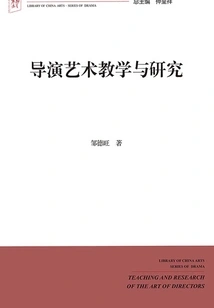
Directing Art Teaching and Research
Literature导演艺术教学与研究
Zou Dewang
This book is part of the 2014 National Social Sciences and Arts Major Project "Research on the Contemporary Development Path of Opera Art", project number (14zd01). The author is both a director and a teacher. He has rich directing experience in stage art. His directing works have won many important awards. In addition, he teaches two important courses in opera directing and film and television directing at the China Academy of Opera. The ingenious integration of stage directing and podium teaching has become an important current research topic for the author. The teaching and research of directing art has naturally become the focus of this book. The specific content of this book is roughly divided into three categories: the "Practice Chapter" focuses on summarizing the author's practical experience in opera, drama, and film and television arts; the "Teaching Chapter" focuses on exploring how to skillfully apply the aforementioned experience to actual teaching; and the "Perception Chapter" explains the author's unique understanding of art theory, teaching management, etc. This book is full of insights and high artistic value. It is indeed a masterpiece.
This book is part of the 2014 National Social Sciences and Arts Major Project "Research on the Contemporary Development Path of Opera Art", project number (14zd01). The author is both a director and a teacher. He has rich directing experience in stage art. His directing works have won many important awards. In addition, he teaches two important courses in opera directing and film and television directing at the China Academy of Opera. The ingenious integration of stage directing and podium teaching has become an important current research topic for the author. The teaching and research of directing art has naturally become the focus of this book. The specific content of this book is roughly divided into three categories: the "Practice Chapter" focuses on summarizing the author's practical experience in opera, drama, and film and television arts; the "Teaching Chapter" focuses on exploring how to skillfully apply the aforementioned experience to actual teaching; and the "Perception Chapter" explains the author's unique understanding of art theory, teaching management, etc. This book is full of insights and high artistic value. It is indeed a masterpiece.
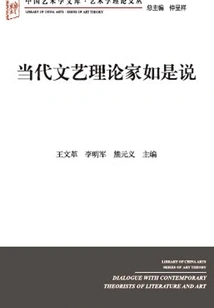
What Contemporary Literary Theorists Say
Literature当代文艺理论家如是说
Wang Wenge Li Mingjun Xiong Yuanyi
In recent years, "Literary News" has successively interviewed authoritative literary theorists active in contemporary China, which has aroused strong repercussions in the literary and art circles. This book is a collection of interviews with these authoritative literary theorists. There are about 35 of these literary theorists, a mixture of old, middle-aged and young people. There are the older generation: Chen Yong, Qian Gurong, Li Xifan, Ye Lang, Hu Jingzhi, Qian Zhongwen, Tong Qingbing, etc., And there are also young and middle-aged theoretical circles such as: Li Xinfeng, Wang Yuechuan, Wang Yichuan, Li Xinfeng, etc. The issues discussed by these literary theorists basically involve hot topics and difficult problems in contemporary literary and art theory circles, with penetrating insights and profound thoughts.
In recent years, "Literary News" has successively interviewed authoritative literary theorists active in contemporary China, which has aroused strong repercussions in the literary and art circles. This book is a collection of interviews with these authoritative literary theorists. There are about 35 of these literary theorists, a mixture of old, middle-aged and young people. There are the older generation: Chen Yong, Qian Gurong, Li Xifan, Ye Lang, Hu Jingzhi, Qian Zhongwen, Tong Qingbing, etc., And there are also young and middle-aged theoretical circles such as: Li Xinfeng, Wang Yuechuan, Wang Yichuan, Li Xinfeng, etc. The issues discussed by these literary theorists basically involve hot topics and difficult problems in contemporary literary and art theory circles, with penetrating insights and profound thoughts.
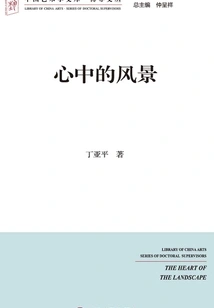
The Scenery in My Heart
Literature心中的风景
Ding Yaping
The topics and areas of cultural and academic exploration are incredibly broad. The academic history, cultural history and concept of time of "space" and its transformation complement each other, and have rich possibilities of entering a new stage of development and bringing in a new vision. The book "Landscape in the Heart" strives to build on this historical perspective and time and space, and makes a successful "return" to the author's personal academic and cultural activities. The whole book connects history and presents the reality of society and soul. It is divided into four parts according to its content: 1. Dimensions of film and television; 2. Literature and theory; 3. Criticism of criticism; 4. The long shadow of history. The selected articles are the author's representative film character reviews and film and television history essays, writers and critics research, essays, and essays. They not only show the author's research footprints, but also reflect the evolution and evolution of the concepts of the times in a long historical period from the early 1980s to the beginning of the 21st century. They are full of academic and ideological value, and have unique charm.
The topics and areas of cultural and academic exploration are incredibly broad. The academic history, cultural history and concept of time of "space" and its transformation complement each other, and have rich possibilities of entering a new stage of development and bringing in a new vision. The book "Landscape in the Heart" strives to build on this historical perspective and time and space, and makes a successful "return" to the author's personal academic and cultural activities. The whole book connects history and presents the reality of society and soul. It is divided into four parts according to its content: 1. Dimensions of film and television; 2. Literature and theory; 3. Criticism of criticism; 4. The long shadow of history. The selected articles are the author's representative film character reviews and film and television history essays, writers and critics research, essays, and essays. They not only show the author's research footprints, but also reflect the evolution and evolution of the concepts of the times in a long historical period from the early 1980s to the beginning of the 21st century. They are full of academic and ideological value, and have unique charm.
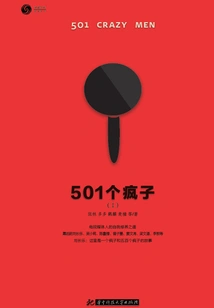
501 Madmen (set of 2 Volumes)
Literature501个疯子(套装共2册)
Zhang Lin Duoduo He Lin Mai Nan Et Al.
20 full-color cartoons, 40 celebrity authorized photos, two-color upper and lower volumes, including stories about Li Ao, Liang Wendao, Dou Wentao, Liang Dong, Qin Feng, Yang Jinlin, Cheng Helin, Chen Luyu, Wu Xiaoli, Zeng Zimo, Ruan Cishan, Lu Qiu Luwei and others, and some heavyweight stars have personally written the stories. Liu Changle, Chairman of the Board of Directors of Phoenix TV, personally planned and wrote the preface to recommend a humorous version of the Phoenix TV All-Star Party. Phoenix TV 20th Anniversary: Celebrity Breaking News, Anchor Anecdotes, War Reporters, Liu Changle in front of and behind the scenes: This is the story of a madman and 500 madmen. Phoenix TV celebrates its 20th anniversary. This is a collection of anecdotes about "crazy people". 30% New content, new two-volume packaging, including 20 full-color comics and 40 portraits of characters authorized by famous anchors. Phoenix's "madmen" include management, anchors, reporters, and even famous talkers. Their family affairs, embarrassing things, fun things, crazy things, and all kinds of stories that are difficult to record in the main story are all discovered and revealed by each other here. Many chapters were written by Chen Luyu, Dou Wentao, Wu Xiaoli, Zeng Zimo, Lu Qiu Luwei and others, personally describing the "crazy" life in Phoenix parents. As Phoenix TV boss Liu Changle said, this is the story of one madman and five hundred madmen.
20 full-color cartoons, 40 celebrity authorized photos, two-color upper and lower volumes, including stories about Li Ao, Liang Wendao, Dou Wentao, Liang Dong, Qin Feng, Yang Jinlin, Cheng Helin, Chen Luyu, Wu Xiaoli, Zeng Zimo, Ruan Cishan, Lu Qiu Luwei and others, and some heavyweight stars have personally written the stories. Liu Changle, Chairman of the Board of Directors of Phoenix TV, personally planned and wrote the preface to recommend a humorous version of the Phoenix TV All-Star Party. Phoenix TV 20th Anniversary: Celebrity Breaking News, Anchor Anecdotes, War Reporters, Liu Changle in front of and behind the scenes: This is the story of a madman and 500 madmen. Phoenix TV celebrates its 20th anniversary. This is a collection of anecdotes about "crazy people". 30% New content, new two-volume packaging, including 20 full-color comics and 40 portraits of characters authorized by famous anchors. Phoenix's "madmen" include management, anchors, reporters, and even famous talkers. Their family affairs, embarrassing things, fun things, crazy things, and all kinds of stories that are difficult to record in the main story are all discovered and revealed by each other here. Many chapters were written by Chen Luyu, Dou Wentao, Wu Xiaoli, Zeng Zimo, Lu Qiu Luwei and others, personally describing the "crazy" life in Phoenix parents. As Phoenix TV boss Liu Changle said, this is the story of one madman and five hundred madmen.
木心研究专号:木心美术馆特辑(2016)
Mu Xin Works Editorial Department
In the past three years, we have launched the "Mu Xin Memorial Issue". Starting from 2016, this series of special issues has been renamed "Mu Xin Research Issue" and is open to readers who are interested in studying Mr. Mu Xin. Following the previous format, the special account is divided into three series. The first volume is a large number of pictures and texts introducing the completion and opening of the Mu Xin Art Museum in Wuzhen in 2015, including the text on the walls of each hall of the Mu Xin Art Museum, and is accompanied by Mr. Chen Danqing's essay "A Trip to Weimar" about borrowing Nietzsche's cultural relics, the first long essay "The Heresy of Painting" commenting on Mu Xin's paintings, "BBC in Wuzhen", a large-scale documentary documentary, and a quotation-style essay "Nietzsche on Mu Xin" by young Qiu Zhimin excerpting Nietzsche and Mu Xin's phrases. The second volume is a record of a symposium held at the Capital Library after the publication of "Mu Xin Talks about Mu Xin - Supplement to Literary Memoirs" in 2015, hosted by Liang Wendao. Mr. Mu Xin's old friend, translator and literature professor at the University of California, Mr. Tong Ming, appeared for the first time and gave a long speech. The third volume includes an article by Guo Bojia, a graduate student at the Education University of Hong Kong, who analyzes Mu Xin's novels from the perspective of comparative literature (comparing Mu Xin's works with the works of Lu Xun and Zhang Ailing), as well as research articles by two of the youngest authors so far (post-90s generation): Qingyuan's "Haiku Theory" and "The Book of Songs", and Zhang Yuhao's "Columbia Empty Hall". Finally, there are three latest research articles presented by Xia Chunjin, the editor of Mu Xin Chronology.
In the past three years, we have launched the "Mu Xin Memorial Issue". Starting from 2016, this series of special issues has been renamed "Mu Xin Research Issue" and is open to readers who are interested in studying Mr. Mu Xin. Following the previous format, the special account is divided into three series. The first volume is a large number of pictures and texts introducing the completion and opening of the Mu Xin Art Museum in Wuzhen in 2015, including the text on the walls of each hall of the Mu Xin Art Museum, and is accompanied by Mr. Chen Danqing's essay "A Trip to Weimar" about borrowing Nietzsche's cultural relics, the first long essay "The Heresy of Painting" commenting on Mu Xin's paintings, "BBC in Wuzhen", a large-scale documentary documentary, and a quotation-style essay "Nietzsche on Mu Xin" by young Qiu Zhimin excerpting Nietzsche and Mu Xin's phrases. The second volume is a record of a symposium held at the Capital Library after the publication of "Mu Xin Talks about Mu Xin - Supplement to Literary Memoirs" in 2015, hosted by Liang Wendao. Mr. Mu Xin's old friend, translator and literature professor at the University of California, Mr. Tong Ming, appeared for the first time and gave a long speech. The third volume includes an article by Guo Bojia, a graduate student at the Education University of Hong Kong, who analyzes Mu Xin's novels from the perspective of comparative literature (comparing Mu Xin's works with the works of Lu Xun and Zhang Ailing), as well as research articles by two of the youngest authors so far (post-90s generation): Qingyuan's "Haiku Theory" and "The Book of Songs", and Zhang Yuhao's "Columbia Empty Hall". Finally, there are three latest research articles presented by Xia Chunjin, the editor of Mu Xin Chronology.
木心论:与孤鹜齐飞,共木心一色
Li Jie
Li Jie's "On Mu Xin's Self Enlightenment" (On Mu Xin's Self Enlightenment), and what I thought of at the same time was: How many people in the world can talk about literature so freely. The previous article "The beauty lies in the insight". What Mu Xin delivered during his lectures was a dizzying array of insights, just like the beautiful petals of a flower. Silent observation is like a peacock opening its tail, graceful and luxurious; dynamic observation is like a goddess scattering flowers, blooming one after another. The next chapter is "Responding to Li Er from afar, comparable to Dante". Mu Xin's most outstanding prose is comparable to the "Tao Te Ching". As a poet, Mu Xin is China's Dante and the star of the Chinese Renaissance.
Li Jie's "On Mu Xin's Self Enlightenment" (On Mu Xin's Self Enlightenment), and what I thought of at the same time was: How many people in the world can talk about literature so freely. The previous article "The beauty lies in the insight". What Mu Xin delivered during his lectures was a dizzying array of insights, just like the beautiful petals of a flower. Silent observation is like a peacock opening its tail, graceful and luxurious; dynamic observation is like a goddess scattering flowers, blooming one after another. The next chapter is "Responding to Li Er from afar, comparable to Dante". Mu Xin's most outstanding prose is comparable to the "Tao Te Ching". As a poet, Mu Xin is China's Dante and the star of the Chinese Renaissance.
木心逝世三周年纪念专号
Editor-in-chief Liu Ruilin Mu Xin Works Editorial Department
The "Special Issue Commemorating the Third Anniversary of Mu Xin's Death" is divided into four series. At the beginning of each series, we once again reveal some short sentences and paragraphs from Mu Xin's posthumous manuscripts, which form an interesting and meaningful contrast with the noise in the special issue. The pictures selected for this special account have generally never been published before. The first edition includes a posthumous manuscript "My "Ninth Day of September"" narrated by Mr. Mu Xin. The second volume talks about Mu Xin's family background and early life, his relationship with Xia Chengtao and Mao Dun, stories with readers, a visit to Mu Xin's former residence in Jackson Heights, and the actual recording of the preview screening of the documentary "Goodbye Mu Xin". The third volume collects essays by Tong Ming, Wu Hong, Li Jie, Yang Ze, and Cao Liwei. Li Jie said: "Mu Xin's sudden death inadvertently caused the Nobel Prize in Literature... To lose the opportunity to receive the award from the most poetic Chinese poet since Qu Yuan, Li Bai, and Du Fu." The fourth volume includes an article "Jackson Heights" written by Chen Danqing to commemorate the third anniversary of Mu Xin's death, as well as a speech at the opening ceremony of Mu Xin's former residence memorial hall.
The "Special Issue Commemorating the Third Anniversary of Mu Xin's Death" is divided into four series. At the beginning of each series, we once again reveal some short sentences and paragraphs from Mu Xin's posthumous manuscripts, which form an interesting and meaningful contrast with the noise in the special issue. The pictures selected for this special account have generally never been published before. The first edition includes a posthumous manuscript "My "Ninth Day of September"" narrated by Mr. Mu Xin. The second volume talks about Mu Xin's family background and early life, his relationship with Xia Chengtao and Mao Dun, stories with readers, a visit to Mu Xin's former residence in Jackson Heights, and the actual recording of the preview screening of the documentary "Goodbye Mu Xin". The third volume collects essays by Tong Ming, Wu Hong, Li Jie, Yang Ze, and Cao Liwei. Li Jie said: "Mu Xin's sudden death inadvertently caused the Nobel Prize in Literature... To lose the opportunity to receive the award from the most poetic Chinese poet since Qu Yuan, Li Bai, and Du Fu." The fourth volume includes an article "Jackson Heights" written by Chen Danqing to commemorate the third anniversary of Mu Xin's death, as well as a speech at the opening ceremony of Mu Xin's former residence memorial hall.
Special Issue Commemorating the Second Anniversary of Mu Xin's Death: "reviewing the Past" Special
Literature木心逝世两周年纪念专号:《温故》特辑
Editor-in-chief Liu Ruilin Mu Xin Works Editorial Department
The special series is divided into five series, accompanied by relevant pictures and some precious photos of Mr. Mu Xin. The first volume contains two posthumous manuscripts of Mr. Mu Xin; the second and third volumes contain many articles and transcripts of symposiums written by readers and scholars at home and abroad; the fourth volume contains selected conversations about Mu Xin by more than ten well-known writers, scholars, and artists in Taiwan's cultural circles, as well as the reading feedback from mainland readers in the past year since the publication of "Literary Memoirs"; the fifth volume contains commemorative articles by Mr. Mu Xin's relatives, friends, and students, as well as never-published transcripts of Mr. Mu Xin's conversations with young readers in his later years.
The special series is divided into five series, accompanied by relevant pictures and some precious photos of Mr. Mu Xin. The first volume contains two posthumous manuscripts of Mr. Mu Xin; the second and third volumes contain many articles and transcripts of symposiums written by readers and scholars at home and abroad; the fourth volume contains selected conversations about Mu Xin by more than ten well-known writers, scholars, and artists in Taiwan's cultural circles, as well as the reading feedback from mainland readers in the past year since the publication of "Literary Memoirs"; the fifth volume contains commemorative articles by Mr. Mu Xin's relatives, friends, and students, as well as never-published transcripts of Mr. Mu Xin's conversations with young readers in his later years.
木心纪念专号:《温故》特辑
Editor-in-chief Liu Ruilin Mu Xin Works Editorial Department
"Mu Xin Memorial Issue" ("Reviewing the Past" special edition) is divided into three volumes, upper, middle and lower, and is accompanied by relevant pictures and several precious photos of Mr. Mu Xin. The previous volume included Mr. Mu Xin's obituary, the eulogy at the farewell ceremony in Tongxiang, and the long records of the memorial services in Wuzhen and Beijing. The middle and lower volumes contain many articles by Mr. Mu Xin's relatives, close friends, students, and readers at home and abroad, as well as Mu Xin's never-published "Prison Manuscript" conversations and letters to readers.
"Mu Xin Memorial Issue" ("Reviewing the Past" special edition) is divided into three volumes, upper, middle and lower, and is accompanied by relevant pictures and several precious photos of Mr. Mu Xin. The previous volume included Mr. Mu Xin's obituary, the eulogy at the farewell ceremony in Tongxiang, and the long records of the memorial services in Wuzhen and Beijing. The middle and lower volumes contain many articles by Mr. Mu Xin's relatives, close friends, students, and readers at home and abroad, as well as Mu Xin's never-published "Prison Manuscript" conversations and letters to readers.
Beijing 798 Art District: Field Investigation and Tracking in the Context of Marketization
Literature北京798艺术区:市场化语境下的田野考察与追踪
Liu Mingliang
Using anthropological fieldwork and sociological statistical methods, this article takes Beijing's 798 Art District as the research object. Through the analysis of the typical case of the 798 Art District, it attempts to deeply understand and recognize the multiple interactive relationships within the art community and with society in the global context and market context: The occurrence and development of the 798 Art District are the result of the constant game between different levels of forces and different stakeholders. Evidence: During the development process of 798 Art District, the community has been subject to dual pressures from both inside and outside. Its predicament is a clear reflection of the immaturity of the Chinese art market. Only by establishing a healthy and mature art market can China's contemporary art have the possibility of healthy development, and can China's contemporary art continue to establish its local status in the competition. It has valuable documentary value and case study value in art anthropology.
Using anthropological fieldwork and sociological statistical methods, this article takes Beijing's 798 Art District as the research object. Through the analysis of the typical case of the 798 Art District, it attempts to deeply understand and recognize the multiple interactive relationships within the art community and with society in the global context and market context: The occurrence and development of the 798 Art District are the result of the constant game between different levels of forces and different stakeholders. Evidence: During the development process of 798 Art District, the community has been subject to dual pressures from both inside and outside. Its predicament is a clear reflection of the immaturity of the Chinese art market. Only by establishing a healthy and mature art market can China's contemporary art have the possibility of healthy development, and can China's contemporary art continue to establish its local status in the competition. It has valuable documentary value and case study value in art anthropology.
诗经:越古老越美好+情到深处是中庸(套装共2册)
Qu Limin
"The Book of Songs: The Older, the Better" is the latest masterpiece of the million-selling author Qu Limin who is once again launching a craze in Chinese studies. The book explains the mysteries of life hidden in the "Book of Songs"! Qu Limin had a conversation with the Book of Songs, the earliest collection of poems in China, interpreting the origin and significance of the Book of Songs, appreciating the eight benefits of reading poetry, and deeply thinking and poetically expressing many life themes such as love, marriage, men and women, marriage, peace, leftover women, resentful wives, loneliness, destiny, etc., Leading people to once again feel the simple and sincere spiritual power of the Book of Songs, and find a good way to solve the pain of the soul in the Book of Songs. "The Deepest Love Is the Mean" is another masterpiece by Qu Limin after "The Book of Songs: The Older, the Better". She does not stick to traditional thinking, and brilliantly interprets the "Book of Songs", China's earliest poetry collection, and selects "Wind", "Elegance" and "Ode", a total of 100 wonderful poems and 18 chapters. The book is rich in life philosophy and life wisdom, leading readers to appreciate the origin and profound significance of the Book of Songs, and to appreciate the beauty of the Book of Songs. After reading, readers will have deeper thinking and clearer understanding of many life themes such as emotion, marriage, men and women, loneliness, destiny, etc., And will find a solution to their own spiritual confusion. It is a poetic "reading medicine" that can clear away the emotional confusion of modern people.
"The Book of Songs: The Older, the Better" is the latest masterpiece of the million-selling author Qu Limin who is once again launching a craze in Chinese studies. The book explains the mysteries of life hidden in the "Book of Songs"! Qu Limin had a conversation with the Book of Songs, the earliest collection of poems in China, interpreting the origin and significance of the Book of Songs, appreciating the eight benefits of reading poetry, and deeply thinking and poetically expressing many life themes such as love, marriage, men and women, marriage, peace, leftover women, resentful wives, loneliness, destiny, etc., Leading people to once again feel the simple and sincere spiritual power of the Book of Songs, and find a good way to solve the pain of the soul in the Book of Songs. "The Deepest Love Is the Mean" is another masterpiece by Qu Limin after "The Book of Songs: The Older, the Better". She does not stick to traditional thinking, and brilliantly interprets the "Book of Songs", China's earliest poetry collection, and selects "Wind", "Elegance" and "Ode", a total of 100 wonderful poems and 18 chapters. The book is rich in life philosophy and life wisdom, leading readers to appreciate the origin and profound significance of the Book of Songs, and to appreciate the beauty of the Book of Songs. After reading, readers will have deeper thinking and clearer understanding of many life themes such as emotion, marriage, men and women, loneliness, destiny, etc., And will find a solution to their own spiritual confusion. It is a poetic "reading medicine" that can clear away the emotional confusion of modern people.
小说,小说网,最新热门小说-QQ阅读_阅文集团旗下网站
Qu Limin
"The Deepest Love Is the Mean" is another masterpiece by Qu Limin after "The Book of Songs: The Older, the Better". She does not stick to traditional thinking, and brilliantly interprets the "Book of Songs", China's earliest poetry collection, and selects "Wind", "Elegance" and "Ode", a total of 100 wonderful poems and 18 chapters. The book is rich in life philosophy and life wisdom, leading readers to appreciate the origin and profound significance of the Book of Songs, and to appreciate the beauty of the Book of Songs. After reading, readers will have deeper thinking and clearer understanding of many life themes such as emotion, marriage, men and women, loneliness, destiny, etc., And will find a solution to their own spiritual confusion. It is a poetic "reading medicine" that can clear away the emotional confusion of modern people.
"The Deepest Love Is the Mean" is another masterpiece by Qu Limin after "The Book of Songs: The Older, the Better". She does not stick to traditional thinking, and brilliantly interprets the "Book of Songs", China's earliest poetry collection, and selects "Wind", "Elegance" and "Ode", a total of 100 wonderful poems and 18 chapters. The book is rich in life philosophy and life wisdom, leading readers to appreciate the origin and profound significance of the Book of Songs, and to appreciate the beauty of the Book of Songs. After reading, readers will have deeper thinking and clearer understanding of many life themes such as emotion, marriage, men and women, loneliness, destiny, etc., And will find a solution to their own spiritual confusion. It is a poetic "reading medicine" that can clear away the emotional confusion of modern people.
杨绛,走在小说边上
Yu Cijiang
This book uses literature review, version comparison, historical research, comparative research, theoretical research, questionnaire research and other methods as basic methods, closely following Yang Jiang's dual identity as an academic or scholarly novelist and novel translator, and based on a close reading of the text (novel translation text and literary text), it conducts a detailed exploration of Yang Jiang's novel writing, novel translation, and novel writing and translation concepts and theories. For example, in the process of analyzing and exploring the contradictory and complex mentality of Yang Jiang who is entangled and struggling in the dilemma of "writing" and "difficulties of writing" based on Yang Jiang's own concept of "art is overcoming difficulties"11, we not only rely on Yang Jiang's own knowledge and humanistic qualities, but also connect her academic and Chinese attainments, and also consider her status as a high-level intellectual and scholar's mentality.
This book uses literature review, version comparison, historical research, comparative research, theoretical research, questionnaire research and other methods as basic methods, closely following Yang Jiang's dual identity as an academic or scholarly novelist and novel translator, and based on a close reading of the text (novel translation text and literary text), it conducts a detailed exploration of Yang Jiang's novel writing, novel translation, and novel writing and translation concepts and theories. For example, in the process of analyzing and exploring the contradictory and complex mentality of Yang Jiang who is entangled and struggling in the dilemma of "writing" and "difficulties of writing" based on Yang Jiang's own concept of "art is overcoming difficulties"11, we not only rely on Yang Jiang's own knowledge and humanistic qualities, but also connect her academic and Chinese attainments, and also consider her status as a high-level intellectual and scholar's mentality.
诗人笔下的花草树木
Peng Yanghua
In traditional Chinese culture, flowers, plants and trees are endowed with rich symbolic meanings. In particular, the configuration of Chinese garden plants is influenced by the philosophical ideas of landscape paintings of past dynasties. In the selection of plants, great emphasis is placed on character, color, fragrance and use. It is not only for greening, but also for painting. The artistic conception should be profound, subtle, elegant, and blend with scenes. If professional greening and planning designers cannot understand the symbolic meaning of these flowers, plants and trees, they will not be able to complete their work better. This book talks about flowers, plants and trees from a cultural perspective, and analyzes poems and songs, accompanied by corresponding pictures. It is not only for professional garden practitioners, but also for the general public. It has extensive science significance.
In traditional Chinese culture, flowers, plants and trees are endowed with rich symbolic meanings. In particular, the configuration of Chinese garden plants is influenced by the philosophical ideas of landscape paintings of past dynasties. In the selection of plants, great emphasis is placed on character, color, fragrance and use. It is not only for greening, but also for painting. The artistic conception should be profound, subtle, elegant, and blend with scenes. If professional greening and planning designers cannot understand the symbolic meaning of these flowers, plants and trees, they will not be able to complete their work better. This book talks about flowers, plants and trees from a cultural perspective, and analyzes poems and songs, accompanied by corresponding pictures. It is not only for professional garden practitioners, but also for the general public. It has extensive science significance.
the Scholars" and Chinese Culture
Literature《儒林外史》与中华文化
Li Hanqiu
In November 2014, at an international academic symposium commemorating the 260th anniversary of Wu Jingzi's death, Zheng Zhiliang of Renmin University of China published an important new discovery - "Inscriptions on Scholars and Foreign History" by Wu Jingzi's good friend Ning Kai. Then he discovered six poems by Wu Jingzi "Post-New Yuefu". These newly discovered important new documents have surprised relevant scholars at home and abroad. Scholars such as Ye Chuyan continued to explore and produced new results, which led to a new understanding of the original appearance of "The Scholars" and Wu Jingzi's family history. The book "The Scholars and Chinese Culture" is a collection of the results of this important international academic exchange.
In November 2014, at an international academic symposium commemorating the 260th anniversary of Wu Jingzi's death, Zheng Zhiliang of Renmin University of China published an important new discovery - "Inscriptions on Scholars and Foreign History" by Wu Jingzi's good friend Ning Kai. Then he discovered six poems by Wu Jingzi "Post-New Yuefu". These newly discovered important new documents have surprised relevant scholars at home and abroad. Scholars such as Ye Chuyan continued to explore and produced new results, which led to a new understanding of the original appearance of "The Scholars" and Wu Jingzi's family history. The book "The Scholars and Chinese Culture" is a collection of the results of this important international academic exchange.
中国古典诗词鉴赏与写作
Bi Baokui
The work of Bi Baokui, a Chinese studies expert, secretary-general of the Tang Dynasty Literature Research Association of Liaoning Province and professor of the Chinese Department of Liaoning University, aims to create Chinese studies works suitable for public reading. The whole book is divided into four sections, namely Appreciation, Works, Writing and Ci Shen Appendix. In the appreciation chapter, the author introduces in detail the methods, methods and rhymes of ancient poetry appreciation. In the works chapter, poetry works that are familiar to the public are included. In this section, the author reads the meaning, conception, writing process, etc. Of each poem one by one according to the types of ancient poems. In the third section of the writing section, the rules, rhythm, rhyme, organization, rhetoric and other aspects of the poetry writing process are elaborated in detail, and are in-depth and concise. Finally, in the appendix of the lyrics, the author lists some of the most prominent poems in the poems and presents them to readers, which are worth savoring.
The work of Bi Baokui, a Chinese studies expert, secretary-general of the Tang Dynasty Literature Research Association of Liaoning Province and professor of the Chinese Department of Liaoning University, aims to create Chinese studies works suitable for public reading. The whole book is divided into four sections, namely Appreciation, Works, Writing and Ci Shen Appendix. In the appreciation chapter, the author introduces in detail the methods, methods and rhymes of ancient poetry appreciation. In the works chapter, poetry works that are familiar to the public are included. In this section, the author reads the meaning, conception, writing process, etc. Of each poem one by one according to the types of ancient poems. In the third section of the writing section, the rules, rhythm, rhyme, organization, rhetoric and other aspects of the poetry writing process are elaborated in detail, and are in-depth and concise. Finally, in the appendix of the lyrics, the author lists some of the most prominent poems in the poems and presents them to readers, which are worth savoring.
Research on Hilary Mantel's Novels
Literature希拉里·曼特尔小说研究
Yan Chunmei
This series is "Quzhou University-Contemporary Foreign Language Research Series". This series displays the teaching and scientific research achievements of young teachers at Quzhou University from the perspectives of contemporary linguistics, foreign language teaching methods, foreign literature, and translation studies. It not only reflects the direction and characteristics of foreign language teaching research at Quzhou University, but also has common subject reference value.
This series is "Quzhou University-Contemporary Foreign Language Research Series". This series displays the teaching and scientific research achievements of young teachers at Quzhou University from the perspectives of contemporary linguistics, foreign language teaching methods, foreign literature, and translation studies. It not only reflects the direction and characteristics of foreign language teaching research at Quzhou University, but also has common subject reference value.