Library
Browse and search books
3,417 novels found
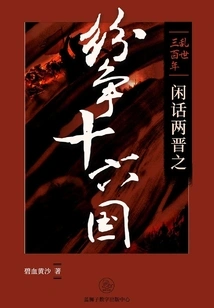
乱世三百年:闲话两晋之纷争十六国
Blue Blood Yellow Sand
The content of this book tells the story of the Chenghan regime (established by the Ba Di Li family) that originated in Chengdu in 304 AD to the Northern Wei Dynasty's destruction of the Northern Liang in 439 AD, and the disputes and wars between the two Jin and sixteen kingdoms in the past one hundred years. It is mainly based on historical materials such as "Book of Jin", "Zi Zhi Tong Jian", "Spring and Autumn of the Sixteen Kingdoms" and other historical materials. It takes the age and specific characters as the main line, and adds the novel's writing style and description of the characters' behavior, as well as some evaluation of the political, economic and cultural system at that time.
The content of this book tells the story of the Chenghan regime (established by the Ba Di Li family) that originated in Chengdu in 304 AD to the Northern Wei Dynasty's destruction of the Northern Liang in 439 AD, and the disputes and wars between the two Jin and sixteen kingdoms in the past one hundred years. It is mainly based on historical materials such as "Book of Jin", "Zi Zhi Tong Jian", "Spring and Autumn of the Sixteen Kingdoms" and other historical materials. It takes the age and specific characters as the main line, and adds the novel's writing style and description of the characters' behavior, as well as some evaluation of the political, economic and cultural system at that time.
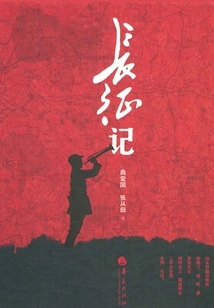
Long March
History长征记
Qu Aiguo Zhang Congtian
"The Long March", with its magnificent spirit and vivid brushwork, comprehensively observes the entire process of the world-famous Long March from a high position. From the macro to the micro, from the panorama to the close-up, the author is based on a high point and has a broad vision. He is full of pride and meticulous explanations to the readers. His eloquent description is also full of passion. The author went deep into the complicated materials, made in-depth descriptions and elucidations beyond the areas previously studied and introduced, and unearthed propositions with more profound connotations, which has new significance for improving people's inherent understanding of the Long March. What is even more unique is that the author, as an expert at the Academy of Military Sciences of the Chinese People's Liberation Army, has been on the front line of military history research all year round and has been exposed to a large amount of historical documents and materials about the Long March. With the development of the times and the deepening of research, some materials have been gradually decrypted, which has created conditions for the authors to write more freely, solidly, comprehensively and objectively about this great feat in human history in this book. This kind of convenience and sense of being close to the water is not something ordinary authors can possess. Therefore, the author has the dual advantages of professionalism and literature, and has published works on military literature. On the occasion of commemorating the 80th anniversary of the victory of the Long March, they jointly contributed this masterpiece of military literature, which will definitely bring dazzling light to the book market in 2016.
"The Long March", with its magnificent spirit and vivid brushwork, comprehensively observes the entire process of the world-famous Long March from a high position. From the macro to the micro, from the panorama to the close-up, the author is based on a high point and has a broad vision. He is full of pride and meticulous explanations to the readers. His eloquent description is also full of passion. The author went deep into the complicated materials, made in-depth descriptions and elucidations beyond the areas previously studied and introduced, and unearthed propositions with more profound connotations, which has new significance for improving people's inherent understanding of the Long March. What is even more unique is that the author, as an expert at the Academy of Military Sciences of the Chinese People's Liberation Army, has been on the front line of military history research all year round and has been exposed to a large amount of historical documents and materials about the Long March. With the development of the times and the deepening of research, some materials have been gradually decrypted, which has created conditions for the authors to write more freely, solidly, comprehensively and objectively about this great feat in human history in this book. This kind of convenience and sense of being close to the water is not something ordinary authors can possess. Therefore, the author has the dual advantages of professionalism and literature, and has published works on military literature. On the occasion of commemorating the 80th anniversary of the victory of the Long March, they jointly contributed this masterpiece of military literature, which will definitely bring dazzling light to the book market in 2016.
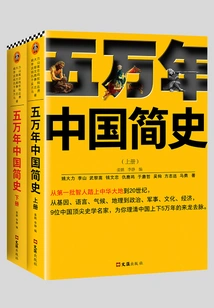
五万年中国简史(全集)
Yao Dali Li Shan Wu Lisong Qian Wenzhong Qiu Luming Yu Gengzhe Wu Gou Fang Zhiyuan Ma Yong Jiang Peng Li Jing
From the first batch of Homo sapiens to the land of China to the 20th century, it may be the longest span of Chinese history. Historians gathered here: Yao Dali from Fudan University, Li Shan from Beijing Normal University, Wu Lisong from Nanjing University, Qian Wenzhong from Fudan University, Qiu Luming from Fudan University, Gengzhe from Shaanxi Normal University, Wu Gou, an expert on Song history, Fang Zhiyuan from the Ming History Society, and Ma Yong from the Chinese Academy of Social Sciences! From genes, language, climate, geography to politics, military, culture, and economy, nine famous Chinese historians will help you clarify the ins and outs of China's 50,000 years. Well-known financial writer Wu Xiaobo, Professor Xu Jilin of East China Normal University, and Fu Jie of Fudan University strongly recommend it! This is a brief history of China with a time span of 50,000 years, showing the complete history of China from the first batch of Homo sapiens to the land of China to the 20th century. This book brings together nine historians from Fudan University, Nanjing University, the Academy of Social Sciences and other institutions: Yao Dali, an expert on Mongolian and Yuan history, Li Shan, an expert on pre-Qin cultural history, Wu Lisong, an expert on Qin and Han history, Qian Wenzhong, an expert on Wei and Jin cultural history, Qiu Luming, an expert on Wei and Jin history, and Sui and Tang history experts. Yu Gengzhe, Song history expert Wu Gou, Ming history expert Fang Zhiyuan, and modern history expert Ma Yong... They have presented the results of decades of painstaking research in the field of history to the public readers with professional historical literacy and words full of rationality and insight. With a grand vision, it interprets and analyzes China's 50,000-year history from the perspectives of genes, language, geography, climate, politics, economy, culture, etc., Allowing us to see clearly the development process of China over the past 50,000 years through the appearance of history! Open this book and nine famous historians will help you clarify the ins and outs of China's 50,000 years.
From the first batch of Homo sapiens to the land of China to the 20th century, it may be the longest span of Chinese history. Historians gathered here: Yao Dali from Fudan University, Li Shan from Beijing Normal University, Wu Lisong from Nanjing University, Qian Wenzhong from Fudan University, Qiu Luming from Fudan University, Gengzhe from Shaanxi Normal University, Wu Gou, an expert on Song history, Fang Zhiyuan from the Ming History Society, and Ma Yong from the Chinese Academy of Social Sciences! From genes, language, climate, geography to politics, military, culture, and economy, nine famous Chinese historians will help you clarify the ins and outs of China's 50,000 years. Well-known financial writer Wu Xiaobo, Professor Xu Jilin of East China Normal University, and Fu Jie of Fudan University strongly recommend it! This is a brief history of China with a time span of 50,000 years, showing the complete history of China from the first batch of Homo sapiens to the land of China to the 20th century. This book brings together nine historians from Fudan University, Nanjing University, the Academy of Social Sciences and other institutions: Yao Dali, an expert on Mongolian and Yuan history, Li Shan, an expert on pre-Qin cultural history, Wu Lisong, an expert on Qin and Han history, Qian Wenzhong, an expert on Wei and Jin cultural history, Qiu Luming, an expert on Wei and Jin history, and Sui and Tang history experts. Yu Gengzhe, Song history expert Wu Gou, Ming history expert Fang Zhiyuan, and modern history expert Ma Yong... They have presented the results of decades of painstaking research in the field of history to the public readers with professional historical literacy and words full of rationality and insight. With a grand vision, it interprets and analyzes China's 50,000-year history from the perspectives of genes, language, geography, climate, politics, economy, culture, etc., Allowing us to see clearly the development process of China over the past 50,000 years through the appearance of history! Open this book and nine famous historians will help you clarify the ins and outs of China's 50,000 years.
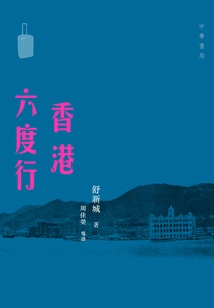
Sixth Trip to Hong Kong
History香港六度行
Shu Xincheng
This book contains Mr. Shu Xincheng's diary of his travels to Hong Kong from 1938 to 1941. The content includes his life on the ship and during the journey, as well as what he saw and heard, with occasional reflections and comments. It can be said to be a tale of Shanghai and Hong Kong in the early days of the Anti-Japanese War. From it, we can see not only the situation of Chung Hwa Book Company during the war, but also the face of Hong Kong society and people's livelihood. It makes people feel the wartime atmosphere and the sentiment of intellectuals who continued to fight unremittingly for cultural undertakings during the country's suffering.
This book contains Mr. Shu Xincheng's diary of his travels to Hong Kong from 1938 to 1941. The content includes his life on the ship and during the journey, as well as what he saw and heard, with occasional reflections and comments. It can be said to be a tale of Shanghai and Hong Kong in the early days of the Anti-Japanese War. From it, we can see not only the situation of Chung Hwa Book Company during the war, but also the face of Hong Kong society and people's livelihood. It makes people feel the wartime atmosphere and the sentiment of intellectuals who continued to fight unremittingly for cultural undertakings during the country's suffering.
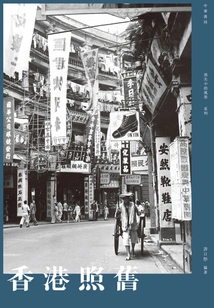
Hong Kong as Usual
History香港照旧
Xu Ritong
The author selects about 200 treasured pictures from the collection and provides detailed descriptions, allowing readers to relive the auspicious moments of Hong Kong Island's history from the late 18th century to the 1980s, and witness the commercial development of the Central and Western District and the development of the Bay Area through the images. The daily life of the city in Zai District, the department stores and entertainment in Causeway Bay, the Taikoo Kingdom in the Eastern District, and the fishing port scenery in the Southern District, and experience how the city has moved from the Western District to the Eastern District step by step over the past century, and has remained prosperous despite the changes of the times.
The author selects about 200 treasured pictures from the collection and provides detailed descriptions, allowing readers to relive the auspicious moments of Hong Kong Island's history from the late 18th century to the 1980s, and witness the commercial development of the Central and Western District and the development of the Bay Area through the images. The daily life of the city in Zai District, the department stores and entertainment in Causeway Bay, the Taikoo Kingdom in the Eastern District, and the fishing port scenery in the Southern District, and experience how the city has moved from the Western District to the Eastern District step by step over the past century, and has remained prosperous despite the changes of the times.
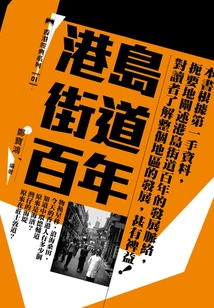
港岛街道百年
Compiled By Zheng Baohong
Things have changed, times have changed, and seas have changed. How many Hong Kong people today know that Des Voeux Road in Central was originally a waterfront? The seawall in Wan Chai was originally on Johnston Road? Based on first-hand information, this book briefly explains the development of Hong Kong Island's streets over the past century, which is very helpful for readers to understand the development of the entire region!
Things have changed, times have changed, and seas have changed. How many Hong Kong people today know that Des Voeux Road in Central was originally a waterfront? The seawall in Wan Chai was originally on Johnston Road? Based on first-hand information, this book briefly explains the development of Hong Kong Island's streets over the past century, which is very helpful for readers to understand the development of the entire region!
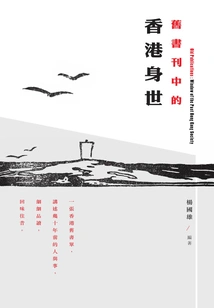
旧书刊中的香港身世
Yang Guoxiong
If there was a list of old Hong Kong books from decades ago, would you follow the books and see the people and things of that era? ... The significance of this book is not only to help rescue and preserve Hong Kong documents, but also to enlighten the study of early Hong Kong history. It is also a popularization of knowledge, allowing Hong Kong's past features to be shared with ordinary readers. The first volume begins by tracing the hazy background of Hong Kong and introducing the first Chinese monograph on Hong Kong, "Hong Kong Miscellaneous Notes" (1894).
If there was a list of old Hong Kong books from decades ago, would you follow the books and see the people and things of that era? ... The significance of this book is not only to help rescue and preserve Hong Kong documents, but also to enlighten the study of early Hong Kong history. It is also a popularization of knowledge, allowing Hong Kong's past features to be shared with ordinary readers. The first volume begins by tracing the hazy background of Hong Kong and introducing the first Chinese monograph on Hong Kong, "Hong Kong Miscellaneous Notes" (1894).
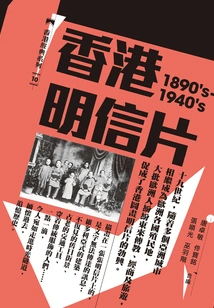
香港明信片(1890's—1940's)
Tang Zhuomin
Several editors of this album are collectors of Hong Kong historical postcards. From a large collection, they have selected a total of more than 150 historical postcards of Hong Kong from the 19th century to the 1940s and published them in a book for the benefit of readers, which is a rare good thing. The editor has carefully arranged the content of the book to briefly and vividly record the changes in Hong Kong's appearance and society in the past half century. It is a rare album that has both appreciation and reference value.
Several editors of this album are collectors of Hong Kong historical postcards. From a large collection, they have selected a total of more than 150 historical postcards of Hong Kong from the 19th century to the 1940s and published them in a book for the benefit of readers, which is a rare good thing. The editor has carefully arranged the content of the book to briefly and vividly record the changes in Hong Kong's appearance and society in the past half century. It is a rare album that has both appreciation and reference value.
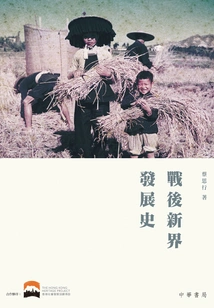
战后新界发展史
Cai Sixing
The author of this book makes use of the documents, pictures and oral history files collected by the Hong Kong Social Development Review Project about the New Territories of Hong Kong from the 1950s to the 1980s, plus other newspaper and periodical documents, to make a comprehensive discussion of the post-war development of the New Territories in society, housing, agriculture, fishery, industry and commerce, tourism, etc. Let us relive this earth-shaking change in the New Territories.
The author of this book makes use of the documents, pictures and oral history files collected by the Hong Kong Social Development Review Project about the New Territories of Hong Kong from the 1950s to the 1980s, plus other newspaper and periodical documents, to make a comprehensive discussion of the post-war development of the New Territories in society, housing, agriculture, fishery, industry and commerce, tourism, etc. Let us relive this earth-shaking change in the New Territories.
香港后工业年代的生活故事
Zhang Shaoqiang
The purpose of this book is to explain the social characteristics of today's Hong Kong at this level, follow up on how Hong Kong people entered this era of civilian-dominated work life, show the life fate that Hong Kong people are generally facing, and savor the reactions and feelings of Hong Kong people to the changes in their lives.
The purpose of this book is to explain the social characteristics of today's Hong Kong at this level, follow up on how Hong Kong people entered this era of civilian-dominated work life, show the life fate that Hong Kong people are generally facing, and savor the reactions and feelings of Hong Kong people to the changes in their lives.
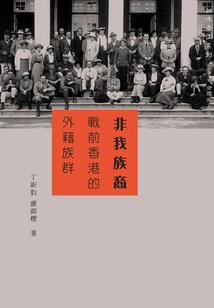
非我族裔:战前香港的外籍族群
Ding Xinbao
Why are there so many foreign ethnic groups in Hong Kong? Why do they come from thousands of miles away to do business? Work? Preach? Or flee? What features of Hong Kong attract them? What is their lifestyle like in Hong Kong? What is their relationship with the Chinese and other ethnic groups - especially the British Hong Kong government as the ruler? What role have they played during the more than 100 years since Hong Kong developed into an international metropolis?
Why are there so many foreign ethnic groups in Hong Kong? Why do they come from thousands of miles away to do business? Work? Preach? Or flee? What features of Hong Kong attract them? What is their lifestyle like in Hong Kong? What is their relationship with the Chinese and other ethnic groups - especially the British Hong Kong government as the ruler? What role have they played during the more than 100 years since Hong Kong developed into an international metropolis?
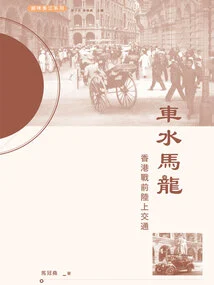
车水马龙:香港战前陆上交通
Ma Guanyao
This is an informative but interesting history of Hong Kong's land transportation before the war. The author of this book carefully excavated old archives and supplemented it with more than a hundred old photos to piece together a complete picture of Hong Kong's land transportation before the war. It not only tells the origin of Hong Kong's orderly and orderly traffic today, but also reflects the changes in Hong Kong's status in modern China. It is worth savoring by readers.
This is an informative but interesting history of Hong Kong's land transportation before the war. The author of this book carefully excavated old archives and supplemented it with more than a hundred old photos to piece together a complete picture of Hong Kong's land transportation before the war. It not only tells the origin of Hong Kong's orderly and orderly traffic today, but also reflects the changes in Hong Kong's status in modern China. It is worth savoring by readers.
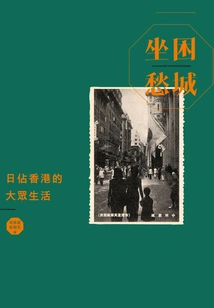
坐困愁城:日占香港的大众生活
Zhou Jiajian
This book uses more than 100 precious private collections from Japanese-occupied Hong Kong, including rent bills, electricity bills, water bills, land tax bills, property tax bills, vault receipts, dividend bills, horse racing tickets, horse tags, tram tickets, bus tickets, ferry tickets, postcards, general stamps, newspaper advertisements, etc., And supplemented by appropriate text explanations, hoping to give readers a deep understanding of the citizens' lives of "three years and eight months", so as to remember this difficult time that the older generation of Hong Kong people will never forget.
This book uses more than 100 precious private collections from Japanese-occupied Hong Kong, including rent bills, electricity bills, water bills, land tax bills, property tax bills, vault receipts, dividend bills, horse racing tickets, horse tags, tram tickets, bus tickets, ferry tickets, postcards, general stamps, newspaper advertisements, etc., And supplemented by appropriate text explanations, hoping to give readers a deep understanding of the citizens' lives of "three years and eight months", so as to remember this difficult time that the older generation of Hong Kong people will never forget.
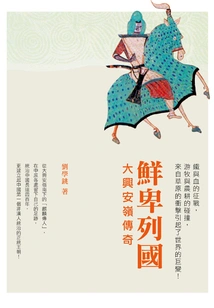
鲜卑列国:大兴安岭传奇
Liu Xuechao
The Xianbei people, who are spread all over China, accelerated the pace of ethnic integration under the Sinicization policy of Emperor Xiaowen of the Northern Wei Dynasty, managed the Western Regions, spread Buddhist ideas, and carved many giant Buddhas in the Dunhuang and Yungang Grottoes; the Fubing created in the Northern Zhou Dynasty system, laying the foundation for the prosperous times of the Sui and Tang Dynasties; Xianbei Li Daoyuan wrote "Shui Jing Zhu", Jia Sixie wrote the agricultural book "Qi Min Yao Shu", Yang Xianzhi truthfully recorded "Luoyang Jialan Ji", together with the popular "Mulan Poetry", etc.
The Xianbei people, who are spread all over China, accelerated the pace of ethnic integration under the Sinicization policy of Emperor Xiaowen of the Northern Wei Dynasty, managed the Western Regions, spread Buddhist ideas, and carved many giant Buddhas in the Dunhuang and Yungang Grottoes; the Fubing created in the Northern Zhou Dynasty system, laying the foundation for the prosperous times of the Sui and Tang Dynasties; Xianbei Li Daoyuan wrote "Shui Jing Zhu", Jia Sixie wrote the agricultural book "Qi Min Yao Shu", Yang Xianzhi truthfully recorded "Luoyang Jialan Ji", together with the popular "Mulan Poetry", etc.
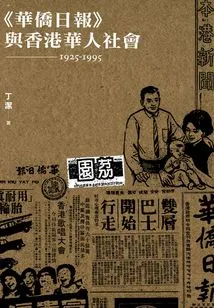
《华侨日报》与香港华人社会(1925—1995)
Ding Jie
This book is the first research monograph on "Overseas Chinese Daily". It adopts historical research methods, journalism theories and perspectives, etc., And uses the original newspaper and microfilm of "Overseas Chinese Daily" to conduct in-depth discussions. It is an important research result of the history of Hong Kong's newspaper industry and cultural history. It also makes a comprehensive and systematic discussion of the three predecessor newspapers of "Overseas Chinese Daily" and the publication process of the newspaper itself, and makes detailed statistics on the news, articles, pictures, advertisements, etc. Published in the newspaper.
This book is the first research monograph on "Overseas Chinese Daily". It adopts historical research methods, journalism theories and perspectives, etc., And uses the original newspaper and microfilm of "Overseas Chinese Daily" to conduct in-depth discussions. It is an important research result of the history of Hong Kong's newspaper industry and cultural history. It also makes a comprehensive and systematic discussion of the three predecessor newspapers of "Overseas Chinese Daily" and the publication process of the newspaper itself, and makes detailed statistics on the news, articles, pictures, advertisements, etc. Published in the newspaper.
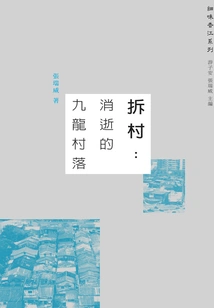
拆村:消逝的九龙村落
Zhang Ruiwei
This book describes villages in the Kowloon area, from the "Sea Relocation Order" in the early Qing Dynasty to the post-war period when the villages were gradually demolished in response to the Hong Kong government's urban planning. It tells the story of how the Kowloon village and its clans declined and even disappeared. With the help of literary and historical archives and oral history, the author reproduces the scenes of village ethnic groups recognizing their ancestors, resisting foreign enemies, worshiping gods and ancestors, and demolishing and relocating villages. He also mentions genealogy, sacrificial fields, ancestral halls, walled cities, land deeds, etc.
This book describes villages in the Kowloon area, from the "Sea Relocation Order" in the early Qing Dynasty to the post-war period when the villages were gradually demolished in response to the Hong Kong government's urban planning. It tells the story of how the Kowloon village and its clans declined and even disappeared. With the help of literary and historical archives and oral history, the author reproduces the scenes of village ethnic groups recognizing their ancestors, resisting foreign enemies, worshiping gods and ancestors, and demolishing and relocating villages. He also mentions genealogy, sacrificial fields, ancestral halls, walled cities, land deeds, etc.
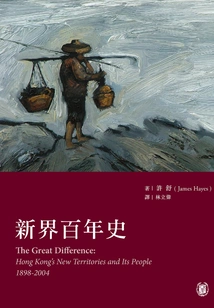
新界百年史
James Hayes
This book covers the entire century-old history of the New Territories lease and is the result of the author's decades of research on the New Territories and its original inhabitants. This book strives to provide an overview of this fascinating region, which is both revealing and comprehensive, laying the foundation for the study of the history of the New Territories.
This book covers the entire century-old history of the New Territories lease and is the result of the author's decades of research on the New Territories and its original inhabitants. This book strives to provide an overview of this fascinating region, which is both revealing and comprehensive, laying the foundation for the study of the history of the New Territories.
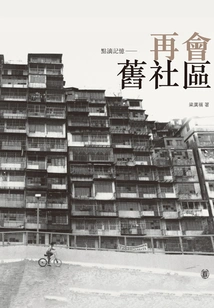
点滴记忆:再会旧社区
Liang Guangfu
The communities we grew up with are changing rapidly. Looking back, many of the places that were just around the corner from us are no longer there. Three of the four old communities in Hong Kong: Tai Hom Estate, Kowloon Walled City, Tiu Keng Leng and Nga Tsin Wai Estate have disappeared, leaving almost no trace of their history; the last remaining urban walled village is also waiting for the fate of demolition... Through these precious photos, you can recall the most simple and authentic aspects of these old communities.
The communities we grew up with are changing rapidly. Looking back, many of the places that were just around the corner from us are no longer there. Three of the four old communities in Hong Kong: Tai Hom Estate, Kowloon Walled City, Tiu Keng Leng and Nga Tsin Wai Estate have disappeared, leaving almost no trace of their history; the last remaining urban walled village is also waiting for the fate of demolition... Through these precious photos, you can recall the most simple and authentic aspects of these old communities.
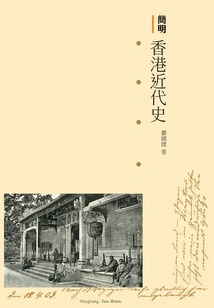
简明香港近代史
Xiao Guojian
From the opening of Hong Kong to the end of World War II, this book explains the development of modern Hong Kong in the most concise words, allowing readers to grasp the modern history of Hong Kong in the shortest possible time and in a relaxed atmosphere. From the British colonial rule to the dark ages of Japanese rule, from the different aspects of urban development to the introduction of important industries and the spread of Western religions, every picture in the book is a piece of knowledge about Hong Kong, telling Hong Kong stories one after another.
From the opening of Hong Kong to the end of World War II, this book explains the development of modern Hong Kong in the most concise words, allowing readers to grasp the modern history of Hong Kong in the shortest possible time and in a relaxed atmosphere. From the British colonial rule to the dark ages of Japanese rule, from the different aspects of urban development to the introduction of important industries and the spread of Western religions, every picture in the book is a piece of knowledge about Hong Kong, telling Hong Kong stories one after another.
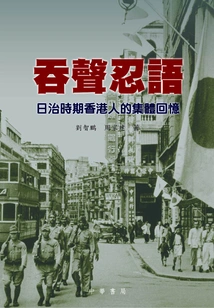
吞声忍语:日治时期香港人的集体回忆
Liu Zhipeng Zhou Jiajian
Eighteen days of war changed the history of Hong Kong; three years and eight months of suffering changed the lives of many Hong Kong people. For the older generation of Hong Kong people who experienced the Japanese occupation, the various life scenes during that difficult period are still fresh in their memories. This book uses the memories of 17 survivors to faithfully present to readers the fragments of life of Hong Kong people during the Japanese occupation.
Eighteen days of war changed the history of Hong Kong; three years and eight months of suffering changed the lives of many Hong Kong people. For the older generation of Hong Kong people who experienced the Japanese occupation, the various life scenes during that difficult period are still fresh in their memories. This book uses the memories of 17 survivors to faithfully present to readers the fragments of life of Hong Kong people during the Japanese occupation.
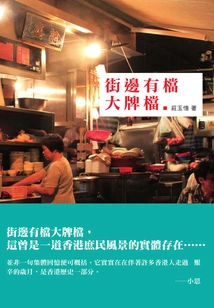
街边有档大牌档
Zhuang Yuxi
In 1921, the first licensed big pai dong was born. It has been almost a century since the first licensed dai pai dong was born. It has survived many waves of "killing stalls" and seen it almost wiped out, but it was lucky enough to be invited to station at the police station. It is full of bizarre twists and turns. Perhaps this is the true meaning of history. With the help of the development of Dai Pai Dong, the author will take you to savor the small scenery of Hong Kong's big city and taste the fermented and precipitated history, instead of crowding into Dai Pai Dong to eat noodles as a souvenir.
In 1921, the first licensed big pai dong was born. It has been almost a century since the first licensed dai pai dong was born. It has survived many waves of "killing stalls" and seen it almost wiped out, but it was lucky enough to be invited to station at the police station. It is full of bizarre twists and turns. Perhaps this is the true meaning of history. With the help of the development of Dai Pai Dong, the author will take you to savor the small scenery of Hong Kong's big city and taste the fermented and precipitated history, instead of crowding into Dai Pai Dong to eat noodles as a souvenir.
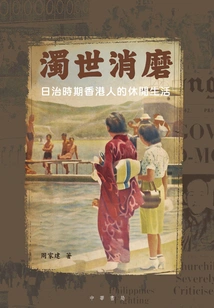
浊世消磨:日治时期香港人的休闲生活
Zhou Jiajian
This book uses historical documents, such as historical archives, newspapers and periodicals from the Japanese colonial period, oral history interviews, autobiographical notes, and other relevant materials to conduct an in-depth study of Hong Kong's sports activities, food culture, erotic undertakings, cultural activities, and related laws and regulations during the Japanese colonial period. The light and shadow of the world, the carvings of memory, perhaps all the above can present the true image of the occupied period in front of readers in a more three-dimensional way, filling in the gaps in the history of Hong Kong's occupied period.
This book uses historical documents, such as historical archives, newspapers and periodicals from the Japanese colonial period, oral history interviews, autobiographical notes, and other relevant materials to conduct an in-depth study of Hong Kong's sports activities, food culture, erotic undertakings, cultural activities, and related laws and regulations during the Japanese colonial period. The light and shadow of the world, the carvings of memory, perhaps all the above can present the true image of the occupied period in front of readers in a more three-dimensional way, filling in the gaps in the history of Hong Kong's occupied period.
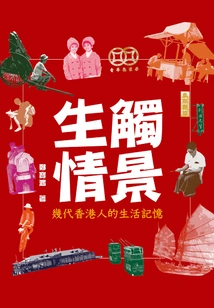
触景生情:几代香港人的生活记忆
Zheng Baohong
The book contains about 200 selected old photos, vividly showing the Hong Kong collected by Zheng Baohong. Following the footsteps of Hong Kong people, he repeatedly and rigorously researches the images and documents. The author of this book, Zheng Baohong, uses personal experience as an introduction to lead readers to savor the old times from aspects such as people's livelihood, street vendors and trade, "red and white" ceremonies, entertainment and recreation, transportation, etc. Local food stalls, local chicken on the main road, OL lunch delivered by someone, bicycles and trams passing by...
The book contains about 200 selected old photos, vividly showing the Hong Kong collected by Zheng Baohong. Following the footsteps of Hong Kong people, he repeatedly and rigorously researches the images and documents. The author of this book, Zheng Baohong, uses personal experience as an introduction to lead readers to savor the old times from aspects such as people's livelihood, street vendors and trade, "red and white" ceremonies, entertainment and recreation, transportation, etc. Local food stalls, local chicken on the main road, OL lunch delivered by someone, bicycles and trams passing by...
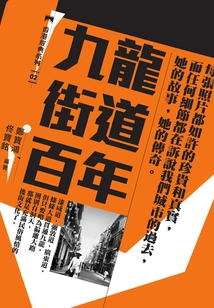
A Century of Kowloon Streets
History九龙街道百年
Compiled By Zheng Baohong And Tong Baoming
Chatham Road, Nathan Road, Canton Road, all the avenues run through Kowloon, but as long as you deviate slightly from the main road, you will find a hidden gem, which is the backstreet culture full of folk customs... Every photo is so precious and real, and every detail tells the past of our city, her story, and her legend.
Chatham Road, Nathan Road, Canton Road, all the avenues run through Kowloon, but as long as you deviate slightly from the main road, you will find a hidden gem, which is the backstreet culture full of folk customs... Every photo is so precious and real, and every detail tells the past of our city, her story, and her legend.
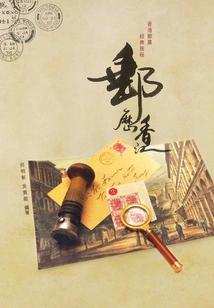
Postal Calendar Hong Kong
History邮历香江
He Mingxin Wu Guilong
This book uses precious stamps as a guide to lead readers into the historical scenes worth savoring since the opening of Hong Kong. From more than 400 commemorative stamps, old letters, postmarks, old photos, maps, etc., They can experience the relevant historical events, landforms and folk life. It also introduces the brief history of Hong Kong postal development, the replacement of post offices and post boxes.
This book uses precious stamps as a guide to lead readers into the historical scenes worth savoring since the opening of Hong Kong. From more than 400 commemorative stamps, old letters, postmarks, old photos, maps, etc., They can experience the relevant historical events, landforms and folk life. It also introduces the brief history of Hong Kong postal development, the replacement of post offices and post boxes.
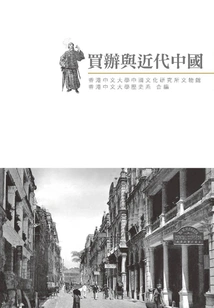
Compradors and Modern China
History买办与近代中国
Art Museum, Institute Of Chinese Culture, The Chinese University Department Of History, The Chinese University Of China
Compradors are intermediaries who specialize in serving foreigners; through consumption, they introduce Western things and bring new thinking. This book collects the latest research results of eleven relevant scholars from the Mainland, Hong Kong and Macao, focusing on the rise, transformation, dilemma, decline of the comprador family and its contribution and impact on modern Chinese politics, economy, society and culture.
Compradors are intermediaries who specialize in serving foreigners; through consumption, they introduce Western things and bring new thinking. This book collects the latest research results of eleven relevant scholars from the Mainland, Hong Kong and Macao, focusing on the rise, transformation, dilemma, decline of the comprador family and its contribution and impact on modern Chinese politics, economy, society and culture.
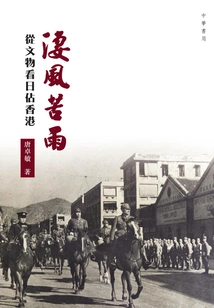
Bitter Wind and Bitter Rain: Looking at the Japanese Colonial Rule of Hong Kong from Cultural Relics
History凄风苦雨:从文物看日治香港
Tang Zhuomin
Cultural relic collector Dr. Tong Zhuomin selected more than 300 precious cultural relics from the Japanese occupation period from the rich collection, including postcards, photos, train tickets, military tickets, certificates, various bills, etc., Supplemented by text explanations, retelling the history of Hong Kong from pre-war to fall, occupation by the Japanese army, and after the victory of the Anti-Japanese War, and presented a three-dimensional reality of the difficult people's livelihood. This book hopes to make up for the lack of historical data during the Japanese occupation period and also allow the younger generation to understand the significance of the seventy years since the victory of the Anti-Japanese War.
Cultural relic collector Dr. Tong Zhuomin selected more than 300 precious cultural relics from the Japanese occupation period from the rich collection, including postcards, photos, train tickets, military tickets, certificates, various bills, etc., Supplemented by text explanations, retelling the history of Hong Kong from pre-war to fall, occupation by the Japanese army, and after the victory of the Anti-Japanese War, and presented a three-dimensional reality of the difficult people's livelihood. This book hopes to make up for the lack of historical data during the Japanese occupation period and also allow the younger generation to understand the significance of the seventy years since the victory of the Anti-Japanese War.
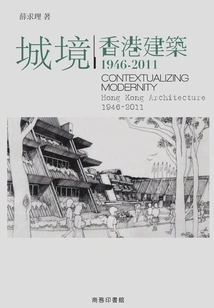
城境:香港建筑1946—2011
Xue Qiuli
This book focuses on the formation, mechanisms, events, works and figures of post-war Hong Kong architecture. It introduces the difficulties of post-war reconstruction and the boom in the 1980s, covering both public buildings, public housing estate construction and private development projects. It also records the growth and works of architects who pioneered Hong Kong in the 1950s and local representative figures who grew up after the war. Through this book, you can learn about Hong Kong's modern history and explore the evolution of Hong Kong's architectural design.
This book focuses on the formation, mechanisms, events, works and figures of post-war Hong Kong architecture. It introduces the difficulties of post-war reconstruction and the boom in the 1980s, covering both public buildings, public housing estate construction and private development projects. It also records the growth and works of architects who pioneered Hong Kong in the 1950s and local representative figures who grew up after the war. Through this book, you can learn about Hong Kong's modern history and explore the evolution of Hong Kong's architectural design.
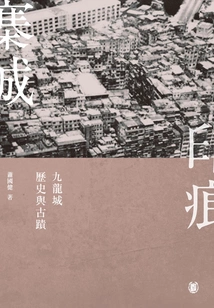
寨城印痕:九龙城历史与古迹
Xiao Guojian
This book is the result of the author's many years of research on the history of Kowloon Walled City. It introduces in concise words the evolution of Kowloon Walled City, the historical sites, cultural relics, and ancient temples inside and outside the Walled City. In addition, it also shows readers four forgotten villages near the Walled City: Nga Tsin Wai Village, Po Kong Village, Chuk Yuen Village and Tai Hom Village, providing a brief discussion of the history and monuments of the Kowloon Walled City.
This book is the result of the author's many years of research on the history of Kowloon Walled City. It introduces in concise words the evolution of Kowloon Walled City, the historical sites, cultural relics, and ancient temples inside and outside the Walled City. In addition, it also shows readers four forgotten villages near the Walled City: Nga Tsin Wai Village, Po Kong Village, Chuk Yuen Village and Tai Hom Village, providing a brief discussion of the history and monuments of the Kowloon Walled City.
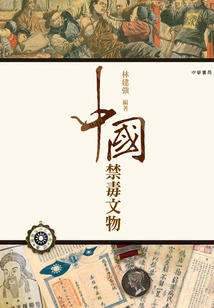
中国禁毒文物
Lin Jianqiang
This book uses hundreds of precious cultural relics to demonstrate the Chinese people's efforts to curb the scourge of drugs since the middle of the Qing Dynasty. There are announcements of various anti-drug laws and regulations from different eras and governments, as well as various documents and artifacts related to the opium trade, as well as reports on the two Opium Wars that year, and even medals received by the invaders. Using the words and images left by the predecessors, the century-old anti-drug movement and the intricate related history are vividly presented to readers.
This book uses hundreds of precious cultural relics to demonstrate the Chinese people's efforts to curb the scourge of drugs since the middle of the Qing Dynasty. There are announcements of various anti-drug laws and regulations from different eras and governments, as well as various documents and artifacts related to the opium trade, as well as reports on the two Opium Wars that year, and even medals received by the invaders. Using the words and images left by the predecessors, the century-old anti-drug movement and the intricate related history are vividly presented to readers.
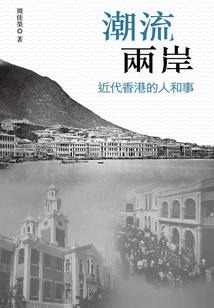
潮流两岸:近代香港的人和事
Zhou Jiarong
This book starts with Hong Kong's status in domestic and foreign transportation and maritime undertakings, and details the visits of celebrities to Hong Kong and their cultural and educational activities in modern times. It demonstrates that Hong Kong pioneered modern Asian trends and connected regional networks in the fields of books and periodicals, translation, language, news, and political activities. Divided into three volumes, the book explains Hong Kong's unique role in modern China and Asia from the perspective of "people and things".
This book starts with Hong Kong's status in domestic and foreign transportation and maritime undertakings, and details the visits of celebrities to Hong Kong and their cultural and educational activities in modern times. It demonstrates that Hong Kong pioneered modern Asian trends and connected regional networks in the fields of books and periodicals, translation, language, news, and political activities. Divided into three volumes, the book explains Hong Kong's unique role in modern China and Asia from the perspective of "people and things".
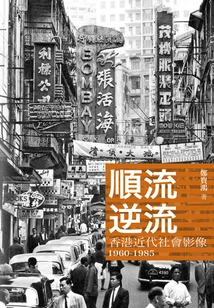
顺流逆流:香港近代社会影像1960—1985
Zheng Baohong
After the rapid development and population growth in the 1950s, Hong Kong's economic and social development entered a golden stage of rugged but rapid growth since the 1960s. Although the developing Hong Kong occasionally encountered adversity, such as the turmoil in 1966 and 1967, and the concerns caused by the Sino-British negotiations on Hong Kong's future in 1984, there were also good times, such as the substantial economic growth due to industrial development, the gradual improvement of people's lives, and the gradual completion of infrastructure.
After the rapid development and population growth in the 1950s, Hong Kong's economic and social development entered a golden stage of rugged but rapid growth since the 1960s. Although the developing Hong Kong occasionally encountered adversity, such as the turmoil in 1966 and 1967, and the concerns caused by the Sino-British negotiations on Hong Kong's future in 1984, there were also good times, such as the substantial economic growth due to industrial development, the gradual improvement of people's lives, and the gradual completion of infrastructure.
P
Historyp
Q
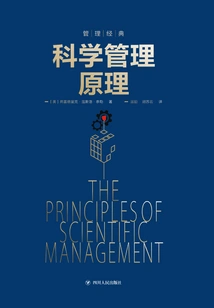
In 1911, Frederick Winslow Taylor published the book "Principles of Scientific Management", which concentrated on his management thoughts and research results and attracted widespread attention in the American business community and management circles at that time. The scientific management system advocated by Taylor was called the "Taylor System", which aroused people's enthusiasm for research and development of scientific management methods at that time. Many people became Taylor's followers and made great contributions to the improvement and development of scientific management theory. In the long history of the development of management theory, this book is recognized as a very important milestone. It marked the advent of a new management era, set off a revolution in corporate management, and made the early factory management practices in the West at the end of the 19th century and the beginning of the 20th century a big step towards scientific management. It also inspired and inspired countless managers in the following hundred years. To this day, Taylor's "Principles of Scientific Management" has been regarded as a must-know classic for managers.
In 1911, Frederick Winslow Taylor published the book "Principles of Scientific Management", which concentrated on his management thoughts and research results and attracted widespread attention in the American business community and management circles at that time. The scientific management system advocated by Taylor was called the "Taylor System", which aroused people's enthusiasm for research and development of scientific management methods at that time. Many people became Taylor's followers and made great contributions to the improvement and development of scientific management theory. In the long history of the development of management theory, this book is recognized as a very important milestone. It marked the advent of a new management era, set off a revolution in corporate management, and made the early factory management practices in the West at the end of the 19th century and the beginning of the 20th century a big step towards scientific management. It also inspired and inspired countless managers in the following hundred years. To this day, Taylor's "Principles of Scientific Management" has been regarded as a must-know classic for managers.
中国历代通俗演义:宋史演义(下)(再版)
Cai Dongfan
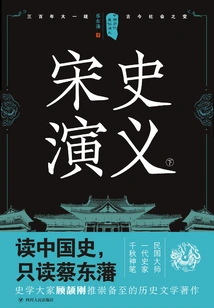
Mr. Cai Dongfan's "Popular Romance of Chinese Dynasties" was written from the Qin and Han dynasties to the Republic of China. It has more than 1,000 chapters and more than 5 million words, covering nearly 2,200 years of history. After this book was published, it has been widely welcomed and praised. In the mid-1930s, I called Li Kenong to purchase two copies of this book to meet the needs of Yan'an cadres in learning Chinese history. This book always stands beside the bed in the bedroom. The famous historian Zide Geng believes that although this book has shortcomings as a piece of historical knowledge, the content is rich enough and the narrative is systematic. The famous novelist Yue Erhe believes that this book can only be said to be a medium-sized work in terms of literature, but reading this book can help you gain an introduction to national history, and it is unique to this book and has no other branches. "The Romance of Song History" is the Song History part. "The Romance of Song History" was compiled by Cai Dongfan.
Mr. Cai Dongfan's "Popular Romance of Chinese Dynasties" was written from the Qin and Han dynasties to the Republic of China. It has more than 1,000 chapters and more than 5 million words, covering nearly 2,200 years of history. After this book was published, it has been widely welcomed and praised. In the mid-1930s, I called Li Kenong to purchase two copies of this book to meet the needs of Yan'an cadres in learning Chinese history. This book always stands beside the bed in the bedroom. The famous historian Zide Geng believes that although this book has shortcomings as a piece of historical knowledge, the content is rich enough and the narrative is systematic. The famous novelist Yue Erhe believes that this book can only be said to be a medium-sized work in terms of literature, but reading this book can help you gain an introduction to national history, and it is unique to this book and has no other branches. "The Romance of Song History" is the Song History part. "The Romance of Song History" was compiled by Cai Dongfan.
中国历代通俗演义:宋史演义(上)(再版)
Cai Dongfan
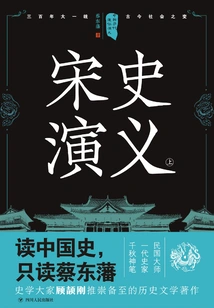
Mr. Cai Dongfan's "Popular Romance of Chinese Dynasties" was written from the Qin and Han dynasties to the Republic of China. It has more than 1,000 chapters and more than 5 million words, covering nearly 2,200 years of history. After this book was published, it has been widely welcomed and praised. In the mid-1930s, I called Li Kenong to purchase two copies of this book to meet the needs of Yan'an cadres in learning Chinese history. This book always stands beside the bed in the bedroom. The famous historian Zide Geng believes that although this book has shortcomings as a piece of historical knowledge, the content is rich enough and the narrative is systematic. The famous novelist Yue Erhe believes that this book can only be said to be a medium-sized work in terms of literature, but reading this book can help you gain an introduction to national history, and it is unique to this book and has no other branches. "The Romance of Song History" is the Song History part. "The Romance of Song History" was compiled by Cai Dongfan.
Mr. Cai Dongfan's "Popular Romance of Chinese Dynasties" was written from the Qin and Han dynasties to the Republic of China. It has more than 1,000 chapters and more than 5 million words, covering nearly 2,200 years of history. After this book was published, it has been widely welcomed and praised. In the mid-1930s, I called Li Kenong to purchase two copies of this book to meet the needs of Yan'an cadres in learning Chinese history. This book always stands beside the bed in the bedroom. The famous historian Zide Geng believes that although this book has shortcomings as a piece of historical knowledge, the content is rich enough and the narrative is systematic. The famous novelist Yue Erhe believes that this book can only be said to be a medium-sized work in terms of literature, but reading this book can help you gain an introduction to national history, and it is unique to this book and has no other branches. "The Romance of Song History" is the Song History part. "The Romance of Song History" was compiled by Cai Dongfan.
中国历代通俗演义:后汉演义(上)(再版)
Cai Dongfan
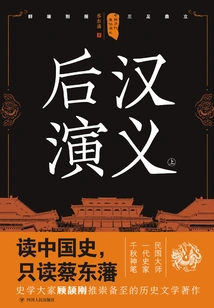
? With the Han dynasty, historians divide it into two groups, called the Early Han and the Later Han, also known as the Eastern and Western Han. This is because during the 400 years of the Han Dynasty, Wang Mang usurped the country and actually usurped the throne for 18 years. Therefore, before Wang Mang, it was called the Former Han, and after Wang Mang, it was called the Later Han. Moreover, the former Han Dynasty established its capital in Shaanxi, so it was known as the Western Han Dynasty, and the later Han Dynasty established its capital in Luoyang, so it was known as the Eastern Han Dynasty. "The Romance of the Former Han Dynasty" has hundreds of chapters, starting from the beginning of Qin Shihuang and ending with Wang Mang's usurpation of the country. This part is connected with the previous part, starting with Wang Mang and ending with the Three Kingdoms. "The Romance of the Former Han Dynasty" is attached to the Qin Dynasty, and the "Romance of the Later Han Dynasty" is attached to the Three Kingdoms, but they are also unique creations. If we want to talk about the rise and fall of the Later Han Dynasty, it is more complicated than that of the Early Han Dynasty: Wang Mang usurped the country, and the disaster was caused by the Yuan Dynasty. Foreign relatives were harmed. As for this, Guangwu Zhongxing paid close attention to past mistakes and took over the power personally to prevent foreign influence from interfering with the government. Emperor Ming was particularly paternal, and Emperor Zhang was very impressive in his early administration. After Emperor He was emperor, the country's affairs deteriorated day by day. Foreign relatives and eunuchs fought, and eventually they all died together. The power of the country fell into the hands of Zhou Mu, and the heroes fought for hegemony. The weak and the strong preyed on each other, and there were three kingdoms. In total, from Guangwu to Emperor Zhang, it was the era of the dictatorship of kings. From Emperor He to Emperor Huan, it was the era of relatives and eunuchs changing their powers. If Emperor Xian's dynasty was full of changes, it was an era of chaos and conflict at first, then an era of disputes in Fangzhen, and finally an era of competition among the Three Kingdoms... "The Romance of the Later Han" was compiled by Cai Dongfan.
? With the Han dynasty, historians divide it into two groups, called the Early Han and the Later Han, also known as the Eastern and Western Han. This is because during the 400 years of the Han Dynasty, Wang Mang usurped the country and actually usurped the throne for 18 years. Therefore, before Wang Mang, it was called the Former Han, and after Wang Mang, it was called the Later Han. Moreover, the former Han Dynasty established its capital in Shaanxi, so it was known as the Western Han Dynasty, and the later Han Dynasty established its capital in Luoyang, so it was known as the Eastern Han Dynasty. "The Romance of the Former Han Dynasty" has hundreds of chapters, starting from the beginning of Qin Shihuang and ending with Wang Mang's usurpation of the country. This part is connected with the previous part, starting with Wang Mang and ending with the Three Kingdoms. "The Romance of the Former Han Dynasty" is attached to the Qin Dynasty, and the "Romance of the Later Han Dynasty" is attached to the Three Kingdoms, but they are also unique creations. If we want to talk about the rise and fall of the Later Han Dynasty, it is more complicated than that of the Early Han Dynasty: Wang Mang usurped the country, and the disaster was caused by the Yuan Dynasty. Foreign relatives were harmed. As for this, Guangwu Zhongxing paid close attention to past mistakes and took over the power personally to prevent foreign influence from interfering with the government. Emperor Ming was particularly paternal, and Emperor Zhang was very impressive in his early administration. After Emperor He was emperor, the country's affairs deteriorated day by day. Foreign relatives and eunuchs fought, and eventually they all died together. The power of the country fell into the hands of Zhou Mu, and the heroes fought for hegemony. The weak and the strong preyed on each other, and there were three kingdoms. In total, from Guangwu to Emperor Zhang, it was the era of the dictatorship of kings. From Emperor He to Emperor Huan, it was the era of relatives and eunuchs changing their powers. If Emperor Xian's dynasty was full of changes, it was an era of chaos and conflict at first, then an era of disputes in Fangzhen, and finally an era of competition among the Three Kingdoms... "The Romance of the Later Han" was compiled by Cai Dongfan.
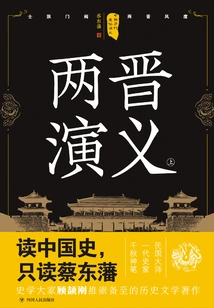
中国历代通俗演义:两晋演义(上)(再版)
Cai Dongfan
Mr. Cai Dongfan's "Popular Romance of Chinese Dynasties" was written from the Qin and Han dynasties to the Republic of China. It has more than 1,000 chapters and more than 5 million words, covering nearly 2,200 years of history. After this book was published, it has been widely welcomed and praised. In the mid-1930s, I called Li Kenong to purchase two copies of this book to meet the needs of Yan'an cadres in learning Chinese history. This book always stands beside the bed in the bedroom. The famous historian Zide Geng believes that although this book has shortcomings as a piece of historical knowledge, the content is rich enough and the narrative is systematic. The famous novelist Yue Erhe believes that this book can only be said to be a medium-sized work in terms of literature, but reading this book can help you gain an introduction to national history, and it is unique to this book and has no other branches. "Popular Romance of Chinese Dynasties·Romance of the Two Jin Dynasties" is the history part of the Two Jin Dynasty.
Mr. Cai Dongfan's "Popular Romance of Chinese Dynasties" was written from the Qin and Han dynasties to the Republic of China. It has more than 1,000 chapters and more than 5 million words, covering nearly 2,200 years of history. After this book was published, it has been widely welcomed and praised. In the mid-1930s, I called Li Kenong to purchase two copies of this book to meet the needs of Yan'an cadres in learning Chinese history. This book always stands beside the bed in the bedroom. The famous historian Zide Geng believes that although this book has shortcomings as a piece of historical knowledge, the content is rich enough and the narrative is systematic. The famous novelist Yue Erhe believes that this book can only be said to be a medium-sized work in terms of literature, but reading this book can help you gain an introduction to national history, and it is unique to this book and has no other branches. "Popular Romance of Chinese Dynasties·Romance of the Two Jin Dynasties" is the history part of the Two Jin Dynasty.
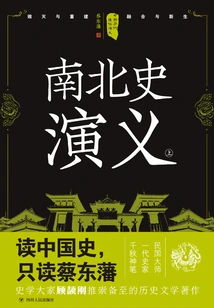
Popular Romance of Chinese Dynasties: Romance of Northern and Southern History (part 1) (reprint)
History中国历代通俗演义:南北史演义(上)(再版)
Cai Dongfan
Mr. Cai Dongfan's "Popular Romance of Chinese Dynasties" was written from the Qin and Han dynasties to the Republic of China. It has more than 1,000 chapters and more than 5 million words, covering nearly 2,200 years of history. After this book was published, it has been widely welcomed and praised. In the mid-1930s, I called Li Kenong to purchase two copies of this book to meet the needs of Yan'an cadres in learning Chinese history. This book always stands beside the bed in the bedroom. The famous historian Zide Geng believes that although this book has shortcomings as a piece of historical knowledge, the content is rich enough and the narrative is systematic. The famous novelist Yue Erhe believes that this book can only be said to be a medium-sized work in terms of literature, but reading this book can help you gain an introduction to national history, and it is unique to this book and has no other branches. "Popular Romance of Chinese Dynasties: Romance of Northern and Southern History" is the part of Northern and Southern History.
Mr. Cai Dongfan's "Popular Romance of Chinese Dynasties" was written from the Qin and Han dynasties to the Republic of China. It has more than 1,000 chapters and more than 5 million words, covering nearly 2,200 years of history. After this book was published, it has been widely welcomed and praised. In the mid-1930s, I called Li Kenong to purchase two copies of this book to meet the needs of Yan'an cadres in learning Chinese history. This book always stands beside the bed in the bedroom. The famous historian Zide Geng believes that although this book has shortcomings as a piece of historical knowledge, the content is rich enough and the narrative is systematic. The famous novelist Yue Erhe believes that this book can only be said to be a medium-sized work in terms of literature, but reading this book can help you gain an introduction to national history, and it is unique to this book and has no other branches. "Popular Romance of Chinese Dynasties: Romance of Northern and Southern History" is the part of Northern and Southern History.
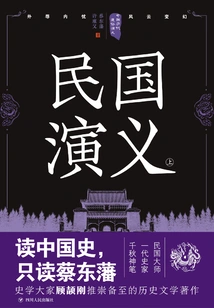
中国历代通俗演义:民国演义(上)(再版)
Cai Dongfan Xu Genfu
Mr. Cai Dongfan's "Popular Romance of Chinese Dynasties" was written from the Qin and Han dynasties to the Republic of China. It has more than 1,000 chapters and more than 5 million words, covering nearly 2,200 years of history. After this book was published, it has been widely welcomed and praised. In the mid-1930s, I called Li Kenong to purchase two copies of this book to meet the needs of Yan'an cadres in learning Chinese history. This book always stands beside the bed in the bedroom. The famous historian Zide Geng believes that although this book has shortcomings as a piece of historical knowledge, the content is rich enough and the narrative is systematic. The famous novelist Yue Erhe believes that this book can only be said to be a medium-sized work in terms of literature, but reading this book can help you gain an introduction to national history, and it is unique to this book and has no other branches. "The Romance of the Republic of China" is the history of the Ming Dynasty. "The Romance of the Republic of China" was compiled by Cai Dongfan.
Mr. Cai Dongfan's "Popular Romance of Chinese Dynasties" was written from the Qin and Han dynasties to the Republic of China. It has more than 1,000 chapters and more than 5 million words, covering nearly 2,200 years of history. After this book was published, it has been widely welcomed and praised. In the mid-1930s, I called Li Kenong to purchase two copies of this book to meet the needs of Yan'an cadres in learning Chinese history. This book always stands beside the bed in the bedroom. The famous historian Zide Geng believes that although this book has shortcomings as a piece of historical knowledge, the content is rich enough and the narrative is systematic. The famous novelist Yue Erhe believes that this book can only be said to be a medium-sized work in terms of literature, but reading this book can help you gain an introduction to national history, and it is unique to this book and has no other branches. "The Romance of the Republic of China" is the history of the Ming Dynasty. "The Romance of the Republic of China" was compiled by Cai Dongfan.
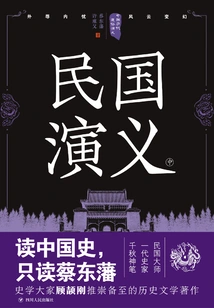
中国历代通俗演义:民国演义(中)(再版)
Cai Dongfan Xu Genfu
Mr. Cai Dongfan's "Popular Romance of Chinese Dynasties" was written from the Qin and Han dynasties to the Republic of China. It has more than 1,000 chapters and more than 5 million words, covering nearly 2,200 years of history. After this book was published, it has been widely welcomed and praised. In the mid-1930s, I called Li Kenong to purchase two copies of this book to meet the needs of Yan'an cadres in learning Chinese history. This book always stands beside the bed in the bedroom. The famous historian Zide Geng believes that although this book has shortcomings as a piece of historical knowledge, the content is rich enough and the narrative is systematic. The famous novelist Yue Erhe believes that this book can only be said to be a medium-sized work in terms of literature, but reading this book can help you gain an introduction to national history, and it is unique to this book and has no other branches. "The Romance of the Republic of China" is the history of the Ming Dynasty. "The Romance of the Republic of China" was compiled by Cai Dongfan.
Mr. Cai Dongfan's "Popular Romance of Chinese Dynasties" was written from the Qin and Han dynasties to the Republic of China. It has more than 1,000 chapters and more than 5 million words, covering nearly 2,200 years of history. After this book was published, it has been widely welcomed and praised. In the mid-1930s, I called Li Kenong to purchase two copies of this book to meet the needs of Yan'an cadres in learning Chinese history. This book always stands beside the bed in the bedroom. The famous historian Zide Geng believes that although this book has shortcomings as a piece of historical knowledge, the content is rich enough and the narrative is systematic. The famous novelist Yue Erhe believes that this book can only be said to be a medium-sized work in terms of literature, but reading this book can help you gain an introduction to national history, and it is unique to this book and has no other branches. "The Romance of the Republic of China" is the history of the Ming Dynasty. "The Romance of the Republic of China" was compiled by Cai Dongfan.
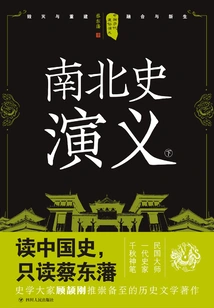
Popular Romance of Chinese Dynasties: Romance of Northern and Southern History (part 2) (reprint)
History中国历代通俗演义:南北史演义(下)(再版)
Cai Dongfan
Mr. Cai Dongfan's "Popular Romance of Chinese Dynasties" was written from the Qin and Han dynasties to the Republic of China. It has more than 1,000 chapters and more than 5 million words, covering nearly 2,200 years of history. After this book was published, it has been widely welcomed and praised. In the mid-1930s, I called Li Kenong to purchase two copies of this book to meet the needs of Yan'an cadres in learning Chinese history. This book always stands beside the bed in the bedroom. The famous historian Zide Geng believes that although this book has shortcomings as a piece of historical knowledge, the content is rich enough and the narrative is systematic. The famous novelist Yue Erhe believes that this book can only be said to be a medium-sized work in terms of literature, but reading this book can help you gain an introduction to national history, and it is unique to this book and has no other branches. "Popular Romance of Chinese Dynasties: Romance of Northern and Southern History" is the Northern and Southern History part.
Mr. Cai Dongfan's "Popular Romance of Chinese Dynasties" was written from the Qin and Han dynasties to the Republic of China. It has more than 1,000 chapters and more than 5 million words, covering nearly 2,200 years of history. After this book was published, it has been widely welcomed and praised. In the mid-1930s, I called Li Kenong to purchase two copies of this book to meet the needs of Yan'an cadres in learning Chinese history. This book always stands beside the bed in the bedroom. The famous historian Zide Geng believes that although this book has shortcomings as a piece of historical knowledge, the content is rich enough and the narrative is systematic. The famous novelist Yue Erhe believes that this book can only be said to be a medium-sized work in terms of literature, but reading this book can help you gain an introduction to national history, and it is unique to this book and has no other branches. "Popular Romance of Chinese Dynasties: Romance of Northern and Southern History" is the Northern and Southern History part.
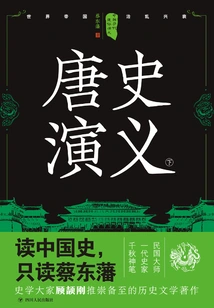
中国历代通俗演义:唐史演义(下)(再版)
Cai Dongfan
"The Romance of the Tang Dynasty" compiled by Cai Dongfan is one of the popular romances in the history of China. "The Romance of the Tang Dynasty" narrates the historical facts of the Tang Dynasty from prosperity to decline in 290 years, and experienced the disasters of women, eunuchs, and feudal lords. It has plain views, rich content, legal exposition, elegant language, self-evaluation and self-annotation, and has both reason and interest. It is a classic of popular history.
"The Romance of the Tang Dynasty" compiled by Cai Dongfan is one of the popular romances in the history of China. "The Romance of the Tang Dynasty" narrates the historical facts of the Tang Dynasty from prosperity to decline in 290 years, and experienced the disasters of women, eunuchs, and feudal lords. It has plain views, rich content, legal exposition, elegant language, self-evaluation and self-annotation, and has both reason and interest. It is a classic of popular history.
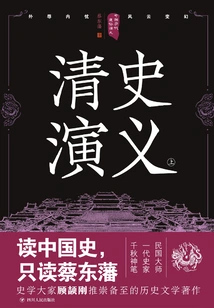
中国历代通俗演义:清史演义(上)(再版)
Cai Dongfan
"Popular Romance of Chinese History" dates from the Qin and Han dynasties to the Republic of China. Two thousand years of Chinese history are vividly displayed in front of us. It is the only popular novel so far that comprehensively narrates Chinese history. When writing, the author adheres to the concept of "mainly trusting the history and relying on unconventional history". He draws materials carefully, has a plain viewpoint, is rich in content, has a methodical narrative, elegant language, self-evaluation and annotation, and has both reason and interest. It is regarded as a classic of popular history. This book is "The Romance of Qing History (Part 2)", one of the series of "Popular Romance of Chinese Dynasties". This book tells the history from "the 51st chapter of Lin Zhijun's generous judgment on Shi Qi Zhongtang's mediocrity and harming the country" to "the 100th chapter of the election of President Sun Wen to take office and abdicate the throne and end with Qing Zuo." After the heyday of Kangxi and Qianlong, the Qing Dynasty began to decline again. The foreign ships in the West had strong guns and guns, and repeatedly invaded the country. The great powers ceded territory today and paid indemnity tomorrow. The domestic Taiping Rebellion, Boxer Rebellion, etc. Tired the Qing Dynasty monarchs and ministers to focus on one thing and the other, and the country's power gradually declined. Until Wuchang launched an attack, all provinces responded, and the Qing Dynasty was overthrown...
"Popular Romance of Chinese History" dates from the Qin and Han dynasties to the Republic of China. Two thousand years of Chinese history are vividly displayed in front of us. It is the only popular novel so far that comprehensively narrates Chinese history. When writing, the author adheres to the concept of "mainly trusting the history and relying on unconventional history". He draws materials carefully, has a plain viewpoint, is rich in content, has a methodical narrative, elegant language, self-evaluation and annotation, and has both reason and interest. It is regarded as a classic of popular history. This book is "The Romance of Qing History (Part 2)", one of the series of "Popular Romance of Chinese Dynasties". This book tells the history from "the 51st chapter of Lin Zhijun's generous judgment on Shi Qi Zhongtang's mediocrity and harming the country" to "the 100th chapter of the election of President Sun Wen to take office and abdicate the throne and end with Qing Zuo." After the heyday of Kangxi and Qianlong, the Qing Dynasty began to decline again. The foreign ships in the West had strong guns and guns, and repeatedly invaded the country. The great powers ceded territory today and paid indemnity tomorrow. The domestic Taiping Rebellion, Boxer Rebellion, etc. Tired the Qing Dynasty monarchs and ministers to focus on one thing and the other, and the country's power gradually declined. Until Wuchang launched an attack, all provinces responded, and the Qing Dynasty was overthrown...
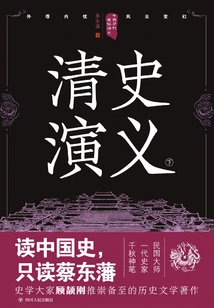
中国历代通俗演义:清史演义(下)(再版)
Cai Dongfan
"Popular Romance of Chinese History" dates from the Qin and Han dynasties to the Republic of China. Two thousand years of Chinese history are vividly displayed in front of us. It is the only popular novel so far that comprehensively narrates Chinese history. When writing, the author adheres to the concept of "mainly trusting the history and relying on unconventional history". He draws materials carefully, has a plain viewpoint, is rich in content, has a methodical narrative, elegant language, self-evaluation and annotation, and has both reason and interest. It is regarded as a classic of popular history. This book is "The Romance of Qing History (Part 2)", one of the series of "Popular Romance of Chinese Dynasties". This book tells the history from "the 51st chapter of Lin Zhijun's generous judgment on Shi Qi Zhongtang's mediocrity and harming the country" to "the 100th chapter of the election of President Sun Wen to take office and abdicate the throne and end with Qing Zuo." After the heyday of Kangxi and Qianlong, the Qing Dynasty began to decline again. The foreign ships in the West had strong guns and guns, and repeatedly invaded the country. The great powers ceded territory today and paid indemnity tomorrow. The domestic Taiping Rebellion, Boxer Rebellion, etc. Tired the Qing Dynasty monarchs and ministers to focus on one thing and the other, and the country's power gradually declined. Until Wuchang launched an attack, all provinces responded, and the Qing Dynasty was overthrown...
"Popular Romance of Chinese History" dates from the Qin and Han dynasties to the Republic of China. Two thousand years of Chinese history are vividly displayed in front of us. It is the only popular novel so far that comprehensively narrates Chinese history. When writing, the author adheres to the concept of "mainly trusting the history and relying on unconventional history". He draws materials carefully, has a plain viewpoint, is rich in content, has a methodical narrative, elegant language, self-evaluation and annotation, and has both reason and interest. It is regarded as a classic of popular history. This book is "The Romance of Qing History (Part 2)", one of the series of "Popular Romance of Chinese Dynasties". This book tells the history from "the 51st chapter of Lin Zhijun's generous judgment on Shi Qi Zhongtang's mediocrity and harming the country" to "the 100th chapter of the election of President Sun Wen to take office and abdicate the throne and end with Qing Zuo." After the heyday of Kangxi and Qianlong, the Qing Dynasty began to decline again. The foreign ships in the West had strong guns and guns, and repeatedly invaded the country. The great powers ceded territory today and paid indemnity tomorrow. The domestic Taiping Rebellion, Boxer Rebellion, etc. Tired the Qing Dynasty monarchs and ministers to focus on one thing and the other, and the country's power gradually declined. Until Wuchang launched an attack, all provinces responded, and the Qing Dynasty was overthrown...
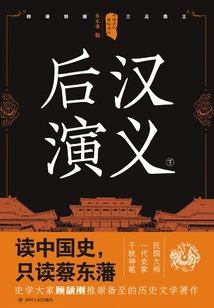
中国历代通俗演义:后汉演义(下)(再版)
Cai Dongfan
During the Han Dynasty, historians divided it into two groups, called the Early Han and the Later Han, also known as the Eastern and Western Han. This is because during the four hundred years of the Han Dynasty, Wang Mang usurped the country and actually usurped the throne for eighteen years. Therefore, before Wang Mang, it was called the Former Han, and after Wang Mang, it was called the Later Han. Moreover, the former Han Dynasty established its capital in Shaanxi, so it was known as the Western Han Dynasty, and the later Han Dynasty established its capital in Luoyang, so it was known as the Eastern Han Dynasty. "The Romance of the Former Han Dynasty" has hundreds of chapters, starting from the beginning of Qin Shihuang and ending with Wang Mang's usurpation of the country. This part is connected with the previous part, starting with Wang Mang and ending with the Three Kingdoms. "The Romance of the Former Han Dynasty" is attached to the Qin Dynasty, and the "Romance of the Later Han Dynasty" is attached to the Three Kingdoms, but they are also unique creations. If we want to talk about the rise and fall of the Later Han Dynasty, it is more complicated than that of the Early Han Dynasty: Wang Mang usurped the country, and the disaster was caused by the Yuan Dynasty. Foreign relatives were harmed. As for this, Guangwu Zhongxing paid close attention to past mistakes and took over the power personally to prevent foreign influence from interfering with the government. Emperor Ming was particularly paternal, and Emperor Zhang was very impressive in his early administration. After Emperor He was emperor, the country's affairs deteriorated day by day. Foreign relatives and eunuchs fought, and eventually they all died together. The power of the country fell into the hands of Zhou Mu, and the heroes fought for hegemony. The weak and the strong preyed on each other, and there were three kingdoms. In total, from Guangwu to Emperor Zhang, it was the era of the dictatorship of kings. From Emperor He to Emperor Huan, it was the era of relatives and eunuchs changing their powers. If Emperor Xian's dynasty was full of changes, it was an era of chaos and conflict at first, then an era of disputes in Fangzhen, and finally an era of competition among the Three Kingdoms... "The Romance of the Later Han" was compiled by Cai Dongfan.
During the Han Dynasty, historians divided it into two groups, called the Early Han and the Later Han, also known as the Eastern and Western Han. This is because during the four hundred years of the Han Dynasty, Wang Mang usurped the country and actually usurped the throne for eighteen years. Therefore, before Wang Mang, it was called the Former Han, and after Wang Mang, it was called the Later Han. Moreover, the former Han Dynasty established its capital in Shaanxi, so it was known as the Western Han Dynasty, and the later Han Dynasty established its capital in Luoyang, so it was known as the Eastern Han Dynasty. "The Romance of the Former Han Dynasty" has hundreds of chapters, starting from the beginning of Qin Shihuang and ending with Wang Mang's usurpation of the country. This part is connected with the previous part, starting with Wang Mang and ending with the Three Kingdoms. "The Romance of the Former Han Dynasty" is attached to the Qin Dynasty, and the "Romance of the Later Han Dynasty" is attached to the Three Kingdoms, but they are also unique creations. If we want to talk about the rise and fall of the Later Han Dynasty, it is more complicated than that of the Early Han Dynasty: Wang Mang usurped the country, and the disaster was caused by the Yuan Dynasty. Foreign relatives were harmed. As for this, Guangwu Zhongxing paid close attention to past mistakes and took over the power personally to prevent foreign influence from interfering with the government. Emperor Ming was particularly paternal, and Emperor Zhang was very impressive in his early administration. After Emperor He was emperor, the country's affairs deteriorated day by day. Foreign relatives and eunuchs fought, and eventually they all died together. The power of the country fell into the hands of Zhou Mu, and the heroes fought for hegemony. The weak and the strong preyed on each other, and there were three kingdoms. In total, from Guangwu to Emperor Zhang, it was the era of the dictatorship of kings. From Emperor He to Emperor Huan, it was the era of relatives and eunuchs changing their powers. If Emperor Xian's dynasty was full of changes, it was an era of chaos and conflict at first, then an era of disputes in Fangzhen, and finally an era of competition among the Three Kingdoms... "The Romance of the Later Han" was compiled by Cai Dongfan.
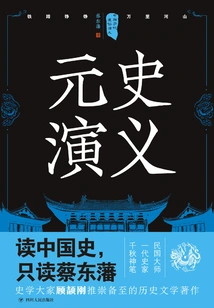
中国历代通俗演义:元史演义(再版)
Cai Dongfan
Mr. Cai Dongfan's "Popular Romance of Chinese Dynasties" was written from the Qin and Han dynasties to the Republic of China. It has more than 1,000 chapters and more than 5 million words, covering nearly 2,200 years of history. After this book was published, it has been widely welcomed and praised. In the mid-1930s, I called Li Kenong to purchase two copies of this book to meet the needs of Yan'an cadres in learning Chinese history. This book always stands beside the bed in the bedroom. The famous historian Zide Geng believes that although this book has shortcomings as a piece of historical knowledge, the content is rich enough and the narrative is systematic. The famous novelist Yue Erhe believes that this book can only be said to be a medium-sized work in terms of literature, but reading this book can help you gain an introduction to national history, and it is unique to this book and has no other branches. "The Romance of Song History" is the Song History part. "The Romance of Song History" was compiled by Cai Dongfan.
Mr. Cai Dongfan's "Popular Romance of Chinese Dynasties" was written from the Qin and Han dynasties to the Republic of China. It has more than 1,000 chapters and more than 5 million words, covering nearly 2,200 years of history. After this book was published, it has been widely welcomed and praised. In the mid-1930s, I called Li Kenong to purchase two copies of this book to meet the needs of Yan'an cadres in learning Chinese history. This book always stands beside the bed in the bedroom. The famous historian Zide Geng believes that although this book has shortcomings as a piece of historical knowledge, the content is rich enough and the narrative is systematic. The famous novelist Yue Erhe believes that this book can only be said to be a medium-sized work in terms of literature, but reading this book can help you gain an introduction to national history, and it is unique to this book and has no other branches. "The Romance of Song History" is the Song History part. "The Romance of Song History" was compiled by Cai Dongfan.
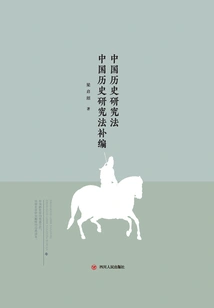
大师讲传统文化:中国历史研究法 中国历史研究法补编
Liang Qichao
"Masters Speak of Traditional Culture Series: Research Methods of Chinese History? Supplement to Research Methods of Chinese History" is the first work in modern times to systematically expound historical theory. It consists of three parts: "Research Methods of Chinese History", "Several Important Issues in Researching Cultural History" and "Supplement to Research Methods of Chinese History". "Chinese History Research Method" discusses the definition, significance and scope of history; reviews and evaluates China's old historiography; and puts forward proposals for the establishment of new historiography. "Several Important Issues in the Study of Cultural History" is a repair and revision of the "Chinese History Research Method". "Supplement to Chinese Historical Research Methods" focuses on how to do professional history.
"Masters Speak of Traditional Culture Series: Research Methods of Chinese History? Supplement to Research Methods of Chinese History" is the first work in modern times to systematically expound historical theory. It consists of three parts: "Research Methods of Chinese History", "Several Important Issues in Researching Cultural History" and "Supplement to Research Methods of Chinese History". "Chinese History Research Method" discusses the definition, significance and scope of history; reviews and evaluates China's old historiography; and puts forward proposals for the establishment of new historiography. "Several Important Issues in the Study of Cultural History" is a repair and revision of the "Chinese History Research Method". "Supplement to Chinese Historical Research Methods" focuses on how to do professional history.

中国历代通俗演义:前汉演义(下)(再版)
Cai Dongfan
Mr. Cai Dongfan's "Popular Romance of Chinese Dynasties" was written from the Qin and Han dynasties to the Republic of China. It has more than 1,000 chapters and more than 5 million words, covering nearly 2,200 years of history. After this book was published, it has been widely welcomed and praised. In the mid-1930s, Mao Zedong called Li Kenong to purchase two copies of this book to meet the needs of Yan'an cadres to learn Chinese history. This book always stands beside the bed in the bedroom. The famous historian Zide Geng believes that although this book has shortcomings as a piece of historical knowledge, the content is rich enough and the narrative is systematic. The famous novelist Yue Erhe believes that this book can only be said to be a medium-sized work in terms of literature, but reading this book can help you gain an introduction to national history, and it is unique to this book and has no other branches. "The Romance of the Pre-Han Dynasty" is a set of popular historical masterpieces in which the history of the Pre-Han Dynasty is popular at home and abroad. The official history of Cai Dongfan, a great historian, is the classic and the anecdotes are the weft. Ten years of hard work, true love story spanning five thousand years, chapter structure, popular writing style, and witty comments; it truly represents the magnificent process of the historical evolution of Chinese civilization. Describe the Qin Emperor, Han Dynasty, Tang Zong and Song Zu, the folk customs and people's livelihood under the changing dynasties, and understand the bloody battles on the battlefield, palace intrigues, and the survival wisdom in the rise and fall of the ages.
Mr. Cai Dongfan's "Popular Romance of Chinese Dynasties" was written from the Qin and Han dynasties to the Republic of China. It has more than 1,000 chapters and more than 5 million words, covering nearly 2,200 years of history. After this book was published, it has been widely welcomed and praised. In the mid-1930s, Mao Zedong called Li Kenong to purchase two copies of this book to meet the needs of Yan'an cadres to learn Chinese history. This book always stands beside the bed in the bedroom. The famous historian Zide Geng believes that although this book has shortcomings as a piece of historical knowledge, the content is rich enough and the narrative is systematic. The famous novelist Yue Erhe believes that this book can only be said to be a medium-sized work in terms of literature, but reading this book can help you gain an introduction to national history, and it is unique to this book and has no other branches. "The Romance of the Pre-Han Dynasty" is a set of popular historical masterpieces in which the history of the Pre-Han Dynasty is popular at home and abroad. The official history of Cai Dongfan, a great historian, is the classic and the anecdotes are the weft. Ten years of hard work, true love story spanning five thousand years, chapter structure, popular writing style, and witty comments; it truly represents the magnificent process of the historical evolution of Chinese civilization. Describe the Qin Emperor, Han Dynasty, Tang Zong and Song Zu, the folk customs and people's livelihood under the changing dynasties, and understand the bloody battles on the battlefield, palace intrigues, and the survival wisdom in the rise and fall of the ages.
当大明遇上大清2
Su Wei
This book recreates the war between the Ming and Qing Dynasties from 1644 to 1662, tells the little-known historical details, and reveals the truth of the war that has been deliberately hidden. In 1644, with the sacrifice of the governor Sun Chuanting, the Ming army could no longer stop the peasant army from attacking Beijing, and Emperor Chongzhen committed suicide and died for his country. But this does not mean the end of the Ming Dynasty. The real battle has just begun. The opening drama is the Battle of Shanhaiguan. The Qing troops entered the Pass and defeated the peasant army and took control of Beijing. The peasant armies, mainly the Dashun Army and the Daxi Army, were defeated one after another under the pursuit of the Qing army. The war still raged between the Ming and Qing armies. The Ming Dynasty after the migration to the south was historically called the Southern Ming Dynasty. The Hongguang regime in Nanjing, established by the warlords of the four towns in Jiangbei, quickly collapsed under the attack of the Qing army. The subsequent Longwu court in Fujian was established by warlords. With Zheng Zhilong's surrender to the Qing Dynasty, the Longwu regime was also destroyed by the war. Soon, the Yongli court was established in Zhaoqing, Guangdong. Li Dingguo successively won great victories in Guilin and Hengyang. At the same time, the army led by Zheng Chenggong rose rapidly along the coasts of Fujian and Zhejiang. In the Southern Ming Dynasty, two major anti-Qing forces were formed in the southwest and southeast, with Li Dingguo and Zheng Chenggong as the main forces. However, Nanming's biggest failure lies in its inability to unite as one and face the outside world in unison. Li Dingguo became a famous king in two factions, Zhang Mingzhen entered the Yangtze River three times, and Zheng Chenggong resisted the Qing Dynasty in the southeast for more than ten years. In order to save the danger, they tried their best, but due to various reasons, they were unable to form a joint force and always fought independently. In 1662, Nanming ended with a sigh, but left a lot to think about for future generations. Between the decline and the rise, what are the unknown secrets? History is not that simple.
This book recreates the war between the Ming and Qing Dynasties from 1644 to 1662, tells the little-known historical details, and reveals the truth of the war that has been deliberately hidden. In 1644, with the sacrifice of the governor Sun Chuanting, the Ming army could no longer stop the peasant army from attacking Beijing, and Emperor Chongzhen committed suicide and died for his country. But this does not mean the end of the Ming Dynasty. The real battle has just begun. The opening drama is the Battle of Shanhaiguan. The Qing troops entered the Pass and defeated the peasant army and took control of Beijing. The peasant armies, mainly the Dashun Army and the Daxi Army, were defeated one after another under the pursuit of the Qing army. The war still raged between the Ming and Qing armies. The Ming Dynasty after the migration to the south was historically called the Southern Ming Dynasty. The Hongguang regime in Nanjing, established by the warlords of the four towns in Jiangbei, quickly collapsed under the attack of the Qing army. The subsequent Longwu court in Fujian was established by warlords. With Zheng Zhilong's surrender to the Qing Dynasty, the Longwu regime was also destroyed by the war. Soon, the Yongli court was established in Zhaoqing, Guangdong. Li Dingguo successively won great victories in Guilin and Hengyang. At the same time, the army led by Zheng Chenggong rose rapidly along the coasts of Fujian and Zhejiang. In the Southern Ming Dynasty, two major anti-Qing forces were formed in the southwest and southeast, with Li Dingguo and Zheng Chenggong as the main forces. However, Nanming's biggest failure lies in its inability to unite as one and face the outside world in unison. Li Dingguo became a famous king in two factions, Zhang Mingzhen entered the Yangtze River three times, and Zheng Chenggong resisted the Qing Dynasty in the southeast for more than ten years. In order to save the danger, they tried their best, but due to various reasons, they were unable to form a joint force and always fought independently. In 1662, Nanming ended with a sigh, but left a lot to think about for future generations. Between the decline and the rise, what are the unknown secrets? History is not that simple.