Library
Browse and search books
2,169 novels found
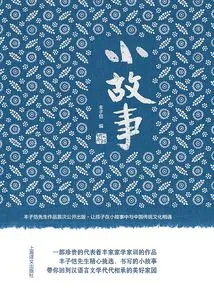
Short Story
Literature小故事
Feng Zikai
Everyone knows Mr. Feng Zikai's love for his children. Mr. Feng has many children in his family: his own children A Bao, Zhan Zhan, Ruan Ruan, Xin Mei, Yi Yin, etc., And his grandchildren Xue Jun, Zi Yun, Chao Ying, etc. Reading to them and playing games with them is a great joy for Mr. Feng. At that time, Mr. Feng selected some short stories suitable for children to read from ancient Chinese classics such as "Historical Records", "Hanshu", "New Chronicles of Yuchu", "Continued Records of Yuchu", "Shuoyuan", etc., And retell them in vernacular according to his own understanding. Then, he used a pen to write word by word He wrote it sentence by sentence on the Yuanyuantang letterhead he usually used, and simply bound it into a volume, called "Little Story", and either let the older children read it by themselves, or he read it to the younger children. Under his loving education, the children of the Feng family grew up happily and achieved high achievements in all walks of life. Mr. Feng Zikai selected some chapters about learning attitude, life, and principles of governing a country and bringing peace to the world. They are easy to understand but have profound meanings, such as "Gong Ming Xuan Studying", "Three Principles of Integrity", "Yan Zi Envoy Jing", "Mr. Lu Qiu Does Not Worship" and more than 50 chapters. Mr. Feng's pen calligraphy is also warm and moist, with a unique flavor, making this work both educational and appreciative. This book is based on Mr. Feng Zikai's handwritten stories that have never been published before. After selecting, sorting and editing them, together with short comics with ancient text sources and corresponding artistic conceptions, this book is packaged and published in a novel form. Due to the age, the text is often different from modern times. During the editing process, typos were corrected, the fonts were marked in blue, and missing text was filled in square brackets.
Everyone knows Mr. Feng Zikai's love for his children. Mr. Feng has many children in his family: his own children A Bao, Zhan Zhan, Ruan Ruan, Xin Mei, Yi Yin, etc., And his grandchildren Xue Jun, Zi Yun, Chao Ying, etc. Reading to them and playing games with them is a great joy for Mr. Feng. At that time, Mr. Feng selected some short stories suitable for children to read from ancient Chinese classics such as "Historical Records", "Hanshu", "New Chronicles of Yuchu", "Continued Records of Yuchu", "Shuoyuan", etc., And retell them in vernacular according to his own understanding. Then, he used a pen to write word by word He wrote it sentence by sentence on the Yuanyuantang letterhead he usually used, and simply bound it into a volume, called "Little Story", and either let the older children read it by themselves, or he read it to the younger children. Under his loving education, the children of the Feng family grew up happily and achieved high achievements in all walks of life. Mr. Feng Zikai selected some chapters about learning attitude, life, and principles of governing a country and bringing peace to the world. They are easy to understand but have profound meanings, such as "Gong Ming Xuan Studying", "Three Principles of Integrity", "Yan Zi Envoy Jing", "Mr. Lu Qiu Does Not Worship" and more than 50 chapters. Mr. Feng's pen calligraphy is also warm and moist, with a unique flavor, making this work both educational and appreciative. This book is based on Mr. Feng Zikai's handwritten stories that have never been published before. After selecting, sorting and editing them, together with short comics with ancient text sources and corresponding artistic conceptions, this book is packaged and published in a novel form. Due to the age, the text is often different from modern times. During the editing process, typos were corrected, the fonts were marked in blue, and missing text was filled in square brackets.
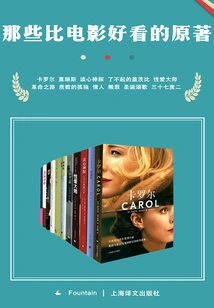
那些比电影好看的原著 (套装共11册)
Digital Lab
The set contains 11 books in total, including original film works such as "Carol", "37 Degrees Two", "Lovers", "Maurice", "The Loneliness of Prime Numbers", "Atonement", "Masters of Sex", "The Mind Reader", "Revolutionary Road", "The Great Gatsby" and "A Christmas Carol". Image or text, which presentation method do you prefer?
The set contains 11 books in total, including original film works such as "Carol", "37 Degrees Two", "Lovers", "Maurice", "The Loneliness of Prime Numbers", "Atonement", "Masters of Sex", "The Mind Reader", "Revolutionary Road", "The Great Gatsby" and "A Christmas Carol". Image or text, which presentation method do you prefer?
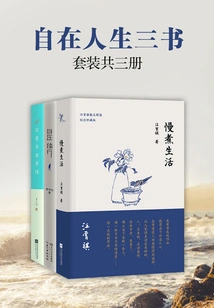
自在人生三书(套装共3册)
Jia Pingwa Wang Zengqi Feng Zikai
Jia Pingwa, Feng Zikai, and Wang Zengqi, these three are masters in their respective fields, discussed the topic of how to live a comfortable life. "Walking Alone" is a book about emotions, hobbies, society, and life. There is worldly wisdom and the joy of life. To the hurried passer-by, Mr. Pingwa's collection of essays is just an arty plaything. But this book is written for walkers of life. I hope they can understand the true meaning of loneliness and be more calm and relaxed in life. "Life is Simple" is a collection of Feng Zikai's comic prose collection. Life is so simple. The so-called simplicity is not childish innocence, but a kind of transcendence of worldly sophistication and understanding of all kinds of contradictions, problems, and subtle psychological calculations in the world. But beyond this level, there is a kind of level-headedness that transcends it, looking at the world optimistically, and then playing with it. This is a very open-minded mind, a transcendent attitude and wisdom. The way to remember Wang Zengqi with awe, tranquility, wisdom and beauty is to read his words. "Slow Cooking Life" is a collection of Wang Zengqi's essays. Complete collection of classics such as "Five Flavors", "Rain in Kunming", "Human Plants", "Stars fighting for their writings, and innocent children for their people". At the same time, new rare chapters such as "Cat", "One Skill", "Anecdotes of Famous People", "Monk" and "Ancient People" have been added. It starts from various themes such as flowers, birds, insects and fish, nostalgia and folk customs, ordinary people's trivial things, and travel experiences. It details the spiritual world and life interests of Wang Zengqi, a generation of "life master".
Jia Pingwa, Feng Zikai, and Wang Zengqi, these three are masters in their respective fields, discussed the topic of how to live a comfortable life. "Walking Alone" is a book about emotions, hobbies, society, and life. There is worldly wisdom and the joy of life. To the hurried passer-by, Mr. Pingwa's collection of essays is just an arty plaything. But this book is written for walkers of life. I hope they can understand the true meaning of loneliness and be more calm and relaxed in life. "Life is Simple" is a collection of Feng Zikai's comic prose collection. Life is so simple. The so-called simplicity is not childish innocence, but a kind of transcendence of worldly sophistication and understanding of all kinds of contradictions, problems, and subtle psychological calculations in the world. But beyond this level, there is a kind of level-headedness that transcends it, looking at the world optimistically, and then playing with it. This is a very open-minded mind, a transcendent attitude and wisdom. The way to remember Wang Zengqi with awe, tranquility, wisdom and beauty is to read his words. "Slow Cooking Life" is a collection of Wang Zengqi's essays. Complete collection of classics such as "Five Flavors", "Rain in Kunming", "Human Plants", "Stars fighting for their writings, and innocent children for their people". At the same time, new rare chapters such as "Cat", "One Skill", "Anecdotes of Famous People", "Monk" and "Ancient People" have been added. It starts from various themes such as flowers, birds, insects and fish, nostalgia and folk customs, ordinary people's trivial things, and travel experiences. It details the spiritual world and life interests of Wang Zengqi, a generation of "life master".
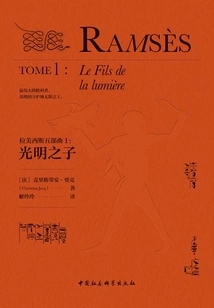
Ramses Pentalogy 1: Sons of Light
Literature拉美西斯五部曲1:光明之子
J
"Son of Light": Although he has established the most powerful kingdom in the world, fate does not allow the Egyptian Pharaoh Seti to live a long life. He must choose the next Egyptian Pharaoh from his descendants - the cunning and treacherous eldest son Xena and the enthusiastic younger son Ramesses. Seti used countless tests and deadly traps to enlighten Ramses to understand the important responsibility given by the gods. But can Ramesses escape the conspiracy of his brother Xena? How should he choose between the passionate Ise and the mysterious Nefertari? How did his classmates and friends: the snake wizard Saydavu, the scribe Yameni, the Hebrew Moses, and the diplomat Asshai help him overcome many obstacles?
"Son of Light": Although he has established the most powerful kingdom in the world, fate does not allow the Egyptian Pharaoh Seti to live a long life. He must choose the next Egyptian Pharaoh from his descendants - the cunning and treacherous eldest son Xena and the enthusiastic younger son Ramesses. Seti used countless tests and deadly traps to enlighten Ramses to understand the important responsibility given by the gods. But can Ramesses escape the conspiracy of his brother Xena? How should he choose between the passionate Ise and the mysterious Nefertari? How did his classmates and friends: the snake wizard Saydavu, the scribe Yameni, the Hebrew Moses, and the diplomat Asshai help him overcome many obstacles?
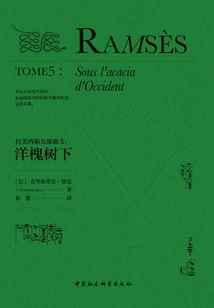
拉美西斯五部曲5:洋槐树下
J
"Under the Acacia Tree": After signing the peace treaty with the Hittite Empire, Ramesses has always followed the inspiration of Mayat's code, especially cherishing the hard-won peace... At the age of fifty, he still tirelessly led Egypt to prosperity. However, the Hittites, Syrians, and Phoenicians were still disrupting Egypt's peace and stability in various forms. One murder case after another, the methods were cruel and vicious; pieces of false information were flying all over the sky. As a creator of miracles, Ramesses could control the wind and rain, and turn enemies into friends. However, in the last ten years of his rule, he could not prevent fate from taking away his loved ones and friends one after another, making him feel lonely when he contended with Egypt's enemies again and again.
"Under the Acacia Tree": After signing the peace treaty with the Hittite Empire, Ramesses has always followed the inspiration of Mayat's code, especially cherishing the hard-won peace... At the age of fifty, he still tirelessly led Egypt to prosperity. However, the Hittites, Syrians, and Phoenicians were still disrupting Egypt's peace and stability in various forms. One murder case after another, the methods were cruel and vicious; pieces of false information were flying all over the sky. As a creator of miracles, Ramesses could control the wind and rain, and turn enemies into friends. However, in the last ten years of his rule, he could not prevent fate from taking away his loved ones and friends one after another, making him feel lonely when he contended with Egypt's enemies again and again.
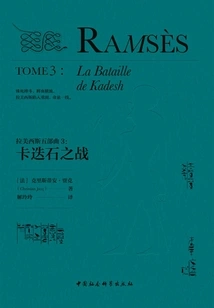
Ramses Pentalogy 3: the Battle of Kadesh
Literature拉美西斯五部曲3:卡迭石之战
(france) Christian Jacques
"Battle of Kadesh": Internal and external troubles simultaneously test the young pharaoh Ramses, who has only been in power for three years. Queen Nefertari was bewitched by a Syrian wizard and her life is in danger; the Hittite army is preparing to invade on the border. Facing his love and country, Ramesses decided to go south first to find the only antidote that could save the queen-the Goddess Stone, and then turn to the Kadesh Castle in the north to face the Hittite army, which was several times more powerful than Egypt. Eventually, the queen recovered and Rameses won the Battle of Kadesh.
"Battle of Kadesh": Internal and external troubles simultaneously test the young pharaoh Ramses, who has only been in power for three years. Queen Nefertari was bewitched by a Syrian wizard and her life is in danger; the Hittite army is preparing to invade on the border. Facing his love and country, Ramesses decided to go south first to find the only antidote that could save the queen-the Goddess Stone, and then turn to the Kadesh Castle in the north to face the Hittite army, which was several times more powerful than Egypt. Eventually, the queen recovered and Rameses won the Battle of Kadesh.
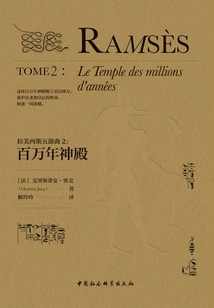
Ramses Pentet 2: the Million-year Temple
Literature拉美西斯五部曲2:百万年神殿
J
"Million-Year Temple": In the three years after Ramses succeeded to the throne, with the help of Queen Nefertari, Queen Mother Tuya, and friends who had played together as a boy, he solved many difficult tasks with his unique wisdom of understanding people; but he inevitably faced obstacles such as the magic of mysterious wizards. In order to resist visible and invisible enemies, Ramses, with the power given by the gods, made an unprecedented sacred initiative - he began to build the city of Ramses and the Million-year Temple.
"Million-Year Temple": In the three years after Ramses succeeded to the throne, with the help of Queen Nefertari, Queen Mother Tuya, and friends who had played together as a boy, he solved many difficult tasks with his unique wisdom of understanding people; but he inevitably faced obstacles such as the magic of mysterious wizards. In order to resist visible and invisible enemies, Ramses, with the power given by the gods, made an unprecedented sacred initiative - he began to build the city of Ramses and the Million-year Temple.
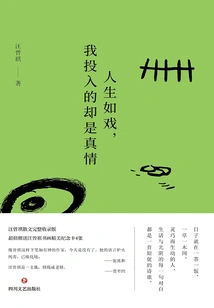
人生如戏,我投入的却是真情
Wang Zengqi
1. "Life is like a play, but what I invest in is true love" collects Wang Zengqi's prose works published over the years. The book talks about flowers, plants and trees, local scenery, various aspects of the world, growth experiences, ancestors and friends, drama, literature, etc. It shows Wang Zengqi's outlook on life and world from all aspects, as well as his growth process and the historical background of a specific era. The author's innocence can be seen in every word. 2. The inadvertent beauty in the ordinary sun and moon has become beautiful and lovely in Wang Zengqi's writings. It is the warmth and beauty of "the family is sitting around, the lights are friendly", and the tranquility and elegance of "keeping a corner of the world, chatting with side branches and flowers". Everything in the world has a little kindness and compassion for him. 3. In the time intertwined between the pages, use the mentality of frying a cup of tea, carefully boil the words, and stew a bowl full of human fireworks. The words may seem bland, but you can taste the richness in them. ...
1. "Life is like a play, but what I invest in is true love" collects Wang Zengqi's prose works published over the years. The book talks about flowers, plants and trees, local scenery, various aspects of the world, growth experiences, ancestors and friends, drama, literature, etc. It shows Wang Zengqi's outlook on life and world from all aspects, as well as his growth process and the historical background of a specific era. The author's innocence can be seen in every word. 2. The inadvertent beauty in the ordinary sun and moon has become beautiful and lovely in Wang Zengqi's writings. It is the warmth and beauty of "the family is sitting around, the lights are friendly", and the tranquility and elegance of "keeping a corner of the world, chatting with side branches and flowers". Everything in the world has a little kindness and compassion for him. 3. In the time intertwined between the pages, use the mentality of frying a cup of tea, carefully boil the words, and stew a bowl full of human fireworks. The words may seem bland, but you can taste the richness in them. ...
As Innocent as a Child
Literature天真到像个孩子
Wang Zengqi
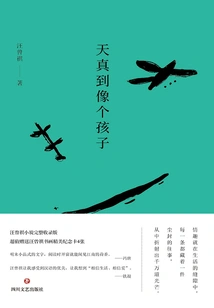
"Innocent as a Child" collects the novels published by Wang Lao over the years, including "Ordering", "Da Nao Chronicles", "Revenge", "Capturing Zhang San", "Eight Thousand Years Old" and other famous novels. It is arranged in chronological order and clearly presents the changes in Wang Lao's thoughts and the formation of "loose writing style". "Suddenly I realized that the business in front of me was full. You should know that there are many miserable people in the world." He wrote about the joys and sorrows of small people, with compassion and tenderness. Write about the refreshing yet hazy love between the little monk and the little Yingzi in "The Ordinance", and the pure and beautiful love pastoral between Qiao Yun and the little tinsmith in "The Story of Da Nao". They are neither pretentious nor pretentious, but a pure and innocent heart between heaven and earth. Wang Zengqi once said: "What I write is beauty and healthy humanity. Beauty and humanity are needed at all times." Encounter a sparkling world of pure beauty in the book. If there is love in your heart, flowers will bloom in your writing.
"Innocent as a Child" collects the novels published by Wang Lao over the years, including "Ordering", "Da Nao Chronicles", "Revenge", "Capturing Zhang San", "Eight Thousand Years Old" and other famous novels. It is arranged in chronological order and clearly presents the changes in Wang Lao's thoughts and the formation of "loose writing style". "Suddenly I realized that the business in front of me was full. You should know that there are many miserable people in the world." He wrote about the joys and sorrows of small people, with compassion and tenderness. Write about the refreshing yet hazy love between the little monk and the little Yingzi in "The Ordinance", and the pure and beautiful love pastoral between Qiao Yun and the little tinsmith in "The Story of Da Nao". They are neither pretentious nor pretentious, but a pure and innocent heart between heaven and earth. Wang Zengqi once said: "What I write is beauty and healthy humanity. Beauty and humanity are needed at all times." Encounter a sparkling world of pure beauty in the book. If there is love in your heart, flowers will bloom in your writing.
Autumn Rain Calligraphy
Literature秋雨翰墨
Yu Qiuyu
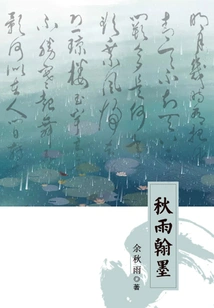
The first chapter is the culture of pen and ink. This part is embodied in the form of interviews, elaborating on culture, feelings about calligraphy, and conducting interviews on the current status of calligraphy culture and the development trend of calligraphy culture in the future. The second chapter is about calligraphy. This part is about Yu Qiuyu's articles about calligraphy culture, such as: "Bi and Ink Sacrifice", "History of Calligraphy", etc. The third chapter, written about the Spring and Autumn Period, is a calligraphy work by Yu Qiuyu.
The first chapter is the culture of pen and ink. This part is embodied in the form of interviews, elaborating on culture, feelings about calligraphy, and conducting interviews on the current status of calligraphy culture and the development trend of calligraphy culture in the future. The second chapter is about calligraphy. This part is about Yu Qiuyu's articles about calligraphy culture, such as: "Bi and Ink Sacrifice", "History of Calligraphy", etc. The third chapter, written about the Spring and Autumn Period, is a calligraphy work by Yu Qiuyu.
Journey in the Heart
Literature心中之旅
Yu Qiuyu
This book collects Mr. Yu Qiuyu's essays about his life story and life insights, revealing his mental journey and revealing the destiny of China's new generation of intellectuals. This series not only presents the above-mentioned works, but also includes more than a thousand exquisite pictures. The purpose is to allow readers to have an immersive and elegant feeling when following Mr. Yu Qiuyu's footsteps.
This book collects Mr. Yu Qiuyu's essays about his life story and life insights, revealing his mental journey and revealing the destiny of China's new generation of intellectuals. This series not only presents the above-mentioned works, but also includes more than a thousand exquisite pictures. The purpose is to allow readers to have an immersive and elegant feeling when following Mr. Yu Qiuyu's footsteps.
Dramatic Aesthetic Psychology
Literature戏剧审美心理学
Yu Qiuyu
"Drama Aesthetic Psychology" is the first time in my country that it starts from the aesthetic psychology of the audience, systematically studies how dramatists understand the audience, adapts to the audience, conquers the audience, and improves the audience. It integrates drama theory, aesthetics, and psychology. In terms of writing, it pays attention to the combination of academic and popularization, explains the profound things in simple terms, and is lively. It is currently a relatively new and systematic book on audience psychology in my country. It is a useful reference book for drama workers, drama aesthetic researchers, and drama lovers.
"Drama Aesthetic Psychology" is the first time in my country that it starts from the aesthetic psychology of the audience, systematically studies how dramatists understand the audience, adapts to the audience, conquers the audience, and improves the audience. It integrates drama theory, aesthetics, and psychology. In terms of writing, it pays attention to the combination of academic and popularization, explains the profound things in simple terms, and is lively. It is currently a relatively new and systematic book on audience psychology in my country. It is a useful reference book for drama workers, drama aesthetic researchers, and drama lovers.
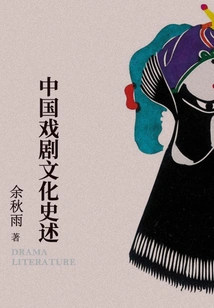
A History of Chinese Drama Culture
Literature中国戏剧文化史述
Yu Qiuyu
"A History of Chinese Drama Culture" is the work of writer Yu Qiuyu. This book is a monograph that studies the history of the development of Chinese drama. This book is a monograph that studies the development history of Chinese drama. The text consists of six chapters. The author believes that, like other birthplaces of ancient civilizations in the world, the elements of beauty in Chinese drama must also be found in primitive singing, dancing and witchcraft etiquette. The ancients came to the door of drama through mimetic performances of singing and dancing. Even at this initial stage, Chinese culture has developed a subjective artistic tendency and a "gentle and honest" style that are completely different from Greek tragedy.
"A History of Chinese Drama Culture" is the work of writer Yu Qiuyu. This book is a monograph that studies the history of the development of Chinese drama. This book is a monograph that studies the development history of Chinese drama. The text consists of six chapters. The author believes that, like other birthplaces of ancient civilizations in the world, the elements of beauty in Chinese drama must also be found in primitive singing, dancing and witchcraft etiquette. The ancients came to the door of drama through mimetic performances of singing and dancing. Even at this initial stage, Chinese culture has developed a subjective artistic tendency and a "gentle and honest" style that are completely different from Greek tragedy.
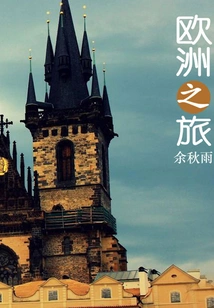
Europe Trip
Literature欧洲之旅
Yu Qiuyu
"Journey to Europe" is one of the series "Following the Footsteps of Yu Qiuyu". The background of this series was that Mr. Yu Qiuyu walked out of his study 15 years ago because he was confused by "the serious disconnect between his study writings and the actual cultural phenomena." After traveling through most of China, I set foot on the Eurasian continent, visiting the birthplaces of ancient civilizations such as Mesopotamia, Egypt, Israel, the Arabian Peninsula, Greece, Rome, Iran, and India, as well as many European countries. Gain insights while walking, comprehend while touching, think while crossing, and narrate through candlelight...
"Journey to Europe" is one of the series "Following the Footsteps of Yu Qiuyu". The background of this series was that Mr. Yu Qiuyu walked out of his study 15 years ago because he was confused by "the serious disconnect between his study writings and the actual cultural phenomena." After traveling through most of China, I set foot on the Eurasian continent, visiting the birthplaces of ancient civilizations such as Mesopotamia, Egypt, Israel, the Arabian Peninsula, Greece, Rome, Iran, and India, as well as many European countries. Gain insights while walking, comprehend while touching, think while crossing, and narrate through candlelight...
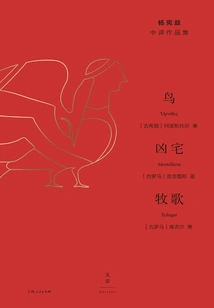
杨宪益中译作品集:鸟·凶宅·牧歌
(ancient Greece) Aristophanes (ancient Rome) Plautus (ancient Rome) Virgil
From the father of comedy to the poet laureate, from ancient Greek comedy to ancient Roman pastoral poetry; three literary classics restore the charm of the times. Three ancient Greek and Roman classics outline the legacy of the times, from comedy to poetry, and revisit the early stages of Western literature. This book consists of three works: Aristophanes' "The Birds", Plautus' "The Haunted House", and Virgil's "Eclogue", all of which are representative works of their respective eras. Among them, "Birds" tells the story of two Athenians who hated city-state life and led a group of birds to build a country, starving the gods and making humans surrender. It is a witty work by Aristophanes, known as the "Father of Comedy". At the same time, this work also has profound realistic irony. At that time, the Athenians were trapped in the quagmire of the Peloponnesian War. The play used the dream of "the country of the geese in the clouds" to mock the futility of the Sicilian expedition. "The Haunted House" is a representative strategy comedy by Plautus, an important ancient Roman playwright. The characters in the play have outstanding personalities, tight rhythm, and constant reversals. It uses a "haunted house" to satirize the parasitism, enjoyment and rigidity of Roman society, and restores the family conflicts and love-hate entanglements at that time. It is the forerunner of family dramas and strategy dramas in later generations, and influenced many people such as Shakespeare. "Pastoral" is the pinnacle of ancient Roman pastoral poetry, a model of Latin literature, and a famous work of the great ancient Roman poet Virgil. Pastoral, leadership, love, divine providence, these themes are all reflected in it. Mr. Yang Xianyi was the first to fully translate ten poems of "Pastoral". The translation was precise and smooth, not overly branchy, and perfectly restored the complexity and simplicity of classical poetry.
From the father of comedy to the poet laureate, from ancient Greek comedy to ancient Roman pastoral poetry; three literary classics restore the charm of the times. Three ancient Greek and Roman classics outline the legacy of the times, from comedy to poetry, and revisit the early stages of Western literature. This book consists of three works: Aristophanes' "The Birds", Plautus' "The Haunted House", and Virgil's "Eclogue", all of which are representative works of their respective eras. Among them, "Birds" tells the story of two Athenians who hated city-state life and led a group of birds to build a country, starving the gods and making humans surrender. It is a witty work by Aristophanes, known as the "Father of Comedy". At the same time, this work also has profound realistic irony. At that time, the Athenians were trapped in the quagmire of the Peloponnesian War. The play used the dream of "the country of the geese in the clouds" to mock the futility of the Sicilian expedition. "The Haunted House" is a representative strategy comedy by Plautus, an important ancient Roman playwright. The characters in the play have outstanding personalities, tight rhythm, and constant reversals. It uses a "haunted house" to satirize the parasitism, enjoyment and rigidity of Roman society, and restores the family conflicts and love-hate entanglements at that time. It is the forerunner of family dramas and strategy dramas in later generations, and influenced many people such as Shakespeare. "Pastoral" is the pinnacle of ancient Roman pastoral poetry, a model of Latin literature, and a famous work of the great ancient Roman poet Virgil. Pastoral, leadership, love, divine providence, these themes are all reflected in it. Mr. Yang Xianyi was the first to fully translate ten poems of "Pastoral". The translation was precise and smooth, not overly branchy, and perfectly restored the complexity and simplicity of classical poetry.
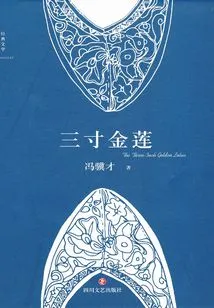
Three-inch Golden Lotus
Literature三寸金莲
Feng Jicai
In those days, Tianjin Wei's biggest move was Huanghui. Generally speaking, troubles are most likely to occur at the imperial meeting. There was only one incident earlier. During the Jiaqing period, a six-year-old child who played the role of the Queen Mother of the West during the pavilion-raising ceremony was sunburned to death on a pole. It was a coincidence, and it passed after a while. However, since Emperor Guangxu ascended the throne and celebrated major events, a new "Information Meeting" was held. When leaving the meeting, Jia Baoyu had a very large pearl on his purple gold crown and had someone steal it. It was said that the pearl was worth tens of thousands, and the county police went out to search for it, making the whole city uneasy. The pearl was not found, but troubles occurred one after another. This year the children will be trampled to death, next year the various associations will fight with each other and have their heads ripped open. In the next year, incense led to the main hall of Ruyi'an where the Goddess of the Sea stayed, and the century-old temple was burned into a pile of charcoal. I don't know which thief was brave enough to take advantage of the fire and actually carried away the statue of the empress painted in fragrant clay by Mo Jia Zhaima's family. Because everyone said that there was gold and silver hidden in the belly of the statue. Worried men and women were looking for the queen everywhere. Don't laugh, you have to think about the believers: If the gods are gone, who will you kowtow to?
In those days, Tianjin Wei's biggest move was Huanghui. Generally speaking, troubles are most likely to occur at the imperial meeting. There was only one incident earlier. During the Jiaqing period, a six-year-old child who played the role of the Queen Mother of the West during the pavilion-raising ceremony was sunburned to death on a pole. It was a coincidence, and it passed after a while. However, since Emperor Guangxu ascended the throne and celebrated major events, a new "Information Meeting" was held. When leaving the meeting, Jia Baoyu had a very large pearl on his purple gold crown and had someone steal it. It was said that the pearl was worth tens of thousands, and the county police went out to search for it, making the whole city uneasy. The pearl was not found, but troubles occurred one after another. This year the children will be trampled to death, next year the various associations will fight with each other and have their heads ripped open. In the next year, incense led to the main hall of Ruyi'an where the Goddess of the Sea stayed, and the century-old temple was burned into a pile of charcoal. I don't know which thief was brave enough to take advantage of the fire and actually carried away the statue of the empress painted in fragrant clay by Mo Jia Zhaima's family. Because everyone said that there was gold and silver hidden in the belly of the statue. Worried men and women were looking for the queen everywhere. Don't laugh, you have to think about the believers: If the gods are gone, who will you kowtow to?
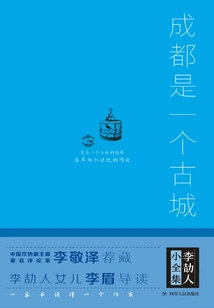
Chengdu is an Ancient City
Literature成都是一个古城
Li Jieren
"Chengdu is an Ancient City (Essence)\u002F The Complete Works of Li Jieren" is a selection of Li Jieren's prose and an introduction to Chengdu culture. The whole book is classified and arranged according to the similarities and differences in content, and within the same category, the publication date is in order. Li Jieren's prose is rich in content, covering life, culture, civil war records during the Republic of China, Chengdu folk culture and many other aspects. The language is humorous and full of profound thoughts. It is actually a high-quality prose work in literature at present. This comprehensive collection is of great significance and has important literary and historical value.
"Chengdu is an Ancient City (Essence)\u002F The Complete Works of Li Jieren" is a selection of Li Jieren's prose and an introduction to Chengdu culture. The whole book is classified and arranged according to the similarities and differences in content, and within the same category, the publication date is in order. Li Jieren's prose is rich in content, covering life, culture, civil war records during the Republic of China, Chengdu folk culture and many other aspects. The language is humorous and full of profound thoughts. It is actually a high-quality prose work in literature at present. This comprehensive collection is of great significance and has important literary and historical value.
Selected Readings by Yu Qiuyu
Literature选读余秋雨
Yu Qiuyu
This book is the latest selection of various important works selected by Yu Qiuyu and an introduction to each volume of the 22-volume "Autumn Rain Collection". It includes comments about Yu Qiuyu and his writings by famous writers such as Jia Pingwa and Jin Yong, as well as some manuscripts of Yu Qiuyu's works and seven poems and calligraphy works describing his life. This book is of great collection value and commemorative significance.
This book is the latest selection of various important works selected by Yu Qiuyu and an introduction to each volume of the 22-volume "Autumn Rain Collection". It includes comments about Yu Qiuyu and his writings by famous writers such as Jia Pingwa and Jin Yong, as well as some manuscripts of Yu Qiuyu's works and seven poems and calligraphy works describing his life. This book is of great collection value and commemorative significance.
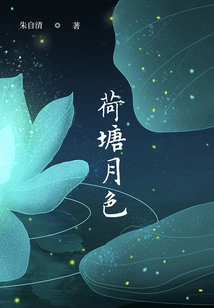
Moonlight over Lotus Pond
Literature荷塘月色
Zhu Ziqing
"Moonlight over the Lotus Pond" written by Zhu Ziqing is divided into four parts: perception of life, old stories of old friends, traces of walking, and reflection on life. Among them, the best works in the four parts all reflect the characteristics of Mr. Zhu Ziqing's writing. Among the seven works in the second part, "Back View" is a well-known masterpiece. Its simple and simple words and melancholy atmosphere have shown to the world. It shows the Chinese-style deep love between father and son; "Ahe" creates a new female image who dares to pursue personal happiness and dare to resist the old ethics; "Bai Cai" tells the two or three things about her interaction with Bai Cai during his lifetime, showing the desolation of the intellectual situation at that time; "Children" sweeps away the gloomy and depressive atmosphere in the previous part, and is full of humor, revealing the character of Mr. Zhu Ziqing between the lines. "White Horse Lake" and "Ye Shengtao I Seen" express the author's deep yearning and sympathy for like-minded friends; "To the Dead Wife" is a work of mourning the death of his wife with blood and tears, and the affection that penetrates the back of the paper makes readers moved; the third volume includes travel notes from several representative prose collections of Mr. Zhu Ziqing; the fourth volume includes , although "Civilization on Ships" is called "civilization", it actually satirizes the ignorance of feudal customs; "The Price of Life - Seventy Cents" uses a transaction of buying and selling children to denounce the indifference of human feelings and the dangers of the world; "Justice" uses a joking tone, trying every possible means to find justice but failing, satirizing the general lack of justice at that time.
"Moonlight over the Lotus Pond" written by Zhu Ziqing is divided into four parts: perception of life, old stories of old friends, traces of walking, and reflection on life. Among them, the best works in the four parts all reflect the characteristics of Mr. Zhu Ziqing's writing. Among the seven works in the second part, "Back View" is a well-known masterpiece. Its simple and simple words and melancholy atmosphere have shown to the world. It shows the Chinese-style deep love between father and son; "Ahe" creates a new female image who dares to pursue personal happiness and dare to resist the old ethics; "Bai Cai" tells the two or three things about her interaction with Bai Cai during his lifetime, showing the desolation of the intellectual situation at that time; "Children" sweeps away the gloomy and depressive atmosphere in the previous part, and is full of humor, revealing the character of Mr. Zhu Ziqing between the lines. "White Horse Lake" and "Ye Shengtao I Seen" express the author's deep yearning and sympathy for like-minded friends; "To the Dead Wife" is a work of mourning the death of his wife with blood and tears, and the affection that penetrates the back of the paper makes readers moved; the third volume includes travel notes from several representative prose collections of Mr. Zhu Ziqing; the fourth volume includes , although "Civilization on Ships" is called "civilization", it actually satirizes the ignorance of feudal customs; "The Price of Life - Seventy Cents" uses a transaction of buying and selling children to denounce the indifference of human feelings and the dangers of the world; "Justice" uses a joking tone, trying every possible means to find justice but failing, satirizing the general lack of justice at that time.
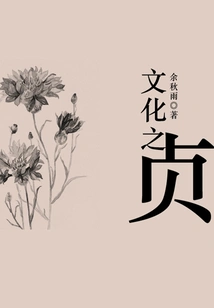
Cultural Purity
Literature文化之贞
Yu Qiuyu
This book is divided into two parts. The first part, "The Answer of Life," describes a group of modern cultural figures who still maintained cultural loyalty despite many difficulties, such as Ba Jin, Huang Zuolin, Xie Jin, Zhang Peiheng, Bai Xianyong, Lin Huaimin, and Yu Guangzhong. The second part, "Academic Answers," collects cultural speeches delivered by the author on some major international occasions, and also includes a systematic analysis of the "cultural pain" reflected in the disaster of the Cultural Revolution.
This book is divided into two parts. The first part, "The Answer of Life," describes a group of modern cultural figures who still maintained cultural loyalty despite many difficulties, such as Ba Jin, Huang Zuolin, Xie Jin, Zhang Peiheng, Bai Xianyong, Lin Huaimin, and Yu Guangzhong. The second part, "Academic Answers," collects cultural speeches delivered by the author on some major international occasions, and also includes a systematic analysis of the "cultural pain" reflected in the disaster of the Cultural Revolution.
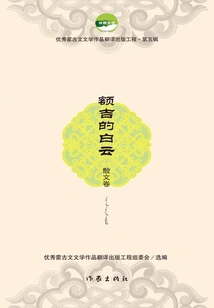
Eji's White Clouds
Literature额吉的白云
Selected By The Organizing Committee Of The Translation And Publishing Project Of Excellent Mongolian Literary Works
The prose collection "The White Clouds of Eji" contains a total of 16 Mongolian-Chinese prose works, which represents the overall strength and achievements of Mongolian prose creation of the three generations of ancient, middle and young people in Inner Mongolia since the founding of the People's Republic of China. These prose works express the author's longing and love for his hometown, fathers and relatives, and also record the earth-shaking changes that have taken place in Inner Mongolia's social, cultural and economic life in the past thirty years. The unique romantic feelings of the grassland people and their deep concern for the current situation of grassland ecology are vividly displayed on the page.
The prose collection "The White Clouds of Eji" contains a total of 16 Mongolian-Chinese prose works, which represents the overall strength and achievements of Mongolian prose creation of the three generations of ancient, middle and young people in Inner Mongolia since the founding of the People's Republic of China. These prose works express the author's longing and love for his hometown, fathers and relatives, and also record the earth-shaking changes that have taken place in Inner Mongolia's social, cultural and economic life in the past thirty years. The unique romantic feelings of the grassland people and their deep concern for the current situation of grassland ecology are vividly displayed on the page.
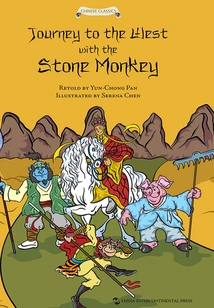
西游记故事(英文版)
(add) Pan Yunchong
Story of Journey to the West: The author uses another easy-to-understand text and comic form to narrate the process of the four monks from Tang Dynasty who went to the West to obtain Buddhist scriptures.
Story of Journey to the West: The author uses another easy-to-understand text and comic form to narrate the process of the four monks from Tang Dynasty who went to the West to obtain Buddhist scriptures.
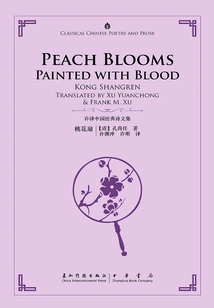
Peach Blossom Fan (chinese and English)
Literature桃花扇(中英对照)
S
Ancient Chinese classic poetry is a wonder of Chinese traditional culture. As early as more than two thousand years ago, Chinese poets wrote the beautiful "Book of Songs" and "Chu Ci"; later, they created more splendid Tang poetry and Song lyrics. Classic works such as "The Analects of Confucius" and "Laozi" are of extremely important significance in shaping and forming the cultural spirit of the Chinese nation. These works are not only a cultural link connecting the thoughts and emotions of all Chinese people, but also an important bridge for Chinese culture to the world.
Ancient Chinese classic poetry is a wonder of Chinese traditional culture. As early as more than two thousand years ago, Chinese poets wrote the beautiful "Book of Songs" and "Chu Ci"; later, they created more splendid Tang poetry and Song lyrics. Classic works such as "The Analects of Confucius" and "Laozi" are of extremely important significance in shaping and forming the cultural spirit of the Chinese nation. These works are not only a cultural link connecting the thoughts and emotions of all Chinese people, but also an important bridge for Chinese culture to the world.
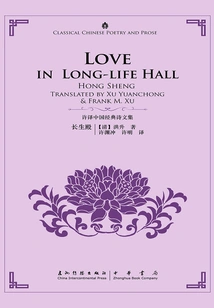
长生殿(中英对照)
(qing Dynasty) Hong Sheng
"Collection of Chinese Classical Poems Translated by Xu: Palace of Eternal Life" takes the Anshi Rebellion as the background and reflects the rise and fall of a generation through the tragedy of the love between Emperor Ming of the Tang Dynasty and Concubine Yang. The play not only praises the everlasting love between Tang Minghuang and Yang Guifei, but also exposes the debauchery of the ruling class represented by Tang Minghuang.
"Collection of Chinese Classical Poems Translated by Xu: Palace of Eternal Life" takes the Anshi Rebellion as the background and reflects the rise and fall of a generation through the tragedy of the love between Emperor Ming of the Tang Dynasty and Concubine Yang. The play not only praises the everlasting love between Tang Minghuang and Yang Guifei, but also exposes the debauchery of the ruling class represented by Tang Minghuang.
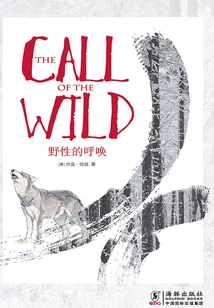
The Call of the Wild (english Version)
Literature野性的呼唤(英文版)
H
"The Call of the Wild" is Jack London's long-standing novel. It tells the story of the "protagonist" Buck, who transformed from a pet dog living in a civilized society to a wild wolf king after experiencing changes in the living environment, which triggered his instinct and consciousness to return to nature. The story revolves around the gold rush that was prevalent in society at that time, and vividly depicts the world of dogs struggling in this special environment. It is written about dogs and reflects the human world.
"The Call of the Wild" is Jack London's long-standing novel. It tells the story of the "protagonist" Buck, who transformed from a pet dog living in a civilized society to a wild wolf king after experiencing changes in the living environment, which triggered his instinct and consciousness to return to nature. The story revolves around the gold rush that was prevalent in society at that time, and vividly depicts the world of dogs struggling in this special environment. It is written about dogs and reflects the human world.
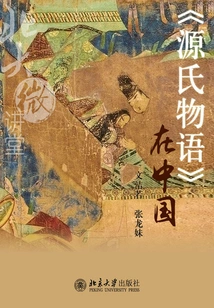
the Tale of Genji" in China
Literature《源氏物语》在中国
Wen Jieruo Zhang Longmei
Peking University Micro Lecture Hall is a popular science lecture held by Peking University for students. It invites professors, famous experts, academicians, etc. From various disciplines to explain the content in an authoritative yet easy-to-understand manner.
Peking University Micro Lecture Hall is a popular science lecture held by Peking University for students. It invites professors, famous experts, academicians, etc. From various disciplines to explain the content in an authoritative yet easy-to-understand manner.
革新与守固:林纾国际学术研讨会论文集
Wu Renhua
A literary debate that never happened - the discovery of a lost article by Lin Shu in his later years and a new exploration of the issue of "Lin Shu's defeat" during the literary revolution - also on the extraordinary significance of "second- and third-rate writers" in cultural exchanges between republican discourse and the establishment of the legitimacy of new literature - a brief introduction to the popular works in Lin Shu's translated novels
A literary debate that never happened - the discovery of a lost article by Lin Shu in his later years and a new exploration of the issue of "Lin Shu's defeat" during the literary revolution - also on the extraordinary significance of "second- and third-rate writers" in cultural exchanges between republican discourse and the establishment of the legitimacy of new literature - a brief introduction to the popular works in Lin Shu's translated novels
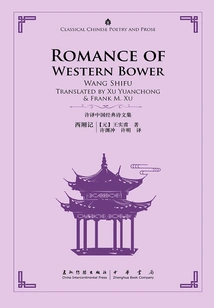
西厢记(中英对照)
J
"The Romance of the West Chamber" describes the story of Cui Yingying, a Miss Xiangguo, and Zhang Sheng, a scholar, who met by chance at Pujiu Temple, fell in love at first sight, went through hardships, and finally got married.
"The Romance of the West Chamber" describes the story of Cui Yingying, a Miss Xiangguo, and Zhang Sheng, a scholar, who met by chance at Pujiu Temple, fell in love at first sight, went through hardships, and finally got married.
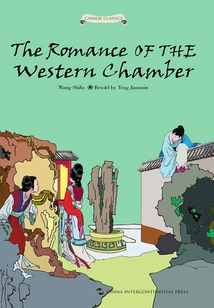
西厢记故事(英文版)
Adapted By Teng Jianmin
"The Story of the West Chamber" (Chinese classic drama story series) was written around the beginning of the 14th century. It describes the story of Cui Yingying, a Miss Xiangguo, and Zhang Sheng, a scholar, who met by chance at Pujiu Temple, fell in love at first sight, went through many hardships, and finally got married.
"The Story of the West Chamber" (Chinese classic drama story series) was written around the beginning of the 14th century. It describes the story of Cui Yingying, a Miss Xiangguo, and Zhang Sheng, a scholar, who met by chance at Pujiu Temple, fell in love at first sight, went through many hardships, and finally got married.
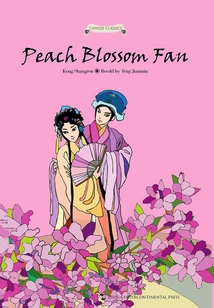
桃花扇故事(英文版)
Adapted By Teng Jianmin
"The Story of the Peach Blossom Fan" (Chinese Classic Drama Story Series) "The Peach Blossom Fan" takes the love story of Hou Fangyu and Li Xiangjun in the late Ming Dynasty as a clue. Through their gathering, separation and reunion, it shows the history of the demise of the Southern Ming Dynasty. The play always runs through the contradiction and conflict between the forces of justice and the forces of power and rape.
"The Story of the Peach Blossom Fan" (Chinese Classic Drama Story Series) "The Peach Blossom Fan" takes the love story of Hou Fangyu and Li Xiangjun in the late Ming Dynasty as a clue. Through their gathering, separation and reunion, it shows the history of the demise of the Southern Ming Dynasty. The play always runs through the contradiction and conflict between the forces of justice and the forces of power and rape.
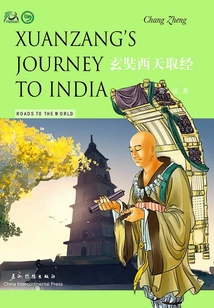
玄奘西天取经(中英对照)
Chang Zheng
"Xuan Zang's Pursuit of Buddhist Scriptures from the West" is based on relevant historical records and tells the story of the eminent monk Xuanzang of the Tang Dynasty who went to the Western Heaven (India) to obtain Buddhist scriptures. Nearly 1,400 years ago, this Chinese monk was not afraid of hardships and traveled tens of thousands of kilometers for 17 years on a great cultural journey. He left behind a rich ideological and cultural heritage for future generations and became a symbol of Sino-Indian cultural exchanges. The true stories of his travels to Xinjiang, Central Asia, and India are uniquely charming.
"Xuan Zang's Pursuit of Buddhist Scriptures from the West" is based on relevant historical records and tells the story of the eminent monk Xuanzang of the Tang Dynasty who went to the Western Heaven (India) to obtain Buddhist scriptures. Nearly 1,400 years ago, this Chinese monk was not afraid of hardships and traveled tens of thousands of kilometers for 17 years on a great cultural journey. He left behind a rich ideological and cultural heritage for future generations and became a symbol of Sino-Indian cultural exchanges. The true stories of his travels to Xinjiang, Central Asia, and India are uniquely charming.
熙德之歌(世界英雄史诗译丛)
Anonymous
"Song of the Cid" is the most complete piece of troubadour so far preserved. Literary historians often rank it alongside France's "Song of Roland" and Germany's "Song of the Nibelungs" as the three major heroic epics in medieval Europe. Cid is a famous national hero in Spain. He is brave and good at fighting and wins the respect of the Moors. "Song of Cide" is written in the form of a ballad, with powerful words and strong heroic spirit and strong national characteristics. The poem concentrates the temperament of the Spanish people on Cide, and enthusiastically praises the strong will, loyal heart, and sincere love. The poem is full of historical authenticity and has a very wonderful and detailed expression of Spanish history, culture, customs and customs. It is a milestone in the history of Spanish literature.
"Song of the Cid" is the most complete piece of troubadour so far preserved. Literary historians often rank it alongside France's "Song of Roland" and Germany's "Song of the Nibelungs" as the three major heroic epics in medieval Europe. Cid is a famous national hero in Spain. He is brave and good at fighting and wins the respect of the Moors. "Song of Cide" is written in the form of a ballad, with powerful words and strong heroic spirit and strong national characteristics. The poem concentrates the temperament of the Spanish people on Cide, and enthusiastically praises the strong will, loyal heart, and sincere love. The poem is full of historical authenticity and has a very wonderful and detailed expression of Spanish history, culture, customs and customs. It is a milestone in the history of Spanish literature.
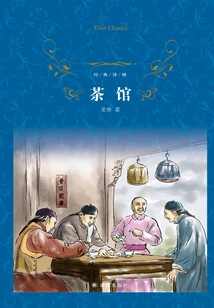
Teahouse (classic Translation)
Literature茶馆(经典译林)
Lao She
The three-act play "Teahouse" uses a teahouse called Yutai to show the social changes in the three eras of the Reform Movement of 1898, the Warlords' Melee and the eve of the founding of New China for nearly half a century, as well as all the living beings in the social background. The play has been performed many times at home and abroad, and has been adapted into movies and TV series. It is a classic work of contemporary Chinese drama creation. The three-act drama "Longxugou" is also one of Lao She's masterpieces. It describes the different experiences of four families in a small courtyard in Beijing during social changes. It shows the great changes in the old and new eras and creates unique characters such as Madman Cheng, Aunt Wang, Er Chun, Niangzi, and Sister Ding.
The three-act play "Teahouse" uses a teahouse called Yutai to show the social changes in the three eras of the Reform Movement of 1898, the Warlords' Melee and the eve of the founding of New China for nearly half a century, as well as all the living beings in the social background. The play has been performed many times at home and abroad, and has been adapted into movies and TV series. It is a classic work of contemporary Chinese drama creation. The three-act drama "Longxugou" is also one of Lao She's masterpieces. It describes the different experiences of four families in a small courtyard in Beijing during social changes. It shows the great changes in the old and new eras and creates unique characters such as Madman Cheng, Aunt Wang, Er Chun, Niangzi, and Sister Ding.
Intensive Prose Reading·zhao Lihong
Literature散文精读·赵丽宏
Zhao Lihong
Zhao Lihong is a well-known modern poet and essayist in my country. He is the author of "Looking at the Moon", "Life Grass", "The Boy with a Bowl", etc. This collection of essays is divided into four volumes: lyrical, characters, travel notes, and sketches, and includes 50 works such as "The Crystal Moment", "Dancing with the Elephant", and "The Grasshopper". With gentle brushwork and rich lyricism, these works lay out a series of crystal-clear moments: childhood footprints, youthful memories, spring light on an inch of grass... They are all masterpieces that have entered Zhao Lihong's literary world.
Zhao Lihong is a well-known modern poet and essayist in my country. He is the author of "Looking at the Moon", "Life Grass", "The Boy with a Bowl", etc. This collection of essays is divided into four volumes: lyrical, characters, travel notes, and sketches, and includes 50 works such as "The Crystal Moment", "Dancing with the Elephant", and "The Grasshopper". With gentle brushwork and rich lyricism, these works lay out a series of crystal-clear moments: childhood footprints, youthful memories, spring light on an inch of grass... They are all masterpieces that have entered Zhao Lihong's literary world.
Intensive Prose Reading·zhu Ziqing
Literature散文精读·朱自清
Zhu Ziqing
Zhu Ziqing is a modern essayist, poet, scholar, and democracy fighter in my country. He is the author of the essays "Back View" and "Moonlight over the Lotus Pond". The style of Zhu Ziqing's works is simple and meticulous, clear and melancholy, and the language is simple, concise, beautiful and beautiful. This collection of essays is divided into four volumes: lyrical, character, travel notes, and sketches, including "Qinhuai River in the Sound of Oars and Shadows of Lights", "The Price of Life - Seven Cents", "Caucasians - God's Proud Sons!" "Green", "Winter", "Looking at Flowers" and other nearly 40 essays. They are all masterpieces that enter Zhu Ziqing's literary world.
Zhu Ziqing is a modern essayist, poet, scholar, and democracy fighter in my country. He is the author of the essays "Back View" and "Moonlight over the Lotus Pond". The style of Zhu Ziqing's works is simple and meticulous, clear and melancholy, and the language is simple, concise, beautiful and beautiful. This collection of essays is divided into four volumes: lyrical, character, travel notes, and sketches, including "Qinhuai River in the Sound of Oars and Shadows of Lights", "The Price of Life - Seven Cents", "Caucasians - God's Proud Sons!" "Green", "Winter", "Looking at Flowers" and other nearly 40 essays. They are all masterpieces that enter Zhu Ziqing's literary world.
Intensive Prose Reading·xu Zhimo
Literature散文精读·徐志摩
Xu Zhimo
Xu Zhimo is a famous essayist and poet in modern my country. He is the author of "Farewell to Cambridge" and "A Night in the Emerald Green". Xu Zhimo's prose is unique, rich in philosophy and poetic in language. This collection of essays is divided into five volumes: lyrical, characters, travel notes, sketches, and letters, and includes 30 works including "Want to Fly", "Ugly West Lake", "Xu Zhimo and Zhang Youyi's Divorce Announcement", and "Letter to Lu Xiaoman". They are all masterpieces that enter Xu Zhimo's literary world.
Xu Zhimo is a famous essayist and poet in modern my country. He is the author of "Farewell to Cambridge" and "A Night in the Emerald Green". Xu Zhimo's prose is unique, rich in philosophy and poetic in language. This collection of essays is divided into five volumes: lyrical, characters, travel notes, sketches, and letters, and includes 30 works including "Want to Fly", "Ugly West Lake", "Xu Zhimo and Zhang Youyi's Divorce Announcement", and "Letter to Lu Xiaoman". They are all masterpieces that enter Xu Zhimo's literary world.
Intensive Literature Reading·lao She
Literature文学精读·老舍
Lao She
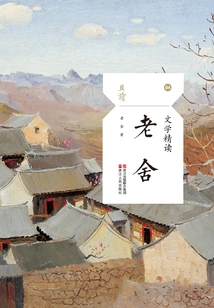
Lao She is a modern novelist and dramatist in my country. He is the first writer in New China to win the title of "People's Artist". This book collects the essence of his literary creation throughout his life, divided into three volumes: prose, novels, and dramas. It includes essays such as "My Mother" and "I Love New Beijing", novels such as "No Problem" and "The Soul-Breaking Gun", as well as the famous drama "Tea House". Lao She poured his cheerfulness, humor, simplicity and enthusiasm into these works. They are all masterpieces that enter the world of Lao She's literature.
Lao She is a modern novelist and dramatist in my country. He is the first writer in New China to win the title of "People's Artist". This book collects the essence of his literary creation throughout his life, divided into three volumes: prose, novels, and dramas. It includes essays such as "My Mother" and "I Love New Beijing", novels such as "No Problem" and "The Soul-Breaking Gun", as well as the famous drama "Tea House". Lao She poured his cheerfulness, humor, simplicity and enthusiasm into these works. They are all masterpieces that enter the world of Lao She's literature.
Intensive Literary Reading·lu Xun
Literature文学精读·鲁迅
Lu Xun
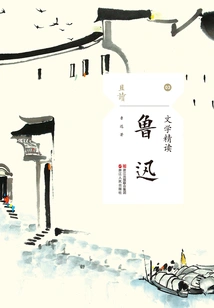
Lu Xun is a famous modern Chinese writer and thinker. His works are not only highly artistic, but also very profound in thought. This book is divided into three parts: prose, novels, and essays. It not only includes the prose "Morning Flowers Picked at Dusk" and "Wild Grass" (excerpts), but also eight novels such as "Kong Yiji" and "Blessing", as well as several essays. These articles are all masterpieces that enter the world of Lu Xun's literature. Read calmly, understand Lu Xun, gain insight into China, and measure yourself.
Lu Xun is a famous modern Chinese writer and thinker. His works are not only highly artistic, but also very profound in thought. This book is divided into three parts: prose, novels, and essays. It not only includes the prose "Morning Flowers Picked at Dusk" and "Wild Grass" (excerpts), but also eight novels such as "Kong Yiji" and "Blessing", as well as several essays. These articles are all masterpieces that enter the world of Lu Xun's literature. Read calmly, understand Lu Xun, gain insight into China, and measure yourself.
Liang Qichao's Wonderful Quotes
Literature梁启超妙语录
Idle People In Yanbei
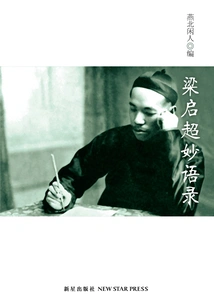
The enlightening words of a "New People's Youth" encompass Liang Qichao's academic myths and legendary years. Looking at Liang Qichao's life, his dual focus on politics and academics built up his ideological edifice. This book starts from these two aspects and carefully selects the remarks and opinions that best represent Liang Qichao's writing and politics. Through these words, it vividly shows a politician Liang Qichao who "made military men eclipse in panic" and a scholar Liang Qichao who was "the pioneer of 'new history' and devoted to 'academic interests'".
The enlightening words of a "New People's Youth" encompass Liang Qichao's academic myths and legendary years. Looking at Liang Qichao's life, his dual focus on politics and academics built up his ideological edifice. This book starts from these two aspects and carefully selects the remarks and opinions that best represent Liang Qichao's writing and politics. Through these words, it vividly shows a politician Liang Qichao who "made military men eclipse in panic" and a scholar Liang Qichao who was "the pioneer of 'new history' and devoted to 'academic interests'".
Collected Works of Wu Xinghua
Literature吴兴华文集
Wu Xinghua
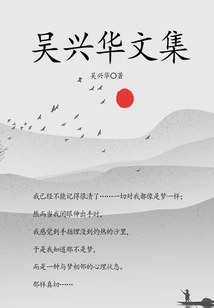
Wu Xinghua is both a poet and a translator. Most of his poems and translated works were published in the 1930s and 1940s. This book "Wu Xinghua Collected Works" includes Wu Xinghua's "The Builder of Sand", "Starting from the Survival of Animals", "Recording the Illness of the God of Poetry", "Tang Poems", "Selected Poems", "Today's New Poems", "Talking about Pastoral Poems", "Two Books About Yeats" and "How to Talk" "Doves, Nightingales and Linnets", "Autumn Diary", "One More Time", "Joyce Study", "Finigan's Wake", "Remembering the Dead Sister", "Dreamwalkers", "Marlowe and His Atheistic Thoughts" and other articles, Wu Xinghua was a genius, and it is sad to die young. Reading this book can interpret the profound implications of Wu Xinghua's works and understand his tragic life of dying young.
Wu Xinghua is both a poet and a translator. Most of his poems and translated works were published in the 1930s and 1940s. This book "Wu Xinghua Collected Works" includes Wu Xinghua's "The Builder of Sand", "Starting from the Survival of Animals", "Recording the Illness of the God of Poetry", "Tang Poems", "Selected Poems", "Today's New Poems", "Talking about Pastoral Poems", "Two Books About Yeats" and "How to Talk" "Doves, Nightingales and Linnets", "Autumn Diary", "One More Time", "Joyce Study", "Finigan's Wake", "Remembering the Dead Sister", "Dreamwalkers", "Marlowe and His Atheistic Thoughts" and other articles, Wu Xinghua was a genius, and it is sad to die young. Reading this book can interpret the profound implications of Wu Xinghua's works and understand his tragic life of dying young.
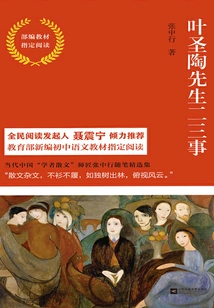
叶圣陶先生二三事
Zhang Zhongxing
This book is a collection of essays by Mr. Zhang Zhongxing and belongs to one of the designated reading series of textbooks compiled by the ministry. As a "late bloomer" prose writer in the literary world, Zhang Zhongxing's prose is inseparable from his personal experience. After going through the ups and downs of the times, he took up writing in his twilight years to reminisce about the past, writing about the Red Mansion, Peking University, food and drink, as well as teachers and friends, life, and leisurely love. He imbued his life's insights and feelings in simple words. This is the value of Zhang Zhongxing's prose selected for this book.
This book is a collection of essays by Mr. Zhang Zhongxing and belongs to one of the designated reading series of textbooks compiled by the ministry. As a "late bloomer" prose writer in the literary world, Zhang Zhongxing's prose is inseparable from his personal experience. After going through the ups and downs of the times, he took up writing in his twilight years to reminisce about the past, writing about the Red Mansion, Peking University, food and drink, as well as teachers and friends, life, and leisurely love. He imbued his life's insights and feelings in simple words. This is the value of Zhang Zhongxing's prose selected for this book.
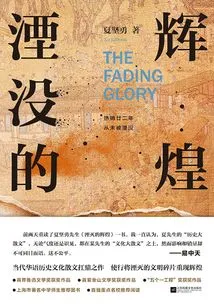
Oblivion of Glory
Literature湮没的辉煌
Xia Jianyong
"The Oblivion of Glory" conducts an in-depth investigation and understanding of Chinese history and culture through the narration, recollection, examination and reflection of the remaining ruins and ruins, interprets the rich meanings contained in these glorious relics, and resurrects the historical legends that were once full of glory. The author carefully identifies the flickering clues scattered in people's lives today, leading them to vivid and rich characters in the vast history, making people understand the contingency and inevitability of individuals creating history, and deeply appreciate the helplessness of history and the indescribable destiny of life.
"The Oblivion of Glory" conducts an in-depth investigation and understanding of Chinese history and culture through the narration, recollection, examination and reflection of the remaining ruins and ruins, interprets the rich meanings contained in these glorious relics, and resurrects the historical legends that were once full of glory. The author carefully identifies the flickering clues scattered in people's lives today, leading them to vivid and rich characters in the vast history, making people understand the contingency and inevitability of individuals creating history, and deeply appreciate the helplessness of history and the indescribable destiny of life.
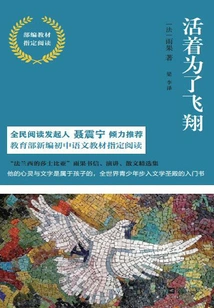
Live to Fly
Literature活着为了飞翔
H
This book is a collection of essays by the famous French writer Hugo, including the essence of Hugo's essays and famous speeches. As a giant of French literature, Hugo's prose, like his novels, is profoundly ideological and highly artistic, exuding dazzling brilliance everywhere.
This book is a collection of essays by the famous French writer Hugo, including the essence of Hugo's essays and famous speeches. As a giant of French literature, Hugo's prose, like his novels, is profoundly ideological and highly artistic, exuding dazzling brilliance everywhere.
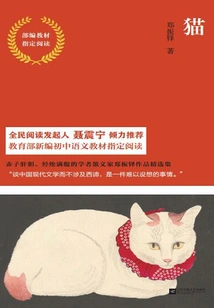
Cat
Literature猫
Zheng Zhenduo
This book is a collection of novels and prose works by the famous writer and bibliophile Mr. Zheng Zhenduo. It mainly selects Zheng Zhenduo's life-long masterpieces of novels "Cat" and "Lucky Money", and famous prose works "The Literature of Butterflies", "Yungang", "The Fun of Banquet", "Words on a Moonlit Night", etc. Through these masterpieces, we can get a glimpse of Mr. Zheng Zhenduo's literary quality and patriotism.
This book is a collection of novels and prose works by the famous writer and bibliophile Mr. Zheng Zhenduo. It mainly selects Zheng Zhenduo's life-long masterpieces of novels "Cat" and "Lucky Money", and famous prose works "The Literature of Butterflies", "Yungang", "The Fun of Banquet", "Words on a Moonlit Night", etc. Through these masterpieces, we can get a glimpse of Mr. Zheng Zhenduo's literary quality and patriotism.
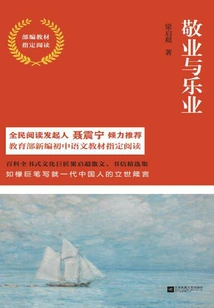
Dedication and Joy in Work
Literature敬业与乐业
Liang Qichao
This book collects Liang Qichao's famous essays, presenting readers with the most classic articles. His prose either exposes and criticizes the dark and ugly reality, or worries about the current situation of the motherland, or introduces advanced Western ideas and technology, actively calls for reform and self-improvement, and uses prose as a propaganda tool for his reform ideas. In terms of form, his prose is full of discussion and momentum, and his writing is often emotional and highly inspiring; his language is both elegant and clear, and full of elegance and interest. His works "Dedication and Joy" and "The Most Suffering and the Most Joy" were selected into Chinese middle school Chinese textbooks.
This book collects Liang Qichao's famous essays, presenting readers with the most classic articles. His prose either exposes and criticizes the dark and ugly reality, or worries about the current situation of the motherland, or introduces advanced Western ideas and technology, actively calls for reform and self-improvement, and uses prose as a propaganda tool for his reform ideas. In terms of form, his prose is full of discussion and momentum, and his writing is often emotional and highly inspiring; his language is both elegant and clear, and full of elegance and interest. His works "Dedication and Joy" and "The Most Suffering and the Most Joy" were selected into Chinese middle school Chinese textbooks.
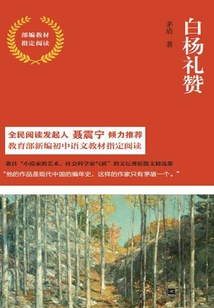
Praise of Poplar
Literature白杨礼赞
Mao Dun
This book is a collection of essays by the famous writer Mr. Mao Dun. It contains dozens of fine essays by Mr. Mao Dun, including "Dream Under Severe Frost", "Fog", "Red Leaves", "Dusk", "The House of Hell", "Footprints on the Beach", etc. Mao Dun has been engaged in writing for a long time. However, he has a profound knowledge of the world, so he never forgets society. His thoughtful observations and clear analysis are the most practical writing methods in modern prose and have high literary appreciation value.
This book is a collection of essays by the famous writer Mr. Mao Dun. It contains dozens of fine essays by Mr. Mao Dun, including "Dream Under Severe Frost", "Fog", "Red Leaves", "Dusk", "The House of Hell", "Footprints on the Beach", etc. Mao Dun has been engaged in writing for a long time. However, he has a profound knowledge of the world, so he never forgets society. His thoughtful observations and clear analysis are the most practical writing methods in modern prose and have high literary appreciation value.
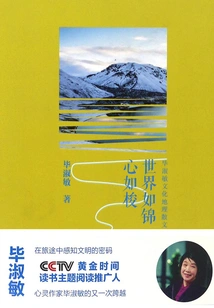
毕淑敏文化地理散文:世界如锦心如梭(名家视觉地理阅读)
Bi Shumin
The icebergs of Greenland are broad and crystal clear, the waterfalls of Norway are free and unrestrained; the chocolate of Switzerland exudes an alluring fragrance, and the papyrus of Egypt solidifies a bygone time; Masada has witnessed the resistance of the Jews who would rather die than surrender, and the Pashupatinath Temple carries the Hindus' thinking about death... Different regions, different customs; different cultures, different beliefs. The world is as colorful as a brocade, and the human heart is just like the shuttle that strings together its longitude and weft threads. Follow Bi Shumin and embark on a "cultural journey" on paper.
The icebergs of Greenland are broad and crystal clear, the waterfalls of Norway are free and unrestrained; the chocolate of Switzerland exudes an alluring fragrance, and the papyrus of Egypt solidifies a bygone time; Masada has witnessed the resistance of the Jews who would rather die than surrender, and the Pashupatinath Temple carries the Hindus' thinking about death... Different regions, different customs; different cultures, different beliefs. The world is as colorful as a brocade, and the human heart is just like the shuttle that strings together its longitude and weft threads. Follow Bi Shumin and embark on a "cultural journey" on paper.
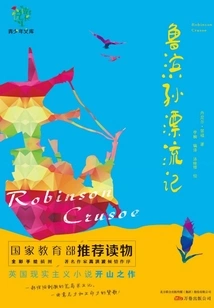
悦成长青少年文库:鲁滨孙漂流记
H
"Robinson Crusoe" tells the story of Robinson Crusoe, a young British sailing enthusiast who was swept to a desert island by wind and waves in a shipwreck. Although he was out of danger, he was alone and helpless. In order to survive, he used his intelligence and strong will to overcome various hardships and built fortresses, "villas" and ships. He also rescued captives from the hands of the natives and assisted the British shipowners in recovering the ship that had been occupied by pirates. Finally, he bid farewell to the desert island where he had lived for 28 years, and returned to the UK with the ship.
"Robinson Crusoe" tells the story of Robinson Crusoe, a young British sailing enthusiast who was swept to a desert island by wind and waves in a shipwreck. Although he was out of danger, he was alone and helpless. In order to survive, he used his intelligence and strong will to overcome various hardships and built fortresses, "villas" and ships. He also rescued captives from the hands of the natives and assisted the British shipowners in recovering the ship that had been occupied by pirates. Finally, he bid farewell to the desert island where he had lived for 28 years, and returned to the UK with the ship.
Letters Home from America
Literature美国家书
(u. S.) Franklin Rockefeller Einstein
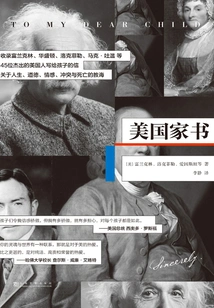
This book contains letters written to children by 45 outstanding celebrities in American history. These people have made extraordinary contributions in the fields of politics, military, science, literature and art, etc., And their words and deeds have a profound accumulation and influence on future generations. Letters can best present the appearance and reality of a person. Reading these handed down letters, one can not only appreciate their great minds and personalities, but also feel their mortal moments. Faced with their loved ones, they expressed their ambitions and concerns. The words are full of warmth and joy, and the conflicts and worries are also vividly visible. Letters from home once connected time, space and emotions, but now they are a fresh perspective on the American spiritual group, and they are also a guide to education that is often read and updated.
This book contains letters written to children by 45 outstanding celebrities in American history. These people have made extraordinary contributions in the fields of politics, military, science, literature and art, etc., And their words and deeds have a profound accumulation and influence on future generations. Letters can best present the appearance and reality of a person. Reading these handed down letters, one can not only appreciate their great minds and personalities, but also feel their mortal moments. Faced with their loved ones, they expressed their ambitions and concerns. The words are full of warmth and joy, and the conflicts and worries are also vividly visible. Letters from home once connected time, space and emotions, but now they are a fresh perspective on the American spiritual group, and they are also a guide to education that is often read and updated.