Library
Browse and search books
2,982 novels found
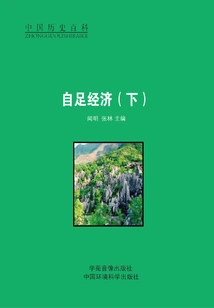
自足经济(下)
Wen Ming Zhang Lin
China is a huge country with a splendid civilization history of five thousand years and full of vitality and vitality. The Chinese nation has long been standing in the east of the world, and has continued for hundreds of generations.
China is a huge country with a splendid civilization history of five thousand years and full of vitality and vitality. The Chinese nation has long been standing in the east of the world, and has continued for hundreds of generations.
展现凝固的音乐:世界建筑史(下)
Wen Ming Peng Pingping
On the one hand, this set of teaching materials focuses on teaching students relatively systematic and comprehensive environmental protection knowledge, cultivating students' environmental awareness and environmental protection skills; on the other hand, it also focuses on grasping the rules of education, paying attention to the gradual progression of knowledge, and at the same time, through activity classes, experimental classes and other forms, it cultivates students' awareness of participation, hands-on ability and ability to analyze and solve problems, thereby improving students' overall quality.
On the one hand, this set of teaching materials focuses on teaching students relatively systematic and comprehensive environmental protection knowledge, cultivating students' environmental awareness and environmental protection skills; on the other hand, it also focuses on grasping the rules of education, paying attention to the gradual progression of knowledge, and at the same time, through activity classes, experimental classes and other forms, it cultivates students' awareness of participation, hands-on ability and ability to analyze and solve problems, thereby improving students' overall quality.
系铃尚无解铃人:世界之谜(上)
Wen Ming Peng Pingping
According to records in ancient literary and artistic works and historical legends, Solomon is often described as an "ideal king" and a "virtuous king". In fact, he was an extremely cruel monarch. He levied heavy taxes on the surrounding areas, implemented forced labor, and ordered his subjects to build luxurious palaces and temples on the mountains of Jerusalem. The Bible truly records Solomon's construction of the Temple of the Lord: "Solomon determined to build a house for the name of the Lord and a palace for his kingdom. So Solomon selected 70,000 bearers, 80,000 stone-cutters on the mountains, and 3,600 overseers to build it."
According to records in ancient literary and artistic works and historical legends, Solomon is often described as an "ideal king" and a "virtuous king". In fact, he was an extremely cruel monarch. He levied heavy taxes on the surrounding areas, implemented forced labor, and ordered his subjects to build luxurious palaces and temples on the mountains of Jerusalem. The Bible truly records Solomon's construction of the Temple of the Lord: "Solomon determined to build a house for the name of the Lord and a palace for his kingdom. So Solomon selected 70,000 bearers, 80,000 stone-cutters on the mountains, and 3,600 overseers to build it."
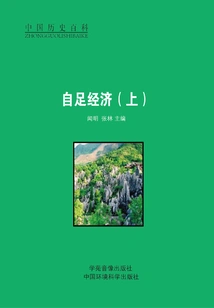
自足经济(上)
Wen Ming Zhang Lin
China is a huge country with a splendid civilization history of five thousand years and full of vitality and vitality. The Chinese nation has long been standing in the east of the world, and has continued for hundreds of generations.
China is a huge country with a splendid civilization history of five thousand years and full of vitality and vitality. The Chinese nation has long been standing in the east of the world, and has continued for hundreds of generations.

追求流动的旋律:世界音乐史(上)
Wen Ming Peng Pingping
On the one hand, this set of teaching materials focuses on teaching students relatively systematic and comprehensive environmental protection knowledge, cultivating students' environmental awareness and environmental protection skills; on the other hand, it also focuses on grasping the rules of education, paying attention to the gradual progression of knowledge, and at the same time, through activity classes, experimental classes and other forms, it cultivates students' awareness of participation, hands-on ability and ability to analyze and solve problems, thereby improving students' overall quality.
On the one hand, this set of teaching materials focuses on teaching students relatively systematic and comprehensive environmental protection knowledge, cultivating students' environmental awareness and environmental protection skills; on the other hand, it also focuses on grasping the rules of education, paying attention to the gradual progression of knowledge, and at the same time, through activity classes, experimental classes and other forms, it cultivates students' awareness of participation, hands-on ability and ability to analyze and solve problems, thereby improving students' overall quality.
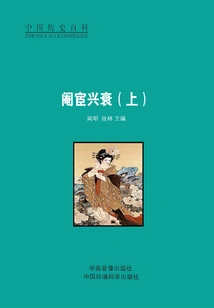
阉宦兴衰(上)
Wen Ming Zhang Lin
China is a huge country with a splendid civilization history of five thousand years and full of vitality and vitality. The Chinese nation has long been standing in the east of the world, and has continued for hundreds of generations.
China is a huge country with a splendid civilization history of five thousand years and full of vitality and vitality. The Chinese nation has long been standing in the east of the world, and has continued for hundreds of generations.
生活生产的升华:工艺美术史(上)
Wen Ming Peng Pingping
On the one hand, this set of teaching materials focuses on teaching students relatively systematic and comprehensive environmental protection knowledge, cultivating students' environmental awareness and environmental protection skills; on the other hand, it also focuses on grasping the rules of education, paying attention to the gradual progression of knowledge, and at the same time, through activity classes, experimental classes and other forms, it cultivates students' awareness of participation, hands-on ability and ability to analyze and solve problems, thereby improving students' overall quality.
On the one hand, this set of teaching materials focuses on teaching students relatively systematic and comprehensive environmental protection knowledge, cultivating students' environmental awareness and environmental protection skills; on the other hand, it also focuses on grasping the rules of education, paying attention to the gradual progression of knowledge, and at the same time, through activity classes, experimental classes and other forms, it cultivates students' awareness of participation, hands-on ability and ability to analyze and solve problems, thereby improving students' overall quality.
消逝的美洲辉煌:印第安(上)
Wen Ming Peng Pingping
Through archeology and research, it was not until the late Homo sapiens stage and the emergence of modern humans that humans slowly expanded to a wider area of the earth, into the Americas, and then into Oceania (this is somewhat similar to the doctrines in the North American Indians, Mayans, and prophecies in the Bible, that is, humans experienced destruction by floods, and only those who lived several thousand meters above sea level survived, and gradually allowed humans to multiply). In this way, various explorations and reasonings were carried out on the origin of the Indians. Among the various reasoning theories, they can be roughly summarized into two types, namely the native birth theory (there is no strong evidence yet) and the migration theory. Among the migration theories, the most commonly recognized theory is that Asians first migrated to the Americas, that is, the ancient humans from North China in Asia were the ancestors of Indians (such as the Mayans and Mongols).
Through archeology and research, it was not until the late Homo sapiens stage and the emergence of modern humans that humans slowly expanded to a wider area of the earth, into the Americas, and then into Oceania (this is somewhat similar to the doctrines in the North American Indians, Mayans, and prophecies in the Bible, that is, humans experienced destruction by floods, and only those who lived several thousand meters above sea level survived, and gradually allowed humans to multiply). In this way, various explorations and reasonings were carried out on the origin of the Indians. Among the various reasoning theories, they can be roughly summarized into two types, namely the native birth theory (there is no strong evidence yet) and the migration theory. Among the migration theories, the most commonly recognized theory is that Asians first migrated to the Americas, that is, the ancient humans from North China in Asia were the ancestors of Indians (such as the Mayans and Mongols).
消逝的美洲辉煌:印第安(下)
Wen Ming Peng Pingping
Through archeology and research, it was not until the late Homo sapiens stage and the emergence of modern humans that humans slowly expanded to a wider area of the earth, into the Americas, and then into Oceania (this is somewhat similar to the doctrines in the North American Indians, Mayans, and prophecies in the Bible, that is, humans experienced destruction by floods, and only those who lived several thousand meters above sea level survived, and gradually allowed humans to multiply). In this way, various explorations and reasonings were carried out on the origin of the Indians. Among the various reasoning theories, they can be roughly summarized into two types, namely the native birth theory (there is no strong evidence yet) and the migration theory. Among the migration theories, the most commonly recognized theory is that Asians first migrated to the Americas, that is, the ancient humans from North China in Asia were the ancestors of Indians (such as the Mayans and Mongols).
Through archeology and research, it was not until the late Homo sapiens stage and the emergence of modern humans that humans slowly expanded to a wider area of the earth, into the Americas, and then into Oceania (this is somewhat similar to the doctrines in the North American Indians, Mayans, and prophecies in the Bible, that is, humans experienced destruction by floods, and only those who lived several thousand meters above sea level survived, and gradually allowed humans to multiply). In this way, various explorations and reasonings were carried out on the origin of the Indians. Among the various reasoning theories, they can be roughly summarized into two types, namely the native birth theory (there is no strong evidence yet) and the migration theory. Among the migration theories, the most commonly recognized theory is that Asians first migrated to the Americas, that is, the ancient humans from North China in Asia were the ancestors of Indians (such as the Mayans and Mongols).
刑具淫威(上)
Wen Ming Zhang Lin
China is a huge country with a splendid civilization history of five thousand years and full of vitality and vitality. The Chinese nation has long been standing in the east of the world, and has continued for hundreds of generations.
China is a huge country with a splendid civilization history of five thousand years and full of vitality and vitality. The Chinese nation has long been standing in the east of the world, and has continued for hundreds of generations.

知识与能力的凯歌:科技大发明(上)
Wen Ming Peng Pingping
On the one hand, this set of teaching materials focuses on teaching students relatively systematic and comprehensive environmental protection knowledge, cultivating students' environmental awareness and environmental protection skills; on the other hand, it also focuses on grasping the rules of education, paying attention to the gradual progression of knowledge, and at the same time, through activity classes, experimental classes and other forms, it cultivates students' awareness of participation, hands-on ability and ability to analyze and solve problems, thereby improving students' overall quality.
On the one hand, this set of teaching materials focuses on teaching students relatively systematic and comprehensive environmental protection knowledge, cultivating students' environmental awareness and environmental protection skills; on the other hand, it also focuses on grasping the rules of education, paying attention to the gradual progression of knowledge, and at the same time, through activity classes, experimental classes and other forms, it cultivates students' awareness of participation, hands-on ability and ability to analyze and solve problems, thereby improving students' overall quality.
展现凝固的音乐:世界建筑史(上)
Wen Ming Peng Pingping
On the one hand, this set of teaching materials focuses on teaching students relatively systematic and comprehensive environmental protection knowledge, cultivating students' environmental awareness and environmental protection skills; on the other hand, it also focuses on grasping the rules of education, paying attention to the gradual progression of knowledge, and at the same time, through activity classes, experimental classes and other forms, it cultivates students' awareness of participation, hands-on ability and ability to analyze and solve problems, thereby improving students' overall quality.
On the one hand, this set of teaching materials focuses on teaching students relatively systematic and comprehensive environmental protection knowledge, cultivating students' environmental awareness and environmental protection skills; on the other hand, it also focuses on grasping the rules of education, paying attention to the gradual progression of knowledge, and at the same time, through activity classes, experimental classes and other forms, it cultivates students' awareness of participation, hands-on ability and ability to analyze and solve problems, thereby improving students' overall quality.
生活生产的升华:工艺美术史(下)
Wen Ming Peng Pingping
On the one hand, this set of teaching materials focuses on teaching students relatively systematic and comprehensive environmental protection knowledge, cultivating students' environmental awareness and environmental protection skills; on the other hand, it also focuses on grasping the rules of education, paying attention to the gradual progression of knowledge, and at the same time, through activity classes, experimental classes and other forms, it cultivates students' awareness of participation, hands-on ability and ability to analyze and solve problems, thereby improving students' overall quality.
On the one hand, this set of teaching materials focuses on teaching students relatively systematic and comprehensive environmental protection knowledge, cultivating students' environmental awareness and environmental protection skills; on the other hand, it also focuses on grasping the rules of education, paying attention to the gradual progression of knowledge, and at the same time, through activity classes, experimental classes and other forms, it cultivates students' awareness of participation, hands-on ability and ability to analyze and solve problems, thereby improving students' overall quality.
青史垂名(下)
Wen Ming Zhang Lin
China is a huge country with a splendid civilization history of five thousand years and full of vitality and vitality. The Chinese nation has long been standing in the east of the world, and has continued for hundreds of generations.
China is a huge country with a splendid civilization history of five thousand years and full of vitality and vitality. The Chinese nation has long been standing in the east of the world, and has continued for hundreds of generations.

舞台上的悲欢离合:世界戏剧史(下)
Wen Ming Peng Pingping
On the one hand, this set of teaching materials focuses on teaching students relatively systematic and comprehensive environmental protection knowledge, cultivating students' environmental awareness and environmental protection skills; on the other hand, it also focuses on grasping the rules of education, paying attention to the gradual progression of knowledge, and at the same time, through activity classes, experimental classes and other forms, it cultivates students' awareness of participation, hands-on ability and ability to analyze and solve problems, thereby improving students' overall quality.
On the one hand, this set of teaching materials focuses on teaching students relatively systematic and comprehensive environmental protection knowledge, cultivating students' environmental awareness and environmental protection skills; on the other hand, it also focuses on grasping the rules of education, paying attention to the gradual progression of knowledge, and at the same time, through activity classes, experimental classes and other forms, it cultivates students' awareness of participation, hands-on ability and ability to analyze and solve problems, thereby improving students' overall quality.

追求流动的旋律:世界音乐史(下)
Wen Ming Peng Pingping
On the one hand, this set of teaching materials focuses on teaching students relatively systematic and comprehensive environmental protection knowledge, cultivating students' environmental awareness and environmental protection skills; on the other hand, it also focuses on grasping the rules of education, paying attention to the gradual progression of knowledge, and at the same time, through activity classes, experimental classes and other forms, it cultivates students' awareness of participation, hands-on ability and ability to analyze and solve problems, thereby improving students' overall quality.
On the one hand, this set of teaching materials focuses on teaching students relatively systematic and comprehensive environmental protection knowledge, cultivating students' environmental awareness and environmental protection skills; on the other hand, it also focuses on grasping the rules of education, paying attention to the gradual progression of knowledge, and at the same time, through activity classes, experimental classes and other forms, it cultivates students' awareness of participation, hands-on ability and ability to analyze and solve problems, thereby improving students' overall quality.
刑具淫威(下)
Wen Ming Zhang Lin
China is a huge country with a splendid civilization history of five thousand years and full of vitality and vitality. The Chinese nation has long been standing in the east of the world, and has continued for hundreds of generations.
China is a huge country with a splendid civilization history of five thousand years and full of vitality and vitality. The Chinese nation has long been standing in the east of the world, and has continued for hundreds of generations.

知识与能力的凯歌:科技大发明(下)
Wen Ming Peng Pingping
On the one hand, this set of teaching materials focuses on teaching students relatively systematic and comprehensive environmental protection knowledge, cultivating students' environmental awareness and environmental protection skills; on the other hand, it also focuses on grasping the rules of education, paying attention to the gradual progression of knowledge, and at the same time, through activity classes, experimental classes and other forms, it cultivates students' awareness of participation, hands-on ability and ability to analyze and solve problems, thereby improving students' overall quality.
On the one hand, this set of teaching materials focuses on teaching students relatively systematic and comprehensive environmental protection knowledge, cultivating students' environmental awareness and environmental protection skills; on the other hand, it also focuses on grasping the rules of education, paying attention to the gradual progression of knowledge, and at the same time, through activity classes, experimental classes and other forms, it cultivates students' awareness of participation, hands-on ability and ability to analyze and solve problems, thereby improving students' overall quality.
系铃尚无解铃人:世界之谜(下)
Wen Ming Peng Pingping
According to records in ancient literary and artistic works and historical legends, Solomon is often described as an "ideal king" and a "virtuous king". In fact, he was an extremely cruel monarch. He levied heavy taxes on the surrounding areas, implemented forced labor, and ordered his subjects to build luxurious palaces and temples on the mountains of Jerusalem. The Bible truly records Solomon's construction of the Temple of the Lord: "Solomon determined to build a house for the name of the Lord and a palace for his kingdom. So Solomon selected 70,000 bearers, 80,000 stone-cutters on the mountains, and 3,600 overseers to build it."
According to records in ancient literary and artistic works and historical legends, Solomon is often described as an "ideal king" and a "virtuous king". In fact, he was an extremely cruel monarch. He levied heavy taxes on the surrounding areas, implemented forced labor, and ordered his subjects to build luxurious palaces and temples on the mountains of Jerusalem. The Bible truly records Solomon's construction of the Temple of the Lord: "Solomon determined to build a house for the name of the Lord and a palace for his kingdom. So Solomon selected 70,000 bearers, 80,000 stone-cutters on the mountains, and 3,600 overseers to build it."

舞台上的悲欢离合:世界戏剧史(上)
Wen Ming Peng Pingping
On the one hand, this set of teaching materials focuses on teaching students relatively systematic and comprehensive environmental protection knowledge, cultivating students' environmental awareness and environmental protection skills; on the other hand, it also focuses on grasping the rules of education, paying attention to the gradual progression of knowledge, and at the same time, through activity classes, experimental classes and other forms, it cultivates students' awareness of participation, hands-on ability and ability to analyze and solve problems, thereby improving students' overall quality.
On the one hand, this set of teaching materials focuses on teaching students relatively systematic and comprehensive environmental protection knowledge, cultivating students' environmental awareness and environmental protection skills; on the other hand, it also focuses on grasping the rules of education, paying attention to the gradual progression of knowledge, and at the same time, through activity classes, experimental classes and other forms, it cultivates students' awareness of participation, hands-on ability and ability to analyze and solve problems, thereby improving students' overall quality.
阉宦兴衰(下)
Wen Ming Zhang Lin
China is a huge country with a splendid civilization history of five thousand years and full of vitality and vitality. The Chinese nation has long been standing in the east of the world, and has continued for hundreds of generations.
China is a huge country with a splendid civilization history of five thousand years and full of vitality and vitality. The Chinese nation has long been standing in the east of the world, and has continued for hundreds of generations.

沟通心灵的桥梁:世界文学史(下)
Wen Ming Peng Pingping
On the one hand, this set of teaching materials focuses on teaching students relatively systematic and comprehensive environmental protection knowledge, cultivating students' environmental awareness and environmental protection skills; on the other hand, it also focuses on grasping the rules of education, paying attention to the gradual progression of knowledge, and at the same time, through activity classes, experimental classes and other forms, it cultivates students' awareness of participation, hands-on ability and ability to analyze and solve problems, thereby improving students' overall quality.
On the one hand, this set of teaching materials focuses on teaching students relatively systematic and comprehensive environmental protection knowledge, cultivating students' environmental awareness and environmental protection skills; on the other hand, it also focuses on grasping the rules of education, paying attention to the gradual progression of knowledge, and at the same time, through activity classes, experimental classes and other forms, it cultivates students' awareness of participation, hands-on ability and ability to analyze and solve problems, thereby improving students' overall quality.
凝思不朽的丰碑:世界雕塑史(下)
Wen Ming Peng Pingping
On the one hand, this set of teaching materials focuses on teaching students relatively systematic and comprehensive environmental protection knowledge, cultivating students' environmental awareness and environmental protection skills; on the other hand, it also focuses on grasping the rules of education, paying attention to the gradual progression of knowledge, and at the same time, through activity classes, experimental classes and other forms, it cultivates students' awareness of participation, hands-on ability and ability to analyze and solve problems, thereby improving students' overall quality.
On the one hand, this set of teaching materials focuses on teaching students relatively systematic and comprehensive environmental protection knowledge, cultivating students' environmental awareness and environmental protection skills; on the other hand, it also focuses on grasping the rules of education, paying attention to the gradual progression of knowledge, and at the same time, through activity classes, experimental classes and other forms, it cultivates students' awareness of participation, hands-on ability and ability to analyze and solve problems, thereby improving students' overall quality.

破解自然的奥秘:科学大发现(上)
Wen Ming Peng Pingping
On the one hand, this set of teaching materials focuses on teaching students relatively systematic and comprehensive environmental protection knowledge, cultivating students' environmental awareness and environmental protection skills; on the other hand, it also focuses on grasping the rules of education, paying attention to the gradual progression of knowledge, and at the same time, through activity classes, experimental classes and other forms, it cultivates students' awareness of participation, hands-on ability and ability to analyze and solve problems, thereby improving students' overall quality.
On the one hand, this set of teaching materials focuses on teaching students relatively systematic and comprehensive environmental protection knowledge, cultivating students' environmental awareness and environmental protection skills; on the other hand, it also focuses on grasping the rules of education, paying attention to the gradual progression of knowledge, and at the same time, through activity classes, experimental classes and other forms, it cultivates students' awareness of participation, hands-on ability and ability to analyze and solve problems, thereby improving students' overall quality.

历史的惊叹:欧美奇迹(下)
Wen Ming Peng Pingping
The architectural culture of Nordic civilization is based on wood materials. As a legacy of Nordic civilization, the few preserved wooden buildings occupy an important position in the history of Scandinavian art. Compared with the Romanesque stone buildings developed at the same time, wooden buildings are particularly suitable for artistic decoration. The numerous wooden statues of religious figures are more likely to make people feel real due to their simple style. During that period, the myth of stone construction was deeply rooted in Western European civilization as a primitive concept of durability, and wood was only seen as a material for temporary and emergency shelter. Compared with the permanence required by religious buildings, wooden churches seem to be contradictory, but the group of wooden churches in Norway has overturned this myth.
The architectural culture of Nordic civilization is based on wood materials. As a legacy of Nordic civilization, the few preserved wooden buildings occupy an important position in the history of Scandinavian art. Compared with the Romanesque stone buildings developed at the same time, wooden buildings are particularly suitable for artistic decoration. The numerous wooden statues of religious figures are more likely to make people feel real due to their simple style. During that period, the myth of stone construction was deeply rooted in Western European civilization as a primitive concept of durability, and wood was only seen as a material for temporary and emergency shelter. Compared with the permanence required by religious buildings, wooden churches seem to be contradictory, but the group of wooden churches in Norway has overturned this myth.

历史的沉思:亚非奇迹(上)
Wen Ming Peng Pingping
Among the seven wonders recognized by the world, the first is the Great Pyramid of Giza near Cairo, Egypt. Giza is the capital of Egypt's Giza Province and a tourist attraction. It is located on the west bank of the lower reaches of the Nile River, about six kilometers southwest of Cairo. It is across the river from Cairo and connected by a bridge. It has a population of 1.509 Million. Since ancient times, it has been famous for its pyramids. In the Libyan Desert 10 kilometers southwest of the city, there are the famous Giza Pyramids, the Sphinx and the Marble Tomb Temple and other monuments. The northernmost Pyramid of Khufu originally had a height of 146.6 Meters and a base length of 230 meters. Its current height has dropped to 137 meters. In the middle is the Pyramid of Khafre, and to the south is the Pyramid of Menkafra. They are the most majestic buildings among the approximately 80 pyramids in the country and were built during the Fourth Dynasty of Egypt.
Among the seven wonders recognized by the world, the first is the Great Pyramid of Giza near Cairo, Egypt. Giza is the capital of Egypt's Giza Province and a tourist attraction. It is located on the west bank of the lower reaches of the Nile River, about six kilometers southwest of Cairo. It is across the river from Cairo and connected by a bridge. It has a population of 1.509 Million. Since ancient times, it has been famous for its pyramids. In the Libyan Desert 10 kilometers southwest of the city, there are the famous Giza Pyramids, the Sphinx and the Marble Tomb Temple and other monuments. The northernmost Pyramid of Khufu originally had a height of 146.6 Meters and a base length of 230 meters. Its current height has dropped to 137 meters. In the middle is the Pyramid of Khafre, and to the south is the Pyramid of Menkafra. They are the most majestic buildings among the approximately 80 pyramids in the country and were built during the Fourth Dynasty of Egypt.

留存心灵的痕迹:世界绘画史(下)
Wen Ming Peng Pingping
On the one hand, this set of teaching materials focuses on teaching students relatively systematic and comprehensive environmental protection knowledge, cultivating students' environmental awareness and environmental protection skills; on the other hand, it also focuses on grasping the rules of education, paying attention to the gradual progression of knowledge, and at the same time, through activity classes, experimental classes and other forms, it cultivates students' awareness of participation, hands-on ability and ability to analyze and solve problems, thereby improving students' overall quality.
On the one hand, this set of teaching materials focuses on teaching students relatively systematic and comprehensive environmental protection knowledge, cultivating students' environmental awareness and environmental protection skills; on the other hand, it also focuses on grasping the rules of education, paying attention to the gradual progression of knowledge, and at the same time, through activity classes, experimental classes and other forms, it cultivates students' awareness of participation, hands-on ability and ability to analyze and solve problems, thereby improving students' overall quality.
横跨欧亚的帝国:拜占廷(上)
Wen Ming Peng Pingping
The name "Byzantium" originally referred to the ancient city of Byzantium on the Bosporus. The city was founded in the commercial colonial era of ancient Greece. In the 4th century, Emperor Constantine (reigned 324-337) expanded the eastern capital of the Roman Empire on the site of the ancient city and revived the empire's glory. Since then, the city of Byzantium has developed rapidly and become the largest city in the Mediterranean region, and the name Byzantium has spread throughout the world.
The name "Byzantium" originally referred to the ancient city of Byzantium on the Bosporus. The city was founded in the commercial colonial era of ancient Greece. In the 4th century, Emperor Constantine (reigned 324-337) expanded the eastern capital of the Roman Empire on the site of the ancient city and revived the empire's glory. Since then, the city of Byzantium has developed rapidly and become the largest city in the Mediterranean region, and the name Byzantium has spread throughout the world.

历史的惊叹:欧美奇迹(上)
Wen Ming Peng Pingping
The architectural culture of Nordic civilization is based on wood materials. As a legacy of Nordic civilization, the few preserved wooden buildings occupy an important position in the history of Scandinavian art. Compared with the Romanesque stone buildings developed at the same time, wooden buildings are particularly suitable for artistic decoration. The numerous wooden statues of religious figures are more likely to make people feel real due to their simple style. During that period, the myth of stone construction was deeply rooted in Western European civilization as a primitive concept of durability, and wood was only seen as a material for temporary and emergency shelter. Compared with the permanence required by religious buildings, wooden churches seem to be contradictory, but the group of wooden churches in Norway has overturned this myth.
The architectural culture of Nordic civilization is based on wood materials. As a legacy of Nordic civilization, the few preserved wooden buildings occupy an important position in the history of Scandinavian art. Compared with the Romanesque stone buildings developed at the same time, wooden buildings are particularly suitable for artistic decoration. The numerous wooden statues of religious figures are more likely to make people feel real due to their simple style. During that period, the myth of stone construction was deeply rooted in Western European civilization as a primitive concept of durability, and wood was only seen as a material for temporary and emergency shelter. Compared with the permanence required by religious buildings, wooden churches seem to be contradictory, but the group of wooden churches in Norway has overturned this myth.

尼罗河的赠礼:古埃及(上)
Wen Ming Peng Pingping
In a history of more than 5,000 years, ancient Egypt undoubtedly created the most dazzling civilization in the world. The great pyramids, mysterious mummies, and advanced solar calendars have attracted generations of people to study with great concentration. Although the ancient Egyptian civilization has quietly disappeared in the mists of history, people's search and exploration of it have never stopped. This book vividly reproduces the glorious and immortal ancient civilization of Ancient Egypt by interpreting the evolution of the ancient Egyptian dynasty, showing the splendid civilization of ancient Egypt, studying the mysterious religion of ancient Egypt, and exploring the mysteries of ancient Egypt that have survived for thousands of years.
In a history of more than 5,000 years, ancient Egypt undoubtedly created the most dazzling civilization in the world. The great pyramids, mysterious mummies, and advanced solar calendars have attracted generations of people to study with great concentration. Although the ancient Egyptian civilization has quietly disappeared in the mists of history, people's search and exploration of it have never stopped. This book vividly reproduces the glorious and immortal ancient civilization of Ancient Egypt by interpreting the evolution of the ancient Egyptian dynasty, showing the splendid civilization of ancient Egypt, studying the mysterious religion of ancient Egypt, and exploring the mysteries of ancient Egypt that have survived for thousands of years.

屡难不死的民族:希伯莱(上)
Wen Ming Peng Pingping
The uniqueness of Hebrew civilization and the uniqueness of the Hebrew nation are closely linked. In a general sense of national origin, the Hebrew nation is a member of the ethnic groups in the two river basins of the Mesopotamian plain. Abraham, the patriarch of the Hebrews, was born in this area. From an ethnic perspective, the Hebrew nation should be an integral part of the Semitic nation. However, the concept of race is not the only criterion for the Hebrew nation to define its ethnic composition. Secondly, blood relationship is not the only criterion for defining Hebrew identity. To a large extent, or as a more important symbol, the definition of Hebrews is based on belief. Only those who share a unity of faith are considered Hebrews.
The uniqueness of Hebrew civilization and the uniqueness of the Hebrew nation are closely linked. In a general sense of national origin, the Hebrew nation is a member of the ethnic groups in the two river basins of the Mesopotamian plain. Abraham, the patriarch of the Hebrews, was born in this area. From an ethnic perspective, the Hebrew nation should be an integral part of the Semitic nation. However, the concept of race is not the only criterion for the Hebrew nation to define its ethnic composition. Secondly, blood relationship is not the only criterion for defining Hebrew identity. To a large extent, or as a more important symbol, the definition of Hebrews is based on belief. Only those who share a unity of faith are considered Hebrews.

空中花园的故乡:巴比伦(下)
Wen Ming Peng Pingping
In history, the origin of civilization has always been closely related to rivers. The Euphrates and Tigris rivers are like two vines of life, winding in desolate and arid desert areas, giving birth to the oldest civilization in human history - the "Mesopotamian" civilization, which is commonly known as the "Babylonian civilization". Babylonian civilization is the general name for a series of urban civilizations in the Mesopotamia from 6,000 years ago to 500 BC. It is the earliest civilization in the known world and the cradle of world civilization. On both sides of the Euphrates and Tigris rivers, cities of similar or very different styles dotted the Mesopotamian plain like stars. On this historical stage, the Sumerians and later Semitic invaders played the leading role in creating civilization like a revolving lantern, and together played the glorious movement of Mesopotamian civilization.
In history, the origin of civilization has always been closely related to rivers. The Euphrates and Tigris rivers are like two vines of life, winding in desolate and arid desert areas, giving birth to the oldest civilization in human history - the "Mesopotamian" civilization, which is commonly known as the "Babylonian civilization". Babylonian civilization is the general name for a series of urban civilizations in the Mesopotamia from 6,000 years ago to 500 BC. It is the earliest civilization in the known world and the cradle of world civilization. On both sides of the Euphrates and Tigris rivers, cities of similar or very different styles dotted the Mesopotamian plain like stars. On this historical stage, the Sumerians and later Semitic invaders played the leading role in creating civilization like a revolving lantern, and together played the glorious movement of Mesopotamian civilization.

海上民族的兴衰:古希腊(上)
Wen Ming Peng Pingping
In ancient Greek legends, Zeus is the highest god and the father of the gods. He rules the entire world in heaven and on earth. He is called the "father of the gods and the king of all people". It is said that as early as Homer's time, Zeus was revered by the entire Greek world as the highest god and the leader of the gods on Mount Olympus. The troubadours of Homer's time began to describe the image of Zeus in words. Sculptors and painters also created statues of Zeus. In the Greek civilization and religion of the Homeric era and beyond, Zeus mainly has two aspects: on the one hand, as the god of heaven and climate, embodying the relationship between natural forces and humans; on the other hand, as the god of the ruler of clan society and slave society, he embodies the relationship between humans and society. These two aspects are extremely closely linked and constitute an important part of the ancient Greeks' understanding and grasp of the world in a theological way. The rise and fall of the divine sea people of Zeus - the fusion of the two origins of ancient Greece and the two aspects of his divinity, eventually making him the most powerful male god in the entire Greek history. Among the Greek gods, Zeus is the only one who is omnipotent. His name appears in various religious festivals, becoming more and more abstract and spiritual. Among poets, playwrights, and philosophers, his name is often equated with "god", just as it is common for later Christians to say that "god" is "god".
In ancient Greek legends, Zeus is the highest god and the father of the gods. He rules the entire world in heaven and on earth. He is called the "father of the gods and the king of all people". It is said that as early as Homer's time, Zeus was revered by the entire Greek world as the highest god and the leader of the gods on Mount Olympus. The troubadours of Homer's time began to describe the image of Zeus in words. Sculptors and painters also created statues of Zeus. In the Greek civilization and religion of the Homeric era and beyond, Zeus mainly has two aspects: on the one hand, as the god of heaven and climate, embodying the relationship between natural forces and humans; on the other hand, as the god of the ruler of clan society and slave society, he embodies the relationship between humans and society. These two aspects are extremely closely linked and constitute an important part of the ancient Greeks' understanding and grasp of the world in a theological way. The rise and fall of the divine sea people of Zeus - the fusion of the two origins of ancient Greece and the two aspects of his divinity, eventually making him the most powerful male god in the entire Greek history. Among the Greek gods, Zeus is the only one who is omnipotent. His name appears in various religious festivals, becoming more and more abstract and spiritual. Among poets, playwrights, and philosophers, his name is often equated with "god", just as it is common for later Christians to say that "god" is "god".

留存心灵的痕迹:世界绘画史(上)
Wen Ming Peng Pingping
On the one hand, this set of teaching materials focuses on teaching students relatively systematic and comprehensive environmental protection knowledge, cultivating students' environmental awareness and environmental protection skills; on the other hand, it also focuses on grasping the rules of education, paying attention to the gradual progression of knowledge, and at the same time, through activity classes, experimental classes and other forms, it cultivates students' awareness of participation, hands-on ability and ability to analyze and solve problems, thereby improving students' overall quality.
On the one hand, this set of teaching materials focuses on teaching students relatively systematic and comprehensive environmental protection knowledge, cultivating students' environmental awareness and environmental protection skills; on the other hand, it also focuses on grasping the rules of education, paying attention to the gradual progression of knowledge, and at the same time, through activity classes, experimental classes and other forms, it cultivates students' awareness of participation, hands-on ability and ability to analyze and solve problems, thereby improving students' overall quality.
横跨欧亚的帝国:拜占廷(下)
Wen Ming Peng Pingping
The name "Byzantium" originally referred to the ancient city of Byzantium on the Bosporus. The city was founded in the commercial colonial era of ancient Greece. In the 4th century, Emperor Constantine (reigned 324-337) expanded the eastern capital of the Roman Empire on the site of the ancient city and revived the empire's glory. Since then, the city of Byzantium has developed rapidly and become the largest city in the Mediterranean region, and the name Byzantium has spread throughout the world.
The name "Byzantium" originally referred to the ancient city of Byzantium on the Bosporus. The city was founded in the commercial colonial era of ancient Greece. In the 4th century, Emperor Constantine (reigned 324-337) expanded the eastern capital of the Roman Empire on the site of the ancient city and revived the empire's glory. Since then, the city of Byzantium has developed rapidly and become the largest city in the Mediterranean region, and the name Byzantium has spread throughout the world.

空中花园的故乡:巴比伦(上)
Wen Ming Peng Pingping
In history, the origin of civilization has always been closely related to rivers. The Euphrates and Tigris rivers are like two vines of life, winding in desolate and arid desert areas, giving birth to the oldest civilization in human history - the "Mesopotamian" civilization, which is commonly known as the "Babylonian civilization". Babylonian civilization is the general name for a series of urban civilizations in the Mesopotamia from 6,000 years ago to 500 BC. It is the earliest civilization in the known world and the cradle of world civilization. On both sides of the Euphrates and Tigris rivers, cities of similar or very different styles dotted the Mesopotamian plain like stars. On this historical stage, the Sumerians and later Semitic invaders played the leading role in creating civilization like a revolving lantern, and together played the glorious movement of Mesopotamian civilization.
In history, the origin of civilization has always been closely related to rivers. The Euphrates and Tigris rivers are like two vines of life, winding in desolate and arid desert areas, giving birth to the oldest civilization in human history - the "Mesopotamian" civilization, which is commonly known as the "Babylonian civilization". Babylonian civilization is the general name for a series of urban civilizations in the Mesopotamia from 6,000 years ago to 500 BC. It is the earliest civilization in the known world and the cradle of world civilization. On both sides of the Euphrates and Tigris rivers, cities of similar or very different styles dotted the Mesopotamian plain like stars. On this historical stage, the Sumerians and later Semitic invaders played the leading role in creating civilization like a revolving lantern, and together played the glorious movement of Mesopotamian civilization.

佛教的发源地:古印度(下)
Wen Ming Peng Pingping
This "World History Encyclopedia" records the history of human evolution and civilization development since the birth of mankind. It systematically records the outstanding achievements of mankind in creating material civilization and spiritual civilization, and provides a detailed and appropriate review and summary of the entire process of human civilization, providing an effective way for us to inherit and carry forward the achievements of human civilization.
This "World History Encyclopedia" records the history of human evolution and civilization development since the birth of mankind. It systematically records the outstanding achievements of mankind in creating material civilization and spiritual civilization, and provides a detailed and appropriate review and summary of the entire process of human civilization, providing an effective way for us to inherit and carry forward the achievements of human civilization.

沟通心灵的桥梁:世界文学史(上)
Wen Ming Peng Pingping
On the one hand, this set of teaching materials focuses on teaching students relatively systematic and comprehensive environmental protection knowledge, cultivating students' environmental awareness and environmental protection skills; on the other hand, it also focuses on grasping the rules of education, paying attention to the gradual progression of knowledge, and at the same time, through activity classes, experimental classes and other forms, it cultivates students' awareness of participation, hands-on ability and ability to analyze and solve problems, thereby improving students' overall quality.
On the one hand, this set of teaching materials focuses on teaching students relatively systematic and comprehensive environmental protection knowledge, cultivating students' environmental awareness and environmental protection skills; on the other hand, it also focuses on grasping the rules of education, paying attention to the gradual progression of knowledge, and at the same time, through activity classes, experimental classes and other forms, it cultivates students' awareness of participation, hands-on ability and ability to analyze and solve problems, thereby improving students' overall quality.

破解自然的奥秘:科学大发现(下)
Wen Ming Peng Pingping
On the one hand, this set of teaching materials focuses on teaching students relatively systematic and comprehensive environmental protection knowledge, cultivating students' environmental awareness and environmental protection skills; on the other hand, it also focuses on grasping the rules of education, paying attention to the gradual progression of knowledge, and at the same time, through activity classes, experimental classes and other forms, it cultivates students' awareness of participation, hands-on ability and ability to analyze and solve problems, thereby improving students' overall quality.
On the one hand, this set of teaching materials focuses on teaching students relatively systematic and comprehensive environmental protection knowledge, cultivating students' environmental awareness and environmental protection skills; on the other hand, it also focuses on grasping the rules of education, paying attention to the gradual progression of knowledge, and at the same time, through activity classes, experimental classes and other forms, it cultivates students' awareness of participation, hands-on ability and ability to analyze and solve problems, thereby improving students' overall quality.

历史的沉思:亚非奇迹(下)
Wen Ming Peng Pingping
Among the seven wonders recognized by the world, the first is the Great Pyramid of Giza near Cairo, Egypt. Giza is the capital of Egypt's Giza Province and a tourist attraction. It is located on the west bank of the lower reaches of the Nile River, about six kilometers southwest of Cairo. It is across the river from Cairo and connected by a bridge. It has a population of 1.509 Million. Since ancient times, it has been famous for its pyramids. In the Libyan Desert 10 kilometers southwest of the city, there are the famous Giza Pyramids, the Sphinx and the Marble Tomb Temple and other monuments. The northernmost Pyramid of Khufu originally had a height of 146.6 Meters and a base length of 230 meters. Its current height has dropped to 137 meters. In the middle is the Pyramid of Khafre, and to the south is the Pyramid of Menkafra. They are the most majestic buildings among the approximately 80 pyramids in the country and were built during the Fourth Dynasty of Egypt.
Among the seven wonders recognized by the world, the first is the Great Pyramid of Giza near Cairo, Egypt. Giza is the capital of Egypt's Giza Province and a tourist attraction. It is located on the west bank of the lower reaches of the Nile River, about six kilometers southwest of Cairo. It is across the river from Cairo and connected by a bridge. It has a population of 1.509 Million. Since ancient times, it has been famous for its pyramids. In the Libyan Desert 10 kilometers southwest of the city, there are the famous Giza Pyramids, the Sphinx and the Marble Tomb Temple and other monuments. The northernmost Pyramid of Khufu originally had a height of 146.6 Meters and a base length of 230 meters. Its current height has dropped to 137 meters. In the middle is the Pyramid of Khafre, and to the south is the Pyramid of Menkafra. They are the most majestic buildings among the approximately 80 pyramids in the country and were built during the Fourth Dynasty of Egypt.

百家沉浮(上)
Wen Ming Zhang Lin
China is a huge country with a splendid civilization history of five thousand years and full of vitality and vitality. The Chinese nation has long been standing in the east of the world, and has continued for hundreds of generations.
China is a huge country with a splendid civilization history of five thousand years and full of vitality and vitality. The Chinese nation has long been standing in the east of the world, and has continued for hundreds of generations.
凝思不朽的丰碑:世界雕塑史(上)
Wen Ming Peng Pingping
On the one hand, this set of teaching materials focuses on teaching students relatively systematic and comprehensive environmental protection knowledge, cultivating students' environmental awareness and environmental protection skills; on the other hand, it also focuses on grasping the rules of education, paying attention to the gradual progression of knowledge, and at the same time, through activity classes, experimental classes and other forms, it cultivates students' awareness of participation, hands-on ability and ability to analyze and solve problems, thereby improving students' overall quality.
On the one hand, this set of teaching materials focuses on teaching students relatively systematic and comprehensive environmental protection knowledge, cultivating students' environmental awareness and environmental protection skills; on the other hand, it also focuses on grasping the rules of education, paying attention to the gradual progression of knowledge, and at the same time, through activity classes, experimental classes and other forms, it cultivates students' awareness of participation, hands-on ability and ability to analyze and solve problems, thereby improving students' overall quality.

从城邦到帝国:古罗马(下)
Wen Ming Peng Pingping
The public baths in ancient Rome were the most complex building complex in function, structure and construction technology at that time. The bathhouse accommodates a large number of people and is for public use like a theater, functioning as a public club.
The public baths in ancient Rome were the most complex building complex in function, structure and construction technology at that time. The bathhouse accommodates a large number of people and is for public use like a theater, functioning as a public club.

从城邦到帝国:古罗马(上)
Wen Ming Peng Pingping
The public baths in ancient Rome were the most complex building complex in function, structure and construction technology at that time. The bathhouse accommodates a large number of people and is for public use like a theater, functioning as a public club.
The public baths in ancient Rome were the most complex building complex in function, structure and construction technology at that time. The bathhouse accommodates a large number of people and is for public use like a theater, functioning as a public club.
青史垂名(上)
Wen Ming Zhang Lin
China is a huge country with a splendid civilization history of five thousand years and full of vitality and vitality. The Chinese nation has long been standing in the east of the world, and has continued for hundreds of generations.
China is a huge country with a splendid civilization history of five thousand years and full of vitality and vitality. The Chinese nation has long been standing in the east of the world, and has continued for hundreds of generations.

尼罗河的赠礼:古埃及(下)
Wen Ming Peng Pingping
In a history of more than 5,000 years, ancient Egypt undoubtedly created the most dazzling civilization in the world. The great pyramids, mysterious mummies, and advanced solar calendars have attracted generations of people to study with great concentration. Although the ancient Egyptian civilization has quietly disappeared in the mists of history, people's search and exploration of it have never stopped. This book vividly reproduces the glorious and immortal ancient civilization of Ancient Egypt by interpreting the evolution of the ancient Egyptian dynasty, showing the splendid civilization of ancient Egypt, studying the mysterious religion of ancient Egypt, and exploring the mysteries of ancient Egypt that have survived for thousands of years.
In a history of more than 5,000 years, ancient Egypt undoubtedly created the most dazzling civilization in the world. The great pyramids, mysterious mummies, and advanced solar calendars have attracted generations of people to study with great concentration. Although the ancient Egyptian civilization has quietly disappeared in the mists of history, people's search and exploration of it have never stopped. This book vividly reproduces the glorious and immortal ancient civilization of Ancient Egypt by interpreting the evolution of the ancient Egyptian dynasty, showing the splendid civilization of ancient Egypt, studying the mysterious religion of ancient Egypt, and exploring the mysteries of ancient Egypt that have survived for thousands of years.
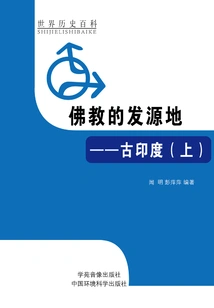
佛教的发源地:古印度(上)
Wen Ming Peng Pingping
This "World History Encyclopedia" records the history of human evolution and civilization development since the birth of mankind. It systematically records the outstanding achievements of mankind in creating material civilization and spiritual civilization, and provides a detailed and appropriate review and summary of the entire process of human civilization, providing an effective way for us to inherit and carry forward the achievements of human civilization.
This "World History Encyclopedia" records the history of human evolution and civilization development since the birth of mankind. It systematically records the outstanding achievements of mankind in creating material civilization and spiritual civilization, and provides a detailed and appropriate review and summary of the entire process of human civilization, providing an effective way for us to inherit and carry forward the achievements of human civilization.
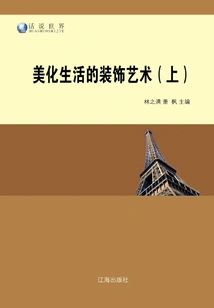
美化生活的装饰艺术(上)
Lin Zhiman Xiao Feng
History is to humanity as a whole what memory is to each of us, explaining what we do now, why we do it, and how we did it in the past. Therefore whoever wants to understand the world must know its history.
History is to humanity as a whole what memory is to each of us, explaining what we do now, why we do it, and how we did it in the past. Therefore whoever wants to understand the world must know its history.
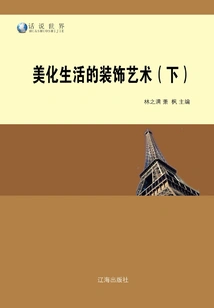
美化生活的装饰艺术(下)
Lin Zhiman Xiao Feng
History is to humanity as a whole what memory is to each of us, explaining what we do now, why we do it, and how we did it in the past. Therefore whoever wants to understand the world must know its history.
History is to humanity as a whole what memory is to each of us, explaining what we do now, why we do it, and how we did it in the past. Therefore whoever wants to understand the world must know its history.