Library
Browse and search books
4,115 novels found
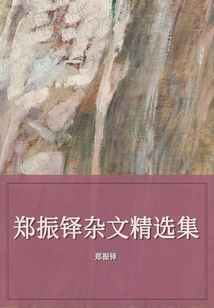
郑振铎杂文精选集
Zheng Zhenduo
Zheng Zhenduo is an outstanding patriot and socialist in modern my country. He is also a famous writer, scholar, literary critic, literary historian, translator, and art historian. He is also a well-known collector and exegete at home and abroad. His major works include: short story collections "Family Stories" and "Guigongtang", essay collections "Miscellaneous Notes from the Mountains", monographs "Outline of Literary History", "Collection of Chinese Literature", etc. The reason why Mr. Zheng Zhenduo is respected by everyone is because his student Zhou Ping said: "I think the most valuable thing about Comrade Zheng Zhenduo is the patriotic spirit of being fearless, unyielding, loyal to the motherland and loyal to the people at the critical moment of national survival." This valuable patriotic thought runs through his essay creation in various periods. For example, "June 1st", "Slowness and Numbness", "Declaration of Suspension of Publication", etc. Which record the "May 30th" tragedy.
Zheng Zhenduo is an outstanding patriot and socialist in modern my country. He is also a famous writer, scholar, literary critic, literary historian, translator, and art historian. He is also a well-known collector and exegete at home and abroad. His major works include: short story collections "Family Stories" and "Guigongtang", essay collections "Miscellaneous Notes from the Mountains", monographs "Outline of Literary History", "Collection of Chinese Literature", etc. The reason why Mr. Zheng Zhenduo is respected by everyone is because his student Zhou Ping said: "I think the most valuable thing about Comrade Zheng Zhenduo is the patriotic spirit of being fearless, unyielding, loyal to the motherland and loyal to the people at the critical moment of national survival." This valuable patriotic thought runs through his essay creation in various periods. For example, "June 1st", "Slowness and Numbness", "Declaration of Suspension of Publication", etc. Which record the "May 30th" tragedy.
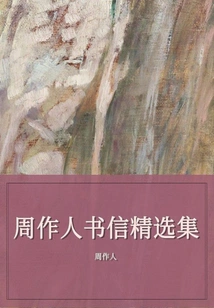
Selected Letters of Zhou Zuoren
Literature周作人书信精选集
Zhou Zuoren
The brothers Zhou Zuoren and Lu Xun are both famous as literary masters, which is rare in the history of Chinese literature. Zhou Zuoren's prose style is peaceful and tranquil, clear and elegant, and his essays are leisurely and humorous, quaint and powerful, which is completely different from Lu Xun's style. Zhou Zuoren's unique prose written with letter titles is collected in this book. Here readers will become familiar individuals, listen to the author's narration, and complete "a conversation with one or two close friends" together with him.
The brothers Zhou Zuoren and Lu Xun are both famous as literary masters, which is rare in the history of Chinese literature. Zhou Zuoren's prose style is peaceful and tranquil, clear and elegant, and his essays are leisurely and humorous, quaint and powerful, which is completely different from Lu Xun's style. Zhou Zuoren's unique prose written with letter titles is collected in this book. Here readers will become familiar individuals, listen to the author's narration, and complete "a conversation with one or two close friends" together with him.
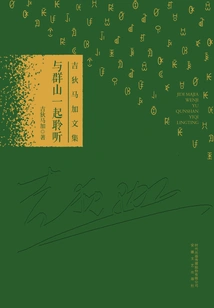
与群山一起聆听(吉狄马加文集)
Jidi Maga
This collection is the personal collection of the famous poet Jidi Maga, vice chairman of the Chinese Writers Association. It is prefaced by a chronology of creation, and his works are divided into volumes such as poetry, speeches and comments, and dialogues. The collection is classified and summarized. This volume is a poetry volume. This volume collects the author's conversations with others over the years, including "The Ancient Land - A Reply to Dr. Zechila Bieri" and "I Don't Write Poems Far from the Fireworks of the World - A Reply to Journalist Zhang Jian's Questions". Through interviews and questions and answers, the author's creative style and academic thoughts are displayed from one side, and the author's creative achievements over the years are presented to readers in multiple dimensions, helping readers to understand the author and his works more clearly.
This collection is the personal collection of the famous poet Jidi Maga, vice chairman of the Chinese Writers Association. It is prefaced by a chronology of creation, and his works are divided into volumes such as poetry, speeches and comments, and dialogues. The collection is classified and summarized. This volume is a poetry volume. This volume collects the author's conversations with others over the years, including "The Ancient Land - A Reply to Dr. Zechila Bieri" and "I Don't Write Poems Far from the Fireworks of the World - A Reply to Journalist Zhang Jian's Questions". Through interviews and questions and answers, the author's creative style and academic thoughts are displayed from one side, and the author's creative achievements over the years are presented to readers in multiple dimensions, helping readers to understand the author and his works more clearly.
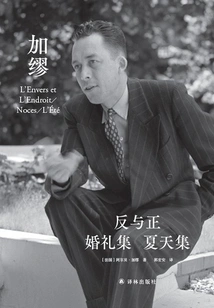
反与正·婚礼集·夏天集(郭宏安译加缪文集)
H
"The Right and Back" was written when Camus was 24 years old and became the source of his future creations. The book traces childhood life, revealing the opposition between poverty and happiness everywhere. "Wedding Collection" includes four essays, which eulogize the combination of man and nature with a rich lyrical style. Love for life and secret despair, these two symbiotic emotions are fully reflected in the book. "Summer Collection" presents another side of the origin of Camus's thoughts, that is, while refusing to succumb to history, he promotes the pursuit of beauty in poverty. At the end of this book is appended the speech Miao delivered in Sweden after winning the Nobel Prize for Literature in 1957.
"The Right and Back" was written when Camus was 24 years old and became the source of his future creations. The book traces childhood life, revealing the opposition between poverty and happiness everywhere. "Wedding Collection" includes four essays, which eulogize the combination of man and nature with a rich lyrical style. Love for life and secret despair, these two symbiotic emotions are fully reflected in the book. "Summer Collection" presents another side of the origin of Camus's thoughts, that is, while refusing to succumb to history, he promotes the pursuit of beauty in poverty. At the end of this book is appended the speech Miao delivered in Sweden after winning the Nobel Prize for Literature in 1957.
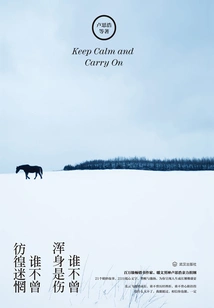
谁不曾浑身是伤,谁不曾彷徨迷惘
Lu Sihao Et Al.
Written by millionaire best-selling author Lu Sihao, the heart-warming male god, the book contains 21 heart-warming works. Lu Sihao, Chen Chen, Li Zelin, Chen Yahao, etc. Use their pens to present all the unrequited love, sweetness, loss, and reunion in youth. It not only contains the beautiful memories of youth, but also the author's perception of youth and growth. "Who Has Never Been Covered in Wounds, Who Has Never Been Wandered and Confused" is a book that resonates with readers. In this world, everyone is so different, but the hesitation, confusion, and setbacks we experience bring us the same feelings. Reading this book, you can gain inspiration and hope. Here are the stories of you, him, and her re-enacted by Lu Sihao and others, as well as those old times that cannot be returned, youth and passion, regret and confusion, everything is presented here.
Written by millionaire best-selling author Lu Sihao, the heart-warming male god, the book contains 21 heart-warming works. Lu Sihao, Chen Chen, Li Zelin, Chen Yahao, etc. Use their pens to present all the unrequited love, sweetness, loss, and reunion in youth. It not only contains the beautiful memories of youth, but also the author's perception of youth and growth. "Who Has Never Been Covered in Wounds, Who Has Never Been Wandered and Confused" is a book that resonates with readers. In this world, everyone is so different, but the hesitation, confusion, and setbacks we experience bring us the same feelings. Reading this book, you can gain inspiration and hope. Here are the stories of you, him, and her re-enacted by Lu Sihao and others, as well as those old times that cannot be returned, youth and passion, regret and confusion, everything is presented here.
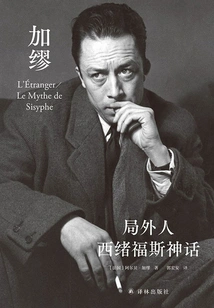
局外人·西绪福斯神话(郭宏安译加缪文集)
(france) Albert Camus
"The Stranger" is the starting point of Camus's thoughts. It is written in the form of a autobiography by Meursault, an employee of a shipping company in Algiers. The novel shocked the reading world with its concise and almost dry writing style and its calm and almost indifferent tone. "The Myth of Sisyphus" demonstrates the basic idea of "The Stranger" in philosophical language. Camus discusses the "Philosophy of the Absurd" in his book, which is a complete philosophical system from awakening to action.
"The Stranger" is the starting point of Camus's thoughts. It is written in the form of a autobiography by Meursault, an employee of a shipping company in Algiers. The novel shocked the reading world with its concise and almost dry writing style and its calm and almost indifferent tone. "The Myth of Sisyphus" demonstrates the basic idea of "The Stranger" in philosophical language. Camus discusses the "Philosophy of the Absurd" in his book, which is a complete philosophical system from awakening to action.
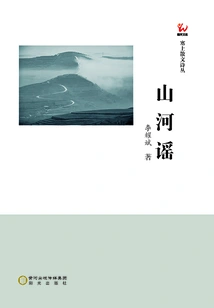
Mountain and River Ballad
Literature山河谣
Li Yaobin
"Ballads of Mountains and Rivers" is another collection of prose poems after Li Yaobin's poetry collection "The River is the Clothes of Water". It contains more than one hundred chapters of the poet's outstanding prose poems since the new century. Most of them were published in "Selected Poems", "Stars", "Prose Poems", "Prose Poetry World", "Shuofang", "Yellow River Literature", "Liupan Mountain", "Jilin Prose Poems", "Fortress Prose Poems" and other domestic newspapers and periodicals. The book is divided into four volumes: "Love Song of Mountains and Rivers", "Drifting Clouds and Smoke", "Mutter of Cicadas" and "Up and Down in the Mortal World", with some commentaries attached.
"Ballads of Mountains and Rivers" is another collection of prose poems after Li Yaobin's poetry collection "The River is the Clothes of Water". It contains more than one hundred chapters of the poet's outstanding prose poems since the new century. Most of them were published in "Selected Poems", "Stars", "Prose Poems", "Prose Poetry World", "Shuofang", "Yellow River Literature", "Liupan Mountain", "Jilin Prose Poems", "Fortress Prose Poems" and other domestic newspapers and periodicals. The book is divided into four volumes: "Love Song of Mountains and Rivers", "Drifting Clouds and Smoke", "Mutter of Cicadas" and "Up and Down in the Mortal World", with some commentaries attached.
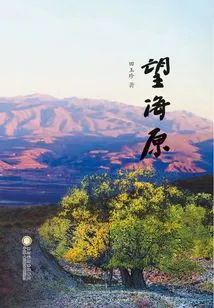
Wanghaiyuan
Literature望海原
Tian Yuzhen
This book is another monograph on literature, photography and academic papers written by the author after the "Haiyuan Earthquake" series of comic books. This book collects the author's works published since 2005 on domestic newspaper platforms such as "Writer Newspaper", "Ningxia Daily", "Ningxia Education", "Beautiful China", "Zhongwei Daily", "Yinchuan Literary Artists" and People's Daily Online. It consists of three parts: "Haiyuan Lens", "Haiyuan Notes" and "Looking at Hometown".
This book is another monograph on literature, photography and academic papers written by the author after the "Haiyuan Earthquake" series of comic books. This book collects the author's works published since 2005 on domestic newspaper platforms such as "Writer Newspaper", "Ningxia Daily", "Ningxia Education", "Beautiful China", "Zhongwei Daily", "Yinchuan Literary Artists" and People's Daily Online. It consists of three parts: "Haiyuan Lens", "Haiyuan Notes" and "Looking at Hometown".
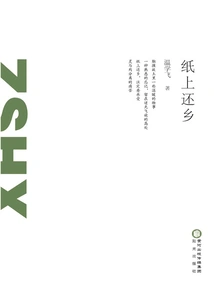
Returning Home on Paper
Literature纸上还乡
Wen Xuefei
This book is the author's first collection of poems. Most of the poems included are works created by the author in recent years and published in newspapers and periodicals. The author uses poetry as a genre to record friendship, family affection and beautiful things in life, expressing the author's longing for a better future and love for real life. The text in the whole manuscript is smooth and natural, revealing a middle-aged man's indifferent attitude towards life, which is easy to resonate.
This book is the author's first collection of poems. Most of the poems included are works created by the author in recent years and published in newspapers and periodicals. The author uses poetry as a genre to record friendship, family affection and beautiful things in life, expressing the author's longing for a better future and love for real life. The text in the whole manuscript is smooth and natural, revealing a middle-aged man's indifferent attitude towards life, which is easy to resonate.
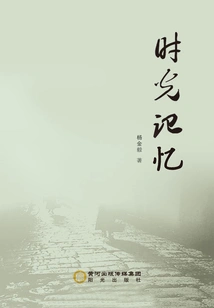
Time Memory
Literature时光记忆
Yang Jinyi
This manuscript is a comprehensive literature collection mainly composed of prose. Included in the works are novels, reportage, literature and history, etc. The whole book is divided into two parts. Through retrospective techniques, it narrates the memories and experiences accumulated in the past. The dreamlike years, the hometown I have always longed for, the vague yet familiar characters, environment, nostalgia and folk customs, and the past anecdotes that happened in this land are presented in literary form. The work stands from today's perspective, looking back on yesterday and looking forward to tomorrow, in order to move forward better. The whole book shows the author's slow remembrance and deep nostalgia, all of which are permeated between the lines of true feelings and insights.
This manuscript is a comprehensive literature collection mainly composed of prose. Included in the works are novels, reportage, literature and history, etc. The whole book is divided into two parts. Through retrospective techniques, it narrates the memories and experiences accumulated in the past. The dreamlike years, the hometown I have always longed for, the vague yet familiar characters, environment, nostalgia and folk customs, and the past anecdotes that happened in this land are presented in literary form. The work stands from today's perspective, looking back on yesterday and looking forward to tomorrow, in order to move forward better. The whole book shows the author's slow remembrance and deep nostalgia, all of which are permeated between the lines of true feelings and insights.
Three Kinds of Miscellaneous Writing
Literature杂写三种
Fire Will Light
This manuscript is a collection of prose works, one of the series "Sunshine Library". The manuscript is divided into three series, containing 30 works. The first volume is about personal narratives, including childhood memories, research on the surname Huo, travel experiences, etc., And is a relatively authentic prose essay; the second volume is the preface and postscript written by the author for his own and his friends' works; the third volume is a few "gossips", which are the author's narrations of the people he interacts with in life.
This manuscript is a collection of prose works, one of the series "Sunshine Library". The manuscript is divided into three series, containing 30 works. The first volume is about personal narratives, including childhood memories, research on the surname Huo, travel experiences, etc., And is a relatively authentic prose essay; the second volume is the preface and postscript written by the author for his own and his friends' works; the third volume is a few "gossips", which are the author's narrations of the people he interacts with in life.
Lake Bottom River
Literature湖底的河流
Pengjiahe
The works included in this book mainly include: Blossoms in the Rain, Listening to the Wind Under the Tile, The River at the Bottom of the Lake, A Tree's World View, Rising with the Tides of the Same Age as the Lake, Picking Lotus in Northern Sichuan, The Settled River, Tombs by the Water, Listening to Poems in Baiyu, The Train Is Forever Young, etc.
The works included in this book mainly include: Blossoms in the Rain, Listening to the Wind Under the Tile, The River at the Bottom of the Lake, A Tree's World View, Rising with the Tides of the Same Age as the Lake, Picking Lotus in Northern Sichuan, The Settled River, Tombs by the Water, Listening to Poems in Baiyu, The Train Is Forever Young, etc.
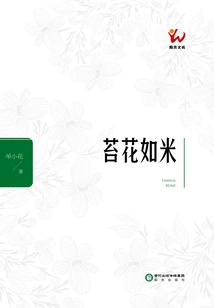
Moss Flowers Like Rice
Literature苔花如米
Single Floret
The contents of this book include: old lady; father and cow; father, please wait for me; memories; harmony; big brother; warm eyes; Sister Tao; Meng Lijuan; Wang Juan; green washstand; odd jobs; peach picking; the temperature of mobile phones; planting trees, etc.
The contents of this book include: old lady; father and cow; father, please wait for me; memories; harmony; big brother; warm eyes; Sister Tao; Meng Lijuan; Wang Juan; green washstand; odd jobs; peach picking; the temperature of mobile phones; planting trees, etc.
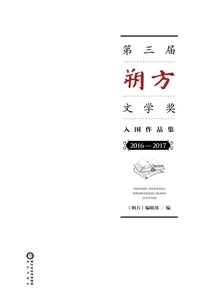
第三届朔方文学奖入围作品集(2016-2017)
"shuofang" Editorial Department
This collection of works was published in "Shuofang" from 2016 to 2017.
This collection of works was published in "Shuofang" from 2016 to 2017.
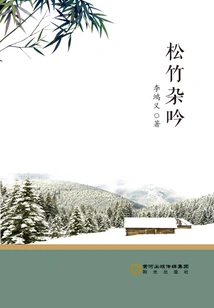
Song and Bamboo Chants
Literature松竹杂吟
Li Hongyi
This book is a collection of poems, a summary of the author's writings over many years, including work and study, inner journeys, allegory and lyricism, chanting about objects, travel descriptions, and descriptions of the great new China and new hometown, etc. In terms of form, there are praises and derogations, positives and negatives, restraints and promotions, allusions and feelings. The writing is fresh, true and straightforward. It truly reflects the author's voice and life, his perception of life, and his understanding of happiness. As the author said, it is his "note of a floating life".
This book is a collection of poems, a summary of the author's writings over many years, including work and study, inner journeys, allegory and lyricism, chanting about objects, travel descriptions, and descriptions of the great new China and new hometown, etc. In terms of form, there are praises and derogations, positives and negatives, restraints and promotions, allusions and feelings. The writing is fresh, true and straightforward. It truly reflects the author's voice and life, his perception of life, and his understanding of happiness. As the author said, it is his "note of a floating life".
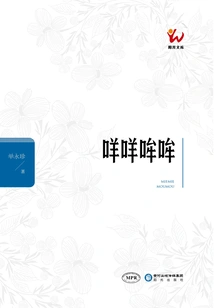
Bah Baa Moo
Literature咩咩哞哞
Shan Yongzhen
The works included in this book mainly include: Confessions, You and Me, On the Road, Believe, Violent Incidents, The Bright Moon Is the Loneliness Escaped from the Body, Take Off, Country, In the World, Nervous, I Write the Day of Eternal Death Again, Dunhuang Murals, etc.
The works included in this book mainly include: Confessions, You and Me, On the Road, Believe, Violent Incidents, The Bright Moon Is the Loneliness Escaped from the Body, Take Off, Country, In the World, Nervous, I Write the Day of Eternal Death Again, Dunhuang Murals, etc.
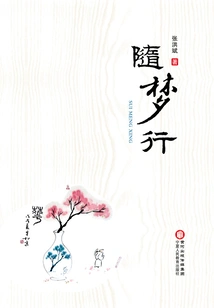
Follow Your Dreams
Literature随梦行
Zhang Hongbin
This book includes six parts: Spring, Summer, Autumn, Winter, Home, and Thoughts. Specifically, it includes: The Rhythm of Green, Ivy, Flower Appreciation, Qingming Festival, Thoughts on Autumn, Autumn Wind and Fallen Leaves, Fallen Leaves, Another Continuation of Life, Red Leaves and Autumn Colors Sending My Love, etc.
This book includes six parts: Spring, Summer, Autumn, Winter, Home, and Thoughts. Specifically, it includes: The Rhythm of Green, Ivy, Flower Appreciation, Qingming Festival, Thoughts on Autumn, Autumn Wind and Fallen Leaves, Fallen Leaves, Another Continuation of Life, Red Leaves and Autumn Colors Sending My Love, etc.
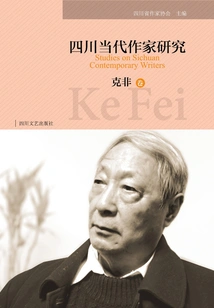
四川当代作家研究·克非卷
Sichuan Writers Association
This book is a collection of academic papers. The book contains more than 50 papers, collecting some classic and latest Kefei research results from the 1980s to the present, filling the gap in the study of contemporary Sichuan writers, and providing a comprehensive and reliable collection of research materials for the study of contemporary Sichuan writers.
This book is a collection of academic papers. The book contains more than 50 papers, collecting some classic and latest Kefei research results from the 1980s to the present, filling the gap in the study of contemporary Sichuan writers, and providing a comprehensive and reliable collection of research materials for the study of contemporary Sichuan writers.
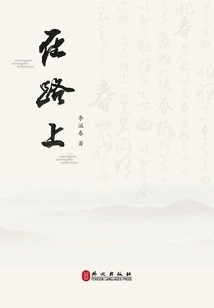
On the Road
Literature在路上
Li Yichun
"On the Road" is a collection of news works, divided into three parts. The first part is "Paper Excerpts", which contains 4 papers. The second part is "review articles", with as many as 78 articles. This is the "backbone" of the whole book, which can be said to be the "top priority". The finale is "Press Releases", there are 13 articles, not many in number, and most of them are jointly produced.
"On the Road" is a collection of news works, divided into three parts. The first part is "Paper Excerpts", which contains 4 papers. The second part is "review articles", with as many as 78 articles. This is the "backbone" of the whole book, which can be said to be the "top priority". The finale is "Press Releases", there are 13 articles, not many in number, and most of them are jointly produced.
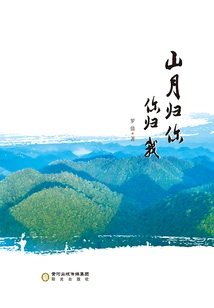
山月归你你归我
Luo Qian
This manuscript is a collection of prose works, and its content is divided into five parts: "Where to Stay in the Countryside", "Feng Yue on the Ancient Road", "Flowers and Shadows", "Food in a Vegetarian Year" and "Returning to the Wilderness". Against the background of poverty alleviation, rural revitalization, and the efforts of Chaotian District of Guangyuan City to create a famous Tianfu tourist county, the author writes affectionately about the new look of Chaotian District's overall tourism development and the new results of poverty alleviation and the pursuit of a well-off society. The author focuses on Chaotian District's ecological health elements and the rich Shu culture, aiming to bring readers back to the countryside, find homesickness, and experience a beautiful new life that is "just slow enough." The prose writing is standardized, the theme is concentrated, the structure of the manuscript is well-proportioned, and the previous and subsequent parts are both connected and have their own characteristics.
This manuscript is a collection of prose works, and its content is divided into five parts: "Where to Stay in the Countryside", "Feng Yue on the Ancient Road", "Flowers and Shadows", "Food in a Vegetarian Year" and "Returning to the Wilderness". Against the background of poverty alleviation, rural revitalization, and the efforts of Chaotian District of Guangyuan City to create a famous Tianfu tourist county, the author writes affectionately about the new look of Chaotian District's overall tourism development and the new results of poverty alleviation and the pursuit of a well-off society. The author focuses on Chaotian District's ecological health elements and the rich Shu culture, aiming to bring readers back to the countryside, find homesickness, and experience a beautiful new life that is "just slow enough." The prose writing is standardized, the theme is concentrated, the structure of the manuscript is well-proportioned, and the previous and subsequent parts are both connected and have their own characteristics.
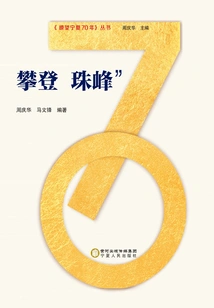
Climbing "mount Everest
Literature攀登“珠峰”
Compiled By Zhou Qinghua And Ma Wenfeng
This book is a collection of essays. By commenting on the 28 news articles published by "Ningxia News" that won the China News Award, we analyzed and introduced the reasons why these works won the award, and shared the unknown and touching stories behind each news article's award. This book is not only a review of past news hot spots in Ningxia, but also a praise for the professionalism of print media reporters and editors. It is also a useful reference for colleagues to learn news writing.
This book is a collection of essays. By commenting on the 28 news articles published by "Ningxia News" that won the China News Award, we analyzed and introduced the reasons why these works won the award, and shared the unknown and touching stories behind each news article's award. This book is not only a review of past news hot spots in Ningxia, but also a praise for the professionalism of print media reporters and editors. It is also a useful reference for colleagues to learn news writing.
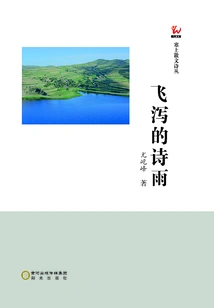
Flowing Poetic Rain
Literature飞泻的诗雨
You Yifeng
This manuscript is a collection of prose poems and the author's first personal collection. The articles included in this book express the author's love for the motherland. The sincere emotions of hometown, family, lovers and friends, the eulogy of the era in which we live, and the perception of life. The text of the work is simple, the writing is smooth, and it is catchy to read.
This manuscript is a collection of prose poems and the author's first personal collection. The articles included in this book express the author's love for the motherland. The sincere emotions of hometown, family, lovers and friends, the eulogy of the era in which we live, and the perception of life. The text of the work is simple, the writing is smooth, and it is catchy to read.
Dawn of Three People
Literature三个人的黎明
Wang Xingguo
The works included in this book mainly include: Kite, Dawn of Three People, Eyes on the Sunset, Square, Flowers, Zhang Guan's Wish, Worry, The Wood-Breaking Man, Female Waters of the Tang Dynasty, Flowers Bloom for a Season, Only Three to Miss, Lao Tie, Wang Gui's Promotion, etc.
The works included in this book mainly include: Kite, Dawn of Three People, Eyes on the Sunset, Square, Flowers, Zhang Guan's Wish, Worry, The Wood-Breaking Man, Female Waters of the Tang Dynasty, Flowers Bloom for a Season, Only Three to Miss, Lao Tie, Wang Gui's Promotion, etc.
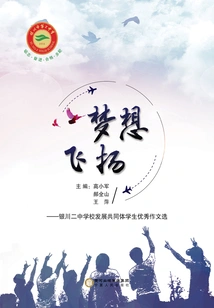
梦想飞扬:银川二中学校发展共同体学生优秀作文选
Editor-in-chief Gao Xiaojun Hao Quanshan Wang Ping
This book is a collection of essays. A number of works created by students of No. 2 Middle School were collected. According to the content, they are divided into feelings about home and country, family affection, unforgettable teachers, youthful wind chimes, life insights, and occasional readings. They mainly reflect the culture and spirit of the alma mater, eulogize family ties and friendships, record the changes in hometown and motherland, and praise the motherland and the great achievements of reform and opening up. Excellent compositions show the style of the times for the students of No. 2 Middle School.
This book is a collection of essays. A number of works created by students of No. 2 Middle School were collected. According to the content, they are divided into feelings about home and country, family affection, unforgettable teachers, youthful wind chimes, life insights, and occasional readings. They mainly reflect the culture and spirit of the alma mater, eulogize family ties and friendships, record the changes in hometown and motherland, and praise the motherland and the great achievements of reform and opening up. Excellent compositions show the style of the times for the students of No. 2 Middle School.
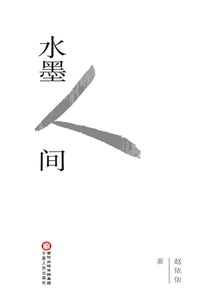
Ink World
Literature水墨人间
Zhao Yiyi
This book is a collection of essays. It is divided into six series: Red Bean Born in the South, Strong Winds in the Western Regions, Strong Love in the Northeast, Rhythm of the Roaring Yellow River, Watching the Five Continents in the Beacon Smoke, and Photographing the Idle Clouds on the Railing. The author has collected and organized the scenery that he has traveled to various places and countries in recent years. There are scenery from the north and the south, and foreign experiences. The content is extensive, the writing is beautiful, and it is vivid and touching.
This book is a collection of essays. It is divided into six series: Red Bean Born in the South, Strong Winds in the Western Regions, Strong Love in the Northeast, Rhythm of the Roaring Yellow River, Watching the Five Continents in the Beacon Smoke, and Photographing the Idle Clouds on the Railing. The author has collected and organized the scenery that he has traveled to various places and countries in recent years. There are scenery from the north and the south, and foreign experiences. The content is extensive, the writing is beautiful, and it is vivid and touching.
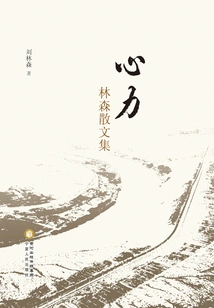
Mind Power: Lin Sen's Prose Collection
Literature心力:林森散文集
Liu Linsen
The whole book is divided into educational feelings, memories of hometown, commentary on art, songs about the years, testimonials and inscriptions, Lin Sen's words, etc. The author has compiled his forty years of life experience and insights into this article, which includes his own experience of life and insights into his works.
The whole book is divided into educational feelings, memories of hometown, commentary on art, songs about the years, testimonials and inscriptions, Lin Sen's words, etc. The author has compiled his forty years of life experience and insights into this article, which includes his own experience of life and insights into his works.
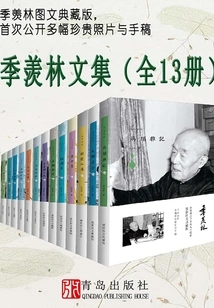
季羡林文集(全13册)
Ji Xianlin
The Xianlin Picture and Text Collector's Edition makes public for the first time many rare photos and manuscripts
The Xianlin Picture and Text Collector's Edition makes public for the first time many rare photos and manuscripts
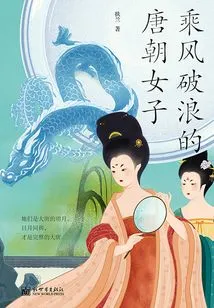
乘风破浪的唐朝女子
Fulan
Use one book to read a colorful brief history of women's survival in the Tang Dynasty! During the more than two hundred and eighty years of the Tang Dynasty, countless legendary women were born - the courageous and valiant Wu Zetian, the delicate and jealous Yang Yuhuan, the arrogant Princess Anle, the talented and beautiful Shangguan Wan'er; the pipa girl at the head of the Xunyang River, the beauties who sang on moonlit nights, the longing women looking forward to their husbands returning from the army, and the poor girls who made wedding dresses for others... They are the bright moon of the Tang Dynasty and the hibiscus of the prosperous age. You might as well follow Fulan's footsteps and take a look at the elegance of women in the Tang Dynasty, see how they lived a wonderful life and how they rode the waves of their own era.
Use one book to read a colorful brief history of women's survival in the Tang Dynasty! During the more than two hundred and eighty years of the Tang Dynasty, countless legendary women were born - the courageous and valiant Wu Zetian, the delicate and jealous Yang Yuhuan, the arrogant Princess Anle, the talented and beautiful Shangguan Wan'er; the pipa girl at the head of the Xunyang River, the beauties who sang on moonlit nights, the longing women looking forward to their husbands returning from the army, and the poor girls who made wedding dresses for others... They are the bright moon of the Tang Dynasty and the hibiscus of the prosperous age. You might as well follow Fulan's footsteps and take a look at the elegance of women in the Tang Dynasty, see how they lived a wonderful life and how they rode the waves of their own era.
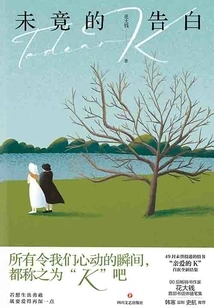
Unfinished Confession
Literature未竟的告白
Spend Big Money
This is a collection of 49 never-delivered letters, written to "K" whom he has never met. In every letter, you can find a reflection of yourself. I cut out fragments from the depths of every ordinary life like you and me, and wrote them down with a warm and healing writing style, accompanied by partings and longings. In the Moscow airport, when you were traveling alone in Tokyo, did you ever think about someone? If there is such a person and such a moment, let's call it "K".
This is a collection of 49 never-delivered letters, written to "K" whom he has never met. In every letter, you can find a reflection of yourself. I cut out fragments from the depths of every ordinary life like you and me, and wrote them down with a warm and healing writing style, accompanied by partings and longings. In the Moscow airport, when you were traveling alone in Tokyo, did you ever think about someone? If there is such a person and such a moment, let's call it "K".
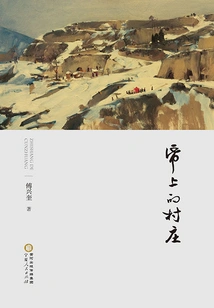
Village on Paper
Literature纸上的村庄
Fu Xingkui
"Village on Paper" is set in the Loess Plateau of eastern Longxi and is based on Liangping Town, Ning County, Qingyang City, an important town on the Silk Road, the hometown of the hero Fu Jiezi of the Western Han Dynasty. It three-dimensionally reflects the scenes and changes in rural life in the northwest since the 1960s. It is a long series of essays covering nature, history, culture, agriculture, customs and many local cultural elements. Through his own personal feelings and the life experiences of his neighbors, the work shows the rise and fall of Longdong's rural areas in many aspects over the past hundred years.
"Village on Paper" is set in the Loess Plateau of eastern Longxi and is based on Liangping Town, Ning County, Qingyang City, an important town on the Silk Road, the hometown of the hero Fu Jiezi of the Western Han Dynasty. It three-dimensionally reflects the scenes and changes in rural life in the northwest since the 1960s. It is a long series of essays covering nature, history, culture, agriculture, customs and many local cultural elements. Through his own personal feelings and the life experiences of his neighbors, the work shows the rise and fall of Longdong's rural areas in many aspects over the past hundred years.
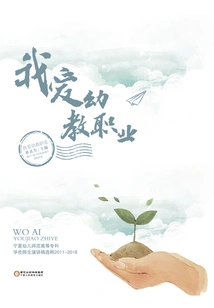
我爱幼教职业:宁夏幼儿师范高等专科学校师生演讲稿选粹(2011-2018)
Editor-in-chief Deng Yanfang
In this selection, a total of 118 outstanding works were selected to participate in the district's vocational college teachers and students vocational skills competition speech contest and other off-campus speech competitions, the school's previous "I Love Preschool Education Career" speech contest award-winning works, the "I Love Preschool Education Career" themed speech essay competition outstanding works, and 118 excellent works in four parts: Revere Life and Cherish Life.
In this selection, a total of 118 outstanding works were selected to participate in the district's vocational college teachers and students vocational skills competition speech contest and other off-campus speech competitions, the school's previous "I Love Preschool Education Career" speech contest award-winning works, the "I Love Preschool Education Career" themed speech essay competition outstanding works, and 118 excellent works in four parts: Revere Life and Cherish Life.
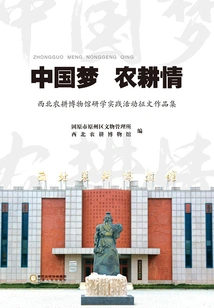
中国梦 农耕情(西北农耕博物馆研学实践活动征文作品集)
Guyuan City Yuanzhou District Cultural Relics Management Office Northwest Agricultural Museum
With a dark face, a thin body, big rough hands, and a rickety backbone, this is a farmer. The rolling beads of sweat, the soaked sweatshirt, the waving hoe, and the rapid breathing, this is the farmer.
With a dark face, a thin body, big rough hands, and a rickety backbone, this is a farmer. The rolling beads of sweat, the soaked sweatshirt, the waving hoe, and the rapid breathing, this is the farmer.
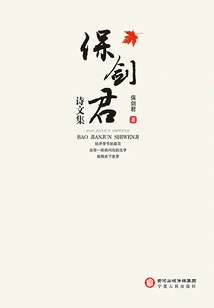
Bao Jianjun's Poems and Essays
Literature保剑君诗文集
Baojianjun
This book collects and organizes poems, prose essays, novels, reviews and other articles published by Bao Jianjun during his lifetime. The poetry works are profound in content, natural and skillful in expression, and the poetry is rich and light; the prose essays are graceful and smooth; while the novels present romantic colors, they also incorporate serious interrogation of the colorful reality, and are quite ideological and artistic.
This book collects and organizes poems, prose essays, novels, reviews and other articles published by Bao Jianjun during his lifetime. The poetry works are profound in content, natural and skillful in expression, and the poetry is rich and light; the prose essays are graceful and smooth; while the novels present romantic colors, they also incorporate serious interrogation of the colorful reality, and are quite ideological and artistic.
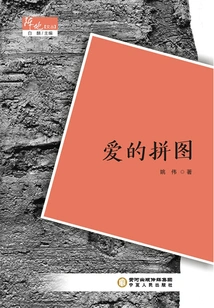
Love Puzzle
Literature爱的拼图
Yao Wei
This book includes short novels such as "The Bear Granny in Yingtai", "The Party Secretary Comes to the Door", "Mountain God", "Special Passengers", "Wang Post", "Dad's Harassing Phone Calls", and "Free Physical Examination".
This book includes short novels such as "The Bear Granny in Yingtai", "The Party Secretary Comes to the Door", "Mountain God", "Special Passengers", "Wang Post", "Dad's Harassing Phone Calls", and "Free Physical Examination".
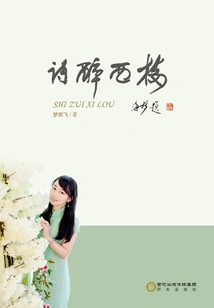
Poetry in the West Tower
Literature诗醉西楼
Meng Nanfei
This book is divided into the light of the new era, the variations of the river, the rhapsody of spring, the charm of family and country, the echo of life, the shadows of time, the testimony of love, the language of dreams, and the long hair that is fluffy with time. Content includes: photovoltaics, the wings of the sun; the Grand Canal, an epic without a full stop; the flowing Yellow River, etc.
This book is divided into the light of the new era, the variations of the river, the rhapsody of spring, the charm of family and country, the echo of life, the shadows of time, the testimony of love, the language of dreams, and the long hair that is fluffy with time. Content includes: photovoltaics, the wings of the sun; the Grand Canal, an epic without a full stop; the flowing Yellow River, etc.
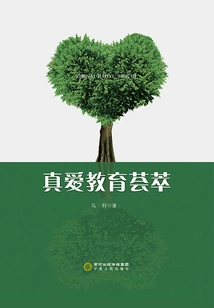
True Love Education Collection
Literature真爱教育荟萃
Marley
This book is a collection of papers that the author has published over many years of teaching, as well as his understanding, experience and insights into the education industry, excellent teaching cases, and articles he has guided students to write. Specifically, it is divided into eight series including "Education and Teaching", "Class Management", "New Media Theory", "Thinking and Doing", and "Comprehensive Education".
This book is a collection of papers that the author has published over many years of teaching, as well as his understanding, experience and insights into the education industry, excellent teaching cases, and articles he has guided students to write. Specifically, it is divided into eight series including "Education and Teaching", "Class Management", "New Media Theory", "Thinking and Doing", and "Comprehensive Education".
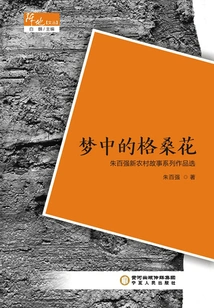
梦中的格桑花:朱百强新农村故事系列作品选
Zhu Baiqiang
This book is a collection of poems and the author's second collection of poems. It is divided into three volumes: "Dear Bones", "Father's Wings" and "Dry Rain on Green Mountains". It contains more than 130 poems written by the author between 2010 and 2017. It is a concentrated reflection of the author's achievements in poetry creation in recent years. At the same time, the two included reviews by critics Wu Mingchun and Gong Kuilin also made an objective evaluation of the author's poetry creation level.
This book is a collection of poems and the author's second collection of poems. It is divided into three volumes: "Dear Bones", "Father's Wings" and "Dry Rain on Green Mountains". It contains more than 130 poems written by the author between 2010 and 2017. It is a concentrated reflection of the author's achievements in poetry creation in recent years. At the same time, the two included reviews by critics Wu Mingchun and Gong Kuilin also made an objective evaluation of the author's poetry creation level.
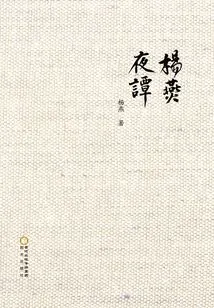
Yang Yan's Night Story
Literature杨燕夜谭
Yang Yan
This manuscript is a collection of essays specially published to commemorate the author Yang Yan's fiftieth birthday. It mainly includes book reviews, painting reviews, essays and other related content. The author has a lot of emotions when looking back on his life. The manuscript "Yang Yan's Night Tales" is full of the author's love for life and gratitude to his family and friends.
This manuscript is a collection of essays specially published to commemorate the author Yang Yan's fiftieth birthday. It mainly includes book reviews, painting reviews, essays and other related content. The author has a lot of emotions when looking back on his life. The manuscript "Yang Yan's Night Tales" is full of the author's love for life and gratitude to his family and friends.
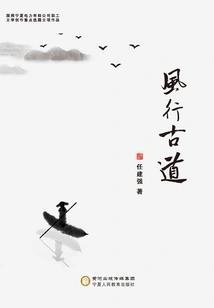
Popular Ancient Road
Literature风行古道
Ren Jianqiang
The collection of essays "Fengxing Ancient Road" contains 43 essays with a total of about 130,000 words, including three chapters: "Ancient Style of Dayuan", "Searching for secluded mountains and rivers" and "Where is the Countryside". Generally speaking, it uses Guyuan City's culture, history, geography, native land, etc. As themes to trace the historical context, trace local feelings, and recall childhood days. The author not only inherits a phenomenon, but also interprets the suffering of existence and spiritual carnival through recording and expression. In the process, he inspires thinking and sublimates the theme. Through the author's eloquent expressions, we may understand the author's complex and persistent state of mind that led to the creation of this collection of works.
The collection of essays "Fengxing Ancient Road" contains 43 essays with a total of about 130,000 words, including three chapters: "Ancient Style of Dayuan", "Searching for secluded mountains and rivers" and "Where is the Countryside". Generally speaking, it uses Guyuan City's culture, history, geography, native land, etc. As themes to trace the historical context, trace local feelings, and recall childhood days. The author not only inherits a phenomenon, but also interprets the suffering of existence and spiritual carnival through recording and expression. In the process, he inspires thinking and sublimates the theme. Through the author's eloquent expressions, we may understand the author's complex and persistent state of mind that led to the creation of this collection of works.
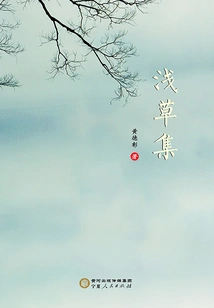
Asakusa Collection
Literature浅草集
Huang Dezhang
"Poems express aspirations, songs speak forever, sounds last forever, and rhythms are harmonious." This is a classic for reading, writing, and discussing poetry that goes hand in hand with Fengya Ode and Fu Bixing. Reading "Asakusa Shu" is just to follow his aspirations and observe his atmosphere.
"Poems express aspirations, songs speak forever, sounds last forever, and rhythms are harmonious." This is a classic for reading, writing, and discussing poetry that goes hand in hand with Fengya Ode and Fu Bixing. Reading "Asakusa Shu" is just to follow his aspirations and observe his atmosphere.
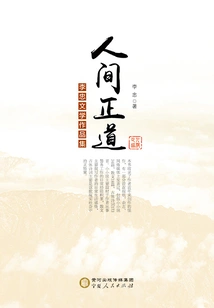
人间正道(李忠文学作品集)
Li Zhong
"The Righteous Way in the World - Li Zhong's Literary Works Collection" is a record of Li Zhong's personal mental journey, a record of historical vicissitudes, and a record of the tremendous changes in the public security team.
"The Righteous Way in the World - Li Zhong's Literary Works Collection" is a record of Li Zhong's personal mental journey, a record of historical vicissitudes, and a record of the tremendous changes in the public security team.
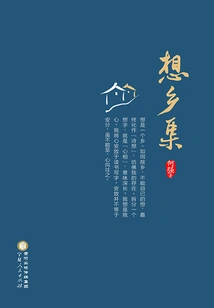
Homesickness Collection
Literature想乡集
He Qiang
"Iron shoulders carry moral principles, and skillful hands write articles." The poem I read when I was young has now become a chant that I will never forget. After adding many so-called life experiences, every night in silence, I get rid of the clutter and impetuosity, and read the book silently over and over again, tears filling my eyes.
"Iron shoulders carry moral principles, and skillful hands write articles." The poem I read when I was young has now become a chant that I will never forget. After adding many so-called life experiences, every night in silence, I get rid of the clutter and impetuosity, and read the book silently over and over again, tears filling my eyes.
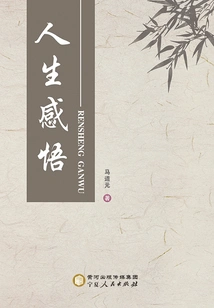
Life Insights
Literature人生感悟
Ma Daoyuan
Although this book is named "Life Insights", in essence it should be said to be a very excellent family motto. The words are filled with the meaning of cultivation and education, and also express the author's pursuit of life and understanding of life. Undoubtedly, it will become a spiritual guiding light for future generations and will benefit them throughout their lives. From this point of view, this book is of great significance in inheriting family tradition. I think this is the author's motivation for writing this book, so this book also embodies the author's blessings and expectations for future generations. It is worth mentioning that in this work, travelogue articles also account for a large amount of space, but this is not a travelogue in the general sense. Viewing the mountains will make you full of emotions, and watching the sea will overflow with meaning. The author expresses his admiration and praise of nature and humanity while elaborating on his thoughts and perceptions about life, which will also bring enlightenment to us.
Although this book is named "Life Insights", in essence it should be said to be a very excellent family motto. The words are filled with the meaning of cultivation and education, and also express the author's pursuit of life and understanding of life. Undoubtedly, it will become a spiritual guiding light for future generations and will benefit them throughout their lives. From this point of view, this book is of great significance in inheriting family tradition. I think this is the author's motivation for writing this book, so this book also embodies the author's blessings and expectations for future generations. It is worth mentioning that in this work, travelogue articles also account for a large amount of space, but this is not a travelogue in the general sense. Viewing the mountains will make you full of emotions, and watching the sea will overflow with meaning. The author expresses his admiration and praise of nature and humanity while elaborating on his thoughts and perceptions about life, which will also bring enlightenment to us.
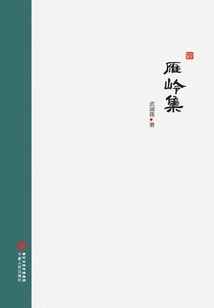
Yanlingji
Literature雁岭集
Wu Shulian
This book mainly includes: close reading of Lu Xun, literary therapy, writers' clicks, Ningxia literary world, poetic interpretation, vernacular writing, the dimension of criticism, humanistic focus, etc.
This book mainly includes: close reading of Lu Xun, literary therapy, writers' clicks, Ningxia literary world, poetic interpretation, vernacular writing, the dimension of criticism, humanistic focus, etc.
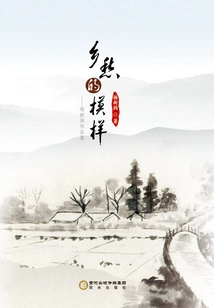
Nostalgic Look
Literature乡愁的模样
Yang Xinrun
"The Look of Nostalgia" is another collection of prose and poetry by Mr. Yang Xinrun. When the collection of essays was published, my husband asked me to write a preface. A collection of more than 200,000 words and more than 200 poems and essays, all with the theme of "nostalgia", is naturally full of the layers of Mr. Yang's life journey.
"The Look of Nostalgia" is another collection of prose and poetry by Mr. Yang Xinrun. When the collection of essays was published, my husband asked me to write a preface. A collection of more than 200,000 words and more than 200 poems and essays, all with the theme of "nostalgia", is naturally full of the layers of Mr. Yang's life journey.
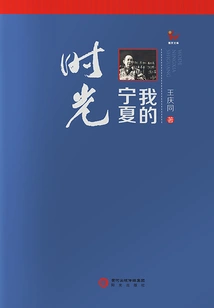
My Ningxia Time
Literature我的宁夏时光
Wang Qingtong
"My Time in Ningxia" is Professor Wang Qingtong's account of the 60 years he lived in Ningxia from 1958 to 2018 (22 to 82 years old). He experienced Ningxia newspaper editor and reporter, a "supervisory laborer" in Youfangliang, a deserted village outside Yanchi (outside the ancient Great Wall), a laborer in Shahai, and a production officer in Qingshan Commune in the middle of Yanchi. , Clerk, member and deputy director of the commune party committee, deputy director of the Propaganda Department of the Yanchi County Committee of the Communist Party of China, secretary of the Communist Party of China Department of Ningxia University (first term), director of the Journalism Teaching and Research Office of the Chinese Department (11 and a half years), lecturer, associate professor, professor of journalism and communication, retired cadre of Ningxia University (24 years) and other changes in identity.
"My Time in Ningxia" is Professor Wang Qingtong's account of the 60 years he lived in Ningxia from 1958 to 2018 (22 to 82 years old). He experienced Ningxia newspaper editor and reporter, a "supervisory laborer" in Youfangliang, a deserted village outside Yanchi (outside the ancient Great Wall), a laborer in Shahai, and a production officer in Qingshan Commune in the middle of Yanchi. , Clerk, member and deputy director of the commune party committee, deputy director of the Propaganda Department of the Yanchi County Committee of the Communist Party of China, secretary of the Communist Party of China Department of Ningxia University (first term), director of the Journalism Teaching and Research Office of the Chinese Department (11 and a half years), lecturer, associate professor, professor of journalism and communication, retired cadre of Ningxia University (24 years) and other changes in identity.
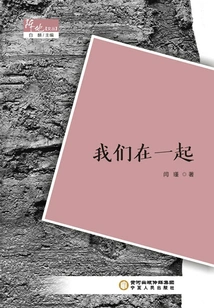
We Are Together
Literature我们在一起
Yan Jin
This book contains essays such as "The Wheat Fields Are Green in March", "The Breath of Spring", "March Whispers", "Tasting Spring", "Spring Reveries", "Exploring Spring", and "Essays on Beishuling Ruins".
This book contains essays such as "The Wheat Fields Are Green in March", "The Breath of Spring", "March Whispers", "Tasting Spring", "Spring Reveries", "Exploring Spring", and "Essays on Beishuling Ruins".
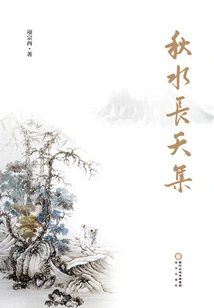
Autumn Waters and Long Sky Collection
Literature秋水长天集
Xiang Zongxi
The contents of this book include: General Secretary Xi's deployment of troops on the battlefield; Tongcheng Liuchi Alley; Ode to the Osmanthus; Epiphyllum blooming at night; Spring on the Canal; Praise for the South China Sea Navy Exercise; Mother-in-law's tattoo; Congratulations on the Fourth Congress of the Chinese Poetry Society; New Year's gifts to classmates and friends, etc.
The contents of this book include: General Secretary Xi's deployment of troops on the battlefield; Tongcheng Liuchi Alley; Ode to the Osmanthus; Epiphyllum blooming at night; Spring on the Canal; Praise for the South China Sea Navy Exercise; Mother-in-law's tattoo; Congratulations on the Fourth Congress of the Chinese Poetry Society; New Year's gifts to classmates and friends, etc.
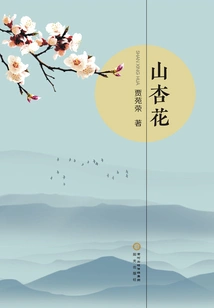
Almond Flower
Literature山杏花
Jia Yuanrong
"Mountain Apricot Blossom" is a personal collection of works by a retired Chinese teacher. It consists of four parts: novels, prose, poetry and essays. It involves rural themes, miners' themes and teachers' themes. Most of the content is novels and poems written by the author while he is engaged in Chinese teaching. Among them, the novel "Mountain Apricot Blossom" is Some of the material comes from the author's experience as a miner. The language of the work is simple, the writing is delicate, and the emotions are sincere. It eulogizes the coal miners who stick to the depths of the mountains like apricot flowers, and expresses the joys, sorrows, sorrows and joys of ordinary people. It has a strong appeal and inspires people to be positive and work hard.
"Mountain Apricot Blossom" is a personal collection of works by a retired Chinese teacher. It consists of four parts: novels, prose, poetry and essays. It involves rural themes, miners' themes and teachers' themes. Most of the content is novels and poems written by the author while he is engaged in Chinese teaching. Among them, the novel "Mountain Apricot Blossom" is Some of the material comes from the author's experience as a miner. The language of the work is simple, the writing is delicate, and the emotions are sincere. It eulogizes the coal miners who stick to the depths of the mountains like apricot flowers, and expresses the joys, sorrows, sorrows and joys of ordinary people. It has a strong appeal and inspires people to be positive and work hard.