Library
Browse and search books
3,417 novels found
Nanjing Biography
History南京传
Zhang Xinqi
This book uses countless historical materials and philosophical words to construct the vicissitudes of Nanjing and its people from prehistory to the Qing Dynasty. The author takes us back in time to ancient times, to pre-Qin, and witnesses Nanjing going through the third catastrophe during the Sui, Tang, and Five Dynasties. During the Song and Yuan Dynasties, it welcomed immigrants and poets from all over the world. From the fate of a Nanjing farmer in the Ming Dynasty, he recorded the records of all living beings in Jinling. He also lamented that the Qing Dynasty could not lock the British iron armor. Although it does not involve the current life of Nanjing, we can still look at the past and see the present. Without the past, there will be no present. Through the author's brief history of life on earth, being born as a human being, birth taxes, a brief history of currency, and a brief summary of the ancient welfare system, it can still give people today unlimited thinking.
This book uses countless historical materials and philosophical words to construct the vicissitudes of Nanjing and its people from prehistory to the Qing Dynasty. The author takes us back in time to ancient times, to pre-Qin, and witnesses Nanjing going through the third catastrophe during the Sui, Tang, and Five Dynasties. During the Song and Yuan Dynasties, it welcomed immigrants and poets from all over the world. From the fate of a Nanjing farmer in the Ming Dynasty, he recorded the records of all living beings in Jinling. He also lamented that the Qing Dynasty could not lock the British iron armor. Although it does not involve the current life of Nanjing, we can still look at the past and see the present. Without the past, there will be no present. Through the author's brief history of life on earth, being born as a human being, birth taxes, a brief history of currency, and a brief summary of the ancient welfare system, it can still give people today unlimited thinking.
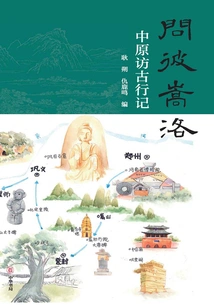
问彼嵩洛:中原访古行记
Geng Shuo Qiu Luming
This article takes the academic tour of the Central Plains of nine young scholars as the main line, connecting the scenic spots and historic sites in the Central Plains, focusing on the cultural landscape. It is not a general travel note, but a true exploration of the historical significance contained in the scenic spots. Because it is an academic tour, the itinerary is mostly arranged by the local archaeological institute or relevant university departments, allowing you to visit extremely precious scenic spots or cultural relics that are not open to the public, and obtain the latest archaeological discoveries and first-hand materials. The 9 articles either comprehensively introduce the inspection process, or specifically discuss a specific cultural relic involved in the journey, or discuss the history and geography of the Central Plains region, covering multiple majors such as literature, history, archaeology, art, etc., Showing the unique value of cross-field joint inspections, and are both academic, interesting, and readable. The manuscript is equipped with a number of pictures, including precious historical materials, actual journey scenes, and drone aerial photography combined with new technological means, thus integrating with traditional documents, corroborating each other, reinforcing each other, and deriving new academic significance. In addition to the two editors, the participants include: Lin Xiao Guang (Zhejiang University), Hu Hong (Wuhan University), Fan Zhaofei (Shanghai Normal University), Sun Zhengjun (Capital Normal University), Wang Yu (Sichuan University), Wang Antai (Nankai University), and Wu Youjiang (Wuhan University) are all outstanding young scholars at the moment.
This article takes the academic tour of the Central Plains of nine young scholars as the main line, connecting the scenic spots and historic sites in the Central Plains, focusing on the cultural landscape. It is not a general travel note, but a true exploration of the historical significance contained in the scenic spots. Because it is an academic tour, the itinerary is mostly arranged by the local archaeological institute or relevant university departments, allowing you to visit extremely precious scenic spots or cultural relics that are not open to the public, and obtain the latest archaeological discoveries and first-hand materials. The 9 articles either comprehensively introduce the inspection process, or specifically discuss a specific cultural relic involved in the journey, or discuss the history and geography of the Central Plains region, covering multiple majors such as literature, history, archaeology, art, etc., Showing the unique value of cross-field joint inspections, and are both academic, interesting, and readable. The manuscript is equipped with a number of pictures, including precious historical materials, actual journey scenes, and drone aerial photography combined with new technological means, thus integrating with traditional documents, corroborating each other, reinforcing each other, and deriving new academic significance. In addition to the two editors, the participants include: Lin Xiao Guang (Zhejiang University), Hu Hong (Wuhan University), Fan Zhaofei (Shanghai Normal University), Sun Zhengjun (Capital Normal University), Wang Yu (Sichuan University), Wang Antai (Nankai University), and Wu Youjiang (Wuhan University) are all outstanding young scholars at the moment.
井上靖中国历史小说集(共4册)
H
Yasushi Inoue is a master of Japanese literature and a recipient of the Japanese Cultural Medal, an honor in the Japanese cultural community. "Dunhuang", "Loulan", "Confucius" and "Tian Ping Zhi Zhi" are the masterpieces of Inoue Yasushi's novels, which convey profound feelings about life and have far-reaching meaning. There are no emperors, generals or harem schemes in Yasushi Inoue's works. His focus is always on the backbone of Chinese culture and the classics passed down to future generations. Yasushi Inoue's writing is simple, profound, and poetic. He is good at expressing the desolate historical process with calm narratives, and he is also good at writing unknown little characters very vividly. As Zhu Tianxin said, "In the obscure historical materials that few people read, they are just two characters, a meaningless symbol, a small mustard seed in the long river of history. However, Inoue Yasushi gave them flesh and blood and soul again, making us feel fascinated and unforgettable when reading them more than a thousand years later."
Yasushi Inoue is a master of Japanese literature and a recipient of the Japanese Cultural Medal, an honor in the Japanese cultural community. "Dunhuang", "Loulan", "Confucius" and "Tian Ping Zhi Zhi" are the masterpieces of Inoue Yasushi's novels, which convey profound feelings about life and have far-reaching meaning. There are no emperors, generals or harem schemes in Yasushi Inoue's works. His focus is always on the backbone of Chinese culture and the classics passed down to future generations. Yasushi Inoue's writing is simple, profound, and poetic. He is good at expressing the desolate historical process with calm narratives, and he is also good at writing unknown little characters very vividly. As Zhu Tianxin said, "In the obscure historical materials that few people read, they are just two characters, a meaningless symbol, a small mustard seed in the long river of history. However, Inoue Yasushi gave them flesh and blood and soul again, making us feel fascinated and unforgettable when reading them more than a thousand years later."
文本与书写:宋代的社会史:以温州、杭州等地方为例(九色鹿系列)
Wu Zhengqiang
Based on different forms of historical materials such as strange novels, inscriptions, epitaphs, local chronicles, and genealogies, this book takes places such as Wenzhou and Hangzhou as main cases and attempts to reconstruct the social history of the Song Dynasty from the perspective of text and writing. In the local society of the Song Dynasty, small farmers and wealthy households, petty officials and maritime merchants, shamans and monks, warriors and dignitaries in the city, and emerging groups of scholars jointly constructed the relationships and network structure of local society. Scholar-officials occupy the core position of the national administrative system, but in local society, imperial examination scholars are still an unstable new trend. Sometimes they are isolated from local society, and sometimes they need to interpenetrate with other social groups in order to play an increasingly important role in local society. The change of perspective and the reconstruction of the picture may reveal a richer connotation of Song Dynasty society.
Based on different forms of historical materials such as strange novels, inscriptions, epitaphs, local chronicles, and genealogies, this book takes places such as Wenzhou and Hangzhou as main cases and attempts to reconstruct the social history of the Song Dynasty from the perspective of text and writing. In the local society of the Song Dynasty, small farmers and wealthy households, petty officials and maritime merchants, shamans and monks, warriors and dignitaries in the city, and emerging groups of scholars jointly constructed the relationships and network structure of local society. Scholar-officials occupy the core position of the national administrative system, but in local society, imperial examination scholars are still an unstable new trend. Sometimes they are isolated from local society, and sometimes they need to interpenetrate with other social groups in order to play an increasingly important role in local society. The change of perspective and the reconstruction of the picture may reveal a richer connotation of Song Dynasty society.
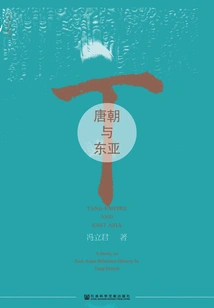
唐朝与东亚(九色鹿系列)
Feng Lijun
"East Asia", just like "Asia", is a concept constructed from the outside. The word closest to the concept of "East Asia" in ancient China is "Haidong". As a giant political entity, the Tang Dynasty's rich cultural exchanges and diverse and complex political relationships with the surrounding world constituted half of global history. The East Asian countries located in the far east are backed by the largest ocean on earth. Their main or even only face is the Tang Dynasty. This constitutes the relationship between the Tang Dynasty and East Asia.
"East Asia", just like "Asia", is a concept constructed from the outside. The word closest to the concept of "East Asia" in ancient China is "Haidong". As a giant political entity, the Tang Dynasty's rich cultural exchanges and diverse and complex political relationships with the surrounding world constituted half of global history. The East Asian countries located in the far east are backed by the largest ocean on earth. Their main or even only face is the Tang Dynasty. This constitutes the relationship between the Tang Dynasty and East Asia.
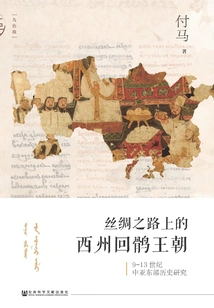
丝绸之路上的西州回鹘王朝:9~13世纪中亚东部历史研究(九色鹿系列)
Pay Horse
In 840 AD, the Uighur Khanate, which had dominated the Mongolian Plateau for nearly a hundred years, collapsed. The Uighurs moved westward to the northern and southern foothills of the Tianshan Mountains and established the Xizhou Uighur Dynasty with the Turpan Basin as the center. The Uighurs, who were originally a nomadic civilization, absorbed the culture of the Han people and local ethnic groups and developed the unique Xizhou Uighur civilization, which profoundly changed the ethnic and cultural landscape of eastern Central Asia. They controlled the northern and southern routes of the Silk Road from the Tianshan Mountains from the 9th to the 13th century, and were the link between the Central Plains and the West between the Tang and Yuan Dynasties. This book shows just such a historical picture and a portrayal of the economic prosperity of the Silk Road.
In 840 AD, the Uighur Khanate, which had dominated the Mongolian Plateau for nearly a hundred years, collapsed. The Uighurs moved westward to the northern and southern foothills of the Tianshan Mountains and established the Xizhou Uighur Dynasty with the Turpan Basin as the center. The Uighurs, who were originally a nomadic civilization, absorbed the culture of the Han people and local ethnic groups and developed the unique Xizhou Uighur civilization, which profoundly changed the ethnic and cultural landscape of eastern Central Asia. They controlled the northern and southern routes of the Silk Road from the Tianshan Mountains from the 9th to the 13th century, and were the link between the Central Plains and the West between the Tang and Yuan Dynasties. This book shows just such a historical picture and a portrayal of the economic prosperity of the Silk Road.
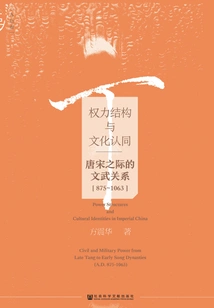
权力结构与文化认同:唐宋之际的文武关系(875~1063)(九色鹿系列)
Fang Zhenhua
This book begins by describing the growth and decline of the political power of civil and military officials from the late Tang Dynasty to the mid-Northern Song Dynasty, and analyzes the factors that led to the transformation of cultural identity between the two sides from vagueness to serious opposition. The struggle for power is the main cause of tension between civil and military officials. In order to win the attention of the monarch, scribes described warriors as greedy and ignorant, and emphasized the importance of being educated and moral. As the power of civil servants gradually expanded from the Later Zhou Dynasty to the Northern Song Dynasty, scribes' discrimination against military officers became increasingly deepened, and through institutional norms, they prevented the change of status between civil and military officers. The opposition between civil servants and military officers thus became an unsolvable political problem in the Song Dynasty.
This book begins by describing the growth and decline of the political power of civil and military officials from the late Tang Dynasty to the mid-Northern Song Dynasty, and analyzes the factors that led to the transformation of cultural identity between the two sides from vagueness to serious opposition. The struggle for power is the main cause of tension between civil and military officials. In order to win the attention of the monarch, scribes described warriors as greedy and ignorant, and emphasized the importance of being educated and moral. As the power of civil servants gradually expanded from the Later Zhou Dynasty to the Northern Song Dynasty, scribes' discrimination against military officers became increasingly deepened, and through institutional norms, they prevented the change of status between civil and military officers. The opposition between civil servants and military officers thus became an unsolvable political problem in the Song Dynasty.
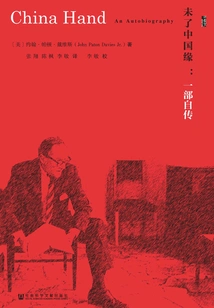
未了中国缘:一部自传(甲骨文系列)
(us) John Patton Davis
In the 1950s, McCarthyism began to spread in the United States. John Patton Davis was fired from the State Department. During World War II, he became one of the first Americans to interact with the young Chinese revolutionary Mao Zedong. He also described the excesses and political weaknesses of the Kuomintang leader Chiang Kai-shek. The career diplomat reminded the U. S. Government that the Chinese Communist Party would gain dominance-and it proved to be the case. Through the book "Unfinished China", Davis shows us the era in which he lived with his wisdom. He was both an actor and an observer of that era.
In the 1950s, McCarthyism began to spread in the United States. John Patton Davis was fired from the State Department. During World War II, he became one of the first Americans to interact with the young Chinese revolutionary Mao Zedong. He also described the excesses and political weaknesses of the Kuomintang leader Chiang Kai-shek. The career diplomat reminded the U. S. Government that the Chinese Communist Party would gain dominance-and it proved to be the case. Through the book "Unfinished China", Davis shows us the era in which he lived with his wisdom. He was both an actor and an observer of that era.
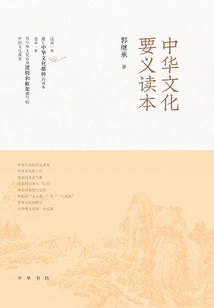
中华文化要义读本
Guo Inherits
To understand Chinese culture, we must grasp its essence. To grasp the essence of Chinese culture, we must be based on the standpoint of Chinese culture itself, follow the logic of the evolution of Chinese culture, return to classic texts, explore their origins, analyze their flow, and find out what Chinese culture actually says. Based on this idea, the author selects the most representative texts in the history of Chinese culture, including the Analects of Confucius, the Book of Changes, Mencius, the Tao Te Ching, Zhuangzi, and the Tan Jing, etc., To explain the ideas and ideas of Confucianism, Taoism, Buddhism, and traditional Chinese medicine, and to extract the essence of Chinese culture. Chinese culture contains great wisdom that transcends time and space, giving the Chinese nation the strength to move forward.
To understand Chinese culture, we must grasp its essence. To grasp the essence of Chinese culture, we must be based on the standpoint of Chinese culture itself, follow the logic of the evolution of Chinese culture, return to classic texts, explore their origins, analyze their flow, and find out what Chinese culture actually says. Based on this idea, the author selects the most representative texts in the history of Chinese culture, including the Analects of Confucius, the Book of Changes, Mencius, the Tao Te Ching, Zhuangzi, and the Tan Jing, etc., To explain the ideas and ideas of Confucianism, Taoism, Buddhism, and traditional Chinese medicine, and to extract the essence of Chinese culture. Chinese culture contains great wisdom that transcends time and space, giving the Chinese nation the strength to move forward.
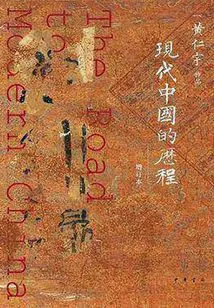
现代中国的历程(增订本)
Huang Renyu
This book collects 15 texts, including papers, essays, and book reviews published by the famous historian Huang Renyu in the United States, Germany, Hong Kong and Taiwan, but not included in the "The Complete Works of Huang Renyu" in the mainland. Mr. Huang Renyu's writings, as always, maintain a calm explanatory style that spans both China and foreign countries. He looks at China's modernization path from a global historical perspective and brings important historical enlightenment to people.
This book collects 15 texts, including papers, essays, and book reviews published by the famous historian Huang Renyu in the United States, Germany, Hong Kong and Taiwan, but not included in the "The Complete Works of Huang Renyu" in the mainland. Mr. Huang Renyu's writings, as always, maintain a calm explanatory style that spans both China and foreign countries. He looks at China's modernization path from a global historical perspective and brings important historical enlightenment to people.
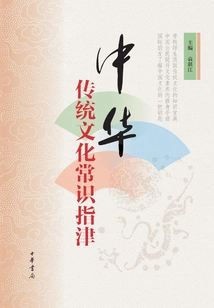
中华传统文化常识指津
Editor-in-chief Yuan Zhanjiang
This book is an introductory training material for all teachers in primary and secondary schools. This book aims to present the most exciting content of traditional Chinese culture as systematically as possible. It adopts the form of "asking and learning" and aims at the actual needs of all teachers in primary and secondary schools. Through question and answer form, it organizes and appropriately explores the key points and difficulties of relevant knowledge in various fields of traditional culture, so as to reflect the traditional education principles of "not being angry, not being frustrated, not being angry" and "teaching students in accordance with their aptitude". Carefully examine the current professional status and development needs of primary and secondary school teachers across the country, and provide materials for systematic learning and related training of primary and secondary school teachers. It is also suitable for readers to conduct selective learning according to their own needs.
This book is an introductory training material for all teachers in primary and secondary schools. This book aims to present the most exciting content of traditional Chinese culture as systematically as possible. It adopts the form of "asking and learning" and aims at the actual needs of all teachers in primary and secondary schools. Through question and answer form, it organizes and appropriately explores the key points and difficulties of relevant knowledge in various fields of traditional culture, so as to reflect the traditional education principles of "not being angry, not being frustrated, not being angry" and "teaching students in accordance with their aptitude". Carefully examine the current professional status and development needs of primary and secondary school teachers across the country, and provide materials for systematic learning and related training of primary and secondary school teachers. It is also suitable for readers to conduct selective learning according to their own needs.
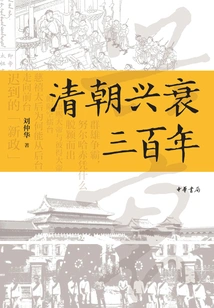
清朝兴衰三百年
Liu Zhonghua
From the establishment of the Later Jin Dynasty by Nurhaci in 1616 to the abdication of Puyi in 1912, the Qing Dynasty went through 296 years of ups and downs. How to understand and recognize this historical panorama from rise, development, peak, decline, and even collapse in a simple and clear way? This book selects "junctions" in the nearly 300 years of the Qing Dynasty, such as Nurhaci's military rise, the Qing army's march south, the Battle of Yaksa, Macartney's arrival in China, the Opium War, Cixi's rise to power, the Sino-Japanese War of 1894-1895, the Wuchang Uprising... For in-depth analysis. It contains historical facts, opinions, and positions, and a clear and complete picture of the rise and fall of the Qing Dynasty emerges on the page.
From the establishment of the Later Jin Dynasty by Nurhaci in 1616 to the abdication of Puyi in 1912, the Qing Dynasty went through 296 years of ups and downs. How to understand and recognize this historical panorama from rise, development, peak, decline, and even collapse in a simple and clear way? This book selects "junctions" in the nearly 300 years of the Qing Dynasty, such as Nurhaci's military rise, the Qing army's march south, the Battle of Yaksa, Macartney's arrival in China, the Opium War, Cixi's rise to power, the Sino-Japanese War of 1894-1895, the Wuchang Uprising... For in-depth analysis. It contains historical facts, opinions, and positions, and a clear and complete picture of the rise and fall of the Qing Dynasty emerges on the page.
相忘于江湖:庄子与战国时代
Zhang Yuanshan
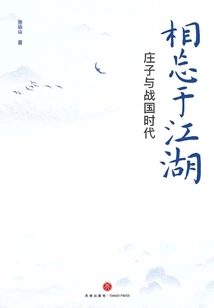
In the middle of the Warring States Period, on the eve of the finalization of the unification of Chinese history, heroes were vying for the throne and hundreds of schools of thought were contending. People at that time were filled with mysteries: When will the war with blood flowing everywhere and bones filled with bones end? Where will history go? How will human nature and culture change? This book faithfully reproduces the life and death of seventy-two princes and ninety-four generals, as well as the extraordinary deeds of many scholars, assassins, and hermits. It presents a holographic interactive century-old history of the Warring States Period, and also shows the subtle interaction between thought and history, and the profound impact of history on human nature; The story of Zi's life, the formation process of his thoughts, his interaction with hundreds of schools of thought, and his cold-eyed observation and unique comments on the times and human nature resurrected the image of Zhuangzi, a supreme man who looked down upon the princes, had the integrity to surpass hundreds of schools of thought, and stood proudly in the entire Warring States Period and even at the highest level of the human spiritual world. Zhuangzi saw through the mystery of the Warring States Period, and also saw the harm that changes caused to human nature and culture. He was not involved in the times, consciously staying on the outside and overcoming his times in himself with a detached attitude.
In the middle of the Warring States Period, on the eve of the finalization of the unification of Chinese history, heroes were vying for the throne and hundreds of schools of thought were contending. People at that time were filled with mysteries: When will the war with blood flowing everywhere and bones filled with bones end? Where will history go? How will human nature and culture change? This book faithfully reproduces the life and death of seventy-two princes and ninety-four generals, as well as the extraordinary deeds of many scholars, assassins, and hermits. It presents a holographic interactive century-old history of the Warring States Period, and also shows the subtle interaction between thought and history, and the profound impact of history on human nature; The story of Zi's life, the formation process of his thoughts, his interaction with hundreds of schools of thought, and his cold-eyed observation and unique comments on the times and human nature resurrected the image of Zhuangzi, a supreme man who looked down upon the princes, had the integrity to surpass hundreds of schools of thought, and stood proudly in the entire Warring States Period and even at the highest level of the human spiritual world. Zhuangzi saw through the mystery of the Warring States Period, and also saw the harm that changes caused to human nature and culture. He was not involved in the times, consciously staying on the outside and overcoming his times in himself with a detached attitude.
吕思勉白话中国史·现代卷·民国何为
Lu Simian
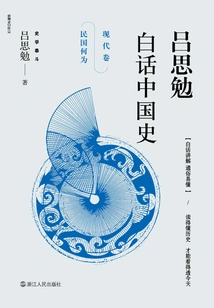
"Lü Simian's Vernacular History of China" is divided into "Lü Simian's Vernacular History of China·Ancient Scrolls·Early Rise of China", "Lü Simian's Vernacular History of China·Middle Ancient Scrolls·The First Sound of the Han and Tang Dynasties", "Lü Simian's Vernacular History of China·Modern Scrolls·The Rise and Fall of the Song and Yuan Dynasties", "Lü Simian's Vernacular History of China·Modern Scrolls·Ming and Qing Dynasties" The five books in the series "The Changes" and "Lü Simian's Vernacular Chinese History·Modern Volume·What Was the Republic of China" are the first comprehensive histories written in vernacular with complete meaning. They respectively describe the political history, social economy, and cultural phenomena at each stage, and also describe the relationship between various countries and China. This version is based on the first edition of the Commercial Press in 1923. In order to make it easier to understand and read, the era of the Republic of China was changed to the AD era. The changed place names were also marked in detail, and the text was completely revised.
"Lü Simian's Vernacular History of China" is divided into "Lü Simian's Vernacular History of China·Ancient Scrolls·Early Rise of China", "Lü Simian's Vernacular History of China·Middle Ancient Scrolls·The First Sound of the Han and Tang Dynasties", "Lü Simian's Vernacular History of China·Modern Scrolls·The Rise and Fall of the Song and Yuan Dynasties", "Lü Simian's Vernacular History of China·Modern Scrolls·Ming and Qing Dynasties" The five books in the series "The Changes" and "Lü Simian's Vernacular Chinese History·Modern Volume·What Was the Republic of China" are the first comprehensive histories written in vernacular with complete meaning. They respectively describe the political history, social economy, and cultural phenomena at each stage, and also describe the relationship between various countries and China. This version is based on the first edition of the Commercial Press in 1923. In order to make it easier to understand and read, the era of the Republic of China was changed to the AD era. The changed place names were also marked in detail, and the text was completely revised.
吕思勉白话中国史(全五卷)
Lu Simian
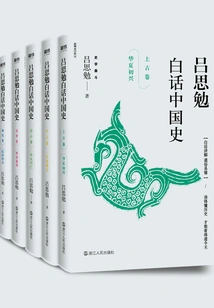
"Lü Simian's Vernacular History of China" is divided into "Lü Simian's Vernacular History of China·Ancient Scrolls·Early Rise of China", "Lü Simian's Vernacular History of China·Middle Ancient Scrolls·The First Sound of the Han and Tang Dynasties", "Lü Simian's Vernacular History of China·Modern Scrolls·The Rise and Fall of the Song and Yuan Dynasties", "Lü Simian's Vernacular History of China·Modern Scrolls·Ming and Qing Dynasties" The five books in the series "The Changes" and "Lü Simian's Vernacular Chinese History·Modern Volume·What Was the Republic of China" are the first comprehensive histories written in vernacular with complete meaning. They respectively describe the political history, social economy, and cultural phenomena at each stage, and also describe the relationship between various countries and China. This version is based on the first edition of the Commercial Press in 1923. In order to make it easier to understand and read, the era of the Republic of China was changed to the AD era. The changed place names were also marked in detail, and the text was completely revised.
"Lü Simian's Vernacular History of China" is divided into "Lü Simian's Vernacular History of China·Ancient Scrolls·Early Rise of China", "Lü Simian's Vernacular History of China·Middle Ancient Scrolls·The First Sound of the Han and Tang Dynasties", "Lü Simian's Vernacular History of China·Modern Scrolls·The Rise and Fall of the Song and Yuan Dynasties", "Lü Simian's Vernacular History of China·Modern Scrolls·Ming and Qing Dynasties" The five books in the series "The Changes" and "Lü Simian's Vernacular Chinese History·Modern Volume·What Was the Republic of China" are the first comprehensive histories written in vernacular with complete meaning. They respectively describe the political history, social economy, and cultural phenomena at each stage, and also describe the relationship between various countries and China. This version is based on the first edition of the Commercial Press in 1923. In order to make it easier to understand and read, the era of the Republic of China was changed to the AD era. The changed place names were also marked in detail, and the text was completely revised.
如果故宫会说话(九色鹿系列)
Yang Yuan
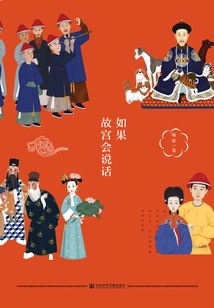
The Forbidden City has splendid buildings, exquisite cultural relics, and countless people and stories who once lived here. However, only by truly integrating human life into those high-rise buildings and cultural relics can we deeply appreciate the brilliance of the Forbidden City and feel its warmth more truly. This book will now start with 20 to 30 aspects of palace life, starting from the Forbidden City, bringing each scene into a historical topic, understanding the Forbidden City from a historical perspective, and using the Forbidden City as a clue to read history.
The Forbidden City has splendid buildings, exquisite cultural relics, and countless people and stories who once lived here. However, only by truly integrating human life into those high-rise buildings and cultural relics can we deeply appreciate the brilliance of the Forbidden City and feel its warmth more truly. This book will now start with 20 to 30 aspects of palace life, starting from the Forbidden City, bringing each scene into a historical topic, understanding the Forbidden City from a historical perspective, and using the Forbidden City as a clue to read history.
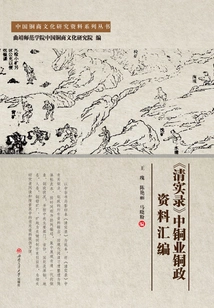
《清实录》中铜业铜政资料汇编
Wang Gui Chen Yanli Ma Xiaofen
Based on the Zhonghua Book Company's photocopy of "Qing Shi Lu", all the materials related to the copper industry and copper politics in "Qing Shi Lu" were compiled and compiled into a simplified punctuated version according to modern reading habits. The codes were arranged in chronological order to focus on the copper industry and copper politics of the Qing Dynasty. An index directory was created based on keywords such as provinces, names of copper factories, and officials in charge, making it easier for relevant researchers to read and search relevant materials in Qing Shi Lu.
Based on the Zhonghua Book Company's photocopy of "Qing Shi Lu", all the materials related to the copper industry and copper politics in "Qing Shi Lu" were compiled and compiled into a simplified punctuated version according to modern reading habits. The codes were arranged in chronological order to focus on the copper industry and copper politics of the Qing Dynasty. An index directory was created based on keywords such as provinces, names of copper factories, and officials in charge, making it easier for relevant researchers to read and search relevant materials in Qing Shi Lu.
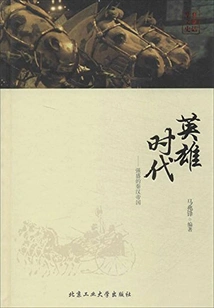
英雄时代:强盛的秦汉帝国
Compiled By Ma Zhaofeng
With a unique vision, rich information, and brisk writing style, this book introduces the historical features of the Qin and Han Dynasties that changed more than 2,000 years ago from all aspects. It not only summarizes historical facts, but also includes biographies and descriptions of the style of the times. It truly achieves the writing purpose and theme pursuit of integrating history into words and turning words into historical scenery. After reading, readers will gain something and gain some experience.
With a unique vision, rich information, and brisk writing style, this book introduces the historical features of the Qin and Han Dynasties that changed more than 2,000 years ago from all aspects. It not only summarizes historical facts, but also includes biographies and descriptions of the style of the times. It truly achieves the writing purpose and theme pursuit of integrating history into words and turning words into historical scenery. After reading, readers will gain something and gain some experience.
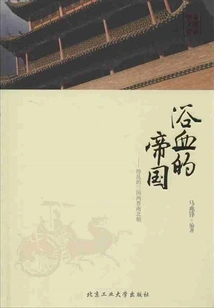
浴血的帝国:纷乱的三国两晋南北朝
Compiled By Ma Zhaofeng
This is an era of change and excitement. It is also an era of graceful clothes and unrestrained style. There are both treacherous and cunning heroes in troubled times, elegant scholars with feather fans and silk turbans, wise monarchs who work hard to govern, and idiot emperors who are fatuous and cowardly. They wrote many wonderful and touching stories.
This is an era of change and excitement. It is also an era of graceful clothes and unrestrained style. There are both treacherous and cunning heroes in troubled times, elegant scholars with feather fans and silk turbans, wise monarchs who work hard to govern, and idiot emperors who are fatuous and cowardly. They wrote many wonderful and touching stories.
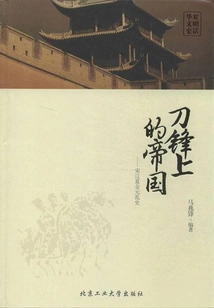
刀锋上的帝国:宋辽夏金元乱史
Compiled By Ma Zhaofeng
This book is one of the series "Chinese Civilization History". It uses popular writing methods and unique writing ideas and material selection perspectives to give a panoramic outline of the history of the Song, Liao, Xia, Jin and Yuan Dynasties, showing all aspects of the political, military, economic and social life of various countries during this period. It strives to present readers with a different style of the Song, Liao, Xia, Jin and Yuan Dynasties. It is a good book for readers to understand this historical period.
This book is one of the series "Chinese Civilization History". It uses popular writing methods and unique writing ideas and material selection perspectives to give a panoramic outline of the history of the Song, Liao, Xia, Jin and Yuan Dynasties, showing all aspects of the political, military, economic and social life of various countries during this period. It strives to present readers with a different style of the Song, Liao, Xia, Jin and Yuan Dynasties. It is a good book for readers to understand this historical period.
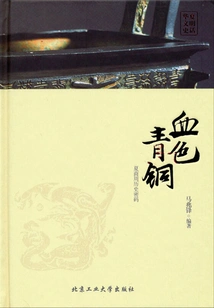
血色青铜:夏商周历史密码
Compiled By Ma Zhaofeng
This manuscript uses a popular writing style and unique writing ideas and material selection perspectives to give a rough outline of the history of Xia, Shang and Zhou. It gives a panoramic view of the politics, military, economy and society of China's Xia, Shang and Zhou dynasties. It includes both official history and unofficial history, presenting readers with a different history of Xia, Shang and Zhou.
This manuscript uses a popular writing style and unique writing ideas and material selection perspectives to give a rough outline of the history of Xia, Shang and Zhou. It gives a panoramic view of the politics, military, economy and society of China's Xia, Shang and Zhou dynasties. It includes both official history and unofficial history, presenting readers with a different history of Xia, Shang and Zhou.
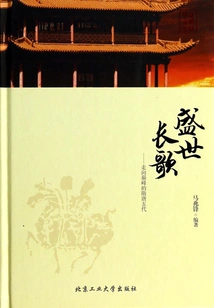
盛世长歌:走向巅峰的隋唐五代
Compiled By Ma Zhaofeng
The talents and strategies of Li Shimin and Wu Zetian, the anecdotes of Li Bai and Concubine Yang; there are not only brilliant science and technology, but also developed material civilization. There are majestic palaces and gardens, various people of the Sui and Tang Dynasties, poems and songs that have been immortalized through the ages, and all kinds of clothing. No matter what kind of thing or era, they have all remained in the long history and become precious treasures for all mankind.
The talents and strategies of Li Shimin and Wu Zetian, the anecdotes of Li Bai and Concubine Yang; there are not only brilliant science and technology, but also developed material civilization. There are majestic palaces and gardens, various people of the Sui and Tang Dynasties, poems and songs that have been immortalized through the ages, and all kinds of clothing. No matter what kind of thing or era, they have all remained in the long history and become precious treasures for all mankind.
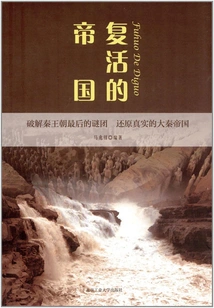
Resurrected Empire
History复活的帝国
Compiled By Ma Zhaofeng
Whether Qin Shihuang's underground palace really existed under the seal has been controversial for two thousand years. Countless records and legends in history have made the Qinling Underground Palace an eternal mystery. Some people speculate that the actual underground palace is not located under the seal. Some people even speculate that Qin Shi Huang's tomb is in Lishan Mountain in the south. Others speculate that Qin Shi Huang was buried in Hebei. What is the height of the seal of the First Emperor's Mausoleum? What's under the seal of Qin Shihuang's Mausoleum? How many people participated in the construction of this huge mausoleum in 38 years? Where is the Epang Palace in Sima Qian's "Historical Records"? Who can solve the many mysteries that happened in the Qin Palace? "The Resurrection Empire" edited by Ma Zhaofeng will explore all these unsolved mysteries that trouble people one by one. I hope "The Resurrection Empire" can become spiritual food for the majority of readers.
Whether Qin Shihuang's underground palace really existed under the seal has been controversial for two thousand years. Countless records and legends in history have made the Qinling Underground Palace an eternal mystery. Some people speculate that the actual underground palace is not located under the seal. Some people even speculate that Qin Shi Huang's tomb is in Lishan Mountain in the south. Others speculate that Qin Shi Huang was buried in Hebei. What is the height of the seal of the First Emperor's Mausoleum? What's under the seal of Qin Shihuang's Mausoleum? How many people participated in the construction of this huge mausoleum in 38 years? Where is the Epang Palace in Sima Qian's "Historical Records"? Who can solve the many mysteries that happened in the Qin Palace? "The Resurrection Empire" edited by Ma Zhaofeng will explore all these unsolved mysteries that trouble people one by one. I hope "The Resurrection Empire" can become spiritual food for the majority of readers.
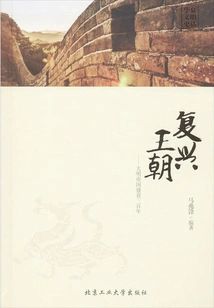
复兴王朝:大明帝国盛衰三百年
Compiled By Ma Zhaofeng
This book is one of the series "Chinese Civilization History". It uses popular writing methods and unique writing ideas and material selection perspectives to give a panoramic outline of the history of the Ming Dynasty, showing all aspects of politics, military, economy and social life in this period. It strives to present readers with a different style of the Ming Dynasty. It is an excellent book for readers to understand this historical period.
This book is one of the series "Chinese Civilization History". It uses popular writing methods and unique writing ideas and material selection perspectives to give a panoramic outline of the history of the Ming Dynasty, showing all aspects of politics, military, economy and social life in this period. It strives to present readers with a different style of the Ming Dynasty. It is an excellent book for readers to understand this historical period.
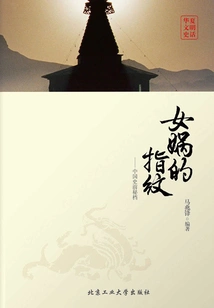
女娲的指纹:中国史前秘档
Compiled By Ma Zhaofeng
This book is the first in the series "History of Chinese Civilization". The series is divided in chronological order. The time period of this book is prehistory, that is, from the birth of mankind to before the Bronze Age. The book comprehensively introduces China's prehistoric culture from the perspectives of archaeology and mythology, combined with the archaeological evidence of ape-men such as Peking Man and Shandong Cave Man, various prehistoric sites in China, and the legends of Three Sovereigns and Five Emperors, and Nuwa Fuxi. The text is easy to understand, the knowledge goes from simple to deep, the explanations are vivid and natural, and the information is detailed and accurate. It is a rare entry-level cultural reading.
This book is the first in the series "History of Chinese Civilization". The series is divided in chronological order. The time period of this book is prehistory, that is, from the birth of mankind to before the Bronze Age. The book comprehensively introduces China's prehistoric culture from the perspectives of archaeology and mythology, combined with the archaeological evidence of ape-men such as Peking Man and Shandong Cave Man, various prehistoric sites in China, and the legends of Three Sovereigns and Five Emperors, and Nuwa Fuxi. The text is easy to understand, the knowledge goes from simple to deep, the explanations are vivid and natural, and the information is detailed and accurate. It is a rare entry-level cultural reading.
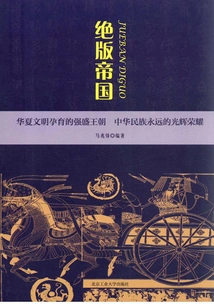
Out of Print Empire
History绝版帝国
Compiled By Ma Zhaofeng
The Han Empire was the only stable and powerful dynasty in Chinese history that was entirely bred by the Chinese civilization itself. This empire influenced the entire history of China for the next two thousand years at the deepest level. The Han Empire represents the highest peak of Chinese civilization in the classical era since the Spring and Autumn Period and the Warring States Period. Its pure and noble national genes, excellent and elegant civilization, wise and enterprising national qualities, and brave and determined national spirit are all worthy of our memory today. The glory and self-confidence of a great country, as well as the purity and orthodoxy of civilization, all stem from this great empire. "The Out-of-Print Empire" edited by Ma Zhaofeng strives to reveal the secrets of the Han Empire that have been hidden for more than two thousand years, and to restore a real Han Empire for readers.
The Han Empire was the only stable and powerful dynasty in Chinese history that was entirely bred by the Chinese civilization itself. This empire influenced the entire history of China for the next two thousand years at the deepest level. The Han Empire represents the highest peak of Chinese civilization in the classical era since the Spring and Autumn Period and the Warring States Period. Its pure and noble national genes, excellent and elegant civilization, wise and enterprising national qualities, and brave and determined national spirit are all worthy of our memory today. The glory and self-confidence of a great country, as well as the purity and orthodoxy of civilization, all stem from this great empire. "The Out-of-Print Empire" edited by Ma Zhaofeng strives to reveal the secrets of the Han Empire that have been hidden for more than two thousand years, and to restore a real Han Empire for readers.
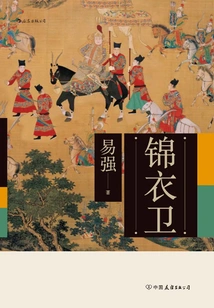
Jinyiwei
History锦衣卫
Yi Qiang
This book examines the creation and evolution of Jinyiwei within the historical background of the Ming Dynasty. Taking the development of Jinyiwei as the longitude and the replacement of emperors in the Ming Dynasty as the weft, it outlines the relationship between the demands for imperial power and the development trajectory of Jinyiwei in each period. Jinyiwei was founded during the Ming Dynasty. Its main task was to maintain etiquette and discipline in order to meet Zhu Yuanzhang's urgent need for "correct discipline", "legislation of etiquette", "name naming" and "clear orders" at the beginning of the founding of the country. As the situation developed, Jin Yiwei was gradually given various new functions: managing prisons, conducting diplomatic missions, arresting traitors and robbers, supervising courtiers, etc. The needs of imperial power also strongly affected the development of East Factory and West Factory. Imperial power, imperial guards, and east-west factories were intertwined in the course of history. In the late Ming Dynasty, factory guards even began to be involved in party disputes among courtiers, becoming an important force in them.
This book examines the creation and evolution of Jinyiwei within the historical background of the Ming Dynasty. Taking the development of Jinyiwei as the longitude and the replacement of emperors in the Ming Dynasty as the weft, it outlines the relationship between the demands for imperial power and the development trajectory of Jinyiwei in each period. Jinyiwei was founded during the Ming Dynasty. Its main task was to maintain etiquette and discipline in order to meet Zhu Yuanzhang's urgent need for "correct discipline", "legislation of etiquette", "name naming" and "clear orders" at the beginning of the founding of the country. As the situation developed, Jin Yiwei was gradually given various new functions: managing prisons, conducting diplomatic missions, arresting traitors and robbers, supervising courtiers, etc. The needs of imperial power also strongly affected the development of East Factory and West Factory. Imperial power, imperial guards, and east-west factories were intertwined in the course of history. In the late Ming Dynasty, factory guards even began to be involved in party disputes among courtiers, becoming an important force in them.
Y
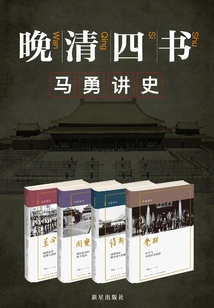
马勇讲史:晚清四书
Ma Yong
The "Four Books of the Late Qing Dynasty" includes "Awakening", "Restoration", "National Change" and "Revolution". It describes the major historical events from 1894 to 1911, including the Sino-Japanese War of 1894-1911, the signing of the Treaty of Shimonoseki, the Reform of 1898, the Boxer Rebellion, the invasion of China by the Eight-Power Allied Forces, and the Revolution of 1911. It records the entire process of the Qing Dynasty from awakening to self-rescue, failure of self-rescue to overthrow. It involves many important historical figures, such as Cixi, Guangxu, Yixin, Li Hongzhang, Kang Youwei, Yuan Shikai, Sun Yat-sen, etc. The author Ma Yong provides us with new ideas for re-understanding and thinking about these historical events and characters.
The "Four Books of the Late Qing Dynasty" includes "Awakening", "Restoration", "National Change" and "Revolution". It describes the major historical events from 1894 to 1911, including the Sino-Japanese War of 1894-1911, the signing of the Treaty of Shimonoseki, the Reform of 1898, the Boxer Rebellion, the invasion of China by the Eight-Power Allied Forces, and the Revolution of 1911. It records the entire process of the Qing Dynasty from awakening to self-rescue, failure of self-rescue to overthrow. It involves many important historical figures, such as Cixi, Guangxu, Yixin, Li Hongzhang, Kang Youwei, Yuan Shikai, Sun Yat-sen, etc. The author Ma Yong provides us with new ideas for re-understanding and thinking about these historical events and characters.
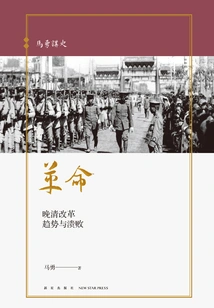
革命:晚清改革趋势与溃败
Ma Yong
This book describes the historical process in which the late Qing government tried to save itself from danger through the establishment of a constitutional monarchy, but repeatedly missed the last opportunity and was eventually overthrown by the revolutionaries. This book provides a new way of thinking about the Qing Dynasty.
This book describes the historical process in which the late Qing government tried to save itself from danger through the establishment of a constitutional monarchy, but repeatedly missed the last opportunity and was eventually overthrown by the revolutionaries. This book provides a new way of thinking about the Qing Dynasty.
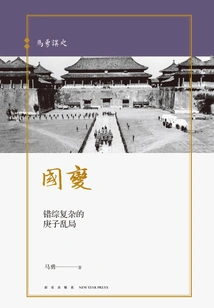
国变:错综复杂的庚子乱局
Ma Yong
This book describes in detail the ins and outs of the Boxer Rebellion and the Gengzi National Disaster, and analyzes the reasons why the Eight-Power Allied Forces entered Beijing. The Qing government led the wolf into the house, and eventually the ruling power declined significantly and China fell into chaos.
This book describes in detail the ins and outs of the Boxer Rebellion and the Gengzi National Disaster, and analyzes the reasons why the Eight-Power Allied Forces entered Beijing. The Qing government led the wolf into the house, and eventually the ruling power declined significantly and China fell into chaos.
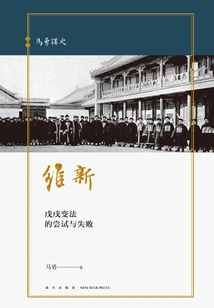
维新:戊戌变法的尝试与失败
Ma Yong
This book describes the whole process of the reform movement initiated by the reformists and led by Emperor Guangxu, which was in full swing, but was killed by the Empress Dowager Cixi overnight. The 1898 Coup completely cut off the road to reform and reform, and the late Qing government, which had just seen a glimmer of hope, once again fell into the abyss of darkness.
This book describes the whole process of the reform movement initiated by the reformists and led by Emperor Guangxu, which was in full swing, but was killed by the Empress Dowager Cixi overnight. The 1898 Coup completely cut off the road to reform and reform, and the late Qing government, which had just seen a glimmer of hope, once again fell into the abyss of darkness.
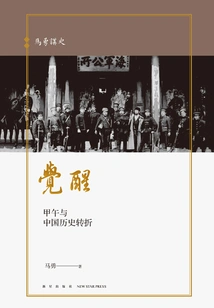
觉醒:甲午与中国历史转折
Ma Yong
After the disastrous defeat in the Battle of the Yellow Sea in the Sino-Japanese War of 1991, peace became more difficult. Li Hongzhang was ordered to negotiate peace and signed the Treaty of Shimonoseki despite humiliation. After that, Yan Fu and others began to think about the reform of China's system, which also gave rise to the transformation from self-reliance through law to self-reliance through legislation.
After the disastrous defeat in the Battle of the Yellow Sea in the Sino-Japanese War of 1991, peace became more difficult. Li Hongzhang was ordered to negotiate peace and signed the Treaty of Shimonoseki despite humiliation. After that, Yan Fu and others began to think about the reform of China's system, which also gave rise to the transformation from self-reliance through law to self-reliance through legislation.
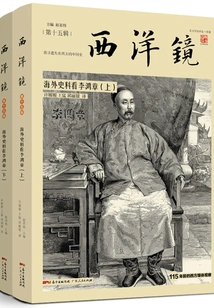
西洋镜:海外史料看李鸿章(全集)
Editor-in-chief Zhao Shengwei
The "Peep Show" team spent eight years sorting out a large number of news reports and features about Li Hongzhang in Western newspapers from 1876 to 1904, which involved his various foreign affairs, his tough attitude towards the US "Chinese Exclusion Act", and the signing of the "Shimonoseki Treaty" His conscientiousness during the Treaty, his arrogance and then reverence when dealing with the Boxer Rebellion incident, especially the scenes when he visited Europe and the United States... This book is divided into two volumes. The first volume is from 1876 to 1896 in chronological order, and the second volume is from 1896 to 1904.
The "Peep Show" team spent eight years sorting out a large number of news reports and features about Li Hongzhang in Western newspapers from 1876 to 1904, which involved his various foreign affairs, his tough attitude towards the US "Chinese Exclusion Act", and the signing of the "Shimonoseki Treaty" His conscientiousness during the Treaty, his arrogance and then reverence when dealing with the Boxer Rebellion incident, especially the scenes when he visited Europe and the United States... This book is divided into two volumes. The first volume is from 1876 to 1896 in chronological order, and the second volume is from 1896 to 1904.
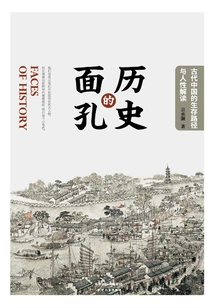
历史的面孔:古代中国的生存路径与人性解读
Zong Chenghao
All history is human history, and human nature is always a mirror. "The Face of History" selects 12 distinctive historical figures in ancient history: Shang Yang, Li Si, Liu Bang, Wang Mang, Yang Guang, Wei Zheng, Wang Anshi, Yue Fei, Hai Rui, Chongzhen, Lin Zexu, and Li Hongzhang. It analyzes their personality and background of the times, the connection between destiny and the times, explores the individual's survival path, and reflects on the weaknesses and flaws in the depths of human nature.
All history is human history, and human nature is always a mirror. "The Face of History" selects 12 distinctive historical figures in ancient history: Shang Yang, Li Si, Liu Bang, Wang Mang, Yang Guang, Wei Zheng, Wang Anshi, Yue Fei, Hai Rui, Chongzhen, Lin Zexu, and Li Hongzhang. It analyzes their personality and background of the times, the connection between destiny and the times, explores the individual's survival path, and reflects on the weaknesses and flaws in the depths of human nature.
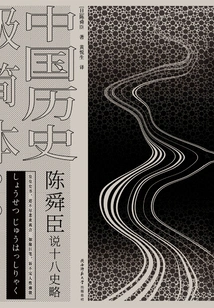
陈舜臣说十八史略:中国历史极简本
H
Prince Dan and King Qin were actually good friends when they were young? Was Wu Zetian jealous and framed by her daughter-in-law, Empress Wei? The cockfighting prodigy and Yang Guifei were once neighbors? Papermaking was actually introduced to Europe because of Gao Xianzhi's defeat in a war? In the book "Chen Shunchen's Brief History of Eighteen Years: A Minimalist Version of Chinese History", the author selects ten historical fragments, focusing on ten historical figures, and tells the history of fifteen centuries from the Warring States to the Yuan Dynasty, involving politics, economy, culture and other fields. It is both professional and interesting. It is a concise and popular book for quickly understanding Chinese history.
Prince Dan and King Qin were actually good friends when they were young? Was Wu Zetian jealous and framed by her daughter-in-law, Empress Wei? The cockfighting prodigy and Yang Guifei were once neighbors? Papermaking was actually introduced to Europe because of Gao Xianzhi's defeat in a war? In the book "Chen Shunchen's Brief History of Eighteen Years: A Minimalist Version of Chinese History", the author selects ten historical fragments, focusing on ten historical figures, and tells the history of fifteen centuries from the Warring States to the Yuan Dynasty, involving politics, economy, culture and other fields. It is both professional and interesting. It is a concise and popular book for quickly understanding Chinese history.
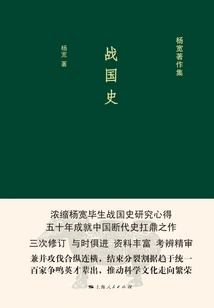
战国史
Yang Kuan
"History of the Warring States Period" is Mr. Yang Kuan's masterpiece and a famous work in the history of Chinese dynasties. Mr. Yang Kuan fully absorbed the relevant research results in the academic world and integrated them into this comprehensive "History of the Warring States". This book focuses on the major changes and developments that occurred in the fields of politics, economy, military, culture and other fields during the Warring States Period. It truly reproduces the historical and social conditions of the Warring States Period with its rapid changes, dramatic changes, hundreds of schools of thought contending, and the emergence of numerous talents. It is a masterpiece in the study of the history of the Warring States Period.
"History of the Warring States Period" is Mr. Yang Kuan's masterpiece and a famous work in the history of Chinese dynasties. Mr. Yang Kuan fully absorbed the relevant research results in the academic world and integrated them into this comprehensive "History of the Warring States". This book focuses on the major changes and developments that occurred in the fields of politics, economy, military, culture and other fields during the Warring States Period. It truly reproduces the historical and social conditions of the Warring States Period with its rapid changes, dramatic changes, hundreds of schools of thought contending, and the emergence of numerous talents. It is a masterpiece in the study of the history of the Warring States Period.
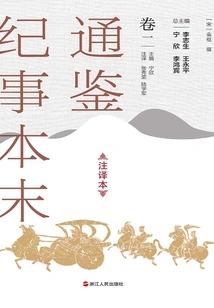
通鉴纪事本末(注译本·卷一)
Yuan Shu
It consists of three chapters: "Three Families Divide Jin", "Qin Merges Six Kingdoms", and "Heroes Destroy Qin", which narrates the history from the late Spring and Autumn Period to the end of the Qin Dynasty. "Three Families Divide the Jin" mainly narrates the historical process of the decline of the Jin Dynasty in the late Spring and Autumn Period, when the emerging feudal forces Zhao, Wei, and Han defeated the powerful Zhi family, and finally divided the Zhi family's land, forming the historical process of the three families dividing the Jin. "Qin Merges the Six Kingdoms" mainly describes the historical process of the Qin State, after becoming strong through Shang Yang's reforms, adopting ingenious struggle strategies to annex the six kingdoms and unify the world. "The Fall of Qin by Heroes" mainly describes the historical process of the Qin Dynasty during its reign, in which books were burned and Confucians were harassed, massive construction projects were carried out, and tyranny was implemented. Heroes from all walks of life rose up to overthrow the Qin Dynasty.
It consists of three chapters: "Three Families Divide Jin", "Qin Merges Six Kingdoms", and "Heroes Destroy Qin", which narrates the history from the late Spring and Autumn Period to the end of the Qin Dynasty. "Three Families Divide the Jin" mainly narrates the historical process of the decline of the Jin Dynasty in the late Spring and Autumn Period, when the emerging feudal forces Zhao, Wei, and Han defeated the powerful Zhi family, and finally divided the Zhi family's land, forming the historical process of the three families dividing the Jin. "Qin Merges the Six Kingdoms" mainly describes the historical process of the Qin State, after becoming strong through Shang Yang's reforms, adopting ingenious struggle strategies to annex the six kingdoms and unify the world. "The Fall of Qin by Heroes" mainly describes the historical process of the Qin Dynasty during its reign, in which books were burned and Confucians were harassed, massive construction projects were carried out, and tyranny was implemented. Heroes from all walks of life rose up to overthrow the Qin Dynasty.
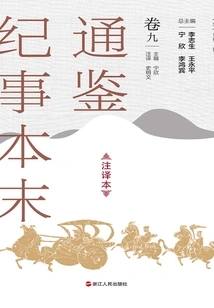
通鉴纪事本末(注译本·卷九)
Yuan Shu
It is composed of three chapters: "Cao Cao usurps Han", "Sun conquers Jiangdong" and "Liu Bei conquers Shu". Through historical events such as Cao Cao usurping Han and establishing the Wei regime, Sun conquering Jiangdong and establishing the Wu regime, and Liu Bei conquering Shu and establishing the Shu regime, it truly reproduces the formation process of the Three Kingdoms.
It is composed of three chapters: "Cao Cao usurps Han", "Sun conquers Jiangdong" and "Liu Bei conquers Shu". Through historical events such as Cao Cao usurping Han and establishing the Wei regime, Sun conquering Jiangdong and establishing the Wu regime, and Liu Bei conquering Shu and establishing the Shu regime, it truly reproduces the formation process of the Three Kingdoms.
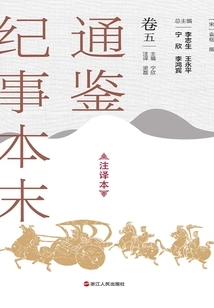
通鉴纪事本末(注译本·卷五)
Yuan Shu
It consists of four chapters: "Ding Fu Yongshi", "Dong Xian's Couple", "Wang Mang's Usurpation of Han" and "Guangwu Zhongxing". Through historical events such as Ding Fu's Yongshi, Dong Xian's Couple, Wang Mang's usurpation of Han, and Guangwu Zhongxing, it narrates the exclusive power of foreign relatives in the late Western Han Dynasty. , Sycophants were in power, and their debauchery ruined the country. Wang Mang took the opportunity to usurp the power of the Western Han Dynasty and restore the system. In the last years of Wang Mang, farmers rebelled, and heroes rose up to overthrow Wang Mang's new dynasty. Liu Xiu kept a low profile, worked hard, and established the historical process of the Eastern Han Dynasty.
It consists of four chapters: "Ding Fu Yongshi", "Dong Xian's Couple", "Wang Mang's Usurpation of Han" and "Guangwu Zhongxing". Through historical events such as Ding Fu's Yongshi, Dong Xian's Couple, Wang Mang's usurpation of Han, and Guangwu Zhongxing, it narrates the exclusive power of foreign relatives in the late Western Han Dynasty. , Sycophants were in power, and their debauchery ruined the country. Wang Mang took the opportunity to usurp the power of the Western Han Dynasty and restore the system. In the last years of Wang Mang, farmers rebelled, and heroes rose up to overthrow Wang Mang's new dynasty. Liu Xiu kept a low profile, worked hard, and established the historical process of the Eastern Han Dynasty.
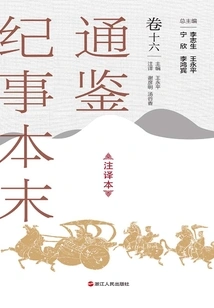
通鉴纪事本末(注译本·卷十六)
Yuan Shu
It consists of four chapters: "Murong rebelled against Qin and restored Yan", "Ding Ling rebelled against Yan", "Tuoba rejuvenated Wei" and "Wei conquered Houyan". It narrates the historical process of the rise and replacement of various northern regimes during the Eastern Jin Dynasty. After the Battle of Feishui in the Eastern Jin Dynasty, the former Qin and the Eastern Jin entered a period of decline. Generals rebelled one after another and established the Later Qin, Western Qin, Later Yan and Western Yan. There are constant attacks and wars between various political powers, and constant internal disputes for power and profit, leading to decline. Taking advantage of this chaotic situation, the Tuoba family finally rose up after several ups and downs, and began to crusade against Later Yan, eventually destroying Later Yan.
It consists of four chapters: "Murong rebelled against Qin and restored Yan", "Ding Ling rebelled against Yan", "Tuoba rejuvenated Wei" and "Wei conquered Houyan". It narrates the historical process of the rise and replacement of various northern regimes during the Eastern Jin Dynasty. After the Battle of Feishui in the Eastern Jin Dynasty, the former Qin and the Eastern Jin entered a period of decline. Generals rebelled one after another and established the Later Qin, Western Qin, Later Yan and Western Yan. There are constant attacks and wars between various political powers, and constant internal disputes for power and profit, leading to decline. Taking advantage of this chaotic situation, the Tuoba family finally rose up after several ups and downs, and began to crusade against Later Yan, eventually destroying Later Yan.
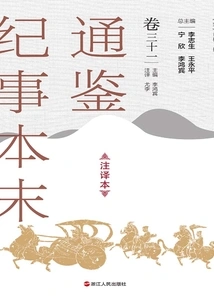
通鉴纪事本末(注译本·卷三十一)
Yuan Shu
It consists of four chapters: "The Dictatorship of Li Linfu", "The Gathering of Traitor Officials", "The Favor of the Yang Family" and "The An-Shi Rebellion". It narrates the process of the Tang Xuanzong Dynasty from its prosperity to its decline, and vividly shows the antecedents, processes and consequences of the An-Shi Rebellion. "The Dictatorship of Li Linfu" tells the story of how Li Linfu, the powerful prime minister, played power during the reign of Emperor Xuanzong of the Tang Dynasty. It includes historical figures with distinctive personalities, major political events, and the subtle relationship between imperial power and eunuchs, prime ministers, and reserve powers in the Xuanzong era of the Tang Dynasty. "The Gathering of Traitor Officials" describes the process of Tang Xuanzong appointing Yu Wenrong, Yang Shenjin, Wei Jian, Wang Xian and Yang Zhao (namely Yang Guozhong) to manage the country's economic affairs and amass wealth. "The Favor of the Yang Family" tells the story of how Emperor Xuanzong of the Tang Dynasty fell in love with Yang Yuhuan, the concubine of longevity. Yang Yuhuan volunteered to become a female Taoist priest and was canonized as a noble concubine. She gathered the favor of three thousand people and one person in the Yang family achieved the Taoism of chickens and dogs and ascended to heaven. "The An-Shi Rebellion" narrates the beginning and end of the Tang Dynasty's northeastern generals An Lushan and Shi Siming's rebellion. It gives a detailed description of the ethnic background and history of An Lushan and Shi Siming, the ins and outs of An Lushan's rebellion, and the struggle between the rebels and the central government.
It consists of four chapters: "The Dictatorship of Li Linfu", "The Gathering of Traitor Officials", "The Favor of the Yang Family" and "The An-Shi Rebellion". It narrates the process of the Tang Xuanzong Dynasty from its prosperity to its decline, and vividly shows the antecedents, processes and consequences of the An-Shi Rebellion. "The Dictatorship of Li Linfu" tells the story of how Li Linfu, the powerful prime minister, played power during the reign of Emperor Xuanzong of the Tang Dynasty. It includes historical figures with distinctive personalities, major political events, and the subtle relationship between imperial power and eunuchs, prime ministers, and reserve powers in the Xuanzong era of the Tang Dynasty. "The Gathering of Traitor Officials" describes the process of Tang Xuanzong appointing Yu Wenrong, Yang Shenjin, Wei Jian, Wang Xian and Yang Zhao (namely Yang Guozhong) to manage the country's economic affairs and amass wealth. "The Favor of the Yang Family" tells the story of how Emperor Xuanzong of the Tang Dynasty fell in love with Yang Yuhuan, the concubine of longevity. Yang Yuhuan volunteered to become a female Taoist priest and was canonized as a noble concubine. She gathered the favor of three thousand people and one person in the Yang family achieved the Taoism of chickens and dogs and ascended to heaven. "The An-Shi Rebellion" narrates the beginning and end of the Tang Dynasty's northeastern generals An Lushan and Shi Siming's rebellion. It gives a detailed description of the ethnic background and history of An Lushan and Shi Siming, the ins and outs of An Lushan's rebellion, and the struggle between the rebels and the central government.
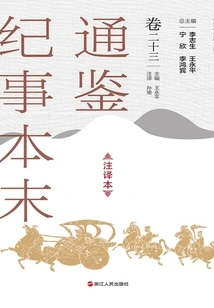
通鉴纪事本末(注译本·卷二十三)
Yuan Shu
It consists of four chapters: "Wei Divides East and West", "Gao Shi usurped the Eastern Wei", "Yu Wen usurped the Western Wei" and "Hou Jing's Rebellion". "Wei Divides East and West" narrates the division of the Yuan and Wei regime into Eastern and Western Wei due to the opposition between the Gao family and the Yuwen group, as well as the political and military struggles between the Eastern and Western Wei. "Gao's Usurpation of the Eastern Wei" and "Yuwen's Usurpation of the Western Wei" respectively describe the historical background and process of the Eastern Wei Prime Minister Gao Cheng and the Gao Yang brothers' conspiracy to usurp and replace the Eastern Wei and establish the Northern Qi Dynasty. "The Rebellion of Hou Jing" narrates the historical process of Hou Jing, the general of the Eastern Wei Dynasty, rebelling against Wei and surrendering to the Liang Dynasty, and then rebelling against the Liang Dynasty.
It consists of four chapters: "Wei Divides East and West", "Gao Shi usurped the Eastern Wei", "Yu Wen usurped the Western Wei" and "Hou Jing's Rebellion". "Wei Divides East and West" narrates the division of the Yuan and Wei regime into Eastern and Western Wei due to the opposition between the Gao family and the Yuwen group, as well as the political and military struggles between the Eastern and Western Wei. "Gao's Usurpation of the Eastern Wei" and "Yuwen's Usurpation of the Western Wei" respectively describe the historical background and process of the Eastern Wei Prime Minister Gao Cheng and the Gao Yang brothers' conspiracy to usurp and replace the Eastern Wei and establish the Northern Qi Dynasty. "The Rebellion of Hou Jing" narrates the historical process of Hou Jing, the general of the Eastern Wei Dynasty, rebelling against Wei and surrendering to the Liang Dynasty, and then rebelling against the Liang Dynasty.
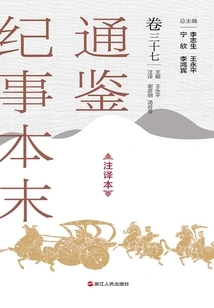
通鉴纪事本末(注译本·卷三十七)
Yuan Shu
It consists of four chapters: "The Rebellion of Huangchao", "The Rebellion of the Fanzhen", "Yang Xing's Secret Conquest of Huainan" and "Wang Jian's Conquest of Shu", which describes the historical process of the decline of imperial rule and local chaos and turmoil in the late Tang Dynasty. "Huang Chao Rebellion" narrates the history of the large-scale peasant uprising led by Huang Chao that occurred during the reign of Emperor Xizong of Tang Dynasty. "Rebellion of the Fans and Towns" records the history of the decline of the royal family and the war between the feudal towns from the reign of Emperor Xizong of the Tang Dynasty to the reign of Emperor Zhaozong of the Tang Dynasty. "Yang Xingmi occupied Huainan" and "Wang Jian occupied Shu" detailedly recorded the history of the Huainan Jiedu envoy Yang Xingmi occupying the Huainan area in the late Tang Dynasty, and Wang Jian led his army to capture Chengdu and occupy the three rivers in Jiannan. After Zhu Wen proclaimed himself emperor on behalf of the Tang Dynasty and established the Liang Dynasty, Wang Jian also proclaimed himself emperor in Chengdu. The country was named Shu, and it was known as Qianshu in history.
It consists of four chapters: "The Rebellion of Huangchao", "The Rebellion of the Fanzhen", "Yang Xing's Secret Conquest of Huainan" and "Wang Jian's Conquest of Shu", which describes the historical process of the decline of imperial rule and local chaos and turmoil in the late Tang Dynasty. "Huang Chao Rebellion" narrates the history of the large-scale peasant uprising led by Huang Chao that occurred during the reign of Emperor Xizong of Tang Dynasty. "Rebellion of the Fans and Towns" records the history of the decline of the royal family and the war between the feudal towns from the reign of Emperor Xizong of the Tang Dynasty to the reign of Emperor Zhaozong of the Tang Dynasty. "Yang Xingmi occupied Huainan" and "Wang Jian occupied Shu" detailedly recorded the history of the Huainan Jiedu envoy Yang Xingmi occupying the Huainan area in the late Tang Dynasty, and Wang Jian led his army to capture Chengdu and occupy the three rivers in Jiannan. After Zhu Wen proclaimed himself emperor on behalf of the Tang Dynasty and established the Liang Dynasty, Wang Jian also proclaimed himself emperor in Chengdu. The country was named Shu, and it was known as Qianshu in history.
通鉴纪事本末(注译本·卷二十一)
Yuan Shu
It consists of four chapters: "Yuan and Wei invaded Qi", "Xiao Yan usurped Qi", "War between the North and South" and "Wei conquered Rouran". Through historical events such as the Yuan, Wei, Qi, and the war between the north and the south, it describes the two wars between the Southern Dynasties and the Northern Wei - the war between the Northern Wei and the Southern Qi that occurred in the junction area of the Southern and Northern Dynasties centered on Yongzhou of Southern Qi during the reign of Emperor Qi Ming to Emperor Qi Shang, and the war between the Southern Liang and the Northern Wei during the succession of Qi and Liang in the Southern Dynasty. Through the incident of Xiao Yan usurping Qi, the historical background and process of the succession of Qi and Liang in the Southern Dynasties are narrated. Through the events of Wei's conquest of Rouran, it records the military interaction between the Northern Wei and Rouran tribes from the late 4th century to the middle of the 6th century, as well as the rise and fall of the Northern Wei and Rouran.
It consists of four chapters: "Yuan and Wei invaded Qi", "Xiao Yan usurped Qi", "War between the North and South" and "Wei conquered Rouran". Through historical events such as the Yuan, Wei, Qi, and the war between the north and the south, it describes the two wars between the Southern Dynasties and the Northern Wei - the war between the Northern Wei and the Southern Qi that occurred in the junction area of the Southern and Northern Dynasties centered on Yongzhou of Southern Qi during the reign of Emperor Qi Ming to Emperor Qi Shang, and the war between the Southern Liang and the Northern Wei during the succession of Qi and Liang in the Southern Dynasty. Through the incident of Xiao Yan usurping Qi, the historical background and process of the succession of Qi and Liang in the Southern Dynasties are narrated. Through the events of Wei's conquest of Rouran, it records the military interaction between the Northern Wei and Rouran tribes from the late 4th century to the middle of the 6th century, as well as the rise and fall of the Northern Wei and Rouran.
通鉴纪事本末(注译本·卷四十二)
Yuan Shu
It consists of four chapters: "Khitan Destroys Jin", "Three Rebel Companies", "Guo Wei Usurps the Han" and "Shizong's Conquest of Huainan". It mainly records the history of the Khitan's destruction of Jin in the late Five Dynasties and Ten Kingdoms, the establishment of the Later Han Dynasty, the subsequent Zhou Dynasty and the Later Han Dynasty, and the beginning of the Northern Expedition and the Southern Expedition. "Khitan Destroys Jin" narrates the history of the Khitan (Liao) going south to the Central Plains to destroy the Later Jin, and Liu Zhiyuan's establishment of the Later Han and the recovery of Bianjing (now Kaifeng, Henan). "Three Rebellious Companies" narrates the history of the three feudal towns of Hezhong, Fengxiang, and Yongxing in the Later Han Dynasty that rebelled one after another and were put down by the court of the Later Han Dynasty. "Guo Wei Usurps the Han" narrates the history of the late Zhou Dynasty Taizu Guo Wei's seizure of the power of the Later Han Dynasty, the establishment of the Later Zhou Dynasty, and the war with the Northern Han Dynasty when Chai Rong, Shizong of the Later Zhou Dynasty, came to the throne. "Shizong's Conquest of Huainan" narrates the historical process of Shizong Chai Rong of the Later Zhou Dynasty who came to the throne and led his own army to conquer the Southern Tang Dynasty, captured the fourteen states in Jiangbei and made the Southern Tang Dynasty surrender to the Later Zhou Dynasty.
It consists of four chapters: "Khitan Destroys Jin", "Three Rebel Companies", "Guo Wei Usurps the Han" and "Shizong's Conquest of Huainan". It mainly records the history of the Khitan's destruction of Jin in the late Five Dynasties and Ten Kingdoms, the establishment of the Later Han Dynasty, the subsequent Zhou Dynasty and the Later Han Dynasty, and the beginning of the Northern Expedition and the Southern Expedition. "Khitan Destroys Jin" narrates the history of the Khitan (Liao) going south to the Central Plains to destroy the Later Jin, and Liu Zhiyuan's establishment of the Later Han and the recovery of Bianjing (now Kaifeng, Henan). "Three Rebellious Companies" narrates the history of the three feudal towns of Hezhong, Fengxiang, and Yongxing in the Later Han Dynasty that rebelled one after another and were put down by the court of the Later Han Dynasty. "Guo Wei Usurps the Han" narrates the history of the late Zhou Dynasty Taizu Guo Wei's seizure of the power of the Later Han Dynasty, the establishment of the Later Zhou Dynasty, and the war with the Northern Han Dynasty when Chai Rong, Shizong of the Later Zhou Dynasty, came to the throne. "Shizong's Conquest of Huainan" narrates the historical process of Shizong Chai Rong of the Later Zhou Dynasty who came to the throne and led his own army to conquer the Southern Tang Dynasty, captured the fourteen states in Jiangbei and made the Southern Tang Dynasty surrender to the Later Zhou Dynasty.
通鉴纪事本末(注译本·卷四十)
Yuan Shu
It consists of four chapters: "Ma's occupation of Hunan", "King of Jin's destruction of Yan", "Later Tang's destruction of Liang", and "Zhuangzong's destruction of Shu". It mainly describes the history of Chu, one of the ten kingdoms during the Five Dynasties and Ten Kingdoms period, and the history of the Tang and Later Liang's destruction of Shu after the Five Dynasties. "Ma's Rule in Hunan" details the historical process of the Ma and Yin separatist rule in Hunan during the late Tang Dynasty and the Five Dynasties and the establishment of the Chu State. After the Ma Yin period, various rivals for power led to the demise of the Ma and Chu regime. "The King of Jin Destroys Yan" narrates the historical process of Liu Shouguang proclaiming himself emperor in Youzhou and establishing the Yan State in the early Five Dynasties, and the historical process of Jin King Li Cunxu attacking and destroying the Yan State. Li Cunxu attacked and destroyed the Yan State, which relieved the Jin State from worries and was able to fight the Houliang Kingdom with all its strength. "The Later Tang Dynasty Destroys the Liang Dynasty" narrates the war between the two major groups of the Jin (Later Tang Dynasty) and the Later Liang Dynasty during the Five Dynasties period, as well as the historical process of Jin King Li Cunxu proclaiming himself emperor, establishing the Later Tang Dynasty and conquering the Later Liang Dynasty. "Zhuangzong Destroys Shu" narrates the rebellion of the former Shu prince Wang Yuanying during the Five Dynasties, the political corruption of the later ruler Wang Yanshi, and the later Tang Dynasty taking advantage of the situation to attack the former Shu and other historical events.
It consists of four chapters: "Ma's occupation of Hunan", "King of Jin's destruction of Yan", "Later Tang's destruction of Liang", and "Zhuangzong's destruction of Shu". It mainly describes the history of Chu, one of the ten kingdoms during the Five Dynasties and Ten Kingdoms period, and the history of the Tang and Later Liang's destruction of Shu after the Five Dynasties. "Ma's Rule in Hunan" details the historical process of the Ma and Yin separatist rule in Hunan during the late Tang Dynasty and the Five Dynasties and the establishment of the Chu State. After the Ma Yin period, various rivals for power led to the demise of the Ma and Chu regime. "The King of Jin Destroys Yan" narrates the historical process of Liu Shouguang proclaiming himself emperor in Youzhou and establishing the Yan State in the early Five Dynasties, and the historical process of Jin King Li Cunxu attacking and destroying the Yan State. Li Cunxu attacked and destroyed the Yan State, which relieved the Jin State from worries and was able to fight the Houliang Kingdom with all its strength. "The Later Tang Dynasty Destroys the Liang Dynasty" narrates the war between the two major groups of the Jin (Later Tang Dynasty) and the Later Liang Dynasty during the Five Dynasties period, as well as the historical process of Jin King Li Cunxu proclaiming himself emperor, establishing the Later Tang Dynasty and conquering the Later Liang Dynasty. "Zhuangzong Destroys Shu" narrates the rebellion of the former Shu prince Wang Yuanying during the Five Dynasties, the political corruption of the later ruler Wang Yanshi, and the later Tang Dynasty taking advantage of the situation to attack the former Shu and other historical events.
通鉴纪事本末(注译本·卷八)
Yuan Shu
It consists of four chapters: "The Eunuchs Destroyed the Han", "The Rebellion of the Yellow Turbans", "The Rebellion of Han Ma" and "Yuan Shao's Attack on Gongsun Zan". It narrates the political affairs of the Eastern Han Dynasty through historical events such as the disaster of party imprisonment in the late Eastern Han Dynasty, Dong Zhuo's rebellion, the Yellow Turban Uprising, the rebellion of Han and Horse, and Yuan Shao's attack on Gongsun Zan. The story of Quan's final demise records how Cao Cao used the opportunity to suppress the uprisings of the Qiang, Xiongnu and other ethnic minorities in Liangzhou to defeat the forces of the Guanxi separatist regime at the end of the Eastern Han Dynasty, as well as the battle between Yuan Shao, who was separatist in Jizhou, and Gongsun Zan, who was separatist in Youzhou.
It consists of four chapters: "The Eunuchs Destroyed the Han", "The Rebellion of the Yellow Turbans", "The Rebellion of Han Ma" and "Yuan Shao's Attack on Gongsun Zan". It narrates the political affairs of the Eastern Han Dynasty through historical events such as the disaster of party imprisonment in the late Eastern Han Dynasty, Dong Zhuo's rebellion, the Yellow Turban Uprising, the rebellion of Han and Horse, and Yuan Shao's attack on Gongsun Zan. The story of Quan's final demise records how Cao Cao used the opportunity to suppress the uprisings of the Qiang, Xiongnu and other ethnic minorities in Liangzhou to defeat the forces of the Guanxi separatist regime at the end of the Eastern Han Dynasty, as well as the battle between Yuan Shao, who was separatist in Jizhou, and Gongsun Zan, who was separatist in Youzhou.
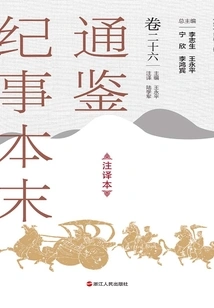
通鉴纪事本末(注译本·卷二十六)
Yuan Shu
It consists of four chapters: "Turkic Dynasty to Sui Dynasty", "Sui Dynasty to Goryeo", "Death of Emperor Yang in Sui Dynasty" and "Gao Zu Xing Tang". "Turks Chasing Sui" and "Sui Conquering Goryeo" describe the relationship between the Sui Dynasty and the Turks in the north and the Goryeo in the northeast after the establishment of the Sui Dynasty. They adopted the strategy of distant friendship and close attack, division and disintegration against the Turks, and finally made most of them surrender to the Central Plains. They also clashed with Goryeo and conquered Goryeo three times in a row. "The Death of Emperor Yang" and "The Prosperity of the Tang Dynasty by Emperor Gaozu" narrate the historical process of Emperor Yang Guang of the Sui Dynasty, who after he came to the throne, was extravagant and extravagant, carried out large-scale construction projects, traveled around, and deposed his troops, which eventually led to the rise of heroes. The Emperor Gaozu of the Tang Dynasty, Li Yuan, took advantage of the momentum to raise troops in Taiyuan, and finally the historical process of the demise of the Sui Dynasty and the establishment of the Tang Dynasty.
It consists of four chapters: "Turkic Dynasty to Sui Dynasty", "Sui Dynasty to Goryeo", "Death of Emperor Yang in Sui Dynasty" and "Gao Zu Xing Tang". "Turks Chasing Sui" and "Sui Conquering Goryeo" describe the relationship between the Sui Dynasty and the Turks in the north and the Goryeo in the northeast after the establishment of the Sui Dynasty. They adopted the strategy of distant friendship and close attack, division and disintegration against the Turks, and finally made most of them surrender to the Central Plains. They also clashed with Goryeo and conquered Goryeo three times in a row. "The Death of Emperor Yang" and "The Prosperity of the Tang Dynasty by Emperor Gaozu" narrate the historical process of Emperor Yang Guang of the Sui Dynasty, who after he came to the throne, was extravagant and extravagant, carried out large-scale construction projects, traveled around, and deposed his troops, which eventually led to the rise of heroes. The Emperor Gaozu of the Tang Dynasty, Li Yuan, took advantage of the momentum to raise troops in Taiyuan, and finally the historical process of the demise of the Sui Dynasty and the establishment of the Tang Dynasty.