Library
Browse and search books
2,982 novels found
中国盗墓史·古代人物卷
Ni Fangliu
This book is the first in Ni Fangliu's General History of Tomb Robbers series. It is an alternative "biography" with a unique theme written by the famous historical scholar and best-selling author Ni Fangliu. It can be regarded as the "Biography of Chinese Tomb Robbers". The book is divided into nine parts: emperors, kings, ministers, Confucians, soldiers, bandits, monks, eunuchs, and people. It uses human lines to describe 22 major tomb robbers in China's two to three thousand years of tomb robbing history, representative tomb robbing phenomena of various dynasties, various classes, and various motives. It unfolds one by one in a story-telling way. The book tells historical anecdotes or secrets, and the materials cited in the book are rich and informative. Many of them come from historical documents and ancient people's notes, and some even borrow from archaeological reports. The content is both popular and informative. The overall writing style is simple and lively, interesting and beautiful.
This book is the first in Ni Fangliu's General History of Tomb Robbers series. It is an alternative "biography" with a unique theme written by the famous historical scholar and best-selling author Ni Fangliu. It can be regarded as the "Biography of Chinese Tomb Robbers". The book is divided into nine parts: emperors, kings, ministers, Confucians, soldiers, bandits, monks, eunuchs, and people. It uses human lines to describe 22 major tomb robbers in China's two to three thousand years of tomb robbing history, representative tomb robbing phenomena of various dynasties, various classes, and various motives. It unfolds one by one in a story-telling way. The book tells historical anecdotes or secrets, and the materials cited in the book are rich and informative. Many of them come from historical documents and ancient people's notes, and some even borrow from archaeological reports. The content is both popular and informative. The overall writing style is simple and lively, interesting and beautiful.
王者的荣耀:拖雷家族(上下册)
Li Zhaoqing
This book uses the Tuolei family as a clue to tell the history of the succession of Khans in the Mongolian Empire, the dynasty's western expedition and the establishment of the Yuan Dynasty. The story in the first volume begins with the issue of Genghis Khan's appointment as heir apparent. As Genghis Khan abandoned the traditional Mongolian system of "younger sons guarding the stove", Tolei and his descendants were excluded from being the successors to the throne. But Tuo Lei had the merit to become a king. In the end, he was poisoned by King Khan because of his superior achievements. Tuolei's descendants grew and grew stronger under the watchful eye of King Khan, and gradually approached the throne of Khan... The story of the second volume begins with Meng Ge's succession to the throne. Meng Ge's suspicion and Kublai Khan's bravery and prowess in fighting once made the relationship between the two brothers tense. However, Kublai Khan's forbearance and retreat and Meng Ge's sudden death brought history to a new era - the era of Kublai Khan. Kublai Khan's victory in the battle for the throne gave him the capital to conquer the Southern Song Dynasty and establish the Yuan Dynasty. He is a hero on horseback, but not a wise king who governs the world. Whether it was financial policy, people's livelihood, or military affairs, the Yuan Dynasty he established had an undercurrent of decline under the appearance of strength and peace...
This book uses the Tuolei family as a clue to tell the history of the succession of Khans in the Mongolian Empire, the dynasty's western expedition and the establishment of the Yuan Dynasty. The story in the first volume begins with the issue of Genghis Khan's appointment as heir apparent. As Genghis Khan abandoned the traditional Mongolian system of "younger sons guarding the stove", Tolei and his descendants were excluded from being the successors to the throne. But Tuo Lei had the merit to become a king. In the end, he was poisoned by King Khan because of his superior achievements. Tuolei's descendants grew and grew stronger under the watchful eye of King Khan, and gradually approached the throne of Khan... The story of the second volume begins with Meng Ge's succession to the throne. Meng Ge's suspicion and Kublai Khan's bravery and prowess in fighting once made the relationship between the two brothers tense. However, Kublai Khan's forbearance and retreat and Meng Ge's sudden death brought history to a new era - the era of Kublai Khan. Kublai Khan's victory in the battle for the throne gave him the capital to conquer the Southern Song Dynasty and establish the Yuan Dynasty. He is a hero on horseback, but not a wise king who governs the world. Whether it was financial policy, people's livelihood, or military affairs, the Yuan Dynasty he established had an undercurrent of decline under the appearance of strength and peace...
中国宰相的非正常死亡
Zheng Guoming
Time has entered the threshold of the 21st century. Standing inside the threshold and looking out, I find that the thousands of years of history that have passed away are still so vivid and nostalgic. While contemplating, some figures gradually emerged and captured my attention. They were Shang Yang, Li Si, Dou Ying, Han Zhouzhou, Jia Sidao, Xia Yan... These people were all dignified prime ministers in their own times, inferior to one person and superior to ten thousand people. However, they ended up in the same destination by different routes and were inevitably killed. They all died abnormally, and their bloody deaths have become the most solid footnotes in history.
Time has entered the threshold of the 21st century. Standing inside the threshold and looking out, I find that the thousands of years of history that have passed away are still so vivid and nostalgic. While contemplating, some figures gradually emerged and captured my attention. They were Shang Yang, Li Si, Dou Ying, Han Zhouzhou, Jia Sidao, Xia Yan... These people were all dignified prime ministers in their own times, inferior to one person and superior to ten thousand people. However, they ended up in the same destination by different routes and were inevitably killed. They all died abnormally, and their bloody deaths have become the most solid footnotes in history.
最恨生在帝王家:帝王将相的非正常死亡
Nalanqiu
He was the king of the country, born in the royal family, but was forgotten. He separated his siblings, seduced his elder brother, and stepped up to the throne, but lost his true love. He loves him deeply. He even gave up his position as prince and was thrown into the cold palace, just to ask for his last look. What I hate the most is to be born into an emperor's family. Throughout the ages, emperors have been unfortunate. This manuscript tells the story of another kind of victim in history - the Machiavellians. They may be emperors or generals. They have overwhelming power and regard human life as trivial. However, without exception, they did not get a good death. The author firmly grasps the common denominator of historical figures, abnormal death, and laments the unpredictable fate of the characters.
He was the king of the country, born in the royal family, but was forgotten. He separated his siblings, seduced his elder brother, and stepped up to the throne, but lost his true love. He loves him deeply. He even gave up his position as prince and was thrown into the cold palace, just to ask for his last look. What I hate the most is to be born into an emperor's family. Throughout the ages, emperors have been unfortunate. This manuscript tells the story of another kind of victim in history - the Machiavellians. They may be emperors or generals. They have overwhelming power and regard human life as trivial. However, without exception, they did not get a good death. The author firmly grasps the common denominator of historical figures, abnormal death, and laments the unpredictable fate of the characters.
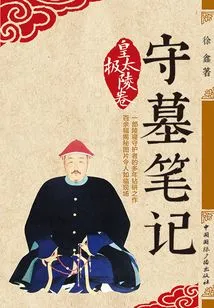
守墓笔记:皇太极陵卷
Xu Xin
Tomb Guarding Notes is based on the official history and Qing palace archives, combined with the author's more than 20 years of on-site investigation and research experience in the tombs, to interpret the Feng Shui and establishment, history and secrets, theft and cleanup of the Three Tombs outside the Pass, the Eastern Qing Tombs, and the Western Qing Tombs, reflecting the origin, development, glory and decline of the Qing Dynasty. The Zhaoling Mausoleum in Shenyang is the tomb of Huang Taiji, the founding emperor of the Qing Dynasty. The location is questionable and the regulations are special. The Zhaoxi Mausoleum where Empress Xiaozhuang Wen is buried is thousands of miles away, and the mausoleum was not officially built until thirty-seven years after the burial. This book tells you these little-known stories outside China.
Tomb Guarding Notes is based on the official history and Qing palace archives, combined with the author's more than 20 years of on-site investigation and research experience in the tombs, to interpret the Feng Shui and establishment, history and secrets, theft and cleanup of the Three Tombs outside the Pass, the Eastern Qing Tombs, and the Western Qing Tombs, reflecting the origin, development, glory and decline of the Qing Dynasty. The Zhaoling Mausoleum in Shenyang is the tomb of Huang Taiji, the founding emperor of the Qing Dynasty. The location is questionable and the regulations are special. The Zhaoxi Mausoleum where Empress Xiaozhuang Wen is buried is thousands of miles away, and the mausoleum was not officially built until thirty-seven years after the burial. This book tells you these little-known stories outside China.
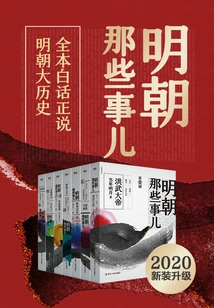
明朝那些事儿·全集(2020版)
The Bright Moon
"Those Things in the Ming Dynasty" mainly talks about the history of the Ming Dynasty in the three hundred years from 1344 to 1644. It refers to more than 20 kinds of historical materials and notes of the Ming Dynasty such as "Ming Dynasty Records", "Ming Tongjian", "Ming History", "Ming History Chronicles", etc. Reviewed and recommended by Mao Peiqi, an expert on Ming history, you can overlook the three hundred years of Ming history and see a different Ming Dynasty: the Ming Dynasty, a bloody dynasty, a bizarre dynasty, a strong and tender dynasty, a dynasty that has experienced disasters and is magnificent. The Ming Dynasty is like the folds of Chinese history. Every time you open a chapter, there are wonderful stories that contain the cultural codes, political logic, and human experience of the Chinese people.
"Those Things in the Ming Dynasty" mainly talks about the history of the Ming Dynasty in the three hundred years from 1344 to 1644. It refers to more than 20 kinds of historical materials and notes of the Ming Dynasty such as "Ming Dynasty Records", "Ming Tongjian", "Ming History", "Ming History Chronicles", etc. Reviewed and recommended by Mao Peiqi, an expert on Ming history, you can overlook the three hundred years of Ming history and see a different Ming Dynasty: the Ming Dynasty, a bloody dynasty, a bizarre dynasty, a strong and tender dynasty, a dynasty that has experienced disasters and is magnificent. The Ming Dynasty is like the folds of Chinese history. Every time you open a chapter, there are wonderful stories that contain the cultural codes, political logic, and human experience of the Chinese people.
明朝那些事儿·第柒部:大结局(2020版)
The Bright Moon
In Part 7 of "Those Things in the Ming Dynasty", there are always different opinions on whether Chongzhen, the last emperor of the Ming Dynasty, was a mediocre and incompetent emperor, or a man who strived to rise. After nearly three hundred years of unification, the Ming Dynasty came to the end of its life, suffering from internal and external troubles and constant disputes. Despite Chongzhen's best efforts, it was difficult to turn things around in the face of frequent natural disasters, the eyeing cavalry outside the Pass, and the blazing fire of peasant uprisings. The storm is swaying and the building is about to collapse. Nothing can stop the great changes of history! The Ming Dynasty was a bloody dynasty, a grotesque dynasty, a strong and tender dynasty, a dynasty that had experienced disasters and was magnificent. The Ming Dynasty is like the folds of Chinese history. Every time you open a chapter, there are wonderful stories, which contain the cultural codes, political logic, and human experience of the Chinese people.
In Part 7 of "Those Things in the Ming Dynasty", there are always different opinions on whether Chongzhen, the last emperor of the Ming Dynasty, was a mediocre and incompetent emperor, or a man who strived to rise. After nearly three hundred years of unification, the Ming Dynasty came to the end of its life, suffering from internal and external troubles and constant disputes. Despite Chongzhen's best efforts, it was difficult to turn things around in the face of frequent natural disasters, the eyeing cavalry outside the Pass, and the blazing fire of peasant uprisings. The storm is swaying and the building is about to collapse. Nothing can stop the great changes of history! The Ming Dynasty was a bloody dynasty, a grotesque dynasty, a strong and tender dynasty, a dynasty that had experienced disasters and was magnificent. The Ming Dynasty is like the folds of Chinese history. Every time you open a chapter, there are wonderful stories, which contain the cultural codes, political logic, and human experience of the Chinese people.
明朝那些事儿·第伍部:帝国飘摇(2020版)
The Bright Moon
In the fifth part of "Those Things in the Ming Dynasty", after the fall of Yan Song, three outstanding politicians, Xu Jie, Gao Gong, and Zhang Juzheng, took turns to appear. The iron-clad cabinet and the smooth chief minister, who is public and who is private? How was the upright official Hai Rui made? During the Wanli period, many famous generals came forward to fight against the Japanese and aid Korea, such as the "unparalleled hero" Li Rusong, the famous Korean general Yi Sunchen who was appointed in critical situations and took on the important task, and the veteran Deng Zilong who refused to retreat and died for his country, etc. Civil servants and generals took turns taking turns, from temple calculations to diplomacy, from war to peace, strategizing and thrilling. The Ming Dynasty was a bloody dynasty, a grotesque dynasty, a strong and tender dynasty, a dynasty that had experienced disasters and was magnificent. The Ming Dynasty is like the folds of Chinese history. Every time you open a chapter, there are wonderful stories, which contain the cultural codes, political logic, and human experience of the Chinese people.
In the fifth part of "Those Things in the Ming Dynasty", after the fall of Yan Song, three outstanding politicians, Xu Jie, Gao Gong, and Zhang Juzheng, took turns to appear. The iron-clad cabinet and the smooth chief minister, who is public and who is private? How was the upright official Hai Rui made? During the Wanli period, many famous generals came forward to fight against the Japanese and aid Korea, such as the "unparalleled hero" Li Rusong, the famous Korean general Yi Sunchen who was appointed in critical situations and took on the important task, and the veteran Deng Zilong who refused to retreat and died for his country, etc. Civil servants and generals took turns taking turns, from temple calculations to diplomacy, from war to peace, strategizing and thrilling. The Ming Dynasty was a bloody dynasty, a grotesque dynasty, a strong and tender dynasty, a dynasty that had experienced disasters and was magnificent. The Ming Dynasty is like the folds of Chinese history. Every time you open a chapter, there are wonderful stories, which contain the cultural codes, political logic, and human experience of the Chinese people.
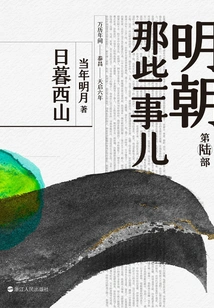
明朝那些事儿·第陆部:日暮西山(2020版)
The Bright Moon
"Those Things in the Ming Dynasty" Chapter 3: Emperor Wanli reigned for forty-eight years but did not go to court for thirty years. The Donglin Party took the opportunity to rise and supported Emperors Guangzong and Xizong to ascend the throne. Wei Zhongxian took advantage of Xizong's mediocrity and gradually became prosperous by clinging to the emperor's wet nurse, the Hakka family, and started a duel with the Donglin Party. After the War to Resist Japan and Aid Korea, the Ming Dynasty's defense line shifted to Liaodong. Li Chengliang raised tigers to cause trouble, and Nurhachi took the opportunity to rise. Yuan Chonghuan grew from a scholar to a frontier general, defended the isolated city, and finally defeated Nurhachi. The civil-official struggle that lasted for half a century witnessed the empire turning from prosperity to decline, the border peoples took advantage of the momentum to grow, the border troops retreated one after another, the endless good and bad human nature, endless wars and disputes... The Ming Dynasty was a bloody dynasty, a bizarre dynasty, a powerful and tender dynasty, a dynasty that had experienced disasters and was magnificent. The Ming Dynasty is like the folds of Chinese history. Every time you open a chapter, there are wonderful stories, which contain the cultural codes, political logic, and human experience of the Chinese people.
"Those Things in the Ming Dynasty" Chapter 3: Emperor Wanli reigned for forty-eight years but did not go to court for thirty years. The Donglin Party took the opportunity to rise and supported Emperors Guangzong and Xizong to ascend the throne. Wei Zhongxian took advantage of Xizong's mediocrity and gradually became prosperous by clinging to the emperor's wet nurse, the Hakka family, and started a duel with the Donglin Party. After the War to Resist Japan and Aid Korea, the Ming Dynasty's defense line shifted to Liaodong. Li Chengliang raised tigers to cause trouble, and Nurhachi took the opportunity to rise. Yuan Chonghuan grew from a scholar to a frontier general, defended the isolated city, and finally defeated Nurhachi. The civil-official struggle that lasted for half a century witnessed the empire turning from prosperity to decline, the border peoples took advantage of the momentum to grow, the border troops retreated one after another, the endless good and bad human nature, endless wars and disputes... The Ming Dynasty was a bloody dynasty, a bizarre dynasty, a powerful and tender dynasty, a dynasty that had experienced disasters and was magnificent. The Ming Dynasty is like the folds of Chinese history. Every time you open a chapter, there are wonderful stories, which contain the cultural codes, political logic, and human experience of the Chinese people.
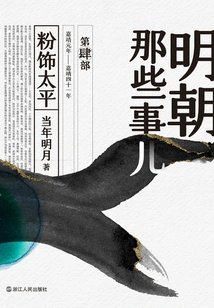
明朝那些事儿·第肆部:粉饰太平(2020版)
The Bright Moon
In the fourth part of "Those Things in the Ming Dynasty", after the death of Emperor Zhengde, the vassal prince's son Zhu Houcong was promoted to the throne as Emperor Jiajing. Emperor Jiajing took advantage of the "dispute over etiquette" to eliminate a group of old ministers from the previous dynasty and take over the power. Since then, his life has become increasingly corrupt. He only wanted to achieve enlightenment and become an immortal, and he forgot about national affairs. As a result, the treacherous Prime Minister Yan Song was able to hold power for a long time. At the same time, the Ming Dynasty was financially empty and its military equipment was depleted. Japanese pirates on the southeast coast and Mongolia in the north became the Ming Dynasty's most serious troubles. Qi Jiguang, a famous anti-Japanese general, jumped onto the stage of history. The Ming Dynasty was a bloody dynasty, a grotesque dynasty, a strong and tender dynasty, a dynasty that had experienced disasters and was magnificent. The Ming Dynasty is like the folds of Chinese history. Every time you open a chapter, there are wonderful stories, which contain the cultural codes, political logic, and human experience of the Chinese people.
In the fourth part of "Those Things in the Ming Dynasty", after the death of Emperor Zhengde, the vassal prince's son Zhu Houcong was promoted to the throne as Emperor Jiajing. Emperor Jiajing took advantage of the "dispute over etiquette" to eliminate a group of old ministers from the previous dynasty and take over the power. Since then, his life has become increasingly corrupt. He only wanted to achieve enlightenment and become an immortal, and he forgot about national affairs. As a result, the treacherous Prime Minister Yan Song was able to hold power for a long time. At the same time, the Ming Dynasty was financially empty and its military equipment was depleted. Japanese pirates on the southeast coast and Mongolia in the north became the Ming Dynasty's most serious troubles. Qi Jiguang, a famous anti-Japanese general, jumped onto the stage of history. The Ming Dynasty was a bloody dynasty, a grotesque dynasty, a strong and tender dynasty, a dynasty that had experienced disasters and was magnificent. The Ming Dynasty is like the folds of Chinese history. Every time you open a chapter, there are wonderful stories, which contain the cultural codes, political logic, and human experience of the Chinese people.
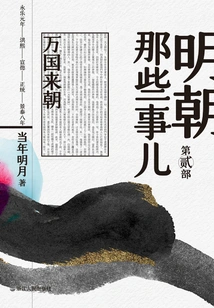
明朝那些事儿·第贰部:万国来朝(2020版)
The Bright Moon
In the second part of "Those Things in the Ming Dynasty", Zhu Di ascended the throne, and a glorious dynasty began. He sent his army to the north to conquer Mongolia five times, sent Zheng He to the west seven times, went south to conquer Ping An, and compiled the "Yongle Dadian". The Ming Empire entered an unprecedented prosperous age. Later, Zhu Di died of illness on his way back from the northern expedition to Mongolia. After experiencing the relatively clear "Reign of Renxuan", a violent storm is coming.
In the second part of "Those Things in the Ming Dynasty", Zhu Di ascended the throne, and a glorious dynasty began. He sent his army to the north to conquer Mongolia five times, sent Zheng He to the west seven times, went south to conquer Ping An, and compiled the "Yongle Dadian". The Ming Empire entered an unprecedented prosperous age. Later, Zhu Di died of illness on his way back from the northern expedition to Mongolia. After experiencing the relatively clear "Reign of Renxuan", a violent storm is coming.
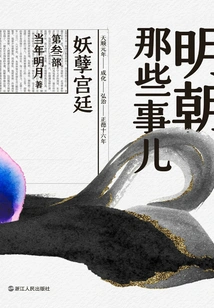
明朝那些事儿·第叁部:妖孽宫廷(2020版)
The Bright Moon
In the third part of "Those Things in the Ming Dynasty", Zhu Qizhen, the Yingzong of the Ming Dynasty, listened to the slander and killed the great hero Yu Qian, which became another major historical stain left by him after the "Tumubao Incident". After Yingzong died of illness, two emperors, Xianzong and Xiaozong, came to the throne one after another. One was too cowardly to do anything, and the other was too ambitious and weak to do anything. This heavy burden fell on a playful and boisterous emperor, Zhu Houzhao, who pampered the Eight Tigers, built a leopard house, and proclaimed himself a "mighty general." The court was filled with scenes of absurd farce, and the situation was even more turbulent.
In the third part of "Those Things in the Ming Dynasty", Zhu Qizhen, the Yingzong of the Ming Dynasty, listened to the slander and killed the great hero Yu Qian, which became another major historical stain left by him after the "Tumubao Incident". After Yingzong died of illness, two emperors, Xianzong and Xiaozong, came to the throne one after another. One was too cowardly to do anything, and the other was too ambitious and weak to do anything. This heavy burden fell on a playful and boisterous emperor, Zhu Houzhao, who pampered the Eight Tigers, built a leopard house, and proclaimed himself a "mighty general." The court was filled with scenes of absurd farce, and the situation was even more turbulent.
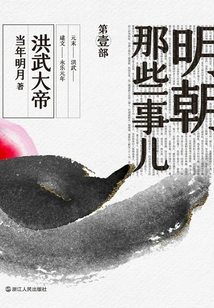
明朝那些事儿·第壹部:洪武大帝(2020版)
The Bright Moon
The first part of "Things About the Ming Dynasty" tells the story of Zhu Yuanzhang, the founding emperor, who was born in the troubled times of the late Yuan Dynasty. He started out in poverty and endured countless hardships. He escaped the pursuit of death countless times. With his astonishing military talent, he defeated many powerful figures of his generation and built a huge empire almost with his bare hands. After Zhu Yuanzhang, King Yan Zhu Di launched the "Battle of Jingnan" to seize the throne. The whereabouts of Jianwen Emperor Zhu Yunwen became an eternal mystery. However, Zhu Di ascended the throne of the emperor amidst the turbulent waves. He was the famous Ming Dynasty founder in history-Yongle Emperor.
The first part of "Things About the Ming Dynasty" tells the story of Zhu Yuanzhang, the founding emperor, who was born in the troubled times of the late Yuan Dynasty. He started out in poverty and endured countless hardships. He escaped the pursuit of death countless times. With his astonishing military talent, he defeated many powerful figures of his generation and built a huge empire almost with his bare hands. After Zhu Yuanzhang, King Yan Zhu Di launched the "Battle of Jingnan" to seize the throne. The whereabouts of Jianwen Emperor Zhu Yunwen became an eternal mystery. However, Zhu Di ascended the throne of the emperor amidst the turbulent waves. He was the famous Ming Dynasty founder in history-Yongle Emperor.
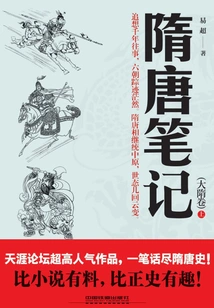
隋唐笔记(大隋卷)
Yi Chao
The content of this book begins with the split of the Northern Wei Dynasty into the Eastern and Western Wei Dynasties in 534 AD, ends with the Sui Dynasty destroying the Southern Chen Dynasty and unifying China in 589 AD, and ending with the Wagang Army's capture of Luokou Cang in 617 AD. The time span covers the period from the end of China's Southern and Northern Dynasties to the establishment of the Sui Dynasty by Yang Jian, and then to the chaotic times at the end of the Sui Dynasty, when the land of China went from division to reunification and then to division. During this period, various characters appeared on the stage, and the Guanlong aristocratic group finally ended the disputed political situation and unified the country, establishing the unification of the Sui and Tang Dynasties.
The content of this book begins with the split of the Northern Wei Dynasty into the Eastern and Western Wei Dynasties in 534 AD, ends with the Sui Dynasty destroying the Southern Chen Dynasty and unifying China in 589 AD, and ending with the Wagang Army's capture of Luokou Cang in 617 AD. The time span covers the period from the end of China's Southern and Northern Dynasties to the establishment of the Sui Dynasty by Yang Jian, and then to the chaotic times at the end of the Sui Dynasty, when the land of China went from division to reunification and then to division. During this period, various characters appeared on the stage, and the Guanlong aristocratic group finally ended the disputed political situation and unified the country, establishing the unification of the Sui and Tang Dynasties.
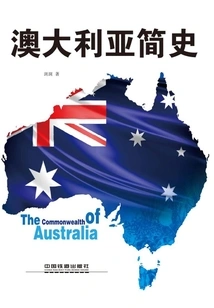
A Brief History of Australia
History澳大利亚简史
Banban
This book is lovingly written by an Australian university PhD student who has lived in Australia for ten years and is now an associate professor at Hangzhou Dianzi University. Tell the story of how Australia developed from an island of exile for criminals to a world-renowned livable country today. Historically, Australia has experienced colonial struggles for self-government by exiled convicts, the gold rush following the discovery of gold, valiant campaigns (for the mother country) during two wars, and unpopular white policies. Eventually, Australia will gradually become an inclusive, open and prosperous country of immigrants, and a multicultural country where Chinese people are keen to travel and study abroad today!
This book is lovingly written by an Australian university PhD student who has lived in Australia for ten years and is now an associate professor at Hangzhou Dianzi University. Tell the story of how Australia developed from an island of exile for criminals to a world-renowned livable country today. Historically, Australia has experienced colonial struggles for self-government by exiled convicts, the gold rush following the discovery of gold, valiant campaigns (for the mother country) during two wars, and unpopular white policies. Eventually, Australia will gradually become an inclusive, open and prosperous country of immigrants, and a multicultural country where Chinese people are keen to travel and study abroad today!
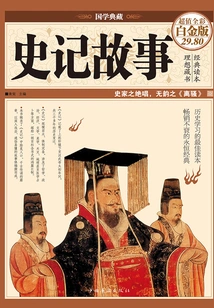
Historical Records Stories
History史记故事
Qingwan
"Historical Records" was written by Sima Qian, the great historian and writer of the Han Dynasty in my country. It records the historical changes of more than three thousand years from Xuanyuan to the Taichu period of Emperor Wu of the Han Dynasty.
"Historical Records" was written by Sima Qian, the great historian and writer of the Han Dynasty in my country. It records the historical changes of more than three thousand years from Xuanyuan to the Taichu period of Emperor Wu of the Han Dynasty.
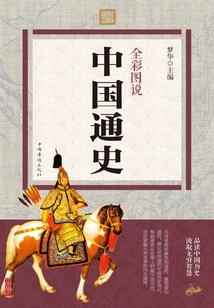
全彩图说中国通史
Menghua
French historian Marc Bloch once said: "History takes human activities as a specific object. It has endless thoughts, sees thousands of miles, and is fascinating. Therefore, it can stimulate people's imagination more than other subjects." And as the famous British historian Toynbee said: "If a person can In the midst of historical enlightenment, he must be a person who has gained true knowledge, because historical experience is the richest storehouse of wisdom. "History contains experience and true knowledge. It records the success and failure, prosperity and decline, glory and sorrow, alternation and renewal of human society, and it also foreshadows the future of mankind.
French historian Marc Bloch once said: "History takes human activities as a specific object. It has endless thoughts, sees thousands of miles, and is fascinating. Therefore, it can stimulate people's imagination more than other subjects." And as the famous British historian Toynbee said: "If a person can In the midst of historical enlightenment, he must be a person who has gained true knowledge, because historical experience is the richest storehouse of wisdom. "History contains experience and true knowledge. It records the success and failure, prosperity and decline, glory and sorrow, alternation and renewal of human society, and it also foreshadows the future of mankind.
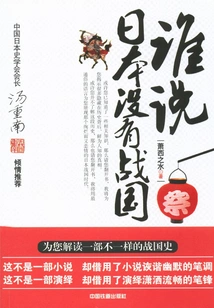
谁说日本没有战国
Xiaoxi Water
The story unfolds against the background of the history of Japan's Warring States Period. Based on detailed historical research, it focuses on six household names: Hojo Soun, Takeda Shingen, Uesugi Kenshin, Oda Nobunaga, Toyotomi Hideyoshi, and Tokugawa Ieyasu. As the main line, all the important events in the Warring States Period started from the "Onin Rebellion" that occurred in the Muromachi shogunate regime in Japan in 1467 to 1615, when Tokugawa Ieyasu eliminated Toyotomi Hideyori's forces and stabilized the Edo shogunate.
The story unfolds against the background of the history of Japan's Warring States Period. Based on detailed historical research, it focuses on six household names: Hojo Soun, Takeda Shingen, Uesugi Kenshin, Oda Nobunaga, Toyotomi Hideyoshi, and Tokugawa Ieyasu. As the main line, all the important events in the Warring States Period started from the "Onin Rebellion" that occurred in the Muromachi shogunate regime in Japan in 1467 to 1615, when Tokugawa Ieyasu eliminated Toyotomi Hideyori's forces and stabilized the Edo shogunate.
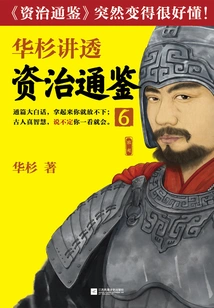
华杉讲透《资治通鉴》6
Huashan
"Zi Zhi Tong Jian" suddenly became very easy to understand! The pillow book of ancient emperors, the reference book of today's leaders! Open this book, learn lessons from the Eastern Han Dynasty's loss of the Western Regions, and learn how to continue success. The whole article is written in plain language, and you won't be able to put it down once you pick it up. The ancients were so wise that you might understand it as soon as you read it. "Zizhi Tongjian" is written from the Warring States Period to the Five Dynasties and Ten Kingdoms, vividly showing the living people and stories in the 1362-year history of 16 dynasties. It can be said to be the "big data" and "super case collection" of China's political and cultural heritage. Explain thoroughly the wisdom in "Zi Zhi Tong Jian" that is really useful to ordinary people in the 21st century - people will know it after reading it once, and they will be able to use it after reading it. Read "Zi Zhi Tong Jian" with gusto like a novel! Best-selling author Hua Shan's new masterpiece!
"Zi Zhi Tong Jian" suddenly became very easy to understand! The pillow book of ancient emperors, the reference book of today's leaders! Open this book, learn lessons from the Eastern Han Dynasty's loss of the Western Regions, and learn how to continue success. The whole article is written in plain language, and you won't be able to put it down once you pick it up. The ancients were so wise that you might understand it as soon as you read it. "Zizhi Tongjian" is written from the Warring States Period to the Five Dynasties and Ten Kingdoms, vividly showing the living people and stories in the 1362-year history of 16 dynasties. It can be said to be the "big data" and "super case collection" of China's political and cultural heritage. Explain thoroughly the wisdom in "Zi Zhi Tong Jian" that is really useful to ordinary people in the 21st century - people will know it after reading it once, and they will be able to use it after reading it. Read "Zi Zhi Tong Jian" with gusto like a novel! Best-selling author Hua Shan's new masterpiece!
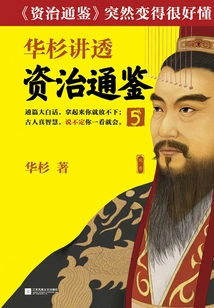
华杉讲透《资治通鉴》5
Huashan
The pillow book of ancient emperors, the reference book of today's leaders! "Zi Zhi Tong Jian" suddenly became very easy to understand! The long-lasting foundation depends on every drop of water piercing the stone! Open this book, watch Liu Xiu start from scratch, establish the Eastern Han Dynasty for two hundred years, and understand the wisdom of building a lasting business. The whole article is written in plain language, and you won't be able to put it down once you pick it up. The ancients were so wise that you might understand it as soon as you read it. "Zizhi Tongjian" is written from the Warring States Period to the Five Dynasties and Ten Kingdoms, vividly showing the living people and stories in the 1362-year history of 16 dynasties. It can be said to be the "big data" and "super case collection" of China's political and cultural heritage. Explain thoroughly the wisdom in "Zi Zhi Tong Jian" that is really useful to ordinary people in the 21st century - people will know it after reading it once, and they will be able to use it after reading it. Read "Zi Zhi Tong Jian" with gusto like a novel! Best-selling author Hua Shan's new masterpiece!
The pillow book of ancient emperors, the reference book of today's leaders! "Zi Zhi Tong Jian" suddenly became very easy to understand! The long-lasting foundation depends on every drop of water piercing the stone! Open this book, watch Liu Xiu start from scratch, establish the Eastern Han Dynasty for two hundred years, and understand the wisdom of building a lasting business. The whole article is written in plain language, and you won't be able to put it down once you pick it up. The ancients were so wise that you might understand it as soon as you read it. "Zizhi Tongjian" is written from the Warring States Period to the Five Dynasties and Ten Kingdoms, vividly showing the living people and stories in the 1362-year history of 16 dynasties. It can be said to be the "big data" and "super case collection" of China's political and cultural heritage. Explain thoroughly the wisdom in "Zi Zhi Tong Jian" that is really useful to ordinary people in the 21st century - people will know it after reading it once, and they will be able to use it after reading it. Read "Zi Zhi Tong Jian" with gusto like a novel! Best-selling author Hua Shan's new masterpiece!
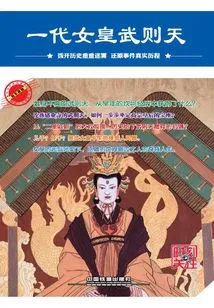
Empress Wu Zetian
History一代女皇武则天
"always Pay Attention" Editorial Board
Wu Zetian, an unprecedented empress in Chinese history. How did she change from a talented person of Emperor Taizong of the Tang Dynasty to the queen of Emperor Gaozong of the Tang Dynasty? Why would she break the bottom line of human ethics and kill her own children? How could she become a queen in a world ruled by men for thousands of years? For thirteen hundred years, she has been both history and legend. Her historical merits and demerits, like that wordless monument, are left to be commented upon by future generations. This book attempts to clear away the fog, trace the life of this extraordinary woman, and take you through the changing times from Li Tang to Wu Zhou.
Wu Zetian, an unprecedented empress in Chinese history. How did she change from a talented person of Emperor Taizong of the Tang Dynasty to the queen of Emperor Gaozong of the Tang Dynasty? Why would she break the bottom line of human ethics and kill her own children? How could she become a queen in a world ruled by men for thousands of years? For thirteen hundred years, she has been both history and legend. Her historical merits and demerits, like that wordless monument, are left to be commented upon by future generations. This book attempts to clear away the fog, trace the life of this extraordinary woman, and take you through the changing times from Li Tang to Wu Zhou.
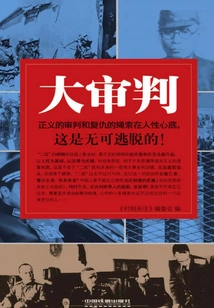
Great Trial
History大审判
"always Pay Attention" Editorial Board
The book "The Great Trial" focuses on the trials of Nazi war criminals by the victorious countries after World War II, including the Nuremberg Trial and the Tokyo Trial. The content in the book is based on known relevant documents and historical records that have been published, and restores the solemn and solemn trials in the court at that time. Including the trials of more than a dozen former high-ranking Nazi officials, including Hermann Goering, the arrogant "Reich Marshal" against the Nazi Party, von Ribbentrop, the eloquent pseudo-diplomat of Nazi Germany, and Hans Frank, the spokesman for the Nazi Party's legal affairs.
The book "The Great Trial" focuses on the trials of Nazi war criminals by the victorious countries after World War II, including the Nuremberg Trial and the Tokyo Trial. The content in the book is based on known relevant documents and historical records that have been published, and restores the solemn and solemn trials in the court at that time. Including the trials of more than a dozen former high-ranking Nazi officials, including Hermann Goering, the arrogant "Reich Marshal" against the Nazi Party, von Ribbentrop, the eloquent pseudo-diplomat of Nazi Germany, and Hans Frank, the spokesman for the Nazi Party's legal affairs.
正说中国史:不可一世的大清帝国
Shihai Fisherman
The book "The History of China: The Unparalleled Qing Empire" takes the chronological order of historical events as the main clue, uses vivid words to explain to readers the philosophical wisdom of survival, and the complex and changeable interpersonal relationships in the Qing court. It uses light and humorous short stories to present a three-dimensional panoramic view of the history of the Qing Dynasty, which is worthy of readers' careful appreciation. The Qing Dynasty was the last feudal dynasty in Chinese history. From 1583, when Nurhaci, the founder of the Qing Dynasty, raised an army to the abdication of Emperor Puyi in late 1912, the Qing Dynasty went through its history of more than 300 years. This dynasty has experienced its glory. From Emperor Kangxi to Emperor Qianlong, everyone has been praised by people all over the world. The scene of the "Kangxi and Qianlong Dynasties" seems to make people think that the Qing Dynasty seems to be the "empire on which the sun never sets" in the East. But by the late Qing Dynasty, the once glorious Qing Dynasty seemed to be crumbling. On the one hand, it suppressed domestic revolutionaries, and on the other hand, it was suppressed by Western powers. In the face of internal and external troubles, the Qing government, which had long been exhausted physically and mentally, finally died.
The book "The History of China: The Unparalleled Qing Empire" takes the chronological order of historical events as the main clue, uses vivid words to explain to readers the philosophical wisdom of survival, and the complex and changeable interpersonal relationships in the Qing court. It uses light and humorous short stories to present a three-dimensional panoramic view of the history of the Qing Dynasty, which is worthy of readers' careful appreciation. The Qing Dynasty was the last feudal dynasty in Chinese history. From 1583, when Nurhaci, the founder of the Qing Dynasty, raised an army to the abdication of Emperor Puyi in late 1912, the Qing Dynasty went through its history of more than 300 years. This dynasty has experienced its glory. From Emperor Kangxi to Emperor Qianlong, everyone has been praised by people all over the world. The scene of the "Kangxi and Qianlong Dynasties" seems to make people think that the Qing Dynasty seems to be the "empire on which the sun never sets" in the East. But by the late Qing Dynasty, the once glorious Qing Dynasty seemed to be crumbling. On the one hand, it suppressed domestic revolutionaries, and on the other hand, it was suppressed by Western powers. In the face of internal and external troubles, the Qing government, which had long been exhausted physically and mentally, finally died.
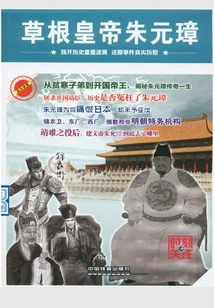
草根皇帝朱元璋
"always Pay Attention" Editorial Board
This book mainly tells the story of Zhu Yuanzhang's struggle to establish the Ming Dynasty and some of the things he did to govern the country after establishing the country. Zhu Yuanzhang, an emperor of humble origin, was also the most legendary figure. He was born in a poor peasant family, and his thoughts embody the "people-oriented" spirit everywhere. He killed landlords and officials, but never killed a civilian indiscriminately: he formulated various systems to punish corrupt officials, but most of them were tax exemptions and food exemptions, and he cared about people's livelihood and suffering. The purpose of this book is to give everyone some inspiration by revealing the historical truth.
This book mainly tells the story of Zhu Yuanzhang's struggle to establish the Ming Dynasty and some of the things he did to govern the country after establishing the country. Zhu Yuanzhang, an emperor of humble origin, was also the most legendary figure. He was born in a poor peasant family, and his thoughts embody the "people-oriented" spirit everywhere. He killed landlords and officials, but never killed a civilian indiscriminately: he formulated various systems to punish corrupt officials, but most of them were tax exemptions and food exemptions, and he cared about people's livelihood and suffering. The purpose of this book is to give everyone some inspiration by revealing the historical truth.
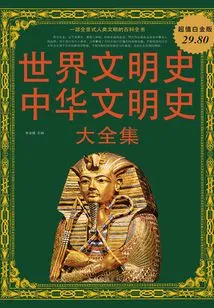
世界文明史 中华文明史 大全集
Zhu Ya'e
This book is a complete collection of the history of world civilization and the history of Chinese civilization. It arranges contents in philosophy, music, literature, science and many other aspects to enable readers to systematically grasp the development of the world and Chinese civilization.
This book is a complete collection of the history of world civilization and the history of Chinese civilization. It arranges contents in philosophy, music, literature, science and many other aspects to enable readers to systematically grasp the development of the world and Chinese civilization.
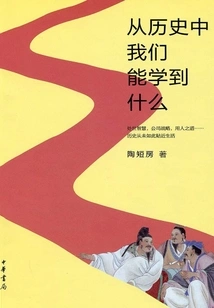
从历史中我们能学到什么
Tao Short Room
This article contains a series of historical essays published by Tao Duanfang in the economic section of Southern Metropolis Daily since June 2011. Starting from historical events, modern management concepts are introduced. They talked about everything from corporate governance to national management in a clear and smooth manner. The articles are divided into three groups. The first group focuses on the company's equity distribution, the second group mainly talks about corporate talent issues, and the third group involves the management of public affairs. For example, it discusses how to deal with the issue of subordinates who intend to change jobs from Liu Xiu's burning of a letter "to make the rebels feel at ease"; from Wen Yanbo's "Ruling the world with scholar-bureaucrats, not with the common people", it talks about how to reduce and break through the resistance to reform; from Huan Wen's Northern Expedition, it talks about the gains and losses of new officials taking office to carry out "signature projects", which is a novel and enlightening perspective. It will be helpful for history lovers and corporate decision-makers to better understand history and understand the present.
This article contains a series of historical essays published by Tao Duanfang in the economic section of Southern Metropolis Daily since June 2011. Starting from historical events, modern management concepts are introduced. They talked about everything from corporate governance to national management in a clear and smooth manner. The articles are divided into three groups. The first group focuses on the company's equity distribution, the second group mainly talks about corporate talent issues, and the third group involves the management of public affairs. For example, it discusses how to deal with the issue of subordinates who intend to change jobs from Liu Xiu's burning of a letter "to make the rebels feel at ease"; from Wen Yanbo's "Ruling the world with scholar-bureaucrats, not with the common people", it talks about how to reduce and break through the resistance to reform; from Huan Wen's Northern Expedition, it talks about the gains and losses of new officials taking office to carry out "signature projects", which is a novel and enlightening perspective. It will be helpful for history lovers and corporate decision-makers to better understand history and understand the present.
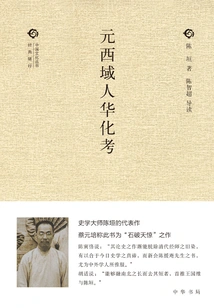
元西域人华化考(中国文化丛书·经典随行)
Written By Chen Yuan And Read By Chen Zhichao
This book is an early representative work by Mr. Chen Yuan, a leading historian in my country. It examines the gradual assimilation of the Western Regions (Semu people) who entered the Central Plains in the Yuan Dynasty from various aspects such as literature, Confucianism, Buddhism, art, etiquette, etc., And shows the advanced nature and vitality of the Central Plains culture at that time. The book is rich in information, detailed in research, has high academic value, and is a classic of its generation. At the front of the book is an "Introduction" written by Professor Chen Zhichao, Chen Yuan's grandson, explaining the book's writing background, main content, international influence, changes in editions, etc.
This book is an early representative work by Mr. Chen Yuan, a leading historian in my country. It examines the gradual assimilation of the Western Regions (Semu people) who entered the Central Plains in the Yuan Dynasty from various aspects such as literature, Confucianism, Buddhism, art, etiquette, etc., And shows the advanced nature and vitality of the Central Plains culture at that time. The book is rich in information, detailed in research, has high academic value, and is a classic of its generation. At the front of the book is an "Introduction" written by Professor Chen Zhichao, Chen Yuan's grandson, explaining the book's writing background, main content, international influence, changes in editions, etc.
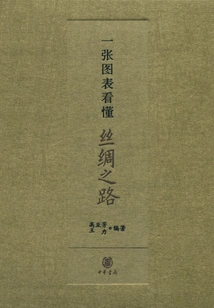
一张图表看懂丝绸之路
Gao Yafang Wang Li
The Silk Road refers to the ancient commercial trade route that started in ancient China and connected Asia, Europe, and Africa. The Silk Road established long-distance transportation links between the ancient Chinese civilization centers in East Asia and the long-standing regional civilization centers in Central Asia. It was of great significance in the exchanges between nomadic and settled civilizations, and between East Asia and Central Asia. It witnessed the main context of human civilization and cultural development in ancient Eurasia, several important historical stages, and prominent multicultural characteristics. It is an outstanding example of cultural routes for long-term exchanges and integration of human beings in long-distance transportation, commerce, culture, religion, technology, and ethnic groups. This book uses the form of a chart to run through the history of the Silk Road for more than two thousand years. The pictures and texts complement each other to explore the deep connotation behind the Silk Road.
The Silk Road refers to the ancient commercial trade route that started in ancient China and connected Asia, Europe, and Africa. The Silk Road established long-distance transportation links between the ancient Chinese civilization centers in East Asia and the long-standing regional civilization centers in Central Asia. It was of great significance in the exchanges between nomadic and settled civilizations, and between East Asia and Central Asia. It witnessed the main context of human civilization and cultural development in ancient Eurasia, several important historical stages, and prominent multicultural characteristics. It is an outstanding example of cultural routes for long-term exchanges and integration of human beings in long-distance transportation, commerce, culture, religion, technology, and ethnic groups. This book uses the form of a chart to run through the history of the Silk Road for more than two thousand years. The pictures and texts complement each other to explore the deep connotation behind the Silk Road.
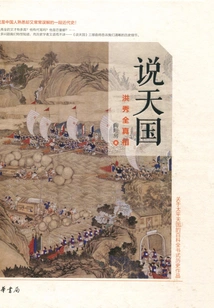
说天国:洪秀全真相
Tao Short Room
This is a period of modern history that Chinese people are familiar with but often misunderstand! What is the Taiping Heavenly Kingdom like that some people rave about and others reviled? Was the Taiping Rebellion an advanced peasant uprising, or an "incarnation of the devil" (in Marx's words) that brought catastrophe? How high is Hong Xiuquan's literary talent? Does he have a ghostwriter? Is he a pedophile? ... There are so many questions that we want to know, but historians are not clear about it - the "Speaking of the Kingdom of Heaven" trilogy will tell us clear and interesting historical details! "Speaking of the Kingdom of Heaven: The Truth about Hong Xiuquan" is the third part of Tao Danfang's masterpiece "Speaking of the Kingdom of Heaven" series. It analyzes all aspects of Hong Xiuquan, the revolutionary leader of the Taiping Rebellion, from historical details: How high is Hong Xiuquan's cultural level? What "revolutionary deeds" did he have before the Jintian Uprising? How did his "revolutionary ambition" come about, and what changes have there been? Why did Hong Xiuquan become a super "otaku"? There was a naughty court in the late Kingdom of Heaven. Could it be that Hong Xiuquan was a "pedophile"? Did Hong Xiuquan "ghostwrite"? ... The author tells the story eloquently and presents readers with a rich image of the Heavenly King, which is very different from the common descriptions in textbooks, making people think deeply about the Taiping Rebellion.
This is a period of modern history that Chinese people are familiar with but often misunderstand! What is the Taiping Heavenly Kingdom like that some people rave about and others reviled? Was the Taiping Rebellion an advanced peasant uprising, or an "incarnation of the devil" (in Marx's words) that brought catastrophe? How high is Hong Xiuquan's literary talent? Does he have a ghostwriter? Is he a pedophile? ... There are so many questions that we want to know, but historians are not clear about it - the "Speaking of the Kingdom of Heaven" trilogy will tell us clear and interesting historical details! "Speaking of the Kingdom of Heaven: The Truth about Hong Xiuquan" is the third part of Tao Danfang's masterpiece "Speaking of the Kingdom of Heaven" series. It analyzes all aspects of Hong Xiuquan, the revolutionary leader of the Taiping Rebellion, from historical details: How high is Hong Xiuquan's cultural level? What "revolutionary deeds" did he have before the Jintian Uprising? How did his "revolutionary ambition" come about, and what changes have there been? Why did Hong Xiuquan become a super "otaku"? There was a naughty court in the late Kingdom of Heaven. Could it be that Hong Xiuquan was a "pedophile"? Did Hong Xiuquan "ghostwrite"? ... The author tells the story eloquently and presents readers with a rich image of the Heavenly King, which is very different from the common descriptions in textbooks, making people think deeply about the Taiping Rebellion.
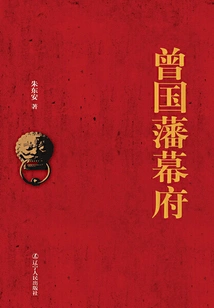
Zeng Guofan Shogunate
History曾国藩幕府
Zhu Dongan
"Zeng Guofan Shogunate" is a description of the staff organization founded by Zeng Guofan and the establishment process of this organization. It involves the cultivation of senior officials in the late Qing Dynasty (such as Li Hongzhang, Liu Rong, Guo Songtao, Li Yuandu, etc.) And the cause and effect of major historical events related to them. It further straightens out the relationship between relevant historical figures and historical events. The description of Zeng Guofan's shogunate staff is also a side interpretation of Zeng Guofan's personal experience.
"Zeng Guofan Shogunate" is a description of the staff organization founded by Zeng Guofan and the establishment process of this organization. It involves the cultivation of senior officials in the late Qing Dynasty (such as Li Hongzhang, Liu Rong, Guo Songtao, Li Yuandu, etc.) And the cause and effect of major historical events related to them. It further straightens out the relationship between relevant historical figures and historical events. The description of Zeng Guofan's shogunate staff is also a side interpretation of Zeng Guofan's personal experience.
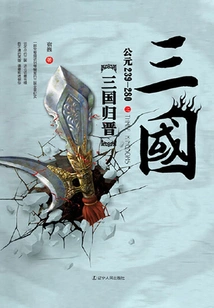
三国之三国归晋:公元239—280
Su Wei
Tells the history from 238 AD to 280 AD. Cao Shuang and Sima Yi fought secretly for ten years, and all the great families returned to Sima. In the end, Sima Yi used a coup to seize power, and the three horses deposed "Cao", which finally became a reality. Sima father and son hold great power, and Sima Zhao's intentions are known to everyone on the road. Jiang Wei made nine expeditions to the Central Plains, but Liu Adou, who was happy and reluctant to think about Shu, was ineffective. The Shu Han Dynasty was the first to fall. Then the Sima family usurped Cao Wei, leaving Sun Wu to support him. Sima Yi's grandson Sima Yan proclaimed himself emperor and established the Western Jin Dynasty. The Jin army defeated Wu in six routes, ending a century of disputes and unifying China.
Tells the history from 238 AD to 280 AD. Cao Shuang and Sima Yi fought secretly for ten years, and all the great families returned to Sima. In the end, Sima Yi used a coup to seize power, and the three horses deposed "Cao", which finally became a reality. Sima father and son hold great power, and Sima Zhao's intentions are known to everyone on the road. Jiang Wei made nine expeditions to the Central Plains, but Liu Adou, who was happy and reluctant to think about Shu, was ineffective. The Shu Han Dynasty was the first to fall. Then the Sima family usurped Cao Wei, leaving Sun Wu to support him. Sima Yi's grandson Sima Yan proclaimed himself emperor and established the Western Jin Dynasty. The Jin army defeated Wu in six routes, ending a century of disputes and unifying China.
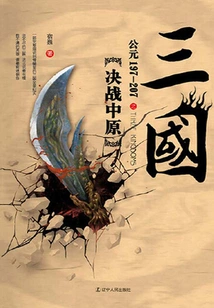
三国之决战中原:公元197—207
Su Wei
It tells the history of Cao Cao and Yuan Shao from allies to enemies, from fighting side by side to the decisive battle in the Central Plains in the ten years from 197 AD to 207 AD. Cao Cao went from weak to strong, and Yuan Shao went from strong to weak. After Cao Cao and Yuan Shao annexed their opponents in turn, they confronted each other with the Yellow River as the boundary. However, there can only be one master in the Central Plains, and the decisive battle between Cao Cao and Yuan Shao was inevitable. Cao Cao won the Battle of Guandu. After that, Cao Cao spent seven years unifying the north and establishing his status as the overlord of the Central Plains.
It tells the history of Cao Cao and Yuan Shao from allies to enemies, from fighting side by side to the decisive battle in the Central Plains in the ten years from 197 AD to 207 AD. Cao Cao went from weak to strong, and Yuan Shao went from strong to weak. After Cao Cao and Yuan Shao annexed their opponents in turn, they confronted each other with the Yellow River as the boundary. However, there can only be one master in the Central Plains, and the decisive battle between Cao Cao and Yuan Shao was inevitable. Cao Cao won the Battle of Guandu. After that, Cao Cao spent seven years unifying the north and establishing his status as the overlord of the Central Plains.
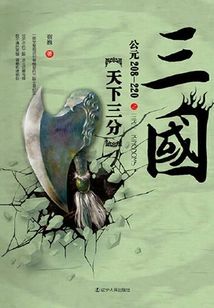
三国之天下三分:公元208—220
Su Wei
Tells the history from 208 to 220 AD. After Cao Cao unified the north, he sent his army south. Liu Bei, who was forced to join forces with Sun Quan, formed a Sun-Liu coalition to fight against Cao Cao. The two sides fought a battle in Chibi, and the coalition forces of Sun and Liu defeated Cao Cao with fire attacks. After that, Cao Cao, Liu Bei, and Sun Quan, in order to compete for Jingzhou, conspired, plotted, and calculated, and finally divided Jingzhou into three parts. Cao Cao returned to the north and established his country as king. His two sons, Cao Pi and Cao Zhi, fought openly and secretly for the throne. In the end, the literary young man Cao Zhi was no match for the sinister Cao Pi, and Cao Pi came to power. Liu Bei rose rapidly after the Battle of Chibi, first taking Yizhou and then Hanzhong. Sun Quan was jealous, and in order to seize Jingzhou, he did not hesitate to fall out with Liu Bei, attack Guan Yu, and occupy Jiangling. Then, Cao Pi usurped the Han Dynasty, Liu Bei founded the country, and Sun Quan became king. Cao, Liu and Sun divided the world into three parts and stood together.
Tells the history from 208 to 220 AD. After Cao Cao unified the north, he sent his army south. Liu Bei, who was forced to join forces with Sun Quan, formed a Sun-Liu coalition to fight against Cao Cao. The two sides fought a battle in Chibi, and the coalition forces of Sun and Liu defeated Cao Cao with fire attacks. After that, Cao Cao, Liu Bei, and Sun Quan, in order to compete for Jingzhou, conspired, plotted, and calculated, and finally divided Jingzhou into three parts. Cao Cao returned to the north and established his country as king. His two sons, Cao Pi and Cao Zhi, fought openly and secretly for the throne. In the end, the literary young man Cao Zhi was no match for the sinister Cao Pi, and Cao Pi came to power. Liu Bei rose rapidly after the Battle of Chibi, first taking Yizhou and then Hanzhong. Sun Quan was jealous, and in order to seize Jingzhou, he did not hesitate to fall out with Liu Bei, attack Guan Yu, and occupy Jiangling. Then, Cao Pi usurped the Han Dynasty, Liu Bei founded the country, and Sun Quan became king. Cao, Liu and Sun divided the world into three parts and stood together.
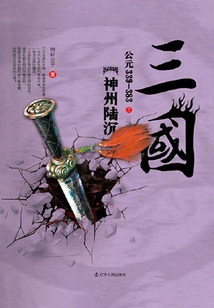
三国之神州陆沉:公元339—383
Mr. Mingxuan
The more chaos there is, the more chaos there is. After the Western Jin Dynasty, although a new three-legged alliance appeared, there was only one political power in the north. However, with the collapse of Hou Zhao, the Central Plains once again fell into chaos, which also gave birth to the formation of a new round of three-pole structure. The era of the Xiongnu Jiehu has passed, and the Xianbei and Diqiang began to dominate the northern continent. The Eastern Jin Dynasty was still the same Eastern Jin Dynasty, but the Chenghan Dynasty was destroyed by the Eastern Jin Dynasty and the south was unified. After the chaos in the north, there was a strong dialogue between the former Qin and the former Yan, and a new round of the Three Kingdoms appeared in China. The three-legged struggle between Jin, Qin and Yan was more intense than before. This is a new era of tyranny and benevolence. What kind of power can control the broken land of China? The cruel and unkind Shi Hu usurped the throne, and after a series of perverse actions, he finally ushered in the final judgment... Huan Wen, who had the world in his mind, was wandering all his life, and even at the last moment of his life, he was chasing an unattainable dream... "Weeping in the new pavilion, don't look like a prisoner of Chu. Sighing in China, why is Lu Chen?" If you plan to fight, can you tell me whose home and country this is? In the northern war, the former Qin had the last laugh, devouring the former Yan and unifying the north. The Three Kingdoms came to an end temporarily, and the confrontation between the north and the south began to become tense. A new unification trend is brewing again...
The more chaos there is, the more chaos there is. After the Western Jin Dynasty, although a new three-legged alliance appeared, there was only one political power in the north. However, with the collapse of Hou Zhao, the Central Plains once again fell into chaos, which also gave birth to the formation of a new round of three-pole structure. The era of the Xiongnu Jiehu has passed, and the Xianbei and Diqiang began to dominate the northern continent. The Eastern Jin Dynasty was still the same Eastern Jin Dynasty, but the Chenghan Dynasty was destroyed by the Eastern Jin Dynasty and the south was unified. After the chaos in the north, there was a strong dialogue between the former Qin and the former Yan, and a new round of the Three Kingdoms appeared in China. The three-legged struggle between Jin, Qin and Yan was more intense than before. This is a new era of tyranny and benevolence. What kind of power can control the broken land of China? The cruel and unkind Shi Hu usurped the throne, and after a series of perverse actions, he finally ushered in the final judgment... Huan Wen, who had the world in his mind, was wandering all his life, and even at the last moment of his life, he was chasing an unattainable dream... "Weeping in the new pavilion, don't look like a prisoner of Chu. Sighing in China, why is Lu Chen?" If you plan to fight, can you tell me whose home and country this is? In the northern war, the former Qin had the last laugh, devouring the former Yan and unifying the north. The Three Kingdoms came to an end temporarily, and the confrontation between the north and the south began to become tense. A new unification trend is brewing again...
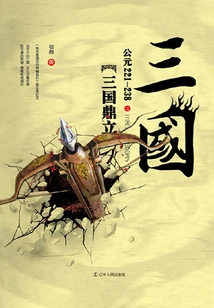
三国之三国鼎立:公元221—238
Su Wei
Tells the history of China from 221 to 238 AD. In order to retake Jingzhou and avenge Guan Yu, Liu Bei led an overwhelming army to the east, but was defeated by Lu Xun of Dongwu at Xiaoting. Later, Liu Bei entrusted his son and the country to Zhuge Liang in Baidi City. Zhuge Liang took orders at the critical moment to stabilize the overall situation. Then he conquered the south to quell the rebellion and went north to the Central Plains. Zhuge Liang joined forces with Soochow in order to make an all-out Northern Expedition. Sun Quan proclaimed himself emperor, and the Three Kingdoms were formally formed. In order to revive the Han Dynasty, Zhuge Liang first fought against Cao Zhen and then against Sima Yi. He worked hard and finally died of illness in the Wuzhangyuan military camp.
Tells the history of China from 221 to 238 AD. In order to retake Jingzhou and avenge Guan Yu, Liu Bei led an overwhelming army to the east, but was defeated by Lu Xun of Dongwu at Xiaoting. Later, Liu Bei entrusted his son and the country to Zhuge Liang in Baidi City. Zhuge Liang took orders at the critical moment to stabilize the overall situation. Then he conquered the south to quell the rebellion and went north to the Central Plains. Zhuge Liang joined forces with Soochow in order to make an all-out Northern Expedition. Sun Quan proclaimed himself emperor, and the Three Kingdoms were formally formed. In order to revive the Han Dynasty, Zhuge Liang first fought against Cao Zhen and then against Sima Yi. He worked hard and finally died of illness in the Wuzhangyuan military camp.
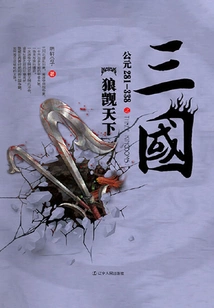
三国之狼觊天下:公元281—338
Mr. Mingxuan
After the Three Kingdoms returned to Jin, China was briefly unified, but after Sima Yan's death, the country's divisions began again. Many ethnic minorities from the north moved southward, impacting the traditional Han government. In the end, the Western Jin Dynasty was unable to take on its important responsibilities and soon perished. Subsequently, the Eastern Jin Dynasty entered the stage of history. A new Three Kingdoms situation has emerged in China, that is, Jin, Cheng, and Zhao are divided into three parts of the world. There is a southern migration regime, a refugee regime, and a tyrannical regime. History has been changed and manipulated in various ways in the hands of these three factions. This is a dark history in China. The eight kings of the Sima family fought against each other, and the war was raging across the Central Plains. Taking advantage of the situation, the various tribes took advantage of the situation, and the army marched on both sides of the Yellow River. The imperial power of the Eastern Jin Dynasty fell apart again, and internal disputes were turbulent. The two northern powers stood side by side, and Liu Yao and Shi Le competed in the Central Plains... This was a Three Kingdoms that was ignored by future generations, and it was also a misunderstood Three Kingdoms. This was an era in which the social order completely collapsed. "A minister is not a minister, a king is not a king" is the mainstream of this era. After reading it, you will realize: there is no gorgeousness of swords and shadows here, but only the disintegration of mountains of corpses and seas of blood.
After the Three Kingdoms returned to Jin, China was briefly unified, but after Sima Yan's death, the country's divisions began again. Many ethnic minorities from the north moved southward, impacting the traditional Han government. In the end, the Western Jin Dynasty was unable to take on its important responsibilities and soon perished. Subsequently, the Eastern Jin Dynasty entered the stage of history. A new Three Kingdoms situation has emerged in China, that is, Jin, Cheng, and Zhao are divided into three parts of the world. There is a southern migration regime, a refugee regime, and a tyrannical regime. History has been changed and manipulated in various ways in the hands of these three factions. This is a dark history in China. The eight kings of the Sima family fought against each other, and the war was raging across the Central Plains. Taking advantage of the situation, the various tribes took advantage of the situation, and the army marched on both sides of the Yellow River. The imperial power of the Eastern Jin Dynasty fell apart again, and internal disputes were turbulent. The two northern powers stood side by side, and Liu Yao and Shi Le competed in the Central Plains... This was a Three Kingdoms that was ignored by future generations, and it was also a misunderstood Three Kingdoms. This was an era in which the social order completely collapsed. "A minister is not a minister, a king is not a king" is the mainstream of this era. After reading it, you will realize: there is no gorgeousness of swords and shadows here, but only the disintegration of mountains of corpses and seas of blood.
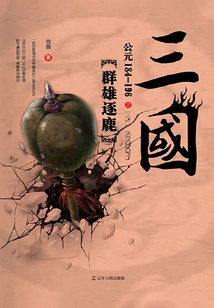
三国之群雄逐鹿:公元184—196
Su Wei
It tells the history from 184 AD, that is, the rise of the Yellow Turban Army at the end of the Eastern Han Dynasty in China until 196 AD when Cao Cao welcomed Emperor Xian of the Han Dynasty to take control of Xu County. The Yellow Turban Rebellion ushered in the chaos of the late Eastern Han Dynasty. After that, the Eastern Han Dynasty experienced palace coups, Dong Zhuo's dictatorship, and the Kwantung Allied Forces' attack on Dong Zhuo. Chaos arose, you just finished singing and I came on stage, various princes competed in the Central Plains, and the Eastern Han Dynasty existed in name only. During this period, Yuan Shao, Cao Cao, Yuan Shu, Gongsun Zan, Lu Bu, Sun Ce, and Liu Biao took advantage of the situation and took advantage of the situation, each dominating one side. Cao Cao was the most discerning among the heroes. He welcomed the Emperor of Han with respect, held the Emperor in his arms to control the feudal lords, and later came to the top.
It tells the history from 184 AD, that is, the rise of the Yellow Turban Army at the end of the Eastern Han Dynasty in China until 196 AD when Cao Cao welcomed Emperor Xian of the Han Dynasty to take control of Xu County. The Yellow Turban Rebellion ushered in the chaos of the late Eastern Han Dynasty. After that, the Eastern Han Dynasty experienced palace coups, Dong Zhuo's dictatorship, and the Kwantung Allied Forces' attack on Dong Zhuo. Chaos arose, you just finished singing and I came on stage, various princes competed in the Central Plains, and the Eastern Han Dynasty existed in name only. During this period, Yuan Shao, Cao Cao, Yuan Shu, Gongsun Zan, Lu Bu, Sun Ce, and Liu Biao took advantage of the situation and took advantage of the situation, each dominating one side. Cao Cao was the most discerning among the heroes. He welcomed the Emperor of Han with respect, held the Emperor in his arms to control the feudal lords, and later came to the top.
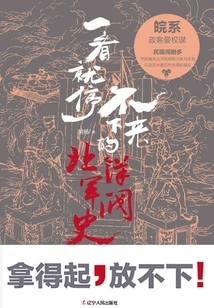
一看就停不下来的北洋军阀史:皖系
Populus Euphratica
The reason why the Anhui clique was able to rise to power quickly after Yuan Shikai's death was because of Duan Qirui's personal ability, which gave him a numerical advantage and formed the earliest and most powerful warlord faction of the Beiyang warlords. When the Anhui warlords were in power, Duan Qirui proposed "unification by force," hoping to use "unification" as a life-saving straw to drive officers and soldiers to risk their lives. However, the Anhui warlords, who were born with malnutrition and acquired developmental abnormalities, were simply unable to push forward the war machine. The "unification of force" did not help the Anhui warlords to arrive, but instead contributed to their premature decline. The Anhui warlords, who regarded themselves as orthodox Beiyang warlords, perished due to their arbitrary actions. For the Anhui clique, breaking the old order but trying to use the old order to maintain a new look is a self-contradictory line in itself.
The reason why the Anhui clique was able to rise to power quickly after Yuan Shikai's death was because of Duan Qirui's personal ability, which gave him a numerical advantage and formed the earliest and most powerful warlord faction of the Beiyang warlords. When the Anhui warlords were in power, Duan Qirui proposed "unification by force," hoping to use "unification" as a life-saving straw to drive officers and soldiers to risk their lives. However, the Anhui warlords, who were born with malnutrition and acquired developmental abnormalities, were simply unable to push forward the war machine. The "unification of force" did not help the Anhui warlords to arrive, but instead contributed to their premature decline. The Anhui warlords, who regarded themselves as orthodox Beiyang warlords, perished due to their arbitrary actions. For the Anhui clique, breaking the old order but trying to use the old order to maintain a new look is a self-contradictory line in itself.
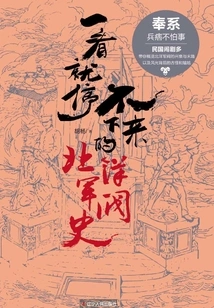
一看就停不下来的北洋军阀史:奉系
Populus Euphratica
The history of the Fengtian warlords can be roughly divided into three parts: the first part is before the first Zhili-Fengtian war. At this time, the Fengcheng clique's warlords were more arrogant and managed their troops according to the green forest method. When fighting, they often rushed up and down, which was purely a group fight; the second part was the first Zhili-Fengtian war. Later, Zhang Zuolin worked hard in the Northeast, and the army gradually became regularized. By the time of the second Zhili-Fengtian War, the Fengjun who entered the Pass was already an iron-clad force; in the third part, after Huanggutun, Marshal Zhang Xueliang took charge of the Northeastern Army. At this time, the Northeastern Army was no longer a warlord force, but a national revolutionary army. If we use an analogy, the Anhui clique warlords are a bunch of politicians, the Zhili clique warlords are a bunch of talented people, and the Feng clique warlords are a bunch of hustlers. If the Anhui clique warlords want to fight, they must first find someone to borrow money. Only when they have money, guns and an advantage can they dare to fight. The Zhili clique warlords hold a meeting first, discuss how to fight, and then order troops and send generals out to start the war. This is not the case for the Feng clique warlords. Zhang Zuolin only needs to pull out his gun and jump on the table, and Fengjun throws the wine bowl and picks up the guy to go out and do it. The Zhiwan warlords "fight after talking," while Zhang Zuolin said "fight after fighting," so among the Beiyang warlords, the only one who really relies on the barrel of a gun to speak is the Feng clan.
The history of the Fengtian warlords can be roughly divided into three parts: the first part is before the first Zhili-Fengtian war. At this time, the Fengcheng clique's warlords were more arrogant and managed their troops according to the green forest method. When fighting, they often rushed up and down, which was purely a group fight; the second part was the first Zhili-Fengtian war. Later, Zhang Zuolin worked hard in the Northeast, and the army gradually became regularized. By the time of the second Zhili-Fengtian War, the Fengjun who entered the Pass was already an iron-clad force; in the third part, after Huanggutun, Marshal Zhang Xueliang took charge of the Northeastern Army. At this time, the Northeastern Army was no longer a warlord force, but a national revolutionary army. If we use an analogy, the Anhui clique warlords are a bunch of politicians, the Zhili clique warlords are a bunch of talented people, and the Feng clique warlords are a bunch of hustlers. If the Anhui clique warlords want to fight, they must first find someone to borrow money. Only when they have money, guns and an advantage can they dare to fight. The Zhili clique warlords hold a meeting first, discuss how to fight, and then order troops and send generals out to start the war. This is not the case for the Feng clique warlords. Zhang Zuolin only needs to pull out his gun and jump on the table, and Fengjun throws the wine bowl and picks up the guy to go out and do it. The Zhiwan warlords "fight after talking," while Zhang Zuolin said "fight after fighting," so among the Beiyang warlords, the only one who really relies on the barrel of a gun to speak is the Feng clan.
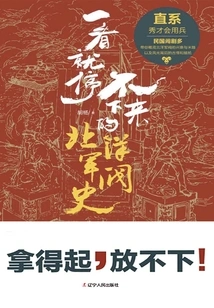
一看就停不下来的北洋军阀史:直系
Populus Euphratica
Comparing the Anhui clique, which was in decline at that time, and the Feng clique, which was still in its growth stage, it can be said that the Zhi clique has a lot of good cards and the best configuration. There is no doubt that the early Zhili warlords were formed based on the "Three Governors of the Yangtze River" and Cao Kun. They really arrived at DENGFENG after Feng Guozhang resigned. The "Three Governors of the Yangtze River" joined forces with the Cao family and publicly recommended Cao Kun as the leader of the Zhili alliance. At that time, the direct line controlled the important areas of the capital in the north and the prosperous hometowns in the south of the Yangtze River. It really needed guns and pay, and more importantly, Cao Kun also had a top-notch thug under him: Wu Peifu. Although the Zhili clique has always been powerful, it has never really dominated the political situation of the Republic of China like the Anhui clique. Zhili is more like a character who accompanies the prince to study, first with Yuan Shikai, then with Duan Qirui, and later with Zhang Zuolin, which somewhat means "the heart is higher than the sky, the fate is thinner than the paper". Perhaps this is the fate of a good boy: he may get 100% in every exam, but he may not be able to become the class monitor.
Comparing the Anhui clique, which was in decline at that time, and the Feng clique, which was still in its growth stage, it can be said that the Zhi clique has a lot of good cards and the best configuration. There is no doubt that the early Zhili warlords were formed based on the "Three Governors of the Yangtze River" and Cao Kun. They really arrived at DENGFENG after Feng Guozhang resigned. The "Three Governors of the Yangtze River" joined forces with the Cao family and publicly recommended Cao Kun as the leader of the Zhili alliance. At that time, the direct line controlled the important areas of the capital in the north and the prosperous hometowns in the south of the Yangtze River. It really needed guns and pay, and more importantly, Cao Kun also had a top-notch thug under him: Wu Peifu. Although the Zhili clique has always been powerful, it has never really dominated the political situation of the Republic of China like the Anhui clique. Zhili is more like a character who accompanies the prince to study, first with Yuan Shikai, then with Duan Qirui, and later with Zhang Zuolin, which somewhat means "the heart is higher than the sky, the fate is thinner than the paper". Perhaps this is the fate of a good boy: he may get 100% in every exam, but he may not be able to become the class monitor.
朱元璋:高筑墙!广积粮!缓称王!
Duyin Mountain
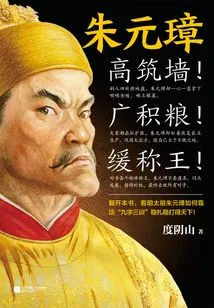
The new biography of Du Yinshan, the author of the million-selling book "Knowing and Doing the Unity of Wang Yangming"! Build walls high! Gather food widely! Slowly become king! Build a high wall: Others are grabbing territory everywhere, but Zhu Yuanzhang single-mindedly took down Jinling, the throat, and established the foundation. Guangji Liang: Everyone is busy expanding, but Zhu Yuanzhang is busy restoring agricultural production, consolidating the rear area, and making himself invincible. Slowly proclaiming himself king: Each of his opponents proclaimed themselves emperor and king, but Zhu Yuanzhang did not live up to his reputation, kept his head down and waited for the opportunity to defeat all his opponents. Open this book and see how Zhu Yuanzhang, the founder of the Ming Dynasty, relied on these "Nine Characters and Three Trainings" to steadily conquer the world!
The new biography of Du Yinshan, the author of the million-selling book "Knowing and Doing the Unity of Wang Yangming"! Build walls high! Gather food widely! Slowly become king! Build a high wall: Others are grabbing territory everywhere, but Zhu Yuanzhang single-mindedly took down Jinling, the throat, and established the foundation. Guangji Liang: Everyone is busy expanding, but Zhu Yuanzhang is busy restoring agricultural production, consolidating the rear area, and making himself invincible. Slowly proclaiming himself king: Each of his opponents proclaimed themselves emperor and king, but Zhu Yuanzhang did not live up to his reputation, kept his head down and waited for the opportunity to defeat all his opponents. Open this book and see how Zhu Yuanzhang, the founder of the Ming Dynasty, relied on these "Nine Characters and Three Trainings" to steadily conquer the world!
大元史与新清史
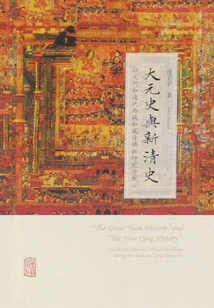
Shen Weirong
This manuscript is a compilation of a group of articles by the author on the theoretical research on Mongolian, Yuan and Qing history in recent years. It is a collection of essays by scholars of historical theory.
This manuscript is a compilation of a group of articles by the author on the theoretical research on Mongolian, Yuan and Qing history in recent years. It is a collection of essays by scholars of historical theory.
从南山寻找海上丝绸之路踪迹
Jiang Guanghua
Nanshan, Shenzhen, the pioneer of China's reform and opening up, is on its way to the "Silicon Valley of the South" and, under the guidance of the "One Belt, One Road" initiative, is seeking new excitement: looking to the ocean and building a new hub for the Maritime Silk Road.
Nanshan, Shenzhen, the pioneer of China's reform and opening up, is on its way to the "Silicon Valley of the South" and, under the guidance of the "One Belt, One Road" initiative, is seeking new excitement: looking to the ocean and building a new hub for the Maritime Silk Road.
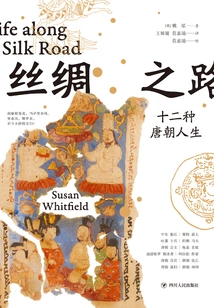
丝绸之路:十二种唐朝人生
(english) Wei Hong
From the 8th century to the 10th century AD, the Tang Dynasty turned from prosperity to decline, and the situation in the Western Regions was turbulent. In the long history of the Tang Dynasty, we can see the Middle Eastern captain Tazena who was eventually buried in the ocean, the Tibetan soldier Seglatun who was defeated in the Iron Blade City, Princess Taihe who went to Mobei, and the prostitute Lerishka who wandered throughout her life... Both nobles and people are trying to grasp the rhythm of fate and try to survive. It is this life trajectory that has illuminated the Silk Road for more than two thousand years, and has followed history to the present.
From the 8th century to the 10th century AD, the Tang Dynasty turned from prosperity to decline, and the situation in the Western Regions was turbulent. In the long history of the Tang Dynasty, we can see the Middle Eastern captain Tazena who was eventually buried in the ocean, the Tibetan soldier Seglatun who was defeated in the Iron Blade City, Princess Taihe who went to Mobei, and the prostitute Lerishka who wandered throughout her life... Both nobles and people are trying to grasp the rhythm of fate and try to survive. It is this life trajectory that has illuminated the Silk Road for more than two thousand years, and has followed history to the present.
皇宫留谜(上)
Wen Ming Zhang Lin
China is a huge country with a splendid civilization history of five thousand years and full of vitality and vitality. The Chinese nation has long been standing in the east of the world, and has continued for hundreds of generations.
China is a huge country with a splendid civilization history of five thousand years and full of vitality and vitality. The Chinese nation has long been standing in the east of the world, and has continued for hundreds of generations.
皇宫留谜(下)
Wen Ming Zhang Lin
China is a huge country with a splendid civilization history of five thousand years and full of vitality and vitality. The Chinese nation has long been standing in the east of the world, and has continued for hundreds of generations.
China is a huge country with a splendid civilization history of five thousand years and full of vitality and vitality. The Chinese nation has long been standing in the east of the world, and has continued for hundreds of generations.
At Home and Abroad (part 2)
History国门内外(下)
Wen Ming Zhang Lin
China is a huge country with a splendid civilization history of five thousand years and full of vitality and vitality. The Chinese nation has long been standing in the east of the world, and has continued for hundreds of generations.
China is a huge country with a splendid civilization history of five thousand years and full of vitality and vitality. The Chinese nation has long been standing in the east of the world, and has continued for hundreds of generations.
At Home and Abroad (part 1)
History国门内外(上)
Wen Ming Zhang Lin
China is a huge country with a splendid civilization history of five thousand years and full of vitality and vitality. The Chinese nation has long been standing in the east of the world, and has continued for hundreds of generations.
China is a huge country with a splendid civilization history of five thousand years and full of vitality and vitality. The Chinese nation has long been standing in the east of the world, and has continued for hundreds of generations.
疑案寻踪(下)
Wen Ming Zhang Lin
China is a huge country with a splendid civilization history of five thousand years and full of vitality and vitality. The Chinese nation has long been standing in the east of the world, and has continued for hundreds of generations.
China is a huge country with a splendid civilization history of five thousand years and full of vitality and vitality. The Chinese nation has long been standing in the east of the world, and has continued for hundreds of generations.