Library
Browse and search books
3,417 novels found
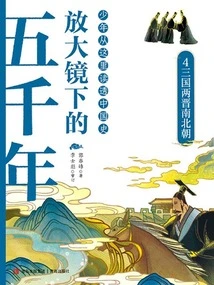
放大镜下的五千年4:三国两晋南北朝
Guo Chunfeng
"Five Thousand Years Under a Magnifying Glass" is a set of Chinese history books specially written for teenagers. On the basis of systematically sorting out the development of Chinese history, the author uses clear and interesting writing to narrate the important historical figures and historical events in Chinese history. At the same time, the author uses problem awareness and historical thinking throughout the book, focusing on inspiring young people to explore the laws of historical evolution. In addition, the book also covers geography, economy, culture, art, officials, institutions, diplomacy, military and other aspects. It focuses on the comparison of Chinese and foreign history at the same time, and builds a true, rich, three-dimensional and interesting "big history" for young people, leading them into the colorful historical world, understanding Chinese history, and laying the foundation for their lifelong history learning.
"Five Thousand Years Under a Magnifying Glass" is a set of Chinese history books specially written for teenagers. On the basis of systematically sorting out the development of Chinese history, the author uses clear and interesting writing to narrate the important historical figures and historical events in Chinese history. At the same time, the author uses problem awareness and historical thinking throughout the book, focusing on inspiring young people to explore the laws of historical evolution. In addition, the book also covers geography, economy, culture, art, officials, institutions, diplomacy, military and other aspects. It focuses on the comparison of Chinese and foreign history at the same time, and builds a true, rich, three-dimensional and interesting "big history" for young people, leading them into the colorful historical world, understanding Chinese history, and laying the foundation for their lifelong history learning.
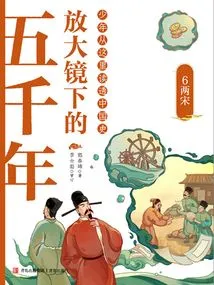
放大镜下的五千年6:两宋
Guo Chunfeng
"Five Thousand Years Under a Magnifying Glass" is a set of Chinese history books specially written for teenagers. On the basis of systematically sorting out the development of Chinese history, the author uses clear and interesting writing to narrate the important historical figures and historical events in Chinese history. At the same time, the author uses problem awareness and historical thinking throughout the book, focusing on inspiring young people to explore the laws of historical evolution. In addition, the book also covers geography, economy, culture, art, officials, institutions, diplomacy, military and other aspects. It focuses on the comparison of Chinese and foreign history at the same time, and builds a true, rich, three-dimensional and interesting "big history" for young people, leading them into the colorful historical world, understanding Chinese history, and laying the foundation for their lifelong history learning.
"Five Thousand Years Under a Magnifying Glass" is a set of Chinese history books specially written for teenagers. On the basis of systematically sorting out the development of Chinese history, the author uses clear and interesting writing to narrate the important historical figures and historical events in Chinese history. At the same time, the author uses problem awareness and historical thinking throughout the book, focusing on inspiring young people to explore the laws of historical evolution. In addition, the book also covers geography, economy, culture, art, officials, institutions, diplomacy, military and other aspects. It focuses on the comparison of Chinese and foreign history at the same time, and builds a true, rich, three-dimensional and interesting "big history" for young people, leading them into the colorful historical world, understanding Chinese history, and laying the foundation for their lifelong history learning.
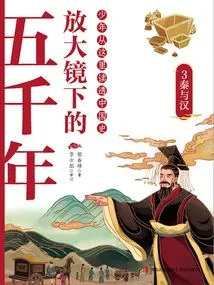
放大镜下的五千年3:秦与汉
Guo Chunfeng
"Five Thousand Years Under a Magnifying Glass" is a set of Chinese history books specially written for teenagers. On the basis of systematically sorting out the development of Chinese history, the author uses clear and interesting writing to narrate the important historical figures and historical events in Chinese history. At the same time, the author uses problem awareness and historical thinking throughout the book, focusing on inspiring young people to explore the laws of historical evolution. In addition, the book also covers geography, economy, culture, art, officials, institutions, diplomacy, military and other aspects. It focuses on the comparison of Chinese and foreign history at the same time, and builds a true, rich, three-dimensional and interesting "big history" for young people, leading them into the colorful historical world, understanding Chinese history, and laying the foundation for their lifelong history learning.
"Five Thousand Years Under a Magnifying Glass" is a set of Chinese history books specially written for teenagers. On the basis of systematically sorting out the development of Chinese history, the author uses clear and interesting writing to narrate the important historical figures and historical events in Chinese history. At the same time, the author uses problem awareness and historical thinking throughout the book, focusing on inspiring young people to explore the laws of historical evolution. In addition, the book also covers geography, economy, culture, art, officials, institutions, diplomacy, military and other aspects. It focuses on the comparison of Chinese and foreign history at the same time, and builds a true, rich, three-dimensional and interesting "big history" for young people, leading them into the colorful historical world, understanding Chinese history, and laying the foundation for their lifelong history learning.
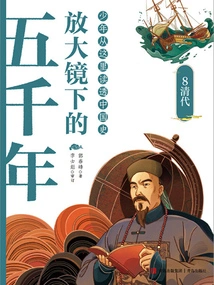
放大镜下的五千年8:清代
Guo Chunfeng
"Five Thousand Years Under a Magnifying Glass" is a set of Chinese history books specially written for teenagers. On the basis of systematically sorting out the development of Chinese history, the author uses clear and interesting writing to narrate the important historical figures and historical events in Chinese history. At the same time, the author uses problem awareness and historical thinking throughout the book, focusing on inspiring young people to explore the laws of historical evolution. In addition, the book also covers geography, economy, culture, art, officials, institutions, diplomacy, military and other aspects. It focuses on the comparison of Chinese and foreign history at the same time, and builds a true, rich, three-dimensional and interesting "big history" for young people, leading them into the colorful historical world, understanding Chinese history, and laying the foundation for their lifelong history learning.
"Five Thousand Years Under a Magnifying Glass" is a set of Chinese history books specially written for teenagers. On the basis of systematically sorting out the development of Chinese history, the author uses clear and interesting writing to narrate the important historical figures and historical events in Chinese history. At the same time, the author uses problem awareness and historical thinking throughout the book, focusing on inspiring young people to explore the laws of historical evolution. In addition, the book also covers geography, economy, culture, art, officials, institutions, diplomacy, military and other aspects. It focuses on the comparison of Chinese and foreign history at the same time, and builds a true, rich, three-dimensional and interesting "big history" for young people, leading them into the colorful historical world, understanding Chinese history, and laying the foundation for their lifelong history learning.
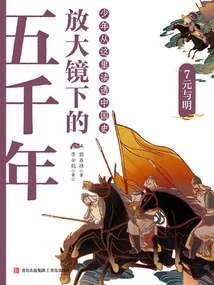
放大镜下的五千年7:元与明
Guo Chunfeng
"Five Thousand Years Under a Magnifying Glass" is a set of Chinese history books specially written for teenagers. On the basis of systematically sorting out the development of Chinese history, the author uses clear and interesting writing to narrate the important historical figures and historical events in Chinese history. At the same time, the author uses problem awareness and historical thinking throughout the book, focusing on inspiring young people to explore the laws of historical evolution. In addition, the book also covers geography, economy, culture, art, officials, institutions, diplomacy, military and other aspects. It focuses on the comparison of Chinese and foreign history at the same time, and builds a true, rich, three-dimensional and interesting "big history" for young people, leading them into the colorful historical world, understanding Chinese history, and laying the foundation for their lifelong history learning.
"Five Thousand Years Under a Magnifying Glass" is a set of Chinese history books specially written for teenagers. On the basis of systematically sorting out the development of Chinese history, the author uses clear and interesting writing to narrate the important historical figures and historical events in Chinese history. At the same time, the author uses problem awareness and historical thinking throughout the book, focusing on inspiring young people to explore the laws of historical evolution. In addition, the book also covers geography, economy, culture, art, officials, institutions, diplomacy, military and other aspects. It focuses on the comparison of Chinese and foreign history at the same time, and builds a true, rich, three-dimensional and interesting "big history" for young people, leading them into the colorful historical world, understanding Chinese history, and laying the foundation for their lifelong history learning.
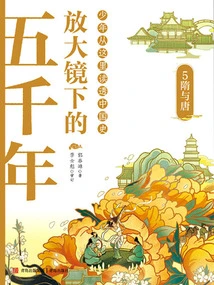
放大镜下的五千年5:隋与唐
Guo Chunfeng
"Five Thousand Years Under a Magnifying Glass" is a set of Chinese history books specially written for teenagers. On the basis of systematically sorting out the development of Chinese history, the author uses clear and interesting writing to narrate the important historical figures and historical events in Chinese history. At the same time, the author uses problem awareness and historical thinking throughout the book, focusing on inspiring young people to explore the laws of historical evolution. In addition, the book also covers geography, economy, culture, art, officials, institutions, diplomacy, military and other aspects. It focuses on the comparison of Chinese and foreign history at the same time, and builds a true, rich, three-dimensional and interesting "big history" for young people, leading them into the colorful historical world, understanding Chinese history, and laying the foundation for their lifelong history learning.
"Five Thousand Years Under a Magnifying Glass" is a set of Chinese history books specially written for teenagers. On the basis of systematically sorting out the development of Chinese history, the author uses clear and interesting writing to narrate the important historical figures and historical events in Chinese history. At the same time, the author uses problem awareness and historical thinking throughout the book, focusing on inspiring young people to explore the laws of historical evolution. In addition, the book also covers geography, economy, culture, art, officials, institutions, diplomacy, military and other aspects. It focuses on the comparison of Chinese and foreign history at the same time, and builds a true, rich, three-dimensional and interesting "big history" for young people, leading them into the colorful historical world, understanding Chinese history, and laying the foundation for their lifelong history learning.
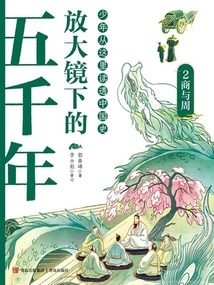
放大镜下的五千年2:商与周
Guo Chunfeng
"Five Thousand Years Under a Magnifying Glass" is a set of Chinese history books specially written for teenagers. On the basis of systematically sorting out the development of Chinese history, the author uses clear and interesting writing to narrate the important historical figures and historical events in Chinese history. At the same time, the author uses problem awareness and historical thinking throughout the book, focusing on inspiring young people to explore the laws of historical evolution. In addition, the book also covers geography, economy, culture, art, officials, institutions, diplomacy, military and other aspects. It focuses on the comparison of Chinese and foreign history at the same time, and builds a true, rich, three-dimensional and interesting "big history" for young people, leading them into the colorful historical world, understanding Chinese history, and laying the foundation for their lifelong history learning.
"Five Thousand Years Under a Magnifying Glass" is a set of Chinese history books specially written for teenagers. On the basis of systematically sorting out the development of Chinese history, the author uses clear and interesting writing to narrate the important historical figures and historical events in Chinese history. At the same time, the author uses problem awareness and historical thinking throughout the book, focusing on inspiring young people to explore the laws of historical evolution. In addition, the book also covers geography, economy, culture, art, officials, institutions, diplomacy, military and other aspects. It focuses on the comparison of Chinese and foreign history at the same time, and builds a true, rich, three-dimensional and interesting "big history" for young people, leading them into the colorful historical world, understanding Chinese history, and laying the foundation for their lifelong history learning.
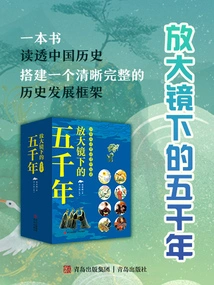
放大镜下的五千年:完整历史框架,读透中国历史(套装八册)
Guo Chunfeng
"Five Thousand Years Under a Magnifying Glass" is a set of Chinese history books specially written for teenagers. On the basis of systematically sorting out the development of Chinese history, the author uses clear and interesting writing to narrate the important historical figures and historical events in Chinese history. At the same time, the author uses problem awareness and historical thinking throughout the book, focusing on inspiring young people to explore the laws of historical evolution. In addition, the book also covers geography, economy, culture, art, officials, institutions, diplomacy, military and other aspects. It focuses on the comparison of Chinese and foreign history at the same time, and builds a true, rich, three-dimensional and interesting "big history" for young people, leading them into the colorful historical world, understanding Chinese history, and laying the foundation for their lifelong history learning.
"Five Thousand Years Under a Magnifying Glass" is a set of Chinese history books specially written for teenagers. On the basis of systematically sorting out the development of Chinese history, the author uses clear and interesting writing to narrate the important historical figures and historical events in Chinese history. At the same time, the author uses problem awareness and historical thinking throughout the book, focusing on inspiring young people to explore the laws of historical evolution. In addition, the book also covers geography, economy, culture, art, officials, institutions, diplomacy, military and other aspects. It focuses on the comparison of Chinese and foreign history at the same time, and builds a true, rich, three-dimensional and interesting "big history" for young people, leading them into the colorful historical world, understanding Chinese history, and laying the foundation for their lifelong history learning.
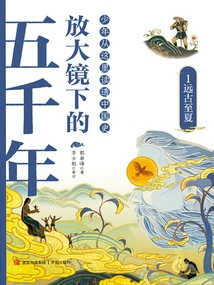
放大镜下的五千年1:远古至夏
Guo Chunfeng
"Five Thousand Years Under a Magnifying Glass" is a set of Chinese history books specially written for teenagers. On the basis of systematically sorting out the development of Chinese history, the author uses clear and interesting writing to narrate the important historical figures and historical events in Chinese history. At the same time, the author uses problem awareness and historical thinking throughout the book, focusing on inspiring young people to explore the laws of historical evolution. In addition, the book also covers geography, economy, culture, art, officials, institutions, diplomacy, military and other aspects. It focuses on the comparison of Chinese and foreign history at the same time, and builds a true, rich, three-dimensional and interesting "big history" for young people, leading them into the colorful historical world, understanding Chinese history, and laying the foundation for their lifelong history learning.
"Five Thousand Years Under a Magnifying Glass" is a set of Chinese history books specially written for teenagers. On the basis of systematically sorting out the development of Chinese history, the author uses clear and interesting writing to narrate the important historical figures and historical events in Chinese history. At the same time, the author uses problem awareness and historical thinking throughout the book, focusing on inspiring young people to explore the laws of historical evolution. In addition, the book also covers geography, economy, culture, art, officials, institutions, diplomacy, military and other aspects. It focuses on the comparison of Chinese and foreign history at the same time, and builds a true, rich, three-dimensional and interesting "big history" for young people, leading them into the colorful historical world, understanding Chinese history, and laying the foundation for their lifelong history learning.
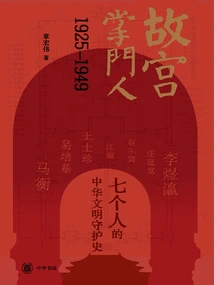
故宫掌门人(1925—1949)
Zhang Hongwei
As the imperial palace of the Ming and Qing dynasties, how did the Forbidden City evolve into the museum it is today? In the process of evolution, who is planning for its future and trying every means to preserve its cultural relics, treasures and historical relics? In that turbulent era, what history did it and its successive leaders experience and witness? This is exactly the question Zhang Hongwei, the author of this book, wants to answer. From October 23, 1924, when Feng Yuxiang launched a coup in Beijing to expel Puyi from the palace, and October 10, 1925, when the Palace Museum was established, to 1949, the precarious Forbidden City witnessed the wisdom and courage of its seven leaders, Li Yuying, Zhuang Yunkuan, Zhao Erxun, Jiang Han, Wang Shizhen, Yi Peiji, and Ma Heng. Amid the great changes in cultural politics, they and thousands of people of insight have built an impenetrable line of defense to protect the Forbidden City and China's precious cultural heritage. This book is equipped with more than 100 important and rare historical pictures, and the "Picture Description" section at the end of the book is equipped with more than 30 color pictures, presenting the splendid and long historical and cultural implications of the Forbidden City.
As the imperial palace of the Ming and Qing dynasties, how did the Forbidden City evolve into the museum it is today? In the process of evolution, who is planning for its future and trying every means to preserve its cultural relics, treasures and historical relics? In that turbulent era, what history did it and its successive leaders experience and witness? This is exactly the question Zhang Hongwei, the author of this book, wants to answer. From October 23, 1924, when Feng Yuxiang launched a coup in Beijing to expel Puyi from the palace, and October 10, 1925, when the Palace Museum was established, to 1949, the precarious Forbidden City witnessed the wisdom and courage of its seven leaders, Li Yuying, Zhuang Yunkuan, Zhao Erxun, Jiang Han, Wang Shizhen, Yi Peiji, and Ma Heng. Amid the great changes in cultural politics, they and thousands of people of insight have built an impenetrable line of defense to protect the Forbidden City and China's precious cultural heritage. This book is equipped with more than 100 important and rare historical pictures, and the "Picture Description" section at the end of the book is equipped with more than 30 color pictures, presenting the splendid and long historical and cultural implications of the Forbidden City.
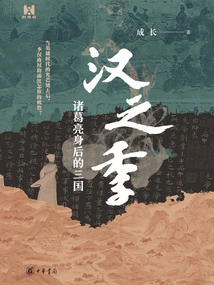
汉之季:诸葛亮身后的三国
Growing Up
This book focuses on the Three Kingdoms after the twelfth year of the founding of the Shu Han Dynasty (234). Starting from this year, the Three Kingdoms faded away from the glory of heroes and showed the true background of history. After the three kingdoms of Wei, Shu, and Wu experienced the thorny path of the founding generation, they began to face their own difficulties: the legitimacy of the founding of the country, the transition of power between generations, the discord between the monarch and the powerful ministers, the change of military strategy, the rise of meritorious sons, the intensification of ethnic conflicts on the border, etc. Putting them in the complex relationship of conflicts, alliances, and checks and balances between the three regimes, they take on special significance. From 234 to 263, the year when the Shu Han fell, it was the "post-Zhuge Liang era" of the Shu Han for thirty years. As the weakest country among the Three Kingdoms, the Shu Han regime still maintains its tenacious vitality. The game between imperial power and prime minister power, the struggle between the "new people" and the "old people", the debate between the Northern Expedition and self-preservation, and the subtle alliance between Wu and Shu, together constitute an excellent perspective from which to observe the Three Kingdoms. Jiang Wan, Fei Yi, Jiang Wei, Wang Ping, Zhuge Zhan, Luo Xian, Chen Shou... And even the later master Liu Chan, they only really appeared in this period. Amidst the ups and downs of the Shu Han regime, there are still many intriguing stories.
This book focuses on the Three Kingdoms after the twelfth year of the founding of the Shu Han Dynasty (234). Starting from this year, the Three Kingdoms faded away from the glory of heroes and showed the true background of history. After the three kingdoms of Wei, Shu, and Wu experienced the thorny path of the founding generation, they began to face their own difficulties: the legitimacy of the founding of the country, the transition of power between generations, the discord between the monarch and the powerful ministers, the change of military strategy, the rise of meritorious sons, the intensification of ethnic conflicts on the border, etc. Putting them in the complex relationship of conflicts, alliances, and checks and balances between the three regimes, they take on special significance. From 234 to 263, the year when the Shu Han fell, it was the "post-Zhuge Liang era" of the Shu Han for thirty years. As the weakest country among the Three Kingdoms, the Shu Han regime still maintains its tenacious vitality. The game between imperial power and prime minister power, the struggle between the "new people" and the "old people", the debate between the Northern Expedition and self-preservation, and the subtle alliance between Wu and Shu, together constitute an excellent perspective from which to observe the Three Kingdoms. Jiang Wan, Fei Yi, Jiang Wei, Wang Ping, Zhuge Zhan, Luo Xian, Chen Shou... And even the later master Liu Chan, they only really appeared in this period. Amidst the ups and downs of the Shu Han regime, there are still many intriguing stories.
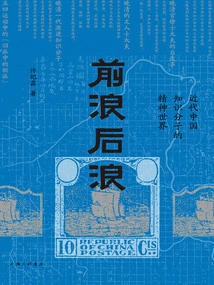
前浪后浪:近代中国知识分子的精神世界
Xu Jilin
"The Waves Before and After", flying over a hundred years, starts anew on the historical extension of the previous brother book "Pulsing China", continues to explore the spiritual roots of contemporary Chinese people, focuses on case studies of the mental journeys of hundreds of intellectual elites, and pays attention to our China in the past hundred years. Without the late Qing Dynasty, there would be no May Fourth Movement; without the May Fourth Movement, how would there be a revolution? Many of the secrets of the Chinese revolution can be traced back to the radical intellectuals of the late Qing Dynasty. Throughout the history of modern Chinese intellectuals, we can see two lines, three generational changes and four internal divisions. In a sense, the changing times and internal differentiation of modern Chinese intellectuals reflect the depth and breadth of their inner spiritual world, as well as the richness and complexity of the historical world of modern China.
"The Waves Before and After", flying over a hundred years, starts anew on the historical extension of the previous brother book "Pulsing China", continues to explore the spiritual roots of contemporary Chinese people, focuses on case studies of the mental journeys of hundreds of intellectual elites, and pays attention to our China in the past hundred years. Without the late Qing Dynasty, there would be no May Fourth Movement; without the May Fourth Movement, how would there be a revolution? Many of the secrets of the Chinese revolution can be traced back to the radical intellectuals of the late Qing Dynasty. Throughout the history of modern Chinese intellectuals, we can see two lines, three generational changes and four internal divisions. In a sense, the changing times and internal differentiation of modern Chinese intellectuals reflect the depth and breadth of their inner spiritual world, as well as the richness and complexity of the historical world of modern China.
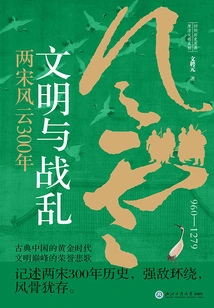
文明与战乱:两宋风云300年
Wen Pinyuan
This book completely tells the history of more than 300 years from the founding of Zhao Kuangyin to the fall of the Southern Song Dynasty. Let's go back to the original classic with you and tell the story of the rise and fall of the two Song Dynasties. Through the replacement of 18 emperors in the two Song Dynasties, the character of the civil servants and the heroism of the military commanders show the changes within the two Song Dynasties and the stormy years of resisting powerful enemies from abroad. Travel through time, deeply explore the rise and fall of the two Song Dynasties, and feel the glory and vicissitudes of that era. Abandon second-hand interpretations, go straight to the original historical materials, discover the truth hidden in the depths of time, and appreciate the continuous ups and downs of Chinese civilization.
This book completely tells the history of more than 300 years from the founding of Zhao Kuangyin to the fall of the Southern Song Dynasty. Let's go back to the original classic with you and tell the story of the rise and fall of the two Song Dynasties. Through the replacement of 18 emperors in the two Song Dynasties, the character of the civil servants and the heroism of the military commanders show the changes within the two Song Dynasties and the stormy years of resisting powerful enemies from abroad. Travel through time, deeply explore the rise and fall of the two Song Dynasties, and feel the glory and vicissitudes of that era. Abandon second-hand interpretations, go straight to the original historical materials, discover the truth hidden in the depths of time, and appreciate the continuous ups and downs of Chinese civilization.
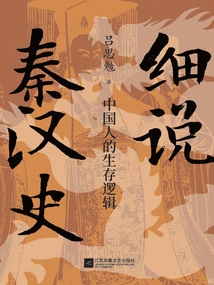
A Closer Look at the History of the Qin and Han Dynasties: the Survival Logic of the Chinese People
History细说秦汉史:中国人的生存逻辑
Lu Simian
The Qin and Han Dynasties were a prosperous period in the history of our country. The political, military, and economic systems formed profoundly affected the historical process of China for more than two thousand years, determined the basic pattern of Chinese culture, and left a profound impact on future generations. To understand ancient China, one must read the history of Qin and Han Dynasties carefully. This book has detailed research and unique insights. It has been reprinted many times since its publication. It is one of the basic reference books for studying the history of Qin and Han Dynasties and has high academic value. The book is divided into twenty chapters. The first twelve chapters talk about the rise and fall of dynasties and the changes of dynasties. The last eight chapters talk about the social economy, culture and religion of the Qin and Han Dynasties. It not only makes a comprehensive and systematic narrative, but also grasps the key points, and also makes a detailed discussion of the social economy, political system, and cultural academics of the Qin and Han Dynasties. Let us follow Mr. Lu Simian's writing to explore the formation, development and changes of powerful dynasties in Chinese history.
The Qin and Han Dynasties were a prosperous period in the history of our country. The political, military, and economic systems formed profoundly affected the historical process of China for more than two thousand years, determined the basic pattern of Chinese culture, and left a profound impact on future generations. To understand ancient China, one must read the history of Qin and Han Dynasties carefully. This book has detailed research and unique insights. It has been reprinted many times since its publication. It is one of the basic reference books for studying the history of Qin and Han Dynasties and has high academic value. The book is divided into twenty chapters. The first twelve chapters talk about the rise and fall of dynasties and the changes of dynasties. The last eight chapters talk about the social economy, culture and religion of the Qin and Han Dynasties. It not only makes a comprehensive and systematic narrative, but also grasps the key points, and also makes a detailed discussion of the social economy, political system, and cultural academics of the Qin and Han Dynasties. Let us follow Mr. Lu Simian's writing to explore the formation, development and changes of powerful dynasties in Chinese history.
晚清最后十八年(全4册)
Huang Zhijun
Reform is a consensus, the biggest benefit cake of the late Qing Dynasty, and it is also a duel ground for factional politics. Whether it is the Empress Dowager Cixi, the royalists, the Manchu dignitaries, or the pro-Western forces and the Boxer Rebellion, everyone is involved in it and takes turns to appear. In the end, the Eight-Power Allied Forces came to Beijing under the guise of protecting the embassy. The turbulent and chaotic situation of the Qing Dynasty was finally reshuffled, with some people being eliminated and others taking over. When the reform finally had to be pushed onto the fast track, the Manchu royal family and the powerful Yuan Shikai launched a desperate struggle for the leadership of the reform. With a gunshot in Wuchang City, the revolutionaries shouted exciting slogans and stepped into the center of power. A new round of intricate overt and covert struggles between Yuan Shikai, Song Jiaoren and Sun Yat-sen kicked off... Behind the seemingly absurd and strange historical events, there is an extremely clear choice of interests and power game.
Reform is a consensus, the biggest benefit cake of the late Qing Dynasty, and it is also a duel ground for factional politics. Whether it is the Empress Dowager Cixi, the royalists, the Manchu dignitaries, or the pro-Western forces and the Boxer Rebellion, everyone is involved in it and takes turns to appear. In the end, the Eight-Power Allied Forces came to Beijing under the guise of protecting the embassy. The turbulent and chaotic situation of the Qing Dynasty was finally reshuffled, with some people being eliminated and others taking over. When the reform finally had to be pushed onto the fast track, the Manchu royal family and the powerful Yuan Shikai launched a desperate struggle for the leadership of the reform. With a gunshot in Wuchang City, the revolutionaries shouted exciting slogans and stepped into the center of power. A new round of intricate overt and covert struggles between Yuan Shikai, Song Jiaoren and Sun Yat-sen kicked off... Behind the seemingly absurd and strange historical events, there is an extremely clear choice of interests and power game.
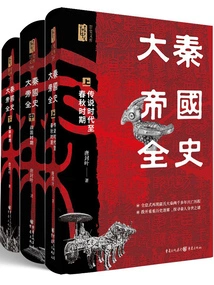
大秦帝国全史
Tang Fengye
An encyclopedia about the Ying family in Qin! This book is divided into three volumes from the Legendary Era to the Spring and Autumn Period, the Warring States Period, and the Qin Dynasty. The content of the book starts from the legendary female cultivator who swallowed eggs and gave birth to a child, Boyi was given the surname Ying, and ended with the demise of the Qin Dynasty and the murder of Ziying. It takes the development of time and the administration and deeds of the Qin kings as the main line, comprehensively integrates handed down historical materials, the latest archaeological documents and research results, and uses rigorous academic methods. With a technical attitude, relaxed and plain language, and more than 100 hand-drawn maps of important battles and activities, the book paints a huge picture of the ups and downs of the Qin people in more than two thousand years, from a tribe to a vassal regime and a vassal state, to the unification of the world and their sudden collapse. This book introduces the politics, military, economy, diplomatic relations, culture and people's lives of the Qin Dynasty and the major vassal states at that time. It also discusses the reasons for the rise and fall of the Qin people. It also provides unique insights into some historical mysteries. It is a popular version of "The Complete History of the Qin Dynasty".
An encyclopedia about the Ying family in Qin! This book is divided into three volumes from the Legendary Era to the Spring and Autumn Period, the Warring States Period, and the Qin Dynasty. The content of the book starts from the legendary female cultivator who swallowed eggs and gave birth to a child, Boyi was given the surname Ying, and ended with the demise of the Qin Dynasty and the murder of Ziying. It takes the development of time and the administration and deeds of the Qin kings as the main line, comprehensively integrates handed down historical materials, the latest archaeological documents and research results, and uses rigorous academic methods. With a technical attitude, relaxed and plain language, and more than 100 hand-drawn maps of important battles and activities, the book paints a huge picture of the ups and downs of the Qin people in more than two thousand years, from a tribe to a vassal regime and a vassal state, to the unification of the world and their sudden collapse. This book introduces the politics, military, economy, diplomatic relations, culture and people's lives of the Qin Dynasty and the major vassal states at that time. It also discusses the reasons for the rise and fall of the Qin people. It also provides unique insights into some historical mysteries. It is a popular version of "The Complete History of the Qin Dynasty".
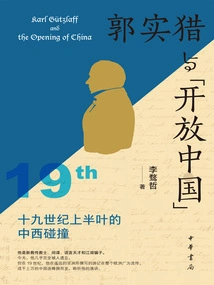
郭实猎与“开放中国”:19世纪上半叶的中西碰撞
Li Yunzhe
Prussian Karl Gützlaff is a key figure in the history of modern Sino-foreign relations. He has an arrogant and arrogant personality and acts in an exaggerated and high-profile manner. With his extraordinary language genius, he was the first to break through the Qing government's maritime ban in the early 1830s. Since then, he has played multiple roles as an opium merchant, a British business supervisor, a translator, a staff officer, an intelligence officer, a colonial official and a missionary for the British invaders and the British Hong Kong government. He is the editor of the first Chinese journal in China, "Xiyang Kao Monthly Tongji Biography", and the founder of the Han Hui, the earliest inland missionary society in China. He wrote essays and travel notes in Chinese, English, German, Dutch and other languages, which had a great influence. He is a key clue for future generations to understand the collision process between China and the West in the first half of the 19th century, but his behavior and image are full of contradictions, confusing and difficult to distinguish. The controversy about him still remains. This book starts from the newly discovered special collections of Leiden University, Anglican Church archives, Dutch Missionary Society archives and other documents, and cross-examines documents in English, German, Dutch, Chinese and other languages, trying to re-outline the historical image of Guo Shilie, and then reveal the role of public opinion and practical influence he played in the process of "opening up China".
Prussian Karl Gützlaff is a key figure in the history of modern Sino-foreign relations. He has an arrogant and arrogant personality and acts in an exaggerated and high-profile manner. With his extraordinary language genius, he was the first to break through the Qing government's maritime ban in the early 1830s. Since then, he has played multiple roles as an opium merchant, a British business supervisor, a translator, a staff officer, an intelligence officer, a colonial official and a missionary for the British invaders and the British Hong Kong government. He is the editor of the first Chinese journal in China, "Xiyang Kao Monthly Tongji Biography", and the founder of the Han Hui, the earliest inland missionary society in China. He wrote essays and travel notes in Chinese, English, German, Dutch and other languages, which had a great influence. He is a key clue for future generations to understand the collision process between China and the West in the first half of the 19th century, but his behavior and image are full of contradictions, confusing and difficult to distinguish. The controversy about him still remains. This book starts from the newly discovered special collections of Leiden University, Anglican Church archives, Dutch Missionary Society archives and other documents, and cross-examines documents in English, German, Dutch, Chinese and other languages, trying to re-outline the historical image of Guo Shilie, and then reveal the role of public opinion and practical influence he played in the process of "opening up China".
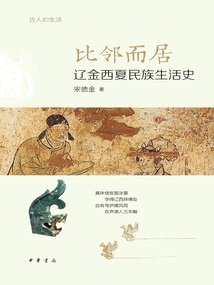
比邻而居:辽金西夏民族生活史(古人的生活)
Song Dejin
During the Liao, Jin, and Xixia periods, the land of China moved from division to unity. This book tells about the daily life of the Khitan, Jurchen, Dangxiang and other ethnic groups. It combines historical documents, cultural relics and archaeological results to vividly reproduce the customs, etiquette and culture of each ethnic group in clothing, food, housing and transportation during this period. It uses small things to see the big things and shows the general trend of social changes and ethnic integration.
During the Liao, Jin, and Xixia periods, the land of China moved from division to unity. This book tells about the daily life of the Khitan, Jurchen, Dangxiang and other ethnic groups. It combines historical documents, cultural relics and archaeological results to vividly reproduce the customs, etiquette and culture of each ethnic group in clothing, food, housing and transportation during this period. It uses small things to see the big things and shows the general trend of social changes and ethnic integration.
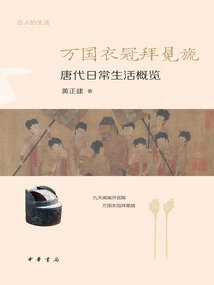
万国衣冠拜冕旒:唐代日常生活概览(古人的生活)
Huang Zhengjian
What was people's daily life like in the prosperous and open Tang Dynasty? From the four basic aspects of clothing, food, housing, and transportation, this book studies the living habits, customs, and etiquette of people of different identities, regions, and ethnic groups in the Tang Dynasty, as well as the exchanges and integration between various groups. With detailed materials and rich pictures, this book leads readers to go deep into history and restore the true, interesting, and detailed life of the Tang Dynasty.
What was people's daily life like in the prosperous and open Tang Dynasty? From the four basic aspects of clothing, food, housing, and transportation, this book studies the living habits, customs, and etiquette of people of different identities, regions, and ethnic groups in the Tang Dynasty, as well as the exchanges and integration between various groups. With detailed materials and rich pictures, this book leads readers to go deep into history and restore the true, interesting, and detailed life of the Tang Dynasty.
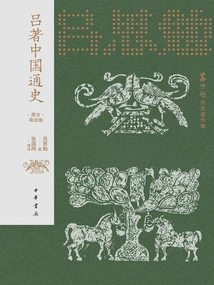
吕思勉历史著作集:吕著中国通史(图文导读版)
Written By Lu Simian And Read By Zhang Guogang
"General History of China by Lu" was originally written by Mr. Lu Simian when Shanghai became an "isolated island" during the Anti-Japanese War to meet the needs of university teaching at that time. The first volume was published by Shanghai Kaiming Bookstore in 1940, and the second volume was not published until four years later. The first volume (Part 1) is "Chinese Cultural History". The author imitates the canonical system of ancient history books and discusses eighteen topics such as marriage, clan system, political system, class, property, official system, election, taxation, and military system from a macro-cultural perspective; the second volume (Part 2) is Chinese political history, describing the rise and fall of nearly twenty dynasties. The author not only narrates eighteen cultural topics and the main aspects of the history of the rise and fall of dynasties, but also has many wonderful comments. This new edition has corrected some errors in the text, provided phonetic notations and brief annotations for individual rare words, and segmented longer paragraphs. At the same time, it is equipped with more than 170 pictures. Mr. Zhang Genghua, a professor of the History Department of East China Normal University, was invited to read the full text. Mr. Zhang Guogang, a senior professor of liberal arts at Tsinghua University, wrote an introduction. The illustrated and text-introduced version of "Lü's General History of China" is a high-quality general history work with beautiful pictures and texts.
"General History of China by Lu" was originally written by Mr. Lu Simian when Shanghai became an "isolated island" during the Anti-Japanese War to meet the needs of university teaching at that time. The first volume was published by Shanghai Kaiming Bookstore in 1940, and the second volume was not published until four years later. The first volume (Part 1) is "Chinese Cultural History". The author imitates the canonical system of ancient history books and discusses eighteen topics such as marriage, clan system, political system, class, property, official system, election, taxation, and military system from a macro-cultural perspective; the second volume (Part 2) is Chinese political history, describing the rise and fall of nearly twenty dynasties. The author not only narrates eighteen cultural topics and the main aspects of the history of the rise and fall of dynasties, but also has many wonderful comments. This new edition has corrected some errors in the text, provided phonetic notations and brief annotations for individual rare words, and segmented longer paragraphs. At the same time, it is equipped with more than 170 pictures. Mr. Zhang Genghua, a professor of the History Department of East China Normal University, was invited to read the full text. Mr. Zhang Guogang, a senior professor of liberal arts at Tsinghua University, wrote an introduction. The illustrated and text-introduced version of "Lü's General History of China" is a high-quality general history work with beautiful pictures and texts.
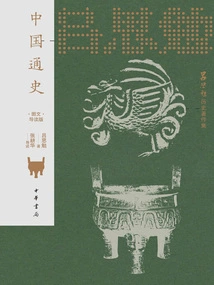
吕思勉历史著作集:中国通史(图文导读版)
Written By Lu Simian And Read By Zhang Genghua
Mr. Lu Simian is a great historian of the Republic of China, and his historical books are widely favored by readers. "General History of China" was originally a national history textbook written by Mr. Lu Simian for Fuxing Senior High School. It has been popular for more than 90 years since its publication. This general history is divided into six parts: introduction, ancient history, medieval history, modern history, modern history, and conclusion, summarizing the history of China from ancient times to the 1930s. Written in vernacular, the writing is smooth, and it has both historical facts and historical knowledge. It is recognized as an excellent work on general history. In this reprint, on the one hand, eight chapters have been added based on the revised version, extending the time to the 1940s, making the content of the modern history part of the fifth volume more substantial; on the other hand, some errors in the source of some words and quotations have been corrected, phonetics and simplified explanations have been added to rare words, and longer paragraphs have been appropriately segmented; it is also equipped with nearly 260 pictures, and Mr. Zhang Genghua, a professor of the History Department of East China Normal University, has been specially invited to write an introduction. The illustrated and text-guided version not only greatly enhances the "pleasant reading" experience of general history, but also helps deepen readers' understanding of the academic status of the book. It is an excellent book for readers to study Chinese history and understand traditional culture.
Mr. Lu Simian is a great historian of the Republic of China, and his historical books are widely favored by readers. "General History of China" was originally a national history textbook written by Mr. Lu Simian for Fuxing Senior High School. It has been popular for more than 90 years since its publication. This general history is divided into six parts: introduction, ancient history, medieval history, modern history, modern history, and conclusion, summarizing the history of China from ancient times to the 1930s. Written in vernacular, the writing is smooth, and it has both historical facts and historical knowledge. It is recognized as an excellent work on general history. In this reprint, on the one hand, eight chapters have been added based on the revised version, extending the time to the 1940s, making the content of the modern history part of the fifth volume more substantial; on the other hand, some errors in the source of some words and quotations have been corrected, phonetics and simplified explanations have been added to rare words, and longer paragraphs have been appropriately segmented; it is also equipped with nearly 260 pictures, and Mr. Zhang Genghua, a professor of the History Department of East China Normal University, has been specially invited to write an introduction. The illustrated and text-guided version not only greatly enhances the "pleasant reading" experience of general history, but also helps deepen readers' understanding of the academic status of the book. It is an excellent book for readers to study Chinese history and understand traditional culture.
中国通史选读(上册)
Editor Lei Haizong
Southwest Associated University was a wartime institution of higher learning established after the July 7th Incident. It brought together top domestic universities including the then National Peking University, National Tsinghua University, and private Nankai University. In just over eight years from its establishment to its closure, the teachers and students of this university experienced arduous years together with the Chinese people, wrote a glorious chapter, and created an immortal monument in the history of modern education in China.
Southwest Associated University was a wartime institution of higher learning established after the July 7th Incident. It brought together top domestic universities including the then National Peking University, National Tsinghua University, and private Nankai University. In just over eight years from its establishment to its closure, the teachers and students of this university experienced arduous years together with the Chinese people, wrote a glorious chapter, and created an immortal monument in the history of modern education in China.
中国通史选读(下册)
Editor Lei Haizong
Southwest Associated University was a wartime institution of higher learning established after the July 7th Incident. It brought together top domestic universities including the then National Peking University, National Tsinghua University, and private Nankai University. In just over eight years from its establishment to its closure, the teachers and students of this university experienced arduous years together with the Chinese people, wrote a glorious chapter, and created an immortal monument in the history of modern education in China.
Southwest Associated University was a wartime institution of higher learning established after the July 7th Incident. It brought together top domestic universities including the then National Peking University, National Tsinghua University, and private Nankai University. In just over eight years from its establishment to its closure, the teachers and students of this university experienced arduous years together with the Chinese people, wrote a glorious chapter, and created an immortal monument in the history of modern education in China.
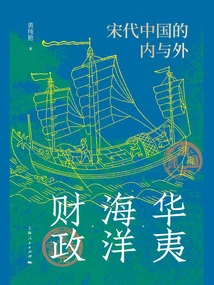
华夷·海洋·财政:宋代中国的内与外
Huang Chunyan
This book collects more than 30 papers and public lectures published by the author in the past four years, divided into five parts: "Hua Yi and Outside", "Ocean Civilization", "Financial Governance", "Dynamic Review" and "Notes and Essays". "Huayi and outside" involves the border form and boundary consciousness of the Song Dynasty, the concept of Huayi in the Song Dynasty, the unity of civilization from the perspective of the multi-regime structure of the Song Dynasty, the spread of Song Dynasty civilization to East Asian countries, etc.; "Marine civilization" includes the policy orientation of ancient China's overseas trade, the Song Dynasty's understanding of sea-land relations and its new changes, the domestic effects of the Song Dynasty's maritime policy, and maritime civilization in ancient Chinese civilization, etc.; "Financial governance" involves the Song Dynasty The institutional logic of the evolution of taxes and servitude during the dynasty, the reform of the financial power distribution system in Wang Anshi's reform, Wu Qian's use of fiscal systems in the governance of Qingyuan Mansion, the distribution of financial power and local governance in the Southern Song Dynasty, etc.; "Dynamic Review" and "Notes and Essays" include the author's main methods and review of the research on the financial history of the Song Dynasty, a review of the research on the economic history of the Southern Song Dynasty in the past 40 years, and the course notes of "Research Theory and Methods of Chinese Economic History", etc. It has certain academic value.
This book collects more than 30 papers and public lectures published by the author in the past four years, divided into five parts: "Hua Yi and Outside", "Ocean Civilization", "Financial Governance", "Dynamic Review" and "Notes and Essays". "Huayi and outside" involves the border form and boundary consciousness of the Song Dynasty, the concept of Huayi in the Song Dynasty, the unity of civilization from the perspective of the multi-regime structure of the Song Dynasty, the spread of Song Dynasty civilization to East Asian countries, etc.; "Marine civilization" includes the policy orientation of ancient China's overseas trade, the Song Dynasty's understanding of sea-land relations and its new changes, the domestic effects of the Song Dynasty's maritime policy, and maritime civilization in ancient Chinese civilization, etc.; "Financial governance" involves the Song Dynasty The institutional logic of the evolution of taxes and servitude during the dynasty, the reform of the financial power distribution system in Wang Anshi's reform, Wu Qian's use of fiscal systems in the governance of Qingyuan Mansion, the distribution of financial power and local governance in the Southern Song Dynasty, etc.; "Dynamic Review" and "Notes and Essays" include the author's main methods and review of the research on the financial history of the Song Dynasty, a review of the research on the economic history of the Southern Song Dynasty in the past 40 years, and the course notes of "Research Theory and Methods of Chinese Economic History", etc. It has certain academic value.
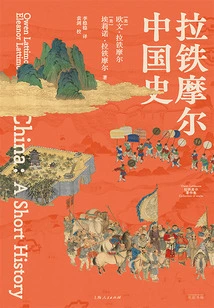
拉铁摩尔中国史(拉铁摩尔著作集)
(u. S.) Owen Lattimore Eleanor Lattimore
This book is a work written by the famous sinologists Lattimore and his wife based on many years of life and academic research experience in China. It is a unique and concise Chinese history work. This book is divided into four parts and twelve chapters, including "Land and People", "The Oldest Existing Civilization", "Modern China", and "China in the Modern World". It narrates the history of China from the Xia, Shang and Zhou dynasties to the 1940s in detail. In particular, it breaks the stereotype of "Hua Yi" in ancient historiography, and stands from the perspective of "homeland both inside and outside the Great Wall" , reinterpreted the laws of the rise and fall of China's past dynasties, analyzed the new changes and new trends in China since modern times, exposed Japan's aggression against China and Western countries' connivance of Japan's aggression, looked forward to China's important position in the world, and expressed opinions on how to think about China's issues in the world context and the United States' China policy.
This book is a work written by the famous sinologists Lattimore and his wife based on many years of life and academic research experience in China. It is a unique and concise Chinese history work. This book is divided into four parts and twelve chapters, including "Land and People", "The Oldest Existing Civilization", "Modern China", and "China in the Modern World". It narrates the history of China from the Xia, Shang and Zhou dynasties to the 1940s in detail. In particular, it breaks the stereotype of "Hua Yi" in ancient historiography, and stands from the perspective of "homeland both inside and outside the Great Wall" , reinterpreted the laws of the rise and fall of China's past dynasties, analyzed the new changes and new trends in China since modern times, exposed Japan's aggression against China and Western countries' connivance of Japan's aggression, looked forward to China's important position in the world, and expressed opinions on how to think about China's issues in the world context and the United States' China policy.
蔡东藩六史(全集)
Cai Dongfan
"Six Histories" describes the six most representative transitional dynasties in Chinese history, Qin, Han, Tang, Song, Ming and Qing, from their rise to decline, with panoramic views and secret details. The system is complete, the content is rich, and the priorities are clear. It combines the majestic spirit of history with the interest of grass and snakes. It respects historical facts and has sophisticated diction. It has many but lifelike characters. In the midst of laughter and curses, it writes the breadth and splendor of history. It is recognized as a masterpiece of epic history. Qin, Han, Tang, Song, Ming and Qing, the rise and fall of a dynasty are the food, clothing, housing and transportation, happiness and troubles, life and death of people traveling around time and space. Write down all the details of history. Reading the Twenty-Four Histories is not as good as reading Cai Dongfan; under the Six Histories, there is a whole China.
"Six Histories" describes the six most representative transitional dynasties in Chinese history, Qin, Han, Tang, Song, Ming and Qing, from their rise to decline, with panoramic views and secret details. The system is complete, the content is rich, and the priorities are clear. It combines the majestic spirit of history with the interest of grass and snakes. It respects historical facts and has sophisticated diction. It has many but lifelike characters. In the midst of laughter and curses, it writes the breadth and splendor of history. It is recognized as a masterpiece of epic history. Qin, Han, Tang, Song, Ming and Qing, the rise and fall of a dynasty are the food, clothing, housing and transportation, happiness and troubles, life and death of people traveling around time and space. Write down all the details of history. Reading the Twenty-Four Histories is not as good as reading Cai Dongfan; under the Six Histories, there is a whole China.
中华复兴十讲
Huang Yanpei
The book "Ten Lectures on Chinese Renaissance" written by Huang Yanpei introduces that the Chinese Renaissance Lecture was held in Chengdu in the summer of the 31st year of the Republic of China. The ten speeches were published in the "National News" one after another, and people came to ask for the printed copies from time to time. After re-reading it recently, I feel that the changes in the war situation at home and abroad have gained a lot of confirmation after more than a year as predicted at that time. As for the major issue of the Anti-Japanese War and the founding of the country, the views at that time were that it was necessary to speak out loudly.
The book "Ten Lectures on Chinese Renaissance" written by Huang Yanpei introduces that the Chinese Renaissance Lecture was held in Chengdu in the summer of the 31st year of the Republic of China. The ten speeches were published in the "National News" one after another, and people came to ask for the printed copies from time to time. After re-reading it recently, I feel that the changes in the war situation at home and abroad have gained a lot of confirmation after more than a year as predicted at that time. As for the major issue of the Anti-Japanese War and the founding of the country, the views at that time were that it was necessary to speak out loudly.
中国近百年史
Chen Gonglu
The book "History of China in Recent Centenary" has a total of twenty-one chapters. Chapters 1 to 6 describe the Opium War and its aftermath, the rise and fall of the Taiping Heavenly Kingdom, and the diplomatic situation of the Xianfeng Dynasty. Chapters 7 to 10 describe the internal affairs and diplomacy of the Tongzhi Dynasty and the early years of Guangxu. Chapters 11 to 16 describe the Sino-Japanese War of 1898-1898, the Reform Movement of 1898, the Boxer Rebellion, and the internal affairs and diplomacy of the late Qing Dynasty. Chapters 17 to 21 describe the Revolution of 1911, Yuan Shikai's proclaimed emperor, domestic affairs and diplomacy since the Republic of China, etc.
The book "History of China in Recent Centenary" has a total of twenty-one chapters. Chapters 1 to 6 describe the Opium War and its aftermath, the rise and fall of the Taiping Heavenly Kingdom, and the diplomatic situation of the Xianfeng Dynasty. Chapters 7 to 10 describe the internal affairs and diplomacy of the Tongzhi Dynasty and the early years of Guangxu. Chapters 11 to 16 describe the Sino-Japanese War of 1898-1898, the Reform Movement of 1898, the Boxer Rebellion, and the internal affairs and diplomacy of the late Qing Dynasty. Chapters 17 to 21 describe the Revolution of 1911, Yuan Shikai's proclaimed emperor, domestic affairs and diplomacy since the Republic of China, etc.
中国社会变迁史:附大同释义(完整本)
Lu Simian
Mr. Lu mainly used modern sociological theory to elaborate on Confucius's thought of Datong, and analyzed the social changes in China and the practical process of Datong theory. He believed that the ideal model of social organization created by Confucius was the driving force that guided people of all generations to strive for social improvement. The process of social change is the process of striving for Datong, rather than a simple retrospective action. It was originally called "History of Social Changes in China" and was later renamed "Interpretation of Datong". Later, considering that "more people are closer to vernacular than to classical Chinese" and in order to "disseminate it more widely and achieve greater results", the classical Chinese manuscript was changed to vernacular, and it was called "History of Social Changes in China".
Mr. Lu mainly used modern sociological theory to elaborate on Confucius's thought of Datong, and analyzed the social changes in China and the practical process of Datong theory. He believed that the ideal model of social organization created by Confucius was the driving force that guided people of all generations to strive for social improvement. The process of social change is the process of striving for Datong, rather than a simple retrospective action. It was originally called "History of Social Changes in China" and was later renamed "Interpretation of Datong". Later, considering that "more people are closer to vernacular than to classical Chinese" and in order to "disseminate it more widely and achieve greater results", the classical Chinese manuscript was changed to vernacular, and it was called "History of Social Changes in China".
Outline of Chinese History
History中国史纲
Zhang Yinlin
This series of books selects classic works on academic culture by masters and famous figures at this time, with the aim of systematically organizing Chinese academic culture since the 20th century. Although the titles included in the series have been published long ago, they are scattered and not large-scale. The purpose of this collection is to use the publisher's modest efforts to promote the great development and prosperity of Chinese culture, to create a national cultural treasure, and to preserve for future generations a long-lasting masterpiece.
This series of books selects classic works on academic culture by masters and famous figures at this time, with the aim of systematically organizing Chinese academic culture since the 20th century. Although the titles included in the series have been published long ago, they are scattered and not large-scale. The purpose of this collection is to use the publisher's modest efforts to promote the great development and prosperity of Chinese culture, to create a national cultural treasure, and to preserve for future generations a long-lasting masterpiece.
蔡东藩六史:前汉
Cai Dongfan
Starting from Qin Shihuang's unification of the six kingdoms and ending with Wang Mang's usurpation of the Han Dynasty, there are a hundred chapters, which truly reproduce the rise and fall of the unified Qin Empire, the changes between Chu and Han, and the magnificent history of the Han Empire at its peak.
Starting from Qin Shihuang's unification of the six kingdoms and ending with Wang Mang's usurpation of the Han Dynasty, there are a hundred chapters, which truly reproduce the rise and fall of the unified Qin Empire, the changes between Chu and Han, and the magnificent history of the Han Empire at its peak.
蔡东藩六史:唐
Cai Dongfan
The Tang Dynasty is an important era in the development of the Chinese nation. Not long after the founding of the country, his prestige spread far and wide, the society was prosperous and prosperous, and the emperor was revered as the Khan of Heaven. This book outlines the process of the Tang Empire from prosperity to decline in nearly three centuries, focusing on three historical lessons: the first is the disaster of women, that is, promiscuity in the palace; the second is the disaster of eunuchs, that is, the eunuchs are good at governing and hijacking the emperor; the third is the disaster of vassals, that is, warlords fight in a melee, separate one side, and finally usurp the central power. The book has a relatively detailed description of major events such as the Li family's father and son's defeat of the heroes, the Xuanwumen Incident, Wu Zetian's proclaiming emperor, and the Anshi Rebellion.
The Tang Dynasty is an important era in the development of the Chinese nation. Not long after the founding of the country, his prestige spread far and wide, the society was prosperous and prosperous, and the emperor was revered as the Khan of Heaven. This book outlines the process of the Tang Empire from prosperity to decline in nearly three centuries, focusing on three historical lessons: the first is the disaster of women, that is, promiscuity in the palace; the second is the disaster of eunuchs, that is, the eunuchs are good at governing and hijacking the emperor; the third is the disaster of vassals, that is, warlords fight in a melee, separate one side, and finally usurp the central power. The book has a relatively detailed description of major events such as the Li family's father and son's defeat of the heroes, the Xuanwumen Incident, Wu Zetian's proclaiming emperor, and the Anshi Rebellion.
蔡东藩六史:宋
Cai Dongfan
This book tells the history of 18 emperors in the 320 years of the Song Dynasty, from the founding of the country to its demise. It records the historical lessons of the Northern Song Dynasty's emphasis on literature and restraint of martial arts, and the lack of good generals externally, and the incompetent appointment of talents and lack of good prime ministers internally in the Southern Song Dynasty. It also describes in detail major historical events such as the Chenqiao Mutiny, the Chanyuan Alliance, Wang Anshi's Reform, the Jingkang Revolution, and Yue Fei's Northern Expedition.
This book tells the history of 18 emperors in the 320 years of the Song Dynasty, from the founding of the country to its demise. It records the historical lessons of the Northern Song Dynasty's emphasis on literature and restraint of martial arts, and the lack of good generals externally, and the incompetent appointment of talents and lack of good prime ministers internally in the Southern Song Dynasty. It also describes in detail major historical events such as the Chenqiao Mutiny, the Chanyuan Alliance, Wang Anshi's Reform, the Jingkang Revolution, and Yue Fei's Northern Expedition.
蔡东藩六史:清
Cai Dongfan
This book tells the history of the Qing Dynasty from the founding of Manchuria to the Revolution of 1911 for nearly three hundred years. The author summarizes the lessons and laws of history from the chaos, rise and fall, praises virtuous ministers, famous generals, and national heroes, and lashes out at the arrogance and mediocrity of rulers. While telling history, the author also expressed his deep worries and deep expectations for the future of the nation and country, and expressed his own progressive thoughts.
This book tells the history of the Qing Dynasty from the founding of Manchuria to the Revolution of 1911 for nearly three hundred years. The author summarizes the lessons and laws of history from the chaos, rise and fall, praises virtuous ministers, famous generals, and national heroes, and lashes out at the arrogance and mediocrity of rulers. While telling history, the author also expressed his deep worries and deep expectations for the future of the nation and country, and expressed his own progressive thoughts.
蔡东藩六史:后汉
Cai Dongfan
It started from Wang Mang's new dynasty and ended with the demise of Shu Han and Cao Wei, and the founding of the Jin Dynasty, which lasted for two and a half centuries. Pay special attention to the rise and fall of dynasties. Wang Mang's hypocrisy is deeply exposed. Guangwu Zhongxing, the Eastern Han Dynasty's civil and martial arts once achieved brilliant achievements. However, due to the family system of the feudal dynasty, the succeeding emperors were fatuous and promiscuous, their relatives interfered in politics, the eunuchs were rampant, and the warlords were rampant, which eventually led to the fall of the empire and the people suffered from wars.
It started from Wang Mang's new dynasty and ended with the demise of Shu Han and Cao Wei, and the founding of the Jin Dynasty, which lasted for two and a half centuries. Pay special attention to the rise and fall of dynasties. Wang Mang's hypocrisy is deeply exposed. Guangwu Zhongxing, the Eastern Han Dynasty's civil and martial arts once achieved brilliant achievements. However, due to the family system of the feudal dynasty, the succeeding emperors were fatuous and promiscuous, their relatives interfered in politics, the eunuchs were rampant, and the warlords were rampant, which eventually led to the fall of the empire and the people suffered from wars.
蔡东藩六史:明
Cai Dongfan
From the Qin and Han Dynasties to the Republic of China, the book has more than a thousand chapters and more than 5 million words, covering nearly 2,200 years of history. It mainly focuses on historical history and side by side with unofficial history. It draws materials carefully, has plain views, rich content, well-narrated narratives, elegant language, self-evaluation and self-annotation, and has both reason and interest. It is regarded as a classic of popular history.
From the Qin and Han Dynasties to the Republic of China, the book has more than a thousand chapters and more than 5 million words, covering nearly 2,200 years of history. It mainly focuses on historical history and side by side with unofficial history. It draws materials carefully, has plain views, rich content, well-narrated narratives, elegant language, self-evaluation and self-annotation, and has both reason and interest. It is regarded as a classic of popular history.
中国通史简编
Fan Wenlan
"A Compendium of General History of China" covers the period from primitive society to the Opium War, focusing on the origins of China's political and military successes and failures in the past dynasties, the economic development of society, and the living conditions, cultural and artistic life of the working people. The writing style of this book is mixed with narratives and discussions, and the text is concise and vivid, explaining the profound things in simple terms. It has been revised and reprinted several times, and has been printed in millions of copies. This book creates a new writing paradigm for my country's general history. It is a lofty and important work on China's general history and is well worth reading.
"A Compendium of General History of China" covers the period from primitive society to the Opium War, focusing on the origins of China's political and military successes and failures in the past dynasties, the economic development of society, and the living conditions, cultural and artistic life of the working people. The writing style of this book is mixed with narratives and discussions, and the text is concise and vivid, explaining the profound things in simple terms. It has been revised and reprinted several times, and has been printed in millions of copies. This book creates a new writing paradigm for my country's general history. It is a lofty and important work on China's general history and is well worth reading.
中国近代史(典藏本)
Lu Simian
Lu Simian was a historian of the middle and modern times. He made contributions to the construction of the general history of the Middle Ages and also pioneered the writing of modern history. This book starts from the social conquests in the early Qing Dynasty and continues to the end of the Anti-Japanese War. It covers all the events, characters, institutions and regulations in modern history in detail. It is a classic for readers to understand the history of middle and modern times. I often regard Mr. Lu Simian Chengzhi, Mr. Chen Yuan Yuan, Mr. Chen Yinke and Mr. Qian Mubin as the four predecessors of history who have broad theoretical fields, rich narratives, and can write deeply.
Lu Simian was a historian of the middle and modern times. He made contributions to the construction of the general history of the Middle Ages and also pioneered the writing of modern history. This book starts from the social conquests in the early Qing Dynasty and continues to the end of the Anti-Japanese War. It covers all the events, characters, institutions and regulations in modern history in detail. It is a classic for readers to understand the history of middle and modern times. I often regard Mr. Lu Simian Chengzhi, Mr. Chen Yuan Yuan, Mr. Chen Yinke and Mr. Qian Mubin as the four predecessors of history who have broad theoretical fields, rich narratives, and can write deeply.
History of China (a Historical Classic Written for Everyone by Mr. Lu Simian, the Master of History)
History中国史(史学大师吕思勉先生写给大家的历史经典读物)
Lu Simian
"History of China", also known as "History of the Country in Vernacular", is the famous work of the master historian Mr. Lu Simian. It is also the general history of China written in vernacular. It ushered in a new era of general history writing and confronted Qian Mu's "Outline of National History". This book was completed by Mr. Lu Simian on the basis of teaching lectures and historical research over the years. It describes in detail the history of China from ancient times to the first half of the twentieth century. It is a general history of China in the sense of the word. The whole book is divided into five different periods according to the changes in Chinese history and society: ancient history, medieval history, modern history, modern history, and modern history. It is comprehensively sorted out according to politics, geography, society, culture, etc. It is large in scale, broad in vision, rich in historical materials, and fluent in writing.
"History of China", also known as "History of the Country in Vernacular", is the famous work of the master historian Mr. Lu Simian. It is also the general history of China written in vernacular. It ushered in a new era of general history writing and confronted Qian Mu's "Outline of National History". This book was completed by Mr. Lu Simian on the basis of teaching lectures and historical research over the years. It describes in detail the history of China from ancient times to the first half of the twentieth century. It is a general history of China in the sense of the word. The whole book is divided into five different periods according to the changes in Chinese history and society: ancient history, medieval history, modern history, modern history, and modern history. It is comprehensively sorted out according to politics, geography, society, culture, etc. It is large in scale, broad in vision, rich in historical materials, and fluent in writing.
老北大讲义:清史讲义
Monson
"Lecture Notes on Qing History" is a lecture notes given by Mr. Meng Sen when he was teaching at Peking University in his early years. Although it is not complete, it provides a comprehensive review of the politics, economy, and culture of the Qing Dynasty for more than two hundred years. This book is mainly divided into five chapters: "The Founding of the Country", "Consolidating the National Foundation", "Full Prosperity", "Jia Dao Shou Wen" and "Xian Tong's Turning the Danger to Peace". It provides a comprehensive and brief description of the politics, economy and culture of the first two hundred years of the Qing Dynasty. It is a must-read for those who study Qing history.
"Lecture Notes on Qing History" is a lecture notes given by Mr. Meng Sen when he was teaching at Peking University in his early years. Although it is not complete, it provides a comprehensive review of the politics, economy, and culture of the Qing Dynasty for more than two hundred years. This book is mainly divided into five chapters: "The Founding of the Country", "Consolidating the National Foundation", "Full Prosperity", "Jia Dao Shou Wen" and "Xian Tong's Turning the Danger to Peace". It provides a comprehensive and brief description of the politics, economy and culture of the first two hundred years of the Qing Dynasty. It is a must-read for those who study Qing history.
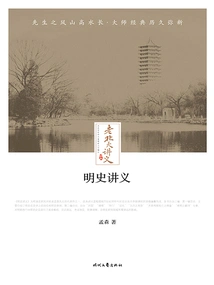
老北大讲义:明史讲义
Monson
"Lecture Notes on the History of the Ming Dynasty" is one of the representative works of Mr. Meng Sen, a pioneer in the study of Ming and Qing history. This handout is compiled based on his lecture notes when he taught at Peking University in the early 1930s. The book is divided into two parts: the first part is a general introduction, which mainly introduces the status of Ming history in historiography and the style of Ming history; the second part is divided into "founding of the country", "Jingnan", "seizing the gate", "discussing rites", "Wanli's desolation" and "heaven". The seven chapters "Chongjian of the Rebellion and Fall of the Two Dynasties" and "The Dislocation of the Southern Ming Dynasty" provide a high-level summary of the historical facts of each period of the Ming Dynasty. They are insightful, detailed and clear in textual research, and have a profound influence in the field of Ming history research.
"Lecture Notes on the History of the Ming Dynasty" is one of the representative works of Mr. Meng Sen, a pioneer in the study of Ming and Qing history. This handout is compiled based on his lecture notes when he taught at Peking University in the early 1930s. The book is divided into two parts: the first part is a general introduction, which mainly introduces the status of Ming history in historiography and the style of Ming history; the second part is divided into "founding of the country", "Jingnan", "seizing the gate", "discussing rites", "Wanli's desolation" and "heaven". The seven chapters "Chongjian of the Rebellion and Fall of the Two Dynasties" and "The Dislocation of the Southern Ming Dynasty" provide a high-level summary of the historical facts of each period of the Ming Dynasty. They are insightful, detailed and clear in textual research, and have a profound influence in the field of Ming history research.
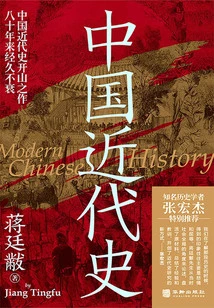
Modern History of China
History中国近代史
Jiang Tingfu
The book covers the past century from the Opium War to the eve of the Anti-Japanese War in an in-depth and simple way. It mainly explains the modern Chinese people's efforts to strengthen themselves in the face of "great changes not seen in thousands of years" and the reasons for their failure. From the Opium War to the Revolution of 1911, from the Westernization Movement to the Hundred Days Reform, from Zeng Guofan to Kang Youwei, from Li Hongzhang to Sun Yat-sen, nearly a century of historical evolution and the lives of characters are narrated. There is no boring textual research and no accumulation of historical materials, but it fully demonstrates the future of the country, the destiny of the nation and the trend of social development. The historical framework and chronological history system constructed in this book have led the trend of modern history research and are called the pioneering work of modern Chinese history research.
The book covers the past century from the Opium War to the eve of the Anti-Japanese War in an in-depth and simple way. It mainly explains the modern Chinese people's efforts to strengthen themselves in the face of "great changes not seen in thousands of years" and the reasons for their failure. From the Opium War to the Revolution of 1911, from the Westernization Movement to the Hundred Days Reform, from Zeng Guofan to Kang Youwei, from Li Hongzhang to Sun Yat-sen, nearly a century of historical evolution and the lives of characters are narrated. There is no boring textual research and no accumulation of historical materials, but it fully demonstrates the future of the country, the destiny of the nation and the trend of social development. The historical framework and chronological history system constructed in this book have led the trend of modern history research and are called the pioneering work of modern Chinese history research.
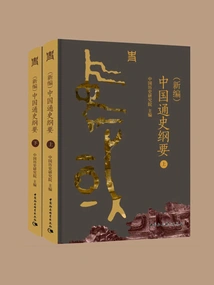
(新编)中国通史纲要(全二册)
Editor-in-chief Of The Chinese Academy Of History
The "(New) General History of China" compilation project is a major national academic and cultural project decided to launch by the Party Central Committee in the new era. On January 9, 2020, General Secretary Xi Jinping issued important instructions on the implementation plan of the editing project, requiring high-quality and high-standard editing projects to be carried out to create a masterpiece of the new era with Chinese characteristics, Chinese style, and Chinese style. In June 2020, the compilation project was officially launched. It was organized and implemented under the leadership of the Institute of Chinese History, Chinese Academy of Social Sciences, and has been included in the national "14th Five-Year Plan". This book is an important phased achievement of the compilation project of "(New Edition) General History of China". Based on the framework structure of "(New Edition) General History of China", it outlines and clarifies the main line of China's historical process and the evolution of social form, and concisely explains the law of Chinese historical development and the characteristics of Chinese civilization. The narrative period of this book starts from the origin of civilization to the new era. It adopts the chapter format to narrate the main historical facts of the past dynasties, grasp the salient characteristics of each social development stage, present the objective and true Chinese history from different aspects such as politics, economy, culture, and ethnicity, and clarify the profound heritage of the Chinese nation's spiritual values and historical culture. Taking national unity and social development as the main thread, focusing on key changes and key nodes in Chinese history, highlighting the historical mainstream, historical achievements and historical trends, and explaining how the new era came from historical China, the brilliant achievements and great historical significance of the new era fully demonstrate our historical and cultural confidence.
The "(New) General History of China" compilation project is a major national academic and cultural project decided to launch by the Party Central Committee in the new era. On January 9, 2020, General Secretary Xi Jinping issued important instructions on the implementation plan of the editing project, requiring high-quality and high-standard editing projects to be carried out to create a masterpiece of the new era with Chinese characteristics, Chinese style, and Chinese style. In June 2020, the compilation project was officially launched. It was organized and implemented under the leadership of the Institute of Chinese History, Chinese Academy of Social Sciences, and has been included in the national "14th Five-Year Plan". This book is an important phased achievement of the compilation project of "(New Edition) General History of China". Based on the framework structure of "(New Edition) General History of China", it outlines and clarifies the main line of China's historical process and the evolution of social form, and concisely explains the law of Chinese historical development and the characteristics of Chinese civilization. The narrative period of this book starts from the origin of civilization to the new era. It adopts the chapter format to narrate the main historical facts of the past dynasties, grasp the salient characteristics of each social development stage, present the objective and true Chinese history from different aspects such as politics, economy, culture, and ethnicity, and clarify the profound heritage of the Chinese nation's spiritual values and historical culture. Taking national unity and social development as the main thread, focusing on key changes and key nodes in Chinese history, highlighting the historical mainstream, historical achievements and historical trends, and explaining how the new era came from historical China, the brilliant achievements and great historical significance of the new era fully demonstrate our historical and cultural confidence.
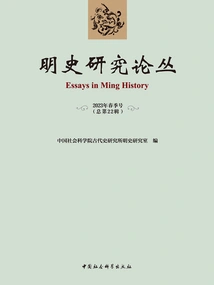
明史研究论丛(2023年春季号\u002F总第二十二辑)
Compiled By Ming History Research Office, Institute Of Ancient History, Chinese Academy Of Social Sciences
"Ming History Research Series" is sponsored by the Ming History Research Office of the Institute of Ancient History, Chinese Academy of Social Sciences. This series is "Ming History Research Series (22nd Spring Issue, 2023)", which is mainly divided into three categories: "Special Papers", "Historical Extracts" and "Book Reviews" Columns include the textual research and arrangement of the banknotes of Liang Weishu's "Cabinet Ceremony" collected in the Shanghai Library, the formation of the full-time system of honorary ministers of Guangdong, Huguang, and Water Transport in the Ming Dynasty, the review of Lu Yang's "Research on Social Security in Jiangnan in the Late Ming Dynasty", and the historical education of the Ming and Qing emperors.
"Ming History Research Series" is sponsored by the Ming History Research Office of the Institute of Ancient History, Chinese Academy of Social Sciences. This series is "Ming History Research Series (22nd Spring Issue, 2023)", which is mainly divided into three categories: "Special Papers", "Historical Extracts" and "Book Reviews" Columns include the textual research and arrangement of the banknotes of Liang Weishu's "Cabinet Ceremony" collected in the Shanghai Library, the formation of the full-time system of honorary ministers of Guangdong, Huguang, and Water Transport in the Ming Dynasty, the review of Lu Yang's "Research on Social Security in Jiangnan in the Late Ming Dynasty", and the historical education of the Ming and Qing emperors.
史苑爬梳录:孟繁清元史论集
Meng Fanqing
This book carefully selects more than 30 papers written by the author in the field of Yuan history research over the years, covering many aspects such as Yuan Dynasty economy, politics, Yuan Dynasty shipping, character examination and debate, etc., Comprehensively demonstrating the author's remarkable achievements in these fields. The appendix also includes book reviews written by the author. These papers are based on solid historical materials and combined with inscription documents for in-depth and systematic research. They are the crystallization of the author's forty years of research on Yuan history and have far-reaching academic significance for promoting research in related fields.
This book carefully selects more than 30 papers written by the author in the field of Yuan history research over the years, covering many aspects such as Yuan Dynasty economy, politics, Yuan Dynasty shipping, character examination and debate, etc., Comprehensively demonstrating the author's remarkable achievements in these fields. The appendix also includes book reviews written by the author. These papers are based on solid historical materials and combined with inscription documents for in-depth and systematic research. They are the crystallization of the author's forty years of research on Yuan history and have far-reaching academic significance for promoting research in related fields.
魏晋隋唐史研究
Qiao Fengqi Editor-in-chief Feng Jinzhong
The main text of this book is divided into two parts, the upper and lower parts. It is compiled from 37 papers by experts and scholars in the fields of Wei, Jin, Southern and Northern Dynasties, Sui and Tang history who are closely related to Professor Ning Zhixin, as well as Professor Ning Zhixin's disciples. The time span spans from the pre-Qin Dynasty to the Ming and Qing Dynasties, but mainly focuses on the history of the Wei, Jin, Southern and Northern Dynasties, Sui and Tang Dynasties. The themes involve political systems, economy, society, thought, culture, religion, ethnicity, Sino-foreign exchanges, historical documents and many other aspects. There are reinterpretations and interpretations of common historical materials and traditional topics, as well as the publication of new historical materials and the exploration of new research issues. There are also several articles dedicated to discussing Professor Ning Zhixin's academic characteristics, personality, etc., Which reflect the latest achievements in the study of ancient Chinese history in recent years, especially the history of the Wei, Jin, Southern and Northern Dynasties, Sui and Tang Dynasties.
The main text of this book is divided into two parts, the upper and lower parts. It is compiled from 37 papers by experts and scholars in the fields of Wei, Jin, Southern and Northern Dynasties, Sui and Tang history who are closely related to Professor Ning Zhixin, as well as Professor Ning Zhixin's disciples. The time span spans from the pre-Qin Dynasty to the Ming and Qing Dynasties, but mainly focuses on the history of the Wei, Jin, Southern and Northern Dynasties, Sui and Tang Dynasties. The themes involve political systems, economy, society, thought, culture, religion, ethnicity, Sino-foreign exchanges, historical documents and many other aspects. There are reinterpretations and interpretations of common historical materials and traditional topics, as well as the publication of new historical materials and the exploration of new research issues. There are also several articles dedicated to discussing Professor Ning Zhixin's academic characteristics, personality, etc., Which reflect the latest achievements in the study of ancient Chinese history in recent years, especially the history of the Wei, Jin, Southern and Northern Dynasties, Sui and Tang Dynasties.
中华历史与传统文化论丛(第8辑)
Dong Shaowei Qin Fei Editor-in-chief Ju He
This book takes Chinese history and traditional culture as the research object, and has columns such as "Qiyu Chinese Studies", "Ancient History Special Topic", "National Culture History", "Modern History Special Topic", "Research on Xi Jinping's Thought on Socialism with Chinese Characteristics for a New Era", "Research on the History of the Communist Party of China", "Column on the Construction of the Big Ideological and Political Course - Ideological and Political Teaching Cases of Northeastern University Qinhuangdao Branch", "Column on the Construction of the Big Ideological and Political Course - Written Talk on the Construction of Mental Health Education Curriculum at Northeastern University Qinhuangdao Branch", "Qinhuangdao Regional Culture" and "Book Reviews".
This book takes Chinese history and traditional culture as the research object, and has columns such as "Qiyu Chinese Studies", "Ancient History Special Topic", "National Culture History", "Modern History Special Topic", "Research on Xi Jinping's Thought on Socialism with Chinese Characteristics for a New Era", "Research on the History of the Communist Party of China", "Column on the Construction of the Big Ideological and Political Course - Ideological and Political Teaching Cases of Northeastern University Qinhuangdao Branch", "Column on the Construction of the Big Ideological and Political Course - Written Talk on the Construction of Mental Health Education Curriculum at Northeastern University Qinhuangdao Branch", "Qinhuangdao Regional Culture" and "Book Reviews".
近代史资料(总146号)
Edited By The Editorial Department Of "modern History Materials" Of The Institute Of Modern History, Chinese Academy Of Social Sciences
"Modern History Materials" No. 146 Contains a total of five original materials on modern history, namely "Collection of Letters from Xu Guangjin to Ye Mingchen", "Diary of Yi Ruo (2)", "Report on Observing the War in Europe", "Diary of Travel to Chang'an", and "Letter from Lu Zhengxiang to Liu Fucheng (2)". Among them, "A Collection of Letters from Xu Guangjin to Ye Mingchen" is a letter written by Xu Guangjin and Ye Mingchen, the governor of Guangdong when he was the governor of Guangdong and Guangxi. It reflects the situation of the Qing army's suppression of peasant uprisings in Guangdong and Guangxi at the end of Daoguang and the beginning of Xianfeng. "Yi Ruo Diary" is the diary of Zou Jialai, Minister of Foreign Affairs in the late Qing Dynasty. It records in detail the political situation of the late Qing Dynasty and the daily life of Beijing officials. "Lu Zhengxiang's Letters to Liu Fucheng (Part 2)" contains more than 220 letters written by Lu Zhengxiang to Liu Fucheng from 1936 to 1948. It not only reflects Lu Zhengxiang's life in his later years, but also discloses his interactions with Xu Jingcheng, the deeds of old figures in Beiyang politics, etc. It is of great academic value for a comprehensive understanding of Lu Zhengxiang.
"Modern History Materials" No. 146 Contains a total of five original materials on modern history, namely "Collection of Letters from Xu Guangjin to Ye Mingchen", "Diary of Yi Ruo (2)", "Report on Observing the War in Europe", "Diary of Travel to Chang'an", and "Letter from Lu Zhengxiang to Liu Fucheng (2)". Among them, "A Collection of Letters from Xu Guangjin to Ye Mingchen" is a letter written by Xu Guangjin and Ye Mingchen, the governor of Guangdong when he was the governor of Guangdong and Guangxi. It reflects the situation of the Qing army's suppression of peasant uprisings in Guangdong and Guangxi at the end of Daoguang and the beginning of Xianfeng. "Yi Ruo Diary" is the diary of Zou Jialai, Minister of Foreign Affairs in the late Qing Dynasty. It records in detail the political situation of the late Qing Dynasty and the daily life of Beijing officials. "Lu Zhengxiang's Letters to Liu Fucheng (Part 2)" contains more than 220 letters written by Lu Zhengxiang to Liu Fucheng from 1936 to 1948. It not only reflects Lu Zhengxiang's life in his later years, but also discloses his interactions with Xu Jingcheng, the deeds of old figures in Beiyang politics, etc. It is of great academic value for a comprehensive understanding of Lu Zhengxiang.
近代史资料(总144号)
Edited By The Editorial Department Of "modern History Materials" Of The Institute Of Modern History, Chinese Academy Of Social Sciences
This book is a serial publication of the Institute of Modern History, Chinese Academy of History. This issue of this volume will publish 7 pieces of information, 5 of which are unpublished manuscripts or original files, 2 are translations, and 1 is a compilation of data. The main title is: "Unpublished Letters During the Period of Zhang Zhidong's Supervision of Hubei", which contains a total of 39 autographed letters from Zhang Zhidong to Yun Zuyi, Chen Baozhen, Qu Tingshao and others from the 17th year of Guangxu to the 22nd year of Guangxu. The contents involve Zhang Zhidong's Westernization measures during his supervision of Hubei, the case of Zhou Han, Li Hong's uprising against the Qing Dynasty, the Wuxue Teaching Case, the Zhang Ming Case, the loan during the Sino-Japanese War of 1898-1991, the establishment of the Hubei Official Money Bureau, the Bingshen Hubei Flood and other issues are helpful to the study of Zhang Zhidong and the history of the late Qing Dynasty; "Unpublished Notes from Liang Qichao to Kang Youwei", this article collects Liang Qichao from Sino-Japanese War 1891 to 1911 Chaozhi Kang Youwei's 17 notes, mainly related to the political activities and thoughts of Kang and Liang during the Emperor's Religion period, are of great historical value in the study of the history of the late Qing Dynasty; "A Group of Western Historical Materials of Shanxi University Hall", this group of materials was written by a Westerner who was a teacher at Xizhai at that time, and the content involves Shanxi Province The establishment of new education in the city, the establishment process of Shanxi University Hall, the status of teachers, teaching activities, the design and construction of buildings, and the bibliography of translated books published by the Translation Library not only reflect Westerners' understanding of Shanxi education at that time, but also complement Chinese literature.
This book is a serial publication of the Institute of Modern History, Chinese Academy of History. This issue of this volume will publish 7 pieces of information, 5 of which are unpublished manuscripts or original files, 2 are translations, and 1 is a compilation of data. The main title is: "Unpublished Letters During the Period of Zhang Zhidong's Supervision of Hubei", which contains a total of 39 autographed letters from Zhang Zhidong to Yun Zuyi, Chen Baozhen, Qu Tingshao and others from the 17th year of Guangxu to the 22nd year of Guangxu. The contents involve Zhang Zhidong's Westernization measures during his supervision of Hubei, the case of Zhou Han, Li Hong's uprising against the Qing Dynasty, the Wuxue Teaching Case, the Zhang Ming Case, the loan during the Sino-Japanese War of 1898-1991, the establishment of the Hubei Official Money Bureau, the Bingshen Hubei Flood and other issues are helpful to the study of Zhang Zhidong and the history of the late Qing Dynasty; "Unpublished Notes from Liang Qichao to Kang Youwei", this article collects Liang Qichao from Sino-Japanese War 1891 to 1911 Chaozhi Kang Youwei's 17 notes, mainly related to the political activities and thoughts of Kang and Liang during the Emperor's Religion period, are of great historical value in the study of the history of the late Qing Dynasty; "A Group of Western Historical Materials of Shanxi University Hall", this group of materials was written by a Westerner who was a teacher at Xizhai at that time, and the content involves Shanxi Province The establishment of new education in the city, the establishment process of Shanxi University Hall, the status of teachers, teaching activities, the design and construction of buildings, and the bibliography of translated books published by the Translation Library not only reflect Westerners' understanding of Shanxi education at that time, but also complement Chinese literature.