Library
Browse and search books
2,169 novels found
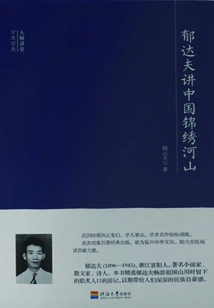
Master Lecture Academic Classics: Yu Dafu Talks About China's Mianxiu Rivers and Mountains
Literature大师讲堂学术经典:郁达夫讲中国绵绣河山
Yu Dafu
Yu Dafu's talent in depicting scenes comes from his feeling for nature, his infusion of true feelings into the scenery, and his profound knowledge of classical literature. His unbridled lyricism demonstrates a sincere and magnanimous modern personality. This book collects Yu Dafu's most representative classic travel writings, including "Four Seasons in Peiping", "Autumn in the Old Capital", "Winter Scenery in the South of the Yangtze River", "August in Hangzhou" and "Return to Hometown". You can learn about Yu Dafu's artistic style and writing characteristics.
Yu Dafu's talent in depicting scenes comes from his feeling for nature, his infusion of true feelings into the scenery, and his profound knowledge of classical literature. His unbridled lyricism demonstrates a sincere and magnanimous modern personality. This book collects Yu Dafu's most representative classic travel writings, including "Four Seasons in Peiping", "Autumn in the Old Capital", "Winter Scenery in the South of the Yangtze River", "August in Hangzhou" and "Return to Hometown". You can learn about Yu Dafu's artistic style and writing characteristics.
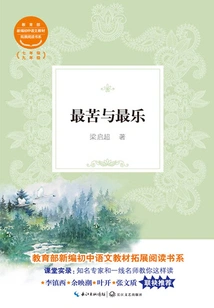
The Most Bitter and the Happiest
Literature最苦与最乐
Liang Qichao
"The Most Painful and the Most Happy" is an essential selection of Liang Qichao's literary works, covering current political commentaries, travel notes and family letters, academic essays, and biographies. It comprehensively reflects Liang Qichao's life context and work style. The book includes his representative masterpieces such as "The Hardest and Most Happy", "Dedication and Joyful Industry", "Tan Sitong's Biography", "Interesting Education and Educational Fun", etc., Which can not only help readers fully understand Liang Qichao's life and thoughts, but also help cultivate readers' positive and enterprising outlook on life. Among them, two articles, "The Most Painful and the Most Happy" and "Dedication and Happy Industry", have been included in the Ministry of Education's newly compiled junior high school Chinese textbooks.
"The Most Painful and the Most Happy" is an essential selection of Liang Qichao's literary works, covering current political commentaries, travel notes and family letters, academic essays, and biographies. It comprehensively reflects Liang Qichao's life context and work style. The book includes his representative masterpieces such as "The Hardest and Most Happy", "Dedication and Joyful Industry", "Tan Sitong's Biography", "Interesting Education and Educational Fun", etc., Which can not only help readers fully understand Liang Qichao's life and thoughts, but also help cultivate readers' positive and enterprising outlook on life. Among them, two articles, "The Most Painful and the Most Happy" and "Dedication and Happy Industry", have been included in the Ministry of Education's newly compiled junior high school Chinese textbooks.
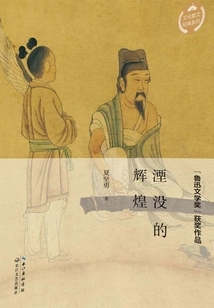
Oblivion of Glory
Literature湮没的辉煌
Xia Jianyong
"The Oblivion of Glory" is a masterpiece of prose by the famous essayist Xia Jianyong. It won the first Lu Xun Literature Award and has been a best-seller in the market for many years. It contains cultural prose works such as "Lonely Little Stone Bay", "Inn", "The Oblivion of the Palace", "Sad Wind in the East Forest", "Small Town Story" and other classic works, which have high aesthetic value. The author uses sharp writing, free words, and profound thoughts to integrate history and politics, culture and emotions. He shuttles through the mountains of geographical space, overlooks the smoke and dust of history, and discusses the past and present. It is an important historical and cultural prose work.
"The Oblivion of Glory" is a masterpiece of prose by the famous essayist Xia Jianyong. It won the first Lu Xun Literature Award and has been a best-seller in the market for many years. It contains cultural prose works such as "Lonely Little Stone Bay", "Inn", "The Oblivion of the Palace", "Sad Wind in the East Forest", "Small Town Story" and other classic works, which have high aesthetic value. The author uses sharp writing, free words, and profound thoughts to integrate history and politics, culture and emotions. He shuttles through the mountains of geographical space, overlooks the smoke and dust of history, and discusses the past and present. It is an important historical and cultural prose work.
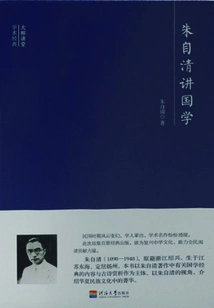
大师讲堂学术经典:朱自清讲国学
Zhu Ziqing
Mr. Zhu Ziqing is a famous poet, essayist and scholar in the history of modern Chinese literature. The content of this book mainly selects the appreciation of Chinese classics and ancient poems from Zhu Ziqing's works as the main body. From the perspective of Mr. Zhu Ziqing, it introduces the essence of Chinese national culture. A kind of eloquent and tireless spirit can be seen between the lines.
Mr. Zhu Ziqing is a famous poet, essayist and scholar in the history of modern Chinese literature. The content of this book mainly selects the appreciation of Chinese classics and ancient poems from Zhu Ziqing's works as the main body. From the perspective of Mr. Zhu Ziqing, it introduces the essence of Chinese national culture. A kind of eloquent and tireless spirit can be seen between the lines.
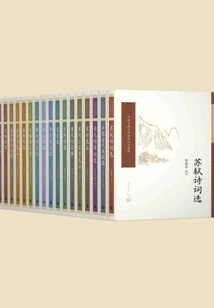
中国古典文学读本丛书套装典藏(全18册)
Xue Tianwei Et Al.
There are 17 kinds of books included, totaling 18 volumes, including: Selected Poems of Li Bai, Selected Poems of Yuefu, Selected Annotations of Liu Yong's Poems, Selected Poems of Wang Wei, Selected Poems of Xin Qiji, Selected Operas of the Yuan Dynasty, Selected Poems of Yuan Zhen, and Selected Ancient Chinese Dramas : Complete 2 volumes, Selected Poems of the Four Masters of the Early Tang Dynasty, Selected Historical Records, Annotations of Three Hundred Song Poems, Brief Explanations of Tang and Song Poems, Annotations of Selected Song Poems, Selected Poems of Su Shi, Annotations of Selected Poems of Du Fu: Supplementary Edition, Selected Poems of Han Yu, Selected Poems of Jin, Yuan, Ming and Qing Dynasties.
There are 17 kinds of books included, totaling 18 volumes, including: Selected Poems of Li Bai, Selected Poems of Yuefu, Selected Annotations of Liu Yong's Poems, Selected Poems of Wang Wei, Selected Poems of Xin Qiji, Selected Operas of the Yuan Dynasty, Selected Poems of Yuan Zhen, and Selected Ancient Chinese Dramas : Complete 2 volumes, Selected Poems of the Four Masters of the Early Tang Dynasty, Selected Historical Records, Annotations of Three Hundred Song Poems, Brief Explanations of Tang and Song Poems, Annotations of Selected Song Poems, Selected Poems of Su Shi, Annotations of Selected Poems of Du Fu: Supplementary Edition, Selected Poems of Han Yu, Selected Poems of Jin, Yuan, Ming and Qing Dynasties.
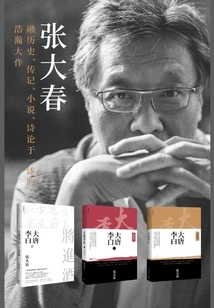
Tang Dynasty Li Bai Series Set of Three Volumes (youth Tour + Phoenix Terrace + General Wine)
Literature大唐李白系列套装三册(少年游+凤凰台+将进酒)
Zhang Dachun
The three-volume set of the Li Bai series of the Tang Dynasty includes "Li Bai of the Tang Dynasty: Youth Travel", "Li Bai of the Tang Dynasty: Phoenix Terrace", and "Li Bai of the Tang Dynasty: Going to Wine". A poet who was born as a star and had the sound of immortality, but only his name remained; an era that claimed to be prosperous but destroyed poetry with vanity. Li Bai changed Tang poetry, but missed the era; and how could the entire Tang Dynasty miss him? Writer Zhang Dachun's vast masterpiece that integrates history, biography, novels, and poetry theory, was listed among the top ten best books in Taiwan's "China Times Open Book" in 2013
The three-volume set of the Li Bai series of the Tang Dynasty includes "Li Bai of the Tang Dynasty: Youth Travel", "Li Bai of the Tang Dynasty: Phoenix Terrace", and "Li Bai of the Tang Dynasty: Going to Wine". A poet who was born as a star and had the sound of immortality, but only his name remained; an era that claimed to be prosperous but destroyed poetry with vanity. Li Bai changed Tang poetry, but missed the era; and how could the entire Tang Dynasty miss him? Writer Zhang Dachun's vast masterpiece that integrates history, biography, novels, and poetry theory, was listed among the top ten best books in Taiwan's "China Times Open Book" in 2013
Journey to the West Commentary
Literature西游记注评本
J
This book is based on the tablets collected by Jin Provincial Book Industry Gongji in Wuchen, the 13th year of Qianlong's reign (1748), with proofreading and annotations. It is the first compiled version of Zhang Shushen's commentary on "Journey to the West" to be published. Professor Yuan Shishuo, a well-known ancient literature research expert, was specially invited to write a foreword to guide the reading path of "Journey to the West" and reveal the essence of "Journey to the West".
This book is based on the tablets collected by Jin Provincial Book Industry Gongji in Wuchen, the 13th year of Qianlong's reign (1748), with proofreading and annotations. It is the first compiled version of Zhang Shushen's commentary on "Journey to the West" to be published. Professor Yuan Shishuo, a well-known ancient literature research expert, was specially invited to write a foreword to guide the reading path of "Journey to the West" and reveal the essence of "Journey to the West".
Annotated Version of Water Margin
Literature水浒传注评本
(ming Dynasty) Shi Naian
This book is based on the "Fifth Talent Book Shi Naian Water Margin" photocopied by Liu Fu collected by Zhonghua Book Company in the Ming Dynasty in the Guanhua Hall of Chongzhen of the Ming Dynasty in the 23rd year of the Republic of China. It is based on the "Fifth Talent Book Shi Naian Water Margin" reprinted by Ye Yaochi photocopied by the Zhonghua Book Company in Beijing in 1975 and the "Fifth Talent Book Shi Naian Water Margin" engraved by Wang Wangru in Qing Dynasty as a reference. Jin Shengtan's reading and criticizing of "Water Margin" is one of the characteristic comments in the history of Chinese literature. It has attracted overwhelming praise and slander. The debate about its merits and demerits is no less than that of Gao E's sequel to "Dream of Red Mansions".
This book is based on the "Fifth Talent Book Shi Naian Water Margin" photocopied by Liu Fu collected by Zhonghua Book Company in the Ming Dynasty in the Guanhua Hall of Chongzhen of the Ming Dynasty in the 23rd year of the Republic of China. It is based on the "Fifth Talent Book Shi Naian Water Margin" reprinted by Ye Yaochi photocopied by the Zhonghua Book Company in Beijing in 1975 and the "Fifth Talent Book Shi Naian Water Margin" engraved by Wang Wangru in Qing Dynasty as a reference. Jin Shengtan's reading and criticizing of "Water Margin" is one of the characteristic comments in the history of Chinese literature. It has attracted overwhelming praise and slander. The debate about its merits and demerits is no less than that of Gao E's sequel to "Dream of Red Mansions".
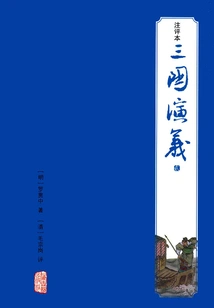
三国演义注评本
I
This book is based on "Mao Zonggang's Commentary on "The Romance of the Three Kingdoms"", with the traditional Chinese being changed to simplified Chinese and simplified annotations added. The reading version of "Romance of the Three Kingdoms" written by Mao and his sons and revised by Luo Ben is by far the most popular final version.
This book is based on "Mao Zonggang's Commentary on "The Romance of the Three Kingdoms"", with the traditional Chinese being changed to simplified Chinese and simplified annotations added. The reading version of "Romance of the Three Kingdoms" written by Mao and his sons and revised by Luo Ben is by far the most popular final version.
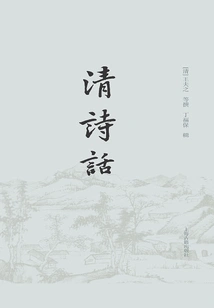
Qing Shihua
Literature清诗话
(qing Dynasty) Wang Euzhi And Others
Poetry flourished in the Qing Dynasty. Ding Fubao, a recent scholar, compiled "Qing Shi Hua", with a preface by Mr. Guo Shaoyu and an abstract for each category. Since its publication, it has been well received and welcomed by the academic community. This book contains 43 kinds of poems from various schools in the Qing Dynasty, most of which are the most famous and important ones.
Poetry flourished in the Qing Dynasty. Ding Fubao, a recent scholar, compiled "Qing Shi Hua", with a preface by Mr. Guo Shaoyu and an abstract for each category. Since its publication, it has been well received and welcomed by the academic community. This book contains 43 kinds of poems from various schools in the Qing Dynasty, most of which are the most famous and important ones.
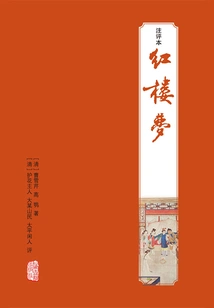
Commentary on a Dream of Red Mansions
Literature红楼梦注评本
(qing Dynasty) Cao Xueqin, Written By Gao E, The Flower Protector And Other Comments
"Dream of Red Mansions (a total of 4 volumes of annotated editions)" is a representative work of the Ping-dian school, with 120 chapters and more than 300,000 words of commentaries and responses. It strives to elucidate the subtleties of the theme and writing style of "A Dream of Red Mansions" and communicate the emotional exchanges between the author and readers. Although the comments tend to have the tendency of "Taoists seeing "Yi"", they reflect the contemporary psychology and viewpoints of researchers on "A Dream of Red Mansions" in the Qing Dynasty, and there is no shortage of original opinions and finishing touches. In the hundreds of years since its publication, it has had a wide range of social influence, and has inspired many later generations in the study of red studies and the reading and appreciation of "Dream of Red Mansions". The book has brief annotations, as well as readings, prefaces, general comments, excerpts, praises, epigraphs, chants, questions and answers, phonetic explanations, illustrations of the Grand View Garden, etc.
"Dream of Red Mansions (a total of 4 volumes of annotated editions)" is a representative work of the Ping-dian school, with 120 chapters and more than 300,000 words of commentaries and responses. It strives to elucidate the subtleties of the theme and writing style of "A Dream of Red Mansions" and communicate the emotional exchanges between the author and readers. Although the comments tend to have the tendency of "Taoists seeing "Yi"", they reflect the contemporary psychology and viewpoints of researchers on "A Dream of Red Mansions" in the Qing Dynasty, and there is no shortage of original opinions and finishing touches. In the hundreds of years since its publication, it has had a wide range of social influence, and has inspired many later generations in the study of red studies and the reading and appreciation of "Dream of Red Mansions". The book has brief annotations, as well as readings, prefaces, general comments, excerpts, praises, epigraphs, chants, questions and answers, phonetic explanations, illustrations of the Grand View Garden, etc.
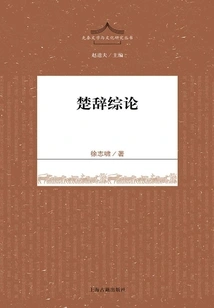
A Comprehensive Review of Chu Ci
Literature楚辞综论
Xu Zhixiao
This book is one of the "Pre-Qin Literature and Culture Research Series". The research contents are all related to Chu Ci, including the origin of Chu Ci, Qu Yuan, "Nine Songs", Chu Ci and Han Dynasty Ci Fu, and the study of Chu Ci.
This book is one of the "Pre-Qin Literature and Culture Research Series". The research contents are all related to Chu Ci, including the origin of Chu Ci, Qu Yuan, "Nine Songs", Chu Ci and Han Dynasty Ci Fu, and the study of Chu Ci.
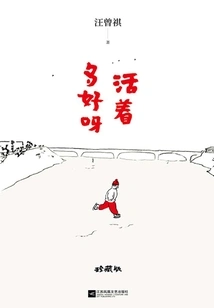
活着多好呀(汪曾祺散文精选集珍藏版)
Wang Zengqi
It carefully collects 28 most reputed and representative essays, such as classic articles such as Food in Four Directions, Food in My Hometown, My Father, and Rain in Kunming. "How wonderful it is to be alive" is a famous saying of Mr. Wang, which represents his attitude towards life and literary pursuit. Mr. Wang's prose is famous for his food writing, making people salivate and eager to try it. He finds vitality and fun in extremely ordinary food and meals. He writes about trivial matters in life and people around him. He is humorous, optimistic and positive. Reading it makes people laugh, as if everyone is cute and everything is interesting. Life is really hard, but he adds a layer of sugar coating to it, finding fun and beauty in the ordinary.
It carefully collects 28 most reputed and representative essays, such as classic articles such as Food in Four Directions, Food in My Hometown, My Father, and Rain in Kunming. "How wonderful it is to be alive" is a famous saying of Mr. Wang, which represents his attitude towards life and literary pursuit. Mr. Wang's prose is famous for his food writing, making people salivate and eager to try it. He finds vitality and fun in extremely ordinary food and meals. He writes about trivial matters in life and people around him. He is humorous, optimistic and positive. Reading it makes people laugh, as if everyone is cute and everything is interesting. Life is really hard, but he adds a layer of sugar coating to it, finding fun and beauty in the ordinary.
D
LiteratureD
H
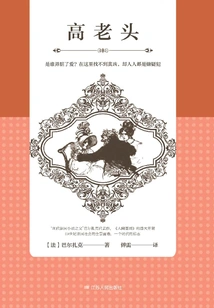
In 1819, several tenants lived in the Vauquer apartment in Paris, including Goriot, a retired flour merchant known as "Old Goriot", Rastignac, a poor but ambitious student, and Vautrin, who was easy-going on the outside but cold on the inside. Old Man Goriot, who spends every penny in his own life, dotes on his two daughters who have married into the upper class, and uses the wealth he has accumulated throughout his life to satisfy his daughters' extravagance; Rastignac, a poor young man from the mainland, witnesses the extravagance of Paris aristocrats, vows to get ahead, and hopes to rise to the top by befriending noble ladies; The hypocritical Vautrin was a fugitive from prison who had been hiding in the corner, waiting for an opportunity to seize wealth... Seeing that Goriot's family property was squeezed out by his two daughters, and he did not even see his daughter for the last time before his death. Vautrin's conspiracy failed, his identity was exposed and he was caught. Rastignac seemed to see through the hypocrisy and absurdity of this upper class society, and he was determined to challenge the society...
In 1819, several tenants lived in the Vauquer apartment in Paris, including Goriot, a retired flour merchant known as "Old Goriot", Rastignac, a poor but ambitious student, and Vautrin, who was easy-going on the outside but cold on the inside. Old Man Goriot, who spends every penny in his own life, dotes on his two daughters who have married into the upper class, and uses the wealth he has accumulated throughout his life to satisfy his daughters' extravagance; Rastignac, a poor young man from the mainland, witnesses the extravagance of Paris aristocrats, vows to get ahead, and hopes to rise to the top by befriending noble ladies; The hypocritical Vautrin was a fugitive from prison who had been hiding in the corner, waiting for an opportunity to seize wealth... Seeing that Goriot's family property was squeezed out by his two daughters, and he did not even see his daughter for the last time before his death. Vautrin's conspiracy failed, his identity was exposed and he was caught. Rastignac seemed to see through the hypocrisy and absurdity of this upper class society, and he was determined to challenge the society...
Aunt Bei
Literature贝姨
(french) Balzac
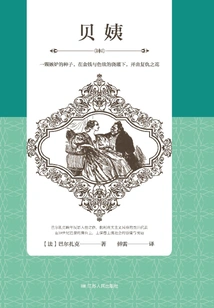
The country girl Lisbeth is not as beautiful as her sister Aterina, so she always complains about her sister's good luck: Aterina married Baron Hulot in Paris, but Lisbeth became an old girl "Aunt Bette" in the repetitive work day by day. Wenceslas Steinbock, a young artist who committed suicide, was rescued by Aunt Bet, and relied on Aunt Bet's savings to learn sculpture. Therefore, she was closely watched by Aunt Bet who had a perverted and controlling desire. Wenceslas accidentally met Atrina's daughter Hortense, and the two fell in love. When Aunt Bei learned about this, the jealousy in her heart ignited. She colluded with the romantic socialite Valerie, and started with the beauty-loving Baron Hulot to launch a crazy revenge on the Atelina family...
The country girl Lisbeth is not as beautiful as her sister Aterina, so she always complains about her sister's good luck: Aterina married Baron Hulot in Paris, but Lisbeth became an old girl "Aunt Bette" in the repetitive work day by day. Wenceslas Steinbock, a young artist who committed suicide, was rescued by Aunt Bet, and relied on Aunt Bet's savings to learn sculpture. Therefore, she was closely watched by Aunt Bet who had a perverted and controlling desire. Wenceslas accidentally met Atrina's daughter Hortense, and the two fell in love. When Aunt Bei learned about this, the jealousy in her heart ignited. She colluded with the romantic socialite Valerie, and started with the beauty-loving Baron Hulot to launch a crazy revenge on the Atelina family...
Woman Who Stirs the Water
Literature搅水女人
(french) Balzac
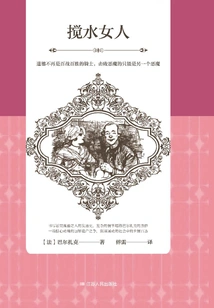
Philippe, a retired army officer from Paris, does all sorts of evil things in order to gamble and spend all his time trying to squeeze more money out of his family. Hearing that his uncle Roge has a large inheritance in the countryside of Isoutun, he comes to the countryside to make careful plans; The stirring woman's incitement, coupled with the cowardice of the old man Roge, soon led to a life-and-death struggle between the two, which eventually evolved into a duel between Philippe and Max... However, has the winning party really become rich since then? The conspiracy in the money society never rests...
Philippe, a retired army officer from Paris, does all sorts of evil things in order to gamble and spend all his time trying to squeeze more money out of his family. Hearing that his uncle Roge has a large inheritance in the countryside of Isoutun, he comes to the countryside to make careful plans; The stirring woman's incitement, coupled with the cowardice of the old man Roge, soon led to a life-and-death struggle between the two, which eventually evolved into a duel between Philippe and Max... However, has the winning party really become rich since then? The conspiracy in the money society never rests...
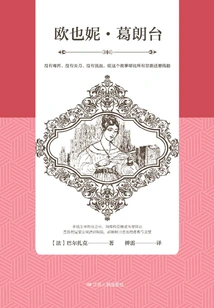
Eugenie Grandet
Literature欧也妮·葛朗台
(french) Balzac
Old Grandet, a barrel merchant in Saumur, France, was stingy. He became a well-known local rich man by relying on careful calculation and greedy plundering, but he was reluctant to spend a penny on weekdays. His innocent and pure only daughter Eugenie Grandet has lived under her father's tyranny since she was a child, and cannot eat more than one piece of bread or light more than one candle. One day, his cousin Charlie from Paris suddenly visited. Old Grandet learned that Charlie's family was bankrupt and dismissed him. However, Eugenie developed sympathy and admiration for Charlie and spent all her savings to help Charlie go abroad for business. After the incident, she was severely punished by her father. Money cannot make a person immortal. A few years later, the old Grandet, who loved money as much as life, passed away. Eugenie suddenly became the heir to a fortune worth tens of millions. The locals rushed to propose to Eugenie. Eugenie only looked forward to a letter from Charlie, but what awaited her was Charlie's ruthless betrayal and abandonment...
Old Grandet, a barrel merchant in Saumur, France, was stingy. He became a well-known local rich man by relying on careful calculation and greedy plundering, but he was reluctant to spend a penny on weekdays. His innocent and pure only daughter Eugenie Grandet has lived under her father's tyranny since she was a child, and cannot eat more than one piece of bread or light more than one candle. One day, his cousin Charlie from Paris suddenly visited. Old Grandet learned that Charlie's family was bankrupt and dismissed him. However, Eugenie developed sympathy and admiration for Charlie and spent all her savings to help Charlie go abroad for business. After the incident, she was severely punished by her father. Money cannot make a person immortal. A few years later, the old Grandet, who loved money as much as life, passed away. Eugenie suddenly became the heir to a fortune worth tens of millions. The locals rushed to propose to Eugenie. Eugenie only looked forward to a letter from Charlie, but what awaited her was Charlie's ruthless betrayal and abandonment...
N
Literaturen
G
To be disqualified in the human world is to lose the qualifications to be a human being. It consists of five parts: preface, first notebook, second notebook, third notebook, and postscript. The preface and postscript are narrated in the author's tone, and the three notebooks are narrated in the tone of the protagonist Ye Zang. The protagonist Ye Zang is timid and cowardly, afraid of worldly emotions and does not understand the complex thoughts of human beings. He then entertains others through comedy and hides his true self. Later, I discovered that drinking and having fun seemed to be a better way to escape the world, so I lived a wild life all day long, numbing myself through alcohol, drugs, and women, and eventually led to destruction. He was tortured by the most real pain of being a human being. He spent his whole life seeking love and avoiding love under self-weariness, and in the end he could only destroy himself.
To be disqualified in the human world is to lose the qualifications to be a human being. It consists of five parts: preface, first notebook, second notebook, third notebook, and postscript. The preface and postscript are narrated in the author's tone, and the three notebooks are narrated in the tone of the protagonist Ye Zang. The protagonist Ye Zang is timid and cowardly, afraid of worldly emotions and does not understand the complex thoughts of human beings. He then entertains others through comedy and hides his true self. Later, I discovered that drinking and having fun seemed to be a better way to escape the world, so I lived a wild life all day long, numbing myself through alcohol, drugs, and women, and eventually led to destruction. He was tortured by the most real pain of being a human being. He spent his whole life seeking love and avoiding love under self-weariness, and in the end he could only destroy himself.
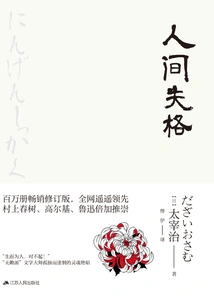
人间失格(掌悦经典)
G
"Disqualified in the World" is a classic work written by Dazai Osamu, a representative writer in the field of "private novels", based on his own experience. It is world-renowned and has far-reaching influence. "I'm sorry to be born human", this book presents to all readers the helpless cry of a soul in despair, which is thought-provoking.
"Disqualified in the World" is a classic work written by Dazai Osamu, a representative writer in the field of "private novels", based on his own experience. It is world-renowned and has far-reaching influence. "I'm sorry to be born human", this book presents to all readers the helpless cry of a soul in despair, which is thought-provoking.
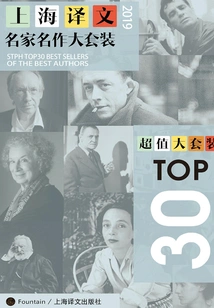
上海译文TOP30名家名作大套装(套装共30本·2019年版)
(us) Jared Diamond (japan) Kenichi Ohmae (uk) Kazuo Ishiguro, Etc.
Carefully selected best-selling masterpieces by famous translators in Shanghai, including more than 30 of the world's top best-selling classics; documentary social sciences, best-selling novels, award-winning masterpieces, classic translations, a must-read inventory of multi-dimensional categories; Shanghai Translation's acclaimed and popular masterpieces swept all the major rankings in the first half of 2019; when reading, start with translated masterpieces, and use a book list to structure your inner world. "Shanghai Translation TOP 30 Masterpieces Collection" selects the Shanghai Translation's acclaimed and popular masterpieces in the first half of 2019, including documentary social science, best-selling novels, award-winning masterpieces, and classic translations from multiple dimensions, gathering 30 The remaining top-selling classics in the world include: "Guns, Germs, and Steel (Revised Paperback Edition)", "Blood Pandemic", "Shark's Fin and Pepper", "Status Anxiety", "Low Desire Society", "Never Give Up", "Top Mysteries" and "Meet Me" "Tuesday", "The Garden of Forked Paths", "Kafka on the Shore", "Lolita", "The Lover", "On the Road", "A Fine Weather Alone", "The End of the Day", "Perfume", "Atonement", "Eleven Kinds of Solitude", "The Handmaid's Tale", "One "984", "Brave New World", "The Shackles of Life (Illustrated Edition)", "Crime and Punishment", "To the Lighthouse", "Notre Dame de Paris", "Rashomon", "The Outsider", "Oliver Twist", "I am Cat", "Madame Bovary" and more than 30 books.
Carefully selected best-selling masterpieces by famous translators in Shanghai, including more than 30 of the world's top best-selling classics; documentary social sciences, best-selling novels, award-winning masterpieces, classic translations, a must-read inventory of multi-dimensional categories; Shanghai Translation's acclaimed and popular masterpieces swept all the major rankings in the first half of 2019; when reading, start with translated masterpieces, and use a book list to structure your inner world. "Shanghai Translation TOP 30 Masterpieces Collection" selects the Shanghai Translation's acclaimed and popular masterpieces in the first half of 2019, including documentary social science, best-selling novels, award-winning masterpieces, and classic translations from multiple dimensions, gathering 30 The remaining top-selling classics in the world include: "Guns, Germs, and Steel (Revised Paperback Edition)", "Blood Pandemic", "Shark's Fin and Pepper", "Status Anxiety", "Low Desire Society", "Never Give Up", "Top Mysteries" and "Meet Me" "Tuesday", "The Garden of Forked Paths", "Kafka on the Shore", "Lolita", "The Lover", "On the Road", "A Fine Weather Alone", "The End of the Day", "Perfume", "Atonement", "Eleven Kinds of Solitude", "The Handmaid's Tale", "One "984", "Brave New World", "The Shackles of Life (Illustrated Edition)", "Crime and Punishment", "To the Lighthouse", "Notre Dame de Paris", "Rashomon", "The Outsider", "Oliver Twist", "I am Cat", "Madame Bovary" and more than 30 books.
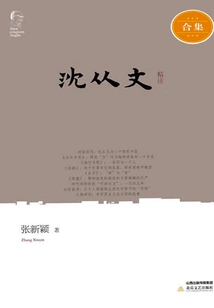
沈从文精读(全2册)
Zhang Xinxin
"Shen Congwen's Intensive Reading" uses the method of close reading of the text. On the one hand, it draws attention to the work itself, exploring and exploring its richness and complexity. At the same time, it does not look at the work in isolation, but in the continuation and change of writing activities, it outlines three images of Shen Congwen in three stages of his life: a writer who "gets what he wants", a painful thinker, and a practitioner who is on the edge of the times but enters the depths of history. Through the analysis of the works, the transition, conversion and internal relationship between these three images are revealed. The author's intention is not to repeat and solidify the existing narrative model about Shen Congwen, but to expand the space of interpretation, to re-understand Shen Congwen's literature, thought and practice, and to re-understand Shen Congwen and China in the twentieth century.
"Shen Congwen's Intensive Reading" uses the method of close reading of the text. On the one hand, it draws attention to the work itself, exploring and exploring its richness and complexity. At the same time, it does not look at the work in isolation, but in the continuation and change of writing activities, it outlines three images of Shen Congwen in three stages of his life: a writer who "gets what he wants", a painful thinker, and a practitioner who is on the edge of the times but enters the depths of history. Through the analysis of the works, the transition, conversion and internal relationship between these three images are revealed. The author's intention is not to repeat and solidify the existing narrative model about Shen Congwen, but to expand the space of interpretation, to re-understand Shen Congwen's literature, thought and practice, and to re-understand Shen Congwen and China in the twentieth century.
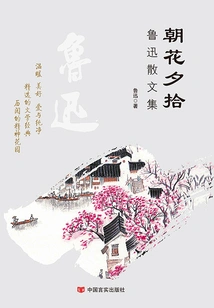
朝花夕拾
Lu Xun
The book "Morning Blossoms Plucked at Dusk" contains 10 essays, 1 short quotation and 1 postscript written by Mr. Lu Xun between February and November 1926. It is a prose "copied from memory". "Using the life experiences of teenagers as clues, it truly and touchingly describes a group of lives from rural to urban, from family to society, and from domestic to foreign countries." "Morning Blossoms Plucked at Dusk" has distinctive artistic features - a clear distinction between love and hate; an organic combination of narration and discussion, memories and reflections, lyricism and satire; it is smooth and natural, approachable and approachable.
The book "Morning Blossoms Plucked at Dusk" contains 10 essays, 1 short quotation and 1 postscript written by Mr. Lu Xun between February and November 1926. It is a prose "copied from memory". "Using the life experiences of teenagers as clues, it truly and touchingly describes a group of lives from rural to urban, from family to society, and from domestic to foreign countries." "Morning Blossoms Plucked at Dusk" has distinctive artistic features - a clear distinction between love and hate; an organic combination of narration and discussion, memories and reflections, lyricism and satire; it is smooth and natural, approachable and approachable.
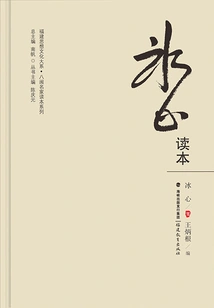
Bing Xin Reader
Literature冰心读本
Bing Xin Wang Binggen
"Bing Xin Reader\u002F Fujian Famous Readers Series·Fujian Ideology and Culture Series" is divided into four categories: novels, prose, children's literature and poetry. The author is Wang Binggen, an expert on Bing Xin, who has conducted in-depth research on Bing Xin's works. In this reader, he helps readers select the more representative parts from Bing Xin's many works and present them, including the novels "Superman" and "Our Wife's Living Room" that are widely known to readers, children's literature "For Little Readers" and "Little Orange Lamp" and poems "Stars" (excerpt), "Spring Water" (excerpt), etc., Which are worth reading. The structural framework of "Bing Xin Reader\u002F Fujian Masters Reader Series·Fujian Ideological and Cultural Series" is relatively simple. The editor selects the works according to the four major categories of novels, prose, children's literature and poetry, and arranges them in a certain order with clear logic.
"Bing Xin Reader\u002F Fujian Famous Readers Series·Fujian Ideology and Culture Series" is divided into four categories: novels, prose, children's literature and poetry. The author is Wang Binggen, an expert on Bing Xin, who has conducted in-depth research on Bing Xin's works. In this reader, he helps readers select the more representative parts from Bing Xin's many works and present them, including the novels "Superman" and "Our Wife's Living Room" that are widely known to readers, children's literature "For Little Readers" and "Little Orange Lamp" and poems "Stars" (excerpt), "Spring Water" (excerpt), etc., Which are worth reading. The structural framework of "Bing Xin Reader\u002F Fujian Masters Reader Series·Fujian Ideological and Cultural Series" is relatively simple. The editor selects the works according to the four major categories of novels, prose, children's literature and poetry, and arranges them in a certain order with clear logic.
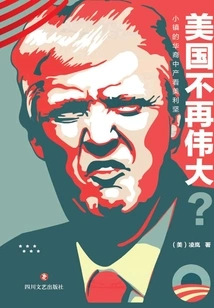
Is America No Longer Great?
Literature美国不再伟大?
(us) Ling Lan
"Is America No Longer Great?" "Collectes the author's essays in the past two years, covering the US election, education, culture, technology, economy, etc., Using the current news as a clue to explore the underlying social and cultural laws and the differences between China and the West. News hot spots will pass, but social and cultural thinking will never go out of style. The author strives to find the truth of American society in specific events - he does not blindly pursue the beauty of democracy and freedom, nor simplify the shortcomings of American society. Instead, he strives to present the true American social scene in personalized story telling, which not only avoids excessive theoretical interpretation, but also gives readers real perceptual experience.
"Is America No Longer Great?" "Collectes the author's essays in the past two years, covering the US election, education, culture, technology, economy, etc., Using the current news as a clue to explore the underlying social and cultural laws and the differences between China and the West. News hot spots will pass, but social and cultural thinking will never go out of style. The author strives to find the truth of American society in specific events - he does not blindly pursue the beauty of democracy and freedom, nor simplify the shortcomings of American society. Instead, he strives to present the true American social scene in personalized story telling, which not only avoids excessive theoretical interpretation, but also gives readers real perceptual experience.
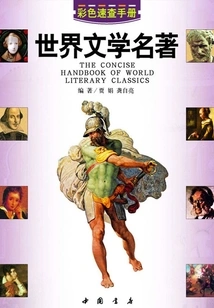
World Literary Masterpieces
Literature世界文学名著
Jia Juan Gong Ziliang
The Color Quick Reference Manual series combines the advantages of professional dictionary books and encyclopedia books, focuses on humanistic colors and artistic concepts, and is scientific and practical, easy to read, and beautifully bound.
The Color Quick Reference Manual series combines the advantages of professional dictionary books and encyclopedia books, focuses on humanistic colors and artistic concepts, and is scientific and practical, easy to read, and beautifully bound.
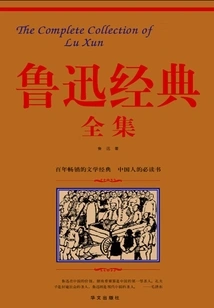
Complete Works of Lu Xun's Classics
Literature鲁迅经典全集
Lu Xun
If British literature cannot be without Shakespeare, then our nation cannot be without Lu Xun - he is the national soul of modern China.
If British literature cannot be without Shakespeare, then our nation cannot be without Lu Xun - he is the national soul of modern China.
颠覆与超越:史铁生文学作品的修辞化生存
Yan Wenlong
"Subversion and Transcendence: The Rhetorical Survival of Shi Tiesheng's Literary Works" content introduction: Zhang Wei said: "How many words have been multiplied in the Internet age. The intertwined sounds are deafening, but it is difficult to cover up the low hum emanating from a wheelchair in a corner of Beijing." This low hum comes from Shi Tiesheng. This murmur shakes the earth; this murmur shakes the earth of literature. Shi Tiesheng's works are the altar in the history of contemporary Chinese novels. It can be said that every time you pass by, you can't help but stop, look and think. If you travel through any of Shi Tiesheng's texts, you will find that the language control in his works is sometimes in compliance with the rules but not in compliance with the rules, and sometimes is in compliance with the rules but not in compliance with the rules. Change and transcendence are the breakthroughs in his writing; deviance and subversion are the innovations in his writing. Professor Yan Wenlong's masterpiece after five years of hard work: "Subversion and Transcendence: The Rhetorical Survival of Shi Tiesheng's Literary Works" systematically and comprehensively studies Shi Tiesheng's works. From the perspective of language, he examines Shi Tiesheng's use and creation of specific Chinese rhetorical techniques, observes Shi Tiesheng's efforts in constructing rhetorical texts, and thus summarizes the linguistic style characteristics of Shi Tiesheng's works.
"Subversion and Transcendence: The Rhetorical Survival of Shi Tiesheng's Literary Works" content introduction: Zhang Wei said: "How many words have been multiplied in the Internet age. The intertwined sounds are deafening, but it is difficult to cover up the low hum emanating from a wheelchair in a corner of Beijing." This low hum comes from Shi Tiesheng. This murmur shakes the earth; this murmur shakes the earth of literature. Shi Tiesheng's works are the altar in the history of contemporary Chinese novels. It can be said that every time you pass by, you can't help but stop, look and think. If you travel through any of Shi Tiesheng's texts, you will find that the language control in his works is sometimes in compliance with the rules but not in compliance with the rules, and sometimes is in compliance with the rules but not in compliance with the rules. Change and transcendence are the breakthroughs in his writing; deviance and subversion are the innovations in his writing. Professor Yan Wenlong's masterpiece after five years of hard work: "Subversion and Transcendence: The Rhetorical Survival of Shi Tiesheng's Literary Works" systematically and comprehensively studies Shi Tiesheng's works. From the perspective of language, he examines Shi Tiesheng's use and creation of specific Chinese rhetorical techniques, observes Shi Tiesheng's efforts in constructing rhetorical texts, and thus summarizes the linguistic style characteristics of Shi Tiesheng's works.
Ten Years of Vicissitudes
Literature沧桑十年
Ma Shitu
The author of this book is a famous writer, and the content of the book mainly reflects some of the past events that the author experienced during the ten years of turmoil during the "Cultural Revolution".
The author of this book is a famous writer, and the content of the book mainly reflects some of the past events that the author experienced during the ten years of turmoil during the "Cultural Revolution".
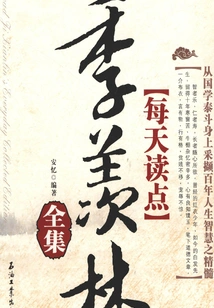
每天读点季羡林(全集)
An Yi
Ji Xianlin, an old man of the century, has gone through an era of turmoil, dynasty changes, and continuous wars; he has experienced turbulent periods of political struggles, natural and man-made disasters, and fanatical movements; he has experienced ups and downs and achieved a life without regrets. In his later years, Ji Xianlin was respected as one of the few masters and a leading figure in the academic world. Mr. Ji Xianlin is admired by others, not only because of his extensive knowledge of the past and present, but also because of his simple and honest character, his high altitude and the far-reaching realm, as well as his charisma that has both a noble demeanor and an innocent heart. However, Ji Xianlin was just a scholar who came from an ordinary peasant family. He was born in a poor family. He left home at the age of six and relied on his uncle to study. In his youth, he was even more modest, timid and unambitious. What made Mr. Ji Xianlin, who had no background, step by step, become a great academic scholar; and what made Mr. Ji Xianlin overcome all the difficulties in life and finally achieve glory in life. We can gain a lot from interpreting Ji Xianlin. Mr. Ji Xianlin has his own unique insights into scholarship, world-building, conduct, and conduct in the world. His wisdom and profound feelings about world affairs also bring us endless enlightenment. In academic pursuits, Mr. Ji Xianlin advocates diligence, steadfastness, innovation and communication. He advocates the research method of "bold assumptions and careful verification". He said that scholars should have their own academic conscience, and they should also "learn from others' strengths" and be good at learning from others. At the beginning of the world, Ji Xianlin believed that imperfection is life. People should not put the basis of life on perfection, and they should not pursue wishes that they cannot realize, let alone hope to possess them.
Ji Xianlin, an old man of the century, has gone through an era of turmoil, dynasty changes, and continuous wars; he has experienced turbulent periods of political struggles, natural and man-made disasters, and fanatical movements; he has experienced ups and downs and achieved a life without regrets. In his later years, Ji Xianlin was respected as one of the few masters and a leading figure in the academic world. Mr. Ji Xianlin is admired by others, not only because of his extensive knowledge of the past and present, but also because of his simple and honest character, his high altitude and the far-reaching realm, as well as his charisma that has both a noble demeanor and an innocent heart. However, Ji Xianlin was just a scholar who came from an ordinary peasant family. He was born in a poor family. He left home at the age of six and relied on his uncle to study. In his youth, he was even more modest, timid and unambitious. What made Mr. Ji Xianlin, who had no background, step by step, become a great academic scholar; and what made Mr. Ji Xianlin overcome all the difficulties in life and finally achieve glory in life. We can gain a lot from interpreting Ji Xianlin. Mr. Ji Xianlin has his own unique insights into scholarship, world-building, conduct, and conduct in the world. His wisdom and profound feelings about world affairs also bring us endless enlightenment. In academic pursuits, Mr. Ji Xianlin advocates diligence, steadfastness, innovation and communication. He advocates the research method of "bold assumptions and careful verification". He said that scholars should have their own academic conscience, and they should also "learn from others' strengths" and be good at learning from others. At the beginning of the world, Ji Xianlin believed that imperfection is life. People should not put the basis of life on perfection, and they should not pursue wishes that they cannot realize, let alone hope to possess them.
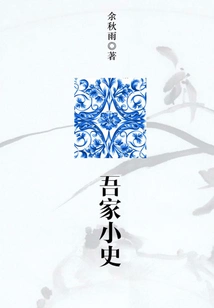
A Brief History of My Family
Literature吾家小史
Yu Qiuyu
This book is the latest revised version of Yu Qiuyu's autobiography "Lend Me a Life", which has added a large text about his mother. In this book, Yu Qiuyu narrates the history of the family in a calm tone, starting from the time when his great-grandfather and great-grandfather set off from Cixi, Zhejiang and went to Shanghai. The lives of grandfather, grandmother, maternal grandfather, maternal grandmother, father, mother, aunt, uncle, "me" and his wife Malan, and many family figures, have risen and fallen in the light and shadow of history for nearly a century. This is a work with symbolic significance, a "Chinese Reader" that goes deep into the soul.
This book is the latest revised version of Yu Qiuyu's autobiography "Lend Me a Life", which has added a large text about his mother. In this book, Yu Qiuyu narrates the history of the family in a calm tone, starting from the time when his great-grandfather and great-grandfather set off from Cixi, Zhejiang and went to Shanghai. The lives of grandfather, grandmother, maternal grandfather, maternal grandmother, father, mother, aunt, uncle, "me" and his wife Malan, and many family figures, have risen and fallen in the light and shadow of history for nearly a century. This is a work with symbolic significance, a "Chinese Reader" that goes deep into the soul.
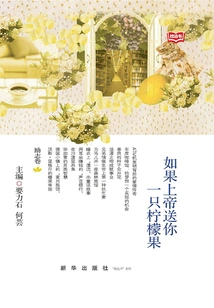
If God Sends You a Lemon Fruit
Literature如果上帝送你一只柠檬果
Yaolishi He Yun
Will the world-changing moments pass you by? If you have a lemon from God, you may change your life. Behind great inventions are sometimes love stories. Thousands of wealth may come from an unexpected date. These classic or brand-new stories of success and inspiration always allow you to continue writing the legend of life because of the shining light of humanity. --Will the wonderful moments that change the world in the inspirational volume of the Pillow Book series pass you by? If you have a lemon from God, you may change your life. Behind great inventions are sometimes love stories. Thousands of wealth may come from an unexpected date. These classic or brand-new stories of success and inspiration always allow you to continue writing the legend of life because of the shining light of humanity. --Inspirational Volume of the Pillow Book Series
Will the world-changing moments pass you by? If you have a lemon from God, you may change your life. Behind great inventions are sometimes love stories. Thousands of wealth may come from an unexpected date. These classic or brand-new stories of success and inspiration always allow you to continue writing the legend of life because of the shining light of humanity. --Will the wonderful moments that change the world in the inspirational volume of the Pillow Book series pass you by? If you have a lemon from God, you may change your life. Behind great inventions are sometimes love stories. Thousands of wealth may come from an unexpected date. These classic or brand-new stories of success and inspiration always allow you to continue writing the legend of life because of the shining light of humanity. --Inspirational Volume of the Pillow Book Series
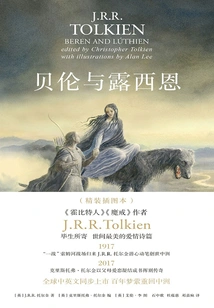
Beren and Lúthien (illustrated Edition)
Literature贝伦与露西恩(插图本)
H
The mortal Beren fell in love with Lúthien, who was born in the immortal elven clan. However, their love was initially unable to get the approval of Lúthien's father, the Elf King Thingol. In order to make Beren quit, Thingol put forward the conditions for marrying Lúthien: Beren must complete a seemingly hopeless task. This mission is the core of the legend, and it prompted Beren and Lúthien to accomplish a supreme heroic feat together: to recapture a Silmarillion from the first Dark Lord, Morgoth, who was more powerful and terrifying than Sauron in later generations. The legend of Beren and Lúthien is one of the most important stories in Middle-earth, the magnificent world created by Professor J. R. R. Tolkien. It ranks among the three major legends in the ancient times of Middle-earth. It is not only an integral part of the grand background of "The Lord of the Rings", but also an indispensable cornerstone of "The Silmarillion". It also has extraordinary significance in the author's own life. A year before his death, J. R. R. Tolkien wrote a letter about his memory of his late wife. He wrote: "She was the source of the story that became the main part of The Silmarillion... But the story went off the rails, I was left behind, and I could not plead before the unforgiving Mandos." In Beren and Luthien, Christopher Tolkien made a new The attempt is to extract the story from the general background and use a series of manuscripts written by the author at different stages of creation to sort out and compare the development of the characters and plots, thereby showing readers the full evolution of the story of Beren and Lúthien over the course of decades.
The mortal Beren fell in love with Lúthien, who was born in the immortal elven clan. However, their love was initially unable to get the approval of Lúthien's father, the Elf King Thingol. In order to make Beren quit, Thingol put forward the conditions for marrying Lúthien: Beren must complete a seemingly hopeless task. This mission is the core of the legend, and it prompted Beren and Lúthien to accomplish a supreme heroic feat together: to recapture a Silmarillion from the first Dark Lord, Morgoth, who was more powerful and terrifying than Sauron in later generations. The legend of Beren and Lúthien is one of the most important stories in Middle-earth, the magnificent world created by Professor J. R. R. Tolkien. It ranks among the three major legends in the ancient times of Middle-earth. It is not only an integral part of the grand background of "The Lord of the Rings", but also an indispensable cornerstone of "The Silmarillion". It also has extraordinary significance in the author's own life. A year before his death, J. R. R. Tolkien wrote a letter about his memory of his late wife. He wrote: "She was the source of the story that became the main part of The Silmarillion... But the story went off the rails, I was left behind, and I could not plead before the unforgiving Mandos." In Beren and Luthien, Christopher Tolkien made a new The attempt is to extract the story from the general background and use a series of manuscripts written by the author at different stages of creation to sort out and compare the development of the characters and plots, thereby showing readers the full evolution of the story of Beren and Lúthien over the course of decades.
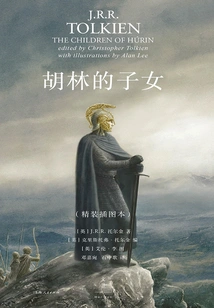
Children of Hurin (illustrated Edition)
Literature胡林的子女(插图本)
(english) J. R. R. Tolkien
The legend of Hurin's children is a very important story in Middle-earth, the magnificent world created by Professor J. R. R. Tolkien. Together with "Beren and Lúthien" and "The Fall of Gondolin", they are called the three major legends of the ancient times of Middle-earth; they are not only an integral part of the grand background of "The Lord of the Rings", but also an indispensable cornerstone of "The Silmarillion". The experience of the tragic hero Turin has traces of myths from all over the world, as well as the pathos of Hector, Coriolanus and others. The fallen Valar Morgoth captured Hurin, the leader of the human race, and used threats and inducements to force him to submit. Hurin's awe-inspiring attitude made Morgoth hatch a poisonous plot, and he cursed Hulin's children, brother and sister Túrin and Nienor, and forced Hurin to witness all the misfortunes they encountered...
The legend of Hurin's children is a very important story in Middle-earth, the magnificent world created by Professor J. R. R. Tolkien. Together with "Beren and Lúthien" and "The Fall of Gondolin", they are called the three major legends of the ancient times of Middle-earth; they are not only an integral part of the grand background of "The Lord of the Rings", but also an indispensable cornerstone of "The Silmarillion". The experience of the tragic hero Turin has traces of myths from all over the world, as well as the pathos of Hector, Coriolanus and others. The fallen Valar Morgoth captured Hurin, the leader of the human race, and used threats and inducements to force him to submit. Hurin's awe-inspiring attitude made Morgoth hatch a poisonous plot, and he cursed Hulin's children, brother and sister Túrin and Nienor, and forced Hurin to witness all the misfortunes they encountered...
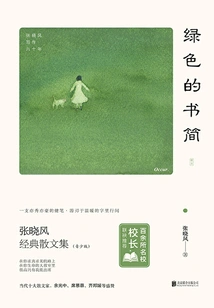
绿色的书简(百所名校校长推荐版)
Zhang Xiaofeng
It includes classic prose works by the famous writer Zhang Xiaofeng, including "Just Because I'm Young", "I Give You a Child", "Notes on a Sunny Day", "Near the Water", "Half of a Child's Spring Sorrow, Half of a Child's Water" and other articles of high literary value. Zhang Xiaofeng's works are often filled with an ethereal and heart-warming emotion. Themes include the beauty of nature and admiration for all things, the warmth of home and concern for relatives, the beauty of life and cherishing life, warmth, gratitude, understanding, and relief. Yu Guangzhong called her "a powerful pen that is both elegant and bold in the Chinese-speaking world", and Jiang Xun even praised her words like spring tea resurrected in boiling water.
It includes classic prose works by the famous writer Zhang Xiaofeng, including "Just Because I'm Young", "I Give You a Child", "Notes on a Sunny Day", "Near the Water", "Half of a Child's Spring Sorrow, Half of a Child's Water" and other articles of high literary value. Zhang Xiaofeng's works are often filled with an ethereal and heart-warming emotion. Themes include the beauty of nature and admiration for all things, the warmth of home and concern for relatives, the beauty of life and cherishing life, warmth, gratitude, understanding, and relief. Yu Guangzhong called her "a powerful pen that is both elegant and bold in the Chinese-speaking world", and Jiang Xun even praised her words like spring tea resurrected in boiling water.
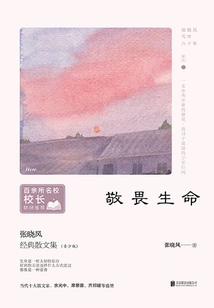
敬畏生命(百所名校校长推荐版)
Zhang Xiaofeng
It includes the classic prose works of the famous writer Zhang Xiaofeng, including "Respect for Life", "Street on the Street", "Let You Go Thousand Mountains and Thousands of Waters", "Send You a Word", "Read Your Names", "Book on Rainy Day" and other articles of high literary value. Zhang Xiaofeng's works are often filled with an ethereal and heart-warming emotion. Themes include the beauty of nature and admiration for all things, the warmth of home and concern for relatives, the beauty of life and cherishing life, warmth, gratitude, understanding, and relief. Yu Guangzhong called her "a powerful pen that is both elegant and bold in the Chinese-speaking world", and Jiang Xun even praised her words like spring tea resurrected in boiling water.
It includes the classic prose works of the famous writer Zhang Xiaofeng, including "Respect for Life", "Street on the Street", "Let You Go Thousand Mountains and Thousands of Waters", "Send You a Word", "Read Your Names", "Book on Rainy Day" and other articles of high literary value. Zhang Xiaofeng's works are often filled with an ethereal and heart-warming emotion. Themes include the beauty of nature and admiration for all things, the warmth of home and concern for relatives, the beauty of life and cherishing life, warmth, gratitude, understanding, and relief. Yu Guangzhong called her "a powerful pen that is both elegant and bold in the Chinese-speaking world", and Jiang Xun even praised her words like spring tea resurrected in boiling water.
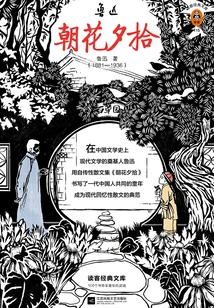
朝花夕拾
Lu Xun
A must-read for seventh-grade students in the new Chinese language curriculum, a representative work of prose by the founder of modern literature! Who hasn't been naughty and troublesome? Lu Xun was also a master at catching sparrows and crickets! In the history of Chinese literature, Lu Xun, the founder of modern literature, wrote the common childhood memories of a generation of Chinese people in his collection of autobiographical essays "Picking Up Flowers in the Morning and Dusk", which became a model of modern recall prose! The all-powerful cultural giant of the 20th century! To read Chinese literature, you have to read Lu Xun, and to read Lu Xun, you have to read "Morning Blossoms Plucked at Evening". Feel the real image of Lu Xun in "Morning Blossoms Plucked at Evening"! 1:1 Woodcut print cover. Woodcut is Lu Xun's favorite art form! 2019 Marks the 90th anniversary of Lu Xun's promotion of woodcut art! Use Lu Xun's favorite art form to create a cover that Lu Xun himself might have loved very much! Reader's Classic Library's new print collection edition of "Morning Blossoms Plucked at Dusk": (1) Complete selections! Specially included are "The Autobiography of Lu Xun", "Weeds", "Self-titled Portrait", Xiao Hong's "Memories of Mr. Lu Xun" (2) 1:1 woodcut print cover by a specially invited print artist (3) 10 original and exquisite ink-style illustrations, presenting vivid childhood memories (4) Carefully designed illustrated book of childhood items "Blooms Picked Up at Morning and Dusk". "Morning Blossoms Gathered at Dusk" is a classic prose work by Lu Xun recalling his childhood memories. It is a masterpiece of childhood in China's agricultural era and a common childhood for Chinese people: playing in mud, picking mulberries, watching centipedes, enjoying the shade under a big tree, listening to stories, eating water chestnuts, watching temple fairs... You will definitely be able to see your own childhood in "Morning Blossoms Gathered at Dusk"!
A must-read for seventh-grade students in the new Chinese language curriculum, a representative work of prose by the founder of modern literature! Who hasn't been naughty and troublesome? Lu Xun was also a master at catching sparrows and crickets! In the history of Chinese literature, Lu Xun, the founder of modern literature, wrote the common childhood memories of a generation of Chinese people in his collection of autobiographical essays "Picking Up Flowers in the Morning and Dusk", which became a model of modern recall prose! The all-powerful cultural giant of the 20th century! To read Chinese literature, you have to read Lu Xun, and to read Lu Xun, you have to read "Morning Blossoms Plucked at Evening". Feel the real image of Lu Xun in "Morning Blossoms Plucked at Evening"! 1:1 Woodcut print cover. Woodcut is Lu Xun's favorite art form! 2019 Marks the 90th anniversary of Lu Xun's promotion of woodcut art! Use Lu Xun's favorite art form to create a cover that Lu Xun himself might have loved very much! Reader's Classic Library's new print collection edition of "Morning Blossoms Plucked at Dusk": (1) Complete selections! Specially included are "The Autobiography of Lu Xun", "Weeds", "Self-titled Portrait", Xiao Hong's "Memories of Mr. Lu Xun" (2) 1:1 woodcut print cover by a specially invited print artist (3) 10 original and exquisite ink-style illustrations, presenting vivid childhood memories (4) Carefully designed illustrated book of childhood items "Blooms Picked Up at Morning and Dusk". "Morning Blossoms Gathered at Dusk" is a classic prose work by Lu Xun recalling his childhood memories. It is a masterpiece of childhood in China's agricultural era and a common childhood for Chinese people: playing in mud, picking mulberries, watching centipedes, enjoying the shade under a big tree, listening to stories, eating water chestnuts, watching temple fairs... You will definitely be able to see your own childhood in "Morning Blossoms Gathered at Dusk"!
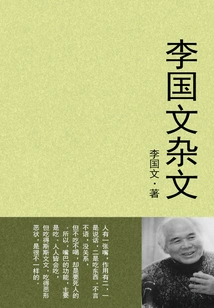
Li Guowen's Essays
Literature李国文杂文
Li Guowen
This book includes Li Guowen's classic essays, including works that won the Lu Xun Literature Award.
This book includes Li Guowen's classic essays, including works that won the Lu Xun Literature Award.
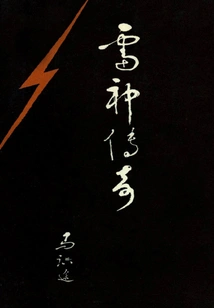
Thor Legend
Literature雷神传奇
Ma Shitu
This book is the culmination of Ma Lao's literary creation for more than half a century, including novels, documentary literature, prose, poetry, essays, travel notes, essays, etc. Ma Lao said in his preface: I am a writer who became a monk on the way, and I cannot be considered an outstanding writer... But I can say with confidence that I have participated in the Chinese revolution and can be regarded as a revolutionary. Therefore, if the works I wrote can be called literary works, they can be regarded as revolutionary literary works.
This book is the culmination of Ma Lao's literary creation for more than half a century, including novels, documentary literature, prose, poetry, essays, travel notes, essays, etc. Ma Lao said in his preface: I am a writer who became a monk on the way, and I cannot be considered an outstanding writer... But I can say with confidence that I have participated in the Chinese revolution and can be regarded as a revolutionary. Therefore, if the works I wrote can be called literary works, they can be regarded as revolutionary literary works.
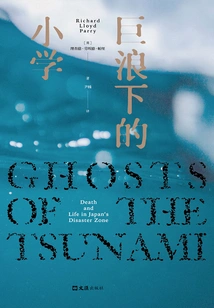
Elementary School under the Huge Waves
Literature巨浪下的小学
(english) Richard Lloyd Parry
When the surface cracks and seawater pours in, the world becomes a veritable hell. This is a tragedy that should never have happened, and a heartbreaking story that tears apart the delicate facade of Japanese society. Winner of the Forio Literary Award, "a future classic in disaster news writing" (reviewed by The Guardian) On March 11, 2011, a 9.0-Magnitude earthquake occurred in Japan, triggering a huge tsunami and a nuclear leak. It was the most severe disaster Japan has faced since World War II. When an earthquake occurs, schools are the safest places in Japan. They have solid teaching buildings, meticulous drills, accurate and timely warnings, and a complete disaster prevention system that gives people confidence in the school. But on March 11, almost all the teachers and students of Dachuan Elementary School were killed. The tragedy could have been avoided, but only because of trivial omissions, 84 teachers and students were buried under the huge waves, and the strict system and order became a monster that devoured lives. British journalist Parry spent six years following the investigation to restore the entire process of this heartbreaking disaster and unearthed the fatal flaw hidden under Japan's orderly appearance - the tsunami was not the problem, Japan itself was the problem. Once something unfortunate happens, the first reaction of some societies is to cover up the truth. For such societies, "Elementary School Under the Big Wave" is a thought-provoking lesson. You won't read a better nonfiction story this year than this one. --The Economist
When the surface cracks and seawater pours in, the world becomes a veritable hell. This is a tragedy that should never have happened, and a heartbreaking story that tears apart the delicate facade of Japanese society. Winner of the Forio Literary Award, "a future classic in disaster news writing" (reviewed by The Guardian) On March 11, 2011, a 9.0-Magnitude earthquake occurred in Japan, triggering a huge tsunami and a nuclear leak. It was the most severe disaster Japan has faced since World War II. When an earthquake occurs, schools are the safest places in Japan. They have solid teaching buildings, meticulous drills, accurate and timely warnings, and a complete disaster prevention system that gives people confidence in the school. But on March 11, almost all the teachers and students of Dachuan Elementary School were killed. The tragedy could have been avoided, but only because of trivial omissions, 84 teachers and students were buried under the huge waves, and the strict system and order became a monster that devoured lives. British journalist Parry spent six years following the investigation to restore the entire process of this heartbreaking disaster and unearthed the fatal flaw hidden under Japan's orderly appearance - the tsunami was not the problem, Japan itself was the problem. Once something unfortunate happens, the first reaction of some societies is to cover up the truth. For such societies, "Elementary School Under the Big Wave" is a thought-provoking lesson. You won't read a better nonfiction story this year than this one. --The Economist
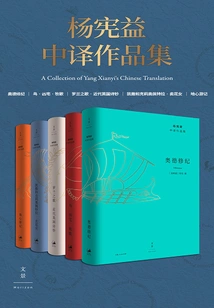
杨宪益中译作品集(全五卷)
(france) Jules Verne (ancient Greece) Aristophanes, Etc.
The Chinese translation works of Yang Xianyi, a leading translator in the field of translation, are collected and published for the first time; from Homer's epics to Bernard Shaw's plays, these are rare and authoritative translations of classic masterpieces. In 2019, "Collection of Yang Xianyi's Chinese Translation Works" (all five volumes) was published for the first time, coinciding with the 10th anniversary of the death of the famous translator Mr. Yang Xianyi (1915-2009). "The Complete Works of Yang Xianyi in Chinese Translation" (five volumes in total) includes nine kinds of works, including "The Odyssey", "Birds", "Haunted House", "Pastoral", "Journey to the Center of the Earth", "Song of Roland", "Caesar and Cleopatra", "Pygmalion", and "Modern British Poetry Notes". It covers everything from epics and dramas in the ancient Greek era when Western civilization originated, to science fiction novels and modern poetry after the rise of modern European industrial civilization. Yang Xianyi's translation is elegant, readable and achieves a valuable balance between reductiveness and interest. Mr. Yang's translation takes "faithfulness" and "expressiveness" as the first principles. As he said, "'expressive' and 'elegant' are the real 'expressive'." This collection can not only reflect Mr. Yang Xianyi's profound knowledge and translation achievements in foreign languages and literature for readers, but also provide an overview of the evolution of genres and styles of Western literature from ancient times to the present.
The Chinese translation works of Yang Xianyi, a leading translator in the field of translation, are collected and published for the first time; from Homer's epics to Bernard Shaw's plays, these are rare and authoritative translations of classic masterpieces. In 2019, "Collection of Yang Xianyi's Chinese Translation Works" (all five volumes) was published for the first time, coinciding with the 10th anniversary of the death of the famous translator Mr. Yang Xianyi (1915-2009). "The Complete Works of Yang Xianyi in Chinese Translation" (five volumes in total) includes nine kinds of works, including "The Odyssey", "Birds", "Haunted House", "Pastoral", "Journey to the Center of the Earth", "Song of Roland", "Caesar and Cleopatra", "Pygmalion", and "Modern British Poetry Notes". It covers everything from epics and dramas in the ancient Greek era when Western civilization originated, to science fiction novels and modern poetry after the rise of modern European industrial civilization. Yang Xianyi's translation is elegant, readable and achieves a valuable balance between reductiveness and interest. Mr. Yang's translation takes "faithfulness" and "expressiveness" as the first principles. As he said, "'expressive' and 'elegant' are the real 'expressive'." This collection can not only reflect Mr. Yang Xianyi's profound knowledge and translation achievements in foreign languages and literature for readers, but also provide an overview of the evolution of genres and styles of Western literature from ancient times to the present.
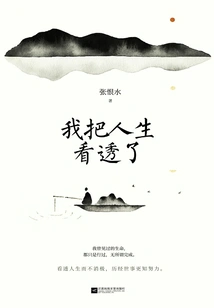
I've Seen Life Through
Literature我把人生看透了
Zhang Henshui
Zhang Henshui has written tens of millions of words in his life, including novels, essays, poems, current reviews, and news. He is a journalist himself, and he has traveled all over China and has experienced a wide range of experiences. Therefore, his perception of life is both rich, broad, and thorough. When it comes to doing things, he said - if you have a clear vision and determination, then just go ahead and do it. Regarding setbacks, he said - it is not shameful to be in trouble by chance in life. Regarding friends, he said - friends use each other, to put it nicely, it is mutual help, to put it badly, it is to do business. Regarding hard work, he said - I know that what I have learned is not enough. I need to read more, watch more and run more. Regarding work, he said - while working, one also learns. Everything in the world is like this. He kept writing all his life, and was diligent and tireless towards his friends, family, and career. Seeing through life without being negative, and knowing how to work hard after experiencing the world, is Zhang Henshui's attitude towards life.
Zhang Henshui has written tens of millions of words in his life, including novels, essays, poems, current reviews, and news. He is a journalist himself, and he has traveled all over China and has experienced a wide range of experiences. Therefore, his perception of life is both rich, broad, and thorough. When it comes to doing things, he said - if you have a clear vision and determination, then just go ahead and do it. Regarding setbacks, he said - it is not shameful to be in trouble by chance in life. Regarding friends, he said - friends use each other, to put it nicely, it is mutual help, to put it badly, it is to do business. Regarding hard work, he said - I know that what I have learned is not enough. I need to read more, watch more and run more. Regarding work, he said - while working, one also learns. Everything in the world is like this. He kept writing all his life, and was diligent and tireless towards his friends, family, and career. Seeing through life without being negative, and knowing how to work hard after experiencing the world, is Zhang Henshui's attitude towards life.
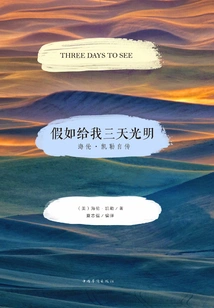
假如给我三天光明:海伦·凯勒自传
Helen Keller
In addition, Helen Keller was diligent in writing throughout her life and created a total of 14 literary works. Among them, the most praised ones are "If You Give Me Three Days of Light" and "My Life". "If You Give Me Three Days of Light" is a famous prose masterpiece by Helen Keller. It was written in 1933 and was published in the Atlantic Monthly in the United States. It was later translated into many languages and included in the textbooks of universities, middle schools and primary schools in many countries. The autobiographical work "My Life" written in college is Helen Keller's debut novel. In the article, Helen Keller described her life in the first 21 years of her life in a true and natural way, telling how she overcame illness and disability, how she broke through the darkness and gained light. "My Life" has aroused strong repercussions in the United States since its publication in 1902. It has been translated into more than 50 languages and spread to every corner of the world.
In addition, Helen Keller was diligent in writing throughout her life and created a total of 14 literary works. Among them, the most praised ones are "If You Give Me Three Days of Light" and "My Life". "If You Give Me Three Days of Light" is a famous prose masterpiece by Helen Keller. It was written in 1933 and was published in the Atlantic Monthly in the United States. It was later translated into many languages and included in the textbooks of universities, middle schools and primary schools in many countries. The autobiographical work "My Life" written in college is Helen Keller's debut novel. In the article, Helen Keller described her life in the first 21 years of her life in a true and natural way, telling how she overcame illness and disability, how she broke through the darkness and gained light. "My Life" has aroused strong repercussions in the United States since its publication in 1902. It has been translated into more than 50 languages and spread to every corner of the world.
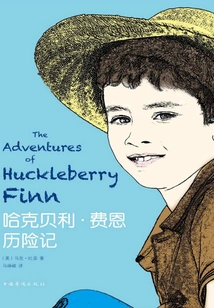
The Adventures of Huckleberry Finn
Literature哈克贝利·费恩历险记
(us) Mark Twain
If you haven't read "The Adventures of Tom Sawyer," you don't know who I am. But that doesn't matter. That book was written by Mark Twain, and what he wrote was mostly true. Although some things were made up by him, they were generally believable. Of course, it doesn't matter if it's not trustworthy. With the exception of Aunt Polly, Widow Douglas, and maybe Mary, I've never met anyone who didn't tell an occasional lie. Things about Aunt Polly, Tom's Aunt Polly, and Mary and the Widow Douglas were all written in that book. The book is generally reliable, but there are parts of it that are nonsense, as I just said.
If you haven't read "The Adventures of Tom Sawyer," you don't know who I am. But that doesn't matter. That book was written by Mark Twain, and what he wrote was mostly true. Although some things were made up by him, they were generally believable. Of course, it doesn't matter if it's not trustworthy. With the exception of Aunt Polly, Widow Douglas, and maybe Mary, I've never met anyone who didn't tell an occasional lie. Things about Aunt Polly, Tom's Aunt Polly, and Mary and the Widow Douglas were all written in that book. The book is generally reliable, but there are parts of it that are nonsense, as I just said.
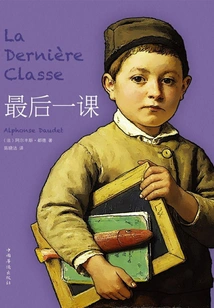
O
Literatureo
P
Mr. Onuoha Grabaz, notary of the Bonperigust real estate, has come forward to notarize the following matters: "The parties present here, Mr. Gaspar Mitifio, husband of Vivite Cornier, the original owner and resident of the West Carrières property, sold the property in his name to Mr. Alphonse Daudet, a poet from Paris, under your witness. He also publicly promised that he had repaid all debts related to the property on the premise of providing financial and legal guarantees. The property currently has no debt, interest transfer and mortgage issues. "The property is a wind-powered flour mill located in the Rhône Valley, in the center of Provence, on a hill surrounded by lush pine forests and verdant oak forests. The mill has been abandoned for more than twenty years and is no longer able to grind flour. It is covered with wild grapevines, moss, rosemary and a bunch of unnamed green vines wrapped around the windmill.
Mr. Onuoha Grabaz, notary of the Bonperigust real estate, has come forward to notarize the following matters: "The parties present here, Mr. Gaspar Mitifio, husband of Vivite Cornier, the original owner and resident of the West Carrières property, sold the property in his name to Mr. Alphonse Daudet, a poet from Paris, under your witness. He also publicly promised that he had repaid all debts related to the property on the premise of providing financial and legal guarantees. The property currently has no debt, interest transfer and mortgage issues. "The property is a wind-powered flour mill located in the Rhône Valley, in the center of Provence, on a hill surrounded by lush pine forests and verdant oak forests. The mill has been abandoned for more than twenty years and is no longer able to grind flour. It is covered with wild grapevines, moss, rosemary and a bunch of unnamed green vines wrapped around the windmill.
B
LiteratureB
H
Honoré de Balzac, French writer, the father of modern French novels, the founder and outstanding representative of European critical realist literature. Balzac was born into a middle-class family in the ancient French city of Tours. He studied law at a university in Paris, but despite his parents' opposition after graduation, he resolutely embarked on the path of literary creation. He once gave up writing and went into business but failed. His commercial failure left him with a lot of debt and a lifelong burden, but it also laid a solid foundation for his future creations. Balzac's masterpiece is a set of novels that reflect French social life, collectively known as "The Human Comedy". There are more than 90 novels in total, and more than 2,400 characters have been created, including "Eugénie Grandet", "Old Goriot", "Aunt Belle", etc. It is known as a rare literary monument in the history of human literature and an "encyclopedia" of French society.
Honoré de Balzac, French writer, the father of modern French novels, the founder and outstanding representative of European critical realist literature. Balzac was born into a middle-class family in the ancient French city of Tours. He studied law at a university in Paris, but despite his parents' opposition after graduation, he resolutely embarked on the path of literary creation. He once gave up writing and went into business but failed. His commercial failure left him with a lot of debt and a lifelong burden, but it also laid a solid foundation for his future creations. Balzac's masterpiece is a set of novels that reflect French social life, collectively known as "The Human Comedy". There are more than 90 novels in total, and more than 2,400 characters have been created, including "Eugénie Grandet", "Old Goriot", "Aunt Belle", etc. It is known as a rare literary monument in the history of human literature and an "encyclopedia" of French society.
Red Baby
Literature红婴仔
Jian Yu
"Red Baby" is a prose documentary written by Jian Yu deliberately to get close to the reality of raising babies. It tells about her anxiety as a first-time mother and her various emotions of excitement, fear, expectation and frustration in the process of raising a new life with her own hands. With his beautiful and clever words, the author faithfully records the growth process of newborns and conveys practical parenting tips. On the other hand, the "Secret Words" series sneaks into the private inner world, traces the origin of life, and witnesses the training process of female characters. It writes the most sincere contrast between a woman's present and past, and also points out a possible new path for women caught between tradition and modernity.
"Red Baby" is a prose documentary written by Jian Yu deliberately to get close to the reality of raising babies. It tells about her anxiety as a first-time mother and her various emotions of excitement, fear, expectation and frustration in the process of raising a new life with her own hands. With his beautiful and clever words, the author faithfully records the growth process of newborns and conveys practical parenting tips. On the other hand, the "Secret Words" series sneaks into the private inner world, traces the origin of life, and witnesses the training process of female characters. It writes the most sincere contrast between a woman's present and past, and also points out a possible new path for women caught between tradition and modernity.
Naughty Little Tomato
Literature顽童小番茄
Jian Yu
"Little Tomato" tells the story of the growth of a nine-year-old girl "Little Tomato" in a large family. With her keen observation, Jian Yu vividly depicts the joys and sorrows of Little Tomato as she grows, as well as her naughty and cute unique personality. Growth is never smooth sailing. While we are surprised by children's strong adaptability and learning ability to the environment, the educational issues and social and cultural atmosphere reflected in their growth are also thought-provoking. As the author writes: "In this high-risk era of education, this book is written for adults who are willing to take the time to reflect."
"Little Tomato" tells the story of the growth of a nine-year-old girl "Little Tomato" in a large family. With her keen observation, Jian Yu vividly depicts the joys and sorrows of Little Tomato as she grows, as well as her naughty and cute unique personality. Growth is never smooth sailing. While we are surprised by children's strong adaptability and learning ability to the environment, the educational issues and social and cultural atmosphere reflected in their growth are also thought-provoking. As the author writes: "In this high-risk era of education, this book is written for adults who are willing to take the time to reflect."
一生必读的世界十大名著:假如给我三天光明(青少年版)
Helen Keller
Here is a record of a deaf-mute's experience of changing her miserable destiny with her amazing efforts. In a lonely world without light, silence, and silence, her strong self-confidence made her life rich and colorful. Helen Keller, the most remarkable figure in the 19th century, created many works in her life. Fourteen books, and its prose "Top 10 Classical World Classics You Must Read in a Lifetime (Youth Edition): If You Give Me Three Days of Light (Autobiography of Helen Keller) (Super Low Price Collector's Edition)" has conquered readers all over the world with its unparalleled beauty and has become a widely read classic.
Here is a record of a deaf-mute's experience of changing her miserable destiny with her amazing efforts. In a lonely world without light, silence, and silence, her strong self-confidence made her life rich and colorful. Helen Keller, the most remarkable figure in the 19th century, created many works in her life. Fourteen books, and its prose "Top 10 Classical World Classics You Must Read in a Lifetime (Youth Edition): If You Give Me Three Days of Light (Autobiography of Helen Keller) (Super Low Price Collector's Edition)" has conquered readers all over the world with its unparalleled beauty and has become a widely read classic.
一生必读的世界十大名著:鲁宾逊漂流记(青少年版)
H
Let's experience life on an isolated desert island together! The young British man Robinson embarked on a sailing journey, but unexpectedly ended up on a desert island and began a long and arduous life on the island... This is a widely circulated and influential literary masterpiece, which reflects the strong enterprising spirit and enlightenment consciousness of mankind. Through this novel, the author created a typical image of Robinson Crusoe who dared to take risks and pioneer. Robinson became a hero in the minds of teenagers at that time and was the first ideal explorer image in Western literature.
Let's experience life on an isolated desert island together! The young British man Robinson embarked on a sailing journey, but unexpectedly ended up on a desert island and began a long and arduous life on the island... This is a widely circulated and influential literary masterpiece, which reflects the strong enterprising spirit and enlightenment consciousness of mankind. Through this novel, the author created a typical image of Robinson Crusoe who dared to take risks and pioneer. Robinson became a hero in the minds of teenagers at that time and was the first ideal explorer image in Western literature.