Library
Browse and search books
2,982 novels found
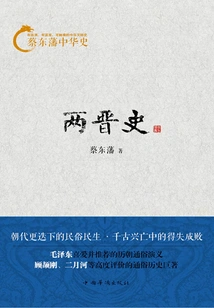
蔡东藩中华史:两晋史
Cai Dongfan
When Mao Zedong came to Beijing from Yan'an, he ordered his subordinates to bring him a set of books, and this was it! It can be said that this set of books is Mao Zedong's introduction to Chinese history. With more than 2,000 years of history from the Qin Dynasty to the Republic of China, Cai Dongfan used official history as the classic and anecdotes as the weft, and used the language of "The Romance of the Three Kingdoms", which is not very profound in writing and not very vulgar in language, to write this most complete set of historical novels in China. From the creation of "Popular Romance of Qing History" in 1915 to the publication of "Popular Romance of Later Han Dynasty" in 1926, the entire set of "Popular Romance of Historical Dynasties" took ten years to complete. In addition to being very story-telling and interesting, this set of novels also attaches great importance to the authenticity of historical materials. Not only can it be used as a general leisure reading, but it can also be used as a reference book for history lovers.
When Mao Zedong came to Beijing from Yan'an, he ordered his subordinates to bring him a set of books, and this was it! It can be said that this set of books is Mao Zedong's introduction to Chinese history. With more than 2,000 years of history from the Qin Dynasty to the Republic of China, Cai Dongfan used official history as the classic and anecdotes as the weft, and used the language of "The Romance of the Three Kingdoms", which is not very profound in writing and not very vulgar in language, to write this most complete set of historical novels in China. From the creation of "Popular Romance of Qing History" in 1915 to the publication of "Popular Romance of Later Han Dynasty" in 1926, the entire set of "Popular Romance of Historical Dynasties" took ten years to complete. In addition to being very story-telling and interesting, this set of novels also attaches great importance to the authenticity of historical materials. Not only can it be used as a general leisure reading, but it can also be used as a reference book for history lovers.
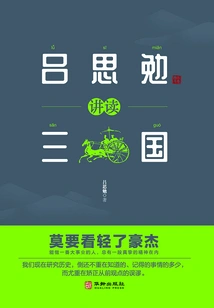
吕思勉讲读三国
Lu Simian
This book is based on the first edition of "History of the Three Kingdoms" published by Kaiming Bookstore in 1943, and is supplemented with articles related to the history of the Three Kingdoms published by Mr. Lu in other newspapers and periodicals. It is carefully collated and slightly annotated. This book is a classic work by the historian Mr. Lu Simian who tells the history of the Three Kingdoms in concise and popular language based on his rich historical knowledge and guides young people to correctly open the history of the Three Kingdoms. From the dual perspectives of literature and history, the author makes a detailed distinction between the characters, events, wars and geographical environments that existed in the history of the Three Kingdoms and those created in the literature of the Three Kingdoms. He conducts in-depth analysis of many major historical issues and restores the historical facts. The obliterated historical facts are corrected, the distorted characters are rectified, the false accusations are vindicated for Cao Cao, Wei Yan and other characters who have been vilified by the novels, and people's fallacious historical concepts are corrected.
This book is based on the first edition of "History of the Three Kingdoms" published by Kaiming Bookstore in 1943, and is supplemented with articles related to the history of the Three Kingdoms published by Mr. Lu in other newspapers and periodicals. It is carefully collated and slightly annotated. This book is a classic work by the historian Mr. Lu Simian who tells the history of the Three Kingdoms in concise and popular language based on his rich historical knowledge and guides young people to correctly open the history of the Three Kingdoms. From the dual perspectives of literature and history, the author makes a detailed distinction between the characters, events, wars and geographical environments that existed in the history of the Three Kingdoms and those created in the literature of the Three Kingdoms. He conducts in-depth analysis of many major historical issues and restores the historical facts. The obliterated historical facts are corrected, the distorted characters are rectified, the false accusations are vindicated for Cao Cao, Wei Yan and other characters who have been vilified by the novels, and people's fallacious historical concepts are corrected.
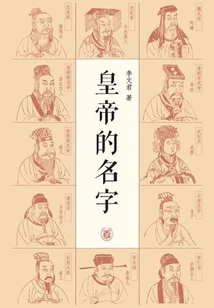
Emperor's Name
History皇帝的名字
Li Wenjun
This book is an alternative history of emperors. Based on historical materials, the author uses the form of storytelling to write down the nicknames, nicknames, epithets, aliases, reign names, mausoleum names, birthdays, etc. Of the emperors of the past dynasties. The material in the book is solid and credible, and the text is vivid. There are six charts at the back of the book, which list the information about the emperor's name in detail, and indicate the source one by one. After reading this book, you will not only pay attention to all kinds of emperors, but also gain new insights in the study of names.
This book is an alternative history of emperors. Based on historical materials, the author uses the form of storytelling to write down the nicknames, nicknames, epithets, aliases, reign names, mausoleum names, birthdays, etc. Of the emperors of the past dynasties. The material in the book is solid and credible, and the text is vivid. There are six charts at the back of the book, which list the information about the emperor's name in detail, and indicate the source one by one. After reading this book, you will not only pay attention to all kinds of emperors, but also gain new insights in the study of names.
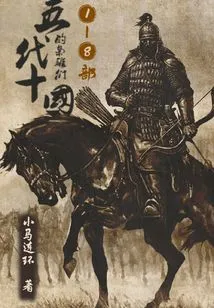
五代十国的枭雄们(套装全8册)
Pony Chain
This article reads history from the heart and writes history from the perspective of people, with an attitude of respecting official history, not joking, not romanticizing, and using the method of dramatization to describe a historical trilogy of conflicts and conflicts. The background is the late Tang Dynasty, the Five Dynasties, and the early Song Dynasty. The object of description is a group of heroes in this troubled time. In the late Tang Dynasty, the imperial power was gradually weakening, and unfortunately there were successive years of famine. Wang Xianzhi took the lead in changing his career from a salt seller to become the leader of the rebellion. Raise troops to form a grass-roots army, aiming to conquer the world. The fallen brother Xiucai, the new Xionghuang Chao of the Salt Gang, followed the big brother closely and gathered the crowd to respond. They ran rampant, moving like the wind, sweeping across the Central Plains. Soon after Wang Xianzhi died on the battlefield, Huang Chao became the leader of the Cao Army and began to fight in the north and south. Finally, he seized the opportunity of the Tang army to build up its enemy's self-respect, entered Henan, occupied Chang'an, and established Daqi. However, the Prime Minister of the Tang Dynasty, Zheng Wei, was ordered to spread the word to the world in the critical moment and began to counterattack Chang'an. However, each warlord fought on his own and did not dare to move forward. In order to regain Chang'an, Yang Fuguang, the supervisor of the Tang Dynasty, decided to lure Li Keyong from Shatuo into the pass. Shatuo soldiers and cavalry entered the Central Plains. Huang Chao was defeated and withdrew from Chang'an. Soon after, Huang Chao was defeated and died. The end of his heroic life. After that, the power of the Tang Dynasty was extremely weak, and warlords everywhere were in chaos. The most powerful of them was Li Keyong from Shatuo, who occupied Taiyuan and was eyeing the Central Plains. Another powerful warlord was Zhu Wen, the former general of Huangchao who later surrendered to the Tang Dynasty. They recruited troops and horses to prepare for the battle between male and female soldiers in the Central Plains. Read Ming Na in prosperous times, read Five Dynasties in troubled times. He is as treacherous as Cao Cao, as brave as Lu Bu, as courageous as Zilong, as loyal as Guan Yu, as righteous as Zhang Fei, as wise as Kong Ming, as benevolent as Liu Bei, and as handsome as Zhou Yu. The five generations of heroes mobilized to interpret an era more exciting than the Three Kingdoms! "Heroes of the Five Dynasties and Ten Kingdoms" is the first vernacular historical book in history that gives a panoramic description of the troubled times of the Five Dynasties and Ten Kingdoms, showing you the spectrum of heroes.
This article reads history from the heart and writes history from the perspective of people, with an attitude of respecting official history, not joking, not romanticizing, and using the method of dramatization to describe a historical trilogy of conflicts and conflicts. The background is the late Tang Dynasty, the Five Dynasties, and the early Song Dynasty. The object of description is a group of heroes in this troubled time. In the late Tang Dynasty, the imperial power was gradually weakening, and unfortunately there were successive years of famine. Wang Xianzhi took the lead in changing his career from a salt seller to become the leader of the rebellion. Raise troops to form a grass-roots army, aiming to conquer the world. The fallen brother Xiucai, the new Xionghuang Chao of the Salt Gang, followed the big brother closely and gathered the crowd to respond. They ran rampant, moving like the wind, sweeping across the Central Plains. Soon after Wang Xianzhi died on the battlefield, Huang Chao became the leader of the Cao Army and began to fight in the north and south. Finally, he seized the opportunity of the Tang army to build up its enemy's self-respect, entered Henan, occupied Chang'an, and established Daqi. However, the Prime Minister of the Tang Dynasty, Zheng Wei, was ordered to spread the word to the world in the critical moment and began to counterattack Chang'an. However, each warlord fought on his own and did not dare to move forward. In order to regain Chang'an, Yang Fuguang, the supervisor of the Tang Dynasty, decided to lure Li Keyong from Shatuo into the pass. Shatuo soldiers and cavalry entered the Central Plains. Huang Chao was defeated and withdrew from Chang'an. Soon after, Huang Chao was defeated and died. The end of his heroic life. After that, the power of the Tang Dynasty was extremely weak, and warlords everywhere were in chaos. The most powerful of them was Li Keyong from Shatuo, who occupied Taiyuan and was eyeing the Central Plains. Another powerful warlord was Zhu Wen, the former general of Huangchao who later surrendered to the Tang Dynasty. They recruited troops and horses to prepare for the battle between male and female soldiers in the Central Plains. Read Ming Na in prosperous times, read Five Dynasties in troubled times. He is as treacherous as Cao Cao, as brave as Lu Bu, as courageous as Zilong, as loyal as Guan Yu, as righteous as Zhang Fei, as wise as Kong Ming, as benevolent as Liu Bei, and as handsome as Zhou Yu. The five generations of heroes mobilized to interpret an era more exciting than the Three Kingdoms! "Heroes of the Five Dynasties and Ten Kingdoms" is the first vernacular historical book in history that gives a panoramic description of the troubled times of the Five Dynasties and Ten Kingdoms, showing you the spectrum of heroes.
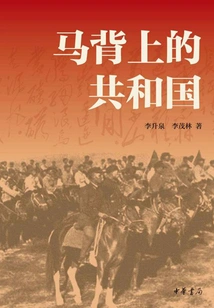
Republic on Horseback
History马背上的共和国
Li Shengquan Li Maolin
It was a war-torn era, and it was an era from suffering to glory. The soldiers of the Red Army used their struggle, hardships, and even their lives to create a period of history that should be remembered forever by future generations. Based on the history of the Chinese Soviet Republic, the book uses literary touches and vivid details to show the exciting and magnificent Long March process of the Chinese Workers' and Peasants' Red Army. The author spent three years and traveled thousands of miles, followed the footsteps of the Red Army, and consulted a large number of memoir articles, local historical records, and various research works to write this work that is both documentary and literary. The work is both faithful to history and good at constructing plots. At the same time, it dares to face the contradictions and struggles during the Long March. It not only respects the historical details, but also provides a fair evaluation from an upward perspective.
It was a war-torn era, and it was an era from suffering to glory. The soldiers of the Red Army used their struggle, hardships, and even their lives to create a period of history that should be remembered forever by future generations. Based on the history of the Chinese Soviet Republic, the book uses literary touches and vivid details to show the exciting and magnificent Long March process of the Chinese Workers' and Peasants' Red Army. The author spent three years and traveled thousands of miles, followed the footsteps of the Red Army, and consulted a large number of memoir articles, local historical records, and various research works to write this work that is both documentary and literary. The work is both faithful to history and good at constructing plots. At the same time, it dares to face the contradictions and struggles during the Long March. It not only respects the historical details, but also provides a fair evaluation from an upward perspective.
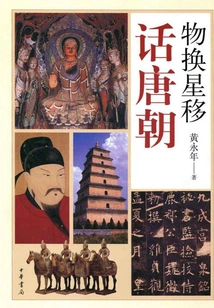
物换星移话唐朝
Huang Yongnian
Mr. Huang Yongnian, a great literary and historian, is famous for his research on the history of the Tang Dynasty. This book collects four of his popular readings on the history and culture of the Tang Dynasty, including "Tang Taizong Li Shimin", "Chang'an in the Tang Dynasty", "Old Tang Book" and "New Tang Book" and "Dunhuang Thousand Buddha Caves", which presents the prosperous and open Tang Dynasty civilization from different aspects. Concise and concise, with pictures and texts, it is an introductory book for general readers to understand the Tang Dynasty. "Tang Taizong Li Shimin" is an excellent work that can stand shoulder to shoulder with Mr. Lu Simian's "History of the Three Kingdoms".
Mr. Huang Yongnian, a great literary and historian, is famous for his research on the history of the Tang Dynasty. This book collects four of his popular readings on the history and culture of the Tang Dynasty, including "Tang Taizong Li Shimin", "Chang'an in the Tang Dynasty", "Old Tang Book" and "New Tang Book" and "Dunhuang Thousand Buddha Caves", which presents the prosperous and open Tang Dynasty civilization from different aspects. Concise and concise, with pictures and texts, it is an introductory book for general readers to understand the Tang Dynasty. "Tang Taizong Li Shimin" is an excellent work that can stand shoulder to shoulder with Mr. Lu Simian's "History of the Three Kingdoms".
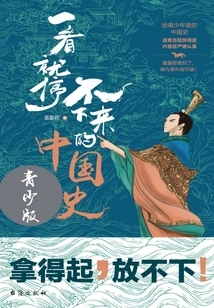
一看就停不下来的中国史(青少版)
Favorite You
"The History of China: Young People's Edition" uses two parts: the past of imperial politics and the records of imperial elites to build a new understanding of Chinese history. Different from the historical system of chronicles, children will understand Chinese history from a new perspective and peep into the history of emperors killing and plundering each other, as well as the stories of the brave and wise men who were once all-powerful and remembered by time.
"The History of China: Young People's Edition" uses two parts: the past of imperial politics and the records of imperial elites to build a new understanding of Chinese history. Different from the historical system of chronicles, children will understand Chinese history from a new perspective and peep into the history of emperors killing and plundering each other, as well as the stories of the brave and wise men who were once all-powerful and remembered by time.
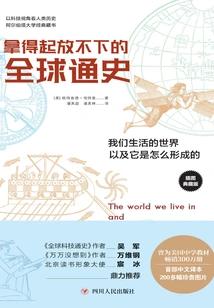
拿得起放不下的全球通史:我们生活的世界以及它是怎么形成的
(us) Gertrude Hartmann
The representative work of the famous American historical writer Gertrude Hartman. It uses technological geography as a clue to describe the world's historical context from the formation of the earth to the present. The structure of this book is clear, the content is full and interesting, and the language is easy to understand. It uses interesting questions to trigger people's thinking. It is full of fun and also allows people to learn historical knowledge. How did the world we live in come into being? Where did humans come from? What happened on Earth before we came here? After we came, how did we get out of ignorance and move toward civilization? How have our words and society changed? How do we move from the small area of our lives to the whole world? How did the Industrial Revolution, which gave people powerful capabilities, arise and develop? Read this book and easily grasp the development process of human beings from the beginning to the present.
The representative work of the famous American historical writer Gertrude Hartman. It uses technological geography as a clue to describe the world's historical context from the formation of the earth to the present. The structure of this book is clear, the content is full and interesting, and the language is easy to understand. It uses interesting questions to trigger people's thinking. It is full of fun and also allows people to learn historical knowledge. How did the world we live in come into being? Where did humans come from? What happened on Earth before we came here? After we came, how did we get out of ignorance and move toward civilization? How have our words and society changed? How do we move from the small area of our lives to the whole world? How did the Industrial Revolution, which gave people powerful capabilities, arise and develop? Read this book and easily grasp the development process of human beings from the beginning to the present.
The Man Avenged His Shame
History大汉雪耻
Dou Yanli Dou Weitan
The picture presented in this book is a cry to reaffirm the integrity of the Chinese nation.
The picture presented in this book is a cry to reaffirm the integrity of the Chinese nation.
World History in Stories
History故事里的世界史
Li Juan
This book is based on historical chronology and important figures and events that have influenced the social and historical process in various eras. It covers all aspects of politics, economy, military, culture, art, etc. It vividly, truly, objectively and comprehensively reproduces the wonderful moments and rich connotations of world history.
This book is based on historical chronology and important figures and events that have influenced the social and historical process in various eras. It covers all aspects of politics, economy, military, culture, art, etc. It vividly, truly, objectively and comprehensively reproduces the wonderful moments and rich connotations of world history.
Chinese History in Stories
History故事里的中国史
Li Juan
This book is based on historical chronology and important figures and events that have influenced the social and historical process in various eras. It covers all aspects of politics, economy, military, culture, art, etc. It vividly, truly, objectively and comprehensively reproduces the wonderful moments and rich connotations of Chinese history.
This book is based on historical chronology and important figures and events that have influenced the social and historical process in various eras. It covers all aspects of politics, economy, military, culture, art, etc. It vividly, truly, objectively and comprehensively reproduces the wonderful moments and rich connotations of Chinese history.
三千年来跌宕人心的后宫红颜史
Blog Post
For three thousand years, the emperor's harem has been filled with beauties and beauties, but what is the essence of life under that glorious status? There, a person will suddenly disappear and never be mentioned again; there, there is no real friendship, only temporary friendship; there, everyone hopes to win the favor of the emperor, but few people can treat each other sincerely. If the outside of the imperial city is a battlefield for men, then the harem is a place where women compete for power and gain. This book captures nearly forty representative harem beauties from the Spring and Autumn Period and the Warring States Period, objectively and intensively reflecting the characteristics and destiny of harem women, and showing the magnificent and desolate historical picture!
For three thousand years, the emperor's harem has been filled with beauties and beauties, but what is the essence of life under that glorious status? There, a person will suddenly disappear and never be mentioned again; there, there is no real friendship, only temporary friendship; there, everyone hopes to win the favor of the emperor, but few people can treat each other sincerely. If the outside of the imperial city is a battlefield for men, then the harem is a place where women compete for power and gain. This book captures nearly forty representative harem beauties from the Spring and Autumn Period and the Warring States Period, objectively and intensively reflecting the characteristics and destiny of harem women, and showing the magnificent and desolate historical picture!
精兵之举:中国人民解放军裁减员额100万
Compiled By Zhang Xueliang
This series of books can be said to be a book that writes red memories. It is indispensable for understanding the history of the Republic, the wise leadership of the Communist Party of China, and the great practices of the Chinese people. At the same time, this series of books is also a set of popular reading materials, which is not only targeted at key reading groups, but also suitable for promotion among the whole people. It is believed that it will play a big role in the national reading activities carried out in our country and become a key choice for equipping primary and secondary school libraries, farmhouse bookstores, community bookstores, on-the-job libraries of government agencies, enterprises and institutions, and company libraries.
This series of books can be said to be a book that writes red memories. It is indispensable for understanding the history of the Republic, the wise leadership of the Communist Party of China, and the great practices of the Chinese people. At the same time, this series of books is also a set of popular reading materials, which is not only targeted at key reading groups, but also suitable for promotion among the whole people. It is believed that it will play a big role in the national reading activities carried out in our country and become a key choice for equipping primary and secondary school libraries, farmhouse bookstores, community bookstores, on-the-job libraries of government agencies, enterprises and institutions, and company libraries.
写给青少年的极简日本史
Ma Wenrui
Just as the American anthropologist Ruth Benedict used two seemingly completely different images, "Chrysanthemum" and "Knife", to metaphorize Japan's national character in her book "The Chrysanthemum and the Sword". "Chrysanthemum" is the emblem of the Japanese royal family, and "sword" is the symbol of Japanese Bushido culture, one yin and one yang, one soft and one strong. The Japanese national character has such contradictory characteristics of coexistence of femininity and masculinity. The Japanese admire beauty but are also bloodthirsty and aggressive; they like the new but cling to the old; they are patient and obedient but also unruly... This is just like Japanese culture, which has the beauty of the quiet tea ceremony and the domineering and rigid bushido; there are both the beautiful geisha and the mysterious ninja. To truly understand this seemingly complex yet extremely simple island country, we must first understand what happened in this country, how Japan's ancestors came step by step from ancient times, and what twists and turns the development of Japan has in those complicated historical pictures. As the famous Chinese theorist Dai Jitao said, to study Japan, we must know "What are their thoughts? What is the foundation of their country and society? What is the basis of their lives?" Where is the basis for living? Only by knowing his past can we know where his present comes from. No matter how you oppose him or attack him, in short, you must know him. "Starting from each vivid and interesting story, this book shows young people the evolving social form of Japan in various stages of change, taking into account its economy, culture, public mentality and other contents in different periods, and depicts a more three-dimensional and macroscopic colorful Japan for us.
Just as the American anthropologist Ruth Benedict used two seemingly completely different images, "Chrysanthemum" and "Knife", to metaphorize Japan's national character in her book "The Chrysanthemum and the Sword". "Chrysanthemum" is the emblem of the Japanese royal family, and "sword" is the symbol of Japanese Bushido culture, one yin and one yang, one soft and one strong. The Japanese national character has such contradictory characteristics of coexistence of femininity and masculinity. The Japanese admire beauty but are also bloodthirsty and aggressive; they like the new but cling to the old; they are patient and obedient but also unruly... This is just like Japanese culture, which has the beauty of the quiet tea ceremony and the domineering and rigid bushido; there are both the beautiful geisha and the mysterious ninja. To truly understand this seemingly complex yet extremely simple island country, we must first understand what happened in this country, how Japan's ancestors came step by step from ancient times, and what twists and turns the development of Japan has in those complicated historical pictures. As the famous Chinese theorist Dai Jitao said, to study Japan, we must know "What are their thoughts? What is the foundation of their country and society? What is the basis of their lives?" Where is the basis for living? Only by knowing his past can we know where his present comes from. No matter how you oppose him or attack him, in short, you must know him. "Starting from each vivid and interesting story, this book shows young people the evolving social form of Japan in various stages of change, taking into account its economy, culture, public mentality and other contents in different periods, and depicts a more three-dimensional and macroscopic colorful Japan for us.
写给青少年的极简英国史
Shangguan Ziwei
"My First History Book: A Minimalist History of Britain for Teenagers" tells British history in an intuitive and popular way. Because the readers are mainly teenagers, the full text adopts a story-telling method, covering various aspects of British history such as early British residents, the Industrial Revolution, and gentlemanly behavior. The language is popular and contagious, the materials selected are fresh and true, the story told in a fresh and vivid way, and accompanied by exquisite pictures, both pictures and texts make it more attractive. Now, let us turn to its first page and start a great journey along the long river of history, spanning tens of thousands of kilometers of time and space, starting from the first sight of Stonehenge on Salisbury Plain, and read the story about the British.
"My First History Book: A Minimalist History of Britain for Teenagers" tells British history in an intuitive and popular way. Because the readers are mainly teenagers, the full text adopts a story-telling method, covering various aspects of British history such as early British residents, the Industrial Revolution, and gentlemanly behavior. The language is popular and contagious, the materials selected are fresh and true, the story told in a fresh and vivid way, and accompanied by exquisite pictures, both pictures and texts make it more attractive. Now, let us turn to its first page and start a great journey along the long river of history, spanning tens of thousands of kilometers of time and space, starting from the first sight of Stonehenge on Salisbury Plain, and read the story about the British.
写给青少年的极简美国史
Liang Ying
This is the most powerful, powerful, and even the most talkative superpower in the world, but it is also a very strange country. This country does not have a long history, a glorious civilization, or even a single dominant nation; this country was a wilderness five hundred years ago, the first colonial town was established only four hundred years ago, there was no decent city three hundred years ago, and it only began to become independent from England two hundred years ago. But it was this group of wanderers from the British Empire who braved the wind and waves and were full of hope. After hundreds of years of hard work, they finally thrived, surpassed all their opponents on the earth, became the only superpower, and became the leader of the world. This is the United States, the full name is the United States of America, nicknamed "Uncle Sam". The history of the United States can be seen as the history of a country's struggle. During this period, there are not only the suffering and blood and tears in the early days of the founding of the country, but also the hardships and endeavors in the pioneering period, and the pride and complacency after success.
This is the most powerful, powerful, and even the most talkative superpower in the world, but it is also a very strange country. This country does not have a long history, a glorious civilization, or even a single dominant nation; this country was a wilderness five hundred years ago, the first colonial town was established only four hundred years ago, there was no decent city three hundred years ago, and it only began to become independent from England two hundred years ago. But it was this group of wanderers from the British Empire who braved the wind and waves and were full of hope. After hundreds of years of hard work, they finally thrived, surpassed all their opponents on the earth, became the only superpower, and became the leader of the world. This is the United States, the full name is the United States of America, nicknamed "Uncle Sam". The history of the United States can be seen as the history of a country's struggle. During this period, there are not only the suffering and blood and tears in the early days of the founding of the country, but also the hardships and endeavors in the pioneering period, and the pride and complacency after success.
写给青少年的极简古希腊史
Yu Yinghai
Wilde once said: "Everything in our modern life is indebted to the Greeks." It is unimaginable that that barren island surrounded by Egyptian civilization and Near Eastern civilization could actually give birth to what can be said to be the greatest culture in the world. The ancient Greek peninsula is like a beacon in the dark night, illuminating the ignorant childhood of mankind. There is the sacred Mount Olympus, with Zeus overlooking the entire world from the top of the mountain; there are lush green olive trees, and Homer sits under the tree and plays the harp, telling the joys and sorrows of heroes and beauties in troubled times. There are magnificent temples where people revel and drink in order to worship the gods; there are spacious amphitheaters where audiences can purify their souls or relax their emotions in the stands. There are the ruins of Marathon, where the Greeks used wisdom and courage to defeat the aggressive Persian Empire; there is the dangerous Thermopylae, where the Spartan warriors looked at death as if they were home until the last man fell on the battlefield... There were so many commendable achievements and so many evocative past events. It was an era of comprehensive glory in literature and philosophy, sculpture and architecture, technology and politics. It was also an era of portraying heroes, expressing personality, and singing about freedom. People remember Greece because of the gods who pursued love and beauty and the heroes who were limited by fate, because of the temperament of Athens and the power of Sparta. Without the Greek victory over Persia, Europe would not be what it is today. From hegemony to melee, from Alexander to the Roman Empire, the shape of ancient Greece has turned into the dust of history and dissipated, but the legacy it left to mankind is inexhaustible.
Wilde once said: "Everything in our modern life is indebted to the Greeks." It is unimaginable that that barren island surrounded by Egyptian civilization and Near Eastern civilization could actually give birth to what can be said to be the greatest culture in the world. The ancient Greek peninsula is like a beacon in the dark night, illuminating the ignorant childhood of mankind. There is the sacred Mount Olympus, with Zeus overlooking the entire world from the top of the mountain; there are lush green olive trees, and Homer sits under the tree and plays the harp, telling the joys and sorrows of heroes and beauties in troubled times. There are magnificent temples where people revel and drink in order to worship the gods; there are spacious amphitheaters where audiences can purify their souls or relax their emotions in the stands. There are the ruins of Marathon, where the Greeks used wisdom and courage to defeat the aggressive Persian Empire; there is the dangerous Thermopylae, where the Spartan warriors looked at death as if they were home until the last man fell on the battlefield... There were so many commendable achievements and so many evocative past events. It was an era of comprehensive glory in literature and philosophy, sculpture and architecture, technology and politics. It was also an era of portraying heroes, expressing personality, and singing about freedom. People remember Greece because of the gods who pursued love and beauty and the heroes who were limited by fate, because of the temperament of Athens and the power of Sparta. Without the Greek victory over Persia, Europe would not be what it is today. From hegemony to melee, from Alexander to the Roman Empire, the shape of ancient Greece has turned into the dust of history and dissipated, but the legacy it left to mankind is inexhaustible.
写给青少年的元朝史
Xinghan
The establishment of the Yuan Dynasty completely ended the confrontation between the North and the South during the Song Dynasty and the coexistence of several ethnic regimes. Its iron cavalry gallops from the trickling Ergun River to the blue Danube River in Europe. The Heheyuan Empire is neither a shooting star, nor an epiphyllum, nor a regret! He is like a historical giant, firmly standing on the land of China. This book comprehensively presents the historical features of the Yuan Empire and provides an all-round and detailed discussion of the Yuan Empire.
The establishment of the Yuan Dynasty completely ended the confrontation between the North and the South during the Song Dynasty and the coexistence of several ethnic regimes. Its iron cavalry gallops from the trickling Ergun River to the blue Danube River in Europe. The Heheyuan Empire is neither a shooting star, nor an epiphyllum, nor a regret! He is like a historical giant, firmly standing on the land of China. This book comprehensively presents the historical features of the Yuan Empire and provides an all-round and detailed discussion of the Yuan Empire.
写给青少年的隋唐史
Xinghan
After thousands of years, the history of the Sui and Tang Dynasties has left only a few relics, a few sighs, and memories and condolences full of wistfulness in history books and poems. This book is based on official history, and collects and displays the prosperity and decline, peace and turmoil, civilization and decline of the Sui and Tang Dynasties one by one. This book is based on official history, and collects the research results of historical scholars over the years. It eliminates the rough and selects the essentials, and simplifies the complex. It collects the prosperity and decline, peace and turmoil, civilization and loss of the three hundred years of Sui and Tang Dynasty one by one, and explains it in relaxed language.
After thousands of years, the history of the Sui and Tang Dynasties has left only a few relics, a few sighs, and memories and condolences full of wistfulness in history books and poems. This book is based on official history, and collects and displays the prosperity and decline, peace and turmoil, civilization and decline of the Sui and Tang Dynasties one by one. This book is based on official history, and collects the research results of historical scholars over the years. It eliminates the rough and selects the essentials, and simplifies the complex. It collects the prosperity and decline, peace and turmoil, civilization and loss of the three hundred years of Sui and Tang Dynasty one by one, and explains it in relaxed language.
写给青少年的清朝史
Xinghan
This book is based on official history, brings together the research essence of historical scholars at home and abroad, both ancient and modern, and stands on the shoulders of giants. We carefully absorb and carefully sculpt, traveling through more than 300 years of history, to show the true appearance of the land of China under the rule of the Qing Dynasty. In this book, readers can see everything about the Qing Dynasty: its politics, economy, culture, military, diplomacy, etc., As well as anecdotes, unsolved mysteries, romantic heroes, passionate beauties... We explore every bit of the Qing Dynasty and present a complete Qing Empire to young people.
This book is based on official history, brings together the research essence of historical scholars at home and abroad, both ancient and modern, and stands on the shoulders of giants. We carefully absorb and carefully sculpt, traveling through more than 300 years of history, to show the true appearance of the land of China under the rule of the Qing Dynasty. In this book, readers can see everything about the Qing Dynasty: its politics, economy, culture, military, diplomacy, etc., As well as anecdotes, unsolved mysteries, romantic heroes, passionate beauties... We explore every bit of the Qing Dynasty and present a complete Qing Empire to young people.
Guiguzi's Game·volume 12
History鬼谷子的局·卷十二
Hanchuanzi
When he learned that Qi's salt was about to be transported to Ying, Lord Ji Ling quickly gathered the goods to pay Qin's debt and made a huge profit. For buying salt at an inexplicable exorbitant price, Qin Chaotang criticized him one after another. Zhang Yi asked Chu to make amends. The Chu system was entrenched and it was difficult to return. Qu Yuan gained the trust of King Huai and took charge of reform matters. Regardless of the previous deception, Zhang Yi proposed to marry Mi Yue in order to marry the prince; without any plan to deal with his political enemy Qu Yuan, Zhang Yi proposed a plan and Jin Shang killed him one by one; fearing that he would fall out of favor, Zhang Yi came up with a plan and Zheng Xiu worried about the king's concerns. Wang Qin, Jin Shang, and Zheng Xiu therefore believed in Zhang Yi. At the beginning of the reform, Qu Yuan gave the first order to cut redundancies. Wang Qin and Zhang Yi joined forces to support Qu Yuan's restructuring in Zhaoyang Ding. King Huai issued an edict to implement the first constitutional decree. The prince was frightened and urged Zhang Yi to replace Zhaoyang Ling Yin. All the clans came to protest the redundancy order in person, and Zhaoyang asked Yin to resign. Because the former Qu Yuan failed to fulfill his wish to follow Qin's law, King Huai followed the trend and condescended to Zhang Yi. On the eve of the first sacrifice, Qu Yuan casually composed a poem for Wuxian Temple in Chu Palace while fasting, which became a masterpiece.
When he learned that Qi's salt was about to be transported to Ying, Lord Ji Ling quickly gathered the goods to pay Qin's debt and made a huge profit. For buying salt at an inexplicable exorbitant price, Qin Chaotang criticized him one after another. Zhang Yi asked Chu to make amends. The Chu system was entrenched and it was difficult to return. Qu Yuan gained the trust of King Huai and took charge of reform matters. Regardless of the previous deception, Zhang Yi proposed to marry Mi Yue in order to marry the prince; without any plan to deal with his political enemy Qu Yuan, Zhang Yi proposed a plan and Jin Shang killed him one by one; fearing that he would fall out of favor, Zhang Yi came up with a plan and Zheng Xiu worried about the king's concerns. Wang Qin, Jin Shang, and Zheng Xiu therefore believed in Zhang Yi. At the beginning of the reform, Qu Yuan gave the first order to cut redundancies. Wang Qin and Zhang Yi joined forces to support Qu Yuan's restructuring in Zhaoyang Ding. King Huai issued an edict to implement the first constitutional decree. The prince was frightened and urged Zhang Yi to replace Zhaoyang Ling Yin. All the clans came to protest the redundancy order in person, and Zhaoyang asked Yin to resign. Because the former Qu Yuan failed to fulfill his wish to follow Qin's law, King Huai followed the trend and condescended to Zhang Yi. On the eve of the first sacrifice, Qu Yuan casually composed a poem for Wuxian Temple in Chu Palace while fasting, which became a masterpiece.
唐宋传奇选
Selected Notes By Lu Yuhua
The legends of the Tang Dynasty and the poetry of the Tang Dynasty are both known as the "wonders of a generation". Their lingering love, passionate and heroic chivalry, and strange and confusing gods and monsters have added to the glory of the Tang Dynasty. According to the themes of Tang and Song legends, the book is divided into eight parts: love, chivalry, transformation, immortal, ghost, demon, object, and dream, with a total of 45 chapters. Each chapter consists of three parts: title explanation, main text, and notes. It not only takes care of the acceptance and understanding of ordinary readers, but is also based on historical facts and literary conditions. It is both informative and interesting. It interprets and annotates the famous legends of the Tang and Song dynasties one by one, supports each other in literature and history, analyzes the characters, traces the plot development, and suddenly understands the depth of love at the heartstrings. It leads readers to have a deeper understanding of the broader and more secular society of the Tang and Song dynasties, and to experience the joys and sorrows of modern and ancient times.
The legends of the Tang Dynasty and the poetry of the Tang Dynasty are both known as the "wonders of a generation". Their lingering love, passionate and heroic chivalry, and strange and confusing gods and monsters have added to the glory of the Tang Dynasty. According to the themes of Tang and Song legends, the book is divided into eight parts: love, chivalry, transformation, immortal, ghost, demon, object, and dream, with a total of 45 chapters. Each chapter consists of three parts: title explanation, main text, and notes. It not only takes care of the acceptance and understanding of ordinary readers, but is also based on historical facts and literary conditions. It is both informative and interesting. It interprets and annotates the famous legends of the Tang and Song dynasties one by one, supports each other in literature and history, analyzes the characters, traces the plot development, and suddenly understands the depth of love at the heartstrings. It leads readers to have a deeper understanding of the broader and more secular society of the Tang and Song dynasties, and to experience the joys and sorrows of modern and ancient times.
东汉演义(全本)
Oral Narration By Lian Kuoru, Edited By Jia Jianguo And Compiled By Lian Liru
"The Romance of the Eastern Han Dynasty" is the representative work of Mr. Lian Kuoru, a master of storytelling. It mainly tells the story of the founder of the Han Dynasty, Liu Xiu, who led thirty-six Yuntai generals to attack Mang after Wang Mang usurped the throne at the end of the Western Han Dynasty. This publication is the complete version of "The Romance of the Eastern Han Dynasty". With the help of Mr. Yu Peng of the National Library, "Continuing the Eastern Han Dynasty" which was serialized in "Drama News" was discovered (serialized from February 1 to September 18, 1941) and was compiled by Jia Jianguo, Lian Liru, and Yu Peng. One hundred thousand words have been added to the book, and "The Romance of the Eastern Han Dynasty" is presented completely for the first time.
"The Romance of the Eastern Han Dynasty" is the representative work of Mr. Lian Kuoru, a master of storytelling. It mainly tells the story of the founder of the Han Dynasty, Liu Xiu, who led thirty-six Yuntai generals to attack Mang after Wang Mang usurped the throne at the end of the Western Han Dynasty. This publication is the complete version of "The Romance of the Eastern Han Dynasty". With the help of Mr. Yu Peng of the National Library, "Continuing the Eastern Han Dynasty" which was serialized in "Drama News" was discovered (serialized from February 1 to September 18, 1941) and was compiled by Jia Jianguo, Lian Liru, and Yu Peng. One hundred thousand words have been added to the book, and "The Romance of the Eastern Han Dynasty" is presented completely for the first time.
古人的生活世界
Wang Hongchao
In ancient times, there were also off-season fruits and vegetables and greenhouse cultivation? How did ancient people view their belly and figure? How do you scratch your body when it itches? What should I do if I am nearsighted? How did ancient people keep pets? How to survive the heat? How to take a nap? ... This book covers all aspects of ancient people's daily life, including clothing, food, housing, transportation, play, and use. The author has made a comprehensive scan and presentation. But more importantly, the author's exploration of details and topics of general interest to modern people makes history come alive.
In ancient times, there were also off-season fruits and vegetables and greenhouse cultivation? How did ancient people view their belly and figure? How do you scratch your body when it itches? What should I do if I am nearsighted? How did ancient people keep pets? How to survive the heat? How to take a nap? ... This book covers all aspects of ancient people's daily life, including clothing, food, housing, transportation, play, and use. The author has made a comprehensive scan and presentation. But more importantly, the author's exploration of details and topics of general interest to modern people makes history come alive.
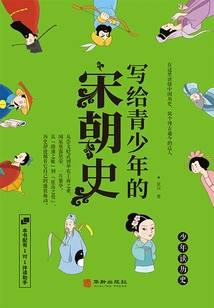
写给青少年的宋朝史
Xinghan
This book is based on official history and provides a panoramic interpretation of the rise and fall of the Song Dynasty. From the Chenqiao Rebellion and the founding of the Song Dynasty to the Battle of Yashan and the demise of the Song Dynasty, there were political maneuvers, economic prosperity, cultural prosperity, and technological development. There were also changes of ownership of the country, the emperor's vassalage and tribute, and the displacement of the people. In the past three hundred years, time has passed, the situation has changed, and dynasties have changed in an instant. It is impossible to summarize the shock in one sentence.
This book is based on official history and provides a panoramic interpretation of the rise and fall of the Song Dynasty. From the Chenqiao Rebellion and the founding of the Song Dynasty to the Battle of Yashan and the demise of the Song Dynasty, there were political maneuvers, economic prosperity, cultural prosperity, and technological development. There were also changes of ownership of the country, the emperor's vassalage and tribute, and the displacement of the people. In the past three hundred years, time has passed, the situation has changed, and dynasties have changed in an instant. It is impossible to summarize the shock in one sentence.
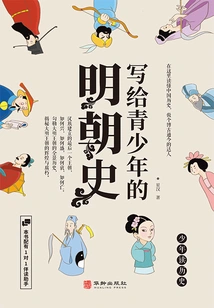
写给青少年的明朝史
Xinghan
As the last empire ruled by the Han people in Chinese history, the Ming Dynasty left too much history for future generations to comment on. This book is based on official history, with side surveys on unofficial history, and collects the research results of historical scholars over the years to sort out the rise and fall of the Ming Dynasty. It is rich in content, both rational and interesting, and outlines a panoramic picture of the Ming Dynasty for young readers.
As the last empire ruled by the Han people in Chinese history, the Ming Dynasty left too much history for future generations to comment on. This book is based on official history, with side surveys on unofficial history, and collects the research results of historical scholars over the years to sort out the rise and fall of the Ming Dynasty. It is rich in content, both rational and interesting, and outlines a panoramic picture of the Ming Dynasty for young readers.
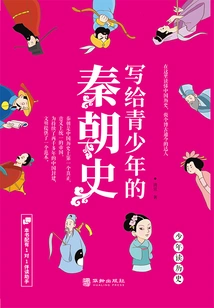
写给青少年的秦朝史
Qing Xuan
Facts have proved that no matter how magnificent history is, it cannot withstand the erosion of time. The ups and downs of a dynasty are filled not only with momentary prosperity but also with the bitterness and helplessness of being unable to control history. As for the rise and fall of this dynasty, only by going deep into it can we learn a thing or two. To a certain extent, history can never show its most real and credible side. All we can do is to construct it and understand it from a reasonable perspective. This book is based on official history and supplemented by unofficial history. The content is rigorous without losing interest. After opening this book, you will appreciate and feel a different Qin Dynasty and a different history of Qin.
Facts have proved that no matter how magnificent history is, it cannot withstand the erosion of time. The ups and downs of a dynasty are filled not only with momentary prosperity but also with the bitterness and helplessness of being unable to control history. As for the rise and fall of this dynasty, only by going deep into it can we learn a thing or two. To a certain extent, history can never show its most real and credible side. All we can do is to construct it and understand it from a reasonable perspective. This book is based on official history and supplemented by unofficial history. The content is rigorous without losing interest. After opening this book, you will appreciate and feel a different Qin Dynasty and a different history of Qin.
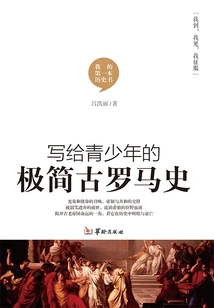
写给青少年的极简古罗马
Lu Kaili
On a clear night, when we look up at the starry night sky, we can see the Ursa Major and Ursa Minor circling above our heads, while Orion and his hounds are busy hunting... These randomly arranged stars carry the names of Roman gods and heroes, which makes people think of ancient Rome. In ancient Roman mythology, Romulus, the founder of ancient Rome, was a descendant of Venus, the god of love and beauty. From this point of view, ancient Rome can be said to be a country that came out of myth, but it eventually became ordinary. When Rome was first founded, it was just a small city. There were neither magnificent buildings nor wide roads. There were only a group of bachelors and bare hills around it. But it was such a small city that gradually developed into a world power spanning three continents: Asia, Africa, and Europe. This book describes in detail the entire history of Rome from ancient times to the fall of the Eastern Roman Empire. It explains how Rome gradually transformed from a small country in a corner to a country spanning Europe, Asia and Africa and the reasons why. It also points out that Rome's growing strength already contains the seeds of its decline.
On a clear night, when we look up at the starry night sky, we can see the Ursa Major and Ursa Minor circling above our heads, while Orion and his hounds are busy hunting... These randomly arranged stars carry the names of Roman gods and heroes, which makes people think of ancient Rome. In ancient Roman mythology, Romulus, the founder of ancient Rome, was a descendant of Venus, the god of love and beauty. From this point of view, ancient Rome can be said to be a country that came out of myth, but it eventually became ordinary. When Rome was first founded, it was just a small city. There were neither magnificent buildings nor wide roads. There were only a group of bachelors and bare hills around it. But it was such a small city that gradually developed into a world power spanning three continents: Asia, Africa, and Europe. This book describes in detail the entire history of Rome from ancient times to the fall of the Eastern Roman Empire. It explains how Rome gradually transformed from a small country in a corner to a country spanning Europe, Asia and Africa and the reasons why. It also points out that Rome's growing strength already contains the seeds of its decline.
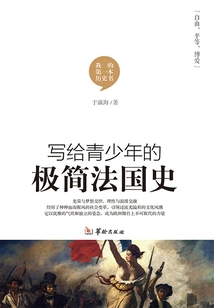
写给青少年的极简法国史
Yu Yinghai
France is a romantic country and the charm is no stranger to us. Tourists who love exotic locales linger in the majesty of the Eiffel Tower; elegant and calm individual travelers enjoy the quiet time on the Left Bank; literati yearn for the colorful and inclusive cultural space in Paris; ambitious young people pursue the glory of the Sun King and the majesty of Napoleon. In the long historical process, the brave and wise French people have created a rich and colorful French culture: intellectual giants have emerged in large numbers, and Voltaire, Montesquieu, and Rousseau have led the way in influencing the world. Enlightenment; Literary superstars like stars, Hugo, Maupassant, Stendhal, Balzac, Flaubert, Beckett created lifelike characters one by one, using words to explore the good and evil of human nature; there are all famous works in the art field Rodin's sculpture "The Thinker", Monet's painting "Sunrise", and Picasso's "Guernica" have long been world-famous; Notre Dame de Paris, the Arc de Triomphe, the Louvre, and the Elysée Palace embody the countless glory of France. This is the pride of the French and a common artistic treasure of mankind.
France is a romantic country and the charm is no stranger to us. Tourists who love exotic locales linger in the majesty of the Eiffel Tower; elegant and calm individual travelers enjoy the quiet time on the Left Bank; literati yearn for the colorful and inclusive cultural space in Paris; ambitious young people pursue the glory of the Sun King and the majesty of Napoleon. In the long historical process, the brave and wise French people have created a rich and colorful French culture: intellectual giants have emerged in large numbers, and Voltaire, Montesquieu, and Rousseau have led the way in influencing the world. Enlightenment; Literary superstars like stars, Hugo, Maupassant, Stendhal, Balzac, Flaubert, Beckett created lifelike characters one by one, using words to explore the good and evil of human nature; there are all famous works in the art field Rodin's sculpture "The Thinker", Monet's painting "Sunrise", and Picasso's "Guernica" have long been world-famous; Notre Dame de Paris, the Arc de Triomphe, the Louvre, and the Elysée Palace embody the countless glory of France. This is the pride of the French and a common artistic treasure of mankind.
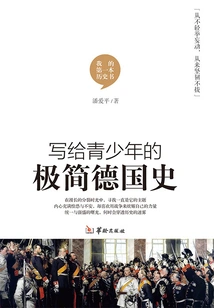
写给青少年的极简德国史
Pan Aiping
This is a fascinating land, with the Rhine meandering through, the Black Forest rolling, the Alps lying across its south, and the Danube rushing joyfully... Goods from the southeast and northwest gather here, and the ideas of the world's elites collide here. This is a country rich in masters. Musicians such as Beethoven, Mozart, Bach, and Wagner have emerged in endlessly; writers such as Goethe, Schiller, and the Brothers Grimm have illuminated the past and present; philosophers such as Kant, Hegel, Nietzsche, and Freud have been countless; scientists such as Leibniz and Einstein have emerged in large numbers; painters such as Dürer, Wald, and Kollwitz have shined in history... They are like bright stars, shining in the sky of world culture. During the long period of separation, search has always been its theme. He is full of fear and uneasiness, but he likes to use war to show off his power. Through the vivid narration of German history, this book helps young readers open the door to explore German history and see how Germany suffered from division, became stronger after reunification, "suicide" during war, and rose after reflection.
This is a fascinating land, with the Rhine meandering through, the Black Forest rolling, the Alps lying across its south, and the Danube rushing joyfully... Goods from the southeast and northwest gather here, and the ideas of the world's elites collide here. This is a country rich in masters. Musicians such as Beethoven, Mozart, Bach, and Wagner have emerged in endlessly; writers such as Goethe, Schiller, and the Brothers Grimm have illuminated the past and present; philosophers such as Kant, Hegel, Nietzsche, and Freud have been countless; scientists such as Leibniz and Einstein have emerged in large numbers; painters such as Dürer, Wald, and Kollwitz have shined in history... They are like bright stars, shining in the sky of world culture. During the long period of separation, search has always been its theme. He is full of fear and uneasiness, but he likes to use war to show off his power. Through the vivid narration of German history, this book helps young readers open the door to explore German history and see how Germany suffered from division, became stronger after reunification, "suicide" during war, and rose after reflection.
话说赵宋王朝
Wu Chuanyong
On the fifth day of the first lunar month in 960 AD, the founding ceremony of the Zhao and Song Dynasties was held as scheduled. On this day, Zhao Kuangyin, Emperor Taizu of the Song Dynasty, rewarded all civil and military officials, offered sacrifices to the heaven and earth, and promulgated new policies. A new dynasty was born, and a new era is coming to the world.
On the fifth day of the first lunar month in 960 AD, the founding ceremony of the Zhao and Song Dynasties was held as scheduled. On this day, Zhao Kuangyin, Emperor Taizu of the Song Dynasty, rewarded all civil and military officials, offered sacrifices to the heaven and earth, and promulgated new policies. A new dynasty was born, and a new era is coming to the world.
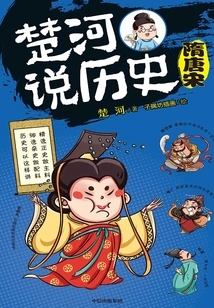
楚河说历史:隋唐宋
Chu River
"Chu He Tells History", which 100 million people are listening to, is a Chinese historical story told to children! It selects 83 historical figures with different personalities and uses their stories to connect nearly three thousand years of Chinese history from the Spring and Autumn Period and the Warring States to the late Qing Dynasty! It is humorous but not joking, interesting but not slick, uses modern language to explain obscure ancient texts, and interprets idioms and allusions in the classic original text. Children not only gain cultural knowledge and improve their Chinese literacy from the book, but also understand the wisdom of the ancients and promote their growth! The illustrations are exaggerated, amusing, and funny, and match the language style of the article. It not only accurately targets children's curiosity, but also satisfies children's thirst for knowledge, deepens children's impressions of historical figures, and achieves an 11\u003E2 reading effect. Provide interesting interpretations of historical figures so that children can understand and remember them. Say goodbye to the monotony of traditional historical reading methods and stimulate children's curiosity for knowledge. Guide children to dialectically understand historical figures, explore history, and cultivate critical thinking! Breaking the stereotyped historical figures in traditional readings, wow! It turns out that history is really interesting!
"Chu He Tells History", which 100 million people are listening to, is a Chinese historical story told to children! It selects 83 historical figures with different personalities and uses their stories to connect nearly three thousand years of Chinese history from the Spring and Autumn Period and the Warring States to the late Qing Dynasty! It is humorous but not joking, interesting but not slick, uses modern language to explain obscure ancient texts, and interprets idioms and allusions in the classic original text. Children not only gain cultural knowledge and improve their Chinese literacy from the book, but also understand the wisdom of the ancients and promote their growth! The illustrations are exaggerated, amusing, and funny, and match the language style of the article. It not only accurately targets children's curiosity, but also satisfies children's thirst for knowledge, deepens children's impressions of historical figures, and achieves an 11\u003E2 reading effect. Provide interesting interpretations of historical figures so that children can understand and remember them. Say goodbye to the monotony of traditional historical reading methods and stimulate children's curiosity for knowledge. Guide children to dialectically understand historical figures, explore history, and cultivate critical thinking! Breaking the stereotyped historical figures in traditional readings, wow! It turns out that history is really interesting!
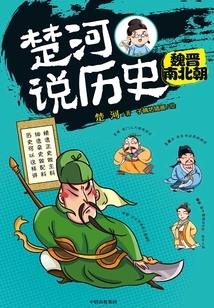
楚河说历史:魏晋南北朝
Chu River
"Chu He Tells History", which 100 million people are listening to, is a Chinese historical story told to children! It selects 83 historical figures with different personalities and uses their stories to connect nearly three thousand years of Chinese history from the Spring and Autumn Period and the Warring States to the late Qing Dynasty! It is humorous but not joking, interesting but not slick, uses modern language to explain obscure ancient texts, and interprets idioms and allusions in the classic original text. Children not only gain cultural knowledge and improve their Chinese literacy from the book, but also understand the wisdom of the ancients and promote their growth! The illustrations are exaggerated, amusing, and funny, and match the language style of the article. It not only accurately targets children's curiosity, but also satisfies children's thirst for knowledge, deepens children's impressions of historical figures, and achieves an 11\u003E2 reading effect. Provide interesting interpretations of historical figures so that children can understand and remember them. Say goodbye to the monotony of traditional historical reading methods and stimulate children's curiosity for knowledge. Guide children to dialectically understand historical figures, explore history, and cultivate critical thinking! Breaking the stereotyped historical figures in traditional readings, wow! It turns out that history is really interesting!
"Chu He Tells History", which 100 million people are listening to, is a Chinese historical story told to children! It selects 83 historical figures with different personalities and uses their stories to connect nearly three thousand years of Chinese history from the Spring and Autumn Period and the Warring States to the late Qing Dynasty! It is humorous but not joking, interesting but not slick, uses modern language to explain obscure ancient texts, and interprets idioms and allusions in the classic original text. Children not only gain cultural knowledge and improve their Chinese literacy from the book, but also understand the wisdom of the ancients and promote their growth! The illustrations are exaggerated, amusing, and funny, and match the language style of the article. It not only accurately targets children's curiosity, but also satisfies children's thirst for knowledge, deepens children's impressions of historical figures, and achieves an 11\u003E2 reading effect. Provide interesting interpretations of historical figures so that children can understand and remember them. Say goodbye to the monotony of traditional historical reading methods and stimulate children's curiosity for knowledge. Guide children to dialectically understand historical figures, explore history, and cultivate critical thinking! Breaking the stereotyped historical figures in traditional readings, wow! It turns out that history is really interesting!
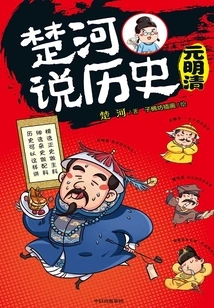
楚河说历史:元明清
Chu River
"Chu He Tells History", which 100 million people are listening to, is a Chinese historical story told to children! It selects 83 historical figures with different personalities and uses their stories to connect nearly three thousand years of Chinese history from the Spring and Autumn Period and the Warring States to the late Qing Dynasty! It is humorous but not joking, interesting but not slick, uses modern language to explain obscure ancient texts, and interprets idioms and allusions in the classic original text. Children not only gain cultural knowledge and improve their Chinese literacy from the book, but also understand the wisdom of the ancients and promote their growth! The illustrations are exaggerated, amusing, and funny, and match the language style of the article. It not only accurately targets children's curiosity, but also satisfies children's thirst for knowledge, deepens children's impressions of historical figures, and achieves an 11\u003E2 reading effect. Provide interesting interpretations of historical figures so that children can understand and remember them. Say goodbye to the monotony of traditional historical reading methods and stimulate children's curiosity for knowledge. Guide children to dialectically understand historical figures, explore history, and cultivate critical thinking! Breaking the stereotyped historical figures in traditional readings, wow! It turns out that history is really interesting!
"Chu He Tells History", which 100 million people are listening to, is a Chinese historical story told to children! It selects 83 historical figures with different personalities and uses their stories to connect nearly three thousand years of Chinese history from the Spring and Autumn Period and the Warring States to the late Qing Dynasty! It is humorous but not joking, interesting but not slick, uses modern language to explain obscure ancient texts, and interprets idioms and allusions in the classic original text. Children not only gain cultural knowledge and improve their Chinese literacy from the book, but also understand the wisdom of the ancients and promote their growth! The illustrations are exaggerated, amusing, and funny, and match the language style of the article. It not only accurately targets children's curiosity, but also satisfies children's thirst for knowledge, deepens children's impressions of historical figures, and achieves an 11\u003E2 reading effect. Provide interesting interpretations of historical figures so that children can understand and remember them. Say goodbye to the monotony of traditional historical reading methods and stimulate children's curiosity for knowledge. Guide children to dialectically understand historical figures, explore history, and cultivate critical thinking! Breaking the stereotyped historical figures in traditional readings, wow! It turns out that history is really interesting!
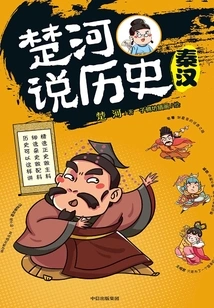
楚河说历史:秦汉
Chu River
"Chu He Tells History", which 100 million people are listening to, is a Chinese historical story told to children! It selects 83 historical figures with different personalities and uses their stories to connect nearly three thousand years of Chinese history from the Spring and Autumn Period and the Warring States to the late Qing Dynasty! It is humorous but not joking, interesting but not slick, uses modern language to explain obscure ancient texts, and interprets idioms and allusions in the classic original text. Children not only gain cultural knowledge and improve their Chinese literacy from the book, but also understand the wisdom of the ancients and promote their growth! The illustrations are exaggerated, amusing, and funny, and match the language style of the article. It not only accurately targets children's curiosity, but also satisfies children's thirst for knowledge, deepens children's impressions of historical figures, and achieves an 11\u003E2 reading effect. Provide interesting interpretations of historical figures so that children can understand and remember them. Say goodbye to the monotony of traditional historical reading methods and stimulate children's curiosity for knowledge. Guide children to dialectically understand historical figures, explore history, and cultivate critical thinking! Breaking the stereotyped historical figures in traditional readings, wow! It turns out that history is really interesting!
"Chu He Tells History", which 100 million people are listening to, is a Chinese historical story told to children! It selects 83 historical figures with different personalities and uses their stories to connect nearly three thousand years of Chinese history from the Spring and Autumn Period and the Warring States to the late Qing Dynasty! It is humorous but not joking, interesting but not slick, uses modern language to explain obscure ancient texts, and interprets idioms and allusions in the classic original text. Children not only gain cultural knowledge and improve their Chinese literacy from the book, but also understand the wisdom of the ancients and promote their growth! The illustrations are exaggerated, amusing, and funny, and match the language style of the article. It not only accurately targets children's curiosity, but also satisfies children's thirst for knowledge, deepens children's impressions of historical figures, and achieves an 11\u003E2 reading effect. Provide interesting interpretations of historical figures so that children can understand and remember them. Say goodbye to the monotony of traditional historical reading methods and stimulate children's curiosity for knowledge. Guide children to dialectically understand historical figures, explore history, and cultivate critical thinking! Breaking the stereotyped historical figures in traditional readings, wow! It turns out that history is really interesting!
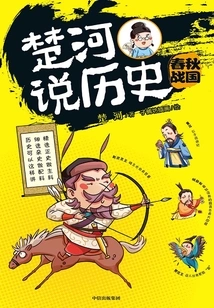
楚河说历史:春秋战国
Chu River
"Chu He Tells History", which 100 million people are listening to, is a Chinese historical story told to children! It selects 83 historical figures with different personalities and uses their stories to connect nearly three thousand years of Chinese history from the Spring and Autumn Period and the Warring States to the late Qing Dynasty! It is humorous but not joking, interesting but not slick, uses modern language to explain obscure ancient texts, and interprets idioms and allusions in the classic original text. Children not only gain cultural knowledge and improve their Chinese literacy from the book, but also understand the wisdom of the ancients and promote their growth! The illustrations are exaggerated, amusing, and funny, and match the language style of the article. It not only accurately targets children's curiosity, but also satisfies children's thirst for knowledge, deepens children's impressions of historical figures, and achieves an 11\u003E2 reading effect. Provide interesting interpretations of historical figures so that children can understand and remember them. Say goodbye to the monotony of traditional historical reading methods and stimulate children's curiosity for knowledge. Guide children to dialectically understand historical figures, explore history, and cultivate critical thinking! Breaking the stereotyped historical figures in traditional readings, wow! It turns out that history is really interesting!
"Chu He Tells History", which 100 million people are listening to, is a Chinese historical story told to children! It selects 83 historical figures with different personalities and uses their stories to connect nearly three thousand years of Chinese history from the Spring and Autumn Period and the Warring States to the late Qing Dynasty! It is humorous but not joking, interesting but not slick, uses modern language to explain obscure ancient texts, and interprets idioms and allusions in the classic original text. Children not only gain cultural knowledge and improve their Chinese literacy from the book, but also understand the wisdom of the ancients and promote their growth! The illustrations are exaggerated, amusing, and funny, and match the language style of the article. It not only accurately targets children's curiosity, but also satisfies children's thirst for knowledge, deepens children's impressions of historical figures, and achieves an 11\u003E2 reading effect. Provide interesting interpretations of historical figures so that children can understand and remember them. Say goodbye to the monotony of traditional historical reading methods and stimulate children's curiosity for knowledge. Guide children to dialectically understand historical figures, explore history, and cultivate critical thinking! Breaking the stereotyped historical figures in traditional readings, wow! It turns out that history is really interesting!
最新版世界五千年
Chen Zengjue Shen Xiandan Et Al.
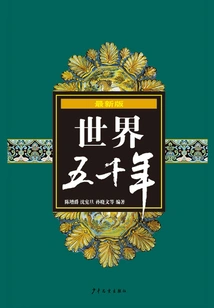
"The Latest Edition of Five Thousand Years of the World" is a set of fascinating world history popular books. From ancient times all the way to 2010. The book not only describes major historical events and important historical figures, but also displays literature and art, scientific discoveries, social customs, civilization relics, etc. The complete set of books integrates authenticity, thought and vividness, and vividly displays the magnificent world history. Reading this set of books will be of great benefit to improving the humanistic cultivation of children and adolescents.
"The Latest Edition of Five Thousand Years of the World" is a set of fascinating world history popular books. From ancient times all the way to 2010. The book not only describes major historical events and important historical figures, but also displays literature and art, scientific discoveries, social customs, civilization relics, etc. The complete set of books integrates authenticity, thought and vividness, and vividly displays the magnificent world history. Reading this set of books will be of great benefit to improving the humanistic cultivation of children and adolescents.
大宋之变,1063—1086
Zhao Dongmei
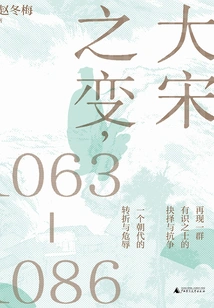
This book uses the second half of Sima Guang's life as a clue to deduce the political situation of the Yingzong, Shenzong and Zhezong dynasties, and goes deep into the Puyi dispute, Wang Anshi's reform, Sima Xiangye and other historical details. It uses characters as the classics and events as the latitude to fully demonstrate the struggles and games of Han Qi, Wang Anshi, Sima Guang, Su Shi and other literati politicians in the great historical changes, and reproduce the glory and humiliation of intellectuals at the end of the co-governance era. With razor-sharp analytical reasoning and elegant and fluent language, it explores the intricate cause and effect and historical truth of the changes in the Song Dynasty, and reveals the deep roots of the rise and fall of dynasties and imperial rule.
This book uses the second half of Sima Guang's life as a clue to deduce the political situation of the Yingzong, Shenzong and Zhezong dynasties, and goes deep into the Puyi dispute, Wang Anshi's reform, Sima Xiangye and other historical details. It uses characters as the classics and events as the latitude to fully demonstrate the struggles and games of Han Qi, Wang Anshi, Sima Guang, Su Shi and other literati politicians in the great historical changes, and reproduce the glory and humiliation of intellectuals at the end of the co-governance era. With razor-sharp analytical reasoning and elegant and fluent language, it explores the intricate cause and effect and historical truth of the changes in the Song Dynasty, and reveals the deep roots of the rise and fall of dynasties and imperial rule.
明代御批案
Bai Hua
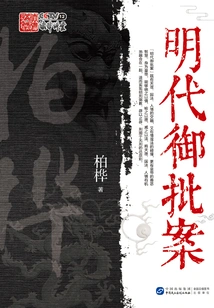
Qin Shihuang, who established the emperor system, established the principle that "everything in the world, no matter how big or small, is determined by the superior". Therefore, he had to review 120 kilograms of slips and documents every day, which has been used throughout the generations. Zhu Yuanzhang, Taizu of the Ming Dynasty, reviewed an average of 200 documents every day. Although the subsequent 15 emperors were not as diligent as him, they still had to deal with many problems personally under the system where the emperor was the dictator of everything in the world, so they left many imperial approval cases. There are big and small cases of imperial approval. The big ones can alarm the whole country and influence future generations; while the small ones are rarely known, but they reflect the emperor's attitude towards various cases and declare his various ideas. In a case involving princes, nobles, civil and military officials, and three religions and nine schools, the Ming Dynasty emperor's thought-provoking instructions, unexpected judgments, little-known cases, amazing contingencies, and unpredictable imperial power are breathtaking. This book is revised based on the lecture notes broadcast on CCTV Channel 12's "Legal Lecture (Literature and History Edition)".
Qin Shihuang, who established the emperor system, established the principle that "everything in the world, no matter how big or small, is determined by the superior". Therefore, he had to review 120 kilograms of slips and documents every day, which has been used throughout the generations. Zhu Yuanzhang, Taizu of the Ming Dynasty, reviewed an average of 200 documents every day. Although the subsequent 15 emperors were not as diligent as him, they still had to deal with many problems personally under the system where the emperor was the dictator of everything in the world, so they left many imperial approval cases. There are big and small cases of imperial approval. The big ones can alarm the whole country and influence future generations; while the small ones are rarely known, but they reflect the emperor's attitude towards various cases and declare his various ideas. In a case involving princes, nobles, civil and military officials, and three religions and nine schools, the Ming Dynasty emperor's thought-provoking instructions, unexpected judgments, little-known cases, amazing contingencies, and unpredictable imperial power are breathtaking. This book is revised based on the lecture notes broadcast on CCTV Channel 12's "Legal Lecture (Literature and History Edition)".
世界历史五千年(中)
Compiled By Peng Fan
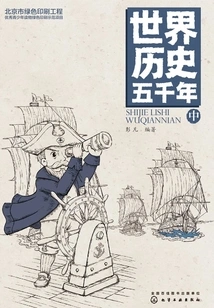
This is a set of world history books for children. It is based on the most popular official history of world history today. The content is selected from the official history, truly restoring the original appearance of history, and also has a fair evaluation of historical figures. In addition, I also dabbled in some folk tales and legends, which not only added a bit of legend, but also added a lot of exotic customs. In terms of creative method, this set of books tells history in the form of storytelling. It uses wonderful short stories to show the changing events in world history one by one in chronological order. The context is clear and easy to understand, allowing young readers to understand world history in one go.
This is a set of world history books for children. It is based on the most popular official history of world history today. The content is selected from the official history, truly restoring the original appearance of history, and also has a fair evaluation of historical figures. In addition, I also dabbled in some folk tales and legends, which not only added a bit of legend, but also added a lot of exotic customs. In terms of creative method, this set of books tells history in the form of storytelling. It uses wonderful short stories to show the changing events in world history one by one in chronological order. The context is clear and easy to understand, allowing young readers to understand world history in one go.
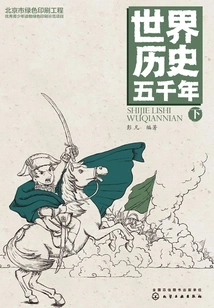
世界历史五千年(下)
Compiled By Peng Fan
This is a set of world history books for children. It is based on the most popular official history of world history today. The content is selected from the official history, truly restoring the original appearance of history, and also has a fair evaluation of historical figures. In addition, I also dabbled in some folk tales and legends, which not only added a bit of legend, but also added a lot of exotic customs. In terms of creative method, this set of books tells history in the form of storytelling. It uses wonderful short stories to show the changing events in world history one by one in chronological order. The context is clear and easy to understand, allowing young readers to understand world history in one go.
This is a set of world history books for children. It is based on the most popular official history of world history today. The content is selected from the official history, truly restoring the original appearance of history, and also has a fair evaluation of historical figures. In addition, I also dabbled in some folk tales and legends, which not only added a bit of legend, but also added a lot of exotic customs. In terms of creative method, this set of books tells history in the form of storytelling. It uses wonderful short stories to show the changing events in world history one by one in chronological order. The context is clear and easy to understand, allowing young readers to understand world history in one go.
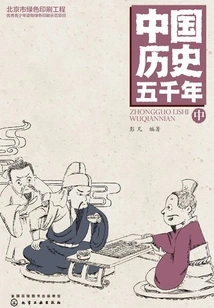
中国历史五千年(中)
Compiled By Peng Fan
Based on the official history circulated in ancient my country, this book truly restores the original appearance of history. It uses wonderful short stories one by one, in chronological order, and introduces Chinese history in 21 issues in the form of summary, cartoons, and story explanations. It shows the great and changing events in Chinese history one by one. The context is clear, the language is humorous, and it is easy to understand, allowing young readers to understand Chinese history in one go.
Based on the official history circulated in ancient my country, this book truly restores the original appearance of history. It uses wonderful short stories one by one, in chronological order, and introduces Chinese history in 21 issues in the form of summary, cartoons, and story explanations. It shows the great and changing events in Chinese history one by one. The context is clear, the language is humorous, and it is easy to understand, allowing young readers to understand Chinese history in one go.
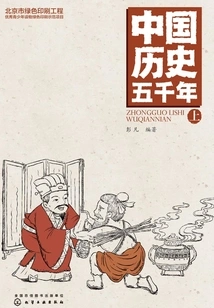
中国历史五千年(上)
Compiled By Peng Fan
Based on the official history circulated in ancient my country, this book truly restores the original appearance of history. It uses wonderful short stories one by one, in chronological order, and introduces Chinese history in 21 issues in the form of summary, cartoons, and story explanations. It shows the great and changing events in Chinese history one by one. The context is clear, the language is humorous, and it is easy to understand, allowing young readers to understand Chinese history in one go.
Based on the official history circulated in ancient my country, this book truly restores the original appearance of history. It uses wonderful short stories one by one, in chronological order, and introduces Chinese history in 21 issues in the form of summary, cartoons, and story explanations. It shows the great and changing events in Chinese history one by one. The context is clear, the language is humorous, and it is easy to understand, allowing young readers to understand Chinese history in one go.
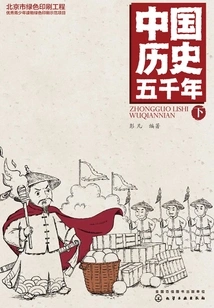
中国历史五千年(下)
Compiled By Peng Fan
Based on the official history circulated in ancient my country, this book truly restores the original appearance of history. It uses wonderful short stories one by one, in chronological order, and introduces Chinese history in 21 issues in the form of summary, cartoons, and story explanations. It shows the great and changing events in Chinese history one by one. The context is clear, the language is humorous, and it is easy to understand, allowing young readers to understand Chinese history in one go.
Based on the official history circulated in ancient my country, this book truly restores the original appearance of history. It uses wonderful short stories one by one, in chronological order, and introduces Chinese history in 21 issues in the form of summary, cartoons, and story explanations. It shows the great and changing events in Chinese history one by one. The context is clear, the language is humorous, and it is easy to understand, allowing young readers to understand Chinese history in one go.
世界历史五千年(上)
Compiled By Peng Fan
This is a set of world history books for children. It is based on the most popular official history of world history today. The content is selected from the official history, truly restoring the original appearance of history, and also has a fair evaluation of historical figures. In addition, I also dabbled in some folk tales and legends, which not only added a bit of legend, but also added a lot of exotic customs. In terms of creative method, this set of books tells history in the form of storytelling. It uses wonderful short stories to show the changing events in world history one by one in chronological order. The context is clear and easy to understand, allowing young readers to understand world history in one go.
This is a set of world history books for children. It is based on the most popular official history of world history today. The content is selected from the official history, truly restoring the original appearance of history, and also has a fair evaluation of historical figures. In addition, I also dabbled in some folk tales and legends, which not only added a bit of legend, but also added a lot of exotic customs. In terms of creative method, this set of books tells history in the form of storytelling. It uses wonderful short stories to show the changing events in world history one by one in chronological order. The context is clear and easy to understand, allowing young readers to understand world history in one go.
穿越时空的天文历法(上)
Lin Zhiman Xiao Feng
This series of books organically and harmoniously combines traditional education with future prospects, guiding contemporary Chinese people to follow the modern trend of integrating the long and ancient Chinese civilization into world development.
This series of books organically and harmoniously combines traditional education with future prospects, guiding contemporary Chinese people to follow the modern trend of integrating the long and ancient Chinese civilization into world development.
尼罗河的赠礼:古埃及(上)
Li Cambridge Jie Baofeng
This "World History Encyclopedia" records the history of human evolution and civilization development since the birth of mankind. It systematically records the outstanding achievements of mankind in creating material civilization and spiritual civilization, and provides a detailed and appropriate review and summary of the entire process of human civilization, providing an effective way for us to inherit and carry forward the achievements of human civilization.
This "World History Encyclopedia" records the history of human evolution and civilization development since the birth of mankind. It systematically records the outstanding achievements of mankind in creating material civilization and spiritual civilization, and provides a detailed and appropriate review and summary of the entire process of human civilization, providing an effective way for us to inherit and carry forward the achievements of human civilization.
佛教的发源地:古印度(上)
Li Cambridge Jie Baofeng
This "World History Encyclopedia" records the history of human evolution and civilization development since the birth of mankind. It systematically records the outstanding achievements of mankind in creating material civilization and spiritual civilization, and provides a detailed and appropriate review and summary of the entire process of human civilization, providing an effective way for us to inherit and carry forward the achievements of human civilization.
This "World History Encyclopedia" records the history of human evolution and civilization development since the birth of mankind. It systematically records the outstanding achievements of mankind in creating material civilization and spiritual civilization, and provides a detailed and appropriate review and summary of the entire process of human civilization, providing an effective way for us to inherit and carry forward the achievements of human civilization.
独具一格的古代数学(下)
Lin Zhiman Xiao Feng
This series of books organically and harmoniously combines traditional education with future prospects, guiding contemporary Chinese people to follow the modern trend of integrating the long and ancient Chinese civilization into world development.
This series of books organically and harmoniously combines traditional education with future prospects, guiding contemporary Chinese people to follow the modern trend of integrating the long and ancient Chinese civilization into world development.