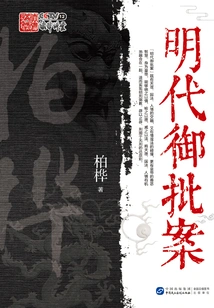
Ming Dynasty Imperial Approval Case
by Bai Hua
About This Novel
Qin Shihuang, who established the emperor system, established the principle that "everything in the world, no matter how big or small, is determined by the superior". Therefore, he had to review 120 kilograms of slips and documents every day, which has been used throughout the generations. Zhu Yuanzhang, Taizu of the Ming Dynasty, reviewed an average of 200 documents every day. Although the subsequent 15 emperors were not as diligent as him, they still had to deal with many problems personally under the system where the emperor was the dictator of everything in the world, so they left many imperial approval cases. There are big and small cases of imperial approval. The big ones can alarm the whole country and influence future generations; while the small ones are rarely known, but they reflect the emperor's attitude towards various cases and declare his various ideas. In a case involving princes, nobles, civil and military officials, and three religions and nine schools, the Ming Dynasty emperor's thought-provoking instructions, unexpected judgments, little-known cases, amazing contingencies, and unpredictable imperial power are breathtaking. This book is revised based on the lecture notes broadcast on CCTV Channel 12's "Legal Lecture (Literature and History Edition)".
Official Sources
What Readers Think
Rating
Community(0)
Rating
Community(0)