Library
Browse and search books
3,417 novels found
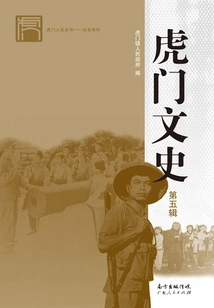
《虎门文史》第五辑
Humen Town People's Government
It is the cultural and historical information about Humen since the founding of New China. The content covers Humen's red past, literary and artistic activities, militia building, educational reform, urban construction, military-civilian joint construction, etc. This book fills the gaps in the history of Humen since the founding of New China, and helps to further understand and understand the history of Humen in this historical period.
It is the cultural and historical information about Humen since the founding of New China. The content covers Humen's red past, literary and artistic activities, militia building, educational reform, urban construction, military-civilian joint construction, etc. This book fills the gaps in the history of Humen since the founding of New China, and helps to further understand and understand the history of Humen in this historical period.
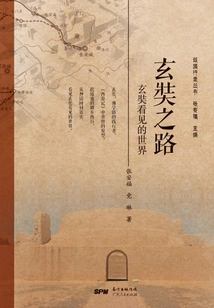
玄奘之路:玄奘看见的世界
Zhang Anfu Dang Lin
Xuanzang, the prototype of Tang Monk in "Journey to the West", was a model for later generations of monks who traveled thousands of miles to India to seek Dharma. This book is based on ancient books such as "Records of the Western Regions of the Tang Dynasty" and "The Biography of Master Tripitaka of the Great Ci'en Temple of the Tang Dynasty". It conducts field research on the Ta'er Temple ruins, Yulin Grottoes, Moheyan Moraine, Gaochang Ancient City, Subashi Buddhist Temple ruins, Kizil Grottoes, Suiye City ruins, and Ta'an along Xuanzang's westward journey. The investigation of Ross City, the Bamiyan Buddha, the ruins of Nalanda Temple, the Ajanta Caves and other places touched the ancient ruins in the form of a combination of contemporary investigation and historical materials. It showed the human history along the way with pictures and texts, and provided an intuitive, vivid and unique perspective for related research.
Xuanzang, the prototype of Tang Monk in "Journey to the West", was a model for later generations of monks who traveled thousands of miles to India to seek Dharma. This book is based on ancient books such as "Records of the Western Regions of the Tang Dynasty" and "The Biography of Master Tripitaka of the Great Ci'en Temple of the Tang Dynasty". It conducts field research on the Ta'er Temple ruins, Yulin Grottoes, Moheyan Moraine, Gaochang Ancient City, Subashi Buddhist Temple ruins, Kizil Grottoes, Suiye City ruins, and Ta'an along Xuanzang's westward journey. The investigation of Ross City, the Bamiyan Buddha, the ruins of Nalanda Temple, the Ajanta Caves and other places touched the ancient ruins in the form of a combination of contemporary investigation and historical materials. It showed the human history along the way with pictures and texts, and provided an intuitive, vivid and unique perspective for related research.
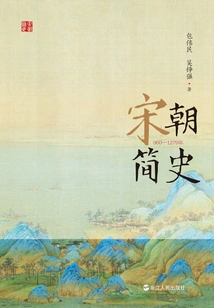
宋朝简史
Bao Weimin Wu Zhengqiang
Why did the Song Dynasty, on the one hand, suffer from the ridicule of poverty and weakness of previous dynasties, but on the other hand, it achieved unprecedented achievements in spiritual temperament, ideology and culture? Well-known scholars of Song history, Bao Weimin and Wu Zhengqiang, looked back at the ups and downs of the Song Dynasty over the past 300 years to gain a glimpse into the historical texture and trace the code of its rise and fall. Looking back at the ups and downs of the dynasty over the past 300 years, the Song Dynasty succeeded the turbulent times of the late Tang Dynasty and established the country, but it never fully recovered the vast territory of the Han and Tang Dynasties. It suffered the "Jingkang Disgrace" and was robbed of half of its rivers and mountains, and settled south of the Qinling Mountains and the Huaihe River. Politically, it valued culture over military affairs, and strategically defended itself internally and externally. The Song Dynasty was surrounded by powerful enemies all day long, until it perished due to the rise of the Mongolian cavalry. But it was the same Song Dynasty that was considered to have opened up a "new situation" in the historical evolution of China's imperial dynasty, whether it was the political maturity of scholar-bureaucrats, the strengthening of the refined and restrained characteristics of agricultural civilization, the significant development of the commodity economy and handicraft industry, the numerous inventions in the technical field, and the epoch-making innovations in the ideological field. How is it that the same Song Dynasty, on the one hand, was ridiculed by poverty and weakness in previous dynasties, but on the other hand, it achieved unprecedented achievements in spiritual temperament, ideology and culture? To answer this question, we need to peer into the fabric of history and trace the codes of rise and fall.
Why did the Song Dynasty, on the one hand, suffer from the ridicule of poverty and weakness of previous dynasties, but on the other hand, it achieved unprecedented achievements in spiritual temperament, ideology and culture? Well-known scholars of Song history, Bao Weimin and Wu Zhengqiang, looked back at the ups and downs of the Song Dynasty over the past 300 years to gain a glimpse into the historical texture and trace the code of its rise and fall. Looking back at the ups and downs of the dynasty over the past 300 years, the Song Dynasty succeeded the turbulent times of the late Tang Dynasty and established the country, but it never fully recovered the vast territory of the Han and Tang Dynasties. It suffered the "Jingkang Disgrace" and was robbed of half of its rivers and mountains, and settled south of the Qinling Mountains and the Huaihe River. Politically, it valued culture over military affairs, and strategically defended itself internally and externally. The Song Dynasty was surrounded by powerful enemies all day long, until it perished due to the rise of the Mongolian cavalry. But it was the same Song Dynasty that was considered to have opened up a "new situation" in the historical evolution of China's imperial dynasty, whether it was the political maturity of scholar-bureaucrats, the strengthening of the refined and restrained characteristics of agricultural civilization, the significant development of the commodity economy and handicraft industry, the numerous inventions in the technical field, and the epoch-making innovations in the ideological field. How is it that the same Song Dynasty, on the one hand, was ridiculed by poverty and weakness in previous dynasties, but on the other hand, it achieved unprecedented achievements in spiritual temperament, ideology and culture? To answer this question, we need to peer into the fabric of history and trace the codes of rise and fall.
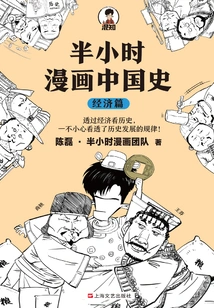
半小时漫画中国史:经济篇
Chen Lei·half Hour Comics Team
Looking at history through economics, I accidentally saw through the laws of historical development! Duke Huan of Qi relied on trade war to achieve hegemony? Did Emperor Wu of the Han Dynasty rely solely on robbing businessmen for their jobs? There are no boring theories and difficult terminology. In the midst of laughter, the historical laws behind China's changing dynasties are revealed from an economic perspective! "Half-hour Comic History of China: Economic Chapter" is a new work by Chen Lei (Brother Huan), the pioneer of comic-style science popularization with 13 million fans, and his half-hour comic team! Open this book and look at history through economics, and the development patterns of two thousand years of history will be instantly clear! The half-hour comic team led by Chen Lei (pseudonym: Erhunzi), through only hand-drawn comics and jokes, allows readers to understand the complex ancient Chinese economic terms: well field system, initial tax acres, industrial and commercial food officials, salt and iron franchise... There are no boring theories and difficult to understand terminology. In the midst of laughter, the historical laws behind China's change of dynasties are revealed from an economic perspective.
Looking at history through economics, I accidentally saw through the laws of historical development! Duke Huan of Qi relied on trade war to achieve hegemony? Did Emperor Wu of the Han Dynasty rely solely on robbing businessmen for their jobs? There are no boring theories and difficult terminology. In the midst of laughter, the historical laws behind China's changing dynasties are revealed from an economic perspective! "Half-hour Comic History of China: Economic Chapter" is a new work by Chen Lei (Brother Huan), the pioneer of comic-style science popularization with 13 million fans, and his half-hour comic team! Open this book and look at history through economics, and the development patterns of two thousand years of history will be instantly clear! The half-hour comic team led by Chen Lei (pseudonym: Erhunzi), through only hand-drawn comics and jokes, allows readers to understand the complex ancient Chinese economic terms: well field system, initial tax acres, industrial and commercial food officials, salt and iron franchise... There are no boring theories and difficult to understand terminology. In the midst of laughter, the historical laws behind China's change of dynasties are revealed from an economic perspective.
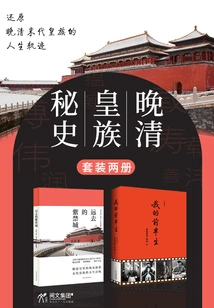
晚清皇族密室套装(全2册)
Aixinjueluo Puyi Jilin Satellite Tv's "family Affairs" Column Team
This set includes "The First Half of My Life" and "The Forbidden City Gone Away". By introducing the rise and fall of the descendants of the last royal family of the late Qing Dynasty, it shows their life experiences and corresponding social changes. It also uses humanistic depth and philosophical thinking to provide the audience with practical ways to deal with family problems.
This set includes "The First Half of My Life" and "The Forbidden City Gone Away". By introducing the rise and fall of the descendants of the last royal family of the late Qing Dynasty, it shows their life experiences and corresponding social changes. It also uses humanistic depth and philosophical thinking to provide the audience with practical ways to deal with family problems.
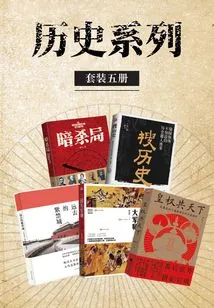
历史权谋系列经典套装(套装5册)
Zhao Danyang Yi Xiaohe Qu Fei Et Al.
Search history, increase your profile, and explore interesting historical people, interesting things, and interesting culture that you don't know, including 5 works such as "Search History", "The Forbidden City Gone Away", and "The Great Military Division of the Three Kingdoms".
Search history, increase your profile, and explore interesting historical people, interesting things, and interesting culture that you don't know, including 5 works such as "Search History", "The Forbidden City Gone Away", and "The Great Military Division of the Three Kingdoms".
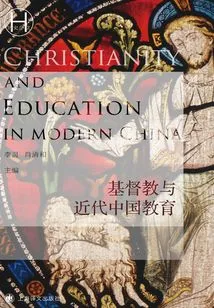
基督教与近代中国教育(历史学堂)
Li Ling Xiao Qinghe
At the end of the 19th century and the first half of the 20th century, European and American churches established universities, primary and secondary schools, and various vocational schools in China. They not only established China's earliest academic research system, such as agriculture, chemistry, psychology, etc., But also bridged cultural exchanges between China and the West, laying the foundation for China's educational modernization and scientific and technological modernization. In addition, the Western education system and ideas have also cultivated students' sense of patriotism and freedom, leading to the "June 3rd School Leaving Incident" such as the separation from missionary schools, from which we can get a glimpse of the campus situation in the first half of the 20th century.
At the end of the 19th century and the first half of the 20th century, European and American churches established universities, primary and secondary schools, and various vocational schools in China. They not only established China's earliest academic research system, such as agriculture, chemistry, psychology, etc., But also bridged cultural exchanges between China and the West, laying the foundation for China's educational modernization and scientific and technological modernization. In addition, the Western education system and ideas have also cultivated students' sense of patriotism and freedom, leading to the "June 3rd School Leaving Incident" such as the separation from missionary schools, from which we can get a glimpse of the campus situation in the first half of the 20th century.
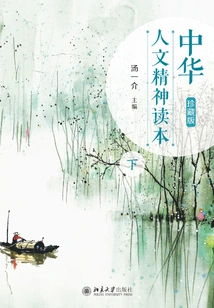
中华人文精神读本(珍藏版)下
Tang Yijie
Mr. Tang Yijie said: "What exactly is the humanistic spirit of our nation? Confucius said: 'If you don't cultivate virtue, if you don't learn it, if you don't learn it, you can't move after hearing it, and if you don't change it, that's what worries me.' We must be moral and knowledgeable, make our behavior consistent with morality, and have the courage to correct our mistakes. This is the humanistic spirit. In a word, we learn to 'be a human being'." The topic of "Erudition" carefully selects nine topics that have had a profound impact on China for thousands of years and are still of great concern today (understanding of heaven and earth, understanding of people, relationship between heaven and man, ecological concepts, historical sentiments, enterprising spirit, invention and innovation, ancient festivals, ancient art), and are presented to readers in the form of "classic original texts + interpretations". The original texts come from important Chinese cultural classics, such as "Zuo Zhuan", "Laozi", "The Analects of Confucius", "Mencius", "Book of Rites", "Historical Records", etc. These famous sentences that carry the core values of the nation are profound in meaning and catchy, allowing children to be edified while reading them. In order to make it easier for readers to understand, each topic is also explained with many vivid short stories, reflecting the time-honored value of ancient thoughts and their inspiration to people today. The first edition of this book was selected into the 100 excellent books recommended by the General Administration of Press and Publication to teenagers across the country. It was highlighted by CCTV News Network and was jointly recommended by the Propaganda Department of the Central Committee of the Communist Party of China, the Ministry of Education, and the Central Committee of the Communist Youth League. The copyright of traditional Chinese characters is exported to Hong Kong.
Mr. Tang Yijie said: "What exactly is the humanistic spirit of our nation? Confucius said: 'If you don't cultivate virtue, if you don't learn it, if you don't learn it, you can't move after hearing it, and if you don't change it, that's what worries me.' We must be moral and knowledgeable, make our behavior consistent with morality, and have the courage to correct our mistakes. This is the humanistic spirit. In a word, we learn to 'be a human being'." The topic of "Erudition" carefully selects nine topics that have had a profound impact on China for thousands of years and are still of great concern today (understanding of heaven and earth, understanding of people, relationship between heaven and man, ecological concepts, historical sentiments, enterprising spirit, invention and innovation, ancient festivals, ancient art), and are presented to readers in the form of "classic original texts + interpretations". The original texts come from important Chinese cultural classics, such as "Zuo Zhuan", "Laozi", "The Analects of Confucius", "Mencius", "Book of Rites", "Historical Records", etc. These famous sentences that carry the core values of the nation are profound in meaning and catchy, allowing children to be edified while reading them. In order to make it easier for readers to understand, each topic is also explained with many vivid short stories, reflecting the time-honored value of ancient thoughts and their inspiration to people today. The first edition of this book was selected into the 100 excellent books recommended by the General Administration of Press and Publication to teenagers across the country. It was highlighted by CCTV News Network and was jointly recommended by the Propaganda Department of the Central Committee of the Communist Party of China, the Ministry of Education, and the Central Committee of the Communist Youth League. The copyright of traditional Chinese characters is exported to Hong Kong.
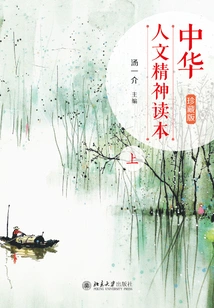
中华人文精神读本(珍藏版)上
Tang Yijie
Mr. Tang Yijie said: "What is the humanistic spirit of our nation? Confucius said: 'If you don't cultivate virtue, if you don't learn it, if you don't learn it, you can't move after hearing it, and if you don't change it, that's my worry.' We must be moral and knowledgeable, make our actions moral, and have the courage to correct our mistakes. This is the humanistic spirit. In a word, learn to 'be a human being' '. "This book focuses on the topic of "self-cultivation" and carefully selects nine themes that have had a profound impact on China for thousands of years and are still of great concern today (benevolence, determination, filial piety and respect for teachers, modesty and prudence, awareness of shame, distinction between justice and benefit, integrity, integrity and frugality, and cherishing time), and are presented to readers in the form of "classic original text + interpretation". The original texts come from important Chinese cultural classics, such as "Zuo Zhuan", "Laozi", "The Analects of Confucius", "Mencius", "Book of Rites", "Historical Records", etc. These famous sentences that carry the core values of the nation are profound in meaning and catchy, allowing children to be edified while reading them. In order to make it easier for readers to understand, each topic is also explained with many vivid short stories, reflecting the time-honored value of ancient thoughts and their inspiration to people today. The first edition of this book was selected into the 100 excellent books recommended by the General Administration of Press and Publication to teenagers across the country. It was highlighted by CCTV News Network and was jointly recommended by the Propaganda Department of the Central Committee of the Communist Party of China, the Ministry of Education, and the Central Committee of the Communist Youth League. The copyright of traditional Chinese characters is exported to Hong Kong.
Mr. Tang Yijie said: "What is the humanistic spirit of our nation? Confucius said: 'If you don't cultivate virtue, if you don't learn it, if you don't learn it, you can't move after hearing it, and if you don't change it, that's my worry.' We must be moral and knowledgeable, make our actions moral, and have the courage to correct our mistakes. This is the humanistic spirit. In a word, learn to 'be a human being' '. "This book focuses on the topic of "self-cultivation" and carefully selects nine themes that have had a profound impact on China for thousands of years and are still of great concern today (benevolence, determination, filial piety and respect for teachers, modesty and prudence, awareness of shame, distinction between justice and benefit, integrity, integrity and frugality, and cherishing time), and are presented to readers in the form of "classic original text + interpretation". The original texts come from important Chinese cultural classics, such as "Zuo Zhuan", "Laozi", "The Analects of Confucius", "Mencius", "Book of Rites", "Historical Records", etc. These famous sentences that carry the core values of the nation are profound in meaning and catchy, allowing children to be edified while reading them. In order to make it easier for readers to understand, each topic is also explained with many vivid short stories, reflecting the time-honored value of ancient thoughts and their inspiration to people today. The first edition of this book was selected into the 100 excellent books recommended by the General Administration of Press and Publication to teenagers across the country. It was highlighted by CCTV News Network and was jointly recommended by the Propaganda Department of the Central Committee of the Communist Party of China, the Ministry of Education, and the Central Committee of the Communist Youth League. The copyright of traditional Chinese characters is exported to Hong Kong.
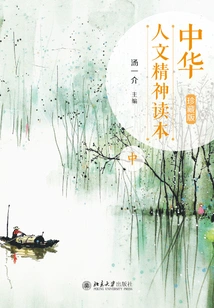
中华人文精神读本(珍藏版)中
Tang Yijie
Mr. Tang Yijie said: "What exactly is the humanistic spirit of our nation? Confucius said: 'If you do not cultivate virtue, you will not learn it, you will not be able to move after hearing the righteousness, and you will not be able to change your bad deeds. This is my worry.' We must be moral and knowledgeable, make our actions moral, and have the courage to correct our mistakes. This is the humanistic spirit. In a word, learning Know how to 'be a human being.'" This book focuses on the topic of "being in the world" and carefully selects nine themes (loving the people, trustworthiness, harmony, etiquette, gratitude, friendship, farewell, homesickness, and patriotism) that have had a profound impact on China for thousands of years and are still of great concern today, and present them to readers in the form of "classic original texts + interpretations." The original texts come from important Chinese cultural classics, such as "Zuo Zhuan", "Laozi", "The Analects of Confucius", "Mencius", "Book of Rites", "Historical Records", etc. These famous sentences that carry the core values of the nation are profound in meaning and catchy, allowing children to be edified while reading them. In order to make it easier for readers to understand, each topic is also explained with many vivid short stories, reflecting the time-honored value of ancient thoughts and their inspiration to people today. The first edition of this book was selected into the 100 excellent books recommended by the General Administration of Press and Publication to teenagers across the country. It was highlighted by CCTV News Network and was jointly recommended by the Propaganda Department of the Central Committee of the Communist Party of China, the Ministry of Education, and the Central Committee of the Communist Youth League. The copyright of traditional Chinese characters is exported to Hong Kong.
Mr. Tang Yijie said: "What exactly is the humanistic spirit of our nation? Confucius said: 'If you do not cultivate virtue, you will not learn it, you will not be able to move after hearing the righteousness, and you will not be able to change your bad deeds. This is my worry.' We must be moral and knowledgeable, make our actions moral, and have the courage to correct our mistakes. This is the humanistic spirit. In a word, learning Know how to 'be a human being.'" This book focuses on the topic of "being in the world" and carefully selects nine themes (loving the people, trustworthiness, harmony, etiquette, gratitude, friendship, farewell, homesickness, and patriotism) that have had a profound impact on China for thousands of years and are still of great concern today, and present them to readers in the form of "classic original texts + interpretations." The original texts come from important Chinese cultural classics, such as "Zuo Zhuan", "Laozi", "The Analects of Confucius", "Mencius", "Book of Rites", "Historical Records", etc. These famous sentences that carry the core values of the nation are profound in meaning and catchy, allowing children to be edified while reading them. In order to make it easier for readers to understand, each topic is also explained with many vivid short stories, reflecting the time-honored value of ancient thoughts and their inspiration to people today. The first edition of this book was selected into the 100 excellent books recommended by the General Administration of Press and Publication to teenagers across the country. It was highlighted by CCTV News Network and was jointly recommended by the Propaganda Department of the Central Committee of the Communist Party of China, the Ministry of Education, and the Central Committee of the Communist Youth League. The copyright of traditional Chinese characters is exported to Hong Kong.
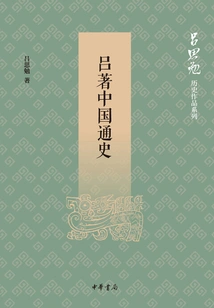
吕著中国通史
Lu Simian
"A General History of China by Lu" has a broad vision and is a model work that tells the history of China with insight and knowledge. The style of this book is quite innovative: the first volume focuses on cultural history, systematically introducing the development of social and economic systems, political systems, and cultural academics in 18 categories; the second volume focuses on political history, telling the political events of the past dynasties in chronological order, and sorting out the rise and fall. It not only makes the social economy and culture a general history, but also makes the politics and military a general history, helping readers to have a bird's-eye view of Chinese history from both horizontal and vertical aspects. It is a rare general history monograph for studying Chinese history.
"A General History of China by Lu" has a broad vision and is a model work that tells the history of China with insight and knowledge. The style of this book is quite innovative: the first volume focuses on cultural history, systematically introducing the development of social and economic systems, political systems, and cultural academics in 18 categories; the second volume focuses on political history, telling the political events of the past dynasties in chronological order, and sorting out the rise and fall. It not only makes the social economy and culture a general history, but also makes the politics and military a general history, helping readers to have a bird's-eye view of Chinese history from both horizontal and vertical aspects. It is a rare general history monograph for studying Chinese history.
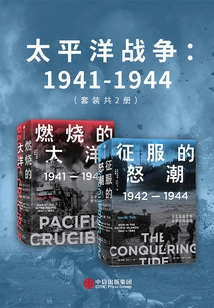
太平洋战争:1941-1944(套装共2册)
I
"The Burning Ocean: 1941-1942, from the Assault on Pearl Harbor to the Battle of Midway": In the early morning of December 7, 1941, the residents of Honolulu, who were used to military exercises, woke up to the noisy sound of artillery fire as usual. They did not realize that a magnificent symphony that staked the fate of the country had already been played... The arrogant Japan declared an undeclared war on the United States. The two giant ships of Pearl Harbor soared into flames, and the unsinkable legend disappeared into the towering black smoke. The battle situation in these six months not only determined the direction of the Pacific War, but also affected the entire situation of World War II. If the balance of history moves even a little bit, the world we know will be completely different. "The Burning Ocean" writes about the gripping initial stage of the Pacific War. From it, we can not only appreciate the strategizing behind Roosevelt and Churchill's chatting and laughing, Yamamoto Isoroku's arrogant gamble, but also the despair of the pilots who narrowly escaped death when faced with the relics of their fallen comrades, and the despair of the fleet commander when he received unfavorable information just after issuing an order. Along with the ups and downs of the characters in the book, history is no longer out of reach. "The Fury of Conquest: 1942-1944, from the Battle of Guadalcanal to the Battle of the Philippine Sea": In early June 1942, the Japanese army, eager to win, suffered heavy losses in the Battle of Midway. The desire for a quick victory was completely shattered. The Pacific War has since turned into a protracted war of attrition. After the Allied forces sounded the clarion call for counterattack, the beautiful Pacific islands, from the Solomon Islands, the Gilbert Islands to the Marshall Islands, all turned into blood-filled Shura fields.
"The Burning Ocean: 1941-1942, from the Assault on Pearl Harbor to the Battle of Midway": In the early morning of December 7, 1941, the residents of Honolulu, who were used to military exercises, woke up to the noisy sound of artillery fire as usual. They did not realize that a magnificent symphony that staked the fate of the country had already been played... The arrogant Japan declared an undeclared war on the United States. The two giant ships of Pearl Harbor soared into flames, and the unsinkable legend disappeared into the towering black smoke. The battle situation in these six months not only determined the direction of the Pacific War, but also affected the entire situation of World War II. If the balance of history moves even a little bit, the world we know will be completely different. "The Burning Ocean" writes about the gripping initial stage of the Pacific War. From it, we can not only appreciate the strategizing behind Roosevelt and Churchill's chatting and laughing, Yamamoto Isoroku's arrogant gamble, but also the despair of the pilots who narrowly escaped death when faced with the relics of their fallen comrades, and the despair of the fleet commander when he received unfavorable information just after issuing an order. Along with the ups and downs of the characters in the book, history is no longer out of reach. "The Fury of Conquest: 1942-1944, from the Battle of Guadalcanal to the Battle of the Philippine Sea": In early June 1942, the Japanese army, eager to win, suffered heavy losses in the Battle of Midway. The desire for a quick victory was completely shattered. The Pacific War has since turned into a protracted war of attrition. After the Allied forces sounded the clarion call for counterattack, the beautiful Pacific islands, from the Solomon Islands, the Gilbert Islands to the Marshall Islands, all turned into blood-filled Shura fields.
《中央日报》报道与评论(上)
Qu Shengfei Chen Zhigang Yang Jun
The materials compiled in this collection of documents are the "Central Daily News" news reports on the Sino-Japanese conflict and the League of Nations' handling of the conflict after the September 18th Incident, which started from September 1931 when China complained to the League of Nations and ended in January 1932 when the League of Nations investigation team was formally established. These news materials reflect the tortuous formation process of the League of Nations investigation team, reveal the conflicts between China and Japan on the diplomatic stage of the League of Nations, and the changes in the attitudes of Western powers such as Britain, France and the United States towards the Sino-Japanese conflict.
The materials compiled in this collection of documents are the "Central Daily News" news reports on the Sino-Japanese conflict and the League of Nations' handling of the conflict after the September 18th Incident, which started from September 1931 when China complained to the League of Nations and ended in January 1932 when the League of Nations investigation team was formally established. These news materials reflect the tortuous formation process of the League of Nations investigation team, reveal the conflicts between China and Japan on the diplomatic stage of the League of Nations, and the changes in the attitudes of Western powers such as Britain, France and the United States towards the Sino-Japanese conflict.
妙趣横生的艺坛典故(下)
Compiled By Lin Zhiman And Xiao Feng
This series of books organically and harmoniously combines traditional education with future prospects, guiding contemporary Chinese people to follow the modern trend of integrating the long and ancient Chinese civilization into world development.
This series of books organically and harmoniously combines traditional education with future prospects, guiding contemporary Chinese people to follow the modern trend of integrating the long and ancient Chinese civilization into world development.
传统中国研究集刊(第二十二辑)
Editorial Committee Of "traditional Chinese Studies" Of Shanghai Academy Of Social Sciences
"Traditional Chinese Studies" was founded in 2006. It is an irregular academic journal with high academic quality. This volume is the 22nd and contains fifteen papers, divided into "Special Articles", "Jingzi Research", "Historical Research", "Literature Research" and "Famous Scholars". It provides many scholars with the latest research results on traditional Chinese politics, economy, society, customs and etiquette, etc. It is profound and innovative.
"Traditional Chinese Studies" was founded in 2006. It is an irregular academic journal with high academic quality. This volume is the 22nd and contains fifteen papers, divided into "Special Articles", "Jingzi Research", "Historical Research", "Literature Research" and "Famous Scholars". It provides many scholars with the latest research results on traditional Chinese politics, economy, society, customs and etiquette, etc. It is profound and innovative.
Important Events
History大事录要
Compiled By Wen Ming And Zhang Lin
The Chinese culture advocates peace and pursues the ideal personality of moderation. When multiple cultures meet, they are good at integrating, not biased or resentful, and prefer harmony and balance, so that the Chinese nation continues to develop and grow. Chinese culture is like a sea of hundreds of rivers, vast and boundless. "Chinese Cultural History" describes China's extraordinary process of land development, national formation, social evolution, economic and cultural development, and political evolution from prehistory to the present. In order to fully present this magnificent history, this book uses nearly 12 million words, 8 volumes and 245 volumes to describe it.
The Chinese culture advocates peace and pursues the ideal personality of moderation. When multiple cultures meet, they are good at integrating, not biased or resentful, and prefer harmony and balance, so that the Chinese nation continues to develop and grow. Chinese culture is like a sea of hundreds of rivers, vast and boundless. "Chinese Cultural History" describes China's extraordinary process of land development, national formation, social evolution, economic and cultural development, and political evolution from prehistory to the present. In order to fully present this magnificent history, this book uses nearly 12 million words, 8 volumes and 245 volumes to describe it.
庚子事变(晚清风云录)
Li Keding
The gorgeous beams and pillars of the late Qing Empire have long been eaten away by termites. During the Gengzi period, Empress Dowager Cixi ushered in the most painful year of her life: royalists overseas were waving their flags, and Sun Yat-sen was shouting in Guangdong. The southeastern provinces united to protect each other, but they seemed to be in harmony with the Qing court. With the tacit approval of the imperial war faction, the Boxer Rebellion spread rapidly and brought disaster to Beijing and Tianjin. The commanders of the Eight-Power Allied Forces marched into Beijing, and instantly Kyoto was in trouble. The two palaces made a hurried tour to the west, which lasted for one year and four months. Li Hongzhang was ordered to go north, negotiate with the great powers, and complete the last political mission in his life. After the "Xinchou Treaty" was signed, the Qing government scraped bones to heal its wounds, implemented the New Deal, and mended the already riddled Qing Dynasty.
The gorgeous beams and pillars of the late Qing Empire have long been eaten away by termites. During the Gengzi period, Empress Dowager Cixi ushered in the most painful year of her life: royalists overseas were waving their flags, and Sun Yat-sen was shouting in Guangdong. The southeastern provinces united to protect each other, but they seemed to be in harmony with the Qing court. With the tacit approval of the imperial war faction, the Boxer Rebellion spread rapidly and brought disaster to Beijing and Tianjin. The commanders of the Eight-Power Allied Forces marched into Beijing, and instantly Kyoto was in trouble. The two palaces made a hurried tour to the west, which lasted for one year and four months. Li Hongzhang was ordered to go north, negotiate with the great powers, and complete the last political mission in his life. After the "Xinchou Treaty" was signed, the Qing government scraped bones to heal its wounds, implemented the New Deal, and mended the already riddled Qing Dynasty.
帝国裂变(晚清风云录)
Li Keding
The sky in the late Qing Dynasty was filled with clouds and was swaying with wind and rain. The ancient empire is in pain and confusion in the mysterious world. Empress Dowager Cixi launched a coup and imprisoned Guangxu; Kangliang fled; the Boxer Rebellion swept the north; Western forces competed for their interests in China. All forces engage in a life-and-death game. With concise and expressive writing style and detailed and accurate historical materials, the novel originally presents the great changes that lasted for thirteen years from 1898 to 1900 in the late Qing Dynasty. The original appearance presents the situation in which the building is about to collapse and collapse in the late Qing Dynasty. It shows the embarrassment of the country's important ministers and elites who are struggling to make up for the loss but are short of resources. It deeply touches the bone-breaking pain of the nation's efforts to save itself from internal and external troubles. Writer Li Keding's ambition is to enter the historical scene. In the novel, he not only puts himself in the turmoil of the political whirlpool of the late Qing Dynasty, but also calmly examines the operation of the bureaucratic machine under the thousand-year-old autocratic system from a modern perspective; he can not only sympathize with the confusion and rush in the transformation of the old and the new, but also be as precise and sharp as a surgeon, cutting straight to the point of pain and drawing blood.
The sky in the late Qing Dynasty was filled with clouds and was swaying with wind and rain. The ancient empire is in pain and confusion in the mysterious world. Empress Dowager Cixi launched a coup and imprisoned Guangxu; Kangliang fled; the Boxer Rebellion swept the north; Western forces competed for their interests in China. All forces engage in a life-and-death game. With concise and expressive writing style and detailed and accurate historical materials, the novel originally presents the great changes that lasted for thirteen years from 1898 to 1900 in the late Qing Dynasty. The original appearance presents the situation in which the building is about to collapse and collapse in the late Qing Dynasty. It shows the embarrassment of the country's important ministers and elites who are struggling to make up for the loss but are short of resources. It deeply touches the bone-breaking pain of the nation's efforts to save itself from internal and external troubles. Writer Li Keding's ambition is to enter the historical scene. In the novel, he not only puts himself in the turmoil of the political whirlpool of the late Qing Dynasty, but also calmly examines the operation of the bureaucratic machine under the thousand-year-old autocratic system from a modern perspective; he can not only sympathize with the confusion and rush in the transformation of the old and the new, but also be as precise and sharp as a surgeon, cutting straight to the point of pain and drawing blood.
晚清残录
Yi Qiang
Since the Qing Dynasty, China has had frequent contacts and collisions with Western countries. Beginning with Macartney's visit to China in 1793, Western countries, through trading companies, missionaries, diplomats and other channels, collected a large amount of intelligence about the Qing Dynasty's political economy and society, and used it in subsequent military conflicts (such as the Opium War, the invasion of the British and French forces, etc.) To achieve the purpose of aggression. Based on precious reports from Western media over the past century, combined with original Chinese historical materials such as "Records of the Qing Dynasty" and "The Imperial Qing Dynasty Conference", the author tells a picture of the Qing Dynasty gradually falling behind, declining and even collapsing in its interactions with Western powers.
Since the Qing Dynasty, China has had frequent contacts and collisions with Western countries. Beginning with Macartney's visit to China in 1793, Western countries, through trading companies, missionaries, diplomats and other channels, collected a large amount of intelligence about the Qing Dynasty's political economy and society, and used it in subsequent military conflicts (such as the Opium War, the invasion of the British and French forces, etc.) To achieve the purpose of aggression. Based on precious reports from Western media over the past century, combined with original Chinese historical materials such as "Records of the Qing Dynasty" and "The Imperial Qing Dynasty Conference", the author tells a picture of the Qing Dynasty gradually falling behind, declining and even collapsing in its interactions with Western powers.
西安唐代历史文化研究
Wang Shuanghuai
Xi'an is the seat of Chang'an, the capital of the Tang Dynasty. Chang'an, the capital of the Tang Dynasty, was the country's political, economic and cultural center and a well-known international metropolis, playing an important role in economic and cultural exchanges between China and foreign countries. The book "Research on the History and Culture of the Tang Dynasty in Xi'an" collects more than 60 representative works of Tang history experts in Xi'an on the research on the history and culture of the Tang Dynasty in Xi'an. "Research on the History and Culture of the Tang Dynasty in Xi'an" covers the basic structure, urban style, historical status and many aspects of the history of the Tang Dynasty in Chang'an, the capital of the Tang Dynasty. The book "Research on the History and Culture of the Tang Dynasty in Xi'an" reflects to a certain extent the results of the research on the history and culture of the Tang Dynasty in Xi'an. It can be used as a reference for the majority of literature and history lovers.
Xi'an is the seat of Chang'an, the capital of the Tang Dynasty. Chang'an, the capital of the Tang Dynasty, was the country's political, economic and cultural center and a well-known international metropolis, playing an important role in economic and cultural exchanges between China and foreign countries. The book "Research on the History and Culture of the Tang Dynasty in Xi'an" collects more than 60 representative works of Tang history experts in Xi'an on the research on the history and culture of the Tang Dynasty in Xi'an. "Research on the History and Culture of the Tang Dynasty in Xi'an" covers the basic structure, urban style, historical status and many aspects of the history of the Tang Dynasty in Chang'an, the capital of the Tang Dynasty. The book "Research on the History and Culture of the Tang Dynasty in Xi'an" reflects to a certain extent the results of the research on the history and culture of the Tang Dynasty in Xi'an. It can be used as a reference for the majority of literature and history lovers.
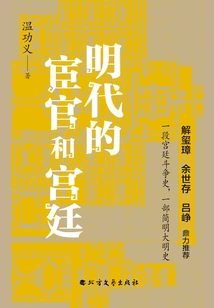
明代的宦官和宫廷
Wen Gongyi
From Hongwu's magnificent founding of the country to Chongzhen's desperate suicide, the Ming Dynasty went through 16 emperors and lasted for 276 years. It was both prosperous and absurd, and glorious and turbulent. When it is prosperous, it will spread its power overseas, and all nations will come to court; when it is chaotic, refugees will spread everywhere, leaving them vulnerable to attack. Why did a huge country go from dominating the world and becoming powerful to being riddled with holes and crumbling? What happened in the middle? Who hindered the Ming Dynasty's repeated signs of resurgence? Behind the turbulent current situation, how many games of power and people's hearts are hidden? The famous historical scholar Wen Gongyi used the eunuchs of the Ming Dynasty as the main line to describe in detail important events such as the "Tumu Fort Incident", "Seizing the Gate" and "Grand Meeting", as well as the three suspicious cases of "Strike", "Hongwan" and "Relocation of the Palace". It vividly depicts the capricious emperor's mind, the cruel and dark power struggle and the bizarre officialdom of the Ming Dynasty. The author's arguments are fair and credible, his writing style is easy to understand, and his wording is rigorous but not difficult. Through the struggle between the government and the public and the palace life in the Ming Dynasty, you can understand the various ills of the Ming Empire and the root causes of its prosperity and decline in one book.
From Hongwu's magnificent founding of the country to Chongzhen's desperate suicide, the Ming Dynasty went through 16 emperors and lasted for 276 years. It was both prosperous and absurd, and glorious and turbulent. When it is prosperous, it will spread its power overseas, and all nations will come to court; when it is chaotic, refugees will spread everywhere, leaving them vulnerable to attack. Why did a huge country go from dominating the world and becoming powerful to being riddled with holes and crumbling? What happened in the middle? Who hindered the Ming Dynasty's repeated signs of resurgence? Behind the turbulent current situation, how many games of power and people's hearts are hidden? The famous historical scholar Wen Gongyi used the eunuchs of the Ming Dynasty as the main line to describe in detail important events such as the "Tumu Fort Incident", "Seizing the Gate" and "Grand Meeting", as well as the three suspicious cases of "Strike", "Hongwan" and "Relocation of the Palace". It vividly depicts the capricious emperor's mind, the cruel and dark power struggle and the bizarre officialdom of the Ming Dynasty. The author's arguments are fair and credible, his writing style is easy to understand, and his wording is rigorous but not difficult. Through the struggle between the government and the public and the palace life in the Ming Dynasty, you can understand the various ills of the Ming Empire and the root causes of its prosperity and decline in one book.
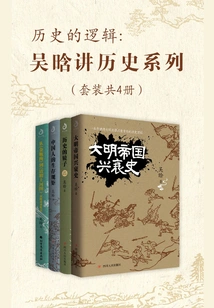
历史的逻辑:吴晗讲历史系列(套装共4册)
Wu Han
The History of the Rise and Fall of the Ming Empire tells the story of the relationship between the rise and fall of the Ming Dynasty and the rise and fall of its bureaucracy and army. In the history of the Ming Dynasty, Zhu Yuanzhang, a rogue and bandit, established the dynasty with a strong army and was recorded in history books as Emperor Taizu Gao. However, the failed Li Zicheng became a thief, thief, bandit, and bandit. Although he was also an emperor, old historians were snobbish. However, force can be used to seize political power, but it cannot be used to govern a country. To govern a country, you must establish a bureaucracy that is easy to use and can be used by the emperor, and bureaucracy must use literati. The interests of the scholar-bureaucrats were consistent with the imperial power. They served the imperial power and helped the emperor govern the country. Once this institution was completely corrupted, the empire would inevitably fall. The famous historian Wu Han uses a fair and rigorous attitude, real and interesting historical materials, and reveals the historical logic behind the rise and fall of the Ming Empire from the two main perspectives of bureaucracy and the army. The mirror of history In ancient times, students studied hard for ten years, but after getting the diploma, they married a concubine for themselves; officials said they were honest and honest, but privately they spent wantonly and indulged in prostitution; famous Confucian scholars claimed to be indifferent to fame and fortune, but in reality After entering an official position, you will be greeted by both sides, worshiping the superior and suppressing the inferior... History is a mirror. It can not only reflect the rise and fall of dynasties and the change of dynasties, but also reflect the thoughts of people at that time, social customs, and the complex human nature hidden under the bright appearance. "Mirror of History" tells us in detail the causes, manifestations, effects of corruption and thoughts on anti-corruption in history from the perspectives of traditional Chinese ethics and social atmosphere. The Chinese people's rules of survival If a person wants to survive in society, he must abide by the society's rules of survival. In the past dynasties of China, the emperor had his own rules for living, officials had their own rules for officials, and the common people had their own rules for living. Everyone struggled and lived within the rules of the game set by the society at that time. In the feudal society, the emperor came from all over the world and was worshiped by thousands of people. In order to maintain the ancestral foundation, he also had to compete with everyone; the officials were superior to others and had infinite glory in appearance, but they also accompanied the emperor like a tiger and were on tenterhooks all day long; the people always thought that it was good to be ordinary and stick to their duties, but they did not want to be exploited at all levels. The famous historian Wu Han interprets the survival rules of ancient Chinese people from a historical perspective, summarizes their survival wisdom and experiences and lessons, and uses history to draw lessons from the present. From "Jin Ping Mei" to "Along the River During the Qingming Festival": Wu Han's Notes on Reading History The famous historian Wu Han unearthed long-standing historical stories from a series of rare classics and documents. Here, we can see people's misunderstanding and misinterpretation of "The Plum in the Golden Lotus", the historical connection between "Along the River During the Qingming Festival" and "The Plum in the Golden Lotus", the evolution of the story of Queen Mother of the West, the ancient stories and their systems in "The Classic of Mountains and Seas", and the truth about Hu Weiyong's party case in the Ming Dynasty. Prime Minister, Wang Maoyin's currency reform in the Xianfeng era, and Li Manzhu who was tampered with, forged and distorted in the history of the founding of the state... Wu Han relayed these vivid historical stories to the public through accurate interpretation and rigorous reasoning, allowing us to enjoy the fun of reasoning in history!
The History of the Rise and Fall of the Ming Empire tells the story of the relationship between the rise and fall of the Ming Dynasty and the rise and fall of its bureaucracy and army. In the history of the Ming Dynasty, Zhu Yuanzhang, a rogue and bandit, established the dynasty with a strong army and was recorded in history books as Emperor Taizu Gao. However, the failed Li Zicheng became a thief, thief, bandit, and bandit. Although he was also an emperor, old historians were snobbish. However, force can be used to seize political power, but it cannot be used to govern a country. To govern a country, you must establish a bureaucracy that is easy to use and can be used by the emperor, and bureaucracy must use literati. The interests of the scholar-bureaucrats were consistent with the imperial power. They served the imperial power and helped the emperor govern the country. Once this institution was completely corrupted, the empire would inevitably fall. The famous historian Wu Han uses a fair and rigorous attitude, real and interesting historical materials, and reveals the historical logic behind the rise and fall of the Ming Empire from the two main perspectives of bureaucracy and the army. The mirror of history In ancient times, students studied hard for ten years, but after getting the diploma, they married a concubine for themselves; officials said they were honest and honest, but privately they spent wantonly and indulged in prostitution; famous Confucian scholars claimed to be indifferent to fame and fortune, but in reality After entering an official position, you will be greeted by both sides, worshiping the superior and suppressing the inferior... History is a mirror. It can not only reflect the rise and fall of dynasties and the change of dynasties, but also reflect the thoughts of people at that time, social customs, and the complex human nature hidden under the bright appearance. "Mirror of History" tells us in detail the causes, manifestations, effects of corruption and thoughts on anti-corruption in history from the perspectives of traditional Chinese ethics and social atmosphere. The Chinese people's rules of survival If a person wants to survive in society, he must abide by the society's rules of survival. In the past dynasties of China, the emperor had his own rules for living, officials had their own rules for officials, and the common people had their own rules for living. Everyone struggled and lived within the rules of the game set by the society at that time. In the feudal society, the emperor came from all over the world and was worshiped by thousands of people. In order to maintain the ancestral foundation, he also had to compete with everyone; the officials were superior to others and had infinite glory in appearance, but they also accompanied the emperor like a tiger and were on tenterhooks all day long; the people always thought that it was good to be ordinary and stick to their duties, but they did not want to be exploited at all levels. The famous historian Wu Han interprets the survival rules of ancient Chinese people from a historical perspective, summarizes their survival wisdom and experiences and lessons, and uses history to draw lessons from the present. From "Jin Ping Mei" to "Along the River During the Qingming Festival": Wu Han's Notes on Reading History The famous historian Wu Han unearthed long-standing historical stories from a series of rare classics and documents. Here, we can see people's misunderstanding and misinterpretation of "The Plum in the Golden Lotus", the historical connection between "Along the River During the Qingming Festival" and "The Plum in the Golden Lotus", the evolution of the story of Queen Mother of the West, the ancient stories and their systems in "The Classic of Mountains and Seas", and the truth about Hu Weiyong's party case in the Ming Dynasty. Prime Minister, Wang Maoyin's currency reform in the Xianfeng era, and Li Manzhu who was tampered with, forged and distorted in the history of the founding of the state... Wu Han relayed these vivid historical stories to the public through accurate interpretation and rigorous reasoning, allowing us to enjoy the fun of reasoning in history!
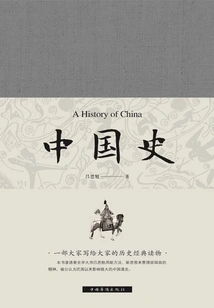
Chinese History
History中国史
Lu Simian
This book was originally a history textbook written by Mr. Lu Simian for senior high school students. It is easy to understand and serves as "the door to the door and the ladder to the ladder" for learning Chinese history. The book starts from the ancient times and ends with the year of the author's writing (1922). The book is divided into several parts: ancient history, medieval history, modern history, modern history, and modern history. It covers various eras such as Three Sovereigns and Five Emperors, Xia, Shang, and Zhou. The content involves specialized knowledge in history, geography, grammar, exegesis, and forgery, and covers various fields such as politics, economy, culture, system, and nation. It runs through all eras and looks at all fields. In addition, the reference reading lists listed in the book provide directions for further study and discussion of history and other knowledge.
This book was originally a history textbook written by Mr. Lu Simian for senior high school students. It is easy to understand and serves as "the door to the door and the ladder to the ladder" for learning Chinese history. The book starts from the ancient times and ends with the year of the author's writing (1922). The book is divided into several parts: ancient history, medieval history, modern history, modern history, and modern history. It covers various eras such as Three Sovereigns and Five Emperors, Xia, Shang, and Zhou. The content involves specialized knowledge in history, geography, grammar, exegesis, and forgery, and covers various fields such as politics, economy, culture, system, and nation. It runs through all eras and looks at all fields. In addition, the reference reading lists listed in the book provide directions for further study and discussion of history and other knowledge.
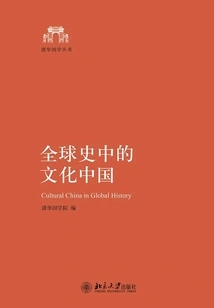
全球史中的文化中国
Tsinghua University
This book is based on the cultural lectures given by five heavyweight experts from the School of Chinese Studies at Tsinghua University to leading cadres. It includes a set of lecture notes by five instructors on the theme of global history and globalization. It shows the characteristics of Chinese culture in global history from the perspectives of theoretical aspects, historical changes, economic and social development, and cultural diversity. The book retains a lively sense of place and face-to-face readability, with the aim of guiding readers to gain a deeper understanding of Chinese culture and calmly think about the impact of globalization.
This book is based on the cultural lectures given by five heavyweight experts from the School of Chinese Studies at Tsinghua University to leading cadres. It includes a set of lecture notes by five instructors on the theme of global history and globalization. It shows the characteristics of Chinese culture in global history from the perspectives of theoretical aspects, historical changes, economic and social development, and cultural diversity. The book retains a lively sense of place and face-to-face readability, with the aim of guiding readers to gain a deeper understanding of Chinese culture and calmly think about the impact of globalization.
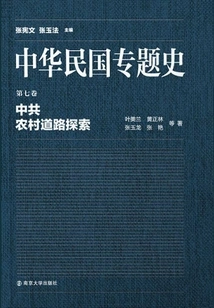
中华民国专题史第07卷:中共农村道路探索
Ye Meilan Huang Zhenglin Zhang Yulong Zhang Yan
This book focuses on the study of the Chinese Communist Party's exploration of rural roads, especially the analysis of the political and economic environment, social and cultural trends of thought and other factors why the Chinese Communist Party chose rural roads.
This book focuses on the study of the Chinese Communist Party's exploration of rural roads, especially the analysis of the political and economic environment, social and cultural trends of thought and other factors why the Chinese Communist Party chose rural roads.
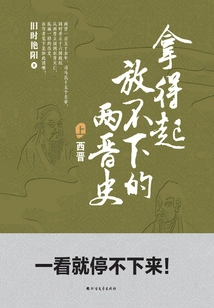
拿得起放不下的两晋史(上册)
The Old Sun
The Eastern and Western Jin Dynasties were a dark and dazzling era in Chinese history. Here are the most beautiful men, the most straightforward women, the emperor who gave birth to the most sons, the most talented people who killed the most emperors, the wildest and most fascinating celebrities in history, and the freest and most repressive atmosphere. "The bright mirror reflects the image, and the ancient events inform the present." The author uses the characters of the Two Jin Dynasties as the main line, conducts serious research, sorts out the historical context, explores the cause and effect of events, and creates a history of the Two Jin Dynasties that people can understand at a glance and cannot afford to put down! "A History of the Two Jin Dynasties that I can't afford to put down, Volume 1" focuses on the beautiful and ugly, unrestrained and powerful history of the Western Jin Dynasty, which is extremely intense, contradictory, and more colorful than life.
The Eastern and Western Jin Dynasties were a dark and dazzling era in Chinese history. Here are the most beautiful men, the most straightforward women, the emperor who gave birth to the most sons, the most talented people who killed the most emperors, the wildest and most fascinating celebrities in history, and the freest and most repressive atmosphere. "The bright mirror reflects the image, and the ancient events inform the present." The author uses the characters of the Two Jin Dynasties as the main line, conducts serious research, sorts out the historical context, explores the cause and effect of events, and creates a history of the Two Jin Dynasties that people can understand at a glance and cannot afford to put down! "A History of the Two Jin Dynasties that I can't afford to put down, Volume 1" focuses on the beautiful and ugly, unrestrained and powerful history of the Western Jin Dynasty, which is extremely intense, contradictory, and more colorful than life.
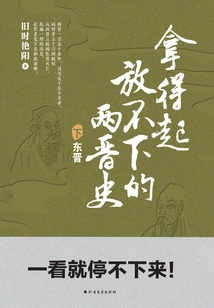
拿得起放不下的两晋史(下册)
The Old Sun
The Eastern and Western Jin Dynasties were a dark and dazzling era in Chinese history. Here are the most beautiful men, the most straightforward women, the emperor who gave birth to the most sons, the most talented people who killed the most emperors, the wildest and most fascinating celebrities in history, and the freest and most repressive atmosphere. "The bright mirror reflects the image, and the ancient events inform the present." The author uses the characters of the Two Jin Dynasties as the main line, conducts serious research, sorts out the historical context, explores the cause and effect of events, and creates a history of the Two Jin Dynasties that people can understand at a glance and cannot afford to put down! "A History of the Two Jin Dynasties that I can't afford to put down, Volume 2" focuses on the changes of ownership in the Eastern Jin Dynasty, the competition in the Central Plains, the southward migration of clothes, and the entry of Wuhu into China and other historical changes.
The Eastern and Western Jin Dynasties were a dark and dazzling era in Chinese history. Here are the most beautiful men, the most straightforward women, the emperor who gave birth to the most sons, the most talented people who killed the most emperors, the wildest and most fascinating celebrities in history, and the freest and most repressive atmosphere. "The bright mirror reflects the image, and the ancient events inform the present." The author uses the characters of the Two Jin Dynasties as the main line, conducts serious research, sorts out the historical context, explores the cause and effect of events, and creates a history of the Two Jin Dynasties that people can understand at a glance and cannot afford to put down! "A History of the Two Jin Dynasties that I can't afford to put down, Volume 2" focuses on the changes of ownership in the Eastern Jin Dynasty, the competition in the Central Plains, the southward migration of clothes, and the entry of Wuhu into China and other historical changes.
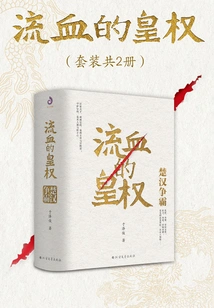
流血的皇权:楚汉争霸(套装共2册)
Yu Zejun
This book takes Qin Shihuang's inspection tour of the sand dunes where he died of illness in 210 BC as the starting point, and vividly reproduces the magnificent and ups and downs of history from Liu Bang's birth and uprising to the complete overthrow of the Qin Dynasty, Xiang Yu's drama of enfeoffing the princes, Chu and Han fighting for hegemony, and Han defending the world. The story is meticulous, the characters are lifelike, and the language is lively. It is a rare masterpiece in the field of historical novel creation in recent years.
This book takes Qin Shihuang's inspection tour of the sand dunes where he died of illness in 210 BC as the starting point, and vividly reproduces the magnificent and ups and downs of history from Liu Bang's birth and uprising to the complete overthrow of the Qin Dynasty, Xiang Yu's drama of enfeoffing the princes, Chu and Han fighting for hegemony, and Han defending the world. The story is meticulous, the characters are lifelike, and the language is lively. It is a rare masterpiece in the field of historical novel creation in recent years.
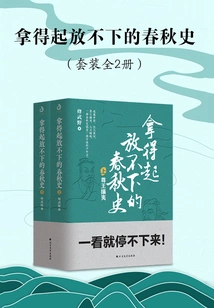
拿得起放不下的春秋史(套装共2册)
Fengwuye
Feng Wuye, a popular author with over 2 million hits on Tianya, focuses on the study of pre-Qin history and is familiar with every historical event in the Spring and Autumn Period. The author spent two years collecting historical materials and searched hundreds of authoritative historical materials in Jiangsu Provincial Libraries and Museums. For each historical event in the article, there are at least two comparisons of materials, and multi-faceted research was conducted on controversial historical events to ensure the authenticity and reliability of each historical material. A History of the Spring and Autumn Period is a chronicle of Chinese youth, a set of books that straightens out the messy Spring and Autumn History!
Feng Wuye, a popular author with over 2 million hits on Tianya, focuses on the study of pre-Qin history and is familiar with every historical event in the Spring and Autumn Period. The author spent two years collecting historical materials and searched hundreds of authoritative historical materials in Jiangsu Provincial Libraries and Museums. For each historical event in the article, there are at least two comparisons of materials, and multi-faceted research was conducted on controversial historical events to ensure the authenticity and reliability of each historical material. A History of the Spring and Autumn Period is a chronicle of Chinese youth, a set of books that straightens out the messy Spring and Autumn History!
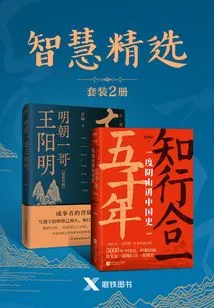
智慧精选(套装2册)
Lu Zheng Et Al.
This set includes: "Wang Yangming, the First Brother of the Ming Dynasty" and "Five Thousand Years of Knowledge and Action: Chinese History on Duyin Mountain". Content introduction: "Wang Yangming, the First Brother of the Ming Dynasty" is about: "Wang Yangming, the First Brother of the Ming Dynasty" uses a modern, vivid and humorous writing style to completely outline the life of a generation of saints, Wang Yangming, and at the same time incorporates the formation, development, perfection and maturity of Wang Yangming's philosophy. "Five Thousand Years of Knowledge and Action: Chinese History from Duyin Mountain" is about: "Five Thousand Years of Knowledge and Action" is a set of popular Chinese history, with a total of five volumes, telling the five thousand years of history from the mythical period to the end of the Qing Dynasty. This is the first volume, which mainly talks about the historical development from the founding of Pangu to Wang Mang of the Western Han Dynasty.
This set includes: "Wang Yangming, the First Brother of the Ming Dynasty" and "Five Thousand Years of Knowledge and Action: Chinese History on Duyin Mountain". Content introduction: "Wang Yangming, the First Brother of the Ming Dynasty" is about: "Wang Yangming, the First Brother of the Ming Dynasty" uses a modern, vivid and humorous writing style to completely outline the life of a generation of saints, Wang Yangming, and at the same time incorporates the formation, development, perfection and maturity of Wang Yangming's philosophy. "Five Thousand Years of Knowledge and Action: Chinese History from Duyin Mountain" is about: "Five Thousand Years of Knowledge and Action" is a set of popular Chinese history, with a total of five volumes, telling the five thousand years of history from the mythical period to the end of the Qing Dynasty. This is the first volume, which mainly talks about the historical development from the founding of Pangu to Wang Mang of the Western Han Dynasty.
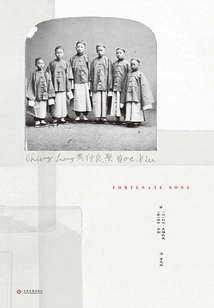
The Lucky One: the Story of a Young Child Studying in the United States in the Late Qing Dynasty
History幸运儿:晚清留美幼童的故事
(to) Lil Leibovitz (u. S.) Matthew Miller
From 1872 to 1875, the Qing government selected 120 young children to study in the United States. The purpose was to allow these young children to learn advanced Western military and technology in order to resist the invasion of China by foreign powers. Awaken the sleeping ancient civilization and lead the country towards modernization. This is the earliest government-sponsored study abroad program in China's modern history. This book completely and meticulously describes the study and life of young children while studying in the United States, as well as the various life experiences of these young children after they returned to China because they were recalled midway because their study abroad plans were shelved. The book reproduces the past of these young children in this turbulent era, including Tang Shaoyi, Liang Dunyan, Liang Ruhao, Li Enfu, Cai Shaoji, Zhong Wenyao, Zhan Tianyou, Cai Tingqian, Rong Shangqian, etc., Who showed their talents and abilities in different fields and changed China's economic, diplomatic and political affairs, as well as the conflicts and challenges they faced in that era.
From 1872 to 1875, the Qing government selected 120 young children to study in the United States. The purpose was to allow these young children to learn advanced Western military and technology in order to resist the invasion of China by foreign powers. Awaken the sleeping ancient civilization and lead the country towards modernization. This is the earliest government-sponsored study abroad program in China's modern history. This book completely and meticulously describes the study and life of young children while studying in the United States, as well as the various life experiences of these young children after they returned to China because they were recalled midway because their study abroad plans were shelved. The book reproduces the past of these young children in this turbulent era, including Tang Shaoyi, Liang Dunyan, Liang Ruhao, Li Enfu, Cai Shaoji, Zhong Wenyao, Zhan Tianyou, Cai Tingqian, Rong Shangqian, etc., Who showed their talents and abilities in different fields and changed China's economic, diplomatic and political affairs, as well as the conflicts and challenges they faced in that era.
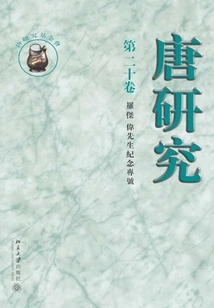
Tang Studies·volume 20
History唐研究·第二十卷
Rong Xinjiang
This book is a large-scale academic special issue of the Tang Research Foundation, which publishes research papers and book reviews on the literature, history, archeology, and art of the Tang Dynasty. The papers in this book are generally written by experts in certain fields specially invited by the editor-in-chief, and the papers with the most academic standards are selected through anonymous review. Since its inception, this journal has been highly praised by experts and scholars at home and abroad, believing that it represents the highest level of historical research on the Tang Dynasty in China in the world today, and its papers are constantly cited by scholars at home and abroad.
This book is a large-scale academic special issue of the Tang Research Foundation, which publishes research papers and book reviews on the literature, history, archeology, and art of the Tang Dynasty. The papers in this book are generally written by experts in certain fields specially invited by the editor-in-chief, and the papers with the most academic standards are selected through anonymous review. Since its inception, this journal has been highly praised by experts and scholars at home and abroad, believing that it represents the highest level of historical research on the Tang Dynasty in China in the world today, and its papers are constantly cited by scholars at home and abroad.
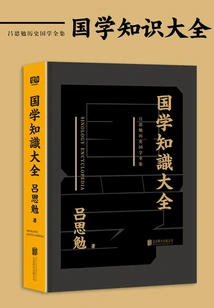
Chinese History
History中国大历史
Lu Simian
"The Great History of China" is divided into five different periods according to the changes in Chinese history and society: ancient history, medieval history, modern history, modern history, and modern history. It describes in detail the history of China from ancient times to the eleventh year of the Republic of China.
"The Great History of China" is divided into five different periods according to the changes in Chinese history and society: ancient history, medieval history, modern history, modern history, and modern history. It describes in detail the history of China from ancient times to the eleventh year of the Republic of China.
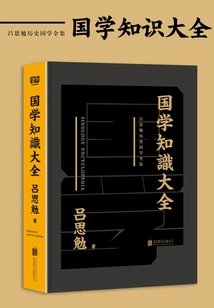
吕思勉历史国学全集
Lu Simian
Lu Simian's complete collection of historical and Chinese studies includes three volumes: "General History of China", "Great History of China" and "Encyclopedia of Knowledge on Chinese Studies". "General History of China" is Mr. Lu Simian's famous historical work. It is also the first general history of China written in vernacular in the history of our country. The book is divided into two volumes. The first volume is the cultural history of China, drawing on the canonical system of ancient history books. It is divided into eighteen topics according to chapters, such as marriage, clan system, political system, class, property, official system, and elections. The extensive content is completely consistent with the meaning of today's "big culture"; the second volume is the political history of China, starting from the origin of the nation and narrating the historical events of the past dynasties until the founding of the Republic of China. Five thousand years of Chinese history are condensed into one book. "General History of China" is permeated with Lu Simian's spirit of using new methods and new ideas to organize the old country. The whole book "writes general history with rich historical knowledge and smooth writing style, so as to open a new era for the writing of general history." "The Great History of China" is divided into five different periods according to the changes in Chinese history and society: ancient history, medieval history, modern history, modern history, and modern history. It describes in detail the history of China from ancient times to the eleventh year of the Republic of China. "Encyclopedia of Knowledge on Chinese Studies" includes Mr. Lu Simian's "Introduction to Chinese Studies", "Jingzi Jingzi Problems", "Introduction to Pre-Qin Academics", "Outline of Neo-Confucianism", "History of Chinese Culture", "Historical Research Methods", "History and Historical Records", and "How to Read Chinese Historical Books". It is the most comprehensive guide to teach introductory methods to Chinese studies so far.
Lu Simian's complete collection of historical and Chinese studies includes three volumes: "General History of China", "Great History of China" and "Encyclopedia of Knowledge on Chinese Studies". "General History of China" is Mr. Lu Simian's famous historical work. It is also the first general history of China written in vernacular in the history of our country. The book is divided into two volumes. The first volume is the cultural history of China, drawing on the canonical system of ancient history books. It is divided into eighteen topics according to chapters, such as marriage, clan system, political system, class, property, official system, and elections. The extensive content is completely consistent with the meaning of today's "big culture"; the second volume is the political history of China, starting from the origin of the nation and narrating the historical events of the past dynasties until the founding of the Republic of China. Five thousand years of Chinese history are condensed into one book. "General History of China" is permeated with Lu Simian's spirit of using new methods and new ideas to organize the old country. The whole book "writes general history with rich historical knowledge and smooth writing style, so as to open a new era for the writing of general history." "The Great History of China" is divided into five different periods according to the changes in Chinese history and society: ancient history, medieval history, modern history, modern history, and modern history. It describes in detail the history of China from ancient times to the eleventh year of the Republic of China. "Encyclopedia of Knowledge on Chinese Studies" includes Mr. Lu Simian's "Introduction to Chinese Studies", "Jingzi Jingzi Problems", "Introduction to Pre-Qin Academics", "Outline of Neo-Confucianism", "History of Chinese Culture", "Historical Research Methods", "History and Historical Records", and "How to Read Chinese Historical Books". It is the most comprehensive guide to teach introductory methods to Chinese studies so far.
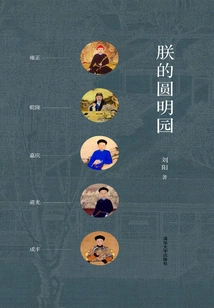
My Old Summer Palace
History朕的圆明园
Liu Yang
This is a historical book that combines classics and historical pictures to introduce the relationship between the five emperors from Yongzheng to Xianfeng and the Old Summer Palace. Among them, Yongzheng and Daoguang died in the Old Summer Palace, while Jiaqing and Xianfeng were born in the Old Summer Palace. The major events that occurred in the Old Summer Palace and influenced the modern history of China tell the story of the rise and fall of the Qing Dynasty from a special perspective; the stories in the lives of the emperors are colorful, treacherous, and thought-provoking. The Old Summer Palace is such a historical witness.
This is a historical book that combines classics and historical pictures to introduce the relationship between the five emperors from Yongzheng to Xianfeng and the Old Summer Palace. Among them, Yongzheng and Daoguang died in the Old Summer Palace, while Jiaqing and Xianfeng were born in the Old Summer Palace. The major events that occurred in the Old Summer Palace and influenced the modern history of China tell the story of the rise and fall of the Qing Dynasty from a special perspective; the stories in the lives of the emperors are colorful, treacherous, and thought-provoking. The Old Summer Palace is such a historical witness.
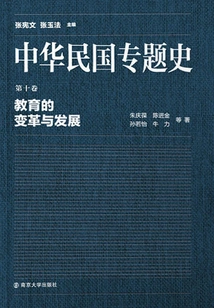
Thematic History of the Republic of China Volume 10: the Transformation and Development of Education
History中华民国专题史第10卷:教育的变革与发展
Zhu Qingbao Chen Jinjin Sun Ruoyi Zhu Liwai
The development of education during the Republic of China has always been one of the more prominent achievements of the Republic of China. It is the source of the rise of modern education in China and is also the subject of "Thematic History of the Republic of China Volume 10: The Transformation and Development of Education". "Thematic History of the Republic of China Volume 10: The Transformation and Development of Education" is divided into eight chapters, which describe the transformation and development of education in the early Republic of China, the exploration of education in the 1920s, the promotion of education after the establishment of the National Government, the persistence and development of Chinese education in the ten years before the Anti-Japanese War and during the war, education in the Shaanxi-Gansu-Ningxia Border Region, post-war education, and the development of private education in modern China.
The development of education during the Republic of China has always been one of the more prominent achievements of the Republic of China. It is the source of the rise of modern education in China and is also the subject of "Thematic History of the Republic of China Volume 10: The Transformation and Development of Education". "Thematic History of the Republic of China Volume 10: The Transformation and Development of Education" is divided into eight chapters, which describe the transformation and development of education in the early Republic of China, the exploration of education in the 1920s, the promotion of education after the establishment of the National Government, the persistence and development of Chinese education in the ten years before the Anti-Japanese War and during the war, education in the Shaanxi-Gansu-Ningxia Border Region, post-war education, and the development of private education in modern China.
中华民国专题史第12卷:抗战时期的沦陷区与伪政权
Zhang Tongle Ma Junya Cao Dazeng Yang Weizhen
This book mainly studies the economic and social life of two large areas between 1937 and 1945 - the rear area and the occupied areas. Marked by the westward movement of the National Government and the later establishment of the Wang Puppet Government, China at that time presented two states. This is the focus of this book. This book mainly studies the economic and social life of two large areas between 1937 and 1945 - the rear area and the occupied areas. Marked by the westward movement of the National Government and the later establishment of the Wang Puppet Government, China at that time presented two states. This is the focus of this book.
This book mainly studies the economic and social life of two large areas between 1937 and 1945 - the rear area and the occupied areas. Marked by the westward movement of the National Government and the later establishment of the Wang Puppet Government, China at that time presented two states. This is the focus of this book. This book mainly studies the economic and social life of two large areas between 1937 and 1945 - the rear area and the occupied areas. Marked by the westward movement of the National Government and the later establishment of the Wang Puppet Government, China at that time presented two states. This is the focus of this book.
Republic Annual Ring
History共和国年轮
Li Fang
Starting from the founding of the People's Republic of China in 1949, this book selects 70 representative figures of the year according to the year. Using their deeds and achievements as clues, this book attempts to use the points of these figures to witness the destiny of the country and the country, as well as the social, historical and cultural development and changes of the Republic in the context of the times in the past 70 years. A review of the 70-year development history of the Republic can further increase national self-esteem and self-confidence. The manuscript is rich in information, solid in content, lively in writing, and highly readable.
Starting from the founding of the People's Republic of China in 1949, this book selects 70 representative figures of the year according to the year. Using their deeds and achievements as clues, this book attempts to use the points of these figures to witness the destiny of the country and the country, as well as the social, historical and cultural development and changes of the Republic in the context of the times in the past 70 years. A review of the 70-year development history of the Republic can further increase national self-esteem and self-confidence. The manuscript is rich in information, solid in content, lively in writing, and highly readable.
中华民国专题史第18卷:革命、战争与澳门
Wu Zhiliang Lou Shenghua He Weijie
The history of Macao from 1911 to 1949 is a period of modern Macao history that needs to be further explored and studied. "Thematic History of the Republic of China Volume 18: Revolution, War and Macao" focuses on the special experiences Macao experienced during this period based on the reference and citation of a large number of historical archives. The historical process, the relationship between the details of Macao's history and the isomorphic resonance of the destiny of the Chinese nation, and the close relationship with the intertwined world history of the two major themes of revolution and war have been rigorously and meticulously studied during this period. This unforgettable tortuous period in Macao's history has been objectively and truly narrated.
The history of Macao from 1911 to 1949 is a period of modern Macao history that needs to be further explored and studied. "Thematic History of the Republic of China Volume 18: Revolution, War and Macao" focuses on the special experiences Macao experienced during this period based on the reference and citation of a large number of historical archives. The historical process, the relationship between the details of Macao's history and the isomorphic resonance of the destiny of the Chinese nation, and the close relationship with the intertwined world history of the two major themes of revolution and war have been rigorously and meticulously studied during this period. This unforgettable tortuous period in Macao's history has been objectively and truly narrated.
国史馆藏档(一)
Chen Haiyi Chang Guodong Liu Qi
The documents compiled in this volume include the complete collection of Taiwan's "National History Museum" and "Ministry of Foreign Affairs" and the complete collection of "Cultural Relics of President Chiang Kai-shek", as well as an appendix. The entire file of the "Ministry of Foreign Affairs" is to "collect information on Japan's illegal activities and submit it to the League of Nations investigation team" (Volume 1 to Volume 6); the entire file of "Cultural Relics of Chiang Kai-shek's "President"" is to collect the files related to the "Litton Investigation Team" in the entire file; the appendix is "The Shenyang Incident" in the "Preliminary Draft of the Minutes of the Ministry of Japanese Invasion (Bound Edition)".
The documents compiled in this volume include the complete collection of Taiwan's "National History Museum" and "Ministry of Foreign Affairs" and the complete collection of "Cultural Relics of President Chiang Kai-shek", as well as an appendix. The entire file of the "Ministry of Foreign Affairs" is to "collect information on Japan's illegal activities and submit it to the League of Nations investigation team" (Volume 1 to Volume 6); the entire file of "Cultural Relics of Chiang Kai-shek's "President"" is to collect the files related to the "Litton Investigation Team" in the entire file; the appendix is "The Shenyang Incident" in the "Preliminary Draft of the Minutes of the Ministry of Japanese Invasion (Bound Edition)".
国联调查团报告书
Zhang Sheng Chen Haiyi Yang Jun
This collection of documents compiles the multilingual versions of the "Report of the League of Nations Surveying Mission" published earlier to facilitate researchers' comparison and research. 1. The English version of the "Report of the League of Nations Survey" is from the official version published on October 1, 1932, local time in Geneva. It is now in the Library of the League of Nations in Geneva. 2. The Chinese version of the "Report of the League of Nations Survey" is from the National Government. The "Report of the League of Nations Surveying Mission" translated by the Ministry of Foreign Affairs 3. The Japanese version of the "Report of the League of Nations Surveying Mission" was taken from the "Report of the League of Nations Surveying Mission" translated by the Japanese Ministry of Foreign Affairs and published publicly by Toji Shoin on October 10, 1932.
This collection of documents compiles the multilingual versions of the "Report of the League of Nations Surveying Mission" published earlier to facilitate researchers' comparison and research. 1. The English version of the "Report of the League of Nations Survey" is from the official version published on October 1, 1932, local time in Geneva. It is now in the Library of the League of Nations in Geneva. 2. The Chinese version of the "Report of the League of Nations Survey" is from the National Government. The "Report of the League of Nations Surveying Mission" translated by the Ministry of Foreign Affairs 3. The Japanese version of the "Report of the League of Nations Surveying Mission" was taken from the "Report of the League of Nations Surveying Mission" translated by the Japanese Ministry of Foreign Affairs and published publicly by Toji Shoin on October 10, 1932.
国联调查团访谈与调查
Chen Haiyi Qu Shengfei Wu Jiajia
The materials compiled and included in this volume of documents come from the "League of Nations and United Nations Archives" in Geneva, and mainly select and translate the two files S30 and S31 in the "S" series. S30 records the symposium, China's request, and cable messages from all parties during the Litton investigation team's stay in Shanghai; S31 records the Litton investigation team's investigations, visits, conversations, and intelligence data collection in the Northeast region, including Qiqihar, Shanhaiguan, Shenyang, Changchun, Harbin, Dalian, Jinzhou and other places.
The materials compiled and included in this volume of documents come from the "League of Nations and United Nations Archives" in Geneva, and mainly select and translate the two files S30 and S31 in the "S" series. S30 records the symposium, China's request, and cable messages from all parties during the Litton investigation team's stay in Shanghai; S31 records the Litton investigation team's investigations, visits, conversations, and intelligence data collection in the Northeast region, including Qiqihar, Shanhaiguan, Shenyang, Changchun, Harbin, Dalian, Jinzhou and other places.
关内团体与民众呈文
Sun Hongjun Guo Zhaozhao Hao Baoping
The materials compiled and included in this volume of documents are all from the "League of Nations and United Nations Archives" in Geneva. The translated content mainly comes from the four volumes S36, S38, S39 and S40 in the "S" series. It includes submissions from agencies, groups and individuals in various places in the customs, including Hunan, Hubei, Henan, Hebei, Jiangxi, Shandong, Sichuan, Fujian, Zhejiang, Jiangsu and other places.
The materials compiled and included in this volume of documents are all from the "League of Nations and United Nations Archives" in Geneva. The translated content mainly comes from the four volumes S36, S38, S39 and S40 in the "S" series. It includes submissions from agencies, groups and individuals in various places in the customs, including Hunan, Hubei, Henan, Hebei, Jiangxi, Shandong, Sichuan, Fujian, Zhejiang, Jiangsu and other places.
关外团体与民众呈文(上)
Guo Zhaozhao Sun Hongjun Tang Yang
The materials compiled and included in this volume of documents are all from the League of Nations and United Nations Archives in Geneva. The translation content mainly comes from the four files S36, S38, S39 and S40 in the "S" series. It includes submissions from agencies, groups and individuals from various places outside the customs such as Liaoning, Heilongjiang and Jilin.
The materials compiled and included in this volume of documents are all from the League of Nations and United Nations Archives in Geneva. The translation content mainly comes from the four files S36, S38, S39 and S40 in the "S" series. It includes submissions from agencies, groups and individuals from various places outside the customs such as Liaoning, Heilongjiang and Jilin.
中央日报报道与评论(中)
Qu Shengfei Sun Xuqin Yan Guizhen
The materials compiled in this book are the news reports of the JoongAng Ilbo about the time when the Lytton Investigation Team was investigating the truth about the Sino-Japanese conflict in the Far East. The time started in February 1932 when the Lytton Investigation Team left Europe and started its trip to the Far East, and ended in September of the same year when the Lytton Investigation Team left China and returned to Europe and before the release of the investigation team's report. These news materials reflect the investigation activities carried out by the Lytton Investigation Team in China and Japan, mainly in China, as well as the report written by the Lytton Investigation Team. They also reveal the changes in the attitude of the Chinese government, people and public opinion towards the Lytton Investigation Team. In addition, this volume also includes some of the negotiations between China and Japan on issues such as tariffs in Northeast China.
The materials compiled in this book are the news reports of the JoongAng Ilbo about the time when the Lytton Investigation Team was investigating the truth about the Sino-Japanese conflict in the Far East. The time started in February 1932 when the Lytton Investigation Team left Europe and started its trip to the Far East, and ended in September of the same year when the Lytton Investigation Team left China and returned to Europe and before the release of the investigation team's report. These news materials reflect the investigation activities carried out by the Lytton Investigation Team in China and Japan, mainly in China, as well as the report written by the Lytton Investigation Team. They also reveal the changes in the attitude of the Chinese government, people and public opinion towards the Lytton Investigation Team. In addition, this volume also includes some of the negotiations between China and Japan on issues such as tariffs in Northeast China.
新文化运动史料丛编(1—6卷)
Sun Yu Jishuihe Et Al.
"New Culture Movement Historical Materials Series" is edited by Sun Yu, dean of the School of Liberal Arts of Renmin University of China. It is planned to be divided into six volumes in total: Marxism, literary reform, the dispute between the old and the new, education, women, and foreign literary trends. Each volume contains the most original archival materials from both the pros and cons in the relevant fields of the New Culture Movement from beginning to end, with annotations and supplemented by biographies of relevant figures; the entire series strives to completely reproduce the appearance of the New Culture Movement and provide current researchers and readers with first-hand materials that can be used for reference and investigation.
"New Culture Movement Historical Materials Series" is edited by Sun Yu, dean of the School of Liberal Arts of Renmin University of China. It is planned to be divided into six volumes in total: Marxism, literary reform, the dispute between the old and the new, education, women, and foreign literary trends. Each volume contains the most original archival materials from both the pros and cons in the relevant fields of the New Culture Movement from beginning to end, with annotations and supplemented by biographies of relevant figures; the entire series strives to completely reproduce the appearance of the New Culture Movement and provide current researchers and readers with first-hand materials that can be used for reference and investigation.
中国货币史(校订版)
Peng Xinwei
My country's ancient currency is one of the earliest countries in the world to use currency, with a history of using currency as long as five thousand years. This book describes the six major evolutions that ancient Chinese currency has experienced in the formation and development process: 1. The evolution from natural currency to artificial currency; 2. The evolution from chaotic shapes to standardized shapes; 3. The evolution from local mints to central mints; 4. The evolution from document weight to Tongbao and Yuanbao; 5. The evolution from metal currency to paper currency Jiaozi; 6. The evolution from hand-made coins to machine-made banknotes.
My country's ancient currency is one of the earliest countries in the world to use currency, with a history of using currency as long as five thousand years. This book describes the six major evolutions that ancient Chinese currency has experienced in the formation and development process: 1. The evolution from natural currency to artificial currency; 2. The evolution from chaotic shapes to standardized shapes; 3. The evolution from local mints to central mints; 4. The evolution from document weight to Tongbao and Yuanbao; 5. The evolution from metal currency to paper currency Jiaozi; 6. The evolution from hand-made coins to machine-made banknotes.
察势观风:近代中国的记忆、舆论与社会
Tan Xufeng
"Observing the Situation and Observing the Wind: Memory, Public Opinion and Society in Modern China" focuses on the memory and imagination of the late Qing Dynasty and the Republic of China. From the perspective of the people at that time, it uses a large number of private documents to focus on the reading history of Zeng Guofan, the experience of the Revolution of 1911, and the May Fourth Records of modern Chinese intellectuals. Memories and reminiscences, Peking memories and cultural participation of anti-Japanese intellectuals, and social expectations around 1949 were discussed in depth. It is hoped that the complex features of modern Chinese intellectuals and society can be presented from a new perspective and with richer writing. The individual lives, memory fragments and ideological competition that "Observing the Situation and Observing the Wind: Memory, Public Opinion and Society in Modern China" attempts to trace are undoubtedly the lingering charm of modern China, and there is more of a fierce side, because in the so-called great changes unseen in three thousand years, waves of historical waves have swept under it, with fierce ambitions and repeated defeats. The trends and currents are worthy of revisiting and subdividing. Previously, for These appearances tend to be too realistic and pay less attention to the souls in all things. However, under the too rigid appearance, there are often twists and turns of the soul. Only people "know in which direction the wind is blowing" (borrowing Xu Zhimo's words). If we cannot find another way to this, regain the emphasis on "people" and shine the light of latent virtue, of course we will not be able to deeply understand the society that breeds these souls.
"Observing the Situation and Observing the Wind: Memory, Public Opinion and Society in Modern China" focuses on the memory and imagination of the late Qing Dynasty and the Republic of China. From the perspective of the people at that time, it uses a large number of private documents to focus on the reading history of Zeng Guofan, the experience of the Revolution of 1911, and the May Fourth Records of modern Chinese intellectuals. Memories and reminiscences, Peking memories and cultural participation of anti-Japanese intellectuals, and social expectations around 1949 were discussed in depth. It is hoped that the complex features of modern Chinese intellectuals and society can be presented from a new perspective and with richer writing. The individual lives, memory fragments and ideological competition that "Observing the Situation and Observing the Wind: Memory, Public Opinion and Society in Modern China" attempts to trace are undoubtedly the lingering charm of modern China, and there is more of a fierce side, because in the so-called great changes unseen in three thousand years, waves of historical waves have swept under it, with fierce ambitions and repeated defeats. The trends and currents are worthy of revisiting and subdividing. Previously, for These appearances tend to be too realistic and pay less attention to the souls in all things. However, under the too rigid appearance, there are often twists and turns of the soul. Only people "know in which direction the wind is blowing" (borrowing Xu Zhimo's words). If we cannot find another way to this, regain the emphasis on "people" and shine the light of latent virtue, of course we will not be able to deeply understand the society that breeds these souls.
日暮乾清门:近代的世运与人物
Li Wenjie
Zhang Zhidong has a famous saying in "Encouragement to Learning": "In ancient times, the clarity of world fortune and the rise and fall of talents lie in politics, while learning lies inside." What this book deals with is the part of "politics on the surface", including modern systems, characters and historical events, which are direct manifestations of the rise and fall of world fortune. The 20 texts included in the book span more than a hundred years, from the Jiadao period to the end of 1919. They explain the early dynasty of the late Qing monarch, the interaction between monarchs and ministers during summons, the operation of central institutions, how the emperor gave instructions, and confidential official communications. It attempts to reinterpret many political events that influenced the direction of history from an institutional perspective, including the Xinyou coup and the imperial family. The pavilion, the abdication of the Qing emperor, and the succession of power before and after the Revolution of 1911 also outline the performance of the Guangxu Emperor's biological father, Prince Chun Yixuan, the Minister to the United States Chen Lanbin, the Minister to the United Kingdom Wang Daxie, the influential figure Kang Youwei, and the Minister of Foreign Affairs Lu Zhengxiang in major historical events. It reveals some subtle clues behind the historical events and figures that these people are familiar with, hoping to bring some new inspiration to readers.
Zhang Zhidong has a famous saying in "Encouragement to Learning": "In ancient times, the clarity of world fortune and the rise and fall of talents lie in politics, while learning lies inside." What this book deals with is the part of "politics on the surface", including modern systems, characters and historical events, which are direct manifestations of the rise and fall of world fortune. The 20 texts included in the book span more than a hundred years, from the Jiadao period to the end of 1919. They explain the early dynasty of the late Qing monarch, the interaction between monarchs and ministers during summons, the operation of central institutions, how the emperor gave instructions, and confidential official communications. It attempts to reinterpret many political events that influenced the direction of history from an institutional perspective, including the Xinyou coup and the imperial family. The pavilion, the abdication of the Qing emperor, and the succession of power before and after the Revolution of 1911 also outline the performance of the Guangxu Emperor's biological father, Prince Chun Yixuan, the Minister to the United States Chen Lanbin, the Minister to the United Kingdom Wang Daxie, the influential figure Kang Youwei, and the Minister of Foreign Affairs Lu Zhengxiang in major historical events. It reveals some subtle clues behind the historical events and figures that these people are familiar with, hoping to bring some new inspiration to readers.