Library
Browse and search books
1,508 novels found
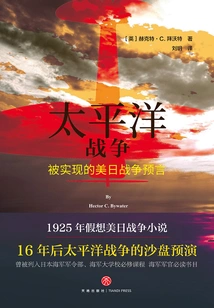
Pacific War
Literature太平洋战争
(uk) Hector C. Bywater
Naval journalist Hector C. Bywater was a top naval affairs expert in the early 20th century and one of the first military experts to predict that a war conflict would break out between the United States and Japan. Based on his analysis of the international situation at the time, he deduced the specific process of the U. S.-Japanese war in the form of a military novel in his 1925 book "The Pacific War." Based on his analysis and judgment of the tense domestic situation in Japan at that time, he believed that this situation would encourage Japan's ambitions for foreign aggression. Faced with U. S. Commercial competition in Asia and the potential threat from the U. S. Navy, Japan's hostility to the United States increasingly deepened, eventually starting with Japan's attack on the U. S. Asian naval fleet, provoking the U. S.-Japan Pacific War. As the two major naval powers at the time, the United States and Japan, who will be the winner in the end? Is the purpose of this war to achieve hegemony or to maintain peace? Bywater made his miraculous prediction 16 years before the Japanese attack on Pearl Harbor. The novel depicts a lot of scenes of the war between the United States and Japan in the Pacific, and some details of the war are surprisingly similar to real history.
Naval journalist Hector C. Bywater was a top naval affairs expert in the early 20th century and one of the first military experts to predict that a war conflict would break out between the United States and Japan. Based on his analysis of the international situation at the time, he deduced the specific process of the U. S.-Japanese war in the form of a military novel in his 1925 book "The Pacific War." Based on his analysis and judgment of the tense domestic situation in Japan at that time, he believed that this situation would encourage Japan's ambitions for foreign aggression. Faced with U. S. Commercial competition in Asia and the potential threat from the U. S. Navy, Japan's hostility to the United States increasingly deepened, eventually starting with Japan's attack on the U. S. Asian naval fleet, provoking the U. S.-Japan Pacific War. As the two major naval powers at the time, the United States and Japan, who will be the winner in the end? Is the purpose of this war to achieve hegemony or to maintain peace? Bywater made his miraculous prediction 16 years before the Japanese attack on Pearl Harbor. The novel depicts a lot of scenes of the war between the United States and Japan in the Pacific, and some details of the war are surprisingly similar to real history.

Kill Game
Literature杀局
(us)kenneth Flynn
George Stroud worked for a publishing group. One night, Stroud met Pauline Delos, the mistress of his boss, publishing tycoon Earl Janos, at a cocktail party, and things started. One night later, when Stroud was sending Pauline home, it happened that Janos was coming back from a business trip. Stroud dropped Pauline off at the corner and left. Pauline was found dead in the apartment the next day. The boss, Janos, sent his most capable employee, Stroud, to track down the person who sent Pauline back to the apartment before the incident... A meticulous net was laid...
George Stroud worked for a publishing group. One night, Stroud met Pauline Delos, the mistress of his boss, publishing tycoon Earl Janos, at a cocktail party, and things started. One night later, when Stroud was sending Pauline home, it happened that Janos was coming back from a business trip. Stroud dropped Pauline off at the corner and left. Pauline was found dead in the apartment the next day. The boss, Janos, sent his most capable employee, Stroud, to track down the person who sent Pauline back to the apartment before the incident... A meticulous net was laid...
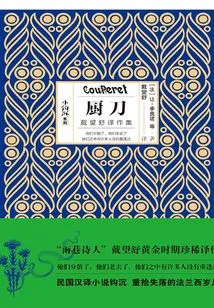
Kitchen Knife
Literature厨刀
(france) Jean Gionno Et Al.
"The Kitchen Knife" is a collection of twelve French short stories translated by Dai Wangshu while he was studying abroad. It includes the works of Gionno, Apollinaire and others. The content of the novels mostly focuses on the daily life and trivial matters of the working people. These works have all shined in the world literary world in the 20th century.
"The Kitchen Knife" is a collection of twelve French short stories translated by Dai Wangshu while he was studying abroad. It includes the works of Gionno, Apollinaire and others. The content of the novels mostly focuses on the daily life and trivial matters of the working people. These works have all shined in the world literary world in the 20th century.

Island
Literature岛
I
Pala, an island far away in the Pacific, has been an ideal society that has flourished for more than 100 years and has become an experiment in modern social civilization. The residents live in this paradise on earth created by Western science and Eastern philosophy. The happiness on the island has attracted jealousy and hostility from the outside world. In order to seize the island's resources, reporter Frankie disguised himself as a castaway and sneaked into the island, but he soon fell in love with the island's lifestyle. Defend the island's ideal society, or continue the mission? However, no matter what choice he makes, this small island of paradise will not be able to avoid this carefully planned disaster.
Pala, an island far away in the Pacific, has been an ideal society that has flourished for more than 100 years and has become an experiment in modern social civilization. The residents live in this paradise on earth created by Western science and Eastern philosophy. The happiness on the island has attracted jealousy and hostility from the outside world. In order to seize the island's resources, reporter Frankie disguised himself as a castaway and sneaked into the island, but he soon fell in love with the island's lifestyle. Defend the island's ideal society, or continue the mission? However, no matter what choice he makes, this small island of paradise will not be able to avoid this carefully planned disaster.

Last Resort
Literature绝笔
H
The book "The Last Word" contains short stories such as Akutagawa's "Rashomon", "In the Bamboo Bush", "The Nose" and "The Last Word". Akutagawa's works pay more attention to the ugly phenomena of society, but rarely directly comment on them. Instead, he only uses cold writing and concise and powerful language to state, which has a high degree of artistic appeal.
The book "The Last Word" contains short stories such as Akutagawa's "Rashomon", "In the Bamboo Bush", "The Nose" and "The Last Word". Akutagawa's works pay more attention to the ugly phenomena of society, but rarely directly comment on them. Instead, he only uses cold writing and concise and powerful language to state, which has a high degree of artistic appeal.

Y
Literaturey
O
"The Hat Chaser" is Liang Yuchun's most widely circulated and influential translation of a British sketch. It contains more than thirty short essays by British masters such as Lamb, Russell, and Galsworthy. The content is broad and extensive. From the universe and life to daily trivial matters, anything can be used as an entry point. Sometimes it is a simple description and record, and sometimes it is a profound reflection on the universe and life. The essays are short and humorous, making it easy to read. The more than thirty pieces selected from "The Hat Chaser" can be regarded as models of short essays.
"The Hat Chaser" is Liang Yuchun's most widely circulated and influential translation of a British sketch. It contains more than thirty short essays by British masters such as Lamb, Russell, and Galsworthy. The content is broad and extensive. From the universe and life to daily trivial matters, anything can be used as an entry point. Sometimes it is a simple description and record, and sometimes it is a profound reflection on the universe and life. The essays are short and humorous, making it easy to read. The more than thirty pieces selected from "The Hat Chaser" can be regarded as models of short essays.
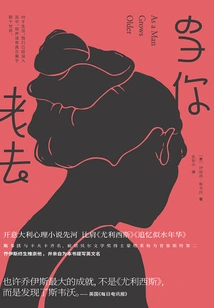
When You Get Old
Literature当你老去
P
Emilio and his sister Emilia live a poor life dependent on each other, and their lives are bleak. The appearance of Angelina illuminates Emilio like a ray of light, and Emilio, who is in his 30s, falls in love. But Angelina is essentially a dissolute and heartless woman. She deceives Emilio again and again and betrays his feelings. However, Emilio was deeply involved in it. He was exhausted in this relationship and had no time to take care of his sister. His sister finally died of illness, Angelina eloped with others, and Emilio lost his sister and lover at the same time... This is a whimper about "love" and "loneliness" in the history of literature.
Emilio and his sister Emilia live a poor life dependent on each other, and their lives are bleak. The appearance of Angelina illuminates Emilio like a ray of light, and Emilio, who is in his 30s, falls in love. But Angelina is essentially a dissolute and heartless woman. She deceives Emilio again and again and betrays his feelings. However, Emilio was deeply involved in it. He was exhausted in this relationship and had no time to take care of his sister. His sister finally died of illness, Angelina eloped with others, and Emilio lost his sister and lover at the same time... This is a whimper about "love" and "loneliness" in the history of literature.

Hospice Hotel
Literature善终旅店
(better Than) Maeterlinck Et Al.
"The Good Death Hotel: A Collection of Translated Works by Dai Wangshu" is carefully selected and translated by Mr. Dai Wangshu, a famous poet in the modern literary world of my country. The works are all representative short stories by famous Belgian writers. These include works by Maeterlinck, Pieth, Drinker and others. It has rich content, diverse narratives, exciting stories, and vivid images. It reflects the depth of life and the complexity of human nature, and presents the world and people's hearts.
"The Good Death Hotel: A Collection of Translated Works by Dai Wangshu" is carefully selected and translated by Mr. Dai Wangshu, a famous poet in the modern literary world of my country. The works are all representative short stories by famous Belgian writers. These include works by Maeterlinck, Pieth, Drinker and others. It has rich content, diverse narratives, exciting stories, and vivid images. It reflects the depth of life and the complexity of human nature, and presents the world and people's hearts.

Fall Theory
Literature堕落论
J
Sakaguchi Ango is a representative figure of Japanese rogue literature, and "On the Fall" is his representative work. This book collects 17 of his representative essays and critical articles, including his self-perception of Japanese culture, in-depth analysis of post-war Japanese society, and serious discussion of literature. Sakaguchi's articles are precise and sharp, and his powers of observation are like a scalpel, always able to pierce through the superficial veneer of things and get to their core and essence. These articles had a huge repercussions in Japanese society, which was in dire straits after the war, and had great appeal to young people. Sakaguchi was once named "the postwar writer most relevant to the younger generation" by the Yomiuri Shimbun.
Sakaguchi Ango is a representative figure of Japanese rogue literature, and "On the Fall" is his representative work. This book collects 17 of his representative essays and critical articles, including his self-perception of Japanese culture, in-depth analysis of post-war Japanese society, and serious discussion of literature. Sakaguchi's articles are precise and sharp, and his powers of observation are like a scalpel, always able to pierce through the superficial veneer of things and get to their core and essence. These articles had a huge repercussions in Japanese society, which was in dire straits after the war, and had great appeal to young people. Sakaguchi was once named "the postwar writer most relevant to the younger generation" by the Yomiuri Shimbun.
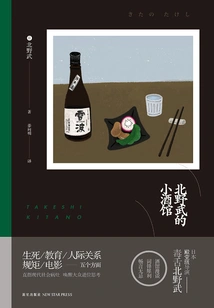
Kitano Takeshi's Bistro
Literature北野武的小酒馆
K
In the tavern deep in the alley, the best "drinking dish" is none other than the venomous tongue of Takeshi Kitano! Sometimes it is a hilarious and clever talk, sometimes it is a jaw-dropping frankness, sometimes it is a serious argument that makes people sigh... Japanese director Takeshi Kitano sharply self-analyzes the first half of his life, "The car accident was the turning point of my life. From then on, I lost interest in living", "In order to succeed like me, thousands of people fell." The rare genius Kitano Takeshi uncovers various diseases of modern society from five aspects: life and death, education, interpersonal relationships, rules, and movies, and awakens the public to think in reverse.
In the tavern deep in the alley, the best "drinking dish" is none other than the venomous tongue of Takeshi Kitano! Sometimes it is a hilarious and clever talk, sometimes it is a jaw-dropping frankness, sometimes it is a serious argument that makes people sigh... Japanese director Takeshi Kitano sharply self-analyzes the first half of his life, "The car accident was the turning point of my life. From then on, I lost interest in living", "In order to succeed like me, thousands of people fell." The rare genius Kitano Takeshi uncovers various diseases of modern society from five aspects: life and death, education, interpersonal relationships, rules, and movies, and awakens the public to think in reverse.

Those Deaths Taught Me How to Live
Literature那些死亡教我如何活
(japanese) Special Sweep Captain
Special cleaning, cleaning is not just ordinary garbage, but the last traces of a person left in the world. He has been engaged in special cleaning for 20 years. He has been in and out of various death scenes countless times and met all kinds of different people. On the edge of life and death, he chose to use pen to record everything he experienced and thought. There are old people who died well, and there was no sad and solemn atmosphere at the funeral; there are young sportsmen who died of illness and completed their last journey in the world wearing medals; there are middle-aged people who committed suicide, leaving marks of struggle on the calendar on the wall; there are also people who "died alone", but had lifelong friends to help them deal with the aftermath... For the deceased, the vagaries of the world have been fixed at the moment of death. But for the living, thinking about life and death will never stop. What is life? What is death? What is most worth cherishing in life? Standing at a crossroads, what is the right choice? I am afraid that after thinking about these questions for a lifetime, I may not be able to come up with a clear answer. If you don't know death, how can you know life? Only in the face of death can life highlight its weight; only in the face of death can the most precious things in life emerge. Following the special sweep captain into 25 rooms and watching the life stories of 25 people, maybe we will have different thoughts about life and death.
Special cleaning, cleaning is not just ordinary garbage, but the last traces of a person left in the world. He has been engaged in special cleaning for 20 years. He has been in and out of various death scenes countless times and met all kinds of different people. On the edge of life and death, he chose to use pen to record everything he experienced and thought. There are old people who died well, and there was no sad and solemn atmosphere at the funeral; there are young sportsmen who died of illness and completed their last journey in the world wearing medals; there are middle-aged people who committed suicide, leaving marks of struggle on the calendar on the wall; there are also people who "died alone", but had lifelong friends to help them deal with the aftermath... For the deceased, the vagaries of the world have been fixed at the moment of death. But for the living, thinking about life and death will never stop. What is life? What is death? What is most worth cherishing in life? Standing at a crossroads, what is the right choice? I am afraid that after thinking about these questions for a lifetime, I may not be able to come up with a clear answer. If you don't know death, how can you know life? Only in the face of death can life highlight its weight; only in the face of death can the most precious things in life emerge. Following the special sweep captain into 25 rooms and watching the life stories of 25 people, maybe we will have different thoughts about life and death.

I'm a Mom and I Need a Birkin Bag
Literature我是个妈妈,我需要铂金包
(us) Winesty Martin
Every city has an "Upper East Side," an exclusive neighborhood where the elite live, socialize, and shop. When Winesty Martin, a PhD student in anthropology from Yale, moved to the Upper East Side with her husband and their children, she had no idea what the rules of survival were. Starting from looking for an apartment, buying a house in a school district, and applying for a private school for her children, she started an arduous "war" that was no less intense than running for the U. S. President. This "war" lasted for six years. In order to allow her children to quickly jump into class, she overcame all difficulties and bought a Hermès Birkin bag.
Every city has an "Upper East Side," an exclusive neighborhood where the elite live, socialize, and shop. When Winesty Martin, a PhD student in anthropology from Yale, moved to the Upper East Side with her husband and their children, she had no idea what the rules of survival were. Starting from looking for an apartment, buying a house in a school district, and applying for a private school for her children, she started an arduous "war" that was no less intense than running for the U. S. President. This "war" lasted for six years. In order to allow her children to quickly jump into class, she overcame all difficulties and bought a Hermès Birkin bag.
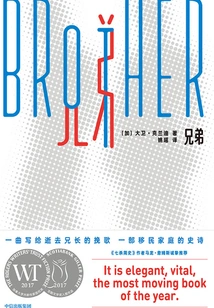
Brother
Literature兄弟
(add) David Clandy
Canadian writer David Clandy centers on a Trinidadian immigrant family in Toronto and tells the story of the great changes in a black family in the changing times. The novel uses prose-poetic language and uses the growth experiences of two brothers, Michael and Francis, to arouse people's thinking on issues such as race, family, identity, and personal dignity.
Canadian writer David Clandy centers on a Trinidadian immigrant family in Toronto and tells the story of the great changes in a black family in the changing times. The novel uses prose-poetic language and uses the growth experiences of two brothers, Michael and Francis, to arouse people's thinking on issues such as race, family, identity, and personal dignity.
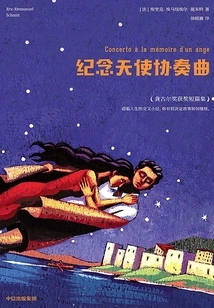
Y
Literaturey
G
Can we change our destiny? French national writer Schmitt uses four imaginative and strange stories to try to answer this mysterious problem of life. Each story has an unexpected ending. In a small French town, a woman who poisoned her three husbands refused to plead guilty. But facing the handsome priest, she decided to confess everything to God. When the moment of atonement comes, can she cross that threshold? On the sea, a crew member with four daughters got the news: "Your daughter is dead." He was in a dilemma - which daughter died? Which daughter did he wish was dead? Does he have the right to make such a choice? After an accident at a music summer camp, the perpetrator and the victim reversed the positions of good and evil in human nature. When the "Concerto in Memory of Angels" plays again, is it the devil or the angel who dies? Finally, there is the love affair between the President and the President's wife at the wrong time in the Elysee Palace - they love each other in front of others and kill each other in private. Which one is true? What changes may not be life itself, but the way you look at life...
Can we change our destiny? French national writer Schmitt uses four imaginative and strange stories to try to answer this mysterious problem of life. Each story has an unexpected ending. In a small French town, a woman who poisoned her three husbands refused to plead guilty. But facing the handsome priest, she decided to confess everything to God. When the moment of atonement comes, can she cross that threshold? On the sea, a crew member with four daughters got the news: "Your daughter is dead." He was in a dilemma - which daughter died? Which daughter did he wish was dead? Does he have the right to make such a choice? After an accident at a music summer camp, the perpetrator and the victim reversed the positions of good and evil in human nature. When the "Concerto in Memory of Angels" plays again, is it the devil or the angel who dies? Finally, there is the love affair between the President and the President's wife at the wrong time in the Elysee Palace - they love each other in front of others and kill each other in private. Which one is true? What changes may not be life itself, but the way you look at life...

House of Salt
Literature盐之屋
(us) Hala Alan
On the eve of her daughter Alia's wedding, Salma read the girl's future in a cup of coffee grounds. She saw the unstable life of Alia and her children, but also the travel and luck. That day, she kept these prophecies in her heart. However, when the Six-Day War broke out in 1967 and the entire family was forced to move away, the prophecies came true one by one. Salma is forced to leave her home in Nablus; Alia's brother is drawn into a world of political militarization and cannot escape; Alia and her gentle husband live in Kuwait, give birth to three children, and have no choice but to start a new life. In 1990, Iraq invaded Kuwait. Alia and her family once again lost their home, land, and the life they once knew, and fled to Boston, Paris, Beirut... The children started their own families and continued to carefully deal with the troubles caused by cultural differences in a foreign country...
On the eve of her daughter Alia's wedding, Salma read the girl's future in a cup of coffee grounds. She saw the unstable life of Alia and her children, but also the travel and luck. That day, she kept these prophecies in her heart. However, when the Six-Day War broke out in 1967 and the entire family was forced to move away, the prophecies came true one by one. Salma is forced to leave her home in Nablus; Alia's brother is drawn into a world of political militarization and cannot escape; Alia and her gentle husband live in Kuwait, give birth to three children, and have no choice but to start a new life. In 1990, Iraq invaded Kuwait. Alia and her family once again lost their home, land, and the life they once knew, and fled to Boston, Paris, Beirut... The children started their own families and continued to carefully deal with the troubles caused by cultural differences in a foreign country...
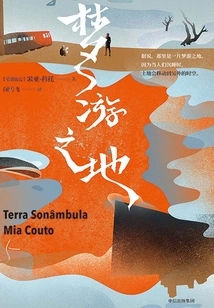
Sleepwalking Place
Literature梦游之地
I
"Sleepland" is the masterpiece of the novel by Mozambican writer Mia Cotto. In the 1980s, Mozambique was mired in civil war. As survivors of the war, an old man and a boy use a burned-out bus as a shelter. They discover a diary left by a deceased passenger in which he recounts his life story. The boy narrated to the old man, and the stories in the diary were intertwined and integrated with reality. "Sleepland" was written in 1992 and is Mia Cotto's debut novel. He powerfully complained about the deep suffering left by the war, and used highly poetic and vivid language to create a magical atmosphere that is closely connected with reality.
"Sleepland" is the masterpiece of the novel by Mozambican writer Mia Cotto. In the 1980s, Mozambique was mired in civil war. As survivors of the war, an old man and a boy use a burned-out bus as a shelter. They discover a diary left by a deceased passenger in which he recounts his life story. The boy narrated to the old man, and the stories in the diary were intertwined and integrated with reality. "Sleepland" was written in 1992 and is Mia Cotto's debut novel. He powerfully complained about the deep suffering left by the war, and used highly poetic and vivid language to create a magical atmosphere that is closely connected with reality.
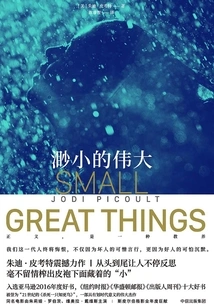
Small Greatness
Literature渺小的伟大
(us) Judy Picoult
"Many evils in the world come from the violence of the majority against the minority." From a young age, Ruth knew that she was different from others. Her skin is black, and her mother works as a nanny for a white family to support her two sisters in school. Ruth worked hard to get into medical school and became an obstetrics and gynecology nurse in a large hospital. One day, when she was conducting a routine check-up on the newborn, she was told by her boss that she was strictly prohibited from touching the baby. It turns out that the baby's parents believe in white supremacy and strongly urge Ruth (an African American) to stay away from their child. The next day, Ruth went to the hospital to work overtime. In the operating room, she discovered that the baby she had cared for yesterday suddenly had difficulty breathing. The nurse's instinct drove her to immediately prepare for first aid, but she hesitated after a second. She thought of the prohibition, and what stopped her was the long-standing resentment against prejudice and discrimination in her heart. What she didn't expect was that a more terrifying fate was hiding behind her and watching...
"Many evils in the world come from the violence of the majority against the minority." From a young age, Ruth knew that she was different from others. Her skin is black, and her mother works as a nanny for a white family to support her two sisters in school. Ruth worked hard to get into medical school and became an obstetrics and gynecology nurse in a large hospital. One day, when she was conducting a routine check-up on the newborn, she was told by her boss that she was strictly prohibited from touching the baby. It turns out that the baby's parents believe in white supremacy and strongly urge Ruth (an African American) to stay away from their child. The next day, Ruth went to the hospital to work overtime. In the operating room, she discovered that the baby she had cared for yesterday suddenly had difficulty breathing. The nurse's instinct drove her to immediately prepare for first aid, but she hesitated after a second. She thought of the prohibition, and what stopped her was the long-standing resentment against prejudice and discrimination in her heart. What she didn't expect was that a more terrifying fate was hiding behind her and watching...
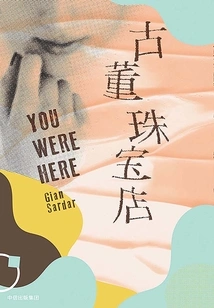
Antique Jewelry Store
Literature古董珠宝店
(u. S.)jian Sardar
An antique jewelry store, an ancestral ring, and a lingering nightmare. The overlap between dreams and reality involves an emotional entanglement spanning three generations. Elegant pine green, gorgeous magenta, fresh lemon yellow, warm Zhu Tong, dazzling golden glow... Abby is a jewelry explorer. During the day, she wanders among various antique jewelry, obsessed with the memories carried by old objects. Every piece of jewelry seems to be inhabited by a soul from the past. But what she can't forget the most is the rare diamond ring in her grandmother's hand. At three o'clock in the morning, Abby would often wake up from dreams in the dark grass. Taking advantage of her high school reunion, she decided to return to her hometown town in Minnesota, USA, in an attempt to unravel the mysteries hinted at by nightmares that had troubled her for a long time. Aidan, the boy she had a crush on at that time, has become a policeman in the town. With Aidan's help, Abby accidentally uncovers a murder case that her grandmother was involved in back then. What surprised her even more was that this clue also seemed to point to the nightmare that was haunting her...
An antique jewelry store, an ancestral ring, and a lingering nightmare. The overlap between dreams and reality involves an emotional entanglement spanning three generations. Elegant pine green, gorgeous magenta, fresh lemon yellow, warm Zhu Tong, dazzling golden glow... Abby is a jewelry explorer. During the day, she wanders among various antique jewelry, obsessed with the memories carried by old objects. Every piece of jewelry seems to be inhabited by a soul from the past. But what she can't forget the most is the rare diamond ring in her grandmother's hand. At three o'clock in the morning, Abby would often wake up from dreams in the dark grass. Taking advantage of her high school reunion, she decided to return to her hometown town in Minnesota, USA, in an attempt to unravel the mysteries hinted at by nightmares that had troubled her for a long time. Aidan, the boy she had a crush on at that time, has become a policeman in the town. With Aidan's help, Abby accidentally uncovers a murder case that her grandmother was involved in back then. What surprised her even more was that this clue also seemed to point to the nightmare that was haunting her...
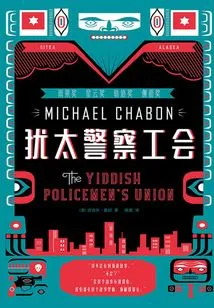
Jewish Police Union
Literature犹太警察工会
(us) Michael Chabon
"Jewish Police Union" is a detective novel by Pulitzer Prize winner Michael Chabon that swept 4 science fiction awards! A parallel world that is more real than reality, a tough guy detective + a brain-burning murder case with zero flaws, a tribute to Raymond Chandler! The fictional version of "The Long Goodbye" and the hard-boiled version of "The Man in the High Castle".
"Jewish Police Union" is a detective novel by Pulitzer Prize winner Michael Chabon that swept 4 science fiction awards! A parallel world that is more real than reality, a tough guy detective + a brain-burning murder case with zero flaws, a tribute to Raymond Chandler! The fictional version of "The Long Goodbye" and the hard-boiled version of "The Man in the High Castle".
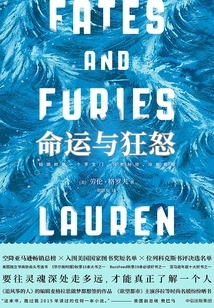
Fate and Fury
Literature命运与狂怒
(us) Lauren Grove
On both sides of the same bed, their accounts of 24 years of marriage were so different. Half sea water, half fire, half innocent and content, half scheming. Lotto remembers that he proposed to Mathilde, that she immediately agreed without thinking, and that they began dating like crazy. Mathilde remembers that when Lotto proposed, she looked down at him and said, "No!" The next morning, he woke up next to her, fully clothed. Lotto remembers their first apartment as a basement in Manhattan, where they spent happy, sweet and romantic times. Mathilde remembered the shabby apartment, how she scrimped to make ends meet, the rice and beans they had for dinner, and all the sacrifices, endurance, and pain she had endured over the years. Lotto considered himself a shining star on the stage, a screenwriter as talented as gold. Mathilde knew how desperate and failed he was, and it was she who polished his script over and over while he slept. Lotto was interviewed and said that when he was a child, a leech stung his skin. He did not move and let it burrow into his leg and suck blood because he was too lonely and he needed friends. Mathilde said that this was actually her childhood experience. In the first half, everything Lotto tells is enviable. His wife is an angel sent by God, and they are tacit soul mates. In the second half, Mathilde is quietly planning a great change in Lotto's fate. During these 24 years of marriage, she has never stopped revenge and wreaking havoc.
On both sides of the same bed, their accounts of 24 years of marriage were so different. Half sea water, half fire, half innocent and content, half scheming. Lotto remembers that he proposed to Mathilde, that she immediately agreed without thinking, and that they began dating like crazy. Mathilde remembers that when Lotto proposed, she looked down at him and said, "No!" The next morning, he woke up next to her, fully clothed. Lotto remembers their first apartment as a basement in Manhattan, where they spent happy, sweet and romantic times. Mathilde remembered the shabby apartment, how she scrimped to make ends meet, the rice and beans they had for dinner, and all the sacrifices, endurance, and pain she had endured over the years. Lotto considered himself a shining star on the stage, a screenwriter as talented as gold. Mathilde knew how desperate and failed he was, and it was she who polished his script over and over while he slept. Lotto was interviewed and said that when he was a child, a leech stung his skin. He did not move and let it burrow into his leg and suck blood because he was too lonely and he needed friends. Mathilde said that this was actually her childhood experience. In the first half, everything Lotto tells is enviable. His wife is an angel sent by God, and they are tacit soul mates. In the second half, Mathilde is quietly planning a great change in Lotto's fate. During these 24 years of marriage, she has never stopped revenge and wreaking havoc.

Z
Literaturez
G
In this autobiographical meditation, Calvino turned to his past: the awkward childhood of traveling with his father, the lifelong love affair with the cinema, the memories of the anti-fascist war, the reflections on language, the perception of kitchen trash cans, and even the shape of the entire world. His reflections on the nature of memory are intelligent, fascinating, and brimming with a unique alchemical brilliance. The first "Road to St. John" is Calvino's detailed memories and descriptions of his hometown city of San Remo, showing the natural and cultural scenes of San Remo, as well as his early life experiences. "Autobiography of a Spectator" is actually about the author himself, mainly about his experience of secretly running away from home to watch movies in the years from 1936 to the outbreak of the war. It records the memories left in his mind by the movies from various countries screened in Italy at that time, as well as the impact of movies, mainly American movies, on the lives of Italians at that time. The second half of this article mainly writes about the perception of the works of the outstanding Italian director Fellini. You can explore the influence of film on his creations in this article. "Memories of a War" is Calvino's recollection of a war he participated in as a guerrilla after the war. The article didn't talk much about the details of the war, only the little things that the war left in his memory. This kind of memory actually has the nature of creative practice. "The Lovely Trash Can" starts from the trash can in the kitchen when the author lived in Paris, covering its use, location, emptying time, etc. It actually describes his life in Paris and can be regarded as Calvino's memories of that period of life. "In the Dark" is a possibly unfinished note. If asked about his understanding of the world and the universe, the author's understanding of concepts such as elements, matter, breadth, and thickness of the world is more like a worldview within the scope of philosophy. This article is of some help in understanding Calvino's cosmology and "The Curiosities of the Universe".
In this autobiographical meditation, Calvino turned to his past: the awkward childhood of traveling with his father, the lifelong love affair with the cinema, the memories of the anti-fascist war, the reflections on language, the perception of kitchen trash cans, and even the shape of the entire world. His reflections on the nature of memory are intelligent, fascinating, and brimming with a unique alchemical brilliance. The first "Road to St. John" is Calvino's detailed memories and descriptions of his hometown city of San Remo, showing the natural and cultural scenes of San Remo, as well as his early life experiences. "Autobiography of a Spectator" is actually about the author himself, mainly about his experience of secretly running away from home to watch movies in the years from 1936 to the outbreak of the war. It records the memories left in his mind by the movies from various countries screened in Italy at that time, as well as the impact of movies, mainly American movies, on the lives of Italians at that time. The second half of this article mainly writes about the perception of the works of the outstanding Italian director Fellini. You can explore the influence of film on his creations in this article. "Memories of a War" is Calvino's recollection of a war he participated in as a guerrilla after the war. The article didn't talk much about the details of the war, only the little things that the war left in his memory. This kind of memory actually has the nature of creative practice. "The Lovely Trash Can" starts from the trash can in the kitchen when the author lived in Paris, covering its use, location, emptying time, etc. It actually describes his life in Paris and can be regarded as Calvino's memories of that period of life. "In the Dark" is a possibly unfinished note. If asked about his understanding of the world and the universe, the author's understanding of concepts such as elements, matter, breadth, and thickness of the world is more like a worldview within the scope of philosophy. This article is of some help in understanding Calvino's cosmology and "The Curiosities of the Universe".

Smoke Argentine Ant
Literature烟云 阿根廷蚂蚁
G
"Smoke: Argentine Ants" collects Calvino's two important novellas "Smoke" and "Argentine Ants". This is because they echo each other in a structural and moral sense. "Smoke" uses the style of a sociological essay or a secret diary to present the image and ideographic symbol of the world that people in modern industrial society face: smoke. The smoke of chemical waste that permeates industrial cities is omnipresent, elusive but oppressing mankind with unmistakable and terrifying power. In "Argentine Ants", the little rampant ants destroy all people's dreams and turn life into a painful swamp, which concretely embodies the disasters faced by modern society.
"Smoke: Argentine Ants" collects Calvino's two important novellas "Smoke" and "Argentine Ants". This is because they echo each other in a structural and moral sense. "Smoke" uses the style of a sociological essay or a secret diary to present the image and ideographic symbol of the world that people in modern industrial society face: smoke. The smoke of chemical waste that permeates industrial cities is omnipresent, elusive but oppressing mankind with unmistakable and terrifying power. In "Argentine Ants", the little rampant ants destroy all people's dreams and turn life into a painful swamp, which concretely embodies the disasters faced by modern society.

If on a Winter Night, a Traveler
Literature如果在冬夜,一个旅人
G
If on a winter night, a traveler leans out from the steep cliff on the outskirts of Malbork, not afraid of the cold wind or dizziness, and looks at the dark bottom. In the intertwined web of lines, in the fallen leaves illuminated by the moonlight, and around the empty tomb, what is the final outcome? Calvino's masterpiece. He uses novels to build a maze and plays games with words and thoughts with you, the reader. Just as lust opens up the time and space of men and women, reading also allows readers, authors and works to shatter into glass in a kaleidoscope, freely changing the world. Among the bustling mirrors, have you seen Calvino's cunningness?
If on a winter night, a traveler leans out from the steep cliff on the outskirts of Malbork, not afraid of the cold wind or dizziness, and looks at the dark bottom. In the intertwined web of lines, in the fallen leaves illuminated by the moonlight, and around the empty tomb, what is the final outcome? Calvino's masterpiece. He uses novels to build a maze and plays games with words and thoughts with you, the reader. Just as lust opens up the time and space of men and women, reading also allows readers, authors and works to shatter into glass in a kaleidoscope, freely changing the world. Among the bustling mirrors, have you seen Calvino's cunningness?

Palomar
Literature帕洛马尔
G
Calvino agreed that this book is "an autobiography written in the third person" and admitted that "any experience of Palomar is my experience." The protagonist Palomar in the novel is very imaginative and speculative. He is obsessed with detailed observation of objective objects and their states, such as the waves of the sea, the shape of geckos, the moon, stars, and grass. He constantly asked himself various questions, such as sexual desire, death, people's situation in society, etc., And explored the relationship between people and the universe, the disorder and order of the world, and the language communication between people. Here, Calvino, incarnated as Palomar, conceals his final contemplation of the world in the narrative, penetrating the entire experience of life. Calvino passed away one year after the novel was published. What is significant is that the last chapter of "Palomar" is entirely devoted to the protagonist's meditation on death.
Calvino agreed that this book is "an autobiography written in the third person" and admitted that "any experience of Palomar is my experience." The protagonist Palomar in the novel is very imaginative and speculative. He is obsessed with detailed observation of objective objects and their states, such as the waves of the sea, the shape of geckos, the moon, stars, and grass. He constantly asked himself various questions, such as sexual desire, death, people's situation in society, etc., And explored the relationship between people and the universe, the disorder and order of the world, and the language communication between people. Here, Calvino, incarnated as Palomar, conceals his final contemplation of the world in the narrative, penetrating the entire experience of life. Calvino passed away one year after the novel was published. What is significant is that the last chapter of "Palomar" is entirely devoted to the protagonist's meditation on death.

Path Leading to Spider Nest
Literature通向蜘蛛巢的小径
G
In the turbulent year of 1947, 23-year-old Calvino published his first novel: "The Path to the Spider's Nest". Everything that happens in the book is described through the eyes of the naughty boy Pien: war, sex, heroism, history... The author writes in the preface: "This is a story written on the edge of guerrilla war. It has nothing to do with heroism and sacrifice, but it conveys its color, rhythm and bitter taste."
In the turbulent year of 1947, 23-year-old Calvino published his first novel: "The Path to the Spider's Nest". Everything that happens in the book is described through the eyes of the naughty boy Pien: war, sex, heroism, history... The author writes in the preface: "This is a story written on the edge of guerrilla war. It has nothing to do with heroism and sacrifice, but it conveys its color, rhythm and bitter taste."

Viscount Split in Half
Literature分成两半的子爵
G
"The Viscount in Two" is one of Calvino's "Our Ancestors" trilogy. The "Our Ancestors" trilogy includes: "The Non-Existent Knight", "The Viscount Split in Two" and "The Baron in the Trees". These three stories represent the three stages leading to freedom, and are about the experience of how people realize themselves: strive for in "The Non-Existent Knight" Survival, the pursuit of a complete life that is not ravaged by society in "The Viscount in Two", and a path to wholeness in "The Baron in the Trees" - a non-individualistic wholeness achieved through unswerving efforts towards personal self-determination. On the battlefield in the Middle Ages, Viscount Medardo leaped on his horse and drew his sword, but was blasted in half by a Turkish cannon. A complete man is thus divided into half a villain and half a saint. "It's not just me who is torn and mutilated, but so are you, everyone," he said.
"The Viscount in Two" is one of Calvino's "Our Ancestors" trilogy. The "Our Ancestors" trilogy includes: "The Non-Existent Knight", "The Viscount Split in Two" and "The Baron in the Trees". These three stories represent the three stages leading to freedom, and are about the experience of how people realize themselves: strive for in "The Non-Existent Knight" Survival, the pursuit of a complete life that is not ravaged by society in "The Viscount in Two", and a path to wholeness in "The Baron in the Trees" - a non-individualistic wholeness achieved through unswerving efforts towards personal self-determination. On the battlefield in the Middle Ages, Viscount Medardo leaped on his horse and drew his sword, but was blasted in half by a Turkish cannon. A complete man is thus divided into half a villain and half a saint. "It's not just me who is torn and mutilated, but so are you, everyone," he said.

F
LiteratureF
G
"The Written World and the Non-written World" is Calvino's experience in writing, publishing and translating throughout his life. Calvino redraws the boundaries between the literal world and the non-literary world. Words are always breaking through silence, knocking on the walls of prisons, and affecting this non-word world.
"The Written World and the Non-written World" is Calvino's experience in writing, publishing and translating throughout his life. Calvino redraws the boundaries between the literal world and the non-literary world. Words are always breaking through silence, knocking on the walls of prisons, and affecting this non-word world.

Crazy Orlando
Literature疯狂的奥兰多
G
The narrative poem "Mad Orlando", also known as "Mad Roland", is a work imitating the medieval legend, a legend with an epic pattern. It follows Boyardo's long poem "Roland in Love". The story is based on the war between Charlemagne and the Saracens. It describes the love of Charlemagne's knight Roland for Princess Angelica of Cathay and the love between Ruggiero and Bradamanti. It cleverly weaves the love and adventure experiences of other knights and the stories of hundreds of characters (kings, monks, demons, fairies, etc.), Integrating narrative and lyrical, tragic and comic elements. This book is Calvino's unique interpretation of "Crazy Orlando". It is a concise and passionate novel that is interspersed with highlights of the original poem.
The narrative poem "Mad Orlando", also known as "Mad Roland", is a work imitating the medieval legend, a legend with an epic pattern. It follows Boyardo's long poem "Roland in Love". The story is based on the war between Charlemagne and the Saracens. It describes the love of Charlemagne's knight Roland for Princess Angelica of Cathay and the love between Ruggiero and Bradamanti. It cleverly weaves the love and adventure experiences of other knights and the stories of hundreds of characters (kings, monks, demons, fairies, etc.), Integrating narrative and lyrical, tragic and comic elements. This book is Calvino's unique interpretation of "Crazy Orlando". It is a concise and passionate novel that is interspersed with highlights of the original poem.

The Non-existent Knight
Literature不存在的骑士
G
"The Non-Existent Knight" is one of Calvino's "Our Ancestors" trilogy. The "Our Ancestors" trilogy includes: "The Non-Existent Knight", "The Viscount Split in Two" and "The Baron in the Trees". These three stories represent the three stages leading to freedom, and are about the experience of how people realize themselves: strive for in "The Non-Existent Knight" Survival, the pursuit of a complete life that is not ravaged by society in "The Viscount in Two", and a path to wholeness in "The Baron in the Trees" - a non-individualistic wholeness achieved through unswerving efforts towards personal self-determination. Agilulfo, a model soldier, exists in an empty armor, but he is the embodiment of a perfect knight. He is the only one who makes the armor meaningful. When his world-famous achievements are challenged, questioned, and about to be obliterated, can his existence still be established?
"The Non-Existent Knight" is one of Calvino's "Our Ancestors" trilogy. The "Our Ancestors" trilogy includes: "The Non-Existent Knight", "The Viscount Split in Two" and "The Baron in the Trees". These three stories represent the three stages leading to freedom, and are about the experience of how people realize themselves: strive for in "The Non-Existent Knight" Survival, the pursuit of a complete life that is not ravaged by society in "The Viscount in Two", and a path to wholeness in "The Baron in the Trees" - a non-individualistic wholeness achieved through unswerving efforts towards personal self-determination. Agilulfo, a model soldier, exists in an empty armor, but he is the embodiment of a perfect knight. He is the only one who makes the armor meaningful. When his world-famous achievements are challenged, questioned, and about to be obliterated, can his existence still be established?

B
LiteratureB
G
The 36 articles in this book discuss 31 classic writers and their works. It is the best introductory book into the world of classics. Here, Calvino opens up his eclectic and eclectic secret bookshelf to us and talks about his ideal book collection. With passion and wisdom, Calvino makes literary works present various charms in front of readers. Free of academic jargon and journalistic glibness, erudition rather than showmanship, and full of genuine passion for literature. Because of this, this book has moved thousands of readers around the world, whether they are reading it for the first time or re-reading it in a new way.
The 36 articles in this book discuss 31 classic writers and their works. It is the best introductory book into the world of classics. Here, Calvino opens up his eclectic and eclectic secret bookshelf to us and talks about his ideal book collection. With passion and wisdom, Calvino makes literary works present various charms in front of readers. Free of academic jargon and journalistic glibness, erudition rather than showmanship, and full of genuine passion for literature. Because of this, this book has moved thousands of readers around the world, whether they are reading it for the first time or re-reading it in a new way.

Baron in the Tree
Literature树上的男爵
G
"The Baron in the Trees" is one of Calvino's "Our Ancestors" trilogy. The "Our Ancestors" trilogy includes: "The Non-Existent Knight", "The Viscount Split in Two" and "The Baron in the Trees". These three stories represent the three stages leading to freedom, and are about the experience of how people realize themselves: strive for in "The Non-Existent Knight" Survival, the pursuit of a complete life that is not ravaged by society in "The Viscount in Two", and a path to wholeness in "The Baron in the Trees" - a non-individualistic wholeness achieved through unswerving efforts towards personal self-determination. A stubborn resistance made Cosimo decide never to leave a tree since he was twelve years old. From then on, he lived in trees all his life, but connected his life more closely with the earth. Is it true that you have to distance yourself from others before you can finally be with them?
"The Baron in the Trees" is one of Calvino's "Our Ancestors" trilogy. The "Our Ancestors" trilogy includes: "The Non-Existent Knight", "The Viscount Split in Two" and "The Baron in the Trees". These three stories represent the three stages leading to freedom, and are about the experience of how people realize themselves: strive for in "The Non-Existent Knight" Survival, the pursuit of a complete life that is not ravaged by society in "The Viscount in Two", and a path to wholeness in "The Baron in the Trees" - a non-individualistic wholeness achieved through unswerving efforts towards personal self-determination. A stubborn resistance made Cosimo decide never to leave a tree since he was twelve years old. From then on, he lived in trees all his life, but connected his life more closely with the earth. Is it true that you have to distance yourself from others before you can finally be with them?

E
LiteratureE
G
Want Calvino to take you to see an exhibition at the Center Pompidou, pick out new books at Shakespeare and Company, or travel to Japan, Mexico and Iran? Let's read "The Traveler Who Collected Sand". "The Traveler Who Collects Sand" is a collection of essays by Calvino about visiting exhibitions, reading, and traveling. In a imaginative way, he tells us how to hold our breath while watching an exhibition, how to be attentive and wandering, how to draw from other sources while reading, and how to follow the local customs while being aloof from the world. Calvino used his endless imagination to transcend the original limitations of these articles. He not only saw the world traveled by travelers from the sand collection, but also saw the core of existence of millions of phenomena in reading and traveling.
Want Calvino to take you to see an exhibition at the Center Pompidou, pick out new books at Shakespeare and Company, or travel to Japan, Mexico and Iran? Let's read "The Traveler Who Collected Sand". "The Traveler Who Collects Sand" is a collection of essays by Calvino about visiting exhibitions, reading, and traveling. In a imaginative way, he tells us how to hold our breath while watching an exhibition, how to be attentive and wandering, how to draw from other sources while reading, and how to follow the local customs while being aloof from the world. Calvino used his endless imagination to transcend the original limitations of these articles. He not only saw the world traveled by travelers from the sand collection, but also saw the core of existence of millions of phenomena in reading and traveling.

Invisible City
Literature看不见的城市
G
The first edition of "Invisible Cities" was published in November 1972 by Einaudi Verlag in Turin. At the time of the book's publication, from late 1972 to early 1973, Calvino had spoken about it in several newspaper articles and interviews. The following is an introduction to this new edition of the "Oscar" series using the words of Calvino's lecture at the Master of Writing Class at Columbia University in New York on March 29, 1983. The lecture was originally in English, but the Italian text is used here. It is based on two interviews conducted in 1972 and 1973 and has mostly not been published in Italy. There is no recognizable city in "Invisible Cities". All the cities are fictitious; I gave each of them a woman's name. The book is organized into short chapters, each of which should provide an opportunity to reflect on a particular city, or cities in general.
The first edition of "Invisible Cities" was published in November 1972 by Einaudi Verlag in Turin. At the time of the book's publication, from late 1972 to early 1973, Calvino had spoken about it in several newspaper articles and interviews. The following is an introduction to this new edition of the "Oscar" series using the words of Calvino's lecture at the Master of Writing Class at Columbia University in New York on March 29, 1983. The lecture was originally in English, but the Italian text is used here. It is based on two interviews conducted in 1972 and 1973 and has mostly not been published in Italy. There is no recognizable city in "Invisible Cities". All the cities are fictitious; I gave each of them a woman's name. The book is organized into short chapters, each of which should provide an opportunity to reflect on a particular city, or cities in general.

宇宙奇趣全集
G
"The Complete Collection of Curiosities of the Universe" is the first time that all the fascinating stories about the universe told by Calvino since 1964 are collected in the same book. "The Complete Collection of Curiosities of the Universe" also plays an interesting role in making concepts that are difficult in modern science easy and visible, thereby establishing a literary genre that is closer to the myth of the origin of the universe than to science fiction. Calvino said that "The Complete Curiosities of the Universe" is not a science fiction story, that is to say, it is not a traditional science fiction story in the style of Jules Verne and H. G. Wells - although I appreciate it very much. Behind the cosmic curiosities lie more Leopardi, comic strips of Popeye, paintings of Samuel Beckett, Giordano Bruno, Lewis Carroll, poker aces, and sometimes engravings of Randelphi, Immanuel Kant, Borges, Granville.
"The Complete Collection of Curiosities of the Universe" is the first time that all the fascinating stories about the universe told by Calvino since 1964 are collected in the same book. "The Complete Collection of Curiosities of the Universe" also plays an interesting role in making concepts that are difficult in modern science easy and visible, thereby establishing a literary genre that is closer to the myth of the origin of the universe than to science fiction. Calvino said that "The Complete Curiosities of the Universe" is not a science fiction story, that is to say, it is not a traditional science fiction story in the style of Jules Verne and H. G. Wells - although I appreciate it very much. Behind the cosmic curiosities lie more Leopardi, comic strips of Popeye, paintings of Samuel Beckett, Giordano Bruno, Lewis Carroll, poker aces, and sometimes engravings of Randelphi, Immanuel Kant, Borges, Granville.

Short Story Collection
Literature短篇小说集
(italy) Italo Calvino
This novel is simply intended to be evidence of how one of those who began his own literary experiment in 1945, then and now, has followed the fantasy of capturing a smell, a flash, a creak, a tone of life. A difficult idyll, a difficult memory, a difficult love, a difficult life. In these four volumes of short stories, Calvino lets his stories speak for themselves, keeping silent about what we expect, leaving us alone to resolve our hesitations, to listen to the endless rhythm of life, and to explore the hidden laws of the universe.
This novel is simply intended to be evidence of how one of those who began his own literary experiment in 1945, then and now, has followed the fantasy of capturing a smell, a flash, a creak, a tone of life. A difficult idyll, a difficult memory, a difficult love, a difficult life. In these four volumes of short stories, Calvino lets his stories speak for themselves, keeping silent about what we expect, leaving us alone to resolve our hesitations, to listen to the endless rhythm of life, and to explore the hidden laws of the universe.
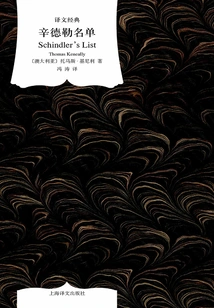
Schindler's List
Literature辛德勒名单
(australia)thomas Kineely
"Schindler's List" is a Booker Prize-winning novel. It uses a highly documentary approach to depict the true story of Oskar Schindler, a German who risked his life during World War II and devoted all his financial resources and wisdom to rescue the lives of hundreds of Jews. Since its publication, this novel has touched countless readers with its breathtaking authenticity and the brilliance of humanitarianism that pervades the words. After being adapted into a movie by Spielberg, it has become a classic in the history of film.
"Schindler's List" is a Booker Prize-winning novel. It uses a highly documentary approach to depict the true story of Oskar Schindler, a German who risked his life during World War II and devoted all his financial resources and wisdom to rescue the lives of hundreds of Jews. Since its publication, this novel has touched countless readers with its breathtaking authenticity and the brilliance of humanitarianism that pervades the words. After being adapted into a movie by Spielberg, it has become a classic in the history of film.

我不要你死于一事无成:给女儿的17封告别信(2018全新修订珍藏版)
R
Living has a mission. Fawzia Koofi, the only female member of parliament in Afghanistan, has witnessed the suffering and misery of the Afghan people since her childhood, and vowed to devote herself to politics. Faced with doubts, slander, unfair political environment, and repeated assassinations and persecutions, she has always resolutely fought against all opposition forces and luckily escaped repeated threats of death. Every time she leaves home, it is an unknown journey full of dangers, and there is no guarantee that she can return safely, so she can only leave a letter to her two dearest daughters before every time she goes out: ☆The loss of a loved one is one of the most unbearable pains for anyone. But losing loved ones is part of life, part of our journey, and no one is exempt. ☆Be brave and don't be afraid of anything in life. ☆If you always follow the crowd, you will be lost and ignore your own beliefs. ☆It is wrong to refuse to acknowledge reality, but when you are in a turbulent sea of despair, refusing to acknowledge reality becomes your life-saving raft. ☆Set your goals high. You can never estimate how much a person's explosive power can reach. If you set limits from the beginning, then you will have no desire to explode in this life. How can you have height, depth and width? ☆Don't just send away people who come to your door for help. You never know when you will need their help. ☆Change is not always our enemy, you must learn to accept it and regard it as a part of life.
Living has a mission. Fawzia Koofi, the only female member of parliament in Afghanistan, has witnessed the suffering and misery of the Afghan people since her childhood, and vowed to devote herself to politics. Faced with doubts, slander, unfair political environment, and repeated assassinations and persecutions, she has always resolutely fought against all opposition forces and luckily escaped repeated threats of death. Every time she leaves home, it is an unknown journey full of dangers, and there is no guarantee that she can return safely, so she can only leave a letter to her two dearest daughters before every time she goes out: ☆The loss of a loved one is one of the most unbearable pains for anyone. But losing loved ones is part of life, part of our journey, and no one is exempt. ☆Be brave and don't be afraid of anything in life. ☆If you always follow the crowd, you will be lost and ignore your own beliefs. ☆It is wrong to refuse to acknowledge reality, but when you are in a turbulent sea of despair, refusing to acknowledge reality becomes your life-saving raft. ☆Set your goals high. You can never estimate how much a person's explosive power can reach. If you set limits from the beginning, then you will have no desire to explode in this life. How can you have height, depth and width? ☆Don't just send away people who come to your door for help. You never know when you will need their help. ☆Change is not always our enemy, you must learn to accept it and regard it as a part of life.
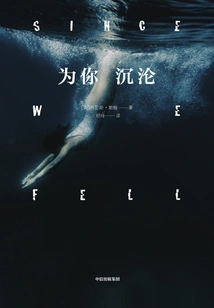
Fall for You
Literature为你沉沦
S
Rachel was a famous television reporter who worked hard to find the truth in her reporting. After witnessing too many tragic scenes, her mental state became unstable, and she finally lost control of her emotions during a live broadcast. The scene of her breaking down and crying spread all over the world in just a few hours. As a result, Rachel suffered from severe social phobia. She closed herself off and lived a life completely isolated from the outside world. At the same time, she lost her job and marriage. She could no longer face a crowd until she met Brian. With Brian's help, Rachel gradually got out of the shadow of social phobia and even dared to go out, drive, and take the subway. The two soon fell in love and got married. However, one afternoon, she saw Brian on the street who was supposed to be on a business trip in London. The seeds of doubt began to sprout in her heart, and the shadow of social phobia struck her again. In a world full of deceit, betrayal, and violence, she must find her strength to overcome unimaginable fears and unacceptable truths.
Rachel was a famous television reporter who worked hard to find the truth in her reporting. After witnessing too many tragic scenes, her mental state became unstable, and she finally lost control of her emotions during a live broadcast. The scene of her breaking down and crying spread all over the world in just a few hours. As a result, Rachel suffered from severe social phobia. She closed herself off and lived a life completely isolated from the outside world. At the same time, she lost her job and marriage. She could no longer face a crowd until she met Brian. With Brian's help, Rachel gradually got out of the shadow of social phobia and even dared to go out, drive, and take the subway. The two soon fell in love and got married. However, one afternoon, she saw Brian on the street who was supposed to be on a business trip in London. The seeds of doubt began to sprout in her heart, and the shadow of social phobia struck her again. In a world full of deceit, betrayal, and violence, she must find her strength to overcome unimaginable fears and unacceptable truths.

村上朝日堂日记:旋涡猫的找法
G
"How to Find the Whirlpool Cat" is one of Haruki Murakami's essay series, a total of 16 essays, written during Murakami's lectures in the United States from 1994 to 1995. The content can be divided into three categories: first, the author's experiences, joys and troubles while living in the United States; second, interesting talks about animals; and third, his travels around the world, including the little-known trip to Northeast China. During this period, Murakami's calm and serious comments on American society were already written in "The Ultimate Sad Foreign Language", and "How to Find the Way of the Whirlpool Cat" focuses on his daily life. To this end, Murakami deliberately changed the tone of his writing, making the writing casual and unrestrained. This new edition adds 17 large-scale illustrations by Murakami Haruki's old partner, the painter Mizumaru Anzai, and 54 photos taken by Murakami's wife Yoko Murakami.
"How to Find the Whirlpool Cat" is one of Haruki Murakami's essay series, a total of 16 essays, written during Murakami's lectures in the United States from 1994 to 1995. The content can be divided into three categories: first, the author's experiences, joys and troubles while living in the United States; second, interesting talks about animals; and third, his travels around the world, including the little-known trip to Northeast China. During this period, Murakami's calm and serious comments on American society were already written in "The Ultimate Sad Foreign Language", and "How to Find the Way of the Whirlpool Cat" focuses on his daily life. To this end, Murakami deliberately changed the tone of his writing, making the writing casual and unrestrained. This new edition adds 17 large-scale illustrations by Murakami Haruki's old partner, the painter Mizumaru Anzai, and 54 photos taken by Murakami's wife Yoko Murakami.

B
LiteratureB
G
This book is one of Haruki Murakami's essay series, with a total of 16 essays. It is an essay written by the author during his lectures in the United States from 1991 to 1992. The contents are all based on the author's personal experiences in the United States. The subject matter is rich, covering a wide range of topics, and it also describes the current social and cultural situation of the United States. The narrative includes an analysis of the cultural differences between the United States and Japan through specific events, a variety of interesting anecdotes about the author's life in the United States, and a review of his boyhood, love and marriage, opening a bar to make a living before becoming famous, family life, husband-wife relationships, etc. The style of this book is just like his novels, which are vivid, witty, humorous, and full of in-depth thinking. It is an interesting little book with strong readability.
This book is one of Haruki Murakami's essay series, with a total of 16 essays. It is an essay written by the author during his lectures in the United States from 1991 to 1992. The contents are all based on the author's personal experiences in the United States. The subject matter is rich, covering a wide range of topics, and it also describes the current social and cultural situation of the United States. The narrative includes an analysis of the cultural differences between the United States and Japan through specific events, a variety of interesting anecdotes about the author's life in the United States, and a review of his boyhood, love and marriage, opening a bar to make a living before becoming famous, family life, husband-wife relationships, etc. The style of this book is just like his novels, which are vivid, witty, humorous, and full of in-depth thinking. It is an interesting little book with strong readability.

If Our Language Were Whiskey
Literature如果我们的语言是威士忌
H
"If Our Language Is Whiskey" is a travel diary of Haruki Murakami and his wife Yoko Murakami's visit to the Isle of Islay in Scotland and Ireland. It is accompanied by 40 color landscape photos taken by Yoko, allowing you to see Haruki Murakami playing boules in Scotland. Because the places described in the travel notes were all visited by the two of them together. These photos add a vivid and wonderful color to Haruki Murakami's words. The pairing of this couple is truly a perfect match. In addition to describing the scenery, the content focuses on the raw materials, production, tasting and drinking habits of the local specialty single malt whiskey. Haruki Murakami uses his words to take us on an exotic journey with his unique vision. The exotic customs and customs, and the fragrant whiskey from afar slowly flow out from his writing and flow into the readers' hearts, refreshing them.
"If Our Language Is Whiskey" is a travel diary of Haruki Murakami and his wife Yoko Murakami's visit to the Isle of Islay in Scotland and Ireland. It is accompanied by 40 color landscape photos taken by Yoko, allowing you to see Haruki Murakami playing boules in Scotland. Because the places described in the travel notes were all visited by the two of them together. These photos add a vivid and wonderful color to Haruki Murakami's words. The pairing of this couple is truly a perfect match. In addition to describing the scenery, the content focuses on the raw materials, production, tasting and drinking habits of the local specialty single malt whiskey. Haruki Murakami uses his words to take us on an exotic journey with his unique vision. The exotic customs and customs, and the fragrant whiskey from afar slowly flow out from his writing and flow into the readers' hearts, refreshing them.
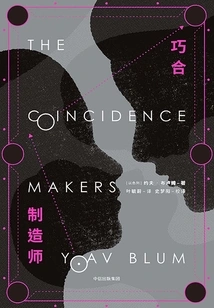
Coincidence Maker
Literature巧合制造师
(israel)yov Bloom
This book fictionalizes a group of mysterious behind-the-scenes agents outside of reality. Guy, Emily, and Eric are "coincidence makers" who can manipulate "accidents". Accidents in the eyes of ordinary people may come from their long and careful planning. A passing by or a sudden power outage may set off waves that change the world. As Guy and Emily get closer to each other, "coincidence" turns out to be an inner demon that they can't overcome. When Guy received another assignment, he, a self-proclaimed professional, could not remain indifferent to his friend's departure. Facing the dilemma, he was surprised to find that even the final "giving up" did not escape the design of fate.
This book fictionalizes a group of mysterious behind-the-scenes agents outside of reality. Guy, Emily, and Eric are "coincidence makers" who can manipulate "accidents". Accidents in the eyes of ordinary people may come from their long and careful planning. A passing by or a sudden power outage may set off waves that change the world. As Guy and Emily get closer to each other, "coincidence" turns out to be an inner demon that they can't overcome. When Guy received another assignment, he, a self-proclaimed professional, could not remain indifferent to his friend's departure. Facing the dilemma, he was surprised to find that even the final "giving up" did not escape the design of fate.
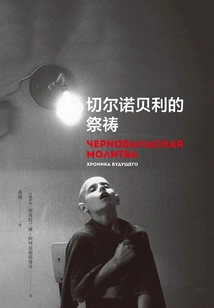
Chernobyl Prayer
Literature切尔诺贝利的祭祷
K
On April 26, 1986, the Chernobyl nuclear power plant exploded in Ukraine under the former Soviet Union. This was one of the most tragic technological tragedies in human history. Tens of thousands of civilians were infected or fatally affected by radioactive materials for a long time; tens of thousands of acres of land were contaminated, and Chernobyl was turned into a ruined city overnight. The famous journalist Alexievich risked nuclear radiation and went deep into the scene of the accident. Over the course of several years, he interviewed hundreds of civilians affected by the nuclear disaster. The author writes these interviews orally, and each page presents cruel and absurd stories. From the narrator's monologue, it is revealed that the pain caused by this disaster still remains in the bodies of the survivors like nuclear radiation.
On April 26, 1986, the Chernobyl nuclear power plant exploded in Ukraine under the former Soviet Union. This was one of the most tragic technological tragedies in human history. Tens of thousands of civilians were infected or fatally affected by radioactive materials for a long time; tens of thousands of acres of land were contaminated, and Chernobyl was turned into a ruined city overnight. The famous journalist Alexievich risked nuclear radiation and went deep into the scene of the accident. Over the course of several years, he interviewed hundreds of civilians affected by the nuclear disaster. The author writes these interviews orally, and each page presents cruel and absurd stories. From the narrator's monologue, it is revealed that the pain caused by this disaster still remains in the bodies of the survivors like nuclear radiation.
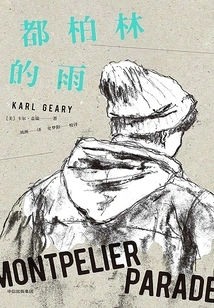
Rain in Dublin
Literature都柏林的雨
(us) Carl Gary
This is an unforgettable love novel and a story about growing up. Sonny, a poor 16-year-old boy in Dublin, worked as a bricklayer with his father in a wealthy area. He met Vera, a wealthy middle-aged woman, and was deeply fascinated by her and couldn't extricate himself. Sonny, who was desperate in real life, eventually had an affair with Vera, but he was never able to enter Vera's inner world; Vera, who lived in isolation, had deep secrets in her heart. Sonny witnessed her commit suicide twice and eventually died. And these secrets became eternal secrets with Vera's death.
This is an unforgettable love novel and a story about growing up. Sonny, a poor 16-year-old boy in Dublin, worked as a bricklayer with his father in a wealthy area. He met Vera, a wealthy middle-aged woman, and was deeply fascinated by her and couldn't extricate himself. Sonny, who was desperate in real life, eventually had an affair with Vera, but he was never able to enter Vera's inner world; Vera, who lived in isolation, had deep secrets in her heart. Sonny witnessed her commit suicide twice and eventually died. And these secrets became eternal secrets with Vera's death.

举手之牢(电影《一个小忙》原著)
(us) Darcy Bell
The original work of the Hollywood movie "A Little Favor", Taylor Swift praised it on Instagram: "It's so beautiful!" Secrets can make people so intimate, and they can also put people in danger. "I'm afraid we have to be good friends for life. After all, you know too many of my secrets..." Stephanie received a call from her friend Emily asking her to help take care of her son. For Stephanie, this was just a piece of cake, but unexpectedly Emily disappeared from the world. In the process of searching for Emily, Stephanie and Emily's husband Sean help each other and gradually fall in love, but they are not sure whether Emily is alive or dead, let alone whether they can cross that line. Until the police found a female body by the lake, which was confirmed to be Emily through DNA testing... With the emergence of the female body, those dark secrets, control over people's hearts and deceptions about each other are gradually revealed. Stephanie's heart is tortured by the unbearable past; Sean can't believe that his wife committed suicide; as for Emily, what accident happened, or is there another reason that made her give up her perfect family and life? Secrets can bring people so close, but they can also put people in danger. With a little effort, like a fuse, the situation got out of hand, tightly binding the fate of the three people together, becoming a "prison" that they could not escape for life.
The original work of the Hollywood movie "A Little Favor", Taylor Swift praised it on Instagram: "It's so beautiful!" Secrets can make people so intimate, and they can also put people in danger. "I'm afraid we have to be good friends for life. After all, you know too many of my secrets..." Stephanie received a call from her friend Emily asking her to help take care of her son. For Stephanie, this was just a piece of cake, but unexpectedly Emily disappeared from the world. In the process of searching for Emily, Stephanie and Emily's husband Sean help each other and gradually fall in love, but they are not sure whether Emily is alive or dead, let alone whether they can cross that line. Until the police found a female body by the lake, which was confirmed to be Emily through DNA testing... With the emergence of the female body, those dark secrets, control over people's hearts and deceptions about each other are gradually revealed. Stephanie's heart is tortured by the unbearable past; Sean can't believe that his wife committed suicide; as for Emily, what accident happened, or is there another reason that made her give up her perfect family and life? Secrets can bring people so close, but they can also put people in danger. With a little effort, like a fuse, the situation got out of hand, tightly binding the fate of the three people together, becoming a "prison" that they could not escape for life.
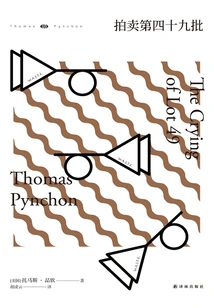
Auction Lot 49
Literature拍卖第四十九批
H
The heroine Oedipa is a typical American housewife in the 20th century. After returning home from a dinner party, she discovers that she has been nominated as the executor of her will by her late lover, California real estate magnate Pierce. So Oedipa left Los Angeles and went to Pierce's "home base" - San Narciso to conduct estate investigations. Many discoveries made during the investigation, without exception, point to an ancient and mysterious underground postal system - Tristero. In a series of investigations into this organization, she seems to be getting closer to the truth, but the answers are specious. The confusing clues make Oedipa confused. She is unable to determine whether "Tristero" really exists. Perhaps she is just the victim of a scam set by Pierce, or perhaps everything is her own crazy hallucination. A set of stamps auctioned as "Lot 49" seems to be the key to solving the mystery of Tristero. Through a labyrinthine narrative and the borrowing of the theory of entropy increase and the principle of uncertainty, the novel depicts the bizarre social panorama of the United States, reveals the embarrassing situation of human beings in a disorderly, empty, and uncertain modern society, and demonstrates the weird perspective of the genius Pynchon and his skillful use of artistic techniques such as hybridity and parody.
The heroine Oedipa is a typical American housewife in the 20th century. After returning home from a dinner party, she discovers that she has been nominated as the executor of her will by her late lover, California real estate magnate Pierce. So Oedipa left Los Angeles and went to Pierce's "home base" - San Narciso to conduct estate investigations. Many discoveries made during the investigation, without exception, point to an ancient and mysterious underground postal system - Tristero. In a series of investigations into this organization, she seems to be getting closer to the truth, but the answers are specious. The confusing clues make Oedipa confused. She is unable to determine whether "Tristero" really exists. Perhaps she is just the victim of a scam set by Pierce, or perhaps everything is her own crazy hallucination. A set of stamps auctioned as "Lot 49" seems to be the key to solving the mystery of Tristero. Through a labyrinthine narrative and the borrowing of the theory of entropy increase and the principle of uncertainty, the novel depicts the bizarre social panorama of the United States, reveals the embarrassing situation of human beings in a disorderly, empty, and uncertain modern society, and demonstrates the weird perspective of the genius Pynchon and his skillful use of artistic techniques such as hybridity and parody.
牛津通识读本:英格兰文学(中文版)
(uk)jonathan Bate
Renowned scholar and biographer Jonathan Bate provides a moving introduction to English literature, spanning more than two thousand years and outlining every literary genre. His focus is extremely wide-ranging, ranging from the birth of the novel and the excellence of English comedy to the Englishness of the depths of the pastoral and the racial diversity of Britain's Nobel Prize winners. This short book is also packed with in-depth textual analysis, including a close reading of an important scene in King Lear, an analysis of a war poem by Carol Ann Duffy, and the changes that occur in a literary text as it shifts from author to reader.
Renowned scholar and biographer Jonathan Bate provides a moving introduction to English literature, spanning more than two thousand years and outlining every literary genre. His focus is extremely wide-ranging, ranging from the birth of the novel and the excellence of English comedy to the Englishness of the depths of the pastoral and the racial diversity of Britain's Nobel Prize winners. This short book is also packed with in-depth textual analysis, including a close reading of an important scene in King Lear, an analysis of a war poem by Carol Ann Duffy, and the changes that occur in a literary text as it shifts from author to reader.
Spanish Literature: the Golden Century
Literature西班牙文学:黄金世纪
Chen Zhongyi Fan Ye Zong Xiaofei
"General History of Spanish and Spanish American Literature" is the first true general history of Spanish literature, and it is not limited to Spanish, because it started from Spain as a relatively independent kingdom - the Visigoths, and has lasted for more than 1,500 years, spanning the two continents of Europe and the United States, involving twenty countries, plus the heritage of the ancient Mayan, Inca and Aztec civilizations. The five-volume general history consists of "Spanish Literature: The Medieval Period", "Spanish Literature: The Golden Century", "Spanish Literature: Modern Times", "Spanish American Literature: The Classical Period" and "Spanish American Literature: Modern Times". The two centuries from the expulsion of the Arabs from Granada, their last stronghold in Europe, the completion of Spain's unification, Columbus's discovery of the New World, to the death of the dramatist Calderon, were a period of prosperity for Spanish literature, with numerous literary geniuses emerging and stars shining brightly. Different from the general dating method of literary history, the second volume "Spanish Literature: The Golden Century" regards the "Golden Century" as a gradual development process, classifying poetry, novels, dramas and other genres, sorting out in detail the major schools and trends of thought, writers and works in the Spanish literary world during this period, and comprehensively exploring the complex scenes and changes of literature in the "Golden Century" from its birth to its rise and decline.
"General History of Spanish and Spanish American Literature" is the first true general history of Spanish literature, and it is not limited to Spanish, because it started from Spain as a relatively independent kingdom - the Visigoths, and has lasted for more than 1,500 years, spanning the two continents of Europe and the United States, involving twenty countries, plus the heritage of the ancient Mayan, Inca and Aztec civilizations. The five-volume general history consists of "Spanish Literature: The Medieval Period", "Spanish Literature: The Golden Century", "Spanish Literature: Modern Times", "Spanish American Literature: The Classical Period" and "Spanish American Literature: Modern Times". The two centuries from the expulsion of the Arabs from Granada, their last stronghold in Europe, the completion of Spain's unification, Columbus's discovery of the New World, to the death of the dramatist Calderon, were a period of prosperity for Spanish literature, with numerous literary geniuses emerging and stars shining brightly. Different from the general dating method of literary history, the second volume "Spanish Literature: The Golden Century" regards the "Golden Century" as a gradual development process, classifying poetry, novels, dramas and other genres, sorting out in detail the major schools and trends of thought, writers and works in the Spanish literary world during this period, and comprehensively exploring the complex scenes and changes of literature in the "Golden Century" from its birth to its rise and decline.
R
Literaturer
H
"The Food of the World" is the representative work of Nobel Prize winner Gide, which symbolizes the spiritual food for human beings to seek happiness on earth. The author combines his travel experience in North Africa and Italy, and uses his confession of the goddess in mythology to describe the exotic customs in a poetic and picturesque way. "The Food of the World" expresses true feelings in the form of literature. The emotions shown by the author reflect everywhere that life and freedom are precious treasures in human life, and this love for life and freedom is precious spiritual food. By reading "The Food of the World", we can not only redefine the meaning of life, but also gain a new understanding of freedom. The main theme of "Food for the World" is the eulogy of freedom, the praise of life, and the pursuit of truth. In the process of understanding oneself and liberating oneself, one can get rid of all the constraints on the body and embrace all things in the world.
"The Food of the World" is the representative work of Nobel Prize winner Gide, which symbolizes the spiritual food for human beings to seek happiness on earth. The author combines his travel experience in North Africa and Italy, and uses his confession of the goddess in mythology to describe the exotic customs in a poetic and picturesque way. "The Food of the World" expresses true feelings in the form of literature. The emotions shown by the author reflect everywhere that life and freedom are precious treasures in human life, and this love for life and freedom is precious spiritual food. By reading "The Food of the World", we can not only redefine the meaning of life, but also gain a new understanding of freedom. The main theme of "Food for the World" is the eulogy of freedom, the praise of life, and the pursuit of truth. In the process of understanding oneself and liberating oneself, one can get rid of all the constraints on the body and embrace all things in the world.