Library
Browse and search books
2,273 novels found
富春山居图:高楼聚远
Wu Wei
From the reign of Emperor Shizu of the Yuan Dynasty to the Yuan Dynasty, the Yuan Empire conquered Haidu in the north, invaded Annan in the south, and conquered Japan in the east, constantly expanding its territory. The huge military expenditures behind the successive wars are naturally passed on to ordinary people. For a time, corrupt officials and cruel officials imposed exorbitant taxes, and the people were miserable. It happened that Emperor Shizu of the Yuan Dynasty was invited to marry Princess Kuokuozhen to the Ilkhanate as a princess, and the escort team sailed from Dadu to the Ilkhanate via Quanzhou. Thunder struck when a group of people passed through Hangzhou and were invited to the famous Juyuan Tower for a viewing banquet. The powerful and notorious monk Yang Liazhenjia was poisoned on the spot, and a mysterious assassin attacked Zhu Qing, a householder in Haicao. For a time, the important ministers of the imperial court, Liang Wang Ganmala, and the deputy privy envoy Nang Jiagui; Zhu Qing, who had a pirate background, the mysterious grandson of the Yuan Dynasty, Wang Jing, the crown prince of Korea, and the Westerner Marco Polo were all deeply involved...
From the reign of Emperor Shizu of the Yuan Dynasty to the Yuan Dynasty, the Yuan Empire conquered Haidu in the north, invaded Annan in the south, and conquered Japan in the east, constantly expanding its territory. The huge military expenditures behind the successive wars are naturally passed on to ordinary people. For a time, corrupt officials and cruel officials imposed exorbitant taxes, and the people were miserable. It happened that Emperor Shizu of the Yuan Dynasty was invited to marry Princess Kuokuozhen to the Ilkhanate as a princess, and the escort team sailed from Dadu to the Ilkhanate via Quanzhou. Thunder struck when a group of people passed through Hangzhou and were invited to the famous Juyuan Tower for a viewing banquet. The powerful and notorious monk Yang Liazhenjia was poisoned on the spot, and a mysterious assassin attacked Zhu Qing, a householder in Haicao. For a time, the important ministers of the imperial court, Liang Wang Ganmala, and the deputy privy envoy Nang Jiagui; Zhu Qing, who had a pirate background, the mysterious grandson of the Yuan Dynasty, Wang Jing, the crown prince of Korea, and the Westerner Marco Polo were all deeply involved...
Romance of Ming Dynasty
General Fiction明史演义
Cai Dongfan
"The Romance of the Ming Dynasty" has a total of one hundred chapters, which spanned 276 years from the founding of the country by the civilian emperor Zhu Yuanzhang to the death of Emperor Sizong of the Ming Dynasty. Zhu Yuanzhang rose to the occasion, and within a few years he expelled Emperor Yuan and unified China. He finally drove the foreigners out of China, but he was afraid of constant harassment, so he had to build the Great Wall high and thick. It was only at this time that Zheng He, who made seven voyages to the West, appeared, bringing with him the highest technology at the time and a huge fleet to greatly promote the power of the Ming Empire. The writing style of the book is smooth and the story is vivid.
"The Romance of the Ming Dynasty" has a total of one hundred chapters, which spanned 276 years from the founding of the country by the civilian emperor Zhu Yuanzhang to the death of Emperor Sizong of the Ming Dynasty. Zhu Yuanzhang rose to the occasion, and within a few years he expelled Emperor Yuan and unified China. He finally drove the foreigners out of China, but he was afraid of constant harassment, so he had to build the Great Wall high and thick. It was only at this time that Zheng He, who made seven voyages to the West, appeared, bringing with him the highest technology at the time and a huge fleet to greatly promote the power of the Ming Empire. The writing style of the book is smooth and the story is vivid.
Romance of Yuan Dynasty
General Fiction元史演义
Cai Dongfan
This book has sixty chapters, narrating the history of the thirteen dynasties for more than a hundred years from Taizu Temuzhen of the Yuan Dynasty to Emperor Tuohuan Tiemuer of the Yuan Dynasty.
This book has sixty chapters, narrating the history of the thirteen dynasties for more than a hundred years from Taizu Temuzhen of the Yuan Dynasty to Emperor Tuohuan Tiemuer of the Yuan Dynasty.
Romance of the Later Han Dynasty
General Fiction后汉演义
Cai Dongfan
During the Han dynasty, historians divided it into two dynasties, called the Later and Later Han, also known as the Eastern and Western Han. Because during the four hundred years of the Han Dynasty, Wang Mang usurped the country and usurped the throne for eighteen years, so the people before Wang Mang were called the Former Han Dynasty, and after Wang Mang, they were called the Later Han Dynasty. Moreover, the former Han Dynasty established its capital in Shaanxi, so it was known as the Western Han Dynasty, and the later Han Dynasty established its capital in Luoyang, so it was known as the Eastern Han Dynasty. "The Romance of the Later Han Dynasty" follows "The Romance of the Former Han Dynasty", starting from Wang Mang and ending with the Three Kingdoms. "The Romance of the Former Han Dynasty" is attached to the Qin Dynasty, and the "Romance of the Later Han Dynasty" is attached to the Three Kingdoms, but they are also unique creations. If we want to talk about the rise and fall of the Later Han Dynasty, it is more complicated than that of the Early Han Dynasty: Wang Mang usurped the country, and the disaster was caused by the Yuan Dynasty. Foreign relatives were harmed. As for this, Guangwu Zhongxing paid close attention to punishment and tried to prevent foreign relatives from intervening in the government. Emperor Ming was particularly paternal, and Emperor Zhang was very impressive in his early administration. After the emperor and the emperor, the national affairs deteriorated day by day. Foreign relatives and eunuchs fought and eventually died together. The power of the country was in the hands of the state pastors. The heroes competed for hegemony, and the weak and the strong preyed on each other. Thus, there were three kingdoms. In total, from Guangwu to Emperor Zhang, it was the era of the dictatorship of kings. From Emperor He to Emperor Huan, it was the era of relatives and eunuchs changing their powers. If Emperor Xian's reign was full of changes, it was an era of chaos and conflict at first, then an era of disputes in Fangzhen, and finally an era of competition among the Three Kingdoms...
During the Han dynasty, historians divided it into two dynasties, called the Later and Later Han, also known as the Eastern and Western Han. Because during the four hundred years of the Han Dynasty, Wang Mang usurped the country and usurped the throne for eighteen years, so the people before Wang Mang were called the Former Han Dynasty, and after Wang Mang, they were called the Later Han Dynasty. Moreover, the former Han Dynasty established its capital in Shaanxi, so it was known as the Western Han Dynasty, and the later Han Dynasty established its capital in Luoyang, so it was known as the Eastern Han Dynasty. "The Romance of the Later Han Dynasty" follows "The Romance of the Former Han Dynasty", starting from Wang Mang and ending with the Three Kingdoms. "The Romance of the Former Han Dynasty" is attached to the Qin Dynasty, and the "Romance of the Later Han Dynasty" is attached to the Three Kingdoms, but they are also unique creations. If we want to talk about the rise and fall of the Later Han Dynasty, it is more complicated than that of the Early Han Dynasty: Wang Mang usurped the country, and the disaster was caused by the Yuan Dynasty. Foreign relatives were harmed. As for this, Guangwu Zhongxing paid close attention to punishment and tried to prevent foreign relatives from intervening in the government. Emperor Ming was particularly paternal, and Emperor Zhang was very impressive in his early administration. After the emperor and the emperor, the national affairs deteriorated day by day. Foreign relatives and eunuchs fought and eventually died together. The power of the country was in the hands of the state pastors. The heroes competed for hegemony, and the weak and the strong preyed on each other. Thus, there were three kingdoms. In total, from Guangwu to Emperor Zhang, it was the era of the dictatorship of kings. From Emperor He to Emperor Huan, it was the era of relatives and eunuchs changing their powers. If Emperor Xian's reign was full of changes, it was an era of chaos and conflict at first, then an era of disputes in Fangzhen, and finally an era of competition among the Three Kingdoms...
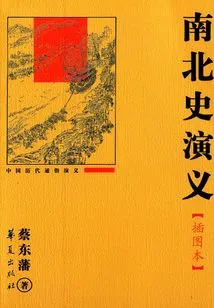
Romance of Northern and Southern History
General Fiction南北史演义
Cai Dongfan
"History of the North and South" narrates the historical facts from the split to the confrontation and reunification of the Northern and Southern Dynasties in the 170 years. It has plain views, rich content, methodical exposition, elegant language, self-evaluation and self-annotation, and a balance of theory and interest. It is a classic of popular history. After the Han and Jin Dynasties, foreigners gradually came to China and lived in the interior. Subsequently, the Five Hus and Sixteen Kingdoms rose and fell one after another. Later, the weak preyed on the strong, swallowed up each other, moved around, and combined the sixteen territories into a large country called the Northern Wei Dynasty. Later, internal strife broke out in the Northern Wei Dynasty, which divided the east and west and had no time to take care of the south of the Yangtze River. Therefore, Jiangnan still needs to be preserved. The Eastern Wei Dynasty was changed to the Northern Qi Dynasty, and the Western Wei Dynasty was changed to the Northern Zhou Dynasty. Xitu is divided into three parts, Zhou is the strongest, Qi is the second, and Jiangnan is the weakest. The tripartite war lasted for several years. Qi was merged with the Zhou Dynasty, but only two-tenths of Jiangnan remained and almost belonged to the Northern Zhou Dynasty. At this time, the prime minister Yang Jian usurped the Zhou Dynasty and re-annexed Jiangnan. He not only accepted Zhou Chan but also destroyed the Chen family, and finally unified the Central Plains and merged the north and south.
"History of the North and South" narrates the historical facts from the split to the confrontation and reunification of the Northern and Southern Dynasties in the 170 years. It has plain views, rich content, methodical exposition, elegant language, self-evaluation and self-annotation, and a balance of theory and interest. It is a classic of popular history. After the Han and Jin Dynasties, foreigners gradually came to China and lived in the interior. Subsequently, the Five Hus and Sixteen Kingdoms rose and fell one after another. Later, the weak preyed on the strong, swallowed up each other, moved around, and combined the sixteen territories into a large country called the Northern Wei Dynasty. Later, internal strife broke out in the Northern Wei Dynasty, which divided the east and west and had no time to take care of the south of the Yangtze River. Therefore, Jiangnan still needs to be preserved. The Eastern Wei Dynasty was changed to the Northern Qi Dynasty, and the Western Wei Dynasty was changed to the Northern Zhou Dynasty. Xitu is divided into three parts, Zhou is the strongest, Qi is the second, and Jiangnan is the weakest. The tripartite war lasted for several years. Qi was merged with the Zhou Dynasty, but only two-tenths of Jiangnan remained and almost belonged to the Northern Zhou Dynasty. At this time, the prime minister Yang Jian usurped the Zhou Dynasty and re-annexed Jiangnan. He not only accepted Zhou Chan but also destroyed the Chen family, and finally unified the Central Plains and merged the north and south.
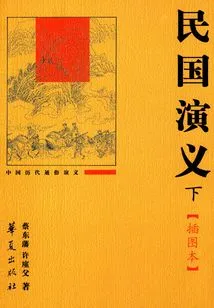
Romance of the Republic of China (part 2)
General Fiction民国演义(下)
Cai Dongfan Xu Genfu
The book has a total of 160 chapters (the last 40 chapters were continued by Xu Genfu), starting from the Wuchang Uprising in 1911 and ending with Sun Yat-sen's Northern Expedition in 1924. It narrates the history of more than ten years before and after the overthrow of the Manchu Qing Dynasty. During this period, the old feudal dynasty was overthrown, and the real Republic of China was not successfully established. Warlords everywhere were fighting, and the people were in dire straits. Where is the future of the Chinese nation? Through the narration of the whole book, we see the author's deep worries. The book vividly portrays the images of Li Yuanhong, Yuan Shikai, Song Jiaoren, Duan Qirui, Chen Jiongming, Sun Yat-sen and other figures, and is a good material for understanding the history of the Republic of China.
The book has a total of 160 chapters (the last 40 chapters were continued by Xu Genfu), starting from the Wuchang Uprising in 1911 and ending with Sun Yat-sen's Northern Expedition in 1924. It narrates the history of more than ten years before and after the overthrow of the Manchu Qing Dynasty. During this period, the old feudal dynasty was overthrown, and the real Republic of China was not successfully established. Warlords everywhere were fighting, and the people were in dire straits. Where is the future of the Chinese nation? Through the narration of the whole book, we see the author's deep worries. The book vividly portrays the images of Li Yuanhong, Yuan Shikai, Song Jiaoren, Duan Qirui, Chen Jiongming, Sun Yat-sen and other figures, and is a good material for understanding the history of the Republic of China.
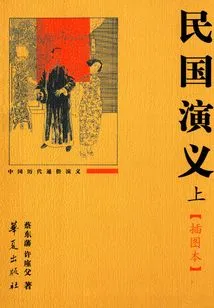
Romance of the Republic of China (part 1)
General Fiction民国演义(上)
Cai Dongfan Xu Genfu
The book has a total of 160 chapters (the last 40 chapters were continued by Xu Genfu), starting from the Wuchang Uprising in 1911 and ending with Sun Yat-sen's Northern Expedition in 1924. It narrates the history of more than ten years before and after the overthrow of the Manchu Qing Dynasty. During this period, the old feudal dynasty was overthrown, and the real Republic of China was not successfully established. Warlords everywhere were fighting, and the people were in dire straits. Where is the future of the Chinese nation? Through the narration of the whole book, we see the author's deep worries. The book vividly portrays the images of Li Yuanhong, Yuan Shikai, Song Jiaoren, Duan Qirui, Chen Jiongming, Sun Yat-sen and other figures, and is a good material for understanding the history of the Republic of China.
The book has a total of 160 chapters (the last 40 chapters were continued by Xu Genfu), starting from the Wuchang Uprising in 1911 and ending with Sun Yat-sen's Northern Expedition in 1924. It narrates the history of more than ten years before and after the overthrow of the Manchu Qing Dynasty. During this period, the old feudal dynasty was overthrown, and the real Republic of China was not successfully established. Warlords everywhere were fighting, and the people were in dire straits. Where is the future of the Chinese nation? Through the narration of the whole book, we see the author's deep worries. The book vividly portrays the images of Li Yuanhong, Yuan Shikai, Song Jiaoren, Duan Qirui, Chen Jiongming, Sun Yat-sen and other figures, and is a good material for understanding the history of the Republic of China.
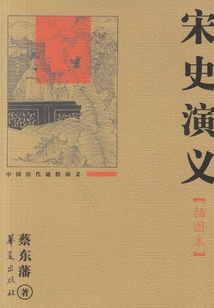
Song History Romance
General Fiction宋史演义
Cai Dongfan
The author of this book compiles the historical facts of the three hundred and twenty years of the Northern and Southern Song Dynasties into a hundred chapters of romance. During this period, the rise and fall of chaos, good and evil, and good and evil are all listed.
The author of this book compiles the historical facts of the three hundred and twenty years of the Northern and Southern Song Dynasties into a hundred chapters of romance. During this period, the rise and fall of chaos, good and evil, and good and evil are all listed.
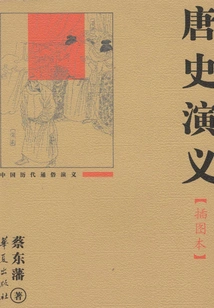
Tang History Romance
General Fiction唐史演义
Cai Dongfan
This book is one of the "Popular Romance of Chinese Dynasties". The book has a total of one hundred chapters, describing the history of the Tang Dynasty from the time of Emperor Gaozu to the twenty-one emperors and fourteen generations in total, a total of 289 years.
This book is one of the "Popular Romance of Chinese Dynasties". The book has a total of one hundred chapters, describing the history of the Tang Dynasty from the time of Emperor Gaozu to the twenty-one emperors and fourteen generations in total, a total of 289 years.
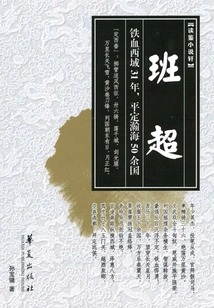
Banchao
General Fiction班超
Sun Baoyong
A young and heroic man, he joined the army and worshiped the fake Sima. He led thirty-six elite horses and traveled thousands of miles across the yellow sand. He fought with both civil and military forces against the Xiongnu, and used kindness and power to level the beams. Countries are in turmoil, miscellaneous affairs arise, wisdom and mediation arise, powerful people turn against each other, the ups and downs are uncertain, iron-blooded and brave! After thirty-one years of hard work, I looked through Changguan, the stars and the moon, conquered more than fifty countries, and the music from thousands of directions shook the sky. There are green and neon banners and crowns, and camel bells of rare and exotic products.
A young and heroic man, he joined the army and worshiped the fake Sima. He led thirty-six elite horses and traveled thousands of miles across the yellow sand. He fought with both civil and military forces against the Xiongnu, and used kindness and power to level the beams. Countries are in turmoil, miscellaneous affairs arise, wisdom and mediation arise, powerful people turn against each other, the ups and downs are uncertain, iron-blooded and brave! After thirty-one years of hard work, I looked through Changguan, the stars and the moon, conquered more than fifty countries, and the music from thousands of directions shook the sky. There are green and neon banners and crowns, and camel bells of rare and exotic products.
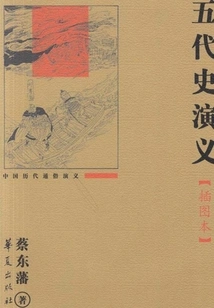
Romance of the Five Dynasties
General Fiction五代史演义
Cai Dongfan
This book has 60 chapters, describing the dynasty changes of more than ten years including Hou Liang, Hou Tang, Hou Jin, Hou Han, and Hou Wu, ending with the rebellion of Zhao Kuangyin and Chen Qiao, and the change of the country's name to Song Dynasty. In addition to the founding emperors Zhu Wen, Li Cunxu, Shi Jingtang, Liu Zhiyuan, and Guo Wei, it also created the image of a number of well-known figures.
This book has 60 chapters, describing the dynasty changes of more than ten years including Hou Liang, Hou Tang, Hou Jin, Hou Han, and Hou Wu, ending with the rebellion of Zhao Kuangyin and Chen Qiao, and the change of the country's name to Song Dynasty. In addition to the founding emperors Zhu Wen, Li Cunxu, Shi Jingtang, Liu Zhiyuan, and Guo Wei, it also created the image of a number of well-known figures.
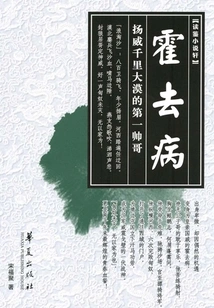
Huo Qubing
General Fiction霍去病
Song Fuju
In the sixth year of Yuanshuo (123 BC), Emperor Wu of the Han Dynasty, the 17-year-old Huo Qubing was appointed as the captain of Piao Yao. He accompanied his uncle Wei Qing on an expedition to Monan and defeated the Xiongnu. In the next two years, Huo Qubing led his troops on two expeditions, defeated the Xiongnu and occupied the Hexi area. From then on, the western border of the Han Dynasty was stable and trouble-free. When he was twenty-two years old, Huo Qubing led his army northward for more than two thousand miles, deep into Mobei, looking for and annihilating the main force of the Xiongnu, and pushed his troops to the vast sea. After this battle, "the Huns fled far away, and there was no royal court in Monan." But two years later, this most dazzling star in Chinese history died at the age of only 24. Huo Qubing was a famous young general in ancient Chinese history and a legendary military general in the hearts of the Chinese people. His story has been passed down by people. Almost every Chinese has heard of his military exploits, but few know about his short but splendid life. Relying on historical books, this book reproduces the legendary and glorious life of this heroic young general in the form of a novel, leading readers back to the war era and once again experiencing Huo Qubing's generosity and heroism of "not breaking the Huns' oath to return".
In the sixth year of Yuanshuo (123 BC), Emperor Wu of the Han Dynasty, the 17-year-old Huo Qubing was appointed as the captain of Piao Yao. He accompanied his uncle Wei Qing on an expedition to Monan and defeated the Xiongnu. In the next two years, Huo Qubing led his troops on two expeditions, defeated the Xiongnu and occupied the Hexi area. From then on, the western border of the Han Dynasty was stable and trouble-free. When he was twenty-two years old, Huo Qubing led his army northward for more than two thousand miles, deep into Mobei, looking for and annihilating the main force of the Xiongnu, and pushed his troops to the vast sea. After this battle, "the Huns fled far away, and there was no royal court in Monan." But two years later, this most dazzling star in Chinese history died at the age of only 24. Huo Qubing was a famous young general in ancient Chinese history and a legendary military general in the hearts of the Chinese people. His story has been passed down by people. Almost every Chinese has heard of his military exploits, but few know about his short but splendid life. Relying on historical books, this book reproduces the legendary and glorious life of this heroic young general in the form of a novel, leading readers back to the war era and once again experiencing Huo Qubing's generosity and heroism of "not breaking the Huns' oath to return".
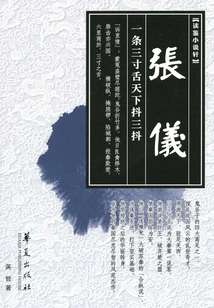
Zhang Yi
General Fiction张仪
Yingzhe
One of the four great disciples of Guiguzi, a prodigy who disrupted the Warring States Period. Traveled around the world, stopped in Kansai, and became a lobbyist for the Qin Dynasty with his three-inch tongue. He lobbied King Huai of Chu to break the relationship between Qi and Chu, and he made Qin safe from danger; he used "Lian Heng Shu" to defeat Su Qin's "United Vertical Theory" and laid a solid foundation for Qin to advance eastwards. His magnificent turn after being ostracized became a masterpiece of his loyalty and wisdom to the State of Qin.
One of the four great disciples of Guiguzi, a prodigy who disrupted the Warring States Period. Traveled around the world, stopped in Kansai, and became a lobbyist for the Qin Dynasty with his three-inch tongue. He lobbied King Huai of Chu to break the relationship between Qi and Chu, and he made Qin safe from danger; he used "Lian Heng Shu" to defeat Su Qin's "United Vertical Theory" and laid a solid foundation for Qin to advance eastwards. His magnificent turn after being ostracized became a masterpiece of his loyalty and wisdom to the State of Qin.
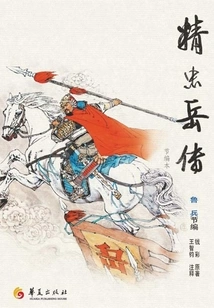
Jingzhong Yue Zhuan Abridged Edition
General Fiction精忠岳传 节编本
Money Lottery
This book is an abridged version of the Chinese classic "The Complete Biography of Yue Shuo" (also known as "The Biography of Jingzhong Yue"). The editor, Mr. Lu Bing, is a well-known publishing expert. He has edited and written many works on children's themes and was the winner of the first Taofen Award. He used his strategic position to delete nearly 500,000 words from the original book in a targeted manner, retaining the wonderful story passages, making the work more concise and exciting, and providing a simple and superior version of Yue Zhuan for the majority of young people.
This book is an abridged version of the Chinese classic "The Complete Biography of Yue Shuo" (also known as "The Biography of Jingzhong Yue"). The editor, Mr. Lu Bing, is a well-known publishing expert. He has edited and written many works on children's themes and was the winner of the first Taofen Award. He used his strategic position to delete nearly 500,000 words from the original book in a targeted manner, retaining the wonderful story passages, making the work more concise and exciting, and providing a simple and superior version of Yue Zhuan for the majority of young people.
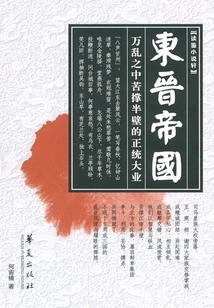
Eastern Jin Empire
General Fiction东晋帝国
He Zhouqiang
The Eastern Jin Dynasty is a unique "story meeting" in Chinese history: orthodox imperial power politics gradually fell by the wayside, and unique personal charm was released. The four major families represented by Wang (Wang Dao), Yu (Yu Liang), Huan (Huan Wen), and Xie (Xie An) alternately appear on the stage. They may have selfish motives and compete with each other; They complemented each other with the Di Qin and Murong Xianbei groups in the north, and worked together with their charismatic wisdom to build a rare "human paradise" in the three hundred years of chaos in the Wei, Jin, Southern and Northern Dynasties.
The Eastern Jin Dynasty is a unique "story meeting" in Chinese history: orthodox imperial power politics gradually fell by the wayside, and unique personal charm was released. The four major families represented by Wang (Wang Dao), Yu (Yu Liang), Huan (Huan Wen), and Xie (Xie An) alternately appear on the stage. They may have selfish motives and compete with each other; They complemented each other with the Di Qin and Murong Xianbei groups in the north, and worked together with their charismatic wisdom to build a rare "human paradise" in the three hundred years of chaos in the Wei, Jin, Southern and Northern Dynasties.
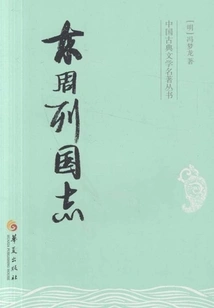
Af
General Fictionaf
G
"The Chronicles of the Kingdoms of the Eastern Zhou Dynasty" is a historical romance novel in ancient China, written by Feng Menglong, a novelist in the late Ming Dynasty. This novel is written in ancient vernacular and mainly describes the history of more than 500 years from the period of King Xuan of the Western Zhou Dynasty to the unification of the six countries by Qin Shihuang. This is a novel with the longest time span and the most characters in ancient and modern times, both at home and abroad. It describes the stories of "nations" in the Spring and Autumn Period and the Warring States Period.
"The Chronicles of the Kingdoms of the Eastern Zhou Dynasty" is a historical romance novel in ancient China, written by Feng Menglong, a novelist in the late Ming Dynasty. This novel is written in ancient vernacular and mainly describes the history of more than 500 years from the period of King Xuan of the Western Zhou Dynasty to the unification of the six countries by Qin Shihuang. This is a novel with the longest time span and the most characters in ancient and modern times, both at home and abroad. It describes the stories of "nations" in the Spring and Autumn Period and the Warring States Period.
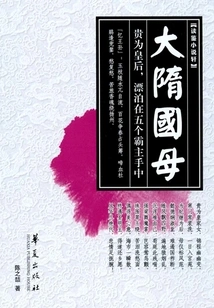
Mother of the Sui Dynasty
General Fiction大隋国母
Chen Zhizhe
This long historical novel describes the tumultuous life of the five sons of Emperor Yang of the Sui Dynasty. Her status as the mother of the country beside Yang Guang, along with the turmoil of the current situation, made her rise and fall in the hands of several overlords in the future. It shows the fateful wandering fate of ancient women, and unfolds a broad social life scene and historical and cultural slices. The novel has great social awareness value, but also has the readability advantage of a popular work. This long historical novel describes the tumultuous life of the five sons of Emperor Yang of the Sui Dynasty. Her status as the mother of the country beside Yang Guang, along with the turmoil of the current situation, made her rise and fall in the hands of several overlords in the future. It shows the fateful wandering fate of ancient women, and unfolds a broad social life scene and historical and cultural slices. The novel has great social awareness value, but also has the readability advantage of a popular work.
This long historical novel describes the tumultuous life of the five sons of Emperor Yang of the Sui Dynasty. Her status as the mother of the country beside Yang Guang, along with the turmoil of the current situation, made her rise and fall in the hands of several overlords in the future. It shows the fateful wandering fate of ancient women, and unfolds a broad social life scene and historical and cultural slices. The novel has great social awareness value, but also has the readability advantage of a popular work. This long historical novel describes the tumultuous life of the five sons of Emperor Yang of the Sui Dynasty. Her status as the mother of the country beside Yang Guang, along with the turmoil of the current situation, made her rise and fall in the hands of several overlords in the future. It shows the fateful wandering fate of ancient women, and unfolds a broad social life scene and historical and cultural slices. The novel has great social awareness value, but also has the readability advantage of a popular work.
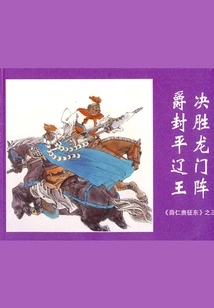
Xue Rengui's Conquest of the East 3 (all Three Volumes)
General Fiction薛仁贵征东3(全三册)
Li Shuang Adapted By Li Zhi
In the early years of the Tang Dynasty, Xue Rengui, a commoner, got married to Liu Jinhua Hanyao, the daughter of a member of the military who did not mind his poverty. He joined the army, killed thieves and explored caves, crossed the sea to defeat the wolf, fixed the Tianshan Mountains with arrows, solved the marshal's troubles, and rescued Emperor Taizong. However, he was jealous of Zhang Shigui and was involved in danger. Liao general Gaisu Wen's soldiers surrounded Yue Hucheng, but Xue Rengui rescued him for the second time and complained about his grievances. Zhang Shigui rebelled and wanted to return to Chang'an to kill the prince and usurp the throne. Xue Rengui captured Zhang Shigui alive, planned to seize Motian Ridge, defeated the flying knife array twice, defeated Mujiaxian, chased Gaisu Wen, and forced the King of Korea to surrender. Taizong's class teacher named him King of Ping Liao. Xue Rengui reunited with Liu Jinhua who had been guarding the cold kiln.
In the early years of the Tang Dynasty, Xue Rengui, a commoner, got married to Liu Jinhua Hanyao, the daughter of a member of the military who did not mind his poverty. He joined the army, killed thieves and explored caves, crossed the sea to defeat the wolf, fixed the Tianshan Mountains with arrows, solved the marshal's troubles, and rescued Emperor Taizong. However, he was jealous of Zhang Shigui and was involved in danger. Liao general Gaisu Wen's soldiers surrounded Yue Hucheng, but Xue Rengui rescued him for the second time and complained about his grievances. Zhang Shigui rebelled and wanted to return to Chang'an to kill the prince and usurp the throne. Xue Rengui captured Zhang Shigui alive, planned to seize Motian Ridge, defeated the flying knife array twice, defeated Mujiaxian, chased Gaisu Wen, and forced the King of Korea to surrender. Taizong's class teacher named him King of Ping Liao. Xue Rengui reunited with Liu Jinhua who had been guarding the cold kiln.
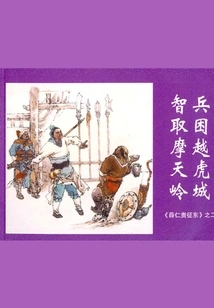
Xue Rengui's Conquest of the East 2 (all Three Volumes)
General Fiction薛仁贵征东2(全三册)
Li Shuang Adapted By Li Zhi
In the early years of the Tang Dynasty, Xue Rengui, a commoner, got married to Liu Jinhua Hanyao, the daughter of a member of the military who did not mind his poverty. He joined the army, killed thieves and explored caves, crossed the sea to defeat the wolf, fixed the Tianshan Mountains with arrows, solved the marshal's troubles, and rescued Emperor Taizong. However, he was jealous of Zhang Shigui and was involved in danger. Liao general Gaisu Wen's soldiers surrounded Yue Hucheng, but Xue Rengui rescued him for the second time and complained about his grievances. Zhang Shigui rebelled and wanted to return to Chang'an to kill the prince and usurp the throne. Xue Rengui captured Zhang Shigui alive, planned to seize Motian Ridge, defeated the flying knife array twice, defeated Mujiaxian, chased Gaisu Wen, and forced the King of Korea to surrender. Taizong's class teacher named him King of Ping Liao. Xue Rengui reunited with Liu Jinhua who had been guarding the cold kiln.
In the early years of the Tang Dynasty, Xue Rengui, a commoner, got married to Liu Jinhua Hanyao, the daughter of a member of the military who did not mind his poverty. He joined the army, killed thieves and explored caves, crossed the sea to defeat the wolf, fixed the Tianshan Mountains with arrows, solved the marshal's troubles, and rescued Emperor Taizong. However, he was jealous of Zhang Shigui and was involved in danger. Liao general Gaisu Wen's soldiers surrounded Yue Hucheng, but Xue Rengui rescued him for the second time and complained about his grievances. Zhang Shigui rebelled and wanted to return to Chang'an to kill the prince and usurp the throne. Xue Rengui captured Zhang Shigui alive, planned to seize Motian Ridge, defeated the flying knife array twice, defeated Mujiaxian, chased Gaisu Wen, and forced the King of Korea to surrender. Taizong's class teacher named him King of Ping Liao. Xue Rengui reunited with Liu Jinhua who had been guarding the cold kiln.
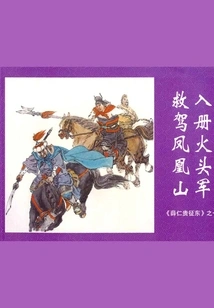
Xue Rengui's Conquest to the East 1 (all Three Volumes)
General Fiction薛仁贵征东1(全三册)
Li Shuang Adapted By Li Zhi
In the early years of the Tang Dynasty, Xue Rengui, a commoner, got married to Liu Jinhua Hanyao, the daughter of a member of the military who did not mind his poverty. He joined the army, killed thieves and explored caves, crossed the sea to defeat the wolf, fixed the Tianshan Mountains with arrows, solved the marshal's troubles, and rescued Emperor Taizong. However, he was jealous of Zhang Shigui and was involved in danger. Liao general Gaisu Wen's soldiers surrounded Yue Hucheng, but Xue Rengui rescued him for the second time and complained about his grievances. Zhang Shigui rebelled and wanted to return to Chang'an to kill the prince and usurp the throne. Xue Rengui captured Zhang Shigui alive, planned to seize Motian Ridge, defeated the flying knife array twice, defeated Mujiaxian, chased Gaisu Wen, and forced the King of Korea to surrender. Taizong's class teacher named him King of Ping Liao. Xue Rengui reunited with Liu Jinhua who had been guarding the cold kiln.
In the early years of the Tang Dynasty, Xue Rengui, a commoner, got married to Liu Jinhua Hanyao, the daughter of a member of the military who did not mind his poverty. He joined the army, killed thieves and explored caves, crossed the sea to defeat the wolf, fixed the Tianshan Mountains with arrows, solved the marshal's troubles, and rescued Emperor Taizong. However, he was jealous of Zhang Shigui and was involved in danger. Liao general Gaisu Wen's soldiers surrounded Yue Hucheng, but Xue Rengui rescued him for the second time and complained about his grievances. Zhang Shigui rebelled and wanted to return to Chang'an to kill the prince and usurp the throne. Xue Rengui captured Zhang Shigui alive, planned to seize Motian Ridge, defeated the flying knife array twice, defeated Mujiaxian, chased Gaisu Wen, and forced the King of Korea to surrender. Taizong's class teacher named him King of Ping Liao. Xue Rengui reunited with Liu Jinhua who had been guarding the cold kiln.
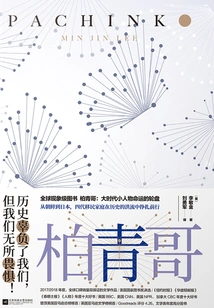
Pachinko (original Work of the American Drama "pinball" Starring Yoon Yeo-jung, Lee Min Ho and Others)
General Fiction柏青哥(尹汝贞、李敏镐等人主演美剧《弹子球游戏》原著)
(us) Lee Min Kim
The original work of the American drama "Pinball Game" will be aired on March 25, 2022, starring Yoon Yeo-jung, Lee Min Ho, Chen Ha, Sawai Anna, Kim Min-ha and others. 2017\U002F18 International Phenomenal Book of the Year, the only new fiction book with global sales of 10 million copies, dominating both word-of-mouth and sales lists in various countries, and winning 75 awards! Top 1 on the US Amazon overall list, TOP 1 on the UK Amazon literature list, TOP 10 on the best-selling list of 100 independent bookstores in the US, and on the best-selling list in 28 countries including France, Japan and South Korea! Spanning 60 years, four generations of ordinary families on the Korean Peninsula struggled to move forward in the torrent of history. From the fishing villages in South Korea during the Japanese colonial period in 1920, to Osaka, Japan, through World War II and the Korean War, to Yokohama, Tokyo and even New York in the Japanese bubble economy era in the late 1990s. Against such a complex historical background, the book focuses on describing the relationships and conflicts between generations on a series of issues such as family and hometown, integration and belonging, money and faith. The heroine, as the daughter of an illiterate boat owner from a small fishing village, tried her best to survive with her family in an era that she could not understand. There are many characters and plots, countless stories unique to the era, the tragedies of the fate of small people in the great era, and a grand epic of 300,000 words.
The original work of the American drama "Pinball Game" will be aired on March 25, 2022, starring Yoon Yeo-jung, Lee Min Ho, Chen Ha, Sawai Anna, Kim Min-ha and others. 2017\U002F18 International Phenomenal Book of the Year, the only new fiction book with global sales of 10 million copies, dominating both word-of-mouth and sales lists in various countries, and winning 75 awards! Top 1 on the US Amazon overall list, TOP 1 on the UK Amazon literature list, TOP 10 on the best-selling list of 100 independent bookstores in the US, and on the best-selling list in 28 countries including France, Japan and South Korea! Spanning 60 years, four generations of ordinary families on the Korean Peninsula struggled to move forward in the torrent of history. From the fishing villages in South Korea during the Japanese colonial period in 1920, to Osaka, Japan, through World War II and the Korean War, to Yokohama, Tokyo and even New York in the Japanese bubble economy era in the late 1990s. Against such a complex historical background, the book focuses on describing the relationships and conflicts between generations on a series of issues such as family and hometown, integration and belonging, money and faith. The heroine, as the daughter of an illiterate boat owner from a small fishing village, tried her best to survive with her family in an era that she could not understand. There are many characters and plots, countless stories unique to the era, the tragedies of the fate of small people in the great era, and a grand epic of 300,000 words.
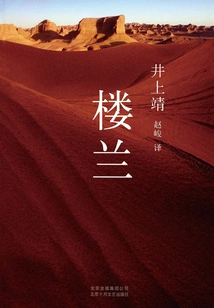
Loulan
General Fiction楼兰
(japan) Inoue Yasushi
Once upon a time, there was a small country in the Western Regions called Loulan. Lop Nur of Loulan is the god of the Loulan people and the basis of survival for all the people of Loulan. Due to being caught in the struggle between the Huns and the Han Dynasty for a long time, the weak Loulan had no choice but to make the decision to move away from Lop Nur. Without Lop Nur, where will Loulan and Loulan people go? Japanese literary giant Yasushi Inoue uses simple words to describe the changes in the mysterious ancient country of Loulan. Yasushi Inoue's novels are full of romantic imagination and longings and dreams for the Western Regions of China. There is a story in the short story collection "Loulan" called "Wolf Disaster", which was adapted to the big screen by director Tian Zhuangzhuang with the same name. In addition, Inoue Yasushi also wrote novels "Dunhuang", "Confucius", "The Balance of the Balance" and so on.
Once upon a time, there was a small country in the Western Regions called Loulan. Lop Nur of Loulan is the god of the Loulan people and the basis of survival for all the people of Loulan. Due to being caught in the struggle between the Huns and the Han Dynasty for a long time, the weak Loulan had no choice but to make the decision to move away from Lop Nur. Without Lop Nur, where will Loulan and Loulan people go? Japanese literary giant Yasushi Inoue uses simple words to describe the changes in the mysterious ancient country of Loulan. Yasushi Inoue's novels are full of romantic imagination and longings and dreams for the Western Regions of China. There is a story in the short story collection "Loulan" called "Wolf Disaster", which was adapted to the big screen by director Tian Zhuangzhuang with the same name. In addition, Inoue Yasushi also wrote novels "Dunhuang", "Confucius", "The Balance of the Balance" and so on.
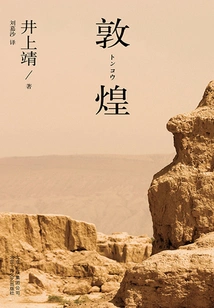
Dunhuang
General Fiction敦煌
H
"Dunhuang" is one of the important historical novels based on China created by the Japanese literary giant Yasushi Inoue. It has won the Mainichi Art Award. The numerous scriptures in the Mogao Grottoes are now a treasure that is admired by the world, but who buried these scriptures and why, and how many mysteries are there behind the unnamed scripture collector? Inoue Yasushi used his earth-shattering "Dunhuang" to guide people to rush to that magical land. During the Tiansheng reign of Emperor Renzong of the Song Dynasty, scholar Zhao Xingde went to Beijing to take the exam, but missed the exam because of sleepiness. He was lost and wandering around, and accidentally got a piece of Xixia cloth that he had never seen before. The breath of the Western Region instantly changed Zhao Xingde's fate, and also left a thousand-year-old mystery for future generations...
"Dunhuang" is one of the important historical novels based on China created by the Japanese literary giant Yasushi Inoue. It has won the Mainichi Art Award. The numerous scriptures in the Mogao Grottoes are now a treasure that is admired by the world, but who buried these scriptures and why, and how many mysteries are there behind the unnamed scripture collector? Inoue Yasushi used his earth-shattering "Dunhuang" to guide people to rush to that magical land. During the Tiansheng reign of Emperor Renzong of the Song Dynasty, scholar Zhao Xingde went to Beijing to take the exam, but missed the exam because of sleepiness. He was lost and wandering around, and accidentally got a piece of Xixia cloth that he had never seen before. The breath of the Western Region instantly changed Zhao Xingde's fate, and also left a thousand-year-old mystery for future generations...
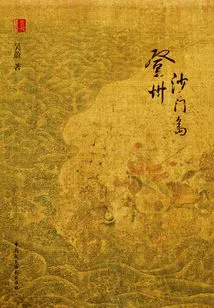
Dengzhou Salmon Island
General Fiction登州沙门岛
Wu Wei
During the "Jingkang Incident", the Jin Dynasty went south and abducted the Hui and Qin emperors, as well as a large number of the Zhao royal family, concubines, nobles, and court officials. The story of this work takes place in 1128, the year after the "Jingkang Incident". When the Southern Song Dynasty was first established, those in power were tired of fighting but unwilling to fight, and watched the northern territories gradually fall; the Jin Dynasty was already eyeing the Southern Song Dynasty; although the Liao Dynasty was in chaos, there were still many people who were actively planning to restore the country; Goryeo was relatively peaceful, but had a clear understanding of the current situation. Many forces converged on Salmon Island in Dengzhou. In this place where felons were exiled to serve, murders occurred one after another. Surrounding the royal family of the Liao Kingdom, the Supreme Treasure of the Northern Song Dynasty, the Holy Bronze Man, Ma Kuo, Hu Yanqing, Hong Cu, Li Qingzhao, and even the princess of the Bohai Kingdom, in troubled times, the celebrities we are familiar with today are just ants. When the Song Dynasty was in decline and all parties competed for power, what was their fate... There are very few detective novels about ancient China, and novels set in ancient exiles are even rarer. This work fills the gap in this field very well. The subject matter is novel, the writing is smooth, and the structure is rigorous. It can help readers better understand ancient history and culture, understand the turbulent rocks, how the sages adhered to their innocent hearts and shed their blood, which can enhance the sense of national identity and has extremely high social and cultural value.
During the "Jingkang Incident", the Jin Dynasty went south and abducted the Hui and Qin emperors, as well as a large number of the Zhao royal family, concubines, nobles, and court officials. The story of this work takes place in 1128, the year after the "Jingkang Incident". When the Southern Song Dynasty was first established, those in power were tired of fighting but unwilling to fight, and watched the northern territories gradually fall; the Jin Dynasty was already eyeing the Southern Song Dynasty; although the Liao Dynasty was in chaos, there were still many people who were actively planning to restore the country; Goryeo was relatively peaceful, but had a clear understanding of the current situation. Many forces converged on Salmon Island in Dengzhou. In this place where felons were exiled to serve, murders occurred one after another. Surrounding the royal family of the Liao Kingdom, the Supreme Treasure of the Northern Song Dynasty, the Holy Bronze Man, Ma Kuo, Hu Yanqing, Hong Cu, Li Qingzhao, and even the princess of the Bohai Kingdom, in troubled times, the celebrities we are familiar with today are just ants. When the Song Dynasty was in decline and all parties competed for power, what was their fate... There are very few detective novels about ancient China, and novels set in ancient exiles are even rarer. This work fills the gap in this field very well. The subject matter is novel, the writing is smooth, and the structure is rigorous. It can help readers better understand ancient history and culture, understand the turbulent rocks, how the sages adhered to their innocent hearts and shed their blood, which can enhance the sense of national identity and has extremely high social and cultural value.
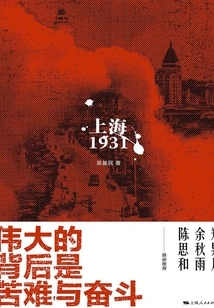
Shanghai 1931
General Fiction上海1931
Wu Jimin
"Shanghai 1931" is a long historical documentary novel. The novel selects 1931, a year of great changes in Chinese history, and paints a magnificent historical picture with emotionally charged and deeply historical writing. The book combines the rich ideas of a novel with the perspective of a historian, and depicts the arduous and arduous struggle of our party under the white terror of the 1930s.
"Shanghai 1931" is a long historical documentary novel. The novel selects 1931, a year of great changes in Chinese history, and paints a magnificent historical picture with emotionally charged and deeply historical writing. The book combines the rich ideas of a novel with the perspective of a historian, and depicts the arduous and arduous struggle of our party under the white terror of the 1930s.
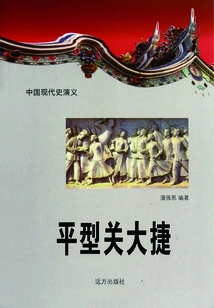
中国现代史演义:平型关大捷
Compiled By Pan Qiangen
The Great Victory at Pingxingguan refers to the battle in which the 115th Division of the Eighth Route Army ambushed the 21st Brigade of the Japanese 5th Division near Pingxingguan on September 25, 1937 during the Anti-Japanese War and wiped out more than 1,000 people. This was the first complete victory achieved by China since the beginning of the war between China and Japan. This victory broke the myth that the Japanese army was invincible, inspired the hearts of the country, and strengthened the people's belief that they would win the war of resistance. At the same time, through this battle, the Eighth Route Army further clarified that the only correct strategic policy is to carry out "independent mountain guerrilla warfare".
The Great Victory at Pingxingguan refers to the battle in which the 115th Division of the Eighth Route Army ambushed the 21st Brigade of the Japanese 5th Division near Pingxingguan on September 25, 1937 during the Anti-Japanese War and wiped out more than 1,000 people. This was the first complete victory achieved by China since the beginning of the war between China and Japan. This victory broke the myth that the Japanese army was invincible, inspired the hearts of the country, and strengthened the people's belief that they would win the war of resistance. At the same time, through this battle, the Eighth Route Army further clarified that the only correct strategic policy is to carry out "independent mountain guerrilla warfare".
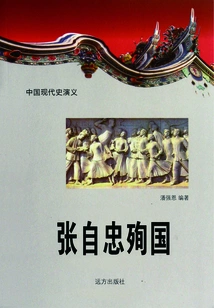
中国现代史演义:张自忠殉国
Compiled By Pan Qiangen
Zhang Zizhong (1891.8.11-1940.5.16), Courtesy name Xinchen, Han nationality, was born in Tangyuan Village, Linqing, Shandong Province. He died for his country while serving as a lieutenant general in the Army of the Republic of China. After his death, he was posthumously awarded the rank of Second Class General of the Army. He was also the highest general of the Allied Powers to die in World War II.
Zhang Zizhong (1891.8.11-1940.5.16), Courtesy name Xinchen, Han nationality, was born in Tangyuan Village, Linqing, Shandong Province. He died for his country while serving as a lieutenant general in the Army of the Republic of China. After his death, he was posthumously awarded the rank of Second Class General of the Army. He was also the highest general of the Allied Powers to die in World War II.
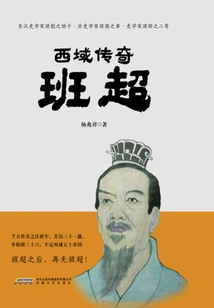
Legend of the Western Regions Ban Chao
General Fiction西域传奇班超
Yang Zhaoxiang
This book is a long historical novel. The work is arranged in chronological order. It describes the magnificent life of Ban Chaoshao, a famous military strategist and diplomat in the Eastern Han Dynasty.
This book is a long historical novel. The work is arranged in chronological order. It describes the magnificent life of Ban Chaoshao, a famous military strategist and diplomat in the Eastern Han Dynasty.
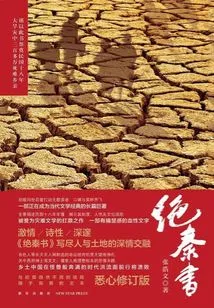
Jue Qin Shu
General Fiction绝秦书
Zhang Haowen
In the 18th year of the Republic of China (1929 AD), a severe drought occurred in the Shaanxi-Gansu area, commonly known as the "Eighteenth Year of Famine". This famine, known as one of the top ten disasters in the world in the 20th century, claimed the lives of more than three million people in Shaanxi and displaced more than three million people. The rich Guanzhong Plain was cut off from cooking smoke and left in ruins. The hungry people sold their children and daughters, and even exchanged their children for food. The former land of heaven turned into a hell on earth! This catastrophe is engraved deep in the memory of the local people and has a profound impact on their values and attitude towards life. The novel was written from the 15th year of the Republic of China to the 18th year of the Republic of China when the drought reached its peak, narrating the entire process of the disaster.
In the 18th year of the Republic of China (1929 AD), a severe drought occurred in the Shaanxi-Gansu area, commonly known as the "Eighteenth Year of Famine". This famine, known as one of the top ten disasters in the world in the 20th century, claimed the lives of more than three million people in Shaanxi and displaced more than three million people. The rich Guanzhong Plain was cut off from cooking smoke and left in ruins. The hungry people sold their children and daughters, and even exchanged their children for food. The former land of heaven turned into a hell on earth! This catastrophe is engraved deep in the memory of the local people and has a profound impact on their values and attitude towards life. The novel was written from the 15th year of the Republic of China to the 18th year of the Republic of China when the drought reached its peak, narrating the entire process of the disaster.
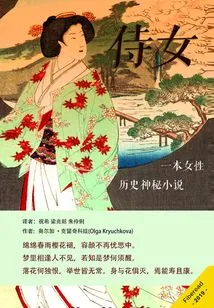
Maid
General Fiction侍女
Fiberead Olga Kryuchkova
In Japan, during the Heian period, young Ono Komachi decided to serve as a maid to a concubine and serve the royal family. It didn't take long before she encountered something unspeakable...
In Japan, during the Heian period, young Ono Komachi decided to serve as a maid to a concubine and serve the royal family. It didn't take long before she encountered something unspeakable...
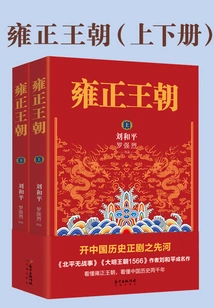
Yongzheng Dynasty (2 Volumes in Total)
General Fiction雍正王朝(全2册)
Liu Heping Luo Qiangqiang
For more than two thousand years, there has been a huge and irreconcilable contradiction between the highly centralized power formed by the county system and the peasant system. Faced with this contradiction, reform is an inevitable choice. Wang Anshi and Zhang Juzheng have tried it in history, but only Emperor Yongzheng succeeded. Emperor Yongzheng resolved this contradiction by forcefully implementing thirteen years of reforms. However, Qianlong, his personally chosen successor, slowly dispelled his New Deal, which profoundly foreshadowed the inevitable demise of the Qing Dynasty.
For more than two thousand years, there has been a huge and irreconcilable contradiction between the highly centralized power formed by the county system and the peasant system. Faced with this contradiction, reform is an inevitable choice. Wang Anshi and Zhang Juzheng have tried it in history, but only Emperor Yongzheng succeeded. Emperor Yongzheng resolved this contradiction by forcefully implementing thirteen years of reforms. However, Qianlong, his personally chosen successor, slowly dispelled his New Deal, which profoundly foreshadowed the inevitable demise of the Qing Dynasty.
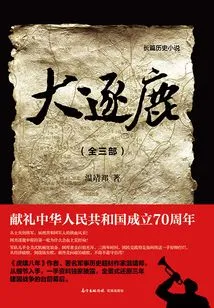
The Great Chase (complete Collection)
General Fiction大逐鹿(全集)
Wen Jingbang
The War of Liberation was a great competition between the Kuomintang and the Communist Party. In more than three years, both sides deployed more than 10 million troops and countless civilians. It was called "the largest civil war in world history" by Marshal Montgomery. The strange and strange military skills of the commanders were all superb. Marshal Zhukov praised: "This is the most intelligent war myth in the world's wars." And all of this is most brilliantly displayed in "The Great Race". Wen Jingbang, the author of "Eight Years of the Tiger Roar" and a famous military history writer, panoramically restores the hidden history behind the scenes of the Liberation War. Starting from the details, first-hand information is exclusively disclosed, restoring the history of the three-year founding war and recreating the history hidden in the archives. It is a rare work in China that tells the story of the War of Liberation.
The War of Liberation was a great competition between the Kuomintang and the Communist Party. In more than three years, both sides deployed more than 10 million troops and countless civilians. It was called "the largest civil war in world history" by Marshal Montgomery. The strange and strange military skills of the commanders were all superb. Marshal Zhukov praised: "This is the most intelligent war myth in the world's wars." And all of this is most brilliantly displayed in "The Great Race". Wen Jingbang, the author of "Eight Years of the Tiger Roar" and a famous military history writer, panoramically restores the hidden history behind the scenes of the Liberation War. Starting from the details, first-hand information is exclusively disclosed, restoring the history of the three-year founding war and recreating the history hidden in the archives. It is a rare work in China that tells the story of the War of Liberation.
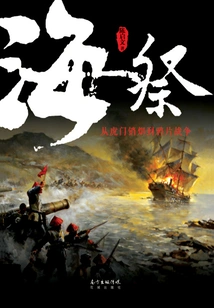
Sea festival
General Fiction海祭
Chen Qiwen
The destruction of opium in Humen is a relief engraved on the base of the Monument to the People's Heroes. In fact, it was also a tragic beginning of China's modern history. From the destruction of opium in Humen to the Opium War, it is a tragic sea sacrifice for the Chinese nation. A piece of modern Chinese history begins or unveils here...
The destruction of opium in Humen is a relief engraved on the base of the Monument to the People's Heroes. In fact, it was also a tragic beginning of China's modern history. From the destruction of opium in Humen to the Opium War, it is a tragic sea sacrifice for the Chinese nation. A piece of modern Chinese history begins or unveils here...
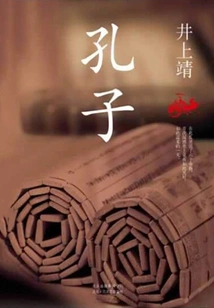
Confucius
General Fiction孔子
H
The final masterpiece of Japanese literary master Yasushi Inoue's life won the Noma Prize for Literature and Art, and was hailed as a "little historical pearl". As a teacher, why did Confucius travel around the world? Confucius is like a vagabond, why can he attract so many fans? When did Confucius start to have the idea of "governing the world"? How could Confucius stand out in such troubled times where the smoke of war and the collapse of rituals and music were ruined? Why did the Analects of Confucius become a required book for kings from generation to generation? Why can Confucius' thoughts become the "Bible" of the vast East for more than two thousand years? One question: What is the core secret of Confucius becoming "Confucius"?
The final masterpiece of Japanese literary master Yasushi Inoue's life won the Noma Prize for Literature and Art, and was hailed as a "little historical pearl". As a teacher, why did Confucius travel around the world? Confucius is like a vagabond, why can he attract so many fans? When did Confucius start to have the idea of "governing the world"? How could Confucius stand out in such troubled times where the smoke of war and the collapse of rituals and music were ruined? Why did the Analects of Confucius become a required book for kings from generation to generation? Why can Confucius' thoughts become the "Bible" of the vast East for more than two thousand years? One question: What is the core secret of Confucius becoming "Confucius"?
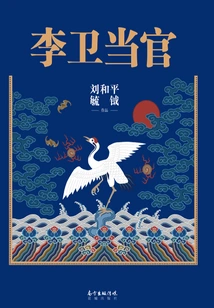
Li Wei Becomes an Official
General Fiction李卫当官
Liu Heping
This book tells the alternative growth history of a Qing official. Li Wei, who came from a humble background, pretended to be an imperial envoy to save his mother who was wrongly imprisoned, and made a big fuss in the execution ground, thus uncovering a huge official corruption case. Li Wei, who had just entered the officialdom, made a lot of jokes. He did not play his cards according to common sense at all. After many twists and turns and dangers, he finally punished the bully with his wit and crooked talent. At this time, due to the war in the northwest, the national treasury was empty, so Yinzhen sent him to Yangzhou, a tax-heavy area, to be the prefect. He fell into a big net formed by money and official seal...
This book tells the alternative growth history of a Qing official. Li Wei, who came from a humble background, pretended to be an imperial envoy to save his mother who was wrongly imprisoned, and made a big fuss in the execution ground, thus uncovering a huge official corruption case. Li Wei, who had just entered the officialdom, made a lot of jokes. He did not play his cards according to common sense at all. After many twists and turns and dangers, he finally punished the bully with his wit and crooked talent. At this time, due to the war in the northwest, the national treasury was empty, so Yinzhen sent him to Yangzhou, a tax-heavy area, to be the prefect. He fell into a big net formed by money and official seal...
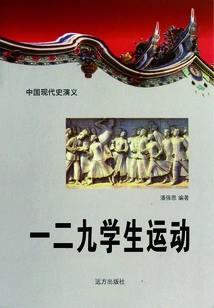
Romance of Modern Chinese History: 129 Student Movement
General Fiction中国现代史演义:一二九学生运动
Compiled By Pan Qiangen
The December 9th Movement, also known as the December 9th Anti-Japanese and National Salvation Movement. On December 9, 1935, thousands of college and middle school students in Peiping (Beijing) held an anti-Japanese and national salvation demonstration under the leadership of the Communist Party of China. They opposed North China's autonomy, resisted Japanese imperialism, and demanded the preservation of the integrity of China's territory, setting off a new upsurge in the country's resistance to Japan and national salvation.
The December 9th Movement, also known as the December 9th Anti-Japanese and National Salvation Movement. On December 9, 1935, thousands of college and middle school students in Peiping (Beijing) held an anti-Japanese and national salvation demonstration under the leadership of the Communist Party of China. They opposed North China's autonomy, resisted Japanese imperialism, and demanded the preservation of the integrity of China's territory, setting off a new upsurge in the country's resistance to Japan and national salvation.
Augustus
General Fiction奥古斯都
K
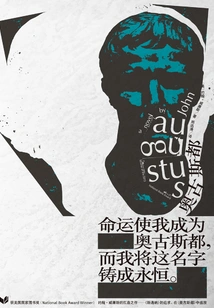
"Augustus" is written in the form of an epistolary letter, which also contains diaries, memoirs, meeting minutes, military leaflets, etc., And depicts the life of the Roman Emperor Augustus through the pens of everyone in Rome. Augustus, whose real name was Octavian, was Caesar's nephew. In 44 BC, Caesar was assassinated and his will designated Octavian as his adopted son and heir. The boy's slender figure walked slowly in the empty playground, in an uncertain direction, as if trying to find a way out - he aided the murderer, made enemies of old friends, formed alliances with rivals, and restored freedom to Rome where factions were rife. At the age of 36, Octavian received the title "Augustus". Augustus devoted himself to maintaining order and peace in Rome, and even called his only daughter "my little Rome." With his love for these two, he moved forward without hesitation in the machinations of the Roman world...
"Augustus" is written in the form of an epistolary letter, which also contains diaries, memoirs, meeting minutes, military leaflets, etc., And depicts the life of the Roman Emperor Augustus through the pens of everyone in Rome. Augustus, whose real name was Octavian, was Caesar's nephew. In 44 BC, Caesar was assassinated and his will designated Octavian as his adopted son and heir. The boy's slender figure walked slowly in the empty playground, in an uncertain direction, as if trying to find a way out - he aided the murderer, made enemies of old friends, formed alliances with rivals, and restored freedom to Rome where factions were rife. At the age of 36, Octavian received the title "Augustus". Augustus devoted himself to maintaining order and peace in Rome, and even called his only daughter "my little Rome." With his love for these two, he moved forward without hesitation in the machinations of the Roman world...
Hidden
General Fiction隐
Zhao Song
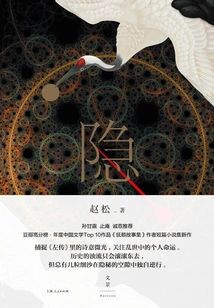
"Hidden" is a collection of short stories that uses part of the content of "Zuo Zhuan" as material and is created using the techniques of contemporary novels. The author does not attempt to present a panoramic view of the Spring and Autumn Period, but pays more attention to the subtle relationship between personal destiny and the times. In that era of constant strife, there were rationalists who adhered to the moral and ethical traditions of the Zhou Dynasty, and there were also people who broke all rules and had no moral bottom line. What appear in the author's writings are Confucius, Xia Ji, Zi Lu, Lu Yingong from a different historical perspective... In the world of novels that constantly change narrative perspectives, readers will even ignore the names of the characters and be immersed in the constant changes in vision, the constant overlap of time, and the constant fusion of various sounds and breaths. It all seems to be happening in the reader's imagination, or in a dream.
"Hidden" is a collection of short stories that uses part of the content of "Zuo Zhuan" as material and is created using the techniques of contemporary novels. The author does not attempt to present a panoramic view of the Spring and Autumn Period, but pays more attention to the subtle relationship between personal destiny and the times. In that era of constant strife, there were rationalists who adhered to the moral and ethical traditions of the Zhou Dynasty, and there were also people who broke all rules and had no moral bottom line. What appear in the author's writings are Confucius, Xia Ji, Zi Lu, Lu Yingong from a different historical perspective... In the world of novels that constantly change narrative perspectives, readers will even ignore the names of the characters and be immersed in the constant changes in vision, the constant overlap of time, and the constant fusion of various sounds and breaths. It all seems to be happening in the reader's imagination, or in a dream.
Alexander Trilogy 3: the Funeral Games
General Fiction亚历山大三部曲3:葬礼竞技会
K
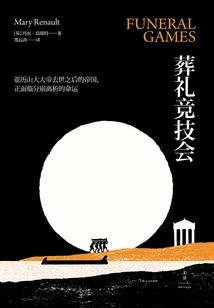
"Funeral Games" opens with Alexander dying. The Babylonian palace in 323 BC was shrouded in a heavy and depressing atmosphere. The former ruler of the empire was declining, and the heirs he left behind were not yet born. On his deathbed, Alexander left only the last words "to the strongest" before passing away. From then on, the ambitious generals and relatives around Alexander began a chaotic struggle to seize the inheritance of the empire: some ruthlessly cut off dissidents; some were forced to step on the stage to play puppet roles; some formed fragile alliances and soon turned against each other... In the vortex of the power struggle, everyone is a pawn and cannot control their own destiny. The huge empire that Alexander had worked so hard to build was coming to an unpredictable end.
"Funeral Games" opens with Alexander dying. The Babylonian palace in 323 BC was shrouded in a heavy and depressing atmosphere. The former ruler of the empire was declining, and the heirs he left behind were not yet born. On his deathbed, Alexander left only the last words "to the strongest" before passing away. From then on, the ambitious generals and relatives around Alexander began a chaotic struggle to seize the inheritance of the empire: some ruthlessly cut off dissidents; some were forced to step on the stage to play puppet roles; some formed fragile alliances and soon turned against each other... In the vortex of the power struggle, everyone is a pawn and cannot control their own destiny. The huge empire that Alexander had worked so hard to build was coming to an unpredictable end.
Alexander Trilogy 1: Fire from Heaven
General Fiction亚历山大三部曲1:天堂之火
K
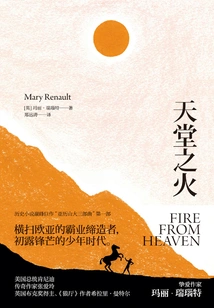
"Fire in Heaven" tells the story of Alexander's experience before he ascended the throne at the age of 20. From the moment he was born, Alexander's bodybuilding, strength and courage were dazzling; all of these would be sharpened during Alexander's long and arduous boyhood, enough to support his magnificent future. Before he left his infancy, Alexander's father, King Philip, and his mother, Olympias, began to fight for control of his life. This made him familiar with power and conspiracy since he was a child. His close friend Hephaistion and mentor Aristotle, who were in love with him, made him feel the power of trust and the light of reason. Although he had already killed enemies on the battlefield when he was 12 years old, and became a Macedonian cavalry commander at 18 years old, he still had to lie dormant in hardship and humiliation, waiting with bated breath for the moment when the glorious road of destiny would be completely opened for him.
"Fire in Heaven" tells the story of Alexander's experience before he ascended the throne at the age of 20. From the moment he was born, Alexander's bodybuilding, strength and courage were dazzling; all of these would be sharpened during Alexander's long and arduous boyhood, enough to support his magnificent future. Before he left his infancy, Alexander's father, King Philip, and his mother, Olympias, began to fight for control of his life. This made him familiar with power and conspiracy since he was a child. His close friend Hephaistion and mentor Aristotle, who were in love with him, made him feel the power of trust and the light of reason. Although he had already killed enemies on the battlefield when he was 12 years old, and became a Macedonian cavalry commander at 18 years old, he still had to lie dormant in hardship and humiliation, waiting with bated breath for the moment when the glorious road of destiny would be completely opened for him.
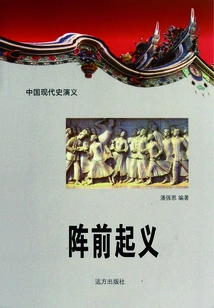
中国现代史演义:阵前起义
Compiled By Pan Qiangen
From August 1945 to September 1949, the second stage of the civil war between the Kuomintang and the Communist Party was called the Liberation War by the Chinese Communist Party. The outcome of the war was the establishment of the People's Republic of China by the Communist Party of China in Beijing on October 1, 1949, and the government of the Republic of China withdrew to Taiwan after its defeat in mainland China in 1949.
From August 1945 to September 1949, the second stage of the civil war between the Kuomintang and the Communist Party was called the Liberation War by the Chinese Communist Party. The outcome of the war was the establishment of the People's Republic of China by the Communist Party of China in Beijing on October 1, 1949, and the government of the Republic of China withdrew to Taiwan after its defeat in mainland China in 1949.
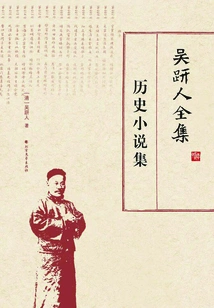
The Complete Works of Wu Jianren·historical Novels
General Fiction吴趼人全集·历史小说集
(qing Dynasty) Wu Jianren
This book collects Wu Jianren's works such as "History of Pain", "Romance of the Two Jin Dynasties", and "Yunnan Wild Journey". These works are based on the serialized volumes of "New Novel" and "Yueyue Novel", and retain the eyebrow comments and post-review comments in the original books. "History of Pain" mainly tells the story of the fall of the Southern Song Dynasty, the invasion of the Central Plains by the Yuan army, the traitorous traitor Si Dao who betrayed the country in pursuit of glory, and the story of Wen Tianxiang and other loyal ministers who bravely resisted the Yuan Dynasty. "Romance of the Two Jin Dynasties" has a total of twenty-three chapters, written from the founding of the Western Jin Dynasty to the Rebellion of the Eight Kings. It aims to discover official historical facts, uses the past as a guide to learn from the present, and contains the meaning of historical reflection. "Yunnan Wilderness" chapter novel, three chapters. During the Warring States Period, it describes the general of Chu State, Qi Qi, who conquered the southwestern barbarians and established the Dian Kingdom.
This book collects Wu Jianren's works such as "History of Pain", "Romance of the Two Jin Dynasties", and "Yunnan Wild Journey". These works are based on the serialized volumes of "New Novel" and "Yueyue Novel", and retain the eyebrow comments and post-review comments in the original books. "History of Pain" mainly tells the story of the fall of the Southern Song Dynasty, the invasion of the Central Plains by the Yuan army, the traitorous traitor Si Dao who betrayed the country in pursuit of glory, and the story of Wen Tianxiang and other loyal ministers who bravely resisted the Yuan Dynasty. "Romance of the Two Jin Dynasties" has a total of twenty-three chapters, written from the founding of the Western Jin Dynasty to the Rebellion of the Eight Kings. It aims to discover official historical facts, uses the past as a guide to learn from the present, and contains the meaning of historical reflection. "Yunnan Wilderness" chapter novel, three chapters. During the Warring States Period, it describes the general of Chu State, Qi Qi, who conquered the southwestern barbarians and established the Dian Kingdom.
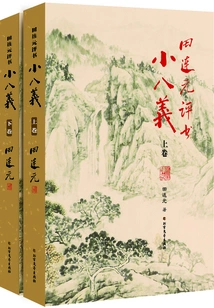
Tian Lianyuan's Pingshu Xiaobayi
General Fiction田连元评书小八义
Tian Lianyuan
I would like to dedicate this book to someone who is said to be able to tell all the world's major events with one mouth. Mr. Tian Lianyuan, who has seen it again with a flick of the beacon smoke, and the fans who like Mr. Tian and love storytelling and folk art. "Little Eight Righteousness" tells the story of the Eight Emperors of the Song Dynasty, Huizong, who was fatuous and the Grand Master Cai Jing took the opportunity to gain favor and monopolize power. He falsely accused the upright official Zhou Lingyin of colluding with the Jin Dynasty to subvert the Song Dynasty, and deceived the emperor into ordering the Zhou family to be bound and beheaded in the execution ground. Zhou Lingyin's son Zhou Jinglong and his wife were blown away by a hurricane. Mrs. Zhou and Zhou Jinglong went to Jining to seek refuge with their relative Liang Shitai. Liang Shitai knew that he might be implicated in the disasters of the Zhou family and decided to break off the engagement. At the same time, he ordered his adopted son Liang Gun to assassinate Zhou Jinglong. Liang Xiuying, the daughter of the Liang Mansion, was very angry when she heard about it, and she and the old housekeeper Liang Zhong took the risk to rescue Zhou Jinglong. Mr. Zhou had no choice but to leave his hometown. During the wandering journey, he met Ruan Ying, a descendant of Liangshan, a living retribution monkey in the world, Kong Sheng, a double-headed Tai Sui, Xu Wenbiao, the golden gun general Xu Ning, Hua Yunping, the son of Shi Qian, Wei Chixiao, a descendant of Yuchi Gong, and Tang Tieniu, the great apprentice of the thief Zhao Huayang. Zhou Jinglong also worked hard to study and take the first prize in Chinese during his wandering, using the pseudonym Chen Jinglong. In order to ensure that Zhou Jinglong successfully eliminates traitors for the country and avenges his family, Ruan Ying defeats Ge Shixiong and obtains the top prize in martial arts. Chuanyunyanzi Xi Jinge stole the national treasure Kowloon Pearl Crown and framed Ruan Ying, the new top martial arts champion. In order to avenge his brothers, Gai Shiying set up a ring in Zangjun Mountain and decided the winner with Xiao Bayi. In the end, with the help of his daughter Gai Jiaoniang and Chen Qingqiu, a female disciple of the miracle doctor An Daoquan, the gangsters were defeated and the national treasure was returned. In order to expose the conspiracy of Grand Master Cai Jing, the bandit leader Gai Shiying was captured and went to Bianliang, Tokyo, to compose a song of righteousness in the world.
I would like to dedicate this book to someone who is said to be able to tell all the world's major events with one mouth. Mr. Tian Lianyuan, who has seen it again with a flick of the beacon smoke, and the fans who like Mr. Tian and love storytelling and folk art. "Little Eight Righteousness" tells the story of the Eight Emperors of the Song Dynasty, Huizong, who was fatuous and the Grand Master Cai Jing took the opportunity to gain favor and monopolize power. He falsely accused the upright official Zhou Lingyin of colluding with the Jin Dynasty to subvert the Song Dynasty, and deceived the emperor into ordering the Zhou family to be bound and beheaded in the execution ground. Zhou Lingyin's son Zhou Jinglong and his wife were blown away by a hurricane. Mrs. Zhou and Zhou Jinglong went to Jining to seek refuge with their relative Liang Shitai. Liang Shitai knew that he might be implicated in the disasters of the Zhou family and decided to break off the engagement. At the same time, he ordered his adopted son Liang Gun to assassinate Zhou Jinglong. Liang Xiuying, the daughter of the Liang Mansion, was very angry when she heard about it, and she and the old housekeeper Liang Zhong took the risk to rescue Zhou Jinglong. Mr. Zhou had no choice but to leave his hometown. During the wandering journey, he met Ruan Ying, a descendant of Liangshan, a living retribution monkey in the world, Kong Sheng, a double-headed Tai Sui, Xu Wenbiao, the golden gun general Xu Ning, Hua Yunping, the son of Shi Qian, Wei Chixiao, a descendant of Yuchi Gong, and Tang Tieniu, the great apprentice of the thief Zhao Huayang. Zhou Jinglong also worked hard to study and take the first prize in Chinese during his wandering, using the pseudonym Chen Jinglong. In order to ensure that Zhou Jinglong successfully eliminates traitors for the country and avenges his family, Ruan Ying defeats Ge Shixiong and obtains the top prize in martial arts. Chuanyunyanzi Xi Jinge stole the national treasure Kowloon Pearl Crown and framed Ruan Ying, the new top martial arts champion. In order to avenge his brothers, Gai Shiying set up a ring in Zangjun Mountain and decided the winner with Xiao Bayi. In the end, with the help of his daughter Gai Jiaoniang and Chen Qingqiu, a female disciple of the miracle doctor An Daoquan, the gangsters were defeated and the national treasure was returned. In order to expose the conspiracy of Grand Master Cai Jing, the bandit leader Gai Shiying was captured and went to Bianliang, Tokyo, to compose a song of righteousness in the world.
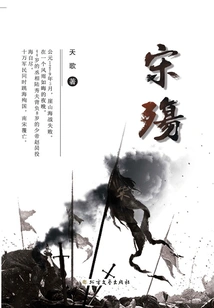
Song Shang
General Fiction宋殇
Tiange
This is a historical novel describing the fall of the Southern Song Dynasty. The whole book is divided into two volumes, the first volume is "Jin Ou Que" and the second volume is "Song of Righteousness". The first volume focuses on the dark reality of the Southern Song Dynasty's power and corruption, the corruption of the government, and the dangerous chaos of powerful enemies watching from the side. The second volume mainly shows the heroic struggle of loyal ministers and patriots represented by Wen Tianxiang to save the crisis. This book is a description of historical facts, but it is presented in the form of a novel. It describes the joys and sorrows of the heroes who resisted the Jin Dynasty, and also describes the decadent rule of treacherous ministers. The two clues formed a sharp contrast, making the demise of the Southern Song Dynasty inevitable.
This is a historical novel describing the fall of the Southern Song Dynasty. The whole book is divided into two volumes, the first volume is "Jin Ou Que" and the second volume is "Song of Righteousness". The first volume focuses on the dark reality of the Southern Song Dynasty's power and corruption, the corruption of the government, and the dangerous chaos of powerful enemies watching from the side. The second volume mainly shows the heroic struggle of loyal ministers and patriots represented by Wen Tianxiang to save the crisis. This book is a description of historical facts, but it is presented in the form of a novel. It describes the joys and sorrows of the heroes who resisted the Jin Dynasty, and also describes the decadent rule of treacherous ministers. The two clues formed a sharp contrast, making the demise of the Southern Song Dynasty inevitable.
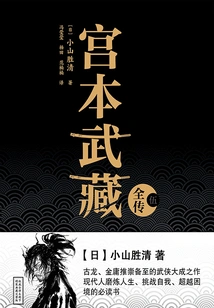
The Complete Biography of Miyamoto Musashi (5)
General Fiction宫本武藏全传(伍)
J
Miyamoto Musashi, a well-known legend in Japan. A Japanese swordsman, strategist, and artist from the late Warring States Period to the early Edo Period. In the hearts of the Japanese, Miyamoto Musashi is a strong man, a wise man, a philosopher, a martial artist, and the eternal winner. We have only read half of "Miyamoto Musashi" so far. "Miyamoto Musashi" by Eiji Yoshikawa is actually just a prequel to "The Complete Biography of Miyamoto Musashi", and "Miyamoto Musashi" by Koyama Katsuki is its postquel. Only by reading the complete "The Complete Biography of Miyamoto Musashi" can we understand the real Miyamoto Musashi. This book describes the complete life legend of the sword master Miyamoto Musashi, reveals the spiritual code and cultural spirit of the Japanese nation, awakens sensitive, impetuous, and weak modern people, and regains the strong mental outlook, dreams and sincere pursuit of life possessed by human beings. It is a must-read for modern people to temper their lives, challenge themselves, and overcome difficulties. The book has a total of five volumes. "The Complete Biography of Miyamoto Musashi·Five" contains the contents of three volumes: Shimabara Volume, Kumamoto Volume, and Destiny Volume.
Miyamoto Musashi, a well-known legend in Japan. A Japanese swordsman, strategist, and artist from the late Warring States Period to the early Edo Period. In the hearts of the Japanese, Miyamoto Musashi is a strong man, a wise man, a philosopher, a martial artist, and the eternal winner. We have only read half of "Miyamoto Musashi" so far. "Miyamoto Musashi" by Eiji Yoshikawa is actually just a prequel to "The Complete Biography of Miyamoto Musashi", and "Miyamoto Musashi" by Koyama Katsuki is its postquel. Only by reading the complete "The Complete Biography of Miyamoto Musashi" can we understand the real Miyamoto Musashi. This book describes the complete life legend of the sword master Miyamoto Musashi, reveals the spiritual code and cultural spirit of the Japanese nation, awakens sensitive, impetuous, and weak modern people, and regains the strong mental outlook, dreams and sincere pursuit of life possessed by human beings. It is a must-read for modern people to temper their lives, challenge themselves, and overcome difficulties. The book has a total of five volumes. "The Complete Biography of Miyamoto Musashi·Five" contains the contents of three volumes: Shimabara Volume, Kumamoto Volume, and Destiny Volume.
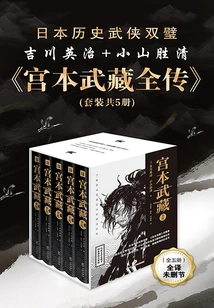
The Complete Biography of Miyamoto Musashi (complete Works)
General Fiction宫本武藏全传(全集)
L
Miyamoto Musashi, a well-known legend in Japan. A Japanese swordsman, strategist, and artist from the late Warring States Period to the early Edo Period. In the hearts of the Japanese, Miyamoto Musashi is a strong man, a wise man, a philosopher, a martial artist, and the eternal winner. We have only read half of "Miyamoto Musashi" so far. "Miyamoto Musashi" by Eiji Yoshikawa is actually just a prequel to "The Complete Biography of Miyamoto Musashi", and "Miyamoto Musashi" by Koyama Katsuki is its postquel. Only by reading the complete "The Complete Biography of Miyamoto Musashi" can we understand the real Miyamoto Musashi. This book describes the complete life legend of the sword master Miyamoto Musashi, reveals the spiritual code and cultural spirit of the Japanese nation, awakens sensitive, impetuous, and weak modern people, and regains the strong mental outlook, dreams and sincere pursuit of life possessed by human beings. It is a must-read for modern people to temper their lives, challenge themselves, and overcome difficulties.
Miyamoto Musashi, a well-known legend in Japan. A Japanese swordsman, strategist, and artist from the late Warring States Period to the early Edo Period. In the hearts of the Japanese, Miyamoto Musashi is a strong man, a wise man, a philosopher, a martial artist, and the eternal winner. We have only read half of "Miyamoto Musashi" so far. "Miyamoto Musashi" by Eiji Yoshikawa is actually just a prequel to "The Complete Biography of Miyamoto Musashi", and "Miyamoto Musashi" by Koyama Katsuki is its postquel. Only by reading the complete "The Complete Biography of Miyamoto Musashi" can we understand the real Miyamoto Musashi. This book describes the complete life legend of the sword master Miyamoto Musashi, reveals the spiritual code and cultural spirit of the Japanese nation, awakens sensitive, impetuous, and weak modern people, and regains the strong mental outlook, dreams and sincere pursuit of life possessed by human beings. It is a must-read for modern people to temper their lives, challenge themselves, and overcome difficulties.
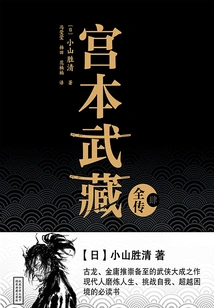
The Complete Biography of Miyamoto Musashi (iv)
General Fiction宫本武藏全传(肆)
J
Miyamoto Musashi, a well-known legend in Japan. A Japanese swordsman, strategist, and artist from the late Warring States Period to the early Edo Period. In the hearts of the Japanese, Miyamoto Musashi is a strong man, a wise man, a philosopher, a martial artist, and the eternal winner. We have only read half of "Miyamoto Musashi" so far. "Miyamoto Musashi" by Eiji Yoshikawa is actually just a prequel to "The Complete Biography of Miyamoto Musashi", and "Miyamoto Musashi" by Koyama Katsuki is its postquel. Only by reading the complete "The Complete Biography of Miyamoto Musashi" can we understand the real Miyamoto Musashi. This book describes the complete life legend of the sword master Miyamoto Musashi, reveals the spiritual code and cultural spirit of the Japanese nation, awakens sensitive, impetuous, and weak modern people, and regains the strong mental outlook, dreams and sincere pursuit of life possessed by human beings. It is a must-read for modern people to temper their lives, challenge themselves, and overcome difficulties. There are five volumes in total. "The Complete Biography of Miyamoto Musashi·4" contains the content of three volumes: the Wave Volume, the Yamame Volume, and the Edo Volume.
Miyamoto Musashi, a well-known legend in Japan. A Japanese swordsman, strategist, and artist from the late Warring States Period to the early Edo Period. In the hearts of the Japanese, Miyamoto Musashi is a strong man, a wise man, a philosopher, a martial artist, and the eternal winner. We have only read half of "Miyamoto Musashi" so far. "Miyamoto Musashi" by Eiji Yoshikawa is actually just a prequel to "The Complete Biography of Miyamoto Musashi", and "Miyamoto Musashi" by Koyama Katsuki is its postquel. Only by reading the complete "The Complete Biography of Miyamoto Musashi" can we understand the real Miyamoto Musashi. This book describes the complete life legend of the sword master Miyamoto Musashi, reveals the spiritual code and cultural spirit of the Japanese nation, awakens sensitive, impetuous, and weak modern people, and regains the strong mental outlook, dreams and sincere pursuit of life possessed by human beings. It is a must-read for modern people to temper their lives, challenge themselves, and overcome difficulties. There are five volumes in total. "The Complete Biography of Miyamoto Musashi·4" contains the content of three volumes: the Wave Volume, the Yamame Volume, and the Edo Volume.
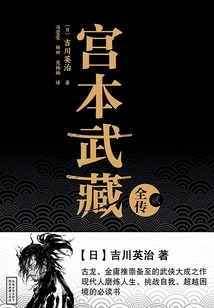
The Complete Biography of Miyamoto Musashi (2)
General Fiction宫本武藏全传(贰)
I
Miyamoto Musashi, a well-known legend in Japan. A Japanese swordsman, strategist, and artist from the late Warring States Period to the early Edo Period. In the hearts of the Japanese, Miyamoto Musashi is a strong man, a wise man, a philosopher, a martial artist, and the eternal winner. We have only read half of "Miyamoto Musashi" so far. "Miyamoto Musashi" by Eiji Yoshikawa is actually just a prequel to "The Complete Biography of Miyamoto Musashi", and "Miyamoto Musashi" by Koyama Katsuki is its postquel. Only by reading the complete "The Complete Biography of Miyamoto Musashi" can we understand the real Miyamoto Musashi. This book describes the complete life legend of the sword master Miyamoto Musashi, reveals the spiritual code and cultural spirit of the Japanese nation, awakens sensitive, impetuous, and weak modern people, and regains the strong mental outlook, dreams and sincere pursuit of life possessed by human beings. It is a must-read for modern people to temper their lives, challenge themselves, and overcome difficulties. There are five volumes in total. "The Complete Biography of Miyamoto Musashi II" contains the contents of two volumes: Wind Volume and Sky Volume.
Miyamoto Musashi, a well-known legend in Japan. A Japanese swordsman, strategist, and artist from the late Warring States Period to the early Edo Period. In the hearts of the Japanese, Miyamoto Musashi is a strong man, a wise man, a philosopher, a martial artist, and the eternal winner. We have only read half of "Miyamoto Musashi" so far. "Miyamoto Musashi" by Eiji Yoshikawa is actually just a prequel to "The Complete Biography of Miyamoto Musashi", and "Miyamoto Musashi" by Koyama Katsuki is its postquel. Only by reading the complete "The Complete Biography of Miyamoto Musashi" can we understand the real Miyamoto Musashi. This book describes the complete life legend of the sword master Miyamoto Musashi, reveals the spiritual code and cultural spirit of the Japanese nation, awakens sensitive, impetuous, and weak modern people, and regains the strong mental outlook, dreams and sincere pursuit of life possessed by human beings. It is a must-read for modern people to temper their lives, challenge themselves, and overcome difficulties. There are five volumes in total. "The Complete Biography of Miyamoto Musashi II" contains the contents of two volumes: Wind Volume and Sky Volume.
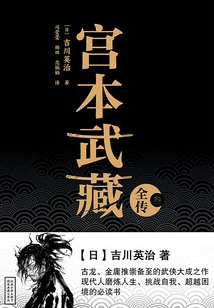
The Complete Biography of Miyamoto Musashi (3)
General Fiction宫本武藏全传(叁)
I
Miyamoto Musashi, a well-known legend in Japan. A Japanese swordsman, strategist, and artist from the late Warring States Period to the early Edo Period. In the hearts of the Japanese, Miyamoto Musashi is a strong man, a wise man, a philosopher, a martial artist, and the eternal winner. We have only read half of "Miyamoto Musashi" so far. "Miyamoto Musashi" by Eiji Yoshikawa is actually just a prequel to "The Complete Biography of Miyamoto Musashi", and "Miyamoto Musashi" by Koyama Katsuki is its postquel. Only by reading the complete "The Complete Biography of Miyamoto Musashi" can we understand the real Miyamoto Musashi. This book describes the complete life legend of the sword master Miyamoto Musashi, reveals the spiritual code and cultural spirit of the Japanese nation, awakens sensitive, impetuous, and weak modern people, and regains the strong mental outlook, dreams and sincere pursuit of life possessed by human beings. It is a must-read for modern people to temper their lives, challenge themselves, and overcome difficulties. There are five volumes in total. "The Complete Biography of Miyamoto Musashi III" contains the content of two volumes of the Two Heavens and the Yuanming Volume.
Miyamoto Musashi, a well-known legend in Japan. A Japanese swordsman, strategist, and artist from the late Warring States Period to the early Edo Period. In the hearts of the Japanese, Miyamoto Musashi is a strong man, a wise man, a philosopher, a martial artist, and the eternal winner. We have only read half of "Miyamoto Musashi" so far. "Miyamoto Musashi" by Eiji Yoshikawa is actually just a prequel to "The Complete Biography of Miyamoto Musashi", and "Miyamoto Musashi" by Koyama Katsuki is its postquel. Only by reading the complete "The Complete Biography of Miyamoto Musashi" can we understand the real Miyamoto Musashi. This book describes the complete life legend of the sword master Miyamoto Musashi, reveals the spiritual code and cultural spirit of the Japanese nation, awakens sensitive, impetuous, and weak modern people, and regains the strong mental outlook, dreams and sincere pursuit of life possessed by human beings. It is a must-read for modern people to temper their lives, challenge themselves, and overcome difficulties. There are five volumes in total. "The Complete Biography of Miyamoto Musashi III" contains the content of two volumes of the Two Heavens and the Yuanming Volume.