Library
Browse and search books
2,273 novels found
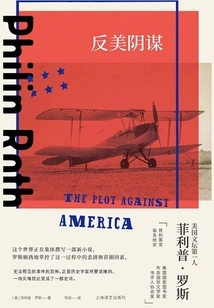
The Plot Against America (the Complete Works of Philip Roth)
General Fiction反美阴谋(菲利普·罗斯全集)
H
Philip Roth's late masterpiece, winner of the 2005 Association of American Historians "Outstanding American Historical Fiction Award". "The Plot Against America" is a shocking "counterfactual novel" that presents a semi-fictional alternative history of the United States. Philip Roth uses real details, reasonable situations, and a child's perspective to tell the story of Charles A. Lindbergh, the famous flying hero and fanatical isolationist, who overwhelmingly defeated Franklin Roosevelt in the 1940 presidential election. From then on, every Jewish American family lived in the shadow of fear. During the anti-Semitic government of Lindbergh, ordinary Jewish families living in Newark experienced years of horrific violence, and millions of Jewish families were torn apart... This post-9/11 work recreates a dark period that has been gradually forgotten by the United States, dramatically showing the lingering fear that envelopes the United States.
Philip Roth's late masterpiece, winner of the 2005 Association of American Historians "Outstanding American Historical Fiction Award". "The Plot Against America" is a shocking "counterfactual novel" that presents a semi-fictional alternative history of the United States. Philip Roth uses real details, reasonable situations, and a child's perspective to tell the story of Charles A. Lindbergh, the famous flying hero and fanatical isolationist, who overwhelmingly defeated Franklin Roosevelt in the 1940 presidential election. From then on, every Jewish American family lived in the shadow of fear. During the anti-Semitic government of Lindbergh, ordinary Jewish families living in Newark experienced years of horrific violence, and millions of Jewish families were torn apart... This post-9/11 work recreates a dark period that has been gradually forgotten by the United States, dramatically showing the lingering fear that envelopes the United States.
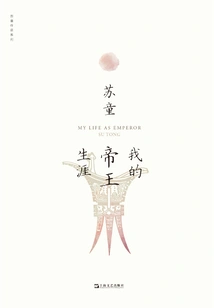
My Imperial Career
General Fiction我的帝王生涯
Su Tong
"My Life as an Emperor" is a historical novel created by Su Tongxiu using realistic techniques and modern techniques. It is also a historical story in which Su Tong used his creative imagination to build a palace at will and blended it according to his own formula. The characters of the era and dynasty are all fictitious, but the stories told are real and believable. The work adopts a first-person narrative throughout, telling the story of an ignorant prince named Duan Bai, who became the puppet king of Xie State under the control of the old queen mother's desire for power. Although he had the power of life and death over his subjects, he lived in fear and anxiety all the time. He was a political tool used by his grandmother and mother. He wanted to resist but was unable to do so. A person who should not be an emperor, a person who has no ambition to be an emperor and is incapable of being an emperor became the emperor. No wonder Duan Bai and the crazy old palace servant Sun Xin repeated an ominous saying again and again, and the disaster of the country was coming! Disaster will strike at any time, and Duan Bai has always had a deep shadow in his heart, so he is sad and helpless. The whole novel is full of elegiac sentimentality, and is poignant.
"My Life as an Emperor" is a historical novel created by Su Tongxiu using realistic techniques and modern techniques. It is also a historical story in which Su Tong used his creative imagination to build a palace at will and blended it according to his own formula. The characters of the era and dynasty are all fictitious, but the stories told are real and believable. The work adopts a first-person narrative throughout, telling the story of an ignorant prince named Duan Bai, who became the puppet king of Xie State under the control of the old queen mother's desire for power. Although he had the power of life and death over his subjects, he lived in fear and anxiety all the time. He was a political tool used by his grandmother and mother. He wanted to resist but was unable to do so. A person who should not be an emperor, a person who has no ambition to be an emperor and is incapable of being an emperor became the emperor. No wonder Duan Bai and the crazy old palace servant Sun Xin repeated an ominous saying again and again, and the disaster of the country was coming! Disaster will strike at any time, and Duan Bai has always had a deep shadow in his heart, so he is sad and helpless. The whole novel is full of elegiac sentimentality, and is poignant.
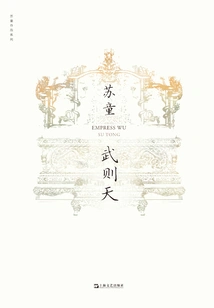
Wu Zetian
General Fiction武则天
Su Tong
Su Tong is an extremely talented writer with one-of-a-kind sensibility and imagination. He uses delicate and ghostly words to depict the tortuous fate of Wu Zetian, the most powerful woman in Chinese history, hinting at the bloodshed, cruelty and heaviness of history. The compassionate and imaginative words of "Wu Zetian" restore historical details and create emotional resonance for readers.
Su Tong is an extremely talented writer with one-of-a-kind sensibility and imagination. He uses delicate and ghostly words to depict the tortuous fate of Wu Zetian, the most powerful woman in Chinese history, hinting at the bloodshed, cruelty and heaviness of history. The compassionate and imaginative words of "Wu Zetian" restore historical details and create emotional resonance for readers.
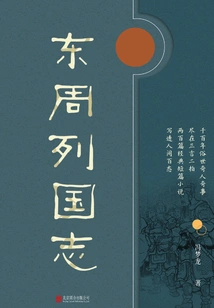
有间文库:东周列国志
H
"Records of the Kingdoms of the Eastern Zhou Dynasty" is a famous vernacular historical romance novel of the Ming Dynasty. It takes the Five Hegemons of the Spring and Autumn Period and the Seven Heroes of the Warring States Period as the main line, describing the history of more than 500 years from the end of the Western Zhou Dynasty to the unification of the six kingdoms by the Qin Dynasty. This is a novel with the longest time span and the most characters in ancient and modern times, both at home and abroad.
"Records of the Kingdoms of the Eastern Zhou Dynasty" is a famous vernacular historical romance novel of the Ming Dynasty. It takes the Five Hegemons of the Spring and Autumn Period and the Seven Heroes of the Warring States Period as the main line, describing the history of more than 500 years from the end of the Western Zhou Dynasty to the unification of the six kingdoms by the Qin Dynasty. This is a novel with the longest time span and the most characters in ancient and modern times, both at home and abroad.
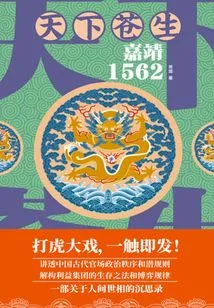
All the People in the World: Jiajing 1562
General Fiction天下苍生:嘉靖1562
Xiao Sheng
During the Jiajing period of the Ming Dynasty, Gao Gong was promoted to the imperial censor of the Zuodu of the Metropolitan Procuratorate. He wanted to bring down Yan Song, so he vigorously combated corruption. In order to cover up the fact of corruption, Yan Song cooperated with the court and wanted to put on a show for Emperor Jiajing, so he sent Yan Maoqing, the deputy censor of the Metropolitan Procuratorate, to Zhejiang. The purpose was to control the situation while fighting corruption, so as to avoid getting out of hand. Chun'an, Zhejiang Province has been undergoing flood control every year, and the people have been suffering from floods every year. They finally hoped that someone from the top would come to clean up the officialdom, but what they didn't expect was a political show...
During the Jiajing period of the Ming Dynasty, Gao Gong was promoted to the imperial censor of the Zuodu of the Metropolitan Procuratorate. He wanted to bring down Yan Song, so he vigorously combated corruption. In order to cover up the fact of corruption, Yan Song cooperated with the court and wanted to put on a show for Emperor Jiajing, so he sent Yan Maoqing, the deputy censor of the Metropolitan Procuratorate, to Zhejiang. The purpose was to control the situation while fighting corruption, so as to avoid getting out of hand. Chun'an, Zhejiang Province has been undergoing flood control every year, and the people have been suffering from floods every year. They finally hoped that someone from the top would come to clean up the officialdom, but what they didn't expect was a political show...
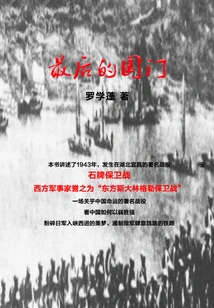
The Last National Gate
General Fiction最后的国门
Luo Xuepeng
"The Last Gate" is the key work of the Chinese Writers Association in 2014. The work describes how after the fall of Wuhan in October 1938, the arrogant Japanese army adjusted its strategy towards China and attempted to solve the China problem through military offensive and political surrender. At the same time, Japan launched the Suizao Battle and Zaoyi Battle to sweep the outskirts of Chongqing in 1939 and 1940 respectively, and carried out indiscriminate bombing of Chongqing, its capital during the war, to undermine the Chinese government's will to resist the war. At a time when the survival of the Chinese nation was at stake, the Kuomintang and the Communist Party achieved their second cooperation. In 1943, Chen Cheng commanded the Battle of Western Hubei and inflicted heavy damage on the Japanese army. It shattered the Japanese military's strategic attempt to induce political surrender through military offensive and greatly boosted the morale of the anti-Japanese war. Known as China's "Battle of Stalingrad" in the summer of 1943, the Battle of Shipai to defend China's wartime capital Chongqing finally ended in victory when the Japanese army was defeated and the Chinese army annihilated more than 20,000 Japanese troops.
"The Last Gate" is the key work of the Chinese Writers Association in 2014. The work describes how after the fall of Wuhan in October 1938, the arrogant Japanese army adjusted its strategy towards China and attempted to solve the China problem through military offensive and political surrender. At the same time, Japan launched the Suizao Battle and Zaoyi Battle to sweep the outskirts of Chongqing in 1939 and 1940 respectively, and carried out indiscriminate bombing of Chongqing, its capital during the war, to undermine the Chinese government's will to resist the war. At a time when the survival of the Chinese nation was at stake, the Kuomintang and the Communist Party achieved their second cooperation. In 1943, Chen Cheng commanded the Battle of Western Hubei and inflicted heavy damage on the Japanese army. It shattered the Japanese military's strategic attempt to induce political surrender through military offensive and greatly boosted the morale of the anti-Japanese war. Known as China's "Battle of Stalingrad" in the summer of 1943, the Battle of Shipai to defend China's wartime capital Chongqing finally ended in victory when the Japanese army was defeated and the Chinese army annihilated more than 20,000 Japanese troops.
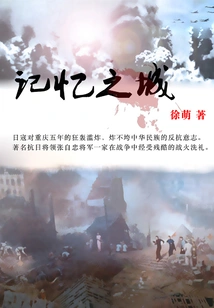
City of Memory
General Fiction记忆之城
Xu Meng
In the spring of 1937 in Peiping, a postman sent a letter to Miss Zhou Minrou of the Zhou family. The letter was written by her fiancé Zhu Jinmo, who was studying in Japan. Zhu Jinmo expressed his longing for Minrou in the letter. Japan was like a high-speed war machine. At this time, the country must have There will be many people fighting for the future of the nation... This book tells the joys and sorrows of a loyal and brave family under the background of the Chongqing bombing, a lingering love story, and shows the strong spiritual power of a nation in the face of the Japanese invaders through the heroic stories of several sons and daughters of a family. This is both a clever piece of work and a heavy piece of work. It puts the fourteen-year history of the Anti-Japanese War in a family, and family members take on the task of telling the history, successfully resolving the conflict between history and stories. The whole book shows a tenacious will to survive and a strong spiritual temperament, with a passion that is both proud and sad.
In the spring of 1937 in Peiping, a postman sent a letter to Miss Zhou Minrou of the Zhou family. The letter was written by her fiancé Zhu Jinmo, who was studying in Japan. Zhu Jinmo expressed his longing for Minrou in the letter. Japan was like a high-speed war machine. At this time, the country must have There will be many people fighting for the future of the nation... This book tells the joys and sorrows of a loyal and brave family under the background of the Chongqing bombing, a lingering love story, and shows the strong spiritual power of a nation in the face of the Japanese invaders through the heroic stories of several sons and daughters of a family. This is both a clever piece of work and a heavy piece of work. It puts the fourteen-year history of the Anti-Japanese War in a family, and family members take on the task of telling the history, successfully resolving the conflict between history and stories. The whole book shows a tenacious will to survive and a strong spiritual temperament, with a passion that is both proud and sad.
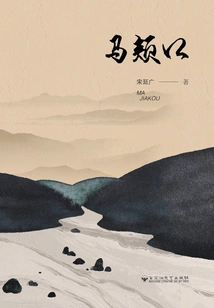
Horse Cheek Mouth
General Fiction马颊口
Song Yanguang
The story takes place by the Majia River in Beien County, Lu. It reflects the tortuous lives of ordinary people Zhang Sanbiao, Feng Chuner and others in western Shandong Province since the Anti-Japanese War. They experienced the liberation war, the war to resist U. S. Aggression and aid Korea, and the land reform period and struggled with their fate. The process from a confused life to self-awakening shows the love, hatred and enthusiasm of ordinary people for serving the country.
The story takes place by the Majia River in Beien County, Lu. It reflects the tortuous lives of ordinary people Zhang Sanbiao, Feng Chuner and others in western Shandong Province since the Anti-Japanese War. They experienced the liberation war, the war to resist U. S. Aggression and aid Korea, and the land reform period and struggled with their fate. The process from a confused life to self-awakening shows the love, hatred and enthusiasm of ordinary people for serving the country.
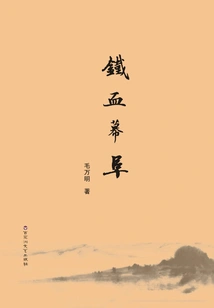
Iron-blooded Curtain
General Fiction铁血幕阜
Mao Wanming
"Iron Blood Mufu" starts from the early revolutionary activities in Mufu Mountain District in Pingjiang in 1928 during the "March Attack on the City" to 1954 when the last bandit in Mufu Mountain District was suppressed by the people's government. By shaping the revolutionary image of three generations of Wang Erlong's family who are not afraid of sacrifice, and the revolutionary image of Wang Erlong, Huang Shicheng and Li Yuegui, The story of Yang Xiuqing and Yang Xiuqing, who were fellow villagers and classmates when they were young, fell in love with each other, but were later separated by fate and became sworn enemies. They suppressed Yang Xiuqing without hesitation, reflecting the bloody and bloody struggle in Mufu Mountain and the huge sacrifices made by the people of Mufu Mountain to win victory.
"Iron Blood Mufu" starts from the early revolutionary activities in Mufu Mountain District in Pingjiang in 1928 during the "March Attack on the City" to 1954 when the last bandit in Mufu Mountain District was suppressed by the people's government. By shaping the revolutionary image of three generations of Wang Erlong's family who are not afraid of sacrifice, and the revolutionary image of Wang Erlong, Huang Shicheng and Li Yuegui, The story of Yang Xiuqing and Yang Xiuqing, who were fellow villagers and classmates when they were young, fell in love with each other, but were later separated by fate and became sworn enemies. They suppressed Yang Xiuqing without hesitation, reflecting the bloody and bloody struggle in Mufu Mountain and the huge sacrifices made by the people of Mufu Mountain to win victory.
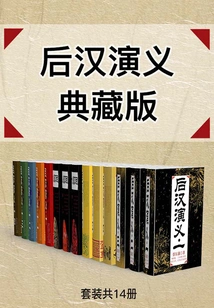
后汉演义典藏版(套装共14册)
Cai Dongfan
Cai Dongpan's chapter-backward novel begins with Wang Mang's usurpation of the Han Dynasty and ends with the fall of the Shu Han Dynasty. It reproduces the short-term rule of the New Dynasty, the rise and fall of the Han Empire at its second peak, and the era of disputes between heroes and the establishment of the Three Kingdoms after the Yellow Turban Rebellion. Summarizing the rise and fall of the Later Han Dynasty, there were more complicated factors than those of the Early Han Dynasty: Wang Mang usurped the country, and the trouble was caused by the Yuan Dynasty and his relatives. Guangwu Zhongxing, punishing the past and ignoring the future, took over the power personally and tried to prevent foreign influence from interfering with the government; Emperor Ming was particularly paternal, and Emperor Zhang was impressive in his early administration. After he was emperor, the state affairs became increasingly unstable, with relatives and eunuchs fighting, and the power of the country was controlled by state pastors. The heroes competed for hegemony, and the weak and the strong preyed on each other, so there were three kingdoms.
Cai Dongpan's chapter-backward novel begins with Wang Mang's usurpation of the Han Dynasty and ends with the fall of the Shu Han Dynasty. It reproduces the short-term rule of the New Dynasty, the rise and fall of the Han Empire at its second peak, and the era of disputes between heroes and the establishment of the Three Kingdoms after the Yellow Turban Rebellion. Summarizing the rise and fall of the Later Han Dynasty, there were more complicated factors than those of the Early Han Dynasty: Wang Mang usurped the country, and the trouble was caused by the Yuan Dynasty and his relatives. Guangwu Zhongxing, punishing the past and ignoring the future, took over the power personally and tried to prevent foreign influence from interfering with the government; Emperor Ming was particularly paternal, and Emperor Zhang was impressive in his early administration. After he was emperor, the state affairs became increasingly unstable, with relatives and eunuchs fighting, and the power of the country was controlled by state pastors. The heroes competed for hegemony, and the weak and the strong preyed on each other, so there were three kingdoms.
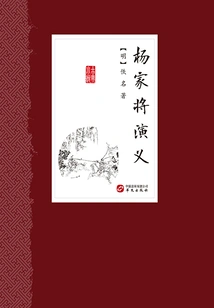
Romance of the Yang Family
General Fiction杨家将演义
J
"The Romance of the Generals of the Yang Family\u002F Classical Library" is a historical romance novel full of patriotic passion. It tells the legendary story of the Yang Ye family in the early Northern Song Dynasty, who were loyal from generation to generation and resisted the invasion of Liao and Xixia. The novel focuses on describing the heroic feats of Yang Ye and his descendants who sacrificed their lives for the country at a time of national crisis, and the magnificent historical picture of the era's fight against foreign invasion. It has created a number of vivid characters and is deeply loved by people. Among the novels of the Yang Family Generals series, "The Romance of the Yang Family Generals" can be regarded as a Dingding production. Various novels and opera works of the Yang Family Generals that have appeared since then have been perfunctory, expanded, and adapted on the basis of it.
"The Romance of the Generals of the Yang Family\u002F Classical Library" is a historical romance novel full of patriotic passion. It tells the legendary story of the Yang Ye family in the early Northern Song Dynasty, who were loyal from generation to generation and resisted the invasion of Liao and Xixia. The novel focuses on describing the heroic feats of Yang Ye and his descendants who sacrificed their lives for the country at a time of national crisis, and the magnificent historical picture of the era's fight against foreign invasion. It has created a number of vivid characters and is deeply loved by people. Among the novels of the Yang Family Generals series, "The Romance of the Yang Family Generals" can be regarded as a Dingding production. Various novels and opera works of the Yang Family Generals that have appeared since then have been perfunctory, expanded, and adapted on the basis of it.
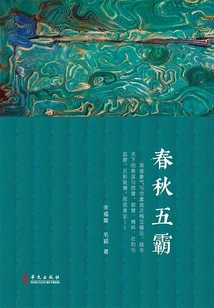
Five Hegemons of Spring and Autumn Period
General Fiction春秋五霸
Song Fuju Mao Ying
The Spring and Autumn Period was a turbulent period in Chinese history characterized by rapid socio-economic changes, complex political situations, endless military struggles, and dazzling academic and cultural splendor. In this turbulent period of the collapse of rituals, the decline of the royal family, constant disputes among princes, and chaos in the world, five remarkable strong men - Qi Huan, Song Xiang, Qin Mu, Jin Wen, and Chu Zhuang - successively stepped onto the stage of history, known as the "Five Hegemons of the Spring and Autumn Period". Open this book and see the five heroes using their people and wisdom to control the battlefield, conquer the battlefield, and plan the grand plan for world domination!
The Spring and Autumn Period was a turbulent period in Chinese history characterized by rapid socio-economic changes, complex political situations, endless military struggles, and dazzling academic and cultural splendor. In this turbulent period of the collapse of rituals, the decline of the royal family, constant disputes among princes, and chaos in the world, five remarkable strong men - Qi Huan, Song Xiang, Qin Mu, Jin Wen, and Chu Zhuang - successively stepped onto the stage of history, known as the "Five Hegemons of the Spring and Autumn Period". Open this book and see the five heroes using their people and wisdom to control the battlefield, conquer the battlefield, and plan the grand plan for world domination!
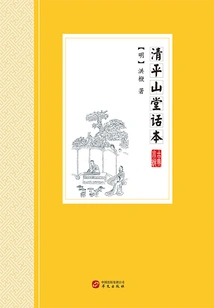
Qingpingshantang Storybook
General Fiction清平山堂话本
Hong Chu
When it comes to ancient Chinese short story collections, people will think of "three words and two beats", and maybe there are a few more (such as "Qing Ping Shan Tang Hua Ben", "Jingben Popular Novels", "Two Words and Two Shots", etc.). Indeed, in addition to the most famous "Three Words and Two Patterns", there are dozens of ancient Chinese popular short story collections that have the value of introduction and inheritance. They are also representations of the spirit and wisdom of the ancients, and they are also a precious literary heritage for us. However, they have been covered up under the light of "Three Words and Two Patterns" and have not been fully introduced to the general readership. The creative achievements of ancient popular short stories have indelible significance in the history of ancient Chinese novels.
When it comes to ancient Chinese short story collections, people will think of "three words and two beats", and maybe there are a few more (such as "Qing Ping Shan Tang Hua Ben", "Jingben Popular Novels", "Two Words and Two Shots", etc.). Indeed, in addition to the most famous "Three Words and Two Patterns", there are dozens of ancient Chinese popular short story collections that have the value of introduction and inheritance. They are also representations of the spirit and wisdom of the ancients, and they are also a precious literary heritage for us. However, they have been covered up under the light of "Three Words and Two Patterns" and have not been fully introduced to the general readership. The creative achievements of ancient popular short stories have indelible significance in the history of ancient Chinese novels.
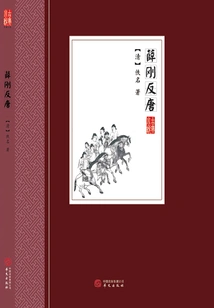
Xue Gang Rebelled Against Tang Dynasty
General Fiction薛刚反唐
J
It is said that in the Tang Dynasty, Xue Dingshan, son of Xue Rengui, was killed by the treacherous minister Zhang Tai, and his whole family was executed. Xue Dingshan's eldest son, Xue Meng, was trapped in feudal morality, foolishly loyal and foolishly filial, and finally became a victim of the feudal system. Xue Dingshan's third son, Xue Gang, was a strong man and refused to give in. He finally rebelled against the Tang Dynasty and avenged a bloody feud so that justice could be done. The characters of Xue Gang and Xue Meng are in sharp contrast here.
It is said that in the Tang Dynasty, Xue Dingshan, son of Xue Rengui, was killed by the treacherous minister Zhang Tai, and his whole family was executed. Xue Dingshan's eldest son, Xue Meng, was trapped in feudal morality, foolishly loyal and foolishly filial, and finally became a victim of the feudal system. Xue Dingshan's third son, Xue Gang, was a strong man and refused to give in. He finally rebelled against the Tang Dynasty and avenged a bloody feud so that justice could be done. The characters of Xue Gang and Xue Meng are in sharp contrast here.
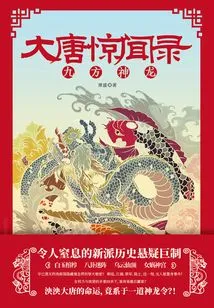
大唐惊闻录:九方神龙
Xiao Sheng
The Yelang Kingdom was once a small border country in southwest China during the Han Dynasty. It later developed rapidly, and its territory expanded to Sichuan, Yunnan, Guizhou, and Hunan. In order to stabilize the political power, Emperor Cheng of the Han Dynasty sent heavy troops to conquer the Yelang Kingdom, and the Yelang Kingdom was defeated. After that war, the kingdom that once ruled the southwest region mysteriously disappeared overnight. No one knows how it disappeared, and naturally no one knows why it disappeared overnight, leaving only countless legends, the dragon order that can command the world, and treasures that can make the country rich. An Lushan, Li Longji, Li Heng, Li Lin, Meihuawei, Lijingmen and other forces were involved in the search for the Shenlong Order. A war between father and son, brother and brother, officially started under the intersection of power.
The Yelang Kingdom was once a small border country in southwest China during the Han Dynasty. It later developed rapidly, and its territory expanded to Sichuan, Yunnan, Guizhou, and Hunan. In order to stabilize the political power, Emperor Cheng of the Han Dynasty sent heavy troops to conquer the Yelang Kingdom, and the Yelang Kingdom was defeated. After that war, the kingdom that once ruled the southwest region mysteriously disappeared overnight. No one knows how it disappeared, and naturally no one knows why it disappeared overnight, leaving only countless legends, the dragon order that can command the world, and treasures that can make the country rich. An Lushan, Li Longji, Li Heng, Li Lin, Meihuawei, Lijingmen and other forces were involved in the search for the Shenlong Order. A war between father and son, brother and brother, officially started under the intersection of power.

Chen Yaozuo, Prime Minister of the Song Dynasty
General Fiction大宋宰相陈尧佐
Endorsement
Among the three brothers Chen Yaosou, Chen Yaozuo and Chen Yaozi, Chen Yaozuo ranked second. The eldest brother was Chen Yaosu and the younger brother was Chen Yaozi. The father of the three brothers is Chen Shenghua, and Chen Shenghua's great-grandfather is Chen Xiang, whose ancestral home is Inner Mongolia. Chen Xiang was originally the secretary of the Ming Dynasty in the late Tang Dynasty. He later followed Wang Jian, the founding emperor of Shu, to Sichuan and worked beside Wang Jian. In order to dissuade Wang Jian from proclaiming himself emperor, he disobeyed Wang Jian's original intention and was sent to Xinjing as the county magistrate. Xinjing County was under the jurisdiction of Langzhong County, Langzhou at that time. It was named Xinjing because of the many salt wells in its territory. Ancient Xinjing is now Xinjing Village, Daqiao Town, southern Sichuan County.
Among the three brothers Chen Yaosou, Chen Yaozuo and Chen Yaozi, Chen Yaozuo ranked second. The eldest brother was Chen Yaosu and the younger brother was Chen Yaozi. The father of the three brothers is Chen Shenghua, and Chen Shenghua's great-grandfather is Chen Xiang, whose ancestral home is Inner Mongolia. Chen Xiang was originally the secretary of the Ming Dynasty in the late Tang Dynasty. He later followed Wang Jian, the founding emperor of Shu, to Sichuan and worked beside Wang Jian. In order to dissuade Wang Jian from proclaiming himself emperor, he disobeyed Wang Jian's original intention and was sent to Xinjing as the county magistrate. Xinjing County was under the jurisdiction of Langzhong County, Langzhou at that time. It was named Xinjing because of the many salt wells in its territory. Ancient Xinjing is now Xinjing Village, Daqiao Town, southern Sichuan County.
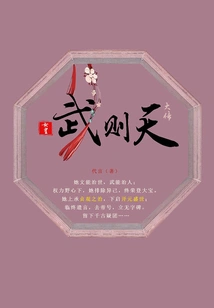
The Queen: the Great Biography of Wu Zetian
General Fiction女皇:武则天大传
Endorsement
She was capable of literature and martial arts, and practiced Confucianism as well as Buddhism and Taoism; she was benevolent and righteous, but she was ruthless; driven by ambition for power, she eliminated dissidents and eventually became a great treasure; she inherited the rule of Zhenguan and ushered in the prosperous Kaiyuan era; her last words were to remove the title of emperor and erect an unmarked monument. , Leaving an eternal mystery... Wu Zetian, the only orthodox female emperor in Chinese history, the author wrote from the age of 0 to 83. On the basis of history, he constructed lifelike scenes and reproduced the legendary life story of the empress Wu Zetian.
She was capable of literature and martial arts, and practiced Confucianism as well as Buddhism and Taoism; she was benevolent and righteous, but she was ruthless; driven by ambition for power, she eliminated dissidents and eventually became a great treasure; she inherited the rule of Zhenguan and ushered in the prosperous Kaiyuan era; her last words were to remove the title of emperor and erect an unmarked monument. , Leaving an eternal mystery... Wu Zetian, the only orthodox female emperor in Chinese history, the author wrote from the age of 0 to 83. On the basis of history, he constructed lifelike scenes and reproduced the legendary life story of the empress Wu Zetian.
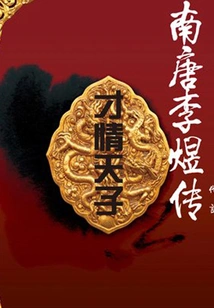
才情天子南唐李煜传
Endorsement
I don't know why I want to write about Li Yu. It's true that he is an emperor, but there are many emperors in Chinese history, countless, but he is the most talented emperor in Chinese history. The only person who could rival Li Yu in talent was the later Song Huizong Zhao Ji, but Song Huizong's talent was far inferior to that of Li Yu, and his literary achievements were even less comparable.
I don't know why I want to write about Li Yu. It's true that he is an emperor, but there are many emperors in Chinese history, countless, but he is the most talented emperor in Chinese history. The only person who could rival Li Yu in talent was the later Song Huizong Zhao Ji, but Song Huizong's talent was far inferior to that of Li Yu, and his literary achievements were even less comparable.
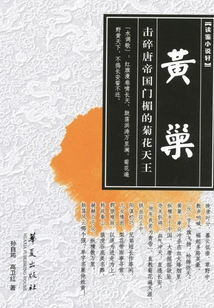
Huangchao
General Fiction黄巢
Sun Ziyun Gao Weihong
This historical novel is based on the historical background of the Huang Chao Uprising and the personal experiences, personality traits and historical evaluations of the main characters such as Huang Chao, Wang Xianzhi, Zhu Wen, Li Zhang and Tian Lingzi. It is an artistic interpretation based on historical evaluation. He also fictionalized other characters such as Meng Xueniang and Pang Ying, as well as the love entanglements between Yu Xuanji, Pi Rixiu and Sikong Tu...
This historical novel is based on the historical background of the Huang Chao Uprising and the personal experiences, personality traits and historical evaluations of the main characters such as Huang Chao, Wang Xianzhi, Zhu Wen, Li Zhang and Tian Lingzi. It is an artistic interpretation based on historical evaluation. He also fictionalized other characters such as Meng Xueniang and Pang Ying, as well as the love entanglements between Yu Xuanji, Pi Rixiu and Sikong Tu...
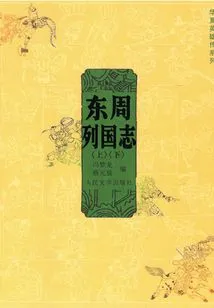
Chronicles of the Eastern Zhou Dynasties
General Fiction东周列国志
Edited By Feng Menglong, Cai Yuanfang, And Edited By Huang Jun
"The Chronicles of the Kingdoms of the Eastern Zhou Dynasty" is a historical romance novel in ancient China, written by Feng Menglong, a novelist in the late Ming Dynasty. This novel is written in ancient vernacular and mainly describes the history of more than 500 years from the period of King Xuan of the Western Zhou Dynasty to the unification of the six countries by Qin Shihuang.
"The Chronicles of the Kingdoms of the Eastern Zhou Dynasty" is a historical romance novel in ancient China, written by Feng Menglong, a novelist in the late Ming Dynasty. This novel is written in ancient vernacular and mainly describes the history of more than 500 years from the period of King Xuan of the Western Zhou Dynasty to the unification of the six countries by Qin Shihuang.
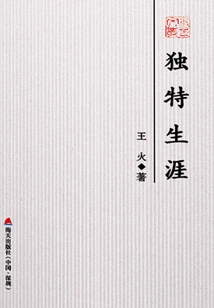
Unique Career
General Fiction独特生涯
Wang Huo
Wang Huo (Wang Hongpu) was born in Shanghai in 1924. He graduated from the Journalism Department of Fudan University in 1948 and worked as a teaching assistant and reporter for Mr. Chen Wangdao. After the founding of the People's Republic of China, he participated in the establishment of two publishing houses and three magazines in Shanghai, Beijing and Chengdu. Ren, the group leader, has attended international writers conferences and visited Taiwan, China and many European countries. He is currently an honorary member of the Chinese Writers Association and honorary chairman of the Sichuan Publishing Association. His works have won many awards, and his novel "War and People" trilogy won the National Book Award and the Mao Dun Literary Award. "Unique Career" is divided into three volumes, namely "Memoirs", "Witnesses", "Unforgettable Memories" and "Narrations". The time span is from the beginning of the Anti-Japanese War to the present. Among them are everything from narrowly escaping death during the Anti-Japanese War to interviews about the Nanjing Massacre after the victory of the Anti-Japanese War, trials of Chinese and Japanese war criminals and traitors, and interactions with celebrities such as Yu Youren and Hu Shi. The writing is elegant and profound.
Wang Huo (Wang Hongpu) was born in Shanghai in 1924. He graduated from the Journalism Department of Fudan University in 1948 and worked as a teaching assistant and reporter for Mr. Chen Wangdao. After the founding of the People's Republic of China, he participated in the establishment of two publishing houses and three magazines in Shanghai, Beijing and Chengdu. Ren, the group leader, has attended international writers conferences and visited Taiwan, China and many European countries. He is currently an honorary member of the Chinese Writers Association and honorary chairman of the Sichuan Publishing Association. His works have won many awards, and his novel "War and People" trilogy won the National Book Award and the Mao Dun Literary Award. "Unique Career" is divided into three volumes, namely "Memoirs", "Witnesses", "Unforgettable Memories" and "Narrations". The time span is from the beginning of the Anti-Japanese War to the present. Among them are everything from narrowly escaping death during the Anti-Japanese War to interviews about the Nanjing Massacre after the victory of the Anti-Japanese War, trials of Chinese and Japanese war criminals and traitors, and interactions with celebrities such as Yu Youren and Hu Shi. The writing is elegant and profound.
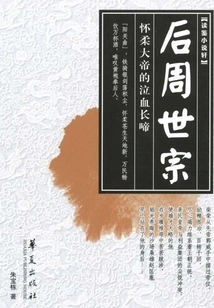
Later Zhou Shizong
General Fiction后周世宗
Zhu Baodong
Chai Rong took over the throne from Guo Wei, the Great Emperor of the Later Zhou Dynasty, and worked hard to govern, making thousands of changes, and doing his best to maintain the orthodoxy of the dynasty. The sharp conflict between the people-friendly emperor and the interest groups made him trudge forward with difficulty. Zhao Kuangyin, a battlefield prodigy who kept a low profile and bided his time, was already standing behind him... Chai Rong took over the throne from Guo Wei, the great emperor of the Later Zhou Dynasty, and worked hard to govern, turning thousands of times, and doing his best to maintain the orthodoxy of the dynasty. The sharp conflict between the pro-people emperor and the interest groups made him trudge forward with difficulty. Zhao Kuangyin, a battlefield prodigy who kept a low profile and bided his time, was already standing behind him...
Chai Rong took over the throne from Guo Wei, the Great Emperor of the Later Zhou Dynasty, and worked hard to govern, making thousands of changes, and doing his best to maintain the orthodoxy of the dynasty. The sharp conflict between the people-friendly emperor and the interest groups made him trudge forward with difficulty. Zhao Kuangyin, a battlefield prodigy who kept a low profile and bided his time, was already standing behind him... Chai Rong took over the throne from Guo Wei, the great emperor of the Later Zhou Dynasty, and worked hard to govern, turning thousands of times, and doing his best to maintain the orthodoxy of the dynasty. The sharp conflict between the pro-people emperor and the interest groups made him trudge forward with difficulty. Zhao Kuangyin, a battlefield prodigy who kept a low profile and bided his time, was already standing behind him...
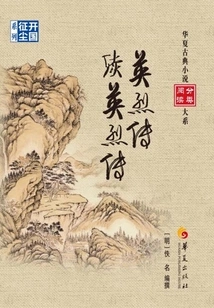
The Legend of Heroes Continues the Legend of Heroes
General Fiction英烈传 续英烈传
(ming Dynasty) Anonymous Compilation
"The Legend of Heroes" describes the legendary deeds of Zhu Yuanzhang, the founder of the Ming Dynasty. "The Heroes of the Ming Dynasty" depicts the transformation of human nature under the impact of power, fame and wealth, with detailed renderings and rich drama. It contains undying love and the abnormal love that turns into hatred. The bloodshed in the palace, the struggle for power, the plot is surprisingly mysterious and touching, and the exciting martial arts are exciting. "Continued Biography of Heroes and Martyrs" narrates that after the death of Ming Taizu Zhu Yuanzhang, his grandson Emperor Jianwen ascended the throne, and Yan King Zhu Di launched an army to quell Jingnan in the name of "Qing Jun Side". This led to Emperor Jianwen leaving and King Yan usurping the throne. The novel ends with Emperor Jianwen becoming a monk and being welcomed into the imperial family when he became orthodox.
"The Legend of Heroes" describes the legendary deeds of Zhu Yuanzhang, the founder of the Ming Dynasty. "The Heroes of the Ming Dynasty" depicts the transformation of human nature under the impact of power, fame and wealth, with detailed renderings and rich drama. It contains undying love and the abnormal love that turns into hatred. The bloodshed in the palace, the struggle for power, the plot is surprisingly mysterious and touching, and the exciting martial arts are exciting. "Continued Biography of Heroes and Martyrs" narrates that after the death of Ming Taizu Zhu Yuanzhang, his grandson Emperor Jianwen ascended the throne, and Yan King Zhu Di launched an army to quell Jingnan in the name of "Qing Jun Side". This led to Emperor Jianwen leaving and King Yan usurping the throne. The novel ends with Emperor Jianwen becoming a monk and being welcomed into the imperial family when he became orthodox.
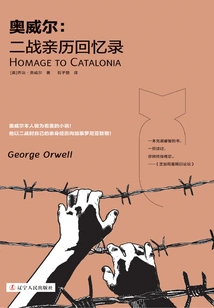
Orwell: a Memoir of His Experience in World War Ii
General Fiction奥威尔:二战亲历回忆录
George Orwell
"Orwell: A Memoir of a Personal Experience in World War II" was written when the Spanish Civil War broke out in 1936. Orwell joined the militia in Catalonia, Spain. "Orwell: A Memoir of a Personal Experience of World War II" is based on this experience. As a witness of the war, he recorded the cruelty of the war, the changes in the situation, the distortion of the media, the crisis of faith, etc. The author of "Orwell: A Memoir of a Personal Experience of World War II" calmly analyzes the appearance and essence of war, making people more convinced of the noble qualities of human beings.
"Orwell: A Memoir of a Personal Experience in World War II" was written when the Spanish Civil War broke out in 1936. Orwell joined the militia in Catalonia, Spain. "Orwell: A Memoir of a Personal Experience of World War II" is based on this experience. As a witness of the war, he recorded the cruelty of the war, the changes in the situation, the distortion of the media, the crisis of faith, etc. The author of "Orwell: A Memoir of a Personal Experience of World War II" calmly analyzes the appearance and essence of war, making people more convinced of the noble qualities of human beings.
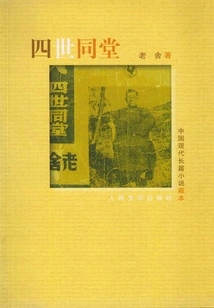
Four Generations Living under One Roof
General Fiction四世同堂
Lao She
This book is a classic of modern Chinese novels and one of Mr. Lao She's masterpieces. Against the background of the outbreak of the Marco Polo Bridge Incident and the fall of Peking, the novel takes the life of four generations of the Qi family as the main line. It vividly and truly depicts the ups and downs, life and death of all classes and people of all colors represented by the residents of Xiaoyangquan Hutong, and is full of epic style. Lao She said that this novel is the longest and probably the best book he has written since he started writing. It was selected as one of the "Top 100 Chinese Novels of the 20th Century" by Asia Weekly.
This book is a classic of modern Chinese novels and one of Mr. Lao She's masterpieces. Against the background of the outbreak of the Marco Polo Bridge Incident and the fall of Peking, the novel takes the life of four generations of the Qi family as the main line. It vividly and truly depicts the ups and downs, life and death of all classes and people of all colors represented by the residents of Xiaoyangquan Hutong, and is full of epic style. Lao She said that this novel is the longest and probably the best book he has written since he started writing. It was selected as one of the "Top 100 Chinese Novels of the 20th Century" by Asia Weekly.
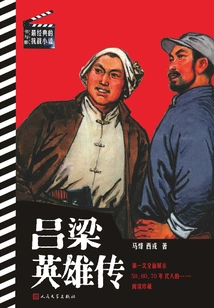
The Heroes of Luliang
General Fiction吕梁英雄传
Ma Feng Xirong
"The Biography of the Heroes of Luliang" is my country's first full-length novel, co-authored by the famous contemporary writers Ma Feng and Xirong, which reflects the resistance of the entire nation led by the Communist Party of China against the Japanese invaders and was published during the Anti-Japanese War. It is a true portrayal of the revolutionary history of Luliang. In 1950, Beijing Film Studio adapted this novel into the movie "Heroes of Luliang". In 2004, director He Qun, producer Zhang Jizhong and others adapted the novel into a TV series of the same name.
"The Biography of the Heroes of Luliang" is my country's first full-length novel, co-authored by the famous contemporary writers Ma Feng and Xirong, which reflects the resistance of the entire nation led by the Communist Party of China against the Japanese invaders and was published during the Anti-Japanese War. It is a true portrayal of the revolutionary history of Luliang. In 1950, Beijing Film Studio adapted this novel into the movie "Heroes of Luliang". In 2004, director He Qun, producer Zhang Jizhong and others adapted the novel into a TV series of the same name.
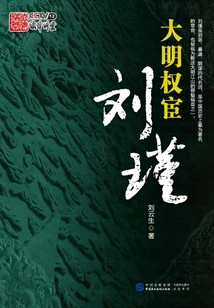
Liu Jin, the Powerful Eunuch of the Ming Dynasty
General Fiction大明权宦刘瑾
Liu Yunsheng
How did Liu Jin rise to the pinnacle of power from a humble eunuch? How did Liu Jin transform from a sinner who gave up his entire family fortune to bribery to become a colossal corrupt man? When the halo of power obscures due conscience and rationality, what kind of interest groups did Liu Jin's reforms touch and cause a major earthquake in the officialdom? When the emperor's favor and trust disappeared, how did Liu Jin's political opponents push him into the dark abyss of history, where he would never be able to recover? When the law is used as a tool for power struggle, how does Liu Jin reflect the shadow of the imperial power system with his own profound suffering?
How did Liu Jin rise to the pinnacle of power from a humble eunuch? How did Liu Jin transform from a sinner who gave up his entire family fortune to bribery to become a colossal corrupt man? When the halo of power obscures due conscience and rationality, what kind of interest groups did Liu Jin's reforms touch and cause a major earthquake in the officialdom? When the emperor's favor and trust disappeared, how did Liu Jin's political opponents push him into the dark abyss of history, where he would never be able to recover? When the law is used as a tool for power struggle, how does Liu Jin reflect the shadow of the imperial power system with his own profound suffering?
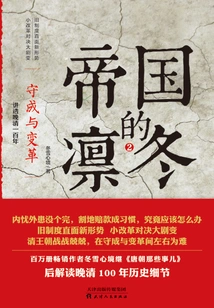
Winter of Empire 2: Preservation and Change
General Fiction帝国的凛冬2:守成与变革
Winter Snow Mood
In 1861, before Emperor Xianfeng's body was still cold, Ci'an and Cixi joined forces to beat up the Eight Great Gu Mings. One person in the government turned into two palaces with curtains, and Qixiang's coup shocked China. In 1862, holding the banner of "Chinese learning as the body and Western learning as the application", the Westernization Movement was in full swing in China. In 1864, Zeng Guofan conquered Nanjing, and the Taiping Rebellion that lasted for 13 years finally came to an end. In 1894, Asia's No. 1 Beiyang Navy suffered a disastrous defeat at the hands of the Japanese fleet. The Sino-Japanese War of Sino-Japanese War became the biggest pain point for the Chinese people. In the past forty years, from 1861 to 1898, the Qing Dynasty suffered from internal and external troubles, and it became a habit to cede territory and pay compensation. What should we do? To maintain the status quo is to wait for death, but to change may be to seek death. As a result, the aggrieved rulers of the Qing Dynasty finally embarked on the road to self-improvement with trepidation. The second part of the "Winter of Empire" series takes you back to that era of change where blood and fire were blended.
In 1861, before Emperor Xianfeng's body was still cold, Ci'an and Cixi joined forces to beat up the Eight Great Gu Mings. One person in the government turned into two palaces with curtains, and Qixiang's coup shocked China. In 1862, holding the banner of "Chinese learning as the body and Western learning as the application", the Westernization Movement was in full swing in China. In 1864, Zeng Guofan conquered Nanjing, and the Taiping Rebellion that lasted for 13 years finally came to an end. In 1894, Asia's No. 1 Beiyang Navy suffered a disastrous defeat at the hands of the Japanese fleet. The Sino-Japanese War of Sino-Japanese War became the biggest pain point for the Chinese people. In the past forty years, from 1861 to 1898, the Qing Dynasty suffered from internal and external troubles, and it became a habit to cede territory and pay compensation. What should we do? To maintain the status quo is to wait for death, but to change may be to seek death. As a result, the aggrieved rulers of the Qing Dynasty finally embarked on the road to self-improvement with trepidation. The second part of the "Winter of Empire" series takes you back to that era of change where blood and fire were blended.
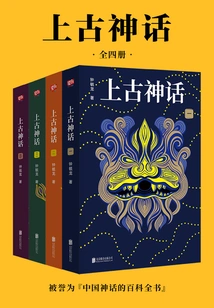
Ancient Myths (four Volumes)
General Fiction上古神话(全四册)
Zhong Yulong
1. The complete historical system of ancient mythology: It records the history of mythology starting from the Pangu clan and the Youchao clan, passing through the Fuxi clan, Nuwa clan, Emperor Yan, Huangdi, Tang Yao, Yu Shun, Xia Yu, and the establishment of the Xia Dynasty. The context is clear, forming the only complete system that runs through the vast world of ancient mythology. 2. All major events and knowledge points in ancient mythology are included: The book includes ancient etiquette, in-laws, and the establishment of order, the ancient landform wonders of the origin of the Yellow River, and the rise and fall of Tang Yao, Yu Shun, and Xia Yu Cheng, Gun and Yu's flood control, Kuafu Zhuri's feats, the disasters of Xiangliu and Sanmiao, Gonggong's anger at Mount Buzhou, the Yellow Emperor's battle with Chiyou and other ancient battles... It can be called "an encyclopedia of ancient myths". 3. The Complete Collection of Gods and Immortal Officials, Secret Immortal Palaces, Strange Beasts and Spirits: The descriptions of 281 gods and immortal officials, 632 secret Immortal Palaces, 211 kinds of spirit and monsters, customs from all directions, and mountains and rivers geography are all wonderful and vivid. It combines the all-encompassing content of "The Classic of Mountains and Seas" and the exploration of "Flowers in the Mirror".
1. The complete historical system of ancient mythology: It records the history of mythology starting from the Pangu clan and the Youchao clan, passing through the Fuxi clan, Nuwa clan, Emperor Yan, Huangdi, Tang Yao, Yu Shun, Xia Yu, and the establishment of the Xia Dynasty. The context is clear, forming the only complete system that runs through the vast world of ancient mythology. 2. All major events and knowledge points in ancient mythology are included: The book includes ancient etiquette, in-laws, and the establishment of order, the ancient landform wonders of the origin of the Yellow River, and the rise and fall of Tang Yao, Yu Shun, and Xia Yu Cheng, Gun and Yu's flood control, Kuafu Zhuri's feats, the disasters of Xiangliu and Sanmiao, Gonggong's anger at Mount Buzhou, the Yellow Emperor's battle with Chiyou and other ancient battles... It can be called "an encyclopedia of ancient myths". 3. The Complete Collection of Gods and Immortal Officials, Secret Immortal Palaces, Strange Beasts and Spirits: The descriptions of 281 gods and immortal officials, 632 secret Immortal Palaces, 211 kinds of spirit and monsters, customs from all directions, and mountains and rivers geography are all wonderful and vivid. It combines the all-encompassing content of "The Classic of Mountains and Seas" and the exploration of "Flowers in the Mirror".
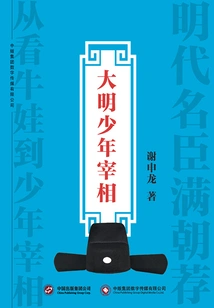
Young Prime Minister of the Ming Dynasty
General Fiction大明少年宰相
Xie Shenlong
Man Chaojian is a magical figure widely spread among the people in western Hunan. The Jinluan Hall suddenly trembled and was about to fall. The emperor could not sit still in the Jinluan Hall. A god told the emperor that there was a cowboy somewhere in Hunan who could stabilize the Jinluan Hall. So the emperor sent a team to look for the cowboy in Upper Hunan, and sure enough they found the cowboy at Santangyi in Upper Hunan. When he was brought back to the court, the Jinluan Palace was indeed stable. So the civil and military ministers of the Manchu Dynasty jointly recommended Kan Niuwa as the prime minister, and the emperor gave her a name and was recommended by the Manchu Dynasty. This book is based on folklore and uses bold and expanded imagination to create a special prime minister-level official who is loved by ordinary people.
Man Chaojian is a magical figure widely spread among the people in western Hunan. The Jinluan Hall suddenly trembled and was about to fall. The emperor could not sit still in the Jinluan Hall. A god told the emperor that there was a cowboy somewhere in Hunan who could stabilize the Jinluan Hall. So the emperor sent a team to look for the cowboy in Upper Hunan, and sure enough they found the cowboy at Santangyi in Upper Hunan. When he was brought back to the court, the Jinluan Palace was indeed stable. So the civil and military ministers of the Manchu Dynasty jointly recommended Kan Niuwa as the prime minister, and the emperor gave her a name and was recommended by the Manchu Dynasty. This book is based on folklore and uses bold and expanded imagination to create a special prime minister-level official who is loved by ordinary people.
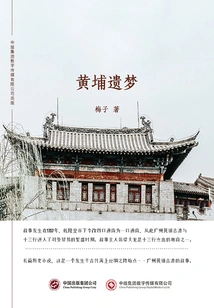
Huangpu's Wet Dream
General Fiction黄埔遗梦
Plum
A long historical novel, this is a story that takes place at the ancient port of Huangpu in Guangzhou, the starting point of the ancient Maritime Silk Road. The story takes place in 1757. Emperor Qianlong ordered that the four ports of trade be changed to one port of trade. From then on, Guangzhou Huangpu Ancient Port and the Thirteenth Bank entered a prosperous period of foreign trade. The protagonist of the story, Liang Tianlong, is one of the thirteen outstanding Cantonese businessmen. His life experience was full of ups and downs; his love, hatred and hatred were full of twists and turns. The novel is highly readable.
A long historical novel, this is a story that takes place at the ancient port of Huangpu in Guangzhou, the starting point of the ancient Maritime Silk Road. The story takes place in 1757. Emperor Qianlong ordered that the four ports of trade be changed to one port of trade. From then on, Guangzhou Huangpu Ancient Port and the Thirteenth Bank entered a prosperous period of foreign trade. The protagonist of the story, Liang Tianlong, is one of the thirteen outstanding Cantonese businessmen. His life experience was full of ups and downs; his love, hatred and hatred were full of twists and turns. The novel is highly readable.
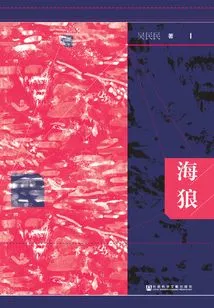
Sea Wolf (qiwei Series)
General Fiction海狼(启微系列)
Wu Minmin
This book tells the story of a cross-border manhunt with no final outcome that has been lost in the dust of history. The Second World War had just ended and the Cold War was about to begin. Hideyoshi Takahashi, a Japanese military policeman stationed in Harbin who had been in the army for more than two months, learned the inside story of a secret deal between Japan's 731 Bacteriological Warfare Unit and the U. S. Military because he was hired as an English translator. This made him inadvertently involved in the ongoing dispute over the trial of war criminals at the International Military Tribunal for the Far East, and became a bargaining chip in the beginning of the Cold War between the United States and the Soviet Union. In order to cover up the truth, the US military pursued the fugitive named "Sea Wolf" in order to make a winning move in the early Cold War chess game.
This book tells the story of a cross-border manhunt with no final outcome that has been lost in the dust of history. The Second World War had just ended and the Cold War was about to begin. Hideyoshi Takahashi, a Japanese military policeman stationed in Harbin who had been in the army for more than two months, learned the inside story of a secret deal between Japan's 731 Bacteriological Warfare Unit and the U. S. Military because he was hired as an English translator. This made him inadvertently involved in the ongoing dispute over the trial of war criminals at the International Military Tribunal for the Far East, and became a bargaining chip in the beginning of the Cold War between the United States and the Soviet Union. In order to cover up the truth, the US military pursued the fugitive named "Sea Wolf" in order to make a winning move in the early Cold War chess game.
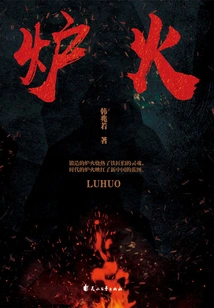
Fire
General Fiction炉火
Han Zhaoruo
This is a novel that tells the story of the three major factions represented by "Fire Qilin", "Xinglong" and "Ruixiang" who formed after the iron manufacturing industry became prosperous again in the early Republic of China. They fought endlessly for resources and the status of the number one blacksmith shop. After Japan launched its war of aggression against China, under the leadership of the Communist Party, the three major blacksmith shops secretly developed weapons and created a miracle of civilian weapons manufacturing. They made immortal contributions to support the Anti-Japanese War and ensure that the thousand-year-old town of Liushilipu would not be destroyed by the war.
This is a novel that tells the story of the three major factions represented by "Fire Qilin", "Xinglong" and "Ruixiang" who formed after the iron manufacturing industry became prosperous again in the early Republic of China. They fought endlessly for resources and the status of the number one blacksmith shop. After Japan launched its war of aggression against China, under the leadership of the Communist Party, the three major blacksmith shops secretly developed weapons and created a miracle of civilian weapons manufacturing. They made immortal contributions to support the Anti-Japanese War and ensure that the thousand-year-old town of Liushilipu would not be destroyed by the war.
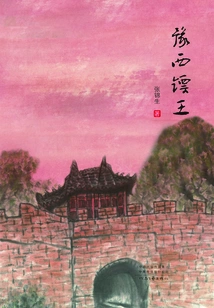
The King of Bodyguards in Western Henan
General Fiction豫西镖王
Zhang Jinsheng
The iron will of the bodyguard king of western Henan to never be afraid, never give in, and fight bravely shocked the mountains and ridges.
The iron will of the bodyguard king of western Henan to never be afraid, never give in, and fight bravely shocked the mountains and ridges.
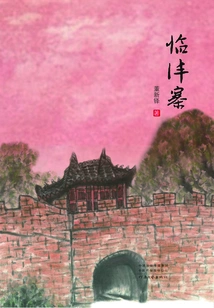
Linfeng Village
General Fiction临沣寨
Dong Xinduo
The novel "Linfeng Village", which the author took nearly 10 years to complete, tells the story of the changes in Linfeng Village from Xianfeng to Tongzhi in the Qing Dynasty and the ups and downs of the fate of the three Zhu brothers and other characters.
The novel "Linfeng Village", which the author took nearly 10 years to complete, tells the story of the changes in Linfeng Village from Xianfeng to Tongzhi in the Qing Dynasty and the ups and downs of the fate of the three Zhu brothers and other characters.
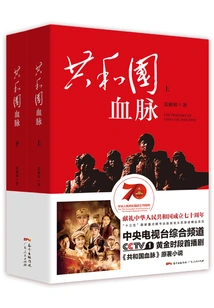
Blood of the Republic (complete Collection)
General Fiction共和国血脉(全集)
Lei Xianhe
This book affectionately tells the extraordinary story of the red era in the early days of the founding of the People's Republic of China. In order to solve the urgent oil problem, the People's Liberation Army worked hard to overcome various difficulties and obstacles, embarked on the road of exploring oil field resources, and made great achievements for China's petroleum industry.
This book affectionately tells the extraordinary story of the red era in the early days of the founding of the People's Republic of China. In order to solve the urgent oil problem, the People's Liberation Army worked hard to overcome various difficulties and obstacles, embarked on the road of exploring oil field resources, and made great achievements for China's petroleum industry.
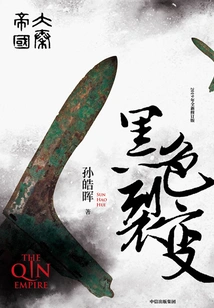
大秦帝国第一部:黑色裂变(全3册)
Sun Haohui
Qin Xiaogong and Shang Yang implemented reforms to become stronger. The Qin State turned from weak to strong, regained its lost territory, and began to rise. In the "era of great contention" where heroes compete for power and mountains and rivers change day by day, in the Warring States period when heroes emerge in large numbers and hundreds of schools of thought contend, the western frontier of China is experiencing an unprecedented "black fission." In 362 BC, Duke Xiang of Qin was poisoned by an arrow and died in a battle. His legitimate son Yingqu ascended the throne in front of Liang Lingqian, and was known as Duke Xiao of Qin in history. The Qin State was despised by the foreign powers and its national power was weak. The six kingdoms of Shandong also formed an alliance and plotted to divide Qin. The 22-year-old young monarch Qin Xiaogong wrote a blood letter on the monument of national humiliation, and issued a request for talents to the world, vowing to strengthen the country through reforms. In repeated discussions with the scholars of the Qin Dynasty, Shang Yang stood out. On the bow of the Weishui River, Shang Yang showed his political opinions and impressed Duke Xiao of Qin with his Legalist thoughts. Qin Xiaogong worshiped Shang Yang as his prime minister and began a twenty-year reform of the monarchy and ministers. Shang Yang, the master of Legalism, presided over the comprehensive reform and led the Qin State to create a wartime legal civilization step by step. The new army of the State of Qin was trained, the country was rich and the people were strong, the people were brave enough to fight in public, and the common people strived for military merit. Although they were less than fifty years old, Qin Xiaogong and Shang Yang were both physically and mentally exhausted after working hard on state affairs all year round. Duke Xiao of Qin recalled the prince Ying Si who had been in exile for twenty years, and then died. Ying Si ascended the throne and was known as King Hui of Qin in history. The six countries took the opportunity to put pressure on Qin and asked Qin to kill Shang Yang to thank the world. In order to prevent Qin from falling into civil strife, Shang Yang surrendered his political power and military power. He was imprisoned and was killed by an old man's car. Ying Si took advantage of the opportunity to clear out all the old nobles who opposed the reform, established Shang Yang's law as the law of the world, and focused on planning how to make the already powerful Qin break through the six kingdoms and realize the rise of a powerful country.
Qin Xiaogong and Shang Yang implemented reforms to become stronger. The Qin State turned from weak to strong, regained its lost territory, and began to rise. In the "era of great contention" where heroes compete for power and mountains and rivers change day by day, in the Warring States period when heroes emerge in large numbers and hundreds of schools of thought contend, the western frontier of China is experiencing an unprecedented "black fission." In 362 BC, Duke Xiang of Qin was poisoned by an arrow and died in a battle. His legitimate son Yingqu ascended the throne in front of Liang Lingqian, and was known as Duke Xiao of Qin in history. The Qin State was despised by the foreign powers and its national power was weak. The six kingdoms of Shandong also formed an alliance and plotted to divide Qin. The 22-year-old young monarch Qin Xiaogong wrote a blood letter on the monument of national humiliation, and issued a request for talents to the world, vowing to strengthen the country through reforms. In repeated discussions with the scholars of the Qin Dynasty, Shang Yang stood out. On the bow of the Weishui River, Shang Yang showed his political opinions and impressed Duke Xiao of Qin with his Legalist thoughts. Qin Xiaogong worshiped Shang Yang as his prime minister and began a twenty-year reform of the monarchy and ministers. Shang Yang, the master of Legalism, presided over the comprehensive reform and led the Qin State to create a wartime legal civilization step by step. The new army of the State of Qin was trained, the country was rich and the people were strong, the people were brave enough to fight in public, and the common people strived for military merit. Although they were less than fifty years old, Qin Xiaogong and Shang Yang were both physically and mentally exhausted after working hard on state affairs all year round. Duke Xiao of Qin recalled the prince Ying Si who had been in exile for twenty years, and then died. Ying Si ascended the throne and was known as King Hui of Qin in history. The six countries took the opportunity to put pressure on Qin and asked Qin to kill Shang Yang to thank the world. In order to prevent Qin from falling into civil strife, Shang Yang surrendered his political power and military power. He was imprisoned and was killed by an old man's car. Ying Si took advantage of the opportunity to clear out all the old nobles who opposed the reform, established Shang Yang's law as the law of the world, and focused on planning how to make the already powerful Qin break through the six kingdoms and realize the rise of a powerful country.
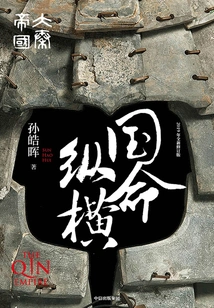
大秦帝国第二部:国命纵横(全3册)
Sun Haohui
The six countries united to fight against Qin. Qin took Zhang Yi as its prime minister, connected horizontally and vertically, and sought greater development in the rise of a powerful country. King Qin Hui formed an alliance with the reform forces, suppressed the rebellion of the old nobles with an iron fist, and purged the government. He appointed young pillars who were loyal to the new law, forming a vibrant new generation of power backbone, and fully prepared to go eastward to the Central Plains. At that time, the six kingdoms of Shandong were in chaos. The new army of Qin took the opportunity to go eastward and won consecutive victories, posing a strong threat to the six kingdoms of Shandong. Two famous men from Guiguzi's sect came out of the mountain. Brothers Su Qin and Zhang Yi commented on the world and agreed to seek great power. However, they both suffered major setbacks and were temporarily defeated. Su Qin endured humiliation and practiced hard for three years, gained insight into the general trend of the world, and re-entered the WTO and proposed the grand strategy of joining forces to resist Qin. He broke through from the Yan State and successfully lobbied for an alliance among the six countries. As the prime minister of the six countries, he joined forces with the four princes of the Warring States Period to form the Six-Nation Alliance, which exerted strong pressure on Qin. The State of Qin was determined to fight against the Six Kingdoms, and sought and appointed Zhang Yi, who had already mastered the idea of breaking up the alliance, to become the prime minister of Qin. Zhang Yi proposed the grand strategy of Lianheng and presided over the Qin State and the Six Kingdoms of Shandong to launch vertical and horizontal wars and comprehensive strength confrontations. The six-nation coalition attacked Qin, but ultimately failed due to unstable foundations and frequent internal strife, and the alliance failed. Su Qin was killed by the old nobles. At this time, the internal affairs of Qin changed. King Hui of Qin suffered from an unexplained strange disease. The furious prince and the chief minister Ganmao conspired to exclude dissidents. General Sima Cuo was forced to resign and retire. Zhang Yi left Qin and retired to his countryside to avoid being deposed. The martial and belligerent King Wu of Qin led his army eastward to Luoyang, pushing Qin into a dangerous situation again.
The six countries united to fight against Qin. Qin took Zhang Yi as its prime minister, connected horizontally and vertically, and sought greater development in the rise of a powerful country. King Qin Hui formed an alliance with the reform forces, suppressed the rebellion of the old nobles with an iron fist, and purged the government. He appointed young pillars who were loyal to the new law, forming a vibrant new generation of power backbone, and fully prepared to go eastward to the Central Plains. At that time, the six kingdoms of Shandong were in chaos. The new army of Qin took the opportunity to go eastward and won consecutive victories, posing a strong threat to the six kingdoms of Shandong. Two famous men from Guiguzi's sect came out of the mountain. Brothers Su Qin and Zhang Yi commented on the world and agreed to seek great power. However, they both suffered major setbacks and were temporarily defeated. Su Qin endured humiliation and practiced hard for three years, gained insight into the general trend of the world, and re-entered the WTO and proposed the grand strategy of joining forces to resist Qin. He broke through from the Yan State and successfully lobbied for an alliance among the six countries. As the prime minister of the six countries, he joined forces with the four princes of the Warring States Period to form the Six-Nation Alliance, which exerted strong pressure on Qin. The State of Qin was determined to fight against the Six Kingdoms, and sought and appointed Zhang Yi, who had already mastered the idea of breaking up the alliance, to become the prime minister of Qin. Zhang Yi proposed the grand strategy of Lianheng and presided over the Qin State and the Six Kingdoms of Shandong to launch vertical and horizontal wars and comprehensive strength confrontations. The six-nation coalition attacked Qin, but ultimately failed due to unstable foundations and frequent internal strife, and the alliance failed. Su Qin was killed by the old nobles. At this time, the internal affairs of Qin changed. King Hui of Qin suffered from an unexplained strange disease. The furious prince and the chief minister Ganmao conspired to exclude dissidents. General Sima Cuo was forced to resign and retire. Zhang Yi left Qin and retired to his countryside to avoid being deposed. The martial and belligerent King Wu of Qin led his army eastward to Luoyang, pushing Qin into a dangerous situation again.
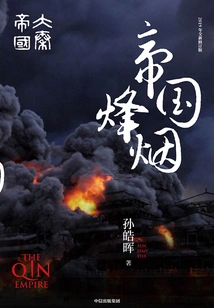
大秦帝国第六部:帝国烽烟(全2册)
Sun Haohui
An imperial swan song. After the death of the First Emperor, the power of the empire was divided. Chen Sheng and Wu Guang revolted. Liu Bang and Xiang Yu invaded Xianyang, and the empire was suddenly destroyed. The First Emperor of Qin suddenly died in the sand dunes. Zhao Gao and Hu Hai plotted a coup. Li Si, the meritorious prime minister who was in charge of national affairs, was lured and kidnapped to join the conspiracy. This finally caused a huge black hole mutation in the top power level of the Qin Empire, which was full of talented people and had been tempered for a long time: the eldest son Fusu committed suicide, the Meng brothers who held military power were killed, Hu Hai proclaimed himself emperor, and Zhao Gao took charge. The power of the Qin Empire underwent a drastic qualitative change: the Second Group massacred the imperial heroes, eradicated dissident forces in the royal family, and implemented a series of tyrannical and misguided policies, which greatly intensified various social conflicts hidden during the Qin Shi Huang period. Chen Sheng and Wu Guangda uprising broke out, and the old nobles of the six countries took advantage of the situation and rose up, forming a prairie fire of rebellion against Qin in the world. The empire won the battle against the peasant army, but failed in its counterattack against the anti-Qin forces based on the old aristocrats of the Six Kingdoms. Liu Bang and Xiang Yu entered Xianyang, and the precarious imperial court had another coup, and the Hu Hai and Zhao Gao groups were destroyed. Ziying, who was restored to the title of King of Qin, surrendered, ending Ling's regime. Xiang Yu's army plundered all the empire's wealth, and then burned the Xianyang Palace. The fire lasted for three months. The entire Guanzhong was reduced to eight hundred miles of ruins. The Qin Empire was suddenly wiped out!
An imperial swan song. After the death of the First Emperor, the power of the empire was divided. Chen Sheng and Wu Guang revolted. Liu Bang and Xiang Yu invaded Xianyang, and the empire was suddenly destroyed. The First Emperor of Qin suddenly died in the sand dunes. Zhao Gao and Hu Hai plotted a coup. Li Si, the meritorious prime minister who was in charge of national affairs, was lured and kidnapped to join the conspiracy. This finally caused a huge black hole mutation in the top power level of the Qin Empire, which was full of talented people and had been tempered for a long time: the eldest son Fusu committed suicide, the Meng brothers who held military power were killed, Hu Hai proclaimed himself emperor, and Zhao Gao took charge. The power of the Qin Empire underwent a drastic qualitative change: the Second Group massacred the imperial heroes, eradicated dissident forces in the royal family, and implemented a series of tyrannical and misguided policies, which greatly intensified various social conflicts hidden during the Qin Shi Huang period. Chen Sheng and Wu Guangda uprising broke out, and the old nobles of the six countries took advantage of the situation and rose up, forming a prairie fire of rebellion against Qin in the world. The empire won the battle against the peasant army, but failed in its counterattack against the anti-Qin forces based on the old aristocrats of the Six Kingdoms. Liu Bang and Xiang Yu entered Xianyang, and the precarious imperial court had another coup, and the Hu Hai and Zhao Gao groups were destroyed. Ziying, who was restored to the title of King of Qin, surrendered, ending Ling's regime. Xiang Yu's army plundered all the empire's wealth, and then burned the Xianyang Palace. The fire lasted for three months. The entire Guanzhong was reduced to eight hundred miles of ruins. The Qin Empire was suddenly wiped out!
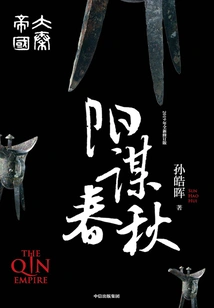
The Fourth Part of the Qin Empire: Yangmou Spring and Autumn Period (3 Volumes in Total)
General Fiction大秦帝国第四部:阳谋春秋(全3册)
Sun Haohui
Lu Buwei entered the Qin Dynasty and used his extraordinary political ability to resolve the crisis of power transfer in the Qin royal family several times, implemented the Lu family's New Deal, and later led the country as regent as Marquis Wenxin, helping the young Yingzheng succeed to the throne to establish a solid foundation. Qin's national power was unprecedentedly powerful. Fan Ju recommended Cai Ze as prime minister, resigned and retired, and got to know Lu Buwei along the way south. Lu Buwei went north to Handan, and happened to meet the Qin prince Ying Yiren who was serving as a hostage. He was born with political ambitions, and finally decided to abandon business and join Qin. The legend of the Lu family began. Lu Buwei used his abundant resources to go to Xianyang to make a deal, and made the young master Yiren the legitimate son of the prince. Pingyuan Jun of Zhao State led his army to pursue him, but Lu Buwei was protected by a bloody battle with hundreds of loyalists, and escaped with Ying Yiren and returned to Qin. King Zhao of Qin died of illness, and the old prince Ying Zhu (King Xiaowen) succeeded to the throne and died of illness a year later. A stranger succeeded to the throne (King Zhuangxiang of Qin) and appointed Lu Buwei as prime minister to implement the New Deal. King Zhuang Xiang died of illness three years after his reign, and his 13-year-old son Ying Zheng succeeded him. Lu Buwei co-regents with the Queen Mother as "Second Father". During this period, Lu Buwei twice presided over the handover of the overall situation, stabilized the government and the opposition, and expanded the territory, and his reputation greatly increased. However, his ambiguous entanglement with the Queen Mother Zhao Ji attracted criticism from the royal family elders. Lu Buwei used extraordinary means to free himself, causing Lao Ai, a barbarian, to have an affair with Zhao Ji. Zhao Ji used the power of the regent mother to designate Lao Ai as a Marquis of Changxin, monopolized the power of the palace, and plotted a coup to seize the throne, causing the biggest scandal in the history of Qin. The young Ying Zheng teamed up with Lu Buwei to eradicate the Lao Ai rebellion in one fell swoop, deposing the Queen Mother and placing her under house arrest. Ying Zheng came into power at the age of twenty-one, and Lu Buwei summoned his disciples to write "Lu's Spring and Autumn Annals" to establish the royal strategy for governing the country. Ying Zheng insisted on Shang Yang's legal system and was seriously opposed to Lu Buwei's political views. Lu Buwei decided to publish the "Lu Spring and Autumn Annals", hoping to decide the strategy of governing the country through public discussion between the government and the public. King Qin Yingzheng was under tremendous pressure, and the State of Qin was once again facing a turning crisis.
Lu Buwei entered the Qin Dynasty and used his extraordinary political ability to resolve the crisis of power transfer in the Qin royal family several times, implemented the Lu family's New Deal, and later led the country as regent as Marquis Wenxin, helping the young Yingzheng succeed to the throne to establish a solid foundation. Qin's national power was unprecedentedly powerful. Fan Ju recommended Cai Ze as prime minister, resigned and retired, and got to know Lu Buwei along the way south. Lu Buwei went north to Handan, and happened to meet the Qin prince Ying Yiren who was serving as a hostage. He was born with political ambitions, and finally decided to abandon business and join Qin. The legend of the Lu family began. Lu Buwei used his abundant resources to go to Xianyang to make a deal, and made the young master Yiren the legitimate son of the prince. Pingyuan Jun of Zhao State led his army to pursue him, but Lu Buwei was protected by a bloody battle with hundreds of loyalists, and escaped with Ying Yiren and returned to Qin. King Zhao of Qin died of illness, and the old prince Ying Zhu (King Xiaowen) succeeded to the throne and died of illness a year later. A stranger succeeded to the throne (King Zhuangxiang of Qin) and appointed Lu Buwei as prime minister to implement the New Deal. King Zhuang Xiang died of illness three years after his reign, and his 13-year-old son Ying Zheng succeeded him. Lu Buwei co-regents with the Queen Mother as "Second Father". During this period, Lu Buwei twice presided over the handover of the overall situation, stabilized the government and the opposition, and expanded the territory, and his reputation greatly increased. However, his ambiguous entanglement with the Queen Mother Zhao Ji attracted criticism from the royal family elders. Lu Buwei used extraordinary means to free himself, causing Lao Ai, a barbarian, to have an affair with Zhao Ji. Zhao Ji used the power of the regent mother to designate Lao Ai as a Marquis of Changxin, monopolized the power of the palace, and plotted a coup to seize the throne, causing the biggest scandal in the history of Qin. The young Ying Zheng teamed up with Lu Buwei to eradicate the Lao Ai rebellion in one fell swoop, deposing the Queen Mother and placing her under house arrest. Ying Zheng came into power at the age of twenty-one, and Lu Buwei summoned his disciples to write "Lu's Spring and Autumn Annals" to establish the royal strategy for governing the country. Ying Zheng insisted on Shang Yang's legal system and was seriously opposed to Lu Buwei's political views. Lu Buwei decided to publish the "Lu Spring and Autumn Annals", hoping to decide the strategy of governing the country through public discussion between the government and the public. King Qin Yingzheng was under tremendous pressure, and the State of Qin was once again facing a turning crisis.
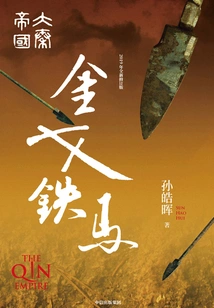
大秦帝国第三部:金戈铁马(全3册)
Sun Haohui
Qin used Fan Ju as its prime minister and implemented a strategy of distant diplomacy and close attack; with Bai Qi as its general, it achieved a major victory in the Battle of Changping. The Six Kingdoms began to decline, and Qin established its dominance. The Qin army marched eastward, and the king and ministers of the Emperor Zhou of Luoyang greeted him in panic. In the battle of Yiyang, Qian Fu Chang Bai Qi emerged. King Wu of Qin marched into Luoyang and died violently while holding a tripod. Bai Qi led a lone brigade to venture into Yan to welcome back the hostage prince Ying Ji, and allied with Gan Mao, Wei Zhen and other generals to jointly defeat the coup of Prince Ying Li to seize the throne and support Ying Ji to succeed him, known as King Zhao of Qin in history. Ying Ji's biological mother, the Queen Mother Xuan, brought order to the Qing Dynasty and appointed her younger brother Wei Zhen as prime minister to personally regent and stabilize the Qin state. King Min of Qi wanted to dominate the world and encouraged the six kingdoms of Shandong to destroy Qin. At the critical moment, Empress Dowager Xuan appointed Bai Qi as general to attack the Central Plains and defeat the six-nation coalition. He also fought against Wei and Han, and made a surprise attack on Chu. Qin became the super power in the Warring States Period. At this time, the State of Yan secretly united the five-nation coalition forces to attack Qi. During Tian Dan Jimo's six years of resistance against Yan, the Fire Bull Formation defeated the Yan army. Qi Yan declined together. During this period, King Wuling of Zhao rode in Hufu and shot, which greatly increased the national power. Qin and Zhao began a long-term strength confrontation. Fan Ju, a famous scholar who had been framed by traitors, entered the Qin Dynasty to assist King Zhao of Qin in taking charge of the government. He proposed the grand strategy of "diplomacy far away and attack near the land", and the Qin State formed a new joint force. The State of Zhao conspired with Han and Wei to suppress Qin from a high position. The Changping War, which lasted for three years, unfolded step by step, and more than 500,000 of Zhao's elite troops were wiped out in one battle. After the war, King Zhao of Qin entered his old age, and Bai Qi was forced to commit suicide, leaving Fan Ju worried. The greater crisis is that the prince is weak and sick and has no legitimate son. All the princes are mediocre and incompetent. There is little hope of selecting a legitimate son. For the first time, the Qin royal family is in a crisis state with no successor.
Qin used Fan Ju as its prime minister and implemented a strategy of distant diplomacy and close attack; with Bai Qi as its general, it achieved a major victory in the Battle of Changping. The Six Kingdoms began to decline, and Qin established its dominance. The Qin army marched eastward, and the king and ministers of the Emperor Zhou of Luoyang greeted him in panic. In the battle of Yiyang, Qian Fu Chang Bai Qi emerged. King Wu of Qin marched into Luoyang and died violently while holding a tripod. Bai Qi led a lone brigade to venture into Yan to welcome back the hostage prince Ying Ji, and allied with Gan Mao, Wei Zhen and other generals to jointly defeat the coup of Prince Ying Li to seize the throne and support Ying Ji to succeed him, known as King Zhao of Qin in history. Ying Ji's biological mother, the Queen Mother Xuan, brought order to the Qing Dynasty and appointed her younger brother Wei Zhen as prime minister to personally regent and stabilize the Qin state. King Min of Qi wanted to dominate the world and encouraged the six kingdoms of Shandong to destroy Qin. At the critical moment, Empress Dowager Xuan appointed Bai Qi as general to attack the Central Plains and defeat the six-nation coalition. He also fought against Wei and Han, and made a surprise attack on Chu. Qin became the super power in the Warring States Period. At this time, the State of Yan secretly united the five-nation coalition forces to attack Qi. During Tian Dan Jimo's six years of resistance against Yan, the Fire Bull Formation defeated the Yan army. Qi Yan declined together. During this period, King Wuling of Zhao rode in Hufu and shot, which greatly increased the national power. Qin and Zhao began a long-term strength confrontation. Fan Ju, a famous scholar who had been framed by traitors, entered the Qin Dynasty to assist King Zhao of Qin in taking charge of the government. He proposed the grand strategy of "diplomacy far away and attack near the land", and the Qin State formed a new joint force. The State of Zhao conspired with Han and Wei to suppress Qin from a high position. The Changping War, which lasted for three years, unfolded step by step, and more than 500,000 of Zhao's elite troops were wiped out in one battle. After the war, King Zhao of Qin entered his old age, and Bai Qi was forced to commit suicide, leaving Fan Ju worried. The greater crisis is that the prince is weak and sick and has no legitimate son. All the princes are mediocre and incompetent. There is little hope of selecting a legitimate son. For the first time, the Qin royal family is in a crisis state with no successor.
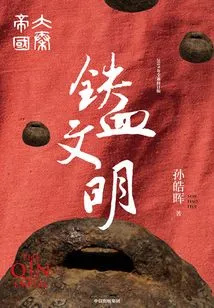
大秦帝国第五部:铁血文明(全3册)
Sun Haohui
King Qin Yingzheng relied on the rule of law and civilization as his backing, and used various wars as the main form. He went through turbulent times and annexed the six countries, completed the great cause of unification, and created a unified civilization. The first unified empire in Chinese history came into being. Lu Buwei hung up "Lü's Spring and Autumn Annals" in four gates of Xianyang and publicly offered a reward of a thousand gold coins for changing one word. Wang Jian, Li Simengtian and the King of Qin formed an alliance to form a new political axis. Lü Buwei's guests held a debate outside the city, and the Chinese people publicly refuted "Lü's Spring and Autumn Annals", triggering a major debate between the government and the public about the way to govern the country. King Yingzheng of Qin deposed Lu Buwei for the crime of "breaking laws and disrupting government and confusing the people of the country", and Lu Buwei was forced to commit suicide in Luoyang. After that, King Yingzheng of Qin officially kicked off the creation of the empire: in the first stage, the military and political affairs were purged, and new talents were promoted. A large number of young generals and ministers in charge formed a new generation of forces. At the same time, they vigorously built the Zhengguo Canal, a water conservancy project in the hinterland of Qin, making Qinchuan a kingdom of abundance; in the second stage, the continuous war to unify China began. The story of the demise of the six kingdoms one by one; in the third stage, King Qin ascended the throne and became emperor, known as the First Emperor, established a complete Chinese civilization system, launched the Yinshan War to completely drive out the Xiongnu, and built the Great Wall and other large-scale projects; in the fourth stage, the First Emperor diligently visited the world, became ill due to overwork, and relied on the magic skills of alchemists for treatment. During the sixth patrol, he suddenly became seriously ill and died during the hunting tour (Sand Dunes). There was a huge power vacuum in the Qin State, and ambitions and conspiracies were ready to arise.
King Qin Yingzheng relied on the rule of law and civilization as his backing, and used various wars as the main form. He went through turbulent times and annexed the six countries, completed the great cause of unification, and created a unified civilization. The first unified empire in Chinese history came into being. Lu Buwei hung up "Lü's Spring and Autumn Annals" in four gates of Xianyang and publicly offered a reward of a thousand gold coins for changing one word. Wang Jian, Li Simengtian and the King of Qin formed an alliance to form a new political axis. Lü Buwei's guests held a debate outside the city, and the Chinese people publicly refuted "Lü's Spring and Autumn Annals", triggering a major debate between the government and the public about the way to govern the country. King Yingzheng of Qin deposed Lu Buwei for the crime of "breaking laws and disrupting government and confusing the people of the country", and Lu Buwei was forced to commit suicide in Luoyang. After that, King Yingzheng of Qin officially kicked off the creation of the empire: in the first stage, the military and political affairs were purged, and new talents were promoted. A large number of young generals and ministers in charge formed a new generation of forces. At the same time, they vigorously built the Zhengguo Canal, a water conservancy project in the hinterland of Qin, making Qinchuan a kingdom of abundance; in the second stage, the continuous war to unify China began. The story of the demise of the six kingdoms one by one; in the third stage, King Qin ascended the throne and became emperor, known as the First Emperor, established a complete Chinese civilization system, launched the Yinshan War to completely drive out the Xiongnu, and built the Great Wall and other large-scale projects; in the fourth stage, the First Emperor diligently visited the world, became ill due to overwork, and relied on the magic skills of alchemists for treatment. During the sixth patrol, he suddenly became seriously ill and died during the hunting tour (Sand Dunes). There was a huge power vacuum in the Qin State, and ambitions and conspiracies were ready to arise.
南北史演义(套装共2册)
Cai Dongfan
"History of the North and South" (modern vernacular version) is one of the series of "Popular Romance of the Past Dynasties". It describes the split and confrontation situation during the 170 years of the Southern and Northern Dynasties when "rebellious ministers and traitors filled the world". Following the old example of Li Yanshou of the Tang Dynasty, Song, Qi, Liang, and Chen were classified as Southern History, and Wei, Qi, Zhou, and Sui were Northern History. The writing is a parallel narration of the history of the north and the south, without praising the emperors or omitting the shining points of the little people. "The Romance of Northern and Southern History" (modern vernacular version) is rich in content and objective in its discussion. It can be called a classic of popular history. It can be used not only as a general leisure reading, but also as a reference book for history lovers. "History of the North and South" (Modern Vernacular Version) quotes from many sources, has detailed literature and history, is authentic and reliable, has relaxed writing, self-criticism and self-evaluation, and is full of wit and humor. It has rich characters, clear priorities, vivid stories, and unique comments. It integrates literature, history, and interest, making people unable to bear to put it down. It can be said to be a classic work of popular history.
"History of the North and South" (modern vernacular version) is one of the series of "Popular Romance of the Past Dynasties". It describes the split and confrontation situation during the 170 years of the Southern and Northern Dynasties when "rebellious ministers and traitors filled the world". Following the old example of Li Yanshou of the Tang Dynasty, Song, Qi, Liang, and Chen were classified as Southern History, and Wei, Qi, Zhou, and Sui were Northern History. The writing is a parallel narration of the history of the north and the south, without praising the emperors or omitting the shining points of the little people. "The Romance of Northern and Southern History" (modern vernacular version) is rich in content and objective in its discussion. It can be called a classic of popular history. It can be used not only as a general leisure reading, but also as a reference book for history lovers. "History of the North and South" (Modern Vernacular Version) quotes from many sources, has detailed literature and history, is authentic and reliable, has relaxed writing, self-criticism and self-evaluation, and is full of wit and humor. It has rich characters, clear priorities, vivid stories, and unique comments. It integrates literature, history, and interest, making people unable to bear to put it down. It can be said to be a classic work of popular history.
Romance of Northern and Southern History (volume 2)
General Fiction南北史演义(下册)
Cai Dongfan
"History of the North and South" (modern vernacular version) is one of the series of "Popular Romance of the Past Dynasties". It describes the split and confrontation situation during the 170 years of the Southern and Northern Dynasties when "rebellious ministers and traitors filled the world". Following the old example of Li Yanshou of the Tang Dynasty, Song, Qi, Liang, and Chen were classified as Southern History, and Wei, Qi, Zhou, and Sui were Northern History. The writing is a parallel narration of the history of the north and the south, without praising the emperors or omitting the shining points of the little people. "The Romance of Northern and Southern History" (modern vernacular version) is rich in content and objective in its discussion. It can be called a classic of popular history. It can be used not only as a general leisure reading, but also as a reference book for history lovers. "History of the North and South" (Modern Vernacular Version) quotes from many sources, has detailed literature and history, is authentic and reliable, has relaxed writing, self-criticism and self-evaluation, and is full of wit and humor. It has rich characters, clear priorities, vivid stories, and unique comments. It integrates literature, history, and interest, making people unable to bear to put it down. It can be said to be a classic work of popular history.
"History of the North and South" (modern vernacular version) is one of the series of "Popular Romance of the Past Dynasties". It describes the split and confrontation situation during the 170 years of the Southern and Northern Dynasties when "rebellious ministers and traitors filled the world". Following the old example of Li Yanshou of the Tang Dynasty, Song, Qi, Liang, and Chen were classified as Southern History, and Wei, Qi, Zhou, and Sui were Northern History. The writing is a parallel narration of the history of the north and the south, without praising the emperors or omitting the shining points of the little people. "The Romance of Northern and Southern History" (modern vernacular version) is rich in content and objective in its discussion. It can be called a classic of popular history. It can be used not only as a general leisure reading, but also as a reference book for history lovers. "History of the North and South" (Modern Vernacular Version) quotes from many sources, has detailed literature and history, is authentic and reliable, has relaxed writing, self-criticism and self-evaluation, and is full of wit and humor. It has rich characters, clear priorities, vivid stories, and unique comments. It integrates literature, history, and interest, making people unable to bear to put it down. It can be said to be a classic work of popular history.
Romance of Northern and Southern History (volume 1)
General Fiction南北史演义(上册)
Cai Dongfan
"History of the North and South" (modern vernacular version) is one of the series of "Popular Romance of the Past Dynasties". It describes the split and confrontation situation during the 170 years of the Southern and Northern Dynasties when "rebellious ministers and traitors filled the world". Following the old example of Li Yanshou of the Tang Dynasty, Song, Qi, Liang, and Chen were classified as Southern History, and Wei, Qi, Zhou, and Sui were Northern History. The writing is a parallel narration of the history of the north and the south, without praising the emperors or omitting the shining points of the little people. "The Romance of Northern and Southern History" (modern vernacular version) is rich in content and objective in its discussion. It can be called a classic of popular history. It can be used not only as a general leisure reading, but also as a reference book for history lovers. "History of the North and South" (Modern Vernacular Version) quotes from many sources, has detailed literature and history, is authentic and reliable, has relaxed writing, self-criticism and self-evaluation, and is full of wit and humor. It has rich characters, clear priorities, vivid stories, and unique comments. It integrates literature, history, and interest, making people unable to bear to put it down. It can be said to be a classic work of popular history.
"History of the North and South" (modern vernacular version) is one of the series of "Popular Romance of the Past Dynasties". It describes the split and confrontation situation during the 170 years of the Southern and Northern Dynasties when "rebellious ministers and traitors filled the world". Following the old example of Li Yanshou of the Tang Dynasty, Song, Qi, Liang, and Chen were classified as Southern History, and Wei, Qi, Zhou, and Sui were Northern History. The writing is a parallel narration of the history of the north and the south, without praising the emperors or omitting the shining points of the little people. "The Romance of Northern and Southern History" (modern vernacular version) is rich in content and objective in its discussion. It can be called a classic of popular history. It can be used not only as a general leisure reading, but also as a reference book for history lovers. "History of the North and South" (Modern Vernacular Version) quotes from many sources, has detailed literature and history, is authentic and reliable, has relaxed writing, self-criticism and self-evaluation, and is full of wit and humor. It has rich characters, clear priorities, vivid stories, and unique comments. It integrates literature, history, and interest, making people unable to bear to put it down. It can be said to be a classic work of popular history.
Han Family World (4 Volumes in Total)
General Fiction汉家天下(共4册)
Qingqiuzi
Preface by February River! Read the history of the Han Dynasty like "The Romance of the Three Kingdoms" and "Water Margin"! Yue Yuehe: "Qing Qiuzi's talent in writing historical stories is something that few people can match today." Yue Yuehe: "I feel like I can't let it go several times. The author continues the traditional writing method of ancient chapter novels, integrates them, and develops them. In the contemporary era, it is a surprise to read such simple and smart words." To understand Chinese history, you must read the story of the Han Dynasty! Let me tell you: Why are the Han people called the Han people, and why are China called China? From the Chu-Han conflict to Huo Guang's dictatorship, "Han Family World" perfectly reshapes the heroes of the Han Dynasty! Open this book and return to the heroic era of the Han Dynasty! It starts from "Xiao He chasing Han Xin under the moon" and ends with Huo Guang's dictatorship. "Han Family World" covers the rise of the early Western Han Dynasty. Famous historical figures such as Liu Bang, Han Xin, Xiao He, Zhou Bo, Empress Lu, Jia Yi, Zhou Yafu, Emperor Wen of Han, Emperor Jing of Han, Chao Cuo, Yuan Ang, Emperor Wu of Han, Wei Qing, Huo Qubing, Li Guang, Li Ling, Huo Guang and other famous historical figures have become vivid and full of charm again. Read the history of the Han Dynasty like "The Romance of the Three Kingdoms" and "Water Margin"!
Preface by February River! Read the history of the Han Dynasty like "The Romance of the Three Kingdoms" and "Water Margin"! Yue Yuehe: "Qing Qiuzi's talent in writing historical stories is something that few people can match today." Yue Yuehe: "I feel like I can't let it go several times. The author continues the traditional writing method of ancient chapter novels, integrates them, and develops them. In the contemporary era, it is a surprise to read such simple and smart words." To understand Chinese history, you must read the story of the Han Dynasty! Let me tell you: Why are the Han people called the Han people, and why are China called China? From the Chu-Han conflict to Huo Guang's dictatorship, "Han Family World" perfectly reshapes the heroes of the Han Dynasty! Open this book and return to the heroic era of the Han Dynasty! It starts from "Xiao He chasing Han Xin under the moon" and ends with Huo Guang's dictatorship. "Han Family World" covers the rise of the early Western Han Dynasty. Famous historical figures such as Liu Bang, Han Xin, Xiao He, Zhou Bo, Empress Lu, Jia Yi, Zhou Yafu, Emperor Wen of Han, Emperor Jing of Han, Chao Cuo, Yuan Ang, Emperor Wu of Han, Wei Qing, Huo Qubing, Li Guang, Li Ling, Huo Guang and other famous historical figures have become vivid and full of charm again. Read the history of the Han Dynasty like "The Romance of the Three Kingdoms" and "Water Margin"!
Han Family 4: Mountains and Rivers Resurrection
General Fiction汉家天下4:山河复苏
Qingqiuzi
This volume describes the important achievements of Emperor Wen of Han Dynasty who ruled by doing nothing and worked with the people during his reign. After Zhou Bo and Chen Ping launched a mutiny and eliminated the Lu forces who were wanton and disorderly, Liu Heng, the originally unknown acting king, succeeded him as Emperor Wen of the Han Dynasty by chance. He advocated frugality, emphasized agriculture and suppressed commerce, was lenient in punishment, paid attention to border defense, suppressed princes, and appointed loyal and honest people as officials. He gradually got rid of the constraints of meritorious officials and showed a new look in government. Emperor Wen of the Han Dynasty and later Emperor Jing of the Han Dynasty used various methods to reduce taxes, encourage production, and quickly restore social productivity and people's livelihood. The politics of the early Han Dynasty entered a stable period. Emperor Wen of the Han Dynasty created the "Government of Wen and Jing" for nearly 40 years with his tolerant and steady governance style. It laid the foundation for the later Han Dynasty and formed the basic pattern of political civilization during China's two thousand years of imperial rule.
This volume describes the important achievements of Emperor Wen of Han Dynasty who ruled by doing nothing and worked with the people during his reign. After Zhou Bo and Chen Ping launched a mutiny and eliminated the Lu forces who were wanton and disorderly, Liu Heng, the originally unknown acting king, succeeded him as Emperor Wen of the Han Dynasty by chance. He advocated frugality, emphasized agriculture and suppressed commerce, was lenient in punishment, paid attention to border defense, suppressed princes, and appointed loyal and honest people as officials. He gradually got rid of the constraints of meritorious officials and showed a new look in government. Emperor Wen of the Han Dynasty and later Emperor Jing of the Han Dynasty used various methods to reduce taxes, encourage production, and quickly restore social productivity and people's livelihood. The politics of the early Han Dynasty entered a stable period. Emperor Wen of the Han Dynasty created the "Government of Wen and Jing" for nearly 40 years with his tolerant and steady governance style. It laid the foundation for the later Han Dynasty and formed the basic pattern of political civilization during China's two thousand years of imperial rule.
Han Family World 3: the Rise and Fall of the Lu Family
General Fiction汉家天下3:吕氏兴衰
Qingqiuzi
It starts from "Emperor Hui of the Han Dynasty succeeded to the throne and the Lu family took full power" and ends with Zhou Bo and Chen Ping joining forces to put down the rebellion caused by Lu. Famous historical figures such as Empress Lu, Zhou Bo, Chen Ping, and Liu Ying have become vivid and charming again. Read the history of the Han Dynasty like "The Romance of the Three Kingdoms" and "Water Margin"! This book writes that after Liu Bang died of illness, Prince Liu Ying succeeded to the throne and became Emperor Hui of Han. Empress Lu took the opportunity to take over the throne and brutally persecuted Liu Bang's favorite concubine, Mrs. Qi, and established the Lu family as kings. After the death of Emperor Hui of the Han Dynasty, Empress Lu came to rule the court as the Queen Mother and monopolized the affairs of the court. His nephews Lu Chan and Lu Lu took control of the military and were rampant in lawlessness. Empress Lu was afraid that the princes in the early Han Dynasty would be dissatisfied with Lu's monopoly power and plotted to kill all the heroes. However, she gave up because she was worried about stirring up unrest in the world. After Empress Lu died of illness, Lu Chan and Lu Lu conspired to launch a coup. When Zhou Bo and Chen Ping heard the news, they joined forces with Liu Zhang, a member of the clan, to take a preemptive strike and put down Zhu Lu's rebellion, allowing the Han Dynasty to survive its greatest crisis.
It starts from "Emperor Hui of the Han Dynasty succeeded to the throne and the Lu family took full power" and ends with Zhou Bo and Chen Ping joining forces to put down the rebellion caused by Lu. Famous historical figures such as Empress Lu, Zhou Bo, Chen Ping, and Liu Ying have become vivid and charming again. Read the history of the Han Dynasty like "The Romance of the Three Kingdoms" and "Water Margin"! This book writes that after Liu Bang died of illness, Prince Liu Ying succeeded to the throne and became Emperor Hui of Han. Empress Lu took the opportunity to take over the throne and brutally persecuted Liu Bang's favorite concubine, Mrs. Qi, and established the Lu family as kings. After the death of Emperor Hui of the Han Dynasty, Empress Lu came to rule the court as the Queen Mother and monopolized the affairs of the court. His nephews Lu Chan and Lu Lu took control of the military and were rampant in lawlessness. Empress Lu was afraid that the princes in the early Han Dynasty would be dissatisfied with Lu's monopoly power and plotted to kill all the heroes. However, she gave up because she was worried about stirring up unrest in the world. After Empress Lu died of illness, Lu Chan and Lu Lu conspired to launch a coup. When Zhou Bo and Chen Ping heard the news, they joined forces with Liu Zhang, a member of the clan, to take a preemptive strike and put down Zhu Lu's rebellion, allowing the Han Dynasty to survive its greatest crisis.
Han Family 1: Chu-han Confrontation
General Fiction汉家天下1:楚汉争锋
Qingqiuzi
"The Battle between Chu and Han" begins with Xiao He chasing Han Xin under the moonlight and ends with Xiang Yu committing suicide in Wujiang River. With majestic yet agile writing style, the author vividly describes many typical historical figures in the two major military groups Liu Bang and Xiang Yu, and writes about their achievements, inner world and character traits. In the author's writing, the fate of the characters is ups and downs, the course of the war is full of twists and turns, human nature, power schemes and the interest demands of different social classes are intricate and colorful. Each classic ancient story has been vividly restored in the modern sense. The Han Dynasty was a dynasty that was both simple and gorgeous. Its government and public offices are filled with heroic, passionate and elegant temperament. For today's Chinese people, the shadow cast by this great era is still worth recalling and recalling for a long time. "Han Family World" reproduces the rising period of the Han Dynasty in the form of a series of novels. The author Qing Qiuzi is a famous writer who has attracted widespread attention from readers in recent years. This book describes the changes in the first hundred years of the Han Dynasty and the legendary fate of historical figures with grandeur and profound and fair historical views.
"The Battle between Chu and Han" begins with Xiao He chasing Han Xin under the moonlight and ends with Xiang Yu committing suicide in Wujiang River. With majestic yet agile writing style, the author vividly describes many typical historical figures in the two major military groups Liu Bang and Xiang Yu, and writes about their achievements, inner world and character traits. In the author's writing, the fate of the characters is ups and downs, the course of the war is full of twists and turns, human nature, power schemes and the interest demands of different social classes are intricate and colorful. Each classic ancient story has been vividly restored in the modern sense. The Han Dynasty was a dynasty that was both simple and gorgeous. Its government and public offices are filled with heroic, passionate and elegant temperament. For today's Chinese people, the shadow cast by this great era is still worth recalling and recalling for a long time. "Han Family World" reproduces the rising period of the Han Dynasty in the form of a series of novels. The author Qing Qiuzi is a famous writer who has attracted widespread attention from readers in recent years. This book describes the changes in the first hundred years of the Han Dynasty and the legendary fate of historical figures with grandeur and profound and fair historical views.