Library
Browse and search books
1,508 novels found
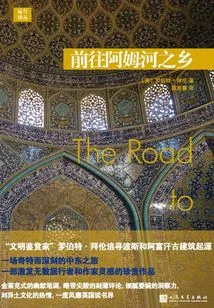
远行译丛:前往阿姆河之乡
(english)robert Byron
Hill House, which has a history of more than 80 years, has been unoccupied for more than two decades. This is a mysterious old house with hidden mysteries. Everyone who lives here will soon move out with excuses, and the real reasons for moving here are kept secret. Psychologist Dr. Montague tried to uncover the mystery by studying "paranormal telepathy". Therefore, he invited three young people to participate in the study to live in the legendary "Haunted House", and a series of incredible events unfolded... In 2010, "Selected Novels and Stories of Shirley Jackson" edited by Joyce Carol Oates was published by the "American Library", which included "The Haunted House".
Hill House, which has a history of more than 80 years, has been unoccupied for more than two decades. This is a mysterious old house with hidden mysteries. Everyone who lives here will soon move out with excuses, and the real reasons for moving here are kept secret. Psychologist Dr. Montague tried to uncover the mystery by studying "paranormal telepathy". Therefore, he invited three young people to participate in the study to live in the legendary "Haunted House", and a series of incredible events unfolded... In 2010, "Selected Novels and Stories of Shirley Jackson" edited by Joyce Carol Oates was published by the "American Library", which included "The Haunted House".
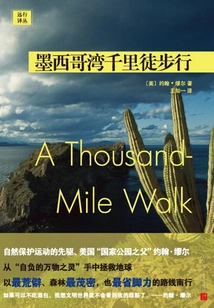
远行译丛:墨西哥湾千里徒步行
(us) John Muir
M. R. James is a famous British medieval scholar and an excellent novelist. His supernatural novels mostly revolve around real or fictitious medieval artifacts, and combine elements of historical humanistic thinking and supernatural exploration. They are highly praised by emerging horror novelists such as H. P. Lovecraft and Clark Ashton Smith. This book covers all the supernatural novels by M. R. James, and especially includes the preface and several writing experiences written by him for his collection of works. From 2005 to 2006, the complete collection of M. R. James' supernatural novels (two volumes) was included in the famous classic literature series - Penguin Classics, and this book was translated based on that version.
M. R. James is a famous British medieval scholar and an excellent novelist. His supernatural novels mostly revolve around real or fictitious medieval artifacts, and combine elements of historical humanistic thinking and supernatural exploration. They are highly praised by emerging horror novelists such as H. P. Lovecraft and Clark Ashton Smith. This book covers all the supernatural novels by M. R. James, and especially includes the preface and several writing experiences written by him for his collection of works. From 2005 to 2006, the complete collection of M. R. James' supernatural novels (two volumes) was included in the famous classic literature series - Penguin Classics, and this book was translated based on that version.

远行译丛:我的探险生涯I
P
Inspired by the Nordensköld expedition, Swedish explorer Sven Hedin embarked on his first trip to Asia in the summer of 1885, from Russian Central Asia to Persia, and gradually towards the heart of Asia. Five years later, he followed a camel team from a small town in eastern Russia to Kashgar, an important border town in China. This trip made him have an indissoluble bond with China's Xinjiang and Tibet regions. Three years later, Hedin once again visited Central Asia for an expedition, focusing on the Tarim region, with a total distance of 10,498 kilometers. After that, he went deep into the western regions of China many times to fight against the barren mountains and rivers, trying to climb the "Father of Icebergs" Muztagh Peak, and challenge the "Place of Death" Taklimakan Desert. Among them, the most eye-catching achievements were the discovery of the ancient city of Loulan and the redefinition of the location of Lop Nur.
Inspired by the Nordensköld expedition, Swedish explorer Sven Hedin embarked on his first trip to Asia in the summer of 1885, from Russian Central Asia to Persia, and gradually towards the heart of Asia. Five years later, he followed a camel team from a small town in eastern Russia to Kashgar, an important border town in China. This trip made him have an indissoluble bond with China's Xinjiang and Tibet regions. Three years later, Hedin once again visited Central Asia for an expedition, focusing on the Tarim region, with a total distance of 10,498 kilometers. After that, he went deep into the western regions of China many times to fight against the barren mountains and rivers, trying to climb the "Father of Icebergs" Muztagh Peak, and challenge the "Place of Death" Taklimakan Desert. Among them, the most eye-catching achievements were the discovery of the ancient city of Loulan and the redefinition of the location of Lop Nur.
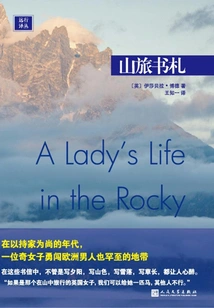
远行译丛:山旅书札
(uk) Isabella Bird
"A Thousand Mile Walk to the Gulf of Mexico" records what John Muir, the "Father of National Parks" in the United States, saw and heard on his way to the Gulf of Mexico and his reflections on nature. He set out from Kentucky alone, passed through Tennessee, Georgia, Florida, passed through the southern United States that had just experienced the Civil War, and reached the Gulf of Mexico. Muir originally planned to head further south from Cuba, but due to health reasons, he had to change his route and take a boat back to California. With only a simple backpack, a plant flattener, and "The Poems of Burns", "New Testament", "Paradise Lost" and "Thousand-Mile Walk to the Gulf of Mexico", he embarked on a thousand-mile hike around the southern United States to the Gulf of Mexico.
"A Thousand Mile Walk to the Gulf of Mexico" records what John Muir, the "Father of National Parks" in the United States, saw and heard on his way to the Gulf of Mexico and his reflections on nature. He set out from Kentucky alone, passed through Tennessee, Georgia, Florida, passed through the southern United States that had just experienced the Civil War, and reached the Gulf of Mexico. Muir originally planned to head further south from Cuba, but due to health reasons, he had to change his route and take a boat back to California. With only a simple backpack, a plant flattener, and "The Poems of Burns", "New Testament", "Paradise Lost" and "Thousand-Mile Walk to the Gulf of Mexico", he embarked on a thousand-mile hike around the southern United States to the Gulf of Mexico.

远行译丛:珠峰史诗
(english) Jung Heul
British travel writer Robert Byron embarked on a unique journey to the Middle East in 1933. He set off from Venice and met his friend Christopher in Cyprus, then traveled through Beirut, Jerusalem, Baghdad and Tehran, and finally arrived in Oxiana, the land of the Amu Darya River, the source of the Amu Darya River that forms part of the border between Afghanistan and Russia. Byron inspired countless travelers and writers by tracing the origins of Islamic architecture in Persia and Afghanistan. "To the Land of the Amu Darya" is not only an entertaining travelogue, but also a valuable record of the architectural treasures of the Middle East.
British travel writer Robert Byron embarked on a unique journey to the Middle East in 1933. He set off from Venice and met his friend Christopher in Cyprus, then traveled through Beirut, Jerusalem, Baghdad and Tehran, and finally arrived in Oxiana, the land of the Amu Darya River, the source of the Amu Darya River that forms part of the border between Afghanistan and Russia. Byron inspired countless travelers and writers by tracing the origins of Islamic architecture in Persia and Afghanistan. "To the Land of the Amu Darya" is not only an entertaining travelogue, but also a valuable record of the architectural treasures of the Middle East.

远行译丛:我的探险生涯II
S
Inspired by the Nordensköld expedition, Swedish explorer Sven Hedin embarked on his first trip to Asia in the summer of 1885, from Russian Central Asia to Persia, and gradually towards the heart of Asia. Five years later, he followed a camel team from a small town in eastern Russia to Kashgar, an important border town in China. This trip made him have an indissoluble bond with China's Xinjiang and Tibet regions. Three years later, Hedin once again visited Central Asia for an expedition, focusing on the Tarim area, with a total distance of 10,498 kilometers. After that, he went deep into the western regions of China many times to fight against the barren mountains and rivers, trying to climb the "Father of Icebergs" Muztag Peak, and challenge the "Place of Death" Taklimakan Desert. Among the most notable achievements were the discovery of the ancient city of Loulan and the redefinition of the location of Lop Nur.
Inspired by the Nordensköld expedition, Swedish explorer Sven Hedin embarked on his first trip to Asia in the summer of 1885, from Russian Central Asia to Persia, and gradually towards the heart of Asia. Five years later, he followed a camel team from a small town in eastern Russia to Kashgar, an important border town in China. This trip made him have an indissoluble bond with China's Xinjiang and Tibet regions. Three years later, Hedin once again visited Central Asia for an expedition, focusing on the Tarim area, with a total distance of 10,498 kilometers. After that, he went deep into the western regions of China many times to fight against the barren mountains and rivers, trying to climb the "Father of Icebergs" Muztag Peak, and challenge the "Place of Death" Taklimakan Desert. Among the most notable achievements were the discovery of the ancient city of Loulan and the redefinition of the location of Lop Nur.
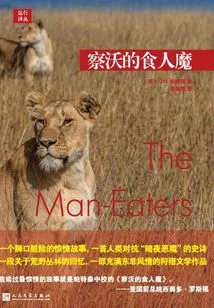
远行译丛:察沃的食人魔
(english) J. H. Patterson
"Contemporary Fables" includes "Contemporary Fables" written by James Thurber in 1940 and "Contemporary Fables" (continuation) in 1956. These two humorous fables can be said to be one of James Thurber's most outstanding works. Their style is very concise and their evaluation of human foibles is insightful and unsparing. In addition to adapting some old fables, Thurber also added his own original stories. All of these fables were published in The New Yorker. In addition, the text is illustrated by Thurber's own illustrations. His brushes can extremely accurately capture and project the subtle changes in the characters' psychology, fully demonstrating his outstanding individual perception and imagination.
"Contemporary Fables" includes "Contemporary Fables" written by James Thurber in 1940 and "Contemporary Fables" (continuation) in 1956. These two humorous fables can be said to be one of James Thurber's most outstanding works. Their style is very concise and their evaluation of human foibles is insightful and unsparing. In addition to adapting some old fables, Thurber also added his own original stories. All of these fables were published in The New Yorker. In addition, the text is illustrated by Thurber's own illustrations. His brushes can extremely accurately capture and project the subtle changes in the characters' psychology, fully demonstrating his outstanding individual perception and imagination.

Life Without End
Literature没有终点的生命
(france) Frédéric Bergbaud
The countdown to life begins from the moment we are born. 59 Million people die every year, 1.9 Every second, 158,857 every day. As you read this paragraph, more than 20 people have already said goodbye to this world. Why do we passively accept this cruel fact and fool ourselves that it is a natural process? From ancient times to the present, humankind's exploration of immortality has never stopped. In this book, the protagonist, who is over fifty years old, also embarks on a long road to race against time. He visited scholars who study human lifespan around the world. They are all real scientists in real life. He traveled to Israel, Switzerland, Austria, France and the United States, and delved into all the cutting-edge research that is expected to extend human lifespan today, such as cell regeneration, 3D printed organs, pig organ transplants, artificial intelligence implants, DNA digital storage cyborgs... In 2030, the world has entered the post-human era, and the current oil war and climate warming are just the prelude to the bloody war between the aging rich and the young poor, the immortal and the mortal in the future. This book is a science fiction novel, but many details in it are not based on imagination, but are based on real scientific theories. This is a ridiculous yet alarming story.
The countdown to life begins from the moment we are born. 59 Million people die every year, 1.9 Every second, 158,857 every day. As you read this paragraph, more than 20 people have already said goodbye to this world. Why do we passively accept this cruel fact and fool ourselves that it is a natural process? From ancient times to the present, humankind's exploration of immortality has never stopped. In this book, the protagonist, who is over fifty years old, also embarks on a long road to race against time. He visited scholars who study human lifespan around the world. They are all real scientists in real life. He traveled to Israel, Switzerland, Austria, France and the United States, and delved into all the cutting-edge research that is expected to extend human lifespan today, such as cell regeneration, 3D printed organs, pig organ transplants, artificial intelligence implants, DNA digital storage cyborgs... In 2030, the world has entered the post-human era, and the current oil war and climate warming are just the prelude to the bloody war between the aging rich and the young poor, the immortal and the mortal in the future. This book is a science fiction novel, but many details in it are not based on imagination, but are based on real scientific theories. This is a ridiculous yet alarming story.
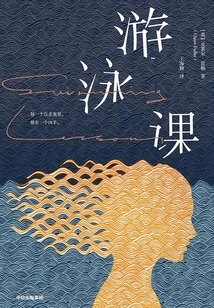
Swimming Lessons
Literature游泳课
(uk) Claire Fuller
Gil looked down from the window and saw his dead wife standing on the sidewalk below. Gill's wife Ingrid has been missing for 12 years, presumed to have drowned. "Men, houses, and children are all external things, shackles that bind women." Ingrid once determined to live for herself in this life. However, the appearance of a handsome man disrupted her life plan. Ingrid became a full-time housewife and gave birth to two daughters. The fatigue of childcare and the miserable marriage life made Ingrid gradually lose confidence in life. She found that swimming relieved stress and gave her temporary peace of mind. One day, Ingrid went to the beach to swim as usual, but never came back...
Gil looked down from the window and saw his dead wife standing on the sidewalk below. Gill's wife Ingrid has been missing for 12 years, presumed to have drowned. "Men, houses, and children are all external things, shackles that bind women." Ingrid once determined to live for herself in this life. However, the appearance of a handsome man disrupted her life plan. Ingrid became a full-time housewife and gave birth to two daughters. The fatigue of childcare and the miserable marriage life made Ingrid gradually lose confidence in life. She found that swimming relieved stress and gave her temporary peace of mind. One day, Ingrid went to the beach to swim as usual, but never came back...

Reputation
Literature名誉
(türkiye) Elif Shafak
Esma's mother Pembe died twice. Years later, she still couldn't get over her mother's death. In Esma's memory of her mother, the memory fragments are connected one by one, restoring the ups and downs of the fate of women in a Kurdish family from generation to generation. In 1945, in a small Kurdish village near the Euphrates River, Naz was struggling to give birth and on the verge of death. She had given birth to eight daughters and was willing to give up her life in order to have a son. She begged the midwife to perform a caesarean section for her, and she died as soon as the child was born. However, this time it was still a girl, and a few hours later, her daughter also died. Among Naz's many daughters, there are twin sisters: Pembe and Jamila. The two sisters had one heart and one mind when they were young. However, the two sisters could not withstand the tricks of fate and finally embarked on completely different paths in life. As an adult, Jamila stayed in her hometown to become a midwife, while Pembe followed her Turkish husband Adem to London. After Pembe and Adam moved to London, their lives were not as happy as they imagined. Wandering on the edge of tradition and modernity, the two generations of this family are facing an unprecedented spiritual split: Pembe still lives in memories of the past; her husband Adem indulges in casinos; their eldest daughter Esma and youngest son Yunus actively embrace Western values; while the eldest brother Iskander's blood flows with primitive violence and traditional values. Unintentionally, when Iskander discovers his mother's extramarital affair, he commits a crime that will cause him pain throughout his life.
Esma's mother Pembe died twice. Years later, she still couldn't get over her mother's death. In Esma's memory of her mother, the memory fragments are connected one by one, restoring the ups and downs of the fate of women in a Kurdish family from generation to generation. In 1945, in a small Kurdish village near the Euphrates River, Naz was struggling to give birth and on the verge of death. She had given birth to eight daughters and was willing to give up her life in order to have a son. She begged the midwife to perform a caesarean section for her, and she died as soon as the child was born. However, this time it was still a girl, and a few hours later, her daughter also died. Among Naz's many daughters, there are twin sisters: Pembe and Jamila. The two sisters had one heart and one mind when they were young. However, the two sisters could not withstand the tricks of fate and finally embarked on completely different paths in life. As an adult, Jamila stayed in her hometown to become a midwife, while Pembe followed her Turkish husband Adem to London. After Pembe and Adam moved to London, their lives were not as happy as they imagined. Wandering on the edge of tradition and modernity, the two generations of this family are facing an unprecedented spiritual split: Pembe still lives in memories of the past; her husband Adem indulges in casinos; their eldest daughter Esma and youngest son Yunus actively embrace Western values; while the eldest brother Iskander's blood flows with primitive violence and traditional values. Unintentionally, when Iskander discovers his mother's extramarital affair, he commits a crime that will cause him pain throughout his life.

There Will Be No Life Left after This
Literature此后再无余生
(us) Nina Riggs
The last words of a woman, wife, mother and daughter's life: only by living seriously and loving can you say goodbye properly. Riggs grew up in a family with a cancer gene. After being diagnosed with the disease, she did not lose herself or give up on life. She even had to face the death of her mother. While fighting the disease, she also had to take care of her eldest son who had congenital diabetes and take care of the mental health of her two sons so that they could naturally accept the reality that their mother was about to leave. Riggs' life seemed to have collapsed and everything in her life was disrupted, but her heart was still full of love for her husband, children, parents, relatives, friends, and books, until she passed away peacefully at the last moment of her life.
The last words of a woman, wife, mother and daughter's life: only by living seriously and loving can you say goodbye properly. Riggs grew up in a family with a cancer gene. After being diagnosed with the disease, she did not lose herself or give up on life. She even had to face the death of her mother. While fighting the disease, she also had to take care of her eldest son who had congenital diabetes and take care of the mental health of her two sons so that they could naturally accept the reality that their mother was about to leave. Riggs' life seemed to have collapsed and everything in her life was disrupted, but her heart was still full of love for her husband, children, parents, relatives, friends, and books, until she passed away peacefully at the last moment of her life.

大卫·福斯特·华莱士:最后的访谈
(us) David Foster Wallace
The six interviews included in this book, including the last conversation he had before his suicide, are private and rich in content. He talks about the state of contemporary America, entertainment, self-discipline, adult life, literature, and his own inimitable writing style. In addition, the book includes revealing Q&As with Dave Eggers, his alma mater's student magazine, and an interview he conducted with the famous Laura Miller before the publication of Infinite Jest. These conversations illustrate many of the qualities that have endeared Wallace over the years: his unparalleled humility, his vast erudition, his intelligence, sensitivity and humanity.
The six interviews included in this book, including the last conversation he had before his suicide, are private and rich in content. He talks about the state of contemporary America, entertainment, self-discipline, adult life, literature, and his own inimitable writing style. In addition, the book includes revealing Q&As with Dave Eggers, his alma mater's student magazine, and an interview he conducted with the famous Laura Miller before the publication of Infinite Jest. These conversations illustrate many of the qualities that have endeared Wallace over the years: his unparalleled humility, his vast erudition, his intelligence, sensitivity and humanity.

Guardian
Literature守护者
(us) Lisa Wingate
Brothers and sisters were originally like snowflakes falling from the sky and did not know each other. But after landing, they merged into one, turned into ice and turned into water, never to be separated. In 1939, the Foss family of seven lived on a houseboat on the Mississippi River. One stormy night, her mother had a difficult delivery, and her father rushed her to the hospital. Before leaving, he told his 12-year-old eldest daughter Lille to take good care of her four younger siblings. Unexpectedly, this separation meant that we would be separated forever. The next day, the police forcibly took away the five children and sent them to the "Tennessee Children's Home". They became orphans waiting for adoption. From then on, Leal and his siblings were separated... In 2017, lawyer Avery returned to his hometown to take care of his father, but when he visited the nursing home, he was mistakenly recognized by an old woman who looked very similar to his grandmother. Driven by curiosity, she launched a series of investigations and uncovered a secret family history and a true and dark charity scandal in American history...
Brothers and sisters were originally like snowflakes falling from the sky and did not know each other. But after landing, they merged into one, turned into ice and turned into water, never to be separated. In 1939, the Foss family of seven lived on a houseboat on the Mississippi River. One stormy night, her mother had a difficult delivery, and her father rushed her to the hospital. Before leaving, he told his 12-year-old eldest daughter Lille to take good care of her four younger siblings. Unexpectedly, this separation meant that we would be separated forever. The next day, the police forcibly took away the five children and sent them to the "Tennessee Children's Home". They became orphans waiting for adoption. From then on, Leal and his siblings were separated... In 2017, lawyer Avery returned to his hometown to take care of his father, but when he visited the nursing home, he was mistakenly recognized by an old woman who looked very similar to his grandmother. Driven by curiosity, she launched a series of investigations and uncovered a secret family history and a true and dark charity scandal in American history...

唯有猫能治愈我:没有什么孤独是猫治愈不了的
(us) Jackson Galexi
Cat daddy Jackson Galexi may not be what you'd expect from a cat expert, with his goatee, tattoos and look like a messenger from hell. Yet Daddy Cat's ability to tame even the most troubled felines - not to mention the stressed-out humans who live in their wake - is astonishing. "Only Cats Can Heal Me" tells the story of two broken lives - Jackson, a poor rock musician, and Benny, a short-haired cat whose pelvis was crushed by a car wheel and was abandoned by his owner in a shelter - and the healing story of each other. This is not an ordinary cat memoir, nor is it an ordinary cat raising guide. This book will take you through a roller coaster of emotions - anger, frustration, sadness, joy - and teach you many stories about love and healing along the way. This book is a must-read for animal lovers, rescuers, lost souls, and anyone who comes into contact with cats in their lives.
Cat daddy Jackson Galexi may not be what you'd expect from a cat expert, with his goatee, tattoos and look like a messenger from hell. Yet Daddy Cat's ability to tame even the most troubled felines - not to mention the stressed-out humans who live in their wake - is astonishing. "Only Cats Can Heal Me" tells the story of two broken lives - Jackson, a poor rock musician, and Benny, a short-haired cat whose pelvis was crushed by a car wheel and was abandoned by his owner in a shelter - and the healing story of each other. This is not an ordinary cat memoir, nor is it an ordinary cat raising guide. This book will take you through a roller coaster of emotions - anger, frustration, sadness, joy - and teach you many stories about love and healing along the way. This book is a must-read for animal lovers, rescuers, lost souls, and anyone who comes into contact with cats in their lives.
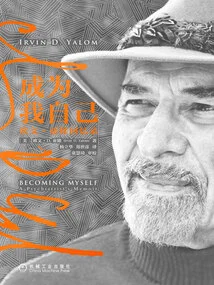
成为我自己:欧文·亚隆回忆录
(u. S.) Owen D. Yalom
In this book, Professor Yallon recalls some important moments in his life, some of which were turning points, some of which were full of glory, and some of which remained unknown and open. But one thing in common is that we can glimpse from the text the fear and conflict that this old man experienced over the years, and how he bloomed flowers of meaning from the dust of life. If we say that existential therapy is a spiritual technique, this seems to underestimate Professor Yaron's rich academic background. However, if we say that existentialism is a specific operation method, this seems to have lost its smart philosophical background. I prefer to regard existential therapy as "Tao", and reading these theories and Professor Yaron's growth story evokes human resonance that even transcends the professional field.
In this book, Professor Yallon recalls some important moments in his life, some of which were turning points, some of which were full of glory, and some of which remained unknown and open. But one thing in common is that we can glimpse from the text the fear and conflict that this old man experienced over the years, and how he bloomed flowers of meaning from the dust of life. If we say that existential therapy is a spiritual technique, this seems to underestimate Professor Yaron's rich academic background. However, if we say that existentialism is a specific operation method, this seems to have lost its smart philosophical background. I prefer to regard existential therapy as "Tao", and reading these theories and Professor Yaron's growth story evokes human resonance that even transcends the professional field.
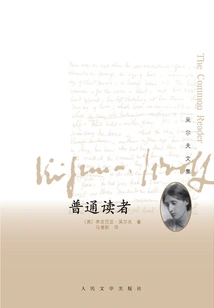
General Readers
Literature普通读者
G
The content of "The Common Reader (I, II)" includes: the Paston family and Chaucer; ignorance of Greek culture; Elizabethan inns; reflections on reading Elizabethan plays; Montaigne; the Duchess of Newcastle; Dandy Evelyn; flute; the life of the unknown; Jane Austen; modern novels; "Jane Eyre" and "Wuthering Heights"; George Eliot; the Russian perspective and other classic works of literary criticism.
The content of "The Common Reader (I, II)" includes: the Paston family and Chaucer; ignorance of Greek culture; Elizabethan inns; reflections on reading Elizabethan plays; Montaigne; the Duchess of Newcastle; Dandy Evelyn; flute; the life of the unknown; Jane Austen; modern novels; "Jane Eyre" and "Wuthering Heights"; George Eliot; the Russian perspective and other classic works of literary criticism.
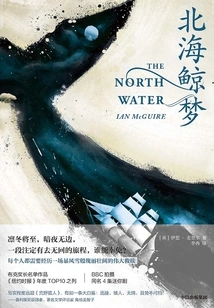
North Sea Whale Dream
Literature北海鲸梦
(uk) Ian Mcguire
In the mid-19th century, a whaling ship named the Volunteer set out from Yorkshire, England, and headed for Greenland. When the whaling business is declining, the captain is convinced that as long as he goes all the way north, he will be able to find the blue sea where whales gather, put an end to his past bad luck, and make a lot of money. However, this is a journey destined to have no return. The blizzard is mercilessly raging, and everyone on the ship has his own agenda. The military doctor Sumner, who is supposed to have a bright future, hides a huge secret in the medicine box... Winter is approaching, and the dark night is endless. Who can escape the arrangement of fate? A painful past that I don't want to mention, a frozen journey in the cold winter of the North Sea. Everyone needs to experience a great redemption as magnificent as a snowstorm.
In the mid-19th century, a whaling ship named the Volunteer set out from Yorkshire, England, and headed for Greenland. When the whaling business is declining, the captain is convinced that as long as he goes all the way north, he will be able to find the blue sea where whales gather, put an end to his past bad luck, and make a lot of money. However, this is a journey destined to have no return. The blizzard is mercilessly raging, and everyone on the ship has his own agenda. The military doctor Sumner, who is supposed to have a bright future, hides a huge secret in the medicine box... Winter is approaching, and the dark night is endless. Who can escape the arrangement of fate? A painful past that I don't want to mention, a frozen journey in the cold winter of the North Sea. Everyone needs to experience a great redemption as magnificent as a snowstorm.

看山是山
Daniel Earlway (aka Nirmala)
This book is a collection of questions and answers, a series of doubts and in-depth reflections that spiritual practitioners must go through sooner or later on the road to pursuing inner peace. What the author conveys is the concept of living in the present, the perception of every moment, the insight into the nature of things, and the understanding of moods and emotions. What exactly defines "self"?
This book is a collection of questions and answers, a series of doubts and in-depth reflections that spiritual practitioners must go through sooner or later on the road to pursuing inner peace. What the author conveys is the concept of living in the present, the perception of every moment, the insight into the nature of things, and the understanding of moods and emotions. What exactly defines "self"?
Waking up Forest
Literature醒来的森林
(us) John Burroughs
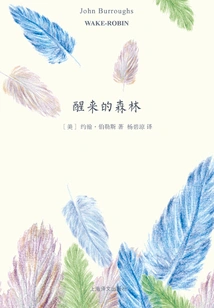
"The Waking Forest" was first published in 1871. It is Burroughs's first collection of nature essays and is by far Burroughs's most popular and beloved work. This is a book about birds, or more appropriately, an invitation to enter the field of ornithology. If it can awaken and stimulate readers' interest in this branch of natural history, it will achieve part of the author's writing intention. We followed Burroughs to the valley and listened to the concert of forest birds. We walked into the forest and observed the colorful lives of different birds. When Burroughs wrote this book, he relied less on rigorous science than on his love of birds and what he already knew. His harvest comes more from the forest than from the study; what he gives readers is a careful and detailed record of field observations and experiences, and every word is true. Most of the scenery he writes are familiar and accessible to people, those in people's own farms and courtyards: woods, fields, birds and animals. As a result, he has won many readers and has set a sales record of 1.5 Million. He is also recognized as the most popular writer of that era. Many people back then, including President Theodore Roosevelt, grew up reading Burroughs's books and followed in his footsteps.
"The Waking Forest" was first published in 1871. It is Burroughs's first collection of nature essays and is by far Burroughs's most popular and beloved work. This is a book about birds, or more appropriately, an invitation to enter the field of ornithology. If it can awaken and stimulate readers' interest in this branch of natural history, it will achieve part of the author's writing intention. We followed Burroughs to the valley and listened to the concert of forest birds. We walked into the forest and observed the colorful lives of different birds. When Burroughs wrote this book, he relied less on rigorous science than on his love of birds and what he already knew. His harvest comes more from the forest than from the study; what he gives readers is a careful and detailed record of field observations and experiences, and every word is true. Most of the scenery he writes are familiar and accessible to people, those in people's own farms and courtyards: woods, fields, birds and animals. As a result, he has won many readers and has set a sales record of 1.5 Million. He is also recognized as the most popular writer of that era. Many people back then, including President Theodore Roosevelt, grew up reading Burroughs's books and followed in his footsteps.

一入再入之红:日本文学行走随笔
Clean Dust
This is a collection of essays about a literary journey in Japan. Having traveled to and from Japan many times, do you know why Kyoto, Kanazawa, and Kamakura have become Japan's three major literary and artistic destinations? What is the connection between writers such as Mishima, Dazai, Shimazaki, and Murasaki Shikibu and Kiyomizudera, Mitaka, Magomejuku, and Hakone? What are the colors of summer insect color, glazed color, and zhuan color? Why are there two tombstones engraved with "emptiness" and "silence" in Junichiro Tanizaki's cemetery? As the "home of literary giants", almost everywhere in Japan is closely connected with the works of well-known writers, from Tokyo and Kamakura to Izu and Kyoto. Following in the footsteps of Jie Chen, we step by step on the land of Japan and in the castle of literature. The author used his personal travels as clues to reorganize Japanese literature and write this book.
This is a collection of essays about a literary journey in Japan. Having traveled to and from Japan many times, do you know why Kyoto, Kanazawa, and Kamakura have become Japan's three major literary and artistic destinations? What is the connection between writers such as Mishima, Dazai, Shimazaki, and Murasaki Shikibu and Kiyomizudera, Mitaka, Magomejuku, and Hakone? What are the colors of summer insect color, glazed color, and zhuan color? Why are there two tombstones engraved with "emptiness" and "silence" in Junichiro Tanizaki's cemetery? As the "home of literary giants", almost everywhere in Japan is closely connected with the works of well-known writers, from Tokyo and Kamakura to Izu and Kyoto. Following in the footsteps of Jie Chen, we step by step on the land of Japan and in the castle of literature. The author used his personal travels as clues to reorganize Japanese literature and write this book.
巨人传(世界文学名著名译典藏)
Am
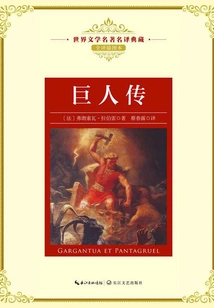
"The Life of Giants" is a satirical novel in the history of French literature. The book is divided into five parts: the first and second parts expound the various propositions of the humanistic theory by narrating the birth, education and great achievements of Gargantua and Panguay; the last three parts use Panguay, Baruch and other partners to search for the sacred bottle and travel around the country to study marriage problems as clues, showing a broad picture of medieval society. The work lashed out at the feudal society of France in the 16th century and was a cry from the emerging bourgeoisie against the rule of the feudal church. It fully reflected the humanists' affirmation of people, human nature and human creativity. In the novel, Rabelais cheerfully and honestly criticized the hypocrisy and cruelty of the church, especially denounced the Catholic scholastic education that poisoned children.
"The Life of Giants" is a satirical novel in the history of French literature. The book is divided into five parts: the first and second parts expound the various propositions of the humanistic theory by narrating the birth, education and great achievements of Gargantua and Panguay; the last three parts use Panguay, Baruch and other partners to search for the sacred bottle and travel around the country to study marriage problems as clues, showing a broad picture of medieval society. The work lashed out at the feudal society of France in the 16th century and was a cry from the emerging bourgeoisie against the rule of the feudal church. It fully reflected the humanists' affirmation of people, human nature and human creativity. In the novel, Rabelais cheerfully and honestly criticized the hypocrisy and cruelty of the church, especially denounced the Catholic scholastic education that poisoned children.

我的非洲之旅(谷臻小简·AI导读版)
Winston Spencer Churchill
Churchill, who twice served as British Prime Minister, brought you the magical world of Africa. It shows us in detail the scene of Africa a hundred years ago, not only the natural scenery, but also the customs and customs, as well as the various interactions between man and nature.
Churchill, who twice served as British Prime Minister, brought you the magical world of Africa. It shows us in detail the scene of Africa a hundred years ago, not only the natural scenery, but also the customs and customs, as well as the various interactions between man and nature.

Owl Takes Flight at Dusk
Literature猫头鹰在黄昏起飞
H
"The Owl Takes Off at Dusk" is the longest interview Haruki Murakami has ever given. The question was asked by Mieiko Kawakami, the most popular young female writer of the new generation in Japan, and Haruki Murakami answered. The interview lasted four times and was compiled into a book. The title of the book is based on the famous saying of the great philosopher Hegel, "The owl of Minerva takes off at dusk", and it is released immediately after "The Knight Commander". It tells the story behind the birth of "Knight Leader". At the same time, using the writer's unique and delicate questioning angle, it allows Murakami to reveal many little-known mysteries of his creation, his experiences as a boy, his views on feminism, his world reputation, daily life and even his thoughts after his death. At the time of the interview, Haruki Murakami was writing "Knight Leader", and several major mysteries were about to emerge. This is an interview record that provides the most in-depth analysis of Murakami's world, and is a feast dedicated to thousands of Murakami fans. Kawakami, winner of the Akutagawa Prize and a loyal fan since she was a girl, questioned Murakami about everything. What is the relationship between the knight leader and the idea? How did the metaphor come about? How does it feel to be read by hundreds of thousands of people? The questions that everyone wants to ask but cannot be asked are recorded verbatim and truthfully. A top-notch interview that lasted 11 hours and has a large capacity of 130,000 words.
"The Owl Takes Off at Dusk" is the longest interview Haruki Murakami has ever given. The question was asked by Mieiko Kawakami, the most popular young female writer of the new generation in Japan, and Haruki Murakami answered. The interview lasted four times and was compiled into a book. The title of the book is based on the famous saying of the great philosopher Hegel, "The owl of Minerva takes off at dusk", and it is released immediately after "The Knight Commander". It tells the story behind the birth of "Knight Leader". At the same time, using the writer's unique and delicate questioning angle, it allows Murakami to reveal many little-known mysteries of his creation, his experiences as a boy, his views on feminism, his world reputation, daily life and even his thoughts after his death. At the time of the interview, Haruki Murakami was writing "Knight Leader", and several major mysteries were about to emerge. This is an interview record that provides the most in-depth analysis of Murakami's world, and is a feast dedicated to thousands of Murakami fans. Kawakami, winner of the Akutagawa Prize and a loyal fan since she was a girl, questioned Murakami about everything. What is the relationship between the knight leader and the idea? How did the metaphor come about? How does it feel to be read by hundreds of thousands of people? The questions that everyone wants to ask but cannot be asked are recorded verbatim and truthfully. A top-notch interview that lasted 11 hours and has a large capacity of 130,000 words.

我记得那美妙的一瞬:普希金诗选
I
"Golden Russia Series (11): I Remember That Wonderful Moment: Selected Poems of Pushkin" selects more than 300 selected poems of Pushkin. Pushkin is known as the "Father of Russian Literature" and "The Sun of Russian Poetry" in Russia, and the era in which he lived was also regarded by later generations as the "Golden Age" of Russian literature. Many researchers believe that it was the emergence of Pushkin that not only established pure Russian national literature, but also established standards for the Russian language. If Lomonosov previously clarified the direction for the Russian language in theory, then it can be said that Pushkin's literary practice enabled this theory to be truly implemented and perfected. He "completed two tasks by himself that would take a century or more in other countries."
"Golden Russia Series (11): I Remember That Wonderful Moment: Selected Poems of Pushkin" selects more than 300 selected poems of Pushkin. Pushkin is known as the "Father of Russian Literature" and "The Sun of Russian Poetry" in Russia, and the era in which he lived was also regarded by later generations as the "Golden Age" of Russian literature. Many researchers believe that it was the emergence of Pushkin that not only established pure Russian national literature, but also established standards for the Russian language. If Lomonosov previously clarified the direction for the Russian language in theory, then it can be said that Pushkin's literary practice enabled this theory to be truly implemented and perfected. He "completed two tasks by himself that would take a century or more in other countries."

穿裤子的云:马雅可夫斯基诗选
(russia) Mayakovsky
"Golden Russia Series (13): Clouds in Pants: Selected Poems of Mayakovsky" contains more than 70 poems by Mayakovsky. As one of the most famous poets in the world of poetry in the 20th century, he devoted himself to modernist literature and art and the socialist revolution at the right time. With his rebellious attitude, "presence" qualification and high-spirited passion, he recorded the public and private heartbeat and pulse of the era when the 20th century came to the world. In their creations, futurist poets represented by Mayakovsky broke with traditional lexicon and syntax, placing special emphasis on the sound of words. They advocated that poets have the freedom to control language, create words and derive words at will, in order to liberate words from the rigid traditional language and the mysterious meaning of symbolism. He loves to coin new words and derivatives in his creations, rejecting conventional poetic combinations and replacing them with unexpected new combinations. Therefore, his unique "staircase poetry" divides each long line into several "steps" of varying numbers. Although there are still hidden rhythms such as "cadence" and "cadence" in it, the "accented rhythm" element derived from ballads and folk songs is more dominant. His poetic language embodies pioneering spirit, rough strength and sensitive inner lyricism, and has a distinctive personal style.
"Golden Russia Series (13): Clouds in Pants: Selected Poems of Mayakovsky" contains more than 70 poems by Mayakovsky. As one of the most famous poets in the world of poetry in the 20th century, he devoted himself to modernist literature and art and the socialist revolution at the right time. With his rebellious attitude, "presence" qualification and high-spirited passion, he recorded the public and private heartbeat and pulse of the era when the 20th century came to the world. In their creations, futurist poets represented by Mayakovsky broke with traditional lexicon and syntax, placing special emphasis on the sound of words. They advocated that poets have the freedom to control language, create words and derive words at will, in order to liberate words from the rigid traditional language and the mysterious meaning of symbolism. He loves to coin new words and derivatives in his creations, rejecting conventional poetic combinations and replacing them with unexpected new combinations. Therefore, his unique "staircase poetry" divides each long line into several "steps" of varying numbers. Although there are still hidden rhythms such as "cadence" and "cadence" in it, the "accented rhythm" element derived from ballads and folk songs is more dominant. His poetic language embodies pioneering spirit, rough strength and sensitive inner lyricism, and has a distinctive personal style.
基度山伯爵(全2册)
H
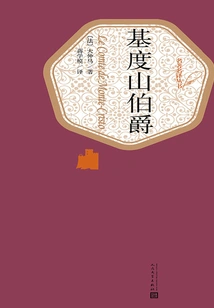
"The Count of Monte Cristo" mainly describes a story of revenge that took place during the French Bourbon Dynasty. Dantes, the young first mate of the Pharaon ship, was entrusted by the captain to deliver a letter to the Napoleonic party before his death. He was framed by two despicable villains and the insidious prosecutor Villefort, and was imprisoned on death row. Depriving him of the beautiful sunshine, love and future that should have belonged to him.
"The Count of Monte Cristo" mainly describes a story of revenge that took place during the French Bourbon Dynasty. Dantes, the young first mate of the Pharaon ship, was entrusted by the captain to deliver a letter to the Napoleonic party before his death. He was framed by two despicable villains and the insidious prosecutor Villefort, and was imprisoned on death row. Depriving him of the beautiful sunshine, love and future that should have belonged to him.
P
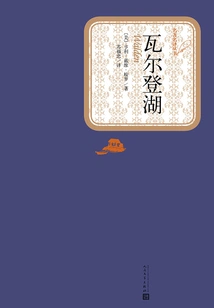
Walden
Literature瓦尔登湖
(american) Thoreau
"Walden" is a record of the American writer Thoreau who lived alone by Walden Pond, describing what he saw, heard and thought during more than two years. The first feature that distinguishes this work from previous literary works is its detailed description and extension of nature. The changes in scenery caused by the changing of the seasons, as small as the fight between two ants, are all vividly reproduced in Thoreau's wonderful pen, and the descriptions are not superficial, but have the precision of a naturalist.
"Walden" is a record of the American writer Thoreau who lived alone by Walden Pond, describing what he saw, heard and thought during more than two years. The first feature that distinguishes this work from previous literary works is its detailed description and extension of nature. The changes in scenery caused by the changing of the seasons, as small as the fight between two ants, are all vividly reproduced in Thoreau's wonderful pen, and the descriptions are not superficial, but have the precision of a naturalist.
Q
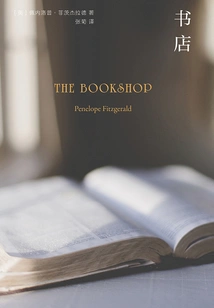
Bookstore
Literature书店
H
In 1959, a kind-hearted widow, Florence Green, took her only property and decided to open a bookstore. It was the only bookstore in town. This seemingly unrealistic idea eventually succeeded, but it also aroused the hidden malice of the people in the small town. In order to enrich the daily life of the neighborhood, she offended Madame Gamart, a powerful lady in the town. Florence's warehouse kept leaking, seeping into the cellar, and then the bookstore followed suit. She finally began to wonder: a town without a bookstore might not want one.
In 1959, a kind-hearted widow, Florence Green, took her only property and decided to open a bookstore. It was the only bookstore in town. This seemingly unrealistic idea eventually succeeded, but it also aroused the hidden malice of the people in the small town. In order to enrich the daily life of the neighborhood, she offended Madame Gamart, a powerful lady in the town. Florence's warehouse kept leaking, seeping into the cellar, and then the bookstore followed suit. She finally began to wonder: a town without a bookstore might not want one.
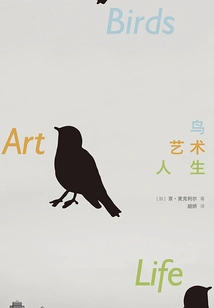
Birds, Art, Life
Literature鸟,艺术,人生
(canada) Jing Mclear
Embark on a bird-watching journey in pursuit of inspiration, beauty and spiritual comfort, examine creation and life in a private but vibrant spiritual world, and record the small and grand things in the corners of life as the seasons pass. Writer McLear met a musician who loved bird watching by chance. She was curious, what drove a young urban musician to suddenly embrace nature and eagerly chase birds in the city? At a low point in her life, she decided to follow in the footsteps of the musician to find out. In this ambitious "big era", she looks at the overlooked details and discovers the hidden natural beauty in the corners of the city. The journey of the two artists together was not a big adventure with ups and downs, but a stop and go in a noisy city full of flaws, exploring the nature in the cracks. Open your eyes and ears, and you will find that the reinforced concrete is full of poetry and inspiration. Traveling between the micro and the macro, observing oneself and nature, this four-season journey interrogates various issues about life, rethinks the position of human beings in the world, explores how we grow out of love, protects nature, and even protects the urban space full of flaws that we live in, and explores the love, waiting, regret and farewell that each of us must go through in life.
Embark on a bird-watching journey in pursuit of inspiration, beauty and spiritual comfort, examine creation and life in a private but vibrant spiritual world, and record the small and grand things in the corners of life as the seasons pass. Writer McLear met a musician who loved bird watching by chance. She was curious, what drove a young urban musician to suddenly embrace nature and eagerly chase birds in the city? At a low point in her life, she decided to follow in the footsteps of the musician to find out. In this ambitious "big era", she looks at the overlooked details and discovers the hidden natural beauty in the corners of the city. The journey of the two artists together was not a big adventure with ups and downs, but a stop and go in a noisy city full of flaws, exploring the nature in the cracks. Open your eyes and ears, and you will find that the reinforced concrete is full of poetry and inspiration. Traveling between the micro and the macro, observing oneself and nature, this four-season journey interrogates various issues about life, rethinks the position of human beings in the world, explores how we grow out of love, protects nature, and even protects the urban space full of flaws that we live in, and explores the love, waiting, regret and farewell that each of us must go through in life.

Sweet Bus: the Girl Raised by Bees
Literature甜蜜巴士:蜜蜂养大的女孩
(us) Meredith May
Journalist Meredith May promoted legislation through reporting, saved countless lives with her pen, and swept ten awards; but she was also the victim of an unfortunate family. At the age of five, she witnessed her parents' constant bickering and violence and was forced to move across the United States overnight to live with her grandfather, who kept bees. Since then, her father has been separated from her life, and her mother has been hiding behind a closed door and bedridden all day long. But because of her grandfather's bee swarm, a ray of golden light shone into her gloomy life. When she and her grandfather made honey in an old military bus in the garden, she discovered that the life lessons her parents could not teach her were actually in the small hexagonal hive. This is a memoir and a fantastic journey in nature. No matter how insignificant a creature is, it can still give you love and courage.
Journalist Meredith May promoted legislation through reporting, saved countless lives with her pen, and swept ten awards; but she was also the victim of an unfortunate family. At the age of five, she witnessed her parents' constant bickering and violence and was forced to move across the United States overnight to live with her grandfather, who kept bees. Since then, her father has been separated from her life, and her mother has been hiding behind a closed door and bedridden all day long. But because of her grandfather's bee swarm, a ray of golden light shone into her gloomy life. When she and her grandfather made honey in an old military bus in the garden, she discovered that the life lessons her parents could not teach her were actually in the small hexagonal hive. This is a memoir and a fantastic journey in nature. No matter how insignificant a creature is, it can still give you love and courage.
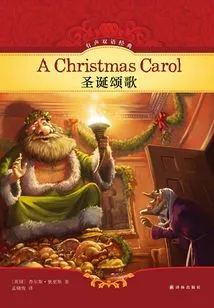
圣诞颂歌(有声双语经典)
H
Yilin's "Audio Bilingual Classics" original version introduces English classics specially written by American education experts for students, and selects classic works that are close to the English acquisition level of Chinese students. The series of books selects high-quality Chinese translations, accompanied by introductions, introductions to the authors' works and illustrations, and employs senior college entrance examination listening test anchors to read English audio books. The audiobook playback platform is easy to operate. Just scan the QR code in the book to listen and download. The book series covers classic literary works from various countries, allowing children to improve their literary appreciation and English listening and reading skills during reading. The famous children's literature writer Huang Beijia recommends a long article introduction. "A Christmas Carol" is one of Charles Dickens' classic representative works. The book is deeply loved by literature lovers all over the world. The book creates the classic literary character Scrooge and promotes the humanitarian sentiment of mutual help and generosity to the whole society. It has a profound influence on some Western countries that believe in Christianity. Dickens himself was called "the man who invented Christmas" by readers because of this work. The famous Christmas greeting "Merry Christmas" became popular all over the world through this book.
Yilin's "Audio Bilingual Classics" original version introduces English classics specially written by American education experts for students, and selects classic works that are close to the English acquisition level of Chinese students. The series of books selects high-quality Chinese translations, accompanied by introductions, introductions to the authors' works and illustrations, and employs senior college entrance examination listening test anchors to read English audio books. The audiobook playback platform is easy to operate. Just scan the QR code in the book to listen and download. The book series covers classic literary works from various countries, allowing children to improve their literary appreciation and English listening and reading skills during reading. The famous children's literature writer Huang Beijia recommends a long article introduction. "A Christmas Carol" is one of Charles Dickens' classic representative works. The book is deeply loved by literature lovers all over the world. The book creates the classic literary character Scrooge and promotes the humanitarian sentiment of mutual help and generosity to the whole society. It has a profound influence on some Western countries that believe in Christianity. Dickens himself was called "the man who invented Christmas" by readers because of this work. The famous Christmas greeting "Merry Christmas" became popular all over the world through this book.
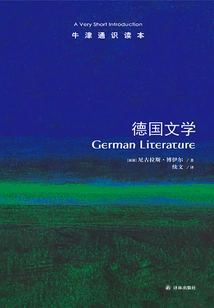
牛津通识读本:德国文学(中文版)
(uk)nicholas Boyle
From Martin Luther and Goethe to Heine, Brecht, and even Günter Grass, German writers have had a profound impact on the modern world. This short book takes readers on a fascinating literary journey through Germany, from the late Middle Ages to the present day, with a special focus on the last 250 years. The author focuses on exploring the economic and religious background of many German literary masterpieces, emphasizing how the works can be understood as responses to social and political upheavals, which often occurred in a history filled with violence and tragedy. The conclusion opens up a new and clear perspective on the power of German literature and the German intellectual tradition, and its impact on the wider cultural world.
From Martin Luther and Goethe to Heine, Brecht, and even Günter Grass, German writers have had a profound impact on the modern world. This short book takes readers on a fascinating literary journey through Germany, from the late Middle Ages to the present day, with a special focus on the last 250 years. The author focuses on exploring the economic and religious background of many German literary masterpieces, emphasizing how the works can be understood as responses to social and political upheavals, which often occurred in a history filled with violence and tragedy. The conclusion opens up a new and clear perspective on the power of German literature and the German intellectual tradition, and its impact on the wider cultural world.

V
Literaturev
H
"Selected Poems of Rabindranath Tagore" contains the prestigious poetry works of Rabindranath Tagore, Asia's first Nobel Prize winner. In 1913, Tagore became the first Asian to win the Nobel Prize for Literature with "Gitanjali". He devoted his life to poetry creation, and his poems' reputation transcended national borders and had a profound impact on the creations of Guo Moruo, Bing Xin, Zheng Zhenduo, etc. This version of "Selected Poems of Rabindranath Tagore" fully includes four poetry collections recommended for independent reading in Chinese textbooks, including the crystal clear and beautiful "Songs of Childlike Innocence" and "New Moon Collection", the clear and timeless "Songs of Philosophy" and "Collection of Birds", "Sacrifice to God" and "Gitanjali", and the youthful "Songs of Life" and "Gardener Collection". In addition, valuable information such as translation prefaces and examples are specially included to build a dialogue bridge with readers and help readers understand the text in a three-dimensional and comprehensive way. "Selected Poems of Rabindranath Tagore" is a complete collection of Tagore's four representative collections of poems, including the crystal clear and beautiful "Songs of Childhood" and "New Moon Collection", the clear and timeless "Songs of Philosophy" and "Collection of Birds", "Sacrifice to God" "Gitanjali", and "Songs of Life" and "Gardener Collection" which incorporate the poet's feelings about youth. Through these poems, we can deeply understand how Tagore, the great Indian poet, loved his country with a long and excellent culture, its people, and its majestic and beautiful mountains and rivers.
"Selected Poems of Rabindranath Tagore" contains the prestigious poetry works of Rabindranath Tagore, Asia's first Nobel Prize winner. In 1913, Tagore became the first Asian to win the Nobel Prize for Literature with "Gitanjali". He devoted his life to poetry creation, and his poems' reputation transcended national borders and had a profound impact on the creations of Guo Moruo, Bing Xin, Zheng Zhenduo, etc. This version of "Selected Poems of Rabindranath Tagore" fully includes four poetry collections recommended for independent reading in Chinese textbooks, including the crystal clear and beautiful "Songs of Childlike Innocence" and "New Moon Collection", the clear and timeless "Songs of Philosophy" and "Collection of Birds", "Sacrifice to God" and "Gitanjali", and the youthful "Songs of Life" and "Gardener Collection". In addition, valuable information such as translation prefaces and examples are specially included to build a dialogue bridge with readers and help readers understand the text in a three-dimensional and comprehensive way. "Selected Poems of Rabindranath Tagore" is a complete collection of Tagore's four representative collections of poems, including the crystal clear and beautiful "Songs of Childhood" and "New Moon Collection", the clear and timeless "Songs of Philosophy" and "Collection of Birds", "Sacrifice to God" "Gitanjali", and "Songs of Life" and "Gardener Collection" which incorporate the poet's feelings about youth. Through these poems, we can deeply understand how Tagore, the great Indian poet, loved his country with a long and excellent culture, its people, and its majestic and beautiful mountains and rivers.
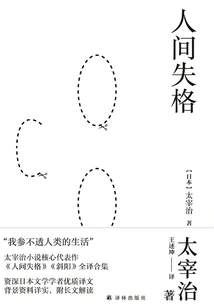
Disqualified from the World
Literature人间失格
(japan) Osamu Dazai
Dazai Osamu's semi-autobiographical novel, a collection of his core masterpieces "Disqualification in the World" and "Setting Sun". An evergreen classic that has spanned more than half a century, its sales are countless, and it has been adapted into films and animations repeatedly. Yukio Mishima, Haruki Murakami, and Wong Kar-Wai are all inseparable from his works, and he is a genius who has profoundly influenced the literary and art world. The high-quality translation is carefully polished by a senior Japanese literature scholar, with detailed annotations and a long explanation. Ten years ago, an anonymous man sent three notebooks to a small bar in Tokyo. In the note, the man revealed the quagmire and karma deep in his heart to readers who may not exist - "I have been said to be a happy person since I was a child, but my mood is like hell..." "I use the straw of comedy to maintain the relationship with human beings. This is a desperate struggle. , Service dripping with cold sweat..." "Although I am kind and humble to everyone, I have no true feelings for friendship... All interactions just make me miserable." It expresses the doubts of a soul hurt by innocence and the sorrow of the world. "Is pure trust a sin?" In the same year that the work was published, Osamu Dazai committed suicide. This book also includes Osamu Dazai's representative "female body" novel "The Setting Sun", which uses his lover Shizuko Ohta as the heroine. It describes the setting sun of a declining aristocratic family and asks where the spiritual "nobles" will go in the end when etiquette and music collapse.
Dazai Osamu's semi-autobiographical novel, a collection of his core masterpieces "Disqualification in the World" and "Setting Sun". An evergreen classic that has spanned more than half a century, its sales are countless, and it has been adapted into films and animations repeatedly. Yukio Mishima, Haruki Murakami, and Wong Kar-Wai are all inseparable from his works, and he is a genius who has profoundly influenced the literary and art world. The high-quality translation is carefully polished by a senior Japanese literature scholar, with detailed annotations and a long explanation. Ten years ago, an anonymous man sent three notebooks to a small bar in Tokyo. In the note, the man revealed the quagmire and karma deep in his heart to readers who may not exist - "I have been said to be a happy person since I was a child, but my mood is like hell..." "I use the straw of comedy to maintain the relationship with human beings. This is a desperate struggle. , Service dripping with cold sweat..." "Although I am kind and humble to everyone, I have no true feelings for friendship... All interactions just make me miserable." It expresses the doubts of a soul hurt by innocence and the sorrow of the world. "Is pure trust a sin?" In the same year that the work was published, Osamu Dazai committed suicide. This book also includes Osamu Dazai's representative "female body" novel "The Setting Sun", which uses his lover Shizuko Ohta as the heroine. It describes the setting sun of a declining aristocratic family and asks where the spiritual "nobles" will go in the end when etiquette and music collapse.
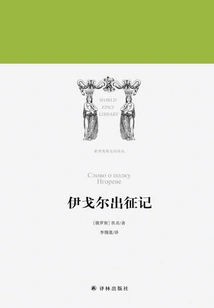
Igor's Expedition
Literature伊戈尔出征记
(russia) Anonymous
This ancient Russian heroic epic was written between 1185 and 1187, and the author is unknown. The whole poem consists of a preface, a central part and an ending, and is based on historical facts from a failed expedition by Prince Igor of Russia in the 12th century. "The Expeditions of Igor" is a magnificent work in the history of ancient Russian literature - a work that sheds light on ancient Russian culture and events that occurred in ancient Rus. It is known as an epic of heroism. The era when the epic was written was an era when principalities were numerous on the Russian land, attacking and killing each other. The protagonist Igor leads an expeditionary force to eliminate the foreign troubles of the principality - Mrs. Polov who is entrenched on the Black Sea coast. In Igor, he has both the heroic spirit of defending his nation against foreign enemies and the character traits of pursuing personal honor and acting rashly. Igor's expedition failed. He first became a prisoner of the enemy, and then finally escaped back to his motherland. The epic finally expresses the gist of this work through the mouth of the Grand Duke of Kiev: unite to avenge the motherland and nation and avenge Igor's failure. The work is full of patriotism and a rich lyrical atmosphere when describing the heroic deeds. In the author's writing, the mountains, rivers and scenery of Russia are all spiritual. The work makes extensive use of rhetorical techniques such as symbols and metaphors, showing the inheritance of folk songs and exerting a huge influence on future generations of poets.
This ancient Russian heroic epic was written between 1185 and 1187, and the author is unknown. The whole poem consists of a preface, a central part and an ending, and is based on historical facts from a failed expedition by Prince Igor of Russia in the 12th century. "The Expeditions of Igor" is a magnificent work in the history of ancient Russian literature - a work that sheds light on ancient Russian culture and events that occurred in ancient Rus. It is known as an epic of heroism. The era when the epic was written was an era when principalities were numerous on the Russian land, attacking and killing each other. The protagonist Igor leads an expeditionary force to eliminate the foreign troubles of the principality - Mrs. Polov who is entrenched on the Black Sea coast. In Igor, he has both the heroic spirit of defending his nation against foreign enemies and the character traits of pursuing personal honor and acting rashly. Igor's expedition failed. He first became a prisoner of the enemy, and then finally escaped back to his motherland. The epic finally expresses the gist of this work through the mouth of the Grand Duke of Kiev: unite to avenge the motherland and nation and avenge Igor's failure. The work is full of patriotism and a rich lyrical atmosphere when describing the heroic deeds. In the author's writing, the mountains, rivers and scenery of Russia are all spiritual. The work makes extensive use of rhetorical techniques such as symbols and metaphors, showing the inheritance of folk songs and exerting a huge influence on future generations of poets.
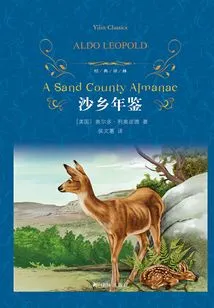
N
Literaturen
H
"Sand Country Almanack" is the representative work of Aldo Leopold, the father of ecological ethics. Among them, "The Return of the Wild Geese" and "Think Like a Mountain" were selected into middle school Chinese textbooks. The classic translation version of "Sand Country Almanac" is based on the first edition of Oxford University Press in 1949. It was carefully translated by the famous environmental historian Professor Hou Wenhui. Susan Fried, chairman of the Leopold Foundation in the United States, wrote a preface and recommended it. It also includes a comparison of the Chinese, English and Latin scientific names of the animals and plants in the book. The book contains Leopold's unpublished preface in 1947, accompanied by 33 original English illustrations, vividly presenting the natural feelings of a naturalist. "Sand Country Almanac" is the crystallization of Aldo Leopold's lifelong observations, experiences, and thoughts. In this book, the author not only expresses his recollection of the harmonious life on the Wisconsin Sand Country Farm, but also records the lessons and pain he experienced in pursuing a scientific ecological view. He also discusses the relationship between man and nature, man and land, trying to reawaken people's love and respect for nature. The whole book contains his views on land health and land ethics. The language is fresh and beautiful, and the content is serious and profound. The author's meticulous observations are reflected between the lines, and he is permeated with his sincere love for birds, beasts, and exotic flowers and plants.
"Sand Country Almanack" is the representative work of Aldo Leopold, the father of ecological ethics. Among them, "The Return of the Wild Geese" and "Think Like a Mountain" were selected into middle school Chinese textbooks. The classic translation version of "Sand Country Almanac" is based on the first edition of Oxford University Press in 1949. It was carefully translated by the famous environmental historian Professor Hou Wenhui. Susan Fried, chairman of the Leopold Foundation in the United States, wrote a preface and recommended it. It also includes a comparison of the Chinese, English and Latin scientific names of the animals and plants in the book. The book contains Leopold's unpublished preface in 1947, accompanied by 33 original English illustrations, vividly presenting the natural feelings of a naturalist. "Sand Country Almanac" is the crystallization of Aldo Leopold's lifelong observations, experiences, and thoughts. In this book, the author not only expresses his recollection of the harmonious life on the Wisconsin Sand Country Farm, but also records the lessons and pain he experienced in pursuing a scientific ecological view. He also discusses the relationship between man and nature, man and land, trying to reawaken people's love and respect for nature. The whole book contains his views on land health and land ethics. The language is fresh and beautiful, and the content is serious and profound. The author's meticulous observations are reflected between the lines, and he is permeated with his sincere love for birds, beasts, and exotic flowers and plants.
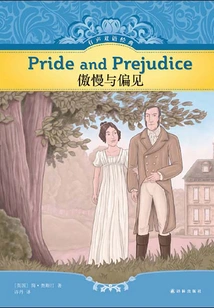
傲慢与偏见(有声双语经典)
H
Yilin's "Audio Bilingual Classics" original version introduces English classics specially written by American education experts for students, and selects classic works that are close to the English acquisition level of Chinese students. The series of books selects high-quality Chinese translations, accompanied by introductions, introductions to the authors' works and illustrations, and employs senior college entrance examination listening test anchors to read English audio books. The audiobook playback platform is easy to operate. Just scan the QR code in the book to listen and download. The book series covers classic literary works from various countries, allowing children to improve their literary appreciation and English listening and reading skills during reading. The famous children's literature writer Huang Beijia recommends a long article introduction. "Pride and Prejudice" is the masterpiece of British writer Jane Austen. The book describes the love and marriage of several young men and women, vividly presents the social life and human emotions in British towns in the early 19th century, and reflects women's pursuit of independent personality and marital autonomy. It is an enduring classic in English literature. This classic work by Jane Austen tells the love story of the two daughters of the Bennett family. At a dance, the elegant new neighbor Bentley and his eldest daughter Jane fell in love with each other; Bentley's good friend Darcy was arrogant by nature. He was dissatisfied with the frivolity and shallowness of the Bennett family and refused to dance with his second daughter Elizabeth. Soon after, Darcy developed a liking for the intelligent and decent Elizabeth. However, Elizabeth was prejudiced against Darcy and rejected his advances. The relationship between Jane and Bingley also fell into crisis. Can they get out of their misunderstanding and gain happiness?
Yilin's "Audio Bilingual Classics" original version introduces English classics specially written by American education experts for students, and selects classic works that are close to the English acquisition level of Chinese students. The series of books selects high-quality Chinese translations, accompanied by introductions, introductions to the authors' works and illustrations, and employs senior college entrance examination listening test anchors to read English audio books. The audiobook playback platform is easy to operate. Just scan the QR code in the book to listen and download. The book series covers classic literary works from various countries, allowing children to improve their literary appreciation and English listening and reading skills during reading. The famous children's literature writer Huang Beijia recommends a long article introduction. "Pride and Prejudice" is the masterpiece of British writer Jane Austen. The book describes the love and marriage of several young men and women, vividly presents the social life and human emotions in British towns in the early 19th century, and reflects women's pursuit of independent personality and marital autonomy. It is an enduring classic in English literature. This classic work by Jane Austen tells the love story of the two daughters of the Bennett family. At a dance, the elegant new neighbor Bentley and his eldest daughter Jane fell in love with each other; Bentley's good friend Darcy was arrogant by nature. He was dissatisfied with the frivolity and shallowness of the Bennett family and refused to dance with his second daughter Elizabeth. Soon after, Darcy developed a liking for the intelligent and decent Elizabeth. However, Elizabeth was prejudiced against Darcy and rejected his advances. The relationship between Jane and Bingley also fell into crisis. Can they get out of their misunderstanding and gain happiness?
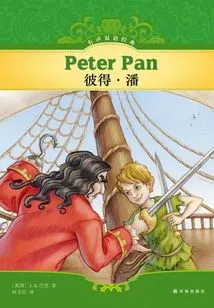
Peter Pan (audio Bilingual Classic)
Literature彼得·潘(有声双语经典)
(uk)j. M. Barry
Yilin's "Audio Bilingual Classics" original version introduces English classics specially written by American education experts for students, and selects classic works that are close to the English acquisition level of Chinese students. The series of books selects high-quality Chinese translations, accompanied by introductions, introductions to the authors' works and illustrations, and employs senior college entrance examination listening test anchors to read English audio books. The audiobook playback platform is easy to operate. Just scan the QR code in the book to listen and download. The book series covers classic literary works from various countries, allowing children to improve their literary appreciation and English listening and reading skills during reading. The famous children's literature writer Huang Beijia recommends a long article introduction. From "Peter Pan", we will read a strong emotion of "I don't want to grow up". Perhaps the reason why "Peter Pan" is still popular after a hundred years is: we are all children who don't want to grow up, and we are all adults with a child living in our hearts. I hope that after reading this book, you can cherish your childhood self and fly bravely in the adult world.
Yilin's "Audio Bilingual Classics" original version introduces English classics specially written by American education experts for students, and selects classic works that are close to the English acquisition level of Chinese students. The series of books selects high-quality Chinese translations, accompanied by introductions, introductions to the authors' works and illustrations, and employs senior college entrance examination listening test anchors to read English audio books. The audiobook playback platform is easy to operate. Just scan the QR code in the book to listen and download. The book series covers classic literary works from various countries, allowing children to improve their literary appreciation and English listening and reading skills during reading. The famous children's literature writer Huang Beijia recommends a long article introduction. From "Peter Pan", we will read a strong emotion of "I don't want to grow up". Perhaps the reason why "Peter Pan" is still popular after a hundred years is: we are all children who don't want to grow up, and we are all adults with a child living in our hearts. I hope that after reading this book, you can cherish your childhood self and fly bravely in the adult world.
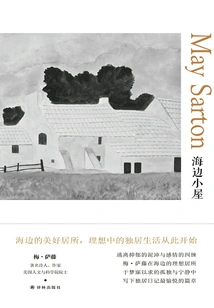
Seaside House (works by Mae Saten)
Literature海边小屋(梅·萨藤作品)
S
Escaped from the quagmire of depression and emotional entanglement, May Sarto wrote the joyful chapter in her diary of living alone in the ideal residence by the seaside, in the solitude and tranquility she dreamed of. In "Diary of Living Alone", the once-suffering and struggling heart finally calmed down. In the good times of life, May Sato began her ideal solitary life in a quiet seaside residence. "The House by the Sea" records the joyful time in May Sarten's diary of living alone. Escaped from an over-involved and self-losing emotional life, May Sato spent time alone in her beach house, focusing on writing and thinking. She wrote down her thoughts on creation, old age, and death in a calm and frank style, and also shared with readers her daily life such as weather, gardening, cooking, and visits from friends without reservation. Even ordinary days appear so vivid and charming in her writings, which makes people have infinite love for life.
Escaped from the quagmire of depression and emotional entanglement, May Sarto wrote the joyful chapter in her diary of living alone in the ideal residence by the seaside, in the solitude and tranquility she dreamed of. In "Diary of Living Alone", the once-suffering and struggling heart finally calmed down. In the good times of life, May Sato began her ideal solitary life in a quiet seaside residence. "The House by the Sea" records the joyful time in May Sarten's diary of living alone. Escaped from an over-involved and self-losing emotional life, May Sato spent time alone in her beach house, focusing on writing and thinking. She wrote down her thoughts on creation, old age, and death in a calm and frank style, and also shared with readers her daily life such as weather, gardening, cooking, and visits from friends without reservation. Even ordinary days appear so vivid and charming in her writings, which makes people have infinite love for life.
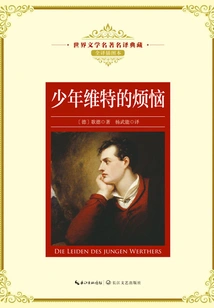
The Sorrows of Young Werther (a Collection of Famous Translations of World Literary Names)
Literature少年维特的烦恼(世界文学名著名译典藏)
F
"The Sorrows of Young Werther" describes the experiences and feelings of progressive young people towards the despicable German society at that time. It shows the author's reaction to the feudal moral hierarchy and his strong demand for individual liberation: Young Werther fell in love with a girl named Lotte, who was engaged to someone else. The setback in love made Werther devastated. Later, Werther committed suicide because he was incompatible with feudal society and felt that his future was hopeless. It is the most read of Goethe's works by his contemporaries.
"The Sorrows of Young Werther" describes the experiences and feelings of progressive young people towards the despicable German society at that time. It shows the author's reaction to the feudal moral hierarchy and his strong demand for individual liberation: Young Werther fell in love with a girl named Lotte, who was engaged to someone else. The setback in love made Werther devastated. Later, Werther committed suicide because he was incompatible with feudal society and felt that his future was hopeless. It is the most read of Goethe's works by his contemporaries.
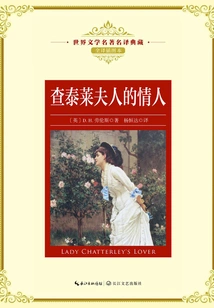
查泰莱夫人的情人(世界文学名著名译典藏)
Lawrence
"Lady Chatterley's Lover" is a novel by the famous British novelist and poet Lawrence. The story takes place in England, a country with a strict class system. Young Connie finally waited for her husband, who had been separated from her for a long time, and also waited for the sad news that her husband's lower body was permanently paralyzed. Facing the cruel reality, the kind-hearted Connie had to accept it silently. However, by chance, Connie meets the manor's caretaker... The emotional and sexual entanglement between the young woman and the two men deeply demonstrates the true humanity that is cleverly disguised in real life.
"Lady Chatterley's Lover" is a novel by the famous British novelist and poet Lawrence. The story takes place in England, a country with a strict class system. Young Connie finally waited for her husband, who had been separated from her for a long time, and also waited for the sad news that her husband's lower body was permanently paralyzed. Facing the cruel reality, the kind-hearted Connie had to accept it silently. However, by chance, Connie meets the manor's caretaker... The emotional and sexual entanglement between the young woman and the two men deeply demonstrates the true humanity that is cleverly disguised in real life.
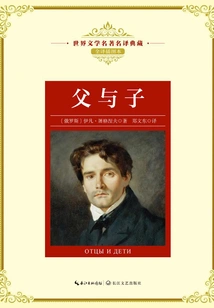
父与子(世界文学名著名译典藏)
Turgenev
"Fathers and Sons" is one of Turgenev's greatest works and the pinnacle of his creative career. The novel creates the "old generation" of Kirshanov, the liberal aristocratic representative, and the "new generation" of the intellectual Bazarov. It demonstrates the brilliance of human nature through the conflict between the concepts of father and son, and reflects the relationship between "father and son" representing the power of different social classes. In addition to the relationship between the two generations of "father and son", the novel also reflects the conflict of ideas between the common people and the aristocracy, affirms the leading role of intellectuals in social change, and exposes the incompetence and emptiness of the aristocracy. After the publication of this work, it aroused fierce controversy in Russian society at that time.
"Fathers and Sons" is one of Turgenev's greatest works and the pinnacle of his creative career. The novel creates the "old generation" of Kirshanov, the liberal aristocratic representative, and the "new generation" of the intellectual Bazarov. It demonstrates the brilliance of human nature through the conflict between the concepts of father and son, and reflects the relationship between "father and son" representing the power of different social classes. In addition to the relationship between the two generations of "father and son", the novel also reflects the conflict of ideas between the common people and the aristocracy, affirms the leading role of intellectuals in social change, and exposes the incompetence and emptiness of the aristocracy. After the publication of this work, it aroused fierce controversy in Russian society at that time.
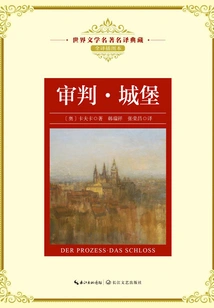
审判·城堡(世界文学名著名译典藏)
Kafka
"The Trial and the Castle" contains two novels, "The Trial" and "The Castle". "The Trial" tells the story of the protagonist Joseph K., Who was suddenly arrested on his 30th birthday. He knew he was innocent, appealed to a lawyer, and tried his best to prove it. However, all efforts were in vain. No one could prove his innocence. The court was a filthy place where filth and evil spread. The whole society enveloped him like an invisible legal net. He was finally killed in a quarry. This was the "trial" of him by the judicial institution under the bureaucracy. "The Castle" tells the story of land surveyor K. Who was ordered to take up a post in a certain city, but was unexpectedly blocked outside the castle gate. The protagonist K. Then started a long and cumbersome tug-of-war with the castle authorities over whether he could enter the castle. The castle is located on a hill in front of us, but it is just out of reach; it is so cold and majestic, like a giant beast looking down at K.; It represents a huge bureaucracy with a strict hierarchy, countless departments and countless officials, but there are countless documents that have been gathered there, unattended and unprocessed for many years. Facing this powerful castle, K. Was helpless and did not enter the castle until the end, nor did he see the castle authority. The novel is shrouded in a mysterious and nightmarish atmosphere from beginning to end, with profound implications and endless evocative meanings.
"The Trial and the Castle" contains two novels, "The Trial" and "The Castle". "The Trial" tells the story of the protagonist Joseph K., Who was suddenly arrested on his 30th birthday. He knew he was innocent, appealed to a lawyer, and tried his best to prove it. However, all efforts were in vain. No one could prove his innocence. The court was a filthy place where filth and evil spread. The whole society enveloped him like an invisible legal net. He was finally killed in a quarry. This was the "trial" of him by the judicial institution under the bureaucracy. "The Castle" tells the story of land surveyor K. Who was ordered to take up a post in a certain city, but was unexpectedly blocked outside the castle gate. The protagonist K. Then started a long and cumbersome tug-of-war with the castle authorities over whether he could enter the castle. The castle is located on a hill in front of us, but it is just out of reach; it is so cold and majestic, like a giant beast looking down at K.; It represents a huge bureaucracy with a strict hierarchy, countless departments and countless officials, but there are countless documents that have been gathered there, unattended and unprocessed for many years. Facing this powerful castle, K. Was helpless and did not enter the castle until the end, nor did he see the castle authority. The novel is shrouded in a mysterious and nightmarish atmosphere from beginning to end, with profound implications and endless evocative meanings.
红与黑(世界文学名著名译典藏)
Y
Julien, the youngest son of a country carpenter, has always worshiped Napoleon fanatically and hopes to make achievements on the battlefield and become famous. Because he was proficient in Latin, Julien became a tutor at the mayor's house. At the mayor's house, the hostess, Mrs. Reina, unconsciously developed an admiration for him. After his affair was revealed, he left the town in a dangerous situation with a bullet grazing his body. Julien came to Paris and became the personal secretary of the extreme royalist leader, the Marquis de La Mour, and won the deep love of the Marquis's daughter, Miss Mathieu, with his personal charm. But he didn't expect that he would be involved in an unexpected love game. Later, Madame Reina, who loved him deeply, actually sent a denunciation letter to Paris, and Julien was guillotined for this.
Julien, the youngest son of a country carpenter, has always worshiped Napoleon fanatically and hopes to make achievements on the battlefield and become famous. Because he was proficient in Latin, Julien became a tutor at the mayor's house. At the mayor's house, the hostess, Mrs. Reina, unconsciously developed an admiration for him. After his affair was revealed, he left the town in a dangerous situation with a bullet grazing his body. Julien came to Paris and became the personal secretary of the extreme royalist leader, the Marquis de La Mour, and won the deep love of the Marquis's daughter, Miss Mathieu, with his personal charm. But he didn't expect that he would be involved in an unexpected love game. Later, Madame Reina, who loved him deeply, actually sent a denunciation letter to Paris, and Julien was guillotined for this.
包法利夫人(世界文学名著名译典藏)
H
"Madame Bovary" is a novel by the famous French writer Flaubert. The work tells the story of Emma, a peasant girl who received an aristocratic education. She looked down on her husband Bovary, a rural doctor, and dreamed of a legendary love. However, the two affairs not only failed to bring her happiness, but also made her the target of exploitation by loan sharks. In the end, he accumulated huge debts and had no choice but to commit suicide by taking poison. The author describes the process of the protagonist's emotional decline with delicate brushstrokes, and strives to find the social roots of this tragedy. Emma's death is not only a tragedy for herself, but also a tragedy for that era.
"Madame Bovary" is a novel by the famous French writer Flaubert. The work tells the story of Emma, a peasant girl who received an aristocratic education. She looked down on her husband Bovary, a rural doctor, and dreamed of a legendary love. However, the two affairs not only failed to bring her happiness, but also made her the target of exploitation by loan sharks. In the end, he accumulated huge debts and had no choice but to commit suicide by taking poison. The author describes the process of the protagonist's emotional decline with delicate brushstrokes, and strives to find the social roots of this tragedy. Emma's death is not only a tragedy for herself, but also a tragedy for that era.

琥珀(世界文学名著名译典藏)
(us) Catherine Windsor
American writer Catherine Windsor's historical romance novel "Amber" borrows historical background to vividly depict women's emotional space. Therefore, it has been favored by readers for many years since its publication and is known as the only novel comparable to "Gone with the Wind". Although this book tells the story of England in the late 17th century, its heroine Amber is a typical modern woman. The girl Amber is a descendant of a nobleman who lives in the countryside. Because of her innate beauty and outstanding temperament, she is uneasy with rural life. By chance, she meets the nobleman Bolu. After that, she went to jail, became a thief, and acted, and finally entered the upper class of London and became the favored lover of Charles II. In the magnificent turning point of the times, Amber's emotional experience, ups and downs of life, and finally her brave decision to leave for the American continent reflect the growth of a female sense of independence. "Amber" has been published for more than 70 years, and has a wide influence in Europe and the United States, and is deeply loved by readers. After reading "Amber", many women named their daughters Amber and introduced this work to their daughters, which is rare in reading literary works. For readers, this novel, as its name suggests, is a dazzling amber that makes people fall in love with it and lasts forever.
American writer Catherine Windsor's historical romance novel "Amber" borrows historical background to vividly depict women's emotional space. Therefore, it has been favored by readers for many years since its publication and is known as the only novel comparable to "Gone with the Wind". Although this book tells the story of England in the late 17th century, its heroine Amber is a typical modern woman. The girl Amber is a descendant of a nobleman who lives in the countryside. Because of her innate beauty and outstanding temperament, she is uneasy with rural life. By chance, she meets the nobleman Bolu. After that, she went to jail, became a thief, and acted, and finally entered the upper class of London and became the favored lover of Charles II. In the magnificent turning point of the times, Amber's emotional experience, ups and downs of life, and finally her brave decision to leave for the American continent reflect the growth of a female sense of independence. "Amber" has been published for more than 70 years, and has a wide influence in Europe and the United States, and is deeply loved by readers. After reading "Amber", many women named their daughters Amber and introduced this work to their daughters, which is rare in reading literary works. For readers, this novel, as its name suggests, is a dazzling amber that makes people fall in love with it and lasts forever.
双城记(世界文学名著名译典藏)
H
"A Tale of Two Cities" is an immortal classic in the history of world literature. It tells the social life of France and England during the French Revolution. It describes the corruption and depravity of the aristocratic class, as well as their oppression and persecution of the middle and lower classes. It also describes the surging revolutionary wave positively, witnessing the destruction of an era and the birth of a new era in the bloody massacre.
"A Tale of Two Cities" is an immortal classic in the history of world literature. It tells the social life of France and England during the French Revolution. It describes the corruption and depravity of the aristocratic class, as well as their oppression and persecution of the middle and lower classes. It also describes the surging revolutionary wave positively, witnessing the destruction of an era and the birth of a new era in the bloody massacre.