Library
Browse and search books
2,982 novels found
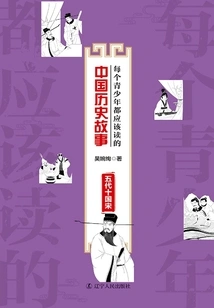
每个青少年都应该读的中国历史故事:五代十国宋
Wu Wanxuan
The Five Dynasties and Ten Kingdoms were a period of chaos and war. Many talented people with different personalities emerged, which had a profound impact on the development of Chinese culture. After Zhao Kuangyin established the Song Dynasty, he eliminated other separatist forces and basically completed the unification, allowing the Song Dynasty's economy and culture to develop rapidly, and the lives of ordinary people also experienced tremendous changes. In addition, the ethnic minority regimes entrenched in the north have been eyeing the Central Plains, and the Song court faced huge challenges...
The Five Dynasties and Ten Kingdoms were a period of chaos and war. Many talented people with different personalities emerged, which had a profound impact on the development of Chinese culture. After Zhao Kuangyin established the Song Dynasty, he eliminated other separatist forces and basically completed the unification, allowing the Song Dynasty's economy and culture to develop rapidly, and the lives of ordinary people also experienced tremendous changes. In addition, the ethnic minority regimes entrenched in the north have been eyeing the Central Plains, and the Song court faced huge challenges...
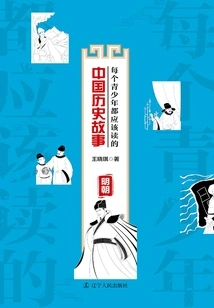
每个青少年都应该读的中国历史故事:明朝
Wang Xiaoqi
In the Ming Dynasty, there were generous elegy and sad murmuring in this era. Within the high walls of the palace, the Ming Taizu with an iron fist and the Ming Chengzu who compiled the grand ceremony laid the economic foundation and superstructure for the new dynasty. Guarding this building are the poor but determined prime minister, the strategizing ministers, and the elusive Jinyi guards wearing flying fish robes and carrying embroidered spring swords. The world outside the palace walls is even more exciting. Xu Xiake's footprints are all over the country. Zheng He made seven voyages to the west, spreading the majesty of the Ming Empire to the southern hemisphere. But at the same time, the temptation of wealth attracted Japanese pirates who invaded the border...
In the Ming Dynasty, there were generous elegy and sad murmuring in this era. Within the high walls of the palace, the Ming Taizu with an iron fist and the Ming Chengzu who compiled the grand ceremony laid the economic foundation and superstructure for the new dynasty. Guarding this building are the poor but determined prime minister, the strategizing ministers, and the elusive Jinyi guards wearing flying fish robes and carrying embroidered spring swords. The world outside the palace walls is even more exciting. Xu Xiake's footprints are all over the country. Zheng He made seven voyages to the west, spreading the majesty of the Ming Empire to the southern hemisphere. But at the same time, the temptation of wealth attracted Japanese pirates who invaded the border...
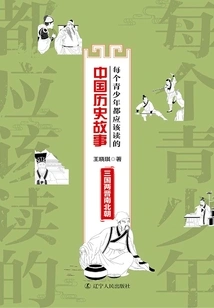
每个青少年都应该读的中国历史故事:三国两晋南北朝
Wang Xiaoqi
In the long history, there was a long period of turmoil, which was the Three Kingdoms, Two Jins, Southern and Northern Dynasties. It is often said that heroes emerge from troubled times, and this is especially true in the history of the Three Kingdoms. The heroic Cao Cao, the scheming Zhuge Liang, and the romantic genius Zhou Yu have all become the objects of interpretation by later generations. In the Jin Kingdom after the troubled times, in addition to the monarchs who were busy fighting for wealth, what was even more commendable was the poet who picked chrysanthemums under the eastern fence. People call the songs of the Three Kingdoms period to sing their aspirations and the indulgent landscapes of the Two Jin Dynasties as "Wei and Jin Dynasties". By the Northern and Southern Dynasties, the romantic atmosphere was gone, and all that was left was smoke and war.
In the long history, there was a long period of turmoil, which was the Three Kingdoms, Two Jins, Southern and Northern Dynasties. It is often said that heroes emerge from troubled times, and this is especially true in the history of the Three Kingdoms. The heroic Cao Cao, the scheming Zhuge Liang, and the romantic genius Zhou Yu have all become the objects of interpretation by later generations. In the Jin Kingdom after the troubled times, in addition to the monarchs who were busy fighting for wealth, what was even more commendable was the poet who picked chrysanthemums under the eastern fence. People call the songs of the Three Kingdoms period to sing their aspirations and the indulgent landscapes of the Two Jin Dynasties as "Wei and Jin Dynasties". By the Northern and Southern Dynasties, the romantic atmosphere was gone, and all that was left was smoke and war.
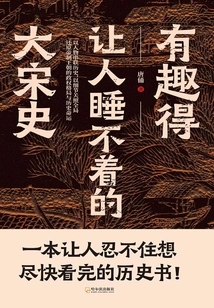
有趣得让人睡不着的大宋史
Tang Dynasty Terracotta Warriors
"The History of the Song Dynasty is So Interesting That You Can't Sleep" is a popular history book of the Song Dynasty. It selects figures who had a significant influence on the historical trend of the Song Empire, connects the history with the characters, takes care of the overall situation with details, and restores the political changes and historical destiny of the imperial Song Dynasty in a vivid and interesting narrative way. Let readers have a more complete impression of the true history of the Song Dynasty through many details in the relaxed and humorous description.
"The History of the Song Dynasty is So Interesting That You Can't Sleep" is a popular history book of the Song Dynasty. It selects figures who had a significant influence on the historical trend of the Song Empire, connects the history with the characters, takes care of the overall situation with details, and restores the political changes and historical destiny of the imperial Song Dynasty in a vivid and interesting narrative way. Let readers have a more complete impression of the true history of the Song Dynasty through many details in the relaxed and humorous description.
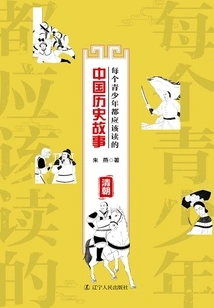
每个青少年都应该读的中国历史故事:清朝
Zhu Yan
The Qing Dynasty was the last dynasty after thousands of years of feudal dynasties in China. It was also the transition period between modern civilization. This period of history was very important to the development and transformation of Chinese civilization. By reading this book, you can appreciate the style of the Qing emperors who conquered the world on horseback and marched into the Central Plains to secure their thrones. You can also see the changing Chinese civilization under the impact of Western civilization. You can also feel how the Qing Dynasty, which is increasingly disintegrating under the attack of Western ships and artillery, is coming to an end. This period of history has also taught us Chinese sons and daughters a bloody lesson, that is, "if you fall behind, you will be beaten." Only when the country is strong can individuals exist.
The Qing Dynasty was the last dynasty after thousands of years of feudal dynasties in China. It was also the transition period between modern civilization. This period of history was very important to the development and transformation of Chinese civilization. By reading this book, you can appreciate the style of the Qing emperors who conquered the world on horseback and marched into the Central Plains to secure their thrones. You can also see the changing Chinese civilization under the impact of Western civilization. You can also feel how the Qing Dynasty, which is increasingly disintegrating under the attack of Western ships and artillery, is coming to an end. This period of history has also taught us Chinese sons and daughters a bloody lesson, that is, "if you fall behind, you will be beaten." Only when the country is strong can individuals exist.
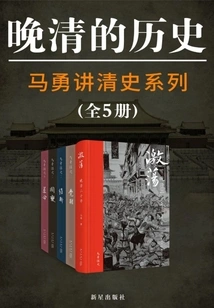
晚清的历史:马勇讲清史系列(全5册)
Ma Yong
"Awakening: The Sino-Japanese War of Sino-Japanese War and the Turning Point in Chinese History" After the disastrous defeat in the Battle of the Yellow Sea in the Sino-Japanese War of Sino-Japanese War, peace became more difficult. "National Change: The Complicated Gengzi Chaos" describes in detail the ins and outs of the Boxer Rebellion and the Gengzi National Disaster, and analyzes the reasons why the Eight-Power Allied Forces entered Beijing. The Qing government led the wolf into the house, and eventually the ruling power declined significantly and China fell into chaos. "Revolution: Reform Trends and Failures in the Late Qing Dynasty" describes the historical process in which the late Qing government tried to save itself from danger through constitutional monarchy, but missed the last opportunity again and again and was eventually overthrown by the revolutionaries. "Agitation: Twenty Years of the Late Qing Dynasty" is a comprehensive study of the last two decades of the collapse of the Qing Dynasty. It briefly narrates and reinterprets a series of major events, including the Sino-Japanese War of 1898, the Reform Movement of 1898, the Boxer Rebellion, the New Deal Reform, the overthrow of the imperial system, and the move toward republic.
"Awakening: The Sino-Japanese War of Sino-Japanese War and the Turning Point in Chinese History" After the disastrous defeat in the Battle of the Yellow Sea in the Sino-Japanese War of Sino-Japanese War, peace became more difficult. "National Change: The Complicated Gengzi Chaos" describes in detail the ins and outs of the Boxer Rebellion and the Gengzi National Disaster, and analyzes the reasons why the Eight-Power Allied Forces entered Beijing. The Qing government led the wolf into the house, and eventually the ruling power declined significantly and China fell into chaos. "Revolution: Reform Trends and Failures in the Late Qing Dynasty" describes the historical process in which the late Qing government tried to save itself from danger through constitutional monarchy, but missed the last opportunity again and again and was eventually overthrown by the revolutionaries. "Agitation: Twenty Years of the Late Qing Dynasty" is a comprehensive study of the last two decades of the collapse of the Qing Dynasty. It briefly narrates and reinterprets a series of major events, including the Sino-Japanese War of 1898, the Reform Movement of 1898, the Boxer Rebellion, the New Deal Reform, the overthrow of the imperial system, and the move toward republic.
天下名士有部落:常州人物与文化群体
Zhou Jiarong Ding Jie
This book first narrates the academic inheritance of the six schools in Changzhou, and then explores the achievements of famous figures in Changzhou historiography, Changzhou women's studies, and Changzhou philology. It also introduces many Changzhou figures, including educators, revolutionaries, dramatists, artists, and scientists, etc., Displaying Changzhou's status in Chinese cultural history in the past three hundred years from many aspects, as well as the role of Changzhou cultural groups in the new era. The book also includes abstracts of more than 100 related works to provide readers with convenience in reading and retrieval.
This book first narrates the academic inheritance of the six schools in Changzhou, and then explores the achievements of famous figures in Changzhou historiography, Changzhou women's studies, and Changzhou philology. It also introduces many Changzhou figures, including educators, revolutionaries, dramatists, artists, and scientists, etc., Displaying Changzhou's status in Chinese cultural history in the past three hundred years from many aspects, as well as the role of Changzhou cultural groups in the new era. The book also includes abstracts of more than 100 related works to provide readers with convenience in reading and retrieval.
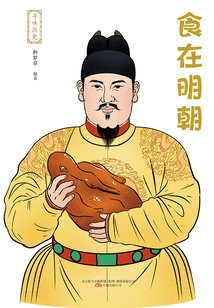
寻味历史:食在明朝
Compiled By Zhong Mengzhuo
"Eating in the Ming Dynasty" is one of the "History of Taste". It selects parts about eating from the Ming Dynasty classics, essays, novels and literati's notes, and explains them in detail in categories according to the categories and characteristics of the food. It provides a relatively comprehensive overview and introduction to the food and culture of the Ming Dynasty. The article includes high-end and high-end "Ming Palace Food", as well as down-to-earth "taste of the world", as well as classic works by literati and gourmets and introductions to dishes. It aims to restore a colorful and fragrant panoramic view of the Ming Dynasty's food history for readers. At the same time, the text is accompanied by famous ancient paintings with relevant content, making the text colorful and easy to understand.
"Eating in the Ming Dynasty" is one of the "History of Taste". It selects parts about eating from the Ming Dynasty classics, essays, novels and literati's notes, and explains them in detail in categories according to the categories and characteristics of the food. It provides a relatively comprehensive overview and introduction to the food and culture of the Ming Dynasty. The article includes high-end and high-end "Ming Palace Food", as well as down-to-earth "taste of the world", as well as classic works by literati and gourmets and introductions to dishes. It aims to restore a colorful and fragrant panoramic view of the Ming Dynasty's food history for readers. At the same time, the text is accompanied by famous ancient paintings with relevant content, making the text colorful and easy to understand.
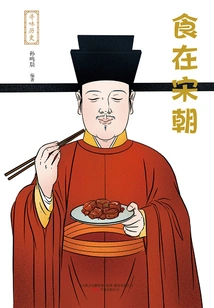
寻味历史:食在宋朝
Compiled By Sun Mingchen
"Food in the Song Dynasty" is a book in the "Exploring History" series. It mainly selects the most representative poems, songs, essays, novels, and literati's notes about food in the Song Dynasty, such as "Tokyo Menghua Lu", "Shanjia Qinggong", "Old Martial Arts", "Capital Records", "Mengliang Lu", etc. From the luxurious feasts of the palace, the world of literati, to the daily flavorful world of ordinary people, this book aims to restore the true picture of the food life of the Song Dynasty through the writings of the ancients, leading readers to taste the food of the Song Dynasty between the lines of the ancients, and feel the charm of traditional culture in the historical changes.
"Food in the Song Dynasty" is a book in the "Exploring History" series. It mainly selects the most representative poems, songs, essays, novels, and literati's notes about food in the Song Dynasty, such as "Tokyo Menghua Lu", "Shanjia Qinggong", "Old Martial Arts", "Capital Records", "Mengliang Lu", etc. From the luxurious feasts of the palace, the world of literati, to the daily flavorful world of ordinary people, this book aims to restore the true picture of the food life of the Song Dynasty through the writings of the ancients, leading readers to taste the food of the Song Dynasty between the lines of the ancients, and feel the charm of traditional culture in the historical changes.
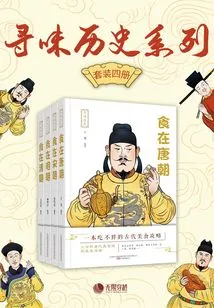
寻味历史系列(套装4册)
Compiled By Wang Xu, Wen Meimei And Others
The "Tasting History" series includes four volumes: "Food in the Tang Dynasty", "Food in the Song Dynasty", "Food in the Ming Dynasty" and "Food in the Qing Dynasty". The representative poems, songs, essays, novels, and literati's notes about food in these four dynasties are explained and annotated, and accompanied by ancient famous paintings with relevant content. The pictures and texts are brilliant and easy to understand, showing a comprehensive panoramic view of Chinese history in food to readers. Dream back to ancient times and experience the colorful customs and customs; from palace banquets and literati tea parties to common people's dining tables, let's have a feast thousands of years ago!
The "Tasting History" series includes four volumes: "Food in the Tang Dynasty", "Food in the Song Dynasty", "Food in the Ming Dynasty" and "Food in the Qing Dynasty". The representative poems, songs, essays, novels, and literati's notes about food in these four dynasties are explained and annotated, and accompanied by ancient famous paintings with relevant content. The pictures and texts are brilliant and easy to understand, showing a comprehensive panoramic view of Chinese history in food to readers. Dream back to ancient times and experience the colorful customs and customs; from palace banquets and literati tea parties to common people's dining tables, let's have a feast thousands of years ago!
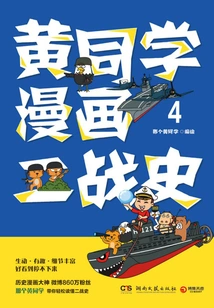
黄同学漫画二战史.4
That Classmate Huang Compiled The Drawings
The "Classmate Huang Comics History of World War II" series of works uses a relaxed and humorous style, vivid and interesting stories, and gradually displays the grand history of World War II according to the timeline of World War II, allowing readers to easily remember the history of World War II. This book is the fourth work in the "History of World War II Comics by Huang Classmate" series. On the one hand, it focuses on the decisive important battles and major events in the late World War II, such as the Battle of Midway, the attack on Pearl Harbor, the assassination of Hitler, the nuclear attack on Japan, etc., As well as the legendary figures and anecdotes behind the battles; on the other hand, it focuses on the innovative weapons during World War II. Through the form of comics, the author takes everyone back to the smoke-filled battlefields of World War II and relives the magnificent epic written by the anti-fascist warriors with their blood for the sake of peace for all mankind.
The "Classmate Huang Comics History of World War II" series of works uses a relaxed and humorous style, vivid and interesting stories, and gradually displays the grand history of World War II according to the timeline of World War II, allowing readers to easily remember the history of World War II. This book is the fourth work in the "History of World War II Comics by Huang Classmate" series. On the one hand, it focuses on the decisive important battles and major events in the late World War II, such as the Battle of Midway, the attack on Pearl Harbor, the assassination of Hitler, the nuclear attack on Japan, etc., As well as the legendary figures and anecdotes behind the battles; on the other hand, it focuses on the innovative weapons during World War II. Through the form of comics, the author takes everyone back to the smoke-filled battlefields of World War II and relives the magnificent epic written by the anti-fascist warriors with their blood for the sake of peace for all mankind.
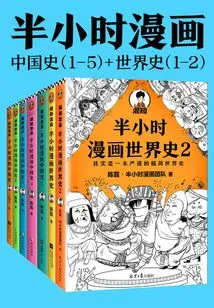
Half-hour Comic History Series (7 Volumes in Total) (chinese History 1-5 + World History 1-2)
History半小时漫画历史系列(共7册)(中国史1-5+世界史1-2)
Chen Lei·half Hour Comics Team
Brother Bastard's new work! Read comics for half an hour and learn about history at home and abroad! In fact, it is a rigorous and minimalist history of China + world history. From the Spring and Autumn Period and the Warring States Period to the Song, Yuan, Ming and Qing Dynasties, from the four ancient civilizations to Europe, Japan, and the United States... Open this book and learn about history while laughing out loud. "Half-hour Comic History of China 1-5": The Spring and Autumn Period and the Warring States Period are like a class; the Qin Dynasty is like a class; the Qin Dynasty is addicted to death; the conflict between Chu and Han is full of gossip; the Three Kingdoms have three major battles; the Tang Dynasty has a good start; the two Song Dynasties are prosperous and rich; the emperors of the Yuan Dynasty change quickly; the Ming Dynasty emperors mostly cannot escape from fights Three things: foreign enemies, fighting treacherous ministers, and quelling civil strife; the emperor of the Qing Dynasty worked very hard, but could not stop the wave of world reform... "Half-hour Comic World History 1-2": a minimalist history of Europe that is so simple that it collapses, the Once Upon a Time in America trilogy, and the history of Japan that can be read in one breath. The four major ancient civilizations formed a group to debut, why is China the only one left standing? Open this book and learn about the past and present of the other three ancient civilizations in the overwhelming paragraphs!
Brother Bastard's new work! Read comics for half an hour and learn about history at home and abroad! In fact, it is a rigorous and minimalist history of China + world history. From the Spring and Autumn Period and the Warring States Period to the Song, Yuan, Ming and Qing Dynasties, from the four ancient civilizations to Europe, Japan, and the United States... Open this book and learn about history while laughing out loud. "Half-hour Comic History of China 1-5": The Spring and Autumn Period and the Warring States Period are like a class; the Qin Dynasty is like a class; the Qin Dynasty is addicted to death; the conflict between Chu and Han is full of gossip; the Three Kingdoms have three major battles; the Tang Dynasty has a good start; the two Song Dynasties are prosperous and rich; the emperors of the Yuan Dynasty change quickly; the Ming Dynasty emperors mostly cannot escape from fights Three things: foreign enemies, fighting treacherous ministers, and quelling civil strife; the emperor of the Qing Dynasty worked very hard, but could not stop the wave of world reform... "Half-hour Comic World History 1-2": a minimalist history of Europe that is so simple that it collapses, the Once Upon a Time in America trilogy, and the history of Japan that can be read in one breath. The four major ancient civilizations formed a group to debut, why is China the only one left standing? Open this book and learn about the past and present of the other three ancient civilizations in the overwhelming paragraphs!
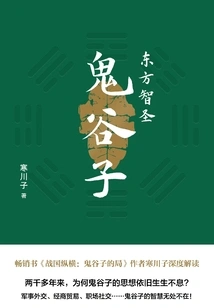
东方智圣鬼谷子
Hanchuanzi
With an easy-to-understand language style, this book is written in simple language and can be understood by middle school students. It interprets one of the most difficult classics in the history of Chinese culture like telling a story. The words are rigorous, the arguments are well-founded, and the interpretation is accurate. Explore the universal cultural value of "Guiguzi" from the perspective of world civilization (the three major axes of civilization), elevate the positioning of "Guiguzi" to the level of world wisdom heritage, and propose and fully demonstrate the universal value of "Guiguzi" in five aspects, namely, "Guiguzi" is the study of the weak, the study of the gentleman, the study of success, the study of the human heart, and the study of human nature. For a clear text interpretation, the author starts from the general theoretical system of lobbying and pays attention to the logical connections throughout the text, thus forming a relatively accurate text interpretation. What you will get: 1. The most authoritative explanation of success science, ensuring you to dominate the workplace; 2. There is no real money, but it can teach you the secret technique of "turning stone into gold"; 3. A comprehensive understanding of the theoretical system of Gui Guzi and his book "Gui Guzi". Who should read this book: 1. Office workers: Being squeezed out in the workplace, they are motivated to make a comeback; 2. Entrepreneurs: They have been frustrated in their entrepreneurial journey, but they still dream of making a comeback; 3. Chinese studies researchers: There are too many academic works on the interpretation of "Guiguzi" nowadays, and they don't know what to choose.
With an easy-to-understand language style, this book is written in simple language and can be understood by middle school students. It interprets one of the most difficult classics in the history of Chinese culture like telling a story. The words are rigorous, the arguments are well-founded, and the interpretation is accurate. Explore the universal cultural value of "Guiguzi" from the perspective of world civilization (the three major axes of civilization), elevate the positioning of "Guiguzi" to the level of world wisdom heritage, and propose and fully demonstrate the universal value of "Guiguzi" in five aspects, namely, "Guiguzi" is the study of the weak, the study of the gentleman, the study of success, the study of the human heart, and the study of human nature. For a clear text interpretation, the author starts from the general theoretical system of lobbying and pays attention to the logical connections throughout the text, thus forming a relatively accurate text interpretation. What you will get: 1. The most authoritative explanation of success science, ensuring you to dominate the workplace; 2. There is no real money, but it can teach you the secret technique of "turning stone into gold"; 3. A comprehensive understanding of the theoretical system of Gui Guzi and his book "Gui Guzi". Who should read this book: 1. Office workers: Being squeezed out in the workplace, they are motivated to make a comeback; 2. Entrepreneurs: They have been frustrated in their entrepreneurial journey, but they still dream of making a comeback; 3. Chinese studies researchers: There are too many academic works on the interpretation of "Guiguzi" nowadays, and they don't know what to choose.
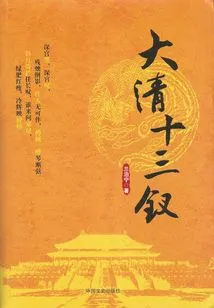
大清十三钗
Lamboning
This book starts with anecdotes from unofficial history, and uses historical facts to clarify the story, restoring the much-talked-about stories of women in the harem of the Qing Dynasty. The book includes thirteen women from the Qing Dynasty, including Concubine Nurhaci who was buried as a victim of the tragic political struggle, Concubine Nian who could not escape the tragic fate, Qianlong's successor Ulanara who "died without a burial place", Empress Alut of Tongzhi who was abused and forced to die, and Longyu, the last empress dowager in Chinese feudal society.
This book starts with anecdotes from unofficial history, and uses historical facts to clarify the story, restoring the much-talked-about stories of women in the harem of the Qing Dynasty. The book includes thirteen women from the Qing Dynasty, including Concubine Nurhaci who was buried as a victim of the tragic political struggle, Concubine Nian who could not escape the tragic fate, Qianlong's successor Ulanara who "died without a burial place", Empress Alut of Tongzhi who was abused and forced to die, and Longyu, the last empress dowager in Chinese feudal society.
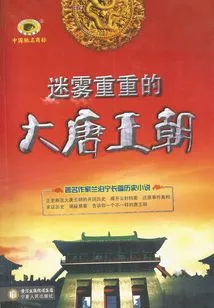
The Mysterious Tang Dynasty
History谜雾重重的大唐王朝
Lamboning
What kind of person was the well-known Sui Yang Emperor Yang Guang? Single husband? Tyrant? Or a heroic and talented man? Why was the Sui Dynasty a short-lived dynasty? What role did Li Yuan play in this? What role did Li Shimin play in the founding history of the Tang Dynasty? Who was the real founder of the Tang Dynasty?
What kind of person was the well-known Sui Yang Emperor Yang Guang? Single husband? Tyrant? Or a heroic and talented man? Why was the Sui Dynasty a short-lived dynasty? What role did Li Yuan play in this? What role did Li Shimin play in the founding history of the Tang Dynasty? Who was the real founder of the Tang Dynasty?
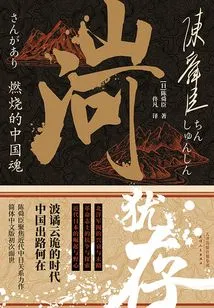
山河犹存:燃烧的中国魂(全2册)
I
The rise, fall and end of the Beiyang warlords; the struggles and explorations of the revolutionary patriots; the ups and downs and lessons of the Kuomintang and the Communist Party in the past ten years; the rise and ambitions of modern Japan... This book tells the major events that occurred in China and Japan in modern times in the form of stories, and meticulously restores the development process of major factions in modern China. The book is accompanied by many precious newspaper and periodical documents, which provides readers with a new perspective on that period of history. It is an excellent book for understanding the complicated and complicated modern history of China.
The rise, fall and end of the Beiyang warlords; the struggles and explorations of the revolutionary patriots; the ups and downs and lessons of the Kuomintang and the Communist Party in the past ten years; the rise and ambitions of modern Japan... This book tells the major events that occurred in China and Japan in modern times in the form of stories, and meticulously restores the development process of major factions in modern China. The book is accompanied by many precious newspaper and periodical documents, which provides readers with a new perspective on that period of history. It is an excellent book for understanding the complicated and complicated modern history of China.
盛唐一日
Zuo Supplements Compiled By Su Yongqiang
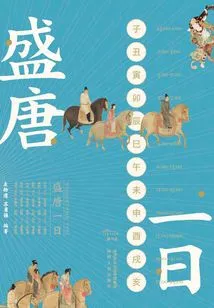
This book leads readers to take a closer look at Chang'an in the twelve hours through the perspective of the twelve most representative Chang'an people with different identities during the prosperous Tang Dynasty. From the appearance of the city of Chang'an and the gates of Fangshi in the eyes of Jin Wuwei in Zishi, to the treasures of art and treasures passing through the hands of the young eunuchs in Choushi, to the morning dressing of ordinary Tang Dynasty girls in Maoshi, as well as Hu merchants, poets, monks, officials... And the Chang'an city of the Tang Dynasty behind them. They described the poetry and distance of the Tang Dynasty, and outlined the details of Chang'an. Yu Gengzhe, an expert on Tang history and the speaker of Baijia Forum, strongly recommends this book to explain the prosperous Tang Dynasty and Chang'an in detail.
This book leads readers to take a closer look at Chang'an in the twelve hours through the perspective of the twelve most representative Chang'an people with different identities during the prosperous Tang Dynasty. From the appearance of the city of Chang'an and the gates of Fangshi in the eyes of Jin Wuwei in Zishi, to the treasures of art and treasures passing through the hands of the young eunuchs in Choushi, to the morning dressing of ordinary Tang Dynasty girls in Maoshi, as well as Hu merchants, poets, monks, officials... And the Chang'an city of the Tang Dynasty behind them. They described the poetry and distance of the Tang Dynasty, and outlined the details of Chang'an. Yu Gengzhe, an expert on Tang history and the speaker of Baijia Forum, strongly recommends this book to explain the prosperous Tang Dynasty and Chang'an in detail.
牛津戏剧全史
(uk) John Russell Brown
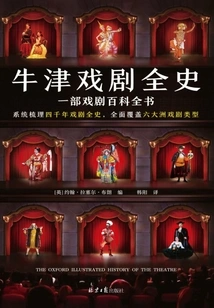
A drama encyclopedia, a four-thousand-year history of drama, drama types on six continents, and a book from beginners to masters of world drama. "Oxford Complete History of Drama" systematically sorts out the context of drama history for more than 4,000 years, covering drama types from six continents in ancient and modern times, both at home and abroad, and comprehensively restores the drama world on and off the stage. It is a systematic, comprehensive, complete and classic encyclopedia of drama. Systematically combing through 4,000 years of drama history, covering drama types from six continents in ancient and modern times, China and foreign countries, and panoramicly restoring the drama world on and off the stage.
A drama encyclopedia, a four-thousand-year history of drama, drama types on six continents, and a book from beginners to masters of world drama. "Oxford Complete History of Drama" systematically sorts out the context of drama history for more than 4,000 years, covering drama types from six continents in ancient and modern times, both at home and abroad, and comprehensively restores the drama world on and off the stage. It is a systematic, comprehensive, complete and classic encyclopedia of drama. Systematically combing through 4,000 years of drama history, covering drama types from six continents in ancient and modern times, China and foreign countries, and panoramicly restoring the drama world on and off the stage.
救世:子产的为政之道
Liu Xun
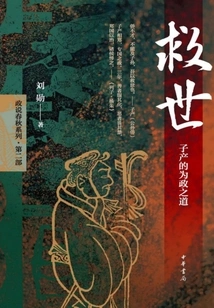
During the Spring and Autumn Period, there were many countries, and the domestic and foreign affairs situation between countries was complicated. During the period when Jin and Chu controlled the north and south respectively, the small country caught in the middle suffered from the torment between the two countries for hegemony. However, after the armistice between Jin and Chu, the State of Zheng miraculously reversed the situation and moved toward resurgence. It skillfully dealt with major powers externally, continuously improved its international status, steadily promoted reforms internally, and continuously improved its comprehensive strength, becoming the most respected "model country" among the major vassal states. How did Zheng Guo do it? This book takes the rise of Zheng, a small country caught in the whirlpool of the Jin-Chu struggle for hegemony, as the background. It depicts how Zichan, a new generation of young people in Zheng, grew up to be a leader who turned the tide, and how he governed and led Zheng to rejuvenate and become a "model country." Why was Zichan the model Confucius wanted to follow? Why did Confucius think Confucianism was the best strategy for governing the country? Zichan's way of governing is the answer to all this.
During the Spring and Autumn Period, there were many countries, and the domestic and foreign affairs situation between countries was complicated. During the period when Jin and Chu controlled the north and south respectively, the small country caught in the middle suffered from the torment between the two countries for hegemony. However, after the armistice between Jin and Chu, the State of Zheng miraculously reversed the situation and moved toward resurgence. It skillfully dealt with major powers externally, continuously improved its international status, steadily promoted reforms internally, and continuously improved its comprehensive strength, becoming the most respected "model country" among the major vassal states. How did Zheng Guo do it? This book takes the rise of Zheng, a small country caught in the whirlpool of the Jin-Chu struggle for hegemony, as the background. It depicts how Zichan, a new generation of young people in Zheng, grew up to be a leader who turned the tide, and how he governed and led Zheng to rejuvenate and become a "model country." Why was Zichan the model Confucius wanted to follow? Why did Confucius think Confucianism was the best strategy for governing the country? Zichan's way of governing is the answer to all this.
疾病如何改变我们的历史
Yu Gengzhe
When an emperor becomes ill, will the illness cause him to make irrational decisions, or even affect the direction of a dynasty? When a poet is sick, what kind of poems does he write? What kind of situation will people face when they get sick, and what measures can be taken? The wheel of history is often changed by inadvertent pebbles; disease may be the most common pebble. This book uses diseases and methods to deal with them as a window for "reading history", covering major plagues, anti-epidemic measures, ancient medical systems, longevity medicines and politics, venereal diseases and brothel culture, mysterious and ethereal poisons and miasma, ancient surgical operations, especially the authenticity of Hua Tuo's deeds, and thigh cutting therapy. Whether pro-independence really has the effect of curing diseases... We must not only see the impact of diseases on the historical process, but also the impact of the various methods people adopted to fight diseases and pursue health and longevity, as well as the impact of diseases on ancient Chinese thought and the changes in many people's lives.
When an emperor becomes ill, will the illness cause him to make irrational decisions, or even affect the direction of a dynasty? When a poet is sick, what kind of poems does he write? What kind of situation will people face when they get sick, and what measures can be taken? The wheel of history is often changed by inadvertent pebbles; disease may be the most common pebble. This book uses diseases and methods to deal with them as a window for "reading history", covering major plagues, anti-epidemic measures, ancient medical systems, longevity medicines and politics, venereal diseases and brothel culture, mysterious and ethereal poisons and miasma, ancient surgical operations, especially the authenticity of Hua Tuo's deeds, and thigh cutting therapy. Whether pro-independence really has the effect of curing diseases... We must not only see the impact of diseases on the historical process, but also the impact of the various methods people adopted to fight diseases and pursue health and longevity, as well as the impact of diseases on ancient Chinese thought and the changes in many people's lives.
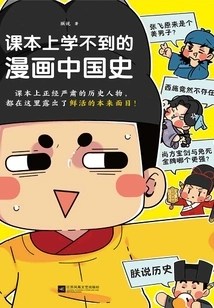
课本上学不到的漫画中国史
I Say
It turns out that Confucius was also a martial arts wizard? Xi Shi doesn't exist? The masterpiece of the public account "Zhen Shuo" with millions of fans! 4 Major themes and 19 interesting topics will restore the vivid true colors of historical figures for you! Most of the historical figures in textbooks are serious and solemn, but in fact they all have a vivid side. This book aims to present them to readers through comic explanations and historical data analysis. The book is divided into four categories: celebrity archives, palace encyclopedia, travels in the world and interesting life stories. It is explained in the form of comics combined with humorous paragraphs, and at the same time refers to rich historical materials. It is both interesting and rigorous, showing readers vivid historical figures - was the original elegant Confucius, or was he a martial arts wizard? Maybe Zhang Fei is a handsome man, not a black man? Three of the four beauties in ancient times did not exist... A new themed masterpiece from the million-fan-level public account "Zhen Shuo"! The painting style is funny and the historical materials are solid. It is a good read for beginners and lovers of history!
It turns out that Confucius was also a martial arts wizard? Xi Shi doesn't exist? The masterpiece of the public account "Zhen Shuo" with millions of fans! 4 Major themes and 19 interesting topics will restore the vivid true colors of historical figures for you! Most of the historical figures in textbooks are serious and solemn, but in fact they all have a vivid side. This book aims to present them to readers through comic explanations and historical data analysis. The book is divided into four categories: celebrity archives, palace encyclopedia, travels in the world and interesting life stories. It is explained in the form of comics combined with humorous paragraphs, and at the same time refers to rich historical materials. It is both interesting and rigorous, showing readers vivid historical figures - was the original elegant Confucius, or was he a martial arts wizard? Maybe Zhang Fei is a handsome man, not a black man? Three of the four beauties in ancient times did not exist... A new themed masterpiece from the million-fan-level public account "Zhen Shuo"! The painting style is funny and the historical materials are solid. It is a good read for beginners and lovers of history!
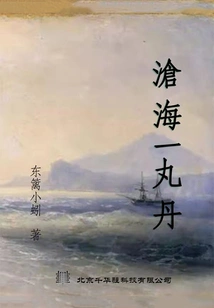
Canghai Yiwan Dan
History沧海一丸丹
Dongli Small Earthworm
Combining historical stories with modern times, talking about the past and the present.
Combining historical stories with modern times, talking about the past and the present.
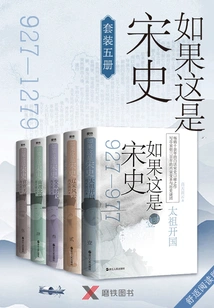
如果这是宋史套装5册(舒适阅读版)
Gao Tianliuyun
Troubled times are like a kaleidoscope, capable of conjuring up anything unexpected. Since the founding of the Northern Song Dynasty, the Liao and Song Dynasties have been in a state of confrontation. In the middle of the Northern Song Dynasty, although many famous ministers such as Yan Shu, Fan Zhongyan, Ouyang Xiu, Bao Zheng, Sima Guang, and Wang Anshi emerged, they were faced with internal and external troubles and social crises were getting increasingly serious. In such an environment, the Northern Song Dynasty began to seek changes. The history between the two Song dynasties is more like a magical suspense drama, full of unexpected and absurd reversals, one after another, making people sometimes passionate and sometimes filled with indignation, but always unable to stop. During the more than 150 years since the founding of the Southern Song Dynasty, an official dynasty was vividly demonstrated. The foolish and unscrupulous emperors, the important ministers who monopolized power, and the clumsy officials all formed the other side of that era. All of them are swordsmen and Machiavellians, vying to be the first to appear on stage.
Troubled times are like a kaleidoscope, capable of conjuring up anything unexpected. Since the founding of the Northern Song Dynasty, the Liao and Song Dynasties have been in a state of confrontation. In the middle of the Northern Song Dynasty, although many famous ministers such as Yan Shu, Fan Zhongyan, Ouyang Xiu, Bao Zheng, Sima Guang, and Wang Anshi emerged, they were faced with internal and external troubles and social crises were getting increasingly serious. In such an environment, the Northern Song Dynasty began to seek changes. The history between the two Song dynasties is more like a magical suspense drama, full of unexpected and absurd reversals, one after another, making people sometimes passionate and sometimes filled with indignation, but always unable to stop. During the more than 150 years since the founding of the Southern Song Dynasty, an official dynasty was vividly demonstrated. The foolish and unscrupulous emperors, the important ministers who monopolized power, and the clumsy officials all formed the other side of that era. All of them are swordsmen and Machiavellians, vying to be the first to appear on stage.
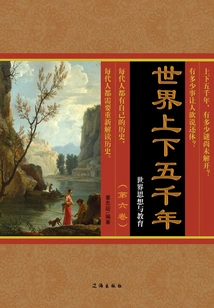
世界上下五千年(第六卷)
Compiled By Jiang Zhongzhe
History is the form of human civilization. It is the continuous accumulation of human history that makes human civilization grow. The events and characters that occurred in history become historical facts and are stored in human memory. Through these historical facts, people created and exerted themselves in their minds, turning this storage into knowledge and understanding, which became thoughts and wisdom, and then started new actions to push human civilization forward. It is an ancient Chinese motto to be knowledgeable about the past and understand the present, and "learn some history" is the consensus of people with insight. We can understand the wisdom of survival from the rise and fall of world history, and understand the true meaning of life from the famous historical figures. In a small way, it is the need for self-cultivation and family development; in a big way, it is the prerequisite for the country to remain invincible. China, which is at an important moment of national rejuvenation, must draw nourishment not only from its own history, but also from the development of world history to draw lessons from the future. However, the actual research and publication situation of world history is not optimistic. On the one hand, most research has still not shaken off the old model of mechanical dogma in terms of world view and methodology, and cannot keep up with the development of history itself; on the other hand, due to the lack of data, there are very few high-quality popular books used to popularize world history, which is worrying. As a set of popular readers of world history, this book describes events that have great significance and far-reaching influence on world history in the form of independent titles and separate sections. It not only pays attention to the storytelling and popularity of each section, but also combines the inherent historical connections and historical laws between the titles to strive to express the richness and wonderfulness of world history more intuitively, more truly, and at multiple levels.
History is the form of human civilization. It is the continuous accumulation of human history that makes human civilization grow. The events and characters that occurred in history become historical facts and are stored in human memory. Through these historical facts, people created and exerted themselves in their minds, turning this storage into knowledge and understanding, which became thoughts and wisdom, and then started new actions to push human civilization forward. It is an ancient Chinese motto to be knowledgeable about the past and understand the present, and "learn some history" is the consensus of people with insight. We can understand the wisdom of survival from the rise and fall of world history, and understand the true meaning of life from the famous historical figures. In a small way, it is the need for self-cultivation and family development; in a big way, it is the prerequisite for the country to remain invincible. China, which is at an important moment of national rejuvenation, must draw nourishment not only from its own history, but also from the development of world history to draw lessons from the future. However, the actual research and publication situation of world history is not optimistic. On the one hand, most research has still not shaken off the old model of mechanical dogma in terms of world view and methodology, and cannot keep up with the development of history itself; on the other hand, due to the lack of data, there are very few high-quality popular books used to popularize world history, which is worrying. As a set of popular readers of world history, this book describes events that have great significance and far-reaching influence on world history in the form of independent titles and separate sections. It not only pays attention to the storytelling and popularity of each section, but also combines the inherent historical connections and historical laws between the titles to strive to express the richness and wonderfulness of world history more intuitively, more truly, and at multiple levels.
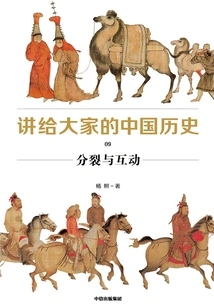
讲给大家的中国历史9:分裂与互动
Yang Zhao
The "Chinese History for Everyone" series is a brand-new general history of China. It does not introduce readers to dry historical events and knowledge points, but explores the deep logic behind Chinese history and provides a new set of cognitive methods for understanding Chinese history. The series consists of 4 volumes and 13 volumes, presenting a panoramic view of the evolution of "China", a unique and tenacious life entity. "Chinese History for Everyone 9: Division and Interaction" tells the story of China during the Song and Yuan Dynasties. An important feature of this period was the confrontation and interaction between the two Song Dynasties and the northern nomadic regimes. The weakness of the Song Dynasty during this period was also analyzed in detail. Facing the threat of northern nomads, the Song Dynasty struggled to deal with it and often made strategic mistakes. However, at the same time, the cultural advantages of the Song Dynasty continued unabated, so that the grassland personality of the northern dynasty faded faster and faster in contact with the Song Dynasty. You will see: The culture of the Song Dynasty was developed and scholars were active, but their concern was still the threat from the north; the development of Song poetry benefited not only from the prosperity of cities and commerce, but also from the prosperity of literati culture; from the perspective of the northern grasslands, the Southern Central Plains Dynasty, the Song Dynasty was just an ordinary chapter in their lives, not very important; every time the Song people went to war with the Liao, Xixia, and Jin, they started the war without understanding the other party's intentions and strength, and they had no countermeasures after each defeat...
The "Chinese History for Everyone" series is a brand-new general history of China. It does not introduce readers to dry historical events and knowledge points, but explores the deep logic behind Chinese history and provides a new set of cognitive methods for understanding Chinese history. The series consists of 4 volumes and 13 volumes, presenting a panoramic view of the evolution of "China", a unique and tenacious life entity. "Chinese History for Everyone 9: Division and Interaction" tells the story of China during the Song and Yuan Dynasties. An important feature of this period was the confrontation and interaction between the two Song Dynasties and the northern nomadic regimes. The weakness of the Song Dynasty during this period was also analyzed in detail. Facing the threat of northern nomads, the Song Dynasty struggled to deal with it and often made strategic mistakes. However, at the same time, the cultural advantages of the Song Dynasty continued unabated, so that the grassland personality of the northern dynasty faded faster and faster in contact with the Song Dynasty. You will see: The culture of the Song Dynasty was developed and scholars were active, but their concern was still the threat from the north; the development of Song poetry benefited not only from the prosperity of cities and commerce, but also from the prosperity of literati culture; from the perspective of the northern grasslands, the Southern Central Plains Dynasty, the Song Dynasty was just an ordinary chapter in their lives, not very important; every time the Song people went to war with the Liao, Xixia, and Jin, they started the war without understanding the other party's intentions and strength, and they had no countermeasures after each defeat...
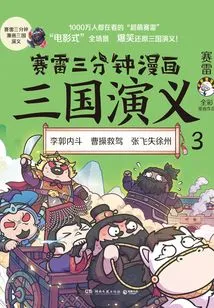
赛雷三分钟漫画三国演义3
Saire
"Super Cute Sai Lei", which is being watched by 10 million people, took three years to create and carefully draws a full-color comic Romance of the Three Kingdoms! Full movie-style scenes, hilarious restoration of the Romance of the Three Kingdoms! Super three-dimensional, super vivid, super-expanding knowledge! "The Romance of the Three Kingdoms" can be said to be the most important long-length historical novel in ancient China. There are multiple versions of "Romance of the Three Kingdoms", but there has been a lack of a three-dimensional and vivid comic version. As Sai Lei, who specializes in three-dimensional vividness, he wanted to create such a set of three-dimensional and vivid works that present the history of the Three Kingdoms in all scenes. The third book mainly focuses on classic scenes such as Li Guo's internal fighting, Cao Cao's rescue, and Zhang Fei's loss of Xuzhou. It vividly reproduces the scenes of the Three Kingdoms, allowing readers to understand the history of the Three Kingdoms while laughing. The most outstanding thing about it is that it uses the humorous style of Sai Lei comics to tell the history of the Three Kingdoms according to chronological clues, allowing readers to understand the development of the history of the Three Kingdoms while laughing.
"Super Cute Sai Lei", which is being watched by 10 million people, took three years to create and carefully draws a full-color comic Romance of the Three Kingdoms! Full movie-style scenes, hilarious restoration of the Romance of the Three Kingdoms! Super three-dimensional, super vivid, super-expanding knowledge! "The Romance of the Three Kingdoms" can be said to be the most important long-length historical novel in ancient China. There are multiple versions of "Romance of the Three Kingdoms", but there has been a lack of a three-dimensional and vivid comic version. As Sai Lei, who specializes in three-dimensional vividness, he wanted to create such a set of three-dimensional and vivid works that present the history of the Three Kingdoms in all scenes. The third book mainly focuses on classic scenes such as Li Guo's internal fighting, Cao Cao's rescue, and Zhang Fei's loss of Xuzhou. It vividly reproduces the scenes of the Three Kingdoms, allowing readers to understand the history of the Three Kingdoms while laughing. The most outstanding thing about it is that it uses the humorous style of Sai Lei comics to tell the history of the Three Kingdoms according to chronological clues, allowing readers to understand the development of the history of the Three Kingdoms while laughing.
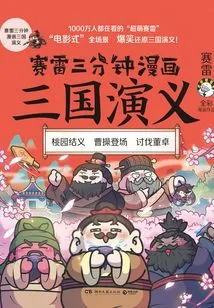
赛雷三分钟漫画三国演义
Saire
"Super Cute Sai Lei", which is being watched by 10 million people, took three years to create and carefully draws a full-color comic Romance of the Three Kingdoms! Full movie-style scenes, hilarious restoration of the Romance of the Three Kingdoms! Super three-dimensional, super vivid, super-expanding knowledge! "The Romance of the Three Kingdoms" can be said to be the most important long-length historical novel in ancient China. There are multiple versions of "Romance of the Three Kingdoms", but there has been a lack of a three-dimensional and vivid comic version. As Sai Lei, who specializes in three-dimensional vividness, he wanted to create such a set of three-dimensional and vivid works that present the history of the Three Kingdoms in all scenes. The first book mainly focuses on classic scenes such as the three sworn alliances in Taoyuan, Cao Cao's appearance, the crusade against Dong Zhuo, and the three heroes' battle with Lu Bu. It vividly reproduces the scenes of the Three Kingdoms, allowing readers to understand the history of the Three Kingdoms while laughing. The most outstanding thing about it is that it uses the humorous style of Sai Lei comics to tell the history of the Three Kingdoms according to chronological clues, allowing readers to understand the development of the history of the Three Kingdoms while laughing.
"Super Cute Sai Lei", which is being watched by 10 million people, took three years to create and carefully draws a full-color comic Romance of the Three Kingdoms! Full movie-style scenes, hilarious restoration of the Romance of the Three Kingdoms! Super three-dimensional, super vivid, super-expanding knowledge! "The Romance of the Three Kingdoms" can be said to be the most important long-length historical novel in ancient China. There are multiple versions of "Romance of the Three Kingdoms", but there has been a lack of a three-dimensional and vivid comic version. As Sai Lei, who specializes in three-dimensional vividness, he wanted to create such a set of three-dimensional and vivid works that present the history of the Three Kingdoms in all scenes. The first book mainly focuses on classic scenes such as the three sworn alliances in Taoyuan, Cao Cao's appearance, the crusade against Dong Zhuo, and the three heroes' battle with Lu Bu. It vividly reproduces the scenes of the Three Kingdoms, allowing readers to understand the history of the Three Kingdoms while laughing. The most outstanding thing about it is that it uses the humorous style of Sai Lei comics to tell the history of the Three Kingdoms according to chronological clues, allowing readers to understand the development of the history of the Three Kingdoms while laughing.
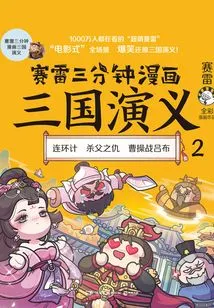
赛雷三分钟漫画三国演义2
Saire
"Super Cute Sai Lei", which is being watched by 10 million people, took three years to create and carefully draws a full-color comic Romance of the Three Kingdoms! Full movie-style scenes, hilarious restoration of the Romance of the Three Kingdoms! Super three-dimensional, super vivid, super-expanding knowledge! "The Romance of the Three Kingdoms" can be said to be the most important long-length historical novel in ancient China. There are multiple versions of "Romance of the Three Kingdoms", but there has been a lack of a three-dimensional and vivid comic version. As Sai Lei, who specializes in three-dimensional vividness, he wanted to create such a set of three-dimensional and vivid works that present the history of the Three Kingdoms in all scenes. The second book mainly focuses on classic scenes such as the serial plot, the revenge of killing his father, Cao Cao's battle with Lu Bu, etc. It vividly reproduces the scenes of the Three Kingdoms, allowing readers to understand the history of the Three Kingdoms while laughing. The most outstanding thing about it is that it uses the humorous style of Sai Lei comics to tell the history of the Three Kingdoms according to chronological clues, allowing readers to understand the development of the history of the Three Kingdoms while laughing.
"Super Cute Sai Lei", which is being watched by 10 million people, took three years to create and carefully draws a full-color comic Romance of the Three Kingdoms! Full movie-style scenes, hilarious restoration of the Romance of the Three Kingdoms! Super three-dimensional, super vivid, super-expanding knowledge! "The Romance of the Three Kingdoms" can be said to be the most important long-length historical novel in ancient China. There are multiple versions of "Romance of the Three Kingdoms", but there has been a lack of a three-dimensional and vivid comic version. As Sai Lei, who specializes in three-dimensional vividness, he wanted to create such a set of three-dimensional and vivid works that present the history of the Three Kingdoms in all scenes. The second book mainly focuses on classic scenes such as the serial plot, the revenge of killing his father, Cao Cao's battle with Lu Bu, etc. It vividly reproduces the scenes of the Three Kingdoms, allowing readers to understand the history of the Three Kingdoms while laughing. The most outstanding thing about it is that it uses the humorous style of Sai Lei comics to tell the history of the Three Kingdoms according to chronological clues, allowing readers to understand the development of the history of the Three Kingdoms while laughing.
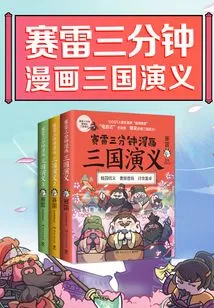
赛雷三分钟漫画三国演义(第一辑)
Saire
"Super Cute Sai Lei", which is being watched by 10 million people, took three years to create and carefully draws a full-color comic Romance of the Three Kingdoms! Full movie-style scenes, hilarious restoration of the Romance of the Three Kingdoms! Three-dimensional, vivid and knowledge-increasing! "The Romance of the Three Kingdoms" can be said to be an important chapter-length historical novel in ancient China. There are multiple versions of "Romance of the Three Kingdoms", but there has been a lack of a three-dimensional and vivid comic version. As Sai Lei, who specializes in three-dimensional vividness, he wanted to create such a set of three-dimensional and vivid works that present the history of the Three Kingdoms in all scenes. The first book mainly focuses on classic scenes such as the three sworn alliances in Taoyuan, Cao Cao's appearance, the crusade against Dong Zhuo, and the three heroes' battle with Lu Bu; the second book mainly focuses on classic scenes such as the serial plot, the revenge of killing his father, Cao Cao's battle with Lu Bu;
"Super Cute Sai Lei", which is being watched by 10 million people, took three years to create and carefully draws a full-color comic Romance of the Three Kingdoms! Full movie-style scenes, hilarious restoration of the Romance of the Three Kingdoms! Three-dimensional, vivid and knowledge-increasing! "The Romance of the Three Kingdoms" can be said to be an important chapter-length historical novel in ancient China. There are multiple versions of "Romance of the Three Kingdoms", but there has been a lack of a three-dimensional and vivid comic version. As Sai Lei, who specializes in three-dimensional vividness, he wanted to create such a set of three-dimensional and vivid works that present the history of the Three Kingdoms in all scenes. The first book mainly focuses on classic scenes such as the three sworn alliances in Taoyuan, Cao Cao's appearance, the crusade against Dong Zhuo, and the three heroes' battle with Lu Bu; the second book mainly focuses on classic scenes such as the serial plot, the revenge of killing his father, Cao Cao's battle with Lu Bu;
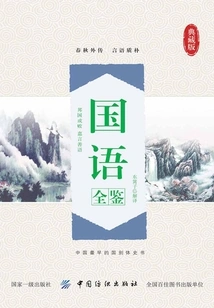
国语全鉴
Donglizi Interpretation
This book records the characters, deeds, and remarks of the eight kingdoms of Zhou, Lu, Qi, Jin, Zheng, Chu, Wu, and Yue during the Western Zhou Dynasty (11th century BC to 771 BC) and the Spring and Autumn Period (770 BC to 476 BC). It is a miscellaneous history of different countries, also called the "Spring and Autumn" external biography, and is listed as a work explaining the "Spring and Autumn" together with the "Zuo Zhuan".
This book records the characters, deeds, and remarks of the eight kingdoms of Zhou, Lu, Qi, Jin, Zheng, Chu, Wu, and Yue during the Western Zhou Dynasty (11th century BC to 771 BC) and the Spring and Autumn Period (770 BC to 476 BC). It is a miscellaneous history of different countries, also called the "Spring and Autumn" external biography, and is listed as a work explaining the "Spring and Autumn" together with the "Zuo Zhuan".
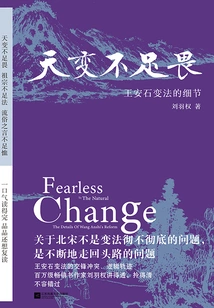
天变不足畏:王安石变法的细节
Liu Yuquan
This is a highly concentrated history, which contains almost all the elements of the reform movement: power struggles, radical changes in right and wrong, system design, faces of loyalists and traitors, the world's moral principles, and of course, lessons learned. Who killed this reform? What did Wang Anshi do wrong? Reform is an eternal proposition, and Wang Anshi's reform will always serve as a warning to future generations. This book tells history in vernacular, deeply deciphers the causes and consequences of Wang Anshi's reform, and reveals the secrets of the struggle for power in the Northern Song Dynasty. It peels off the cocoons, analyzes layer by layer, eliminates the false and retains the true, and vividly presents the changes in the Northern Song Dynasty before our eyes.
This is a highly concentrated history, which contains almost all the elements of the reform movement: power struggles, radical changes in right and wrong, system design, faces of loyalists and traitors, the world's moral principles, and of course, lessons learned. Who killed this reform? What did Wang Anshi do wrong? Reform is an eternal proposition, and Wang Anshi's reform will always serve as a warning to future generations. This book tells history in vernacular, deeply deciphers the causes and consequences of Wang Anshi's reform, and reveals the secrets of the struggle for power in the Northern Song Dynasty. It peels off the cocoons, analyzes layer by layer, eliminates the false and retains the true, and vividly presents the changes in the Northern Song Dynasty before our eyes.
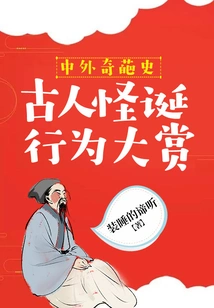
中外奇葩史:古人怪诞行为大赏
Pretending To Be Asleep And Listening
In ancient times, many things that people took for granted are considered alien today. What weird behaviors did the ancients do and why did they do it? This column will take you to find out. In the vast history of ancient and modern times, both at home and abroad, there are all-encompassing scientific and technological civilizations. From the perspective of modern people, there are many phenomena that are incredible. In human history, these seemingly bizarre and alternative things have the necessity and rationality for their existence. Roasted spiders and ostrich tongues, these seemingly magical things were indeed delicious in ancient times. Why did they eat them? What should I do if someone is sick? Bloodletting and enemas can kill many people immediately, but they still insist on it. Why were the ancients so keen on such dangerous treatments? Chinese people believe that they should be buried in peace, but in some places people are accustomed to regularly dig up their dead relatives, clean them and "reunite them". After reading the bizarre historical stories in this column, I couldn't help but close my eyes and think deeply. It was not easy for our ancestors. Our genes have been passed down to this day. We should not give up our lives easily.
In ancient times, many things that people took for granted are considered alien today. What weird behaviors did the ancients do and why did they do it? This column will take you to find out. In the vast history of ancient and modern times, both at home and abroad, there are all-encompassing scientific and technological civilizations. From the perspective of modern people, there are many phenomena that are incredible. In human history, these seemingly bizarre and alternative things have the necessity and rationality for their existence. Roasted spiders and ostrich tongues, these seemingly magical things were indeed delicious in ancient times. Why did they eat them? What should I do if someone is sick? Bloodletting and enemas can kill many people immediately, but they still insist on it. Why were the ancients so keen on such dangerous treatments? Chinese people believe that they should be buried in peace, but in some places people are accustomed to regularly dig up their dead relatives, clean them and "reunite them". After reading the bizarre historical stories in this column, I couldn't help but close my eyes and think deeply. It was not easy for our ancestors. Our genes have been passed down to this day. We should not give up our lives easily.
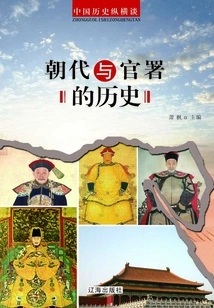
中国历史纵横谈:朝代与官署的历史
Editor-in-chief Xiao Feng
With rich precious pictures and profound textual narratives, this book comprehensively introduces the history of Chinese civilization, covering politics, military, economy, culture, diplomacy, science and technology, law, religion, art and other fields. It is highly systematic, informative and readable. It is not only the best reading book for readers to learn Chinese historical knowledge, but also the best version for libraries at all levels to collect.
With rich precious pictures and profound textual narratives, this book comprehensively introduces the history of Chinese civilization, covering politics, military, economy, culture, diplomacy, science and technology, law, religion, art and other fields. It is highly systematic, informative and readable. It is not only the best reading book for readers to learn Chinese historical knowledge, but also the best version for libraries at all levels to collect.
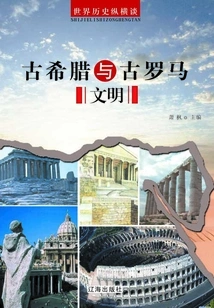
世界历史纵横谈:古希腊与古罗马文明
Editor-in-chief Xiao Feng
This book uses vivid words to reproduce the magnificent picture of the world historical process. It can be called a concise encyclopedia that runs through the entire world history, connecting all the treasures of human development. With its glorious immortal value and long-lasting charm, it has become an easy-to-read and beautiful popular book on world history. It is highly systematic, informative and readable. It is not only the best book for readers to learn world history knowledge, but also the best version for collection by libraries at all levels.
This book uses vivid words to reproduce the magnificent picture of the world historical process. It can be called a concise encyclopedia that runs through the entire world history, connecting all the treasures of human development. With its glorious immortal value and long-lasting charm, it has become an easy-to-read and beautiful popular book on world history. It is highly systematic, informative and readable. It is not only the best book for readers to learn world history knowledge, but also the best version for collection by libraries at all levels.
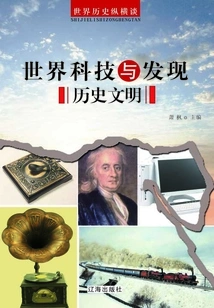
世界历史纵横谈:世界科技与发现历史文明
Editor-in-chief Xiao Feng
This book uses vivid words to reproduce the magnificent picture of the world historical process. It can be called a concise encyclopedia that runs through the entire world history, connecting all the treasures of human development. With its glorious immortal value and long-lasting charm, it has become an easy-to-read and beautiful popular book on world history. It is highly systematic, informative and readable. It is not only the best book for readers to learn world history knowledge, but also the best version for collection by libraries at all levels.
This book uses vivid words to reproduce the magnificent picture of the world historical process. It can be called a concise encyclopedia that runs through the entire world history, connecting all the treasures of human development. With its glorious immortal value and long-lasting charm, it has become an easy-to-read and beautiful popular book on world history. It is highly systematic, informative and readable. It is not only the best book for readers to learn world history knowledge, but also the best version for collection by libraries at all levels.
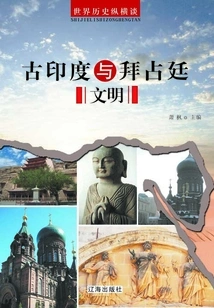
世界历史纵横谈:古印度与拜占廷文明
Editor-in-chief Xiao Feng
This book uses vivid words to reproduce the magnificent picture of the world historical process. It can be called a concise encyclopedia that runs through the entire world history, connecting all the treasures of human development. With its glorious immortal value and long-lasting charm, it has become an easy-to-read and beautiful popular book on world history. It is highly systematic, informative and readable. It is not only the best book for readers to learn world history knowledge, but also the best version for collection by libraries at all levels.
This book uses vivid words to reproduce the magnificent picture of the world historical process. It can be called a concise encyclopedia that runs through the entire world history, connecting all the treasures of human development. With its glorious immortal value and long-lasting charm, it has become an easy-to-read and beautiful popular book on world history. It is highly systematic, informative and readable. It is not only the best book for readers to learn world history knowledge, but also the best version for collection by libraries at all levels.
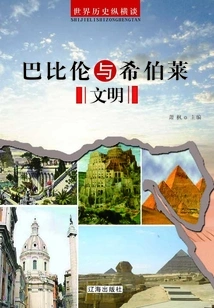
世界历史纵横谈:巴比伦与希伯莱文明
Editor-in-chief Xiao Feng
This book uses vivid words to reproduce the magnificent picture of the world historical process. It can be called a concise encyclopedia that runs through the entire world history, connecting all the treasures of human development. With its glorious immortal value and long-lasting charm, it has become an easy-to-read and beautiful popular book on world history. It is highly systematic, informative and readable. It is not only the best book for readers to learn world history knowledge, but also the best version for collection by libraries at all levels.
This book uses vivid words to reproduce the magnificent picture of the world historical process. It can be called a concise encyclopedia that runs through the entire world history, connecting all the treasures of human development. With its glorious immortal value and long-lasting charm, it has become an easy-to-read and beautiful popular book on world history. It is highly systematic, informative and readable. It is not only the best book for readers to learn world history knowledge, but also the best version for collection by libraries at all levels.
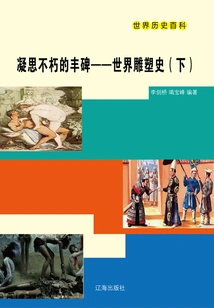
World History Encyclopedia: Meditation on Immortal Monuments·world Sculpture History (part 2)
History世界历史百科:凝思不朽的丰碑·世界雕塑史(下)
Edited By Li Cambridge And Jie Baofeng
The content of this book includes Italian 17th and 18th century sculptures, Spanish 17th and 18th century sculptures, French 17th and 18th century sculptures, British 17th and 18th century sculptures, Russian 18th century sculptures, etc.
The content of this book includes Italian 17th and 18th century sculptures, Spanish 17th and 18th century sculptures, French 17th and 18th century sculptures, British 17th and 18th century sculptures, Russian 18th century sculptures, etc.
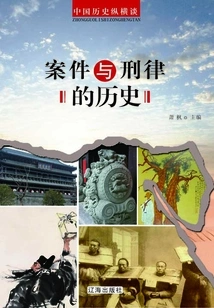
中国历史纵横谈:案件与刑律的历史
Editor-in-chief Xiao Feng
With rich precious pictures and profound textual narratives, this book comprehensively introduces the history of Chinese civilization, covering politics, military, economy, culture, diplomacy, science and technology, law, religion, art and other fields. It is highly systematic, informative and readable. It is not only the best reading book for readers to learn Chinese historical knowledge, but also the best version for libraries at all levels to collect.
With rich precious pictures and profound textual narratives, this book comprehensively introduces the history of Chinese civilization, covering politics, military, economy, culture, diplomacy, science and technology, law, religion, art and other fields. It is highly systematic, informative and readable. It is not only the best reading book for readers to learn Chinese historical knowledge, but also the best version for libraries at all levels to collect.
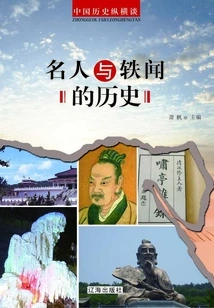
中国历史纵横谈:名人与轶闻的历史
Editor-in-chief Xiao Feng
With rich precious pictures and profound textual narratives, this book comprehensively introduces the history of Chinese civilization, covering politics, military, economy, culture, diplomacy, science and technology, law, religion, art and other fields. It is highly systematic, informative and readable. It is not only the best reading book for readers to learn Chinese historical knowledge, but also the best version for libraries at all levels to collect.
With rich precious pictures and profound textual narratives, this book comprehensively introduces the history of Chinese civilization, covering politics, military, economy, culture, diplomacy, science and technology, law, religion, art and other fields. It is highly systematic, informative and readable. It is not only the best reading book for readers to learn Chinese historical knowledge, but also the best version for libraries at all levels to collect.
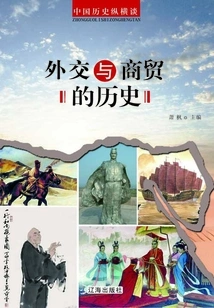
中国历史纵横谈:外交与商贸的历史
Editor-in-chief Xiao Feng
With rich precious pictures and profound textual narratives, this book comprehensively introduces the history of Chinese civilization, covering politics, military, economy, culture, diplomacy, science and technology, law, religion, art and other fields. It is highly systematic, informative and readable. It is not only the best reading book for readers to learn Chinese historical knowledge, but also the best version for libraries at all levels to collect.
With rich precious pictures and profound textual narratives, this book comprehensively introduces the history of Chinese civilization, covering politics, military, economy, culture, diplomacy, science and technology, law, religion, art and other fields. It is highly systematic, informative and readable. It is not only the best reading book for readers to learn Chinese historical knowledge, but also the best version for libraries at all levels to collect.
世界历史百科:从城邦到帝国·古罗马(下)
Edited By Li Cambridge And Jie Baofeng
The content of this book includes ancient Roman culture, literature, drama, philosophy, history, education, astronomy and law, etc.
The content of this book includes ancient Roman culture, literature, drama, philosophy, history, education, astronomy and law, etc.
世界历史百科:尼罗河的赠礼·古埃及(上)
Edited By Li Cambridge And Jie Baofeng
The content of this book includes the origin of civilization, the Nile, the Hapi God, the wedding of the River God, Hapi's jug, Ode to the Nile, ancient Egyptian agriculture, papyrus, the world in the eyes of Ay, the earliest garden culture in the world, etc.
The content of this book includes the origin of civilization, the Nile, the Hapi God, the wedding of the River God, Hapi's jug, Ode to the Nile, ancient Egyptian agriculture, papyrus, the world in the eyes of Ay, the earliest garden culture in the world, etc.
世界历史百科:空中花园的故乡·巴比伦(上)
Edited By Li Cambridge And Jie Baofeng
The content of this book includes the pioneers of freedom and human rights, the world's earliest legislators, the Code of Hammurabi, the immortal clay tablet culture, the world's earliest writing, the earliest human epic, the earliest prototype of the Bible story, the poetic "Expedition", etc.
The content of this book includes the pioneers of freedom and human rights, the world's earliest legislators, the Code of Hammurabi, the immortal clay tablet culture, the world's earliest writing, the earliest human epic, the earliest prototype of the Bible story, the poetic "Expedition", etc.
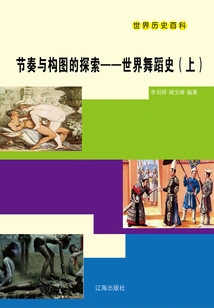
World History Encyclopedia: Exploration of Rhythm and Composition·world Dance History (part 1)
History世界历史百科:节奏与构图的探索·世界舞蹈史(上)
Edited By Li Cambridge And Jie Baofeng
The content of this book includes Paleolithic dance, Neolithic dance, ancient Egyptian dance history, ancient Egyptian dance forms, ancient Egyptian dance culture, ancient Greek dance art, ancient Roman dance art, ancient Indian dance culture, etc.
The content of this book includes Paleolithic dance, Neolithic dance, ancient Egyptian dance history, ancient Egyptian dance forms, ancient Egyptian dance culture, ancient Greek dance art, ancient Roman dance art, ancient Indian dance culture, etc.
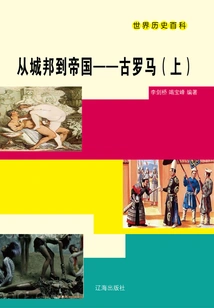
世界历史百科:从城邦到帝国·古罗马(上)
Edited By Li Cambridge And Jie Baofeng
The content of this book includes the beginning of ancient Roman civilization, legends of the Latins, the origin of the city of Rome, the legend of the holy goose, the legend of Venus, inclusive religious culture, etc.
The content of this book includes the beginning of ancient Roman civilization, legends of the Latins, the origin of the city of Rome, the legend of the holy goose, the legend of Venus, inclusive religious culture, etc.
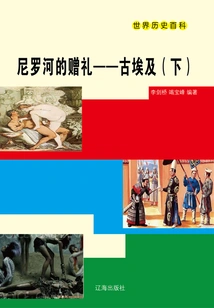
世界历史百科:尼罗河的赠礼·古埃及(下)
Edited By Li Cambridge And Jie Baofeng
The contents of this book include the abode of eternal life, the road to heaven, the civilization in the pyramids, the Temple of Abu Simbo, white paper and black letters, pen, ink, paper and inkstone, the mystery of deciphering hieroglyphs, the Rosetta Stone, Champollion, the father of Egyptology, writing and literature, etc.
The contents of this book include the abode of eternal life, the road to heaven, the civilization in the pyramids, the Temple of Abu Simbo, white paper and black letters, pen, ink, paper and inkstone, the mystery of deciphering hieroglyphs, the Rosetta Stone, Champollion, the father of Egyptology, writing and literature, etc.
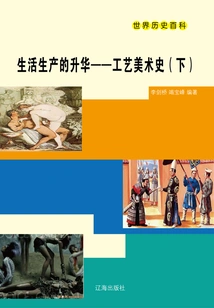
World History Encyclopedia: Sublimation of Life and Production·history of Arts and Crafts (part 2)
History世界历史百科:生活生产的升华·工艺美术史(下)
Edited By Li Cambridge And Jie Baofeng
The content of this book includes arts and crafts, pottery crafts, glass crafts, metal crafts, dyeing and weaving crafts, wood crafts, Baroque period arts and crafts, dyeing and weaving techniques, wood crafts, glass crafts, pottery crafts, Rococo period arts and crafts, etc.
The content of this book includes arts and crafts, pottery crafts, glass crafts, metal crafts, dyeing and weaving crafts, wood crafts, Baroque period arts and crafts, dyeing and weaving techniques, wood crafts, glass crafts, pottery crafts, Rococo period arts and crafts, etc.
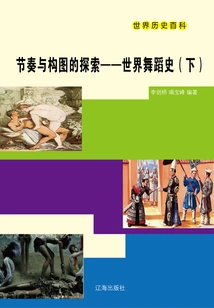
World History Encyclopedia: Exploration of Rhythm and Composition·world Dance History (part 2)
History世界历史百科:节奏与构图的探索·世界舞蹈史(下)
Edited By Li Cambridge And Jie Baofeng
The content of this book includes Indonesian dance, dance from other Southeast Asian countries, Japanese dance, Korean Peninsula dance, early European medieval dance culture, etc.
The content of this book includes Indonesian dance, dance from other Southeast Asian countries, Japanese dance, Korean Peninsula dance, early European medieval dance culture, etc.