Library
Browse and search novels
1,326 novels found
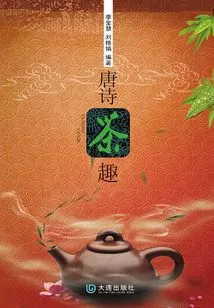
Tang Poetry Tea Fun
Literature唐诗茶趣
Li Jinhui Liu Yanjuan
"Tang Poems on Tea" contains "tea" poems written by poets of all dynasties. The book not only provides the original text of the poem, but also clarifies the difficulties in the poem and explains the meaning of the poem. Also attached is a picture that matches the content of the poem. The book is illustrated, easy to understand, and suitable for poetry lovers to read. In ancient poetry, tea appears very frequently. For example, Liu Yuxi's "Tasting Tea", Qian Qi's "Tea Party with Zhao Ju", Bai Juyi's "Qin Tea", Dai Shulun's "Crossing the Mountain Temple with Friends", Qi Ji's "Sending People to Hengyue", Yang Sifu's "Thanks for Sending New Tea", and so on.
"Tang Poems on Tea" contains "tea" poems written by poets of all dynasties. The book not only provides the original text of the poem, but also clarifies the difficulties in the poem and explains the meaning of the poem. Also attached is a picture that matches the content of the poem. The book is illustrated, easy to understand, and suitable for poetry lovers to read. In ancient poetry, tea appears very frequently. For example, Liu Yuxi's "Tasting Tea", Qian Qi's "Tea Party with Zhao Ju", Bai Juyi's "Qin Tea", Dai Shulun's "Crossing the Mountain Temple with Friends", Qi Ji's "Sending People to Hengyue", Yang Sifu's "Thanks for Sending New Tea", and so on.
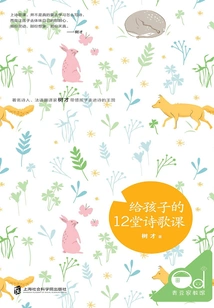
12 Poetry Lessons for Kids
Literature给孩子的12堂诗歌课
Shucai
This book contains 12 poetry lectures given to children by the famous poet and French translator Shucai. Teacher Shucai combines his 30 years of poetry creation experience with his love for children. In this book, he becomes a poetry teacher. He tells the beauty of the most representative poetry at home and abroad in ancient and modern times in a humorous and friendly language that is most touching to children. From the moon described by ancient Chinese poets to the Mirador Bridge on the Seine River in Paris, France, from the concise and clear Japanese haiku to the magnificent and beautiful poems of the Indian philosopher Rabindranath Tagore, Shucai's explanations are both professional, profound and easy to understand, making people feel the charm of poetry, a common language art of mankind. The most valuable thing is that these poetry lectures for children incorporate his "poetic view" on children's poetry - childlike innocence is poetry. He has always focused on guiding children to discover the relationship between their own souls and poetry. He believes that every personality of a child contains genius. Poetry is all about individuality. In the world of poetry, individuality is more precious than diamonds. Shucai's praise and affirmation of childlike innocence and individuality gave children enough confidence when they first faced this world with complicated languages, enabling them to express themselves faithfully. It was under such encouragement that the children became enthusiastic about creation, picked up their pens and began to write their own poems.
This book contains 12 poetry lectures given to children by the famous poet and French translator Shucai. Teacher Shucai combines his 30 years of poetry creation experience with his love for children. In this book, he becomes a poetry teacher. He tells the beauty of the most representative poetry at home and abroad in ancient and modern times in a humorous and friendly language that is most touching to children. From the moon described by ancient Chinese poets to the Mirador Bridge on the Seine River in Paris, France, from the concise and clear Japanese haiku to the magnificent and beautiful poems of the Indian philosopher Rabindranath Tagore, Shucai's explanations are both professional, profound and easy to understand, making people feel the charm of poetry, a common language art of mankind. The most valuable thing is that these poetry lectures for children incorporate his "poetic view" on children's poetry - childlike innocence is poetry. He has always focused on guiding children to discover the relationship between their own souls and poetry. He believes that every personality of a child contains genius. Poetry is all about individuality. In the world of poetry, individuality is more precious than diamonds. Shucai's praise and affirmation of childlike innocence and individuality gave children enough confidence when they first faced this world with complicated languages, enabling them to express themselves faithfully. It was under such encouragement that the children became enthusiastic about creation, picked up their pens and began to write their own poems.
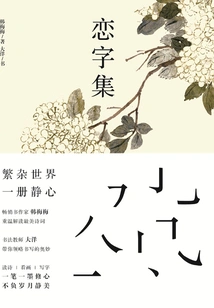
Love Word Collection
Literature恋字集
Han Meimei's Dayang Book
Fifty poems with beautiful artistic conception are explained in simple but extraordinary language. At the same time, it is also a copybook. Readers can appreciate the wonderful artistic conception of ancient poems while writing them stroke by stroke, and experience a moment of peace in their hearts.
Fifty poems with beautiful artistic conception are explained in simple but extraordinary language. At the same time, it is also a copybook. Readers can appreciate the wonderful artistic conception of ancient poems while writing them stroke by stroke, and experience a moment of peace in their hearts.
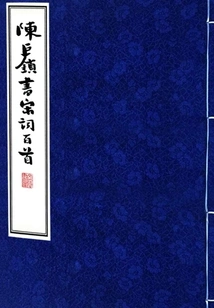
陈巨锁书宋词百首
Chen Jusuo
This book is the calligraphy work of Mr. Chen Jusuo, a calligrapher and painter from Shanxi Province. Mr. Chen Jusuo copied part of the contents of "Three Hundred Song Ci Poems", proofread the text, stamped it, compiled the catalog, and counted 46 poets and composed one hundred poems. The binding form of this book is thread binding, which is exquisitely produced and has strong collection value.
This book is the calligraphy work of Mr. Chen Jusuo, a calligrapher and painter from Shanxi Province. Mr. Chen Jusuo copied part of the contents of "Three Hundred Song Ci Poems", proofread the text, stamped it, compiled the catalog, and counted 46 poets and composed one hundred poems. The binding form of this book is thread binding, which is exquisitely produced and has strong collection value.
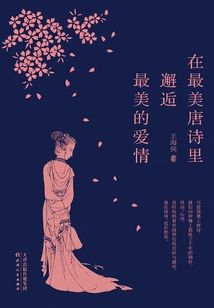
在最美唐诗里邂逅最美的爱情
Wang Haixia
This book extracts love chapters and touching love stories from Tang poems from the long history, and pulls in many good lines from Tang poems to paint a poignant picture of the encounter, love, separation, and reunion of men and women in prosperous times or war-torn times. The writing is beautiful and creative, and it restores the historical details of the time, allowing readers to find the beauty of classical love, and deepen their appreciation and understanding of poetry when reading these beautiful love stories.
This book extracts love chapters and touching love stories from Tang poems from the long history, and pulls in many good lines from Tang poems to paint a poignant picture of the encounter, love, separation, and reunion of men and women in prosperous times or war-torn times. The writing is beautiful and creative, and it restores the historical details of the time, allowing readers to find the beauty of classical love, and deepen their appreciation and understanding of poetry when reading these beautiful love stories.
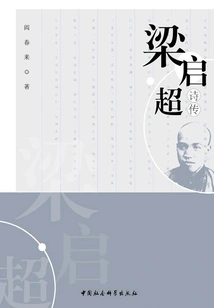
Liang Qichao's Poetry Biography
Literature梁启超诗传
Yan Chunlai
This book tells the story of Liang's life in the context of Liang Qichao's poems. The first two words of the poem quoted in each chapter should be in line with the ancient system and the spirit of poetry. I tried to write in classical Chinese, hoping to not only adapt to the language environment of the historical background of the characters, but also hope to be a little sparse in the contemporary craze for Chinese studies and the promotion of traditional culture. This book has many citations and detailed information, so it should have considerable documentary value; it describes historical scenes, creates characters, and does not hesitate to use literary rhetorical techniques. It seems that it can be called a literary and artistic work; and it uses poetry as a scripture to structure his life, trying to create some academic value.
This book tells the story of Liang's life in the context of Liang Qichao's poems. The first two words of the poem quoted in each chapter should be in line with the ancient system and the spirit of poetry. I tried to write in classical Chinese, hoping to not only adapt to the language environment of the historical background of the characters, but also hope to be a little sparse in the contemporary craze for Chinese studies and the promotion of traditional culture. This book has many citations and detailed information, so it should have considerable documentary value; it describes historical scenes, creates characters, and does not hesitate to use literary rhetorical techniques. It seems that it can be called a literary and artistic work; and it uses poetry as a scripture to structure his life, trying to create some academic value.
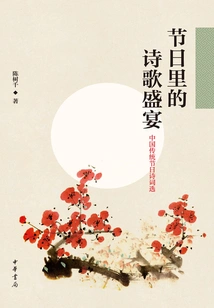
A Feast of Poetry During the Holidays
Literature节日里的诗歌盛宴
Chen Shuqian
This book is a compilation of ancient poems about ancient festivals. The book is compiled in the order of 11 traditional festivals, including Yuan Day (New Year's Eve), Ren's Day, Lantern Festival, March 3 (Shangsi Festival), Cold Food, Tomb Sweeping Festival, Dragon Boat Festival, Zhongyuan Day (July 15, Ghost Festival), Mid-Autumn Festival, Double Ninth Festival, Laba Festival, etc. It selects about 300 poems and poems composed by ancients from the time of "The Book of Songs" to the fall of the Qing Dynasty over two thousand years ago. The poems and songs under each festival are arranged in the order of four-character poems, five-character poems, seven-character poems, words and music. Each poem or word is divided into comments (or explanations), notes, etc. In terms of content. It strives to provide readers with a classic reading book on the cultural inheritance of classical poetry and traditional festivals.
This book is a compilation of ancient poems about ancient festivals. The book is compiled in the order of 11 traditional festivals, including Yuan Day (New Year's Eve), Ren's Day, Lantern Festival, March 3 (Shangsi Festival), Cold Food, Tomb Sweeping Festival, Dragon Boat Festival, Zhongyuan Day (July 15, Ghost Festival), Mid-Autumn Festival, Double Ninth Festival, Laba Festival, etc. It selects about 300 poems and poems composed by ancients from the time of "The Book of Songs" to the fall of the Qing Dynasty over two thousand years ago. The poems and songs under each festival are arranged in the order of four-character poems, five-character poems, seven-character poems, words and music. Each poem or word is divided into comments (or explanations), notes, etc. In terms of content. It strives to provide readers with a classic reading book on the cultural inheritance of classical poetry and traditional festivals.
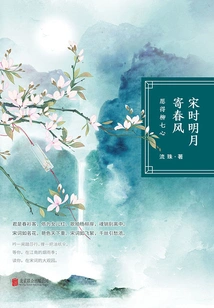
宋时明月寄春风:愿得柳七心
Liuzhu
The title of this book is "Wish to Win Liu Qi's Heart", but it is not a book that only talks about Liu Yong, but uses "Liu Qi" to refer to poets all over the world. Although the length of poems selected is indeed Liu Yong's, there are a total of 34 poems selected in the book, and more than 20 of Liu Yong's poems are selected. Thinking back to the prime of the Northern Song Dynasty, when Tokyo was the famous capital, everyone loved Liu Qilang and every family recited Qi Qing's poems. "I don't want to be called by the king, but I want to be called by Liu Qiming; I don't want a thousand golds, but I want to win Liu Qi's heart; I don't want to see gods, but I want to know Liu Qi's face." How lucky is Liu Qi to be born in this era, and how lucky is this era to have such a genius. Liu Qi is the first professional poet writer in history, but the other poets in this book are different from him. Kou Zhun, Chen Yaozuo, and Fan Zhongyan, these three poets have all entered the cabinet to pay homage to the prime minister. A powerful political figure can write small lyrics with all the grace and grace. This is true - only you can't think of it, but he can't do it.
The title of this book is "Wish to Win Liu Qi's Heart", but it is not a book that only talks about Liu Yong, but uses "Liu Qi" to refer to poets all over the world. Although the length of poems selected is indeed Liu Yong's, there are a total of 34 poems selected in the book, and more than 20 of Liu Yong's poems are selected. Thinking back to the prime of the Northern Song Dynasty, when Tokyo was the famous capital, everyone loved Liu Qilang and every family recited Qi Qing's poems. "I don't want to be called by the king, but I want to be called by Liu Qiming; I don't want a thousand golds, but I want to win Liu Qi's heart; I don't want to see gods, but I want to know Liu Qi's face." How lucky is Liu Qi to be born in this era, and how lucky is this era to have such a genius. Liu Qi is the first professional poet writer in history, but the other poets in this book are different from him. Kou Zhun, Chen Yaozuo, and Fan Zhongyan, these three poets have all entered the cabinet to pay homage to the prime minister. A powerful political figure can write small lyrics with all the grace and grace. This is true - only you can't think of it, but he can't do it.
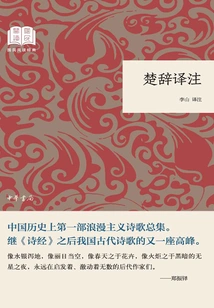
楚辞译注(国民阅读经典)
Translated By Li Shan
"Chu Ci" is the first collection of romantic poetry that has had a profound impact on the history of Chinese literature after "The Book of Songs". It is the source and representative of romantic literary creation in my country. Professor Li Shan has made outstanding achievements in the field of pre-Qin and Han literature research, and has considerable experience in the study of "Chu Ci". "Chu Ci Translation and Annotation" has a perfect style, with captions explaining the writing background and summarizing the main theme of the poem; the annotations are accurate and concise, and difficult words are marked with pinyin; the analysis explores the heart of the poem, and new insights are often found; it is also supplemented by the translation of elegant teachings, and it is truly a reading book of "Chu Ci" that can be enjoyed by both refined and popular people.
"Chu Ci" is the first collection of romantic poetry that has had a profound impact on the history of Chinese literature after "The Book of Songs". It is the source and representative of romantic literary creation in my country. Professor Li Shan has made outstanding achievements in the field of pre-Qin and Han literature research, and has considerable experience in the study of "Chu Ci". "Chu Ci Translation and Annotation" has a perfect style, with captions explaining the writing background and summarizing the main theme of the poem; the annotations are accurate and concise, and difficult words are marked with pinyin; the analysis explores the heart of the poem, and new insights are often found; it is also supplemented by the translation of elegant teachings, and it is truly a reading book of "Chu Ci" that can be enjoyed by both refined and popular people.
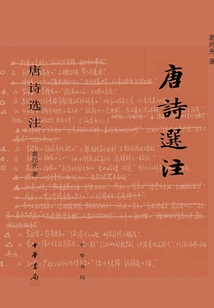
Selected Notes on Tang Poems
Literature唐诗选注
Ge Zhaoguang
"Selected Notes on Tang Poems" contains a total of 280 Tang poems, from 78 families. According to the trajectory of poetic history and the characteristics of poets, representative works are selected for annotation and appreciation. This book integrates criticism and appreciation, clarifying the meaning of words and sentences, supplementing cultural common sense, sorting out the development of literary history, and showing the relationship between poetry inheritance and reference. It is a new reading experience with extremely rich content.
"Selected Notes on Tang Poems" contains a total of 280 Tang poems, from 78 families. According to the trajectory of poetic history and the characteristics of poets, representative works are selected for annotation and appreciation. This book integrates criticism and appreciation, clarifying the meaning of words and sentences, supplementing cultural common sense, sorting out the development of literary history, and showing the relationship between poetry inheritance and reference. It is a new reading experience with extremely rich content.
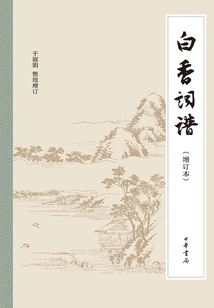
Baixiang Ci Pu (updated Version)
Literature白香词谱(增订本)
Edited And Updated By Yu Shujuan
This book consists of two parts: the original version and the updated version of "Baixiang Ci Pu". The original compilation of "The original tune is one hundred, and the alias is one hundred and two". The tune of each poem is marked word by word as flat or oblique, or it can be flat or oblique, and the rhyme and rhyme changes are indicated. It is easy to be accepted by beginners and has strong practicality. One hundred and eleven new words have been added, most of which are plain rhyme or oblique rhyme styles that were not included in the original compilation of the same style of words. Particular attention was paid to filling in the original tunes that were missing in the original book, and a more detailed collection of aliases for the styles of words was made. In addition, the updated part reveals many places where special syntax and word pronunciation are easy to be mistakenly filled in. Occasionally, the palace tune to which the word card belongs is specified, which emotion is suitable for expressing, which can be used as a reference for beginners to choose the tone when writing words. At the end of the book, there is a rhyme chart, a biography of the author, and a word index, which is convenient for word lovers to read and use.
This book consists of two parts: the original version and the updated version of "Baixiang Ci Pu". The original compilation of "The original tune is one hundred, and the alias is one hundred and two". The tune of each poem is marked word by word as flat or oblique, or it can be flat or oblique, and the rhyme and rhyme changes are indicated. It is easy to be accepted by beginners and has strong practicality. One hundred and eleven new words have been added, most of which are plain rhyme or oblique rhyme styles that were not included in the original compilation of the same style of words. Particular attention was paid to filling in the original tunes that were missing in the original book, and a more detailed collection of aliases for the styles of words was made. In addition, the updated part reveals many places where special syntax and word pronunciation are easy to be mistakenly filled in. Occasionally, the palace tune to which the word card belongs is specified, which emotion is suitable for expressing, which can be used as a reference for beginners to choose the tone when writing words. At the end of the book, there is a rhyme chart, a biography of the author, and a word index, which is convenient for word lovers to read and use.
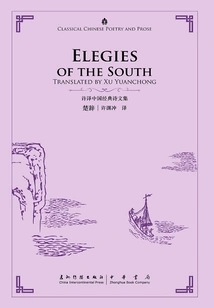
Songs of Chu (chinese and English)
Literature楚辞(中英对照)
Xu Yuanchong
"Chu Ci", also known as "Chu Ci", is a style of poetry created by Qu Yuan, a great poet in the Warring States Period. The work uses the literary style and dialect rhymes of the Chu region (today's Lianghu area) to describe the mountains, rivers, people, and historical customs of the Chu region, and has strong local characteristics. During the Han Dynasty, Liu Xiang compiled Qu Yuan's works and the works of Song Yu and others who "inherited Qu Fu" into a collection called "Chu Ci". It has become a collection of poems that has had a profound impact on Chinese literature after the Book of Songs.
"Chu Ci", also known as "Chu Ci", is a style of poetry created by Qu Yuan, a great poet in the Warring States Period. The work uses the literary style and dialect rhymes of the Chu region (today's Lianghu area) to describe the mountains, rivers, people, and historical customs of the Chu region, and has strong local characteristics. During the Han Dynasty, Liu Xiang compiled Qu Yuan's works and the works of Song Yu and others who "inherited Qu Fu" into a collection called "Chu Ci". It has become a collection of poems that has had a profound impact on Chinese literature after the Book of Songs.
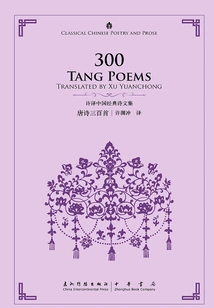
唐诗三百首(中英对照)
Xu Yuanchong
"Collection of Chinese Classical Poems Translated by Xu: Three Hundred Tang Poems" includes works by Yu Shinan, Kong Shao'an, Wang Ji, Han Shan, Shangguan Yi, Wang Bo, Yang Jiong, Luo Binwang, Song Zhibu, He Zhizhang, Chen Zi'ang, Zhang Shuo, Zhang Xu and others. Tang poetry has a wide range of contents, some of which praise the beauty of mountains and rivers, some of which express the beautiful emotions between people, some of which describe the sufferings and wishes of the people, some of which express personal ambitions, and some of which write about the heroic spirit of frontier soldiers... For thousands of years, Chinese people have liked to read Tang poetry from generation to generation, absorbing nutrients from it, cultivating their sentiments, and improving their literacy.
"Collection of Chinese Classical Poems Translated by Xu: Three Hundred Tang Poems" includes works by Yu Shinan, Kong Shao'an, Wang Ji, Han Shan, Shangguan Yi, Wang Bo, Yang Jiong, Luo Binwang, Song Zhibu, He Zhizhang, Chen Zi'ang, Zhang Shuo, Zhang Xu and others. Tang poetry has a wide range of contents, some of which praise the beauty of mountains and rivers, some of which express the beautiful emotions between people, some of which describe the sufferings and wishes of the people, some of which express personal ambitions, and some of which write about the heroic spirit of frontier soldiers... For thousands of years, Chinese people have liked to read Tang poetry from generation to generation, absorbing nutrients from it, cultivating their sentiments, and improving their literacy.
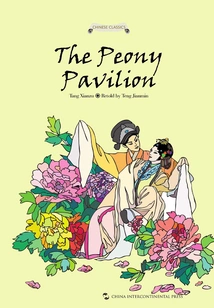
牡丹亭故事(英文版)
Adapted By Teng Jianmin
"The Peony Pavilion Story" (Chinese Classic Drama Story Series) "The Peony Pavilion" was written in the Ming Dynasty. It describes the life and death love affair between the young woman Du Liniang and the scholar Liu Mengmei. It profoundly discusses that sincere love can transcend life and death.
"The Peony Pavilion Story" (Chinese Classic Drama Story Series) "The Peony Pavilion" was written in the Ming Dynasty. It describes the life and death love affair between the young woman Du Liniang and the scholar Liu Mengmei. It profoundly discusses that sincere love can transcend life and death.
Must Memorize and Recite Ancient Poems for Primary and Secondary Schools (essential Edition)
Literature中小学必背古诗词诵读(精华本)
New Oriental Book Research And Development Center
"Must-Memorize and Recite Ancient Poems for Primary and Secondary Schools (Essential Edition)" complies with the Chinese curriculum standards for primary and secondary schools and selects 115 classic ancient poems. It aims to subtly enhance readers' cultural accomplishment, connect with school education, and make learning ancient poems interesting. The 115 ancient poems included in the book are all "recommended articles for excellent poetry recitation" in the Chinese language curriculum for primary and secondary schools. These ancient poems are not only classics that have been passed down through the ages, but also an indispensable part of Chinese education in primary and secondary schools. Each ancient poem in the book is accompanied by an audio interpretation. There is a mini poetry appreciation class every day. You can listen to it by scanning the QR code. Small format design, compact and practical, convenient and easy to carry. Read classic poems and listen to professional interpretations, making poetry learning poetic and relaxing.
"Must-Memorize and Recite Ancient Poems for Primary and Secondary Schools (Essential Edition)" complies with the Chinese curriculum standards for primary and secondary schools and selects 115 classic ancient poems. It aims to subtly enhance readers' cultural accomplishment, connect with school education, and make learning ancient poems interesting. The 115 ancient poems included in the book are all "recommended articles for excellent poetry recitation" in the Chinese language curriculum for primary and secondary schools. These ancient poems are not only classics that have been passed down through the ages, but also an indispensable part of Chinese education in primary and secondary schools. Each ancient poem in the book is accompanied by an audio interpretation. There is a mini poetry appreciation class every day. You can listen to it by scanning the QR code. Small format design, compact and practical, convenient and easy to carry. Read classic poems and listen to professional interpretations, making poetry learning poetic and relaxing.
中小学必背古诗词诵读日历
New Oriental Book Research And Development Center
"Calendar for Reciting Ancient Poems Must Be Memorized in Primary and Secondary Schools" is both a calendar and a book of poems. It aims to subtly enhance readers' cultural accomplishment, connect it with school education, and make learning ancient poems interesting. The book contains more than 300 ancient poems, mainly selected from the "Recommended Recommendations for Reciting Excellent Poems" in primary and secondary school curriculum standards, Chinese textbooks in primary and secondary schools, and real Chinese exam questions for high school entrance exams. These poems are not only classics that have been passed down through the ages, but also an indispensable part of Chinese education in primary and secondary schools. Each poem in the book is accompanied by an audio interpretation. There is a mini poetry appreciation lesson every day. You can listen to it by scanning the QR code. The calendar part has also been thoughtfully left with appropriate spaces to facilitate writing notes and recording moods. Read classic poems, listen to professional interpretations, and appreciate the beauty of poems as time goes by.
"Calendar for Reciting Ancient Poems Must Be Memorized in Primary and Secondary Schools" is both a calendar and a book of poems. It aims to subtly enhance readers' cultural accomplishment, connect it with school education, and make learning ancient poems interesting. The book contains more than 300 ancient poems, mainly selected from the "Recommended Recommendations for Reciting Excellent Poems" in primary and secondary school curriculum standards, Chinese textbooks in primary and secondary schools, and real Chinese exam questions for high school entrance exams. These poems are not only classics that have been passed down through the ages, but also an indispensable part of Chinese education in primary and secondary schools. Each poem in the book is accompanied by an audio interpretation. There is a mini poetry appreciation lesson every day. You can listen to it by scanning the QR code. The calendar part has also been thoughtfully left with appropriate spaces to facilitate writing notes and recording moods. Read classic poems, listen to professional interpretations, and appreciate the beauty of poems as time goes by.
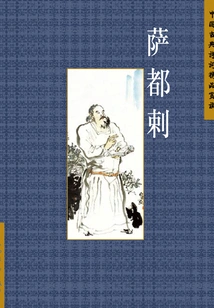
Sadura (chinese Version)
Literature萨都剌(中文版)
Liao Ju Neem
[Chinese Classical Poetry Appreciation Series]: This is a series of books designed to introduce influential poets and their representative works in Chinese literature. Each poet and lyricist has a separate volume. Each volume includes a biography of the poet and an appreciation of his works. The appreciation of each work is divided into three sections: title explanation, sentence explanation, and commentary: the title explanation explains the creative background, the sentence explanation uses modern Chinese to translate and appreciate the poems line by line, and the commentary comments on the characteristics of the work. It is convenient for readers to understand the ideological content, artistic characteristics and writing skills of poems. In order to vividly express the connotation of classical poetry, each work is accompanied by Chinese paintings created according to the artistic conception of the poetry, including many works by famous painters. The book series embodies the cultural value of ancient poetry masterpieces from multiple perspectives such as literature, art, history, etc., From which readers can obtain various cultural knowledge and artistic influence.
[Chinese Classical Poetry Appreciation Series]: This is a series of books designed to introduce influential poets and their representative works in Chinese literature. Each poet and lyricist has a separate volume. Each volume includes a biography of the poet and an appreciation of his works. The appreciation of each work is divided into three sections: title explanation, sentence explanation, and commentary: the title explanation explains the creative background, the sentence explanation uses modern Chinese to translate and appreciate the poems line by line, and the commentary comments on the characteristics of the work. It is convenient for readers to understand the ideological content, artistic characteristics and writing skills of poems. In order to vividly express the connotation of classical poetry, each work is accompanied by Chinese paintings created according to the artistic conception of the poetry, including many works by famous painters. The book series embodies the cultural value of ancient poetry masterpieces from multiple perspectives such as literature, art, history, etc., From which readers can obtain various cultural knowledge and artistic influence.
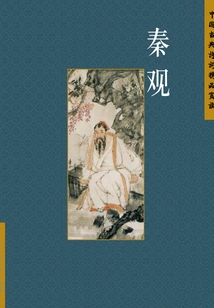
Qin Guan (chinese Version)
Literature秦观(中文版)
Shi Jiepeng
[Chinese Classical Poetry Appreciation Series]: This is a series of books designed to introduce influential poets and their representative works in Chinese literature. Each poet and lyricist has a separate volume. Each volume includes a biography of the poet and an appreciation of his works. The appreciation of each work is divided into three sections: title explanation, sentence explanation, and commentary: the title explanation explains the creative background, the sentence explanation uses modern Chinese to translate and appreciate the poems line by line, and the commentary comments on the characteristics of the work. It is convenient for readers to understand the ideological content, artistic characteristics and writing skills of poems. In order to vividly express the connotation of classical poetry, each work is accompanied by Chinese paintings created according to the artistic conception of the poetry, including many works by famous painters. The book series embodies the cultural value of ancient poetry masterpieces from multiple perspectives such as literature, art, history, etc., From which readers can obtain various cultural knowledge and artistic influence.
[Chinese Classical Poetry Appreciation Series]: This is a series of books designed to introduce influential poets and their representative works in Chinese literature. Each poet and lyricist has a separate volume. Each volume includes a biography of the poet and an appreciation of his works. The appreciation of each work is divided into three sections: title explanation, sentence explanation, and commentary: the title explanation explains the creative background, the sentence explanation uses modern Chinese to translate and appreciate the poems line by line, and the commentary comments on the characteristics of the work. It is convenient for readers to understand the ideological content, artistic characteristics and writing skills of poems. In order to vividly express the connotation of classical poetry, each work is accompanied by Chinese paintings created according to the artistic conception of the poetry, including many works by famous painters. The book series embodies the cultural value of ancient poetry masterpieces from multiple perspectives such as literature, art, history, etc., From which readers can obtain various cultural knowledge and artistic influence.
宋元明清诗选(中英对照)
Xu Yuanchong Xu Ming
Ancient Chinese classic poetry is a wonder of Chinese traditional culture. As early as more than two thousand years ago, Chinese poets wrote the beautiful "Book of Songs" and "Chu Ci"; later, they created more splendid Tang poetry and Song lyrics. Classic works such as "The Analects of Confucius" and "Laozi" are of extremely important significance in shaping and forming the cultural spirit of the Chinese nation. These works are not only a cultural link connecting the thoughts and emotions of all Chinese people, but also an important bridge for Chinese culture to the world.
Ancient Chinese classic poetry is a wonder of Chinese traditional culture. As early as more than two thousand years ago, Chinese poets wrote the beautiful "Book of Songs" and "Chu Ci"; later, they created more splendid Tang poetry and Song lyrics. Classic works such as "The Analects of Confucius" and "Laozi" are of extremely important significance in shaping and forming the cultural spirit of the Chinese nation. These works are not only a cultural link connecting the thoughts and emotions of all Chinese people, but also an important bridge for Chinese culture to the world.
宋词三百首(中英对照)
Xu Yuanchong
Ancient Chinese classic poetry is a wonder of Chinese traditional culture. As early as more than two thousand years ago, Chinese poets wrote the beautiful "Book of Songs" and "Chu Ci"; later, they created more splendid Tang poetry and Song lyrics. Classic works such as "The Analects of Confucius" and "Laozi" are of extremely important significance in shaping and forming the cultural spirit of the Chinese nation. These works are not only a cultural link connecting the thoughts and emotions of all Chinese people, but also an important bridge for Chinese culture to the world.
Ancient Chinese classic poetry is a wonder of Chinese traditional culture. As early as more than two thousand years ago, Chinese poets wrote the beautiful "Book of Songs" and "Chu Ci"; later, they created more splendid Tang poetry and Song lyrics. Classic works such as "The Analects of Confucius" and "Laozi" are of extremely important significance in shaping and forming the cultural spirit of the Chinese nation. These works are not only a cultural link connecting the thoughts and emotions of all Chinese people, but also an important bridge for Chinese culture to the world.
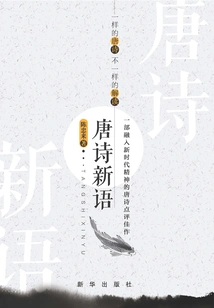
New Sayings of Tang Poetry
Literature唐诗新语
Chen Zhonglai
The author of this book, Chen Zhonglai, is a distinguished researcher at the Yuyao Donghai Urban Culture Research Institute and the honorary chairman of the Yuyao Writers Association. The main academic works include: "Exploring the Origin of Hemudu Culture" and "Hometown of the Sun God". This book selects nearly 600 poems by more than 100 poets of the Tang Dynasty for modern interpretation. Among them, 25 poets with more than 400 poems and 33 female poets with more than 40 poems are listed separately. With a unique perspective and accurate interpretation, reading this book can appreciate the breadth and depth of Tang poetry and improve one's own cultural accomplishment.
The author of this book, Chen Zhonglai, is a distinguished researcher at the Yuyao Donghai Urban Culture Research Institute and the honorary chairman of the Yuyao Writers Association. The main academic works include: "Exploring the Origin of Hemudu Culture" and "Hometown of the Sun God". This book selects nearly 600 poems by more than 100 poets of the Tang Dynasty for modern interpretation. Among them, 25 poets with more than 400 poems and 33 female poets with more than 40 poems are listed separately. With a unique perspective and accurate interpretation, reading this book can appreciate the breadth and depth of Tang poetry and improve one's own cultural accomplishment.
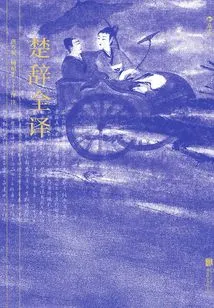
Complete Translation of Chu Ci
Literature楚辞全译
Huang Shouqi Mei Tongsheng
The Songs of Chu are the crystallization of Chu culture in the Spring and Autumn Period and the Warring States Period in my country. It is another collection of poems with far-reaching influence in ancient my country after the Book of Songs. The Songs of Chu are not only the ancestor of the Fu style literature of the Han Dynasty, but also dominated the literary and artistic trends of the Han Dynasty for more than 400 years, giving great influence to Chinese literature and art. The earliest annotated version of "Chu Ci" that we can see now is Wang Yi's "Chapter of Chu Ci". This book, "Complete Translation of Chu Ci", is based on "Chapter of Chu Ci" and annotates all his works. In addition, it also adds two famous poems by Jia Yi, "Ode to Song Bird" and "Ode to Diao Qu Yuan". For the sake of accuracy, the translation of this book mostly uses literal translation; the annotations are based on reasonable interpretations by ancient and modern scholars, and their words are well-founded.
The Songs of Chu are the crystallization of Chu culture in the Spring and Autumn Period and the Warring States Period in my country. It is another collection of poems with far-reaching influence in ancient my country after the Book of Songs. The Songs of Chu are not only the ancestor of the Fu style literature of the Han Dynasty, but also dominated the literary and artistic trends of the Han Dynasty for more than 400 years, giving great influence to Chinese literature and art. The earliest annotated version of "Chu Ci" that we can see now is Wang Yi's "Chapter of Chu Ci". This book, "Complete Translation of Chu Ci", is based on "Chapter of Chu Ci" and annotates all his works. In addition, it also adds two famous poems by Jia Yi, "Ode to Song Bird" and "Ode to Diao Qu Yuan". For the sake of accuracy, the translation of this book mostly uses literal translation; the annotations are based on reasonable interpretations by ancient and modern scholars, and their words are well-founded.
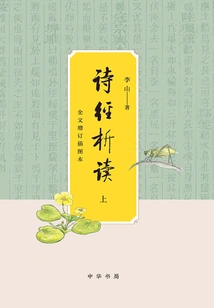
诗经析读(全文增订插图本·上)
Li Shan
This book fully refers to various documents from past dynasties and previous research results, and provides detailed annotations and explanations for each work in the Book of Songs. The characteristics of this book lie in correcting the theme, analyzing the era of creation, striving to restore the original culture of the era when the Book of Songs was born, and outlining the spiritual outlook of the ritual and music civilization of the Zhou Dynasty and the development of Chinese culture. There are also several pictures related to the poems, which are elegant and exquisite and worth viewing.
This book fully refers to various documents from past dynasties and previous research results, and provides detailed annotations and explanations for each work in the Book of Songs. The characteristics of this book lie in correcting the theme, analyzing the era of creation, striving to restore the original culture of the era when the Book of Songs was born, and outlining the spiritual outlook of the ritual and music civilization of the Zhou Dynasty and the development of Chinese culture. There are also several pictures related to the poems, which are elegant and exquisite and worth viewing.
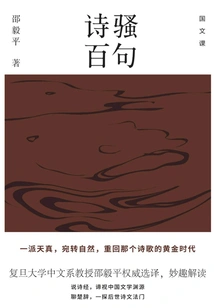
A Hundred Poems (chinese Language Class)
Literature诗骚百句(国文课)
Shao Yiping
It is innocent and natural, returning to the golden age of poetry. In "Hundred Poems", Professor Shao Yiping from the Chinese Department of Fudan University selected phrases from the "Book of Songs" and "Chu Ci" to talk about their literary status, aesthetic style and their influence on later generations.
It is innocent and natural, returning to the golden age of poetry. In "Hundred Poems", Professor Shao Yiping from the Chinese Department of Fudan University selected phrases from the "Book of Songs" and "Chu Ci" to talk about their literary status, aesthetic style and their influence on later generations.
An Ancient Poem Every Day 2
Literature每天一首古诗词2
Yunjia
Four thousand years of Chinese history, three thousand years of classical literature, and Tang poetry and Song poetry are undoubtedly the two most dazzling pearls in the history of Chinese classical literature. This book adopts the concept of simplicity and elegance, and selects famous works from the Tang and Song Dynasties. You can have a panoramic view of the unrestrained and dignified Tang Dynasty and the elegance and elegance of the elegant Song Dynasty. Green-haired beauties, romantic poets, down-and-out emperors... These figures flowing on the paper form a beautiful picture full of vitality, taking readers to easily travel through the ages, feel the purest and most sincere classical feelings, and let the soul find a poetic dwelling place in the noisy and impetuous life.
Four thousand years of Chinese history, three thousand years of classical literature, and Tang poetry and Song poetry are undoubtedly the two most dazzling pearls in the history of Chinese classical literature. This book adopts the concept of simplicity and elegance, and selects famous works from the Tang and Song Dynasties. You can have a panoramic view of the unrestrained and dignified Tang Dynasty and the elegance and elegance of the elegant Song Dynasty. Green-haired beauties, romantic poets, down-and-out emperors... These figures flowing on the paper form a beautiful picture full of vitality, taking readers to easily travel through the ages, feel the purest and most sincere classical feelings, and let the soul find a poetic dwelling place in the noisy and impetuous life.
元曲三百首(彩图精装)
(yuan) Guan Hanqing Si Lu
This book collects the essence of Yuan opera in order of the time of the composer's activities. In addition to the original works of Yuan operas, the following related auxiliary columns are also set up: "Annotations", which explain difficult-to-understand words and sentences to eliminate reading obstacles and facilitate reading; "Translations" strive to be loyal to the original works, so that readers can directly understand the language style of the original songs; "Appreciation", on the principle of respecting the original text, analyze the themes and charm of the pieces, It makes people understand and feel happy; "Introduction to the Author" introduces the author's life and work style, and the important authors draw portraits according to modern people's speculations; "Metrometric Knowledge of Yuan Opera" introduces the format and rules of Yuan Opera in terms of number of words, ten days, antithesis, rhyme, etc.; "Appreciation Knowledge of Yuan Opera" introduces various styles, styles and writing techniques commonly used in Yuan Opera. At the same time, nearly 500 exquisite illustrations in the book that match the text restore the social life of the Yuan Dynasty, vividly and appropriately display the theme of the work and the thoughts and feelings of the people in the song. The perfect combination of pictures and text creates a colorful, three-dimensional, and highly artistic reading space, which can help readers gain more beautiful enjoyment and reading experience. The organic combination of scientific style, exquisite pictures, graceful text, rich content, and novel and open layout design leads readers across the distance of time and space, into the glorious palace of Yuan opera, and appreciates the artistic charm of the repertoire, thereby enlightening the mind, cultivating sentiment, and improving personal literary quality and life taste.
This book collects the essence of Yuan opera in order of the time of the composer's activities. In addition to the original works of Yuan operas, the following related auxiliary columns are also set up: "Annotations", which explain difficult-to-understand words and sentences to eliminate reading obstacles and facilitate reading; "Translations" strive to be loyal to the original works, so that readers can directly understand the language style of the original songs; "Appreciation", on the principle of respecting the original text, analyze the themes and charm of the pieces, It makes people understand and feel happy; "Introduction to the Author" introduces the author's life and work style, and the important authors draw portraits according to modern people's speculations; "Metrometric Knowledge of Yuan Opera" introduces the format and rules of Yuan Opera in terms of number of words, ten days, antithesis, rhyme, etc.; "Appreciation Knowledge of Yuan Opera" introduces various styles, styles and writing techniques commonly used in Yuan Opera. At the same time, nearly 500 exquisite illustrations in the book that match the text restore the social life of the Yuan Dynasty, vividly and appropriately display the theme of the work and the thoughts and feelings of the people in the song. The perfect combination of pictures and text creates a colorful, three-dimensional, and highly artistic reading space, which can help readers gain more beautiful enjoyment and reading experience. The organic combination of scientific style, exquisite pictures, graceful text, rich content, and novel and open layout design leads readers across the distance of time and space, into the glorious palace of Yuan opera, and appreciates the artistic charm of the repertoire, thereby enlightening the mind, cultivating sentiment, and improving personal literary quality and life taste.
杜甫诗(中华传统诗词经典)
Selected Notes On Zhang Zhonggang
Du Fu is known as the "Sage of Poetry" and enjoys a high status in the history of Chinese literature. Du Fu's collection of poems is a masterpiece of the previous generation. In terms of content, it is profound and profound, forming the history of poetry of a generation. In terms of art, it is melancholy and full of twists and turns, and is highly praised by later generations. The author of this book, Mr. Zhang Zhonggang, is currently the authority on Du Fu research. Based on the latest research results in academic circles, he selected one hundred representative works of Du's poems, arranged them in order of creation time, and added detailed annotations and reviews, which are very helpful for understanding Du's poems.
Du Fu is known as the "Sage of Poetry" and enjoys a high status in the history of Chinese literature. Du Fu's collection of poems is a masterpiece of the previous generation. In terms of content, it is profound and profound, forming the history of poetry of a generation. In terms of art, it is melancholy and full of twists and turns, and is highly praised by later generations. The author of this book, Mr. Zhang Zhonggang, is currently the authority on Du Fu research. Based on the latest research results in academic circles, he selected one hundred representative works of Du's poems, arranged them in order of creation time, and added detailed annotations and reviews, which are very helpful for understanding Du's poems.
柳永词(中华传统诗词经典)
Selected Notes By Xue Ruisheng
Liu Yong was a famous poet in the Northern Song Dynasty. Song poetry has Liu Yong, just as Tang poetry has Du Fu. His lyrics are widely circulated. "Anywhere where there is well water to drink, one can sing Liu's lyrics." Li Qingzhao had sharp criticisms of many poets in the Northern Song Dynasty, but he only affirmed Liu Yong. He believed that "in this dynasty, rituals, music, culture and martial arts were well prepared, and they were cultivated for more than a hundred years. Only then did Liu Tuntian Yong change the old voice and create a new voice. He published the "Collection of Music Chapters" and achieved great success." Claiming to be in the world." Mr. Xue Ruisheng, a famous scholar of Liu Yong, has studied Liu Yong Younian and has a lot of experience in the essence of Liu Yong's poems. This time, he has selected seventy of Liu Yong's familiar poems and made wonderful comments, taking into account various types of Liu Yong's poems. This is an ideal book for understanding and appreciating Liu Yong's life and poetry.
Liu Yong was a famous poet in the Northern Song Dynasty. Song poetry has Liu Yong, just as Tang poetry has Du Fu. His lyrics are widely circulated. "Anywhere where there is well water to drink, one can sing Liu's lyrics." Li Qingzhao had sharp criticisms of many poets in the Northern Song Dynasty, but he only affirmed Liu Yong. He believed that "in this dynasty, rituals, music, culture and martial arts were well prepared, and they were cultivated for more than a hundred years. Only then did Liu Tuntian Yong change the old voice and create a new voice. He published the "Collection of Music Chapters" and achieved great success." Claiming to be in the world." Mr. Xue Ruisheng, a famous scholar of Liu Yong, has studied Liu Yong Younian and has a lot of experience in the essence of Liu Yong's poems. This time, he has selected seventy of Liu Yong's familiar poems and made wonderful comments, taking into account various types of Liu Yong's poems. This is an ideal book for understanding and appreciating Liu Yong's life and poetry.
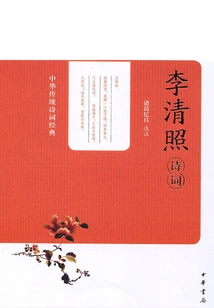
李清照诗词(中华传统诗词经典)
Commentary On Zhuge Yibing
Li Qingzhao is unique. She stands out from all other poets and is unique in her own right, no less than any male poet. When a large number of male poets express their feelings in a female voice, it always feels like they are falling behind. Li Qingzhao uses a woman who knows music and rhythm to truly show the female soul. Her poems are natural, smart and touching. This book collects 68 poems by Li Qingzhao that have been circulated in the world, supplemented by annotations and detailed and vivid analysis. After reading them, it can be said that this poem is a classic. In addition, what should not be missed is that there are two interpretation articles by famous writers in this book. The reading is cordial, clear and profound. After reading it, you will definitely have a clear understanding of Li Qingzhao and his words.
Li Qingzhao is unique. She stands out from all other poets and is unique in her own right, no less than any male poet. When a large number of male poets express their feelings in a female voice, it always feels like they are falling behind. Li Qingzhao uses a woman who knows music and rhythm to truly show the female soul. Her poems are natural, smart and touching. This book collects 68 poems by Li Qingzhao that have been circulated in the world, supplemented by annotations and detailed and vivid analysis. After reading them, it can be said that this poem is a classic. In addition, what should not be missed is that there are two interpretation articles by famous writers in this book. The reading is cordial, clear and profound. After reading it, you will definitely have a clear understanding of Li Qingzhao and his words.
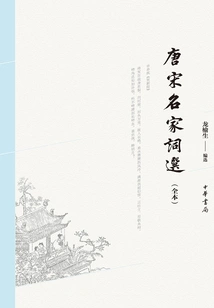
唐宋名家词选(全本)
Edited And Selected By Long Yusheng And Edited By Tian Songqing
This book contains 94 famous poets from the Tang and Song dynasties and 867 poems. Each book is accompanied by a brief biography of the author, and selected comments from past generations are included after the lyrics are written, which will help readers better understand the author's works. Each poem is marked with oblique rhyme positions and functions as a partial word score, making it easy to appreciate and learn. The first edition of this book came out in 1934, and paper was expensive in Luoyang at that time; in the 1955 revision, the proportion of works of the graceful school, which was traditionally regarded as "authentic", was weakened. For example, Wu Wenying's poems dropped sharply from the original maximum of 38 to 10, while the works of the bold school increased significantly. This is certainly related to the development of Long's Ci studies and the richer available data, but there are also non-academic factors, so some experts are dissatisfied with this book. The 1956 Shanghai Classical Literature Publishing House revised edition is used as the base, and the 1934 Kaiming Bookstore first edition is used as proofread, and the deleted 158 poems and prefaces are restored to form a "complete version" that comprehensively and truly reflects Long's intention in selecting poems and his views on poetry, and also shows his changes in his thoughts before and after. An index of chapter titles is added at the back of the book for the convenience of readers.
This book contains 94 famous poets from the Tang and Song dynasties and 867 poems. Each book is accompanied by a brief biography of the author, and selected comments from past generations are included after the lyrics are written, which will help readers better understand the author's works. Each poem is marked with oblique rhyme positions and functions as a partial word score, making it easy to appreciate and learn. The first edition of this book came out in 1934, and paper was expensive in Luoyang at that time; in the 1955 revision, the proportion of works of the graceful school, which was traditionally regarded as "authentic", was weakened. For example, Wu Wenying's poems dropped sharply from the original maximum of 38 to 10, while the works of the bold school increased significantly. This is certainly related to the development of Long's Ci studies and the richer available data, but there are also non-academic factors, so some experts are dissatisfied with this book. The 1956 Shanghai Classical Literature Publishing House revised edition is used as the base, and the 1934 Kaiming Bookstore first edition is used as proofread, and the deleted 158 poems and prefaces are restored to form a "complete version" that comprehensively and truly reflects Long's intention in selecting poems and his views on poetry, and also shows his changes in his thoughts before and after. An index of chapter titles is added at the back of the book for the convenience of readers.
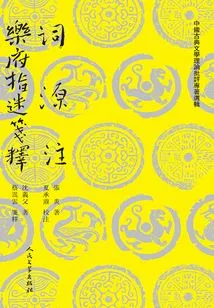
词源注 乐府指迷笺释
(southern Song Dynasty) Zhang Yan Shen Yifu
"Etymology", written by Zhang Yan. The study of Ci in the Song Dynasty was at its peak, with numerous authors, but there were not many books on Ci. Zhang Yan's "Etymology" has left a lot of inspiration to future generations in the study of the form of words. The book is divided into composition, syntax, literalness, emptiness, emptiness, interest, use of things, chanting things, sequence of verses, sentiments, poems, miscellaneous essays, etc. The highest standards for his arguments are "lofty meaning", "elegance" and "clearness". "Yuefu Zhimi" was written by Shen Yifu. Shen Yifu was a professional poet. He took Zhou Bangyan as his sect and held mostly Chinese theories. He advocated that lyrics should have harmonious sounds, elegant characters, hidden characters, and soft meanings.
"Etymology", written by Zhang Yan. The study of Ci in the Song Dynasty was at its peak, with numerous authors, but there were not many books on Ci. Zhang Yan's "Etymology" has left a lot of inspiration to future generations in the study of the form of words. The book is divided into composition, syntax, literalness, emptiness, emptiness, interest, use of things, chanting things, sequence of verses, sentiments, poems, miscellaneous essays, etc. The highest standards for his arguments are "lofty meaning", "elegance" and "clearness". "Yuefu Zhimi" was written by Shen Yifu. Shen Yifu was a professional poet. He took Zhou Bangyan as his sect and held mostly Chinese theories. He advocated that lyrics should have harmonious sounds, elegant characters, hidden characters, and soft meanings.
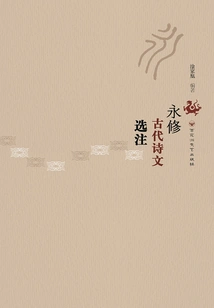
永修古代诗文选注
Ganjiahuang
This book contains more than 700 ancient poems, prose and couplets by Yongxiu, focusing on Aicheng poems, Wucheng poems, Zhelin poems and Yunjushan poems. It involves more than 200 authors, most of whom are masters of ancient Chinese poetry or ancient scholars.
This book contains more than 700 ancient poems, prose and couplets by Yongxiu, focusing on Aicheng poems, Wucheng poems, Zhelin poems and Yunjushan poems. It involves more than 200 authors, most of whom are masters of ancient Chinese poetry or ancient scholars.
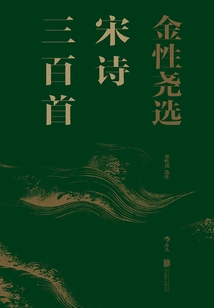
金性尧选宋诗三百首
Jin Xingyao
"Three Hundred Song Poems Selected by Jin Xingyao" is based on the selection and includes four parts: a preface, a selection, a biography of the author, and notes. Based on Mr. Jin Xingyao's understanding of the creative characteristics and status of the poets in the Song Dynasty, as well as his grasp of the development process of Song poetry, 327 poems were extracted from the vast sea of Song poetry. Emphasis is placed on Su Shi and Lu You, whose selections are at the top of the book, and serve as a fulcrum to form the basic pattern of the author team in the Northern and Southern Song Dynasties. This book is fair, well-explained, rigorous in research, distinctive in personality, and well-equipped with both theory and interest. Read and interpret familiar classics, and discover rare masterpieces that have been overlooked. The evaluation of poets and poems focuses on their "attitudes towards society and life", while also trying to reflect the Song people's "ability to drive words" and explore the inner meaning and artistic form of poetry. It is a humanistic reading book for appreciating the style and atmosphere of Song poetry and understanding the development context of Song poetry.
"Three Hundred Song Poems Selected by Jin Xingyao" is based on the selection and includes four parts: a preface, a selection, a biography of the author, and notes. Based on Mr. Jin Xingyao's understanding of the creative characteristics and status of the poets in the Song Dynasty, as well as his grasp of the development process of Song poetry, 327 poems were extracted from the vast sea of Song poetry. Emphasis is placed on Su Shi and Lu You, whose selections are at the top of the book, and serve as a fulcrum to form the basic pattern of the author team in the Northern and Southern Song Dynasties. This book is fair, well-explained, rigorous in research, distinctive in personality, and well-equipped with both theory and interest. Read and interpret familiar classics, and discover rare masterpieces that have been overlooked. The evaluation of poets and poems focuses on their "attitudes towards society and life", while also trying to reflect the Song people's "ability to drive words" and explore the inner meaning and artistic form of poetry. It is a humanistic reading book for appreciating the style and atmosphere of Song poetry and understanding the development context of Song poetry.
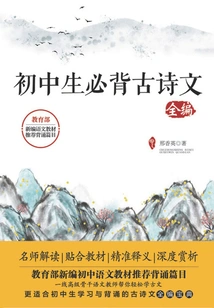
初中生必背古诗文全编
Xing Xiangying
The Ministry of Education has compiled a complete list of recommended memorization passages in the new Chinese language textbook for junior high schools, which directly addresses the difficult test points of ancient poems and essays in junior high schools. It is interpreted by famous teachers with 18 years of teaching experience and written by front-line senior backbone Chinese teachers. The content is in-depth and consistent with the teaching materials. The chapters cover the author's life and writing background, while using the original text translation method to help students learn and accurately explain the difficult points of the test. This book's interpretation of ancient poems is concise, popular, and easy to understand. It is a comprehensive collection of ancient poems that is more suitable for junior high school students to learn and recite.
The Ministry of Education has compiled a complete list of recommended memorization passages in the new Chinese language textbook for junior high schools, which directly addresses the difficult test points of ancient poems and essays in junior high schools. It is interpreted by famous teachers with 18 years of teaching experience and written by front-line senior backbone Chinese teachers. The content is in-depth and consistent with the teaching materials. The chapters cover the author's life and writing background, while using the original text translation method to help students learn and accurately explain the difficult points of the test. This book's interpretation of ancient poems is concise, popular, and easy to understand. It is a comprehensive collection of ancient poems that is more suitable for junior high school students to learn and recite.
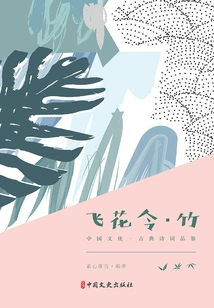
飞花令·竹(中国文化·古典诗词品鉴)
Compiled By Su Xin Luoxue
In accordance with the rules of the traditional Chinese poetry culture game "Feihua Ling", this book carefully selects 102 classic ancient poems containing the word "bamboo" by more than 70 poets. Each poem is followed by corresponding annotations, brief analysis, background and comments from famous experts, leading readers to embark on a beautiful and moving journey of poetry culture in the sea of books and ink. This book is reasonably organized, with pictures and texts. It is a popular cultural book that combines knowledge, aesthetics and culture.
In accordance with the rules of the traditional Chinese poetry culture game "Feihua Ling", this book carefully selects 102 classic ancient poems containing the word "bamboo" by more than 70 poets. Each poem is followed by corresponding annotations, brief analysis, background and comments from famous experts, leading readers to embark on a beautiful and moving journey of poetry culture in the sea of books and ink. This book is reasonably organized, with pictures and texts. It is a popular cultural book that combines knowledge, aesthetics and culture.
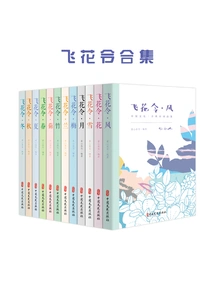
Fei Hua Ling Collection
Literature飞花令合集
Compiled By Su Xin Luoxue
"Feihua Ling·Wind" is one of the "Feihua Ling Series" carefully created by our company. It contains 100 classic poems containing the word "wind" from the Qin and Han Dynasties to the late Qing Dynasty. Each poem is equipped with annotations, brief analysis, background and comments from famous writers. From Liu Bang and Cao Cao to Li Bai and Wang Wei, from Wei Zhuang and Li Yu to Su Shi and Li Qingzhao, from Yu Qian and Tang Yin to Nalan Xingde and Qiu Jin... Nearly a hundred famous poets have presented us with a poetic space that is majestic, cold and lonely, high-spirited, or tranquil and comfortable through their fantastic imagination and wonderful pens. Wandering there is not only a wonderful enjoyment of literary aesthetics, but also a journey of exploration into the spiritual world of the ancients.
"Feihua Ling·Wind" is one of the "Feihua Ling Series" carefully created by our company. It contains 100 classic poems containing the word "wind" from the Qin and Han Dynasties to the late Qing Dynasty. Each poem is equipped with annotations, brief analysis, background and comments from famous writers. From Liu Bang and Cao Cao to Li Bai and Wang Wei, from Wei Zhuang and Li Yu to Su Shi and Li Qingzhao, from Yu Qian and Tang Yin to Nalan Xingde and Qiu Jin... Nearly a hundred famous poets have presented us with a poetic space that is majestic, cold and lonely, high-spirited, or tranquil and comfortable through their fantastic imagination and wonderful pens. Wandering there is not only a wonderful enjoyment of literary aesthetics, but also a journey of exploration into the spiritual world of the ancients.
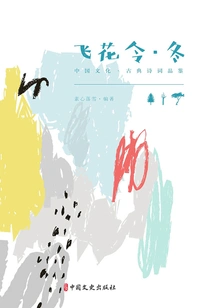
飞花令·冬(中国文化·古典诗词品鉴)
Compiled By Su Xin Luoxue
In accordance with the rules of the traditional Chinese poetry culture game "Feihua Ling", this book carefully selects 102 classic ancient poems containing the word "winter" from more than 70 poets. Each poem is followed by corresponding annotations, brief analysis, background and comments from famous experts, leading readers to embark on a beautiful and moving journey of poetry culture in the sea of books and ink. This book is reasonably organized, with pictures and texts. It is a popular cultural book that combines knowledge, aesthetics and culture.
In accordance with the rules of the traditional Chinese poetry culture game "Feihua Ling", this book carefully selects 102 classic ancient poems containing the word "winter" from more than 70 poets. Each poem is followed by corresponding annotations, brief analysis, background and comments from famous experts, leading readers to embark on a beautiful and moving journey of poetry culture in the sea of books and ink. This book is reasonably organized, with pictures and texts. It is a popular cultural book that combines knowledge, aesthetics and culture.
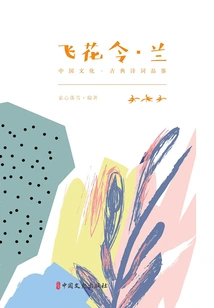
飞花令·兰(中国文化·古典诗词品鉴)
Compiled By Su Xin Luoxue
In accordance with the rules of the traditional Chinese poetry culture game "Feihua Ling", this book carefully selects 102 classic ancient poems containing the word "lan" written by more than 70 poets. Each poem is followed by corresponding annotations, brief analysis, background and comments by famous experts, leading readers to embark on a beautiful and moving journey of poetry culture in the sea of books and ink. This book is reasonably organized, with pictures and texts. It is a popular cultural book that combines knowledge, aesthetics and culture.
In accordance with the rules of the traditional Chinese poetry culture game "Feihua Ling", this book carefully selects 102 classic ancient poems containing the word "lan" written by more than 70 poets. Each poem is followed by corresponding annotations, brief analysis, background and comments by famous experts, leading readers to embark on a beautiful and moving journey of poetry culture in the sea of books and ink. This book is reasonably organized, with pictures and texts. It is a popular cultural book that combines knowledge, aesthetics and culture.
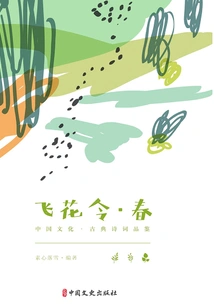
飞花令·春(中国文化·古典诗词品鉴)
Compiled By Su Xin Luoxue
In accordance with the rules of the traditional Chinese poetry culture game "Feihua Ling", this book carefully selects 102 classic ancient poems containing the word "spring" by more than 70 poets. Each poem is followed by corresponding annotations, brief analysis, background and comments by famous experts, leading readers to embark on a beautiful and moving journey of poetry culture in the sea of books and ink. This book is reasonably organized, with pictures and texts. It is a popular cultural book that combines knowledge, aesthetics and culture.
In accordance with the rules of the traditional Chinese poetry culture game "Feihua Ling", this book carefully selects 102 classic ancient poems containing the word "spring" by more than 70 poets. Each poem is followed by corresponding annotations, brief analysis, background and comments by famous experts, leading readers to embark on a beautiful and moving journey of poetry culture in the sea of books and ink. This book is reasonably organized, with pictures and texts. It is a popular cultural book that combines knowledge, aesthetics and culture.
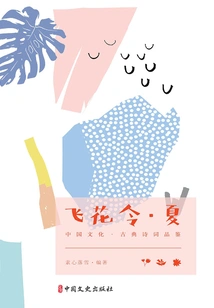
飞花令·夏(中国文化·古典诗词品鉴)
Compiled By Su Xin Luoxue
In accordance with the rules of the traditional Chinese poetry culture game "Feihua Ling", this book carefully selects 102 classic ancient poems containing the word "Xia" from more than 70 poets. Each poem is followed by corresponding annotations, brief analysis, background and comments from famous experts, leading readers to embark on a beautiful and moving journey of poetry culture among the sea of books and ink. This book is reasonably organized, with pictures and texts. It is a popular cultural book that combines knowledge, aesthetics and culture.
In accordance with the rules of the traditional Chinese poetry culture game "Feihua Ling", this book carefully selects 102 classic ancient poems containing the word "Xia" from more than 70 poets. Each poem is followed by corresponding annotations, brief analysis, background and comments from famous experts, leading readers to embark on a beautiful and moving journey of poetry culture among the sea of books and ink. This book is reasonably organized, with pictures and texts. It is a popular cultural book that combines knowledge, aesthetics and culture.
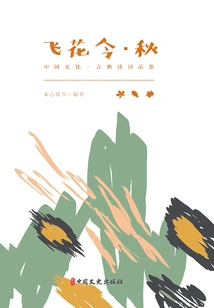
飞花令·秋(中国文化·古典诗词品鉴)
Compiled By Su Xin Luoxue
In accordance with the rules of the traditional Chinese poetry culture game "Feihua Ling", this book carefully selects 101 classic ancient poems containing the word "Autumn" by more than 70 poets. Each poem is followed by corresponding annotations, brief analysis, background and comments by famous experts, leading readers to embark on a beautiful and moving journey of poetry culture in the sea of books and ink. This book is reasonably organized, with pictures and texts. It is a popular cultural book that combines knowledge, aesthetics and culture.
In accordance with the rules of the traditional Chinese poetry culture game "Feihua Ling", this book carefully selects 101 classic ancient poems containing the word "Autumn" by more than 70 poets. Each poem is followed by corresponding annotations, brief analysis, background and comments by famous experts, leading readers to embark on a beautiful and moving journey of poetry culture in the sea of books and ink. This book is reasonably organized, with pictures and texts. It is a popular cultural book that combines knowledge, aesthetics and culture.
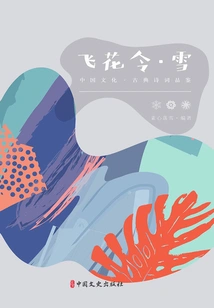
飞花令·雪(中国文化·古典诗词品鉴)
Compiled By Su Xin Luoxue
In accordance with the rules of the traditional Chinese poetry culture game "Feihua Ling", this book carefully selects 100 classic ancient poems containing the word "snow" by more than 70 poets. Each poem is followed by corresponding annotations, brief analysis, background and comments from famous experts, leading readers to embark on a beautiful and moving journey of poetry culture among the sea of books and ink. This book is reasonably organized, with pictures and texts. It is a popular cultural book that combines knowledge, aesthetics and culture.
In accordance with the rules of the traditional Chinese poetry culture game "Feihua Ling", this book carefully selects 100 classic ancient poems containing the word "snow" by more than 70 poets. Each poem is followed by corresponding annotations, brief analysis, background and comments from famous experts, leading readers to embark on a beautiful and moving journey of poetry culture among the sea of books and ink. This book is reasonably organized, with pictures and texts. It is a popular cultural book that combines knowledge, aesthetics and culture.
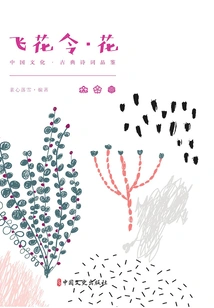
飞花令·花(中国文化·古典诗词品鉴)
Compiled By Su Xin Luoxue
In accordance with the rules of the traditional Chinese poetry culture game "Fei Hua Ling", this book carefully selects 104 classic ancient poems containing the word "flower" from more than 70 poets. Each poem is followed by corresponding notes, brief analysis, background and comments from famous experts, leading readers to embark on a beautiful and moving journey of poetry culture in the sea of books and ink. This book is reasonably organized, with pictures and texts. It is a popular cultural book that combines knowledge, aesthetics and culture.
In accordance with the rules of the traditional Chinese poetry culture game "Fei Hua Ling", this book carefully selects 104 classic ancient poems containing the word "flower" from more than 70 poets. Each poem is followed by corresponding notes, brief analysis, background and comments from famous experts, leading readers to embark on a beautiful and moving journey of poetry culture in the sea of books and ink. This book is reasonably organized, with pictures and texts. It is a popular cultural book that combines knowledge, aesthetics and culture.
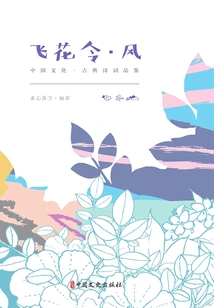
飞花令·风(中国文化·古典诗词品鉴)
Compiled By Su Xin Luoxue
In accordance with the rules of the traditional Chinese poetry culture game "Feihua Ling", this book carefully selects 103 classic ancient poems containing the word "wind" from more than 70 poets. Each poem is followed by corresponding annotations, brief analysis, background and comments from famous experts, leading readers to embark on a beautiful and moving journey of poetry culture among the sea of books and ink. This book is reasonably organized, with pictures and texts. It is a popular cultural book that combines knowledge, aesthetics and culture.
In accordance with the rules of the traditional Chinese poetry culture game "Feihua Ling", this book carefully selects 103 classic ancient poems containing the word "wind" from more than 70 poets. Each poem is followed by corresponding annotations, brief analysis, background and comments from famous experts, leading readers to embark on a beautiful and moving journey of poetry culture among the sea of books and ink. This book is reasonably organized, with pictures and texts. It is a popular cultural book that combines knowledge, aesthetics and culture.
飞花令·梅(中国文化·古典诗词品鉴)
Compiled By Su Xin Luoxue
In accordance with the rules of the traditional Chinese poetry culture game "Fei Hua Ling", this book carefully selects 100 classic ancient poems containing the word "plum" by more than 70 poets. Each poem is followed by corresponding annotations, brief analysis, background and comments from famous experts, leading readers to embark on a beautiful and moving journey of poetry culture in the sea of books and ink. This book is reasonably organized, with pictures and texts. It is a popular cultural book that combines knowledge, aesthetics and culture.
In accordance with the rules of the traditional Chinese poetry culture game "Fei Hua Ling", this book carefully selects 100 classic ancient poems containing the word "plum" by more than 70 poets. Each poem is followed by corresponding annotations, brief analysis, background and comments from famous experts, leading readers to embark on a beautiful and moving journey of poetry culture in the sea of books and ink. This book is reasonably organized, with pictures and texts. It is a popular cultural book that combines knowledge, aesthetics and culture.
飞花令·月(中国文化·古典诗词品鉴)
Compiled By Su Xin Luoxue
In accordance with the rules of the traditional Chinese poetry culture game "Feihua Ling", this book carefully selects 100 classic ancient poems containing the word "moon" by more than 70 poets. Each poem is followed by corresponding annotations, brief analysis, background and comments from famous experts, leading readers to embark on a beautiful and moving journey of poetry culture among the sea of books and ink. This book is reasonably organized, with pictures and texts. It is a popular cultural book that combines knowledge, aesthetics and culture.
In accordance with the rules of the traditional Chinese poetry culture game "Feihua Ling", this book carefully selects 100 classic ancient poems containing the word "moon" by more than 70 poets. Each poem is followed by corresponding annotations, brief analysis, background and comments from famous experts, leading readers to embark on a beautiful and moving journey of poetry culture among the sea of books and ink. This book is reasonably organized, with pictures and texts. It is a popular cultural book that combines knowledge, aesthetics and culture.
飞花令·菊(中国文化·古典诗词品鉴)
Compiled By Su Xin Luoxue
In accordance with the rules of the traditional Chinese poetry culture game "Feihua Ling", this book carefully selects 100 classic ancient poems containing the word "chrysanthemum" by more than 70 poets. Each poem is followed by corresponding annotations, brief analysis, background and comments from famous experts, leading readers to embark on a beautiful and moving journey of poetry culture in the sea of books and ink. This book is reasonably organized, with pictures and texts. It is a popular cultural book that combines knowledge, aesthetics and culture.
In accordance with the rules of the traditional Chinese poetry culture game "Feihua Ling", this book carefully selects 100 classic ancient poems containing the word "chrysanthemum" by more than 70 poets. Each poem is followed by corresponding annotations, brief analysis, background and comments from famous experts, leading readers to embark on a beautiful and moving journey of poetry culture in the sea of books and ink. This book is reasonably organized, with pictures and texts. It is a popular cultural book that combines knowledge, aesthetics and culture.
晚清民初词体声律学研究
Zan Shengqian
Rhythm of word style generally refers to the structural specifications and composition rules of word style, which is an organic combination of word music and rhythm and Chinese poetic rhythm. Phonology of word form was very popular in the world of poetry in the late Qing Dynasty. It was a highlight of the study of words at that time and achieved great success. This book attempts to construct a system of lexical phonology, analyzes the internal and external motivations and academic background for the prosperity of lexical phonology in the late Qing Dynasty and the early Republic of China, clarifies its development context, reviews and re-evaluates the important achievements of lexical phonological scholars such as Xie Yuanhuai, Peng Fenggao, Chen Rui, Xu Shaoqi, Shen Zengzhi, etc., Who have not been paid attention to by the academic circles for a long time. It strengthens the corresponding weak links in the current research on the history of ci and is highly innovative.
Rhythm of word style generally refers to the structural specifications and composition rules of word style, which is an organic combination of word music and rhythm and Chinese poetic rhythm. Phonology of word form was very popular in the world of poetry in the late Qing Dynasty. It was a highlight of the study of words at that time and achieved great success. This book attempts to construct a system of lexical phonology, analyzes the internal and external motivations and academic background for the prosperity of lexical phonology in the late Qing Dynasty and the early Republic of China, clarifies its development context, reviews and re-evaluates the important achievements of lexical phonological scholars such as Xie Yuanhuai, Peng Fenggao, Chen Rui, Xu Shaoqi, Shen Zengzhi, etc., Who have not been paid attention to by the academic circles for a long time. It strengthens the corresponding weak links in the current research on the history of ci and is highly innovative.
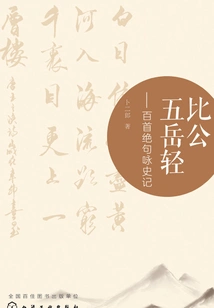
比公五岳轻:百首绝句咏史记
Bu Erlang
This book contains more than 150 original quatrains by the author, which are written in poetry to commemorate historical figures and events. They express in-depth thinking on history and reality from multiple perspectives, and strive to find a bridge of communication between Tai Shigong and people who like Chinese studies. It is especially suitable for people who love ancient poetry, especially those who are interested in historical records to read and appreciate.
This book contains more than 150 original quatrains by the author, which are written in poetry to commemorate historical figures and events. They express in-depth thinking on history and reality from multiple perspectives, and strive to find a bridge of communication between Tai Shigong and people who like Chinese studies. It is especially suitable for people who love ancient poetry, especially those who are interested in historical records to read and appreciate.
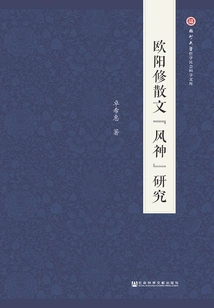
Research on Ouyang Xiu's Prose "wind God
Literature欧阳修散文“风神”研究
Zhuo Xihui
This book selects "Six One Wind God", which best represents the characteristics of Ouyang Xiu's prose, as the research object. It combs the conceptual definition and connotation of "Six One Wind God" in more detail, carefully examines the stylistic distribution and historical stages of "Six One Wind God", and deeply explores the "Six One Wind God". The emotional connotation and ideological connotation of "Six One Fengshen" are discussed in detail, and the expression techniques, structural art, language characteristics and aesthetic types of "Six One Fengshen" are discussed in detail. Finally, the reasons for the formation and value positioning of "Six One Fengshen" are commented and defined.
This book selects "Six One Wind God", which best represents the characteristics of Ouyang Xiu's prose, as the research object. It combs the conceptual definition and connotation of "Six One Wind God" in more detail, carefully examines the stylistic distribution and historical stages of "Six One Wind God", and deeply explores the "Six One Wind God". The emotional connotation and ideological connotation of "Six One Fengshen" are discussed in detail, and the expression techniques, structural art, language characteristics and aesthetic types of "Six One Fengshen" are discussed in detail. Finally, the reasons for the formation and value positioning of "Six One Fengshen" are commented and defined.