Library
Browse and search books
2,472 novels found

沟通心灵的桥梁:世界文学史上(世界历史百科)
Wen Ming Editor-in-chief Peng Pingping
The content of this book includes Herodotus, Euripides, Thucydides, Aristophanes, the Bible, Cicero, Ovid, Seneca, epic poems, sonnets, Tower of Babel, European medieval literature, Augustine, the legend of King Arthur, the four major national epics, the Divine Comedy, etc.
The content of this book includes Herodotus, Euripides, Thucydides, Aristophanes, the Bible, Cicero, Ovid, Seneca, epic poems, sonnets, Tower of Babel, European medieval literature, Augustine, the legend of King Arthur, the four major national epics, the Divine Comedy, etc.

历史的惊叹:欧美奇迹下(世界历史百科)
Wen Ming Editor-in-chief Peng Pingping
The contents of this book include the Statue of Liberty, Rushmore National Monument, Olmec Colossus, the ancient city of Teotihuacan, the ancient city of Palenque, Mexico City, the Panama Canal, the ancient city of Havana, the miracles of South American civilization, etc.
The contents of this book include the Statue of Liberty, Rushmore National Monument, Olmec Colossus, the ancient city of Teotihuacan, the ancient city of Palenque, Mexico City, the Panama Canal, the ancient city of Havana, the miracles of South American civilization, etc.
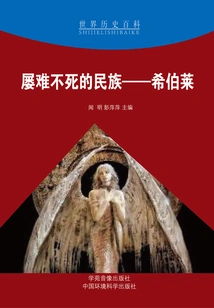
屡难不死的民族:希伯莱(世界历史百科)
Wen Ming Editor-in-chief Peng Pingping
The content of this book includes the origin and background of Hebrew civilization, the process of Hebrew civilization, religious beliefs, cultural education and literature and art, stories of prophets, technology and life, folk stories, Hebrew civilization, etc.
The content of this book includes the origin and background of Hebrew civilization, the process of Hebrew civilization, religious beliefs, cultural education and literature and art, stories of prophets, technology and life, folk stories, Hebrew civilization, etc.
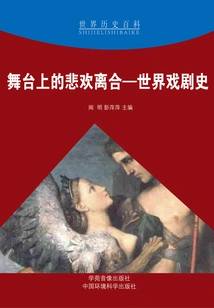
舞台上的悲欢离合:世界戏剧史(世界历史百科)
Wen Ming Editor-in-chief Peng Pingping
The content of this book includes the germ of ancient Greek drama, Euripides and "Medea", Aristotle's tragedy theory, Menander's comedy, ancient Roman drama, Sanskrit drama in ancient India, the maturity of Sanskrit drama, Kalidasa and "Shakundala", etc.
The content of this book includes the germ of ancient Greek drama, Euripides and "Medea", Aristotle's tragedy theory, Menander's comedy, ancient Roman drama, Sanskrit drama in ancient India, the maturity of Sanskrit drama, Kalidasa and "Shakundala", etc.
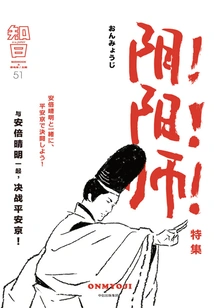
知日51:阴!阳!师!
Editor-in-chief Of Tea Oolong
"ZHIJAPAN", a super popular brand that specializes in Japanese content, launches the 51st special episode of "ZHIJAPAN" "ZHIJAPAN? Yin!" Positive! Division! >>Special episode! The creative stories of Yumezuku Tapir and Okano Reiko, Onmyoji and Onmyoji \u002F Heian Kyo and Hyakki Yakou \u002F Sacrifice activities, the duel between Abe Seimei, Minamoto Boya and Ashiya Michitoshi Onmyoji landscape tracking: Seimei Shrine, Koyomikan, Daishogun Yashimi Shrine... A book of "Yin! Positive! Division! " Will take you to peek into the bizarre Heian era and the real Abe Seimei, and talk about the extremely wonderful Onmyoji creations of today's artists!
"ZHIJAPAN", a super popular brand that specializes in Japanese content, launches the 51st special episode of "ZHIJAPAN" "ZHIJAPAN? Yin!" Positive! Division! >>Special episode! The creative stories of Yumezuku Tapir and Okano Reiko, Onmyoji and Onmyoji \u002F Heian Kyo and Hyakki Yakou \u002F Sacrifice activities, the duel between Abe Seimei, Minamoto Boya and Ashiya Michitoshi Onmyoji landscape tracking: Seimei Shrine, Koyomikan, Daishogun Yashimi Shrine... A book of "Yin! Positive! Division! " Will take you to peek into the bizarre Heian era and the real Abe Seimei, and talk about the extremely wonderful Onmyoji creations of today's artists!
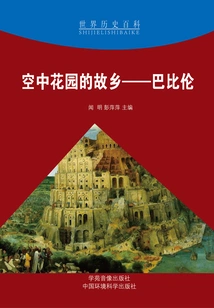
空中花园的故乡:巴比伦(世界历史百科)
Wen Ming Editor-in-chief Peng Pingping
The content of this book includes the gestation and evolution of civilization, legal stories, immortal clay tablet culture, religious stories, science and technology stories, folklore stories, etc.
The content of this book includes the gestation and evolution of civilization, legal stories, immortal clay tablet culture, religious stories, science and technology stories, folklore stories, etc.

An Exploration of Rhythm and Composition: a History of World Dance (world History Encyclopedia)
History节奏与构图的探索:世界舞蹈史上(世界历史百科)
Wen Ming Editor-in-chief Peng Pingping
The content of this book includes the dance of the world's primitive times, the origin of world dance, the dance of the Paleolithic Age, the dance of the Neolithic Age, the history of ancient Egyptian dance, the form of ancient Egyptian dance, the ancient Egyptian dance culture, the historical and cultural background of ancient Greek dance, etc.
The content of this book includes the dance of the world's primitive times, the origin of world dance, the dance of the Paleolithic Age, the dance of the Neolithic Age, the history of ancient Egyptian dance, the form of ancient Egyptian dance, the ancient Egyptian dance culture, the historical and cultural background of ancient Greek dance, etc.
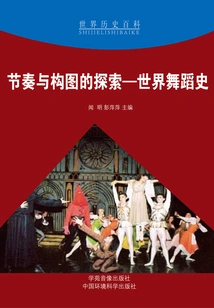
An Exploration of Rhythm and Composition: a History of World Dance (world History Encyclopedia)
History节奏与构图的探索:世界舞蹈史(世界历史百科)
Wen Ming Editor-in-chief Peng Pingping
The content of this book includes Paleolithic dance, Neolithic dance, ancient Egyptian dance history, ancient Egyptian dance forms, ancient Egyptian dance culture, ancient Greek dance art, ancient Roman dance art, ancient Indian dance culture, etc.
The content of this book includes Paleolithic dance, Neolithic dance, ancient Egyptian dance history, ancient Egyptian dance forms, ancient Egyptian dance culture, ancient Greek dance art, ancient Roman dance art, ancient Indian dance culture, etc.

地球上最美的花朵:世界思想史上(世界历史百科)
Wen Ming Editor-in-chief Peng Pingping
The content of this book includes ancient Greek and Roman philosophy, Miletus School, Pythagoreans, Heraclitus, Socrates and Plato, Aristotle, Epicurus, Stoicism, Skepticism, Neoplatonism, etc.
The content of this book includes ancient Greek and Roman philosophy, Miletus School, Pythagoreans, Heraclitus, Socrates and Plato, Aristotle, Epicurus, Stoicism, Skepticism, Neoplatonism, etc.

地球上最美的花朵:世界思想史下
Wen Ming Editor-in-chief Peng Pingping
The content of this book includes modern Western thought, Western thought during the Renaissance, Western thought during the Enlightenment, Western thought during the British, French and American revolutions, positivism and the pursuit of regularity, rebellion against Western tradition, utopian socialist ideals, etc.
The content of this book includes modern Western thought, Western thought during the Renaissance, Western thought during the Enlightenment, Western thought during the British, French and American revolutions, positivism and the pursuit of regularity, rebellion against Western tradition, utopian socialist ideals, etc.

Exploration of Rhythm and Composition: the History of World Dance (world History Encyclopedia)
History节奏与构图的探索:世界舞蹈史下(世界历史百科)
Wen Ming Editor-in-chief Peng Pingping
The content of this book includes Latin American dance, the historical and cultural background of Latin American dance, Latin American dance, the historical and cultural background of African dance, African cultural customs and dance, black African dance art, Indonesian dance, and other Southeast Asian dances.
The content of this book includes Latin American dance, the historical and cultural background of Latin American dance, Latin American dance, the historical and cultural background of African dance, African cultural customs and dance, black African dance art, Indonesian dance, and other Southeast Asian dances.
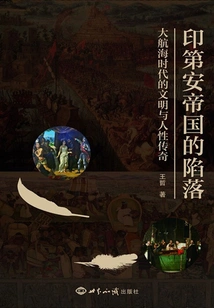
Fall of Indian Empire
History印第安帝国的陷落
Wang Zhe
After Columbus discovered the New World in 1492 and established a foothold on Hispaniola, Spanish explorers arrived one after another, using the Caribbean islands as bases to explore north and south in search of gold. The Spanish Cortes marched to the Mexican Peninsula and discovered the vast Aztec Empire. With an army of 300 men, Cortes united with other Indian kingdoms on the peninsula and attacked Techinotitlan, the capital of the Aztec Empire, to complete the conquest. Cortes' uncle Pizarro set out from Panama to explore southward and discovered the Inca Empire in Peru. Taking advantage of its civil strife, he copied Cortes's tactics of capturing the king and captured the Inca Empire. The two great American empires collapsed in the collision with the outside world, and world history opened a new chapter.
After Columbus discovered the New World in 1492 and established a foothold on Hispaniola, Spanish explorers arrived one after another, using the Caribbean islands as bases to explore north and south in search of gold. The Spanish Cortes marched to the Mexican Peninsula and discovered the vast Aztec Empire. With an army of 300 men, Cortes united with other Indian kingdoms on the peninsula and attacked Techinotitlan, the capital of the Aztec Empire, to complete the conquest. Cortes' uncle Pizarro set out from Panama to explore southward and discovered the Inca Empire in Peru. Taking advantage of its civil strife, he copied Cortes's tactics of capturing the king and captured the Inca Empire. The two great American empires collapsed in the collision with the outside world, and world history opened a new chapter.
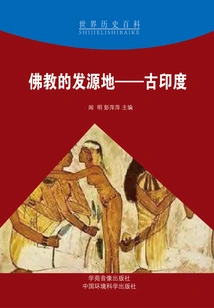
佛教的发源地:古印度(世界历史百科)
Wen Ming Editor-in-chief Peng Pingping
The content of this book includes the origin, development process and dynasty changes of ancient Indian civilization, the fall of ancient Indian civilization, India's caste system and religion, etc.
The content of this book includes the origin, development process and dynasty changes of ancient Indian civilization, the fall of ancient Indian civilization, India's caste system and religion, etc.

消逝的美洲辉煌:印第安下(世界历史百科)
Wen Ming Editor-in-chief Peng Pingping
The content of this book includes the Indian civilization of South America - the Inca civilization, the civilization in the "Golden Country", Inca agriculture, Inca writing, Inca living customs, Inca astronomy, Inca religious beliefs, etc.
The content of this book includes the Indian civilization of South America - the Inca civilization, the civilization in the "Golden Country", Inca agriculture, Inca writing, Inca living customs, Inca astronomy, Inca religious beliefs, etc.

系铃尚无解铃人:世界之谜上(世界历史百科)
Wen Ming Editor-in-chief Peng Pingping
The contents of this book include the mystery of the origin of vehicles and ships, "Solomon's Treasure" and the "Golden Ark of the Covenant", the mystery of the Inca, the world's largest treasure trove, the mystery of Tiawanaku and Sacsayhuaman, the traces of aliens on the rock paintings, the mystery of the aliens in the "Epic of Gilgamesh", the mystery of the earliest spacecraft, the long-eared people on Easter Island, the Ainu people in Hokkaido, Japan, the unearthed skeletons of giants and dwarfs, etc.
The contents of this book include the mystery of the origin of vehicles and ships, "Solomon's Treasure" and the "Golden Ark of the Covenant", the mystery of the Inca, the world's largest treasure trove, the mystery of Tiawanaku and Sacsayhuaman, the traces of aliens on the rock paintings, the mystery of the aliens in the "Epic of Gilgamesh", the mystery of the earliest spacecraft, the long-eared people on Easter Island, the Ainu people in Hokkaido, Japan, the unearthed skeletons of giants and dwarfs, etc.

消逝的美洲辉煌:印第安上(世界历史百科)
Wen Ming Editor-in-chief Peng Pingping
The content of this book includes the origin of Indian civilization, the magical and fertile American continent, the Indian civilization in the American continent, who are the ancestors of the Indians, the Indian civilization in North America, the Iroquois civilization, etc.
The content of this book includes the origin of Indian civilization, the magical and fertile American continent, the Indian civilization in the American continent, who are the ancestors of the Indians, the Indian civilization in North America, the Iroquois civilization, etc.
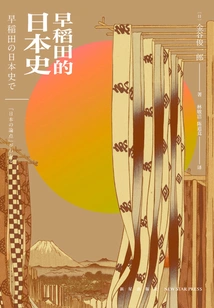
Waseda's Japanese History
History早稻田的日本史
Junichiro Kanaya
How was Article 9 of the Constitution, "Eternally Renouncing War," written into the Japanese Constitution? Is this an imposed constitution or a treasure that must be protected? Why did Japan go down the road of militarism and go to war with the United States? What is the real reason to restart nuclear power generation? How did Japan become an economic power? What are the core issues in the relations between Japan and South Korea, Japan and the United States, and Japan and Russia? ...
How was Article 9 of the Constitution, "Eternally Renouncing War," written into the Japanese Constitution? Is this an imposed constitution or a treasure that must be protected? Why did Japan go down the road of militarism and go to war with the United States? What is the real reason to restart nuclear power generation? How did Japan become an economic power? What are the core issues in the relations between Japan and South Korea, Japan and the United States, and Japan and Russia? ...
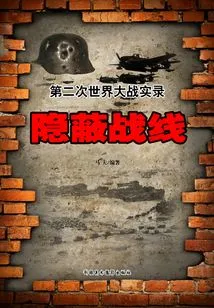
第二次世界大战实录 隐蔽战线
Compiled By Groom
This book combines the latest research results and the latest declassified information at home and abroad. Under the guidance of relevant experts and departments, this book takes the historical process of World War II as a clue and runs through the main historical periods, major battlefield battles and major military and political figures of the World War. It presents a panoramic view of the magnificent picture of World War II. This set of books spans time and space and is majestic. It is very historical, informative, authoritative and authentic. It has detailed historical facts, pictures and texts, and is of great reading and collection value.
This book combines the latest research results and the latest declassified information at home and abroad. Under the guidance of relevant experts and departments, this book takes the historical process of World War II as a clue and runs through the main historical periods, major battlefield battles and major military and political figures of the World War. It presents a panoramic view of the magnificent picture of World War II. This set of books spans time and space and is majestic. It is very historical, informative, authoritative and authentic. It has detailed historical facts, pictures and texts, and is of great reading and collection value.
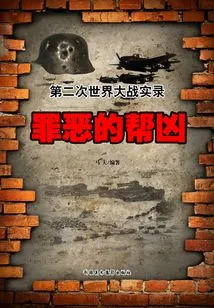
第二次世界大战实录 罪恶的帮凶
Compiled By Groom
This book combines the latest research results and the latest declassified information at home and abroad. Under the guidance of relevant experts and departments, this book takes the historical process of World War II as a clue and runs through the main historical periods, major battlefield battles and major military and political figures of the World War. It presents a panoramic view of the magnificent picture of World War II. This set of books spans time and space and is majestic. It is very historical, informative, authoritative and authentic. It has detailed historical facts, pictures and texts, and is of great reading and collection value.
This book combines the latest research results and the latest declassified information at home and abroad. Under the guidance of relevant experts and departments, this book takes the historical process of World War II as a clue and runs through the main historical periods, major battlefield battles and major military and political figures of the World War. It presents a panoramic view of the magnificent picture of World War II. This set of books spans time and space and is majestic. It is very historical, informative, authoritative and authentic. It has detailed historical facts, pictures and texts, and is of great reading and collection value.
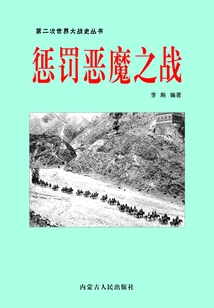
Punishment Demon Battle
History惩罚恶魔之战
Compiled By Li Biao
The content of this book includes the Soviet Union and Germany's competition for strategic initiative, the German summer offensive in the Soviet Union, the Battle of Stalingrad between the Soviet and German armies, the Soviet Army's launch of the 1942 winter offensive, the Battle of Kursk that reversed the battlefield situation, and the Battle of the Dnieper River that shattered the German army's dreams.
The content of this book includes the Soviet Union and Germany's competition for strategic initiative, the German summer offensive in the Soviet Union, the Battle of Stalingrad between the Soviet and German armies, the Soviet Army's launch of the 1942 winter offensive, the Battle of Kursk that reversed the battlefield situation, and the Battle of the Dnieper River that shattered the German army's dreams.
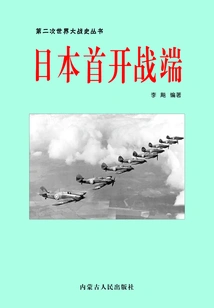
Japan Begins War
History日本首开战端
Compiled By Li Biao
The contents of this book include the dissolution of the International Disarmament Conference, the appeasement policy implemented by the British government, the isolationist diplomacy pursued by the United States, the frequent changes of French governments, the Soviet Union's advocacy of a "collective security system", the cooperation between the Chinese Kuomintang and the Communist Party, the Japanese military's implementation of fascist totalitarianism, and Franco's establishment of a dictatorship.
The contents of this book include the dissolution of the International Disarmament Conference, the appeasement policy implemented by the British government, the isolationist diplomacy pursued by the United States, the frequent changes of French governments, the Soviet Union's advocacy of a "collective security system", the cooperation between the Chinese Kuomintang and the Communist Party, the Japanese military's implementation of fascist totalitarianism, and Franco's establishment of a dictatorship.
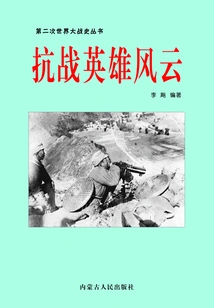
Anti-japanese War Heroes
History抗战英雄风云
Compiled By Li Biao
The contents of this book include participating in the Great Patriotic War and becoming a senior general, the fierce battle in Kursk and staged a tank battle, marching out of the Dnieper River to seize the landing site on the right bank of the river, tightening the encirclement and severely damaging the German armored forces, and capturing Berlin to win the Great Patriotic War.
The contents of this book include participating in the Great Patriotic War and becoming a senior general, the fierce battle in Kursk and staged a tank battle, marching out of the Dnieper River to seize the landing site on the right bank of the river, tightening the encirclement and severely damaging the German armored forces, and capturing Berlin to win the Great Patriotic War.
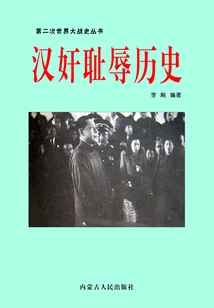
汉奸耻辱历史
Compiled By Li Biao
The contents of this book include the arguments of "national subjugation" when the Anti-Japanese War broke out, the secret peace talks and the betrayal of territorial sovereignty, the escape from Hanoi and the declaration of defection to the enemy, the traitor government formed by a lucky escape, the deserved death in the air-raid shelter, and the death of the dead in the air-raid shelter without any bones left.
The contents of this book include the arguments of "national subjugation" when the Anti-Japanese War broke out, the secret peace talks and the betrayal of territorial sovereignty, the escape from Hanoi and the declaration of defection to the enemy, the traitor government formed by a lucky escape, the deserved death in the air-raid shelter, and the death of the dead in the air-raid shelter without any bones left.
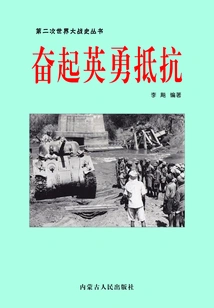
Stand up to Resist Bravely
History奋起英勇抵抗
Compiled By Li Biao
The contents of this book include formulating careful combat plans, destroying the Japanese and puppet troops' transportation lines, destroying the Japanese and puppet troops' bunkers and strongholds, smashing the Japanese army's "big sweeps", and fighting unrelentingly against the Japanese and puppet troops.
The contents of this book include formulating careful combat plans, destroying the Japanese and puppet troops' transportation lines, destroying the Japanese and puppet troops' bunkers and strongholds, smashing the Japanese army's "big sweeps", and fighting unrelentingly against the Japanese and puppet troops.
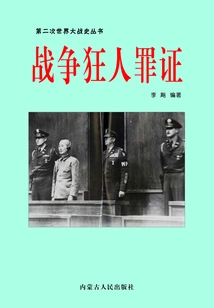
Evidence of War Madman
History战争狂人罪证
Compiled By Li Biao
The content of this book includes the following: getting to know stormtroopers and joining the Nazi organization, getting close to Hitler and being promoted to leader of the SS, bloodbathing the stormtroopers and creating the "Night of Long Knives", serving the fascists and turning them into "killing machines", betraying the Third Reich and committing a heinous crime, studying in the United States for further studies and paying attention to the development of the sea and air, being promoted to fleet commander to formulate a criminal plan, and being intercepted by the US military and losing his life in the Pacific.
The content of this book includes the following: getting to know stormtroopers and joining the Nazi organization, getting close to Hitler and being promoted to leader of the SS, bloodbathing the stormtroopers and creating the "Night of Long Knives", serving the fascists and turning them into "killing machines", betraying the Third Reich and committing a heinous crime, studying in the United States for further studies and paying attention to the development of the sea and air, being promoted to fleet commander to formulate a criminal plan, and being intercepted by the US military and losing his life in the Pacific.
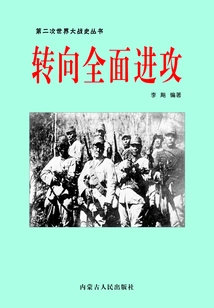
Shift to All-out Attack
History转向全面进攻
Compiled By Li Biao
The contents of this book include the Soviet Army's full-scale counteroffensive, the Soviet Red Army's liberation of Leningrad, the liberation of the Dnieper River and the entire territory of Ukraine, the Finnish government's signing of the surrender treaty, the Soviet Army's liberation of the entire territory of Belarus, the signing of the armistice agreement in Bulgaria, and the Yugoslav military and civilians driving away the invaders, etc.
The contents of this book include the Soviet Army's full-scale counteroffensive, the Soviet Red Army's liberation of Leningrad, the liberation of the Dnieper River and the entire territory of Ukraine, the Finnish government's signing of the surrender treaty, the Soviet Army's liberation of the entire territory of Belarus, the signing of the armistice agreement in Bulgaria, and the Yugoslav military and civilians driving away the invaders, etc.
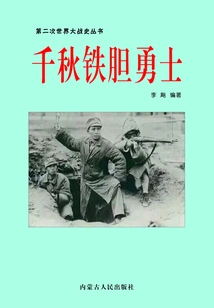
The Brave Warrior of Qianqiu
History千秋铁胆勇士
Compiled By Li Biao
The content of this book includes the content of young men who joined the army and grew into senior generals, rebuilding defensive positions when war broke out, being ordered to fight against invading enemies in times of danger, fighting for every inch of Lyuban territory in bloody battles, being transferred to the north to expel enemies, and marching to the Arctic Circle to expel invaders.
The content of this book includes the content of young men who joined the army and grew into senior generals, rebuilding defensive positions when war broke out, being ordered to fight against invading enemies in times of danger, fighting for every inch of Lyuban territory in bloody battles, being transferred to the north to expel enemies, and marching to the Arctic Circle to expel invaders.
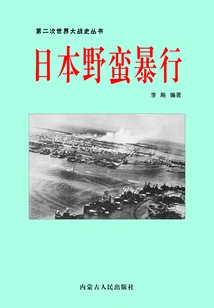
Japanese Barbaric Atrocities
History日本野蛮暴行
Compiled By Li Biao
The content of this book includes the Japanese fleet's surprise attack on the U. S. Military port, Yamamoto Isoroku's combat plan, special intelligence from the secret front, the Japanese media's fascination, the clever tricks of the U. S. High-level officials, the formation of the international joint front against Japan, the signing of the three-nation military agreement between Germany, Italy and Japan, the first aircraft carrier battle in the Coral Sea, the battle between carrier-based aircraft of the United States and Japan, and the first defeat of the Japanese aircraft carrier fleet.
The content of this book includes the Japanese fleet's surprise attack on the U. S. Military port, Yamamoto Isoroku's combat plan, special intelligence from the secret front, the Japanese media's fascination, the clever tricks of the U. S. High-level officials, the formation of the international joint front against Japan, the signing of the three-nation military agreement between Germany, Italy and Japan, the first aircraft carrier battle in the Coral Sea, the battle between carrier-based aircraft of the United States and Japan, and the first defeat of the Japanese aircraft carrier fleet.
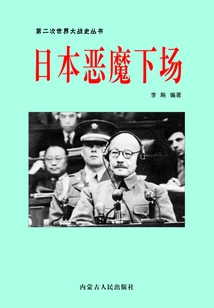
日本恶魔下场
Compiled By Li Biao
The contents of this book include a young and frivolous person who was deported many times, founded his own newspaper to promote fascist theory, founded the "Fighting Fascist Party", violently seized party power, political power, and military power, joined the evil "Axis" organization, sent troops to invade Greece regardless of the consequences, relied on Germany in a dilemma, paid a heavy price for the fight for Crete, rashly attacked and suffered a complete defeat, relied on others to try to make a comeback, escaped and was killed and hung in a public square, etc.
The contents of this book include a young and frivolous person who was deported many times, founded his own newspaper to promote fascist theory, founded the "Fighting Fascist Party", violently seized party power, political power, and military power, joined the evil "Axis" organization, sent troops to invade Greece regardless of the consequences, relied on Germany in a dilemma, paid a heavy price for the fight for Crete, rashly attacked and suffered a complete defeat, relied on others to try to make a comeback, escaped and was killed and hung in a public square, etc.
第二次世界大战实录 魔头的下场
Compiled By Groom
This book combines the latest research results and the latest declassified information at home and abroad. Under the guidance of relevant experts and departments, this book takes the historical process of World War II as a clue and runs through the main historical periods, major battlefield battles and major military and political figures of the World War. It presents a panoramic view of the magnificent picture of World War II. This set of books spans time and space and is majestic. It is very historical, informative, authoritative and authentic. It has detailed historical facts, pictures and texts, and is of great reading and collection value.
This book combines the latest research results and the latest declassified information at home and abroad. Under the guidance of relevant experts and departments, this book takes the historical process of World War II as a clue and runs through the main historical periods, major battlefield battles and major military and political figures of the World War. It presents a panoramic view of the magnificent picture of World War II. This set of books spans time and space and is majestic. It is very historical, informative, authoritative and authentic. It has detailed historical facts, pictures and texts, and is of great reading and collection value.
第二次世界大战实录 偷袭珍珠港
Compiled By Groom
The contents of this book include the attack on Pearl Harbor, the bloodshed on Guadalcanal, the landing on Okinawa, the Battle of the Coral Sea, the Battle of Midway, the Battle of the Marshall Islands, and the Mainstay.
The contents of this book include the attack on Pearl Harbor, the bloodshed on Guadalcanal, the landing on Okinawa, the Battle of the Coral Sea, the Battle of Midway, the Battle of the Marshall Islands, and the Mainstay.
第二次世界大战实录 枭雄罪与罚
Compiled By Groom
This book combines the latest research results and the latest declassified information at home and abroad. Under the guidance of relevant experts and departments, this book takes the historical process of World War II as a clue and runs through the main historical periods, major battlefield battles and major military and political figures of the World War. It presents a panoramic view of the magnificent picture of World War II. This set of books spans time and space and is majestic. It is very historical, informative, authoritative and authentic. It has detailed historical facts, pictures and texts, and is of great reading and collection value.
This book combines the latest research results and the latest declassified information at home and abroad. Under the guidance of relevant experts and departments, this book takes the historical process of World War II as a clue and runs through the main historical periods, major battlefield battles and major military and political figures of the World War. It presents a panoramic view of the magnificent picture of World War II. This set of books spans time and space and is majestic. It is very historical, informative, authoritative and authentic. It has detailed historical facts, pictures and texts, and is of great reading and collection value.
第二次世界大战实录 幕后揭秘
Compiled By Groom
This book combines the latest research results and the latest declassified information at home and abroad. Under the guidance of relevant experts and departments, this book takes the historical process of World War II as a clue and runs through the main historical periods, major battlefield battles and major military and political figures of the World War. It presents a panoramic view of the magnificent picture of World War II. This set of books spans time and space and is majestic. It is very historical, informative, authoritative and authentic. It has detailed historical facts, pictures and texts, and is of great reading and collection value.
This book combines the latest research results and the latest declassified information at home and abroad. Under the guidance of relevant experts and departments, this book takes the historical process of World War II as a clue and runs through the main historical periods, major battlefield battles and major military and political figures of the World War. It presents a panoramic view of the magnificent picture of World War II. This set of books spans time and space and is majestic. It is very historical, informative, authoritative and authentic. It has detailed historical facts, pictures and texts, and is of great reading and collection value.
第二次世界大战实录 投敌懦夫
Compiled By Groom
This book combines the latest research results and the latest declassified information at home and abroad. Under the guidance of relevant experts and departments, this book takes the historical process of World War II as a clue and runs through the main historical periods, major battlefield battles and major military and political figures of the World War. It presents a panoramic view of the magnificent picture of World War II. This set of books spans time and space and is majestic. It is very historical, informative, authoritative and authentic. It has detailed historical facts, pictures and texts, and is of great reading and collection value.
This book combines the latest research results and the latest declassified information at home and abroad. Under the guidance of relevant experts and departments, this book takes the historical process of World War II as a clue and runs through the main historical periods, major battlefield battles and major military and political figures of the World War. It presents a panoramic view of the magnificent picture of World War II. This set of books spans time and space and is majestic. It is very historical, informative, authoritative and authentic. It has detailed historical facts, pictures and texts, and is of great reading and collection value.
第二次世界大战实录 欧战全面爆发
Compiled By Groom
The content of this book includes the successive establishment of fascist totalitarian rule, the international structure on the eve of World War II, the beginning of the Japanese fascist war, the war between Germany and Italy in Europe and Africa, the stormy European sky, and the full-scale outbreak of the European War.
The content of this book includes the successive establishment of fascist totalitarian rule, the international structure on the eve of World War II, the beginning of the Japanese fascist war, the war between Germany and Italy in Europe and Africa, the stormy European sky, and the full-scale outbreak of the European War.
第二次世界大战实录 千秋勇士
Compiled By Groom
This book combines the latest research results and the latest declassified information at home and abroad. Under the guidance of relevant experts and departments, this book takes the historical process of World War II as a clue and runs through the main historical periods, major battlefield battles and major military and political figures of the World War. It presents a panoramic view of the magnificent picture of World War II. This set of books spans time and space and is majestic. It is very historical, informative, authoritative and authentic. It has detailed historical facts, pictures and texts, and is of great reading and collection value.
This book combines the latest research results and the latest declassified information at home and abroad. Under the guidance of relevant experts and departments, this book takes the historical process of World War II as a clue and runs through the main historical periods, major battlefield battles and major military and political figures of the World War. It presents a panoramic view of the magnificent picture of World War II. This set of books spans time and space and is majestic. It is very historical, informative, authoritative and authentic. It has detailed historical facts, pictures and texts, and is of great reading and collection value.
第二次世界大战实录 喋血英雄
Compiled By Groom
This book combines the latest research results and the latest declassified information at home and abroad. Under the guidance of relevant experts and departments, this book takes the historical process of World War II as a clue and runs through the main historical periods, major battlefield battles and major military and political figures of the World War. It presents a panoramic view of the magnificent picture of World War II. This set of books spans time and space and is majestic. It is very historical, informative, authoritative and authentic. It has detailed historical facts, pictures and texts, and is of great reading and collection value.
This book combines the latest research results and the latest declassified information at home and abroad. Under the guidance of relevant experts and departments, this book takes the historical process of World War II as a clue and runs through the main historical periods, major battlefield battles and major military and political figures of the World War. It presents a panoramic view of the magnificent picture of World War II. This set of books spans time and space and is majestic. It is very historical, informative, authoritative and authentic. It has detailed historical facts, pictures and texts, and is of great reading and collection value.
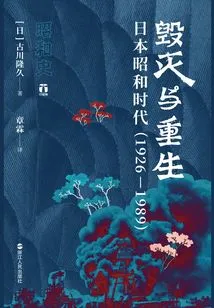
毁灭与重生:日本昭和时代(1926—1989)
(japan) Furukawa Takahisa
Why did the Japanese choose war? After the war, what did they lose and what did they gain? Japan's Showa era was full of radical changes. The country moved step by step towards a wartime system before the war, established a national mobilization system during the war, suffered from hunger and poverty in the early postwar period, and then ushered in a miraculous economic revival. That was an era when Japan suffered setbacks and rose again. Based on the latest research results, Professor Takahisa Furukawa of Nihon University takes the broad perspective of politics, economy, diplomacy, and popular culture, and follows the time dimension of pre-war, wartime, and post-war, and uses a simple and easy-to-understand method to lead readers to easily overlook the historical panorama of the Showa era. The Showa era is an unfinished past, and its legacy remains influential today. This is a "definitive edition" by authoritative scholars that covers the turbulent 64 years of the Showa era.
Why did the Japanese choose war? After the war, what did they lose and what did they gain? Japan's Showa era was full of radical changes. The country moved step by step towards a wartime system before the war, established a national mobilization system during the war, suffered from hunger and poverty in the early postwar period, and then ushered in a miraculous economic revival. That was an era when Japan suffered setbacks and rose again. Based on the latest research results, Professor Takahisa Furukawa of Nihon University takes the broad perspective of politics, economy, diplomacy, and popular culture, and follows the time dimension of pre-war, wartime, and post-war, and uses a simple and easy-to-understand method to lead readers to easily overlook the historical panorama of the Showa era. The Showa era is an unfinished past, and its legacy remains influential today. This is a "definitive edition" by authoritative scholars that covers the turbulent 64 years of the Showa era.
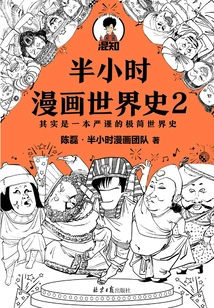
半小时漫画世界史2
Chen Lei·half Hour Comics Team
The four major ancient civilizations formed a group to debut, why is China the only one left standing? The continuation of "A Half-Hour Comic World History"! The new work of Brother Huanzi, the pioneer of comic-style science popularization with 20 million fans on the Internet! Read comics for half an hour and learn about the history of countries around the world. Open this book and learn about the past and present of the other three ancient civilizations in the overwhelming paragraphs!
The four major ancient civilizations formed a group to debut, why is China the only one left standing? The continuation of "A Half-Hour Comic World History"! The new work of Brother Huanzi, the pioneer of comic-style science popularization with 20 million fans on the Internet! Read comics for half an hour and learn about the history of countries around the world. Open this book and learn about the past and present of the other three ancient civilizations in the overwhelming paragraphs!
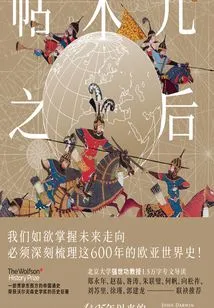
帖木儿之后:1405年以来的全球帝国史
Y
In 1405, Timur, the last "world conqueror", died on his way to China. This not only caused the collapse of Timur's empire, but also ended the era when steppe empires dominated the entire Eurasian continent since Genghis Khan, and opened a new page in global history. In the traditional European-centered world history narrative, the Great Geographical Discovery, the Age of Discovery, the Industrial Revolution, and the "rise of the West" including the United States-these terms constitute key clues for people to interpret the course of modern global development. But according to John Darwin, a heavyweight historian at Oxford University, the center of world history is Eurasia rather than the ocean world. For the entire Eurasian world, including China, 1405 was the beginning of diversified global modern history. The collapse of Timur's hegemony directly gave rise to a tripartite confrontation between Europe, the Islamic world, and East Asia. Europe has felt tremendous pressure from other civilizations for hundreds of years. This long dynamic balance of power continued until the advent of the "Eurasian Revolution" at the end of the 18th century... This historical masterpiece that reinterprets the origin of the globalized world jumps out of the European perspective and comprehensively overlooks the world stage since 1405. It draws the Ottoman, Safavid, Mughal, "Chinese", Japanese, Russian (Soviet Union), British, American and other empires into the big chessboard of the Eurasian continent, making these 600 years of world history no longer a one-man show of the West.
In 1405, Timur, the last "world conqueror", died on his way to China. This not only caused the collapse of Timur's empire, but also ended the era when steppe empires dominated the entire Eurasian continent since Genghis Khan, and opened a new page in global history. In the traditional European-centered world history narrative, the Great Geographical Discovery, the Age of Discovery, the Industrial Revolution, and the "rise of the West" including the United States-these terms constitute key clues for people to interpret the course of modern global development. But according to John Darwin, a heavyweight historian at Oxford University, the center of world history is Eurasia rather than the ocean world. For the entire Eurasian world, including China, 1405 was the beginning of diversified global modern history. The collapse of Timur's hegemony directly gave rise to a tripartite confrontation between Europe, the Islamic world, and East Asia. Europe has felt tremendous pressure from other civilizations for hundreds of years. This long dynamic balance of power continued until the advent of the "Eurasian Revolution" at the end of the 18th century... This historical masterpiece that reinterprets the origin of the globalized world jumps out of the European perspective and comprehensively overlooks the world stage since 1405. It draws the Ottoman, Safavid, Mughal, "Chinese", Japanese, Russian (Soviet Union), British, American and other empires into the big chessboard of the Eurasian continent, making these 600 years of world history no longer a one-man show of the West.
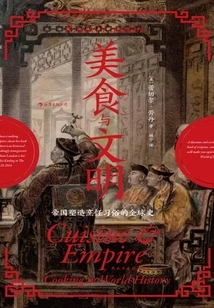
美食与文明:帝国塑造烹饪习俗的全球史
(us) Rachel Laudan
The author tells the story of the rise and fall of the world's major diets, from the mastery of grain cooking some 20,000 years ago to the present. Through the apparent jumble of diverse diets, the author reveals the underlying simplicity of a culinary genealogy, illustrating how cyclical changes in culinary philosophy about health, economics, politics, society, and belief in the gods drove the creation of new diets, some of which were chosen as imperial diets and came to dominate the world. The authors also illustrate how traders, missionaries, and armies moved diets across mountains, oceans, deserts, and political borders. This book's innovative narrative considers cooking, like language, clothing, or architecture, as a human creation. By emphasizing how cooking transforms produce into food and using the global rather than a specific country as the stage, it challenges the agrarian and romantic myths that underpin the contemporary food movement.
The author tells the story of the rise and fall of the world's major diets, from the mastery of grain cooking some 20,000 years ago to the present. Through the apparent jumble of diverse diets, the author reveals the underlying simplicity of a culinary genealogy, illustrating how cyclical changes in culinary philosophy about health, economics, politics, society, and belief in the gods drove the creation of new diets, some of which were chosen as imperial diets and came to dominate the world. The authors also illustrate how traders, missionaries, and armies moved diets across mountains, oceans, deserts, and political borders. This book's innovative narrative considers cooking, like language, clothing, or architecture, as a human creation. By emphasizing how cooking transforms produce into food and using the global rather than a specific country as the stage, it challenges the agrarian and romantic myths that underpin the contemporary food movement.
梅窝百年:老村、荒牛、人
Gan Shuirong Qiu Yi
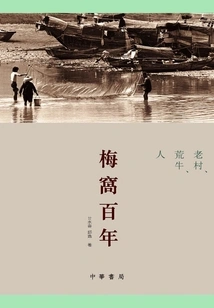
The two authors of this book start from the stories passed down by old people, combine historical materials, interviews and decades of life experience, and use a different perspective to tell the story of the centuries-old village, the cattle that have been discarded by humans, and the people who come from all over the world to settle in Mui Wo.
The two authors of this book start from the stories passed down by old people, combine historical materials, interviews and decades of life experience, and use a different perspective to tell the story of the centuries-old village, the cattle that have been discarded by humans, and the people who come from all over the world to settle in Mui Wo.
Guo Jing and Genghis Khan
History郭靖与成吉思汗
Zhang Qianyi
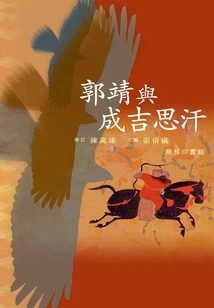
"The Legend of the Condor Heroes" is a very successful novel, in which Guo Jing is a very successful character. The author's broad historical vision, vertical and horizontal writing power, and Genghis Khan's generation of geniuses have become an unforgettable background of the novel. This book starts from "Shooting the Condor", uses Guo Jing and Genghis Khan as clues, and goes in and out between novels and history. It combines relevant color pictures to explore Jin Yong's historical emotions and ideological depth with readers.
"The Legend of the Condor Heroes" is a very successful novel, in which Guo Jing is a very successful character. The author's broad historical vision, vertical and horizontal writing power, and Genghis Khan's generation of geniuses have become an unforgettable background of the novel. This book starts from "Shooting the Condor", uses Guo Jing and Genghis Khan as clues, and goes in and out between novels and history. It combines relevant color pictures to explore Jin Yong's historical emotions and ideological depth with readers.
香港本土旅行八十载
Guo Zhibiao
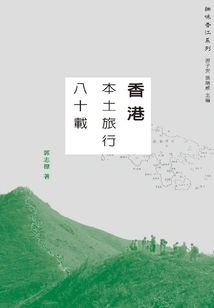
Hong Kong has a small land and a large number of people. Many people like to go outdoors for hiking and outings in their spare time. However, it turns out that the concept of "outing" was brought to Hong Kong by the British in the 1930s. The author has traveled to the mountains for many years and is keen on studying local history and culture. This time, with the theme of local travel, we can retrieve the outing memories of our youth and outline the changes in Hong Kong's society, economy and people's livelihood over the past few decades. This book can be described as a history of the evolution of local travel.
Hong Kong has a small land and a large number of people. Many people like to go outdoors for hiking and outings in their spare time. However, it turns out that the concept of "outing" was brought to Hong Kong by the British in the 1930s. The author has traveled to the mountains for many years and is keen on studying local history and culture. This time, with the theme of local travel, we can retrieve the outing memories of our youth and outline the changes in Hong Kong's society, economy and people's livelihood over the past few decades. This book can be described as a history of the evolution of local travel.
古埃及文化史
Pomeranian
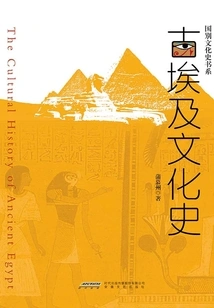
This book is divided into 11 chapters, providing a comprehensive introduction and interpretation of ancient Egyptian culture from the aspects of geography, humanities, religion, culture, etc. On the basis of providing readers with an introduction to ancient Egyptian civilization, the author also helps readers put new knowledge that emerges from time to time into a historical context, so as not to be carried away by so-called new discoveries. In short, in addition to understanding the ancients, it also helps readers understand the present.
This book is divided into 11 chapters, providing a comprehensive introduction and interpretation of ancient Egyptian culture from the aspects of geography, humanities, religion, culture, etc. On the basis of providing readers with an introduction to ancient Egyptian civilization, the author also helps readers put new knowledge that emerges from time to time into a historical context, so as not to be carried away by so-called new discoveries. In short, in addition to understanding the ancients, it also helps readers understand the present.
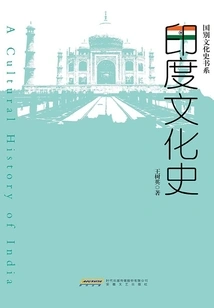
Indian Cultural History
History印度文化史
Wang Shuying
India is one of the world's ancient civilizations, with a long history and splendid culture, thus enriching the world's cultural treasure house. Due to various reasons, various regions in India are different in history, culture, religion and customs, and some are even completely different. This book introduces the origin of Indian civilization, as well as the formation and development of religion, art, and culture, including some situations affected by Western foreign culture in modern times. In addition to introducing an overview of India as a whole, some specific situations of each state in India are also introduced. This book also briefly describes the basic situation of cultural exchanges between China and India for more than two thousand years. This book explains the profound things in a simple way, with strong knowledge and storytelling.
India is one of the world's ancient civilizations, with a long history and splendid culture, thus enriching the world's cultural treasure house. Due to various reasons, various regions in India are different in history, culture, religion and customs, and some are even completely different. This book introduces the origin of Indian civilization, as well as the formation and development of religion, art, and culture, including some situations affected by Western foreign culture in modern times. In addition to introducing an overview of India as a whole, some specific situations of each state in India are also introduced. This book also briefly describes the basic situation of cultural exchanges between China and India for more than two thousand years. This book explains the profound things in a simple way, with strong knowledge and storytelling.
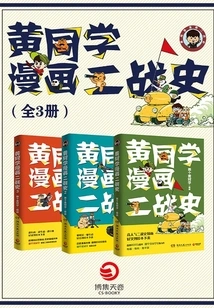
黄同学漫画二战史(全3册)
That Classmate Huang Compiled The Drawings
The trilogy series of "Classmate Huang's Comic History of World War II". In the first work, through the form of comics, the author takes everyone back to the smoke-filled battlefields of World War II and relives the magnificent epic written with passion by the anti-fascist warriors for the sake of peace for all mankind. The contents of this book include famous battles, legends of famous generals, battlefield anecdotes, introductions to weapons, etc. Through this book, readers will have a more comprehensive understanding and deeper understanding of this largest war in human history. The second work systematically explains the historical stories from 1914 to 1941, restoring to readers the historical background, causes and war processes of World War II, including the rise of Germany, the blitz on Poland, the evacuation of Dunkirk, the Battle of Britain, the Pearl Harbor incident, the defense of Moscow, etc.; In addition, it also reveals the secrets of Nazi treasures and takes stock of Italy's military strength. The third work is a popular history book. The author uses a relaxed and humorous painting style to gradually reveal the grand history of World War II through vivid and interesting stories according to the timeline of World War II, allowing readers to easily remember the history of World War II. The content covers representative weapons, famous battles and legendary figures during World War II. Such as: V series missiles, weapon rankings, Hitler and his Kuomintang Guards, and the Battle of Stalingrad, etc.
The trilogy series of "Classmate Huang's Comic History of World War II". In the first work, through the form of comics, the author takes everyone back to the smoke-filled battlefields of World War II and relives the magnificent epic written with passion by the anti-fascist warriors for the sake of peace for all mankind. The contents of this book include famous battles, legends of famous generals, battlefield anecdotes, introductions to weapons, etc. Through this book, readers will have a more comprehensive understanding and deeper understanding of this largest war in human history. The second work systematically explains the historical stories from 1914 to 1941, restoring to readers the historical background, causes and war processes of World War II, including the rise of Germany, the blitz on Poland, the evacuation of Dunkirk, the Battle of Britain, the Pearl Harbor incident, the defense of Moscow, etc.; In addition, it also reveals the secrets of Nazi treasures and takes stock of Italy's military strength. The third work is a popular history book. The author uses a relaxed and humorous painting style to gradually reveal the grand history of World War II through vivid and interesting stories according to the timeline of World War II, allowing readers to easily remember the history of World War II. The content covers representative weapons, famous battles and legendary figures during World War II. Such as: V series missiles, weapon rankings, Hitler and his Kuomintang Guards, and the Battle of Stalingrad, etc.
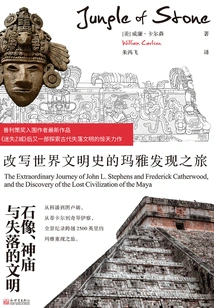
石像、神庙与失落的文明
(us) William Carlson
Wars, jungles and malaria, stelae, reliefs and pyramids, a panoramic description of the Mayan discovery journey in the pre-Columbian era! This is an extraordinary and true story about the rediscovery of the Mayan civilization: following "The Lost City of Z" and "Frozen Empire", we usher in another forgotten adventure history. In 1839, John Stephens, the U. S. Envoy to Central America, and Frederick Catherwood, the renowned British architect and draughtsman, set out for the untouched jungles of Yucatan. At that time, the Bible was the template for history, and many people still believed that world civilization had only existed for 6,000 years. Traveling deep into the jungle, Stephens and Catherwood overcame disease, war, nature, and the difficulties of the terrain to uncover and meticulously document the remains of an astonishing civilization. This American civilization, which flourished at the same time as ancient Greece and Rome, established artistic, architectural achievements and influence that rivaled the former two. This discovery also changed Westerners' understanding of human history. In Stones, Temples, and Lost Civilizations, Pulitzer Prize finalist William Carlson follows Stephens and Catherwood as they revisit present-day Guatemala, Honduras, and Mexico to uncover the rich history of Mayan ruins. Drawing on a wealth of primary sources, including Stephens's diaries, letters, and Catherwood's masterful illustrations, Carlson deftly tells the fascinating story of these two great travelers and their discovery of the Maya.
Wars, jungles and malaria, stelae, reliefs and pyramids, a panoramic description of the Mayan discovery journey in the pre-Columbian era! This is an extraordinary and true story about the rediscovery of the Mayan civilization: following "The Lost City of Z" and "Frozen Empire", we usher in another forgotten adventure history. In 1839, John Stephens, the U. S. Envoy to Central America, and Frederick Catherwood, the renowned British architect and draughtsman, set out for the untouched jungles of Yucatan. At that time, the Bible was the template for history, and many people still believed that world civilization had only existed for 6,000 years. Traveling deep into the jungle, Stephens and Catherwood overcame disease, war, nature, and the difficulties of the terrain to uncover and meticulously document the remains of an astonishing civilization. This American civilization, which flourished at the same time as ancient Greece and Rome, established artistic, architectural achievements and influence that rivaled the former two. This discovery also changed Westerners' understanding of human history. In Stones, Temples, and Lost Civilizations, Pulitzer Prize finalist William Carlson follows Stephens and Catherwood as they revisit present-day Guatemala, Honduras, and Mexico to uncover the rich history of Mayan ruins. Drawing on a wealth of primary sources, including Stephens's diaries, letters, and Catherwood's masterful illustrations, Carlson deftly tells the fascinating story of these two great travelers and their discovery of the Maya.
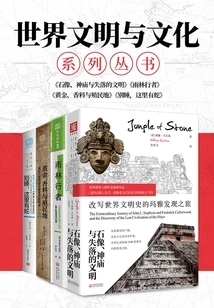
“世界文明与文化”系列:看尽世界文明的起源、发展与未来!(套装共4册)
(u. S.) William Carlson Lawrence Berglin Daniel Everett (australia) Tim Flannery
"Stone Statues, Temples and Lost Civilizations: The Mayan Discovery Journey that Rewrote the History of World Civilization" War, dense forests and malaria, stone tablets, reliefs and pyramids, a panoramic description of the Mayan discovery journey in the pre-Columbian era! This is an extraordinary and true story about the rediscovery of the Mayan civilization: following "The Lost City of Z" and "Frozen Empire", we usher in another forgotten adventure history. In 1839, John Stephens, the U. S. Envoy to Central America, and Frederick Catherwood, the renowned British architect and draughtsman, set out for the untouched jungles of Yucatan. At that time, the Bible was the template for history, and many people still believed that world civilization had only existed for 6,000 years. Traveling deep into the jungle, Stephens and Catherwood overcame disease, war, nature, and the difficulties of the terrain to uncover and meticulously document the remains of an astonishing civilization. This American civilization, which flourished at the same time as ancient Greece and Rome, established artistic, architectural achievements and influence that rivaled the former two. This discovery also changed Westerners' understanding of human history. In Stones, Temples, and Lost Civilizations, Pulitzer Prize finalist William Carlson follows Stephens and Catherwood as they revisit present-day Guatemala, Honduras, and Mexico to uncover the rich history of Mayan ruins. Drawing on a wealth of primary sources, including Stephens's diaries, letters, and Catherwood's masterful illustrations, Carlson deftly tells the fascinating story of these two great travelers and their discovery of the Maya. "Gold, Spice and Colonies: The History of Magellan's Voyage that Turned Human History" is a book that tells the story of Magellan's greatness and madness, peak and destruction, as well as the background of Magellan's global voyage where hegemony and money are intertwined! In 1519, Magellan led five sailing ships and more than 200 people to set sail from Spain in search of a sea route to the Spice Islands. Along the way, they suffered from hunger, disease, mental and physical torture, and even faced the threat of death. Finally, they discovered a sea passage now known as the Strait of Megellan. This was an arduous journey that lasted three years. Award-winning best-selling author (biographer and journalist) Lawrence Berglin used first-hand information to objectively restore this human feat and vividly tell a grand adventure story. In the book, Bergerin takes readers on a fascinating journey through first-person narration, some of which is revealed here for the first time. This expedition not only changed the way that later explorers sailed, but also changed history itself. "Rainforest Walker: Tree Kangaroos, Birds of Paradise, and My Days with the "Cannibals"" A "cockroach dinner", "swarms of concubines" of bats, tree kangaroos that often move on the ground, penis sheaths used as storage bags, "cannibals" who killed and ate their daughters, the ecological environment destroyed by mining and logging... Papua New Guinea is one of the regions with the richest biodiversity in the world. Not only are there a variety of flora and fauna you won't see anywhere else, but there's also amazing Aboriginal culture. Tim Flannery, a famous Australian zoologist and paleontologist, went to Papua New Guinea fifteen times to conduct zoological, paleontological and ecological research, and condensed what he saw and heard there into "Rainforest Walker". In "Rainforest Walker", Flannery will take you to appreciate the graceful dance of birds of paradise, rediscover giant bats that were previously thought to be extinct, and witness the encroachment and destruction of the ecological environment by industrial civilization. Let us follow this "Indiana Jones of science" on an adventure in the tropical jungle. The book "Don't Sleep, There Are Snakes: A Linguist and Anthropologist Deep in the Amazon Jungle" is a record of Everett's life in the jungle for more than 30 years. During these more than 30 years, Everett's wife and children almost died of malaria in a foreign land. Everett was also attacked by groups for violating the freedom of the Pirahã people. But more, Everett shared all kinds of happy moments when he lived with the Pirahã people, such as fishing, hunting, building houses, teaching them arithmetic and making canoes... Everett gave up modern civilized life in exchange for the anecdotes about living with the Pirahã people in the book. At the same time, this book is also a questioning and exploration of modern language and culture. The Pirahã makes Everett reflect on modern civilization and tries to make us think about what possibilities there are for life besides the way we understand it.
"Stone Statues, Temples and Lost Civilizations: The Mayan Discovery Journey that Rewrote the History of World Civilization" War, dense forests and malaria, stone tablets, reliefs and pyramids, a panoramic description of the Mayan discovery journey in the pre-Columbian era! This is an extraordinary and true story about the rediscovery of the Mayan civilization: following "The Lost City of Z" and "Frozen Empire", we usher in another forgotten adventure history. In 1839, John Stephens, the U. S. Envoy to Central America, and Frederick Catherwood, the renowned British architect and draughtsman, set out for the untouched jungles of Yucatan. At that time, the Bible was the template for history, and many people still believed that world civilization had only existed for 6,000 years. Traveling deep into the jungle, Stephens and Catherwood overcame disease, war, nature, and the difficulties of the terrain to uncover and meticulously document the remains of an astonishing civilization. This American civilization, which flourished at the same time as ancient Greece and Rome, established artistic, architectural achievements and influence that rivaled the former two. This discovery also changed Westerners' understanding of human history. In Stones, Temples, and Lost Civilizations, Pulitzer Prize finalist William Carlson follows Stephens and Catherwood as they revisit present-day Guatemala, Honduras, and Mexico to uncover the rich history of Mayan ruins. Drawing on a wealth of primary sources, including Stephens's diaries, letters, and Catherwood's masterful illustrations, Carlson deftly tells the fascinating story of these two great travelers and their discovery of the Maya. "Gold, Spice and Colonies: The History of Magellan's Voyage that Turned Human History" is a book that tells the story of Magellan's greatness and madness, peak and destruction, as well as the background of Magellan's global voyage where hegemony and money are intertwined! In 1519, Magellan led five sailing ships and more than 200 people to set sail from Spain in search of a sea route to the Spice Islands. Along the way, they suffered from hunger, disease, mental and physical torture, and even faced the threat of death. Finally, they discovered a sea passage now known as the Strait of Megellan. This was an arduous journey that lasted three years. Award-winning best-selling author (biographer and journalist) Lawrence Berglin used first-hand information to objectively restore this human feat and vividly tell a grand adventure story. In the book, Bergerin takes readers on a fascinating journey through first-person narration, some of which is revealed here for the first time. This expedition not only changed the way that later explorers sailed, but also changed history itself. "Rainforest Walker: Tree Kangaroos, Birds of Paradise, and My Days with the "Cannibals"" A "cockroach dinner", "swarms of concubines" of bats, tree kangaroos that often move on the ground, penis sheaths used as storage bags, "cannibals" who killed and ate their daughters, the ecological environment destroyed by mining and logging... Papua New Guinea is one of the regions with the richest biodiversity in the world. Not only are there a variety of flora and fauna you won't see anywhere else, but there's also amazing Aboriginal culture. Tim Flannery, a famous Australian zoologist and paleontologist, went to Papua New Guinea fifteen times to conduct zoological, paleontological and ecological research, and condensed what he saw and heard there into "Rainforest Walker". In "Rainforest Walker", Flannery will take you to appreciate the graceful dance of birds of paradise, rediscover giant bats that were previously thought to be extinct, and witness the encroachment and destruction of the ecological environment by industrial civilization. Let us follow this "Indiana Jones of science" on an adventure in the tropical jungle. The book "Don't Sleep, There Are Snakes: A Linguist and Anthropologist Deep in the Amazon Jungle" is a record of Everett's life in the jungle for more than 30 years. During these more than 30 years, Everett's wife and children almost died of malaria in a foreign land. Everett was also attacked by groups for violating the freedom of the Pirahã people. But more, Everett shared all kinds of happy moments when he lived with the Pirahã people, such as fishing, hunting, building houses, teaching them arithmetic and making canoes... Everett gave up modern civilized life in exchange for the anecdotes about living with the Pirahã people in the book. At the same time, this book is also a questioning and exploration of modern language and culture. The Pirahã makes Everett reflect on modern civilization and tries to make us think about what possibilities there are for life besides the way we understand it.