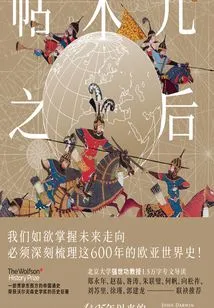
After Timur: a History of Global Empires Since 1405
by Y
About This Novel
In 1405, Timur, the last "world conqueror", died on his way to China. This not only caused the collapse of Timur's empire, but also ended the era when steppe empires dominated the entire Eurasian continent since Genghis Khan, and opened a new page in global history. In the traditional European-centered world history narrative, the Great Geographical Discovery, the Age of Discovery, the Industrial Revolution, and the "rise of the West" including the United States-these terms constitute key clues for people to interpret the course of modern global development. But according to John Darwin, a heavyweight historian at Oxford University, the center of world history is Eurasia rather than the ocean world. For the entire Eurasian world, including China, 1405 was the beginning of diversified global modern history. The collapse of Timur's hegemony directly gave rise to a tripartite confrontation between Europe, the Islamic world, and East Asia. Europe has felt tremendous pressure from other civilizations for hundreds of years. This long dynamic balance of power continued until the advent of the "Eurasian Revolution" at the end of the 18th century... This historical masterpiece that reinterprets the origin of the globalized world jumps out of the European perspective and comprehensively overlooks the world stage since 1405. It draws the Ottoman, Safavid, Mughal, "Chinese", Japanese, Russian (Soviet Union), British, American and other empires into the big chessboard of the Eurasian continent, making these 600 years of world history no longer a one-man show of the West.
Official Sources
What Readers Think
Rating
Community(0)
Rating
Community(0)