Library
Browse and search books
2,037 novels found
Commentary on Nalan Xingde's Ci
Literature纳兰性德词评注
Liu Shuli
This book selects 110 classic poems from Nalan Xingde's poems, briefly proofreads, annotates, and analyzes them. In addition to simple annotations of words, the annotations mainly sort out some of the words used in Nalan's Ci, looking for similar uses and representative origins of this word in previous generations. Generally, two poetry examples or word examples are cited in order to have a general understanding of the inherent poetic spread and inheritance of the wording, imagery, scenery, and romance in Nalan's Ci. In the evaluation, pay attention to the organic combination of appreciation and analysis. Appreciation generally focuses on exploring the connotation and artistic characteristics of the word text itself, focusing on the restoration and experience of the scene, and the grasp of the poet's emotions. Analysis means that in the process of appreciation, one is good at using simple language to point out the points that one likes about the structure, writing, rhythm, succession, and ending of the word, so that readers can more easily understand the structure and content of the word while appreciating it. This has a certain demonstration effect on grasping the regularity of the word, a genre that is deep, subtle, melodious, and has a large jump. The organic combination of appreciation and analysis makes this book's analysis of Nalan's Ci have some new ideas or achievements to a certain extent. In addition, the language of the commentary is concise and smooth, without wordy words, and the writing is as consistent as possible with the delicate beauty of the words themselves, which is also a major feature of this book. Moreover, during the evaluation process, the text should be closely integrated without over-explanation. I believe that this book has its own highlights in terms of non-constraints, choice of explanations, interpretation of texts, and use of language, and it surpasses Nalan Xingde's similar works.
This book selects 110 classic poems from Nalan Xingde's poems, briefly proofreads, annotates, and analyzes them. In addition to simple annotations of words, the annotations mainly sort out some of the words used in Nalan's Ci, looking for similar uses and representative origins of this word in previous generations. Generally, two poetry examples or word examples are cited in order to have a general understanding of the inherent poetic spread and inheritance of the wording, imagery, scenery, and romance in Nalan's Ci. In the evaluation, pay attention to the organic combination of appreciation and analysis. Appreciation generally focuses on exploring the connotation and artistic characteristics of the word text itself, focusing on the restoration and experience of the scene, and the grasp of the poet's emotions. Analysis means that in the process of appreciation, one is good at using simple language to point out the points that one likes about the structure, writing, rhythm, succession, and ending of the word, so that readers can more easily understand the structure and content of the word while appreciating it. This has a certain demonstration effect on grasping the regularity of the word, a genre that is deep, subtle, melodious, and has a large jump. The organic combination of appreciation and analysis makes this book's analysis of Nalan's Ci have some new ideas or achievements to a certain extent. In addition, the language of the commentary is concise and smooth, without wordy words, and the writing is as consistent as possible with the delicate beauty of the words themselves, which is also a major feature of this book. Moreover, during the evaluation process, the text should be closely integrated without over-explanation. I believe that this book has its own highlights in terms of non-constraints, choice of explanations, interpretation of texts, and use of language, and it surpasses Nalan Xingde's similar works.
Annotations on the Analects of Confucius
Literature论语集注
(southern Song Dynasty) Zhu Xi's Annotations By Guo Wanjin
This book has rigorously and meticulously edited the most influential and authoritative ancient annotations on the Analects - Zhu Xi's "Collected Annotations on the Analects". It aims to embody the tradition of expounding without writing by reading the classics as well as ancient annotations, and enable readers to understand the interpretation path and understanding orientation of the ancients. At the front of the book are the authoritative biography of Confucius, "Historical Records of the Confucius Family" and the annotations of the eleven families, allowing readers to read the "Analects of Confucius" in conjunction with Confucius's life, reflecting the tradition of knowing people and analyzing the world.
This book has rigorously and meticulously edited the most influential and authoritative ancient annotations on the Analects - Zhu Xi's "Collected Annotations on the Analects". It aims to embody the tradition of expounding without writing by reading the classics as well as ancient annotations, and enable readers to understand the interpretation path and understanding orientation of the ancients. At the front of the book are the authoritative biography of Confucius, "Historical Records of the Confucius Family" and the annotations of the eleven families, allowing readers to read the "Analects of Confucius" in conjunction with Confucius's life, reflecting the tradition of knowing people and analyzing the world.
诗词曲名名赏析
Wang Chang
"Appreciation of Famous Lines from Poems, Songs and Music" selects 1,000 couplets of famous lines from the Book of Songs to the late Qing Dynasty. Each couplet explains the original work, comments and appreciation, and introduces relevant literary knowledge from five aspects: source, annotation, modern translation, appreciation, and author. After reading, you can cultivate your sentiments, please your soul, help improve your appreciation of poetry, lyrics and music, and understand the artistic essence of classical literature. It is very suitable for the majority of literature lovers.
"Appreciation of Famous Lines from Poems, Songs and Music" selects 1,000 couplets of famous lines from the Book of Songs to the late Qing Dynasty. Each couplet explains the original work, comments and appreciation, and introduces relevant literary knowledge from five aspects: source, annotation, modern translation, appreciation, and author. After reading, you can cultivate your sentiments, please your soul, help improve your appreciation of poetry, lyrics and music, and understand the artistic essence of classical literature. It is very suitable for the majority of literature lovers.
On "flowers of Evil
Literature论《恶之花》
Guo Hongan
"On "The Flowers of Evil"" is a collection of Baudelaire's essays written by scholar and translator Guo Hongan. It mainly consists of two parts. The first part is the analysis and discussion of Baudelaire's masterpiece "The Flowers of Evil", and the second part is the analysis of Baudelaire's poetry, criticism and translation, including Baudelaire's overall positioning, poetry analysis and aesthetic appreciation.
"On "The Flowers of Evil"" is a collection of Baudelaire's essays written by scholar and translator Guo Hongan. It mainly consists of two parts. The first part is the analysis and discussion of Baudelaire's masterpiece "The Flowers of Evil", and the second part is the analysis of Baudelaire's poetry, criticism and translation, including Baudelaire's overall positioning, poetry analysis and aesthetic appreciation.
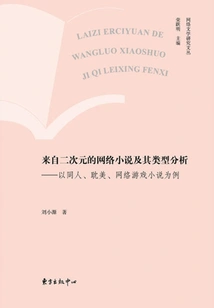
来自二次元的网络小说及其类型分析:以同人、耽美、网络游戏小说为例
Liu Xiaoyuan
This book attempts to construct a discourse system for interpreting online literature from the perspective of two-dimensional culture, outside the pure literature research paradigm and popular literature research paradigm. As a contracted author of a literary website, the author went deep into the online literature scene, systematically sorted out the development of two-dimensional culture and online literature, and clearly defined the concepts of "two-dimensional culture" and "second-dimensional culture" as well as "fan fiction", "danmei novels" and "online game novels". He also conducted an in-depth discussion of its background, manifestations, essential characteristics and cultural impact in current China.
This book attempts to construct a discourse system for interpreting online literature from the perspective of two-dimensional culture, outside the pure literature research paradigm and popular literature research paradigm. As a contracted author of a literary website, the author went deep into the online literature scene, systematically sorted out the development of two-dimensional culture and online literature, and clearly defined the concepts of "two-dimensional culture" and "second-dimensional culture" as well as "fan fiction", "danmei novels" and "online game novels". He also conducted an in-depth discussion of its background, manifestations, essential characteristics and cultural impact in current China.
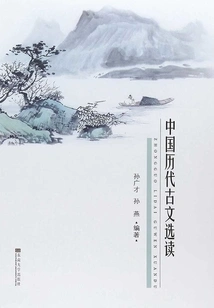
中国历代古文选读
Sun Guangcai
This book selects 150 ancient texts from past dynasties. From Confucius to Liang Qichao, from the Spring and Autumn Period to the late Qing Dynasty, the time span spans more than 2,500 years. The selected ancient texts are all masterpieces by famous writers, and are roughly classified into essays, narratives, and expositions, divided into three parts: upper, middle, and lower. In addition to the original text, each article has three columns: "Author of the Work", "Reading", and "Quotes and Warnings". The former briefly introduces the basic information of the work and the author; the latter extracts famous lines from the article for readers to recite. The "Reading" column aims to provide a rough guide to help readers understand the meaning of the article. The translation and annotation of this book adopts the method of chapter and sentence annotation, which is different from the popular translation of ancient Chinese works. This kind of annotation is mainly to save readers from having to read the original text, annotations, and translations one after another during reading, and to ensure that it is easy to learn and read.
This book selects 150 ancient texts from past dynasties. From Confucius to Liang Qichao, from the Spring and Autumn Period to the late Qing Dynasty, the time span spans more than 2,500 years. The selected ancient texts are all masterpieces by famous writers, and are roughly classified into essays, narratives, and expositions, divided into three parts: upper, middle, and lower. In addition to the original text, each article has three columns: "Author of the Work", "Reading", and "Quotes and Warnings". The former briefly introduces the basic information of the work and the author; the latter extracts famous lines from the article for readers to recite. The "Reading" column aims to provide a rough guide to help readers understand the meaning of the article. The translation and annotation of this book adopts the method of chapter and sentence annotation, which is different from the popular translation of ancient Chinese works. This kind of annotation is mainly to save readers from having to read the original text, annotations, and translations one after another during reading, and to ensure that it is easy to learn and read.
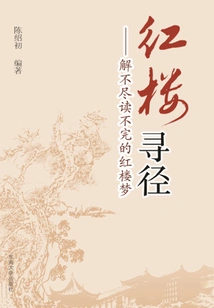
Red Mansion Pathfinder
Literature红楼寻径
Chen Shaochu
This book is mainly an appreciation of Dream of Red Mansions. The first is an introduction to the author, the background and motivation for writing the book, how to express the theme and ideas, and the impact on future generations; secondly, the characters are classified into the main viewpoints of different schools and the contributions made by red scholars of the past generations.
This book is mainly an appreciation of Dream of Red Mansions. The first is an introduction to the author, the background and motivation for writing the book, how to express the theme and ideas, and the impact on future generations; secondly, the characters are classified into the main viewpoints of different schools and the contributions made by red scholars of the past generations.
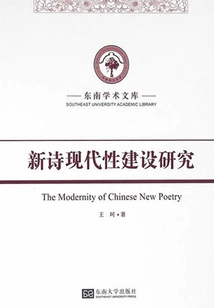
新诗现代性建设研究
Wang Ke
This book consists of three parts: theoretical creation research, ecological impact research and construction strategy research on the construction of new poetry's modernity. It answers the question "How can modern poetry be modern, and how can new poetry be new?"
This book consists of three parts: theoretical creation research, ecological impact research and construction strategy research on the construction of new poetry's modernity. It answers the question "How can modern poetry be modern, and how can new poetry be new?"
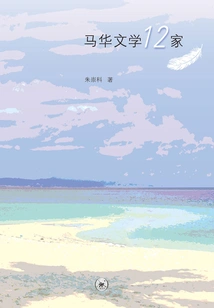
马华文学12家
Zhu Chongke
The book discusses a total of 12 important writers in the history of Malaysian Chinese literature, including Qiu Shuyuan, Fang Beifang, Wu An, Wang Runhua, Chen Shuixian, Li Yongping, Zhang Guixing, Lim Xingqian, Huang Jinshu, Chen Dawei, Ou Daxu, and Li Zishu. This book is not a simple close reading of individual case texts, but a "family story" based on as much historical data as possible. To a large extent, it has exemplary significance in disciplinary discussion. The "family's words" here have a double meaning: on the one hand, it is a detailed description of each selected family one by one, and almost every family is worthy of careful exploration; on the other hand, it emphasizes that the relevant discussion, whether right or wrong, can be called a family's words, at least it has a relatively unique and familiar understanding of the object of discussion.
The book discusses a total of 12 important writers in the history of Malaysian Chinese literature, including Qiu Shuyuan, Fang Beifang, Wu An, Wang Runhua, Chen Shuixian, Li Yongping, Zhang Guixing, Lim Xingqian, Huang Jinshu, Chen Dawei, Ou Daxu, and Li Zishu. This book is not a simple close reading of individual case texts, but a "family story" based on as much historical data as possible. To a large extent, it has exemplary significance in disciplinary discussion. The "family's words" here have a double meaning: on the one hand, it is a detailed description of each selected family one by one, and almost every family is worthy of careful exploration; on the other hand, it emphasizes that the relevant discussion, whether right or wrong, can be called a family's words, at least it has a relatively unique and familiar understanding of the object of discussion.
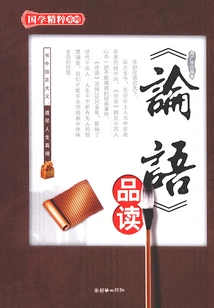
Reading of "the Analects of Confucius
Literature《论语》品读
Compiled By Zhou Guangyu
Many people believe that personal effort is important and the results depend on luck. In fact, blindly "individual efforts" are a common problem among Chinese people. Life can be designed, but success requires planning. Today, many teenagers are dependent on their parents and only know how to go to McDonald's and Internet cafes without knowing what their life goals are. Either you are addicted to material enjoyment, chasing fashion, or you are confused and empty, unable to find the coordinates of life, and letting your wonderful youth pass by in vain... How are you going to spend this long and short life? What is your life plan?
Many people believe that personal effort is important and the results depend on luck. In fact, blindly "individual efforts" are a common problem among Chinese people. Life can be designed, but success requires planning. Today, many teenagers are dependent on their parents and only know how to go to McDonald's and Internet cafes without knowing what their life goals are. Either you are addicted to material enjoyment, chasing fashion, or you are confused and empty, unable to find the coordinates of life, and letting your wonderful youth pass by in vain... How are you going to spend this long and short life? What is your life plan?
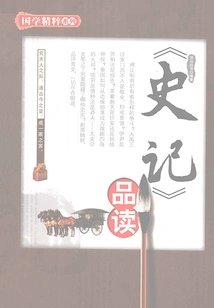
Reading of "historical Records
Literature《史记》品读
Compiled By Sima Baiyu
Reading history makes people wise, and a thorough understanding of history will lead to greater courage, farther vision, and denser thinking. Its profound meaning is to read the truth of history, understand the laws of historical development, and then participate in history rationally. All history is contemporary history, so history should be read with a forward-looking perspective, because the past is the source of the present, and the present continues the past and foreshadows the future.
Reading history makes people wise, and a thorough understanding of history will lead to greater courage, farther vision, and denser thinking. Its profound meaning is to read the truth of history, understand the laws of historical development, and then participate in history rationally. All history is contemporary history, so history should be read with a forward-looking perspective, because the past is the source of the present, and the present continues the past and foreshadows the future.
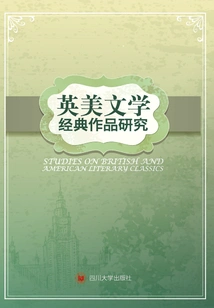
英美文学经典作品研究
Yan Xiaoru
This book analyzes and explains eleven works of ten famous British and American writers, including John Donne, William Blake, Jane Austen, Charles Dickens, D. H. Lawrence, Kate Chopin, Thomas Hardy, and James Joyce. Based on close reading of the text, the textual meaning and social value of the work are analyzed in detail based on modern Western literary criticism theory and the historical conditions and cultural background of the work's creation. Since different writers have different creative styles and the creative forms and writing techniques of their works vary widely, this book also focuses on the discussion of artistic tendencies such as structural techniques and language style characteristics of novels and poems.
This book analyzes and explains eleven works of ten famous British and American writers, including John Donne, William Blake, Jane Austen, Charles Dickens, D. H. Lawrence, Kate Chopin, Thomas Hardy, and James Joyce. Based on close reading of the text, the textual meaning and social value of the work are analyzed in detail based on modern Western literary criticism theory and the historical conditions and cultural background of the work's creation. Since different writers have different creative styles and the creative forms and writing techniques of their works vary widely, this book also focuses on the discussion of artistic tendencies such as structural techniques and language style characteristics of novels and poems.
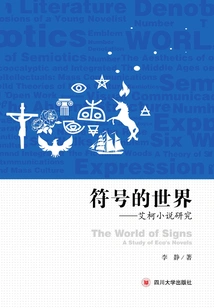
符号的世界:艾柯小说研究
Li Jing
Umberto Eco is an Italian and world-famous semiotician, and also a famous novelist. His novels are full of symbolic games and carnivals. This book uses semiotic theory to study Eco's five novels, that is, to carefully read and analyze Eco's novel texts from five aspects: signifier, code, metaphor, symbolic narrative, and semiotic dual-axis theory. It is unique in both the field of Eco research and the field of novel research. It is unique and has extremely important academic value.
Umberto Eco is an Italian and world-famous semiotician, and also a famous novelist. His novels are full of symbolic games and carnivals. This book uses semiotic theory to study Eco's five novels, that is, to carefully read and analyze Eco's novel texts from five aspects: signifier, code, metaphor, symbolic narrative, and semiotic dual-axis theory. It is unique in both the field of Eco research and the field of novel research. It is unique and has extremely important academic value.
孔子箴言录:论语精编新解
Luo Zhilin
"The Analects of Confucius" adopts the form of quotations and records the words and deeds of Confucius and his disciples in simple, plain, clear and easy-to-understand language, and depicts the image of Confucius, who was both ordinary and great. Since The Analects of Confucius was compiled by Confucius's disciples and re-disciples, Confucius' remarks about the same content or viewpoints are scattered in some or several chapters of The Analects. This book sorts out and categorizes Confucius's remarks to form a relatively complete and systematic arrangement of Confucius' thoughts, and opens up a new channel for people to comprehensively and in-depth study and understand Confucius' thoughts.
"The Analects of Confucius" adopts the form of quotations and records the words and deeds of Confucius and his disciples in simple, plain, clear and easy-to-understand language, and depicts the image of Confucius, who was both ordinary and great. Since The Analects of Confucius was compiled by Confucius's disciples and re-disciples, Confucius' remarks about the same content or viewpoints are scattered in some or several chapters of The Analects. This book sorts out and categorizes Confucius's remarks to form a relatively complete and systematic arrangement of Confucius' thoughts, and opens up a new channel for people to comprehensively and in-depth study and understand Confucius' thoughts.
Research on "dictionary of the Three Kingdoms": Focusing on Place Names and Official Names
Literature《三国志辞典》研究:以地名、职官名为中心
Bian Chao Zhang Ying You Shiqiang
This book counts the place names and official names in the "Three Kingdoms", and conducts systematic research in conjunction with the "Dictionary of the Three Kingdoms" edited by Mr. Zhang Shunhui. It uses the research methods of combining diachrony and synchrony, combining statistics and comparison, and combining literature research and field investigation to write this book. It can provide reference for the historical geography and cultural research of the Three Kingdoms period, and can also provide certain experience for the compilation of special book dictionaries.
This book counts the place names and official names in the "Three Kingdoms", and conducts systematic research in conjunction with the "Dictionary of the Three Kingdoms" edited by Mr. Zhang Shunhui. It uses the research methods of combining diachrony and synchrony, combining statistics and comparison, and combining literature research and field investigation to write this book. It can provide reference for the historical geography and cultural research of the Three Kingdoms period, and can also provide certain experience for the compilation of special book dictionaries.
Classical Talk
Literature经典常谈
Zhu Ziqing
This book is a collection and explanation of classics. It is written by Zhu Ziqing, a famous educator, poet, and essayist. His understanding of ancient Chinese literature is extremely deep, so this book is rich in content, concise in language, wide in knowledge coverage, and popular and fluent in writing. The whole book includes thirteen chapters including Shuowen Jiezi, Zhouyi, Shangshu, Shijing, Three Rites, Spring and Autumn Annals, Four Books, Warring States Policy, Historical Records and Hanshu, Zhuzi, Ci Fu, Poems, and Essays. It focuses on the introduction of ancient Chinese classics. It is popular, fluent, and insightful, making ancient texts more accessible and familiar to readers, thus inspiring readers' interest. It is the best choice for readers to get an overview of Chinese classical literature.
This book is a collection and explanation of classics. It is written by Zhu Ziqing, a famous educator, poet, and essayist. His understanding of ancient Chinese literature is extremely deep, so this book is rich in content, concise in language, wide in knowledge coverage, and popular and fluent in writing. The whole book includes thirteen chapters including Shuowen Jiezi, Zhouyi, Shangshu, Shijing, Three Rites, Spring and Autumn Annals, Four Books, Warring States Policy, Historical Records and Hanshu, Zhuzi, Ci Fu, Poems, and Essays. It focuses on the introduction of ancient Chinese classics. It is popular, fluent, and insightful, making ancient texts more accessible and familiar to readers, thus inspiring readers' interest. It is the best choice for readers to get an overview of Chinese classical literature.
A Brief Introduction to Poetic Realm
Literature诗境浅说
Yu Biyun
"A Brief Introduction to Poetry" is a book dedicated to the practice of rhymed poetry and quatrains in the Tang Dynasty. The book is divided into four parts A, B, D and D and two sequels, which explain five-character and seven-character quatrains and rhymed poems respectively. Parts B and D also specially excerpt some classic sentences from Tang poetry and comment on them in detail. The book contains hundreds of famous poems by Wang Bo, Luo Binwang, Du Shenyan, Chang Jian, Li Bai, Du Fu, Wang Wei, Meng Haoran, etc. It focuses on analyzing their tone, rhythm, meaning, syntax, and calligraphy, and explores the "wonderfulness of the poetic realm". Its unique viewpoints and sophisticated evaluations make it a basic reading for understanding and learning Tang poetry.
"A Brief Introduction to Poetry" is a book dedicated to the practice of rhymed poetry and quatrains in the Tang Dynasty. The book is divided into four parts A, B, D and D and two sequels, which explain five-character and seven-character quatrains and rhymed poems respectively. Parts B and D also specially excerpt some classic sentences from Tang poetry and comment on them in detail. The book contains hundreds of famous poems by Wang Bo, Luo Binwang, Du Shenyan, Chang Jian, Li Bai, Du Fu, Wang Wei, Meng Haoran, etc. It focuses on analyzing their tone, rhythm, meaning, syntax, and calligraphy, and explores the "wonderfulness of the poetic realm". Its unique viewpoints and sophisticated evaluations make it a basic reading for understanding and learning Tang poetry.
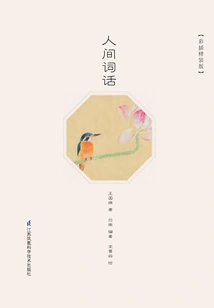
人间词话:彩插精装版
Wang Guowei
This book carefully collects the original sixty-four poems of "Human Words" that Wang Guowei personally edited, including the forty-nine ones he eliminated, and provides annotations and appreciation of the original works. The poems mentioned in the book are accompanied by their sources and original texts, so that readers can know what they are and why. Multiple Chinese paintings corresponding to the content in the book provide readers with a better reading experience.
This book carefully collects the original sixty-four poems of "Human Words" that Wang Guowei personally edited, including the forty-nine ones he eliminated, and provides annotations and appreciation of the original works. The poems mentioned in the book are accompanied by their sources and original texts, so that readers can know what they are and why. Multiple Chinese paintings corresponding to the content in the book provide readers with a better reading experience.
世界经典电影文学导读(第二版)
Bai Hongxiu
Movies integrate various artistic elements such as music, painting, dance, architecture, and literature, but the literary element has a prominent position and is the core element of the movie. This book carefully selects 16 world-class classic movies that are recognized by the world, and closely focuses on "literature" to read them one by one, so as to promote students' in-depth understanding of movies and improve their humanistic and artistic qualities.
Movies integrate various artistic elements such as music, painting, dance, architecture, and literature, but the literary element has a prominent position and is the core element of the movie. This book carefully selects 16 world-class classic movies that are recognized by the world, and closely focuses on "literature" to read them one by one, so as to promote students' in-depth understanding of movies and improve their humanistic and artistic qualities.
共同体的焚毁:奥斯维辛前后的小说
(us) J. Hillis Miller
"After Auschwitz, even writing poetry was barbaric." This book challenges Adorno's famous remarks about aesthetic production after the Holocaust, arguing for the possibility of literature bearing witness to extreme collective and individual experiences. Miller constructs a Benjaminian heterogeneous constellation between various texts and realities. From the idea of community in Stevens' poetry to the community theory and related discussions expounded by philosophers such as Jean-Luc Nancy, Derrida, and Deleuze, from Kafka's novels to Holocaust-related novels, to Morrison's "Beloved", from the domestic changes in Germany when the Nazis came to power to the situation in the United States in recent years, Miller analyzes the main ideas about community, carefully reads novels written before and after Auschwitz, analyzes the worrying domestic and international situations in the United States, and interprets the mechanisms and contradictions of community with the vivid emotional qualities of literature. It not only bears witness to the past Holocaust and slavery, but also reminds us to shoulder the heavy responsibility of personal choice at all times.
"After Auschwitz, even writing poetry was barbaric." This book challenges Adorno's famous remarks about aesthetic production after the Holocaust, arguing for the possibility of literature bearing witness to extreme collective and individual experiences. Miller constructs a Benjaminian heterogeneous constellation between various texts and realities. From the idea of community in Stevens' poetry to the community theory and related discussions expounded by philosophers such as Jean-Luc Nancy, Derrida, and Deleuze, from Kafka's novels to Holocaust-related novels, to Morrison's "Beloved", from the domestic changes in Germany when the Nazis came to power to the situation in the United States in recent years, Miller analyzes the main ideas about community, carefully reads novels written before and after Auschwitz, analyzes the worrying domestic and international situations in the United States, and interprets the mechanisms and contradictions of community with the vivid emotional qualities of literature. It not only bears witness to the past Holocaust and slavery, but also reminds us to shoulder the heavy responsibility of personal choice at all times.
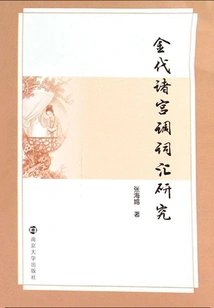
金代诸宫调词汇研究
Zhang Haimei
This book uses statistical data and typical examples, description and explanation, synchronic and diachronic comparison, and reference to living dialects to conduct a relatively comprehensive study of the synchronic vocabulary of "Liu Zhiyuan Zhu Gong Diao" and "Dong Jieyuan Xixiang Ji". It also conducts a longitudinal diachronic investigation of some linguistic phenomena.
This book uses statistical data and typical examples, description and explanation, synchronic and diachronic comparison, and reference to living dialects to conduct a relatively comprehensive study of the synchronic vocabulary of "Liu Zhiyuan Zhu Gong Diao" and "Dong Jieyuan Xixiang Ji". It also conducts a longitudinal diachronic investigation of some linguistic phenomena.
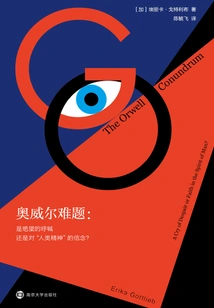
奥威尔难题:是绝望的呼喊还是对“人类精神”的信念?
(add) Erica Gottlieb
The famous dystopian novel "1984" is a masterpiece handed down by George Orwell. However, traditional critics believe that this novel can at best be regarded as a "flawed masterpiece" because it is essentially born of despair, shows pathological pessimism, and denies the value of human struggle for freedom. This book confronts the strong offensive of these traditional arguments and proposes a new interpretation: "1984" is a complex and unified aesthetic whole that should occupy a place among the literary masterpieces of humanitarianism in the 20th century. Erica Gottlieb took a new approach and moderately expanded her critical horizons, examining the novel in three contexts: "satire," "all of Orwell's literary works," and "famous contemporary psychological theories." She read the text intensively, and innovatively proposed that the novel successfully integrates the two major genres of satire and psychological realism, and does not belong to a single genre. With her efforts, this book restores Orwell's belief in the "human spirit".
The famous dystopian novel "1984" is a masterpiece handed down by George Orwell. However, traditional critics believe that this novel can at best be regarded as a "flawed masterpiece" because it is essentially born of despair, shows pathological pessimism, and denies the value of human struggle for freedom. This book confronts the strong offensive of these traditional arguments and proposes a new interpretation: "1984" is a complex and unified aesthetic whole that should occupy a place among the literary masterpieces of humanitarianism in the 20th century. Erica Gottlieb took a new approach and moderately expanded her critical horizons, examining the novel in three contexts: "satire," "all of Orwell's literary works," and "famous contemporary psychological theories." She read the text intensively, and innovatively proposed that the novel successfully integrates the two major genres of satire and psychological realism, and does not belong to a single genre. With her efforts, this book restores Orwell's belief in the "human spirit".
儒林外史全鉴(珍藏版)
Chi Shuangming
"The Scholars" is a model of ancient satirical literature in my country. Qing Dynasty novelist Wu Jingzi's successful portrayal of the feudal literati living in the last days of feudalism and the imperial examination system, as well as his vivid depiction of cannibalistic imperial examinations, ethics and corruption, made him one of the outstanding writers of critical realism in the history of Chinese literature. "The Scholars" not only directly influenced modern condemnation novels, but also deeply inspired modern satirical literature. This book is an appreciation and appreciation of this famous work.
"The Scholars" is a model of ancient satirical literature in my country. Qing Dynasty novelist Wu Jingzi's successful portrayal of the feudal literati living in the last days of feudalism and the imperial examination system, as well as his vivid depiction of cannibalistic imperial examinations, ethics and corruption, made him one of the outstanding writers of critical realism in the history of Chinese literature. "The Scholars" not only directly influenced modern condemnation novels, but also deeply inspired modern satirical literature. This book is an appreciation and appreciation of this famous work.
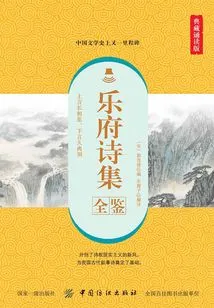
乐府诗集全鉴(典藏诵读版)
Guo Maoqian
"Collection of Yuefu Poems" is a collection of ancient Chinese Yuefu poems compiled by Guo Maoqian of the Northern Song Dynasty. With 100 volumes in existence, it is the most complete collection of Yuefu hymns in existence. "Yuefu Poetry Collection" is the essence of folk songs from Han Dynasty, Wei Jin, and Southern and Northern Dynasties. The content is very rich, reflecting a wide range of social life. It mainly collects Yuefu songs from the Han and Wei dynasties to the Tang and Five Dynasties, as well as ballads from the Pre-Qin to the end of the Tang Dynasty, totaling more than 5,000 songs. It has a wide range of collections, each category has a general order, and each song has a solution. Among them is the famous folk song "Poetry of Mulan".
"Collection of Yuefu Poems" is a collection of ancient Chinese Yuefu poems compiled by Guo Maoqian of the Northern Song Dynasty. With 100 volumes in existence, it is the most complete collection of Yuefu hymns in existence. "Yuefu Poetry Collection" is the essence of folk songs from Han Dynasty, Wei Jin, and Southern and Northern Dynasties. The content is very rich, reflecting a wide range of social life. It mainly collects Yuefu songs from the Han and Wei dynasties to the Tang and Five Dynasties, as well as ballads from the Pre-Qin to the end of the Tang Dynasty, totaling more than 5,000 songs. It has a wide range of collections, each category has a general order, and each song has a solution. Among them is the famous folk song "Poetry of Mulan".
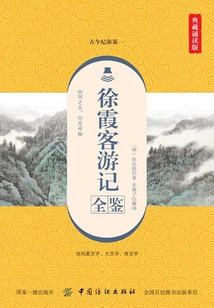
徐霞客游记全鉴(典藏诵读版)
Donglizi
"The Travels of Xu Xiake" is a famous Chinese geographical work in diary style written by Xu Xiake, a great traveler, geographer, historian and writer in the Ming Dynasty. Xu Xiake recorded more than 600,000 words of travel notes during his 34 years of travel, which were compiled into "Xu Xiake's Travel Notes" by others after his death. This book is not only a geographical encyclopedia, but also a historical work of factual nature. It is also a literary masterpiece and a shining treasure in the treasure house of ancient Chinese culture. In ancient my country, as a single work, there was no other book covering such a broad scientific field and including such rich scientific content. Therefore, this book has many scientific values.
"The Travels of Xu Xiake" is a famous Chinese geographical work in diary style written by Xu Xiake, a great traveler, geographer, historian and writer in the Ming Dynasty. Xu Xiake recorded more than 600,000 words of travel notes during his 34 years of travel, which were compiled into "Xu Xiake's Travel Notes" by others after his death. This book is not only a geographical encyclopedia, but also a historical work of factual nature. It is also a literary masterpiece and a shining treasure in the treasure house of ancient Chinese culture. In ancient my country, as a single work, there was no other book covering such a broad scientific field and including such rich scientific content. Therefore, this book has many scientific values.
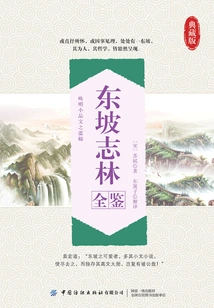
Dongpo Zhilin Quanjian
Literature东坡志林全鉴
Donglizi
"Dongpo Zhilin" is Su Shi's miscellaneous historical commentary during the 20 years from Yuanfeng to Yuanfu. It has extensive content and talks about everything. The articles are of any length, ranging from a thousand words to a few words, but mostly short. They are all written with ease and ease, reflecting the author's literary style of flowing clouds and flowing water.
"Dongpo Zhilin" is Su Shi's miscellaneous historical commentary during the 20 years from Yuanfeng to Yuanfu. It has extensive content and talks about everything. The articles are of any length, ranging from a thousand words to a few words, but mostly short. They are all written with ease and ease, reflecting the author's literary style of flowing clouds and flowing water.
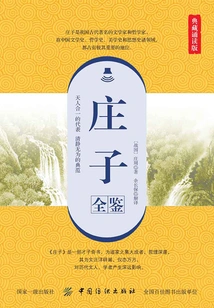
庄子全鉴(典藏诵读版)
Interpretation By Yu Changbao
The book "Zhuangzi" is a representative work of Taoism and a wonderful flower in traditional Chinese culture. The author of "Zhuangzi" is not Zhuangzi alone. According to the research of later generations of scholars, the "internal chapters" were written by Zhuangzi, while the "outer chapters" and "miscellaneous chapters" are more complicated and were mostly written by successors of Zhuangzi's theory. Zhuangzi is a strange person, and "Zhuangzi" is a strange book. The profound and profound "Zhuangzi" has made immeasurable contributions to the development of the history of thought, philosophy and literature in later generations. The book "Zhuangzi" is a representative work of Taoism and a wonderful flower in traditional Chinese culture. The author of "Zhuangzi" is not Zhuangzi alone. According to the research of later generations of scholars, the "internal chapters" were written by Zhuangzi, while the "outer chapters" and "miscellaneous chapters" are more complicated and were mostly written by successors of Zhuangzi's theory. Zhuangzi is a strange person, and "Zhuangzi" is a strange book. The profound and profound "Zhuangzi" has made immeasurable contributions to the development of the history of thought, philosophy and literature in later generations. Let's listen and appreciate it together during the recital with music.
The book "Zhuangzi" is a representative work of Taoism and a wonderful flower in traditional Chinese culture. The author of "Zhuangzi" is not Zhuangzi alone. According to the research of later generations of scholars, the "internal chapters" were written by Zhuangzi, while the "outer chapters" and "miscellaneous chapters" are more complicated and were mostly written by successors of Zhuangzi's theory. Zhuangzi is a strange person, and "Zhuangzi" is a strange book. The profound and profound "Zhuangzi" has made immeasurable contributions to the development of the history of thought, philosophy and literature in later generations. The book "Zhuangzi" is a representative work of Taoism and a wonderful flower in traditional Chinese culture. The author of "Zhuangzi" is not Zhuangzi alone. According to the research of later generations of scholars, the "internal chapters" were written by Zhuangzi, while the "outer chapters" and "miscellaneous chapters" are more complicated and were mostly written by successors of Zhuangzi's theory. Zhuangzi is a strange person, and "Zhuangzi" is a strange book. The profound and profound "Zhuangzi" has made immeasurable contributions to the development of the history of thought, philosophy and literature in later generations. Let's listen and appreciate it together during the recital with music.
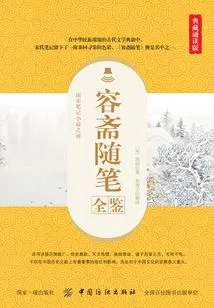
容斋随笔全鉴(典藏诵读版)
(southern Song Dynasty) Hongmai
"Rong Zhai Essays" is an ancient Chinese classical Chinese notebook novel. A total of "Wubi", 74 volumes, 1220 articles. Among them, "Rong Zhai's Essays" has 16 volumes and 329 items; "Rong Zhai's Continuing Writings" has 16 volumes and 249 items; "Rong Zhai's Three Strokes" has 16 volumes and 248 items; "Rong Zhai's Four Strokes" has 16 volumes and 259 items; "Rong Zhai's Five Strokes" has 10 volumes and 135 items. According to the autobiography of the author Hong Mai of the Song Dynasty, "Rong Zhai Essays" was written over nearly 40 years. It is the culmination of his many years of extensive reading and practical wisdom and sweat.
"Rong Zhai Essays" is an ancient Chinese classical Chinese notebook novel. A total of "Wubi", 74 volumes, 1220 articles. Among them, "Rong Zhai's Essays" has 16 volumes and 329 items; "Rong Zhai's Continuing Writings" has 16 volumes and 249 items; "Rong Zhai's Three Strokes" has 16 volumes and 248 items; "Rong Zhai's Four Strokes" has 16 volumes and 259 items; "Rong Zhai's Five Strokes" has 10 volumes and 135 items. According to the autobiography of the author Hong Mai of the Song Dynasty, "Rong Zhai Essays" was written over nearly 40 years. It is the culmination of his many years of extensive reading and practical wisdom and sweat.
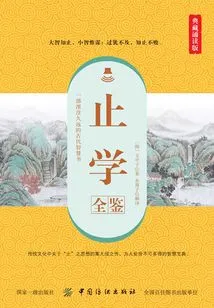
止学全鉴(典藏诵读版)
Donglizi
"Zhi Xue" is a very valuable classic in traditional Chinese culture and a masterpiece of ancient Chinese culture's thoughts on "Zhi". It takes Taoist thought as its core and discusses the way of life. Although the article is short, it has profound connotation, far-reaching artistic conception and strong practical value. "Quanjian of Zhixue" is interpreted around its main meaning, integrating traditional Chinese studies and modern inspirational learning, so that readers can better understand the essence of "Zhixue".
"Zhi Xue" is a very valuable classic in traditional Chinese culture and a masterpiece of ancient Chinese culture's thoughts on "Zhi". It takes Taoist thought as its core and discusses the way of life. Although the article is short, it has profound connotation, far-reaching artistic conception and strong practical value. "Quanjian of Zhixue" is interpreted around its main meaning, integrating traditional Chinese studies and modern inspirational learning, so that readers can better understand the essence of "Zhixue".
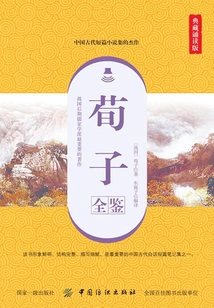
荀子全鉴(典藏诵读版)
Donglizi
"Xunzi" brings together the essence of Xunzi's thoughts throughout his life. It is a masterpiece of ancient Chinese thought and an extremely precious material for studying pre-Qin culture. This book is a recited version of "Xunzi". It carefully selects wonderful chapters, combines the original text, annotations, translations, and audio. It strives to present the essence of "Xunzi" in a new audio format to help readers better understand this classic.
"Xunzi" brings together the essence of Xunzi's thoughts throughout his life. It is a masterpiece of ancient Chinese thought and an extremely precious material for studying pre-Qin culture. This book is a recited version of "Xunzi". It carefully selects wonderful chapters, combines the original text, annotations, translations, and audio. It strives to present the essence of "Xunzi" in a new audio format to help readers better understand this classic.
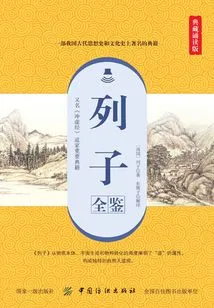
列子全鉴(典藏诵读版)
Donglizi
Liezi, also known as Chongxu Jing, is an important Taoist classic written by Lie Yukou, a thinker in the early Warring States Period. It is also a famous classic in the history of ancient Chinese thought and culture. The book has a total of one hundred and forty chapters, consisting of philosophical prose, fables, myths, and historical stories. Judging from its ideological content and language, it may have been compiled by later generations based on ancient documents. The book "Quanjian of Liezi" is written based on the reference of a large number of contemporary related works and papers, and by learning from each other's strengths and weaknesses. This book is faithful to the original interpretation of the original book and the translation is easy to understand, helping readers to understand the ideological core of Liezi more easily and appreciate the wisdom contained in it.
Liezi, also known as Chongxu Jing, is an important Taoist classic written by Lie Yukou, a thinker in the early Warring States Period. It is also a famous classic in the history of ancient Chinese thought and culture. The book has a total of one hundred and forty chapters, consisting of philosophical prose, fables, myths, and historical stories. Judging from its ideological content and language, it may have been compiled by later generations based on ancient documents. The book "Quanjian of Liezi" is written based on the reference of a large number of contemporary related works and papers, and by learning from each other's strengths and weaknesses. This book is faithful to the original interpretation of the original book and the translation is easy to understand, helping readers to understand the ideological core of Liezi more easily and appreciate the wisdom contained in it.
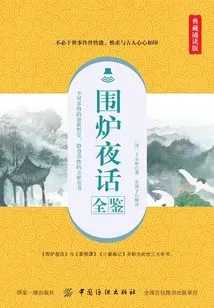
围炉夜话全鉴(典藏诵读版)
Chi Shuangming
"Wailu Night Talk", a popular Confucian book, is a famous Chinese literary criticism work in the Ming and Qing Dynasties. It evaluates and discusses the anecdotes, people, events, articles, etc. In the literary world at that time and in the past. This book was completed by the author Wang Yongbin "in the second month of Jiayin year of Xianfeng period in the Qing Dynasty, in the "Yijingtang" of Qiaoxi Pavilion". The author imagines a situation in which he hugs the stove in winter and makes friends to talk about literature and art. The language of this book is friendly, natural and easy to read, and it occupies an important position in the history of Han literature because of its unique insights. "Wailu Night Talk" is divided into 221 chapters, with the general topic of "settling down and establishing a career", covering ten aspects including morality, self-cultivation, reading, living in poverty and teaching, educating children, loyalty, filial piety, diligence and thrift. "Weilu Night Talk" is a famous literary criticism work during the Ming and Qing Dynasties. It comments on anecdotes, people, events, articles, etc. In the literary world at that time and before. Taking "settling down and establishing a career" as the topic, it analyzes it from aspects such as "self-cultivation, morality, reading, and educating children". It is a representative masterpiece of self-cultivation. On the basis of respecting the original work, this recitation version notates and explains obscure words, and adds explanations to the questions. It is specially equipped with recitation audio to make it easy for readers to read, listen and appreciate.
"Wailu Night Talk", a popular Confucian book, is a famous Chinese literary criticism work in the Ming and Qing Dynasties. It evaluates and discusses the anecdotes, people, events, articles, etc. In the literary world at that time and in the past. This book was completed by the author Wang Yongbin "in the second month of Jiayin year of Xianfeng period in the Qing Dynasty, in the "Yijingtang" of Qiaoxi Pavilion". The author imagines a situation in which he hugs the stove in winter and makes friends to talk about literature and art. The language of this book is friendly, natural and easy to read, and it occupies an important position in the history of Han literature because of its unique insights. "Wailu Night Talk" is divided into 221 chapters, with the general topic of "settling down and establishing a career", covering ten aspects including morality, self-cultivation, reading, living in poverty and teaching, educating children, loyalty, filial piety, diligence and thrift. "Weilu Night Talk" is a famous literary criticism work during the Ming and Qing Dynasties. It comments on anecdotes, people, events, articles, etc. In the literary world at that time and before. Taking "settling down and establishing a career" as the topic, it analyzes it from aspects such as "self-cultivation, morality, reading, and educating children". It is a representative masterpiece of self-cultivation. On the basis of respecting the original work, this recitation version notates and explains obscure words, and adds explanations to the questions. It is specially equipped with recitation audio to make it easy for readers to read, listen and appreciate.
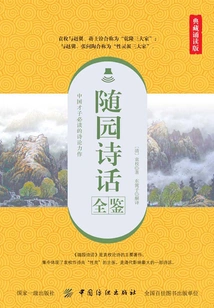
随园诗话全鉴(典藏诵读版)
Donglizi
"Suiyuan Poetry" is the most influential masterpiece of poetry in the Qing Dynasty, with extensive content, detailed narration, and accurate criticism. "Suiyuan Poetry Talk" talks about everything from the poet's innate qualifications, to acquired moral character, to reading, study and social practice. "Suiyuan Shihuaquanjian" has precise annotations and translations based on the original text, making it easy for readers to read easily.
"Suiyuan Poetry" is the most influential masterpiece of poetry in the Qing Dynasty, with extensive content, detailed narration, and accurate criticism. "Suiyuan Poetry Talk" talks about everything from the poet's innate qualifications, to acquired moral character, to reading, study and social practice. "Suiyuan Shihuaquanjian" has precise annotations and translations based on the original text, making it easy for readers to read easily.
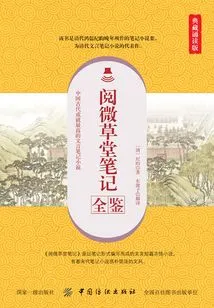
阅微草堂笔记全鉴(典藏诵读版)
H
"Yuewei Thatched Cottage Notes" is a short story in Chinese classical Chinese that was written in the form of notes by Ji Yun, who was a scholar in the Hanlin Academy between the fifty-fourth year of Qianlong (1789) and the third year of Jiaqing (1798) in the Qing Dynasty. In terms of time, it mainly collects and compiles the folk tales of various foxes, ghosts and gods, karma, admonishing good and punishing evil, etc. Before and after that era, or strange anecdotes heard personally; in terms of space and geography, the scope covers the whole of China as far away as Urumqi, Yining, and south to Yunnan and Guizhou.
"Yuewei Thatched Cottage Notes" is a short story in Chinese classical Chinese that was written in the form of notes by Ji Yun, who was a scholar in the Hanlin Academy between the fifty-fourth year of Qianlong (1789) and the third year of Jiaqing (1798) in the Qing Dynasty. In terms of time, it mainly collects and compiles the folk tales of various foxes, ghosts and gods, karma, admonishing good and punishing evil, etc. Before and after that era, or strange anecdotes heard personally; in terms of space and geography, the scope covers the whole of China as far away as Urumqi, Yining, and south to Yunnan and Guizhou.
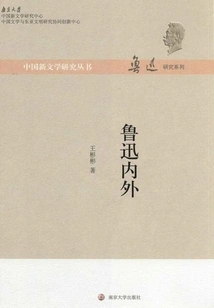
Lu Xun Inside and Outside
Literature鲁迅内外
Wang Binbin
This book is a monograph written by the famous contemporary literary critic Wang Binbin specifically about Lu Xun. It collects articles about Lu Xun, his works, and his research published in various publications in the past twenty years. He made unique insights into the value standards of Lu Xun's research, the relationship between Lu Xun and liberalism, and the issues in the comparison between Lu Xun and Hu Shi.
This book is a monograph written by the famous contemporary literary critic Wang Binbin specifically about Lu Xun. It collects articles about Lu Xun, his works, and his research published in various publications in the past twenty years. He made unique insights into the value standards of Lu Xun's research, the relationship between Lu Xun and liberalism, and the issues in the comparison between Lu Xun and Hu Shi.
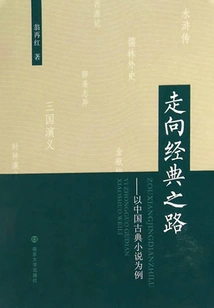
走向经典之路:以中国古典小说为例
Weng Zaihong
This book is a phased result of the National Social Science Foundation Youth Project "Research on the Construction and Inheritance of Classics from the Perspective of Art Communication" (Project No.: 12CA068). This book focuses on examining the texts that are recognized as classics. The author discusses the role of many factors in text creation in the process of text canonization.
This book is a phased result of the National Social Science Foundation Youth Project "Research on the Construction and Inheritance of Classics from the Perspective of Art Communication" (Project No.: 12CA068). This book focuses on examining the texts that are recognized as classics. The author discusses the role of many factors in text creation in the process of text canonization.
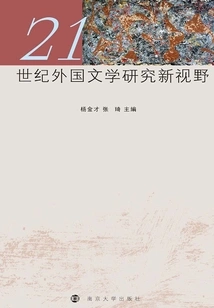
21世纪外国文学研究新视野
Yang Jincai Editor-in-chief Zhang Qi
This book uses a new theoretical perspective to interpret the literary works of major countries in the world since 2000 through the study of major foreign writers in the 21st century. This book not only has new research content but also new research perspectives, advances with the times, and highlights the development trends of foreign literature since the 21st century. After publication, the book will provide theoretical reference and method reference for teachers, students, enthusiasts and researchers in foreign language disciplines.
This book uses a new theoretical perspective to interpret the literary works of major countries in the world since 2000 through the study of major foreign writers in the 21st century. This book not only has new research content but also new research perspectives, advances with the times, and highlights the development trends of foreign literature since the 21st century. After publication, the book will provide theoretical reference and method reference for teachers, students, enthusiasts and researchers in foreign language disciplines.
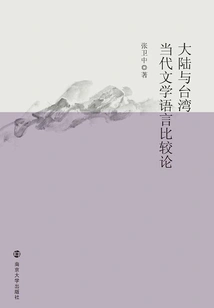
大陆与台湾当代文学语言比较论
Zhang Weizhong
The main research goal of this manuscript is to gain an in-depth understanding of the characteristics of the development of literary languages in mainland China and Taiwan through the comparison of literary languages across the Taiwan Strait. At the same time, through the study of the two main branches of Chinese literary language, the overall characteristics of the development of Chinese literary language are in-depth understood. From this perspective, this project is divided into three sections: The first is a comparative study of individual literary languages in mainland China and Taiwan. This part makes a more in-depth comparison of the development of literary languages in both sides of the Taiwan Strait from three aspects: novels, poetry, and prose.
The main research goal of this manuscript is to gain an in-depth understanding of the characteristics of the development of literary languages in mainland China and Taiwan through the comparison of literary languages across the Taiwan Strait. At the same time, through the study of the two main branches of Chinese literary language, the overall characteristics of the development of Chinese literary language are in-depth understood. From this perspective, this project is divided into three sections: The first is a comparative study of individual literary languages in mainland China and Taiwan. This part makes a more in-depth comparison of the development of literary languages in both sides of the Taiwan Strait from three aspects: novels, poetry, and prose.
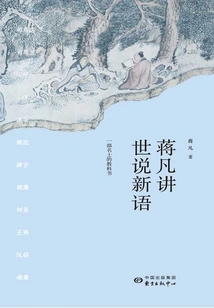
蒋凡讲世说新语
Jiang Fan
This book is a classic popular book. From the perspective of inheriting and carrying forward the traditional classic culture, the author narrates "Shishuoxinyu". The whole book is divided into three parts: introduction, characters and special topics. It tells the social customs and scholar anecdotes of the Wei and Jin Dynasties expressed in "Shishuoxinyu". It gives a more comprehensive account of the spiritual connotation of Shishuo. The language is easy to understand, the explanations are combined with examples, the content is readable and interesting, and the quality is good.
This book is a classic popular book. From the perspective of inheriting and carrying forward the traditional classic culture, the author narrates "Shishuoxinyu". The whole book is divided into three parts: introduction, characters and special topics. It tells the social customs and scholar anecdotes of the Wei and Jin Dynasties expressed in "Shishuoxinyu". It gives a more comprehensive account of the spiritual connotation of Shishuo. The language is easy to understand, the explanations are combined with examples, the content is readable and interesting, and the quality is good.
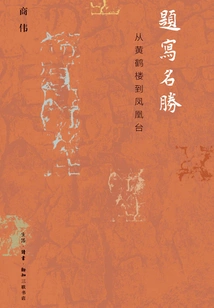
题写名胜:从黄鹤楼到凤凰台
Shang Wei
"Inscription on Famous Places" is the first part of Shang Wei's "Rereading Tang Poetry" trilogy. It is compiled and written on the basis of academic lectures. It enters into critical analysis from the inside of the poem, focuses on close reading of the text, and does not fall into the mold of classical literature research. It embodies the author's insights and knowledge accumulated over many years of integrating Chinese and Western things. He can not only focus on specific cases and explore the possibility of reconstructing Chinese classical poetry, but also start with familiar Tang poetry works to elucidate new ideas and inspire the general readers who love Tang poetry.
"Inscription on Famous Places" is the first part of Shang Wei's "Rereading Tang Poetry" trilogy. It is compiled and written on the basis of academic lectures. It enters into critical analysis from the inside of the poem, focuses on close reading of the text, and does not fall into the mold of classical literature research. It embodies the author's insights and knowledge accumulated over many years of integrating Chinese and Western things. He can not only focus on specific cases and explore the possibility of reconstructing Chinese classical poetry, but also start with familiar Tang poetry works to elucidate new ideas and inspire the general readers who love Tang poetry.
中国现代作家评价机制的生成及演变
Cai Changqing
This book mainly discusses the formation and evolution of the evaluation mechanism of modern Chinese writers and the main factors leading to this formation and evolution. These factors include cultural authority, political authority and market authority. This topic is both oriented to modern literature and at the same time transcends modern literature. Various factors that influence the evaluation of modern Chinese writers are examined.
This book mainly discusses the formation and evolution of the evaluation mechanism of modern Chinese writers and the main factors leading to this formation and evolution. These factors include cultural authority, political authority and market authority. This topic is both oriented to modern literature and at the same time transcends modern literature. Various factors that influence the evaluation of modern Chinese writers are examined.
他山的石头记:宇文所安自选集
R
"Story of Stones from Other Mountains" is one of Yuwen Suo'an's most well-known works and has always been highly praised. This is not only due to the translator's high-quality and delicate writing style, but also to its own academic value. The articles in the book can be divided into two categories: one is a close reading and interpretation of specific texts and famous articles - "The Book of Songs", "Zuo Zhuan", Sima Qian, Liu Xie, Li Shangyin, "The Peach Blossom Fan", etc. - Which contain the author's historicist interpretation. The other type is macro-thinking, rethinking the history of literature and literary history writing. In articles such as "Huluo's Literary History", he made an overall reflection on the traditional vitality of Chinese literary history, and made a breakthrough in exploring the value of Chinese literature and cultural traditions in the context of globalism. As a "stone from other mountains", Yuwen Suo'an uses a global cultural perspective, rich historical imagination, and novel and eye-catching perspectives to impact our usual understanding of literary history.
"Story of Stones from Other Mountains" is one of Yuwen Suo'an's most well-known works and has always been highly praised. This is not only due to the translator's high-quality and delicate writing style, but also to its own academic value. The articles in the book can be divided into two categories: one is a close reading and interpretation of specific texts and famous articles - "The Book of Songs", "Zuo Zhuan", Sima Qian, Liu Xie, Li Shangyin, "The Peach Blossom Fan", etc. - Which contain the author's historicist interpretation. The other type is macro-thinking, rethinking the history of literature and literary history writing. In articles such as "Huluo's Literary History", he made an overall reflection on the traditional vitality of Chinese literary history, and made a breakthrough in exploring the value of Chinese literature and cultural traditions in the context of globalism. As a "stone from other mountains", Yuwen Suo'an uses a global cultural perspective, rich historical imagination, and novel and eye-catching perspectives to impact our usual understanding of literary history.
Watching Red Mansions While Drunk
Literature醉里挑灯看红楼
Liu Xiaolei
When Liu Xiaolei talks about Red Mansions, she actually talks about life - talking about feelings, talking about spirituality, talking about life, talking about the quality of people, and talking about the difference in dreams. Wang Guowei once commented that "A Dream of Red Mansions" "uses life as a furnace, pain as charcoal, and forges the cauldron of liberation." "A Dream of Red Mansions" is a book of life. The correct way to open it should adhere to the reading concept of integrating classics into life and integrating classics into personal growth. We must realize that the people in the book are ourselves, and understand our own growth from their characters and destiny. Feel the decay and fragility of the beautiful life in it, and feel the helplessness of the vast vicissitudes of life in it.
When Liu Xiaolei talks about Red Mansions, she actually talks about life - talking about feelings, talking about spirituality, talking about life, talking about the quality of people, and talking about the difference in dreams. Wang Guowei once commented that "A Dream of Red Mansions" "uses life as a furnace, pain as charcoal, and forges the cauldron of liberation." "A Dream of Red Mansions" is a book of life. The correct way to open it should adhere to the reading concept of integrating classics into life and integrating classics into personal growth. We must realize that the people in the book are ourselves, and understand our own growth from their characters and destiny. Feel the decay and fragility of the beautiful life in it, and feel the helplessness of the vast vicissitudes of life in it.
Unfinished Draft
Literature未完稿
Chen Sihe
This manuscript is an important achievement of Professor Chen Sihe's recent research on modern literary history and comparative literature as well as contemporary literary criticism. It is divided into three volumes: The first volume contains the author's overview of the development of modern Chinese literary history research, theoretical categories, language issues, and empirical analysis of the "New Youth" camp differentiation issue. The second volume includes the author's wonderful comments on Guan Renshan's series of rural novels, Yan Geling's "Youth" and Jia Pingwa's "Yamamoto", as well as the analysis of four generations of writers since the new century. The third volume collects the author's research results on Chinese literature abroad from the perspective of comparative literature.
This manuscript is an important achievement of Professor Chen Sihe's recent research on modern literary history and comparative literature as well as contemporary literary criticism. It is divided into three volumes: The first volume contains the author's overview of the development of modern Chinese literary history research, theoretical categories, language issues, and empirical analysis of the "New Youth" camp differentiation issue. The second volume includes the author's wonderful comments on Guan Renshan's series of rural novels, Yan Geling's "Youth" and Jia Pingwa's "Yamamoto", as well as the analysis of four generations of writers since the new century. The third volume collects the author's research results on Chinese literature abroad from the perspective of comparative literature.
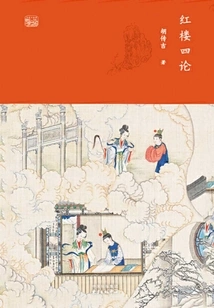
Four Essays on Red Mansions
Literature红楼四论
Hu Chuanji
"Four Essays on the Red Mansions" explores the unique and unreplicable value of "A Dream of Red Mansions" from the aesthetic and spiritual levels. The content is divided into four major themes: the way to liberation in "A Dream of Red Mansions" ("There is no place to stand, so it is clean"), and the illness and obsession in "A Dream of Red Mansions" ("My biggest problem is that I am pregnant") ), fertility failure in "A Dream of Red Mansions" ("Xue Pan's Fable"), and the aesthetic interest of "A Dream of Red Mansions" ("On the Transcendence of Literature"), allowing readers to experience the aesthetic taste and the deep connotation of writing contained in "A Dream of Red Mansions" from the perspective of aesthetics and the history of literary thought.
"Four Essays on the Red Mansions" explores the unique and unreplicable value of "A Dream of Red Mansions" from the aesthetic and spiritual levels. The content is divided into four major themes: the way to liberation in "A Dream of Red Mansions" ("There is no place to stand, so it is clean"), and the illness and obsession in "A Dream of Red Mansions" ("My biggest problem is that I am pregnant") ), fertility failure in "A Dream of Red Mansions" ("Xue Pan's Fable"), and the aesthetic interest of "A Dream of Red Mansions" ("On the Transcendence of Literature"), allowing readers to experience the aesthetic taste and the deep connotation of writing contained in "A Dream of Red Mansions" from the perspective of aesthetics and the history of literary thought.
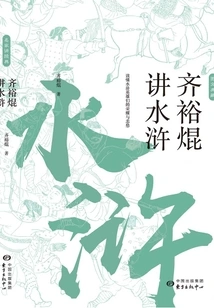
Qi Yukun Talks About Water Margin
Literature齐裕焜讲水浒
Qi Yukun
This book is the result of teacher Qi Yukun's lifelong study of "Water Margin". It provides a comprehensive and unique interpretation of this wonderful book "Water Margin" from the aspects of its characters, spread process, ideological value, artistic achievements, and later generations' evaluations. The main part of it is The author's understanding of the text is profound and meticulous, and he can be said to know the subtleties and observe the invisible. For example, the analysis of the relationship between Chao and Song Dynasties, the interpretation of Song Jiang, the evaluation of Lu Junyi, and the views on the behavioral logic of Pan Jinlian, Pan Qiaoyun and others are quite thought-provoking.
This book is the result of teacher Qi Yukun's lifelong study of "Water Margin". It provides a comprehensive and unique interpretation of this wonderful book "Water Margin" from the aspects of its characters, spread process, ideological value, artistic achievements, and later generations' evaluations. The main part of it is The author's understanding of the text is profound and meticulous, and he can be said to know the subtleties and observe the invisible. For example, the analysis of the relationship between Chao and Song Dynasties, the interpretation of Song Jiang, the evaluation of Lu Junyi, and the views on the behavioral logic of Pan Jinlian, Pan Qiaoyun and others are quite thought-provoking.
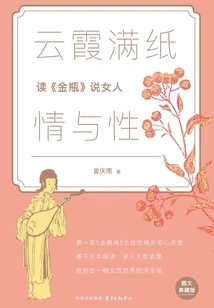
云霞满纸情与性:读《金瓶》说女人
Zeng Qingyu
As a strange book, "Jin Ping Mei Ci Hua", compared with other classical novels, its most significant narrative feature is that it uses women as the main body of the story. Because of this, the analysis and discussion of the female characters in the text has gone beyond the meaning of literary criticism, and is more about looking at the mental journeys of these so-called "second genders" through the various women created by Xiaoxiaosheng, in order to understand the "purgatory" that women have experienced physically and mentally in the large Eastern civilizations where they live. I hope that I can get the pleasure of enlightenment as I read each character.
As a strange book, "Jin Ping Mei Ci Hua", compared with other classical novels, its most significant narrative feature is that it uses women as the main body of the story. Because of this, the analysis and discussion of the female characters in the text has gone beyond the meaning of literary criticism, and is more about looking at the mental journeys of these so-called "second genders" through the various women created by Xiaoxiaosheng, in order to understand the "purgatory" that women have experienced physically and mentally in the large Eastern civilizations where they live. I hope that I can get the pleasure of enlightenment as I read each character.
The Scenery Outside the Window
Literature飘窗外的风景
Qiu Huadong
The book "The Scenery from the Window" is written by Qiu Huadong, a powerful contemporary writer. The content is the book reviews and essays written by the author in recent years about some modern writers and artists. This book is divided into four volumes. The first three volumes are arranged from recent to distant writing time and introduce the works of many outstanding domestic writers and artists. In the last volume, the author introduces some of his own works in recent years, allowing readers to have an understanding of the author's works.
The book "The Scenery from the Window" is written by Qiu Huadong, a powerful contemporary writer. The content is the book reviews and essays written by the author in recent years about some modern writers and artists. This book is divided into four volumes. The first three volumes are arranged from recent to distant writing time and introduce the works of many outstanding domestic writers and artists. In the last volume, the author introduces some of his own works in recent years, allowing readers to have an understanding of the author's works.
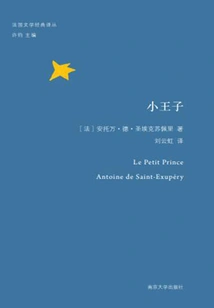
Little Prince
Literature小王子
Saint-exupéry
In the quiet night sky twinkling with stars, there is a lonely little prince looking for friends. That is the shadow of everyone's childhood. Beautiful fairy tales contain the joys and sorrows that may be intertwined in life, as well as these meaningful words: responsibility, loyalty, loneliness, happiness, life...
In the quiet night sky twinkling with stars, there is a lonely little prince looking for friends. That is the shadow of everyone's childhood. Beautiful fairy tales contain the joys and sorrows that may be intertwined in life, as well as these meaningful words: responsibility, loyalty, loneliness, happiness, life...