Library
Browse and search books
233 novels found
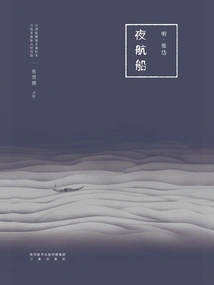
Night Boat
Literature夜航船
(ming Dynasty) Written By Zhang Dai And Edited By Zhang Xuejian
"Night Sailing" is an "encyclopedia" from three hundred years ago, and it is also the world in the eyes of Zhang Dai, a scholar. From astronomy and geography, the four directions of the stars to the three religions and nine streams, through the ages, it is either serious, humorous, serious, or joking, it covers everything and makes you want to read it. In 1665, sixty-nine-year-old Zhang Dai wrote an epitaph for himself, which did not mention "Night Sailing". In 1689, Zhang Dai died at the age of ninety-three. "Night Sailing" has since been lost. Three hundred years later, the dust-covered manuscript appeared in the world and was hidden in Tianyi Pavilion in Ningbo. "Night Sailing" reappeared.
"Night Sailing" is an "encyclopedia" from three hundred years ago, and it is also the world in the eyes of Zhang Dai, a scholar. From astronomy and geography, the four directions of the stars to the three religions and nine streams, through the ages, it is either serious, humorous, serious, or joking, it covers everything and makes you want to read it. In 1665, sixty-nine-year-old Zhang Dai wrote an epitaph for himself, which did not mention "Night Sailing". In 1689, Zhang Dai died at the age of ninety-three. "Night Sailing" has since been lost. Three hundred years later, the dust-covered manuscript appeared in the world and was hidden in Tianyi Pavilion in Ningbo. "Night Sailing" reappeared.
Aa
Literatureaa
K
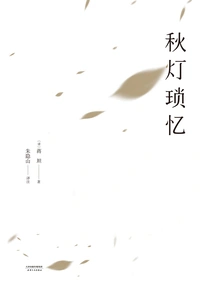
"Memories of Autumn Lanterns" is a prose by Qing Dynasty scholar Jiang Tan reminiscing about trivial matters in daily life with his beloved wife Guan Rong (Guan Qiufu). It is full of elegance, talent, leisurely interest and poetic flavor. The narration of the whole book is vivid, the diction is clear and elegant, and the emotions are pure and touching. After that, Jiang Tan dedicated himself to worshiping Buddha. At the age of 40, his family was trapped in Hangzhou due to war and died of cold and starvation. The sorrow of the impermanence of the world can make people cry. This publication is based on the Qiantang Chiang Chaoyuan publication in the second year of Xianfeng (1852), and is carefully revised with reference to the punctuation typesetting edition of Zhu Jianmang's "Beautiful Literary Masterpiece Series" compiled by World Book Company in 1935. Specially invited Suzhou University teacher and young poet Zhu Yinshan's vernacular translation and annotation, which can be fully understood without any basic knowledge of ancient Chinese. The appendix is the preface to the first edition in the second year of Xianfeng, which includes "Hundred Poems by Chiang and Guan" and "Chronology and Biographies" as an aid to understanding Chiang and Guan.
"Memories of Autumn Lanterns" is a prose by Qing Dynasty scholar Jiang Tan reminiscing about trivial matters in daily life with his beloved wife Guan Rong (Guan Qiufu). It is full of elegance, talent, leisurely interest and poetic flavor. The narration of the whole book is vivid, the diction is clear and elegant, and the emotions are pure and touching. After that, Jiang Tan dedicated himself to worshiping Buddha. At the age of 40, his family was trapped in Hangzhou due to war and died of cold and starvation. The sorrow of the impermanence of the world can make people cry. This publication is based on the Qiantang Chiang Chaoyuan publication in the second year of Xianfeng (1852), and is carefully revised with reference to the punctuation typesetting edition of Zhu Jianmang's "Beautiful Literary Masterpiece Series" compiled by World Book Company in 1935. Specially invited Suzhou University teacher and young poet Zhu Yinshan's vernacular translation and annotation, which can be fully understood without any basic knowledge of ancient Chinese. The appendix is the preface to the first edition in the second year of Xianfeng, which includes "Hundred Poems by Chiang and Guan" and "Chronology and Biographies" as an aid to understanding Chiang and Guan.
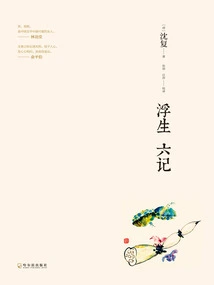
Six Chapters of a Floating Life
Literature浮生六记
Shen Fu
"Six Chapters of a Floating Life" is an autobiographical prose written by Shen Fu, a writer of the Qing Dynasty. The prose has simple words and sincere emotions, describing the ordinary home life of the author and his wife, their bumpy encounters, and their travels around the world. The predecessors once commented that "the fragrance and desolation of the triangle make you feel intoxicated when reading it." The contents in the book may be lingering and lingering, some may be leisurely and indifferent, some may be heart-wrenching, or some may be landscapes and mountains. The hurtful parts of love make people shed tears, and the parts that don't suit one's will make people nod happily and enjoy it. The language is unadorned, simple and fresh, and quite natural. Vernacular Chinese expands the artistic conception of classical Chinese. It is as concise as words, but does not lose the elegance and uniqueness of the original text. It can be said that they complement each other. "Six Chapters of a Floating Life" is a very high-level and influential autobiographical essay, which occupies a very important position in Qing Dynasty notebook literature. The book is characterized by its purity and frankness, unique expression of spirit, informality and creativity.
"Six Chapters of a Floating Life" is an autobiographical prose written by Shen Fu, a writer of the Qing Dynasty. The prose has simple words and sincere emotions, describing the ordinary home life of the author and his wife, their bumpy encounters, and their travels around the world. The predecessors once commented that "the fragrance and desolation of the triangle make you feel intoxicated when reading it." The contents in the book may be lingering and lingering, some may be leisurely and indifferent, some may be heart-wrenching, or some may be landscapes and mountains. The hurtful parts of love make people shed tears, and the parts that don't suit one's will make people nod happily and enjoy it. The language is unadorned, simple and fresh, and quite natural. Vernacular Chinese expands the artistic conception of classical Chinese. It is as concise as words, but does not lose the elegance and uniqueness of the original text. It can be said that they complement each other. "Six Chapters of a Floating Life" is a very high-level and influential autobiographical essay, which occupies a very important position in Qing Dynasty notebook literature. The book is characterized by its purity and frankness, unique expression of spirit, informality and creativity.
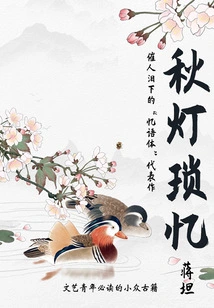
Autumn Deng Suo Yi (a Niche Ancient Book That Literary and Artistic Young People Must Read)
Literature秋灯琐忆(文艺青年必读的小众古籍)
I
"Memories of Autumn Lanterns" is a prose by Jiang Tan, a native of Qiantang, Zhejiang Province in the Qing Dynasty, recalling trivial matters in his life with his beloved wife Guan Ying (Qiu Fu). The diction of the work is extremely beautiful, and the narration is so tragic that it can make people cry. This book is worth reading for readers interested in such topics. "Autumn Lantern Suo Yi" is a "memory style", which means memoir. Among them, Qiu Fu was described by Lin Yutang as one of the two most lovely women in ancient China. What is written in the book is a couple who are deeply in love, talented and indifferent. They have elegant tastes and compatible temperaments. Although they live in poverty, they spend all day playing chess, calligraphy and painting, and they forget their worries. They are both a couple and two rhyme friends. It is said that Qiu Fu was born weak, but she was gifted with wisdom and extremely high understanding. All elegant arts such as guqin, painting, poetry, and calligraphy are at your fingertips, which is surprising and difficult to understand. The text in the book is beautiful, and readers can enjoy the beauty from it. Although the talented couple Jiang Tan and Guan Ying did not experience any spectacular events, they used their talent and elegance to live their lives as an enviable example of love. The text of the work is natural and smooth, full of poetry and elegance. The author's appreciation, love and longing for his wife are revealed between the lines, which is sincere and touching.
"Memories of Autumn Lanterns" is a prose by Jiang Tan, a native of Qiantang, Zhejiang Province in the Qing Dynasty, recalling trivial matters in his life with his beloved wife Guan Ying (Qiu Fu). The diction of the work is extremely beautiful, and the narration is so tragic that it can make people cry. This book is worth reading for readers interested in such topics. "Autumn Lantern Suo Yi" is a "memory style", which means memoir. Among them, Qiu Fu was described by Lin Yutang as one of the two most lovely women in ancient China. What is written in the book is a couple who are deeply in love, talented and indifferent. They have elegant tastes and compatible temperaments. Although they live in poverty, they spend all day playing chess, calligraphy and painting, and they forget their worries. They are both a couple and two rhyme friends. It is said that Qiu Fu was born weak, but she was gifted with wisdom and extremely high understanding. All elegant arts such as guqin, painting, poetry, and calligraphy are at your fingertips, which is surprising and difficult to understand. The text in the book is beautiful, and readers can enjoy the beauty from it. Although the talented couple Jiang Tan and Guan Ying did not experience any spectacular events, they used their talent and elegance to live their lives as an enviable example of love. The text of the work is natural and smooth, full of poetry and elegance. The author's appreciation, love and longing for his wife are revealed between the lines, which is sincere and touching.
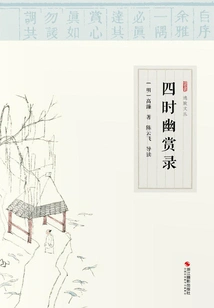
四时幽赏录(逸致文丛)
(ming Dynasty) Written By Gao Lian And Read By Chen Yunfei
"Appreciation of the Four Seasons", with its unique aesthetic perspective and sharp and fresh writing style, outlines the beauty of the West Lake in the four seasons, full of true interest. This way of describing the scenery of visiting the West Lake with the scenery of the four seasons is truly unique and unique from other works. It is refreshing and fascinating. The 48 kinds of secluded leisure activities in Hangzhou during the four seasons in his works are named Yali, the time and space are quiet, and the natural interest is natural. They all reflect the aesthetic mentality of the late Ming literati to observe all things quietly. They also sublimate the aesthetics during the tour, enriching the humanistic connotation and spiritual quality of the West Lake landscape. The guide, Chen Yunfei, admired its tranquility and elegance, and gave a contemporary interpretation from a contemporary perspective, which is full of contemporary life aesthetics.
"Appreciation of the Four Seasons", with its unique aesthetic perspective and sharp and fresh writing style, outlines the beauty of the West Lake in the four seasons, full of true interest. This way of describing the scenery of visiting the West Lake with the scenery of the four seasons is truly unique and unique from other works. It is refreshing and fascinating. The 48 kinds of secluded leisure activities in Hangzhou during the four seasons in his works are named Yali, the time and space are quiet, and the natural interest is natural. They all reflect the aesthetic mentality of the late Ming literati to observe all things quietly. They also sublimate the aesthetics during the tour, enriching the humanistic connotation and spiritual quality of the West Lake landscape. The guide, Chen Yunfei, admired its tranquility and elegance, and gave a contemporary interpretation from a contemporary perspective, which is full of contemporary life aesthetics.
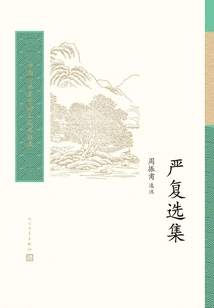
Selected Works of Yan Fu
Literature严复选集
Selected Notes By Zhou Zhenfu
Yan Fu (1854-1921), whose original name was Zongguang and whose courtesy name was Youling, was later changed to Fu and whose courtesy name was Jidao. He was a Houguan native of Fujian. A highly influential Enlightenment thinker, famous translator, and educator in modern times, he occupies an important position in the history of modern culture. Wu Rulun praised him for his profound attainments and outstanding achievements in prose creation. Wu Rulun praised him as "the knowledge of his writings is as long as tens of thousands of miles from east to west" and "his writings are full of pauses and frustrations, which are particularly profound and beautiful to recite." His poetic language is simple and his narrative is lyrical and sincere, which also has a relatively important influence. This book selects 17 Yanhu essays and 31 poems, with detailed annotations and in-depth analysis. The thorough explanation of the background of the work and the exquisite annotation of historical events have been deeply recognized by the academic community and loved by the public.
Yan Fu (1854-1921), whose original name was Zongguang and whose courtesy name was Youling, was later changed to Fu and whose courtesy name was Jidao. He was a Houguan native of Fujian. A highly influential Enlightenment thinker, famous translator, and educator in modern times, he occupies an important position in the history of modern culture. Wu Rulun praised him for his profound attainments and outstanding achievements in prose creation. Wu Rulun praised him as "the knowledge of his writings is as long as tens of thousands of miles from east to west" and "his writings are full of pauses and frustrations, which are particularly profound and beautiful to recite." His poetic language is simple and his narrative is lyrical and sincere, which also has a relatively important influence. This book selects 17 Yanhu essays and 31 poems, with detailed annotations and in-depth analysis. The thorough explanation of the background of the work and the exquisite annotation of historical events have been deeply recognized by the academic community and loved by the public.
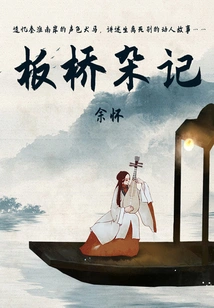
小众文艺古书:板桥杂记
Yu Huai
"Banqiao Miscellaneous Notes" was written by Yu Huai, a litterateur in the late Ming and early Qing dynasties. The book is divided into three volumes: the first, middle and second volumes. The book contains a selection of excellent essays. It describes the situation of the famous prostitutes in the old courtyard in Changbanqiao area on the south bank of Qinhuai River in the late Ming Dynasty and the relevant experiences in various aspects. This book is worth reading for readers interested in such topics. The work has a strong story and is highly readable. The work strives to exaggerate the prosperity of the past to contrast the desolation of today, which is a characteristic of the writing of this book. Although the Ming Empire was in turmoil at that time, and its two-hundred-year great cause was coming to an end, the collapse of the mansion did not hinder the sensuality, abnormal prosperity, and culture, wine, music, and singing of Nandu that reached its peak at this time. With the change of dynasties, everything was shattered, the heroes disappeared and the singers disappeared. The writing in this book is simple and clear. It truly describes the collective image and tragic fate of Nanjing singing girls and prostitutes in the late Ming and early Qing dynasties, and narrates touching stories of life and death. The sad feeling of rise and fall expressed in this book has gone beyond the lingering memories of the old days of skirts and songs and the prosperous past. It is a masterpiece that will be passed down forever. The author and his works were praised by Lu Xun, who said, "After the Tang Dynasty people were admitted to the imperial examinations, they did a lot of traveling, and the customs were followed and they were considered good stories... From the Ming to the Qing Dynasty, there were many authors, and "Banqiao Miscellaneous Notes" by Yu Huai of the Qing Dynasty was particularly famous." From this perspective, whether it is used for recreational reading or study, this book has extremely high reading value.
"Banqiao Miscellaneous Notes" was written by Yu Huai, a litterateur in the late Ming and early Qing dynasties. The book is divided into three volumes: the first, middle and second volumes. The book contains a selection of excellent essays. It describes the situation of the famous prostitutes in the old courtyard in Changbanqiao area on the south bank of Qinhuai River in the late Ming Dynasty and the relevant experiences in various aspects. This book is worth reading for readers interested in such topics. The work has a strong story and is highly readable. The work strives to exaggerate the prosperity of the past to contrast the desolation of today, which is a characteristic of the writing of this book. Although the Ming Empire was in turmoil at that time, and its two-hundred-year great cause was coming to an end, the collapse of the mansion did not hinder the sensuality, abnormal prosperity, and culture, wine, music, and singing of Nandu that reached its peak at this time. With the change of dynasties, everything was shattered, the heroes disappeared and the singers disappeared. The writing in this book is simple and clear. It truly describes the collective image and tragic fate of Nanjing singing girls and prostitutes in the late Ming and early Qing dynasties, and narrates touching stories of life and death. The sad feeling of rise and fall expressed in this book has gone beyond the lingering memories of the old days of skirts and songs and the prosperous past. It is a masterpiece that will be passed down forever. The author and his works were praised by Lu Xun, who said, "After the Tang Dynasty people were admitted to the imperial examinations, they did a lot of traveling, and the customs were followed and they were considered good stories... From the Ming to the Qing Dynasty, there were many authors, and "Banqiao Miscellaneous Notes" by Yu Huai of the Qing Dynasty was particularly famous." From this perspective, whether it is used for recreational reading or study, this book has extremely high reading value.
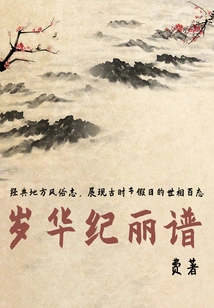
小众文艺古书:岁华纪丽谱
M
"Sui Hua Ji Li Pu" is a chronicle of local customs compiled by Fei Zhu in the Yuan Dynasty. Attached is a volume of "Jianzhi Pu" and a volume of "Shu Brocade Pu". It mainly describes the festival customs in Sichuan from New Year's Day to Winter Solstice, with detailed description and rich content. This book is worth reading for readers interested in such topics. From the Tang Dynasty to the Song Dynasty, the author often sent ministers to guard Chengdu. At that time, the social environment was extravagant, but in the Southern Song Dynasty, it declined due to war. I spent a lot of time recounting old events and wrote this book. The work records in chronological order how the local officials and people in Chengdu celebrated various festivals from the first day of the first lunar month to the end of the year and the winter solstice. The text is vivid and detailed. All previous studies on Chengdu society and folk customs during the Tang and Song Dynasties are inseparable from its records. From this perspective, this book is extremely influential. The book's description of Chengdu's scenery and people's conditions reproduces for readers the rich and colorful social life picture of ancient Chengdu and the historical origins of the formation of cultural characteristics. The "Shu Brocade Book" attached to the book is an important document for the study of silk production in the two Song Dynasties. It describes the establishment, scale, division of labor, output, product uses, management methods, construction history of Chengdu Jinyuan and the production of eight halo brocades, coiled ball brocades, clusters of four golden eagle brocades, etc. It is a special book for the study of ancient Shu brocades.
"Sui Hua Ji Li Pu" is a chronicle of local customs compiled by Fei Zhu in the Yuan Dynasty. Attached is a volume of "Jianzhi Pu" and a volume of "Shu Brocade Pu". It mainly describes the festival customs in Sichuan from New Year's Day to Winter Solstice, with detailed description and rich content. This book is worth reading for readers interested in such topics. From the Tang Dynasty to the Song Dynasty, the author often sent ministers to guard Chengdu. At that time, the social environment was extravagant, but in the Southern Song Dynasty, it declined due to war. I spent a lot of time recounting old events and wrote this book. The work records in chronological order how the local officials and people in Chengdu celebrated various festivals from the first day of the first lunar month to the end of the year and the winter solstice. The text is vivid and detailed. All previous studies on Chengdu society and folk customs during the Tang and Song Dynasties are inseparable from its records. From this perspective, this book is extremely influential. The book's description of Chengdu's scenery and people's conditions reproduces for readers the rich and colorful social life picture of ancient Chengdu and the historical origins of the formation of cultural characteristics. The "Shu Brocade Book" attached to the book is an important document for the study of silk production in the two Song Dynasties. It describes the establishment, scale, division of labor, output, product uses, management methods, construction history of Chengdu Jinyuan and the production of eight halo brocades, coiled ball brocades, clusters of four golden eagle brocades, etc. It is a special book for the study of ancient Shu brocades.
小众文艺古书:林间录
Shi Huihong
This book is a collection of quotations from Zen Master Jieyin Venerable Juefan Huihong. Works in this style were quite popular in the Song Dynasty. Readers who are interested in such topics should not miss this book. The work mainly contains more than 300 chapters of Huihong's conversations with the wise men in the forest about the noble deeds of the Buddha, various teachings in the jungle, the subtle edicts of the Buddhas and Bodhisattvas, and the remaining remarks of the wise men and officials. Some people say that this book is a guide to Zen practice and learning, and it has been widely circulated in Zen forests since ancient times. This book is compiled after nearly ten years of accumulation based on the notes the author made when he was away from Shizi Mingxian. The content is substantial and readable. "Lin Jian Lu" preserves Buddhist biographies, deeds, anthologies, quotations, lamp records and many fragments of the author's words and deeds. It can also be used as a reference for writing historical biographies and has strong practical value. The most important feature of this book is its comprehensiveness. The records are not limited to one person, one thing, one time, one place, one subject, or one category. Whatever the author considers to be meaningful: whether it comes from a distinguished scholar or a famous scholar, from this dynasty or from previous generations; whether it is a story of another person or an experience of his own; whether it is found in written prefaces and verses or oral deeds; whether it is comments on people and events or feelings about reading scriptures and commentaries, all are recorded.
This book is a collection of quotations from Zen Master Jieyin Venerable Juefan Huihong. Works in this style were quite popular in the Song Dynasty. Readers who are interested in such topics should not miss this book. The work mainly contains more than 300 chapters of Huihong's conversations with the wise men in the forest about the noble deeds of the Buddha, various teachings in the jungle, the subtle edicts of the Buddhas and Bodhisattvas, and the remaining remarks of the wise men and officials. Some people say that this book is a guide to Zen practice and learning, and it has been widely circulated in Zen forests since ancient times. This book is compiled after nearly ten years of accumulation based on the notes the author made when he was away from Shizi Mingxian. The content is substantial and readable. "Lin Jian Lu" preserves Buddhist biographies, deeds, anthologies, quotations, lamp records and many fragments of the author's words and deeds. It can also be used as a reference for writing historical biographies and has strong practical value. The most important feature of this book is its comprehensiveness. The records are not limited to one person, one thing, one time, one place, one subject, or one category. Whatever the author considers to be meaningful: whether it comes from a distinguished scholar or a famous scholar, from this dynasty or from previous generations; whether it is a story of another person or an experience of his own; whether it is found in written prefaces and verses or oral deeds; whether it is comments on people and events or feelings about reading scriptures and commentaries, all are recorded.
小众文艺古书:温氏母训
Wen Huang
"Wen's Mother's Instructions" was compiled by Wen Huang, a talented scholar in the late Ming Dynasty, and its real author was Wen Huang's mother, Lu. This great mother used her words and deeds to create an indelible impression on her children, allowing her sons to practice the principles of life taught by her mother throughout their lives, and compiled them into a book for future generations to look up to. For parents and friends, this book is a must-read. This book covers the preservation of ancestral property, the maintenance of family affairs, the education of children, etc. If you read it carefully, you will find that the main theme of his article is human nature and sophistication. The work summarizes the various relationships between societies and valuablely expresses the author's own profound insights. Even if I read it today, it is still very inspiring. This book is about a mother's care and teaching for her children, and it is also an ancient woman's unique insight into the social sophistication. Although the family motto is a common saying in daily life, it is concise, complete, yet sincere and thoughtful about the key points of life and how to manage a family. Every word is derived from experience, and the meaning is profound and thought-provoking. The bits and pieces of instructions in "Wen's Mother Instructions" reflect Lu's profound virtues and compassionate teachings. "Mother Wen's Instructions" comes from Wen's mother's integrity and profound life experience, and is rich in the profound wisdom of cultivating oneself and managing one's family.
"Wen's Mother's Instructions" was compiled by Wen Huang, a talented scholar in the late Ming Dynasty, and its real author was Wen Huang's mother, Lu. This great mother used her words and deeds to create an indelible impression on her children, allowing her sons to practice the principles of life taught by her mother throughout their lives, and compiled them into a book for future generations to look up to. For parents and friends, this book is a must-read. This book covers the preservation of ancestral property, the maintenance of family affairs, the education of children, etc. If you read it carefully, you will find that the main theme of his article is human nature and sophistication. The work summarizes the various relationships between societies and valuablely expresses the author's own profound insights. Even if I read it today, it is still very inspiring. This book is about a mother's care and teaching for her children, and it is also an ancient woman's unique insight into the social sophistication. Although the family motto is a common saying in daily life, it is concise, complete, yet sincere and thoughtful about the key points of life and how to manage a family. Every word is derived from experience, and the meaning is profound and thought-provoking. The bits and pieces of instructions in "Wen's Mother Instructions" reflect Lu's profound virtues and compassionate teachings. "Mother Wen's Instructions" comes from Wen's mother's integrity and profound life experience, and is rich in the profound wisdom of cultivating oneself and managing one's family.
Y
小众文艺古书:吴船录
N
"Wu Chuan Lu" is a travel note written by Fan Chengda, a writer in the Southern Song Dynasty. The title is taken from the meaning of the sentence "The ship is moored at the door of Dongwu Wanli" in Du Fu's poem "The First Four Sentences". Readers who are interested in ancient travel notes must read this book. In the fourth year of Chunxi reign of Emperor Xiaozong of the Song Dynasty (1177), the author sent an envoy from Sichuan to summon him back. He set out from Chengdu in May, took the waterway eastward, and arrived in Lin'an (now Hangzhou, Zhejiang) in October. He wrote this book based on his experiences in his diary. The book contains particularly detailed records of places of interest along the way, such as Mount Qingcheng, Dujiangyan, Mount Emei, Leshan Giant Buddha, Three Gorges of the Yangtze River, Dongting Lake, Chibi, Huangzhou, and Mount Lu, and is frequently verified.
"Wu Chuan Lu" is a travel note written by Fan Chengda, a writer in the Southern Song Dynasty. The title is taken from the meaning of the sentence "The ship is moored at the door of Dongwu Wanli" in Du Fu's poem "The First Four Sentences". Readers who are interested in ancient travel notes must read this book. In the fourth year of Chunxi reign of Emperor Xiaozong of the Song Dynasty (1177), the author sent an envoy from Sichuan to summon him back. He set out from Chengdu in May, took the waterway eastward, and arrived in Lin'an (now Hangzhou, Zhejiang) in October. He wrote this book based on his experiences in his diary. The book contains particularly detailed records of places of interest along the way, such as Mount Qingcheng, Dujiangyan, Mount Emei, Leshan Giant Buddha, Three Gorges of the Yangtze River, Dongting Lake, Chibi, Huangzhou, and Mount Lu, and is frequently verified.
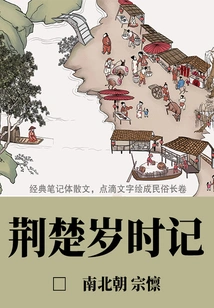
小众文艺古书:荆楚岁时记
Zong Miao
"Jingchu Years' Notes" is a notebook-style prose work that records the seasonal events and scenery of ancient China's Chu region (the area centered on Jianghan). The whole book records the 24 festivals and customs from New Year's Day to New Year's Eve. Such as farming, medical treatment, sacrifices, weddings and other folk customs and folk stories in Jingchu area. This book uses vivid language to explain the origins of various customs, and occasionally records the seasonal customs in the north. "Jingchu Age Chronicles" involves folk customs and door gods, woodblock New Year pictures, wood carvings, paintings, native cattle, colored sculptures, paper-cutting, gold foil, jewelry, egg paintings, printing and dyeing, embroidery and other folk arts and crafts, as well as music and dance. These folk customs and folk arts and crafts have been passed down from ancient times and will continue to the future generations. Among them, folk arts and crafts such as door gods, colored egg paintings, native cows, and woodblock New Year pictures are still circulating in urban and rural areas. The book uses vivid language to describe eating, drinking, having fun, worshiping gods and torturing ghosts, and customs passed down to all living beings. It uses bits and pieces of text to draw a long scroll of folk customs, which still makes people feel warm when reading it today. This book records stories about Chu's life, seasons, and customs over the past 20 years. The time span is from Yuan Day to New Year's Eve, which is exactly one year. The author has a graceful literary talent and cites various historical materials, poems, and legends in the book, making it highly readable.
"Jingchu Years' Notes" is a notebook-style prose work that records the seasonal events and scenery of ancient China's Chu region (the area centered on Jianghan). The whole book records the 24 festivals and customs from New Year's Day to New Year's Eve. Such as farming, medical treatment, sacrifices, weddings and other folk customs and folk stories in Jingchu area. This book uses vivid language to explain the origins of various customs, and occasionally records the seasonal customs in the north. "Jingchu Age Chronicles" involves folk customs and door gods, woodblock New Year pictures, wood carvings, paintings, native cattle, colored sculptures, paper-cutting, gold foil, jewelry, egg paintings, printing and dyeing, embroidery and other folk arts and crafts, as well as music and dance. These folk customs and folk arts and crafts have been passed down from ancient times and will continue to the future generations. Among them, folk arts and crafts such as door gods, colored egg paintings, native cows, and woodblock New Year pictures are still circulating in urban and rural areas. The book uses vivid language to describe eating, drinking, having fun, worshiping gods and torturing ghosts, and customs passed down to all living beings. It uses bits and pieces of text to draw a long scroll of folk customs, which still makes people feel warm when reading it today. This book records stories about Chu's life, seasons, and customs over the past 20 years. The time span is from Yuan Day to New Year's Eve, which is exactly one year. The author has a graceful literary talent and cites various historical materials, poems, and legends in the book, making it highly readable.
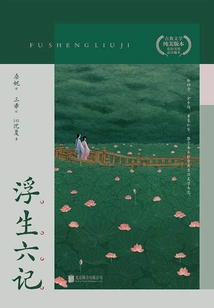
Six Chapters of a Floating Life
Literature浮生六记
Shen Fu
The "beautiful love letter" by Shen Fu, a talented man from Jiangnan, and the "Rushui Translation" by the beautiful biographer Sunny! "Six Chapters of a Floating Life", a thin volume that has been circulating for two hundred years, is an autobiographical prose written by Shen Fu, a scholar in the Qing Dynasty. It is also a beautiful love letter he wrote to his wife Chen Yun. It describes deep feelings with true words, is natural and unique, and is highly praised by later generations of literati. It has been circulated for more than a hundred years since the late Qing Dynasty, and has become a model of classical life aesthetics! When we read "Six Chapters of a Floating Life", what we see is not only Shen Fu's "quiet beauty unstained by lead", but also the poetic life and lingering affection between him and Yun.
The "beautiful love letter" by Shen Fu, a talented man from Jiangnan, and the "Rushui Translation" by the beautiful biographer Sunny! "Six Chapters of a Floating Life", a thin volume that has been circulating for two hundred years, is an autobiographical prose written by Shen Fu, a scholar in the Qing Dynasty. It is also a beautiful love letter he wrote to his wife Chen Yun. It describes deep feelings with true words, is natural and unique, and is highly praised by later generations of literati. It has been circulated for more than a hundred years since the late Qing Dynasty, and has become a model of classical life aesthetics! When we read "Six Chapters of a Floating Life", what we see is not only Shen Fu's "quiet beauty unstained by lead", but also the poetic life and lingering affection between him and Yun.
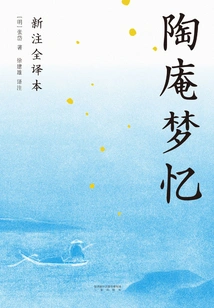
陶庵梦忆(新注全译本)
(ming Dynasty) Written By Zhang Dai, Translated And Annotated By Xu Jianxiong
"Tao'an Dream Memories" is a collection of sketches written by Zhang Dai of the Ming Dynasty. The book contains a total of 127 articles (including 4 supplements). Zhang Dai was born in Shanyin (now Shaoxing, Zhejiang) to a family of literati. My mother is a descendant of Tao Yuanming, so she calls herself "Tao'an" and has the ambition of Qingyuan. Throughout his life, he was indifferent to fame and did not seek official advancement, but devoted himself to writing. He had many friends, was affectionate, and loved life. He was good at poetry, music, tea, food, epigraphy, flower art, lanterns, and fireworks. After the fall of the Ming Dynasty, he lived in seclusion in the mountains. In his dreams, he recalled the events of the previous dynasty. He couldn't help but write "Tao'an Dream Memories" in eight volumes, which was cherished by later generations of literati and has been passed down to this day and has become a classic. This publication is based on the continued revision of Sikuquanshu's Wang Wengao version and the Guangdong Yatang manuscript in the National Library Collection. It includes "Zhang Dai: Self-made Epitaph" and "Zhang Dai's Life" (Chronology). In particular, Mr. Xu Jianxiong's vernacular translation of the full text is included, and Mr. Xu Jianxiong was invited to write the "Postscript of Translation".
"Tao'an Dream Memories" is a collection of sketches written by Zhang Dai of the Ming Dynasty. The book contains a total of 127 articles (including 4 supplements). Zhang Dai was born in Shanyin (now Shaoxing, Zhejiang) to a family of literati. My mother is a descendant of Tao Yuanming, so she calls herself "Tao'an" and has the ambition of Qingyuan. Throughout his life, he was indifferent to fame and did not seek official advancement, but devoted himself to writing. He had many friends, was affectionate, and loved life. He was good at poetry, music, tea, food, epigraphy, flower art, lanterns, and fireworks. After the fall of the Ming Dynasty, he lived in seclusion in the mountains. In his dreams, he recalled the events of the previous dynasty. He couldn't help but write "Tao'an Dream Memories" in eight volumes, which was cherished by later generations of literati and has been passed down to this day and has become a classic. This publication is based on the continued revision of Sikuquanshu's Wang Wengao version and the Guangdong Yatang manuscript in the National Library Collection. It includes "Zhang Dai: Self-made Epitaph" and "Zhang Dai's Life" (Chronology). In particular, Mr. Xu Jianxiong's vernacular translation of the full text is included, and Mr. Xu Jianxiong was invited to write the "Postscript of Translation".
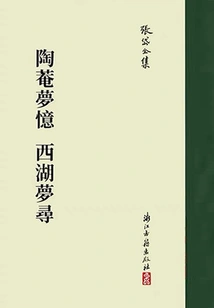
陶庵梦忆 西湖梦寻:张岱著作集(张岱全集)
(ming Dynasty) Written By Zhang Dai And Edited By Luan Baoqun
This book is one of the "Collections of Zhang Dai's Works". "Dream Seeking the West Lake" and "Tao'an Dream Memories" are short essays with a fresh style. The author is Zhang Dai, a famous essayist in the late Ming and early Qing dynasties. "Memories of Dreams in Tao'an" and "Dreams in West Lake" are two representative works by Zhang Dai, a famous essayist in the late Ming and early Qing dynasties and the "master of sketches". They are short essays with a fresh style. Tao'an is Zhang Dai's nickname, and "Tao'an Dream Memories" is Zhang Dai's memoirs. It mainly writes about things he experienced in his early years, covering everything from teahouses and restaurants, cockfighting and bird raising, lighting lanterns to welcome the gods, crafts, calligraphy and painting, etc., Forming a beautiful picture of life in Jiangnan in the late Ming Dynasty. "Dreams of the West Lake" focuses on Hangzhou, describing the customs and customs in Hangzhou in detail. The luxury and magnificence of the late Ming Dynasty surprised even today's people; this collection is different from "Memories of Tao'an Dreams". Zhang Dai returned to Hangzhou after experiencing the revolution of the Ming and Qing Dynasties, and also recorded the dilapidated scene after the military disaster.
This book is one of the "Collections of Zhang Dai's Works". "Dream Seeking the West Lake" and "Tao'an Dream Memories" are short essays with a fresh style. The author is Zhang Dai, a famous essayist in the late Ming and early Qing dynasties. "Memories of Dreams in Tao'an" and "Dreams in West Lake" are two representative works by Zhang Dai, a famous essayist in the late Ming and early Qing dynasties and the "master of sketches". They are short essays with a fresh style. Tao'an is Zhang Dai's nickname, and "Tao'an Dream Memories" is Zhang Dai's memoirs. It mainly writes about things he experienced in his early years, covering everything from teahouses and restaurants, cockfighting and bird raising, lighting lanterns to welcome the gods, crafts, calligraphy and painting, etc., Forming a beautiful picture of life in Jiangnan in the late Ming Dynasty. "Dreams of the West Lake" focuses on Hangzhou, describing the customs and customs in Hangzhou in detail. The luxury and magnificence of the late Ming Dynasty surprised even today's people; this collection is different from "Memories of Tao'an Dreams". Zhang Dai returned to Hangzhou after experiencing the revolution of the Ming and Qing Dynasties, and also recorded the dilapidated scene after the military disaster.
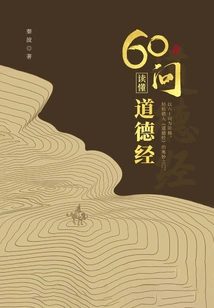
60问读懂道德经
Qin Bo
Laozi's "Tao Te Ching" is known as the "Ten Thousand Classics" and is the best classic of Taoism and Taoism. From ancient times to the present, books annotating it have emerged in endlessly, and different people can draw different opinions from them. The Tao Te Ching is like a general outline. Although it has only 5,000 words, it is subtle but has great meaning. This book aims to explore the subtle and profound meaning of the Tao Te Ching. The author interprets and analyzes Tao from three aspects: Tao's movement in heaven and earth, society, and people. Taking the present as the background, he explores ancient and modern times and explains the full text of "Tao Te Ching" in the form of questions and answers. The book uses 60 questions to integrate the philosophy contained in the "Tao Te Ching". At the same time, it uses a unique interpretation method, uses straightforward and simple language, and combines it with "Zhuangzi" to extract a complete and clear theoretical system of Lao-Zhuang Taoism, which runs throughout the text.
Laozi's "Tao Te Ching" is known as the "Ten Thousand Classics" and is the best classic of Taoism and Taoism. From ancient times to the present, books annotating it have emerged in endlessly, and different people can draw different opinions from them. The Tao Te Ching is like a general outline. Although it has only 5,000 words, it is subtle but has great meaning. This book aims to explore the subtle and profound meaning of the Tao Te Ching. The author interprets and analyzes Tao from three aspects: Tao's movement in heaven and earth, society, and people. Taking the present as the background, he explores ancient and modern times and explains the full text of "Tao Te Ching" in the form of questions and answers. The book uses 60 questions to integrate the philosophy contained in the "Tao Te Ching". At the same time, it uses a unique interpretation method, uses straightforward and simple language, and combines it with "Zhuangzi" to extract a complete and clear theoretical system of Lao-Zhuang Taoism, which runs throughout the text.
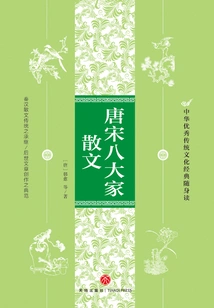
唐宋八大家散文
(tang Dynasty) Han Yu Et Al.
The "Eight Great Writers of the Tang and Song Dynasties" refer to the eight writers of the Tang and Song Dynasties, including Han Yu, Liu Zongyuan, Ouyang Xiu, Su Xun, Su Shi, Su Che, Wang Anshi, and Zeng Gong. They advocated the ancient prose movement, advocating the study of ancient prose from the pre-Qin and Han dynasties, engaged in literary innovation under the banner of retrospection, developed and improved various styles of ancient prose, and enabled prose to wash away the obscurity and obscurity of the writing styles since the Six Dynasties, and embark on the path of being accessible and reflective of real life, becoming a model for prose creation in later generations. This book is ordered by the birth dates of eight writers, and contains more than one hundred of their prose works, which reflects their achievements in prose creation.
The "Eight Great Writers of the Tang and Song Dynasties" refer to the eight writers of the Tang and Song Dynasties, including Han Yu, Liu Zongyuan, Ouyang Xiu, Su Xun, Su Shi, Su Che, Wang Anshi, and Zeng Gong. They advocated the ancient prose movement, advocating the study of ancient prose from the pre-Qin and Han dynasties, engaged in literary innovation under the banner of retrospection, developed and improved various styles of ancient prose, and enabled prose to wash away the obscurity and obscurity of the writing styles since the Six Dynasties, and embark on the path of being accessible and reflective of real life, becoming a model for prose creation in later generations. This book is ordered by the birth dates of eight writers, and contains more than one hundred of their prose works, which reflects their achievements in prose creation.
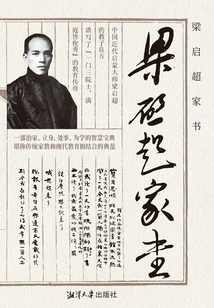
Liang Qichao's Family Letters
Literature梁启超家书
Liang Qichao
"Liang Qichao's Family Letters" mainly collects the letters written by Liang Qichao to his wife and children from 1898 to 1928, expressing his deep concern for his wife and children between the lines. From more than a hundred letters from home, we can see that Liang Qichao was a kind and open-minded loving father who cared about the emotional life of his children; he was a wise mentor who guided his children's academic and financial management; he was the backbone of the nation who was self-reliant and self-reliant, and each of his children he cultivated became elites. Among them, architecture expert Liang Sicheng, archeology expert Liang Siyong, and rocket expert Liang Sili were selected as academicians, which is rare in Chinese history. There are some personal factors in this, but they are inseparable from Liang Qichao's words and deeds. His educational philosophy still has important reference and inspiration value for today's Chinese family education.
"Liang Qichao's Family Letters" mainly collects the letters written by Liang Qichao to his wife and children from 1898 to 1928, expressing his deep concern for his wife and children between the lines. From more than a hundred letters from home, we can see that Liang Qichao was a kind and open-minded loving father who cared about the emotional life of his children; he was a wise mentor who guided his children's academic and financial management; he was the backbone of the nation who was self-reliant and self-reliant, and each of his children he cultivated became elites. Among them, architecture expert Liang Sicheng, archeology expert Liang Siyong, and rocket expert Liang Sili were selected as academicians, which is rare in Chinese history. There are some personal factors in this, but they are inseparable from Liang Qichao's words and deeds. His educational philosophy still has important reference and inspiration value for today's Chinese family education.
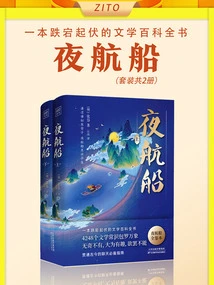
Night Sailing (set of 2 Volumes)
Literature夜航船(套装共2册)
G
What is a night boat? Astronomy and geography, antiques and strange utensils, rare birds and animals, flowers, birds, fish and insects, various schools of thought, gods and ghosts, rituals, music and laws, this is a night voyage. The book has a total of twenty volumes, divided into 20 major categories and 125 sub-categories, and contains more than 4,000 items. It tells all-inclusive knowledge about Chinese culture. An ups and downs literary encyclopedia, a cultural encyclopedia that perfectly combines fun, knowledge and storytelling, and is a must-have guide for chatting through ancient and modern times. Only those who know how to play can live with great interest. Reading it does not mean that you are full of knowledge, but just to become interesting.
What is a night boat? Astronomy and geography, antiques and strange utensils, rare birds and animals, flowers, birds, fish and insects, various schools of thought, gods and ghosts, rituals, music and laws, this is a night voyage. The book has a total of twenty volumes, divided into 20 major categories and 125 sub-categories, and contains more than 4,000 items. It tells all-inclusive knowledge about Chinese culture. An ups and downs literary encyclopedia, a cultural encyclopedia that perfectly combines fun, knowledge and storytelling, and is a must-have guide for chatting through ancient and modern times. Only those who know how to play can live with great interest. Reading it does not mean that you are full of knowledge, but just to become interesting.
Notes on the Small Window
Literature小窗幽记
Chen Jiru
"Xiaochuang Youji" is divided into twelve volumes: Xing, Qing, Qiao, Ling, Su, Jing, Yun, Qi, Qi, Hao, Fa and Qian. They explain the principles of human conduct from the perspectives of self-cultivation, life, study, and career. The book's content covers a wide range of topics, has profound meaning, and is highly philosophical. It has been loved by readers for hundreds of years. The original text of this edition has been carefully proofread, with appropriate annotations and a comfortable layout. It is suitable for current readers to read carefully and find solace for the soul.
"Xiaochuang Youji" is divided into twelve volumes: Xing, Qing, Qiao, Ling, Su, Jing, Yun, Qi, Qi, Hao, Fa and Qian. They explain the principles of human conduct from the perspectives of self-cultivation, life, study, and career. The book's content covers a wide range of topics, has profound meaning, and is highly philosophical. It has been loved by readers for hundreds of years. The original text of this edition has been carefully proofread, with appropriate annotations and a comfortable layout. It is suitable for current readers to read carefully and find solace for the soul.
Six Chapters of a Floating Life
Literature浮生六记
Shen Fu
"Six Chapters of a Floating Life" is an autobiographical prose written by Shen Fu of the Qing Dynasty in the 13th year of Jiaqing (1808). Taking the life of Shen Fu and his wife as the main line, it depicts the ordinary but interesting home life and what he saw and heard while traveling around the world. Although Shen Fu and his wife Yun Niang live in poverty, they have always maintained an optimistic and open-minded attitude towards life. They support each other and make their ordinary life interesting and full of artistic sentiment. This optimistic and broad-minded attitude towards life has deeply infected today's readers. What is written in the book is the real life of the author himself. It not only contains the joy of boudoir, but also conflicts between brothers, parents-in-law, sons and daughters-in-law, showing the real life of an ordinary family. All the articles reveal their true feelings. Whether they are writing about people and events, describing scenery, or discussing literature and art, most of them are unabashed, express their feelings directly, and have sincere feelings, which have a strong appeal to readers. The author's literary standards are superb, and his writing style is calm and elegant. Most of what is written in the book are details and trivial matters in daily life, but it does not feel monotonous or boring when reading, but on the contrary, it feels full of interest.
"Six Chapters of a Floating Life" is an autobiographical prose written by Shen Fu of the Qing Dynasty in the 13th year of Jiaqing (1808). Taking the life of Shen Fu and his wife as the main line, it depicts the ordinary but interesting home life and what he saw and heard while traveling around the world. Although Shen Fu and his wife Yun Niang live in poverty, they have always maintained an optimistic and open-minded attitude towards life. They support each other and make their ordinary life interesting and full of artistic sentiment. This optimistic and broad-minded attitude towards life has deeply infected today's readers. What is written in the book is the real life of the author himself. It not only contains the joy of boudoir, but also conflicts between brothers, parents-in-law, sons and daughters-in-law, showing the real life of an ordinary family. All the articles reveal their true feelings. Whether they are writing about people and events, describing scenery, or discussing literature and art, most of them are unabashed, express their feelings directly, and have sincere feelings, which have a strong appeal to readers. The author's literary standards are superb, and his writing style is calm and elegant. Most of what is written in the book are details and trivial matters in daily life, but it does not feel monotonous or boring when reading, but on the contrary, it feels full of interest.
Menglianglu (part 2)
Literature梦粱录(下)
Wu Zimu
"Mengliang Lu" is a notebook written by Wu Zimu in the Song Dynasty. It is a book introducing the urban style of Lin'an, the capital of the Southern Song Dynasty. This book is worth reading for readers who are interested in the life of citizens in the Song Dynasty. "Menglianglu" not only records and reflects many traditional Chinese cultures and customs, but also explains the sources of many traditional customs, some of which are even the earliest historical documents. For example, pasting the word "" during the Spring Festival is a long-standing folk custom in my country. But the earliest record about pasting the word "" is "Mengliang Lu". This book follows the format of "Tokyo Menghua Lu" and records the suburban temples, palaces, mountains and rivers, people, shops, products, household registration, customs, various industries, operas, temples, schools, etc. In Lin'an during the Southern Song Dynasty. It provides rich historical materials to understand the economic activities of cities in the Southern Song Dynasty, the development of handicrafts and commerce, the economic and cultural life of citizens, especially the appearance of the capital. The book is not only rich in vocabulary and rich in colloquial language, but also records a large number of nominal words, providing a large amount of corpus for language research. The book's sections on musical instruments, opera skills, opera performances, and novels about classics and history are precious materials for the literature and art of the Song Dynasty.
"Mengliang Lu" is a notebook written by Wu Zimu in the Song Dynasty. It is a book introducing the urban style of Lin'an, the capital of the Southern Song Dynasty. This book is worth reading for readers who are interested in the life of citizens in the Song Dynasty. "Menglianglu" not only records and reflects many traditional Chinese cultures and customs, but also explains the sources of many traditional customs, some of which are even the earliest historical documents. For example, pasting the word "" during the Spring Festival is a long-standing folk custom in my country. But the earliest record about pasting the word "" is "Mengliang Lu". This book follows the format of "Tokyo Menghua Lu" and records the suburban temples, palaces, mountains and rivers, people, shops, products, household registration, customs, various industries, operas, temples, schools, etc. In Lin'an during the Southern Song Dynasty. It provides rich historical materials to understand the economic activities of cities in the Southern Song Dynasty, the development of handicrafts and commerce, the economic and cultural life of citizens, especially the appearance of the capital. The book is not only rich in vocabulary and rich in colloquial language, but also records a large number of nominal words, providing a large amount of corpus for language research. The book's sections on musical instruments, opera skills, opera performances, and novels about classics and history are precious materials for the literature and art of the Song Dynasty.
Menglianglu (part 1)
Literature梦粱录(上)
Wu Zimu
"Mengliang Lu" is a notebook written by Wu Zimu in the Song Dynasty. It is a book introducing the urban style of Lin'an, the capital of the Southern Song Dynasty. This book is worth reading for readers who are interested in the life of citizens in the Song Dynasty. "Menglianglu" not only records and reflects many traditional Chinese cultures and customs, but also explains the sources of many traditional customs, some of which are even the earliest historical documents. For example, pasting the word "" during the Spring Festival is a long-standing folk custom in my country. But the earliest record about pasting the word "" is "Mengliang Lu". This book follows the format of "Tokyo Menghua Lu" and records the suburban temples, palaces, mountains and rivers, people, shops, products, household registration, customs, various industries, operas, temples, schools, etc. In Lin'an during the Southern Song Dynasty. It provides rich historical materials to understand the economic activities of cities in the Southern Song Dynasty, the development of handicrafts and commerce, the economic and cultural life of citizens, especially the appearance of the capital. The book is not only rich in vocabulary and rich in colloquial language, but also records a large number of nominal words, providing a large amount of corpus for language research. The book's sections on musical instruments, opera skills, opera performances, and novels about classics and history are precious materials for the literature and art of the Song Dynasty.
"Mengliang Lu" is a notebook written by Wu Zimu in the Song Dynasty. It is a book introducing the urban style of Lin'an, the capital of the Southern Song Dynasty. This book is worth reading for readers who are interested in the life of citizens in the Song Dynasty. "Menglianglu" not only records and reflects many traditional Chinese cultures and customs, but also explains the sources of many traditional customs, some of which are even the earliest historical documents. For example, pasting the word "" during the Spring Festival is a long-standing folk custom in my country. But the earliest record about pasting the word "" is "Mengliang Lu". This book follows the format of "Tokyo Menghua Lu" and records the suburban temples, palaces, mountains and rivers, people, shops, products, household registration, customs, various industries, operas, temples, schools, etc. In Lin'an during the Southern Song Dynasty. It provides rich historical materials to understand the economic activities of cities in the Southern Song Dynasty, the development of handicrafts and commerce, the economic and cultural life of citizens, especially the appearance of the capital. The book is not only rich in vocabulary and rich in colloquial language, but also records a large number of nominal words, providing a large amount of corpus for language research. The book's sections on musical instruments, opera skills, opera performances, and novels about classics and history are precious materials for the literature and art of the Song Dynasty.
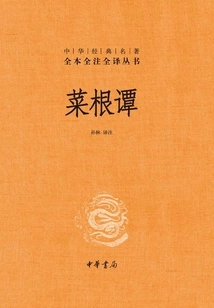
菜根谭(中华经典名著全本全注全译丛书)
Translation And Annotation By Sun Lin
"Cai Gen Tan" is a collection of clear-spoken short pieces that integrate Confucianism, Buddhism and Taoism, with mind science and Zen as the core, integrating life wisdom and self-cultivation. The title of the book is "Caigen", which means "If a person often bites the vegetable root, he can do everything", which means that only through tempering and tempering in life can one create perfect moral character and talent. The book uses both parallel and prose writing techniques and aphorisms to express Hong Yingming's profound understanding and understanding of self-cultivation, life, dealing with people, and objects. The book not only advocates the enterprising spirit of being active in the world and caring about the world, but also advocates the reclusive purpose of getting close to nature and leisurely wandering in the woods and springs. It also advocates the understanding of Zen and the transcendent realm of emptiness and purity. For readers who love traditional Chinese culture, this book can provide useful inspirations on how to behave, cultivate one's character, and survive in the workplace. For business operators, it can provide practical guidance on selecting talents, running a business, and providing practical guidance on how to improve managers' abilities.
"Cai Gen Tan" is a collection of clear-spoken short pieces that integrate Confucianism, Buddhism and Taoism, with mind science and Zen as the core, integrating life wisdom and self-cultivation. The title of the book is "Caigen", which means "If a person often bites the vegetable root, he can do everything", which means that only through tempering and tempering in life can one create perfect moral character and talent. The book uses both parallel and prose writing techniques and aphorisms to express Hong Yingming's profound understanding and understanding of self-cultivation, life, dealing with people, and objects. The book not only advocates the enterprising spirit of being active in the world and caring about the world, but also advocates the reclusive purpose of getting close to nature and leisurely wandering in the woods and springs. It also advocates the understanding of Zen and the transcendent realm of emptiness and purity. For readers who love traditional Chinese culture, this book can provide useful inspirations on how to behave, cultivate one's character, and survive in the workplace. For business operators, it can provide practical guidance on selecting talents, running a business, and providing practical guidance on how to improve managers' abilities.
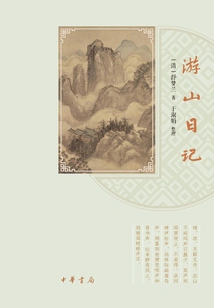
Mountain Travel Diary
Literature游山日记
(qing Dynasty) Written By Shu Menglan And Compiled By Yu Shujuan
"Diary of a Mountain Tour" was praised by Lin Yutang as a "model diary", and he wrote a 5,000-word article "How to Read "Diary of a Mountain Tour"", pointing out its advantages one by one, and highly praised it. This book has a total of 12 volumes. The first 10 volumes are called "Tianxiang Essays", which are the diary written by Shu Menglan during his one hundred days of traveling in Lushan during the Jiaqing period; the last two volumes are called "Tianxiang Manuscripts", which are the poems and poems written during this period. The seriousness of the diary is mixed with humor, and the writing is like flowing clouds and flowing water. It is humorous but not bitter. It is the best sketch and the best humor. Now we use the Shanghai Library's collection of the Jiaqing 10th year edition as the base, refer to relevant documents for proofreading, and arrange it into simplified Chinese characters for the convenience of readers. At the back of the book are attached the preface of the original edition, the preface by the author of Zhou in the 1936 edition, Lin Yutang's "Reading of "Mountain Travel Diary"", Zhou Shao's postscript, etc. Here, readers can know the whole story and the subtle interest of this book.
"Diary of a Mountain Tour" was praised by Lin Yutang as a "model diary", and he wrote a 5,000-word article "How to Read "Diary of a Mountain Tour"", pointing out its advantages one by one, and highly praised it. This book has a total of 12 volumes. The first 10 volumes are called "Tianxiang Essays", which are the diary written by Shu Menglan during his one hundred days of traveling in Lushan during the Jiaqing period; the last two volumes are called "Tianxiang Manuscripts", which are the poems and poems written during this period. The seriousness of the diary is mixed with humor, and the writing is like flowing clouds and flowing water. It is humorous but not bitter. It is the best sketch and the best humor. Now we use the Shanghai Library's collection of the Jiaqing 10th year edition as the base, refer to relevant documents for proofreading, and arrange it into simplified Chinese characters for the convenience of readers. At the back of the book are attached the preface of the original edition, the preface by the author of Zhou in the 1936 edition, Lin Yutang's "Reading of "Mountain Travel Diary"", Zhou Shao's postscript, etc. Here, readers can know the whole story and the subtle interest of this book.
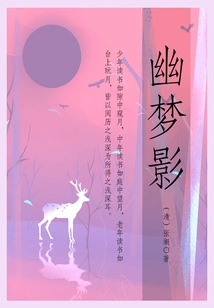
Youmengying
Literature幽梦影
(qing Dynasty) Zhang Chao
"Youmengying" is a collection of essay-style aphorisms written by Zhang Chao, a writer in the Qing Dynasty. It can be said to be a classical version of chicken soup for the soul. The works adopt the form of concise aphorisms, aphorisms, and quotations to express philosophical thinking or life interests, and are unique in addition to classics, histories, and poems. This book is worth reading for readers who are interested in ancient Chinese wisdom and thought. "Youmengying" mainly focuses on discovering beautiful things with an elegant mind and vision. It can be said to be a book about pursuing beauty. There is no strong, sharp criticism in the book, only cynicism that does not lose its grace. And these injustices and ironies are also expressed in mild forms. Modern writer and translator Zhang Yiping once commented: "Youmengying" is "a book by a talented scholar and a great thinker". The works cover a wide range of topics. It discusses flowers and beauties, leisure and friends, books and reading, general life, the sun, moon and stars, mountains and rivers, birds and animals, flowers, birds, fish and insects, ethics and morality, life and life, and all living and inanimate things in the world, all of which serve as a kind of ideological communication and retelling. "The Shadow of Dreams" is a wonderful book, a fresh and lovely essay.
"Youmengying" is a collection of essay-style aphorisms written by Zhang Chao, a writer in the Qing Dynasty. It can be said to be a classical version of chicken soup for the soul. The works adopt the form of concise aphorisms, aphorisms, and quotations to express philosophical thinking or life interests, and are unique in addition to classics, histories, and poems. This book is worth reading for readers who are interested in ancient Chinese wisdom and thought. "Youmengying" mainly focuses on discovering beautiful things with an elegant mind and vision. It can be said to be a book about pursuing beauty. There is no strong, sharp criticism in the book, only cynicism that does not lose its grace. And these injustices and ironies are also expressed in mild forms. Modern writer and translator Zhang Yiping once commented: "Youmengying" is "a book by a talented scholar and a great thinker". The works cover a wide range of topics. It discusses flowers and beauties, leisure and friends, books and reading, general life, the sun, moon and stars, mountains and rivers, birds and animals, flowers, birds, fish and insects, ethics and morality, life and life, and all living and inanimate things in the world, all of which serve as a kind of ideological communication and retelling. "The Shadow of Dreams" is a wonderful book, a fresh and lovely essay.
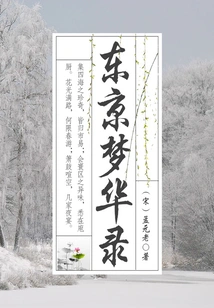
Tokyo Dreams
Literature东京梦华录
Meng Yuanlao
"Tokyo Menghua Lu" is a prose essay written by Meng Yuanlao in the Song Dynasty. It was written in the second year of Jingkang of Emperor Qinzong of the Song Dynasty (1127 AD). This book is definitely worth reading for readers who want to understand the life of citizens in the Song Dynasty and the social development at that time. This book traces the customs and customs of Kaifeng Prefecture in Tokyo, the capital of the Northern Song Dynasty. Most of the records are about Kaifeng, the capital of the Northern Song Dynasty from Chongning to Xuanhe (1102-1125 AD). It depicts the daily life of the princes, nobles, and common people living in Tokyo during this historical period. It is an important historical document for studying the social life, economy and culture of the cities of the Northern Song Dynasty. "Tokyo Menghualu" describes almost everything from the scope of the capital to the palace buildings, from the official offices to the neighborhoods in the city, from food and daily life to the seasons, from singing, dancing and music to wedding and funeral customs. Not only can you understand the folk customs and fashion at that time, but you can also feel the developed economy and prosperous urban life of the Song Dynasty. The book "Tokyo Menghua Lu" has detailed records and detailed discussions on the socio-economic and cultural life of the Han people in Bianjing during the Zhenghe and Xuanhe reigns of Huizong. It has left a large amount of valuable information for future generations to explore the life of residents of all walks of life in Bianjing during that era. Since it was published in Lin'an in the early Southern Song Dynasty, it has been valued by people. The literati in the feudal society all cited this book first when talking about Tokyo anecdotes in the late Northern Song Dynasty. Because the content it reflects has a high socio-economic and cultural historical value, the book has attracted great attention in modern times, especially from many scholars and experts at home and abroad who are engaged in various specialized historical research, and they have quoted and used the book. People often regard this book and "Along the River During the Qingming Festival" as sister works. Both are of great significance to the study of the history of urban economic development in the Northern Song Dynasty. "Tokyo Menghua Lu" created a new genre of using notes to describe Han people's urban customs, anecdotes and famous things. It was later used by similar books that reflected the Southern Song Dynasty's capital Lin'an, such as "Capital Chronicles", "Mengliang Lu", "Old Martial Arts", "Rumeng Lu", "Continuation of Tokyo Menghua Lu" and other similar works.
"Tokyo Menghua Lu" is a prose essay written by Meng Yuanlao in the Song Dynasty. It was written in the second year of Jingkang of Emperor Qinzong of the Song Dynasty (1127 AD). This book is definitely worth reading for readers who want to understand the life of citizens in the Song Dynasty and the social development at that time. This book traces the customs and customs of Kaifeng Prefecture in Tokyo, the capital of the Northern Song Dynasty. Most of the records are about Kaifeng, the capital of the Northern Song Dynasty from Chongning to Xuanhe (1102-1125 AD). It depicts the daily life of the princes, nobles, and common people living in Tokyo during this historical period. It is an important historical document for studying the social life, economy and culture of the cities of the Northern Song Dynasty. "Tokyo Menghualu" describes almost everything from the scope of the capital to the palace buildings, from the official offices to the neighborhoods in the city, from food and daily life to the seasons, from singing, dancing and music to wedding and funeral customs. Not only can you understand the folk customs and fashion at that time, but you can also feel the developed economy and prosperous urban life of the Song Dynasty. The book "Tokyo Menghua Lu" has detailed records and detailed discussions on the socio-economic and cultural life of the Han people in Bianjing during the Zhenghe and Xuanhe reigns of Huizong. It has left a large amount of valuable information for future generations to explore the life of residents of all walks of life in Bianjing during that era. Since it was published in Lin'an in the early Southern Song Dynasty, it has been valued by people. The literati in the feudal society all cited this book first when talking about Tokyo anecdotes in the late Northern Song Dynasty. Because the content it reflects has a high socio-economic and cultural historical value, the book has attracted great attention in modern times, especially from many scholars and experts at home and abroad who are engaged in various specialized historical research, and they have quoted and used the book. People often regard this book and "Along the River During the Qingming Festival" as sister works. Both are of great significance to the study of the history of urban economic development in the Northern Song Dynasty. "Tokyo Menghua Lu" created a new genre of using notes to describe Han people's urban customs, anecdotes and famous things. It was later used by similar books that reflected the Southern Song Dynasty's capital Lin'an, such as "Capital Chronicles", "Mengliang Lu", "Old Martial Arts", "Rumeng Lu", "Continuation of Tokyo Menghua Lu" and other similar works.
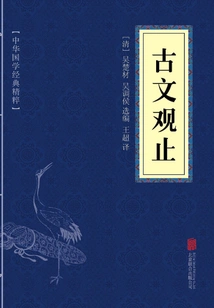
古文观止(中华国学经典精粹)
(qing Dynasty) Wu Chucai (qing Dynasty) Candidate Editor Of Wu Diao
"Gu Wen Guan Zhi" is an anthology of ancient prose selected by Wu Chucai and Wu Tiaohou of the Qing Dynasty in the 33rd year of Kangxi (1694). The selected articles start from the pre-Qin period and end at the end of the Ming Dynasty, which generally reflect the main aspects of the development of prose from the pre-Qin period to the late Ming Dynasty. The articles selected for this book are short in length, most of them are popular and easy to memorize. Our selection this time is based on the Chung Hwa Book Company edition and comprehensively refers to the more popular editions to make the selection. These selections can basically reflect the appearance of the original book "Er Wu".
"Gu Wen Guan Zhi" is an anthology of ancient prose selected by Wu Chucai and Wu Tiaohou of the Qing Dynasty in the 33rd year of Kangxi (1694). The selected articles start from the pre-Qin period and end at the end of the Ming Dynasty, which generally reflect the main aspects of the development of prose from the pre-Qin period to the late Ming Dynasty. The articles selected for this book are short in length, most of them are popular and easy to memorize. Our selection this time is based on the Chung Hwa Book Company edition and comprehensively refers to the more popular editions to make the selection. These selections can basically reflect the appearance of the original book "Er Wu".
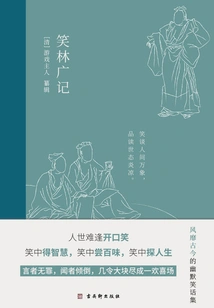
Xiaolin Guangji
Literature笑林广记
(qing Dynasty) Game Master Compilation
"Xiao Lin Guang Ji" is a collection of traditional Chinese folk jokes. The book uses humorous and easy-to-understand language to tell short stories about the warmth and warmth of the world and the world's sophistication, reflecting the true face of the harsh world and the interest of life. Most of the content of the book is taken from jokes in the Ming and Qing Dynasties, and some were modified and compiled by the editors themselves. This book selects the Qing Dynasty Game Master Edition, which is divided into twelve volumes, each with a prominent theme and unique style. However, considering that some of the content is relatively vulgar and affects the perception of today's readers, it has been deleted. Now eleven volumes are left for the readers.
"Xiao Lin Guang Ji" is a collection of traditional Chinese folk jokes. The book uses humorous and easy-to-understand language to tell short stories about the warmth and warmth of the world and the world's sophistication, reflecting the true face of the harsh world and the interest of life. Most of the content of the book is taken from jokes in the Ming and Qing Dynasties, and some were modified and compiled by the editors themselves. This book selects the Qing Dynasty Game Master Edition, which is divided into twelve volumes, each with a prominent theme and unique style. However, considering that some of the content is relatively vulgar and affects the perception of today's readers, it has been deleted. Now eleven volumes are left for the readers.
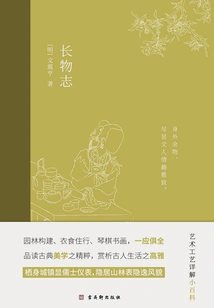
Long Story
Literature长物志
Wen Zhenheng
"Changwu Zhi" is one of the important gardening documents in China. It contains a total of twelve volumes, among which volumes on houses, flowers and trees, water and stones, poultry and fish, fruits and vegetables are closely related to gardening theory and technology. In particular, the volume on water and stone describes the design of wide pools, small pools, and waterfalls in the garden, as well as the selection of Lingbi stone, Yingshi, Taihu stone, and Kunshan stone. It puts forward the argument of combining water and stone, which is unique. It can be seen that many of the contents explained in the book "Changwu Zhi" demonstrate the elegant life and aesthetic taste of the literati in the late Ming Dynasty.
"Changwu Zhi" is one of the important gardening documents in China. It contains a total of twelve volumes, among which volumes on houses, flowers and trees, water and stones, poultry and fish, fruits and vegetables are closely related to gardening theory and technology. In particular, the volume on water and stone describes the design of wide pools, small pools, and waterfalls in the garden, as well as the selection of Lingbi stone, Yingshi, Taihu stone, and Kunshan stone. It puts forward the argument of combining water and stone, which is unique. It can be seen that many of the contents explained in the book "Changwu Zhi" demonstrate the elegant life and aesthetic taste of the literati in the late Ming Dynasty.
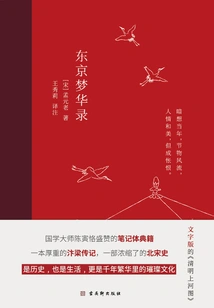
Tokyo Dreams
Literature东京梦华录
(song Dynasty) Written By Meng Yuanlao, Translated And Annotated By Wang Xiuli
"Tokyo Menghua Lu" is a notebook written by Meng Yuanlao of the Northern Song Dynasty, which traces the style of Tokyo (now Kaifeng, Henan), the capital of the Northern Song Dynasty, from Chongning to Xuanhe (1102-1125). The book consists of ten volumes. The author describes the panoramic view of life and urban style in Tokyo from the nobles to the common people, covering the city layout, rivers and alleys, shops and stalls, food and daily life, seasonal goods, regulations and systems, customs and etiquette, etc. It is of high value for future generations to study the urban layout, architecture, transportation, industries, folk customs, goods, food, age, and geography of the Song Dynasty.
"Tokyo Menghua Lu" is a notebook written by Meng Yuanlao of the Northern Song Dynasty, which traces the style of Tokyo (now Kaifeng, Henan), the capital of the Northern Song Dynasty, from Chongning to Xuanhe (1102-1125). The book consists of ten volumes. The author describes the panoramic view of life and urban style in Tokyo from the nobles to the common people, covering the city layout, rivers and alleys, shops and stalls, food and daily life, seasonal goods, regulations and systems, customs and etiquette, etc. It is of high value for future generations to study the urban layout, architecture, transportation, industries, folk customs, goods, food, age, and geography of the Song Dynasty.
O
Literatureo
G
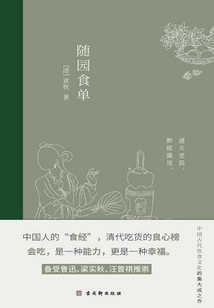
"Suiyuan Food List" is a collection of classical Chinese essays written by Yuan Mei, a poet and essayist of the Qing Dynasty. The book is divided into instructions list, warning list, seafood list, fresh food list, special animal list, miscellaneous animal list, feather menu, aquatic scaled menu, aquatic scaleless menu, miscellaneous vegetable menu, small menu, snack menu, rice and porridge menu and tea and wine menu, a total of fourteen menus, plus a preface. His work describes in detail more than 320 kinds of dishes, meals, teas and wines popular in the north and south during the Qing Dynasty. He also makes extremely incisive discussions on the selection, processing, cutting and cooking of the dishes, as well as the color, aroma, taste, shape and utensils of the dishes. It is called the "Food Classic" in Chinese history by gourmets at home and abroad.
"Suiyuan Food List" is a collection of classical Chinese essays written by Yuan Mei, a poet and essayist of the Qing Dynasty. The book is divided into instructions list, warning list, seafood list, fresh food list, special animal list, miscellaneous animal list, feather menu, aquatic scaled menu, aquatic scaleless menu, miscellaneous vegetable menu, small menu, snack menu, rice and porridge menu and tea and wine menu, a total of fourteen menus, plus a preface. His work describes in detail more than 320 kinds of dishes, meals, teas and wines popular in the north and south during the Qing Dynasty. He also makes extremely incisive discussions on the selection, processing, cutting and cooking of the dishes, as well as the color, aroma, taste, shape and utensils of the dishes. It is called the "Food Classic" in Chinese history by gourmets at home and abroad.
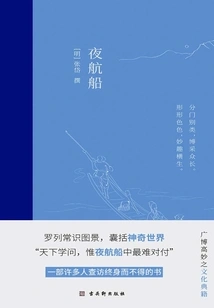
Night Boat
Literature夜航船
(ming Dynasty) Written By Zhang Dai
"Night Sailing" (volumes 1 and 2) is divided into twenty volumes, divided into twenty parts according to categories. It is written and introduced in the form of entries, and contains more than 4,000 entries. The content includes astronomy and geography, human ethics and archaeology, classics and history, rituals and music, as well as daily treasures, plants and four spirits, three religions and nine streams, and physical alchemy. It is a wide-ranging collection and covers a wide range. It can be called China's "mini encyclopedia".
"Night Sailing" (volumes 1 and 2) is divided into twenty volumes, divided into twenty parts according to categories. It is written and introduced in the form of entries, and contains more than 4,000 entries. The content includes astronomy and geography, human ethics and archaeology, classics and history, rituals and music, as well as daily treasures, plants and four spirits, three religions and nine streams, and physical alchemy. It is a wide-ranging collection and covers a wide range. It can be called China's "mini encyclopedia".
古人的奇幻世界精选本:博物志
(jin) Written By Zhang Hua And Painted By Li Cong
"Natural History" is a collection of mythological and strange novels compiled by Zhang Hua in the Western Jin Dynasty. The book consists of ten volumes, which record exotic objects, ancient trivial matters, magical magic, etc. The mountain and river geography recorded in "Natural History" is deeply influenced by "Shan Hai Jing". The rest of the content is mostly based on ancient books. For example, the first three volumes record the mountains and river products, and the other contents. Country, alien people, alien customs, alien products, alien beasts, alien birds, alien insects, alien fish, etc. Are roughly equivalent in nature to the abbreviation of "The Classic of Mountains and Seas". The content is partly taken from ancient books, mixed with new rumors, covering mythology, ancient history, and natural history, and is complex.
"Natural History" is a collection of mythological and strange novels compiled by Zhang Hua in the Western Jin Dynasty. The book consists of ten volumes, which record exotic objects, ancient trivial matters, magical magic, etc. The mountain and river geography recorded in "Natural History" is deeply influenced by "Shan Hai Jing". The rest of the content is mostly based on ancient books. For example, the first three volumes record the mountains and river products, and the other contents. Country, alien people, alien customs, alien products, alien beasts, alien birds, alien insects, alien fish, etc. Are roughly equivalent in nature to the abbreviation of "The Classic of Mountains and Seas". The content is partly taken from ancient books, mixed with new rumors, covering mythology, ancient history, and natural history, and is complex.
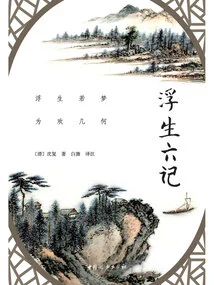
Six Chapters of a Floating Life
Literature浮生六记
(qing Dynasty) Shen Fu, Translated And Annotated By Bai Hao
This book is an autobiographical prose by Shen Fu, a writer in the Qing Dynasty. It is divided into six volumes: "Memories of the Boudoir", "Records of Leisure Love", "Records of Troubles and Sorrows", "Records of Wandering Travels", "Records of Zhongshan Calendar" and "Records of Health Preservation". The latter volumes have been lost and the current version was continued by posterity. The author uses simple and delicate writing to describe the experience of most of his life, from the deep love between husband and wife to like-minded friends and deep friendship; from the changes in the family and the world, to the hardships of separation and separation, and the ups and downs of travel; from the literati's elegance and anecdotes to the love of mountains and rivers and the joy of life. The content contrasts the joy and sorrow, and the content is truly touching.
This book is an autobiographical prose by Shen Fu, a writer in the Qing Dynasty. It is divided into six volumes: "Memories of the Boudoir", "Records of Leisure Love", "Records of Troubles and Sorrows", "Records of Wandering Travels", "Records of Zhongshan Calendar" and "Records of Health Preservation". The latter volumes have been lost and the current version was continued by posterity. The author uses simple and delicate writing to describe the experience of most of his life, from the deep love between husband and wife to like-minded friends and deep friendship; from the changes in the family and the world, to the hardships of separation and separation, and the ups and downs of travel; from the literati's elegance and anecdotes to the love of mountains and rivers and the joy of life. The content contrasts the joy and sorrow, and the content is truly touching.
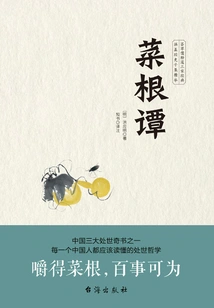
Cai Gentan
Literature菜根谭
(ming Dynasty) Hong Yingming's Translation And Annotation Of Zhishu
"Cai Gen Tan", a rare and ancient treasure, teaches us from all aspects of life how to face the sufferings and complex interpersonal relationships of real life, so as to develop a healthy personality that is perseverant, kind to others, and calm in life, so that we can spend every day leisurely and calmly.
"Cai Gen Tan", a rare and ancient treasure, teaches us from all aspects of life how to face the sufferings and complex interpersonal relationships of real life, so as to develop a healthy personality that is perseverant, kind to others, and calm in life, so that we can spend every day leisurely and calmly.
古代常识读本:渑水燕谈录
Wang Pizhi
In terms of genre, "Mianshui Yan Tan Lu" belongs to the historical material notes among notebooks. Although "Mianshui Yan Tan Lu" appears to be a leisurely work of banter, it actually contains the author's political ideals and moral judgments. It is a historical record with serious motivation, pure purpose and elegant taste. From the purpose of writing, like many authors of notes in the Song Dynasty, Wang Pizhi left his official career and wandered in the woods, recalling his life experiences and knowledge. He wrote in books and recorded miscellaneous knowledge mainly for the purpose of "talking." Judging from the content and scope of writing, most of the records recorded in "Mianshui Yan Tan Lu" are miscellaneous events of the Northern Song Dynasty in the more than 140 years between the Shaosheng reign of Emperor Zhezong of the Song Dynasty (1094) and the founding of the Northern Song Dynasty (960). Rich in content and wide in genre, it provides a large amount of authentic and reliable historical materials for later generations to study the politics, economy, military, and culture of the Northern Song Dynasty, especially the lives of some politicians and writers, as well as the local history of Shandong Province and Song poetry.
In terms of genre, "Mianshui Yan Tan Lu" belongs to the historical material notes among notebooks. Although "Mianshui Yan Tan Lu" appears to be a leisurely work of banter, it actually contains the author's political ideals and moral judgments. It is a historical record with serious motivation, pure purpose and elegant taste. From the purpose of writing, like many authors of notes in the Song Dynasty, Wang Pizhi left his official career and wandered in the woods, recalling his life experiences and knowledge. He wrote in books and recorded miscellaneous knowledge mainly for the purpose of "talking." Judging from the content and scope of writing, most of the records recorded in "Mianshui Yan Tan Lu" are miscellaneous events of the Northern Song Dynasty in the more than 140 years between the Shaosheng reign of Emperor Zhezong of the Song Dynasty (1094) and the founding of the Northern Song Dynasty (960). Rich in content and wide in genre, it provides a large amount of authentic and reliable historical materials for later generations to study the politics, economy, military, and culture of the Northern Song Dynasty, especially the lives of some politicians and writers, as well as the local history of Shandong Province and Song poetry.
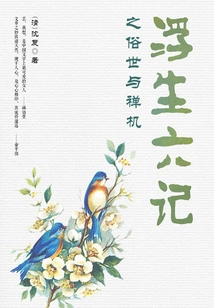
经典小品美文:浮生六记之俗世与禅机
Shen Fu
"Six Chapters of a Floating Life" is an autobiographical prose written by Shen Fu, a writer of the Qing Dynasty. The prose has simple words and sincere emotions, describing the ordinary home life of the author and his wife, their bumpy encounters, and their travels around the world. The predecessors once commented that "the fragrance and desolation of the triangle make you feel intoxicated when reading it." The contents in the book may be lingering and lingering, some may be leisurely and indifferent, some may be heart-wrenching, or some may be landscapes and mountains. The hurtful parts of love make people shed tears, and the parts that don't suit one's will make people nod happily and enjoy it. The language is unadorned, simple and fresh, and quite natural. Vernacular Chinese expands the artistic conception of classical Chinese. It is as concise as words, but does not lose the elegance and uniqueness of the original text. It can be said that they complement each other. "Six Chapters of a Floating Life" is a very high-level and influential autobiographical essay, which occupies a very important position in Qing Dynasty notebook literature. The book is characterized by its purity and frankness, unique expression of spirit, informality and creativity.
"Six Chapters of a Floating Life" is an autobiographical prose written by Shen Fu, a writer of the Qing Dynasty. The prose has simple words and sincere emotions, describing the ordinary home life of the author and his wife, their bumpy encounters, and their travels around the world. The predecessors once commented that "the fragrance and desolation of the triangle make you feel intoxicated when reading it." The contents in the book may be lingering and lingering, some may be leisurely and indifferent, some may be heart-wrenching, or some may be landscapes and mountains. The hurtful parts of love make people shed tears, and the parts that don't suit one's will make people nod happily and enjoy it. The language is unadorned, simple and fresh, and quite natural. Vernacular Chinese expands the artistic conception of classical Chinese. It is as concise as words, but does not lose the elegance and uniqueness of the original text. It can be said that they complement each other. "Six Chapters of a Floating Life" is a very high-level and influential autobiographical essay, which occupies a very important position in Qing Dynasty notebook literature. The book is characterized by its purity and frankness, unique expression of spirit, informality and creativity.
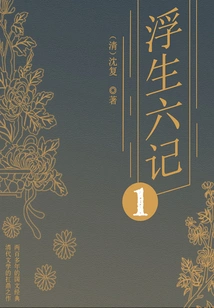
经典小品美文:浮生六记(一)
Shen Fu
"Six Chapters of a Floating Life" is an autobiographical prose written by Shen Fu, a writer of the Qing Dynasty. The prose has simple words and sincere emotions, describing the ordinary home life of the author and his wife, their bumpy encounters, and their travels around the world. The predecessors once commented that "the fragrance and desolation of the triangle make you feel intoxicated when reading it." The contents in the book may be lingering and lingering, some may be leisurely and indifferent, some may be heart-wrenching, or some may be landscapes and mountains. The hurtful parts of love make people shed tears, and the parts that don't suit one's will make people nod happily and enjoy it. The language is unadorned, simple and fresh, and quite natural. Vernacular Chinese expands the artistic conception of classical Chinese. It is as concise as words, but does not lose the elegance and uniqueness of the original text. It can be said that they complement each other. "Six Chapters of a Floating Life" is a very high-level and influential autobiographical essay, which occupies a very important position in Qing Dynasty notebook literature. The book is characterized by its purity and frankness, unique expression of spirit, informality and creativity.
"Six Chapters of a Floating Life" is an autobiographical prose written by Shen Fu, a writer of the Qing Dynasty. The prose has simple words and sincere emotions, describing the ordinary home life of the author and his wife, their bumpy encounters, and their travels around the world. The predecessors once commented that "the fragrance and desolation of the triangle make you feel intoxicated when reading it." The contents in the book may be lingering and lingering, some may be leisurely and indifferent, some may be heart-wrenching, or some may be landscapes and mountains. The hurtful parts of love make people shed tears, and the parts that don't suit one's will make people nod happily and enjoy it. The language is unadorned, simple and fresh, and quite natural. Vernacular Chinese expands the artistic conception of classical Chinese. It is as concise as words, but does not lose the elegance and uniqueness of the original text. It can be said that they complement each other. "Six Chapters of a Floating Life" is a very high-level and influential autobiographical essay, which occupies a very important position in Qing Dynasty notebook literature. The book is characterized by its purity and frankness, unique expression of spirit, informality and creativity.
经典小品美文:浮生六记(三)
Shen Fu
"Six Chapters of a Floating Life" is an autobiographical prose written by Shen Fu, a writer of the Qing Dynasty. The prose has simple words and sincere emotions, describing the ordinary home life of the author and his wife, their bumpy encounters, and their travels around the world. The predecessors once commented that "the fragrance and desolation of the triangle make you feel intoxicated when reading it." The contents in the book may be lingering and lingering, some may be leisurely and indifferent, some may be heart-wrenching, or some may be landscapes and mountains. The hurtful parts of love make people shed tears, and the parts that don't suit one's will make people nod happily and enjoy it. The language is unadorned, simple and fresh, and quite natural. Vernacular Chinese expands the artistic conception of classical Chinese. It is as concise as words, but does not lose the elegance and uniqueness of the original text. It can be said that they complement each other. "Six Chapters of a Floating Life" is a very high-level and influential autobiographical essay, which occupies a very important position in Qing Dynasty notebook literature. The book is characterized by its purity and frankness, unique expression of spirit, informality and creativity.
"Six Chapters of a Floating Life" is an autobiographical prose written by Shen Fu, a writer of the Qing Dynasty. The prose has simple words and sincere emotions, describing the ordinary home life of the author and his wife, their bumpy encounters, and their travels around the world. The predecessors once commented that "the fragrance and desolation of the triangle make you feel intoxicated when reading it." The contents in the book may be lingering and lingering, some may be leisurely and indifferent, some may be heart-wrenching, or some may be landscapes and mountains. The hurtful parts of love make people shed tears, and the parts that don't suit one's will make people nod happily and enjoy it. The language is unadorned, simple and fresh, and quite natural. Vernacular Chinese expands the artistic conception of classical Chinese. It is as concise as words, but does not lose the elegance and uniqueness of the original text. It can be said that they complement each other. "Six Chapters of a Floating Life" is a very high-level and influential autobiographical essay, which occupies a very important position in Qing Dynasty notebook literature. The book is characterized by its purity and frankness, unique expression of spirit, informality and creativity.
经典小品美文:浮生六记(二)
Shen Fu
"Six Chapters of a Floating Life" is an autobiographical prose written by Shen Fu, a writer of the Qing Dynasty. The prose has simple words and sincere emotions, describing the ordinary home life of the author and his wife, their bumpy encounters, and their travels around the world. The predecessors once commented that "the fragrance and desolation of the triangle make you feel intoxicated when reading it." The contents in the book may be lingering and lingering, some may be leisurely and indifferent, some may be heart-wrenching, or some may be landscapes and mountains. The hurtful parts of love make people shed tears, and the parts that don't suit one's will make people nod happily and enjoy it. The language is unadorned, simple and fresh, and quite natural. Vernacular Chinese expands the artistic conception of classical Chinese. It is as concise as words, but does not lose the elegance and uniqueness of the original text. It can be said that they complement each other. "Six Chapters of a Floating Life" is a very high-level and influential autobiographical essay, which occupies a very important position in Qing Dynasty notebook literature. The book is characterized by its purity and frankness, unique expression of spirit, informality and creativity.
"Six Chapters of a Floating Life" is an autobiographical prose written by Shen Fu, a writer of the Qing Dynasty. The prose has simple words and sincere emotions, describing the ordinary home life of the author and his wife, their bumpy encounters, and their travels around the world. The predecessors once commented that "the fragrance and desolation of the triangle make you feel intoxicated when reading it." The contents in the book may be lingering and lingering, some may be leisurely and indifferent, some may be heart-wrenching, or some may be landscapes and mountains. The hurtful parts of love make people shed tears, and the parts that don't suit one's will make people nod happily and enjoy it. The language is unadorned, simple and fresh, and quite natural. Vernacular Chinese expands the artistic conception of classical Chinese. It is as concise as words, but does not lose the elegance and uniqueness of the original text. It can be said that they complement each other. "Six Chapters of a Floating Life" is a very high-level and influential autobiographical essay, which occupies a very important position in Qing Dynasty notebook literature. The book is characterized by its purity and frankness, unique expression of spirit, informality and creativity.
Classic Sketches and Essays: Six Notes on a Floating Life to Convey Interest in Leisurely Moments
Literature经典小品美文:浮生六记之闲寄情趣
Shen Fu
"Six Chapters of a Floating Life" is an autobiographical prose written by Shen Fu, a writer of the Qing Dynasty. The prose has simple words and sincere emotions, describing the ordinary home life of the author and his wife, their bumpy encounters, and their travels around the world. The predecessors once commented that "the fragrance and desolation of the triangle make you feel intoxicated when reading it." The contents in the book may be lingering and lingering, some may be leisurely and indifferent, some may be heart-wrenching, or some may be landscapes and mountains. The hurtful parts of love make people shed tears, and the parts that don't suit one's will make people nod happily and enjoy it. The language is unadorned, simple and fresh, and quite natural. Vernacular Chinese expands the artistic conception of classical Chinese. It is as concise as words, but does not lose the elegance and uniqueness of the original text. It can be said that they complement each other. "Six Chapters of a Floating Life" is a very high-level and influential autobiographical essay, which occupies a very important position in Qing Dynasty notebook literature. The book is characterized by its purity and frankness, unique expression of spirit, informality and creativity.
"Six Chapters of a Floating Life" is an autobiographical prose written by Shen Fu, a writer of the Qing Dynasty. The prose has simple words and sincere emotions, describing the ordinary home life of the author and his wife, their bumpy encounters, and their travels around the world. The predecessors once commented that "the fragrance and desolation of the triangle make you feel intoxicated when reading it." The contents in the book may be lingering and lingering, some may be leisurely and indifferent, some may be heart-wrenching, or some may be landscapes and mountains. The hurtful parts of love make people shed tears, and the parts that don't suit one's will make people nod happily and enjoy it. The language is unadorned, simple and fresh, and quite natural. Vernacular Chinese expands the artistic conception of classical Chinese. It is as concise as words, but does not lose the elegance and uniqueness of the original text. It can be said that they complement each other. "Six Chapters of a Floating Life" is a very high-level and influential autobiographical essay, which occupies a very important position in Qing Dynasty notebook literature. The book is characterized by its purity and frankness, unique expression of spirit, informality and creativity.
Dream
Literature梦
Anonymous
Wei Yang Yuanzhen was able to interpret dreams. Wang Yuanyuan of Guangyang dreamed of leaning on a locust tree wearing a robe and asked Yuanzhen. Yuan Zhen said that he should win the Three Lords, so he retreated and said: "After death, I will win the Three Lords' ears. The locust tree is close to the ghost." The fruit was killed by Er Zhurong and presented to Situ.
Wei Yang Yuanzhen was able to interpret dreams. Wang Yuanyuan of Guangyang dreamed of leaning on a locust tree wearing a robe and asked Yuanzhen. Yuan Zhen said that he should win the Three Lords, so he retreated and said: "After death, I will win the Three Lords' ears. The locust tree is close to the ghost." The fruit was killed by Er Zhurong and presented to Situ.
S
Literatures
H
"Meihua Ridge" is an essay written by Quan Zuwang, a writer and historian in the Qing Dynasty. The article traces Shi Kefa's sacrifice in Yangzhou to resist the Qing Dynasty and the huge impact of his sacrifice. It warmly praises Shi Kefa's generous spirit of sacrifice.
"Meihua Ridge" is an essay written by Quan Zuwang, a writer and historian in the Qing Dynasty. The article traces Shi Kefa's sacrifice in Yangzhou to resist the Qing Dynasty and the huge impact of his sacrifice. It warmly praises Shi Kefa's generous spirit of sacrifice.
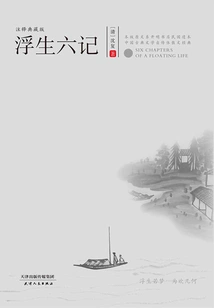
Six Chapters of a Floating Life
Literature浮生六记
Shen Fu
"Six Chapters of a Floating Life" is an autobiographical prose written by Shen Fu of the Qing Dynasty in the 13th year of Jiaqing (1808). It takes the life of the author and his wife as the main line and records the ordinary but interesting home life and travel experiences. The love between Shen Fu and Yun Niang has touched countless people. They were childhood sweethearts, deeply in love with no regrets, and "the love grows deeper as time goes by." Every bit of their lives makes us feel warm and sweet; Yun Niang in Shen Fu's works is even more intelligent, intelligent, and infatuated throughout her life, Lin Yu Tang once described her: "Yun, I think, is one of the loveliest women in Chinese literature." The text in this book is fresh and honest, without any trace of embellishment, and the plot is about a couple's deep love until death; it begins with joy, ends with sorrow, and drifts to a foreign land, which is tragic and touching. Everyone who reads it may have different feelings, but what it gives us is the positive energy of the soul, discovering beauty, conveying beauty, learning to live an optimistic and open-minded life, and making us believe that life is beautiful everywhere.
"Six Chapters of a Floating Life" is an autobiographical prose written by Shen Fu of the Qing Dynasty in the 13th year of Jiaqing (1808). It takes the life of the author and his wife as the main line and records the ordinary but interesting home life and travel experiences. The love between Shen Fu and Yun Niang has touched countless people. They were childhood sweethearts, deeply in love with no regrets, and "the love grows deeper as time goes by." Every bit of their lives makes us feel warm and sweet; Yun Niang in Shen Fu's works is even more intelligent, intelligent, and infatuated throughout her life, Lin Yu Tang once described her: "Yun, I think, is one of the loveliest women in Chinese literature." The text in this book is fresh and honest, without any trace of embellishment, and the plot is about a couple's deep love until death; it begins with joy, ends with sorrow, and drifts to a foreign land, which is tragic and touching. Everyone who reads it may have different feelings, but what it gives us is the positive energy of the soul, discovering beauty, conveying beauty, learning to live an optimistic and open-minded life, and making us believe that life is beautiful everywhere.
世说新语(历代笔记小说大观)
(southern Song Dynasty) Liu Yiqing (liang Dynasty) Marked By Liu Xiao Punctuated By Wang Genlin
"Shishuoxinyu" was written by Liu Yiqing of the Southern Song Dynasty, annotated by Liang Liuxiao, and edited by Wang Genlin. This book is a masterpiece of Zhiren novels, with 36 categories and more than 1,100 stories, dating from the late Qin Dynasty to the Southern Dynasties. Most of the pages record people and events in the past three hundred years from the late Eastern Han Dynasty to the early Liu Song Dynasty. The content involved includes all aspects of politics, economy, society, literature, and thought. It is an important material for studying the history of this period.
"Shishuoxinyu" was written by Liu Yiqing of the Southern Song Dynasty, annotated by Liang Liuxiao, and edited by Wang Genlin. This book is a masterpiece of Zhiren novels, with 36 categories and more than 1,100 stories, dating from the late Qin Dynasty to the Southern Dynasties. Most of the pages record people and events in the past three hundred years from the late Eastern Han Dynasty to the early Liu Song Dynasty. The content involved includes all aspects of politics, economy, society, literature, and thought. It is an important material for studying the history of this period.
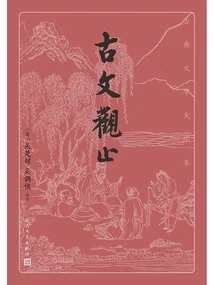
J
LiteratureJ
H
"Guwen Guanzhi" is a selection of ancient prose selected by Wu Chucai and Wu Tiaohou of the Qing Dynasty. This book was compiled as a teaching material for students and was an enlightenment reading for scholars at that time. In the thirty-fourth year of Kangxi's reign (1695), it was officially engraved and printed. The title of the book "Guwen Guanzhi" means that the articles included in the collection represent the highest level of classical Chinese, and the study of classical Chinese stops at this point. The selected essays range from the pre-Qin period to the late Ming Dynasty, and generally reflect the general outline and main features of the development of prose from the pre-Qin period to the late Ming Dynasty. This time, professional scholars were invited to make detailed annotations for each article, along with explanations. The annotations are accurate and the explanations are civilized. It is an important reference book for learning ancient Chinese.
"Guwen Guanzhi" is a selection of ancient prose selected by Wu Chucai and Wu Tiaohou of the Qing Dynasty. This book was compiled as a teaching material for students and was an enlightenment reading for scholars at that time. In the thirty-fourth year of Kangxi's reign (1695), it was officially engraved and printed. The title of the book "Guwen Guanzhi" means that the articles included in the collection represent the highest level of classical Chinese, and the study of classical Chinese stops at this point. The selected essays range from the pre-Qin period to the late Ming Dynasty, and generally reflect the general outline and main features of the development of prose from the pre-Qin period to the late Ming Dynasty. This time, professional scholars were invited to make detailed annotations for each article, along with explanations. The annotations are accurate and the explanations are civilized. It is an important reference book for learning ancient Chinese.
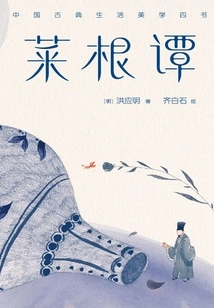
菜根谭(作家榜经典文库)
(ming Dynasty) Written By Hong Yingming And Painted By Qi Baishi
"If you bite the root of the vegetable, you can do everything!" This is a book about finding the inner truth and enlightenment. The book is divided into 5 volumes and contains 383 quotations and aphorisms. It gathers the essence of Confucianism, Buddhism and Taoism, and provides answers to fundamental questions in life such as life and death, honor and disgrace, character, and morality. The language is timeless and full of Zen flavor. Open this book to help you stay calm in adversity and improve your realm of life. Before you know it, your impetuousness and uneasiness disappeared. This book is based on the engraving of Yangzhou Buddhist Scripture Academy in the 13th year of the reign of Emperor Guangxu of the Qing Dynasty, and is based on the engraving of the "happy Yongxuan Series" by Tao Shiyuan of Wujin in the 20th year of the Republic of China. Contains 103 high-definition paintings by Qi Baishi.
"If you bite the root of the vegetable, you can do everything!" This is a book about finding the inner truth and enlightenment. The book is divided into 5 volumes and contains 383 quotations and aphorisms. It gathers the essence of Confucianism, Buddhism and Taoism, and provides answers to fundamental questions in life such as life and death, honor and disgrace, character, and morality. The language is timeless and full of Zen flavor. Open this book to help you stay calm in adversity and improve your realm of life. Before you know it, your impetuousness and uneasiness disappeared. This book is based on the engraving of Yangzhou Buddhist Scripture Academy in the 13th year of the reign of Emperor Guangxu of the Qing Dynasty, and is based on the engraving of the "happy Yongxuan Series" by Tao Shiyuan of Wujin in the 20th year of the Republic of China. Contains 103 high-definition paintings by Qi Baishi.