Library
Browse and search books
521 novels found
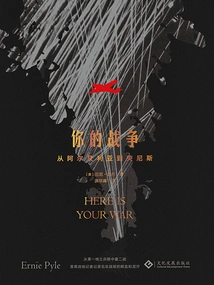
你的战争:从阿尔及利亚到突尼斯
K
Ernie Pyle began reporting on the North African battlefield as a war correspondent in 1942. He followed the troop transport ship to Africa and experienced the gunfire and smoke of the Tunisian campaign with the Allied soldiers. 1St Infantry Division and 1st Armored Division, privates and privates, jeeps and GMC two-and-a-half-ton trucks and Douglas DC-3 cargo planes, prisoners of war and trophies, dive bombing and machine gun fire, snakes and lizards, doctors and nurses, rations and blankets, behind it all lay graves and graves and graves. Pyle tells "our war" from various angles and in every detail. The Allies, the Germans, the French, and the Arabs, from soldiers to officers, Pyle observed them without any preconceived views and found that they had both illusions and realities about war. For the Allied soldiers, they died, and so those who were left could live on.
Ernie Pyle began reporting on the North African battlefield as a war correspondent in 1942. He followed the troop transport ship to Africa and experienced the gunfire and smoke of the Tunisian campaign with the Allied soldiers. 1St Infantry Division and 1st Armored Division, privates and privates, jeeps and GMC two-and-a-half-ton trucks and Douglas DC-3 cargo planes, prisoners of war and trophies, dive bombing and machine gun fire, snakes and lizards, doctors and nurses, rations and blankets, behind it all lay graves and graves and graves. Pyle tells "our war" from various angles and in every detail. The Allies, the Germans, the French, and the Arabs, from soldiers to officers, Pyle observed them without any preconceived views and found that they had both illusions and realities about war. For the Allied soldiers, they died, and so those who were left could live on.
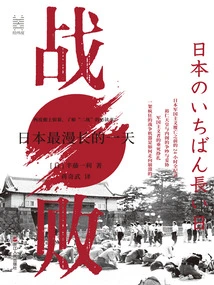
Defeat: Japan's Longest Day
Military战败:日本最漫长的一天
(japanese) Hanto Kazuri
Repent, resist, admit defeat, throw the blame... Open this book and gain insight into a crazy 24 hours of the end of Japanese militarism. In the 24 hours before Japan announced its surrender, the emperor, prime minister, ministers, military officers... Each made their own choices. The different choices the Japanese made when facing failure still affect Japan's political direction to this day. This book gives a panoramic view of a series of events that occurred from noon on August 14 to noon on August 15 before Japan's defeat and surrender, surrounding the "End War Edict", and clearly tells what happened behind Japan's final fall. In this process, various forces and classes in Japan had different attitudes towards the issue of surrender. In the 24 hours before 12:00 noon on August 15, 1945, all that happened surrounding Japan's Emperor Hirohito's decision to accept the "Potsdam Declaration" and officially issue the "End of War Edict" to unconditionally surrender to the United States, Britain, the Soviet Union, and China: an unacceptable reality and an unimaginable future. , The emotional expressions and behavioral choices of various people in the political and military circles, the controversies and variables in the implementation of the end-of-war procedures, the ambiguity and deliberate avoidance of the "End-of-War Edict", the disobedient special attack of the air force base commander, the desperate mutiny of young officers from the Army Ministry... What happened behind Japan's final fall? As a classic book on the theme of World War II, this book has been adapted into movies twice and has a great influence.
Repent, resist, admit defeat, throw the blame... Open this book and gain insight into a crazy 24 hours of the end of Japanese militarism. In the 24 hours before Japan announced its surrender, the emperor, prime minister, ministers, military officers... Each made their own choices. The different choices the Japanese made when facing failure still affect Japan's political direction to this day. This book gives a panoramic view of a series of events that occurred from noon on August 14 to noon on August 15 before Japan's defeat and surrender, surrounding the "End War Edict", and clearly tells what happened behind Japan's final fall. In this process, various forces and classes in Japan had different attitudes towards the issue of surrender. In the 24 hours before 12:00 noon on August 15, 1945, all that happened surrounding Japan's Emperor Hirohito's decision to accept the "Potsdam Declaration" and officially issue the "End of War Edict" to unconditionally surrender to the United States, Britain, the Soviet Union, and China: an unacceptable reality and an unimaginable future. , The emotional expressions and behavioral choices of various people in the political and military circles, the controversies and variables in the implementation of the end-of-war procedures, the ambiguity and deliberate avoidance of the "End-of-War Edict", the disobedient special attack of the air force base commander, the desperate mutiny of young officers from the Army Ministry... What happened behind Japan's final fall? As a classic book on the theme of World War II, this book has been adapted into movies twice and has a great influence.
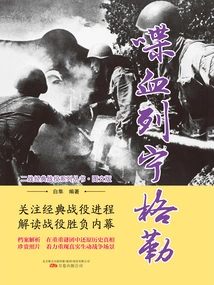
The Bloody Leningrad
Military喋血列宁格勒
Compiled By Bai Falcon
900 days and nights were the years of bitter fighting between the army and the people of Leningrad and the Nazi German army. It was a desperate battle of will and endurance. From Hitler's plot to attack Leningrad to his crazy attack and then the long siege of the city, from Stalin's deployment of troops to Zhukov's desperate defense of the city to the unity of the army and the people to fight against the Germans, this book details the battle scenes at that time and the words and deeds of relevant characters.
900 days and nights were the years of bitter fighting between the army and the people of Leningrad and the Nazi German army. It was a desperate battle of will and endurance. From Hitler's plot to attack Leningrad to his crazy attack and then the long siege of the city, from Stalin's deployment of troops to Zhukov's desperate defense of the city to the unity of the army and the people to fight against the Germans, this book details the battle scenes at that time and the words and deeds of relevant characters.
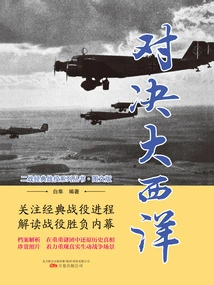
Showdown at Atlantic
Military对决大西洋
Compiled By Bai Falcon
The vast Atlantic Ocean has undercurrents surging because the "wolf pack" is on the move. The German submarine group had an eerie name during World War II - the Wolf Pack. It was the presence of "wolves" that made the blue Atlantic Ocean billow with smoke and became a special battlefield during World War II. From this book, you will see the formation of the "wolf pack", the rampage of the "wolf pack", and the joint efforts of Britain and the United States to round up the "wolf pack". The intense scenes will constantly shock your eyes.
The vast Atlantic Ocean has undercurrents surging because the "wolf pack" is on the move. The German submarine group had an eerie name during World War II - the Wolf Pack. It was the presence of "wolves" that made the blue Atlantic Ocean billow with smoke and became a special battlefield during World War II. From this book, you will see the formation of the "wolf pack", the rampage of the "wolf pack", and the joint efforts of Britain and the United States to round up the "wolf pack". The intense scenes will constantly shock your eyes.
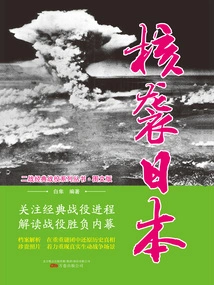
Nuclear Attack on Japan
Military核袭日本
Compiled By Bai Falcon
The nuclear attack on Japan was the first use of nuclear weapons in world history. The stubborn resistance of the Japanese fascists provided a rare testing ground for the American atomic bomb. The suffocating preparations before the nuclear attack, the tension and excitement during the attack, the eye-popping scenes of destruction after the attack... This book will tell readers the events in detail from a unique perspective.
The nuclear attack on Japan was the first use of nuclear weapons in world history. The stubborn resistance of the Japanese fascists provided a rare testing ground for the American atomic bomb. The suffocating preparations before the nuclear attack, the tension and excitement during the attack, the eye-popping scenes of destruction after the attack... This book will tell readers the events in detail from a unique perspective.
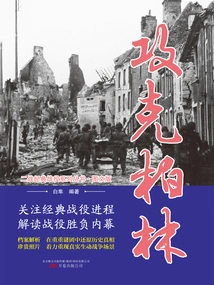
Capture of Berlin
Military攻克柏林
Compiled By Bai Falcon
The Battle of Berlin was the last strategic offensive campaign organized and implemented by the Soviet Red Army. The battle was no less brutal than any major battle in World War II. Why did Eisenhower give up the historical task of conquering Berlin to the Soviet army? How did Zhukov lead a million-strong army to encircle Berlin? Faced with the siege of the city, what did Hitler do? This book truly and vividly reveals to readers the end war of Nazi Germany.
The Battle of Berlin was the last strategic offensive campaign organized and implemented by the Soviet Red Army. The battle was no less brutal than any major battle in World War II. Why did Eisenhower give up the historical task of conquering Berlin to the Soviet army? How did Zhukov lead a million-strong army to encircle Berlin? Faced with the siege of the city, what did Hitler do? This book truly and vividly reveals to readers the end war of Nazi Germany.
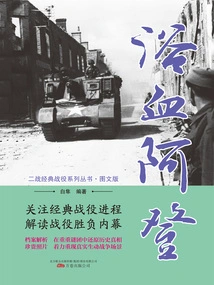
Bloody Ardennes
Military浴血阿登
Compiled By Bai Falcon
The Battle of the Ardennes was the last large-scale offensive launched by Nazi Germany on the Western Front, exhausting the last of its elite. This battle is unforgettable for Americans. It was the bloodiest battle that the US military encountered in World War II, with more casualties than any other battle. The language of this book is bright and vivid, and it truly reproduces the scenes of the Battle of the Ardennes.
The Battle of the Ardennes was the last large-scale offensive launched by Nazi Germany on the Western Front, exhausting the last of its elite. This battle is unforgettable for Americans. It was the bloodiest battle that the US military encountered in World War II, with more casualties than any other battle. The language of this book is bright and vivid, and it truly reproduces the scenes of the Battle of the Ardennes.
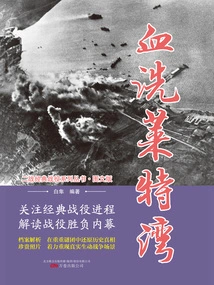
Bloodbath of Leyte Gulf
Military血洗莱特湾
Compiled By Bai Falcon
The Battle of Leyte Gulf was the largest naval battle in history and the last major aircraft carrier showdown. The Japanese army launched the first organized kamikaze suicide attack in this naval battle, leaving the Americans at a loss. During the battle, due to misjudgments by U. S. Military generals, U. S. Destroyers had to fight hand-to-hand with Japanese heavy warships in order to gain more air combat time for the U. S. Military.
The Battle of Leyte Gulf was the largest naval battle in history and the last major aircraft carrier showdown. The Japanese army launched the first organized kamikaze suicide attack in this naval battle, leaving the Americans at a loss. During the battle, due to misjudgments by U. S. Military generals, U. S. Destroyers had to fight hand-to-hand with Japanese heavy warships in order to gain more air combat time for the U. S. Military.
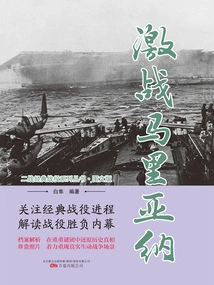
Battle of Mariana
Military激战马里亚纳
Compiled By Bai Falcon
The Battle of Mariana was the largest aircraft carrier battle in world history. U. S. Aircraft easily shot down a large number of Japanese aircraft, so the battle was also called the "Mariana Turkey Hunt" by Americans. The Japanese army knew that their defeat was certain, but they still fought to the death, causing the Americans a headache. This book gives a panoramic view of the fierce battle conditions of the Mariana naval battle, such as the battle between aircraft carriers and so on.
The Battle of Mariana was the largest aircraft carrier battle in world history. U. S. Aircraft easily shot down a large number of Japanese aircraft, so the battle was also called the "Mariana Turkey Hunt" by Americans. The Japanese army knew that their defeat was certain, but they still fought to the death, causing the Americans a headache. This book gives a panoramic view of the fierce battle conditions of the Mariana naval battle, such as the battle between aircraft carriers and so on.
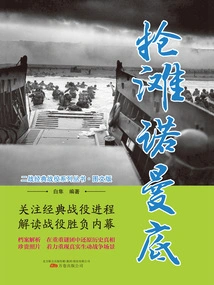
Landing in Normandy
Military抢滩诺曼底
Compiled By Bai Falcon
The Normandy landing was codenamed "Operation Overlord" and was currently the largest maritime landing in the world. The Allies deployed more than 10,000 ships of various types, more than 13,000 combat aircraft, and invested a total of 2.88 Million troops. This book records in detail from the planning of the campaign to the successful landing, with both a panoramic narrative and hearty close-ups.
The Normandy landing was codenamed "Operation Overlord" and was currently the largest maritime landing in the world. The Allies deployed more than 10,000 ships of various types, more than 13,000 combat aircraft, and invested a total of 2.88 Million troops. This book records in detail from the planning of the campaign to the successful landing, with both a panoramic narrative and hearty close-ups.
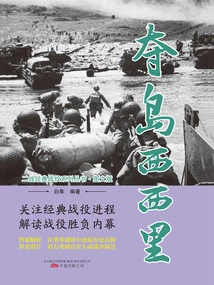
Capture the Island of Sicily
Military夺岛西西里
Compiled By Bai Falcon
The Sicily landing was the first large-scale landing campaign by the British and American Allied forces, and it could also be said to be a preview of the Normandy landing. This battle forced Mussolini to step down and kicked off the Allied invasion of Italy. This book unfolds a large-scale sea landing panorama for readers, from which readers will appreciate the different styles of Patton and Montgomery.
The Sicily landing was the first large-scale landing campaign by the British and American Allied forces, and it could also be said to be a preview of the Normandy landing. This battle forced Mussolini to step down and kicked off the Allied invasion of Italy. This book unfolds a large-scale sea landing panorama for readers, from which readers will appreciate the different styles of Patton and Montgomery.
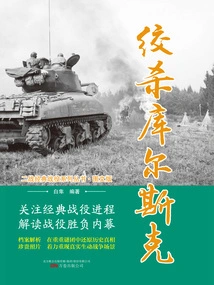
Strangulation of Kursk
Military绞杀库尔斯克
Compiled By Bai Falcon
The Battle of Kursk was the largest tank strangulation battle in World War II and a watershed in the Soviet-German War. In this battle, the Soviet Union and Germany invested a total of nearly 8,000 tanks, both suffered heavy casualties, and ultimately ended in victory for the Soviet Union. This book uses bold lines to outline the grand battlefield of Kursk, uses delicate brushwork to describe the characters' hearts, uses dialogues to reflect the characters' personalities, and uses movie shots to narrate the tragic battles.
The Battle of Kursk was the largest tank strangulation battle in World War II and a watershed in the Soviet-German War. In this battle, the Soviet Union and Germany invested a total of nearly 8,000 tanks, both suffered heavy casualties, and ultimately ended in victory for the Soviet Union. This book uses bold lines to outline the grand battlefield of Kursk, uses delicate brushwork to describe the characters' hearts, uses dialogues to reflect the characters' personalities, and uses movie shots to narrate the tragic battles.
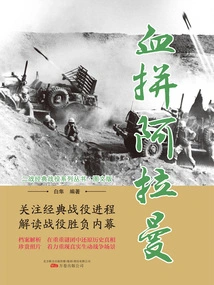
Shopping in El Alamein
Military血拼阿拉曼
Compiled By Bai Falcon
The Battle of El Alamein can be said to be a "show" between Montgomery and Rommel. This battle was not only a showdown of two people's military wisdom, but also a showdown of two people's willpower. If you want to truly understand the cruelty and charm of the Battle of El Alamein, this book will take you into the desert of North Africa, where you will see the competition between two military geniuses, as well as the guns and shouts of death in the desert.
The Battle of El Alamein can be said to be a "show" between Montgomery and Rommel. This battle was not only a showdown of two people's military wisdom, but also a showdown of two people's willpower. If you want to truly understand the cruelty and charm of the Battle of El Alamein, this book will take you into the desert of North Africa, where you will see the competition between two military geniuses, as well as the guns and shouts of death in the desert.
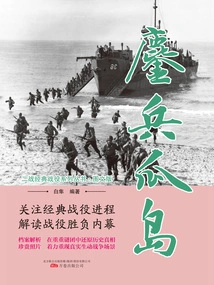
Fighting on Guadalcanal
Military鏖兵瓜岛
Compiled By Bai Falcon
The Battle of Guadalcanal was another major defeat for Japan after the Battle of Midway. After this battle, Japan's strategic advantage no longer existed. In this battle, Japan devoted all its efforts to engage in an unprecedented battle with the U. S. Military on land, in the air, and at sea. The war scenes in this book are magnificently described, restoring the cruel truth of the war to readers.
The Battle of Guadalcanal was another major defeat for Japan after the Battle of Midway. After this battle, Japan's strategic advantage no longer existed. In this battle, Japan devoted all its efforts to engage in an unprecedented battle with the U. S. Military on land, in the air, and at sea. The war scenes in this book are magnificently described, restoring the cruel truth of the war to readers.
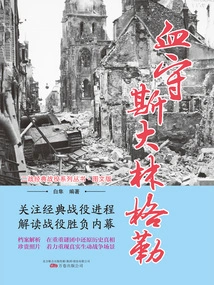
Bloody Defense of Stalingrad
Military血守斯大林格勒
Compiled By Bai Falcon
The Battle of Stalingrad went down in history as a brutal street battle. It was a turning point on the Eastern Front of World War II, with the highest number of participants in history. This book introduces the battle of Stalingrad in detail, tells the performance of Zhukov, Chuikov, Manstein, Paulus and others on the battlefield, allowing readers to appreciate iron and blood, honor and death.
The Battle of Stalingrad went down in history as a brutal street battle. It was a turning point on the Eastern Front of World War II, with the highest number of participants in history. This book introduces the battle of Stalingrad in detail, tells the performance of Zhukov, Chuikov, Manstein, Paulus and others on the battlefield, allowing readers to appreciate iron and blood, honor and death.
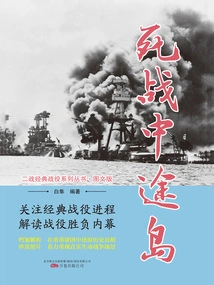
Battle of Midway
Military死战中途岛
Compiled By Bai Falcon
The Battle of Midway was a turning point in the war between Japan and the United States in the Pacific. The U. S. Military defeated the Japanese army with a small number and a large number. After this battle, the Americans began to gradually take the initiative on the battlefield, and the Japanese army began to decline after their disastrous defeat. The Japanese Isoroku Yamamoto attempted to use this battle to completely defeat the U. S. Pacific Fleet and completely control the Western Pacific, but failed miserably. What kind of performance does this arrogant naval madman have? This book will fully reveal it to readers.
The Battle of Midway was a turning point in the war between Japan and the United States in the Pacific. The U. S. Military defeated the Japanese army with a small number and a large number. After this battle, the Americans began to gradually take the initiative on the battlefield, and the Japanese army began to decline after their disastrous defeat. The Japanese Isoroku Yamamoto attempted to use this battle to completely defeat the U. S. Pacific Fleet and completely control the Western Pacific, but failed miserably. What kind of performance does this arrogant naval madman have? This book will fully reveal it to readers.
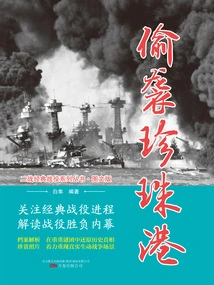
Attack on Pearl Harbor
Military偷袭珍珠港
Compiled By Bai Falcon
The Japanese attack on Pearl Harbor marked Japan's official declaration of war on the United States. The Japanese had planned the sneak attack on Pearl Harbor for a long time. Military, diplomatic and even spy infiltration had done enough homework for this sneak attack. What actions is the U. S. Military taking? What did Isoroku Yamamoto, commander of the Japanese Combined Fleet and supreme commander of the Pearl Harbor attack, do and what did he think? This book will answer the questions for readers one by one.
The Japanese attack on Pearl Harbor marked Japan's official declaration of war on the United States. The Japanese had planned the sneak attack on Pearl Harbor for a long time. Military, diplomatic and even spy infiltration had done enough homework for this sneak attack. What actions is the U. S. Military taking? What did Isoroku Yamamoto, commander of the Japanese Combined Fleet and supreme commander of the Pearl Harbor attack, do and what did he think? This book will answer the questions for readers one by one.
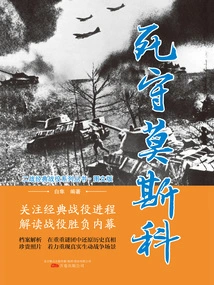
Hold on to Moscow
Military死守莫斯科
Compiled By Bai Falcon
Moscow, a city of immortality. Napoleon died before, and Hitler knew this history very well. But why did he have to attack Moscow, and why did he delay launching a full-scale offensive until winter? What did his frontline commanders do? This book will answer these questions one by one.
Moscow, a city of immortality. Napoleon died before, and Hitler knew this history very well. But why did he have to attack Moscow, and why did he delay launching a full-scale offensive until winter? What did his frontline commanders do? This book will answer these questions one by one.
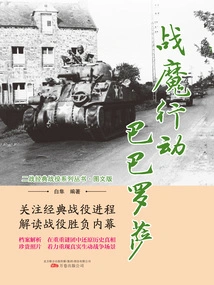
Operation Barbarossa
Military战魔行动巴巴罗萨
Compiled By Bai Falcon
Hitler organized three army groups: Northern, Central, and Southern, and launched an all-out attack on the Soviet Union from north to south, hoping to defeat the Soviet Union in one fell swoop and dominate the world. This was Operation Barbarossa, which shocked the world. Facing the crazy impact of German steel tanks, the Soviet Red Army retreated steadily, and finally stopped the German tanks under the city of Moscow. Why did the German army attack so quickly, and why did the Soviet army retreat steadily? This book will answer readers' questions one by one.
Hitler organized three army groups: Northern, Central, and Southern, and launched an all-out attack on the Soviet Union from north to south, hoping to defeat the Soviet Union in one fell swoop and dominate the world. This was Operation Barbarossa, which shocked the world. Facing the crazy impact of German steel tanks, the Soviet Red Army retreated steadily, and finally stopped the German tanks under the city of Moscow. Why did the German army attack so quickly, and why did the Soviet army retreat steadily? This book will answer readers' questions one by one.
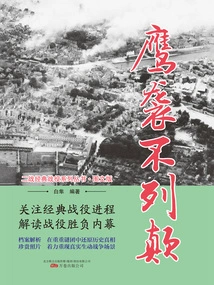
Eagle Raid Britain
Military鹰袭不列颠
Compiled By Bai Falcon
Britain failed to stop Hitler's tanks from rolling through Poland and crushing France. Instead, its own capital was eaten away by the German "eagles". What are the causes of the above tragedies? How did Hitler's plan to bomb Britain come about and how was it implemented? How did the British army and people under the leadership of Churchill respond, and what pictures did they leave behind that will last forever? This book will answer the questions for readers one by one.
Britain failed to stop Hitler's tanks from rolling through Poland and crushing France. Instead, its own capital was eaten away by the German "eagles". What are the causes of the above tragedies? How did Hitler's plan to bomb Britain come about and how was it implemented? How did the British army and people under the leadership of Churchill respond, and what pictures did they leave behind that will last forever? This book will answer the questions for readers one by one.
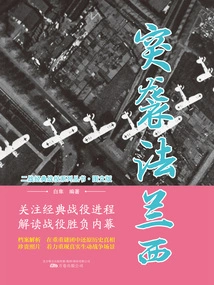
Raid on France
Military突袭法兰西
Compiled By Bai Falcon
Before World War II, France was known as "Europe's number one military power". Unexpectedly, it became the target of Hitler's Germany in just a few dozen days. How did Germany do it? What orders did Hitler give and what words did he say at that time? What are the psychological activities of French leaders and their military generals, and how do they act? This book details the entire process of the raid on France.
Before World War II, France was known as "Europe's number one military power". Unexpectedly, it became the target of Hitler's Germany in just a few dozen days. How did Germany do it? What orders did Hitler give and what words did he say at that time? What are the psychological activities of French leaders and their military generals, and how do they act? This book details the entire process of the raid on France.
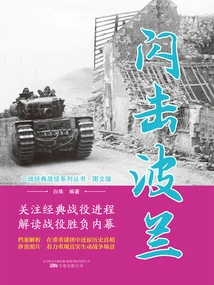
Blitz Poland
Military闪击波兰
Compiled By Bai Falcon
The blitzkrieg into Poland was Hitler's "masterpiece" and the debut of Nazi Germany's tanks. The lightning-fast attack of the German army shocked not only Europe but also the world. How did Hitler and his generals plan and achieve the assault, and how did the Poles respond? This book will present it to you one by one.
The blitzkrieg into Poland was Hitler's "masterpiece" and the debut of Nazi Germany's tanks. The lightning-fast attack of the German army shocked not only Europe but also the world. How did Hitler and his generals plan and achieve the assault, and how did the Poles respond? This book will present it to you one by one.
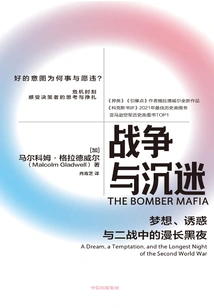
War and Addiction
Military战争与沉迷
(add)malcolm Gladwell
During World War II, a small group of utopian air force strategists known as the "Bomber Mafia" attempted to win the war through precision bombing. After fully studying a new technological device, the Norden bombsight, they determined that daylight bombing targeting only specific critical enemy infrastructure would work. However, things went against expectations. After several failed operations, the war situation got out of control. Subsequently, the top military officials ordered a replacement of commanders. The new commander, Le Mei, implemented a regional bombing strategy that was completely opposite to that of the previous commander Hansel. With the help of napalm bombs, Le Mei bombed a total of 67 cities in Japan. However, due to the heavy casualties caused by the bombing, Le Mei's behavior caused great controversy. This is a story about idealism, pragmatism, technological innovation and the immeasurable cost of war. In the book, Gladwell affirmed LeMay's contribution. Although the method was crude, it shortened the duration of the war. To a certain extent, it could be said to have avoided greater costs and allowed everyone to regain peace and prosperity more quickly. Although the "Bomber Mafia" represented by Hansel was not successful, Gladwell spent a lot of space describing and praising its persistence in dreams, innovation and technology, treating it as a moral model. Without persistence, principles are meaningless. Hansel is a typical Quixotic character. His actions vividly show readers how good intentions can backfire. What Gladwell raises is a philosophical issue of moral judgment and factual judgment, which tests morality and human nature.
During World War II, a small group of utopian air force strategists known as the "Bomber Mafia" attempted to win the war through precision bombing. After fully studying a new technological device, the Norden bombsight, they determined that daylight bombing targeting only specific critical enemy infrastructure would work. However, things went against expectations. After several failed operations, the war situation got out of control. Subsequently, the top military officials ordered a replacement of commanders. The new commander, Le Mei, implemented a regional bombing strategy that was completely opposite to that of the previous commander Hansel. With the help of napalm bombs, Le Mei bombed a total of 67 cities in Japan. However, due to the heavy casualties caused by the bombing, Le Mei's behavior caused great controversy. This is a story about idealism, pragmatism, technological innovation and the immeasurable cost of war. In the book, Gladwell affirmed LeMay's contribution. Although the method was crude, it shortened the duration of the war. To a certain extent, it could be said to have avoided greater costs and allowed everyone to regain peace and prosperity more quickly. Although the "Bomber Mafia" represented by Hansel was not successful, Gladwell spent a lot of space describing and praising its persistence in dreams, innovation and technology, treating it as a moral model. Without persistence, principles are meaningless. Hansel is a typical Quixotic character. His actions vividly show readers how good intentions can backfire. What Gladwell raises is a philosophical issue of moral judgment and factual judgment, which tests morality and human nature.
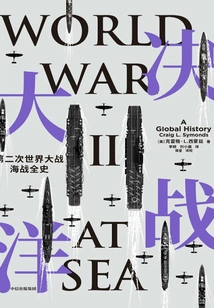
Decisive Battle in the Ocean
Military决战大洋
(us)craig L. Simmonds
In 1939, the German submarine U-47 launched a surprise attack on the British Royal Navy base at Scapa Flow and sank the battleship "Royal Oak", thus kicking off the naval battle of World War II. In 1930, representatives of the five major naval powers, Britain, the United States, Japan, Italy and France, held a conference in London to limit and reduce naval armaments. However, this move failed to avoid the advent of World War II. Within ten years, Europe was once again involved in a new global conflict, and the navy became one of the main forces in this global battlefield. This book covers all the important maritime battles in World War II and analyzes the connections between different battlefields and battles around the world. Simmonds provides a global historical perspective for interpreting the naval battles in World War II. He peels back the details from different levels, such as the differentiated combination of interests among the main participating countries, new fleet equipment, competition and upgrades in combat technology, decision-makers' sea power strategy duel, and combat generals' tactical games, so that the causes and consequences of all previous naval battles can be seen at a glance. Through the narrative in this book, it is not difficult to find that these naval battles did not occur in isolation in different waters, but were interrelated and closely related to the battles on land and the overall war situation. This was the real situation that the decision-makers at the time faced when strategizing.
In 1939, the German submarine U-47 launched a surprise attack on the British Royal Navy base at Scapa Flow and sank the battleship "Royal Oak", thus kicking off the naval battle of World War II. In 1930, representatives of the five major naval powers, Britain, the United States, Japan, Italy and France, held a conference in London to limit and reduce naval armaments. However, this move failed to avoid the advent of World War II. Within ten years, Europe was once again involved in a new global conflict, and the navy became one of the main forces in this global battlefield. This book covers all the important maritime battles in World War II and analyzes the connections between different battlefields and battles around the world. Simmonds provides a global historical perspective for interpreting the naval battles in World War II. He peels back the details from different levels, such as the differentiated combination of interests among the main participating countries, new fleet equipment, competition and upgrades in combat technology, decision-makers' sea power strategy duel, and combat generals' tactical games, so that the causes and consequences of all previous naval battles can be seen at a glance. Through the narrative in this book, it is not difficult to find that these naval battles did not occur in isolation in different waters, but were interrelated and closely related to the battles on land and the overall war situation. This was the real situation that the decision-makers at the time faced when strategizing.
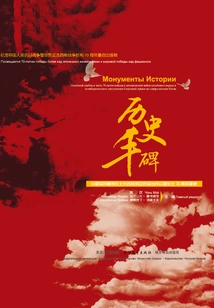
Historical Monument
Military历史丰碑
Editor-in-chief Chen Mei Et Al.
"Historical Monument" is a large-scale atlas co-published by Northern Literature and Art Publishing House and Island Publishing House to commemorate the 70th anniversary of the victory of the Chinese People's War of Resistance Against Japanese Aggression and the World Anti-Fascist War, and to commemorate the heroes who sacrificed their lives in the anti-fascist war. The book is rich in pictures and texts, and the historical facts clearly describe the various atrocities committed by the Japanese fascists in their invasion of Northeast my country. It also records the process of the Northeast Anti-Japanese Allied Forces, under the leadership of the Communist Party of China, tenaciously fighting the Japanese invaders after 14 years of bloody battles. The latter part of the album shows the scenes of troops sent to the Northeast and working with the soldiers and civilians of Northeast China to defeat the Japanese invaders. This book shows the tenacity of the Chinese people in their unyielding struggle against the invaders, and also shows the history of the Chinese and Russian peoples supporting each other and helping each other to jointly fight fascism.
"Historical Monument" is a large-scale atlas co-published by Northern Literature and Art Publishing House and Island Publishing House to commemorate the 70th anniversary of the victory of the Chinese People's War of Resistance Against Japanese Aggression and the World Anti-Fascist War, and to commemorate the heroes who sacrificed their lives in the anti-fascist war. The book is rich in pictures and texts, and the historical facts clearly describe the various atrocities committed by the Japanese fascists in their invasion of Northeast my country. It also records the process of the Northeast Anti-Japanese Allied Forces, under the leadership of the Communist Party of China, tenaciously fighting the Japanese invaders after 14 years of bloody battles. The latter part of the album shows the scenes of troops sent to the Northeast and working with the soldiers and civilians of Northeast China to defeat the Japanese invaders. This book shows the tenacity of the Chinese people in their unyielding struggle against the invaders, and also shows the history of the Chinese and Russian peoples supporting each other and helping each other to jointly fight fascism.
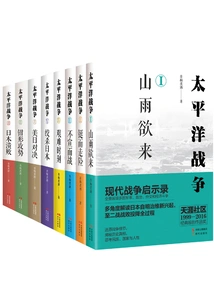
太平洋战争系列(全八册)
Green Plum Wine
The "Pacific War" series tells the panoramic story of the Pacific War in the Pacific, Indian Ocean and East Asia from 1941 to 1945 between Japan, the main member of the Axis Powers, and the Allies such as the United States and Britain during World War II. It completely presents the entire process of the rise and fall of Japanese militarism, in-depth analysis of the causes and consequences of the Pacific War, and displays the military, political, diplomatic and economic struggles between the Axis Powers and the Allies from multiple angles. The author writes fluently, has a clear context, quotes scriptures and discloses historical facts, and has insightful insights into events and characters. The book describes grand war scenes and detailed processes; the characters are full-bodied and have outstanding personalities; the plot is thrilling and gripping. The first part, "The Storm Is Coming", mainly tells the story of the rise of militarism in Japan after the Meiji Restoration, as well as the Sino-Japanese Sino-Japanese War of 1894-1894, the Russo-Japanese War, and the Chinese Anti-Japanese War. The second part, "Despite Risk", mainly tells the story of the Battle of Nomonhan, the signing of the "Triple Alliance Treaty" by Germany, Italy and Japan, and the failure of the peace talks between the United States and Japan. The third part, "Undeclared War," mainly tells how the Japanese militarism attacked Pearl Harbor, occupied Hong Kong, captured Wake Island, and swept through Malaya. The fourth part, "Hard Times," mainly talks about the bloodshed in the Philippines, the precarious island of Java, the quagmire of Burma, the Battle of Ceylon, and the Doolittle Raid. The fifth part, "Strangling Japan," mainly describes the three major battles that accelerated the progress of the Pacific War: the Battle of the Coral Sea, the Battle of Midway, and the Battle of Guadalcanal. The sixth part, "The Showdown between the United States and Japan", mainly describes the Battle of Papua Peninsula, the hunt for Isoroku Yamamoto, the New Georgia Islands landing battle, the Cairo Conference, the bloody battle of Tarawa, etc. The seventh part, "Pincer Offensive", mainly describes the Battle of the Marshall Islands, the Assault on Truk, the Battle of Imphal, the Battle of the Mariana Islands, etc. The eighth part, "The Defeat of Japan," mainly describes the collapse of the Tojo cabinet, the bloody battle of Peleliu, MacArthur's return to the Philippines, the Great Battle of Leyte Gulf, and the decisive battle of Luzon.
The "Pacific War" series tells the panoramic story of the Pacific War in the Pacific, Indian Ocean and East Asia from 1941 to 1945 between Japan, the main member of the Axis Powers, and the Allies such as the United States and Britain during World War II. It completely presents the entire process of the rise and fall of Japanese militarism, in-depth analysis of the causes and consequences of the Pacific War, and displays the military, political, diplomatic and economic struggles between the Axis Powers and the Allies from multiple angles. The author writes fluently, has a clear context, quotes scriptures and discloses historical facts, and has insightful insights into events and characters. The book describes grand war scenes and detailed processes; the characters are full-bodied and have outstanding personalities; the plot is thrilling and gripping. The first part, "The Storm Is Coming", mainly tells the story of the rise of militarism in Japan after the Meiji Restoration, as well as the Sino-Japanese Sino-Japanese War of 1894-1894, the Russo-Japanese War, and the Chinese Anti-Japanese War. The second part, "Despite Risk", mainly tells the story of the Battle of Nomonhan, the signing of the "Triple Alliance Treaty" by Germany, Italy and Japan, and the failure of the peace talks between the United States and Japan. The third part, "Undeclared War," mainly tells how the Japanese militarism attacked Pearl Harbor, occupied Hong Kong, captured Wake Island, and swept through Malaya. The fourth part, "Hard Times," mainly talks about the bloodshed in the Philippines, the precarious island of Java, the quagmire of Burma, the Battle of Ceylon, and the Doolittle Raid. The fifth part, "Strangling Japan," mainly describes the three major battles that accelerated the progress of the Pacific War: the Battle of the Coral Sea, the Battle of Midway, and the Battle of Guadalcanal. The sixth part, "The Showdown between the United States and Japan", mainly describes the Battle of Papua Peninsula, the hunt for Isoroku Yamamoto, the New Georgia Islands landing battle, the Cairo Conference, the bloody battle of Tarawa, etc. The seventh part, "Pincer Offensive", mainly describes the Battle of the Marshall Islands, the Assault on Truk, the Battle of Imphal, the Battle of the Mariana Islands, etc. The eighth part, "The Defeat of Japan," mainly describes the collapse of the Tojo cabinet, the bloody battle of Peleliu, MacArthur's return to the Philippines, the Great Battle of Leyte Gulf, and the decisive battle of Luzon.
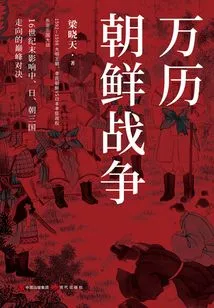
Wanli Korean War
Military万历朝鲜战争
Liang Xiaotian
In the 20th year of Wanli (1592), Toyotomi Hideyoshi initially unified Japan and launched a war of aggression against Korea with all the strength of the country, trying to use Korea as a springboard to attack the Ming Dynasty. North Korea lost Seoul, Kaesong, and Pyongyang in one month, and the war burned to the border between North Korea and the Ming Dynasty. Emperor Wanli sent general Li Rusong to aid North Korea. A large-scale East Asian war that lasted seven years ended with Japan's complete withdrawal from North Korea after a series of overt fighting and covert contests. This Three Kingdoms War between the Ming Dynasty, Lee Korea and the Japanese Toyotomi regime at the end of the 16th century had a profound impact on the historical trends of China, Japan and North Korea and the international relations in East Asia. It integrated the military and political forces of East Asian countries and influenced the peace process in East Asia for the next 300 years. This book comprehensively uses historical materials from China, Japan, and North Korea to describe the battles, confrontations, negotiations, and calculations of all parties in the war. This book is richly illustrated with text, and combines nearly 200 data maps, portraits, war diagrams, armament recovery diagrams, etc., To analyze in detail the politics, diplomacy, economy, military, science and technology, natural conditions and other aspects that affected the outcome of the war, and truly restores the beginning and end of the war.
In the 20th year of Wanli (1592), Toyotomi Hideyoshi initially unified Japan and launched a war of aggression against Korea with all the strength of the country, trying to use Korea as a springboard to attack the Ming Dynasty. North Korea lost Seoul, Kaesong, and Pyongyang in one month, and the war burned to the border between North Korea and the Ming Dynasty. Emperor Wanli sent general Li Rusong to aid North Korea. A large-scale East Asian war that lasted seven years ended with Japan's complete withdrawal from North Korea after a series of overt fighting and covert contests. This Three Kingdoms War between the Ming Dynasty, Lee Korea and the Japanese Toyotomi regime at the end of the 16th century had a profound impact on the historical trends of China, Japan and North Korea and the international relations in East Asia. It integrated the military and political forces of East Asian countries and influenced the peace process in East Asia for the next 300 years. This book comprehensively uses historical materials from China, Japan, and North Korea to describe the battles, confrontations, negotiations, and calculations of all parties in the war. This book is richly illustrated with text, and combines nearly 200 data maps, portraits, war diagrams, armament recovery diagrams, etc., To analyze in detail the politics, diplomacy, economy, military, science and technology, natural conditions and other aspects that affected the outcome of the war, and truly restores the beginning and end of the war.
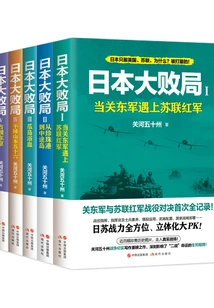
日本大败局系列(全五册)
Guanhe Fifty States
The "Japanese Defeat" series panoramicly restores the entire battle between the Japanese army and the Soviet army and the US military in World War II. It records the life-and-death battles that profoundly affected the fate of World War II and the world pattern! This is also an apocalypse about modern warfare, which still has practical implications for today. "Japan's Great Defeat I: When the Kwantung Army Encountered the Soviet Red Army": The Kwantung Army, a notorious name. During the "September 18th" adventurous military operation, this unit reaped all the benefits, and was thus regarded as the elite of the Japanese Army, the so-called "Flower of the Imperial Army." However, on the eve of World War II, the Kwantung Army exposed its serious flaws in the battle with the Soviet Red Army, and was even completely defeated by the Soviet Red Army in the late stages of World War II. The showdown between the Soviet Red Army and the Kwantung Army also profoundly affected the course of World War II. This book provides a panoramic description of the previous battles between the Kwantung Army and the Soviet Red Army. "Japan's Great Defeat II: From Pearl Harbor to Midway": Japan attacked Pearl Harbor and once had the upper hand on the Pacific battlefield. The US, British, Australian, and Dutch allied forces retreated steadily, and Southeast Asia and other places were quickly included in Japan's "Greater East Asia Co-Prosperity Sphere." However, after the Battle of the Coral Sea and the Battle of Midway, the United States will begin a counterattack, and Japan will eventually taste the bitter consequences of a disastrous defeat. "Japan's Great Defeat III: Bloody Guadalcanal": The Battle of Guadalcanal was the "Battle of Stalingrad in the Pacific." The U. S. Military seized the strategic initiative in the Pacific War with the Battle of Guadalcanal. Since then, there has been a general trend of the United States attacking and defending Japan. The Battle of Guadalcanal brought a fundamental turning point in the Pacific War, and the tragic battle conditions of the battle have become a lingering nightmare in the hearts of countless veterans. "The Great Defeat of Japan IV: Killing Yamamoto Isoroku": With extremely detailed historical materials (including the recollections of veterans who participated in the war), it interprets the classic battles of the Pacific battlefield such as the Attu Island landing, Bougainville Island, Gilbert Islands, Marshall Islands, Mariana Islands, New Guinea, Peleliu Island, and the Philippines. There is a colorful description of MacArthur's careful arrangement to intercept and kill Isoroku Yamamoto, and MacArthur's journey of returning to the Philippines to fulfill his revenge plan. "Japan's Great Defeat V: The Occupation of Tokyo": uses extremely detailed historical materials to interpret and restore the Battle of Leyte Gulf, the Battle of Leyte, the Battle of Luzon, the Battle of Iwo Jima, the LeMay Fire Attack, the Battle of Okinawa, as well as the inside story of the United States' dropping of atomic bombs on Japan and Japan's entanglement, helplessness and response to the situation of defeat.
The "Japanese Defeat" series panoramicly restores the entire battle between the Japanese army and the Soviet army and the US military in World War II. It records the life-and-death battles that profoundly affected the fate of World War II and the world pattern! This is also an apocalypse about modern warfare, which still has practical implications for today. "Japan's Great Defeat I: When the Kwantung Army Encountered the Soviet Red Army": The Kwantung Army, a notorious name. During the "September 18th" adventurous military operation, this unit reaped all the benefits, and was thus regarded as the elite of the Japanese Army, the so-called "Flower of the Imperial Army." However, on the eve of World War II, the Kwantung Army exposed its serious flaws in the battle with the Soviet Red Army, and was even completely defeated by the Soviet Red Army in the late stages of World War II. The showdown between the Soviet Red Army and the Kwantung Army also profoundly affected the course of World War II. This book provides a panoramic description of the previous battles between the Kwantung Army and the Soviet Red Army. "Japan's Great Defeat II: From Pearl Harbor to Midway": Japan attacked Pearl Harbor and once had the upper hand on the Pacific battlefield. The US, British, Australian, and Dutch allied forces retreated steadily, and Southeast Asia and other places were quickly included in Japan's "Greater East Asia Co-Prosperity Sphere." However, after the Battle of the Coral Sea and the Battle of Midway, the United States will begin a counterattack, and Japan will eventually taste the bitter consequences of a disastrous defeat. "Japan's Great Defeat III: Bloody Guadalcanal": The Battle of Guadalcanal was the "Battle of Stalingrad in the Pacific." The U. S. Military seized the strategic initiative in the Pacific War with the Battle of Guadalcanal. Since then, there has been a general trend of the United States attacking and defending Japan. The Battle of Guadalcanal brought a fundamental turning point in the Pacific War, and the tragic battle conditions of the battle have become a lingering nightmare in the hearts of countless veterans. "The Great Defeat of Japan IV: Killing Yamamoto Isoroku": With extremely detailed historical materials (including the recollections of veterans who participated in the war), it interprets the classic battles of the Pacific battlefield such as the Attu Island landing, Bougainville Island, Gilbert Islands, Marshall Islands, Mariana Islands, New Guinea, Peleliu Island, and the Philippines. There is a colorful description of MacArthur's careful arrangement to intercept and kill Isoroku Yamamoto, and MacArthur's journey of returning to the Philippines to fulfill his revenge plan. "Japan's Great Defeat V: The Occupation of Tokyo": uses extremely detailed historical materials to interpret and restore the Battle of Leyte Gulf, the Battle of Leyte, the Battle of Luzon, the Battle of Iwo Jima, the LeMay Fire Attack, the Battle of Okinawa, as well as the inside story of the United States' dropping of atomic bombs on Japan and Japan's entanglement, helplessness and response to the situation of defeat.
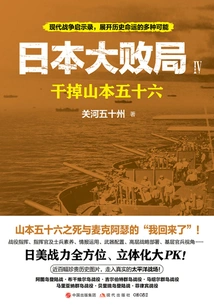
日本大败局Ⅳ:干掉山本五十六
Guanhe Fifty States
This book uses detailed historical materials to restore classic battles in the Pacific battlefield such as the Battle of Bougainville, the Battle of the Marshall Islands, the Battle of the Mariana Islands, the Battle of New Guinea, the Peleliu Island Landing, and the Battle of the Philippines. There is a colorful description of MacArthur's careful arrangement to intercept and kill Yamamoto Isoroku, MacArthur's return to the Philippines to realize his revenge plan, and his "leapfrog tactics". It provides a wonderful interpretation of details such as the strategic deployment of both warring parties, high-level power games, campaign command, intelligence use, weapons configuration, innovations in combat technology, and the battlefield perspectives of grassroots officers and soldiers. Hundreds of precious historical pictures take readers into the smoke-filled Pacific battlefield.
This book uses detailed historical materials to restore classic battles in the Pacific battlefield such as the Battle of Bougainville, the Battle of the Marshall Islands, the Battle of the Mariana Islands, the Battle of New Guinea, the Peleliu Island Landing, and the Battle of the Philippines. There is a colorful description of MacArthur's careful arrangement to intercept and kill Yamamoto Isoroku, MacArthur's return to the Philippines to realize his revenge plan, and his "leapfrog tactics". It provides a wonderful interpretation of details such as the strategic deployment of both warring parties, high-level power games, campaign command, intelligence use, weapons configuration, innovations in combat technology, and the battlefield perspectives of grassroots officers and soldiers. Hundreds of precious historical pictures take readers into the smoke-filled Pacific battlefield.
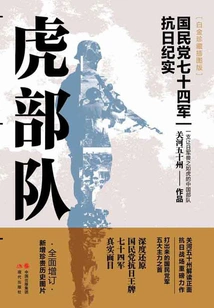
虎部队(白金珍藏插图版)
Guanhe Fifty States
This book objectively and deeply restores the true face of the Seventy-Fourth Army, the chief ace of the Kuomintang's anti-Japanese army! Among the five main forces of the Kuomintang army, some rely on direct descendants to rise to power, while others rely on American advanced equipment to dominate. Only the 74th Army truly relied on its own ability to earn its title as the leader of the main force on the anti-Japanese battlefield. During the Anti-Japanese War, the 74th Army participated in many battles such as the Battle of Songhu, the Battle of Xuzhou, the Battle of Changsha, the Battle of Changde, and the Battle of Henan, Hunan and Guangxi. It participated in the battle on the frontal battlefield for the longest time, wiped out the most enemies, and achieved the greatest military exploits. It defeated the Japanese army many times and was once known as the "Anti-Japanese Iron Army". Wherever this unit appears, there will be a turning point. Therefore, the Japanese army calls it the "Tiger Unit" (Tiger's Son), fearing it like a tiger on the battlefield. This book takes the 74th Army during the Anti-Japanese War as the main line. While revealing the inside story of the growth of this famous army, it also uses a point-to-point approach to present the panoramic view of the frontal Anti-Japanese battlefield. While restoring the true details of the Anti-Japanese battlefield, the unique new writing will make you hooked! In addition to adding nearly 10,000 words of content, this updated edition also adds nearly a hundred precious historical photos, giving readers an immersive reading experience.
This book objectively and deeply restores the true face of the Seventy-Fourth Army, the chief ace of the Kuomintang's anti-Japanese army! Among the five main forces of the Kuomintang army, some rely on direct descendants to rise to power, while others rely on American advanced equipment to dominate. Only the 74th Army truly relied on its own ability to earn its title as the leader of the main force on the anti-Japanese battlefield. During the Anti-Japanese War, the 74th Army participated in many battles such as the Battle of Songhu, the Battle of Xuzhou, the Battle of Changsha, the Battle of Changde, and the Battle of Henan, Hunan and Guangxi. It participated in the battle on the frontal battlefield for the longest time, wiped out the most enemies, and achieved the greatest military exploits. It defeated the Japanese army many times and was once known as the "Anti-Japanese Iron Army". Wherever this unit appears, there will be a turning point. Therefore, the Japanese army calls it the "Tiger Unit" (Tiger's Son), fearing it like a tiger on the battlefield. This book takes the 74th Army during the Anti-Japanese War as the main line. While revealing the inside story of the growth of this famous army, it also uses a point-to-point approach to present the panoramic view of the frontal Anti-Japanese battlefield. While restoring the true details of the Anti-Japanese battlefield, the unique new writing will make you hooked! In addition to adding nearly 10,000 words of content, this updated edition also adds nearly a hundred precious historical photos, giving readers an immersive reading experience.
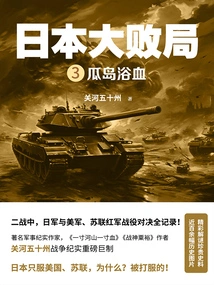
日本大败局3:瓜岛浴血
Guanhe Fifty States
The Battle of Guadalcanal brought a fundamental turning point in the Pacific War, and the tragic battle conditions of the battle have become a lingering nightmare in the hearts of countless veterans. This book uses extremely detailed historical materials (including the memories of veterans who participated in the war) to restore the actual battle situation of the Battle of Guadalcanal. It provides wonderful interpretation and comparison of the strategic deployment of the two warring parties, high-level power games, campaign command, commanders and soldiers' qualities, intelligence use, weapon configuration, innovations in combat technology, and the battlefield perspectives of grassroots officers and soldiers. It is accompanied by hundreds of precious historical pictures, bringing readers into the smoke-filled Pacific battlefield.
The Battle of Guadalcanal brought a fundamental turning point in the Pacific War, and the tragic battle conditions of the battle have become a lingering nightmare in the hearts of countless veterans. This book uses extremely detailed historical materials (including the memories of veterans who participated in the war) to restore the actual battle situation of the Battle of Guadalcanal. It provides wonderful interpretation and comparison of the strategic deployment of the two warring parties, high-level power games, campaign command, commanders and soldiers' qualities, intelligence use, weapon configuration, innovations in combat technology, and the battlefield perspectives of grassroots officers and soldiers. It is accompanied by hundreds of precious historical pictures, bringing readers into the smoke-filled Pacific battlefield.
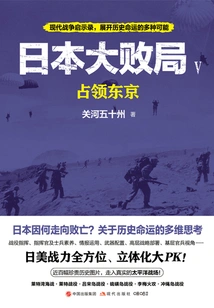
日本大败局Ⅴ:占领东京
Guanhe Fifty States
This book uses extremely detailed historical data to interpret and restore the Battle of Leyte Gulf, the Battle of Leyte, the Battle of Luzon, the Battle of Iwo Jima, the LeMay Fire Attack, the Battle of Okinawa, as well as the inside story of the United States dropping the atomic bomb on Japan and Japan's entanglement, helplessness and response to the situation of defeat. It provides a wonderful interpretation and comparison of details such as the strategic deployment of the two warring parties, high-level power games, campaign command, commanders and soldiers' qualities, intelligence use, weapon configuration, innovations in combat technology, and the battlefield perspectives of grassroots officers and soldiers. It is accompanied by hundreds of precious historical pictures, bringing readers into the smoke-filled Pacific battlefield and launching multi-dimensional thinking about the reincarnation of historical destiny.
This book uses extremely detailed historical data to interpret and restore the Battle of Leyte Gulf, the Battle of Leyte, the Battle of Luzon, the Battle of Iwo Jima, the LeMay Fire Attack, the Battle of Okinawa, as well as the inside story of the United States dropping the atomic bomb on Japan and Japan's entanglement, helplessness and response to the situation of defeat. It provides a wonderful interpretation and comparison of details such as the strategic deployment of the two warring parties, high-level power games, campaign command, commanders and soldiers' qualities, intelligence use, weapon configuration, innovations in combat technology, and the battlefield perspectives of grassroots officers and soldiers. It is accompanied by hundreds of precious historical pictures, bringing readers into the smoke-filled Pacific battlefield and launching multi-dimensional thinking about the reincarnation of historical destiny.
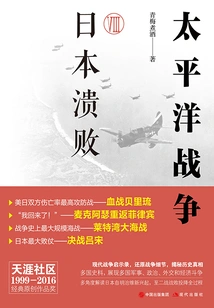
Pacific War Viii: Japan's Defeat
Military太平洋战争Ⅷ:日本溃败
Green Plum Wine
The "Pacific War" series tells the panoramic story of the Pacific War in the Pacific, Indian Ocean and East Asia from 1941 to 1945 between Japan, the main member of the Axis Powers, and the United States, Britain and other Allied Powers in World War II. It completely presents the entire process from the rise to the fall of Japanese militarism, in-depth analysis of the causes and consequences of the Pacific War, and displays the military, political, diplomatic and economic struggles between the Axis Powers and the Allies from multiple angles. The author writes fluently, has a clear context, quotes scriptures, restores historical facts, and has insightful insights into events and characters. The war scenes in the book are grand and the process is delicate; the characters are full-bodied and have outstanding personalities; the plot is thrilling and gripping. This book is the eighth volume of the "Pacific War" series, "The Defeat of Japan", which mainly describes the collapse of the Tojo cabinet, the bloody battle of Peleliu, MacArthur's return to the Philippines, the Great Battle of Leyte Gulf, and the decisive battle of Luzon.
The "Pacific War" series tells the panoramic story of the Pacific War in the Pacific, Indian Ocean and East Asia from 1941 to 1945 between Japan, the main member of the Axis Powers, and the United States, Britain and other Allied Powers in World War II. It completely presents the entire process from the rise to the fall of Japanese militarism, in-depth analysis of the causes and consequences of the Pacific War, and displays the military, political, diplomatic and economic struggles between the Axis Powers and the Allies from multiple angles. The author writes fluently, has a clear context, quotes scriptures, restores historical facts, and has insightful insights into events and characters. The war scenes in the book are grand and the process is delicate; the characters are full-bodied and have outstanding personalities; the plot is thrilling and gripping. This book is the eighth volume of the "Pacific War" series, "The Defeat of Japan", which mainly describes the collapse of the Tojo cabinet, the bloody battle of Peleliu, MacArthur's return to the Philippines, the Great Battle of Leyte Gulf, and the decisive battle of Luzon.
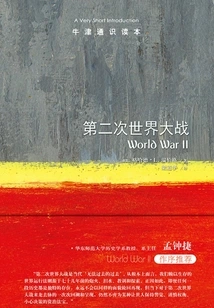
牛津通识读本:第二次世界大战(中文版)
(germany) Gerhard L. Weinberg
The huge loss of life and material destruction caused by the First World War led people to pray that such a disaster would never happen again. Yet how could this happen when World War II caused twice as many deaths and destruction as the previous war? In this book, Gerhard L. Weinberg introduces the origins and process of World War II as well as the impact of the war on the participants and ordinary citizens who experienced the war. Starting from the gap between the two world wars and the German invasion of Poland in September 1939, he analyzes the progress of the war by examining key events including the Battle of Poland, the Battle of France, Operation Barbarossa, the expansion of Japan's war with China, the development of the rear front, and the Allied victory in 1944-1945. Discussing the costs and effects of war, Weinberg concludes: World War II left a lasting mark on today's society.
The huge loss of life and material destruction caused by the First World War led people to pray that such a disaster would never happen again. Yet how could this happen when World War II caused twice as many deaths and destruction as the previous war? In this book, Gerhard L. Weinberg introduces the origins and process of World War II as well as the impact of the war on the participants and ordinary citizens who experienced the war. Starting from the gap between the two world wars and the German invasion of Poland in September 1939, he analyzes the progress of the war by examining key events including the Battle of Poland, the Battle of France, Operation Barbarossa, the expansion of Japan's war with China, the development of the rear front, and the Allied victory in 1944-1945. Discussing the costs and effects of war, Weinberg concludes: World War II left a lasting mark on today's society.
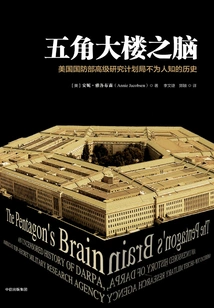
The Brain of the Pentagon: the Untold History of the Defense Advanced Research Projects Agency
Military五角大楼之脑:美国国防部高级研究计划局不为人知的历史
V
For the past half century, the Defense Advanced Research Projects Agency (DARPA) has been the power of the nation and a reflection of America's most high-tech military might. Through interviews with retired and non-retired scientists, the author records the history of DARPA, the world's most powerful military technology and production agency, such as neuroscientists building artificial brains, cell biologists working on limb regeneration, and Nobel Prize winners inventing lasers; such as the role of Agent Orange and electronic barriers on the Vietnam battlefield, anti-terrorism insect robots, rockets with smart cameras, full of war and advanced computer programs. It tells the debates about DARPA's research from the beginning of the Cold War to the present, and the mysterious and arduous process from debates to scientific experiments to the successful development of an invention. Like a spy novel full of intrigue and high risks, Jacobson writes the history of DARPA as a fascinating testimony of human wisdom; like a history of military science, describing the endless industrial revolution and the great progress of military creation; like a blueprint depicting the future of mankind, each of DARPA's innovative inventions represents the infinite space for future development.
For the past half century, the Defense Advanced Research Projects Agency (DARPA) has been the power of the nation and a reflection of America's most high-tech military might. Through interviews with retired and non-retired scientists, the author records the history of DARPA, the world's most powerful military technology and production agency, such as neuroscientists building artificial brains, cell biologists working on limb regeneration, and Nobel Prize winners inventing lasers; such as the role of Agent Orange and electronic barriers on the Vietnam battlefield, anti-terrorism insect robots, rockets with smart cameras, full of war and advanced computer programs. It tells the debates about DARPA's research from the beginning of the Cold War to the present, and the mysterious and arduous process from debates to scientific experiments to the successful development of an invention. Like a spy novel full of intrigue and high risks, Jacobson writes the history of DARPA as a fascinating testimony of human wisdom; like a history of military science, describing the endless industrial revolution and the great progress of military creation; like a blueprint depicting the future of mankind, each of DARPA's innovative inventions represents the infinite space for future development.
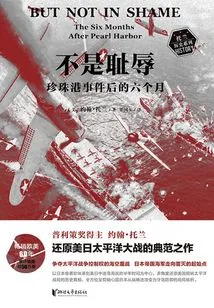
不是耻辱:珍珠港事件后的六个月
J
"Not a Shame: Six Months After Pearl Harbor" is a classic historical work about the Pacific naval war between the United States and Japan by the well-known American historian John Toland. It is known as the "original book" in writing the history of the Pacific War. The English version has been highly praised overseas since its publication 60 years ago. This laid the foundation for his subsequent creation of "The History of the Decline and Fall of the Japanese Empire". The book focuses on the brutal offensive and defensive battles between the United States and Japan in the Pacific battlefield for half a year, focusing on the half-year period from Japan's sneak attack on Pearl Harbor to the U. S.-Japanese naval battle of Midway. It restores the historical truth of the United States' reversal of the Pacific war situation from multiple angles. It presents in detail the battlefield transition of Axis power Japan from strategic offensive to island defense. It also uses the experiences of each general and soldier to reproduce the dramatic changes in the battle situation from the Pearl Harbor incident to the Battle of Midway in World War II.
"Not a Shame: Six Months After Pearl Harbor" is a classic historical work about the Pacific naval war between the United States and Japan by the well-known American historian John Toland. It is known as the "original book" in writing the history of the Pacific War. The English version has been highly praised overseas since its publication 60 years ago. This laid the foundation for his subsequent creation of "The History of the Decline and Fall of the Japanese Empire". The book focuses on the brutal offensive and defensive battles between the United States and Japan in the Pacific battlefield for half a year, focusing on the half-year period from Japan's sneak attack on Pearl Harbor to the U. S.-Japanese naval battle of Midway. It restores the historical truth of the United States' reversal of the Pacific war situation from multiple angles. It presents in detail the battlefield transition of Axis power Japan from strategic offensive to island defense. It also uses the experiences of each general and soldier to reproduce the dramatic changes in the battle situation from the Pearl Harbor incident to the Battle of Midway in World War II.
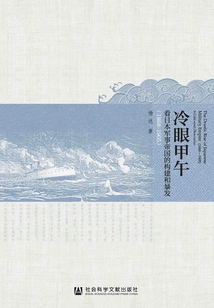
冷眼甲午:看日本军事帝国的构建和暴发(1868~1905)
Yang Da
This book mainly studies the formation of war capabilities and the evolution of its military strategy in preparation for the Sino-Japanese War of 1894-1894 and the Russo-Japanese War based on the national grand strategic goal of the "Continental Policy" after Japan's rise through the Meiji Restoration. Based on a review of the construction and outbreak of Japan's military empire, this book summarizes its successful experience and failure lessons, which has certain practical significance.
This book mainly studies the formation of war capabilities and the evolution of its military strategy in preparation for the Sino-Japanese War of 1894-1894 and the Russo-Japanese War based on the national grand strategic goal of the "Continental Policy" after Japan's rise through the Meiji Restoration. Based on a review of the construction and outbreak of Japan's military empire, this book summarizes its successful experience and failure lessons, which has certain practical significance.
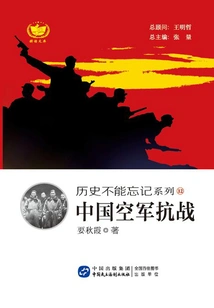
中国空军抗战
Want Qiuxia
"History Can't Forget" is a themed series of books specially designed by China Democracy and Legal Publishing House for young readers. It aims to allow young people to fully understand the face of the Anti-Japanese War and inspire their patriotism. This book is a part of the series, which mainly reflects the creation of the Chinese Air Force. The Air Force participated in the Songhu Anti-Japanese War, the August 14th Air Battle, the defense of Nanjing, the defense of Nanchang, the attack on the Japanese airport in Taiwan, the Xuzhou Operation, the Wuhan Air Battle, the Japanese Paper Bombing Expedition and other anti-war deeds. It also tells the heroic deeds of the Soviet Air Force to aid China, the American Flying Tigers and the Fourteenth Air Force.
"History Can't Forget" is a themed series of books specially designed by China Democracy and Legal Publishing House for young readers. It aims to allow young people to fully understand the face of the Anti-Japanese War and inspire their patriotism. This book is a part of the series, which mainly reflects the creation of the Chinese Air Force. The Air Force participated in the Songhu Anti-Japanese War, the August 14th Air Battle, the defense of Nanjing, the defense of Nanchang, the attack on the Japanese airport in Taiwan, the Xuzhou Operation, the Wuhan Air Battle, the Japanese Paper Bombing Expedition and other anti-war deeds. It also tells the heroic deeds of the Soviet Air Force to aid China, the American Flying Tigers and the Fourteenth Air Force.
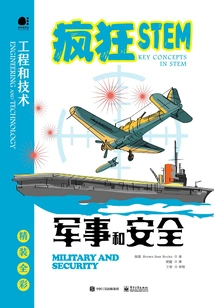
军事和安全(全彩版)
(uk)brown Bear Books
From primitive clubs and stone daggers to modern heat-seeking missiles and guided bombs, this book reviews the history of weapons and equipment, not only recording the various inventions and creations of weapons and equipment, such as javelins, bows, crossbows, and Chinese gunpowder, but also telling the story of how these weapons and equipment revolutionized warfare. This book also sorts out the history of human security and introduces the development of security tools from ancient locks to modern digital security equipment.
From primitive clubs and stone daggers to modern heat-seeking missiles and guided bombs, this book reviews the history of weapons and equipment, not only recording the various inventions and creations of weapons and equipment, such as javelins, bows, crossbows, and Chinese gunpowder, but also telling the story of how these weapons and equipment revolutionized warfare. This book also sorts out the history of human security and introduces the development of security tools from ancient locks to modern digital security equipment.
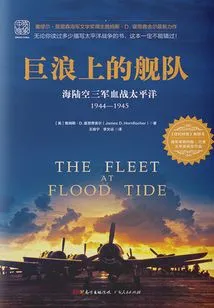
Fleet on the Waves
Military巨浪上的舰队
(u. S.) James D. Hornfischer
From 1944 to 1945, from the central Pacific to the Japanese mainland, the United States crossed the threshold of total war. In the Battle of the Mariana Islands, the Fifth Fleet headed west, leading Japan's entire aircraft carrier fleet and destroying Japanese strongholds; the Marines landed on Saipan, which had tens of thousands of defense troops, and successively invaded Saipan, Guam, and Tinian in just two months; the Army Air Force airdropped napalm bombs on a large scale for the first time and attacked Tokyo, plunging the doomed enemy forces into a sea of hellish fire. A series of battles helped the US military open an air corridor to Japan, allowing the US military to drop atomic bombs on the Japanese mainland - the first time in human history that nuclear weapons were used in war. Based on authoritative academic research, a large number of first-hand materials and personal narratives, Hohenfischer used his cinematic style and keen insight to record the final scene of World War II that changed the destiny of the world.
From 1944 to 1945, from the central Pacific to the Japanese mainland, the United States crossed the threshold of total war. In the Battle of the Mariana Islands, the Fifth Fleet headed west, leading Japan's entire aircraft carrier fleet and destroying Japanese strongholds; the Marines landed on Saipan, which had tens of thousands of defense troops, and successively invaded Saipan, Guam, and Tinian in just two months; the Army Air Force airdropped napalm bombs on a large scale for the first time and attacked Tokyo, plunging the doomed enemy forces into a sea of hellish fire. A series of battles helped the US military open an air corridor to Japan, allowing the US military to drop atomic bombs on the Japanese mainland - the first time in human history that nuclear weapons were used in war. Based on authoritative academic research, a large number of first-hand materials and personal narratives, Hohenfischer used his cinematic style and keen insight to record the final scene of World War II that changed the destiny of the world.
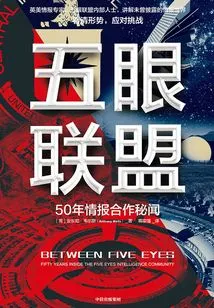
Five Eyes Alliance
Military五眼联盟
(uk)anthony Wells
The Five Eyes Alliance was a secret intelligence sharing system jointly formed by the United States, Britain, Australia, Canada, and New Zealand during World War II. During the Cold War, the organization evolved into a tool against the Soviet Union. From the 1950s to the first decade of the 21st century, as the international landscape underwent major adjustments, Five Eyes countries established extraordinary relationships in many fields. This book completely tells the history, current situation and future of the Five Eyes Alliance based on the personal experiences and observations of internal intelligence personnel. The book traces the origin of the intelligence alliance, the establishment of the special relationship between the United Kingdom and the United States, the foundation of cooperation and intelligence operations among the five countries, and combs through the major changes that occurred in the Five Eyes Alliance during the Cold War, after the "9·11" incident, and in the network technology and digital revolution stages. It shows how the Five Eyes Alliance evolved from a special intelligence cooperation network into an intelligence security alliance. The Five Eyes Alliance has been exposed to more and more problems in recent years, such as establishing intelligence bases around the world, using intelligence tools to suppress technology and business competition, and intervening in major international events. In this regard, the author proposes: "The intelligence community should not formulate policies, nor should it influence the formulation of major strategies." The book analyzes the development strategy of the Five Eyes Alliance in the 21st century to give full play to the power of the alliance. The five countries "share one eye" and must fill their own baskets with "golden eggs." Readers who want to understand the Five Eyes Alliance can use this book to establish an overall understanding of the Five Eyes Intelligence World, and then master how to identify situations in a complex international security environment and be more prepared to deal with challenges.
The Five Eyes Alliance was a secret intelligence sharing system jointly formed by the United States, Britain, Australia, Canada, and New Zealand during World War II. During the Cold War, the organization evolved into a tool against the Soviet Union. From the 1950s to the first decade of the 21st century, as the international landscape underwent major adjustments, Five Eyes countries established extraordinary relationships in many fields. This book completely tells the history, current situation and future of the Five Eyes Alliance based on the personal experiences and observations of internal intelligence personnel. The book traces the origin of the intelligence alliance, the establishment of the special relationship between the United Kingdom and the United States, the foundation of cooperation and intelligence operations among the five countries, and combs through the major changes that occurred in the Five Eyes Alliance during the Cold War, after the "9·11" incident, and in the network technology and digital revolution stages. It shows how the Five Eyes Alliance evolved from a special intelligence cooperation network into an intelligence security alliance. The Five Eyes Alliance has been exposed to more and more problems in recent years, such as establishing intelligence bases around the world, using intelligence tools to suppress technology and business competition, and intervening in major international events. In this regard, the author proposes: "The intelligence community should not formulate policies, nor should it influence the formulation of major strategies." The book analyzes the development strategy of the Five Eyes Alliance in the 21st century to give full play to the power of the alliance. The five countries "share one eye" and must fill their own baskets with "golden eggs." Readers who want to understand the Five Eyes Alliance can use this book to establish an overall understanding of the Five Eyes Intelligence World, and then master how to identify situations in a complex international security environment and be more prepared to deal with challenges.
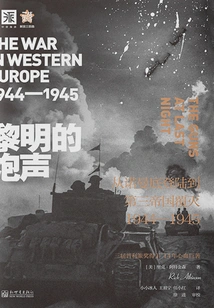
黎明的炮声:从诺曼底登陆到第三帝国覆灭1944—1945
I
This is an unparalleled epic of the 20th century. This book reproduces the large-scale battles and dramatic stories on the Western European battlefields from 1944 to 1945, and restores the thrilling process of the Allies occupying Europe at a huge cost and destroying the Third Reich. The Allied forces kicked off the decisive battle in Western Europe with the Normandy landing, and then captured the ill-fated French cities of Cherbourg and Paris, pointing their guns at the Ruhr area, Germany's industrial lifeline. Since then, the war on the Western Front has spread to Germany itself. In the subsequent Operation Market Garden, the Battle of Hürtgen Forest, and the thrilling Battle of the Bulge, the Allies suffered heavy losses, but they had cleared the way and drove straight into the heart of Nazi Germany, Berlin, with overwhelming force. At the same time, a bloody revenge action is about to begin. As a successful journalist and an outstanding historian, Atkinson uses superb writing skills and beautiful words to vividly describe the bold and risky military operations, and presents this history from the perspectives of different participants: arrogant senior officers and politicians, trembling soldiers in the trenches, Berlin civilians whimpering during plunder, burning and rape... Atkinson writes about those heavy sufferings and honors stained with blood and stains in a compassionate way.
This is an unparalleled epic of the 20th century. This book reproduces the large-scale battles and dramatic stories on the Western European battlefields from 1944 to 1945, and restores the thrilling process of the Allies occupying Europe at a huge cost and destroying the Third Reich. The Allied forces kicked off the decisive battle in Western Europe with the Normandy landing, and then captured the ill-fated French cities of Cherbourg and Paris, pointing their guns at the Ruhr area, Germany's industrial lifeline. Since then, the war on the Western Front has spread to Germany itself. In the subsequent Operation Market Garden, the Battle of Hürtgen Forest, and the thrilling Battle of the Bulge, the Allies suffered heavy losses, but they had cleared the way and drove straight into the heart of Nazi Germany, Berlin, with overwhelming force. At the same time, a bloody revenge action is about to begin. As a successful journalist and an outstanding historian, Atkinson uses superb writing skills and beautiful words to vividly describe the bold and risky military operations, and presents this history from the perspectives of different participants: arrogant senior officers and politicians, trembling soldiers in the trenches, Berlin civilians whimpering during plunder, burning and rape... Atkinson writes about those heavy sufferings and honors stained with blood and stains in a compassionate way.
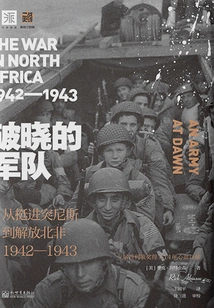
破晓的军队:从挺进突尼斯到解放北非1942—1943年
I
If the fierce fighting on the European battlefield is a historical drama, then the North African campaign is the first act of this drama. Here, the British Empire was reduced to a vassal in the Anglo-American alliance, the Axis soldiers lost confidence in their officers and were unwilling to fight, while the United States showed its edge and became the leading force in the world. This book sets a monument to this forgotten history. It uses the dangerous Operation Torch as an entry point to sort out the tragic war between November 1942 and May 1942 when the Allied forces landed in French Morocco and Algeria, captured Tunisia, and annihilated the Axis African Corps. The newly formed Allied Forces were originally mired in disorganized logistical supplies, power struggles among allies, and endless military miscalculations. However, after experiencing the Judeid surprise attack, the tragic defeat at Kesselin Pass and the decisive battle at the Tunisian bridgehead, the US military who rushed into battle finally learned to hate and how to defeat the battlefield-hardened enemy. The author not only vividly describes Eisenhower, Patton, Montgomery and other outstanding commanders in North Africa, but also compassionately depicts the soldiers who fell in a pool of blood before they could draw their guns, the civilians who were ravaged in the war, and the miserable prisoners whose lives were cut off. Atkinson's realistic and terrifying North African battlefield tells the world that World War II is not a biography of a saint. Even though heroes and sages emerge in endlessly, there are also rats, fools and corrupt degenerates.
If the fierce fighting on the European battlefield is a historical drama, then the North African campaign is the first act of this drama. Here, the British Empire was reduced to a vassal in the Anglo-American alliance, the Axis soldiers lost confidence in their officers and were unwilling to fight, while the United States showed its edge and became the leading force in the world. This book sets a monument to this forgotten history. It uses the dangerous Operation Torch as an entry point to sort out the tragic war between November 1942 and May 1942 when the Allied forces landed in French Morocco and Algeria, captured Tunisia, and annihilated the Axis African Corps. The newly formed Allied Forces were originally mired in disorganized logistical supplies, power struggles among allies, and endless military miscalculations. However, after experiencing the Judeid surprise attack, the tragic defeat at Kesselin Pass and the decisive battle at the Tunisian bridgehead, the US military who rushed into battle finally learned to hate and how to defeat the battlefield-hardened enemy. The author not only vividly describes Eisenhower, Patton, Montgomery and other outstanding commanders in North Africa, but also compassionately depicts the soldiers who fell in a pool of blood before they could draw their guns, the civilians who were ravaged in the war, and the miserable prisoners whose lives were cut off. Atkinson's realistic and terrifying North African battlefield tells the world that World War II is not a biography of a saint. Even though heroes and sages emerge in endlessly, there are also rats, fools and corrupt degenerates.
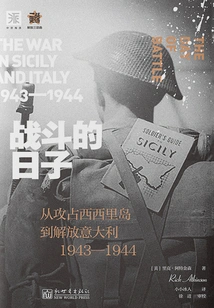
战斗的日子:从攻占西西里到解放意大利1943—1944
(us) Rick Atkinson
This book combs the war process of the Allied forces from the invasion of Sicily to the final capture of the city of Rome, recreating the magnificent Italian campaign: the rallying trumpets accompanied by the rushing waves sent the assault boats to the golden coast of Sicily, the roaring steel chariot tracks rolled over the solid defense lines of the Salerno plain, and the roaring fighter planes dropped bombs like raindrops at the Port of Taranto... A picture of majestic and tragic scenes slowly unfolds. The overwhelmed Eisenhower, the fearless but conceited Mark Clark, the genius Patton, the paranoid and passionate Churchill, the strategizing Cunningham, the embattled Mussolini... From generals to soldiers, from politicians to civilians, countless life trajectories converge and burn in this period of history. This was the second stage of the attack on the Third Reich. The wars in Sicily and Italy forced the United States to shoulder more and more battlefield responsibilities, and also sharpened the combat effectiveness and willpower of the US military. With rugged terrain, harsh climate, and powerful enemies, the battlefield situation is already clear: kill the enemy or be killed. It was on the Italian battlefield that the American military transformed from a novice into a powerful force that dominated the situation in World War II.
This book combs the war process of the Allied forces from the invasion of Sicily to the final capture of the city of Rome, recreating the magnificent Italian campaign: the rallying trumpets accompanied by the rushing waves sent the assault boats to the golden coast of Sicily, the roaring steel chariot tracks rolled over the solid defense lines of the Salerno plain, and the roaring fighter planes dropped bombs like raindrops at the Port of Taranto... A picture of majestic and tragic scenes slowly unfolds. The overwhelmed Eisenhower, the fearless but conceited Mark Clark, the genius Patton, the paranoid and passionate Churchill, the strategizing Cunningham, the embattled Mussolini... From generals to soldiers, from politicians to civilians, countless life trajectories converge and burn in this period of history. This was the second stage of the attack on the Third Reich. The wars in Sicily and Italy forced the United States to shoulder more and more battlefield responsibilities, and also sharpened the combat effectiveness and willpower of the US military. With rugged terrain, harsh climate, and powerful enemies, the battlefield situation is already clear: kill the enemy or be killed. It was on the Italian battlefield that the American military transformed from a novice into a powerful force that dominated the situation in World War II.
War Chronicles 028
Military战争事典028
Zhiwen Fenghuo Studio
This book consists of "The River Agents of the Star-Spangled Banner: The Equipment and History of the U. S. Yangtze Patrol", "The Confrontation between the Lionheart King and Saladin: The Third Crusade", "The Twilight of the Ming Empire: From the Fourth Invasion of the Qing Army to the Central Plains War in the Late Ming Dynasty", "Interception on the Wrath of the Sea: 1797, the "Indefatigable" VS the "Human Rights"" and "The Battle for Hokuriku: Research on Uesugi Kenshin's War History". After the Opium War, Western powers used various unequal treaties to gradually seize the navigation rights and trade privileges along the entire Yangtze River section. Gunboats flying the flags of various countries ran rampant on the Yangtze River. Among them was the American Yangtze Patrol; for the first time since the disastrous Battle of Harding, Christian troops faced off against Saladin in the wilderness. So, how did Richard, the "Lion-Hearted" King of England, travel thousands of miles to fight his fateful rival Saladin? When the two heroes fight, what will be the final outcome? In 1797, the "Indefatigable" battled the "Human Rights", a legendary battle in which a British cruiser defeated a French battleship with a small force, revealing the true foundation of British maritime hegemony; the Ming Empire, which entered its dusk, made its final struggle in the face of internal and external troubles, natural and man-made disasters; how different historical materials describe Uesugi Kenshin's campaigns in the three countries of Etsuchu, Kaga, and Noto. How have various mainstream statements evolved?
This book consists of "The River Agents of the Star-Spangled Banner: The Equipment and History of the U. S. Yangtze Patrol", "The Confrontation between the Lionheart King and Saladin: The Third Crusade", "The Twilight of the Ming Empire: From the Fourth Invasion of the Qing Army to the Central Plains War in the Late Ming Dynasty", "Interception on the Wrath of the Sea: 1797, the "Indefatigable" VS the "Human Rights"" and "The Battle for Hokuriku: Research on Uesugi Kenshin's War History". After the Opium War, Western powers used various unequal treaties to gradually seize the navigation rights and trade privileges along the entire Yangtze River section. Gunboats flying the flags of various countries ran rampant on the Yangtze River. Among them was the American Yangtze Patrol; for the first time since the disastrous Battle of Harding, Christian troops faced off against Saladin in the wilderness. So, how did Richard, the "Lion-Hearted" King of England, travel thousands of miles to fight his fateful rival Saladin? When the two heroes fight, what will be the final outcome? In 1797, the "Indefatigable" battled the "Human Rights", a legendary battle in which a British cruiser defeated a French battleship with a small force, revealing the true foundation of British maritime hegemony; the Ming Empire, which entered its dusk, made its final struggle in the face of internal and external troubles, natural and man-made disasters; how different historical materials describe Uesugi Kenshin's campaigns in the three countries of Etsuchu, Kaga, and Noto. How have various mainstream statements evolved?
War Chronicles 034
Military战争事典034
Zhiwen Fenghuo Studio
This book consists of "Greek Struggle for Hegemony in the Post-Alexander Era: The Cleomenes War", "Clarifying the Mobei: Zhu Di's Five Expeditions to Mongolia", and "The Orange Flag Over the Netherlands: The Founding of the Netherlands and a Brief History of the Eighty Years' War". In the Battle of Selacia, the citizen soldiers that the Spartans were once proud of played a decisive role in the major battle and suffered a disastrous defeat. After that, the Spartans' courage, skill, and reputation on the battlefield all plummeted. Benya lost his temper and was good at killing the Ming Dynasty envoys. General Qiu Fu led an army of 100,000 in the Northern Expedition to the Tatars, but the entire army was wiped out. From then on, Zhu Di launched five expeditions to clear Mobei in a span of 14 years. From ancient Rome to the Middle Ages, from independence to overseas colonization, the Netherlands has been home to many influential figures and glorious deeds.
This book consists of "Greek Struggle for Hegemony in the Post-Alexander Era: The Cleomenes War", "Clarifying the Mobei: Zhu Di's Five Expeditions to Mongolia", and "The Orange Flag Over the Netherlands: The Founding of the Netherlands and a Brief History of the Eighty Years' War". In the Battle of Selacia, the citizen soldiers that the Spartans were once proud of played a decisive role in the major battle and suffered a disastrous defeat. After that, the Spartans' courage, skill, and reputation on the battlefield all plummeted. Benya lost his temper and was good at killing the Ming Dynasty envoys. General Qiu Fu led an army of 100,000 in the Northern Expedition to the Tatars, but the entire army was wiped out. From then on, Zhu Di launched five expeditions to clear Mobei in a span of 14 years. From ancient Rome to the Middle Ages, from independence to overseas colonization, the Netherlands has been home to many influential figures and glorious deeds.
战争事典062:趣味二战史
Yang Liang
This book mainly tells the ironic anecdotes that happened during the Second World War. Focusing on the main line of Germany's "revenge" after World War I, it tells the story of how Hitler recruited allies and launched revenge step by step until the conspiracy went bankrupt. It enlarges the obscure but interesting details in the history of World War II and uses anecdotes to promote the development of the main plot, making the book climax one after another.
This book mainly tells the ironic anecdotes that happened during the Second World War. Focusing on the main line of Germany's "revenge" after World War I, it tells the story of how Hitler recruited allies and launched revenge step by step until the conspiracy went bankrupt. It enlarges the obscure but interesting details in the history of World War II and uses anecdotes to promote the development of the main plot, making the book climax one after another.
战争事典065:唐帝国衰亡史
Wu Meng Qianshan
What kind of gloomy background is hidden under the glory of the Tang Dynasty? What kind of twists and turns are there in the mystery of Heshuo Fan Town? On one side is the declining Tang Empire, and on the other is the prosperous Heshuo Fan Town. What kind of collisions and sparks are there between them? Based on previous research results, combined with historical documents, and taking time as the axis, this book will reveal the secrets of the decline of the Tang Empire after the Anshi Rebellion, and gradually reveal the history of the Heshuo vassal town in the middle and late Tang Dynasty.
What kind of gloomy background is hidden under the glory of the Tang Dynasty? What kind of twists and turns are there in the mystery of Heshuo Fan Town? On one side is the declining Tang Empire, and on the other is the prosperous Heshuo Fan Town. What kind of collisions and sparks are there between them? Based on previous research results, combined with historical documents, and taking time as the axis, this book will reveal the secrets of the decline of the Tang Empire after the Anshi Rebellion, and gradually reveal the history of the Heshuo vassal town in the middle and late Tang Dynasty.
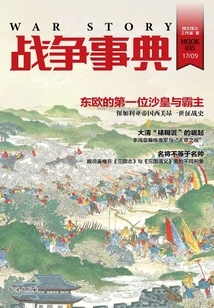
War Chronicles 035
Military战争事典035
Zhiwen Fenghuo Studio
This book consists of "A Tsar and Overlord in Eastern Europe: The Campaign History of Simeon I of the Bulgarian Empire", "The Rise of the "Paperer" in the Qing Dynasty: Li Hongzhang's Planning of the Huai Army and the "Battle of Tianjing"", and "Famous Generals Are Not Equal to Famous Marshals: An Interesting Discussion of Jiang Wei's Different Images in He". Simeon I, the man who pushed the First Bulgarian Empire to its peak, besieged Constantinople four times and forced the Byzantine Empire to pay tribute to it; he suppressed Serbian uprisings several times and once turned it into a province of the empire; in suppressing the Taiping Rebellion, Zeng Guofan's Hunan Army worked hard and made great achievements, and the Huai Army formed by his student Li Hongzhang was no less generous. See how Li Hongzhang commanded the Huai army to aid Shanghai and fight fiercely against the loyal king Li Xiucheng; in "The Romance of the Three Kingdoms", Jiang Wei is the successor carefully cultivated by Zhuge Liang, with literary and military skills and "nine expeditions to the Central Plains". However, are the historical details really as stated in the novel? Let "Three Kingdoms" tell us the answer.
This book consists of "A Tsar and Overlord in Eastern Europe: The Campaign History of Simeon I of the Bulgarian Empire", "The Rise of the "Paperer" in the Qing Dynasty: Li Hongzhang's Planning of the Huai Army and the "Battle of Tianjing"", and "Famous Generals Are Not Equal to Famous Marshals: An Interesting Discussion of Jiang Wei's Different Images in He". Simeon I, the man who pushed the First Bulgarian Empire to its peak, besieged Constantinople four times and forced the Byzantine Empire to pay tribute to it; he suppressed Serbian uprisings several times and once turned it into a province of the empire; in suppressing the Taiping Rebellion, Zeng Guofan's Hunan Army worked hard and made great achievements, and the Huai Army formed by his student Li Hongzhang was no less generous. See how Li Hongzhang commanded the Huai army to aid Shanghai and fight fiercely against the loyal king Li Xiucheng; in "The Romance of the Three Kingdoms", Jiang Wei is the successor carefully cultivated by Zhuge Liang, with literary and military skills and "nine expeditions to the Central Plains". However, are the historical details really as stated in the novel? Let "Three Kingdoms" tell us the answer.