Library
Browse and search books
3,417 novels found
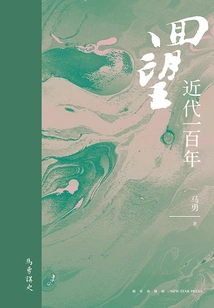
回望:近代一百年
Ma Yong
The book "Looking Back: One Hundred Years of Modern Times" is divided into three parts. The first part is "Looking Back A Hundred Years", which reviews the mutual game between reform and change in the political reform of the late Qing Dynasty; the second part is "Reconstructing the Historical Details of the Late Qing Dynasty", which reanalyzes historical events such as the Sino-Japanese War of 1888-88, the Boxer Rebellion, the late Qing Dynasty, the Revolution of 1911, and the establishment of the Republic of China; and the third part is "A Hundred Years of Cultural Enlightenment", which analyzes the gains and losses of the New Culture Movement.
The book "Looking Back: One Hundred Years of Modern Times" is divided into three parts. The first part is "Looking Back A Hundred Years", which reviews the mutual game between reform and change in the political reform of the late Qing Dynasty; the second part is "Reconstructing the Historical Details of the Late Qing Dynasty", which reanalyzes historical events such as the Sino-Japanese War of 1888-88, the Boxer Rebellion, the late Qing Dynasty, the Revolution of 1911, and the establishment of the Republic of China; and the third part is "A Hundred Years of Cultural Enlightenment", which analyzes the gains and losses of the New Culture Movement.
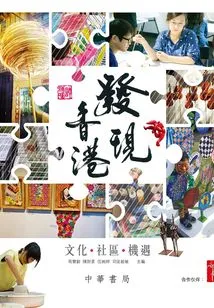
发现香港:文化·社区·机遇
Gao Baoling Chen Caixi Wu Wanting Situ Yimin
In order to promote the construction of community culture and share experiences in seizing opportunities, the non-profit group "Cultural Power" held a "Culture·Community·Opportunity" roundtable in 2014. The meeting discussed how to promote culture and art into the community and let the flowers of culture bloom in the soil of the community. Cultural figures, artists and 13 District Council members who attended the roundtable meeting shared cultural stories from communities such as Wan Chai, Central and Western District, Kwun Tong, Sham Shui Po and Sai Kung, and proposed to review current cultural policies based on "cultural rights" and "cultural perspective". The articles included in this book take the development of community culture as the main line. Through community cultural stories shared by different stakeholders, including cultural workers, cultural commentators, and community members, we hope to show how today's community culture stakeholders in Hong Kong seize opportunities to develop community cultural characteristics.
In order to promote the construction of community culture and share experiences in seizing opportunities, the non-profit group "Cultural Power" held a "Culture·Community·Opportunity" roundtable in 2014. The meeting discussed how to promote culture and art into the community and let the flowers of culture bloom in the soil of the community. Cultural figures, artists and 13 District Council members who attended the roundtable meeting shared cultural stories from communities such as Wan Chai, Central and Western District, Kwun Tong, Sham Shui Po and Sai Kung, and proposed to review current cultural policies based on "cultural rights" and "cultural perspective". The articles included in this book take the development of community culture as the main line. Through community cultural stories shared by different stakeholders, including cultural workers, cultural commentators, and community members, we hope to show how today's community culture stakeholders in Hong Kong seize opportunities to develop community cultural characteristics.
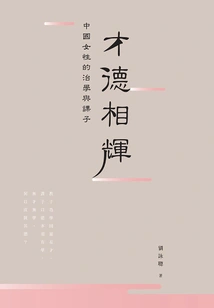
才德相辉:中国女性的治学与课子
Liu Yongcong
During the more than two thousand years of Chinese Confucianism from the Qin Dynasty to the Qing Dynasty, was there no one who could hold the position of Confucian scholar in the history of Confucian classics? In the field of history, is there any class leader who is worthy of being called a historian? How do they teach their children and inspire future generations? The chapters in this book are the academic results of the author's many years of combing through literature and studying central materials. It is believed to be a work that fills in the gaps in the study of Chinese women's history. The book is divided into two parts: a general treatise and a monograph. It discusses in detail the scholarship and teaching situations of ancient women, thereby showing the footprints of women in Chinese history and culture.
During the more than two thousand years of Chinese Confucianism from the Qin Dynasty to the Qing Dynasty, was there no one who could hold the position of Confucian scholar in the history of Confucian classics? In the field of history, is there any class leader who is worthy of being called a historian? How do they teach their children and inspire future generations? The chapters in this book are the academic results of the author's many years of combing through literature and studying central materials. It is believed to be a work that fills in the gaps in the study of Chinese women's history. The book is divided into two parts: a general treatise and a monograph. It discusses in detail the scholarship and teaching situations of ancient women, thereby showing the footprints of women in Chinese history and culture.
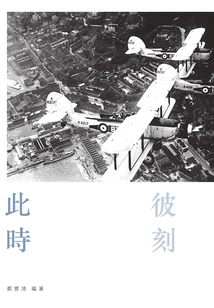
此时彼刻:港岛东百年变迁
Compiled By Zheng Baohong
More than 120 sets of comparisons between the past and today show the changes in Admiralty and Hong Kong Island to the east. Follow the image traces in the book and trace the joy of ordinary people in the past. The seamen's barracks in Admiralty, the Fengyue District in Wan Chai, the fishing port scenery of Causeway Bay and Shau Kei Wan, the civilian playground in North Point, and the dock industry in Taikoo, etc., All show the vitality of the city and the customs of the common people.
More than 120 sets of comparisons between the past and today show the changes in Admiralty and Hong Kong Island to the east. Follow the image traces in the book and trace the joy of ordinary people in the past. The seamen's barracks in Admiralty, the Fengyue District in Wan Chai, the fishing port scenery of Causeway Bay and Shau Kei Wan, the civilian playground in North Point, and the dock industry in Taikoo, etc., All show the vitality of the city and the customs of the common people.
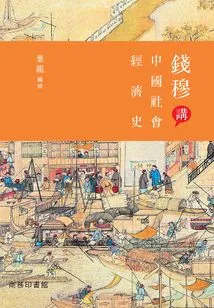
钱穆讲中国社会经济史
Compiled By Ye Long
Mr. Ye Long studied under Mr. Qian Binsi for many years. In the 1950s, he took Qian Mu's "Economic History of China," "General History of China," "History of Chinese Culture," "History of Chinese Literature," and "Chinese Social and Economic History." Although we have no chance to witness Master Qian's grace, fortunately, Mr. Ye Long has kept the notes of the class and compiled and supplemented them, so that sixty years later, we can still experience Master Qian's diligent teachings and read his insights on China's social and economic history.
Mr. Ye Long studied under Mr. Qian Binsi for many years. In the 1950s, he took Qian Mu's "Economic History of China," "General History of China," "History of Chinese Culture," "History of Chinese Literature," and "Chinese Social and Economic History." Although we have no chance to witness Master Qian's grace, fortunately, Mr. Ye Long has kept the notes of the class and compiled and supplemented them, so that sixty years later, we can still experience Master Qian's diligent teachings and read his insights on China's social and economic history.
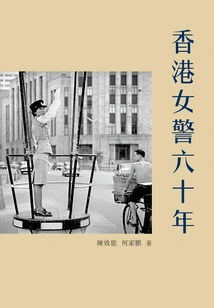
香港女警六十年
Chen Xiaoneng He Jiaqi
The Hong Kong Police Force has been established for 170 years, and the emergence of female police officers began in the 1950s. In just 60 years of development, the role of female police officers in the force has undergone earth-shaking changes. This book starts with two clues, social and historical, and displays the extraordinary 60 years of Hong Kong policewomen through historical archives, official documents, newspaper reports, and the "experienced accounts" of more than 50 female police officers who joined the police in different decades. Examining the history of female police officers is also a review of recent historical events in Hong Kong. The book will show how the social problems caused by the influx of post-war refugees from the mainland into Hong Kong, the government's resumption of land in the New Territories to develop new towns, the Vietnamese boat people issue in the 1970s, large-scale demonstrations and social movements, the promotion of universal education and the passage of equal opportunities legislation, etc., Directly or indirectly affected the work direction of the Hong Kong police force and brought about changes in the mission of female police officers.
The Hong Kong Police Force has been established for 170 years, and the emergence of female police officers began in the 1950s. In just 60 years of development, the role of female police officers in the force has undergone earth-shaking changes. This book starts with two clues, social and historical, and displays the extraordinary 60 years of Hong Kong policewomen through historical archives, official documents, newspaper reports, and the "experienced accounts" of more than 50 female police officers who joined the police in different decades. Examining the history of female police officers is also a review of recent historical events in Hong Kong. The book will show how the social problems caused by the influx of post-war refugees from the mainland into Hong Kong, the government's resumption of land in the New Territories to develop new towns, the Vietnamese boat people issue in the 1970s, large-scale demonstrations and social movements, the promotion of universal education and the passage of equal opportunities legislation, etc., Directly or indirectly affected the work direction of the Hong Kong police force and brought about changes in the mission of female police officers.
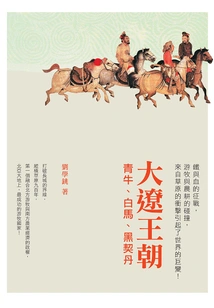
大辽王朝:青牛、白马、黑契丹
Liu Xuechao
His iron hoof once trampled on the Central Plains, and the Central Asian countries regard him as their co-leader. "Black Khitan" is a god, the name of a nation, and an immortal legend. Following the footsteps of ancient myths, the Khitan people believed that they had the sacred blood of the green bull and the white horse. They believed that they were destined to be leaders and to dominate the Central Plains. At the end of the Tang Dynasty, the Central Plains was severely segregated by vassal towns, and Chinese history entered the chaotic Five Dynasties and Ten Kingdoms period. The Khitan, a northern nation, took advantage of the situation and cleverly exploited the conflicts between vassals and towns to expand its power step by step. It destroyed the Bohai Kingdom in the northeast and established the "Liao" regime that stood firmly in the north, forcing Shi Jingtang to willingly cede territory and call himself father. After the founding of the Northern Song Dynasty, they still had headaches with this neighbor lying in the north. The loyal Yang family generals and the Song Zhenzong who personally led the army could not stop the powerful Khitan under the leadership of Queen Mother Xiao who was pressing hard. This nomadic nation, which almost caused the Northern Song Dynasty to lose its lofty ideals, was not only a fierce hero on horseback capable of conquering battles, but also became famous for its creation of unique writing. It also used a dual-track system to manage the complex ethnic groups within the territory, setting a template for future generations to learn from when dealing with ethnic minority affairs. After the rise of the Jurchens, the Liao Dynasty perished, but the "Kara Khitan" Yelu Dashi traveling westward made great achievements...
His iron hoof once trampled on the Central Plains, and the Central Asian countries regard him as their co-leader. "Black Khitan" is a god, the name of a nation, and an immortal legend. Following the footsteps of ancient myths, the Khitan people believed that they had the sacred blood of the green bull and the white horse. They believed that they were destined to be leaders and to dominate the Central Plains. At the end of the Tang Dynasty, the Central Plains was severely segregated by vassal towns, and Chinese history entered the chaotic Five Dynasties and Ten Kingdoms period. The Khitan, a northern nation, took advantage of the situation and cleverly exploited the conflicts between vassals and towns to expand its power step by step. It destroyed the Bohai Kingdom in the northeast and established the "Liao" regime that stood firmly in the north, forcing Shi Jingtang to willingly cede territory and call himself father. After the founding of the Northern Song Dynasty, they still had headaches with this neighbor lying in the north. The loyal Yang family generals and the Song Zhenzong who personally led the army could not stop the powerful Khitan under the leadership of Queen Mother Xiao who was pressing hard. This nomadic nation, which almost caused the Northern Song Dynasty to lose its lofty ideals, was not only a fierce hero on horseback capable of conquering battles, but also became famous for its creation of unique writing. It also used a dual-track system to manage the complex ethnic groups within the territory, setting a template for future generations to learn from when dealing with ethnic minority affairs. After the rise of the Jurchens, the Liao Dynasty perished, but the "Kara Khitan" Yelu Dashi traveling westward made great achievements...
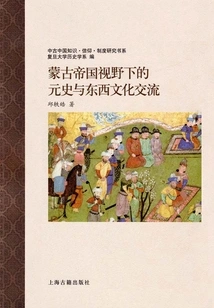
蒙古帝国视野下的元史与东西文化交流
Qiu Yihao
This book is divided into upper and lower parts according to the theme. The first part consists of six chapters, focusing on the Eurasian traditional factors in the Mongolian political system and the localization process that occurred in different khanates. The second part attempts to horizontally examine the contacts and exchanges of people, materials, and knowledge between the east and west parts of Asia under Mongol rule in a specific historical scenario.
This book is divided into upper and lower parts according to the theme. The first part consists of six chapters, focusing on the Eurasian traditional factors in the Mongolian political system and the localization process that occurred in different khanates. The second part attempts to horizontally examine the contacts and exchanges of people, materials, and knowledge between the east and west parts of Asia under Mongol rule in a specific historical scenario.
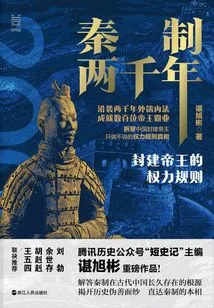
Longitude and Latitude Series·two Thousand Years of Qin System: the Power Rules of Feudal Emperors
History经纬度丛书·秦制两千年:封建帝王的权力规则
Chen Xubin
This book is a masterpiece about the history of ancient Chinese political systems. It selects 16 historical cross-sections and focuses on exploring the historical truth of people's lives behind the prosperity of each feudal dynasty. The author directly points to the core concept of the feudal dynasty "Confucianism on the outside and law on the inside", normalizes and regularizes the complex history of the Qin Empire, explores the inner logic of the empire's operation, and reveals the secrets that lasted for more than two thousand years. He goes deep into every intersection, interprets historical documents, and uses strict logic to lift the veil of dynasty governance, which also subverts many of the world's taken-for-granted perceptions. These historical cross-sections are correlated to reproduce the entire process of the Qin system from its inception to maturity to evolution over the past two thousand years, providing readers with another perspective on the rise and fall of the dynasty.
This book is a masterpiece about the history of ancient Chinese political systems. It selects 16 historical cross-sections and focuses on exploring the historical truth of people's lives behind the prosperity of each feudal dynasty. The author directly points to the core concept of the feudal dynasty "Confucianism on the outside and law on the inside", normalizes and regularizes the complex history of the Qin Empire, explores the inner logic of the empire's operation, and reveals the secrets that lasted for more than two thousand years. He goes deep into every intersection, interprets historical documents, and uses strict logic to lift the veil of dynasty governance, which also subverts many of the world's taken-for-granted perceptions. These historical cross-sections are correlated to reproduce the entire process of the Qin system from its inception to maturity to evolution over the past two thousand years, providing readers with another perspective on the rise and fall of the dynasty.
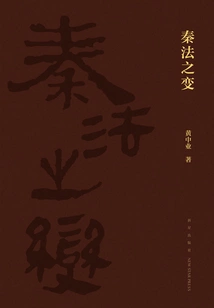
Changes in Qin Fa
History秦法之变
Huang Zhongye
"The Changes in Qin Law" is the representative work of Huang Zhongye, a scholar of Qin and Han history. This book examines and details the Qin Dynasty since Shang Yang's reform from the perspective of Qin's legal system construction. It is an unavoidable topic in this field. The achievements of the other six countries among the Seven Kingdoms were lost after the climax of the reform. Only Qin's reform was the most thorough. Although Shang Yang died, Qin's law remained undefeated. Shang Yang's reforms not only made Qin rich and powerful, but also established the first centralized state in history. The legal system it established played a role that cannot be ignored in subsequent rule, and the legal systems of later generations were all influenced by Qin's law. This book introduces Shang Yang's "reforming law into law" from a historical perspective. It starts from the beginning of the establishment of Qin law, discusses the guiding ideology and theory of the rule of law, and then discusses Qin's criminal law, criminal procedure law, administrative legislation and other laws, etc., Providing a model for us to understand the original form of the legal system at the beginning of its formation.
"The Changes in Qin Law" is the representative work of Huang Zhongye, a scholar of Qin and Han history. This book examines and details the Qin Dynasty since Shang Yang's reform from the perspective of Qin's legal system construction. It is an unavoidable topic in this field. The achievements of the other six countries among the Seven Kingdoms were lost after the climax of the reform. Only Qin's reform was the most thorough. Although Shang Yang died, Qin's law remained undefeated. Shang Yang's reforms not only made Qin rich and powerful, but also established the first centralized state in history. The legal system it established played a role that cannot be ignored in subsequent rule, and the legal systems of later generations were all influenced by Qin's law. This book introduces Shang Yang's "reforming law into law" from a historical perspective. It starts from the beginning of the establishment of Qin law, discusses the guiding ideology and theory of the rule of law, and then discusses Qin's criminal law, criminal procedure law, administrative legislation and other laws, etc., Providing a model for us to understand the original form of the legal system at the beginning of its formation.
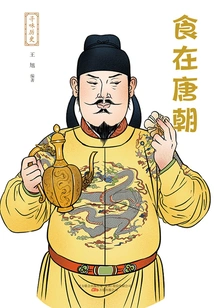
寻味历史:食在唐朝
Compiled By Wang Xu
"Eating in the Tang Dynasty" is about the food of the Tang Dynasty in the historical series "Eating in the Tang Dynasty". It selects the parts about eating from Tang poetry, Tang legends, Tang Dynasty prose and literati's notes, and explains them in detail in categories according to the categories and characteristics of the food. It provides a relatively comprehensive overview and introduction to the food and culture of the Tang Dynasty.
"Eating in the Tang Dynasty" is about the food of the Tang Dynasty in the historical series "Eating in the Tang Dynasty". It selects the parts about eating from Tang poetry, Tang legends, Tang Dynasty prose and literati's notes, and explains them in detail in categories according to the categories and characteristics of the food. It provides a relatively comprehensive overview and introduction to the food and culture of the Tang Dynasty.
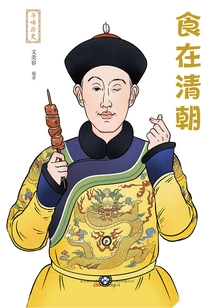
寻味历史:食在清朝
Compiled By Wen Mei
"Food in the Qing Dynasty" is a volume in the "Taste of History" series of books, which mainly talks about the food of the Qing Dynasty. The book is divided into five chapters, which respectively describe the diet of the royal family in the Qing Dynasty, the diet of the common people, the unique food culture of the Qing Dynasty, the exclusive private dishes of celebrity gourmets, and the diet in "Dream of Red Mansions". The book selects passages from classics such as "Suiyuan Food List" and "Yang Xiaolu" of the Qing Dynasty to present readers with delicious Qing Dynasty feasts.
"Food in the Qing Dynasty" is a volume in the "Taste of History" series of books, which mainly talks about the food of the Qing Dynasty. The book is divided into five chapters, which respectively describe the diet of the royal family in the Qing Dynasty, the diet of the common people, the unique food culture of the Qing Dynasty, the exclusive private dishes of celebrity gourmets, and the diet in "Dream of Red Mansions". The book selects passages from classics such as "Suiyuan Food List" and "Yang Xiaolu" of the Qing Dynasty to present readers with delicious Qing Dynasty feasts.
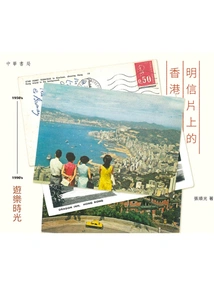
明信片上的香港:1950's-1990's游乐时光
Zhang Shunguang
The 1950s to the 1990s were a golden era for Hong Kong from post-war devastation to prosperity. The scenic spots, landmarks and characteristic streets that were nurtured have become world-famous symbols. They are vividly displayed on postcards, representing Hong Kong to attract tourists, and at the same time showing the happy times that local Hong Kong people can recall. The Haw Par Villa, the revolving restaurant, and Kai Tak Airport in the image are all old places that accompanied us when we grew up. Collector Zhang Shunguang noticed that few Hong Kong postcards were published during this period, so he specially selected nearly a hundred of them and compiled them into a book, divided into three volumes: Hong Kong, Kowloon, and the New Territories, to present to readers the most authentic life and urban development trajectory in the past. Whether you are born in the 50s or the young people born in the 80s or 90s, you can find our most beautiful growth marks in them.
The 1950s to the 1990s were a golden era for Hong Kong from post-war devastation to prosperity. The scenic spots, landmarks and characteristic streets that were nurtured have become world-famous symbols. They are vividly displayed on postcards, representing Hong Kong to attract tourists, and at the same time showing the happy times that local Hong Kong people can recall. The Haw Par Villa, the revolving restaurant, and Kai Tak Airport in the image are all old places that accompanied us when we grew up. Collector Zhang Shunguang noticed that few Hong Kong postcards were published during this period, so he specially selected nearly a hundred of them and compiled them into a book, divided into three volumes: Hong Kong, Kowloon, and the New Territories, to present to readers the most authentic life and urban development trajectory in the past. Whether you are born in the 50s or the young people born in the 80s or 90s, you can find our most beautiful growth marks in them.
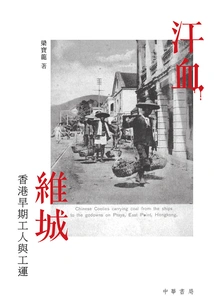
汗血维城:香港早期工人的故事
Liang Baolong
Coolie, piggy Chinese laborer, sister, child laborer... The names of the working class are now collective memories; in the past, they were the "human ladder" of blood and tears for Hong Kong to climb to the prosperous capital. Anti-French strikes, Yiwei Guangzhou uprising, rice-grabbing riots, the liberation of Meizi, seamen's strikes... One after another of the labor movements fighting for human rights. The "cocooned hands" put down their livelihood tools, picked up stones, and threw out the only "bargains of life."
Coolie, piggy Chinese laborer, sister, child laborer... The names of the working class are now collective memories; in the past, they were the "human ladder" of blood and tears for Hong Kong to climb to the prosperous capital. Anti-French strikes, Yiwei Guangzhou uprising, rice-grabbing riots, the liberation of Meizi, seamen's strikes... One after another of the labor movements fighting for human rights. The "cocooned hands" put down their livelihood tools, picked up stones, and threw out the only "bargains of life."
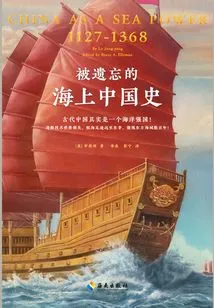
被遗忘的海上中国史
(us) Luo Rongbang
A classic work on the history of ancient Chinese maritime power! See Chinese history from the perspective of the ocean! Open this book and see clearly how ancient China became a maritime power step by step from aspects of war, trade, culture, etc.! Luo Rongbang, the author of this book, believes that since the Spring and Autumn Period and the Warring States Period, ancient China has never stopped exploring to improve its maritime strength. By the Song, Yuan, and Ming dynasties, ancient China had officially become a maritime power. Shipbuilding technology was once the world's leader: starting from the Song Dynasty, China's shipbuilding technology has advanced rapidly, and large merchant ships that can carry hundreds of people have become very common, setting off an invisible revolution in the Eastern shipping industry... Sailing footprints have reached as far as East Africa: as early as the Song Dynasty, the Chinese had a good understanding of the countries in the East China Sea, the South China Sea, and the Indian Ocean. By the Ming Dynasty, Zheng He's seven voyages to the West had taken the Chinese people's footprints as far as the east coast of Africa... They had dominated the eastern seas for hundreds of years: During the Southern Song Dynasty, the Yuan Dynasty and the first three hundred years of the Ming Dynasty, the Chinese navy's sphere of influence covered the Indian Ocean...
A classic work on the history of ancient Chinese maritime power! See Chinese history from the perspective of the ocean! Open this book and see clearly how ancient China became a maritime power step by step from aspects of war, trade, culture, etc.! Luo Rongbang, the author of this book, believes that since the Spring and Autumn Period and the Warring States Period, ancient China has never stopped exploring to improve its maritime strength. By the Song, Yuan, and Ming dynasties, ancient China had officially become a maritime power. Shipbuilding technology was once the world's leader: starting from the Song Dynasty, China's shipbuilding technology has advanced rapidly, and large merchant ships that can carry hundreds of people have become very common, setting off an invisible revolution in the Eastern shipping industry... Sailing footprints have reached as far as East Africa: as early as the Song Dynasty, the Chinese had a good understanding of the countries in the East China Sea, the South China Sea, and the Indian Ocean. By the Ming Dynasty, Zheng He's seven voyages to the West had taken the Chinese people's footprints as far as the east coast of Africa... They had dominated the eastern seas for hundreds of years: During the Southern Song Dynasty, the Yuan Dynasty and the first three hundred years of the Ming Dynasty, the Chinese navy's sphere of influence covered the Indian Ocean...
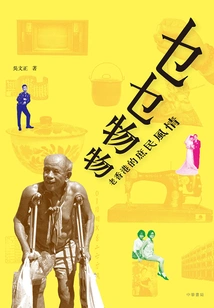
乜乜物物:老香港的庶民风情
Wu Wenzheng
Due to the changes of the times, many old things in Hong Kong have disappeared one by one and no longer exist. Wu Wenzheng, the author of this book, is an excellent "buyer". His warehouse is filled with treasures used by civilians. Out of his obsession with old things, he will look for clues in these old things and use them to express his ambitions and emotions. This time, he rummaged through things, revisited and picked up old things, and hoped to piece together a picture of the old Hong Kong market that had been brewing in his heart for many years from various daily utensils, social changes and people's stories. It is also a record of the lives of ordinary people. There are old and new, Chinese and Western, and it tells a Hong Kong story that must not be forgotten.
Due to the changes of the times, many old things in Hong Kong have disappeared one by one and no longer exist. Wu Wenzheng, the author of this book, is an excellent "buyer". His warehouse is filled with treasures used by civilians. Out of his obsession with old things, he will look for clues in these old things and use them to express his ambitions and emotions. This time, he rummaged through things, revisited and picked up old things, and hoped to piece together a picture of the old Hong Kong market that had been brewing in his heart for many years from various daily utensils, social changes and people's stories. It is also a record of the lives of ordinary people. There are old and new, Chinese and Western, and it tells a Hong Kong story that must not be forgotten.
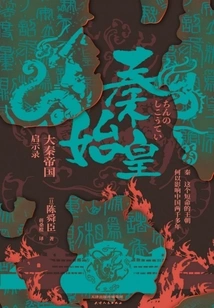
Qin Shihuang
History秦始皇
H
He was the founder of the idea of unification, the inventor of the title "Emperor", the founder of centralization, the builder of the Great Wall, the creator of the "Eighth Wonder of the World"... Qin Shihuang, this enigmatic man, how many controversies and myths did he leave behind? The Qin Empire, this glorious but short-lived dynasty, what role did it play in the long history? This book takes the mystery of Qin Shihuang as an entry point and gives a panoramic view of the politics, economy, military, agriculture, culture, society and other aspects of the great era. It can be said that one part about Qin Shihuang is half the history of Chinese civilization.
He was the founder of the idea of unification, the inventor of the title "Emperor", the founder of centralization, the builder of the Great Wall, the creator of the "Eighth Wonder of the World"... Qin Shihuang, this enigmatic man, how many controversies and myths did he leave behind? The Qin Empire, this glorious but short-lived dynasty, what role did it play in the long history? This book takes the mystery of Qin Shihuang as an entry point and gives a panoramic view of the politics, economy, military, agriculture, culture, society and other aspects of the great era. It can be said that one part about Qin Shihuang is half the history of Chinese civilization.
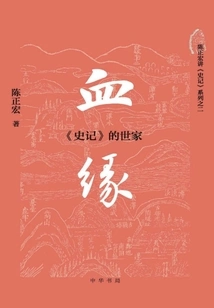
血缘:《史记》的世家
Chen Zhenghong
"Historical Records" ranks first among the "Twenty-Four Histories". When reading Chinese history, you must read "Historical Records". This book introduces the thirty chapters of "Aristocratic Family" in "Historical Records" in a humorous style and a reader-friendly way, that is, the family history of important princes and surnames in the Pre-Qin and Western Han Dynasties. Did Jiang Taigong really "encounter" Xi Bo by chance? What kind of prequel does "Three Families Divide into Promotion" have? What are the other unknown stories behind Yue King Gou Jian's defeat of Wu Gui? Which of the deeds of Confucius recorded in "Historical Records" cannot be seen in "The Analects"? How does Liu Bang, who has conquered the world, deal with threats from all directions? "Success is Xiaohe, failure is Xiaohe" tells what kind of tool life he and Han Xin have? How do brothers who rely on their sisters in the palace to rise to power break through the shadows and live out their lives? Why did the brother-nephew of Emperor Wu of the Han Dynasty do so many weird things? Why did these ancient nobles have such fantastic lives? What kind of integration path has the Chinese nation taken? This book will bring you inspiration.
"Historical Records" ranks first among the "Twenty-Four Histories". When reading Chinese history, you must read "Historical Records". This book introduces the thirty chapters of "Aristocratic Family" in "Historical Records" in a humorous style and a reader-friendly way, that is, the family history of important princes and surnames in the Pre-Qin and Western Han Dynasties. Did Jiang Taigong really "encounter" Xi Bo by chance? What kind of prequel does "Three Families Divide into Promotion" have? What are the other unknown stories behind Yue King Gou Jian's defeat of Wu Gui? Which of the deeds of Confucius recorded in "Historical Records" cannot be seen in "The Analects"? How does Liu Bang, who has conquered the world, deal with threats from all directions? "Success is Xiaohe, failure is Xiaohe" tells what kind of tool life he and Han Xin have? How do brothers who rely on their sisters in the palace to rise to power break through the shadows and live out their lives? Why did the brother-nephew of Emperor Wu of the Han Dynasty do so many weird things? Why did these ancient nobles have such fantastic lives? What kind of integration path has the Chinese nation taken? This book will bring you inspiration.
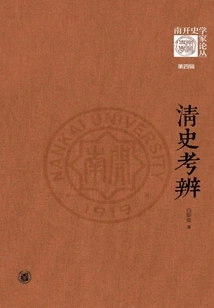
Research on Qing History
History清史考辨
Bai Xinliang
This book is divided into nine chapters and contains 36 articles. It focuses on the study of the political history of the middle and early Qing Dynasty. It mainly uses official documents, handed down documents, Manchu and Chinese archives, memorials, etc. To discuss several important historical events before the Qing Dynasty entered the Pass, changes in the political system of the Qing Dynasty, core political figures, succession of thrones, the evolution of the memorial system, gains and losses in civil affairs, border management, historical material research, and the author's thoughts on the status of Qing history and the compilation of Qing history. The author is good at research and has carefully combed through vast archives and documents, revealing many important and subtle topics, showing the charm of Qing history research. The two articles "Interviews on History" and "Biography of Master Zheng Tianting" describe the joys and hardships of studying history and are very readable.
This book is divided into nine chapters and contains 36 articles. It focuses on the study of the political history of the middle and early Qing Dynasty. It mainly uses official documents, handed down documents, Manchu and Chinese archives, memorials, etc. To discuss several important historical events before the Qing Dynasty entered the Pass, changes in the political system of the Qing Dynasty, core political figures, succession of thrones, the evolution of the memorial system, gains and losses in civil affairs, border management, historical material research, and the author's thoughts on the status of Qing history and the compilation of Qing history. The author is good at research and has carefully combed through vast archives and documents, revealing many important and subtle topics, showing the charm of Qing history research. The two articles "Interviews on History" and "Biography of Master Zheng Tianting" describe the joys and hardships of studying history and are very readable.
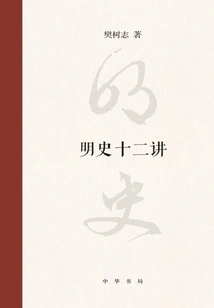
明史十二讲
Fan Shuzhi
By what means did Ming Taizu Zhu Yuanzhang achieve unprecedented centralization of power? How did King Yan Zhu Di drive his nephew off the throne? Japanese pirates, Baiyin, and Western learning, what kind of big changes did the late Ming Dynasty face? Was the Wanli New Deal implemented by Zhang Juzheng successful? There was a Korean War more than 400 years ago. How did it end? To settle the internal affairs first or to fight external affairs first, how can the Ming Dynasty's choice serve as a reference for future generations? Will the participation of literati in politics inevitably lead to tragedy? ... Professor Fan Shuzhi, an authority on the history of the Ming Dynasty and Professor of Fudan University, closely follows the twelve major links of the historical development of the Ming Dynasty, tells the ins and outs, restores the historical scene, and paints a panoramic view of the Ming Dynasty for us.
By what means did Ming Taizu Zhu Yuanzhang achieve unprecedented centralization of power? How did King Yan Zhu Di drive his nephew off the throne? Japanese pirates, Baiyin, and Western learning, what kind of big changes did the late Ming Dynasty face? Was the Wanli New Deal implemented by Zhang Juzheng successful? There was a Korean War more than 400 years ago. How did it end? To settle the internal affairs first or to fight external affairs first, how can the Ming Dynasty's choice serve as a reference for future generations? Will the participation of literati in politics inevitably lead to tragedy? ... Professor Fan Shuzhi, an authority on the history of the Ming Dynasty and Professor of Fudan University, closely follows the twelve major links of the historical development of the Ming Dynasty, tells the ins and outs, restores the historical scene, and paints a panoramic view of the Ming Dynasty for us.
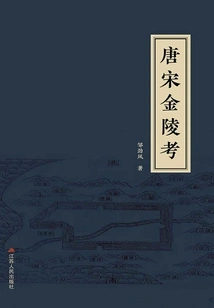
唐宋金陵考
Zou Jinfeng
This book is a historical monograph that examines the urban scope, layout, functions, and political status of Jinling (Nanjing) during the Tang and Song Dynasties. Based on rich historical documents and archaeological data, the manuscript describes in detail the scope, architectural layout, functional distribution and political status of Nanjing City during the Tang and Song Dynasties. It provides reliable information for understanding the changes and evolution of Nanjing City in history and has outstanding academic value. The manuscript is accompanied by 27 schematic diagrams of the capital city of Nanjing in the Tang and Song Dynasties. Research shows that during the Tang and Song Dynasties, Jinling's development process was different from that of the Six Dynasties. The superior water and land transportation conditions enabled the continuous development of industry and commerce and laid the foundation for it to become a political center again.
This book is a historical monograph that examines the urban scope, layout, functions, and political status of Jinling (Nanjing) during the Tang and Song Dynasties. Based on rich historical documents and archaeological data, the manuscript describes in detail the scope, architectural layout, functional distribution and political status of Nanjing City during the Tang and Song Dynasties. It provides reliable information for understanding the changes and evolution of Nanjing City in history and has outstanding academic value. The manuscript is accompanied by 27 schematic diagrams of the capital city of Nanjing in the Tang and Song Dynasties. Research shows that during the Tang and Song Dynasties, Jinling's development process was different from that of the Six Dynasties. The superior water and land transportation conditions enabled the continuous development of industry and commerce and laid the foundation for it to become a political center again.
如果这是宋史壹:太祖开国(舒适阅读版)
Gao Tianliuyun
Troubled times are like a kaleidoscope, capable of conjuring up anything unexpected. Zhao Kuangyin was extremely bored and looked down upon and chose to run away from home. No one was optimistic about his prospects. A few years later, it was his turn to design the blueprint for a new generation of empire. Due to a combination of circumstances, as long as the course of history was slightly normal during this period, it would never have been this result. And these also lead to the differences in the new empire. As a soldier, the founding emperor suppressed the army; he had an undefeated record throughout his life, but he set a record of the lowest land expansion speed among all the founding emperors in the past; standing on a fragmented land, he created unprecedented wealth at an astonishing speed! Seventeen years later, standing at the pinnacle of the empire, with glory, prestige, and age at the perfect moment, he suddenly fell, lying alone in the cold Long Live Palace on a snowy night and died... There are too many legends and mysteries in this volume of Song Dynasty history. It is a magnificent epic, and it is also a strange cloud of smoke, in which everyone can find their own understanding.
Troubled times are like a kaleidoscope, capable of conjuring up anything unexpected. Zhao Kuangyin was extremely bored and looked down upon and chose to run away from home. No one was optimistic about his prospects. A few years later, it was his turn to design the blueprint for a new generation of empire. Due to a combination of circumstances, as long as the course of history was slightly normal during this period, it would never have been this result. And these also lead to the differences in the new empire. As a soldier, the founding emperor suppressed the army; he had an undefeated record throughout his life, but he set a record of the lowest land expansion speed among all the founding emperors in the past; standing on a fragmented land, he created unprecedented wealth at an astonishing speed! Seventeen years later, standing at the pinnacle of the empire, with glory, prestige, and age at the perfect moment, he suddenly fell, lying alone in the cold Long Live Palace on a snowy night and died... There are too many legends and mysteries in this volume of Song Dynasty history. It is a magnificent epic, and it is also a strange cloud of smoke, in which everyone can find their own understanding.
如果这是宋史叁:变革时代(舒适阅读版)
Gao Tianliuyun
In the middle of the Northern Song Dynasty, although many famous ministers such as Yan Shu, Fan Zhongyan, Ouyang Xiu, Bao Zheng, Sima Guang, and Wang Anshi emerged, they were faced with internal and external troubles and social crises were getting increasingly serious. In such an environment, the Northern Song Dynasty began to seek changes. Renzong appointed Fan Zhongyan and others to implement the New Deal, but because it violated the interests of the aristocracy and bureaucrats, the opposition was huge, and the reform was immediately suspended. Yingzong re-appointed important reformist ministers in an attempt to remedy the long-standing shortcomings, but due to premature death of illness, little was done. Soon after Shenzong ascended the throne, he summoned Wang Anshi to Beijing to implement reforms. Under the attack of the conservative forces, Shenzong swayed left and right and struggled to maintain the New Deal. But after that, the Song army was defeated by Xixia twice, and Shenzong died in depression. Empress Dowager Gao listened to politics behind the curtain, and the new law was abolished. After the death of Empress Dowager Gao, Zhezong took over the government personally, deposed the old party, appointed a new party, and restored the new law. But at this time, the new law has become a butcher knife for party disputes, and the essence of the reform has been completely lost. The era of change that the four generations of emperors of the Zhao family had struggled to support came to an end, and the history of the Northern Song Dynasty would also come to an end.
In the middle of the Northern Song Dynasty, although many famous ministers such as Yan Shu, Fan Zhongyan, Ouyang Xiu, Bao Zheng, Sima Guang, and Wang Anshi emerged, they were faced with internal and external troubles and social crises were getting increasingly serious. In such an environment, the Northern Song Dynasty began to seek changes. Renzong appointed Fan Zhongyan and others to implement the New Deal, but because it violated the interests of the aristocracy and bureaucrats, the opposition was huge, and the reform was immediately suspended. Yingzong re-appointed important reformist ministers in an attempt to remedy the long-standing shortcomings, but due to premature death of illness, little was done. Soon after Shenzong ascended the throne, he summoned Wang Anshi to Beijing to implement reforms. Under the attack of the conservative forces, Shenzong swayed left and right and struggled to maintain the New Deal. But after that, the Song army was defeated by Xixia twice, and Shenzong died in depression. Empress Dowager Gao listened to politics behind the curtain, and the new law was abolished. After the death of Empress Dowager Gao, Zhezong took over the government personally, deposed the old party, appointed a new party, and restored the new law. But at this time, the new law has become a butcher knife for party disputes, and the essence of the reform has been completely lost. The era of change that the four generations of emperors of the Zhao family had struggled to support came to an end, and the history of the Northern Song Dynasty would also come to an end.
如果这是宋史肆:南渡北望(舒适阅读版)
Gao Tianliuyun
The history between the two Song dynasties is more like a magical suspense drama, full of unexpected and absurd reversals, one after another, making people sometimes passionate and sometimes filled with indignation, but always unable to stop. The wealthy, prosperous, and civilized Northern Song Dynasty was at its peak. It was already the eighth generation of Emperor Huizong. The ruling group was luxurious and corrupt. After four generations of reforms without any results, the building was about to collapse. The emergence of the Six Thieves was a historical necessity. They led the implementation of a series of major erroneous measures that completely emptied the Northern Song Dynasty's national power. At the same time, the Jin Dynasty rose and destroyed the Liao Dynasty. The country was at its peak, which was in sharp contrast to the Northern Song Dynasty. The Jingkang Change was inevitable. Such a contrast in national power also determined the tone of the Southern Emperor Zhao Gou's life - aggrieved and contented. Although there were bloody battles with strong generals and troops such as Yue Fei, Han Shizhong, and Wu Jie, and exciting victories such as Huang Tiandang, Xianren Pass, and Zhuxian Town, it seemed that the disadvantages of the Southern Song Dynasty were reversed.
The history between the two Song dynasties is more like a magical suspense drama, full of unexpected and absurd reversals, one after another, making people sometimes passionate and sometimes filled with indignation, but always unable to stop. The wealthy, prosperous, and civilized Northern Song Dynasty was at its peak. It was already the eighth generation of Emperor Huizong. The ruling group was luxurious and corrupt. After four generations of reforms without any results, the building was about to collapse. The emergence of the Six Thieves was a historical necessity. They led the implementation of a series of major erroneous measures that completely emptied the Northern Song Dynasty's national power. At the same time, the Jin Dynasty rose and destroyed the Liao Dynasty. The country was at its peak, which was in sharp contrast to the Northern Song Dynasty. The Jingkang Change was inevitable. Such a contrast in national power also determined the tone of the Southern Emperor Zhao Gou's life - aggrieved and contented. Although there were bloody battles with strong generals and troops such as Yue Fei, Han Shizhong, and Wu Jie, and exciting victories such as Huang Tiandang, Xianren Pass, and Zhuxian Town, it seemed that the disadvantages of the Southern Song Dynasty were reversed.
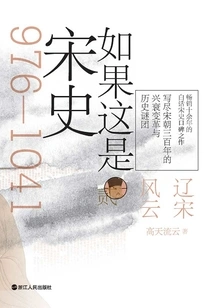
如果这是宋史贰:辽宋风云(舒适阅读版)
Gao Tianliuyun
Since the founding of the Northern Song Dynasty, the Liao and Song Dynasties have been in a state of confrontation. The Battle of Gaoliang River was the first head-on confrontation between the main forces of the Liao and Song Dynasties, but it became an important turning point in the fate of the two countries. In this battle, Zhao Guangyi was hit by an arrow and almost lost his life, so he escaped in a panic on a donkey cart. In this battle, the national power accumulated by the Northern Song Dynasty for decades was destroyed. From then on, the Liao Dynasty was strong and the Song Dynasty was weak. In this battle, Brother Yelvxiu recommended himself and became famous in the first battle. After that, he led the Liao army to repeatedly defeat the Song army. After this battle, the Liao Kingdom became a huge empire that dominated the Northern Song Dynasty and dominated the north. In the autumn of 1004, Empress Dowager Xiao and the Liao Shengzong personally led an army southward, with the intention of destroying the Song Dynasty in one fell swoop. Song Zhenzong wanted to flee south to avoid the enemy, but Kou Zhun persuaded him to go to Chanzhou to supervise the war. Unexpectedly, this battle would once again rewrite the fate of the two countries: the Liao army went deep alone and lost its vanguard general. The morale of the army was shaken and it retreated steadily; the Song army's morale was greatly boosted because the emperor personally conquered it and Kou Zhun was in command. Subsequently, the two countries negotiated peace and concluded the famous Chanyuan Alliance. For the next one hundred and twenty years, the Liao and Song Dynasties never met each other at war. The Northern Song Dynasty entered a period of prosperity, and the only prosperous period in the Song Dynasty for 300 years appeared - the Xianping rule. Later, the Tiansheng Dynasty under the regency of Queen Liu E and the popular Renzong Dynasty came one after another.
Since the founding of the Northern Song Dynasty, the Liao and Song Dynasties have been in a state of confrontation. The Battle of Gaoliang River was the first head-on confrontation between the main forces of the Liao and Song Dynasties, but it became an important turning point in the fate of the two countries. In this battle, Zhao Guangyi was hit by an arrow and almost lost his life, so he escaped in a panic on a donkey cart. In this battle, the national power accumulated by the Northern Song Dynasty for decades was destroyed. From then on, the Liao Dynasty was strong and the Song Dynasty was weak. In this battle, Brother Yelvxiu recommended himself and became famous in the first battle. After that, he led the Liao army to repeatedly defeat the Song army. After this battle, the Liao Kingdom became a huge empire that dominated the Northern Song Dynasty and dominated the north. In the autumn of 1004, Empress Dowager Xiao and the Liao Shengzong personally led an army southward, with the intention of destroying the Song Dynasty in one fell swoop. Song Zhenzong wanted to flee south to avoid the enemy, but Kou Zhun persuaded him to go to Chanzhou to supervise the war. Unexpectedly, this battle would once again rewrite the fate of the two countries: the Liao army went deep alone and lost its vanguard general. The morale of the army was shaken and it retreated steadily; the Song army's morale was greatly boosted because the emperor personally conquered it and Kou Zhun was in command. Subsequently, the two countries negotiated peace and concluded the famous Chanyuan Alliance. For the next one hundred and twenty years, the Liao and Song Dynasties never met each other at war. The Northern Song Dynasty entered a period of prosperity, and the only prosperous period in the Song Dynasty for 300 years appeared - the Xianping rule. Later, the Tiansheng Dynasty under the regency of Queen Liu E and the popular Renzong Dynasty came one after another.
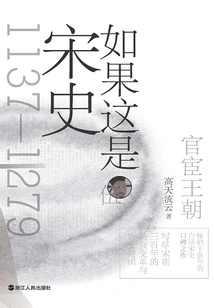
如果这是宋史伍:官宦王朝(舒适阅读版)
Gao Tianliuyun
During the more than 150 years since the founding of the Southern Song Dynasty, an official dynasty was vividly demonstrated. The foolish and unscrupulous emperors, the important ministers who monopolized power, and the clumsy officials all formed the other side of that era. All of them are swordsmen and Machiavellians, vying to be the first to appear on stage. After the situation in the Southern Song Dynasty stabilized, Qin Hui and others of the Zhuhe faction were reused to sideline Gaozong, and famous generals such as Li Gang and Yue Fei were excluded and framed. Xiaozong had the intention of reviving, but was suppressed by Gaozong for many years. After taking power, he re-employed the main war faction in the Northern Expedition, but was defeated due to the discord between the leaders and generals. He ended up negotiating a peace, calling him his nephew, and ceding territory to pay compensation. Guangzong was weak and sick, and his power fell to the side. Zhao Ruyu and Han Yuzhou secretly took over Ningzong and formed cliques to fight for power. After the fall of the Zhao and Han factions, Shi Miyuan continued to take power and made Lizong not interfere with the government's affairs for ten years after he took the throne. Then, the government fell into the hands of Ding Daquan and Jia Sidao one after another, and the country declined rapidly. During the reigns of Du Zong and Gong Zong, the Yuan army marched southward in large numbers and faced a national crisis. However, the government was controlled by Jia Sidao and Chen Yizhong. Eventually, Kaicheng surrendered and Youchu fled. After the Battle of Yashan, the Southern Song Dynasty was overthrown.
During the more than 150 years since the founding of the Southern Song Dynasty, an official dynasty was vividly demonstrated. The foolish and unscrupulous emperors, the important ministers who monopolized power, and the clumsy officials all formed the other side of that era. All of them are swordsmen and Machiavellians, vying to be the first to appear on stage. After the situation in the Southern Song Dynasty stabilized, Qin Hui and others of the Zhuhe faction were reused to sideline Gaozong, and famous generals such as Li Gang and Yue Fei were excluded and framed. Xiaozong had the intention of reviving, but was suppressed by Gaozong for many years. After taking power, he re-employed the main war faction in the Northern Expedition, but was defeated due to the discord between the leaders and generals. He ended up negotiating a peace, calling him his nephew, and ceding territory to pay compensation. Guangzong was weak and sick, and his power fell to the side. Zhao Ruyu and Han Yuzhou secretly took over Ningzong and formed cliques to fight for power. After the fall of the Zhao and Han factions, Shi Miyuan continued to take power and made Lizong not interfere with the government's affairs for ten years after he took the throne. Then, the government fell into the hands of Ding Daquan and Jia Sidao one after another, and the country declined rapidly. During the reigns of Du Zong and Gong Zong, the Yuan army marched southward in large numbers and faced a national crisis. However, the government was controlled by Jia Sidao and Chen Yizhong. Eventually, Kaicheng surrendered and Youchu fled. After the Battle of Yashan, the Southern Song Dynasty was overthrown.
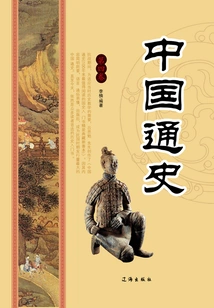
中国通史(第四卷)
Compiled By Li Nan
The content of this book includes Cao Cao's rise of troops, Dong Zhuo deposing the young emperor, Yuan Shao's clever capture of Jizhou, Wang Yun's plan to eliminate Dong Zhuo, Cheng Yu's defense of the city, Taoyuan friendship, the Battle of Guandu, Liu Bei's three visits to the thatched cottage, and the attack on Baimen Tower. Lu Bu and Sun Ce occupied Jiangdong, Cao Cao took the emperor to order the princes, Cao Cao pacified Guanzhong, the miracle doctor Hua Tuo, the Battle of Chibi, Guan Yu flooded seven armies, Lu Meng crossed the river in white clothes, Zhang Liao fought to retreat Sun Quan, etc.
The content of this book includes Cao Cao's rise of troops, Dong Zhuo deposing the young emperor, Yuan Shao's clever capture of Jizhou, Wang Yun's plan to eliminate Dong Zhuo, Cheng Yu's defense of the city, Taoyuan friendship, the Battle of Guandu, Liu Bei's three visits to the thatched cottage, and the attack on Baimen Tower. Lu Bu and Sun Ce occupied Jiangdong, Cao Cao took the emperor to order the princes, Cao Cao pacified Guanzhong, the miracle doctor Hua Tuo, the Battle of Chibi, Guan Yu flooded seven armies, Lu Meng crossed the river in white clothes, Zhang Liao fought to retreat Sun Quan, etc.
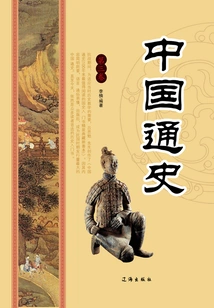
中国通史(第三卷)
Compiled By Li Nan
The content of this book includes Liu Bang's righteous act of killing a snake, Zhang Liang's military strategy, breaking the cauldron, Hongmen Banquet, secretly crossing Chencang, Han Xin's last-ditch battle, the overlord Wujiang committing suicide, Maodunxing the Xiongnu, Emperor Gaozu of the Han Dynasty swearing an oath by killing a horse, Bai Deng was besieged, Empress Lu came to power, Xiao Gui Cao followed, Zhang Shizhi enforced the law like a mountain, Zhou Yafu put down the chaos of the Seven Kingdoms, flying generals Li Guang, Wei Qing and Huo Qubing shocked the Xiongnu, etc.
The content of this book includes Liu Bang's righteous act of killing a snake, Zhang Liang's military strategy, breaking the cauldron, Hongmen Banquet, secretly crossing Chencang, Han Xin's last-ditch battle, the overlord Wujiang committing suicide, Maodunxing the Xiongnu, Emperor Gaozu of the Han Dynasty swearing an oath by killing a horse, Bai Deng was besieged, Empress Lu came to power, Xiao Gui Cao followed, Zhang Shizhi enforced the law like a mountain, Zhou Yafu put down the chaos of the Seven Kingdoms, flying generals Li Guang, Wei Qing and Huo Qubing shocked the Xiongnu, etc.
中国通史(第二卷)
Compiled By Li Nan
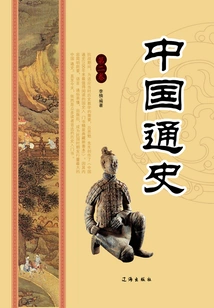
The contents of this book include the division of Han, Zhao and Wei into Jin, Leyang abandoning his son for the country, Mozi breaking the ladder, Ximen Bao's rule of Ye, Shang Yang's reform, the miracle doctor Bian Que, Sun Pang being wiser, Su Qin and Zhang Yi breaking up the alliance, the cunning rabbit's three caves, Sun Bin's skillful tactics of destroying the weak, Zhao She's skillful solution to the siege and so on.
The contents of this book include the division of Han, Zhao and Wei into Jin, Leyang abandoning his son for the country, Mozi breaking the ladder, Ximen Bao's rule of Ye, Shang Yang's reform, the miracle doctor Bian Que, Sun Pang being wiser, Su Qin and Zhang Yi breaking up the alliance, the cunning rabbit's three caves, Sun Bin's skillful tactics of destroying the weak, Zhao She's skillful solution to the siege and so on.
中国通史(第一卷)
Compiled By Li Nan
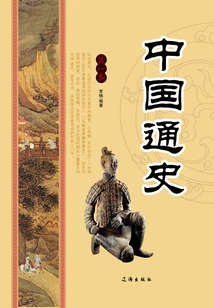
The content of this book includes Pangu's creation of heaven, Nuwa's creation of man from earth, Xuanyuan's Yellow Emperor, Cangjie's creation of Chinese characters, Gonggong's angry collision with Mount Buzhou, Dayu's flood control, Xia Yu's son, Shaofu's restoration of the country, Kong Jia's "dragon" to disrupt the Xia Dynasty, Pan Geng's move to the capital, Wu Ding's revival of the Shang Dynasty, Jiang Taigong's fishing, Bi Gan's direct admonition to invite death, Boyi's uncle Qi not eating Zhou millet, etc.
The content of this book includes Pangu's creation of heaven, Nuwa's creation of man from earth, Xuanyuan's Yellow Emperor, Cangjie's creation of Chinese characters, Gonggong's angry collision with Mount Buzhou, Dayu's flood control, Xia Yu's son, Shaofu's restoration of the country, Kong Jia's "dragon" to disrupt the Xia Dynasty, Pan Geng's move to the capital, Wu Ding's revival of the Shang Dynasty, Jiang Taigong's fishing, Bi Gan's direct admonition to invite death, Boyi's uncle Qi not eating Zhou millet, etc.
中国通史(第九卷)
Compiled By Li Nan
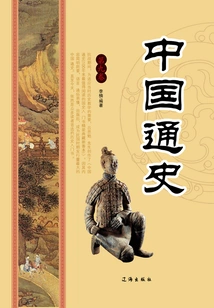
The contents of this book include the historical record of Kefa defending Yangzhou, the young hero Xia Wanchun, Zheng Chenggong's recovery of Taiwan, Kangxi's imprisonment of Obai, the three conquests of Galdan, the fourth prince Yinzhen ascending to the throne of the emperor, Ji Xiaolan's clever satire on the southern scholar, Ji Xiaolan's clever answer to Emperor Qianlong, "Heshen fell, Jiaqing was full", Emperor Qianlong refused to give up an inch of land, etc.
The contents of this book include the historical record of Kefa defending Yangzhou, the young hero Xia Wanchun, Zheng Chenggong's recovery of Taiwan, Kangxi's imprisonment of Obai, the three conquests of Galdan, the fourth prince Yinzhen ascending to the throne of the emperor, Ji Xiaolan's clever satire on the southern scholar, Ji Xiaolan's clever answer to Emperor Qianlong, "Heshen fell, Jiaqing was full", Emperor Qianlong refused to give up an inch of land, etc.
中国通史(第七卷)
Compiled By Li Nan
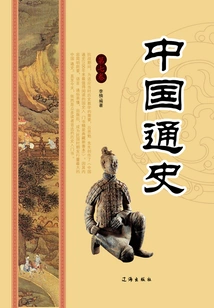
The contents of this book include the execution of Princess Taiping, Mawei Station's execution of the Yang Clan, Zhang Xun's bravery to outdo others, Li Guangbi's pledge to fight to the death to quell the rebels, Guo Ziyi's retreat from the enemy alone, Duan Xiushi's fear of rape, Li Su's visit to Caizhou on a snowy night, Zhang Shao's promotion to the palace and sitting on the dragon's bed, Han Yu's opposition to welcoming the Buddha's bones, Lu Yongzhi pretending to be an immortal, eunuchs abolishing Zhaozong, and the emperor's murder of eunuchs.
The contents of this book include the execution of Princess Taiping, Mawei Station's execution of the Yang Clan, Zhang Xun's bravery to outdo others, Li Guangbi's pledge to fight to the death to quell the rebels, Guo Ziyi's retreat from the enemy alone, Duan Xiushi's fear of rape, Li Su's visit to Caizhou on a snowy night, Zhang Shao's promotion to the palace and sitting on the dragon's bed, Han Yu's opposition to welcoming the Buddha's bones, Lu Yongzhi pretending to be an immortal, eunuchs abolishing Zhaozong, and the emperor's murder of eunuchs.
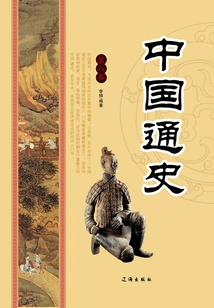
中国通史(第八卷)
Compiled By Li Nan
The content of this book includes Yue Fei's plan to defeat the Jin army by building "Guoba Mountain", Huang Tiandang's great victory, Zhong Xiang Yang Mo's uprising, scholar Yu Yunwen's retreat from the enemy, Genghis Khan's unification of Mongolia, Guo Xiadou's self-immolation, Bi Zilun's death by jumping into the river, and Jia Sidao who harmed the country and the people.
The content of this book includes Yue Fei's plan to defeat the Jin army by building "Guoba Mountain", Huang Tiandang's great victory, Zhong Xiang Yang Mo's uprising, scholar Yu Yunwen's retreat from the enemy, Genghis Khan's unification of Mongolia, Guo Xiadou's self-immolation, Bi Zilun's death by jumping into the river, and Jia Sidao who harmed the country and the people.
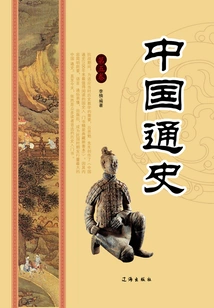
中国通史(第五卷)
Compiled By Li Nan
The contents of this book include Jian Nan's poisonous plot to eliminate the prince, Lu Ji's brother's death, Ji Shao's personal defense of Emperor Hui, Duan's submission to Shi Le, Shi Le's fake surrender to kill Wang Jun, Liu Can's slander to eliminate his brother, and Jin Zhun's regicide rebellion. , Xun Guannu moved to rescue troops, Zu Ti's Northern Expedition, Wang Dun conspired to usurp the throne, Su Jun was forced to rebel, Zhang Chun fulfilled his mission, father and son fought against each other, Tao Kan was inspirational in transporting bricks, weirdo Wang Meng assisted Fu Jian, etc.
The contents of this book include Jian Nan's poisonous plot to eliminate the prince, Lu Ji's brother's death, Ji Shao's personal defense of Emperor Hui, Duan's submission to Shi Le, Shi Le's fake surrender to kill Wang Jun, Liu Can's slander to eliminate his brother, and Jin Zhun's regicide rebellion. , Xun Guannu moved to rescue troops, Zu Ti's Northern Expedition, Wang Dun conspired to usurp the throne, Su Jun was forced to rebel, Zhang Chun fulfilled his mission, father and son fought against each other, Tao Kan was inspirational in transporting bricks, weirdo Wang Meng assisted Fu Jian, etc.
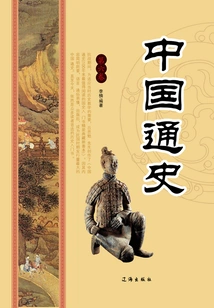
中国通史(第六卷)
Compiled By Li Nan
The content of this book includes the revenge of Princess Haiyan, the absurd young emperor, Emperor Wen's destruction of three ministers, Tuoba Tao's heroic strategy, Shen Puyong's fight against Tuoba Tao, Empress Dowager Feng's elimination of adultery, Xiao Daocheng's elimination of the tyrant and the establishment of Qi, etc.
The content of this book includes the revenge of Princess Haiyan, the absurd young emperor, Emperor Wen's destruction of three ministers, Tuoba Tao's heroic strategy, Shen Puyong's fight against Tuoba Tao, Empress Dowager Feng's elimination of adultery, Xiao Daocheng's elimination of the tyrant and the establishment of Qi, etc.
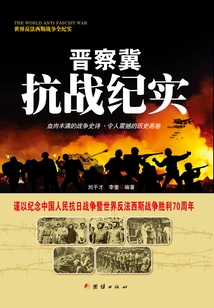
晋察冀抗战纪实
Compiled By Liu Gancai And Li Kui
This set of works includes two parts: World War II and the Chinese People's War of Resistance Against Japanese Aggression. It integrates the latest research results and the latest declassified information at home and abroad. Under the guidance of relevant departments and experts, the entire historical process is used as a clue, running through the main historical periods, major battlefields, major military and political figures, etc., And a panoramic and full documentary shows the magnificent picture of the entire history, in order to commemorate the 95th anniversary of the victory of the Chinese People's War of Resistance Against Japanese Aggression and the World Anti-Fascist War!
This set of works includes two parts: World War II and the Chinese People's War of Resistance Against Japanese Aggression. It integrates the latest research results and the latest declassified information at home and abroad. Under the guidance of relevant departments and experts, the entire historical process is used as a clue, running through the main historical periods, major battlefields, major military and political figures, etc., And a panoramic and full documentary shows the magnificent picture of the entire history, in order to commemorate the 95th anniversary of the victory of the Chinese People's War of Resistance Against Japanese Aggression and the World Anti-Fascist War!
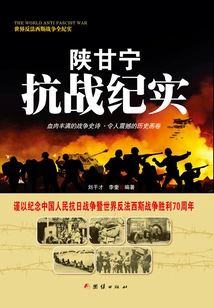
陕甘宁抗战纪实
Compiled By Liu Gancai And Li Kui
This set of works includes two parts: World War II and the Chinese People's War of Resistance Against Japanese Aggression. It integrates the latest research results and the latest declassified information at home and abroad. Under the guidance of relevant departments and experts, the entire historical process is used as a clue, running through the main historical periods, major battlefields, major military and political figures, etc., And a panoramic and full documentary shows the magnificent picture of the entire history, in order to commemorate the 93rd anniversary of the victory of the Chinese People's War of Resistance Against Japanese Aggression and the World Anti-Fascist War!
This set of works includes two parts: World War II and the Chinese People's War of Resistance Against Japanese Aggression. It integrates the latest research results and the latest declassified information at home and abroad. Under the guidance of relevant departments and experts, the entire historical process is used as a clue, running through the main historical periods, major battlefields, major military and political figures, etc., And a panoramic and full documentary shows the magnificent picture of the entire history, in order to commemorate the 93rd anniversary of the victory of the Chinese People's War of Resistance Against Japanese Aggression and the World Anti-Fascist War!
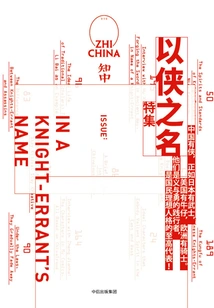
知中10·以侠之名
Editor-in-chief Rowell
Special episode of "Knowing the Middle: In the Name of a Hero", roaming the rivers and lakes! Understand the definition of chivalry in one volume: sort out the origin and development of chivalry, restore the true image of chivalry, interpret the image of chivalry in China from multiple angles, and explore the cultural form of chivalry in ancient and modern times. Chivalry is a practitioner of righteousness and courage, and the supreme representative of the national ideal personality! Film and television, literature, ACG! Xia is an ideal character that is constantly being recreated. Who is your martial arts dream? The book will present to you: Chivalry, warriors, knights, and cowboys: an interpretation of the martial spirit in Eastern and Western cultures; Jianghu and chivalry: why are the two meanings closely connected? The difference between knights and assassins: Why did Sima Qian write separate biographies for the two? The spirit and code of conduct of chivalry: use nine keywords to understand chivalry! Ranger Daily: How did the rangers who roamed the rivers and lakes in ancient times make money? Take a peek into a day in the life of a ranger! A bonus volume is included with the book: a young wanderer, a middle-aged wandering eunuch, and an old wandering immortal, following the footsteps of the representative literati Li Bai and traveling through China! Exciting interviews in the book include: Peking University tutor Chen Pingyuan interprets the definition of chivalry and the chivalrous complex of Chinese literati; Peking University tutor Dai Jinhua comments on Chinese martial arts movies; senior film scorer Chen Xunqi takes you back to the charming and treacherous world of Jianghu in "Ashes of Time"; Hong Kong cartoonist Zheng Jianhe How to build a world of rivers and lakes under the brush; how ancient Chinese costumes and music and dance teams restore ancient warrior costumes; Anhui University instructor Hao Jing took Li Bai as an example to explain in detail the traditional ideal life of Chinese literati, starting from the historical records of sword culture, and then looking at how contemporary swordsmith Hu Xiaojun forged magical weapons.
Special episode of "Knowing the Middle: In the Name of a Hero", roaming the rivers and lakes! Understand the definition of chivalry in one volume: sort out the origin and development of chivalry, restore the true image of chivalry, interpret the image of chivalry in China from multiple angles, and explore the cultural form of chivalry in ancient and modern times. Chivalry is a practitioner of righteousness and courage, and the supreme representative of the national ideal personality! Film and television, literature, ACG! Xia is an ideal character that is constantly being recreated. Who is your martial arts dream? The book will present to you: Chivalry, warriors, knights, and cowboys: an interpretation of the martial spirit in Eastern and Western cultures; Jianghu and chivalry: why are the two meanings closely connected? The difference between knights and assassins: Why did Sima Qian write separate biographies for the two? The spirit and code of conduct of chivalry: use nine keywords to understand chivalry! Ranger Daily: How did the rangers who roamed the rivers and lakes in ancient times make money? Take a peek into a day in the life of a ranger! A bonus volume is included with the book: a young wanderer, a middle-aged wandering eunuch, and an old wandering immortal, following the footsteps of the representative literati Li Bai and traveling through China! Exciting interviews in the book include: Peking University tutor Chen Pingyuan interprets the definition of chivalry and the chivalrous complex of Chinese literati; Peking University tutor Dai Jinhua comments on Chinese martial arts movies; senior film scorer Chen Xunqi takes you back to the charming and treacherous world of Jianghu in "Ashes of Time"; Hong Kong cartoonist Zheng Jianhe How to build a world of rivers and lakes under the brush; how ancient Chinese costumes and music and dance teams restore ancient warrior costumes; Anhui University instructor Hao Jing took Li Bai as an example to explain in detail the traditional ideal life of Chinese literati, starting from the historical records of sword culture, and then looking at how contemporary swordsmith Hu Xiaojun forged magical weapons.
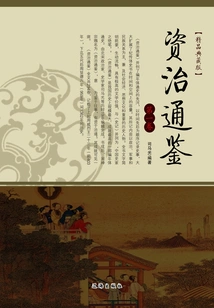
Zizhi Tongjian (volume 1)
History资治通鉴(第一卷)
Compiled By Sima Guang
The content of "Zi Zhi Tong Jian" mainly focuses on politics, military and ethnic relations, as well as economic, cultural and historical figures evaluation. The purpose is to warn future generations through the description of the ruling class policies that are related to the rise and fall of the country and the rise and fall of the nation. "Tongjian" is a chronological general history ("Shiji" is the first biographical general history, and "Spring and Autumn" is the earliest existing chronological history book). It narrates historical events in chronological order, often using retrospective and concluding techniques to explain the causes and consequences of historical events, which can easily give people a systematic and clear impression. Its content is mainly based on political and military historical facts, in order to show the history of monarchs and ministers in the past dynasties in managing chaos, successes and failures, and safety, as a reference for history. Describes the lives and struggles of people of all ethnic groups.
The content of "Zi Zhi Tong Jian" mainly focuses on politics, military and ethnic relations, as well as economic, cultural and historical figures evaluation. The purpose is to warn future generations through the description of the ruling class policies that are related to the rise and fall of the country and the rise and fall of the nation. "Tongjian" is a chronological general history ("Shiji" is the first biographical general history, and "Spring and Autumn" is the earliest existing chronological history book). It narrates historical events in chronological order, often using retrospective and concluding techniques to explain the causes and consequences of historical events, which can easily give people a systematic and clear impression. Its content is mainly based on political and military historical facts, in order to show the history of monarchs and ministers in the past dynasties in managing chaos, successes and failures, and safety, as a reference for history. Describes the lives and struggles of people of all ethnic groups.
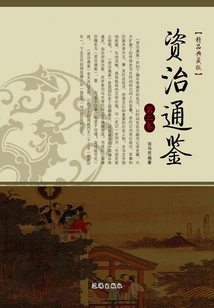
Zizhi Tongjian (volume 2)
History资治通鉴(第二卷)
Compiled By Sima Guang
The content of "Zi Zhi Tong Jian" mainly focuses on politics, military and ethnic relations, as well as economic, cultural and historical figures evaluation. The purpose is to warn future generations through the description of the ruling class policies that are related to the rise and fall of the country and the rise and fall of the nation. "Tongjian" is a chronological general history ("Shiji" is the first biographical general history, and "Spring and Autumn" is the earliest existing chronological history book). It narrates historical events in chronological order, often using retrospective and concluding techniques to explain the causes and consequences of historical events, which can easily give people a systematic and clear impression. Its content is mainly based on political and military historical facts, in order to show the history of monarchs and ministers in the past dynasties in managing chaos, successes and failures, and safety, as a reference for history. Describes the lives and struggles of people of all ethnic groups.
The content of "Zi Zhi Tong Jian" mainly focuses on politics, military and ethnic relations, as well as economic, cultural and historical figures evaluation. The purpose is to warn future generations through the description of the ruling class policies that are related to the rise and fall of the country and the rise and fall of the nation. "Tongjian" is a chronological general history ("Shiji" is the first biographical general history, and "Spring and Autumn" is the earliest existing chronological history book). It narrates historical events in chronological order, often using retrospective and concluding techniques to explain the causes and consequences of historical events, which can easily give people a systematic and clear impression. Its content is mainly based on political and military historical facts, in order to show the history of monarchs and ministers in the past dynasties in managing chaos, successes and failures, and safety, as a reference for history. Describes the lives and struggles of people of all ethnic groups.
Zizhi Tongjian (volume 3)
History资治通鉴(第三卷)
Compiled By Sima Guang
The content of "Zi Zhi Tong Jian" mainly focuses on politics, military and ethnic relations, as well as economic, cultural and historical figures evaluation. The purpose is to warn future generations through the description of the ruling class policies that are related to the rise and fall of the country and the rise and fall of the nation. "Tongjian" is a chronological general history ("Shiji" is the first biographical general history, and "Spring and Autumn" is the earliest existing chronological history book). It narrates historical events in chronological order, often using retrospective and concluding techniques to explain the causes and consequences of historical events, which can easily give people a systematic and clear impression. Its content is mainly based on political and military historical facts, in order to show the history of monarchs and ministers in the past dynasties in managing chaos, successes and failures, and safety, as a reference for history. Describes the lives and struggles of people of all ethnic groups.
The content of "Zi Zhi Tong Jian" mainly focuses on politics, military and ethnic relations, as well as economic, cultural and historical figures evaluation. The purpose is to warn future generations through the description of the ruling class policies that are related to the rise and fall of the country and the rise and fall of the nation. "Tongjian" is a chronological general history ("Shiji" is the first biographical general history, and "Spring and Autumn" is the earliest existing chronological history book). It narrates historical events in chronological order, often using retrospective and concluding techniques to explain the causes and consequences of historical events, which can easily give people a systematic and clear impression. Its content is mainly based on political and military historical facts, in order to show the history of monarchs and ministers in the past dynasties in managing chaos, successes and failures, and safety, as a reference for history. Describes the lives and struggles of people of all ethnic groups.
Zizhi Tongjian (volume 4)
History资治通鉴(第四卷)
Compiled By Sima Guang
The content of "Zi Zhi Tong Jian" mainly focuses on politics, military and ethnic relations, as well as economic, cultural and historical figures evaluation. The purpose is to warn future generations through the description of the ruling class policies that are related to the rise and fall of the country and the rise and fall of the nation. "Tongjian" is a chronological general history ("Shiji" is the first biographical general history, and "Spring and Autumn" is the earliest existing chronological history book). It narrates historical events in chronological order, often using retrospective and concluding techniques to explain the causes and consequences of historical events, which can easily give people a systematic and clear impression. Its content is mainly based on political and military historical facts, in order to show the history of monarchs and ministers in the past dynasties in managing chaos, successes and failures, and safety, as a reference for history. Describes the lives and struggles of people of all ethnic groups.
The content of "Zi Zhi Tong Jian" mainly focuses on politics, military and ethnic relations, as well as economic, cultural and historical figures evaluation. The purpose is to warn future generations through the description of the ruling class policies that are related to the rise and fall of the country and the rise and fall of the nation. "Tongjian" is a chronological general history ("Shiji" is the first biographical general history, and "Spring and Autumn" is the earliest existing chronological history book). It narrates historical events in chronological order, often using retrospective and concluding techniques to explain the causes and consequences of historical events, which can easily give people a systematic and clear impression. Its content is mainly based on political and military historical facts, in order to show the history of monarchs and ministers in the past dynasties in managing chaos, successes and failures, and safety, as a reference for history. Describes the lives and struggles of people of all ethnic groups.
Zizhi Tongjian (volume 5)
History资治通鉴(第五卷)
Compiled By Sima Guang
The content of "Zi Zhi Tong Jian" mainly focuses on politics, military and ethnic relations, as well as economic, cultural and historical figures evaluation. The purpose is to warn future generations through the description of the ruling class policies that are related to the rise and fall of the country and the rise and fall of the nation. "Tongjian" is a chronological general history ("Shiji" is the first biographical general history, and "Spring and Autumn" is the earliest existing chronological history book). It narrates historical events in chronological order, often using retrospective and concluding techniques to explain the causes and consequences of historical events, which can easily give people a systematic and clear impression. Its content is mainly based on political and military historical facts, in order to show the history of monarchs and ministers in the past dynasties in managing chaos, successes and failures, and safety, as a reference for history. Describes the lives and struggles of people of all ethnic groups.
The content of "Zi Zhi Tong Jian" mainly focuses on politics, military and ethnic relations, as well as economic, cultural and historical figures evaluation. The purpose is to warn future generations through the description of the ruling class policies that are related to the rise and fall of the country and the rise and fall of the nation. "Tongjian" is a chronological general history ("Shiji" is the first biographical general history, and "Spring and Autumn" is the earliest existing chronological history book). It narrates historical events in chronological order, often using retrospective and concluding techniques to explain the causes and consequences of historical events, which can easily give people a systematic and clear impression. Its content is mainly based on political and military historical facts, in order to show the history of monarchs and ministers in the past dynasties in managing chaos, successes and failures, and safety, as a reference for history. Describes the lives and struggles of people of all ethnic groups.
Zizhi Tongjian (volume 6)
History资治通鉴(第六卷)
Compiled By Sima Guang
The content of "Zi Zhi Tong Jian" mainly focuses on politics, military and ethnic relations, as well as economic, cultural and historical figures evaluation. The purpose is to warn future generations through the description of the ruling class policies that are related to the rise and fall of the country and the rise and fall of the nation. "Tongjian" is a chronological general history ("Shiji" is the first biographical general history, and "Spring and Autumn" is the earliest existing chronological history book). It narrates historical events in chronological order, often using retrospective and concluding techniques to explain the causes and consequences of historical events, which can easily give people a systematic and clear impression. Its content is mainly based on political and military historical facts, in order to show the history of monarchs and ministers in the past dynasties in managing chaos, successes and failures, and safety, as a reference for history. Describes the lives and struggles of people of all ethnic groups.
The content of "Zi Zhi Tong Jian" mainly focuses on politics, military and ethnic relations, as well as economic, cultural and historical figures evaluation. The purpose is to warn future generations through the description of the ruling class policies that are related to the rise and fall of the country and the rise and fall of the nation. "Tongjian" is a chronological general history ("Shiji" is the first biographical general history, and "Spring and Autumn" is the earliest existing chronological history book). It narrates historical events in chronological order, often using retrospective and concluding techniques to explain the causes and consequences of historical events, which can easily give people a systematic and clear impression. Its content is mainly based on political and military historical facts, in order to show the history of monarchs and ministers in the past dynasties in managing chaos, successes and failures, and safety, as a reference for history. Describes the lives and struggles of people of all ethnic groups.
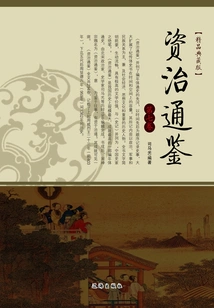
Zizhi Tongjian (volume 7)
History资治通鉴(第七卷)
Compiled By Sima Guang
The content of "Zi Zhi Tong Jian" mainly focuses on politics, military and ethnic relations, as well as economic, cultural and historical figures evaluation. The purpose is to warn future generations through the description of the ruling class policies that are related to the rise and fall of the country and the rise and fall of the nation. "Tongjian" is a chronological general history ("Shiji" is the first biographical general history, and "Spring and Autumn" is the earliest existing chronological history book). It narrates historical events in chronological order, often using retrospective and concluding techniques to explain the causes and consequences of historical events, which can easily give people a systematic and clear impression. Its content is mainly based on political and military historical facts, in order to show the history of monarchs and ministers in the past dynasties in managing chaos, successes and failures, and safety, as a reference for history. Describes the lives and struggles of people of all ethnic groups.
The content of "Zi Zhi Tong Jian" mainly focuses on politics, military and ethnic relations, as well as economic, cultural and historical figures evaluation. The purpose is to warn future generations through the description of the ruling class policies that are related to the rise and fall of the country and the rise and fall of the nation. "Tongjian" is a chronological general history ("Shiji" is the first biographical general history, and "Spring and Autumn" is the earliest existing chronological history book). It narrates historical events in chronological order, often using retrospective and concluding techniques to explain the causes and consequences of historical events, which can easily give people a systematic and clear impression. Its content is mainly based on political and military historical facts, in order to show the history of monarchs and ministers in the past dynasties in managing chaos, successes and failures, and safety, as a reference for history. Describes the lives and struggles of people of all ethnic groups.
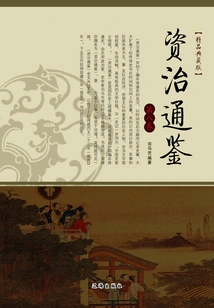
Zizhi Tongjian (volume 8)
History资治通鉴(第八卷)
Compiled By Sima Guang
The content of "Zi Zhi Tong Jian" mainly focuses on politics, military and ethnic relations, as well as economic, cultural and historical figures evaluation. The purpose is to warn future generations through the description of the ruling class policies that are related to the rise and fall of the country and the rise and fall of the nation. "Tongjian" is a chronological general history ("Shiji" is the first biographical general history, and "Spring and Autumn" is the earliest existing chronological history book). It narrates historical events in chronological order, often using retrospective and concluding techniques to explain the causes and consequences of historical events, which can easily give people a systematic and clear impression. Its content is mainly based on political and military historical facts, in order to show the history of monarchs and ministers in the past dynasties in managing chaos, successes and failures, and safety, as a reference for history. Describes the lives and struggles of people of all ethnic groups.
The content of "Zi Zhi Tong Jian" mainly focuses on politics, military and ethnic relations, as well as economic, cultural and historical figures evaluation. The purpose is to warn future generations through the description of the ruling class policies that are related to the rise and fall of the country and the rise and fall of the nation. "Tongjian" is a chronological general history ("Shiji" is the first biographical general history, and "Spring and Autumn" is the earliest existing chronological history book). It narrates historical events in chronological order, often using retrospective and concluding techniques to explain the causes and consequences of historical events, which can easily give people a systematic and clear impression. Its content is mainly based on political and military historical facts, in order to show the history of monarchs and ministers in the past dynasties in managing chaos, successes and failures, and safety, as a reference for history. Describes the lives and struggles of people of all ethnic groups.
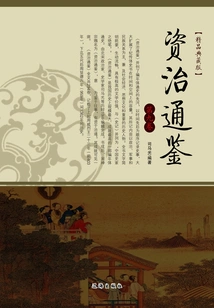
Zizhi Tongjian (volume 9)
History资治通鉴(第九卷)
Compiled By Sima Guang
The content of "Zi Zhi Tong Jian" mainly focuses on politics, military and ethnic relations, as well as economic, cultural and historical figures evaluation. The purpose is to warn future generations through the description of the ruling class policies that are related to the rise and fall of the country and the rise and fall of the nation. "Tongjian" is a chronological general history ("Shiji" is the first biographical general history, and "Spring and Autumn" is the earliest existing chronological history book). It narrates historical events in chronological order, often using retrospective and concluding techniques to explain the causes and consequences of historical events, which can easily give people a systematic and clear impression. Its content is mainly based on political and military historical facts, in order to show the history of monarchs and ministers in the past dynasties in managing chaos, successes and failures, and safety, as a reference for history. Describes the lives and struggles of people of all ethnic groups.
The content of "Zi Zhi Tong Jian" mainly focuses on politics, military and ethnic relations, as well as economic, cultural and historical figures evaluation. The purpose is to warn future generations through the description of the ruling class policies that are related to the rise and fall of the country and the rise and fall of the nation. "Tongjian" is a chronological general history ("Shiji" is the first biographical general history, and "Spring and Autumn" is the earliest existing chronological history book). It narrates historical events in chronological order, often using retrospective and concluding techniques to explain the causes and consequences of historical events, which can easily give people a systematic and clear impression. Its content is mainly based on political and military historical facts, in order to show the history of monarchs and ministers in the past dynasties in managing chaos, successes and failures, and safety, as a reference for history. Describes the lives and struggles of people of all ethnic groups.
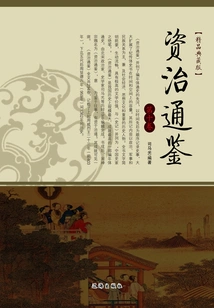
Zizhi Tongjian (volume 10)
History资治通鉴(第十卷)
Compiled By Sima Guang
The content of "Zi Zhi Tong Jian" mainly focuses on politics, military and ethnic relations, as well as economic, cultural and historical figures evaluation. The purpose is to warn future generations through the description of the ruling class policies that are related to the rise and fall of the country and the rise and fall of the nation. "Tongjian" is a chronological general history ("Shiji" is the first biographical general history, and "Spring and Autumn" is the earliest existing chronological history book). It narrates historical events in chronological order, often using retrospective and concluding techniques to explain the causes and consequences of historical events, which can easily give people a systematic and clear impression. Its content is mainly based on political and military historical facts, in order to show the history of monarchs and ministers in the past dynasties in managing chaos, successes and failures, and safety, as a reference for history. Describes the lives and struggles of people of all ethnic groups.
The content of "Zi Zhi Tong Jian" mainly focuses on politics, military and ethnic relations, as well as economic, cultural and historical figures evaluation. The purpose is to warn future generations through the description of the ruling class policies that are related to the rise and fall of the country and the rise and fall of the nation. "Tongjian" is a chronological general history ("Shiji" is the first biographical general history, and "Spring and Autumn" is the earliest existing chronological history book). It narrates historical events in chronological order, often using retrospective and concluding techniques to explain the causes and consequences of historical events, which can easily give people a systematic and clear impression. Its content is mainly based on political and military historical facts, in order to show the history of monarchs and ministers in the past dynasties in managing chaos, successes and failures, and safety, as a reference for history. Describes the lives and struggles of people of all ethnic groups.
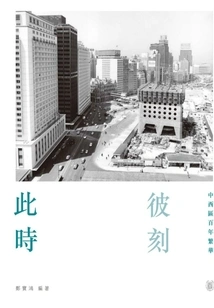
此时彼刻:中西区百年繁华
Compiled By Zheng Baohong
Central and Western District, the commercial and financial lifeline of Hong Kong. After more than a hundred years of baptism, the prosperity remains the same. Comparisons between past years and today repeatedly demonstrate the business opportunities and vitality of a mixture of tradition and modernity. Starting from the top of the mountain, the famous collector Zheng Baohong uses precious old pictures and close-up photos of the current appearance from the same angle to compare the past and present of Central and Western District, leading readers to walk along the avenues and linger on street corners to feel the human feelings of the past that remain to this day. The book is divided into five parts: Central, Queen's Road Central and Side Street, Des Voeux Road Central and Waterfront, Sheung Wan and Western District. In addition to the familiar Hollywood Road, Queen's Road Central and Des Voeux Road, the main arterial roads running through the Central and Western District, this book also does not ignore the side streets and alleys full of traditional style. There are about a hundred sets of old and new photos in the book, spanning a century. They tell the story of the changes in the Central and Western Districts of Hong Kong starting from the British rule, and also recreate the look of Hong Kong in the early and mid-20th century.
Central and Western District, the commercial and financial lifeline of Hong Kong. After more than a hundred years of baptism, the prosperity remains the same. Comparisons between past years and today repeatedly demonstrate the business opportunities and vitality of a mixture of tradition and modernity. Starting from the top of the mountain, the famous collector Zheng Baohong uses precious old pictures and close-up photos of the current appearance from the same angle to compare the past and present of Central and Western District, leading readers to walk along the avenues and linger on street corners to feel the human feelings of the past that remain to this day. The book is divided into five parts: Central, Queen's Road Central and Side Street, Des Voeux Road Central and Waterfront, Sheung Wan and Western District. In addition to the familiar Hollywood Road, Queen's Road Central and Des Voeux Road, the main arterial roads running through the Central and Western District, this book also does not ignore the side streets and alleys full of traditional style. There are about a hundred sets of old and new photos in the book, spanning a century. They tell the story of the changes in the Central and Western Districts of Hong Kong starting from the British rule, and also recreate the look of Hong Kong in the early and mid-20th century.