Library
Browse and search books
2,982 novels found
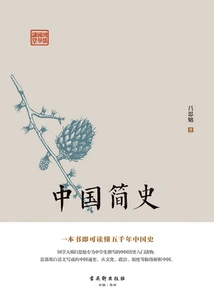
鸿儒国学讲堂:中国简史
Lu Simian
This book is divided into six chapters: introduction, ancient history, medieval history, modern history, modern history, and conclusion. It describes China's historical trends, institutional evolution, and cultural development from ancient times to the 1930s.
This book is divided into six chapters: introduction, ancient history, medieval history, modern history, modern history, and conclusion. It describes China's historical trends, institutional evolution, and cultural development from ancient times to the 1930s.
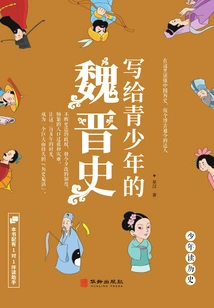
写给青少年的魏晋史
Xinghan
The book is divided into three parts, which completely narrates the entire process from the return of the three families to the Jin Dynasty to Liu Yu's regicide and the collapse of the Eastern Jin Dynasty. The relaxed and humorous language tells readers about the history of the Wei and Jin Dynasties, leads readers into that magnificent era, and brings the heroes who lived in distant ancient times to modern readers.
The book is divided into three parts, which completely narrates the entire process from the return of the three families to the Jin Dynasty to Liu Yu's regicide and the collapse of the Eastern Jin Dynasty. The relaxed and humorous language tells readers about the history of the Wei and Jin Dynasties, leads readers into that magnificent era, and brings the heroes who lived in distant ancient times to modern readers.
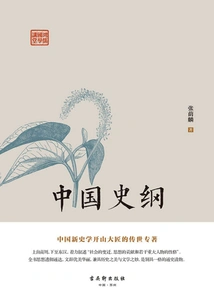
鸿儒国学讲堂:中国史纲
Zhang Yinlin
The book is divided into eleven chapters, including: the general trend at the dawn of Chinese history, feudal society in the Zhou Dynasty, hegemony and hegemony, Confucius and his times, politics and society in the Warring States Period, ideological trends in the Warring States Period, Qin Shihuang and the Qin Empire, the Qin and Han Dynasties, the development of the Han Empire, academics and politics in the early Han Dynasty, restructuring and "revolution".
The book is divided into eleven chapters, including: the general trend at the dawn of Chinese history, feudal society in the Zhou Dynasty, hegemony and hegemony, Confucius and his times, politics and society in the Warring States Period, ideological trends in the Warring States Period, Qin Shihuang and the Qin Empire, the Qin and Han Dynasties, the development of the Han Empire, academics and politics in the early Han Dynasty, restructuring and "revolution".
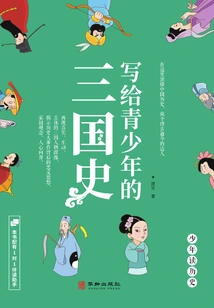
写给青少年的三国史
Qing Xuan
This book strives to tell the readers about the history of the Three Kingdoms in a relaxed language through a modern interpretation of "Three Kingdoms". All plots come from historical reality. The book completely narrates the entire process and story from the rise of heroes at the end of the Eastern Han Dynasty to the coexistence of the Three Kingdoms and the return of the three kingdoms to the Jin Dynasty. It is interspersed with comparisons between "Three Kingdoms" and "The Romance of the Three Kingdoms". For fans of the Three Kingdoms, this is a history book of the Three Kingdoms worth reading. For ordinary readers, it is also a popular book that can easily read the Three Kingdoms.
This book strives to tell the readers about the history of the Three Kingdoms in a relaxed language through a modern interpretation of "Three Kingdoms". All plots come from historical reality. The book completely narrates the entire process and story from the rise of heroes at the end of the Eastern Han Dynasty to the coexistence of the Three Kingdoms and the return of the three kingdoms to the Jin Dynasty. It is interspersed with comparisons between "Three Kingdoms" and "The Romance of the Three Kingdoms". For fans of the Three Kingdoms, this is a history book of the Three Kingdoms worth reading. For ordinary readers, it is also a popular book that can easily read the Three Kingdoms.
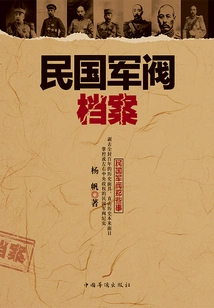
民国军阀档案
Yang Fan
In the troubled times of the Republic of China, heroes emerged in large numbers. Most of them rose up in the wilderness and joined forces across the territory of the Republic of China. The king's flag changed at the top of the city, each leading the way for three to five years, creating a series of "myths" that dominated the Republic of China, and interpreting a series of "incidents" that sealed borders and split the country. This book selects seven warlords with distinctive characteristics and controversy who controlled or influenced the central power during the Republic of China, or had a major influence in some major historical events. It refers to a large number of original materials, peels off the dusty historical mask, and uses a large number of objective facts to tell their fortune, rise, and final outcome in a specific historical period. It strives to be objective and fair, and restore history to its true colors.
In the troubled times of the Republic of China, heroes emerged in large numbers. Most of them rose up in the wilderness and joined forces across the territory of the Republic of China. The king's flag changed at the top of the city, each leading the way for three to five years, creating a series of "myths" that dominated the Republic of China, and interpreting a series of "incidents" that sealed borders and split the country. This book selects seven warlords with distinctive characteristics and controversy who controlled or influenced the central power during the Republic of China, or had a major influence in some major historical events. It refers to a large number of original materials, peels off the dusty historical mask, and uses a large number of objective facts to tell their fortune, rise, and final outcome in a specific historical period. It strives to be objective and fair, and restore history to its true colors.
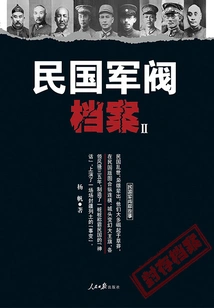
民国军阀档案Ⅱ
Yang Fan
While the first volume focuses on the old warlords of the Beiyang period, "Republic of China Warlords Archives II" edited by Yang Fan focuses on the new warlords of the Kuomintang. It selects nine people from the Republic of China and Fujian who controlled or influenced the central government or a certain region's political power, or had a major influence in some major historical events, and had distinctive characteristics and controversies. It refers to a large number of original materials. Where officials dare not say anything, we brush away the dust of history and use a large number of objective facts to tell the story of their fortune, rise, fighting, and final outcome in a specific historical period. We strive to be objective and fair, and return history to its true colors. Let's read "Republic of China Warlord Files II" together!
While the first volume focuses on the old warlords of the Beiyang period, "Republic of China Warlords Archives II" edited by Yang Fan focuses on the new warlords of the Kuomintang. It selects nine people from the Republic of China and Fujian who controlled or influenced the central government or a certain region's political power, or had a major influence in some major historical events, and had distinctive characteristics and controversies. It refers to a large number of original materials. Where officials dare not say anything, we brush away the dust of history and use a large number of objective facts to tell the story of their fortune, rise, fighting, and final outcome in a specific historical period. We strive to be objective and fair, and return history to its true colors. Let's read "Republic of China Warlord Files II" together!
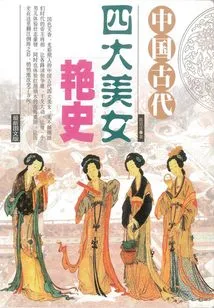
中国古代四大美女艳史
Chen Guanren
The four beauties of ancient China, with their beautiful country and dazzling beauty, all captivated the emperors and generals of their times, causing princes from all walks of life to fight for supremacy and engage in war. Let every man experience his ambitions and passion, and at the same time experience the vicissitudes of beauty and misfortune. After letting history turn upside down here, it quietly changed its direction... Xi Shi: The most beautiful woman in the world, her charming and unparalleled beauty makes men confused and infatuated, and on the stage of confusion, contradiction and deformity, she performs scenes of sad and beautiful human temperament... Yang Guifei: The most charming woman in the world, a special woman who is torn between soul and love. She has natural beauty, plump body, and looks like a hibiscus. Along with the choice between father and son, a crazy and passionate tragedy has come to an end... Diao Chan: The most beautiful woman in the world, she is charming, charming, romantic, but like a hydrangea among several Tossed back and forth between men, it truly fulfills the old saying that beauties have bad luck... Wang Zhaojun: The most talented woman in the world, she is beautiful and gorgeous, the most considerate, gentle and considerate beauty. She starred in Zhaojun's Journey to the Fortress and will be famous throughout the ages...
The four beauties of ancient China, with their beautiful country and dazzling beauty, all captivated the emperors and generals of their times, causing princes from all walks of life to fight for supremacy and engage in war. Let every man experience his ambitions and passion, and at the same time experience the vicissitudes of beauty and misfortune. After letting history turn upside down here, it quietly changed its direction... Xi Shi: The most beautiful woman in the world, her charming and unparalleled beauty makes men confused and infatuated, and on the stage of confusion, contradiction and deformity, she performs scenes of sad and beautiful human temperament... Yang Guifei: The most charming woman in the world, a special woman who is torn between soul and love. She has natural beauty, plump body, and looks like a hibiscus. Along with the choice between father and son, a crazy and passionate tragedy has come to an end... Diao Chan: The most beautiful woman in the world, she is charming, charming, romantic, but like a hydrangea among several Tossed back and forth between men, it truly fulfills the old saying that beauties have bad luck... Wang Zhaojun: The most talented woman in the world, she is beautiful and gorgeous, the most considerate, gentle and considerate beauty. She starred in Zhaojun's Journey to the Fortress and will be famous throughout the ages...
读史识中华
Li Jun Et Al.
"Reading History to Understand China" is a popular book for middle school students. The author is a front-line history teacher in middle schools. In the context of middle school curriculum reform, the author tried to implement the core literacy of the history subject as the concept, and wrote five introductions to five historical classics that are beneficial to middle school students, such as "Historical Records", hoping to guide young people to read historical books correctly, appreciate the historical process of the development of Chinese civilization, feel the national spirit of self-reliance and self-confidence of the Chinese nation, and learn the basic methods of reading historical books from them to improve their basic literacy in history.
"Reading History to Understand China" is a popular book for middle school students. The author is a front-line history teacher in middle schools. In the context of middle school curriculum reform, the author tried to implement the core literacy of the history subject as the concept, and wrote five introductions to five historical classics that are beneficial to middle school students, such as "Historical Records", hoping to guide young people to read historical books correctly, appreciate the historical process of the development of Chinese civilization, feel the national spirit of self-reliance and self-confidence of the Chinese nation, and learn the basic methods of reading historical books from them to improve their basic literacy in history.
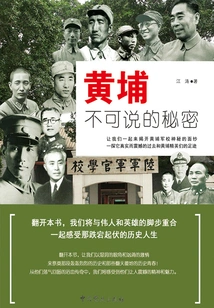
黄埔不可说的秘密
Jiang Tao
As we go, there are beacon smoke in Kyushu, surging waves in the three rivers, and a piece of snow in Kunlun. For so many years, we talked about military affairs in the barracks and read swords by lamplight. Until now, all the heroes are floating in the air. However, physical damage can be repaired, but wounds in the heart cannot be healed. For more than 80 years, the resounding name of Whampoa Military Academy and the reality that there is a shortage of golden opportunities on both sides of the Taiwan Strait have been affecting the nerves of countless Chinese at home and abroad. To this day, its legendary years of ups and downs are still glorious, its hot and scorching blood continues to boil, its quietly passing youth is forever invincible, and its story of being crushed by the wheels of history is still told with joy by future generations...
As we go, there are beacon smoke in Kyushu, surging waves in the three rivers, and a piece of snow in Kunlun. For so many years, we talked about military affairs in the barracks and read swords by lamplight. Until now, all the heroes are floating in the air. However, physical damage can be repaired, but wounds in the heart cannot be healed. For more than 80 years, the resounding name of Whampoa Military Academy and the reality that there is a shortage of golden opportunities on both sides of the Taiwan Strait have been affecting the nerves of countless Chinese at home and abroad. To this day, its legendary years of ups and downs are still glorious, its hot and scorching blood continues to boil, its quietly passing youth is forever invincible, and its story of being crushed by the wheels of history is still told with joy by future generations...
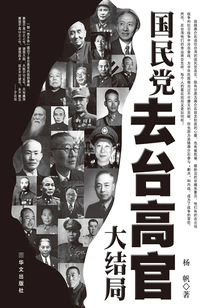
国民党去台高官大结局
Yang Fan
This book selects 25 senior officials who had the most prominent status in the mainland period, had the most subtle relationship with Chiang Kai-shek, and were therefore the most controversial, and strives to use specific historical facts to reveal their personal experiences in major historical events during the Kuomintang's rule, their final outcomes after going to Taiwan, and their role, merits and demerits in modern Chinese history, especially the history of the Republic of China.
This book selects 25 senior officials who had the most prominent status in the mainland period, had the most subtle relationship with Chiang Kai-shek, and were therefore the most controversial, and strives to use specific historical facts to reveal their personal experiences in major historical events during the Kuomintang's rule, their final outcomes after going to Taiwan, and their role, merits and demerits in modern Chinese history, especially the history of the Republic of China.
国民党高官败逃台湾真相(第3部)
Yang Fan
Since the first and second volumes of "The Truth About the Fleeing of High-ranking Kuomintang Officials to Taiwan" were published one after another, they have been well received by readers. Due to space limitations, each book only contains 8-10 senior KMT officials who went to Taiwan. Now, in response to the request of readers, we have selected 10 senior officials who went to Taiwan with the most prominent status during the mainland period, had the closest or most subtle relationship with Chiang Kai-shek, and were therefore the most controversial. The third volume of "The Truth about the Fleeing of High-ranking Kuomintang Officials to Taiwan" is released. This book strives to use the most original historical materials to reveal their personal experiences in major historical events during the Kuomintang rule, their final outcome after going to Taiwan, as well as their important influence and merits and demerits in the history of the Republic of China.
Since the first and second volumes of "The Truth About the Fleeing of High-ranking Kuomintang Officials to Taiwan" were published one after another, they have been well received by readers. Due to space limitations, each book only contains 8-10 senior KMT officials who went to Taiwan. Now, in response to the request of readers, we have selected 10 senior officials who went to Taiwan with the most prominent status during the mainland period, had the closest or most subtle relationship with Chiang Kai-shek, and were therefore the most controversial. The third volume of "The Truth about the Fleeing of High-ranking Kuomintang Officials to Taiwan" is released. This book strives to use the most original historical materials to reveal their personal experiences in major historical events during the Kuomintang rule, their final outcome after going to Taiwan, as well as their important influence and merits and demerits in the history of the Republic of China.
国民党高官败逃台湾真相(第2部)
Yang Fan
Since "The Truth About the Fleeing of Senior Kuomintang Officials to Taiwan" (Part One) was well received by readers after its publication, but due to space limitations, the book only included 8 senior Kuomintang officials who went to Taiwan. Now, in response to the requests of readers, we have selected the 10 senior officials who went to Taiwan who had the most prominent status during the mainland period and had the closest or most subtle relationship with Chiang Kai-shek, and therefore were the most controversial, to publish "The Truth about the Fault and Fleeing of Senior Kuomintang Officials to Taiwan" (Part Two).
Since "The Truth About the Fleeing of Senior Kuomintang Officials to Taiwan" (Part One) was well received by readers after its publication, but due to space limitations, the book only included 8 senior Kuomintang officials who went to Taiwan. Now, in response to the requests of readers, we have selected the 10 senior officials who went to Taiwan who had the most prominent status during the mainland period and had the closest or most subtle relationship with Chiang Kai-shek, and therefore were the most controversial, to publish "The Truth about the Fault and Fleeing of Senior Kuomintang Officials to Taiwan" (Part Two).
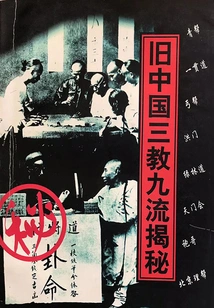
旧中国三教九流揭秘
Fan Chunsan Yuan Dongxu
This book uses a lot of space to expose many ugly phenomena, and touches more on some of the dark sides of old Chinese society, exposing all their mechanisms and layers of disguise to the broad daylight.
This book uses a lot of space to expose many ugly phenomena, and touches more on some of the dark sides of old Chinese society, exposing all their mechanisms and layers of disguise to the broad daylight.
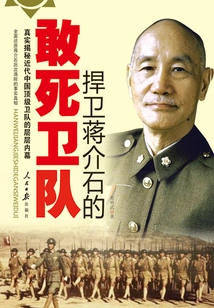
捍卫蒋介石的敢死卫队
Zheng Mingwu
At the Nanjing National Government's military parade in 1934, a mysterious unit suddenly attracted people's attention. When this army paid tribute to Chiang Kai-shek, the ambassadors of various countries in China looked shocked, the Japanese ambassador looked pale, and the American ambassador believed that it was one of the two best troops in China, and the other was Genghis Khan's army. Only 30 minutes after the military parade, Japanese female spy Yoshiko Kawashima sent a message to the Japanese intelligence agency: Chinese military police appeared in Nanjing and their combat effectiveness was extremely strong. This mysterious force is the Generalissimo's Special Guards, also known as the "Central Iron Guards." It is affiliated with a more mysterious organization-Chiang Kai-shek's death-defying guards. What are the characteristics of this unit that attract so much attention from the outside world? They were a pack of wolves, well-equipped, well-organized, cruel in their methods, and incredibly powerful. They once defeated tens of thousands of Japanese troops with just a few hundred people.
At the Nanjing National Government's military parade in 1934, a mysterious unit suddenly attracted people's attention. When this army paid tribute to Chiang Kai-shek, the ambassadors of various countries in China looked shocked, the Japanese ambassador looked pale, and the American ambassador believed that it was one of the two best troops in China, and the other was Genghis Khan's army. Only 30 minutes after the military parade, Japanese female spy Yoshiko Kawashima sent a message to the Japanese intelligence agency: Chinese military police appeared in Nanjing and their combat effectiveness was extremely strong. This mysterious force is the Generalissimo's Special Guards, also known as the "Central Iron Guards." It is affiliated with a more mysterious organization-Chiang Kai-shek's death-defying guards. What are the characteristics of this unit that attract so much attention from the outside world? They were a pack of wolves, well-equipped, well-organized, cruel in their methods, and incredibly powerful. They once defeated tens of thousands of Japanese troops with just a few hundred people.
一看就懂的史记
Wen Boling
Xiang Yu was defeated at Wujiang, and everyone lamented it. Even the great poet Du Mu in later generations also wrote poems and lamented him. If Xiang Yu had crossed the Wujiang River, could he have defeated Liu Bang and rewritten history? As rich and powerful as the Qin State, it was able to dominate the world during the Warring States Period when there were many powerful countries, but it could not rest on the country it had built with its own hands. Why did it perish after its short life in the second generation? Shang Yang's reforms laid a solid foundation for the prosperity of Qin. It should have been a great achievement, but Shang Yang himself met a tragic end. Why on earth was this? Many people say that this is because China was a large agricultural country in ancient times, so China has been focusing on agriculture and suppressing business since ancient times. This is indeed true, but are there other reasons besides this? The author Wen Boling will explain the above issues for you one by one in this book. This time he will give you a thorough introduction to the historical classic "Historical Records". Under the author Wen Boling's pen, "Historical Records" is no longer the general interpretation that you usually see, "Liu Bang was able to accomplish things because he knew how to employ people" and "The Qin Dynasty fell because Qin II was mediocre and cruel." It is also not a "running account" compiled according to time. Instead, it uses thematic methods to connect time, historical materials, and clarify the context, helping you to see the cause and effect of the whole thing clearly, looking at history from multiple dimensions, and giving history different ways to open it. Coupled with the author's "historical joker" style of funny writing, you will gain knowledge while laughing and easily understand "Historical Records".
Xiang Yu was defeated at Wujiang, and everyone lamented it. Even the great poet Du Mu in later generations also wrote poems and lamented him. If Xiang Yu had crossed the Wujiang River, could he have defeated Liu Bang and rewritten history? As rich and powerful as the Qin State, it was able to dominate the world during the Warring States Period when there were many powerful countries, but it could not rest on the country it had built with its own hands. Why did it perish after its short life in the second generation? Shang Yang's reforms laid a solid foundation for the prosperity of Qin. It should have been a great achievement, but Shang Yang himself met a tragic end. Why on earth was this? Many people say that this is because China was a large agricultural country in ancient times, so China has been focusing on agriculture and suppressing business since ancient times. This is indeed true, but are there other reasons besides this? The author Wen Boling will explain the above issues for you one by one in this book. This time he will give you a thorough introduction to the historical classic "Historical Records". Under the author Wen Boling's pen, "Historical Records" is no longer the general interpretation that you usually see, "Liu Bang was able to accomplish things because he knew how to employ people" and "The Qin Dynasty fell because Qin II was mediocre and cruel." It is also not a "running account" compiled according to time. Instead, it uses thematic methods to connect time, historical materials, and clarify the context, helping you to see the cause and effect of the whole thing clearly, looking at history from multiple dimensions, and giving history different ways to open it. Coupled with the author's "historical joker" style of funny writing, you will gain knowledge while laughing and easily understand "Historical Records".
治国安邦的历代名臣(下册)
Compiled By Lin Zhiman And Xiao Feng
British philosopher Bacon said: "History makes people wise." Historical experience was summed up by predecessors at great cost. Historical experience contains thought-provoking philosophy. To deeply understand reality and face the future rationally, we should consciously review history. Only by understanding history can modern people feel the infinite charm of history enlightening reality. Only by perceiving the messy reality from historical experience can we appreciate the beauty and simplicity of historical wisdom.
British philosopher Bacon said: "History makes people wise." Historical experience was summed up by predecessors at great cost. Historical experience contains thought-provoking philosophy. To deeply understand reality and face the future rationally, we should consciously review history. Only by understanding history can modern people feel the infinite charm of history enlightening reality. Only by perceiving the messy reality from historical experience can we appreciate the beauty and simplicity of historical wisdom.
源远流长的远古文明(下册)
Lin Zhiman Editor-in-chief Xiao Feng
The "Speaking of China" series puts the glory and setbacks, unity and division, progress and regression, war and peace, justice and evil of the Chinese nation in the dialectical process of the unity of opposites, and displays them one by one.
The "Speaking of China" series puts the glory and setbacks, unity and division, progress and regression, war and peace, justice and evil of the Chinese nation in the dialectical process of the unity of opposites, and displays them one by one.
刀耕火种的古代农业(下册)
Lin Zhiman Editor-in-chief Xiao Feng
The history of China is a vivid, profound and enlightening textbook. Chinese history is a unique history of Eastern civilization. Chinese history, which carries Chinese civilization, has never been interrupted during the tortuous and long process of its formation and development. Although she has gone through ups and downs and experienced hardships, she has always stood tall and unyielding in the east of Asia. Even though the strong impact and numerous disasters on Chinese civilization that began in the first half of the 19th century for more than a century did not sink the glorious Chinese civilization, it instead gave rise to new vitality.
The history of China is a vivid, profound and enlightening textbook. Chinese history is a unique history of Eastern civilization. Chinese history, which carries Chinese civilization, has never been interrupted during the tortuous and long process of its formation and development. Although she has gone through ups and downs and experienced hardships, she has always stood tall and unyielding in the east of Asia. Even though the strong impact and numerous disasters on Chinese civilization that began in the first half of the 19th century for more than a century did not sink the glorious Chinese civilization, it instead gave rise to new vitality.
传诵千古的历史掌故(下册)
Lin Zhiman Editor-in-chief Xiao Feng
The "Speaking of China" series puts the glory and setbacks, unity and division, progress and regression, war and peace, justice and evil of the Chinese nation in the dialectical process of the unity of opposites, and displays them one by one.
The "Speaking of China" series puts the glory and setbacks, unity and division, progress and regression, war and peace, justice and evil of the Chinese nation in the dialectical process of the unity of opposites, and displays them one by one.
传诵千古的历史掌故(上册)
Lin Zhiman Editor-in-chief Xiao Feng
This kind of wisdom, charm and beauty caused by history is the most important to enrich a person's life connotation and improve a person's quality. The basic connotation of human quality should be humanistic quality. A person's humanistic quality is formed by the genes created by the culture of the nation to which he belongs for thousands of years and accumulated in his blood and soul. Humanities education takes literature, history and philosophy as the main body, and is of special value to improving people's quality, and Chinese history is precisely the blend and carrier of the trinity of literature, history and philosophy. Only by understanding China's history can we build national self-confidence, establish a correct outlook on life and values, and continue to make new contributions to the development of human civilization through their continuous inheritance and new creations. The 1.3 Billion Chinese people and the 50 million Chinese people around the world who have developed from a common bloodline should have such a consensus and should bear such responsibilities.
This kind of wisdom, charm and beauty caused by history is the most important to enrich a person's life connotation and improve a person's quality. The basic connotation of human quality should be humanistic quality. A person's humanistic quality is formed by the genes created by the culture of the nation to which he belongs for thousands of years and accumulated in his blood and soul. Humanities education takes literature, history and philosophy as the main body, and is of special value to improving people's quality, and Chinese history is precisely the blend and carrier of the trinity of literature, history and philosophy. Only by understanding China's history can we build national self-confidence, establish a correct outlook on life and values, and continue to make new contributions to the development of human civilization through their continuous inheritance and new creations. The 1.3 Billion Chinese people and the 50 million Chinese people around the world who have developed from a common bloodline should have such a consensus and should bear such responsibilities.
第二卷·共产党宣言
Pan Qiangen
There were three forces with great influence in promoting socialism in Shanghai at that time: First, the New Youth Society led by Chen Duxiu; second, the Weekly Review Society and Awakening Society founded by the Kuomintang. Weekly Review publishes the weekly "Zhou Review". The editors are Dai Jitao, Shen Xuanxu and Li Hanjun, and the contributors include Chen Wangdao, Yu Xiusong, Shi Cuntong, etc. The Awakening Society publishes the supplement "Awakening" to the "Republic of China Daily", and its editor-in-chief is Shao Lizi, a member of the Tongmenghui and a leftist member of the Kuomintang in the late Qing Dynasty. The third is the Gongxue Society organized by Zhang Dongsun and others in the Research Department, which publishes the "Current Affairs News".
There were three forces with great influence in promoting socialism in Shanghai at that time: First, the New Youth Society led by Chen Duxiu; second, the Weekly Review Society and Awakening Society founded by the Kuomintang. Weekly Review publishes the weekly "Zhou Review". The editors are Dai Jitao, Shen Xuanxu and Li Hanjun, and the contributors include Chen Wangdao, Yu Xiusong, Shi Cuntong, etc. The Awakening Society publishes the supplement "Awakening" to the "Republic of China Daily", and its editor-in-chief is Shao Lizi, a member of the Tongmenghui and a leftist member of the Kuomintang in the late Qing Dynasty. The third is the Gongxue Society organized by Zhang Dongsun and others in the Research Department, which publishes the "Current Affairs News".
第八卷·九一八事变
Pan Qiangen
In 1931, Japan had held the "Eastern Conference" and determined the main thrust of its policy towards China: "If you want to conquer China, you must first conquer Manchuria and Mongolia; if you want to conquer the world, you must first conquer China." Seishiro Sakagaki was an enthusiastic advocate of this policy. In March 1931, he delivered a speech titled "Manchuria and Mongolia as seen from the military perspective" at the Japanese Army Infantry School, vigorously advocating Japan's invasion of Northeast China. He said that "Manchuria and Mongolia" have a deep and special relationship with Japan's national defense and national economic life, and shouted: "I dare to openly announce to the world without any scruples that this is a real problem for the empire." He called Northeast China the "front line of national defense" of Japan, believing that Manchuria and Mongolia are rich in resources and have the necessary resources for national defense. All resources "are areas necessary for the empire to be self-sufficient." Moreover, there is a lot of room for development. He also said, "In the war against Russia, Manchuria and Mongolia are the main battlefield; in the war against the United States, Manchuria and Mongolia are the source of supplies. Therefore, in fact, Manchuria and Mongolia have a major relationship with the war against the United States, Russia, and China."
In 1931, Japan had held the "Eastern Conference" and determined the main thrust of its policy towards China: "If you want to conquer China, you must first conquer Manchuria and Mongolia; if you want to conquer the world, you must first conquer China." Seishiro Sakagaki was an enthusiastic advocate of this policy. In March 1931, he delivered a speech titled "Manchuria and Mongolia as seen from the military perspective" at the Japanese Army Infantry School, vigorously advocating Japan's invasion of Northeast China. He said that "Manchuria and Mongolia" have a deep and special relationship with Japan's national defense and national economic life, and shouted: "I dare to openly announce to the world without any scruples that this is a real problem for the empire." He called Northeast China the "front line of national defense" of Japan, believing that Manchuria and Mongolia are rich in resources and have the necessary resources for national defense. All resources "are areas necessary for the empire to be self-sufficient." Moreover, there is a lot of room for development. He also said, "In the war against Russia, Manchuria and Mongolia are the main battlefield; in the war against the United States, Manchuria and Mongolia are the source of supplies. Therefore, in fact, Manchuria and Mongolia have a major relationship with the war against the United States, Russia, and China."
一尘不染的历代廉吏(下册)
Lin Zhiman Editor-in-chief Xiao Feng
The "Speaking of China" series puts the glory and setbacks, unity and division, progress and regression, war and peace, justice and evil of the Chinese nation in the dialectical process of the unity of opposites, and displays them one by one.
The "Speaking of China" series puts the glory and setbacks, unity and division, progress and regression, war and peace, justice and evil of the Chinese nation in the dialectical process of the unity of opposites, and displays them one by one.
一尘不染的历代廉吏(上册)
Lin Zhiman Editor-in-chief Xiao Feng
The "Speaking of China" series puts the glory and setbacks, unity and division, progress and regression, war and peace, justice and evil of the Chinese nation in the dialectical process of the unity of opposites, and displays them one by one.
The "Speaking of China" series puts the glory and setbacks, unity and division, progress and regression, war and peace, justice and evil of the Chinese nation in the dialectical process of the unity of opposites, and displays them one by one.
严密精深的军事制度(下册)
Lin Zhiman Editor-in-chief Xiao Feng
The "Talking About China" series organically and harmoniously combines traditional education with future prospects, guiding contemporary Chinese to follow the modern trend of integrating the long-standing and ancient Chinese civilization into world development.
The "Talking About China" series organically and harmoniously combines traditional education with future prospects, guiding contemporary Chinese to follow the modern trend of integrating the long-standing and ancient Chinese civilization into world development.
严密精深的军事制度(上册)
Lin Zhiman Editor-in-chief Xiao Feng
The "Talking About China" series organically and harmoniously combines traditional education with future prospects, guiding contemporary Chinese to follow the modern trend of integrating the long-standing and ancient Chinese civilization into world development.
The "Talking About China" series organically and harmoniously combines traditional education with future prospects, guiding contemporary Chinese to follow the modern trend of integrating the long-standing and ancient Chinese civilization into world development.
千古流传的民间文学(下册)
Lin Zhiman Editor-in-chief Xiao Feng
The history of China is a vivid, profound and enlightening textbook. Chinese history is a unique history of Eastern civilization. Chinese history, which carries Chinese civilization, has never been interrupted during the tortuous and long process of its formation and development. Although she has gone through ups and downs and experienced hardships, she has always stood tall and unyielding in the east of Asia. Even though the strong impact and numerous disasters on Chinese civilization that began in the first half of the 19th century for more than a century did not sink the glorious Chinese civilization, it instead gave rise to new vitality.
The history of China is a vivid, profound and enlightening textbook. Chinese history is a unique history of Eastern civilization. Chinese history, which carries Chinese civilization, has never been interrupted during the tortuous and long process of its formation and development. Although she has gone through ups and downs and experienced hardships, she has always stood tall and unyielding in the east of Asia. Even though the strong impact and numerous disasters on Chinese civilization that began in the first half of the 19th century for more than a century did not sink the glorious Chinese civilization, it instead gave rise to new vitality.
千古流传的民间文学(上册)
Lin Zhiman Editor-in-chief Xiao Feng
The history of China is a vivid, profound and enlightening textbook. Chinese history is a unique history of Eastern civilization. Chinese history, which carries Chinese civilization, has never been interrupted during the tortuous and long process of its formation and development. Although she has gone through ups and downs and experienced hardships, she has always stood tall and unyielding in the east of Asia. Even though the strong impact and numerous disasters on Chinese civilization that began in the first half of the 19th century for more than a century did not sink the glorious Chinese civilization, it instead gave rise to new vitality.
The history of China is a vivid, profound and enlightening textbook. Chinese history is a unique history of Eastern civilization. Chinese history, which carries Chinese civilization, has never been interrupted during the tortuous and long process of its formation and development. Although she has gone through ups and downs and experienced hardships, she has always stood tall and unyielding in the east of Asia. Even though the strong impact and numerous disasters on Chinese civilization that began in the first half of the 19th century for more than a century did not sink the glorious Chinese civilization, it instead gave rise to new vitality.
妙趣横生的艺坛典故(下册)
Lin Zhiman Editor-in-chief Xiao Feng
The "Speaking of China" series puts the glory and setbacks, unity and division, progress and regression, war and peace, justice and evil of the Chinese nation in the dialectical process of the unity of opposites, and displays them one by one.
The "Speaking of China" series puts the glory and setbacks, unity and division, progress and regression, war and peace, justice and evil of the Chinese nation in the dialectical process of the unity of opposites, and displays them one by one.
第十五卷·平型关大捷
Pan Qiangen
The contents of this book include the Mongolian regiment and deserters, the young Red Army eagle, the hero of Japan's invasion of China, the magic soldiers flying to Pingxingguan, the generals eating the Sakagaki division, the Yima blocking the reinforcements and making new achievements, the fierce and stubborn bushido, echoes of the victory at Pingxingguan, Chiang Kai-shek openly talking about the secret war, Chiang Kai-shek abandoning the capital and running to Hankou, Matsui's fierce troops in Nanjing, the Jingguihao murderous game, etc.
The contents of this book include the Mongolian regiment and deserters, the young Red Army eagle, the hero of Japan's invasion of China, the magic soldiers flying to Pingxingguan, the generals eating the Sakagaki division, the Yima blocking the reinforcements and making new achievements, the fierce and stubborn bushido, echoes of the victory at Pingxingguan, Chiang Kai-shek openly talking about the secret war, Chiang Kai-shek abandoning the capital and running to Hankou, Matsui's fierce troops in Nanjing, the Jingguihao murderous game, etc.
Volume 1·may 4th Movement
History第一卷·五四运动
Pan Qiangen
The contents of this book include a peace conference but not peace, victorious countries seeking justice, verbal confrontations, a weak country that cannot be redressed, burning Cao's house to punish national traitors, the May 4th Movement, the spring thunder, Duan Qirui's triumphant military service, Xu Shichang's rise to prominence, the fierce fighting between Anhui and Anhui, the betrayal of relatives and the defeat of the Anhui army, a revolutionary partner asking for salvation, an eccentric strict teacher and a kind mother, the first scholar in the examination, etc.
The contents of this book include a peace conference but not peace, victorious countries seeking justice, verbal confrontations, a weak country that cannot be redressed, burning Cao's house to punish national traitors, the May 4th Movement, the spring thunder, Duan Qirui's triumphant military service, Xu Shichang's rise to prominence, the fierce fighting between Anhui and Anhui, the betrayal of relatives and the defeat of the Anhui army, a revolutionary partner asking for salvation, an eccentric strict teacher and a kind mother, the first scholar in the examination, etc.
Volume 14 Xi'an Incident
History第十四卷·西安事变
Pan Qiangen
The contents of this book include the capture of Chiang in Huaqing, Chiang Kai-shek being imprisoned in Xincheng, nightmares that awakened Soong Meiling, double-dealing and the chameleon, Chiang Kai-shek wrote his will, the representative of the Communist Party of China guaranteed peace, grace came to Xi'an to help Zhang Yang, the Bible hints at the female guard, Soong Meiling shed tears in the ancient city, the young marshal hurriedly let the tiger return, the Trinity was frightened, and the court's eloquent testimony, etc.
The contents of this book include the capture of Chiang in Huaqing, Chiang Kai-shek being imprisoned in Xincheng, nightmares that awakened Soong Meiling, double-dealing and the chameleon, Chiang Kai-shek wrote his will, the representative of the Communist Party of China guaranteed peace, grace came to Xi'an to help Zhang Yang, the Bible hints at the female guard, Soong Meiling shed tears in the ancient city, the young marshal hurriedly let the tiger return, the Trinity was frightened, and the court's eloquent testimony, etc.
第十七卷·血祭昆仑
Pan Qiangen
The content of this book includes Dai Anlan's lonely battle, Bai Chongxi's mending the situation, Du Yuming's command of troops on the battlefield, the bloody capture of Kunlun Pass for the first time, Qiu Qingquan's closing of the gate to beat the dog, Kunlun Pass's gain and loss, and Dongfeng's failure to respond. Zhou Lang took back the Kunlun Pass in one fell swoop, Du Yuming sacrificed blood to Kunlun, escaped from Kunming on Chiang's back, Long Yun cleverly made small plans, Jiang and Wang had secret talks at Hanbi Tower, there were many turmoils over the election of the chairman, Chiang used the banner to make a tiger skin, etc.
The content of this book includes Dai Anlan's lonely battle, Bai Chongxi's mending the situation, Du Yuming's command of troops on the battlefield, the bloody capture of Kunlun Pass for the first time, Qiu Qingquan's closing of the gate to beat the dog, Kunlun Pass's gain and loss, and Dongfeng's failure to respond. Zhou Lang took back the Kunlun Pass in one fell swoop, Du Yuming sacrificed blood to Kunlun, escaped from Kunming on Chiang's back, Long Yun cleverly made small plans, Jiang and Wang had secret talks at Hanbi Tower, there were many turmoils over the election of the chairman, Chiang used the banner to make a tiger skin, etc.
第十八卷·汪精卫的元首梦
Pan Qiangen
The contents of this book include those who betray their country and seek glory, Chiang Kai-shek's attempt to capture him, Zeng Zhongming's death on his own behalf, his determination to step aboard a pirate ship, Wang Jingwei's dream of being the head of state, a female secretary falling from the sky, exerting power over a concubine, the victory of power and sex diplomacy, and not a new marriage is better than a new marriage, etc.
The contents of this book include those who betray their country and seek glory, Chiang Kai-shek's attempt to capture him, Zeng Zhongming's death on his own behalf, his determination to step aboard a pirate ship, Wang Jingwei's dream of being the head of state, a female secretary falling from the sky, exerting power over a concubine, the victory of power and sex diplomacy, and not a new marriage is better than a new marriage, etc.
第三卷·孙中山平叛
Pan Qiangen
The contents of this book include being willing to die in battle, starting a stock exchange from scratch, following Sun Yat-sen wholeheartedly, going north to seek reunification despite being ill, Sun Yat-sen's majesty will last forever, the Eastern Crusade to defeat Chen Jiongming, sweet words to win the heart, selling others with a piece of paper, becoming a firework and being a good person, being vicious and ruthless but still crying, the commander's subordinates ascending the steps, a war turning jade into silk, cunningly seizing power in Shandong, etc.
The contents of this book include being willing to die in battle, starting a stock exchange from scratch, following Sun Yat-sen wholeheartedly, going north to seek reunification despite being ill, Sun Yat-sen's majesty will last forever, the Eastern Crusade to defeat Chen Jiongming, sweet words to win the heart, selling others with a piece of paper, becoming a firework and being a good person, being vicious and ruthless but still crying, the commander's subordinates ascending the steps, a war turning jade into silk, cunningly seizing power in Shandong, etc.
第七卷·东北易帜
Pan Qiangen
The contents of this book include the everlasting love, elopement and cohabitation, full understanding of people's wishes, Zhang Xueliang's everlasting loyalty, Yi Zhi not to be a puppet, Xie Qianyi's decision to kill Yang Chang immediately after hearing the news, the quarrel from Peking to Nanjing, the desire to dominate the world and cutting the vassal state, the contradiction between Jiang and Feng has emerged, the internal struggle within the Kuomintang, etc.
The contents of this book include the everlasting love, elopement and cohabitation, full understanding of people's wishes, Zhang Xueliang's everlasting loyalty, Yi Zhi not to be a puppet, Xie Qianyi's decision to kill Yang Chang immediately after hearing the news, the quarrel from Peking to Nanjing, the desire to dominate the world and cutting the vassal state, the contradiction between Jiang and Feng has emerged, the internal struggle within the Kuomintang, etc.
第二十四卷·阵前起义
Pan Qiangen
The contents of this book include Bai Chongxi's betrayal, Liu Zhi's appointment as General Fu, the dilemma in Xuzhou City, the appearance of the headquarters, Huang Botao's New Year's Eve talk, Hua Zong's fierce tiger chasing the national army, the withdrawal of troops from the west to station troops in the village, and the commander's resignation. Jing pleads for sin, the shadow of swords in the Chu River and Han Dynasty, arousing suspicion and using both soft and hard tactics, clever maneuvers to break out of the cage, raising the flag of justice to clear the way, the steel monster from the west, Du Yuming's appointment, bloodshed on Xudong Battle Mountain, Liu Qi and Pantang missed the battle, etc.
The contents of this book include Bai Chongxi's betrayal, Liu Zhi's appointment as General Fu, the dilemma in Xuzhou City, the appearance of the headquarters, Huang Botao's New Year's Eve talk, Hua Zong's fierce tiger chasing the national army, the withdrawal of troops from the west to station troops in the village, and the commander's resignation. Jing pleads for sin, the shadow of swords in the Chu River and Han Dynasty, arousing suspicion and using both soft and hard tactics, clever maneuvers to break out of the cage, raising the flag of justice to clear the way, the steel monster from the west, Du Yuming's appointment, bloodshed on Xudong Battle Mountain, Liu Qi and Pantang missed the battle, etc.
Volume 9·battle of Songhu
History第九卷·淞沪会战
Pan Qiangen
The content of this book includes Cai Tingkai's determination to fight to the death, the formation of a volunteer army, the declaration of war, the heavy damage to the Japanese invaders on Hongjiang Road, the fake armistice as a delaying strategy, the bombardment of the Japanese headquarters, He Yingqin's traitorous sue for peace, the clever ambush in the fort, Song Xilian's late-night military admonishment, the failure of the plan to capture Wusong, the broadsword team's attack on the streets, the roar of artillery in response to Ueda, etc.
The content of this book includes Cai Tingkai's determination to fight to the death, the formation of a volunteer army, the declaration of war, the heavy damage to the Japanese invaders on Hongjiang Road, the fake armistice as a delaying strategy, the bombardment of the Japanese headquarters, He Yingqin's traitorous sue for peace, the clever ambush in the fort, Song Xilian's late-night military admonishment, the failure of the plan to capture Wusong, the broadsword team's attack on the streets, the roar of artillery in response to Ueda, etc.
Volume 23·conquering Jinzhou
History第二十三卷·攻克锦州
Pan Qiangen
The contents of this book include Xibaipo's battle with Nanjing, August 15th in Quancheng, Wu Huawen's defection in front of the formation, emergency trip to Jiaodong, marching south to the Beining line, a fire in the backyard of Shanghai Beach, the capture of Fan Hanjie alive in Jinzhou, the fierce victory over the powerful enemy in Tashan, the determination of the Dongye soldiers to take a critical step, the thunder in the white mountains and black waters, the defeat and surrender of Zheng Dongguo, and various plans made on the eve of the battle, etc.
The contents of this book include Xibaipo's battle with Nanjing, August 15th in Quancheng, Wu Huawen's defection in front of the formation, emergency trip to Jiaodong, marching south to the Beining line, a fire in the backyard of Shanghai Beach, the capture of Fan Hanjie alive in Jinzhou, the fierce victory over the powerful enemy in Tashan, the determination of the Dongye soldiers to take a critical step, the thunder in the white mountains and black waters, the defeat and surrender of Zheng Dongguo, and various plans made on the eve of the battle, etc.
第二十八卷·西藏解放
Pan Qiangen
The contents of this book include the dispute when danger is imminent, Liu Wenhui's visit to the Hongmen Banquet, repeated remonstrances to no avail, the long love between Hu Zongnan's children, Hu Zongnan's role as a scapegoat, the operation of the Longxing Temple headquarters, Chiang Kai-shek's farewell to the mainland, The military meeting before the war, Han Chenglie's blessing in disguise, the unreturnable fleet, fighting alone without backup, Fan Wenxiu's tragic hero, the hero's bloody Kinmen Island, the only survivor Wang Yutu, Prince Chiang's labor force in Kinmen, etc.
The contents of this book include the dispute when danger is imminent, Liu Wenhui's visit to the Hongmen Banquet, repeated remonstrances to no avail, the long love between Hu Zongnan's children, Hu Zongnan's role as a scapegoat, the operation of the Longxing Temple headquarters, Chiang Kai-shek's farewell to the mainland, The military meeting before the war, Han Chenglie's blessing in disguise, the unreturnable fleet, fighting alone without backup, Fan Wenxiu's tragic hero, the hero's bloody Kinmen Island, the only survivor Wang Yutu, Prince Chiang's labor force in Kinmen, etc.
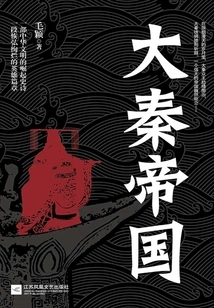
Qin Empire
History大秦帝国
Mao Ying
The whole book describes the ups and downs of the Qin Dynasty's historical process with vigorous and vigorous writing, and reproduces the rise and fall of the Qin Dynasty. Looking at more than 800 years, the birth, rise, prosperity and decline of a dynasty are vividly presented. From the rise of the Ying tribe on the coast of the East China Sea in the early years, to becoming prisoners of war of the emerging Zhou Dynasty in the late Shang Dynasty; from the tribes fleeing to the western frontier, to getting out of trouble after hundreds of years of hard work; from the royal family in the Western Zhou Dynasty After the decline, the princes came together to dominate the Central Plains; from Qin Mugong recruiting talented people, to Qin Xiaogong appointing Shang Yang to reform and strengthen; from the first emperor Fen VI and the remaining heroes to unify, to Hu Hai trying to usurp the throne and collapse the empire.
The whole book describes the ups and downs of the Qin Dynasty's historical process with vigorous and vigorous writing, and reproduces the rise and fall of the Qin Dynasty. Looking at more than 800 years, the birth, rise, prosperity and decline of a dynasty are vividly presented. From the rise of the Ying tribe on the coast of the East China Sea in the early years, to becoming prisoners of war of the emerging Zhou Dynasty in the late Shang Dynasty; from the tribes fleeing to the western frontier, to getting out of trouble after hundreds of years of hard work; from the royal family in the Western Zhou Dynasty After the decline, the princes came together to dominate the Central Plains; from Qin Mugong recruiting talented people, to Qin Xiaogong appointing Shang Yang to reform and strengthen; from the first emperor Fen VI and the remaining heroes to unify, to Hu Hai trying to usurp the throne and collapse the empire.
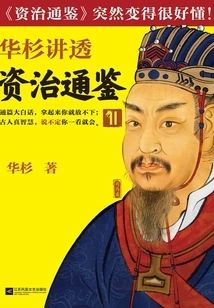
华杉讲透《资治通鉴》11
Huashan
"Zizhi Tongjian" is written from the Warring States Period to the Five Dynasties and Ten Kingdoms, vividly showing the living people and stories in the 1362-year history of 16 dynasties. It can be said to be the "big data" and "super case collection" of China's political and cultural heritage. The problems and confusions we encounter today, whether personal or national, have been encountered and dealt with by our historical predecessors, and they have learned lessons from them. The author of this book, Hua Shan, translated the entire "Zi Zhi Tong Jian" in "vernacular Chinese" and tried his best to retain the charm of the original text, making people pick it up like reading a novel and not be able to put it down. At the same time, this book combines the views of famous scholars from past dynasties and Hua Shan's own comments to thoroughly explain the wisdom in "Zi Zhi Tong Jian" that is truly useful to ordinary people in the 21st century - people can understand it after reading it once, and use it after reading it.
"Zizhi Tongjian" is written from the Warring States Period to the Five Dynasties and Ten Kingdoms, vividly showing the living people and stories in the 1362-year history of 16 dynasties. It can be said to be the "big data" and "super case collection" of China's political and cultural heritage. The problems and confusions we encounter today, whether personal or national, have been encountered and dealt with by our historical predecessors, and they have learned lessons from them. The author of this book, Hua Shan, translated the entire "Zi Zhi Tong Jian" in "vernacular Chinese" and tried his best to retain the charm of the original text, making people pick it up like reading a novel and not be able to put it down. At the same time, this book combines the views of famous scholars from past dynasties and Hua Shan's own comments to thoroughly explain the wisdom in "Zi Zhi Tong Jian" that is truly useful to ordinary people in the 21st century - people can understand it after reading it once, and use it after reading it.
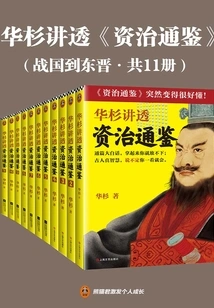
华杉讲透《资治通鉴》(战国到东晋·共11册)
Huashan
"Zizhi Tongjian" is written from the Warring States Period to the Five Dynasties and Ten Kingdoms, vividly showing the living people and stories in the 1362-year history of 16 dynasties. It can be said to be the "big data" and "super case collection" of China's political and cultural heritage. The problems and confusions we encounter today, whether personal or national, have been encountered and dealt with by our historical predecessors, and they have learned lessons from them. The author of this book, Hua Shan, translated the entire "Zi Zhi Tong Jian" in "vernacular Chinese" and tried his best to retain the charm of the original text, making people pick it up like reading a novel and not be able to put it down. At the same time, this book combines the views of famous scholars from past dynasties and Hua Shan's own comments to thoroughly explain the wisdom in "Zi Zhi Tong Jian" that is truly useful to ordinary people in the 21st century - people can understand it after reading it once, and use it after reading it.
"Zizhi Tongjian" is written from the Warring States Period to the Five Dynasties and Ten Kingdoms, vividly showing the living people and stories in the 1362-year history of 16 dynasties. It can be said to be the "big data" and "super case collection" of China's political and cultural heritage. The problems and confusions we encounter today, whether personal or national, have been encountered and dealt with by our historical predecessors, and they have learned lessons from them. The author of this book, Hua Shan, translated the entire "Zi Zhi Tong Jian" in "vernacular Chinese" and tried his best to retain the charm of the original text, making people pick it up like reading a novel and not be able to put it down. At the same time, this book combines the views of famous scholars from past dynasties and Hua Shan's own comments to thoroughly explain the wisdom in "Zi Zhi Tong Jian" that is truly useful to ordinary people in the 21st century - people can understand it after reading it once, and use it after reading it.
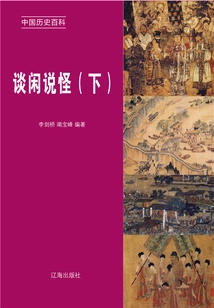
中国历史百科:谈闲说怪(下册)
Li Cambridge Chief Editor Jie Baofeng
On the basis of absorbing the results of domestic historical research, "Chinese History Encyclopedia" integrates rich graphic and text materials accumulated from the long history of Chinese civilization to intuitively introduce the historical development process. With more than 2,000 precious pictures and more than 3 million words of text narrative, the book introduces the basic knowledge of Chinese history in many aspects, covering politics, military, economy, culture, diplomacy, science and technology, law, religion, art, folklore and other fields.
On the basis of absorbing the results of domestic historical research, "Chinese History Encyclopedia" integrates rich graphic and text materials accumulated from the long history of Chinese civilization to intuitively introduce the historical development process. With more than 2,000 precious pictures and more than 3 million words of text narrative, the book introduces the basic knowledge of Chinese history in many aspects, covering politics, military, economy, culture, diplomacy, science and technology, law, religion, art, folklore and other fields.
中国历史百科:青史垂名(上册)
Li Cambridge Chief Editor Jie Baofeng
On the basis of absorbing the results of domestic historical research, "Chinese History Encyclopedia" integrates rich graphic and text materials accumulated from the long history of Chinese civilization to intuitively introduce the historical development process. With more than 2,000 precious pictures and more than 3 million words of text narrative, the book introduces the basic knowledge of Chinese history in many aspects, covering politics, military, economy, culture, diplomacy, science and technology, law, religion, art, folklore and other fields.
On the basis of absorbing the results of domestic historical research, "Chinese History Encyclopedia" integrates rich graphic and text materials accumulated from the long history of Chinese civilization to intuitively introduce the historical development process. With more than 2,000 precious pictures and more than 3 million words of text narrative, the book introduces the basic knowledge of Chinese history in many aspects, covering politics, military, economy, culture, diplomacy, science and technology, law, religion, art, folklore and other fields.
中国历史百科:谈闲说怪(上册)
Li Cambridge Chief Editor Jie Baofeng
On the basis of absorbing the results of domestic historical research, "Chinese History Encyclopedia" integrates rich graphic and text materials accumulated from the long history of Chinese civilization to intuitively introduce the historical development process. With more than 2,000 precious pictures and more than 3 million words of text narrative, the book introduces the basic knowledge of Chinese history in many aspects, covering politics, military, economy, culture, diplomacy, science and technology, law, religion, art, folklore and other fields.
On the basis of absorbing the results of domestic historical research, "Chinese History Encyclopedia" integrates rich graphic and text materials accumulated from the long history of Chinese civilization to intuitively introduce the historical development process. With more than 2,000 precious pictures and more than 3 million words of text narrative, the book introduces the basic knowledge of Chinese history in many aspects, covering politics, military, economy, culture, diplomacy, science and technology, law, religion, art, folklore and other fields.
中国历史百科:考选科举(下册)
Li Cambridge Chief Editor Jie Baofeng
A system for selecting officials that emerged during the Sui and Tang Dynasties. After the Wei and Jin Dynasties, the feudal regime took advantage of the talents of the Nine-Rank Zhongzhengzhizhi to appoint officials, and the important official positions in the Qing Dynasty were monopolized by powerful families. During the Southern and Northern Dynasties, the political power of Hanmen common people gradually expanded. During the Northern Zhou Dynasty, "there was no clear or turbid selection". After the establishment of the Sui Dynasty, the nine-rank Zhongzheng system was abolished, but the practice of selecting scholars through examinations such as Xiucai and Ming Jing was still followed. Emperor Yang Guang of the Sui Dynasty established the Jinshi Department. The imperial examination system gradually took shape and was further developed in the Tang Dynasty. This system was inherited by all feudal dynasties after the Tang Dynasty, and was imitated by ancient Korea and Vietnam. The imperial examination system was abolished at the end of the Qing Dynasty.
A system for selecting officials that emerged during the Sui and Tang Dynasties. After the Wei and Jin Dynasties, the feudal regime took advantage of the talents of the Nine-Rank Zhongzhengzhizhi to appoint officials, and the important official positions in the Qing Dynasty were monopolized by powerful families. During the Southern and Northern Dynasties, the political power of Hanmen common people gradually expanded. During the Northern Zhou Dynasty, "there was no clear or turbid selection". After the establishment of the Sui Dynasty, the nine-rank Zhongzheng system was abolished, but the practice of selecting scholars through examinations such as Xiucai and Ming Jing was still followed. Emperor Yang Guang of the Sui Dynasty established the Jinshi Department. The imperial examination system gradually took shape and was further developed in the Tang Dynasty. This system was inherited by all feudal dynasties after the Tang Dynasty, and was imitated by ancient Korea and Vietnam. The imperial examination system was abolished at the end of the Qing Dynasty.
中国历史百科:皇权刑律(上册)
Li Cambridge Chief Editor Jie Baofeng
On the basis of absorbing the results of domestic historical research, "Chinese History Encyclopedia" integrates rich graphic and text materials accumulated from the long history of Chinese civilization to intuitively introduce the historical development process. With more than 2,000 precious pictures and more than 3 million words of text narrative, the book introduces the basic knowledge of Chinese history in many aspects, covering politics, military, economy, culture, diplomacy, science and technology, law, religion, art, folklore and other fields.
On the basis of absorbing the results of domestic historical research, "Chinese History Encyclopedia" integrates rich graphic and text materials accumulated from the long history of Chinese civilization to intuitively introduce the historical development process. With more than 2,000 precious pictures and more than 3 million words of text narrative, the book introduces the basic knowledge of Chinese history in many aspects, covering politics, military, economy, culture, diplomacy, science and technology, law, religion, art, folklore and other fields.
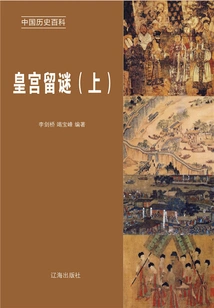
中国历史百科:皇宫留谜(上册)
Li Cambridge Chief Editor Jie Baofeng
China is a huge country with a splendid civilization history of five thousand years and full of vitality and vitality. The Chinese nation has long been standing in the east of the world, and has continued for hundreds of generations.
China is a huge country with a splendid civilization history of five thousand years and full of vitality and vitality. The Chinese nation has long been standing in the east of the world, and has continued for hundreds of generations.