Library
Browse and search books
2,075 novels found
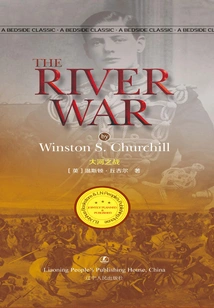
Battle of the River
General Fiction大河之战
H
"The Battle of the River" is a very famous book written by the former British Prime Minister Winston Churchill when he was young. It is about the historical content of the war between Britain and Sudan. In other words, it is a first-hand historical account of the British reconquest of Sudan that Mr. Churchill personally experienced. The conquest took place in 1899. Mr. Winston Churchill documented his experiences as a British officer during the Mahdi War in Sudan, which lasted nearly 20 years. The so-called "Mahdi War in Sudan" refers to the armed struggle launched by the rebel army led by Khalifa Abdullah Mohammed against the British army led by Lord Kitchener in order to oppose British colonial rule. "Mahdi", who claimed to be the successor of Mahdi Muhammad Ahmed, was forced to launch this resistance war because he was dissatisfied with the heavy oppression by the British colonial authorities, the Egyptian feudal dynasty and the Sudanese feudal lords.
"The Battle of the River" is a very famous book written by the former British Prime Minister Winston Churchill when he was young. It is about the historical content of the war between Britain and Sudan. In other words, it is a first-hand historical account of the British reconquest of Sudan that Mr. Churchill personally experienced. The conquest took place in 1899. Mr. Winston Churchill documented his experiences as a British officer during the Mahdi War in Sudan, which lasted nearly 20 years. The so-called "Mahdi War in Sudan" refers to the armed struggle launched by the rebel army led by Khalifa Abdullah Mohammed against the British army led by Lord Kitchener in order to oppose British colonial rule. "Mahdi", who claimed to be the successor of Mahdi Muhammad Ahmed, was forced to launch this resistance war because he was dissatisfied with the heavy oppression by the British colonial authorities, the Egyptian feudal dynasty and the Sudanese feudal lords.
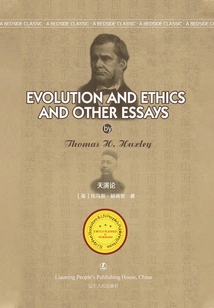
Theory of Heavenly Evolution
General Fiction天演论
S
The content involves zoology, paleontology, geology, anthropology, botany and other aspects of knowledge. In 1893, at the invitation of a friend, the 68-year-old Huxley gave a lecture on evolution at Oxford University. He mainly talked about the fundamental issues of mutual stimulation, mutual restriction, and interdependence between natural forces in the cosmic process and man-made forces in the ethical process. This lecture was compiled and became "Tianyan Lun".
The content involves zoology, paleontology, geology, anthropology, botany and other aspects of knowledge. In 1893, at the invitation of a friend, the 68-year-old Huxley gave a lecture on evolution at Oxford University. He mainly talked about the fundamental issues of mutual stimulation, mutual restriction, and interdependence between natural forces in the cosmic process and man-made forces in the ethical process. This lecture was compiled and became "Tianyan Lun".
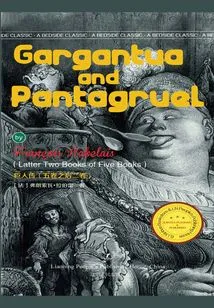
The Legend of the Giants (volume Two after Five Volumes)
General Fiction巨人传(五卷之后二卷)
G
"The Biography of Giants" is a satirical novel with five parts in total, telling the miraculous deeds of two giant kings, Gao Canda and his son Pantagruel: Gao Canda's extraordinary birth; Pantagruel's adventures when he was studying in Paris; Pantagruel and Gao Canda's discussion of marriage issues; Pantagruel's journey across the ocean to find the source of wisdom - the "Vase of God", and get his wish. As a satirical novel, "The Legend of Giants" uses various techniques. The author believes that "laughter is the essence of human beings". Therefore, the book is full of jokes, which makes people laugh hard when reading it.
"The Biography of Giants" is a satirical novel with five parts in total, telling the miraculous deeds of two giant kings, Gao Canda and his son Pantagruel: Gao Canda's extraordinary birth; Pantagruel's adventures when he was studying in Paris; Pantagruel and Gao Canda's discussion of marriage issues; Pantagruel's journey across the ocean to find the source of wisdom - the "Vase of God", and get his wish. As a satirical novel, "The Legend of Giants" uses various techniques. The author believes that "laughter is the essence of human beings". Therefore, the book is full of jokes, which makes people laugh hard when reading it.
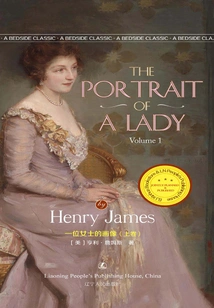
Portrait of a Lady (volume 1)
General Fiction一位女士的画像(上卷)
H
"Portrait of a Lady" is one of James Joyce's greatest early works. And this work, to this day, is still high on the bestseller list on Amazon. Com in the United States. The protagonist of the novel, Isabel, is an American girl who is very charming and mysterious at the same time. Looking at it coldly, it is perfect. And everyone who knows her knows that she also has many intolerable shortcomings. She originally lived in the American countryside, but her aunt brought her to England. Her aunt's home was in the south of England and was very spacious. Isabelle quickly fell in love with the place. Soon a Lord named Warbert became interested in Isabel and soon proposed to her. I never thought that although this lord was rich and good-looking, Isabel flatly rejected him. Obviously Isabel has higher aspirations. At this time, another suitor appeared. This man was an American, and although Isabel was very fond of him, she still rejected his proposal. So who is the person who really makes Isabel's heart beat? It turned out to be a man named Osman. He is quite shrewd, has seen the world, and is a master at attracting women. He loved collecting, collecting art and antique furniture. After two years, Isabel and Osman finally got married and lived in a rather luxurious ancient palace in Rome. Isabel soon became pregnant and gave birth to the child. But six months later, the child died. Apparently Isabel found herself married to the wrong person. What she feels in marriage is not happiness but pain. But the bitter consequences have been achieved, and she is a very arrogant person who refuses to admit defeat, so she never admits to others that her marriage is a wrong marriage. She stayed away from her dearest friends, including Ralph, who was in bad health. Osman took control of her. Ultraman took away from her what she needed most: independence and freedom.
"Portrait of a Lady" is one of James Joyce's greatest early works. And this work, to this day, is still high on the bestseller list on Amazon. Com in the United States. The protagonist of the novel, Isabel, is an American girl who is very charming and mysterious at the same time. Looking at it coldly, it is perfect. And everyone who knows her knows that she also has many intolerable shortcomings. She originally lived in the American countryside, but her aunt brought her to England. Her aunt's home was in the south of England and was very spacious. Isabelle quickly fell in love with the place. Soon a Lord named Warbert became interested in Isabel and soon proposed to her. I never thought that although this lord was rich and good-looking, Isabel flatly rejected him. Obviously Isabel has higher aspirations. At this time, another suitor appeared. This man was an American, and although Isabel was very fond of him, she still rejected his proposal. So who is the person who really makes Isabel's heart beat? It turned out to be a man named Osman. He is quite shrewd, has seen the world, and is a master at attracting women. He loved collecting, collecting art and antique furniture. After two years, Isabel and Osman finally got married and lived in a rather luxurious ancient palace in Rome. Isabel soon became pregnant and gave birth to the child. But six months later, the child died. Apparently Isabel found herself married to the wrong person. What she feels in marriage is not happiness but pain. But the bitter consequences have been achieved, and she is a very arrogant person who refuses to admit defeat, so she never admits to others that her marriage is a wrong marriage. She stayed away from her dearest friends, including Ralph, who was in bad health. Osman took control of her. Ultraman took away from her what she needed most: independence and freedom.
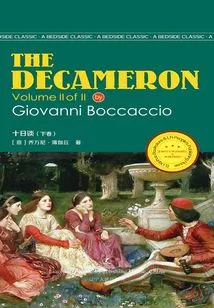
The Decameron (volume 2)
General Fiction十日谈(下卷)
(italian) Giovanni Boccaccio
Most of the stories in "The Decameron" are true events that happened. Some praise life in this world, some praise love, and some praise the value of freedom. At the same time, there are also stories aimed at exposing the cruelty and tyranny of officials, the hypocrisy of church priests and nuns, etc. Of course, there are also stories about the control of the spiritual world by the power of fate and the control of the spiritual world by the power of human will. Some stories also reveal the deceit and deceit between people. In fact, it is not difficult to see that in addition to real-life stories in Boccaccio's "The Decameron", there are also some stories that come from historical events and legends, and even refer to some oriental folk tales. Some stories feel obviously influenced by "The Arabian Nights". The author transplanted the plot of the story, and then narrated it to European readers with humanistic ideas. It is worth pointing out that this work is shrouded from beginning to end by the norms of what is tolerated in commercial promotion. Little cleverness, little tricks and other common tricks in business are raised to a new level. Malice, intrigues and other behaviors are punished by the author in some way. From the perspective of people in the Middle Ages, when comparing virtues such as loyalty and filial piety with malicious tricks and intrigues in the business world, the latter was unacceptable.
Most of the stories in "The Decameron" are true events that happened. Some praise life in this world, some praise love, and some praise the value of freedom. At the same time, there are also stories aimed at exposing the cruelty and tyranny of officials, the hypocrisy of church priests and nuns, etc. Of course, there are also stories about the control of the spiritual world by the power of fate and the control of the spiritual world by the power of human will. Some stories also reveal the deceit and deceit between people. In fact, it is not difficult to see that in addition to real-life stories in Boccaccio's "The Decameron", there are also some stories that come from historical events and legends, and even refer to some oriental folk tales. Some stories feel obviously influenced by "The Arabian Nights". The author transplanted the plot of the story, and then narrated it to European readers with humanistic ideas. It is worth pointing out that this work is shrouded from beginning to end by the norms of what is tolerated in commercial promotion. Little cleverness, little tricks and other common tricks in business are raised to a new level. Malice, intrigues and other behaviors are punished by the author in some way. From the perspective of people in the Middle Ages, when comparing virtues such as loyalty and filial piety with malicious tricks and intrigues in the business world, the latter was unacceptable.
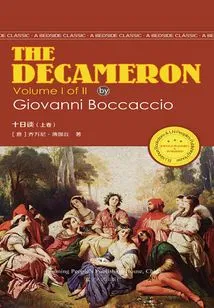
The Decameron (volume 1)
General Fiction十日谈(上卷)
U
The work tells the story of a plague epidemic in Florence, Italy in 1348, and 10 men and women took refuge in a villa in the countryside. They played and entertained all day long, and each told a story every day. They lived for 10 days and told hundreds of stories. These stories criticized the Catholic Church, ridiculed the church for teaching darkness and sin, praised love as the source of talent and noble sentiments, condemned asceticism, ruthlessly exposed and lashed out the depravity and corruption of the feudal aristocracy, and reflected humanistic ideas. "The Decameron" is the first realist masterpiece in the history of European literature; the modern Italian critic Sanctis once compared "The Decameron" with Dante's "Divine Comedy" and called it "Human Comedy".
The work tells the story of a plague epidemic in Florence, Italy in 1348, and 10 men and women took refuge in a villa in the countryside. They played and entertained all day long, and each told a story every day. They lived for 10 days and told hundreds of stories. These stories criticized the Catholic Church, ridiculed the church for teaching darkness and sin, praised love as the source of talent and noble sentiments, condemned asceticism, ruthlessly exposed and lashed out the depravity and corruption of the feudal aristocracy, and reflected humanistic ideas. "The Decameron" is the first realist masterpiece in the history of European literature; the modern Italian critic Sanctis once compared "The Decameron" with Dante's "Divine Comedy" and called it "Human Comedy".
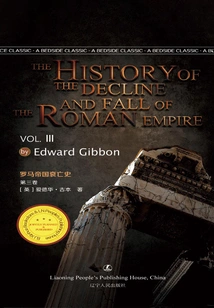
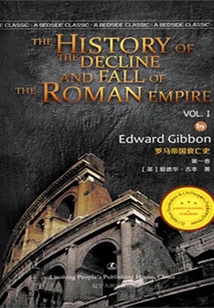
History of the Decline and Fall of the Roman Empire·volume 3
General Fiction罗马帝国衰亡史·第三卷
(english) Edward Gibbon
"The History of the Decline and Fall of the Roman Empire" is written from the time when Augustus proclaimed himself emperor and Rome changed from a republic to an empire until the demise of the Eastern Roman Empire. During this period, the changes of more than 1,000 years are captured in the book with great momentum. The book also records the rise of Christianity and Islam, a brief history of Persia, Arabia, Hungary, Russia, Mongolia and other countries around the Roman Empire, and even the war between Emperor Wu of the Han Dynasty and the Huns and the westward migration of the Huns. Accurate insights, careful layout, prudent judgment and doubts all make this book have significance beyond the times.
"The History of the Decline and Fall of the Roman Empire" is written from the time when Augustus proclaimed himself emperor and Rome changed from a republic to an empire until the demise of the Eastern Roman Empire. During this period, the changes of more than 1,000 years are captured in the book with great momentum. The book also records the rise of Christianity and Islam, a brief history of Persia, Arabia, Hungary, Russia, Mongolia and other countries around the Roman Empire, and even the war between Emperor Wu of the Han Dynasty and the Huns and the westward migration of the Huns. Accurate insights, careful layout, prudent judgment and doubts all make this book have significance beyond the times.
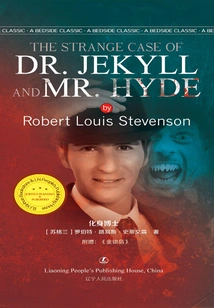
Dr. Jekyll
General Fiction化身博士
I
"Dr. Jekyll (English version)" is a novel that grips the heart, makes you addicted, and makes you think deeply. Generally speaking, few people will stop reading halfway through, even though there is a certain sense of horror in the lines. The novel begins with the disclosure of the will of Dr. Henry Jekyll, letting readers know that if the doctor dies, his inheritance will be left to Mr. Edward Hyde. The lawyer known as Mr. Utterson (Mr. Utterson) is responsible for handling all legal matters. Through Mr. Utterson, we learned the basic situation of the above two gentlemen. Mr. Utterson said that Mr. Hyde was a very cold and evil person. Once, this man knocked down a child and actually stepped on it and walked over the child without showing any mercy or compassion that should be shown. There are more sinister deeds, and it's up to you, the reader, to observe and discover them. This Mr. Hyde went into Dr. Jackal's house several nights, and seemed to spend the night there. So, what is the relationship between these two people?
"Dr. Jekyll (English version)" is a novel that grips the heart, makes you addicted, and makes you think deeply. Generally speaking, few people will stop reading halfway through, even though there is a certain sense of horror in the lines. The novel begins with the disclosure of the will of Dr. Henry Jekyll, letting readers know that if the doctor dies, his inheritance will be left to Mr. Edward Hyde. The lawyer known as Mr. Utterson (Mr. Utterson) is responsible for handling all legal matters. Through Mr. Utterson, we learned the basic situation of the above two gentlemen. Mr. Utterson said that Mr. Hyde was a very cold and evil person. Once, this man knocked down a child and actually stepped on it and walked over the child without showing any mercy or compassion that should be shown. There are more sinister deeds, and it's up to you, the reader, to observe and discover them. This Mr. Hyde went into Dr. Jackal's house several nights, and seemed to spend the night there. So, what is the relationship between these two people?
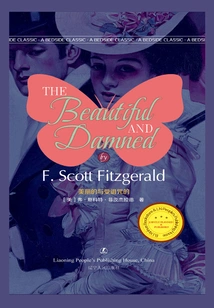
Beautiful and Cursed
General Fiction美丽的与受诅咒的
(u. S.) Francis Scott Fitzgerald
The work "The Beautiful and the Cursed" is like the writer's fatalistic prophecy, foreseeing loneliness in its splendor, with fresh words and a sad tone. The protagonist Anthony finally achieves nothing in his comfortable life of wine and beauty, and his external beauty becomes an evil curse. "The Beautiful and the Damned" is a mirror. The writer's autobiography is very rich, but comparing the story of Anthony and Gloria to the writer's life is obviously too superficial. Fitzgerald created from the depths of his soul, just like the cuckoo cries blood. He was a witness to the 1920s, but also deliberately maintained an aesthetic distance from the 1920s. Therefore, he was able to transcend the limitations of the times, perfectly combine intimacy and alienation, and truly depict the various aspects of human nature in the era.
The work "The Beautiful and the Cursed" is like the writer's fatalistic prophecy, foreseeing loneliness in its splendor, with fresh words and a sad tone. The protagonist Anthony finally achieves nothing in his comfortable life of wine and beauty, and his external beauty becomes an evil curse. "The Beautiful and the Damned" is a mirror. The writer's autobiography is very rich, but comparing the story of Anthony and Gloria to the writer's life is obviously too superficial. Fitzgerald created from the depths of his soul, just like the cuckoo cries blood. He was a witness to the 1920s, but also deliberately maintained an aesthetic distance from the 1920s. Therefore, he was able to transcend the limitations of the times, perfectly combine intimacy and alienation, and truly depict the various aspects of human nature in the era.
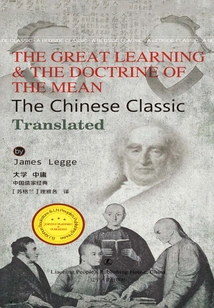
University + Moderate
General Fiction大学+中庸
L
Confucianism actively engages with the world. Both "The Great Learning" and "The Doctrine of the Mean" emphasize "cultivation", and the ultimate goal of "cultivation" is to "govern the world", not for one's own sublimation and liberation. Therefore, the purpose of "governing the world" is also mixed with many utilitarian colors, which determines the impurity of "cultivation" and does not propose a specific solution. That is, if those who join the world are unwilling to cultivate themselves, what should they do? Cultivating oneself, managing one's family, governing the country, and bringing peace to the world is an ideal life path, but unfortunately the reverse is not true. The governance of a country cannot be based on the cultivation of one person, and Confucian theory cannot lead Chinese history away from the cycle of rise and fall.
Confucianism actively engages with the world. Both "The Great Learning" and "The Doctrine of the Mean" emphasize "cultivation", and the ultimate goal of "cultivation" is to "govern the world", not for one's own sublimation and liberation. Therefore, the purpose of "governing the world" is also mixed with many utilitarian colors, which determines the impurity of "cultivation" and does not propose a specific solution. That is, if those who join the world are unwilling to cultivate themselves, what should they do? Cultivating oneself, managing one's family, governing the country, and bringing peace to the world is an ideal life path, but unfortunately the reverse is not true. The governance of a country cannot be based on the cultivation of one person, and Confucian theory cannot lead Chinese history away from the cycle of rise and fall.
G
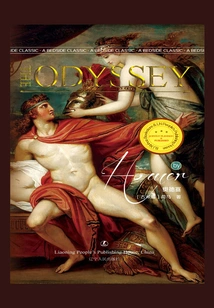
Odyssey
General Fiction奥德赛
(ancient Greece) Homer
"The Odyssey" is the most glorious and magnificent life journey story in the history of human literature. It is also known as an eternal story that has been told for thousands of years. Now it is officially published in the seventh volume of "The Most Classic English Library". Therefore, it is facing Chinese readers in the most complete form and the most authoritative English translation. "The Odyssey" is the work that Homer felt most proud of writing. It mainly tells the story of Odysseus who experienced many hardships and dangers on his way home after the Trojan War. The journey back home actually took him ten years. When he finally overcomes all difficulties and reaches his hometown, he finds that his home is no longer his home, but has been occupied by his wife's suitors. The Trojan War lasted ten years, and the journey home took him another ten. There was no news from him for twenty years. His wife mistakenly believed he was dead. Therefore, she must deal with many suitors together with her son. Homer also has another great epic work that is as famous as "The Odyssey": "The Iliad". Both works are Homer's great works.
"The Odyssey" is the most glorious and magnificent life journey story in the history of human literature. It is also known as an eternal story that has been told for thousands of years. Now it is officially published in the seventh volume of "The Most Classic English Library". Therefore, it is facing Chinese readers in the most complete form and the most authoritative English translation. "The Odyssey" is the work that Homer felt most proud of writing. It mainly tells the story of Odysseus who experienced many hardships and dangers on his way home after the Trojan War. The journey back home actually took him ten years. When he finally overcomes all difficulties and reaches his hometown, he finds that his home is no longer his home, but has been occupied by his wife's suitors. The Trojan War lasted ten years, and the journey home took him another ten. There was no news from him for twenty years. His wife mistakenly believed he was dead. Therefore, she must deal with many suitors together with her son. Homer also has another great epic work that is as famous as "The Odyssey": "The Iliad". Both works are Homer's great works.
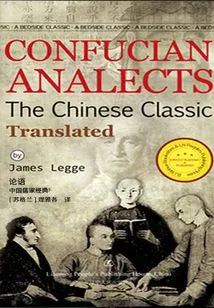
The Analects of Confucius
General Fiction论语
(scotland) James Legge
The demand for Confucius' teachings in Europe was so strong that someone finally devoted all his energy to translating the Analects. James Legge (1815-1897), a famous British sinologist and missionary of the London Missionary Society, served as the principal of the Anglo-Chinese College in Hong Kong in 1842. He was the first person to systematically study and translate ancient Chinese classics. In the 25 years from 1861 to 1886, with the assistance of his friend Wang Tao and assistant translator Huang Sheng, he translated 28 volumes of major Chinese classics such as the Four Books, the Five Classics, the Book of Songs, the Tao Te Ching, and the Li Sao. In his later years, he taught at Oxford University and devoted all his energy to the English translation of ancient Chinese classics. Although he was ill for a long time, he still worked for more than ten hours a day and kept writing. There are many translations of James Legge, and "The Analects of Confucius" is not the most outstanding one among them. However, if you want to learn to understand and try to appreciate the English translation of ancient Chinese classics by British scholars who have been immersed in Chinese culture for decades, quotation prose is a good start. In the field of translation, although most translators avoid the problem of "untranslatability", which makes translators feel powerless, they have to admit that the English translation of ancient Chinese classics has always been "painting the skin of a tiger, but it is difficult to paint the bones." A language has unique logic and charm. It is a miracle that it can continue to develop and enrich after thousands of years. It is also a blessing for the development of world languages. However, in the field of translation, the first thing a translator has to do is to break the "shackles" of the original language and recode it with his own understanding. The more unique a language is, and the greater the difference between the source language and the target language, the deeper the "shackles" will be, and the more of the true flavor of the original text will be lost in the translation process. Losing the original meaning supported by the logic and charm of the mother tongue will inevitably lead to the misfortune of fragmentation. This is one of the reasons why some foreign scholars believe that the Chinese analogy is too far-fetched and the connection is not strong. In this way, the value of the ancient Chinese classics translated by Chinese native English speakers is in a sense even greater than the original works themselves; and the combination of the two is far more than a simple stack of one plus one equals two. After reading it, one will have a glimpse of the outer world and regret one's own ignorance. In addition to the translation, Legge also wrote annotations, explaining words and meanings, introducing allusions, or explaining sources. It is interesting to read and can explain the heavy pain of renunciation in the ancient translation of Zi. However, due to the time and background, Legge's annotations are also full of inaccuracies. This also reminds us that no matter whether it is a saint or a famous person, his works are not equal to the standard. They can be seen and admired, and they can be praised and lamented. However, anything that has not been tested by time is not enough to be regarded as a standard. The same goes for translation. There is no standard answer to translation. No matter how good a translation is, it is just a family opinion and cannot be relied upon, and James Legge is no exception. But the valuable thing about Legge is that there are many scholars who translated "The Analects" into English. Although Legge is only one of them, he is the earliest one. The hardships are unimaginable, so his translation is also the most representative, showing the authentic British thinking and the taste of ancient English as the first person to translate hundreds of books. The latter is particularly valuable. Chinese is different from phonetic scripts like English. The pictographic nature and monosyllabic structure of Chinese characters can well retain and extend the meaning, allowing future generations to understand their meaning even if they do not know their pronunciation. As many ancient civilizations have been lost in the long river of history, Chinese has become the only script that has been used from ancient times to the present day, and it has also become the only "living" language that cannot find a corresponding style when translating ancient books to foreign countries. If we use modern foreign languages to translate ancient Chinese classics, we will inevitably suffer a lot of damage. In terms of the correspondence between language structure and style, Legge worked hard. Therefore, although he was a native British man, his translation is more acceptable to Chinese readers. It is catchy, simple and natural, and flows with elegance that does not need to be decorated. It will neither make people feel that the translation is too hard nor that it is insufficient. From ancient times to the present, "The Analects" has been the enlightenment textbook for Chinese students. The ancestors always shook their heads and rolled their heads with only a half-knowledge. How lucky are people today that they can read centuries-old translations and understand the Millennium-old Analects, which complement each other and live up to the ancient Confucian scholars' boast of "ruling the world with half of the Analects." All of this should really be admired by James Legge, the "first person to translate ancient books into English" who was still studying ancient books all the time despite being displaced by war and constantly translating them throughout his life. If the first person to eat crabs can be called brave, then the source of this courage is only the need for survival. And where did Legge's perseverance and determination to overcome all difficulties come from?
The demand for Confucius' teachings in Europe was so strong that someone finally devoted all his energy to translating the Analects. James Legge (1815-1897), a famous British sinologist and missionary of the London Missionary Society, served as the principal of the Anglo-Chinese College in Hong Kong in 1842. He was the first person to systematically study and translate ancient Chinese classics. In the 25 years from 1861 to 1886, with the assistance of his friend Wang Tao and assistant translator Huang Sheng, he translated 28 volumes of major Chinese classics such as the Four Books, the Five Classics, the Book of Songs, the Tao Te Ching, and the Li Sao. In his later years, he taught at Oxford University and devoted all his energy to the English translation of ancient Chinese classics. Although he was ill for a long time, he still worked for more than ten hours a day and kept writing. There are many translations of James Legge, and "The Analects of Confucius" is not the most outstanding one among them. However, if you want to learn to understand and try to appreciate the English translation of ancient Chinese classics by British scholars who have been immersed in Chinese culture for decades, quotation prose is a good start. In the field of translation, although most translators avoid the problem of "untranslatability", which makes translators feel powerless, they have to admit that the English translation of ancient Chinese classics has always been "painting the skin of a tiger, but it is difficult to paint the bones." A language has unique logic and charm. It is a miracle that it can continue to develop and enrich after thousands of years. It is also a blessing for the development of world languages. However, in the field of translation, the first thing a translator has to do is to break the "shackles" of the original language and recode it with his own understanding. The more unique a language is, and the greater the difference between the source language and the target language, the deeper the "shackles" will be, and the more of the true flavor of the original text will be lost in the translation process. Losing the original meaning supported by the logic and charm of the mother tongue will inevitably lead to the misfortune of fragmentation. This is one of the reasons why some foreign scholars believe that the Chinese analogy is too far-fetched and the connection is not strong. In this way, the value of the ancient Chinese classics translated by Chinese native English speakers is in a sense even greater than the original works themselves; and the combination of the two is far more than a simple stack of one plus one equals two. After reading it, one will have a glimpse of the outer world and regret one's own ignorance. In addition to the translation, Legge also wrote annotations, explaining words and meanings, introducing allusions, or explaining sources. It is interesting to read and can explain the heavy pain of renunciation in the ancient translation of Zi. However, due to the time and background, Legge's annotations are also full of inaccuracies. This also reminds us that no matter whether it is a saint or a famous person, his works are not equal to the standard. They can be seen and admired, and they can be praised and lamented. However, anything that has not been tested by time is not enough to be regarded as a standard. The same goes for translation. There is no standard answer to translation. No matter how good a translation is, it is just a family opinion and cannot be relied upon, and James Legge is no exception. But the valuable thing about Legge is that there are many scholars who translated "The Analects" into English. Although Legge is only one of them, he is the earliest one. The hardships are unimaginable, so his translation is also the most representative, showing the authentic British thinking and the taste of ancient English as the first person to translate hundreds of books. The latter is particularly valuable. Chinese is different from phonetic scripts like English. The pictographic nature and monosyllabic structure of Chinese characters can well retain and extend the meaning, allowing future generations to understand their meaning even if they do not know their pronunciation. As many ancient civilizations have been lost in the long river of history, Chinese has become the only script that has been used from ancient times to the present day, and it has also become the only "living" language that cannot find a corresponding style when translating ancient books to foreign countries. If we use modern foreign languages to translate ancient Chinese classics, we will inevitably suffer a lot of damage. In terms of the correspondence between language structure and style, Legge worked hard. Therefore, although he was a native British man, his translation is more acceptable to Chinese readers. It is catchy, simple and natural, and flows with elegance that does not need to be decorated. It will neither make people feel that the translation is too hard nor that it is insufficient. From ancient times to the present, "The Analects" has been the enlightenment textbook for Chinese students. The ancestors always shook their heads and rolled their heads with only a half-knowledge. How lucky are people today that they can read centuries-old translations and understand the Millennium-old Analects, which complement each other and live up to the ancient Confucian scholars' boast of "ruling the world with half of the Analects." All of this should really be admired by James Legge, the "first person to translate ancient books into English" who was still studying ancient books all the time despite being displaced by war and constantly translating them throughout his life. If the first person to eat crabs can be called brave, then the source of this courage is only the need for survival. And where did Legge's perseverance and determination to overcome all difficulties come from?
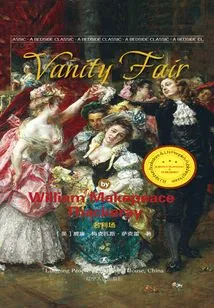
Vanity Fair
General Fiction名利场
(uk) William Makepeace Thackeray
"Vanity Fair" Mr. Thackeray himself explained that the subtitle of the novel "A Novel without a Protagonist" better explains Mr. Thackeray's creative intention. He used his actions to illustrate that in the strong background of the so-called "literary heroism" in the 19th century, unique and original novel creations could also profoundly analyze the already rotten society from another perspective. "Vanity Fair" depicts the life of the British upper class in the first half of the 19th century. There are declining nobles, there are nouveau riche, there are opportunistic businessmen, and there are also scheming women who are waiting for a price and trying to change their destiny by marrying into a wealthy family. Almost everyone in the novel has an ugly face. The novel uses the story of two women as the main line, revealing a society like a gladiatorial arena in which the weak and the strong prey on each other and engage in intrigues.
"Vanity Fair" Mr. Thackeray himself explained that the subtitle of the novel "A Novel without a Protagonist" better explains Mr. Thackeray's creative intention. He used his actions to illustrate that in the strong background of the so-called "literary heroism" in the 19th century, unique and original novel creations could also profoundly analyze the already rotten society from another perspective. "Vanity Fair" depicts the life of the British upper class in the first half of the 19th century. There are declining nobles, there are nouveau riche, there are opportunistic businessmen, and there are also scheming women who are waiting for a price and trying to change their destiny by marrying into a wealthy family. Almost everyone in the novel has an ugly face. The novel uses the story of two women as the main line, revealing a society like a gladiatorial arena in which the weak and the strong prey on each other and engage in intrigues.

The Mill on the River Floss
General Fiction弗洛斯河上的磨坊
(english) George Eliot
The background of "The Mill on the Floss" is the Victorian period in England, when the British Empire was at its peak and the Industrial Revolution was in full swing. The story centers on two siblings, Tom and Maggie. Maggie's father originally ran a mill by the Floss River. After going bankrupt due to debt, the lives of the two siblings changed significantly. Tom dropped out of school and went out to work, while Maggie took care of the housework. Tom relied on diligence and wisdom to pay off the debt and redeem the mill, but his father died of overjoyed. Maggie was not favored by Tom in both relationships and was kicked out of the mill. The flood surged overnight and submerged the mill. Maggie sailed back alone to rescue Tom. The brother and sister reconciled in the crisis, but unfortunately they were swallowed by the flood.
The background of "The Mill on the Floss" is the Victorian period in England, when the British Empire was at its peak and the Industrial Revolution was in full swing. The story centers on two siblings, Tom and Maggie. Maggie's father originally ran a mill by the Floss River. After going bankrupt due to debt, the lives of the two siblings changed significantly. Tom dropped out of school and went out to work, while Maggie took care of the housework. Tom relied on diligence and wisdom to pay off the debt and redeem the mill, but his father died of overjoyed. Maggie was not favored by Tom in both relationships and was kicked out of the mill. The flood surged overnight and submerged the mill. Maggie sailed back alone to rescue Tom. The brother and sister reconciled in the crisis, but unfortunately they were swallowed by the flood.
I
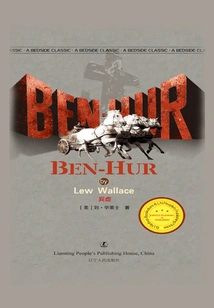
Ben-hur
General Fiction宾虚
(us) Liu Wallace
"Ben-Hur (English Version)" was published in the early 1980s. After the work was published, it was recognized as an influential novel in the 19th century, especially having some influence on Christians. The author uses descriptive techniques to tell in detail the adventures of a young man named Judah Ben-Hur. This man is a fictional historical figure created by the author, a Jewish prince who was captured as a slave by the Romans at the beginning of the first century and enslaved in Jerusalem. It was in Jerusalem that the prince became a charioteer and a Christian. This story coincides with the story of Jesus told by Judas. Jesus also happened to be from the same area and about the same age. The novel reproduces Christian themes such as "betrayal", "faith" and "redemption". And these themes finally end with "love" and "suffering".
"Ben-Hur (English Version)" was published in the early 1980s. After the work was published, it was recognized as an influential novel in the 19th century, especially having some influence on Christians. The author uses descriptive techniques to tell in detail the adventures of a young man named Judah Ben-Hur. This man is a fictional historical figure created by the author, a Jewish prince who was captured as a slave by the Romans at the beginning of the first century and enslaved in Jerusalem. It was in Jerusalem that the prince became a charioteer and a Christian. This story coincides with the story of Jesus told by Judas. Jesus also happened to be from the same area and about the same age. The novel reproduces Christian themes such as "betrayal", "faith" and "redemption". And these themes finally end with "love" and "suffering".
M
General Fictionm
I
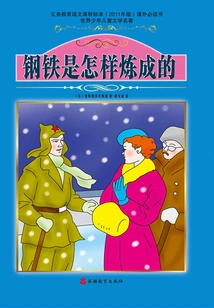
Paul Korchagin is the youngest son of a poor working class family in a town in Ukraine. His father died early, his mother worked as a cook in a wealthy family, and his brother Arqing was a railway worker. He suffered the pain of exploitation and oppression under the capitalist system. After dropping out of school, he worked as a waiter in the station canteen and as a worker in a power plant. Later he met Tonya, the daughter of a forest officer. However, there was a huge disparity in status between the two. In order to be worthy of Tonya, Paul decided to join the Soviet Revolutionary Army. In the end, he was recognized in the revolutionary army for his tenacity and wit.
Paul Korchagin is the youngest son of a poor working class family in a town in Ukraine. His father died early, his mother worked as a cook in a wealthy family, and his brother Arqing was a railway worker. He suffered the pain of exploitation and oppression under the capitalist system. After dropping out of school, he worked as a waiter in the station canteen and as a worker in a power plant. Later he met Tonya, the daughter of a forest officer. However, there was a huge disparity in status between the two. In order to be worthy of Tonya, Paul decided to join the Soviet Revolutionary Army. In the end, he was recognized in the revolutionary army for his tenacity and wit.

N
General Fictionn
G
"Insect Diary" is a scientific work with the same influence, but it is a book that children can understand and love. It is as romantic as a fairy tale and has the rigor of a scientific report. The author conveys the feelings of the human world through the world of insects and guides people's love for the entire world. There is no empty preaching from political textbooks. Using scientific facts and prose style, the author writes about love.
"Insect Diary" is a scientific work with the same influence, but it is a book that children can understand and love. It is as romantic as a fairy tale and has the rigor of a scientific report. The author conveys the feelings of the human world through the world of insects and guides people's love for the entire world. There is no empty preaching from political textbooks. Using scientific facts and prose style, the author writes about love.
X

The Old Man and the Sea: the Old Man and the Sea (chinese-english Bilingual) (set of Two Volumes)
General Fiction老人与海:THE OLD MAN AND THE SEA(中英双语)(套装共两册)
H
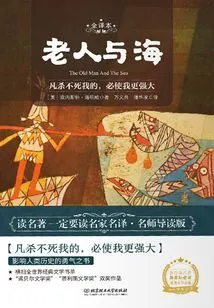
The old fisherman Santiago went to sea for eighty-four days without catching anything. The little boy Manolin who followed him also had to go to another fishing boat, but he did not despair. On the eighty-fifth day, Santiago finally caught a big fish, "it looked like more than fifteen hundred pounds." After being dragged by the big fish and sailing for two days and two nights, and after a difficult struggle, he finally killed the big fish and started to return. However, the blood shed by the big fish attracted many sharks one after another. With no food and no helpers, Santiago tenaciously killed one shark after another. But when he finally returned to the harbor, only the remains of the hard-won big fish were left.
The old fisherman Santiago went to sea for eighty-four days without catching anything. The little boy Manolin who followed him also had to go to another fishing boat, but he did not despair. On the eighty-fifth day, Santiago finally caught a big fish, "it looked like more than fifteen hundred pounds." After being dragged by the big fish and sailing for two days and two nights, and after a difficult struggle, he finally killed the big fish and started to return. However, the blood shed by the big fish attracted many sharks one after another. With no food and no helpers, Santiago tenaciously killed one shark after another. But when he finally returned to the harbor, only the remains of the hard-won big fish were left.
L
General Fictionl
H
"The Old Man and the Sea" is one of the masterpieces of the American writer Hemingway. It was published in 1952 and was the last novel published by the author during his lifetime. In Hemingway's own words, this is "the best work he can write in his life. Other excellent and mature works are greatly inferior to it." Hemingway created many "tough guy" images in his works, among which Santiago in "The Old Man and the Sea" is a representative one. The old man Santiago fought with the big fish at sea, adhering to his life motto "A person can be destroyed, but cannot be defeated." It was a duel between the strong and the strong, and only in this duel can the "tough guy" spirit become more dazzling. In the end, the old man dragged the fish bones back home. He failed, but he became an out-and-out hero.
"The Old Man and the Sea" is one of the masterpieces of the American writer Hemingway. It was published in 1952 and was the last novel published by the author during his lifetime. In Hemingway's own words, this is "the best work he can write in his life. Other excellent and mature works are greatly inferior to it." Hemingway created many "tough guy" images in his works, among which Santiago in "The Old Man and the Sea" is a representative one. The old man Santiago fought with the big fish at sea, adhering to his life motto "A person can be destroyed, but cannot be defeated." It was a duel between the strong and the strong, and only in this duel can the "tough guy" spirit become more dazzling. In the end, the old man dragged the fish bones back home. He failed, but he became an out-and-out hero.
L
General Fictionl
H
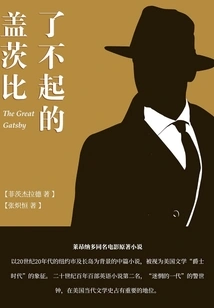
"The Great Gatsby" is a novella written by the American writer Fitzgerald, set in New York City and Long Island in the 1920s. It is regarded as a symbol of the "Jazz Age" of American literature. The story mainly tells the story of the young and mysterious millionaire Jay Gatsby's persistent pursuit of Daisy Fay. The novel is Fitzgerald's great work, which explores depravity, idealism, resistance to change, social changes, and debauchery; it provides an in-depth description of the Jazz Age and the Roaring Twenties, and can be called a classic representative of the microcosm of American society.
"The Great Gatsby" is a novella written by the American writer Fitzgerald, set in New York City and Long Island in the 1920s. It is regarded as a symbol of the "Jazz Age" of American literature. The story mainly tells the story of the young and mysterious millionaire Jay Gatsby's persistent pursuit of Daisy Fay. The novel is Fitzgerald's great work, which explores depravity, idealism, resistance to change, social changes, and debauchery; it provides an in-depth description of the Jazz Age and the Roaring Twenties, and can be called a classic representative of the microcosm of American society.
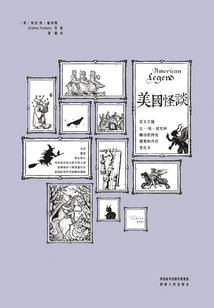
American Strange Tales
General Fiction美国怪谈
(us) Esther Forbes
"American Weird Stories" includes famous American weird stories, such as "The Witch's Mirror", "The Robber Groom", "The Devil and Danny West", "Sleepy Hollow", "The Battle of Fannie's Shoals", "The Bed Collapsed at Night", "The Offering of Inricquez", etc. Many of the stories in "American Strange Tales" have become the source of inspiration or story background for American Hollywood movies, dramas, and musicals. These stories not only have a distinctive color of the times but also have the charm of stories that travel through time and space, and have strong readability and market potential. The author of the book "American Weird Stories" is Esther Forbes, etc., And the translator is Qin Tong, a female writer who has lived in the United States for many years and has profound writing skills. She has translated "The Last Waltz", which has been published by Shaanxi People's Publishing House.
"American Weird Stories" includes famous American weird stories, such as "The Witch's Mirror", "The Robber Groom", "The Devil and Danny West", "Sleepy Hollow", "The Battle of Fannie's Shoals", "The Bed Collapsed at Night", "The Offering of Inricquez", etc. Many of the stories in "American Strange Tales" have become the source of inspiration or story background for American Hollywood movies, dramas, and musicals. These stories not only have a distinctive color of the times but also have the charm of stories that travel through time and space, and have strong readability and market potential. The author of the book "American Weird Stories" is Esther Forbes, etc., And the translator is Qin Tong, a female writer who has lived in the United States for many years and has profound writing skills. She has translated "The Last Waltz", which has been published by Shaanxi People's Publishing House.
V
General Fictionv
O
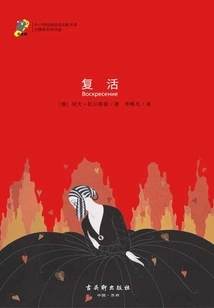
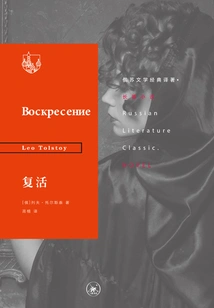
"Resurrection" was written by Leo Tolstoy over a period of 10 years. The noble young man Nekhlyudov seduced the serf girl Katyusha Maslova and then abandoned her. Seven years later, Maslova, who had become a prostitute, was falsely accused of murder and thrown into prison. In the court, Nekhlyudov, as a juror, discovered that the criminal on trial was Maslova, and was deeply condemned by his conscience. He ran to avenge her and asked to marry her to atone for his sins. After the appeal failed, he was exiled to Siberia with Maslova. His actions touched her and made her fall in love with him again. But in the end Maslova rejected him and married a revolutionary.
"Resurrection" was written by Leo Tolstoy over a period of 10 years. The noble young man Nekhlyudov seduced the serf girl Katyusha Maslova and then abandoned her. Seven years later, Maslova, who had become a prostitute, was falsely accused of murder and thrown into prison. In the court, Nekhlyudov, as a juror, discovered that the criminal on trial was Maslova, and was deeply condemned by his conscience. He ran to avenge her and asked to marry her to atone for his sins. After the appeal failed, he was exiled to Siberia with Maslova. His actions touched her and made her fall in love with him again. But in the end Maslova rejected him and married a revolutionary.

K

Mother
General Fiction母亲
I
"Mother" is one of the best works of the great Russian proletarian writer Gorky. This novel profoundly reflects the magnificent revolutionary struggle of the masses under the leadership of the Russian proletarian party in the early 20th century, and for the first time created the image of a proletarian hero with socialist consciousness. The novel describes the life of the old fitter Il Vlasov and the changes in his son. Through the experiences of this family, it shows how the working class moves from spontaneity to consciousness. The image of the mother is very important in this novel. The mother's awakening process fully reflects the historical trend that the masses will inevitably move towards the road of revolution under the education of the party.
"Mother" is one of the best works of the great Russian proletarian writer Gorky. This novel profoundly reflects the magnificent revolutionary struggle of the masses under the leadership of the Russian proletarian party in the early 20th century, and for the first time created the image of a proletarian hero with socialist consciousness. The novel describes the life of the old fitter Il Vlasov and the changes in his son. Through the experiences of this family, it shows how the working class moves from spontaneity to consciousness. The image of the mother is very important in this novel. The mother's awakening process fully reflects the historical trend that the masses will inevitably move towards the road of revolution under the education of the party.
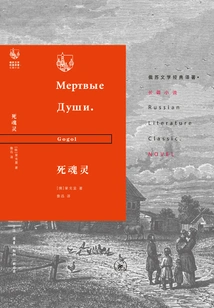
Dead Soul
General Fiction死魂灵
K
As soon as Gogol's "Dead Souls" came out, it immediately aroused heated debate. It used seemingly absurd stories to show the social scene of Russia at that time. Herzen and Belinsky both gave "Dead Souls" high praise and were hailed as the founders of the Natural School. The historical background of this story is: Russia relied on armed serfs to defeat Napoleon. After these serfs returned to Paris, they were naturally dissatisfied with their status as slaves, so Arakcheev organized the state-owned serfs into military camps to control them, while ordinary farmers took desperate risks and occupied the mountains to become kings. The author said that this was "a path that the Russians are accustomed to taking." The success of "Dead Souls" lies in gathering five landowners into a satirical model and pushing them to the judgment stand of history.
As soon as Gogol's "Dead Souls" came out, it immediately aroused heated debate. It used seemingly absurd stories to show the social scene of Russia at that time. Herzen and Belinsky both gave "Dead Souls" high praise and were hailed as the founders of the Natural School. The historical background of this story is: Russia relied on armed serfs to defeat Napoleon. After these serfs returned to Paris, they were naturally dissatisfied with their status as slaves, so Arakcheev organized the state-owned serfs into military camps to control them, while ordinary farmers took desperate risks and occupied the mountains to become kings. The author said that this was "a path that the Russians are accustomed to taking." The success of "Dead Souls" lies in gathering five landowners into a satirical model and pushing them to the judgment stand of history.

Juvenile
General Fiction少年
L
This book is an important later work of Dostoevsky, written in 1874. At that time, thirteen years had passed since the emancipation of the serfs in 1861. With the original moral system falling apart, Russian society was in chaos. The protagonist of "The Boy", Arkady Dolgoruky, also fell into this whirlpool of mental collapse, and he was lost in this whirlpool at any time. What "Youth" tells is roughly how the young Dolgoruky struggled in this whirlpool. After exploration and seeking, he finally embarked on the right path of life.
This book is an important later work of Dostoevsky, written in 1874. At that time, thirteen years had passed since the emancipation of the serfs in 1861. With the original moral system falling apart, Russian society was in chaos. The protagonist of "The Boy", Arkady Dolgoruky, also fell into this whirlpool of mental collapse, and he was lost in this whirlpool at any time. What "Youth" tells is roughly how the young Dolgoruky struggled in this whirlpool. After exploration and seeking, he finally embarked on the right path of life.

Noble House
General Fiction贵族之家
Turgenev
"The Noble House" is Turgenev's "one of the most rigorously structured and perfect works". The novel tells the story of the aristocratic young man Lavretsky who fell in love with the beautiful Varvara, the daughter of a retired major general in Moscow, and married her frivolously. Later, the couple settled in Paris, and Varvara became a "celebrity" in the social circle. Lavretsky left home angrily after discovering his wife's infidelity. After returning to China, he met Lisa and fell in love with each other. This time the newspapers published news of his wife's death, which fueled his hopes for the pursuit of happiness. Not long after he and Lisa trusted each other for life, Varvara suddenly appeared. The news of his death was false. Hopes of happiness vanished, and Lisa entered a convent; Lavretsky did not divorce despite his wife's pleas, and spent the rest of his life alone. Eight years later, when he revisited Lisa's home, things had changed, old friends had passed away one after another, and Lisa was still in the monastery; the younger generation had grown up and moved into the old house. He quietly recalled the past on the bench in the garden where he and Lisa had expressed their feelings to each other, and then left quietly.
"The Noble House" is Turgenev's "one of the most rigorously structured and perfect works". The novel tells the story of the aristocratic young man Lavretsky who fell in love with the beautiful Varvara, the daughter of a retired major general in Moscow, and married her frivolously. Later, the couple settled in Paris, and Varvara became a "celebrity" in the social circle. Lavretsky left home angrily after discovering his wife's infidelity. After returning to China, he met Lisa and fell in love with each other. This time the newspapers published news of his wife's death, which fueled his hopes for the pursuit of happiness. Not long after he and Lisa trusted each other for life, Varvara suddenly appeared. The news of his death was false. Hopes of happiness vanished, and Lisa entered a convent; Lavretsky did not divorce despite his wife's pleas, and spent the rest of his life alone. Eight years later, when he revisited Lisa's home, things had changed, old friends had passed away one after another, and Lisa was still in the monastery; the younger generation had grown up and moved into the old house. He quietly recalled the past on the bench in the garden where he and Lisa had expressed their feelings to each other, and then left quietly.
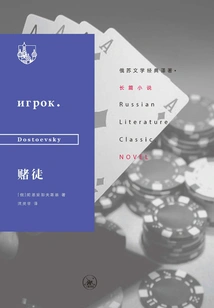
Gambler
General Fiction赌徒
L
"The Gambler" is a work written by the Russian writer Dostoevsky under the impression of his trip to Western Europe. Regarding Alexei, the protagonist of this novel, the author himself wrote: "I want to describe a straightforward character, and a person who is highly educated, but not yet stereotyped in all aspects... But the main point is that he devoted all his life, energy, enthusiasm and bravery to the roulette wheel.
"The Gambler" is a work written by the Russian writer Dostoevsky under the impression of his trip to Western Europe. Regarding Alexei, the protagonist of this novel, the author himself wrote: "I want to describe a straightforward character, and a person who is highly educated, but not yet stereotyped in all aspects... But the main point is that he devoted all his life, energy, enthusiasm and bravery to the roulette wheel.
S
General Fictions
O
"Resurrection" is one of the three major works of the famous Russian writer Tolstoy. The novel describes the aristocratic young man Nekhlyudov who seduces his aunt's adopted daughter Maslova, causing her to become a prostitute and experience the vicissitudes of life. A few years later, Nekhlyudov served as a juror in the court and saw Maslova, who was falsely accused of being a poisoner. He deeply regretted what she had done and was determined to try his best to reduce the crime. He was even willing to marry her to atone for his past mistakes. In order to rescue her, he went to court again and again, visiting judges, generals, and palace attendants. During the rescue process, he witnessed all the ugliness of Russian society with his own eyes, and gradually developed and strengthened his determination to betray the upper class society. Through the story of the spiritual resurrection of the two protagonists, the novel profoundly exposes the corruption of Russian officialdom and courts, and effectively criticizes the autocratic rule of the Tsar.
"Resurrection" is one of the three major works of the famous Russian writer Tolstoy. The novel describes the aristocratic young man Nekhlyudov who seduces his aunt's adopted daughter Maslova, causing her to become a prostitute and experience the vicissitudes of life. A few years later, Nekhlyudov served as a juror in the court and saw Maslova, who was falsely accused of being a poisoner. He deeply regretted what she had done and was determined to try his best to reduce the crime. He was even willing to marry her to atone for his past mistakes. In order to rescue her, he went to court again and again, visiting judges, generals, and palace attendants. During the rescue process, he witnessed all the ugliness of Russian society with his own eyes, and gradually developed and strengthened his determination to betray the upper class society. Through the story of the spiritual resurrection of the two protagonists, the novel profoundly exposes the corruption of Russian officialdom and courts, and effectively criticizes the autocratic rule of the Tsar.

The Three Musketeers (full Volume)
General Fiction三个火枪手(全册)
H
"The Three Musketeers" mainly describes the story of the French Cardinal Richelieu, from when he became prime minister in 1624 to when he captured the city of La Rochelle in 1628. In order to help King Louis XIII, Archbishop Richelieu tried his best to seize the opportunity of the Queen's ambiguous relationship with the British Prime Minister, the Duke of Buckingham...
"The Three Musketeers" mainly describes the story of the French Cardinal Richelieu, from when he became prime minister in 1624 to when he captured the city of La Rochelle in 1628. In order to help King Louis XIII, Archbishop Richelieu tried his best to seize the opportunity of the Queen's ambiguous relationship with the British Prime Minister, the Duke of Buckingham...
N
General Fictionn
H
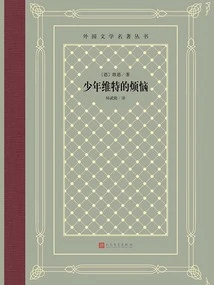
"The Sorrows of Young Werther" (1774) is a representative work of the "Sturm und Drang" movement. It is an epistolary novel written by Goethe based on his own experience. It depicts Werther's love tragedy and expresses the depression of a generation of European youth. After the novel came out, it became popular in Europe, setting off a wave of "Werther fever". When Napoleon was at war, he had this little book with him. For more than two hundred years, Werther's fate has touched generations of young people.
"The Sorrows of Young Werther" (1774) is a representative work of the "Sturm und Drang" movement. It is an epistolary novel written by Goethe based on his own experience. It depicts Werther's love tragedy and expresses the depression of a generation of European youth. After the novel came out, it became popular in Europe, setting off a wave of "Werther fever". When Napoleon was at war, he had this little book with him. For more than two hundred years, Werther's fate has touched generations of young people.
Jane Eyre
General Fiction简·爱
Charlotte Brontë
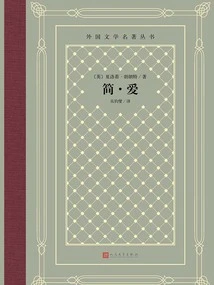
"Jane Eyre" (1847) is a novel with very unique ideological content and artistic form. It uses a lyrical and romantic writing style to describe the deep love between the female governess Jane Eyre and the manor owner Rochester. It successfully created the first female image in British literature to adopt an independent and proactive attitude towards love, life, society and religion. It is regarded as a model of "modern women's novels".
"Jane Eyre" (1847) is a novel with very unique ideological content and artistic form. It uses a lyrical and romantic writing style to describe the deep love between the female governess Jane Eyre and the manor owner Rochester. It successfully created the first female image in British literature to adopt an independent and proactive attitude towards love, life, society and religion. It is regarded as a model of "modern women's novels".
Persian Letters
General Fiction波斯人信札
(france) Montesquieu
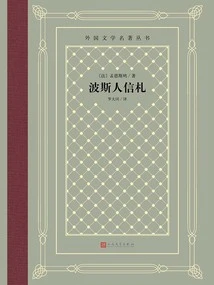
Letters from the Persians is the only literary work by Montesquieu, the famous French Enlightenment thinker in the 18th century. The protagonist Usbek is a Persian nobleman. During his travels in France, he continued to correspond with friends. Through what Usbeck saw and heard in Paris, he paints a fascinating picture of the real life in Paris in the early 18th century. "Letter from the Persians" is "incredibly bold" and is the first important literary work during the Enlightenment period, pioneering rational criticism.
Letters from the Persians is the only literary work by Montesquieu, the famous French Enlightenment thinker in the 18th century. The protagonist Usbek is a Persian nobleman. During his travels in France, he continued to correspond with friends. Through what Usbeck saw and heard in Paris, he paints a fascinating picture of the real life in Paris in the early 18th century. "Letter from the Persians" is "incredibly bold" and is the first important literary work during the Enlightenment period, pioneering rational criticism.
V
General FictionV
H
"The Old Curiosity Shop" is a novel published by the British writer Dickens in 1840-1841. In order for his granddaughter, who was not yet 14 years old, to live a happy life after his death, Torent tried his best to get rich, but unexpectedly fell into the clutches of the upstart loan shark Daniel Quilp. Quilp used loan sharking to not only take away all the property of the old antique shop, but also wanted to take away the beautiful little Nell. The grandfather and grandson were forced to flee London and live a life of begging. In the end, Xiao Nai'er, who was physically and mentally injured, died due to mental exhaustion. "The Old Curiosity Shop" is known as "Victorian melancholy".
"The Old Curiosity Shop" is a novel published by the British writer Dickens in 1840-1841. In order for his granddaughter, who was not yet 14 years old, to live a happy life after his death, Torent tried his best to get rich, but unexpectedly fell into the clutches of the upstart loan shark Daniel Quilp. Quilp used loan sharking to not only take away all the property of the old antique shop, but also wanted to take away the beautiful little Nell. The grandfather and grandson were forced to flee London and live a life of begging. In the end, Xiao Nai'er, who was physically and mentally injured, died due to mental exhaustion. "The Old Curiosity Shop" is known as "Victorian melancholy".
P
General Fictionp
H
"A Tale of Two Cities" is a long historical novel written by the British writer Charles Dickens and set against the background of the French Revolution. The story connects the two major cities of Paris and London, and revolves around the family of Dr. Manmanet and the Saint-Antoine district headed by the Defarges. The novel describes how the nobles corrupted and harmed the people. The people's deep hatred for the nobles accumulated in their hearts, which led to the inevitable French Revolution. The main idea of the book is self-sacrifice for love. The "Twin Cities" in the book's title refer to Paris and London.
"A Tale of Two Cities" is a long historical novel written by the British writer Charles Dickens and set against the background of the French Revolution. The story connects the two major cities of Paris and London, and revolves around the family of Dr. Manmanet and the Saint-Antoine district headed by the Defarges. The novel describes how the nobles corrupted and harmed the people. The people's deep hatred for the nobles accumulated in their hearts, which led to the inevitable French Revolution. The main idea of the book is self-sacrifice for love. The "Twin Cities" in the book's title refer to Paris and London.
Selected Novels and Novels by Bunin
General Fiction布宁中短篇小说选
(russia) Bunin
Bunin is the first Russian writer to win the Nobel Prize for Literature. Precisely because he lived abroad in his later period, he maintained the Russian classic literary tradition since Pushkin. Bunin's works are very distinctive in theme and writing, and are endlessly memorable. But he has not received the attention he deserves in China for a long time. Bunin's short stories have achieved great success, and their short stories are in line with current reading trends. "Selected Novels and Novels by Bunin" contains a total of 30 short stories and short stories by Bunin in different periods, which comprehensively reflects Bunin's novel writing characteristics. The translation by Chen Fu, a veteran editor of the Humanities Society, is the best among Bunin's translations in China.
Bunin is the first Russian writer to win the Nobel Prize for Literature. Precisely because he lived abroad in his later period, he maintained the Russian classic literary tradition since Pushkin. Bunin's works are very distinctive in theme and writing, and are endlessly memorable. But he has not received the attention he deserves in China for a long time. Bunin's short stories have achieved great success, and their short stories are in line with current reading trends. "Selected Novels and Novels by Bunin" contains a total of 30 short stories and short stories by Bunin in different periods, which comprehensively reflects Bunin's novel writing characteristics. The translation by Chen Fu, a veteran editor of the Humanities Society, is the best among Bunin's translations in China.
D
General FictionD
H
Homer's epic is the greatest work in the history of ancient Greece and even Western literature. Among them, "The Iliad" takes the Trojan War as its theme. The war was caused by the robbery of the beauty Helen caused by the Trojan prince Paris in the "Legend of the Golden Apple". It lasted for ten years. The epic mainly narrates the story that happened around the fifty days of the tenth year. The arrogance and greed of the Greek army commander Agamemnon aroused the anger of the army commander Achilles, which triggered a series of battles and killings.
Homer's epic is the greatest work in the history of ancient Greece and even Western literature. Among them, "The Iliad" takes the Trojan War as its theme. The war was caused by the robbery of the beauty Helen caused by the Trojan prince Paris in the "Legend of the Golden Apple". It lasted for ten years. The epic mainly narrates the story that happened around the fifty days of the tenth year. The arrogance and greed of the Greek army commander Agamemnon aroused the anger of the army commander Achilles, which triggered a series of battles and killings.
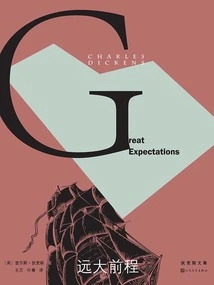
At
General Fictionat
H
"Great Expectations" is one of Dickens's most mature works and his relatively late work. The original title of this work was GreatExpectations, which means a legacy. China translated it as "Great Expectations". This translation gives readers the impression that the protagonist of the work has a great future. In fact, this "Great Expectations" is ironic. It should be said that the theme of this work is by no means just a story about the disillusionment of the orphan Pip who wants to be a gentleman. Dickens' creation of this work has a more profound significance.
"Great Expectations" is one of Dickens's most mature works and his relatively late work. The original title of this work was GreatExpectations, which means a legacy. China translated it as "Great Expectations". This translation gives readers the impression that the protagonist of the work has a great future. In fact, this "Great Expectations" is ironic. It should be said that the theme of this work is by no means just a story about the disillusionment of the orphan Pip who wants to be a gentleman. Dickens' creation of this work has a more profound significance.
Ar
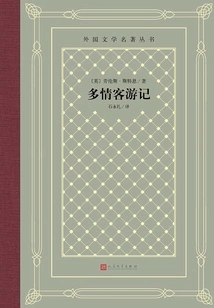
Travel Notes of Passionate Guest
General Fiction多情客游记
B
In "The Passionate Traveler", the author uses the words of Pastor Yorick to describe his experience of traveling to France and Italy during the Anglo-French War. To a large extent, the work is a parody of the travelogue genre. The main purpose is not to write about the typical carefree young gentleman, but a tramp driven by impulses and strange ideas. The work is famous for its psychological description of characters. The characters in the book are sentimental and often lament over trivial things, revealing a sad mood in the humor. "The Passionate Traveler" has become a representative work of sentimental literature.
In "The Passionate Traveler", the author uses the words of Pastor Yorick to describe his experience of traveling to France and Italy during the Anglo-French War. To a large extent, the work is a parody of the travelogue genre. The main purpose is not to write about the typical carefree young gentleman, but a tramp driven by impulses and strange ideas. The work is famous for its psychological description of characters. The characters in the book are sentimental and often lament over trivial things, revealing a sad mood in the humor. "The Passionate Traveler" has become a representative work of sentimental literature.
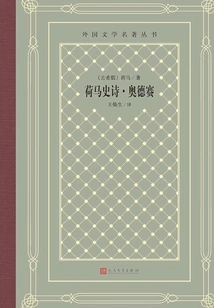
D
General FictionD
H
Homer's epic is the greatest work in the history of ancient Greece and even Western literature. Among them, "The Odyssey" is the only "returning epic" handed down from the "series of epics" based on the legend of the Trojan War. After the resourceful Odysseus captured the city of Troy with the Trojan horse trick, he led his army across the sea and returned home. Encountering various difficulties and obstacles on the way, after ten years of wandering, all his companions died. Only with the help of the goddess Athena, he persevered and returned to his long-lost hometown alone.
Homer's epic is the greatest work in the history of ancient Greece and even Western literature. Among them, "The Odyssey" is the only "returning epic" handed down from the "series of epics" based on the legend of the Trojan War. After the resourceful Odysseus captured the city of Troy with the Trojan horse trick, he led his army across the sea and returned home. Encountering various difficulties and obstacles on the way, after ten years of wandering, all his companions died. Only with the help of the goddess Athena, he persevered and returned to his long-lost hometown alone.
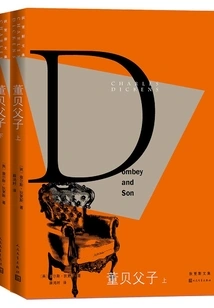
Dong Bei and Son (2 Volumes in Total)
General Fiction董贝父子(全2册)
H
"Dong Bei and Son" describes the rise and fall of Dong Bei and Son. Dong Bei is a greedy big capitalist, and his wife and children have become tools and furnishings for him to pursue profits. The company manager Kaker is a treacherous villain. After defrauding Dong Bei's trust, he single-handedly caused his bankruptcy. In the lessons of reality, Dong Bei's thinking changed. In the end, although he was unable to rebuild the family business, he achieved real family happiness. The beginning of "Dong Bei and Son" has been translated by Mr. Yang Jiang. Xue Hongshi continued her translation and re-translated the beginning.
"Dong Bei and Son" describes the rise and fall of Dong Bei and Son. Dong Bei is a greedy big capitalist, and his wife and children have become tools and furnishings for him to pursue profits. The company manager Kaker is a treacherous villain. After defrauding Dong Bei's trust, he single-handedly caused his bankruptcy. In the lessons of reality, Dong Bei's thinking changed. In the end, although he was unable to rebuild the family business, he achieved real family happiness. The beginning of "Dong Bei and Son" has been translated by Mr. Yang Jiang. Xue Hongshi continued her translation and re-translated the beginning.
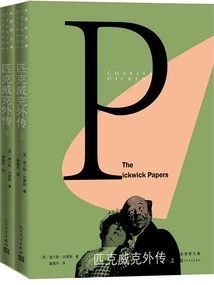
The Pickwick Papers (2 Volumes in Total)
General Fiction匹克威克外传(全2册)
H
"The Pickwick Papers" is a famous work by Dickens, the most important British writer in the 19th century. It was published in 1836. It is a work in the genre of a picaresque novel. Through a series of encounters experienced by Pickwick and his three friends during their travels, the book describes the social life and customs of the British urban and rural areas at that time. This book is one of Dickens's most important and representative works. Since its publication, it has been welcomed by readers from all over the world and has become an indisputable classic of world literature.
"The Pickwick Papers" is a famous work by Dickens, the most important British writer in the 19th century. It was published in 1836. It is a work in the genre of a picaresque novel. Through a series of encounters experienced by Pickwick and his three friends during their travels, the book describes the social life and customs of the British urban and rural areas at that time. This book is one of Dickens's most important and representative works. Since its publication, it has been welcomed by readers from all over the world and has become an indisputable classic of world literature.
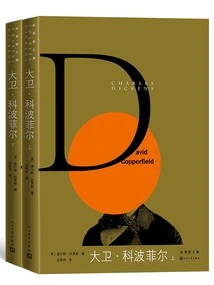
David Copperfield (2 Volumes in Total)
General Fiction大卫·科波菲尔(全2册)
(uk) Charles Dickens
"David Copperfield" is the eighth novel by the British novelist Charles Dickens. The book adopts a first-person narrative and tells the story of the protagonist David's life from childhood to middle age. Taking the birth of "I" as the source, the book combines the sincerity and darkness of friends, the childishness and impulsiveness of love, the sweetness and triviality of marriage, and the conflicts and harmony of family members into a stream that flows slowly on the river bed of fate and eventually merges into the tolerant and magnificent sea. Mixed in with all kinds of characters and opportunities. The language is witty and interesting, showing a broad picture of Britain in the mid-19th century.
"David Copperfield" is the eighth novel by the British novelist Charles Dickens. The book adopts a first-person narrative and tells the story of the protagonist David's life from childhood to middle age. Taking the birth of "I" as the source, the book combines the sincerity and darkness of friends, the childishness and impulsiveness of love, the sweetness and triviality of marriage, and the conflicts and harmony of family members into a stream that flows slowly on the river bed of fate and eventually merges into the tolerant and magnificent sea. Mixed in with all kinds of characters and opportunities. The language is witty and interesting, showing a broad picture of Britain in the mid-19th century.

Desolate House (2 Volumes in Total)
General Fiction荒凉山庄(全2册)
H
"Bleak House" is a novel (very long) written by Dickens in 1852. The novel focuses on exposing the decadence of British law and the corruption of the judiciary. The novel begins with a description of the heavy fog in London, which symbolizes the filth and darkness of the Supreme Court. The dead atmosphere during the court session, the mummy-like figures in the court, and the empty rituals all highlight the outdated, useless, and parasitic nature of the court.
"Bleak House" is a novel (very long) written by Dickens in 1852. The novel focuses on exposing the decadence of British law and the corruption of the judiciary. The novel begins with a description of the heavy fog in London, which symbolizes the filth and darkness of the Supreme Court. The dead atmosphere during the court session, the mummy-like figures in the court, and the empty rituals all highlight the outdated, useless, and parasitic nature of the court.
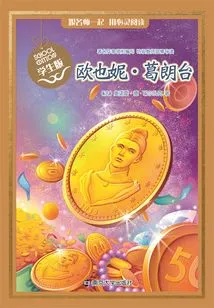
Eugenie Grandet
General Fiction欧也妮·葛朗台
(french) Balzac
This book is "one of the most outstanding pictures" in Balzac's "Human Comedy". The novel narrates a story of money destroying human nature and causing family tragedy. It revolves around the central event of Eugenie's love tragedy, and uses three intertwined plot threads to connect the novel: the waves caused by the autocracy within the Grandet family, the open and secret fights between the bankers and notaries outside the family, and the painful life experience of Eugenie's love for Charles Grandet and Charlie's betrayal.
This book is "one of the most outstanding pictures" in Balzac's "Human Comedy". The novel narrates a story of money destroying human nature and causing family tragedy. It revolves around the central event of Eugenie's love tragedy, and uses three intertwined plot threads to connect the novel: the waves caused by the autocracy within the Grandet family, the open and secret fights between the bankers and notaries outside the family, and the painful life experience of Eugenie's love for Charles Grandet and Charlie's betrayal.