Library
Browse and search books
2,169 novels found
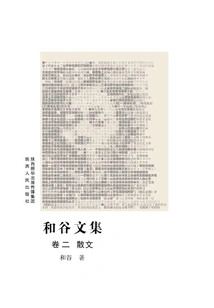
和谷文集(卷二 散文)
Watani
This book is a collection of works by Mr. He Gu, a national first-class writer, with a total of 14 volumes. It contains the author's important works published in different periods and is divided into several volumes of prose, poetry, documentary, biography, novel, play and literary theory. These include "The Wilderness Collection", "Mayor Zhang Tiemin", "Selected Poems of Hegu", "1983 Ankang Flood" originally published by Shaanxi People's Publishing House, "The Biography of Liu Gongquan" and "Returning Hometown" by Writers Publishing House, "The Traveler's Monologue" and "National Style" by People's Literature Publishing House, "Worry-Free Tree" by Shanghai Literature and Art Publishing House, "Wild Land" by Baihua Literature and Art Publishing House, etc., Reflecting the author's achievements in literary writing in more than forty years.
This book is a collection of works by Mr. He Gu, a national first-class writer, with a total of 14 volumes. It contains the author's important works published in different periods and is divided into several volumes of prose, poetry, documentary, biography, novel, play and literary theory. These include "The Wilderness Collection", "Mayor Zhang Tiemin", "Selected Poems of Hegu", "1983 Ankang Flood" originally published by Shaanxi People's Publishing House, "The Biography of Liu Gongquan" and "Returning Hometown" by Writers Publishing House, "The Traveler's Monologue" and "National Style" by People's Literature Publishing House, "Worry-Free Tree" by Shanghai Literature and Art Publishing House, "Wild Land" by Baihua Literature and Art Publishing House, etc., Reflecting the author's achievements in literary writing in more than forty years.
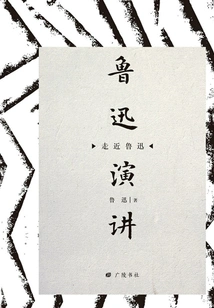
Entering Lu Xun: Lu Xun's Speech
Literature走进鲁迅:鲁迅演讲
Written By Lu Xun And Edited By Chen Wu
This book is a collection of Lu Xun's speeches, including 23 speeches by Lu Xun, such as "What Happened to Nora", "Before the Genius", "Recording Conversations", "Silent China", "The Old Tune Has Been Sung", "Historical Changes in Chinese Novels", "Literature in the Revolutionary Era", "Miscellaneous Readings", "Wei and Jin Styles and the Relationship between Articles and Medicine and Wine", covering a wide range of topics, including social and economic systems, women's liberation, reforming national character, revolutionary literature, literature and politics, literature and society, traditional Chinese culture and literature, etc.
This book is a collection of Lu Xun's speeches, including 23 speeches by Lu Xun, such as "What Happened to Nora", "Before the Genius", "Recording Conversations", "Silent China", "The Old Tune Has Been Sung", "Historical Changes in Chinese Novels", "Literature in the Revolutionary Era", "Miscellaneous Readings", "Wei and Jin Styles and the Relationship between Articles and Medicine and Wine", covering a wide range of topics, including social and economic systems, women's liberation, reforming national character, revolutionary literature, literature and politics, literature and society, traditional Chinese culture and literature, etc.
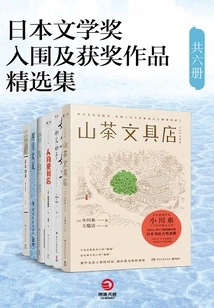
日本文学奖入围及获奖作品精选集(共六册)
(japan) Ogawaito, Kore-eda Hirokazu, Etc.
This set of books includes a total of six volumes: "Camellia Stationery Store", "Like Father Like Son", "Human Convenience Store", "Confession", "April Girlfriend" and "What Happened Later". It is a warm story that runs through millions of families; it is also a blazing and eternal love classic; it is dedicated by the Naoki Award and Akutagawa Award-winning writer.
This set of books includes a total of six volumes: "Camellia Stationery Store", "Like Father Like Son", "Human Convenience Store", "Confession", "April Girlfriend" and "What Happened Later". It is a warm story that runs through millions of families; it is also a blazing and eternal love classic; it is dedicated by the Naoki Award and Akutagawa Award-winning writer.
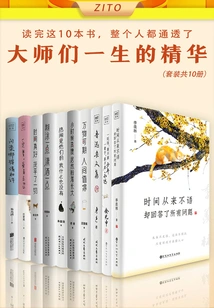
读完这10本书,整个人都通透了(全10册)
Ji Xianlin Yu Guangzhong Wang Zengqi Zhu Guangqian Lao She Zhu Ziqing Lu Xun
This set of books includes "Time never speaks, but answers all questions", "In the blink of an eye, is it a lifetime of youth, is it forever", "Collected Essays of Lu Xun", "Everything can be expected, the world is worth it", "I was so stupid when I was young, I actually expected to grow up", "The excitement is theirs, I have nothing", "Be a little confused, be a little more unrestrained", "Time is so good, it heals everything", "Must, love something", "Ask the channel how to be so clear", a total of 10 volumes. This selection of masterpieces by great writers in the literary world encompasses the essence of the master's life and is their gift of life to those who come after him! In this life, may we devote ourselves to true love, live without anxiety, live transparently, and live comfortably.
This set of books includes "Time never speaks, but answers all questions", "In the blink of an eye, is it a lifetime of youth, is it forever", "Collected Essays of Lu Xun", "Everything can be expected, the world is worth it", "I was so stupid when I was young, I actually expected to grow up", "The excitement is theirs, I have nothing", "Be a little confused, be a little more unrestrained", "Time is so good, it heals everything", "Must, love something", "Ask the channel how to be so clear", a total of 10 volumes. This selection of masterpieces by great writers in the literary world encompasses the essence of the master's life and is their gift of life to those who come after him! In this life, may we devote ourselves to true love, live without anxiety, live transparently, and live comfortably.
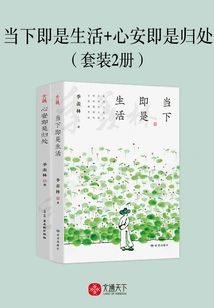
当下即是生活+心安即是归处(套装2册)
Ji Xianlin
This book is composed of "Peace of Mind is Home" and "The Present Is Life". "Peace of Mind Is Home" aims to explain Mr.'S life wisdom, from talking about the meaning of life to talking about reading, life, walking, the present, loneliness, life and death and other life topics that are closely related to everyone. The mountains stand tall and the scenery stops. May we understand the true nature of everything in the world and have the wisdom to deal with worldly affairs. Everything should be done with peace of mind and calmly. "The Present Is Life" is Ji Xianlin's 98-year life history. It explains to us how to live this attitude towards life? One of the tenets throughout his life is not to leave the past behind, not to welcome the future, and live in the present. Therefore, although his life is not perfect, it is very full, and he lives freely, calmly and calmly. This book selects Ji Xianlin's prose on human life, explaining from five aspects how a person lives in the present and how to face the beauty that should be in life.
This book is composed of "Peace of Mind is Home" and "The Present Is Life". "Peace of Mind Is Home" aims to explain Mr.'S life wisdom, from talking about the meaning of life to talking about reading, life, walking, the present, loneliness, life and death and other life topics that are closely related to everyone. The mountains stand tall and the scenery stops. May we understand the true nature of everything in the world and have the wisdom to deal with worldly affairs. Everything should be done with peace of mind and calmly. "The Present Is Life" is Ji Xianlin's 98-year life history. It explains to us how to live this attitude towards life? One of the tenets throughout his life is not to leave the past behind, not to welcome the future, and live in the present. Therefore, although his life is not perfect, it is very full, and he lives freely, calmly and calmly. This book selects Ji Xianlin's prose on human life, explaining from five aspects how a person lives in the present and how to face the beauty that should be in life.
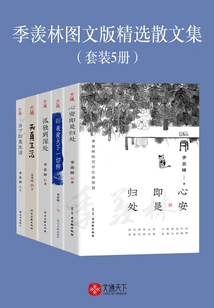
季羡林图文版精选散文集(套装5册)
Ji Xianlin
This set is divided into 5 books: "Peace of Mind is Home", "I Love All Dogs in the World", "Loneliness to the Deep", "Innocent Life" and "Freedom in the World". It is a selection of Ji Xianlin's most representative classic prose in the author's writing career from 1933 to 2006, such as "Old Cat", "Eighty Years of Feelings", "Eparation", etc. They are all long-lasting collections. Each word is profound, and the essence of the master's wisdom can be read in one book.
This set is divided into 5 books: "Peace of Mind is Home", "I Love All Dogs in the World", "Loneliness to the Deep", "Innocent Life" and "Freedom in the World". It is a selection of Ji Xianlin's most representative classic prose in the author's writing career from 1933 to 2006, such as "Old Cat", "Eighty Years of Feelings", "Eparation", etc. They are all long-lasting collections. Each word is profound, and the essence of the master's wisdom can be read in one book.
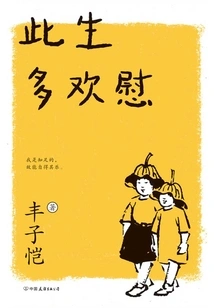
此生多欢慰(2021新版)
Feng Zikai
Feng Zikai's prose and comic collection, new commemorative edition. It contains 31 excellent works of quiet and gentle prose and 56 full-color hand-drawn cartoons, covering all creative periods of Feng Zikai. It is divided into three major chapters: "Contemplating Life", "Settling the Soul" and "Happiness in the World". Feng Zikai's writing style is humorous and witty, showing the broad-mindedness and generosity of a generation of masters in troubled times, and conveying a calm and open-minded attitude towards life: Don't be afraid of the future, the future will always come, don't dwell on the past, life will be full of joy. All the troubles in the world arise from craving, but if the mind is free, fear will disappear. For things now, you can just let your mind go as it comes; for things in the future, you have a mind for the future, so there is no need to worry about it. Don't be afraid of the future. The future will always come. Don't dwell on the past. In this way, your life will be more joyful. The real beauty of life lies in: you have a clear heart. Only by keeping your heart full can you calmly resist all the uneasiness and noise in the world and achieve a beautiful life.
Feng Zikai's prose and comic collection, new commemorative edition. It contains 31 excellent works of quiet and gentle prose and 56 full-color hand-drawn cartoons, covering all creative periods of Feng Zikai. It is divided into three major chapters: "Contemplating Life", "Settling the Soul" and "Happiness in the World". Feng Zikai's writing style is humorous and witty, showing the broad-mindedness and generosity of a generation of masters in troubled times, and conveying a calm and open-minded attitude towards life: Don't be afraid of the future, the future will always come, don't dwell on the past, life will be full of joy. All the troubles in the world arise from craving, but if the mind is free, fear will disappear. For things now, you can just let your mind go as it comes; for things in the future, you have a mind for the future, so there is no need to worry about it. Don't be afraid of the future. The future will always come. Don't dwell on the past. In this way, your life will be more joyful. The real beauty of life lies in: you have a clear heart. Only by keeping your heart full can you calmly resist all the uneasiness and noise in the world and achieve a beautiful life.
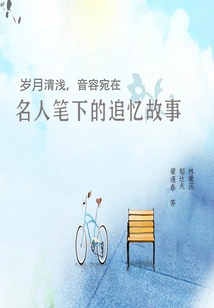
岁月清浅,音容宛在:名人笔下的追忆故事
Lin Huiyin Yu Dafu Liang Yuchun Et Al.
In everyone's heart, there are unforgettable people, things and things. Along the river of memory, follow in the footsteps of the master and look for those long-lasting memories. Whether it is a relative or a friend, when they pass away, the longing and concern will become memories that last a lifetime. This book selects articles by famous people and celebrities, and you can appreciate their longing for their relatives and friends from these sentimental words. These classic works can still bring different feelings to people even if they are read today. The affectionate and moving classic words in the text will also evoke different kinds of thoughts in us. About relatives, about friends, about the places where I once lived, those people, those things, although they have gradually faded away with the passage of time, they still leave an indelible mark deep in my heart. Although nostalgia is always tinged with sadness, the past is gone, and we still need to live with heart in the future. Behind the nostalgia, we must also appreciate the power that comes from deep within. This is also the idea that this book wants to convey: face life bravely, because life is still beautiful.
In everyone's heart, there are unforgettable people, things and things. Along the river of memory, follow in the footsteps of the master and look for those long-lasting memories. Whether it is a relative or a friend, when they pass away, the longing and concern will become memories that last a lifetime. This book selects articles by famous people and celebrities, and you can appreciate their longing for their relatives and friends from these sentimental words. These classic works can still bring different feelings to people even if they are read today. The affectionate and moving classic words in the text will also evoke different kinds of thoughts in us. About relatives, about friends, about the places where I once lived, those people, those things, although they have gradually faded away with the passage of time, they still leave an indelible mark deep in my heart. Although nostalgia is always tinged with sadness, the past is gone, and we still need to live with heart in the future. Behind the nostalgia, we must also appreciate the power that comes from deep within. This is also the idea that this book wants to convey: face life bravely, because life is still beautiful.
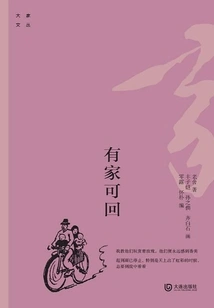
大家文丛:有家可回
Written By Lao She, Ling Lu, Edited By Huai Pu
This book focuses on describing the daily life in intellectual families, focusing on expressing the loveliness in life. The editor has selected dozens of articles on this theme from Mr. Lao She's essays, and supplemented them with warm paintings by Mr. Feng Zikai, a famous contemporary painter, such as: Mother-in-law's words, Autumn in Jinan, Poems for Spring Nights, Peanuts, My Ideal Family, After Having Children, Spring Festival in Beijing, Little Sparrows, Lotus Eaters, Pleasurable Loneliness, etc. It can be seen from between the lines that the works selected in this book reflect the author's warm and meticulous observation of family life to the greatest extent. Through this book, I hope to resonate with modern people about the peace and beauty of life.
This book focuses on describing the daily life in intellectual families, focusing on expressing the loveliness in life. The editor has selected dozens of articles on this theme from Mr. Lao She's essays, and supplemented them with warm paintings by Mr. Feng Zikai, a famous contemporary painter, such as: Mother-in-law's words, Autumn in Jinan, Poems for Spring Nights, Peanuts, My Ideal Family, After Having Children, Spring Festival in Beijing, Little Sparrows, Lotus Eaters, Pleasurable Loneliness, etc. It can be seen from between the lines that the works selected in this book reflect the author's warm and meticulous observation of family life to the greatest extent. Through this book, I hope to resonate with modern people about the peace and beauty of life.
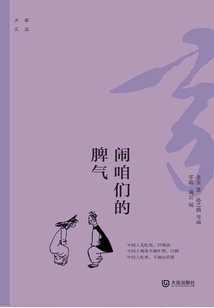
大家文丛:闹咱们的脾气
Written By Lao She, Ling Lu, Edited By Man Yan
People who live in a certain culture may not know what this culture is like. The book "Our Temper" selects the most popular chapters from Lao She's works that depict the various personalities of Chinese people, such as "Shopkeeper Fan's", "Dr. Wen", "Chinese in England", "Buying Lottery", "Master Niu's Spittoon", "The Romance of Old Age" and so on, with humorous and ironic yet tolerant writing style, readers can understand the cute, ridiculous, sad, lamentable, admirable and admirable aspects of Chinese national culture through a knowing reading experience. At the same time, the book is supplemented by paintings by the famous painter Sun Zhijun, which has high appreciation and reading value.
People who live in a certain culture may not know what this culture is like. The book "Our Temper" selects the most popular chapters from Lao She's works that depict the various personalities of Chinese people, such as "Shopkeeper Fan's", "Dr. Wen", "Chinese in England", "Buying Lottery", "Master Niu's Spittoon", "The Romance of Old Age" and so on, with humorous and ironic yet tolerant writing style, readers can understand the cute, ridiculous, sad, lamentable, admirable and admirable aspects of Chinese national culture through a knowing reading experience. At the same time, the book is supplemented by paintings by the famous painter Sun Zhijun, which has high appreciation and reading value.
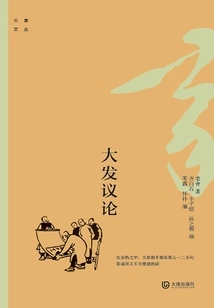
Everyone's Wenzhou: Discussing
Literature大家文丛:大发议论
Written By Lao She, Ling Lu, Edited By Huai Pu
This book focuses on China's long-term sociological issues and selects satirical and critical prose and cartoons from Lao She's articles and Sun Zhijun's works, such as: It's better to be rich, let's talk about tomatoes, habits, about restaurants, about the education system of the cat country, scientific life-saving, the trend of naps, the dangers of "humor", spiritual literature and Buddhism, don't be busy, literature and carpenters, how to accept literary heritage, chopsticks, the idea of saving, "Dream of Red Mansions" is not a dream, etc. The writing style of the works included in this book is very different from that of the authors of the same period. The outstanding feature is that in addition to pungent criticism, there is also some humorous understanding of the bad things in human nature. "Laughing and scolding, but not killing them all", this is also the biggest characteristic of Mr. Lao She recognized by the world literary world. This book is supplemented by paintings by painters of the same period, which has high appreciation and reading value.
This book focuses on China's long-term sociological issues and selects satirical and critical prose and cartoons from Lao She's articles and Sun Zhijun's works, such as: It's better to be rich, let's talk about tomatoes, habits, about restaurants, about the education system of the cat country, scientific life-saving, the trend of naps, the dangers of "humor", spiritual literature and Buddhism, don't be busy, literature and carpenters, how to accept literary heritage, chopsticks, the idea of saving, "Dream of Red Mansions" is not a dream, etc. The writing style of the works included in this book is very different from that of the authors of the same period. The outstanding feature is that in addition to pungent criticism, there is also some humorous understanding of the bad things in human nature. "Laughing and scolding, but not killing them all", this is also the biggest characteristic of Mr. Lao She recognized by the world literary world. This book is supplemented by paintings by painters of the same period, which has high appreciation and reading value.
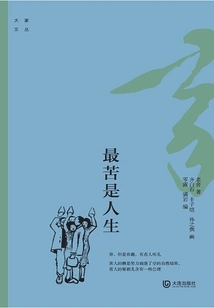
大家文丛:最苦是人生
Written By Lao She, Ling Lu, Edited By Man Yan
This book focuses on the difficulties and sufferings in life, and integrates essays and paintings depicting the tragic fate of characters in the works of Lao She, Feng Zikai and other writers to achieve the purpose of jointly highlighting this theme. It shows readers the helplessness of the characters in the works and the courage they show. It aims to encourage people to face unsatisfactory life with an open-minded and long-term attitude when encountering difficulties. Describing the poverty of lower-class workers and the difficult situation of intellectuals and exploring their deep-seated social causes is the most affecting part of this work. It is also the place where they use the most affection and effort in writing and painting. Readers of all ages will relate to and resonate with the content of this book.
This book focuses on the difficulties and sufferings in life, and integrates essays and paintings depicting the tragic fate of characters in the works of Lao She, Feng Zikai and other writers to achieve the purpose of jointly highlighting this theme. It shows readers the helplessness of the characters in the works and the courage they show. It aims to encourage people to face unsatisfactory life with an open-minded and long-term attitude when encountering difficulties. Describing the poverty of lower-class workers and the difficult situation of intellectuals and exploring their deep-seated social causes is the most affecting part of this work. It is also the place where they use the most affection and effort in writing and painting. Readers of all ages will relate to and resonate with the content of this book.
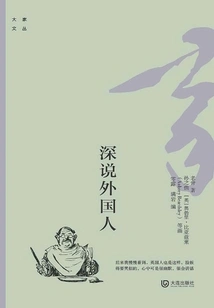
大家文丛:深说外国人
Written By Lao She, Ling Lu, Edited By Man Yan
This book is divided into two parts: the "live version" and the "novel version". It focuses on the relationship between Chinese and foreigners in the 1930s and 1940s, and selects articles on this theme from Lao She's works. It mainly describes the normal civil interactions between Chinese and foreigners during peacetime, how the Chinese faced the extreme attitudes and bullying of foreigners during the war, and the subtle alliances between the great powers, aiming to oppose war and call for peace.
This book is divided into two parts: the "live version" and the "novel version". It focuses on the relationship between Chinese and foreigners in the 1930s and 1940s, and selects articles on this theme from Lao She's works. It mainly describes the normal civil interactions between Chinese and foreigners during peacetime, how the Chinese faced the extreme attitudes and bullying of foreigners during the war, and the subtle alliances between the great powers, aiming to oppose war and call for peace.
哲理荟萃(世界百年传世文学精品)
Jin Cheng
In this era of voluminous volumes, we launch the book series "The World's Centennial Literature Essences". The purpose is to enable people to put aside the noisy literary garbage and read more good books and more masterpieces in addition to their stressful lives. This series of books brings together masterpieces by famous writers that have been widely circulated at home and abroad in the past century. Most of these famous masters have a clear and lofty position in history. Many of them enjoy the reputation of masters, great masters, deans, etc. They are masters of a generation and are widely praised by people around the world. Most of these masterpieces have withstood the baptism of history and the test of time. They represent the ideological height and artistic achievements of famous artists, and also represent the highest peak in the world. They are readable, ideological, artistic and appreciative, have extremely high value, are deeply loved by readers, and have extensive and far-reaching influence. These famous works not only provide us with a model for appreciating, learning and researching the world's literary masterpieces, but also enable us to fully appreciate the breadth, depth and magical charm of the world's literary masterpieces.
In this era of voluminous volumes, we launch the book series "The World's Centennial Literature Essences". The purpose is to enable people to put aside the noisy literary garbage and read more good books and more masterpieces in addition to their stressful lives. This series of books brings together masterpieces by famous writers that have been widely circulated at home and abroad in the past century. Most of these famous masters have a clear and lofty position in history. Many of them enjoy the reputation of masters, great masters, deans, etc. They are masters of a generation and are widely praised by people around the world. Most of these masterpieces have withstood the baptism of history and the test of time. They represent the ideological height and artistic achievements of famous artists, and also represent the highest peak in the world. They are readable, ideological, artistic and appreciative, have extremely high value, are deeply loved by readers, and have extensive and far-reaching influence. These famous works not only provide us with a model for appreciating, learning and researching the world's literary masterpieces, but also enable us to fully appreciate the breadth, depth and magical charm of the world's literary masterpieces.
青春韵律(世界百年传世文学精品)
Jin Cheng
In this era of voluminous volumes, we launch the book series "The World's Centennial Literature Essences". The purpose is to enable people to put aside the noisy literary garbage and read more good books and more masterpieces in addition to their stressful lives. This series of books brings together masterpieces by famous writers that have been widely circulated at home and abroad in the past century. Most of these famous masters have a clear and lofty position in history. Many of them enjoy the reputation of masters, great masters, deans, etc. They are masters of a generation and are widely praised by people around the world. Most of these masterpieces have withstood the baptism of history and the test of time. They represent the ideological height and artistic achievements of famous artists, and also represent the highest peak in the world. They are readable, ideological, artistic and appreciative, have extremely high value, are deeply loved by readers, and have extensive and far-reaching influence. These famous works not only provide us with a model for appreciating, learning and researching the world's literary masterpieces, but also enable us to fully appreciate the breadth, depth and magical charm of the world's literary masterpieces.
In this era of voluminous volumes, we launch the book series "The World's Centennial Literature Essences". The purpose is to enable people to put aside the noisy literary garbage and read more good books and more masterpieces in addition to their stressful lives. This series of books brings together masterpieces by famous writers that have been widely circulated at home and abroad in the past century. Most of these famous masters have a clear and lofty position in history. Many of them enjoy the reputation of masters, great masters, deans, etc. They are masters of a generation and are widely praised by people around the world. Most of these masterpieces have withstood the baptism of history and the test of time. They represent the ideological height and artistic achievements of famous artists, and also represent the highest peak in the world. They are readable, ideological, artistic and appreciative, have extremely high value, are deeply loved by readers, and have extensive and far-reaching influence. These famous works not only provide us with a model for appreciating, learning and researching the world's literary masterpieces, but also enable us to fully appreciate the breadth, depth and magical charm of the world's literary masterpieces.
故事经典(世界百年传世文学精品)
Jin Cheng
In this era of voluminous volumes, we launch the book series "The World's Centennial Literature Essences". The purpose is to enable people to put aside the noisy literary garbage and read more good books and more masterpieces in addition to their stressful lives. This series of books brings together masterpieces by famous writers that have been widely circulated at home and abroad in the past century. Most of these famous masters have a clear and lofty position in history. Many of them enjoy the reputation of masters, great masters, deans, etc. They are masters of a generation and are widely praised by people around the world. Most of these masterpieces have withstood the baptism of history and the test of time. They represent the ideological height and artistic achievements of famous artists, and also represent the highest peak in the world. They are readable, ideological, artistic and appreciative, have extremely high value, are deeply loved by readers, and have extensive and far-reaching influence. These famous works not only provide us with a model for appreciating, learning and researching the world's literary masterpieces, but also enable us to fully appreciate the breadth, depth and magical charm of the world's literary masterpieces.
In this era of voluminous volumes, we launch the book series "The World's Centennial Literature Essences". The purpose is to enable people to put aside the noisy literary garbage and read more good books and more masterpieces in addition to their stressful lives. This series of books brings together masterpieces by famous writers that have been widely circulated at home and abroad in the past century. Most of these famous masters have a clear and lofty position in history. Many of them enjoy the reputation of masters, great masters, deans, etc. They are masters of a generation and are widely praised by people around the world. Most of these masterpieces have withstood the baptism of history and the test of time. They represent the ideological height and artistic achievements of famous artists, and also represent the highest peak in the world. They are readable, ideological, artistic and appreciative, have extremely high value, are deeply loved by readers, and have extensive and far-reaching influence. These famous works not only provide us with a model for appreciating, learning and researching the world's literary masterpieces, but also enable us to fully appreciate the breadth, depth and magical charm of the world's literary masterpieces.
生活品质(世界百年传世文学精品)
Jin Cheng
In this era of voluminous volumes, we launch the book series "The World's Centennial Literature Essences". The purpose is to enable people to put aside the noisy literary garbage and read more good books and more masterpieces in addition to their stressful lives. This series of books brings together masterpieces by famous writers that have been widely circulated at home and abroad in the past century. Most of these famous masters have a clear and lofty position in history. Many of them enjoy the reputation of masters, great masters, deans, etc. They are masters of a generation and are widely praised by people around the world. Most of these masterpieces have withstood the baptism of history and the test of time. They represent the ideological height and artistic achievements of famous artists, and also represent the highest peak in the world. They are readable, ideological, artistic and appreciative, have extremely high value, are deeply loved by readers, and have extensive and far-reaching influence. These famous works not only provide us with a model for appreciating, learning and researching the world's literary masterpieces, but also enable us to fully appreciate the breadth, depth and magical charm of the world's literary masterpieces.
In this era of voluminous volumes, we launch the book series "The World's Centennial Literature Essences". The purpose is to enable people to put aside the noisy literary garbage and read more good books and more masterpieces in addition to their stressful lives. This series of books brings together masterpieces by famous writers that have been widely circulated at home and abroad in the past century. Most of these famous masters have a clear and lofty position in history. Many of them enjoy the reputation of masters, great masters, deans, etc. They are masters of a generation and are widely praised by people around the world. Most of these masterpieces have withstood the baptism of history and the test of time. They represent the ideological height and artistic achievements of famous artists, and also represent the highest peak in the world. They are readable, ideological, artistic and appreciative, have extremely high value, are deeply loved by readers, and have extensive and far-reaching influence. These famous works not only provide us with a model for appreciating, learning and researching the world's literary masterpieces, but also enable us to fully appreciate the breadth, depth and magical charm of the world's literary masterpieces.
Excellent Wisdom (excellent Literature Handed Down from Generation to Generation Around the World)
Literature智慧精品(世界百年传世文学精品)
Jin Cheng
In this era of voluminous volumes, we launch the book series "The World's Centennial Literature Essences". The purpose is to enable people to put aside the noisy literary garbage and read more good books and more masterpieces in addition to their stressful lives. This series of books brings together masterpieces by famous writers that have been widely circulated at home and abroad in the past century. Most of these famous masters have a clear and lofty position in history. Many of them enjoy the reputation of masters, great masters, deans, etc. They are masters of a generation and are widely praised by people around the world. Most of these masterpieces have withstood the baptism of history and the test of time. They represent the ideological height and artistic achievements of famous artists, and also represent the highest peak in the world. They are readable, ideological, artistic and appreciative, have extremely high value, are deeply loved by readers, and have extensive and far-reaching influence. These famous works not only provide us with a model for appreciating, learning and researching the world's literary masterpieces, but also enable us to fully appreciate the breadth, depth and magical charm of the world's literary masterpieces.
In this era of voluminous volumes, we launch the book series "The World's Centennial Literature Essences". The purpose is to enable people to put aside the noisy literary garbage and read more good books and more masterpieces in addition to their stressful lives. This series of books brings together masterpieces by famous writers that have been widely circulated at home and abroad in the past century. Most of these famous masters have a clear and lofty position in history. Many of them enjoy the reputation of masters, great masters, deans, etc. They are masters of a generation and are widely praised by people around the world. Most of these masterpieces have withstood the baptism of history and the test of time. They represent the ideological height and artistic achievements of famous artists, and also represent the highest peak in the world. They are readable, ideological, artistic and appreciative, have extremely high value, are deeply loved by readers, and have extensive and far-reaching influence. These famous works not only provide us with a model for appreciating, learning and researching the world's literary masterpieces, but also enable us to fully appreciate the breadth, depth and magical charm of the world's literary masterpieces.
情感精华(世界百年传世文学精品)
Jin Cheng
In this era of voluminous volumes, we launch the book series "The World's Centennial Literature Essences". The purpose is to enable people to put aside the noisy literary garbage and read more good books and more masterpieces in addition to their stressful lives. This series of books brings together masterpieces by famous writers that have been widely circulated at home and abroad in the past century. Most of these famous masters have a clear and lofty position in history. Many of them enjoy the reputation of masters, great masters, deans, etc. They are masters of a generation and are widely praised by people around the world. Most of these masterpieces have withstood the baptism of history and the test of time. They represent the ideological height and artistic achievements of famous artists, and also represent the highest peak in the world. They are readable, ideological, artistic and appreciative, have extremely high value, are deeply loved by readers, and have extensive and far-reaching influence. These famous works not only provide us with a model for appreciating, learning and researching the world's literary masterpieces, but also enable us to fully appreciate the breadth, depth and magical charm of the world's literary masterpieces.
In this era of voluminous volumes, we launch the book series "The World's Centennial Literature Essences". The purpose is to enable people to put aside the noisy literary garbage and read more good books and more masterpieces in addition to their stressful lives. This series of books brings together masterpieces by famous writers that have been widely circulated at home and abroad in the past century. Most of these famous masters have a clear and lofty position in history. Many of them enjoy the reputation of masters, great masters, deans, etc. They are masters of a generation and are widely praised by people around the world. Most of these masterpieces have withstood the baptism of history and the test of time. They represent the ideological height and artistic achievements of famous artists, and also represent the highest peak in the world. They are readable, ideological, artistic and appreciative, have extremely high value, are deeply loved by readers, and have extensive and far-reaching influence. These famous works not only provide us with a model for appreciating, learning and researching the world's literary masterpieces, but also enable us to fully appreciate the breadth, depth and magical charm of the world's literary masterpieces.
社会底蕴(世界百年传世文学精品)
Jin Cheng
In this era of voluminous volumes, we launch the book series "The World's Centennial Literature Essences". The purpose is to enable people to put aside the noisy literary garbage and read more good books and more masterpieces in addition to their stressful lives. This series of books brings together masterpieces by famous writers that have been widely circulated at home and abroad in the past century. Most of these famous masters have a clear and lofty position in history. Many of them enjoy the reputation of masters, great masters, deans, etc. They are masters of a generation and are widely praised by people around the world. Most of these masterpieces have withstood the baptism of history and the test of time. They represent the ideological height and artistic achievements of famous artists, and also represent the highest peak in the world. They are readable, ideological, artistic and appreciative, have extremely high value, are deeply loved by readers, and have extensive and far-reaching influence. These famous works not only provide us with a model for appreciating, learning and researching the world's literary masterpieces, but also enable us to fully appreciate the breadth, depth and magical charm of the world's literary masterpieces.
In this era of voluminous volumes, we launch the book series "The World's Centennial Literature Essences". The purpose is to enable people to put aside the noisy literary garbage and read more good books and more masterpieces in addition to their stressful lives. This series of books brings together masterpieces by famous writers that have been widely circulated at home and abroad in the past century. Most of these famous masters have a clear and lofty position in history. Many of them enjoy the reputation of masters, great masters, deans, etc. They are masters of a generation and are widely praised by people around the world. Most of these masterpieces have withstood the baptism of history and the test of time. They represent the ideological height and artistic achievements of famous artists, and also represent the highest peak in the world. They are readable, ideological, artistic and appreciative, have extremely high value, are deeply loved by readers, and have extensive and far-reaching influence. These famous works not only provide us with a model for appreciating, learning and researching the world's literary masterpieces, but also enable us to fully appreciate the breadth, depth and magical charm of the world's literary masterpieces.
人生真谛(世界百年传世文学精品)
Jin Cheng
In this era of voluminous volumes, we launch the book series "The World's Centennial Literature Essences". The purpose is to enable people to put aside the noisy literary garbage and read more good books and more masterpieces in addition to their stressful lives. This series of books brings together masterpieces by famous writers that have been widely circulated at home and abroad in the past century. Most of these famous masters have a clear and lofty position in history. Many of them enjoy the reputation of masters, great masters, deans, etc. They are masters of a generation and are widely praised by people around the world. Most of these masterpieces have withstood the baptism of history and the test of time. They represent the ideological height and artistic achievements of famous artists, and also represent the highest peak in the world. They are readable, ideological, artistic and appreciative, have extremely high value, are deeply loved by readers, and have extensive and far-reaching influence. These famous works not only provide us with a model for appreciating, learning and researching the world's literary masterpieces, but also enable us to fully appreciate the breadth, depth and magical charm of the world's literary masterpieces.
In this era of voluminous volumes, we launch the book series "The World's Centennial Literature Essences". The purpose is to enable people to put aside the noisy literary garbage and read more good books and more masterpieces in addition to their stressful lives. This series of books brings together masterpieces by famous writers that have been widely circulated at home and abroad in the past century. Most of these famous masters have a clear and lofty position in history. Many of them enjoy the reputation of masters, great masters, deans, etc. They are masters of a generation and are widely praised by people around the world. Most of these masterpieces have withstood the baptism of history and the test of time. They represent the ideological height and artistic achievements of famous artists, and also represent the highest peak in the world. They are readable, ideological, artistic and appreciative, have extremely high value, are deeply loved by readers, and have extensive and far-reaching influence. These famous works not only provide us with a model for appreciating, learning and researching the world's literary masterpieces, but also enable us to fully appreciate the breadth, depth and magical charm of the world's literary masterpieces.
Eugenie Grandet
Literature欧也妮?葛朗台
G
Fu Lei (April 7, 1908 - September 3, 1966) was a famous Chinese translator, writer, educator, and art critic. In his early years, he studied abroad at the University of Paris in France. He has translated a large number of French works, including works by Balzac, Romain Rolland, Voltaire and other famous writers. In the early 1960s, Fu Lei was admitted as a member of the French Balzac Research Society for his outstanding contributions in translating Balzac's works. Mr. Fu Lei has been translating Hong Fu throughout his life, and his translation career lasted for thirty years. His translations are characterized by expressiveness, smooth writing, rich word use, and good color changes. "Eugénie Grandet" Grandet, a typical miser, symbolizes the God of modern people, the God of Wealth with boundless power and ruthless face. In order to make a lot of money, he exploited outsiders; in order to save a small amount of money, he was mean to his family members. The shackles of gold and unfortunate love contributed to Eugenie Grandet's double tragedy. Among Balzac's novels, this is a work with the most classical structure. The article is concise, concise, elegant and natural, and can be regarded as the simplest epic.
Fu Lei (April 7, 1908 - September 3, 1966) was a famous Chinese translator, writer, educator, and art critic. In his early years, he studied abroad at the University of Paris in France. He has translated a large number of French works, including works by Balzac, Romain Rolland, Voltaire and other famous writers. In the early 1960s, Fu Lei was admitted as a member of the French Balzac Research Society for his outstanding contributions in translating Balzac's works. Mr. Fu Lei has been translating Hong Fu throughout his life, and his translation career lasted for thirty years. His translations are characterized by expressiveness, smooth writing, rich word use, and good color changes. "Eugénie Grandet" Grandet, a typical miser, symbolizes the God of modern people, the God of Wealth with boundless power and ruthless face. In order to make a lot of money, he exploited outsiders; in order to save a small amount of money, he was mean to his family members. The shackles of gold and unfortunate love contributed to Eugenie Grandet's double tragedy. Among Balzac's novels, this is a work with the most classical structure. The article is concise, concise, elegant and natural, and can be regarded as the simplest epic.
Banned Property (collection)
Literature禁治产(典藏)
G
Fu Lei (April 7, 1908 - September 3, 1966) was a famous Chinese translator, writer, educator, and art critic. In his early years, he studied abroad at the University of Paris in France. He has translated a large number of French works, including works by Balzac, Romain Rolland, Voltaire and other famous writers. In the early 1960s, Fu Lei was admitted as a member of the French Balzac Research Society for his outstanding contributions in translating Balzac's works. Mr. Fu Lei has been translating Hong Fu throughout his life, and his translation career lasted for thirty years. His translations are characterized by expressiveness, smooth writing, rich word use, and good color changes. The three novellas of "Colonel Chabe", "Honorine" and "Prohibition of Confinement" all take the tragedy between husband and wife as their theme. Three men with outstanding moral character and outstanding personality encountered a cruel fate. For the sake of vanity, enjoyment, money, and status, a wife will not hesitate to do harm and call her husband an idiot ("Prohibition on Property"); or even accuse her husband of being an impostor and want to put him to death ("Colonel Chabe"). Honorina was the purest and most serious of the three women, but because she pursued fanciful love and had impossible extravagant expectations for life, she eventually caused an irreparable tragedy and died together with her husband.
Fu Lei (April 7, 1908 - September 3, 1966) was a famous Chinese translator, writer, educator, and art critic. In his early years, he studied abroad at the University of Paris in France. He has translated a large number of French works, including works by Balzac, Romain Rolland, Voltaire and other famous writers. In the early 1960s, Fu Lei was admitted as a member of the French Balzac Research Society for his outstanding contributions in translating Balzac's works. Mr. Fu Lei has been translating Hong Fu throughout his life, and his translation career lasted for thirty years. His translations are characterized by expressiveness, smooth writing, rich word use, and good color changes. The three novellas of "Colonel Chabe", "Honorine" and "Prohibition of Confinement" all take the tragedy between husband and wife as their theme. Three men with outstanding moral character and outstanding personality encountered a cruel fate. For the sake of vanity, enjoyment, money, and status, a wife will not hesitate to do harm and call her husband an idiot ("Prohibition on Property"); or even accuse her husband of being an impostor and want to put him to death ("Colonel Chabe"). Honorina was the purest and most serious of the three women, but because she pursued fanciful love and had impossible extravagant expectations for life, she eventually caused an irreparable tragedy and died together with her husband.
弥盖朗琪罗传(典藏)
(french) Romain Rolland
Fu Lei (April 7, 1908 - September 3, 1966) was a famous Chinese translator, writer, educator, and art critic. In his early years, he studied abroad at the University of Paris in France. He has translated a large number of French works, including works by Balzac, Romain Rolland, Voltaire and other famous writers. In the early 1960s, Fu Lei was admitted as a member of the French Balzac Research Society for his outstanding contributions in translating Balzac's works. Mr. Fu Lei has been translating Hong Fu throughout his life, and his translation career lasted for thirty years. His translations are characterized by expressiveness, smooth writing, rich word use, and good color changes. One of the three biographies of giants, it is a biography of a giant in music, art, and literature written by Romain Rolland. They are "The Biography of Beethoven", "The Biography of Michael Angelo" and "The Biography of Tolstoy" respectively. It is one of the most far-reaching celebrity biographies. Michael Angelo suffered misfortune, but still insisted on sculpture. His large number of works showed extraordinary ideal processing based on realism and became a typical symbol of the entire era. His artistic creation was deeply influenced by humanistic thoughts and the religious reform movement. He often used realist techniques and romantic fantasies to express the patriotism and the spirit of the struggle for freedom of the civilian class at that time. Michael Angelo's art is different from Leonardo da Vinci's scientific spirit and philosophical thinking. Instead, he poured his tragic passion into his works of art. This tragedy is expressed in a magnificent form, and the hero he creates is both a symbol of ideals and a reflection of reality. All these make his artistic creation an insurmountable peak in the history of Western art.
Fu Lei (April 7, 1908 - September 3, 1966) was a famous Chinese translator, writer, educator, and art critic. In his early years, he studied abroad at the University of Paris in France. He has translated a large number of French works, including works by Balzac, Romain Rolland, Voltaire and other famous writers. In the early 1960s, Fu Lei was admitted as a member of the French Balzac Research Society for his outstanding contributions in translating Balzac's works. Mr. Fu Lei has been translating Hong Fu throughout his life, and his translation career lasted for thirty years. His translations are characterized by expressiveness, smooth writing, rich word use, and good color changes. One of the three biographies of giants, it is a biography of a giant in music, art, and literature written by Romain Rolland. They are "The Biography of Beethoven", "The Biography of Michael Angelo" and "The Biography of Tolstoy" respectively. It is one of the most far-reaching celebrity biographies. Michael Angelo suffered misfortune, but still insisted on sculpture. His large number of works showed extraordinary ideal processing based on realism and became a typical symbol of the entire era. His artistic creation was deeply influenced by humanistic thoughts and the religious reform movement. He often used realist techniques and romantic fantasies to express the patriotism and the spirit of the struggle for freedom of the civilian class at that time. Michael Angelo's art is different from Leonardo da Vinci's scientific spirit and philosophical thinking. Instead, he poured his tragic passion into his works of art. This tragedy is expressed in a magnificent form, and the hero he creates is both a symbol of ideals and a reflection of reality. All these make his artistic creation an insurmountable peak in the history of Western art.
The Road to Happiness (collection)
Literature幸福之路(典藏)
Russell
Fu Lei (April 7, 1908 - September 3, 1966) was a famous Chinese translator, writer, educator, and art critic. In his early years, he studied abroad at the University of Paris in France. He has translated a large number of French works, including works by Balzac, Romain Rolland, Voltaire and other famous writers. In the early 1960s, Fu Lei was admitted as a member of the French Balzac Research Society for his outstanding contributions in translating Balzac's works. Mr. Fu Lei has been translating Hong Fu throughout his life, and his translation career lasted for thirty years. His translations are characterized by expressiveness, smooth writing, rich word use, and good color changes. This book is Russell's literary theory "The Road to Happiness".
Fu Lei (April 7, 1908 - September 3, 1966) was a famous Chinese translator, writer, educator, and art critic. In his early years, he studied abroad at the University of Paris in France. He has translated a large number of French works, including works by Balzac, Romain Rolland, Voltaire and other famous writers. In the early 1960s, Fu Lei was admitted as a member of the French Balzac Research Society for his outstanding contributions in translating Balzac's works. Mr. Fu Lei has been translating Hong Fu throughout his life, and his translation career lasted for thirty years. His translations are characterized by expressiveness, smooth writing, rich word use, and good color changes. This book is Russell's literary theory "The Road to Happiness".
Biography of Li Hongzhang (collection)
Literature李鸿章传(典藏)
Liang Qichao
Liang Qichao (February 23, 1873 - January 19, 1929), also known as Zhuoru, Renfu, Rengong, also known as the master of Yinbingshi, Yinbingzi, Ai Shike, a new citizen of China, and the master of Free Zhai. During the Guangxu period of the Qing Dynasty, he was a thinker, politician, educator, historian and writer in modern China. One of the leaders of the Reform Movement of 1898 (Hundred Days Reform), a representative figure of modern Chinese reformists and neo-Legalists. Liang Qichao is recognized as an outstanding scholar in the late Qing Dynasty, an encyclopedic figure in Chinese history, and one of the rare figures who can still make great achievements in academic research after withdrawing from the political stage. Celebrity comments: Mr. Ren Gong is highly educated and erudite, which is rare in modern times. --Chen Yinke: His momentum and scale are a bit like Li Shimin and Kublai Khan. Although they did not reach the founding of the country, their momentum and scale are already frightening. --Zheng Zhenduo To be honest, Liang Rengong's status was indeed a representative of revolutionaries at that time. He was born when China's feudal system was broken by capitalism. He shouldered the mission of the times, flaunting free thought and fighting against the remnants of feudalism. Before his new and vigorous remarks, almost all the old ideas and customs were like fallen leaves in the wind, completely losing their brilliance. It can be said that no one among the teenagers of twenty years ago-in other words, the children of the proletarian class at that time-had not been baptized by his thoughts or writings, whether they were in favor or against. He is a powerful spokesperson of the bourgeois revolutionary era, and his achievements are indeed not inferior to those of Zhang Taiyan. --Guo Moruo's "The Biography of Li Hongzhang" fairly and objectively describes Li Hongzhang's legendary life from his early years of isolation to suppressing the Taiping Army, participating in the Sino-Japanese War of 1894, founding the Westernization Movement, and navigating the history of world diplomacy. It restores a real Li Hongzhang from a historical perspective.
Liang Qichao (February 23, 1873 - January 19, 1929), also known as Zhuoru, Renfu, Rengong, also known as the master of Yinbingshi, Yinbingzi, Ai Shike, a new citizen of China, and the master of Free Zhai. During the Guangxu period of the Qing Dynasty, he was a thinker, politician, educator, historian and writer in modern China. One of the leaders of the Reform Movement of 1898 (Hundred Days Reform), a representative figure of modern Chinese reformists and neo-Legalists. Liang Qichao is recognized as an outstanding scholar in the late Qing Dynasty, an encyclopedic figure in Chinese history, and one of the rare figures who can still make great achievements in academic research after withdrawing from the political stage. Celebrity comments: Mr. Ren Gong is highly educated and erudite, which is rare in modern times. --Chen Yinke: His momentum and scale are a bit like Li Shimin and Kublai Khan. Although they did not reach the founding of the country, their momentum and scale are already frightening. --Zheng Zhenduo To be honest, Liang Rengong's status was indeed a representative of revolutionaries at that time. He was born when China's feudal system was broken by capitalism. He shouldered the mission of the times, flaunting free thought and fighting against the remnants of feudalism. Before his new and vigorous remarks, almost all the old ideas and customs were like fallen leaves in the wind, completely losing their brilliance. It can be said that no one among the teenagers of twenty years ago-in other words, the children of the proletarian class at that time-had not been baptized by his thoughts or writings, whether they were in favor or against. He is a powerful spokesperson of the bourgeois revolutionary era, and his achievements are indeed not inferior to those of Zhang Taiyan. --Guo Moruo's "The Biography of Li Hongzhang" fairly and objectively describes Li Hongzhang's legendary life from his early years of isolation to suppressing the Taiping Army, participating in the Sino-Japanese War of 1894, founding the Westernization Movement, and navigating the history of world diplomacy. It restores a real Li Hongzhang from a historical perspective.
Troilus and Cressida (collection)
Literature特洛伊罗斯与克瑞西达(典藏)
G
This scene takes place in Troy. A group of proud Greek princes, full of anger, gathered their ships loaded with weapons for a fierce battle at the port of Athens; sixty-nine warriors wearing crowns set out from the Gulf of Athens to Phrygia; they swore to conquer Troas, because within the strong walls of Troas, Helen, the princess of Menelaus, who had lost her virginity, was sleeping in the arms of the romantic Paris: this was the cause of the war. When they arrived at Tenedos, they unloaded their armored soldiers from the huge ships; these Greeks, who had just entered the battlefield and had not yet faced the enemy, set up their mighty camp on the plain of Dardan.
This scene takes place in Troy. A group of proud Greek princes, full of anger, gathered their ships loaded with weapons for a fierce battle at the port of Athens; sixty-nine warriors wearing crowns set out from the Gulf of Athens to Phrygia; they swore to conquer Troas, because within the strong walls of Troas, Helen, the princess of Menelaus, who had lost her virginity, was sleeping in the arms of the romantic Paris: this was the cause of the war. When they arrived at Tenedos, they unloaded their armored soldiers from the huge ships; these Greeks, who had just entered the battlefield and had not yet faced the enemy, set up their mighty camp on the plain of Dardan.
小城三月:萧红精品集
Xiao Hong
Xiao Hong is known as the literary Luo Shen of the 20th century (1930s). She is a writer with great compassion and melancholy. Her works are unique in their profound tragic content and free poetic style full of genius. Xiao Hong achieved a new connection between the elegant parts of traditional literature - poetry, (text) (prose) and novels, making modern Chinese novels embark on the path of prose culture.
Xiao Hong is known as the literary Luo Shen of the 20th century (1930s). She is a writer with great compassion and melancholy. Her works are unique in their profound tragic content and free poetic style full of genius. Xiao Hong achieved a new connection between the elegant parts of traditional literature - poetry, (text) (prose) and novels, making modern Chinese novels embark on the path of prose culture.
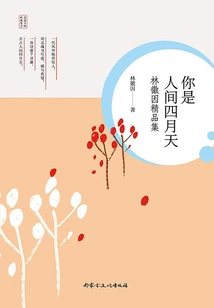
你是人间四月天:林徽因精品集
Lin Huiyin
Lin Huiyin is a famous female architect and writer in my country. Her literary works are an intertwined fusion of romanticism, modernism, and classicism. They are full of feminine tenderness and scholarly wisdom, and also contain the intellectual's sorrowful feelings about the world. They have formed a diversified aesthetic style of traditional and modern, simple and complex, quiet and noisy, graceful and vigorous, static and dynamic.
Lin Huiyin is a famous female architect and writer in my country. Her literary works are an intertwined fusion of romanticism, modernism, and classicism. They are full of feminine tenderness and scholarly wisdom, and also contain the intellectual's sorrowful feelings about the world. They have formed a diversified aesthetic style of traditional and modern, simple and complex, quiet and noisy, graceful and vigorous, static and dynamic.
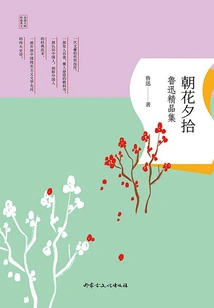
朝花夕拾:鲁迅精品集
Lu Xun
"Morning Blossoms Picked Up at Dusk (Boutique Collection of Lu Xun)\u002F Classic Essays by Masters of the Republic of China" is one of the classic book series of masters of the Republic of China. This series of books contains classic works of many masters of the Republic of China with different styles. The masters of the Republic of China all have extraordinary experiences and achievements, which are admirable and arousing curiosity. Readers can see the lives of the elites of the Republic of China and appreciate the unique charm of the Republic of China period from this set of books. Lu Xun's works have a language style that is accurate, vivid, concise, pungent and full of aftertaste. The characters are vivid and realistic, with strong social generalization. The writing style is concise and simple, the writing style is humorous, the structure is rigorous, the ending is clever, and it has extremely distinctive and unique personality characteristics.
"Morning Blossoms Picked Up at Dusk (Boutique Collection of Lu Xun)\u002F Classic Essays by Masters of the Republic of China" is one of the classic book series of masters of the Republic of China. This series of books contains classic works of many masters of the Republic of China with different styles. The masters of the Republic of China all have extraordinary experiences and achievements, which are admirable and arousing curiosity. Readers can see the lives of the elites of the Republic of China and appreciate the unique charm of the Republic of China period from this set of books. Lu Xun's works have a language style that is accurate, vivid, concise, pungent and full of aftertaste. The characters are vivid and realistic, with strong social generalization. The writing style is concise and simple, the writing style is humorous, the structure is rigorous, the ending is clever, and it has extremely distinctive and unique personality characteristics.
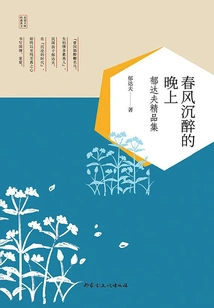
春风沉醉的晚上:郁达夫精品集
Yu Dafu
Yu Dafu remains in the history of modern Chinese literature with a contradictory image of being devoted and indulgent. His personal emotional experience is full of legend, weirdness and self-centeredness, with the spiritual trajectory of the May Fourth generation. He was once a hot topic of media speculation, and was even the object of enthusiastic pursuit by booksellers at that time... ..."An Evening Intoxicated by the Spring Breeze: Yu Dafu's Boutique Collection\u002F Classic Essays by Masters of the Republic of China" is a collection of classic works created by him throughout his life, including "Silver Gray Death", "Sinking", "Bao Dian", "Chi Osmanthus", etc. It is an indispensable classic collection!
Yu Dafu remains in the history of modern Chinese literature with a contradictory image of being devoted and indulgent. His personal emotional experience is full of legend, weirdness and self-centeredness, with the spiritual trajectory of the May Fourth generation. He was once a hot topic of media speculation, and was even the object of enthusiastic pursuit by booksellers at that time... ..."An Evening Intoxicated by the Spring Breeze: Yu Dafu's Boutique Collection\u002F Classic Essays by Masters of the Republic of China" is a collection of classic works created by him throughout his life, including "Silver Gray Death", "Sinking", "Bao Dian", "Chi Osmanthus", etc. It is an indispensable classic collection!
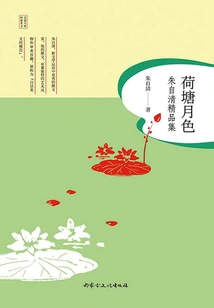
荷塘月色:朱自清精品集
Zhu Ziqing
The author Zhu Ziqing is a famous modern poet and essayist in my country, and one of the important writers during the "May Fourth Movement" period. His prose language is plain, natural and elegant, the words are beautiful, concise and meticulously carved, the description is delicate and gentle, the rhetoric is rich, the conception is exquisite, and the structure is rigorous. It greatly enriches the prose writing techniques, creates a prose system and style with Chinese national characteristics, and has extremely high literary value.
The author Zhu Ziqing is a famous modern poet and essayist in my country, and one of the important writers during the "May Fourth Movement" period. His prose language is plain, natural and elegant, the words are beautiful, concise and meticulously carved, the description is delicate and gentle, the rhetoric is rich, the conception is exquisite, and the structure is rigorous. It greatly enriches the prose writing techniques, creates a prose system and style with Chinese national characteristics, and has extremely high literary value.
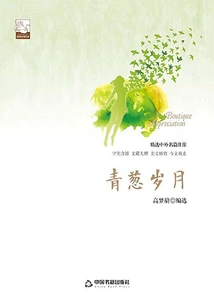
Green Years
Literature青葱岁月
Edited By Gao Mengling
"Chinese Book and Literature Museum·Excellent Appreciation: Green Years" consists of three parts: The Secret of Youth, the Spring of Life, and Honor and Happiness. It mainly includes: Hope, Spring Alarm, My Dream, My Youth! , The Terror of Virginity, Second Youth, Life Begins at Eighty, To My Children, Flower Girl, Messages to Girls, Decisions Under Eighteen, Happiness is a Choice, Where is the Starting Point of Life, The Secret of Youth, etc.
"Chinese Book and Literature Museum·Excellent Appreciation: Green Years" consists of three parts: The Secret of Youth, the Spring of Life, and Honor and Happiness. It mainly includes: Hope, Spring Alarm, My Dream, My Youth! , The Terror of Virginity, Second Youth, Life Begins at Eighty, To My Children, Flower Girl, Messages to Girls, Decisions Under Eighteen, Happiness is a Choice, Where is the Starting Point of Life, The Secret of Youth, etc.
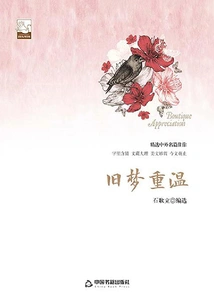
Reliving Old Dreams
Literature旧梦重温
Edited And Selected By Shi Gengli
This book selects classic essays written by dozens of famous Chinese and foreign writers over the past century looking back on their childhood and reminiscing about the past. Unfold the volume, read it, and savor it carefully. Every article is intoxicating. In the once ignorant and innocent years, full of longing and beauty, amidst the ups and downs of the times, there is naturally a different scenery. Let us pick up the pieces of rain and wind on the road of life and taste the ups and downs after the bitterness.
This book selects classic essays written by dozens of famous Chinese and foreign writers over the past century looking back on their childhood and reminiscing about the past. Unfold the volume, read it, and savor it carefully. Every article is intoxicating. In the once ignorant and innocent years, full of longing and beauty, amidst the ups and downs of the times, there is naturally a different scenery. Let us pick up the pieces of rain and wind on the road of life and taste the ups and downs after the bitterness.
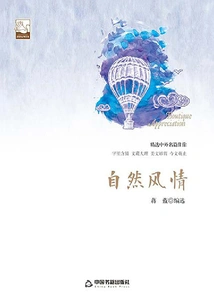
Natural Style
Literature自然风情
Edited By Jiang Lan
Over the past century, dozens of famous Chinese and foreign writers have written classic essays praising nature, describing landscapes and gardens, and appreciating rural scenery. You can read them carefully and be fascinated by each article. Each beautiful article describes the birds, animals, plants, trees, insects and fish. The graceful and clear style depicts the picturesque and vivid natural scenery, which permanently preserves the unchanging beauty and freshness.
Over the past century, dozens of famous Chinese and foreign writers have written classic essays praising nature, describing landscapes and gardens, and appreciating rural scenery. You can read them carefully and be fascinated by each article. Each beautiful article describes the birds, animals, plants, trees, insects and fish. The graceful and clear style depicts the picturesque and vivid natural scenery, which permanently preserves the unchanging beauty and freshness.
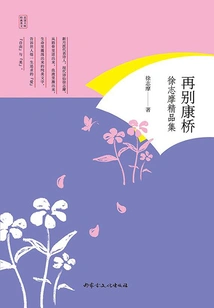
再别康桥:徐志摩精品集
Xu Zhimo
Xu Zhimo (1897-1931), whose original name was Zhang Qu and whose courtesy name was Qiansen, changed his name to Zhimo when he studied in England. A native of Haining, Zhejiang. Famous modern poet and essayist in my country. In his early years, Xu Zhimo studied at home and laid a solid foundation in classical Chinese. In 1915, after graduating from Hangzhou No. 1 Middle School, he was successfully admitted to Shanghai Hujiang University. In the autumn of 1916, Xu Zhimo transferred to the preparatory course of law at National Beiyang University. Later, the Law Department of Beiyang University was merged into Peking University, and he entered the preparatory class of Peking University. In June 1918, he became a disciple of the famous scholar Liang Qichao. In August 1918, he went to the United States to study and entered the History Department of Clark University. In September 1919, Xu Zhimo entered the Department of Economics at Columbia University. In October 1920, he went to study at the London School of Economics and Political Science, University of London, where he met the British writer Welsh, so his interest in literature gradually became stronger. After returning to China, he first taught in the English Department of Peking University. In 1926, he became a professor at Guanghua University and an English professor at Soochow University Law School.
Xu Zhimo (1897-1931), whose original name was Zhang Qu and whose courtesy name was Qiansen, changed his name to Zhimo when he studied in England. A native of Haining, Zhejiang. Famous modern poet and essayist in my country. In his early years, Xu Zhimo studied at home and laid a solid foundation in classical Chinese. In 1915, after graduating from Hangzhou No. 1 Middle School, he was successfully admitted to Shanghai Hujiang University. In the autumn of 1916, Xu Zhimo transferred to the preparatory course of law at National Beiyang University. Later, the Law Department of Beiyang University was merged into Peking University, and he entered the preparatory class of Peking University. In June 1918, he became a disciple of the famous scholar Liang Qichao. In August 1918, he went to the United States to study and entered the History Department of Clark University. In September 1919, Xu Zhimo entered the Department of Economics at Columbia University. In October 1920, he went to study at the London School of Economics and Political Science, University of London, where he met the British writer Welsh, so his interest in literature gradually became stronger. After returning to China, he first taught in the English Department of Peking University. In 1926, he became a professor at Guanghua University and an English professor at Soochow University Law School.
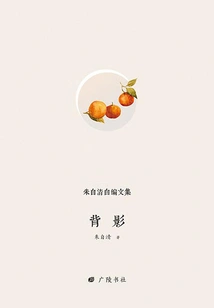
Back View
Literature背影
Zhu Ziqing
"Back View\u002FZhu Ziqing's Collected Works" is named after a retrospective essay "Back View" written by the author Zhu Ziqing in 1925, and is included in "Women" and "Caucasians - God's Proud Son!" "Back View", "Ah River", "A Mourning for the Three Lords of Wei Jie", "Wandering", "White Picking", "Moonlight over the Lotus Pond", "A Letter", "Embracing Wei and Holding the Qingjun", "Children", "Travel Notes", "Dreams", "Sea Travel Notes" and other famous prose works. These proses are extremely rich in ideological connotation. Some contain the author's thoughts on current social events, and some reflect his unique understanding of life.
"Back View\u002FZhu Ziqing's Collected Works" is named after a retrospective essay "Back View" written by the author Zhu Ziqing in 1925, and is included in "Women" and "Caucasians - God's Proud Son!" "Back View", "Ah River", "A Mourning for the Three Lords of Wei Jie", "Wandering", "White Picking", "Moonlight over the Lotus Pond", "A Letter", "Embracing Wei and Holding the Qingjun", "Children", "Travel Notes", "Dreams", "Sea Travel Notes" and other famous prose works. These proses are extremely rich in ideological connotation. Some contain the author's thoughts on current social events, and some reflect his unique understanding of life.
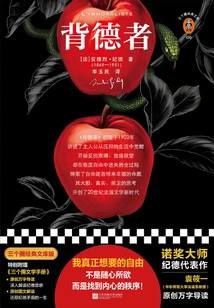
X
Literaturex
H
We always dream that one day we can get rid of all constraints and do whatever we want. However, when unlimited freedom is in front of us, can we really be happy? When the wings of death passed by and he recovered from his serious illness, Michelle suddenly realized the joy of life. He began to re-examine all established concepts, pursue instinctive feelings, indulge his long-suppressed desires, and run wildly in the direction of freedom... How to pursue true freedom? Where is the self? Is it to obey the rules or to indulge in desires? The masterpiece of Nobel Prize winner Gide has a strong autobiographical color. It boldly, avant-garde, and truly analyzes oneself, exploring how to place oneself under heavy constraints and pursue "real freedom"!
We always dream that one day we can get rid of all constraints and do whatever we want. However, when unlimited freedom is in front of us, can we really be happy? When the wings of death passed by and he recovered from his serious illness, Michelle suddenly realized the joy of life. He began to re-examine all established concepts, pursue instinctive feelings, indulge his long-suppressed desires, and run wildly in the direction of freedom... How to pursue true freedom? Where is the self? Is it to obey the rules or to indulge in desires? The masterpiece of Nobel Prize winner Gide has a strong autobiographical color. It boldly, avant-garde, and truly analyzes oneself, exploring how to place oneself under heavy constraints and pursue "real freedom"!
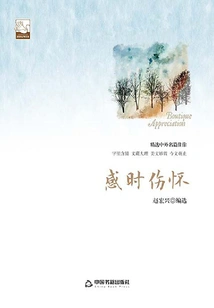
Feeling Sad
Literature感时伤怀
Edited And Selected By Zhao Hongxing
"Sentiment of the Times" selects dozens of classic prose essays by dozens of Chinese and foreign celebrities in the past century that express compassion for the world and others, as well as sadness for spring and autumn. You can open the volume to read and savor it carefully. Every article is intoxicating. Sadness brings us closer to our soul and self, allowing us to start from the heartbeat and gain the wisdom of life; it allows us to sublimate from sadness, enjoy the rich emotional content of life, and get the release and comfort of the soul through listening.
"Sentiment of the Times" selects dozens of classic prose essays by dozens of Chinese and foreign celebrities in the past century that express compassion for the world and others, as well as sadness for spring and autumn. You can open the volume to read and savor it carefully. Every article is intoxicating. Sadness brings us closer to our soul and self, allowing us to start from the heartbeat and gain the wisdom of life; it allows us to sublimate from sadness, enjoy the rich emotional content of life, and get the release and comfort of the soul through listening.
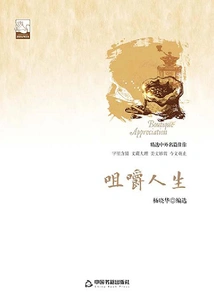
Chewing Life
Literature咀嚼人生
Edited By Yang Xiaohua
"Chewing Life" selects dozens of classic prose essays by famous Chinese and foreign writers over the past century to share their insights on life and explain the true meaning of life. You can open the volume to read it and savor it carefully. You will be fascinated by each article. Loving life is the foundation of happiness, sympathy for life is the foundation of morality, and reverence for life is the foundation of faith. Watch famous people talk about life, learn the meaning of life, realize the happiness of life, and correct your attitude towards life.
"Chewing Life" selects dozens of classic prose essays by famous Chinese and foreign writers over the past century to share their insights on life and explain the true meaning of life. You can open the volume to read it and savor it carefully. You will be fascinated by each article. Loving life is the foundation of happiness, sympathy for life is the foundation of morality, and reverence for life is the foundation of faith. Watch famous people talk about life, learn the meaning of life, realize the happiness of life, and correct your attitude towards life.
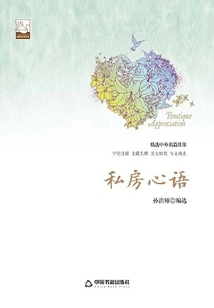
Private Whispers
Literature私房心语
Edited And Selected By Sun Hongshi
"Chinese Book and Literature Museum·Appreciation of Fine Works: Private Confessions" selects the works of hundreds of talented writers at home and abroad, and is a collection of beautiful works created with great devotion. The masterpieces collected by famous artists either recall youth and reminisce about the passing years; some have far-reaching intentions and show philosophical insights; some miss relatives and friends and express deep emotions; or they explore beautiful scenery and appreciate the natural customs. Let readers fully appreciate the beauty of language, emotion, artistic conception and thought of famous works.
"Chinese Book and Literature Museum·Appreciation of Fine Works: Private Confessions" selects the works of hundreds of talented writers at home and abroad, and is a collection of beautiful works created with great devotion. The masterpieces collected by famous artists either recall youth and reminisce about the passing years; some have far-reaching intentions and show philosophical insights; some miss relatives and friends and express deep emotions; or they explore beautiful scenery and appreciate the natural customs. Let readers fully appreciate the beauty of language, emotion, artistic conception and thought of famous works.
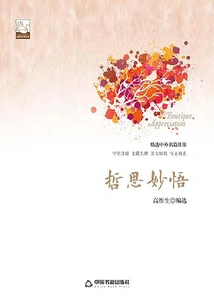
Philosophical Insights
Literature哲思妙悟
Edited By Gao Weisheng
"Philosophical Enlightenment" selects classic prose essays by dozens of famous Chinese and foreign writers over the past century who talked about ideals, beliefs, truth, love, truth, goodness and beauty, and other philosophy of life. You can open the volume and read it carefully, and you will be fascinated by every article. Famous masters look at all aspects of human society, and through their thorough insights into the world, they warn the world with beautiful and meaningful words, and illuminate the ideal life in reality with the light of wisdom.
"Philosophical Enlightenment" selects classic prose essays by dozens of famous Chinese and foreign writers over the past century who talked about ideals, beliefs, truth, love, truth, goodness and beauty, and other philosophy of life. You can open the volume and read it carefully, and you will be fascinated by every article. Famous masters look at all aspects of human society, and through their thorough insights into the world, they warn the world with beautiful and meaningful words, and illuminate the ideal life in reality with the light of wisdom.
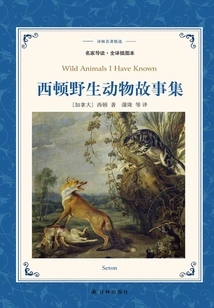
西顿野生动物故事集(译林名著精选)
(added) E. T. Seton
In "Seton's Wild Animal Stories", the wolf king hunts in the wilderness, the Izumi fox battles wits with the hunter, why the loyal shepherd dog turns into a sheep killer, human beings and animals in nature perform touching stories... Seton uses the third person narrative method to tell each of the breathtaking wild animal stories, making the readers feel convinced. What he describes are real animals, not people with animal appearances. When he showed the psychology of animals, he emphasized the most basic emotions such as hatred, loneliness, hunger, and pain, rather than the more complex human thoughts and emotions. He grasps the key point of the animal's struggle for survival, highlights the animal's personality, and avoids general narratives. His writing style is concise and his language is simple. Whether it is conveying information or forming a tense dramatic conflict, the effect is very obvious.
In "Seton's Wild Animal Stories", the wolf king hunts in the wilderness, the Izumi fox battles wits with the hunter, why the loyal shepherd dog turns into a sheep killer, human beings and animals in nature perform touching stories... Seton uses the third person narrative method to tell each of the breathtaking wild animal stories, making the readers feel convinced. What he describes are real animals, not people with animal appearances. When he showed the psychology of animals, he emphasized the most basic emotions such as hatred, loneliness, hunger, and pain, rather than the more complex human thoughts and emotions. He grasps the key point of the animal's struggle for survival, highlights the animal's personality, and avoids general narratives. His writing style is concise and his language is simple. Whether it is conveying information or forming a tense dramatic conflict, the effect is very obvious.
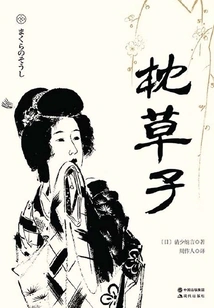
L
Literaturel
H
"Pillow" is a collection of essays by Japanese Heian period female writer Seishonagon. Together with another Japanese literary classic "The Tale of Genji", it is known as the twin walls of Japanese Heian period literature. The content covers the seasons and tastes of the four seasons, Buddhist affairs and personnel, and natural scenes such as the capital's landscapes, flowers and birds, vegetation, sun, moon and stars. The writing is free and the words are fresh and bright, showing the beauty of all things and life.
"Pillow" is a collection of essays by Japanese Heian period female writer Seishonagon. Together with another Japanese literary classic "The Tale of Genji", it is known as the twin walls of Japanese Heian period literature. The content covers the seasons and tastes of the four seasons, Buddhist affairs and personnel, and natural scenes such as the capital's landscapes, flowers and birds, vegetation, sun, moon and stars. The writing is free and the words are fresh and bright, showing the beauty of all things and life.
过士行剧作选:鸟人
Guo Shi Xing
This book is a selection of plays by the famous playwright Mr. Guo Shixing, including six plays: "Fish Man", "Bird Man", "Chess Man", "Qing Dynasty Special Train", "Du Shiniang Sinks the Treasure Box Again" and "Frog". Guo Shixing is a playwright who emerged in the 1990s. He is a unique presence in the Chinese theater scene and has certain influence internationally. His creations are loved by both ordinary audiences and critics, and he has put forward many unique insights in the aspects of elegance and vulgarity, ancient and modern, Chinese and Western aspects.
This book is a selection of plays by the famous playwright Mr. Guo Shixing, including six plays: "Fish Man", "Bird Man", "Chess Man", "Qing Dynasty Special Train", "Du Shiniang Sinks the Treasure Box Again" and "Frog". Guo Shixing is a playwright who emerged in the 1990s. He is a unique presence in the Chinese theater scene and has certain influence internationally. His creations are loved by both ordinary audiences and critics, and he has put forward many unique insights in the aspects of elegance and vulgarity, ancient and modern, Chinese and Western aspects.
朝花夕拾
Lu Xun
"Morning Blossoms Plucked at Dusk" is the only collection of essays in Mr. Lu Xun's creative career, including ten essays. The first five articles were written in Beijing, and the last five articles were written in Xiamen. These ten essays, according to Mr. Lu Xun, are "notes of memories", which relatively completely record his life experience and ideological context from childhood to youth, and vividly paint a picture of the social landscape of the late Qing Dynasty and the early Republic of China. They are important materials for studying Mr. Lu Xun's early thoughts and life. These works, with profound and meaningful writing style, are classics in modern Chinese prose.
"Morning Blossoms Plucked at Dusk" is the only collection of essays in Mr. Lu Xun's creative career, including ten essays. The first five articles were written in Beijing, and the last five articles were written in Xiamen. These ten essays, according to Mr. Lu Xun, are "notes of memories", which relatively completely record his life experience and ideological context from childhood to youth, and vividly paint a picture of the social landscape of the late Qing Dynasty and the early Republic of China. They are important materials for studying Mr. Lu Xun's early thoughts and life. These works, with profound and meaningful writing style, are classics in modern Chinese prose.
Back View: Prose by Zhu Ziqing
Literature背影:朱自清散文
Zhu Ziqing
"Back View" is one of the prose collections of Zhu Ziqing, a master of prose. It embodies sincere and deep emotions in its simplicity, and is full of touching power in its truth. It is one of the classic prose works with a high rate of rumination. "Back View: Zhu Ziqing's Prose" includes prose such as "Wandering", "Moonlight over the Lotus Pond", and "Dreisden".
"Back View" is one of the prose collections of Zhu Ziqing, a master of prose. It embodies sincere and deep emotions in its simplicity, and is full of touching power in its truth. It is one of the classic prose works with a high rate of rumination. "Back View: Zhu Ziqing's Prose" includes prose such as "Wandering", "Moonlight over the Lotus Pond", and "Dreisden".
二马(老舍经典全集)
Lao She
"Two Horses" is Lao She's early work, written in England in 1929. The novel creates a superstitious, moderate, sloppy, and lazy slave-like character, Lao Ma. His life creed is to live in peace, which is reminiscent of Lu Xun's Ah Q. The difference is that Ah Q lives in the countryside of old China, while Lao Ma is an overseas Chinese living abroad. Lao She deliberately put Lao Ma in a foreign situation to portray him. Through the life of Ma and his son in London and their interactions with the British, he looked at the differences between Eastern and Western nations, and tried to highlight the absurdity of backward national character in the context of the comparison of Chinese and Western cultures.
"Two Horses" is Lao She's early work, written in England in 1929. The novel creates a superstitious, moderate, sloppy, and lazy slave-like character, Lao Ma. His life creed is to live in peace, which is reminiscent of Lu Xun's Ah Q. The difference is that Ah Q lives in the countryside of old China, while Lao Ma is an overseas Chinese living abroad. Lao She deliberately put Lao Ma in a foreign situation to portray him. Through the life of Ma and his son in London and their interactions with the British, he looked at the differences between Eastern and Western nations, and tried to highlight the absurdity of backward national character in the context of the comparison of Chinese and Western cultures.
N