Library
Browse and search books
2,273 novels found
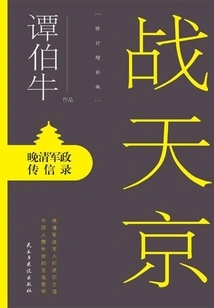
Zhan Tianjing
General Fiction战天京
Tan Boniu
Tan Boniu made extensive use of letters, memorials, notes and other historical materials on the basis of a full understanding of official history. With an attitude of "sympathetic understanding" and using historical and literary techniques, it vividly reproduces the military and political celebrities of the late Qing Dynasty represented by Zeng Guofan, Li Hongzhang and Zuo Zongtang. The style of this book combines official history, historical essays, and romance reviews. It is a historical novel. It is not only rich in storytelling, but also must be well-founded and avoid joking\
Tan Boniu made extensive use of letters, memorials, notes and other historical materials on the basis of a full understanding of official history. With an attitude of "sympathetic understanding" and using historical and literary techniques, it vividly reproduces the military and political celebrities of the late Qing Dynasty represented by Zeng Guofan, Li Hongzhang and Zuo Zongtang. The style of this book combines official history, historical essays, and romance reviews. It is a historical novel. It is not only rich in storytelling, but also must be well-founded and avoid joking\
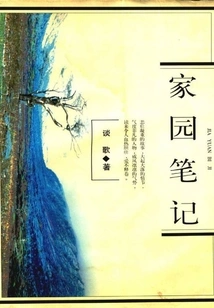
Home Notes
General Fiction家园笔记
Talking About Songs
A hundred years ago, the three families of Gu, Li, and Han who lived in Yeminling fought for the national treasure-Nugget Gold. They fought openly and secretly and killed each other. Human greed reached its extreme expression. However, when the invaders' iron hooves stepped on the country, their righteousness, bloodiness, wisdom and integrity added a magnificent color to the history of the Chinese nation... How will the grievances between the three surnamed families be resolved in the future? What are the endings of these characters? The novels provide thrilling descriptions in unique forms and smooth and powerful language. The tragic and solemn story, the plot of growing up and growing up, the extraordinary characters, and the majestic momentum; it eulogizes and praises the national spirit, patriotism, and heroism, and criticizes and condemns individualism, money worship, and spiritual poverty. It has a strong impact and impact on readers not only emotionally but also conceptually.
A hundred years ago, the three families of Gu, Li, and Han who lived in Yeminling fought for the national treasure-Nugget Gold. They fought openly and secretly and killed each other. Human greed reached its extreme expression. However, when the invaders' iron hooves stepped on the country, their righteousness, bloodiness, wisdom and integrity added a magnificent color to the history of the Chinese nation... How will the grievances between the three surnamed families be resolved in the future? What are the endings of these characters? The novels provide thrilling descriptions in unique forms and smooth and powerful language. The tragic and solemn story, the plot of growing up and growing up, the extraordinary characters, and the majestic momentum; it eulogizes and praises the national spirit, patriotism, and heroism, and criticizes and condemns individualism, money worship, and spiritual poverty. It has a strong impact and impact on readers not only emotionally but also conceptually.
The Romance of Diao Chan
General Fiction貂蝉艳史演义
Anonymous
By the peony pavilion, I tell my thoughts, and my delicate hands burn incense to tell the world. But I beg Han Zuo to postpone it for now. I don't care about the honor or disgrace of my family. Si Tu was suddenly startled by this remark. What kind of servant could he be? The heroic husband forgets, so why not comment on the affairs of the country in detail. Sure enough, beauty is better than a thousand troops, and a BMW car welcomes Xiaojun. The ingenious plot has been sold since then, and the plan has been carefully planned to build extraordinary achievements. Those who have achieved outstanding achievements and reversed the teachings will be famous throughout the ages. I still recall that when the powerful were treacherous and domineering, all the loyal ministers and righteous men were restrained. Setting up a plan to save the country with red makeup, is it asking a man whether he feels guilty?
By the peony pavilion, I tell my thoughts, and my delicate hands burn incense to tell the world. But I beg Han Zuo to postpone it for now. I don't care about the honor or disgrace of my family. Si Tu was suddenly startled by this remark. What kind of servant could he be? The heroic husband forgets, so why not comment on the affairs of the country in detail. Sure enough, beauty is better than a thousand troops, and a BMW car welcomes Xiaojun. The ingenious plot has been sold since then, and the plan has been carefully planned to build extraordinary achievements. Those who have achieved outstanding achievements and reversed the teachings will be famous throughout the ages. I still recall that when the powerful were treacherous and domineering, all the loyal ministers and righteous men were restrained. Setting up a plan to save the country with red makeup, is it asking a man whether he feels guilty?
The Romance of Zhaojun
General Fiction昭君艳史演义
Anonymous
The majestic Chinese nation, facing the tyranny of the Chanyu, did not have the courage to deploy elite soldiers, guard the frontiers, advise ministers and strategists, and plan to retreat the enemy. They only sent a woman outside the Great Wall, where she was exposed to the cold wind, her ears heard, and she endured sobs and swallowed her voice. She suffered unspeakably. Isn't this about relying on women to win in the temple? Besides, as the lord of a country or a big country, he should be wise and decisive, and not deceived, so that he can be called the lord of China. Now, instead of appointing a common carnivorous and despicable man to set up a court and take charge of national affairs, so that he has no way to retreat from the enemy, he can find new strategies and beg for mercy from his children to protect the country. Isn't it shameful! Moreover, waiting for the words of the painter, the power of the imperial court to depose was exercised by the humblest and most despicable painter, and a beautiful woman who had conquered the country and was extremely rare was buried alive in the Xiongnu, making her hug the pipa and lament outside the Yumen Pass!
The majestic Chinese nation, facing the tyranny of the Chanyu, did not have the courage to deploy elite soldiers, guard the frontiers, advise ministers and strategists, and plan to retreat the enemy. They only sent a woman outside the Great Wall, where she was exposed to the cold wind, her ears heard, and she endured sobs and swallowed her voice. She suffered unspeakably. Isn't this about relying on women to win in the temple? Besides, as the lord of a country or a big country, he should be wise and decisive, and not deceived, so that he can be called the lord of China. Now, instead of appointing a common carnivorous and despicable man to set up a court and take charge of national affairs, so that he has no way to retreat from the enemy, he can find new strategies and beg for mercy from his children to protect the country. Isn't it shameful! Moreover, waiting for the words of the painter, the power of the imperial court to depose was exercised by the humblest and most despicable painter, and a beautiful woman who had conquered the country and was extremely rare was buried alive in the Xiongnu, making her hug the pipa and lament outside the Yumen Pass!
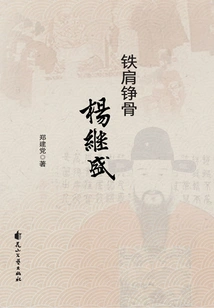
Yang Jisheng, the Man with Strong Shoulders and Strong Bones
General Fiction铁肩铮骨杨继盛
Zheng Jiandang
This book is based on the local culture of Xiong'an and deeply explores the cultural context of the Yan-Zhao Northern Studies. By telling the short but magnificent life of Yang Jisheng, it vividly expresses the righteousness of the people and the iron-shouldered morality of the Chinese nation, and composes his belief in killing oneself for benevolence and the corruption of the imperial court. This righteous song of fighting against corruption echoes the current theme of fighting corruption, practicing core socialist values, and promoting traditional culture, as well as the establishment of the "Xiong'an New District" in Yang Jisheng's hometown, and has profound practical significance and social value.
This book is based on the local culture of Xiong'an and deeply explores the cultural context of the Yan-Zhao Northern Studies. By telling the short but magnificent life of Yang Jisheng, it vividly expresses the righteousness of the people and the iron-shouldered morality of the Chinese nation, and composes his belief in killing oneself for benevolence and the corruption of the imperial court. This righteous song of fighting against corruption echoes the current theme of fighting corruption, practicing core socialist values, and promoting traditional culture, as well as the establishment of the "Xiong'an New District" in Yang Jisheng's hometown, and has profound practical significance and social value.
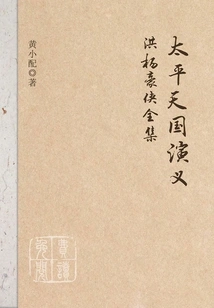
Romance of the Taiping Heavenly Kingdom: the Complete Collection of Heroes of Hong Yang
General Fiction太平天国演义:洪杨豪侠全集
Huang Xiaopei Sejiro
Also known as "The Romance of Hong Xiuquan", it begins with Hong Xiuquan's uprising and ends with Zeng Guofan's victory in the siege of Jinling City. It is an important work in the history of modern Chinese novels. The author summarizes and tailors the Taiping Revolution, a major historical event with numerous facts and figures, to create a series of vivid characters, and uses artistic brushwork to describe the rise, growth, and decline of the Taiping Revolutionary Movement. Since the publication of the single volume in 1908, it has had an extremely profound and widespread impact.
Also known as "The Romance of Hong Xiuquan", it begins with Hong Xiuquan's uprising and ends with Zeng Guofan's victory in the siege of Jinling City. It is an important work in the history of modern Chinese novels. The author summarizes and tailors the Taiping Revolution, a major historical event with numerous facts and figures, to create a series of vivid characters, and uses artistic brushwork to describe the rise, growth, and decline of the Taiping Revolutionary Movement. Since the publication of the single volume in 1908, it has had an extremely profound and widespread impact.
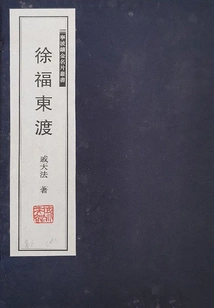
Xu Fu's Journey to the East
General Fiction徐福东渡
Qi Tianfa
Included in the "Ningbo Gold-Inlaid Business Card Series". In 1997, it was commissioned by the Cixi Xu Fu Cultural Research Association and Mr. Mao Lixiang, aiming to create a book of human righteousness that cares about the common people and promotes friendship and peace between the people of China, Japan and South Korea; it was serialized by Cixi Daily in 1997; 1998 In 2005, it was planned by Fei Zhijun, Mao Lixiang, and Zhou Naifu, and it was adapted into an 18-episode TV series "The Legend of Xu Fu's Eastward Journey"; in 2005, it was coordinated by Yu Danhua, and Chen Pinbo, Zhang Zhifeng, and Zhang Bingli were condensed and published by China Art Publishing House in both volumes. An antique thread-bound book with 80,000 words and a print run of 5,000 copies; planned in 2010 by Xu Zubiao and Park Yonghu, translated into Korean by Kwon Soyoung and Zhao Chenghuan, and published by Seoul Publishing House in South Korea; planned in 2012 by Zhou Fang and Wang Hongxing Adapted by Tong Jiimei, it was adapted into a 256-page comic book, published and distributed by Beijing People's Fine Arts Publishing House; in 2017, it was commissioned by Cen Yu, the leader of Cixi Dade Opera Troupe, and adapted into a seven-act historical legendary Yue opera "Xu Fu Dongdu".
Included in the "Ningbo Gold-Inlaid Business Card Series". In 1997, it was commissioned by the Cixi Xu Fu Cultural Research Association and Mr. Mao Lixiang, aiming to create a book of human righteousness that cares about the common people and promotes friendship and peace between the people of China, Japan and South Korea; it was serialized by Cixi Daily in 1997; 1998 In 2005, it was planned by Fei Zhijun, Mao Lixiang, and Zhou Naifu, and it was adapted into an 18-episode TV series "The Legend of Xu Fu's Eastward Journey"; in 2005, it was coordinated by Yu Danhua, and Chen Pinbo, Zhang Zhifeng, and Zhang Bingli were condensed and published by China Art Publishing House in both volumes. An antique thread-bound book with 80,000 words and a print run of 5,000 copies; planned in 2010 by Xu Zubiao and Park Yonghu, translated into Korean by Kwon Soyoung and Zhao Chenghuan, and published by Seoul Publishing House in South Korea; planned in 2012 by Zhou Fang and Wang Hongxing Adapted by Tong Jiimei, it was adapted into a 256-page comic book, published and distributed by Beijing People's Fine Arts Publishing House; in 2017, it was commissioned by Cen Yu, the leader of Cixi Dade Opera Troupe, and adapted into a seven-act historical legendary Yue opera "Xu Fu Dongdu".
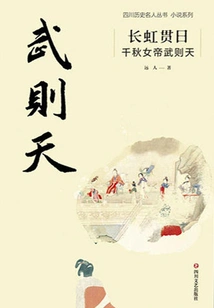
A Rainbow Pierces the Sun: Empress Wu Zetian
General Fiction长虹贯日:千秋女帝武则天
Distant People
There is a female emperor in Qianqiu, with phoenix wings holding the universe. Don't engrave the right and wrong tablets, just leave them to be swallowed by the sun and the moon. From the death of Taizong Li Shimin, to Wu Meiniang re-entering the palace and becoming queen, to abolishing the Tang Dynasty and establishing the Zhou Dynasty, until the end of her reign as emperor and her death, Wu Zetian was in power for nearly half a century. She inherited the "Government of Zhenguan" and ushered in the "Kaiyuan Dynasty" later, achieving a brilliant period of great achievements in the history of the Tang Dynasty.
There is a female emperor in Qianqiu, with phoenix wings holding the universe. Don't engrave the right and wrong tablets, just leave them to be swallowed by the sun and the moon. From the death of Taizong Li Shimin, to Wu Meiniang re-entering the palace and becoming queen, to abolishing the Tang Dynasty and establishing the Zhou Dynasty, until the end of her reign as emperor and her death, Wu Zetian was in power for nearly half a century. She inherited the "Government of Zhenguan" and ushered in the "Kaiyuan Dynasty" later, achieving a brilliant period of great achievements in the history of the Tang Dynasty.
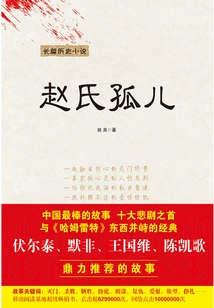
The Orphan of Zhao (second Edition)
General Fiction赵氏孤儿(第二版)
Yao Yao
In the Jin Kingdom more than two thousand years ago, a regicide incident triggered a shocking murder. Duke Linggong of Jin was a dissolute and shameless king. He built a lot of construction projects and levied heavy taxes, which made the people miserable. At that time, Zhao Dun, the prime minister of the dynasty, repeatedly gave advice to Duke Ling, but instead of accepting it, Duke Linggong had murderous intentions. After several disasters, Zhao Dun escaped from the tiger's mouth and conspired with his younger brother Zhao Chuan to kill Linggong. After Linggong was killed, Zhao Dun and Zhao Chuan welcomed Linggong's uncle Heiyi back to the country to succeed him, who later became Duke Cheng of Jin. After Chenggong died, his son Jinggong succeeded to the throne. In the third year of Jinggong's reign, when Zhao Dun was dead, the chief minister Tu'anjia killed the entire Zhao family on the pretext that Zhao Dun had "regicide". Only one orphan was left, who was taken away from the Prince Consort's Mansion by Caoze doctor Cheng Ying. This orphan became the Zhao orphan. In order to get close to Tu Anjia, Cheng Ying asked the Zhao orphan to recognize Tu Anjia as his adoptive father. As the Zhao orphans gradually grew up, they fell in love with Tu Anjia's adopted daughter Tu An Rouyi. Just when they were about to tie the knot, Cheng Ying suddenly revealed this shocking secret...
In the Jin Kingdom more than two thousand years ago, a regicide incident triggered a shocking murder. Duke Linggong of Jin was a dissolute and shameless king. He built a lot of construction projects and levied heavy taxes, which made the people miserable. At that time, Zhao Dun, the prime minister of the dynasty, repeatedly gave advice to Duke Ling, but instead of accepting it, Duke Linggong had murderous intentions. After several disasters, Zhao Dun escaped from the tiger's mouth and conspired with his younger brother Zhao Chuan to kill Linggong. After Linggong was killed, Zhao Dun and Zhao Chuan welcomed Linggong's uncle Heiyi back to the country to succeed him, who later became Duke Cheng of Jin. After Chenggong died, his son Jinggong succeeded to the throne. In the third year of Jinggong's reign, when Zhao Dun was dead, the chief minister Tu'anjia killed the entire Zhao family on the pretext that Zhao Dun had "regicide". Only one orphan was left, who was taken away from the Prince Consort's Mansion by Caoze doctor Cheng Ying. This orphan became the Zhao orphan. In order to get close to Tu Anjia, Cheng Ying asked the Zhao orphan to recognize Tu Anjia as his adoptive father. As the Zhao orphans gradually grew up, they fell in love with Tu Anjia's adopted daughter Tu An Rouyi. Just when they were about to tie the knot, Cheng Ying suddenly revealed this shocking secret...
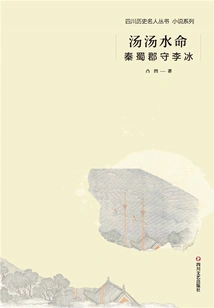
Tang Tang Shui Ming: Qin Shu County Governor Li Bing (sichuan Historical Celebrities Novel Series)
General Fiction汤汤水命:秦蜀郡守李冰(四川历史名人丛书小说系列)
Concave And Concave
Dujiangyan, the mother of Tianfu; Li Bing, the father of Dujiangyan. "Historical Records: The Book of River Canals" records: "The Sichuan guards cut the ice away from the rivers to avoid the harm of foam water, and passed through the two rivers in Chengdu. All these canals can be boated, and the surplus is used for irrigation, and the people benefit from it. As for the canals that pass through, the water is often diverted to irrigate the fields, and there are trillions of them. However, This book borrows the long memories of the last Yufu King, takes "water control" as the line, integrates the legends of ancient Shu, the thoughts of hundreds of schools of thought in the pre-Qin Dynasty, the power struggle of the Warring States Period, and intricate love stories, and chronicles the life of the extraordinary water control general Li Bing.
Dujiangyan, the mother of Tianfu; Li Bing, the father of Dujiangyan. "Historical Records: The Book of River Canals" records: "The Sichuan guards cut the ice away from the rivers to avoid the harm of foam water, and passed through the two rivers in Chengdu. All these canals can be boated, and the surplus is used for irrigation, and the people benefit from it. As for the canals that pass through, the water is often diverted to irrigate the fields, and there are trillions of them. However, This book borrows the long memories of the last Yufu King, takes "water control" as the line, integrates the legends of ancient Shu, the thoughts of hundreds of schools of thought in the pre-Qin Dynasty, the power struggle of the Warring States Period, and intricate love stories, and chronicles the life of the extraordinary water control general Li Bing.
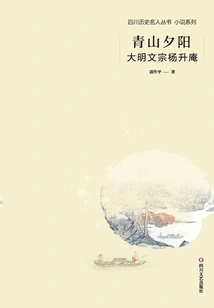
Sunset on the Green Mountains: Yang Sheng'an, Emperor Wenzong of the Ming Dynasty (sichuan Historical Celebrities Novel Series)
General Fiction青山夕阳:大明文宗杨升庵(四川历史名人丛书小说系列)
Nie Zuoping
This novel consists of three parts: Part A (what they said), Part B (what Yang Shen said), and Appendix (notes of writing). It revolves around the Ming Dynasty criminal law of "Tingzhang" and lays out the system, customs and atmosphere of the government and the public in the Ming Dynasty. It narrates the ups and downs of Yang Sheng'an's life from multiple perspectives, highlighting the character and talent of Yang Sheng'an as a scholar.
This novel consists of three parts: Part A (what they said), Part B (what Yang Shen said), and Appendix (notes of writing). It revolves around the Ming Dynasty criminal law of "Tingzhang" and lays out the system, customs and atmosphere of the government and the public in the Ming Dynasty. It narrates the ups and downs of Yang Sheng'an's life from multiple perspectives, highlighting the character and talent of Yang Sheng'an as a scholar.
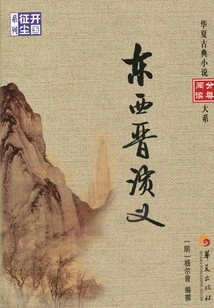
Romance of East and West Jin Dynasty
General Fiction东西晋演义
(ming) Compiled By Yang Erzeng
"The Romance of the Eastern and Western Jin Dynasty\u002F Chinese Classical Novel Reading Classification Series" records that after the fall of the Western Jin Dynasty, the north and the south faced off. More than 20 political regimes emerged in the north, collectively known as the Sixteen Kingdoms. In the former Qin Dynasty, Fu Jian mobilized a million troops to attack the Eastern Jin Dynasty. In the south, Sima Rui re-established the government. After many Northern Expeditions failed, Shi Le invaded the border and won the "Battle of Feishui", eliminating the threat from the north. Eleven emperors ascended the throne before and after the Eastern Jin Dynasty. Later, power was transferred to Liu Yu, who usurped the Jin Dynasty and proclaimed himself emperor. The Eastern Jin Dynasty fell, which lasted for 104 years. The Five Hu and Sixteen Kingdoms were interspersed between the Eastern and Western Jin Dynasties, and the north and the south were in confrontation, with constant wars. The structure of "The Romance of the Eastern and Western Jin Dynasty\u002F Chinese Classical Novel Reading Classification Series" is disordered but not chaotic. From the Western Jin Dynasty to the Eastern Jin Dynasty, and from the Southern Dynasties to the Northern Dynasties, major historical events, large and small wars, are interlocked, referring to the previous and the next, relying on history, and depicting various historical figures. Mr. Zheng Zhenduo commented: "This novel is also very elegant and docile. Almost every word has no source. It is a better one among the history books."
"The Romance of the Eastern and Western Jin Dynasty\u002F Chinese Classical Novel Reading Classification Series" records that after the fall of the Western Jin Dynasty, the north and the south faced off. More than 20 political regimes emerged in the north, collectively known as the Sixteen Kingdoms. In the former Qin Dynasty, Fu Jian mobilized a million troops to attack the Eastern Jin Dynasty. In the south, Sima Rui re-established the government. After many Northern Expeditions failed, Shi Le invaded the border and won the "Battle of Feishui", eliminating the threat from the north. Eleven emperors ascended the throne before and after the Eastern Jin Dynasty. Later, power was transferred to Liu Yu, who usurped the Jin Dynasty and proclaimed himself emperor. The Eastern Jin Dynasty fell, which lasted for 104 years. The Five Hu and Sixteen Kingdoms were interspersed between the Eastern and Western Jin Dynasties, and the north and the south were in confrontation, with constant wars. The structure of "The Romance of the Eastern and Western Jin Dynasty\u002F Chinese Classical Novel Reading Classification Series" is disordered but not chaotic. From the Western Jin Dynasty to the Eastern Jin Dynasty, and from the Southern Dynasties to the Northern Dynasties, major historical events, large and small wars, are interlocked, referring to the previous and the next, relying on history, and depicting various historical figures. Mr. Zheng Zhenduo commented: "This novel is also very elegant and docile. Almost every word has no source. It is a better one among the history books."
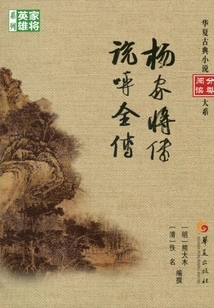
杨家将传·说呼全传
(ming Dynasty) Xiong Damu (qing Dynasty) Compiled By Anonymous
"The Biography of the Generals of the Yang Family" narrates the story of the early Northern Song Dynasty in the history of my country, when Song Taizu, Song Taizong, and Song Zhenzong conquered the northern and western border regimes such as the Northern Han Dynasty, Liao Kingdom, and Xixia, and unified the Central Plains. The book focuses on describing the epic deeds of three generations of heroes of the Yang family, men, women and children, who endured humiliation and fought bloody battles for the unification of China. It portrays heroic figures such as Yang Ye, Yang Liulang, Yang Zongbao, Taijun She and Mu Guiying, and lashes out at the ugly behavior of treacherous ministers and corrupt officials such as Pan Renmei and Wang Qinruo who were jealous of talents and betrayed the interests of the nation and the country just for their own selfish interests. The novel boldly and passionately portrays the image of a large number of Yang clan female generals who are as good as their men. They are superb in martial arts, bold in character, smart and smart, and dominate the battlefield. They are completely free from the shackles of the feudal ethics of women's ethics and hierarchy, and are well-known and talked about by ordinary people. "The Complete Biography of Shuo Hu" is also known as "The Generals of the Hu Family", "The Complete Biography of the Descendants of the Hu Family", and "The Romance of the Purple Gold Whip". It consists of 12 volumes and 40 chapters. The author's name has been lost. The earliest visible version is the one published by Jin Chang Shu Ye Tang during the Qianlong period of the Qing Dynasty. It mainly tells the story of Huyan Pixian, the son of Huyanzan, who was framed by the traitor Pang Wen during the reign of Renzong in the Song Dynasty. More than 300 members of his family were killed. Huyanshouyong and Huyan Shouxin, the sons of Huyanpixian, fought against the traitorous minister.
"The Biography of the Generals of the Yang Family" narrates the story of the early Northern Song Dynasty in the history of my country, when Song Taizu, Song Taizong, and Song Zhenzong conquered the northern and western border regimes such as the Northern Han Dynasty, Liao Kingdom, and Xixia, and unified the Central Plains. The book focuses on describing the epic deeds of three generations of heroes of the Yang family, men, women and children, who endured humiliation and fought bloody battles for the unification of China. It portrays heroic figures such as Yang Ye, Yang Liulang, Yang Zongbao, Taijun She and Mu Guiying, and lashes out at the ugly behavior of treacherous ministers and corrupt officials such as Pan Renmei and Wang Qinruo who were jealous of talents and betrayed the interests of the nation and the country just for their own selfish interests. The novel boldly and passionately portrays the image of a large number of Yang clan female generals who are as good as their men. They are superb in martial arts, bold in character, smart and smart, and dominate the battlefield. They are completely free from the shackles of the feudal ethics of women's ethics and hierarchy, and are well-known and talked about by ordinary people. "The Complete Biography of Shuo Hu" is also known as "The Generals of the Hu Family", "The Complete Biography of the Descendants of the Hu Family", and "The Romance of the Purple Gold Whip". It consists of 12 volumes and 40 chapters. The author's name has been lost. The earliest visible version is the one published by Jin Chang Shu Ye Tang during the Qianlong period of the Qing Dynasty. It mainly tells the story of Huyan Pixian, the son of Huyanzan, who was framed by the traitor Pang Wen during the reign of Renzong in the Song Dynasty. More than 300 members of his family were killed. Huyanshouyong and Huyan Shouxin, the sons of Huyanpixian, fought against the traitorous minister.
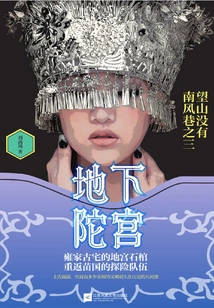
Underground Tuo Palace: There is No Nanfeng Alley in Wangshan Part 3 (twin Gates Series)
General Fiction地下陀宫:望山没有南风巷之三(双生门系列丛书)
Liu Dichuan
The mysterious Miao woman, the last descendant of witchcraft; the ancient fusang tree in the Classic of Mountains and Seas, and the shocking discovery of the underground sarcophagus. When the door of the ancient Miao Kingdom slowly opened, the truth was stranger than the legend. Who is Sanmiao? Do witches and spells really exist? What is the relationship between the "witchcraft disaster" during the reign of Emperor Wu of the Han Dynasty and witchcraft? Are all the things in The Classic of Mountains and Seas real or fictitious? It is an intellectual decryption novel.
The mysterious Miao woman, the last descendant of witchcraft; the ancient fusang tree in the Classic of Mountains and Seas, and the shocking discovery of the underground sarcophagus. When the door of the ancient Miao Kingdom slowly opened, the truth was stranger than the legend. Who is Sanmiao? Do witches and spells really exist? What is the relationship between the "witchcraft disaster" during the reign of Emperor Wu of the Han Dynasty and witchcraft? Are all the things in The Classic of Mountains and Seas real or fictitious? It is an intellectual decryption novel.
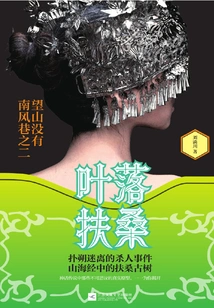
Falling Fusang Leaves: There is No Nanfeng Alley in Wangshan Part 2 (twin Door Series)
General Fiction叶落扶桑:望山没有南风巷之二(双生门系列丛书)
Liu Dichuan
The mysterious Miao woman, the last descendant of witchcraft; the ancient fusang tree in the Classic of Mountains and Seas, and the shocking discovery of the underground sarcophagus. When the door of the ancient Miao Kingdom slowly opened, the truth was stranger than the legend. Who is Sanmiao? Do witches and spells really exist? What is the relationship between the "witchcraft disaster" during the reign of Emperor Wu of the Han Dynasty and witchcraft? Are all the things in The Classic of Mountains and Seas real or fictitious? It is an intellectual decryption novel.
The mysterious Miao woman, the last descendant of witchcraft; the ancient fusang tree in the Classic of Mountains and Seas, and the shocking discovery of the underground sarcophagus. When the door of the ancient Miao Kingdom slowly opened, the truth was stranger than the legend. Who is Sanmiao? Do witches and spells really exist? What is the relationship between the "witchcraft disaster" during the reign of Emperor Wu of the Han Dynasty and witchcraft? Are all the things in The Classic of Mountains and Seas real or fictitious? It is an intellectual decryption novel.
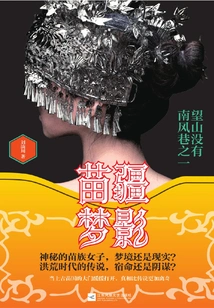
苗疆梦影:望山没有南风巷之一(双生门系列丛书)
Liu Dichuan
The mysterious Miao woman, the last descendant of witchcraft; the ancient fusang tree in the Classic of Mountains and Seas, and the shocking discovery of the underground sarcophagus. When the door of the ancient Miao Kingdom slowly opened, the truth was stranger than the legend. Who is Sanmiao? Do witches and spells really exist? What is the relationship between the "witchcraft disaster" during the reign of Emperor Wu of the Han Dynasty and witchcraft? Are all the things in The Classic of Mountains and Seas real or fictitious? It is an intellectual decryption novel.
The mysterious Miao woman, the last descendant of witchcraft; the ancient fusang tree in the Classic of Mountains and Seas, and the shocking discovery of the underground sarcophagus. When the door of the ancient Miao Kingdom slowly opened, the truth was stranger than the legend. Who is Sanmiao? Do witches and spells really exist? What is the relationship between the "witchcraft disaster" during the reign of Emperor Wu of the Han Dynasty and witchcraft? Are all the things in The Classic of Mountains and Seas real or fictitious? It is an intellectual decryption novel.
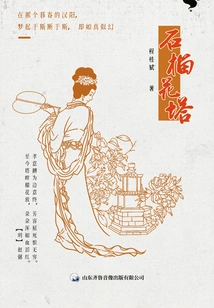
Pomegranate Flower Tower
General Fiction石榴花塔
Cheng Guibin
She is a talented woman of the Southern Song Dynasty who is "alluring in beauty and filial to the world"; she is also a daughter of a wealthy family who has "unfavorable fortunes and misfortunes"; she is a lady from a famous family and an oiran in Jinling; she is also a kind Taoist nun and a filial woman to the poor. Because she could not prove her innocence, and because of ruthless secular prejudice, a thirty-year-old young woman became a death row for no reason. Everything originated from the inexplicable years after the death of the national hero Yue Feiqu in the "Fengbo Pavilion". In that late spring of Hanyang, the dream started and ended, but it seemed to be real and illusory...
She is a talented woman of the Southern Song Dynasty who is "alluring in beauty and filial to the world"; she is also a daughter of a wealthy family who has "unfavorable fortunes and misfortunes"; she is a lady from a famous family and an oiran in Jinling; she is also a kind Taoist nun and a filial woman to the poor. Because she could not prove her innocence, and because of ruthless secular prejudice, a thirty-year-old young woman became a death row for no reason. Everything originated from the inexplicable years after the death of the national hero Yue Feiqu in the "Fengbo Pavilion". In that late spring of Hanyang, the dream started and ended, but it seemed to be real and illusory...
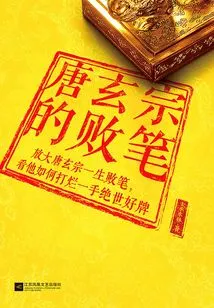
The Failure of Tang Xuanzong
General Fiction唐玄宗的败笔
Shi Chengdonglin
The mystery of the rapid decline of the prosperous Tang Dynasty! Magnify the failures of Emperor Xuanzong of the Tang Dynasty and see how he destroyed a great hand! Open this book and see how Emperor Xuanzong of the Tang Dynasty failed one after another and destroyed the prosperous Tang Dynasty. Li Longji, Emperor Xuanzong of the Tang Dynasty, created the "Kaiyuan Dynasty" in the first half of his life. In the court, there were Yao Chong, Song Jing, and Zhang Jiuling in the literary field, and Gao Xianzhi and Ge Shuhan in the martial arts. They opened up territories and expanded the territory, and were invincible in battles. Their literary, political, and martial arts were comparable to those of Emperor Taizong of the Tang Dynasty. Sitting on such a pair of great cards, but in just 14 years, he failed one after another, and a prosperous generation was destroyed by the Anshi Rebellion... Failure one: Indulging in pleasure, causing treacherous ministers to monopolize power and ruining the country; Failure two: The implementation of the recruitment system in border towns, which led to the control of Jiedu envoys; Failure three: Superstitious imperial checks and balances, which led to the outbreak of conflicts between generals;... Open this book and see how Emperor Xuanzong of the Tang Dynasty failed one after another and destroyed the prosperous Tang Dynasty!
The mystery of the rapid decline of the prosperous Tang Dynasty! Magnify the failures of Emperor Xuanzong of the Tang Dynasty and see how he destroyed a great hand! Open this book and see how Emperor Xuanzong of the Tang Dynasty failed one after another and destroyed the prosperous Tang Dynasty. Li Longji, Emperor Xuanzong of the Tang Dynasty, created the "Kaiyuan Dynasty" in the first half of his life. In the court, there were Yao Chong, Song Jing, and Zhang Jiuling in the literary field, and Gao Xianzhi and Ge Shuhan in the martial arts. They opened up territories and expanded the territory, and were invincible in battles. Their literary, political, and martial arts were comparable to those of Emperor Taizong of the Tang Dynasty. Sitting on such a pair of great cards, but in just 14 years, he failed one after another, and a prosperous generation was destroyed by the Anshi Rebellion... Failure one: Indulging in pleasure, causing treacherous ministers to monopolize power and ruining the country; Failure two: The implementation of the recruitment system in border towns, which led to the control of Jiedu envoys; Failure three: Superstitious imperial checks and balances, which led to the outbreak of conflicts between generals;... Open this book and see how Emperor Xuanzong of the Tang Dynasty failed one after another and destroyed the prosperous Tang Dynasty!
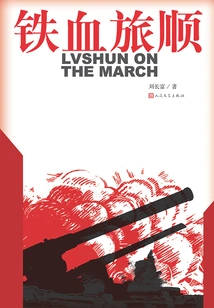
Jagged Lushun
General Fiction铁血旅顺
Liu Changfu
This is a novel that tells the 200-year history of Lushunkou from an international perspective. The author follows the pace of time and walks into the wilderness of Lushun's history, clearly observing and comprehending everything that happened here. The story of Lushun is integrated with China's destiny and the changes in the world pattern. As a fascinating memory, Lushun inspires people's contemplation in the historical years with its irresistible profound heritage and charm. At a time when the world is undergoing rapid changes, this book has a very special significance in retelling the history and past of Lushun. The manuscript has 300,000 words. The author has studied the history of Lushun for more than ten years. He has accumulated solid historical materials and combed the history in detail.
This is a novel that tells the 200-year history of Lushunkou from an international perspective. The author follows the pace of time and walks into the wilderness of Lushun's history, clearly observing and comprehending everything that happened here. The story of Lushun is integrated with China's destiny and the changes in the world pattern. As a fascinating memory, Lushun inspires people's contemplation in the historical years with its irresistible profound heritage and charm. At a time when the world is undergoing rapid changes, this book has a very special significance in retelling the history and past of Lushun. The manuscript has 300,000 words. The author has studied the history of Lushun for more than ten years. He has accumulated solid historical materials and combed the history in detail.
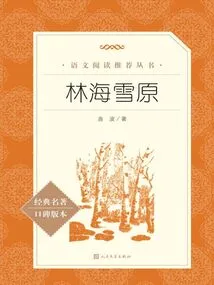
Linhaixueyuan
General Fiction林海雪原
Qu Bo
In the winter of 1946, our People's Liberation Army entered the forest and snow plains of Northeast China to search and suppress the remnants of the Kuomintang bandits that we had defeated. The Mudanjiang Military Region sent Shao Jian to lead a detachment to suppress them. Yang Zirong captured the agent Luan Ping and Liu Xuncang captured the gangster Diao Zhanyi. The health worker Bai Ru cures the disease of the old man Mushroom, the soldier Luan Chao climbs the cliff and flies over the natural dangers. Our army surprises the bandits and attacks the mountain top, captures the bandit leader Xu Damabang and his son alive, and eliminates the remaining bandits.
In the winter of 1946, our People's Liberation Army entered the forest and snow plains of Northeast China to search and suppress the remnants of the Kuomintang bandits that we had defeated. The Mudanjiang Military Region sent Shao Jian to lead a detachment to suppress them. Yang Zirong captured the agent Luan Ping and Liu Xuncang captured the gangster Diao Zhanyi. The health worker Bai Ru cures the disease of the old man Mushroom, the soldier Luan Chao climbs the cliff and flies over the natural dangers. Our army surprises the bandits and attacks the mountain top, captures the bandit leader Xu Damabang and his son alive, and eliminates the remaining bandits.
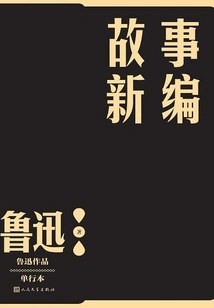
New Story
General Fiction故事新编
Lu Xun
"New Stories" is a collection of historical novels by Lu Xun, with a total of 8 articles. Mainly using mythology and Chinese history as themes, "just take a little reason and color it randomly", "intricately blend ancient and modern times", rich in imagination and quite subversive. Its contents include: mending the sky; flying to the moon; regulating water; picking weeds; forging swords, etc. Lu Xun's works include essays, short stories, reviews, essays, and translations, which have had a profound impact on Chinese literature after the "May Fourth Movement."
"New Stories" is a collection of historical novels by Lu Xun, with a total of 8 articles. Mainly using mythology and Chinese history as themes, "just take a little reason and color it randomly", "intricately blend ancient and modern times", rich in imagination and quite subversive. Its contents include: mending the sky; flying to the moon; regulating water; picking weeds; forging swords, etc. Lu Xun's works include essays, short stories, reviews, essays, and translations, which have had a profound impact on Chinese literature after the "May Fourth Movement."
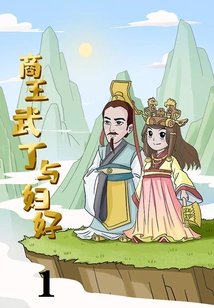
Shang King Wu Ding and His Wife 1
General Fiction商王武丁与妇好1
Yang Shaozi
The emergence of Wu Ding, the 22nd generation monarch of the Shang Dynasty, and his consort, Fu Shuo, a good wife and a virtuous prime minister, provided the right answer at the right time and the right place. The basic idea of Wu Ding, Fu Hao and Fu Shuo is to revitalize great business. What they want to revive is the spirit of business and contract upheld and promoted by the founding sage Chengtang.
The emergence of Wu Ding, the 22nd generation monarch of the Shang Dynasty, and his consort, Fu Shuo, a good wife and a virtuous prime minister, provided the right answer at the right time and the right place. The basic idea of Wu Ding, Fu Hao and Fu Shuo is to revitalize great business. What they want to revive is the spirit of business and contract upheld and promoted by the founding sage Chengtang.
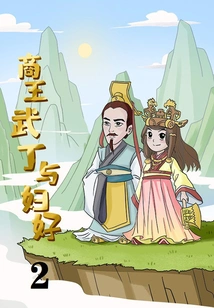
Shang King Wu Ding and His Wife 2
General Fiction商王武丁与妇好2
Yang Shaozi
The emergence of Wu Ding, the 22nd generation monarch of the Shang Dynasty, and his consort, Fu Shuo, a good wife and a virtuous prime minister, provided the right answer at the right time and the right place. The basic idea of Wu Ding, Fu Hao and Fu Shuo is to revitalize great business. What they want to revive is the spirit of business and contract upheld and promoted by the founding sage Chengtang.
The emergence of Wu Ding, the 22nd generation monarch of the Shang Dynasty, and his consort, Fu Shuo, a good wife and a virtuous prime minister, provided the right answer at the right time and the right place. The basic idea of Wu Ding, Fu Hao and Fu Shuo is to revitalize great business. What they want to revive is the spirit of business and contract upheld and promoted by the founding sage Chengtang.
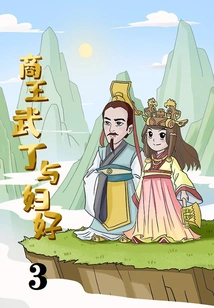
Shang King Wu Ding and His Wife 3
General Fiction商王武丁与妇好3
Yang Shaozi
The emergence of Wu Ding, the 22nd generation monarch of the Shang Dynasty, and his consort, Fu Shuo, a good wife and a virtuous prime minister, provided the right answer at the right time and the right place. The basic idea of Wu Ding, Fu Hao and Fu Shuo is to revitalize great business. What they want to revive is the spirit of business and contract upheld and promoted by the founding sage Chengtang.
The emergence of Wu Ding, the 22nd generation monarch of the Shang Dynasty, and his consort, Fu Shuo, a good wife and a virtuous prime minister, provided the right answer at the right time and the right place. The basic idea of Wu Ding, Fu Hao and Fu Shuo is to revitalize great business. What they want to revive is the spirit of business and contract upheld and promoted by the founding sage Chengtang.
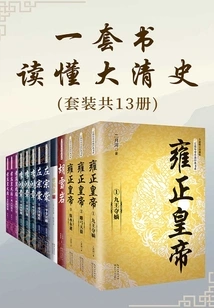
一套书读懂大清史(套装共13册)
Yan Tingrui Er Yuehe (u. S.) Hale Zhang Hongfu Xue Jiazhu
"The Empress Dowager Xiaozhuang" vividly reproduces the tenderness and wisdom of the Empress Dowager Xingguo of the Qing Dynasty, and gives a panoramic view of the intrigues and intrigues deep in the palace. "Emperor Yongzheng" is Yuehehe's blockbuster novel, a classic game of wisdom and lust for power. Read the novel, learn history, and learn more about strategy and wisdom! "The Biography of Zeng Guofan" analyzes the pinnacle of the political turmoil in the late Qing Dynasty and the "Washington of China" in the eyes of American scholars. "Zuo Zongtang" Zuo Zongtang experienced important historical events such as the pacification of the Taiping Heavenly Kingdom, the Westernization Movement, the pacification of the Shaanxi-Gansu Revolution and the recovery of Xinjiang in his life, leaving a strong mark in the modern history of China. "Li Hongzhang" is a book that thoroughly explains how to be an official and how to succeed in life. Li Hongzhang is a must-read to understand the modern history of China. The author of "Hu Xueyan" uses the usual historical novel writing style to completely interpret the business methods of red-top businessman Hu Xueyan from scratch, from childhood to adulthood.
"The Empress Dowager Xiaozhuang" vividly reproduces the tenderness and wisdom of the Empress Dowager Xingguo of the Qing Dynasty, and gives a panoramic view of the intrigues and intrigues deep in the palace. "Emperor Yongzheng" is Yuehehe's blockbuster novel, a classic game of wisdom and lust for power. Read the novel, learn history, and learn more about strategy and wisdom! "The Biography of Zeng Guofan" analyzes the pinnacle of the political turmoil in the late Qing Dynasty and the "Washington of China" in the eyes of American scholars. "Zuo Zongtang" Zuo Zongtang experienced important historical events such as the pacification of the Taiping Heavenly Kingdom, the Westernization Movement, the pacification of the Shaanxi-Gansu Revolution and the recovery of Xinjiang in his life, leaving a strong mark in the modern history of China. "Li Hongzhang" is a book that thoroughly explains how to be an official and how to succeed in life. Li Hongzhang is a must-read to understand the modern history of China. The author of "Hu Xueyan" uses the usual historical novel writing style to completely interpret the business methods of red-top businessman Hu Xueyan from scratch, from childhood to adulthood.
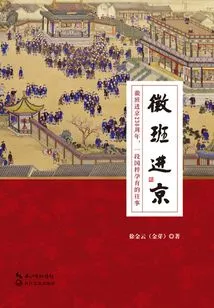
Anhui Class Enters Beijing
General Fiction徽班进京
Xu Jinyun (jinya)
This book is a long historical biographical novel and the final work of the trilogy of "New Hui-style Novels" by young female writer Xu Jinyun. The book takes the "Anhui Troupe Entering Beijing", a major event in the history of opera, as the background, with Hui opera actors Wei Changsheng and Xiling as the main clues, and brings together various people on the historical stage to tell the story of the century-old romance from Hui opera to Beijing rhyme, showing the humanistic character and spiritual sentiment deeply embedded in Chinese opera.
This book is a long historical biographical novel and the final work of the trilogy of "New Hui-style Novels" by young female writer Xu Jinyun. The book takes the "Anhui Troupe Entering Beijing", a major event in the history of opera, as the background, with Hui opera actors Wei Changsheng and Xiling as the main clues, and brings together various people on the historical stage to tell the story of the century-old romance from Hui opera to Beijing rhyme, showing the humanistic character and spiritual sentiment deeply embedded in Chinese opera.
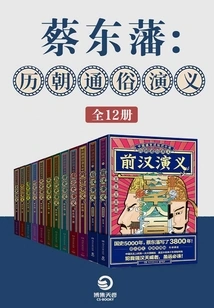
蔡东藩:历朝通俗演义(全12册)
Cai Dongfan
The series of Chinese general history knowledge novels "Popular Romance of the Past Dynasties". The author's narration is plain, smooth, methodical, the language is interesting, and it is both reasonable and reasonable. Read this book and learn about the history of China from the conflicts between nations, the tenderness and the game between good and evil! The book comes with a long version of the "Reading Mind Map" reviewed by historian experts. It aims to present the historical change process in a panoramic manner through big data. It is based on the creative concept of "interpreting the genetic code of the Chinese nation and revealing the essence and true meaning of Chinese people's wisdom". It is of great help to learning history and increasing the literacy of classic traditional culture.
The series of Chinese general history knowledge novels "Popular Romance of the Past Dynasties". The author's narration is plain, smooth, methodical, the language is interesting, and it is both reasonable and reasonable. Read this book and learn about the history of China from the conflicts between nations, the tenderness and the game between good and evil! The book comes with a long version of the "Reading Mind Map" reviewed by historian experts. It aims to present the historical change process in a panoramic manner through big data. It is based on the creative concept of "interpreting the genetic code of the Chinese nation and revealing the essence and true meaning of Chinese people's wisdom". It is of great help to learning history and increasing the literacy of classic traditional culture.
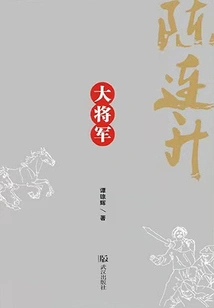
General Chen Liansheng
General Fiction大将军陈连升
Tan Qionghui
This book is a finalist in the first cross-strait online original literature competition. Chen Liansheng, a native of Wuyang Pass in Hefeng, beheaded the bullies and suppressed the violence. Anliang was forced to flee. A hero came to rescue the beauty. He was then summoned as his son-in-law by Yin Yingtu, the general manager of Shinan Mansion. From then on, he followed Yin Yingtu to suppress bandits and suppress rebellions, and he rose to prominence. When the Opium War broke out, the recommended Chen Liansheng and his two sons fought bravely and bravely. In the end, they all died heroically and became the first ethnic minority general to sacrifice their lives for the country. The story of him and his 600 brothers bravely resisting the British has been passed down to this day by future generations.
This book is a finalist in the first cross-strait online original literature competition. Chen Liansheng, a native of Wuyang Pass in Hefeng, beheaded the bullies and suppressed the violence. Anliang was forced to flee. A hero came to rescue the beauty. He was then summoned as his son-in-law by Yin Yingtu, the general manager of Shinan Mansion. From then on, he followed Yin Yingtu to suppress bandits and suppress rebellions, and he rose to prominence. When the Opium War broke out, the recommended Chen Liansheng and his two sons fought bravely and bravely. In the end, they all died heroically and became the first ethnic minority general to sacrifice their lives for the country. The story of him and his 600 brothers bravely resisting the British has been passed down to this day by future generations.
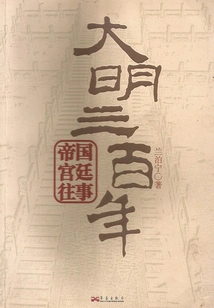
大明三百年(全集)
Lamboning
Lan Boning's historical novels have their own unique female perspective. This book focuses on the years, public cases and the true love of life and death. In particular, it details the secret history of the Ming court and depicts the distorted and alienated souls of the imperial concubines under the struggle for power. There are nearly a hundred women with distinctive images in the book, which is what Lan Boning is trying to express. From the day they entered the palace, their tragic fate was forged. The vivid lives and their thoughts also stirred Lan Boning's sensitive nerves. Their bumpy fates all contain Lan Boning's deep humanistic care.
Lan Boning's historical novels have their own unique female perspective. This book focuses on the years, public cases and the true love of life and death. In particular, it details the secret history of the Ming court and depicts the distorted and alienated souls of the imperial concubines under the struggle for power. There are nearly a hundred women with distinctive images in the book, which is what Lan Boning is trying to express. From the day they entered the palace, their tragic fate was forged. The vivid lives and their thoughts also stirred Lan Boning's sensitive nerves. Their bumpy fates all contain Lan Boning's deep humanistic care.
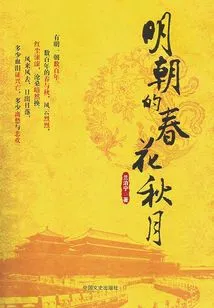
明朝的春花秋月(全集)
Lamboning
This book is divided into three parts, namely "The Great Ming Dynasty established the country in the world of mortals", "The ghostly souls of beauties in the Ming Dynasty in the prosperous age", and "The prosperity of the late Ming Dynasty was gone". The content of the book is based on official history but pays great attention to the plot and readability of the story. Most of the stories are little-known. It writes about the secret history of the palace, the struggle for power, the vicissitudes of battles, and the joys and sorrows of ups and downs. Its structure is clear-cut, the plot is compact, the character descriptions are vivid and real, and the language combines modern beauty and classical beauty, creating a new artistic enjoyment and reading pleasure for readers.
This book is divided into three parts, namely "The Great Ming Dynasty established the country in the world of mortals", "The ghostly souls of beauties in the Ming Dynasty in the prosperous age", and "The prosperity of the late Ming Dynasty was gone". The content of the book is based on official history but pays great attention to the plot and readability of the story. Most of the stories are little-known. It writes about the secret history of the palace, the struggle for power, the vicissitudes of battles, and the joys and sorrows of ups and downs. Its structure is clear-cut, the plot is compact, the character descriptions are vivid and real, and the language combines modern beauty and classical beauty, creating a new artistic enjoyment and reading pleasure for readers.

Blood Petals
General Fiction血色花瓣
(kenya) Ngugi Wa Thiango
"Bloody Petals" is considered Ngugi's most outstanding masterpiece. The author calmly tells the truth of historical events slowly, using real life and memories as the background, using multiple narrative methods such as flashbacks, interludes and direct narratives, and denounces the fruits of independence being stolen by corrupt officials. It is a political novel and a story of four little characters. In "Knowing the Little Things", the author blends the heaviness of history into the lightness of life of little people.
"Bloody Petals" is considered Ngugi's most outstanding masterpiece. The author calmly tells the truth of historical events slowly, using real life and memories as the background, using multiple narrative methods such as flashbacks, interludes and direct narratives, and denounces the fruits of independence being stolen by corrupt officials. It is a political novel and a story of four little characters. In "Knowing the Little Things", the author blends the heaviness of history into the lightness of life of little people.
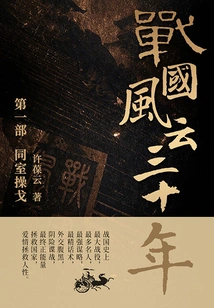
战国风云三十年1:同室操戈
Xu Baoyun
Qin, the strongest country, wants to unify, and Zhao, the weakest country, wants to dominate. They have to defeat Qi, Chu, and Wei. Their goals are different, but their strategies are the same. The two countries are naturally complicit. Zhao Sheng was in charge of the state affairs of Zhao and designed and implemented the whole conspiracy, with Lin Xiangru and Yu Qing being his accomplices; Wei Wuji was in charge of the state affairs of Wei and shouldered the important responsibilities alone, while Tian Wen, Xu Jia, and Mang Mao all tried to destabilize him for their own personal gain, which was miserable; Wei Ran was in charge of the state affairs of Qin and was proficient in strategy, with Bai Qi, Hu Yang, and Sima mistakenly serving as his wings. Fan Sui started out by lying, but was ultimately destroyed by his own lies. The spy Su Dai of the State of Yan deceived the State of Qi into betraying the State of Wei. The Mohist tycoon wanted to persuade the King of Qi to help the State of Wei, but was assassinated by Qi Prime Minister Tian Wen. The tycoon's daughter Shi Yu lived in the State of Wei. Both the King of Wei and Wei Wuji liked her. The Su Dynasty used counterintuitive tactics to force Prime Minister Tian Wen to leave Wei and led the five-nation coalition to attack Qi. In the Battle of Jishui, Qi was defeated by Yan general Le Yi. The Qin army secretly attacked the main beam of Wei State but failed. King Qin took the opportunity to depose Wei Ran as prime minister. Queen Mother Xuan (Mi Yue) pretended to be ill and forced him to admit defeat and still let Wei Ran serve as prime minister. Zhao Sheng sent his spy Gongsun Long to deceive the Prime Minister of Yan, Gongsun Cao, and deceived Le Yi back to Zhao State. The Yan State was greatly weakened. Lu Zhong and Mo Zhe went to Qi State to assist Tian Dan in restoring the country, but the national power was lost. When Qin invaded South Korea, South Korea presented its party to Zhao for help. Zhao Sheng thought that he had the support of various countries and pretended to accept the party's invitation to the Qin army to fight, but in fact he retreated to Changping. Fan Sui speculated that other countries would not help Zhao. The Qin army entered Changping for a decisive battle with the Zhao army. The Qin army was gradually defeated by the Zhao army in the mountain battle. Lian Po defeated the elite Qin army in Dabaigou. The Qin army suffered 100,000 casualties. As expected, the five countries refused to cooperate with Zhao. Qin's spy Lou Huan came to Zhao again, shaken King Zhao's confidence, tricked King Zhao into sending envoys to Qin, and further divided the already weak "alliance". With no support and no food, Zhao had no choice but to appoint Zhao Kuo as commander. He fought alone in Changping with a death wish. Bai Qi took over the Qin army. The Qin army was defeated back to the starting point and could not recover for more than ten years. Zhao State was also defeated, and its many years of hegemony were in vain. Fan Sui killed Bai Qi to clear himself, but the lie was eventually exposed and he collapsed. Wei Wuji gave up his fame and started a new life with Shi Yu in the Kingdom of Zhao.
Qin, the strongest country, wants to unify, and Zhao, the weakest country, wants to dominate. They have to defeat Qi, Chu, and Wei. Their goals are different, but their strategies are the same. The two countries are naturally complicit. Zhao Sheng was in charge of the state affairs of Zhao and designed and implemented the whole conspiracy, with Lin Xiangru and Yu Qing being his accomplices; Wei Wuji was in charge of the state affairs of Wei and shouldered the important responsibilities alone, while Tian Wen, Xu Jia, and Mang Mao all tried to destabilize him for their own personal gain, which was miserable; Wei Ran was in charge of the state affairs of Qin and was proficient in strategy, with Bai Qi, Hu Yang, and Sima mistakenly serving as his wings. Fan Sui started out by lying, but was ultimately destroyed by his own lies. The spy Su Dai of the State of Yan deceived the State of Qi into betraying the State of Wei. The Mohist tycoon wanted to persuade the King of Qi to help the State of Wei, but was assassinated by Qi Prime Minister Tian Wen. The tycoon's daughter Shi Yu lived in the State of Wei. Both the King of Wei and Wei Wuji liked her. The Su Dynasty used counterintuitive tactics to force Prime Minister Tian Wen to leave Wei and led the five-nation coalition to attack Qi. In the Battle of Jishui, Qi was defeated by Yan general Le Yi. The Qin army secretly attacked the main beam of Wei State but failed. King Qin took the opportunity to depose Wei Ran as prime minister. Queen Mother Xuan (Mi Yue) pretended to be ill and forced him to admit defeat and still let Wei Ran serve as prime minister. Zhao Sheng sent his spy Gongsun Long to deceive the Prime Minister of Yan, Gongsun Cao, and deceived Le Yi back to Zhao State. The Yan State was greatly weakened. Lu Zhong and Mo Zhe went to Qi State to assist Tian Dan in restoring the country, but the national power was lost. When Qin invaded South Korea, South Korea presented its party to Zhao for help. Zhao Sheng thought that he had the support of various countries and pretended to accept the party's invitation to the Qin army to fight, but in fact he retreated to Changping. Fan Sui speculated that other countries would not help Zhao. The Qin army entered Changping for a decisive battle with the Zhao army. The Qin army was gradually defeated by the Zhao army in the mountain battle. Lian Po defeated the elite Qin army in Dabaigou. The Qin army suffered 100,000 casualties. As expected, the five countries refused to cooperate with Zhao. Qin's spy Lou Huan came to Zhao again, shaken King Zhao's confidence, tricked King Zhao into sending envoys to Qin, and further divided the already weak "alliance". With no support and no food, Zhao had no choice but to appoint Zhao Kuo as commander. He fought alone in Changping with a death wish. Bai Qi took over the Qin army. The Qin army was defeated back to the starting point and could not recover for more than ten years. Zhao State was also defeated, and its many years of hegemony were in vain. Fan Sui killed Bai Qi to clear himself, but the lie was eventually exposed and he collapsed. Wei Wuji gave up his fame and started a new life with Shi Yu in the Kingdom of Zhao.
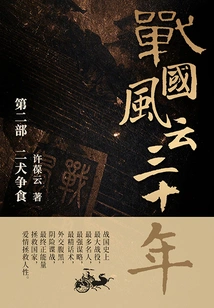
战国风云三十年2:二犬争食
Xu Baoyun
Qin, the strongest country, wants to unify, and Zhao, the weakest country, wants to dominate. They have to defeat Qi, Chu, and Wei. Their goals are different, but their strategies are the same. The two countries are naturally complicit. Zhao Sheng was in charge of the state affairs of Zhao and designed and implemented the whole conspiracy, with Lin Xiangru and Yu Qing being his accomplices; Wei Wuji was in charge of the state affairs of Wei and shouldered the important responsibilities alone, while Tian Wen, Xu Jia, and Mang Mao all tried to destabilize him for their own personal gain, which was miserable; Wei Ran was in charge of the state affairs of Qin and was proficient in strategy, with Bai Qi, Hu Yang, and Sima mistakenly serving as his wings. Fan Sui started out by lying, but was ultimately destroyed by his own lies. The spy Su Dai of the State of Yan deceived the State of Qi into betraying the State of Wei. The Mohist tycoon wanted to persuade the King of Qi to help the State of Wei, but was assassinated by Qi Prime Minister Tian Wen. The tycoon's daughter Shi Yu lived in the State of Wei. Both the King of Wei and Wei Wuji liked her. The Su Dynasty used counterintuitive tactics to force Prime Minister Tian Wen to leave Wei and led the five-nation coalition to attack Qi. In the Battle of Jishui, Qi was defeated by Yan general Le Yi. The Qin army secretly attacked the main beam of Wei State but failed. King Qin took the opportunity to depose Wei Ran as prime minister. Queen Mother Xuan (Mi Yue) pretended to be ill and forced him to admit defeat and still let Wei Ran serve as prime minister. Zhao Sheng sent his spy Gongsun Long to deceive the Prime Minister of Yan, Gongsun Cao, and deceived Le Yi back to Zhao State. The Yan State was greatly weakened. Lu Zhong and Mo Zhe went to Qi State to assist Tian Dan in restoring the country, but the national power was lost. When Qin invaded South Korea, South Korea presented its party to Zhao for help. Zhao Sheng thought that he had the support of various countries and pretended to accept the party's invitation to the Qin army to fight, but in fact he retreated to Changping. Fan Sui speculated that other countries would not help Zhao. The Qin army entered Changping for a decisive battle with the Zhao army. The Qin army was gradually defeated by the Zhao army in the mountain battle. Lian Po defeated the elite Qin army in Dabaigou. The Qin army suffered 100,000 casualties. As expected, the five countries refused to cooperate with Zhao. Qin's spy Lou Huan came to Zhao again, shaken King Zhao's confidence, tricked King Zhao into sending envoys to Qin, and further divided the already weak "alliance". With no support and no food, Zhao had no choice but to appoint Zhao Kuo as commander. He fought alone in Changping with a death wish. Bai Qi took over the Qin army. The Qin army was defeated back to the starting point and could not recover for more than ten years. Zhao State was also defeated, and its many years of hegemony were in vain. Fan Sui killed Bai Qi to clear himself, but the lie was eventually exposed and he collapsed. Wei Wuji gave up his fame and started a new life with Shi Yu in the Kingdom of Zhao.
Qin, the strongest country, wants to unify, and Zhao, the weakest country, wants to dominate. They have to defeat Qi, Chu, and Wei. Their goals are different, but their strategies are the same. The two countries are naturally complicit. Zhao Sheng was in charge of the state affairs of Zhao and designed and implemented the whole conspiracy, with Lin Xiangru and Yu Qing being his accomplices; Wei Wuji was in charge of the state affairs of Wei and shouldered the important responsibilities alone, while Tian Wen, Xu Jia, and Mang Mao all tried to destabilize him for their own personal gain, which was miserable; Wei Ran was in charge of the state affairs of Qin and was proficient in strategy, with Bai Qi, Hu Yang, and Sima mistakenly serving as his wings. Fan Sui started out by lying, but was ultimately destroyed by his own lies. The spy Su Dai of the State of Yan deceived the State of Qi into betraying the State of Wei. The Mohist tycoon wanted to persuade the King of Qi to help the State of Wei, but was assassinated by Qi Prime Minister Tian Wen. The tycoon's daughter Shi Yu lived in the State of Wei. Both the King of Wei and Wei Wuji liked her. The Su Dynasty used counterintuitive tactics to force Prime Minister Tian Wen to leave Wei and led the five-nation coalition to attack Qi. In the Battle of Jishui, Qi was defeated by Yan general Le Yi. The Qin army secretly attacked the main beam of Wei State but failed. King Qin took the opportunity to depose Wei Ran as prime minister. Queen Mother Xuan (Mi Yue) pretended to be ill and forced him to admit defeat and still let Wei Ran serve as prime minister. Zhao Sheng sent his spy Gongsun Long to deceive the Prime Minister of Yan, Gongsun Cao, and deceived Le Yi back to Zhao State. The Yan State was greatly weakened. Lu Zhong and Mo Zhe went to Qi State to assist Tian Dan in restoring the country, but the national power was lost. When Qin invaded South Korea, South Korea presented its party to Zhao for help. Zhao Sheng thought that he had the support of various countries and pretended to accept the party's invitation to the Qin army to fight, but in fact he retreated to Changping. Fan Sui speculated that other countries would not help Zhao. The Qin army entered Changping for a decisive battle with the Zhao army. The Qin army was gradually defeated by the Zhao army in the mountain battle. Lian Po defeated the elite Qin army in Dabaigou. The Qin army suffered 100,000 casualties. As expected, the five countries refused to cooperate with Zhao. Qin's spy Lou Huan came to Zhao again, shaken King Zhao's confidence, tricked King Zhao into sending envoys to Qin, and further divided the already weak "alliance". With no support and no food, Zhao had no choice but to appoint Zhao Kuo as commander. He fought alone in Changping with a death wish. Bai Qi took over the Qin army. The Qin army was defeated back to the starting point and could not recover for more than ten years. Zhao State was also defeated, and its many years of hegemony were in vain. Fan Sui killed Bai Qi to clear himself, but the lie was eventually exposed and he collapsed. Wei Wuji gave up his fame and started a new life with Shi Yu in the Kingdom of Zhao.
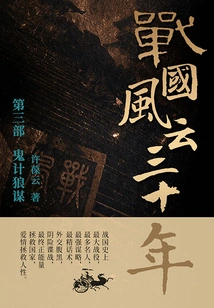
Thirty Years of Warring States Period 3: Evil Schemes
General Fiction战国风云三十年3:鬼计狼谋
Xu Baoyun
Qin, the strongest country, wants to unify, and Zhao, the weakest country, wants to dominate. They have to defeat Qi, Chu, and Wei. Their goals are different, but their strategies are the same. The two countries are naturally complicit. Zhao Sheng was in charge of the state affairs of Zhao and designed and implemented the whole conspiracy, with Lin Xiangru and Yu Qing being his accomplices; Wei Wuji was in charge of the state affairs of Wei and shouldered the important responsibilities alone, while Tian Wen, Xu Jia, and Mang Mao all tried to destabilize him for their own personal gain, which was miserable; Wei Ran was in charge of the state affairs of Qin and was proficient in strategy, with Bai Qi, Hu Yang, and Sima mistakenly serving as his wings. Fan Sui started out by lying, but was ultimately destroyed by his own lies. The spy Su Dai of the State of Yan deceived the State of Qi into betraying the State of Wei. The Mohist tycoon wanted to persuade the King of Qi to help the State of Wei, but was assassinated by Qi Prime Minister Tian Wen. The tycoon's daughter Shi Yu lived in the State of Wei. Both the King of Wei and Wei Wuji liked her. The Su Dynasty used counterintuitive tactics to force Prime Minister Tian Wen to leave Wei and led the five-nation coalition to attack Qi. In the Battle of Jishui, Qi was defeated by Yan general Le Yi. The Qin army secretly attacked the main beam of Wei State but failed. King Qin took the opportunity to depose Wei Ran as prime minister. Queen Mother Xuan (Mi Yue) pretended to be ill and forced him to admit defeat and still let Wei Ran serve as prime minister. Zhao Sheng sent his spy Gongsun Long to deceive the Prime Minister of Yan, Gongsun Cao, and deceived Le Yi back to Zhao State. The Yan State was greatly weakened. Lu Zhong and Mo Zhe went to Qi State to assist Tian Dan in restoring the country, but the national power was lost. When Qin invaded South Korea, South Korea presented its party to Zhao for help. Zhao Sheng thought that he had the support of various countries and pretended to accept the party's invitation to the Qin army to fight, but in fact he retreated to Changping. Fan Sui speculated that other countries would not help Zhao. The Qin army entered Changping for a decisive battle with the Zhao army. The Qin army was gradually defeated by the Zhao army in the mountain battle. Lian Po defeated the elite Qin army in Dabaigou. The Qin army suffered 100,000 casualties. As expected, the five countries refused to cooperate with Zhao. Qin's spy Lou Huan came to Zhao again, shaken King Zhao's confidence, tricked King Zhao into sending envoys to Qin, and further divided the already weak "alliance". With no support and no food, Zhao had no choice but to appoint Zhao Kuo as commander. He fought alone in Changping with a death wish. Bai Qi took over the Qin army. The Qin army was defeated back to the starting point and could not recover for more than ten years. Zhao State was also defeated, and its many years of hegemony were in vain. Fan Sui killed Bai Qi to clear himself, but the lie was eventually exposed and he collapsed. Wei Wuji gave up his fame and started a new life with Shi Yu in the Kingdom of Zhao.
Qin, the strongest country, wants to unify, and Zhao, the weakest country, wants to dominate. They have to defeat Qi, Chu, and Wei. Their goals are different, but their strategies are the same. The two countries are naturally complicit. Zhao Sheng was in charge of the state affairs of Zhao and designed and implemented the whole conspiracy, with Lin Xiangru and Yu Qing being his accomplices; Wei Wuji was in charge of the state affairs of Wei and shouldered the important responsibilities alone, while Tian Wen, Xu Jia, and Mang Mao all tried to destabilize him for their own personal gain, which was miserable; Wei Ran was in charge of the state affairs of Qin and was proficient in strategy, with Bai Qi, Hu Yang, and Sima mistakenly serving as his wings. Fan Sui started out by lying, but was ultimately destroyed by his own lies. The spy Su Dai of the State of Yan deceived the State of Qi into betraying the State of Wei. The Mohist tycoon wanted to persuade the King of Qi to help the State of Wei, but was assassinated by Qi Prime Minister Tian Wen. The tycoon's daughter Shi Yu lived in the State of Wei. Both the King of Wei and Wei Wuji liked her. The Su Dynasty used counterintuitive tactics to force Prime Minister Tian Wen to leave Wei and led the five-nation coalition to attack Qi. In the Battle of Jishui, Qi was defeated by Yan general Le Yi. The Qin army secretly attacked the main beam of Wei State but failed. King Qin took the opportunity to depose Wei Ran as prime minister. Queen Mother Xuan (Mi Yue) pretended to be ill and forced him to admit defeat and still let Wei Ran serve as prime minister. Zhao Sheng sent his spy Gongsun Long to deceive the Prime Minister of Yan, Gongsun Cao, and deceived Le Yi back to Zhao State. The Yan State was greatly weakened. Lu Zhong and Mo Zhe went to Qi State to assist Tian Dan in restoring the country, but the national power was lost. When Qin invaded South Korea, South Korea presented its party to Zhao for help. Zhao Sheng thought that he had the support of various countries and pretended to accept the party's invitation to the Qin army to fight, but in fact he retreated to Changping. Fan Sui speculated that other countries would not help Zhao. The Qin army entered Changping for a decisive battle with the Zhao army. The Qin army was gradually defeated by the Zhao army in the mountain battle. Lian Po defeated the elite Qin army in Dabaigou. The Qin army suffered 100,000 casualties. As expected, the five countries refused to cooperate with Zhao. Qin's spy Lou Huan came to Zhao again, shaken King Zhao's confidence, tricked King Zhao into sending envoys to Qin, and further divided the already weak "alliance". With no support and no food, Zhao had no choice but to appoint Zhao Kuo as commander. He fought alone in Changping with a death wish. Bai Qi took over the Qin army. The Qin army was defeated back to the starting point and could not recover for more than ten years. Zhao State was also defeated, and its many years of hegemony were in vain. Fan Sui killed Bai Qi to clear himself, but the lie was eventually exposed and he collapsed. Wei Wuji gave up his fame and started a new life with Shi Yu in the Kingdom of Zhao.
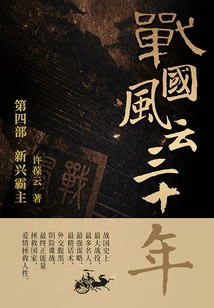
Thirty Years of Warring States Period 4: Emerging Overlord
General Fiction战国风云三十年4:新兴霸主
Xu Baoyun
Qin, the strongest country, wants to unify, and Zhao, the weakest country, wants to dominate. They have to defeat Qi, Chu, and Wei. Their goals are different, but their strategies are the same. The two countries are naturally complicit. Zhao Sheng was in charge of the state affairs of Zhao and designed and implemented the whole conspiracy, with Lin Xiangru and Yu Qing being his accomplices; Wei Wuji was in charge of the state affairs of Wei and shouldered the important responsibilities alone, while Tian Wen, Xu Jia, and Mang Mao all tried to destabilize him for their own personal gain, which was miserable; Wei Ran was in charge of the state affairs of Qin and was proficient in strategy, with Bai Qi, Hu Yang, and Sima mistakenly serving as his wings. Fan Sui started out by lying, but was ultimately destroyed by his own lies. The spy Su Dai of the State of Yan deceived the State of Qi into betraying the State of Wei. The Mohist tycoon wanted to persuade the King of Qi to help the State of Wei, but was assassinated by Qi Prime Minister Tian Wen. The tycoon's daughter Shi Yu lived in the State of Wei. Both the King of Wei and Wei Wuji liked her. The Su Dynasty used counterintuitive tactics to force Prime Minister Tian Wen to leave Wei and led the five-nation coalition to attack Qi. In the Battle of Jishui, Qi was defeated by Yan general Le Yi. The Qin army secretly attacked the main beam of Wei State but failed. King Qin took the opportunity to depose Wei Ran as prime minister. Queen Mother Xuan (Mi Yue) pretended to be ill and forced him to admit defeat and still let Wei Ran serve as prime minister. Zhao Sheng sent his spy Gongsun Long to deceive the Prime Minister of Yan, Gongsun Cao, and deceived Le Yi back to Zhao State. The Yan State was greatly weakened. Lu Zhong and Mo Zhe went to Qi State to assist Tian Dan in restoring the country, but the national power was lost. When Qin invaded South Korea, South Korea presented its party to Zhao for help. Zhao Sheng thought that he had the support of various countries and pretended to accept the party's invitation to the Qin army to fight, but in fact he retreated to Changping. Fan Sui speculated that other countries would not help Zhao. The Qin army entered Changping for a decisive battle with the Zhao army. The Qin army was gradually defeated by the Zhao army in the mountain battle. Lian Po defeated the elite Qin army in Dabaigou. The Qin army suffered 100,000 casualties. As expected, the five countries refused to cooperate with Zhao. Qin's spy Lou Huan came to Zhao again, shaken King Zhao's confidence, tricked King Zhao into sending envoys to Qin, and further divided the already weak "alliance". With no support and no food, Zhao had no choice but to appoint Zhao Kuo as commander. He fought alone in Changping with a death wish. Bai Qi took over the Qin army. The Qin army was defeated back to the starting point and could not recover for more than ten years. Zhao State was also defeated, and its many years of hegemony were in vain. Fan Sui killed Bai Qi to clear himself, but the lie was eventually exposed and he collapsed. Wei Wuji gave up his fame and started a new life with Shi Yu in the Kingdom of Zhao.
Qin, the strongest country, wants to unify, and Zhao, the weakest country, wants to dominate. They have to defeat Qi, Chu, and Wei. Their goals are different, but their strategies are the same. The two countries are naturally complicit. Zhao Sheng was in charge of the state affairs of Zhao and designed and implemented the whole conspiracy, with Lin Xiangru and Yu Qing being his accomplices; Wei Wuji was in charge of the state affairs of Wei and shouldered the important responsibilities alone, while Tian Wen, Xu Jia, and Mang Mao all tried to destabilize him for their own personal gain, which was miserable; Wei Ran was in charge of the state affairs of Qin and was proficient in strategy, with Bai Qi, Hu Yang, and Sima mistakenly serving as his wings. Fan Sui started out by lying, but was ultimately destroyed by his own lies. The spy Su Dai of the State of Yan deceived the State of Qi into betraying the State of Wei. The Mohist tycoon wanted to persuade the King of Qi to help the State of Wei, but was assassinated by Qi Prime Minister Tian Wen. The tycoon's daughter Shi Yu lived in the State of Wei. Both the King of Wei and Wei Wuji liked her. The Su Dynasty used counterintuitive tactics to force Prime Minister Tian Wen to leave Wei and led the five-nation coalition to attack Qi. In the Battle of Jishui, Qi was defeated by Yan general Le Yi. The Qin army secretly attacked the main beam of Wei State but failed. King Qin took the opportunity to depose Wei Ran as prime minister. Queen Mother Xuan (Mi Yue) pretended to be ill and forced him to admit defeat and still let Wei Ran serve as prime minister. Zhao Sheng sent his spy Gongsun Long to deceive the Prime Minister of Yan, Gongsun Cao, and deceived Le Yi back to Zhao State. The Yan State was greatly weakened. Lu Zhong and Mo Zhe went to Qi State to assist Tian Dan in restoring the country, but the national power was lost. When Qin invaded South Korea, South Korea presented its party to Zhao for help. Zhao Sheng thought that he had the support of various countries and pretended to accept the party's invitation to the Qin army to fight, but in fact he retreated to Changping. Fan Sui speculated that other countries would not help Zhao. The Qin army entered Changping for a decisive battle with the Zhao army. The Qin army was gradually defeated by the Zhao army in the mountain battle. Lian Po defeated the elite Qin army in Dabaigou. The Qin army suffered 100,000 casualties. As expected, the five countries refused to cooperate with Zhao. Qin's spy Lou Huan came to Zhao again, shaken King Zhao's confidence, tricked King Zhao into sending envoys to Qin, and further divided the already weak "alliance". With no support and no food, Zhao had no choice but to appoint Zhao Kuo as commander. He fought alone in Changping with a death wish. Bai Qi took over the Qin army. The Qin army was defeated back to the starting point and could not recover for more than ten years. Zhao State was also defeated, and its many years of hegemony were in vain. Fan Sui killed Bai Qi to clear himself, but the lie was eventually exposed and he collapsed. Wei Wuji gave up his fame and started a new life with Shi Yu in the Kingdom of Zhao.
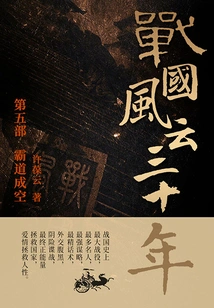
战国风云三十年5:霸道成空
Xu Baoyun
Qin, the strongest country, wants to unify, and Zhao, the weakest country, wants to dominate. They have to defeat Qi, Chu, and Wei. Their goals are different, but their strategies are the same. The two countries are naturally complicit. Zhao Sheng was in charge of the state affairs of Zhao and designed and implemented the whole conspiracy, with Lin Xiangru and Yu Qing being his accomplices; Wei Wuji was in charge of the state affairs of Wei and shouldered the important responsibilities alone, while Tian Wen, Xu Jia, and Mang Mao all tried to destabilize him for their own personal gain, which was miserable; Wei Ran was in charge of the state affairs of Qin and was proficient in strategy, with Bai Qi, Hu Yang, and Sima mistakenly serving as his wings. Fan Sui started out by lying, but was ultimately destroyed by his own lies. The spy Su Dai of the State of Yan deceived the State of Qi into betraying the State of Wei. The Mohist tycoon wanted to persuade the King of Qi to help the State of Wei, but was assassinated by Qi Prime Minister Tian Wen. The tycoon's daughter Shi Yu lived in the State of Wei. Both the King of Wei and Wei Wuji liked her. The Su Dynasty used counterintuitive tactics to force Prime Minister Tian Wen to leave Wei and led the five-nation coalition to attack Qi. In the Battle of Jishui, Qi was defeated by Yan general Le Yi. The Qin army secretly attacked the main beam of Wei State but failed. King Qin took the opportunity to depose Wei Ran as prime minister. Queen Mother Xuan (Mi Yue) pretended to be ill and forced him to admit defeat and still let Wei Ran serve as prime minister. Zhao Sheng sent his spy Gongsun Long to deceive the Prime Minister of Yan, Gongsun Cao, and deceived Le Yi back to Zhao State. The Yan State was greatly weakened. Lu Zhong and Mo Zhe went to Qi State to assist Tian Dan in restoring the country, but the national power was lost. When Qin invaded South Korea, South Korea presented its party to Zhao for help. Zhao Sheng thought that he had the support of various countries and pretended to accept the party's invitation to the Qin army to fight, but in fact he retreated to Changping. Fan Sui speculated that other countries would not help Zhao. The Qin army entered Changping for a decisive battle with the Zhao army. The Qin army was gradually defeated by the Zhao army in the mountain battle. Lian Po defeated the elite Qin army in Dabaigou. The Qin army suffered 100,000 casualties. As expected, the five countries refused to cooperate with Zhao. Qin's spy Lou Huan came to Zhao again, shaken King Zhao's confidence, tricked King Zhao into sending envoys to Qin, and further divided the already weak "alliance". With no support and no food, Zhao had no choice but to appoint Zhao Kuo as commander. He fought alone in Changping with a death wish. Bai Qi took over the Qin army. The Qin army was defeated back to the starting point and could not recover for more than ten years. Zhao State was also defeated, and its many years of hegemony were in vain. Fan Sui killed Bai Qi to clear himself, but the lie was eventually exposed and he collapsed. Wei Wuji gave up his fame and started a new life with Shi Yu in the Kingdom of Zhao.
Qin, the strongest country, wants to unify, and Zhao, the weakest country, wants to dominate. They have to defeat Qi, Chu, and Wei. Their goals are different, but their strategies are the same. The two countries are naturally complicit. Zhao Sheng was in charge of the state affairs of Zhao and designed and implemented the whole conspiracy, with Lin Xiangru and Yu Qing being his accomplices; Wei Wuji was in charge of the state affairs of Wei and shouldered the important responsibilities alone, while Tian Wen, Xu Jia, and Mang Mao all tried to destabilize him for their own personal gain, which was miserable; Wei Ran was in charge of the state affairs of Qin and was proficient in strategy, with Bai Qi, Hu Yang, and Sima mistakenly serving as his wings. Fan Sui started out by lying, but was ultimately destroyed by his own lies. The spy Su Dai of the State of Yan deceived the State of Qi into betraying the State of Wei. The Mohist tycoon wanted to persuade the King of Qi to help the State of Wei, but was assassinated by Qi Prime Minister Tian Wen. The tycoon's daughter Shi Yu lived in the State of Wei. Both the King of Wei and Wei Wuji liked her. The Su Dynasty used counterintuitive tactics to force Prime Minister Tian Wen to leave Wei and led the five-nation coalition to attack Qi. In the Battle of Jishui, Qi was defeated by Yan general Le Yi. The Qin army secretly attacked the main beam of Wei State but failed. King Qin took the opportunity to depose Wei Ran as prime minister. Queen Mother Xuan (Mi Yue) pretended to be ill and forced him to admit defeat and still let Wei Ran serve as prime minister. Zhao Sheng sent his spy Gongsun Long to deceive the Prime Minister of Yan, Gongsun Cao, and deceived Le Yi back to Zhao State. The Yan State was greatly weakened. Lu Zhong and Mo Zhe went to Qi State to assist Tian Dan in restoring the country, but the national power was lost. When Qin invaded South Korea, South Korea presented its party to Zhao for help. Zhao Sheng thought that he had the support of various countries and pretended to accept the party's invitation to the Qin army to fight, but in fact he retreated to Changping. Fan Sui speculated that other countries would not help Zhao. The Qin army entered Changping for a decisive battle with the Zhao army. The Qin army was gradually defeated by the Zhao army in the mountain battle. Lian Po defeated the elite Qin army in Dabaigou. The Qin army suffered 100,000 casualties. As expected, the five countries refused to cooperate with Zhao. Qin's spy Lou Huan came to Zhao again, shaken King Zhao's confidence, tricked King Zhao into sending envoys to Qin, and further divided the already weak "alliance". With no support and no food, Zhao had no choice but to appoint Zhao Kuo as commander. He fought alone in Changping with a death wish. Bai Qi took over the Qin army. The Qin army was defeated back to the starting point and could not recover for more than ten years. Zhao State was also defeated, and its many years of hegemony were in vain. Fan Sui killed Bai Qi to clear himself, but the lie was eventually exposed and he collapsed. Wei Wuji gave up his fame and started a new life with Shi Yu in the Kingdom of Zhao.
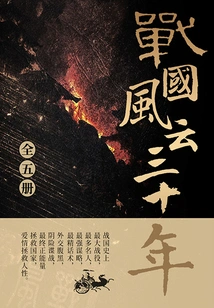
Thirty Years of Warring States Period (complete Collection)
General Fiction战国风云三十年(全集)
Xu Baoyun
Qin, the strongest country, wants to unify, and Zhao, the weakest country, wants to dominate. They have to defeat Qi, Chu, and Wei. Their goals are different, but their strategies are the same. The two countries are naturally complicit. Zhao Sheng was in charge of the state affairs of Zhao and designed and implemented the whole conspiracy, with Lin Xiangru and Yu Qing being his accomplices; Wei Wuji was in charge of the state affairs of Wei and shouldered the important responsibilities alone, while Tian Wen, Xu Jia, and Mang Mao all tried to destabilize him for their own personal gain, which was miserable; Wei Ran was in charge of the state affairs of Qin and was proficient in strategy, with Bai Qi, Hu Yang, and Sima mistakenly serving as his wings. Fan Sui started out by lying, but was ultimately destroyed by his own lies. The spy Su Dai of the State of Yan deceived the State of Qi into betraying the State of Wei. The Mohist tycoon wanted to persuade the King of Qi to help the State of Wei, but was assassinated by Qi Prime Minister Tian Wen. The tycoon's daughter Shi Yu lived in the State of Wei. Both the King of Wei and Wei Wuji liked her. The Su Dynasty used counterintuitive tactics to force Prime Minister Tian Wen to leave Wei and led the five-nation coalition to attack Qi. In the Battle of Jishui, Qi was defeated by Yan general Le Yi. The Qin army secretly attacked the main beam of Wei State but failed. King Qin took the opportunity to depose Wei Ran as prime minister. Queen Mother Xuan (Mi Yue) pretended to be ill and forced him to admit defeat and still let Wei Ran serve as prime minister. Zhao Sheng sent his spy Gongsun Long to deceive the Prime Minister of Yan, Gongsun Cao, and deceived Le Yi back to Zhao State. The Yan State was greatly weakened. Lu Zhong and Mo Zhe went to Qi State to assist Tian Dan in restoring the country, but the national power was lost. When Qin invaded South Korea, South Korea presented its party to Zhao for help. Zhao Sheng thought that he had the support of various countries and pretended to accept the party's invitation to the Qin army to fight, but in fact he retreated to Changping. Fan Sui speculated that other countries would not help Zhao. The Qin army entered Changping for a decisive battle with the Zhao army. The Qin army was gradually defeated by the Zhao army in the mountain battle. Lian Po defeated the elite Qin army in Dabaigou. The Qin army suffered 100,000 casualties. As expected, the five countries refused to cooperate with Zhao. Qin's spy Lou Huan came to Zhao again, shaken King Zhao's confidence, tricked King Zhao into sending envoys to Qin, and further divided the already weak "alliance". With no support and no food, Zhao had no choice but to appoint Zhao Kuo as commander. He fought alone in Changping with a death wish. Bai Qi took over the Qin army. The Qin army was defeated back to the starting point and could not recover for more than ten years. Zhao State was also defeated, and its many years of hegemony were in vain. Fan Sui killed Bai Qi to clear himself, but the lie was eventually exposed and he collapsed. Wei Wuji gave up his fame and started a new life with Shi Yu in the Kingdom of Zhao.
Qin, the strongest country, wants to unify, and Zhao, the weakest country, wants to dominate. They have to defeat Qi, Chu, and Wei. Their goals are different, but their strategies are the same. The two countries are naturally complicit. Zhao Sheng was in charge of the state affairs of Zhao and designed and implemented the whole conspiracy, with Lin Xiangru and Yu Qing being his accomplices; Wei Wuji was in charge of the state affairs of Wei and shouldered the important responsibilities alone, while Tian Wen, Xu Jia, and Mang Mao all tried to destabilize him for their own personal gain, which was miserable; Wei Ran was in charge of the state affairs of Qin and was proficient in strategy, with Bai Qi, Hu Yang, and Sima mistakenly serving as his wings. Fan Sui started out by lying, but was ultimately destroyed by his own lies. The spy Su Dai of the State of Yan deceived the State of Qi into betraying the State of Wei. The Mohist tycoon wanted to persuade the King of Qi to help the State of Wei, but was assassinated by Qi Prime Minister Tian Wen. The tycoon's daughter Shi Yu lived in the State of Wei. Both the King of Wei and Wei Wuji liked her. The Su Dynasty used counterintuitive tactics to force Prime Minister Tian Wen to leave Wei and led the five-nation coalition to attack Qi. In the Battle of Jishui, Qi was defeated by Yan general Le Yi. The Qin army secretly attacked the main beam of Wei State but failed. King Qin took the opportunity to depose Wei Ran as prime minister. Queen Mother Xuan (Mi Yue) pretended to be ill and forced him to admit defeat and still let Wei Ran serve as prime minister. Zhao Sheng sent his spy Gongsun Long to deceive the Prime Minister of Yan, Gongsun Cao, and deceived Le Yi back to Zhao State. The Yan State was greatly weakened. Lu Zhong and Mo Zhe went to Qi State to assist Tian Dan in restoring the country, but the national power was lost. When Qin invaded South Korea, South Korea presented its party to Zhao for help. Zhao Sheng thought that he had the support of various countries and pretended to accept the party's invitation to the Qin army to fight, but in fact he retreated to Changping. Fan Sui speculated that other countries would not help Zhao. The Qin army entered Changping for a decisive battle with the Zhao army. The Qin army was gradually defeated by the Zhao army in the mountain battle. Lian Po defeated the elite Qin army in Dabaigou. The Qin army suffered 100,000 casualties. As expected, the five countries refused to cooperate with Zhao. Qin's spy Lou Huan came to Zhao again, shaken King Zhao's confidence, tricked King Zhao into sending envoys to Qin, and further divided the already weak "alliance". With no support and no food, Zhao had no choice but to appoint Zhao Kuo as commander. He fought alone in Changping with a death wish. Bai Qi took over the Qin army. The Qin army was defeated back to the starting point and could not recover for more than ten years. Zhao State was also defeated, and its many years of hegemony were in vain. Fan Sui killed Bai Qi to clear himself, but the lie was eventually exposed and he collapsed. Wei Wuji gave up his fame and started a new life with Shi Yu in the Kingdom of Zhao.
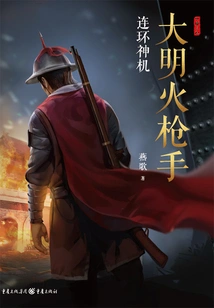
The Musketeers of the Ming Dynasty: the Chain God Machine
General Fiction大明火枪手:连环神机
Yange
The Ming Dynasty military camp had the world's earliest firearms unit, called the Shenji Camp. This unit used muskets and artillery to make great contributions to guarding the territory of the Ming Dynasty. However, in the Battle of Tumu Fort, the Shenji Battalion's slow-firing muskets lost to Wala's archery cavalry. The Oara army in pursuit of victory arrived at the gates of Beijing. The only drawing of a repeating musket that could turn the tide of the battle was missing on the day it was drawn. At the critical moment, Shenjiying and Jinyiwei sent one person each to work together to find the blueprint. Ding Xing, a musketeer who always protects himself wisely, is forced to become a partner with Jin Yiwei Lu Yan. The once bustling city was now deserted. They walked through the ruins of broken tiles and took a real look at the streets of Beijing. Only then did Ding Xing remember that he was also a Beijinger, and the weapons in his hands could also defend Beijing!
The Ming Dynasty military camp had the world's earliest firearms unit, called the Shenji Camp. This unit used muskets and artillery to make great contributions to guarding the territory of the Ming Dynasty. However, in the Battle of Tumu Fort, the Shenji Battalion's slow-firing muskets lost to Wala's archery cavalry. The Oara army in pursuit of victory arrived at the gates of Beijing. The only drawing of a repeating musket that could turn the tide of the battle was missing on the day it was drawn. At the critical moment, Shenjiying and Jinyiwei sent one person each to work together to find the blueprint. Ding Xing, a musketeer who always protects himself wisely, is forced to become a partner with Jin Yiwei Lu Yan. The once bustling city was now deserted. They walked through the ruins of broken tiles and took a real look at the streets of Beijing. Only then did Ding Xing remember that he was also a Beijinger, and the weapons in his hands could also defend Beijing!
Record of the Ming Dynasty's Anti-japanese War 1: Rescue
General Fiction大明王朝抗倭录1:拯救
Xu Baoyun
Wanli was a prosperous period for the Ming Dynasty. During these more than 40 years, the Ming Dynasty fought against foreign enemies and won more than a hundred battles. Among them, only the three battles of suppressing the rebellion in Ningxia, pacifying Bozhou Yang Yinglong, and resisting Japanese aggression and aiding Korea were the most famous, known as the "Three Great Conquests of Wanli"! The reason why the "Three Major Campaigns" are tied is of course because these three battles were fought the most beautifully and won the most thoroughly. However, the "Battle to Resist Japan and Aid Korea" recorded in the history books does not look like a victory in any way. It can hardly match the battles of Ningxia and Bozhou. What is the reason? At this time, please be careful about one thing: Regarding the War to Resist Japan and Aid Korea, the comments given by Japanese historical materials, Korean historical materials, and Qing Dynasty historical materials are all wrong, confusing, and deviate from the facts. The history of China must be written by the Chinese, and the gaps in history must be filled by ourselves. This book is the result of seven years of work, and the purpose of its creation is to "rectify chaos." 90% Of the content is a new logical inference based on existing data. It concludes with "the Ming Dynasty achieved complete victory", launches a new interpretation of every historical event and every battle, and explains the Ming army's brilliant strategy, advanced tactics, and sophisticated weapons. The fact that siege tactics, cavalry tactics, infantry and artillery coordination were an era ahead of Japan, and that it was easy to annihilate Japanese pirates, promoted the power of the Ming army, exposed Japan's bad roots, promoted the Ming army's great victory in the battle against Japanese pirates, and satirized the stinginess and ingratitude of the Korean people. The content of this book is completely new, the conclusions are new, the argument is novel, the analysis is profound, the logic is clear, it conforms to public opinion, and it gives a sigh of relief to the entire country and nation. For the same historical event, the historical materials and data may be the same, but the "conclusion" is completely defined by people. The Japanese defined this war as "boasting", the Qing people defined it as "slandering the Ming Dynasty", and among us (before the completion of this book) no one has really given a strong definition to this important historical event. Therefore, whether there are novels or film and television works about "The Ming Dynasty's Resistance against Japanese Aggression and Aid Korea", there is a complete blank. Nowadays, anti-Japanese and anti-Korean sentiments are rising in China, and film and television works are all about "fighting Japan", but none of them mention the exciting event of "the Ming Dynasty resisted Japan and aided Korea." This is a strange thing, and it is also a great opportunity for the timely release of this book.
Wanli was a prosperous period for the Ming Dynasty. During these more than 40 years, the Ming Dynasty fought against foreign enemies and won more than a hundred battles. Among them, only the three battles of suppressing the rebellion in Ningxia, pacifying Bozhou Yang Yinglong, and resisting Japanese aggression and aiding Korea were the most famous, known as the "Three Great Conquests of Wanli"! The reason why the "Three Major Campaigns" are tied is of course because these three battles were fought the most beautifully and won the most thoroughly. However, the "Battle to Resist Japan and Aid Korea" recorded in the history books does not look like a victory in any way. It can hardly match the battles of Ningxia and Bozhou. What is the reason? At this time, please be careful about one thing: Regarding the War to Resist Japan and Aid Korea, the comments given by Japanese historical materials, Korean historical materials, and Qing Dynasty historical materials are all wrong, confusing, and deviate from the facts. The history of China must be written by the Chinese, and the gaps in history must be filled by ourselves. This book is the result of seven years of work, and the purpose of its creation is to "rectify chaos." 90% Of the content is a new logical inference based on existing data. It concludes with "the Ming Dynasty achieved complete victory", launches a new interpretation of every historical event and every battle, and explains the Ming army's brilliant strategy, advanced tactics, and sophisticated weapons. The fact that siege tactics, cavalry tactics, infantry and artillery coordination were an era ahead of Japan, and that it was easy to annihilate Japanese pirates, promoted the power of the Ming army, exposed Japan's bad roots, promoted the Ming army's great victory in the battle against Japanese pirates, and satirized the stinginess and ingratitude of the Korean people. The content of this book is completely new, the conclusions are new, the argument is novel, the analysis is profound, the logic is clear, it conforms to public opinion, and it gives a sigh of relief to the entire country and nation. For the same historical event, the historical materials and data may be the same, but the "conclusion" is completely defined by people. The Japanese defined this war as "boasting", the Qing people defined it as "slandering the Ming Dynasty", and among us (before the completion of this book) no one has really given a strong definition to this important historical event. Therefore, whether there are novels or film and television works about "The Ming Dynasty's Resistance against Japanese Aggression and Aid Korea", there is a complete blank. Nowadays, anti-Japanese and anti-Korean sentiments are rising in China, and film and television works are all about "fighting Japan", but none of them mention the exciting event of "the Ming Dynasty resisted Japan and aided Korea." This is a strange thing, and it is also a great opportunity for the timely release of this book.
大明王朝抗倭录2:穷追
Xu Baoyun
Wanli was a prosperous period for the Ming Dynasty. During these more than 40 years, the Ming Dynasty fought against foreign enemies and won more than a hundred battles. Among them, only the three battles of suppressing the rebellion in Ningxia, pacifying Bozhou Yang Yinglong, and resisting Japanese aggression and aiding Korea were the most famous, known as the "Three Great Conquests of Wanli"! The reason why the "Three Major Campaigns" are tied is of course because these three battles were fought the most beautifully and won the most thoroughly. However, the "Battle to Resist Japan and Aid Korea" recorded in the history books does not look like a victory in any way. It can hardly match the battles of Ningxia and Bozhou. What is the reason? At this time, please be careful about one thing: Regarding the War to Resist Japan and Aid Korea, the comments given by Japanese historical materials, Korean historical materials, and Qing Dynasty historical materials are all wrong, confusing, and deviate from the facts. The history of China must be written by the Chinese, and the gaps in history must be filled by ourselves. This book is the result of seven years of work, and the purpose of its creation is to "rectify chaos." 90% Of the content is a new logical inference based on existing data. It concludes with "the Ming Dynasty achieved complete victory", launches a new interpretation of every historical event and every battle, and explains the Ming army's brilliant strategy, advanced tactics, and sophisticated weapons. The fact that siege tactics, cavalry tactics, infantry and artillery coordination were an era ahead of Japan, and that it was easy to annihilate Japanese pirates, promoted the power of the Ming army, exposed Japan's bad roots, promoted the Ming army's great victory in the battle against Japanese pirates, and satirized the stinginess and ingratitude of the Korean people. The content of this book is completely new, the conclusions are new, the argument is novel, the analysis is profound, the logic is clear, it conforms to public opinion, and it gives a sigh of relief to the entire country and nation. For the same historical event, the historical materials and data may be the same, but the "conclusion" is completely defined by people. The Japanese defined this war as "boasting", the Qing people defined it as "slandering the Ming Dynasty", and among us (before the completion of this book) no one has really given a strong definition to this important historical event. Therefore, whether there are novels or film and television works about "The Ming Dynasty's Resistance against Japanese Aggression and Aid Korea", there is a complete blank. Nowadays, anti-Japanese and anti-Korean sentiments are rising in China, and film and television works are all about "fighting Japan", but none of them mention the exciting event of "the Ming Dynasty resisted Japan and aided Korea." This is a strange thing, and it is also a great opportunity for the timely release of this book.
Wanli was a prosperous period for the Ming Dynasty. During these more than 40 years, the Ming Dynasty fought against foreign enemies and won more than a hundred battles. Among them, only the three battles of suppressing the rebellion in Ningxia, pacifying Bozhou Yang Yinglong, and resisting Japanese aggression and aiding Korea were the most famous, known as the "Three Great Conquests of Wanli"! The reason why the "Three Major Campaigns" are tied is of course because these three battles were fought the most beautifully and won the most thoroughly. However, the "Battle to Resist Japan and Aid Korea" recorded in the history books does not look like a victory in any way. It can hardly match the battles of Ningxia and Bozhou. What is the reason? At this time, please be careful about one thing: Regarding the War to Resist Japan and Aid Korea, the comments given by Japanese historical materials, Korean historical materials, and Qing Dynasty historical materials are all wrong, confusing, and deviate from the facts. The history of China must be written by the Chinese, and the gaps in history must be filled by ourselves. This book is the result of seven years of work, and the purpose of its creation is to "rectify chaos." 90% Of the content is a new logical inference based on existing data. It concludes with "the Ming Dynasty achieved complete victory", launches a new interpretation of every historical event and every battle, and explains the Ming army's brilliant strategy, advanced tactics, and sophisticated weapons. The fact that siege tactics, cavalry tactics, infantry and artillery coordination were an era ahead of Japan, and that it was easy to annihilate Japanese pirates, promoted the power of the Ming army, exposed Japan's bad roots, promoted the Ming army's great victory in the battle against Japanese pirates, and satirized the stinginess and ingratitude of the Korean people. The content of this book is completely new, the conclusions are new, the argument is novel, the analysis is profound, the logic is clear, it conforms to public opinion, and it gives a sigh of relief to the entire country and nation. For the same historical event, the historical materials and data may be the same, but the "conclusion" is completely defined by people. The Japanese defined this war as "boasting", the Qing people defined it as "slandering the Ming Dynasty", and among us (before the completion of this book) no one has really given a strong definition to this important historical event. Therefore, whether there are novels or film and television works about "The Ming Dynasty's Resistance against Japanese Aggression and Aid Korea", there is a complete blank. Nowadays, anti-Japanese and anti-Korean sentiments are rising in China, and film and television works are all about "fighting Japan", but none of them mention the exciting event of "the Ming Dynasty resisted Japan and aided Korea." This is a strange thing, and it is also a great opportunity for the timely release of this book.
大明王朝抗倭录3:虎啸
Xu Baoyun
Wanli was a prosperous period for the Ming Dynasty. During these more than 40 years, the Ming Dynasty fought against foreign enemies and won more than a hundred battles. Among them, only the three battles of suppressing the rebellion in Ningxia, pacifying Bozhou Yang Yinglong, and resisting Japanese aggression and aiding Korea were the most famous, known as the "Three Great Conquests of Wanli"! The reason why the "Three Major Campaigns" are tied is of course because these three battles were fought the most beautifully and won the most thoroughly. However, the "Battle to Resist Japan and Aid Korea" recorded in the history books does not look like a victory in any way. It can hardly match the battles of Ningxia and Bozhou. What is the reason? At this time, please be careful about one thing: Regarding the War to Resist Japan and Aid Korea, the comments given by Japanese historical materials, Korean historical materials, and Qing Dynasty historical materials are all wrong, confusing, and deviate from the facts. The history of China must be written by the Chinese, and the gaps in history must be filled by ourselves. This book is the result of seven years of work, and the purpose of its creation is to "rectify chaos." 90% Of the content is a new logical inference based on existing data. It concludes with "the Ming Dynasty achieved complete victory", launches a new interpretation of every historical event and every battle, and explains the Ming army's brilliant strategy, advanced tactics, and sophisticated weapons. The fact that siege tactics, cavalry tactics, infantry and artillery coordination were an era ahead of Japan, and that it was easy to annihilate Japanese pirates, promoted the power of the Ming army, exposed Japan's bad roots, promoted the Ming army's great victory in the battle against Japanese pirates, and satirized the stinginess and ingratitude of the Korean people. The content of this book is completely new, the conclusions are new, the argument is novel, the analysis is profound, the logic is clear, it conforms to public opinion, and it gives a sigh of relief to the entire country and nation. For the same historical event, the historical materials and data may be the same, but the "conclusion" is completely defined by people. The Japanese defined this war as "boasting", the Qing people defined it as "slandering the Ming Dynasty", and among us (before the completion of this book) no one has really given a strong definition to this important historical event. Therefore, whether there are novels or film and television works about "The Ming Dynasty's Resistance against Japanese Aggression and Aid Korea", there is a complete blank. Nowadays, anti-Japanese and anti-Korean sentiments are rising in China, and film and television works are all about "fighting Japan", but none of them mention the exciting event of "the Ming Dynasty resisted Japan and aided Korea." This is a strange thing, and it is also a great opportunity for the timely release of this book.
Wanli was a prosperous period for the Ming Dynasty. During these more than 40 years, the Ming Dynasty fought against foreign enemies and won more than a hundred battles. Among them, only the three battles of suppressing the rebellion in Ningxia, pacifying Bozhou Yang Yinglong, and resisting Japanese aggression and aiding Korea were the most famous, known as the "Three Great Conquests of Wanli"! The reason why the "Three Major Campaigns" are tied is of course because these three battles were fought the most beautifully and won the most thoroughly. However, the "Battle to Resist Japan and Aid Korea" recorded in the history books does not look like a victory in any way. It can hardly match the battles of Ningxia and Bozhou. What is the reason? At this time, please be careful about one thing: Regarding the War to Resist Japan and Aid Korea, the comments given by Japanese historical materials, Korean historical materials, and Qing Dynasty historical materials are all wrong, confusing, and deviate from the facts. The history of China must be written by the Chinese, and the gaps in history must be filled by ourselves. This book is the result of seven years of work, and the purpose of its creation is to "rectify chaos." 90% Of the content is a new logical inference based on existing data. It concludes with "the Ming Dynasty achieved complete victory", launches a new interpretation of every historical event and every battle, and explains the Ming army's brilliant strategy, advanced tactics, and sophisticated weapons. The fact that siege tactics, cavalry tactics, infantry and artillery coordination were an era ahead of Japan, and that it was easy to annihilate Japanese pirates, promoted the power of the Ming army, exposed Japan's bad roots, promoted the Ming army's great victory in the battle against Japanese pirates, and satirized the stinginess and ingratitude of the Korean people. The content of this book is completely new, the conclusions are new, the argument is novel, the analysis is profound, the logic is clear, it conforms to public opinion, and it gives a sigh of relief to the entire country and nation. For the same historical event, the historical materials and data may be the same, but the "conclusion" is completely defined by people. The Japanese defined this war as "boasting", the Qing people defined it as "slandering the Ming Dynasty", and among us (before the completion of this book) no one has really given a strong definition to this important historical event. Therefore, whether there are novels or film and television works about "The Ming Dynasty's Resistance against Japanese Aggression and Aid Korea", there is a complete blank. Nowadays, anti-Japanese and anti-Korean sentiments are rising in China, and film and television works are all about "fighting Japan", but none of them mention the exciting event of "the Ming Dynasty resisted Japan and aided Korea." This is a strange thing, and it is also a great opportunity for the timely release of this book.
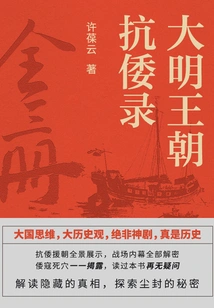
Records of the Ming Dynasty's Resistance Against Japanese Aggression (complete Three Volumes)
General Fiction大明王朝抗倭录(全三册)
Xu Baoyun
Wanli was a prosperous period for the Ming Dynasty. During these more than 40 years, the Ming Dynasty fought against foreign enemies and won more than a hundred battles. Among them, only the three battles of suppressing the rebellion in Ningxia, pacifying Bozhou Yang Yinglong, and resisting Japanese aggression and aiding Korea were the most famous, known as the "Three Great Conquests of Wanli"! The reason why the "Three Major Campaigns" are tied is of course because these three battles were fought the most beautifully and won the most thoroughly. However, the "Battle to Resist Japan and Aid Korea" recorded in the history books does not look like a victory in any way. It can hardly match the battles of Ningxia and Bozhou. What is the reason? At this time, please be careful about one thing: Regarding the War to Resist Japan and Aid Korea, the comments given by Japanese historical materials, Korean historical materials, and Qing Dynasty historical materials are all wrong, confusing, and deviate from the facts. The history of China must be written by the Chinese, and the gaps in history must be filled by ourselves. This book is the result of seven years of work, and the purpose of its creation is to "rectify chaos." 90% Of the content is a new logical inference based on existing data. It concludes with "the Ming Dynasty achieved complete victory", launches a new interpretation of every historical event and every battle, and explains the Ming army's brilliant strategy, advanced tactics, and sophisticated weapons. The fact that siege tactics, cavalry tactics, infantry and artillery coordination were an era ahead of Japan, and that it was easy to annihilate Japanese pirates, promoted the power of the Ming army, exposed Japan's bad roots, promoted the Ming army's great victory in the battle against Japanese pirates, and satirized the stinginess and ingratitude of the Korean people. The content of this book is completely new, the conclusions are new, the argument is novel, the analysis is profound, the logic is clear, it conforms to public opinion, and it gives a sigh of relief to the entire country and nation. For the same historical event, the historical materials and data may be the same, but the "conclusion" is completely defined by people. The Japanese defined this war as "boasting", the Qing people defined it as "slandering the Ming Dynasty", and among us (before the completion of this book) no one has really given a strong definition to this important historical event. Therefore, whether there are novels or film and television works about "The Ming Dynasty's Resistance against Japanese Aggression and Aid Korea", there is a complete blank. Nowadays, anti-Japanese and anti-Korean sentiments are rising in China, and film and television works are all about "fighting Japan", but none of them mention the exciting event of "the Ming Dynasty resisted Japan and aided Korea." This is a strange thing, and it is also a great opportunity for the timely release of this book.
Wanli was a prosperous period for the Ming Dynasty. During these more than 40 years, the Ming Dynasty fought against foreign enemies and won more than a hundred battles. Among them, only the three battles of suppressing the rebellion in Ningxia, pacifying Bozhou Yang Yinglong, and resisting Japanese aggression and aiding Korea were the most famous, known as the "Three Great Conquests of Wanli"! The reason why the "Three Major Campaigns" are tied is of course because these three battles were fought the most beautifully and won the most thoroughly. However, the "Battle to Resist Japan and Aid Korea" recorded in the history books does not look like a victory in any way. It can hardly match the battles of Ningxia and Bozhou. What is the reason? At this time, please be careful about one thing: Regarding the War to Resist Japan and Aid Korea, the comments given by Japanese historical materials, Korean historical materials, and Qing Dynasty historical materials are all wrong, confusing, and deviate from the facts. The history of China must be written by the Chinese, and the gaps in history must be filled by ourselves. This book is the result of seven years of work, and the purpose of its creation is to "rectify chaos." 90% Of the content is a new logical inference based on existing data. It concludes with "the Ming Dynasty achieved complete victory", launches a new interpretation of every historical event and every battle, and explains the Ming army's brilliant strategy, advanced tactics, and sophisticated weapons. The fact that siege tactics, cavalry tactics, infantry and artillery coordination were an era ahead of Japan, and that it was easy to annihilate Japanese pirates, promoted the power of the Ming army, exposed Japan's bad roots, promoted the Ming army's great victory in the battle against Japanese pirates, and satirized the stinginess and ingratitude of the Korean people. The content of this book is completely new, the conclusions are new, the argument is novel, the analysis is profound, the logic is clear, it conforms to public opinion, and it gives a sigh of relief to the entire country and nation. For the same historical event, the historical materials and data may be the same, but the "conclusion" is completely defined by people. The Japanese defined this war as "boasting", the Qing people defined it as "slandering the Ming Dynasty", and among us (before the completion of this book) no one has really given a strong definition to this important historical event. Therefore, whether there are novels or film and television works about "The Ming Dynasty's Resistance against Japanese Aggression and Aid Korea", there is a complete blank. Nowadays, anti-Japanese and anti-Korean sentiments are rising in China, and film and television works are all about "fighting Japan", but none of them mention the exciting event of "the Ming Dynasty resisted Japan and aided Korea." This is a strange thing, and it is also a great opportunity for the timely release of this book.
Warring States Period: Guiguzi's Game (volume 1-15)
General Fiction战国纵横:鬼谷子的局(1—15卷)
Hanchuanzi
The Eastern version of "Game of Thrones" "Guiguzi's Game" is a full-length historical novel. It tells the glorious legend of Guiguzi, the common ancestor of the strategist, military strategist, strategist, Yin-Yang family, and Taoism, who organized the world! In the middle of the Warring States Period, an old man who was honored as Guiguzi lived in seclusion in the valley of Yunmeng Mountain. In the more than two thousand years after his death, strategists regarded him as their ancestor, military strategists regarded him as a saint, politicians regarded him as their ancestor, prime ministers worshiped him as their ancestor, and immortal Taoists respected him as a true man. The Chinese regard him as the embodiment of wisdom and respect him as an omnipotent dragon.
The Eastern version of "Game of Thrones" "Guiguzi's Game" is a full-length historical novel. It tells the glorious legend of Guiguzi, the common ancestor of the strategist, military strategist, strategist, Yin-Yang family, and Taoism, who organized the world! In the middle of the Warring States Period, an old man who was honored as Guiguzi lived in seclusion in the valley of Yunmeng Mountain. In the more than two thousand years after his death, strategists regarded him as their ancestor, military strategists regarded him as a saint, politicians regarded him as their ancestor, prime ministers worshiped him as their ancestor, and immortal Taoists respected him as a true man. The Chinese regard him as the embodiment of wisdom and respect him as an omnipotent dragon.
Guiguzi's Bureau·volume 15
General Fiction鬼谷子的局·卷十五
Hanchuanzi
The Eastern version of "Game of Thrones" "Guiguzi's Game" is a full-length historical novel. It tells the glorious legend of Guiguzi, the common ancestor of the strategist, military strategist, strategist, Yin-Yang family, and Taoism, who organized the world! In the middle of the Warring States Period, an old man who was honored as Guiguzi lived in seclusion in the valley of Yunmeng Mountain. In the more than two thousand years after his death, strategists regarded him as their ancestor, military strategists regarded him as a saint, politicians regarded him as their ancestor, prime ministers worshiped him as their ancestor, and immortal Taoists respected him as a true man. The Chinese regard him as the embodiment of wisdom and respect him as an omnipotent dragon.
The Eastern version of "Game of Thrones" "Guiguzi's Game" is a full-length historical novel. It tells the glorious legend of Guiguzi, the common ancestor of the strategist, military strategist, strategist, Yin-Yang family, and Taoism, who organized the world! In the middle of the Warring States Period, an old man who was honored as Guiguzi lived in seclusion in the valley of Yunmeng Mountain. In the more than two thousand years after his death, strategists regarded him as their ancestor, military strategists regarded him as a saint, politicians regarded him as their ancestor, prime ministers worshiped him as their ancestor, and immortal Taoists respected him as a true man. The Chinese regard him as the embodiment of wisdom and respect him as an omnipotent dragon.
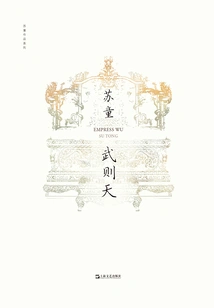
Wu Zetian (su Tong's Works Series)
General Fiction武则天(苏童作品系列)
Su Tong
Su Tong is an extremely talented writer with one-of-a-kind sensibility and imagination. He uses delicate and ghostly words to depict the tortuous fate of Wu Zetian, the most powerful woman in Chinese history, hinting at the bloodshed, cruelty and heaviness of history. The compassionate and imaginative words of "Wu Zetian" restore historical details and create emotional resonance for readers.
Su Tong is an extremely talented writer with one-of-a-kind sensibility and imagination. He uses delicate and ghostly words to depict the tortuous fate of Wu Zetian, the most powerful woman in Chinese history, hinting at the bloodshed, cruelty and heaviness of history. The compassionate and imaginative words of "Wu Zetian" restore historical details and create emotional resonance for readers.
日本战国史入门
Sakura Snowmaru
Sakura Yukimaru's popular masterpiece! The history of Japan's Warring States Period is told in the voices of dozens of people including Ikkyu, Hojo Soun, and Saito Michichi! Read a Japanese historical novel in the early hours of the morning in one sitting! In the history of Japan's Warring States Period, various separatist forces in Japan fought for the world for more than 150 years. Many heroes of troubled times emerged, such as Oda Nobunaga, Toyotomi Hideyoshi, Takeda Shingen, Uesugi Kenshin, etc. However, people often ignore those small figures who have not established any achievements, but they are actually indispensable roles in the historical flow. The story background of this book is the more than one hundred years of Japanese Warring States history from 1467 to 1616. Starting from the perspective of minor figures in the historical process, the story is told in the tone of dozens of protagonists such as Ikkyu, Hojo Soun, Saito Michizan, etc., And together they interpret the unique grand scene of Japan's Warring States history. The full text is based on real historical materials, with the era and specific characters as the main line, and also incorporates novel writing techniques, skillfully citing classics and classics, and creating a little-known history of Japan's Warring States Period.
Sakura Yukimaru's popular masterpiece! The history of Japan's Warring States Period is told in the voices of dozens of people including Ikkyu, Hojo Soun, and Saito Michichi! Read a Japanese historical novel in the early hours of the morning in one sitting! In the history of Japan's Warring States Period, various separatist forces in Japan fought for the world for more than 150 years. Many heroes of troubled times emerged, such as Oda Nobunaga, Toyotomi Hideyoshi, Takeda Shingen, Uesugi Kenshin, etc. However, people often ignore those small figures who have not established any achievements, but they are actually indispensable roles in the historical flow. The story background of this book is the more than one hundred years of Japanese Warring States history from 1467 to 1616. Starting from the perspective of minor figures in the historical process, the story is told in the tone of dozens of protagonists such as Ikkyu, Hojo Soun, Saito Michizan, etc., And together they interpret the unique grand scene of Japan's Warring States history. The full text is based on real historical materials, with the era and specific characters as the main line, and also incorporates novel writing techniques, skillfully citing classics and classics, and creating a little-known history of Japan's Warring States Period.
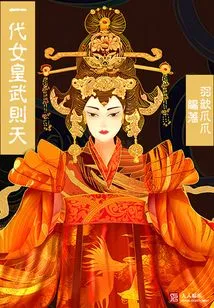
Empress Wu Zetian (also Known as the Legend of Wu Meiniang)
General Fiction一代女皇武则天(又名武媚娘传奇)
Yu Xin Claw
See how a woman transforms from an innocent girl into a queen, see how a woman goes through ups and downs and dominates the ups and downs. To whom did she give her heart, her young girl's spring, and her love?
See how a woman transforms from an innocent girl into a queen, see how a woman goes through ups and downs and dominates the ups and downs. To whom did she give her heart, her young girl's spring, and her love?
Hunting the World (complete Collection)
General Fiction猎天下(全集)
Fu Yao
A large-scale historical war novel about the late Southern and Northern Dynasties, an entrepreneurial epic of the Northern Zhou, Northern Qi, Sui and Tang emperors, and a sociological masterpiece recording the politics and life of the Southern and Northern Dynasties. It is more intelligent than "The Romance of the Three Kingdoms" and more emotional than "A Dream of Red Mansions", taking you to understand a domineering and stunning Northern and Southern Dynasties. Zong Baihua, the master of aesthetics, praised this era of passion and wisdom. This book selects the history that took place between AD 524 and AD 550. This period of history was a period of chaos, and the level of chaos was greater than that of the Three Kingdoms. The north was in intense turmoil as millions of refugees revolted. There was fierce political turmoil, the emperor was poisoned and manipulated, and more than two thousand princes and nobles were drowned in the Heyin Incident. Southern Liang and Northern Expedition. This kind of chaos is unprecedented in history.
A large-scale historical war novel about the late Southern and Northern Dynasties, an entrepreneurial epic of the Northern Zhou, Northern Qi, Sui and Tang emperors, and a sociological masterpiece recording the politics and life of the Southern and Northern Dynasties. It is more intelligent than "The Romance of the Three Kingdoms" and more emotional than "A Dream of Red Mansions", taking you to understand a domineering and stunning Northern and Southern Dynasties. Zong Baihua, the master of aesthetics, praised this era of passion and wisdom. This book selects the history that took place between AD 524 and AD 550. This period of history was a period of chaos, and the level of chaos was greater than that of the Three Kingdoms. The north was in intense turmoil as millions of refugees revolted. There was fierce political turmoil, the emperor was poisoned and manipulated, and more than two thousand princes and nobles were drowned in the Heyin Incident. Southern Liang and Northern Expedition. This kind of chaos is unprecedented in history.
猎天下第1部:六镇兵起
Fu Yao
The mutiny of the six towns defending the old capital Pingcheng sounded the death knell of the Northern Wei Empire. The war brought bloody winds and endless darkness, but a faint light shone in a small border town. No one thought that the founder of the glorious Sui and Tang Dynasties would be born here! In the late winter of 524 AD, the Northern Wei Dynasty suppressed the rebellion in the six towns and moved the refugees to Hebei, but failed to take effective measures to ensure their livelihoods. This triggered a refugee uprising in the six towns. Ge Rong, the general of Huaishuo Town, launched an uprising in Zuoren City, which gradually became the largest refugee uprising in Chinese history. Yang Zhen sheltered refugees in Zuoren City, but was defeated by Ge Rong. Yang Zhen died in the battle, and his son Yang Zhong fled to Nanliang to seek refuge with Chen Qingzhi, the Marquis of Guanzhong. Little Monkey, a blacksmith who escaped from Zuoren City, traveled across the desert and vowed to forge the sharpest weapons. Yang Zhen's brother Yang Min led the people of Hebei to build a new dock wall on the north bank of the Yellow River: Fangtou dock. Three years later, Ge Rong, who had millions of troops, proclaimed himself emperor and was about to cross the Yellow River and attack Luoyang. Fangtouwu, which was at the ferry, was the first to bear the brunt and faced another catastrophe. Yang Zhong, who was living in Nanliang, gradually grew up during the war. On the order of Emperor Xiao Yan of Liang, he led 300 Liang troops to escort Beihai Princess Lu Taoer back to the north, garrisoned at Fangtouwu, shot and killed General Ge Rong Ren Bao, and assisted the people of Fangtouwu to repel the attack of Ge Rong's army.
The mutiny of the six towns defending the old capital Pingcheng sounded the death knell of the Northern Wei Empire. The war brought bloody winds and endless darkness, but a faint light shone in a small border town. No one thought that the founder of the glorious Sui and Tang Dynasties would be born here! In the late winter of 524 AD, the Northern Wei Dynasty suppressed the rebellion in the six towns and moved the refugees to Hebei, but failed to take effective measures to ensure their livelihoods. This triggered a refugee uprising in the six towns. Ge Rong, the general of Huaishuo Town, launched an uprising in Zuoren City, which gradually became the largest refugee uprising in Chinese history. Yang Zhen sheltered refugees in Zuoren City, but was defeated by Ge Rong. Yang Zhen died in the battle, and his son Yang Zhong fled to Nanliang to seek refuge with Chen Qingzhi, the Marquis of Guanzhong. Little Monkey, a blacksmith who escaped from Zuoren City, traveled across the desert and vowed to forge the sharpest weapons. Yang Zhen's brother Yang Min led the people of Hebei to build a new dock wall on the north bank of the Yellow River: Fangtou dock. Three years later, Ge Rong, who had millions of troops, proclaimed himself emperor and was about to cross the Yellow River and attack Luoyang. Fangtouwu, which was at the ferry, was the first to bear the brunt and faced another catastrophe. Yang Zhong, who was living in Nanliang, gradually grew up during the war. On the order of Emperor Xiao Yan of Liang, he led 300 Liang troops to escort Beihai Princess Lu Taoer back to the north, garrisoned at Fangtouwu, shot and killed General Ge Rong Ren Bao, and assisted the people of Fangtouwu to repel the attack of Ge Rong's army.