Library
Browse and search books
17,591 novels found

我真的不是挂
Dk Yuanyuanjiang
Zhu Peiqi, the second oldest child in ten thousand years, got the Chicken God System by chance and started a cheating life from then on. Player A: Can the jungler collect all level 3 equipment? Reported it, this anchor's resources are blocked. Player B: Commanding the bombing of the Scourge Circle? This anchor has activated the God of Punishment, and it has been stone hammered, so there is no way to clean it up. Player C: A group of gods are kneeling? Report and go, live to be ninety-nine. The magic of love goes in circles, extremely unlucky, unlucky, ordinary, lucky, very lucky, godly lucky. Zhu Peiqi hid in the corner and trembled: I... I really am not crazy, blah blah blah blah! Communication group: 1006391502 (Welcome to come)
Zhu Peiqi, the second oldest child in ten thousand years, got the Chicken God System by chance and started a cheating life from then on. Player A: Can the jungler collect all level 3 equipment? Reported it, this anchor's resources are blocked. Player B: Commanding the bombing of the Scourge Circle? This anchor has activated the God of Punishment, and it has been stone hammered, so there is no way to clean it up. Player C: A group of gods are kneeling? Report and go, live to be ninety-nine. The magic of love goes in circles, extremely unlucky, unlucky, ordinary, lucky, very lucky, godly lucky. Zhu Peiqi hid in the corner and trembled: I... I really am not crazy, blah blah blah blah! Communication group: 1006391502 (Welcome to come)
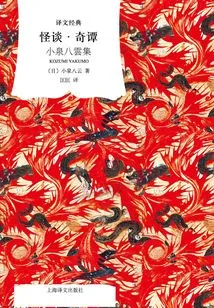
Weird Tales: Strange Tales: the Collection of Eight Clouds by Koizumi (translation Classic)
General Fiction怪谈·奇谭:小泉八云集(译文经典)
(japan) Koizumi Yakumo
"Keidan·Keitan" contains a total of fifty-five ghost stories, all of which are retellings and rewrites by Koizumi Yakumo based on famous works of Japanese classical literature. They are taken from many ancient Japanese books such as "Wandering Strange Story", "Ghost Story at the Night Window", "Ten Lessons Copy", "The Story of the Past", "Ugetsu Monogatari", "Anthology of Ancient and Modern Writings", "Hyakumonogatari", "Hyakumonogatari" and "New Hyakumonogatari". These stories of loneliness or loneliness in the dark have won the samadhi of Japanese literature. "Strange Tales" is an indirect reflection of Japanese history, and it also carries the cultural beauty shared by the East. The aesthetic realm of the blending of Eastern and Western civilizations presented in the whole book has extremely high appreciation and recognition value. The book is equipped with many ukiyo-e works by famous Japanese artists, making it a great collection.
"Keidan·Keitan" contains a total of fifty-five ghost stories, all of which are retellings and rewrites by Koizumi Yakumo based on famous works of Japanese classical literature. They are taken from many ancient Japanese books such as "Wandering Strange Story", "Ghost Story at the Night Window", "Ten Lessons Copy", "The Story of the Past", "Ugetsu Monogatari", "Anthology of Ancient and Modern Writings", "Hyakumonogatari", "Hyakumonogatari" and "New Hyakumonogatari". These stories of loneliness or loneliness in the dark have won the samadhi of Japanese literature. "Strange Tales" is an indirect reflection of Japanese history, and it also carries the cultural beauty shared by the East. The aesthetic realm of the blending of Eastern and Western civilizations presented in the whole book has extremely high appreciation and recognition value. The book is equipped with many ukiyo-e works by famous Japanese artists, making it a great collection.
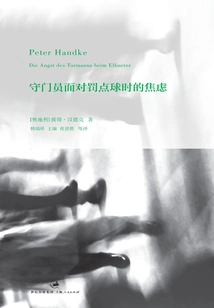
The Goalkeeper's Anxiety When Facing a Penalty Kick (2019 Nobel Prize Winner in Literature)
General Fiction守门员面对罚点球时的焦虑(2019诺贝尔文学奖得主作品)
H
The works of the 2019 Nobel Prize winners in literature. Peter Handke (1942-), a famous Austrian novelist and playwright. One of the most important writers of contemporary German literature, known as a "living classic". He won the Büchner Prize for Literature in 1973 and the Kafka Prize for Literature in 2009. He is the author of the novels "The Anxiety of the Goalkeeper when Facing a Penalty Kick", "Reappearance", "The Elegy of Desire", "The Left-Handed Woman", and the scripts "Scolding the Audience", "Casper", "The Moment of Strangeness", etc. In 1961, he entered the University of Graz to study law. He published his first novel "Bumblebee" at the age of 24. Before that, he had dropped out of school to concentrate on writing. In the same year, he published the script "Scolding the Audience" that made him famous in one fell swoop, causing an unprecedented sensation in the German literary world. His "Casper" has a status comparable to Beckett's "Waiting for Godot" in the history of modern drama. He is also known as the master of creating "speaking drama" and anti-language discipline. In addition to literary creation, "Under the Berlin Sky" co-written by Handke and Wenders has become a classic in film history. The film "Left-Handed Woman" directed by Handke was nominated for the best film at the Cannes Film Festival. "The Goalkeeper's Anxiety when Facing a Penalty Kick" is a collection of four stories, including "The Goalkeeper's Anxiety when Facing a Penalty Kick", "Welcome Speech by the Supervisory Board", "The Salesman" and "When a Pin Falls on a Farmer's Bowling Lane". In the title story "Goalkeeper's Anxiety when Facing Penalty Kicks", the protagonist Bloch was a famous goalkeeper in his day. One morning, he inexplicably left his job because he thought he was fired. He wandered around Vienna without any purpose. He accidentally committed a murder. He took a car to a remote place on the border and hid himself. He saw the wanted notice in the newspaper, and finally stopped in front of a goalkeeper, watching him stand motionless and save the penalty kick. In the novel, Handke used his obsession with language accuracy and extremely detailed descriptions of consecutive events to convey the deviation phenomenon of Joseph Bloch's attention. The novel has an atmosphere of detective suspense.
The works of the 2019 Nobel Prize winners in literature. Peter Handke (1942-), a famous Austrian novelist and playwright. One of the most important writers of contemporary German literature, known as a "living classic". He won the Büchner Prize for Literature in 1973 and the Kafka Prize for Literature in 2009. He is the author of the novels "The Anxiety of the Goalkeeper when Facing a Penalty Kick", "Reappearance", "The Elegy of Desire", "The Left-Handed Woman", and the scripts "Scolding the Audience", "Casper", "The Moment of Strangeness", etc. In 1961, he entered the University of Graz to study law. He published his first novel "Bumblebee" at the age of 24. Before that, he had dropped out of school to concentrate on writing. In the same year, he published the script "Scolding the Audience" that made him famous in one fell swoop, causing an unprecedented sensation in the German literary world. His "Casper" has a status comparable to Beckett's "Waiting for Godot" in the history of modern drama. He is also known as the master of creating "speaking drama" and anti-language discipline. In addition to literary creation, "Under the Berlin Sky" co-written by Handke and Wenders has become a classic in film history. The film "Left-Handed Woman" directed by Handke was nominated for the best film at the Cannes Film Festival. "The Goalkeeper's Anxiety when Facing a Penalty Kick" is a collection of four stories, including "The Goalkeeper's Anxiety when Facing a Penalty Kick", "Welcome Speech by the Supervisory Board", "The Salesman" and "When a Pin Falls on a Farmer's Bowling Lane". In the title story "Goalkeeper's Anxiety when Facing Penalty Kicks", the protagonist Bloch was a famous goalkeeper in his day. One morning, he inexplicably left his job because he thought he was fired. He wandered around Vienna without any purpose. He accidentally committed a murder. He took a car to a remote place on the border and hid himself. He saw the wanted notice in the newspaper, and finally stopped in front of a goalkeeper, watching him stand motionless and save the penalty kick. In the novel, Handke used his obsession with language accuracy and extremely detailed descriptions of consecutive events to convey the deviation phenomenon of Joseph Bloch's attention. The novel has an atmosphere of detective suspense.

Collection of Moroa's Works (classics Translated by Fu Lei)
General Fiction莫罗阿作品集(傅雷译文经典)
(french) Moroa
"The Biography of Fu De" is one of the 12th volume of Fu Lei's translation collection. It permeates the translator's thoughts and feelings. He allows us to "breathe the breath of heroes" and challenge the tragic fate. We know that life is suffering and tragedy, but we must also struggle and perform in a vivid way. "The Five Major Questions of Life" is a masterpiece by the famous French Jewish writer Mauroya. It covers marriage and family, friendship and happiness, life and death, morality and art, economy and politics. These are the five major questions in life that everyone has to face. This book has been popular all over the world and changed the destiny of many people. "Love and Sacrifice" is the work of the famous French biographer and novelist Mauroa (now translated as Mauroa). This book was translated by Fu Lei in his early years. It aims to strengthen life cultivation and improve the quality of the people. "It can give some hope to the decadent people and add some courage to the fighting heroes." It is a rare self-cultivation reading today.
"The Biography of Fu De" is one of the 12th volume of Fu Lei's translation collection. It permeates the translator's thoughts and feelings. He allows us to "breathe the breath of heroes" and challenge the tragic fate. We know that life is suffering and tragedy, but we must also struggle and perform in a vivid way. "The Five Major Questions of Life" is a masterpiece by the famous French Jewish writer Mauroya. It covers marriage and family, friendship and happiness, life and death, morality and art, economy and politics. These are the five major questions in life that everyone has to face. This book has been popular all over the world and changed the destiny of many people. "Love and Sacrifice" is the work of the famous French biographer and novelist Mauroa (now translated as Mauroa). This book was translated by Fu Lei in his early years. It aims to strengthen life cultivation and improve the quality of the people. "It can give some hope to the decadent people and add some courage to the fighting heroes." It is a rare self-cultivation reading today.

Goodbye, Mr. Shinobu
General Fiction再见了,忍老师
G
A novel that is full of energy and makes you laugh out loud, the sequel to "The Splash Boys Detective Team" will make you laugh out loud while reading! The protagonist, Mr. Shinobu, is the only female detective in Keigo Higashino's novels. Such a cute girl has never been seen in other Keigo Higashino novels. I never expected that it would be the nasty shit that saved me from death. A few days ago, Mrs. Harada, who is also studying at a driving school, invited me to participate in a special training on the road - free of charge. How could I miss such a good thing. But for several days in a row, whenever I went out for training, there would always be dog poop spread out at the door when I came home. It's not my Takeuchi Shinobu style not to get to the bottom of it! Today I specifically asked for leave at home, but before I could see anything, I received the bad news: Mrs. Harada suffered a serious car accident during special training. I was supposed to be in that car too. The special training that was like pie in the sky, the shit that happened every day, the car accident that happened on a road with few vehicles - are all these really just coincidences?
A novel that is full of energy and makes you laugh out loud, the sequel to "The Splash Boys Detective Team" will make you laugh out loud while reading! The protagonist, Mr. Shinobu, is the only female detective in Keigo Higashino's novels. Such a cute girl has never been seen in other Keigo Higashino novels. I never expected that it would be the nasty shit that saved me from death. A few days ago, Mrs. Harada, who is also studying at a driving school, invited me to participate in a special training on the road - free of charge. How could I miss such a good thing. But for several days in a row, whenever I went out for training, there would always be dog poop spread out at the door when I came home. It's not my Takeuchi Shinobu style not to get to the bottom of it! Today I specifically asked for leave at home, but before I could see anything, I received the bad news: Mrs. Harada suffered a serious car accident during special training. I was supposed to be in that car too. The special training that was like pie in the sky, the shit that happened every day, the car accident that happened on a road with few vehicles - are all these really just coincidences?

Y
General Fictiony
F
The classic work of Nobel Prize winner Kawabata Yasunari is highly recommended by Yu Hua. "Ancient Capital" includes Kawabata Yasunari's classic novels "Ancient Capital" and "Celebrity". In the ancient capital of Kyoto, Chieko was adopted by a brocade merchant and became a beautiful girl. On the night of the Garden Festival, she met Miao Zi, a girl from a mountain village, and was surprised to learn that the two were twin sisters. They miss each other, but they cannot recognize each other because of their different identities. The two sisters' faint sadness is woven into the beautiful scenery of Kyoto's four seasons... Before Go master Hideya retired, he decided to bid farewell to the chess world. Between the old and sick celebrities and the new young chess king, the old chess art and the new rules of victory and defeat, an epoch-making chess match kicked off with worldwide attention...
The classic work of Nobel Prize winner Kawabata Yasunari is highly recommended by Yu Hua. "Ancient Capital" includes Kawabata Yasunari's classic novels "Ancient Capital" and "Celebrity". In the ancient capital of Kyoto, Chieko was adopted by a brocade merchant and became a beautiful girl. On the night of the Garden Festival, she met Miao Zi, a girl from a mountain village, and was surprised to learn that the two were twin sisters. They miss each other, but they cannot recognize each other because of their different identities. The two sisters' faint sadness is woven into the beautiful scenery of Kyoto's four seasons... Before Go master Hideya retired, he decided to bid farewell to the chess world. Between the old and sick celebrities and the new young chess king, the old chess art and the new rules of victory and defeat, an epoch-making chess match kicked off with worldwide attention...

Koi Family
Fantasy Romance锦鲤世家
Nine Diao Renren
The camellias bloom more and more enthusiastically, and the eyes are already clouded by the world. In the first half of her life, she devoted all her efforts for the sake of the clan, but all her efforts came to nothing and she committed suicide with a sword. In the second half of his life, he gave up everything, turned the tide, and only protected her. When politicians meet, become enemies and friends, fight and fall in love with each other, what kind of sparks will be created? What kind of mixed feelings will there be when we try to look at modern humans and ourselves from the perspective of another creature? Here is a new work by a newbie. It starts out sweet, but then becomes a brutal tear-jerker. Of course, if you like it, you should also vote for recommendation (????`)
The camellias bloom more and more enthusiastically, and the eyes are already clouded by the world. In the first half of her life, she devoted all her efforts for the sake of the clan, but all her efforts came to nothing and she committed suicide with a sword. In the second half of his life, he gave up everything, turned the tide, and only protected her. When politicians meet, become enemies and friends, fight and fall in love with each other, what kind of sparks will be created? What kind of mixed feelings will there be when we try to look at modern humans and ourselves from the perspective of another creature? Here is a new work by a newbie. It starts out sweet, but then becomes a brutal tear-jerker. Of course, if you like it, you should also vote for recommendation (????`)
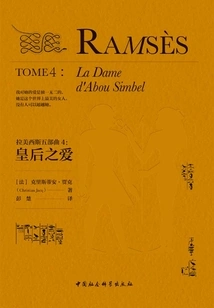
Ramses Pentalogy 4: the Queen's Love
Literature拉美西斯五部曲4:皇后之爱
(france) Christian Jacques
"The Queen's Love": After winning the Battle of Kadesh, Ramses decided to adopt a peace negotiation strategy, hoping to bring peace and prosperity to Egypt and Hittites. In Ramesses' life, in addition to war, there was also his love for the great queen. The pharaoh decided to give Nefertari the greatest gift-to build two temples in Abu Simbel to symbolize their eternal love. At this time, Moses returned to Egypt and asked to lead the Hebrews out. Ramses did not want to destroy the old friendship, but for the country and the people, this war was unavoidable.
"The Queen's Love": After winning the Battle of Kadesh, Ramses decided to adopt a peace negotiation strategy, hoping to bring peace and prosperity to Egypt and Hittites. In Ramesses' life, in addition to war, there was also his love for the great queen. The pharaoh decided to give Nefertari the greatest gift-to build two temples in Abu Simbel to symbolize their eternal love. At this time, Moses returned to Egypt and asked to lead the Hebrews out. Ramses did not want to destroy the old friendship, but for the country and the people, this war was unavoidable.

Station in the Rain
General Fiction阵雨中的车站
G
"Station in the Shower" is a collection of novels by Kawabata Yasunari, a classic work by Nobel Prize winner Yasunari Kawabata. Yu Hua highly recommends "The Station in the Shower", which includes a total of 67 novels such as "The Locust and the Golden Pipa" and "The Man Who Stealed the Dogwood". It was another rainy evening at a station in the suburbs of Tokyo. Wives hurried over with umbrellas to greet their husbands returning from get off work. Only one wife was uneasy because she had met her love rival in her youth. In order not to be defeated, the two ladies hurriedly began to whitewash their happiness... The falling autumn rain, scattered flowers, and endless love and sadness were condensed.
"Station in the Shower" is a collection of novels by Kawabata Yasunari, a classic work by Nobel Prize winner Yasunari Kawabata. Yu Hua highly recommends "The Station in the Shower", which includes a total of 67 novels such as "The Locust and the Golden Pipa" and "The Man Who Stealed the Dogwood". It was another rainy evening at a station in the suburbs of Tokyo. Wives hurried over with umbrellas to greet their husbands returning from get off work. Only one wife was uneasy because she had met her love rival in her youth. In order not to be defeated, the two ladies hurriedly began to whitewash their happiness... The falling autumn rain, scattered flowers, and endless love and sadness were condensed.

Y
General Fictiony
G
This book is a collection of short stories and short stories by Kawabata Yasunari. It especially includes the famous "Dancing Girl of Izu" and 18 exquisite short stories such as "Bonfire", "Hot Spring Hotel" and "Diary of Sixteen Years Old". On the sunny and rainy Izu Mountain Road, a boy from Tokyo encounters a group of traveling entertainers and is attracted by the innocent, honest and beautiful little dancer Kaoruko. Kaoruko gradually becomes attached to the boy. The two of them never said a word of love to each other from beginning to end, and their feelings for each other were somewhere between being aware of and not aware of each other, and all their words and deeds were very indifferent and reserved. The time of departure is approaching, but I have left behind a song of the most beautiful first love in the world.
This book is a collection of short stories and short stories by Kawabata Yasunari. It especially includes the famous "Dancing Girl of Izu" and 18 exquisite short stories such as "Bonfire", "Hot Spring Hotel" and "Diary of Sixteen Years Old". On the sunny and rainy Izu Mountain Road, a boy from Tokyo encounters a group of traveling entertainers and is attracted by the innocent, honest and beautiful little dancer Kaoruko. Kaoruko gradually becomes attached to the boy. The two of them never said a word of love to each other from beginning to end, and their feelings for each other were somewhere between being aware of and not aware of each other, and all their words and deeds were very indifferent and reserved. The time of departure is approaching, but I have left behind a song of the most beautiful first love in the world.

Vine Flowers and Strawberries
General Fiction藤花与草莓
(japan) Kawabata Yasunari
Hardcover collector's edition of Kawabata Yasunari's novel. Yu Hua highly recommends! Every exquisite story is a reappearance of Kawabata Yasunari's aesthetic style. "Wisteria and Strawberry" is Kawabata Yasunari's "Collection of Palm Novels", which includes a total of 55 palm novels such as "Five Cents" and "Beauty Under the Moon". In the evening of late spring and early summer, the wife and husband were talking about a wonderful thing by the window. The sister of an old friend had an inexplicable attachment to her because of her sister's friendship with this lady. This reminded my wife of the lost girl time under the wisteria trees in Nara... The swaying wisteria flowers by the quiet lake were like a hazy dream.
Hardcover collector's edition of Kawabata Yasunari's novel. Yu Hua highly recommends! Every exquisite story is a reappearance of Kawabata Yasunari's aesthetic style. "Wisteria and Strawberry" is Kawabata Yasunari's "Collection of Palm Novels", which includes a total of 55 palm novels such as "Five Cents" and "Beauty Under the Moon". In the evening of late spring and early summer, the wife and husband were talking about a wonderful thing by the window. The sister of an old friend had an inexplicable attachment to her because of her sister's friendship with this lady. This reminded my wife of the lost girl time under the wisteria trees in Nara... The swaying wisteria flowers by the quiet lake were like a hazy dream.

C
General FictionC
F
Kawabata Yasunari's Nobel Prize-winning work is highly recommended by Yu Hua. This book includes the Nobel Prize-winning novel "A Thousand Cranes" and its sequel "A Thousand Birds". Mitani Kikuji's father was a famous tea ceremony master. He once had an affair with a woman named Kurimoto Chiko, and later fell in love with Mrs. Ota. Four years after his death, Kikuji and Mrs. Ota met unexpectedly at a tea party held by Kurimoto Konko. Ota missed his former lover and actually fell in love with his son Kikuji. Kikuji also accepted this unethical love...
Kawabata Yasunari's Nobel Prize-winning work is highly recommended by Yu Hua. This book includes the Nobel Prize-winning novel "A Thousand Cranes" and its sequel "A Thousand Birds". Mitani Kikuji's father was a famous tea ceremony master. He once had an affair with a woman named Kurimoto Chiko, and later fell in love with Mrs. Ota. Four years after his death, Kikuji and Mrs. Ota met unexpectedly at a tea party held by Kurimoto Konko. Ota missed his former lover and actually fell in love with his son Kikuji. Kikuji also accepted this unethical love...
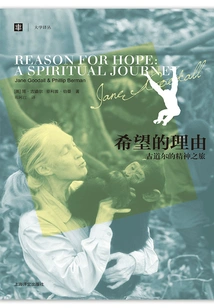
希望的理由:古道尔的精神之旅
Q
The memoirs of the famous British biologist and animal behaviorist Jane Goodall. In this vivid and thought-provoking book, she reviews in detail her extraordinary life experience and even her long personal spiritual journey. Her experience of life is as profound as her observations of chimpanzees at Gombe Game Reserve in Tanzania. Jane Goodall has been curious about various life forms in the world since she was a toddler. As she grew up, she was influenced and spurred by "Tarzan" and "The Jungle Book". Later, she worked for the famous paleontologist and anthropologist Dr. Louis Leakey, making important scientific breakthroughs in Gombe and becoming one of the most influential contributors to our intellectual world. In this book, she not only narrates in detail the story of the Gombe chimpanzees that were introduced to the world 40 years ago, but also talks candidly about her own life and the love and support she received from her mother, son, and late husband, her friends, and many strangers. Dr. Jane Goodall loves nature, and has witnessed the dangers, injustice, materialism, and genocide caused by human destruction of the environment... She put forward her unique insights into these dangers and highly praised the people who strive for the rebirth of the earth. This is reason for hope.
The memoirs of the famous British biologist and animal behaviorist Jane Goodall. In this vivid and thought-provoking book, she reviews in detail her extraordinary life experience and even her long personal spiritual journey. Her experience of life is as profound as her observations of chimpanzees at Gombe Game Reserve in Tanzania. Jane Goodall has been curious about various life forms in the world since she was a toddler. As she grew up, she was influenced and spurred by "Tarzan" and "The Jungle Book". Later, she worked for the famous paleontologist and anthropologist Dr. Louis Leakey, making important scientific breakthroughs in Gombe and becoming one of the most influential contributors to our intellectual world. In this book, she not only narrates in detail the story of the Gombe chimpanzees that were introduced to the world 40 years ago, but also talks candidly about her own life and the love and support she received from her mother, son, and late husband, her friends, and many strangers. Dr. Jane Goodall loves nature, and has witnessed the dangers, injustice, materialism, and genocide caused by human destruction of the environment... She put forward her unique insights into these dangers and highly praised the people who strive for the rebirth of the earth. This is reason for hope.

Eco Talks About Literature
General Fiction埃科谈文学
H
"Eco on Literature" is one of the few literary criticism monographs among Eco's works. It collects speeches and essays on literature given by writers on various occasions, starting from Joyce and Borges, all the way to Dante and Rabelais in the Middle Ages, and even Aristotle in the distant past. With a cross-disciplinary perspective that is different from that of ordinary literary critics, it accurately analyzes many important literary concepts that echo the past and present, the enduring human pursuits reflected in literary masterpieces, and the historical process inherent in literature.
"Eco on Literature" is one of the few literary criticism monographs among Eco's works. It collects speeches and essays on literature given by writers on various occasions, starting from Joyce and Borges, all the way to Dante and Rabelais in the Middle Ages, and even Aristotle in the distant past. With a cross-disciplinary perspective that is different from that of ordinary literary critics, it accurately analyzes many important literary concepts that echo the past and present, the enduring human pursuits reflected in literary masterpieces, and the historical process inherent in literature.
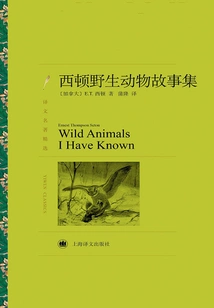
Seton Wildlife Stories
General Fiction西顿野生动物故事集
H
This book is a widely circulated collection of animal stories from Sidon. Adhering to the unique tradition of realistic animal stories, a "native specialty" of Canadian literature, Seton describes eight extraordinary individual animals in this world-famous collection: the wolf "Lao Bao", the crow "Silver Spot", the white rabbit "Huo Huo", the pet dog "Bingdog", the spring fox, the wild horse, the yellow dog "Wuli" and the grouse "Redneck". By depicting the struggle of these sentient creatures with nature and human beings for survival, the tragic fate of each animal is shown. The collection's insistence on the moral message that wild animals should also have their own rights fully demonstrates Seton's modern consciousness. One The more than 300 illustrations created by Seaton for this book are full of wit and wit, which adds to the appreciation and collection of this book.
This book is a widely circulated collection of animal stories from Sidon. Adhering to the unique tradition of realistic animal stories, a "native specialty" of Canadian literature, Seton describes eight extraordinary individual animals in this world-famous collection: the wolf "Lao Bao", the crow "Silver Spot", the white rabbit "Huo Huo", the pet dog "Bingdog", the spring fox, the wild horse, the yellow dog "Wuli" and the grouse "Redneck". By depicting the struggle of these sentient creatures with nature and human beings for survival, the tragic fate of each animal is shown. The collection's insistence on the moral message that wild animals should also have their own rights fully demonstrates Seton's modern consciousness. One The more than 300 illustrations created by Seaton for this book are full of wit and wit, which adds to the appreciation and collection of this book.
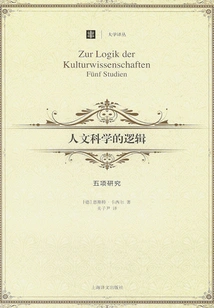
人文科学的逻辑:五项研究
(germany) Ernst Cassirer
"The Logic of the Human Sciences" is an important work by Ernst Cassirer, a famous German philosopher and a representative of the Marburg School of Neo-Kantism. Cassirer once imagined that this book would be the fourth volume of his life's work "The Philosophy of Symbolic Forms". Its main purpose is to explore the humanities, reveal various research objects of the humanities, and explain the human mental activities behind the research; its purpose is to explain the inherent "scientific" characteristics of the humanities through comparative reflection under the strong pressure of the natural sciences, and strive for the dignity and seats it deserves. In this book, the author explores major issues such as the objects of the humanities, the different ways of perceiving nature and humanity, the differences between natural and humanistic concepts, cultural forms, cultural values, and the tragedy of modern culture in five chapters. He aims to answer the basic question of the possibility of humanities and humanities based on his "philosophy of symbolic forms". This book was published in 1942. Together with the later "On Man" (1944), it constitutes the representative result of Cassirer's cultural and philosophical thinking in his later years. It is also a classic of modern Western cultural philosophy.
"The Logic of the Human Sciences" is an important work by Ernst Cassirer, a famous German philosopher and a representative of the Marburg School of Neo-Kantism. Cassirer once imagined that this book would be the fourth volume of his life's work "The Philosophy of Symbolic Forms". Its main purpose is to explore the humanities, reveal various research objects of the humanities, and explain the human mental activities behind the research; its purpose is to explain the inherent "scientific" characteristics of the humanities through comparative reflection under the strong pressure of the natural sciences, and strive for the dignity and seats it deserves. In this book, the author explores major issues such as the objects of the humanities, the different ways of perceiving nature and humanity, the differences between natural and humanistic concepts, cultural forms, cultural values, and the tragedy of modern culture in five chapters. He aims to answer the basic question of the possibility of humanities and humanities based on his "philosophy of symbolic forms". This book was published in 1942. Together with the later "On Man" (1944), it constitutes the representative result of Cassirer's cultural and philosophical thinking in his later years. It is also a classic of modern Western cultural philosophy.
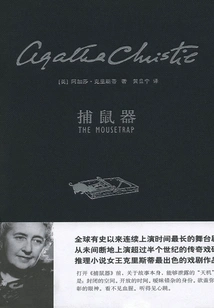
Mousetrap
General Fiction捕鼠器
G
The longest continuously running stage play in the world's history. The legendary drama has been performed continuously for more than half a century. Christie's finest dramatic work. Apart from the Bible and Shakespeare, Agatha Christie is the best-selling author in the world. Her 80 works have been translated into more than 100 languages and published, with cumulative sales of more than 2 billion copies to date. Every seven seconds on this planet, a Christie's work is exchanged for pounds, dollars, francs... And renminbi. Before opening "The Mousetrap", the "secret" that can be revealed about the story itself is: the closed space. Opening hours. Ambiguous and complicated identities. A look that conceals the truth. No blood in sight. Heartbeat audible. "It is a play that you can take anyone to see. It is not really scary, nor is it a definite farce, but it has a little bit of these elements. Perhaps because of this, many people who come with different expectations can be satisfied at the same time." --Agatha Christie
The longest continuously running stage play in the world's history. The legendary drama has been performed continuously for more than half a century. Christie's finest dramatic work. Apart from the Bible and Shakespeare, Agatha Christie is the best-selling author in the world. Her 80 works have been translated into more than 100 languages and published, with cumulative sales of more than 2 billion copies to date. Every seven seconds on this planet, a Christie's work is exchanged for pounds, dollars, francs... And renminbi. Before opening "The Mousetrap", the "secret" that can be revealed about the story itself is: the closed space. Opening hours. Ambiguous and complicated identities. A look that conceals the truth. No blood in sight. Heartbeat audible. "It is a play that you can take anyone to see. It is not really scary, nor is it a definite farce, but it has a little bit of these elements. Perhaps because of this, many people who come with different expectations can be satisfied at the same time." --Agatha Christie
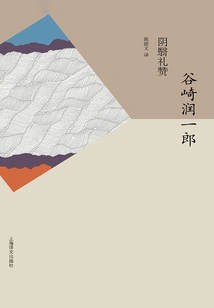
N

纳博科夫文集第二辑(套装共12册)
(us) Vladimir Nabokov
A collection of classic works by Nabokov, recognized as an outstanding novelist and stylist in the 20th century and the author of "Lolita". Each of the twelve works has its own characteristics, showing the unique aspects of Nabokov's creation, and together they form the magnificent and extraordinary creative spectrum of the novel master. The set contains "Lolita: The Screenplay", "The Complete Collection of Nabokov's Short Stories", the ultra-difficult experimental text "Paint Fire", the pinnacle work of his later years "Ada or Eros", the most autobiographical and humorous classic "Pnin", the memoir "Speak, Memory", the interview "Speaking of Myself", the last manuscript "The Prototype of Laura", as well as "Transparent", "The Magician" and "Look, those clowns!" "Nikolai Gogol".
A collection of classic works by Nabokov, recognized as an outstanding novelist and stylist in the 20th century and the author of "Lolita". Each of the twelve works has its own characteristics, showing the unique aspects of Nabokov's creation, and together they form the magnificent and extraordinary creative spectrum of the novel master. The set contains "Lolita: The Screenplay", "The Complete Collection of Nabokov's Short Stories", the ultra-difficult experimental text "Paint Fire", the pinnacle work of his later years "Ada or Eros", the most autobiographical and humorous classic "Pnin", the memoir "Speak, Memory", the interview "Speaking of Myself", the last manuscript "The Prototype of Laura", as well as "Transparent", "The Magician" and "Look, those clowns!" "Nikolai Gogol".
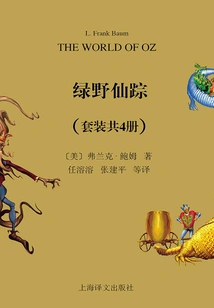
The Complete Set of the Wizard of Oz (4 Volumes in Total)
General Fiction绿野仙踪全集(套装共4册)
(us) Frank Baum
"The Wizard of Oz" is set in the fictional Land of Oz. It tells the story of Dorothy, a little girl from Kansas, USA, who was swept to a place called Munchkin by a tornado. The good witch directed her to the Emerald City to find the Great Warlock of Oz to help send her home. On the way, she met the Scarecrow, the Tin Woodman and the Cowardly Lion. They traveled together, overcame each difficulty, and finally arrived at the Emerald City. But what awaits them is unexpected trouble...
"The Wizard of Oz" is set in the fictional Land of Oz. It tells the story of Dorothy, a little girl from Kansas, USA, who was swept to a place called Munchkin by a tornado. The good witch directed her to the Emerald City to find the Great Warlock of Oz to help send her home. On the way, she met the Scarecrow, the Tin Woodman and the Cowardly Lion. They traveled together, overcame each difficulty, and finally arrived at the Emerald City. But what awaits them is unexpected trouble...

Tough Guy Hammett Series Set (5 Books in Total)
General Fiction硬汉哈米特系列套装(套装共5本)
(us) Dashiell Hammett
The Tough Guy Hammett series is the originator of tough guy detective novels. It is the complete collection of American writer Dashiell Hammett's novels, including "Bloody Harvest", "The Dane Family Trouble", "The Maltese Black Hawk", "The Glass Key" and "The Thin Man". It is the only complete collection of Hammett's novels in simplified Chinese so far. These five novels were written in different periods. They are all promoted as representative works of hard-boiled detective novels and have become the standard for later generations to evaluate the works of other writers. The most famous of them is "The Maltese Hawk", and "The Thin Man" is Hammett's last masterpiece.
The Tough Guy Hammett series is the originator of tough guy detective novels. It is the complete collection of American writer Dashiell Hammett's novels, including "Bloody Harvest", "The Dane Family Trouble", "The Maltese Black Hawk", "The Glass Key" and "The Thin Man". It is the only complete collection of Hammett's novels in simplified Chinese so far. These five novels were written in different periods. They are all promoted as representative works of hard-boiled detective novels and have become the standard for later generations to evaluate the works of other writers. The most famous of them is "The Maltese Hawk", and "The Thin Man" is Hammett's last masterpiece.
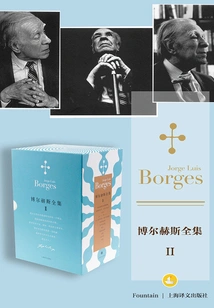
博尔赫斯全集第二辑(套装共12册)
H
"The Complete Works of Borges, Volume 2 (set of 12 volumes in total)" is a collection of Borges's poetry works, including a total of 12 works, including the first collection of poems "Passion of Buenos Aires" published by Borges at his own expense in 1923, as well as the collections of poems he published in the 1920s, 1960s, 1970s and 1980s, "The Moon Before Me: Notes of Saint Martin", "The Poet", "The Tiger's Gold", "Stories of the Night", "Days", etc. The poems written by Borges are "random metaphors, free writing or breaking the constraints of sonnets". They are more like a combination of poetry and prose. They are a major innovation in poetry genre, because compared to form, poetry is the most important: "For a true poet, every moment of life, Everything should be poetic, because that is what it is." "Everything - a comment, a farewell, an encounter, an interesting Arabic pattern on a playing card - can inspire beauty, and the poet's mission is to reflect this affectionate emotion in allegory or rhyme."
"The Complete Works of Borges, Volume 2 (set of 12 volumes in total)" is a collection of Borges's poetry works, including a total of 12 works, including the first collection of poems "Passion of Buenos Aires" published by Borges at his own expense in 1923, as well as the collections of poems he published in the 1920s, 1960s, 1970s and 1980s, "The Moon Before Me: Notes of Saint Martin", "The Poet", "The Tiger's Gold", "Stories of the Night", "Days", etc. The poems written by Borges are "random metaphors, free writing or breaking the constraints of sonnets". They are more like a combination of poetry and prose. They are a major innovation in poetry genre, because compared to form, poetry is the most important: "For a true poet, every moment of life, Everything should be poetic, because that is what it is." "Everything - a comment, a farewell, an encounter, an interesting Arabic pattern on a playing card - can inspire beauty, and the poet's mission is to reflect this affectionate emotion in allegory or rhyme."
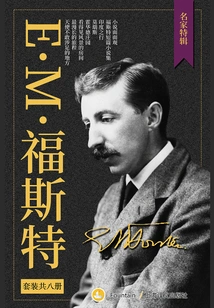
E.M.福斯特文集套装(套装共8册)
(english) E. M. Forster
E. M. Forster's major works include the novels "Where Angels Fear to Go" (1905), "The Longest Journey" (1907), "A Room with a View" (1908), "Howards End" (1910), and "Maurice" (created between 1913 and 1914, published after the author's death in 1971). Editions), A Passage to India (1924); two short story collections, The Omnibus (1911) and Eternal Moments (1928), later combined into Forster's Collected Short Stories (1947); and the acclaimed novel review monograph Aspects of the Novel (1927, originally a series of lectures at Cambridge University). The "Collected Works of E. M. Forster" published by Shanghai Translation Publishing House includes all the above-mentioned important works of this literary giant.
E. M. Forster's major works include the novels "Where Angels Fear to Go" (1905), "The Longest Journey" (1907), "A Room with a View" (1908), "Howards End" (1910), and "Maurice" (created between 1913 and 1914, published after the author's death in 1971). Editions), A Passage to India (1924); two short story collections, The Omnibus (1911) and Eternal Moments (1928), later combined into Forster's Collected Short Stories (1947); and the acclaimed novel review monograph Aspects of the Novel (1927, originally a series of lectures at Cambridge University). The "Collected Works of E. M. Forster" published by Shanghai Translation Publishing House includes all the above-mentioned important works of this literary giant.
诗体插图珍藏本莎士比亚作品集(套装20册)
H
William Shakespeare (1564-1616) was the greatest playwright and poet of the English Renaissance and the master of European Renaissance humanistic literature. He is an unprecedented dramatic poet and the greatest literary figure in the world in history. In order to commemorate the 400th anniversary of Shakespeare's death, the "Collection of Shakespeare's Works in Vertical Illustration" is specially published based on the first poetic version of "The Complete Works of Shakespeare" in the Chinese-speaking world edited and translated by Mr. Fang Ping of Shanghai Translation Publishing House. It comprehensively considers tragedies, comedies, historical dramas, legendary plays and sonnets, and selects 20 published single volumes, accompanied by a full set of classic illustrations by Sir John Gilbert.
William Shakespeare (1564-1616) was the greatest playwright and poet of the English Renaissance and the master of European Renaissance humanistic literature. He is an unprecedented dramatic poet and the greatest literary figure in the world in history. In order to commemorate the 400th anniversary of Shakespeare's death, the "Collection of Shakespeare's Works in Vertical Illustration" is specially published based on the first poetic version of "The Complete Works of Shakespeare" in the Chinese-speaking world edited and translated by Mr. Fang Ping of Shanghai Translation Publishing House. It comprehensively considers tragedies, comedies, historical dramas, legendary plays and sonnets, and selects 20 published single volumes, accompanied by a full set of classic illustrations by Sir John Gilbert.

Rebirth: the First Poison Queen
Ancient Romance重生之第一毒后
Y
After all, ten years of love as husband and wife are no match for his lofty position of imperial power! A glass of poisonous wine, a white silk ribbon! This was given to her by the man she had loved for ten years. She looked at the man she had loved for ten years with a sneer and despair. She picked up the glass of deadly poisonous wine with her bloody red hand and drank it in one gulp. Looking at this heartless man with sad and desperate clear eyes, he sneered: "If I could turn back time, I would not fall in love with you now. If there is another life, I just hope I have never met you!" God loves you so much in this lifetime! In this life, she vowed never to let go of those scumbag men and women who bullied her, insulted her, laughed at her, and slandered her! Let's see how the heroine is so poisonous!
After all, ten years of love as husband and wife are no match for his lofty position of imperial power! A glass of poisonous wine, a white silk ribbon! This was given to her by the man she had loved for ten years. She looked at the man she had loved for ten years with a sneer and despair. She picked up the glass of deadly poisonous wine with her bloody red hand and drank it in one gulp. Looking at this heartless man with sad and desperate clear eyes, he sneered: "If I could turn back time, I would not fall in love with you now. If there is another life, I just hope I have never met you!" God loves you so much in this lifetime! In this life, she vowed never to let go of those scumbag men and women who bullied her, insulted her, laughed at her, and slandered her! Let's see how the heroine is so poisonous!
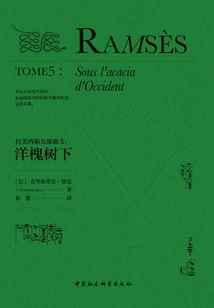
拉美西斯五部曲5:洋槐树下
J
"Under the Acacia Tree": After signing the peace treaty with the Hittite Empire, Ramesses has always followed the inspiration of Mayat's code, especially cherishing the hard-won peace... At the age of fifty, he still tirelessly led Egypt to prosperity. However, the Hittites, Syrians, and Phoenicians were still disrupting Egypt's peace and stability in various forms. One murder case after another, the methods were cruel and vicious; pieces of false information were flying all over the sky. As a creator of miracles, Ramesses could control the wind and rain, and turn enemies into friends. However, in the last ten years of his rule, he could not prevent fate from taking away his loved ones and friends one after another, making him feel lonely when he contended with Egypt's enemies again and again.
"Under the Acacia Tree": After signing the peace treaty with the Hittite Empire, Ramesses has always followed the inspiration of Mayat's code, especially cherishing the hard-won peace... At the age of fifty, he still tirelessly led Egypt to prosperity. However, the Hittites, Syrians, and Phoenicians were still disrupting Egypt's peace and stability in various forms. One murder case after another, the methods were cruel and vicious; pieces of false information were flying all over the sky. As a creator of miracles, Ramesses could control the wind and rain, and turn enemies into friends. However, in the last ten years of his rule, he could not prevent fate from taking away his loved ones and friends one after another, making him feel lonely when he contended with Egypt's enemies again and again.
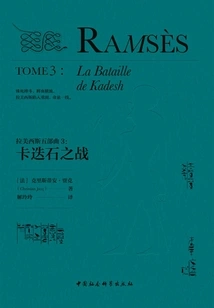
Ramses Pentalogy 3: the Battle of Kadesh
Literature拉美西斯五部曲3:卡迭石之战
(france) Christian Jacques
"Battle of Kadesh": Internal and external troubles simultaneously test the young pharaoh Ramses, who has only been in power for three years. Queen Nefertari was bewitched by a Syrian wizard and her life is in danger; the Hittite army is preparing to invade on the border. Facing his love and country, Ramesses decided to go south first to find the only antidote that could save the queen-the Goddess Stone, and then turn to the Kadesh Castle in the north to face the Hittite army, which was several times more powerful than Egypt. Eventually, the queen recovered and Rameses won the Battle of Kadesh.
"Battle of Kadesh": Internal and external troubles simultaneously test the young pharaoh Ramses, who has only been in power for three years. Queen Nefertari was bewitched by a Syrian wizard and her life is in danger; the Hittite army is preparing to invade on the border. Facing his love and country, Ramesses decided to go south first to find the only antidote that could save the queen-the Goddess Stone, and then turn to the Kadesh Castle in the north to face the Hittite army, which was several times more powerful than Egypt. Eventually, the queen recovered and Rameses won the Battle of Kadesh.
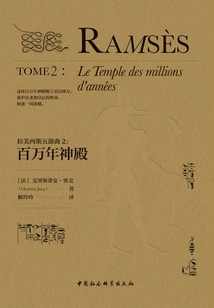
Ramses Pentet 2: the Million-year Temple
Literature拉美西斯五部曲2:百万年神殿
J
"Million-Year Temple": In the three years after Ramses succeeded to the throne, with the help of Queen Nefertari, Queen Mother Tuya, and friends who had played together as a boy, he solved many difficult tasks with his unique wisdom of understanding people; but he inevitably faced obstacles such as the magic of mysterious wizards. In order to resist visible and invisible enemies, Ramses, with the power given by the gods, made an unprecedented sacred initiative - he began to build the city of Ramses and the Million-year Temple.
"Million-Year Temple": In the three years after Ramses succeeded to the throne, with the help of Queen Nefertari, Queen Mother Tuya, and friends who had played together as a boy, he solved many difficult tasks with his unique wisdom of understanding people; but he inevitably faced obstacles such as the magic of mysterious wizards. In order to resist visible and invisible enemies, Ramses, with the power given by the gods, made an unprecedented sacred initiative - he began to build the city of Ramses and the Million-year Temple.

魔山(套装上下册)(译文名著精选)
H
S
S
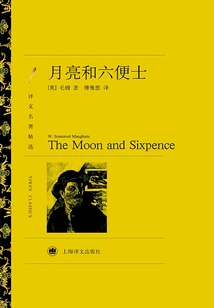
月亮和六便士(译文名著精选)
H
The plot of "The Moon and Sixpence" is based on the life of the French post-impressionist painter Gauguin. The protagonist was originally a securities broker. After reaching middle age, he suddenly responded to the call of his heart and abandoned everything to live with the indigenous people on the island of Tahiti in the South Pacific. He gained inspiration and created many artistic masterpieces. Maugham deeply explores the contradictions and interactions between life and art in his novels. The plot of "The Moon and Sixpence" is not complicated. It tells the story of a broker on the British Stock Exchange. He already had a solid career and status, and a happy family, but he became obsessed with painting and felt like he was "possessed by the devil." He suddenly abandoned his home and went to Paris to pursue his ideal of painting. No one could understand his behavior. In a foreign country, he not only suffered physically from poverty and hunger, but also endured mental pain in search of expression techniques. After some bizarre encounters, the protagonist finally leaves the civilized world and escapes to the isolated island of Tahiti. He finally found peace of soul and an atmosphere suitable for his artistic temperament. He lived with an indigenous woman and created one masterpiece after another that shocked later generations. Before he contracted leprosy and became blind, he painted a great work depicting the Garden of Eden on the fourth wall of his house. But before his death, he ordered the indigenous woman to burn the painting after his death. Through such a geek who devoted himself to the pursuit of art and had no understanding of human nature, Maugham explored the origin and essence of art, the relationship between personality and genius, the contradiction between artists and society, and other thought-provoking issues.
The plot of "The Moon and Sixpence" is based on the life of the French post-impressionist painter Gauguin. The protagonist was originally a securities broker. After reaching middle age, he suddenly responded to the call of his heart and abandoned everything to live with the indigenous people on the island of Tahiti in the South Pacific. He gained inspiration and created many artistic masterpieces. Maugham deeply explores the contradictions and interactions between life and art in his novels. The plot of "The Moon and Sixpence" is not complicated. It tells the story of a broker on the British Stock Exchange. He already had a solid career and status, and a happy family, but he became obsessed with painting and felt like he was "possessed by the devil." He suddenly abandoned his home and went to Paris to pursue his ideal of painting. No one could understand his behavior. In a foreign country, he not only suffered physically from poverty and hunger, but also endured mental pain in search of expression techniques. After some bizarre encounters, the protagonist finally leaves the civilized world and escapes to the isolated island of Tahiti. He finally found peace of soul and an atmosphere suitable for his artistic temperament. He lived with an indigenous woman and created one masterpiece after another that shocked later generations. Before he contracted leprosy and became blind, he painted a great work depicting the Garden of Eden on the fourth wall of his house. But before his death, he ordered the indigenous woman to burn the painting after his death. Through such a geek who devoted himself to the pursuit of art and had no understanding of human nature, Maugham explored the origin and essence of art, the relationship between personality and genius, the contradiction between artists and society, and other thought-provoking issues.
J
Mortal Engines (mortal Engines Series)
General Fiction致命引擎(致命引擎系列)
J
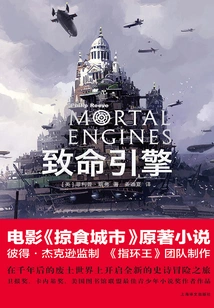
In the distant future, a "60-minute war" destroyed the earth, turned the world into a wasteland, and created fault lines in civilization. London was the first to transform itself into a giant mobile city, plundering resources and attacking weak towns. People believe in "urban Darwinism", that is: the weak eat the strong. In addition to mobile cities on land, there are also cities on the sea, ice fields, and cities in the sky. Europe has become an urban hunting ground. Tom was a well-behaved third-level apprentice of the London Historical Society, determined to become an excellent historian. The peaceful life is disrupted by the appearance of the mysterious girl Hester. The two of them accidentally fell out of London. How should they protect themselves in the dangerous wild world? The two friends and enemies continued to pursue the city of London. Along the way, they encountered the Pirate Town gang, "Anti-Traction Alliance" agent Fang Anna, and a cyborg named "Shrek" who was chasing them. The adventure has just begun, and many mysteries are waiting for Tom and Hester to solve...
In the distant future, a "60-minute war" destroyed the earth, turned the world into a wasteland, and created fault lines in civilization. London was the first to transform itself into a giant mobile city, plundering resources and attacking weak towns. People believe in "urban Darwinism", that is: the weak eat the strong. In addition to mobile cities on land, there are also cities on the sea, ice fields, and cities in the sky. Europe has become an urban hunting ground. Tom was a well-behaved third-level apprentice of the London Historical Society, determined to become an excellent historian. The peaceful life is disrupted by the appearance of the mysterious girl Hester. The two of them accidentally fell out of London. How should they protect themselves in the dangerous wild world? The two friends and enemies continued to pursue the city of London. Along the way, they encountered the Pirate Town gang, "Anti-Traction Alliance" agent Fang Anna, and a cyborg named "Shrek" who was chasing them. The adventure has just begun, and many mysteries are waiting for Tom and Hester to solve...

Trial
General Fiction审判
(austria) Franz Kafka
On the morning of Joseph K.'S 30th birthday, he was arrested by two strangers who broke into his home. But K. Did not know his crime and did not lose his personal freedom. He just needed to be tried regularly. During this year, K. Traveled around for this difficult lawsuit. He turned to painters, businessmen, lawyers, priests, etc., And obtained a lot of information about the courts and the law. However, the more K. Knew, the more confused and helpless he felt. On the eve of his 32nd birthday, K. Was arrested again and the trial came to an end.
On the morning of Joseph K.'S 30th birthday, he was arrested by two strangers who broke into his home. But K. Did not know his crime and did not lose his personal freedom. He just needed to be tried regularly. During this year, K. Traveled around for this difficult lawsuit. He turned to painters, businessmen, lawyers, priests, etc., And obtained a lot of information about the courts and the law. However, the more K. Knew, the more confused and helpless he felt. On the eve of his 32nd birthday, K. Was arrested again and the trial came to an end.
Goodbye, Blackbird
General Fiction再见,黑鸟
G
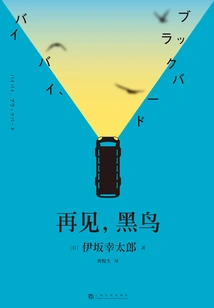
Hoshino Kazuhiko, a young man from the fraternity department, got involved in a dispute for some reason. He was caught by the violent monster Yumei sent by the evil organization and asked him to board a bus bound for "Hell". Hoshino refused to obey and begged Yumei to give him a chance to say goodbye to important people. After Yumei asked, she found out that this guy was actually dating five women at the same time! "If they don't say goodbye properly, they won't be able to take the next step in their lives." She told Hoshino's sincere confession to her superiors, but unexpectedly received the reply "This is quite interesting." Yumei wanted to complete the task as soon as possible, while Hoshino wanted to give up on his girlfriends completely. The two had no choice but to create the most unconvincing breakup declaration in the world: "Because I, Hoshino Kazuhiko, will marry Yumei...", An unscrupulous girl who bets her whole life on Big Mac Ramen, a single mother who raised her son alone, and went astray. A rope fanatic who became a thief, a radio woman who uses numbers to predict bad luck, and a powerful actress who vows never to break up - five incomparable strange women, five gorgeous breakups that emphasize efficiency, and a young man who can even stutter when lying. Can he really complete a life-risking breakup tour with the violent Yumei?
Hoshino Kazuhiko, a young man from the fraternity department, got involved in a dispute for some reason. He was caught by the violent monster Yumei sent by the evil organization and asked him to board a bus bound for "Hell". Hoshino refused to obey and begged Yumei to give him a chance to say goodbye to important people. After Yumei asked, she found out that this guy was actually dating five women at the same time! "If they don't say goodbye properly, they won't be able to take the next step in their lives." She told Hoshino's sincere confession to her superiors, but unexpectedly received the reply "This is quite interesting." Yumei wanted to complete the task as soon as possible, while Hoshino wanted to give up on his girlfriends completely. The two had no choice but to create the most unconvincing breakup declaration in the world: "Because I, Hoshino Kazuhiko, will marry Yumei...", An unscrupulous girl who bets her whole life on Big Mac Ramen, a single mother who raised her son alone, and went astray. A rope fanatic who became a thief, a radio woman who uses numbers to predict bad luck, and a powerful actress who vows never to break up - five incomparable strange women, five gorgeous breakups that emphasize efficiency, and a young man who can even stutter when lying. Can he really complete a life-risking breakup tour with the violent Yumei?

魔山(下)(译文名著精选)
H
S
S
论游击战(正式授权版)
K
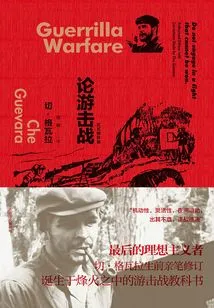
"On Guerrilla Warfare" is a systematic discussion of guerrilla warfare by the Latin American left-wing revolutionary and "the last idealist" Che Guevara, written between 1960 and 1961. As a revolutionary pioneer, the author Che Guevara has become a global cultural symbol and an idol for generations of young people. This battle manual, revised in his own hand, will once again set off a wave of idealistic nostalgia. As a long-selling classic for decades, "On Guerrilla Warfare" embodies the "guerrilla center theory" at the core of Guevara's thoughts. It is an incisive practical manual and a precious document. Guevara made a profound analysis of the Cuban Revolutionary War in "On Guerrilla Warfare" and summarized the strategies and tactics used by the Cuban revolution in the struggle to seize power. He told people how a fighting force determined to devote itself to the revolution grew with the support of the Cuban people, overcame its own weaknesses, and ultimately defeated the dictatorship's army. This edition is officially authorized by the Che Guevara Research Center in Havana, Cuba. It retains for the first time the traces of Che Guevara's personal revision of the first draft of "On Guerrilla Warfare" and is quite authoritative and of historical value.
"On Guerrilla Warfare" is a systematic discussion of guerrilla warfare by the Latin American left-wing revolutionary and "the last idealist" Che Guevara, written between 1960 and 1961. As a revolutionary pioneer, the author Che Guevara has become a global cultural symbol and an idol for generations of young people. This battle manual, revised in his own hand, will once again set off a wave of idealistic nostalgia. As a long-selling classic for decades, "On Guerrilla Warfare" embodies the "guerrilla center theory" at the core of Guevara's thoughts. It is an incisive practical manual and a precious document. Guevara made a profound analysis of the Cuban Revolutionary War in "On Guerrilla Warfare" and summarized the strategies and tactics used by the Cuban revolution in the struggle to seize power. He told people how a fighting force determined to devote itself to the revolution grew with the support of the Cuban people, overcame its own weaknesses, and ultimately defeated the dictatorship's army. This edition is officially authorized by the Che Guevara Research Center in Havana, Cuba. It retains for the first time the traces of Che Guevara's personal revision of the first draft of "On Guerrilla Warfare" and is quite authoritative and of historical value.
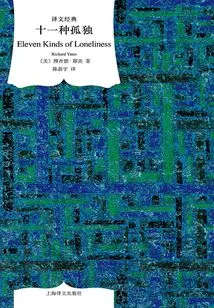
Eleven Kinds of Loneliness (translation Classic)
General Fiction十一种孤独(译文经典)
H
"Eleven Kinds of Loneliness" describes the lives of ordinary New Yorkers in the 1950s and 1960s after World War II in a cold way. It writes about eleven kinds of lonely lives. The protagonists are all people who lack security and live unsatisfactory lives: fired white-collar workers in Manhattan office buildings, people with outstanding imaginations A taxi driver, a young man who has been frustrated many times and wants to be a writer, a confused man and woman who are about to get married, an eccentric old teacher, a newly transferred primary school student, a tuberculosis patient, an old and sick wife, a jazz pianist, a frustrated military officer, a retired soldier, etc. Yates's works are all about the ordinary lives of ordinary people, describing the loneliness, loss and despair of ordinary people. He himself once said: "If there is any theme in my works, I think there is only one simple one: people are lonely, no one can escape, and this is their tragedy."
"Eleven Kinds of Loneliness" describes the lives of ordinary New Yorkers in the 1950s and 1960s after World War II in a cold way. It writes about eleven kinds of lonely lives. The protagonists are all people who lack security and live unsatisfactory lives: fired white-collar workers in Manhattan office buildings, people with outstanding imaginations A taxi driver, a young man who has been frustrated many times and wants to be a writer, a confused man and woman who are about to get married, an eccentric old teacher, a newly transferred primary school student, a tuberculosis patient, an old and sick wife, a jazz pianist, a frustrated military officer, a retired soldier, etc. Yates's works are all about the ordinary lives of ordinary people, describing the loneliness, loss and despair of ordinary people. He himself once said: "If there is any theme in my works, I think there is only one simple one: people are lonely, no one can escape, and this is their tragedy."
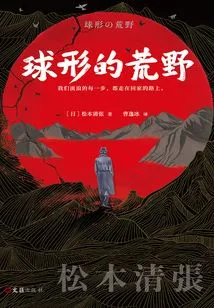
Spherical Wilderness
General Fiction球形的荒野
J
Every step we take while wandering is on the way home. When World War II was coming to an end, the Japanese government announced the death of diplomat Kenichiro Nogami who had died of illness in a foreign country. Seventeen years later, handwriting suspected to have been left by Nogami recently was discovered in an ancient Nara temple. At the same time, strange events continue to happen around Nogami's daughter Kumiko: the famous painter who painted her portrait commits suicide; a sudden shooting at the International Hotel where she stayed; an anonymous letter from a mysterious woman... Everything seems to be inextricably linked to the mystery of Nogami's handwriting. But Kumiko doesn't know that she is already standing on the edge of the unknown historical truth, and is approaching the center of the dangerous whirlpool step by step.
Every step we take while wandering is on the way home. When World War II was coming to an end, the Japanese government announced the death of diplomat Kenichiro Nogami who had died of illness in a foreign country. Seventeen years later, handwriting suspected to have been left by Nogami recently was discovered in an ancient Nara temple. At the same time, strange events continue to happen around Nogami's daughter Kumiko: the famous painter who painted her portrait commits suicide; a sudden shooting at the International Hotel where she stayed; an anonymous letter from a mysterious woman... Everything seems to be inextricably linked to the mystery of Nogami's handwriting. But Kumiko doesn't know that she is already standing on the edge of the unknown historical truth, and is approaching the center of the dangerous whirlpool step by step.

Bad Blood: the Secrets and Lies of a Silicon Valley Titan
General Fiction坏血:一个硅谷巨头的秘密与谎言
L
In 2014, Theranos, a company founded by Elizabeth Holmes, grew into the most commercially valuable unicorn company in Silicon Valley in just ten years due to its revolutionary blood testing technology - more than two hundred professional tests on a drop of blood. Holmes herself ranks among the 400 richest people in the United States, was selected into Time magazine's 100 most influential people in the world, and became the first billionaire female entrepreneur in Silicon Valley. Behind Theranos lies a luxurious lineup of board members - former U. S. Secretary of State George Shultz and Henry Kissinger, media tycoon Rupert Murdoch, Oracle founder Larry Ellison, legendary venture capitalist Donald Lucas, etc. Just when people were expecting Theranos to grow into the next Apple or Google, a truth gradually emerged - the revolutionary technology claimed by Theranos was false, and there was only one thing at the core of this business myth, and that was a lie.
In 2014, Theranos, a company founded by Elizabeth Holmes, grew into the most commercially valuable unicorn company in Silicon Valley in just ten years due to its revolutionary blood testing technology - more than two hundred professional tests on a drop of blood. Holmes herself ranks among the 400 richest people in the United States, was selected into Time magazine's 100 most influential people in the world, and became the first billionaire female entrepreneur in Silicon Valley. Behind Theranos lies a luxurious lineup of board members - former U. S. Secretary of State George Shultz and Henry Kissinger, media tycoon Rupert Murdoch, Oracle founder Larry Ellison, legendary venture capitalist Donald Lucas, etc. Just when people were expecting Theranos to grow into the next Apple or Google, a truth gradually emerged - the revolutionary technology claimed by Theranos was false, and there was only one thing at the core of this business myth, and that was a lie.

The Shady Ceo is Addicted to Doting on His Wife
Modern Romance腹黑总裁,宠妻成瘾
Tang Ruoning
When they met for the first time, he said to her, "Marry me and I will keep you worry-free and protect you for the rest of your life." She readily agreed and married into a wealthy family overnight, becoming what others called Mrs. Gu and the envy of all the women in City A. But no one knew that she had been secretly in love with him for ten years. After the marriage, she was told that he was forced to marry her, not out of love. So I threw away the divorce agreement and walked away. When he returned to China, he said to her, "I promise you a lifetime of happiness and that we will stay together until old age." But she appeared in front of him with her fiancé on her arm and told him that she no longer loved him. "Don't love me anymore?" "... Yes, as you wish, Gu Jingchuan, I don't love you anymore." "Whether you love or not is not something you say, it's something you do!" So that night, someone and Wanwan had an in-depth discussion about the issue of love or not.
When they met for the first time, he said to her, "Marry me and I will keep you worry-free and protect you for the rest of your life." She readily agreed and married into a wealthy family overnight, becoming what others called Mrs. Gu and the envy of all the women in City A. But no one knew that she had been secretly in love with him for ten years. After the marriage, she was told that he was forced to marry her, not out of love. So I threw away the divorce agreement and walked away. When he returned to China, he said to her, "I promise you a lifetime of happiness and that we will stay together until old age." But she appeared in front of him with her fiancé on her arm and told him that she no longer loved him. "Don't love me anymore?" "... Yes, as you wish, Gu Jingchuan, I don't love you anymore." "Whether you love or not is not something you say, it's something you do!" So that night, someone and Wanwan had an in-depth discussion about the issue of love or not.
T
General Fictiont
H
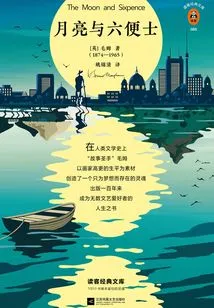
100th anniversary hardcover illustrated commemorative edition. Spend your short life the way you like! The brand new translation comes with a 64-page "Picture Biography of Somerset Maugham", 26 original illustrations reveal Maugham's legendary life, and includes 14 Gauguin paintings. A must-read for Maugham fans! "The Moon and Sixpence" is an outstanding masterpiece from the heyday of Maugham, the legendary writer with countless fans. In the 100 years since its publication, it has been translated into 62 languages, popular in 110 countries, and has sold more than 60 million copies! The book of life for countless literature and art lovers! Maugham, the "story master", used the life of the painter Gauguin as his material to create a soul that exists only for dreams. Tencent Video's "A Good Book" column recommends the first book list! The Ministry of Education compiles the "Chinese" recommended reading series. Yao Jinqing, a professor at the Shanghai Institute of Translation and Interpretation, devoted his efforts to the translation. The new translation presents the original Somerset Maugham style. Translated from the 1999 final edition of Random House in the UK, it also includes a chronology of Maugham's creation. Includes 14 representative paintings by Gauguin from different creative periods. When "The Moon and Sixpence" is placed next to Gauguin's painting, everything becomes complete.
100th anniversary hardcover illustrated commemorative edition. Spend your short life the way you like! The brand new translation comes with a 64-page "Picture Biography of Somerset Maugham", 26 original illustrations reveal Maugham's legendary life, and includes 14 Gauguin paintings. A must-read for Maugham fans! "The Moon and Sixpence" is an outstanding masterpiece from the heyday of Maugham, the legendary writer with countless fans. In the 100 years since its publication, it has been translated into 62 languages, popular in 110 countries, and has sold more than 60 million copies! The book of life for countless literature and art lovers! Maugham, the "story master", used the life of the painter Gauguin as his material to create a soul that exists only for dreams. Tencent Video's "A Good Book" column recommends the first book list! The Ministry of Education compiles the "Chinese" recommended reading series. Yao Jinqing, a professor at the Shanghai Institute of Translation and Interpretation, devoted his efforts to the translation. The new translation presents the original Somerset Maugham style. Translated from the 1999 final edition of Random House in the UK, it also includes a chronology of Maugham's creation. Includes 14 representative paintings by Gauguin from different creative periods. When "The Moon and Sixpence" is placed next to Gauguin's painting, everything becomes complete.
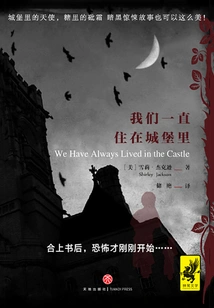
We Have Been Living in the Castle
Literature我们一直住在城堡里
(us) Shirley Jackson
Once upon a time, this luxurious house had a majestic father, a beautiful mother, a lovely younger brother, and a family of uncles and aunts. It was very lively... However, after a dinner, there were only three people left in the family... Who is the murderer? And the murderer's motive for killing is even more shocking... The sister Constance, who suffers from phobia of strange places, out of nostalgia for her lost family, cooks and cleans with the implication of unchanging religious rituals; and the sister Mary Kate is also surrounded by adventures when she goes to the village center for shopping, where she has to struggle to deal with the lame teasing of the village children, full of hostility and hatred in her heart. Uncle Julian, dependent on Constance's care, is immersed in his little world, playing with his manuscripts chronicling the family's history. How do these three people face their uninvited cousin Charles? People outside the castle went from snooping, sarcasm, and satire at the beginning. They made the tragedy of the family poisoning into a school song and spread it widely, to the terrible rumors about the castle, and finally people showed kindness to the sisters after the fire. What made people change their attitudes?
Once upon a time, this luxurious house had a majestic father, a beautiful mother, a lovely younger brother, and a family of uncles and aunts. It was very lively... However, after a dinner, there were only three people left in the family... Who is the murderer? And the murderer's motive for killing is even more shocking... The sister Constance, who suffers from phobia of strange places, out of nostalgia for her lost family, cooks and cleans with the implication of unchanging religious rituals; and the sister Mary Kate is also surrounded by adventures when she goes to the village center for shopping, where she has to struggle to deal with the lame teasing of the village children, full of hostility and hatred in her heart. Uncle Julian, dependent on Constance's care, is immersed in his little world, playing with his manuscripts chronicling the family's history. How do these three people face their uninvited cousin Charles? People outside the castle went from snooping, sarcasm, and satire at the beginning. They made the tragedy of the family poisoning into a school song and spread it widely, to the terrible rumors about the castle, and finally people showed kindness to the sisters after the fire. What made people change their attitudes?
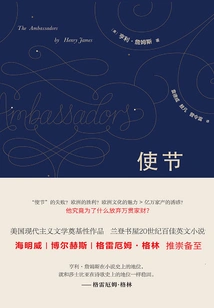
Envoy
Literature使节
H
"The Envoy" tells the story of the protagonist Strether being sent from the United States as an "envoy" by Mrs. Newsome to Europe to bring her son Chad Newsome back to inherit the family business. The mother believed that her son was trapped by a bad woman, but Strether discovered that this was not the case after coming into contact with this "bad woman" named Madame Vionnet. The novel takes this as its main line and has many twists and turns in the plot. The "Envoy's" travels in Europe made him rethink everything, and ultimately persuaded Chad to stay in Europe. Does Chad eventually return to the United States? How will the relationship with Madame Vionnet develop?
"The Envoy" tells the story of the protagonist Strether being sent from the United States as an "envoy" by Mrs. Newsome to Europe to bring her son Chad Newsome back to inherit the family business. The mother believed that her son was trapped by a bad woman, but Strether discovered that this was not the case after coming into contact with this "bad woman" named Madame Vionnet. The novel takes this as its main line and has many twists and turns in the plot. The "Envoy's" travels in Europe made him rethink everything, and ultimately persuaded Chad to stay in Europe. Does Chad eventually return to the United States? How will the relationship with Madame Vionnet develop?

Island
Literature岛
I
Pala, an island far away in the Pacific, has been an ideal society that has flourished for more than 100 years and has become an experiment in modern social civilization. The residents live in this paradise on earth created by Western science and Eastern philosophy. The happiness on the island has attracted jealousy and hostility from the outside world. In order to seize the island's resources, reporter Frankie disguised himself as a castaway and sneaked into the island, but he soon fell in love with the island's lifestyle. Defend the island's ideal society, or continue the mission? However, no matter what choice he makes, this small island of paradise will not be able to avoid this carefully planned disaster.
Pala, an island far away in the Pacific, has been an ideal society that has flourished for more than 100 years and has become an experiment in modern social civilization. The residents live in this paradise on earth created by Western science and Eastern philosophy. The happiness on the island has attracted jealousy and hostility from the outside world. In order to seize the island's resources, reporter Frankie disguised himself as a castaway and sneaked into the island, but he soon fell in love with the island's lifestyle. Defend the island's ideal society, or continue the mission? However, no matter what choice he makes, this small island of paradise will not be able to avoid this carefully planned disaster.

Last Resort
Literature绝笔
H
The book "The Last Word" contains short stories such as Akutagawa's "Rashomon", "In the Bamboo Bush", "The Nose" and "The Last Word". Akutagawa's works pay more attention to the ugly phenomena of society, but rarely directly comment on them. Instead, he only uses cold writing and concise and powerful language to state, which has a high degree of artistic appeal.
The book "The Last Word" contains short stories such as Akutagawa's "Rashomon", "In the Bamboo Bush", "The Nose" and "The Last Word". Akutagawa's works pay more attention to the ugly phenomena of society, but rarely directly comment on them. Instead, he only uses cold writing and concise and powerful language to state, which has a high degree of artistic appeal.

Y
Literaturey
O
"The Hat Chaser" is Liang Yuchun's most widely circulated and influential translation of a British sketch. It contains more than thirty short essays by British masters such as Lamb, Russell, and Galsworthy. The content is broad and extensive. From the universe and life to daily trivial matters, anything can be used as an entry point. Sometimes it is a simple description and record, and sometimes it is a profound reflection on the universe and life. The essays are short and humorous, making it easy to read. The more than thirty pieces selected from "The Hat Chaser" can be regarded as models of short essays.
"The Hat Chaser" is Liang Yuchun's most widely circulated and influential translation of a British sketch. It contains more than thirty short essays by British masters such as Lamb, Russell, and Galsworthy. The content is broad and extensive. From the universe and life to daily trivial matters, anything can be used as an entry point. Sometimes it is a simple description and record, and sometimes it is a profound reflection on the universe and life. The essays are short and humorous, making it easy to read. The more than thirty pieces selected from "The Hat Chaser" can be regarded as models of short essays.

When You Get Old
Literature当你老去
P
Emilio and his sister Emilia live a poor life dependent on each other, and their lives are bleak. The appearance of Angelina illuminates Emilio like a ray of light, and Emilio, who is in his 30s, falls in love. But Angelina is essentially a dissolute and heartless woman. She deceives Emilio again and again and betrays his feelings. However, Emilio was deeply involved in it. He was exhausted in this relationship and had no time to take care of his sister. His sister finally died of illness, Angelina eloped with others, and Emilio lost his sister and lover at the same time... This is a whimper about "love" and "loneliness" in the history of literature.
Emilio and his sister Emilia live a poor life dependent on each other, and their lives are bleak. The appearance of Angelina illuminates Emilio like a ray of light, and Emilio, who is in his 30s, falls in love. But Angelina is essentially a dissolute and heartless woman. She deceives Emilio again and again and betrays his feelings. However, Emilio was deeply involved in it. He was exhausted in this relationship and had no time to take care of his sister. His sister finally died of illness, Angelina eloped with others, and Emilio lost his sister and lover at the same time... This is a whimper about "love" and "loneliness" in the history of literature.
你一定爱读的极简澳大利亚史
(australia) John Hurst
The whole book consists of 7 questions, each question is a chapter, and there are 7 chapters in total. These seven questions are not only the most significant features of Australian history, but also the most interesting and confusing questions for readers, including: why the Aboriginal people did not become farmers, how the prisoner penal colony transitioned into a democratic republic, why Australia became wealthy very early, why the Australian colonies formed a federation, the impact of the initial trial of prisoners on Australia's national characteristics, why the post-war immigration program was successful, and why Australia is not a republic. This book can be regarded as a companion volume to "A Minimalist European History You Will Love to Read". It retains the concise and humorous history-telling style and is a concise book for quickly understanding Australian society and history.
The whole book consists of 7 questions, each question is a chapter, and there are 7 chapters in total. These seven questions are not only the most significant features of Australian history, but also the most interesting and confusing questions for readers, including: why the Aboriginal people did not become farmers, how the prisoner penal colony transitioned into a democratic republic, why Australia became wealthy very early, why the Australian colonies formed a federation, the impact of the initial trial of prisoners on Australia's national characteristics, why the post-war immigration program was successful, and why Australia is not a republic. This book can be regarded as a companion volume to "A Minimalist European History You Will Love to Read". It retains the concise and humorous history-telling style and is a concise book for quickly understanding Australian society and history.
Occupy Japan (latest Revision)
General Fiction占领日本(最新修订)
J
In this book, John Toland takes the trial of Japanese Class A and Class B war criminals by the International Military Tribunal for the Far East after the end of World War II as the background, and the complex contradiction between love and law between the families of an American defense lawyer and a Japanese war criminal as the main axis, profoundly revealing the disasters caused by Japan's war of aggression to its own people. Sympathy for individual war criminals is revealed in some places in the book, but its main purpose is to praise peace and condemn war. As Tolan said: History will not simply teach people lessons. Based on the present and understanding the past, it will teach people more.
In this book, John Toland takes the trial of Japanese Class A and Class B war criminals by the International Military Tribunal for the Far East after the end of World War II as the background, and the complex contradiction between love and law between the families of an American defense lawyer and a Japanese war criminal as the main axis, profoundly revealing the disasters caused by Japan's war of aggression to its own people. Sympathy for individual war criminals is revealed in some places in the book, but its main purpose is to praise peace and condemn war. As Tolan said: History will not simply teach people lessons. Based on the present and understanding the past, it will teach people more.