Library
Browse and search books
2,037 novels found
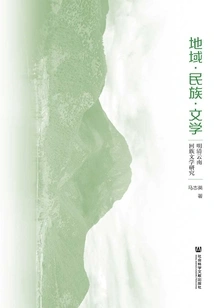
地域·民族·文学:明清云南回族文学研究
Ma Zhiying
The Ming and Qing Dynasties were a period when the Hui people continued to grow and develop, and it was also a period when Hui literature gradually prospered. During the Ming and Qing Dynasties, a considerable number of Hui writers emerged in Yunnan, and they showed the geographical distribution characteristics of "large dispersion" and "small settlement", which is consistent with the geographical distribution pattern of the Hui people in my country. Against this background, this book takes ancient Hui literature as the research object, takes regional culture as the perspective, uses literary geography, ethnology and other academic theories, and is based on case studies to observe and interpret the relationship between regional culture and ancient Hui literature, in order to enrich the research on minority literature.
The Ming and Qing Dynasties were a period when the Hui people continued to grow and develop, and it was also a period when Hui literature gradually prospered. During the Ming and Qing Dynasties, a considerable number of Hui writers emerged in Yunnan, and they showed the geographical distribution characteristics of "large dispersion" and "small settlement", which is consistent with the geographical distribution pattern of the Hui people in my country. Against this background, this book takes ancient Hui literature as the research object, takes regional culture as the perspective, uses literary geography, ethnology and other academic theories, and is based on case studies to observe and interpret the relationship between regional culture and ancient Hui literature, in order to enrich the research on minority literature.
和谷文集(卷十四 文论)
Watani
This book is a collection of works by Mr. He Gu, a national first-class writer, with a total of 14 volumes. It contains the author's important works published in different periods and is divided into several volumes of prose, poetry, documentary, biography, novel, play and literary theory. These include "The Wilderness Collection", "Mayor Zhang Tiemin", "Selected Poems of Hegu", "1983 Ankang Flood" originally published by Shaanxi People's Publishing House, "The Biography of Liu Gongquan" and "Returning Hometown" by Writers Publishing House, "The Traveler's Monologue" and "National Style" by People's Literature Publishing House, "Worry-Free Tree" by Shanghai Literature and Art Publishing House, "Wild Land" by Baihua Literature and Art Publishing House, etc., Reflecting the author's achievements in literary writing in more than forty years.
This book is a collection of works by Mr. He Gu, a national first-class writer, with a total of 14 volumes. It contains the author's important works published in different periods and is divided into several volumes of prose, poetry, documentary, biography, novel, play and literary theory. These include "The Wilderness Collection", "Mayor Zhang Tiemin", "Selected Poems of Hegu", "1983 Ankang Flood" originally published by Shaanxi People's Publishing House, "The Biography of Liu Gongquan" and "Returning Hometown" by Writers Publishing House, "The Traveler's Monologue" and "National Style" by People's Literature Publishing House, "Worry-Free Tree" by Shanghai Literature and Art Publishing House, "Wild Land" by Baihua Literature and Art Publishing House, etc., Reflecting the author's achievements in literary writing in more than forty years.
和谷文集(卷十三 文论)
Watani
This book is a collection of works by Mr. He Gu, a national first-class writer, with a total of 14 volumes. It contains the author's important works published in different periods and is divided into several volumes of prose, poetry, documentary, biography, novel, play and literary theory. These include "The Wilderness Collection", "Mayor Zhang Tiemin", "Selected Poems of Hegu", "1983 Ankang Flood" originally published by Shaanxi People's Publishing House, "The Biography of Liu Gongquan" and "Returning Hometown" by Writers Publishing House, "The Traveler's Monologue" and "National Style" by People's Literature Publishing House, "Worry-Free Tree" by Shanghai Literature and Art Publishing House, "Wild Land" by Baihua Literature and Art Publishing House, etc., Reflecting the author's achievements in literary writing in more than forty years.
This book is a collection of works by Mr. He Gu, a national first-class writer, with a total of 14 volumes. It contains the author's important works published in different periods and is divided into several volumes of prose, poetry, documentary, biography, novel, play and literary theory. These include "The Wilderness Collection", "Mayor Zhang Tiemin", "Selected Poems of Hegu", "1983 Ankang Flood" originally published by Shaanxi People's Publishing House, "The Biography of Liu Gongquan" and "Returning Hometown" by Writers Publishing House, "The Traveler's Monologue" and "National Style" by People's Literature Publishing House, "Worry-Free Tree" by Shanghai Literature and Art Publishing House, "Wild Land" by Baihua Literature and Art Publishing House, etc., Reflecting the author's achievements in literary writing in more than forty years.
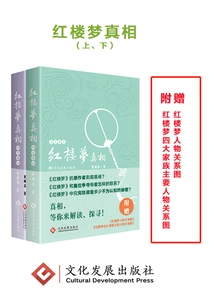
The Truth About "dream of Red Mansions
Literature《红楼梦》真相
Dong Yaochang
"A paper full of absurd words, a handful of bitter tears. It is said that the author is crazy, who can understand the meaning?" This is the first title poem of "Dream of Red Mansions". Although the title poem written by Cao Xueqin has only twenty words, it is placed as the first title poem in the book, which shows the good intentions of the author and editor and the importance of this poem. Here, the author has clarified six questions from this poem, and invites everyone to analyze and discuss them together: First, is this poem written by Cao Xueqin addressed to himself, to "Stone", or to the readers? Secondly, why do you have to use "paper full of absurd words" when writing a book? What exactly is absurd about "absurd words"? Third, since it is a "ridiculous statement", why do you still shed "a handful of bitter tears"? Who shed these tears? Fourthly, are these "a handful of bitter tears" shed for love? If they were shed for love, how could Zhi Yanzhai call them "tears of blood"? Fifth, who is this "crazy author" who is said to be a "crazy author"? What is he obsessed with? Sixth, what is the "flavor" of "who can understand the flavor"? Who tasted this flavor first? In order to solve these six mysteries, the author spent ten chapters on research and verification, and wanted to answer these questions. This was the author's original intention in writing "The Truth". Studying "Dream of Red Mansions" is full of hardships in research. Due to the age and lack of data, some flaws are inevitable. "The Truth" is just one family's opinion. We sincerely invite criticism and advice from teachers and readers.
"A paper full of absurd words, a handful of bitter tears. It is said that the author is crazy, who can understand the meaning?" This is the first title poem of "Dream of Red Mansions". Although the title poem written by Cao Xueqin has only twenty words, it is placed as the first title poem in the book, which shows the good intentions of the author and editor and the importance of this poem. Here, the author has clarified six questions from this poem, and invites everyone to analyze and discuss them together: First, is this poem written by Cao Xueqin addressed to himself, to "Stone", or to the readers? Secondly, why do you have to use "paper full of absurd words" when writing a book? What exactly is absurd about "absurd words"? Third, since it is a "ridiculous statement", why do you still shed "a handful of bitter tears"? Who shed these tears? Fourthly, are these "a handful of bitter tears" shed for love? If they were shed for love, how could Zhi Yanzhai call them "tears of blood"? Fifth, who is this "crazy author" who is said to be a "crazy author"? What is he obsessed with? Sixth, what is the "flavor" of "who can understand the flavor"? Who tasted this flavor first? In order to solve these six mysteries, the author spent ten chapters on research and verification, and wanted to answer these questions. This was the author's original intention in writing "The Truth". Studying "Dream of Red Mansions" is full of hardships in research. Due to the age and lack of data, some flaws are inevitable. "The Truth" is just one family's opinion. We sincerely invite criticism and advice from teachers and readers.
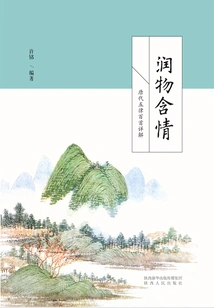
润物含情:唐代五律百首详解
Xu Ming
"Moisturizing Things and Embodying Feelings - A Detailed Explanation of One Hundred Five-character Rhythm Poems of the Tang Dynasty" introduces 103 five-character rhyme poems of the Tang Dynasty, focusing on the works of poets such as Li Bai, Du Fu, Wang Wei, and Meng Haoran. The introduction of each poem includes the original text of the poem, introduction to the author, explanation of the title, writing background, notes on words and sentences, vernacular translation, content analysis, relevant meter, etc. For a few poems, introduce their writing characteristics and related anecdotes. Different from previous Tang poetry appreciation books, this book is characterized by introducing the relevant rhythm of each poem, aiming to provide help for readers who study Tang poetry, so that they can accept the influence of Tang Dynasty poetry, cultivate their artistic appreciation ability, and have a reference when practicing writing five rhymes.
"Moisturizing Things and Embodying Feelings - A Detailed Explanation of One Hundred Five-character Rhythm Poems of the Tang Dynasty" introduces 103 five-character rhyme poems of the Tang Dynasty, focusing on the works of poets such as Li Bai, Du Fu, Wang Wei, and Meng Haoran. The introduction of each poem includes the original text of the poem, introduction to the author, explanation of the title, writing background, notes on words and sentences, vernacular translation, content analysis, relevant meter, etc. For a few poems, introduce their writing characteristics and related anecdotes. Different from previous Tang poetry appreciation books, this book is characterized by introducing the relevant rhythm of each poem, aiming to provide help for readers who study Tang poetry, so that they can accept the influence of Tang Dynasty poetry, cultivate their artistic appreciation ability, and have a reference when practicing writing five rhymes.
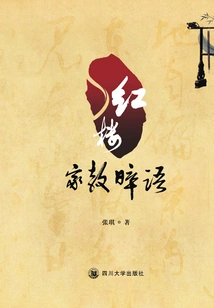
Red Mansion Tutor Xu Yu
Literature红楼家教晬语
Zhang Qi
"The Tutoring in Red Mansions" conducts a new study on family education in "A Dream of Red Mansions" from the perspective of a senior teacher. The book is divided into fifteen chapters, covering aspects such as doting, equality, example, preference, domestic violence, treating others, self-reliance, puppy love, supervision, single parenthood, reading, speaking, gratitude, marriage, wealth, etc., And selects relevant content or fragments of "Dream of Red Mansions" for analysis. The beginning of the chapter is set up with "Tutoring Golden Admonitions" and "Tutoring Sayings", using famous quotes or aphorisms to reveal the theme; At the end of the article, there are "related links", which include classic poems or warnings for readers to refer to.
"The Tutoring in Red Mansions" conducts a new study on family education in "A Dream of Red Mansions" from the perspective of a senior teacher. The book is divided into fifteen chapters, covering aspects such as doting, equality, example, preference, domestic violence, treating others, self-reliance, puppy love, supervision, single parenthood, reading, speaking, gratitude, marriage, wealth, etc., And selects relevant content or fragments of "Dream of Red Mansions" for analysis. The beginning of the chapter is set up with "Tutoring Golden Admonitions" and "Tutoring Sayings", using famous quotes or aphorisms to reveal the theme; At the end of the article, there are "related links", which include classic poems or warnings for readers to refer to.
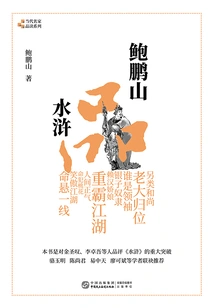
鲍鹏山品水浒
Bao Pengshan
Bao Pengshan is knowledgeable, thoughtful and passionate. He interpreted "Water Margin" from the perspectives of culture, system, and human nature, focusing less on plot and more on details; less on what it is and more on why. Starting from Lin Chong, Wu Song, Li Kui, Lu Zhishen, Song Jiang and others, he broke through the simple retelling of the storyline of "Water Margin" and read out the extremely rich human connotation, cultural connotation and ideological connotation hidden behind the story. This book is a major breakthrough in the criticism of "Water Margin" by Jin Shengtan, Li Zhi and others.
Bao Pengshan is knowledgeable, thoughtful and passionate. He interpreted "Water Margin" from the perspectives of culture, system, and human nature, focusing less on plot and more on details; less on what it is and more on why. Starting from Lin Chong, Wu Song, Li Kui, Lu Zhishen, Song Jiang and others, he broke through the simple retelling of the storyline of "Water Margin" and read out the extremely rich human connotation, cultural connotation and ideological connotation hidden behind the story. This book is a major breakthrough in the criticism of "Water Margin" by Jin Shengtan, Li Zhi and others.
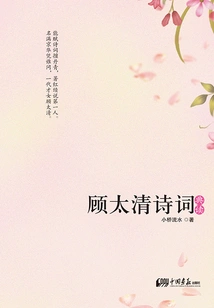
Reading Gu Taiqing's Poetry Dictionary
Literature顾太清诗词典读
Small Bridge And Flowing Water
China's literary world has been dominated by men for a long time. Female writers are very rare. Countless women have been imprisoned in boudoir and no one knows about them. At the end of the Ming Dynasty and the beginning of the Qing Dynasty, some bold women came out of their boudoirs and formed groups to recite poems to express their inner rich emotions. Gu Taiqing was one of them. She once formed the Qiuhong Yin Society with the talented Manchu and Han women in the capital at that time, and jointly recited poems, leaving a bright scene in the history of Chinese female literature. Gu Taiqing was good at poetry, calligraphy and painting, and was known as a talented woman of her generation. Her literary creation involves poetry, lyrics, novels, and paintings, especially the title of her poems, Shilin. Her high attainment in poetry is reflected in her natural precision in cooking words and refining sentences, without any trace of intentional carving, and she is good at constructing artistic conception. In the later years of the Taiqing Dynasty, she also signed herself as "Yuncha Waishi" and wrote the novel "A Dream of Red Mansions", becoming the first female novelist in the history of Chinese novels. His literary talent and insight are extraordinary. I believe that Gu Taiqing, the "female poet of the Qing Dynasty", will be famous forever!
China's literary world has been dominated by men for a long time. Female writers are very rare. Countless women have been imprisoned in boudoir and no one knows about them. At the end of the Ming Dynasty and the beginning of the Qing Dynasty, some bold women came out of their boudoirs and formed groups to recite poems to express their inner rich emotions. Gu Taiqing was one of them. She once formed the Qiuhong Yin Society with the talented Manchu and Han women in the capital at that time, and jointly recited poems, leaving a bright scene in the history of Chinese female literature. Gu Taiqing was good at poetry, calligraphy and painting, and was known as a talented woman of her generation. Her literary creation involves poetry, lyrics, novels, and paintings, especially the title of her poems, Shilin. Her high attainment in poetry is reflected in her natural precision in cooking words and refining sentences, without any trace of intentional carving, and she is good at constructing artistic conception. In the later years of the Taiqing Dynasty, she also signed herself as "Yuncha Waishi" and wrote the novel "A Dream of Red Mansions", becoming the first female novelist in the history of Chinese novels. His literary talent and insight are extraordinary. I believe that Gu Taiqing, the "female poet of the Qing Dynasty", will be famous forever!
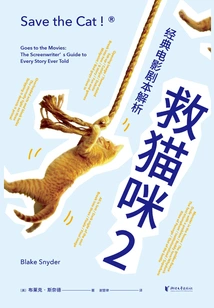
救猫咪2:经典电影剧本解析
G
"Save the Cat 2: Analysis of Classic Movie Scripts" is the second volume in script mentor Blake Snyder's "Save the Cat" series. This book continues the efficient, practical, and humorous writing style of the first volume. By reviewing various classic films in film history, it thoroughly and meticulously introduces the types and structural elements necessary for successful films. The book divides mainstream commercial films into 10 types, and lists 50 representative films, including masterpieces such as "Saving Private Ryan" and "Alien", as well as film history gems such as "Little League" and "The Dark Knight." The author skillfully analyzes the structure and story rhythm of these films, clarifying their commonalities and originality, helping screenwriters find genre boundaries for their own stories, and make breakthroughs and innovations. For novice screenwriters, this is a special training course to quickly learn from previous experience; and for movie fans, this is a rich and interesting movie list to add color to your movie journey.
"Save the Cat 2: Analysis of Classic Movie Scripts" is the second volume in script mentor Blake Snyder's "Save the Cat" series. This book continues the efficient, practical, and humorous writing style of the first volume. By reviewing various classic films in film history, it thoroughly and meticulously introduces the types and structural elements necessary for successful films. The book divides mainstream commercial films into 10 types, and lists 50 representative films, including masterpieces such as "Saving Private Ryan" and "Alien", as well as film history gems such as "Little League" and "The Dark Knight." The author skillfully analyzes the structure and story rhythm of these films, clarifying their commonalities and originality, helping screenwriters find genre boundaries for their own stories, and make breakthroughs and innovations. For novice screenwriters, this is a special training course to quickly learn from previous experience; and for movie fans, this is a rich and interesting movie list to add color to your movie journey.
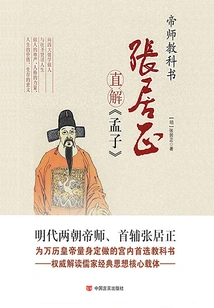
张居正直解《孟子》(下)
Zhang Juzheng
Reading the "Four Books" first, and then reading the classics and history, is a compulsory outline for emperors throughout the ages. "The Direct Interpretation of the Four Books" is a palace reading book tailor-made for Emperor Wanli by Zhang Juzheng, the imperial advisor of the two dynasties of the Ming Dynasty and the first assistant (prime minister) of Wanli, and the lecturer of the Hanlin Academy. Emperor Wanli was only ten years old when he came to the throne, and his speeches were written in the vernacular of the Ming Dynasty. Zhang Juzheng used the "Four Books" to educate the emperor and wanted Emperor Wanli to be an enlightened monarch like Emperor Taizong of the Tang Dynasty.
Reading the "Four Books" first, and then reading the classics and history, is a compulsory outline for emperors throughout the ages. "The Direct Interpretation of the Four Books" is a palace reading book tailor-made for Emperor Wanli by Zhang Juzheng, the imperial advisor of the two dynasties of the Ming Dynasty and the first assistant (prime minister) of Wanli, and the lecturer of the Hanlin Academy. Emperor Wanli was only ten years old when he came to the throne, and his speeches were written in the vernacular of the Ming Dynasty. Zhang Juzheng used the "Four Books" to educate the emperor and wanted Emperor Wanli to be an enlightened monarch like Emperor Taizong of the Tang Dynasty.
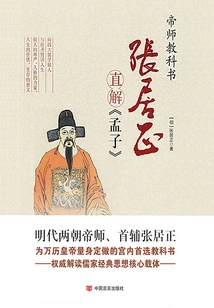
张居正直解《孟子》(上)
Zhang Juzheng
Reading the "Four Books" first, and then reading the classics and history, is a compulsory outline for emperors throughout the ages. "The Direct Interpretation of the Four Books" is a palace reading book tailor-made for Emperor Wanli by Zhang Juzheng, the imperial advisor of the two dynasties of the Ming Dynasty and the first assistant (prime minister) of Wanli, and the lecturer of the Hanlin Academy. Emperor Wanli was only ten years old when he came to the throne, and his speeches were written in the vernacular of the Ming Dynasty. Zhang Juzheng used the "Four Books" to educate the emperor and wanted Emperor Wanli to be an enlightened monarch like Emperor Taizong of the Tang Dynasty.
Reading the "Four Books" first, and then reading the classics and history, is a compulsory outline for emperors throughout the ages. "The Direct Interpretation of the Four Books" is a palace reading book tailor-made for Emperor Wanli by Zhang Juzheng, the imperial advisor of the two dynasties of the Ming Dynasty and the first assistant (prime minister) of Wanli, and the lecturer of the Hanlin Academy. Emperor Wanli was only ten years old when he came to the throne, and his speeches were written in the vernacular of the Ming Dynasty. Zhang Juzheng used the "Four Books" to educate the emperor and wanted Emperor Wanli to be an enlightened monarch like Emperor Taizong of the Tang Dynasty.
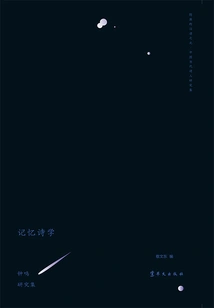
记忆诗学:钟鸣研究集(隐匿的汉语之光·中国当代诗人研究集)
Zhang Taozhou Editor-in-chief Wang Dongdong Editor-in-chief Jing Wendong
Originality is always the vitality and style of literary creation. The reviewer used a variety of criticism methods and multiple perspectives to conduct an in-depth and detailed study of Zhong Ming's poetry, prose and other texts. He proposed the characteristics of Zhong Ming's creation, such as the complexity of imagery, the interlacing of time and space, the correction of love and hate, and the deformation of words, and revealed Zhong Ming's passionate, tenacious, obscure, and uneasy life and mentality. The process highlights Zhong Ming's unique, novel, loose, erudite, sharp, and complementary creative style, explains Zhong Ming's set of vocabulary features that contain the characteristics of Sichuan dialect, and reflects the inherent aesthetic value of Zhong Ming's literary creation.
Originality is always the vitality and style of literary creation. The reviewer used a variety of criticism methods and multiple perspectives to conduct an in-depth and detailed study of Zhong Ming's poetry, prose and other texts. He proposed the characteristics of Zhong Ming's creation, such as the complexity of imagery, the interlacing of time and space, the correction of love and hate, and the deformation of words, and revealed Zhong Ming's passionate, tenacious, obscure, and uneasy life and mentality. The process highlights Zhong Ming's unique, novel, loose, erudite, sharp, and complementary creative style, explains Zhong Ming's set of vocabulary features that contain the characteristics of Sichuan dialect, and reflects the inherent aesthetic value of Zhong Ming's literary creation.
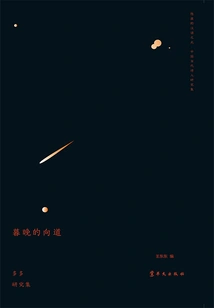
暮晚的向道:多多研究集(隐匿的汉语之光·中国当代诗人研究集)
Zhang Taozhou Editor-in-chief Wang Dongdong
Duoduo is one of the few early "Today School" poets who are difficult to classify into the "Misty School". If "hazy" also implies a state of translucency, then many poems show absolute opacity from the beginning due to the lack of the reverie of light. His black lyric tentacles often come back to dig into his own internal organs when reality invades him. This creates a sharp conflict with the outward-stretching singing style of his poetry (or the singing impulse in his nature). As a result, Duoduo has adopted a method of categorical denial within himself in many of his poems in recent years, using words that erase desire to accuse, and using lyrical expressions of defeat to cry. In a poem with a lengthy title, "In such weather, there is no meaning from the weather," Duoduo expresses the crisis of "meaning" in a language of self-disassembly.
Duoduo is one of the few early "Today School" poets who are difficult to classify into the "Misty School". If "hazy" also implies a state of translucency, then many poems show absolute opacity from the beginning due to the lack of the reverie of light. His black lyric tentacles often come back to dig into his own internal organs when reality invades him. This creates a sharp conflict with the outward-stretching singing style of his poetry (or the singing impulse in his nature). As a result, Duoduo has adopted a method of categorical denial within himself in many of his poems in recent years, using words that erase desire to accuse, and using lyrical expressions of defeat to cry. In a poem with a lengthy title, "In such weather, there is no meaning from the weather," Duoduo expresses the crisis of "meaning" in a language of self-disassembly.
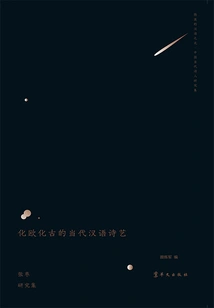
化欧化古的当代汉语诗艺:张枣研究集(隐匿的汉语之光·中国当代诗人研究集)
Zhang Taozhou Editor-in-chief Wang Dongdong Editor-in-chief Yan Lianjun
This book is the fourth volume of the series "The Hidden Light of Chinese·Research Collection of Contemporary Chinese Poets", which contains important and latest research results on the poet Zhang Zao. These results have been selected and organized into monographs, readings, narratives, interviews, etc., Which systematically and in-depthly sort out and explore the overview of the poet's works and the changes in the research perspective on the poet and his works, thereby capturing the poet's contribution to Chinese writing and, in other words, to the Chinese language itself. As an important poet in the genealogy of new poetry discourse, Zhang Zao has a rich accumulation of research in both quantity and quality. This book makes up for the shortcoming of Zhang Zao's research results but no summary, provides a model for the teaching activities of university literary criticism majors, and provides high-quality and necessary materials for poetry teachers, students of related majors, and poetry lovers.
This book is the fourth volume of the series "The Hidden Light of Chinese·Research Collection of Contemporary Chinese Poets", which contains important and latest research results on the poet Zhang Zao. These results have been selected and organized into monographs, readings, narratives, interviews, etc., Which systematically and in-depthly sort out and explore the overview of the poet's works and the changes in the research perspective on the poet and his works, thereby capturing the poet's contribution to Chinese writing and, in other words, to the Chinese language itself. As an important poet in the genealogy of new poetry discourse, Zhang Zao has a rich accumulation of research in both quantity and quality. This book makes up for the shortcoming of Zhang Zao's research results but no summary, provides a model for the teaching activities of university literary criticism majors, and provides high-quality and necessary materials for poetry teachers, students of related majors, and poetry lovers.
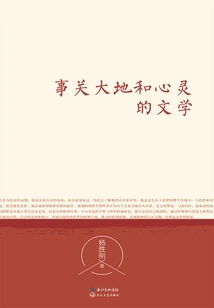
Literature About the Earth and the Soul
Literature事关大地和心灵的文学
Yang Shengang
This book is divided into four parts. The first part mainly discusses the author's understanding of some basic issues in literature, focusing on specific issues such as the generation of literary classics, the general atmosphere and essential writing of novels, and the breadth and breadth of prose. The second part mainly discusses the author's ideological resources for literary criticism, including the author's own reading and understanding of left-wing literature. The third and fourth parts are a summary of the author's bird's-eye observations and creative achievements on literary writing in Guangdong and the Greater Bay Area in recent years.
This book is divided into four parts. The first part mainly discusses the author's understanding of some basic issues in literature, focusing on specific issues such as the generation of literary classics, the general atmosphere and essential writing of novels, and the breadth and breadth of prose. The second part mainly discusses the author's ideological resources for literary criticism, including the author's own reading and understanding of left-wing literature. The third and fourth parts are a summary of the author's bird's-eye observations and creative achievements on literary writing in Guangdong and the Greater Bay Area in recent years.
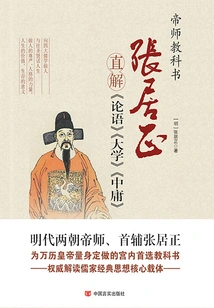
张居正直解《论语》《大学》《中庸》(上)
Zhang Juzheng
Reading the "Four Books" first, and then reading the classics and history, is a compulsory outline for emperors throughout the ages. "The Direct Interpretation of the Four Books" is a palace reading book tailor-made for Emperor Wanli by Zhang Juzheng, the imperial advisor of the two dynasties of the Ming Dynasty and the first assistant (prime minister) of Wanli, and the lecturer of the Hanlin Academy. Emperor Wanli was only ten years old when he came to the throne, and his speeches were written in the vernacular of the Ming Dynasty. Zhang Juzheng used the "Four Books" to educate the emperor and wanted Emperor Wanli to be an enlightened monarch like Emperor Taizong of the Tang Dynasty.
Reading the "Four Books" first, and then reading the classics and history, is a compulsory outline for emperors throughout the ages. "The Direct Interpretation of the Four Books" is a palace reading book tailor-made for Emperor Wanli by Zhang Juzheng, the imperial advisor of the two dynasties of the Ming Dynasty and the first assistant (prime minister) of Wanli, and the lecturer of the Hanlin Academy. Emperor Wanli was only ten years old when he came to the throne, and his speeches were written in the vernacular of the Ming Dynasty. Zhang Juzheng used the "Four Books" to educate the emperor and wanted Emperor Wanli to be an enlightened monarch like Emperor Taizong of the Tang Dynasty.
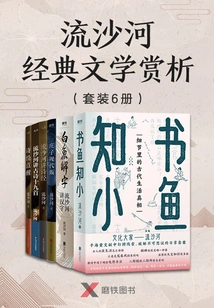
流沙河经典文学赏析(套装6册)
Liusha River
This set of books includes Paul's "Liushahe Lectures on the Book of Songs (2020 Edition)", "Shuyu Knows the Small", "White Fish Interpretation of Chinese Characters: Liushahe Lectures on Chinese Characters", "Awakenings from the Book of Songs", "Liushahe Lectures on Nineteen Ancient Poems", and "Zhuangzi Modern Edition".
This set of books includes Paul's "Liushahe Lectures on the Book of Songs (2020 Edition)", "Shuyu Knows the Small", "White Fish Interpretation of Chinese Characters: Liushahe Lectures on Chinese Characters", "Awakenings from the Book of Songs", "Liushahe Lectures on Nineteen Ancient Poems", and "Zhuangzi Modern Edition".
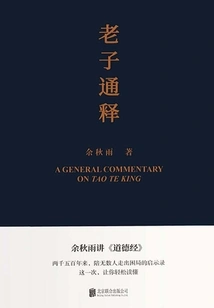
Lao Tzu Tongshi
Literature老子通释
Yu Qiuyu
This book is a milestone new work by Mr. Yu Qiuyu in his interpretation of ancient classics. It is also an introductory reading of the Tao Te Ching for contemporary people. The book comprehensively describes the entire content of the 81 chapters of the Tao Te Ching, analyzes the internal logic of each chapter and section, looks at the similarities and differences in thinking over more than two thousand years, feels the literary charm between the original text and the translated version, discusses the consensus and disagreements of researchers in the past generations, and examines the flaws and corrections in various versions. On the whole, it is written in accessible prose, and the interpretation and translation are both rigorous and poetic, enough to allow contemporary life and thousand-year-old texts to nourish each other.
This book is a milestone new work by Mr. Yu Qiuyu in his interpretation of ancient classics. It is also an introductory reading of the Tao Te Ching for contemporary people. The book comprehensively describes the entire content of the 81 chapters of the Tao Te Ching, analyzes the internal logic of each chapter and section, looks at the similarities and differences in thinking over more than two thousand years, feels the literary charm between the original text and the translated version, discusses the consensus and disagreements of researchers in the past generations, and examines the flaws and corrections in various versions. On the whole, it is written in accessible prose, and the interpretation and translation are both rigorous and poetic, enough to allow contemporary life and thousand-year-old texts to nourish each other.
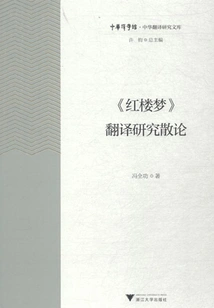
《红楼梦》翻译研究散论
Feng Quangong
One of the "Chinese Translation Research Library" of the China Translation Institute. It is divided into macro and micro levels. The macro level mainly discusses the construction of translation studies of "Red Mansions", including the research fields and research models of "Red Mansions" translation studies, the current situation and prospects of "Red Mansions" translation studies in the new century, reviews of translated books on "A Dream of Red Mansions", etc.; The micro level mainly focuses on specific topics of "Red Mansions" translation studies, such as Huo's translation of "A Dream of Red Mansions". Descriptive rhetoric, additional questions in Huo's translation of "A Dream of Red Mansions", poetry rhyming strategies, research on the English translation of "love" in "A Dream of Red Mansions", research on the English translation of "Laughing Road", research on the English translation of the titles of the retrospective books, research on the sensitivity of the English translators of "A Dream of Red Mansions" to Chinese dead metaphors, research on the logic expression in the English translation of "A Dream of Red Mansions", basic awareness in the translation reviews of "A Dream of Red Mansions", etc.
One of the "Chinese Translation Research Library" of the China Translation Institute. It is divided into macro and micro levels. The macro level mainly discusses the construction of translation studies of "Red Mansions", including the research fields and research models of "Red Mansions" translation studies, the current situation and prospects of "Red Mansions" translation studies in the new century, reviews of translated books on "A Dream of Red Mansions", etc.; The micro level mainly focuses on specific topics of "Red Mansions" translation studies, such as Huo's translation of "A Dream of Red Mansions". Descriptive rhetoric, additional questions in Huo's translation of "A Dream of Red Mansions", poetry rhyming strategies, research on the English translation of "love" in "A Dream of Red Mansions", research on the English translation of "Laughing Road", research on the English translation of the titles of the retrospective books, research on the sensitivity of the English translators of "A Dream of Red Mansions" to Chinese dead metaphors, research on the logic expression in the English translation of "A Dream of Red Mansions", basic awareness in the translation reviews of "A Dream of Red Mansions", etc.
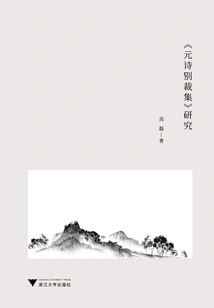
《元诗别裁集》研究
Gao Lei
This book mainly uses a research method that combines literature and criticism to explore the family life and academic thoughts of the editor of "Yuan Shi Bie Collection", examines the edition origin and source selection of "Yuan Shi Bie Collection", analyzes and summarizes the poetry selection standards and editing purposes of "Yuan Shi Bie Collection", and compares the editing advantages and disadvantages between this book and Gu Sili's "Yuan Shi Bie Collection".
This book mainly uses a research method that combines literature and criticism to explore the family life and academic thoughts of the editor of "Yuan Shi Bie Collection", examines the edition origin and source selection of "Yuan Shi Bie Collection", analyzes and summarizes the poetry selection standards and editing purposes of "Yuan Shi Bie Collection", and compares the editing advantages and disadvantages between this book and Gu Sili's "Yuan Shi Bie Collection".
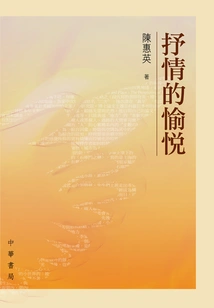
Lyrical Pleasure
Literature抒情的愉悦
Chen Huiying
"Lyric art" is a topic that cannot be finished. Ms. Chen Huiying took "lyrical art" in literary works as her main research topic and focused on modern and contemporary literature. She selected works of different writers and sorted out, interpreted, and appreciated them from different perspectives. She made a unique and in-depth analysis of the different techniques and multiple meanings conveyed by the application of lyrical art in literary works. Following these analyses, we will slowly enter the sensual world shown in the text cases and experience the unprecedented pleasure of reading. This book contains 11 articles with unique perspectives and in-depth discussions. For example, the author believes that the novel worlds of Zhang Ailing and Xixi are mostly "closed" spaces. When the two unfold their stories in them, their different ways of "viewing" give rise to readers' different "views" of their novels; and this difference between the two is related to their attitudes towards life.
"Lyric art" is a topic that cannot be finished. Ms. Chen Huiying took "lyrical art" in literary works as her main research topic and focused on modern and contemporary literature. She selected works of different writers and sorted out, interpreted, and appreciated them from different perspectives. She made a unique and in-depth analysis of the different techniques and multiple meanings conveyed by the application of lyrical art in literary works. Following these analyses, we will slowly enter the sensual world shown in the text cases and experience the unprecedented pleasure of reading. This book contains 11 articles with unique perspectives and in-depth discussions. For example, the author believes that the novel worlds of Zhang Ailing and Xixi are mostly "closed" spaces. When the two unfold their stories in them, their different ways of "viewing" give rise to readers' different "views" of their novels; and this difference between the two is related to their attitudes towards life.
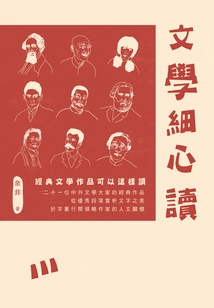
Read Literature Carefully
Literature文学细心读
Yu Fei
The author of this book selects excerpts from the outstanding works of twenty-one Chinese and foreign literary figures to guide readers to appreciate the profound meaning of the classics between the lines. Readers can not only broaden their horizons in reading literary works and improve their ability to appreciate words, but also understand the broad mind of these literary masters who care about the country, the people, and the development of human civilization.
The author of this book selects excerpts from the outstanding works of twenty-one Chinese and foreign literary figures to guide readers to appreciate the profound meaning of the classics between the lines. Readers can not only broaden their horizons in reading literary works and improve their ability to appreciate words, but also understand the broad mind of these literary masters who care about the country, the people, and the development of human civilization.
中国古代碑志文批评史
Li Guiyin
Stele writing is an important literary style in ancient China. It has been popular since the Eastern Han Dynasty, and its creation has been throughout ancient China. The creation of epigraphs is closely related to the rise and fall of ancient Chinese prose creation and the changes in ideological trends. The history of the development and evolution of epigraphic criticism reflects the history of the development of ancient Chinese literary criticism, and also reflects the changes in ancient Chinese literary concepts and aesthetic concepts. This manuscript places epigraphic criticism in the long history of ancient Chinese literary criticism, conducts an in-depth analysis of its emergence, development, and evolution, and strives to sort out the history of the development of epigraphic criticism objectively and fairly. During the research process, we not only focused on the existing theoretical criticism materials, but also deeply and meticulously explored the stylistic opinions and theories of the writer's creation itself. We not only focused on well-known scholars, but also discovered scholars who had not been paid attention to in the history of criticism in the past, such as Sun Cong, Chu Xin, Lin Yunming, etc., As well as some famous scholars for their theory of music, poetry, and lyrics, such as Li Kaixian, Shen Deqian, Tan Xian, etc., To explore their unique writing concepts. Therefore, this manuscript not only fills the gap in the study of the history of Chinese epigraphic criticism, but also plays an important supplementary role in the study of ancient Chinese literary criticism and ancient Chinese culture.
Stele writing is an important literary style in ancient China. It has been popular since the Eastern Han Dynasty, and its creation has been throughout ancient China. The creation of epigraphs is closely related to the rise and fall of ancient Chinese prose creation and the changes in ideological trends. The history of the development and evolution of epigraphic criticism reflects the history of the development of ancient Chinese literary criticism, and also reflects the changes in ancient Chinese literary concepts and aesthetic concepts. This manuscript places epigraphic criticism in the long history of ancient Chinese literary criticism, conducts an in-depth analysis of its emergence, development, and evolution, and strives to sort out the history of the development of epigraphic criticism objectively and fairly. During the research process, we not only focused on the existing theoretical criticism materials, but also deeply and meticulously explored the stylistic opinions and theories of the writer's creation itself. We not only focused on well-known scholars, but also discovered scholars who had not been paid attention to in the history of criticism in the past, such as Sun Cong, Chu Xin, Lin Yunming, etc., As well as some famous scholars for their theory of music, poetry, and lyrics, such as Li Kaixian, Shen Deqian, Tan Xian, etc., To explore their unique writing concepts. Therefore, this manuscript not only fills the gap in the study of the history of Chinese epigraphic criticism, but also plays an important supplementary role in the study of ancient Chinese literary criticism and ancient Chinese culture.
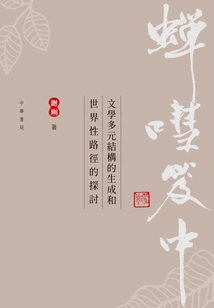
蝉嘒笈中:文学多元结构的生成和世界性路径的探讨
Xie Gang
From the perspective of a senior publishing worker and external publicity practitioner, this book witnesses the ups and downs of literature in the market tide driven by publishing behavior. By collecting and analyzing a large amount of data, it studies the topic of "the impact of publishing on the formation of literature in the new era" and explores the diversity of literature. The formation of the structure, sorting out the channels and methods for the integration of literature and the West, pursuing the ideal path for Chinese literature to be accepted and recognized by Western literature and even becoming the world's mainstream literature, and truly realizing the "going out" of Chinese culture, is worthy of being a great voice in the field of publishing.
From the perspective of a senior publishing worker and external publicity practitioner, this book witnesses the ups and downs of literature in the market tide driven by publishing behavior. By collecting and analyzing a large amount of data, it studies the topic of "the impact of publishing on the formation of literature in the new era" and explores the diversity of literature. The formation of the structure, sorting out the channels and methods for the integration of literature and the West, pursuing the ideal path for Chinese literature to be accepted and recognized by Western literature and even becoming the world's mainstream literature, and truly realizing the "going out" of Chinese culture, is worthy of being a great voice in the field of publishing.
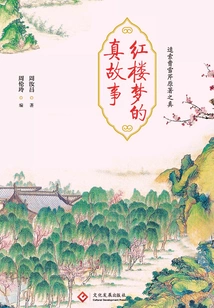
The True Story of Dream of Red Mansions
Literature红楼梦的真故事
Zhou Ruchang
Zhou Ruchang is the Taishan Beidou in the world of "Red Studies" today, and is the master of the textual research school of Red Studies. Cao Xueqin was obsessed with it and spent 10 years writing the book. Zhou Ruchang was even more obsessed and spent 60 years researching the book. If they are both idiots, they have similarities in temperament. The study of literature is not only a technical activity, but more importantly, the participation of the spirit and the ability of the soul to communicate across the world. Mr. Zhou's representative work "New Evidence of the Dream of Red Mansions" can be regarded as the pioneering work of modern Red Mansions. Because of its detailed textual research and careful thinking, it has been praised by the academic circles as a landmark work in the history of Red Mansions. In the book "The True Story of Dream of Red Mansions", the author strives to objectively restore the conception and plot arrangement of Mr. Cao Xueqin's original work, and present a "True Story of Dream of Red Mansions" that is more credible and more in line with Cao Xueqin's original intention; the language style of this book is also similar to the style of Mr. Cao Xueqin's original work, allowing readers to feel as if they are reading the original story of Dream of Red Mansions.
Zhou Ruchang is the Taishan Beidou in the world of "Red Studies" today, and is the master of the textual research school of Red Studies. Cao Xueqin was obsessed with it and spent 10 years writing the book. Zhou Ruchang was even more obsessed and spent 60 years researching the book. If they are both idiots, they have similarities in temperament. The study of literature is not only a technical activity, but more importantly, the participation of the spirit and the ability of the soul to communicate across the world. Mr. Zhou's representative work "New Evidence of the Dream of Red Mansions" can be regarded as the pioneering work of modern Red Mansions. Because of its detailed textual research and careful thinking, it has been praised by the academic circles as a landmark work in the history of Red Mansions. In the book "The True Story of Dream of Red Mansions", the author strives to objectively restore the conception and plot arrangement of Mr. Cao Xueqin's original work, and present a "True Story of Dream of Red Mansions" that is more credible and more in line with Cao Xueqin's original intention; the language style of this book is also similar to the style of Mr. Cao Xueqin's original work, allowing readers to feel as if they are reading the original story of Dream of Red Mansions.
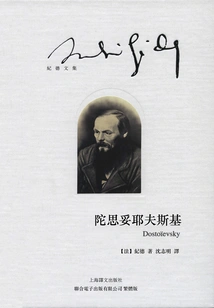
Dostoevsky
Literature陀思妥耶夫斯基
(france) André Gide
This book is a collection of various texts in which Gide recommended Dostoevsky as "the greatest writer" and is a representative work of his literary criticism. As a traitor, Gide took Tuoji as his confidant, because he not only questioned the existence of God, but also used the power of the "devil" to achieve the purpose of exposing the devil, ugliness, and sin.
This book is a collection of various texts in which Gide recommended Dostoevsky as "the greatest writer" and is a representative work of his literary criticism. As a traitor, Gide took Tuoji as his confidant, because he not only questioned the existence of God, but also used the power of the "devil" to achieve the purpose of exposing the devil, ugliness, and sin.
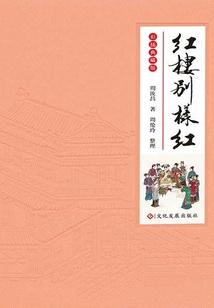
Red Mansion is Uniquely Red
Literature红楼别样红
Zhou Ruchang
"The Red Mansion is Differently Red" is a collection of essays on Red Mansions that Mr. Zhou Ruchang, the "leading scholar of Red Mansions", gained from re-reading "A Dream of Red Mansions" when he was about to turn 90. It is also a new gain based on insights. Mr. Zhou Ruchang believes that the study of Hongxue does not rely solely on any data, that is, the so-called "evidence". Anyone who reads Qin Shu will understand this principle; the so-called "examination" actually means understanding while testing, and testing while understanding; during the understanding, there is testing, and during the testing there is enlightenment. The great thinkers and scientists of ancient and modern times, both at home and abroad, all had insights first, started with simple "guesses", and then achieved great achievements. Isn't it possible for people to think deeply? The red in "A Dream of Red Mansions", that is, her true beauty, is just a "different kind" of red, which is simply indescribable and there is no precise word that can be used. Then, we will naturally continue to pursue the various causes and factors of this "different kind of red", and what magical mystery is it that makes this "novel" (it is not "small"!) So eye-catching. It is even more amazing that ten thousand books cannot compare to her "unique"! We expect many experts and scholars to "interpret" the redness of "A Dream of Red Mansions", and of course the redness of "A Dream of Red Mansions".
"The Red Mansion is Differently Red" is a collection of essays on Red Mansions that Mr. Zhou Ruchang, the "leading scholar of Red Mansions", gained from re-reading "A Dream of Red Mansions" when he was about to turn 90. It is also a new gain based on insights. Mr. Zhou Ruchang believes that the study of Hongxue does not rely solely on any data, that is, the so-called "evidence". Anyone who reads Qin Shu will understand this principle; the so-called "examination" actually means understanding while testing, and testing while understanding; during the understanding, there is testing, and during the testing there is enlightenment. The great thinkers and scientists of ancient and modern times, both at home and abroad, all had insights first, started with simple "guesses", and then achieved great achievements. Isn't it possible for people to think deeply? The red in "A Dream of Red Mansions", that is, her true beauty, is just a "different kind" of red, which is simply indescribable and there is no precise word that can be used. Then, we will naturally continue to pursue the various causes and factors of this "different kind of red", and what magical mystery is it that makes this "novel" (it is not "small"!) So eye-catching. It is even more amazing that ten thousand books cannot compare to her "unique"! We expect many experts and scholars to "interpret" the redness of "A Dream of Red Mansions", and of course the redness of "A Dream of Red Mansions".
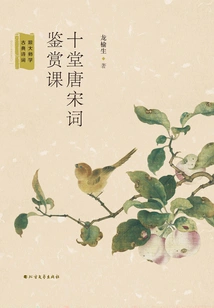
十堂唐宋词鉴赏课
Long Yusheng
The author of this book is Long Yusheng, one of the most famous ci masters in the 20th century. This book is compiled based on the lecture notes of Mr. Long Yusheng's Ci study and creation class. It integrates decades of research experience and lyrics writing experience, and explains the origin of Ci, selection of tunes, practices, etc. In simple and easy-to-understand terms. It is also an excellent book for explaining the appreciation of Song Ci. In fact, many people like to read poetry, write lyrics, and compose music. However, because there are too many versions of the same type on the market, good and bad vary, it is better to read the authoritative works of lyric masters and absorb the cultural essence accumulated by the masters over time. As an entry-level book for masters of Chinese studies, readers can be satisfied whether they want to learn and progress or appreciate research.
The author of this book is Long Yusheng, one of the most famous ci masters in the 20th century. This book is compiled based on the lecture notes of Mr. Long Yusheng's Ci study and creation class. It integrates decades of research experience and lyrics writing experience, and explains the origin of Ci, selection of tunes, practices, etc. In simple and easy-to-understand terms. It is also an excellent book for explaining the appreciation of Song Ci. In fact, many people like to read poetry, write lyrics, and compose music. However, because there are too many versions of the same type on the market, good and bad vary, it is better to read the authoritative works of lyric masters and absorb the cultural essence accumulated by the masters over time. As an entry-level book for masters of Chinese studies, readers can be satisfied whether they want to learn and progress or appreciate research.
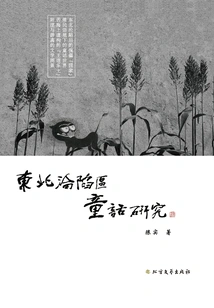
东北沦陷区童话研究
Chen Shi
This book is an academic work focusing on fairy tales from the occupied areas of Northeast China. The author has devoted himself to the study of fairy tales in the occupied areas of Northeast China for many years. Based on his good academic training and accumulation of knowledge, the author carefully and meticulously sorted out the fairy tale works in the occupied areas of Northeast China. Taking the main newspapers and important representative writers as the context, he also took into account the marginal fairy tale works that have been ignored for a long time. From them, he can see the cultural climate of the occupied areas in Northeast China as well as the living conditions, living conditions and spiritual picture of the people at that time. Whether in terms of academic value or cultural cognitive value, this work can be regarded as an academic monograph with detailed information, solid discussion, and insight.
This book is an academic work focusing on fairy tales from the occupied areas of Northeast China. The author has devoted himself to the study of fairy tales in the occupied areas of Northeast China for many years. Based on his good academic training and accumulation of knowledge, the author carefully and meticulously sorted out the fairy tale works in the occupied areas of Northeast China. Taking the main newspapers and important representative writers as the context, he also took into account the marginal fairy tale works that have been ignored for a long time. From them, he can see the cultural climate of the occupied areas in Northeast China as well as the living conditions, living conditions and spiritual picture of the people at that time. Whether in terms of academic value or cultural cognitive value, this work can be regarded as an academic monograph with detailed information, solid discussion, and insight.
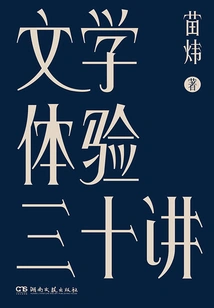
Thirty Lectures on Literary Experience
Literature文学体验三十讲
Miao Wei
Afraid of death? Certainly. Feeling lonely? It's always been a bit lonely. A little crazy? Fine. What will the world look like in the future? Uncertain. Why do I think differently than others? Is there something I don't know about? Are there so many people in the world really related to me? What should I sympathize with and whom can I pity? Am I just a little pitiful? What is love? --"Thirty Lectures on Literary Experience". In "Thirty Lectures on Literary Experience", the novelist Miao Wei shared his reading experience of dozens of foreign literary classics over the years. He also talked about his thoughts on essential issues such as love, loneliness, and death, as well as his understanding of basic objects such as self, others, and the world: "Literary experience is actually about my feelings. These experiences greatly It is mostly related to some difficulties in life. I hope you can gain something, look at life from a literary perspective, and have a more delicate feeling and a richer soul. "A friend said it very powerfully. He said that he is behind the times in reading. "
Afraid of death? Certainly. Feeling lonely? It's always been a bit lonely. A little crazy? Fine. What will the world look like in the future? Uncertain. Why do I think differently than others? Is there something I don't know about? Are there so many people in the world really related to me? What should I sympathize with and whom can I pity? Am I just a little pitiful? What is love? --"Thirty Lectures on Literary Experience". In "Thirty Lectures on Literary Experience", the novelist Miao Wei shared his reading experience of dozens of foreign literary classics over the years. He also talked about his thoughts on essential issues such as love, loneliness, and death, as well as his understanding of basic objects such as self, others, and the world: "Literary experience is actually about my feelings. These experiences greatly It is mostly related to some difficulties in life. I hope you can gain something, look at life from a literary perspective, and have a more delicate feeling and a richer soul. "A friend said it very powerfully. He said that he is behind the times in reading. "
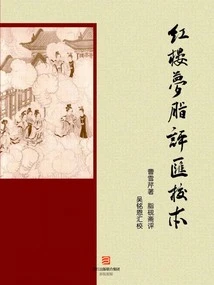
红楼梦脂评汇校本
Comments On Zhiyanzhai By Cao Xueqin
This book is an accurate interpretation of Zhi Yanzhai's Commentary on Stone Records. "The Red Mansions Edition" is based on the Jiaxu edition, Gengchen edition and other early editions, and collects some editions of other editions such as Jimao edition, Qixu edition, Mengfu edition and so on. It also refers to and absorbs the proofreading results of several new editions and editions of editions. If there are differences in previous opinions, I will make some choices based on my own opinions, and strive to neither copy what others say nor be unconventional, and compile it into a concise reading of "Dream of Red Mansions" that is convenient for reading and retrieval. This book has the following characteristics: 1. Easy to read. 2. Be concise and clear. 3. Be serious.
This book is an accurate interpretation of Zhi Yanzhai's Commentary on Stone Records. "The Red Mansions Edition" is based on the Jiaxu edition, Gengchen edition and other early editions, and collects some editions of other editions such as Jimao edition, Qixu edition, Mengfu edition and so on. It also refers to and absorbs the proofreading results of several new editions and editions of editions. If there are differences in previous opinions, I will make some choices based on my own opinions, and strive to neither copy what others say nor be unconventional, and compile it into a concise reading of "Dream of Red Mansions" that is convenient for reading and retrieval. This book has the following characteristics: 1. Easy to read. 2. Be concise and clear. 3. Be serious.
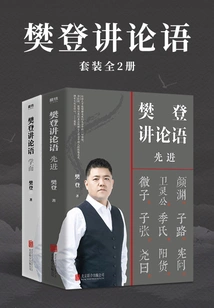
樊登讲论语(套装全2册)
Fan Deng
The Analects of Confucius has a total of twenty chapters, most of which are titled with the first two characters of each chapter. "Fan Deng Lectures on the Analects of Confucius: Xue Er" takes the two characters "Xue Er" at the beginning of the Analects as its title and interprets the first half of the Analects of Confucius. "Xue Er" represents the value of lifelong growth; "Fan Deng Talks about the Analects of Confucius: Advanced" takes the word "advanced" in the first chapter of the second half of the Analects as its title and interprets the second half of the Analects of Confucius. "Advanced" means drawing new strength from traditional culture. "The Analects of Confucius" is the book that has the greatest influence on Fan Deng's life. Without "The Analects of Confucius", there would be no Fan Deng today! He held "The Analects of Confucius" and studied it over and over again for 20 years. "Fan Deng Lectures on the Analects of Confucius" is Fan Deng's painstaking work. After reading more than 300 books in depth for everyone, Fan Deng found that the theory in "The Analects" is not outdated and can solve almost all the troubles in our lives. The characteristic of this book is that it interprets "The Analects of Confucius" in the most popular way. Fan Deng combines modern psychology, sociology, management, parenting knowledge, education, entrepreneurial methods, and leadership to interpret the Analects, so that everyone can easily read the Analects and use it at the same time!
The Analects of Confucius has a total of twenty chapters, most of which are titled with the first two characters of each chapter. "Fan Deng Lectures on the Analects of Confucius: Xue Er" takes the two characters "Xue Er" at the beginning of the Analects as its title and interprets the first half of the Analects of Confucius. "Xue Er" represents the value of lifelong growth; "Fan Deng Talks about the Analects of Confucius: Advanced" takes the word "advanced" in the first chapter of the second half of the Analects as its title and interprets the second half of the Analects of Confucius. "Advanced" means drawing new strength from traditional culture. "The Analects of Confucius" is the book that has the greatest influence on Fan Deng's life. Without "The Analects of Confucius", there would be no Fan Deng today! He held "The Analects of Confucius" and studied it over and over again for 20 years. "Fan Deng Lectures on the Analects of Confucius" is Fan Deng's painstaking work. After reading more than 300 books in depth for everyone, Fan Deng found that the theory in "The Analects" is not outdated and can solve almost all the troubles in our lives. The characteristic of this book is that it interprets "The Analects of Confucius" in the most popular way. Fan Deng combines modern psychology, sociology, management, parenting knowledge, education, entrepreneurial methods, and leadership to interpret the Analects, so that everyone can easily read the Analects and use it at the same time!
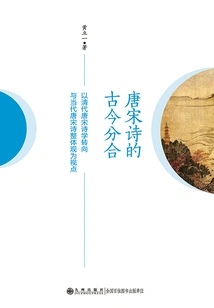
唐宋诗的古今分合:以清代唐宋诗学转向与当代唐宋诗整体观为视点
Huang Liyi
This book attempts to intercept the two typical sections and important nodes of the poetic turn from Tang Dynasty to Song Dynasty in the mid-Qing Dynasty promoted by Weng Fanggang's "texture" theory, and the Tang and Song poetry holism derived from the contemporary evolution of poetic style construction, poetic beauty process, and the logical pursuit of novelty by poets of the two dynasties.
This book attempts to intercept the two typical sections and important nodes of the poetic turn from Tang Dynasty to Song Dynasty in the mid-Qing Dynasty promoted by Weng Fanggang's "texture" theory, and the Tang and Song poetry holism derived from the contemporary evolution of poetic style construction, poetic beauty process, and the logical pursuit of novelty by poets of the two dynasties.
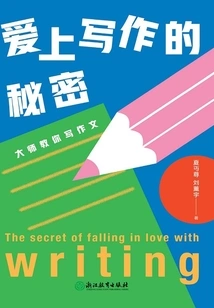
爱上写作的秘密:大师教你写作文
Xia Chuzun Liu Xunyu
"The Secret of Falling in Love with Writing: Masters Teach You Composition Writing" is an introductory composition book specially compiled for middle school students by famous educators Xia Zunzun and Liu Xunyu based on their rich teaching experience and educational concepts. Through 40 easy-to-understand introductory composition lessons, this book systematically and exhaustively summarizes the Chinese knowledge and writing methods of narratives, expository essays, argumentative essays and other commonly used literary styles. From the aspects of topic selection, material selection, writing order, etc., A series of composition problems such as off-topic writing, empty content, and mechanical copying are solved. Detailed explanations are given with examples from famous works by Lu Xun, Bing Xin, Leo Tolstoy and other famous Chinese and foreign works such as "Dream of Red Mansions" and "Education of Love", which can effectively stimulate readers' interest in reading these famous works and Chinese and foreign famous works, and ensure both writing and reading. Practice questions are assigned after class, rules + examples + exercises, learn and practice as you go, get twice the result with half the effort. Starting from the basics, we will teach you step by step how to write in commonly used styles. Help you effectively improve your writing skills and easily write good essays with high scores!
"The Secret of Falling in Love with Writing: Masters Teach You Composition Writing" is an introductory composition book specially compiled for middle school students by famous educators Xia Zunzun and Liu Xunyu based on their rich teaching experience and educational concepts. Through 40 easy-to-understand introductory composition lessons, this book systematically and exhaustively summarizes the Chinese knowledge and writing methods of narratives, expository essays, argumentative essays and other commonly used literary styles. From the aspects of topic selection, material selection, writing order, etc., A series of composition problems such as off-topic writing, empty content, and mechanical copying are solved. Detailed explanations are given with examples from famous works by Lu Xun, Bing Xin, Leo Tolstoy and other famous Chinese and foreign works such as "Dream of Red Mansions" and "Education of Love", which can effectively stimulate readers' interest in reading these famous works and Chinese and foreign famous works, and ensure both writing and reading. Practice questions are assigned after class, rules + examples + exercises, learn and practice as you go, get twice the result with half the effort. Starting from the basics, we will teach you step by step how to write in commonly used styles. Help you effectively improve your writing skills and easily write good essays with high scores!
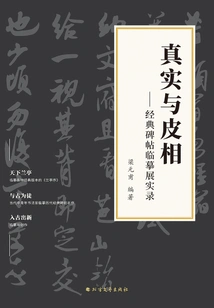
真实与皮相:经典碑帖临摹展实录
Compiled By Liang Yuanfu
This book collects and organizes more than 100 calligraphy works from the exhibition of the same name at the Cangnan County Cultural Center. It is divided into three sections: "Orchid Pavilion under Heaven", "Studying with the Ancient" and "Introducing the Ancient and Bringing Out the New". It also intersperses the copying experience of each participating author, pictures of the exhibition site, and the evaluation of the exhibition from all walks of life during the exhibition. It strives to create a calligraphy copying collection that has certain influence, certain academic value, and unique style.
This book collects and organizes more than 100 calligraphy works from the exhibition of the same name at the Cangnan County Cultural Center. It is divided into three sections: "Orchid Pavilion under Heaven", "Studying with the Ancient" and "Introducing the Ancient and Bringing Out the New". It also intersperses the copying experience of each participating author, pictures of the exhibition site, and the evaluation of the exhibition from all walks of life during the exhibition. It strives to create a calligraphy copying collection that has certain influence, certain academic value, and unique style.
灵魂应是可以随时飞起的鸟
Zhao Song
This reading essay discusses the works of more than 40 writers in the world literary world, including first-class literary masters such as Leo Tolstoy, Dickens, Maugham, Borges, and Junichiro Tani. It also analyzes the creations of powerful stars, including the 2020 Nobel Prize winner Louise Glick. Glück's exposition and in-depth exploration of his works "Until the World Reflects the Deepest Needs of the Soul" and "The Alloy of Moonlight" have won the recognition of book friends from all walks of life. This collection of essays includes discussions on popular writers such as A. S. Byatt and Peter Handke, and also introduces Western literary works to readers. It has unique insights and is full of brilliance. In addition to seemingly casual reading notes, it is a spiritual journey. Zhao Song is both a novelist and an amateur but "professional" reader. He considers himself "wild", but he reads more extensively and deeply than professional readers.
This reading essay discusses the works of more than 40 writers in the world literary world, including first-class literary masters such as Leo Tolstoy, Dickens, Maugham, Borges, and Junichiro Tani. It also analyzes the creations of powerful stars, including the 2020 Nobel Prize winner Louise Glick. Glück's exposition and in-depth exploration of his works "Until the World Reflects the Deepest Needs of the Soul" and "The Alloy of Moonlight" have won the recognition of book friends from all walks of life. This collection of essays includes discussions on popular writers such as A. S. Byatt and Peter Handke, and also introduces Western literary works to readers. It has unique insights and is full of brilliance. In addition to seemingly casual reading notes, it is a spiritual journey. Zhao Song is both a novelist and an amateur but "professional" reader. He considers himself "wild", but he reads more extensively and deeply than professional readers.
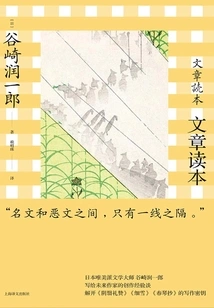
文章读本(谷崎润一郎作品系列)
H
Junichiro Tanizaki, the master of Japanese aesthetic literature, writes about his creative experience for future writers, unlocking the key to writing "Praise to the Shadows", "Fine Snow" and "Haru Kotoso". "Article Reader" is a famous work by Japanese aesthetic master Junichiro Tanizaki that discusses article reading and writing skills. It is like three in-depth and simple writing lessons. After the book was published in Japan, it aroused great repercussions. Writers such as Yukio Mishima and Yasunari Kawabata wrote books under the title "Article Reader" to discuss their own views on literary creation. With the perspective of a literary master, the author starts from the characteristics of Japanese language, characters and culture, focusing on "what is an article", "how to improve writing" and "what are the six major elements that constitute an article". Taking examples from Eastern and Western classics as evidence, the author discusses how Japanese language and characters can give full play to their advantages in creation so that they can express their ideas smoothly and brilliantly. Among them, "The Great Learning" and Tang poetry are quoted many times to analyze the works of Chinese literati and emphasize the implicit beauty of literature. This book is translated by the famous Japanese translator Lai Mingzhu. Together with Tanizaki's masterpiece "Ode to Shadow", it forms a complete puzzle of Japanese aesthetics.
Junichiro Tanizaki, the master of Japanese aesthetic literature, writes about his creative experience for future writers, unlocking the key to writing "Praise to the Shadows", "Fine Snow" and "Haru Kotoso". "Article Reader" is a famous work by Japanese aesthetic master Junichiro Tanizaki that discusses article reading and writing skills. It is like three in-depth and simple writing lessons. After the book was published in Japan, it aroused great repercussions. Writers such as Yukio Mishima and Yasunari Kawabata wrote books under the title "Article Reader" to discuss their own views on literary creation. With the perspective of a literary master, the author starts from the characteristics of Japanese language, characters and culture, focusing on "what is an article", "how to improve writing" and "what are the six major elements that constitute an article". Taking examples from Eastern and Western classics as evidence, the author discusses how Japanese language and characters can give full play to their advantages in creation so that they can express their ideas smoothly and brilliantly. Among them, "The Great Learning" and Tang poetry are quoted many times to analyze the works of Chinese literati and emphasize the implicit beauty of literature. This book is translated by the famous Japanese translator Lai Mingzhu. Together with Tanizaki's masterpiece "Ode to Shadow", it forms a complete puzzle of Japanese aesthetics.
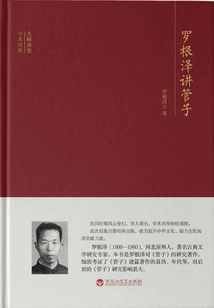
Luo Genze Talks About Pipes
Literature罗根泽讲管子
Luo Genze
This book is Luo Genze's research work on "Guanzi". It carefully verifies the authenticity and age of various works on "Guanzi" and has a great influence on later generations of "Guanzi" research.
This book is Luo Genze's research work on "Guanzi". It carefully verifies the authenticity and age of various works on "Guanzi" and has a great influence on later generations of "Guanzi" research.
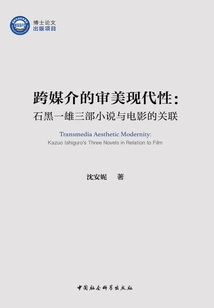
Aesthetic Modernity Across Media: the Connection between Kazuo Ishiguro's Three Novels and Films
Literature跨媒介的审美现代性:石黑一雄三部小说与电影的关联
Annie Shen
The novels of Japanese-British Nobel Prize winner Kazuo Ishiguro are strongly cinematic and modern. Grasping these two characteristics is crucial to understanding the hidden meaning and deep meaning of his works. However, so far, neither of these two aspects has attracted enough attention. This book is the first monograph at home and abroad with the theme of "Ishiguro Kazuo and Film". Through an in-depth and systematic examination of the aesthetic modernity issues associated with the three novels "Shadow on the Mountain", "The Buried Giant" and "Never Let Me Go" and film and television, it reveals the deep hidden meaning of his novels, achieves a better grasp of the author's creative purpose, and a more comprehensive and in-depth understanding of the theme meaning, characters, relationships between characters and artistic techniques of the works.
The novels of Japanese-British Nobel Prize winner Kazuo Ishiguro are strongly cinematic and modern. Grasping these two characteristics is crucial to understanding the hidden meaning and deep meaning of his works. However, so far, neither of these two aspects has attracted enough attention. This book is the first monograph at home and abroad with the theme of "Ishiguro Kazuo and Film". Through an in-depth and systematic examination of the aesthetic modernity issues associated with the three novels "Shadow on the Mountain", "The Buried Giant" and "Never Let Me Go" and film and television, it reveals the deep hidden meaning of his novels, achieves a better grasp of the author's creative purpose, and a more comprehensive and in-depth understanding of the theme meaning, characters, relationships between characters and artistic techniques of the works.
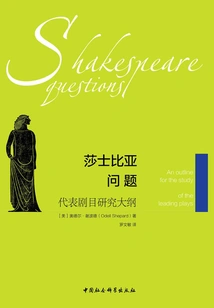
莎士比亚问题:代表剧目研究大纲
(us) Odell Shepherd
This book is an academic work published in 1916 by American scholar Odell Shepard (1884-1967) on the study of 17 of Shakespeare's most representative plays. This work does not criticize the narrative, but closely follows the content of the script and raises thought-provoking questions. Later, there is hidden exploration and guidance of the author's plot structure; subtle attention to character relationships and character psychology; and so on. It is almost rare in the academic world to come across such an academically enlightening work that does not raise questions or answer questions. The huge academic thinking power hidden behind it is conducive to cultivating readers' habits of multi-dimensional thinking and leading the study of Shakespeare to an intensive depth.
This book is an academic work published in 1916 by American scholar Odell Shepard (1884-1967) on the study of 17 of Shakespeare's most representative plays. This work does not criticize the narrative, but closely follows the content of the script and raises thought-provoking questions. Later, there is hidden exploration and guidance of the author's plot structure; subtle attention to character relationships and character psychology; and so on. It is almost rare in the academic world to come across such an academically enlightening work that does not raise questions or answer questions. The huge academic thinking power hidden behind it is conducive to cultivating readers' habits of multi-dimensional thinking and leading the study of Shakespeare to an intensive depth.
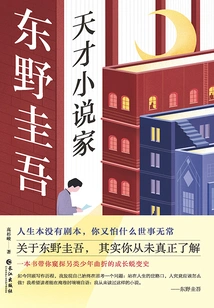
Keigo Higashino: Genius Novelist
Literature东野圭吾:天才小说家
Gao Shanjun
Keigo Higashino is a contemporary mystery novelist with high popularity and influence. He is known as a "genius of reasoning" and a "master of reasoning". In his writing career of more than thirty years, he has created nearly one hundred works, almost all of which are best-sellers. But few people know that his growth path has not been smooth sailing. From a "scumbag" who hates reading and a "copycat science student" who lives his life, to a once-in-a-century reasoning wizard. What made Keigo Higashino what he is today? In fact, apart from novels, his life journey is also extremely exciting... The author of this book will combine Japan's unique historical, cultural and social background, with rigorous, detailed, and easy-to-understand words to vividly describe Keigo Higashino's tortuous growth years, analyze his many works in depth, and let readers understand Keigo Higashino's counterattack and legendary life events. Through this book, you may find that what made Keigo Higashino successful was his uninhibited and wandering years when he insisted on being himself, as well as his meticulous observation of life and self-enlightenment.
Keigo Higashino is a contemporary mystery novelist with high popularity and influence. He is known as a "genius of reasoning" and a "master of reasoning". In his writing career of more than thirty years, he has created nearly one hundred works, almost all of which are best-sellers. But few people know that his growth path has not been smooth sailing. From a "scumbag" who hates reading and a "copycat science student" who lives his life, to a once-in-a-century reasoning wizard. What made Keigo Higashino what he is today? In fact, apart from novels, his life journey is also extremely exciting... The author of this book will combine Japan's unique historical, cultural and social background, with rigorous, detailed, and easy-to-understand words to vividly describe Keigo Higashino's tortuous growth years, analyze his many works in depth, and let readers understand Keigo Higashino's counterattack and legendary life events. Through this book, you may find that what made Keigo Higashino successful was his uninhibited and wandering years when he insisted on being himself, as well as his meticulous observation of life and self-enlightenment.
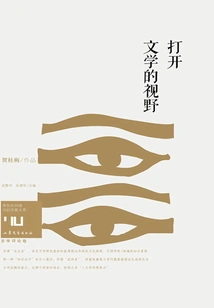
Open Your Literary Horizons
Literature打开文学的视野
He Guimei
"Identity Community Series of Post-70s Writers" is a concentrated display of the domestic literary creation achievements of the post-70s generation, which reflects the richness of the literary creation of the post-70s generation to the greatest extent. "Opening Literary Horizons" is one of the literary criticism volumes in the "Post-70s Writers Series of the Identity Community". It is a collection of critical essays by He Guimei. The content is all-encompassing, involving many writers' works, and also discusses women's literature.
"Identity Community Series of Post-70s Writers" is a concentrated display of the domestic literary creation achievements of the post-70s generation, which reflects the richness of the literary creation of the post-70s generation to the greatest extent. "Opening Literary Horizons" is one of the literary criticism volumes in the "Post-70s Writers Series of the Identity Community". It is a collection of critical essays by He Guimei. The content is all-encompassing, involving many writers' works, and also discusses women's literature.
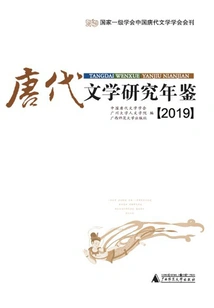
唐代文学研究年鉴(2019)
China Tang Dynasty Literature Society, School Of Literature, Guangzhou University, Guangxi Normal University Press
"Tang Dynasty Literature Research Yearbook (2019)" includes the basic research situation and trends in the Tang Dynasty literature research community from September 2018 to May 2019. The main content is divided into a year's notes, conference summary, special articles, a year's research summary, new book selections, issue research reviews, Hong Kong, Taiwan and overseas research trends, Shengdeqingfeng, index directory and other columns. Its characteristic is that it strives to comprehensively reflect the basic situation of the study of Tang Dynasty literature in China this year and the main achievements achieved. At the same time, it will also openly reveal the problems and weak links in the research with an open attitude.
"Tang Dynasty Literature Research Yearbook (2019)" includes the basic research situation and trends in the Tang Dynasty literature research community from September 2018 to May 2019. The main content is divided into a year's notes, conference summary, special articles, a year's research summary, new book selections, issue research reviews, Hong Kong, Taiwan and overseas research trends, Shengdeqingfeng, index directory and other columns. Its characteristic is that it strives to comprehensively reflect the basic situation of the study of Tang Dynasty literature in China this year and the main achievements achieved. At the same time, it will also openly reveal the problems and weak links in the research with an open attitude.
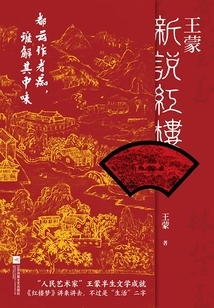
Wang Mengxin Talks About Red Mansion
Literature王蒙新说红楼
Wang Meng
This collection of Wang Meng's essence articles criticizing "Dream of Red Mansions" is his painstaking work created over more than half a century. In the book, Wang Meng talked about China's official career culture, speaking skills, the brightness and darkness of human nature, etc. In Wang Meng's view, "A Dream of Red Mansions" is a big book of life, in which everyone can find their own life experience and wisdom. One hundred and ninety-two interesting interpretations, one hundred and ninety-two kinds of real life.
This collection of Wang Meng's essence articles criticizing "Dream of Red Mansions" is his painstaking work created over more than half a century. In the book, Wang Meng talked about China's official career culture, speaking skills, the brightness and darkness of human nature, etc. In Wang Meng's view, "A Dream of Red Mansions" is a big book of life, in which everyone can find their own life experience and wisdom. One hundred and ninety-two interesting interpretations, one hundred and ninety-two kinds of real life.
青城山下白素贞:揭秘白蛇传
Zhou Zihong Tan Shuilong
The saying "Bai Suzhen at the foot of Qingcheng Mountain" first appeared in the Qing Dynasty novel "The Legend of Leifeng Pagoda", and later became well-known to the audience thanks to the widely sung aria of the TV series "The Legend of the White Snake". However, in folklore, the theory about the birthplace of the White Snake is mainly "Mount Emei" - what on earth is going on? The journey of "Uncovering the Secret of the Legend of White Snake" begins here...
The saying "Bai Suzhen at the foot of Qingcheng Mountain" first appeared in the Qing Dynasty novel "The Legend of Leifeng Pagoda", and later became well-known to the audience thanks to the widely sung aria of the TV series "The Legend of the White Snake". However, in folklore, the theory about the birthplace of the White Snake is mainly "Mount Emei" - what on earth is going on? The journey of "Uncovering the Secret of the Legend of White Snake" begins here...
Ten Lectures on Water Margin
Literature水浒漫谈十讲
Asking For Carp
Why is "Outsmarting the Birthday Plan" a failed robbery operation? Why were Jiang Menshen, Zhen Guanxi and other heroes unable to go to Liangshan in the end? How to go up the so-called "Shangliang Mountain"? Is it true that "all roads lead to Liangshan"? And the most popular entertainment and cultural activity in Liangshan is COSPLAY? Every conversation is a ramble, every remark is just idle talk. Each chapter has a unique angle and is full of interest!
Why is "Outsmarting the Birthday Plan" a failed robbery operation? Why were Jiang Menshen, Zhen Guanxi and other heroes unable to go to Liangshan in the end? How to go up the so-called "Shangliang Mountain"? Is it true that "all roads lead to Liangshan"? And the most popular entertainment and cultural activity in Liangshan is COSPLAY? Every conversation is a ramble, every remark is just idle talk. Each chapter has a unique angle and is full of interest!
鲁迅与北京风土(邓云乡集)
Deng Yunxiang
Folklorist Mr. Deng Yunxiang used "Lu Xun's Diary" as an outline to record the real situation of Lu Xun's life in Beijing from the perspective of customs and life, such as the appearance and layout of Liulichang, where Lu Xun often visited, the route of Changdian and its time-honored cultural and catering brands, and the places of interest and historic sites where Lu Xun gathered with his friends. It also involved many details of Beijing's customs and social life in the early 20th century, and preserved important information in this regard. It can be said that scenery depends on people, and it can be said that seeing small things makes you see big things. The writing is concise and smooth, with a real sense of history and presence. It is like returning to the streets and alleys of old Beijing, following the footsteps of Mr. Lu Xun, carefully visiting and savoring old Beijing.
Folklorist Mr. Deng Yunxiang used "Lu Xun's Diary" as an outline to record the real situation of Lu Xun's life in Beijing from the perspective of customs and life, such as the appearance and layout of Liulichang, where Lu Xun often visited, the route of Changdian and its time-honored cultural and catering brands, and the places of interest and historic sites where Lu Xun gathered with his friends. It also involved many details of Beijing's customs and social life in the early 20th century, and preserved important information in this regard. It can be said that scenery depends on people, and it can be said that seeing small things makes you see big things. The writing is concise and smooth, with a real sense of history and presence. It is like returning to the streets and alleys of old Beijing, following the footsteps of Mr. Lu Xun, carefully visiting and savoring old Beijing.
宣南秉烛谭(邓云乡集)
Deng Yunxiang
Mr. Deng Yunxiang, a master of literature and history, held a candlelit night chat with readers, detailing the history and cultural anecdotes of the Xuannan area, from eminent figures such as Cixi, Guangxu, and Yuan Shikai to cultural masters such as Hu Shi, Zhou Zuoren, and Qi Baishi.
Mr. Deng Yunxiang, a master of literature and history, held a candlelit night chat with readers, detailing the history and cultural anecdotes of the Xuannan area, from eminent figures such as Cixi, Guangxu, and Yuan Shikai to cultural masters such as Hu Shi, Zhou Zuoren, and Qi Baishi.
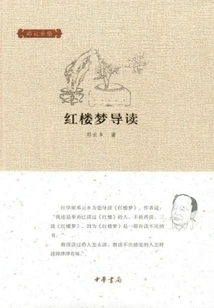
红楼梦导读(邓云乡集)
Deng Yunxiang
This book selects 13 representative chapters in "Dream of Red Mansions", such as Chapters 1, 2, 3, and Chapter 5, which are outlines, and evaluates the status, role, and characteristics of these chapters in the whole book one by one. More importantly, in the introduction, the author answers many aspects related to "Dream of Red Mansions", such as versions, customs, language features, Red Mansions poetry, etc. Generally speaking, the author's introduction to the book "A Dream of Red Mansions" does not have the depth of academic research. The author's intention is to introduce more knowledge about the Red Mansions, hoping that readers can understand this masterpiece with their own understanding by carefully reading the text itself.
This book selects 13 representative chapters in "Dream of Red Mansions", such as Chapters 1, 2, 3, and Chapter 5, which are outlines, and evaluates the status, role, and characteristics of these chapters in the whole book one by one. More importantly, in the introduction, the author answers many aspects related to "Dream of Red Mansions", such as versions, customs, language features, Red Mansions poetry, etc. Generally speaking, the author's introduction to the book "A Dream of Red Mansions" does not have the depth of academic research. The author's intention is to introduce more knowledge about the Red Mansions, hoping that readers can understand this masterpiece with their own understanding by carefully reading the text itself.