Library
Browse and search books
4,115 novels found
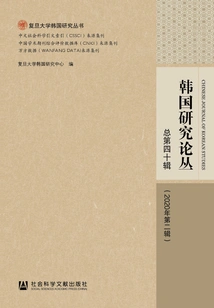
韩国研究论丛(2020年第2辑\u002F总第40辑)
Compiled By The Korean Studies Center Of Fudan University
"Korean Studies Series" is an academic journal sponsored by the Korean Studies Center of Fudan University. It was founded in 1995. It has always adhered to the purpose of "cutting edge, originality, and authority" and is committed to the study of Korean Peninsula issues. It publishes articles covering various fields of Korean Peninsula issues. The book has three topics: politics, diplomacy and security; history, philosophy and culture; society, economy and management.
"Korean Studies Series" is an academic journal sponsored by the Korean Studies Center of Fudan University. It was founded in 1995. It has always adhered to the purpose of "cutting edge, originality, and authority" and is committed to the study of Korean Peninsula issues. It publishes articles covering various fields of Korean Peninsula issues. The book has three topics: politics, diplomacy and security; history, philosophy and culture; society, economy and management.
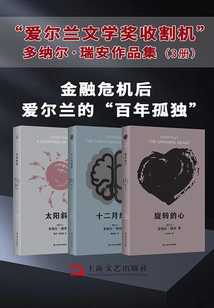
多纳尔·瑞安作品集(共3册)
(ireland) Donal Ryan
The structure is clever, and the novel is written in the form of a short story. The 21 characters and 21 chapters are all unfolded in the first person's self-narration, which is equivalent to 21 self-portraits. It can also be called another multi-voice narrative. It can be entered from any story or character or from any location in the book. How can a person who has been abandoned by society, bullied, ridiculed, and beaten see the world from a special perspective? "Spinning Heart" contains 21 characters, while "December Chronicle" unfolds a character's life for 12 months. The former is a group portrait, and the latter is a single portrait; the former is a panorama, and the latter is a close-up. Ryan's collection of experimental short stories, with poetic prose and high-speed writing rhythm, captures the wild beauty of the human heart in frustration, hope and tranquility.
The structure is clever, and the novel is written in the form of a short story. The 21 characters and 21 chapters are all unfolded in the first person's self-narration, which is equivalent to 21 self-portraits. It can also be called another multi-voice narrative. It can be entered from any story or character or from any location in the book. How can a person who has been abandoned by society, bullied, ridiculed, and beaten see the world from a special perspective? "Spinning Heart" contains 21 characters, while "December Chronicle" unfolds a character's life for 12 months. The former is a group portrait, and the latter is a single portrait; the former is a panorama, and the latter is a close-up. Ryan's collection of experimental short stories, with poetic prose and high-speed writing rhythm, captures the wild beauty of the human heart in frustration, hope and tranquility.
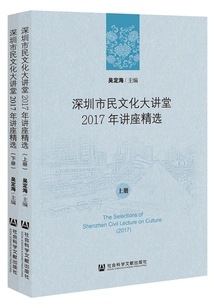
深圳市民文化大讲堂2017年讲座精选(全2册)
Editor-in-chief Wu Dinghai
In 2017, the "Shenzhen Citizen Culture Lecture Hall" invited 52 outstanding experts and scholars, including Tian Qing, Hai Wen, Yu Ping, Zhang Ning, Wang Jinkang, Ba Shusong, Ni Pengfei, Gong Pengcheng, Sun Liqun, Yang Guoan, Yu Gengzhe, Wei Fengsi, Wang Jian, Zhang Guoyong, Wang Hongwei, Wang Wen, Jin Canrong, Cao Weidong, Lin Fangzhong, and held 52 wonderful lectures that were loved by the public. 27 Articles were selected from the lecture manuscripts and compiled into this book, including traditional culture, cultural innovation, science and technology, nature, art and economy, cultivating talents, history and society, health and wellness, etc.
In 2017, the "Shenzhen Citizen Culture Lecture Hall" invited 52 outstanding experts and scholars, including Tian Qing, Hai Wen, Yu Ping, Zhang Ning, Wang Jinkang, Ba Shusong, Ni Pengfei, Gong Pengcheng, Sun Liqun, Yang Guoan, Yu Gengzhe, Wei Fengsi, Wang Jian, Zhang Guoyong, Wang Hongwei, Wang Wen, Jin Canrong, Cao Weidong, Lin Fangzhong, and held 52 wonderful lectures that were loved by the public. 27 Articles were selected from the lecture manuscripts and compiled into this book, including traditional culture, cultural innovation, science and technology, nature, art and economy, cultivating talents, history and society, health and wellness, etc.
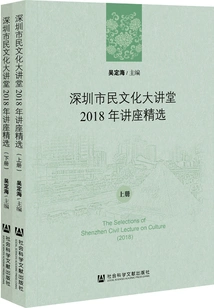
深圳市民文化大讲堂2018年讲座精选(全2册)
Editor-in-chief Wu Dinghai
In 2018, the "Shenzhen Citizen Culture Lecture Hall" invited 51 outstanding experts and scholars, including Tao Yitao, Xie Jun, Zhu Hong, Zhu Shanlu, Zhu Zongpeng, Chen Yan, Jiang Chunliang, and Zhang Qingshan, and held 52 wonderful lectures that were well received by citizens. Thirty-two articles were selected from the lecture manuscripts and compiled into this book, covering the 40 years of reform and opening up, cultural life, economy and science and technology, literature and art, military history and the rule of law, cultivating talents, traditional culture, sports and health, etc.
In 2018, the "Shenzhen Citizen Culture Lecture Hall" invited 51 outstanding experts and scholars, including Tao Yitao, Xie Jun, Zhu Hong, Zhu Shanlu, Zhu Zongpeng, Chen Yan, Jiang Chunliang, and Zhang Qingshan, and held 52 wonderful lectures that were well received by citizens. Thirty-two articles were selected from the lecture manuscripts and compiled into this book, covering the 40 years of reform and opening up, cultural life, economy and science and technology, literature and art, military history and the rule of law, cultivating talents, traditional culture, sports and health, etc.
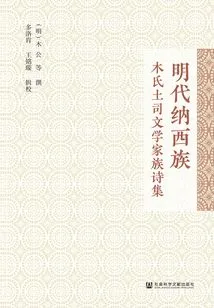
明代纳西族木氏土司文学家族诗集
(ming Dynasty) Written By Mugong Et Al.
This book contains six collections of poems by Mu Gong of the Ming Dynasty, including "Spring in the Hidden Garden", "Gengzi's Manuscript of the Snow Mountain", "Yin of Ten Thousand Pines", "Jade Lake Travel Records", "Qionghua in the Immortal Tower", and "The Beginning of the Snow Mountain", and three collections of poems by Mu Zeng, such as "The Collection of Zhishan Yunshe" (only one of the four volumes is extant), "The Fun in the Mountains", and "The Collection of Kongcui Juju in Xiaoyue Hall". We also collected 63 scattered poems from the Ming Dynasty Tusi literary family. This book enriches the research content of literature in Yunnan during the Ming Dynasty, expands the research perspective of ethnic minority literature families, fills the gap in the study of ethnic minority literature in China, highlights the profound influence of traditional culture in the Central Plains on ethnic minority civilization, and further explains that the development of ethnic minority literature is an important historical practice in the construction of the Chinese national community.
This book contains six collections of poems by Mu Gong of the Ming Dynasty, including "Spring in the Hidden Garden", "Gengzi's Manuscript of the Snow Mountain", "Yin of Ten Thousand Pines", "Jade Lake Travel Records", "Qionghua in the Immortal Tower", and "The Beginning of the Snow Mountain", and three collections of poems by Mu Zeng, such as "The Collection of Zhishan Yunshe" (only one of the four volumes is extant), "The Fun in the Mountains", and "The Collection of Kongcui Juju in Xiaoyue Hall". We also collected 63 scattered poems from the Ming Dynasty Tusi literary family. This book enriches the research content of literature in Yunnan during the Ming Dynasty, expands the research perspective of ethnic minority literature families, fills the gap in the study of ethnic minority literature in China, highlights the profound influence of traditional culture in the Central Plains on ethnic minority civilization, and further explains that the development of ethnic minority literature is an important historical practice in the construction of the Chinese national community.
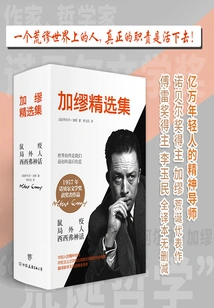
加缪精选集:鼠疫+局外人+西西弗神话(套装全3册)
(france) Albert Camus
"The Camus Collection" includes Camus' three masterpieces: "The Plague", "The Stranger" and "The Myth of Sisyphus". Among them, "The Myth of Sisyphus" is a philosophical essay, which is Camus' in-depth and concentrated investigation and thorough and clear explanation of the philosophy of absurdity. The book is divided into three parts. The first part, "The Myth of Sisyphus," is divided into three aspects: absurd reasoning, absurd people, and absurd creation. The author conducts in-depth philosophical discussions on philosophical issues such as absurdity and suicide. "The Myth of Sisyphus" is not only a triumphant song of liberal humanism, it constitutes a style that is both pathos and sublime.
"The Camus Collection" includes Camus' three masterpieces: "The Plague", "The Stranger" and "The Myth of Sisyphus". Among them, "The Myth of Sisyphus" is a philosophical essay, which is Camus' in-depth and concentrated investigation and thorough and clear explanation of the philosophy of absurdity. The book is divided into three parts. The first part, "The Myth of Sisyphus," is divided into three aspects: absurd reasoning, absurd people, and absurd creation. The author conducts in-depth philosophical discussions on philosophical issues such as absurdity and suicide. "The Myth of Sisyphus" is not only a triumphant song of liberal humanism, it constitutes a style that is both pathos and sublime.
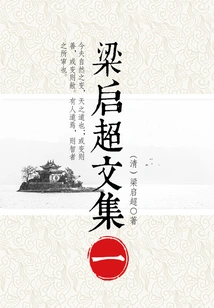
Collected Works of Liang Qichao (1)
Literature梁启超文集(一)
Liang Qichao
Liang Qichao is a famous thinker in modern China. He wrote magnificent works in his lifetime, amounting to 14 million words. His articles either expose and criticize the dark and ugly reality, or worry about the current situation of the motherland, and actively call for reform and self-improvement. The article is full of discussion, majestic and inspiring. It is a thorough analysis of China's current situation and has great influence. Some people commented on Liang Qichao's works: "Every article published makes the whole country stand out." This book selects Liang Qichao's "Young China Theory", "The Essays of He Guanzong", "Ten Kinds of Virtues in Opposite and Mutual Meaning", and "Theory of Transitional Era" for readers. The culture and wisdom of the East and the West merged with him, bursting out with unparalleled brilliance of that era. Even today, it still plays a very good role in teaching people, and it is still very rewarding to read.
Liang Qichao is a famous thinker in modern China. He wrote magnificent works in his lifetime, amounting to 14 million words. His articles either expose and criticize the dark and ugly reality, or worry about the current situation of the motherland, and actively call for reform and self-improvement. The article is full of discussion, majestic and inspiring. It is a thorough analysis of China's current situation and has great influence. Some people commented on Liang Qichao's works: "Every article published makes the whole country stand out." This book selects Liang Qichao's "Young China Theory", "The Essays of He Guanzong", "Ten Kinds of Virtues in Opposite and Mutual Meaning", and "Theory of Transitional Era" for readers. The culture and wisdom of the East and the West merged with him, bursting out with unparalleled brilliance of that era. Even today, it still plays a very good role in teaching people, and it is still very rewarding to read.
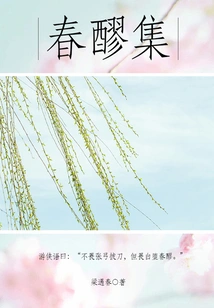
Spring Mash Collection
Literature春醪集
Liang Yuchun
"Spring Mash Collection" is a collection of essays by Liang Yuchun, a talented scholar in the Republic of China. Liang Yuchun's articles capture the essence of British sketches, have tragic humor, and draw on the nutrients of Chinese classical literature. His style is unique and highly sought after. Readers who like Liang Yuchun's prose should not miss this book. Liang Yuchun began to publish essays in 1926 in "Yu Si", "Run Liu", "Camel Grass", "Modern Literature", "Crescent" and other publications. These essays are collected into "Spring Mash Collection". First published by Shanghai Beixin Book Company in March 1930, it includes articles such as "Letter to a Broken Lover", "Talking in Drunk Dreams", "View on Life and Death", "Literature and Life", and "Miscellaneous Essays on Literature and Art". "Spring Mash Collection" is the spring mash brewed by the author with his emotions, knowledge and thoughts. Fei Mingpu once said: "His literary thoughts are like stars in the sky, fleeting." In the article, he talks about reading, learning, love, friends, and quoting scriptures without being pedantic. It is a purely literary discussion and a conversation among literati.
"Spring Mash Collection" is a collection of essays by Liang Yuchun, a talented scholar in the Republic of China. Liang Yuchun's articles capture the essence of British sketches, have tragic humor, and draw on the nutrients of Chinese classical literature. His style is unique and highly sought after. Readers who like Liang Yuchun's prose should not miss this book. Liang Yuchun began to publish essays in 1926 in "Yu Si", "Run Liu", "Camel Grass", "Modern Literature", "Crescent" and other publications. These essays are collected into "Spring Mash Collection". First published by Shanghai Beixin Book Company in March 1930, it includes articles such as "Letter to a Broken Lover", "Talking in Drunk Dreams", "View on Life and Death", "Literature and Life", and "Miscellaneous Essays on Literature and Art". "Spring Mash Collection" is the spring mash brewed by the author with his emotions, knowledge and thoughts. Fei Mingpu once said: "His literary thoughts are like stars in the sky, fleeting." In the article, he talks about reading, learning, love, friends, and quoting scriptures without being pedantic. It is a purely literary discussion and a conversation among literati.
Collected Works of Liang Qichao (5)
Literature梁启超文集(五)
Liang Qichao
Liang Qichao is a famous thinker in modern China. He wrote magnificent works in his lifetime, amounting to 14 million words. His articles either expose and criticize the dark and ugly reality, or worry about the current situation of the motherland, and actively call for reform and self-improvement. The article is full of discussion, majestic and inspiring. It is a thorough analysis of China's current situation and has great influence. Some people commented on Liang Qichao's works: "Every article published makes the whole country stand out." This book selects Liang Qichao's "Young China Theory", "The Essays of He Guanzong", "Ten Kinds of Virtues in Opposite and Mutual Meaning", and "Theory of Transitional Era" for readers. The culture and wisdom of the East and the West merged with him, bursting out with unparalleled brilliance of that era. Even today, it still plays a very good role in teaching people, and it is still very rewarding to read.
Liang Qichao is a famous thinker in modern China. He wrote magnificent works in his lifetime, amounting to 14 million words. His articles either expose and criticize the dark and ugly reality, or worry about the current situation of the motherland, and actively call for reform and self-improvement. The article is full of discussion, majestic and inspiring. It is a thorough analysis of China's current situation and has great influence. Some people commented on Liang Qichao's works: "Every article published makes the whole country stand out." This book selects Liang Qichao's "Young China Theory", "The Essays of He Guanzong", "Ten Kinds of Virtues in Opposite and Mutual Meaning", and "Theory of Transitional Era" for readers. The culture and wisdom of the East and the West merged with him, bursting out with unparalleled brilliance of that era. Even today, it still plays a very good role in teaching people, and it is still very rewarding to read.
Collected Works of Liang Qichao (4)
Literature梁启超文集(四)
Liang Qichao
Liang Qichao is a famous thinker in modern China. He wrote magnificent works in his lifetime, amounting to 14 million words. His articles either expose and criticize the dark and ugly reality, or worry about the current situation of the motherland, and actively call for reform and self-improvement. The article is full of discussion, majestic and inspiring. It is a thorough analysis of China's current situation and has great influence. Some people commented on Liang Qichao's works: "Every article published makes the whole country stand out." This book selects Liang Qichao's "Young China Theory", "The Essays of He Guanzong", "Ten Kinds of Virtues in Opposite and Mutual Meaning", and "Theory of Transitional Era" for readers. The culture and wisdom of the East and the West merged with him, bursting out with unparalleled brilliance of that era. Even today, it still plays a very good role in teaching people, and it is still very rewarding to read.
Liang Qichao is a famous thinker in modern China. He wrote magnificent works in his lifetime, amounting to 14 million words. His articles either expose and criticize the dark and ugly reality, or worry about the current situation of the motherland, and actively call for reform and self-improvement. The article is full of discussion, majestic and inspiring. It is a thorough analysis of China's current situation and has great influence. Some people commented on Liang Qichao's works: "Every article published makes the whole country stand out." This book selects Liang Qichao's "Young China Theory", "The Essays of He Guanzong", "Ten Kinds of Virtues in Opposite and Mutual Meaning", and "Theory of Transitional Era" for readers. The culture and wisdom of the East and the West merged with him, bursting out with unparalleled brilliance of that era. Even today, it still plays a very good role in teaching people, and it is still very rewarding to read.
Collected Works of Liang Qichao (2)
Literature梁启超文集(二)
Liang Qichao
Liang Qichao is a famous thinker in modern China. He wrote magnificent works in his lifetime, amounting to 14 million words. His articles either expose and criticize the dark and ugly reality, or worry about the current situation of the motherland, and actively call for reform and self-improvement. The article is full of discussion, majestic and inspiring. It is a thorough analysis of China's current situation and has great influence. Some people commented on Liang Qichao's works: "Every article published makes the whole country stand out." This book selects Liang Qichao's "Young China Theory", "The Essays of He Guanzong", "Ten Kinds of Virtues in Opposite and Mutual Meaning", and "Theory of Transitional Era" for readers. The culture and wisdom of the East and the West merged with him, bursting out with unparalleled brilliance of that era. Even today, it still plays a very good role in teaching people, and it is still very rewarding to read.
Liang Qichao is a famous thinker in modern China. He wrote magnificent works in his lifetime, amounting to 14 million words. His articles either expose and criticize the dark and ugly reality, or worry about the current situation of the motherland, and actively call for reform and self-improvement. The article is full of discussion, majestic and inspiring. It is a thorough analysis of China's current situation and has great influence. Some people commented on Liang Qichao's works: "Every article published makes the whole country stand out." This book selects Liang Qichao's "Young China Theory", "The Essays of He Guanzong", "Ten Kinds of Virtues in Opposite and Mutual Meaning", and "Theory of Transitional Era" for readers. The culture and wisdom of the East and the West merged with him, bursting out with unparalleled brilliance of that era. Even today, it still plays a very good role in teaching people, and it is still very rewarding to read.
周作人经典作品:雨天的书
Zhou Zuoren
"Books on Rainy Days" includes 50 essays including "Bitter Rain", "Birds' Song", "Condolences", "Tea and Food in Beijing", "Art of Life", "Pointless Sentiments", "Allusions to Myths", "Reading Craze", "Ruozi's Disease", "Nostalgia" and "Our Enemies". Zhou Zuoren's diary on July 5, 1925 said: "Compiling 51 old manuscripts into one volume of "The Book on a Rainy Day", and drafting it. It is finished today, but the preface has not been written." In December of the same year, the first edition of "The Book on a Rainy Day" was published by Beijing Xinchao Publishing House. This topic was originally the name of a column published in the "Morning Post" in November 1923. "I only wrote six articles in six months and then stopped."
"Books on Rainy Days" includes 50 essays including "Bitter Rain", "Birds' Song", "Condolences", "Tea and Food in Beijing", "Art of Life", "Pointless Sentiments", "Allusions to Myths", "Reading Craze", "Ruozi's Disease", "Nostalgia" and "Our Enemies". Zhou Zuoren's diary on July 5, 1925 said: "Compiling 51 old manuscripts into one volume of "The Book on a Rainy Day", and drafting it. It is finished today, but the preface has not been written." In December of the same year, the first edition of "The Book on a Rainy Day" was published by Beijing Xinchao Publishing House. This topic was originally the name of a column published in the "Morning Post" in November 1923. "I only wrote six articles in six months and then stopped."
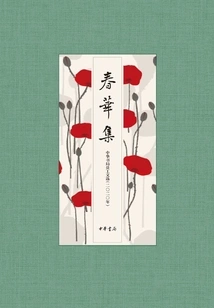
春华集:中华书局员工文选(2020年)
Zhonghua Book Company
Collects articles created or written by Zhonghua Book Company employees in 2020, divided into seven parts: Editor's Notes, Inside and Outside the Book, Learning in the Forest, Learning in the Sea, Art and Literature Collection, Publishing and Branding, and Special Articles, with a total of 42 articles. For example, editor's notes, Fu Ke's "Into the 2019 "Chinese Good Books"". Inside and outside the book, Ma Jing's "The Best of the Three Histories of Yuanxiu" is written by Ma Jing. "Wang Boxiang: The Daily Life of a Book Editor during the Republic of China" by Xue Lin Sanye and Du Yanru. Baichuan Xuehai, Yu Guolin's "The Complete Writing and Its Additions, Deletions and Adaptations". In a gathering of arts and literature, Song Fengdi's "The Rolling Yangtze River Passes East, Who Hasn't Been Washed Out by the Waves?" >>. Publishing and Branding, Zhang Yuliang's "A Preliminary Discussion on the Discovery and Research of Publishing Historical Materials in the Era of Technological Change: Taking Zhonghua Book Company as an Example". Special article, Zhao Shengliang's "Days at Zhonghua Book Company", etc.
Collects articles created or written by Zhonghua Book Company employees in 2020, divided into seven parts: Editor's Notes, Inside and Outside the Book, Learning in the Forest, Learning in the Sea, Art and Literature Collection, Publishing and Branding, and Special Articles, with a total of 42 articles. For example, editor's notes, Fu Ke's "Into the 2019 "Chinese Good Books"". Inside and outside the book, Ma Jing's "The Best of the Three Histories of Yuanxiu" is written by Ma Jing. "Wang Boxiang: The Daily Life of a Book Editor during the Republic of China" by Xue Lin Sanye and Du Yanru. Baichuan Xuehai, Yu Guolin's "The Complete Writing and Its Additions, Deletions and Adaptations". In a gathering of arts and literature, Song Fengdi's "The Rolling Yangtze River Passes East, Who Hasn't Been Washed Out by the Waves?" >>. Publishing and Branding, Zhang Yuliang's "A Preliminary Discussion on the Discovery and Research of Publishing Historical Materials in the Era of Technological Change: Taking Zhonghua Book Company as an Example". Special article, Zhao Shengliang's "Days at Zhonghua Book Company", etc.
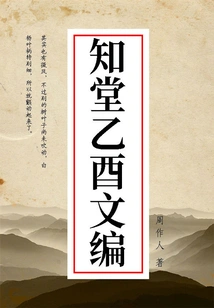
周作人经典作品:知堂乙酉文编
Zhou Zuoren
"Zhitang Yiyou Wenbian" was originally part of the original manuscript of Zhou Zuoren's "Yiyou Wenbian". Mr. Cao Juren traveled to the north to visit, and Zhou Zuoren came out to show his respect. Later, Cao took him to Hong Kong and published several articles in magazines. Later, it was collected and printed into a volume, namely "Past Work". For the remaining part, he compiled and published it, using the title of Yiyou Wenbian. Most of the content in this book was written in the late 1940s, including the customs and famous things that Zhou Zuoren always liked to talk about. It is comprehensive and far-reaching. The few articles that talk about famous objects and folk customs may not have much importance here, but some readers prefer these.
"Zhitang Yiyou Wenbian" was originally part of the original manuscript of Zhou Zuoren's "Yiyou Wenbian". Mr. Cao Juren traveled to the north to visit, and Zhou Zuoren came out to show his respect. Later, Cao took him to Hong Kong and published several articles in magazines. Later, it was collected and printed into a volume, namely "Past Work". For the remaining part, he compiled and published it, using the title of Yiyou Wenbian. Most of the content in this book was written in the late 1940s, including the customs and famous things that Zhou Zuoren always liked to talk about. It is comprehensive and far-reaching. The few articles that talk about famous objects and folk customs may not have much importance here, but some readers prefer these.
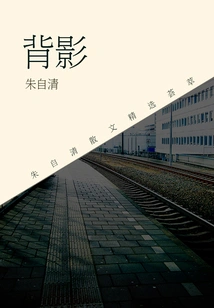
Zhu Ziqing's Classic Work: Back View
Literature朱自清经典作品:背影
Zhu Ziqing
Zhu Ziqing's prose creations range from delicate and meaningful to simple and plump to radical and profound, bearing the distinct mark of the times and showing his unique artistic style and aesthetic taste. "Back View" is an anthology of prose written by Mr. Zhu Ziqing. This anthology includes 12 works including "Back View", "Preface", "To the Dead Wife", "You and Me", "Talk about Smoking", "Winter", "Choose a Mate", "Nanjing", "Ye Shengtao's Short Stories", "Civilization on the Ship", "A Sorrow for the Three Lords of Wei Jie" and "Traces of Wenzhou", among which the most famous one is "Back View".
Zhu Ziqing's prose creations range from delicate and meaningful to simple and plump to radical and profound, bearing the distinct mark of the times and showing his unique artistic style and aesthetic taste. "Back View" is an anthology of prose written by Mr. Zhu Ziqing. This anthology includes 12 works including "Back View", "Preface", "To the Dead Wife", "You and Me", "Talk about Smoking", "Winter", "Choose a Mate", "Nanjing", "Ye Shengtao's Short Stories", "Civilization on the Ship", "A Sorrow for the Three Lords of Wei Jie" and "Traces of Wenzhou", among which the most famous one is "Back View".
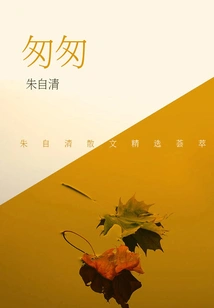
Zhu Ziqing's Classic Work: Hurry
Literature朱自清经典作品:匆匆
Zhu Ziqing
Zhu Ziqing's prose creations range from delicate and meaningful to simple and plump to radical and profound, bearing the distinct mark of the times and showing his unique artistic style and aesthetic taste. "Hurry" is a collection of Zhu Ziqing's prose collections, which includes Zhu Ziqing's "Hurry", "Singing", "Qinhuai River in the Shadow of Oars and Lights", "Green", "Price of Life - Seven Cents", "Woman", "A River", "Drifting", "Moonlight in the Lotus Pond", "A Letter", "Children", "Summer in Yangzhou", "Looking at Flowers" and "The Ye Shengtao I Saw". Among them, "Hurry" and "Green" have also been included in Chinese teaching materials.
Zhu Ziqing's prose creations range from delicate and meaningful to simple and plump to radical and profound, bearing the distinct mark of the times and showing his unique artistic style and aesthetic taste. "Hurry" is a collection of Zhu Ziqing's prose collections, which includes Zhu Ziqing's "Hurry", "Singing", "Qinhuai River in the Shadow of Oars and Lights", "Green", "Price of Life - Seven Cents", "Woman", "A River", "Drifting", "Moonlight in the Lotus Pond", "A Letter", "Children", "Summer in Yangzhou", "Looking at Flowers" and "The Ye Shengtao I Saw". Among them, "Hurry" and "Green" have also been included in Chinese teaching materials.
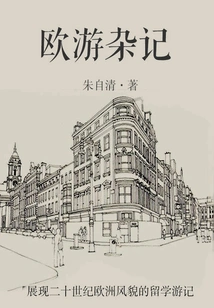
朱自清经典作品:欧游杂记
Zhu Ziqing
Zhu Ziqing studied in the United Kingdom in 1931 and traveled around Europe. After returning to China, he wrote "Miscellaneous Notes on Travels in Europe", which contains 11 travel notes in total, including: Venice, Florence, the Old City of Penpei in Rome, Switzerland, the Netherlands, Berlin, Drisden, the Rhine River, Paris, and Westbound Correspondence. Among them, "Westward Newsletter" is the appendix. This book is a travel note by Chinese writer Zhu Ziqing. Its writing style is delicate and euphemistic, its language is exquisitely crafted, and its ideas are novel and unique. It creates a kind of beauty of interest, scenery, and gentleness, which can be called a model of beautiful Chinese vernacular writing.
Zhu Ziqing studied in the United Kingdom in 1931 and traveled around Europe. After returning to China, he wrote "Miscellaneous Notes on Travels in Europe", which contains 11 travel notes in total, including: Venice, Florence, the Old City of Penpei in Rome, Switzerland, the Netherlands, Berlin, Drisden, the Rhine River, Paris, and Westbound Correspondence. Among them, "Westward Newsletter" is the appendix. This book is a travel note by Chinese writer Zhu Ziqing. Its writing style is delicate and euphemistic, its language is exquisitely crafted, and its ideas are novel and unique. It creates a kind of beauty of interest, scenery, and gentleness, which can be called a model of beautiful Chinese vernacular writing.
经典诗文总集:昭明文选(五)
Xiao Tong
"Selected Works of Zhaoming", also known as "Selected Works", is an earlier collection of poems and essays in China. It contains more than 700 poems and essays by more than 130 authors from the Zhou Dynasty to the Six Dynasties before Liang Dynasty. It was compiled and selected by Xiao Tong, the eldest son of Emperor Wu of Liang Dynasty in the Southern Dynasties. The content of this book can be roughly divided into three major categories: Fu, poetry, and essays, which are further divided into 38 subcategories. His rigorous selection of materials and attention to vocabulary have made a clear distinction between literature and history in China since the pre-Qin Dynasty. "Selected Works of Zhaoming" carefully selects materials and pays attention to vocabulary, and most of the selected works are elegant. In the eyes of literati in the past, it has always been regarded as a textbook of literature and a must-read book for scholars. It has been circulated for more than a thousand years. Fu and poems account for the largest proportion in this book. According to content, Fu is divided into 15 categories such as Kyoto, Suburban Sacrifice, and Farming Books, and poetry is divided into 23 categories such as Compensating for Death, Describing Virtue, and Encouragement. This classification reflects Xiao Tong's theoretical views on the development of ancient literature, especially the classification and origin of genres, and reflects that stylistic analysis has entered a very detailed stage at that time. Due to the advantages of "Selected Works" itself, its influence is far deeper and wider than other collections of poems of the same type. In the Tang Dynasty, poetry was used to select scholars, and the literature of the Tang Dynasty had a close inheritance relationship with the literature of the Six Dynasties. Therefore, "Selected Works" became the most appropriate model for people to learn poetry and poetry, even alongside the classics and biographies.
"Selected Works of Zhaoming", also known as "Selected Works", is an earlier collection of poems and essays in China. It contains more than 700 poems and essays by more than 130 authors from the Zhou Dynasty to the Six Dynasties before Liang Dynasty. It was compiled and selected by Xiao Tong, the eldest son of Emperor Wu of Liang Dynasty in the Southern Dynasties. The content of this book can be roughly divided into three major categories: Fu, poetry, and essays, which are further divided into 38 subcategories. His rigorous selection of materials and attention to vocabulary have made a clear distinction between literature and history in China since the pre-Qin Dynasty. "Selected Works of Zhaoming" carefully selects materials and pays attention to vocabulary, and most of the selected works are elegant. In the eyes of literati in the past, it has always been regarded as a textbook of literature and a must-read book for scholars. It has been circulated for more than a thousand years. Fu and poems account for the largest proportion in this book. According to content, Fu is divided into 15 categories such as Kyoto, Suburban Sacrifice, and Farming Books, and poetry is divided into 23 categories such as Compensating for Death, Describing Virtue, and Encouragement. This classification reflects Xiao Tong's theoretical views on the development of ancient literature, especially the classification and origin of genres, and reflects that stylistic analysis has entered a very detailed stage at that time. Due to the advantages of "Selected Works" itself, its influence is far deeper and wider than other collections of poems of the same type. In the Tang Dynasty, poetry was used to select scholars, and the literature of the Tang Dynasty had a close inheritance relationship with the literature of the Six Dynasties. Therefore, "Selected Works" became the most appropriate model for people to learn poetry and poetry, even alongside the classics and biographies.
周作人经典作品:自己的园地
Zhou Zuoren
"My Own Garden" was originally compiled in 1923 and contains 18 chapters of "My Own Garden", 15 chapters of "Oasis", and 20 essays. Later, it was re-edited, retaining the two parts "My Own Garden" and "Oasis", completely removing the essays, and adding 23 "Tea Talks" for a total of fifty-six articles, still collectively called "My Own Garden". "My Own Garden" established Zhou Zuoren's position in the history of Chinese literary criticism and established the cornerstone of China's new literary criticism.
"My Own Garden" was originally compiled in 1923 and contains 18 chapters of "My Own Garden", 15 chapters of "Oasis", and 20 essays. Later, it was re-edited, retaining the two parts "My Own Garden" and "Oasis", completely removing the essays, and adding 23 "Tea Talks" for a total of fifty-six articles, still collectively called "My Own Garden". "My Own Garden" established Zhou Zuoren's position in the history of Chinese literary criticism and established the cornerstone of China's new literary criticism.
经典诗文总集:昭明文选(四)
Xiao Tong
"Selected Works of Zhaoming", also known as "Selected Works", is an earlier collection of poems and essays in China. It contains more than 700 poems and essays by more than 130 authors from the Zhou Dynasty to the Six Dynasties before Liang Dynasty. It was compiled and selected by Xiao Tong, the eldest son of Emperor Wu of Liang Dynasty in the Southern Dynasties. The content of this book can be roughly divided into three major categories: Fu, poetry, and essays, which are further divided into 38 subcategories. His rigorous selection of materials and attention to vocabulary have made a clear distinction between literature and history in China since the pre-Qin Dynasty. "Selected Works of Zhaoming" carefully selects materials and pays attention to vocabulary, and most of the selected works are elegant. In the eyes of literati in the past, it has always been regarded as a textbook of literature and a must-read book for scholars. It has been circulated for more than a thousand years. Fu and poems account for the largest proportion in this book. According to content, Fu is divided into 15 categories such as Kyoto, Suburban Sacrifice, and Farming Books, and poetry is divided into 23 categories such as Compensating for Death, Describing Virtue, and Encouragement. This classification reflects Xiao Tong's theoretical views on the development of ancient literature, especially the classification and origin of genres, and reflects that stylistic analysis has entered a very detailed stage at that time. Due to the advantages of "Selected Works" itself, its influence is far deeper and wider than other collections of poems of the same type. In the Tang Dynasty, poetry was used to select scholars, and the literature of the Tang Dynasty had a close inheritance relationship with the literature of the Six Dynasties. Therefore, "Selected Works" became the most appropriate model for people to learn poetry and poetry, even alongside the classics and biographies.
"Selected Works of Zhaoming", also known as "Selected Works", is an earlier collection of poems and essays in China. It contains more than 700 poems and essays by more than 130 authors from the Zhou Dynasty to the Six Dynasties before Liang Dynasty. It was compiled and selected by Xiao Tong, the eldest son of Emperor Wu of Liang Dynasty in the Southern Dynasties. The content of this book can be roughly divided into three major categories: Fu, poetry, and essays, which are further divided into 38 subcategories. His rigorous selection of materials and attention to vocabulary have made a clear distinction between literature and history in China since the pre-Qin Dynasty. "Selected Works of Zhaoming" carefully selects materials and pays attention to vocabulary, and most of the selected works are elegant. In the eyes of literati in the past, it has always been regarded as a textbook of literature and a must-read book for scholars. It has been circulated for more than a thousand years. Fu and poems account for the largest proportion in this book. According to content, Fu is divided into 15 categories such as Kyoto, Suburban Sacrifice, and Farming Books, and poetry is divided into 23 categories such as Compensating for Death, Describing Virtue, and Encouragement. This classification reflects Xiao Tong's theoretical views on the development of ancient literature, especially the classification and origin of genres, and reflects that stylistic analysis has entered a very detailed stage at that time. Due to the advantages of "Selected Works" itself, its influence is far deeper and wider than other collections of poems of the same type. In the Tang Dynasty, poetry was used to select scholars, and the literature of the Tang Dynasty had a close inheritance relationship with the literature of the Six Dynasties. Therefore, "Selected Works" became the most appropriate model for people to learn poetry and poetry, even alongside the classics and biographies.
经典诗文总集:昭明文选(三)
Xiao Tong
"Selected Works of Zhaoming", also known as "Selected Works", is an earlier collection of poems and essays in China. It contains more than 700 poems and essays by more than 130 authors from the Zhou Dynasty to the Six Dynasties before Liang Dynasty. It was compiled and selected by Xiao Tong, the eldest son of Emperor Wu of Liang Dynasty in the Southern Dynasties. The content of this book can be roughly divided into three major categories: Fu, poetry, and essays, which are further divided into 38 subcategories. His rigorous selection of materials and attention to vocabulary have made a clear distinction between literature and history in China since the pre-Qin Dynasty. "Selected Works of Zhaoming" carefully selects materials and pays attention to vocabulary, and most of the selected works are elegant. In the eyes of literati in the past, it has always been regarded as a textbook of literature and a must-read book for scholars. It has been circulated for more than a thousand years. Fu and poems account for the largest proportion in this book. According to content, Fu is divided into 15 categories such as Kyoto, Suburban Sacrifice, and Farming Books, and poetry is divided into 23 categories such as Compensating for Death, Describing Virtue, and Encouragement. This classification reflects Xiao Tong's theoretical views on the development of ancient literature, especially the classification and origin of genres, and reflects that stylistic analysis has entered a very detailed stage at that time. Due to the advantages of "Selected Works" itself, its influence is far deeper and wider than other collections of poems of the same type. In the Tang Dynasty, poetry was used to select scholars, and the literature of the Tang Dynasty had a close inheritance relationship with the literature of the Six Dynasties. Therefore, "Selected Works" became the most appropriate model for people to learn poetry and poetry, even alongside the classics and biographies.
"Selected Works of Zhaoming", also known as "Selected Works", is an earlier collection of poems and essays in China. It contains more than 700 poems and essays by more than 130 authors from the Zhou Dynasty to the Six Dynasties before Liang Dynasty. It was compiled and selected by Xiao Tong, the eldest son of Emperor Wu of Liang Dynasty in the Southern Dynasties. The content of this book can be roughly divided into three major categories: Fu, poetry, and essays, which are further divided into 38 subcategories. His rigorous selection of materials and attention to vocabulary have made a clear distinction between literature and history in China since the pre-Qin Dynasty. "Selected Works of Zhaoming" carefully selects materials and pays attention to vocabulary, and most of the selected works are elegant. In the eyes of literati in the past, it has always been regarded as a textbook of literature and a must-read book for scholars. It has been circulated for more than a thousand years. Fu and poems account for the largest proportion in this book. According to content, Fu is divided into 15 categories such as Kyoto, Suburban Sacrifice, and Farming Books, and poetry is divided into 23 categories such as Compensating for Death, Describing Virtue, and Encouragement. This classification reflects Xiao Tong's theoretical views on the development of ancient literature, especially the classification and origin of genres, and reflects that stylistic analysis has entered a very detailed stage at that time. Due to the advantages of "Selected Works" itself, its influence is far deeper and wider than other collections of poems of the same type. In the Tang Dynasty, poetry was used to select scholars, and the literature of the Tang Dynasty had a close inheritance relationship with the literature of the Six Dynasties. Therefore, "Selected Works" became the most appropriate model for people to learn poetry and poetry, even alongside the classics and biographies.
周作人经典作品:知堂文集
Zhou Zuoren
"Collected Works of Zhitang" is Zhou Zuoren's most satisfying work. It contains 45 articles, including essays, sketches, essays, etc. It has its own ideological understanding and insights, and also accommodates various knowledge and various moods in one volume. It shows Zhou Zuoren's early achievements in his creative career and is the most representative of Zhou Zuoren's self-selected works.
"Collected Works of Zhitang" is Zhou Zuoren's most satisfying work. It contains 45 articles, including essays, sketches, essays, etc. It has its own ideological understanding and insights, and also accommodates various knowledge and various moods in one volume. It shows Zhou Zuoren's early achievements in his creative career and is the most representative of Zhou Zuoren's self-selected works.
周作人经典作品:泽泻集
Zhou Zuoren
"Alismatis Collection" is Zhou Zuoren's self-selected collection after "My Own Garden". It was published in 1927, but most of the articles were written before 1927. "Alismatis Collection" contains 22 essays by Zhou Zuoren, which can express the author's emotions and interests. It is one of the "Kuyuzhai Little Books". It has interesting articles, beautiful articles, and "current articles" that focus on current affairs. It is worth reading carefully and pondering.
"Alismatis Collection" is Zhou Zuoren's self-selected collection after "My Own Garden". It was published in 1927, but most of the articles were written before 1927. "Alismatis Collection" contains 22 essays by Zhou Zuoren, which can express the author's emotions and interests. It is one of the "Kuyuzhai Little Books". It has interesting articles, beautiful articles, and "current articles" that focus on current affairs. It is worth reading carefully and pondering.
周作人经典作品:立春以前
Zhou Zuoren
"Before the Beginning of Spring" contains more than twenty articles by Zhou Zuoren, mostly written from August 1944 to January 1945, including serious articles about literature, articles about rain, about sending stoves, about the beauty of Japanese paper, and articles about remembering old friends. The serious articles go back to the origins, the articles about remembering old friends are indifferent to life and death, and the articles about things are leisurely.
"Before the Beginning of Spring" contains more than twenty articles by Zhou Zuoren, mostly written from August 1944 to January 1945, including serious articles about literature, articles about rain, about sending stoves, about the beauty of Japanese paper, and articles about remembering old friends. The serious articles go back to the origins, the articles about remembering old friends are indifferent to life and death, and the articles about things are leisurely.
周作人经典作品:风雨谈
Zhou Zuoren
"Talk about Wind and Rain" includes Zhou Zuoren's works from November 1935 to May 1936. This book covers a wide range of fields, and the author has put a lot of energy into it. Although the articles written are all short, they are very systematic. In the book, the author first examines ancient Chinese writings in an ideological sense, and embodies his literary concepts in them. He sees many disadvantages and also finds some advantages in the ancient works. His stance is scientific spirit and humanism, and modern civilization. The criteria for selection are the "disease of vanity" and "emphasis on emotion and reason" that he has always emphasized. I hope readers can see the author's efforts and attitude.
"Talk about Wind and Rain" includes Zhou Zuoren's works from November 1935 to May 1936. This book covers a wide range of fields, and the author has put a lot of energy into it. Although the articles written are all short, they are very systematic. In the book, the author first examines ancient Chinese writings in an ideological sense, and embodies his literary concepts in them. He sees many disadvantages and also finds some advantages in the ancient works. His stance is scientific spirit and humanism, and modern civilization. The criteria for selection are the "disease of vanity" and "emphasis on emotion and reason" that he has always emphasized. I hope readers can see the author's efforts and attitude.
Zhou Zuoren's Classic Works: Gua Dou Ji
Literature周作人经典作品:瓜豆集
Zhou Zuoren
"Gua Dou Ji" contains Zhou Zuoren's works from May to December 1936. There are more than thirty articles in total. Compared with the author's previous articles, the content is relatively new and focuses on men and women, desire and sex. As the author said: "'Iconoclasm' and 'moderation' are sandwiched together." Zhou Zuoren's moral outlook established by sexual psychology covers both men and women, but he pays special attention to women, because women have no social security and have many victim statuses. Therefore, he has special sympathy for women's unfortunate experiences, whether it is experience or psychology.
"Gua Dou Ji" contains Zhou Zuoren's works from May to December 1936. There are more than thirty articles in total. Compared with the author's previous articles, the content is relatively new and focuses on men and women, desire and sex. As the author said: "'Iconoclasm' and 'moderation' are sandwiched together." Zhou Zuoren's moral outlook established by sexual psychology covers both men and women, but he pays special attention to women, because women have no social security and have many victim statuses. Therefore, he has special sympathy for women's unfortunate experiences, whether it is experience or psychology.
周作人经典作品:鲁迅的故家
Zhou Zuoren
Zhou Zuoren printed his miscellaneous notes on "Baicao Garden" into a single volume, and selected several relevant articles from other essays and compiled them into the second part, called "The Inside and Outside of the Garden". He also added the two parts "Lu Xun in Tokyo" and "Old Stories of Bu Shu Bookstore" as appendices. There are more than a hundred articles in this volume, almost 100,000 words, and it took four to five months to write. It describes Lu Xun's life and study in his youth and also reveals the customs of the late Qing Dynasty and the early Republic of China.
Zhou Zuoren printed his miscellaneous notes on "Baicao Garden" into a single volume, and selected several relevant articles from other essays and compiled them into the second part, called "The Inside and Outside of the Garden". He also added the two parts "Lu Xun in Tokyo" and "Old Stories of Bu Shu Bookstore" as appendices. There are more than a hundred articles in this volume, almost 100,000 words, and it took four to five months to write. It describes Lu Xun's life and study in his youth and also reveals the customs of the late Qing Dynasty and the early Republic of China.
周作人经典作品:苦雨斋序跋文
Zhou Zuoren
"Preface and Postscript to Kuyuzhai" is Zhou Zuoren's summary and reflection on his own ideological context and writing process. Zhou Zuoren said: "There are seventy-five chapters in the whole manuscript, and fifty-three of them are selected here and divided into two parts. The first part is self-inscribed, and thirty-six chapters are all preserved. The second part contains seventeen chapters, all of which are prefaces and postscripts written by others. They are mostly related to folklore and literature. There may be many layman's words in them. Although the selection is intended to be careful, it is still inevitable. Readers will forgive me."
"Preface and Postscript to Kuyuzhai" is Zhou Zuoren's summary and reflection on his own ideological context and writing process. Zhou Zuoren said: "There are seventy-five chapters in the whole manuscript, and fifty-three of them are selected here and divided into two parts. The first part is self-inscribed, and thirty-six chapters are all preserved. The second part contains seventeen chapters, all of which are prefaces and postscripts written by others. They are mostly related to folklore and literature. There may be many layman's words in them. Although the selection is intended to be careful, it is still inevitable. Readers will forgive me."
周作人经典作品:苦口甘口
Zhou Zuoren
"Bitter Mouth and Sweet Mouth" contains a total of 21 articles written by Zhou Zuoren from September 1943 to August 1944. The style basically continues from "Yaotang Essays" and is the author's combing of his own thoughts. The book includes "serious articles" about literature and thought, as well as nostalgic reminiscences. Especially in "My Miscellaneous Studies", he comprehensively reviews his interest in reading, his understanding of arts such as painting and drama, his study of Chinese and foreign languages such as Chinese, Japanese, and Greek, and his involvement in various disciplines such as anthropology, psychology, and medicine.
"Bitter Mouth and Sweet Mouth" contains a total of 21 articles written by Zhou Zuoren from September 1943 to August 1944. The style basically continues from "Yaotang Essays" and is the author's combing of his own thoughts. The book includes "serious articles" about literature and thought, as well as nostalgic reminiscences. Especially in "My Miscellaneous Studies", he comprehensively reviews his interest in reading, his understanding of arts such as painting and drama, his study of Chinese and foreign languages such as Chinese, Japanese, and Greek, and his involvement in various disciplines such as anthropology, psychology, and medicine.
周作人经典作品:秉烛谈
Zhou Zuoren
"Bingzhu Tan" collects Zhou Zuoren's works from November 1936 to April 1937. The materials are drawn from ancient and modern times, Chinese and foreign, and are all based on the author's own special knowledge, interests and discoveries. Discovery is due to knowledge, and interest is due to discovery, and both discovery and knowledge are included in interest. Because it is an interesting article and written in a casual style, it is heavy in weight and profound in intention, which is very representative of Zhou Zuoren's characteristics. His fresh and elegant, homely vernacular is full of profound Chinese, Eastern, Western classical and modern cultural literacy. Whether in terms of artistry or ideological aspects, it ranks among Zhou Zuoren's best works.
"Bingzhu Tan" collects Zhou Zuoren's works from November 1936 to April 1937. The materials are drawn from ancient and modern times, Chinese and foreign, and are all based on the author's own special knowledge, interests and discoveries. Discovery is due to knowledge, and interest is due to discovery, and both discovery and knowledge are included in interest. Because it is an interesting article and written in a casual style, it is heavy in weight and profound in intention, which is very representative of Zhou Zuoren's characteristics. His fresh and elegant, homely vernacular is full of profound Chinese, Eastern, Western classical and modern cultural literacy. Whether in terms of artistry or ideological aspects, it ranks among Zhou Zuoren's best works.
周作人经典作品:秉烛后谈
Zhou Zuoren
"Talks after Holding a Candle" mainly collects Zhou Zuoren's works from April to October 1937. The content is divided into two categories: one expresses interest, which can be described as truly leisurely, such as "Talking about Persuading Drinking"; the other is false, such as "Talking about Leprosy". In the article, Zhou Zuoren criticized the darkest phenomenon in Chinese and Western cultures, pointing out that the essence of ideological autocracy lies in the fact that people generally lose their ability to think and judge, and consciously converge towards autocracy itself - that is, "killing people with their thoughts." "If the crime of killing people with thoughts is deviant and treacherous, it is not holy. Most people feel that they are all opposed, and they are willing to get what they want. Not only the tyrant wants to kill, but the mob also agrees." And "the feelings of ordinary scholars on this matter" are no different from that of the "mob", forming an authoritarian situation in which everyone is consistent, and individuals as thinkers can only be killed. Zhou has always maintained a clear understanding of traditional Chinese culture, carefully discerning it, and not letting go of the bad side. His previous works, "Yedu Chao·Eunuch" and "Kan Yunji·On Eight-legged Essay", are all masterpieces, and he pays special attention to the criticism of ideological tyranny, which is the key point.
"Talks after Holding a Candle" mainly collects Zhou Zuoren's works from April to October 1937. The content is divided into two categories: one expresses interest, which can be described as truly leisurely, such as "Talking about Persuading Drinking"; the other is false, such as "Talking about Leprosy". In the article, Zhou Zuoren criticized the darkest phenomenon in Chinese and Western cultures, pointing out that the essence of ideological autocracy lies in the fact that people generally lose their ability to think and judge, and consciously converge towards autocracy itself - that is, "killing people with their thoughts." "If the crime of killing people with thoughts is deviant and treacherous, it is not holy. Most people feel that they are all opposed, and they are willing to get what they want. Not only the tyrant wants to kill, but the mob also agrees." And "the feelings of ordinary scholars on this matter" are no different from that of the "mob", forming an authoritarian situation in which everyone is consistent, and individuals as thinkers can only be killed. Zhou has always maintained a clear understanding of traditional Chinese culture, carefully discerning it, and not letting go of the bad side. His previous works, "Yedu Chao·Eunuch" and "Kan Yunji·On Eight-legged Essay", are all masterpieces, and he pays special attention to the criticism of ideological tyranny, which is the key point.
周作人经典作品:艺术与生活
Zhou Zuoren
"Art and Life" is a collection of Zhou Zuoren's essays from 1917 to 1926. There are 20 articles in total. The articles are relatively long and have a more serious attitude. Since Zhou Zuoren's opinions on literature, art and life are mostly here, it is titled "Art and Life". Zhou Zuoren is one of the representatives of the May Fourth New Literature Movement, and "Art and Life" mainly reflects his appearance as a thinker and literary theorist during that period.
"Art and Life" is a collection of Zhou Zuoren's essays from 1917 to 1926. There are 20 articles in total. The articles are relatively long and have a more serious attitude. Since Zhou Zuoren's opinions on literature, art and life are mostly here, it is titled "Art and Life". Zhou Zuoren is one of the representatives of the May Fourth New Literature Movement, and "Art and Life" mainly reflects his appearance as a thinker and literary theorist during that period.
周作人经典作品:苦竹杂记
Zhou Zuoren
"Bitter Bamboo Miscellaneous Notes" contains 51 articles by Zhou Zuoren, most of which are essays and "copied books". They are his later articles, and his compassion is concise and distant. Among them, "talking about ghosts" is one of Zhou Zuoren's favorite topics. From this, the author feels the life situation and survival desire of ordinary people, and feels the most sad and pitiable. It looks like talking about ghosts, but it is actually a heart-to-heart talk. It not only pursues true knowledge, but also does not forget human feelings. Among Zhou Zuoren's articles, this type of emotion is the most profound.
"Bitter Bamboo Miscellaneous Notes" contains 51 articles by Zhou Zuoren, most of which are essays and "copied books". They are his later articles, and his compassion is concise and distant. Among them, "talking about ghosts" is one of Zhou Zuoren's favorite topics. From this, the author feels the life situation and survival desire of ordinary people, and feels the most sad and pitiable. It looks like talking about ghosts, but it is actually a heart-to-heart talk. It not only pursues true knowledge, but also does not forget human feelings. Among Zhou Zuoren's articles, this type of emotion is the most profound.
Zhou Zuoren's Classic Works: Past Work
Literature周作人经典作品:过去的工作
Zhou Zuoren
"Past Work" contains 15 articles written by Zhou Zuoren before and after the victory of the Anti-Japanese War (April to December 1945), including "About Bamboo Branch Ci", "Stone Road", "Dongchangfang Story", etc. The articles continue the style since the 1940s, describing scenes, objects, commentaries, and eloquent stories: one type still talks "casually", and the other type continues to explore thoughts "seriously". For example, "Mortal Beliefs", "Past Work" and "Two Ghosts' Articles" trace their origins, are convincing, and play an important role in Zhou Zuoren's writing thoughts; "Past Work" remembers three old friends, Chen Duxiu, Qian Xuantong, and Liu Bannong, by excerpting and annotating their writings, and recounts their past interactions and situations.
"Past Work" contains 15 articles written by Zhou Zuoren before and after the victory of the Anti-Japanese War (April to December 1945), including "About Bamboo Branch Ci", "Stone Road", "Dongchangfang Story", etc. The articles continue the style since the 1940s, describing scenes, objects, commentaries, and eloquent stories: one type still talks "casually", and the other type continues to explore thoughts "seriously". For example, "Mortal Beliefs", "Past Work" and "Two Ghosts' Articles" trace their origins, are convincing, and play an important role in Zhou Zuoren's writing thoughts; "Past Work" remembers three old friends, Chen Duxiu, Qian Xuantong, and Liu Bannong, by excerpting and annotating their writings, and recounts their past interactions and situations.
周作人经典作品:看云集
Zhou Zuoren
"Looking at the Clouds" contains forty-one essays by Zhou Zuoren. At the turn of the 1920s and 1930s, a major change was brewing in Zhou Zuoren's prose, both in content and writing style. "Looking at the Clouds" was written during the process of this change. "In 1929, I almost stopped writing." This may also be related to this. It can be said that this is a work in a transitional period. Whether it is a leisurely sketch full of fun or a commentary on current affairs with an angry look, they are all truth-seeking works with "appreciation mixed with criticism". Words of worry, anger, depression and pain can be seen everywhere, reflecting Zhou Zuoren's profound education and extensive knowledge.
"Looking at the Clouds" contains forty-one essays by Zhou Zuoren. At the turn of the 1920s and 1930s, a major change was brewing in Zhou Zuoren's prose, both in content and writing style. "Looking at the Clouds" was written during the process of this change. "In 1929, I almost stopped writing." This may also be related to this. It can be said that this is a work in a transitional period. Whether it is a leisurely sketch full of fun or a commentary on current affairs with an angry look, they are all truth-seeking works with "appreciation mixed with criticism". Words of worry, anger, depression and pain can be seen everywhere, reflecting Zhou Zuoren's profound education and extensive knowledge.
周作人经典作品:药味集
Zhou Zuoren
"In the four years from Ding Chou to Gengchen, more than sixty articles were written successively. Due to the needs of the bookstore, one-third of them were selected, resulting in twenty-one articles, which were published to the world and titled "Medicinal Flavor Collection." This is the origin of this book. Zhou Zuoren's prose style has always been classified as "leisure", but he said in "The Collection of Medicinal Flavors": "The clumsy prose seems to be leisurely, which often misleads people. Only two old friends know its bitter taste. Fei Ming has briefly mentioned it in the past articles, and has recently seen Japan." A friend commented on the poor article and said that it was quite depressing to read at times, and I am deeply touched by what he said. Now I am talking about the taste of medicine, and I do not deny that it is bitter. If it is said to be beneficial to the disease, it is not necessarily true. The selection here is mostly based on the articles that are close to leisure. "
"In the four years from Ding Chou to Gengchen, more than sixty articles were written successively. Due to the needs of the bookstore, one-third of them were selected, resulting in twenty-one articles, which were published to the world and titled "Medicinal Flavor Collection." This is the origin of this book. Zhou Zuoren's prose style has always been classified as "leisure", but he said in "The Collection of Medicinal Flavors": "The clumsy prose seems to be leisurely, which often misleads people. Only two old friends know its bitter taste. Fei Ming has briefly mentioned it in the past articles, and has recently seen Japan." A friend commented on the poor article and said that it was quite depressing to read at times, and I am deeply touched by what he said. Now I am talking about the taste of medicine, and I do not deny that it is bitter. If it is said to be beneficial to the disease, it is not necessarily true. The selection here is mostly based on the articles that are close to leisure. "
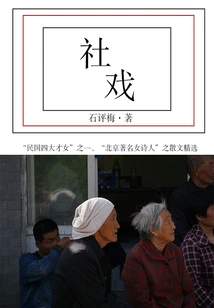
石评梅经典作品:社戏
Shi Pingmei
Mr. Lu Xun wrote a short story "She Opera". The "She Opera" here is different. This is a collection of prose by Shi Pingmei, including "A Red Leaf", "Ivory Ring", "The Last Scene", "Sending Love to the Underworld", "Aftermath of Smoke" and "The Stone Bed by the Clear Pool of Ercui Mountain" "Heart Waves", "Pink Skeleton", "Stormy Night", "I Can Only Be Buried Alone in the Barren Hills", "Broken Hearts and Tears Turned to Ice", "Dream Back Behind the Loneliness and the Broken Lamp", "Infinite Red Smoke", "Dream Back", "Return", "Social Opera" and other chapters. Although the contents of these works have different emphases, they still express the author's extremely passionate and sad cry.
Mr. Lu Xun wrote a short story "She Opera". The "She Opera" here is different. This is a collection of prose by Shi Pingmei, including "A Red Leaf", "Ivory Ring", "The Last Scene", "Sending Love to the Underworld", "Aftermath of Smoke" and "The Stone Bed by the Clear Pool of Ercui Mountain" "Heart Waves", "Pink Skeleton", "Stormy Night", "I Can Only Be Buried Alone in the Barren Hills", "Broken Hearts and Tears Turned to Ice", "Dream Back Behind the Loneliness and the Broken Lamp", "Infinite Red Smoke", "Dream Back", "Return", "Social Opera" and other chapters. Although the contents of these works have different emphases, they still express the author's extremely passionate and sad cry.
石评梅经典作品:偶然草
Shi Pingmei
Shi Pingmei is a modern Chinese female writer and revolutionary activist. Most of her works have the theme of pursuing love, truth, and longing for freedom and light. "Occasional Grass" is an anthology of her essays, including 20 articles, namely: "Horror", "Send to Prison", "Late Night Chatter", "Sleep Talk", "Graveside Elegy", "Occasional Grass", "Ashes", "Melancholy", "Occasional Grass" "A Letter from Huijuan", "A Night in the Flower Temple", "Plum Blossom Deer", "Green House", "Yunqin", "Dong Ersao", "Blood Corpse", "Snowy Night", "Morning Glow Reflects My Face", "Looking Down at the Moon in the Water" and "I am Lost in Bitter Memories". Among them, "Crying Hezhen" can be compared with Mr. Lu Xun's "In Memory of Mr. Liu Hezhen", which is a reflection of the social reality at that time.
Shi Pingmei is a modern Chinese female writer and revolutionary activist. Most of her works have the theme of pursuing love, truth, and longing for freedom and light. "Occasional Grass" is an anthology of her essays, including 20 articles, namely: "Horror", "Send to Prison", "Late Night Chatter", "Sleep Talk", "Graveside Elegy", "Occasional Grass", "Ashes", "Melancholy", "Occasional Grass" "A Letter from Huijuan", "A Night in the Flower Temple", "Plum Blossom Deer", "Green House", "Yunqin", "Dong Ersao", "Blood Corpse", "Snowy Night", "Morning Glow Reflects My Face", "Looking Down at the Moon in the Water" and "I am Lost in Bitter Memories". Among them, "Crying Hezhen" can be compared with Mr. Lu Xun's "In Memory of Mr. Liu Hezhen", which is a reflection of the social reality at that time.
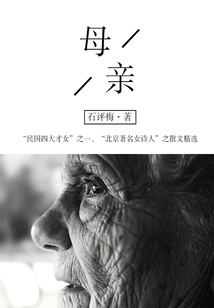
Shi Pingmei's Classic Work: Mother
Literature石评梅经典作品:母亲
Shi Pingmei
Shi Pingmei is a modern Chinese female writer and revolutionary activist. Most of her works have the theme of pursuing love, truth, and longing for freedom and light. "Mother" is an anthology of her essays, which includes "Mother", "Jadeweed", "Lusha", "Mei Yin", "Wash the Jade", "Su Xin", "To the Luyin", "To the Jadeweed in the Mountains", "To an Old Friend on the Seaside", "Tian Xin", "After Being Slightly Drunk", "Father's Rope", "Melancholy after Waking Up", "Night Flight", "Sacrifice" and other works. The content of these works involves facial expressions and rich emotions.
Shi Pingmei is a modern Chinese female writer and revolutionary activist. Most of her works have the theme of pursuing love, truth, and longing for freedom and light. "Mother" is an anthology of her essays, which includes "Mother", "Jadeweed", "Lusha", "Mei Yin", "Wash the Jade", "Su Xin", "To the Luyin", "To the Jadeweed in the Mountains", "To an Old Friend on the Seaside", "Tian Xin", "After Being Slightly Drunk", "Father's Rope", "Melancholy after Waking Up", "Night Flight", "Sacrifice" and other works. The content of these works involves facial expressions and rich emotions.
You Are April in the World
Literature你是人间四月天
Lin Huiyin
"You Are April in the World" is Lin Huiyin's classic collection of essays. More than 1,500 words of life biography have been added to present a true and vivid Lin Huiyin. Complete collection of Lin Huiyin's 10 essays, including "Mourning for Zhimo", "But It's Crispy", etc.; 6 Novels, including "Embarrassment", "Ninety-nine Degrees of Middle", etc.; 9 Letters, including "To Hu Shi", "To Shen Congwen", etc. Each article is the condensation of her smart thoughts and full of talents. Her language is gentle and elegant, like flowing clouds and flowing water, and like the breeze blowing on her face.
"You Are April in the World" is Lin Huiyin's classic collection of essays. More than 1,500 words of life biography have been added to present a true and vivid Lin Huiyin. Complete collection of Lin Huiyin's 10 essays, including "Mourning for Zhimo", "But It's Crispy", etc.; 6 Novels, including "Embarrassment", "Ninety-nine Degrees of Middle", etc.; 9 Letters, including "To Hu Shi", "To Shen Congwen", etc. Each article is the condensation of her smart thoughts and full of talents. Her language is gentle and elegant, like flowing clouds and flowing water, and like the breeze blowing on her face.
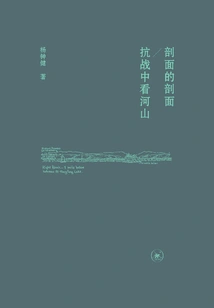
Cross-section of the Cross-section·looking at the Rivers and Mountains During the Anti-japanese War
Literature剖面的剖面·抗战中看河山
Yang Zhongjian
"Section of Sections" records the geological and paleontological investigations and surveys conducted by Mr. Yang Zhongjian in Shandong, Hebei, Shanxi, Shaanxi, Gansu, Sichuan and Guangdong and Guangxi from 1932 to 1936. As before, Yang Lao wrote down his observations and insights during the journey and turned it into a travel diary. Mr. Yang particularly emphasized that some travel notes in the old days had beautiful words and were immortal masterpieces. However, the descriptions were not consistent with the facts. For example, the mountains must have thousands of walls and the moon was nothing more than the Jade Rabbit Chang'e. What's more, Xia Yu would be mentioned when visiting Longmen, and Xia Yu would be mentioned when passing Turpan. Therefore, new travel notes must provide people with accurate knowledge and accurately record the geological background, geographical conditions, and human customs of each place. This writing intention is even more prominent in "Looking at Rivers and Mountains during the Anti-Japanese War". In 1937, the July 7th Incident and the Anti-Japanese War broke out. When Peiping, which he regarded as his second hometown, fell, Mr. Yang left Peiping in November of that year with grief. He traveled through Hunan, Yunnan, Sichuan, Shaanxi, then traveled to Xinjiang, and returned to Peiping, which took six years. This field trip was carried out amidst the decline of the country and the difficult current situation. Yang Laoyou felt that the beauty of our country's mountains and rivers and the abundance of products were not enough to describe it clearly with "splendid mountains and rivers" and "vast land and abundant resources", but should be recorded with actual descriptions and scientific explanations. More importantly, Mr. Yang was shocked to see that foreigners had detailed investigation records of my country's physical geography, but similar books had never appeared in my country's border areas after being lost for many years. He felt deeply the need for the development of geological science in our country.
"Section of Sections" records the geological and paleontological investigations and surveys conducted by Mr. Yang Zhongjian in Shandong, Hebei, Shanxi, Shaanxi, Gansu, Sichuan and Guangdong and Guangxi from 1932 to 1936. As before, Yang Lao wrote down his observations and insights during the journey and turned it into a travel diary. Mr. Yang particularly emphasized that some travel notes in the old days had beautiful words and were immortal masterpieces. However, the descriptions were not consistent with the facts. For example, the mountains must have thousands of walls and the moon was nothing more than the Jade Rabbit Chang'e. What's more, Xia Yu would be mentioned when visiting Longmen, and Xia Yu would be mentioned when passing Turpan. Therefore, new travel notes must provide people with accurate knowledge and accurately record the geological background, geographical conditions, and human customs of each place. This writing intention is even more prominent in "Looking at Rivers and Mountains during the Anti-Japanese War". In 1937, the July 7th Incident and the Anti-Japanese War broke out. When Peiping, which he regarded as his second hometown, fell, Mr. Yang left Peiping in November of that year with grief. He traveled through Hunan, Yunnan, Sichuan, Shaanxi, then traveled to Xinjiang, and returned to Peiping, which took six years. This field trip was carried out amidst the decline of the country and the difficult current situation. Yang Laoyou felt that the beauty of our country's mountains and rivers and the abundance of products were not enough to describe it clearly with "splendid mountains and rivers" and "vast land and abundant resources", but should be recorded with actual descriptions and scientific explanations. More importantly, Mr. Yang was shocked to see that foreigners had detailed investigation records of my country's physical geography, but similar books had never appeared in my country's border areas after being lost for many years. He felt deeply the need for the development of geological science in our country.
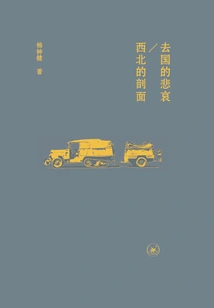
去国的悲哀·西北的剖面
Yang Zhongjian
"The Sorrow of Leaving the Country" was written between 1923 and 1928. It tells the story of how, after graduating from the Geology Department of Peking University in 1923, he went to the University of Munich in Germany to study paleontology and geology under the guidance of the paleontologist Schlosser, funded by his family. In this book, he recorded his experience of starting from Huaxian County, passing through Beijing, Shanghai, and then taking a boat from Shanghai to Munich (which he called Mingxing in the book); he also recorded his experiences while studying abroad, when he and his teachers and classmates conducted geological surveys in Sweden and other cities in Germany. At that time, domestic warlords were fighting, and diplomacy was at a disadvantage. Yang Lao walked along the way and saw that the countryside was on the verge of bankruptcy, urban construction was hopeless, and the people were living in misery, and he felt very sad. When I see things abroad that are on the rise, especially when I visit museums and exhibition halls and see others thriving, I can't help but think of the backwardness of my own country's political and economic situation, let alone the development of science and technology and culture. In short, Mr. Yang's contradictory and complex emotions were revealed all the time during his journey. We follow Mr. Yang's footsteps and travel abroad in the 1920s, and we can also feel his mood. "Cross Sections of the Northwest" was first published in 1932. The author traveled and surveyed for three months in western Shanxi and northern Shaanxi, and then went to the three northeastern provinces for less than a month. Then he participated in the Sino-US inspection team to the eastern part of Erenhot, Inner Mongolia, and finally participated in the Sino-French scientific inspection team, starting from Zhangjiakou and heading west to Turpan and Urumqi, and then returned to Peking via Siberia. Mr. Yang recorded the experiences and feelings of these four trips and compiled them into a volume called "Cross Sections of the Northwest", with a preface by Weng Wenhao.
"The Sorrow of Leaving the Country" was written between 1923 and 1928. It tells the story of how, after graduating from the Geology Department of Peking University in 1923, he went to the University of Munich in Germany to study paleontology and geology under the guidance of the paleontologist Schlosser, funded by his family. In this book, he recorded his experience of starting from Huaxian County, passing through Beijing, Shanghai, and then taking a boat from Shanghai to Munich (which he called Mingxing in the book); he also recorded his experiences while studying abroad, when he and his teachers and classmates conducted geological surveys in Sweden and other cities in Germany. At that time, domestic warlords were fighting, and diplomacy was at a disadvantage. Yang Lao walked along the way and saw that the countryside was on the verge of bankruptcy, urban construction was hopeless, and the people were living in misery, and he felt very sad. When I see things abroad that are on the rise, especially when I visit museums and exhibition halls and see others thriving, I can't help but think of the backwardness of my own country's political and economic situation, let alone the development of science and technology and culture. In short, Mr. Yang's contradictory and complex emotions were revealed all the time during his journey. We follow Mr. Yang's footsteps and travel abroad in the 1920s, and we can also feel his mood. "Cross Sections of the Northwest" was first published in 1932. The author traveled and surveyed for three months in western Shanxi and northern Shaanxi, and then went to the three northeastern provinces for less than a month. Then he participated in the Sino-US inspection team to the eastern part of Erenhot, Inner Mongolia, and finally participated in the Sino-French scientific inspection team, starting from Zhangjiakou and heading west to Turpan and Urumqi, and then returned to Peking via Siberia. Mr. Yang recorded the experiences and feelings of these four trips and compiled them into a volume called "Cross Sections of the Northwest", with a preface by Weng Wenhao.
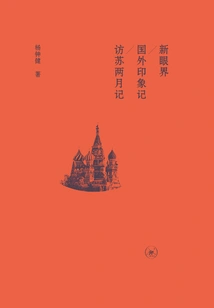
新眼界·国外印象记·访苏两月记
Yang Zhongjian
"New Vision" is Yang Lao's travelogue in Europe and America. At the end of World War II, he departed from Chongqing and flew to California, USA. He visited Miami, New York, Washington, Boston and other places, as well as Canada and Mexico. After that, he returned to the United States and then to the United Kingdom, where he visited and studied geological and paleontological research institutions in London, Cambridge and other places. Later, he returned to China from the United States. At this time, China had won the victory. He was very happy and full of new hope for the future of the country. During this trip to Europe and the United States, in addition to his own itinerary, food and daily life, etc., Mr. Yang also introduced the situation of foreign research institutions and museums at considerable length. In addition, he also described the economic and cultural development of foreign countries that he saw, and often lamented "When can we achieve it?" He heard the news of the victory of World War II in the United States and shared the joy with the American people. After returning to China, he saw the tragic victory at home, and naturally he had new hopes for the recovery of the national economy, especially the construction of disciplines. During this trip to Europe and the United States, Mr. Yang summarized and organized the professional and academic issues in another book - "Overseas Impressions", mainly recording people and events in the disciplines of paleontology and geology. According to Mr. Yang's own words, "the most profound impressions during the travel are listed as special topics in a comprehensive way and recorded one by one." In it, there is a relatively systematic introduction to geological institutions, museums, subject development, brief biographies of scholars, and the latest research results in the United States. It further compares it with the subject situation in my country and points out which of them we can learn from and which ones are not worthy of learning. Mr. Yang single-handedly built my country's vertebrate paleontology. Many of the new results that are being produced now are still thanks to Mr. Yang's planning and management of the discipline at that time. From August to October 1956, Mr. Yang Zhongjian, together with colleagues Zhou Mingzhen and Zhao Jinke from the Institute of Vertebrate Paleontology, and Si Xingjian from the Nanjing Institute of Paleontology, were invited to visit the Soviet Union. After returning, he wrote "A Two-Month Visit to the Soviet Union". This book records Mr. Yang's experiences in the Soviet Union, especially his exchanges with Soviet paleontologists, as well as field investigations and visits in various places. Through the text, we can have a glimpse of the Soviet Union's national appearance and scientific research strength at that time, understand the Soviet paleontologists, and appreciate the sincere friendship between China and the Soviet Union at that time.
"New Vision" is Yang Lao's travelogue in Europe and America. At the end of World War II, he departed from Chongqing and flew to California, USA. He visited Miami, New York, Washington, Boston and other places, as well as Canada and Mexico. After that, he returned to the United States and then to the United Kingdom, where he visited and studied geological and paleontological research institutions in London, Cambridge and other places. Later, he returned to China from the United States. At this time, China had won the victory. He was very happy and full of new hope for the future of the country. During this trip to Europe and the United States, in addition to his own itinerary, food and daily life, etc., Mr. Yang also introduced the situation of foreign research institutions and museums at considerable length. In addition, he also described the economic and cultural development of foreign countries that he saw, and often lamented "When can we achieve it?" He heard the news of the victory of World War II in the United States and shared the joy with the American people. After returning to China, he saw the tragic victory at home, and naturally he had new hopes for the recovery of the national economy, especially the construction of disciplines. During this trip to Europe and the United States, Mr. Yang summarized and organized the professional and academic issues in another book - "Overseas Impressions", mainly recording people and events in the disciplines of paleontology and geology. According to Mr. Yang's own words, "the most profound impressions during the travel are listed as special topics in a comprehensive way and recorded one by one." In it, there is a relatively systematic introduction to geological institutions, museums, subject development, brief biographies of scholars, and the latest research results in the United States. It further compares it with the subject situation in my country and points out which of them we can learn from and which ones are not worthy of learning. Mr. Yang single-handedly built my country's vertebrate paleontology. Many of the new results that are being produced now are still thanks to Mr. Yang's planning and management of the discipline at that time. From August to October 1956, Mr. Yang Zhongjian, together with colleagues Zhou Mingzhen and Zhao Jinke from the Institute of Vertebrate Paleontology, and Si Xingjian from the Nanjing Institute of Paleontology, were invited to visit the Soviet Union. After returning, he wrote "A Two-Month Visit to the Soviet Union". This book records Mr. Yang's experiences in the Soviet Union, especially his exchanges with Soviet paleontologists, as well as field investigations and visits in various places. Through the text, we can have a glimpse of the Soviet Union's national appearance and scientific research strength at that time, understand the Soviet paleontologists, and appreciate the sincere friendship between China and the Soviet Union at that time.
纪德文集:窄门+背德者+人间食粮(套装共3册)
H
"Collected Works of Gide" includes Gide's three masterpieces: "The Narrow Gate", "The Irregulars" and "The Food of the World". The Food of the World is a collection of essays by Gide. After Gide traveled to North Africa and Italy, he used his wanderings on the road as a clue and used a virtual goddess as the object of his confession to express his feelings about life. He wrote a series of poetic fragments that were combined with traditional short poems, odes, melody and other forms. Gide despised traditional morality and advocated freedom of individual behavior. He especially emphasized people's strong feelings about nature and life, and used this feeling as spiritual food.
"Collected Works of Gide" includes Gide's three masterpieces: "The Narrow Gate", "The Irregulars" and "The Food of the World". The Food of the World is a collection of essays by Gide. After Gide traveled to North Africa and Italy, he used his wanderings on the road as a clue and used a virtual goddess as the object of his confession to express his feelings about life. He wrote a series of poetic fragments that were combined with traditional short poems, odes, melody and other forms. Gide despised traditional morality and advocated freedom of individual behavior. He especially emphasized people's strong feelings about nature and life, and used this feeling as spiritual food.
梁遇春作品集:泪与笑
Liang Yuchun
"Tears and Laughter" is the posthumous work of modern prose writer Liang Yuchun. It contains two essays, 13 episodic chapters and five prefaces. His prose captures the essence of British sketches, and his techniques and emotions are similar to those of the 18th-century British prose master Charles Lamb. He inherits a kind of tragic humor and is rooted in the soil of Chinese classical literature, drawing nutrients from it, thus forming his own unique artistic style. Among Liang Yuchun's essays, "Talking about "Tramps"" is the longer one, and it is also the one that people prefer. Liang Yuchun made no secret of his praise and yearning for the homeless spirit in this article, which is exciting to read. Reading Liang Yuchun's prose, whether it is the early youthful impulse and youthful spirit, or the later heaviness and vicissitudes of life, people will not feel as plain as water. He is a wanderer on the journey of life, raising his glass to the moon and dancing into the fire.
"Tears and Laughter" is the posthumous work of modern prose writer Liang Yuchun. It contains two essays, 13 episodic chapters and five prefaces. His prose captures the essence of British sketches, and his techniques and emotions are similar to those of the 18th-century British prose master Charles Lamb. He inherits a kind of tragic humor and is rooted in the soil of Chinese classical literature, drawing nutrients from it, thus forming his own unique artistic style. Among Liang Yuchun's essays, "Talking about "Tramps"" is the longer one, and it is also the one that people prefer. Liang Yuchun made no secret of his praise and yearning for the homeless spirit in this article, which is exciting to read. Reading Liang Yuchun's prose, whether it is the early youthful impulse and youthful spirit, or the later heaviness and vicissitudes of life, people will not feel as plain as water. He is a wanderer on the journey of life, raising his glass to the moon and dancing into the fire.
老舍文集:茶馆+骆驼祥子+四世同堂(套装共3册)
Lao She
"Collected Works of Lao She" includes Lao She's representative works such as "Tea House", "Camel Xiangzi" and "Four Generations Under One Roof". Among them, "Teahouse" is divided into three acts, with the rise and fall of Yutai Teahouse in old Beijing as the background, showing Beijing's social scene and the life changes of different people from all walks of life in the nearly 50 years from the late Qing Dynasty to the Beiyang Warlord period and then to the victory of the Anti-Japanese War. Each scene describes an era. People from all walks of life in Beijing come in and out of this big teahouse. What the whole play shows is a magnificent historical picture.
"Collected Works of Lao She" includes Lao She's representative works such as "Tea House", "Camel Xiangzi" and "Four Generations Under One Roof". Among them, "Teahouse" is divided into three acts, with the rise and fall of Yutai Teahouse in old Beijing as the background, showing Beijing's social scene and the life changes of different people from all walks of life in the nearly 50 years from the late Qing Dynasty to the Beiyang Warlord period and then to the victory of the Anti-Japanese War. Each scene describes an era. People from all walks of life in Beijing come in and out of this big teahouse. What the whole play shows is a magnificent historical picture.
花树下,我还可以再站一会儿
Zhang Xiaofeng
This book is a new collection of essays by Zhang Xiaofeng, a master of contemporary prose. It continues Zhang Xiaofeng's consistently mellow and philosophical poetic style. He is close to nature, savors classics, feels the past, and reminisces about old friends. All of them pay attention to the subtleties, and use wisps of feathers to weave large tracts of beautiful scenery, leaving an eternal tender and cherished feeling.
This book is a new collection of essays by Zhang Xiaofeng, a master of contemporary prose. It continues Zhang Xiaofeng's consistently mellow and philosophical poetic style. He is close to nature, savors classics, feels the past, and reminisces about old friends. All of them pay attention to the subtleties, and use wisps of feathers to weave large tracts of beautiful scenery, leaving an eternal tender and cherished feeling.
渥丹心语:纪念王觉诞辰一百周年文集(1921-2021)
Wang Haikuo Xia Zusheng
August 14, 2021 is the 100th anniversary of the birth of Comrade Wang Jue. Comrade Wang Jue joined the Communist Party of China in June 1938. He was an older generation of literary and artistic warriors who participated in the revolution during the Red Army era. Before the founding of New China, he participated in Chongqing underground party activities and actively carried out progressive literary and artistic work; after the founding of New China, he joined the Southwest Service Corps of the People's Liberation Army in Chongqing and participated in the Military Control Commission to take over the work of Chongqing's cultural and educational system. The pen name used by Comrade Wang Jue when he published literary criticism works in his youth was Wodan, which symbolized his commitment to the revolutionary cause when he participated in the revolution. To show respect for him, the edited collection of essays is named "Words from Wooden's Heart".
August 14, 2021 is the 100th anniversary of the birth of Comrade Wang Jue. Comrade Wang Jue joined the Communist Party of China in June 1938. He was an older generation of literary and artistic warriors who participated in the revolution during the Red Army era. Before the founding of New China, he participated in Chongqing underground party activities and actively carried out progressive literary and artistic work; after the founding of New China, he joined the Southwest Service Corps of the People's Liberation Army in Chongqing and participated in the Military Control Commission to take over the work of Chongqing's cultural and educational system. The pen name used by Comrade Wang Jue when he published literary criticism works in his youth was Wodan, which symbolized his commitment to the revolutionary cause when he participated in the revolution. To show respect for him, the edited collection of essays is named "Words from Wooden's Heart".
Gesang Flower Posture
Literature格桑花姿姿势势
Liu Qiong
"Gelsang Flower Posture" is a collection of personal essays by the author Liu Qiong, divided into three volumes: Kelsang Flower Posture, Grandfather's Youth, and Narration and History. They are the description of scenes and events, the nostalgia for people, and the literary criticism. This book brings together the essence of Liu Qiong's many years of writing career. His articles are easy to read and mostly talk about things around him and daily life, which can be said to be both emotional and intellectual. As a professional critic, the author is erudite, thoughtful and sensitive. She uses concise and unique language and sharp eyes to convey her thoughts on life, her perceptions of life, and her insights on literature, allowing readers to enjoy the tremor of their souls in the words that sparkle with thought.
"Gelsang Flower Posture" is a collection of personal essays by the author Liu Qiong, divided into three volumes: Kelsang Flower Posture, Grandfather's Youth, and Narration and History. They are the description of scenes and events, the nostalgia for people, and the literary criticism. This book brings together the essence of Liu Qiong's many years of writing career. His articles are easy to read and mostly talk about things around him and daily life, which can be said to be both emotional and intellectual. As a professional critic, the author is erudite, thoughtful and sensitive. She uses concise and unique language and sharp eyes to convey her thoughts on life, her perceptions of life, and her insights on literature, allowing readers to enjoy the tremor of their souls in the words that sparkle with thought.