Library
Browse and search books
2,169 novels found
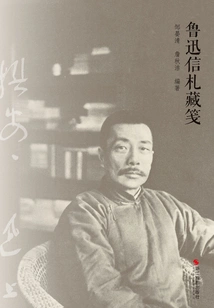
Lu Xun's Letters and Notes
Literature鲁迅信札藏笺
Compiled By Zou Yanqing And Zhan Qiujie
Written communication is an art. The words must be appropriate and the handwriting must be beautiful. Letters from famous people are often regarded as works of art. As an information carrier, letters are not just works of art. They carry etiquette, thoughts and emotions. They are relics with multiple values, including cultural relics, archives, and historical materials. Lu Xun's thoughts are already profound, and through his letters, we know that he was a sentimental, interesting, and noble person in life.
Written communication is an art. The words must be appropriate and the handwriting must be beautiful. Letters from famous people are often regarded as works of art. As an information carrier, letters are not just works of art. They carry etiquette, thoughts and emotions. They are relics with multiple values, including cultural relics, archives, and historical materials. Lu Xun's thoughts are already profound, and through his letters, we know that he was a sentimental, interesting, and noble person in life.
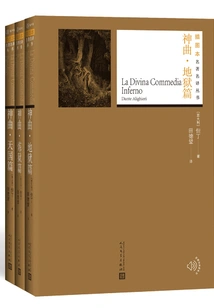
Divine Comedy: Hell, Purgatory, Heaven
Literature神曲:地狱篇、炼狱篇、天国篇
(italian) Dante
The long epic "Divine Comedy" (approximately 1307-1313) is Dante's most important masterpiece and a landmark work in the history of European and world literature. Through the author's dialogues with various famous figures in hell, purgatory and heaven, it provides an artistic summary of the field of medieval culture, and also vaguely reveals the dawn of humanistic thought in the Renaissance era.
The long epic "Divine Comedy" (approximately 1307-1313) is Dante's most important masterpiece and a landmark work in the history of European and world literature. Through the author's dialogues with various famous figures in hell, purgatory and heaven, it provides an artistic summary of the field of medieval culture, and also vaguely reveals the dawn of humanistic thought in the Renaissance era.
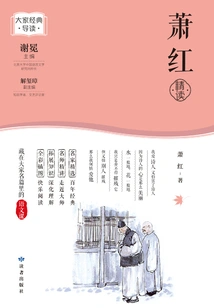
萧红精读(大家经典导读)
Xiao Hong
From Mr. Xiao Hong's classic works, 30 works are selected that are suitable for target readers and children of this age group; the introductory reading section deeply analyzes the writing styles of literary masters and appreciates the value of literature.
From Mr. Xiao Hong's classic works, 30 works are selected that are suitable for target readers and children of this age group; the introductory reading section deeply analyzes the writing styles of literary masters and appreciates the value of literature.
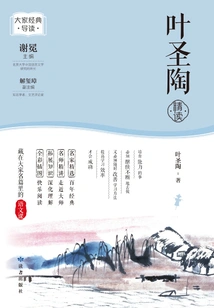
叶圣陶精读(大家经典导读)
Ye Shengtao
From Mr. Ye Shengtao's classic works, 30 works are selected that are suitable for target readers and children of this age group. The introductory reading section provides an in-depth analysis of the writing styles of literary writers and an appreciation of literary value.
From Mr. Ye Shengtao's classic works, 30 works are selected that are suitable for target readers and children of this age group. The introductory reading section provides an in-depth analysis of the writing styles of literary writers and an appreciation of literary value.
鲁迅精读(大家经典导读)
Lu Xun
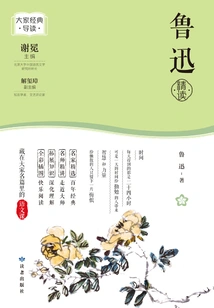
From Mr. Lu Xun's classic works, 30 works are selected that are suitable for the target readers and children of the same age group. They are the pioneer and most important works of modern Chinese vernacular novels and a collection of Lu Xun's intensive reading novels.
From Mr. Lu Xun's classic works, 30 works are selected that are suitable for the target readers and children of the same age group. They are the pioneer and most important works of modern Chinese vernacular novels and a collection of Lu Xun's intensive reading novels.
朱自清精读(大家经典导读)
Zhu Ziqing
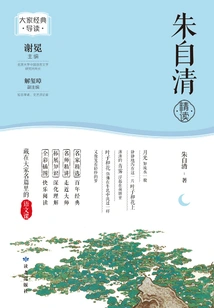
This book selects 30 works from Mr. Zhu Ziqing's classic works that are suitable for target readers and children of this age group.
This book selects 30 works from Mr. Zhu Ziqing's classic works that are suitable for target readers and children of this age group.
岁月忽已晚,灯火要人归
Feng Zikai
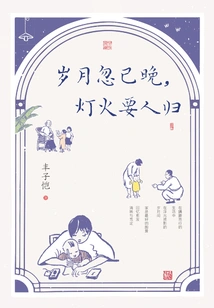
This book selects 40 essays by Feng Zikai related to family, children, growth, and aesthetic education, divided into five chapters: "Being a Father," "Innocent World," "Family Harmony," "Understanding the World," and "Beauty and Sympathy."
This book selects 40 essays by Feng Zikai related to family, children, growth, and aesthetic education, divided into five chapters: "Being a Father," "Innocent World," "Family Harmony," "Understanding the World," and "Beauty and Sympathy."
老舍精读(大家经典导读)
Lao She
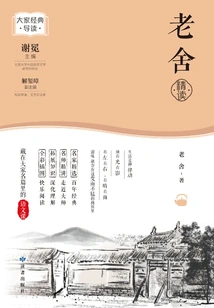
This collection of Lao She's short stories includes Lao She's well-known short stories such as "Crescent Moon" and "The Soul-Breaking Gun", striving to fully demonstrate the charm of Lao She's Beijing-style novels.
This collection of Lao She's short stories includes Lao She's well-known short stories such as "Crescent Moon" and "The Soul-Breaking Gun", striving to fully demonstrate the charm of Lao She's Beijing-style novels.
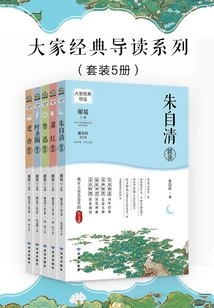
大家经典导读系列(套装5册)
Editor-in-chief Xie Mian
This book consists of "Zhu Ziqing's Intensive Reading", "Xiao Hong's Intensive Reading", "Lao She's Intensive Reading", "Lu Xun's Intensive Reading" and "Ye Shengtao's Intensive Reading".
This book consists of "Zhu Ziqing's Intensive Reading", "Xiao Hong's Intensive Reading", "Lao She's Intensive Reading", "Lu Xun's Intensive Reading" and "Ye Shengtao's Intensive Reading".
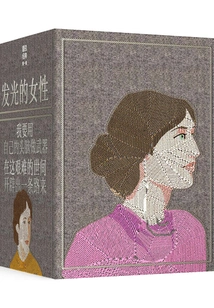
磨铁经典第1辑:发光的女性(套装共5册)
(uk) Charlotte Bronte And Others
"Inseparable": Douban score 8.1! The manuscript of "The Second Sex" author Beauvoir's never-before-published novel has been published for the first time! Beauvoir's version of "My Genius Girl"; "Jane Eyre": "The First Voice of Feminism"! Senior media person Guo Yujie writes a preface, looking back at female classics from the present; "Little Women": the creative starting point of countless female writers such as Woolf, Beauvoir, and J. K. Rowling! A gift for all little girls and big girls; "A Room of One's Own": a classic that inspires women's awakening! Susan Cuba, a well-known feminist scholar and co-author of "The Madwoman in the Attic", provides a 20,000-word introduction! The new translation adds more than 50,000 words of annotations to help you truly understand this book; "Loneliness is Charming" for Women: A beautiful sample of sexual creativity. A bilingual translation of Dickinson's selected poems with high reputation in Chinese and English, with a 10,000-word introduction written by a pioneering poet.
"Inseparable": Douban score 8.1! The manuscript of "The Second Sex" author Beauvoir's never-before-published novel has been published for the first time! Beauvoir's version of "My Genius Girl"; "Jane Eyre": "The First Voice of Feminism"! Senior media person Guo Yujie writes a preface, looking back at female classics from the present; "Little Women": the creative starting point of countless female writers such as Woolf, Beauvoir, and J. K. Rowling! A gift for all little girls and big girls; "A Room of One's Own": a classic that inspires women's awakening! Susan Cuba, a well-known feminist scholar and co-author of "The Madwoman in the Attic", provides a 20,000-word introduction! The new translation adds more than 50,000 words of annotations to help you truly understand this book; "Loneliness is Charming" for Women: A beautiful sample of sexual creativity. A bilingual translation of Dickinson's selected poems with high reputation in Chinese and English, with a 10,000-word introduction written by a pioneering poet.
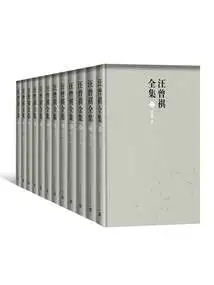
汪曾祺全集(全12册)
Wang Zengqi
"The Complete Works of Wang Zengqi" includes all Wang Zengqi's literary works (novels, essays, dramas, art talks, poems, miscellaneous works) as well as letters, inscriptions and postscripts and other daily documents discovered so far. The work is based on the original published version and is well collated. Each article has a caption, explaining the original publication and inclusion in the collection, text changes, pen name and other version information. The epigraph of the letter introduces the brief introduction of the recipient, etc.
"The Complete Works of Wang Zengqi" includes all Wang Zengqi's literary works (novels, essays, dramas, art talks, poems, miscellaneous works) as well as letters, inscriptions and postscripts and other daily documents discovered so far. The work is based on the original published version and is well collated. Each article has a caption, explaining the original publication and inclusion in the collection, text changes, pen name and other version information. The epigraph of the letter introduces the brief introduction of the recipient, etc.
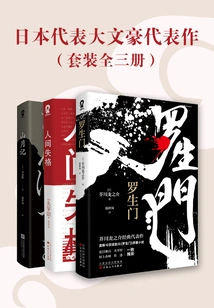
日本代表大文豪代表作(套装全三册)
(japan) Osamu Dazai, Atsushi Nakajima, Ryunosuke Akutagawa
"Mountain Moon": Li Ling, a passionate general who was determined to serve his country, abandoned his country due to a defeat and never returned. Ji Chang spent his whole life pursuing shooting skills, only to realize that the highest state is "nothing". Li Zheng became a demon for his poems, and he suddenly realized the value of life after transforming himself into a tiger. Sha Wujing only seeks the meaning of his own existence and wonders if he can get the answer on his way westward. "Disqualification in the World": Osamu Dazai focuses on expressing the love, trust and freedom of the inner world between human beings, and analyzes the true side of people hidden under their morality, which is thought-provoking. "Rashomon" is a collection of novels by the outstanding modern Japanese writer Akutagawa Ryunosuke. It includes 9 of his classic representative novels, including his famous work, the life-and-death choice between good and evil - "Rashomon"; Natsume Soseki's masterpiece "The Nose"; the original novel of Kurosawa Akira's classic film "Rashomon" - "In the Bamboo Grove", in addition to the critically acclaimed "Hell" and "Kappa".
"Mountain Moon": Li Ling, a passionate general who was determined to serve his country, abandoned his country due to a defeat and never returned. Ji Chang spent his whole life pursuing shooting skills, only to realize that the highest state is "nothing". Li Zheng became a demon for his poems, and he suddenly realized the value of life after transforming himself into a tiger. Sha Wujing only seeks the meaning of his own existence and wonders if he can get the answer on his way westward. "Disqualification in the World": Osamu Dazai focuses on expressing the love, trust and freedom of the inner world between human beings, and analyzes the true side of people hidden under their morality, which is thought-provoking. "Rashomon" is a collection of novels by the outstanding modern Japanese writer Akutagawa Ryunosuke. It includes 9 of his classic representative novels, including his famous work, the life-and-death choice between good and evil - "Rashomon"; Natsume Soseki's masterpiece "The Nose"; the original novel of Kurosawa Akira's classic film "Rashomon" - "In the Bamboo Grove", in addition to the critically acclaimed "Hell" and "Kappa".
反乌托邦世界经典文学名著(套装全二册)
(uk) Aldous Huxley George Orwell
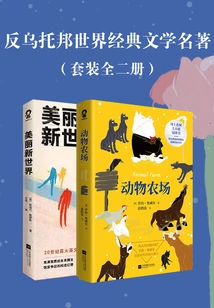
"Brave New World": In the year 632 of Ford's Era, in a world country where science and technology are highly developed, disease and aging have been eliminated. Everyone enjoys the comfortable life provided by scientific and technological production. They do not have to bear any pressure and can pursue freedom and entertainment as they wish. Bernard realized that this happiness was very false. Due to the sleep brainwashing education they received from an early age, everyone contentedly accepted the established identity and class. In order to find true humanity, Bernard went to a savage reservation isolated by barbed wire, met John the savage by chance, and was attracted by his soul. He rebelliously brought John back to the civilized world, but attracted the attention of the world's head of state. "Animal Farm": This book includes George Orwell's well-known allegorical novel "Animal Farm" and three essays "Why I Write", "This Is Happiness" and "Old Stories from the Bookstore".
"Brave New World": In the year 632 of Ford's Era, in a world country where science and technology are highly developed, disease and aging have been eliminated. Everyone enjoys the comfortable life provided by scientific and technological production. They do not have to bear any pressure and can pursue freedom and entertainment as they wish. Bernard realized that this happiness was very false. Due to the sleep brainwashing education they received from an early age, everyone contentedly accepted the established identity and class. In order to find true humanity, Bernard went to a savage reservation isolated by barbed wire, met John the savage by chance, and was attracted by his soul. He rebelliously brought John back to the civilized world, but attracted the attention of the world's head of state. "Animal Farm": This book includes George Orwell's well-known allegorical novel "Animal Farm" and three essays "Why I Write", "This Is Happiness" and "Old Stories from the Bookstore".
名家大师经典散文集(套装全三册)
Xiao Fuxing Zhu Guangqian Wang Zengqi
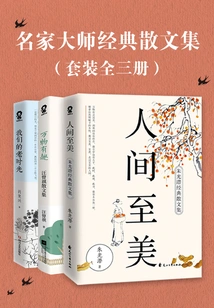
"Our Old Time": This is a work that laments the passage of time and the changes in destiny. The tone of the work is cordial and simple. By describing the little people's lives, it can soothe the hearts of readers and gain quiet strength in the noisy and impetuous world. "The Most Beautiful in the World: A Collection of Zhu Guangqian's Classic Prose": Selects popular and classic articles from Mr. Zhu Guangqian's works in various periods, covering multiple themes such as life, aesthetics, philosophy of life, self-cultivation, literature and art. "Everything Is Interesting: A Collection of Prose by Wang Zengqi": This book selects forty-four prose works by Wang Zengqi, divided into four parts: "Garden: Discovering Interesting Plants, Trees, Insects and Fish", "Vitality: Gaining the Courage to Live Actively", "Landscape: Exploring a Wider World" and "Them: Memories of a Master with Profound Scholarship". Wang Zengqi's beautiful and simple words show his unique and interesting life aesthetics, which can bring readers the enjoyment of literature and the enlightenment of life.
"Our Old Time": This is a work that laments the passage of time and the changes in destiny. The tone of the work is cordial and simple. By describing the little people's lives, it can soothe the hearts of readers and gain quiet strength in the noisy and impetuous world. "The Most Beautiful in the World: A Collection of Zhu Guangqian's Classic Prose": Selects popular and classic articles from Mr. Zhu Guangqian's works in various periods, covering multiple themes such as life, aesthetics, philosophy of life, self-cultivation, literature and art. "Everything Is Interesting: A Collection of Prose by Wang Zengqi": This book selects forty-four prose works by Wang Zengqi, divided into four parts: "Garden: Discovering Interesting Plants, Trees, Insects and Fish", "Vitality: Gaining the Courage to Live Actively", "Landscape: Exploring a Wider World" and "Them: Memories of a Master with Profound Scholarship". Wang Zengqi's beautiful and simple words show his unique and interesting life aesthetics, which can bring readers the enjoyment of literature and the enlightenment of life.
歌德谈话录:全译本
(german) Eckermann
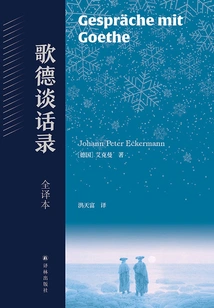
In 1823, the 31-year-old German youth Eckermann met Goethe, the literary giant he admired. At this time, Goethe was 74 years old and entering the final journey of his life. The following nine years were a period of mutual achievement for the two of them: the master imparted his life experience to the young man and guided the young man to improve his literary accomplishment and spiritual realm; the young man fully assisted the master in his work, while observing the details and silently recording the master's last life deeds and thoughts and words that shone with wisdom. It is with the help of Ekman's records that we can see another Goethe, three-dimensional and vivid, profound and interesting. This book is a fully translated version, which contains 325 texts in three volumes of the original work, as well as two prefaces to the first edition and Ekman's long preface.
In 1823, the 31-year-old German youth Eckermann met Goethe, the literary giant he admired. At this time, Goethe was 74 years old and entering the final journey of his life. The following nine years were a period of mutual achievement for the two of them: the master imparted his life experience to the young man and guided the young man to improve his literary accomplishment and spiritual realm; the young man fully assisted the master in his work, while observing the details and silently recording the master's last life deeds and thoughts and words that shone with wisdom. It is with the help of Ekman's records that we can see another Goethe, three-dimensional and vivid, profound and interesting. This book is a fully translated version, which contains 325 texts in three volumes of the original work, as well as two prefaces to the first edition and Ekman's long preface.
话里有画,王蒙说
Wang Meng
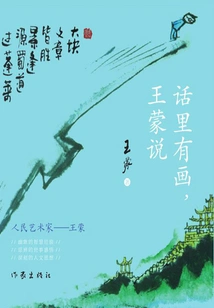
"There is Painting in Words, Wang Meng Says" is divided into five chapters: "The Art of Life", "Good Interpersonal Relationships", "My Philosophy of Life", "Reading and Understanding People" and "Dreams". It selects Wang Meng's prose on life philosophy, philosophy of life, literary criticism and short witty quotes, and presents to readers the humorous wisdom experience, speculative understanding of world affairs and profound humanistic thoughts of "People's Artist" Wang Meng. Wang Meng's rich and legendary life experience, three-dimensional and colorful characters, unique insights into life and the world, and sincere and free concept of prose writing make every work pure and true, as well as vulgar and elegant. The highlight of this book is also the more than 40 ink cartoons created by the creative ink painter Peng Changzheng based on the maxims in Wang Meng's works and speeches; each work is derived from Wang Meng's witty sayings, and the words and cartoons are in contrast to the reality, making it full of fun.
"There is Painting in Words, Wang Meng Says" is divided into five chapters: "The Art of Life", "Good Interpersonal Relationships", "My Philosophy of Life", "Reading and Understanding People" and "Dreams". It selects Wang Meng's prose on life philosophy, philosophy of life, literary criticism and short witty quotes, and presents to readers the humorous wisdom experience, speculative understanding of world affairs and profound humanistic thoughts of "People's Artist" Wang Meng. Wang Meng's rich and legendary life experience, three-dimensional and colorful characters, unique insights into life and the world, and sincere and free concept of prose writing make every work pure and true, as well as vulgar and elegant. The highlight of this book is also the more than 40 ink cartoons created by the creative ink painter Peng Changzheng based on the maxims in Wang Meng's works and speeches; each work is derived from Wang Meng's witty sayings, and the words and cartoons are in contrast to the reality, making it full of fun.
快时代的慢阅读(名家文学讲坛)
(us) David Mickix
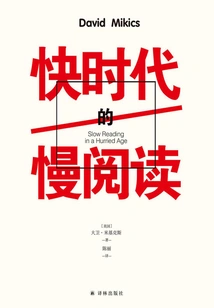
Read slowly and gain a life several times richer than others. A literary reading guide indebted to Harold Bloom. 14 Exquisite reading rules + intensive reading demonstrations in 5 genres will help you understand literature and enjoy reading. The pace of modern society is getting faster and faster. Although browsing the Internet improves the breadth and speed of information we receive, it endangers our concentration, reduces the quality of reading, and distances us from the joy of reading. University of Houston literature professor David Mickix is aware of the shortcomings of the fast era, and advocates using slow reading to resist the fragmentation and entertainment of fast, trying to re-establish the ancient connection between people and literature, concentration and the joy of reading. Based on decades of experience in literary reading, criticism, and teaching, he provides readers with fourteen reading rules and reading demonstrations in five genres to help you gain a richer and more thorough reading experience.
Read slowly and gain a life several times richer than others. A literary reading guide indebted to Harold Bloom. 14 Exquisite reading rules + intensive reading demonstrations in 5 genres will help you understand literature and enjoy reading. The pace of modern society is getting faster and faster. Although browsing the Internet improves the breadth and speed of information we receive, it endangers our concentration, reduces the quality of reading, and distances us from the joy of reading. University of Houston literature professor David Mickix is aware of the shortcomings of the fast era, and advocates using slow reading to resist the fragmentation and entertainment of fast, trying to re-establish the ancient connection between people and literature, concentration and the joy of reading. Based on decades of experience in literary reading, criticism, and teaching, he provides readers with fourteen reading rules and reading demonstrations in five genres to help you gain a richer and more thorough reading experience.
朱光潜经典作品集(套装全三册)
Zhu Guangqian
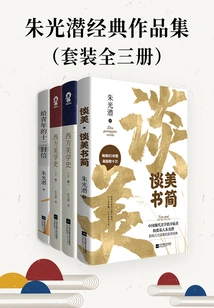
"Talking about Beauty·Talking about Beauty Letters" is an introductory book on aesthetics written by Zhu Guangqian for young people. It narrates aesthetic knowledge in a heart-to-heart way with friends, explains it in simple terms, is friendly and natural, and is the most classic enlightenment book on aesthetics. "History of Western Aesthetics" is Mr. Zhu Guangqian's most important aesthetic work and the first monograph on the history of Western aesthetics written by a Chinese scholar. "Twelve Letters to Youth" is an inspirational classic for young people's growth. It especially includes Zhu Guangqian's classic philosophy of life "On Cultivation". The two volumes are assembled and complement each other.
"Talking about Beauty·Talking about Beauty Letters" is an introductory book on aesthetics written by Zhu Guangqian for young people. It narrates aesthetic knowledge in a heart-to-heart way with friends, explains it in simple terms, is friendly and natural, and is the most classic enlightenment book on aesthetics. "History of Western Aesthetics" is Mr. Zhu Guangqian's most important aesthetic work and the first monograph on the history of Western aesthetics written by a Chinese scholar. "Twelve Letters to Youth" is an inspirational classic for young people's growth. It especially includes Zhu Guangqian's classic philosophy of life "On Cultivation". The two volumes are assembled and complement each other.
A Life Wisdom Book by Zhu Guangqian, a Master of Modern Chinese Aesthetics (set of Two Volumes)
Literature中国现代美学泰斗朱光潜的人生智慧书(套装全两册)
Zhu Guangqian
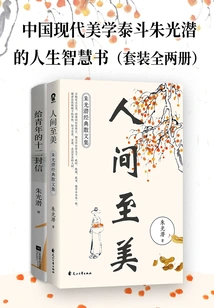
"Twelve Letters to Youth" is an inspirational classic for young people's growth. It especially includes Zhu Guangqian's classic philosophy of life "On Cultivation". The two volumes are assembled and complement each other. "The Best Beauty in the World" is a prose classic by Zhu Guangqian, a master of aesthetics, who condenses the beauty of life. All things are alive and beautiful. In an instant, there is eternity. There is a thousand things in the dust.
"Twelve Letters to Youth" is an inspirational classic for young people's growth. It especially includes Zhu Guangqian's classic philosophy of life "On Cultivation". The two volumes are assembled and complement each other. "The Best Beauty in the World" is a prose classic by Zhu Guangqian, a master of aesthetics, who condenses the beauty of life. All things are alive and beautiful. In an instant, there is eternity. There is a thousand things in the dust.
The World is Lonely, but There is Warmth
Literature人间孤独,却有温度
Yu Qiuyu Bai Xianyong Jiang Xun Et Al.
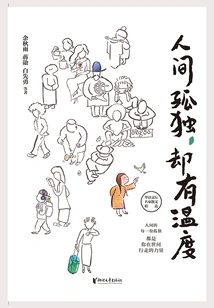
This book is a collection of essays by famous writers with the theme of nostalgia. Several famous writers use delicate language to tell their life stories, silently healing the lonely young readers today, and delivering human warmth in a lonely world. This book brings together classic prose works by famous Chinese literary writers, with solid writing style and smooth writing. The lines are full of the true flavor of life and are highly readable and infectious. Led by well-known writers such as Yu Qiuyu, Jiang Xun, and Bai Xianyong, it has a certain foundation of reader recognition. The book is divided into five chapters, each with a warm theme, leading readers to review the older generation of writers' understanding of the accumulation of time, and heal themselves while appreciating the works of famous writers.
This book is a collection of essays by famous writers with the theme of nostalgia. Several famous writers use delicate language to tell their life stories, silently healing the lonely young readers today, and delivering human warmth in a lonely world. This book brings together classic prose works by famous Chinese literary writers, with solid writing style and smooth writing. The lines are full of the true flavor of life and are highly readable and infectious. Led by well-known writers such as Yu Qiuyu, Jiang Xun, and Bai Xianyong, it has a certain foundation of reader recognition. The book is divided into five chapters, each with a warm theme, leading readers to review the older generation of writers' understanding of the accumulation of time, and heal themselves while appreciating the works of famous writers.
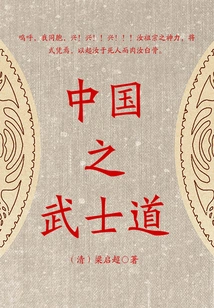
梁启超经典著作:中国之武士道
Liang Qichao
Liang Qichao's "The Way of the Warriors in China" was written in October 1904. Liang Qichao was 32 years old at this time. He was edited by the Qing government due to the failure of the Reform Movement of 1898 and fled to Japan. He wrote this book to promote the martial spirit of the Chinese nation and to use the martial virtues of the ancestors as a model for future generations. He selected more than 70 famous figures from the Spring and Autumn Period and the Warring States Period to awaken and innovate the national spirit and thinking by commemorating their spirit of sacrifice that they did not hesitate to fight for their personal reputation or national interests.
Liang Qichao's "The Way of the Warriors in China" was written in October 1904. Liang Qichao was 32 years old at this time. He was edited by the Qing government due to the failure of the Reform Movement of 1898 and fled to Japan. He wrote this book to promote the martial spirit of the Chinese nation and to use the martial virtues of the ancestors as a model for future generations. He selected more than 70 famous figures from the Spring and Autumn Period and the Warring States Period to awaken and innovate the national spirit and thinking by commemorating their spirit of sacrifice that they did not hesitate to fight for their personal reputation or national interests.
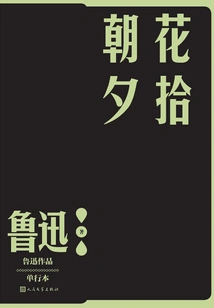
朝花夕拾
Lu Xun
Created in 1926, it is the only collection of retrospective essays written by Lu Xun. It was originally called "Revisiting Old Things" and was later changed to "Morning Blossoms Picked Up at Dusk" by Lu Xun. It has always been highly praised. It is Mr. Lu Xun who recalled the people and things in his childhood, boyhood and youth in his later years. This book is a collection of Lu Xun's reminiscence essays written in 1926, with a total of ten essays. The first five articles were written in Beijing, and the last five articles were written in Xiamen.
Created in 1926, it is the only collection of retrospective essays written by Lu Xun. It was originally called "Revisiting Old Things" and was later changed to "Morning Blossoms Picked Up at Dusk" by Lu Xun. It has always been highly praised. It is Mr. Lu Xun who recalled the people and things in his childhood, boyhood and youth in his later years. This book is a collection of Lu Xun's reminiscence essays written in 1926, with a total of ten essays. The first five articles were written in Beijing, and the last five articles were written in Xiamen.
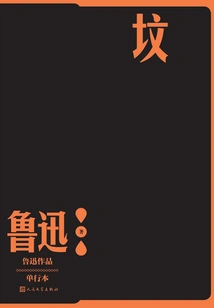
Grave
Literature坟
Lu Xun
This book contains twenty-three papers written by the author from 1907 to 1925, and is one of the single volumes of Lu Xun's works. The single volume of "The Complete Works of Lu Xun" is a popularized reading version based on the compilation of "The Complete Works of Lu Xun". Lu Xun's works include essays, short stories, reviews, essays, and translations, which have had a profound impact on Chinese literature after the "May Fourth Movement."
This book contains twenty-three papers written by the author from 1907 to 1925, and is one of the single volumes of Lu Xun's works. The single volume of "The Complete Works of Lu Xun" is a popularized reading version based on the compilation of "The Complete Works of Lu Xun". Lu Xun's works include essays, short stories, reviews, essays, and translations, which have had a profound impact on Chinese literature after the "May Fourth Movement."
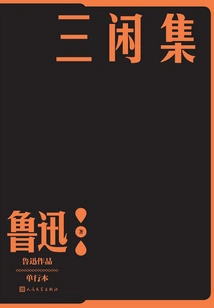
Sanxianji
Literature三闲集
Lu Xun
It contains thirty-four essays written by Lu Xun from 1927 to 1929, with an appendix at the end of the "Bibliography of Lu Xun's Translations" written in 1932. In 1928, there was a debate between Creation Society, Sun Society and Lu Xun centered on the issue of revolutionary literature. Cheng Fangwu said that Mr. Lu Xun was "sitting under the canopy and copying old news about his novels" and that it was a "interest-centered literature and art."
It contains thirty-four essays written by Lu Xun from 1927 to 1929, with an appendix at the end of the "Bibliography of Lu Xun's Translations" written in 1932. In 1928, there was a debate between Creation Society, Sun Society and Lu Xun centered on the issue of revolutionary literature. Cheng Fangwu said that Mr. Lu Xun was "sitting under the canopy and copying old news about his novels" and that it was a "interest-centered literature and art."
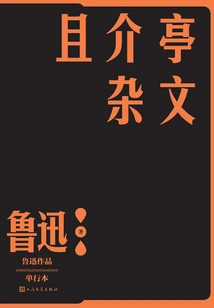
Qiejieting's Essays
Literature且介亭杂文
Lu Xun
Collected essays written in 1934 and named it "Qiejieting Essays", including 36 essays.
Collected essays written in 1934 and named it "Qiejieting Essays", including 36 essays.
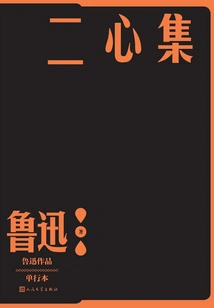
Two Hearts Collection
Literature二心集
Lu Xun
"Two Hearts Collection" contains 37 essays written by Mr. Lu Xun from 1930 to 1931, with a translation of "Modern Film and the Property-owning Stage" at the end. The author sold the copyright to Shanghai Hezhong Bookstore in August 1932, and it was first published in October of the same year. Lu Xun's works include essays, short stories, reviews, essays, and translations, which have had a profound impact on Chinese literature after the "May Fourth Movement."
"Two Hearts Collection" contains 37 essays written by Mr. Lu Xun from 1930 to 1931, with a translation of "Modern Film and the Property-owning Stage" at the end. The author sold the copyright to Shanghai Hezhong Bookstore in August 1932, and it was first published in October of the same year. Lu Xun's works include essays, short stories, reviews, essays, and translations, which have had a profound impact on Chinese literature after the "May Fourth Movement."
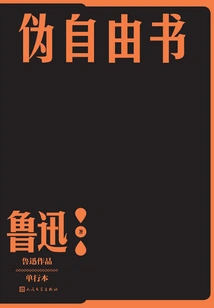
Pseudo Free Book
Literature伪自由书
Lu Xun
"Pseudo Freedom Letter" is a collection of short comments written by Lu Xun to "Freedom Talk", a supplement to Shenbao, from the end of January to mid-May 1933. 43 Articles in total. "Pseudo-Freedom" is a record of Lu Xun's political struggle and ideological criticism in a specific historical era, using essays as weapons; however, the objective laws it reveals through individual events and its exquisite Marxist thought in analyzing specific things transcend the limitations of time and space, making it a Marxist literary weapon of universal significance.
"Pseudo Freedom Letter" is a collection of short comments written by Lu Xun to "Freedom Talk", a supplement to Shenbao, from the end of January to mid-May 1933. 43 Articles in total. "Pseudo-Freedom" is a record of Lu Xun's political struggle and ideological criticism in a specific historical era, using essays as weapons; however, the objective laws it reveals through individual events and its exquisite Marxist thought in analyzing specific things transcend the limitations of time and space, making it a Marxist literary weapon of universal significance.
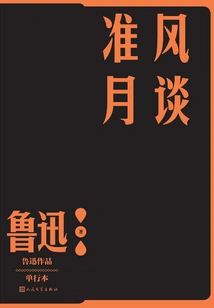
Quasi Romantic Talk
Literature准风月谈
Lu Xun
"Zhun Feng Yue Tan" contains 64 essays written by the author between June and November 1933. The title of the book comes from an announcement issued by the editor of "Free Talk" in the last century: "I urge domestic literary figures to talk more about romance and complain less." Including "Song of the Night", "Eating Bai Xiang's Rice", "Morning Cool Chronicles", "Autumn Night Journey", etc. The original book is now a treasure. It's not even a hundred years ago, but it's full of vicissitudes of life when I read it.
"Zhun Feng Yue Tan" contains 64 essays written by the author between June and November 1933. The title of the book comes from an announcement issued by the editor of "Free Talk" in the last century: "I urge domestic literary figures to talk more about romance and complain less." Including "Song of the Night", "Eating Bai Xiang's Rice", "Morning Cool Chronicles", "Autumn Night Journey", etc. The original book is now a treasure. It's not even a hundred years ago, but it's full of vicissitudes of life when I read it.
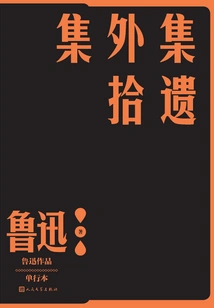
Collection Outside the Collection
Literature集外集拾遗
Lu Xun
The title was drawn up by the author himself, but the compilation was not completed due to illness. When "The Complete Works of Lu Xun" was published in 1938, it was compiled and printed by Xu Guangping. In 1957, it was expanded and reorganized on this basis. A total of 126 articles were collected, written between 1903 and 1936, including all works of various genres collected at that time that had not been included in various collections.
The title was drawn up by the author himself, but the compilation was not completed due to illness. When "The Complete Works of Lu Xun" was published in 1938, it was compiled and printed by Xu Guangping. In 1957, it was expanded and reorganized on this basis. A total of 126 articles were collected, written between 1903 and 1936, including all works of various genres collected at that time that had not been included in various collections.
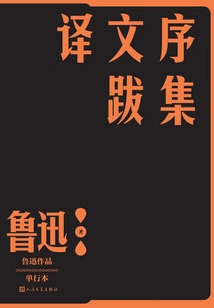
译文序跋集
Lu Xun
"Collection of Prefaces and Postscripts to Translations" contains the prefaces and postscripts written by Lu Xun for the books he translated or co-translated with others, as well as the "Translator's Notes" written when a single translation was published in newspapers and periodicals. The stand-alone version is a popularized reading version based on the compilation of "The Complete Works of Lu Xun". Lu Xun's works include essays, short stories, reviews, essays, and translations, which have had a profound impact on Chinese literature after the "May Fourth Movement."
"Collection of Prefaces and Postscripts to Translations" contains the prefaces and postscripts written by Lu Xun for the books he translated or co-translated with others, as well as the "Translator's Notes" written when a single translation was published in newspapers and periodicals. The stand-alone version is a popularized reading version based on the compilation of "The Complete Works of Lu Xun". Lu Xun's works include essays, short stories, reviews, essays, and translations, which have had a profound impact on Chinese literature after the "May Fourth Movement."
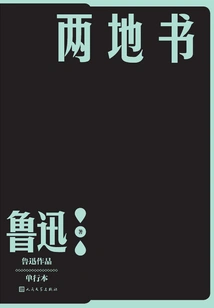
Books from Two Places
Literature两地书
Lu Xun
This book is a collection of letters between the author and Jing Song (Xu Guangping) from March 1925 to June 1929. A total of 135 letters were received (including 67 and a half letters from Lu Xun). It was edited and revised by Lu Xun and divided into three volumes. It was first published by Shanghai Qingguang Book Company in April 1933. The first part of "Book of Two Places" is about the Women's Normal University, without any love; the second part is the correspondence between Xiamen and Guangzhou, which is mostly about trivial matters of life, and the love is beyond words; the third part is about the correspondence between Beijing and Shanghai, which is also about trivial matters of life, and the care is beyond words.
This book is a collection of letters between the author and Jing Song (Xu Guangping) from March 1925 to June 1929. A total of 135 letters were received (including 67 and a half letters from Lu Xun). It was edited and revised by Lu Xun and divided into three volumes. It was first published by Shanghai Qingguang Book Company in April 1933. The first part of "Book of Two Places" is about the Women's Normal University, without any love; the second part is the correspondence between Xiamen and Guangzhou, which is mostly about trivial matters of life, and the love is beyond words; the third part is about the correspondence between Beijing and Shanghai, which is also about trivial matters of life, and the care is beyond words.
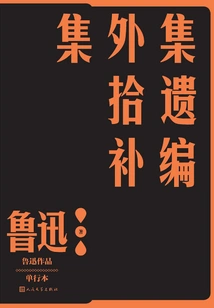
集外集拾遗补编
Lu Xun
The "Supplement to the Collection of Collections and Supplements" includes the lost articles that have been discovered after the publication of the "Collection and Collection of Collections" compiled by Xu Guangping in May 1938. Advertisements, notices, corrections, etc. Are compiled into Appendix One; those recorded from other people's works are compiled into Appendix Two. The single volume of "The Complete Works of Lu Xun" is a popularized reading version based on the compilation of "The Complete Works of Lu Xun".
The "Supplement to the Collection of Collections and Supplements" includes the lost articles that have been discovered after the publication of the "Collection and Collection of Collections" compiled by Xu Guangping in May 1938. Advertisements, notices, corrections, etc. Are compiled into Appendix One; those recorded from other people's works are compiled into Appendix Two. The single volume of "The Complete Works of Lu Xun" is a popularized reading version based on the compilation of "The Complete Works of Lu Xun".
Jiwaiji
Literature集外集
Lu Xun
This book is a collection of poems and essays that were not included in Lu Xun's essays published before 1933. It was published by Shanghai Qunzhong Book Company in May 1935. The stand-alone version is a popularized reading version based on the compilation of "The Complete Works of Lu Xun". Lu Xun's works include essays, short stories, reviews, essays, and translations, which have had a profound impact on Chinese literature after the "May Fourth Movement."
This book is a collection of poems and essays that were not included in Lu Xun's essays published before 1933. It was published by Shanghai Qunzhong Book Company in May 1935. The stand-alone version is a popularized reading version based on the compilation of "The Complete Works of Lu Xun". Lu Xun's works include essays, short stories, reviews, essays, and translations, which have had a profound impact on Chinese literature after the "May Fourth Movement."
南腔北调集
Lu Xun
"Collection of Nanqiangbei Diao" is a collection of essays by Lu Xun, which contains 51 essays written between 1932 and 1933.
"Collection of Nanqiangbei Diao" is a collection of essays by Lu Xun, which contains 51 essays written between 1932 and 1933.
古籍序跋集
Lu Xun
"Collection of Prefaces and Postscripts to Ancient Books" contains 35 prefaces and postscripts written by Lu Xun between 1912 and 1935 for the ancient books he compiled or edited. Each article is arranged according to the time of collaboration. Necessary corrections were made with reference to relevant literature for any informational errors in the text. Lu Xun's works include essays, short stories, reviews, essays, and translations, which have had a profound impact on Chinese literature after the "May Fourth Movement."
"Collection of Prefaces and Postscripts to Ancient Books" contains 35 prefaces and postscripts written by Lu Xun between 1912 and 1935 for the ancient books he compiled or edited. Each article is arranged according to the time of collaboration. Necessary corrections were made with reference to relevant literature for any informational errors in the text. Lu Xun's works include essays, short stories, reviews, essays, and translations, which have had a profound impact on Chinese literature after the "May Fourth Movement."
且介亭杂文二集
Lu Xun
"Second Collection of Qiejieting Essays" contains 48 essays written by Lu Xun in 1935. They were works created when Lu Xun lived in the semi-concession area of Shanghai. The stand-alone version is a popularized reading version based on the compilation of "The Complete Works of Lu Xun". Lu Xun's works include essays, short stories, reviews, essays, and translations, which have had a profound impact on Chinese literature after the "May Fourth Movement."
"Second Collection of Qiejieting Essays" contains 48 essays written by Lu Xun in 1935. They were works created when Lu Xun lived in the semi-concession area of Shanghai. The stand-alone version is a popularized reading version based on the compilation of "The Complete Works of Lu Xun". Lu Xun's works include essays, short stories, reviews, essays, and translations, which have had a profound impact on Chinese literature after the "May Fourth Movement."
Lace Literature
Literature花边文学
Lu Xun
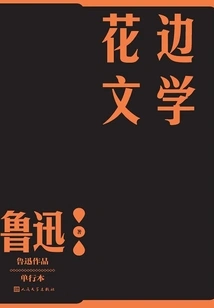
"Lace Literature" contains 61 essays written by Lu Xun in 1934. "Lace literature" was originally a word used by others in articles attacking Lu Xun, so Lu Xun used it to name the collection and design the cover. The stand-alone version is a popularized reading version based on the compilation of "The Complete Works of Lu Xun". Lu Xun's works include essays, short stories, reviews, essays, and translations, which have had a profound impact on Chinese literature after the "May Fourth Movement."
"Lace Literature" contains 61 essays written by Lu Xun in 1934. "Lace literature" was originally a word used by others in articles attacking Lu Xun, so Lu Xun used it to name the collection and design the cover. The stand-alone version is a popularized reading version based on the compilation of "The Complete Works of Lu Xun". Lu Xun's works include essays, short stories, reviews, essays, and translations, which have had a profound impact on Chinese literature after the "May Fourth Movement."
List of Literary Texts
Literature文典一览
Yu Qiuyu
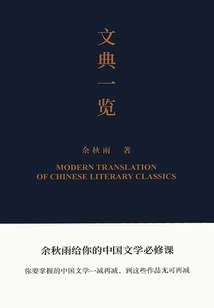
This book is an ancient Chinese literature book that Mr. Yu Qiuyu selected, translated and interpreted after long-term consideration. He aims to lead contemporary readers to identify the great constellations in ancient literature. He hopes that readers can not only understand the original text with the help of translations and interpretations, but more importantly, they can resonate with the classic texts from a spiritual level and appreciate the unchanging literary heart and poetic soul. The selected articles include selections from the Book of Songs, "Li Sao", "Xiaoyaoyou", "Report to Ren'an", "Preface to the Orchid Pavilion Collection", "Returning Ci", "Preface to Sending Li Yuan Back to Pangu", "Preface to Yuxi Poems", "Autumn Sound Ode", "Red Cliff Ode", "Wenxin Diaolong" excerpts, as well as Tang poetry, Song lyrics and Song poetry chapters that are important to him. Except for Tang and Song poems, each article consists of three parts: original text, translation and interpretation. Mr. Yu Qiuyu pays special attention to the translation, because his modern translation is to explore the eternal aesthetic qualities behind the differences between ancient and modern words. He must not only match the original text in terms of language, rhythm, and charm, but also adhere to rigorous cultural theory. The book also includes Mr. Yu Qiuyu's handwritten calligraphy of famous classics, so that contemporary young people can experience the basic way of survival of ancient Chinese literature.
This book is an ancient Chinese literature book that Mr. Yu Qiuyu selected, translated and interpreted after long-term consideration. He aims to lead contemporary readers to identify the great constellations in ancient literature. He hopes that readers can not only understand the original text with the help of translations and interpretations, but more importantly, they can resonate with the classic texts from a spiritual level and appreciate the unchanging literary heart and poetic soul. The selected articles include selections from the Book of Songs, "Li Sao", "Xiaoyaoyou", "Report to Ren'an", "Preface to the Orchid Pavilion Collection", "Returning Ci", "Preface to Sending Li Yuan Back to Pangu", "Preface to Yuxi Poems", "Autumn Sound Ode", "Red Cliff Ode", "Wenxin Diaolong" excerpts, as well as Tang poetry, Song lyrics and Song poetry chapters that are important to him. Except for Tang and Song poems, each article consists of three parts: original text, translation and interpretation. Mr. Yu Qiuyu pays special attention to the translation, because his modern translation is to explore the eternal aesthetic qualities behind the differences between ancient and modern words. He must not only match the original text in terms of language, rhythm, and charm, but also adhere to rigorous cultural theory. The book also includes Mr. Yu Qiuyu's handwritten calligraphy of famous classics, so that contemporary young people can experience the basic way of survival of ancient Chinese literature.
Paper is Short but Love is Long
Literature纸短情长
(france) Hugo Et Al.
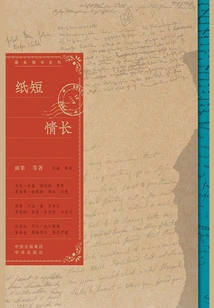
Love letters are a wonderful token, but in today's era of rapid information arrival, long letters have almost faded out of people's lives. Many sacred things have suddenly become fast-moving consumer goods, such as love. While people are pursuing material things, their hearts are full of a layer of defensive cocoons. The love carried by these letters will soften and shed the hard calluses in people's hearts, making them soft again. Regardless of whether you have experienced the age of love-making, or have experienced the fermentation of love in the midst of waiting and distance, why not take a look at what love was like in the world of letters in the past? This book is a collection of selected letters written by foreign celebrities (Hugo, Beethoven, Gibran, Freud, Kafka, etc.) To their lovers that have entered the public edition, taking you into the unknown romance and tenderness behind the glory of these masters.
Love letters are a wonderful token, but in today's era of rapid information arrival, long letters have almost faded out of people's lives. Many sacred things have suddenly become fast-moving consumer goods, such as love. While people are pursuing material things, their hearts are full of a layer of defensive cocoons. The love carried by these letters will soften and shed the hard calluses in people's hearts, making them soft again. Regardless of whether you have experienced the age of love-making, or have experienced the fermentation of love in the midst of waiting and distance, why not take a look at what love was like in the world of letters in the past? This book is a collection of selected letters written by foreign celebrities (Hugo, Beethoven, Gibran, Freud, Kafka, etc.) To their lovers that have entered the public edition, taking you into the unknown romance and tenderness behind the glory of these masters.
蓬莱阁典藏书系(全32册)
Kang Youwei Et Al.
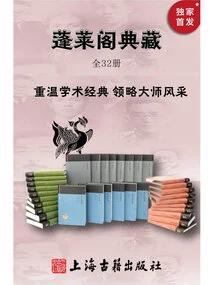
The content of "Penglai Pavilion Collection Series (32 volumes in total)" covers literature, art, history, philosophy and Chinese studies, and most of them have played a decisive role in the development of these literatures. The authors are all "masters" who are well-known in academic circles and among the people, such as: Kang Youwei, Liang Qichao, Zhang Taiyan, Hu Shi, Lu Xun, Wang Guowei, Wen Yiduo, Fu Sinian... And many authoritative experts today were invited to read it, sort out the academic context, and pick out the essence. It not only enables readers to accurately understand the academic background and writing purpose of each book, but also enables them to truly understand the comprehensive and comprehensive scholarly approach and academic style of the "masters".
The content of "Penglai Pavilion Collection Series (32 volumes in total)" covers literature, art, history, philosophy and Chinese studies, and most of them have played a decisive role in the development of these literatures. The authors are all "masters" who are well-known in academic circles and among the people, such as: Kang Youwei, Liang Qichao, Zhang Taiyan, Hu Shi, Lu Xun, Wang Guowei, Wen Yiduo, Fu Sinian... And many authoritative experts today were invited to read it, sort out the academic context, and pick out the essence. It not only enables readers to accurately understand the academic background and writing purpose of each book, but also enables them to truly understand the comprehensive and comprehensive scholarly approach and academic style of the "masters".
马可·波罗游记(经典世界名著)
(italian) Marco Polo
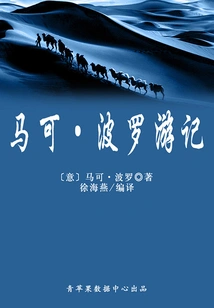
"The Travels of Marco Polo" is written by the famous Venetian businessman and adventurer Marco Polo in 1298 about his experiences along the way to the East. This book is the first book in the history of the world to report China's vast land and resources to Europeans. It records the situation of many countries in Central Asia, West Asia, Southeast Asia and other regions, and its focus is on the narrative about China. In a large number of chapters and passionate language, it describes China's endless wealth, huge commercial cities, excellent transportation facilities, and gorgeous palace buildings. These narratives have important historical value in the history of geography in the medieval era, the history of Asia, the history of transportation between China and the West, and the history of Sino-Italian relations.
"The Travels of Marco Polo" is written by the famous Venetian businessman and adventurer Marco Polo in 1298 about his experiences along the way to the East. This book is the first book in the history of the world to report China's vast land and resources to Europeans. It records the situation of many countries in Central Asia, West Asia, Southeast Asia and other regions, and its focus is on the narrative about China. In a large number of chapters and passionate language, it describes China's endless wealth, huge commercial cities, excellent transportation facilities, and gorgeous palace buildings. These narratives have important historical value in the history of geography in the medieval era, the history of Asia, the history of transportation between China and the West, and the history of Sino-Italian relations.
愿少年乘风破浪
Wang Zengqi
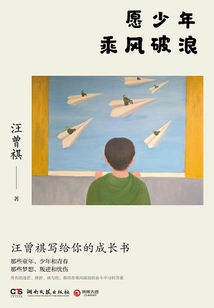
This book is the well-known writer Wang Zengqi's review of his life growth trajectory in his later years. The book reviews his childhood family, playmates and hometown, his teachers and classmates when he was a teenager, and his proud reading, writing and painting experiences from childhood to adulthood. The book focuses on his study experience at Southwest Associated University in the difficult environment of frequent wars; it recalls many anecdotes about his interactions with teachers and friends, especially his friendship with his lifelong mentor, Mr. Shen Congwen. How to face difficulties in a poor and unsatisfactory life? How to create a new world of your own? Mr. Wang handed over his answer sheet.
This book is the well-known writer Wang Zengqi's review of his life growth trajectory in his later years. The book reviews his childhood family, playmates and hometown, his teachers and classmates when he was a teenager, and his proud reading, writing and painting experiences from childhood to adulthood. The book focuses on his study experience at Southwest Associated University in the difficult environment of frequent wars; it recalls many anecdotes about his interactions with teachers and friends, especially his friendship with his lifelong mentor, Mr. Shen Congwen. How to face difficulties in a poor and unsatisfactory life? How to create a new world of your own? Mr. Wang handed over his answer sheet.
人的局限性:约翰生作品集
M
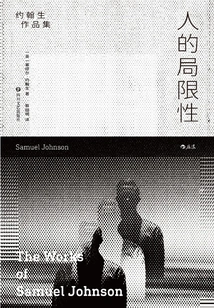
"The Limits of Man" is a collection of works by the famous British writer and critic Samuel Johnson. It is based on the Oxford "Selected Works of Johnson", Harvard "Selected Works of Johnson" and Penguin "Selected Works of Johnson". It mainly includes his columns published in newspapers such as "Rambler", "Adventurer" and "Slacker". It also includes his famous poem "London", as well as some poet biographies, letters and travel notes. It comprehensively demonstrates Johnson's literary talent and his incisive discussions on important propositions such as the good and evil of human nature, the meaning of life, social consciousness, ideals and beliefs, marriage and love, and the role of literature.
"The Limits of Man" is a collection of works by the famous British writer and critic Samuel Johnson. It is based on the Oxford "Selected Works of Johnson", Harvard "Selected Works of Johnson" and Penguin "Selected Works of Johnson". It mainly includes his columns published in newspapers such as "Rambler", "Adventurer" and "Slacker". It also includes his famous poem "London", as well as some poet biographies, letters and travel notes. It comprehensively demonstrates Johnson's literary talent and his incisive discussions on important propositions such as the good and evil of human nature, the meaning of life, social consciousness, ideals and beliefs, marriage and love, and the role of literature.
Collection of Works by Masters of Houlang Literature: When Humanity's Stars Shine (set of 4 Volumes)
Literature后浪文学大家作品集:人类群星闪耀时(套装4册)
(russia) I. I. Banayev Et Al.
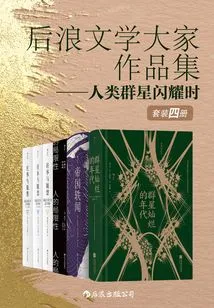
Highly recommended by Douban! Belinsky, Pushkin, Turgenev, Johnson and other world-class literary masters highly praised by Lin Yutang, Liang Shiqiu, Qian Zhongshu, and Yang Jiang have appeared on the stage one after another. They can appreciate the legendary events in the literary world, the lives and creation details of the masters from a first-hand perspective, and fully demonstrate their literary talents and shining ideas!
Highly recommended by Douban! Belinsky, Pushkin, Turgenev, Johnson and other world-class literary masters highly praised by Lin Yutang, Liang Shiqiu, Qian Zhongshu, and Yang Jiang have appeared on the stage one after another. They can appreciate the legendary events in the literary world, the lives and creation details of the masters from a first-hand perspective, and fully demonstrate their literary talents and shining ideas!
和谷文集(卷十一 长篇小说)
Watani
This book is a collection of works by Mr. He Gu, a national first-class writer, with a total of 14 volumes. It contains the author's important works published in different periods and is divided into several volumes of prose, poetry, documentary, biography, novel, play and literary theory. These include "The Wilderness Collection", "Mayor Zhang Tiemin", "Selected Poems of Hegu", "1983 Ankang Flood" originally published by Shaanxi People's Publishing House, "The Biography of Liu Gongquan" and "Returning Hometown" by Writers Publishing House, "The Traveler's Monologue" and "National Style" by People's Literature Publishing House, "Worry-Free Tree" by Shanghai Literature and Art Publishing House, "Wild Land" by Baihua Literature and Art Publishing House, etc., Reflecting the author's achievements in literary writing in more than forty years.
This book is a collection of works by Mr. He Gu, a national first-class writer, with a total of 14 volumes. It contains the author's important works published in different periods and is divided into several volumes of prose, poetry, documentary, biography, novel, play and literary theory. These include "The Wilderness Collection", "Mayor Zhang Tiemin", "Selected Poems of Hegu", "1983 Ankang Flood" originally published by Shaanxi People's Publishing House, "The Biography of Liu Gongquan" and "Returning Hometown" by Writers Publishing House, "The Traveler's Monologue" and "National Style" by People's Literature Publishing House, "Worry-Free Tree" by Shanghai Literature and Art Publishing House, "Wild Land" by Baihua Literature and Art Publishing House, etc., Reflecting the author's achievements in literary writing in more than forty years.
和谷文集(卷十二 剧作)
Watani
This book is a collection of works by Mr. He Gu, a national first-class writer, with a total of 14 volumes. It contains the author's important works published in different periods and is divided into several volumes of prose, poetry, documentary, biography, novel, play and literary theory. These include "The Wilderness Collection", "Mayor Zhang Tiemin", "Selected Poems of Hegu", "1983 Ankang Flood" originally published by Shaanxi People's Publishing House, "The Biography of Liu Gongquan" and "Returning Hometown" by Writers Publishing House, "The Traveler's Monologue" and "National Style" by People's Literature Publishing House, "Worry-Free Tree" by Shanghai Literature and Art Publishing House, "Wild Land" by Baihua Literature and Art Publishing House, etc., Reflecting the author's achievements in literary writing in more than forty years.
This book is a collection of works by Mr. He Gu, a national first-class writer, with a total of 14 volumes. It contains the author's important works published in different periods and is divided into several volumes of prose, poetry, documentary, biography, novel, play and literary theory. These include "The Wilderness Collection", "Mayor Zhang Tiemin", "Selected Poems of Hegu", "1983 Ankang Flood" originally published by Shaanxi People's Publishing House, "The Biography of Liu Gongquan" and "Returning Hometown" by Writers Publishing House, "The Traveler's Monologue" and "National Style" by People's Literature Publishing House, "Worry-Free Tree" by Shanghai Literature and Art Publishing House, "Wild Land" by Baihua Literature and Art Publishing House, etc., Reflecting the author's achievements in literary writing in more than forty years.
和谷文集(卷十 传记文学)
Watani
This book is a collection of works by Mr. He Gu, a national first-class writer, with a total of 14 volumes. It contains the author's important works published in different periods and is divided into several volumes of prose, poetry, documentary, biography, novel, play and literary theory. These include "The Wilderness Collection", "Mayor Zhang Tiemin", "Selected Poems of Hegu", "1983 Ankang Flood" originally published by Shaanxi People's Publishing House, "The Biography of Liu Gongquan" and "Returning Hometown" by Writers Publishing House, "The Traveler's Monologue" and "National Style" by People's Literature Publishing House, "Worry-Free Tree" by Shanghai Literature and Art Publishing House, "Wild Land" by Baihua Literature and Art Publishing House, etc., Reflecting the author's achievements in literary writing in more than forty years.
This book is a collection of works by Mr. He Gu, a national first-class writer, with a total of 14 volumes. It contains the author's important works published in different periods and is divided into several volumes of prose, poetry, documentary, biography, novel, play and literary theory. These include "The Wilderness Collection", "Mayor Zhang Tiemin", "Selected Poems of Hegu", "1983 Ankang Flood" originally published by Shaanxi People's Publishing House, "The Biography of Liu Gongquan" and "Returning Hometown" by Writers Publishing House, "The Traveler's Monologue" and "National Style" by People's Literature Publishing House, "Worry-Free Tree" by Shanghai Literature and Art Publishing House, "Wild Land" by Baihua Literature and Art Publishing House, etc., Reflecting the author's achievements in literary writing in more than forty years.
和谷文集(卷五 散文)
Watani
This book is a collection of works by Mr. He Gu, a national first-class writer, with a total of 14 volumes. It contains the author's important works published in different periods and is divided into several volumes of prose, poetry, documentary, biography, novel, play and literary theory. These include "The Wilderness Collection", "Mayor Zhang Tiemin", "Selected Poems of Hegu", "1983 Ankang Flood" originally published by Shaanxi People's Publishing House, "The Biography of Liu Gongquan" and "Returning Hometown" by Writers Publishing House, "The Traveler's Monologue" and "National Style" by People's Literature Publishing House, "Worry-Free Tree" by Shanghai Literature and Art Publishing House, "Wild Land" by Baihua Literature and Art Publishing House, etc., Reflecting the author's achievements in literary writing in more than forty years.
This book is a collection of works by Mr. He Gu, a national first-class writer, with a total of 14 volumes. It contains the author's important works published in different periods and is divided into several volumes of prose, poetry, documentary, biography, novel, play and literary theory. These include "The Wilderness Collection", "Mayor Zhang Tiemin", "Selected Poems of Hegu", "1983 Ankang Flood" originally published by Shaanxi People's Publishing House, "The Biography of Liu Gongquan" and "Returning Hometown" by Writers Publishing House, "The Traveler's Monologue" and "National Style" by People's Literature Publishing House, "Worry-Free Tree" by Shanghai Literature and Art Publishing House, "Wild Land" by Baihua Literature and Art Publishing House, etc., Reflecting the author's achievements in literary writing in more than forty years.
和谷文集(卷七 诗歌)
Watani
This book is a collection of works by Mr. He Gu, a national first-class writer, with a total of 14 volumes. It contains the author's important works published in different periods and is divided into several volumes of prose, poetry, documentary, biography, novel, play and literary theory. These include "The Wilderness Collection", "Mayor Zhang Tiemin", "Selected Poems of Hegu", "1983 Ankang Flood" originally published by Shaanxi People's Publishing House, "The Biography of Liu Gongquan" and "Returning Hometown" by Writers Publishing House, "The Traveler's Monologue" and "National Style" by People's Literature Publishing House, "Worry-Free Tree" by Shanghai Literature and Art Publishing House, "Wild Land" by Baihua Literature and Art Publishing House, etc., Reflecting the author's achievements in literary writing in more than forty years.
This book is a collection of works by Mr. He Gu, a national first-class writer, with a total of 14 volumes. It contains the author's important works published in different periods and is divided into several volumes of prose, poetry, documentary, biography, novel, play and literary theory. These include "The Wilderness Collection", "Mayor Zhang Tiemin", "Selected Poems of Hegu", "1983 Ankang Flood" originally published by Shaanxi People's Publishing House, "The Biography of Liu Gongquan" and "Returning Hometown" by Writers Publishing House, "The Traveler's Monologue" and "National Style" by People's Literature Publishing House, "Worry-Free Tree" by Shanghai Literature and Art Publishing House, "Wild Land" by Baihua Literature and Art Publishing House, etc., Reflecting the author's achievements in literary writing in more than forty years.