Library
Browse and search books
17,591 novels found
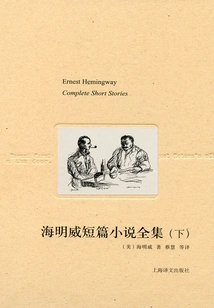
The Complete Collection of Hemingway's Short Stories (part 2) (collected Works of Hemingway)
General Fiction海明威短篇小说全集(下)(海明威文集)
K
Among all his works, the short stories that made Hemingway the earliest and most enduring are his short stories that created a generation of writing style. These novels are mainly declarative sentences, with precise descriptions and short dialogues, giving readers the most direct and vivid impression and influencing many modern and contemporary writers in the world. This book contains all of Hemingway's short stories. The second volume includes short stories published in books and magazines after the "first series of 49" and previously unpublished novels, a total of 21 stories. There are another five articles in the appendix, which were not included in the original complete collection and were only discovered in the mid-1980s.
Among all his works, the short stories that made Hemingway the earliest and most enduring are his short stories that created a generation of writing style. These novels are mainly declarative sentences, with precise descriptions and short dialogues, giving readers the most direct and vivid impression and influencing many modern and contemporary writers in the world. This book contains all of Hemingway's short stories. The second volume includes short stories published in books and magazines after the "first series of 49" and previously unpublished novels, a total of 21 stories. There are another five articles in the appendix, which were not included in the original complete collection and were only discovered in the mid-1980s.
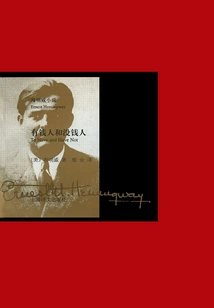
The Rich and the Have Nots (hemingway Novel)
General Fiction有钱人和没钱人(海明威小说)
M
This book is divided into three parts: "Spring", "Autumn" and "Winter", vividly showing the failed life of Harry Morgan, an "individualist". In "Spring", Morgan was engaged in the business of renting out fishing boats. He was forced to make a living by transporting "live goods" (smugglers) for others. In order to protect himself, he did not hesitate to risk his own life and got into a lawsuit with his life; in "Autumn", Morgan was engaged in the business of smuggling spirits and lived a life of "licking blood on the edge of a knife"; Although he killed the group of terrorists on the yacht, he was also shot and died. This is one of Hemingway's works that has aroused strong controversy among critics.
This book is divided into three parts: "Spring", "Autumn" and "Winter", vividly showing the failed life of Harry Morgan, an "individualist". In "Spring", Morgan was engaged in the business of renting out fishing boats. He was forced to make a living by transporting "live goods" (smugglers) for others. In order to protect himself, he did not hesitate to risk his own life and got into a lawsuit with his life; in "Autumn", Morgan was engaged in the business of smuggling spirits and lived a life of "licking blood on the edge of a knife"; Although he killed the group of terrorists on the yacht, he was also shot and died. This is one of Hemingway's works that has aroused strong controversy among critics.
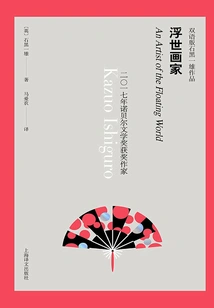
Ukiyo Painter (bilingual Version of Kazuo Ishiguro's Works)
General Fiction浮世画家(双语版石黑一雄作品)
H
"The Painter of the Floating World" won the "Whitbread Literary Award". It is an early masterpiece by Ishiguro Kazuo and the most Japanese-style work. It describes the devastation of Japan after the war, and the painter Ono's later life, which seems to be idle and idle, has a hidden spiritual undercurrent. In order to create a good social relationship for his little daughter when she gets married, he regained his memory. The past events of his old friends were connected one by one like an ukiyo-e, showing a battlefield without smoke. The bilingual version of "The Painter of the Floating World" includes for the first time a preface specially written by Kazuo Ishiguro for the 30th anniversary of the book's publication, recalling the creative process and interpreting it in detail. Attaching the original text of the work allows readers to appreciate Ishiguro's exquisite and beautiful original English text at the same time, and enjoy a double beauty.
"The Painter of the Floating World" won the "Whitbread Literary Award". It is an early masterpiece by Ishiguro Kazuo and the most Japanese-style work. It describes the devastation of Japan after the war, and the painter Ono's later life, which seems to be idle and idle, has a hidden spiritual undercurrent. In order to create a good social relationship for his little daughter when she gets married, he regained his memory. The past events of his old friends were connected one by one like an ukiyo-e, showing a battlefield without smoke. The bilingual version of "The Painter of the Floating World" includes for the first time a preface specially written by Kazuo Ishiguro for the 30th anniversary of the book's publication, recalling the creative process and interpreting it in detail. Attaching the original text of the work allows readers to appreciate Ishiguro's exquisite and beautiful original English text at the same time, and enjoy a double beauty.
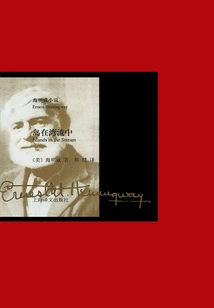
Island in the Gulf Stream (hemingway Novel)
General Fiction岛在湾流中(海明威小说)
(us) Hemingway
The painter Thomas has experienced ups and downs, having been married twice and having three sons born after marriage, all of whom were raised by his ex-wife. He loves his career and his children, and often accompanies his children on fishing trips. The relationship between father and son is deep. Unfortunately, two sons died in a car accident, and the only remaining son died in World War II. Finally, Thomas decided to put down his personal joys and sorrows and devote himself to the anti-fascist war. Despite the severe mental and physical tests, Thomas remained perseverant and dealt with the enemy tenaciously. He embodies the characteristics of the "tough guy" that often appears in Hemingway's works, and is a very successful artistic model.
The painter Thomas has experienced ups and downs, having been married twice and having three sons born after marriage, all of whom were raised by his ex-wife. He loves his career and his children, and often accompanies his children on fishing trips. The relationship between father and son is deep. Unfortunately, two sons died in a car accident, and the only remaining son died in World War II. Finally, Thomas decided to put down his personal joys and sorrows and devote himself to the anti-fascist war. Despite the severe mental and physical tests, Thomas remained perseverant and dealt with the enemy tenaciously. He embodies the characteristics of the "tough guy" that often appears in Hemingway's works, and is a very successful artistic model.
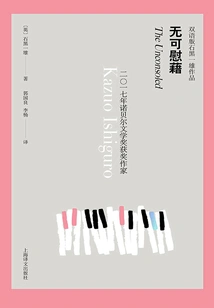
No Consolation (bilingual Version of Kazuo Ishiguro's Work)
General Fiction无可慰藉(双语版石黑一雄作品)
H
"No Consolation" is Kazuo Ishiguro's longest novel, an extremely dense and delicate psychological novel that makes people unable to extricate themselves. This book adheres to Kazuo Ishiguro's consistent style, which is simple on the outside but strong on the inside. The novel describes the mysterious days a pianist experienced in a mysterious city. Sometimes he is a bystander, and sometimes he is involved. The people he sees are all passionate but obsessed with it; the things he encounters are all weird, absurd, and full of variables. In this city where people's hearts are dominated by bizarre artistic values, while trying to find the exit from his dream and seeking an explanation for all this, he gradually realizes that he is facing the most severe performance in his life. The bilingual version of "No Consolation" comes with the original text of the work, allowing readers to appreciate Ishiguro's exquisite and beautiful original English text at the same time, and enjoy double beauty.
"No Consolation" is Kazuo Ishiguro's longest novel, an extremely dense and delicate psychological novel that makes people unable to extricate themselves. This book adheres to Kazuo Ishiguro's consistent style, which is simple on the outside but strong on the inside. The novel describes the mysterious days a pianist experienced in a mysterious city. Sometimes he is a bystander, and sometimes he is involved. The people he sees are all passionate but obsessed with it; the things he encounters are all weird, absurd, and full of variables. In this city where people's hearts are dominated by bizarre artistic values, while trying to find the exit from his dream and seeking an explanation for all this, he gradually realizes that he is facing the most severe performance in his life. The bilingual version of "No Consolation" comes with the original text of the work, allowing readers to appreciate Ishiguro's exquisite and beautiful original English text at the same time, and enjoy double beauty.
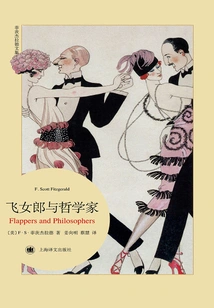
飞女郎与哲学家(菲茨杰拉德文集2016)
(us) Fitzgerald
Fitzgerald is the most outstanding and popular writer in the United States in the 20th century. 2016 Coincides with the 120th anniversary of the author's birth. Shanghai Translation has launched a new edition of the collection, which is more comprehensive and detailed than Fitzgerald's works in the market. This book is the sixth volume of the collection. It is the author's most mature and popular work, marking the author's remarkable success. This book is the author's first collection of short stories, including eight of his published short stories. The author faithfully depicts the life scene of American society after World War I with a new perspective and vivid writing style, praising the young generation's rebellious mentality against old morality and pursuit of a better future. "Pirates Offshore" is a fictional romantic story, and the heroine Ardita is simply the image spokesperson of Fly Girls. She is completely opposed to a mediocre life and would rather live in a beautiful lie. "The Ice Palace" is filled with a strong poetic flavor. The author uses exquisite writing to describe the differences between the South and the North of the United States, as well as the impact of pride and prejudice on people's hearts. Many major themes are condensed in this beautiful short story. "Head and Shoulders" is the most humorous piece in the collection. "The Engraved Glass Wine Vat" is an unforgettable story, cleverly conceived, in which the protagonist's life is affected by a wine vat. "Bernice Cuts Her Hair" is the most famous story in the collection. It has been adapted into a TV short and a stage play. This story also reflects the author's own attitude of admiration and confusion towards fly girls. "Blessing Ceremony" is an alternative in the collection, reflecting the author's complex mentality of awe and fear towards religious thoughts and rituals. "The Fall of Daley Limbo" is a short story with a humorous tone, which satirizes the prevailing trend of taking risks and taking shortcuts. "Four Fists" is a bitter and humorous story that reflects the four unforgettable blows a young man suffered while growing up.
Fitzgerald is the most outstanding and popular writer in the United States in the 20th century. 2016 Coincides with the 120th anniversary of the author's birth. Shanghai Translation has launched a new edition of the collection, which is more comprehensive and detailed than Fitzgerald's works in the market. This book is the sixth volume of the collection. It is the author's most mature and popular work, marking the author's remarkable success. This book is the author's first collection of short stories, including eight of his published short stories. The author faithfully depicts the life scene of American society after World War I with a new perspective and vivid writing style, praising the young generation's rebellious mentality against old morality and pursuit of a better future. "Pirates Offshore" is a fictional romantic story, and the heroine Ardita is simply the image spokesperson of Fly Girls. She is completely opposed to a mediocre life and would rather live in a beautiful lie. "The Ice Palace" is filled with a strong poetic flavor. The author uses exquisite writing to describe the differences between the South and the North of the United States, as well as the impact of pride and prejudice on people's hearts. Many major themes are condensed in this beautiful short story. "Head and Shoulders" is the most humorous piece in the collection. "The Engraved Glass Wine Vat" is an unforgettable story, cleverly conceived, in which the protagonist's life is affected by a wine vat. "Bernice Cuts Her Hair" is the most famous story in the collection. It has been adapted into a TV short and a stage play. This story also reflects the author's own attitude of admiration and confusion towards fly girls. "Blessing Ceremony" is an alternative in the collection, reflecting the author's complex mentality of awe and fear towards religious thoughts and rituals. "The Fall of Daley Limbo" is a short story with a humorous tone, which satirizes the prevailing trend of taking risks and taking shortcuts. "Four Fists" is a bitter and humorous story that reflects the four unforgettable blows a young man suffered while growing up.
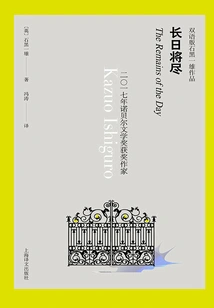
长日将尽(双语版石黑一雄作品)
H
"The End of the Day" is a work by Nobel Prize winner Kazuo Ishiguro that won the Booker Prize in 1989. It is also Ishiguro's most important masterpiece. The novel unfolds with the memories of butler Stevens, telling the various experiences he had during his more than thirty years of service to Lord Darlington. Although he reached the peak of his career, Stevens suppressed his own emotions too coldly and pursued perfect performance of his duties. He missed the last time his father was on his deathbed, and then missed love. Through the protagonist's memories, the novel unravels a person's life journey in front of the readers' eyes. It also reflects the international political landscape during the extraordinary period between World War I and World War II. The 1993 film of the same name (also known as "Goodbye"), a remake of the novel, starred the famous British actors Anthony Hopkins and Emma Thompson. It was nominated for eight Academy Awards and six British Academy Film Awards, and became a classic in film history.
"The End of the Day" is a work by Nobel Prize winner Kazuo Ishiguro that won the Booker Prize in 1989. It is also Ishiguro's most important masterpiece. The novel unfolds with the memories of butler Stevens, telling the various experiences he had during his more than thirty years of service to Lord Darlington. Although he reached the peak of his career, Stevens suppressed his own emotions too coldly and pursued perfect performance of his duties. He missed the last time his father was on his deathbed, and then missed love. Through the protagonist's memories, the novel unravels a person's life journey in front of the readers' eyes. It also reflects the international political landscape during the extraordinary period between World War I and World War II. The 1993 film of the same name (also known as "Goodbye"), a remake of the novel, starred the famous British actors Anthony Hopkins and Emma Thompson. It was nominated for eight Academy Awards and six British Academy Film Awards, and became a classic in film history.
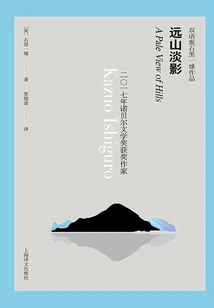
远山淡影(双语版石黑一雄作品)
H
"Shadows on Distant Mountains" is Kazuo Ishiguro's debut novel, a masterpiece that is still being reprinted more than 30 years after its publication. The fusion and balance of "sentimentality and irony" are still memorable. The novel tells a memory full of mist, both real and illusory. After the war, a suffering mother and daughter in Nagasaki yearned for stability and rebirth, but they could never escape the shadows and inner demons brought about by the war. In the end, the mother and daughter successfully immigrated, and the daughter committed suicide as a tragic ending. At the end of the play, the remembrancer peels off his disguise, and the story is full of tragedy. The bilingual version of "Shadows of Distant Mountains" comes with the original text of the work, allowing readers to appreciate Ishiguro's exquisite and beautiful original English text at the same time, and enjoy double beauty.
"Shadows on Distant Mountains" is Kazuo Ishiguro's debut novel, a masterpiece that is still being reprinted more than 30 years after its publication. The fusion and balance of "sentimentality and irony" are still memorable. The novel tells a memory full of mist, both real and illusory. After the war, a suffering mother and daughter in Nagasaki yearned for stability and rebirth, but they could never escape the shadows and inner demons brought about by the war. In the end, the mother and daughter successfully immigrated, and the daughter committed suicide as a tragic ending. At the end of the play, the remembrancer peels off his disguise, and the story is full of tragedy. The bilingual version of "Shadows of Distant Mountains" comes with the original text of the work, allowing readers to appreciate Ishiguro's exquisite and beautiful original English text at the same time, and enjoy double beauty.
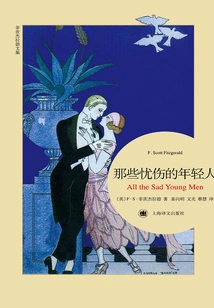
Those Sad Young People (collected Works of Fitzgerald 2016)
General Fiction那些忧伤的年轻人(菲茨杰拉德文集2016)
H
This book is the eighth volume of Fitzgerald's collected works. It contains the essence of Fitzgerald's short stories. It has been selected as the number one work in textbooks and various anthologies. It is a collection of short stories with highly cited witty sayings. It is recognized as the author's most sonorous and powerful short story collection with the most artistic merit. Phil's third collection of novels, including "The Rich Man", "A Winter's Dream", "Baby Shower", "Absolution", "Pauper Martin Jones and the Prince of Wales", "The Wise Move" and "Gerry's Forty Blinks". "Winter Dreams" can be said to be a prelude or abbreviation of "The Great Gatsby". It uses a sad tone to describe love and marriage that have been distorted by money and material desires. There is a trickle of sadness and sadness flowing between the lines, making people and the author understand and appreciate this dream-like life and chaotic world. "The Rich Young Master" conducted an in-depth analysis of the nature of "very rich people". The discussion about "rich people are completely different from you and me" caused quite a shock in the literary world at that time and became a fashionable topic at the time. "Absolution" describes the fierce conflict between a teenager named Rudolf and a priest named Schwap over moral principles, religious beliefs and the pursuit of beautiful things. "Pauper Martin Jones and the Prince of Wales" uses romantic writing to describe modern women's bold and passionate pursuit of a better life. It is a bizarre and wonderful romantic story of the Jazz Age. "A Wise Move" describes the personal experience of the author and his wife Zelda. It describes the love and marriage of this literary couple in a tearful way, and truly records the author's reflections on his own unique marriage.
This book is the eighth volume of Fitzgerald's collected works. It contains the essence of Fitzgerald's short stories. It has been selected as the number one work in textbooks and various anthologies. It is a collection of short stories with highly cited witty sayings. It is recognized as the author's most sonorous and powerful short story collection with the most artistic merit. Phil's third collection of novels, including "The Rich Man", "A Winter's Dream", "Baby Shower", "Absolution", "Pauper Martin Jones and the Prince of Wales", "The Wise Move" and "Gerry's Forty Blinks". "Winter Dreams" can be said to be a prelude or abbreviation of "The Great Gatsby". It uses a sad tone to describe love and marriage that have been distorted by money and material desires. There is a trickle of sadness and sadness flowing between the lines, making people and the author understand and appreciate this dream-like life and chaotic world. "The Rich Young Master" conducted an in-depth analysis of the nature of "very rich people". The discussion about "rich people are completely different from you and me" caused quite a shock in the literary world at that time and became a fashionable topic at the time. "Absolution" describes the fierce conflict between a teenager named Rudolf and a priest named Schwap over moral principles, religious beliefs and the pursuit of beautiful things. "Pauper Martin Jones and the Prince of Wales" uses romantic writing to describe modern women's bold and passionate pursuit of a better life. It is a bizarre and wonderful romantic story of the Jazz Age. "A Wise Move" describes the personal experience of the author and his wife Zelda. It describes the love and marriage of this literary couple in a tearful way, and truly records the author's reflections on his own unique marriage.
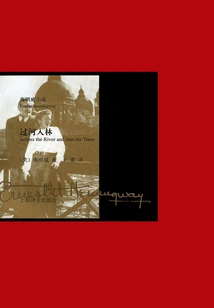
Across the River and into the Woods (novel by Hemingway)
General Fiction过河入林(海明威小说)
O
This is a novel written by Hemingway after he returned from traveling and hunting in Italy in 1949. The protagonist, Colonel Cantwell, has the shadow of the author himself. The book describes how the protagonist, who participated in two world wars, went to Fossalta in Italy shortly after the war to revisit the place where he was injured in the battle, went to Venice to play, and hunted wild ducks with his friends. It also focused on the innocent love between him and the beautiful Italian girl Renata without any utilitarian purpose, reflecting the author's disgust for war, concern for the future of mankind, and thoughts on the value of life, love, and death. The title of this book is taken from the words of Thomas Jackson, the Confederate general during the American Civil War, before his death. It reflects the "tough guy" in Hemingway's works - including his own strong character who regarded death as his own.
This is a novel written by Hemingway after he returned from traveling and hunting in Italy in 1949. The protagonist, Colonel Cantwell, has the shadow of the author himself. The book describes how the protagonist, who participated in two world wars, went to Fossalta in Italy shortly after the war to revisit the place where he was injured in the battle, went to Venice to play, and hunted wild ducks with his friends. It also focused on the innocent love between him and the beautiful Italian girl Renata without any utilitarian purpose, reflecting the author's disgust for war, concern for the future of mankind, and thoughts on the value of life, love, and death. The title of this book is taken from the words of Thomas Jackson, the Confederate general during the American Civil War, before his death. It reflects the "tough guy" in Hemingway's works - including his own strong character who regarded death as his own.
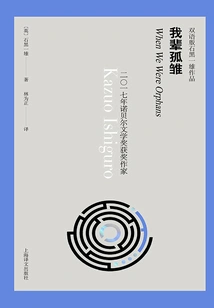
My Orphan (bilingual Version of Kazuo Ishiguro's Work)
General Fiction我辈孤雏(双语版石黑一雄作品)
H
London, England, 1930s. The young and successful Christopher Banks is a well-known detective throughout the UK. His legend of solving crimes has long been spread word of mouth in London social circles. However, for many years, an unsolved case has lingered in the mind of the famous detective for a long time. That is the mysterious disappearance of his biological parents in old Shanghai when he was a child. "Chasing the shadow of the disappearance of his parents", our protagonist searches all the way from the rich and luxurious London upper class, and finally returns to Shanghai under the gunfire of the Japanese invaders. This was by no means a tender homecoming. In this city that was once bustling with traffic and is now full of smoke and smoke, what awaits him is a dark secret and a cruel truth, and his Sherlock Holmes-style fairy tale life will also be reduced to ruins like his childhood hometown...
London, England, 1930s. The young and successful Christopher Banks is a well-known detective throughout the UK. His legend of solving crimes has long been spread word of mouth in London social circles. However, for many years, an unsolved case has lingered in the mind of the famous detective for a long time. That is the mysterious disappearance of his biological parents in old Shanghai when he was a child. "Chasing the shadow of the disappearance of his parents", our protagonist searches all the way from the rich and luxurious London upper class, and finally returns to Shanghai under the gunfire of the Japanese invaders. This was by no means a tender homecoming. In this city that was once bustling with traffic and is now full of smoke and smoke, what awaits him is a dark secret and a cruel truth, and his Sherlock Holmes-style fairy tale life will also be reduced to ruins like his childhood hometown...
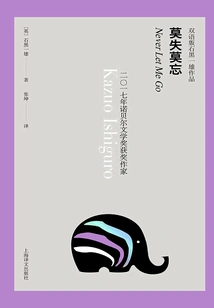
莫失莫忘(双语版石黑一雄作品)
H
K
K
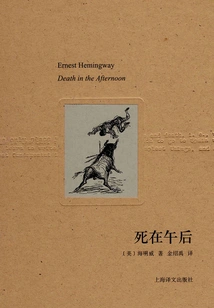
死在午后(海明威文集)
J
Hemingway published a long article on Spanish bullfighting in 1930. Based on this, he published the "Bullfighting Book" "Death in the Afternoon" two years later. In the book, he gave a very detailed and in-depth introduction and discussion of bullfighting, pointing out that the matador's life and death performance in the bullring has a strong appeal, "can make people intoxicated, make people feel immortal, and make him fascinated." "Although this enchantment is short-lived, it is as profound as the soul leaving the body." It also extended from bullfighting to discuss the theory and specific principles of novel creation, as well as his profound insights into death.
Hemingway published a long article on Spanish bullfighting in 1930. Based on this, he published the "Bullfighting Book" "Death in the Afternoon" two years later. In the book, he gave a very detailed and in-depth introduction and discussion of bullfighting, pointing out that the matador's life and death performance in the bullring has a strong appeal, "can make people intoxicated, make people feel immortal, and make him fascinated." "Although this enchantment is short-lived, it is as profound as the soul leaving the body." It also extended from bullfighting to discuss the theory and specific principles of novel creation, as well as his profound insights into death.
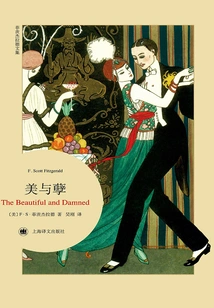
Beauty and Evil (collected Works of Fitzgerald 2016)
General Fiction美与孽(菲茨杰拉德文集2016)
G
This is a novel that vividly reproduces the romantic history of the Fitzgeralds, bringing to life the glamorous Jazz Age. It is also a classic work that represents the transformation of Fitzgerald's artistic style from youth to maturity. "Beauty and Evil" is Fitzgerald's second novel in his creative career. It is also an ukiyo-e depicting the eastern elites of the Jazz Age. The novel is highly autobiographical, and the protagonist in the book is largely similar to the relationship between Fitzgerald and his wife Zelda. Anthony Paige and Gloria - elegant and restrained, flirty and romantic, like a combination of black tea and chocolate; they pursue a luxurious and gorgeous upper-class life, rely on the wealth of the previous generation and do nothing to produce, and spend all their time in dissipation, causing their morals, economy, and health to be constantly distorted and degraded. "Beauty and Sin" is a mirror that reflects the author's autobiographical color; it is also a dazzling mockery of the greed of the American nouveau riche, the squandering of New York nightlife, and the waste of talent that blinds them.
This is a novel that vividly reproduces the romantic history of the Fitzgeralds, bringing to life the glamorous Jazz Age. It is also a classic work that represents the transformation of Fitzgerald's artistic style from youth to maturity. "Beauty and Evil" is Fitzgerald's second novel in his creative career. It is also an ukiyo-e depicting the eastern elites of the Jazz Age. The novel is highly autobiographical, and the protagonist in the book is largely similar to the relationship between Fitzgerald and his wife Zelda. Anthony Paige and Gloria - elegant and restrained, flirty and romantic, like a combination of black tea and chocolate; they pursue a luxurious and gorgeous upper-class life, rely on the wealth of the previous generation and do nothing to produce, and spend all their time in dissipation, causing their morals, economy, and health to be constantly distorted and degraded. "Beauty and Sin" is a mirror that reflects the author's autobiographical color; it is also a dazzling mockery of the greed of the American nouveau riche, the squandering of New York nightlife, and the waste of talent that blinds them.
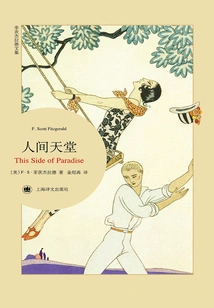
Heaven on Earth (collected Works of Fitzgerald 2016)
General Fiction人间天堂(菲茨杰拉德文集2016)
(us) Fitzgerald
Fitzgerald is the most outstanding and popular writer in the United States in the 20th century. 2016 Coincides with the 120th anniversary of the author's birth. Shanghai Translation has launched a new edition of the collection, which is more comprehensive and detailed than Fitzgerald's works in the market. This book is the first volume of Fitzgerald's collected works. "Heaven on Earth" is Fei's debut novel that made her famous overnight. It is the first American campus novel in the true sense, recreating the "days related to youth" in the 1920s. It is the author's first novel and an epoch-making work. It reveals for the first time the spiritual mentor and first love who influenced the author's life. The protagonist of the novel, Amory Bryan, is handsome in appearance, wealthy and pampered. He was admitted to Princeton University as a college student, and later participated in World War I. The war allowed him to see clearly some of the essence of this era and human nature. After leaving the army, Brian became even more confused and decadent. At the age of 30, he became cynical and world-weary, and began to "hate this social system" and longed for a social revolution to push himself to the top of society. The novel is based on the author's own studies and overseas life, describing the protagonist's experience from preparatory school to university, and then experiencing the First World War, and brilliantly reproduces the spiritual outlook of the "lost generation".
Fitzgerald is the most outstanding and popular writer in the United States in the 20th century. 2016 Coincides with the 120th anniversary of the author's birth. Shanghai Translation has launched a new edition of the collection, which is more comprehensive and detailed than Fitzgerald's works in the market. This book is the first volume of Fitzgerald's collected works. "Heaven on Earth" is Fei's debut novel that made her famous overnight. It is the first American campus novel in the true sense, recreating the "days related to youth" in the 1920s. It is the author's first novel and an epoch-making work. It reveals for the first time the spiritual mentor and first love who influenced the author's life. The protagonist of the novel, Amory Bryan, is handsome in appearance, wealthy and pampered. He was admitted to Princeton University as a college student, and later participated in World War I. The war allowed him to see clearly some of the essence of this era and human nature. After leaving the army, Brian became even more confused and decadent. At the age of 30, he became cynical and world-weary, and began to "hate this social system" and longed for a social revolution to push himself to the top of society. The novel is based on the author's own studies and overseas life, describing the protagonist's experience from preparatory school to university, and then experiencing the First World War, and brilliantly reproduces the spiritual outlook of the "lost generation".
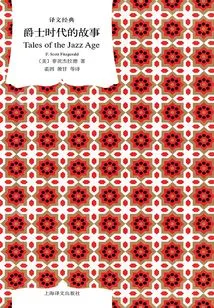
Stories from the Jazz Age (translated Classics)
General Fiction爵士时代的故事(译文经典)
H
"Tales from the Jazz Age" is Fitzgerald's second collection of short stories, including a total of eleven short stories. Each chapter has a vivid plot, profound meaning and strong artistic sense. It records and depicts the young generation's dreams, pursuits, love, pain, disappointment, hardship, confusion and other complex life experiences. It reflects the splendor of the dazzling Jazz Age and highly dramatizes the fierce conflicts between modern consciousness and traditional concepts. Some, such as "Camel's Back" and "Rejuvenation", have been adapted into movies by Hollywood.
"Tales from the Jazz Age" is Fitzgerald's second collection of short stories, including a total of eleven short stories. Each chapter has a vivid plot, profound meaning and strong artistic sense. It records and depicts the young generation's dreams, pursuits, love, pain, disappointment, hardship, confusion and other complex life experiences. It reflects the splendor of the dazzling Jazz Age and highly dramatizes the fierce conflicts between modern consciousness and traditional concepts. Some, such as "Camel's Back" and "Rejuvenation", have been adapted into movies by Hollywood.
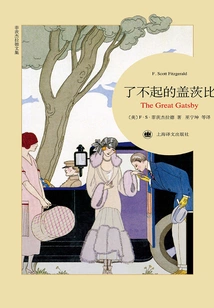
The Great Gatsby (fitzgerald Collected Works 2016)
General Fiction了不起的盖茨比(菲茨杰拉德文集2016)
H
This novel vividly reproduces the legendary romance of Mr. And Mrs. Fitzgerald, bringing to life the glamorous Jazz Age on the page. A classic work that represents the transformation of Fitzgerald's artistic style from youthful to mature. One of the greatest English-language novels of the twentieth century, a gorgeous elegy of the Jazz Age, and the work that had the greatest influence on Haruki Murakami. In the United States in the 1920s, the air was filled with singing and drinking. By chance, the poor clerk Nick breaks into the secret world of the spendthrift tycoon Gatsby. He is surprised to find that the only connection in his heart is the little green light on the other side of the river - in the flickering light, lives his beloved Daisy. However, Bee's reality cannot tolerate misty dreams. In the end, the goddess in Gatsby's heart is just a material girl in the earthly world. When all the truth is revealed, Gatsby's tragic life is like fireworks. The brilliance is only for a moment, and the disillusionment is eternal. A gorgeous "Jazz Age" elegy, written by Fitzgerald like a poem and a dream, leaving a deep mark on the history of contemporary American literature.
This novel vividly reproduces the legendary romance of Mr. And Mrs. Fitzgerald, bringing to life the glamorous Jazz Age on the page. A classic work that represents the transformation of Fitzgerald's artistic style from youthful to mature. One of the greatest English-language novels of the twentieth century, a gorgeous elegy of the Jazz Age, and the work that had the greatest influence on Haruki Murakami. In the United States in the 1920s, the air was filled with singing and drinking. By chance, the poor clerk Nick breaks into the secret world of the spendthrift tycoon Gatsby. He is surprised to find that the only connection in his heart is the little green light on the other side of the river - in the flickering light, lives his beloved Daisy. However, Bee's reality cannot tolerate misty dreams. In the end, the goddess in Gatsby's heart is just a material girl in the earthly world. When all the truth is revealed, Gatsby's tragic life is like fireworks. The brilliance is only for a moment, and the disillusionment is eternal. A gorgeous "Jazz Age" elegy, written by Fitzgerald like a poem and a dream, leaving a deep mark on the history of contemporary American literature.

Quick Wear, Yandere Strategy Manual
Light Novel快穿,病娇攻略手册
Ancient Bitterness
(1Ⅴ1) Being used again and again will make you feel tired even if you are heartless. So... System: Where is the agreed-upon character? Guan Ling's expression remained unchanged and she was talking seriously. "Did I promise you?" System:? Anger! This is a task! Guan Ling remained calm and touched his wife's head. "Oh, so?" "I want to kill you! Humph! Am I still unable to deal with you?" The system angrily went to kill the system, but... Looking at the system who came back angrily, Guan Ling laughed. "What? Did you find a way?" "I will erase your memory!" "Ha! Come here!" The system is pissed off, please burn some paper if you need anything.
(1Ⅴ1) Being used again and again will make you feel tired even if you are heartless. So... System: Where is the agreed-upon character? Guan Ling's expression remained unchanged and she was talking seriously. "Did I promise you?" System:? Anger! This is a task! Guan Ling remained calm and touched his wife's head. "Oh, so?" "I want to kill you! Humph! Am I still unable to deal with you?" The system angrily went to kill the system, but... Looking at the system who came back angrily, Guan Ling laughed. "What? Did you find a way?" "I will erase your memory!" "Ha! Come here!" The system is pissed off, please burn some paper if you need anything.

快穿炮灰之男神别乱撩
Gou Buli
[1V1 sweet pet story, the previous story is in another book. ] Hacker and science man: "There is a gentle and domineering word in mathematics, yes and only." Internet-addicted boy: "I can only be the devil who brings trouble to your country." Arrogant Emperor: "Quickly, tell me a story, or my money will be deducted from you." Loyal Dog Knight: "Your Highness, my mistress is not fat. I want to kiss and hold her." The cold young man: "I'm not sad, I'm not a good kid, I'm not yandere, I'm a good boy who makes progress every day." Ascetic monk: "Girl, goblin, this is a disaster to the country. I only care about the common people, so I can only let the girl suffer."
[1V1 sweet pet story, the previous story is in another book. ] Hacker and science man: "There is a gentle and domineering word in mathematics, yes and only." Internet-addicted boy: "I can only be the devil who brings trouble to your country." Arrogant Emperor: "Quickly, tell me a story, or my money will be deducted from you." Loyal Dog Knight: "Your Highness, my mistress is not fat. I want to kiss and hold her." The cold young man: "I'm not sad, I'm not a good kid, I'm not yandere, I'm a good boy who makes progress every day." Ascetic monk: "Girl, goblin, this is a disaster to the country. I only care about the common people, so I can only let the girl suffer."
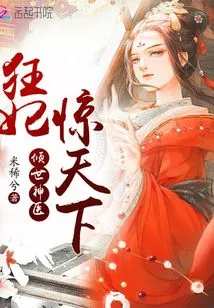
The Crazy Concubine Shocks the World
Fantasy Romance倾世狂妃惊天下
Mixixi
She is a genius girl in the 22nd century and the queen of iron-blooded agents. She accidentally traveled through time and became the concubine of the prime minister's house who can be bullied by everyone. In this continent where the strong is king, her useless physique cannot survive. In order to become stronger, she fought her way out. Cold-blooded father? Vicious stepmother? Sister Bailian? Hypocritical bestie? Oh, just wait, I will take back the things that belong to me one by one, and return the things that hurt me twice as much. From then on, she protected her loved ones, made elixirs, and practiced spells, just to become the king of this continent. But, where did that clingy, sinister and cold man come from? And when did she become his wife? Ah hey! Leng Chenyi had an evil smile on his lips: "If you are pregnant with my child, you will be mine."
She is a genius girl in the 22nd century and the queen of iron-blooded agents. She accidentally traveled through time and became the concubine of the prime minister's house who can be bullied by everyone. In this continent where the strong is king, her useless physique cannot survive. In order to become stronger, she fought her way out. Cold-blooded father? Vicious stepmother? Sister Bailian? Hypocritical bestie? Oh, just wait, I will take back the things that belong to me one by one, and return the things that hurt me twice as much. From then on, she protected her loved ones, made elixirs, and practiced spells, just to become the king of this continent. But, where did that clingy, sinister and cold man come from? And when did she become his wife? Ah hey! Leng Chenyi had an evil smile on his lips: "If you are pregnant with my child, you will be mine."
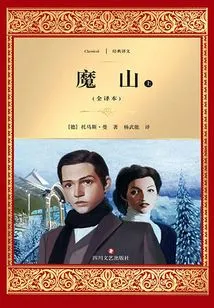
Magic Mountain (part 1)
General Fiction魔山(上)
G
At the beginning of the 20th century, German literature produced an epoch-making masterpiece: Thomas Mann's novel "The Buddenbrooks" (1901). This "great novel", written in just four years, not only established the 26-year-old author's position in the literary world in Germany and even Europe, but also opened a new era of German literature. A number of world-class masters emerged with it. Especially in the originally weak field of novel creation, there were many talents, and the creation of novels became more fruitful. As a result, in the first half of the 20th century, German literature reached a peak comparable to the era of Goethe and Schiller, and Thomas Mann himself was hailed as the "locomotive" of this prosperous period, and deservedly won the Nobel Prize for Literature in 1929.
At the beginning of the 20th century, German literature produced an epoch-making masterpiece: Thomas Mann's novel "The Buddenbrooks" (1901). This "great novel", written in just four years, not only established the 26-year-old author's position in the literary world in Germany and even Europe, but also opened a new era of German literature. A number of world-class masters emerged with it. Especially in the originally weak field of novel creation, there were many talents, and the creation of novels became more fruitful. As a result, in the first half of the 20th century, German literature reached a peak comparable to the era of Goethe and Schiller, and Thomas Mann himself was hailed as the "locomotive" of this prosperous period, and deservedly won the Nobel Prize for Literature in 1929.
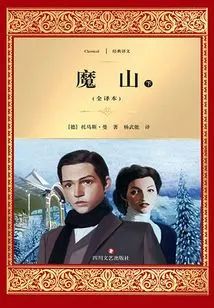
Magic Mountain (part 2)
General Fiction魔山(下)
G
What is the time? It is a mystery - invisible and intangible, but extremely powerful. It is a condition for the existence of the phenomenal world. It is a kind of movement, a kind of movement closely integrated with the spatial existence and movement of objects. So, without exercise, there is no time? No time and no exercise? Just ask! Time is a function of space? Or is it the other way around? Or are the two originally the same thing? This goes too far! Time acts, is mobile, and can "produce effects." What kind of effect? Mutations! This is no longer then, and this is no longer that, because there is movement in them. However, since the movement that people use to measure time is cyclical and self-enclosed, such movement and variation can almost equally be called stationary; because that time keeps reappearing here, and that place keeps reappearing here.
What is the time? It is a mystery - invisible and intangible, but extremely powerful. It is a condition for the existence of the phenomenal world. It is a kind of movement, a kind of movement closely integrated with the spatial existence and movement of objects. So, without exercise, there is no time? No time and no exercise? Just ask! Time is a function of space? Or is it the other way around? Or are the two originally the same thing? This goes too far! Time acts, is mobile, and can "produce effects." What kind of effect? Mutations! This is no longer then, and this is no longer that, because there is movement in them. However, since the movement that people use to measure time is cyclical and self-enclosed, such movement and variation can almost equally be called stationary; because that time keeps reappearing here, and that place keeps reappearing here.
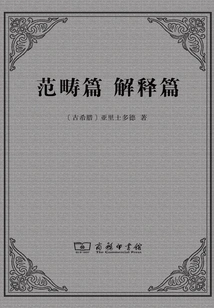
Category Chapter Explanation Chapter
Literature范畴篇 解释篇
(ancient Greece) Aristotle
"Categories and Interpretation" includes "Categories" and "Explanation", which are the shorter two chapters in Aristotle's "Reference Book" of logic. "Categories" describes the theory of logic and formulates the doctrine of categories; "Explanation" expounds the general principles of argumentation and discusses the problem of syllogism. We must study this work with a correct analytical attitude, absorb the essence that is useful to me, and eliminate the outdated dross.
"Categories and Interpretation" includes "Categories" and "Explanation", which are the shorter two chapters in Aristotle's "Reference Book" of logic. "Categories" describes the theory of logic and formulates the doctrine of categories; "Explanation" expounds the general principles of argumentation and discusses the problem of syllogism. We must study this work with a correct analytical attitude, absorb the essence that is useful to me, and eliminate the outdated dross.
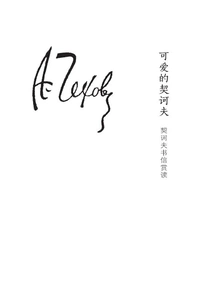
Lovely Chekhov
Literature可爱的契诃夫
(russian) Chekhov
Chekhov wrote more than 4,000 letters in his lifetime. The author of this book has selected more than 200 of Chekhov's most valuable letters, and each letter is followed by the author's appreciation text. The contents of the letters include important events in Chekhov's interactions with giants such as Tolstoy, Gorky, Tchaikovsky, Bunin, etc., As well as rare love letters he wrote to his wife Knibill, as well as records of his love for nature and his selfless help to the people at the bottom during his travels. Chekhov's letters have a strong sense of picture and reveal his true temperament everywhere. They vividly and truly restore the little-known lovely side behind the majestic figure of this master of realist criticism and the world's short story giant, reflecting his unique personality charm.
Chekhov wrote more than 4,000 letters in his lifetime. The author of this book has selected more than 200 of Chekhov's most valuable letters, and each letter is followed by the author's appreciation text. The contents of the letters include important events in Chekhov's interactions with giants such as Tolstoy, Gorky, Tchaikovsky, Bunin, etc., As well as rare love letters he wrote to his wife Knibill, as well as records of his love for nature and his selfless help to the people at the bottom during his travels. Chekhov's letters have a strong sense of picture and reveal his true temperament everywhere. They vividly and truly restore the little-known lovely side behind the majestic figure of this master of realist criticism and the world's short story giant, reflecting his unique personality charm.
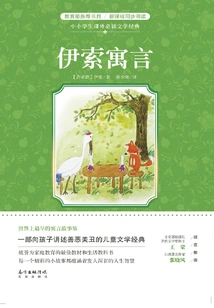
K
Literaturek
H
"Aesop's Fables" is an important part of ancient Greek literature. Most of the characters in the book are anthropomorphic animals, ordinary people and gods. The author uses vivid stories to tell certain thoughts, moral consciousness or life experiences, so that readers can get corresponding education. These stories are short in length but have profound meanings. Some teach people to be upright and diligent; some advise people not to be proud and not to lie; some explain that things should be done according to rules and within one's ability; and many reflect various profound life principles such as the strong are cruel but are often defeated by the weak.
"Aesop's Fables" is an important part of ancient Greek literature. Most of the characters in the book are anthropomorphic animals, ordinary people and gods. The author uses vivid stories to tell certain thoughts, moral consciousness or life experiences, so that readers can get corresponding education. These stories are short in length but have profound meanings. Some teach people to be upright and diligent; some advise people not to be proud and not to lie; some explain that things should be done according to rules and within one's ability; and many reflect various profound life principles such as the strong are cruel but are often defeated by the weak.
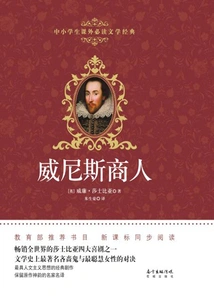
F
LiteratureF
G
"The Merchant of Venice" is one of Shakespeare's four comedies. Written around 1596. The play describes Bassanio, a penniless aristocratic young man in Venice, who borrows money from his friend Antonio in order to propose to Portia, the heiress of a wealthy family. Since the cargo ship has not yet arrived, Anthony has to borrow money from Shylock, a Jewish loan shark, and is forced to make a covenant: If he does not repay on time, Shylock will cut a pound of flesh from Antonio. Bassanio and Portia fall in love at first sight, but Antonio's cargo ship is in danger and has not returned. When the debt is due, he will be fined with a pound of flesh. Portia resolutely disguises herself as a lawyer and goes to Venice to rescue Antonio. In court, Bao Xi used his amazing intelligence to refute Shylock and win the case.
"The Merchant of Venice" is one of Shakespeare's four comedies. Written around 1596. The play describes Bassanio, a penniless aristocratic young man in Venice, who borrows money from his friend Antonio in order to propose to Portia, the heiress of a wealthy family. Since the cargo ship has not yet arrived, Anthony has to borrow money from Shylock, a Jewish loan shark, and is forced to make a covenant: If he does not repay on time, Shylock will cut a pound of flesh from Antonio. Bassanio and Portia fall in love at first sight, but Antonio's cargo ship is in danger and has not returned. When the debt is due, he will be fined with a pound of flesh. Portia resolutely disguises herself as a lawyer and goes to Venice to rescue Antonio. In court, Bao Xi used his amazing intelligence to refute Shylock and win the case.
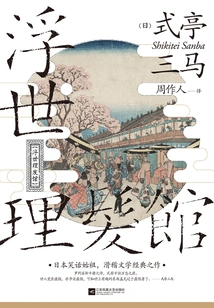
Ukiyo Barber Shop
General Fiction浮世理发馆
J
"The Barber Shop of the Ukiyo" is a representative work of the "comic book" in Japanese classical literature of the Edo period. It vividly depicts the many identities, personalities and life styles of ordinary people. Among the customers who come to get a haircut, there are bored men wandering around with nothing to do, gossiping women vying to name their cats, and scholars who occasionally lament the world... Through the dialogue between you and me, there are worldly conditions and human feelings, banter but not cruelty, and full of fun.
"The Barber Shop of the Ukiyo" is a representative work of the "comic book" in Japanese classical literature of the Edo period. It vividly depicts the many identities, personalities and life styles of ordinary people. Among the customers who come to get a haircut, there are bored men wandering around with nothing to do, gossiping women vying to name their cats, and scholars who occasionally lament the world... Through the dialogue between you and me, there are worldly conditions and human feelings, banter but not cruelty, and full of fun.
The Complete Works of Sherlock Holmes Detective Novels (revised Edition of Classic Illustrations) (volume 2)
General Fiction福尔摩斯侦探小说全集(经典插图修订本)(中卷)
(uk) Conan Doyle
This book is divided into three volumes: the upper, middle and lower volumes. The middle volume is the story: Memoirs and The Return of Sherlock Holmes. This book has a rigorous structure, closely linked links, and a thrilling and fascinating storyline. It is called the "Bible" of mystery novels by mystery fans. It is a must-have desk book for every mystery fan. This book can be called a classic version of translation among similar products - the main translator of this book, Lu Danjun, is a well-known English translator, and the remaining translators are mostly university English professors with strong capabilities. Literary books translated by Lu Danjun such as "The Natural History of Sensation", "People Call Me Animals", "White Tiger", "Brize" and "I'm Waiting for You in Another World" are very popular among readers. His translations are praised by Douban readers as "kung fu" and "the icing on the cake".
This book is divided into three volumes: the upper, middle and lower volumes. The middle volume is the story: Memoirs and The Return of Sherlock Holmes. This book has a rigorous structure, closely linked links, and a thrilling and fascinating storyline. It is called the "Bible" of mystery novels by mystery fans. It is a must-have desk book for every mystery fan. This book can be called a classic version of translation among similar products - the main translator of this book, Lu Danjun, is a well-known English translator, and the remaining translators are mostly university English professors with strong capabilities. Literary books translated by Lu Danjun such as "The Natural History of Sensation", "People Call Me Animals", "White Tiger", "Brize" and "I'm Waiting for You in Another World" are very popular among readers. His translations are praised by Douban readers as "kung fu" and "the icing on the cake".

Warn! the National Male God is a Girl
Young Adult警告!国民男神是女生
Jun Jiumi
When she was ten years old, she was framed by her stepmother and her white lotus sister and went to England. Seven years later, she returned. She beat the scumbags, tortured the mistress, and tore the female Bailian with her own hands. She wanted to send them to hell with her own hands. In the process, he accidentally offended the sinister male god. The first time they met: "Hello, I'm Lu Yinxi." He didn't even look at her. However, after that, "I heard you are a man?" Lu Yinxi rolled his eyes, "You are blind, can't you see?" His eyes deepened and he quickly turned over. Lu Yinxi looked horrified, "What are you doing?" He leisurely spit out two words "examination"
When she was ten years old, she was framed by her stepmother and her white lotus sister and went to England. Seven years later, she returned. She beat the scumbags, tortured the mistress, and tore the female Bailian with her own hands. She wanted to send them to hell with her own hands. In the process, he accidentally offended the sinister male god. The first time they met: "Hello, I'm Lu Yinxi." He didn't even look at her. However, after that, "I heard you are a man?" Lu Yinxi rolled his eyes, "You are blind, can't you see?" His eyes deepened and he quickly turned over. Lu Yinxi looked horrified, "What are you doing?" He leisurely spit out two words "examination"

My Heart Beats for You
Fantasy Romance心为你而跳
W
The seventeen-year-old girl Wang Zilian was disfigured overnight. The beautiful appearance in the past is now a bloody mess and is beyond recognition. It can be seen from the unrecognizable face that the wound did not appear to have been caused by a corrosive liquid such as sulfuric acid, nor did it appear to have been struck by any other weapon. If you look closely at that terrifying face, you will find that the wounds on the face are more likely to be caused by being bitten crazily by something cruel. As one of the four most powerful families in Shenfengling City, Wang Zilian's father has threatened to make the person who hurt his daughter regret coming into this world at all costs. However, when the murderer was about to surface, Wang Zilian's father issued a notice canceling the huge reward to find the murderer...
The seventeen-year-old girl Wang Zilian was disfigured overnight. The beautiful appearance in the past is now a bloody mess and is beyond recognition. It can be seen from the unrecognizable face that the wound did not appear to have been caused by a corrosive liquid such as sulfuric acid, nor did it appear to have been struck by any other weapon. If you look closely at that terrifying face, you will find that the wounds on the face are more likely to be caused by being bitten crazily by something cruel. As one of the four most powerful families in Shenfengling City, Wang Zilian's father has threatened to make the person who hurt his daughter regret coming into this world at all costs. However, when the murderer was about to surface, Wang Zilian's father issued a notice canceling the huge reward to find the murderer...
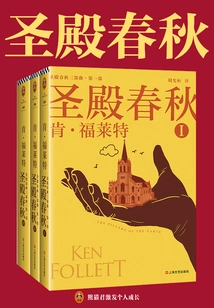
Temple Spring and Autumn (three Volumes)
General Fiction圣殿春秋(全三册)
H
Half the world is reading all night long! The first part of Ken Follett's "Medieval Trilogy", author of "The Fall of Giants", a novel that brings the history of the Middle Ages to life! BBC Readers' Choice Novel of the Year, and recommended by talk show queen Oprah's Book Club, its reputation has spread all over the world. The British drama adaptation of the same name stars Oscar winner "Freckles". Twelfth century England. A poor builder wanted only to build a beautiful cathedral. After many twists and turns, he finally encountered an opportunity. But the construction process of a cathedral is a struggle between various forces: the church, the nobility, the royal family, "witches"... The construction of the church has been repeatedly interfered with. Every sound has the potential to make or destroy him.
Half the world is reading all night long! The first part of Ken Follett's "Medieval Trilogy", author of "The Fall of Giants", a novel that brings the history of the Middle Ages to life! BBC Readers' Choice Novel of the Year, and recommended by talk show queen Oprah's Book Club, its reputation has spread all over the world. The British drama adaptation of the same name stars Oscar winner "Freckles". Twelfth century England. A poor builder wanted only to build a beautiful cathedral. After many twists and turns, he finally encountered an opportunity. But the construction process of a cathedral is a struggle between various forces: the church, the nobility, the royal family, "witches"... The construction of the church has been repeatedly interfered with. Every sound has the potential to make or destroy him.
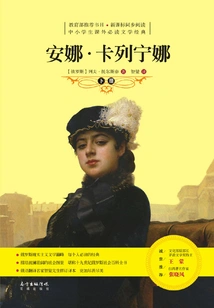
Anna Karenina (part 2)
General Fiction安娜·卡列宁娜(下)
N
"Anna Karenina" is one of the famous works of Tolstoy, the master of Russian literature. Through the tragedy of the heroine Anna's pursuit of love, and Levin's thinking and exploration of reform, it depicts the social panorama of Russia from Moscow to the countryside in the late 19th and early 21st centuries. It is a classic encyclopedia-style work. Through the relationship between the central character Anna Karenina, her husband Karenin, and her lover Vronsky, and through the relationship between her brother Oblonsky, the story connects Anna's life circle with another circle, forming a system of hundreds of characters. The writer used the relationships between people reflected in this huge system to vividly and profoundly write about the social outlook of Russia in the mid-19th century when capitalism was just emerging, and raised the problems that existed in Russia during this historical period.
"Anna Karenina" is one of the famous works of Tolstoy, the master of Russian literature. Through the tragedy of the heroine Anna's pursuit of love, and Levin's thinking and exploration of reform, it depicts the social panorama of Russia from Moscow to the countryside in the late 19th and early 21st centuries. It is a classic encyclopedia-style work. Through the relationship between the central character Anna Karenina, her husband Karenin, and her lover Vronsky, and through the relationship between her brother Oblonsky, the story connects Anna's life circle with another circle, forming a system of hundreds of characters. The writer used the relationships between people reflected in this huge system to vividly and profoundly write about the social outlook of Russia in the mid-19th century when capitalism was just emerging, and raised the problems that existed in Russia during this historical period.
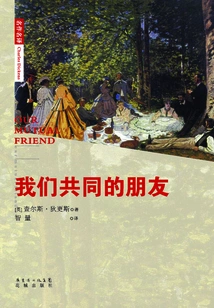
Our Mutual Friends
General Fiction我们共同的朋友
H
This book is a novel by the British writer Dickens. It tells the story of a dead body found in the Thames River in London. After identification, it was determined to be John Harmon who was rushing back to England to inherit a huge inheritance. This led to a greedy and insidious fight for the inheritance, but in the end it was discovered that the deceased was not the real John Harmon; at the same time, some ordinary people and poor people from the lower class showed their kindness and integrity.
This book is a novel by the British writer Dickens. It tells the story of a dead body found in the Thames River in London. After identification, it was determined to be John Harmon who was rushing back to England to inherit a huge inheritance. This led to a greedy and insidious fight for the inheritance, but in the end it was discovered that the deceased was not the real John Harmon; at the same time, some ordinary people and poor people from the lower class showed their kindness and integrity.
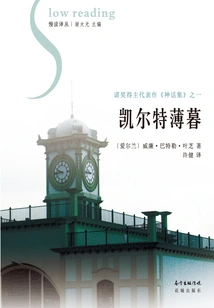
Celtic Twilight
Literature凯尔特薄暮
(ireland) Yeats
This book is an important work in "The Myths", the representative work of the great Irish poet Yeats, winner of the Nobel Prize for Literature. "Mythology" is the crystallization of Yeats's admiration for Irish tradition and folk literature, and is as important as his poetry creation. Celtic Twilight is Yeats's popular collection of folk tales, which vividly showcases Irish folk mythology, supernatural and magical tales, and the lovely Irish people who fully embrace the existence of immortals.
This book is an important work in "The Myths", the representative work of the great Irish poet Yeats, winner of the Nobel Prize for Literature. "Mythology" is the crystallization of Yeats's admiration for Irish tradition and folk literature, and is as important as his poetry creation. Celtic Twilight is Yeats's popular collection of folk tales, which vividly showcases Irish folk mythology, supernatural and magical tales, and the lovely Irish people who fully embrace the existence of immortals.
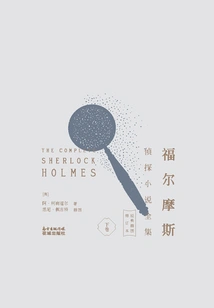
福尔摩斯侦探小说全集(下卷)
(uk) Conan Doyle
This book is divided into three volumes: the last volume, the middle volume, and the second volume: the story: Last Dedication, Uncanny Valley, and New Exploration. This book has a rigorous structure, closely linked links, and a thrilling and fascinating storyline. It is called the "Bible" of mystery novels by mystery fans. It is a must-have desk book for every mystery fan. This book can be called a classic version of translation among similar products - the main translator of this book, Lu Danjun, is a well-known English translator, and the remaining translators are mostly university English professors with strong capabilities. Literary books translated by Lu Danjun such as "The Natural History of Sensation", "People Call Me Animals", "White Tiger", "Brize" and "I'm Waiting for You in Another World" are very popular among readers. His translations are praised by Douban readers as "kung fu" and "the icing on the cake".
This book is divided into three volumes: the last volume, the middle volume, and the second volume: the story: Last Dedication, Uncanny Valley, and New Exploration. This book has a rigorous structure, closely linked links, and a thrilling and fascinating storyline. It is called the "Bible" of mystery novels by mystery fans. It is a must-have desk book for every mystery fan. This book can be called a classic version of translation among similar products - the main translator of this book, Lu Danjun, is a well-known English translator, and the remaining translators are mostly university English professors with strong capabilities. Literary books translated by Lu Danjun such as "The Natural History of Sensation", "People Call Me Animals", "White Tiger", "Brize" and "I'm Waiting for You in Another World" are very popular among readers. His translations are praised by Douban readers as "kung fu" and "the icing on the cake".
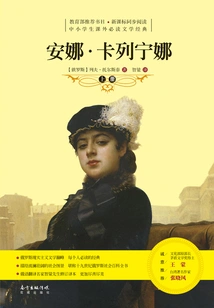
Anna Karenina (part 1)
General Fiction安娜·卡列宁娜(上)
(russian) Leo Tolstoy
"Anna Karenina" is one of the famous works of Tolstoy, the master of Russian literature. Through the tragedy of the heroine Anna's pursuit of love, and Levin's thinking and exploration of reform, it depicts the social panorama of Russia from Moscow to the countryside in the late 19th and early 21st centuries. It is a classic encyclopedia-style work. Through the relationship between the central character Anna Karenina, her husband Karenin, and her lover Vronsky, and through the relationship between her brother Oblonsky, the story connects Anna's life circle with another circle, forming a system of hundreds of characters. The writer used the relationships between people reflected in this huge system to vividly and profoundly write about the social outlook of Russia in the mid-19th century when capitalism was just emerging, and raised the problems that existed in Russia during this historical period.
"Anna Karenina" is one of the famous works of Tolstoy, the master of Russian literature. Through the tragedy of the heroine Anna's pursuit of love, and Levin's thinking and exploration of reform, it depicts the social panorama of Russia from Moscow to the countryside in the late 19th and early 21st centuries. It is a classic encyclopedia-style work. Through the relationship between the central character Anna Karenina, her husband Karenin, and her lover Vronsky, and through the relationship between her brother Oblonsky, the story connects Anna's life circle with another circle, forming a system of hundreds of characters. The writer used the relationships between people reflected in this huge system to vividly and profoundly write about the social outlook of Russia in the mid-19th century when capitalism was just emerging, and raised the problems that existed in Russia during this historical period.
K
Literaturek
H
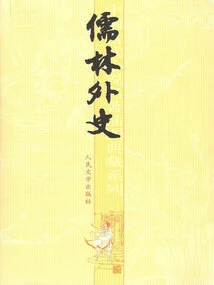
"The Scholars" is a novel with intellectuals as the main description object, and it is also a typical satirical novel. "The Scholars" describes some images of Confucian scholars who were deeply poisoned by the eight-part imperial examination system, reflecting the corruption of the secular atmosphere at that time.
"The Scholars" is a novel with intellectuals as the main description object, and it is also a typical satirical novel. "The Scholars" describes some images of Confucian scholars who were deeply poisoned by the eight-part imperial examination system, reflecting the corruption of the secular atmosphere at that time.
N
Literaturen
G
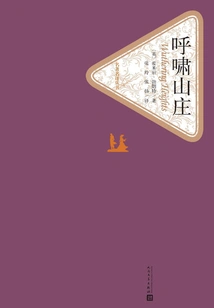
"Wuthering Heights" (1847) has been reviewed as a poem written in prose. It mainly tells the love story between the two heroines Catherine and Heathcliff who sacrifice their lives. The author uses prose poems to describe the story, uses landscape paintings as the background, and uses fantasy dreams to exaggerate the love between the two, making this novel highly artistic.
"Wuthering Heights" (1847) has been reviewed as a poem written in prose. It mainly tells the love story between the two heroines Catherine and Heathcliff who sacrifice their lives. The author uses prose poems to describe the story, uses landscape paintings as the background, and uses fantasy dreams to exaggerate the love between the two, making this novel highly artistic.
Three Words and Two Beats · Yushi Mingyan
General Fiction三言二拍·喻世明言
G
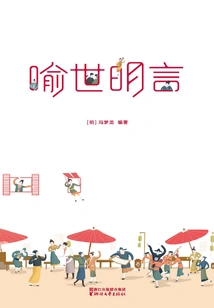
"Three Words and Two Pai" is a collection of short stories in ancient Chinese vernacular, including "Three Words": "Mingyan Yan", "Warning Words" and "Everlasting Words to Awaken the World" compiled by the literary master Feng Menglong of the Ming Dynasty; and "Two Pai" edited by the novel master Ling Shuchu: "Surprise at the First Carving" and "Surprise at the Second Moment". "Three Words and Two Patterns" has a total of 200 classic short stories in vernacular, which completely encompasses the essence of short stories in vernacular from the Song, Yuan and Ming dynasties. Each story in the book is independent, exciting and ups and downs, such as the White Snake who forever holds down the Leifeng Pagoda, Du Shiniang who sank his treasure chest in anger, and Yu Boya who dropped his piano to say goodbye. Classic stories that are familiar to Chinese people, such as the bosom friend, are all derived from the "three words and two beats"; "Three words and two beats" are also derived from the "three words and two beats"; "Three words and two beats" are also derived from "Three words and two beats"; "It is difficult to be a master without suffering", "It is difficult to draw a dragon or a tiger, but it is difficult to draw a skeleton, and you know people and their faces but not their hearts". Thousands of thousands of years of worldly wonders, people and events are all captured in a few words and two shots; two hundred classic short stories are written about all kinds of situations in the world! Writer Da Bing strongly recommends: "Know sentient beings in the impermanent place, and know all living beings in the sentient place."
"Three Words and Two Pai" is a collection of short stories in ancient Chinese vernacular, including "Three Words": "Mingyan Yan", "Warning Words" and "Everlasting Words to Awaken the World" compiled by the literary master Feng Menglong of the Ming Dynasty; and "Two Pai" edited by the novel master Ling Shuchu: "Surprise at the First Carving" and "Surprise at the Second Moment". "Three Words and Two Patterns" has a total of 200 classic short stories in vernacular, which completely encompasses the essence of short stories in vernacular from the Song, Yuan and Ming dynasties. Each story in the book is independent, exciting and ups and downs, such as the White Snake who forever holds down the Leifeng Pagoda, Du Shiniang who sank his treasure chest in anger, and Yu Boya who dropped his piano to say goodbye. Classic stories that are familiar to Chinese people, such as the bosom friend, are all derived from the "three words and two beats"; "Three words and two beats" are also derived from the "three words and two beats"; "Three words and two beats" are also derived from "Three words and two beats"; "It is difficult to be a master without suffering", "It is difficult to draw a dragon or a tiger, but it is difficult to draw a skeleton, and you know people and their faces but not their hearts". Thousands of thousands of years of worldly wonders, people and events are all captured in a few words and two shots; two hundred classic short stories are written about all kinds of situations in the world! Writer Da Bing strongly recommends: "Know sentient beings in the impermanent place, and know all living beings in the sentient place."
P
General Fictionp
G
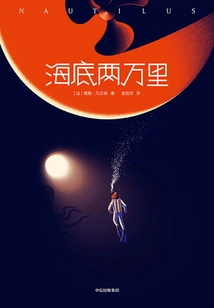
Professor Aronnax from the Paris Museum was suddenly invited to join the expedition to hunt down the rumored mysterious and ferocious narwhal. When he accidentally fell into the sea and his life hung by a thread, he discovered an incredible secret. With this secret, he traveled under the sea and embarked on a series of thrilling adventures... Before exploration, there is no truth.
Professor Aronnax from the Paris Museum was suddenly invited to join the expedition to hunt down the rumored mysterious and ferocious narwhal. When he accidentally fell into the sea and his life hung by a thread, he discovered an incredible secret. With this secret, he traveled under the sea and embarked on a series of thrilling adventures... Before exploration, there is no truth.
P
General Fictionp
H
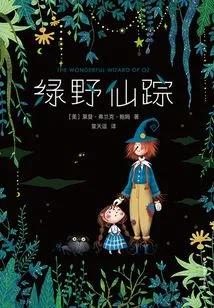
Dorothy, a little girl living on the prairie, was swept into a strange and magical country due to a tornado attack. The kind-hearted witch told her that only Oz, the great wizard of Oz, could send her home. On the way, she met the Scarecrow who wanted a wise head, the Tin Woodman who dreamed of having a living heart, and the Cowardly Lion who dreamed of becoming brave and becoming the king of the forest. They traveled together and embarked on a mysterious adventure. Overcoming many difficulties, they arrived at the Emerald Castle and finally met Oz. However, what awaits them is even greater trouble... America's number one fantasy adventure children's book "The Wizard of Oz" brings children love and courage, and keeps their dreams and kindness alive!
Dorothy, a little girl living on the prairie, was swept into a strange and magical country due to a tornado attack. The kind-hearted witch told her that only Oz, the great wizard of Oz, could send her home. On the way, she met the Scarecrow who wanted a wise head, the Tin Woodman who dreamed of having a living heart, and the Cowardly Lion who dreamed of becoming brave and becoming the king of the forest. They traveled together and embarked on a mysterious adventure. Overcoming many difficulties, they arrived at the Emerald Castle and finally met Oz. However, what awaits them is even greater trouble... America's number one fantasy adventure children's book "The Wizard of Oz" brings children love and courage, and keeps their dreams and kindness alive!
Robinson Crusoe
General Fiction鲁滨逊漂流记
(english) Defoe
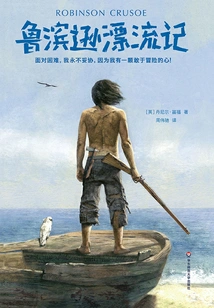
In the face of difficulties, I will never compromise because I have a heart that dares to take risks! The young Robinson was restless in a comfortable life, yearned for adventure and challenges, and wanted to go out to sea. The ship encountered a storm and he was the only one who survived. He drifted to an uninhabited island and fell into a desperate situation with no way forward or retreat. This lonely adventurer became stronger when he was alone. He dared to fight when he encountered a cannibal tribe, and even rescued savages in distress... How did he spend 28 long years on this deserted island? How can you turn a desert island into your own independent kingdom by yourself?
In the face of difficulties, I will never compromise because I have a heart that dares to take risks! The young Robinson was restless in a comfortable life, yearned for adventure and challenges, and wanted to go out to sea. The ship encountered a storm and he was the only one who survived. He drifted to an uninhabited island and fell into a desperate situation with no way forward or retreat. This lonely adventurer became stronger when he was alone. He dared to fight when he encountered a cannibal tribe, and even rescued savages in distress... How did he spend 28 long years on this deserted island? How can you turn a desert island into your own independent kingdom by yourself?
Three Words and Two Beats·eternal Words to Awaken the World
General Fiction三言二拍·醒世恒言
G
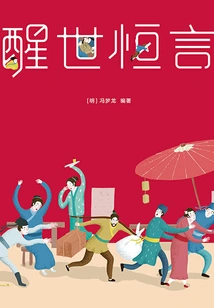
"Three Words and Two Pai" is a collection of short stories in ancient Chinese vernacular, including "Three Words": "Mingyan Yan", "Warning Words" and "Everlasting Words to Awaken the World" compiled by the literary master Feng Menglong of the Ming Dynasty; and "Two Pai" edited by the novel master Ling Shuchu: "Surprise at the First Carving" and "Surprise at the Second Moment". "Three Words and Two Patterns" has a total of 200 classic short stories in vernacular, which completely encompasses the essence of short stories in vernacular from the Song, Yuan and Ming dynasties. Each story in the book is independent, exciting and ups and downs, such as the White Snake who forever holds down the Leifeng Pagoda, Du Shiniang who sank his treasure chest in anger, and Yu Boya who dropped his piano to say goodbye. Classic stories that are familiar to Chinese people, such as the bosom friend, are all derived from the "three words and two beats"; "Three words and two beats" are also derived from the "three words and two beats"; "Three words and two beats" are also derived from "Three words and two beats"; "It is difficult to be a master without suffering", "It is difficult to draw a dragon or a tiger, but it is difficult to draw a skeleton, and you know people and their faces but not their hearts". Thousands of thousands of years of worldly wonders, people and events are all captured in a few words and two shots; two hundred classic short stories are written about all kinds of situations in the world! Writer Da Bing strongly recommends: "Know sentient beings in the impermanent place, and know all living beings in the sentient place."
"Three Words and Two Pai" is a collection of short stories in ancient Chinese vernacular, including "Three Words": "Mingyan Yan", "Warning Words" and "Everlasting Words to Awaken the World" compiled by the literary master Feng Menglong of the Ming Dynasty; and "Two Pai" edited by the novel master Ling Shuchu: "Surprise at the First Carving" and "Surprise at the Second Moment". "Three Words and Two Patterns" has a total of 200 classic short stories in vernacular, which completely encompasses the essence of short stories in vernacular from the Song, Yuan and Ming dynasties. Each story in the book is independent, exciting and ups and downs, such as the White Snake who forever holds down the Leifeng Pagoda, Du Shiniang who sank his treasure chest in anger, and Yu Boya who dropped his piano to say goodbye. Classic stories that are familiar to Chinese people, such as the bosom friend, are all derived from the "three words and two beats"; "Three words and two beats" are also derived from the "three words and two beats"; "Three words and two beats" are also derived from "Three words and two beats"; "It is difficult to be a master without suffering", "It is difficult to draw a dragon or a tiger, but it is difficult to draw a skeleton, and you know people and their faces but not their hearts". Thousands of thousands of years of worldly wonders, people and events are all captured in a few words and two shots; two hundred classic short stories are written about all kinds of situations in the world! Writer Da Bing strongly recommends: "Know sentient beings in the impermanent place, and know all living beings in the sentient place."
J
General Fictionj
G
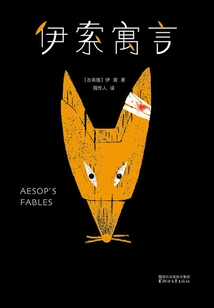
2018 brand new uncensored collector's edition! The complete translation by literary master Zhou Zuoren adds 80 full-color illustrations for the first time, and completely contains 358 Aesop's fables. "Aesop's Fables", which have been circulated for more than 2,500 years, are a world full of savage humor, quick wit, word games, clever tricks and "I told you so!" Aesop, the "father of fables", uses stories about foxes, wolves, lions, crows, tortoises, rabbits, mice, dogs, sheep, snakes and other animals to explain human nature. Children's reading inspires wisdom and will benefit them throughout their lives; adults read it once to understand human nature, and read it twice to awaken their understanding of life.
2018 brand new uncensored collector's edition! The complete translation by literary master Zhou Zuoren adds 80 full-color illustrations for the first time, and completely contains 358 Aesop's fables. "Aesop's Fables", which have been circulated for more than 2,500 years, are a world full of savage humor, quick wit, word games, clever tricks and "I told you so!" Aesop, the "father of fables", uses stories about foxes, wolves, lions, crows, tortoises, rabbits, mice, dogs, sheep, snakes and other animals to explain human nature. Children's reading inspires wisdom and will benefit them throughout their lives; adults read it once to understand human nature, and read it twice to awaken their understanding of life.
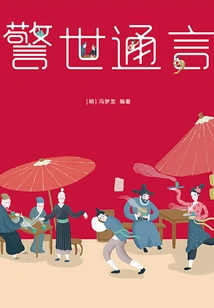
Three Words and Two Pats·warning Words
General Fiction三言二拍·警世通言
G
"Three Words and Two Pai" is a collection of short stories in ancient Chinese vernacular, including "Three Words": "Mingyan Yan", "Warning Words" and "Everlasting Words to Awaken the World" compiled by the literary master Feng Menglong of the Ming Dynasty; and "Two Pai" edited by the novel master Ling Shuchu: "Surprise at the First Carving" and "Surprise at the Second Moment". "Three Words and Two Patterns" has a total of 200 classic short stories in vernacular, which completely encompasses the essence of short stories in vernacular from the Song, Yuan and Ming dynasties. Each story in the book is independent, exciting and ups and downs, such as the White Snake who forever holds down the Leifeng Pagoda, Du Shiniang who sank his treasure chest in anger, and Yu Boya who dropped his piano to say goodbye. Classic stories that are familiar to Chinese people, such as the bosom friend, are all derived from the "three words and two beats"; "Three words and two beats" are also derived from the "three words and two beats"; "Three words and two beats" are also derived from "Three words and two beats"; "It is difficult to be a master without suffering", "It is difficult to draw a dragon or a tiger, but it is difficult to draw a skeleton, and you know people and their faces but not their hearts". Thousands of thousands of years of worldly wonders, people and events are all captured in a few words and two shots; two hundred classic short stories are written about all kinds of situations in the world! Writer Da Bing strongly recommends: "Know sentient beings in the impermanent place, and know all living beings in the sentient place."
"Three Words and Two Pai" is a collection of short stories in ancient Chinese vernacular, including "Three Words": "Mingyan Yan", "Warning Words" and "Everlasting Words to Awaken the World" compiled by the literary master Feng Menglong of the Ming Dynasty; and "Two Pai" edited by the novel master Ling Shuchu: "Surprise at the First Carving" and "Surprise at the Second Moment". "Three Words and Two Patterns" has a total of 200 classic short stories in vernacular, which completely encompasses the essence of short stories in vernacular from the Song, Yuan and Ming dynasties. Each story in the book is independent, exciting and ups and downs, such as the White Snake who forever holds down the Leifeng Pagoda, Du Shiniang who sank his treasure chest in anger, and Yu Boya who dropped his piano to say goodbye. Classic stories that are familiar to Chinese people, such as the bosom friend, are all derived from the "three words and two beats"; "Three words and two beats" are also derived from the "three words and two beats"; "Three words and two beats" are also derived from "Three words and two beats"; "It is difficult to be a master without suffering", "It is difficult to draw a dragon or a tiger, but it is difficult to draw a skeleton, and you know people and their faces but not their hearts". Thousands of thousands of years of worldly wonders, people and events are all captured in a few words and two shots; two hundred classic short stories are written about all kinds of situations in the world! Writer Da Bing strongly recommends: "Know sentient beings in the impermanent place, and know all living beings in the sentient place."

夜航船:年轻人要熟知的4248个文化常识(作家榜经典)
G
After reading "Night Sailing", the soul is interesting! This is an interesting and informative encyclopedia of cultural knowledge. It includes astronomy and geography, antiques, rare birds and animals, hundreds of schools of thought, palace secrets, plants and flowers, three religions and nine streams, ghosts and supernatural beings... It contains 4248 pieces of cultural common sense in 20 categories. It is an immortal classic that perfectly combines fun, knowledge and storytelling. It has been secretly circulated for 300 years since its inception. It is like a sky full of stars, twinkling in the dark night sky, bright and charming. If you could read just one book that would make you knowledgeable and interesting, it would be "Night Sailing."
After reading "Night Sailing", the soul is interesting! This is an interesting and informative encyclopedia of cultural knowledge. It includes astronomy and geography, antiques, rare birds and animals, hundreds of schools of thought, palace secrets, plants and flowers, three religions and nine streams, ghosts and supernatural beings... It contains 4248 pieces of cultural common sense in 20 categories. It is an immortal classic that perfectly combines fun, knowledge and storytelling. It has been secretly circulated for 300 years since its inception. It is like a sky full of stars, twinkling in the dark night sky, bright and charming. If you could read just one book that would make you knowledgeable and interesting, it would be "Night Sailing."

X
General Fictionx
H
Rastignac, a college student, came to Paris to study from a small place. He lived in a dilapidated apartment and aspired to join the upper class society. After careful planning, he met the little daughter of his neighbor, Old Man Gao, and became her lover. When family affection encountered the impact of money, Old Man Gao watched helplessly as his beloved relatives embarked on the road of betrayal...??
Rastignac, a college student, came to Paris to study from a small place. He lived in a dilapidated apartment and aspired to join the upper class society. After careful planning, he met the little daughter of his neighbor, Old Man Gao, and became her lover. When family affection encountered the impact of money, Old Man Gao watched helplessly as his beloved relatives embarked on the road of betrayal...??

R
General Fictionr
G
The naughty bag Tom Sawyer is playful, rebellious, doesn't like going to school, and likes to take risks. He often gets into all kinds of troubles and gives adults headaches. Late one night, Tom and his friend Huck went to the cemetery to play and accidentally witnessed a murder. Fearing the murderer's revenge, they chose to run away from home and live the adventure life they longed for. However, creepy things happened one after another... This book has been popular all over the world since its publication. Tom's optimism, confidence, and bravery when encountering difficulties have infected countless children; through Tom's adventure stories, countless adults have understood children's inner worlds and completely changed the way they communicate with children.
The naughty bag Tom Sawyer is playful, rebellious, doesn't like going to school, and likes to take risks. He often gets into all kinds of troubles and gives adults headaches. Late one night, Tom and his friend Huck went to the cemetery to play and accidentally witnessed a murder. Fearing the murderer's revenge, they chose to run away from home and live the adventure life they longed for. However, creepy things happened one after another... This book has been popular all over the world since its publication. Tom's optimism, confidence, and bravery when encountering difficulties have infected countless children; through Tom's adventure stories, countless adults have understood children's inner worlds and completely changed the way they communicate with children.
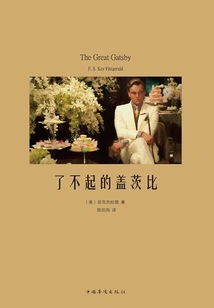
M
General Fictionm
I
"The Great Gatsby" is a novella written by American writer F. Scott Fitzgerald, set in New York City and Long Island in the 1920s. This is Fitzgerald's third novel in his creative career. At this time, he had a deeper understanding of literature and art, so he repeatedly considered and revised it, striving for excellence, until April 1925 when he published the manuscript. The protagonist, James Katz, is a poor farmer's boy in North Dakota. He has dreamed of becoming a big shot since he was a child. After some hard work, he finally rose through the ranks and changed his name to Jay Gatsby.
"The Great Gatsby" is a novella written by American writer F. Scott Fitzgerald, set in New York City and Long Island in the 1920s. This is Fitzgerald's third novel in his creative career. At this time, he had a deeper understanding of literature and art, so he repeatedly considered and revised it, striving for excellence, until April 1925 when he published the manuscript. The protagonist, James Katz, is a poor farmer's boy in North Dakota. He has dreamed of becoming a big shot since he was a child. After some hard work, he finally rose through the ranks and changed his name to Jay Gatsby.