Library
Browse and search books
753 novels found
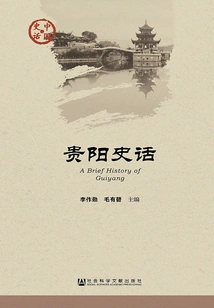
贵阳史话(中国史话·社会系列)
Li Zuoxun, Editor-in-chief Mao Youbi
"History of Guiyang" adopts a classified description method to present the regional history and culture of Guiyang. Among them, "Historical Review" serves as the main thread of the book, organically connecting important historical facts that occurred in various historical periods in the Guiyang region, allowing readers to have an overall understanding of Guiyang's historical development; "Historical Figures" describes in historical chronological order important figures who have had a significant impact on Guiyang's economy, politics, culture, society, etc., Or have a national reputation; "Scenic Spots" describes iconic and representative scenic spots, customs, food, etc. That are iconic and representative of the Guiyang region.
"History of Guiyang" adopts a classified description method to present the regional history and culture of Guiyang. Among them, "Historical Review" serves as the main thread of the book, organically connecting important historical facts that occurred in various historical periods in the Guiyang region, allowing readers to have an overall understanding of Guiyang's historical development; "Historical Figures" describes in historical chronological order important figures who have had a significant impact on Guiyang's economy, politics, culture, society, etc., Or have a national reputation; "Scenic Spots" describes iconic and representative scenic spots, customs, food, etc. That are iconic and representative of the Guiyang region.
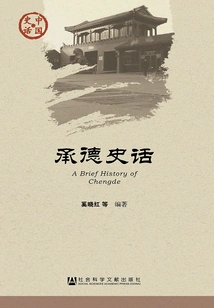
承德史话(中国史话·社会系列)
Compiled By Xi Xiaohong And Others
Chengde was once the second political center of the Qing Dynasty, where royal culture, Buddhist culture, grassland nomadic culture, and national folk culture were perfectly integrated. Chengde is a famous tourist city with beautiful and charming scenery, a collection of historical sites and a favorable climate in all seasons. It is one of the first 24 famous historical and cultural cities in China. It is an excellent tourist city and a national garden city in China. "Chengde History" provides a relatively comprehensive introduction to Chengde's natural, political, economic, cultural, military, ethnic and other history, and systematically displays Chengde's ancient and modern features to the world. It helps us better understand the yesterday, today and tomorrow of this historical and cultural city.
Chengde was once the second political center of the Qing Dynasty, where royal culture, Buddhist culture, grassland nomadic culture, and national folk culture were perfectly integrated. Chengde is a famous tourist city with beautiful and charming scenery, a collection of historical sites and a favorable climate in all seasons. It is one of the first 24 famous historical and cultural cities in China. It is an excellent tourist city and a national garden city in China. "Chengde History" provides a relatively comprehensive introduction to Chengde's natural, political, economic, cultural, military, ethnic and other history, and systematically displays Chengde's ancient and modern features to the world. It helps us better understand the yesterday, today and tomorrow of this historical and cultural city.
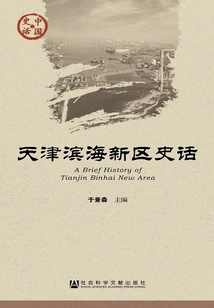
天津滨海新区史话(中国史话·社会系列)
Editor-in-chief Yu Jingsen
Tianjin Binhai New Area is located in the lower reaches of the Hai River and on the west bank of the Bohai Bay. The river and the sea are interdependent, and it is close to the sea and the capital. It has a superior location. It was once the frontline of the Chinese people's fight against foreign aggression and witnessed many historical events; it was once the birthplace of the Westernization Movement and northern China's modern industry, and enjoys the reputation of "China has seen Tianjin for a hundred years, and Tianjin has seen Binhai for a hundred years"; today, it is a national strategic growth pole that drives coordinated regional development and a frontier area for reform and opening up. "History of Tianjin Binhai New Area" is the first popular book to introduce the history, humanity and modern features of Binhai New Area from an overall perspective. It will tell you about a charming Tianjin Binhai New Area.
Tianjin Binhai New Area is located in the lower reaches of the Hai River and on the west bank of the Bohai Bay. The river and the sea are interdependent, and it is close to the sea and the capital. It has a superior location. It was once the frontline of the Chinese people's fight against foreign aggression and witnessed many historical events; it was once the birthplace of the Westernization Movement and northern China's modern industry, and enjoys the reputation of "China has seen Tianjin for a hundred years, and Tianjin has seen Binhai for a hundred years"; today, it is a national strategic growth pole that drives coordinated regional development and a frontier area for reform and opening up. "History of Tianjin Binhai New Area" is the first popular book to introduce the history, humanity and modern features of Binhai New Area from an overall perspective. It will tell you about a charming Tianjin Binhai New Area.
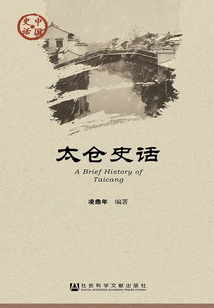
太仓史话(中国史话·社会系列)
Compiled By Ling Dingnian
Taicang is named after King Wu set up a granary here during the Spring and Autumn Period. It is the anchorage of the famous navigator Zheng He's seven voyages to the Western Ocean, the birthplace of Jiangnan silk and bamboo, the birthplace of Loudong culture, and the birthplace of the legend of the Cowherd and the Weaver Girl. The urban spirit of "exquisiteness, harmony, pragmatism, and innovation" was formed in the blend of Loudong culture and Jianghai culture. "History of Taicang" systematically introduces Taicang's characteristic culture, historical evolution and modern style from ancient times to the present, which is helpful for people to fully appreciate Taicang's thousand-year charm.
Taicang is named after King Wu set up a granary here during the Spring and Autumn Period. It is the anchorage of the famous navigator Zheng He's seven voyages to the Western Ocean, the birthplace of Jiangnan silk and bamboo, the birthplace of Loudong culture, and the birthplace of the legend of the Cowherd and the Weaver Girl. The urban spirit of "exquisiteness, harmony, pragmatism, and innovation" was formed in the blend of Loudong culture and Jianghai culture. "History of Taicang" systematically introduces Taicang's characteristic culture, historical evolution and modern style from ancient times to the present, which is helpful for people to fully appreciate Taicang's thousand-year charm.
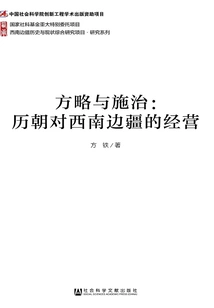
方略与施治:历朝对西南边疆的经营
Fangtie
The ancient southwest frontier included the present-day Yunnan, Guangxi, and Guizhou provinces and southwestern Sichuan, as well as the northern part of the Indochina Peninsula that once belonged to the Central Plains Dynasty. The Han, Jin, Southern Dynasties, Sui, Tang, Song, Yuan, Ming, and Qing dynasties managed the southwest frontier to varying degrees. Regimes such as Nanyue, Shuhan, Nanzhao, and Dali also established their own unique governance. The changes in the southwestern frontier for more than 2,000 years have outlined a trajectory of ups and downs and left many historical mysteries that are confusing and difficult to solve. From the perspective of border governance strategies and governance effectiveness, this book uses newer methods such as historical period method and overall history method to conduct a more systematic and in-depth discussion on the management of the Central Plains dynasties and frontier regimes in the southwestern frontier.
The ancient southwest frontier included the present-day Yunnan, Guangxi, and Guizhou provinces and southwestern Sichuan, as well as the northern part of the Indochina Peninsula that once belonged to the Central Plains Dynasty. The Han, Jin, Southern Dynasties, Sui, Tang, Song, Yuan, Ming, and Qing dynasties managed the southwest frontier to varying degrees. Regimes such as Nanyue, Shuhan, Nanzhao, and Dali also established their own unique governance. The changes in the southwestern frontier for more than 2,000 years have outlined a trajectory of ups and downs and left many historical mysteries that are confusing and difficult to solve. From the perspective of border governance strategies and governance effectiveness, this book uses newer methods such as historical period method and overall history method to conduct a more systematic and in-depth discussion on the management of the Central Plains dynasties and frontier regimes in the southwestern frontier.
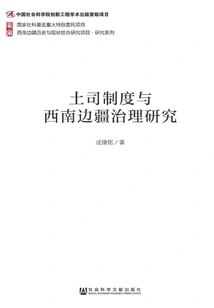
土司制度与西南边疆治理研究
Cheng Zhenming
This book examines the characteristics and causes of southwest border governance from the perspective of regional overall history. On the basis of discussing the central government's governance of the southwest border before the implementation of the chieftain system, this paper focused on the central government's governance of the southwest border after the implementation of the chieftain system. It also summarized my country's successful experiences and failures in dealing with the relations with the three countries of Indochina caused by the chieftain system in the southwest border area, transnational ethnic relations in the border, the development of ethnic societies in the border, changes in my country's southwest territory, and the political security and stability of the border. It also pointed out the political and cultural problems exposed by the chieftain system in the security and stability of the southwest border.
This book examines the characteristics and causes of southwest border governance from the perspective of regional overall history. On the basis of discussing the central government's governance of the southwest border before the implementation of the chieftain system, this paper focused on the central government's governance of the southwest border after the implementation of the chieftain system. It also summarized my country's successful experiences and failures in dealing with the relations with the three countries of Indochina caused by the chieftain system in the southwest border area, transnational ethnic relations in the border, the development of ethnic societies in the border, changes in my country's southwest territory, and the political security and stability of the border. It also pointed out the political and cultural problems exposed by the chieftain system in the security and stability of the southwest border.
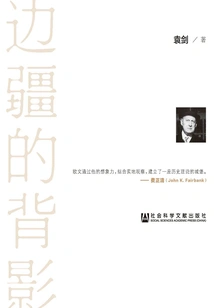
边疆的背影:拉铁摩尔与中国学术
Yuan Jian
Starting from the famous sinologist Lattimore's life experience in China, the author sorts out the acceptance process of Lattimore and his theories by Chinese academic circles from the beginning of the 20th century to the present from the perspective of knowledge construction; through the fieldwork he conducted in China's border areas (Northeast, Mongolia, Xinjiang, etc.) Carefully sort out, analyze his connections with the Chinese academic and political circles at that time, and on this basis, summarize and reflect on the relevant core concepts and theoretical paradigms proposed by Lattimore during his research in China, and provide a historical text for us to better understand our motherland and its border areas.
Starting from the famous sinologist Lattimore's life experience in China, the author sorts out the acceptance process of Lattimore and his theories by Chinese academic circles from the beginning of the 20th century to the present from the perspective of knowledge construction; through the fieldwork he conducted in China's border areas (Northeast, Mongolia, Xinjiang, etc.) Carefully sort out, analyze his connections with the Chinese academic and political circles at that time, and on this basis, summarize and reflect on the relevant core concepts and theoretical paradigms proposed by Lattimore during his research in China, and provide a historical text for us to better understand our motherland and its border areas.
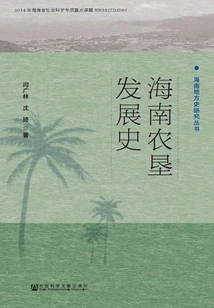
海南农垦发展史
Yan Guanglin Shen Qi
The emergence, development, existence and destiny of Hainan's agricultural reclamation have distinct characteristics of the times and are closely related to contemporary Chinese history and Hainan history. Hainan Agricultural Reclamation originated from Sino-Soviet rubber cooperation and has gone through periods such as the War to Resist U. S. Aggression and Aid Korea, the People's Communes, the "Great Leap Forward", the "Cultural Revolution", and reform and opening up. It has been a bumpy road, and progress and development are its eternal main themes. Every development and transformation of Hainan's agricultural reclamation has had a profound impact on Hainan's social history, land development, population growth, transformation of production relations, and improvement of infrastructure.
The emergence, development, existence and destiny of Hainan's agricultural reclamation have distinct characteristics of the times and are closely related to contemporary Chinese history and Hainan history. Hainan Agricultural Reclamation originated from Sino-Soviet rubber cooperation and has gone through periods such as the War to Resist U. S. Aggression and Aid Korea, the People's Communes, the "Great Leap Forward", the "Cultural Revolution", and reform and opening up. It has been a bumpy road, and progress and development are its eternal main themes. Every development and transformation of Hainan's agricultural reclamation has had a profound impact on Hainan's social history, land development, population growth, transformation of production relations, and improvement of infrastructure.
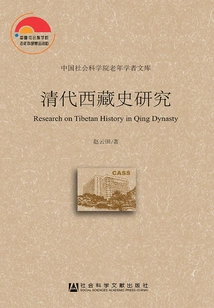
清代西藏史研究
Zhao Yuntian
This book explores the history of Tibet in the Qing Dynasty from many aspects such as politics, religion, society, and reform. From the author's unique perspective, it reveals that Tibet is an inseparable part of China's sacred territory. It has innovative value in academics and practical significance in politics. It comprehensively sorts out the research on the history of Tibet in the Qing Dynasty over the past century, and is particularly useful for reference and inspiration.
This book explores the history of Tibet in the Qing Dynasty from many aspects such as politics, religion, society, and reform. From the author's unique perspective, it reveals that Tibet is an inseparable part of China's sacred territory. It has innovative value in academics and practical significance in politics. It comprehensively sorts out the research on the history of Tibet in the Qing Dynasty over the past century, and is particularly useful for reference and inspiration.
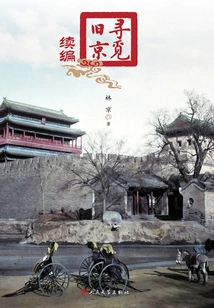
寻觅旧京:续编
Lin Jing
This book is a sequel to the book "Looking for the Old Beijing". It mainly uses pictures and is supplemented by texts. It supplements a large number of precious images and text introductions that "Looking for the Old Beijing" could not include due to length and other reasons. In addition to palaces, gardens, temples, folk customs and other sections, it also adds content about the streets and streets, giving a more complete and comprehensive view of Beijing from the late feudal society to the early Republic of China.
This book is a sequel to the book "Looking for the Old Beijing". It mainly uses pictures and is supplemented by texts. It supplements a large number of precious images and text introductions that "Looking for the Old Beijing" could not include due to length and other reasons. In addition to palaces, gardens, temples, folk customs and other sections, it also adds content about the streets and streets, giving a more complete and comprehensive view of Beijing from the late feudal society to the early Republic of China.
Tales of the Spring and Autumn Period: Selected Historical Stories of Pingliang (2 Volumes in Total)
History春秋逸谭:平凉历史掌故选(全2册)
Wang Meng Li Shien
The "Humanities Pingliang" series is a set of 5 books (tentatively titled "Pingliang Poems", "Kongtong Poems", "Pingliang Travels", "Pingliang Stories", "Pingliang Jinshi"). The editors' names are: Ru Jian, Li Shi'en, Wei Baishu, Li Yehui, etc. The first two volumes select various poems, lyrics, and verses written by poets from ancient times to the Republic of China on Kongtong Mountain and other places in Pingliang, with brief annotations. The third volume selects travel notes of Pingliang's scenic spots, local customs and customs written by authors from past dynasties. The fourth volume contains selected anecdotes. The fifth volume selects important local epigraphic inscriptions.
The "Humanities Pingliang" series is a set of 5 books (tentatively titled "Pingliang Poems", "Kongtong Poems", "Pingliang Travels", "Pingliang Stories", "Pingliang Jinshi"). The editors' names are: Ru Jian, Li Shi'en, Wei Baishu, Li Yehui, etc. The first two volumes select various poems, lyrics, and verses written by poets from ancient times to the Republic of China on Kongtong Mountain and other places in Pingliang, with brief annotations. The third volume selects travel notes of Pingliang's scenic spots, local customs and customs written by authors from past dynasties. The fourth volume contains selected anecdotes. The fifth volume selects important local epigraphic inscriptions.
云南通史·第三卷
Lin Chaomin Editor-in-chief Duan Yuming
"General History of Yunnan" (six volumes) is a historical work that systematically discusses the political, economic, social and cultural development of various ethnic groups in Yunnan in different historical periods from ancient times to 1949. The integration of indigenous peoples and indigenous peoples, and indigenous peoples and Han people, that is, "barbarians become barbarians", "Hans become barbarians", "barbarians become Han", and through integration and common prosperity, they cohere with all Chinese ethnic groups to form a unified and indivisible country. This is a main line throughout this book. This book picks out the best, discards the bad and retains the good, and focuses on innovation. It reveals the laws and highlights of Yunnan's historical development from all aspects. It has important reference value for the study of China's general history, special history, and the history of exchanges between China and Southeast Asia and South Asia.
"General History of Yunnan" (six volumes) is a historical work that systematically discusses the political, economic, social and cultural development of various ethnic groups in Yunnan in different historical periods from ancient times to 1949. The integration of indigenous peoples and indigenous peoples, and indigenous peoples and Han people, that is, "barbarians become barbarians", "Hans become barbarians", "barbarians become Han", and through integration and common prosperity, they cohere with all Chinese ethnic groups to form a unified and indivisible country. This is a main line throughout this book. This book picks out the best, discards the bad and retains the good, and focuses on innovation. It reveals the laws and highlights of Yunnan's historical development from all aspects. It has important reference value for the study of China's general history, special history, and the history of exchanges between China and Southeast Asia and South Asia.
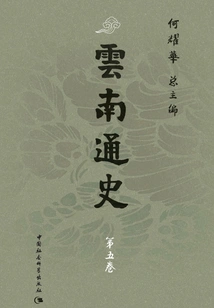
云南通史·第五卷
Jiang Zhongli Editor-in-chief Wang Wencheng
"General History of Yunnan" (six volumes) is a historical work that systematically discusses the political, economic, social and cultural development of various ethnic groups in Yunnan in different historical periods from ancient times to 1949. The integration of indigenous peoples and indigenous peoples, and indigenous peoples and Han people, that is, "barbarians become barbarians", "Hans become barbarians", "barbarians become Han", and through integration and common prosperity, they cohere with all Chinese ethnic groups to form a unified and indivisible country. This is a main line throughout this book. This book picks out the best, discards the bad and retains the good, and focuses on innovation. It reveals the laws and highlights of Yunnan's historical development from all aspects. It has important reference value for the study of China's general history, special history, and the history of exchanges between China and Southeast Asia and South Asia.
"General History of Yunnan" (six volumes) is a historical work that systematically discusses the political, economic, social and cultural development of various ethnic groups in Yunnan in different historical periods from ancient times to 1949. The integration of indigenous peoples and indigenous peoples, and indigenous peoples and Han people, that is, "barbarians become barbarians", "Hans become barbarians", "barbarians become Han", and through integration and common prosperity, they cohere with all Chinese ethnic groups to form a unified and indivisible country. This is a main line throughout this book. This book picks out the best, discards the bad and retains the good, and focuses on innovation. It reveals the laws and highlights of Yunnan's historical development from all aspects. It has important reference value for the study of China's general history, special history, and the history of exchanges between China and Southeast Asia and South Asia.
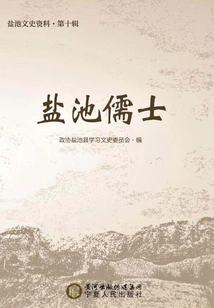
Yanchi Confucian Scholars
History盐池儒士
Cppcc Yanchi County Studying Culture And History Committee
China is one of the oldest ancient civilizations. During its long development process, it has gradually formed a standardized and strict imperial examination management system.
China is one of the oldest ancient civilizations. During its long development process, it has gradually formed a standardized and strict imperial examination management system.
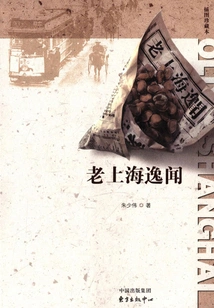
Anecdotes About Old Shanghai
History老上海逸闻
Zhu Shaowei
This is a historical book that collects, organizes and displays the urban memories of old Shanghai. It is divided into five series: "Shanghai Scenery, Shanghai Treasures, Songbin Footprints, Maritime Context, and Pujiang Smoke". The book tells the development history of old Shanghai and many anecdotes in a popular style, covering local scenery, wars, publishing, celebrity activities, etc. These contents are compiled from precious historical materials and are accompanied by nearly 300 photos, which directly and faithfully display the historical appearance of the city with pictures and texts.
This is a historical book that collects, organizes and displays the urban memories of old Shanghai. It is divided into five series: "Shanghai Scenery, Shanghai Treasures, Songbin Footprints, Maritime Context, and Pujiang Smoke". The book tells the development history of old Shanghai and many anecdotes in a popular style, covering local scenery, wars, publishing, celebrity activities, etc. These contents are compiled from precious historical materials and are accompanied by nearly 300 photos, which directly and faithfully display the historical appearance of the city with pictures and texts.
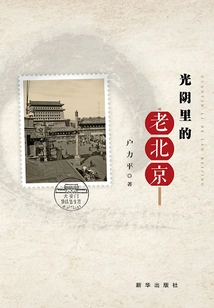
Old Beijing in Time
History光阴里的老北京
Hu Liping
The book "Old Beijing in Time" tells the origin of place names in old Beijing, anecdotes on the streets and alleys, and anecdotes of Beijing's historical and cultural celebrities from various aspects such as place names, landscape anecdotes, folk customs, celebrity anecdotes, and past events. For example, "Why is Fengtai called the 'Hometown of Flowers'?" "Is there any theory of 'touzhuxiang' in history?" "The emperor who was 'not doing his job properly' in the Forbidden City" etc. If you take a closer look, this book can be called an encyclopedia of interesting things about old Beijing.
The book "Old Beijing in Time" tells the origin of place names in old Beijing, anecdotes on the streets and alleys, and anecdotes of Beijing's historical and cultural celebrities from various aspects such as place names, landscape anecdotes, folk customs, celebrity anecdotes, and past events. For example, "Why is Fengtai called the 'Hometown of Flowers'?" "Is there any theory of 'touzhuxiang' in history?" "The emperor who was 'not doing his job properly' in the Forbidden City" etc. If you take a closer look, this book can be called an encyclopedia of interesting things about old Beijing.
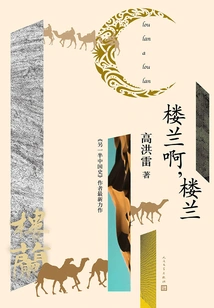
Loulan, Loulan
History楼兰啊,楼兰
Gao Honglei
This book restores the ancient times through the research, screening and arrangement of more than 100 Chinese and foreign ancient books, such as "Records of Foreign Territories", "Tours of Tochar", "Slips Fallen in the Quicksand", "Chinese Cultural Relics and Other Discoveries Obtained by Sven Hedin in Loulan", "Collection of Chinese Slip Documents in Loulan", "Hanshu·Biography of the Western Regions" The process of the rise, development, migration, decline and disappearance of Loulan (later named Shanshan), an ancient country on the Silk Road, not only illustrates Loulan's important role in the inheritance of civilization along the South Silk Road, but also reflects on the disappearance of Loulan and the deterioration of the surrounding environment, especially the drying up of Lop Nur. It is a work integrating literature, culture, environment and geography.
This book restores the ancient times through the research, screening and arrangement of more than 100 Chinese and foreign ancient books, such as "Records of Foreign Territories", "Tours of Tochar", "Slips Fallen in the Quicksand", "Chinese Cultural Relics and Other Discoveries Obtained by Sven Hedin in Loulan", "Collection of Chinese Slip Documents in Loulan", "Hanshu·Biography of the Western Regions" The process of the rise, development, migration, decline and disappearance of Loulan (later named Shanshan), an ancient country on the Silk Road, not only illustrates Loulan's important role in the inheritance of civilization along the South Silk Road, but also reflects on the disappearance of Loulan and the deterioration of the surrounding environment, especially the drying up of Lop Nur. It is a work integrating literature, culture, environment and geography.
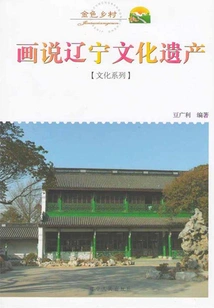
画说辽宁文化遗产
Dou Guangli
This book contains all material and intangible cultural heritage in Liaoning Province. In addition to the introduction of the current status of the heritage, a large number of colorful pictures are also inserted, with pictures accompanying the text and text containing the pictures, making this book more distinctive.
This book contains all material and intangible cultural heritage in Liaoning Province. In addition to the introduction of the current status of the heritage, a large number of colorful pictures are also inserted, with pictures accompanying the text and text containing the pictures, making this book more distinctive.
Liaoning Cultural Tourism
History辽宁文化旅游
Liaoning Provincial Cultural Exchange Association Liaoning Provincial Tourism Bureau
Yu Jinhua's "Research on the Development of Cultural Tourism Industry in Liaoning" is based on the provincial research background of the development of cultural tourism industry in Liaoning. From the perspective of cultural ecology, it takes cultural tourism as the research object, follows the concept of sustainable development of cultural tourism, and analyzes the world's cultural tourism and cultural tourism through theory, case and research analysis. Conduct theoretical and applied research on classic cases of Chinese cultural tourism, Liaoning history and culture (Qing culture) and the "Five Ancients" tourism development path, developing Liaoning ethnic, folk, religious and cultural tourism, Liaoning industrial heritage and new trends in industrial tourism development, Liaoning red tourism resource evaluation and development ideas, etc.
Yu Jinhua's "Research on the Development of Cultural Tourism Industry in Liaoning" is based on the provincial research background of the development of cultural tourism industry in Liaoning. From the perspective of cultural ecology, it takes cultural tourism as the research object, follows the concept of sustainable development of cultural tourism, and analyzes the world's cultural tourism and cultural tourism through theory, case and research analysis. Conduct theoretical and applied research on classic cases of Chinese cultural tourism, Liaoning history and culture (Qing culture) and the "Five Ancients" tourism development path, developing Liaoning ethnic, folk, religious and cultural tourism, Liaoning industrial heritage and new trends in industrial tourism development, Liaoning red tourism resource evaluation and development ideas, etc.
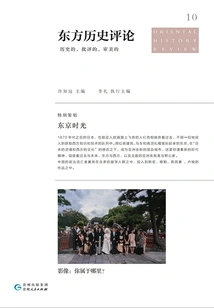
东京时光(东方历史评论10)
Xu Zhiyuan
In Japan after the 1870s, people rushing to leave Asia and join Europe rushed to abandon the past and devoted themselves desperately to acquiring Western knowledge and technology. Tokyo, decorated with red brick buildings, horse-drawn carriages and top hats, has become a new mixed-race city in Asia under the inspiration of "Japanese soul and Western culture". It is filled with a new spirit of the times, linking the past and the future, the East and the West, as well as countless Asian losers and careerists.
In Japan after the 1870s, people rushing to leave Asia and join Europe rushed to abandon the past and devoted themselves desperately to acquiring Western knowledge and technology. Tokyo, decorated with red brick buildings, horse-drawn carriages and top hats, has become a new mixed-race city in Asia under the inspiration of "Japanese soul and Western culture". It is filled with a new spirit of the times, linking the past and the future, the East and the West, as well as countless Asian losers and careerists.
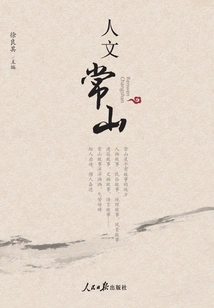
Humanity Changshan
History人文常山
Editor-in-chief Xu Liangqi
This book collects about 150 articles from the "Humanities Changshan" special edition of "Today's Changshan" from 2012 to 2015. Most of the articles in the manuscript are excavating and sorting out Changshan local historical records, village history, folklore, etc. That contain positive energy. When editing, we strive to enhance the storytelling and readability of the article, and enhance the promotion and influence of the content. The same cultural relic may be covered in multiple articles, but with different angles and focuses. When editing and selecting articles, we try to keep this standard in mind so that the content of each article can complement and corroborate each other. This book can be regarded as a comprehensive historical material reader for understanding the cultural landscape of Changshan.
This book collects about 150 articles from the "Humanities Changshan" special edition of "Today's Changshan" from 2012 to 2015. Most of the articles in the manuscript are excavating and sorting out Changshan local historical records, village history, folklore, etc. That contain positive energy. When editing, we strive to enhance the storytelling and readability of the article, and enhance the promotion and influence of the content. The same cultural relic may be covered in multiple articles, but with different angles and focuses. When editing and selecting articles, we try to keep this standard in mind so that the content of each article can complement and corroborate each other. This book can be regarded as a comprehensive historical material reader for understanding the cultural landscape of Changshan.
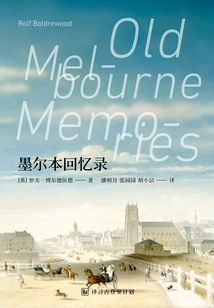
Melbourne Memoirs
History墨尔本回忆录
(uk) Rolf Boldwood
The article "Melbourne Memoirs" can help you get to know this city better from its beginnings. As a witness and participant of this history, Rolf Boldwood has more say in this history than obscure and abstract historical materials. Born in London, England, his family moved to Australia in 1840 and settled in Melbourne. He worked as a sheep farmer and later as an inspector of gold mines, during which he continued to write. Rather than witnessing the development and changes of Melbourne, it is better to say that Melbourne entrusted him with his frivolous youth. Therefore, he vividly and detailedly told the story of Melbourne during that period based on his own life experiences.
The article "Melbourne Memoirs" can help you get to know this city better from its beginnings. As a witness and participant of this history, Rolf Boldwood has more say in this history than obscure and abstract historical materials. Born in London, England, his family moved to Australia in 1840 and settled in Melbourne. He worked as a sheep farmer and later as an inspector of gold mines, during which he continued to write. Rather than witnessing the development and changes of Melbourne, it is better to say that Melbourne entrusted him with his frivolous youth. Therefore, he vividly and detailedly told the story of Melbourne during that period based on his own life experiences.
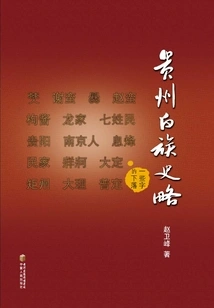
贵州白族史略
Zhao Weifeng
The Bai ethnic group is an ancient ethnic group in my country. In the long-term development and evolution, the Bai ethnic group and the fraternal ethnic groups in the southwest region have come into contact and influenced each other, penetrated, united and integrated with each other. We are inextricably linked geographically and by blood, as well as in politics, economy, history and culture, and have jointly contributed to the unification and development of the motherland.
The Bai ethnic group is an ancient ethnic group in my country. In the long-term development and evolution, the Bai ethnic group and the fraternal ethnic groups in the southwest region have come into contact and influenced each other, penetrated, united and integrated with each other. We are inextricably linked geographically and by blood, as well as in politics, economy, history and culture, and have jointly contributed to the unification and development of the motherland.
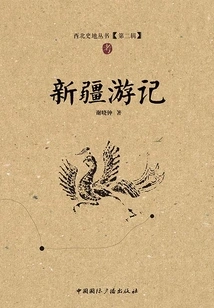
新疆游记(西北史地丛书·第二辑)
Xie Xiaozhong
"Travel Notes to Xinjiang" tells the story of Xie Bin's inspection trip to Xinjiang in 1916, which lasted for 15 months. He wrote "Travel Notes to Xinjiang" based on the findings of the inspection, with more than 300,000 words. It is a monograph introducing knowledge about the northwest frontier. Sun Yat-sen wrote the preface himself, praising him as a "man of insight" and a "real man" who "does not aspire to be a high official, but to do great things." He also said that after reading this book, "its hope for the future of our country is really endless."
"Travel Notes to Xinjiang" tells the story of Xie Bin's inspection trip to Xinjiang in 1916, which lasted for 15 months. He wrote "Travel Notes to Xinjiang" based on the findings of the inspection, with more than 300,000 words. It is a monograph introducing knowledge about the northwest frontier. Sun Yat-sen wrote the preface himself, praising him as a "man of insight" and a "real man" who "does not aspire to be a high official, but to do great things." He also said that after reading this book, "its hope for the future of our country is really endless."
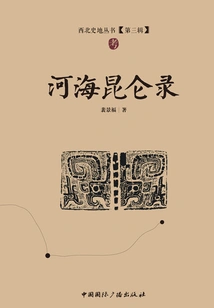
河海昆仑录(西北史地丛书·第三辑)
Pei Jingfu
This book is a highly anticipated masterpiece in the study of modern history and geography in my country. It is a record of the author's journey to Xinjiang, the garrison station. Before leaving, he made two cloth bags and carried them with him. "Everything he experienced on the road, what he encountered with his ears and eyes, and what he struggled with in his mind was recorded day by day and put into the bag." His journey started from the South China Sea, passed through the Yellow River, and finally arrived at the Kunlun Mountains. The journey was more than 11,720 miles and more than 370 days in total. In the book, travel notes, narratives, scenery descriptions, ambitions, lyricism, poetry and prose complement each other and complement each other; natural scenery, people's customs and customs, current affairs, history, geography, military affairs, diplomacy, painting, calligraphy, antique appreciation, and even stocks are all-encompassing.
This book is a highly anticipated masterpiece in the study of modern history and geography in my country. It is a record of the author's journey to Xinjiang, the garrison station. Before leaving, he made two cloth bags and carried them with him. "Everything he experienced on the road, what he encountered with his ears and eyes, and what he struggled with in his mind was recorded day by day and put into the bag." His journey started from the South China Sea, passed through the Yellow River, and finally arrived at the Kunlun Mountains. The journey was more than 11,720 miles and more than 370 days in total. In the book, travel notes, narratives, scenery descriptions, ambitions, lyricism, poetry and prose complement each other and complement each other; natural scenery, people's customs and customs, current affairs, history, geography, military affairs, diplomacy, painting, calligraphy, antique appreciation, and even stocks are all-encompassing.
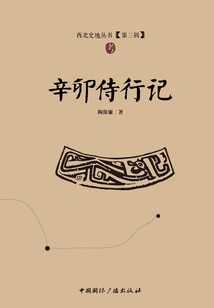
辛卯侍行记(西北史地丛书·第三辑)
Tao Baolian
Since Tao Baolian had personal experience, his records and understanding of some issues in the northwest frontier in "Xin Mao Shi Xing Ji" should be said to be both credible and insightful. Therefore, this book has also become an important part of the study of Northwest history and geography in the late Qing Dynasty, and has important academic value. Moreover, the attention and analysis of certain northwest border issues in the book are worthy of reference by today's people to a certain extent.
Since Tao Baolian had personal experience, his records and understanding of some issues in the northwest frontier in "Xin Mao Shi Xing Ji" should be said to be both credible and insightful. Therefore, this book has also become an important part of the study of Northwest history and geography in the late Qing Dynasty, and has important academic value. Moreover, the attention and analysis of certain northwest border issues in the book are worthy of reference by today's people to a certain extent.
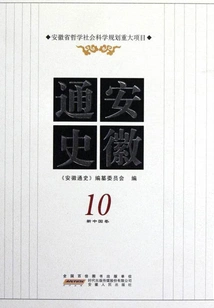
安徽通史·新中国卷
Compiled By The Compilation Committee Of "general History Of Anhui"
The main contents of this book include the liberation of northern Anhui and southern Anhui, the eradication of remaining bandits, land reform, restoration and development of industry and commerce, main reference documents, etc.
The main contents of this book include the liberation of northern Anhui and southern Anhui, the eradication of remaining bandits, land reform, restoration and development of industry and commerce, main reference documents, etc.
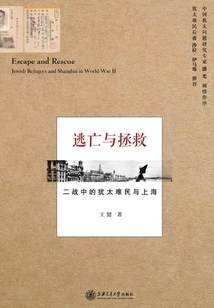
逃亡与拯救:二战中的犹太难民与上海
Wang Jian
This book was written to commemorate the 70th anniversary of the victory of the Chinese People's War of Resistance Against Japanese Aggression and the World People's Anti-Fascist War. It takes "peace, friendship, and tolerance" as its theme, and is based on the memoirs and oral histories of Jewish refugees and Shanghai people during World War II. It uses classic historical materials and vivid stories to tell the background and reasons for Jewish refugees to Shanghai during World War II, including how Jewish refugees escaped. The four links of ", resettlement, getting along, and leaving" reproduce the mutual respect, mutual sympathy, mutual support, joint resistance against Japan, and joint anti-fascism between Jewish refugees and ordinary Chinese people during the war-torn years. It also reproduces the contribution made by the Chinese government and people in the Anti-Japanese War and the world's anti-fascism, aiming to arouse people from all over the world to "remember history and cherish peace."
This book was written to commemorate the 70th anniversary of the victory of the Chinese People's War of Resistance Against Japanese Aggression and the World People's Anti-Fascist War. It takes "peace, friendship, and tolerance" as its theme, and is based on the memoirs and oral histories of Jewish refugees and Shanghai people during World War II. It uses classic historical materials and vivid stories to tell the background and reasons for Jewish refugees to Shanghai during World War II, including how Jewish refugees escaped. The four links of ", resettlement, getting along, and leaving" reproduce the mutual respect, mutual sympathy, mutual support, joint resistance against Japan, and joint anti-fascism between Jewish refugees and ordinary Chinese people during the war-torn years. It also reproduces the contribution made by the Chinese government and people in the Anti-Japanese War and the world's anti-fascism, aiming to arouse people from all over the world to "remember history and cherish peace."
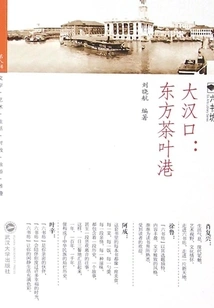
大汉口:东方茶叶港
Compiled By Liu Xiaohang
Through on-the-spot investigation of the remains of the tea trade in Wuhan, the collection and combing of a large number of materials in libraries and archives, and various local chronicles of Wuhan, the historical background of the impact of the prosperous tea trade on Hankou's economic and social development from 1861 to the early 20th century, and the main line of "the tea ceremony prospered in Hankou, and Hankou prospered because of tea", is used to display the social and cultural features of Hankou in more than half a century from multiple levels and perspectives.
Through on-the-spot investigation of the remains of the tea trade in Wuhan, the collection and combing of a large number of materials in libraries and archives, and various local chronicles of Wuhan, the historical background of the impact of the prosperous tea trade on Hankou's economic and social development from 1861 to the early 20th century, and the main line of "the tea ceremony prospered in Hankou, and Hankou prospered because of tea", is used to display the social and cultural features of Hankou in more than half a century from multiple levels and perspectives.
清代广西贡院
Army Huang Xiuying
This book centers on Guangxi Gongyuan in the Qing Dynasty and divergently describes the historical context before the establishment of Guangxi Gongyuan, the imperial examination system of Guangxi Gongyuan, the imperial examinations of Guangxi Gongyuan, the general situation of Guangxi Gongyuan's successful candidates and the celebrities in the imperial examination of Guangxi Gongyuan. And customs, etc., As well as pictures related to Gongyuan, which integrates knowledge, information and readability. It is of great significance for a comprehensive understanding of the context of Guangxi and Guangxi Gongyuan in the Qing Dynasty, and also plays a certain role in understanding my country's imperial examination culture.
This book centers on Guangxi Gongyuan in the Qing Dynasty and divergently describes the historical context before the establishment of Guangxi Gongyuan, the imperial examination system of Guangxi Gongyuan, the imperial examinations of Guangxi Gongyuan, the general situation of Guangxi Gongyuan's successful candidates and the celebrities in the imperial examination of Guangxi Gongyuan. And customs, etc., As well as pictures related to Gongyuan, which integrates knowledge, information and readability. It is of great significance for a comprehensive understanding of the context of Guangxi and Guangxi Gongyuan in the Qing Dynasty, and also plays a certain role in understanding my country's imperial examination culture.
图说靖江王城史
Zhou Changshan Qi Zhaojin
Jingjiang Imperial City is a pearl of Guilin's history and culture. It is the city within the city of Guilin and the epitome of Guilin's history and culture. Entering Jingjiang Royal City, you enter the gate of Guilin's history and culture.
Jingjiang Imperial City is a pearl of Guilin's history and culture. It is the city within the city of Guilin and the epitome of Guilin's history and culture. Entering Jingjiang Royal City, you enter the gate of Guilin's history and culture.
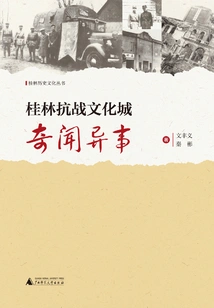
桂林抗战文化城奇闻异事
Wen Fengyi Qin Bin
Many thrilling and bizarre stories have happened in the land of Guilin, especially during the Anti-Japanese War. Due to its special geographical location, important political and military status, "a gathering of literati and a prosperous culture", Guilin became a famous progressive cultural center in the Kuomintang-controlled area at that time. It was known as the "Cultural City" during the war, which influenced the whole country and shocked the world. The previously popular spy drama "Jiangnan" was actually based on the historical facts of the "Three Heroes of Longtan" represented by Li Kenong who broke into the enemy's interior to engage in espionage work.
Many thrilling and bizarre stories have happened in the land of Guilin, especially during the Anti-Japanese War. Due to its special geographical location, important political and military status, "a gathering of literati and a prosperous culture", Guilin became a famous progressive cultural center in the Kuomintang-controlled area at that time. It was known as the "Cultural City" during the war, which influenced the whole country and shocked the world. The previously popular spy drama "Jiangnan" was actually based on the historical facts of the "Three Heroes of Longtan" represented by Li Kenong who broke into the enemy's interior to engage in espionage work.
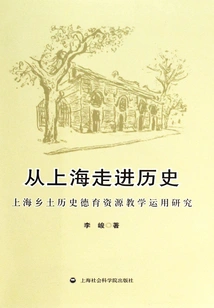
从上海走进历史:上海乡土历史德育资源教育运用研究
Li Jun
"Entering History from Shanghai: Research on the Teaching Application of Shanghai's Local History Moral Education Resources" mainly includes the development status of Shanghai's local history moral education resources, the development status of physical moral education resources, the development status of text-based moral education resources, subject textbooks compiled by the municipal government, the Municipal Education Commission and various districts and counties, school-based readings compiled by major primary and secondary schools, various readings written by sociologists, and the application status of Shanghai's local history moral education resources.
"Entering History from Shanghai: Research on the Teaching Application of Shanghai's Local History Moral Education Resources" mainly includes the development status of Shanghai's local history moral education resources, the development status of physical moral education resources, the development status of text-based moral education resources, subject textbooks compiled by the municipal government, the Municipal Education Commission and various districts and counties, school-based readings compiled by major primary and secondary schools, various readings written by sociologists, and the application status of Shanghai's local history moral education resources.
凝瞩之下(慕士塔格文丛)
Liu Xiangchen
The long Taxkul River outlines the outline of the entire Pamir Plateau. The sky is clear blue, the clouds are flowing, and the distant mountains are silent... The works included in "Muztage Wen Cong: Under the Gaze" are all written by the author who spent several years visiting various places in Xinjiang and referring to a large number of literary and historical materials, striving to give a more comprehensive, accurate and popular introduction to the region and humanities of Xinjiang. We sincerely hope that through the introduction of "Muztagh Wencong", we can lead readers to have a deeper understanding of this land and the lives of the people on this land.
The long Taxkul River outlines the outline of the entire Pamir Plateau. The sky is clear blue, the clouds are flowing, and the distant mountains are silent... The works included in "Muztage Wen Cong: Under the Gaze" are all written by the author who spent several years visiting various places in Xinjiang and referring to a large number of literary and historical materials, striving to give a more comprehensive, accurate and popular introduction to the region and humanities of Xinjiang. We sincerely hope that through the introduction of "Muztagh Wencong", we can lead readers to have a deeper understanding of this land and the lives of the people on this land.
Xinjiang Two Thousand Years
History新疆两千年
Liu Xun Liu Di
The book "Two Thousand Years of Xinjiang" is based on solid and reliable historical materials, and the writing is also vivid and fluent, making it highly readable. In today's Xinjiang, and even in the whole of China, it is undoubtedly a "good rain" that "knows the season". This book allows everyone who wants to understand Xinjiang to understand Xinjiang easily and thoroughly, so as to understand and love Xinjiang better.
The book "Two Thousand Years of Xinjiang" is based on solid and reliable historical materials, and the writing is also vivid and fluent, making it highly readable. In today's Xinjiang, and even in the whole of China, it is undoubtedly a "good rain" that "knows the season". This book allows everyone who wants to understand Xinjiang to understand Xinjiang easily and thoroughly, so as to understand and love Xinjiang better.
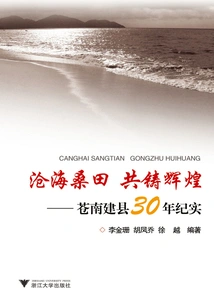
The Vicissitudes of Life Create Brilliance Together: 30 Years of Cangnan County Establishment
History沧海桑田 共铸辉煌:苍南建县30年纪实
Li Jinshan
Cangnan County is located in the southernmost tip of Zhejiang Province. It is one of the main birthplaces of the Wenzhou model. It is also one of the first batch of coastal counties in the country to open to the outside world and one of the top 100 counties in the country with basic county economic competitiveness. Cangnan is adjacent to the East China Sea, facing the treasure island of Taiwan in the distance, adjacent to Fuding City in Fujian Province to the southwest, Pingyang to the north, and Wencheng to the northwest. It is known as the "South Gate of Zhejiang"
Cangnan County is located in the southernmost tip of Zhejiang Province. It is one of the main birthplaces of the Wenzhou model. It is also one of the first batch of coastal counties in the country to open to the outside world and one of the top 100 counties in the country with basic county economic competitiveness. Cangnan is adjacent to the East China Sea, facing the treasure island of Taiwan in the distance, adjacent to Fuding City in Fujian Province to the southwest, Pingyang to the north, and Wencheng to the northwest. It is known as the "South Gate of Zhejiang"
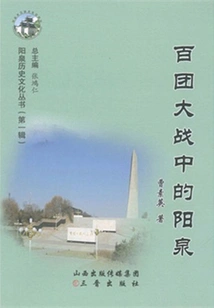
百团大战中的阳泉
Cao Suying
In Yangquan, there is a majestic Shinao Mountain, with an altitude of 1160 meters, which is the highest peak in the city. In the foothills of this beautiful scenery, the mountains are covered with lush and lush pines, arborvitae, five-cornered maples, as well as cotinus, rhinoceros and other shrubs. No matter it is morning or evening, sunny or rainy, cold or hot, this forest always looks so dignified, solemn and quiet, and among the sparse branches and dense leaves, there seems to be an indescribable charm permeating it. There is an open space on the top of this peak covered by green trees and clouds. Here stands a "Monument to the Hundred Regiments War", which is 40 meters high and looks like a sharp bayonet thrust into the sky. There are also three auxiliary monuments standing steeply side by side. A forged copper round sculpture, two inscribed steles, a beacon tower and the "Great Wall" surround the main monument, which is a theme forest park.
In Yangquan, there is a majestic Shinao Mountain, with an altitude of 1160 meters, which is the highest peak in the city. In the foothills of this beautiful scenery, the mountains are covered with lush and lush pines, arborvitae, five-cornered maples, as well as cotinus, rhinoceros and other shrubs. No matter it is morning or evening, sunny or rainy, cold or hot, this forest always looks so dignified, solemn and quiet, and among the sparse branches and dense leaves, there seems to be an indescribable charm permeating it. There is an open space on the top of this peak covered by green trees and clouds. Here stands a "Monument to the Hundred Regiments War", which is 40 meters high and looks like a sharp bayonet thrust into the sky. There are also three auxiliary monuments standing steeply side by side. A forged copper round sculpture, two inscribed steles, a beacon tower and the "Great Wall" surround the main monument, which is a theme forest park.
三辅決录
(han) Written By Zhao Qi
The twenty-three kinds of books collected in this book all record the capitals, people, mountains, rivers, and scenery of the Sanfu area, that is, the Jinguanzhong area. Because they are similar in nature, they are collected into one volume, which is of certain significance for the study of the geography of the Guanzhong area.
The twenty-three kinds of books collected in this book all record the capitals, people, mountains, rivers, and scenery of the Sanfu area, that is, the Jinguanzhong area. Because they are similar in nature, they are collected into one volume, which is of certain significance for the study of the geography of the Guanzhong area.
宁夏农村改革发展30年
Party History Research Office Of Ningxia District Committee Of The Communist Party Of China
This book consists of five major sections: review, special research, literature excerpts, newspaper materials, and major events, objectively and truly reflecting the achievements of Ningxia's rural reform and development in the past 30 years.
This book consists of five major sections: review, special research, literature excerpts, newspaper materials, and major events, objectively and truly reflecting the achievements of Ningxia's rural reform and development in the past 30 years.
Guizhixing
History贵知行
Jia Tianbing
This book is a humanistic essay about the history, geography, folk customs and culture of Guizhou. The book is divided into three parts. The first part, "The Way of Freedom\u002F Interpreting the Center on the Edge," mainly revolves around the history of Guizhou, using historical relics, celebrities, and events to connect the history of Guizhou from prehistoric times to the 21st century; the second part, "The gathering of knowledge and action through history in wisdom," mainly revolves around the Red Army's Long March and the eight-year war of resistance. , Showing the modern and contemporary history of Guizhou through battle sites and conference sites, highlighting Guizhou's unique position in the history of New China; the third part, "Splendid Guizhou Journey\u002F Blooms Value in Persistence," mainly introduces the humanistic and geographical connections between Guizhou and provinces across the country, and briefly describes Guizhou's natural customs and ethnic customs.
This book is a humanistic essay about the history, geography, folk customs and culture of Guizhou. The book is divided into three parts. The first part, "The Way of Freedom\u002F Interpreting the Center on the Edge," mainly revolves around the history of Guizhou, using historical relics, celebrities, and events to connect the history of Guizhou from prehistoric times to the 21st century; the second part, "The gathering of knowledge and action through history in wisdom," mainly revolves around the Red Army's Long March and the eight-year war of resistance. , Showing the modern and contemporary history of Guizhou through battle sites and conference sites, highlighting Guizhou's unique position in the history of New China; the third part, "Splendid Guizhou Journey\u002F Blooms Value in Persistence," mainly introduces the humanistic and geographical connections between Guizhou and provinces across the country, and briefly describes Guizhou's natural customs and ethnic customs.
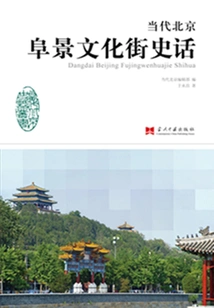
当代北京阜景文化街史话
Yu Yongchang
Jingfujing Street is connected by four streets: Jingshanqian Street, Wenjin Street, Xi'anmen Street and Fuchengmennei Street, with a total length of about 3,600 meters. From the south gate of Jingshan Park to the west to Fucheng Gate, there are 12 national key cultural relics protection units on the street. In the "Beijing Old City Historical and Cultural Reserve Protection and Control Scope Plan", there are 25 historical reserves located in the ancient city of Ming and Qing Dynasties in Beijing. , Located in Fucheng Street and as many as 9 adjacent streets, namely Wenjin Street, Fuchengmen Inner Street, Jingshan Front Street, Jingshan Back Street, Jingshan West Street, Zhishanmen Street, Beichang Street, Xihuamen Street, Xisi Beitou to Batiao Siheyuan Bungalow Reserve. This fully illustrates the richness and depth of the historical and cultural connotation of Fajing Street. Since the reform and opening up, especially after entering the 21st century, the urban government has continuously improved the construction plan for Fajing Street and increased efforts in protection, repair and development, making this historic street full of vitality and undergoing rapid changes.
Jingfujing Street is connected by four streets: Jingshanqian Street, Wenjin Street, Xi'anmen Street and Fuchengmennei Street, with a total length of about 3,600 meters. From the south gate of Jingshan Park to the west to Fucheng Gate, there are 12 national key cultural relics protection units on the street. In the "Beijing Old City Historical and Cultural Reserve Protection and Control Scope Plan", there are 25 historical reserves located in the ancient city of Ming and Qing Dynasties in Beijing. , Located in Fucheng Street and as many as 9 adjacent streets, namely Wenjin Street, Fuchengmen Inner Street, Jingshan Front Street, Jingshan Back Street, Jingshan West Street, Zhishanmen Street, Beichang Street, Xihuamen Street, Xisi Beitou to Batiao Siheyuan Bungalow Reserve. This fully illustrates the richness and depth of the historical and cultural connotation of Fajing Street. Since the reform and opening up, especially after entering the 21st century, the urban government has continuously improved the construction plan for Fajing Street and increased efforts in protection, repair and development, making this historic street full of vitality and undergoing rapid changes.
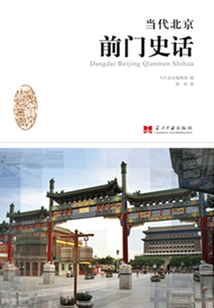
当代北京前门史话
Guo Xin
This book tells the history of Qianmen's rise and fall, legendary stories, and opportunities of the times. Qianmen is not only synonymous with "commercial empire", it is also an outstanding representative of the culture of a world-class ancient capital. Since the founding of New China, Qianmen has ushered in new development opportunities and regained its youth. People are not only delighted to see the powerful life heritage of the time-honored brand, but also the amazing power of Qianmen to heal themselves. The rapid recovery of Qianmen is due to the unprecedented activity of Qianmen culture. Qianmen, with a history of more than 700 years, is facing a fierce collision between the old and the new, tradition and modernity at the beginning of the 21st century. After this nirvana, the legend of Qianmen will surely continue.
This book tells the history of Qianmen's rise and fall, legendary stories, and opportunities of the times. Qianmen is not only synonymous with "commercial empire", it is also an outstanding representative of the culture of a world-class ancient capital. Since the founding of New China, Qianmen has ushered in new development opportunities and regained its youth. People are not only delighted to see the powerful life heritage of the time-honored brand, but also the amazing power of Qianmen to heal themselves. The rapid recovery of Qianmen is due to the unprecedented activity of Qianmen culture. Qianmen, with a history of more than 700 years, is facing a fierce collision between the old and the new, tradition and modernity at the beginning of the 21st century. After this nirvana, the legend of Qianmen will surely continue.
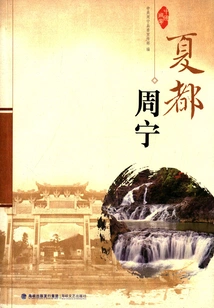
Zhouning, the Summer Capital
History夏都周宁
Propaganda Department Of Zhouning County Committee Of The Communist Party Of China
From different angles and aspects, "Summer Capital Zhouning" objectively reflects Zhouning's long-standing and profound history and culture, rich and colorful honest and simple folk customs, unique and magical human and geographical environment, and the generations of smart and capable Zhouning outstanding children it has created and nurtured.
From different angles and aspects, "Summer Capital Zhouning" objectively reflects Zhouning's long-standing and profound history and culture, rich and colorful honest and simple folk customs, unique and magical human and geographical environment, and the generations of smart and capable Zhouning outstanding children it has created and nurtured.
三坊七巷与台湾文化研讨会论文集
Fuzhou Mindu Culture Research Association Fuzhou Three Lanes And Seven Alleys Management Committee
The main content of "Be the first to create a trend and seek eternal happiness in the world: "Three Lanes and Seven Alleys and Taiwan" cultural seminar collection" mainly includes: Three Lanes and Seven Alleys people and education in Taiwan, a discussion on Three Lanes and Seven Alleys scholars and the development of Taiwan academies, Three Lanes and Seven Alleys and the historical and cultural changes of modern Fuzhou, Three Lanes and Seven Alleys celebrity culture from the perspective of cross-strait exchanges, etc.
The main content of "Be the first to create a trend and seek eternal happiness in the world: "Three Lanes and Seven Alleys and Taiwan" cultural seminar collection" mainly includes: Three Lanes and Seven Alleys people and education in Taiwan, a discussion on Three Lanes and Seven Alleys scholars and the development of Taiwan academies, Three Lanes and Seven Alleys and the historical and cultural changes of modern Fuzhou, Three Lanes and Seven Alleys celebrity culture from the perspective of cross-strait exchanges, etc.
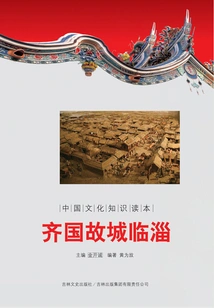
齐国故城临淄
Editor-in-chief Jin Kaicheng
The beautiful and vivid text, concise and popular language, and rich illustrations in "Linzi, the Ancient City of Qi" fully display to readers the key points of knowledge such as material culture, institutional culture, behavioral culture, and spiritual culture in Chinese culture.
The beautiful and vivid text, concise and popular language, and rich illustrations in "Linzi, the Ancient City of Qi" fully display to readers the key points of knowledge such as material culture, institutional culture, behavioral culture, and spiritual culture in Chinese culture.
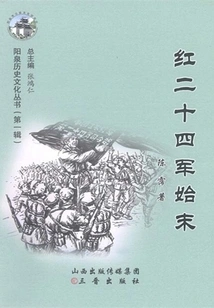
红二十四军始末
Chen Pei
This book mainly tells the glorious history of the preparation, development and final failure of the 24th Red Army, the first workers' and peasants' armed force in northern China, in a dangerous environment. Although its existence was short-lived, it was of great significance.
This book mainly tells the glorious history of the preparation, development and final failure of the 24th Red Army, the first workers' and peasants' armed force in northern China, in a dangerous environment. Although its existence was short-lived, it was of great significance.
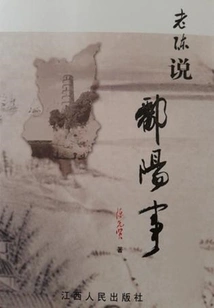
Old Chen Talks About Poyang
History老陈说鄱阳事
Chen Xianxian
This book is a literary collection of the program "Old Chen Talks About Poyang" launched by Poyang County TV Station in Jiangxi Province. In the book, the author comprehensively and systematically reviews the long history of Poyang and the brilliance of Poyang culture.
This book is a literary collection of the program "Old Chen Talks About Poyang" launched by Poyang County TV Station in Jiangxi Province. In the book, the author comprehensively and systematically reviews the long history of Poyang and the brilliance of Poyang culture.

回眸邯郸历史上的今天
Duan Yuming
Everyone in the world lives in it every day, whether you are a leader or an ordinary citizen. It will not increase because of different skin colors, nor will it decrease because of regional differences, nor will it stop because of lightning and thunder. This is how the days pass day by day.
Everyone in the world lives in it every day, whether you are a leader or an ordinary citizen. It will not increase because of different skin colors, nor will it decrease because of regional differences, nor will it stop because of lightning and thunder. This is how the days pass day by day.
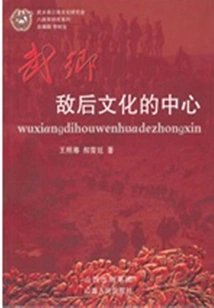
武乡,敌后文化的中心
Wang Zhaoqian Hao Xueting
During the Anti-Japanese War, the Eighth Route Army and the people of Wuxiang worked together to fight against the enemy in Wuxiang. They fought 6,368 large and small battles with the enemy and annihilated 28,830 enemies, achieving brilliant results. It can be said that there were fierce battles in the mountains and ridges of Wuxiang, and the loyal bones of martyrs can be seen in the ditches and valleys. "The Center of Wuxiang Culture Behind Enemy Lines" mainly collects and organizes some major battles that took place in our county to show the glorious history of Wuxiang people fighting side by side with the Eighth Route Army in the war-torn years, using millet and rifles to create a red country.
During the Anti-Japanese War, the Eighth Route Army and the people of Wuxiang worked together to fight against the enemy in Wuxiang. They fought 6,368 large and small battles with the enemy and annihilated 28,830 enemies, achieving brilliant results. It can be said that there were fierce battles in the mountains and ridges of Wuxiang, and the loyal bones of martyrs can be seen in the ditches and valleys. "The Center of Wuxiang Culture Behind Enemy Lines" mainly collects and organizes some major battles that took place in our county to show the glorious history of Wuxiang people fighting side by side with the Eighth Route Army in the war-torn years, using millet and rifles to create a red country.