Library
Browse and search books
2,037 novels found
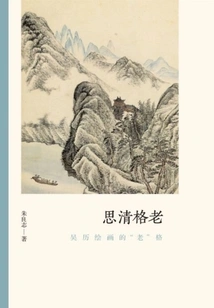
思清格老:吴历绘画的“老”格(文人画的真性)
Zhu Liangzhi
Literary painting, also known as "literary painting", does not refer to a specific identity, such as being limited to paintings painted by knowledgeable literati, but paintings with a "literary spirit" or "literary spirit". "Literati Qi" is what people today call "literati consciousness". Dasu refers to a consciousness that has a certain ideological nature, rich humanistic care, and a special sense of life. It is a consciousness that is far away from political or moral subordination and belongs to the reality of life. Therefore, in a certain sense, it can be said that literati painting is "humanistic painting" - painting with the pursuit of humanistic values. This series of works, through the observation of sixteen painters since the Yuan Dynasty, looks at the inner trajectory of literati painting's pursuit of the "authenticity" of life. This book is one in this series. This book explores the interactive relationship between Wu Li's painting and the literati painting tradition from the establishment, characteristics and ideological origin of Wu Yushan's "Lao Ge".
Literary painting, also known as "literary painting", does not refer to a specific identity, such as being limited to paintings painted by knowledgeable literati, but paintings with a "literary spirit" or "literary spirit". "Literati Qi" is what people today call "literati consciousness". Dasu refers to a consciousness that has a certain ideological nature, rich humanistic care, and a special sense of life. It is a consciousness that is far away from political or moral subordination and belongs to the reality of life. Therefore, in a certain sense, it can be said that literati painting is "humanistic painting" - painting with the pursuit of humanistic values. This series of works, through the observation of sixteen painters since the Yuan Dynasty, looks at the inner trajectory of literati painting's pursuit of the "authenticity" of life. This book is one in this series. This book explores the interactive relationship between Wu Li's painting and the literati painting tradition from the establishment, characteristics and ideological origin of Wu Yushan's "Lao Ge".
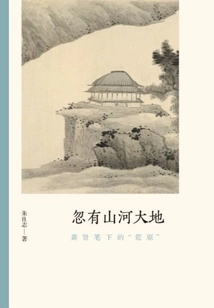
忽有山河大地:龚贤笔下的“荒原”(文人画的真性)
Zhu Liangzhi
Literary painting, also known as "literary painting", does not refer to a specific identity, such as being limited to paintings painted by knowledgeable literati, but paintings with a "literary spirit" or "literary spirit". "Literati Qi" is what people today call "literati consciousness". Dasu refers to a consciousness that has a certain ideological nature, rich humanistic care, and a special sense of life. It is a consciousness that is far away from political or moral subordination and belongs to the reality of life. Therefore, in a certain sense, it can be said that literati painting is "humanistic painting" - painting with the pursuit of humanistic values. This series of works, through the observation of sixteen painters since the Yuan Dynasty, looks at the inner trajectory of literati painting's pursuit of the "authenticity" of life. This book is one in this series. Explore Gong Xian's realm of life and poetic landscapes displayed in mountains, rivers and lands from four aspects: "Suddenly there are mountains and rivers", "Why are there always wilderness", "Living pen and ink" and "Innovative painter's theory".
Literary painting, also known as "literary painting", does not refer to a specific identity, such as being limited to paintings painted by knowledgeable literati, but paintings with a "literary spirit" or "literary spirit". "Literati Qi" is what people today call "literati consciousness". Dasu refers to a consciousness that has a certain ideological nature, rich humanistic care, and a special sense of life. It is a consciousness that is far away from political or moral subordination and belongs to the reality of life. Therefore, in a certain sense, it can be said that literati painting is "humanistic painting" - painting with the pursuit of humanistic values. This series of works, through the observation of sixteen painters since the Yuan Dynasty, looks at the inner trajectory of literati painting's pursuit of the "authenticity" of life. This book is one in this series. Explore Gong Xian's realm of life and poetic landscapes displayed in mountains, rivers and lands from four aspects: "Suddenly there are mountains and rivers", "Why are there always wilderness", "Living pen and ink" and "Innovative painter's theory".
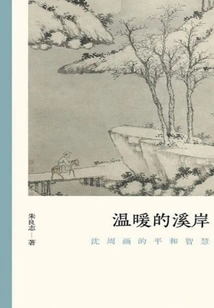
温暖的溪岸:沈周画的平和智慧(文人画的真性)
Zhu Liangzhi
Literary painting, also known as "literary painting", does not refer to a specific identity, such as being limited to paintings painted by knowledgeable literati, but paintings with a "literary spirit" or "literary spirit". "Literati Qi" is what people today call "literati consciousness". Dasu refers to a consciousness that has a certain ideological nature, rich humanistic care, and a special sense of life. It is a consciousness that is far away from political or moral subordination and belongs to the reality of life. Therefore, in a certain sense, it can be said that literati painting is "humanistic painting" - painting with the pursuit of humanistic values. This series of works, through the observation of sixteen painters since the Yuan Dynasty, looks at the inner trajectory of literati painting's pursuit of the "authenticity" of life. This book is one in this series. Starting from the Ming Dynasty painter Shen Zhou, we discuss two key issues in literati paintings: "peace" and "wisdom."
Literary painting, also known as "literary painting", does not refer to a specific identity, such as being limited to paintings painted by knowledgeable literati, but paintings with a "literary spirit" or "literary spirit". "Literati Qi" is what people today call "literati consciousness". Dasu refers to a consciousness that has a certain ideological nature, rich humanistic care, and a special sense of life. It is a consciousness that is far away from political or moral subordination and belongs to the reality of life. Therefore, in a certain sense, it can be said that literati painting is "humanistic painting" - painting with the pursuit of humanistic values. This series of works, through the observation of sixteen painters since the Yuan Dynasty, looks at the inner trajectory of literati painting's pursuit of the "authenticity" of life. This book is one in this series. Starting from the Ming Dynasty painter Shen Zhou, we discuss two key issues in literati paintings: "peace" and "wisdom."
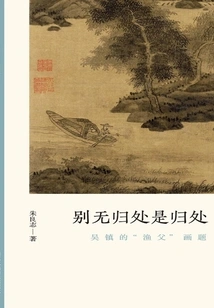
别无归处是归处:吴镇的“渔父”画题(文人画的真性)
Zhu Liangzhi
Literary painting, also known as "literary painting", does not refer to a specific identity, such as being limited to paintings painted by knowledgeable literati, but paintings with a "literary spirit" or "literary spirit". "Literati Qi" is what people today call "literati consciousness". Dasu refers to a consciousness that has a certain ideological nature, rich humanistic care, and a special sense of life. It is a consciousness that is far away from political or moral subordination and belongs to the reality of life. Therefore, in a certain sense, it can be said that literati painting is "humanistic painting" - painting with the pursuit of humanistic values. This series of works, through the observation of sixteen painters since the Yuan Dynasty, looks at the inner trajectory of literati painting's pursuit of the "authenticity" of life. This book is one in this series. The world of Wu Zhen is described from four perspectives: "the origin of the topic of fishermen", "Mei Daoren's works about fishermen", "thinking beyond the hermit" and "breaking the ultimate value".
Literary painting, also known as "literary painting", does not refer to a specific identity, such as being limited to paintings painted by knowledgeable literati, but paintings with a "literary spirit" or "literary spirit". "Literati Qi" is what people today call "literati consciousness". Dasu refers to a consciousness that has a certain ideological nature, rich humanistic care, and a special sense of life. It is a consciousness that is far away from political or moral subordination and belongs to the reality of life. Therefore, in a certain sense, it can be said that literati painting is "humanistic painting" - painting with the pursuit of humanistic values. This series of works, through the observation of sixteen painters since the Yuan Dynasty, looks at the inner trajectory of literati painting's pursuit of the "authenticity" of life. This book is one in this series. The world of Wu Zhen is described from four perspectives: "the origin of the topic of fishermen", "Mei Daoren's works about fishermen", "thinking beyond the hermit" and "breaking the ultimate value".
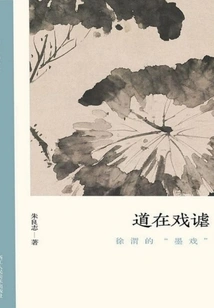
道在戏谑:徐渭的“墨戏”(文人画的真性)
Zhu Liangzhi
Literary painting, also known as "literary painting", does not refer to a specific identity, such as being limited to paintings painted by knowledgeable literati, but paintings with a "literary spirit" or "literary spirit". "Literati Qi" is what people today call "literati consciousness". Dasu refers to a consciousness that has a certain ideological nature, rich humanistic care, and a special sense of life. It is a consciousness that is far away from political or moral subordination and belongs to the reality of life. Therefore, in a certain sense, it can be said that literati painting is "humanistic painting" - painting with the pursuit of humanistic values. This series of works, through the observation of sixteen painters since the Yuan Dynasty, looks at the inner trajectory of literati painting's pursuit of the "authenticity" of life. This book is one in this series. Starting from the Ming Dynasty painter Xu Wei, we discuss "ink play", a key issue in literati paintings.
Literary painting, also known as "literary painting", does not refer to a specific identity, such as being limited to paintings painted by knowledgeable literati, but paintings with a "literary spirit" or "literary spirit". "Literati Qi" is what people today call "literati consciousness". Dasu refers to a consciousness that has a certain ideological nature, rich humanistic care, and a special sense of life. It is a consciousness that is far away from political or moral subordination and belongs to the reality of life. Therefore, in a certain sense, it can be said that literati painting is "humanistic painting" - painting with the pursuit of humanistic values. This series of works, through the observation of sixteen painters since the Yuan Dynasty, looks at the inner trajectory of literati painting's pursuit of the "authenticity" of life. This book is one in this series. Starting from the Ming Dynasty painter Xu Wei, we discuss "ink play", a key issue in literati paintings.
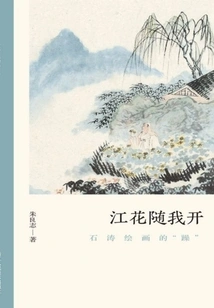
江花随我开:石涛绘画的“躁”(文人画的真性)
Zhu Liangzhi
Literary painting, also known as "literary painting", does not refer to a specific identity, such as being limited to paintings painted by knowledgeable literati, but paintings with a "literary spirit" or "literary spirit". "Literati Qi" is what people today call "literati consciousness". Dasu refers to a consciousness that has a certain ideological nature, rich humanistic care, and a special sense of life. It is a consciousness that is far away from political or moral subordination and belongs to the reality of life. Therefore, in a certain sense, it can be said that literati painting is "humanistic painting" - painting with the pursuit of humanistic values. This series of works, through the observation of sixteen painters since the Yuan Dynasty, looks at the inner trajectory of literati painting's pursuit of the "authenticity" of life. This book is one in this series. This book explores the "impetuous" spirit and its inner logic in Shi Tao's paintings that go beyond the standards of literati paintings from aspects such as "removing chaos", "turning stillness", "wiping haze" and "making bad ink".
Literary painting, also known as "literary painting", does not refer to a specific identity, such as being limited to paintings painted by knowledgeable literati, but paintings with a "literary spirit" or "literary spirit". "Literati Qi" is what people today call "literati consciousness". Dasu refers to a consciousness that has a certain ideological nature, rich humanistic care, and a special sense of life. It is a consciousness that is far away from political or moral subordination and belongs to the reality of life. Therefore, in a certain sense, it can be said that literati painting is "humanistic painting" - painting with the pursuit of humanistic values. This series of works, through the observation of sixteen painters since the Yuan Dynasty, looks at the inner trajectory of literati painting's pursuit of the "authenticity" of life. This book is one in this series. This book explores the "impetuous" spirit and its inner logic in Shi Tao's paintings that go beyond the standards of literati paintings from aspects such as "removing chaos", "turning stillness", "wiping haze" and "making bad ink".
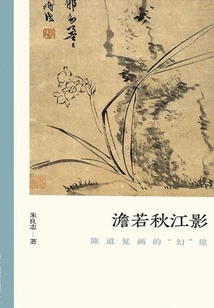
澹若秋江影:陈道复画的“幻”境(文人画的真性)
Zhu Liangzhi
Literary painting, also known as "literary painting", does not refer to a specific identity, such as being limited to paintings painted by knowledgeable literati, but paintings with a "literary spirit" or "literary spirit". "Literati Qi" is what people today call "literati consciousness". Dasu refers to a consciousness that has a certain ideological nature, rich humanistic care, and a special sense of life. It is a consciousness that is far away from political or moral subordination and belongs to the reality of life. Therefore, in a certain sense, it can be said that literati painting is "humanistic painting" - painting with the pursuit of humanistic values. This series of works, through the observation of sixteen painters since the Yuan Dynasty, looks at the inner trajectory of literati painting's pursuit of the "authenticity" of life. This book is one in this series. Starting from the Ming Dynasty painter Chen Daofu, we discuss "illusion", a key issue in literati paintings.
Literary painting, also known as "literary painting", does not refer to a specific identity, such as being limited to paintings painted by knowledgeable literati, but paintings with a "literary spirit" or "literary spirit". "Literati Qi" is what people today call "literati consciousness". Dasu refers to a consciousness that has a certain ideological nature, rich humanistic care, and a special sense of life. It is a consciousness that is far away from political or moral subordination and belongs to the reality of life. Therefore, in a certain sense, it can be said that literati painting is "humanistic painting" - painting with the pursuit of humanistic values. This series of works, through the observation of sixteen painters since the Yuan Dynasty, looks at the inner trajectory of literati painting's pursuit of the "authenticity" of life. This book is one in this series. Starting from the Ming Dynasty painter Chen Daofu, we discuss "illusion", a key issue in literati paintings.
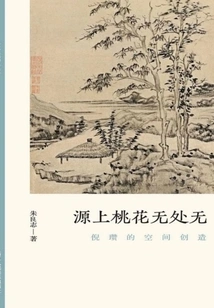
Peach Blossoms Are Everywhere: Ni Zan's Space Creation (the Authenticity of Literati Paintings)
Literature源上桃花无处无:倪瓒的空间创造(文人画的真性)
Zhu Liangzhi
Literary painting, also known as "literary painting", does not refer to a specific identity, such as being limited to paintings painted by knowledgeable literati, but paintings with a "literary spirit" or "literary spirit". "Literati Qi" is what people today call "literati consciousness". Dasu refers to a consciousness that has a certain ideological nature, rich humanistic care, and a special sense of life. It is a consciousness that is far away from political or moral subordination and belongs to the reality of life. Therefore, in a certain sense, it can be said that literati painting is "humanistic painting" - painting with the pursuit of humanistic values. This series of works, through the observation of sixteen painters since the Yuan Dynasty, looks at the inner trajectory of literati painting's pursuit of the "authenticity" of life. This book is one in this series. Ni Zan's world is described from ten perspectives: "deep", "remote", "quiet", "beautiful", "the concept of absolute space", "general", "distant", "lonely", "mossy shadow" and "small scene".
Literary painting, also known as "literary painting", does not refer to a specific identity, such as being limited to paintings painted by knowledgeable literati, but paintings with a "literary spirit" or "literary spirit". "Literati Qi" is what people today call "literati consciousness". Dasu refers to a consciousness that has a certain ideological nature, rich humanistic care, and a special sense of life. It is a consciousness that is far away from political or moral subordination and belongs to the reality of life. Therefore, in a certain sense, it can be said that literati painting is "humanistic painting" - painting with the pursuit of humanistic values. This series of works, through the observation of sixteen painters since the Yuan Dynasty, looks at the inner trajectory of literati painting's pursuit of the "authenticity" of life. This book is one in this series. Ni Zan's world is described from ten perspectives: "deep", "remote", "quiet", "beautiful", "the concept of absolute space", "general", "distant", "lonely", "mossy shadow" and "small scene".
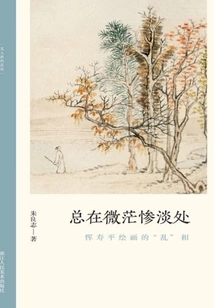
总在微茫惨淡处:恽寿平绘画的“乱”相(文人画的真性)
Zhu Liangzhi
Literary painting, also known as "literary painting", does not refer to a specific identity, such as being limited to paintings painted by knowledgeable literati, but paintings with a "literary spirit" or "literary spirit". "Literati Qi" is what people today call "literati consciousness". Dasu refers to a consciousness that has a certain ideological nature, rich humanistic care, and a special sense of life. It is a consciousness that is far away from political or moral subordination and belongs to the reality of life. Therefore, in a certain sense, it can be said that literati painting is "humanistic painting" - painting with the pursuit of humanistic values. This series of works, through the observation of sixteen painters since the Yuan Dynasty, looks at the inner trajectory of literati painting's pursuit of the "authenticity" of life. This book is one in this series. The "original atmosphere" advocated by Yun Shouping is discussed from the "image of desolation and coldness", "melancholy thoughts" and "Yanya in chaos", which contains his view of the authenticity of painting.
Literary painting, also known as "literary painting", does not refer to a specific identity, such as being limited to paintings painted by knowledgeable literati, but paintings with a "literary spirit" or "literary spirit". "Literati Qi" is what people today call "literati consciousness". Dasu refers to a consciousness that has a certain ideological nature, rich humanistic care, and a special sense of life. It is a consciousness that is far away from political or moral subordination and belongs to the reality of life. Therefore, in a certain sense, it can be said that literati painting is "humanistic painting" - painting with the pursuit of humanistic values. This series of works, through the observation of sixteen painters since the Yuan Dynasty, looks at the inner trajectory of literati painting's pursuit of the "authenticity" of life. This book is one in this series. The "original atmosphere" advocated by Yun Shouping is discussed from the "image of desolation and coldness", "melancholy thoughts" and "Yanya in chaos", which contains his view of the authenticity of painting.
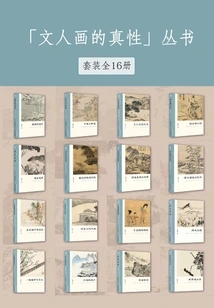
「文人画的真性」系列丛书(套装全16册)
Zhu Liangzhi
The "Authenticity of Literati Paintings" series is a set of books that studies traditional Chinese painting. By studying sixteen painters since the Yuan and Ming Dynasties, it explores the fundamental factor that dominates the development of literati paintings - the authenticity of literati paintings. The book is elegantly written, thoughtful and highly readable. The author selected 16 representative painters since the Yuan Dynasty, including Huang Gongwang, Ni Zan, Yun Shouping and Bada Shanren. Through their literati paintings and artistic lives, he panoramically outlines the spiritual world of literati paintings, explores the "authenticity" of literati paintings, and summarizes and divides the three different stages of the development of Chinese painting: "gaining power", "gaining rhyme" and "gaining nature". The language of the whole series of books is clear and beautiful. It is different from the professional and difficult words of ordinary art history theory. It is highly readable. The author is dedicated to subtlety but also understands the details in his writings. There are many wonderful remarks that can change the clouds and reveal the moon. It arouses attention to the essential factor that forms literati paintings - people's inner spiritual temperament, and is full of theoretical depth and penetration.
The "Authenticity of Literati Paintings" series is a set of books that studies traditional Chinese painting. By studying sixteen painters since the Yuan and Ming Dynasties, it explores the fundamental factor that dominates the development of literati paintings - the authenticity of literati paintings. The book is elegantly written, thoughtful and highly readable. The author selected 16 representative painters since the Yuan Dynasty, including Huang Gongwang, Ni Zan, Yun Shouping and Bada Shanren. Through their literati paintings and artistic lives, he panoramically outlines the spiritual world of literati paintings, explores the "authenticity" of literati paintings, and summarizes and divides the three different stages of the development of Chinese painting: "gaining power", "gaining rhyme" and "gaining nature". The language of the whole series of books is clear and beautiful. It is different from the professional and difficult words of ordinary art history theory. It is highly readable. The author is dedicated to subtlety but also understands the details in his writings. There are many wonderful remarks that can change the clouds and reveal the moon. It arouses attention to the essential factor that forms literati paintings - people's inner spiritual temperament, and is full of theoretical depth and penetration.
Mencius Explains in Detail
Literature孟子详解
Bai Ping's Annotation
"Mencius" is a representative work of the Confucian school in the pre-Qin Dynasty. It combines literary and ideological qualities and has a huge influence. This book provides a detailed interpretation of "Mencius", including four parts: text, annotations, translations, and explanations. It is of great help to readers in understanding and reading "Mencius" well. The author has studied ancient Chinese for a long time and has a good grasp of the characters, words and sentences of the original book, and can provide readers with an accurate reading.
"Mencius" is a representative work of the Confucian school in the pre-Qin Dynasty. It combines literary and ideological qualities and has a huge influence. This book provides a detailed interpretation of "Mencius", including four parts: text, annotations, translations, and explanations. It is of great help to readers in understanding and reading "Mencius" well. The author has studied ancient Chinese for a long time and has a good grasp of the characters, words and sentences of the original book, and can provide readers with an accurate reading.
童心宇宙:儿童文学的本质与边界
Chen Xiang
With a broad field vision and a critical discourse close to the scene, this book outlines the overall appearance and characteristics of current Chinese children's literature on the basis of in-depth exploration and analysis of typical writers and typical works since the second decade of the new century, and provides a comprehensive review of Chinese children's literature in the new century. The history and current situation of literature are explained and interpreted, and the ideological trend of Chinese children's literature is reflected. It also uses multiple typical texts as a breakthrough point to propose new growth points for the original basic theories of children's literature such as the nature, concepts and categories of children's literature, the basic genres of children's literature and its characteristics. On top of rich research on writers' works and children's literature phenomena, this book also uses a relatively complete critical framework to suggest and construct the possibilities for the development of children's literature theory since the second decade of the new century. This book also specially includes the short reviews written by the author for the annual children's books of "China Reading News" over the past five years, presenting rich and vivid literary cases over time, which resonate with the literary scene.
With a broad field vision and a critical discourse close to the scene, this book outlines the overall appearance and characteristics of current Chinese children's literature on the basis of in-depth exploration and analysis of typical writers and typical works since the second decade of the new century, and provides a comprehensive review of Chinese children's literature in the new century. The history and current situation of literature are explained and interpreted, and the ideological trend of Chinese children's literature is reflected. It also uses multiple typical texts as a breakthrough point to propose new growth points for the original basic theories of children's literature such as the nature, concepts and categories of children's literature, the basic genres of children's literature and its characteristics. On top of rich research on writers' works and children's literature phenomena, this book also uses a relatively complete critical framework to suggest and construct the possibilities for the development of children's literature theory since the second decade of the new century. This book also specially includes the short reviews written by the author for the annual children's books of "China Reading News" over the past five years, presenting rich and vivid literary cases over time, which resonate with the literary scene.
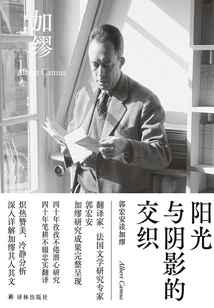
阳光与阴影的交织:郭宏安读加缪
Guo Hongan
"The Interweaving of Sunshine and Shadow: Guo Hongan's Reading of Camus" contains a total of twenty-four research articles by Mr. Guo Hongan, a translator and French literature research expert, since the 1980s, covering an introduction to research methods and ideas, an overall introduction and evaluation of the creation of Camus's articles, a detailed interpretation of Camus's main works, and postscripts when translating Camus' works, etc. It fully and three-dimensionally presents the rich results of Mr. Guo Hongan's research and translation of Camus' works.
"The Interweaving of Sunshine and Shadow: Guo Hongan's Reading of Camus" contains a total of twenty-four research articles by Mr. Guo Hongan, a translator and French literature research expert, since the 1980s, covering an introduction to research methods and ideas, an overall introduction and evaluation of the creation of Camus's articles, a detailed interpretation of Camus's main works, and postscripts when translating Camus' works, etc. It fully and three-dimensionally presents the rich results of Mr. Guo Hongan's research and translation of Camus' works.
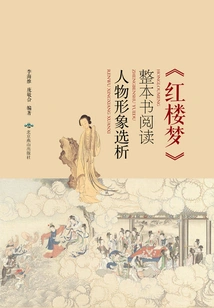
《红楼梦》整本书阅读:人物形象选析
Co-edited By Li Haiwei And Pang Jing
"A Dream of Red Mansions" is a chapter-style classical novel written during the Qianlong period of the Qing Dynasty. It has been known as "The Story of the Stone", "The Love Monk's Record", "Feng Yue Bao Jian" and "The Twelve Hairpins of Jinling", etc. It is the first of the four famous Chinese classical novels. This book is an analysis of the main characters in the novel creation of "A Dream of Red Mansions".
"A Dream of Red Mansions" is a chapter-style classical novel written during the Qianlong period of the Qing Dynasty. It has been known as "The Story of the Stone", "The Love Monk's Record", "Feng Yue Bao Jian" and "The Twelve Hairpins of Jinling", etc. It is the first of the four famous Chinese classical novels. This book is an analysis of the main characters in the novel creation of "A Dream of Red Mansions".
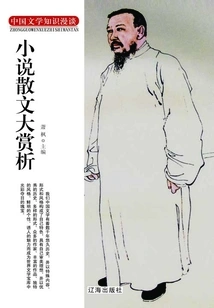
小说散文大赏析(中国文学知识漫谈)
Editor-in-chief Xiao Feng
This book mainly includes the development history of Chinese literature, ethnic and folk literature, Hong Kong and Taiwan literature, myths and legends, poetry and prose, sanqu and lyrics, novels and essays, fables and sketches, notes and travel notes, couplets and inscriptions, etc. It is highly literary, readable and informative. It is a good reading for our readers to understand Chinese literary works and improve their literary quality. It is also the best version for libraries at all levels to collect.
This book mainly includes the development history of Chinese literature, ethnic and folk literature, Hong Kong and Taiwan literature, myths and legends, poetry and prose, sanqu and lyrics, novels and essays, fables and sketches, notes and travel notes, couplets and inscriptions, etc. It is highly literary, readable and informative. It is a good reading for our readers to understand Chinese literary works and improve their literary quality. It is also the best version for libraries at all levels to collect.
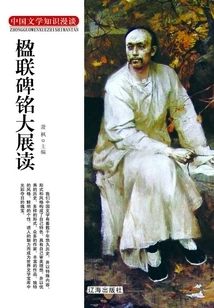
Exhibition and Reading of Couplets and Inscriptions (discussions on Chinese Literature Knowledge)
Literature楹联碑铭大展读(中国文学知识漫谈)
Editor-in-chief Xiao Feng
This book mainly includes the development history of Chinese literature, ethnic and folk literature, Hong Kong and Taiwan literature, myths and legends, poetry and prose, sanqu and lyrics, novels and essays, fables and sketches, notes and travel notes, couplets and inscriptions, etc. It is highly literary, readable and informative. It is a good reading for our readers to understand Chinese literary works and improve their literary quality. It is also the best version for libraries at all levels to collect.
This book mainly includes the development history of Chinese literature, ethnic and folk literature, Hong Kong and Taiwan literature, myths and legends, poetry and prose, sanqu and lyrics, novels and essays, fables and sketches, notes and travel notes, couplets and inscriptions, etc. It is highly literary, readable and informative. It is a good reading for our readers to understand Chinese literary works and improve their literary quality. It is also the best version for libraries at all levels to collect.
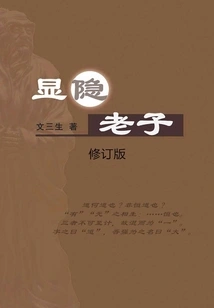
Xianyin Laozi (revised Edition)
Literature显隐老子(修订版)
Wen Sansheng
Different from the traditional single annotated edition, this book brings together for the first time more than ten representative annotations of "Laozi" editions from all dynasties. It integrates multiple editions, multiple annotations, multiple meanings of words, and rich literature materials into one book. Comparative research and comparative analysis are conducted to compile this book with words and word order suitable for today's understanding and reading. It is a comprehensive popular reader of "Laozi". It also collects the words used in various editions for the first time, and it is also a "Dictionary of Laozi's Words". The whole book consists of several parts: literal translation of scriptures + discussion of scriptures + annotation of scriptures, including the author's unique academic insights and research results. It helps readers comprehensively grasp the meanings and evolutions of various words involved in the scriptures, provides readers with a large amount of valuable text information and research results, and provides learning tools and reference materials for relevant researchers.
Different from the traditional single annotated edition, this book brings together for the first time more than ten representative annotations of "Laozi" editions from all dynasties. It integrates multiple editions, multiple annotations, multiple meanings of words, and rich literature materials into one book. Comparative research and comparative analysis are conducted to compile this book with words and word order suitable for today's understanding and reading. It is a comprehensive popular reader of "Laozi". It also collects the words used in various editions for the first time, and it is also a "Dictionary of Laozi's Words". The whole book consists of several parts: literal translation of scriptures + discussion of scriptures + annotation of scriptures, including the author's unique academic insights and research results. It helps readers comprehensively grasp the meanings and evolutions of various words involved in the scriptures, provides readers with a large amount of valuable text information and research results, and provides learning tools and reference materials for relevant researchers.
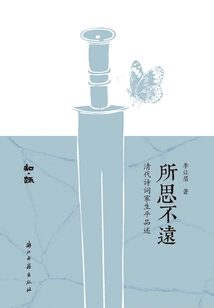
Thoughts Not Far Away: Life Stories of Poets and Lyricists of the Qing Dynasty (zhiqu Series)
Literature所思不远:清代诗词家生平品述(知趣丛书)
Li Rangmei
This book is one of the Zhi·Qu series. The author selects ten literati, Zhu Yizun, Chen Weisong, Nalan Rongruo, Wang Tan, Jin Liying, Huang Zhongze, Gong Zizhen, Tan Sitong, Wu Baochu, and Xu Chengyao, as a longitudinal section of the literary world in the Qing Dynasty, and combines poetry with their lives to evaluate them. The writing style is fresh and elegant, with a strong sense of picture. It is a very meaningful academic and literary attempt.
This book is one of the Zhi·Qu series. The author selects ten literati, Zhu Yizun, Chen Weisong, Nalan Rongruo, Wang Tan, Jin Liying, Huang Zhongze, Gong Zizhen, Tan Sitong, Wu Baochu, and Xu Chengyao, as a longitudinal section of the literary world in the Qing Dynasty, and combines poetry with their lives to evaluate them. The writing style is fresh and elegant, with a strong sense of picture. It is a very meaningful academic and literary attempt.
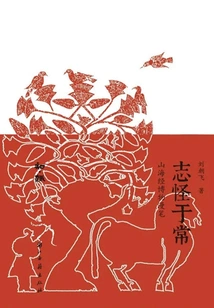
志怪于常:山海经博物漫笔(知趣丛书)
Liu Chaofei
This book is a collection of cultural essays about "The Classic of Mountains and Seas" written by freelance writer Liu Chaofei. This book focuses on the issue of famous objects in "The Classic of Mountains and Seas", especially the "Classic of Mountains and Seas". The focus is on the plain content in this work that talks a lot about monsters. It connects the magical objects in the classics with common objects in life. It refers to Taoist documents such as "Zhuangzi" and other classical literary works to explore the cultural significance and aesthetic connotation of famous objects in "The Classic of Mountains and Seas". It analyzes the connections and differences between China's native natural history, natural history imported from the West and Japanese "monsterology", and puts forward the perspective of building natural history with Chinese characteristics.
This book is a collection of cultural essays about "The Classic of Mountains and Seas" written by freelance writer Liu Chaofei. This book focuses on the issue of famous objects in "The Classic of Mountains and Seas", especially the "Classic of Mountains and Seas". The focus is on the plain content in this work that talks a lot about monsters. It connects the magical objects in the classics with common objects in life. It refers to Taoist documents such as "Zhuangzi" and other classical literary works to explore the cultural significance and aesthetic connotation of famous objects in "The Classic of Mountains and Seas". It analyzes the connections and differences between China's native natural history, natural history imported from the West and Japanese "monsterology", and puts forward the perspective of building natural history with Chinese characteristics.
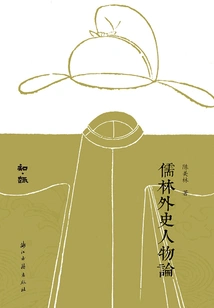
儒林外史人物论(知趣丛书)
Chen Meilin
Wu Jingzi used his outstanding artistic talent to express the life and experiences of intellectuals in the late ancient Chinese society in "The Scholars", and based on this, he extensively reflected the situation of the cultural and educational circles at that time. The author selects representative characters, basically conducts "individual" analysis, and conducts comprehensive research on a certain type of character "group" in the novel. This book comprehensively reveals the social significance and cognitive value contained in the characters in "The Scholars", and at the same time, it also deeply describes Wu Jingzi's aesthetic vision and creative talent.
Wu Jingzi used his outstanding artistic talent to express the life and experiences of intellectuals in the late ancient Chinese society in "The Scholars", and based on this, he extensively reflected the situation of the cultural and educational circles at that time. The author selects representative characters, basically conducts "individual" analysis, and conducts comprehensive research on a certain type of character "group" in the novel. This book comprehensively reveals the social significance and cognitive value contained in the characters in "The Scholars", and at the same time, it also deeply describes Wu Jingzi's aesthetic vision and creative talent.
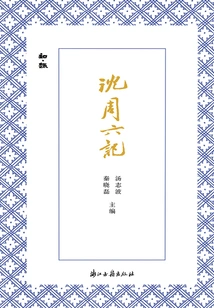
Shen Liuji (zhiqu Series)
Literature沈周六记(知趣丛书)
Tang Zhibo Qin Xiaolei
This book is divided into six themes, presenting rich details of Shen Zhou's life, art, and soul through in-depth interpretation of six aspects: residence, travel, viewing, friends, hiding, and worries. Through the remaining poems and paintings, this article restores the sights, thoughts, and feelings of a scribe who lived in the countryside of Suzhou in the mid-Ming Dynasty and never traveled far throughout his life, and shows how Shen Zhou obtained artistic inspiration and spiritual power in dealing with life: the exploration of pleasures and the openness to worries. The six writers of this book are all young scholars who have been working hard in the field of Shen Zhou research. As far as the division of today's subject system is concerned, three are from the field of art history and three are from the field of literary history. For the six writers, the writing of this book is not only a breakthrough in the scope and writing methods of daily academic writing, but also a journey and dialogue that goes deep into Shen Zhou's soul.
This book is divided into six themes, presenting rich details of Shen Zhou's life, art, and soul through in-depth interpretation of six aspects: residence, travel, viewing, friends, hiding, and worries. Through the remaining poems and paintings, this article restores the sights, thoughts, and feelings of a scribe who lived in the countryside of Suzhou in the mid-Ming Dynasty and never traveled far throughout his life, and shows how Shen Zhou obtained artistic inspiration and spiritual power in dealing with life: the exploration of pleasures and the openness to worries. The six writers of this book are all young scholars who have been working hard in the field of Shen Zhou research. As far as the division of today's subject system is concerned, three are from the field of art history and three are from the field of literary history. For the six writers, the writing of this book is not only a breakthrough in the scope and writing methods of daily academic writing, but also a journey and dialogue that goes deep into Shen Zhou's soul.
中国文学名著导读
Editor-in-chief Yin Han Haoran (literary Consultant)
The content of this book includes thoughts and philosophy, "Laozi", "The Analects of Confucius", "Mencius", "Mozi", "Book of Changes", "Great Learning", "Huainanzi", "Hanfeizi", "Lu's Spring and Autumn Annals", "The Inheritance of Chinese Studies in the Kingdom of China" "Records", "Xiangshan Collection", "Zhu Xi Yu Lei", "Lun Heng", "Ming Yi Waiting Records", "Guo Gu Lun Heng", "Er Cheng Collection", "Shang Shu Yin Yi", "Lotus Sutra", "Huayan Sutra", "Sixth Patriarch Altar Sutra" and other contents.
The content of this book includes thoughts and philosophy, "Laozi", "The Analects of Confucius", "Mencius", "Mozi", "Book of Changes", "Great Learning", "Huainanzi", "Hanfeizi", "Lu's Spring and Autumn Annals", "The Inheritance of Chinese Studies in the Kingdom of China" "Records", "Xiangshan Collection", "Zhu Xi Yu Lei", "Lun Heng", "Ming Yi Waiting Records", "Guo Gu Lun Heng", "Er Cheng Collection", "Shang Shu Yin Yi", "Lotus Sutra", "Huayan Sutra", "Sixth Patriarch Altar Sutra" and other contents.
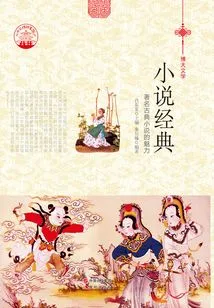
Novel Classic
Literature小说经典
Compiled By Qin Beizhen
The characteristics of this series of books are panoramic display, vertical and horizontal, and the content is narrated in the form of storytelling. The language is popular and clear, with pictures and texts, intuitive images, ancient charm, and elegant style. It has strong readability, appreciation, knowledge, and extension. It can allow readers to fully touch and feel the rich connotation of Chinese culture, enhance the national self-esteem and cultural pride of the Chinese people, and can well inherit and carry forward Chinese culture and create an advanced national culture with Chinese characteristics in the future.
The characteristics of this series of books are panoramic display, vertical and horizontal, and the content is narrated in the form of storytelling. The language is popular and clear, with pictures and texts, intuitive images, ancient charm, and elegant style. It has strong readability, appreciation, knowledge, and extension. It can allow readers to fully touch and feel the rich connotation of Chinese culture, enhance the national self-esteem and cultural pride of the Chinese people, and can well inherit and carry forward Chinese culture and create an advanced national culture with Chinese characteristics in the future.
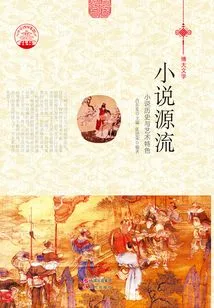
Origin of the Novel
Literature小说源流
Compiled By Zhang Derong
The characteristics of this series of books are panoramic display, vertical and horizontal, and the content is narrated in the form of storytelling. The language is popular and clear, with pictures and texts, intuitive images, ancient charm, and elegant style. It has strong readability, appreciation, knowledge, and extension. It can allow readers to fully touch and feel the rich connotation of Chinese culture, enhance the national self-esteem and cultural pride of the Chinese people, and can well inherit and carry forward Chinese culture and create an advanced national culture with Chinese characteristics in the future.
The characteristics of this series of books are panoramic display, vertical and horizontal, and the content is narrated in the form of storytelling. The language is popular and clear, with pictures and texts, intuitive images, ancient charm, and elegant style. It has strong readability, appreciation, knowledge, and extension. It can allow readers to fully touch and feel the rich connotation of Chinese culture, enhance the national self-esteem and cultural pride of the Chinese people, and can well inherit and carry forward Chinese culture and create an advanced national culture with Chinese characteristics in the future.
文学经典:文学评论与作品选集
Compiled By Han Yu
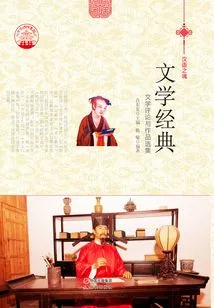
The characteristics of this series of books are panoramic display, vertical and horizontal, and the content is narrated in the form of storytelling. The language is popular and clear, with pictures and texts, intuitive images, ancient charm, and elegant style. It has strong readability, appreciation, knowledge, and extension. It can allow readers to fully touch and feel the rich connotation of Chinese culture, enhance the national self-esteem and cultural pride of the Chinese people, and can well inherit and carry forward Chinese culture and create an advanced national culture with Chinese characteristics in the future.
The characteristics of this series of books are panoramic display, vertical and horizontal, and the content is narrated in the form of storytelling. The language is popular and clear, with pictures and texts, intuitive images, ancient charm, and elegant style. It has strong readability, appreciation, knowledge, and extension. It can allow readers to fully touch and feel the rich connotation of Chinese culture, enhance the national self-esteem and cultural pride of the Chinese people, and can well inherit and carry forward Chinese culture and create an advanced national culture with Chinese characteristics in the future.
Overseas Literature Talk
Literature海外文学谈
Liang Yuchun
It was one summer three years ago. I was in the library of the First Campus of Peking University, browsing "Luoyang Jialan Ji" boredly, and accidentally saw the following paragraph: Liu Bai was good at making wine, and the drink was so delicious that he did not wake up during menstruation. Mao Hongbin, the governor of Qingzhou, drank wine from his vassal. He encountered thieves on the road and became drunk after drinking. They were all captured. A knight-errant said: "I am not afraid of bowing and drawing swords, but I am afraid of falling into the spring mash."
It was one summer three years ago. I was in the library of the First Campus of Peking University, browsing "Luoyang Jialan Ji" boredly, and accidentally saw the following paragraph: Liu Bai was good at making wine, and the drink was so delicious that he did not wake up during menstruation. Mao Hongbin, the governor of Qingzhou, drank wine from his vassal. He encountered thieves on the road and became drunk after drinking. They were all captured. A knight-errant said: "I am not afraid of bowing and drawing swords, but I am afraid of falling into the spring mash."
世界古代经典作品赏析
Compiled By Xiao Feng
The content of this series of books is comprehensive and specific, with strong information and systematicity. It is a good reading material for readers to learn and understand world literature, and it is also a good edition for libraries to collect.
The content of this series of books is comprehensive and specific, with strong information and systematicity. It is a good reading material for readers to learn and understand world literature, and it is also a good edition for libraries to collect.
俄苏现代经典作品赏析
Compiled By Xiao Feng
The content of this series of books is comprehensive and specific, with strong information and systematicity. It is a good reading material for readers to learn and understand world literature, and it is also a good edition for libraries to collect.
The content of this series of books is comprehensive and specific, with strong information and systematicity. It is a good reading material for readers to learn and understand world literature, and it is also a good edition for libraries to collect.
西欧现代经典作品赏析
Compiled By Xiao Feng
The content of this series of books is comprehensive and specific, with strong information and systematicity. It is a good reading material for readers to learn and understand world literature, and it is also a good edition for libraries to collect.
The content of this series of books is comprehensive and specific, with strong information and systematicity. It is a good reading material for readers to learn and understand world literature, and it is also a good edition for libraries to collect.
中北欧现代经典作品赏析
Compiled By Xiao Feng
To study world literature, you must study world-famous literary masters, famous literary works and the history of literary development in order to grasp the overview of world literature. To this end, we have compiled the "World Literature Knowledge Classroom" series of books based on the research results of world literature and the general situation of literary development at home and abroad. The content of this series of books is comprehensive and specific, with strong information and systematicity. It is a good reading material for readers to learn and understand world literature, and it is also a good edition for libraries to collect.
To study world literature, you must study world-famous literary masters, famous literary works and the history of literary development in order to grasp the overview of world literature. To this end, we have compiled the "World Literature Knowledge Classroom" series of books based on the research results of world literature and the general situation of literary development at home and abroad. The content of this series of books is comprehensive and specific, with strong information and systematicity. It is a good reading material for readers to learn and understand world literature, and it is also a good edition for libraries to collect.
东南欧现代经典作品赏析
Compiled By Xiao Feng
To study world literature, you must study world-famous literary masters, famous literary works and the history of literary development in order to grasp the overview of world literature. To this end, we have compiled the "World Literature Knowledge Classroom" series of books based on the research results of world literature and the general situation of literary development at home and abroad. The content of this series of books is comprehensive and specific, with strong information and systematicity. It is a good reading material for readers to learn and understand world literature, and it is also a good edition for libraries to collect.
To study world literature, you must study world-famous literary masters, famous literary works and the history of literary development in order to grasp the overview of world literature. To this end, we have compiled the "World Literature Knowledge Classroom" series of books based on the research results of world literature and the general situation of literary development at home and abroad. The content of this series of books is comprehensive and specific, with strong information and systematicity. It is a good reading material for readers to learn and understand world literature, and it is also a good edition for libraries to collect.
亚非现代经典作品赏析
Compiled By Xiao Feng
To study world literature, you must study world-famous literary masters, famous literary works and the history of literary development in order to grasp the overview of world literature. To this end, we have compiled the "World Literature Knowledge Classroom" series of books based on the research results of world literature and the general situation of literary development at home and abroad. The content of this series of books is comprehensive and specific, with strong information and systematicity. It is a good reading material for readers to learn and understand world literature, and it is also a good edition for libraries to collect.
To study world literature, you must study world-famous literary masters, famous literary works and the history of literary development in order to grasp the overview of world literature. To this end, we have compiled the "World Literature Knowledge Classroom" series of books based on the research results of world literature and the general situation of literary development at home and abroad. The content of this series of books is comprehensive and specific, with strong information and systematicity. It is a good reading material for readers to learn and understand world literature, and it is also a good edition for libraries to collect.
世界文学知识大课堂:中国现代经典作品赏析
Compiled By Xiao Feng
The content of this series of books is comprehensive and specific, with strong information and systematicity. It is a good reading material for readers to learn and understand world literature, and it is also a good edition for libraries to collect.
The content of this series of books is comprehensive and specific, with strong information and systematicity. It is a good reading material for readers to learn and understand world literature, and it is also a good edition for libraries to collect.
世界文学知识大课堂:中国古代经典作品赏析
Compiled By Xiao Feng
The content of this series of books is comprehensive and specific, with strong information and systematicity. It is a good reading material for readers to learn and understand world literature, and it is also a good edition for libraries to collect.
The content of this series of books is comprehensive and specific, with strong information and systematicity. It is a good reading material for readers to learn and understand world literature, and it is also a good edition for libraries to collect.
世界文学知识大课堂:美洲现代经典作品赏析
Compiled By Xiao Feng
The content of this series of books is comprehensive and specific, with strong information and systematicity. It is a good reading material for readers to learn and understand world literature, and it is also a good edition for libraries to collect.
The content of this series of books is comprehensive and specific, with strong information and systematicity. It is a good reading material for readers to learn and understand world literature, and it is also a good edition for libraries to collect.
Wenxin
Literature文心
Xia Chuzun Ye Shengtao
Chinese characters, words, poetry, drama, reading, writing... How can we fall in love with learning such rigid knowledge? If there is such a book, which is as easy to read as a novel and allows you to learn a wealth of knowledge from an interesting story, it will definitely be very popular. This book is the culmination of many years of Chinese teaching experience by two masters of the Chinese language, Xia Jianzun and Ye Shengtao. By connecting abstract knowledge with concrete learning and life scenes, integrating knowledge into stories, and conveying knowledge through stories, it is vivid and thoughtful, and explains the profound things in simple terms. It has influenced generations of teachers and students, and has been hailed as a classic in Chinese teaching by readers.
Chinese characters, words, poetry, drama, reading, writing... How can we fall in love with learning such rigid knowledge? If there is such a book, which is as easy to read as a novel and allows you to learn a wealth of knowledge from an interesting story, it will definitely be very popular. This book is the culmination of many years of Chinese teaching experience by two masters of the Chinese language, Xia Jianzun and Ye Shengtao. By connecting abstract knowledge with concrete learning and life scenes, integrating knowledge into stories, and conveying knowledge through stories, it is vivid and thoughtful, and explains the profound things in simple terms. It has influenced generations of teachers and students, and has been hailed as a classic in Chinese teaching by readers.
How to Write
Literature怎样写作
Ye Shengtao
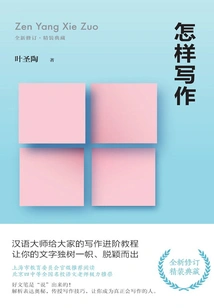
Writing is a technical job. How to accumulate materials? How to draw up an outline? How to lay out the text? After writing the document, how to modify the content... If you don't understand these, you will only get half the result with half the effort if you start blindly. This book condenses Mr. Ye Shengtao's decades of article writing experience. Through 21 articles focusing on various aspects of writing, the book uses examples, comparisons and other methods to clarify the key points of writing in an all-round and multi-angle manner and analyze the secrets of expression, allowing you to quickly improve your writing skills and become a good writer as soon as possible.
Writing is a technical job. How to accumulate materials? How to draw up an outline? How to lay out the text? After writing the document, how to modify the content... If you don't understand these, you will only get half the result with half the effort if you start blindly. This book condenses Mr. Ye Shengtao's decades of article writing experience. Through 21 articles focusing on various aspects of writing, the book uses examples, comparisons and other methods to clarify the key points of writing in an all-round and multi-angle manner and analyze the secrets of expression, allowing you to quickly improve your writing skills and become a good writer as soon as possible.
Seventy-two Writing Lessons
Literature七十二堂写作课
Xia Chuzun Ye Shengtao
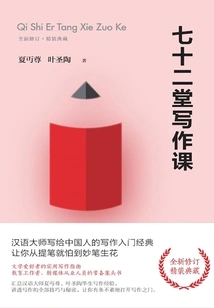
When we talk about writing, what are we talking about? How to tell a story well? How to explain a truth clearly? How to write touching words? How to write thrilling copy? This book summarizes the lifelong writing experience of two Chinese masters, Mr. Xia Chuzun and Ye Shengtao. Through 72 easy-to-understand courses, using the system as the outline, articles as examples, and genre as the entry point, supplemented by after-class exercises, it helps you master the inherent laws and training methods of writing step by step, and truly achieve high-level advancement in writing.
When we talk about writing, what are we talking about? How to tell a story well? How to explain a truth clearly? How to write touching words? How to write thrilling copy? This book summarizes the lifelong writing experience of two Chinese masters, Mr. Xia Chuzun and Ye Shengtao. Through 72 easy-to-understand courses, using the system as the outline, articles as examples, and genre as the entry point, supplemented by after-class exercises, it helps you master the inherent laws and training methods of writing step by step, and truly achieve high-level advancement in writing.
小说面面观(E.M.福斯特作品系列)
H
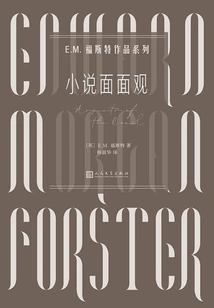
"Aspects of Novel" is a must-read classic for those engaged in novel writing, literary criticism and appreciation to understand the mysteries of the art of novels. After "A Passage to India", Forster turned his focus to lecturing and literary criticism. In 1927, he was invited to give lectures at Cambridge University, and a series of lectures became the basis of "Aspects of the Novel". The book is divided into nine chapters, covering seven aspects of the novel: story, character, plot, fantasy, prophecy, pattern, and rhythm. Forster believes that the task of the novelist is to master these aspects skillfully and achieve "everything is covered". "Aspects of the Novel" is Forster's only literary criticism monograph and is recognized as the most important classic of novel aesthetics in the 20th century.
"Aspects of Novel" is a must-read classic for those engaged in novel writing, literary criticism and appreciation to understand the mysteries of the art of novels. After "A Passage to India", Forster turned his focus to lecturing and literary criticism. In 1927, he was invited to give lectures at Cambridge University, and a series of lectures became the basis of "Aspects of the Novel". The book is divided into nine chapters, covering seven aspects of the novel: story, character, plot, fantasy, prophecy, pattern, and rhythm. Forster believes that the task of the novelist is to master these aspects skillfully and achieve "everything is covered". "Aspects of the Novel" is Forster's only literary criticism monograph and is recognized as the most important classic of novel aesthetics in the 20th century.
Zheng Zhenduo Talks About Literature
Literature郑振铎谈文学
Zheng Zhenduo
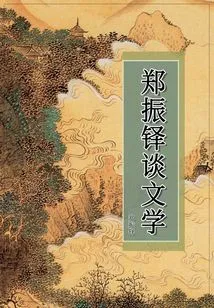
This book contains most of the essays, reviews and miscellany (twenty-six articles) on literary issues written by the author from 1919 to before his death. The content involves literary theoretical issues such as literary definition, literary mission, and literary classification, as well as special issues such as poetry, literary writers, movies, and publications.
This book contains most of the essays, reviews and miscellany (twenty-six articles) on literary issues written by the author from 1919 to before his death. The content involves literary theoretical issues such as literary definition, literary mission, and literary classification, as well as special issues such as poetry, literary writers, movies, and publications.
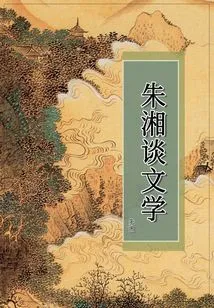
Zhu Xiang Talks About Literature
Literature朱湘谈文学
Zhu Xiang
Zhu Xiang (1904-1933.12.5), Also known as Ziyuan, was originally from Taihu, Anhui. He was born in Yuanling, Hunan. His parents died young. In 1925, he published his first collection of poems, "Summer". In 1926, he founded his own publication "Xinwen", which only published his own poems and translated poems and published them himself. Due to economic constraints, only two issues were issued. In 1927, his second collection of poems, "Cao Mang", was published. From September 1927 to September 1929, he studied in the United States. After returning to China, his life was turbulent. He traveled around to find a career, and family conflicts gradually intensified. During this period, he taught in the Foreign Languages Department of National Anhui University (now Anhui Normal University), but he was at odds with the school. On December 5, 1933, on a passenger ship from Shanghai to Nanjing, he jumped into Qingbo and committed suicide.
Zhu Xiang (1904-1933.12.5), Also known as Ziyuan, was originally from Taihu, Anhui. He was born in Yuanling, Hunan. His parents died young. In 1925, he published his first collection of poems, "Summer". In 1926, he founded his own publication "Xinwen", which only published his own poems and translated poems and published them himself. Due to economic constraints, only two issues were issued. In 1927, his second collection of poems, "Cao Mang", was published. From September 1927 to September 1929, he studied in the United States. After returning to China, his life was turbulent. He traveled around to find a career, and family conflicts gradually intensified. During this period, he taught in the Foreign Languages Department of National Anhui University (now Anhui Normal University), but he was at odds with the school. On December 5, 1933, on a passenger ship from Shanghai to Nanjing, he jumped into Qingbo and committed suicide.
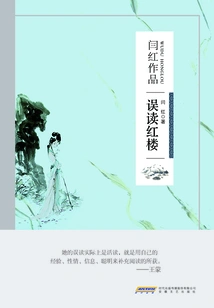
Misreading the Red Mansion
Literature误读红楼
Yan Hong
There are currently a vast number of books on red studies. The author of this book has a new idea. From a modern perspective, he uses his own unique vision and life experience to interpret the main characters in "A Dream of Red Mansions" one by one. It has a youthful and fashionable atmosphere and the author's unique personal sensitivity. The self-proclaimed "misreading" is actually a characteristic, which gives the study of "Dream of Red Mansions" another direction and possibility of interpretation.
There are currently a vast number of books on red studies. The author of this book has a new idea. From a modern perspective, he uses his own unique vision and life experience to interpret the main characters in "A Dream of Red Mansions" one by one. It has a youthful and fashionable atmosphere and the author's unique personal sensitivity. The self-proclaimed "misreading" is actually a characteristic, which gives the study of "Dream of Red Mansions" another direction and possibility of interpretation.
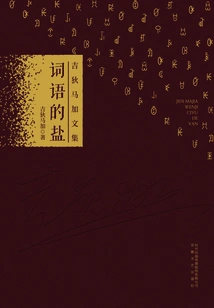
词语的盐(吉狄马加文集)
Jidi Maga
This book collects Jidi Maga's speeches and comments from the 1980s to the present, including the author's speeches and speeches at important conferences across the country and around the world. For example, the author's speech "My poetry comes from the culture I am familiar with" at the National Youth Entrepreneurship Conference in 1986 shows the origin of the author's literary path and his determination to continue on. His speech at the 2018 "Tadeusz Michinsky Phoenix Prize for Expressionism" award ceremony, "The Responsibility of Poetry is Not Just Self-Discovery," and his speech at the opening ceremony of the 2018 "One Belt, One Road" Poetry Lamp Lights Up the World International Poetry Week in Zigong, China, "Another Temple of Humanity Built by the Salt and Light of Words," etc. It comprehensively displays Jidi Maga's academic pedigree, mental journey, and poetic achievements, allowing readers to appreciate the poet's surging passion, soaring reverie, and his "rich lyrical temperament, deep and soft language", as well as his broad international vision, profound human consciousness, and profound cultural heritage.
This book collects Jidi Maga's speeches and comments from the 1980s to the present, including the author's speeches and speeches at important conferences across the country and around the world. For example, the author's speech "My poetry comes from the culture I am familiar with" at the National Youth Entrepreneurship Conference in 1986 shows the origin of the author's literary path and his determination to continue on. His speech at the 2018 "Tadeusz Michinsky Phoenix Prize for Expressionism" award ceremony, "The Responsibility of Poetry is Not Just Self-Discovery," and his speech at the opening ceremony of the 2018 "One Belt, One Road" Poetry Lamp Lights Up the World International Poetry Week in Zigong, China, "Another Temple of Humanity Built by the Salt and Light of Words," etc. It comprehensively displays Jidi Maga's academic pedigree, mental journey, and poetic achievements, allowing readers to appreciate the poet's surging passion, soaring reverie, and his "rich lyrical temperament, deep and soft language", as well as his broad international vision, profound human consciousness, and profound cultural heritage.
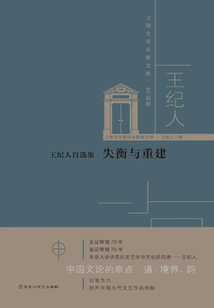
王纪人自选集:失衡与重建
Wang Jiren
This book collects Wang Jiren's literary criticism written after 2011. The idea throughout the book is that "the origin of Chinese literary theory is Tao, realm and rhyme. These three constitute the meta-structure of Chinese literary theory. By grasping it, we will find the value of Chinese literature and art, and also regain the right to speak with Western literary theory and the integration of China and the West."
This book collects Wang Jiren's literary criticism written after 2011. The idea throughout the book is that "the origin of Chinese literary theory is Tao, realm and rhyme. These three constitute the meta-structure of Chinese literary theory. By grasping it, we will find the value of Chinese literature and art, and also regain the right to speak with Western literary theory and the integration of China and the West."
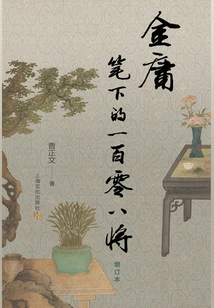
金庸笔下的一百零八将
Cao Zhengwen
"The One Hundred and Eight Generals Written by Jin Yong" (enhanced edition) is a collection of commentaries on Jin Yong's characters written by Dr. Cao Zhengwen, Mishu. Short in length and concise in language, Chat About a Thousand Words brings the representative characters in Jin Yong's works to life one by one. The well-known painter Xie Chunyan specially drew 30 figures of Jin Yong for this book, which has become a highlight of the book. For martial arts lovers, it is a good introductory book to read.
"The One Hundred and Eight Generals Written by Jin Yong" (enhanced edition) is a collection of commentaries on Jin Yong's characters written by Dr. Cao Zhengwen, Mishu. Short in length and concise in language, Chat About a Thousand Words brings the representative characters in Jin Yong's works to life one by one. The well-known painter Xie Chunyan specially drew 30 figures of Jin Yong for this book, which has become a highlight of the book. For martial arts lovers, it is a good introductory book to read.
宁夏诗词学会三十年《夏风》评论选
Ningxia Poetry Society
This book is one of the Ningxia Blue Book series, which is the research result of the Institute of Rural Economics of the Ningxia Academy of Social Sciences on the ecological situation of Ningxia as a whole in 2018. The main content is a review, special topics, research and major events, etc. It is an overall study of Ningxia's ecological policies, conditions, technology and current situation in 2018.
This book is one of the Ningxia Blue Book series, which is the research result of the Institute of Rural Economics of the Ningxia Academy of Social Sciences on the ecological situation of Ningxia as a whole in 2018. The main content is a review, special topics, research and major events, etc. It is an overall study of Ningxia's ecological policies, conditions, technology and current situation in 2018.
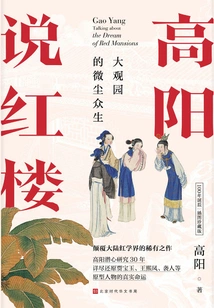
Gao Yang Talks About the Red Mansion
Literature高阳说红楼
Gaoyang
Gao Yang, an influential master of historical novels in the field of Red Mansions, put forward his own unique views on issues that have always been controversial in the study of Red Mansions. For example, are there any correspondence between the characters in "A Dream of Red Mansions" and Cao Xueqin's family? What is the reason for the decline of the Cao family revealed in "Concubine Yuan's marriage"? Gao Yang picked up various theories from the historical context, repeatedly compared the "Gengchen version" and the "Cheng Yi version" to lead us to explore the little-known creative inside story of "A Dream of Red Mansions" and lead us into the sentient world of the Grand View Garden. This book can be said to be a rare work that subverts the red scholarship in mainland China. It also contains 60 illustrations from the collection of the Palace Museum.
Gao Yang, an influential master of historical novels in the field of Red Mansions, put forward his own unique views on issues that have always been controversial in the study of Red Mansions. For example, are there any correspondence between the characters in "A Dream of Red Mansions" and Cao Xueqin's family? What is the reason for the decline of the Cao family revealed in "Concubine Yuan's marriage"? Gao Yang picked up various theories from the historical context, repeatedly compared the "Gengchen version" and the "Cheng Yi version" to lead us to explore the little-known creative inside story of "A Dream of Red Mansions" and lead us into the sentient world of the Grand View Garden. This book can be said to be a rare work that subverts the red scholarship in mainland China. It also contains 60 illustrations from the collection of the Palace Museum.
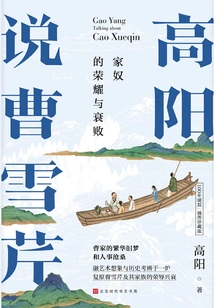
Gao Yang Talks About Cao Xueqin
Literature高阳说曹雪芹
Gaoyang
Historian Gao Yang is a master at describing characters. He used his rich and keen novel creation experience to read "A Dream of Red Mansions" and figure out Cao Xueqin's creative psychology. In particular, he used his extraordinary textual research vision and extensive knowledge of the Qing Dynasty's Eight Banners system and personnel and cultural relics to systematically summarize and sort out Cao Xueqin's life. During the ups and downs of the Tao, it gives insight into the subtleties of people's hearts, vividly restores the flesh-and-blood image of a down-and-out young man from a noble family, and shows Cao Xueqin's compassionate feelings and rough life. This is a masterpiece by Gao Yang, the master of historical novels. The book contains 56 illustrations from the collection of the Palace Museum.
Historian Gao Yang is a master at describing characters. He used his rich and keen novel creation experience to read "A Dream of Red Mansions" and figure out Cao Xueqin's creative psychology. In particular, he used his extraordinary textual research vision and extensive knowledge of the Qing Dynasty's Eight Banners system and personnel and cultural relics to systematically summarize and sort out Cao Xueqin's life. During the ups and downs of the Tao, it gives insight into the subtleties of people's hearts, vividly restores the flesh-and-blood image of a down-and-out young man from a noble family, and shows Cao Xueqin's compassionate feelings and rough life. This is a masterpiece by Gao Yang, the master of historical novels. The book contains 56 illustrations from the collection of the Palace Museum.
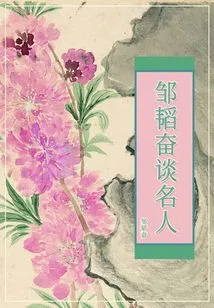
Zou Taofen Talks About Celebrities
Literature邹韬奋谈名人
Zou Taofen
Zou Taofen is a famous news reporter, newspaper editor, and publisher in modern my country. He is also an outstanding news critic in the history of modern newspapers in my country. He has edited "Life Weekly", "Popular Life Weekly", etc. Since he edited "Life Weekly", he has published 500,000 to 600,000 words of news comments in various forms, which has a great influence among readers. Among them, the "little remarks" in "Life Weekly" are the most representative. Each issue of "Little Comments" is written by Zou Taofen, focusing on matters closely related to the people in a hundred words, short and concise, and the language is easy to understand. He said that this is "the most laborious article every week. Every time I try my best to express my opinion on the things that the general readers think should be said in a few words." To sum up, "little remarks" have the following distinctive characteristics: 1. Relying on the origin and relevant to people's livelihood; 2. Short and concise, explaining the profound things in a simple way; 3. Colloquial and popular discourse; 4. The title is novel and attractive. In short, Zou Taofen's small remarks are always written with the reader in mind, and they are all manifestations of the concept of readers first. He always comments based on what he says and never sits back and talks, which is very in line with the audience's acceptance psychology and acceptance level.
Zou Taofen is a famous news reporter, newspaper editor, and publisher in modern my country. He is also an outstanding news critic in the history of modern newspapers in my country. He has edited "Life Weekly", "Popular Life Weekly", etc. Since he edited "Life Weekly", he has published 500,000 to 600,000 words of news comments in various forms, which has a great influence among readers. Among them, the "little remarks" in "Life Weekly" are the most representative. Each issue of "Little Comments" is written by Zou Taofen, focusing on matters closely related to the people in a hundred words, short and concise, and the language is easy to understand. He said that this is "the most laborious article every week. Every time I try my best to express my opinion on the things that the general readers think should be said in a few words." To sum up, "little remarks" have the following distinctive characteristics: 1. Relying on the origin and relevant to people's livelihood; 2. Short and concise, explaining the profound things in a simple way; 3. Colloquial and popular discourse; 4. The title is novel and attractive. In short, Zou Taofen's small remarks are always written with the reader in mind, and they are all manifestations of the concept of readers first. He always comments based on what he says and never sits back and talks, which is very in line with the audience's acceptance psychology and acceptance level.